从此走进深度人生 Deep net, deep life.

作者: deepoo

  • WELLS WILLIAMS《The Middle Kingdom》10-14

    CHAPTER X. STRUCTURE OF THE CHINESE LANGUAGE

    It might reasonably be inferred, judging from the attention paid to learning, and the honors conferred upon its successful votaries, that the literature of the Chinese would contain much to repay investigation. Such is not the case, however, to one already acquainted with the treasures of Western science, and, in fairness, such a comparison is not quite just. Yet it has claims to the regard of the general student, from its being the literature of so vast a portion of the human species, and the result of the labors of its wisest and worthiest minds during many successive ages. The fact that it has been developed under a peculiar civilization, and breathes a spirit so totally different from the writings of Western sages and philosophers, perhaps increases the curiosity to learn what are its excellences and defects, and obtain some criteria by which to compare it with the’ literature of other Asiatic or even European nations. The language in which it is written—one peculiarly mystical and diverse from all other media of thought—has also added to its singular reputation, for it has been surmised that what is ” wrapped up ” in such complex characters must be pre-eminently valuable for matter or elegant for manner, and not less curious than profound. Although a candid examination of this literature will disclose its real mediocrity in points of research, learning, and genius, there yet remains enough to render it worthy the attention of the oriental or general student.

    Some of its peculiarities are owing to the nature of the language, and the mode of instruction, both of which have affected the style and thoughts of writers : for, having, when young, been taught to fonii their sentences upon the models of anti(juity, their efforts to do so have nioiikled their thoughts in the same channoL Imitation, from beiiii;- a chity, soon became a necessity.

    INFLUEXCJ’; OF THE LANGUAGE UPON LITERATURE. 579

    The Chinese scholar, forsaking the leadings of his own genius, soon learned to regard his models as not only being all truth themselves, but as containing the sum total of all things valuable. The intractable nature of the language, making it impossible to study other tongues through the medium of his own, moreover tended to repress all desire in the scholar to become acquainted with foreign books ; and as he knew nothing of them or their authors, it was easy to conclude that there was nothing worth knowing in them, nothing to repay the toil of study, or make amends for the condescension of ascertaining.

    The neighbors of the Chinese have unquestionably been their inferiors in civilization, good government, learning, and wealth; and this fact has nourished their conceit, and repressed the wish to travel, and ascertain what there was in remoter regions. In judging of the character of Chinese literature, therefore, these circumstances among others under which it has risen to its present bulk, must not be overlooked; we shall conclude that the uniformity running through it is perhaps owing as much to the isolation of the people and servile imitation of their models, as to their genius: each has, in fact, mutually acted upon and influenced the other.

    The ” homoglot ” character of the Chinese people has arisen more from the high standard of their literature, and the political institutions growing out of its canonical books (which have impelled and rewarded the efforts of students to master the language), than from any one other cause. This feature offers a great contrast to the polyglot character which the Romans possessed even to the last, and suggests the cause and results as interesting topics of inquiry. The Egyptian, Jewish, Syriac, Greek, and Latin languages had each its own national literature, and its power was enough to retain these several nations attached to their own mother tongue, while the Clauls, Iberians, and other subject peoples, having no books, took the language and literature of their rulers and conquerors. Thus the kingdom, “part iron and part clay,” fell apart as soon as the grasp of Rome was weakened ; while the tendency in China always has been to reunite and homologate.

    In this short account of the Chinese tongue, it will be sufficient to give such notices of the origin and construction of the characters, and of the idioms and soimds of the written and spoken language, as shall convey a general notion of all its pai’ts, and to show the distinction between the spoken and written media, and their mutual action. They are both archaic, because the symbols prevented all inHexion and agglutination in the sounds, and all signs to indicate what part of speech each belonged to. They are like the ten digits, containing no vocable and imparting their meaning more to the eye than the ear.

    Chinese writers, unable to trace the gradual formation of their characters (for, of course, there could be no intelligible historical data until long after their formation), have ascribed them to llwangti, one of their primeval monarchs, or even earlier, to Fuli-hi, some thirty centuries before Christ ; as if they deemed writing to be as needful to man as clothes or marriage, all of which came from Fuli-hi. A mythical personage, Tsangkieh, who flourished about b.c. 2700, is credited with the invention of symbols to represent ideas, from noticing the marking on tortoise shell, and thence imitating common objects in nature.

    The Japanese have tried to attach their Txana to the Chinese characters to indicate the qase or tense, but the combination looks incongruous to an educated Chinese. We might express, though somewhat crudely, analogous combinations in English by endeavoring to wa*ite l-^5y, l-;^(“6′-s’, \-ted^ for unity, oneness, united, or 3-1 God for triune God.

    ORIGIN OF THE LANGUAGE. 581

    At this crisis, when a medium for conveying and giving permanency to ideas was formed, Chinese historians say : ” The heavens, the earth, and the gods, were all agitated. The inhabitants of hades wept at night ; and the heavens, as an expression of joy, rained down ripe grain. From the invention of writing, the machinations of the human heart began to operate; stories false and erroneous daily increased, litigations and imprisonments sprang up ; hence, also, specious and artful language, which causes so much confusion in the world. It was for these reasons that the shades of the departed wept at iiiglit.

    But from the invention of writing, polite intercourse and music proceeded; reason and insticc were made manifest; the rehations of social life were ilhistiated. and laws became fixed.

    Governors had laws to which they might refer; scholars had authorities to venerate; and hence, the heavens, delighted, rained down ripe grain. The classical scholar, the historian, the mathematician, and the astronomer can none of them do without wn-iting ; were there no written language to afford proof of passing events, the shades might weep at noonday, and the heavens rain down blood.” ‘ This singular myth may, perhaps, cover a genuine fact worthy of more than passing notice—indicatiuii; a consentaneous effort of the early settlers on the Yellow River to substitute for the purpose of recording laws and events something more intelligible than the knotted cords previously in use. Its form presents a curious contrast to the personality of the fable of Cadmus and his invention of the Greek letters.

    The date of the origin of this language, like that of the letters of western alphabets, is lost in the earliest periods of postdihivian history, but there can be no doubt that it is the most ancient language now spoken, and along with the Egyptian and cuneiform, among the oldest written languages used by man. The Ethiopic and Coptic, the Sanscrit and Pali, the Syriac, Aramaic, and Pehlvic, have all become dead languages; and the Greek, Latin, and Persian, now spoken, differ so much

    ‘ Professor H. A. Sayce, o: Oxford, in reference to a suggested possible connection between the Chinese and primitive Accadian population of Chaldea, says in a letter to the London Timcts : ” I would mention one fact which niay certainly be considered to favor it. The cuneiform characters o. Eabylonia and Assyria are, as is well known, degenerated hieroglyphics, Hive the modern Chinese characters. The original hieroglyphics were invented by the Accadians before they descended into Babylonia from the mountains of Elam, and I have long been convinced that they were originally written in vertical columns. In no other way can I explain the fact that most of the pictures to which the cuneiform characters can be traced back stand upon their sides.

    There is evidence to show that the inventors of the liieroslyphics iised papyrus, or some similar vegetable substance, for writing purposes before the alluvial plain of Babylonia furnished them with clay, and the use of such a writing material will easily account for the vertical direction in which the characters were made to run.” from the ancient style, as to require special study to understand the books in them: while during successive eras, the written and spoken language of the Chinese has undergone few alterations, and done nnieh to deepen the broad line of demarkation between them and other branches of the hunuin race. The fact, then, that this is the only living language which has survived the lapse of ages is, doubtless, owing to its ideographic character and its entire absence of sound as an integral factor of any symbol. Their form and meaning were, therefore, only the more strongly united because each reader was at liberty to sound them as he pleased or had been taught by local instructors, lie was not hindered, on account of his local Itrogue^

    from counmmicating ideas with those who employed the same

    signs in writing. Upon the subsequent rise t)f a great and valuable

    literature, the maintenance of the written language was

    the chief element of national life and integrity among those

    peoples who read and admired the books. Nor has this language,

    like those of the Hebrews, the Assyrians, and others

    already mentioned, ever fallen into disuse and been supplanted

    by the sudden rise and physical or intellectual vigor of some

    neighboring community speaking a jKitois. For we find that

    alphabetic languages, whose words represent at once meaning

    and sound, are as dependent upon local dialects as is the

    Chinese tongue upon its symbols ; consequently, when in the

    former case the sounds had so altered that the meanings were

    obscured, the mode of writing was likely to be changed. The

    extent of its literature and uses made of it were then the only

    safeguard of the written forms ; while as men learned to read

    books they became more and more prone to associate sense and

    form, regarding the sound as traditionary. AVe have, in illustration

    of this, to look no further than to our own language,

    whose cumbersome spelling is in a great measure resulting from

    a dislike of changing old associations of sense and form which

    would be involved in the adoption of a phonetic sj’stem.

    The Chinese have had no inducement, at any stage of their

    existence, to alter the forms of their symbols, inasmuch as no

    nation in Asia contiguous to their own has ever achieved a literature

    which could rival theirs ; no conqueror came to impose

    IDEOGRAPHIC NATURE OF THE SYMBOLS. 583

    his tongue upon them ; tlieir language completely isolated them

    from intellectual intercourse with others. This isolation, fraught

    with many disadvantages in the contracted nature of their literature,

    and the reflux, narrowing influence on their minds, has

    not been without its compensations. A national life of a

    unique sort has resulted, and to this self- nurtured language

    may be traced the origin of much of the peace, industry, population,

    and healthy pride of the Chinese people.

    The Chinese have paid great and praiseworthy attention to their language, and furnished us with all needed books to its study. Premising that the original symbols were ideographic, the necessities of the case compelled their contraction as much as possible, and soon resulted in arbitrary signs for all common uses. Their symbols varied, indeed, at different times and in different States ; it was not until a genuine literature appeared and its readers multiplied that the varients were dropped and uniformity sought. The original characters of this language are derived from natural or artificial objects, of which they were at first the rude outlines. Most of the forms are preserved in the treatises of native philologists, where the changes they have gradually undergone are shown. The number of objects chosen at first was not great ; among them were symbols for the sun, moon, hills, animals, parts of the body, etc. ; and in drawing them the limners seem to have proposed nothing further than an outline sketch, which, by the aid of a little explanation, would be intelligible. Thus the picture ^ would probably be recognized by all who saw it as representing the moon ; that of ^ as a fish / and so of others. It is apparent that the number of pictures which could be made in this manner would beai” no proportion to the w’ants and uses of a language, and therefore recourse must soon be had to more complicated symbols, to combining those already understood, or to the adoption of arbitrary or phonetic signs. All these modes have been more or less employed.

    Chinese philologists arrange all the characters in their language into six classes, called Liushu, or ‘six writings’. The first, called slang king, morphographs. or ‘ imitative symbols,’ are those in which a plain resemblance can be traced between the original form and the object represented ; they are among the first characters invented, although the six hundred and eight placed in this class do not include all the original symbols, These pristine forms have since been nioditied so much that the resemblance has disappeared in most of them, caused chiefly by the use of paper, ink, and pencils, instead of the iron style

    and bamboo tablets formerly in use for writing ; circular strokes

    being more distinctlj^ made with an iron point upon the hard

    wood than with a hair ])encil upon thin paper ; angular strokes

    and square forms, therefore, gradually took the place of round

    or curved ones, and contracted characters came into use in place

    of the oi’iginal imitative symbols. In this class such characters

    as the followin<r are ijiven :

    ^^A^-^t^^ tortoise,

    altered to chariot. child, elephant, deer, vase, hill, eye.

    kwei, chi,

    The second class, only one hundred and seven in number, is

    called chi S3\ i.e., ‘ symbols indicating thought.’ They differ

    from the preceding chiefly in that the characters are formed by

    combining previously formed symbols in such a way as to indi«

    cate some idea easily deducible from their position or combination,

    and pointing out some property or relative circumstance

    belonging to them. Chinese philologists consider these two

    classes as comprising all the symbols in the language, which

    depict objects either in whole or in part, and whose meaning is

    apparent from the resemblance to the object, or from the posi-

    Moii of the ])ai’ts. Among those; placed in this class are,

    ^ moon half appearing, signili(;s e\ening ; now written ^

    O sun above the horizon, denotes nn)rning ; now written J9.

    y something in the mouth, meaning sweet ; now written ^

    SIX CLASSES OF CHARACTERS. 585

    The third class, amounting to seven Iiundred and forty characters,

    is called hioid i, i.e., ‘ combined ideas,” or ideographs, and

    comprises characters made up of two or three symbols to foi-m a

    single idea, whose meanings are dcdiieible either from their position,

    or supposed relative intiuence upon each other. Thus the

    union of the sun and moon, ^ luuttj, expresses brightness; ^

    lien, a piece of wood in a doorway, denotes obstruction ; two

    trees stand for a forest, as ^^ lin ; and three for a thicket, as ^^-^

    mil ; two men upon the ground conveys the idea of sitting ; a

    ‘mouth in a doof signifies to ask ; man and words means truth

    and to believe ; heart and death imports forgetfulness ; dog and iiioidh means to bark ; woman and hfoom denotes a wife, referring to her household duties ; i)encil and to speah is a book, or to write. But in none of these compounded characters is there anything like that perfection of picture writing stated by some writers to belong to the language, which will enable one unacquainted with the meaning of the separate symbols to decide upon the signification of the combined group. On the contrary

    it is in most cases certain that the third idea made by combining

    two already known symbols, usually required more or less

    explanation to fix its precise meaning, and remove the doubt

    which would otherwise arise. For instance, the combination of

    the sun and moon might as readily mean a solar or lunar eclipse,

    or denote the idea of time, as brightness. A piece of wood in a doorway would almost as naturally suggest a thre-shold as an ohstr actioIt / and so of others, A straight line in a doorway would more readily suggest a closed or bolted door, which is the signification of p^ shan, anciently written f\^ ; but the idea intended to be conveyed by these combinations would need prior explanation as much as the primitive symbol, though it would thenceforth readily recur to mind when noticing the construction.

    It is somewhat singular that the opinion should have obtained so much credence, that their meanings were easily deducible from their shape and construction. It might almost be said, that not a single character can be accurately defined from a mere inspection of its parts ; and the meanings now given of some of those which come under this class are so arbitrary and far-fetclied, as to show that Chinese characters have not been formed by rule and plummet more than words in other languages. The mistake which Du Ponceau so learnedly combats arose, probably, from confounding sound with construction and inferring that, because persons of different nations, who used this as their written language, could understand it when written, though mutually unintelligible when speaking, that it addressed itself so entirely to the eye, as to need no previous explanation.

    The fourth class, called chuen chu, ‘ inverted significations,’

    includes three hundi-ed and seventy-two characters, being such

    as b}^ some inversion, contraction, or alteration of their parts,

    acquire different meanings. This class is not large, but these

    and other modifications of the original symbols to express abstract

    and new ideas show that those who used the language

    either saw at once how cumbrous it would become if they went

    on forming imitative signs, or else that their invention failed,

    and they resorted to changes more or less arbitrary in characters

    already known to furnish distinctive signs for different

    ideas. Thus yu j^ the hand, turning toward the right means

    the right; inclined in the other direction, as tso ‘\ it means

    the left. The heart placed beneath slave, i^ signifies anger;

    threads obstructed, as || , means to sunder ; but turned the

    other way, as H , signifies continuous.

    The fifth class, called hml shing, i.e., ‘ uniting sound symbols,’

    or phonogram, contains twenty-one thousand eight hundred

    and ten characters, or nearly all in the language. They

    are formed of an imitative symbol united to one which merely

    imparts its sound to the compound ; the former usually partakes

    more or less of the new idea, while the latter loses its

    own meaning, and gives only its name. In this respect, Chinese

    cliaracters are superior to the Arabic numerals, inasmuch

    as combinations like 25, 101, etc., although conveying the same

    meaning to all nations using them, can neiier indicate sound.

    This plan of forming new conjbinations by the union of symbols

    expressing idea and sound, enables the Chinese to increase

    the mnnber of charactei’s without multiplying the original symbolcj;

    but these compoundfe, or lcx’i<jraj_>hs^ us \j\\. I’ouceau callji

    METHOD OF FORMING PHONETIC CHARACTERS. 587

    tlieni, do nut increase very rapidly. In Annum they liave become

    so numerous in the course of years that the Chinese

    books made in that country are hard to i-ead. The probable

    mode in wliich this arose can best be explained by a case which

    occurred at Canton in 1832. Innnature locusts were to be described

    in a proclamation, l)ut the word nan, by which they

    were called, was not contained in any dictionary. It would be

    sufficient to designate this insect to all persons living where it

    was found by selecting a well-understood character, like ^

    south, having the exact sound nan, by which the insect itself

    was called, and joining it to the determinative symbol clmnfj

    ^ insect. It woidd then signify, to every one who knew the

    sound and meaning of the component parts, the insect nan ^

    and be read nan, ^ meaning this very insect to the people in

    Kwangtung. If this new combination was carried to a distant

    part of the country, where the insect itself was unknown, it

    would convey no more information to the Chinese who sav:) the

    united symbol, than the sounds insect nan would to an Englishman

    who heard them ; to both persons a meaning must be

    given by describing the insect. If, however, the people living

    in this distant region called the phonetic part of the new character

    by another sound, as oiam, nein, or lam, they would attach

    another name to the new compound, but the people on the

    spot would, perhaps, not understand them when they spoke it

    by tliat name. If they wrote it, however, both would give it

    the same signification, but a different sound.

    In this way, the thousands of characters under this class have probably originated. But this rule of sounding them according to the phonetic part is not in all cases certain; for in the lapse of time, the sounds of many characters have changed, while those of the parts themselves have not altered ; in other cases, the parts have altered, and the sounds remained ; so that now only a great degree of probability as to the correct sound can be obtained by inspecting the component parts. The similarity in sound between most of the characters having the same phonetic part is a great assistance in reading Chinese, though very little in understanding it, and has had much influence in keeping the sounds unchanged.

    There are a few instances of an almost inadvertent arrival at a true syllabic system, Ijy which the initial consonant of one part, Avhen joined to the final vowel of the other, gives the sound of the character; as ina andy?’, in the character j|l, when united in this way, make ml. The meanings of the components are hemp and not, that of the compound is extradayant, ‘wasteful, etc., showing no relation to the primary signification.

    The number of such characters is veiy small, and the syllabic composition here noticed is probably fortuitous, and not intentional. The sixth class, called hla tsle, i.e., ‘borrowed uses’, includes metaphoric symbols and combinations, m which the meaning is deduced by a somewhat fanciful accommodation ; their number is five hundred and ninety-eight. They differ but little from the second class of indicative symbols. For instance, the symbol ‘”f^ or j^, meaning a written character, is composed of a child under a shelter—characters being considered as the well-nurtured offspring of hieroglyphics. The character for hall means also mother, because she constantly abides there. The word for ‘//dnd or heart is sin ^, originally intended to represent that organ, but now used chiefly in a metaphorical sense. Chinese grammarians find abundant scope for the display of their fancy in explaining the etymology and origin of the characters, but the aid which their researches give toward understanding the language as at present used is small. This classification under six lieads is modern, and was devised as a means of arranging what existed already, for they confess that their characters were not formed according to fixed rules, and have gradually undergone many changes.

    MODES OF AKHANGING CIIAKACTERS. 589

    The total number in the six classes is twenty-four thousand two hundred and thirty-five, being many less than are found in KangXi’s Dictionary, which amount to forty-four thousand four hundred and forty-nine ; but in the larger sum are included the obsolete and synonymous characters, which, if deducted, would reduce it to nearly the same number. It is probable that the total of really different characters in tlie language sanctioned by good usage, does not vary greatly from twenty-five thousand, though luithors have stated them at from fifty-four thousand four hundred and nine, as Magaillaus does, up to two hundred and sixty thousand eight hundred and ninety-nine, as Montueci.

    The Chinese editor of the hirge lexicon on which Dr. Morrison founded his Dictionary, gives it as his opinion that there are fifty thousand characters, including synonyms and different forms; and taking in every variety of tones given to the words, and sounds for which no characters exist, that there are five thousand different words. But even the sum of twenty-five thousand different characters contains thousands of miusual ones which are seldom met with, and which, as is the case with old words in English, are not often learned.

    The burden of remembering so many complicated symbols,

    whose form, sound, and meanings are all necessary to enable the

    student to read and write intelligibly, is so great that the result

    has been to diminish those in connnon nse, and increase their

    meanings. This course of procedure really occurs in most languages,

    and in the Chinese greatly reduces the labor of acquiring

    it. It may be safely said, that a good knowledge of ten

    thousand characters will enable one to read any work in Chinese,

    and write intelligibly on any subject ; and Premare says a

    good knowledi2;e of four or five thousand characters is sulficient

    for all connnon purposes, while two-thirds of that number might

    in fact suffice. The troublesome ones are either proper names

    or technics peculiar to a particular science. The nine canonical

    works coi^.tain altogether oidy four thousand six hundred and

    one dljfevent characters, while in the Five Classics alone there

    are over two hundred thousand words. The entire number of

    different characters in the code of laws ti-anslated by Staunton is

    under two thousand.

    The invention of printing and the compilation of dictionaries

    have given to the form of modern characters a greater degree

    of certainty than they had in ancient times. The vai-iants of

    some of the most common ones were exceedingly numerous before

    this period ; Callery gives forty-two different modes of

    writing pao^ ‘ precious ; ‘ and forty-one for writing tsun, ‘honorable

    ; ‘ showing the absence of an acknowledged standard, and the

    slii»:ht intercourse between learned men. The best mode of arranging: the characters so as to find them easily, has been a subject of considerable trouble to Chinese lexicographers, and the various methods they have adopted renders it difficult to consult their dictionaries without considerable previous knowledge of the language. In some, those having the same sound are grouped together, so that it is necessary to know what a character is called before it can be found ; and this arrangement has been followed in vocabularies designed principally for the use of the common people. One well-known vocabulary used at Canton, called the Fan Yan^ or ‘ Divider of Sounds,’ is arranged on this plan, the words being placed under thirty-three orders, according to their terminations. Each order is subdivided into three or four classes according to the tones, and all the characters having the same tone and termination are placed together, as kam^ lam^ tarn, nam, etc. As might be supposed, it requires considerable time to find a character whose tone is not exactly known ; and even with the tone once mastered, the uncertainty is equally troublesome if the termination is not familiar: for singular as it may seem to those who are acquainted only with phonetic languages, a Chinese can, if anything, more readily distinguish between two words %ning and fining, whose tones are unlike, than he can between *^mmg and ^nieng, fining or thing, where the initial or final differs a little, and the tones are the same.

    An improvement on this plan of arrangement was made by adopting a mode of expressing the sounds of Chinese characters introduced by the Buddhists, in the Yah Plen, published a.d. 5-43, and ever since used in all dictionaries. This takes the initial of the sound of one character and the final of another, and combines them to indicate the sound of the given character ; as from U-qw and y-ing to form ling. There are thirty-six characters chosen for the initial consonants, and thirty-eight for the final sounds, but the student is perplexed by the different characters chosen in different works to represent them.’ The inhabitants of Amoy use a small lexicon called the Shih-‘wu

    Yin, or ‘ Fifteen Sounds,’ in which the characters are classified

    ‘ Biot has a brief note upon the metliods emplo^’ed by native scholars fd

    studying pronunciation. Esaai sur Vinstruction en Chine, p. 597.

    CLASSIFICATION ACCORDING TO COMPOSITION. 591

    on this principle, by first arranging them all nnder fifty finals,

    and then placing all those having the same termination in a

    regular series under fifteen initials. Su])posing a new character,

    chien, is seen, whose sound is given, or the word is heard in

    conversation and its meanings are wanted, the person turns to

    the part of the hook containing the final ien, which is designated

    perhaps by the character I’un, and looks along the initials

    until he comes to cA, which is indicated by the character chany.

    In this column, all the words in the book I’ead or spoken chien^

    OS whatever tone they may be, are placed together according to

    their tones ; and a little practice readily enables a person speaking

    the dialect to use this manual. It is, however, of little or no

    avail to persons speaking other dialects, or to those whose vernacular

    differs much from that of the compiler, whose own ear

    was his only guide. Complete dictionaries have been published

    on the phonetic plan, the largest of which, the ^Vu Che Tun

    Fu^ is arranged with so much minuteness of intonation as to

    puzzle even the best educated natives, and consequently abridge

    its usefulness as an expounder of words.

    The unfitness of either of these modes of arrangement to find an unkno\\Ti character, led to another classification according to their composition, by selecting the most prominent parts of each character as its key, or radical, and grouping those together in which the same key occurred. This plan was adopted subsequently to that of arranging the characters according to the sounds, about a.d. S-IS, when their number was put at

    five hundred and forty-two ; they were afterward reduced to

    tlii-ee hundred and sixty, and toward the close of the Ming dynasty

    finally fixed at two hundred and fourteen in the Tsz* Lui.

    It is now in general use from the adoption of the abridged dictionary, the Kanghi Ts^ Tien / though this number could have been advantageously reduced, as has been shown by Gon^alves, its universal adoption, more than anything else, renders it the best system. All characters found under the same radical are placed consecutively, according to the number of strokes necessary to write them, but no regularity is observed in placing those having the same number of strokes. The term j)rrmitiv6 has been technically applied to the remaining part of the character, which, though perhaps no older than the radical, is conveniently denoted by this word. The characters selected for the radicals are all common ones, and among the most ancient in the language ; they are here grouped according to their meanings in order to show something of the leading ideas followed in combination.

    Corporal.—Body, corpse, head, hair, down, whiskers, face, eye, ear, nose, mouth, teeth, tusk, tongue, hand, heart, foot, hide, leather, skin, wings, feathers, blood, flesh, talons, horn, bones.

    Biological.—Man, woman, child ; horse, sheep, tiger, dog, ox, hog, liog’a head, deer ; tortoise, dragon, reptile, mouse, toad ; bird, gallinaceous fowls; fish ; insect.

    Botanicul. — Herb, grain, rice, wheat, millet, hemp, leeks, melon, pulse, bamboo, sacrificial herb ; wood, branch, sprout, petal.

    Mineral.—Metal, stone, gems, salt, earth.

    Meteorological.—Rain, wind, fire, water, icicle, vapor, sound ; sun, moon, evening •, time.

    Utewtils.—A chest, a measure, a mortar, spoon, knife, bench, couch, crockery, clothes, tiles, dishes, napkin, net, plough, vase, tripod, boat, carriage, pencil ; bow, halberd, arrow, dart, ax, musical reed, drum, seal.

    Descriptives.—Black, white, yellow, azure, carnation, sombre ; color ; high, long, sweet, square, large, small, strong, lame, slender, old, fragrant, acrid, perverse, base, opposed.

    Actions.—To enter, to follow, to walk slowly, to arrive at, to stride, to walk, to run, to reach to, to touch, to stop, to fly, to overspread, to envelop, to encircle, to establish, to overshadow, to adjust, to distinguish, to divine, to see, to eat, to speak, to kill, to fight, to oppose, to stop, to embroider, to owe, to compare, to imitate, to bring forth, to use, to promulge.

    Miscellaneous.—A desert, cave, field, den, mound, hill, valley, rivulet, cliff, retreat. A city ; roof, gate, door, portico. One, two, eight, ten. Demon ; an inch, mile ; without, not, false ; a scholar, statesman, letters ; art, wealth; motion ; self, myself, father ; a point ; again ; wine ; silk ; joined hands ; a long journey ; print of a bear’s foot ; a surname ; classifier of cloth.

    The number of characters found under each of these radicals

    in Kanghi’s Dictionary varies from five up to one thousand three

    hundred and fifty-four. The radical is not uniformly placed,

    but its usual position is on the left of the primitive. Some occur

    on the top, others on the bottom ; son)e inclose the primitive,

    and many have no fixed place, making it evident that no uniform

    plan was adopted in the original construction. They must be

    thoroughly learned before the dictionary can be readily used.

    RADICALS AND PRIMITIVES. 593

    and some practice had before a cliaracter can be qnickly found.’

    Tlie groups occurring under a niajoi-ity of tlie radicals are more

    or less natural in their general meaning, a feature of the language

    wbich has already been noticed (page 375), Some of

    the radicals are interchanged, and characters having the same

    meaning sometimes occur under two or three different ones—

    variations which seem to have arisen from the little importance

    of a choice out of two or three similar radicals. Thus the same

    word tsien. ‘a small cup,’ is written under the three radicals

    gein^ jmreelain^ and liorn^ originally, no doubt, referring to the

    material for making it. This interchange of radicals adds

    greatly to the number of duplicate forms, which are still further

    increased by a similar interchange of primitives having the

    same sound. These two changes very seldom occur in the same

    character, but there are numerous instances of synonymous

    forms under almost every radical, arising from an intei”change

    of primitives, and also under analogous radicals caused by their

    reciprocal use. Thus, from both these causes, there are, under

    the radical riia^ ‘ a horse,’ one hundred and eighteen duplicate

    forms, leaving two hundred and ninety-three different words ;

    of the two hundred and four characters under nm, ‘an ox,’

    thirty-nine are synonymous forms ; and so under other radicals.

    These characters do not difFer in meaning more thanfavor and

    favour, or lady and larhje ; they are mere variations in the

    form of writing, and though apparently adding greatly to the

    number of characters, do not seriously increase the difficulty of

    learning; the language.

    Variants of other descriptions frequently occur in books,

    which needlessly add to the labor of learning the language.

    Ancient forms are sometimes adopted by pedantic writers to

    show their learning, while ignorant and careless writers use

    abridged or vulgar forms, because they either do not know the

    correct form, or are heedless in using it. AVhen such is the

    case, and the character cannot be found in the dictionary, the

    reader is entirely at fault, especially if he be a foreigner^

    though in China itself he would not experience much difficulty

    ‘ Easy Lessons in Chinese, pp. 8-29 ; Chinese Repository, Vol. III. , pp. 1-37Vol. I.—38

    where the natives were at liaiid to refer to. Vulgar forms are

    very commori in cheap books and letters, which are as unsanctioned

    by the dictionaries and good nsage, as cockney

    Dhrases or miner’s slang are in pure English. They arise,

    either from a desire on the part of the writer to save time by

    makinsr a contracted form of few strokes instead of the correct

    character of many strokes ; or he uses common words to express

    an energetic vulgar phrase, for which there are no authorized

    characters, but which will be easily understood phonetically by

    his readers. These characters would perchance not be understood

    at all outside of the range of the author’s dialect, because

    the phrase itself was new ; their individual meaning, indeed,

    has nothing to do with the interpretation of the sentence, for in

    this case they are merely signs of sound, like words in other languages, and lose their lexigraphic character. For instance,

    the words Ma-fi for coffee, hajMan for captain, ml-sz” for Mr ,

    etc., however they were written, would be intelligible to a

    native of Canton if they expressed those sounds, because he was

    familiar with the words themselves ; but a native of Shensi

    would not understood them, because, not knowing the things

    intended, he would naturally refer to the characters themselves

    for the meaning of the phrase, and thus be wholly misled.

    In such cases, the characters become mere syllables of a phonetic

    word. Foreign names are often transliterated by writers

    on geography or history, and their recognition is no easy task

    to their readers.’

    In addition to the variations in the forms of characters, there

    are six different styles of writing them, which correspond to

    black-letter, script, italic, roman, etc., in English. The first is

    called Chuen shu (from the name of the person who invented it),

    which foreigners have styled the seal cliaractet^ from its use in

    seals and ornamental inscriptions. It is next to the picture hieroglyphics,

    the most ancient fashion of writing, and has undergone

    many changes in the course of ages. It is studied by those who

    cut seals or inscriptions, but no books are ever printed in it.

    ‘ One may gain some idea of this difficulty by referring to the geographical names contained in the Russo-Chinese Treaty, quoted on page 215.

    EI Bm 13 HI EJ 5t EI J3H 5? Q Q B a nB[$1

    SIX STYLES OF ClIINESK CIIAIJACTEKS. 597

    The second is the 11 shi, or style of official attendants, which

    was introduced about the (-hristian era, as an elegant style to be

    employed in engrossing docuinonts. It is now seen in prefaces

    and formal inscriptions, and re(|uires no special study to read it,

    as it differs but sliglitly from the following.

    The third is the Jiial ^s/^ //, or pattern style, and has been gradually

    formed by the improvements in good writing. It is the

    usual form of Chinese characters, and no man can claim a literary

    name among his countrymen if he cannot write neatly and

    correctly in this style.

    The fourth is called king shu, or running hand, and is the common hand of a neat writer. It is frequently used in prefaces and inscriptions, scrolls and tablets, and there are books prepared in parallel columns having this and the pattern style arranged for school-boys to learn to write both at the same time. The running hand cannot be read without a special study ; and although this labor is not very serious when the language of books is familiar, still to become well acquainted with l^oth of them withdraws many days and months of the pupil from progress in acquiring knowledge to learning two modes of writing the same word.

    The fifth style is called t.’^ao tsz\ or plant character, and is a

    fi-eer description of running hand than the preceding, being full

    of abbreviations, and the pencil runs from character to character,

    without taking it from the paper, almost at the writer’s fancy.

    It is more difficult to read than the preceding, but as the abbreviations

    are somewhat optional, the tsao tsz’ varies considerably,

    and more or less resembles the running hand according to the

    will of the writer. The fancy of the Chinese for a ” flowing

    pencil,’” and a mode of writing where the elegance and freedom of

    the caligraphy can be admired as much or more than the style or

    sentiment of the writing, as well as the desire to contract their

    nuiltangular characters as much as possible, has contributed to introduce

    and perpetuate these two styles of writing. How much

    all these varieties of form superadd to the difficulty of learning

    the mere apparatus of knowledge need hardly be stated.

    The sixth style is called Sung shu, and was introduced under

    the Sung dynasty in the tenth century, soon after printing on wooden blocks was invented. It differs from the third style, merely in a certain squareness and angularity of stroke, which transcribers for the press only are obliged to learn. Of these six forms of writing, the pattern style and running hand are the only two which the people learn to any great extent, although many acquire the knowledge of some words in the seal character, and the running hand of every person, especially those engaged in business, approaches more or less to the plant character. But foreigners will seldom find time or inclination to learn to write more than one form, to be able to read and communicate on all occasions.

    Besides these styles, there are fanciful ones, called * tadpole charactei’s,’ in imitation of various objects ; ‘ the Emperor Kienhmg brought together thirty-two of them in an edition of his poem, the Elegy ujwn the City of Mukden.^

    All the strokes in the characters are reduced to eight elementarv

    ones, which are contained in the single character ^yung, ‘eternal.’

    A dot, a line, a perpendicular, u hook, a siiikc, ;i sweep, ii sroke, a dash-line.

    Each of these is subdivided into many forms in copy-books,

    having particular names, with directions how to write them,

    and numerous examples introduced under each stroke/

    ‘ The writer has an edition of the Thouftdnd Chnradcv Clitsxtr, containing each couplet or eight words in a different form of character, making one hundred and twenty-five styles of type—too grotesque to be imitated, and probably never actually in use.

    •’ See page TJ3. In order that the Manchu portion of this famous poem might not appear inferior to the Chinese, the Emperor ordered thirty-two varieties of Manchu characters to be invented and published in like manner with the others. Remusat, Melanges, Tome II., p. 59. Pere Amiot, El/)ge de la ViUe de Moiikden. Trad, eii frant^oin. Paris, 1770.

    • Chinese Chrestomatlii/, Chap. I., Sees. 5 and 6, where the rules for writing

    Chinese are given in full with numerous examples; Easy Lessons in Chinese,

    ‘a 59; Chinese liepositvrj/, Vol. III., p. 37.

    ELEMENTARY STROKES OF THE CHARACTERS, 599

    The Chinese regard their characters as highly elegant, and

    take unwearied pains to learn to write them in a beautiful,

    uniform, well-proportioned manner. Students are provided

    with a painted board upon which to practise with a brush

    dipped in blackened water. The articles used in writing, collectively

    called wan fang sz’ jpao^ or ‘ four precious things of

    the library,’ are the pencil, ink, paper, and ink stone. The

    best pencils ai’e made of the bristly hair of the sable and fox,

    and cheaper ones from the deer, cat, wolf and rabbit ; camel’s

    hair is not used. K combination of softness and elasticity is

    required, and those who are skilled in their use discern a difference

    and an excellence altogether imperceptible to a novice.

    The hairs are laid in a regular manner, and when tied up are

    brought to a delicate tip ; the handle is made of the twigs of

    a bamboo cultivated for the purpose. The ink, nsually known

    as India ink, is made fi-om the soot of burning oil, pine, fir,

    and other substances, mixed with glue or isinglass, and scented.

    It is formed into oblong cakes or cylinders, inscribed with the

    maker’s name, the best kinds being put up in a very tasteful

    manner. A singular error formerlv obtained credence”regarding

    this Ink, that it was inspissated from the fluid found in the

    cuttle-fish. When used, the ink is rubbed with water upon

    argillite, marble, or other stones, some of which are cut and

    ground in a beautiful manner. Chinese paper is made from

    bamboo, by triturating the woody fibre to a pulp in mortars

    after the pieces have been soaked in ooze, and then taking it

    up in moulds ; the pulp is sometimes mixed with a little cotton fiber. Inferior sorts are made entirely from cotton refuse; and in the North, where the bamboo does not grow, the bark of the Brotissonetia, or paper mulberry, furnishes material for a tough paper used for windows, wrappings, and account

    books, etc. Bamboo paper has no sizing in it, and is a frail

    material for preserving valuable writings, as it is easily destroyed

    by insects, mildew, or handling.’

    ‘ Journal Asiatic Soc. Bengal, Vol. III. (Sept., 1834), p. 477. S. Julien in the Revue de I’ Orient et de VAlyerie, XX., p. 74, 1856.

    In the days of Confucius, pieces of bamboo pared thin, palm leaves, and reeds, were all used for writing upon with a sharp stick or stile. About the third century before Christ, silk and cloth were employed, and hair pencils made for writing. Paper was invented about the first century, and cotton-paper may have been brought from India, where it was in use more than a hundred years before. India ink was manufactured by the seventh century ; and the present mode of printing upon blocks was adopted from the discovery of Fungtau in the tenth century, of taking impressions from engraved stones. In the style of their notes and letters, the Chinese show both neatness and elegance; narrow slips of tinted paper are employed, on which various eml)leniatic designs are stamped in water lines, and enclosed in fanciful envelopes. It is common to affix a cipher instead of the name, or to close with a periphrasis or sentence well understood by the parties, and thereby avoid any signature; this, which originated, no doubt, in a fear of interception and unpleasant consequences, has gradually become a common mode of subscribing friendly epistles.

    The mode of printing is so well litted for the language that

    few improvements have been made in its manipulations, while

    the cheapness of books brings them within reach of tfie poorest.

    Cutting the blocks, and writing the characters, form two distinct

    branches of the business : printing the sheets, binding the

    volumes, and publishing the books, also furnish employment to

    other craftsmen. The first step is to write the characters upon

    thin paper, properly ruled with lines, two pages being cut upon

    one block, and a heavy double line surrounding them. The

    title of the work, chapter, and paging are all cut in a central

    column, and wdien the leaf is printed it is folded through this

    column so as to bring the characters on the edge and partly on

    both pages. Marginal notes are placed on the top of the page ;

    comments, when greatly extended, occupy the upper part, separated

    from the text by a heavy line, or when mci-e scholia, are

    interlined in the same column in characters of half the size.

    Sometimes two works are printed togethei-, one running through

    the volume on the upper half of the leaves, and separated from

    that occupying the lower half by a heavy line. Illustrations

    usually occupy separate pages at the connnencement of the

    PAPER AND PRINTING. 60l

    Look, but there are a few works with woodcuts of a wretched

    description, inserted in tlie body of the page. In books printed

    by government, each page is sometimes surrounded with dragons,

    or the title page is adorned in red by this emblem of imperial

    authority.

    When the leaf has been written out as it is to be printed, it

    is turned over and pasted upon the block, face downward.

    The wood usually used by blockcutters is pear or plum ; the

    boards are half or three-fourths of an inch thick, and planed

    fur cutting on both sides. The paper, when dried upon the

    board, is carefully rubbed off with the wetted finger, leaving

    every character and stroke plainly delineated. The cutter then,

    with his chisels, cuts away all the blank spots in and around

    the characters, to the depth of a line or more, after which the

    block is ready for the printer, whose machinery is very simple.

    Seated before a bench, he lays the block on a bed of paper so

    that it will not move nor chafe. The pile of paper lies on

    one side, the pot of ink before him, and the pressing brush on

    the other. Taking the ink brush, he slightly rubs it across the

    block twice in such a way as to lay the ink e(juably over the

    surface ; he then places a sheet of paper upon it, and over that

    another, which serves as a tympanum. The impi-ession is

    taken with the fibrous bark of the gonuiti palm ; one or two

    sweeps across the block complete the impression, for only one

    side of the paper is printed. Another and cheaper method in

    common use for publishing slips of news, court circulars, etc.,

    consists in cutting the characters in blocks of hard wax, from

    which as many as two hundred impi-essions can often be taken

    before they become entirely illegible. The ink is manufactured

    from lampblack mixed with vegetable oil ; the printers

    grind it for themselves.

    The sheets are taken by the binder, who folds them through

    the middle by the line around the pages, so that the columns

    shall register with each other, he then collates them into volumes,

    placing the leaves evenly by their folded edge, when the

    whole are arranged, and the covers ])asted on each side. Two

    pieces of paper stitch it through the back, the book is triinmed,

    and sent to the bookseller. If required, it is stitched firmly with thread, but this part, as well as writing the title on the bottom edges of the volume, and making the pasteboard wrapper, are usually deferred till the taste of a purchaser is ascertained.

    Books made of such materials are not as dm-able as European

    volumes, and those who can afford the expense frequent!}’ have

    valuable works inclosed in wooden boxes. They are printed of

    all sizes between small sleeve editions (as the Chinese call 2-i

    and 32 mos) up to quartos, twelve or fourteen inches square,

    larger than which it is difficult to get blocks.

    The price varies from one cent—for a brochure of twentyfive

    or thirty pages—to a dollar and a half a volume. It is

    seldom higher save for illustrated works. A volume rarely

    contains more than a hundred leaves, and in fine books their

    thickness is increased by inserting an extra sheet inside of each

    leaf. At Canton or Fuhchau, the ITlstopy of the Three States^

    bound in twenty-one volumes 12mo, printed on white paper, is

    usually sold for seventy-five cents or a dollar per set.

    Kanghfs Dictionary, in twenty-one volumes 8vo, on yellow

    paper, sells for four dollars ; and all the nine classics can be

    purchased for less than two. Books are hawked about the

    streets, circulating libraries are carried from house to house

    upon movable stands, and booksellers’ shops are frequent in

    large towns. No censorship, other than a prohibition to write

    about the present dynasty, is exercised upon the pi-ess ; nor are

    authors protected by a copyright law. Men of wealth sometimes

    show their literary taste by defraying the expense of getting

    the blocks of extensive works cut, and publishing them

    Pwan Sz’-ching, a wealthy merchant at Canton, published, in

    1846, an edition of the Pei Wan Yun Fu, in one hundred and

    thirty thick octavo volumes, the blocks for which nnist have

    cost him more than ten thousand dollars. The number of good

    impressions which can be obtained from a set of blocks is about

    sixteen thousand, and by retouching the characters, ten thousand

    more can be struck off.

    The disadvantages of this mode of printing are that other

    languages cannot easily be introduced into the page with the

    Chinese characters; tlie blocks occupy mudi room, are easily

    spoiled (jr lost ; and are incapable of correction without much

    THE MANUFACTUKE OF CHINESE BOOKS. 603

    expense. It possesses some compensatory adv^antages peculiar

    to the Chinese and its cognate languages, Manchu, Corean, Japanese, etc., all of which are written with a brush and have few or no circular strokes. Its convenience and cheapness, coupled with the low rate of wages, will no doubt make it the common mode of printing Chinese among the people for a long time.

    The honor of being the first inventor of movable tj^pes undoubtedly

    belongs to a Chinese blacksmith named Pi Shing, who

    lived about a.d. 1000, and printed books with them nearly five

    hundred years before Gutenberg cut his matrices at Mainz.

    They were made of plastic clay, hardened by fire after the

    characters had been cut on the soft surface of a plate of clay in

    which they were moulded. The porcelain types were then set

    up in a frame of iron partitioned off l)y strips, and inserted in a

    cement of wax, resin, and lime to fasten them down. The printing

    was done by rubbing, and when completed the types were

    loosened by melting the cement, and made clean for another impression.

    This invention seems never to have been developed to any

    practical application in superseding block-printing. The Emperor

    Kanghi ordered about two hundi-ed and fifty thousand

    copper types to be engraved for pi-inting publications of the government,

    and these works are now highly prized for their beauty.

    The cupidity of his successors led to melting these types into

    cash, but his grandson Kienlung directed the casting of a large

    font of lead types for government use.

    The attention of foreigners was early called to the preparation

    of Chinese movable types, especially for the rapid manufacture

    of religious books, in connection with missionary work. The

    first fonts were made by P. P. Thoms, for the E, I. Company’s

    office at Macao in 1S15, for the purpose of printing Morrison’s

    Dictionary. The characters were cut with chisels on blocks of

    type metal or tin, and though it was slow work to cut a full

    font, they gradually grew in numbers and variety till they served

    to print over twenty dictionaries and other works, designed

    to aid in learning Chinese, befoi-e they were destroyed by fire

    in 1856. A small font had been cast at Serampore in 1815, and in 1838, the Rojal Printing Office at Paris had obtained a set of blocks engraved in China, fi-om which thick castings were made and the separate types obtained by sawing the plates.

    M. Le Grand, a type-founder in Paris, about the year 1836, prepared an extensive font of type with comparatively few matrices, by casting the radical and primitive on separate bodies; and the plan has been found, within certain limits, to save so much expense and room that it has been adopted in other fonts.

    These experiments in Europe showed the feasibility of making

    and using Chinese type to any extent, but their results as to elegance

    and accuracy of form were not satisfactory^, and proved

    that native workmen alone could meet the native taste. Pev.

    Samuel Dyer of the London Mission at Singapore began in

    1838, under serious disadvantages, for he was not a practical

    printer, to cut the matrices for tM’O complete fonts. He continued

    at his self-appointed task until his death in 18-±4r, having

    completed only one thousand eight hundred and forty-five

    punches. His work was continued by P. Cole, of the American

    Presbyterian Missions, a skilful mechanic in his line, and in

    1851 he was able to furnish fonts of two sizes with four thousand

    seven hundred characters each. Their form and style met every

    requirement of the most fastidious taste, and they are now in

    constant use.

    While Mr. Dyer’s fonts were suspended by his death, an attempt

    was made by a benevolent printer, Ilerr Peyerhaus of

    Berlin, to make one of an intermediate size on the Le Grand

    principle of divisible types ; his proposal was taken up by the

    Presbyterian Board of Missions in New York, and after many

    delays a beautiful font was completed and in use about 1859.

    At this time, Mr. W. Gamble of that Mission in Shanghai, carried

    out his plan of making matrices by the electrotype process,

    and completed a large font of small pica type in about as many

    months as Dyer and Beyerhaus had taken years. By means of

    these various fonts books are now printed in many parts of

    China, in almost any style, and type foundries cast in whatever

    quantities are needed. The government has opened an extensive

    printing office in Peking, and its example will encourage

    native booksellers to unite typography with xylographic print*

    MOVABLE CHINESE TYPES MADE BY FOREIGNERS. 6(>R

    ing. More than this as conducing to the diffusion of knowledge

    among the people is the stimulus these cheap fonts of type have

    given to the circulation of newspapers in all the ports ; but for

    their convenient and economical use (Hiinese newsjia}»ers could

    not have been printed at all. It will be quite within the reach

    of native workmen, who are skilled in electrotjping, stereotjp

    ing, and casting type, to make types of all sizes and styles for

    their own books, as the growing intelligence of the people creates

    a demand for illustrated and scientific publications, as well as cheap ones.’

    Nothing has conduced more to a misapprehension of the nature of the Chinese language than the way in which its phonetic character has been spoken of by different authors. Some, describing the primitive symbols, and the modifications they have undergone, have conveyed the impression that the whole language consisted of hieroglyphic or ideographic signs, which depicted ideas, and conveyed their meaning entirely to the eye, irrespective of the sound. For instance, Ilemusat says, ” The character is not the delineation of the sound, nor the sound the expression of the character ; ” forgetting to ask himself how or when a character in any language ever delineated a sound. Yet every Chinese character is sounded as much ;is the words in alphabetic languages, and some have more than one to express their different meanings ; so that, although the character could not delineate the sound of the thing it denoted, the sound is the expression of the character. Others, as Mr. Lay,* have dissected the characters, and endeavored to trace back some analogy in the meanings of all those in which the same primitive is found, and by a sort of analysis, to find out how much of the signification of the radical w^as infused into the primitive to form the present meaning. His plan, in general terms, is to take all the characters containing a certain primitive, and find out how much of the meaning of that primitive is contained in each one ; then he reconstructs the series by defining the primitive, incidentally showing the intention of the fraaners of the characters in choosing tliat particular one, and apportioning so much of its aggregate meaning to each character as is needed, and adding the meaning of the radical to form its whole signification. If we understand his plan, he wishes to construct a formula for each group containing the same primitive, in which the signification of the primitive is a certain function in that of all the characters containing it ; to add up the total of their meanings, and divide the amount among the characters, allotting a quotient to each one. Languages are not so formed, however, and the Chinese is no exception. Some of Mr. Lay’s statements are correct, but his theory is fanciful. It is impossible to decide what proportion was made by combining a radical and a primitive with any reference to their meanings, according to IVIr. Lay’s theory, and how many of them Mere simply phonetic combinations ; probably nine-tenths of the compound characters have been constructed on the latter principle.

    1 Chinese RepoHilorij, Vol. III., pp. 246-253, 528 ; Vol. XIV., p. 124; Mi*sionary Rerarder, Jamiiiry, 1875.•^ Cidnetie an They .l;-, ,”ciiap. XXXIV.

    The fifth class of syllabic symbols were formed by combining

    the symbolic and syllabic systems, so as to represent sound

    chiefly, but bearing in the construction of each one some reference

    to its general signification. The original hieroglyphics contained

    no sound, i.e., were not formed of phonetic constituents;

    the object depicted had a name, but there was no clue to it. It

    was impossible to do both—depict the object, and give its name

    in the same chai-acter. At first, the number of people using

    these ideographic symbols being probably small, every one

    called them by the same name, as soon as he knew what they

    represented, and began to read them. But when the ideas attempted

    to be \vritten far exceeded in number the symbols, or,

    what is more likely, the invention of the limmers, recourse was

    had to the combination of the symbols already understood to express

    the new idea. This was done in several modes, as noticed

    above, but the syllabic system needs further explanation, from

    the extent to which it has been carried. The character ^^ nan,

    to denote the young of the locust, has been adduced. The

    same principle would be applied in reading every new character,

    of which the phonetic primitive merely was recognized, although

    its mtaniny; mioht not 1)0 known. Probablv all the characters

    in the fifth class were sounded in strict accordance with their

    PHONETIC CHARACTER OF THE LANGUAGE. 607

    phonetic primitives when constructed, but usage has changed

    some of their sounds, and many characters belonging to other

    classes, apparently containing the same primitive, are sounded

    quite differentl}- ; this tends to mislead those who infer the

    sound from the primitive. This mode of constructing and

    naming the characters also explains the reason why there are S6

    few sounds compared with the number of characters ; the phonetic

    primitive perpetuated its name in all its progeny.

    More than seven-eighths of the characters have been formed from less than two thousand symbols, and it is ditScult to imagine how it could have been used so long and widely without some such method to relieve the memory of the burden of retaining thousands of arbitrary marks. But, until the names and meanings of the original symbols are learned, neither the sound nor sense of the compound characters will be more apparent to a Chinese than they are to any one else ; until those are known, their combinations cannot be understood, nor even then the meaning wholly deduced ; each character must be learned by itself, just as words in other languages. The sounds given the original symbols doubtless began to vary early after coming into use. Intercommunication between different parts of the country was not so frequent as to prevent local dialects from arising ; but however strong the tendency of the spoken monosyllables to coalesce into polysyllables, the intractable symbols

    kept them apart. It is surprising, too, what a tendency the

    mind has to trust to the eye rather than to the ear, in getting

    and retaining the sense of a book ; it is shown in many ways,

    and arises from habit more than any real difficulty in catching

    the idea viva voce. If the characters could have coalesced,

    their names would soon have run together, and been modified

    as they are in other languages. The classics, dictionaries, and

    unlimited uses of a written language, maintained the same meaning; but as their sounds must be learned traditionally, endless variations and patois arose. Moreover, as new circumstances and increasing knowledge give rise to new words in all countries, so in China, new scenes and expressions arise requiring to be incorporated into the written language. Originally they were unwritten though well understood sounds ; and when first writ;-ten must be explained, as is the case with foreign words like tahu, ukdse, visie?’, etc., ad injin., when introduced into English. Different writers might, however, employ different primitives to express the sound, not aware that it had already been written, and hence woidd arise synonyms ; the\’ might use dissimilar radicals, and this as well would increase the modes of writing the sound. But the inconvenience of thus nndtiplyhig characters would be soon perceived in the obscurity of the sentence, for if the new character was not in the dictionary, its sound and composition were not enough to explain the meaning. When the language had attained a certain copiousness, the mode of education and the style of literary works compelled scholars to employ such characters only as were sanctioned by good use, or else run the risk of not being understood.

    The unwritten sounds, however, could not wait for this slow mode of adoption, but the risk of being misunderstood by using characters phonetically led to descriptive terms, conveying the idea and not the sound. Where alphabetic languages adopt a technic for a new thing, the Chinese make a new phrase. This is illustrated by the terms Iluny-rnao jin, or ‘ lied Bristled men,’ for Englishmen ; llwa-Vi^ or ‘ Flowery Flag,’ for Americans; Sl-yany^ or ‘ Western Ocean,’ for Portuguese, etc., used at Canton, instead of the proper names of those countries. Cause and effect act reciprocally upon each other in this instance ; the effect of using unsanctioned characters to express unwritten sounds, is to render a composition obscure, while the restriction to a set of characters compels their meaning to be sufficiently comprehensive to include all occasions. Local, unwritten phrases, and unauthorized characters, are so common, however, owing to the partial communication between distant parts of so great a country and mass of people, that it is evident, if this bond of union were removed by the substitution of an alphabetical language, the Chinese would soon be split into many small nations. However desirable, therefore, might be the introduction of a written language less difficult of acquisition, and more flexible, there are some reasons for w-ishing it to be dela^’ed until more intelligence is diffused and juster principles of government obtain. When the people themselves feel the need of it, they M’ill contriv^e some better mediuni for the promotion of knowledge.

    MODES OF INCORPORATING NEW WORDS. 609

    The nionosjllabic sound of the primitive once imparted to the ideophonous compound, explains the existence of so many characters having the same sound. When these various characters were presented to the eye of the scholar, no trouble wf s felt in recognizing their sense and sound, but confusion was experienced in speaking. This has been obviated in two wavs.

    One is by repeating a word, or joining two of similar meanings

    but of different sounds, to convey a single idea ; or else by adding

    a classifying word to express its nature. Both these modes

    do in fact form a real dissyllable, and it would appear so in an

    alphabetical language. The first sort of these Jden-hioh sz\ or

    ‘ clam-shell words,’ as they are called, are not unfrequent in books,

    far more common in conversation and render the spoken more

    diffuse than tlie written language—more so, perhaps, than is the

    case in other tongues. Similar combinations of three, four, and

    more characters occur, especially where a foreign article or term

    is translated, but the genius of the language is against the use

    of polysyllables. Such combinations in English as household^

    house- tcarinin’j, JiouseirJfe, house-room, houseleeks, hot-house,

    icood-house, household-stuff, etc., illustrate these dissyllables in

    Chinese ; but they are not so easily understood. Such terms as

    uiulerstand, eourtshij), withdraw, iqyright, etc., present better

    analogies to the Chinese compounds. In some the real meaning

    is totally unlike either of the terms, as tunghia (lit. ‘ east liouse’),

    for master; tungsl {\\t. ‘east wesf), for thing; Txungchu (lit. ‘ lord ruler ‘), for princess, etc. The classifiers partake of the nature of adjectives, and serve not only to sort different words, but the same word when nsed in different senses. They correspond to such words in English as herd, feet, troop, etc. To say a fleet of cows, a troop of ships, or a herd of soldiers, would be ridiculous only in English, but a similar misapplication would confuse the sense in Chinese.

    The other M-ay of avoiding the confusion of homophonons monosyllables, which, notwithstanding the “clam-shell words,” and the extensive use of classifiei’s, are still liable to misapprehension, is by accurately marking its right shing or tone, but as nothing analogous to them is found in European languages, it is rather difficult to describe them. At Canton there are eight arranged in an upper and lower series of four each ; at Peking there are only four, at Nanking five, and at Swatow seven. The Chinese printers sometimes mark the shing on certain ambiguous characters, by a semicircle put on one corner; but this is rarely done, as every one who can read is supposed to know how to speak, and consequently to be familiar with the right tone.

    These four tones are called 2^’^^”J-> ^^””*^? ^’h ^n<3 j’^h meaning, respectively, the even^ asccnduiy, dejyarthuj^ and cnterhig tone. They are applied to every word, and have nothing to do either with accent or emphasis; in asking or answering, entreating or refusing, railing or flattering, soothing or recriminating, they remain ever the same. The unlettered natives, ev^en children and females, who know almost nothing of the distinctions into four, five, seven, or eight shiny, observe them closely in their speech, and detect a mispronunciation as soon as the learned man. A single illustration of them will suffice. The i:ven tone is the natural expression of the voice, and native writers consider it the most important. In the sentence, ” When I asked him, ‘ Will you let me see it ? ‘ he said, ‘ No, I’ll do no such thing, ‘” the different cadence of the question and reply illustrate the upper and lower even tone. The ascending tone is heard in exclamatory words as ah! indeed ! It is a little like the crescendo in music, while the departing tone corresponds in the same degree to the diminuendo. The drawling tone of repressed discontent, grumbling and eking out a reply, is not uidike the departing tone. The entering tone is nearly eliminated in the northern provinces, but gives a marked feature to speech in the southern ; it is an abrupt ending, in the same modulation that the even tone is, but as if broken off ; a man about to say hc1i\ and taken with a hiccup in the middle so that he leaves off the last two letters, or the final consonant, pronounces ihejuh shing.

    A few characters have two tones, which give them different meanings; the ^>/yi//.s’A7’r?^ often denotes the substantive, and the hil shing, the verb, but there is no regularity in this respect.

    “clam-shell words” and tones. 611

    The tones are observed by natives of all ranks, speaking all patois and dialects, and on all occasions. They present a serious difficulty to the adult foreigner of preaching or speaking acceptably to the natives, for although by a proper use of classifiers, observance of idioms, and multiplication of synonyms, he may be understood, his speech will be rude and his words distasteful, if he does not learn the tones accurate!}’. In Amoy and Fuhchau, he will also run a risk of being misunderstood. If the reader, in perusing the following sentence, will accent the italicized syllables, he will have an imperfect illustration of the confusion a wrong intonation produces : ” The ipresent of that object occasioned such a tvunsjwrt as to rtJstract my mind from all around.” In Chinese, however, it is not accent upon one of two syllables which must be learned, but the integral tone of a single sound, as much as in the musical octave.

    It is unnecessary here to enter into any detailed description or enumeration of the words in the Chinese language. One remarkable feature is the frequency of the termination mj preceded by all the vowels, which imparts a peculiar singing character to Chinese speech, as Kwangtung^ Yangtsz’ kiang^ etc. In a list of sounds in the court dialect, about one-sixth of the syllables have this termination, but a larger proportion of characters are found under those syllables, than the mere list indicates.

    In Morrison’s Dictionary the number of separate words in the court dialect is 411, but if the aspirated syllables be distinguished, there are 533. In the author’s Sgllahic Dictionary the number is 532 ; Wade reduces the Peking dialect to 397 syllables in one list, and increases it to 420 in another. In the Cantonese there are 707 ; in the dialect of Swatow, 674 ; at Amoy, about 900 ; at Fuhchau, 928 ; and 660 at Shanghai. All these lists distinguish between aspirated and unaspirated words, as ting and tHng^ jm and p’a, which to an English ear are nearly identical. The largest part of the sounds ai-e common to the dialects, but the distinctions are such as to render it easy to detect each when spoken ; the court dialect is the most mellifluous of the whole and easiest to acquire. All the consonants in English are found in one or another of the dialects, besides many not occurring in that language, as hii\ chit\ gw^ jw, Iw, mw^ nw, etc. There are also several imperfect vowel sounds not known in any European language, as hni or ‘in, hn or ‘/c, “^’a high nasal sound), s.i’, ‘/7^, cJi\ etc. The phrase ‘m ”ng tdk in the Canton dialect, meaning cannot hejmshed, or cliah^^ mai” lany^’ a blind man,’ in the x\moy, cannot be so accurately expressed by these or any other letters that one can learn the sound from them. If it is difficult for us to express their sounds by Roman letters, it is still stranger for the Chinese to write English words.

    For instance, ha2)tlze in the Canton dialect hecou\QB jKi-j/i-tai-sz’; flannel becomesfat-Ian-j/in ^’ stairs hecomes, sz’-ta-sz’ / imjypegnable becomes iin-pi-lak-na-jpu-Vi / etc. Such words as AVasliington, nihlslirpnian, tongue, etc., can be written nearer their true sound, but the indivisible Chinese monosyllables offer a serious obstacle in the way of introducing foreign words and knowledge into the language.

    The preceding observations explain how the numerous local variations from the general language found in all parts of China have arisen. Difficult as the spoken language is for a foreigner to acquire, from the brevity of the words and nicety of their tones, the variety of the local pronunciations given to the same character adds not a little to the labor, especially if he be situated where he is likely to come in contact with persons from different places. Amid such a diversity of pronunciation, and where one sound is really as correct as another, it is not easy to define what should constitute a dialect, a patois, or a corruption.

    COURT, OR MANDARIN DIALECT. 613

    A dialect in other languages is usually described as a local variation in pronunciation, or the use of peculiar words and expressions, not affecting the idiom or grammar of the tongue; but in the Chinese, where the written character unites the mass of people in one language, a dialect has been usually regarded by those who have written on the subject, as extending to variations in the idiom, and not restricted to differences in pronunciation and local expressions. According to this definition, there are only four or five dialects (which would in fact be as many languages if they were not united by the written character), but an endless variety of patois or local pronunciations. The Chinese have published books to illustrate the court, Changchau or Amoy, the Canton and Fuhchau dialects. The differences in the idiTHE oms and proiinnciatioii tire such as to render persons speaking them nnitnally nnintelligible, but do not affect the style of writing, wliose idioms are founded upon tlie usage of the best writers, and remain unchanged.

    The court language, the kivan hira, or mandarin dialect, is rather the proper language of the country—the Chinese language—than a dialect. It is studied and spoken by all educated men, and no one can make any pretence to learning or accomplishments who cannot converse in it in whatever part of the Empire he may be boni. It is the common language throughout the northeastern provinces, especially Honan, Shantung, and Xganhwui, though presetiting more or less variations even in them from the standard of the court and capital.

    This speech is characterized by its soft and mellifluous tones, the absence of all harsh, consonantal endings, and the prevalence of li(j[uids and labials. In parts of the provinces where it is spoken, as the eastern portions of Chehkiang and Kiangsu, gutturals are common, and the initials softened or changed.

    This tongue is the most ancient speech now spoken, for

    stanzas of poetry written twenty-five centuries ago, in the times

    previous to Confucius, are now i-ead with the same rhymes as

    when peimed. The expressions of the kwan hica, although resembling

    the written language more than the other dialects, are

    still unlike it, being moi’e diffuse, and containing many synonyms

    and particles not required to make the sense clear when

    it is addressed to the eye. The difference is such in this respect

    that two well-educated Chinese speaking in the terse style

    of books would hardly understand each other, and be ol)liged

    to use more words to convey their meaning when speaking than

    they would consider elegant or necessary in an essay. This is.

    to be sure, more or less the case in all languages, but from the

    small variety of sounds and their monosyllabic brevity, it is unavoidable in Chinese, though it must not be inferred that the

    language cannot be written so as to he understood when read

    off ; it call be written as diffusely as it is spoken, but such a

    style is not considered very elegant. There are books written

    in the colloquial, however, from which it is not difficult to learn the style of conversation, and such books are amons: the best to put into the hands of a foreigner when beginning the study.

    The local patois of a place is called tu tan, or hiang tan, i.e..,

    local or village brogue, and there is an interpreter of it attached

    to almost every officer’s court for the purpose of translating the

    peculiar phrases of witnesses and others brought before him.

    The term dialect cannot, strictly, in its previous definition, be

    applied to the tu tan, though it is usually so called; it is a

    patois or brogue. The Canton dialect is called by its citizens

    pak vm, ‘the plain speech,’ because it is more intelligible

    than the court dialect. It is comparatively easy of acquisition,

    and differs less from the kwan /tuca, in its pronunciation and

    idioms, than that of Amoy and its vicinity ; but the diversity

    is still enough to render it unintelligible to people from the

    north. A very few books have been written in it, but none

    which can afford assistance in learning it. A native scholar

    would consider his character for literary attainments almost degraded if he should write books in the provincial dialects, and

    forsake the style of the immortal classics. The principal feature

    in the pronunciation of the Canton dialect which distinguishes

    it from the general language, is the change of the abrupt

    vowel terminations, as lok, kiah, pih, into the well-defined

    consonants l;p, and t, as lok, kaj>, pit, a change that considerably

    facilitates the discrimination of the syllables. The idioms

    of the two cannot well be illustrated without the help of the

    written character, but the differences between the sounds of

    two or three sentences may be exhibited : The phrase, / do not

    understand what he says, is in the

    Court dialect : Wo minjmh tung teh ta kiang shim mo.

    Canton dialect : Ngo -m km k’d kong mat ye.

    The rice contains sand in it.

    Court dialect : JSTa, ko mi yu sha ts2\

    Canton dialect : Ko tlk mai yau sha tsoi noi.

    Kone of the provincial patois differ so much from the kwan

    hwa, and affoi-d so many pcculiai’ities, as those spoken in the

    province of Fuhkicn and eastern portions of Kwangtung. All

    of them are nasal, and, compared with those spoken elsewhere,

    harsh and rougli. They have a large number of unwritten

    DIALECTS OF CAT^TOTST ATVD AMOY. G15

    sounds, and so supply the lack ; the same cliaructcr often has

    one sound when read and another when spoken ; all of them

    are in common use. This cni’ioiis feature obli<ji;es the foreiirner

    to learn two parallel languages when studying this dialect, so

    intimate and yet so distinct are the two. The difference between

    them will be more apparent by quoting a sentence : ” He

    first performed that which was difficult, and afterward imitated

    what was easier.” The corresponding words of the colloquial

    are placed underneath the reading sounds.

    Sien kH su chi se Ian, ji ho fc’i hau chi se te.k.

    Tai seng cho i e su e se oh, ji tui ate k’w”ai e hau (jiciii e se iit lioh.

    The changes from one into the other are exceedingly various

    both in sound and idiom. Thus, Men chien, ‘ before one’s face,’

    becomes hm chan when spoken ; while in the phrase eheng jit,

    ‘ a former day,’ the same word chien becomes cheng and not

    chan ; hoe chu^ ‘ pupil of the eye,’ becomes ang a ; sit hioan.,

    ‘ to eat rice,’ becomes ehiah j>ui^. Their dialect, not less than

    their trafficking spirit, point out the Amoy people wherever

    they are met, and as they are usually found along the whole

    coast and in the Archipelago, and are not understood except by

    their provincial compatriots, they everywhere clan together and

    form separate communities. Dr. Medhurst published a dictionary

    of the Changchau dialect, in which the sounds of the characters

    are given as they are read. Dr. C. Douglas has gathered a

    great vocabulary of words and phrases used in the Amoy colloquial,

    in which he has attempted to reduce everything to the

    liomanized system of writing, and omitted all the characters.

    The dialects of Fuhchau, Swatow, and Canton have been similarly

    investigated by Protestant missionaries. Messrs. Mac! ay

    and Baldwin have taken the former in hand, and their work

    leaves very little to be desired for the elucidation of that speech.

    Goddard’s vocabulary of the Swatow has no examples ; and

    Williams’ Tonic Dictionary of the Canton dialect gave no characters

    with the examples. This deficiency was made up in

    Lobscheid’s rearrangement of it under the radicals.

    The extent to which the dialects are used has not been ascertained, nor the degree of modification each undergoes in those parts where it is spoken ; for villagers within a few miles, althono’h able to understand each other perfectly, still give different sounds to a few characters, and have a few local phrases, enough to distinguish their several inhabitants, while towns one or two hundred miles apart are still more unlike. For instance, the citizen of Canton always says shut for water, and tss’ for child, but the native of Macao says sal and cJd for these two words ; and if his life depended upon his utterhig them as they are spoken in Canton, they would prove a shibboleth which he could not possibly enunciate. Strong peculiarities of speech also exist in the villages between Canton and Macao which are found in neither of those places. Yet whatever sound they give to a character it has the same tone, and a Chinese would be much less surprised to hear water called ttchiimi^ than he would to hear it called \yshui in the lower even tone, instead of its proper ascending tone. The tones really approach vowels in their nature more than mere musical inflections ; and it is by their nice discrimination, that the people are able to understand each other with less difficulty than we might suppose amidst such a jargon of vocables.

    This accurate discrimination in the vowel sounds, and comparative

    indifference to consonants, which characterize the Chinese

    spoken languages, has arisen, no doubt, from the monosyllabic

    nature, and the constant though slight variations the names of

    characters undergo from the traditionary mode in which they

    must be learned. There being no integral sound in any character,

    each and all of them are, of course, equally coi-rect, ^<;^r se /

    but the various general and local dictionaries have each tended

    somewhat to fix the pronunciation, just as books and education

    have fixed the spelling of English words. Nor do the Chinese

    more than other people learn to pronounce their mother tongue

    from dictionaries, and the variations are consequently but partially

    restrained by them. It may truly be said, that no two

    Chinese speak all words alike, while yet, through means of the

    universally understood character, the greatest mass of human

    beings ever collected under one government are enabled to express

    themselves without difficulty, and carry on all the business

    and concerns of life.

    PRONUNCIATION AND GRAMMAR. 617

    The grammar of the Chinese language is unique, but those

    writers who say it has no grammar at all must have overlooked

    the prime signification of the word. There are in all languages words which denote things, and others which signify (jualities; words which express actions done by one or many, already done, doing or to be done ; actions absolute, conditional, or ordered.

    The circumstances of the doer and the subject of the action,

    make prepositions necessary, as well as other connecting words.

    Thus the principles of grammar exist in all intelligible speech,

    though each may require different rules. These rules the Chinese

    language possesses, and their right application, the proper

    collocation of words, and use of particles, which supply the

    place of inflection, constitute a difficult part in its acquisition.

    It has no etymology, properly speaking, for neither the characters

    nor their names undergo any change ; whether used as

    verbs or nouns, adjectives or particles, they remain the same.

    The same word may be a noun, a verb, an adverb, or any part

    of speech, nor can its character be certainly known till it is

    placed in a sentence, when its meaning becomes definite. Its

    grammar, therefore, is confined chiefly to its syntax and prosody.

    This feature of the Chinese language is paralleled in English by

    such words as lights used as a noun, adjective, and verb ; I’lke^

    used as a verb, adjective, and adverb ; she^jj and deei\ used both

    in the singular and plural ; /v«//, used in the past, present, and

    future tenses ; and in all cases without undergoing any change.

    But what is occasional and the exception in that tongue, becomes

    the rule in Chinese ; nor is there any more confusion in the last than in the first.

    A good summary of the principles of Chinese grammar is given by Kemusat, who says that generally, ” In every Chinese sentence, in which nothing is understood, the elements of which it is composed are arranged in the following order : the subject, the verb, the complement direct, and the complement indirect.

    ” Modifying expressions precede those to which they belong : thus, the adjective is placed before the substantive, sub’ect, or complement ; the substantive governed before the verb that governs it ; the adverb before the verb, the proposition incidental, circumstantial, or liypothctical, before the principal proposition, to which it attaches itself by a conjunction expressed or understood.

    ” The relative position of words and phrases thus determined, supplies the place often of every other mark intended to denote their mutual dependence! their character whether adjective or adverhial, positive, conditional, or circumstantial.

    “If the subject be understood, it is because it is a personal pronoun, or that it is expressed above, and that the same substantive that is omitted is found in the preceding sentence, and in the same quality of subject, and not in any other.’

    ‘ If the verb be wanting, it is because it is the substantive verb, or some other easily supplied, or one which has already found place in the preceding sentences, with a subject or complement not the same.’

    ‘ If several substantives follow each other, either they are in construction with each other, or they form an enumeration, or they are synonyms which explain and determine each other.

    ” If several verbs succeed each other, which are not synonyms and are not employed as auxiliaries, the first ones should be taken as adverbs or verbal nouns, the subjects of those which follow; or these latter as verbal nouns, the complements of those which precede.”

    Chinese grammarians divide all words into sMh iss’ and hie tsz\ i.e., essential words and particles. The former are subdivided into 83^ tsz^ and hwoh tsz\ i.e., nouns and verbs; the latter into initials or introductory words, conjunctions, exclamations, finals, transitive particles, etc. They furnish examples under each, and assist the student, with model books, in which the principles of tlie language and all rhetorical terms are explained.

    The number and variety of grammatical and philological works prove that they have not neglected the elucidation and arrangement of their mother tongue. The rules above cited are applicable to the written language, and these treatises refer entirely to that ; the changes in the phraseology of the colloquial do not affect its grammar, however, which is formed upon the same rules.

    PARTS OF SPEECH. 619

    Although the characters are, when isolated, somewhat indefinite, there are many ways of limiting their meaning in sentences. Nouns are often made by suflixing formative particles, diBmtJci, ‘ angry spirit,’ merely means anger ; i M, ‘ righteous spirit,’ is rectitude ; chin ”rh, ‘ needle child,’ is a needle, etc. ; the suffix, in these cases, simply materializing the word. Gender is formed by distinctive particles, prefixed or suffixed by appropriate words for each gender, or by denoting one gender always by a dissyllabic compound ; as inalehem^ji, for the masculine ; \\OY&e-sire, or \iov&Q-‘niother, foi- stallion or dam ; hero, heroine; emperor, empress, etc. ; and lastly as wany-Jatu, /’.c, ]<.mg-quee)t, for queen, while icany alone means Mikj. Xuniher is formed by prefixing a numeral, as ITiduj, Tsin, tioo men ; by suffixing a formative, rnun, tdtuj, and others, us Jt/)-td/uj, man-.w/’/, or men; tamun, he-.s’or they ; by repeating the word, •Asjin-jln, man-man or inen y ehu-cha, place-place, or places, i.e., everywhere ; and jastly, by the scope of the passage. The nominative, accusative, and vocative cases are commonly known by their position; the genitive, dative, and ablative are formed by appropriate prepositions, expressed or understood. The vocative is common in liii’ht reading and historical studies.

    Adjectives precede nouns, by which position they are usually determined. Comparisons are nuide iu many ways. JIau is good, Txdng hau is better, and chl Imu is best / sJiihfun hau lian is very good ; hau hau tih \s j^rettij good, eta. The position of an adjective determines its comparison, as chang yih chlh means

    longer by one cuhit • yih chih chang is a caJjit long. The comparison

    of ideas is made by placing the two sentences parallel to

    each other ; for instance, ” Entering the hills and seizing a tiger

    is easy, opening the mouth and getting men to lean to is difficult,”

    is the way of expressing the comparison, ” It is easier to

    seize a tiger in the hills, than to obtain the good offices of men.”

    The proper use of antithesis and parallelism is considered one of

    the highest attainments in composition. The numerals are thirteen

    in number, with the additioii of the character ^ ling to

    denote a cipher. All amounts are written just as they are to

    be read, as yih, pelt, sz’ nhih. mn, ~^ ^ IJI)-)-‘^ i.e., *one hundred

    four tens three.’ They are here introduced, with their

    pronunciation in three dialects.

    12 3 4 .5 6 7 8 9 10 100 1,000 10,000

    Dialect, y^^^ ‘*’^^ •”^” -^-‘ ‘^’^ ^”^i ^^^^^ l^(ih kill siiih peh tsien ivan.

    Dialect. .V«^ * -sa^i •’52’ ‘ng luk tsat pal kaii. i>hap pa/c Mn man.

    Dialect” *^ P ^um sii Hgou liok chif pat kill sip pek chien ban.

    The Chinese, like the ancient Greeks, enumerate only up to

    a myriad, expressing sums higher than that by stating how many

    myriads there are ; the notation of 362,447,180 is three myriads,

    six thousand, two hundred and forty -four myj’iads, seven tliousand,

    one hundred, and eighty. Pronouns are few in number,

    and their use is avoided wlienever the sense is clear witliout

    them. The personal pronoims are three, wo^ lu, and ta, but

    other pronouns can all be readily expressed by adjectives, by

    collocation, and by participial phrases. The classifiers sometimes

    partake of the nature of adjective pronouns, but usually are mere

    distributive or numerical adjectives.

    Verbs, or “living characters,” constitute the most important part of speech in the estimation of Chinese grannnarians, and the shun tu/t, or easy flow of expression, in their use, is carefully studied. The dissyllabic compounds, called dam-sliell words, are usually verbs, and are made in many ways ; by uniting two similar ^Yords, as kwei-Men (lit. peep-look), ‘to spy ;’ by doubling the verb, as h’ten-hien, meaning to look earnestly ; by prefixing a formative denoting action, as ta shioui (lit. strike sleep), ‘ to sleep ;’ by suffixing a modifying word, as grasp-halt, to grasp firmly; tJdnh-arise, to cogitate, etc. Xo part of the study requires more attention tban the right selection of these formatives in both nouns and verbs ; perfection in the shun tnh and use of antitheses is the result oidy of years of study.

    The various accidents of voice, mood, tense, number, and person,

    can all be expressed by corresponding particles, but the

    genius of the language disfavors their frequent use. The passive

    voice is formed by prefixing particles indicative of agency

    before the active verb, as “The villain ‘received my sword’s

    cutting^” for ” The villain was wounded by my sword.” The imperative,

    potential, and subjvmctive moods are formed by particles

    or adjuncts, but the indicative and infinitive are not designated,

    nor are the number and person of verbs usually distinguished.

    The number of auxiliaries, particles, adjuncts, and

    suffixes of various kinds, employed to express what in other

    languages is denoted by inflections, is really very moderate ; and

    a nice discrimination exhibited in their use indicates the finished

    scholar.’Chinese Tiepoaitory, Vol. VIII., p. Wil.

    DEFECTS IN THE CHINESE LANGUAGE. 621

    The greatest defect in the Chinese language is the indistinct manner in which time is expressed ; not that there is any want of terms to denote its varieties, but the terseness of expression admired by Chinese writers leads them to discard every unessential word, and especially those relating to time. This defect is more noticed by the foreigner than the native, who has no knowledge of the precision of time expressed by inflection in other languages. Adverbs, prepositions, conjunctions, and interjections are not distinguished by native grammarians ; the former are classed with adjectives, and the others are collectively called hu tss’—’empty words.’

    No distinction is made between proper and common names, and as every word can be employed as a name it becomes a source of confusion to the translator ; in some books a single line drawn on the side of characters denotes the names of persons, and a double line the names of places ; important words are denoted by commencing a new line with them, raised one or two characters above the other columns, which answers to capitalizing them. In most books an entire absence of all marks of punctuation, and divisions into sentences and paragraphs, causes needless doubt in the mind of the reader. The great convenience experienced in European languages from the use of capital letters, marks of punctuation, separation into sentences and paragraphs, and the distinction of time, is more plainly seen when a translation is to be made from languages like the Chinese and Japanese, in which they are disregarded. A false taste prevents them from using them ; they admire a page of plain characters so much that a student who should punctuate his essay would I’un a risk of l>einof ridiculed.

    It is not easy 3’et to decide on the best way to adapt the

    technical words in western science to the genius of this language.

    The vast terminology in natural history, with the still greater

    arraj’of scientific names, need not be introduced into it, but can

    remain in their original Latin and Greek, where Chinese scientists

    can consult them. Xew compounds have already been

    proposed for gases, metals, earths, acids, and other elementary

    substances, in which the radical and primitive ai’e chosen with

    reference to their meanings, the latter being more complicated than usual for this purpose. These will gradually get into use as the sciences are studied, and their number will not be troublesomely large.

    There are several distinct styles of composition recognized.

    The hu wdn^ or the terse antithetic style of the ancient classics,

    is considered as inimitable and unimprovable, and really possesses

    the qualities of energy, vivacity, and brevity in a superior degree

    ; the wan. chamj, or style of elevated composition, adopted

    in essays, histories, and grave works ; and the siao shwoh, or

    colloquial style, used in stories.

    If there are serious defects, this language also possesses some

    striking beauties. The expressive nature of the characters, after

    their component parts have become familiar, causes nuich of the

    meaning of a sentence to pass instantly before the eye, while

    the energy arising from the brevity attainable by the absence of

    all inflections and partial use of particles, add a vigor to the

    style that is hardly reached by any alphabetic language. Dr.

    Morrison observes that ” Chinese fine writing darts upon the

    mind with a vivid flash, a force and a beauty, of which alphabetic

    language is incapable.” It is also better fitted than any

    other for becoming a universal medium of comnnmication, and

    has actually become so to a much greater extent than any other ;

    but the history of its diffusion, and the modifications it has undergone among the five nations who use it, though presenting a curious topic for philological inquiry, is one far too extensive to

    be discussed here. So general a use of one wi-itten language,

    however, affords some peculiar facilities for the diffusion of

    knowledge by means of books as introductory to the general

    elevation of the people using it, and their preparation for substituting an alphabetic language for so laborious and unwieldy a vehicle of thought, which it seems impossible to avoid as Christian civilization and knowledge extend.

    METHOD OF STUDYIXG CHINESE. 0:23

    It is often asked, is the Chinese language hard to learn? The preceding account of it shows that to become familiar with its numerous characters, to be able to speak the delicately marked tones of its short monosyllables, and to compose in it with perspicuity and elegance, is the labor of years of close application.

    To do so in Greek, Latin, English, or any settled tongue, is also a toilsome task, and excepting the barren labor of renienibering so many different characters, it is not more so in Chinese than in others. But knowledge sufficient to talk intelligibly, to write perspicuously, and read with considerable ease, is not so herculean a task as some suppose, though this degree is not to be attained without much hard study. Moreover, dictionaries, manuals, and translations are now available which materially diminish the labor, and their number is constantly increasing.

    The rules for studying it cannot be laid down so that they

    will answer equally well for all persons. Some readily catch

    the most delicate inflections of the voice, and imitate and remember

    the words they hear ; such persons soon learn to speak,

    and can make themselves understood on common subjects with

    merely the help of a vocabulary. Others prefer to sit down

    with a teacher and learn to read, and for most persons this is

    the best way to begin. At first, the principal labor should be

    directed to the characters, reading them over with a teacher and

    learning: their form. Commence with the two hundred and

    fourteen radicals, and commit them to memory, so that they

    can be repeated and written in their order ; then learn the primitives,

    or at least become familiar with the names and meaning

    of all the common ones. The aid this preliminary study gives

    in remembering the formation of characters is worth all the

    time it takes. Students make a mistake if they begin with the

    Testament or a tract ; they can learn more characters in the

    same period, and lay a better foundation for acquiring others,

    by conunencing with the i-adicals and primitives. Meanwhile,

    they will also be learning sounds and becoming familiar with

    the tones, which should be carefully attended to as a particular

    study from the living voice.

    When these characters are learned, short sentences or reading lessons selected from good Chinese authors, with a translation attached, should be taken up and committed to memory. Phrases may also be learned at the same time, for use in conversation; an excellent way is to memorize one or two hundred common words, and then practise putting them together in sentences. The study of reading lessons and phrases, with practice in speaking and writing them, will prepare the way for commencing the study of the classics or other native authors. By the time the student has readied this point he needs no further directions; the path he wishes thenceforth to pursue can easily be marked out by himself. It is not amiss here to remark that many persons ardently desirous of fitting themselves soon for preaching or talking to the people, weary their minds and hinder their ultimate progress by too hard study at first upon the dry characters; others come to look upon the written language as less important so long as they can talk rapidly and well, but in the end find that in this, as in every other living tongue, there is no royal road which does not lead them through the grammar and literature.’

    PIGEOX-ENGLISII. 625

    This sketch of the Chinese language would be incomplete without a notice of the singular jargon which has grown up between the natives and foreigners along the coast, called j/Z^^o^i-J^nyUsh. It has been so long in use as the medium of traffic and household talk that it now bids fair to become an unwritten patois, of which neither the Chinese nor the English will own the parentage. The term jngeon^ a corruption from business, shows, in its transformation, some of the influences “which our words must undergo as they pass through the Chinese characters. The foreigners who first settled at Canton had no time nor facilities for learning the dialect, and the traders with whom they bargained soon picked up more foreign words than the former did native. The shopmen ere longformed vocabularies of foreign words obtained from their customers, and wrote the sounds as nearly as possible ; these were committed to memory and formed into sentences according to the idioms of their own language, and disregarding all our inflections, in which they had no instruction. Thus the two parties gradually came to understand each other enough for all practical ends ; the foreigners were rather pleased to talk’ Many aids in learning the general language and all the leading dialects have been prepared in English, French, German, and Portuguese, but several of the early ones, as Morrison, Gon(;alves, Medhurst, and Bridgman, are already out of print. The names of all of these may be found most easily in the first volume of M. Cordier’s exhaustive Diction uaire Bihlioijrnpldque den ouvrujjet relatifn d VEmpire chiiioiK, pp. 725-804. Paris, 1881.

    “broken China,”‘ as it was not iiia})tly called, and habit soon made it natural to a new-comer to talk it to the natives, and it obviated all necessity for studying Chinese. The body of the jargon is English, the few Chinese, Portuguese, and Malay words therein imparting a raciness which, with the novelty of the expressions, has of late attracted much attention to this new language. Though apparently without any rules, the natives are very liable to misapprehend what is said to them by their masters or customers, because these rules are not followed, and constant difficulty arises fi-om mutual misunderstanding of this sort. The widening study of Chinese is not likely to do away with this droll lingo at the trade ports, and several attempts have been made to render English pieces into it. On the other hand, in California and elsewhere, the Chinese generally succeed in learning the languages of their adopted countries better than in talking jngeon-English, or the similar mongrel vernacular spoken at Macao by the native-born Chinese.

    A knowledge of the Chinese language is a passport to the

    confidence of the people, and when foreigners generally learn it

    the natives \\\\\ begin to divest themselves of their prejndices

    and contempt. As an inducement to study, the scholar and

    the philanthropist have the prospect of benefiting and informing

    through it vast numbers of their fellow-men, of imparting

    to them what will elevate their minds, purify their hearts, instruct

    their understandings, and strengthen their desire for

    more knowledge ; the\’ have an opportunity of doing much to

    counteract the tremendous evils of the opium trade by teaching

    the Chinese the only sure grounds on which they can be restrained,

    and at the same time of making them acquainted with the discoveries in science, medicine, and arts among western nations.

    CHAPTER XI.  CLASSICAL LITERATURE OF THE CHINESE

    The literature contained in the language now briefly described

    is very ample and discursive, but wanting in accuracy

    and unenlivened by much variety or humor. The books of the

    Chinese have formed and coiiiirmed their national taste, which

    consequently exhibits a tedious uniformity. The unbounded

    admii’ation felt for the classics and their immaculate authors,

    fostered by the examinations, has further tended to this result,

    and caused these writings to become still more famous from

    the unequalled influence they have exerted. It may be veiy

    readily seen, then, with what especial interest the student of Chinese sociology turns to an investigation of their letters, the immense accumulation of forty centuries. AVere its amount

    and prominence the only features of their literature, these would suffice to make necessary some study thereof ; but in addition,

    continued research may reveal some further qualities of

    ” eloquence and poetry, enriched by the beauty of a picturesque

    language, preserving to imagination all its colors,” which will

    substantiate the hearty expressions used by Rdmusat when first

    he entered upon a critical examination of its treasures.

    THE YITI KTXC, OK BOOK OF CTIAXGES. 027

    In taking a survey of this literature, the -6V ITu Tsiuen Shu Tsumj-muh^ or ‘ Catalogue of all Books in the Four Libraries,’ will be the best guide, since it embraces the wdiole range of letters, and affords a complete and succinct synopsis of the contents of the best books in the language. It is comprised in one hundred and twelve octavo volumes, and is of itself a valuable work, especially to the foreigner. The books are arranged into four divisions, viz., Classical, Historical, and Professional writings, and Belles-lettres. This Catalogue contains about 3440 separate titles, comprising upward of 78000 books; besides these, G,T64 other works, rminl)ering 93242 books, have been described in other catalogues of the imperial collections. These lists comprise the bulk of Chinese literature, except novels, Buddhist translations, and recent publications.

    The works in the first division are ranged under nine sections; one is devoted to each of the five Classics (with a subsidiary section upon these as a whole), one to the memoir on Filial Duty, one to the P^our Books, one to musical works, and the ninth to treatises on education, dictionaries, etc.

    At the head of the ‘ Five Classics ‘

    ( Wu Kin(j) is placed the

    Yih King, or ‘ Book of Changes,’ a work which if not—as it

    has been repeatedly called—

    Antiquisshnus Sinaruin libey\ can

    be traced with tolerable accuracy to an origin three thousand

    years ago. It ranks, according to Dr. Legge, third in aiitiquity

    among the Chinese classics, or after the Shu and portions of

    the SKi King ; but if an unbounded veneration for enigmatical

    wisdom supposed to lie concealed under mystic lines be any

    just claim for importance, to this wondrous monument of literature

    may easily be conceded the first place in the estimation of

    Chinese scholars.

    While following Dr. Legge in his recent exposition of this

    classic,” a clearer idea of its subject-matter can hardly be given

    than by quoting his words stating that ” the text may be briefly

    represented as consisting of sixty -four short essays, enigmatically

    and symbolically expressed, on important themes, mostly

    of a moral, social, and political character, and based on the

    same number of lineal figures, each made up of six lines, some

    of which are whole and the others divided.” The evolution of

    the eight diagrams from two original principles is ascribed to

    Fuh-hi (B.C. 3322), who is regarded as the founder of the nation,

    though his history is, naturally enough, largely fabulous. From

    the Liang T, or ‘Two Principles’ (—) (- -), were fashioned the

    /&’ Siaruj, or ‘ Four Figures,’ by placing these over themselves

    and each of them over the other, thus :

    ‘ The Saered Books of China. The Texts of Confucianism. Translated by James Legge. Part II. The Ti King. Oxford, 1882.

    The same pairs placed in succession under the original lines formed eight trigranis called the PAH KWA of FUH-HI.

    ITS PIIILOSOl’IIICAL SYSTE:\r. 629

    is derived and on wliose changes it is founded.. This substance

    M answers sufticiently ch)sely to tlic animated air of the Grecian

    pliilosopher Anaximenes ; its divisions are a subtle and a coarse

    principle which, acting and reacting upon each other, produce

    four slang^ or ‘forms,’ and these again combine into eight Jiica^

    or trigrams. Fuh-hi is thus said to have arranged the iirst four

    of the Pah Kica under the Yaiuj (strong or hard) principle,

    and the last four under the Yhi (weak or soft) principle ; the

    former indicate vigor or authority, and it is their part to command,

    while of the latter, representing feebleness or submission,

    it is the part to obey.

    It was probably AVan Wang, King Wan, chief of the principality

    of Chan in 11S5 b.c, who when thro^vn into prison by his

    jealous suzerain Shau, the tyrant of Sliang, arranged and multiplied

    the trigrams—long before his time used for purposes

    of divination—into the sixty-four hexagrams as they now occur

    in tlie T7A King. His was a wholly different disposition, both

    of names, attributes, and the compass points, from the original

    trigrams of Fuh-hi ; again, he added to them certain social relations

    of father, mother, three sons, and three daughters, which

    has ever since been found a convenient addition to the conjuring

    apparatus of the M^ork. ” I like to think,” says Dr. Legge,

    ” of the lord of Chau, when incarcerated in Yii-li, with the

    sixty-four figures arranged befoi-e him. Each hexagram assumed

    a mystic meaning and glowed with a deep significance.

    He made it to tell him of the qualities of various objects of

    nature, or of the principles of human society, or of the condition,

    actual and possible, of the kingdom. He named the

    figures each by a term descriptive of the idea with which he

    had connected it in his mind, and then he proceeded to set that

    idea forth, now with a note of exhortation, now Avith a note of

    warning. It was an attempt to restrict the follies of divination

    within the l)ounds of reason. . . . But all the work of

    King Wan in the Ylli thus amounts to no more than sixty-four

    short paragraphs. We do not know what led his son Tan to

    ei\ter into his \vork and complete it as he did. Tan was a

    patriot, a hero, a legisla-tor, and a philosopher. Perhaps he

    took the lineal figures in hand as a tribute of filial duty. What liad been done for the whole hexagram he M-oiild do for each line, and make it clear that all the six lines ‘ bent oneway their precious inflnence,’ and blended their ravs in the globe of light

    which his father had made each figure give forth. 13ut his

    method strikes us as singular. Each line seemed to become

    living, and suggested some ])henomenon in nature, or some case

    of human experience, from which the wisdom or folly, the

    luckiness or unluckiness, indicated by it could be inferred. It

    cannot be said that the duke carried out his plan in a way likely

    to interest any one but a Men shung who is a votary of divination

    and admires the style of its oracles. According to our

    notions, a framer of emblems should be a good deal of a poet;

    but those of the Yih only make us think of a dryasdust. Out of more than three hundi-ed and fifty, the greater mmiber are only grotesque. We do not recover from the feeling of disappointment

    till M’C remember that both father and son had to

    M’rite ‘ according to the trick,’ after the uianner of diviners, as

    if this lineal augury had been their profession.”

    Such is the text of the Yih. The \vords of King Wan and

    his son are followed by commentaries called the SJtih Yi/t, or

    ‘ Ten Wings.’ These are of a much later period than the text,

    and are commonly ascribed to Confucius, though it is extremely doubtful if the sage was author of more than the sentences introduced by the oft-repeated formula, “The Master said,” occurring

    in or concluding many chapters of the ‘Wings.’ Without

    lingering over the varied contents of these appendices,

    more than to point out that the fifth and sixth Wings (‘Appended

    Sentences ‘), known as the ‘ Great Treatise,’ contains for

    the first time the character Y!//, or ‘Change,’ it will be necessary,

    before leaving this classic, to illustrate its curious nature by means of a single quotation.

    EXTKACT.S FUOM ‘I’HK YIII KIXG. 031

    Ilien indicates that [on the i’lillilniont of the conditions implied in it] there will he free course and success. Its advantageousness will depend on the being firm and correct, [as] in marrying a young lady. There will hi good fortune.
    1. The first line, divided, shows one moving his great toes.
    2. The second line, divided, shows one moving the calves of his leg. There will be evil. If he abide [quiet in his place] there will be good fortune.
    3. The third line, undivided, shows one moving his thighs, and keeping close hold of those whom he follows. Going forward [in this way] will cause regret.
    4. The fourth line, undivided, shows that firm correctness which will lead to good fortune and prevent all occasion for repentance. If its subject be unsettled in his movements, [only] his friends will follow his purpose.
    5. The fifth line, undivided, shows one moving the flesh along the spine above the heart. There will be no occasion for repentance.
    6. The sixth line, divided, shows one moving his jaws and tongue.

    An idea of the several commentaries, or ‘ Wings,’ upon sueli a

    passage may be gained from the following e.xcerpts. First

    comes the ‘ Treatise on the Twan,’ or King Wan’s paragraphs ;

    then the ‘ Treatise on the Symbols,’ consisting of observations

    on Duke Chan’s exposition.

    From the Second Wi»g.—
    1. Ilk’ii is here used in the sense of Kan, meaning [mutually] influencing.
    2. The weak [trigram] above, and the strong one below; their two influences moving and responding to each other, and thereby forming a union; the repression [of the one] and the satisfaction [of the other] ; [with their relative position] where the male is placed below the female — all these things convey the notion of ‘ a free and successful course [on t e fulfilment of the conditions], while the advantage will depend on being firm and correct, as in marrying a young lady, and there will be good fortune.’ . . . etc., etc.

    Fourth Wuiij.—[The trigram representing] a mountain and above it that for [the waters of] a marsh form Ilu’ii. The superior man, in accordance with this, keeps his mind free from preoccupation, and open to receive [the influences of] others.

    1. ‘ He moves his great toe ‘—his mind is set on what is beyond [himself].
    2. Though ‘ there would be evil, yet if he abide [quiet] in his place there will be good fortune ‘—through compliance [with the circumstances of his condition and place] there will be no injury.

    3. ‘He moves his thighs’—he still does not [want to] rest in his place. His will is .set on ‘ following others ;’ what he holds in his grasp is low.

    4. ‘ Firm correctness will lead to good fortune, and prevent all occasion for repentance ‘—there has not yet been any harm from [a selfish wish to] influence. ‘He is unsettled in his movements’—[his power to influence] is not yet either brilliant or great.

    5. ‘ He [tries to] move the flesh along the spine above the heart ‘—his aim is trivial.

    6. ‘ He moves his jaws and tongue ‘—he [only] talks with loquacious mouth.

    Sixth Wing (‘Appended Sentences’). —Chapter I.—
    1. The eight trigrams having been completed in their proper order, there were in each the [three] emblematic lines. They were then multiplied by a process of addition till the [six] component lines appeared.

    2. The strong line and the weak push themselves each into the place of the other, and hence the changes [of the diagrams] take place. The appended explanations attach to every form of them its character [of good or ill], and hence the movements [suggested by divination] are determined accordingly.

    3. Good fortune and ill, occasion for repentance or regret, all arise from these movements . . . etc., etc.

    The hundreds of fortune-tellers seen in the streets of Chinese

    towns, whose answers to their perplexed customers are

    more or less founded on these cabala, indicate their influence

    among the illiterate ; while among scholars, who have long

    since conceded all divination to be vain, it is surprising to remark

    the profound estimation in which these inane lines are

    held as the consummation of all w-isdom—the germ, even, of

    all the truths which western science has brought to light!

    Each hexagram is supposed to i-epresent, at any given time, six

    different phases of the primordial V>. ” As all the good and

    evil in the world,^’ observes McClatchie, ” is attributed by the

    Chinese philosophers to the purity or impurity of the animated

    air from which the two-fold soul in man is formed, a certain

    moral value attaches to each stroke, and the diviner prognosticates

    accordingly that good or evil luck, as the case may be,

    will result to the consulter of the oracle with reo-ard to the matter

    on which he seeks it. Xine is the number of Heaven, or

    the undivided stroke, and six is the number of Earth, or the

    divided stroke, and hence each stroke has a double designatiovi.

    The first stroke, if undivided, is designated ‘ First-T\ ine,’ but if

    divided it is designated ‘ First-Six,’ and so on. The second

    and fifth strokes in each diagram are important, being the centre

    or medium strokes of their respective lesser diagrams. The

    fifth stroke, however, is the most important in divination, as it

    represents that portion of the air which is the especial throne

    of the imperial power, and is the ‘ undeflected due medium.’

    Nothing but good luck can follow if the person divining with

    the straws obtains this stroke. Tao, or the Divine Heason,

    ITS CIIAKACTElt AND INFLUENCE. 633

    which is the supreme soul of tlie wliole Kosnios, animates the

    air, pervading its six phases, and thus giving power to the diagrams

    to make known future events to mankind.”

    Of course anything and everything could be deduced from

    such a fanciful groundwork, but the Chinese have taken up the

    discussion in the most serious manner, and endeavored to find

    the hidden meanino; and evolutions of the universe from this

    curious system. The diagrams have, moreover, supplied the

    basis for many species of divination by shells, letters, etc., by

    which means the mass of the people are deluded into the belief

    of penetrating futurity, and still more wedded to their superstitions.

    The continued influence of such a work as the Yih illustrates

    the national jjenchant for law^s and method, while

    equally indicating the general indifPerence to empiiical research

    and the facts deduced from study of natural history. If, from

    a philosophical standpoint, we consider the barrenness of its results,

    there is little, indeed, to say for tlie Yih King, save concurrence

    in Dr. Gustave Schlegel’s epithet, ” a mechanical play

    (jf idle abstractions ; ” nevertheless, this classic contains in its

    whimsical dress of inscrutable strokes nnich of practical wisdom,

    giving heed to which it is not hard to agree with Dr.

    Leo-oe in concludino; that ” the inculcation of such lessons cannot

    have been without good effect in China during the long

    course of its history.” ‘

    The second section of the Imperial Catalogue contains treatises

    upon the SJiio King, or ‘ Book of Records.’ This classic,

    ‘ Some fourteen hundred and fifty treatises on the I7A— consisting of memoirs,

    digests, expositions, etc. —are enumerated in the Catalogue. The foreign

    literature upon it has heretofore been scant. The only other translations of

    the classic in extenso, besides Dr. Legge’s, already quoted, are the Y-Kiiuj;

    Antiquissimus Sinarum liber quern e.v hiUn/i iiih’rpn’tadoiie ; P. Regis, (dicrrumqueex

    Soc. Jesu P.P., edidit SnWws Mohl, 2 vols., Stuttgart, 1834-39; and

    A Iranslation of the Confrman Yih King, or the Chissic of Chuncje, by the

    Rev. Canon McClatchie, Shanghai, 1876 (with Chinese text). Compare further

    Notice du livre chinois nomme Y-kiiu/, aver des notes, pdr M Claude Visdelou,

    contained in Pere Gaubil’s Clwn kinq, Paris, 1843 ; Die verbogenen Alterthumerder

    Chiiieser ana deni undfen Burlte Yeking iinterfiHchet, von M. Joh. Heinrich

    Schuhmacher, Wolfenbiittel, 1763 ; Joseph Haas, in Notes and Queries on Vhinu and Japitn, Vol. III., 1869; China Revieip, Vols. I., p. 151; IV., p.257; and v., p. 132.

    first ill importance as it is in age among the live King, consists

    of a series of documents relating to the history of China from

    the times of Yao down to King Iliang, of the Chan dynasty

    (b.c. 2357-627). Its earlier chapters were composed at periods

    following the events of which they relate, but after the twentysecond

    century b.c. the SJiu comes to us, though in a mutilated

    condition, as the contemporary chronicle of proclamations, addresses,

    and principles of the early sovereigns. Internal evidence

    leads to the conclusion that Confucius acted chielly as

    editor of documents existing in his day ; he probably wrote the

    preface, but what alterations it received at his hand cannot now

    be ascertained. A¥hen it left his care it contained eighty -one

    documents in one hundred books, arranged under the five

    dynasties of Yao, Shun, Ilia, Shang, and Chan, the last one

    coming down to within two hundred and twenty-one years of

    his own birth. . Most of these are lost, and others are doubted

    by Chinese critics, so that now only forty-eight documents remain,

    thirty of them belonging to tlie CUiau, with the preface

    ascribed to Confucius. lie showed his estimate of their value

    by calling the whole Shang Shu, or the ‘ Highest Book,’ and we

    may class their loss witli that of other ancient works in Hebrew

    or Greek literature. The Shu King now contains six different

    kinds of state papers, viz., imperial ordinances, plans drawn up

    by statesmen as guides for their sovereign, instructions prepared

    for the guidance of the prince, imperial proclamations

    and charges to the people, vows taken before Sliangtl by the

    monarch when going out to battle, and, lastly, mandates, announcements, speeches, and canons issued to the ministers of state.’

    ‘ Several translations have been made by missionaries. One by P. Gaubil was edited by De Guignes in 1770; a second by Rov. W. H. Medhurst, in 1846; but the most complete by J. Legge, D.D., in 18G5, with its notes and text, has brought this lieconl better than ever before to the knowledge of western scholars.

    THE SIIU KING, OK HOOK OF UECORDS. 635

    The morality of the Shu King-, for a pagan work, is extremely good ; the principles of administration laid down in it, founded on a regard to the welfare of the people, would, if carried out, insure universal prosperity. The answer of Kaoyao to the monarch Yu is expressive of a mild spirit : ” Your virtue, O Emperor, is faultless. You condescend to your ministers with

    a liberal ease ; you rule the multitude with a generous forbearance.

    Your punishments do not extend to the criminal’s heirs,

    but your rewards reach to after-generations. Y’ou pardon inadvertent

    faults, however great, and punish deliberate crime,

    however small. In cases of doubtful crimes you deal with them

    lightly ; of doubtful merit, you prefer the highest estimate.

    Ilather than put to death the guiltless, you will run the risk of

    irregularity and laxity. This life-loving virtue has penetrated

    tlie minds of the people, and this is why they do not render

    themselves liable to be punished by your officers.” ‘

    In the counsels of Yu to Shun are many of the best maxims

    of good government, both for rulers and ruled, which antiquity

    has handed down in any country. The following are among

    them : ” Y’ih said, Alas ! Be cautious. Admonish yourself to

    caution when there seems to be no reason for anxiety. Do

    not fail in due attention to laws and ordinances. Do not find

    enjoyment in indulgent ease. Do not go to excess in pleasure.

    Employ men of worth without intermediaries. Put away evil

    advisers, nor try to carry out doubtful plans. Study that all

    your purposes may be according to reas(jn. Do not seek the

    people’s praises by going against reason, nor oppose the people

    to follow your own desires. Be neither idle nor wayward, and

    even foreign tribes will come nnder your sway.”

    The Shu King contains the seeds of all things that are valuable

    in the estimation of the Chinese ; it is at once the foundation

    of their political system, their history, and their religious

    rites, the basis of their tactics, music, and astronomy. Some

    have thought that the knowledge of the true God under the

    appellation of Shangti is not obscurely intimated in it, and the

    precepts for governing a country, scattered through its dialogues

    and proclamations, do their writers credit, however little they

    may have been followed in practice. Its astronomy has attracted

    much investigation, but whether the remarks of the

    commentators are to be ascribed to the times in which they

    ‘ Legge, The Chinese Claasks, Vol. III. Slioo King, p. 59.

    themselves iiourished, or to the knowledge they had of the ancient

    state of tlie science, is douhtfuL The careful and candid

    discussions by Legge in the introduction to his translation furnish

    most satisfactory conclusions as to the origin, value, and

    condition of this venerable relic of ancient China. For his

    scholarly edition of the Classics he has already earned the

    hearty thanks of every student of Chinese literature.’

    The third of the classics, the Shi King, or ‘ Book of Odes,’

    is ranked together with the two preceding, while its influence

    upon the national mind has been equally great ; a list of commentators

    upon this work fills the third section of the Catalogue.

    These poetical relics are arranged into four parts : The Ktvoh

    Fimy, or ‘ National Airs,’ numbering one hundred and fifty-nine,

    from fifteen feudal States ; the Siao Ya, or ‘ Lesser Eulogiums,’

    numbering eighty, and arranged under eight decades ; the Ta

    Ya, or ‘ Greater Eulogiums,’ numbering thirty-one, under three

    decades (both of these were designed to be sung on solemn occasions

    at the royal court) ; and the Sung, or ‘ Sacrificial Odes,’

    numbering foi’ty-one chants connected with the ancestral worship

    of the rulers of Chan, Lu, and Sliang. Out of a total number

    of three hundred and eleven now extant, six have only their

    titles preserved, while to a major part of the others native

    scholars give many various readings.

    In the preface to his careful translation Dr. Legge has collected

    all the important information concerning the age, origin,

    and purpose of these odes, as furnished by native connnentators,

    whose theory is that ” it was the duty of the kings to make

    themselves acquainted with all the odes and songs current in

    ‘ Chinese Bepository, Vol. VIII., p. 385 ; Vol. IX., p. 573. Le Clum-king,

    un des Livres Sarrh (frs Olilixm, qui renfcrme leu Fondementsde leur ancienne

    Ilistoirey etc. Traduit par Feu le P. Gaubil. Paris, 1770, in-4. La Morale

    du Chou-kiiKj on le Livre Sacredela Chine. (The same), Paris, 1851. Ancient

    China. The Shoo King, or tlie Ilistariced Cla.mr. : being the vnM ancient authentic

    Record of the AnnaU of the Chinese Empire, translated by W. H. Medliurst.

    Sen., Shanghae, 184G. Nouveem Journal Asiatique, Tomes V. (1830), p.

    401; VI., p. 401, and XIV. (1842), p. 153. China Beoiew, Vol. IV., p. 13.

    Dr. Legge’s translation has recently (1879) appeared, without the Chinese text,

    in Max Miiller’s series of Sacred Rwks of tlie East, Vol. III. Richthofen,

    China, Bd. I., ])p. 277-305, an exhaustive treatise on the early geography of

    ULiua, with valuable historical maps.

    THE SlII KING, OU BOOK OF ODES. 0:37

    the different States, and to judge from them of the cliaracter of

    the rule exercised by tlieir several princes, so that they might

    minister praise or blame, reward or punishment accordingly.”

    These odes and songs seem to hav^e been gathered by Wan

    Wang and Duke Chau at the beginning of the Chau dynasty

    (b.c. 1120), some of them at the capital, others from the feudal

    rulers in the course of royal progresses through the land, the

    royal music-master getting copies from the music-masters of the

    princes. The whole were then arranged, set to nnisic, too, it

    may be, and deposited for use and reference in the national

    archives, as well as distributed among the feudatories. Their

    ages are uncertain, but probably do not antedate b.c. 1719

    nor come after 585, or about thirty years before Confucius.

    Their number was not improbably at first fully up to the thi-ee

    thousand mentioned by the biographers of Confucius, but long

    before the sage appeared disasters of one kind and another had

    reduced them to nearly their present condition. What we have

    is, therefore, but a fragment of various collections made in the

    early reigns of the Chau sovereigns, which received, perhaps,

    larger subsequent additions than were preserved to the time of

    Confucius. He probably took them as they existed in his day,

    and feeling, possibly, like George Herbert, that

    ” A verse may finde liim, who a sermon flies,

    And turn delight into a sacrifice,”

    did everything he could to extend their adoption among his

    countrymen. It is difficult to estimate the power they have

    exerted over the subsequent generations of Chinese scholars

    nor has their influence ever tended to debase their morals, if it

    has not exalted their imagination. They have escaped the

    looseness of Moschus, Ovid, or Juvenal, if they have not attained

    the grandeur of Homer or the sweetness of Yirgil and

    Pindar. There is nothing of an epic character in them—nor

    even a lengthened narrative—and little of human passions in

    their strong development. The metaphors and illustrations are

    often quaint, sometimes puerile, and occasionally ridiculous.

    Their ackjiowledged antiquity, their religious character, and

    their illustration of early Chinese customs and feelings form

    638 THE MIDDLE KINGDOM.

    their priiicipal claiius to our notice and appreciative study.

    M. Ed. JJiot, of Paris, was the first European scholar who studied

    them carefully in this aspect, and his articles in the Joarnal

    Asiatlque for 1S43 are models of analytic criticism and synthetic

    compilation, enabling one, as he says, ” to contemplate

    at his ease the spectacle of the primitive manners of society in

    the early age of China, so different from what was then found

    in Europe and “Western Asia.”

    An ode referred to the time of Wan Wang (a contemporary

    of Saul) contains a sentiment reminding us of Morris’ lines

    beginning ” Woodman, spare that tree. ” It is in Part I., Book

    II., and is called Kan-tawj, or the ‘ Sweet pear-tree.’

    1. O fell not that sweet pear-tree!

    See how its branches spread.

    Spoil not its shade,

    For Shao’s chief laid ^

    Beneath it his weary head.

    2. O clip not that sweet i)ear-tree I

    Each twig and leaflet spare

    ‘Tis sacred now,

    Since the lord of Shao,

    When weary, rested him there.

    3. O touch not that sweet pear-tree I

    Bend not a twig of it now ;

    There long ago,

    As the stories show,

    Oft halted tlie chief of Shao.’

    The eighth ode in Book III., called IRung CJu^ or ‘ Cock

    Pheasant,’ contains a wife’s lament on her husband’s absence.

    1. Away the startled pheasant flies.

    With lazy movement of his wings ;

    Borne was my heart’s lord from my eyes

    What pain the separation brings !

    2. The pheasant, though no more in view,

    Ilis cry below, above, forth sends.

    Alas! my princely lord, ’tis yon,

    Your absence, that my bosom rends.

    Dr. Legge, The She King, trduddted into Enylinh verse, p. 70. London, 1876.

    ii:xamplks of its lykic poetry. 63tJ

    3. At sun uiul moon I sit and gaze,

    In converse with my troubled heart.

    Far, far from me my husband stays !

    When will he come to heal its smart ?

    4, Ye princely men, who with him mate,

    Say, mark ye not his virtuous way ?

    His rule is, covet nought, none hate :

    How can Ins steps from goodness stray ? ‘

    From tlie same book we translate somewliat freely an example

    (Xo. IT) of love-song, or serenade, not uncommon among

    these odes.

    Maiden fair, so sweet, retiring,

    At tlie tryst I wait for thee ;

    Still I pause in doubt, inquiring

    Why thou triflest thus with me.

    Ah ! the maid so coy, so handsome,

    Pledged she with a rosy reed ;

    Than the reed is she more winsome.

    Love with beauty liard must plead

    !

    In the meadows sought we flowers.

    These she gave me—beauteous, rare

    :

    Far above the gift there towers

    The dear giver— lovelier, fair !

    Among the ‘ Lesser Eulogiums ‘ (Book IV., Ode 5) is one

    more ambitions in its scope, relating to the completion of a

    palace of King Sinen, about b.c. 800.

    1. On yonder banks a palace, lo ! upshoots.

    The tender blue of southern hill behind,

    Time-founded, like the bamboo’s clasping roots

    ;

    Its roof, made pine-like, to a point defined.

    Fraternal love here bears its precious fruits,

    And unfraternal schemes be ne’er designed 1

    2. Ancestral sway is his. The walls they rear

    Five thousand cubits long, and south and west

    The doors are placed. Here will the king appear,

    Here laugh, here talk, here sit him down and rest.

    <«”- — ——

    ‘/6.,p. 83.

    G40 THE MIDDLE KINGDOM.

    3. To mould the walls, the frames they firmly tie ;

    The toiling builders beat the earth and lime

    ;

    The walls shall vermin, storm, and bird defy

    Fit dwelling is it for his lordly prime.

    4. Grand is the hall the noble lord ascends ;

    In height, like human form, most reverent, grand ;

    And straight, as flies the shaft when bow unbends

    ;

    Its tints like hiaes when pheasant’s wings expand.

    5. High pillars rise the level court around ;

    The pleasant light the open chamber steeps,

    And deep recesses, wide alcoves are found,

    Where our good king in perfect quiet sleeps.

    6. Laid is the bamboo mat on rush mat square ;

    Here shall he sleep ; and waking say, ‘

    ‘ Divine

    What dreams are good ? For bear and piebald bear,

    And snakes and cobras haunt this couch of mine.”

    7. Then shall the chief diviner glad reply,

    *’ The bears foreshow their signs of promised sons.

    The snakes and cobras daughters prophesy

    :

    These auguries are all auspicious ones.”

    8. Sons shall be liis— on couches lulled to rest

    ;

    The little ones enrobed, with sceptres play

    ;

    Their infant cries are loud as stern behest,

    Their knees the vermeil covers shall display.

    As king liereafter one shall be addressed ;

    The rest, our princes, all the States shall sway.

    9. And daughters also to him shall be born.

    They shall be placed upon the ground to sleep

    ;

    Their playthings tiles, their dress the simplest worn;

    Their part alike from good and ill to keep,

    And ne’er their parents’ hearts to cause to mourn

    ;

    To cook the food, and spirit-malt to steep.

    The last two stanzas indicate tlie comparative estimate, in

    ancient days, of boys and girls born into a family ; and this estimate,

    still maintained, has been in a great degree upheld by

    this authority.. Another ode in the ‘ Greater Eulogies ‘ (Book

    III., Ode 10) deplores the misery that prevailed about b.c. 780,

    owing to the interference of women and eunuchs in the govern-

    >/(/., Tlie She KliKj, p. 332.

    VERSIFICATION OF THE Sill KIN(i. 641

    nieiit. Two stanzas only are quoted, which are supposed to

    have been specially directed against Pao Sz’, a mischief-maker

    in the court of King Yu, like Agrippina and Pulcheria in

    Koman and Byzantine annals.

    8. A wise man builds the city wall,

    But a wise woman throws it down.

    Wise is she ? Good you may her call

    ;

    She is an owl we should disown !

    To woman’s tongue let scope be given

    And step by step to harm it leads.

    Disorder does not come from Heaven ;

    ‘Tis woman’s tongue disorder breeds.

    Women and eunuchs 1 Never came

    Lesson or warning words from them !

    4. Hurtful and false, their spite they wreak

    ;

    And when exposed their falsehood lies—

    The wrong they do not own, but sneak

    And say, ” Xo harm did we devise.”

    *’ Thrice cent, per cent. ! ” Why, that is trade!

    Yet ‘twould the princely man disgrace.

    So public things to wife and maid

    Must not silkworms and looms displace.

    There are, however, numerous stanzas among the odes in tho

    ‘ National Airs ‘ which show their fairer side and go far to neutralize

    these, giving the same contrasts in female character

    which were portrayed by King Solomon during the same age.

    The versification in a monosyllabic language appears very

    tame to those who are only familiar with the lively and varied

    rhythms of western tongues ; but the Chinese express more

    vivacity and cadence in their ballads and ditties when sung than

    one would infer from these ancient relics when transliterated

    in our letters. As the young lad has usually committed all the

    three hundred and five odes to memory before he enters the

    Examination Hall, their influence on the matter and manner of

    his own future poetical attempts can hardly be exaggerated. It

    is shown throughout the thousands of volumes enumerated in

    the fourth division of the Imperial Catalogue. Most of the

    ‘ Id., The She King, p. 347.

    Vol. I.—41

    ^42 THE 3IIDDLE KINGDOM.

    >S/u King is written in tetrametres, and nothing can be more

    simple. They have been most unfortunately likened to the

    Hebrew Psalms by some of the early missionaries, but neither

    in manner nor matter is the comparison a happy one. One point

    of verbal resemblance is noticed by Dr. Legge between the first

    ode in Part III. and the one hundred and twenty-first psalm,

    where the last line of a stanza is generally repeated in the first

    line of the next, a feature something like the repetitions in Hiawatha.

    The rhymes and tones both form an essential part of

    Chinese poetry, one which can only be imperfectly represented

    in our language. The following furnishes an example of the

    general style, to which a literal rendering is subjoined

    :

    1. Nan yin kUw muh,

    Puh Wo Mu sill

    ;

    Han yin yin nu,

    Puh Wo kiu sz\

    Han clii kii^ang i,

    Puh Wo y11,11(1 sz’;

    Kianrj chi yung i

    Puh Wofang sz\

    2. Kiao kia,o Uo sin,

    Yen i ki chii,

    ;

    Chi tsz’ yii kwei

    Yen moh kl ma ;

    Han chi kwang i, etc.

    8. Kiao kiao tso sin,

    Yen i ki lao ;

    Chi tsz^ yiX kwei

    Yen moh ki kii.

    Han ch’i kwang i, etc.

    South has stately trees,

    Not can shelter indeed ;

    Han has rambling women,

    Not can solicit indeed.

    Han’s breadth l)e sure,

    Not can be dived indeed

    ;

    Kiang’s length be sure.

    Not can be rafted indeed.

    Many many mixed faggots,

    Willingly I cut the brambles ;

    Those girls going home.

    Willingly I would feed their horses

    ;

    Han’s breadth be sure, etc.

    Many many mixed faggots,

    Willingly I cut the artemisia

    ;

    Those girls going home,

    Willingly I would feed their colts

    ;

    Han’s breadth be sure, etc.

    The highest range of thought in the odes is contained in

    Part TY., but the whole collection is worthy of perusal, and

    thi-ough the labors of Dr. Legge has been made more accessible

    than it was ever before. The amount of native literature extant,

    illustrative, critical, and philological, referring to the

    Book of Odes ‘ is not so large as that on the Tik King ; but the

    ‘ A recent German translation of these odes has combined, with mucli accuracy

    and a smooth versification, the peculiar adaptability of that tongue to the

    THE THREE IIITUALS. 643

    fifty-five works quoted in his preface ‘ contain enough to indicate

    their industry and acumen. Tliese works will elevate the

    character of Chinese scholarsliip in the opinion of those foreigners

    who remember the disadvantaijces of its isolation from

    the literature of other lands, and the difficulties of a language

    which rendered that literature inaccessible.”

    The fourth section in the Catalogue contains the Tlituals and

    a list of their editions and commentators, but only one of the

    three is numbered among the Jvlng and used as a text-l»ook at

    the public examinations. Tliis is the lA Ki, or ‘ Book of Rites,’

    the Memorial des Jiitct^, as M. Callery calls it in his translation,^

    and one of the works which has done so much to mold

    and maintain Chinese character and institutions. It is not superior

    in any respect to the Chau Li and the /Z/’, but owes its

    influence to its position. They were all the particular objects

    of Tsin Chi IIwangti\s ire in his efforts to destroy every ancient

    literary production in his kingdom; the present texts

    were recovered from their hiding-places about b.c. 135. The

    Chmt LI, or ‘Ttitual of Chan,’ is regarded as the work of Duke

    Chau (b.c. 1130), who gives the detail of the various offices established

    under the new dynasty, in which he bore so prominent

    a part. The sections containing the divisions of the administrative

    part of the Chinese government of that day have

    furnished the types for the six boards of the present day and

    their subdivisions. So far as we now know, no nation then existing

    could show so methodical and effective a system of national

    polity.

    reproduction (in some degree) of sounds so foreign to tlie language as Chinese.

    Shi KiiKj. JJiiH iMuonisclis Liederbuch tier Gldiunen. Uehersctzt voii Victor

    von Strauss. Heidelberg, 1880.

    ‘ Ih” GJiiiifx:’. Glassies, Vol. IV., pp. 172-180. Hongkong, 1871.

    – Compare Confucii Ghi-l’ing site TAher Gartninum, ex latina P. Lacharme

    iiiU’vpretatiom edicUt J. Mohl, Stuttgart, 1830 ; Essai sur le GM-kiny, it sur

    Pancieiine poesir rlunoise, p(ir M. Brosset jeune, Paris, 1828 ; BihUotlteque oricnt(

    de, Vol.11., p. 247 (1872). Ghi-khni, on. TArre des Vns, Traduction de M. G.

    Pauthier; Gkina Rfvi>ir,Vo\. VI., pp. 1 ff. and Ififi ff. .Innud X. G. Br. R.

    As. &r., Vol. XII., pp. 97 ff.

    •” Li-ki on Memorial des BiU’s, tntduit pour la premiere fois du cJiinois, et (u>

    compagne de notes, de commentuires et du texte orifjinal, par J. M. Callery.

    Turin et Paris, 1853.

    644 THE MIDDLE KINGDOM.

    The / L’l is a smaller work, treating of family affairs, and

    as its name, ‘Decorum Hitual,”‘ indicates, contains di)-ections

    for domestic life, as the other does for state matters. That is

    in forty-four sections and this is in seven, and both are now

    accepted as among the most ancient works extant. The former

    was translated by Ed. Biot,’ and remains a monument of his

    scholarship and research.

    The Li K’% owes its posititai among the classics to the belief

    that Confucius here gives his views on government and manners,

    although these chapters are not regarded as the same in

    their integrity as those said to have been found in the M-alls of his

    house, and brought to light in the second century p..r. by Ivao

    Tang of Lu, under the name of ^^^ L’l, or the ‘ Scholar’s Ritual.’

    In the next century Tai Teh collected all the existing

    docimients relating to the ancient rituals in two hundred and

    fourteen sections, oidy a portion of which M-ere then held to

    have emanated from the sage and recorded by his pupils. His

    work, in eighty-five sections, is called Ta Tai Li, or the

    ‘Senior Tai’s Hitual,’ to distinguish it from the Siiao Tai

    Ij^ or the ‘Junior Tai’s Tiitual,’ a work in forty-nine sections,

    by his nephew, Tai Sliing. This is the work now known as

    the Li Ki, M. Gallery’s translation of which contains the

    authorized text of Ivanghi according to Fan Tsz’-tang, in

    thirty-six sections, with many notes. His translation is wearisome

    reading from the multitude of parentheses interjected

    into the text, distracting the attention and Aveakening its contiruiity.

    Those who have read iVbbc Hue’s entertaining remarks on

    the Rites in China will find in these three works the reason and

    application of their details. In explanation of their importance,

    M. Callery shows in a few words what a wide field they

    cover : ” Ceremony epitomizes the entire Chinese mind ; and,

    in my opinion, the Li L\^l i&jyer se the most exact and complete

    monograph that China lias been able to give of itself to other

    nations. Its affections, if it has anv, are satisfied bv cere-

    ‘ Le TcJw/ni-Li on. Ritfs d^n Tcheou, trndvit pour la premiere foia du chinot8»

    par Feu fidouard Biot. 2 Tomes. Paris, 1851.

    THE Li Kl, OR 1500K OF IJITES. 645

    monj ; its duties are fulfilled by ceremony ; its virtues and

    vices are refen-ed to ceremony ; the natural relations of created

    beings essentially link themselves in ceremonial—in a word,

    to that people ceremonial is man as a moral, political, and religious

    being in his multiplied relations with family, country,

    society, morality, and religion.” This explanation shows, too,

    how meagre a rendering eereiiiony is for the Chinese idea of li,

    for it includes not only the extcriud conduct, but involves the

    right principles from which all true etiquette and politeness

    spring. The state religion, the government of a family, and

    the rules of society are all founded on the true li, or relations

    of things. Reference has already been made to this profoundly

    esteemed work (p. 520), and one or two more extracts will suffice

    to exhibit its spirit and style, singular in its object and

    scope among all the bequests of antiquity.

    Affection bet ipceii father and son.

    In the Domestic Rules it is said, “Men in serving their parents, at the first

    cock-crowing, must all wash their hands ; rinse their mouth ; comb their

    hair ; bind it together with a net ; fasten it with a bodkin, forming it into a

    tuft ; brush off the dust ; put on the hat, tying the strings, ornamented with

    tassels ; also the waistcoat, frock, and girdle, with the note-sticks placed in it,

    and the indispensables attached on the right and lelt ; bind on the greaves;

    and put on the shoes, tying up the strings. Wives must serve their husband’s

    father and mother as their own; at the first cock-crowing, they must wash

    their hands ; rinse their mouth ; comb their hair ; bind it together with a net

    ;

    fasten it with a bodkin, forming it into a tu-t ; put on their frocks and girdles,

    with the indispensables attached on the right and left; fasten on their bags of

    perfumery ; put on and tie up their shoes. Then go to the chamber of their

    father and mother, and father-in-law and mother-in-law, and having entered,

    in a low and placid tone they must in(pure wliether their dress is too warm or

    too cool ; if the parents have pain or itching, themselves must respect ully

    press or rub [the part aTected] ; and i: they enter or leave the room, themselves

    either going before or following, must respect “nlly support them. In

    bringing the apparatus for washing, the younger must present the bowl ; tlie

    elder the water, begging them to pour it and wash ; and alter they have

    washed, hand them the towel. In asking and respectl’uUy jjresenting what

    they wish to eat, they must cheer them by their mild manner ; and must wait

    till their father and mother, and father-in-law and mother-in-law have eaten,

    and then retire. Boys and girls, who have not arrived at the age of manhood

    and womanhood, at the first cock-crowing must wash their hands; rinse their

    mouth ; comb their hair ; bind it together with a net ; and form it into a tuft

    0’46 TIIK MIDDLK KINGDOM.

    I)rusli oPF the dust ; tie on their hags, having them well snpplied with perfumery

    ; then hasten at early dawn to see their parents, and inquire if they have

    eaten and drunk ; if they have, they must immediately retire ; but if not,

    they must assist their superiors in seeing that everything is duly made ready.”

    Of rejirociiKj jMreiits.

    ” When his parents are in error, the son with a liumble spirit, pleasing

    countenance, and gentle tone, must point it out to them. If they do not receive

    liis reproof, he must strive more <ind more to be dutiful and respectful

    toward them till they <ire pleased, and then he must again point out their

    error. But if lie does not succeed in pleasing them, it is better that he should

    continue to reiterate reproof, than permit them to do injury to the whole

    department, district, village, or neighborhood. And if the parents, irritated

    and displeased, chastise their son till the blood flows from him, even then he

    must not dare to harbor the least resentment ; hut, on the contrary, should

    treat them with increased respect and dutifulness.

    Respect to be paid jxirents in one^s conduct.

    ‘• Although your father and mother are dead, if you propose to yourself any

    good work, only reflect how it will make their names illustrious, and your

    purpose will be fixed. So if you propose to do Avhat is not good, only consider

    how it will disgrace the names of your father and mother, and you will desist

    from your purpose.” ‘

    These extracts sliow soinetlniig of tlie molding principles

    which operate on Chinese yontli from earliest years, and the

    scope given in his education to filial piety. From conning such

    precepts the lad is imbued with a respect for his parents that

    finally becomes intensified into a religious sentiment, and forms,

    as he increases in age, his only creed—the worship of ancestors.

    His seniors, on the other hand, have but to point to the textbooks

    before him as authority for all things they e.xact, and as

    being the only possible source of those virtues that conduct to

    happiness. The position of females, too, has remained, under

    these dogmas, much the same for hundreds of years. ISTor is it

    difticult to account for the influence whieli they have had.

    Those who were most aware of their excellence, and had had

    some experience in the tortuous dealings of the human heart,

    as husbands, fathers, mothers, officers, and seniors, were those

    who had the power to enforce obedience upon wives, children,

    ‘ Chinese Repository, Vol. V., pp. 306-312.

    THE CHUX TSIU, OR SPRI^STG AND AUTUMX KECOKD. 647

    daughters, subjects, and juniors, as well as teach it to them.

    These must wait till increasing years brought about their turn

    to fill the upper rank in the social system, by wliich time habit

    would lead them to exercise their sway over the rising generation

    in the same manner. Thus it would be perpetuated, for

    the man could not depart from the way his childhood was

    trained ; had the results been more disastrous, it would have

    been easy for us to explain why, amid the ignorance, craft, ambition,

    and discontent found in a populous, nneducated, pagan

    country, such formal rules had failed of benefiting societ}^ to

    any lasting extent. We must look higher for this result, and

    acknowledge the degree of wholesome restraint upon the passions

    of the Chinese which the Author of whatever is good in

    these tenets has seen fit to confer upon them in order to the preservation

    of society.

    The fifth section contains the Chan Tslu, or ‘ Spring and

    Autumn Record,’ and its literature. This is the only one of

    the King attributed to Confucius, though whether we have in

    the Becord, as it now exists, a genuine compilation of the sage,

    does not appear to be beyond doubt. His object being to construct

    a narrative of events in continuation of the Shu King,

    he, with assistance from his pupils, drew np a history of his

    own country, extending from the reign of Ping AVang to about

    the period of his bii-th (b.c. T22 to 480). Inasmuch as the

    author of this chronicle confined himself to the relation of such

    facts as he deemed Avorthy to be recorded, and was not al)t)ve

    altering or concealing such details as in his private judgment

    appeared unworthy of the princes of his dynasty, this history

    cannot be regarded as exactly in conformity with modern notions

    of what is desirable in -works of this class. That Confucius

    wished to leave behind him a lasting monument to his own

    name, as well as a narration of events, we gather from mor.*

    than one of his utterances : ” The superior man is distressed

    lest his name slioulil not be honorably mentioned after death

    My principles do not make way in the world ; how shall T make

    myself known to future ages ? ” In order, therefore, to insure

    the preservation of his chef cVoeuvre to all time, he combines

    with the annals certain censures and rig-hteous decisions which

    648 THE MIDDLE KINGDOM.

    should render it at once a liistoiy and a text-book of moral lessons

    ; and in giving tiie book to bis disciples, “It is bj the

    Chan. Tsiu,’” be said, ”that after-ages will know me, and also

    by it that thej will condemn me.”

    The title, ” Spring and Autumn,” is understood by many Chinese

    scholars to be a term for chronological annals ; in this case

    the name being explained “because their commendations are

    life-giving like spring, and their censures life-withering like

    autumn,”‘ or, as we find in the Trlnietricul Classic, ” which by

    praise and blame separates the good and bad.” ‘ A closer inspection

    of the CJiaii Tsin is sure to prove disappointing; spite

    of the glowing accounts of Mencius and its great reputation,

    this history is simply a bald record of incidents whose entire

    contents afford barely an hour’s reading. “Instead of a history

    of events,” writes Dr. Legge, ” woven artistically together,

    we find a congeries of the briefest possible intimations of matters

    in which the court and State of Lu were more or less concerned,

    extending over two hundred and forty-two years, without

    the slightest tincture of literary ability in the composition,

    or the slightest indication of judicial opinion on the part of the

    writer. The paragraphs are always brief. Each one is designed

    to conmiemorate a fact ; l>nt whether that fact be a display of

    virtue calculated to command our admiration, or a deed of

    atrocity fitted to awaken our disgust, it can hardly be said that

    there is anything in the language to convey to us the shadow of

    an idea of the author’s feelings about it. The notices—for we

    cannot call them narratives—are absolutely unimpassioned. A

    base murder and a shining act of heroism are chronicled just

    as the eclipses of the sun are chronicled. So and so took

    ‘ This somewhat fanciful explanation of. the title is from the Han commentators.

    Dr. Legge {(Jlassim, Vol. V., Prolegomena, p. 7) observes that “not

    even in the work do we find such ‘ censures ‘ and ‘ commendations ; ‘ and much

    less are they trumpeted in the title of it.” His interpretation that Spring and

    Autumn are put by synechdoche for all four seasons, i.e., the entire record of

    the year, appears to he a more natiu’al account. The same writer declines that

    ” the whole hook is a collection of riddles, to which there are as many answers

    as there are gnessers ” Tlie interesting chapters of his pmlejioniena to this

    translation, and his judicious criticisms on these early records, should tempt all

    sinologues to read them throughout.

    place; that is all. Xo details are given; no judgment is expressed.”

    So imperturbable a recital could hardly have been saved from

    extinction even by the great reputation of the sage, had it not

    been for the amplification of Tso, a younger contemporary or

    follower of Confucius, who lillel up the meagre sentences and

    added both flesh and life to the skeleton. It ‘n possible that

    the enthusiastic praises of Mencius are due to the fact that he

    associated the text and commentary as one work. The Chuen

    of Tso has indeed always been regarded as foremost among the

    secondary classics ; uor is it too much, considering his terse yet

    vivid and pictorial style, to call its author, as does Dr. Legge,

    ” the Froissart of China.” ‘ In addition to his purpose of explaining

    the text of the Chun Tuia, Tso’s secondary object was

    to give a general view of the history of China during the period

    embraced by that record ; unless he had put his living tableaiix

    into the framework of his uuister, there is grave reason to fear

    that many most important details relating to the sixth and seventh

    centuries b.c. would have been forever lost. Two other

    early commentaries, those of Kung Yang and Kidi Liang, dating

    from about the second century b.c, occupy a high position

    in the estimation of Chinese scholars as illustrative of the original

    chronicle. They do not compare with the Tf<o Chuen

    either in interest or in authority, though it may be said that a

    study of the Chun T^’iu can hardly be made unless attended

    with a careful perusal of their contents. It will not be without

    interest to give an example of the Record^ followed with elucidations

    of the text by these three aimotators. The second year

    of Duke Hi of Lu (b.c. G57) runs as follows

    :

    1. In thvi [duke’s] second year, in spring, in the king’s first month, we

    [aided in the] walling of Tsu-kin.

    2. In summer, in the fifth month, on Sin-sz’, we buried our duchess, Gai

    Kiang.

    3. An army of Yu and an army of Tsin extinguished Kia-yang.

    ‘ The same writer adds, in summing up the merits of tlie T,^o (lliuen : ” It

    is, in my opinion, tlie most precious literary treasure which has come down to

    posterity from the Chow dynasty.”

    (Jlaam’s, Vol. V., Proleg., p. 35.

    650 THE 3IIDDLE KIXGDO:\r.

    4. Ill autuiun, in the ninth month, the Marquis of Tsz’, tlie Duke of Sung

    an officer of Kiang, and an officer of Hwang, made a covenant in Kwan.

    5. Ill winter, in the tenth month, there was no rain.

    G. A body of men from Tsu made an incursion into Ching.

    Upon the tliird entry for tliis year tlie T.so Chuen enlarges

    :

    Seiin Seih, of Tsin, requested leave from the marquis to take his team of

    Kiuh horses and his J5e«7t of Chui-keih jade, and with tlieni borrow a way from

    Yu to march through it and attack Kwoh. “Tliey are the things I hold most

    precious,” said the marquis. Seih replied, “But if you get a way through

    Yu, it is but like placing them in a treasury outside the State for a time.”

    ” There is Kung Che-kl in Yu,” objected the duke. ” Kuug Clie-kl,” returned

    the other, ” is a weak man, and incapable of remonstrating vigorously. And,

    moreover, from his youth up he has always been with the Duke of Yu. who is

    so familiar with him that though he should remonstrate the duke will not

    listen to him.” The marquis accordingly sent Seun Seih to borrow a way

    through Yu with this message: “Formerly Ki, against right and reason, entered

    your State from Tien-ling, and attacked the three gates of Ming. It

    suffered for so doing, all through your grace. Now Kwoh, against right and

    reason, has been keeping guards about the travellers’ lodges, to make incursions

    from them into my southern l)orders, and I venture to beg a right of way

    from you to ask an account of its offence.” The Duke of Yu granted the request,

    and even asked to take the lead in invading Kwoh. Kung Clie-ki

    remonstrated with him, but in vain ; and he raised his army for the enterprise.

    In summer, Li Kill and Seun Seih brought on the army of Tsin, made

    a junction with that of Yu, and invaded Kwoh, when they extinguished Hiayang.

    The army of Yu is mentioned first, because of the bribes which the

    duke accepted.

    The coniiuentar}^ of Knng Yang says on tlie same paragraph :

    Yu was a small State ; why is it that it is here made to take precedence of

    a great one ‘? To make Yu take tlie lead in the wickedness.

    Why is Yu made to take the lead in the wickedness V Yu received the

    bribes with whicli those [wlio were going to] extinguish the State [of Kwoh]

    borrowed a way through it, and thus brought on its own ruin.

    IIow did it receive [those] bribes ‘i Duke Hieii [of Tsin] gave audience to

    his great officers, and asked them why it was that he had lain all night without

    sleeping One of them advanced and said, “Was it because you did not feel

    at ease [in your mind] ? or was it because your [proper] bedfellow was not by

    your side “‘. ” The duke gave no answer, and then Seun Seih came forward

    and said, “Was it because Yu and Kwoh were appearing to you ? ” The duke

    motioned to him to come [more] forward, and then went with him into an inner

    apartment to take counsel. ” I wish,” said he, ” to attack Kwoh, but Yu

    will go to its velief. and if I attack Yu Kwoh will succor it ; what is to be

    done ? I wish to consider the case with you.” Seun Seih replied, “If you

    will use my counsel, you shall take Kwoh to-day and Yu to-morrow ; why

    EXTRACTS FROM IJIK i’UUN TSIU. ‘ 651

    should your lordship he trouhled y ” ” IIow is this to he accomplished’:”‘

    asked the duke. ” Please let [me go toj Yu,” said the other, ‘” with your team

    01 Kiuh horses and your white peth or Chui-keih, and you are sure to get

    [what you wautj. It will only be taking your valuable {jai/t] Ironi your inner

    treasury and depositing it in an outer one ; your lor(l^^hip will lose nothing

    by it.” The duke said, “Yes; but Kung Che-ki is there. What are

    we to do with him ? ” Seun Seih replied, ” Kung Che-ki is indeed knowing ;

    but the Duke of Yu is covetous, and fond of valuable curios ; he is sure

    not to follow his minister’s advice. I beg you, considering everything, to let

    nie go.” . . . etc., etc.

    The following, as a l)rief sample of the Kiih Liang conmientaiy,

    takes up the narrative M’here we have broken off. There

    is so ninch that is similar in these two latter exegeses as to lead

    to the belief that they “were composed with reference to each

    other.

    On this Duke Hien soirght [in the way proposed] for a passage [through

    Yu] to invade Kwoh. Kung Che-ki remonstrated, saying, “The words of the

    envoy of Tsin are humble, but his oSFerings are great ; the matter is sure not

    to be advantageous to Yu.” The Duke of Yu, however, would not listen to

    him, but received the offerings and granted the passage through the State.

    Kung Che-ki remonstrated [again], suggesting that the case was like that in

    the saying about the lips being gone and the teeth becoming cold ; alter wliicli

    he fled with his wi^e and children to Tsao.

    Duke Hien then destroyed Kwoh, and in the fifth year [of our Duke Hi] he

    dealt in the same way with Yu. Seun Seih then had the horses led forward,

    while he carried the peih in his hand, and said : “The peih is just as it was,

    but the horses’ teeth are grown longer ! ” ‘

    Meagre as are the items <»f the text, they sliow, together with

    its copious commentaries, the methodical care of the early Chinese

    in preserving their ancient records. The hints which these

    and other books give of their intellectual activity during the

    eight centuries before C/hrist, naturally compel a higher estimate

    of their culture than we have hitherto allowed them.”

    The sixth section of the Catalogue has already been noticed

    as comprising the literature of the JTiao King.

    ‘ To this the Kung Yang commentator adds: “This he said in joke.”

    * Compare Tchun Tsieov, Jje Prinfemps cf- PAutomne, mi Anri/iles de la Pnneipaute

    (Je Loii, depuis 122 jusqu” en 481, etc. Traduites en fran^ow, purLQ

    Roux Deshauterayes. 1750. Dr. E. Bretschneider, in the Chinese BecordeVf

    Vol. IV., pp. 51-52, 1871.

    652 THE MIDDLE KINGDOM.

    Tlie seventh section contains a list of works written to eluci^

    date tlie Five Classics as a whole, and if their character for

    orio-inality of thought, variety of research, extent of illustration,

    and explanation of obscurities was comparable to their size and

    numbers, no books in any language could boast of the aids possessed

    by the Wu Khvj for their right comprehension. Of

    these commentators, Chu Hi of Kiangsi, M’ho lived during the

    Sun<‘- dvnasty, has so greatly exceeded all others in illustrating

    and expounding them, that his explanations are now considered

    of almost equal authority with the text, and are always given

    to the beginner to assist him in ascertaining its true meaning.

    The eighth section of the Catalogue comprises memoirs and

    comments upon the &’ Shu^ or ‘ Four Books,’ which have been

    nearly as influential in forming Chinese mind as the Wu King.

    They are by different authors, and since their publication have

    perhaps undergone a few alterations and interpolations, but the

    changes either in these or the Five Classics cannot be very

    numerous or great, since the large body of disciples who followed

    Confucius, and had copies of his writings, would carefully

    preserve uncorrupt those which he edited, and hand do\\’n

    unimpaired those which contained his sayings. Xone of the

    Four Books were actually written by Confucius himself, but

    three of them are considered to be a digest of his sentiments ;

    they were arranged in their present form by the brothers Ching,

    who flourished about eight centuries ago.

    The first of the Four Books is the Ta Illoh, i.e., ‘ Superior’

    or ‘ Great Learning,’ which originally formed one chapter of

    the Book of Rites. It is now divided into eleven chapters,

    only the first of which is ascribed to the sage, the remainder

    forming the comment upon them ; the whole does not contain

    two thousand words. The argument of the Ta Ilioh is briefly

    summed up in four heads, ” the improvement of one’s self, the

    regulation of a family, the government of a state, and the rule

    of an empire.” In the first chapter this idea is thus developed in a circle peculiarly Chinese:

    The ancients, who wished to illustrate renovating virtue throughout the

    Empire, first ordered well their own states. Wishing to order well their

    states, they first regulated their lamilies. Wishing to regulate their families,

    THE GREAT LEARNING AND JUST MEDIUM. 653

    they first cultivated tlieir persons. Wishing to cultivate their person!’, they

    first rectified their hearts. Wishing to rectify their hearts, they first sought to

    be sincere in their thoughts. Wishing to be sincere in their tlioughts, they

    first extended their knowledge to the utmost. Such extension oi.’ knowledge

    lay in the investigation of things. Things being investigated, knowledge became-

    complete : knowledge being comi)lete, their thoughts were sincere : their

    thoughts being sincere, their hearts were then rectified : their hearts being

    rectified, their persons were cultivated : their persons being cultivated, their

    families were regulated : families being regulated, states were rightly governed

    ; and states being rightly governed, the Empire was made tran(iuil.

    From the Son of Heaven to the man of the people, all must consider the

    cultivation of the person to be the foundation.

    The subsequent c]i;q)ters mainly consist of the terse sayings

    of ancient kings and authors gathered and arranged by Tsang

    and aftei’ward hy CJliu Hi, designed to ilhistrate and enforce

    the teachings of Confucius contained in the first. One quotation

    only can be given from Chapter X.

    In the Declaration of [tlio Duke of] Tsin, it is said : ” Let me have but one

    minister plain and sincere, not pretending to other abilities, but with a simple

    upright mind ; and possessed of generosity, regarding the talents of others as

    though he possessed them himself, and where he fintls accomplished and perspicacious

    men, loving them in his lieart more than his mouth expresses, and

    really sliowing himself able to avail himself of them ; such a minister will be

    able to preserve my descendants and the Black-haired people, and benefits to

    the kingdom might well be looked for. But if it be, when lie finds men of

    ability, he is jealous and hateful to them ; and when he meets accomplished

    and perspicacious men, he opposes theni and will not allow their advancement,

    showing that he is really not able to avail liimself of them ; such a

    minister will not be able to protect my descendants and the Black-haired

    people. May he not even be pronounced dangerous V

    Tt will be willingly allowed, ^^hen reading these extracts,

    that, destitute as they were of the higli sanctions and animating

    hopes and promises of the Word of God, these Chinese

    moralists began at the right place in tlieir endeavors to reform

    and benefit their countrymen, and that they did not fnlly succeed

    was owing to causes beyond their reforming power.

    The second of the Four Books is called CJnin’j Ynny, or the

    ‘ Just Medium,’ and is, in some respects, the most elaborate

    treatise in the series. Tt was composed by Kung Kih, the

    grandson of Confucius (better known hy his style Tsz’-sz’),

    about ninety years after tlie sage’s death. It once also formed part of the Vi Ki., from wliicli it, as well as the Ta Hioh.,

    Avere taken out by Chii Hi to make two of the Sz’ Shu. It

    lias thirty-three chapters, and has been the subject of numei’ous

    comments. The great purpose of the author is to illustrate the

    nature of human virtue, and to exhibit its conduct in the

    actions of an ideal Jiiun fs2\ or ‘princely man ‘ of immaculate

    propriety, who always demeans himself correctly, without going

    to extremes. He carries out the advice of Hesiod

    :

    ” Let every action prove a mean confess’d;

    A moderation is, in all, the best.”

    True virtue consists in never going to extremes, though it does

    not appear that by this the sage meant to repress acti\e benevolence

    on the one hand, or encourage selfish stolidity on the

    other. C/d/Kj, or uprightness, is said to be the basis of all

    things; and /to, harmony, the all-pervading principle of the

    universe ; ” extend uprightness and harmony to the utmost,

    and heaven and earth will be at rest, and all things be produced

    and nourished according to their nature.” The general character

    of the work is monotonous, but relieved with some animated

    passages, among which the description of the Mun tsz\ or

    princely man, is one. ” The princely man, in dealing with others, does not descend to anything low or improper. How unbending his valor ! He stands in the middle, and leans not to either side. The princely man enters into no situation where he is not himself. If he holds a high situation, he does not treat with contempt those below him ; if he occupies an inferior station, he uses no mean arts to gain the favor of his superiors. He corrects himself and blames not othei’S ; he feels no dissatisfaction.

    On the one hand, he nun-miirs not at Heaven ; nor, on the other, does he feel resentment toward man. Hence, the superior man dwells at ease, entirely waiting the will of Heaven.”‘

    ‘ Collie’s Foicr linakx, pp. 0-10.

    THE SAGE, OR PRINCELY MAN. 655

    Chinese moralists divide maidcind into three classes, on these principles : ” Men of the highest order, as sages, worthies, philanthropists, and lieroes, are good without instruction ; men of the middling classes are so after instruction, such as x^usbandnien, pliysicians, astrologers, soldiers, etc., while those of the lowest are bad in spite of instruction, as play-actors, pettifoggers, slaves, swindlers, etc.” The first are shing^ or sages; the second are Men, or worthies ; the last are yu, or worthless. Sir John Davis notices the similarity of this triplicate classification with that of Ilesiod. The Just Med’turii thus describes the first character:

    It is only the sage who is possessed of that clear discrimination and profound intelligence which fit him for filling a high station ; who possesses that enlarged liberality and mild benignity which lit him for bearing with others; who manifests that firmness and magnanimity that enable him to hold fast good principles ; who is actuated by that benevolence, justice, propriety, and

    knowledge which command reverence ; and who is so deeply learned in

    polite learning and good principles as to qualify him rightly to discriminate.

    Vast and extensive are the effects of his virtue ; it is like the deep and living

    stream which flows unceasingly ; it is substantial and extensive as Heaven,

    and profound as the great abyss. Wlierever ships sail or chariots run ; wherever

    the heavens overshadow and the earth sustains ; wherever the sun and

    moon shine, or frosts and dews fall, among all who have blood and breath,

    there is not one who does not honor and love him.

    Sincerity or conscientiousness holds a high place among the

    attributes of the superior or princely man ; but in translating

    the Chinese terms into English, it is sometimes puzzling enough

    to find those which will exhibit the exact idea of the original.

    For instance, sincerity is described as “the origin or consummation

    of all things ; without it, there would be nothing. It is

    benevolence by which a man’s self is perfected, and knowledge

    by which he perfects others.” In another place we read that

    ” one sincere w^ish would move heaven and earth.” The Ixlun tsz’

    is supposed to possess these qualities. The standard of excellence

    is placed so high as to be absolutely unattainable by unaided

    human nature ; and though Kih probably intended to

    elevate the character of his grandfather to this height, and thus

    hand him down to future ages as a sMng Jin, or ‘ perfect and

    holy man,’ he has, in the providence of God, done his countrymen

    great service in setting before them such a character as is

    ‘lb., p. 28.

    here given in the Chung Yung. Bj being made a text-book in the schools it has been constantly studied and memorized by generations of students, to their great benefit.

    The third of the Four Books, called the Lun Yu, or ‘ Analects of Confucius,’ is divided into twenty chapters, in which the collective body of his disciples recorded his woi’ds and actions, much in the same way that Boswell did those of Johnson.

    It has not, however, the merit of chronological arrangement,

    and parts of it are so sententious as to be obscure, if not

    almost unintelligible. This work discloses the sage’s shrewd

    insight into the character of his conntiymen, and knowledge of

    the manner in which they could best be approached and influenced.

    Upon the commencement of his career as reformer and

    teacher, he contented himself with reviving the doctrines of

    the ” Ancients ; ” but finding his influence increasing as he

    continued these instructions, he then—yet always as under their

    authority—engrafted original ideas and tenets upon the minds

    of his generation. Had even his loftiest sentiments been propounded

    as his own, they would hardly have been received in

    his day, and, perhaps, through the contempt felt for him by

    his contemporaries, have been lost entirely.

    Among the most remarkable passages of the Four Books are

    the following : Replying to the question of Tsz’-kung, ” Is there

    one word wliicli may serve as a rule of practice for all of one’s

    life?” Confucius said: “Is not .^ihu (‘reciprocity’) such a

    word ? What you do not want done to youi-self, do not do to

    others.” In a previous place Tsz’-kung had said : ” What I do

    not wish men to do to me, I also wish not to do to men.” Confucius

    replied : ” Tsz’, you have not attained to that.” The

    same principle is repeated in the C/t ung Yung, where it is said

    that the man who does so is not far from the path. Another

    is quoted in the Imperial Dictionary, under the word Fuh: ” The people of the west have sages,” or ” There is a sage (or holy man) among the people of the west,” where the object is to show that he did not mean Buddha. As Confucius was contemporary M’ith Ezra, it is not impossible that he had heard something of the history of the Israelites scattered throughout

    the one hundred and twenty-seven provinces of the Persian

    THE ANALECTS OF CONFUCIUS, 657

    monarchy, or of the writings of their prophets, though there is not the least historical evidence that he knew anything of the countries in Western Asia, or of the books extant in their languages. Some idea of the character of the Lun Yu may be gathered from a few detached sentences, selected from Marshman’s translation.’

    Grieve uot that men know jou not, but be grieved that you are ignorant of men.

    Governing with equity resembles the north star, which is fixed, and all the stars surround it.

    Have no friends unlike yourself.

    Learning without reflection will profit nothing ; reflection without learningwill leave the mind uneasy and miserable.

    Knowledge produces pleasure clear as water ; complete virtue brings happiness solid as a mountain ; knowledge pervades all things ; virtue is tranquil and happy ; knowledge is delight ; virtue is long life.

    Without virtue, both riches and honor seem to me like the passing cloud.

    The sage’s conduct is affection and benevolence in operation.

    The man who possesses complete virtue wishes to fix his own mind therein, and also to fix the minds of others ; he wishes to be wise himself, and would fain render others equally wise.

    Those who, searching for virtue, refuse to stay among the virtuous, how can they obtain knowledge ? The rich and honorable are those with whom men desire to associate ; not obtaining their company in the paths of virtue, however, do not remain in it.

    In your appearance, to fall below decency would be to resemble a savage rustic, to exceed it would be to resemble a fop ; let your appearance be decent and moderate, then you will resemble the honorable man.

    When I first began with men, I heard words and gave credit for conduct; now I hear words and observe conduct.

    I have found no man who esteems virtue as men esteem pleasure.

    The perfect man loves all men ; he is not governed by private affection or interest, but only regards the public good or right reason. The wicked man, on the contrary, loves if you give, and likes if you commend him.

    The perfect man is never satisfied with himself. He that is satisfied with himself is not perfect.

    He that is sedulous and desires to improve in his studies is not ashamed to stoop to ask of others.

    Sin in a virtuous man is like an eclipse of the sun and moon ; all men

    gaze at it, and it passes away ; the virtuous man mends, and the world standsin admiration of his fall.

    ‘ The TFbrA’.* of Confucius ; containing the oi’i(jiiud text, %cith a Translation,by J. Marshman. Vol. I. Serampore, 1807.Vol. I.–43

    Patience is the most necessary thing to have in this world. A few facts respecting the life, and observations on the character, of the great sage of Chinese letters, may here be added, though the extracts already made from his writings are sufficient to show his style. Confucius was born b.c.551, in the twentieth year of the Emperor Ling (about the date at which Cyrus became king of Persia), in the kingdom of Lu, now included in Yenchau, in the south of IShantung. His father was a district magistrate, and dying when lie was only three years old, left his care and education to his mother, who, although not so celebrated as the mother of Mencius, seems to have nurtured in hiui a respect for morality, and directed his studies. During his youth he was remarkable fuj- a grave demeanor and knowledge

    of ancient learning, which gained him the respect and admiration

    of his townsmen, so that at the age of twenty, the year

    after his marriage, he was entrusted M’itli the duties of a subordinate

    office in the revenue department, and afterward appointed

    a supervisor of fields and herds. In his twenty-fourth

    year his mother deceased, and in conformity with the ancient

    usage, which had then fallen into disuse, he immediately resigned

    all his employments to mourn for her three years, during M’hicli

    time he devoted himself to study. This practice has continued

    to the present day.

    His examination of the ancient writings led him to resolve

    upon instructing his countrymen in them, and to revive the

    usages of former kings, especially in whatever related to the

    rites. His position gave him an entry to court in Lu, where

    he met educated and influential men, and by the time he was

    thirty he was already in repute among them as a teacher. His

    own king, Siang, gave him the means of visiting the imperial

    t’ourt at Lohyang. Here, together Avith his disciples, he examined

    everything, past and present, with close scrutiny, and returned

    home with renewed regard for the ancieiit founders of

    the House of Chau. His scholars and admirers increased in

    numbers, and a corresponding extension of fame followed, so

    that ere long he had an invitation to the court of the prince of

    Tsi, but on arrival there was mortified to learn that curiosity

    had been the prevailing cause of the invitation, and not a desire

    to adopt his principles. He accordingly left him and went

    LIFE OF CONFUCIUS. 659

    home, where the struggles between three rival families carried disorder and misery throughout the kingdom ; it was with the greatest difficulty that he remained neutral between these factions.

    His disciples were from all parts of the land, and public opinion began to be influenced by his example. At length an opportunity offered to put his tenets into practice. The civil strife had resulted in the flight of the rebels, and Lu was settling down into better government, when in b.c. 500 Confucius was made the magistrate of the town of Chung-tu by his sovereign, Duke Ting. He was now fifty years old, and began to carry out the best rule he could in his position as minister of crime. For three years he administered the affairs of State with such a mixture of zeal, prudence, severity, and

    regard for the rights and wants of all classes, that Lu soon

    became the envy and dread of all other States. He even

    succeeded in destroying two or three baronial castles M’hose

    chiefs had set all lawful authority at defiance. His precepts

    had been fairly put in practice, and, like Solomon, his influence

    in after-ages was increased by the fact of acknoM’ledged

    success.

    It was but little more than an experiment, however ; for Duke

    King of Tsi, becoming envious of the growing power of his

    neighbor, sent Ting a tempting present, consisting of thirty

    horses beautifully caparisoned, and a number of curious rai’ities,

    with a score of the most accomplished courtesans he could

    procure in his territories. This scheme of gaining the favor of

    the youthful monarch, and driving the obnoxious cynic from

    his counj3ils, succeeded, and Confucius soon after retired by

    compulsion into private life. He moved into the dominions of

    the prince of Wei, accompanied by such of his disciples as chose

    to follow him, where he employed himself in extending liis

    doctrines and travelling into the adjoining States.

    He Mas at times applauded and pati’onized, but quite as often

    the object of persecution and contumely ; more than once his

    life was endangered. He compared himself to a dog driven

    from his home : ” I have the fidelity of that animal, and I am

    treated like it. But what matters the ingratitude of men ?

    They cannot hinder me from doing all the good that has been appointed me. If my precepts are disregarded, I have the consolation of knowing in my own breast that I have faithfully performed my duty.” lie sometimes spoke in a manner that showed his own impression to be that heaven had conferred on him a special commission to instruct the world. On one or two occasions, when he was in jeopardy, he said : ” If IJeaven means not to obliterate this doctrine from the earth, the men of Kwang can do nothing to me.” And ” as Heaven has produced whatever virtue is in nie, what can Ilwan Tui do to me 5f ” In his instructions he improved passing events to afford useful lessons, and some of those recorded are at least ingenious. Observing a fowler one day soi’tinghis birds into different cages, he said, ” I do not see any old birds here ; Where have you put them ? ” ” The old birds,” replied the fowler, ” are too wary to be caught ; they are on the lookout, and if they see a net or cage, far from falling into the snare they escape and never return.

    Those young ones which are in company with them likewise escape, but only such as separate into a flock by themselves and rashly approach are the birds I take. If perchance I catch an old bird it is because he follows the young ones.”

    ” You have heard him,” observed the sage, turning to his disciples; “the words of this fowler afford us matter for instruction.

    LIFE OF CONFUCIUS. G61

    The young birds escape the snare oidy when they keep with the old ones, the old ones are taken when they follow the young ; it is thus with maidvind. Presumption, hardihood, want of forethought, and inattention are the principal reasons why young people are led astray. Inflated with their small attainments they have scarcely made a commencement in learning before they think they know everything; they have scarcely performed a few common virtuous acts, and straight they fancy themselves at the height of wisdom. Under this false impression they doubt nothing, hesitate at nothing, pay attention to nothing ; they rashly undertake acts without consulting the aged and experienced, and thus securely following their own notions, they are misled and fall into the flrst snare laid for ihem. If you see an old man of sober years so badly advised as to be taken with the sprightliness of a youth, attached tq him, and thinking and acting with him, he is led astray by him and soon taken in the same snare. Do not forget the answer of the fowler.””

    Once, when looking at a stream, he compared its ceaseless

    current to the transmission of good doctrine through succeeding

    generations, and as one race had received it they should liand

    it down to others. ” Do not imitate those isolated men [the

    Rationalists] who are wise only for themselves ; to communicate

    the modicum of knowledge and virtue we possess to others will

    never impoverish ourselves.” lie seems to have entertained

    only faint hopes of the general reception of his doctrine, though

    toward the latter end of his life he had as much encouragement

    in the respect paid him personally and the increase of his

    scholars as he could reasonably have wished.

    Confucius returned to his native country at the age of sixtyeight,

    and devoted his time to completing his edition of the

    classics and in teaching his now large band of disciples. He

    was consulted by his sovereign, who had invited him to return,

    and one of his last acts was to go to court to urge an attack on

    Tsi and punish the nnu’der of its duke. Many legends have

    gathered around him, so that he now stands before his countrymen

    as a sage and a demigod ; yet there is a remarkable

    absence of the prophetic and the miraculous in every event connected

    with these later writings. One story is that when he

    had finished his writings he collected his friends around him

    and made a solenm dedication of his literary labors to heaven

    as the concluding act of his life. ” he assembled all his disciples and led them out of the town to one of the hills where sacrifices had usually been offered for many years. Here he erected a table or altar, upon which he placed the books ; and then turning his face to the north, adored Heaven, and returned thanks upon his knees in a humble manner for having had life and strength granted him to enable him to accomplish this laborious undertaking ; he implored Heaven to grant that the benefit to his countrymen from so arduous a labor might not be small. He had prepared himself for this ceremony by privacy, fasting, and prayer. Chinese pictures represent the sage in the attitude of supplication, and a beam of light or a rainbow desceiiding from the sky upon the books, Avhile his scholars stand around in admiring wonder.” ‘

    A few davs before his death lie tottered about the house, sighing,

    Tai shan, ki tui Jiu!—Liang miih. hi liwai hit,

    !—Ch’ijin, ki wei hu!

    The great mountain is broken

    !The strong beam is thrown down !

    The wise man withers like a plant

    !lie died soon after, b.c. 478, aged seventy-three, leaving a

    single descendant, his grandson Tsz’-sz, thi-ougli whom the succession

    has been transmitted to the pi-esent day. During his

    life the return of the Jews from Bal)ylon, the invasion of

    Greece by Xerxes, and concjucst of Egypt l)y the Persians took

    place. Posthumous honors in great variety, amounting to idolatrous

    worship, have been conferred upon him. His title is the

    ‘Most Holy Ancient Teacher’ Kung tsz’, and the ‘Holy Duke.’

    In the reign of Kanghi, two thousand one hundred and fifty

    years after his death, there were eleven thousand males alive

    bearing his name, and most of them of the seventy-fourth generation,

    being undoubtedly one of the oldest families in the

    world. In the Sacrificial llitual a short account of his life is

    given, which closes M’ith the following pa^an :

    Confucius ! Confucius ! How great is Confucius !

    Before Confucius there never was a Confucius !

    Since Confucius there never has been a Confucius !

    Confucius ! Confucius ! How great is Confucius !

    The leading features of the })hilosophy of CVjnfucius are subordination

    to superiors and kind, upright dealing with our fellow-

    nien ; destitute of all reference to an iniseen Power to whom

    all men are accountable, they look only to this world for their

    sanctions, and make the monarch himself only partially amenable

    to a higher tribunal. It would indeed be hard to overestimate

    the influence of Confucius in his \^q,^ princelij scholar,

    and the power for good over his race this conception ever since

    has e.xerted. It might be compared to the glorious work of the

    ‘ Chinese Repository, Vol. XI., p. 421. Pauthier, La Chine, Paris, 1839,pp. 121-184.

    ClIAKACTEK OF THE CONFUCIAN SYSTEM. 663

    sculptor on tlie Acropolis of Athens—that matchless statue

    more than seventy feet in height, whose casque and spear of

    burnished brass glittered above all the temples and high places

    of the city, and engaged the constant gaze of the mariner on

    the near ^Egean ; guiding his onward course, it was still ever

    beyond his reach. Like the Athena Promachos to the ancient

    Attic voyager, so stands the klun-tsz” of Confucius among the

    ideal men of pagan moralists. The immeasurable influence

    in after-ages of the character thus portrayed proves how lofty

    was his own standard, and the national conscience has ever

    since assented to the justice of the portrait.

    From the duty, honor, and obedience owed by a child to his

    parents, he proceeds to inculcate the obligations of wives to their

    husbands, subjects to their prince, and ministers to their king,

    together with all the obligations arising from the various social

    relations. Political morality must be founded on private rectitude,

    and the beginning of all real advance was, in his opinion,

    comprised in nosce tei]_)Hiu)i. It cannot be denied that among

    much that is commendable there are a few exceptionable dogmas

    among his tenets, and Dr. Legge, as has already been seen,

    reflects severely on his disregard of truth in the Chun Tain

    and in his lifetime. Yet compared wdth the precepts of Grecian

    and Poman sages, the general tendency of his writings is good,

    while in adaptation to the society in which he lived, and their

    eminently practical character, they exceed those of western

    philosophers. lie did not deal much in sublime and unattainable

    descriptions of virtue, but rather taught how the common

    intercourse of life was to be maintained—how children should

    conduct themselves toward their parents, when a man should

    enter on office, when to marry, etc., etc., which, although they

    may seem somewhat trifling to us, were probably well calculated

    for the times and people among whom he lived.’

    ‘ Compare Dr. Legge’s lielirjions of Clnmi ; Prof. R. K. Douglas, Confucianism and Tuouism, London, 1879 ; S. Johnson, Orkntdl IMigions : China, Boston, 1877 ; A Systematical Digest of tfis Doctrines of Confiidus, according to the Analects, Great Learning, and Doctrine of the Mean, etc., by Ernst Faber. Translated from the German by MollendorfF, Hongkong, 1875 ; Histoire de Confucius, par J. Senamaud, Bordeaux et Paris, 1878.

    Had Confucius transmitted to posterity such works as the

    Iliad, the De Officiis, or the Dialogues of Plato, he would no

    doubt liave taken a higher rank among the commanding intellects

    of the world, but it may be well doubted whether his influence

    among his own countrymen would have been as good or

    as lasting. The variety and minuteness of liis instructions for

    the nurture and education of children, the stress he lays upon

    filial duty, the detail of etiquette and conduct he gives for the

    intercourse of all classes and ranks in society, characterize his

    writings from those of all philosophers in other countries, who,

    comparatively speaking, gave small thought to the education of

    the young. The Four Books and the Five Classics woukl not,

    80 far as regards their intrinsic character in comparison with

    other productions, be considered as anything more than curiosities

    in literature for their antiquity and language, were it not

    for the incomparable influence they have exerted over so many

    millions of minds ; in this view they are invested with an interest

    which no book, besides tlie Bible, can claim. The source

    and explanation of this influence is to be found in their use as

    text-books in the schools and competitive examinations, and

    well would it be for Christian lands if their youth had the same

    knowledge of the writings of Solomon and the Evangelists.

    Their freedom from descriptions of impurity and licentiousness,

    and alhisions to whatever debases and vitiates the heart, is a

    redeeming quality of the Chinese classics which should not be

    overlooked. Chinese literature contains enough, indeed, to pollute

    even the mind of a heathen, but its scum has become the

    sediment ; and little or nothing can be found in the writings

    that are most highly prized which will not bear perusal by any

    person in any country. Every one acquainted with the writings

    of Hindu, Greek, and Koman poets knows the glowing descriptions

    of the amours of gods and goddesses which fill their

    pages, and the purity of the Chinese canonical books in this

    respect must be considered as remarkable.

    For the most part the Chinese, in worshipping Confucius, content

    themselves with erecting a simple tablet in his honor ; to

    carve imaiires for the cult of the sage is uncommon. The incident

    represented in the adjoining wood-cut illustrates, however,

    WORSHIP OF CONFUCIUS. 665

    Worship of Confucius and his Disciples.

    an exception to the prevailing severity of this worship. A certain

    “Wei Ki, a scholar living in the Tang dynasty (a.d. 657), not

    content, it is said, with giving instruction in the classics, set np

    the life-size statues of Confucius and his seventy-two disciples

    in order to incite the enthusiasm of his own pupils. Into this

    sanctuary of the divinities of learning were wont to come the

    savant AYei and his scholars—among whom were numhered

    hoth his grandfather and several of his grandchildren—to prostrate

    themselves before the ancient worthies. ” But of his descendants,”

    concludes the chronicler, ” there were many who

    arose to positions of eminence in the State.”

    The last of the Fonr Books is nearly as large as the other

    three nnited, and consists entirely of the writings of Mencius,

    Mang tsz’, or Mang fu-tsz’, as he is called by the Chinese.’

    This sage flourished npward of a century after the death of his

    master, and although, in estimating his character, it must not

    be forgotten that he had the advantages of his example and

    stimulus of his fame and teachings, in most respects he displayed

    an oi-iginality of thought, inflexibility of purpose, and

    extensive views superior to Confucius, and must be regarded

    as one of the greatest men Asiatic nations have ever produced.

    Mencius was born b.c. 371,^ in the city of Tsau, now in the

    province of Shantung, not far from his master’s native district.

    He was twenty-three years t)ld when Plato died, and many

    other great men of Greece were his contemporaries. His

    father died earlj’^, and left the guardianship of the boy to his

    widow, Changshi. “The care -of this prudent and attentive

    mother,” to quote from Bemusat, ” has been cited as a model

    for all virtuous parents. The house she occupied was near that

    ‘ It may liere be remarked that the terms tsz’ or fu-tsz’ do not properly form a part of the name, but are titles, meaning rabhi or eminent teacher, and are added to the surnames of some of the most distinguished writers, by way of peculiar distinction ; and in the words Mencius and Confucius have been Latinized with Mang and Kung, names of the persons themselves, into one word. The names of other distinguished scholars, as Chu fu-tsz’, Ching fu-tsz’, etc., have not undergone this change into Chufucius, Chingfucius ; but usage has now brought the compellation for these two men into universal use as a distinctive title, somewhat like the term reneraUe applied to Bede.

    llemusat, Nouveuux MekuKjex, Tome II., pp. 115-129.

    LIFE OF MENCIUS. 667

    of a butcher ; she observed that at the first crj of the animals

    that were being slaughtered the little Mang ran to be present

    at the sight, and that on his return he sought to imitate what

    he had seen. Fearful that his heart might become hardened,

    and be accustomed to the sight of blood, she removed to another

    house wdiicli Avas in the neighborhood of a cemetery.

    The relations of those who were buried there came often to

    weep upon their graves and make the customaiy libations ; the

    lad soon took pleasure in their ceremonies, and amused himself

    in imitating them. This was a new subject of uneasiness to

    Changshi ; she feared her son might come to consider as a jest

    what is of all things the most serious, and that he would acquire

    a habit of performing with levity, and as a matter of

    routine merely, ceremonies which demand the most exact attention

    and respect. Again, therefore, she anxiously changed her

    dwelling, and went to live in the city, opposite to a school,

    where her son found examples the most worthy of imitation,

    and soon began to profit by them. I should not have spoken

    of this trifling anecdote but for the allusion which the Chinese

    constantly make to it in the common proverb, ‘ Formerly the

    mother of Mencius chose out a neighborhood.” ” On another

    occasion her son, seeing persons slaughtering pigs, asked her

    why they did it. ” To feed you,” she replied ; but reflecting

    that this was teaching her son to lightly regard tlie truth, went

    and bought some pork and gave him.

    Mencius devoted himself early to the classics, and probably attended the instructions of noted teachers of the school of Confucius and his grandson Ivih. After his studies were completed, at the age of forty, he came forth as a public teacher, and offered his services to the feudal princes of the country. Among others, he was received by Ilwui, king of Wei, but, though much respected by this ruler, his instructions were not regarded ; and he soon perceived that among the numerous petty rulers and intriguing statesmen of the day there was no prospect of restoring tranquillity to the Empire, and that discourses upon the mild government and peaceful virtues of Yao and Shun, King Wan and Chingtang, offered little to interest persons whose ininds were engrossed with schemes of conquest or pleasure, lie thereupon accepted an invitation to go to Tsi, the adjoining State, and spent most of his public life there; the records show that he was often called on for his advice by statesmen of many governments. As he went from one State to another his influence extended as his experience showed him the difficulties of gcwd government amidst the general disregard of justice, mercy, and frugality. His own unyielding character and stern regard for etiquette and probity chilled the loose,

    luiscrupulous men of those lawless times. At length he retired

    to his home to spend the last twenty years of his life in the

    society of his disciples, there completing the Mork which bears

    liis name and has made him such a power among his countrymen.

    He has always been an incentive and guide to popular

    efforts to assert the rights of the subject against the injustice

    of riders, and an encourager to rulers who have governed with

    justice. His assertion of the proper duties and prerogatives

    belonging to both parties in the State was prior to that of any

    M’estern writer; some of his principles of liberal govermnent

    were taught before their enunciation in Holy Writ. He died

    when eighty-four years old (b.c. 288), shortly before the death

    of Ptolemy Soter at the same age.

    After his demise Mencius was honored, by public act, with

    the title of ‘ Holy Prince of the country of Tsau,’ and in the

    temple of the sages he I’eceives the same honors as Confucius

    his descendants bear the title of ‘ Masters of the Traditions

    concerning the Classics,’ and he himself is called A-sMn//, or

    the ‘ Secondary Sage,’ Confucius being regarded as the first.

    His writings are in the form of dialogues held with the great

    personages of his tinae, and abound with irony and ridicule

    directed against vice and oppression, which only make his

    praises of virtue and integrity more weighty. After the manner

    of Socrates, he contests nothing with his adversaries, but,

    while granting their premises, he seeks to draw from them consequences

    the most absurd, which cover his opponents with confusion.

    The king of Wei, one of the turbulent princes of the time,

    was conq)laining to Mencius how ill he succeeded in his endeavors

    to make Ids people happy and his kingdom flourishing.

    PERSONAL CHARACTER OF HIS TEACHINGS. 669

    “Prince,” said the philosopher, “you love war; permit me to draw a comparison from thence : two armies are in presence; the chaige is sounded, the battle begins, one of the parties is conquered; half its soldiers have Hed a hundjed paces, the other half has stopped at fifty. Will the last have any right to mock at those mIio have fled further than themselves?*’

    “No,” said the king; “they have equally taken flight, and the same disgrace must attend them both.”

    ” Prince,” says Mencius quickly, ” cease then to boast of your efforts as greater than your neighbors’. You have all deserved the same reproach, and not one has a right to take credit to himself over another.” Pursuing then his bitter interrogations, he asked, “Is there a difference, O king! between killing a man with a chip or with a sword? ” ” No,” said the prince.

    “Between him who kills with the sword, or destroys by an inhuman tyranny?” “No,” again replied the prince.

    “Well,” said Mencius, “your kitchens are encumbered with food, your sheds are full of horses, while yonr subjects, with emaciated conntenances, are worn down with misery, or found dead of hunger in the middle of the fields or the deserts. What is this but to breed animals to prey on men ‘i And what is the difference between destroying them by the sword or by nnfeeling conduct ? If we detest those savage animals which mutually tear and devour eaclr other, how much more should we abhor a prince who, instead of being a father to his people, does not hesitate to lear animals to destroy them. What kind of father to his people is he who treats his children so nnfeelingly, and has less care of them than of the wild beasts he provides for ?”

    On one occasion, addressing the prince of Tsi, Mencius renuirked: ” It is not the ancient forests of a country which do it honor, but its families devoted for many generations to the duties of the magistracy. Oh, king ! in all your service there are none such ; those whom you yesterday raised to honor, what are they to-day ?”

    ” In what way,” replied the king, ” can I know beforehand that they are without virtue, and remove them ?”

    “In raising a sage to the highest dignities of the State,” replied the philosoplier, “ii king acts only as lie is of necessity bound to do. But to put a man of obscure condition over the nobles of his kingdom, or one of his remote kindred over princes more nearly connected with him, demands most careful deliberation. Do his courtiers imite in speaking of a man as wise, let him distrust them. If all the magistrates of his kingdom concur in the same assurance, let him not rest satisfied with their testimony, but if his subjects confirm the story, then let him convince himself; and if he finds that the individual is indeed a sage, let him ]-aise him to office and honor. So, also, if all his courtiers would f)ppose his placing confidence in a minister, let him not give heed to them; and if all the magistrates are of this opinion, let him be deaf to their solicitations; but if the people unite in the same request, then let him examine the object of their ill-will, and, if guilty, remove him. In short, if all the courtiers think that a minister should sufPer death, the prince must not content himself with their opinion merely. If all the high officers entertain the same sentiment, still he must not yield to their convictions ; but if the people declare that such a num is unfit to live, then the prince, inquiring himself and being satisfied that the charge is true, must condemn the guilty to death ; in such a case, we may say that the people are his judges. In acting thus a prince becomes the parent of his subjects.”

    The will of the people is always referred to as the supreme

    power in the State, and Mencius warns princes that they nnist

    both please and benefit their people, observing that ” if the

    country is not subdued in heart there will be no such thing as

    governing it; ” and also, ” He who gains the hearts of the people

    secures the throne, and he who loses the people’s hearts

    loses the throne.” A prince should ” give and take what is

    })leasing to them, and not do that wdiich they hate.” ” Good

    laws,” he further remarks, ” are not equal to winning the people

    by good instruction.” Being consulted by a sovereign, wdiether

    he ought to attempt the conquest of a neighboring territory, he

    answered : ” If the people of Yen are delighted, then take it ;

    but if otherwise, not.” lie also countenances the dethroning of

    a king who does not rule his people with a regard to their hap

    HIS ESTIMATE OF HUMAN NATURE. 671

    piness, and adduces the example of tije founders of the Shang

    and Chan dynasties in proof of its propriety. “Wlien the

    prince is gnilty of great errors,” is liis doctrine, “the minister

    should reprove him ; if, after doing so again and again, he does

    not listen, he ought to dethrone him and put another in his

    place.”

    His estimate of human nature, like many of the Chinese

    sages, is high, believing it to be originally good, and that ” all

    men are naturally virtuous, as all water flows downward. All

    men have compassionate hearts, all feel ashamed of vice.” But

    he says also, ” Shame is of great moment to men ; it is only the

    desig-nino; and artful that find no use for shame.” Yet human

    nature must be tried by suffering, and to form an energetic and

    virtuous character a man nnist endure much ; ” when Heaven

    was about to place Shun and others in important trusts, it first

    generally tried their minds, inured them to abstinence, exposed

    them to poverty and adversity ; thus it moved their hearts and

    taught them patience.” His own character presents traits

    widely differing from the servility and baseness usually ascribed

    to Asiatics, and especially to the Chinese ; and he seems to

    have been ready to sacrifice everything to his principles. ” I

    love life, and I love justice,” he observes, “‘ but if I cannot preserve

    both, I would give up life and hold fast justice. Although

    I love life, there is that which I love more than life; although

    I hate death, there is that which I hate more than death.” And

    as if referring to his own integrity, he elsewhere says: “The

    nature of the superior man is such that, although in a high and

    prosperous situation, it adds nothing to his virtue ; and although

    in low and distressed circumstances, it impairs it in nothing.”

    In many points, especially in the importance he gives to filial

    duty, his reverence for the ancient books and princes, and his

    adherence to old usages, Mencius imitated and upheld Confucius

    ; in native vigor and carelessness of the reproaches of his

    compatriots he exceeded him. Many translations of his work

    have appeared in European languages, but Legge’s ‘ is in most

    respects the best for its comments, and the notices of Men-CMnese Classics, Vol II. Hongkong, 1863. ciiis’ life and times, and a fair estimate of his character and in fiuence.

    KeLurning to the Imperial Catalogue, its ninth section contains a list of musical works, and a few on dancing or posture making; they hold this distinguished place in the list from the importance attached to music as employed in the State worship and domestic ceremonies.

    The tenth section gives the names of philological treatises and lexicons, most of them confined to the Chinese language, though a few are in Mancliu. The Chinese government has excelled in the attention it has given to the compilation of lexicons and encyclopaedias. The number of works of this sort here catalogued is two hundred and eighteen, the major part issued during this dynasty, and including only works on the general language, none on the dialects. For their extent of quotation, the variety of separate disquisitions upon the form, origin, and composition of characters, and treatises upon subjects connected with the language, they indicate the careful labor native scholars have bestowed upon the elucidation of their own tongue.

    One of them, the Pel Wan Yiin Fa, or ‘ Treasury of compared

    Characters and Sounds,’ is so extensive and profound as

    to deserve a short notice, which cannot be bettei’ made than by

    an extract from the preface of M. Callery to his prospectus to

    its translation, of which he only issued one livi-aison. He says

    the Emperor Kanglii, who planned its preparation, ” assembled

    in his palace the most distinguished literati of the Empire, and

    laying befoi-e them all the works that could be got, whether

    ancient or modern, commanded them carefully to collect all the

    words, allusions, forms and figures of speech of every style, of

    which examples might be found in the Chinese language ; to

    class the principal articles according to the pronunciation of the

    words ; to devote a distinct paragraph to each expression ; and

    to give in suppoi-t of every paragraph several quotations from

    the original works. Stimulated by the nuinificence, as well as

    the example, of the Emperor, who reviewed the performances

    of every day, seventy-six literati assembled at Peking, labored

    with such assiduity, and kept up such an active correspondence

    KANGIlfs DICTIONARY. 673

    \v »th the learned in all parts of the Empire, that at the end of

    eight years the work was completed (1711), and printed at the

    public expense, in one hundred and thirty thick volumes.” The

    peculiar natui-e of the Chinese language, in the formation of

    many dissyllabic compounds of two or more characters to express

    a third and new idea, renders such a work as this thesaurus

    more necessary and useful, perhaps, than it would be in any

    other lano;naoi;e. Under some of the common characters as

    many as three hundred, four hundred, and even six hundred

    combinations are noticed, all of which modify its sense more or

    less, and form a complete monograph of the character, of the

    highest utility to the scholar in composing idiomatic Chinese.

    This magnificent monument of literary labor reflects great

    credit on the monarch who took so much interest in its compilation

    (as he remarks in his preface), as to devote the leisure hours of every day, notwithstanding his manifold occupations, for eight years, to overlooking the labors of the scholars engaged upon it.Vol. L—43

    CHAPTER XII.  POLITE LITERATURE OP THE CHUSTESE

    The three remaining divisions of the Imperial Catalogue

    comprise lists of Historical, Professional, and Poetical works.

    The estimate made of their value will depend somewhat on the

    peculiar line of research of the student, and to give him the

    means of doing this would re([uire copious extracts from poetical,

    religious, topographical or moral writings. Those who

    have studied them the longest, as Remusat, Julien, Staunton,

    Pauthier, the two Morrisons, Legge, etc., speak of them with

    the most respect, whether it arose from a higher appreciation

    of their worth as they learned more, or that the zealousness of

    their studies imparted a tinge of enthusiasm to their descriptions.

    A writer in the Quarterly Hemeto gives good reasons

    for placing the polite literature of the Chinese first for the insight

    it is likely to give Europeans into their habits of thought.

    ” The Chinese stand eminently distinguished from other

    Asiatics by their early possession and extensive use of the important

    art of printing—of printing, too, in that particular shape,

    the stereotype, which is best calculated, by multiplying the

    copies and cheapening the price, to promote the circulation of

    eV’Cry species of their literature. Hence they are, as might be

    expected, a reading people ; a certain degree of education is

    connnon amono; even the lower classes, and amono- the hisfher it

    is superfluous to insist on the great estimation in which letters

    must be held under a system where learning forms the very

    threshold of the gate that conducts to fame, honors, and civil

    employment. Amid the vast mass of printed books which is

    the natural offspring of such a state of things, we make no

    CHINESE WORKS ON HISTORY. 675

    scruple to avow that the circle of their helles-lettres, comprised

    under the heads of drama, poetrv, and novels, has always possessed

    the highest place in our esteem ; and we must say that

    there appears no readier or more agreeable mode of becoming

    intimately acquainted with a people from whom Europe can

    have so little to learn on the score of either moral or physical

    science than by drawing largely on the inexhaustible stores of

    their ornamental literature.”

    The second division in the Catalogue, &’ Pu, or ‘ Historical

    Writings,’ is subdivided into fifteen sections. These writings

    are very extensive ; even their mere list conveys a high idea of

    the vast amount of labor expended upon them ; and it is impossible

    to withhold respect, at least, to the industry displayed in

    compilations like the Seventeen Histories^ in two hundred and

    seventeen volumes, and its continuation, the Twenty-two Histories^

    a still larger work. Though the entertaining episodes

    and sketches of character found in Herodotus and other ancient

    European historians are wanting, there is plenty of incident in

    court, camp, and social life, as well as public acts and royal

    biography. The dynastic records became the duty of special

    officers, and the headings adopted from the Sui, a.d. 590, have

    since been followed in arranging the historic materials under

    twelve heads. From the mass of materials digested by careful

    scholars have been compiled the records now known ; they

    form, with all their imperfections, the best continuous history

    of any Asiatic people. Popular abridgments are common,

    among which the Tung Klen Kang-muh, or ‘ General Mirror

    of History,’ and a compiled abridgment of it, the Kang Klen I

    Chi, or ‘ History made Easy,’ are the most useful.

    The earliest historian among the Chinese is Sz’maTsien,’ who

    flourished about b.c. 104, in which year he commenced the &’

    Kt, or ‘ Historical Memoirs,’ in one hundred and thirty chapters.

    . In this great work, which, like the Muses of Herodotus

    in Greek, forms the commencement of credible modern history

    with the Chinese, the author relates the actions of the Emperors

    ‘ Compare Remusat, Nouveaiix Mehinriefi, Tome II., pp. IBO ff., where there

    are excellent biographical notices of Sz’ma Tsieu and other native historians.

    676 THE MIDDLE KINGDOM.

    in regular succession and the principal events which happened

    during their reigns, together with details and essays respecting

    mus’c, astronomy, religious ceremonies, weights, public works,

    etc., and the changes they had nndei-gone during the twentytwo

    centuries embraced in his Memoirs. It is stated by liemusat

    that there are in the whole work five hundred and twentysix

    thousand five hundred characters, for the Chinese, like the

    ancient Hebrews, number the words in their standard authors.

    The aSs’ Kl is in five parts, and its arrangement has served as

    a model for subsequent historians, few of whom have equalled

    its author in the vivacity of their style or carefulness of their

    research.

    The General Mh’ror to Aid in Governin/j, by Sz’ma Kwang,

    of the Sung dynasty, in two hundred and ninety-four chapters,

    is one of the best digested and most lucid amials that Chinese

    scholars have produced, embracing the period between the end

    of the Tsin to the beginning of the Sung dynasty (a.d. 313 to

    960). Both the historians Sz’ma Tsien and Sz’ma Ivwang filled

    high offices in the State, were both alternately disgraced and

    honored, and were mixed up with all the political movements

    of the day. Kemusat speaks in terms of deserved connnendation

    of their writings, and to a notice of their works adds some

    account of their lives. One or two incidents in the career of

    Sz’ma Kw^ang exhibit a readiness of action and freedom in expressing

    his sentiments which are more common among the

    Chinese than is usually supposed. In his youth he was standing

    with some companions near a large vase used to rear gold

    fish, when one of them fell in. Too terrified themselves to do

    anything, all but young Kwang ran to seek succor ; he looked

    around for a stone with which to break the vase and let the

    water flow out, and thus saved the life of his companion. In

    subsequent life the same common sense was joined with a boldness

    which led him to declare his sentiments on all occasions.

    Some southern people once sent a present to the Emperor of a

    strange quadruped, which his flatterers said was the mythological

    Jxi-lin of happy omen. Sz’ma Ivwang, being consulted on

    the matter, replied : ” I have never seen the ki-len, therefore I

    cannot tell wdiether this be one or not. What I do know is that

    THE HISTORIANS Sz’mA TSIEN AND SZ’mA KWANG. G77

    tlie i-eal JA-Un conkl iievei- ])e In-ought liitliei hy foi’eignors ; he

    appears of liiniself wlieii the State is well governed.” ‘ An extension

    of this great work hj Li Tao, of the Sung (Ivnasty, in

    five Imndrod and twenty books, gave their countrymen a fair

    account of the thirty-six centuries of their national fortunes ;

    and the digest under C’hu Ui’s direction has made them still

    more accessible and famous to succeed in<r a^es.

    Few works in Chinese literatui-e are more popular than a

    historical novel by Chin Shan, about a.d. 350, called the San

    Kiroh C/n, or ‘ History of the Three States ;’ its scenes are laid

    in the northern parts of China, and include the period between

    A.I). 170 and ‘j\7, when several ambitious chieftains conspii’ed

    against the indjecile ju-inces of the once famous Ilan dynasty,

    and, after that was overtlirown, fought among themselves until

    the Empire Avas again reconsolidated under the Tsin dynasty.

    This pei’formance, from its donl)le character and the long period

    over which it extends, necessarily lacks that unity which a novel

    should have. Its charms, to a Chinese, consist in the animated

    descriptions of plots and counterplots, in the relations of battles,

    sieges, and retreats, and the admirable manner in M-hicli the

    characters are delineated and their acts intermixed with entertaining

    episodes. The work opens with desci-ibing the -distracted

    state of the Empire under the misrule of Ling ti and

    Ilwan ti, the last two monarchs of the ILjuse of Ilan (147 to

    184), who were entirely swayed l)y eunuchs, and left the administration

    of government to reckless oppressors, until aml»itious

    men, taking advantage of the general <liscontent, raised

    the standard of rebellion. The leaders ordered their partisans

    to wear yellow head-dresses, whence the rebellion Avas called

    that of the Yellow Caj^s, and Avas suppressed only after several

    years of hard struggle by a few distinguished generals who upheld

    the throne. Among these was Tung Choh, who, gradually

    drawing to himself all the power in the State, therel)y arrayed

    against himself others equally ambitious and unscrupulous.

    Disorganization had not yet proceeded so far that all hope of

    supporting the rightful throne had left the minds of its adher

    ‘ Chinese Repository, Vol. IX., pp. 210, 274.

    078 THE middlj: kingdom.

    ents, among wlioiu was Wang Yun, a chancellor of the Empire,

    who, seeing the danger of the State, devised a scheme ta

    inveigle Tung Choh to his ruin, which is thus narrated

    :

    One day Timg Cholx gave a great entertainment to the officers of government.

    When the wine had circulated several times, Lii Pu (his adopted son)

    whispered something in his ear, whereupon he ordered the attendants to take

    Chang Wan from the table into the hall below, and presently one of them returned,

    handing up his head in a charger. The spirits of all present left their

    bodies, but Tung, laughing, said, ” Pra}’, sirs, do not be alarmed. Chang

    Wan has been leaguing with Yuen 8huh how to destroy me ; a messenger just

    now brought a letter for him, and inadvertently gave it to my son ; for which

    he has lost his life. You, gentlemen, have no cause for dread.” All the

    officers replied, ” Yes ! Yes ! ” and immediately separated.

    Chancellor Wang Yun returned home in deep thought : ” The proceedings of this day’s feast are enough to make my seat an uneasy one ;” and taking his cane late at night he walked out in the moonlight into his rear garden, when standing near a rose arbor and weeping as he looked up, he heard a person sighing and groaning within the peony pavillion. Carefully stepping and watching, he saw it was Tiau Chen, a singing-girl belonging to the house, who had been taken into his family in early youth and taught to sing and dance ; she was now sixteen, and both beautiful and accomplished, and Wang treated her as if she had been his own daughter.

    Listening some time, he spoke out, ” What underhand plot are you at now, insignificant menial ‘? ” Tiau Chen, much alarmed, kneeling, said, ” What treachery can your slave dare to devise ? ” “If you have nothing secret, why then are you here late at night sighing in this manner V ” Tiau replied, “Permit your handmaid to declare her inmost thoughts. I am very grateful for your excellency’s kind nurture, for teaching me singing and dancing, and for the treatment I have received. If my body should be crushed to powder [in your service], I could not requite a myriad to one [for these favors]. But lately I have seen your eyebrows anxiously knit, doubtless from some State affairs, though I presumed not to ask ; this evening, too, I saw you restless in your seat. On this account I sighed, not imagining your honor was overlooking me. If I can be of the least use, I would not decline the sacrifice of a thousand lives.” Wang, striking his cane on the ground, exclaimed, “Who would have thought the rule of Han was lodged in your hands ! Come with me into the picture-gallery.” Tiau Chen following in, he ordered his females all to retire, and placing her in a seat, turned himself around and did her obeisance. She, much surprised, prostrated herself before him, and asked the reason of such conduct, to which he replied, ” You are able to compassionate all the people in the dominions of Han.” His words ended, the tears gushed like a fountain. She added, ” I just now said, if I can be of any service I will not decline, though I should lose my life.”

    Wang, kneeling, rejoined, “The people are in most imminent danger, and

    the nobility in a hazard like that of eggs piled up ; neither can be rescued

    Without your assistance. The traitor Tung Choh wishes soon to seize the

    EXTRACT FROM THE HISTORY OF THE THREE STATES. 679

    throne, and none of the civil or military officers have any practicable means

    of defence. He has an adopted son, Lii Pu, a remarkably daring and brave

    man, wlio, like himself, is the slave of lust. Now I wish to contrive a scheme

    to inveigle them both, by first promising to wed you to Lii, and then offering

    you to Tung, while you must seize the opportunity to raise suspicions in them,

    and slander one to the other so as to sever them, and cause Lii to kill Tung,

    whereby the present great evils will be terminated, the throne upheld, and

    the government re-established. All this is in your power, but I do not know how the plan strikes you.” Tiau answered, “I have promised your excellency my utmost service, and you may trust me that I will devise some good scheme when I am offered to them.”

    ” You must be aware that if this design leaks out, we shall all be utterly exterminated.” “Your excellency need not be anxious, and if I do not aid in accomplishing your patriotic designs, let me die a thousand deaths.”

    Wang, bowing, thanked her. The next day, taking several of the brilliant pearls preserved in the family, he ordered a skillful workman to inlay there into a golden coronet, which he secretly sent as a present to Lii Pu. Highly gratified, Lti himself went to Wang’s house to thank him, where ar well-prepared feast of viands and wine awaited his arrival. Wang went out to meet him, and waiting upon him into the rear hall, invited him to sit at the top of the table, but Lii objected : “I am only a general in the prime minister’s department, while your excellency is a high minister in his Majesty’s court—why this mistaken re.spect V”

    Wang rejoined, “There is no hero in the country now besides you; I do not pay this honor to your office, but to your talents.” Lii was excessively pleased. Wang ceased not in engaging him to drink, the while speaking of Tung Choh’s high qualities, and praising his guest’s virtues, who, on his side, wildly laughed for joy. Most of the attendants were ordered to retire, a few waiting-maids stopping to serve out wine, when, being half drunk, he ordered them to tell the young child to come in. Shortly after, two pages led in Tiau Chen, gorgeously dressed, and Lii, much astonished, asked, “Who is this ?”

    ” It is my little daughter, Tiau Chen, whom I have ordered to come in and see you, for I am very grateful for your honor’s misapplied kindness to me, which has been like that to near relatives. ” He then bade her present a goblet of wine to him, and, as she did so, their eyes glanced to and from each other.

    Wang, feigning to be drunk, said : ” The child strongly requests your honor

    to drink many cups ; my house entirely depends upon your excellency.” Lii

    requested her to be seated, but she acting as if about to retire, Wang remarked,

    “The general is my intimate friend; be seated, my child; what are

    you afraid of V ” She then sat down at his side, while Lii’s eyes never strayed

    from their gaze upon her, drinking and looking.

    Wang, pointing to Tiau, said to Lii, ” I wish to give this girl to you as a concubine, but know not whether you will receive her ? ” Lii, leaving the table to thank him, said, ” If I could obtain such a girl as this, I would emulate the requital dogs and horses give for the care taken of them-“

    Wang rejoined, ” I will immediatcly select a lucky day, and send her to your house” Lii was delighted beyond measure, and never took his eyes off her, while Tiau herself, with ogling glances, intimated her passion. The feast shortly alter broke up, and Lii departed.

    The scheme here devised was successful, and Tung Choli was assassinated by his son when he was on his war to depose the monarch. His death, however, brought no peace to the country, and three chieftains, Tsau Tsau, Lin Pi, and Sun Iviuen, soon distinguished themselves in their struggles for power, and afterward divided the Empire into the three States of AVu, Shuh, and Wei, from which the work derives its name. Many of the personages who figure in this work have since been deified, among whom are Liu Pi’s sworn brother Kwan Yli, who is now the Mars (Kioan ti), and Ilwa To, the Esculapius, of Chinese mythology. Its scenes and characters have all been fruitful subjects for the pencil and the pen of artists and poetasters.

    One commentator has gone so far as to incorporate his reflections in the body of the text itself, in the shape of such expressions as ” Wonderful speech ! What rhodomontade ! This man was a fool before, and shows himself one now ! ” Davis likens this M’ork to the Iliad for its general arrangement and blustering character of the heroes ; it was composed when the scenes described and their leading actors existed chiefly in personal recollection, and the remembrances of both were fading away in the twilight of popular legends.

    Among the numerous historians of China, only a few would repay the labor of an entire translation, but many would furnish good materials for extended epitomes. Among these are the Tso Chtieriy already noticed ; the Anterior Ilan Dynasty by Pan Ivu and his sister ; the Wei /Shu, by Wei Shau (a.d.3SG-55C) ; and the works of Sz’ma Ivwang. In addition to the dynastic histories, numerous similar works classified under the heads of amials and complete I’ecords in two sections of this division would furnish nnich authentic material for the foreign archaeologist. The most valuable relic after the Chun Tsiu, of a historic character, is the ” Bamboo Books,” reported to have been found in a tomb in Ilonan, .\.d. 279 ; it gives a chronological list down to b.c. 299, with incidents interspersed, and bears many internal evidences of genuineness. Legge and Biot have each translated it.’

    BIOGPAPHIES A:SI) STATISTICS. 681

    Biographies of distinguished men and women are numerous, and their preparation forms a favorite branch of literary labor. It is noticeable to observe the consideration paid to literary women in these memoirs, and the praises bestowed upon discreet mothers whose talented children are considered to be the criteria of their careful training. One work of this class is in one hundred and twenty volumes, called Sifuj J^i/, but it does not possess the incident and animation which are found in some less formal biographical dictionaries. The Ziek Wil Chuen, or ‘Memoirs of Distinguished Ladies’ of ancient times, by Liu Iliang, B.C. 125, is often cited by writers on female education who wish to show how women were anciently trained to the practice of every virtue and accomplishment. If a Chinese author cannot quote a case to illustrate his position at least eight or ten centuries old, he thinks half its force abated by its

    youth. Biographical works are almost as numerous as statistical,

    and afford one of the best sources for studying the national

    character; some of them, like the lives of Washington or

    Cromwell in our own literature, combine both history and

    biography.

    Some of the statistical and geographical works mentioned in

    this division are noticed on p. 49. Among those on the Constitution

    is the ‘ Complete Antiquarian Besearches’ of Ma

    Twan-lin (a.d. 1275), in three hundred and forty-eight chapters.

    It forms a most extensive and profound work, containing i-esearches

    upon every matter relating to government, and extending

    through a series of dynasties which held the throne nearly

    forty centuries. Benmsat goes so far as to say : ” This excellent

    work is a library by itself, and if Chinese literature possessed

    no other, the language would l)e worth learning foi- the

    sake of reading this alone.” ]^o book has been more drawn

    upon by Europeans for information concerning matters relating

    to Eastern Asia than this ; Yisdelou and De Guignes took from

    ‘ Legge’s CMnese Classics, Vol. III. ; Proleqomenn, Chap. TV. E. Biot in

    the Jourtud Aaiatigrte, 2e Series, Tome? XII., p. 537, and XIII., pp. 203

    381.

    it much of their information relating to the Tartars and Huns; and Pingsc extracted his account of the comets and aerolites from its pages, besides some geographical and ethnographical papers. Remusat often made use of its stores, and remarks that many parts merit an entire translation, which can be said, indeed, of few Chinese authors. A supplement prepared and published in 1586 by AVang Ki brings it down to that date. A further revision was issued under imperial patronage in 1TT2, and a iinal one not long afterward, continuing the narrative to the reign of Kanghi.’ It elevates our opinion of a nation whose literature can boast of a work like this, exhibiting such patient investigation and candid comparison of authorities, such varied research and just discrimination of what is truly important, and so extensive a mass of facts and opinions upon every subject of historic interest. Although there be no quotations

    in it from Homan or Greek classic authors, and the ignorance

    of the compiler of what was known upon the same subjects in

    other countries disqualified him from giving his remarks the

    completeness they would otherwise have had, 3’et when the

    stores of knowledge from western lands are made known to a

    people whose scholars can produce such works as this, the Memoirs

    of Sz’ma Tsien, and others equally good, it may reasonably

    be expected that they will not lack in industry or ability to

    carry on their researches.

    The third division of Tsz* I^u, ‘ Scholastic ‘ or ‘ Professional Writings,” is arranged under fourteen sections, viz. : Philosophical, Military, Legal, Agricultural, Medical, Mathematical, and Magical writings, works on the Liberal Arts, Collections, Miscellanies, Encyclopedias, Novels, and treatises on the tenets of the Buddhists and Rationalists. The first section is called Jil Khi Lid, meaning the ‘ Works of the Literary Family,’ under which name is included those who maintain, discuss, and teach the tenets of the sages, although they may not accept all that Confucius taught. This class of books is worthy of far more examination than foreigners have hitherto given to it, and they will find that Chinese philosophers have discussed morals, government, cosmogony, and like subjects, with a freedom and acuteness that has not been credited to them.

    ‘ Compare Remusat, Melanges Asiatiques, Tome II., p. 166; Chinese Beposi'(ory. Vol. IX., p. 143 ; Wylie’s Notea, p. 55 ; Mayer’s Chinese Seader^s Manual,p. 149.

    CHINESE rJIILOSOPHICAL WKITINGS. 683

    It was during the Sung dynasty, when Eui’ope was utterly

    lethargic and unprogressive, that China showed a marvellous

    mental activity, and received from Ching, Chu, Chau, and their

    disciples a molding and conservative influence which has remained

    to this day. An extract from a discussion by Chu Hi

    will show the way in which he reasons on the i>ruiimn mohile.

    Under the whole heaven there is no primary matter (//) without the immaterial

    principle {kl), and no immaterial principle apart from the primary matter.

    Subsequent to the existence of the immaterial principle is produced

    primary matter, which is deducible from the axiom that the one male and the

    one female principle of nature may be dominated iao or logos (the active principle

    from which all things emanate) ; thus nature is sj^ontaneously possessed

    of benevolence and righteousness (which are included in the idea of tao).

    First of all existed ticn II (the celestial principle or soul of the universe), and then came primary matter ; primary matter accumulated constituted ridj,(body, substance, or the accidents and qualities of matter), and nature was arranged.

    Should any ask whether the immaterial principle or primary matter existed

    first, I should say that the immaterial principle on assuming a figure ascended,

    and primary matter on assuming form descended ; when we come to speak of

    assuming form and ascending or descending, how can we divest ourselves of

    tlie idea of priority and subsequence V When the immaterial 2:)rinciple does

    not assume a form, primary matter then becomes coarse, and forms a sediment.

    Originally, however, no priority or subsequence can be predicated of the

    immaterial principle and primary matter, and yet if you insist on carrying out

    the reasoning to the question of their origin, then you must say that the immaterial

    principle has the priority ; but it is not a separate and distinct thing ;

    it is just contained in the centre of the priniary nuitter, so that were there no

    primary matter, then this immaterial principle would have no place of attachment.

    Primary matter consists, in fact, of the four elements of metal, wood,

    water, and fire, while the immaterial principle is no other than the four cardinal

    virtues of benevolence, righteousness, propriety, and wisdom.

    Should any one ask for an explanation of the assertion that the immaterial

    principle has first existence, and after that comes primary matter, I say, it is

    not necessary to speak thus : but when we know that they are combined, is it

    that the immaterial principle holds the precedence, and the primary matter

    the subsequence, or is it that the immaterial principle is subsequent to the

    primary matter V We cannot thus carry our reasoning ; but should we endeavor

    to form some idea of it, then we may suppose that the primary matter

    relies on the immaterial principle to come into action, and wherever the primary matter is coagulated, there the immaterial principle is present. For the primary matter can concrete and coagulate, act and do, but the immaterial principle has neither will nor wish, plan nor operation : but only where the primary matter is collected and coagulated, then the immaterial principle is in

    the midst of it. Just as in nature, men and things, grass and trees, birds and

    beasts, in their propagation invariably require seed, and certainly cannot without

    seed from nothingness produce anything ; all this, then, is the primary

    matter, but the immaterial principle is merely a pure, empty, wide-stretched

    void, without form or footstep, and incapable of action or creation ; but the

    primary matter can ferment and coagulate, collect and produce things. . . .

    Should any one ask, with regard to those expressions, ” The Supreme Ruler

    confers the due medium on the people, and when Heaven is about to send

    down a great trust upon men, out of regard to the people it sets up princes

    over them ;

    ” and, ” Heaven in producing things treats them according to their

    attainments : on those who do good, it sends down a hundred blessings, and

    on those who do evil, a hundred calamities;” and, “When Heaven is about

    to send down some uncommon calamity upon a generation, it first produces

    some uncommon genius to determine it ;” do these and such like expressions

    imply that above the azure sky there is a Lord and Ruler who acts thus, or is

    it still true that Heaven has no mind, and men only carry out their reasonings

    in this style ? I reply, these three things are but one idea ; it is that the immaterial

    principle of order is thus. The primary matter in its evolutions

    hitherto, after one season of fulness has experienced one of decay ; and after a period of decline it again flourishes ; just as if things were going on in a circle. There never was a decay without a revival.

    When men blow out their breath their bellies puff out, and when they inhale their bellies sink in, while we should have thought that at each expiration the stomach would fall in, and swell up at each inspiration ; but the reason of it is that when men expire, though the mouthful of breath goes out, the second mouthful is again produced, therefore the belly is puffed up ; and when men inspire, the breath which is introduced from within drives the other out, so that the belly sinks in. LaoZi said nature is like an open pipe or bag ; it moves, and yet is not compelled to stop, it is empty, and still more comes out ; just like a fan-case open at both ends.

    The great extreme (Taiji) is merely the immaterial principle. It is not an independent separate existence ; it is found in the male and female principles of nature, in the five elements, in all things ; it is merely an immaterial principle, and because of its extending to the extreme limit, is therefore called the (jredt extreme. If it were not for it, heaven and earth would not have been set afloat. . . . From the time when the great extreme came into operation, all things were produced by transformation. This one doctrine includes the whole ; it was not because this was first in existence and then that, but altogether there is only one great origin, which from the substance extends to the use, and from the subtle reaches to that which is manifest. Should one ask, because all things jiartake of it, is the great extreme split up and divided ?

    I should reply, that originally there is only one great extreme {(inima mimdi), of which all things partake, so that each mw is provided with a great extreme;

    CIIU HI ON THE GREAT EXTREME. 68o

    just as the moon in the heavens is only one, and ^-et is dispersed over the hills and Lakes, being seen from every place in succession ; still you cannot say that the moon is divided.

    The great extreme has neither residence, nor form, nor place which you can assign to it. If you speak of it before its development, then previous to that emanation it was perfect stillness ; motion and rest, with the male and female principles of nature, are only the embodiment and descent of this principle.

    Motion is the motion of the great extreme, and rest is its rest, but these same motion and rest are not to be considered the great extreme itself. Should any one ask, what is the great extreme ‘i I should say, it is simply the principle of extreme goodness and extreme perfection. Every man has a great extreme, everything has one ; that which Chao-tsz’ called the great extreme is the exemplified virtue of everything that is extremely good and perfect in heaven and earth, men and things.

    The great extreme is simply the extreme point, beyond which one cannot go ; that which is most elevated, most mysterious, most subtle, and most divine, beyond which there is no passing. Lienki was a’^raid lest people should think that the great extreme possessed form, and therefore called it the boundless extreme, a principle centred in nothing, and having an infinite extent.

    . It is the immaterial principle of the two powers, the four forms, and the eight changes of nature ; we cannot say that it does not exist, and yet no form or corporeity can be ascribed to it. From this point is produced the one male and the one female principle of nature, which are called the dual powers ; the four forms and eight changes also proceed from this, all according to a certain natural order, irrespective of human strength in its arrangement.

    But from the time of Confucius no one has been able to get hold of this idea.’

    And, it miglit be added, no one ever will be able to ” get hold ” thereof. Such discnssions as this have ocenpied the minds and pens of Chinese metaphysicians for centuries, and in their endeavors to explain the half-digested notions of the Bool’ of Ohaiujes^ they have wandered far away from the road which would have led them in the path of true knowledge, namely, the observation and record of the works and operations of nature around them ; and one after another they have continued to roll this stone of Sisyphns until fatigne and bewilderment have come over them all. Some works on female education are found in this section, which seems designed as much to include whatever philosophers wrote as all they wrote on philosophy.

    ‘ Translated by Rev. W. H. Medhurst, iu the OJiinese Hi’potiiUjvy, Vol. XIII.,pp. 552, 001) et seq.

    The second and third sections, on military and legal subjects, contain no writings of any eminence. The isolation of the Chinese prevented them from studying the various forms of government and jurisprudence observed in other countries and ages ; it is this feature of originality which renders their legislation so interesting to western students. Among the fourth, on agricultural treatises, is the Kdng Chili Tu Shi, or ‘ Plates and Odes on Tillage and Weaving,’ a thin quarlo, which was written a.d. 1210, and has been widely circulated by the present government in order ” to evince its regard for the people’s support.” The first half contains twenty-three plates on the various processes to be followed in raising rice, the last of which represents the husbandmen and their families returning thanks to the gods of the land for a good harvest, and offering a portion of the fruits of the earth ; the last plate in the second part of the work also represents a similar scene of returning thanks for a good crop of silk, and presenting an offering to the gods.

    The drawings in this work are among the best for perspective and general composition which Chinese art has produced; probably their merit was the chief inducement to publish the work at governmental expense, for the odes are too brief to contain much information, and too difficult to be generally understood.

    The Encydopedia of Agriculture, by Sii Kwang-ki, a high officer in 1600, better known as Paul Su, gives a most elaborate detail of farming operations and utensils existing in the Ming. Other treatises on special topics and crops have been written, but it is the untiring industry of the people which secures to them the best returns from the soil, for they o^ve very little to science or machinery.

    Among the numerous writings published for the iuiprovement

    and instruction of the people by their rulers, none have

    been more influential than the ShlngYu, or ‘ Sacred Commands,’

    a politico-moral treatise, which has been made known to English

    readers by the translation of Dr. Milne.’ The groundwork

    ‘ The Sacred Edict, London, 1817; a second edition of this translation appeared in Shanghai in 1870, and another in 1878. Compare Wylie’s JVotes, p.71 ; Sir G. T. Staunton’s MureUdneous Notm’n, etc., pp. 1-56 (1812); Le Saint Edit, Etude de JAUerature chinoixc, i)reparee par A. Tlieophile Piry, Shanghai, 1879.

    THE SACRED COMMANDS OF KANGHI, 687

    consists of sixteen apothegms, written bj the Emperor Kano-hi,

    containing general rules for the peace, prosperity, and wealth

    of all classes of his subjects. In order that none should })lead

    ignorance in excuse for not knowing the Sacred Commands, it

    is by law required that they be proclaimed throughout the Empire

    by tlie local officers on the first and fifteenth day of every

    month, in a public hall set apart for the purpose, where the

    people are not only permitted, but requested and encouraged,

    to attend. In point of fact, however, this political preaching,

    as it has been called, is neglected except in large towns, though

    the design is not the less commendable. It is highly praise-

    \vorthy to monarchs, secure in their thrones as Kanglii and

    Yungching were, to take upon themselves the teaching of

    morality to their subjects, and institute a special service every

    fortnight to have their precepts communicated to them. If,

    too, it should soon be seen that their designs had utterly failed

    of all real good results from the mendacity of their officers and

    the ignorance or opposition of the people, still the merit due

    them is not diminished. The sixteen apothegms, each consisting

    of seven characters, are as follows:
    1. Pay just regard to filial and fraternal duties, in order to give due importance to the relations of life.
    2. Respect kindred in order to display the excellence of harmony.
    3. Let concord abound among those who dwell in the same neighborhood, thereby preventing litigations.
    4. Give the chief place to husbandry and the culture of the mulberry, that adequate supplies of food and raiment be secured.
    5. Esteem economy, that money be not lavishly wasted.
    6. Magnify academical learning, in order to direct the scholar’s progress.
    7. Degrade strange religions, in order to exalt the orthodox doctrines.
    8. Explain the laws, in order to warn the ignorant and obstinate.
    9. Illustrate the principles of a polite and yielding carriage, in order to improve manners.
    10. Attend to the essential employments, in order to give unvarying determination to the will of the people.
    11. Instruct the youth, in order to restrain them from evil.
    12. Suppress all false accusing, in order to secure protection to the innocent.
    13. Warn those who hide deserters, that they may not be involved in their downfall.
    14. Complete the payment of taxes, in order to prevent frequent urging.
    15. Unite the pao and km, in order to extirpate robbery and theft.
    16. Settle animosities, that lives may be duly valued.

    The aniplilications of these maxims by Yungchiiig contain much information respecting the tlieoiy of his government, and the position of the writer entitles him to speak from knowledge; his amplification of the fourteenth maxim shows their character. From of old the country was divided into districts, and a tribute paid proportioned to the produce of the land. From hence arose revenues, upon which the expense of the five I’l and the whole charges of government depended.

    These expenses a prince must receive from the people, and they are what inferiors should offer to superiors. Both in ancient and modern times this principle has been the same and cannot be changed. Again, the expenses of the salaries of magistrates that they may rule our people ; o” pay to the army that they may protect them ; O- preparing for years o!; scarcity that they may be fed ; as all these are collected from the Empire, so they are all employed for its use. How then can it be supposed that the granaries and treasury of the sovereign are intended to injure the people that he may nourish himself ? Since the establishment of our dynasty till now, the proportions of the revenue have been fixed by an universally approved statute, and all unjust items completely cancelled ; not a thread or hair too much has been demanded from the people. In the days of our sacred Father, the Emperor Pious, his abounding benevolence and liberal favor fed this people upward of sixty years. Daily desirous to promote their abundance and happiness, he greatly diminished the revenue, not limiting the reduction to hundreds, thousands, myriads, or lacs of taels. The mean and the remote have experienced his favor ; even now it enters the muscles, and penetrates to the marrow.

    To exact with moderation, diminish the revenue, and confer favors on the multitude, are the virtues of a prince : to serve superiors, and to give the first place to public service and second to their own, are the duties of a people.

    Soldiers and people should all understand this. Become not lazy and trifling, nor prodigally throw away your property. Linger not to pay in the revenue, looking and hoping for some unusual occurrence to avoid it, nor entrust your imposts to others, lest bad men appropriate them to their own use.

    Pay in at the terms, and wait not to be urged. Then with the overplus you can nourish your parents, complete the marriages of your children, satisfy your daily wants, and provide for the annual feasts and sacrifices. District officers may then sleep at ease in their public halls, and villagers will no longer be vexed in the night by calls from the tax-gatherers ; on neither hand will any be involved. Your wives and children will be easy and at rest, than which you have no greater joy. If unaware of the importance of the revenue to government, and that the laws must be enforced, perhaps you will positively refuse or deliberately put off the payment, when the magistrates, obliged to balance their accounts, and give in their reports at stated times, must be rigorously severe. The assessors, suffering the pain of the whip, cannot help indulging their rapacious dtunands on you ; knocking and pecking at your doors like hungry luiwks, they will devise numerous methods of getting their wants supplied. These nameless ways o^ spending will probably amount to more than the sum which ought to have been paid, and that sum, after all, cannot be dispensed with.

    THEIR AMPLIFICATION BY YUNGCIIING. GSO

    We know not what benefit can accrue from this. Rather than give presents to satisfy the rapacity of policemen, how much better to clear off the just assessments ! Rather than prove an obstinate race and refuse the payment of the revenue, would it not be better to keep the law ? Every one, even the most stupid, knows this. Furthermore, when superiors display benevolence, inferiors should manifest justice ; this belongs to the idea of their being one body. Reflect that the constant labors and cares of the palace are all to serve the people. When freshes occur, dikes must be raised to restrain them ; ij! the demon of drought appear, prayer must be oTered for rain ; when the locusts come, they must be destroyed. If the calamities be averted, you reaji the advantage ; but if they overwhelm you, your taxes are forborne, and alms liberally expended for yon. If it be thus, and the people still can suffer themselves to evade the payment of taxes and hinder the supply of government, how, I ask, can you be easy ? Such conduct is like that o” an undutiful son. We use these repeated admonitions, only wishing you, soldiers and people, to think of the army and nation, and also of your persons and families.

    Then abroad you will have tlie fame of faithfulness, .and at home

    peacefully enjoy its fruits. Officers will not trouble yon, nor their clerks vex

    you—what joy equal to this ! O soldiers and people, meditate on these things

    in the silent night, and let all accord with our wishes. ^

    Wang Yu-pi, a liigh officer under Yiingching, paraphrased

    the anipliiications in a colloquial manner. His remarks on the

    doctrines of the Buddhists and nationalists will serve as an

    illustration ; the (juotation liere given is found under the seventh

    maxim.

    You simple people know not how to discriminate ; for even according to

    what the books of Buddha say, he was the first-born son of the king Fan ; but,

    retiring from the world, he fled away alone to the top of the Snowy Mountains,

    in order to cultivate virtue. If he regarded not his own father, mother, wi^’e,

    and children, are you such fools as to suppose that he regards the multitude

    of the living, or would deliver his laws and doctrines to you ? The imperial

    residence, the queen’s palace, the dragon’s chamber, and halls of state – if he

    rejected these, is it not marvellous to suppose that he should delight in the

    nunneries, monasteries, temples, and religious houses which you can build for

    .’lim ? As to the Gemmeous Emperor, the most honorable in heaven, if there

    ^if- indeed such a god, it is strange to think he should not enjoy himself at his

    own ease in the high heavens, but must have you to give him a body of molten

    gold, and build him a house to dwell in !

    All these nonsensical tales about keeping fasts, collecting assemblies,

    building temples, and fashioning images, are feigned by those sauntering,

    • Sacred Edict, pp. 254-259.

    Vol. I.—44

    690 THE MIDDLE KINGDOlVr.

    worthless priests and monks to deceive you. Still you believe them, and not

    only go yourselves to worship and burn incense in the temples, but also suffer

    your wives and daughters to go. With their hair oiled and faces painted,

    dressed in scarlet and trimmed with green, they go to burn incense in the

    temples, associating with the priests of Buddha, doctors of Reason and barestick

    attorneys, touching slioulders, rubbing arms, and pressed in the moving

    crowd. I see not where the good tliey talk of doing is ; on the contrary,

    tliey do many shameful things that create vexation, and give people occasion

    for laughter and ridicule.

    Further, there are some persons who, fearing that their good boys and

    girls may not attain to maturity, take and give them to the temples to become

    priests and priestesses of Buddha and Reason, supposing that after having removed

    them from their own houses and placed them at the foot of grandfather

    Fuh (Buddha), they are then sure of prolonging life ! Now, I would ask you

    if those who in this age are priests of these sects, all reach the .age of seventy

    or eighty, and if there is not a short-lived person among them y

    Again, there is anotlier very stupid class of persons who, because their

    parents are sick, pledge their own persons by a vow before the gods that if

    their parents be restored to health, they will worship and burn incense

    on the hills, prostrating themselves at every step till they arrive at the summit,

    whence they will dash themselves down ! If they do not lose their lives,

    they are sure to break a leg or an arm. They sa}’ to themselves, “To give

    up our own lives to save our parents is the highest display of liliahduty.”

    Bystanders also praise them as dutiful children, but they do not consider that

    to slight the bodies received from their parents in this manner discovers an

    extreme want of filial duty.

    Moreover, you say that serving Fiih is a profitable service ; that if you

    burn paper money, present offerings, and keep fasts before the face of your

    god Fuh, he will dissii^ate calamities, blot out your sins, increase your happiness,

    and prolong your age ! Now reflect : from of old it has been said, ” The

    gods are intelligent and just.” Were Buddha a god of this description, how

    could he avariciously desire your gilt paper, and your offerings to engage him

    to afford you protection ? If you do not burn gilt paper to him, and spread

    offerings on his altar, the god Fuh will be displeased with you, and send down

    judgments on you ! Then your god Fuh is a scoundrel ! Take, for example,

    the district magistrate. Should you never go to compliment and flatter him,

    yet, if you are good people and attend to your duty, he will pay marked attention

    to you. But transgress the law, commit violence, or usurp the rights

    of others, and though you should use a thousand ways and means to flatter

    him, he will still be displeased with you, and will, without fail, remove such

    pests from society.

    You say that worshipping Fuh atones for your sins. Suppose you have

    violated the law, and are hauled to the judgment-seat to be punished ; if you

    should bawl out several thousand times, ” O your excellency ! O your excellency

    ! ” do you think the magistrate would spare you ? Yoii will, however,

    at all risks, invite several Buddhist and Rationalist priests to your houses to recite

    their canonical books and make confession, siipposing that to chant their

    WANG YU-Pf S RIDICULE OF BUDDHISM. 691

    mummery drives away misery, secures peace, and prolongs happiness and life.

    But suppose you rest satisfied with merely reading over the sections of these

    Sacred Commands several thousands or myriads of times without acting conformably

    thereto ; would it not be vain to suppose that his Imperial Majestj’

    should delight in you, reward you with money, and promote you to office ?

    This ridicule of the popular superstitions has, no doubt, had

    some effect, repeated as it is in all parts of the country’ ; but

    since the literati merely tear down and build up nothing, giving

    the people no substitute for what thej take away, but rather,

    in their times of trouble, doing the things they decry, such

    homilies do not destroy the general respect for such ceremonies.

    The Shlng Yic has also been versitied for the benefit of children,

    and collo<piial explanations added, which has further

    tended to enforce and inculcate its admonitions. The praise

    bestowed on this work by Johnson, in his Oriental Ecllgmis^

    has a good degree of actual usefulness among the people to

    confirm his observations ; yet they are quite used to hearing

    the highest moral platitudes from their rulers, to whom they

    would not lend a dollar on their word.

    In the fifth section, on medical writings, separate works are

    mentioned on the treatment of all domestic animals; among

    them is one on veterinary surgery, whose writers have versified

    most of their observations and prescriptions. The Ilerhal of

    Li Shi-chin, noticed on p. 370, and monographs on special diseases,

    all show the industry of Chinese physicians to much better

    advantage than their science. Works on medicine and

    surgery are numerous, in which the surface of the body is

    minutely represented in pictures, together with drawings of

    the mode of performing various operations. Works on judicial

    astrology, chiromancy, and other .modes of divination, on the

    rules for finding lucky spots for houses, graves, and temples,

    are exceedingly numerous, a large number of them written by

    Rationalists.

    The eighth section, on art, contains writings on painting,

    music, engraving, writing, posturing, and archery, and they will

    doubtless furnish many new points to western artists on the

    > ^red Edict, p. 146.

    692 THE MIDDLE KINGDOM.

    principles and attainments o£ the Chinese in these Inanchea

    wlien the works have been made better known.

    Tlie ninth section, entitled ‘Collections’ or ‘ llepertories,’ is

    divided into memoirs on antiques, swords, coins, and bronzes,

    and presents a field of interesting research to a foreign archaeologist

    likely to reward him. Another division, containing the

    monographs on tea, bamboo, floriculture, etc., is not so promising.

    The tenth section, on philosophical writings, having a tinge of

    heterodoxy, is a very large one, and offers a i-are opportunity of

    research to those curious to know what China can contribute to

    moral science. The writings of Roman Catholics and Moslems

    are included in this long catalogue.

    Under the head of encyclopa>dias, a list of sunnnaries, compends,

    and treasuries of knowledge is given, which for extent

    and bulkiness cannot be equalled in any language. Among

    them is the Tal Tlen^ or’ Great Record ‘ of the Euqjeror Yungloh

    (a.d. 1403), in twenty-two thousand eight hundred and

    sev^enty-seven chapters, and containing the substance of all classical,

    historical, philosophical, and scientific writings in the language.

    Parts of this compilation were lost, and on the accession

    of the Manchus one-tenth of it was missing ; but by means

    of the unequalled interest on the part of Yungloh in his

    national literature, three hundred and eighty-five ancient and

    rare works were rescued from destruction. The San Tsai Tu,

    or ‘ Plates [illustrative of the] Three Powers ‘ (?!.«?., heaven,

    earth, and man, by which is meant the entire universe), in one

    hundred and thirty volumes, is one of the most valuable compilations,

    by reason of the great number of plates it contains,

    which exhibit the ideas of the compilers much better than their

    descriptions.

    The twelfth section, containing novels and tales, called Sia/)

    Shinoh., or ‘Trifling Talk,’ gives the titles of but few of the

    thousands of productions of this class in the language. Works

    of fiction are among the most popular and exceptionable books

    the Chinese have, and those which are not demoralizing are,

    with some notable exceptions, like the Ten Talented Authors,

    generally slighted. The books sold in the streets are chiefly

    of this class of writings, consisting of tales and stories generally

    CYCLOPiEDIAS, NOVELS, ETC. 693

    destitute of all iutricaey of ])lot, fertility of illustration, or elevation

    of sentiment. They form the common mental aliment

    of the lower classes, being read by those who are able, and

    talked about by all ; their influence is consequently immense.

    Many of them are written in the purest style, among which a

    callection called L’lao Chat, or ‘Pastimes of the Study,’ in sixteen

    volumes, is pre-eminent for its variety and force of expression,

    and its perusal can be recommended to every one who

    wishes to study the copiousness of the Chinese language. The

    preface is dated in 1079 ; most of the tales are shoi’t, and few

    have any ostensible moi-al to them, while those which are objectionable

    for their immorality, or ridiculous from their magic

    whimsies, form a large proportion. A quotation or two will

    illustrate the author’s invention:

    A villager was once selling pinms in the market, which were rather delicions

    and fragrant, and high in price ; and there was a Tao priest, clad in

    ragged garments of coarse cotton, begging before his wagon. The villager

    scolded him, but he would not goolf ; whereupon, becoming angry, he reviled

    and hooted at him. The priest said, “The wagon contains manj hundred

    plums, and I have only begged one of them, which, for you, respected sir,

    would certainly be no great loss ; wh}^ then are yon so angry ‘i ” The spectators

    advised to give him a poor plum and send him away, but the villager

    would not consent. The workmen in the market disliking the noise and

    clamor, furnished a few coppers and bought a plum, which they gave the

    priest. He bowing thanked them, and turning to the crowd said, ” I do not

    wish to be stingy, and reqiiest you, my friends, to partake with me of this

    delicious plum.” One of them replied, ” Now you have it, why do you not eat

    it yourself V” “I want only the stone to plant,” said he, eating it up at a

    munch. When eaten, he held the stone in his hand, and taking a spade off

    his shoulder, dug a hole in the ground several Indies deep, into which he put

    it and covered it with earth. Then turning to the market people, he procured

    some broth with which he watered and fertilized it; and others, wishing to

    see what would turn up, brought him boiling dregs from shops near by, which

    he poured upon the hole just dug. Every one’s eyes being fixed upon the

    spot, they saw a crooked shoot issuing forth, which gradually increased till it

    became a tree, having branches and leaves ; flowers and then fruit succeeded,

    large and very fragrant, which covered the tree. The priest then approached

    the tree, plucked the fruit and gave the beholders ; and when all were consumed,

    he felled the tree with a colter— chopping, chopping for a good while,

    until at last, having cut it off, lie shouldered the foliage in an easy manner,

    and leisurely walked away.

    When first the priest began to perform his magic arts, the villager was

    also among the crowd, with outstretched neck and gazing eyes, and completely

    694 THE MIDDLE KINGDOM.

    forgot his own business. When the priest had gone, he hegan to look int«

    liis wagon, and lo ! it was empty of plums ; and for the first time he perceived

    that wliat liad just been distributed were all his own goods. Moreover, looking

    narrowly about his wagon, he saw that the dashboard was gone, having

    just been cut ojE with a chisel. Much excited and incensed he ran after him,

    and as he turned the corner of the wall, he saw the board thrown down beneath

    the hedge, it being that with which the plum-tree was felled. Nobody

    knew where the priest had gone, and all the market folks laughed heartily.

    The Rationalists are considered as the chief magicians among

    the Chinese, and they figure in most of tlie tales in this work,

    whose object probably was to exalt their craft, and add to their

    reputation. Like the foregoing against liardheartedness, the

    following contains a little sidewise admonition against theft

    :

    On the west of the city in the hamlet of the White family lived a rustic

    who stole his neighbor’s duck and cooked it. At night he felt his skin itch,

    and on looking at it in the morning saw a thick growth of duck’s feathers,

    which, when irritated, pained him. He was much alarmed, for he had no

    remedy to cure it; but, in a dream ox the night, a man informed him, ” Your

    disease is a judgment from heaven ; you must get the loser to reprimand you,

    and the feathers will fall off.” Now this gentleman, his neighbor, was always

    liberal and courteous, nor during his whole life, whenever he lost anything,

    had he even manifested any displeasure in his countenance. The thief

    craftily told him, ” The fellow who stole your duck is exceedingly afraid of a

    reprimand; but reprove him, and he will no doubt then fear in future.” He,

    laughing, replied, “Who has the time or disposition to scold wicked men ?” and

    altogther refused to do so ; so the man, being hardly bestead, was obliged to

    tell the truth, upon which the gentleman gave him a scolding, and his disorder

    was removed.

    Remusat compares the construction of Chinese novels to those

    of Itichardson, in which the ” authors render their characters

    interesting and natural by reiterated strokes of the pencil, which

    finally produce a high degree of illusion. The interest in their

    pages arose precisely in proportion to the stage of my progress

    ;

    and in approaching to the termination, I found myself about to

    part with some agreeable people, just as I had duly learned to

    relish their society.” lie briefly describes the defects in Chinese

    romances as principally consisting in long descriptions of trifling

    particulars and delineations of localities, and the characters and

    circumstances of the interlocutors, while the thread of the narrative

    is carried on mostly in a conversational way, which, fronj

    CHARACTER OF CHINESE FICTION. 695

    its minuteness, soon becomes tedious. The length of their

    poetic descriptions and prolix display of the wonders of art or

    the beauties of nature, thrown in at the least hint in the narrative,

    or moral reflections introduced in the most serious manner

    in the midst of diverting incidents, like a long-metre psalm in

    a comedy, tend to confuse the main story and dislocate the unity

    requisite to produce an effect.

    Chinese novels, however, generally depend on something of

    a plot, and the characters are sometimes well sustained. ” Visits

    and the formalities of polished statesmen ; assemblies, and above

    all, the conversations which make them agreeable ; repasts, and

    the social amusements which prolong them ; M^alks of the admirers

    of beautiful nature ; journeys ; the manoeuvres of adventurers;

    lawsuits; the literary examinations; and, in the

    sequel, marriage, form their most fi-equent episodes and ordinary

    conclusions.” The hero of these plots is usually a young academician,

    endowed with an amiable disposition and devotedly

    attached to the study of classic authors, who meets with every

    kind of obstacle and ill luck in the way of attaining the literary

    honors he has set his heart on. The heroine is also well acquainted

    with letters ; her own inclinations and her father’s

    desires are that she may find a man of suitable accomplishments,

    but after having heard of one, every sort of difficulty is

    thrown in the way of getting him ; which, of course, on the

    part of both are at last happily surmounted.

    The adventures which distinguished persons meet in wandering

    over the countiy incognito, and the happy denouement of

    their interviews with some whom they have been able to elevate

    when their real characters have been let out, form the plan of

    other tales. There is little or nothing of high wrought description

    of passion, nor acts of atrocious vengeance introduced to

    remove a troublesome person, but everything is kept within the

    bounds of jirobability ; and at the end the vicious are punished

    by seeing their bad designs fail of their end in the rewards and

    success given those who have done well. In most of the stories

    whose length and style are such as to entitle them to the name

    of novel, and which have attained any reputation, the story is

    not disgraced by anything offensive ; it is rather in the shorter

    G96 THE MIDDLE KINGDOM,

    tales that decency is violated. Among tlieiu the Ilung La(s

    Jlfwyt^, or ‘ Dreams of the Red Chamber,’ is one of the most

    popular stories, and open not a little to this objection.

    The historical novels, of which there are many, would, if

    translated, prove more interesting to foreign readers than those

    merely describing manners, because they interweave much information

    in the story. The SJiui Hu Chnen, or ‘Narrative

    of the “Water Marshes,’ and ‘ The Annals of the Contending

    States,’ are two of the best written ; the latter is more credible

    as a history than any other work in this class.

    The fourth division of the Catalogue is called TkUi Pu, or

    ‘ Miscellanies,’ and the works mentioned in it are chieily poems

    or collections of songs, occupying nearly one-third of the whole

    collection. They arc arranged in five sections, namely : Poetry

    of Tsu, Complete Works of Individuals, and General Collections,

    On the Art of Poetry, and Odes and Songs. The most

    ancient poet in the language is Yuh Yuen, a talented Minister

    of State who flourished previous to the time of Mencius, and

    wrote the Li Sao, or ‘Dissipation of Sorrows.’ It has been

    translated into German and French. Ilis name and misfortunes

    are still commemorated by the Festival of Dragon-boats

    on the fifth day of the fifth moon. More celebrated in Chinese

    estimation are the poets Li Tai-peh and Tu Fu of the Tang

    djTiasty, and Su Tung-po of the Sung, who combined the three

    leading traits of a bard, being lovers of flowers, wine, and song,

    and attaining distinction in the service of government.’ The

    incidents in the life of the former of these bards were so varied,

    and his reckless love of drink brought him into so many scrapes,

    that he is no less famed for his adventures than for his sonnets.

    The following stoi-y is told of him in the ‘ Remarkable Facts

    of all Times,’ which is here abridged from the translation of

    T. Pavie :

    Li, called Tai-peli, or ‘Great-white,’ from the planet Venns, was endowed

    with a beautiful countenance and a well-made person, exhibiting in all liis

    ‘ The second of these, Tu Fu, is a poet of some distinction noticed by Eemusat

    {Koiivcdiix MeUoicicx, Tome II., p. 174). He lived in the eighth century

    A.I)., dying of hunger in the year 768. His writings are usually edited wit);

    those of Li Tai-peh.

    STORY OF LI TAI-PEII, THE POET. 697

    movements a gentle nobility which indicated a man destined to rise above his

    age. When only ten years old, he could read the classics and histories, and

    liis conversation sliowed the brilliancy of liis thoughts, as Avell as the purity

    ol his diction. He was, in consequence oi’ his precocity, called the Exiled

    Immortal, but named himself the Retired Scholar of the Blue Lotus. Some

    one having extolled the quality of the wine of Niauching, he straightway

    went there, although more than three hundred miles distant, and abandoned

    lumself to his appetite for liquor. While singing and carousing in a tavern,

    a military commandant passed, who, hearing his song, sent in to inquire who

    it was, and carried the poet off to his own house. Cn departing, he urged Li

    to go to the capital and compete for literary honors, which, he doubted not,

    couid be easily attained, and at last induced him to bend his steps to the capital.

    On his arrival there, he luckily met the academician Ho near the palace,

    who invited him to an alehouse, and laying aside his robes, drank wine with

    him till night, and then carried him home. The two were soon well acquainted,

    and discussed the merits of poetry and wine till they were much charmed with

    each other.

    As the day of examination approached. Ho gave the poet some advice.

    ” Ihe examiners for this spring are Yang and Kao, one a brother of the Empress,

    the other commander of his Majesty’s body-guard ; both of them love

    those who make them presents, and if you have no means to buy their favor,

    the road of promotion will be shut to you. I know them both very well, and

    will write a note to each of them, which may, perhaps, obtain you some

    favor.” In spite of his merit and high reputation, Li found himself in such

    circumstances as to make it desirable to avail of the good-will of his friend

    Ho ; but on perusing the notes he brought, the examiners disdainfully exclaimed,

    ” After having fingered his pi’oieije^a money, the academician contents

    himself with sending us a billet which merely rings its sound, and bespeaks

    our attention and favors toward an upstart without degree or title. On the

    day of decision we will remember the name of Li, and any composition signed

    by him shall be thrown aside without further notice.” The day of examination

    came, and the distinguished scholars of the Empire assembled, eager to

    hand in their compositions. Li, fully capable to go through the trial, wrote

    off his essay on a sheet without effort, and handed it in first. As soon as he

    saw the name of Li, the examiner Yang did not even give himself time to

    glance over the page, but with long strokes of his pencil erased the composition,

    saying, “Such a scrawler as this is good for nothing but to grind my ink !

    ” To grind your ink ! ” interrupted the other examiner Kao ; ” say rather he is

    only fit to put on my stockings, and lace up my buskins.”

    With these pleasantries, the essay of Li was rejected ; but he, transported

    with anger at such a contemptuous refusal at the public examination, returned

    liome and exclaimed, “I swear that if ever my wishes for promotion are accomplished,

    I will order Yang to grind my ink, and Kao to put on my stockings

    and lace up my buskins; then my vows will be accomplished.” Ho

    endeavored to calm the indignation of the poet: ” Stay here with me till a

    new examination is ordered in three years, and live in plenty ; the examiners

    will not be the same then, and you will surely succeed.” They therefore

    continued to live as they had done, drinking and making verses.

    69S THE MIDDLE KINGDOM.

    After many months had elapsed, some foreign ambassadors came to the

    capital charged with a letter from their sovereign, whom he was ordered to

    receive and entertain in the hall of ambassadors. Ihe next day the officers

    handed in their letter to his Majesty’s council, who ordered the doctors to opei»

    and read it, but they could none of them decipher a single word, humbly declaring

    it contained nothing but fly-tracks; “your subjects,” they added,

    “have only a limited knowledge, a shallow acquaintance with things ; they are

    unable to read a word.” On hearing this, the Emperor turned to the examiner

    Yang and ordered him to read the letter, but his eyes wandered over the

    characters as if he had been blind, and he knew nothing of them. In vain

    did his Maje.’ity addi’ess himself to the civil and military officers who filled the

    court ; not one among them could say whether the letter contained words of

    good or evil import. Highly incensed, he broke out in reproaches against the

    grandees of his palace : ” What ! among so many magistrates, so many scholars

    and warriors, cannot there be found a single one who knows enough to relieve

    us of the vexation of this affair ? If this letter cannot be read, how can it be

    answered ? If the ambassadors are dismissed in this style, we shall be the

    ridicule of the barbarians, and foreign kings will mock the court of Nanking,

    and doubtless follow it up by seizing their lance and buckler and join to invade

    our frontiers. What then ? If in three days no one is able to decipher this

    letter, every one of your appointments shall be suspended ; if in six days you

    do not tell me what it means, your offices shall every one be taken away ; and

    death shall execute justice on such ignorant men if I wait nine days in vain

    for its explanation, and others of our subjects shall be elevated to power whose

    virtue and talents will render some service to their country.”

    Terrified by these words, the grandees kept a mournful silence, and no one

    ventured a single reply, which only irritated the monarch the more. On hia

    return home. Ho related to his friend Li everything that had transpired at

    court, who, hearing him with a mournful smile, replied, ” How to be regretted,

    how unlucky it is that I could not obtain a degree at the examination last

    year, which would have given mo a magistracy ; for now, alas ! it is impossible

    for me to relieve his Majesty of the chagrin which troubles him.” “But

    truly,” said Ho, suddenly, ” I think you are versed in more than one science,

    and will be able to read this unlucky letter. I shall go to his Majesty and

    propose you on my own responsibility.” The next day he went to the

    palace, and passing through the crowd of courtiers, approached the throne,

    saying, ” Your subject presumes to announce to your Majesty that there is a

    scliolar of great merit called Li, at his house, who is profoundly acquainted

    with more than one science ; command him to read this letter, for there is

    notliing of which he is not capable.”

    This advice pleased the Emperor, who presently sent a messenger to the

    house of the academician, ordering him to present himself at court. But Li

    offered some objections : “I am a man still without degree or title; I have

    neither talents nor information, while the court abounds in civil and military

    officers, all equally famous for their profound learning. How then can you

    have recourse to sucli a contemptible and useless man as IV If I presume to

    accept this behest, I fear that I shall deeply offend the nobles of the palace”—

    referring especially to the premier Yang and the general Kao. When hisreplj^

    STOliY OF Li TAI-PEII, THE POET. 699

    was announced to the Emperor, lie demanded of IIo why his guest did not

    come when ordered. Ho replied, ” I can assure your Majesty that Li is a man

    of parts beyond all those of the age, one whose compositions astonish all who

    read them. At the trial of last year, his essay was marked out and thrown

    aside by the examiners, and lie himself shamefully put out of the hall. Your

    Majesty now calling him to court, and he having neitlier title nor rank, liis

    self-love is touched ; but if your Majesty would hear your minister’s prayer

    and shed your favors upon his friend, and send a high officer to him, I am

    sure he will hasten to obey the imperial will.” ” Let it be so,” rejoined the

    Lmperor ; ” at the instance of our academician, we confer on Li Peh the title

    of doctor of the first rank, with the purple robe, yellow girdle, and silken

    bonnet ; and herewith also issue an order for him to present himself at court.

    Our academician Ho will charge himself with carrying this order, and bring

    Li Peh to our presence without fail.”

    Ho returned home to Li, and begged him to go to court to read the letter,

    adding how his Majesty depended on his help to relieve him from his present

    embarrassment. As soon as he had put on his new robes, which were those

    of a high examiner, he made his obeisance toward the palace, and hastened to

    mount his horse and enter it, following after the academician. Seated on his

    throne, Hwantsung impatiently awaited the arrival of the poet, who, prostrating

    himself before its steps, went through the ceremony of salutation and

    acknowledgment for the favors he had received, and then stood in his place.

    The Emperor, as soon as he saw Li, rejoiced as poor men do on finding a treasure,

    or starvelings on sitting at a loaded table ; his heart was like dark clouds

    suddenly illuminated, or parched and arid soil on the approach of rain. “Fome

    foreign ambassadors have brought us a letter wliieli no one can read, and we

    have sent for you, doctor, to relieve our anxiety.” ” Your minister’s knowledge

    is very limited,” politely replied Li, with a bow, ” for his essay was rejected by

    the judges at the examination, and lord Kao turned him out of doors. Now

    that he is called upon to read this letter from a foreign prince, how is it that

    the examiners are not charged with the answer, since, too, the ambassadors

    liave already been kept so long waiting ? Since I, a student turned off from

    the trial, could not satisfy the wishes of the examiners, how can I hope to

    meet the expectation of your Majesty V ” ” We know what you are good for,”

    said the Emperor ; ” a truce to your excuses,” putting the letter into his hands.

    Running his eyes over it, he disdainfully smiled, and standing before the

    throne, read off in Cliinese the mysterious letter, as follows

    :

    “Letter from the mighty Ko To of the kingdom of Po Hai to the prince

    of the dynasty of Tang : Since your usurpation of Corea, and carrying your

    conquests to the frontiers of our States, your soldiers have violated our territory

    in frequent raids. We trust yon can fully explain to us this matter, and as we

    cannot patiently bear such a state of things, we have sent our ambassadors to

    announce to you that you must give up the hundred and sixty-six towns of

    Corea into our hands. We have some precious things to ofer you in compensation,

    namely, the medicinal plants from the mountains of Tai Peh, and the

    byssus from the southern sea, gongs of Tsiching, stags from Fuyu, and hor.ses

    from Sopin, silk of Wucliau, black fish from the river Mcito, prunes from

    700 THE MIDDLE KINGDOM.

    Kiutu, and building materials from Loyu ; some of all these articles shall be

    sent you. If you do not accept these propositions, we shall raise troops and

    carry war and destruction into your borders, and then see on whose side victory

    will remain.”

    After its perusal, to which they had given an attentive ear, the grandees

    were stupefied and looked at each other, knowing how improbable it was that

    the Emperor would accept the propositions of Ko To. iMor was the mind of

    his Majesty by any means satisfied, and after remaining silent for some time,

    he turned himself to the civil and military officers about him, and asked what

    means were available to repulse the attacks of the barbarians in case their

    forces invaded Corea. Scholars and generals remained mute as idols of clay

    or statues of wood ; no one said a word, until Ho ventured to observe, *’ Your

    venerable grandfather Taitsung, in three expeditions against Corea, lost an untold

    number of soldiers, without succeeding in his enterprise, and impoverished

    his treasury. Thanks to Heaven Kai-su-wSn died, and profiting by the

    dissensions between the usurper’s sons, the glorious Emperor Taitsung confided

    the direction of a million of veterans to the old generals Li Sie and Pi Jinkwei,

    who, after a hundred engagements, more or less important, finally conquered

    the kingdom. But now having been at peace for a long time, we have

    neither generals nor soldiers ; if we seize the buckler and lance, it will not be

    easy to resist, and our defeat will be certain. I await the wise determination

    of your Majesty.”

    ” Since such is the case, what answer shall we make to the ambassadors ?

    said Hwantsung. ” Deign to ask Li,” said the doctor; ” he will speak to the

    purpose.” On being interrogated by his sovereign, LI replied, “Let not this

    matter trouble your clear mind. Give orders for an audience to the ambassadors,

    and I will speak to them face to face in their own language. The terms

    of the answer will make the barbarians blush, and their Ko To will be obliged

    to make his respects at the foot of your throne.” “And who is this Ko To ?

    demanded Hwantsung. “It is the name the people of Po Hai give to their

    king after the usage of their country ; just as the Hwui Hwui call theirs Kokan ;

    the Tibetans, T.sangpo ; the Lochau, Chau ; the Holing, Si-mo-wei ; each one

    according to the custom of his nation.”

    At this rapid flood of explanations, the mind of the wise Hwantsung experienced

    a lively joy, and the same day he honored Li with the title of an

    academician; a lodging was prepared for him in the palace of the Golden

    Bell ; musicians made the place re-echo with their harmony ; women poured

    out the wine, and young girls handed him the goblets, and celebrated the

    glory of Li with the same voic(?s that lauded the Emperor. What a delicious,

    ravishing banquet ! He could hardly keep witliin tlie limits of propriety, but

    ate and drank until he was unconscious of anything, when the Emperor ordered

    the attendants to carry him into the palace and lay him on a bed.

    The next morning, when the gong announced the fifth watch, the Emperor

    repaired to the hall of audience ; but Li’s faculties, on awaking, were

    not very clear, though the officers hastened to bring him. When all had gone

    through their pro.strations, Hwantsung called the poet near liim, but perceiv

    ing that the visage of the new-made doctor still bore the marks of his debaucli,

    STORY OF LI TAI-PEH, THE POET, 701

    and discovering the discomposure of Lis mind, he sent into the kitcVien for a little wine and some well-spiced fish broth, to arouse the sleepy bard. The servants presently sent it up on a golden tray, and the Emperor seeing the cup was fuming, condescended to stir and cool the broth a long time with the ivory chopsticks, and served it out himself to Li, who, receiving it on his knees, ate and drank, while a pleasing joy illumined his countenance. While this was going on, some among the courtiers were much provoked and displeased at the strange familiarity, while others rejoiced to see how well the Emperor knew to conciliate the good will of men. Ihe two examiners, Yang and Kao, betrayed in their features the dislike they felt.

    At the command of the Emperor, the ambassadors were introduced, and

    saluted his Majesty by acclamation, whilst Li Tai-peh, clad in a purple robe

    and silken bonnet, easy and gracious as an immortal, stood in the historiographer’s

    place before the left of the throne, holding the letter in his hand, and

    read it ol in a clear tone, without mistaking a word. Then tinning toward

    the frightened envoys, he said, ” Your little province has failed in its etiquette,

    but our wise ruler, whose power is comparable to the heavens for vastness, disdains

    to take advantage of it. This is the answer which he grants you : hear

    and be silent.” The terrified amljassadors fell trembling at the foot of the

    throne. The Emperor had already prepared near him an ornamented cushion,

    and taking a jade stone with which to rub the ink, a pencil of leveret’s hair

    bound in an ivory tube, a cake of perfumed ink, and a sheet of flowery paper,

    gave them to Li, and seated liim on the cushion ready to draw up the answer.

    ” May it please your Majesty,” objected Li, ” my boots are not at all suitable, for they were soiled at the banquet last evening, and I trust your Majesty in your generosity will grant me some new buskins and stockings fit for ascending the platform.” The Emperor acceded to his request, and. ordered a servant to procure them ; when Li resumed, “Your minister has still a word to add, and begs beforehand that his untoward conduct may be excused ; then he will prefer his request.” “Your notions are misplaced and useless, but I will not be ofended at them ; go on, speak,” said Hwantsung ; to which LI, nothing daunted, said, “At the last examination, your minister was turned off by Yang, and put out of doors by Kao. The sight of these persons here to-day at the head of the courtiers casts a certain discomposure over his spirits; let your voice deign to command Yang to rub my ink, whilst Kao puts on my stockings and laces iip my buskins ; then will my mind and wits begin to recover their energies, and my pencil can trace your answer in the language of the foreigners. In transmitting the reply in the name of the Son of Heaven, he will then not disappoint the confidence with which he is honored.” Afraid to displease Li when he had need of him, the Emperor gave the strange order ; and while Yang rubbed the ink and Kao put on the buskins of the poet, they could not help reflecting, that this student, so badly received and treated by them, only fit at the best to render such services to them, availed himself now of the sudden favors of the Emperor to take their own words pronounced against him as a text, and revenge himself upon them for past injuries. Rut what could they do ? They could not oppose the sovereign will, and if they did feel chagrined, they did not dare at least to express it. The proverb hath it true: Do not draw upon you a person’s enmity, for enmity is never appeased; injury returns upon him who injures, and sharp words recoil against him who says them.”

    The poet triumphed, and his oath was accomplished. Buskiued as he desired, he mounted the platform on the carpet and. seated himself on the cushion, while Yang stood at his side and rubbed the ink. Of a truth, the disparity was great between an ink-grinder and the magnate who counselled the Emperor.

    But why did the poet sit while the premier stood like a servant at his side ‘i It was because Li was the organ of the monarch’s words, while Yang, reduced to act the part o: an ink-rubber, could not request permission to sit.

    With one hand Li stroked his beard, and seizing his pencil in the other, applied it to the paper, which was soon covered with strange chai-acters, well turned and even without a fault or rasure, and then laid it lapon the dragon’s table. The Emperor gazed at it in amaze, for it was identical with that of the barbarians ; not a character in it resembled the Chinese ; and as he handed it about among the nobles, their surprise was great. When requested to read it, Li, placed before the throne, read in a clear loud tone the answer to the strangers:” The mighty Emperor of the Tang dynasty, whose reign is called Kiayuen, sends his instructions to Ko To of the Po Hai.

    “From ancient times the rock and the egg have not hit each other, nor the serpent and dragon made war. Our dynasty, favored by fate, extends its power, and reigns even to the four seas ; it has under its orders brave generals and tried soldiers, solid bucklers and glittering swords. Your neighbor, King Hiehli, who refused our alliance, was taken prisoner ; but the people of Putsau, after offering a present of a metal bird, took an oath of obedience.

    ” The Sinlo, at the southern end of Corea, have sent us praises written on the finest tissues of silk ; Persia, serpents which can catch rats ; India, birds that can speak ; and Rome, dogs which lead horses, holding a lantern in their month; the white parrot is a present from the kingdom of Koling, the carbuncle which illumines the night comes from Cambodia, and famous horses are sent by the tribe of Koli, while precious vases are brought from Nial : in short, there is not a nation which does not respect our imposing power, and does not testify their regard for the virtue which distinguishes us. Corea alone resisted the will of Heaven, but the divine vengeance has fallen heavily upon it, and a kingdom which reckoned nine centuries of duration was overthrown as in a morning. Why, then, do you not profit by the terrible prognostics Heaven vouchsafes yon as examples ‘? Would it not evince your sagacity ?

    “Moreover, your little country, situated beyond the peninsula, is little more than as a province of Corea, or as a principality to the Celestial Empire ; your resources in men and horses are not a millionth part those of China. You are like a cha’”ed locust trying to stop a chariot, like a stiff-necked goose which will not submit. Under the arms of our warriors your blood will run a thousand J’l. You, prince, resemble that audacious one who re”used our alliance, and whose kingdom became annexed to Corea. The designs of our Bage Emperor are vast as the ocean, and he now bears with your culpable anJ unreasonable conduct ; but hasten to prevent misfortune by repentance, and cheerfully pay the tribute of each year, and you will prevent the shame and opprobrium which will cover you and expose you to the ridicule of your neighbors. Reflect thrice on these instructions.”

    STORY OF Li TAI-PEH, THE POET. 703

    The reading of this answer filled the Emperor with joy, who ordered Li to make known its contents to the ambassadors ; he then sealed it with the imperial seal. The poet called Kao to put on the boots which he had taken off. and he then returned to the palace of Golden Bells to inform the envoys concerning his sovereign’s orders, reading the letter to them in a loud tone, while they heard tremblingly. The academician Ho reconducted them to the gates of the capital, and there the ambassadors asked who it was who had read the imperial instructions. ” He is called Li, and has the title of Doctor of the Hanlin.” ” But among so many dignitaries, M^hy did the first Minister of State rub his ink, and the general of the guards lace up his buskins ‘? ” ” Hear,” added Ho ; ” those two personages are indeed intimate ministers of his Majesty, but they are only noble courtiers who do not transcend common humanity, while Doctor Li, on the contrary, is an immortal descended from heaven on the earth to aid the sovereign of the Celestial Empire. How can any one equal him ? ” The ambassadors bowed the head and departed, and on their return rendered an account of their mission to their sovereign. On reading the answer of Li, the Ko To was terrified, and deliberated with his counsellors: “The Celestial Empire is upheld by an immortal descended from the .skies! Is it possible to attack it ‘/ ” He thereupon wrote a letter of submission, testifying his desire to .send tribute each year, which was thenceforth allowed. Li Tai-peh afterward drowned himself from fear of the machinations of his enemies, exclaiming, as he leaped into the water, ” I’m going to catch the moon in the midst of the sea !”

    The poetry of the Chinese has been investigated hy Sir Jolni

    Davis, and tlie republication of liis first paper in an enhirged

    fonn in 1870, with the versification of Legge’s translations of

    the Shi King by his nephew, and two volumes of ^’arious pieces

    by Stent, have altogether given a good variety/ Davis explains

    the principles of Chinese rhythm, touches upon the tones, notices

    the parallelisms, and distinguishes the various kinds of

    verse, all in a scholarly manner. The Avhole subject, however,

    stOl awaits more thorough treatment. Artificial poetry, where

    ‘ Davis, Poetry of (he Chinese, London, 1870 ; G. C. Stent, The Jade Chaplet,

    London, 1874; Entmnhed Alive, and other Verses, 1878; Le Marquis

    D’Hervey-Saint-Denys, Poesies de VEpoqne des Thanr/, Paris, 18G2. A number

    of extracts of classical and modern literature will be found in Confucius and

    the Chinese Classics, compiled by Rev. A. W. Loomis, San Francisco, 1867

    China Peview, Yols. I., p. 248, IV., p. 4G, and passim the sound and jingle is regarded more than the sense, is not uncommon; the great number of characters having the same sound enables versifiers to do this with greater facility than is possible in other languages, and to the serious degradation of all high sentiment. The absence of inflections in the words Clippies the easy flow of sounds to which our ears are familiar, but renders such lines as the following more spirited to the eye which sees the characters than to the ear which hears them: Liang kinuij, ming nuvrifi, yanr] hiang tsiang, Ki n’t, jn eJti, I’l M mi, etc.

    Lines consisting of characters all containing the same radical are also constructed in this manner, in which the sounds are subservient to the meaning. This bizarre fashion of writing is, however, considered fit only for pedants.

    The Augustan age of poetry and letters was in the ninth and

    tenth centui’ies, during the Tang dynasty, when the brightest

    day of Chinese civilization was the darkest one of European.

    Xo complete collection of poems has yet been translated into any

    Eui’opean language, and perhaps none would bear an entire version.

    The poems of Li Tai-peh form thirty volumes, and those

    of Su Tung-po are contained in one hundred and fifteen volumes,

    while the collected poems of the times of the Tang dynasty

    have been published by imperial authority in nine hundred

    volumes. The proportion of descriptive poetry in it is small

    compared with the sentimental. The longest poem yet turned

    into English is the Jlwa Tsien Ki, or ‘ The Flower’s Petal,’ by

    P. P. Thoms, nnder the title of Cldneae CouHsld]) ; it is in heptameter,

    and his version is quite prosaic. Another of much

    greater repute among native scholars, called Li Sao, or ‘ Dissipation

    of Sorrows,’ dating from about b.c. 314, has been rendered

    into French by D’llervey-Saint-Denys.’

    It is a common pastime for literary gentlemen to try their’ Chinese Courtship. In Verse. To wJiieJi is added an Appendix treating of the Jievenue of China, etc., etc., by Peter Perring Thorns, London, 1S24. Compare the Quarterly Review for 1827, pp. 49G ff. Lc Li-Sao, Poeme da III’ Siedeuvant noire ere. Traduit da Chinois, par le Marquis d’Hervey de Saiut<Denys, Paris, 1870.

    CHINESE SONGS AND BALLADS. 705

    skill in versification ; epigrams and pasquinades ai-e usually put into metre, and at the examinations every candidate must hand in his poetical exercise. Consequently, much more attention is paid by such rhymesters to the jingle of the words and artificial structure of the lines than to the elevation of sentiment or copiousness of illustrations ; it is as easy for them to write a sonnet on shipping a cargo of tea as to indite a love-epistle to their mistress. Extemporaneous verses are made on every subject, and to illustrate occurrences -that are elsewhere regarded as too prosaic to disturb the mnse.

    Still, human emotions have been the stimulus to their expression in verse among the Chinese as well as other people ; and all classes have found an ntterance to them. Ribald and impure ditties are sung by street-singers to their own low classes, but such subjects do not characterize the best poets, as they did in old Rome. A piece called ‘ Chang Liang’s Flute ‘ is a fair instance of the better style of songs:

    ‘Twas niglit—the tired soldiers were peacefully sleeping,
    The low hum of voices was hushed in repose ;
    The sentries, in silence, a strict watch were keeping
    ‘Gainst surprise or a sudden attack of their foes ;
    When a low mellow note on the night air came stealing,
    So soothingly over the senses it fell—
    So touchingh- sweet—so soft and appealing,
    Like the musical tones of an aerial bell.
    Now rising, now falling — now fuller and clearer—
    Now liquidly solt — now a low wailing cry,

    Now the cadences seem floating nearer and nearer—
    Now dying away in a whispering sigh.
    Then a burst of sweet music, so plaintively thrilling.
    Was caught up by the echoes which sang the refrains
    In their many-toned voices—the atmosphere filling
    With a chorus of dulcet mysterious strains.

    The sleepers arous(», and with beating hearts listen;
    In their dreams they had heard that weird music before ‘,
    It touches each heart—with tears their eyes glisten.
    For it tells them of those they may never see more.
    In fancy those notes to their childhood’s days brought them,
    To those far-away scenes they had not seen for years ;
    To those who had loved them, had reared them, and taught them,
    And the eyes of those stern men were wetted with tears.
    Bright visions of home through their mem’ries came thronging,
    Panorama-like passing in front of their view;
    They were lunne-mk—no power could withstand that strange yearning;
    The longer they listened the more home-sick they grew.

    Whence came those sweet sounds ‘?— who the unseen musician
    That breathes out his soul, which floats on the night breeze
    In melodious sighs—in strains so elysian
    As to soften the hearts of rude soldiers like these ?
    Each looked at the other, but no word was spoken.
    The music insensibly tempting them on :
    They must return home. Ere the daylight had broken
    The enemy looked, and behold ! they were gone.
    There’s a magic in music—a witchery in it,
    Indescribable either with tongue or with pen ;
    The tlute of Chang Liang, in one little minute,
    Had stolen the courage of eight thousand men I’

    The following verses were presented to Dr. Parker at Canton by a Chinese gentleman of some literary attainments, upon the occasion of a successful operation for cataract. The original may be considered as a very creditable example of extempore sonnet:

    A fluid, darksome and opaque, long time had dimmed my sight,
    For seven revolving, weary years one eye was lost to light;
    The other, darkened by a film, during three years saw no day,
    High heaven’s bright and gladdening light could not pierce it with its ray.

    Long, long I sought the hoped relief, but still I sought in vain,
    My treasures lavished in the search, brought no relief from pain;
    Till, at length, I thought my garments I must either pawn or sell,
    And plenty in my house, I feared, was never more to dwell.

    Th<m loudly did I ask, for what cause such pain I bore—
    For transgressions in a former life unatoned for before ?
    But again’ came the reflection how, of yore, oft men of worth.
    For slight errors, had borne sutf’ ring great as drew my sorrow forth.
    Stent’s Jiule Cluiplet.

    SPECIMEN OF AN EXTEMPORE SONNET. 707

    ” And shall not one,” said I then, ” whose worth is but as naught, Bear patiently, as heaven’s gift, what it ordains ‘i ” The thought Was scarce completely formed, when of a friend the footstep fell

    On my threshold, and I breathed a hope he had words of joy to tell.
    ‘* I’ve heard,” the friend who enter’d said, ” there’s come to us of late
    A native of the ‘ Flowery Flag’s ‘ far-ofi and foreign State ;
    O’er tens of thousand miles of sea to the Inner Land he’s come—
    His hope and aim to heal men’s pain, he leaves his native home.”

    I quick went forth, this man I sought, this gen’rous doctor found;
    He gained my heart, he’s kind and good ; for, high up from the ground,
    He gave a room, to which he came, at morn, at eve, at night—
    Words were but vain were I to try his kindness to recite.
    With needle argentine he pierced the cradle of the tear.
    What fears I felt ! Su Dong-po’s words rung threatening in my ear:
    ” Glass hung in mist,” the poet says, “take heed you do not shake ;
    “(The words of fear rung in my ear), “how if it chance to break I” The fragile lens his needle pierced : the dread, the sting, the pain, I thought on these, and that the cup of sorrow I must drain ; But then my mem’ry faithful showed the work of fell disease.

    How long the orbs of sight were dark, and I deprived of ease.

    And thus I thought : ” If now, indeed, I were to find relief,

    ‘Twere not too much to bear the pain, to bear the present grief.”

    Then the words of kindness which I heard sunk deep into my soul,

    And free from fear I gave myself to the foreigner’s control.

    His silver needle sought the lens, and quickly from it drew
    The opaque and darksome fluid, whose effect so well I knew;
    His golden probe soon clear’d the lens, and then my eyes he bound,
    And laved with water sweet as is the dew to thirsty ground.

    Three days thus lay I, prostrate, still ; no food then could I eat ;

    My limbs relax’d were stretched as though th’ approach of death to meet

    With thoughts astray—mind ill at ease —away from home and wife,

    I often thought that by a thread was hung my precious life.

    Three days I lay, no food had I, and nothing did I feel;

    Nor hunger, sorrow, pain, nor hope, nor thought of woe or weal;

    My vigor fled, my life seemed gone, when, sudden, in my pain,

    There came one ray—one glimm’ring ray,—I see,—^I live again !

    As starts from visions of the night he who dreams a fearful dream,

    As from the tomb uprushing comes one restored to day’s bright beam,

    Thus I, with gladness and surprise, with joy, with keen delight,

    See friends and kindred crowd around ; I hail the blessed light.

    With grateful hfart, with heaving breast, with feelings flowing o’er,

    I cried, ” O lead nie quick to him who can the sight restore !”

    To kneel I tried, but he forbade ; and, forcing me to rise,

    ” To mortal man bend not the knee ;

    ” then pointing to the skies:—

    ” I’m but,” said he, ” the workman’s tool ; another’s is the hand ;

    Before Jiis might, and in Im sight, men, feeble, helpless, stand :

    Go, virtue learn to cultivate, and never thou forget

    That for some work of future good thj life is spared thee yet !”

    The off’ring, token of my tlianks, he refused ; nor would he take

    Silver or gold—they seemed as dust ; ’tis but for virtue’s sake

    His works are done. His skill divine I ever must adore,

    Nor lose remembrance ox his name till life’s last day is o’er.

    Thus liave I told, in these brief words, this learned doctor’s praise:

    Well does his worth deserve tliat I should tablets to liim raise.

    In this facility of versification lies one of the reasons for the

    mediocrity of common Chinese poetry, but that does not prevent

    its power over the popular mind being very great. Men

    and women of all classes take great delight in recitation and

    singing, hearing street musicians or strolling play-actors ; and

    these results, whatever we may judge by our standards, prove

    its power and suitableness to infiuence them. One or two

    additional specimens on different subjects may be quoted, inasnnich

    as they also illustrate some of the better shades of feeling

    and sentiment. A more finished piece of poetry is one

    written about a.d. 370, by Su-IIwui, whose husband was banished.

    Its talented authoress is said to have written more than

    five thousand lines, and among them a curious anagram of

    about eight hundred characters, which was so disposed that it

    would make sense equally well when i-ead up or down, crosswise,

    backward, or forward.’ Nothing from her pen remains except this ode, interesting for its antiquity as well as sentiment.

    ‘ A translation is given in the Chinese lieposztori/ (Vol, IX., p. 508) of a supposed complaint made by a cow of her sad lot in being obliged to work hard and fare poorly during life, and then be cut up and eaten when dead; the ballad is arranged in the form of the animal herself, and a herdboy leading her, who in his own form praises the happiness of a rural life. This ballad is a Buddhist tractate, and that fraternity print many such on broad-.sheets; one common collection ol’ prayers is arranged like a pagoda, with images of Buddlia sitting in the windows of each story.

    LAMENT OF TUV: POETESS SIT-IIWUI. 709

    ODE OF RU-HWUI.

    When thou receiv’dst the king’s command to quiet tlie frontier,
    Together to the bridge we went, striving our liearts to cheer-

    Hiding our grief. These words I gasped upon that mournful day :

    ” Forget not, love, my fond embrace, nor tarry long away !”

    Ah ! Is it true that since tliat time no message glads my sight V

    Think you that 7io?p your lone wi’e’s heart even in bright spring delights ?

    Our pearly stairs and pleasant yard the foul weeds have o’ergrown ;

    Our nuptial room—and couch—and walls—are now with dust o’erstrown.

    Whene’er I think of our farewell, my soul with fear grows cold;

    My mind resolves what shape I’d take to see thee as of old.

    Now as I watch the deep-sea moon, I long her form to be;

    Again, the mountain cloud has filled my dull heart with envy.

    For deep-sea moon shines year by year upon the land abroad ;

    And ye, O mountain clouds, may meet the form of my adored!

    Aye, flying here and flying there, seek my beloved’s place.

    And at ten thousand thousand miles—speed !—gaze on his fair face.

    Alas ! for iiie the road is long, steep mountain peaks now sever

    Our loving souls. I can but weep—O ! may’t not be forever !

    The long reed’s leaves had yellow grown when we our farewell said ;

    Who then had thought the plum-tree’s bough so oft would turn to red ?

    The fairy flowers spreading their leaves have met the early spring—
    All, genial months, what time for love !—But who can ease my sting ?
    The pendant willows strew the court, for thee I pull them down ;
    The falling flowers enrich the earth, none pick these from the ground
    And scatter vernal growth, as once, before the ancestral tomb !
    Taking the lute o? Tsun I strive to chase away the gloom
    By thrumming, as I muse o? thee, songs of departed friends.

    Sending my inmost thoughts away, they reach the northern ends—

    Those northern bounds! —how far they seem, o’erpassed the hills and streams

    No news, no word from those confines to lighten e’en my dreams !

    My dress, my pillow, once so white, are deeply stained with tears ;

    My broidered coat with gilded flowers, all spotted now appears.

    The very geese and storks to me, when in their passage north.

    Seemed by their cries, my distant love, to tear my heartstrings forth.

    No more my lute —though thou wert strong, with passion was I wrung;
    My grief was its utmost bent—my song was still unsung.

    Ah ! husband, lord, thy love I feel is stable as the liills ;

    ‘Tis joy to think each hour of this—a balm for countless ills!

    I had but woven half my task—I gave it to his Grace :

    O grant my husband quick release, I pine for his embrace!

    Auioiig tlie best of Chinese ballads, if regard be had to the

    character of the sentiment and metaphors, is one on Picking

    Tea, wliich the girls and women sing as they collect the leaves.

    BALLAD OF THE TEA-PICKER.

    I.

    A\Tiere thousand hills the vale enclose, our little lu;t is there,
    And on the sloping sides around the tea grows everywhere ;
    And I must rise at early dawn, as busy as can be.
    To get my daily labor done, and pluck the leafy tea.

    II.

    At early dawn I seize my crate, and sighing. Oh, for rest!
    Thro’ the thick mist I pass the door, with sloven hair half drest;
    The dames and maidens call to me, as hand in hand they go,
    ” What steep do you, miss, climb to-day—what steep of high Sunglo?*

    III.
    Dark is the sky, the twilight dim still on the hills is set;
    The dewy leaves and cloudy buds may not be gathered yet:
    Oh, who are they, the thirsty ones, for whom this work we do,
    For whom we spend our daily toil in bands of two and two ?

    IV.
    Like fellows we each other aid, and to each other say,
    As down we pull the yielding twigs, ” Sweet sister, don’t delay ;
    E’en now the buds are growing old, all on the boughs atop.
    And then to-morrow—who can tell ?—the drizzling rain may drop.”

    V.
    We’ve picked enow ; the topmost bough is bare of leaves ; and so
    We lift our brimming loads, and by the homeward path we go;
    In merry laughter by the pool, the lotus pool, we hie.
    When hark ! tiprise a mallard pair, and hence affrighted Hy.

    VI.
    Limpid and clear the pool, and there how rich the lotus grows.
    And only lialf its opening leaves, round as the coins, it shows—
    I bend me o’er the jutting brink, and to myself I say,
    ” I marvel in the glassy stream, how looks my face to-day ?”

    VII.

    My face is dirty; out of trim my hair is, and awry;
    Oh, tell me, where’s the little girl so ugly now as I ?
    ‘Tis all because whole weary hours I’m forced to pick the tea.
    And driving winds and soaking showers have made me what von seet

    VIII.
    With morn again come wind and rain, and though so fierce and strong,
    With basket big, and little hat, I wend my way along;
    At home again, when all is picked, and everybody sees
    How muddy all our dresses are, and drabbled to the knees.

    IX.

    I saw this morning through the door a pleasant day set in;
    Be sure I quickly dressed my hair and neatly fixed my pin,
    And fleetly sped I down the path to gain the wonted spot,
    But, never thinking of the mire, my working shoes forgot!

    X.
    The garden reached, my bow-shaped shoes are soaking through and through;
    The sky is changed—the thunder rolls—and I don’t know what to do;
    I’ll call my comrades on the hill to pass the word with speed
    And fetch my green umbrella-hat to help me in my need.

    XI.

    But my little hat does little good ; my plight is very sad !
    I stand with clothes all dripping wet, like some poor fisher-lad;
    Like him I have a basket, too, of meshes woven fine—
    A fisher-lad, if I only had his fishing-rod and line.

    XII.
    The rain is o’er ; the outer leaves their branching fibres show;
    Shake down the branch, the fragrant scent about us ‘gins to blow;
    Gather the yellow golden threads that high and low are found—
    Oh, what a precious odor now is wafted all around !

    XIII.
    N^o sweeter perfume does the wild and fair Aglaia shed,
    Throughout Wu-yuen’s bounds my tea the choicest will be said;
    When all are picked we’ll leave the shoots to bud again in spring,
    But for this morning we have done the third, last gathering.

    XIV.

    Oh, weary is our picking, yet do I my toil withhold ?
    My maiden locks are all askew, my pearly fingers cold;
    I only wish our tea to be superior over all.
    O’er this one’s “sparrow-tongue,” and o’er the other’s “dragon-ball.”

    XV.

    Oh, for a month I weary strive to find a leisure day ;
    I go to pick at early dawn, and until dusk I stay ;
    Till midnight at the firing-pan I hold ray irksome place:
    But will not labor hard as this impair my pretty face ?

    XVI.

    But if my face be pomewhat lank, more firm shall be my mind;
    I’ll fire my tea that all else shall be my golden buds behind ;
    But yet the thought arises who the pretty maid shall be
    To put the leaves in jewelled cup, from thence to sip my tea.

    XVII.
    Her griefs all flee as she makes her tea, and she is glad ; but oh,
    Where shall she learn the toils of us who labor for her so ”.
    And shall she know of the winds that blow, and the rains that jiour their wrath,
    And drench and soak us thro’ and thro’, as plunged into a bath ?

    XVIII.
    In driving rains and howling winds the birds forsake the nest,
    Yet many a loving pair are seen still on the boughs to rest;
    Oh, wherefore, loved one, with light look, didst thou send me away?
    I cannot, grieving as I grieve, go through my work to-day.

    XIX.
    But though my bosom rise and fall, like T)ucket in a well.
    Patient and toiling as I am, ‘gainst work I’ll ne’er rebel;
    My care shall be to have my tea fired to a tender brown,
    And let the Jla(/ and aid, well rolled, display their whitish down.’

    XX.
    Ho ‘ for my toil ! Ho I for m\’ steps ! Aweary though I be.
    In our poor house, for working folk, there’s lots of work, I see ;
    When the firing and the drying’s done, off at the call I go,
    And once again, this very morn, I climb the high Sunglo.

    XXI.
    My wicker basket slung on arm, and hair entwined with flowers,
    To the slopes I go of high Sunglo, and pick the tea for hours;
    How laugh we, sisters, on the road ; what a merry turn we’ve got;
    I giggle and say, as I point down the way, There, look, there lies our cot!

    XXII.
    Your handmaid ‘neath the sweet green shade in sheltered cot abides.
    Where the pendant willow’s sweeping bough the thatchy dwelling hides;
    To-morrow, if you wish it so, my guests I pray you’ll be !
    The door you’ll know by the fragrant scent, the .scent of the firing tea.
    ‘ The ki, or ‘ flag,’ is the term by which the leaflets are called when they just begin to unroll ; the tfiiang, or ‘ awl,’ designates those lijaves which are still wrapped u]^ and which are somewhat sharp.

    XXIII.
    While ’tis cold, and then ’tis warm, when I want to fire iny tea,
    The sky is sure to shift and change— and all to worry me;
    When the sun goes down on the western hills, on the eastern there is rain I
    And however fair lie promises, he promises in vain.

    XXIV.
    To-day the tint of the western hills is looking bright and fair,
    And I bear my crate to the stile,’ and wait my fellow toiler there ;
    A little tender lass is she—she leans upon the rail
    And sleeps, and though I hail her she answers not my hail.

    XXV.
    And when at length to my loudest call she murmurs a reply,
    ‘Tis as if bard to conquer sleep, and with half-opened eye;
    Up starts she, and with straggling steps along the path she’s gone,
    She brings her basket, but forgets to put the cover on !

    XXVI.
    Together trudge we, and we pass the lodge of the southern bowers,
    Where the beautiful sea-pomegranate waves all its yellow Howers ;
    Fain would we stop and pluck a few to deck our tresses gay,
    But the tree is high, and ’tis vain to try and reach the tempting spray.

    XXVII.
    The pretty birds upon the boughs sing songs so sweet to hear.
    And the sky is so delicious now, half cloudy and half clear ;
    While bending o’er her work, each maid will prattle of her woe.
    And we talk till our hearts are sorely hurt, and tears unstinted flow.

    XXVIII.
    Our time is up, and yet not full our baskets to the mouth—
    The twigs anorth are fully searched, let’s seek them in the south;
    Just then by chance I snapped a twig whose leaves were all apair;
    See, with my taper fingers now I fix it in my hair.

    XXIX.
    Of all the various kinds of tea, the bitter beats the sweet,
    But for whomever either seeks, for him I’ll find a treat;
    Though who it is shall drink them, as bitter or sweet they be,
    I know not, my friend—but the pearly end of my finger only see!
    ‘ The ting is not exactly a stile, being a kind of shed, or four posts supporting
    a roof, which is often erected by villagers for the convenience of wayfarers,
    who can stop there and rest. It sometimes contains a bench or seat, and is usually over or near a spring of water.

    XXX.
    Ye twittering swallows, rise and fall in your flight around the hill,
    But when next I go to the high Sunglo, I’ll change my gown—I will;
    And I’ll roll up the cuff and show arm enough, for my arm is fair to see:
    Oh, if ever there were a fair round arm, that arm belongs to me 1

    CHINESE DRAMAS AND BUKLETTAS. 715

    In the department of plays and dramas, Chinese literature shows a long list of names, few or none of which have ever been heard of away from their native soil. Some of their pieces have been translated by Julien, Bazin, Davis, and others, most of which were selected from the Hundred Plays of Yuan. The origin of the present Chinese drama does not date back, according to M. Bazin, beyond the Tang dynasty, though many performances designed to be played and sung in pantomime had been written before that epoch. He cites the names of eighty-one persons, besides mentioning other plays of unknown authors, whose combined writings amount to five hundred and sixty-four separate plays ; all of whom flourished during the Mongol dynasty. The plays that have been translated from this collection give a tolerably good idea of Chinese talent in this difficult department; and, generally speaking, whatever strictures may be nuide upon the management of the plot, exhibition of character, unity of action, or illustration of manners, the tendency of the play is on the side of justice and morality. Pere Preraare first translated a play in 1731, under the title of the Orphan of Chau,^ which was taken by Voltaire as the groundwork of one of his plays. The Heir in Old Aye and the Sorrows of Han are the names of two translated by Sir J. F. Davis. The Oircle of CJialk was translated and published in 1832 by Julien, and a volume of Bazin, aine, containing the Tidrtgaes of an Ahiyail, the Coupared Tunic, the So)i(jstrcss, and Ilesentnierd of Tau JS^go, appeared in 1838, at Paris, None of these pieces exhibit much intricacy of plot, nor would the simple arrangements of Chinese theatres allow much increase to the dramatis personoi without confusion. M. Bazin, moreover, translated the Pi-pa Ki, or History of a Lide^ ‘ Tehiio-cM-cou-eulh, ou VOrphdin de la Maison de Telmo, tragedie chinoise, tradnile par le R. P. de Pr>’mare, Miss, de la Chine, 1755. Julien published a translation o2 the same, I’aris, iy34.

    a drama in twenty-four acts, of more pretensions, partaking of the novel as well as the drama; the play is said to have been represented at Peking in 1404, under the Ming dynasty.’

    Besides plays in the higher walks of the drama, which form the principal part of the performances at theatres, there are by-plays or farces, which, being confined to two or three interlocutors, depend for their attractiveness upon the droll gesticulations, impi’omptu allusions to passing occurrences, and excellent pantomimic action of the performers. They are usually brought on at the conclusion of the bill, and from the freedom given in them to an exhibition of the humor or wit of the players, are much liked by the people. A single illustration will exhibit the simple range and character of these burlettas.

    THE MENDER OF CRACKED CHINAWARE.

    DKAMATis PERSONS. \ ^f” ^^’^]’ ^ wandering tinker.

    ( narif/ jyutng A joung girl.

    Scene—A Street.

    Niu Chau enters—across his shoulder is a bamboo, to each end of which are

    suspended boxes containing the various tools and impleynenls of his trade,

    and a small stool. He is dressed meanly ; his face and head are painted

    and decorated in a fantastic manner.

    (Sings) Seeking a livelihood by the work of my hands,

    Daily do I traverse the streets of the city.

    {Speaks) Well, here I am, a mender of broken jars,

    An unfortunate victim of ever changing plans.

    To repair old fractured jars

    Is my sole occupation and support.

    ‘Tis even so. I have no other employment.

    (7’akes his bo.rcs from his shoulder, places tJiem on the ground^ sits

    beside them, and drawing out his fan, continues sjoeaking)—

    A disconsolate old man—I am a slave to inconveniences.

    For several days past I have been unable to go abroad,

    •Since the appearance of M. Bazin’s Theatre Chinois (Paris, 18B8) and Davis’ Sorroirs of Han (London, 1829), there has been astonishingly little done

    In the study of Chinese plays. Compare, for the rest, an article on this subject by J. J. AmpJre, in the Eevue des Deux Mondes, September, 1838 ; The Far East, Vol. I. (1876), pp. 57 and 90 ; Chinese Repository, Vol. VI., p. 575 ; China Review, Vol. I., p. 2G ; also Lay’s Chinese as They Are, and Dr. Gray’s China, passim. Lieut. Kreitner gives an interesting picture of the Chinese theatre in a country town, together with a few pages upon the drama, of which his party were spectators. Lnfernen Osten, pp. 595-599.

    But, observing this morning a clear sky and fine air,
    I was induced to recommence my street wanderings.

    (Sings) At dawn I left my home,
    But as yet have had no job.
    Hither and yon, and on all sides,
    From the east gate to the west.
    From the south gate to the north,
    And all over within the walls,
    Have I been, but no one has called
    For the mender of cracked jars. Unfortunate man 1

    But this being my first visit to the city of Nanking,

    Some extra exertion is necessary ;

    Time is lost sitting idle here, and so to roam again I go.

    {8Jionlders Ids boxes and stuol, and walks about, ct^ying)-‘

    Plates mended ! Bowls mended !

    Jars and pots neatly repair’d !

    Lady Wang (fieard ‘mthin). Did I not hear the cry of the mender ot cracked jars ?

    I’ll open the door and look. {She enters, looking around.)

    Yes, there comes the repairer of jars.

    Niu Chau. Pray, have you a jar to mend ?

    I have long been seeking a job.

    Did you not call ?

    TMdy W. What is your charge for a large jar—

    And how much for a small one ?

    Kiu Chau. For large jars, one mace five.

    Lady W. And for small ones ‘?

    JV^iu Chau. Fifty pair of cash.

    Lady W. To one mace five, and fifty pair of cash.

    Add nine candareens, and a new jar may be had.

    liiu Chau. What, then, will you give ?

    Ljidy W. I will give one caudareen for either size.

    Niu Chau. Well, lady, how many cash can I get for this caudareen ?

    fjody W. Why, if the price be high, you will get eight cash.

    Niu Chau. And if low V

    Lady W. You will get but seven cash and a half.

    Niu Chau. Oh, you wicked, tantalizing thing!
    (Sings) Since leaving home this morning,

    I have met but with a trifler.

    Who, in the shape of an old wife.

    Tortures and gives me no job ;

    I’ll shoulder again my boxes, and continue my walk.

    And never again will I return to tli(* house of Wang.

    (Iffi moves off slowly.}

    Lady W. Jar-mender ! return, quickly return ; with a loud voice, I entreat

    you; for I have something on which I wish to consult with

    you.

    THE MENDER OF CHINAWARE—A FARCE. 717

    Hiu Chav. What is it on wliicli you wish to consult me ?

    Lady M’. I will give you a hundred cash to mend a large jar.

    Niu Chau. And for mending a small one V

    Lady W. And for mending a small one, thirty pair of cash.

    Niu Chau. One hundred, and thirty pair !—truly, lady, this is worth consulting about.

    Lady Wang, where shall I mend them ?

    Lady W. Follow me. {.They move toward tJie door of the house.)

    {Sings) Before walks the Lady Wang.

    Niti Chdu. And behind comes the jni-kany (or jar-mender).

    Lady W. Here, then, is the place.

    JVtu Chau. Lady Wang, permit me to pay my respects.

    {Bows reiwatedly in a ridiculotis manner.)

    We can exchange civilities.

    I congratulate 3’ou ; may you prosper—before and behind.

    Lady W. Here is the jar ; now go to work and mend it.

    {Takes the jar in his hand and tosses it about, examining it.)

    Niu Chan. This jar lias certainly a very appalling fracture.

    Lady W. Therefore, it requires the more care in mending.

    Niu Clmu. That is self-evident.

    ha^y W. Now, Lady Wang will retire again to her dressing room,

    And, after closing the door, will resume her toilet.

    Her appearance she will beautify ;

    On the left, her hair she will comb into a dragon’s head tuft,

    On the right, she will arrange it tastefully with flowers ;

    Her lips she will color with blood-red vermilion.

    And a gem of chrysoprase will she place in the dragon’s head tuft.

    Then, liaving completed her toilet, she will return to the door,

    And sit down to look at the jar-mender. {E.iit.)

    (Niu Ghausits dotcn, straps the jar on his knee, and arranges his tools before him, and as he drills holes for the clamps, sings)—

    Every hole drilled requires a pin.

    And every two holes drilled require pins a pair.

    As I raise my head and look around,

    (At this moment Lady Wang re-enters, beautifully dressed, and sits down by the door.)

    There sits, I see, a delicate young lady ;

    Before she had the appearance of an old wife,

    Now she is transformed into a handsome young girL

    On the left, her hair is comb’d into a dragon’s head tuft;

    On the right it is adorn’d tastel’ully with flowers.

    Her lips are like plums, her mouth is all smiles,

    Her eyes are as brilliant as the phamix’s ; and

    She stands on golden lilies, but two inches long.

    I look again, another look,—down drops the jar.

    {Tliejar at this moment falls, and is broken to pieces.]

    {Speaks) Heigh-ya ! Here then is a dreadful smash !

    Lady \V. You have but to replace it with another, and do so quickly.

    iVm Chau. For one that was broken, a good one must be given.

    Had two been broken, then were a pair to be supplied ;

    An old one being smashed, a new one must replace it.

    Lady W. You have destroyed the jar, and return me nothing but words.

    Give me a new one, then you may return home,—not before.

    Niu CJutu. Here upon my knees upon the hard ground, I beg Lady Wang,

    while she sits above, to listen to a few words. Let me receive

    pardon for the accident her beauty has occasioned, and I will-^’

    at once make her my wife.

    lAidy W. Impudent old man ! How presume to think

    That I ever can become your wife !

    Niu Cluiu. Yes, it is true, I am somewhat older than Lady Wang,

    Yet would I make her my wife.

    Lady W. No matter then for the accident, but leave me now at once.

    Niu Chau. Since you have forgiven me, I again shoulder my boxes,

    And I will go elsewhere in search of a wife.

    And here, before high heaven, I swear never again to come near the house of Wang.

    You a great lady ! Yon are but a vile ragged girl.

    And will yet be glad to take up with a much worse companion.

    (Going away, Tw suddenly thToimoffJds upper dress, and appears as a handsome young man.)

    Lady W. Henceforth, give up your wandering profession,

    And marrying me, quit the trade of a jar-mender.

    With the Lady Wang pass happily the remainder of your life.

    {They eiithrace, and exeunt.]

    DEFICIENCIES AND LIMITS OF CHINESE LITERATURE. 719

    Such is the general range and survey of Chinese literature, according to the Catalogue of the Imperial Libraries. It is, take it in a mass, a stupendous monument of human toil, fitly compared, so far as it is calculated to instruct its readers in useful knowledge, to their Great Wall, which can neither protect from its enemies, nor be of any real’ use to its makers. Its deficiencies are glaring. Ko treatises on the geography of foreign countries nor truthful narratives of travels abroad are contained in it, nor any account of the languages of their inhabitants, their history, or their governments. Philological works in other languages than those spoken within the Empire are unknown, and must, owing to the nature of the language, remain .so until foreigners prepare them. Works on natural history, medicine, and physiology are few and useless, while

    those on inatheiiiatics and the exact sciences are much less

    popular and useful than they might be ; and in the great range

    of theology, founded on the true basis of the Bible, there is

    almost nothing. The character of the people has been mostly

    formed by their ancient books, and this correlate influence has

    tended to repress independent investigation in the pursuit of

    truth, though not to destroy it. A. new infusion of science,

    religion, and descriptive geography and history will lead to

    comparison with other countries, and bring out whatever in it

    is good.

    A survey of this body of literature shows the effect of governmental

    patronage, in maintaining its character for what

    appears to ns to be a wearisome uniformity. Xew ideas, facts,

    and motives must now come from the outer world, which will

    gradually elevate the minds of the people above the same unvarying

    channel. If the scholar knows that the goal he strives

    for is to be attained by proficiency in the single channel of

    classicvJ knowledge, he cannot be expected to attend to other

    studies until he has secured the prize. A knowledge of mediciiiC,

    mathematics, geography, or foreign languages, might, indeed,

    do the candidate much more good than all he gets out

    of the classics, but knowledge is not his object ; and where all run the same race, all must study the same works. But let there be a different programme of themes and essays, and a wider range of subjects required of the students, and the present system of governmental examinations in China, with all its imperfections, can be made of great benefit to the people, if it is not put to a strain too great for the end in view.

    The Chinese are fond of proverbs and aphorisms. They employ them in their writings and conversation as much as any people, and adorn their houses by copying them upon elegant scrolls, carving them upon pillars, and embroidering them upon banners. A complete collection of the proverbs of the Chinese has never been made, even among the people themselves any more than among those of other lands. Davis published, in 1828, a volume called Moral Maxims, containing two hundred aphorisms ; P. Perny issued an assortment of four hundred and forty-one in 1869 ; and J. Duolittle collected several hundred proverbs, signs, couplets, and scrolls in his Vocahulaiy.

    CHINESE PROVERBS. 721

    Besides these, a collection of two thousand seven hundred and twenty proverbs was published in 1875 by W. 8carboi-ough, furnished with a good index, and, like the others noted here, with the original text. Davis mentions the 3I’h(/ Shi Pao Kien, or ‘Jewelled Mirror for Illumining the Mind,’ as containing a large number of proverbs. The Ku Ss* Kimig Lhi^ or ‘Coral Forest of Ancient Matters,’ is a similar collection; but if that be compared to a dictionary of quotations, this is better likened to a classical dictionary, the notes which follow the sentences leaving the reader in no doubt as to their meaning.

    Manuscript lists of sentences suitable for hanging upon doors or in parlors are collected by persons who write them at New Year’s, and whose success depends upon their facility in quoting elegant couplets. The following selection will exhibit to some extent this branch of Chinese wisdom and wit:
    Not to distinguish properly between the beautiful and ugly, is like attaching a dog’s tail to a squirrel’s body.
    An avaricious man, who can never have enough, is as a serpent wishing to swallow an elephant.
    While one misfortune is going, to have another coming, is like driving a tiger out of the front door, while a wolf is entering the back.
    The tiger’s cub cannot be caught without going into his den.
    To paint a snake and add legs. (Exaggeration.)
    To sketch a tiger and make it a dog, is to iniitatt’ a work of genius and spoil it.
    To ride a fierce dog to vaXx-\\ a huut^ rabbit. (Useless power over a contcni])- tible enemy.)
    To attack a thousand tigers with ten men. (To atteniiit a ditliculty with incommensurate means.)
    To cut off a hen’s head with a battle-axe. (Unnecessary valor.)
    To cherish a bad man is like nourishing a tiger ; if not well fed he will devour you: or like rearing a hawk ; if hungry he will stay by you, but lly away when fed.
    To instigate a villain to do wrong is like teaching a monkey to climb trees.
    To catch a fish and throw away the net ;—not to requite benefits.
    To take a locust’s shank for the shaft of a carriage;—an inefficient person doing important work.
    A pigeon sneering at a roc ;— a mean man despising a prince.
    To climb a tree to catch a fish, is to talk much and get nothing.
    To test one good horse by judging the portrait of another.
    A fish sports in the kettle, but his life will not be long.
    Like a swallow building her nest on a hut is an anxious statesman.
    Like a crane among hens is a man of parts among fools.
    Like a sheep dressed in a tiger’s skin is a superficial scholar.
    Like a cuckoo in a magpie’s nest is one who enjoy’s another’s labor.
    To hang on the tail of a beautiful horse. (To seek promotion.)
    Do not pull up your stockings in a melon field, or arrange your hat under a peach tree, lest people think you are stealing.
    An old man marrying a young wife is like a withered willow sprouting.
    Let us get drunk to-day while we have wine ; the sorrows of to-morrow may be borne to-morrow.
    If the blind lead the blind, they will both go to the pit.
    Good iron is not used for nails, nor are soldiers made of good men.
    A fair wind raises no storm.
    A little impatience subverts great undertakings.
    Vast chasms can be filled, but the heart of man is never satisfied.
    The body may be healed, but the mind is incurable.
    When the tree falls the monkeys flee.
    Trouble neglected becomes still more troublesome.
    Wood is not sold in tlie forest, nor fish at the pool.
    He who looks at the sun is dazzled, he who hears the thunder is deafened.(Do not come too near the powerful.)
    He desires to hide his tracks, and walks on the snow.
    He seeks the ass, and lo! he sits upon him.
    Speak not of others, but convict yourself.
    A man is not always known by his looks, nor the sea measured by a bushel.
    Ivory does not come from a rat’s mouth.
    If a chattering bird be not placed in the mouth, vexation will not sit between the eyebrows.
    Prevention is better than cure.
    For the Emperor to break the laws is one with the people’s doing so.
    Douiit and distraction are on earth, the brightness of truth in heaven.
    Punishment can oppose a barrier to open crime, laws cannot reach to secret offences.
    Wine and good dinners make abundance of friends, but in time of adversity not one is to be found.
    Let every man sweep the snow from before his own doors, and not trouble himself about the hoarfrost on his neighbor’s tiles.
    Better be upright with poverty than depraved with abundance. He whos’) virtue exceeds his talents is the good man; he whose talents exceed his virtues is the fool.
    Though a man may be utterly stupid, he is very perspicuous when reprehending the bad actions of others; though he may be very intelligent, he is dull enough when excusing his own faults: do you only correct yourselves on the same principle that you correct others, and excuse others on the same principles you excuse yourselves.
    ‘If I do not debauch other men’s wives, my own will not be polluted.
    Better not be than be nothing.
    The egg fights with the rock—hopeless resistance.
    One thread does not make a rope ; one swallow does not make a summer.
    To be fully fed and warmly clothed, and dwell at ease without learning, is little better than a bestial state.
    A woman in one house cannot eat the rice of two. (A wise woman does not marry again.)
    Though the sword be sharp, it will not wound the innocent.
    Sensuality is the chief of sins, filial duty the best of acts.
    Prosperity is a blessing to the good, but to the evil it is a curse.
    Instruction pervades the heart of the wise, but cannot penetrate the ears of a fool.
    The straightest trees are first felled ; the cleanest wells first drunk up.
    The yielding tongue endures ; the stubborn teeth perish.
    The life of the aged is like a candle placed between two doors—easily blown out.
    The blind have the best ears, and the deaf the sharpest eyes.
    The horse’s back is not so safe as the buffalo’s. (The politician is not so secure as the husbandman.)
    A wife should excel in four things : virtue, speech, deportment, and needlework.
    He who is willing to inquire will excel, but the self-sufficient man will fail.
    Anger is like a little fire, which if not timely checked may burn down flofty pile.
    Every day cannot be a feast of lanterns.
    Too much lenity multiplies crime.
    If you love your son, give him plenty of the cudgel; if you hate him, cram him with dainties.
    When the mirror is highly polished, the dust will not defile it; when the heart is enlightened with wisdom, impure thoughts will not arise in it.
    A stubborn wife and stiff necked son no laws can govern.
    He is my teacher who tells me my faults, my enemy who speaks my virtues.
    He has little courage who knows the right and does it not.
    To sue a flea, and catch a bite—the results of litigation.
    Would you understand the character of a prince, look at his ministers; or the disposition of a man, observe his companions; or that of a father, first mark his son.
    The fame of good deeds does not leave a man’s door, but his evil acts are known a thousand miles off.
    A virtuous woman is a source of honor to her husband, a vicious one disgraces him.
    The original tendency of man’s heart is to do right, and if well ordered will not of itself be mistaken.
    They who respect themselves will be honored, but disesteeming ourselves we shall be despised.
    The load a beggar cannot carry he himself begged.
    The happy-hearted man carries joy for all the household.
    The more mouths to eat so much the more meat.
    The higher the rat creeps up the cow’s horn the narrower he finds it.

    ‘ The commendation by Lord Brougham of this “admirable precept,” as he called it, is cited by Sir J. Davis.

    CHAPTER XIII.  ARCHITECTURE, DRESS, AND DIET OF THE CHINESE

    It is a sensible remark of De Guigues,’ that ” the habit we

    fall into of conceiving things according to the words which express

    them, often leads ns into error when reading the relations

    of travellers. Such writers have seen objects altogether new,

    but they are compelled, when describing them, to employ equivalent

    terms in their own language in order to be understood; while these same terms tend to deceive the reader, who imagines

    that he sees such palaces, colonnades, peristyles, etc., under

    these designations as he has been used to, when, in fact, they

    are (piite another thing.” The same observation is true of other

    things than architecture, and of other nations than the Chinese,

    and this confusion of terms and meanings proves a fruitful

    source of error in regard to an accurate knowledge of foreign

    nations, and a just perception of their condition. For instance,

    the terms a court of justice^ a common school^ jiolltenesa^^ leariiing^

    navy, houses, etc., as well as the names of things, like razor,

    shoe, cap’, hed, jj<3;?6’//, jxijjer, etc., ai’e inapplicable to the same

    things in England and China; M’hile it is plainly hnpossible to

    coin a new word in English to describe the Chinese article, and

    equally inexpedient to introduce the native term. If, for example,

    the utensil used by the Chinese to shave with were

    picked up in Portsmouth by some English navvy who had never

    seen or heard of it, he would be more likely to call it an oysterknife,

    or a wedge, than a razor ; while the use to which it is

    ‘ Voyage a Peking, Vol. II., p. 173.

    POPULAR EKRORS KEiiAUDING FOREIGN COUNTRIES. 725

    applied must of course give it that name, and would, if it were

    still more unlike the western article. So with other things.

    The ideas a Chinese gives to the terms htcangtl, kwanfa, jxio^

    2jih, and shu^ are very different from those conveyed to an

    American by the words envperor, inag1strate, cannon, jpoicil,

    and IjooJ^:. Since a person can only judge of what he hears or

    reads by what he knows, it is desirable that when he meets with

    western names ap])lied to their equivalents in eastern countries,

    the function of a different civilization, habits, and notions should

    not be overlooked in the opinion he forms. These remarks are

    peculiarly applicable to the domestic life of the Chinese, to their

    houses, diet, dress, and social customs; although careful descriptions

    may go a good way in conveying just ideas, it cannot be

    hoped that they will do what the most cursory examination of

    the ol)ject or trait would instantly accomplish.

    The notions entertained abroad on tliese particulars ai-e, it need

    hardly i)e remarked, rather more accurate than those the Chinese

    have of distant countries, and it is scarcely possible that

    they can lose their conceit in their own civilization and position

    among the nations so long as such ideas are entertained as the

    following extract exhibits. Tien Ivi-shih, a popular essayist of

    the last century, thus congratulates himself and his readers: ” I

    felicitate myself that I was born in China, and constantly think

    how very different it would have been with me if I had been

    born beyond the seas in some remote part of the earth, M’liere

    the people, far remov^ed from the converting maxims of the

    ancient kings, and ignorant of the domestic relations, are clothed

    with the leaves of plants, eat wood, dwell in the wilderness, and

    live in the holes of the earth ; though born in the world, in

    such a condition I should not have been different from the

    beasts of the field. But now, happily, I have been born in the

    Middle Kingdom. I have a house to live in ; have food and

    drink, and elegant furniture ; have clothing and caps, and infinite

    blessings : truly, the highest felicity is mine.” This extract

    well indicates the isolation of the writer and his race from their

    fellow-men ; among the neighboring nations even the Japanese

    would have shoAvn him his erroneous view. The seclusion which

    had been forced upon both these peoples, who closed their doors as the surest possible defence against aggression from foreign traders and sought in this fashion to remove all cause of quarrel, brought with it in time the almost equal dangers of ignorance and inability to understand their true position among the nations of the world.

    Diagram of Chinese Roof Construction. (From Fergusson.)

    ABSENCE OF GREAT ARCHITECTURAL MONUMENTS. 727

    The architecture of the Chinese suggests, in its general outline and the peculiar concave roof, a canvas tent as its primary motive, though there is no further proof than this likeness of its origin. From the palace to the hovel, in temples and in private dwellings, this type everywhere stands confessed,’ and almost nothing like a dome or cupola, a spire or a turret, is anywhere found. Few instances occur of an attempt to develop even this simple model into a grand or imposing building. While the Mogul princes in India reared costly mausolea and palaces to perpetuate their memory and the splendor of their reigns, the monarchs of China, with equal or greater resources at command, seldom indulged in this princely pastime, or even attempted the erection of any enduring monument to commemorate their taste or their splendor. Whether it was owing to the absence of the beautiful and majestic models seen in western countries, or to ignorance of the mechanical principles of the art, the fact is not the less observable, and the inference as to the advance made by them in knowledge and taste not less just.

    ‘ It is said that when Ghoimis in Lis invasion of Hiina took a city, his soldiers immediately set about pulling down the four walls of the houses, leaving the overhanging roofs supported by the wooden columns—by which process they converted them into excellent tents for themselves and their horses.—Encyclopedia Britannica : Art. China.

    Fergiisson has no doubt assigned one good reason for this fact, in that ” the Chinese never had either a dominant priesthood or a hereditary nobiHty. The absence of the former class is important, because it is to sacred art that architecture has owed its highest inspiration, and sacred art is never so strongly developed as under the influence of a powerful and splendid hierarchy. In the same manner the want of a hereditary nobility is equally unfavorable to domestic architecture of a durable description.

    Private feuds and private wars were till lately unknown, and hence there are no fortalices or fortified mansions, which by their mass and solidity giv^e such a marked character to a certain class of domestic edifices in the west.” ‘ These reasons have their weight, but they hardly cover the whole question, whose solution reaches into the well-known inertness of the imaginative faculty in the Chinese mind. It is nevertheless true that there is nothing in the whole Empire worthy to be called an architectural ruin, nothing which can inform us whether previous generations constructed edifices more splendid or more mean than the present.^

    Dwelling-houses are generally of one story, having neither

    cellars nor baseuients, and lighted by lattices opening into a

    court; they must not equal adjacent temples in height, nor

    possess the ornaments appropriated to palaces and religious establishments.

    ‘ James Fergusson, History of Indian and Eastern Architecture, p. 687; compare also Minwires Concernant les Chinois, where Chinese architecture is treated of in almost every volume.

    ‘ The foreign literature upon this subject is as yet scant and unimportant. Compare the rare and costly Designs of Chinese Buildings, Furniture, Dresses, etc., from Originals draicn in China by Mr. Chambers, London, 1757, folio; J. M. Callery, De VArchitecture Chinoise, in the Recue d*Architecture ; Wm. Simpson, in Transactions of the Royal Institute of British Architects, 1873-74,p. 33 , Notes and Queries on China arid Japan.

    The common building materials are bricks, adobie or matting for the walls, stone for the foundation, brick tiling for the roof, and wood only for the inner work ; stone and wooden houses are not unknown, but are so rare as to attract attention. The high prices of tinil)er and the very partial use of window-glass have both tended to modify and restrict the

    construction of dwelHngs. The id chuen, or sifted earth, is a

    compound of decomposed granite or gravel and lime mixed with

    water, and sometimes a little oil, of which durable walls are

    made by pounding it into a solid mass between planks secured

    at the sides and elevated as the wall rises, or by beating it into

    large blocks ; when stuccoed and protected from the rain this

    material gradually hardens into stone. In houses of the better

    sort the stone M’ork of the foundation rises three or four feet

    above the ground, and sometimes the finished surfaces, great

    size of the stones and the i-egularity of their arrangement make

    one regret that the same skill had nut been expended on large

    edifices. In towns their fronts present no opening except the

    door, and when the outer walls of sevei’al houses join those of

    gardens and enclosures, the sti-eet presents an uninteresting

    sameness, unrelieved by steps, windows, balconies, porticoes,

    or front yards. The walls are twenty -five or thirty feet high,

    usually hollow, or too thin to safely support the roof unaided.

    In the common buildings a framework of wood is erected on

    the foundation, which has large stones so arranged as to receive

    the posts, and on these rests the entire weight of the roof. The

    brick nogging fills up the intervals, but supports nothing ; it is

    sometimes solid, more frequently merely a face-work, and if the

    roof becomes leaky or broken a heavy rain will destroy the

    wall, as it soaks through the courses and washes out the mud

    within. In the central provinces common walls are often made

    of small bricks four inches square and one thick, which are laid

    on their edges in a series of hollows ; between the courses a

    plank sometimes adds greater strength to the wall. These cellular

    constructions are more durable than would be imagined provided

    the stucco remains uninjured.

    CONSTRUCTION OF CHINESE BUILDINGS. 729

    The bricks are the same size as our own, and usually burned to a grayish slate coloi- ; they are made by hand, and sell at a price varying from three dollars to eight dollars a thousand. In the sea-coast districts lime is cheaply obtained from shells, but in the interior from limestone calcined by anthracite coal; the people use it pure, only occasionally mixing sand with it for either mortar or stucco. The walls are often stuccoed, and when not thus covered the bricks are occasionally rubbed smooth and pointed with tine cement. In place of a broad coi-nice the top is frequently relieved by a pretty ornament of moulded work of painted clay figures in alto relievo, representing a battle scene, a landscape, clusters of flowers, or some other design, defended from the weather by the projecting eaves. A black painted baud, relieved by cornei-s and designs of flowers and scrolls, is a cheap substitute for the carved figures.

    The roofs are hipped in some provinces, but rarely in the north. They are steep, and if kept tight will last several years; the grass which is apt to spring up on them is a source of injury, and its growth or removal alike endangers the soundness

    of the construction. The yellow and green glazed tiles of public

    buildings add to their beauty, as do the dragon’s heads and

    globes on their ridge-poles ; these features, together with the

    earthen dogs at the corners of temples or official houses, make

    the structures exceedingly picturesque. In Peking the framework

    under the wide eaves of palaces is tastefully painted in

    green and gold, and protected by a netting of copper wire.

    Hoofs are made of earthen tiles laid on coarse clapboarding

    that rests on the purlines in alternate ridges and furrows. The

    under layer consists of square thin pieces, laid side by side in

    ascending rows with the lower edges overlapping ; the sides are

    covered by the serai-cylindrical tiles, which are further protected

    by a covering of mortar. In the northern provinces the tiles

    are laid in a course of mud resting on straw over the clapboarding.

    The workmen begin the tiling at the ridge-pole and finish as they come down to the eaves, so as not to walk over the tiles and crack them ; but such roofs easily leak in driving storms. No chimneys are seen ; the slope is steep, for quick discharge of rain and snow. Terraces are erected on shops, but balustrades or flat roofs are seldom seen. Occasionally the gable w^alls rise above the roof in degrees, imparting a singular, bow-like aspect to the edifice. The purlines and ridge-pole extend from wall to wall, and the i-afters are slender strips. In all roofs the principal weight rests on the two rows of pillars; it the sides, tliut iiphold the plates, and the aiitefixoe which support the broad eaves far beyond the walh A series of beams and posts above the phites and tie-beams make the roof very heavy but also secure; curb and mansard roofs are unknown.

    The pillars of stone or timber in Chinese temples are often

    noticeable, owing to their size or length as single pieces. They

    are, however, unadorned with either capital or carved base,

    though the shaft may be finely carved and painted, the color

    decoration being often upon a thick coating of ]_>aj)iei’-mac1iey

    laid on to protect the wood. In two-story houses the sleepers

    of the rioor are supported on tie-beams attached to the main

    posts if they do not rest on the wall. Posts form an element

    of all Chinese buildings, either to support the roof or the

    veranda. The entrance is on the sides, and the wall is set back

    from the outer line of the eaves so as to afford a shelter or porch.

    Hipped roofs enable the architect to encompass the entire

    building with a veranda, this being a common arrangement in

    the southern provinces. A slight ceiling usually conceals the

    tiling, but the apartment appears lofty owing to the cavity of

    the roof.

    The pavilion is a prominent feature of Chinese architecture,

    and its ornamentation calls out the best talent of the builder in

    making his edifice acceptable. One charming specimen of this

    style at the Emperor’s sunnner palace of Yuen-ming Yuen is

    already famous, its material being of pure copper ; it is about

    fourteen feet square and twenty high.

    Another beautiful structure which well exhibits the pavilion is shown in the adjoining cut. It is the Pih-yung Rang, or ‘Classic Hall,’ built by Kienlung adjacent to the Confucian Temple at Peking Tpage 74), and devoted to expounding the classics. This loftj^ building, which may be here seen through

    an ornamental arch across the court, is perfectly square, covered

    with a four-sided double roof, whose bright 3’ellow tiles and

    gilded ball at the apex produce a most brilliant effect in the

    sindight. The deep veranda, completely encircling the structure-

    and supported by a score of colored wooden pillars, very

    al)ly relieves the dead mass and heavy upper roof of the pavilion

    P1H-YU>G KUNG, OK ‘CLASSIC HALL,’ PEKING.

    ORNAMENTAL EDIFICES AND DWELLINGS. 731

    proper. Around flow the waters of a circular tank, edged witli

    marble balustrades and spanned by four bridges which form

    the approaches to each of the sides.

    The general disposition of a Chinese dwelling of the better

    sort is that of a series of rooms separated and lighted by intervening

    courts, and accessible along a covered corridor communicating

    with each, or by side passages leading through the courts.

    In cities, where the houses are cramped and the lots irregular

    in shape, there is more diversity in the arrangement and size

    of rooms ; and in the country establishments of wealthy families,

    where the gradual increase of the members calls for additional

    space, the succession of courts and buildings, interspersed

    with gardens and pools, sometimes renders the whole not a little

    complicated. The great expense of timber for floors, posts, and

    sleepers has been the chief reason for retaining the single

    story, rather than tlie awkwardness caused by cramping women’s

    feet. Xo contrivance for warming the rooms by means of

    chimneys or flues exists, except that found in the I’dng, or brick

    bed, on which the inmates lie and sit.

    The entrance into large mansions in the country is by a triple

    gate leading through a lawn or garden up to the hall ; in towns,

    a single door, usually elevated a step or two above the street,

    introduces the visitor into a porch or court. A wall or movable

    screen is placed inside of the doorway, and the intervening

    space is occupied by the porter ; upon the wall on the left is

    often seen a shrine dedicated to the gods of the threshold. In

    the liouses of oSicials, upon this wall is inscribed a list of dignities

    and offices which the master has held during his life. The

    door is solidly constructed, and moves upon pivots turning in

    sockets. Under the projecting eaves hang paper lanterns informing

    the passer-by of the name and title of the householder,

    and when lighted at night serving to illumine the street and

    designate his hal)itation ; for door-plates and numbers are unknown.

    The roughness of the gate is somewhat concealed by

    the names or grotesque representations of two tutelar gods,

    Shintu and Yuhlui, to whom the guardianship of the house is

    entrusted ; wliile the sides and lintel are embellished with felicitous

    quotations written upon red paper, or with sign-boards of official rank. The doorkeeper and other servants lodge in small rooms within the gateway, and above the porch is an attic containing one or two apartments, to be reached by a rude stairway.

    On passing behind the screen a court, occasionally adorned

    with flowers or a fancy fish-pool, is crossed before reaching the

    principal hall. Tlie upper end of the hall is furnished with a

    high table, on which incense vases, idolatrous utensils, and offerings

    are placed in honor of the divinities and lares worshipped

    there, whose tablets and names are on the wall. Sometimes the

    table merely contains flowers in jars, fancy pieces of white

    quartz, limestone or jade, or ornaments of various kinds. Before

    the table is a large couch, with a low stand in its centi’e,

    and a pillow for reclining upon. In front of it the chairs are

    arranged down the room in two I’ows facing each other, each

    pair having a small table between them. Tlie floors are made of

    thick, lai’ge tiles of brick or marble, or of hard cement. Even

    in a bright day the room is dim, and the absence of carpets and

    fireplaces, and of windows to afford a prospect abroad, renders

    it cheerless to a foreigner accustomed to his own glazed and

    loftier houses.

    A rear door near the side wall opens either into a kitchen or

    court, across which are the female apartments, or directly into

    the latter and the rooms for domestics. Instead of being always

    rectangular the doors are sometimes made round, leaf-shaped,

    or semi-circular, and it is thought desirable that they should not

    open opposite each other, lest evil spirits find their way in from

    tlie street. The rear rooms are lighted by skylights when

    other modes are unavailable, and along the southern sea-coasts

    the thin laminae of a species of oyster (Placuna) cut into small

    squares supply the place of window-glass. Commerce is gradually

    bringing this material into greater use all over the land,

    though the fear of thieves still limits it. (^orean paper is the

    chief substitute for glass in the north. The kitchen is a small

    affair, for the universal use of portable furnaces enables the

    imnates to cook M’herever the smoke will be least troulilesome.

    Warming the house, even as far north’as i^ingpo, is not frequent,

    as the inmates lely on their quilted and fur garments foi

    AHRAXGEMEXT OF COUNTRY HOUSES. 733

    protection. Tlie flue of tlio tiled-brick divan, or hoig^ is connected

    with a pit lined with brick dug in the floor in front; when the pot of coal is well lighted and placed near the opening, the draft carries the heat into the passages running under the surface, and soon warms the room without much smoke.

    The pot of burning coal furnishes all the cooking-fire the poor

    liave, and at night the inmates sleep on the warm bricks.

    The country establishments of wealthy men furnish the best

    expression of Chinese ideas of elegance and comfort. In these

    enclosures the hall of ancestors, library, school-room, and summer-

    houses are detached and erected upon low plinths, surrounded

    by a veranda, and frecpiently decorated with tracery

    and ornamental carving, l^ear the rear court are the female

    apartments and offices, many of the former and the sleeping

    apartments being in attics. Considerable space is occupied by

    the quadrangles, which are paved and embellished by fish-pools,

    flowering shrubs, and other plants. Mr. Fortune describes ‘ the

    house and garden of a gentleman at Kingpo as being connected

    by rude-looking caverns of rock-work, ” and what at first sight

    appears to be a subterranean passage leading from room to room,

    tln-ough which the visitor passes to the garden. The small

    courts, of which a gliinpse is caught in passing along, are fitted

    up with rock-work ; dwarf trees are planted here and there in

    various places, and graceful creepers hang down into the pools

    in front. These being passed, another cavernous passage leads

    into the garden, with its dwarf trees, vases, ornamented lattices,

    and beautiful shrubs suddenly opening to the view. By

    windings and glimpses along the rocky passages into other

    courts, and hiding the real boundary by masses of shrubs and

    trees, the grounds are made to appear much larger than they

    really are.”

    * Wanderings in China, p. 98.

    The houses of the poor are dark, dirty, low, and narrow tenements, where the floor is of earth covered with mats or tiled, and the doorway the only opening, on which a swinging mat conceals the interior. The whole family often sleep, eat, and live in a single room. Pigs, dogs, and hens dispute the space with cliiklron and fiiruitui-c—if a tublc and a few trestles and

    stools, pots and plates, deserve that name. The filthy street

    without is a counterpart to the gloomy, smoky abode within,

    and a single walk through the streets and lanes of such a neighborhood

    is sufficient to reconcile a person to any ordinary condition

    of life. On the outskirts of the town a still poorer class

    take up with huts made of mats and thatch npon the ground,

    through which the rain and wind find free course. It is surprising

    that people can live and enjoy liealth, and even be

    cheeriul, as the Chinese are, in such circumstances. Between

    these hovels and the abodes of the rich is a class of middle

    houses, consisting of three or four small rooms surrounding a

    court, each one lodging a family, which uses its portion of the

    quadrangle.

    The best furniture is made of a heavy w^ood stained to resemble,

    ebony ; camphor, elm, pine, aspen, and melia woods furnish

    cheaper nuiterial. Ornamental articles, porcelain vases, copper

    tripods or pots, stone screens, book-shelves, flowers in pots, etc.,

    show the national taste. Ink sketches of landscapes, gay scrolls

    inscribed with sentences suspended from the walls, and pretty

    lanterns relieve the baldness of the room; their combined effect

    is not destitute of vai’iety and elegance, though there is a lack of

    ‘:oriifort. l*artitions are sometimes fancifully made of latticework,

    with openings neatly arranged for the reception of boxes

    containing books. The bedrooms are small, poorly ventilated,

    and seldom visited except at night. A massive bedstead of

    costly woods, elaborately carved, and supporting a tester for

    the silk curtains and mosquito-bars, is often shown as the family

    ])ride and heirloom ; a scroll of fine writing adorns its fringe or

    valance. Mattresses or feather beds are not used, and the pillow

    is a liollow square frame of rattan or bamboo. The bed, wardrobe,

    and toilet usually complete the furniture of the sleeping

    apartments of the Chinese ; but if this is also the sitting room,

    the bed is rolled up so as often to furnish seats on its boards.

    The grounds of the rich are laid out in good style, and were

    not the tasteful arrangements aiul diversified shrubbery which

    would render them charming resorts almost always spoiled by

    geiieial bad keeping—neglect and ruin, if not nastiness and

    STYLE OF GAKDEXS. To.”)

    offals, being often visible—tliej would please the most fastidi

    ons. The necessity of having a place for the women and children

    to recreate themselves is one reason for having an open

    enclosure, even if it be only a plat of flo\vei-s or a bed of

    vegetables. In the imperial gardens the attempt to make an

    epitome of nature has been highly successful. De Guignes

    describes their art of gardening as ” imitating the beauties and

    producing the inequalities of nature. Instead of alleys planted

    symmetrically or uniform grounds, there are winding footpaths,

    trees here and there as if by chance, woody or sterile hillocks,

    and deep gulleys with narrow passages, whose sides are steep

    or rough with rocks, and presenting only a few miserable

    shrubs. They like to bring together in gardening, in the same

    view, cultivated grounds and arid plains ; to make the field

    uneven and cover it with artificial rock-work ; to dig caverns in

    mountains, on whose tops are arbors half overthrown, and around

    which tortuous footpaths run and return into themselves, prolonging, as it were, the extent of the grounds and increasing the pleasure of the w^alk.”

    A fish-pond, supplied by a rivulet running wildly through

    the grounds, forms a pretty feature of such gardens, in which,

    if there be room, a summer-house is erected on a rocky islet, or

    on piles over the water, accessible by a rugged causey of rockwork.

    The nelumbium lily, with its plate-like leaves and magnificent

    flowers, is a general favorite in such places ; carp and

    other fish are reared in their waters, and gold-fish in small

    tanks. AA^henever it is possible a gallery runs along the sides

    of the pond for the pleasure and use of the females in the household.

    A tasteful device in some gardens, which beguiles the

    visitor”s ramble, is a rude kind of shell or pebble mosaic iidaid

    in the g^’avelly paths, representing birds, animals, or other

    figures ; the time required to decipher them prolongs the walk,

    and apparently increases the size of the grounds. The pieces of

    rock-work are cemented and bound w-ith wire ; and in fish-pools,

    grottos, or causeways this unique ornament has a charming

    effect, the moss and plants which grow upon it adding rather to

    its appropriateness.

    The wood and mason work is unsubstantial, requiring con736

    THE MIDDLE KINGDOM.

    staiit repairs ; when new they present a pi-etty appearance, but

    both gardens and lionses, when neglected, soon fall into a ruinous

    condition. Some of the princi})al merchants at Canton, in

    the former days of the hong monopoly, had cultivated grounds

    of greater or less extent attached to their establishments. One

    of them, by way of variety, constructed a summer-house entirely

    of glass, this wonderful structure being made so that it

    could be closed and protected with shutters.

    The arrangement of shops and warehouses is modified by the

    uses to which they are applied, but they still i-esemble dwellinghouses

    more than is the case with stores in western cities. The

    rear room of the shop is a small apartment, used for a dormitory,

    store-room, or workshop, and sometimes for all these purposes

    together ; it is in most cases on an upper floor. Small

    ones are lighted from the street, but the lai-gest by a skylight,

    in whicli cases there is a latticed screen reaching across the

    room, to secure the inside from the street. The whole shopfront

    is thrown open by day and closed at uight by shutters

    running in grooves, and secured by heavy cross-bars to a row of

    posts whicli fit in sockets in the threshold and lintel. The doorway

    recedes a foot or two, and the projecting roof serves to protect

    customers, and such goods as are exposed, fi-om the rain and

    sun. In small shops there are two counters, a long one running

    back from the door, and another at right angles to it, reaching

    partly across the front. The shopman sits within the angle

    formed by these, and as they are low he can easily serve a customer

    in the street as well as in the shop. At night the smaller

    one often forms a lodging place for homeless beggars. The

    facing of the outer counter is of granite, and in Canton a niche

    containing a tablet inscribed to the god of wealth is cut in the

    end, where incense is burned. Another shrine is placed on

    liigh within the apartment,- dedicated to the deity of the place,

    whoever he may be.

    The loft is much contracted ; and that it may not intercept

    the skylight, it is usually a small chamber reached by a gallery,

    and lighted in front. Chinese tradesmen do not make nnich

    display in exhibiting their goods, and the partial use of glass

    renders it somewhat unsafe for them to do so. The want of a

    SHOPS AND THOROUGHFARES. 7H7

    yard compels theni to cook and wash either beliind or on top of

    tlie building ; clerks and workmen usually eat and sleep under

    the shop roof. In the densest parts of Canton the roofs are

    covered with a loose framework, on which firewood is piled,

    clothes washed and dried, and meals cooked ; it also affords a

    sleeping place in summer. In case of fire, however, these lumbered

    roofs become like so many tinder-boxes, and aid not a

    little to spread the flames.

    The narrowness of the streets in Chinese cities is a source of

    many inconveniences ; few exceed ten or twelve feet in width,

    and most of those in Canton are less than eight. No large

    squares having fountains and shrubbery, nor any open spaces

    except the areas in front of temples relieve the closeness of

    these lanes. The absence of horses and carriages in southern

    cities, and a custom of liuddling together, a desire to screen the

    thoroughfare from the sun, and ignoi-ance of the advantages

    of another mode, are among the leading reasons for making

    them so contracted ; while the difficulty of collecting a mob in

    them shoidd be mentioned as one point in their favor. In case

    of fire it is difficult to get access to the burning buildings, and

    dangerous for the inmates to move or save their property. At

    all times porters carrying burdens are impeded by the crowd

    of passengers, who likewise must pass Indian file lest they tilt

    against the porters. Ventilation is imperfect where the

    buildings are packed so closely, and the public necessaries and

    their olfal carried through the streets by the scavengers pollute

    the air. Drainage is very superficial and incomplete ; the sewers

    easily choke up or get broken and exude their contents over

    the pathway. The ammoniacal and other gases which are generated

    aggravate the ophthalmic diseases so prevalent ; and

    it is a matter of surprise that the cholera, plague, or yellow

    fever does not visit the inhabitants of such confined abodes,

    who breathe so tainted an atmosphere. The peculiar government

    of cities by means of wards and neighborhoods, each

    responsible to the officials, combined with the ignorance

    among all ranks of the principles of hygiene, will account for

    the evils so patent to one accustomed to the energetic sway o^

    a mayor and board of health in most European cities, whc

    Vol. I. -47

    738 THE CUDDLE KIX<,;l)OM.

    can bring knowledge and power to cooperate for tlie well-being

    of all.

    The streets are usnally paved with slabs of stone laid crosswise,

    and except near markets and wells are comparatively

    clean. They are not laid out straight, and some present a singularl}^

    irregular appearance from the slight angle which each

    house makes with its neighbors ; it being considered rather unlucky

    to have them exactly even. The names of the streets are

    written on the gateways crossing them, whenever they are

    marked at all ; occasionally, as at Canton, each division njakes

    a separate neighborhood and has its own name ; a single long

    street will thus have live, six, or more names. The general arrangement

    of a Chinese city presents a labyrinth of streets,

    alleys, and byways very perplexing to a stranger who has

    neither plan nor directory to guide him, nor numbers upon

    the houses and shops to direct him. The sign-boards are

    hung each side of the door, or securely inserted in stone sockets

    ; some of them are ten or fifteen feet high, and being gaily

    painted and gilded on both sides with picturesque characters, a

    succession of them as seen down a street produces a gay effect.

    The inscriptions simply mention the kind of goods sold, and

    “without half the puffing seen in western cities ; accounts sometimes

    given of the inscriptions on sign-boards in Chinese cities,

    as ” Ko cheating here,” and others, describe the exception and

    not the rule. The edicts of government, handbills of medicines

    and the famous doctors who make them, notices offering rewards

    for children who are lost or slaves escaped, new shops opened,

    houses to let, or other events, cover blank walls in great vaiiety,

    printed on red, black, white, or yellow paper ; the absence of

    newspapers leads shopmen to depend more for patronage upon

    a circle of customers and the distribution of cards than to spend

    much money in handbills. The shrines of the street gods occur

    in southern cities, located in niches in the wall, with altars

    before them.

    The temples and assembly-halls are the only public buildings

    in C’liinese cities belonging to the people. Their courts and

    cloisters, with such gardens, tea-houses, and pools as may be

    accessible, attract constant crowds, and furnish the only places

    CLUB-HOUSES AND TAVERNS. 739

    of common resort. The priests derive no small portion of their

    income from travellers, and their establishments are consequently

    made more commodious and extensive than the number

    of priests or the throng of worshippers require.

    The assembly-halls or club-houses form a peculiar feature of

    Chinese society. There are more than a hundred in Canton

    and many hundreds in Peking. They are built sometimes by a

    particular craft as its guildhall, or more commonly erected by

    persons resorting to the place for trade, study, or amusement,

    who subscribe to fit up a commodious establishment to accommodate

    persons coming from the same town. In this w^ay their

    convenience, assistance, oversight, and general safety are all increased.”

    All buildings pay a ground rent to the government,

    but no data are available for comparing this tax with that levied

    in western cities. The government furnishes the owner of the

    ground with ^ hung Vi, or ‘red deed,’ in testimony of his right

    to occupancj’, which puts him in possession as long as he pays

    the taxes. There is a record office in the local magistracy of

    such documents.

    Houses are rented on short leases, and the rent collected quarterly in advance ; the annual income from real estate is between nine and twelve per cent. The yearly rent of the best shops in Canton is from $150 to $400 ; there is no system of insuring against fire, which, with the municipal taxes and the difficulty of collecting bad rents, enhances their price. Such kind of property in China is liable to many risks.

    Compare pp. 76 and 167.

    The taverns are numerous and adapted for every calling. Though they will not bear comparison with western hotels, they are far in advance of the cheerless khans and caravansaries found in Western Asia. The traveller brings his own bedding, sometimes also his own provision, and when night comes spreads his mat upon the floor or divan and lies down in his clothes. The better sort of travellers order a room for themselves, but officials or rich men go to temples, or hire a boat in which to travel and sleep ; this usage takes off the best class of customers. One considerable source of income to innkeepers is the preparation of dinners for parties of men, who either come to the house or send to it for so many covers ; for when a gentleman

    invites his fi-iends to an entertainment it is common to serve it

    up at liis warehouse, or at an inn. In towns and cities thousands

    of men eat in the streets ; the number of eating and cooking-

    stalls produces a most lively impression upon a stranger.

    This custom has had a good effect in promoting the general

    courtesy so conspicuous among the people, and is increased by

    y-reat numbers of street story-tellers. The noisy hilaritv of

    the customers, as they ply their ” nimble lads,” or chopsticks,

    and the vociferous cries of the cooks recommending their cakes

    and dishes, with the steaming savor from the frying-pan and

    kettles, form only one of the many objects to attract the notice

    of the foreign observer. Their ap23earauce and the variety of

    bustling scenes and j)icturesque novelties presented to him afford

    constant instruction and entertainment. Those at Canton have been thus described by an eye-witness. The iiuinlMT of itinerant workmen of one kind or another which line the sides of the streets or occupy the areas before public buildings in Chinese towns is a remarkable feature. Fruiterers, pastrymen, cooks, venders of gimcracks, and wayside sho^nnen are found in other countries as well as China; but to see a travelling blacksmith or tinker, an itinerant glass-mender, a peripatetic repairer of umbrellas, a locomotive seal-cutter, an ambulatory barber, a migratory banker, a peregrinatory apothecary or druggist, or a walking shoemaker and cobbler, one must travel hitherward. These movable establishments, together with fortune-tellers, herb and booksellers, chiromancers, etc., pretty well fill up the space, so that one often sees both sides of the streets literally lined with the stalls, wares, or tools of persons selling or making something to eat or to wear. The money-changer sits behind a small table, on which his strings of cash are chained, and where he weighs the silver he is to change ; his neighbor, the seal-cutter, sits next him near a like fashioned table.

    The barber has his chest of drawers made to serve for a seat, and if he has not a furnace of his own he heats his water at the cook’s or the blacksmith’s fire near by, perhaps shaving his friend gratis by way of recompense.

    STREET SCENES IN CANTON AND PEKING. 741

    The herbseller chooses an open place where he will not be trampled on, and there displays his simples and his plasters, while the denti.st, with a ghastly string of fangs and grinders around his neck, testimonials of his skill, sits over against him, each with his infallible remedy. The book-peddler and chooser of lucky days, and he who searches for stolen goods by divination, arrange themselves on either side, with their tables and stalls, and array of sticks, l)en.:-ils, signs, and pictures, all trying to “catch a little jngeon.” The spectacle-mender and razor-grinder, the cutler and seller of bangles and bracelets, and tho uiakfi- <»’.’ clay jjiippcts or mender of old shoes, are not far off, all plying their callings as l)usily as it’ tln^y were in their own shops. Then, besides the hundreds of stalls for selling articles of food, dress, or ornament, there are innumerable hucksters going up and down with baskets and trays slung on

    their shoulders, each bawling or making his own peculiar note, which, with

    coolies transporting burdens, chair-bearers carrying sedans, and passengers following

    one another lik(! a stream, with here and there a woman among them,

    so till up the stre(4s that it is no easy matter to navigate one’s way. Notwitlistanding

    all these obstructions, it is worthy of note and highly praiseworthy

    to see these crowds jjass and repass with the greatest rapidity in the narrow

    streets without altercation or disturbance, and seldom with accident.

    Streets at the north present a somewhat different, and on the

    whole a less inviting becanse less entertaining and pictnresqne

    aspect. Their greater width allows carts to pass, and it also

    offers more room for the garbage, the rubbish, and the noisome

    sights that are most disgusting, all of which are made worse in

    rainy weather by the mud through which one liounders. Barrow

    thus delineates those in Peking: “The midtitude of movable

    workshops of tinkers and barbers, cobblers and blacksmiths,

    the tents and booths where tea and fruit, i-ice and other eatables

    were exposed for sale, with the wares and merchandise arrayed

    befoi-e the doors, had contracted this spacious street to a narrow

    road in the middle, just wide enough for two little vehicles to

    pass each other. The processions of men in office attended by

    their numerous retinues, bearing umbrellas and Hags, painted

    lanterns and a variety of strange insignia of their rank and

    station, different trains that were accompanying, with lamentable

    cries, corpses to their graves, and with squalling nmsic, brides

    to their husbands ; the troops of dromedaries laden with coals

    from Tartary ; the wbeel-barrows and hand-carts stuffed with

    vegetables, occupied nearly the whole of this middle space in

    one continued line. All was in motion. The sides of the streets

    were filled with an immense concourse of people, buj’ing and

    sellino; and bartering; their different connnodities. The buzz

    and confused noises of this mixed multitude, proceeding fi’om

    the loud bawling of those who were crying their wares, the

    wrangling of others, with every now and then a strange twanging

    ‘ Chinese Repository^ Vol. X. , p. 473.

    sound like the jarring of a cracked jewsharp (the barber’s »io-nal), the mirth and laughter that prevailed in every group,

    could scarcely be exceeded. Peddlers with their packs, jugglers

    and conjurers, fortune-tellers, mountebanks and quack doctors,

    comedians and musicians, left no space unoccupied.” ‘

    Shops are closed at nightfall, and persons going abroad carry

    a lantern or torch. Over the thoroughfares slender towers are

    erected, where notice of a fire is given and the watches of the

    night announced by striking a gong. Few persons are met in

    the streets at night, and the private watch kept by all who are

    able greatly assists the regular police in preserving order and

    apprehending thiev^es. These watchers go up and down their

    wards beating large bamboos, to let ” thieves know they are on

    the lookout.” Considering all things, large Chinese cities are

    remarkably quiet at night. Beggars find their lodgings in the

    porches and squares of temples, or sides of the streets, and

    nestle toorether for mutual warmth. This class is under the care

    of a headman, who, in order to collect the poor-tax allowed by

    law, apportions them in the neighborhoods with tiie advice of

    the elders and constables. During the day they go from one

    door to another and receive their allotted stipend, which cannot

    be less than one cash to each person. They sit in the doorway

    and sing a ditty or beat their clap- dishes and sticks to attract

    attention, and if the shopkeeper has no customers he lets them

    keep up their cries, for he knows that the longer they are detained

    so much the more time will elapse before they come

    again to his shop. Many are blind and all present a sickly

    appearance, their countenances begrimed with dirt and furi’owed

    by sorrow and suffering. The very difficult question how to

    assist, restrain, and employ the poor has been usually left to the

    mercy and wisdom of the municipal officers in the cities ; and

    the results are not on the whole discreditable to their humanity

    and benevolence. Many persons give the headman a dollar or

    more per month to purchase exemption from the daily importunity

    of the beggars, and families about to have a house-warming,

    marriage, or funeral, as also jiewly arrived junks, are obliged

    to fee him t<» get rid of the clamorous and loathsome crowd.

    ^Travels in China, p. 96.

    OONTROL OF BEGGARS AND FIRES IN CITIES. 743

    When fires occur the officers of goveniinent are held responsible

    ; the law being that if ten houses are burned vntlmi

    the walls, tlie higliest officer in it shall l)e fined nine months’

    pay ; if more than thirtj-, a year’s sahiry ; and if three hundred

    are consumed, lie shall be degraded one degree. The governor

    and other high officers, attended by a few troops, are frequently

    seen at fires in Canton, as much to prevent thievery as

    to direct in extinguishing the flames. The engines ai’e hurried

    through tlie narrow streets at a fearful rate ; those who carry

    away property are armed with swords to defend it, and usually

    add to the crash of the burning houses by loud cries. The police

    do not hesitate to pull down houses if the fire can thereby

    be sooner extinguished, but there is no organized body of firemen,

    nor any well-arranged system of operations in such cases,

    thoufch conflagrations are ordinarilv soon under control. Cruel

    men often take the opportunity at such times to steal and carry

    off defenceless persons, especially young girls.

    At Canton the usage is general of levying a bonus on the

    owners of the houses adjacent to the burnt district, whose

    dwellings were saved by the exertions of the firemen, the appraisement

    decreasing as the distance increases ; the sum is divided

    among the firemen. The householders thus saved also

    employ priests to erect an altar near by, whereon to perform a

    service, and “return thanks for Heaven’s mercy.” On the

    whole, the fire control in China is superior to that in Turkey,

    where the firemen pay themselves for their efforts by extortions

    practised upon house-owners.

    The pagoda is a building considered as so peculiar to the

    Chinese that a landscape or painting relating to China without a

    pagoda perched on a hill—like one of Egyptian scenerj’ destitute

    of a pyramid—would be considered deficient. The ioxm. pagoda

    is used in its proper sense by most of the French and Portuguese

    writers to denote a temple for idols, but in English books it has

    always been appropriated to the polygonal towers seen throughout

    the country. Some confusion has arisen in consequence of applying

    the account of an immense temple full of idols to these

    towers. The English use is the most definite in China, although

    its misapplication is indefensible if we regard its derivation.

    The form of the (“liinesc tult is probably derived from the epire on the top of the Hindu dagoha, as its name is doubtless taken from the first syllable; but their purpose has so long been identitied with the geomantie inihK^nces which determine the hit’k of a place that the people do not associate them with Buddhism. Mr. Milne explains this in his remark that “the presence of such an edifice not only secures to the site the protection of heaven, if it already bears evidence of enjoying it, but represses any evil influences that may be native to the spot, and imparts to it the most salutary and felicitous omens.” ‘

    Those in the southern and central provinces seldom contain

    idols of any pretensions. They are ascended by stairways built

    in the thick walls on alternate sides of the stories. In the

    north there is another kind, designed to contain a she-li, or

    relic of Buddha, having a large room near the base for worshipping

    the -idol placed in it, but otherwise entirely solid and

    nearly uniform in size to the top ; the stories are merely numerous

    narrow projections, like eaves or string courses, on which

    hundreds of small images are sometimes placed. These structlu’es

    more nearly resemble the Indian dagoha than the other

    kind, and are always connected with a monastery, while those

    are not uniformly so placed, though under a priestly oversight.

    Xo town is considered complete without a pagoda, and many

    large cities have several ; there ]nust be nearly two thousand in

    the Empire, some of which are quite celebrated. It is rare to

    see a new one, and the ruinous condition of most of them indicates

    the weakness of the faith which erected them. They vary

    in height from five to thirteen stories, and are mostly built in

    so solid a manner that they are likely to remain for centuries.

    One at Ilangchau is octagonal, each face twenty-eight feet

    wide and the wall at the base eighteen feet thick ; the top is

    reached by a spiral stairway between the M’alls ; a covei-ed gallery

    on the outside of each story affords resting-places and everchanging

    views to the visitor; it is one hundred and seventy

    feet high, and Avas built during the Sung dynasty, in the twelfth

    ‘ Life in China, p. 453.

    century. The prospect from its summit is superb ; the picturescjiie coiubinatiou of sen aiul shore, land and water, city aiul country, wilderness, gardens, andliills, with many historical and religious associations interesting to a Jiativi;, make it one of the most charming landscapes in China.

    PAGODAS, THEIR PURPOSE AXD COXSTRUCTION. 74.J

    Sir John Davis visited one near Lintsing chau iu Shantung,

    in very good repair, inhabited hy Buddhist ])riests, and containing

    two idols ; each of its nine stories was inscribed with Otneto

    Fuh, in large characters. It was erected since the completion

    of the Grand Canal. A M’iuding stairway of near two hundred

    steps conducted to the top, about one hundred and fifty feet

    from the ground, from whence an extensive view was obtained

    of the surrounding counti’v. The basement was excellently

    built of granite, and all the rest of glazed brick, beautifully

    joined and cemented.

    The objects in building these structures being of a mixed nature,

    sometimes geomantic and sometimes religious, their materials,

    size, and structure vary considerably. There are two inside

    of Canton, and three near the Pearl Hiver, below the city ;

    fifteen others occur in the prefecture. Suchau has two, Xingpo

    one, Fuhchau two, and Peking six in and out of the Avails.

    One of those at Canton was built by the Moslems about a thousand

    years ago, a plain brick tower nearly two hundred feet

    high, from which the faithful were probably called to prayers in

    the adjacent mosque. Fergusson’s remarks upon Chinese architecture

    wcndd probably have been modified had the writer enjoyed

    a wider range of observation and a fuller knowledge of

    the designs of native builders. They are, however, the conclusions

    of a competent observer, and the position he gives to

    the pagoda among the tower-like buildings of the woi-ld, arising

    from its peculiar form, its divisions, and its apparent uselessness,

    will be genei-ally accepted as just.

    Mr. Milne, in his interesting work, has a good account of pagodas; he shows that while their model is of Hindu origin, and has been carefully followed since the first one was erected(about A.D. 250) at Nanking, the popular geomantic ideas connected with their octawnal form and great heii>:ht have “”radually increased and influenced their location. The Buddhists seem themselves to have lost their ancient confidence in the protection of the sJie-ll (or salna) supposed to be built in them. The number of Indian words transliterated in Chinese accounts of these edifices further proves their foreign origin. For convenience and accuracy in describing them, it would be best to restrict the term 2)a(joda to the hollow octagonal towers, the word dagoha to the solid ones covering the relics, and toj)e to the erections over priests when buried.

    Pagodas are sometimes made of cast iron ; those hitherto observed

    are in the central provinces. One exists in Chehkiang

    province, nearly fifty feet high and of nine stories. The octagonal

    pieces forming the walls are each single castings, as are also the

    plates forming the roof. The whole structure, including the

    base and spire, was made of twenty pieces of iron. Its interior

    is filled with brick, probably Mith the design to strengthen it

    ao;ainst storms. The ignorance of the Cliinese of later davs of

    the Hindu origin of pagodas has led to their regarding those

    now in existence as of native design, and appropi-iated by the

    Buddhists for their own ends. Most of them are falling to

    ruins ; and the assurances held out by the geomancers that the

    pagoda will act like an electric tractor to draw doAvn every

    felicitous omen from above, so that fire, water, wood, earth, and

    metal will be at the service of the people, the soil productive,

    trade prosperous, and the natives submissive and happy, all fail

    to call out funds for repairing them,’

    ^Voyages d Peking, Tome II., p. 79 ; Davis’ Sketclies, Vol. I., p. 213 ; PergiLsson, Indian and Eastern Architecture, 187G, p. ()!)5 ; Milne’s Life in China p. 429 seq.; Chinese Repositoi-y, Vol. XIX., pp. 535-540.

    MODES OF TRAVELLING, 747

    The dull appearance of a Chinese city when seen from a distance is unlike that of European cities, in which spires, domes, and towers of churches and cathedrals, halls, palaces, and other public buildings relieve the uniformity of rows of dwellings. In China, temples, houses, and palaces are nearly of one height ; their sameness being only partially relieved by trees mingled with pairs of tall flag-staffs with frames near their tops, which at a distance rather suggest the idea of dismantled gallows. Nature, however, charms and delights, and few countries present more beautiful landscapes ; even the tameness of the works of man serves as a foil for the diversified beauties of the cultivated landscape,

    A Chinese usually prefers to travel by water, and in the southeastern provinces it may be said that vehicles solely designed for carrying travelers or goods do not exist, for the carts and wheel l)arrows which are met with are few and miserably made. Ihit north of the Yangzi River, all over the Great Plain carts and wheelbarrows form the chief means of travel and transportation. The high cost of timber and the bad roads compel the people to make these vehicles very rude and strong, having axles and wheels able to bear the strains or upsets which befall them. Carts for goods are drawn by three or four horses

    Wheelbarrows Used for Travelling.

    usually driven tandem, and fastened Ijy long traces to the axletree,

    one remaining within the thills. The common carts,

    drawn by one or two mules, are oblong boxes fastened to an

    axle, covered -with cotton cloth, and cushioned to alleviate the

    jolting; the passengers get in and out at the front, where the

    driver sits close to the horse. In Peking the members of

    the imperial clan and family are allowed to use carts having the

    wheel behind the body ; their ranks are further indicated by a

    red or yellow covering, and a greater or less number of outriders

    to escort them. The wheelbarrow is in great use for short

    distances throughout the same region. The position of the wheel in the center enables the man to 2)rupel a heavy load readily. When on a good road, and aided by a donkey, the larger \arieties of barrow carry easily a burden of a ton’s weight ; two men are necessary to maintain the balance and guide the rather top-heavy vehicle.

    Where travelling by water is impossible, sedan chairs are used to carry passengers, and coolies with poles and slings transport their luggage and goods There are two kinds of sedan, neither of them designed for reclining like the Indian ^^(dl’ij.

    The light one is made of bamboo, and so narrow that the sitter is obliged to lean forward as he is carried ; the large one, called hiao^ is, whether viewed in regard to lightness^ comfort, or any other quality associated with such a mode of carriage, one of the most convenient articles found in any country. Its use is subject to sumptuary laws, and forbidden to the common people unless possessing some kind of rank. In Peking only the highest officials ride in them, with four bearers. In other cities two chairmen manage easily enough to maintain a gait of four miles an hour with a sedan upon their shoulders. Goods are carried upon poles, and however large or heavy the package may be, the porters contrive to subdivide its weight between them by means of their sticks and slings. The number of persons who thus gain a livelihood is great, and in cities they are employed by headmen, who contract for work just as carmen do elsewhere ; when unengaged by overseers, parties station themselves at corners and other public places, ready to start at a beck, after the manner of Dlenstuianner in German cities. In the

    streets of Canton groups of brawny fellows are often seen idling

    awa\’ their time in smoking, gambling, sleeping, or jeering at

    the wayfarers ; and, like the husbandmen mentioned in the

    parable, if one ask them why they stand there all the day idle?

    the answer will be, ” Because no man hath hired us.”

    SEDAX ClfAHIS AND KIVKll CHAFT. 740

    The chair-bearers form a distinct guild in cities, and the establishments where sedans and their bearers are to be hired suggest a comparison with the livery stables of western cities; the men, in fact, are nicknamed at Canton mo ml ma, ‘tailless horses.’ A vehicle used sometimes by the Emperor and high officers consists of an open chair set upon poles, so made that the inciinibeiit can 1×3 .sccii as avcU as si-e around him. It undergoes many changes in different parts of the country, as it is both cheap and iiglit and M’ell litted for traversing mountainous regions.

    In the construction and management of their river craft the Chinese exceh ^Vs boats are intended to be the residences of those who navigate them, regard is had to this in their arrangement.

    ^)uly a part of the fleets of boats seen on the river at (^anton ai’C intended for transportation, a large nundier being designed for fixed residences, and per]ia|>s half of them are pernianently moored. They are not t)bligcd to remain where they station themselves, but the boats and their inmates are both under the supervision of a M^ater police, who I’egister them and point out the position they may occupy. Barges for families, those in which oil, salt, fuel, or other articles are sold, lighters, passage-boats, flower-boats, and other kinds, are by this means grouped together, and more easily found. It was once ascertained that there were eighty-four thousand boats

    registered as belonging to the city of Canton, but whether all

    remained near the city and did not go to other parts of the district,

    or whether old ones were erased from Ihe register when

    broken up, was not determined. It is not likely, however, that

    at one time this luimber of boats ever lay opposite the citv.

    Ko (lueMdio has been at Canton can forget the noisy, animating

    sight the river offers, nor failed to have noticed the good humored carefulness with which boats of every size pass each other without collision.

    It is difficult to describe the many kinds of craft found t>n Chinese waters without the assistance of drawings. They are furnished with stern sculls moving upon a pivot, and easily propelling the boat. Large boats are furnished with two or three of these, which, when not in use, are conveniently haided in upon the side. They are provided with oars, the loom and blade of which are fastened by withs, and “work through a band attached to a stake ; the rower stands up and pushes his oar with the same motion as that employed by the A’enetian gondolier. Occasionally an oarsman is seen rowing with his feet.

    The mast in some large cargo boats consists of two sticks, resting Oil the gunwales, joined at top, and so arranged as to be hoisted from the boAv ; in those designed for residences no provision is made for a mast. Fishing boats, ligliters, and seagoing craft have one or two permanent masts. In all, except the smallest, a wale or frame projects from the side, on which the boatmen Avalk when poling the vessel. The sails in the south are “woven of strips of matting, sewed into a single sheet, and provided with yards at the top and bottom ; the bamboo ribs crossing it serve to retain the hoops that run on the mast, and enable the boatmen to haul them close on the wind. A driver is sometimes placed on the taifrail, and a small foresail near the bow, but the mainsail is the chief dependence. No Chinese boat has a bowsprit, and very few are coppered, or have two decks, further than an orlop in the stern quarter in which to stow provisions; no dead-lights give even a glimmer to these recesses, which are necessarily small.

    The internal arrangement of dwelling-boats is simple. The

    better sort are from sixty to eighty feet long, and about fifteen

    wide, divided into three rooms ; the stem is sharp, and upholds

    a platform on which, when they are moored alongside, it is

    easy to pass from one boat to another. Each one is secured by

    ropes to large hawsers which run along the whole line at the

    bow and stern. The room nearest the bow serves for a lobby

    to tlie pi’incipal apartment, which occupies about half the body

    of the boat ; the two are separated by trellis bulkheads, but the

    sternmost room, or sleeping apartment, is carefully screened.

    Cooking and wasliiug are performed on a high stern framework,

    wliicli is a(]miral)ly contrived, by means of furnaces and other

    conveniences above and hatches and partitions below deck, to

    serve all these purposes, contain all the fuel and water necessary,

    and answer for a sleeping place as well. By means of

    awnings and frameworks the top of the l)oat also subser\’es

    many objects of work or pleasure. The window-shutters are

    movable, fitted for all kinds of weather and for fiexibility of

    arrangement, meeting all the demands of a family and the particular

    service of a vessel ; nothing can be more ingenious.

    Tiie lumdsomest of these craft are called hica ting, or flowerboats,

    and are let to parties for pleasure excursions on tlie river,-

    d\vp:lleiis on the water. 751

    a large proportion of them are also the abodes of public women.

    The smaller sorts at Canton are generally known as tait.kia

    boats ; they are about tweuty-live feet long, coutain only one

    room, and are fitted with moveable mats to cover the whole

    vessel ; they are usually rowed by women. In these ” egghouses

    ” whole families are reared, live, and die ; the room which

    serves for passengers by day is a bedroom by night ; a kitchen

    at one time, a washroom at another, and a nursery always.

    As to this custom of living upon the water, we have an interesting testimony of its practice so far back as the fourteenth century, from the letter of a Dominican Friar in 1330. ” The realm of Cathay,” writes the missionary, ” is peopled passing well And there be many great rivers and great sheets of water throughout the Empire; insomuch that a good half of the realm and its territory is under water. And on these waters dwell great multitudes of people because of the vast population that there is in the said realm. They build wooden houses upon boats, and so their houses go up and down upon the waters; and the people go trafficking in their houses from one province to another, whilst they dwell in these houses with all their families, with their wives and children, and all their household utensils and necessaries. And so they live upon the waters all the days of their life. And there the women be brought to bed, and do everything else just as people do who dwell upon diy land.” ‘

    ‘ Yule, Cat/iay and t/ie Way TMthn\ Vol. I., p. 243.

    It is unnecessary to particularize the various sorts of lighters or c7toj)-hoats found along the southern coast, the passenger boats plying from town to town along the hundreds of streams, and the smacks, revenue cutters, and fishing craft to be seen in all waters, except to call attention to their remarkable adaptation for the ends in view. The best sorts are made in the southern provinces; those seen at Tientsin or Niuchwang suffer by comparison for cleanliness, safety, and speed, owing partly to the high price of wood and the less use made of them for dwellings. On the head waters of the River Ivan the boats are of a peculiarly light construction, with upper works entirely of matting, and the liull like a crescent, well fitted to encounter the rapids and rocks which beset their course.

    Besides these various kinds the revenue service employs a narrow, sharp-built boat, j^ropelled by forty or fifty I’owers, armed with swivels, spears, boarding-hooks, and pikes, and lined on the sides with a menacing array of rattan shields painted with tigers’ heads. Smugglers have simihirly made boats, and now and then imitate the government boats in their appearance, which, on their part, often compete with them in smuggling. In 1S<!3 the imperial government was induced to adopt a national flag for all its own vessels, which will no doubt gradually extend to merchant craft. It is triangular in shape, and has a dragon with the head looking upward. It is usual for naval officers to exhibit long yellow flags with their official titles at full length ; the vessels under them are distinguished by various pennons. Junks carry a great assortment of flags, triangular and square, of white, red, and other colors, most of them bearing inscriptions. The number of governmental boats and war junks, and those used for transporting the revenue and salt, is proportionately very snuill ; but if all the craft found on the rivers and coasts of China be included, their united tonnage perhaps equals that of all other nations put together. The dwellers on the water near Canton are not, as has been sometimes said, debaiTed from living ashore. A boat can be built cheaper than a brick house, and is equally comfortable; it is kept clean easier, pays no ground-rent, ainl is not so (ibnoxious to fire and thieves. Most of them are constructed c^f fir or jtine and smeared with wood oil; the seams are caulked with i-attan shavings and paid over with a cement (»f oil and gvpsum. The sailing craft are usually flat-bottomed, shai-i)foi-wai'(l, and guided by an enormous i-udder which can be hoisted through the open stern sheets when in shallow waters. The teak-Mood anchors have iron-bound flukes, held bycoii’or bamboo hawsers— now often replaced by iron chain and giapnel.’

    ‘Compare an article by W. F. Mayers in Notes and Queries on C. and J.,Vol. I., pp. 170-173 (with illustrations) ; Mrs. Gray, Fourteen Months in Canton, passim ; Dr. Edkins in Journal JV! H. Br. R. A. Soc, Vol. XT., p. 12:5; Doolittl.?, VoMihvliry, Part ITT., No. LXVTTT ; Enirin.-.M- J. W. Kiuir in The United Service, Vol. IT., p. 383 (Phila., 1880).

    RKVENUK BOATS AND J UN Kb. 753

    The ()1<1 picturesque junk, with its bulging Inill, high steni, and great eyes on tlu; Itow, is rapidly disappearing before steamers. Its original model is said to he a huge sea monster; the teeth at the cutwater and top of the bow detine its mouth, the long boards on each side of the bow form the armature of the head, the eyes being painted on them, the masts and sails are ^he tins, and the high stern is the tail frisking aloft. The cabins look more like niches in a sepulchre than the accommodations for a live passenger. The crew live upon deck most of the time, and are usually interested in the trade of the vessel or an adventure of their own. The hold is divided into watertight compartments, a contrivance that has its advantages when the vessel strikes a rock, but prevents her carrying a cargo comparable to her size. The great number of passengers which have been stowed in these vessels entailed a frightful loss of life when they Mere wrecked. In February, 1822, Capt. Pearl, of the English ship Indiana, coming through Gaspar Straits, fell in with the cargo and crew of a wrecked junk, and saved one hundred and ninety-eight persons (out of one thousand six hundred with whom she had left Amoy), whom he landed at Pontianak ; this humane act cost him $55,000.”

    Among secondary architectural works deserving notice are bridges and honoraiy jiortals. There is good reason for supposing that the Chinese have been acquainted with the arch from very early times, though they make comparatively little use of it. Certain bridges have pointed arches, others have semicircular, and others approach the form of a horse-shoe, the transverse section of an ellipse, or even like the Greek /2, the space being widest at the top. In some the arch is high for the accommodation of boats passing beneath; and where no heavy wains or carriages cross and jar the fabric, it can safely be made light. A graceful specimen of this class is the structure seen in the illustration on page T54. This bridge, though serving no practical purpose, is one of the greatest ornaments about the Emperor’s summer palace of Yuan-ming Yuan. The material is marble; its summit is reached by forty steps rising abruptly from the causeway, and impracticable, of course, for any but pedestrians.

    ‘ Chinese Repository, Vol. VI., p. 149. Vol. I.—48

    BRIDGES IN CHINA. 755

    The balustrades and paving of the long marble bridges near Peking and Hangzhou, some of them adorned with statues of elephants, lions, and other animals, present a pleasing effect, while their solidity and endurance of freshes running over the top at times attest the skill of the architects. Wooden bridges furnish means for crossing small streams in all parts of the land; when the river is powerful, or the rise and fall of the tide great, it is crossed on boats fastened together, with contrivances for drawing out two or three in the centre when the passing craft demand a passage. At Tientsin, Ningbo, and other cities, this means of crossing entails little delay in comparison to its cheapness.

    Some of the bridges in and about Peking are beautiful structures; their erection, however, presented no difficult problem, while that at Fuhchau was a greater feat of engineering.

    It is about four hundred yards long and five wide, consisting of nearly forty solid buttresses of hewn stone placed at unequal distances and joined by slabs of granite; some of these slabs arc three feet square and forty-five feet long. They support a granite pavement. The bridge was formerly lined with shops, which the increased traffic has caused to be removed. Another similar bridge lies seven miles north of it on the River Min, and a third of equal importance at the city of Chinchew, north of Amoy. Some of the mountain streams and passes in the west and north are crossed by rope bridges of ingenious construction, and by chain suspension bridges.

    Mr. Lowrie describes a bridge at Changchau, near Amoy, and these structures are more numerous in the eastern provinces than elsewhere. ” It is built on twenty-live piles of stone about thirty feet apart, and perhaps twenty feet each in height. Large round beams are laid from pile to pile, and smaller ones across in the simplest and rudest manner; earth is then placed above these and the top paved with brick and stone. One would suppose that the work had been assigned to a number of different persons, and that each one had executed his part in such manner as best suited his own fancy, there being no regularity whatever in the paving. Bricks and stone were intermingled in the most confused manner, and the railing was here wood and there stone. We were particularly struck Math the length of some of the granite stones used in paving the bridge; one was eight, another eleven, and three others eighteen paces, or about forty-five feet long, and two broad. The bridge averaged eight or ten feet in width, and about half its length on both sides was occupied by shops.”‘

    ‘ Chinese Repository^ Vol. XII., p. 528 ; Medhurst’s HohJceen Dictionary, Introduction pp. XXII, XXIII.

    A causeway of ninety arches crosses a feeder of the Grand Canal near Hangchau. The stones for the arch in one bridge noticed by Barrow were cut so as to form a segment of the arch, and at each end were mortised into transverse blocks of stone stretching across the bridge ; they decreased in length from ten feet at the spring of the arch to three at the vertex, and the summit stone was mortised, like the rest, into two transverse blocks lying next to it.* (* Barrow’s Travels, p. 338.)The tenons were short, and the disposition of tlio principal pieces such that a bridge built in tliit^ way “would not support great weights or endure many ages.

    The mode oi” placing the pieces can be seen in the cut. In other instances the stones are laid in the same manner as in Europe; many small bridges over creeks and canals have cambered or straight arches. When one of these structures falls into ruins or becomes dangerous, the people seldom bestir themselves to repair the damage, preferring to wait for the government ; they thereby lose the benefit of self-dependence and action.

    Bridge showing the mode of Moitising the Arch.

    TAI-LAU, OR irOXOKAUY rOlJTALS. 7o7

    It is singular how the term triumphal arch came to be applied to tha j)al-fan<j und jxii-lau, or honorary portals or tablets, of the Chinese; for a triumph was perhaps never heard of in that country, and these structures are never arched. They consist merely of a broad gateway flanked with two smaller ones, and suggest a turnpike gate Mitli side-ways for foot passengers rather than a triumphal monument. They are scattered in great numbers over the provinces, and are erected in honor of distinguished persons, or by officers to commemorate their parents, by special favor from the Emperor. Some are put up in honor of women who liiive distinguished thoiiiHclves for their cliastity and filial duty, or to widows who have refused a second marriage. Permission to erect them is considered a high honor, and perhaps the term tflant_p/ud was given them from this circumstance.

    The economical and peaceful nature of such honors conferred upon distinguished men in China is most characteristic; a man is allowed to build a stone gateway to himself or his parents, and the Emperor furnishes the inscription, or perhaps sends with it a patent of nobility. Their general arrangement is exhibited in the title page of this work; the two characters, f<Jiin(j c/ii, at the top, meaning ‘ sacred will,’ intimate that it was erected by his Majesty’s permission.

    Some of the J>al-l(( (6 are elaborately ornamented with carved work and inscriptions; and as a protection to the frieze a ponderous covering of tiles projects over the top, which, however, exposes the structure to injury from tempests. They are placed in conspicuous places in the outskirts of towns, and in the streets before temples or near government edifices. Travellers looking for what they had read about have sometimes strangely mistaken the gateways at the heads of streets or the entrance to temples for the honorary portals.’ Those built of stone are fastened by mortises and tenons in the same manner as the wooden ones ; they seldom exceed twenty or twenty-five feet in height. The skill and taste displayed in the symmetry and carving upon some of them are creditable ; but as the man in wdiose honor it is erected is, generally speaking, “the architect of his own fame,” he prudently considers the worth of that commodity, and makes an inferior structure to what would have been done if his fellow-subjects, ” deeply sensible of the honor,” had come together to appoint a committee and open a subscription list for the purpose. Among the numerous ^>^//-Zc^?^, in and near Peking, two or three deserve mention for their beauty.

    One lies in the Confucian Temple in front of the Plh-yung Kung, and is designed to enhance the splendor, of its approach by presenting, as it were, a frame before its facade. It is built of stone and overlaid with square encaustic tiles of many hues.

    ‘ Encyclopedia Americana, Art. Canton.

    The arrangement of the colors, the carving on the marble, and the fine proportions of the structrue render it altogether one of the most artistic objects in China. Another like it is built in the Imperial Park, but the position is not so advantageous.

    Fergusson points out the similarity between tho&e pai-lau and certain Hindu gateways, and claims that India furnished the model. The question of priority isliardly susceptible of proof; but his fancy that a \iirge pai-lau in a street of Amoy presented a simulated coffin on it above the principal cornice, leads us to suspect that he was looking for what was never in the builder’s mind.

    The construction of forts and towers presents little worthy of

    observation, since there is no other evidence of science than what

    the erection of lines of massive stone Avail displays. The portholes

    are too large for protection and the parapet too slight to

    resist modern missiles. The Chinese idea of a fortification is

    a wall along the water s edge, with embrasures and battlements,

    and a plain wall landwai’d without port-holes or. parapets, enclosing

    an area in which a few houses accommodate the garrison

    and ammunition. Some erected at the junction of streams are

    pierced on all sides ; others are so unscientifically jilanned that

    the walls can be scaled at angles where not a single gun can be

    brought to bear. The towers are rectangular edifices of brick

    on a stone foundation, forty feet square and fifty or sixty high,

    to be entered by ladders through a door half way up the side.

    The forts in the neighborhood of Canton, probably among the best in the Empire, are all constructed without fosse, bastion, glacis, or counter-defence of any kind. Both arrangement and placement are alike faulty : some are square and approachable without danger; others circular on the outer face but with flank or rear exposed; others again built on a hillside like a pound, so that the garrison, if dislodged from the battlements, are forced to fly up the slope in full range of their enemy’s fire. The gate is on the side, unprotected by ditch, drawbridge, or portcullis, and poorly defended by guns upon the walls or in the area behind. In general the points chosen for their forts display a misapprehension of the true principles of defence, though Bome may be noted as occupying commanding positions.

    MILITAKY Ar.dllTKCTUUE—DRKSS. 759

    111 recent times mud defences and batteries of sand-bags have proved a much safer defence than such buildings against ships and artillery, and show the aptitude of the people to adopt practical things. Though not particularly resolute on the held, the Chinese soldier stands well to his guns when behind a fortification of whose strength he is assured. The forts which have recently been constructed under supervision of European engineers are rapidly taking the place of native works in all parts of the country.

    Dress, like other things, undergoes its changes in China, and fashions alter there as well as elsewhere, but they are not as rapid or as strikhig as among European nations. The full costume of both sexes is, in general terms, commodious and graceful, combining all the purposes of warmth, beauty, and ease which could be desired, excepting always the shaven crown and braided queue of the men and the crippled feet of the women, in both of which fashions they have not less outraged nature than deformed themselves. On this point different tastes exist, and some prefer the close-fitting dress of Europeans to the loose robes of Asiatics ; but when one has become in a measure habituated to the latter, one is willing to allow the force of the criticism that the European male costume is ‘* a mysterious combination of the inconvenient and the unpicturesque : hot in summer and cold in winter, useless for either keeping off rain or

    sun, stiif but not plain, bare without being simple, not durable,

    not becoming, and not cheap.” The Chinese dress has remained,

    in its general style, the same for centuries ; and garments of fur

    or silk are handed down from parent to child without fear of

    attracting attention by their antique shapes. The fabrics most

    worn are silk, cotton, and grass-cloth for summer, with the addition

    of furs and skins in winter ; woollen is used sparingly, and

    ahiiost wholly of foreign manufacture.

    Barber’s Establishment Dress of the Common People.

    VARIETY AND MATERIAL OP APPAREL. 761

    The principal articles of dress are inner and outer tunics of various lengths made of cotton or silk, reaching below the loins or to the feet ; the lapel on the right side folds over the breast and fits close about the neck, which is left uncovered. The sleeves are much wider and longer than the arms, have no cuffs or facings, and in common cases serve for pockets. A Chinese, instead of saying ” he pocketed the book,” would say ” he sleeved it.” In robes of ceremony the end of the sleeve resembles a horse’s hoof, and good breeding requires the hand to be kept in a position to exhibit the cuff when sitting. In warm weather one upper garment is deemed sufficient; in winter a dozen can be put on without discommodity, and this number is sometimes actually seen upon persons engaged in sedentary employments, or on those who sit in the air. Latterly, underwear of flannel has become common among the better dressed, who like the knitted fabric so close-fitting and warm. The lower limbs are comparatively slightly protected ; a pair of loose trousers, covered;o the knee by cloth stockings, is the usual summer garment; tight leggings are pulled over both in winter and attached to the girdle by loops ; and as the trousers are rather vohiiriiiions and the tunic short, the excess shows behind from luider these leggings in a rather unpleasant manner. Gentlemen and officers always wear a robe with the skirt opened at the sides, which conceals this intermission of the imder apparel. The colors preferred for outer garments are various hues of buff, purple, oi blue.

    The shoes are made of silk or cotton, usually embroidered for women’s wear in red and other colors. The soles are of felt, sometimes of paper inside a rim of felt, and defended on the bottom by hide. These shoes keep the feet dry and unchilled on the tiles or ground, so that a Chinese nuiy be said really to carry the floor of his house under his feet instead of laying it on the ground. The thick soles render it necessary for ease in walking to round up their ends, which constrains the toes into an elevated position so irksome that all go slipshod who conveniently can do so. The cost of a cotton suit need not exceed five dollars, and a complete silken one, of the gayest colors and best materials, can easily be procured for twenty-five or thirty. Quilted cotton garments are exceedingly common, and are so made as to protect the whole person from the cold and obviate the need of fires. In the north dressed sheepskin i-()l)os furnish bedding as well as garments, and their durability will long make them more desirable than woven fabrics.

    The ancient Chinese wore the hair long, bound upon the top of the head, somewhat after the style of the Lewchewans; and taking pride in its glossy black, called themselves the black-haired race. But in 1627 the Manchus, then in possession of only Liautung, issued an order that all Chinese under them should adopt their coiffure as a sign of allegiance, on penalty of death; the fashion thus begun by compulsion is now followed from choice. The fore part of the head is shaved to the crown and the hair braided in a single plait behind. Laborers often wind it about the head or knot it into a ball out of the way when barebacked or at work. The size of the queue can be enlarged by permitting an additional line of hair to grow; the appearance it gives the M-earer is thus described by Mr. Downing, and the quotation is not an unfair specimen of the remarks of travelers upon China : ” At the hotel one of the waiters was dressed in a pecuhar manner about the head. Instead of the hair being shaved in front, he had it cut round the top of the forehead about an inch and a half in length. All the other part was tiu-ned as usual and plaited down the back. This thin semi-circular ridge of hair was then made to stand bolt upright, and as each hair was separate and stiff as a bristle, the whole looked like a very fine-toothed comb turned upward. This I imagined to be the usual way of dressing the head by single unengaged youths, and of course must be very attractive.”” Thus what the wearer regarded as ill-looking, and intended to braid in as soon as it was long enough, is here taken as a device for beautifying himself in the eyes of those he never saw or cared to see.

    Tricks Played with the Queue.

    OFFICIAL COSTUMES. 763

    The people are vain of a long thick queue, and now and then play each other tricks with it, as well as use it as a ready means for correction ; but nothing irritates them more than to cut it off. Men and women oftener go bareheaded than covered, warding off the sun by means of a fan ; in winter felt or silk skull-caps, hoods, and fur protect them from cold. Laborers shelter themselves from rain under an umbrella hat and a grotesque thatchwork of leaves neatly sewn upon a coarse network—very effectual for the purpose. In illustration of the remailv at the beginning of this chapter, it might be added that if they were not worn on the head such hats woukl be called ti-ays, so unlike are they to the English article of that name. The formal head-dress is the conical straw or felt hat so peculiar to this nation, usually covered with a red fringe of silk or hair.

    The various forms, fabrics, colors, and ornaments of the dresses

    worn by grades of officers are regulated by sumptuary laws.

    Citron-yellow distinguishes the imperial family, but his Majesty’s

    apparel is less showy than many of his courtiers, and in all

    that belongs to his own personal use there is an appearance of

    disregard of ornament. The five-clawed dragon is figured upon

    the dress and whatever pertains to the Emperor, and in certain

    things to members of his family. Tlie nionarchs of China formerly

    wore a sort of flat-topped crown, shaped somewhat like

    a Cantab’s cap, and having a row of jewels pendent from each

    side. The sunnner bonnet of officers is made of finely woven

    straw covered with a red fringe ; in winter it is trimmed with

    fur. A string of beads hanging over an embroidei’ed robe, a

    round knob on the cap, thick-soled satin boots, two or three

    pouches for fans or chopsticks, and occasionally a watch or two

    hanging from the girdle, constitute the principal points of difference

    between the official and plebeian costume. No company

    of men can appeal- more splendid tlian a large pai’ty of officers

    in their winter robes made of fine, lustrous crapes, trimmed

    with rich furs and brilliant with gay embroidery. In winter a silk or fur spencer is worn over the robe, and forms a handsome and warm garment. Lambskins are much used, and the downy coats of unyeaned lambs, which, with the finer furs and the skins of hares, wild cats, rabbits, foxes, wolves, otter, squirrels, etc., are worn by all I’anks. Some years ago a lad used to parade the streets of Canton, who presented an odd appearance in a long spencer made of a tiger’s skin. The Chinese like strong contrasts in the colors of their garments, sometimes wearing yellow leggings underneath a light blue robe, itself set off by a purple spencer.

    The dress of women is likewise liable to few fluctuations, and all ranks can be sure that the fashion will last as long as the gown. The garments of both sexes among the common people resemble each other more than in Western Asia. The tunic oi short gown is open in front, buttoning around the neck and under the arm, reaching to the knee, like a smock-frock in its general shape. The trousers among the lower orders are usually worn over the stockings, both being covered, on ceremonial occasions, by a petticoat reaching to the feet. Laboring women, whose feet are left their natural size, go barefoot or slipshod in the M-arni latitudes, but cover their feet carefully farther north. Both sexes have a paucity of linen in their habiliments—if not a shiftless, the Chinese certainly are a shirtless race, and such undergarments as they have are not too often washed.

    The head-dress of married fenuiles is becoming and even elegant.

    The copious black hair is bound upon the head in an

    oval-formed knot, which is secured in its place and shape by a

    broad pin placed lengthwise on it, and fastened by a shorter ona

    thrust across and under the bow. The hair is drawn back from

    the forehead into the knot, and elevated a little in front by combino;

    it over the fiuo’er ; in order to make it lie smooth the locks

    are drawn through resinous shavings moistened in warm M^ater,

    which also adds an exti-a gloss, at the cost, however, of injury

    to the hair. In front of the knot a tube is often inserted, in

    which flowers can be placed. The custom of wearing them is

    nearly universal, fresh blossoms being preferred wdien obtainable,

    and artificial at other times. Having no covering on the head

    there is more opportunity than in the west to display pretty

    devices in arranging the hair. A widow is known by her white

    flowers, a maiden by one or two plaits instead of a knot, and so on; in their endless variety of form and ornament, Chinese women’s head-dresses furnish a source of constant study. Mr. Stevens tells us that the animated appearance of the dense crowd which assembled on the bridge and banks of the river at Fuhchau when he passed in 1835, was still more enlivened by the flowers worn by the women.

    COSTUMES OF CHINESE WOMEN. 765

    Matrons wear an embroidered fillet on the forehead, an inch or more wide, pointed between the eyebrows, and covering the front of the hair though not concealing the baldness which often comes on early from the resinous l)and()line used. This fillet is embroidered, or adorned with pearls, a favorite ornament with Chinese ladies. The women along the Yangzi River wear a band of fur around the head, which relieves their colorless complexions.

    A substitute for l)onnets is common in summer, consisting of a flat piece of straw trimmed with a fringe of blue cloth. The hair of children is unbound, but girls more advanced allow^ the side locks to reach to the waist and plait a tress down the neck ; their coarse hair does not curl, and the beautiful luxuriance of curls and ringlets seen in Europe is entirely unknown.

    False hair is made use of by both sexes, the men being particularly fond of eking out their queues to the fullest length. Gloves are not worn, the long sleeves being adequate for warmth; in the north the ears are protected from freezing by ear-tabs lined with fur, and often furnished with a tiny looking-glass on the outside.

    The dress of gentlewomen, like that of their husbands, is

    regulated by sumptuary laws, but none of these prevent their

    costumes from being as splendid as rich silks, gay colors, and

    beautiful embroidery can make them. The neck of the robe is

    protected by a stiff band, and the sleeves are large and long,

    just the contrary of the common style, which being short allows

    the free use and display of a well-turned arm. The official embroidery

    allowed to the husband is changed to another kind on

    his wife’s robe indicative of the same rank. No belt or girdle

    is seen, nor do stays compress the waist to its lasthig injury.

    One of the prettiest parts of a lady’s dress is the petticoat, which appears about a foot below the upper robe covering the feet. Each side of the skirt is plaited about six times, and in front and rear are two pieces of buckram to which they are attached; the plaits and front pieces are stiffened with wire and lining. Embroidery is worked upon these two pieces and the plaits in such a way that as the wearer steps the action of the feet alternately opens and shuts them on each side, disclosing a part or the whole of two different colored figures, as may be seen in the illustration. The plaits are so contrived that they are the same when seen in front or from behind, and the effect is more elegant when the colors are well contrasted. In order to produce this the plaits close around the feet, unlike the wider skirt of western ladies.

    Ornaments are less worn by the Chinese than other Asiatic

    nations. The men suspend a string of fragrant beads together

    with the tobacco-pouch from the jacket lapel, or occasionally

    wear seal-rings, linger- rings, and armlets of strass, stone, oi

    glass. They are by law prohibited from carrying weapons of

    any sort. The women wear bangles, bracelets, and ear-rings of

    glass, stone, and metal ; most of these appendages are regarded

    more as amulets to ward off evil influences than mere orna*

    raents. Felicitous charms, such as aromatic bags, old coins,

    and rings, are attached to the persons of children, and few

    adults venture to go through life without some preservative of

    this kind ; no sacred thread or daub of clay, as in India, is

    known, however, nor any image of a saint or other figurine, as

    in Ttomish countries. The queer custom of wearing long nails

    is practised by comparatively few ; and although a man or

    woman with these appendages would not be deemed singular, it

    is not regarded as in good taste by well-bred persons. Pedantic

    scholars wear them more than other professions, in order to

    show that they are above manual labor ; but the longest set the

    writer ever saw was, oddly enough, o’n a carpenter’s fingers, who

    thereby showed that he was not obliged to use his tools. Fine

    ladies protect theirs with silver sheaths.

    The practice of compressing the feet, so far as investigation has gone, is more an inconvenient than a dangerous custom, for among the many thousands of patients who have received aid in the missionary hospitals, few have presented themselves with ailments chargeable to this source. A difference of opinion exists respecting its origin. Some accounts state that it arose from a desire thereby to remove the reproach of the club feet of a popular empress, others that it gradually came into use from the great admiration of and attempt to imitate delicate feet, and others that it was imposed by husbands to keep their wives from gadding.’ Its adoption was gradual, however it may have commenced, and not without resistance. It is practised

    ‘ It is recorded that Hau-Chu, of the Chin dynasty, in the year a.d. 583 ordered Lady Yao to bind hor feet so as to make them looli like the new moon; and Uiat the evil fashion has since prevaili’d against all subsequent prohibitions.—^o/^^s «//(/ Q’lcr/cs on Ghina and Jajxtn, Vol. II., pp. 37 and 43.

    MANNER OF COMPRESSING THE FEET. 767

    by all classes of society except the Manchus and Tartars, poor as

    well as rich (for none are so poor as not to wish to be fashionable)

    ; and so habituated does one become to it after a residence

    in the country, that a well-dressed lady with large feet seems

    to be denationalized. There is no certain age at which the

    operation nnist be commenced, but in families of easy circumstances

    the bandages are put on before five; otherwise not until

    betrothment, or till seven or eight years old. The whole operation

    is performed, and the shape maintained, by bandages,

    which are never permanently removed or covered by stockings;

    iron or wooden shoes are not used, the object being rather to

    prevent the feet growing than to make them smaller.

    A good account of the effects of this practice is given in a paper contained in the Transactions of the Royal Society of London, written by Dr. Cooper, detailing the appearances presented on dissection.

    The foot belonged to a person in low life ; it was five and one-fourth inches long, which is full eighteen lines over the most fashionable size. The big toe was bent upward and backward on the foot, and the second twisted under it and across, so that the extremity reached the inner edge of the foot. The third toe somewhat overlapped the second, but lying less obliquely, and reaching to the first joint of the great toe. The ball of the great toe, much flattened, separated these two from the fourth and fifth toes. The fourth toe stretched obliquely inward under the foot, but less so than the little toe, which passed under and nearly across the foot, and had been bound down so strongly as to bend the tarsal bone. The dorsum of the foot was much curved, and a deep fissure crossed the sole and separated the heel and little toe, as if the two ends of the foot had been forced too-ether ; this was filled for three Appearance of the Bones of a

    Foot when Compressed.

    inches with a very condensed cellular tissue; the instep waa

    three and one-half inches high. The heel-bone, which naturally

    forms a considerable angle with the ankle, was in a direct Ihie

    with the leg-bones ; and the heel itself was large and flat,

    covered with a peculiarly dense integument, and forming, with

    the end of the metatarsal bone of the great toe and the two

    smallest toes bent under the sole, the three points of taction in

    walkino-. When the operation is begun earlier, and the bones

    are more flexible, four of the toes are bent under the foot and

    only the big toe laid upon the top. The development of the

    nniscles of the calf being checked, the leg tapers from the knee

    downward, though there is no particular w^eakness in the limb.

    The appearance of the deformed member when uncovered is shocking, crushed out of all proportion and beauty, and covered with a wrinkled and lifeless skin like that of a washerwoman’s hand. It is surprising how the circulation is kept up in the member without any pain or wasting away ; the natural supposition would be that if any nutriment M’as conveyed to it, there would be a disposition to grow until maturity was attained, and consequently constant pain ensue, or else that it would be destroyed or mortify for want of nourishment.

    Feet of Chinese Ladies.

    PllEVALENCP] OF THE FASTnON”.—LADIES SHOES. im

    The gait of these victims of fashion can be imitated by a l)erson walking on the heels. Women walking alone swing their arms and step quick and short, elderly women availing themselves, when practicable, of an umbrella, or leaning upon the shoulder of a lad or maid for support—literally making a walking-stick of them. The })ain is said to be severe at first, and a recurrence now and then is felt in the sole ; but the evident freedom fiom distress exhibited in the little girls who are seen walking or playing in the streets, proves that the amount of suffering and injm-ious effects upon life and health are perhaps not so great as has been imagined. The case is different when the girl is not victimized until ten or more years old. The toes are then bent under and the foot forced into the smallest compass ; the agony arising from the constrained nniscles and excoriated ilesli is dreadful, while, too, the shape of the member is, even in Chinese eyes, a burlesque upon the beautiful little ness so nnich desired.

    Shape of a Lady’s Shoe.

    The opinion prevails abroad that only the daughters of the rich or learned pay this price to Dame Fashion. A greater proportion is indeed found among the well-to-do classes, and in the southern provinces near the rivers the unfashionable form perhaps half of the whole ; for those who dwell in boats, and all who in early life may have lived on the water or among the farmsteads, and slave girls sold in infancy for domestics, are usually left in the happy though low-life freedom of nature. Close observation in the northern provinces show general adoption of the usage among the poor, whose feet are not, however, usually so small as in the south. Foreigners, on their arrival at Canton or Fuhchau, seeing so many women with natural feet on the boats and about the streets, wonder where the ” little-footed Celestials” they had heard of were, the only specimens they see being a few crones by the wayside mending clothes. Across the Mei ling range the proportion increases. All the women who came to the hospital at Chusan in 1841, to the number of eight hundred or one thousand, had their feet more or less cramped ; and some of them walked several miles to the hospital and home again the same day. Although the operation may be less painful than has been represented, the people are so much accustomed to it that most men would refuse to M^ed a woman whose feet were of the natural size ; and a man who should find out that his bride had large feet when he expected small ones would be exonerated if he instantly sent her back to her parents. The kin lien, or ‘golden lilies,’ are desired as the mark of gentility ; the hope of rising to be one of the upper ten, and escaping the roughness and hard work attached to the lower class, goes far to strengthen even children to endure the pain and loss of free d(tin consequent on the practice. The secret of the prevalence of the cruel custom is the love of ease and praise; and not till the principles of Christianity extend will it cease. In Peking, where the Manchus have shown the advantages nature has over fashion, the example of their women for two hundred and fifty years, aided by the earnest efforts of the great Emperor Kanghi, has not had the least effect in inducing Chinese ladies to give it up. The shoes are made of red silk and prettily embroidered; hut no one acquainted with Chinese society would say that “if a lady ever breaks through the prohibition against displaying her person’, she presents her feet as the surest darts with which a lovers heart can be assailed ! ” ‘

    Cosmetics are used by females to the serious injury of the

    skin. On grand occasions the face is entirely bedaubed Nvitli

    white paint, aiul rouge is added to the lips and clieeks, giving a

    singular starched appearance to the physiognomy. A girl thus

    l)eautified has no need of a fan to hide her blushes, for they

    cannot be seen through the paint, her eye being the only index

    of emotion. The eyebrows are blackened with charred sticks,

    and arched or narrowed to resemble a nascent willow leaf, or the moon when first seen—as in the ballad translated by Mr. Stent, which pictures the beauty as possessing

    Eyebrows shaped likt^ loaves of willows
    Drooping over “autumn billows;”
    Almond shaped, oi’ liciiiid brightness,
    Were the eyes of Yang-gui-fei.

    ‘ Murray’s OJiiiirt, Vol. II., p. 266. Compare the Chinese Repository, Vol. III., p. r)37; Hee. dc Mem. tic Meleriiic iinlil. (Paris), 1802-63 -04 passim; Clihirse Il/ror(f<r, Vols. I., II., and III. passim (mostly a series of articles on this subject by Dr. I)udg<M)n) ; T/ir Far Eaxl, February, 1877, p 27.

    ‘ The Jade Chiipht, p. 121.

    TOILET PRAOTICES. 771

    A belle is described as having cheeks like the almond llower, lips like a peach’s bloom, waist as the willow leaf, eyes bright as dancing ripples in the sun, and footsteps like the lotus flower. Much time and care is bestowed, or said to be, by females upon their toilet, but if those; in the upper classes have anything like the variety of domestic duties which their sisters in common life perform, they have little leisure left for superfluous adorning. If dramas give an index of Chinese manners and occupations, they do not convey the idea that most of the time of well-bred ladies is spent in idleness or dressing.

    At his toilet a Chinese uses a basin of tepid water and a cloth,

    and it has been aptly remarked that he never appears so dirty

    as when trying to clean himself. Shaving is done by the barber,

    for no man can shave the top of his head. Whiskers are never

    worn, even by the very few who have them, and mustaches are

    not considered proper for a man under forty. Snuff bottles and

    tobacco pipes ai”e carried and nsed by both sexes, but the practice

    of chewing betel-nut is confined to the men, M-ho, however,

    take nmch pains to keep their teeth white. Among ornamental

    articles of dress, in none do they go to so nmch expense and

    style as in the snuff bottle, which is often carved fi-om stone,

    amber, agate, and other rare miuerals with most exquisite taste.

    Snuff is put on the thumb-nail with a spoon fastened to the

    stopper—a more cleanly way than the European mode of ” pinching.”‘

    The articles of food which the Chinese eat, and the mode and

    ceremonies attending their feasts, have aided much in giving

    them the odd character they bear abroad, though uncouth or

    unsavory viands form an infinitesimal portion of tlieir food,

    and ceremonious feasts not one in a thousand of their repasts.

    Travellers have so often spoken of birdsnest soup, canine hams,

    and grimalkin fricassees, rats, snakes, worms, and other culinary

    novelties, served up in equally strange ways, that their readers

    get the idea that these articles form as large a proportion of

    the food as their description does of the narrative. In general,

    the diet of the Chinese is sufficient in variety, wholesome, and

    ‘ On Chinese costume, see Wm. Alexander, Tim Costume of China, illustrated, London, 1805; Mnnirs et Containes des CMnois et leurs costumes en couleur, j)’ii’ J. G. Grohmann, Leipzig; Breton, China: Its Costume, Arts, etr.,4 vols., translated from the French, London, 1813; another translation is from Auguste Borget, Sketches of China and ths Chinese, London, 1843 ; Illvstrations of China and, its People. A series of two hundred photorjrajths, with letterpress descriptive of the places and people represented, by J. Thompson, London, 1874, 4 vols. q.uarto.

    well cooked, tliongli many of the dishes arc unpalatable to a

    European from the vegetahlc oils used in their preparation, and

    the alliaceous plants introduced to savor them. In the assortment

    of dishes, Barrow has truly said that ” there is a wider

    diiference, perhaps, between the rich and the poor of China than

    in any other country. That wealth, which if permitted would

    be expended in flattering the vanity of its possessors, is now

    applied to the purchase of dainties to pamper the appetite.”

    The proportion of animal food is probably smaller among the

    Chinese than other nations on the same latitude, one platter of

    fish or flesh, and sometimes both, being the usual allowance on

    the tables of the poor, llice, maize, Italian millet, and wheat

    furnish most of the cereal food ; the first is emphatically the

    staff of life, and considered indispensable all over the land. Its

    louf use is indicated in the number of terms emr)loved to describe it and the variety of allusions to it in common expressions.

    To tale a meal is chifan, ‘eat rice;’ and the salutation equivalent to hoio cVije ? is cJuh l-wofan ? ‘ have you eaten rice?’ The grain is deprived of its skin by wooden pestles M’orked in a mortar by levers, either by a water-wheel or more conunonly by oxen or men. It is cleaned by rubbing it in an earthen dish scored on the inside, and steamed in a shallow iron bc>iler partly filled with water, over which a basket or sieve containing the rice is supported on a framework ; a M’ooden dish fits over the whole and confines the steam. By this process the kernels are thoroughly cooked without forming a pasty mass, as is too often the result when boiled by cooks in Christian countries.

    Bread, vegetables, and other articles are cooked in a

    similar manner; four or five sieves, each of them full and

    nicely fitting into each other, are placed upon the boiler and

    covered with a cowl ; in the water beneath, which supplies the

    steam, meats or other things are boiled at the same time. Wheat

    flour is boiled into cakes, dumplings, and other articles, but not

    baked into bread. Maize, buckwheatj oats, and barley are not

    ground, but the grain is cooked in various ways, alone or mixed

    with other dishes. Italian millet, or canary-seed {Setaria), furnishes

    a large amoimt of nutritious cereal food in tlic north ; the

    flour is yellow and sweet, and boiled or baked for eating, often

    VEGETABLES EATEN BY THE CHINESE. 773

    seasoned witli jujube plums in tlie cakes. Its cultivation is easy,

    and its proliiic crop makes up in a measure for the small seeds; ten thousand kernels have been counted on one spike in a good season.

    The Chinese have a long list of culinary vegetables, and much

    of their agriculture consists in rearing them. Leguminous and

    cruciferous plants occupy the largest part of the kitchen garden ;

    more than twenty sorts of peas and beans are cultivated, some

    for camels and horses, but mostly for men. Soij is njade by boiling

    the beans and mixing \vater, salt, and wheat, and producing

    fermentation by yeast ; its quality is inferior to the foreign.

    Another more common condiment, called bean curd or bean jam,

    is prepared by boiling and grinding black beans and mixing the

    flour with water, gypsum, and turmeric. The consumption of

    cabbage, broccoli, kale, cauliflower, cress, colewort, and other

    cruciferous plants is enormous ; a great variety of modes are

    adopted for cooking, preserving, and improving them. The

    leaves and stems of many plants besides these ai-e included in

    the variety of greens, and a complete enumeration of them

    would form a curious list. Lettuce, sow thistle [Sonchus),

    spinach, celery, dandelion, succory, sweet basil, ginger, mustard,

    radishes, artemisia, amaranthus, tacca, pig weed {Chenopod’tum),

    burslane, shepherd’s purse, clover, ailantus, and others having

    no English names, all furnish green leaves for Chinese tables.

    Garlics, leeks, scallions, onions, and chives are eaten by all

    classes, detected upon all persons, and smelt in all rooms where

    they are eating or cooking. CVirrots, gourds, squashes, cucumbers,

    watermelons, tomatoes, turnips, radishes, brinjals, pumpkins,

    okers, etc., are among the list of garden vegetables; the

    variety of cucurbitaceous plants extends to nearly twenty. Most

    of these vegetables are inferior to the same articles in the markets

    of western cities, where science has improved their size or

    flavor. Several aquatic plants increase the list, among which

    the nelumbium covers extensive mai*shes in the eastern and

    northern provinces, otherwise unsightly and ban-en. The root

    is two or three feet lonp-, and piei-ced longitudinally with several

    holes ; when boiled it is of a yellowish color and sweetish taste,

    not unlike a turnip. Taro is used less than the nelumbium, and SO arc the water-caltrops {Trajxi) and water-cliestnuts. The taste of water-caltrops when boiled resembles that of new cheese; water-c’hostniits are the round roots of a kind of sedge, and resemble that fruit in color more than in taste, which is mealy and crisp. The sweet potato is the most common tuber ; although the Irish potato has been cultivated for scores of years it has not become a common vegetable among the people, except on the borders of Mongolia.

    The catalogue of fruits comprises most of those occurring elsewhere in the tropic and temperate zones, and China is probably the earliest home of the peach, plum, and pear. The pears arc large and juicy, sometimes weighing eight or ten pounds; the white and strawberry }>ear are equal to any western variety. The apples are rather dry and insipid. The peaches, plums, quinces, and apricots are better, and offer many good varieties. Cherries are almost unknown. The orange is the common fruit at the south, and the baskets, stalls, and piles of this golden fruit, mixed with and heightened by contrast with other sorts and with vegetables, which line the streets of Canton and Amoy in winter, present a beautiful sight. Many distinct species of Citrus, as the lemon, kumquot, pumelo, citron, and orange, are extensively cultivated.

    The most delicious is the vhu-sha I’ih, or ‘mandarin orange;’ the skin, when ripe, ,is of a cinnabar red color, and adheres to the pulp by a few loose fibres. The citron is more prized for its fragrance than taste, and the thick rind is now and then made more abundant by cutting it into strips when growing, each of which becomes a roundish end like a finger, whence the name of Fushou, or ‘Buddha’s hand,’ given it. It will remain uncorrupt for two or three mouths, diffusing an agreeable perfume.

    COMMON TABLE FRUITS. 775

    Chapter YI. contains brief notices of other fruits. The banana and persimmon are common, and several varieties are enumerated of each; the plantain is eaten raw and cooked, and forms a large item in the subsistence of the poor. The pomegranate, carambola or tree gooseberry, mango, custard-apple, pine-apple, rose-apple, bread-fruit, fig, guava, and olive, some of them as good and others inferior to what are found in other countries, increase the list. The ir/i,n/ij>e, lic/i’t, l/nuja/i, or ‘dragon’s eyes,’ and loquat, are the native names of four indigenous fruits at Canton. The whampe(Cookla) resembles a grape in size and a gooseberry in taste; the loquat or 2)cho (Eriobotryct) is a kind of medlar. The liclii looks like a strawberry in size and shape; the tough, rough red skin encloses a sweet watery pulp of a whitish color surrounding a hard seed. Grapes are plenty and cheap ; in the northern cities they are preserved during the winter, and even till May, by constant care in regulating the temperature.

    Chestnuts, walnuts, ground-nuts, filberts {Torreya), almonds,

    and the seeds of the salisburia and nelumbium, are the most

    common nuts. The Chinese date {Itkanmus) has a sweetish,

    acidulous flesh ; the olive is salted or pickled ; the names of

    both these fruits are given them because of a resemblance to the

    western sorts, for neither the proper date nor olive growls in

    China. A pleasant sweetmeat, like cranberry, is made from

    the seeds of the arbutus (M(//’lea), and another still more acid

    from a sort of haw, both of them put up for exportation.

    Preserved fruits are common, and the list of sweetmeats and

    delicacies is increased by the addition of many roots, some of

    which are preserved in syrup and others as comfits. Ginger,

    nelumbium roots, bamboo shoots, the common potato, and

    other vegetables are thus prepared for export as well as domestic

    consumption. The natives consume enormous quantities of

    pickles of an inferior quality, especially cabbages and onions,

    but foreigners consider them detestable. The Chinese eat but

    few spices ; black pepper is used medicinally as a tea, and

    cayenne pepper when the pod is green.

    Oils and fats are in universal use for cooking ; crude lard or

    pork fat, castor oil, sesamum oil, and that expressed from two

    species of Camellia and the ground-nut, are all employed for

    domestic and culinary purposes. The Chinese use little or no

    milk, butter, or cheese ; the comparatively small number of

    cattle raised and the consequent dearness of these articles may

    liave caused them to fall into disuse, for they are all common

    among the Manchus and Mongols. A Chinese table seems ill

    furnished to a foreigner when he sees neither bread, butter, nof

    milk upon it, and if he express his disrelish of the oily dishes or alliaceous stews before liliii, the Chinese thinks that he delivers a

    sufficient retort to his want of taste when he answers, ” You eat

    cheese, and sometimes when it can almost walk.” Milk is used

    a little, and no one who has lived in Canton can forget the prolonged

    mournful cry of n<jao nal ! of the men hawking it about

    the streets late at night. “Women’s milk is sold for the sustenance

    of infants and superannuated people, the idea being prevalent

    that it is peculiarly nourishing to aged persons.’

    Sugar is grown only in Formosa and the three southern provinces,

    which supply the others; neither molasses nor rum are

    manufactured from it. No sugar is expressed from sorghum

    stalks, nor do the Chinese know that it contains syrup. The

    tobacco is milder than the American plant; it is smoked and

    not chewed or made into cigars, though these are being imported

    from Manila in steadily increasing quantities, and find favor

    among many of the wealthier Chinese ; snuff is largely usoil.

    The betel-nut is a common masticatory, made up of a slice of

    the nut and the fresh leaf of the betel-pepper with a little lime

    rubbed on it. The common beverages are tea and arrack, both

    of which arc taken warm ; cold water is not often drunk, cold

    liquids of any kind being considered unwholesome. The constant

    practice of boiling Avater before drinking, in preparing tea,

    doubtless tends to make it less noxious, when the people are not

    particular as to its sources. Coffee, chocolate, and cocoa are unknown, as are also beer, cider, porter, Avine, and brandy.

    ‘ Dr. Hobson mentions a case at Shanghai where he was called upon to examine a child well-iiigli dead with spurious hydrocephalus. Upon investigation he found that the nurse, “a young healthy-looking woman, with breasts full of milk to overflowing,” had “been in the habit of selling her milk in small cupfuls to old persons, under the idea of its highly nutritive properties, and was actually poisoning the child dependent on it.” The nurse being promptly changed, the infant recovered almost immediately.

    —Journal N. C. Br. R. A. Soc. ?sew Series, Vol. I., p. 51.

    KINDS OF ANIMAL FOOD USED. 777

    The meats consumed by the Chinese comprise, perhaps, a greater variety than are used in other countries; while, at the same time, very little land is appropriated to rearing animals for food. Beef is not a common meat, chiefly from a Buddhistic prejudice against killing so useful an animal. Mutton in the southern provinces is poor and dear compared with its excellence and cheapness north of the Yangzi River, where the greater numbers of Mohanunedans cause a larger demand for it. The beef of the buffalo and the mutton of the jjroat are still less used; pork is consumed more -than all other kinds, and no meat can be raised so economically. Hardly a family so poor

    that it cannot possess a pig ; the animals are kept even on the

    boats and rafts, to consume and fatten upon what others leave.

    Fresh pork probably constitutes more than half of the meat

    eaten by the Chinese ; hauis are tolerably plenty, and a dish

    called “golden hams,” from the amber appearance of the joint,

    makes a conspicuous object in feasts. Ilgrseilesh, venison, wild

    boar, and antelope are now and then seen, but in passing through

    the markets mutton, pork, fowls, and fish are the viands which

    everywhere meet the eye.

    A few kittens and puppies are sold alive in cages, mewing and yelping as if in anticipation of their fate, or from pain caused by the pinching and handling they receive at the hands of dissatisfied customers. Those intended for the table are usually fed upon rice, so that if the nature of their food be considered, their flesh is far more cleanly than that of the omnivorous hog ; few articles of food have, however, been so identified abroad with the tastes of the people as kittens, puppies, and rats have M’ith the Chinese. American school geograpliies often contain pictures of a nuxrket-man cariying baskets holding these unfortunate victims of a perverse taste (as we think), or

    else a string of rats and mice hanging by their tails to a stick

    across his shoulders, which almost necessarily convey the idea

    that such things form the usual food of the people. Travellers

    hear beforehand that the Chinese devour everything, and when

    they arrive in the country straightway inquire if these animals

    are eaten, and hearing that such is the case, perpetuate the idea

    that they form the common articles of food. However commonly

    live kittens and puppies or dressed dogs may be exposed

    for sale, one may live in a city like Canton or Fuhchau for

    many years and never see rats offered for food, unless he hunts

    up the people who sell them for medicine or aphrodisiacs ; in

    fact, they are not so easily caught as to be either common or

    cheap. A peculiar prejudice in favor of black dogs and cats exists among natives of the south ; these animals invariably command a higher price than others, and are eaten at midsmnmer in the belief that the meat ensures health and strength during the ensuing year.

    Rats and mice are, no doubt, eaten now and then, and so are many other undesirable things, by those whom want compels to take what they can get; but to put these and other strange eatables in the front of the list gives a distorted idea of the everyday food of the people. There are perhaps half a dozen restaurants in Canton city where dog’s-meat appears upon the menu ‘, it is, however, by no means an inexpensive delicacy.’ The flesh of rats is eaten by old women as a hair restorative. The blood of ducks, pigs, and sheep is used as food, or prepared for medicine and as a paste; it forms an ingredient in priming and some kind of varnish. It is coagulated into cakes for sale, and in cooking is mixed with the meats and sauces. The blood of all animals is eaten without repugnance so far as concerns religious scruples, except in the case of Buddhist priests.

    Frogs are caught in a curious manner by tying a young jumper lately emerged from tadpole life to a line and bobbing him up and down in the grass and grain of a rice field, where the old croakers are wont to harbor. As soon as one of them sees the young frog sprawling and squirming he makes a ])hmge at him and swallows him whole, whereupon he is immediately conveyed to the frog-fisher’s basket, losing his life, liberty, and lunch together, for the bait is rescued from his maw and used again as long as life lasts.

    Poultry, including chickens, geese, and ducks, are everywhere

    raised ; of the three the geese are the best flavored, but all of

    them are reared cheaply and supply a large portion of the poor

    with the principal meat they eat. The eggs of fowls and ducks

    are hatched artificially, and every visitor to Canton remembers

    the duck-boats in which those birds are hatched and reared

    and carried up and down the river seeking for pasture along

    its muddy banks. Sheds are erected for hatching, in which are

    ‘ Archdeacou Gray, China, Vol. II., p. 7G.

    HATCHING ducks’ EGGS. 779

    a number of higli baskets well lined to retain the heat. Each

    one is placed over a fireplace, so that the heat shall be conveyed

    to the eggs through the tile in its bottom and retained

    in the basket by a close cover. When the eggs are brought a

    layer is put into the bottom of each basket, and a tire kept in

    the room at a uniform heat of about SU° F. After four or five

    days they are examined in a strong light, to separate the addled

    ones ; the others are put back in the baskets and the heat kept

    up for ten days longer, when they are all placed upon shelves in

    the centre of the shed and covered with cotton and felt for

    fourteen days. At the end of the twenty-eighth day the shells

    are broken to release the inmates, which are sold to those who

    rear them. Pigeons are raised to a great extent ; their eggs

    form an ingredient in soups. Wild and water fowl are caught in

    nets or shot ; the wild duck, teal, grebe, wild goose, plover, snipe,

    heron, egret, partridge, pheasant, and ortolan or rice bird are all

    procurable at Canton, and the list could be increased elsewhere.

    If the Chinese eat many things which are rejected by other peoples, they are perfectly omnivorous with respect to aquatic productions ; here nothing comes amiss ; all waters are vexed with their fisheries. Their nets and other contrivances for capturing fish display great ingenuity, and most of them are admirably adapted to the purpose. Elvers, creeks, and stagnant pools, the great ocean and the little tank, mountain lakes and garden ponds, tubs and rice fields, all furnish their quota to the sustenance of man, and tend to explain, in a great degree, the dense population. The right to fish in running streams and natural waters is open to all, while artificial reservoirs, as ponds, pools, tanks, tubs, etc., are brought hito available use; near tidewater the rice grounds are turned into fish-ponds in winter if they will thereby afford a more profitable return. The inhabitants of the water are killed with the spear, caught with the hook, scraped up by the dredge, ensnai-ed by traps, and captured by nets ; they are decoyed to jump into boats by painted boards, and frightened into nets by noisy ones, taken out of the water by lifting nets and dived for by birds—for the cormorant seizes what his owner could not easily reach. In short, every possible way of catching or rearing fish is practiced in one part of the country or another. Tanks are placed in the streets, with water running through them, where carp or perch are reared until they become so large they can hardly turn lound in their pens ; eels and water-snakes of every color and size are fed in tubs and jars until customers carry them off.

    King-crabs, cuttle-fish, sharks, sting-rays, gobies, tortoises, tuitles, crabs, prawns, crawlish, and shrimps add to the variety. The best lish in the Canton market are the garoupa or rock cod, pomfret, sole, mackerel, bynni carp or mango fish, and the polynemns, erroneously called salmon. Carp and tench of many kinds, herring, shad, perch, mullet, and bream, with others less connnon at the west, are found in great abundance. They are usually eaten fresh, or merely opened and dried in the sun, as stock-fish. Both salt and fresh-water shell-fish are abundant.

    The oysters are not so well flavored as those on the Atlantic coast of America ; the crabs and prawns are excellent, but the clams, mussels, and other fresh-water species are less palatable. Insect food is confined to locusts and grasshoppers, grubs and silk-worms; the latter are fried to a crisp when cooked. These and water-snakes are decidedly the most repulsive things the Chinese eat. Many articles of food are sought after by this sensual people for their supposed aphrodisiac qualities, and most of the singular productions brought from abroad for food are of this nature.

    COOKING AMOTS’G THE CHINESE. 781

    The famous birds nest soup is prepared from the nest of a swallow (Collocah’a esrulenfa) found in caves and damp places in some islands of the Indian Archipelago ; the bird macerates the material of the nest from seaweed (Gelidiwn chiefly) in the crop, and constructs it by drawing the food out in fibres, which are attached to the damp stone with the bill. The nest has the same shape as those which chimney swallows Ituild, and holds the young against the cliffs; they rarely exceed three or four inches in the longest diameter. The operation of cleaning is performed by picking away each morsel of dirt or feathers from the nest, and involves considerable labor. After they come forth perfectly free from impui’ities they are stewed with pigeons’ eggs, spicery, and other ingredients into a soup ; when cooked they resemble isinglass, and the dish depends upon sauces and seasoning for most of its taste. The biche-de-mer, tripang, oi

    sea-slug, is a marine substance procui-ed from the Polynesian

    Islands ; it is souglit aftei- under the same idea of its invigorating

    qualities, and being cheaper than the birdsnest is a more common

    dish ; when cooked it resembles pork-rind in appearance and

    taste. Sharks’ fins and fish-maws are imported and boiled into

    gelatinous soups that are nourishing and palatable ; and the

    sinews, tongues, palates, udders, and other parts of different

    animals are sought after as delicacies. A large proportion of

    the numerous made dishes seen at great feasts consists of such

    odd articles, most of which are supposed to possess some peculiar

    strengthening quality.

    The art of cooking has not reached any high degree of perfection. Like the French, it is very economical, and consists of stews and fried dishes more than of baked or roasted. Salt is proportionately dear from its preparation being a government monopoly, and this has led to a large use of onions for seasoning.

    The articles of kitchen furniture are few and simple ; an iron

    boiler, shaped like the segment of a sphere, for stewing or frying,

    a portable earthen furnace, and two or three dift’erent shaped

    earthenware pots for boiling water or vegetables constitute the

    whole establishment of thousands of families. A few other

    utensils, as tongs, ladles, forks, sieves, mills, etc., are used to a

    greater or less extent, though the variety is quite commensurate

    witli the simple cookery. Both meats and vegetables, previously

    hashed into mouthfuls, are stewed or fried in oil or fat ; they

    are not cooked in large joints or steaks for the table of a household.

    Hoy;s are baked whole for sacrifices and for sale in cookshops,

    but before being eaten are hashed and fI’ied again. Chitting

    the food into small pieces secures its thorough cooking with less

    fuel than it would otherwise re(|uire, and is moreover indispensable

    for eating with chopsticks. Two or three vegetables are boiled together, but meat soups are seldom seen ; and the immense variety of puddings, pastry, cakes, pies, custards, ragouts, creams, etc., made in western lands is almost unknown in China.’
    ‘ Memoires cone. les Ohinols, Tome XL, pp. 78 ff. C. C. Coffin in the Atlantic Monthly, 18G9, p. 747. Doolittle’s Vocnhul(try, Part III., No. XVIIl. M.Henri Cordier in the Journal des Debats, Nov. 19, 1879. Notes and Queries on C. and J., Vol. II., pp. 11 and 2(5.

    CHAPTER XIV. SOCIAL LIFE AMONG THE CHINESE

    The preceding chapter, in a measure, exhibits the attainnienta the Chinese have reached in the comforts and elegances of li\”-ing. These terms, as tests of civilization, however, are so comparative that it is rather difficult to define them ; for the notions which an Englishman, an Egyptian, and a Chinese severally might have of comfort and elegance in the furniture and arrangement of their houses are almost as unlike as their languages.

    If Fisher’s Views of China he taken as a guide, one can easily believe that the Chinese need little from abroad to better their condition in these particulars; while if one listen to the descriptions of some persons who have resided among them, it will be concluded that they possess neither comfort in their houses, civility in their manners, nor cleanliness in their persons. In passing to an account of their social life, this variety of tastes should not be overlooked; and if some points appear objectionable when taken alone, a little further examination will, perhaps, show that they form part of a system which requires complete reconstruction before it could be happily and safely altered.

    FACTORS IN CHINESE SOCIAL LIFE. 783

    The observations of a foreigner upon Chinese society are likely to be modified by his own feelings, and the way in which he has been treated by natives there ; but their behavior to him might be very unlike what would be deemed good breeding among themselves. If a Chinese feared or expected something from a foreigner, he would act toward him more politely than if the contrary were the case ; on the one hand better, on the other worse, than he would toward one of his own countrymen in like circumstances. In doing so, it may be remarked with

    regret that lie would only imitate the conduct of a host of

    foreigners who visit China, and whose coarse remarks, rude

    actions, and general supercilious conduct toward the natives ill

    comport with their superior civilization and assumed advantages.

    One who looked at the matter reasonably would not expect

    much true politeness among a people whose conceit and ignorance,

    selfishness and hauteur, were nearly equal ; nor be surprised to find the intercourse between the extremes of society present a strange mixture of brutality and commiseration, formality and disdain. The separation of the sexes modifies and debases the amusements, even of the most moral, leads the men to spend their time in gambling, devote it to the pleasures of the table, or dawdle it away when the demands of business, study, or labor do not arouse them. Political parties, which

    exert so powerful an influence upon the conduct of men in

    Christian countries, leading them to unite and connnunicate

    with each other for the purpose of watching or resisting the

    acts of government, do not exist ; and where there is a general

    want of confidence, such institutions as insurance companies,

    savings or deposit banks, corporate bodies to Iniild a railroad

    or factory, and associations of any kind in which persons unite

    their funds and efforts to accomplish an object, are not to be

    expected ; they do not exist in China, nor did they in Home or

    ancient Europe. Xor will any one expect to hear that literary

    societies or voluntary philanthropic associations are common.

    These, as they are now found in the west, are the products of Christianity alone, and we must wait for the planting of the tree before looking for its fruit. The legal profession, as distinct from the possession of office, is not an occupation in which learned men can obtain an honorable livelihood; the priesthood is confined to monasteries and temples, and its members do not enter into society ; while the practice of medicine is so entirely empirical and strange that the few experienced practitioners are not enough to redeem the class. These three professions, which elsewhere do so much to elevate society and guide public opinion, being wanting, educated men have no stimulus to draw them out into independent action. The competition for literary degrees and official rank, the eager pursuit of trade, or the duU routine of mechanical and agricultural lal)*»i-, form the leading avocations of the Chinese people. Unacquainted with the intellectual enjoyments found in books and the conversation of learned men, and having no educated taste, as we understand that term (while, too, he cannot iind such a thing as virtuous female society), the Chinese resorts to the dice-box, the opium pipe, or the brothel for his pleasures, though even there with a loss of character among his peers.

    The separation of the sexes has many bad results, only partially compensated by some conservative ones. Woman owes her present elevation at the west to Christianity, not only in the degree of respect, support, freedom from servile labor, and education which she receives, but also in the retlex influences she exerts of a purifying, harmonizing, and elevating character.

    Where the requirements of the Gospel exert no force, her rights are more or less disregarded, and if she become as debased as the men, she can exert little good influence even upon her own family, still less upon the community. General mixed society can never be maintained with pleasure unless the better parts of human nature have the acknowledged preeminence, and where she, who impaits to it all its gracefulness and purity, is herself uneducated, nnpolished, and immodest, the common sense of mankind sees its impropriety. By advocating the partition of the sexes, legislators and moralists in China have acted as they best could in the circumstances of the case, and by preventing the evils beyond their remedy, provided the best

    safeguards they could against general coiruption. In her own

    domestic circle a Chinese female, in the character and duties of

    daughter, wife, or mother, flnds as nnich em])loyment, and probably

    as many enjoyments, as the nature of her training has litted

    her for. She does not hold her proper place in society simply

    because she has nev’cr been taught its duties or exercised its

    privileges.

    RESULTS UPON SOOIKTY OF SEPAIIATINO THK SKXKS. 785

    In ordinary cases the male and female branches of a household are strictly kept apart; not only the servants, but even brothers and sisters do not freely associate after the boys commence their studies. At this period of life, or even earlier, an anxious task devolves upon parents, which is to And suitable partners for their children. Uetrothmeiit is entirely in their hands, and is conducted through the medium of a class of persons called inel-jin, or go-betweens, who are expected to be well acquainted with the character and circumstances of the parties. Mothers sometimes contract their unborn progeny on the sole contingency of a difference of sex, but the usual age of forming these engagements is ten, twelve, or older, experience having shown that the casualties attending it render an earlier period undesirable.

    There are six ceremonies which constitute a regular marriage, though their details vary much in different parts of the Empire: 1. The father and elder brother of the young man send a go-between to the father and brother of the girl, to inquire her name and the moment of her birth, that the lioroscope of the two may be examined, in order to ascertain whether the proposed alliance will be a happy one. 2. If the eight characters’ seem to augur aright, the boy’s friends send the mei-jin back to make an offer of marriage. 3. If that be accepted, the second party is again requested to return an assent in writing. 4. Presents are then sent to the girl’s parents according to the means of the parties. 5. The go-between requests them to choose a lucky day for the wedding. 6. The preliminaries are concluded by the bridegroom going or sending a party of friends with music to bring his bride to his own house. The match-makers contrive to multiply their visits and prolong the negotiations, when the parties are rich, to serve their own ends.

    In Fuhkien parents often send pledges to each other when their children are mere infants, and registers containing their names and particulars of nativity are exchanged in testimony of the contract. After this has been done it is impossible to retract the engagement, unless one of the parties becomes a leper or is disabled. When the children are espoused older, the boy sometimes accompanies the go-between and the party carrying the presents to the house of his future mother-in-law, and receives from her some trifling articles, as melon-seeds, fruits, etc., which he distributes to those around. Among the presents sent to the fijirl are fruits, money, vermicelli, and a ham, of which she gives a morsel to each one of the party, and sends its foot back. These articles are neatly arranged, and the party bringing them is received with a salute of fire-crackers.

    ‘ Compare p. 628.

    From the time of engagement until marriage a young lady is required to maintain the strictest seclusion. Whenever friends call upon her parents she is expected to retire to the inner apartments, and in all her actions and words guard her conduct with careful solicitude. She must use a close sedan whenever she visits her relations, and in her intercourse with her brothers and the domestics in the household nniintain great reserve. Instead of having any opportunity to form those friendships and acquaintances with her own sex which among ourselves become a source of so much pleasure at the time and advantage in after life, the Chinese maiden is confined to the circle of her relations and her immediate neighbors. She has few of the pleasing remembrances and associations that are usually connected with school day life, nor has she often the ability or opportunity to correspond by letter with girls of her own age. Seclusion at this time of life, and the custom of crippling the feet, combine to confine women in the house almost as much as the strictest laws against their appearing abroad ; for in girlhood, as they know only a few persons except relatives, and can make very few acquaintances

    after marriage, their circle of friends contracts rather

    than enlarges as life goes on. This privacy impels girls to learn

    as much of the world as they can, and among the rich their

    curiosity is gratified through maid-servants, match-makers, pedlers,

    visitors, and others. Curiosity also stimulates young ladies

    to learn something of the character and appearance of their intended

    husbands, but the rules of society arc too strict for young

    persons to endeavor to form a personal attachment, though it is

    not impossible for them to see each other if they wish, and there

    are, no doubt, many contracts suggested to parents by their

    children.

    BETROTHMENT AND PRELI^MINARIES OF MARRIAGE. 787

    The office of match-maker is considered honorable, and both men and women are employed to conduct nuptial negotiations. Great confidence is reposed in their judgment and veracity, and as their employment depends somewhat upon their tact and character, they have every inducement to act with strict propriety in their intercourse with families. The father of the girl employs their services in collecting the sum agreed upon in the contract, which, in ordinary circumstances, varies from twenty-five to forty dollars, increasing to a hundred and over according to the condition of the bridegroom ; until that is paid the marriage does not take place. The presents sent at betrothment are sometimes costly, consisting of silks, rice, cloths, fruits, etc. ; the bride brings no dower, but both parents frequently go to expenses they can ill afford when celebrating the nuptials of their children, as the pride of family stimulates each party to make undue display.

    The principal formalities of a marriage are everywhere the same, but local customs are observed in some regions which are quite unknown and appear singular elsewhere. In Fuhkien, when the lucky day for the wedding comes, the guests assemble in the bridegroom’s house to celebrate it, where also sedans, a band of music, and porters are in readiness. The courier, who acts as guide to the chair-bearers, takes the lead, and in order to prevent the onset of malicious demons lurking by the road, a baked hog or large piece of pork is carried in front, that the procession may safely pass while these hungry souls are devouring the meat. Meanwhile the bride arrays herself in her best dress and richest jewels. Her girlish tresses have already been bound up, and her hair arranged by a matron, with due formality; an ornamental and complicated head-dress made of rich materials, not unlike a helmet or corona, often forms part of her coiffure. Her person is nearly covered by a large mantle, over

    which is an enormous hat like an umbrella, that descends to the

    shoulders and shades the whole figure. Thus attired she takes

    her seat in the red gilt marriage sedan, called hwa Jdao, borne

    by four men, in which she is completely concealed. This is

    locked by her mother or some other relative, and the key given

    to one of the bridemen, who hands it to the bridegroom or his

    representative on reaching his house.

    The procession is now rearranged, with the addition of as many red boxes and trays to contain the wardrobe, kitchen utensils, luul the feast, as the means (.»f the family or the extent of her parapliei’ualia require. As the procession approaches the bridegroom’s house the courier iiastens forward to announce its coming, whereupon the music strikes up, and fire-crackers salute her until she enters the gate. As she approaches the door the bridegroom conceals himself, but the go-between brings forward a young child to salute her, while going to seek the closeted bridegroom, lie approaches with becoming gravity and opens the sedan to hand out his bride, she still retaining the hat and mantle ; they approach the ancestral tablet, which they reverence with three bows, and then seat themselves at a table upon which are two cups of spirits. The go-between serves them, though the bride can only make the motions of drinking, as the large hat completely covers her face. They soon retire into a

    chamber, where the husband takes the hat and mantle from his

    wife, and sees her, perhaps, for the first time in his life. After he

    has considered her for some time, the guests and friends enter

    the room to sui-vey her, when each one is allowed to express an

    opinion ; the criticisms of the M’omen are severest, perhaps because

    thej remember the time they stood in her unpleasant

    position. This cruel examination being over, she is introduced

    to her husband’s parents, and then salutes her own. Such are

    some of the customs among the Fuhkienese. Other usages followed

    in marriages and betrothals have been carefully described

    by Doolittle, with parti(;nlar reference to the same people, and

    by Archdeacon John II. Gray, alluding to other parts of the

    Empire.’

    The bridegroom, previous to the wedding, receives a new

    name or ” style,” and is formally capped by his father in presence

    of his friends, as an introduction to manhood. He invites

    the guests, sending two red cakes with each invitation, and to

    liim each guest, a few days before the marriage, returns a

    present or a sum of money worth about ten or fifteen cents,

    nominally equal to the expenses he will be considered as occasioning.

    ‘ Social Life of the CldneM, Chapters II. and III.; China, Chap. VII.; also

    Fourteen Months in Canton, by Mrs Gray.

    MARRIAGE CEREMONIES AND CUSTOMS. 789

    Another invitation is sent the day after to a feast, and the bride also calls on the ladies who attended her wedding,

    from whom slie receiv^es a ring or some other article of small

    value. The gentlemen also make the bridegroom a present of

    a pair of lanterns to hang at his gateway. On the night of the

    wedding they sometimes endeavor to get into the house when

    the pair is supposed to be asleep, in order to carry off some article, which the bridegroom must ransom at their price.

    Among the poor the expenses of a wedding are much lessened by purchasing a young girl, whom the parents bring up as a daughter until she is marriageable, and in this way secure her services in. the household. A girl already affianced is for a like reason sometimes sent to the boy’s parents, that they may support her. In small villages the people call upon a newly married couple near the next full moon, when they are received standing near the bedside. The men enter first and pay their respects to the bride, while her husband calls the attention of his visitors to her charms, praises her little feet, her beautiful hands, and other features, and then accompanies them into the hall, where they are regaled with refreshments. After the men have retired the women enter and make their remarks upon the lady, whose future character depends a good deal upon the manner in which she conducts herself. If she shows good temper, her reputation is made. Many a prudent woman on this occasion says not a word, but suffers herself to be examined in silence in order that she may I’un no risk of offending.’ Far different is this introduction to married life from the bridal tour and cordial greetings of friends which ladies receive in western lands during the honeymoon !

    ‘ Chinese Repository^ Vols. IV., p. 568, and X., pp. 65-70; Annalea de la Foi, No. XL., 1885.

    The bridal procession is a peculiar feature of Chinese social life. It varies in its style, nature of the ornaments, and the wdiole get-up in all parts of the land, but is always as showy as the means of the parties will allow. It is composed of bearers of lanterns and official tablets, musicians, relatives of the bride and groom and their personal friends, framed stands with roofs carried on thills to hold the bride’s effects, all centering around her sedan. In Peking such a procession will sometimes be stretched out half a mile, and the sedan borne by a dozen or more bearers. The coolies are dressed hi red. and tlicy and their burdens are nsiially provided by special sli()|>iiieii, who purvey on such occasions. The tablets of literary rank held by members of the family, wooden dragons’ heads, titular lanterns, and other official insignia are l)orne in state, an evidence of its high standing. In some places an old man, elegantly dressed,

    heads the procession, bearing a large umbrella to hold over the

    bride when she enters and leaves her sedan ; behind him come

    bearers with lanterns, one of which carries the inscription, “The

    phoenixes sing harmoniously.” To these succeed the music and

    the honorary tablets, titular flags, state umbrella, etc., and two

    stout men as executioners dressed in a fantastic manner, wearing

    long feathers in their caps, and lictors, chain-bearers, and other

    emblems of office. Parties of young lads, prettily dressed

    and playing on drums, gongs, and flutes, or carrying lanterns

    and banners, occasionally form a pleasing variety in the train,

    which is continued by the trays and covered tables containing

    the bride’s trousseau, and ended with the sedan containing

    herself.

    The ceremonies attending her reception at her husband’s

    house are not uniform. In some parts she is lifted out of the

    sedan, over a pan of charcojd placed in the court, and carried

    into the bed-chandjer ; in other places she enters and leaves her

    sedan on rugs spread for her use, and walks into the chamber.

    After a brief interval she returns into the hall, bearing a tray

    of betel-nut for the guests, and then worships a pair of geese brought in the train with her husband, this bird being an emblem of conjugal afl^ection. On returning to her chamber the bridegroom follows her and takes off the I’ed veil, after which they pledge each other in wine, the cups being joined by a thread. While there a matron who has borne several children to one husband comes in to pronounce a blessing upon them and make up the nn])tial l)ed. The assembled guests then sit down to the feast and ])ly the sni l(ing^ ‘new man’ or bridegroom, pretty well with liquor; the Chinese on such occasions do not, however, often overpass the rules of sobriet\-. The sin fitjiii, ‘new lady’ or bride, and her mother-in-law also attend to those of her own sex who are present in other apartments, but among the poor a pleasanter sight is now and then seen in all the o-nests sittino; at one table.

    NUPTIAL PROCESSION AND FESTIVITIES. 791

    In the morning the pair worship the ancestral tablets and salute all the members of the family ; among the poor this important ceremony occurs very soon after the pair have exchanged their wine-cups. The pledging of the bride and groom in a cup of wine, and their worship of the ancestral tablets and of heaven

    and earth, are the important ceremonies of a wedding after the

    procession has reached the house. Marriages are celebrated at

    all liom-s, though twilight and evening are preferred ; the spring

    season, or the last month in the year, are regarded as the most

    felicitous nuptial periods. From the way in which the whole

    matter is conducted there is some room for deception by sending

    another person in the sedan than the one betrothed, or the

    man may mistake the name of the girl he wishes to marry.

    Mr. Smith mentions one of his acquaintances, who, having been

    captivated with a girl he saw in the street, sent a go-between

    with proposals to her parents, which were accepted ; but he was

    deeply mortified on receiving his bride to find that he had mistaken

    the number of his charmer, and had received the fifth

    daughter instead of the fourth.

    The Chinese do not marry another woman wdth these observances

    while the first one is living, but they may bring home

    concubines with no other formality than a contract with her

    parents, though it is considered somewhat discreditable for a

    man to take another bedfellow if his wife have borne him sons,

    unless he can afford each of them a separate establishment. It is

    not unfrequent for a man to secure a maid-servant in the family

    with the consent of his wife by purchasing her for a concubine,

    especially if his occupation frequently call him away from home,

    in which case he takes her as his travelling companion and leaves

    his wife in charge of the household. The fact that the sons of a

    concubine are considered as legally belonging to the wife induces

    parents to betroth their daughters early, and thus prevent their

    entering a man’s family in this inferior capacity. The Chinese

    are sensible of the evils of a divided household, and the laws

    place its control in the hands of the wife. If she have no sons

    of her own, she looks out for a likely boy among her clansmen to adopt, knowing that otherwise her husband will probably bring a concubine into the family. It is difficult even to guess at the extent of polygamy, for no statistics have been or can be easily taken. Among the laboring classes it is rare to find more than one woman to one man, but tradesmen, official persons, landholders, and those in easy circumstances frequently take one or more concubines : perhaps two-fifths of such families have them. Show and fashion lead some to increase the number of their women, though aware of the discord likely to arise, for they fully believe their own proverb, that ” nine women out of ten are jealous.” Yet it is probably true that polygamy finds its greatest support from the women themselves. The wife seeks to increase her own position by getting more women into the

    house to relieve her own work and humor her fancies. The

    Chinese illustrate the relation by comparing the wife to the

    moon and the concubines to the stars, both of which in their

    appropriate spheres wait upon and I’cvolve around the sun.

    If regard be had to the civilization of the Chinese and their

    opportunities for moral training, the legal provisions of the code

    to protect females in their acknowledged rights and pnnish

    crimes against the peace and purity of the family relation reflect

    credit upon their legislators. In these laws the obligation of

    children to fulfil the contract made by their parents is enforced,

    even to the annulling of an agreement made by a son himself

    in ignorance of the arrangements of his parents. The position

    of the tsi, or wife taken by the prescribed formalities, and that

    of the tneh, or women purchased as concubines, are accurately

    defined, and the degradation of the former or elevation of

    the latter so as to interchange their places, or the taking of a

    second ts’i, are all illegal and void. The relation between the

    two is more like that which existed between Sarah and 1 1 agar in

    Abraham’s household, or Zilpah and Bilhah and their mistresses

    in Jacob’s, than that indicated by our terms first and second

    wife, of which idea the Chinese words contain no trace. The

    degrees of unlawful marriages are comprehensive, extending even

    to the prohibition of persons having the same fthuj^ or family

    name, and to two brothers marrying sisters. The hnvs forbid

    the marriage of a brother’s widow, of a father’s or grandfather’s

    LAWS KEGULATING MARRIAGES. 793

    wife, or a father’s sister, under the penalty of death ; and the

    like punishment is inflicted upon whoever seizes the wife or

    daughter of a freeman and carries them away to marry them.

    These regulations not only put honor upon marriage, but render it more common among the Chinese than almost any other people, thereby preventing a vast train of evils. The tendency of unrestrained desire to throw down the barriers to the gratiiication of lust must not be lost sight of ; and as no laws on this subject can be effectual unless the common sense of a people approve of them, the Chinese, by separating the sexes in general society, have removed a principal provocation to sin, and by compelling young men to fulfil the marriage contracts of their parents have also provided a safeguard against debauchery at the age when youth is most tempted to indulge, and when indulgence would most strongly disincline them to marry at all. They have, moreover, provided for the undoubted succession of the inheritance by disallowing more than one loife^ and yet have granted men the liberty they would otherwise take, and which immemorial usage in Asiatic countries has sanctioned. They have done as well as they could in regulating a difficult matter, and better, on the whole, perhaps, than in most other unchristianized countries. If any one supposes, however, that because these laws exist sins against the seventh commandment are uncommon in China, he will be as mistaken as those who infer that because the Chinese are pagans nothing like modesty, purity, or affection exists between the sexes.

    When a girl ” spills the tea”—that is, loses her betrothed by death—public opinion honors her if she refuse a second engagement; and instances are cited of young ladies committing suicide rather than contract a second marriage. They sometimes leave their father’s house and live with the parents of their affianced husband as if they had been really widows. It is considered derogatory for widows to marry ; though it may be that the instances quoted in books with so much praise only indicate how rare the practice is in reality. The widow is occasionally sold for a concubine by her father-in-law, and the grief and contumely of her degradation is enhanced by separation from her children, whom she can no longer retain. Such cases are, however, not common, for the impulses of maternal affection are too strong to be thus trifled with, and widows usually look to their friends for support, or to their own exertions if their children he still young; they are assisted, too, by their relatives in this laudable industry and care. It is a lasting stigma to a son to neglect the comfort and support of his widowed mother. A widower is not restrained by any laws, and weds one of his concubines or whomsoever he chooses ; nor is he expected to defer the nuptials for any period of mourning for his first wife.

    The seven legal reasons for divorce, viz., barrenness, lasciviousness,

    jealousy, talkativeness, thievery, disobedience to her

    husband’s parents, or leprosy, are almost nullified by the single

    provision that a woman cannot be put away whose parents are

    not living to receive her back again. Parties can separate on

    nmtual disagreement, but the code does not regulate the alimony

    ; and a husband is liable to punishment if he retain a

    wife convicted of adultery. If a wife merely elopes she can

    be sold by her husband, but if she marry while absent she is

    to be sti’angled ; if the husband be absent three years a woman

    must state her case to the magistrates before presuming to remarry.

    In regard to the o-eneral condition of females in China the

    remark of De Guignes is applicable, that ” though their lot is

    less happy than that of their sisters in Europe, their ignorance

    of a better state renders their present or jji-ospective one more

    supportable ; happiness does not always consist in absolute

    enjoyment, but in the idea which we have formed of it.” ‘ She

    does not feel that any injustice is done her by depriving her of

    the right of assent as to whom her partner sliall be ; her wishes

    and her knowledge go no farther than her domestic circle, and

    where she has been trained in her mother’s apartments to the

    various duties and accomplishments of her sex, her removal to

    a husband’s house brings to her no great change.

    ‘ Yoyages a Peking^ Tome II. , jj. 383.

    PRIVILEGES AND I USlTlOK OF WIVES AND WIDOWS. 795

    This, however, is not always the case, and the power accorded to the husband over his wife and family is often used with great tyranny. The young wife finds in her new home little of the sympathy and love her sisters in Christian lands receive. Her mother-in-law is not unfrequently the source of her greatest trials, and demands from her both the submission of a child and the labor of a slave, which is not seldom returned by disobedience and bitter revilings. If the husband interfere she has less likelihood of escaping his exactions; though in the lower walks of life his cruelty is restrained by fear of losing her and her services, and in the upper diverted by indifference as to what

    she does, in the pursuit of other objects. If the wife behave

    well till she lierself becomes a mother and a mother-in-law, then

    the tables are turned ; from being a menial she becomes almost

    a goddess. Luhchau, a writer on female culture, jnentions the

    following indirect mode of reproving a mother-in-law : ” Loh

    Yang travelled seven years to improve himself, during which

    time his wife diligently served her mother-in-law and supported

    her son at schooL The poultry from a neighbor’s house once

    wandered into her garden, and her mother-in-law stole and killed

    them for eating. When she sat down to table and saw the

    fowls she would not dine, but burst into tears, at which the old

    lady was much surprised and asked the reason. ‘ I am much

    distressed that I am so poor and cannot aftord lo su|)|)]y you

    with all I wish I could, and that I should have caused you to

    eat flesh belonging to another.’ Her parent was affected by

    this, and threw away the dish.”

    The evils attending early betrothment induce many parents

    to defer engaging their daughters until they are grown, and a

    Imsband of similar tastes can be found ; for even if the condition

    of the families in the interval of betrothment and marriage

    unsuitably change, or the lad grows up to be a dissipated, worthless,

    or cruel man, totally unworthy of the gii’l, still the contract

    must be fulfilled, and the worst party genei-ally is most anxious

    for it. The unhappy bride in such cases often escapes from her

    present sufferings and dismal prospects by suicide. A case occured

    in Canton in 1833 where a young wife, visiting her parents

    shortly after marriage, so feelingly desciibed her sufferings at

    the hands of a cruel husband to her sisters and friends that she

    and three of her auditors joined their hands together and drowned

    themselves in a pond, she to escape present misery and they to avoid its future possibility. Another young lady, having heard of the worthless character of her intended, carried a bag of money with her in the sedan, and when they retired after the ceremonies were over thus addressed him : ” Touch me not ; I am resolved to abandon the world and become a nun. I shall this night cut off my hair. I have saved 8200, which I give you ; with the half you can purchase a concubine, and with the rest enter on some trade. Be not lazy and thriftless. Hereafter, remember me.” Saying this, she cut off her hair, and her husband and his kindred, fearing suicide if they opposed her, acquiesced, and she returned to her father’s house.’

    Such cases are common enough to show the dark side of family life, and young ladies implore their parents to rescue them in this or some other way from the sad fate which awaits them. Sometimes girls become skilled in female accomplishments to recommend themselves to their husbands, and their disappointment is the greater when they find him to be a brutal, depraved tyrant. A melancholy instance of this occurred in Canton in 1840, which ended in the wife committing suicide. Her brother had been a scholar of one of the American missionaries, and took a commendable pride in showing specimens of his sister’s exquisite embroidery, and not a few of her attainments in writing, which indicated their reciprocal attachment. The contrary happens too, sometimes, where the husband finds himself compelled to wed a woman totally unable to appreciate or share his pursuits, but he has means of alleviatinor or avoidino; such misalliances which the weaker vessel has not. On the whole, as we have said, one must admit that woman holds a fairly high position in China. If she suffers from the brutality of her husband, the tyraimy of her mother-in-law, or the overwork of household, field, or loom, she is as often herself blameworthy for indolence, shiftlessness, gadding, and bad temper. The instances which are given by Gray” in his account of marital atrocities prove the length to which a man will wreak his rage on the helpless ; but they are the exception to the general testimony of the people themselves. So far as general purity of society goes, one may well doubt whether such aboininahle conduct as is legalized among IVIornions in Utah is any improvement on the hardships of woman among the Chinese.

    ‘ Chinese JRepository, Vol. I., p. 293. * China, Chap. VII.

    UNHAPPY BKTKOTHMENTS. 797

    Pursuing this brief account of the social life of the Chinese, the right of parents in managing their children comes into notice. It is great, though not unlimited, and in allowing them very extensive power, legislators have supposed that natural affection of the parents, a desire to continue the honorable succession of the family, together with the influence of proper education, were as good securities against paternal cruelty and neglect as any laws which could be made. Fathers give their sons the ru ming, or ‘milk name,’ about a month after birth.

    The mother, on the day appointed for this ceremony, worships

    and thanks the goddess of Mercy, and the boy, dressed and

    having his head shaved, is brought into the circle of assembled

    friends, where the father confers the name and celebrates the

    occasion by a feast. The milk name is kept until the lad enters

    school, at which time the sJiit ming, or ‘school name,’ is conferred

    upon him, as already mentioned. The fiJiu ruing generally

    consists of two characters, selected with reference to the

    boy’s condition, prospects, studies, or some other event connected

    with him ; sometimes the milk name is continued, as the

    family have become accustomed to it. Such names as InJi–

    gi’lnder. Promising-study, Opening-oli’ve, Entering-virtue, Rising-

    advancement, etc., are given to young students at this time.

    Though endearing or fanciful names are often conferred, it is

    quite as common to vilify very young children by calling them

    dog, hog, pujypy, fiea, etc., under the idea that such epithets

    will w^ard off the evil eye. Girls have only their milk and

    marriage names ; the former may be a flower, a sister, a gem,

    or such like ; the latter are terms like Emulating the Moon,

    Orchis 1^ lower, the Jasmine, Delicate Perfume, etc. A mere

    number at Canton, as A-yat, A-sam, A-luk (No. 1, No. 3, No. G),

    often designates the boys till they get their book names.’

    ‘ Doolittle’s Handbook, Vol. III., p. 660, gives a list of names collected at Fulicliau, which are applicable to other provinces.

    The personal names of the Chinese are written contrariwise to our own, the xing or surname, coming first, then the ming, or given name, and then the complimentary title ; as Liang Wantai siensang, where Liang, or ‘ Millet,’ is the family name, Wantai, or ‘ Tei’race of Letters,’ the given name, and siensdng, Mr. {i.e., Master), or ‘ Teacher.’ A few of the surnames are double, as Si’ma Qian, where Si’ma is the family name and Qian the official title. A curious idea prevails among the people of Canton, that foreigners have no surname, which, as Pliny thought of the inhabitants of Mt. Atlas, they regard as one of the proofs of their barbarism ; perhaps tin’s notion came by inference from the fact that the Manchus write only their given name, as Kishen, Kiying, Ilipu, etc. When writing Chinese names in

    translations and elsewhere, some attention should be paid to

    these particulars ; the names of Chinese persons and places are

    constantly appearing in print nnder forms as singular as would

    be Williamhcnryhdrrison, Rich-Ard- Ox-Ford, or Phila Delphia-

    city in English. The name being in a different language,

    and its true nature unknown to most of those who write it, accounts

    for the misarrangement.

    NUMBER AND CHANGES OF PERSONAL NAMES. 799

    Li Canton and its vicinity the names of people are abbreviated in conversation to one character, and an A prefixed to it; —as TslnteJi, called A-teh or A-tsin. In Amoy the A is placed after, as China in the northern provinces no such usage is known. Some families, perhaps in imitation of the imperial precedent, distinguish their members from others in the clan by adopting a constant character for the first one in the niing,OY given name ; thus a family of brothers will be named Lin Tung-pei, Lin Tung-fung, Lin Tung-peh, where the word Tung distinguishes this sept of the clan Lin from all others. There are no characters exclusively appropriated to proper names or different sexes, as George, Agnes, etc., all being chosen out of the language with reference to their meanings. Consequently, a name is sometimes felt to be incongruous, as Xaomi, when saluted on her return to Bethlehem, felt its inappropriateness to her altered condition, and suggested a change to Mara. Puns on names and sobriquets are common, from the constant contrast of the sounds of the characters with circumstances suggesting a comparison or a play upon their meanings ; sly jokes are also played when writing the names of foreigners, by choosing such characters as will make a ridiculous meaning when read according to their sense and not their sound.

    “When a man marries he adopts a third name, called zi, or ‘style’, by which he is usually known through life ; this is either entirely new or combined from previous names. When a girl is married her family name becomes her given name, and the given name is disused, her husband’s name becoming her family name. Thus Wa Salah married to ^Vei San-wei drops the Salah, and is called ^Vei Wa shl, i.e., Mrs. Wei [born of the clan] Wa, though her husband or near relatives sometimes retain it as a trivial address. A man is frequently known by another compellation, called jrieh tsz\ or ‘second style,’ which the public do not presume to employ. When a young man is successful in attaining a degree, or enters an office, he takes a title called I’lixm ming, or ‘ official name,’ by which he is known to government. The members or heads of licensed mercantile companies each have an official name, which is entered in their permit, from whence it is called among foreigners their choj) name. Each of the heads of the co-hong formerly licensed to trade with foreigners at Canton had such an official name. Besides these various names, old men of fifty, shopkeepers, and others take a ?mo, or ‘ designation; ‘ tradesmen use it on their signboards as the name of their shop, and not unfrequently receive it as their personal appellation. Of this nature are the appellations of the tradesmen who deal with foreigners, as Catshing, Chanlung, Linchong, etc., which are none of them the names of the shopmen, but the designation of the shop. It is the usual M’ay in Canton for foreigners to go into a shop and ask ” Is Mr. Wanglik in ? ” which would be almost like one in New York inquiring if Mr. Alhambra or Mr, Atlantic-House was at home, though it does not sound quite so ridiculous to a Chinese. The names taken by shopkeepers allude to trade or its prospects, such as Mutual Advantage, Obedient Profit, EHcns’ive Ilarniony, liising Goodness, Great Completeness, etc. ; the names of the partners as such are not employed to form the firm. Besides this use of the hao, it is also employed as a brand upon goods; the terms Hoyuen^ K’mghing, YiienVi, meaning ‘ Harmonious Springs,’ ‘ Cheering Prospects,’ ‘ Fountain’s Memorial,’ etc., are applied to particular parcels of tea, silk, or other goods, just as brands are placed on lots of wine, flour, or pork. This is called zi-hao, or ‘ marked signation,’ but foreigners call both it and the goods it denotes a choj).

    When a man dies he receives another and last, though not

    necessarily a new name in the hall of ancestors ; upon emperors

    and empresses are bestowed new ones, as Benevolent, Pious,

    Discreet, etc., by which they are worshipped and referred to in

    history, as that designation which is most likely to be permanent.

    In their common intercourse the Chinese are not more formal

    than is considered to be well-bred in Europe ; it is on extraordinary

    or official occasions that they observe the precise etiquette

    for which they are famous. The proper mode of behavior toward

    all classes is pei’haps more carefully inculcated upon youth

    than it is in the west, and habit renders easy what custom demands.

    The ceremonial obeisance of a court or a levee, or the salutations proper for a festival, are not carried into the everyday intercourse of life; for as one chief end of the formalities prescribed for such times is to teach due subordination among persons of different rank, they are in a measure laid aside with the robes which suggested them. True politeness, exhibited in an unaffected regard for the feelings of others, cannot, we know, be taught by rules ; but a great degree of urbanity and kindness is everywhere shown, whether owing to the naturally placable disposition of the people or to the effects of their early instruction in the forms of politeness. Whether in the crowded and narrow thoroughfares, the village green, the market, the jostling ferry, or the thronged procession—wherever the people are assembled promiscuously, good humor and courtesy are observable; and when altercations do arise wounds or serious injuries seldom ensue, although from the furious clamor one would imagine that half the crowd were in danger of their lives.

    CEREMONIAL OBEISANCE AT COURT. 801

    Chinese ceremonial requires superiors to be honored according to their station and age, anci equals to depreciate themselves while lauding those they address. The Emperor, considering himself as the representative of divine power, exacts the same prostration which is paid the gods; and the ceremonies which are performed in his presence partake, therefore, of a religious character, and are not merely particular forms of etiquette, which may be altered according to circumstances. There are eight gradations of obeisance, commencing with “the lowest form of respect, called hung shao, which is merely joining the hands and raising them before the breast. The next is tso yih, bowing low with the hands thus joined. The third is ta tsieoi^ bending the knee as if about to kneel ; and hinei^ an actual kneeling, is the fourth. The fifth is Jco tao (ketou), kneeling and striking the head on the ground, which when thrice repeated makes the sixth, called m/i hao, or ‘thrice knocking’.

    The seventh is the In/i hfo, or kneeling and knocking the head thrice upon the ground, then standing upright and again kneeling and knocking the head three times more. The climax is closed by the san. kwcl liu I’ao, or thrice kneeling and nine times knocking the head. Some of the gods of China are entitled to the san hio, others to the Ink Ji’ao, while the Emperor and Heaven are worshipped by the last. The family now on the throne consider this last form as expressing in the strongest manner the submission and homage of one state to another.”‘

    The extreme submission which the Emperor demands is partaken by and tratisferred to his officers of every grade in a greater or less degree ; the observance of these forms is deemed, therefore, of great importance, and a refusal to render them is considered to be nearly equivalent to a rejection of their authority.

    Minute regulations for the times and modes of official intercourse

    are made and promulgated by the Board of Rites, and to

    learn and practise them is one indispensable part of official duty.

    In court the master of ceremonies stands in a conspicuous place,

    and with a loud voice commands the courtiers to rise and kneel,

    stand or march, just as an orderly sergeant directs the drill of

    ‘ Memoir of Dr. Morrison, “Vol. II. , p. 143.

    recruits. The same attention to the ritual is observed in their mutual intercourse, for however much an inferior may desire to dispense with the ceremony, his superior will not fail to exact it. In the salutations of entree and exit among officers these forms are particularly conspicuous, but when well acquainted with each other, and in moments of conviviality, they are in a great measure laid aside; but the juxtaposition of art and nature among them, at one moment laughing and joking, and the next bowing and kneeling to each other as if they had never met, sometimes produces amusing scenes to a foreigner. The entire ignorance and disregard of these forms by foreigners unacquainted with the code leaves a worse impression upon the natives at times, who ascribe such rudeness to hauteur and contempt.

    Without particularizing the tedious forms of official etiquette,

    it will be sufficient to describe what is generally required in

    good society. Military men pay visits on horseback ; civilians

    and others go in sedans or carts ; to walk is not common. Visiting

    cards are made of vermilioned paper cut into slips about

    eight inches long and three wide, and are single or folded four,

    six, eight, or more times, according to the position of the visitor.

    If he is in recent mourning, the paper is white and the

    name written in blue ink, but after a stated time this is indicated

    by an additional character. The simple name is stamped

    on the upper right corner, or if written on the lower corner, with an addition thus, ‘* Your humble servant {lit., ‘stupid younger brother ‘) Pi Chi-wan bows his head in salutation.” On approaching the house his attendant hands a card to the doorkeeper, and if he cannot be received, instead of saying ” not a^ home,” the host sends out to ” stay the gentleman’s approach,” and the card is left. If contrariwise the sedan is carried through the doorway into the court, wdiere he comes forth to receive his guest ; as the latter steps out each one advances just so far, bowing just so many times, and going through the ceremonies which they mutually understand and expect, until both have taken their seats at the head of the hall, the guest sitting on the left of the host, and his companions, if he have any, in the chairs on each side.

    ETIQUETTj: OF FORMAL VIRITINCt. 803

    The inquiries made after ihe mutual welfare of friends and each other are eonched in a form of studied laudation and depreciation, which when literally translated seem somewhat affected, but to them convey no more than similar civilities do among ourselves—in truth, perhaps not so much of sincere good-will.

    For instance, to the remark, ” It is a long time since we have met, sir,” the host replies (literally), ” IIow presume to receive the trouble of your honorable footsteps ; is the person in the chariot well ? “—which is simply equivalent to, ” I am much obliged for your visit, and hope you enjoy good health.”

    Tea and pipes are always presented, together with betel-nut or sweetmeats on some occasions, but it is not, as among the Turks, considered disrespectful to refuse them, though it would be looked upon as singular. If the guest inquire after the health of relatives he should commence with the oldest living, and then ask how many sons the host has; but it is not considered good bi’eeding for a formal acquaintance to make any remarks respecting the mistress of the house. If the sons of the host are at home they are generally sent for, and make their obeisance to their father’s friend by coming up l)eft>re him and performing the kototn as rapidly as possible, each one making haste, as if he did not wish to delay him. The guest raises them with a slight bow, and the lads stand facing him at a respectful distance. He will then remark, perhaps, if one of them happen to be at his studies, that ” the boy will perpetuate the literary reputation of his family ” {lit., ‘ he will fully carry on the fragrance of the books’); to which his father rejoins, “The reputation of our family is not great {lit., ‘ hills and fields’ happiness is thin ‘) ; high expectations are not to be entertained of him ; if he can only gain a livelihood it will be enough.” After a few such compliments the boys say shao j)ei, ‘slightly waiting on you,’ i.e., pray excuse us, and retire. Girls are seldom brought in, and young ladies never.

    The periphrases employed to denote persons and thus avoid speaking their names in a measure indicate the estimation in which they are held. For instance, ” Does the honorable great man enjoy happiness?” means “Is your father well?” “Distinguished and aged one what honorable age ? ” is the mode of asking how old he is; for among the Chinese, as it seems to have been among the Egyptians, it is polite to ask the names and ages of all ranks and sexes. ” The old man of the house,” “excellent honorable one,” and ” venerable great prince,” are terms used by a visitor to designate the father of his host. A child terms his father ” family’s majesty,” ” old man of the family,” ” prince of the family,” or ” venerable father.” When dead a father is called ” former prince,” and a mother ” venerable

    great one in repose ; ” and there are particular characters to

    distinguish deceased parents from living. The request, ” Make

    my respects to your mother”—for no Chinese gentleman ever

    asks to see the ladies—is literally, ” Excellent-longevity hall place

    in my behalf wish repose,” the first two words denoting she who

    remains there. Care should be taken not to use the same expressions

    when speaking of the relatives of the guest and one’s

    own; thus, in asking, ” IIow many worthy young gentlemen

    [sons] have you ? ” the host replies, ” I am unfortunate in having

    had but one l)oy,” literally, ” My fate is niggardly ; I have only

    one little bug.” This runs through their whole Chesterlieldian

    code. A man calls his wife Uleii mti, i.e., ‘ the mean one of the

    inner apartments,’ or ‘ the foolish one of the family ; ‘ while another speaking of her calls her ” the honorable lady,” ” worthy lady,” ” your favored one,” etc.

    ‘ This is repeated by both at the\

    FORMALITIE:^ OF ADDRESS AND GREETING. 80.”)

    Something of this is found in all oriental languages ; to become familiar with the right application of these terms in Chinese, as elsewhere in the east, is no easy lesson for a foreigner. In their salutations of ceremony they do not, however, quite equal the Arabs, with their kissing, bowing, touching foreheads, stroking beards, and repeated motions of obeisance. The Chinese seldom embrace or touch each other, except on unusual occasions of joy or among family friends; in fact, they have hardly a common word for a kiss. When the visitor rises to depart he remarks, ” Another day I will come to receive your instructions; ” to which his friend replies, ” You do me too much honor; I rather ought to wait on you tomorrow.” The common form of salutation among equals is for each to clasp his own hands before his breast and make a slight bow, saying, Tsing ! Tsimj ! i.e., ^l\\x\\\ ITail !

    .same time, on meeting as well as separating.’ The formalities of leave-taking correspond to those of receiving, but if the parties are equal, or nearly so, the host sees his friend quite to the door and into his sedan.

    Officers avoid meeting each other, especially in public, except when etiquette requires them. An officer of low rank is obliged to stop his chair or horse, and on his feet to salute his superior, who receives and returns the civility without moving. Those of equal grades leave their places and go through a mock struo-gle of deference to sret each first to return to it. The common people never presume to salute an officer in the streets, nor even to look at him very carefully. In his presence, they speak to him on their knees, but an old man, or one of consideration, is usually requested to rise when speaking, and even criminals with gray hairs are treated with respect. Officers do not allow their inferiors to sit in their presence, and have always been unwilling to concede this to foreigners ; those of the lowest rank consider themselves far above the best of such visitors, but this affectation of rank is already passing away. The converse, of not paying them proper respect, is more common among a certain class of foreigners.

    Children are early taught the forms of politeness toward all

    ranks. The duties owed by younger to elder brothers are peculiar,

    the firstborn havino; a sort of birthrio-ht in the ancestral

    Avorship, in the division of property, and in the direction of the

    family after the father’s decease. The degree of formality in

    the domestic circle inculcated in the ancient Book of Rites is

    never observed to its full extent, and would perhaps chill the

    affection which should exist among its members, did not habit

    render it easy and proper ; and the extent to which it is actually

    carried depends a good deal upon the education (jf the family.

    In forwarding presents it is customary to send a list with the

    note, and if the person deems it proper to decline some of them,

    he marks on the list those he takes and returns the i-est ; a douceur

    is always expected by the bearer, and needy fellows sometimes pretend to have been sent with some insignificant present

    ‘ Chinese Chrestomathy, Chap. V., Sec. 12, p. 182. This phrase is the origin of the word chinchin, so often heard among the Chinese.

    from a grandee in hopes of receiving more than its equivalent as a cumshavv from the person thus honored. De Guignes mentioned one donor who waited until the list came back, and then sent out and purchased the articles which had been marked and sent them to his friend.

    Travellers have so often described the Chinese formal dinners,

    that theJ have almost become one of their national traits in the

    view of foreigners ; so many of these banquets, however, were

    given by or in the name of the sovereign, that they are hardly

    a fair criterion of usual private feasts. The Chinese are both a

    social and a sensual people, and the pleasures of the table form

    a principal item in the list of their enjoyments ; nor are the

    higher delights of mental recreation altogether wanting, though

    this part of the entertainment is according to their taste and not

    ours. Private meals and public feasts among the higher classes

    are both dull and long to us, because ladies do not participate; but perhaps we judge more what our own tables would be without their cheerful presence, Avhile in China each sex is of the opinion that the meal is more enjoyable without interference from the other.

    An invitation to dinner is written on a slip of red paper like a visiting-card, and sent some days before. It reads, ” On the —day a trifling entertainment will await the light of your countenance. Tsau San-wei’s compliments.” Another card is sent on the day itself, stating the hour of dinner, or a servant comes to call the guests. The host, dressed in his cap and robes, awaits their arrival, and after they are all assembled, requests them to follow his example and lay aside their dresses of ceremony.

    CUSTOMS AT DINNER. 807

    The usual way of arranging guests is by twos on each side of small uncovered tables, placed in lines; an arrangement as convenient for serving the numerous courses which compose the feast, and removing the dishes, as Avas the Roman fashion of reclining around a hollow table; it also allows a fair view of the musical or theatrical performances. On some occasions, in the sunny south, however, a single long or round table is laid out in a tasteful manner, having pyramids of cakes alternating with piles of fruits and dishes of preserves, all covered more or less with flowers, while the table itself is partly hidden from view by nosegaj’s and leaves. If the party be large, ten minutes or more are consumed by the host and guests going through a tedious repetition of requests and refusals to take the highest seats, for not a man will sit down until he sees the host occupying his chair.

    On commencing, the host, standing up, salutes his guests, in

    a cup, apologizing for the frugal board before them, his only

    desire being to show his respects to them. At a certain period

    in the entertainment, they reply by simultaneously rising and

    drinking his health. The Western custom of giving a sentiment

    is not known ; and politeness requires a person when drinking

    healths to turn the bottom of the tiny wine-cup upward to

    show that it is drained. Glass dishes are gradually becoming

    cheap and common among the middle class, but the table furniture

    still mainly consists of porcelain cups, bowls, and saucers

    of various sizes and quality, porcelain spoons shaped like a

    child’s pap-boat, and two smooth sticks made of bamboo, ivory,

    or wood, of the size of quills, well known as the chojp-sticks^

    from the native name hwai tsz\ i.e., ‘ nimble lads.’ Grasping

    these implements on each side of the forefinger, the eater

    pinches up from the dishes meat, fish, oi- vegetables, already

    cut into mouthfuls, and conveys one to his mouth. The bowl

    of rice or millet is brought to the lips, and the contents shovelled

    into the mouth in an expeditious manner, quite suitable to the

    name of the tools employed. Less convenient than forks, chopsticks

    are a great improvement on fingers, as every one will

    acknowledge who has seen the Hindus throw the balls of curried

    rice into their mouths.

    The succession of dishes is not uniform ; soups, meats, stews, fruits, and preserves are introduced somewhat at the discretion of the major-domo, but the end is announced by a bowl of plain rice and a cup of tea. The fruit is often brought in after a recess, during which the guests rise and refresh themselves by walking and chatting, for three or four hours are not unfrequently required even to taste all the dishes. It is not deemed impolite for a guest to express his satisfaction with the good fare before him, and exhibit evidences of having stuffed himself to repletion ; nor is it a breach of manners to retire before the dinner is ended. The guests relieve its tedium by playing the game of ehal mel, or morra (the niicare digitls of the old Romans), which consists in showing the fingers to each other across the table, and mentioning a number at the same moment; as, if one opens out two fingers and mentions the number four, the other instantly shows six fingers, and repeats that number.

    If he mistake in giving the complement of ten, he pays a forfeit

    by drinking a cup. This convivial game is common among

    all ranks, and the boisterous merriment of workmen or friends

    at their meals is frecjuently heard as one passes through the

    streets in the afternoon.’ The Chinese generally have but two

    meals a day, breakfast at nine and dinner at four, or thereabouts.

    The Chinese are comparatively a temperate people. This is owing principally to the universal use of tea, but also to taking their arrack very warm and at their meals, rather than to any notions of sobriety or dislike of spirits. A little of it fiushes their faces, mounts into their heads, and induces them when flustered to remain in the house to conceal the suffusion, although they may not be really drunk. This liquor is known as toddy, arrack, saki, tsiu, and other names in Eastern Asia, and is distilled from the yeasty liquor in which boiled rice has fermented under pressure many days. Only one distillation is made for common liquor, but when more strength is wanted, it is distilled two or three times, and it is this strong spirit alone which is rightly called samshu, a word meaning ‘ thrice fired.’ Chinese moralists have always inveighed against the use of spirits, and the name of I-tih, the reputed inventor of the deleterious drink, more than two thousand years before Christ, has been handed down with opprobrium, as he was himself banished by the great Yu for his discovery.

    ‘ Compare the- China Review, Vol. IV., p. 400.

    TEMPERANCE OF THE CHINESE. 809

    The Shu King contains a discourse by the Duke of Chan on the abuse of spirits. His speech to his brother Fung, b.c. 1120, is the oldest temperance address on record, even earlier than the words of Solomon in the Proverbs. ” When your reverend father, King AVaii, founded our kingdom in the western region, ho delivered announcements and cautions to the princes of the

    various states, their officers, assistants, and managers of affairs,

    morning and evening, saying, ‘ For sacrifices spirits should be

    employed. When Heaven was sending down its [favoring]

    commands and laying the foundations of our people’s sway,

    spirits were used only in the great sacrifices. [But] when

    Heaven has sent down its terrors, and our people have therel)y

    been greatly disorganized, and lost their [sense of] virtue, this

    too can be ascribed to nothing else than their unlimited use of

    spirits; yea, further, the ruin of the feudal states, small and

    great, may be traced to this one sin, the free use of spirits.’

    King Wan admonished and instructed the young and those in

    office managing public affairs, that they should not habitually

    drink spirits. In all the states he enjoined that their use be

    confined to times of sacrifices ; and even then with such limitations

    that virtue should prevent drunkenness.” ‘

    The general and local festivals of the Chinese are numerous, among which the first three days of the year, one or two about the middle of April to worship at the tombs, the two solstices, and the festival of dragon-boats, are common days of relaxation and merry-making, only on the first, however, are the shops shut and business suspended. Some persons have expressed their surprise that the unceasing round of toil which the Chinese laborer pursues has not rendered him more degraded. It is usually said that a weekly rest is necessary for the continuance of the powers of body and mind in man in their full activity,

    and that decrepitude and insanity would oftener result

    were it not for this relaxation. The arguments in favor of this

    observation seem to be deduced from undoubted facts in countries

    where the obligations of the Sabbath are acknowledged,

    though where the vast majority cease from business and labor,

    it is not easy for a few to work all the time even if they wish,

    owing to the various ways in which their occupations are involved

    ‘ C/dnese Repository, Vol. XV., p. 433. Book of Records, Part V., Book X., Legge’s translation ; also Medliurst’s and Caubil’s translations.

    with those of others ; yet, in China, people who apparently tax themselves uninterruptedly to the utmost stretch of

    body and mind, live in health to old age. A few facts of this

    sort incline one to suppose that the Sabbath was designed by

    its Lord as a day of rest for man from a constant routine of relaxation

    and mental and physical labor, in order that he might

    have leisure for attending to the paramount duties of religion,

    and not alone as a day of relaxation and rest, without which

    they could not live out all their days. Nothing like a seventh

    day of rest, or religious respect to that interval of time, is

    known among the Chinese, but they do not, as a people, exercise

    their minds to the intensity, or upon the high subjects

    common among Western nations, and this perhaps is one reason

    why their yearly toil produces no disastrous effects. The countless blessings which flow from an observance of the fourth commandment can be better appreciated by witnessing the wearied

    condition of the society where it is not acknowledged, and whoever

    sees such a society can hardly fail to wish for its introduction.

    Converts to Christianity in China, who are instructed in its

    strict observance, soon learn to prize it as a high privilege ; and

    its general neglect among the native Roman Catholics has removed

    the only apparent difference between them and the pagans. The former prime minister of China once remarked that among the few really valuable things which foreigners had brought to China, the rest of the Sabbath day was one of the most desirable; he often longed for a quiet day.”

    Nevius, China and the Chinese, pp. 399-408.

    NEW year’s customs AND CEREMONIES. 811

    The return of the year is an occasion of unbounded festivity and hilarity, as if the whole population threw oft” the old year with a shout, and clothed themselves in the new with their change of garments. The evidences of the approach of this chief festival appear some weeks previous. The principal streets are lined with tables, upon which articles of dress, furniture, and fancy are disposed for sale in the most attractive manner. Necessity compels many to dispose of certain of their treasures or superfluous things at this season, and sometimes exceedingly curious bits of bric-a-brac, long laid up in families, can be procured at a cheap rate. It is customary for superiors to give their dependents and employees a present, and for shopmen to send an’ acknowledgment of favors to their customers; one of the most common gifts among the lower classes is a pair of new shoes. Among the tables spread in the streets are many provided with pencils and red paper of various sizes, on which persons write sentences appropriate to the season in various styles,

    to be pasted upon the doorposts and lintels of dwellings and

    shops,’ or suspended from their walls. The shops also put on a

    most brilliant appearance, arrayed in these papers interspei’sed

    among the I’hi hwa^ or ‘golden flowers,’ which are sprigs of artificial

    leaves and flowers made in the southern cities of brass tinsel

    and fastened upon wires ; the latter are designed for an annual offering in temples, or to place before the household tablet. Small strips of red and gilt paper, some bearing the word fah, or ‘happiness,’ large and small vermilion candles, gaily painted, and other things used in idolatry, are likewise sold in great quantities, and with the increased throng impart an unusually lively appearance to the streets. Another evident sign of the approaching change is the use of water upon the doors, shutters, and other woodwork of houses and shops, washing chairs, utensils, clothes, etc., as if cleanliness had not a little to do wath joy, and a well-washed person and tenement were indispensable to the proper celebration of the festival. Throughout the southern rivers all small craft, tankia-boats, and lighters are beached and turned inside out for a scrubbing.

    ‘ A like custom existed among the Hebrews, now continued in the modern mezuzmc. Deut. vi. 9. Jahu’s Arduvoloyy, p. 88.

    A still more praiseworthy custom attending this season is that of settling accounts and paying debts; shopkeepers are kept busy waiting upon their customers, and creditors urge their debtors to arrange these important matters. No debt is allowed to overpass new year without a settlement or satisfactory arrangement, if it can be avoided ; and those whose liabilities altogether exceed their means are generally at this season obliged to wind up their concerns and give all their available property into the hands of their creditors. The consequences of this general pay-day are a high rate of money, great resort to the pawnbrokers, and a general fall in the price of most kinds of produce and commodities. Manj- good results flow from the practice, and the conscious sense of the difficulty and expense of resorting to legal proceedings to recover debts induces all to observe and maintain it, so that the dishonest, the unsuccessful, and the wild speculator may be sifted out from amongst the honest traders.

    De Guignes mentions one expedient to oblige a man to pay

    his debts at this season, which is to carry off the door of his

    shop or house, for then his premises and person will be exposed

    to the entrance and anger of all hungry and malicious demons

    prowling around the streets, and happiness no more revisit his

    abode ; to avoid this he is fain to arrange his accounts. It

    is a common practice among devout persons to settle with the

    gods, and during a few days before the new yeai”, the temples

    are nnusually thronged by devotees, both male and female, rich

    and poor. Some persons fast and engage the priests to intercede

    for them that their sins may be pardoned, while they prostrate

    themselves before the images amidst the din of gongs, drums,

    and bells, and thus clear off the old score. On new year’s eve

    the streets are full of people hun-ying to and fro to conclude the

    many matters which press upon them. At Canton, some are

    busy pasting the five slips upon their lintels, signifying their

    desire tliat the five blessings which constitute the sum of all

    human felicity (namely, longevity, riches, health, love of virtue,

    and a natural death) may be their favored portion. Such sentences

    as ” May the five blessings visit this door,” ” May heaven

    send down happiness,” ” May rich customers ever enter this

    door,” are placed above them ; and the dooi-posts are adorned

    with others on plain or gold sprinkled red paper, making tlie

    entrance quite picturesque. In the hall are suspended scrolls

    more or less costly, containing antithetical sentences carefully

    chosen. A literary man would have, for instance, a distich like

    the following:

    May I be so learned as to secrete in my raind three myriads of volumes:

    May I know the affairs of the world for six tiiousand years.

    SETTLING ACCOUNTS AND DECORATING HOUSES. 813

    A. shopkeeper adorns his door with those relating to trade:
    May prolits ho lik(> tlio morning sun lising on tho clouds.
    May wealth increase like the morning tidt; which brings the rain.
    Manage your occupation according to truth and loyalty.
    Hold ou to benevolence and rectitude in all your trading.

    The influence of these mottoes, and countless others like them which are constantly seen in the streets, shops, and dwellings throughout the land, is inestimable. Generally it is for good, and as a large proportion are in the form of petition or wish, they show the moral feeling of the people.

    Boat-people in Kwaiigtmig and Fuhkien provinces are peculiarly

    liberal of their paper prayers, pasting them on every board

    and oar in the boat, and suspending them from the stern in scores,

    making the vessel flutter with gaiety. Farmers stick theirs

    upon barns, trees, wattles, baskets, and implements, as if nothing

    was too insignificant to receive a blessing. The house is arranged

    in the most oi’derly and cleanly manner, and purified

    with religious ceremonies and lustrations, firing of ei-ackers, etc.,

    and as the necessary preparations occupy a considerable portion

    of the night, the streets are not quiet till dawn. In addition

    to the bustle arising from business and religious observances,

    which marks this passage of time, the constant explosion of firecrackers,

    and the clamor of gongs, make it still more noisy.

    Strings of these crackling fireworks are burned at the doorposts,

    before the outgoing and incoming of the year, designed to expel

    and deter evil spirits from the house. The consumption is

    so great as to cover the sti-eets with the fragments, and farmers

    come the week after into Canton city and sweep up hundreds of

    bushels for manure.

    The first day of the year is also regarded as the birthday of the entire population, for the practice among the Hebrews of dating the age from the beginning of the year, prevails also in China; so that a child born only a week before new year, is considered as entering its second year on the first day of the first month. This does not, however, entirely supersede the observance of the real anniversary, and parents frequently make asolenmity of their son’s birthday. A missionary thus describes the celebration of a son’s sixth birthday at Ningpo. ” The little fellow was dressed in his best clothes, and his father had brought gilt paper, printed praj^ers, and a large number of bowls of meats,

    rice, vegetables, spirits, nuts, etc., as an offering to be spread

    out before the idols. The ceremonies were performed in the

    apartment of the Tao 2£u, or ‘ Bushel Mother,’ who has special

    charge of infants before and after birth. The old abbot

    was dressed in a scarlet robe, with a gilt image of a serpent

    fastened in his hair ; one of the monks wore a purple, another

    a gray robe. A multitude of prayers, seemingly a round of

    repetitions, were read by the abbot, occasionally chanting a little,

    when the attendants joined in the chorus, and a deafening

    clamor of bells, cymbals, and wooden blocks, added force to

    their cry ; genuflexions and prostrations were repeatedlj’ made.

    One pai’t of the ceremony was to pass a live cock through a barrel,

    which the assistants performed many times, shouting some

    strange words at each repetition ; this act symbolized the dangers

    through which the child was to pass in his future life, and

    the priests had prayed that he might as safely come out of them

    all, as the cock had passed through the barrel. In conclusion,

    some of the prayers were burned and a libation poured out, and

    a grand symphony of bell, gong, drum, and block, closed the

    scene.”‘

    ‘ Presbyterian Missionary Chronide, 1846.

    CALLS AND COMPLLMKNTS AT NEW YEAR’S. 815

    A great diversity of local usages are observed at this period in different parts of the country. In iVmoy, the custom of ‘•’ surrounding the furnace” is generally practised. The members of the family sit down to a substantial supper on new year’s eve, with a pan of charcoal under the table, as a supposed preservative against fires. After the supper is ended, the wooden lamp-stands are brought out and spread upon the pavement with a heap of gold and silver paper, and set on fire after all demons have been warned off by a volley of fire-crackers. The embers are then divided into twelve heaps, and their manner of going out carefully watched as a prognostic of the kind of weather to be expected the ensuing year. Many persons wash their bodies in warm water, made aromatic by the infusion of leaves, as a security against disease; this ceremony, and ornamenting the ancestral shrine, and garnishing the whole house with inscriptions, pictures, flowers, and fruit, in the gayest manner the means of the family will allow, occupy most of the night.

    The stillness of the streets and the gay inscriptions on the

    closed shops on new year’s morning present a wonderful contrast

    to the usual bustle and crowd, resembling the Christian

    Sabbath. The red papers of the doors are here and there interspersed with the blue ones, announcing that during the past

    year death has come among the inmates of the house ; a silent

    but expressive intimation to passers that some who saw the last

    new year have passed away. In certain places, white, yellow,

    and carnation colored papers are employed, as well as blue, to

    distinguish the degree of the deceased kindred. Etiquette requires that those who mourn remain at home at this period.

    By noontide the streets begin to be filled with well-dressed persons, hastening in sedans or afoot to make their calls; those who cannot afford to buy a new suit hire one for this purpose, so that a man hardly knows his own domestics in their finery and robes. The meeting of friends in the streets, both bound on the same errand, is attended with particular demonstrations of respect, each politely struggling who shall be most affectedly humble. On this day parents receive the prostrations of their children, teachers expect the salutations of their pupils, magistrates

    look for the calls of their inferiors, and ancestors of every

    generation, and gods of various powers are presented with the

    offerings of devotees in the family hall or public temple. Much

    of the visiting is done by cards, on which is stamped an emblematic

    device representing the three happy wishes—of children,

    rank, and longevity ; a common card suffices for distant

    acquaintances and customers. It might be a subject of speculation

    whether the custom of visiting and renewing one’s acquaintances

    on new year’s day, so generally practised among

    the Dutch and in America, was not originally imitated from

    the Chinese ; but as in many other things, so in this, the

    westerns have improved upon the easterns, in calling upon

    the ladies. Persons, as they meet, salute each other with Kung-hi I Kung-ld ! ‘ I respectfully wish yon joy ! ‘—or Sviihi! 8in-hi ! ‘ May the new joy be yours,’ either of which, from its use at this season, is quite like the Ilayj^ij JVew Year ! of Englishmen.

    Toward evening, the merry sounds proceeding from the closed

    doors announce that the sacrifice provided for presentation before

    the shrines of departed parents is cheering the M’orshippers ;

    while the great numbers who resort to gambling-shops show full

    M’ell that the routine of ceremony soon becomes tiresome, and a

    more exciting stimulus is needed. The extent to which play is

    now carried is almost indescribable. Jugglers, mountebanks,

    and actors also endeavor to collect a few coppers by amusing

    the crowds. Generally speaking, however, the three days devoted

    to this festival pass by without turmoil, and business and

    work then gradually resume their usual course for another

    twelvemonth.

    The festival of the dragon-boats, on the fifth day of the fifth month, presents a very different scene wherever there is a serviceable stream for its celebration. At Canton, long, narrow boats, holding sixty or more rowers, race up and down the river in pairs with huge clamor, as if searching for some one wdio had been drowned. This festival was instituted in memory of the statesman Kiih Yuen, about 450 b.c, who drowned himself in the river Miii-lo, an affluent of Tungting Lake, after having been falsely accused by one of the petty princes of the state. The people, who loved the unfortunate courtier for his

    fidelity and virtues, sent out boats in search of the body, but to

    no purpose. They then made a peculiar sort of rice-cake called

    tsung, and setting out across the river in boats with flags and

    gongs, each strove to be fii’st on the spot of the tragedy and sacrifice

    to the spirit of Kiih Yuen. This mode of commemoi-ating

    the event has been since continued as an annual holiday.

    The bow of the boat is ornamented or cai’ved into the head of

    a dragon, and men beating gongs and drums, and waving flags,

    inspirit the rowers to renewed exertions. The exhilarating exercise

    of racing leads the people to prolong the festival two or

    three days, and geiuM’ally with commendable good humor, but

    their eagerness to beat t»ften breaks the boats, or leads them

    DKAGON-BOAT FESTIVAL XnD FEAST OF JvANTEKNS. 817

    into 80 iiiudi danger that the magistrates souietiiues forbid the

    races in order to save tlie people from drowning.’

    •The first full moon of the year is the feast of lanterns, a

    childish and dull festival compared with the two preceding. Its

    origin is not certainly known, but it was obse^. ^d as early as

    A.D. 700. Its celebration consists in suspending lantei-ns of different

    forms and materials before each door, and illuminating

    those in the hall, but their united brilliancy is dimness itself

    compared with the light of the moon. At Peking, an exhibition

    of transparencies and pictures in the Loard of War on this

    evening attracts great crowds of both sexes if the weather be

    good. Magaillans describes a firework he saw, which was an

    arbor covered with a vine, the woodwork of which seemed to

    burn, while the trunk, leaves, and clusters of the plant gradually

    consumed, yet so that the redness of the grapes, the greenness

    of the leaves, and natural brown of the stem were all

    maintained until the whole was burned. The feast of lanterns

    coming so soon after new year, and being somewhat expensive,

    is not so enthusiastically observed in the southern cities. At

    the capital this leisure time, when public offices are closed, is

    availed of by the jewellers, bric-a-brac dealers, and others to

    hold a fair in the courts of a temple in the Wai Ching, where

    they exhibit as beautiful a collection of carvings in stone and

    gems, bronzes, toys, etc., as is to be seen anywhere in Asia.

    ‘ Compare Morrison’s Dictionary under Tsunrj ; Doolittle, &>ntil Life, Vol II., pp. 55-60; JVot^s and Qaeries on China ami Japan, Vol. II., p. 157.Vol. J. —53

    The respect with which the crowds of women and children are treated on these occasions reflects much credit on the people. In the manufacture of lanterns the Chinese surely excel all other people ; the variety of their forms, their elegant carving, gilding, and coloring, and the laborious ingenuity and taste displayed in their construction, render them among the prettiest ornaments of their dwellings. They are made of paper, silk, cloth, glass, horn, basket-work, and bamboo, exhibiting an infinite variety of shapes and decorations, vary ingin size from a small hand-light, costing two or three cents, up to a magnificent chandelier, or a complicated lantern fifteen feet in diameter, containing several lamps within it, and worth three or four hundred dollars. The uses to which they are applied are not less various than the pains and skill bestowed upon their construction are remarkable. One curious kind is called the tsao-ma-tdng^ or ‘ horse-racing lantern,’ which consists of one, two, or more wire

    frames, one within the other, and arranged on the same principle

    as the smoke-jack, by w^iich the current of air caused by

    the flame sets them revolving. The wire framework is covered

    with paper figures of men and animals placed in the midst of

    appropriate scenery, and represented in various attitudes ; or,

    as Magaillans describes them, ” You shall see horses run, draw

    chariots and till the earth ; vessels sailing, kings and princes go

    in and out with large trains, and great numbers of people, both

    afoot and a horseback, armies marching, comedies, dances, and

    a thousand other divertissements and motions represented.”

    One of the prettiest shows of lanterns is seen in a festival observed

    in the spring or autumn by fisherman on the southern

    coasts to propitiate the gods of the waters. An indispensable

    part of the procession is a dragon fifty feet or more long, made

    of light bamboo frames of the size and shape of a barrel, connected

    and covered with strips of colored cotton or silk ; the extremities

    represent the gaping head and frisking talk This

    monster symbolizes the ruler of the watery deep, and is carried

    through the streets by men holding the head and each joint

    upon poles, to which are suspended lanterns ; as they follow each

    other their steps give the body a wriggling, waving motion.

    Huge models of fish, similarly lighted, precede the dragon, while

    music and fireworks—the never-failing warning to lurking

    demons to keep out of the way—accompany the procession,

    which presents a very brilliant sight as it winds in its course

    through the dark streets. These sports and processions give

    idolatry its hold upon a people ; and although none of them are

    required or patronized by government in China as in other

    heathen countries, most of the scenes and games which please

    the people are recommended by connecting with them the observances

    or hopes of religion and the merrymaking of the

    festive board.

    ARRANGElvrENT AND STYLE OF PROCESSIONS. 819

    In the middle of the sixth moon lanterns are hung from the top of a pole placed on the highest part of the house. A single small lantern is deemed sufficient, but if the night be calm, a greater display is made by some householders, and especially in boats, by exhibiting colored glass lamps arranged in various ways. The illumination of a city like Canton when seen from a high spot is made still more brilliant by the moving boats on the river. On one of these festivals at Canton, an almost total eclipse of the moon called out the entire .population, each one carrying something with which to make a noise, kettles, pans, sticks, drums, gongs, guns, crackers, and what not to frighten away the dragon of the sky from his liideous feast. The advancing shadow gradually caused the mj-riads of lanterns to show more and more distinctly and started a still increasing clamor,

    till the darkness and the noise were both at their climax ; silence

    gradually resumed its sway as the moon recovered her fulness.

    The Chinese are fond of processions, and if marriages and

    funerals be included, have them more frequently than any other

    people. Livery establishments are opened in every city and town

    where processions are arranged and supplied with everything

    necessary for bi’idal and funeral occasions as well as religious

    festivals. Not only are sedans, bands of music, biers, framed

    and gilded stands for carrjdng idols, shrines, and sacrificial

    feasts, red boxes for holding the bride’s trousseau, etc., supplied,

    but also banners, tables, stands, curiosities, and uniforms in

    great variety. The men and boys required to carry them and

    perform the various parts of the ceremony are hired, a uniform

    hiding their ragged garments and dirty limbs. Guilds often go

    to a heavy expense in getting up a procession in honor of their

    patron saint, whose image is carried through the streets attended

    by the members of the corporation dressed in holiday robes and

    boots. The variety and participators of these shows are exceedingly

    curious and characteristic of the people’s taste. Here are

    seen splendid silken banners worked with rich embroidery,

    alternating with young girls bedizened with paint and flowers,

    and perched on high seats under an artificial tree or apparently

    almost in the air, resting upon frames on men’s shoulders ; bands

    of music ; sacrificial meats and fruits adorned with flowers ; shrines, images, and curious rarities laid out upon red pavilions; boys gaily dressed in official robes and riding upon ponies, oi harnessed up in a covered framework to represent horses, all so contri\’ed and painted that the spectator can hardly believe they are not riding Lilliputian ponies no bigger than dogs. A child standing in a car and carrying a branch on its shoulder, on one twi”; of which stands another child on one foot or a girl

    holding a plate of cakes in her hand, on the top of which stands

    another miss on tiptoe, the whole borne by coolies, sometimes

    add to the diversion of the spectacle and illustrate the mechanical

    skill of the exhibitors. Small companies dressed in a great

    variety of military uniforms, carrying spears, shields, halberds,

    etc., iio\v and then volunteer for the occasion, and give it a more

    martial appearance. The carpenters at Canton are famous for

    their splendid processions in honor of their hero, Lu Pan, in

    which also other craftsmen join ; for this demi-god corresponds

    to the Tubal-cain of Chinese legends, and is now regarded as

    the patron of all workmen, thougli he flourished no longer ago

    than the time of Confucius. Besides these festivities and processions,

    there are several more strictly religious, such as the

    annual mass of the Buddhists, the supplicatory sacrifice of

    farmers for a good crop, and others of more or less importance,

    which add to the number of days of recreation.

    Theatrical representations constitute a common amusement,

    and are generally connected with the religious celebration of

    the festival of the god before whose temple they are exhibited.

    They are got up by the priests, who send their neophytes around

    with a subscription paper, and then engage as large and skilful

    a band of performers as the funds will allow. There are few

    permanent buildings erected for theatres, for the Thespian band

    still retains its original strolling character, and stands ready to

    pack up its trappings at the first call. The erection of sheds

    for playing constitutes a separate l)ranch of the carpenter’s

    trade ; one large enough to accommodate two thousand persons

    can be put up in the southern cities in a day, and almost the

    only part of the materials which is wasted is the rattan which

    binds the posts and mats together. One large shed contahis

    the stage, and three smaller ones before it enclose an area, and

    are furnished with rude seats for the paying spectators. The

    THEATRICAL RKPKESEXTATIOXS AND PLAV-ACTOIIS. 821

    subscribers’ bounty is acknowledged by pasting^rcd siieets containing

    their names and amounts upon the walls of tlie temple.

    The purlieus are let as stands for the sale of refreshments, for

    gambling fables, or for worse purposes, and by all these means

    the ]>riests generally contrive to make gain of their devotion.’

    Parties of actoi-s and acrobats can be hired cheaply, and their

    performances form part of the festivities of rich families in

    their houses to entertain the women and relativ^es who cannot

    go abroad to see them. They are constituted into separate corporations or’ guilds, and each takes a distinguishing name, as the ‘ Happy and Blessed company,’ the ‘ Glorious Appearing company,’ etc.

    The performances usually extend through three entire days,

    with brief recesses for sleeping and eating, and in villages

    where they are comparatively rare, the people act as if they

    were bewitched, neglecting everything to attend them. The

    female parts are performed by lads, who not only paint and

    dress like women, but even squeeze their toes into the “golden

    lilies,” and imitate, upon the stage, a mincing, wriggling gait.

    These fellows personate the voice, tones, and motions of the

    sex with wonderful exactness, taking every opportunity, indeed,

    that the play will allow to relieve their feet by sitting when on

    the boards, or retiring into the green-room when out of the acts.

    The acting is chiefly pantomine, and its fidelity shows the excellent

    ti-aining of the players. This development of their imitative

    faculties is probably still more encouraged by the difficulty

    the audience find to understand what is said ; for owing to

    the differences in the dialects, the open construction of the

    theatre, the high falsetto or recitative key in which many of the

    parts are spoken, and the din of the orchestra intervening between

    every few sentences, not one cpiarter of the people hear

    or understand a word.

    ‘ Gray’s China (Vol. II., p. 273) contains a cut of a mat theatre from a native drawing. See also Doolittle, Social Life, Vol. II., pp. 292-299,

    The scenery is very simple, consisting merely of rudely painted mats arranged on the back and sides of the stage, a few tables, chairs, or beds, which successively serve for many uses, and are bfonglit in and out from the robing-room. The orchestra sits on the side of the stage, and not only fill up the intervals with their interludes, but strike a crashing noise by way of emphasis, or to add energy to the rush of opi30sing warriors.

    ]S’o falling curtain divides the acts or scenes, and the play is carried to its conclusion without intermission. The dresses are made of gorgeous silks, and present the best specimens of ancient Chinese costume of former dynasties now to be seen. The imperfections of the scenery require much to be suggested by the spectator’s imagination, though the actors themselves supply the defect in a measure by each man stating what part he performs, and what the person he represents has been doing: while absent. If a courier is to be sent to a distant city, away he strides across the boards, or perhaps gets a whip and cocks up his leg as if mounting a horse, and on reaching the end of the stao;e cries out that he has arrived, and there delivers his message. Passing a bridge or crossing a river are indicated by stepping up and then down, or by the rolling motion of a boat. If a city is to be impersonated, two or three men lie down upon each other, when warriors rush on them furiously, overthrow the wall which they formed, and take the place by assault. Ghosts or supernatural beings are introduced through a wide trap-door in the stage, and, if he thinks it necessary, the impersonator cries out from underneath that he is ready, or for assistance to help him up through the hole.

    Mr. Lay describes a play he saw, in which a medley of celestial

    and terrestrial personages were introduced. “The first

    scene was intended to represent the happiness and splendor of

    beings who inhabit the upper regions, with the sun and moon

    and the elements curiously personified playing around them.

    The man who personated the sun held a round image of the

    sun’s disk, while the female who acted the part of the moon

    liad a crescent in her hand. The actors took care to move so’

    as to mimic the conjunction and opposition of these heavenly

    bodies as they revolve round in their apparent orbs. The

    Thunderer wielded an axe, and lea})ed and dashed about in a

    variety of extraordinary somersaults. After a few turns the

    monarch, who had been so highly honored as to find a place.

    DESCRIPTION OF A PLAY. 823

    throngh the partiality of a mountain nynipli, in the ahocles of

    the happy, begins to feel that no height of good fortune can

    secure a mortal against the common calamities of this frail life.

    A wicked courtier disguises himself in a tiger’s skin, and in this

    garb imitates the animal itself. He rushes into the retired

    apartments of the ladies, frightens them out of their wits, and

    throws the heir-apparent into a moat. The sisters hurry into

    the royal presence, and casting themselves on the ground divulge

    the sad intelligence that a tiger has borne off the young

    prince, who it appears was the son of the mountain nymph

    aforesaid. The loss the bereaved monarch takes so much to

    heart, that he renounces the world and deliberates about the

    nomination of a successor. By the influence of a crafty woman

    he selects a young man who has just sense enough to know that

    he is a fool. The settlement of the crown is scarcely finished

    when the unhappy king dies, and the Ijlockhead is presently invested

    with the crown, but instead of excelling in his new preferment

    the lout bemoans his lot in the most awkward strains

    of lamentation, and cries, ‘ O dear ! what shall I do ? ‘ with such

    piteous action, and yet withal so truly ludicrous, that the spectator

    is at a loss to know whether to laugh or to weep. The courtier who had taken off the heir and broken the father’s heart finds the new king an easy tool fur prosecuting his traitorous purposes, and the state is plunged into the depths of civil discord at home and dangerous wars abroad.

    ” In the sequel a scene occurred in which the reconciliation of this court and some foreign prince depends upon the surrender of a certain obnoxious person. The son-in-law of the victim is charged with the letter containing this proposal, and returns to his house and disguises himself for the sake of concealment. When he reaches the court of the foreign prince he discovers that he has dropped the letter in changing his clothes, and narrowly escapes being taken for a spy without his credentials.

    He hurries back, calls for his garments, and shakes them one by one in an agony of self-reproach, but no letter appears. He sits down, throwing himself with great violence upon the chair, Avith a countenance inexpressibly full of torture and despair:

    reality could have added nothing to the imitation. But while every eye was riveted upon him, he called the servant maid and inquired if she knew anything about the letter ; she replied she overheard her mistress reading a letter whose contents

    were so and so. The mistress had taken her seat at a

    distance from him and was nursing her baby ; and the instant

    he ascertained the letter was in her possession, he looked toward

    her with such a smile upon his cheek, and with a flood of

    light in his eye, that the whole assembly heaved a loud sigh

    of admiration ; for the Chinese do not applaud by clapping and

    stamping, but express their feelings by an ejaculation that is

    between a sigh and a groan. The aim of the husband was to

    wheedle his wife out of the letter, and this smile and look of

    aifection were merely the prelude ; for he takes his chair, places

    it beside her, lays one hand softly on her shoulder, and fondles

    the child with the other in a style so exquisitely natural and so

    completely English, that in this dramatic picture it was seen

    that nature fashioneth men’s hearts alike. His addresses were,

    however, ineffectual, and her father’s life was not sacrificed.” ‘

    The morals of tlie Chinese stage, so far as the sentiments of

    the pieces are concerned, are better than the acting, which

    sometimes panders to depraved tastes, but no indecent exposure,

    as of the persons of dancers, is ever seen in China. The audience

    stand in the area fronting the stage, or sit in the sheds

    around it ; the women present are usually seated in the galleries.

    The police are at hand to maintain order, but the crowd, although in an irksome position, and sometimes exposed to a fierce sun, is remarkably peaceable. Accidents seldom occur on these occasions, but whenever the people are alarmed by a crash, or the stage takes fire, loss of life or limb generally ensues. A dreadful destruction took place at Canton in May, 1845, by the conflagration of a stage during the performances, by which more than two thousand lives were sacrificed ; the survivors had occasion to remember that fifty persons had been killed many years before in the same place, and while a play was going on, by the falling of a wall.^

    ‘ Chinese as They Are, p. 114. ^ Chinese Repository, Vol. XIV., p. 335,

    POPULAR AMUSEMENTS. 825

    j^ctive, manly plays are not popular in the south, and instead

    of engaging in a ball-game or i-egatta, going to a bowling alley

    or fives’ court, to exhibit their strength and skill, jouug men

    lift beams iieaded with heavy stones, like huge dumb-bells,

    to prove their muscle, or kick up their lieels in a game of

    shuttlecock. The out-door amusements of gentlemen consist in

    flying kites, carrying birds on perches and throwing seeds high

    in the air for them to catch, sauntering through the fields, or

    lazily boating on the water. Pitching coppers, fighting crickets

    ()!• quails, tossing up several balls at once, kicking large leaden

    balls against each other, snapping sticks, chncking stones, or

    guessing the number of seeds in an orange, are plays for

    lads.

    Gambling is universal. Hucksters at the roadside are provided

    with a cup and saucer, and the clicking of their dice is

    heard at every corner. A boy with but two cash prefers to risk

    their loss on the throw of a die to simply buying a cake without

    trying the chance of getting it for nothing. Gaminghouses

    are opened by scores, their keepers paying a bribe to the

    local officers, who can hardly be expected to be very severe

    against what they were brought up in and daily practise ; and

    women, in the privacy of their apartments, while away their

    time at cards and dominoes. Porters play by the wayside

    when waiting for employment, and hardly have the retinue of

    an officer seen their superiors enter the house, than they pull

    out their cards or dice and squat down to a game. The most

    common game of luck played at Canton is called fan tan^ or

    ‘ quadrating cash.’ The keeper of the table is provided with

    a pile of bright large cash, of which he takes a double handful,

    and lays them on the table, covering the pile with a bowl. The

    persons standing outside the rail guess the remainder there will

    be left after the pile has been divided by four, whether one, two,

    three, or nothing, the guess and stake of each person being first

    recorded by a clerk ; the keeper then carefully picks out the coins

    four by four, all narrowly watching his movements. Cheating

    is almost impossible in this game, and twenty people can play

    at it as easily as two. Chinese ciirds are smaller and more

    numerous than our own ; but the dominoes are the same.

    Combats between crickets are oftenest seen in the south, where the small field sort is common. Two well-chosen combatants are put into a basin and irritated with a straw until they rush upon each other with the utmost fury, chirruping as they make the onset, and the battle seldom ends without a tragical result in loss of life or limb. Quails are also trained to mortal combat ; two are placed on a railed table, on which a handful of millet has been strewn, and as soon as one picks up a kernel the other flies at him with beak, claws, and wings, and the struggle is kept up till one retreats by hopping into the Boys Gambling with Crickets.

    hand of his disappointed owner. Hundreds of dollars are occasionally betted upon these cricket or quail fights, which, if not as sublime or exciting, are certainly less inhuman than the pugilistic fights and bull-baits of Christian countries, while both show the same brutal love of sport at the expense of life.

    METHODS AXD POPULARITY OB’ GAMBLING. 827

    A favorite amusement is the flying of kites. They are made of paper and silk, in imitation of birds, butterflies, lizards, spectacles, fish, men, and other objects ; but the skill shown in flying them is more remarkable than the ingenuity displayed in their construction. The ninth day of the ninth moon is a festival devoted to this amusement all over the land. Doolittle describes them as sometimes resembling a great bird, or a serpent thirty feet long ; at other times the spectator sees a group of hawks hovering around a centre, all being suspended by one strong cord, and each hawk-kite controlled and moved by a separate line. On this day he estimates that as many as thirty thousand people assemble on the hills around Fuhchau to join in this amusement if the weather be propitious. Many of the kites are cut adrift under the belief that, as they float off, they carry away with them all impending disasters.

    Chinese Chess-board.

    The Chinese game of chess is very ancient, for Wu Wang (b.c. 1120) is the reputed inventor, and its rules of playing are so unlike the Indian game as to suggest an independent origin, which is confirmed by the peculiar feature of the kiai ho, or river, running across the board. There are seventy-two squares of which eight are run together to form the river, leaving thirty-two on each side ; but as the men stand on the intersection of the lines, there are ninety positions for the sixteen pieces used by each player, or twenty-six more than in the European game. The pieces are arranged for playing as in the diagram above.

    The pieces are like chequer-men in shape, each of the seven kinds on each side having its name cut on the top, and distinguished by its red or black colors. The four squares near each edge form the headquarters of the tsimig, or ‘ general,’ out of which he and his two «.*’, or ‘ secretaries,’ cannot move. On each side of the headquarters are two elephants, two horses, and two chariots, whose powers are less than our bishop, knight, and castle, though similar ; the chariot is the most powerful piece. In front of the horses stand two cannoniers, which capture like our knight but move like our castle. Five pao, soldiers or pawns, guard the river banks, but cannot return when

    once across it in pursuit of the enemy, and get no higher value

    when they reach the last row. Each piece is put down in the

    point where it captured its man, except the cannoniers ; as the

    general cannot be taken, the object of each player is to checkniate

    him in his headquarters, therefore, by preventing his

    moving except into check. The want of a queen and the limited

    moves of the men restrict the combinations in the Chinese

    game more than in western chess, but it has its own elements

    of skill. Literary men and women play it much, and usually

    for small stakes. There is another game played less frequently but one of the most ancient in the Empire. It is called loei-ki, which may be rendered ‘blockade chess,’ and was common in the days of the sages, perhaps even earlier than chess. The board contains three hundred and twenty four squares, eighteen each way, and the number of pieces is three hundred, though both the number of points and of pieces may be less than this size of the full game. The pieces are black and white and stand on the crossings of the lines, three hundred and sixty-one in number. The object of the opponents is to surround each other’s men and take up the crossings they occupy, or neutralize their power over those near them. Each player puts down a piece anywhere on the board, and continues to do so alternately, capturing his adversary’s positions until all the crossings are occupied and the game is ended.’

    CHINESE CHESS. 829

    If this sketch of the customs and annisemcnts of the Chinese

    in their social intercourse and public entertainments is necessarily

    brief, it is perhaps enough to exhibit their character.

    Dr. Johnson has well remarked that no man is a hypocrite in

    his amusements. The absence of some of the violent and gladiatorial

    sports of other countries, and of the adjudication of

    doubtful questions by ordeals or duels ; the general dislike of a

    resort to force, their inability to cope with enemies of vastly

    less resources and numbers, and the comparative disesteem of

    warlike achievements, all indicate the peaceful traits of Chinese character. Duels are unknown, assassinations are infrequent, betting on horse-races is still to begin, and running amuck a la Malay is unheard of. When two persons fall out upon a matter, after a vast variety of gesture and huge vociferation of opprobrium, they will blow oft their wrath and separate almost without touching each other. Some contrarieties in their ideas and customs from those practised among ourselves have frequently been noticed by travellers, a few of which are grouped in the following sketch :

    On asking the boatman in which direction the harbor hxy, I was answered west-north, and the wind, he said, was west-south ; lie still further perplexed my ideas as to our course by getting out his compass and showing me that the needle pointed south. It was really a needle as to size, weight, and length, about an inch and a half long, the south end of it painted red, and all the time quivering on the pivot. His boat differed from our vessels, too, in many ways: the cooking was done in the stern and the passengers were all accommodated in the bow, while the sailors slept on deck and had their kits stowed in lockers amidships.

    ‘ Temple Bur, Vol. XLIX., p. 45.

    On lauding, the first object that attracted my attention was a military officer wearing an embroidered petticoat, who had a string of beads around his neck and a fan in his hand. His insignia of rank was a peacock’s feather pointing downward instead of a plume turning upward ; he had a round knob or button on the apex of his sugar-loaf cap, instead of a star on his breast or epaulettes on his shoulders; and it was with some dismay that I saw him mount his horse on the right side. Several scabbards hung from his belt, which I naturally supposed must be dress swords or dirks; but on venturing near through the crowd 1 was undeceived by seeing a pair of chopsticks and a knife-handle sticking out of one, and soon his fan was folded up and put in the other. I therefore concluded that he was going to a dinner instead of a review. The natives around me shaved the hair from the front half of their heads and let it grow long behind: many of them did not shave their faces, and others employed their leisure in diligently pulling the straggling hairs down over their mouths. We arrange our toilets differently, thought I ; but could easily see the happy device of chopsticks, which enabled these gentlemen to put their food into the mouth endwise under this natural fringe. A group of hungry fellows, around the stall of a travelling cook, further exhibited the utility of these ktrai-fsz\ or ‘ nimble lads ‘ (as I afterward learned chopsticks were called), for each had put his bowl of rice to his lips, and was shovelling in the contents till the mouth would hold no more. “We keep our bowls on the table, ” said I, “do our cooking in the house, and wait for customers to come there instead of travelling around after them;” but these chopsticks serve for knife, fork, and spoon in one.

    On my way to the hotel I saw a group of old people and graybeards. A few were chirruping and chuckling to larks or thrushes, which they carried perched on a stick or in cages; others were catching flies or hunting for crickets to feed them, while the remainder of the party seemed to be delightfully employed in flying fantastic paper kites. A group of boys were gravely looking on and regarding these innocent occupations of their seniors with the most serious and gratified attention. A few of the most sprightly were kicking a shuttlecock back and forth with great energy, instead of playing rounders with bat and ball as boys would do.

    As I had come to the country to reside for some time, I made inquiries respecting a teacher, and happily found one who understood English. On entering he stood at the door, and instead of coming forward and shaking my hands, he politely bowed and shook his own, clasping them before his breast.

    I looked upon this mode as an improvement on our custom, especially when the condition of the hands might be doubtful, and requested him to be seated.

    I knew that I was to study a language without an alphabet, but was not prepared to see him begin at what I had always considered to be the end of the book. He read the date of its publication, ” the fifth year, tenth month, and first day.” ” We arrange our dates differently,” I observed, and begged him to read—which he did, from top to bottom, and proceeding from right to left.

    CONTRARIETIES IN CHINESE AND WESTERN USAGE. 831

    “You have an odd book here,” remarked I, taking it up; “what is the price?” “A dollar and eight-thirds,” said he, upon which I counted out three dollars and two-thirds and went on looking at it. The paper was printed only on one side; the running title was on the edge of the leaves instead of the top of the page, the paging was near the bottom, the number and contents of the chapters were at their ends, the marginal notes on the top, where the blank was double the size at the foot, and a broad black line across the middle of each page, like that seen in some French newspapers, separated the two works composing the volume, instead of one being printed after the other. The back was open and the sewing outside, and the name neatly written on the bottom edge. ” You have given me loo much,” said he, as h« handed me back two dollars and one-third, and then explained that eight thirds meant eight divided by three, or only three-eighths. A small native vocabulary which lu? carried with him had the characters arranged according to the termination of their sounds, iidny, dint/, kiiifj, being all in a row, and the first word in it being necii. “Ah! my friend,” said I, “English won’t help me to find a word in that book ; please give me your address.” He accordingly took out a red card, big as a sheet of paper, on which was written Ying San-yuen in large characters, and pointed out the place of his residence, written on the other side. “I thought your name was Mr. Ying; why do you write your name wrong end first ‘? ” ” It is you who are in the wrong,” replied he ; “look in your yearly directory, where alone you write names as they should be written, putting the honored family name first.”

    I could only say, ” Customs differ; ” and begged him to speak of ceremony, as I gave him back the book. He commenced, ” When you receive a distinguished guest, do not fail to place him on your left, for that is the seat of honor ; and be careful not to uncover the head, as that would be an unbecoming act of familiarity.” This was a little opposed to my established notions ; but when lie reopened the volume and read, ” The most learned men are decidedly of the opinion that the seat of the human understanding is in the belly,” I cried out, ” Better say it is in the feet ! ” and straightway shut up the book, dismissing him for another day ; for this shocked all my principles of correct philosophy, even if King Solomon was against me.

    On going abroad I met so many things contrary to my early notions of propriety that I readily assented to a friend’s observation, that the Chinese were our antipodes in many things besides geographical position. ” Indeed,” said T, ‘ ‘ they are so ; I shall expect shortly to see a man walking on his head. Look ! there’s a woman in trousers and a party of gentlemen in petticoats ; she is smoking and they are fanning themselves.” However, on passing them I saw that the latter had on tight leggings. We soon met the steward of the house dressed in white, and I asked him what merry-making he was invited to ; with a look of concern lie told me he was returning from his father’s funeral.

    Instead of having crape on his head he wore white shoes, and his dress was slovenly and neglected. My companion informed me that in the north of China it was common for rich people at funerals to put a white harness on the mules and .shroud the carts in coarse cotton ; while the chief mourners walked next to the bier, making loud cryings and showing their grief by leaning on the attendants. The friends rode behind and the musicians preceded the coffin—all being unlike our sable plumes and black crapes.

    We next went through a retired street, where we heard sobbing and crying inside a court, and I inquired who was dead or ill. The man, suppressing a smile, said, ” It is a girl about to be married, who is lamenting with her relatives and fellows as she bids adieu to the family penates and lares and her paternal home. She has enough to cry about, though, in the prospect of going to her mother-in-law’s house”

    I thought, after these unlucky essays, I would ask no more questions, but use my eyes instead. Looking into a shop, I saw a stout fellow sewing lace on a bonnet for a foreign lady; and going on to the landing-place, behold, all the ferry-boats were rowed by women, and from a passage-boat at the wharf I saw all the women get out ol! the bow to go ashore. “What are we coming to next ? ” said I ; and just then saw a carpenter take his foot-rule oiit of his stocking to measure some timber which an apprentice was cutting with a saw whose blade was set nearly at right angles with the frame. Before the door sat a man busily engaged in whitening the thick soles of a pair of cloth shoes.

    ” That’s a shoewhite, I suppose,” said I ; ” and he answers to the shoeblacks in New York, who cry ‘Shine ! shine !’ ” “Just so,” said my friend ; ” and beyond him see the poor wretch in chokey, with a board or cangue around his neck for a shirt-collar ; an article of his toilet which answers to the cuffs with which the lads in the Tombs there are garnished instead of bracelets. In the prisons in this land, instead of cropping the hair of a criminal, as with us, no man is allowed to have his head shaved.”

    In the alleys called streets, few of them ten feet wide, the signs stood on their ends or hung from the eaves ; the counters of the shops were next the street, the fronts were all open, and I saw the holes for the upright bars which secured the shop at night. Everything was done or sold in the streets or markets, which presented a strange medley. The hogs were transported in hampers on the shoulders of coolies, to the evident satisfaction of the inmates, and small pigs were put into baskets carried in slings, while the fish were frisking and jumping in shallow tubs as they were hawked from door to door.

    A loud din led us to look in at an open door to see what was going on, and there a dozen boys were learning their tasks, all crying like auctioneers ; one lad reciting his lesson out of Confucius turned his back to the master instead of looking him in the face, and another who was learning to write put the copyslip under the paper to imitate it, instead of looking at it as our boys would do.

    We next passed a fashionable lady stepping out of her sedan chair. Her head was adorned with flowers instead of a bonnet, her hands gloveless, and her neck quite bare. Her feet were encased in red silk pictured shoes not quite four inches long ; her plaited, embroidered petticoat was a foot longer than her gown, and her waist was not to be seen. As she entered the courtyard, leaning on the shoulder of her maid to help her walk on those cramped feet, my friend observed, “There you see a good example of a live walking stick.”

    A little after we met one of his acquaintances accompanying a prettily carved coffin, and he asked who was dead.

    ” No man hab catchee die,” replied the Celestial ; “this one piecy coffin I just now gib my olo fader. He likee too much counta my numba one ploper; s’pose he someteem catchee die, can usee he.”

    ” So fashion, eh?” rejoined n\v friend ; “how muchee plice can catchee one alia same same for that ?”

    ” I tinky can get one alia same so fashion one tousaia dollar, so ; this hab first chop hansom, lo.”

    ” Do you call that gibberish English or Chinese ? ” I asked ; for the language sounded no less strange than the custom of presenting a coffin to a living father differed from my preconceived notions of filial duty.

    “That’s the purest pigeon-English,” replied he; “and you must be the Jack Downing of Canton to immortalize it.”

    COMMENDABLE TIIAITS OF CHINESE CHAIIACTER. 833

    “Comi’, rather let lis go home, for soon I shall hardly be able to tell where or who I am in this strange land.” ‘

    In suinining up the moral traits of Chinese character—a far more difficult task than the enumeration of its oddities—we must necessarily compare them with that perfect standard given us from above. While their contrarieties indicate a different external civilization, a slight acquaintance with their morals proves tneir similarity to their fellow-men in the lineaments of a fallen and depraved nature. Some of the better traits of their character have been marvellously developed. They have attained, by the observance of peace and good order, to a high degree of security for life and property ; the various classes of society are linked together in a remarkably homogeneous manner by the diffusion of education in the most moral bookb in their language and a general regard for the legal rights of property. Equality of competition for office removes the main incentive to violence in order to obtain posts of power and dignity, and industry receives its just reward of food, raiment, and shelter with a uniformity which encourages its constant exertion. If any one asks how they have reached this point, we would primarily ascribe it to the blessing of the Governor of the nations, who has for

    His own purposes continued one people down to the present time from remote antiquity. The roots of society among them have never been broken up by emigration or the overflowing conquest of a superior race, but have been fully settled in a great regard for the family compact and deep reverence for parents and superiors. Education has strengthened and disseminated the morality they had, and God has blessed their filial piety by fulfilling the first commandment with promise and making their days long in the land which He has given them. Davis lays rather too much stress upon geographical and climatic causes in accounting for their advancement in these particulars, though their isolation has no doubt had much to do with their security and progress.

    Chinese Repository, Vol. X., p. 106 ; New York Christian Weekly, 1878. Vol. I. -53

    When, however, these traits have been mentioned, the Chinese are still more left without excuse for their wickedness, since being without law, they are a law unto themselves; they have always known better than they have done. With a general regard for outward decency, they are vile and polluted in a shocking degree; their conversation is full of filthy expressions and their lives of impure acts. They are somewhat restrained in the latter by the fences put around the family circle, so that seduction and adultery are comparatively infrequent, the former may even be said to be rare; but brothels and their inmates occur everywhere on land and on water. One danger attending young girls going abroad alone is that they will be stolen for incarceration in these gates of hell. By pictures, songs, and aphrodisiacs they excite their sensuality, and, as the Apostle says, “receive in themselves that recompense of their error which is meet.”

    MENDACITY OF THE CHINESE. 835

    More uneradicable than the sins of the flesh is the falsity of the Chinese, and its attendant sin of base ingratitude; their disregard of truth has perhaps done more to lower their character than any other fault. They feel no shame at being detected in a He (though they have not gone quite so far as not to know when they do lie), nor do they fear any punishment from their gods for it. On the other hand, the necessity of the case compels them, in their daily intercourse with each other, to pay some regard to truth, and each man, from his own consciousness, knows just about how much to expect. Ambassadors and merchants have not been in the best position to ascertain their real character in this respect; for on the one side the courtiers of Peking thought themselves called upon by the mere presence of an embassy to put on some fictitious appearances, and on the other, the integrity and fair dealing of the Hang merchants and great traders at Canton is in advance of the usual mercantile honesty of their countrymen. A Chinese requires but little motive to falsify, and he is constantly sharpening his wits to cozen his customer—wheedle him by promises and cheat him in goods or work. There is nothing which tries one so much when living among them as their disregard of truth, and renders him m indifferent as to what calamities may befall so mendacious a race ; an abiding impression of suspicion toward everybody rests upon the mind, which chills the warmest wishes for their welfare and thwarts many a plan to benefit them. Their better traits diminish in the distance, and patience is exhausted in its daily proximity and friction with this ancestor of all sins. Mr. Abeel mentions a case of deceit which may serve as a specimen.

    Soon after we arrived at Kulang sii, a man came to us who professed to be the near relation and guardian of the owners of the house in which we live, and presented a little boy as the joint proprietor with his widowed mother.

    From the appearance of the house and the testimony of others we could easily credit his story that the family were now in reduced circumstances, having not only lost the house when the English attacked the place, but a thousand dollars besides by native robbers; we therefore allowed him a small rent, and gave the dollars to the man, who put them into the hands of the child. The next month he made his appearance, but our servant, whom we had taken to be peculiarly honest for a heathen, suggested the propriety of inquiring whether the money was ever given to those for whom it was professedly received ; and soon returned with the information that the mother had heard nothing of the money, the man who received it not living in the family, but had now sent a lad to us who would receive it for her, and who our servants assured us would give it to the proper person. A day or two afterward our cook whispered to me that our honest servant, who had taken so much pains to prevent all fraud in the matter, had made the lad give him one-half of the money for his disinterestedness in preventing it from falling into improper hands; and further examination showed us that this very cook had himself received a good share to keep silent.

    Thieving is exceedingly common, and the illegal exactions of the rulers, as has already been sufficiently pointed out, are most burdensome. This vice, too, is somewhat restrained by the punishments inflicted on criminals, though the root of the evil is not touched. While the licentiousness of the Chinese may be in part ascribed to their ignorance of pure intellectual pleasures and the want of virtuous female society, so may their lying be attributed partly to their truckling fear of officers, and their thievery to the want of sufficient food or work. Hospitality is not a trait of their character; on the contrary, the number and wretched condition of the beggars show that public and private charity is ahuOi^t extinct ; yet here too the sweeping charge must be mouifled when we remember the efforts they make to sustain their relatives and families in so densely peopled a country.

    Their avarice is not so distinguishing a feature as their love of money, but the industry which this desire induces or presupposes is th source of most of their superiority to their neighbors.

    The politeness which they exhibit seldom has its motive in goodwill, and consequently, when the varnish is off, the rudeness, brutality, and coarseness of the material is seen; still, among themselves this exterior polish is not without some good results in preventing quarrels, where both parties, fully understanding each other, are careful not to overpass the bounds of etiquette.

    On the whole, the Chinese present a singular mixture: if there is something to commend, there is more to blame; if they have some glaring vices, they have more virtues than most pagan nations. Ostentatious kindness and inbred suspicion, ceremonious civility and real rudeness, partial invention and servile imitation, industry and waste, sycojjhancy and self-dependence, are, with other dark and bright qualities, strangely blended. In trying to remedy the faults of their character by the restraints of law and the diffusion of education, they have no doubt hit upon the right mode; and their shortcomings show how ineffectual both must be until the Gospel comes to the aid of ruler and subject in elevating the moral sense of the whole nation. Female infanticide in some parts openly confessed, and divested of all disgrace and penalties everywhere ; the dreadful prevalence of all the vices charged by the Apostle Paul upon the ancient heathen world ; the alarming extent of the use of opium(furnished, too, under the patronage, and supplied in purity by the power and skill of Great Britain from India), destroying the productions and natural resources of the people ; the universal practice of lying and dishonest dealings; the unblushing lewdness of old and young ; harsh cruelty toward prisoners by officers, and tyranny over slaves by masters—all form a full unchecked torrent of human depravity, and prove the existence of a kind and degree of moral degradation of which an excessive statement can scarcely be made, or an adequate conception hardly be formed.
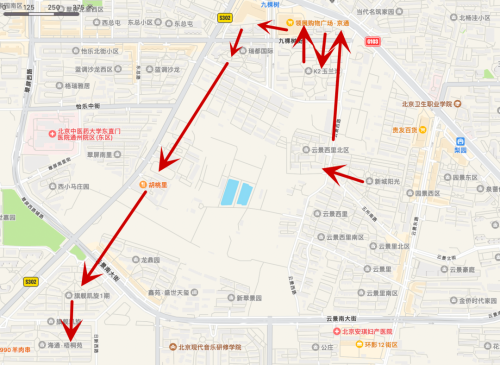

  • WELLS WILLIAMS《The Middle Kingdom》6-9

    CHAPTER VI.  NATURAL HISTORY OF CHINA

    The succinct account of the natural history of China given by Sir John Davis in lS^i^, contained nearly all the popular notices of much value then known, and need not be repeated, while summarizing the items derived from other and later sources. Malte-Brun observed long ago, ” That of even the more general, and, according to the usual estimate, the more important features of that vast sovereignty, we owe whatever knowledge we have obtained to some ambassadors who have seen the courts and the great roads—to certain merchants who have inhabited a suburb of a frontier town—and to several missionaries who, generally more credulous than discriminating, have contrived to penetrate in various directions into the interior.”

    The volumes upon China in the Edinburgh Cabinet Library contain the best digest of what was known forty years since on this subject. The botanical collections of Robert Fortune in 18-14-1849, and those of Col. Champion at Hongkong, have been studied by Bentham, while the later researches of Hance, Bunge and Maximowitch have brought many new forms tc notice. In geology, Pumpelly, Ivingsinill, Bickmore, and Bai-on Richthofen have greatly enlarged and certiiied our knowledge by their travels and memoirs ; while Pere David, Col. Prejevalsky, Swinhoe, Stimpson, and Sir John Richardson have added hundreds of new species to the scientific fauna of the Empire.

    GEOLOGICAL FORMATIONS. 297

    Personal investigation is particularly necessary in all that relates to the geology and fossils of a country, and the knowledge possessed on these heads is, it must be conceded, still meagre, though now sufficient to convey a general idea of the formations, deposits, and contents of the mountains and mines, as well as the agencies at work in modifying the surface of this land. The descriptions and observed facts recorded in native books may furnish valuable hints when they can be compared with the places and productions, for at present the difficulty of explaining terms used, and understanding the processes described, render these treatises hard to translate. The empirical character of Chinese science compels a careful sifting of all its facts and speculations by comparisons with nature, while the amount of real information contained in medical, topographical, and itinerant works render them always worth examining. Large regions still await careful examination in every part of the Empire ; and it will be m’ell for the Chinese Government if no tempting metallic deposits are found to test its strength to protect and work them for its own benefit. But in mere science it cannot be doubted that so peculiar a part of the world as the plateau of Central Asia will, when thoroughly examined, solve many problems relating to geology, and disclose many important facts to illustrate the obscure phenomena of other parts of the world.

    A few notices of geolooical formations furnished in the waitings of travelers, have already been given in the geographical account of the provinces. The summaiy published by Davis is a well digested survey of the observations collected by the gentlemen attached to the embassies.’

    The loess-beds, covering a great portion of Northern China, are among the most peculiar natural phenomena and interesting fields for o;eoloo;ical investigation on the world’s surface. Since attention was first directed to this deposit by Pumpelly, in 18G4, its formation and extent have been more carefully examined by other geologists, whose hypotheses are now pretty generally discarded for that of Baron von Eichthofen. The loess territory begins, at its eastern limit, with the foot hills of the great alluvial plane. From this rises a terrace of from 90 to 250 feet in height, consisting entirely of hjess, and westward of it, in 1 The Chinese, Vol. II., pp. 333-343.

    a nearly north and south line, stretches the TaihangShan or dividing range between the alluvial land and the hill (tountrj of Shansi. An almost uninterrupted loess-covered country extends west of this line to the Koko-nor and head-waters of the Yellow River. On the north the formation can he ti’aced from the vicinity of Ivalgan, along the water-shed of the Mongolian steppes, and into the desert beyond the Ala shan. Toward the south its limits are less sharply defined ; though covering all the country of the Wei basin (in Shensi), none is found in Sz’chuen, due south of this valley, but it appears in parts of Ilonan and Eastern Shantung. Excepting occasional spurs and isolated spots—as at Xanking and the Lakes Poyang and Tungting—

    loess may be considered as ending everywhere on the north side of the Yangzi valley, and, roughly speaking, to cover the parallelogram between longs. 99° and 115°, and lats.

    33° and 41°. The district within China Proper represents a territory half as large again as that of the German Empire, while outside of the Provinces there is reason to believe that loess spreads far toward the east and north. In the WuTaiShan (Shanxi), Richthofen observed this deposit to a height of 7200 feet above the sea, and supposes that it may occur at higher levels.

    LOESS-BEDS OF ISTORTIIERX CHINA. 299

    The term loess, now generally accepted, has been used to designate a tertiary deposit appearing in the Illiine valley and several isolated sections of Eurt)pe ; its formation has heretofore been ascribed to glaciers, but its enormous extent and thickness in China demand suine other origin. The substance is a brownish colored earth, extremely porous, and when dry easily powdered between the fingers, when it becomes an impalpable (lust that may be rubbed into the pores of the skin. Its particles are somewhat angular in shape, the lumps varying from the size of a peamit to a foot in length, whose appearance warrants the peculiarly appropriate Chinese name meaning ‘ ginger stones.’(‘ Journal of the Oeolog. Soc, Loudon, for 1871, p. 379.) After washing, the stuff is readily disintegrated, and spread far and wide by rivers during their freshets ; Ivingsmill’ states that a nimiber of specimens which crumbled in the moist air of a Shanghai summer, rearranged themselves afterward in the bottom of a drawer in which they had been phiced. Every atom of loess is perforated by small tubes, usually very minute, circulating after the manner of root-fibres, and lined with a thin coating of carbonate of lime. The direction of these little canals being always from above downward, cleavage in the loess mass, in-espective of its size, is invariably vertical, while from the same cause surface water never collects in the form of rain puddles or lakes, but sinks at once to the local water level.

    One of the most striking, as well as important phenomena of this formation is the perpendicular splitting of its mass into sudden and multitudinous clefts that cut up the country in every direction, and render observation, as well as travel, often exceedingly difficult. The clifPs, caused by erosion, vary from cracks measured by inches to canons half a mile wide and hundreds of feet deep ; they branch out in every direction, ramifying through the country after the manner of tree-roots in the

    soil—from each root a rootlet, and from these other small

    fibres—until the system of passages develops into a labyrinth of

    far-reaching and intermingling lanes. Were the loess throughout

    of the uniform structure seen in single clefts, such a region

    would itideed be absolutely imj^assable, the vertical banks

    becoming precipices of often more tlian a thousand feet. The

    fact, however, that loess exhibits all over a terrace formation,

    renders its surface not only habitable, but highly convenient

    for agricultural purposes; it has given rise, moreover, to the

    theory advanced by Kingsmill and some otliers, of its stratification,

    and from this a proof of its origin as a marine deposit.

    Richthofen argues that these apparent layers of loess are due

    to external conditions, as of rocks and debris sliding from surrounding hillsides upon the loess as it sifted into the basin or

    valley, thus interrupting the homogeneity of the gradually rising

    deposit. In the sides of gorges near the mountains are seen

    layers of coarse debris which, in going toward the valley, become

    finer, while the layei’s themselves are thinner and separated

    by an increasing vertical distance ; along these rubble

    beds are numerous calcareous concretions which stand upright.

    These are then the terrace-forming layers which, by their

    resistance to tlie action of water, cause the broken chasms and

    step-like contour of the loess regions. Each bank does indeed

    cleave vertically, sometimes—since the erosion works from below—

    leaving an overhanging bank ; but meeting with this

    horizontal layer of marl stones, the abrasion is interrupted, and

    a ledge is made. Falling clods upon such spaces are gradually

    spread over their surfaces by natural action, converting them

    into rich fields. AVhen seen from a height in good seasons,

    tliese systems of terraces present an endless succession of green

    fields and growing crops ; viewed from the deep cut of a road

    below, the traveller sees nothing but yellow walls of loam and

    dusty tiers of loess ridges. As may be readily imagined, a

    country of this nature exhibits many landscapes of unrivalled

    picturesqueness, especially when lofty crags, which some variation

    in the water- course has left as giant guardsmen in fertile

    river valleys, stand out in bold relief against the green background

    of neighboring hills and a fruitful alluvial bottom, or

    when an opening of some ascending pass allows the eye to range

    over leagues of sharp-cut ridges and teaming crops, the work of

    the careful cultivator.

    UTILITY AND FRUITFULNESS OF THE LOESS. 301

    The extreme ease with which loess is cut away tends at times to seriously embarrass traffic. Dnst made by the cart-wheels on a highway is taken up by strong winds during the dry season and blown over the surrounding lands, much after the maimer in which it was originally deposited here. This action continued over centuries, and assisted by occasional deluges of rain, Which find a ready channel in the road-l)od, has hollowed the country routes into depressions of often 50 or 100 feet, where the passenger may ride for miles without obtaining a glimpse of the surrounding scenery. Lieutenant Kreitner, of the Szechenyi exploring expedition, illustrates,’(‘ Imfirnen Oxtin, j>. 4()2.) in a personal experience in Shansf, the difficulty and danger of leaving these deep cuts; after scrambling for miles along the broken loess above the road, he only regained it when a further passage was cut off by a precipice on the one side, while a jump of some 30 feet into the beaten track below awaited him on the other. Difficult as may be such a territory for roads and the purposes of trade, the advantages to a fanner are manifold. Wherever this deposit extends, there the liusbandman has an assured harvest, two and even three times in a year. It is easily worked, exceedingly

    fertile, and submits to constant tillage, with no other manure

    than a sprinkling of its own loam dug from the nearest bank.

    Facade of Dwelling in Loess Cliffs, Ling-shf hien. (Fronn Richthofen.)

    But loess performs still another service to its inhabitants. Caves

    made at the base of its straight clefts afford homes to millions

    of people in the northern provinces. Choosing an escai”pment

    where the consistency of the earth is greatest, the natives cut

    for themselves rooms and houses, whose partition walls, cement,

    bed and furniture are made from the same loess. Whole villages

    cluster together in a series of adjoining or superimposed chambers, some of which pierce the soil to a depth of often more than 200 feet. Tii more costly dwellings the terrace or succession of terraces tlms perforated are faced with brick, as well as the arching of rooms within. The advantages of such habitations consist as well in imperviousness to changes of temperature without, as in their durability when constructed in properly selected places, many loess dwellings outlasting six or seven generations. The capabilities of defence in a country such as this, where an invading army must inevitably become lost in the tangle of interlacing ways, and where the defenders may always remain concealed, is very suggestive.

    There remains, lastly, a peculiar property of loess which is perhaps more important than all other features M’hen measured by its man-serving efficiency. This is the manner in which it brings forth crops without the aid of manure. From a period more than 2,000 years before Christ, to the present day, the province of Shansi has borne the name of Grainery of the Empire, while its fertile soil, HuangDi, or ‘yellow earth’, is the origin of the imperial color. Spite of this productiveness, which, in the fourteenth century, caused the Friar Odoric to class it as the second country in the world, its present capacity for raising crops seems to be as great as ever. In the nature of this substance lies the reason for this apparently inexhaustible

    fecundity. Its renuirkably porous sti-uctui-e must indeed cause

    it to absorb the gases necessary to plant life to a much greater

    degree than other soils, but the stable productit>n of those mineral

    substances needful to the yearly succession of crops is in

    the ground itself. The salts contained more or loss in solution

    at the water level of the region are freed by the capillary action

    of the loess when rain-water sinks thi’ough tlie spongy mass

    from above. Surface moisture following the downward direction

    of the tiny loess tubes establishes a connection M’ith the

    waters compressed below, when, owing to the law of diffusion,

    the ingredients, being released, mix with the moisture of the

    little canals, and are taken from the lowest to the topmost

    levels, permeating the ground and fni-nishing nourishment to

    the plant roots at the surface. It is on account of this curious

    action of loess that a co])ious i-ain fall is nioi-e necessary in North

    richtiiofen’s theory of its origin. 303

    China than elseM’lieie, for with a dearth of rain the capillary communication from above, below, and vice versa, is interrupted, and vegetation loses both its niainire and moisture. Drought and famine are consequently synonymous terms here. As to the formation and origin of loess, Richthofen’s theory is substantially as follows :
    ‘The uniform composition of this material over extended areas, coupled with the absence of stratification and of marine or fresh-water organic remains, renders impossible the hypothesis that it is a water deposit. On the other hand, it contains vast quantities of land-shells and the vestiges of animals (mammalia) at every level, both in remarkably perfect condition. Concluding, also, that from the

    conformation of the neighboring mountain chains and their

    peculiar weathering, the glacial theory is inadmissible, he advances

    the supposition that loess is a sub-aerial deposit, and that

    its fields are the drained analogues of the steppe-basins of Central

    ‘ China : Ergebnisse eigener Reiaen. Baud I. , S. 74. Berlin, 1877.

    Asia. They date from a geological era of great dryness, before the existence of the Yellow and other rivers of the northern provinces. As the rocks and hills of the highlands disintegrated, the sand was removed, not by water-courses seaward, but by the high winds ranging over a treeless desert landward, until the dust settled in the grass- covered districts of what is at present China Proper. New vegetation was at once nourished, while its roots were raised by the constantly arriving deposit; the decay of old roots produced the lime-lined canals which impart to this material its peculiar characteristics. Any one who has observed the terrible dust-storms of North China, when the air is filled with an impalpable yellow powder, which leaves its coating upon everything, and often extends, in a foglike cloud, hundreds of miles to sea, will understand the power of this action during many thousand years. This deposition received the shells and bones of innumerable animals, while the dissolved solutions contained in its bulk stayed therein, or saturated the water of small lakes. By the sinking of mountain chains in the south, rain-clouds emptied themselves over this region with much greater frequency, and gradually the system became drained, the erosion working backward from the coast, slowly cutting into one basin after another. AVith the sinking of its salts to lower levels, unexampled richness was added to the wonderful topography of this peculiar formation.’

    Pumpelly, while accepting this ingenious theory in place of his own (that of a fresh- water lake deposit), adds that the supply of loess might have been materially increased by the vast mersde-(jlam of High Asia and the Tien Shan, whose streams have for ages transported the products of glacial attrition into Central Asia and Northwest China. Again, he insists that llichthofen has not given importance enough to the parting planes, wrongly considered by his predecessors as planes of stratification.

    ” These,” he says, ” account for the marginal layers of debris brought down from the mountains. And the continuous and more abundant growth of grasses at one ])lanG would produce a modification of the soil structurally and chemically, which superincumbent accumulations could never efface. It should seem probable that we have herein, also, the explanation of the calcareous concretions which abound along these planes ; for the greater amount of carbonic acid generated by the slow decay of this vegetation would, by forming a bicarbonate, give to the lime the mobility necessary to produce the concretions.”

    ‘Compare Kingsmill, in the Quar. Journal of the Oeol. Soe. of London, 1868, pp. 119 ff., and in the North China Herald, Vol. IX., 85, 80.

    METHODS OF WORKING COAL. 305

    The metallic and mineral productions used in the arts comprise nearly everything found in other countries, and the common ones are furnished in such abundance, and at such rates, as conclusively prove them to be plenty and easily worked. The careful digest of observations published by Pumpelly through the Smithsonian Institution, carries out this remark, and indicates the vast field still to be explored. Coal exists in every province in China, and Pumpelly enumerates seventy-four h)calities which have been ascertained. Marco Polo’s well-known notice of its use shows that the people had long employed it: ” It is a fact that all over the country of Cathay there is a kind of black stone existing in beds in the mountains, which they dig out and burn like firewood. It is true that they have plenty of wood also, but they do not burn it, because those stones burn better and cost less.’ This mineral seems to have been unknown in Europe till after the return of the Venetian to his native land, while it was employed before the Christian era in China, and probably in very ancient times, if the accessible deposits in Shensi then cropped out in its eroded gorges, as represented by Richthofen. The few fossil plants hitherto examined indicate that the mass of these deposits are of the Mesozoic age. The mode of working the coal mines is described by Pumpelly,” and was probably no worse two thousand five hundred years ago.

    Want of machinery for draining them prevents the miners from going much below the water-level, and a rain-storm will sometimes flood and ruin a shaft. An inclined plane seldom takes the workmen more than a hundred feet below the level of the mouth, and then a horizontal gallery conducts him to the end of the mine. Some water is bailed out by buckets handed from one level up to another at the top, and the coal

    is carried out in baskets on the miners’ backs, or dragged in

    sleds over smooth, round sticks along passages too low for the

    coolies to do better than crawl as they work. Mr. Pumpelly

    found the gallery of one mine near Peking so low that he

    had to crawl the whole distance (six thousand feet) to see its

    construction, and when he emerged into daylight, with his

    knees nearly skinned, ascertained that the workmen padded

    theirs. The timbering is very expensive, yet, with all drawbacks,

    the coal sells, at the pit’s mouth, for $2.00 down to 50 cents a ton. The mines, lying on the slopes of the plateau reaching from near Corea to the Yellow River, supply the plain with cheap and excellent fuel.

    » Yule’s Marco Polo, Vol. I., p. 395.^ Across Aineric i and Asia, pp. 291 ff.Vol. I.—20

    Blakiston gives an account of the manner in which coal is worked on the Uj^per Yangzi near the town of Siichau: “Having to be got out at a great height up in the cliff, very thick hawsers, made of plaited bamboo, are tightly stretched from the mouth, or near the mouth, of the working gallery, to a space near the water where the coal can be deposited. These ropes are in pairs, and large pannier-shaped baskets are made to traverse on them, a rope passing from one over a large wheel

    at the upper landing, and down again to the other, so that the

    full basket going down pulls the empty one up, the velocity

    being regulated by a kind of brake on the wheel at the top.

    At some places the height at which the coal is worked is so

    great that two or more of these contrivances are used, one takine:

    to a landins; half wav down, and another from thence to the

    river. The hawsers are kept taut by a windlass for that purpose

    at the bottom.” * This useful mineral appears to be abundant

    throughout Sz’chuen Province, and is used here much less

    sparingly than in the east. With such inexpensive methods of

    getting coal to the water-courses, foreign machinery can hardly

    be expected to reduce its price very materially.

    The economical use of coal in the household and the arts has

    been carried to great perfection. Anthracite is powdered and

    mixed with wet clay, earth, sawdust or dung, according to the

    exigencies of the case, in the proportion of about seven to one ;

    the balls thus made are dried in the sun. The brick-beds

    (Jcang) are effective means of warming the house, and the hand

    furnaces enable the poor to cook with these balls—aided by a

    little charcoal or kindlings—at a trifling expense. This form

    of consumption is common north of the Yellow River, and brings

    coal within reach of multitudes who otherwise would suffer and

    starve. Bituminous, brown, and other varieties of coal occur

    in the same abundance and extent as in other great areas, giving

    promise of adequate supplies for future ages. The coal

    worked on the Peh kiang, in Ivwangtung, contains sulphur,

    ftud is employed in the manufacture of copperas.*

    Crystallized gypsum is brought fi-om the northwest of the

    province to Canton, and is ground to powder in mills ;

    plaster

    ‘ Five Months on the Ynng-Uze, p. 265. Annates de la Foi, Tome IX., p.

    457.

    2 N. C. Br. R. A. Soc. Journal, New Series, No. III., pp. 94-106, and No.

    IV., pp. 243 ff. Notes by Mr. Hollingworth of a Visit to the Coal Mines in the

    Neighborhood of Loh-Ping. Blue Book, China, No. 2, 1870, p. 11. Notes

    and Queries on China and Japan, Vol. IT., pp. 74-76. North China Herald,

    passim. Richthofen’s Letters, and in Ocean Highways, Nov., 1S78. Chinese Repository, Vol. XIX., pp. 385 fE. l4j’Cr /’ 111/

    BUILDING STONES AND MINP:RALS. 307

    of Paris and other forms of this sulphate are common all over China. It is not used as a manure, but the flour is mixed with wood-oil to form a cement for paying the seam’s of boats after they have been caulked. The powder is employed as a dentifrice, a cosmetic, and a medicine, and sometimes, also, is boiled to make a gruel in fevers, under the idea that it is cooling. The bakers who supplied the English troops at Amoy, in 1843, occasionally put it into the bread to make it heavier, but not, as was erroneously charged upon them, with any design of poisoning their customers, fur they do not think it noxious ; its employment in coloring green tea, and adulterating powdered sugar, is also explainable by other motives than a wish to injure the consumers.

    Limestone is abundant at Canton, both common clouded marble and blue limestone ; the last is extensively used in the artificial rockwork of gardens. Even if the Cantonese knew of the existence of lime in limestone, which they generally do not, the expense of fuel for calcining it would prevent their burning it while oyster-shells are so abundant in that region. In other provinces stone-lime is burned, by the aid of coal, in small kilns.

    The fine marble quarried near Peking is regarded as fit alone

    for imperial uses, and is seen only in such places as the Altar

    of Heaven and palace grounds. The marble used for floors is a

    fissile crystallized limestone, unsusceptible of polish ; no statues

    or ornaments are sculptured from this mineral, but slabs are

    sometimes wrought out, and the surfaces curiously stained and

    corroded with acids, forming rude representations of animals or

    other figures, so as to convey the appearance of natural markings.

    Some of these simulated petrifactions are exceedingly

    well done. Slabs of aro-illaceous slate are also chosen with

    reference to their layers, and treated in the same manner. An

    excellent granite is used about Canton and Amoy for building,

    and no people exceed the Chinese in cutting it. Large slabs are

    split out by wooden wedges, cut for basements and foundations,

    and laid in a beautiful manner ; pillars are also hewn from single stones of different shapes, though of no extraordinary dimensions, and their shafts embellished with inscriptions.

    Ornamental walls are frequently formed of large slabs set in posts, like panels, the outer faces of which are beautifully carved with figures representing a landscape or procession. lied and gray sandstone, gneiss, mica slate, and other species of rock, are also worked for pavements and walls.

    Nitre is cheap and common enough in the northern provinces

    to obviate any fear of its being smuggled into the country from

    abroad ; it is obtained in Chihli by lixiviating the soil, and

    furnishes material for the manufacture of gunpowder. A lye

    is obtained from ashes, which partially serves the purposes of

    soap ; but the people are still ignorant of the processes necessaiy

    for manufacturing it. Fourteen localities of alum are

    given in Pumpelly’s list, but the gi-eatest supply for the eastern

    provinces comes from deposits of shale, in Ping-yang hien, in

    Chehkiang, Avhich produces about six thousand tons annually.

    It is used mostly by the dyers, also to |)urify tnrbid water, and

    whiten paper. Other earthy salts are known and used, as borax,

    sal-ammoniac (which is collected in Mongolia and 111 from

    lakes and the vicinity of extinct volcanoes), and blue and white

    vitriol, obtained by roasting pyrites. Common salt is procured

    along the eastern and southern coasts by evaporating seawater,

    rock-salt not having been noticed ; in the western provinces

    and Shansf, it is obtained from artesian wells and lakes

    as cheaply as from the ocean ; in Tsing-3’en hien, in Central

    Sz’chuen, two hundred and thirty-seven wells are worked. At

    Chusan the sea-water is so turbid that the inhabitants filter it

    through clay, afterward evaporating the Avater.

    The minerals heretofore found in China have, for the most part, been such as have attracted the attention of the natives, and collected by them for curiosity or sale. The skillful manner in which their lapidaries cut crystal, agate, and other qnartzose minerals, is well known.’ The corundum used for polishing and finishing these carvings occurs in China, but a good deal of emery in powder is obtained from Borneo. A composition of gramdar corundum and gum-lac is usually employed by workmiMi in order to produce the highest luster of

    ‘ Compare Remusat, Uistmre de Khotan, pp. 163 ff., where there is an qxtended list of Chinese precious stones drawn from native sources.

    JADE STONE, Oil YUH. 300

    which the stones arc capable. The three varieties of the silicate of alumina, called jade, nephrite, and jadeite by mineralogists, are all named yuh by the Chinese, a word which is applied to a vast variety of stones—white marble, ruby, and cornelian all coming under it—and therefore not easy to define.

    Jade has long been known in Europe as a variety of jasper, its separation from that stone into a species by itself being of comparatively recent origin. Since the third edition of Boetius, in 1647, the two minerals have been regarded as entirely distinct. Its value in the eyes of the Chinese depends chiefly upon its sonorousness and color. The costliest specimens

    are brought from Yunnan and Klioten ; a greenish-white

    color is the most highly prized, a plain color of any shade

    being of less value. A cargo of this mineral was once imported

    into Canton from New Holland, but the Chinese would

    not purchase it, owing to a fancy taken against its origin and

    color. The patient toil of the workers in this hard mineral is

    only equalled by the prodigious admiration with which it is

    regarded ; both fairly exhibit the singular taste and skill of the

    Chinese. Its color is usually a greenish-white, or grayish-green

    and dark grass-green ; internally it is scarcely glimmering. Its

    fracture is splintery; splinters white; mass semi-transparent

    and cloudy ; it scratches glass strongly, and can itself generally

    be scratched by flint or quartz, but while not excessively hard

    it is remarkable for toughness. The stone when freshly broken

    is less hard than after a short exposure. Specific gravity from

    2.9 to 3.1.’ Fischer (pp. 31-1-318) gives some one hundred and

    fifty names as occurring in various authors—ancient and modern

    —for jade or nephrite.” An interesting testimony to the esteem

    ‘ Murray’s China^ Edinburgh, 1843, Vol. III., p. 276 ; compare also an

    article on this stone by M. Blondel, of Paris, published in the Smithsoninn

    Report for 1876. Memoires concernant Us Chinois, Tome XIII., p. 889. Remusat

    in the Journal des Savcuis, Dec, 1818, pp. 748 fF. J^i’otes and Queries

    oil a and J., Vol. II., pp. 173, 174, and 187 ; Vol. III., p. 63 ; Vol. IV., pp.

    13 and 33. MacmilUui’H Magazine, October, 1871. Yule, Cathay and the

    Way Thither, Vol. II., p. 564.

    ‘^ Nephrit undjadeit, nach ihren miiieralogischen Eigenschaften soioie nach ihrer

    urgeschichtiichea und ethnographischen Bedeutiing. Heinrioh Fischer, Stuttgart,

    1880. An exhaustive treatise on every phrase and variety of the mineral in wliicli tills stone was held in China during tlie middle agea

    conies from Benedict Goes (1002), who says : “There is no article

    of traffic more valuable than lumps of a certain transparent

    kind of marble, which we, from poverty of language, usually

    call jasper. . . , Out of this marble they fashion a variety of

    articles, such as vases, brooches for mantles and girdles, which,

    when artistically sculptured in flowers and foliage, certainly

    have an effect of no small magniflcence. These marbles (with

    which the Empire is now overflowing) are called by the Chinese

    lusce. There are two kinds of it ; the first and more valuable

    is got out of the river at Cotan, almost in the same way

    in which divers fish for gems, and this is usually extracted in

    pieces about as big as large flints. The other and inferior

    kind is excavated from the mountains.” The ruby, diamond,

    amethyst, sapphire, topaz, pink tourmaline, lapis-lazuli,’ turquoises,

    beryl, garnet, opal, agate, and other stones, are known

    and most of them used in jewelry. A ruby Ijrought from

    Peking is noticed by Bell as having been valued in Europe at

    $50,000. The seals of the Boards are in man}’ instances cut on

    valuable stones, and private persons take great pride in quartz

    or jade seals, with their names carved on them ; lignite and

    jet are likewise employed for cheaper ornaments, of which all

    classes are fond.

    All the common metals, except platina, are found in China, and the supply would be sufficient for all the purposes of the inhabitants, if they could avail themselves of the improvements adopted in other countries in blasting, mining, etc. The importations of iron, lead, tin, and quicksilver, are gradually increasing, but they form only a small proportion of the amount used throughout the Empire, especially of the two first named ; iron finds its way in because of its convenient forms more than its cheapness. The careful examination of Chinese topographical works by Pumpelly,” records the leading localities of iron in every province, and where copper, tin, lead, silver, and quick, silver have been observed ; he also mentions fifty-two places pro-

    ‘ Obtained from Badakslian. Wood, Journey to tlie Oxus, p. 263.

    ‘ Geological licucarches in China, Chap. X.

    METALS AND THEIR PRODUCTION. 31J

    diicing gold in various forms, most of them in Sz’cliuen. The rumor of gold-washings occurring not far from Chifn, in Shantung, caused much excitement in 1808, but thej were soon found to he not worth the labor. Gold has never been used as coin in China, but is wrought into jewelry ; most of it is consumed in gilding and exported to India as bullion, in the shape of small bars or coarse leaves.

    Silver is mentioned in sixty-three localities by the same author; large amounts are brought from Yunnan, and the mines in that region must be both extensive and easily worked to afford such large quantities as have been exported. The working of both gold and silver mines has been said to be prohibited, but this interdiction is rather a government monopoly of the mines than an injunction upon working those which are known. The importation of gold into China during the two centuries the trade has been opened, does not probably equal the exportation which has taken place since the commencement of the opium trade.

    It is altogether improbable that the Chinese are acquainted

    with the properties of quicksilver in separating these two

    metals from their ores, though its consumption in making vermilion

    and looking-glasses calls for over two thousand flasks

    yearly at Canton. Cinnabar occurs in Kweichau and Shensi

    and furnishes most of the ” water silver,” as the Chinese call

    it, by a rude process of burning brushwood in the wells, and

    collecting the metal after condensation.

    Copper is used for manufacturing coin, bells, bronze articles,

    domestic and cooking utensils, cannon, gongs, and brass-foil.

    It is found pure in some instances, and the sulphuret, the blue

    and green carbonates, pyrities, and other ores are w’orked ; malachite

    is ground for a paint. It occurs in every province, and

    is specially rich in Shansi and Kweichau. The ores of zinc

    and copper in Yunnan and Sz’chuen fnrnish spelter, and the

    peculiar alloy known as white copper or argentan, containing in

    addition tin, iron, nickel, and lead. So much use indicates

    large deposits of the ores. Tin is rather abundant, but lead is

    more common ; thirty-nine localities of the first are mentioned,

    some of which are probably zinc ores, as the Chinese confound

    tin and zinc under one generic name. Lead occurs with silver in many places ; twenty-four mines are mentioned in Pumpelly’s list, and those in Fuhkien are rich ; but the extensive importations prove that its reduction is too expensive to compete with the foreign.

    Realgar is quite common, this and orpiment being used as paints; statuettes and other articles are carved from the former, while arsenic is used in agriculture to quicken grain and preserve it from insects. Amber and fossilized copal are collected in several localities ; the first is much employed in the making of court necklaces and hair ornaments. Thefel-tsui or jadeite is the most prized of the semi-precious stones; it is cut into ear-rings, finger-rings, necklaces, etc. Pumpelly mentions pieces of this mineral set in relics obtained from tombs in Mexico, though no locality where it abounds has yet been found in America. Lapis-lazuli is employed in painting upon copper

    and porcelain ware ; this mineral is obtained in Chehkiang and

    Kansuli ; jadeite, topaz, and other fine stones are most plenty

    in Yunnan. A few minerals and fossils have been noticed in

    the vicinity and shops at Canton, but China thus far has furnished

    very few petrifactions in any strata. Coarse epidote

    occurs at Macao, and tungstate of iron has been noticed in the

    quartz rocks at Hongkong. Petrified crabs {inacrojpJithalinus)

    have been brought to Canton from Hainan, which are prized

    by the natives for their supposed medicinal qualities. Scientists have hitherto described a score or more species of Devonian shells, and recognized fragments of the hyena, tapir, rhinoceros, and stegedon, among some other doubtful vertebrate in the ” dragon’s bones ” sold in medicine shops ; but further examinations will doubtless increase the list. Orthoceratites and bivalve shells of various kinds are noticed in Chinese books as being found in rocks, and fossil bones of huge size in caves and river banks.

    There are many hot springs and other indications of volcanic

    action along the southern acclivities of the table land in the

    ])rovinces of Shensi and Sz’chuen ; and at Jeh-ho, in Chihli,

    there are thermal springs to which invalids resort. The Ilo

    tsing, or Fire wells, in Sz’chuen are apertures resembling artesian

    springs, sunk in the rock to a depth of one thousand

    QUADRUMANOUS ANIMALS OF CHINA. 313

    five hundred or one thousand eight hundred feet, whilst theii

    breadth does not exceed five or six inches. This is a work

    of great difiicultj, and requires in some cases the labor of

    two or three jears. The water procured from them contains

    a fifth part of salt, which is very acrid, and mixed with nmch

    nitre. When a lighted torch is applied to the mouth of

    some of those which have no Avator, fire is produced with

    great violence and a noise like thunder, bursting out into a

    flame twenty or thirty feet high, and which cannot be extinguished

    M’ithout great danger and expense. The gas has a

    bituminous smell, and burns with a bluish flame and a quantity

    of thick, black smoke. It is conducted under boilers in bamboos,

    and employed in evaporating the salt-water from the

    other springs.’ Besides the gaseous and aqueous springs in

    these provinces, there are others possessing different qualities,

    some sulphurous and others chalybeate, found in Shansi and

    along the banks of the Yellow River. Sulphur occurs, as has

    been noted, in great abundance in Formosa, and is purified for

    powder manufacturers.

    The animal and vegetable productions of the extensive regions

    under the sway of the Emperor of China include a great

    variety of types of different families. On the south the

    islands of Hainan and Formosa, and parts of the adjacent

    coasts, slightly partake of a tropical character, exhibiting in the

    cocoanuts, plantains, and peppers, the parrots, lenmrs, and

    monkeys, decided indications of an equatorial climate. From

    the eastern coast across through the country to the northwest

    provinces occur mountain ranges of gradually increasing elevation,

    interspersed with intervales and alluvial plateaus and bottoms,

    lakes and rivers, plains and hills, each presenting its

    peculiar productions, both wild and cultivated, in great variety

    and abundance. The southern ascent of the high land of Mongolia,

    the uncultivated wilds of Manchuria, the barren wastes

    of the desert of Gobi, with its salt lakes, glaciers, extinct volcanoes,

    and isolated mountain ranges ; and lastly the stupendous

    ‘ Humboldt, Fragmens Asiatiques, Tome I., p. 196. Annates de la Foi,

    Janvr., 182’J, pp. 41G ff.

    chains and v^alleys of Tibet, Koko-nor, and Kwanlun all differ

    from eacli other in the character of their prodnctions. In one

    or the other division, every variety of soil, position, and temperature

    occur which are known on tlie globe ; and what has

    been ascertained within the past fifteen years by enterprising

    naturalists is an earnest of future greater discoveries.

    Of the quadrumanous order of animals, there are several

    species. The Chinese are skilful in teaching the smaller kinds

    of monkeys various tricks, but M. Breton’s picture of their

    adroitness and usefulness in picking tea in Shantung from

    plants growing on otherwise inaccessible acclivities, is a fair instance

    of one of the odd stories furnished by travellers about

    China, inasmuch as no tea grows in Shantung, and monkeys

    are taught more profitable tricks.’ One of the most remarkable

    animals of this tribe is the douc^ or Cochinchinese monkey

    {Seinnojnthecus 7iemmus). It is a large species of great rarity,

    and remarkable for the variety of colors with which it is

    adorned. Its Ijody is about two feet long, and when standing

    in an upright position its height is considerably greater. The

    face is of an orange color, and flattened in its foi-m. A dark

    band runs across the front of the forehead, and the sides of the

    countenance are bounded by long spreading yellowish tufts of

    liair. The body and upper parts of the forearms are brownish

    gray, the lower portions of the arms, from the elbows to the

    wrists, being white ; its hands and thighs are black, and the

    legs of a bright red color, while the tail and a large triangular

    spot above it are pure white. Such a creature matches well,

    for its grotesque and variegated appearance, with the mandarin

    duck and gold fish, also peculiar to China.

    ‘ Breton, China, its Costumes, Arts, etc., Vol. II.

    THE FI-FI AND IIAI-TUH. 315

    Chinese books speak of several species of this family, and small kinds occur in all the provinces. M. David has recently added two novelties to the list from his acquisitions in Eastern Koko-nor, well fitted for that cold region by their abundant hair. The Rhinoplthccus I’oxellancB inhabits the alpine forests, nearly two miles high, where it subsists on the buds of plants and bamboo shoots laid up for winter supply; its face is greenish, the nose remarkably /’cfrousse, and its strong, brawny limbs well fitted for the arboreal life it leads ; the hair is thick and like a mane on the back, shaded with yellow and white tints.

    In this respect it is like the Gelada monkey of Abyssinia, and a few others protected in this part of the body from cold. This is no doubt the kind called f’t-fi in native books, and once found in flocks along many portions of western China, as these authors declare. Their notices are rather tantalizing, but, now that we have found the animal, are worth quoting: “The f’l-fi resembles a man ; it is clothed with its hair, runs quick and eats men ; it has a human face, long lips, black, hairy body, and turns its heels. It laughs on seeing a man and covers its eyes with its lips ; it can talk and its voice resembles a bird. It occurs in Sz’chuen, where it is called jhi hiung, or ‘human bear ; ‘ its palms are good eating, and its skin is used; its habit is to turn over stones, seeking for crabs as its food. Its form is like that of the men who live in the Kwaiilun Mountains.”

    Another large simia {2Iacactis thlhetanus) comes from the

    same region; it lives in bands like the preceding, but lower

    down the mountains. A third species of gi-eat size was reported

    to occur in the southwestern part of Sz’chuen, and described

    as greenish like the Macacus tcheliensis from the hills

    northwest of Peking—the most northern species of monkey

    known. The former of these two may possibly be the sinysing

    of the Chinese books, though its characteristics involve

    some confusion of the Macacus and baboon on the part of those

    writers. Two other species of ]\Iacacus, and as many of the

    gibbons, have been noticed in Hainan, Formosa, and elsewhere

    in the south.

    The singular proboscis monkey {J^^asalis laivalus\ called hhi-doc in Cochinchina and hai-tuh by the Chinese, exhibits a strange profile, part man and part beast, reminding one of the combinations in Da Yinci’s caricatui-es. It is a large animal, covered with soft yellowish hair tinted with red ; the long nose projects in the form of a sloping spatula. The Chinese account says : ” Its nose is turned upward, and the tail very long and forked at the end, and that whenever it rains, the animal thrusts the forks into its nose. It goes in herds, and lives in friendship ; when one dies, the rest accompany it to buriaL Its activity is so great that it runs its head against the trees; its fur is soft and gray, and the face black.’”‘

    ‘The Chinese llerhal., from which the preceding extract is taken, describes the bat under various names, such as ‘ heavenly rat,’ ‘faiiy rat,’ ‘flying rat,’ ‘night swallow,’ and ‘belly wings;’Ff-fr and Hai-tuh. (From a Chinese cut.)

    it also details the various uses made of the animal in medicine,

    and the extraordinary longevity attained by some of the wdiite

    species. The bat is in form like a mouse ; its body is of an

    ashy black color ; and it has thin fleshy wings, which join the

    four legs and tail into one. It appears in the summer, but becomes

    torpid in the winter ; on which account, as it eats nothing

    during that season, and because it has a habit of swallowing its

    breath, it attains a great age. It has the character of a night

    ‘ Bridgmiui’s Chinese Chrestomathy, p. 4G9.

    WILD ANIMALS. 317

    rover, not on account of any inability to fly in the day, hnt it dares not o;o abroad at that time because it fears a kind of hawk. It subsists on mosquitoes and gnats. It flies with its head downward, because the brain is heavy,’ This quotation is among the best Chinese descriptions of animals, and shows how little there is to depend upon in them, though not without interest in their notices of habits. Bats are common everywhere, and seem to be regarded with less aversion than in certain other countries. Twenty species belonging to nine genera are given in one list, most of them found in southern China ; the wings of some of these measure two feet across ; a large sort in Sz’chuen is eaten.

    The brown bear is known, and its paws are regarded as a

    delicacy ; trained animals are frequently brought into cities by

    showmen, wdio have taught them tricks. The discovery by

    David of a large species {Ailunypus riielanoleurus) allied to the

    Himalayan panda {Ailurasfulgens), also found on the Sz’chuen

    Mountains, adds another instance of the strange markings common

    in Tibetan fauna. This beast feeds on flesh and vegetables

    ; its body is white, but the ears, eyes, legs, and tip of the

    tail are quite black ; the fur is thick and coarse. It is called

    peh hlaixj, or white bear, by the hunters, but is no doubt the

    animal called j;i in the classics, connnon in early times over

    western China, and now rare even in Koko-nor. The Tibetan

    black bear occurs in Formosa, Shantung, and Hainan, showing

    a wide range. The badger is quite as widespread, and the two

    species have the same general appearance as their European

    congeners.

    Carnivorous animals still exist, even in thickly settled districts.

    The lion may once have roamed over the southwestern

    Manji kingdom, but the name and drawings both indicate a

    foreign origin. It has much connection with Buddhism, and

    grotesque sculptures of ranq3ant lions stand in pairs in front of

    temples, palaces, and graves, as a mark of honor and symbol

    of protection. The last instance of a live lion brought as tribute

    was to Hientsung in a.d. 1470, from India or Ceylon.

    ‘ Chinese Repository^ Vol. VII., p. 90.

    Many other species of yeZ/5 are known, some of tliein peculiar

    to particular regions. The royal tiger has been killed near

    Amoy, and in Manchuria the panther, leopard, and tiger-cat

    all occur in the northern and southern provinces, making

    altogether a list of twelve species ranging from Formosa to

    Sagalien. Mr. Swinhoe’s ‘ account of his rencounter with a

    tiger near Amoy in 1S58 explains how^ such large animals still

    remain in thickly settled regions where food is abundant and

    the people are timid and unarmed. In thinly peopled parts
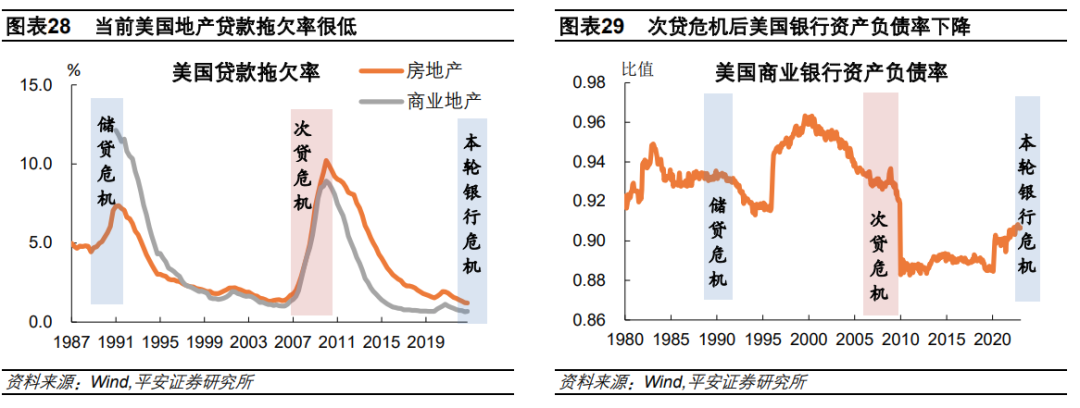
    they become a terror to the peasants. M. David enumerates

    six kinds, including a lynx, in Monpin alone, one of which

    {Felis sc/’fj)ta) is among the most prettily marked of the whole

    family. Ilunting-leopards and tigers were used in the days of

    Marco Polo by Kublai, but the manly pastime of the chase, on

    the magnificent scale then pi-actised, has fallen into disuse with

    the present princes. A small and fierce species of wild- cat

    {Felis chinensls), two feet long, of a brownish-gray coloi’, and

    liandsomely marked with chestnut spots and black streaks, is

    still common in the southwestern portions of Fuhkien. (Uvet

    cats of two or thi-ee kinds, tree-civets (Ildwtes), and a fine

    species of marten {Martes), with yellow neck and purplishbrown

    bod}’, from Formosa, are among the smaller cai-nivora in

    the southern provinces.

    The domestic animals offer few peculiarities. The cat, lia U,

    or ‘household fox,’ is a favorite inmate of families, and the

    ladies of Peking are fond of a variety of the Angora cat,

    having long silky hair and hanging ears. The common species

    is variously marked, and in the south often destitute of a tail; when reared for food it is fed on i-ice and vegetables, but is not much eaten. Popular superstition has clustered many omens of good and bad luck about cats ; it is considered, for example, the prognostic of certain misfortune when a cat is stolen from a house—much as, in some countries of the western world, it is unlucky when a black cat crosses one’s pathway.

    The dog differs but little from that reared among the Esquimaux,

    and is perhaps the original of the species. There is

    • Zodl. &c. Proc, 1870, p. G3G.

    CATS AND DOGS. 319

    little variation in tlieir size, wliicli is about a foot liigli and

    two feet in length ; the color is a pale yellow or black, and

    always uniform, with coarse bristling hair, and tails curling up

    high over the back, and rising so abruptly from the insei-tion

    that it has been humoi-ously remarked they almost assist in

    lifting the legs from the ground. The hind legs are unusually

    straight, which gives them an awkward look, and perhaps pre*

    vents them running very rapidly. The black eyes are small

    and piercing, and the insides of the lips and months, and the

    tongue, are of the same color, or a blue black. The bitch has a

    dew-claw on each hind leg, but the dog has none. The ears are

    sharp and upright, the head peaked, and the bark a short, thick

    snap, very unlike the deep, sonorous baying of our mastiffs. In

    Xganhwui a peculiar variety has pendant ears of great length,

    and thin, wii-ey tails. One item in the Chinese description of

    the dog is that it ‘ can go on three legs ‘—a gait that is often

    exhibited b}’ them. They are used to watch houses and flocks; the Mongolian breed is fierce and powerful. The dogs of Peking are very clannish, and each set jealously guards its own street or yard ; they ai-e fed by the butchers in the streets, and serve as scavengers there and in all large towns. They are often mangey, presenting hideous spectacles, and instances of j>//(‘«2)oloni<‘a are not uncommon, l)nt, as among the celebrated street dogs of Ooiistantinople, hydrophobia is almost unheard of among them. Dog markets are seen in every city where this meat is sold ; the animals are reared expressly for the table, but their flesh is expensive.

    One writer remarks on their habits, when describing the

    worship offered at the tombs : ” Hardly had the hillock been

    abandoned by the M’orshippers, when packs of hungry dogs

    came running up to devour the part of the offerings left for the

    dead, or to lick up the grease on the ground. Those who came

    first held up their heads, bristled their hair, and showed a

    proud and satisfied demeanor, curling and wagging their tails

    with selfish delight ; while the late-comers, tails between their

    legs, held their heads and ears down. There was one of them,

    however, which, grudging the fare, held his nose to the wind as

    if sniffing for better luck ; but one lean, old, and ugly beast. with a flayed back and liaii-less tail, was seen gradually separating himself from the band, though without seeming to hurry himself, making a thousand doublings and windings, all the while looking back to see if he was noticed. But the old sharper knew what he was about, and as soon as he thought himself at a safe distance, away he went like an arrow, the whole pack after him, to some other feast and some other tomb.”

    ‘Wolves, raccoon-dogs, and foxes are everywhere common, in some places proving to be real pests in the sheepfold and farmyard. In the vicinity of Peking, it is customary to draw large white rings on the plastered walls, in order to terrify the wolves, as these beasts, it is thought, will flee on observing such traps.

    The Chinese regard the fox as the animal into which human spirits enter in preference to any other, and are therefore afraid to destroy or displease it. The elevated steppes are the abodes of three or four kinds, which find food without difficulty. The Tibetan wolf (Cams chanco) has a warm, yellowish-white covering, and ranges the wilds of Tsaidam and Koko-nor in packs. The fox {Ganis cossac) spreads over a wide range, and is famed for its sagacity in avoiding enemies.

    The breed of cattle and horses is dwarfish, and nothing is done to improve them. The oxen are sometimes not larger than an ass ; some of them have a small hump, showing their affinity to the zebu ; the dewlap is large, and the contour neat and symmetrical. The forehead is round, the horns small and irregularly curved, and the general color dun red. The buffalo(shui niu), or ‘water ox’, is the largest beast used in agriculture. It is very docile and unwieldy, larger than an English ox, and its hairless hide is a light black color; it seeks coolness and refuge from the gnat in muddy pools dug for its convenience, where it wallows with its nose just above the surface. Each horn is nearly semi-circular, and bends downward, while the head is turned back so as almost to bring the nose horizontal.

    ‘ Borget, La Chine Ouverte, p. 147.

    CATTLE, SHEEP, AND DEER. 321

    The herd-boys usually ride it, and the metaphor of a lad astride a buffalo’s back, blowing the flute, frequently enters into Chinese descriptions of rural life. The yak of Tibet is employed us a beast of burden, and to furnish food and raiment. It is covered with a mantle of hair reaching nearly to the ground, and the soft pelage is used for making standards among the Persians, and its tail as fly-Haps or chowries in India ; the hair is woven into carpets. The wild yak {PoepluKjas (jrunnienH) has already been described. Great herds of these huge bovines roam over the wastes of Koko-nor, where their dried droppings furnish the only fuel for the nomads crossing those barren wilds.

    The domestic sheep is the broad-tailed species, and furnishes excellent mutton. The tail is sometimes ten inches long and three or four thick ; and the size of this fatty member is not affected by the temperature. The sheep are reared in the north by Mohammedans, who prepare the fleeces for garments by careful tanning ; the animal is white, with a black head. Goats are raised in all parts, but not in large numbers. The argali and wild sheep of the Ala shau Mountains {Ovis Burrhel) furnish exciting sport in chasing them over their native cliffs, which they clamber with wonderful agility. Another denizen of those dreary wilds is the Antilope jpicticauda, a small and tiny species, weighing about forty pounds, of a dusky gray color, with a narrow yellow stripe on the flanks. Its range is about the head-waters of the YangZiJiang River ; its swiftness is amazing; it seems absolutely to fly. It scrapes for itself trenches in which to lie secure from the cold.

    Many genera of ruminants are represented in China and

    the outlying regions ; twenty-seven rare species are enumerated

    in Swinhoe’s and David’s lists, of which eleven are antelopes

    and deer. The range of some of them is limited to a

    narrow region, and most of them are peculiar to the country.

    The wealthy often keep deer in their grounds, especially the

    spotted deer {Cermis j)seicdaxis), from Formosa, whose coat is

    found to vary greatly according to sex and age ; its name, Mntsien

    lu/i, or ‘money deer,’ indicates its markings. Mouse-deer

    are also reared as pets in the southern provinces.

    One common species is the dscren or hwang yan<j {AntiUpe(jiitturosa), which roams over the Mongolian wilds in large herds, and furnishes excellent venison. It is heavy in comparison to the gazelle ; liorns thick, about nine inches long, anmilated to the tips, lyrated, and their points turned inward. The goitre, which gives it its name, is a movable protuberance occasioned by the dilatation of the larnyx ; in the old males it is much enlarged. The animal takes surprising bounds when running.

    Great numbers are killed in the autunm, and their flesh,

    skins, and liorns ai’e all of service for food, leather, and medicine.

    Several kinds of hornless (or nearly hornless) deer, allied to

    the musk-deer, exist. One is the river-deer {Ihjdrojyotes)^ common

    near the Yangtsz’ Eiver, which resembles the pudu of

    Chili ; it is very prolific on the bottoms and in the islands. Another

    sort in the northwest {Elaj>hod>iK) is intermediary between

    the muntjacs and deer, having long, trenchant, canine

    upper teeth, and a deep chocolate-colored fur. Three varieties

    of the musk-deer {MoscJiun) have been observed, differing a

    little in their colors, all called shie or hkouj cliaiuj by the Chinese,

    and all eagerly hunted for their musk. This perfume

    was once deemed to be nseful in medicine, and is cited in a

    Greek presci-iption of the sixth century ; the abundance of the

    animal in the Himalayan regions may be inferred from Tavernier’s

    statement that he bought 7GT3 bags or pods at Patna in

    one of his journeys over two hundred years ago. This animal

    roams over a vast extent of alpine territory, from Tibet and

    Shensi to Lake Baikal, and inhabits the loftiest cliffs and defiles,

    and makes its way over nigged mountains with great rapidity.

    It is not unlike the roe in general appearance, though the projecting

    teeth makes the npper lip to look broad. Its color is

    grayish-brown and its limbs slight; the hair is coarse and brittle,

    almost like spines. The musk is contained in a pouch beneath

    the tail on the male, and is most abundant during the

    i-utting season. He is taken in nets or shot, and the hunters

    are said to allure him to destruction by secreting themselves

    and playing the flute, though some would say the animal

    showed very little taste in listening to such sounds as Chinese

    flutes usually produce. The musk is often adulterated with

    clay or mixed with other sul)stanees to moderate its powerful

    odor. A singular and interesting member of this familv is

    reared in the great park south of Peking—a kind of elk with

    HORSES, ARSES, AND ELEPHANTS. 8,’?:}

    short horns. This large animal {Elwphwus Damdianus)^ of a

    gentle disposition, equals in size tlie largest deer; its native

    name, sz’-2>uh slang, indicates that it is neither a horse, a deer,

    a camel, nor an ox, but partakes in some respects of the characteristics

    of each of them. Its gentle croaking voice seems to be

    nnworthj of so huge a body ; the color is a uniform fawn or

    light gray.

    The horse is not much larger than the Shetland pony ; it is

    bony and strong, but kept with little cai-e, and presents the

    worst possible appearance in its usual condition of untrinmied

    coat and mane, bedraggled fetlocks, and twisted tail. The Chinese

    language possesses a great variety of terms to designate

    the horse ; the difference of age, sex, color, and disposition, all

    being denoted by particular characters. Piebald and mottled,

    white and bay horses are common ; but the improvement of

    this noble animal is neglected, and he looks sorry enough compared.

    with the coursers of India. lie is principally used for

    carrying the post, or for military services ; asses and mules

    being more employed for draught. lie is hardy, feeds on

    coarse food, and admirably serves his owners. The mule is

    well-shaped, and those raised for the gentry are among the very

    best in the M’orld for endurance and strength; dignitaries are

    usually drawn by sumpter mules. Donkeys are also carefully

    raised. Chinese books speak of a mule of a cow and horse, as

    M’ell as from the ass and horse, though, of course, no such hybrid

    as the former ever existed.

    The wild ass, or onager (under the several names by which

    it is known in different lands, Ji-yaiuj^ djan/j, I’ulan, djiggeta),

    ghor-hhar, and ye-la), still roams free and untameable. It is

    abundant in Koko-nor, gathering in troops of ten to fifty, each

    under the lead of a stallion to defend the mares. The flesh is

    highly prized, and the difficult}^ of procuring it adds to the

    delicacy of the dish ; the color is light chestnut, with white

    belly.

    Elephants are kept at Peking for show, and are used to

    draw the state chariot when the Emperor goes to worship at

    the Altars of Heaven and Earth, but the sixty animals seen in

    the days of Kienlung, by Bell, have since dwindled to one or two. Van Braam met six going into Peking, sent thither from Yunnan. The deep forests of that province also harbor the rhinoceros and tapir. The horn of the former is sought after as medicine, and theTjest pieces are carved most beautifully into

    ornaments or into drinking cups, which are supposed to sweat

    whenever any poisonous liquid is put into them. The tapir is

    the white and brown animal found in the IMalacca peninsula,

    and strange stories are recorded of its eating stones and copper.

    The wild boar grows to weigh over four hundred pounds and

    nearly six feet long. In cold weather its frozen carcass is

    brought to I’eking, and sold at a high price. A new species of

    The Chinese Pig.

    hoff has been found in Formosa, about three feet long, twentyone

    inches high, and showing a dorsal row of large bristles ; a

    tliird variety occurs among the novelties discovered in Sz’chuen

    ij^m moujnnensiH)^ having short ears. Wild boars are met M’ith

    even in the hills of C’hehkiang, and seriously’ annoy the husbandmen

    in the lowlands by their depredations. Deep pits are

    dug near the l)ase of the hills, and covered M’ith a bait of fresh

    grass, and many are annually captured or droM’iied in them.

    They are fond of the bamboo shoots, and persons are stationed

    near the groves to fi-igliten them away by striking pieces of

    wood together.

    The Chinese hollow-backed pig is known for its short legs,

    tup: wild boar and domestic hog. 325

    round body, crooked back, and almndance of fat; the flesh is

    the connnoii meat of tlie people soutli of tlie Yaii<>’ts// liiver.

    The black C-hinese breed, as it is called in England, is considered

    the best pork raised in that country. The boo-” in the

    northern provinces is a gaunt animal, unifoiiuly black, and not

    so well cared for as its southern rival. Pieljald pigs are common

    in Formosa, resulting from crossing; sometimes animals

    of this kind are quite woolly. The Chinese in the south, well

    aware of the perverse disposition of the hog, find it much more

    expeditious to can-y instead of drive him through their narrow

    Mode of Carrying Pigs.

    Streets. For this purpose cylindrical baskets, open at both ends,

    are made ; and in order to capture the obstinate brute, it is

    secured just outside the half-opened gate of the pen. The men

    seize him by the tail and pull it lustily ; his rage is roused by

    the pain, and he struggles ; they let go their hold, whereupon

    he darts out of the gate to escape, and finds himself snugly

    caught. He is lifted up and unresistingly carried off.

    The camel is employed in the trade carried on across the

    desert, and throughout Mongolia, Manchuria, and northern

    China near the plateau; without his aid those regions would be ii))pa?sil)le ; the passes across the ranges near Tvoho-nor, sixteen thonsand feet high, ai-e traversed by his help, though amid suffej’ing and danger. In the summer season it sheds all its hair, which is gathered for weaving into ropes and rugs ; at this period, large herds pasture on the plateau to recuperate. The humps at this season hang down the back like empty bags, and the poor animal presents a distressed appearance during the hot weather. In its prime condition it carries about six hundred

    pounds weight, but is not used to ride upon as is the Arabian

    species. The two kinds serve man in one continuous l-ajilah

    from the Sea of Tartary across two continents to Tinibuctoo.

    The Chinese have employed the camel in wai’, and trained it to

    carry small gingalls so that the riders could fire them while

    resting on its head, but this antique kind of cavalry has disappeared

    with the introduction of better weapons.

    Among the various tribes of smaller animals, the Chinese

    Em])ire furnishes many interesting peculiarities, and few families

    are unrepresented. Xo marsupials have yet been met, and

    the order of edeutata is still restricted to one instance. Several

    families in other orders are rare or wanting, as baboons,

    spider-monkeys, skunks, and ichneumons. In the weasel tribe,

    some new species have been added to the already long list of

    valuable fur-bearing animals found in the mountains—the sable

    ermine, marten, pole-cat, stoat, etc., whose skins still repay the

    hunters. The weasel is common, but not troublesome. The

    otter is trained in Sz’chuen to catch fish in the mountain

    streams \vith the docility of a spaniel ; another species {Lutia

    siolnhosl) occurs along the islands on the southern coast, while

    in Hainan Island appears a kind of clawless otter of a rich

    brown color above and white beneath ; each of these is about

    twenty inches long. The furs of all these, and also the seaotter,

    are prepared for garments, especially collars and neckwraps.

    A kind of mole exists in Sz’chuen, having a muzzle of extreme

    length, while the scent of another variety near Peking is so

    nuisky as to suggest its name {Scapfot’hirKi^ moschatus). Muskrats

    and shrew-mice are found both north and south ; and one

    western species has only a rudimentary tail ; w^hile another, the

    SMALLER ANIMALS AISTD RODET^TS, 327

    Scaptony.i’, forms an intermediate species l>ctween a mole and a

    shrew, having a bhmt muzzle, strong fore feet and a long tail;

    and lastly, a sort fitted for aquatic lial)its, with l)road hind feet

    and flattened tail. Tiny hedgehogs are common even in the

    streets and by-lanes of Peking, where they find food and

    refuge in the allnvial earth. Two or three kinds of marmots

    and mole-rats are fonnd in the north and west {Sqyhucus Arctami/

    s), all specifically unlike their congeners elsewhere. The

    Chinese have a curious fancy in respect to one beast, one bird,

    and one fish, each of which, they say, requires that two come

    together to make one complete animal, viz., the jerboa, the

    spoonbill and sole-fish ; the first {D’qius annnlatus) occurs in

    the sands of northern China, the second in Formosa, and the

    third along the coasts.

    Many kinds of rodents have been described. The alpine

    hare {Lagomijs ogotona) resembles a marmot in its habits and is

    met with throughout the grassy parts of the steppes ; its burrows

    riddle the earth wherever the little thing gathers, and endangers

    the hunters riding over it. It is about the size of a rat,

    and by its w^onderful fecundity furnishes food to a great number

    of its enemies—man, beasts, and birds ; it is not dormant, but

    gathers dry grass for food and warmth during cold weather

    ;

    this winter store is, however, often consumed by cattle before

    it is stored away. Hares and rabbits are well known. Two

    species of the former are plenty on the Mongolian grass-lands,

    one of which has very long feet ; in winter their frozen bodies

    are brought to market. One species is restricted to Hainan

    Island, Ten or twelve kinds of squirrels have been described,

    red, gray, striped, and buff ; one with fringed ears. Their skins

    are prepared for the furriers, and women wear winter robes

    lined with them. Two genera of flying-squirrel {Pteromys and

    Sciurapterus) have been noticed, the latter in Formosa and the

    former mostly in the western provinces, Chinese writers have

    been puzzled to class the flying-squirrel ; they place it among

    birds, and assure their readers that it is the only kind which

    suckles its young when it flies, and that ” the skin held in the

    hand during parturition renders delivery easier, because the

    animal has a remarkably lively disposition,” The long, dense

    328 THE MIDDLK KINGDOM.

    fur of the P. alhonifow’i makes beautiful dressep, the white

    tips of the hair contrasting prettily with the red ground.

    Of the proper rats and mice, more than twenty-five species

    have been already described. Some of them are partially

    arboreal, others have remarkably long tails, and all but three

    are peculiar to the country. A Formosan species, called by

    Swinhoe the spinous county rat, had been dedicated to Koxinga,

    the conqueror of that island ; while another common

    in Sz’chuen bears the name of Mufi Confucianus. The extent

    to which tlie Chinese eat rats has been greatly exaggerated

    by travellers, for the flesh is too expensive for general

    use.

    One species of porcupine {TTijsfrir suhcrlxtata) inhabits the

    southern provinces, wearing on its head a purplish-black crest

    of stout spines one to five inches long ; the bristles are short,

    but increase in size and length to eight oi- nine inches toward

    the rump ; the entire length is thiity-three inches. The popular

    notion that the porcupine darts its quills at its enemies as

    an efPectual weapon is common among the Chinese.

    Xo animal has puzzled the Chinese more than the scaly anteater

    or pangolin {JIa?iis dahnanni), which is logically considered

    as a certain and useful remedy bv them, simply because of

    its oddity. It is regarded as a fish out of water, and therefore

    named Ihuj-l’i., or ‘ hill carp,’ also dragon carp, but the most

    common designation is ehuen. s/ian liah, or the ‘ scaly hill borer.’

    One author says: ” Its shape resembles a crocodile ; it can go in

    dry paths as well as in the water ; it has four legs. In the

    daytime it ascends the banks of streams, and lying down opens

    its scales wide, putting on the appearance of death, which induces

    the ants to enter between them. As soon as they are in,

    the animal closes its scales and returns to the water to open

    them ; the ants float out dead, and he devours them at leisure.”

    A more accurate observer says: “It contimially protrudes its

    tongue to entice the ants on which it feeds ; ” and true to

    Chinese physiological deductions, similia similihis curantur,

    he recommends the scales as a cure for all antish swellings.

    lie also I’emarks that the scales are not bony, and consist of

    the agglutinated hairs of the body. The adult specimens

    PORPOISES AND WHALES. 329

    measure tliirty-threo inches. It walks on the sides of the

    hind feet and tips of the claws of the fore feet, and can stand

    upright for a minute or two. The large scales are held tt

    the skin by a liesliy iiipple-like pimple, which adheres to the

    base.

    Among the cetaceous inhabitants of the Chinese waters, one

    of the most noticeable is the great white poi-poise {Delj>/ihi>;s

    chinensis), whose uncouth tumbles attract the traveller’s notice

    as he sails into the estuary of the Pearl River on his way to

    Hongkong, and again as he steams up the Yangtsz’ to Hankow.

    The Chinese fishermen are shy of even holding it in their nets,

    setting it free at once, and never pui-suing it ; they call it^>M-^i

    and deem its presence favorable to their success. A species of

    fin-whale {Balmnoptera) has been described by Swinhoe, which

    ranges the southern coast from the shores of Formosa to Hainan.

    Its pi-esence between Hongkong and Amoy induced some

    foreigners to attempt a fishery in those waters, but the yield of

    oil and bone was too small for their outlay. The native fishermen

    join their efforts in the wintei*, when it resorts to the seas

    near Hainan, going out in fleets of small boats from three to

    twenty-five tons burden each, fifty l)oats going together. The

    line is about three hundred and fifty feet long, made of native

    hemp, and fastened to the mast, the end leading over the bow.

    The harpoon has one barb, and is attached to a wooden handle

    ;

    through an eye near the socket, the line is so fastened along the

    handle, that when the whale begins to strain upon it, the handle

    draws out upon the line, leaving only the barlj buried iji the

    skin. The boat is sailed directly upon the fish, and the harpooner

    strikes from the bow just behind the blow-hole. As

    soon as the fish is struck the sail is lowered, the rudder unshipped,

    and the boat allowed to drag stern foremost until the

    prey is exhausted. Other boats come up to assist, and half a

    dozen harpoons soon dispatch it. The species most common

    there yield about fifty bai-rels each ; the oil, fiesh, and bone are

    all used f(jr food or in manufactures. Tiie fish resort to the

    shallow waters in those seas for food, and to roll and rub on the

    banks and reefs, thus ridding themselves of the barnacles and

    insects which torment them ; they are often seen leaping en330

    THE MIDDLE KINGDOM.

    tire)y out of water, and falling back perpend icnlarly against the

    hard bottom.’

    The Yellow Sea affords a species of cow-lish, or round headed

    cachalot {Globicejjhalus Itissii), wdiich the Japanese capture.*

    Seals have been observed on the coast of Liautung, but nothing

    is known of their species or habits ; the skins are common and

    cheap in the Peking market. Xative books speak of a marine

    animal in Koko-nor, from wliich a rare medicine is obtained,

    that probably belongs to this famOy.

    This imperfect account of the mammalia known to exist

    in China has been drawn from the lists and descriptions inserted

    in the zoological periodicals of Europe, and may serve to

    indicate the extent and richness of the field yet to be investigated.

    The lists of Swinhoe and David alone contain nearly

    two hundred species, and within the past ten years scores more

    have been added, but have not exhausted the new and unexplored

    zoological regions. The emperors of the Mongol dynasty

    were very fond of the chase, and famous for their love of the

    noble amusement of falconry ; Marco Polo says that Kublai employed

    no less than seventy thousand attendants in his hawking

    excursions. Falcons, kites, and other birds were taught to

    pursue their quarry, and the Venetian speaks of eagles trained

    to stoop at wolves, and of such size and strength that none

    could escape their talons.’ Hanking has collected * a number

    of notices of the mode and sumptuousness of the field sports of

    the Mongols in China and India, but they convey little more

    information to the naturalist, than that the game Avas abundant

    and comprised a vast variety. ]\rany s])ecies of accipitrine

    birds are described in Chinese books, but they are spoken of so

    vaguely that nothing definite can be learned from the notices.

    Few of them are now trained for sport by the Chinese, except

    a kind of sparrow-hawk to amuse dilettanti hunters in

    showing their skill in catching small birds. The fondness for

    sport in the wilds of Manchuria which the old emperoi-s

    ‘ CMnese Repository, Vol. XII., p. 608.

    Mbid., Vol. VI., p. 411.

    •Yule’s Marco Polo, Vol. I., p. ‘m^.

    * Wars and Sports of the Mongols and Romans.

    BIRDS OF PREY. 331

    encouraged two centuries ago has all died out among their

    descendants.

    Within the last fifteen years a greater advance has been

    made in the knowledge of the birds of China than in any other

    branch of its natural history, perhaps owing somewhat to their

    presenting themselves for capture to the careful observer. The

    list of described species already munljers over seven hundred, of

    which the careful paper of the lamented Swinhoe, in the ProceedingH

    of the Zoological SocJeti/ for May, 1871, gives the

    names of six hundred and seventy-five species, and M. David’s

    list, in i\\(i Nouvelles Archives for 1871, gives four hundred and

    seventy as the number observed north of the Itiver Yangtsz’.

    The present sketcli must confine itself to selecting a few of the

    characteristic birds of the country, for this part of its fauna is

    as interesting and peculiar as the mammalia.

    Among birds of prey are vultures, eagles, and ernes, all of

    them M’idespread and well known. One of the fishing-eagles

    (Ilalicctus macei) lives along the banks of the bend of the Yellow

    River in the Ortous country. The golden eagle is still

    trained for the chase by Mongols ; Atkinson accompanied a

    party on a hunt. ” We had not gone far,” he says, ” when

    several large deer rushed past, bounding over the plain about

    three hundred yards from ns. In an instant the barkut wai

    unhooded and his shackles removed, when he sprung from hi^

    perch and soared on high. lie rose to a considerable height,

    and seemed to poise fof^ minute, gave two or three flaps with his

    wings, and swooped off in a straight line for the pi’ey. I could

    not see his wings move, but he went at a fearful rate, and all of

    us after the deer ; when we were about two hundred yards off,

    the bii-d struck the deer, and it gave one bound and fell. The

    barkut had struck one talon in his neck, the other into his back,

    and was tearing out his liver. The Kirghis sprung from his

    horse, slipped the hood over the eagle’s head and the shackles

    on his legs, and easily took him off, remounting and getting

    ready for another flight.” ‘ Other smaller species are trained

    to capture or worry hares, foxes, and lesser game.

    ‘ Oriental and Western Siberia, p. 41 G.

    332 TIIK MIDDLK KINGDOM.

    The falcons which inhabit the gate-towers and trees in Pe

    kinw form a peculiar feature of the place, from their impudence

    in foraging in tlie streets and markets, snatching things out of

    the liands of people, and startling one by their responsive

    screams. Much quarrelling goes on between them and the

    crows and magpies for the possession of old nests as the spring

    comes on. Their services as scavengers insures them a quiet

    residence in their eyries on the gate-towers. Six sorts of harriers

    (Circles), with various species of falcons, bustards, gledes,

    and spaiTOw^-hawks, are enumerated. The family of owls is

    well represented, and live ones are often exposed for sale in

    the markets ; its native name of ‘ cat-headed hawk ‘ {inao-rhtao

    ying) suggests the likeness of the two. Out of the fifty-six

    species of accipitrine birds, the hawks are much the most

    numerous.

    The great order of Passerinae has its full share of beautiful

    and peculiar representatives, and over four hundred species

    have been catalogued. The night-hawks have only three

    members, but the swallows count up to fifteen species. Around

    Peking they gather in vast numbers, year after year, in the

    gate-towers, and that whole region was early known by the

    name of Yen Kwoli, or ‘ Land of Swallows.’ The innnunity

    granted by the natives to this twittering, bustling inmate of

    their houses has made it a synonym for domestic life ; the

    phrase yin yen. {lit. to ‘ drink swallows ‘) means to give a feast.

    The famil}’ of king-fishers contains several most exquisitely

    colored birds, and multitudes of the handsome ones, like the

    turquoise king-fisher {Halcyon fi/nyrnensis), are killed by the

    (Chinese for the sake of the plumage. Beautiful feather-work

    ornaments are made from this at Canton. The hoopoe, beeeater,

    and cuckoo are not uncommon ; the first goes by the

    name of the s/ia/i. ho-.shan’j, or ‘ country priest,* f i-om its color.

    Six species of the last have been recognized, and its peculiar

    habits of driving other birds from their nests has made it well

    kuuwn to the people, who call it ha-l’a for the same reason as

    do the English. On the upper Yangtsz’ the short-tailed species

    makes its noisy agitated Hight in order to draw off attention from

    its nest. The C’hinesc say it wcepi blood as it bewails its mate

    SWALLOWS, THRUSHES, LARKS, El’C. 333

    all night long. The Cacutas strlatus varies so greatly in different

    provinces that it has much perplexed naturalists ; all of

    them are only summer visitants.

    The habit of the shi-ike of impaling its prey on thorns and

    elsewhere before devouring it has been noticed by native

    writers ; no less than eleven species have been observed to cross

    the country in their migrations from Siberia to the Archipelago.

    Of the nuthatches, tree and wall creepers, wrens, and chats,

    there is a large variety, fJid one species of willow-wren {Sylvia

    horealls) has been detected over the entire eastei’u hemisphere ;

    six sorts of redstarts {Rat’tGilla) are spread over the provinces.

    Among the common song birds reared for the liousehold, the

    thrush and lark take precedence ; their fondness for birds and

    flowers is one of the pleasant features of Chinese national character.

    A kind of grayish-yellow thrush {Garrula,c j)<”i’-y)i<-il’^-

    tus)j called hwa-mi, or ‘painted ej’ebrows,’ is common about

    Canton, where a well-trained bird is worth several dollars.

    This genus furnishes six species, but they are not all equally

    nnisical ; another kind {Suthorla wehhiana) is kept for its fighting

    qualities, as it will die before it yields. These and other

    allied birds furnish the people with much amusement, by teaching

    them to catch seeds thrown into the air, jump from perches

    held in the hand, and })erform tricks of various kinds. A party

    of gentlemen will often be seen on the outskii-ts of a town in

    mild weather, each one holding his pet bird, and all busily engaged

    in catching grasshoppei’s to feed them. The spectacle

    thrush {Leuc()d’wj.>trn,tii) has its eyes surrounded by a black

    circle bearing a fancied resemblance to a pair of spectacles ; it

    is not a very sweet songster, but a graceful, lively fellow. The

    species of wagtail and lark known amount to about a score altogether,

    but not all of them are equally good singers. The

    southern (^hinese prefer the lark which comes from Chihli, and

    large numbei-s ai-e annually carried south. The shrill notes of

    the field lark {Alauda adkiox and arvensis) are heard in the

    shops and streets in enmlous concert with other kinds—these

    larks becoming at times well-nigh frantic with excitement in

    their struggles for victory. The Chinese name of peh-ling, or

    ‘hundred spirits,’ given to the Mongolian lark, indicates the

    334 THE MIDDLE KINGDOM.

    reputation it has earned as an active songster ; and twenty-five

    dollars is not an unconnnon pi-ice for a good one.’

    The tits [Parus) and recdlings {Emhe/’ha), together with kindred

    genera, are among the most common .small birds, fifteen or

    twenty species of each having been noticed. In the proper season

    the latter are killed for market in such numbei-s as to excite

    surprise that they do not become extinct. In taking many of

    the warblers, orioles, and jays, for rearing or sale as fancy birds,

    the Chinese are veiy^ expert in the use of birdlime. In all parts

    of the land, the pie family are deemed so useful as scavengers

    that they are never molested, and in consequence become very

    connnon. The magpie is a favorite bird, as its name, /il tsloh,

    or ‘ joyous bird,’ indicates, and occurs all over the land. Ravens,

    choughs, crows, and blackbirds keep doM-n the insects and vermin

    and consume offal. The palace grounds and inclosures of

    the nobility in Peking are common I’esorts for these crows,

    where they are safe from harm in the great trees. Every

    morning myriads of them leave town with the dawn, returning

    at evenino; with increased ca\\ino; and clamor, at times actuallv

    darkening the sky with their flocks. A pretty sight is occasionally

    seen M’hen two or three thousand young ci’ows assemble

    just at sunset in mid-air to chase and play with each other.

    The crow is i-egarded as somewhat of a sacred bird, either from

    a service said to have been rendered by one of his race to an

    ancestor of the present dynasty, or because he is an emblem of

    filial duty, from a notion that the young assist their parents

    when disabled. The owl, on the other hand, has an odious

    name because it is stiy-matized as the bii’d which eats its dam.

    One member of the pie family deserving mention is the longtailed

    l)lue jay of Formosa (^.TO^’^Vm), remarkable for its brilliant

    plumage. Another, akin to the sun birds {^Ethoj^njija

    (lahryi)^ comes from Sz’chuen, a recent discovery. The body is

    red, the head, throat, and each side of the neck a brilliant

    violet, belly yellow, wings black with the primaries tinted green

    along the edge, and the feathers long, tapering, of a black or

    steel blue.

    ‘ Journal of the North China Branch of the Eoyal Asiatic Society, May, 1S59.

    p. 289.

    MAGPIES AND PIGEONS. 335

    Tlie Mahiah, or Indian niino [Acndotheus)^ known by its

    yellow carbuncles, which extend like ears from behind the eye,

    is reared, as are also three species of Mu7iia, at Canton. Sparrows

    abound in every province around houses, driving away

    otiier birds, and entertaining the observer by their quarrels and

    activity, llobins, ouzels, and tailor-birds are not abundant.

    Xone of the humming-birds or birds of paradise occur, and

    only one species has hitherto been seen of the parrot group.

    Woodpeckers {Picus) are of a dozen species, and the wryneck

    occasionally attracts the eye of a sportsman. Tlie canary is

    reared in great numbers, being known under the names of

    ‘white swallow’ and ‘time spari-ow ;

    ‘ the chattering Java

    sparrow and tiny avedavat are also taught little tricks by their

    fanciers, in compensation for their lack of song. The two or

    three proper parrots are natives of Formosa.

    The family of pigeons {Coluvibidie) is abundantly represented

    in fourteen species, and doves form a common household

    bird ; their eggs are regarded as proper food to prevent smallpox,

    and sold in the markets, being also cooked in birdnest and

    other kinds of soups. The Chinese regard the dove as eminently

    stupid and lascivious, but gi^ant it the qualities of faithfulness,

    impartiality, and filial duty. The cock is said to send

    away its mate on the approach of rain, and let her return to the

    nest with fine weather. They have an idea that it undergoes

    periodic metamoi-phoses, but disagree as to the form it takes,

    though the sparrow-hawk has the preference.’ The bird is

    most famed, howevei-, for its filial duty, arising very probably

    from impei’fect observations of the custom of feeding its young

    with the macerated contents of its crop ; the wood pigeon is

    said to feed her seven young ones in one order in the morning,

    and reversing it in the evening. Its note tells the husbandman

    when to begin his labors, and the decorum observed in the nests

    and cotes of all the species teach men how to govern a family

    and a state. The visitor to Peking is soon attracted by the

    aeolian notes proceeding from doves which circle around their

    homes for a short time (forty or fifty or less in a flock), and

    ‘ Journal N. O. Br. R A. Soc, Vol. IV., 1867, Art. XI., by T. Walters.

    336 THE MIDDLE KINGDOM.

    then settle. These birds are cdWed j)aN -tie n l-ido-j’in^ or ‘ mid

    cky houris,’ and their weird music is caused by ingenious wooden

    whistles tied on the rumps of two or three of the Hock, which

    lead the others and delight themselves. Carrier pigeons are

    used to some extent, and training them is a special mystery.

    One of the prettiest sort is the rose pigeon, and half a dozen

    kinds of turtles enliven the village groves with their gentle

    notes and peculiar plumage.

    No tribe of birds in China, however, equals the Gallinaceous

    for its beauty, size, and novelty, furnishing some t)f the most

    elegant and graceful birds in the world, and yet none of them

    have become domesticated for food. As a connecting link between

    this tribe and the last is the sand-grouse of the desert

    {Syrrhaptis paradoxus), whose singular combination attracted

    Marco Polo’s eye. “This bird, the harg^erlae, on which the

    falcons feed,” says lie, ” is as big as a partridge, has feet like

    a parrot’s, tail like a swallow’s, and is strong in tUght.” ‘ Abbo

    Hue speaks of the immense flocks which scour the plateau.

    The gold and silver pheasants are reared without ti-ouble in

    all the provinces, and have so long been identified witli tlic

    ornithology of China as to bo regarded as typical of its grotesque

    and brilliant fauna. Among other pheasants may be

    mentioned the Impeyan, Heeves, Argus, JVIedallion, Andierst,

    riluys, and Pallas, each one vicing with the other for some

    peculiarly graceful featui’e of color and sha])e, so that it is liaid

    to decide which is the lincst. The Amherst pheasant has tlic

    bearin<r, the ele«i;ance, and the details of form like the goM

    pheasant, but the neck, shoulders, back and M’ing covers are of

    a sparkling metallic green, and each feather ends in a belt of velvet

    black. A little red crest allies it to the gold ])heasant, and a

    pretty silvery ruff M’ith a black band, a white breast and belly, and

    a tail barred with bi-own, green, Avhite, and red bands, complete

    the picturesque dress. Jlidden away in these Tibetan wilds are

    other pheasants that dispute the })alm for beauty, among which

    four species of the eared pheasant {( ‘fossoptUon) attract notice.

    One is of a pure white, with a black tail curled up and spread

    ‘ Yule’s Marco Polo, Vol. T., p. 2:57.

    vai:ii:tiks of piika.sants. 337

    out like a plume, uud is mcII called the suow pheasant. Another

    is the better knctwn Pallas pheasant, nearly as large as a

    turkey, distinguished hy eai’-like appendages or Avattles hehind

    the head, and a red neck above a white body, whence its native

    name of /lo-li, or ‘ fire hen.’ Another genus {^Lojp1ioj)horus) contains

    some elegant kinds, of Avhich the I’lluys pheasant is new,

    and noted for a coppery-green tail bespangled with white. The

    longer known Reeves pheasant is sought for by the natives for

    the sake of its white and yellow-l)arred tail feathers, which are

    used l)y play actoi’S to complete a wan-ior’s dress ; Col. Yule

    proves a reference to it in Marco Polo from this part of its

    plumage, Mhicli the Venetian states to be ten palms in length

    not far beyond the truth, as they have been seen seven feet

    long.’ It is a long time for a bird of so iiiuch beauty to have

    been unknown, from 1350 to ISOS, Avhen Mr. Thomas Beale

    procured a specimen in Canton, and sent others to England in

    1832 ; Mr. Reeves took it thither, and science has recorded it

    in her annals. As Xew Guinea is the home of the birds of

    paradise, so do the Himalayas contain most of these superb

    pheasants and francolins, each tribe serving as a foil and comparison

    with the Creator’s handiwork in the other.

    The island of Formosa has furnished a second species, Swinhoe’s

    pheasant, of the same genus as the silver pheasant {Eujploeamus),

    and another smaller kind {Phasianusfcmnosanus) ; the

    list is also increased by fresh acquisitions from Yimnan and

    Cochinchina through Dr. Anderson. This is not, liowever, the

    place where Me may indulge in details respecting all of these

    gorgeous birds ; we conclude, then, with the Medallion, or

    horned pheasant. It has a ” l)eautiful membrane of resplendent

    colors on the neck, which is displayed or conti’acted according

    as the cock is more or less roused. The hues are chiefly

    purple, with bright red and green spots, which vary in intensity

    according to the degree of excitement.’”

    The peacock, though not a native, is reared in all parts ; it

    bears the name of I’ung Utah, sometimes rendei-ed ‘ Confucius’

    ‘ Yiile’s Marco Polo, Vol. I., p. 246—where there is an admirable wood-cut of one from Wood.

    Lird,” though it is more probable that the name means the great

    or magniticeiit bird. The use of the tail feathers to designate

    official rank, which probably causes a large consumption of

    them, does not date previous to the present dynasty. Poultry

    is reared in immense quantities, but the assortment in China

    does not equal in beauty, excellence, and variety the products

    of Japanese culture. The silken cock, the vane of whose plume

    is so minutely divided as to resemble curly hair, is probably the

    same sort with that described by some w^riters as having wool

    like sheep. The Mongols succeed very well in rearing the tall,

    Shanghai breed, and their unifoi-m cold winter enables them to

    preserve frozen flesh without much difficulty. The smaller

    gallinaceous birds already described, grouse, quails, francolins,

    partridges, sand-snipe, etc., amount to a score or more species,

    ranging all over the Empire. The red partridge is sometimes

    tamed to keep as a house bird with the fowls. The Chinese

    quail {Cotarnic) has a brown back, sprinkled with black spots

    and white lines, blackish throat and chestnut breast. It is reared

    for lighting in south China, and, like its bigger Gallic rival, is

    soon eaten if it allows itself to be beaten.

    The widespread family of waders sends a few of its representatives

    from Europe to China, but most of the members are

    Oriental. The marshes and salt lakes of Mongolia attract

    enormous numbers of migratory birds in summer to rear their

    young in safety, in the midst of abundant food. Col. Prejevaleky

    watched the arrival of vast flocks early in February, and

    thus describes their appearance : ” For days together they

    sped onward, always fi-oni the W.S.AV., going further east in

    search of open water, and at last settling down among the open

    pools ; their favorite haunts were the flat nnid banks overgrown

    with low saline bushes. Here every day vast flocks would congregate

    toward evening, crowding among the ice ; the noise they

    made on rising was like a hurricane, and at a distance they resembled a thick cloud. Flocks of one, two, three, and even five thousand, followed one another in quick succession, hardly a minute apart. Tens and hundreds of thousands, even millions

    of birds appeared at Lob-nor during the fortnight ending the

    2l6t of February, when the flight was at its height. What

    FAMILY OF WADERS I]?f CHINA. 339

    prodigious quantities of food must be necessary for such numbers

    ! ” ‘ Wading and web-footed birds all harmlessly mix in

    these countless hosts, but hawks, eagles, and animals gather too,

    to prey on them.

    Among the noticeable wadei-s of China, the white Manchurian

    or Montigny crane is one of the finest and largest ; it is

    the official insigna of the highest rank of civilians. Five

    species of crane {Grus) arc recognized, and seven of plovers,

    together with as many more allied genera, including an avocet,

    bustard, and ov8ter-catclier. Curlews abound along the flat

    shores of the Gulf of Pechele, and are so tame that they race

    up and down with the naked children at low tide, hunting for

    shell-fish ; as the boy runs his arm into the ooze the curlew

    pokes his long bill up to the eyes in the same hole, each of

    them grasping a crab. Godwits and sandpipers enliven the

    coasts with their cries, and seven species of gambets {Totanus)

    give them them the largest variety of their family group, next

    to the snipes {Tr’tnga)^ of wdiich nine are recorded. Herons,

    egrets, ibis, and night-herons occur, and none of them are discarded

    for food. At Canton, a pure Nvliite egret is often exposed

    for sale in the market, standing on a shelf the livelong

    day, with its eyelids sewed together—a pitiable sight. Its

    slender, elegant shape is imitated by artists in making bronze

    candlesticks. The singular spoonbill {Platalea) is found in

    Formosa, and the jacana in southwestern China. The latter

    is described by Gould as ” distinguished not less by the grace

    of its form than its adaptation to the localities which nature

    has allotted it. Formed for traversing the morass and lotuscovered

    surface of the water, it supports itself upon the floating

    weeds and leaves by the extraordinary span of the toes,

    aided by the unusual lightness of the body.” ‘ Gallinules,

    crakes, and rails add to this list, but the flamingo has not been

    recorded.

    In the last order, sixty-five species of web-footed birds are

    enumerated by naturalists as occui-ring in China. The fenny

    ‘ From Kulja to Lob-nor, p. 116.

    ‘John Gould, Century of Birda, London, 1831-32.

    margins of lakes and rivera, and tlie seacoast niaislies, afford

    food and shelter to Hocks of water-fowl. Ten sepaiate species

    of duck are known, of which four or live ai”e peculiar. The

    whole coast fi’oin Hainan to jVIanchuiia swarms with gulls,

    terns, and grebes, while geese, swans, and mallards resort to the

    inland waters and pools to rear their young. Ducks are sometimes

    caught by persons who first cover their heads with a

    gourd pierced with holes, and then wade into the water where

    the birds are feeding ; these, previously accustomed to emptycalabashes

    floating about on the water, allow the fowler to approach,

    and ai”e pulled under without difficulty. The wild

    goose is a favorite bird with native poets. The reputation for

    conjugal fidelity has made its name and that of the mandarin

    duck emblems of that virtue, and a pair of one or the other

    usually forms part of wedding processions. The epithet mandarin

    is applied to this beautiful fowl, and also to a species of

    orange, simply because of their excellence over other varieties

    of the same genus, and not, as some writers have inferred, l)ecause

    they are appropriated to officers of government.

    The yuen-ydng, as the Chinese call this duck, is a native of

    the central provinces. It is one of the most variegated birds

    known, vieing with the humming-birds and parrots in the

    diversified tints of its plumage, if it does not equal them for

    brilliancy. The drake is the object of admiration, his partner

    being remarkably plain, but during the sunnner season he also

    loses much of his gay vesture. INFr. P>ennet tells a pleasant

    story in proof of the conjugal fidelity of these birds, the incidents

    of which occurred in Mr. Beale’s aviary at Macao. A

    drake was stolen one night, and the duck displayed the strongest

    marks of despair at her loss, retiring into a corner and refusing

    all nourishment, as if determined to starve lierself to death

    from grief. Another drake undertook to comfort the disconsolate

    widow, but she declined his attentions, and was fast becoming

    a martyr to her attachment, when her mate was recovered

    and restored to her. Their nnmioii was celebrated by

    the noisiest demonstrations of joy, and the duck soon infoi-med

    her lord of the gallant ])i-o]iosals made to her during his absence

    ; in high dudgeon, he instantly attacked the luckless bird

    BEale’s aviary. 341

    which would have snp})hintc(l him, and so maltreated liim as to

    cause his death.

    The aviary here mentioned was for many j’ears, up to 1838,

    one of the principal attractions of Macao. Its owner, Mr

    Thomas Beale, had erected a wire cage on one side of his house,

    having two apartments, each of them about fifty feet high, and

    containing several large trees ; small cages and roosts were

    placed on the side of the liouso under shelter, and in one corner

    a pool afforded bathing conveniences to the water-fowl. The

    genial climate obviated the necessity of any covering, and only

    those species which would agree to live quietly together were

    allowed the free range of the two apartments. The great attraction

    of the collection was a living bird of paradise, which, at

    the period of the owner’s death, in 1840, had been in his possession

    eighteen years, and enjoyed good health at that time.

    The collection during one season contained nearly thirty specimens

    of pheasants, and besides these splendid birds, there were

    upward of one hundred and fifty others, of different sorts, some

    in cages, some on perches, and others going loose in the aviary.

    In one corner a large cat had a hole, where she reared her

    young ; her business was to guard the whole from the depredations

    of rats. A magnificent peacock from Damaun, a large

    assortment of macaw^s and cockatoos, a pair of magpies, another

    of the superb crowned pigeons {Goura coronata), one of Mdioni

    moaned itself to death on the decease of its mate, and several

    Nicobar ground pigeons, were also among the attractions of this

    curious and valuable collection.

    Four or five kinds of grebe and loon frequent the coast, of

    which the Podlcejys cristatus, called shui nu, or ^ water

    slave,’ is connnon around Macao. The same region affords

    sustenance to the pelican, which is seen standing motionless for

    hours on the rocks, or sailing on easy wing over the shallows

    in search of food. Its plumage is nearly a pure wliite, except

    the black tips of the wings ; its height is about four feet, and

    the expanse of the wings more than eight feet. The bill is

    flexible like whalel)one, and the pouch susceptible of great

    dilatation. Gulls abound on the northeast coasts, and no one

    who has seen it can forget the beautiful sight on the marshes at the entrance of the Pei ho, where myriads of white gulls assemble to feed, to ‘preen, and to quarrel or scream—the bright sun rendering their plumage like snow. The albatross, black tern, petrel, and noddy increase the list of denizens in Chinese waters, but offer nothing of particular interest.’

    There are foui* fabulous animals which are so often referred

    .y to by the Chinese as

    to demand a notice.

    The ki-lin is one of

    these, and is placed

    ‘^’i at the head of all

    hairy animals; as

    the funfj-Jiwang is

    pre-eminent among

    feathered races ; the

    dragon and tortoise

    among the scaly and

    shelly tribes ; and

    man among naked

    animals! The naked,

    hairy, feathered,

    shelly, a n d scaly

    tribes constitute the

    quinary system of

    ancient Chinese naturalists.

    The Tci-lin

    is pictured as resembling

    a stag in its

    \)^’>k\\ and a horse in its hoofs, but possessing the tail of an ox

    and a parti-colored or scaly skin. A single horn having a

    Heshy tip proceeds out of the forehead. Besides these external

    marks to identify it, the ¥i-lin exhibits great benevolence of

    The Kf-lin, or Unicorn,

    ‘ On the birds of China, see in general T^es Oiteaux de la Chine, par M.

    I’Abbo Armand David, avec un Atlas de 124 Planches dessin.’es et lith. par M.

    Arnonl. Taris, 1877. R. Rwinhoe, in the Procredmfjs of th<‘. ScknUfic Meetinf/

    s of the Zoological Sac. of London, and in 77ie Ihis, a Max/azine of General

    Ornitholodn, passim. Journ. N. C. Br. R. A. Soc, Nos. II., p. 225, and

    III., p. 287.

    THE KI-LIN AND FUNU-IIWANO. 343

    disposition toward other living animals, and appears only when

    w’ise and just kings, like Yau and Shun, or sages like Confucius,

    are born, to govern and teach mankind. The Chinese description

    presents many resemblances to the popular notices of the

    unicorn, and the independent origin of their account adds something

    to the probability that a single-horned equine or cervine

    animal has once existed.’

    Cuvier expresses the opinion that Pliny’s description of the

    The Fung-hwang, or Phcenix.

    Arabian phcenix was derived from the golden pheasant, though

    othei-s think the Egyptian plover is the original type. From his

    likening it to an eagle for size, having a yellow neck with purple,

    a blue tail varied with red feathers, and a richly feathered tufted

    head, it is more probable that the Impeyan pheasant was Pliny’s

    ‘ Chine.se Rejiository, Vol. VII., p. 213. Compare Yule’s note, Marco Polo,

    Vol. I., p. 233. Hue, Travels in Tartary, etc.. Vol. II., p. 246. Bell,

    Journey from St. Petersburgh in Russia to Ispahan in Persia., Vol. I., p. 216.

    Also Heeren, Asiatic Nations, Vol. I., p. 98, where there is a resume of

    Ctesias’ acco\int of the unicorn.

    tvpe. The Chinesefung-kivang, or phoenix, is probably based

    on the Argns pheasant. It is described as adorned with every

    color, and combines in its form and motions whatever is elegant

    and graceful, while it possesses such a benevolent disposition

    that it will not peck or injure living insects, nor tread on

    o-rowino- herbs. Like the ki-lin, it has not been seen since the

    halcyon days of Confucius, and, from the accomit given of it,

    seems to have been entii-ely fabulous. The etymology of the

    characters implies that it is the emperor of all birds. One Chinese author describes it ” as resembling a wild swan before and a unicorn behind ; it has the throat of a swallow, the bill of a cock, the neck of a snake, the tail of a fish, the forehead of a crane, the crown of a mandarin drake, the stripes of a dragon, and the vanlted back of a tortoise. The feathers have five colors, which are named after the five cardinal virtues, and it i;^ five cubits in height ; the tail is graduated like Pandean pipes, and its song resembles the music of that instrument, having five modulations.” A beautiful ornament for a lady’s headdress is sometimes made in the shape of i\\e fung-Jnrang, and somewhat resembles a similar ornament, imitating the vulture, worn by the ladies of ancient Egypt.

    The lung, or dragon, is a familiar object on articles from

    China. It furnishes a comparison among them for e\ierything

    terrible, imposing, and powerful ; and being taken as the imperial

    coat of arms, consequently imparts these ideas to his

    person and state. The type of the dragon is probably the boaconstrictor

    or sea-serpent, or otiier similar monster, though the

    researches of geology have brought to light such a near counterpart

    of the lung in the iguanadon as to tempt one to

    believe that this has been the prototype. There are three

    dragons, the lung in the sky, the U in the sea, and the hlao in

    the marshes. The first is the only authentic species, according

    to the Chinese ; it has the head of a camel, the horns of a deer,

    eyes of a rabbit, ears of a cow, neck of a snake, belly of a frog,

    scales of a carp, claws of a hawk, and palm of a tigei-. On

    each side of the mouth are whiskers, and its beard contains a

    bi’ight pearl ; the breath is sometimes changed into water and

    sometunes into fire, and its voice is like the jingling of copper

    THE LUNG, OR DRAGON. 345

    pans. The dragon of the sea occasionally ascends to heaven in

    Avater-sponts, and is the rnler of all oceanic phenomena.’ The

    dragon is worshipped and feared by Chinese fishermen, and

    their liing-wang, or ‘ drag(jn king,’ answei-s to Keptnne in western

    mythology ; perhaps the ideas of all classes toward it is a

    modified relic of the widespread serpent worship of ancient

    times. The Chinese suppose that elfs, demons, and other

    supernatural beings often transform themselves into snakes ;

    and M. Julien has translated a fairy story of this sort, called

    Blanche et Bleue. The J,-wet, or tortoise, has so few fabulous

    qualities attributed to it that it hardly comes into the list ; it

    was, according to the story, an attendant on Pwanku when he

    chiselled out the world. A semi-classical work^ the SJian-hal

    Kmg, or ‘ Memoirs upon the Mountains and Seas,’ contains

    pictures and descriptions of these and kindred monsters, from

    which the people now derive strange notions respecting them,

    the l)Ook having served to embody and fix for the whole nation

    what the writer anciently found floating about in the popular

    legends of particular localities.

    A species of alligator {A. sinensis) has been described by

    Dr. A. Fauvel in the iT. O. Br. B.A. So,-. Journal, Xo. XIII.,

    1879, in which he gives man}’ historical and other notices of its

    existence. Crocodiles are recorded as having been seen in the

    rivers of Ivwangtnng and Ivwangsi, but none of this family

    attain a large size.

    Marco Polo’s account of the huge serpent of Yunnan,” having

    two forelegs near the head, and one claw like that of a lion or

    hawk on each, and a mouth big enough to swallow a man whole,

    referring no doubt to the crocodile, is a good instance of the

    way in which truth and fable were mingled in the accounts of

    those times. The flesh is still eaten by the Anamese, as he

    says it was in his day. A gigantic salamander, analogous to

    the one found in Japan (the Sieholdia), has suggested it as the

    ‘ CJdnese Refiository, Vol. VII., p. 250. For a careful analysis of this relic

    of ancient lore, see the Nowoeau Journal Asiatiq^ie, Tome XII., pp. 232-243,

    1833 ; also Tome VIII., 3d Series, pp. 337-382, 1839, for M. Bazin’s estimata of its value.

    •^ Yule’s Marco Polo, Vol. II., p. 46.

    type of the dragon which ligures on the Chinese national flag.

    Small lizards abound in the southern parts, and the variety

    and numbers of serpents, both land and water, found in the

    maritime provinces, are hardly exceeded in any country in the

    world ; they are seldom poisonous. A species of naja is the

    only venomous sruike yet observed at Chusan, and the hooded

    cobra is one of the few yet found around Canton. Another

    species frequents the banks, and is driven out of the di’ains and

    creeks l)v high water into the houses. A case is mentioned by

    Bennet of a Chinese who was bitten, and to whose wound the

    mashed head of the reptile had been applied as a poultice, a

    mode of treatment which probably accelerated his death by

    mixing more of the poison diluted in the animars blood with

    the man’s own blood. It is, however, rare to hear of casualties

    from this source. This snake is called ‘black and M’hite,’

    from beino; marked in alternate bands of those two colors. A

    species of acrochordon, remarkable for its abrupt, short tail,

    has been noticed near Macao.

    It is considered felicitous by the Buddhist priests to harbor

    snakes around their temples ; and though the natives do not

    play with poisonous serpents like the Hindoos, they often

    handle or teach them simple tricks. The common frog is taken

    in great numbers for food. Tortoises and tui-tles from fresh

    and salt water are plenty along the coast, while both the emys

    and trionyx are kept in tubs in the streets, where they grow

    to a large size. An enormous carnivorous tortoise inhabits the

    M’aters of Chehkiansr near the ocean. The natives have strange

    ideas concerning the hairy turtle of Sz’chuen, and regard it as

    excellent medicine ; it is now known that the supposed hair

    consists of confervre, whose spores, lodged on the shell, have

    grown far beyond the animal’s body.

    The ichthyology of China is one of the richest in the world,

    though it may be so more from the greater proportion of food

    fui-nished by the waters than from any real supei’abundance of

    the finny tribes. The offal thi-own from boats near cities attracts

    some kinds to those jdaces, and gives food and employment

    to multitudes. Several large collections of fishes have

    CHTHYOLOGY OF CHINA. 347

    been made in Canton, and IMr. Reeves deposited one of the richest in the British Museum, together with a series of drawings made Ijy native artists from living specimens ; they have been described by Sir John liicliardson in the Report of the British Association for the Advancement of Science, for 1845. In this paper he enumerates one hundred and ninety genera and six hundred and seventy-one species, nearly all of which are marine

    or come out to sea at certain times. Since it was prepared

    great accessions to this branch have been made from the inland

    waters, so that probably a thousand sorts in all have been observed.

    The salmon and cod families are comparatively scarce,

    but the mackerel, goby, and herring families are very abundant.

    The variety of fish is so great in Macao, that if one is

    willino; to eat all that are brought to market, as the Chinese do

    (including the sharks, torpedoes, gudgeons, etc.), one can have

    a different species every day in the year. It may with truth

    be said that the Chinese eat nearly every living thing found in

    the water, some of the hideous fishing frogs or gurnards alone

    excepted.

    The cartilaginous fishes, sharks, rays, and saw-fish, are abundant

    on the sea-coast. The sturgeon is not common at the south,

    but in the winter it is brouo;ht fi-om the Sonsfari and other

    rivers to Peking for the imperial table, being highly prized by

    Chinese epicures. There is found in the Yangtsz”‘ a singular

    species of sturgeon, the i/iuyil, which lies under the banks in still

    water and sucks its prey into a sac-like mouth projecting like

    a cusp under the long snout ; it has no scales, and is four feet

    long. Common sturgeon, weighing a thousand pounds, are

    caught in this river. The hammer-headed and zebra shark

    {Cestracion zehra) are seen in the markets at Macao; also huge

    skates, some of them measuring five feet across ; the young of

    all these species are regarded as particularly good eating. A

    kind of torpedo {J^arcine lingula) is not uncommon on the

    southern coast, but the natives do not seem to l)e aware of any

    electrical properties. It is said that the fishermen sometimes

    destroy the shark by boiling a melon and throwing it out as a

    bait ; when swallowed, the heat kills the fish. The true cod

    has not been observed on the Chinese coast, but several species

    of serrani (as Plectrojiotna susuki, Serranus shihjjan, Megachh\etc.), generally called s/n’/i-jxtn by the natives, and garoupa bj foreigners, are common oft” C^anton, and considered to be most

    delicate fare. Anothei” fine fish is the Poh/nennis fetradactylus^

    or bjnni-carp, often called salmon by foreigners ; isinglass is

    prepared from its skin. The pomfret, or tsang yii {Stromateus

    argenteus), is a good pan-fish, bnt hardly so delicate as the sole,

    many fine species of which aboimd along the whole coast. Besides

    these, two or three species of mackerel, the Soiodna lucicla^

    an ophicephalns, the mullet, and the ‘ white rice fish ‘ occur.

    The shad is abundant oft’ the Yangtsz’, and is superior to the

    American species; Chinese epicures will sometimes pay fifty

    dollars for the first one of the season.

    The cai’p family {C’i/2>i’hiidie) is very abundant in the rivers

    and lalces of China, and some species are reared in fish-pools and

    tubs to a monstrous size ; fifty-two species are mentioned in

    Ricliardson’s list. The gold-fish is the most celebrated, and

    has been introduced into Europe, M’here it M-as first seen towai’d

    tlie end of the seventeenth century. The Chinese say that its

    Jiative place is Lake Tsau, in the province of l^ganhwui. The

    effects of domestication in changing the natm-al form of this

    fish are great ; specimens are often seen without any doi-sal fin,

    and the tail and other fins tufted and lol)ed to such a degree as

    to resemble artificial appendages or wings rather than natui-al

    organs. The eyes are developed till the globe projects beyond

    the socket like goggles, presenting an extraordinary appearance.

    Some of them are so fantastic, indeed, that tlioy would be regarded

    as Insns nature M^ere they not so connnon. The usual

    color is a I’uddy golden hue, but both sexes exhibit a silvery or

    blackish tint at certain stages of their growth ; and one variety,

    called the silver-fish, retains this shade all its life. The Chinese

    keep it in their garden ponds, or in earthern jai-s, in which

    are placed rocks covered with moss, and overgi-own w\x\\ tufts

    of ferns, to afford them a retreat fi-om the light. Vriien the

    females spawn, the eggs must be removed to a shallow vessel,

    lest the males devour them, where the heat of the sun hatches

    them ; the young are nearly black, but gradually become whitish

    or i-eddish, and at last assume a golden or silvery hue.

    Specimens upward of two feet long have been uoticed, and

    METHODS OF REARIN^G FISH. 349

    those wlio rear tlieni emulate each other in producing new

    varieties.

    The rearing of lisli is an important pursuit, the spawn being

    collected with the greatest care and placed in favorable positions

    for hatching. The Bulletin Universel for 1829 asserts

    that in some part of China the spawn so taken is carefullv

    placed in an empty egg-shell and the hole closed ; the cirg is

    then replaced in the nest, and, after the hen has sat a few davs

    upon it, reopened, and the spawn placed in vessels of water

    warmed bj the sun, wdiei-e it soon hatclies.

    The innnense fleets of fishing boats on the Yangtsz’ and its

    tributaries indicate the finny supplies its waters afford. A species

    of pipe-fish [Fistula/’ia iminaculata\ of a red color, and

    the gar-pike, with green bones, are found about Canton ; as are

    also numerous beautiful parrot-fish and sun-fish {Chwtodon).

    An ingenious mode of taking its prey is practised by a sort of

    chsetodon, or chelmon ; it darts a drop of water at the flies or

    other insects lighting on the bank near the edge, in such a

    manner as to knock them off, when they are devoured. All

    the species of ophieephalus, or mruj yi’i., so I’emarkable for their

    tenacity of life, are reared in tanks and pools, and are hawked

    alive through the streets.

    Eels, mullets, alewives or file-fish, breams, gudgeons, and

    many other kinds, are seen in the nuirkets. Few things eateix

    by the Chinese look more repulsive than the gobies as they lie

    wriggliTig in the slime which keeps them alive; one species

    {Try])auchen vcujina)^ called chu 2>’Ji yu, or ‘vermilion pencilfish,’

    is a cylindrical fish, six or eight inches long, of a dark red

    color ; its eyes protrude so that it can see behind, like a girafle.

    Some kinds of gobies construct little liillocks in the ooze, with

    a depression on the top, in which their spawn is hatched by tlu;

    sun ; at low tide they skip about on the banks like young frogs,

    and are easily captured with the hand. A delicious species oi

    Saurus {Leiicosoma Chinensis), called pihfan yil, or ‘ white rice

    fish,’ and yin yil, or silver-fish, ranges from Hakodate to Canton.

    It is six or eight inches long, the body scaleless and transparent,

    so that the muscles, intestines, and spinal column can

    be seen without dissection ; the bones of the head are thin, flexible, and diaphanoiis. Many species of file-fish, sole-fish, an^ cliovy, and eels, are captured on the coast. Vast quantities of

    dried fish, like the stock fish in Sweden, are sent inland to sell

    in resrions where fish are rare. The most common sorts are the

    perch, sun fish, gurnard, and hair-tail {Trlchlnrus).

    Shell-fish and mollusks, both fresh and salt, are abundant in

    the market. Oysters of a good quality are common along the

    coast, and a species of mactra, or sand-clam, is fished up near

    Macao. The Pearl River affords two or three kinds of freshwater

    shell-fish {Mytilus), and snails ( Voluta) are plenty in all

    pools. The crangons, prawns, shrimps, crabs, and other kinds

    of Crustacea met with, are not less abundant than palatable;

    one species of craw-fish, as large as (but not taking the place of)

    the lobster, called Ian// hat, or ‘ dragon crab,’ together with

    cuttle-fish of three or four kinds, and the king-crab {Poly])]ietnus),

    are all eaten. The inland w^aters produce many species

    of shells, and the new genus theliderma, allied to the unio,

    was formed by Mr. Benson, of Calcutta, from specimens obtained

    of a shopkeeper at Canton. The land shells are abundant,

    especiall}’ various kinds of snails {IIcll,i; Liftiiiwa, etc.) ;

    twenty two species of helix alone were contained in a small

    collection sent from Peking, in which region all this kind of

    food is well known. A catalogue of nearly sixty shells obtained

    in Canton is given in Murray’s China,’ but it. is doubtful

    whether even half of them are found in the country, as the

    shops there are supplied in a great degree from the Archipelago.

    Dr. Cantor”” mentions eighty-eight genera of shells occurring

    between Canton and Chusan. Pearls are found in China, and

    Marco Polo speaks of a salt lake, supposed now to be in Yunnan,

    which produced them in such quantity that the fishery in

    his day was farmed out and restricted lest they should become

    too cheap and common. In Chehkiang the natives take a largo

    kind of clam {Alasmodonta) and gently attach leaden images

    ‘ Vol. TIL, p. 445.

    ” Conspectus of collections made by Dr. Cantor, CMnefte Ttepository, Vol. X.,

    p. 434. General features of Cliusan, with remarks on the Fh)ra and Fauna of that Island, by T. E. Cantor, Aimal. Nai. Hist., Vol. IX. (1H42), pp. 205, 3()1

    and 481. Juuriial Ah. Soc. of Bengal, Vol. XXIV., 1855.

    SHELL-FISII AND INSECTS OF CHINA. 351

    of Buddha under tlie flsli, after wliieli it is thrown back into

    the water. Xacre is deposited over the lead, and after a few

    months the shells are retaken, cleaned, and then sent abroad to

    sell as proofs of the power and presence of Buddha. The

    Quarterly lieview speaks of a mode })ractised by the Chinese

    of making pearls by dropping a string of small mother-of-pearl

    beads into the shell, which in a year ai’e covered wdth the

    pearly crust. Leeches are much used by native physicians;

    the hammer-headed leech has been noticed at Chusan.

    The insects of China are almost unknown to the naturalist.

    In Dr. Cantor’s collection, from Chusan, there are fifty-nine

    genera mentioned, among which tropical forms prevail ; there

    are also six genera of arachnida^, and the list of spiders could

    easily be nudtipliod to hundreds ; among them are many showing

    most splendid coloring. One large and strong species is

    affirmed to capture small birds on the trees. Locusts sometimes

    commit extensive ravages, and no part of the land is free

    from their presence, though their depredations do not usually

    reach over a great extent of country, or often for two successive

    years. They are, however, sufficiently troiildesome to attract

    the notice of the government, as the edict against them, inserted

    in another chapter, proves. Centipedes, scorpions, and some other species in the same order are known, the former being most abundant in the central and western regions, where scorpions are rare.

    The most valuable insect is the silkworm, which i.; reared in

    nearly every province, and the silk from otlier wild M’orms

    found on the oak and ailantus in Shantung, Sz’chuen, and elsewhere

    also gathered ; the proper silkworm itself has been met

    with to some extent in northern Shansi and Mongolia. Many

    other insects of the same order {Lepidoj)ter(e) exist, but those

    sent abroad have been mostly from the province of Kwangtung.

    Eastward of the city of Canton, on a range of hills

    called Lofau shan, large butterflies and night moths of immense

    size and brilliant coloring are captured. One of these

    mQGcis, {Bornhyx atlas) \\\e2i&\\ve& about nine inches across ; the

    ground color is a rich and varied orange brown, and in the centre

    of each wing there is a triangular transparent spot, resembling a piece of mica. Sphinxes of great beauty and size are common, and in their splendid coloring, rapid noiseless flight from flower to flower, at the close of the day, remind one of the lunnming-bird. Sonje families are more abundant than others ; the coleopterous exceed the lepidopterous, and the range of particular tribes in each of these is often very limited. The humid regions of Sz’chuen furnished a great harvest of beautiful butterflies to M, David, while the lamellicorn beetles and cerambycidae are the most common in the north and central parts.

    Many tribes of coleopterous insects are abundant, but the

    number of species yet identified is trifling. Several water

    beetles, and others included under the same general designation,

    have been found in collections sold at Canton, but owing to the

    careless manner in wliich those boxes are filled, very few specimens

    are perfect, the antenna3 or tarsi being broken. The molecricket

    occurs everywhere. The common cricket is caught and

    sold in the markets for gambling ; persons of all ranks amuse

    themselves by irritating two of these insects in a bowl, and betting

    upon the prowess of their favorites. The cicada, or broad

    locust, is abundant, and its stridulous sound is heard from trees

    and groves with deafening loudness. Boys tie a straw around

    the abdomen of the male, so as to irritate the sounding apparatus,

    and carry it through the streets in this predicament, to

    the great annoyance of every one. This insect was well known

    to the Greeks ; the ancient distich

    ” Happy the cicadas’ lives,

    For they all have voiceless wives,”

    hints at their knowledge of this sexual difference, as well as intimates

    their opinion of domestic quiet. Again it forms the

    subject of Meleager’s invocation :

    •’ shrill-voiced insect ! that with dew-drops meet,

    Inehriate, dost in desert woodlands sing ;

    Perch’d on the spray top with indented feet,

    Thy dusky body’s echoings harp-like ring.”

    COLEOPTEM^ AND THE WAX \VOK>t. 358

    The lantern-fly {Fulgm’o) is less common than the cicada. It is easily recognized by its long cylindrical snout, arched in an upward direction, its greenish reticulated elytra, and orange-yellow wings with black extremities ; but its appearance in the evening is far from being as luminous as are the fire-Hy and glow-worm of South America. The Peh lah ahu, or ‘ white wax tree’ {Fraxinus chinensis), affords nourishment to an insect of this order

    called Coccus pela. The larvae alone furnish the wax, the secretion

    being the result of disease. Sir Geo. L. Staunton first

    described the tly from specimens seen in Annam in 1795, where

    the natives collected a white powder from the bark of the

    tree on which it occurs. Daniel Ilanbury figured the insect

    and tree with the deposit of crude wax on the limbs, all obtained

    in Chekhiang province.’ Baron Richthofen speaks of

    this industry in Sz’chuen as one furnishing employment to

    great multitudes. The department of Kia-ting furnishes the

    best wax, as its climate is warmer than Chingtu. The eggs of

    the insect are gathered in Kien-chang and King-yuen, where

    the tree flourishes on which it deposits them, and its culture is

    carefully attended to. The insect lives and breeds on this evergreen,

    and in April the eggs are collected and carried up to

    Kia-ting by porters. This journey is mostly performed by

    night so as to avoid the risk of hatching their loads ; 300 eggs

    weigh one tael. They are instantly placed on the same kind of

    tree, six or seven balls of eggs done up in palm-leaf bags and

    hung on the twigs. In a few days the larvae begin to spread

    over the branches, but do not touch the leaves ; the bark soon

    becomes incrusted with a white powder, and is not disturbed

    till August. The loaded branches are then cut off and boiled,

    when the wax collects on the surface of the water, is skimmed

    off, and melted again to be poured into pans for sale. A tael’s

    weight of eggs will produce two or three catties of the translucent,

    highly crystalline wax ; it sells thei-e for five mace a tael and

    upward. The annual income is reckoned at Tls. 2,000,000.’

    The purposes to which this singular product are applied include

    all those of beeswax. Pills are ingeniously enclosed in small

    ‘ Hanbury’s notes on Chinese Materia Medica, 1862 ; Pharmaceutical

    Journal, Feb., 1802.

    ^ Baron Ricbthofen’s Letters, No. VII. , to Shanghai Chamber of Commerce, May, 187e, p. r)2.

    globes of it, and onndles of every size made. “Wax is also gatli

    ered from wild and domestic bees, but honey is not miicli used ;

    a casing of wax, colored with vermilion, is nsed to inclose the

    tallow of great painted candles set before the idols and tablets.

    The Chinese Ilerhal contains a singular notion, prevalent

    also in India, concerning the generation of the sphex, or solitary

    wasp. When the female lays her eggs in the clayey nidus

    she makes in houses, she encloses the dead body of a caterpillar

    in it for the subsistence of the worms when they hatch. Those

    who observed her entombing the caterpillar did not look for

    the eggs, and immediately concluded that the sphex took the

    wo)-m for her progeny, and say that as she plastered up the

    liole of the nest, she hinnmed a constant song over it, saying,

    ^^ Class ‘ii’ith nnc ! (Jhixs tiufji, me ! ‘”—and the transformation

    gradually took place, and was perfected in its silent grave by

    the next spring, when a winged wasp emerged to continue its

    posterity in the same mystei’ious way.’

    White ants are troublesome in the warmer parts, and annoy

    the people there by eating up tlie coffins in the graves. They

    form passages under ground, and penetrate upward into the

    woodwork of houses, and the w’hole building may become infested

    M’ith them almost before their existence is suspected.

    They will even eat their way into fruit trees, cabbages, and

    other plants, destroying them while in full vigor. Many of the

    internal arrangements of the nests of bees and ants, and their

    peculiar instincts, have been described by Chinese writers with

    considerable accuracy. The composition of the characters for

    the bee, ant, and mosquito, respectively, denote the atcl insect,

    the 7’l(jhteous insect, and the lettered insect ; referring thereby

    to the sting of the first, the orderly working and subordination

    of the second, and the letter-like markings on the wings of

    the latter. Mosquitoes are plenty, and gauze curtains are considered

    to be a more necessary part of bed furniture than a

    mattress.

    The botany of China is rather better known than its zoology,

    ‘ Darwin, NaturalisVs Voyage, p. 35, notices a similar habit of the spliex in

    tlie vicinity of Rio Janeiro. The insect partially kills the spider or caterpillar

    by stinging, when they are stored in a rotting state with her eggs.

    RESEARCHES IN THE BOTANY OF CHINA. 355

    though vast and unexplored fields, like that reaching from Canton

    to Silhet and Assam, still invite the diligent collector to

    gather, examine, and make known their treasures. One of the

    earliest authors in this branch was Pere Loureiro, a Portuguese

    for thirty-six years missionary in Cochinchina, and professor of

    mathematics and physic in the royal palace. He gathered a

    large herbarium there and in southern Kwangtung, and published

    his Flora Coehinehinensis in 1790, in which he described

    one hundred and eighty-four genera and more than three hundred

    new species. The only other work specially devoted to

    Chinese botany is Bentham’s Flora JTongJcongensis, published

    in 18G1. The materials for it were collected by Drs. Hinds,

    Ilance and Ilarland, Col. Champion, and others, during the

    previous twenty years, and amounted in all to upward of five

    thousand specimens, gathered exclusively on the island. Since

    its publication, Dr. Hance has added to our accurate knowledge

    of the Chinese flora many new specimens growing in other

    parts of the Empire, whose descriptions are scattered through

    various publications. Pere David, during his extensive travels

    in northern China, gathered thousands of specimens which have

    yet to be carefully described. The Pussian naturalists Maximowitch,

    Bunge, Tatarinov, Bretschneider, Prejevalsky, and

    others liave largely increased our knowledge of the plants of

    Mongolia, the Amur basin, and the region about Pekhig. The

    first named has issued a separate work on the Amur flora, but

    most of the papers of these scientists are to be found in periodicals.

    In very early days, China was celebrated for the camphor,

    varnish, tallow, oil, tea, cassia, dyes, etc., obtained from

    its plants ; and the later monographs of professed botanists,

    issued since Linneus looked over the two hundred and sixtyfour

    species brought by his pupil Osbeck in 1750, down to the

    present day, have altogether given immense assistance to a

    thorough understanding of their nature and value.

    Mr. Bentham’s observations on the range of the plants collected

    in the island of Hongkong represent its flora, in general

    character, as most like that of tropical Asia, of which it offers,

    in numerous instances, the northern limit. The damp, M’ooded

    ravines on the north and west furnish plants closely allied to those of Assam and Sikkiiii ; while other species, in considerable numbers, have a much more tropical character, extending with little variation over the x\rchipelago, Malaysia, Ceylon, and even to tropical Africa, but not into India. Within two degrees north of the island these tropical features (so far as is

    known) almost entireW cease, and out of the one thousand and

    fifty-six species described in the Flora Ifongl’ongensis, only

    about eighty have been found in Japan ; thus indicating that

    very few of the plants known to range across from the Himalaya

    to Japan grow south of Amoy. On the twenty-nine

    square miles foi-ming the area of Hongkong there exists, Mr.

    ]3entham says, a greater number of monotypic genera than in

    any other flora from an equal area in the world ; he gives a

    comparative table of the floras of Hongkong, Aden and Ischia

    islands, about equal in extent, showing one thousand and three

    species growing on the first, ninety-five on the second, and

    seven hundred and ninety-two on the third. Tlie proportion

    of woody to herbaceous species in Hongkong is nearly one-half,

    while in Ischia it is one to eleven ; yet Hongkong has actually

    fewer trees than Ischia. Out of tlie one thousand and three

    species of wild plants there, three hundred and ninety-eight

    also occur in the tropical Asiatic flora, while one hundred and

    eighty-seven others have been found as well on the mainland; one hundred and fifty-nine are peculiar to the island.

    Many species of coniferae are floated down to Canton, taken

    from the Mei ling, or brought from Kwangsi ; the timber is

    used for fuel, but more for rafters and pillars in buildings.

    The wood of the pride of India is employed for cabinet work ;

    there are also many kinds of fancy wood, some of which are

    imported, and more are indigenous. The nan muh, or southern

    wood, a magnificent species of laurus common in Sz’chuen,

    which resists time and insects, is peculiarly valuable, and reserved

    for imperial use. The cc«salpinia, rose wood, aigle

    wood, and the camphor, elm, willow, and aspen, are also

    serviceable in carpentry.

    The people collect seaweed to a great extent, using it in the

    arts and also for food ; among these the Gi<jartina tenax affords

    an excellent material for glues and varnishes. It is boiled, and

    CONIFERyE AND GRASSES. 357

    the transparent glne obtained is brushed upon very coarse silk or

    mulberry paper, filling up their substance, and making a transparent

    covering for lanterns ; it is also used as a size for stiffening

    silks and gauze. This and other kinds of fuel are boiled to a

    jelly and used for food ; it is known in commerce under the name

    of agar-agar. The thick fronds of the laminaria are gathered on

    the northern coasts and imported from Japan. Among other

    cryptogams, the Tartarian lamb {Aspldiian haromefz), so

    graphically described by Darwin in his Botania Garden, has

    long been celebrated ; it is partly an artificial production of the

    ingenuity of Chinese gardeners taking advantage of the natural

    habits of the plant to form it into a shape resembling a sheep or

    other object.

    Among i-emarkable grasses the zak or saxaul {Ilaloxylon) and

    the sulhJr {Agr’tojdnjllu.m), which grow in the sandy parts of

    the desert of Gobi, should he mentioned. The first is found

    across the whole length of this arid region, growing on the bare

    sand, furnishing to the traveller a dry and ready fuel in its brittle

    twigs, while his camels greedily browse on its leafless but

    juicy and prickly branches. The Mongols pitch their tents bebeath

    its shelter, seeking for some covert from the wintry

    winds, and encouraged to dig at its roots for water which has

    been detained by their succulent nature, a wonderful provision

    furnished by God in the bleakest desert. The sulh’ir is even

    more important, and is the ” gift of the desert.” It grows on

    bare sand, is about two feet high, a prickly saline plant, producing

    many seeds in September, of a nutritious, agreeable

    nature, food for man and beast.

    The list of gramineous plants cultivated for food is large; the common sorts include rice, wheat, barley, oats, maize, sugarcane,

    panic, sorghum, spiked and panicled millet, of each kind

    several varieties. The grass {Phragmites) raised along the

    river banks is carefully cut and dried, to be woven into floormatting

    ; a coarser sort, called ataj), is made of bamboo splints

    for roofs of huts, awnings, and sheds. In the milder climes of

    the southern coasts, cheap houses are constructed of these

    materials. The coarse grass and shrubbery on the hills is cut

    in the autumn for fuel by the poor ; and when the hills are well slieared of their grassy covering, the stubble is set on lire, in order to supply ashes for manuring the next crop—an operation which tends to keep the hills ])are of all shrubbery and trees.

    Few persons mIio have not seen the bainlxio growing in its

    native climes get a full idea from pictures of its grace and

    beauty. A clump of this magnificent grass will gradually develop

    by new shoots into a grove, if care be taken to cut down

    the older stems as they reach full maturity, and not let them

    flower and go to seed ; for as soon as they have perfected the

    seed, they die down to the root, like other grasses. The stalks

    usually attain the height of fifty feet, and in the Indian islands

    often reach seventy feet and upward, with a diameter of ten or

    twelve inches at the bottom. A road lined with them, with

    their feathery sprays meeting overhead, presents one of the most

    beautiful avenues possible to a warm climate.

    In China the industry and skill of the people have multiplied

    and pei-petuated a number of varieties (one author contents

    himself with describing sixty of them), among M’liich are the

    yellow, the black, the green, the slender sort for pipes, and a

    slenderer one for writing-pencils, the big-leaved, etc. Its uses

    are so various that it is not easy to enumerate them all. The

    shoots come out of the ground nearly full-sized, four to six

    inches in diameter, and are cut like asparagus to eat as a pickle

    or a comfit, or by boiling or stewing. Sedentary Buddhist

    priests raise this lenten fare for themselves or to sell, and extract

    the tabasheer from the joints of the old culms, to sell as a

    precious medicine for almost anything which ails you. The

    roots are carved into fantastic and ingenious images and stands,

    or divided into egg-shaped divining-blocks to ascertain the will

    of the gods, or trinnned into lantern handles, canes, and umbrella-

    sticks.

    The tapering culms are used for all pui’poses that poles can

    be applied to in carrying, propelling, suj)])orting, and measuring,

    for which thcii- light, elastic, tubular sti-uctni-e, guarded by

    a coating of silicious skin, and strengthened by a thick septum

    at each joint, most admii-ably fits them. The pillars and props

    of houses, the framework of awnings, the ribs of mat-sails, and

    THE BAMBOO—ITS BEAUTY AND USEFULNESS. 359

    tlie shafts of rakes are each fnrnislied bj these cuhns. So,

    also, are fences and all kinds of frames, coops, and cages, the

    wattles of abatis, and the ribs of uuibi-eHas and fans. The

    leaves are sewed into rain-cloaks for farmers and sailors, and

    thatches for covering their huts and boats, pinned into linings

    for tea-boxes, plaited into immense um])rellas to screen the

    huckster and his stall from the sun and rain, or into coverings

    for theatres and sheds. Even the whole lot where a two-storj

    house is building is usually covered in by a framework of bamboo-

    poles and (?/%;—as this leaf covering is called, from its

    Malay name—all tied together by rattan, and protecting the

    workmen and theii” work from sun and rain.

    The wood, cut into splints of proper sizes and forms, is woven

    into baskets of every shape and fancy, sewed into window-curtains

    and door-screens, plaited into awnings and coverings for

    tea-chests or sugar-cones, and twisted into cables. The shavings

    and curled threads aid softer things in. stuffing pillows ; while

    other parts supply the bed for sleeping, the chopsticks for eating,

    the pipe for smoking, and the broom for sweeping. The

    mattress to lie upon, the chair to sit upon, the table to eat on,

    the food to eat, and the fuel, to cook it with, are also derivable

    from bamboo. The master makes his ferule from it, the carpenter

    his foot-measure, the farmer his water-pipes, irrigating

    wheels, and straw-rakes, the grocer his gill and phit cups, and

    the mandarin his dreaded instrument of punishment. This last

    use is so common that the name of the plant itself has come in

    our language to denote this application, and the poor wretch

    who is hamhooed for his crimes is thus taught that laws cannot

    be violated with impunity.

    The paper to write on, the book to study fi’om, the pencil to

    write with, the cup to hold the pencils, and the covering of the

    lattice-window instead of glass are all indebted to this grass in

    their manufacture. The shaft of the soldier’s spear, and oftentimes

    the spear altogether, the plectrum for playing the lute,

    the reed in the native organ, the skewer to fasten the hair, the

    undershirt to protect the body, the hat to screen the head, the

    bucket to draw the water, and the easy-chair to lounge on,

    besides cages for birds, fish, bees, grasshoppers, shrimps, and

    360 THE MIDDLE KINGDOM.

    cockroaches, crab-nets, fishing-poles, sumpitans oi* sliooting

    tubes, fintes, fifes, fire-holders, etc., etc., are among the thingti

    furnished from this plant, whose beauty when growing is commensurate

    to its usefulness when cut down. A score or two of

    bamboo- poles for joists and rafters, fifty fathoms of rattan ropes,

    with plenty of palm-leaves and bamboo-matting for roof and

    sides, supply material for a common dwelling in the south of

    China. Its cost is about five dollars. Those houses built over

    creeks, or along the low banks of rivers and sea-beaches, are

    elevated a few feet, and their floors are neatly made of split

    bamboos, which allow the water to be seen through. The

    decks, masts, yards, and framework of the mat-sails of the small

    boats of the islanders in the Archipelago are all more or les.’i

    made of this useful plant. Throughout the south of Asia it

    enters into the daily life of the people in their domestic economy

    more than anything else, or than any other one thing does in

    any part of the world. The Japanese supply us with fans

    neatly formed, ribs and liandle, from a single branch of bamboo,

    and covered with paper made from mulberry bark, while their

    skill is shown also in the exquisite covering of fine bamboo

    threads woven around cups and saijcers.’

    In ancient times the date palm was cultivated in China, but

    is now unknown. The cocoanut flourishes in Hainan and the

    adjacent coasts, where its fruit, leaves, and timber are much

    used. A great variety of utensils are carved from the nut-case,

    and ropes spun from the coir, while the cultivators drink the

    toddy made from the juice. The fan palm {Ch(Hiucroj)s) is the

    comlnon palm of the country, two species being cultivated for

    the wiry fibres in the leaf-sheaths, and fur their broad leaves.

    This fibre is far more useful than that from cocoanut husks, as

    it is longer and smoother, and is woven into ropes, mats, cloaks,

    and brushes. The tree is spread over the greater part of the

    provinces, one of their most ornamental and useful trees. Another

    sort {Canjotd) also furnishes a fibre employed in the same

    way, but its timber is more valuable ; sedan thills are made of

    its wood. Still another is the tali}>ot \rA\\\\ (ItoraxKits), from.

    ‘ Compare Yule’s Marm Polo, Vol. I., p. 271 •, A. 11. Wallace. 2’he Malay

    Archipelago, pp. 87-91, American Ed.

    PALMS, YAMS, PLANTAINS, ETC. 861

    whose leaves a material fur writing books upon was once produced,

    as is the case now in Siam.’

    Several species of Aroideae are cultivated, among which the

    Caladluiii cuculaturn, Arum esculentuvi, and Indicurii are

    common. The tuberous farinaceous roots of the Sagittaria

    srueihslfi are esteemed ; the roots of these plants, and of the

    water-chestnut, are manufactured into a powdoi- resemblingarrow-

    root. The sweet Hag {Calanitm) is used in medicine for

    its spic\’ warmth. The stems of a species of Juncus are collected

    and the pith carefully taken out and dried for the wicks

    of water lamps, and the inner layers of the pith hats so generally

    worn in southern China.

    The extensive group of lillies contains many splendid ornaments

    of the conservatory and garden, natives of China ; some

    are articles of food. The Agcqxinthus, or blue African lily, four

    species of IlemerocaUis, or day lily, and the fragrant tuberose,

    are all common about Canton ; the latter is widely cultivated

    for its blossoms to scent fancy teas. Eight or ten species of

    Lilium (among which the speckled tiger lily and the unsullied

    white are conspicuous) also add their gay beauties to the gardens

    ; while the modest Commelina, with its delicate blue blossoms,

    ornaments the hedges and walks. Many alliaceous plants,

    the onion, cives, garlic, etc., belong to this group ; and the Chinese

    relish them for the table as nmcli as they admire the

    flowers of their beauteous and fi-agrant congeners for bouquets.

    The singular red-leaved iron-wood {Draccena) forms a common

    ornament of gardens.

    The yam, or t((-s/tu (i.e., ‘great tuber’), is not much raised,

    though its wholesome qualities as an article of food are well

    understood. The same group {3Iusalei^) to which tlie yam

    belongs furnishes the custard-apple, one of the few fruits which

    have been introduced from abroad. The Amaryllidse are represented

    by many pretty species of Crinum, Xerine, and Amaryllis.

    Their unprotitable beauty is compensated by the plain but

    useful plantain, said to stand before the potato and sago pahn

    as producing the greatest amount of wholesome food, in propor-

    ‘See also in Nates and Queries on 0. and J., Vol. IIL, pp. 115, 139, 13^

    147, 150, 170.

    362 tup: middle kixgdom.

    tion to its size, of any cultivated plant.’ There are many varieties

    of this fruit, some of them so acid as to require cooking

    hefore eating.

    That pleasant stomachic, ginger, is cultivated through all the

    country, and exposed for sale as a ereen vegetable, to spice

    dishes, and largely made into a preserve. The Alpinia and

    Canna, or Indian shot, are common garden flowers. The large

    group of OrchideiB has nineteen genera known to be natives of

    China, among which the air plants ( Vanda and jErides) are great

    favorites. They are suspended in baskets under the trees, and

    continue to unfold their blossoms in gradual succession for manv

    weeks, all the care necessary being to sprinkle them daily. The

    true species of brides are among the most beautiful productions

    of the vegetable world, their flowers being arrayed in long racemes

    of delicate colors and delicious fragrance. The beautiful Bletia,

    Arundina, Spathoglottis, and Cymbidium are common in damp

    and elevated places about the islands near Macao and Hongkong.

    Many species of the pine, cypress, and yew, forming the

    three subdivisions of cone-bearing plant?, furnish a 1 a I’ge proportion

    of the timber and fuel. The larch is not rare, and the

    Pinus tndssoniana and Cunninghamia furnish most of the

    common pine timber. The finest member of this order in

    China is the white pine {Pinus htDujtami), peculiar to Chihli

    ;

    its trunk is a clear white, and as it annually sheds the bark it

    always looks as if whitewashed. Some specimens near Peking

    are said to be a thousand years old. Two members of the

    genus Sequoia, of a moderate size, occur near Tibet. The juniper

    and thuja are often selected by gardeners to try their skill

    in forcing them to grow into rude representations of birds and

    animals, the price of these curiosities being proportioned to

    their grotesqueness and difiiculty. The nuts of the maiden-hair

    tree {Saliffhu/’ia adiatdifolia) are eaten, and the leaves are

    sometimes put into books as a preservative against insects.

    The willow is a favorite plant and grows to a great size,

    Staunton mentioning some which were fifteen feet in girth ;

    ‘ From calculations of Humboldt It was estimated that the productiveness

    of this plant as compared with wheat is as 133 to 1, and as against potatoes, 44

    to 1.

    FOKEST TREES, HEMP, ETC. 363

    they shade the roads near the capital, and one of them is the

    true Babylonian ^\ illow ; the trees are grown for timber and for

    burning into charcoal. Their leaves, shape, and habits afford

    many metaphors to poets and Avriters, much more use being

    made of the tree in tliis way. it miglit almost be said, than any

    other. The oak is less patronized by fine writers, but the value

    of its wood and bark is well understood ; the country affords

    several species, one of which, the chestnut oak, is cultivated for

    tlie cupules, to be used in dyeing. The galls are used for dyeing

    and in medicine, and the acorns of some kinds are ground in

    mills, and the iiour soaked in water and made into a farinaceous

    paste. Some of the missionaries speak of oaks a hundred feet

    high, but such giants in this family are rare. ” One of the

    lai’gest and most interesting of these trees, which,’”‘ writes Abel,

    ” I have called Quercus derhsifolia, resembled a laurel in its

    sliming green foliage. It bore branches and leaves in a thick

    head, crowning a naked and straight stem ; its fi-uit grew along upright

    spikes terminating the branches. Another species, growing

    to the height of fifty feet, bore them in long, pendulous spikes.”

    The chestnut, walnut, and hazelnut together furnish a large

    supply of food. The queer-shaped ovens fashioned in imitation

    of a raging lion, in which chestnuts are roasted in tlie streets of

    Peking, attract the eye of the visitoi”. The Jack-fruit {Artocarj>

    us) is not uidvnown in Canton, but it is not much used. Thei’e

    are many species of the banian, but none of them produce fruit

    worth plucking ; the Portuguese have introduced the connnon

    fig, but it does not flourish. The bastard banian is a magnificent

    shade tree, its branches sometimes overspreading an area a

    hundred or more feet across. The walls of cities and dwellings

    are soon covered with the Ficus rej>en.s, and if left unmolested

    its roots gradually demolish them. The paper mulberry

    {Broussonetia) is largely cultivated in the northern provinces,

    and serves the poor with their chief material for windows.

    The leaf of the common nmlberry is the pi-incipal object of its

    culture, but the fruit is eaten and the wood burned for lampblack

    to make India-ink.

    Hemp {Cannahis) is cultivated for its fibres, and the seeds

    furnish an oil used for household purposes and medicinal prep364

    THE MIDDLE KINGDOM.

    arations ; the intoxicating substance called hang, made in India,

    is unknown in China. The family Proteaceae’ contains the

    Eleococca cvrdata, or wu-ttnuj, a favorite tree of the Chinese for

    its beauty, the hard wood it furnishes, and the oil extracted

    from its seeds. The Stillingia belongs to the same family ; this

    symmetrical tree is a native of all the eastern provinces, where

    it is raised for its tallow ; it resembles the aspen in the form

    and color of the leaf and in its general contour. The castor-oil

    is cultivated as a hedge plant, and the seeds are used both in

    the kitchen and apothecai’ies’ ^\\o\>.

    The order Ilippuriuie furnishes the water caltrops {Trwpa),

    the seeds of which are vended in the streets as a fruit after

    boiling; one native name is ‘buffalo-head fruit,’ Mhicli the unopened

    nuts strikingly resemble. Black pepper is imported,

    not so much as a spice as for its infusion, to be administered in

    fevers. The betel pepper is cultivated for its leaves, which are

    chewed with the betel-nut. The pitcher plant (N’ejpenthes),

    called pig-basket plant, is not unfrequent near Canton ; the

    leaves, or ascidia, bear no small resemblance to the open baskets

    employed for carrying hogs.

    Many species of the tribe JRumicince are cultivated as esculent

    vegetables, among which maybe enumerated spinach, green

    basil, beet, amaranthus, cockscomb, broom-weed {Kochia), buckwheat,

    etc. Two species of Polygonum are laised for the blue

    dye furnished by the leaves, which is extracted, like indigo, by

    maceration. Buckwheat is prepared for food by boiling it like

    millet; one native name means ‘triangular wheat.’ The tlour

    is also employed in pastry. The cockscomb is much adniire<l

    by the Chinese, whose gardens furnish several splendid varieties.

    The rhubarb is a member of this useful tribe, and large quantities

    are l)rought from Kansuh and Koko-nor, where its habits

    have lately been observed by Prejevalsky. The root is dug by

    Chinese and Tanguts during September and October, dried in

    the shade, and ti-ansported by the Yellow River to the coast

    towns, where Europeans pay from six to ten times its rate

    among the mountain markets.’ The Chinese consider the rest

    ‘ Compare Yule’s Marco Polo, Vol. T., p. 197.

    RHUBARB, LEGUMINOS^, ETC. 365

    of tiie world dependent on them for tea and rhubarb, whose

    inhabitants are therefore forced to resort thither to procure

    means to relieve themselves of an otherwise irremediable costiveness.

    This argument was made use of by Commissioner

    Lin in 1840, when recommending certain restrictive regulations

    to be imposed upon foreign trade, because he supposed merchants

    from abroad would be compelled to purchase them at

    any price.

    The order lliclna^ or holly, furnishes several genera of

    lihamneai, whose fruits are often seen on tables. The Zizyphus

    furnishes the so called Chinese dates’ in immense quantities

    throughout the northern provinces. The fleshy peduncles

    of the llovenia are eaten ; they are connnon in the southeastern

    provinces. The leaves of the Rltaninus tlieezans are among

    the many plants collected by the poor as a make-shift for the

    true tea. The fruit called the Chinese olive, obtained from the

    Pimela, is totally diiferent from and is a poor substitute for the

    rich olive of the Mediterranean countries.”

    The Leguminos^e hold an important place in Chinese botany,

    affording many esculent vegetables and valuable products.

    Peas and beans are probably eaten more in China than any

    other country, and soy is prepared chiefly from the ISoja or

    Dolichos. One of the modes of making this condiment is to

    skin the beans and gi’ind them to flour, which is mixed with

    water and powdered gypsum, or turmeric. It is eaten as a

    jelly or curd, or in cakes, and a meal is seldom spread without

    it in some form. One genus of this tribe affords indigo, and

    from the buds and leaves of a species of Coluteaakind of green

    dye is said to be obtained. Liquorice is esteemed in medicine ;

    and the red seeds of the Ahna j^recrt/o^’/^^.s” are gathered for

    ornaments. The Poinciana and Bauhinia are cultivated for

    their flowers, and the Erythrina and Cassia are among the

    most magnificent flowering trees in the south.

    ‘ Tlie application of this name to the jujube plum by foreigners, because

    the kind cured in honey resembled Arabian dates in color, size, and taste

    when brought on the table, is a good instance of the nuinner in which errors

    arise and are perpetuated from mere carelessness.

    ‘^ Compare Dr. H. F. Hance, in Journal of Bot<iny, Vol. IX., p. 38.

    366 THE MIDDLE KINGDOM.

    The fruits are, on the whole, inferior in flavor and size to

    those of the same names at the west. Several varieties of

    pears, plums, peaches, and apricots are known ; it is probable

    that China is the native country of each of these fruits, and

    some of the varieties equal those found anywhere. Erman

    mentions an apple or haw which grows in ” long bunches and

    is round, about the size of a cherry, of a red color, and very

    sweet taste,” found in abundance near Kiahhta. There are

    numerous species of Amygdalus cultivated for their flowers

    ;

    and at new year the budding stems of the flowering almond,

    narcissus, plum, peach, and bell-flower (Enlianthus retlculatuH)

    are forced into blossom for exhibition, as indicating good luck

    the coming year. The apples and cpiinces are generally destitute

    of that flavor looked for in them elsewhere, but the lu-l’uh,

    or loquat^ is a pleasant acid spring fruit. The pomegranate is

    chiefly cultivated for its beauty as a flowering plant ; but the

    guava and Eugenia, or rose-apple, are sold in the market or

    made into jellies. The rose is a favorite among the Chinese and

    extensively cultivated ; twenty species are mentioned, together

    with many varieties, as natives of the country ; the Banks rose

    is developed and trained with great skill. The Spira?a or privet,

    myrtle, Quisqualis, Lawsonia or henna, white, purple, and red

    varieties of crape-myrtle or Lagerstrcemia, Hydrangea, the passion-

    flower, and the house-leek are also among the ornamental

    plants found in gardens. Few trees in any countiy present a

    more elegant appearance, when in full flowei”, than the Lagerstra’inias.

    The Pride of India and Chinese tamarix are also

    beautiful flowering trees. Specimens of the Cactus and Cereus,

    containing fifty or more splendid flowers in full bloom, are not

    unusual at Macao in August.

    The watermelon, cucumber, squash, tomato, brinjal or eggplant,

    and other garden vegetables are abundant ; the tallowgourd

    (Bcnincctsacerifcm) is remarkable for having its surface

    covered with a waxy exudation which sniells like rosin. The

    dried bottle-gourd {Cucnirbita lagenaria) is tied to the backs of

    children on the boats to assist them in floating if they should

    ^Travels in Siberia, Vol. II., p. 151.

    FRUIT TREES AND FLOWERING PLANTS. 367

    Tinluckily fall overboard. Tlie fniit and leaves of the papaw,

    or inuh k^va, ‘ tree melon,’ are eaten after being cooked ; tlie

    Chinese are aware of the inteneratino; property of the exhalations

    from the leaves of this tree, and make use of them sometimes

    to soften the flesh of ancient hens and cocks, by hanging

    the newly killed birds in the tree or by feeding them upon the

    fruit beforehand. The carambola {Averr/ioa) or tree gooseberry

    is nnich eaten by the Chinese, but is not relished by

    foreigners ; the tree itself is also an ornament to any pleasure

    grounds.

    Ginseng is found wild in the forests of Manchuria, where it

    is collected by detachments of soldiers detailed for this purpose ;

    these regions are regarded as imperial preserves, and the medicine

    is held as a governmental monopoly. The importation of

    the American root does not interfere to a very serious degree

    with the imperial sales, as the Chinese are fully convinced that

    their o’svn plant is far superior. Among numerous plants of

    the malvaceous and pink tribes (Dianthacece) remarkable for

    their beauty or use, the Lychnis cownata, five sorts of pink,

    the Althcea Chinensis, eight species of Hibiscus, and other

    malvaceous flowers may be mentioned ; the cotton tree {Salmalia)

    is common at Canton ; the fleshy petals are sometimes

    j^repared as food, and the silky stamens dried to stuff cushions.

    The (Tossyjnmn hevljaceniti and Pachyrrhizus affoi-d the matCv

    rials for cotton and gra«scloth ; both of them are cultivated in

    most parts of China. The latter is a twining, leguminous

    plant, cultivated fi-om remote antiquity, and still grown for its

    fibres, which are woven into linen. The petals of the Ilihiscvs

    rosa-sinensis furnish a black liquid to dye the eyebrows, and at

    Batavia they are employed to polish shoes. The fruits of the

    Hibiscus ocJira^ or okers, are prepared for the table in a vai’iety

    of ways.

    The Camellia Ja^wnica is allied to the same great tribe as

    the Hibiscus, and its elegant flowers are as much admired by

    the people of its native country as by florists abroad ; thirty or

    forty varieties are enumerated, many of them unknown out of

    China, while Chinese gardeners are likewise ignorant of a large

    proportion of those found in our conservatories. This flower is

    368 THE MIDDLE KINGDOM.

    cultivated solely for its beauty, but other species of Camellia

    are raised for their seeds, the oil expressed from them being

    serviceable for many household and mechanical purposes. From

    the fibres of a species of Waltheria, a j)lant of the same tribe, a

    fine cloth is made ; and the Pentapctes Pluxnicia^ or ‘ noon

    fiower,’ is a common ornament of gardens.

    The widely diffused tribe Ranunculiacese has many representatives,

    some of them profitable for their timber, others sought

    after for their fruit or admired for their beauty, and a few

    prized for their healing properties. There are eight species of

    Magnolia, all of them splendid flowering plants ; the bark of

    the Magnol’ui yulan is employed as a febrifuge. The seed vessels

    of the IllclunL anisatum, or star-aniseed, are gathered on

    account of their spicy warmth and fragrance. The Artabotrys

    odoratixslinuH and Unona odorata are cultivated for tlieir perfume.

    Another favorite is the iiiowtan^ or tree paiony, reared

    for its large and variegated flowers ; its name of hwa uiang, or

    ‘ king of flowers,’ indicates the estimation in which it is held.

    The skill of nativ-e gardeners has made many varieties, and

    their patience is rewarded b}’ the high prices which fine specimens

    command. Good imitations of full-grown plants in flower

    are sometimes made of pith paper. Tlie Clematis, the foxglove,

    the Berheris Chinensh^ and the magnificent lotus, all

    belong to this tribe ; the latter, one of the most celebrated

    plants in Asia, is more esteemed by the CMiinese for its edible

    roots than reverenced for its religious associations. The Adtm

    aKpci’d is sometimes collected, as is the scouring i-ush, for cleaning

    pewter vessels, for which its hispid leaves are well fitted.

    The groups which include the poppy, nnistai-d, cabbage, cress,

    and many ornamental species, form an important ])ortion of

    native agriculture. The poppy has become a connuon crop in

    all the province^, driving out the useful cereals by its greater

    value and profit. The leaves of many crucifei-ous plants are

    eaten, whether cultivated or wild ; and one kind {Lsates^ yields

    a fine blue dye in the eastern provinces ; the variety and amount

    of such food consumed by the Chinese proi)ably exceeds that

    of any other people. Another tribe, Tlutaceie, contains the

    oranges and shaddocks, and some very fragrant shrubs, as the

    ORTSTAMKNTAL PLANTS, ETC. 369

    Mnvraya ci’otk’a and jHiniculata, and tlie Aglaia odoratd ;

    while the bhiddei’-tree {Koelt’euteria) is a great attraction when

    its whole surface is brilliant with golden tlowers. The whamj^e,

    ^.^?,, yellow skin {Cvo/iJ((, j}a/uiat(f), is a common and superior

    fruit. The seeds of the Gleditschia, besides their value in cleansing,

    are worn as beads, ” because,” say the Buddhists, ” all

    demons are afraid of the wood ;” one name means ‘ preventive

    of evil.’ Two native fruits, the lic/u and liinrjan, are allied to

    the Sapindus in their affinities ; while the f’f’/i/j sku, or Liquidambar,

    and many sorts of maple, with the P’tttosj[)orum tohira^

    an ornamental shrub, may be mentioned among plants used for

    food or sought after for timber.

    Tiiese brief notices of Chinese plants may be concluded by

    mentioning some of the most ornamental not before spoken of

    ;

    but all the beautiful soi-ts are soon introduced into western

    conservatories by enterprising florists. In the extensiv^e tribe

    of Rubiacinae are several species of honeysuckle, and a fragrant

    Yiburnum resembling the snowball. The Serissa is cultivated

    around beds like the box ; the Ixora eocGinea, and other species

    of that genus, are among common garden shrubs. The seeds of

    two or three species of Artemisia are collected, dried, and reduced

    to a down, to be bui-ned as an actual cautery. The dried

    twigs are frequently woven into a rope to slowly consume ^s

    a means of driving away mosquitoes. From the Carthamxis

    tlnctoirus a fine red dye is prepared. The succory, lettuce, dandelion,

    and other cichoraceous plants, either wild or cultivated,

    furnish food ; while innumerable varieties of Chrysanthemums

    and Asters are reared for their beauty.

    The Labiatae afford many genera, some of them cultivated ;

    and the Solanaceae, or nightshades, contain the tomato, potato,

    tobacco, stramony, and several spetnes of Capsicum, or red pepper.

    It has been disputed whether tobacco is native or foreign,

    but the philological argument and historical notices prove that

    both this plant and maize were introduced -within half a century

    after the discovery of America, or about the year 1530. The

    Chinese dry the leaves and cut them into shreds for smoking ;

    the snuff is coarser and less pungent than the Scotch ; it is said

    that powdered cinnabar is sometimes mixed with it.

    Vol. I.— -4

    Among the Convolvnlaceai are many beautiful species of Ipomea,

    especially the cypress vine, or quaniodU, ti-ained about the

    houses even of the poorest. The Ijxnnea marithiia occurs, trail

    ing over the sandy beaches along the coast from Hainan to

    Chusan and Lewchew. The Convolvulus rej)tans is planted

    around the edges of pools on the confines of villages and fields,

    for the sake of its succulent leaves. The narcotic family of

    Apocynese contains the oleander and Plumeria, prized for their

    fragrance ; while the yellow milkweed {Asdejykis curamamca)

    and the Vlnea rosea, or red periwinkle, are less conspicuous,

    but not unattractive, members of the same group. The jasmine

    is a deserved favorite, its clusters of flowers being often wound

    by women in their hair, and planted in pots in their houses.

    The Ol<iafragrans, or hwei hum, is cultivated for scenting tea.

    In the eastern provinces the hills are adorned with yellow and

    red azaleas of gorgeous hue, especially around Ningbo and in

    Chusan. ” Few,” says Mr. Fortune, ” can form any idea of the

    gorgeous beauty of these azalea-clad hills, where, on every side,

    the eye rests on masses of flowers of dazzling brightness and

    surpassing beauty. IS^or is it the azalea alone which claims our

    admiration ; clematises, wild roses, honeysuckles, and a hundred

    others, mingle their flowers with them, and make us confess

    that China is indeed the ‘ central flowery land.’ “

    A few notices of the advance made by the Chinese themselves

    in the study of natural history, taken from their great work on

    materia medica, the Pun tsao, or ‘ Herbal,’ will form an appropriate

    conclusion to this chapter. This work is usually bound

    in forty octavo volumes, divided into fifty-two chapters, and

    contains many observations of value mixed up with a deal of

    incorrect and useless matter ; and as those who read the book

    have not sufiicient knowledge to discriminate between what is

    true and what is partly or wholly wrong, its reputation tends

    .greatly to perpetuate the errors. The compiler of the Pun fsao,

    Li Shi-chin, spent thirty years in collecting all the information

    on these subjects extant in his time, arranged it in a methodical

    manner for popular use, adding his own observations, and pub-

    ‘ Wanderings in China.

    THE PUN TSAO, OR CHINESE HERBAL. 371

    lished it about 1590. lie consulted some eight hundred preceding

    autliors, from whom he selected one thousand five hundred

    and eighteen prescriptions, and added three hundred and

    seventy-four new ones, arranging his materials in fifty-two books

    in a methodical and (for his day) scientific manner. But how

    far behind the writings of Pliny and Dioscorides ! The nucleus

    of Li’s production is a small work which tradition ascribes to

    Shinnung, the God of Agriculture, and is doubtless anterior to

    the Ilan dynasty. His composition was well received, and attracted

    the notice of the Emperor, who ordered several succeeding

    editions to be published at the expense of the state. It

    was, in fact, so great an advance on all previous books, that it

    checked future writers in that branch, and Li is likely now to

    be the first and last purely native critical writer on natural science

    in his mother tongue.

    The first two volumes contain a collection of prefaces and

    indices, together with many notices of the theory of anatomy

    and medicine, and three books of pictorial illustrations of the

    rudest sort. Chapters I. and II. consist of introductory observations

    upon the practice of medicine, and an index of the

    recipes contained in the work, called the Sure Guide to a

    Myriad of Recipes ^ the whole filling the first seven volumes.

    Chapters III. and IV. contain lists of medicines for the cui-e of

    all diseases, occupying three volumes and a half, and comprising

    the therapeutical portion of the work, except a treatise on the

    pulse in the last volume.

    In the subsequent chapters the author carefully goes over

    the entire range of nature, first giving the correct name and

    its explanation ; then comes descriptive remarks, solutions of

    doubts and corrections of errors being interspersed, closing with

    notes on the savor, taste, and application of the recipes in

    which it is used. Chapters V. and YI. treat of inorganic

    substances under water and fire, and mine)-als under Chapters

    VII. to XL, as earth, metals, gems, and stones. Water is

    divided into aerial and terrestrial, /.c, from the clouds, and

    from springs, the ocean, etc. Fire is considered under eleven

    species, among which ai-e the flames of coal, bamboo, moxa,

    etc. The chapter on earth comprises the secretions from various animals, as well as soot, ink, etc. ; that on metals includes

    metallic substances and their common oxides ; and gems

    are spoken of in the next division. The eleventh chapter, in

    true Chinese stvle, groups together what could not be placed

    in the preceding sections, including salts, minerals, etc. In

    looking at this arrangement one detects the similarity between

    it and the classification of characters in the language itself,

    showing the influence this has had upon it ; thus /«>, shui, tu,

    Hn, yuh, shih, and la^ or fire, water, earth, metals, gems,

    stones, and salts, are the seven radicals under which the names

    of inorganic substances are classified in the iuiperial dictionary.

    A like similarity runs through other parts of the Ilcrhal.

    Chapters XII. to XXXATLL, inclusive, treat of the vegetable

    kingdom, under fivej*??^, or ‘divisions,’ viz. : herbs, gi-ains, vegetables,

    fruits, and trees; which are again subdivided into lui^ or

    ‘families,’ though the members of these families have no more

    relationship to each other than the heterogeneous family of an

    Egyptian slave dealer. The lowest term in the Chinese scientific

    scale is chung, which sometimes in<;ludes a gemis, but

    quite as often corresponds to a species or even a variety, as

    Linneus understood those terms.

    The first division of hei’bs contains nine families, viz. : hill

    plants, odoriferous, marshy, noxious, scandent or climbing,

    aquatic, ston}^, and mossy plants, and a ninth of one hundred

    and sixty-two miscellaneous plants not used in medicine, making

    six hundred and seventy-eight species in all. In this classification

    the habitat is the most influential principle of arrangement

    for the families, while the term tsao, or ‘herb,’ denotes

    M-hatcver is not eaten or used in the arts, or which does not attain

    to the magnitude of a tree.

    The second division of grains contains four families, viz. : 1,

    that of hemp, sesamuiii, buckwheat, wheat, rice, etc.; 2, the

    family of millet, maize, opium, etc. ; 3, leguminous plants,

    pulse, peas, vetches, etc. ; and 4, fermentable things, as bean

    curd, boiled rice, wine, yeast, congee, bread, etc., which, as they

    are used in medicine, and pi’oduced from vegetables, seem most

    naturally to come in this place. The first three families em

    bi-ace thirty-nine species, and the last tweny-nine articles.

    BOTANY OF THE HERBAL. 373

    The tliird division of kitclicn herbs contains five families: 1,

    offensive pungent plants, as leeks, nnistard, ginger ; 2, soft and

    mucilaginous plants, as dandelions, lilies, bamboo sprouts; 3,

    vegetables producing fruit on the ground, as tomatoes, eggplants,

    melons ; 4, aquatic vegetables ; and 5, mushrooms and

    fungi. The number of species is one hundred and thirty-three,

    and some part of each of them is eaten.

    The fourth division of fruits contains seven families : 1, the

    five fruits, the plum, peach, apricot, chestnut, and date (Rhamnus)

    ; 2, liill fruits, as the orange, pear, citron, persinniion ; 3,

    foreign fruits, as the cocoanut, lichi, cararnbola ; 4, aromatic

    fruits, as pepper, cubebs, tea ; 5, trailing fruits, as melons,

    grape, sugar-cane ; G, aquatic fruits, as water caltrops, water

    lily, water chestnuts, etc. ; and 7, fruits not used in medicine,

    as whampe. In all, one hundred and forty-seven species.

    The fifth division of trees has six families: 1, odoriferous

    trees, as pine, cassia, aloes, camphor ; 2, stately trees, as the

    willow, tamarix, elm, soapl)erry, palm, j^oplar, julibrissin or silk

    tree ; 3, luxuriant growing trees, as mulberry, cotton, Cercis,

    Gardenia, Bonibax, Hibiscus ; 4, parasites or things attached to

    trees, as the mistletoe, pachyma, and amber ; 5, flexible plants,

    as bamboo ; this family has only four species ; 6, includes what

    the other five exclude, though it might have been thought that

    the second and tliird families were sufficiently comprehensive

    to contain almost all miscellaneous plants. The mnnber of

    species is one hundred and ninety-eight. All botanical subjects

    are classified in this manner under five divisions, thirtyone

    families, and one thousand one hundred and ninety-five

    species, excluding all fermentable things.

    The arrangement of the botanical characters in the language

    does not correspond so well to this as does that of inorganic

    substances. The largest group in the language system is tsao^

    which comprises in general such herbaceous plants as are not

    used for food The second, muh, includes all trees or shrubs ;

    and the bamboo, on account of its great usefulness, stands by itself,

    though the characters mostly denote names of articles made

    of bamboo IS’o less than four radicals, viz., rice, wdieat, millet,

    and grain, serve as the heads under which the esculent grasses

    374 tup: middle kingdom.

    are arranged ; tliere are consequently many synonymes and

    superfluous distinctions. One family includes beans, and another

    legumes ; one comprises cucurbitaceous plants, another

    the alliaceous, and a fourth the hempen ; the importance of

    these plants as articles of food or manufacture no doubt suggested

    their adoption. Thus all vegetable substances are distributed

    in the language under eleven different heads.

    The zoological grouping in the Pun tsao is as rude and unscientific

    as that of plants. There are five jpu^ or divisions,

    namely : insect, scaly, shelly, feathered, and hairy animals. The

    first division contains four families : 1 and 2, insects born

    from eggs, as bees and silkworms, butterflies and spiders; 3,

    insects produced by metamorphosis, as glow-worms, molecrickets,

    bugs ; and 4, water insects, as toads, centipedes, etc.

    The second division has four families: 1, the dragons, including

    the manis, ” the only fish that has legs ; ” 2, snakes ; 3,

    fishes having scales ; and 4, scaleless fishes, as the eel, cuttlefish,

    prawn. The third division is classified under the two

    heads of toi”toises or turtles and mollusks, including the starfish,

    echinus, hermit-crab, etc. The fourth division contains

    birds arranged under four families : 1, water-fowl, as herons,

    king-fishers, etc. ; 2, heath-fowl, sparrows, and pheasants ; 3,

    forest birds, as magpies, crows; and 4, wild birds, as eagles

    and hawks. Beasts form the fifth division, which likewise

    contains four families : 1, the nine domesticated animals and

    their products ; 2, wild animals, as lions, deers, otters ; 3,

    rodentia, as the squirrel, hedgehog, rat ; and 4, monkeys and

    fairies. The number of species in these five divisions is three

    hundred and ninety-one, but there are only three hundred and

    twenty different objects described, as the roe, fat, hair, e.xuvite,

    etc., of animals are separately noticed.

    The sixteen zoological characters in the language are not

    quite so far astray fi-om being types of classes as the eleven

    botanical ones. Nine of thorn are mannniferous, viz. : the tiger,

    dog, and leopard, which stand for the carnivora ; the rat for

    lodentia ; the ox, sheep, and deer for ruminants ; and the

    horse and hog for pachydermatous. Birds are chiefly comprised

    under one radical niao, but there is a sub-family of

    ITS ZOOLOGY AND OI?SKKV ATFOXS OX TTTE IIOKSP:. 37.7

    short-tailed gallinaceous fowls, though much confusion exists in

    the division. Fishes form one group, and improperly inchide

    crabs, lizards, whales, and snakes, though most of the latter are

    placed along with insects, or else under the dragons. The tortoise,

    toad, and dragon are the types of three small collections,

    and insects are comprised in the sixteenth and last. These

    groups, although they contain many anomalies, as might be

    expected, are still sufficiently natural to teach those who write

    the language something of the world around them. Thus,

    when one sees that a new character contains the radical dorj in

    composition, he will be sure that it is neither fowl, fish, nor bug,

    nor any animal of the pachydermatous, cervine, or ruminant

    tribes, although he may have never seen the animal nor heard

    its name. This peculiarity runs through the whole language, indeed,

    but in other groups, as for instance those under the radicals

    man, woman, and child, or heart, hand, leg, etc., the characters

    include mental and passionate emotions, as well as actions and

    names, so that the type is not sufficiently indicative to convey a

    definite idea of the words included under it ; the names of

    natural objects being most easily arranged in this manner.

    Between the account of plants and animals the Jlerhal has

    one chapter on garments and domestic utensils, for such things

    ” are used in medicine and are made out of plants.” The remaining

    chapters, XXXIX.-LII., treat of animals, as noticed

    above. The properties of the objects spoken of are discussed

    in a very methodical manner, so that a student can immediately

    turn to a plant or mineral and ascertain its virtue. For instance,

    the information relative to the history and uses of the

    horse is contained in twenty-four sections. The first explains

    the character, ma, which was oi-iginally intended to represent

    the outline of the animal. The second describes the varieties

    of horses, the best kinds for medical use, and gives brief descriptions

    of them, for the guidance of the practitioner. ” The

    pure white are the best for medicine. Those found in the south

    and east are small and Aveak. The age is known by the teeth.

    The eye reflects the full image of a man. If he eats rice his

    feet will become heavy ; if rat’s dung, his belly will grow long; if his teeth be rubbed with dead silkworms, or black plums, he will not eat, nor if the skin of a rat or wolf be li\uii^- in his

    manger, lie should not he allowed to eat from a hog’s trough,

    lest he contract disease; and if a monkey is kept in the stable

    he M’ill not fall sick.”

    The third section goes on to speak of the flesh, which is an

    article of food ; that of a pure white stallion is the most wholesome.

    One author recommends ” eating almonds, and taking a

    rush broth, if the person feel uncomfoi-table after a meal of

    horse-flesh. It should he roasted and eaten with ginger

    and pork ; and to eat the flesh of a black horse, and not

    drink wine -with it, will surely produce deatli.” The fourth

    describes the crown of the horse, the ” fat of which is sweet,

    and good to make the hair grow and the face to shine.” The

    fifth and succeeding sections to the twenty-fourth treat of the

    sanative properties and mode of exhibiting the milk, heart,

    lungs, liver, kidneys, placenta, teeth, bones, skin, mane, tail,

    brains, blood, perspiration, and excrements.

    Some of the directions are dietetic, and others are prescriptive.

    ” When eating horse-flesh do not eat the liver,” is one of

    the former, given because of the absence of a gall-bladder in

    the liver, wdiich imports its poisonous qualities. ” The heart of

    a white horse, or that of a hog, cow, or hen, when dried and

    rasped into spirit and so taken, cures forgetfulness; if the patient

    hears one thing he knows ten.” ” Above the knees the

    horse has night-eyes (warts), M’hich enable him to go in the

    night ; they are useful in the toothache ;” tliese sections partake

    both of the descriptive and pi-escriptive. Another medical one

    is : ” If a man be restless and hysterical when he wishes to

    sleep, and it is requisite to put him to rest, let the ashes of a

    skull be mingled with water and given him, and let him have a

    skull for a pillow, and it will cure him.” The same preservative

    virtues appear to be ascribed to a horse’s hoof hung in a

    house as are supposed, by some who should know better, to

    belong to a horseshoe Avhen nailed upon the door.’ The whole

    of this extensive work is liberally sprinkled with such whimsies,

    but the practice of medicine among the Chinese is vastly

    ‘ Chinese Repository, Vol. VII., p. 393.

    NATURAL SCIENCES IN CHINA. 377

    better than their tlieories ; for as llenmsat justly oTjserves, ” To

    see well and reason falsely are not wholly incompatible, and the

    naturalists of China, as well as the chemists and physicians of

    our ancient schools, have sometimes tried to reconcile them.”

    Another work on botany besides the Jlefbal, issued in 1848,

    deserves notice for its research and the excellence of its drawings.

    It is the Ch’th Wuh Mlng-shih Ta-kao, or Researches

    into the Names and Virtues of Plants, with plates, in sixty volumes.

    There are one thousand seven hundred and fifteen

    drawings of plants, with descriptions of each, arranged in

    eleven books, followed by medical and agricultural observations

    on the most important in four books. One of its valuable

    points to the foreigner is the terminology furnished by

    the two authors for describing the parts and uses of plants.

    Renmsat read a paper in 1828, ‘ On the State of the Natural

    Sciences among the Orientals,’ in which he indicates the position

    attained by Chinese in their researches into the nature

    and uses of objects around them. After speaking of the adaptation

    the language possesses, from its construction, to impart

    some general notions of animated and vegetable nature,

    he goes on to remark upon the theorizing propensities of their

    writers, instead of contenting themselves with examining and

    recording facts. “In place of studying the organization of

    bodies, they undertake to determine by reasoning how it should

    be, an aim which has not seldom led them far from the end

    they proposed. One of the strangest errors among them relates

    to the transformation of beings into each other, which has

    arisen from popular stories or badly conducted observations on

    the metamorphoses of insects. Learned absurdities have been

    added to puerile prejudices ; that which the vulgar have believed

    the philosophers have attempted to explain, and nothing

    can be easier, according to the oriental systems of cosmogony, in

    which a simple matter, infinitely diversified, shows itself in all

    beings. Changes affect only the apparent propei’ties of bodies, or

    rather the bodies themselves have only appearances ; according

    to these principles, they are not astonished at seeing the electric

    fiuid or even the stars converted into stones, as happens when

    aerolites fall. That animated beings become inanimate is proven by fossils and petrifactions. Ice enclosed in the earth for a millenninm becomes rock crystal ; and it is only necessary that lead, \\\e father of all metals (as Satnrn, its alchemistic type, was of gods), pass thi-oiigh four periods of two centuries each to become successively cinnabar, tin, and silver. In spring the rat changes into a quail, and quails into rats again during the eighth month.

    ” The style in which these marvels is related is now and then a little equivocal ; but if they believe part of them proved, they can see nothing really impossible in the others. One naturalist, less credulous than his fellows, rather smiles at another author who reported the metamorphosis of an oriole into a mole, and of rice into a carp ;

    ‘ it is a ridiculous story,’ says he ;

    ‘ there is proof only of the change of rats into quails, which is reported in the almanac, and which I have often seen myself, for there is an imvaried progression, as well of transformations as of generations.’

    Animals, according to the Chinese, are viviparous as quadrupeds, or oviparous as birds ; they grow by transformations, as insects, or by the effect of humidity, as snails, slugs, and centipedes The success of such systems is almost always sure, not in China alone either, because it is easier to put words in place of things, to stop at nothing, and to have formulas ready for solving all questions. It is thus that they have formed a scientific jargon, which one might almost think had been borrowed from our dark ages, and which has powerfully contributed to retain knowledge in China in the swaddling clothes we now find it. Experience teaches that when the human mind is once drawn into a false way, the lapse of ages and the help of a man of genius are necessary to draw it out.

    Ages have not been wanting in China, but the man whose superior enlightenment might dissipate these deceitful glimmerings, would find it very difficult to exercise this happy influence as long as their political institutions attract all their inquiring minds or vigorous intellects far away from scientific researches into the literary examinations, or put before them the honors and employments which the functions and details of magisterial appointments bring with them.” ‘* Melanges Orientules, Posthumes, p. 315.

    CONSKKVATISM OF NATIVE liESEARCH. 379

    This last observcation indicates the reason, to a great degree, for the fixedness of the Chinese in all departments of learned inquiry ; hard labor employs the energy and time of the ignorant mass, and emulation in the strife to reach official dignities consumes and perverts the talents of the learned. Then their language itself disheartens the most enthusiastic students in this branch of study, on account of its vagueness and want of established terms. When the vivifying and strengthening truths of revelation shall be taught to the Chinese, and its principles acted upon among them, we may expect more vigor in their minds and more profit in their investigations into the wonders of nature.

    CHAPTER VII. LAWS OP CHINA, AND PLAN OP ITS GOVERNMENT

    The consideration of the theory and practice of the Chinese government reconmiends itself to the attention of the intelligent student of man by several peculiar reasons, among which are its acknowledged antiquity, the multitudes of people it rules, and the comparative quiet enjoyed by its subjects. The government of a heathen nation is so greatly modified by the personal character of the executive, and the people are so liable to confound institutions with men, either from imperfect acquaintance with the nature of those institutions, or from being, through necessity or habit, easily guided and swayed by designing and powerful men, that the long continuance of the Chinese polity is a proof both of its adaptation to the habits and condition of the people, and of its general good management. The antiquity and excellence of such a government, and its orderly administration, might, however, be far greater than it is in China, without being invested with the interest which at present attaches to it in that Empire in consequence of the immense population, whose lives and property, food and well-being, depend to so great a degree upon it. What was at first rather a feeling of curiosity, gradually becomes one of awe, when the evil results of misgovernment, or the beneficent effects of equitable rule, are seen to be so momentous.

    THEORY OF THE CHINESE GOVERNMENT. 381

    The theory of the Chinese government is undoubtedly the patriarchal; the Emperor is the sire, his officers are the responsible elders of its provinces, departments, and districts, as every father of a household is of its inmates. This may, perhaps, be the theory of other governments, but nowhere has it been systematized so thoroughly, and acted upon so consistently and for so long a period, as in China, ^wo causes, mutually acting upon each other, have, more than anything else, combined to give efficiency to this theory. The ancient rule of Van and Shun ‘ was strictly, so far as the details are known, a patriarchal chieftainship, conferred upon them on account of their excellent character ; and their successors under Yu of the Xia dynasty were considered as deriving their power from heaven, to whom they M’ere amenable for its good use. When Chingtang, founder of the Shang dynasty, b.c. ITOG, and Wu Wang, of the Zhou, B.C. 1122, took up arms against the Emperors, the excuse given was that they had not fulfilled the decrees of heaven, and had thereby forfeited their claim to the throne.

    Confucius, in teaching his principles of political ethics, referred to the conduct of those ancient kings both for proof of the correctness of his instructions and for arguments to enforce them.

    The large number of those who followed him during his lifetime furnishes some evidence that his countrymen assented to

    the propriety of his teachings. This may account for their reception,

    illustrated as they were by the high character the sage

    boi-e ; but it was not till the lapse of tM’o or three centuries

    that the rulers of China perceived the great security the adoption

    and diffusion of these doctrines would give their sway.

    They therefore turned their attention toward the embodiment of

    these precepts into laws, and towai’d basing the institutions of

    government upon them ; through all the convulsions and wars

    which have disturl)ed the country and changed the reigning

    families, these writings have done more than any one thing

    else to uphold the institutions of the Chinese and give them

    their character and permanence. Education being founded on

    them, those who as students had been taught to receive and

    reverence tliem as the oracles of political wisdom, would, when

    they entered upon the duties of office, endeavor to carry out, in

    some degree at least, their principles. Thus the precept and

    the practice have mutually modified, supported, and enforced

    each other./

    • 2357 and 2255 before Christ.

    But this civilization i;^ Asiatic and not European, pagan and not Christian. ^The institutions of China are despotic and defective, and founded on wrong principles. They may have the element of stability, but not of improvement.^ The patriarchal theory does not make uien honorable, truthful, or kind; it does not place woman in her right position, nor teach all classes their obligations to their Maker; the wonder is, to those who know the strength of evil passions in the human breast, that this huge mass of mankind is no worse. We must, indeed, look into its structure in order to discover the causes of this stability, inasmuch as here we have neither a standing army to enforce nor the machinery of a state religion to compel obedience toward a sovereign. A short inspection will show that(the great leading principles by which the present administration preserves its power over the people, consist in a system of strict surveillance and viatual 7’esj)onsihiHtij among all classes.

    These are aided in their efficiency by the geographical isolation of the country, a remarkable spirit of loyal pride in their own history, and a general system of political education and official examinations!)

    These two principles are enforced by such a minute gradation of rank and subordination of othces as to give the government more of a military character than at first appears, and the whole system is such as to make it one of the most unmixed oligarchies now existing. (It is like a network extending over the whole face of society, each individual being isolated in his own mesh but responsibly connected with all around him’) The man who knows that it is almost impossible, except by entire seclusion, to escape from the company of secret or acknowledged emissaries of government, will be cautions of offending the laws of the country, knowing, as he must, that though he should himself escape, yet his family, his kindred, or his neighbors will suffer for his offence; that if unable to recompense the sufferers, it will probably be dangerous for him to return home ; or if he does, it will be most likely to find his property in the possession of neighbors or officials, who feel conscious of security in plundering one whose offences have forever placed him under a ban.

    RESPONSIBILITY, FEAR, AXD ISOLATION. 383

    ^The effect of these two causes upon the mass of the people is to imbue them with a i^ceat fear of the government, both of its officers and its operations; each man considers that safety is best to be found in keeping aloof from both. This mutual surveillance and responsibility, though only partially extended throughout the multitude, necessarily undermines confidence and infuses universal distrust ; while this object of complete isolation, though at the expense of justice, truth, honesty, and natural affection, is what the government strives to accomplish and actually does to a wonderful degree.) The idea of government in the minds of the uneducated people is that of some everpresent terror, like a sword of Damocles; and so far has this undetined fear of some untoward result when connected with it counteracted the real vigor of the Chinese, that to it may be referred much of their indifference to improvement, contentment with what is already known and possessed, and submission to petty injustice and spoliation.^

    Men are deterred, too, as much by distrust of each other as by fear of the police, from combining in an intelligent manner to resist governmental exactions because opposed to principles of equity, or joining with their rulers to uphold good order; no such men, and no such instances, as John Hampden going to prison for refusing to subscribe to a forced loan, or Thomas Williams and his companions throwing the tea overboard in Boston harbor, ever occurred in China or any other Asiatic country. They dread illegal societies quite as much from the cruelties this same distrust induces the leaders to exercise over recreant or suspected members, as from apprehension of arrest and punishment by the regular authorities. (Thus, with a state of society at times on the verge of insurrection, this mass of people is kept in check by the threefold cord of responsibility, fear, and isolation, each of them strengthening the other, and all depending upon the character of the people for much of their efficiency. Since all the officers of government received their intellectual training when connnoners under these influences, it is easy to understand why the supreme powers are so averse to improvement and to foreign intercourse—from both of which causes, in truth, the monarch has the greatest reason to dread lest the cliarin of his power be weakened and his sceptre pass away. I (There is, however, a further explanation for the general peace which prevails to be found back of this. It is owing partly to the diffusion of a political education among the people ^teaching them the principles on which all government is founded, and the reasons for those principles flowing from the patriarchal theory—and partly to their plodding, industrious character. A brief exposition of the construction and divisions of the central and provincial governments and their mutual relations, and the various duties devolving upon the departments and officers, will exhibit more of the operation of these principles.

    Although the Emperor is regarded as the head of this great

    organization, as the fly-wheel w^hich sets other wheels of the

    machine in motion, he is still considered as bound to rule according

    to the code of the land ; and when there is a w^ellknown

    law, though the source of law, he is expected to follow

    it in his decrees. The statutes of China form an edifice, the

    foundations of which were laid by Li Ivwei twenty centuries

    ago. Successive dynasties have been building thereon ever

    since, adding, altering, pulling down, and putting together as

    circumstances seemed to require. The people liave a high regard

    for the code, ” and all they seem to desire is its just and

    impartial execution, independent of caprice and uninfluenced

    by corruption. That the laws of China are, on the contrary,

    very frequently violated l)y those who are their administrators

    and constitutional guardians, there can, unfortunately, be no

    question ; but to what extent, comparatively with the laws of

    other countries, must at present be very much a matter of conjecture

    : at the same time it nuiy be observed, as something in

    favor of the Chinese system, that there are substantial grounds

    for believing that neither flagrant nor repeated acts of injustice

    do, in point of fact, often, in any rank or station, ultimately

    escape with impunity.” ‘ Sir George Staunton is well qualified

    to speak on this point, and his opinion has been corroborated

    ‘ Penal Code, Introduction, p. xxviii.

    THE PENAL CODE OF CHINA. 385

    by most of those who have had siinihir opportunities of judging; while his translation of the Code has given all persons interested in the (piestion the means of ascertaining the principles on which the government ostensibly acts.

    This body of laws is called Ta Tsing Liuh Li, i.e., ‘ Statutes and Eescripts of the Great Pure Dynasty,’ and contains all the laws of the Empire. They are arranged under seven leading heads, viz.: General, Civil, Fiscal, Ritual, Military, and Criminal laws, and those relating to Public Works ; and subdivided into four hundred and thirty-six sections, called Hah, or ‘ statutes,’ to which the li, or modern clauses, to limit, explain or alter them, are added ; these are now much more numerous than the original statutes. A new edition is published by authority every five years; in the reprint of 1830 the Emperor ordered that the Supreme Court should make but few alterations, lest wily litigants might take advantage of the discrepancies between the new and old law to suit their own purposes. This edition is in twenty-eight volumes, and is one of the most frequently seen books in the shops of any city. The clauses are attached to each statute, and have the same force. ]^o authorized reports of cases and decisions, either of the provincial or supreme courts, are published for general use, though their record is kept in the court where they are decided ; the publication of such adjudged cases, as a guide to officers, is not unknown. An extensive collection of notes, comments, and cases, illustrating the practice and theory of the laws, was appended to the edition of 1799.

    A short extract from the original preface of the Code, published in 101:7, only three years after the Manchu Emperors took the throne, will explain the principles on which it was drawn up. After remarking upon the inconveniences arising from the necessity of aggravating or mitigating the sentences of the magistrates, who, previous to the re-establishment of an authentic code of penal la\vs, were not in possession of any fixed rules upon which they could build a just decision, the Emperor Shunchi goes on to describe the manner of revising the code:

    ” A numerous body of magistrates was assembled at the

    capital, at our command, for the purpose of revising the penal

    code formerly in force under the late dynasty of Ming, and of dio-esting the same into a new code, by the exchision of such parts as were exceptionable and the introduction of others which were likely to contribute to the attainment of justice and the t>-eneral perfection of the work. The result of their labors having been submitted to our examination, we maturely weighed and considered the various matters it contained, and then instructed a select number of our great officers of state carefully to revise the whole, for the purpose of making such alterations and emendations as might still be found requisite. “Wherefore, it being now published, let it be your great care, officers and magistrates of the interior and exterior departments of our Empire, diligently to observe the same, and to forbear in future to give any decision, or to pass any sentence, according to your private sentiments, or upon your unsupported authority. Thus shall the magistrates and people look up with awe and submission to the justice of these institutions, as they find themselves respectively concerned in them ; the transgressor will not fail to suffer a strict expiation of his crimes, and will be the instrument of deterring others from similar misconduct ; and finally both officers and people will l)e equally secured for endless generations in the enjoyment of the happy effects of the great and noble virtues of our illustrious progenitors.”

    Under the head of Genei-al Laws are forty-seven sections,

    comprising principles and definitions applicable to the whole,

    and containing some singular notions on equity and criminality.

    The description of the five ordinary punishments, definition of

    the ten treasonable offences, regulations for the eight privileged

    classes, and general directions regarding the conduct of officers

    of government, are the matters treated of under this head.

    The title of Section XLIY. is ” On the decision of cases not provided for by law ; ” and the rule is that ” such cases may then be determined by an accurate comparison with others which are already provided for, and which approach most nearly to those under investigation, in order to ascertain afterward to what extent an asirravation or mitiij-ation of the i)nnislinment would be equitable. A provisional sentcMice confonnablc thereto shall be laid before the superior magistrates, an<l, after receiving their approbation, be submitted to the Enqieror’s final decision. Anv

    GENEIIAL, CIVIL, AXD FISCAL LAWS. 387

    *

    erroneous judgment which may be pronounced, in consequence

    of adopting a more summary mode of proceeding in cases of a

    doubtful nature, shall be punished as wilful deviation from justice.”

    This, of course, gives great latitude to the magistrate, and

    as he is thus allowed to decide and act before the new law can

    be confirmed or aimulled, the chief restraints to his injustice in

    such cases (which, however, are not nuinerous) lie in the fear

    of an appeal and its consequences, or of summary reprisals

    from the suffering parties.

    The six remaining divisions pertain to the six administrative

    boards of the government. The second contains Civil Laws,

    under twenty-eight sections, divided into two books, one of

    them referring to the system of government, and the otlier to

    the conduct of magistrates, etc. The hereditary succession of

    rank and titles is regulated, and punishments laid down for

    those who illegally assume these honors. HlMost of the nobility

    of China are Manchus, and none of the hereditary dignities existing

    previous to the conquest were recognized, except those

    attached to the family of Confucius*’ Improperly recommending

    unfit persons as deserving liigh honors, appointing and

    removing officers witliout the Emperor’s sanction, and leaving

    stations without due permission, are the principal subjects

    regulated in the first book. The second book contains rules

    regarding the interference of superior magistrates with the proceedings

    of the lower courts, and prohibitions against cabals and

    treasonable combinations among oflScers, which are of course

    capital crimes ; all persons in the employ of the state are required

    to make themselves acquainted with the laws, and even

    private individuals ” who are found capable of explaining the

    nature and comprehending the objects of the laws, shall receive

    pardon in all offences resulting purely from accident, or imputable

    to them oidy from the guilt of others, j^rovided it be the

    first offence.”

    The third division, of Fiscal Laws, under eighty-two sections,

    contains rules for enrolling the people, and of succession and

    inheritance ; also laws for regulating marriages between various

    classes of society, for guarding granaries and treasuries, for

    preventing and punishing smuggling, for restraining usury, and for overseeing shops. Section LXXYI. orders that persons and families truly represent their profession in life, and restrains them from indulging in a change of occupation ; ” generation

    after generation they must not vary or alter it.” This i-ule is,

    however, constantly violated. Section XC. exempts the huildinffs

    of literarv and relio;ious institutions from taxation. The

    general aim of the laws relating to holding real estate is to

    secure the cultivation of all the land taken up, and the regular

    payment of the tax. The proprietor, in some cases, can be deprived

    of his lands because he does not till them, and though in

    fact owner in fee simple, he is restricted in the disposition of

    them by will in many w^ays, and forfeits them if the taxes are

    not paid.

    The fourth division, of Ritual Laws, under twenty-six sections,

    contains the regulations fur state sacritices and ceremonies,

    those appertaining to the worship of ancestors, and whatever

    belongs to heterodox and magical sects or teachers. The heavy

    penalties threatened in some of these sections against all illegal

    combinations under the guise of a new form of worship presents

    an interesting likeness to the restrictions issued by the

    English, French, and German princes during and after the

    Heformation. The Chinese authorities had the same dread

    lest the people should meet and consult how to resist them.

    Even processions in honor of the gods may be forbidden for

    good reason, and are not allow^ed at all at Peking ; while, still

    more, the rites observed by the Emperor cannot be imitated by

    any unauthorized person ; women are not allowed to congregate

    in the temples, nor magicians to perform any strange incantations.

    Few of these laws ai’e really necessary, and those

    against illegal sects are in fact levelled against political associations,

    which usually take on a religious guise.

    The fifth division, of Military Laws, in seventy-one sections,

    provides for the protection of the palace and government of

    the army, for guarding frontier passes, management of the

    imperial cattle, and forwarding despatches by couriers. Some

    of these ordinances lay down rules for the protection of the

    Emperor’s person, and the disposition of his body-guard and

    troops in the palace, the capital, and over the Empire. The

    RITUAL, MILITARY, AND CRIMmAL LAWS!. 380

    sections r(‘latiii<2; to the goveniinoiit of tlie army include tlic

    rules for tli(> police of cities ; and those designed to secure the

    protection of the frontier conipi-ise all the enactments against

    foreign intei’course, some of which have already been refei-red tn

    in passing. The supply of horses and cattle for the army is a

    matter of some importance, and is minutely regulated ; one law

    orders all persons who possess vicious and dangerous animals to

    restrain them, and if through neglect any person is killed or

    wounded, the owner of the animal shall be obliged to redeem

    himself from the punishment of manslaughter by pa-ying a fine.

    This provision to compel the owners of unruly beasts to exercise

    proper restraint over them is like that laid down by Moses

    in Exodus XXT., 20, 30. There is as yet no general postoffice

    establishn’ent, hut governmental couriers often take

    private letters ; local mails are safely carried by express companies.

    The required rate of travel for the official post is one hundred miles a day, but it does not ordinarily go more than half that distance. Officers of government are allowed ninety days to make the journey from Peking to Canton, a distance of twelve hundred miles, but conriers frequently travel it in twelve days.

    The sixth division, on Criminal Laws, is arranged in eleven books, containing in all one hundred and seventy sections, ‘and is the most important of the whole. The clauses under some of the sections are numerous, and show that it is not for want of proper laws or insufficient threatenings that crimes go unpunished.

    The books of this division relate to robbery, in which is included high treason and renunciation of allegiance ; to homicide and murder; quarrelling and fighting; abusive language; indictments, disobedience to parents, and false accusations ; bribery and corruption ; forging and frauds ; incest and adultery ; arrests and escapes of criminals, their imprisonment and execution ; and, lastly, miscellaneous offences.

    Under Section CCCXXIX. it is ordered that any one who is guilty of addressing abusive language to his or her father or mother, or father’s parents, or a wife who rails at her husband’s

    parents or grandparents, shall be strangled ; provided always

    that the persons so abused themselves complain to the magistrate, and had personally heard the language addressed to them.

    This law is the same in regard to children as that contained

    in Leviticus XX. , H, and the power here given the parent does

    not seem to be productive of evil. Section CCCLXXXI. has

    reference to ” privately hushing np public crimes,” but its

    penalties are for the most part a dead letter, and a full account

    of the various modes adopted in the courts of withdrawing cases

    from the cognizance of superiors, would form a singular chapter

    in Chinese jurisprudence. Conseq\icntly those who refuse every

    offer to suppress cases are highly lauded by the people. Another

    section (CCCLXXXYI.) ordains that whoever is guilty of improper

    conduct, contrary to the spirit of the laws, but not a

    breach of any specific article, shall be punished at least with forty blows, and with eighty when of a serious nature. Some of the provisions of this part of the code are praiseworthy, but no part of Chinese legislation is so cruel and irregular as criminal jurisprudence. The permission accorded to the judge to torture the criminal opens the door for much inhumanity.

    The seventh division contains thirteen sections relating to Public Works and Ways, such as the weaving of interdicted patterns of silk, repairing dikes, and constructing edifices for government. All public residences, granaries, treasuries and manufactories, embankments and dikes of rivers and canals, forts, walls, and mausolea, must be frequently examined, and kept in repair. Poverty or peculation render numy of these laws void, and many subterfuges are often practised by the superintending officer to pocket as much of the funds riS he can.

    One officer, M’hen ordered to repair a wall, made the workmen go over it and chip off the faces of the stones etill remaining, then plastering up the holes.

    CRITICISM OF THE CODE. 301

    Besides these laws and their numerous clauses, every high provincial officer has the right to issue edicts upon such public matters as require regulation, some of thei^,; even affecting life and death, either reviving some old law or ^.v^ving it an application to the case before him, with such iuodifications as seem to be necessary. lie must report these ac-t* to the proper board at Peking. Xo such order, which for Uf*. time has the force of law, is formally repealed, but gradually f;(,lls into ohlWion, until circumstances again require its reiteration. This mode of publishing statutes gives rise to a sort of common and unwritten law in villages, to which a council of elders sometimes compels individuals to submit ; long usage is also another ground for enforcing them.

    Still, with all the tortures and punishments allowed by the law, and all the cruelties superadded upon the criminals by irritated officers or rapacious underlings and jailors, a broad survey of Chinese legislation, judged by its results and the general appearance of society, gives the impression of an administration far superior to other Asiatic countries. A favorable comparison has been made in the Jidinlmrgh Review:’ ” By far the most remarkable thing in this code is its great reasonableness, clearness, and consistency, the business-like brevity and directness of the various provisions, and the plainness and moderation in which they are expressed. There is nothing here of the monstrous verhiage of most other Asiatic productions, none of the superstitious deliration, the miserable incoherence, the tremendous non-sequiturs and eternal repetitions of those oi”acnlar performances—nothing even of the turgid adulation, accumulated epithets, and fatiguing self-praise of other Eastern despotisms—but a calm, concise, and distinct series of enactments, savoring throughout of practical judgment and European good sense, and if not always conformable to onr improved notions of expediency, in general approaching to them more nearly than the codes of most other nations. When we pass, indeed, from the ravings of the Zendavesta or the Puranas to the tone of sense and business in this Chinese collection, we seem to be passing from darkness to light, from the drivellings of dotage to the exercise of an improved understanding ; and redundant and absurdly minute as these laws are in many particulars, we scarcely know any European code that is at once so copious and so consistent, or that is so nearly free from intricacy, bigotry, and fiction. / In everything relating to political freedom or individual independence it is indeed wofuUy defective!; but for the repression of disorder and the gentle coer-cion o£ a vast population, it appears to be equally mild and efficacious. The state of society for which it was formed appears incidentally to be a low and wretched o!ie ; but how could its framers have devised a wiser means of maintaining it in peace and tranquillity ?”

    This encomium is to a certain extent just, but the practice of legislation in China has probably not been materially improved by the mere possession of a reasonable code of laws, though some melioration in jurisprudence has been effected.’ ^The infliction of barbarous punishments, such as blinding, cutting off noses, ears, or other parts of the body, still not uncommon in Persia and Turkey, is not allowed or practised in China ; and the government, in minor ci’imes, contents itself with but little more than opprobrious exposure in the pilloij, or castigation, which cari-y with them no degradation.

    uhe defects in this remarkable body of laws arise from several

    sources. The degree of liberty that can safely be awarded

    to the subject is not defined in it, and his i-ights are unknown

    in law. The government is despotic, but having no etficient

    military power in their hands, the lawgivers resort to a minuteness

    of legislation upon the pi-actice of social and relative virtues

    and duties which interferes with their observance ; though it

    must be remembered that no pulpit or Sabbath-school exists

    there to expound and enforce them from a higher code, and

    the laws must be the chief guide in most cases. The code also

    exhibits a minute attention to trifles, and an effort to legislate

    for every possible contingency, which nmst perplex the judge

    when dealing with the infinite shades of difference occuning in

    human actions. There are now many vague and obsolete statutes,

    I’eady to serve as a handle to prosecute offenders for the

    gratification of private pique ; and although usage and precedent

    both combine to prove their disuse, malice and bribery

    can easily effect their reviviscence and application to the case.

    Sheer cruelty, except in cases of treason against the Emperor,

    cannot be chai’ged against this code as a whole, though

    many of the laws seem designed to operate chiefly in terrorem^

    ‘ Chinese Repository, Vol. IV., pp. 24-29.

    INFLUEXCE OF THE LAWS UPON SOCIETY. 39o

    and the penalty is placed higher than the punishment really

    intended to be inflicted, to the end that the Emperor may have

    scope for mercy, or, as he says, ” for leniency beyond the bounds

    of the law.” The principle on which this is done is evident, and

    the commonness of the practice proves that such an exercise of

    mercy has its effect. The laws of China are not altogether unmeaning

    words, though the degi-ee of ethciency in their execu

    tion is subject to endless variations ; some officers are clement,

    others severe ; the people in certain provinces are industrious

    and peaceable, in others turbulent and averse to quiet occupations,

    so that one is likely to form a juster idea of their adnunistration

    by looking at the i-esults as seen in the general aspect

    of society, and judging of the tree by its fruits, than by drawing

    inferences applicable to the whole machine of state from particular

    instances of oppression and insubordination, as has been. so often the case with travellers and writers.

    The general examination of the Chinese government here proposed may be conveniently considered under the iieads of the Emperor and his court, classes of society, the different branches of the supreme administration, the provincial authorities, and the execution of the laws.

    The Emperor is at the head of the whole ; and if the possession

    of great power, and being the object of almost unbounded

    reverence, can impai-t happiness, he may safely be considered

    as the happiest mortal living; though to his power there are

    many checks, and the reverence paid him is proportioned somewhat

    to the fidelity with which he administers the decrees of

    heaven. ” The Emperor is the sole head of the Chinese constitution

    and government ; he is regarded as the vice-gerent of

    lieaven, especially chosen to govern all nations ; and is supreme

    In everything, holding at once the highest legislative and executive

    powers, without limit or control.” Both he and the Pope

    claim to be the vice-gerent of heaven and interpreter of its decrees

    to the whole world, and these two rulers have emulated

    each other in their assumption of arrogant titles. The most

    common appellation employed to denote the Emperor in state

    papers and among the people is hirangt’i, or ‘ august sovereign ;

    ‘it is defined as ” the appellation of one possessing complete virtues, and able to act on heavenly principles.” ‘ This title is further defined as meaning heaven : ” Heaven speaks not, yet the four seasons follow in regular succession, and all things spring forth. So the three august ones (Fulihi, Shinnung, and Hwangti) descended in state, and without even uttering a word the people bowed to their sway ; their virtue was inscrutal)le and boundless like august heaven, and therefore were they called august ones.”

    Among the numerous titles given the monarch may be mentioned

    hiimng shang, the ‘ august lofty one ; ‘ tien Mvang, ‘ celestial

    august one;’ shing hivang, the ‘wise and august,’-/.^.,

    infinite in knowledge and complete in virtue ; tien ti, ‘ celestial

    sovereign ;’ and shing t’l, ‘ sacred sovereign,’ because he is able

    to act on heavenly principles. He is also called tien tsz\ ‘ son

    of heaven,’ becanse heaven is his father and earth is his mother,

    and shing tien tsz\ ‘wise son of heaven,’ as being born of heaven

    and having infinite knowledge ; terms which are given him as

    the ruler of the world l)y the gift of heaven. He is even addressed,

    and sometimes refers to himself, under designations which pertain exclusively to heaven. Wan sui ye, ‘ sire of ten thousand years,’ is a term used when speaking of him or approaching him, like the words, O h’ng, live forever! addressed to the ancient kings of Persia. Pi Ida, ‘ beneath the footstool,’ is a sycophantic compellation used by his courtiers, as if they were only worthy of being at the edge of his footstool.

    ‘ Chinese Repositori/, Vol. IV., p. 12 ; Chinese Chrestomathy, p. 558.

    ATTRIBUTES OF THE CHINESE EMPEROR. 395

    The Emperor usually designates himself by the terms ehvn^ ‘ourself; ‘ hwa jin, the ‘ solitary man,’ or the one man ; and hwa Jciun, the ‘ solitary prince.’ He has been loaded with many ridiculous titles by foreign writers, as Brother of the Sun and Moon, Grandson of the Stars, King of Kings, etc., but no such epithets are known among his subjects. His palace has various appellations, such as hall of audience, golden palace, the ninth entrance, vermilion avenue, vermilion hall, rosy hall, forbidden pavilion, the crimson and forbidden palace, gemmeous steps, golden steps, meridian portal, gemmeous avenue, celestial steps,

    celestial court, great interior, the maple pavilion, royal house,

    etc. To see him is to see the dragon’s face ; the throne is called

    the ” di-agon’s throne,” and also the ” divine utensil,” i.e., the

    tliinir oiven him bv heaven to sit in Avhen executin<!; his divine

    mission ; his person is styled the dragon’s body, and a fiveclawed

    dragon is emblazoned, like a coat of arms, on his robes,

    which no one can use or imitate. Thus the Old Dragon, it

    might be almost said, has coiled himself around the Emperor

    of China, one of the greatest upholders of his power in this

    world, and contrived to get himself worshipped, through him,

    by one third of mankind.

    The Emperor is the fountain of power, rank, honor, and privilege to all within his dominions, which are termed tieti hia, meaning all under heaven, and were till recently, even by his highest officers, ignorantly supposed to comprise all mankind.

    As there can be but one sun in the heavens, so there can be

    but one hwangti on earth, the source and dispenser of benefits

    to the whole world.” /The same absolute executive power held

    by him is placed in the hands of his deputies and governorgenerals,

    to be by them exercised within the limits of their

    jui-isdiction. He is the head of religion and the only onef

    qualified to adore heaven ; he is the source of law and dispen-j

    ser of mercy ; no right can be held in opposition to his pleasure,

    no claim maintained against him, no privilege protect from his

    wrath. All the forces and revenues of the Empire are his, and

    lie has a riffht to claim the services of all males between sixteen j and sixty. In short, the whole Empire is his property, and they only cliecks upon his despotism are 2)ubli(‘ opinion, the want of j an efficient standing army, po^’erty and the venality of the agents of his power.

    When the Manchus found themselves in possession of Peking,

    they regarded this position as fully entitling them to assume all

    imperial rights. Their sovereign thus announced his elevation

    in November, 16-14 : ” I, the Son of Heaven, of the Ta-tsing

    ^ The attributes ascribed to a chakrnwartti in the Buddhist mythology have

    many points of resemblance to the hintngti, and Hardy’s Manual of Buddhism

    (p. 126) furnishes an instructive comparison between the two characters, one fanciful and the other real.

    dynasty, liuniljly as a subject dare to announce to Imperial

    Heaven and Sovereign Earth. Tliougli tlie world is vast,

    Sliangti looks on all without partiality. My Imperial Grandfather

    received the gracious decree of Heaven and founded a

    kingdom in the East, which became firmly established. My

    Imperial Father succeeding to the kingdom, extended it ; and I,

    Heaven’s servant, in my poor person became the ii heritor of

    the dominion they transmitted. AVlien the ]\Iing dynasty was

    coming to its end, traitors and men of violence appeared in

    crowds, involving the people in misery. China was without a

    ruler. It fell to me reverentially to accept the responsibility

    of continuing the meritorious work of my ancestors. I saved

    the people, destroyed their ojopressors ; and now, in accordance

    with the desires of all, I iix the urns of Empire at Yen-king.

    … I, receiving Heaven’s favor, and in accordance with their

    wishes, announce to Heaven that I have ascended the throne of

    the Empire, that the name I have chosen for it is the Great

    Pure, and that the style of my reign is Shun-chl (‘ Obedient

    Rule ‘). I beg reverentially Heaven and Earth to protect and

    assist the Empire, so that calamity and disturbance may soon

    come to an end, and the land enjoy universal peace. For this

    I humbly pray, and for the acceptance of this sacrifice.”

    The present Emperor is the ninth of the Tsing dynasty M’ho

    has reigned in China. Tk/ikj means Pure, and was taken by

    the Manchus as a distinctive tei’m for their new dynasty,

    alluding to the ])uj’ity of justice they intended to maintain in

    their sway. Some of the founders of the ancient dynasties derived

    their dynastic name from their patrimonial estates, as

    /SifUfj, ITaii, C//af/, etc., but the later ones have adopted names

    like T’uen, or ‘ Original,’ Min<j, or ‘ Illustrious,’ etc., which indicate

    their vanity.

    The present monarch is still a minor, and the affairs of government are nominally under the direction of the Empressdowager, who held the same office during the minority of his predecessor, Tungchf. -The surname of the reigning family is (j’ioi’o, or ‘ Golden,’ derived from their ancestral chief, Aisin Gioro, whom they feign to have been the son of a divine virgin.

    PERSONAL NAME AXD TITLES OF THE EMPEROR. 397

    They are the lineal descendants of the Kin, a rude race u-liieh drove out the Chinese rulers and occupied the northern provinces about 1130, making Peking their capital for many years. On the approach of the Mongols they were chased away to the east, and retained oidy a nominal independence ; changing their name from Niichih to Manjurs, they gradually increased in numbers, but did not assume any real importance until they became masters of China. The acknowledged founder of the reigning house was the chief IIien-tsu(1583-lC15), whose actual descendants are collectively designated Tsutuj-sJi’/h, or ‘Imperial Clan.’ The second Emperor further limited the Clan by giving to each of his twenty-four sons a personal name of two characters, the first of which, Ynn, was the same for all of

    them. For the succeeding generations lie ordered a series of

    characters to be nsed l)y all the membei-s of each, so that

    through all their ramifications the first name would show tlieir

    position. Ivanghi’s own name was Iliuen^ then followed Yun^

    Hung, Yung, JIt’en, Y!h, and T^v?/, tlie last and present sovereigns

    being both named T^cr/. All who bear this name are

    direct descendants of Kanghi. Since the application of these

    seven generation names, eight more have been selected for

    future nse by imperial scions.

    Tn order still further to distinguish those most nearly allied

    in blood, as sons, nephews, etc., it is required that the second

    names of each family always consist of characters under the

    same radical. Thus Kiaking and his brothers wrote their first

    names Yang, ‘Am\ under the radical ^?r>i for the second ; Taukwang

    and his brothers and cousins Mien, and under the radical

    heart. For some unexplained reason the radicals sill: and gaJ(l,

    chosen for the second names of the next two generations, were

    altered to u-ords and irater. This peculiarity is easily represented

    in the Chinese characters ; a comparison can be made

    in English with the supposed names of a family of sons, as

    Louis Edward, Louis Edwin, Louis Edwy, Louis Edgar, etc.,

    the word Louis answering to Mien, and the syllable Ed to the radical heart.

    The present Emperor’s personal name is Tsai-tien, and, like those of his predecessors, is deemed to be too sacred to be spoken, or the characters to be written in the common form.

    The same reverence is observed for the names after death, sg that twelve characters have been altered since the Manchu monarchs began to reign ; Hinen-wa, which was the personal name of Kanghi, has become permanently altered in its formation.

    The present sovereign was born August 15, 1871, and on January

    12, 1875, succeeded his cousin Tsaishun, who died without

    issue—the first instance in the Gioro family for nearly three

    centuries. At this time there was some delay as to which of

    his cousins should succeed to the dragon throne, when the united

    council of the princes was led by the mother of the deceased

    Emperor to adopt her nephew, the son of Prince Chun. The

    little fellow was sent for at night to be immediately saluted

    as hwangti, and ere long brought in before them, cross and

    sleepy as he was, to begin his reign under the style of Kwangsii,

    or ‘ Illustrious Succession.’

    This title is called a kwoh hao^ or national designation, and

    answers more nearly to the name that a new Pope takes with

    the tiara than to anything else in western lands. It is the expression

    of the idea which the monarch wishes to associate with

    his reign, and is the name by which he is known to his subjects

    during his life. It has been called a j>^^”^od by some

    writers, but while it is not strictly his name, yet period is not

    so correct as reign. Usage has made it equivalent in foreign

    books to the personal name, and it is plainer to say the Emperor

    Taukwang than the period Taukwang or the reign Taukwang,

    or still more than to write, as Wade has done, ” the Emperor

    Mien-Ning, the style of whose reign Mas Tau Kwang ;”or than Legge has done, to Bay, *’ the Emperor Pattern, of the period Yungciiing.” In such cases it is not worth the trouble to attempt strict accuracy in a matter so entirely unlike western usages.

    The use of the kwoh hao began with Wan-ti, of the Han dynasty,’ b.c. 179, and has continued ever since. Some of ‘ The remark of Heeren {Asiatic Nations, Vol. I. , p. 57), that the names by which the early Persian monarchs, Darius, Xerxes, and others, were called, were really titles or surnames, and not their own personal names, suggests the further comparison whether those renowned names were not like the kiroh hao of the Chinese emperors, whose adoption of the custom was after the ex

    THE KWOII HAO AND MIAO HAO. 399

    the early inouarclis elianged their hwoli hao many times during

    their reigns ; Kao-tsung (a.d. 650-684), for example, had thirteen

    in a regime of thirty four years, which induced historians

    to employ the laiao Jiao, or ancestral name, as more suitable

    and less liable to confusion. The reason for thus investinir the

    sovereign with a title different from his real name is not fully

    apparent, but arose probably out of the vanity of the monai-ch,

    who wished thus to glorify himself by a high-sounding title,

    and make his own name somewhat ineffable at the same time.

    The custom was adopted in Japan about a.d. 645, and is practised

    in Corea and Annam.

    When a monarch ascends the throne, or as it is expressed in Chinese, ” when he receives from Heaven and revolving nature the government of the world,” he issues an inaugural proclamation. There is not much change in the wording of these papers, and an extract from the one issued in 1821 will exhibit the practice on such occasions: “Our Da Qing dynasty has received the most substantial indication of Heaven’s kind care. Our ancestors, Taitsu and Taitsung. began to lay the vast foundation [of our Empire] : and Shitsu became the sole monarch of China. Our sacred ancestor Kanghi, the Emperor Yungching, the glory of his age, and Kienlung, the eminent in honor, all abounded in virtue, were divine in martial prowess, consolidated the glory of the Empire, and moulded the whole to peaceful harmony.

    ” His late Majesty, who has now gone the great journey, governed all under Heaven’s canopy twenty-live years, exercising the utmost caution and industry. Xor evening nor morning was he ever idle. He assiduously aimed at the best possible rule, and hence his government was excellent and illustrious; the court and the country felt the deepest reverence and the stillness of profound awe. A benevolent heart and a benevolent tinction of the Persian monarchy. Herodotus (Book VI., 98) seems to have been familiar with these names, not so much as being arbitrary and meaningless terms as epithets whose significations were associated with the kings. The new names given to the last two sons of Josiah, who became kings of Judah by their conquerors (3 Kings, 23; 34, and 24 : 17), indicate even an earlier adoption of this custom.

    administration were universally dift’used : in China Proper, as well as beyond it, order and tranquillity pi-evailed, and the tens of thousands of common people were all happy. But in the midst of a hope that this glorious reign would be long protracted, and the help of Heaven would be received many days, unexpectedly, on descending to bless, by his Majesty’s presence, Lwanyang, the dragon charioteer (the holy Emperor) became a guest on high.

    ” My sacred and indulgent Father had, in the yeai” that ho

    bejiran to rule alone, silent! v settled that the divine utensil

    should devolve on my contemptible person. I, knowing the

    feebleness of my virtue, at first felt much afraid I should not be

    competent to the office ; but on reflecting that the sages, my

    ancestors, have left to posterity their plans ; that his late

    Majesty has laid the duty on me—and Heaven’s throne should

    not be long vacant—I have done violence to my feelings and

    foi’ced myself to intermit awhile my heartfelt grief, that I may

    with reverence obey the unalterable decree ; and on the 2Tth of

    the Sth moon (October 3d) 1 purpose devoutly to announce the

    ev^ent to Heaven, to earth, to my ancestors, and to the gods of

    the land and of the grain, and shall then sit down on the imperial throne. Tx’t the next year be the first of Taukwang.

    ” I look upward and hope to be able to continue former excellences. I lay my hand on my heart with feelings of respect and cautious awe.—When a new monarch addresses himself to the Empire, he ought to c(»iifer benefits on his klndi-ed, and extensively bestow gracious favors : what is proper to be done on this occasion is stated below.”

    (Here follow twenty-two paragraphs, detailing the gifts to be

    conferred and promotions made of noblemen and officers ; ordering

    the restoration of suspended dignitaries to their full pay

    and honoi’s, and sacrifices to Confucius and the Emperors of

    former dynasties ; pardons to be extended to ciiminals, and

    banished convicts recalled ; governmental debts and arrearages

    to be forgiven, and donations to be bestowed upon the aged.)

    “Lo! now, on succeeding to the throne, T shall exei-cise myself

    to give repose to the millions of my ]>eople. iVssist me to

    sustain the burden laid on mv shoulders ! With veneration I

    COr.OXATIOX T’ROrr.AMATIOX OF TArKU’AXO. 4(‘]

    receive charge of Heaven’s great concerns.—Ye kings and statesmen, great and small, civil and military, let every one be faithful and devoted, and aid in supporting the vast afPairs, that our family dominion may be preserved hundreds and tens of thousands of years in never-ending tranquillity and glory ! Promulgate this to all under Heaven — cause every one to hear it!”

    The programme of ceremonies to be observed when the Emperor” ascends the summit,” and seats himself on the dragon’s throne, was published for the Emperor Taukwangby the Board of Kites a few days after. It details a long series of prostrations and bowings, leading out and marshalling the various officers of the court and members of the imperial family. After they are all arranged in proper precedence before the throne,” at the appointed hour the president of the Board of Bites shall go and entreat his Majesty to put on his mourning, and

    come forth by the gate of the eastern palace, and enter at the

    left door of the middle palace, where his Majesty, before the

    altar of his deceased imperial father, will respectfully announce

    that he receives the decree—kneel thrice and bow nine times.”

    lie then retires, and soon after a large deputation of palace

    officers ” go and solicit his Majesty to put on his impei-ial robes

    and proceed to the palace of his mother, the Empress-dowager,

    to pay his respects. The Empress-dowager will put on her court

    robes and ascend her throne, before which his Majesty shall

    kneel thrice and bow nine times.” After this filial ceremony

    is over the golden chariot is made ready, the officer of the

    Astronomical Board—whose business is to ohscrve times—

    h

    stationed at the palace gate, and when he announces the arrival

    of the chosen and felicitous moment, his Majesty comes forth

    and mounts the golden chariot, and the procession advances to

    the Palace of Protection and Peace. Here the great officers of

    the Empire are marshalled according to their rank, and when

    the Emperor sits down in the palace they all kneel and bow

    nine times.

    ” This ceremony over, the President of the Board of Rites, stepping forward, shall kneel down and beseech his Majesty, saying, ‘ Ascend the imperial throne.’ The Emperor shall then rise from his seat, and the procession moving on in the same order to the Palace of Peace, his Majesty shall ascend the seat of gems and sit down on the imperial throne, with his face to the south.” All present come forward and again make the nine prostrations, after which the proclamation of coronation, as it would be called in Europe, is formally sealed, and then announced to the Empire with similar ceremonies. There are many other lesser rites observed on these occasions, some of them appropriate to such an occasion, and others, according to our notions, bordering on the ludicrous ; the whole presenting a strange mixture of religion, splendor, and farce, though as a whole calculated to impress all with a sentiment of awe toward one who gives to heaven, and receives from man, such homage and worship.’

    Nothing is omitted which can add to the dignity and sacredness

    of the Emperor’s person or character. Almost everything

    used by him, or in his personal service, is tabued to the connuon

    people, and distinguished by some peculiar mark or color, so as

    to keep up the impression of awe with which he is regarded,

    and which is so powerful an auxiliary to his throne. The outer

    gate of the palace must always be passed on foot, and the paved

    entrance walk leading up to it can only be used by him. The vacant throne, or even a screen of yellow silk thrown over a chair, is worshipped equally with his actual presence, and an imperial dispatch is received in the provinces with incense and prostrations ; the A-essels on the canal bearing articles for his special use always have the rig:ht of way. His birthday is eel ebrated by his officers, and the account of the opening ceremony, as witnessed by Lord Macartney, shows how skilfully every act tends to maintain his assumed character as the son of heaven.

    ‘ Chinese Repository^ Vol. X., pp. 87-98. Indo-Chinese Gleaner, February, isai.

    HOMAGE KENDERP:D TO THE EMPEROR. 403

    ” The first day was consecrated to the purpose of rendering a solemn, sacred, and devout homage to the supreme majesty of the Emperor. The ceremony was no longer performed in a tent, nor did it partake of the nature of a banquet. The princes, tributai-ies, ambassadors, and great officers of state were assembled in a vast hall ; and upon particular notice were introduced into au inner building, bearing at least the semblance of a temple.

    It was chietiy furnished with great instruments of music,

    among which were sets of cylindrical bells suspended in a line

    from ornamental frames of wood, and gradually diminishing in

    size from one extremity to the other, and also triangular pieces

    of metal, arranged in the same order as the bells. To the

    sound of these instruments a slow and solemn hymn was sung

    by eunuchs, who had such a command over their voices as to

    resemble the effect of musical glasses at a distance. The performers

    were directed, in tlie gliding from one tone to the other,

    by the striking of a shrill and sonorous cymbal ; and the judges

    of music among the gentlemen of the embassy were much

    pleased with their execution. The whole had, indeed, a grand

    effect. During the performance, and at particular signals, nine

    times repeated, all present prostrated themselves nine times,

    except the ambassador and his suite, who made a profound

    obeisance. But he whom it was meant to honor continued, as

    if in imitation of the Deity, invisible the whole time. The

    awful impression intended to iTe made upon the minds of men

    by this apparent worship of a fellow-mortal was not to be

    effaced by any immediate scenes of sport or gaiety, which were

    postponed to the following day. ” ‘ The mass of the people are

    not aduutted to particij^ate in these ceremonies ; they are kept

    at a distance, and care, in fact, very little about them. In every

    provincial capital there is a hall, called Wan-shao l:u?ig, dedicated

    solely to the honor of the Emperor, and where, three days

    before and after his birthday, all the civil and military officers

    and the most distinguished citizens assemble to do him tlie

    same homage as if he were present. The walls and furniture

    are yellow.

    The right of succession is hereditary in the male line, but it

    is always in the power of the sovereign to nominate his successor

    from among his own children. The heir-apparent is not

    commonly known during the lifetime of the incumbent, though

    Staunton’s Embassy, 8vo edition, London, 1797, Vol. III., p. 63.

    there is a titular office of guardian of the heir-apparent. During

    tlie Tsing dynasty the succession has varied, l)ut tiie hloody

    scenes enacted in Turkey, Egypt, and India to remove competitors

    are not known at Peking, and the people have no fear that they will be enacted. Of the eight preceding sovereigns, Shunchi was the ninth son, Tvanghi the third, Vnngehing the fourth, Kienlung the fourth, Kiaking the iifteenth, Taukwang

    the second, Hienfung the fourth, and Tungchi the only son.

    When Kwangsii was chosen this regular line failed, and thus

    was terminated an nnbi-oken succession during two Inmdred

    and fifty-nine years (1616 to 1875), when ten rulers (including

    two in Manchuria) occupied the throne. It can be paralleled

    onlv in eTudah, where the line of David down to Jehoiachin

    (b.c. 1055 to 599) continued regularly in the same manner—

    twenty kings in four hundred and fifty six years.

    In the reign of Kieidung, one of the censors memorialized

    him upon the desirableness of announcing his sncsessor, in order

    to quiet men’s minds and repress intrigue, but the suggestion

    cost the man his place. The Emperor said that the name of

    his successor, in case of his own sudden death, would be found

    in a designated place, and that it was highly inexpedient to

    mention him, lest intriguing men buzzed about him, forming

    factions and trying to elevate themselves. The soundness of

    this policy cannot l)e doubted, and it is not nnlikely that Kienlung

    knew the evils of an opposite course from an acquaintance

    with the history of some of the princes of Central Asia or

    India. One good result of not indicating the heir-apparent is

    that not oidy are no intrigues formed by the crown-prince, but

    when he begins to reign he is seldom compelled, from fear of

    his own safety, to kill or imprison his brothers or uncles; for,

    as they possess no power or party to render them formidable,

    their ambition finds full scope for its exercise in peaceful ways.

    In 1861, when the heir was a child of five years, a palace intrigue

    was started to remove his custody out of the hands of his mother

    into those of a cabal wlio had held sway for some years, but the

    promoters were all executed.

    THE IMPKIilAL HOUSE AXD NOBILITY. 405

    The management of the imperial clan appertains entirely to the Emperor, and has been conducted with considerable sagacI’ty. All its members arc under the control of the Tsuny-jln fu, a sort ot” clansmen’s court, consisting of a presiding controller, two assistant directors, and two deputies of the family.

    Their duties are to regulate whatever belongs to the government of the Emperor’s kindred, which is divided into two branches, the direct and collateral, or the Uiukj-hMIi and Gioro.

    The TmurKj-sJiiJi, or ‘Imperial House,’ coni})rise only the lineal

    descendants of Tienming’s father, named llien-tsu, or ‘ Illustrious

    Sire,” who first assumed the title of Emperor a.d. 1610.

    The collateral branches, including the children of his uncles and

    brothers, are collectively c;illed Gioro. Their united number is

    unknown, l)ut a genealogical record is kept in the national archives

    at Peking and Mukden. The Tsunfj-ahlh are distinguished

    by a yellow girdle, and the Gioro by a red one; when

    degraded, the former take a red, the latter a carnation girdle.

    There are altogether twelve degrees of rank in the Tsung-shih^

    and consequently some of the distant kindred are reduced to

    straitened circumstances. They are shut out from useful careers,

    and generally exhibit the evils ensuent upon the system of education

    and surveillance adopted toward them, in their low,

    vicious pursuits, and cringing imbecility of character. Tlie sum

    of $133 is allowed when they marry, and $150 to defray funeral

    expenses, vvhich induces some of them to maltreat their wives

    to death, in order to receive the allowance and dowry as often

    as possible.

    The titular nobility of the Empire, as a whole, is a body

    whose members are without power, land, wealth, office, or influence,

    in virtue of their honors ; some of them are more or less

    hereditary, but the whole system has been so devised, and the

    designations so conferred, as to tickle the vanity of those who

    receive them, without granting them any real power. The titles

    are not derived from landed estates, but the rank is siinply

    designated in addition to the name, and it has been a question

    of some difficulty how to translate them. For instance, the

    title Kung tsin-vKing literally means the ‘ Reverent Kindred

    Prince,’ and should be translated Prince Kung, not Prince of

    Kung, which conveys the im})ression to a foreign reader that

    Kung is an appanage instead of an epithet The twelve orders of nobility are conferred solely on the members of the imperial house and clan : 1. Tsin icamj, ‘ kindred prince,’ i.e., prince of the blood, conferred usnallj on his

    Majesty’s brothers or sons. 2. K’nm. irang, or ‘ prince of a

    princedom ;

    ‘ the eldest sons of the princes of these two degrees

    take a definite rank during their father’s lifetime, but the collateral

    branches descend in precedence as the generations are

    more and more remote from the direct imperial line, until at

    last the person is simply a member of the imperial clan. These

    two ranks were termed regulus by the Jesuit writers, and each

    son of an Emperor enters one or other as he becomes of

    age. The highest princes receive a stipend of about ^13,300,

    some rations, and a retinue of three hundred and sixty servants,

    altogether making an annual tax on the state of $75,000 to

    $90,000. The second receive half that sum, and inferior grades

    in a decreasing ratio, down to the simple members, who each

    get four dollars a month and rations. 3 and -i. BeUe and

    Beitse, or princes of and in collateral branches. The Sth to

    8th are dukes, called Guard i;m and Sustaining, with two subordinate

    grades not entitled to enter the court on state occasions.

    The 9th to 12th ranks are nobles, or rather generals, in line of

    descent. The number of persons in the lower ranks is very

    great. Few of these men hold offices at the capital, and still

    more rarely are they placed in responsible situations in the

    provinces, but the government of Manchuria is chiefly in their

    hands.

    Besides these are the five ancient orders of nobility, Ining,

    liao,2_^(‘li,Uz’, and nan, usually rendered duke, count, viscount,

    baron, and baronet, which are conferred without distinction on

    Manchus, Mongols, and Chinese, both civil and military, and as

    such are highly prized by their recipients as marks of honor.

    The three first take precedence of the highest untitled civilians,

    but an appointment to most of the high offices in the country

    carries with it an honorary title. The direct descendant of

    Confucius is called Yoi-f^/ilng humj, ‘ the Ever-sacred duke,’

    and of Koxinga Ilai-ching hmg, or ‘ Sea-quelling duke ;’ these

    two arc the only perpetual titles among the Chinese, but among

    the Manchus, the chiefs of eight families which aided in settling the crown in the Gioro line were made hereditary princes,

    LIFE IN THE PALACE. 407

    who are collectively called princes of the iron crown. Besides

    the above-mentioned, there are others, which are deemed even

    more honorable, either from their rarity or peculiar privileges,

    and answer to membership of the various orders of the Garter,

    Golden Fleece, Bath, etc , in Europe.

    The internal arrangements of the court are modelled somewhat

    after those of the Boards, the general supervision being

    under the direction of the Nid-wufa, composed of a president

    and six assessors, under whom are seven subordinate departments.

    It is the duty of these officers to attend upon the Emperor

    and Empress at sacrifices, and conduct the ladies of the

    harem to and from the palace ; they oversee the households of

    the sons of the Emperor, and direct, under his Majestj’, everything

    belonging to the palace and whatever appertains to its

    supplies and the care of the imperial guard. The seven departments

    are arranged so as to bear no little resemblance to a

    miniature state : one supplies food and raiment ; a second is

    for defence, to regulate the body-guard when the Emperor

    travels; the third attends to the etiquette the members of this

    great family must observe toward each other, and brings forward

    the inmates of the harem when the Emperor, seated in

    the inner hall of audience, receives their homage, led by the

    Empress herself ; a fourth department selects ladies to fill the

    harem, and collects the revenue from crown lands ; a fifth

    superintends all repairs necessary in the palace, and sees that

    the streets of the city be cleared whenever the Emperor, Erapress,

    or any of the women or children in the palace wish to go

    out ; a sixth department has in charge the herds and fiocks of

    the Emperor ; and tlie last is a court for punishing the crimes

    of soldiers, eunuchs, and ethers attached to the palace.

    The Emperor ought to have three thousand eunuchs, but the

    actual number is rather less than two thousand, who perform

    the work of the household. His sons and grandsons are alloM^ed

    from thirty down to four, while the iron-crown princes and imperial

    sons-in-law have twenty or thirty ; all these nobles are

    constrained to employ some eunuchs in their establishments, if

    not able to maintain the full quota, for show. Most of this

    class are compelled to submit to mutilation by tlieir parents

    before the age of eight (and not always from povei-ty), as it

    usually insures a livelihood. Some take to this condition from

    motives of laziness and the high duties falling to their share if

    they behave themselves. From very ancient times certain

    criminals have been punished by castration. There is a separate

    control for the due efficiency of these servants of the court,

    who are divided into forty-eight classes ; durhig the present

    dynasty they have never caused trouble. The highest pay any

    of them receive is twelve taels a month.

    The number of females attached to the harem is not accurately

    known ; all of them are under the nominal direction

    of the Empress. Every third year his Majesty reviews the

    daughters of the IVIanchu officers over twelve years of age, and

    chooses such as he pleases for concubines ; there are oidy seven

    legal concubines, but an unlimited mnuber of illegal. The latter

    are restored to li])erty when they reach the age of twentyfive,

    unless they have borne cliildren to his Majest}-. It is generally

    considered an advantage to a family to have a daughter

    in the harem, especially by the Manchus, who endeavor to rise

    by this backstairs influence.’ To the poor Avomen themselves

    it is a monotonous, weary life of intriguing unrest. As soon as

    one enters the palace she bids final adieu to all her male relatives,

    and rarely sees her female friends ; the eunnchs \vlio

    take care of her are her chief channels of communication with

    the outer world. It may be added, however, that the comforts

    and influence of her condition are vastly superior to those of

    Hindu females.

    In the forty-eighth volume of the Hiral Tioi, from whicii

    work most of the details in this chapter are obtained, is an account

    of the snpplies furnished his Majesty and the court.

    There should daily be placed befoi-o the Emperor thirty pounds

    of meat in a basin and seven pounds boiled into soup ; hog’s

    fat and butter, of each one and one-third pound ; two sheep,

    two fowls, and two ducks, the milk of eighty cows, and seventy-

    ‘ Chinese licpositorp, Vol. XIV., !>. 521; N. C. Br. It. As. Soc. Jovriuil,

    x\o. XI.

    positio:n” of the empress and ladies. 409

    five parcels of tea. Her Majesty receives twenty-one pounds

    of meat in platters and thirteen pounds boiled with vegetables

    ;

    one fowl, one duck, twelve pitchers of watei’, the milk of

    twenty-iive cows, and ten parcels of tea. Her maids and the

    3oncubines receive their rations according to a regular fare.

    The Empress-dowager is the most important subject within

    the palace, and his Majesty does homage at frequent intervals,

    !)y making the highest ceremony of nine prostrations before

    her. When the widow of Iviaking reached the age of sixty in

    1S3<), many honors were conferred l)y the Emperor. An extract

    from the ordinance issued on this festival will exhibit the

    regard paid her by the sovereign

    :

    ” Our extensive dominions have enjoyed the utmost prosperity

    under the shelter of a glorious and enduring state of felicity.

    Our exalted race has become most illustrious under the protection

    of that honored relative to whom the whole court looks up.

    To her happiness, already unalloyed, the highest degree of

    felicity has been superadded, causing joy and gladness to every

    inmate of the Six Palaces. The grand ceremonies of the occasion

    shall exceed in splendor the utmost recpiirements of the

    ancients in regard to the human relations, calling ft)rth the gratulation

    of the whole Em})ire. It is indispensable that the observances

    of the occasion sliould be of an exceedingly unusual

    nature, in older that our reverence for our august parent and

    care of her may both be equally and gloriously displayed. . . .

    … In the first month of the present winter occurs the sixtieth

    anniversary of her Majesty’s sacred natal day. At the opening

    of the happy period, the sun and moon shed their united genial

    influences on it. When commencing anew the revolution of

    the sexagenary cycle, the honor thereof adds increase to her

    felicity. Looking upward and Ijeholding her glory, Ave repeat

    our gratulations, and announce the event to Heaven, to Earth, to

    our ancestors, and to the patron gods of the Empire. On the

    nineteenth day of the tenth moon in the fifteenth year of Taukwang,

    we will conduct the princes, the nobles, and all the high

    officers, both rivil and military, into the presence of the great

    Empress, benign and dignified, universally placid, thoi-oughly

    virtuous, tran(piil and self-collected, in favors unbounded ; and

    we will then present our congratulations on the glad occasion,

    the anniversary of her natal day. The occasion yields a happiness

    equal to what is enjoyed by goddesses in heaven ; and

    while announcing it to the gods and to our people, we will

    tender to her blessings unbounded.”

    Besides the usual tokens of favor, such as rations to soldiers, pardons, promotions, advances in official rank, etc., it was ordered in the eleventh article, ” That every perfectly filial son or obedient grandson, every upright husband or chaste wife, upon proofs being brought forward, shall have a monument erected, with an inscription in his or her honor.”” Soldiers who had reached the age of ninety or one hundred received money to erect an honorary portal, and tombs, temples, bridges, and roads were ordered to be repaired ; but how many of these ” exceedingly great and special favors ” were actually carried into effect cannot be stated.’

    For the defence and escort of the Emperor and his palaces

    there are select bodies of troops, which are stationed within the

    Hwang-ching and the capital and at the various cantonments

    near the city. The Bannermen form three separate corps, each

    containing the hereditaiy troops of Manchu, Mongol, and enrolled

    Chinese, organized at the beginning of the dynasty under

    eight standards. Their flags are ti’iangular, a plain yellow,

    white, red, and blue for troops in the left wing, and the same

    bordered with a narrow stripe of another color for troops in the

    rio-ht wino;. All the families of these soldiers remain in the

    corps into which they were born.

    Two special forces are selected, one named the Vanguard

    Division, the other the Flank Division, from the Manchu and

    Mongol Bannermen ; these guard the Forbidden City, form his

    Majesty’s escort when he goes out, and number respectively

    about one thousand five hundred and fifteen thousand men.

    For the preservation of the peace of the capital a force of upward

    of twenty thousand, called the Infantry Division, or Gendarmerie,

    is stationed in and around the walls, in addition to

    the palace forces. Besides these a cadet corps of five hundred

    Chinese Repository, Vol. IV., p. 576.

    EMPEllOR’S GUARD AND DIVISIONS OF THE PEOPLE. 411

    young men nrnied with l)Ows and spears, two battalions with firearms, and four larger battalions of eight hundred and seventy-five men each, di’iiled in rifle-practice, are relied on to aid the Gendarmerie and Vanguard in case of danger. Whenever the One Man goes out of the palace gate to cross the city, the streets through which he passes aie screened with matting, to keep off the crowds as well as diminish the risks of his person.

    The result has been that few of the citizens have ever seen their sovereign’s face during the last two hundred years. The young Emperor Tungchi obtained great favor among them on one occasion of his return from the Temple of Heaven by ordering the screen of mats to be removed so that he and his people could see each other.

    Lender the Emperor is the whole body of the people, a great

    family bound implicitly to obey his will as being that of heaven,

    and possessing no right or property jper se ; in fact, having

    nothing but what has been derived from or may at any time be

    reclaimed by him. The greatness of this family, and the absence

    of an entailed aristocracy to hold its members or their

    lands in serfdom, have been partial safeguards against excess

    of oppression. Liberty is unknown among the people ; there is

    not even a word for it in the language. No acknowledgment

    on the part of the sovereign of certain well-understood rights

    belonging to the people has ever been required, and is not

    likely to be demanded or given by either party until the Gospel

    shall teach them their respective rights and duties. Emigration abroad, and even removal from one part of the Empire to another, are prohibited or restrained by old laws, but at present no real obstacle exists to changing one’s place of residence or occupation. Notwithstanding the fact that Chinese society is so homogeneous when considered as distinct from the sovereign, inequalities of many kinds are constantly met with, some growing out of birth or property, others out of occupation or merit, but most of them derived from official rank. There is no caste as in India, though the attempt to introduce the miserable system was vainly made by Wan-ti about a.d. 590. The ancient distinctions of the Chinese into scholars, agriculturists, artisans, and traders is far superior to that of Zoroaster into priests, warriors, agriculturists, and artisans ; a significant index of the different polities of eastern and western x\siatic nations is contained in this early quaternary division, and the superiority of the Chinese in its democratic element is also noticeable. There are local prejudices against associating with some portions of the community, thougly the people thus shut out are not remnants of old castes.

    \The tan/da, or boat-people, at Canton form a class in some respects beneath the other portions of the community, and have many customs peculiar to themselves.

    At Mngpo there is a degraded set called to viin, amounting to nearly three thousand persons, with whom the people will not associate. The men are not allowed to enter the examinations or follow an honorable calling, but are play-actors, musicians, or sedan-bearers ; the women are match-makers or female barbers and are obliged to wear a peculiar dress, and usually go abroad carrying a bundle wrapped in a checkered handkerchief.

    The tanhia at Canton also wear a similar handkerchief on their head, and do not cramp their fee^ The to iidn are supposed to be descendants of the Kin, who held northern China in a.d.1100, or of native traitors who aided the Japanese, in 1555-1563, in their descent upon Chehkiang. The tanh’ui came from some of the Miaotsz’ tribes so early that their origin is unknown.’

    The modern classifications of the people, recognized, however, more by law than custom, are various and comprehensive. First, natives and aliens ; the latter include the unsubdued mountaineers and aboriginal tribes living in various parts, races of boat-people on the coasts, and all foreigners residing within the Empire, each of whom are subject to particular laws. Second, conquerors and conquered ; having reference almost entirely to a prohibition of intermarriages between Manchus arid Chinese. Third, freemen and slaves; every native is allowed to pm-chase slaves and retain their children in servitude, and free persons sometimes forfeit their freedom on account of their crimes, or mortgage themselves into bondage. Fourth, the

    ‘ Missionary Chronicle, Vol. XIV., p. 324; Hardy, Manual of BttddJdsm, pC9 ; Heereii, Asiatic Nations, Vol. I., p. 240.

    SLAVES AXD PRIVILEGED CLASSES. 413

    iioiioi’able and the mean, m’Iio cannot intermarry without the former forfeiting their privileges; the latter comprise, besides aliens and slaves, criminals, executioners, police-runners, actors, jugglers, beggars, and all other vagrant or vile persons, who are in general required to pursue for three generations some honorable and useful employment before they are eligible to enter the literary examinations. These four divisions extend over the whole body of the people, but really affect only a small minority.

    It is worthy of note how few have been the slaves in China, and how easy has been their condition in comparison with what it was in Greece and Rome. / Owing chiefly to the prevalence of education in the liberal principles of the Four Books, China has been saved from this disintegrating element. The proportion of slaves to freemen cannot be stated, but the former have never attracted notice by their numbers nor excited dread by their restiveness^ Girls are more readily sold than boys ; at Peking a healthy girl under twelve years brings from thirty to fifty taels, rising to two hundred and fifty or three hundred for one of seventeen to eighteen years old. In times of famine orphans or needy children are exposed for sale at the price of a few cash.’

    There are also eight privileged classes, of which the privileges of imperial blood and connections and that of nobility are the only ones really available ; this privilege affects merely’ the punishment of offenders belonging to either of the eight classes. The privilege of imperial blood is extended to all the blood relations of the Emperor, all those of the Empress-mother and grandmother within four degrees, of the Empress within three, and of the consort of the crown prince within two. Privileged noblemen comprise all officers of the first rank, all of the second holding office, and all of the third whose office confers a command.

    These ranks are distinct from titles of nobility, and are much thought of by officers as honorary distinctions. There are nine, each distinguished by a different colored ball placed on the apex of the cap, by a peculiar emblazonry of a bird for civilians and a beast for military officers on the breast, and a different clasp to the girdle.

    ‘ M. Ed. Biot furnished a good account to the Journal Asiatique (3d series, Vol. III.) of the legal condition of slaves in China ; see also Chinese RepoHVtory^ Vol. XVIII., pp. 347-003, and passim; Archdeacon Gray’s China.

    Civilians of the first rank wear a precious ruby or transparent red stone; a Manchurian crane is embroidered on the back and breast of the robe, while the girdle clasp is jade set in rubies; military men have a unicorn, their buttons and clasps being the same as civilians.

    Civilians of the second rank wear a red coral button, a robe

    embroidered with a golden pheasant, and a girdle clasp of gold

    set in rubies ; the lion of India is emblazoned on the military.

    Civilians of the third rank carry a sapphire and one-eyed

    peacock’s feather, a robe with a peacock worked on the breast,

    and a clasp of worked gold ; military officers have a leopard.

    Different Styles of Official Caps.

    Civilians of the fourth rank are distinguished by a blue opaque stone, a wild goose on the breast, and a clasp of worked gold with a silver button ; military officers carry a tiger in place of the embroidered wild goose.

    Civilians of the fifth rank are denoted by a crystal button, a silver pheasant on the breast, and a clasp of plain gold with a silver button ; the bear is the escutcheon of military men.

    Civilians of the sixth rank wear an opaque white shell button, a blue plume, an egret worked on the breast, and a mother of pearl clasp; military men wear a tiger-cat.

    Civilians of the seventh rank have a plain gold button, a mandarin duck on the breast, and a clasp of silver; a mottled bear designates the military, as it also does in the last rank.

    EIGHT HONOUAUY RANKS. 415

    The eighth rank wear a worked gokl button, a quail on the breast, and a clasp of clear horn : military men have a seal. The ninth rank are distinguished by a worked silver button, a long-tailed jay on the breast, and a clasp of buffalo’s horn ; military men are marked by a rhinoceros embroidered on the robe. All under the ninth can embroider the oriole on their breasts, and unofficial Ilanlin take the egret.

    The mass of people show their democratic tendencies in many ways, some of them conservative and others disorganizing. They form themselves into clans, guilds, societies, professions, and communities, all of which assist them in maintaining their rights, and give a power to public opinion it would not otherwise possess. Legally, every subject is allowed access to the magistrates, secured protection from oppression, and can appeal to the higher courts, but these privileges are of little avail if he is poor or unknown. ( He is too deeply imbued with fear and too ignorant of his rights to think of organized resistance ; his mental independence has been destroyed, his search after truth paralyzed, his enterprise checked, and his whole efforts directed into two channels, viz., labor for bread and study for office.

    The people of a village, for instance, will not be quietly robbed of the fruits of their industry ; but every individual in it niay suffer multiplied insults, oppressions, and cruelties, without thinking of combining with his fellows to resist. Property is held by a tolerably secure tenure, but almost every other right and privilege is shamefully trampled oiA

    Although there is nominally no deliberative or advisatory body in the Chinese government, and nothing really analogous to a congress, parliament, or tiersetat, still necessity and law compel the Emperor to consult and advise with the heads of tribunals. There are two imperial councils, which are the organs of communication between the head and the body politic ; these are the Cabinet, or Imperial Chancery, and the Council of State ; both of them partake of a deliberative character, but the first has the least power. Subordinate to these two councils are the administrative parts of the supreme government, consisting of the six Boards, the Colonial Office, Censorate, Courts of Representation and Appeal, and the Imperial Academy; making in all thirteen principal departments, each of which will require a short description. It need hardly be added that there is nothing like an elective body in any part of the system ; such a feature would be almost as incongruous to a Chinese as the election of a father by his family.

    1. The Nui Kon, or Cabinet, sometimes called the Grand Secretariat,

    consists of iowv ta]ik)Ji-sz\ or principal, and two hiehpa/i

    ta Jdoh-sz\ or ‘joint assistant chancellors,’ half of them Manchus

    and half Chinese. Their duties, according to the Imperial

    Statutes, are to ” deliberate on the government of the Empire,

    proclaim abroad the imperial pleasure, regulate the canons

    of state, together with the whole administration of the great

    balance of power, thus aiding the Emperor in directing the

    affairs of state.” Subordinate to these six chancellors are six

    grades of officers, amounting in all to upward of two hundred

    persons, of whom more than half are Manchus. Under the six

    chancellors are ten assistants, called hloh-sz\ ‘ learned scholars ;’

    some of the sixteen are constantly absent in the provinces or

    colonies, when their places are supplied by substitutes. What in other countries is performed by one person as prime minister, is in China performed by the four chancellors, of whom the first in the list is usually considered to be the premier, though perhaps the must influential man and the real leader of government holds another station.

    The most prominent daily business of the Cabinet is to receive imperial edicts and rescripts, present memorials, lay before his Majesty the affairs of the Empire, procure his instructions thereon, and forward them to the appropriate office to be copied and promulgated. In order to expedite business in court, it is the custom, after the ministers have read and formed an opinion upon each document, to fasten a slip of paper at the foot—or more than one if elective answers are to be given—and thus present the document to his Majesty, in the presence chamber, who, with a stroke of his pencil on the answer he chooses, decides its fate. The papers, having been examined and arranged, are submitted to the sovereign at daylight on the following morning ; one of the six Manchu ///o/z-.s*.?’ first reads each document and hands it over to one of the four Chinese ]uoh-sz\ who inscribes the answer dictated by the sovereign, or hands it to him to perform that duty with the vermilion pencil.

    THE NTTI KOII, OR CABIXET. 417

    By this arrangement a large amount of business can be summarily despatched; but it is also evident that much depends upon the manner in which the answer written upon the slip is drawn up, as to the reception or rejection of the paper, though care has been taken in this particular by requiring that codicils be prepared showing the reasons for each answer. The appointment, removal, and degradation of all officers throughout his vast aominions, orders respecting the apportionment or remittal of the revenue and taxes, disposition of the army, regulation of the nomadic tribes—in short, all concerns, from the highest appointments and changes down to petty police cases of crime, are in this way brought to the notice and action of the Emperor.

    Besides these daily duties there are additional functions devolving

    upon the members of the Cabinet, who are likewise all

    attached to other bureaus, such as presiding on all state occasions

    and sacrifices, coronations, reception of embassies, etc. ;

    these duties are fulfilled by the ten assistant hk>h-sz\ who are

    all vice-presidents of the Board of Rites. They are the keepers

    of the twenty-five seals of government, each of which is of a

    different form and used for different and special purposes,

    according to the custom of orientals, who place so much de-

    Tj)endence upon the seal for vouching for* the authenticity of a

    document.’ Attached to the Cabinet are ten subordinate offices,

    one of which is for translating documents into the various

    Vmguages found in the Empire. The higher members of the

    Cabinet are familiarly called h>h lao, i.e., elders of the councilroom,

    from which the word colao, often met with in old books

    upon China, is derived.”

    ‘ Chinese Chrestmnnthy. Chap. XVII., Sec. 4, p. 570.

    ^ A still more common designation for officers of every rank in the employ of the Chinese government has not so good a parentage ; this is the word iiKtiidarin, derived from the Portuguese maiidar, to command, and indiscriminately applied by foreigners to every grade, from a premier to a tide-waiter; it is not needed in English as a general term for officers, and ought to be disiised, moreover, from its tendency to convey the impression that they are in some way unlike similar officials in other lands. Compare Notes and Queries on Chihd (uid Jdjmn, Vol. III., p. 12.

    2. The KiCN-Ki Chu, Council of State or General _Coimci], was organized about 1730, butjias now become the most influential body in the governmentj and^ though quite unlike in its construction, corresponds to the 7mnidry of western nations more than does any other branch of the Chinese system. It can be composed of any grandees, as princes of the blood, chancellors, presidents and vice-presidents of the Six Boards, and chief officers of all the other metropolitan courts. They are ^selected at the Emperor’s pleasure^ and unitedly called J^great ministers directing the machinery of the army “—the army being here taken to signify the nation. Its duties are ” to write imperial edicts and decisions, and determine such things as are of importance to the army and nation, in order to aid the sovereign in regulating the machinery of affairs.” The number of members of the General Council probably varies according to his Majesty’s pleasure, for no list of them is given in the Bed Bool’ • but latterly their munber has been four, two of each nationality, and Prince Kung as the president. This body is one of the mainsprings of the government, and its composition shows the tendency of the national councils and polity.

    The members of the General Council assemble daily in the

    Forbidden Palace, between five and six in the morning ; when

    summoned by his Majesty into the council-chamber they sit

    upon mats or low cushions, no person being permitted to sit on

    chairs in the real or supposed presence of the Emperor. His

    Majesty’s commands being written down by them, are, if public,

    transmitted to the Iimer Council to be promulgated ; but

    on any matter requiring secrecy or expedition, a despatch is

    forthwith made up and sent under cover to the Board of War,

    to be forwarded. In all important consultations or trials this

    Council, either alone or in connectipji^with the appropriate

    court, is called in ; and in time of war it is formed intg^a committee

    of ways and means. Lists of ofiicers entitled to promotion

    are kept by it, and the names of proper persons to supply

    vacancies furnished the Emperor, Many of the residents in

    the colonies ai-e members of the Council, and communicate

    directly with his Majesty through it, and receive allowances

    and gifts with great formality from the throne—a device of

    THE KIUN-Ki, OR GENERAL COUNCIL. 419

    statecraft designed to maintain an awe of the imperial character and name as much as possible among the mixed races under them.

    The General Council fills an important station in the system, and tends greatly to consolidate the various branches of government, facilitating their harmonious action as well as supplying the deficiencies of an imbecile, or restraining the acts of a tyrannical monarch. The statutes speak of various record books, both public and secret, kept by the members for noting down the opinions of his Majesty, and add that there are no fixed times for audiences, one or more sessions being held daily, according to the exigencies of the state. Besides these functions, its members are further charged with certain literary matters, and three subordinate offices are attached to the Council for their preparation. One is for drawing up narratives of important transactions—a few of those relating to the wars and negotiations with foreigners since 1839 would be of much interest now ; a second is for translating documents ; and the third, entitled ” an office for observing that imperial edicts are carried into effect,” must be at times rather an arduous task, though probably its responsibility ends when the despatch goes forward.

    An office with this title shows that the Chinese government, with all its business-like arrangements, is still an Asiatic one.* The duties of these supreme councils are general, comprising matters relating to all departments of the government, and serving to connect the head of the state with the subordinate bodies, not only at the capital, but throughout the provinces, so that he can, and probably does to a very great degree, thereby maintain a general acquaintance with what is clone in all parts, and sooner rectify disorders and malpractices. The rivalry between their members, and the dislike entertained by the Chinese and Manchus composing them, cause, no doubt, some trouble to the Emperor ; but this has some effect in thwarting conspiracies and intrigues. It must not be supposed, however, that every high officer in the Chinese government is wholly unprincipled, venal, and intriguing; most of them desire to serve and maintain their country. The personal character and knowledge of the monarch has much to do with the efficiency of his government, and the guidance of its affairs demands constant oversight.

    ‘ Chinese Repository, Vol. IV., p. 138. Chinese Chrestomathy, p. 573.

    If he allows his ministers to conduct their trusts without restraint, they soon engross and misuse this power for selfish ends. In natural sequence every branch feels the fatal laxity, while its functionaries lose no time in imitating their superiors.

    This was the case during the reign of Ilienfung, but matters have much improved under the regency since 18C1. In ordinary times, the daily hiterconrse between the Emperor of China and his ministers presents very similar features of confidence, courtesy, and esteem between them as those seen in western lands.

    The King Pac, i.e.^

    ‘ Metmpol’diui Itejjoiier^ usually called the PcJdng Gazette, is compiled from the papers presented before the General Council, and constitutes the principal source of information available to the people for ascertaining what is going on in the Empire. Every morning ample extracts from the papers decided upon or examined by the Emperor, including his own orders and rescrij^ts, are placarded upon boards in a court of the palace, and form the materials for the aimals of government and the history of the Empire. Couriers are despatched to all parts of the land, carrying copies of these papers to the high provincial officers; certain persons are also permitted to print these documents, but always without note or change, and circulate them at their own charges to their customers.

    This is the Peking Gazette, and such the mode of its compilation. It is simply a record of official acts, promotions, decrees, and sentences, without any editorial comments or explanations; and as such of great value in understanding the policy of government.

    It is very generally read and discussed by educated people in cities, and tends to keep them more acquainted with the character and proceedings of their rulers than ever the Itomans were of their sovereigns and Senate. In the provinces thousands of persons find employment by copying and abridging the Gazette for readers who cannot afford to purchase the complete edition.’

    ‘ Fraser’s Magazine. February, 1873. China Review, Vol. III., p. 13.

    Note on the Condition and Government of the Chinese Empire in 1849. By T F. Wade. Hongkong, 1850. Translations of several years of the Oazette have appeared since 1S72, reprinted from the columns of the North China Herald.

    THE PEKING GAZETTE AND SIX BOARDS. 421

    The principal executive Ixxlies uiulor these two Councils are the Lali Pa, or ‘ Six Boards/ which were modelled on much the same plan during the ancient dynasties. At the head of each Board are two presidents, called sJi<iti(j->ifi.i(, and foiTr vicepresidentsT called HhUaug^ alternately a Manchu and a Chinese; and over three of them—those of lievenue, War, and Punishment—are placed superintendents, who are frequently members of the Cabinet ; sometimes the president of one Board is superintendent of another. There a.re three subordinate grades of officers in each Board, who may be called directors, undersecretaries, and controllers, with a great number of minor clerks, and their appropriate departments for conducting the details of the general and peculiar business coming under the cognizance of the Board, the whole being arranged and subordinated in the most business-like style. The detail of all the departments in the general and provincial governments is regulated in the same manner. For instance, each Board” has a different style of envelope for its despatches, and the papers in the offices are filed away in them.

    3. The LiBu, or Board of Civil Office, ” has the government and direction of all the various officers in the civil service of the Empire, and thereby it assists the Emperor to rule all people ; ” these duties are further defined as hicluding ” whatever appertains to the plans of selecting rank and gradation, to the rules of determining degradation and promotion, to the ordinances of granting investitures and rewards, and the laws for fixing schedules and furloughs, that the civil service may be supplied.” Civilians arc presented to the Emperor, and all civil and literary officers throughout the Empire distributed by this Board. The great power apparently thus entrusted is shared by the two preceding, whose members are made advisory overseers of the highest appointments, while the provincial authorities put men in vacant posts as fast as they are needed. The danger arising from the arrangement is noticed by Biot’ as having early attracted criticism.

    ‘ Esaai mr P Instruction en Chine, jip. 540-589.

    This Board is subdivided into four bureaus. The first at tends to the distinctions, precedence, promotion, exchanging, etc., of officers. The second investigates their merits and worthiness to be recorded and advanced, or contrariwise ; ascertains the character each officer bears and the manner in which he fulfils his duties, and prescribes his fnrlonghs. The third jegnlates retirement from office on account of mourning or filial duties, and supervises the registration of official names; it is through this bureau that Hwang Xgan-tung, the Governor of Ivwangtung, was degraded in 1846 for not resigning his office on the death of his mother. The fourth regulates the distribution of titles, patents, and posthumous honors. The Chinese is the only government that ennobles ancestors for the merits of their descendants; the custom arose out of the worship paid them, in which the rites arc proportionate to the rank of the deceased, not of the survivor ; and if the deceased parent or grandparent were connnoners, they receive proper titles in consequence of the elevation of their son or grandson. This custom is not a trick of state to get money, for commoners cannot buy these posthumous titles ; they can only buy nominal titles for themselves. The usage, however, offers an unexpected illustration of the remark of Job, ” His sons come to honor, and he knoweth it not.”

    4. The Hu Bu, or Board of Revenue, ” directs the territorial government of the Empire, and keeps the lists of population in order to aid the Emperor in nourishing all people ; whatever appertains to the regulations for levying and collecting duties and taxes, to the plans for distributing salaries and allowances, to the rates for receipts and disbursements at the gi*anaries and treasuries, and to the rights for transporting by land and water are reported to this Board, that sufficient supplies for the country may be provided.” Besides these duties, it obtains the admeasurement of all lands in the Empire, and proportions taxes and conscriptions, according to the divisions, population, etc., regulates the expenditure, and ascertains the latitude and longitude of places. One minor office prepares lists of all the Manchu girls fit to be introduced into the palace for selection as inmates of the harem, a duty wdiich is enjoined on it because the allowances, outfits, and positions of these womou

    BOARDS OF REVENUE AND KITES. 423

    come within its control. The injudicious mode of collecting revenue common under the Persian and Syrian kings, by which the sums obtained from single cities and provinces were apportioned among the royal family and favorites, and carried directly to them, has never been practised by the Chinese, there are fourteen subordinate departments to attend to the receipt of the revenue from each of the provinces, each of which corresponds with the treasury department in its respective province. The revenue being paid in sundry ways and articles, as money, grain, manufactures, etc., the receipt and distribution of the various articles require a large force of assistants.

    This Board is moreover a court of appeal on disputes respecting propertyj^and superintends the mint in each province; one bureau is called the ” great ministers of the Three Treasuries,” viz., of metals, silks and dye-stuffs, and stationery.

    5. The Li Bu, or Board of Rites, ” examines and directs concerning the performance of the five kinds of ritual observances, and makes proclamation thereof to the whole Empire, thus aiding the Emperor in guiding all people. Whatever appertains to the ordinances for regulating precedence and literary distinctions, to the canons for maintaining; religious honor and fidelity, to the orders respecting intercourse and tribute, and to the forms of giving banquets and granting bounties, are reported to this Poard in order to promote national education.”

    The five classes of rites are defined to be those of a propitious and those of a felicitous nature, military and hospitable rites, and tliosj of an infelicitous nature. Among the subordinate departments is that of ceremonial forms, which ” has the regulation of the etiquette to be observed at court on all occasions, on congratulatory attendances, in the performance of official duties, etc. ; also the regulation of dresses, caps, etc. ; as to the figure, size, color, and nature of their fabrics and ornaments, of carriages and riding accoutrements, their form, etc., with the number of followers and insignia of rank. It has also the direction of the entire ceremonial of personal intercourse between the various ranks or peers, minutely defining the number of bows and degree of attention which each is to pay to the other when meeting in official capacities, according as they are on terms of equality or otherwise. It has also to direct the forms of their written official intercourse, including those to be observed in addresses to and from foreign states. The regulation of the literary examinations, the imnjber of the graduates the distinction of their classes, the fornisj)f their jelection, and the privileges of successful candidates, with the establishment of governmental schools and academies, are all under this department.”

    Another office superintends the rites to be observed in worshipping deities and spirits of departed monarchs, sages, and worthies, and in ” saving the sun and moon ” when eclipsed.

    The third, called ” iiost and guest office,” looks after tribute and tribute-bearers, ar^d takes the whole management of foreign embassies, supplying not only provisions, but translators, and ordering the mode of intercourse between China and other states. The fourth oversees the supplial of food for banquets and sacrifices. The details of all the multifarious ritual duties of this Board occupy fourteen volumes of the Statutes. ” Truly nothing is without its ceremonies,” as Confucius taught, and no nation has paid so much attention to them in the ordering of its government as the Chinese. The Book of Rites is the foundation of ceremonies and the infallible standard as to their meaning; the importance attached to them has elevated etiquette and I’itualism into a kind of crystallizing force which has molded Chinese character in many ways.

    Connected with the Board of Rites is a Board of Music, containing an indefinite number of officers whose duties ” are to study the principles of harmony and melody, to compose musical pieces’ and form instruments proper to play them, and then suit both to the various occasions on which they are required.” Kor are the gi*aces of posture-making neglected by these ceremony-mongers ; but it may with tinith be said, that if no other nation ever had a Board of Music, and required so much official music as the Chinese, certaiidy none ever had less real melody.

    THE BING BU, OR BOARD OF WAR. 425

    6. The Bing Bu, or Board of War, “has the duty of aiding the sovereign to protect the people by the direction of all military affairs in the metropolis and the province Sj^ and to regulate the hinge of the state upon the reports received from the various departments regarding deprivation of, or appointment to, office ; succession to, or creation of, hereditary military rank ; postal or courier arrangements ; examination and selection of the deserving, and accuracy of returns.”* The navy is also under the control of this Board. The management of the post is confided to a special department, and the transmission of official despatches is performed with great efficiency and regularity. A minor bureau of the courier office is called ” the office for the announcement of victories,” which, from a recital of its duties, appears to he rather a grande vlfes-se, whose couriers should hasten as if they announced a victory.

    To enable this Board of War to discharge its duties, they are apportioned under four s~\ or bureaus, severally attending to promotion for various reasons : to the regulation of the distribution of rewards and punishments, inspection of troops and issue of general orders, answering to an adjutant-general’s department; to the supply and distribution of horses for the cavalry; and, lastly, to the examination of candidates, preparation of estimates and rosters, with all the details connected with equipments and ammunition. The conception of all government with the Manchus being military and not civil, they have developed this board more than was the case during the last dynasty, the possessions in Central Asia having drawn greatly on their resources and prowess.

    The Household troops and city Gendarmerie have already been noticed ; their control is vested in the JVui-zric F’u, and the oversight of all the Bannermen in the Empire vests in the metropolitan office of the Tu-tun/j, or Captains-general, of whom there are twenty-four, one to every banner of each race. The Board of War has no control directly over this large portion of the Chinese army, and as the direction of the land and sea forces in each province is entrusted in a great degree to the local authorities, its duties are really more circumscribed than one would at first imagine. The singular subordination of military to civil power, which has ever distinguished the Chinese polity, makes the study of the army, as at present constituted, a very interesting feature of the national history ; fur while it has often proved inefficient to repress insurrection and defend the people against brigandage, it has never been used to destroy their institutions. In times of internal commotion the national soldiers have usually been loyal to their flag, though it must be confessed that discipline within the ranks is not so perfect as to prevent the soldiers from occasionally harassing and robbing those whom they are set to protect.’

    7. The Xing Bu, or Board of Punishments, ” has the government

    and direction of punishments throughout the Empire, for

    the purpose of aiding the sovereign in cori-ecting all people.

    Whatever appertains to measures of applying the laws with

    leniency or severity, to the task of hearing evidence and giving

    decisions, to the rights of granting pardons, reprieves, or otherwise,

    and to the rate of fines and interest, are all reported to

    this Board, to aid in giving dignity to national manners.” The

    Hing Pu partakes of the nature of both a criminal and civil

    court ; its officers usually meet with those of the Censorate and

    Tali Sz’, the three forming the San Fall 8z\ or ‘ Three Law

    Chambers,’ which decide on capital cases brought before them.

    In the autumn these three unite with members from six other

    courts, forming collectively a Court of Errors, to revise the decisions

    of the provincial judges before reporting them to his

    Majesty. These precautions are taken to prevent injustice

    when life is involved, and the system shows an endeavor to secure

    a full and impartial consideration for all capital cases,

    which, although it may signally fail of its full effect, does the

    rulers high credit, when the small value set upon life generally

    by Asiatic governments is considered. These bodies are expected

    to conform their decisions to the law, nor are they permitted

    to cite the Emperor’s own decisions as precedents, without

    the law on these decisions has been expressly entered as a

    supplementaiy clause in the code.

    It also belongs to sub-officers in the Board of Punishments to

    record all his Majesty’s decisions upon appeals from the provinces

    at the autumnal assizes, when the entire list is presented

    ‘ Chineae Refiository, Vol. lY., pp. 188, 276-287; Vol. V., pp. 165-178;Vol. XX., pp. 250, 800, and 863.- Memoires concernant Us Chinois^par k» Mmionuiren a Pekin, Tomes VII. and VIII., passim.

    BOARDS OF PUNISHMENTS AND WORKS. 427

    for Lis examination and ultimate decision, and see that these

    sentences are transmitted to the provincial judges. Another

    office snpei’intends the publication of the code, with all the

    changes and additions ; a third oversees jails and jailers ; a

    fourth i-eceives the fines levied by commutation of punishments,

    and a fifth registei’s the receipts and expenditures. If the administi-

    ation of the law in China at all corresponded with the

    equitj’ of most of its enactments, or the caution taken to prevent

    collusion, malversation, and haste on the part of the judges, it would be incomparably the best governed country out of Christendom; but the painful contrast between good laws and wicked rulers is such as to show the utter impossibility of securing the due administration of justice without higher moral principles than heathenism can teach.

    The yamiui of the Hlny Pa in the capital is the most active of all the Boards, but little is known of what goes on within its walls. Its prisoners are mostly brought from the provinces, officers of high rank arrested for malfeasance or failure, and criminals convicted or condemned there who have appealed to the highest tribunals. Few of those who enter its gates ever return through them, and their sufferings seldom end as long as they have any property left. The narrative of the horrible treatment endured by Loch and his comrades in ISCO, while confined within this yaiiiun^ gives a vivid picture of their sufferings, but native prisoners are not usually kept bound and pinioned.

    In the rear wall of the establishment is an iron door, through which dead bodies are thrust to be carried away to burial.

    8. The Gong Bu, or Board of Works, ” has the government and direction of the public works throughout the Empire, together with the current expenses of the same, for the purpose of aiding the Emperor to keep all people in a state of repose. Whatever appertains to plans for buildings of wood or earth, to the forms of useful instruments, to the laws for stopping up or opening channels, and to the ordinances for constructing the mausolea and temples, are reported to this Board in order to perfect national works.” Its duties are of a miscellaneous nature, and are performed in other countries b}^ no one department, though the plan adopted by the Chinese is not without its advantages

    One bureau takes cognizance of the condition of all city walls,

    palaces, temples, altars, and other public structures ; sits as a

    prize-office, and furnishes tents for his Majesty’s journeys ; supplies

    timber for ships, and potterj’ and glassware for the court.

    A second attends to the manufacture of mihtary stores and

    utensils employed in the army ; sorts the pearls from the fisheries

    according to their value ; regulates weights and measures,

    furnishes ” death-warrants ” to governors and generals ; and,

    lastly, takes charge of arsenals, stores, camp-equipage, and other

    things appertaining to the army. A third dcpailnient has

    charge of all water-ways and dikes; it also repairs and digs

    canals, erects bridges, oversees the banks of rivers by means of

    deputies stationed at posts along their course, builds vessels of

    Avar, collects tolls, mends roads, digs the sewers in Peking and

    cleans out its gutters, preserves ice, makes book-cases for public

    records, and, lastly, looks after the silks sent as taxes. Tlie

    fourth of these offices confines its attention chiefly to the condition

    of the imperial mausolea, the erection of the sepulchres

    and tablets of meritorious officers buried at public expense, and

    the adormnent of temples and palaces, as well as superintending

    ah workmen employed by the Board.

    The mint is under the direction of two vice-presidents, and

    the manufacture of gunpowder is specially intrusted to two

    great ministers. One would think, from this recital, that the

    functions of the Boai’d of AYorks Mere so diverse that it would

    be one of the most efficient parts of government ; but if the

    condition of forts, ports, dikes, etc., in other parts of the country

    corresponds to those along the coast, there is, as the Emperor

    once said of tlie army, ” the appearance of going to war,

    but not the reality “—most of the works being on record, and

    suffered to remain there, except when danger threatens, or his

    Majesty specially orders a public work, and, what is more important,

    furnishes the money.

    THE LI FAN YUAN, OR COLONIAL OFFICE. 429

    9. The Li Fan Yuan, or Court for the Government of Foreigners, commonly called the Colonial Office, ” has the government and direction of the external foreigners, orders their emoluments and honors, appoints their visits to court, and regulates their punishments, in order to display the majesty and goodness of the state.” This is an important branch of the government, and has the superintendence of all the wandering and settled tribes in Mongolia, Cobdo, Ili, and Koko-nor. All these are called wai fan, or ‘ external foreigners,’ in distinction from the tributary tribes in Sz’chuen and Formosa, who are termed ivuifan, or ‘ internal foreigners.’ There are also nui i

    and loai i, or ‘ internal and external barbarians,’ the former

    comprising the unsubdued mountaineers of Kweichau, and the

    latter the inhabitants of all foreign countries who do not choose

    to range themselves under the renovating influences of the Celestial

    Empire. The Colonial Othce regulates the government of the nomads and restricts their wanderings, lest they trespass on each other’s pasture-grounds. Its officers are all Manchus and Mongols, having over them one president and two vice-presidents, Manchus, and one Mongolian vice-president appointed for life.

    Besides the usual secretaries for conducting its general business,

    there are six departments, whose combined powers include

    every branch necessary for the management of these

    clans. The first two have jurisdiction over the numerous tribes

    and corps of the Inner Mongols, who are under more complete

    subjection than the others, and part have been placed under

    the control of officers in Chihli and Shansi. The appointment

    of local officers, collecting taxes, allotting land to Chinese settlers,

    opening roads, paying salaries, arranging the marriages,

    retinues, visits to courts, and presents made by the princes and

    the review of the troops, all appertain to these two departments.

    The third and fourth have a similar, but less effectual control

    over the princes, lamas, and tribes of Outer Mongolia. At

    TTrga reside two high ministers, organs of communication with

    Russia, and general overseers of the frontier. The oversight of

    the lama hierarchy in Mongolia is now completely under the

    control of this office ; and in Tibet their power has been considerably

    abridged. The fifth department directs the actions,

    restrains the powers, levies the taxes, and orders the tributary

    visits of the Mohannnedan begs in the Tien shan Xan Lu, who

    are quiet pretty nuich as they are paid by presents and flattered

    by honors. The sixth department regnlatesthe penal discipline

    of the tributary tribes. The salai’ies paid the Mongolian princes

    are distributed according to an economical scale. A tsin wmuj

    annually receives $2,000 and twenty-hve pieces of silk ; a kiun

    wang receives about $1,066 and iifteen pieces of silk ; and so on

    through the ranks of Eeile, JBeitse, Duke, etc., the last of whom

    gets a stipend of only $133 and four pieces of silk. The internal

    organization of these tribes is probably the same now as it

    was at first among the Scythians and Huns, and partakes of the

    features of the feudal and tribal system, modified by the nomadic

    lives they are obliged to lead. The Chinese government

    is endeavoring to reduce the influence and retinues of the khans

    and begs and elevate the people to positions of independent

    owners and cultivators of the soil.

    10. The DuCHA Yuan, or Censorate, i.e., ‘ All-examining Court,’ is entrusted with the ” care of manners and customs, the investigation of all public offices within, and without the capital, the discrimination between the good and bad performance of their business, and between the depravity and uprightness of the officers employed in them ; taking the lead of other censors, and uttering each his sentiments and reproofs, in order to cause officers to be diligent in attention to their daily duties, and to render the government of the Empire stable.” The Censorate, when joined with the Board of Punishments and Court of Appeal, forms a high court for the revision of criminal cases and hearing appeals from the pntvinces; and, in connection with the Six Boards and the Court of Representation and Appeal, makes one of the Iviu King, or ‘ Nine Courts,’ which deliberate on important affairs of government.

    The officers are two censors and four deputy censors, besides whom the governors, lieutenant-governors, and the governors of rivers and inland navigation are ex-offwlo deputy censors.

    A class of censors is placed over each of the Six Boards, whose

    duties are to supervise all their acts, to receive all public documents

    from the C^abinet, and after classifying them transmit

    them to the several courts to which they belong, and to make a

    semi-monthly examination of the papers entered on the archives

    uf each court. All ciiminal cases in the provinces come under

    THE DU-CHA YUAN, OR CENSORATE. 431

    the oversight of the censors at tlie capital, and the department

    which superintends the affairs of the nieti-opolis revises its

    municipal acts, settles the quarrels, and represses the crimes of

    its inhabitants. Tliese are the duties of the Censorate, tlian

    which no part of the Chinese government has attracted more

    attention. The privilege of reproof given by the law to the

    office of censor has sometimes been exercised with remarkable

    candor and plainness, and many cases are recoi-ded in histoiy

    of these officers suffering for tlieir fidelity, but such instances

    must be few indeed in proportion to the failures.

    The celebrated Sung, who was appointed commissioner to accompany

    Loi’d Macartney, once remonstrated with the Emperor

    Kiaking upon his attachment to play-actors and strong drink,

    which degraded him in the eyes of his people and incapacitated

    him from performing his duties. The Emperor, highly ii-ritated,

    called him to his presence, and on his confessing to the authorship

    of the memorial, asked him vidiat punishment he deserved.

    He answered, ” Quartering.” lie was told to select some

    other; “Let me be beheaded ;” and on a third command, he

    chose to be strangled. He was then ordered to retire, and the

    next “day the Emperor appointed him governor in llf, thus

    acknowledging his rectitude, though unable to bear his censure.

    History records the reply of another censor in the reign of an

    Emperor of the Tang dynasty, who, when his Majesty once desired

    to inspect the archives of the historiographer’s office, in

    order to learn what had been recorded concei’ning himself,

    under the excuse that he nuist know his faults before he could

    well correct them, was answered : ” It is true your Majesty has

    committed a number of errors, and it has been the painful duty

    of our employment to take notice of them ; a duty which further

    obliges us to inform posterity of the conversation which

    your Majesty has this day, very improperly, held with us.”

    The censors usually attend on all state occasions by the side

    of his Majesty, and are frequently allowed to express tlieir

    opinions openly, but in a despotic government this is little else

    than a fiction of state, for the fear of offendhig the imperial ear,

    and consequent disgrace, will usually prove stronger than the

    consciousness of right or the desires of a public fame and martyrdom for the sake of principle. The usual mode of advising is to send in a remonstrance against a proposed act, as when one of the body in 1832 remonstrated against the Emperor paying attention to anonymous accusations ; or to suggest a different procedure, as the memorials of Chu Tsun against legalizing opium. The number of these papers inserted in the Peking Gazette for the information of the Empire, in many of which the acts of officers are severely reprehended, shows that the censors are not altogether idle. In 1833 a censor named Slii requested the Emperor to interdict official persons at court from writing private letters concerning public persons and affairs in the provinces. lie stated that when candidates left the capital for their provincial stations, private letters were sent by them from their friends to the provincial authorities, ” sounding

    the voice of influence and interest,” by which means justice

    M-as perverted. The Emperor ordered the Cabinet to examine

    the censor and get his facts in proof of these statements, but on

    inquiry he either would not or could not bring forward any

    cases, and he himself consequently received a reprimand.

    ‘^’ These censors are allowed,” says the Emperor, ” to tell me

    the reports they hear, to inform me concerning courtiers” and

    governors who pervert the laws, and to speak plainly about any

    defect or impropriety which they may oljserve in the monaich

    himself; but they are not permitted to employ their pencils in

    writing memorials which are filled M’i^^h vague surmises and

    mei’e probabilities or suppositions. This would only fill my

    mind with doubts and uncertainty, and T wo;dd not know what

    men to employ; were this spirit indulged, the detrinie?)t of

    government would be most serious. Let 8ii ))0 subjected to a

    court of inquiry.”

    ‘J’lie suspension or disgrace of censors for their freedom of

    speech is a common occurrence, and among the forty or fifty

    persons who have this privilege a few are to be found who do

    not hesitate to lift up their voice against what they deem to be

    wrong; and there is reason for supposing that only a small portion

    of their remonstrances appeai-s in the Gazette. With regard

    to this depai’tment of government, it is to be observed

    that although it may tend only in a partial degree to check

    COURTS OF TUANSMISSION AND JUPTCATURE. 433

    Oppression and reform ahusos, and wliilc a close examination of

    its real operations and intlnenee and the character of its members

    may excite more contempt than respect, still the existence of

    such a body, and the pnblication of its memorials, can hardly

    fail to rectif}’ misconduct to some degree, and check maladministration

    before it results in widespread evil. The (Jensorate is,

    however, only one of a number of checks upon the conduct of

    officers, and perhaps by no means the strongest.’

    11. The TuNG-cniNG Sz’, which may be called a Court of

    Transmission, consists of a small body of six officers, whose

    duty is to receive memorials from the provincial authorities and

    appeals from their judgment by the people and present them to

    the Cabinet. Attached to this Court is an office for attending

    at the palace-gate to await the beating of a drum, which, in conformity

    with an ancient custom, is placed there that applicants

    may by striking it obtain a hearing. It is also the channel

    through which the people can directly appeal to his Majesty,

    and cases occur of individuals, even women and girls, travelling

    to the capital from remote places to present their petitions for

    redress before the throne. The feeling of blood revenge prevails

    among the Chinese, and impels many of these weak and

    unprotected persons to undergo great hardships to obtain legal

    redress, when the lives of their parents have been unjustly

    taken by powerful and rich enemies.

    12. The Ta-li Sz’, or Court of Judicature and Eevision, has

    the duty of adjusting all the criminal courts in the Empire, and

    forms the nearest approach to a Supreme Court in the government,

    though the cases brought before it are mostly criminal.

    “When the crimes involve life, this and the preceding unite

    with the Censorate to form one coui’t, and if the judges are

    ]i()t unanimous in their decisions they must report their reasons

    to the Emperor, who M’ill pass judgment upon them. In a despotic

    government no one can expect that the executive officers

    of courts will exercise their functions with that caution and

    ‘ Compare an article by E. C Taintor, in Notes and Queries on China and Japan. Chinese Repository, Vols. IV., pp. 148, 164, and 177, and XII., pp.62 and 67.

    equity required in Christian countries, but considerable care has

    been taken to obtain as great a degree of justice as possible.

    IJr. The Hanlin Yuen, or Imperial Academy, is entrusted

    ” with the duty of drawing up governmental documents, histories,

    and other works ; its chief officers take tlie lead of the

    various classes, and excite their exertions to advance in learning

    in order to prepare them for employments and fit them for attending

    upon the sovereign.” This body has, it is highly probable,

    some similarity to the collection of learned men to whom

    the King of Babylon entrusted the education of promising

    young men, for although the members of the Ilanlin Yuen do

    not, to any great degree, educate persons, they are constantly

    referred to as the Chaldeans were by Belshazzai-. Sir John

    Davis likens it to the Sorbonne, inasmuch as it expounds the

    sacred books of the Chinese. Its chief officers are two presidents

    or senior members, called chuiang yuen hioh-sz\ m*1io are

    usually appointed for life ; they attend upon the Emperor,

    superintend the studies of graduates, and furnish semi-annual

    lists of persons to be ” speakers” at the ” classical feasts,” where

    the literary essays of his Majesty are translated from and into

    Manchu and read before him.

    Subordinate to the two senior members are four grades of

    officers, five in each grade, together with an imlimited number

    of senior graduates, each forming a sort of college, whose duties

    are to prepare all works published under governmental sanction

    ; these persons are subject from time to time to fresh examination,

    and are liable to lose their degrees or be altogether

    dismissed from office if found faulty or deficient. Subordinate

    to the Hanlin Yuen is an office consisting of twenty-two selected

    members, who in rotation attend on the Emperor and make a

    record of his words and actions. There is also an additional

    office for the preparation of national histories.

    The situation of a member of the Ilanlin is one of considerable

    honor and literary ease, and scholars look forward to a station

    in it as one which confers dignity in a government where

    all officers are appointed according to their literary merit, l)ut

    much more from its being the body from which the Emperor

    selects his most responsible offi-ers. A graduate of this rank is

    THE IIANLIN AND MINOR COURTS. 435

    most likely to be nominated to a vacant office, though the possession

    uf the title does not of itself warrant a place.’

    Before proceeding to consider the provincial governments,

    notices of some of the other de})artments not connected with

    the general machinery of the state are here in place. The

    municipality of Peking has already been mentioned when describing

    the capital ; it is intimately connected with the general

    government and forms an integral part of the machine.

    Among the courts not connected with tlie nnmicipal rule of the

    metropolis, nor forming one of the great departments of state,

    is Tal-chang Sz\ or ‘ Sacrificial Court,’ whose officers ” direct

    the sacrificial observances and distinguish the various instruments

    and the quality of the sacrifices.” Their duties are of importance iti connection with the state religion, and they rank high among the court dignitaries of the Empire, but as members of this, possess no power. The Tal-jyuTi Sz\ or Superintendent of II. I. ]\I.’s Stud, is an office for “rearing horses, taking account of their increase, and regulating their training;” large tracts of land beyond the Great “Wall are appropriated to this purpose, and the clerks of this office, under the direction of the Board of War, oversee the herdsmen and grooms.

    The JCwanrjluh Ss\ or ‘Banqueting House,’ has the charge

    of ” feasting the meritorious and banqueting the deserving ;

    it is somewhat subordinate to the Board of Rites, and provides

    whatever is necessary for banquets given to literary graduates,

    foreign ambassadors, etc. The Jlunz/hc >&’, or ‘ Ceremonial

    Court,’ regulates the forms to be observed at these banquets,

    which consist in little else than marshalling the guests according

    to their proper ranks and directing them when to make the

    Ivtow, called also scui Jewel hlu Jcao, ” three kneelings and nine

    knockings.” The Guozi’ Jian, or ‘ National College,’ is a different institution from the Hanlin Yuen, and intended for teaching graduates of the lower degrees; the departments of study are the Chinese language, the classics and mathematics, each branch having its appropriate teachers, with some higher officers, both Chinese and Manchu.

    ‘ Dr. W. A. P. Martin, Th& Chinese.

    The Qin Tian Jian, or ‘ Imperial Astronomical College,’ as might be expected, is much more astrological than astronomical; its duties are defined to 1)0 ” to direct the ascertainment of times and the movements of the heaveidy bodies, in order to attain conformity with the celestial periods and to regulate the notati(Mi of time among inen ; all things relating to divination and the selection of days are under its charge.” The preparation of the almanac, in which, among other things, lucky and unlucky days are marked for the performance of all the important acts of life, and astrological and chiromantic absurdities inserted for the amusement of fortune-tellers and others, the instruction of a few pupils, and care of the observatory, occupy most of the time of its officers. It is now of no practical use, and as the Tang-icdn Kuxtii develops into a learned and efficient college, including astronomy and medicine and their kindred branches, these native Boards will gradually pass away.

    The other local courts of the capital seem to have been subdivided and multiplied to a great degree for the purpose of affording employment to a larger number of persons, especially Manchus and graduates, so that the Emperor can attach them to himself and be surer of their support in case of any insurrection on the part of the people, and also that he may have them more under his control. The nundjer of clerks and minor offices in all the general departments of state is doubtless more numerous than it would be in a European government. In the nnitual relations of the great departments of the Chinese government the principles of responsibility and surveillance among the officers are plainly exhibited, while regard has been paid to such a division and apportionment of labor as would secure great efficiency and care, if every member of the machine faithfully did his duty. Two presidents are stationed over each Board to assist and watch each other, while the two presidents oversee the four vice-presidents ; the president of one Board is sometimes the vice-president of another ; and by means of the Censorate and the General Council every portion is brought under the cognizance of several independent officers, whose mutual jealousy and regard for individual advancement, or a

    RELATION OF THE KMPEUOIl WITH HIS OFFICIALS. 437

    partial desire for tlie well-being of tlie state, affords the Emperor

    some guarantee of fidelit}-. Tlie seclusion in which he

    lives makes it difficult for any conspirator to approach his person,

    but his own fears regarding the management of such an

    immense Empire compel him to inform himself respecting the’

    actions of ministers, generals, and proconsular governors. The

    conduct and devotion of hundreds of officers, both civil and

    military, during the wars with Great Britain and the suppression

    of rebellions within the last thirty years, afford proof

    enough that he has attached his subordinates to his service by

    some other principle than fear. The total number of civilians

    holding office is estimated at about fourteen thousand persons,

    but those dependent on the government are many times this

    amount.

    The rulers of China have contrived the system of provincial governments in an admirable manner, considering the character of the people and the materials they had to work with; no better proof of their sagacity in this respect can be required than the general degree of good order which has been maintained for nearly two centuries, and the great progress the people have made in wealth, numbers, and power. By a well-arranged plan of checks and changes in the provincial authorities, the chances of their abusing position and power and combining to overthrow the supreme government have been reduced almost to an impossibility; the influence of mutual responsibility among them does something to prevent outrageous oppression of the people, by leading one to accuse another of high crimes in order to exonerate himself or obtain his place. The sons and relatives of the Emperor being excluded from civil office inthe provinces, the high-spirited and talented native Chinese do

    not feel inclined to cabal against the government because every

    avenue to emolument aiid power is filled and closed against them

    by creatures and connections of the sovereign ; nor when in office

    are they disposed to attempt the overthrow of the reigning

    family, lest they lose what has cost them many years of toilsome

    study and the wealth and influence of friends to attain.

    The examination of these pashaliks is furthermore entitled to notice from the degree of power delegated to their highest officers, and the shrewd manner in which its exercise has been circumscribed and rendered amenable to its imperial source.

    The highest officers in the provinces are afsu/iyfuh, lit. ‘general director,’ or governor-general, and the fatal or fuyuen, ‘ soother ‘ or governor. The former is often called a viceroy, but that term seems to be quite inapplicable M-hen used to denote an officer within the limits of the state ; governor-general, or proconsul, is more analogous to his duties. A translation of these and many other Chinese titles does not convey their exact functions, but in some cases an equivalent is more intelligible than a translation.’ The tsungtuh has rule over two provinces, or else fills two high offices in one province, while the fntd’i is placed over one province, either independent of or in subordination to a tsungtuh^ as enumerated in the table on page 61.

    An examination of the Tied Booh for 1852 showed that out

    of a total of 20,327 names in it, 10,-174 were Chinese, 3,29.5

    were Manclius and Mongols, and 558 enrolled Chinese ; in the

    copy for 1844, out of 12,758 names, 10,403 were Chinese, 1,708

    Manchus, and 527 enrolled Cliinese ; these figui-es include only

    civilians and the employees in Peking. The Eighteen Provinces

    ha\e altogether less than two thousand persons in office al)ove

    the raidc of assistant district magistrate, viz. : 8 governor-generals,

    15 governors, 19 treasurers, 18 judges, 17 chancellors, 15

    commanders of the forces, including 2 admirals and 1,740 prefects

    and magistrates. All those filling tlie high grades in this

    series report themselves to the Enq)eror twice every month, by

    sending him a salutatory card upon yellow paper, enclosed in a

    silken envelope ; stating, for instance, that ‘ Lin Tseh-sii, governor-

    general of Liang Ivwang, humbly presents his duty to the

    throne, wishing his Majesty repose.’ The Emperor replies M’ith

    the vei’niilion ])encil, Cli’ni ngan, ij\, ‘ Ourself is well.’

    The duties of the governor-general consist in the collective

    control of all affairs, civil and military, in the regioii under hia

    jurisdiction ; he occupies, in his sphere, under correction, the

    same authority that the Emperor does over the whole Empire.

    ‘ Mayers’ Manual of Chinese Titles furnishes tlio best compend for learning their duties and names.

    IIIGIIP:ii PROVINCIAL ALTIlOliniKS. 439

    The futai has a similar control, but in an inferior degree when there is a tstungtuh, in the more special supervision of the administrative part of the civil government, as distinguished from the revenue, gabel, or literary branches.

    The departments of the civil government are five, viz. : administrative,

    literary, gabel, commissariat, and excise ; the first

    being also divided into the teri-itorial and financial and the

    judicial branches. At the head of the first branch is the j»j>t^-

    ihing sz^ {i.e., ]-egulating-government commissioner), who is

    usually called the treasurer ; the ngan-chah sz\ or ‘ criminal

    judge,’ presides over the second. These two ofiicers often unite

    their deliberations in the direction of any territoi’ial or financial

    business, or the trial of important cases. The literary department

    is placed under the direction of an ofiicer selected from

    among the members of the Hani in Academy, called a hioh-ching,

    director of learning, or literary chancellor ; there are seventeen

    of them altogether. The gabel and connnissariat are usually

    supervised l)y certain intermediate ofiicers called tao, or taotai,

    sometimes termed intendants of circuit, who have other functions

    in addition. The excise, or conmiercial department, is under /ivV;*^?^^, or superintendents, but the details of these three branches vary considerably in different provinces. The officers of the excise, either in the interior or on the coast, are made amenable

    to their supei-iors in the province, but their functions are exercised

    in an irregular manner ; for the collection of the revenue is

    a difficult affair, and mostly entrusted to the local magistrates.

    The military govemment of a province includes both the land

    and sea forces. It is under a tHuh, or commander-in-chief, of

    which rank there are in all sixteen, twelve of them commanding

    one arm alone, and four controlling both land and sea forces.

    In five provinces the futai is commander-in-chief, and in

    Ivansuh there are two. Above the tttuJ}, in point of rank but

    not of power, are placed garrisons of Manchu Bannermen under

    a tsicmg-Jciun, or general, whose ofiice is conferred, and his

    actions directly controlled, by the captains-general in Peking;

    he has jurisdiction, usually, only in the city itself, the principal

    object of the appointment, api)areTitly, being to check any treasonable designs of the civil authorities.

    The duties and relations of these various grades with one another require some further explanation, however, to be understood.

    The three officers, tsunytuh, fatal, and tslaiujMun (if there be one), form a supreme council, and unite in deliberating upon a measure, calling in the subordinate officer to whose department it particularly belongs, and to whom its execution is io be committed, the whole forming a deliberative board, though “the responsibility of the act rests with the two highest officers.

    By this means the various members of the provincial government

    become better acquainted with each other’s character and

    plans, though their intercourse is nuich restricted by precedence

    and rivalry. In the provincial courts civilians always take precedence

    of military officers ; the governor-general and Banner

    commander, governor and major-general, the literary chancellor

    and collector of customs, rank with each other ; then follow the

    treasurer, the judge, and other civilians. The authority of the

    governor-general extends to life and death, to the temporary

    appointment to all vacant offices in the province, to ordering

    the troops to any part of it, issuing such laws and taking such

    measures as are necessary for the security and peace of the

    region committed to his care, or any other steps he sees necessary.

    The futal also has the power of life and death, and

    attends to appeals of criminal cases ; he oversees, moreover, the

    conduct of the lower civilians.

    IS^ext in rank to i\\e j)u-ching sz^ and ngan-chah sz\ who always reside in the provincial capital, are the intendants of circuit, who are located in the circuits consisting of two or three prefectures united for this purpose. They are deputies of the two highest functionaries, and their delegated power often includes military as well as civil authority, the chief object of their appointment being to relieve and assist those high functionaries in the discharge of their extensive duties. Some of the intendants are appointed to supervise the proceedings of the prefects and district magistrates; others are stationed at important posts to protect them, and those connected with foreign trade at the open ports have no territorial jurisdiction.

    SUBORDINATE PROVINCIAL AUTHORITIES. 441

    Subordinate to the governors, through the intendants of circuits, are the prefects or head magistrates of departments, called Zhifu/Zhizhou, and ting tungchi, i.e., ‘knowers’ of them, according as they are placed over fu, zhou, or ting departments.

    It is the duty of these persons to make themselves acquainted with everything that takes place within their jurisdiction, and they are held responsible for the full execution of whatever orders are transmitted to them, all presenting their reports and receiving their orders through the intendants.

    The practical efficiency of the Chinese government in promoting the welfare of the people and preserving the peace depends chiefly upon these officers. The people themselves are prone to quarrel and oppress each other ; beggars, robbers, tramps, and shysters stir up disorders in various ways, and need wise and vigorous hands to repress and punish them ; while all classes avoid and resist the tax-gatherer as much as is safe. The proverb, ” A Zhifu can exterminate a family, a chihien can confiscate a patrimony,” indicates the popular fear of their power.

    The subdivisional pai’ts of departments, called ting, chau, and

    hien, have each their separate officers, who report to the chifu

    and cliicliau above them ; these are called tungcM, clacJiau, and

    ch’tJiien, and may all be denominated district magistrates. The

    parts of districts called sz’ are placed under the control of siuii-

    I’ien, circuit-restrainers, or hundreders, who form the last in the

    regular series of descending; rank—the last of the ” connnissioned

    officers,” as they might not improperly be called. The

    prefects sometimes have deputies directly under them, as the

    governor has his intendants, when their jurisdiction is very

    large or important, who are called hiunininfu and tungchi, i.e.,

    ‘ joint-knowers.’ The deputies of district magistrates are termed

    chautung and chmiptran for the chlchan, and hienching and

    chufu for the cJdhien^ the last also have others called tso-tang

    And yu-tang, i.e., left-tenants and right-tenants.

    Resides these assistants there are others, both in the departments and districts, having the oversight of the police, collection of the taxes and management of the revenue, care of waterways, and many other subdivisions of legislative duties, which it is unnecessary to particularize. They are appointed whenever and wherever the territory is so large and the duties so onerous that one man cannot attend to all, or it is not safe to entrust him with them. They have nearly as much power as their superiors in the department entrusted to them, but none of them have judicial or legislative functions, and the routine of their othces affords them less scope for oppression. ±\oy is it worth while to notice the great number of clerks, registrars, and secretaries found in connection with the various ranks of dignitaries here mentioned, or the multitude of petty subordinates found in the provinces and placed over particular places or duties as necessity may require. Their number is very large, and the responsibility of their proceedings devolves upon the higher officers who receive their reports and direct their actions.

    The common people suffer more from these ” rats under the altar,” as a Chinese proverb calls them, than from their superiors, because, unlike them, they are usually natives of the place and better acquainted with the condition of the inhabitants, and are not so often removed. The fear of getting into their clutches restrains from evil doings perhaps more than all punishments, though the people soon complain of high-handed acts in a way not to be disregarded. (3ne saying, ” Underlings see money as a fly sees blood,” indicates their penchant, as another, ” Cash drops into an underling’s paw as a sheep falls into a tiger’s jaw,” does the popular notion how to please them.

    Each intendant, prefect, and district magistrate has special

    secretaries in his ofhce for riling papers, writing and transmitting-

    despatches, investigating cases, recording evidence, keeping

    accounts, and performing other functions. All above the chihien

    are allowed to keep private secretaries, called sz’ ye, who

    are usually personal friends, and accompany the officers wliereever

    they go for the purpose of advising them and preparing

    their official documents. The ngan-chah s£ have jailers under

    their control, as have also the more important prefects.

    The appointment of officers being theoretically founded on

    literary merit, those to whom is committed the supervision of

    students and conferment of degrees would naturally be of a

    high grade. The Jiioh-ehlti’/, or literary chancellor, of the province,

    therefore ranks next to the governor, more, however, because

    he is specially ai)pointed by his Majesty and oversees thia

    LITEKAKY, (lABEL, AND REVENUE DEPARTMENTS. 443

    hrancli of the goveniinent, than from the power coinniitted to

    liis liaiids. Under him aie head-teachers of different degrees

    of autliority, residing in the cliief towns of departments and

    districts, tlie ^vhole forming a simihir series of functionaries to

    M’hat exists in tlie civil department. These subordinates have

    merely a greater or less degree of supervision over the studies of

    students, and the colleges established for the promotion of learning

    in the chief towns of departments. The business of conferring

    the lower degrees appertains exclusively to the chancellor,

    who makes an annual circnit through the province for that purpose,

    and holds examinations in the chief town of each department,

    to which all students residing within its limits can come.

    The gabel, or salt department, is under the control of a special

    officer, called a ” commissioner for the transport of salt,”

    and forming in the five maritime provinces one of thesau s.z\ or

    three commissioners, of which the j>u-e/ung sz’ and ngan-chah ss’

    are the other two. There are, above these commissioners, eight

    directors of the salt monopoly, stationed at the depots in Chihli

    and Shantung, M’ho, however, also fill other offices, and have

    rather a nominal responsibility over the lower commissioners.

    The number and rank of the ofilcers comiected with the salt

    monopoly show its importance, and is proof of how large a revenue

    is derived fi-om an article which will bear such an expensive establishment. At present its administration costs about as much as its receipts.

    The commissariat and revenne department is nnusually large

    in China compared with other countries, for the plan of collecting

    any part of the revenue in kind necessarily requires nnmerous

    vehicles for transporting and buildings for storing it, which

    still further multiplies the number of clerks and hands employed.

    The transportation of grain along the Yangtsz’ River is under

    the control of a tsungtuh, who. also oversees the disposal and

    directs the collectors of it in eight of the provinces adjacent to

    this river. The office of liang-chu tao, or commissioner to collect

    grain, is found in twelve provinces, the pu-ehing.sz’ attending

    to this duty in six ; the supervision of the subordinate agents of this department in the several districts is in the hands of the prefects and district magistrates.- That feature of the Chinese system which makes officers mutually responsible, seems to lead the superior powers to confer such various duties upon

    one functionary, in order that he may thus have a general

    knowledge of what is going on about and under him, and ref)ort

    what he deems amiss. It is not, indeed, likely that such was the

    original arrangement, for the Chinese government has come to

    its present composition by slow degrees ; but such is, so far as

    can be seen, the effect of it, and it serves in no little degree to

    accomplish the designs of the rulers to bind the main and lesser

    wheels of the huge machine to themselves and to one another.

    The customs and excise are under the management of different

    grades of officers according to the importance of their posts.

    The transit duties levied at the excise stations placed in every

    town are collected by officers acting under the local authorities,

    and have nothing to do with the collection of maritime duties.

    This tax, called li-kin, or ‘a cash a catty,’ has lately been

    greatly increased, and the natural result has been to destroy the

    trade it preyed on, or divert it to other channels. The foreign

    merchants and officers have, too, protested against its imposition,

    seeing that their trade was checked.

    Kecapitulating in tabular form, we may say that outside of

    the Cabinet, Council, Boards, and Courts at the capital, the

    government (in the Eighteen Provinces) is in the hands of: 8 Governors-General (6 governing two provinces each).

    15 Governors. 11) Commissioners of Finance (2 for Kiangsu).

    18 Commissioners of Justice.

    4 Directors of the Salt Gabel.

    9 Collectors (independent of these).

    13 Commissioners of Grain, or Commissaries.

    G4 Intendants of Circuit.

    182 Prefects.

    G8 Prefects of Inferior Departments.

    18 Independent Subprefects.

    180 Dependent Subprefects.

    139 Deputy Subprefects.

    141 District Magistrates of the Fifth

    Class.

    1,232 District Magistrates of the Seventh

    Class.

    The military section of the provincial governments is under

    the control of a tituh, or major-general, who resides at a central

    post, and, in conjunction with the governor-general and

    governor, directs the movements of the forces, while these last

    have also an independent control over a certain body of troops

    belonging to them officially. The various grades of officers in

    the native army, and the portion of troops under each of them,

    MILITARY AND NAVAL DEPARTMENTS. 445

    stationed in the garrisons and forts in different parts of the

    provinces, are all arranged in a methodical manner, which will

    bear examination and comparison with the army of any country

    in the world. The native force in each province is distinct

    from the Manchu troops, and is divided somewhat according to

    the Roman plan of legion, cohort, maniple, and century, over

    each of which are officers, from colonel down to sergeant.

    Nothing is wanting to the Chinese army to make it fully adequate to the defence of the country but discipline and confidence in itself ; for lack of practice and systematic drilling have made it an army of paper warriors against a resolute enemy. Nevertheless, the recent campaigns against the rebels in the extreme western colonies indicate the fact that its regeneration is already of some weight. On the other hand, it has no doubt been for the good of the Chinese people and government—the advance of the first in wealth, numbers, and security, and the consolidation and efficiency of the latter—that they have cultivated letters rather than arms, peace more than war.

    All the general officers in the army have fixed places of residence,

    at which the larger portion of their respective brigades

    remain, while detachments are stationed at various points within

    their command. The governor, major-general, and Banner

    commandant have commands independent of each other, but

    the tituh,OY major-general, exei-cises the principal military sway.

    The navai officers have the same names as those in the army,

    and the two are interchanged and promoted from one service to

    the other. Admirals and vice-admirals usually reside on shore,

    and despatch their subordinates in squadrons or single vessels

    wherever occasion requires. This system must, ere long, give

    place to a better division of the two arms with the building of

    steam vessels and management of arsenals, when junks are

    superseded.

    The system of mutually checking the provincial officers is

    also exhibited in their location. For example, in the city of

    Canton the governor-general is stationed in the Xew city near

    the collector of customs, while the lieutenant-governor and

    Manchu general are so located in the Old city that should circumstances require they can act against the two first. The governor has the general command of all the provincial troops,

    estimated to be one hundred thousand men, but the particukir

    command of only five thousand, and they are stationed fifty

    miles off, at Sliauking fu. The ts’uoiy A-ii/.n has five thousand

    men under him in the Old city, which, in an extreme case,

    would make him master of tlie capital, while his own allegiance

    is secured by the antipathy between the Manchus and Chinese

    preventing liim from combining with the latter. Again, the

    governor-general has the power of condenming certain criminals

    to death, but the vxincj-iiiuKj^ or death-warrant, is lodged

    with tlie fatal, and the order for execution must be countersigned

    by him ; his despatches to court must be also countersigned

    b}’ his coadjutor. The general absence of resistance to

    the imperial sway on the part of these high officers during the

    two centuries of Manchu rule, when compared with the multiplied

    intrigues and rebellions of the pashas in the Turkish

    Empire, proves how well the system is concocted.

    In order to enable the superior officers to exercise greater

    vigilance over their inferiors, they have the privilege of sending

    special messengers, invested with full power, to every part

    of their jurisdiction. The Emperor himself never visits the

    provinces judicially, nor has an Emperor been south of the

    capital during the present century ; he therefore constantly

    sends connnissioners or legates, called llncJuii, to all parts of the

    Empire, ostensibly entrusted M’ith the management of a particular

    business, but required also to take a general surveillance of

    what is going on. The ancient Persians had a similar system

    of commissioners, who M-ere called the eyes and ears of the

    prince, and made the circuit of the empire to oversee all that

    was done. There are numy points of resemblance between the

    structure of these two ancient monarchies, the body of councillors

    who assisted the prince in his deliberations, the presidents

    over the provinces, the satraps, etc. ; but tlie Persians had not

    the elements of perpetuity which the system of connnon schools

    and official examinations <rive to the Chinese iiovernment.”

    ‘ RoUin’s Aricient Ilktory, Chap. IV. Manners of the Assyrians. Heeren’aAsiatic Researches, Vol. I., Chap. II.

    TRAVELLINCJ DEPUTIES AND COMMISSIONKRS. 447

    Governors in like manner send their deputies and agents, called weiyuen, over the province ; and even the prefects and intendants despatch their messengers. All these functionaries, during the time of their mission, take rank with the highest officers according to the quality of their employers; but the imperial connnissioners, who for one object or another are constantly passing and repassing through the Empire in every direction, exercise great influence in the government, and are powerful agents in the hands of the Emperor for keeping his proconsuls at their duty.

    CHAPTER VIII. ADMINISTRATION OF THE LAWS

    The preceding chapter contains a general view of the plan upon which the central and provincial governments of the Empire are constircted ; and if an examination of the conduct of oiRcers in every department shows their extortion, cruelty, and venalitv, it will not, in the opinion of the liberal-minded reader, detract from the general excellence of the theory of the government, and the sagacity exhibited in the system of checks designed to restrain the various parts from interfering with the well-being of the whole. In addition to the division of power and the restrictions upon Chinese officers already mentioned, there are other means adopted in their location and alternation 10 prevent combination and resistance against the head of the state. One of them is the law forbidding a man to hold any civil office in his native province, which, besides stopping all intrigue where it would best succeed, has the further effect of congregating aspirants for office at Peking, where they come in hope of obtaining some post, or of succeeding in the examination for the highest literary degrees. The central government could not contrive a better plan for bringing all the ambitious and talented men in the country under its observation before appointing them to clerkships in the capital, or scattering them in the provinces.

    Moreover, no officer is allowed to marry in the jurisdiction under his control, nor own land in it, nor have a son, brother, or near relative holding office under him ; and he is seldom continued in the same station or province for more than three or four years, QVfanchus and (liinese are mingled together in high stations, and obligations are imposed on certain grandees

    CHECKS PLACED UPON OFFICIMIDLDEKS. 449

    to inform the Emperor of each other’s acts. Members of the imperial clan are required to attend the meetings of the Boards at the capita], and observe and report what they deem amiss or Qf interest to the Emperor and his council; while in all the upper departments of the general and provincial governments, a system of espionage is can-ied out, detrimental to all principles of honorable fidelity, such as we look for in officiajA, but not without some good effects in a weak despotism like China.

    OThere is, besides this constant surveillance, a triennial catalogue made out of the merits and demerits of all officers in the Empire, which is submitted to imperial inspection by the Board of Civil Office. In order to collect the details for this catalogue, it is incumbent upon every provincial officer to report upon the character and cpialiiications of those under him, and the list, when made out, is forwarded by the govei-nor to the capital./

    The points of character are arranged under six different heads, viz.: those wh(i are not diligent, the inefficient, the superficial, the untalented, superannuated, and diseased. ( According to the opinion given in this report, officers are elevated or degraded so many steps in the scale of merit, like school-boys in a class, and whenever they issue an edict are required to state how many steps they have been advanced or degraded, and how many times recorded. Officers are required to accuse themselves, when guilty of crime, either in their own conduct or that of their subordinates, and request punishment^ The results of this peculiar and patriarchal mode of teaching officers their duty will be best exhibited by quoting from a rescript of Taukwang’s, issued in February, 1837, after one of the catalogues had been submitted to his Majesty.

    “The cabinet minister Cliangling lias strenuously exerted himself during a long lapse of years ; he has reached the eightieth year of his age, yet his energies are still in full force. His colleagues Pwan Shi-ngan and Muchangah, as well as the assistant cabinet minister Wang Ting, have invariably displayed diligence and attention, and have not failed in yielding us assistance. Tang Kin-chau, president of the Board of Office, has knowledge and attainments of a respectable and sterling character, and has shown himself public-spirited and intelligent in the performance of special duties assigned to him. Shi Chi-yen, president of the Board of Punishments, retains his usual strength and energies, and in the performance of his judicial duties has displayed perspicacity and circumspection. The assistant cabinet minister and governor of Chihli province, Kislien, transacts the affairs of his government with faithfulness, and the military force under his control is well disciplined. Husunge, the governor of Sliensi and Kausuh provinces, is cautious and prudent, and perrorms his duties with careful exa,ctness. iKpu, governor of Yunnan and Kweichau, is well versed in the affairs of his frontier government, and has fully succeeded in pre erving it free from disturbance. Linking, who is entrusted with the general charge of the rivers in Kiangnan, has not failed in his care of the embankments, and has preserved the surrounding districts from all disquietude. To show our favor unto all these, let the Board of Office determine on appropriate marks of distinction for them.

    “Kweisan, subordinate minister of the Cabinet, is hasty and deficient, both in precision and capacity ; he is incapable of moving and acting for himself; let him take an inferior station, and receive an appointment in the second class of the guards. Yihtsih, vice-president of the Board of Works for Mukden, possesses but ordinary talents, and is incompetent to the duties of his present office; let him also take an inferior station, and be appointed to a place in the first class of guards. Narkinge, the governor-general of Hukwang, though having under him the whole civil and military bodies of two provinces, has yet been unable, these many days, to seize a few beggarly impish vagabonds : a’”ter having in the first instance failed in prevention, he has followed up that failure by idleness and remissness, and has fully proved himself inefficient. Let him take the lower station of governor in Hunan, and within one year let him, by the apprehension of Lan Ching-tsun, show that he is aroused to greater exertion.

    s.

    “Let all our other servants retain their present appointments. Among them Tau Shu, the governor of Kiangnan and Kiangsi, is bold and determined in the transaction of affairs, but has not yet attained enlarged views in regard to the salt department; Chung Tsiang, the governor of Fuhkien and Chehkiang, finds his energies failing; TSng Ting-ching, the governor of Kwangtung and Kwangsi, possesses barely an adequate degree of talent and knowledge ; and Shin Ki-hien, though faithful and earnest in the performance of his duties, has, in common with these others, been not very long in office.

    *’ That all ministers will act with purity and devotedness of purpose, with public spirit and diligence, is our most fervent hope. A special edict.” ‘

    ‘ Chinese licposilor;/, Vol. VI. , p. 48.

    niAKACTER OF CHINESE OFFICIALS. 451

    I The effet’t of such confessions and examination of cliafacter iV to restrain the commission of outra<;eons acts of oppression; it is still further enforced by the privilege, common alike to censors and private subjects, of complaining to the Emperor of misdeeds done to them by persons in authority. Fear for their own security has suggested this multiplicity of checks, but the Emperor and his ministry have no doubt thereby impeded the efficiency of their subordinates, and compelled them to attend so much to their own standing that they care far less than they otherwise would foi* the prosperity of the people.*)

    The position of an officer in the Chinese government can hardly be ascertained from the enumeration of his duties, nor can we easily appreciate, from a general account of the system, his temptations to oppress inferiors and deceive superiors.

    His duties, as indicated in the code, are so minute, and often so contradictory, as to make it impossible to fulfil them strictly; it is found, accordingly, that few or none have ascended the slippery heights of promotion without frequent relapses. ^Degradation, when to a step or two and temporary, carries with it of course no moral taint in a country where the award for bribery is graduated to the amount received, without any reference to moral violation^, where the bamboo is the standard of punishment as well for error in judgment or remissness as for crime —only commuted to a fine in honor of official rank ; whereas a distinction in favor of the imperial race, the bamboo is softened to the whip and banishment mitigated to the pillory.’

    ‘ Chinese Repository, Vol. IV. , p. 59.

    The highest officers have of course the greatest opportunity to oppress, but their extortions are limited by the venality and mendacity of the agents they are compelled to employ. Inferiors also can carry on a system of exactions if they keep on the right side of those above them. (.The whole class forma body of men mutually jealous of each other’s advance, where every incumbent endeavors to supplant his associate ; they all agree in regarding the people as the source of their profits, the sponge which all must squeeze, but differ in the degree to which they should carry on the same plan with each other. Although sprung from the mass of the people, the welfare of the community has little place in their thoughts. Their life is spent in ambitious efforts to rise upon the fall of others, though they do not lose all sense of character or become reckless of the means of advance, for this would destroy their chance of success] The game they play with each other and their imperial master is, however, a harmless one compared with what was done ill old Rome or in Europe four or five centuries ago, or even lately among the pashas and viziers of the sultans and shahs in Western Asia. To the honor of the Chinese, life is seldom sacrificed for political crime or envious emulation; no officer dreads a bowstring or a poisoned cup from his lord paramount, nor is he on the watch against the dagger of an assassin hired by a vindictive competitor. Whatever heights of favor or depths of umbrage he may experience, the servant of the Emperor of Chhia need not, in unproved cases of delinquency, fear for his life; but he not unfrequently takes it himself from conscious guilt and dread of just punishment.

    The names and staiuiing of all officers are published quarterly by permission of government in the Red Book (which by an usual coincidence is bound in red), called the ” Complete Record of the Girdle Wearers” {Tshi jSkin Tslae/h Shif), comprised in four volumes, 12nio, to which are added two others of the Army and Bannermen. This publication was first issued at the command of Wanlih, of the Ming dynasty, about 15S0, and mentions the native province of each person, whether Chinese, Manchu, Mongol, or enrolled Chinese, describes the title of the office, its salary, and gives much general information. The publishers of the book expect that officers will inform them of the changes that take place in their standing, and sometimes omit to mention those who do not thus report themselves.

    CAREER OF DUKE HO. 463

    A memoir of the public life of a high officer in China would present a singular picture of ups and downs, but, on account of their notorious disregard of truth, Chinese documents are unsafe to trust entirely in drawing such a sketch. One of the most conspicuous men in late times was Duke IIo, the premier in the time of Macartney’s embassy, who for many years exercised a greater control over the counsels of a Chinese sovereign than is recorded of any other man during the present dynasty. This man was originally a private person, who attracted the notice of the Emperor by his comeliness, and secured it by his zeal in discharging the offices entrusted to him. With but few interruptions he gradually’ mounted the ladder of promotion, and for some years before Tvienlung’s death, when the hitter’s energies had begun to fail from age, was virtual master of the country. Staunton describes him as possessing eminent abilities ; ” the manners of Ilokwan were not less pleasing than his understanding was penetrating and acute, lie seemed indeed to possess the qualities of a perfect statesman.”‘ The favorite had gradually tilled the highest posts with his friends, and his well-wishers were so numerous in the general and provincial governments that some began to apprehend a rising in his favor when the Emperor died. Kiaking, on coming to the throne, began to take those cautious measures for his removal which showed the great influence he possessed ; one of these proceedings was to appoint him superintendent of the rites of mourning, in order, probably, that his official duties might bring him often to the palace.

    After four years the Emperor drew up sixteen articles of impeachment, most of them frivolous and vexatious, though of more consequence in the eyes of a Chinese prince than they would have been at other courts. One article alleged that he had ridden on horseback up to the palace gate; another, that he had appropriated to his own household the females educated for the imperial harem; a third, that he had detained the reports of officers in time of war from coming to the Emperor’s eye, and had appointed his own retainers to office, when they were notoriously incompetent; a fourth, that he had built many apartments of nan-muh, a kind of laurel-wood exclusively appropriated to j-oyalty, and imitated regal style in his grounds and establishment; a fifth, that ” on the day previous to our

    Itoyal Father’s announcement of our election as his successor,

    Ilokwan waited upon us and presented the insignia of the newly

    conferred rank—thereby betraying an important secret of state,

    in hopes of obtaining our favor.” lie was also accused of having

    pearls and jewels of larger size than those even in the Emperor’s

    regalia. But so far as can be inferred from what was

    published, this Cardinal AVolsey of China was, comparatively

    speaking, not cruel in the exercise of his power, and the real

    cause of his fall was evidenth’ his riches. In the schedule of his

    confiscated property it was mentioned that besides houses, lands,

    and other innnovable property to an amazing extent, not less

    ‘ Embassy to China, Vol. III., p. 26.

    than one hundred and five millions of dollars in bullion and

    geuls were found in his treasury, A special tribunal was instituted

    for his trial, and he was allowed to become his own executioner,

    while his constant associate was beheaded. These were

    the only deaths, the remainder of his relatives and dependents

    being simply removed and degraded. His power was no doubt

    too great for the safety of his master if he had proved faithless

    ;

    but his wealth was too vast for bis own security, even had he

    been innocent. The Emperor, in the edict which contains the

    sentence, cites as a precedent for his own acts similar condemnation

    of premiers by three of bis ancestors in the present dynasty,

    but nothing definite is known of their crimes or trials.’

    Taukwang was more clement, or more fortunate than his father, and upon coming to the throne continued Tohtsin in power; this statesman bad held the premiership from 1815 to 1832, with but few interruptions, when he was allowed to retire at the age of seventy-five. He had served under three emperors, having risen step by step from the situation of clerk in one of the offices. His successor, Changling, experienced a far more checkered course, but remained in favor at last, and retired from the j)remiership in 1836, aged about seventy-nine. He became very popular with his master from his ability in quelling the insurrection of Jeliangir in Turkestan in 1 827. Even a few such instances of the honor in which an upright, energetic, and wise minister is regarded by prince and people have great influence in encouraging young men to act in the same way.

    ‘ Phiriese Repository^ Vol. III., p. 241.

    LIFE AND CIIARACTEU OF MINISTEIl SUNT,, 453

    Few Chinese statesmen have been oftener brought into the notice of western foreigners than Sung, one of the commissioners attached to Lord Macartney’s embassy, and a favorite of all its members. His lordship speaks of him then as a young man of high quality, possessing an elevated mind; and adds that ” during the whole time of our connection with him he has on all occasions conducted himself toward us in the most friendly and gentleman-like manner.” This was in 1703. In 1817 he is mentioned as one of the Cabinet ; but not long after, for some unknown reason, he was degraded by Kiaking to the sixth rank, and appointed adjiitaiit-general aiuoiig tlic Tsakliar Mongols ; from thence he memorialized his master respecting the ill conduct of some lamas, who had been robbing and murdering. Sung and his friends opposed the Emperor’s going to Manchuria, and were involved in some trouble on this account, the reasons of which it is difficult to understand. He was promoted, however, to be captain-general of Manchuria, but again fell under censure, and on his visit to his paternal estate at Mukden the Emperor took him back to the capital and appointed him to some important office. lie soon got into new trouble with the Emperor, who in a proclamation remarks that ” Sung is inadequate to the duties of minister of the imperial presence ; because, although he formerly officiated as such, he is now upward of seventy years of age, and rides badly on horseback ; ” he is therefore sent to Manchuria to fill his old office of captain-general. The next year the ex-minister and his adherents were involved in a long trial about the loss of a seal, and he was deprived of his command and directed to retire to his own Banner ; the real reasons of this disgrace were probably connected with the change of parties ensuent upon the accession of Taukwang.

    Soon afterward Sung was restored to favor and made adjutant at Jell ho, after having been president of the Censorate for a month. He was allowed to remain there longer than usual, and employed his spare time in writing a book upon the newly acquired territory in Turkestan. In 1824 he was reinstated as president of the Censorate, with admonitions not to confuse and puzzle himself with a multiplicity of extraneous matters. In 1826 he was sent on a special commission to Shansi, and when he returned was honored with a dinner at court on new year’s day. He then appears as travelling tutor to the crown-prince, but where his royal highness went for his education does not appear; from this post we find him made president of the Board of Rites, and appointed to inspect the victims for a state sacrifice. He is then ordered to Jeh ho, from whence, in a fit of penitence, or perhaps from fear of a dun, he memorialized the Emperor about a debt of $52,000 he had incurred nearly thirty years before, which he proposed to liquidate by foregoing his salary of $1,000 until the arrears were paid up ; the Emperor was in good humor with the old man, and forgave him the whole amount, being as Bured, he says, of Sung’s pure official character. In this memorial, when recounting his services, the aged officer says that he has been twice commander-in-chief and governor of III, governor- general at Xanking, Canton, etc., but had never saved much.

    NOTICE OF COMMISSIONER LIN, 457

    Shortly after this he is recalled from Jeh ho and made ti-iuh of Peking, then president of the Board of War ; and in a few months he is ordered to proceed across the desert to Cobdo to investigate some affair of importance—a long and toilsome journey of fifteen hundred miles for a man over seventy-five years old. He returned the next year and resumed his post as president of the Board of war, in which capacity he acted as examiner of the students in the Russian College. In 1831 he was made president of the Colonial Office, and later received an appointment as superintendent of the’ Three Treasuries, but was obliged to resign from ill health. A month’s relaxation seems to have wonderfully restored him, for the Emperor, in reply to his petition for employment, expresses surprise that he should so Boon be fit for official duties, and plainly intimates his opinion that the disease was all sham, though he accedes to his request so far as to nominate him commander of one of the eight Banners. In 1832 Sung again became involved in intrigues, and was reduced to the third degree of rank; the resignation of Tohtsin and the struggle for the vacant premiership was probably the real reason of this new reverse, though a frivolous accusation of two years’ standing “was trumped up against him. He was restored again, after a few months’ disgrace, at the petition of a beg of a city in Turkestan, which illustrates, by the way, the influence which those princes exert. Old age now began to come upon the courtier in good earnest, and in 1833 he was ordered to retire with the rank and pay of adjutant, which he lived to enjoy only two years. Much of the success of Suui; was said to be owinu to his havin<r had a daughter in the harem, but his personal character and kindness were evidently the main sources of his enduring influence among all ranks of people and officers; one account says the IManchus almost worshipped him, and beggars clung to his chair in the streets to ask alms. It is wortriy of notice that in all his re-A-erses there is no mention made of any severer punishment than degradation or banishment, and in this particular the political life of Sung is probably a fair criterion of the usual fortune of high Chinese statesmen. The leading events in the life of Changling, the successor of Tohtsin, together with a few notices of the governor of Canton in 1833, Li llung-pin, are given in the Rej)ositorij.^ Commissioners Lin and Kivins; became more famous amontr foreigners than their compeers in the capital, from the parts they acted in the war with England in IS-iO, but only a few notices of their lives are accessible. Lin Tseh-sii was born in 1785, in Fuhchau, and passed through the literary examinations, becoming a graduate of the second rank at the age of nineteen, and of the third when twenty-six. After filling an

    office or two in the Imperial Academy, he was sent as assistant

    literary examiner to Iviangsi in 1816, and during three subsequent

    years acted as examiner and censor in various places. In

    1819 he filled the office of intendant of circuit, in Chehkiano^:

    and after absence on account of health, he was, in 1823, appointed

    to the post of treasurer of Iviangsu, in the absence of the incuml)ent. In 1820 he was made overseer of the Yellow River, but hearing of his mother’s death, resigned his office to mourn for her. After the period of mourning was finished he went to Peking and received the office of judge in Shensi; but before he had been in it a month he was made treasurer of Kiangsu, and before he could enter upon this new office he

    heard of his father’s death, and was obliged to resign once

    more. In 1832 he was nominated treasurer in Ilupeh, and

    five months later transferred to the same office in Honan, and

    six months after that sent to Iviangsu again. Three months after this third transfer he was reinstated overseer of the Yellow River, and within a short time elevated to be governor of Iviangsi, which he retained three years, and acted as governor-general of Liang Iviang two years more. In 1838 he was made governor-general of II u Kwang; and shortly after this ordered to come to Peking to be admitted to an imperial audience, and by special favor permitted to ride on horseback within the palace.

    ‘ Chinese Repository, Vol. IV., pp. 61-66.

    He was at this audience appointed imperial commissioner to put down the opium trade and manage the affairs of the maritime frontier of Ivwantung, receiving at the time such plenipotentiary powers to act for the Emperor as had only once before been committed to a subject since 1644-, viz., when Changling was sent to Turkestan to (piell the insurrection. Lin’s ill success in dealing with the opium trade and its upholders in the British government reflect no discredit on his own ability, for the task was beyond the powers of the Empire ; but his fame even now stands high amono; the Cantonese. One incident showing his kindness to the crew of the Sunda, an English vessel lost on Hainan Island, on their arrival in Canton in October, 1839, while he was ligliting their consular officers,

    gave a good insight into the candor of the man. In December,

    1839, he was appointed governor-general of Liang Kiang ; but

    succeeded to that of Liang Ivwang in February, 1840, In

    October of the same year the seals of office were taken away,

    and he was ordered to return to Peking. He remained, however,

    till May of the next year to advise with Ivishen in his

    difficult negotiations with the English. Lin left Canton in

    May,’ 1841, leading two thousand troops to defend Ningpo, but

    this role M^as not his foi’te. In July, 1842, he was banished to

    111, but the sentence was suspended for a season hy giving him

    a third time the oversight of the Yellow River. However, in

    1844 we find him in lli, holding an inferior appointment and

    trying to bring waste lands near the Mohammedan cities nnder

    cultivation ; his zeal was rewarded the next year by a pardon,

    and the year after that by the Jiigh post of governor-general of

    Shensi and Kansuh, in wliich region he set himself to work to

    reform the civil service and increase the revenue. In 1847 the

    cares of office wore “upon him, so that he asked for a furlough

    and went back to Fulichau, aged sixty-two. His ambition was

    not yet satisfied, for he was made governor-general in Yunnan

    in 1848, but his strength was not equal to its duties, and

    he again retired in 1849. The young Emperor Hienfung,

    CAREER OF COMMISSIONER KIYING. 459

    startled at the rapid rise of the Tai-ping rebels, applied to the aged statesman to help him as he had his father, Lin responded to the call of his sovereign, but death came upon him before he reached Kwangsi, on the 22d of November, 1850, at the aiie of sixty-seven. More endurino; than some of his official acts was the preparation and publication of the History of Maritime Nations, with maps, in fifty books, in which he gave his countrymen all the details he could gather of other nations.’

    Much less is known of the official life of Iviying than of Lin, but the Manchu proved himself superior to the Chinese in trinunino; his course to meet the inevitable and avoid the rocks his predecessor struck. In 1835 his name is mentioned as president of the Board of Revenue and controller of the Tsung-jin fu. lie was detained at the capital as commander-in chief of the forces there until 1842, when his Majesty sent him to Canton to take the place of Yihshan. He was ordered to stop at Ilangchau, however, on his way, and make a report of the condition of affairs; his memorials seem to have had great influence, for he was appointed joint commissioner with llipu in April of that year. At the negotiations of Xanking Iviying acted as chief commissioner, and was mainly instrumental in bringing the war to a conclusion. He proceeded to Canton in May, 18-43, to succeed llipu, and there acted as sole commissioner in negotiating the supplementary treaty and the commercial regulations with the British, returning to the capital in December, 1843. His prudence and vigor had great effect in calming the irritation of the people of Canton. On the arrival of the American plenipotentiary lie was vested with full powers to treat with Mr. Cushing, and soon after with the French and Swedish envoys, with all of whom he signed treaties. During the progress of these negotiations Ki Kung died and Iviying succeeded him.

    ‘ Compare Dr. Bowring in N. C. Br. R. A. Soc. Journal, Part III., Art VII. (Dec, 1852).

    His administration as governor-general continued till January, 1848, when he returned to Peking to receive higher honors from the Emperor. In 1849 he went to Kiangsu to inquire into the salt department, and then to Northern Shansi to settle differences with the Mongols. From this period he held various posts in the cabinet and capital, busy in all court intrigues, and rather losing his good name, till he fell into disgrace.

    In 1856, when the envoys of the four western Powers were at Tientsin, he entered into some underhand dealings against the policy of Kweiliang and Ilwashana, and was sent there as joint commissioner, he had hardly entered upon his functions by the presentation of his commission, when he suddenly returned to Peking against the Emperor’s will, and was ordered to take poison in the presence of the head of the Clan to avoid the ignominy of a public execution,’ Few Chinese statesmen in modern times have borne a higher character for prudence, dignity, and intelligence than Iviying, and the confidence reposed in him is creditable to his imperial master. In his demeanor, says Sir Thomas Wade, ” there was a combination of dignity and courtesy which more than balanced the deficiencies of a by no means attractive exterior.” The portrait of him has been engraved from a native painting made at Canton, and is a good one. It was kindly furnished for this work by J. P. Peters, Jr.

    ‘ Chinese Repository, passim. Oliphant, Lord Elgin’s Mission to China and Jiqmu, Cluii). XVIT. Minister Reed, in U. >S’. Dip. Correspondence, 1857-58.

    AGED STATESMEN RETAINED IN OFFICE. 461

    The facts of this man’s career are not all known, but his connection by birth with the Clan brought him into an entirely different set of influences from Lin, while his training removed him from the contact with the people which made the other so popular and influential. Both of them were good instances of Chinese statesmen, and their checkered lives as here briefly noticed resemble that of their compeers in the highest grades of official dignity. The sifting which the personnel of the Emperor’s employees in all their various grades receive generally brings the cleverest and most trustworthy to the top ; no one can come in contact with thein in state affairs without an increase of respect for their shrewdness, loyalty, and skill. One observable feature of the Chinese political world is the great age of the high officers, and It is not easy to account for their

    being kept in their posts, when almost worn out, bj a monarch

    who wished to have efficient men around liim, until we learn

    how little real power he can arbitrarily exert over the details of

    the branches of his government. It is somewhat explainable

    on the ground that, as long as the old incumbents are alive, the

    Emperor, being more habituated to their company and advice,

    prefers to retain those whose competency has been proven by

    their service. The patriarch, kept near the Emperor, is moreover

    a kind of hostage for the loyalty of his following ; and the

    latter, scattered throughout the provinces, can be managed and

    moved about through him with less opposition : he is, still

    further, a convenient medium thrcjugh which to receive the

    exactions of the younger members of the service, and convey

    such intimations as are thought necessary. Tlie system of

    clientelage which existed among the Gauls and Franks is also

    found in China with some modifications, and has a tendency to

    link officers to one another in parties of different degrees of

    power. The Emperor published an order in 1S33 against this

    system of patronage, and it is evident that he would find it seriously interfering with his power were it not constantly broken up by changing the relations of the parties and sending them away in different directions. Peking is almost the only place where the ” teacher and pupils,’^ as the patron and client call each other, could combine to much purpose ; and the principal safeguard the throne seems to have against intrigues and parties around it lies in the conflicting interests arising among themselves, though a long-established oi- unscrujiulous favorite, as in the cases of Duke IIo and Suhshun in 1S55-C1, can sometimes manage to engross the whole power of the crown.

    Notwithstanding the heavy charges of oppression, cruelty, bribery, and mendacity which are often brought against officers Math more or less justice, it must not be inferred that no good qualities exist among them. Thousands of them desire to rule equitably, to clear the innocent and punish the guilty, and exert all the knowledge and power they possess to discharge their functions to the acceptance of their master and their own good name among the inhabitants. Such officers, too, generally rise, while the cruelties of others are visited with degradation, The pasquinades which the people stick up in the streets indicate their sentiments, and receive much more attention than would such vulgar expressions in other countries, because it is almost the only way in which their opinions can be safely uttered. The popularity which upright officers receive acts as an incentive to others to follow in the same steps, as well as a reward to the person himself. The governor of Ivwangtung in 1833, Chu, was a very popular officer, and when he obtained leave to resign his station on account of age, the people vied with each other in showing their hearty regret at losing him.

    The old custom was observed of retaining his boots and presenting him with a new pair at every city he passed through, and many other testimonials of their regard were adopted.

    On leaving the city of Canton he circulated a few Aerses, ” to console the people and excite them to virtue,” for he heard that some of them w^ept on learning of his departure.

    From ancient days, my fathers trod the path
    Of literary fame, and placed their names
    Among the wise ; two generations past,
    Attendant on their patrons, they have come
    To this provincial city. ‘ Here this day
    ‘Tis mine to be imperial envoy ;
    Thus has the memory of ancestral fame
    Ceased not to stimulate this feeble frame.
    My father held an office at Lungchau.”

    And deep imprinted his memorial there ;
    He was the sure and generous friend
    Of learning unencouraged and obscure.
    When now I turn my head and travel back
    In thought to that domestic hall, it seems
    As yesterday, those early happy scenes—
    How was he pained if forced to be severe 1

    ‘ The Chinese have a great affection for the place of their nativity, and coneider a residence in any other province like being in a foreign settlement.

    They always wish to return thither in life, or have their remains carried and interred there after death.

    VALEDICTORY VERSES OF GOVERNOR CHU. 463

    ‘^ A district in the province of Kwangsi.
    From times remote Kwangtung has been renowned
    For wise and mighty men ; but none can stand
    Among them, or compare with Kiuh Kiang :’
    Three idle and inglorious years are past,
    And I have raised no monument of fame,
    By shedding round the rays of light and truth,
    To give the people knowledge. In this heart
    I feel the shame, and cannot bear the thought.
    But now, in flowered pavilions, in street
    Illuminations, gaudy shows, to praise
    The gods and please themselves, from year to year

    The modern people vie, and boast themselves,
    And spend their hard-earned wealth—and all in vain;
    For what shall be the end? Henceforth let all
    Maintain an active and a useful life,
    The sober husband and the frugal wife.
    The gracious statesman, “politic and wise,
    Is my preceptor and my long-tried friend ,

    Called now to separate, spare our farewell

    The heartrending words affection so well loves.

    That he may still continue to exhort

    The people, and instruct them to be wise,

    To practice virtue and to keep the laws

    Of ancient sages, is my constant hope.

    When I look backward o’er the field of fame

    Where I have travelled a long fifty years,

    The struggle for ambition and the sweat

    For gain seem altogether vanity.

    Who knoweth not that heaven’s toils are close,
    Infinitely close V Few can escape.
    Ah! how few great men reach a full old age f
    How few unshorn of honors end their days I
    Inveterate disease has twined itself
    Around me, and binds me in slavery.
    The kindness of his Majesty is high ‘
    And liberal, admitting no return

    ‘ Kiuh Kiang was an ancient minister of state during the Tang dynasty. Hia imperial master would not listen to his advice and lie therefore retired. Rebellion and calamities arose. The Emperor thought of his faithful servant and sent for him ; but he was already dead.

    • Governor Loo.

    * In permitting Chu to retire from public life.
    Unless a grateful heart ; still, still my eyes
    Will see the miseries of the people—
    Unlimited distresses, mournful, sad,
    To the mere passer-by awaking grief.
    Untalented, unworthy, I withdraw,
    Bidding farewell to this windy, dusty world;
    Upward I look to the supremely good—
    The Emperor—to choose a virtuous man
    To follow me. Henceforth it will oe well—
    The measures and the merits passing mine;
    But I shall silent stand and see his grace
    Diffusing blessings like the genial spring.

    Ilipn, Ki Kiing, the late governor-general of Ivwangtnng, and Shn, the prefect of Ningbo in 1842, are other officers who have been popular in late years. When Lin passed through Macao in 1839, the Chinese had in several places erected honorary portals adorned with festoons of silk and laudatory scrolls ; and when he passed the doors of their houses and shops they set out tables decorated with ^’ases of flowers, ” in order to manifest their profound gratitude for his coming to save them from a deadly vice, and for removing from them a dire cahnnity by the destruction and severe intei’diction of opium.” Alas, that his efforts and intentions should have been so fruitless! The Pehing Gazette frequently contains petitions from old officers describing their ailments, their fear lest they shall not be able to perform their duties, the length of their official service, and requesting leave of absence or permission to retire.

    OFFICIAL PETITIONS AND CONFESSIONS. 465

    It is impossible to regard all the expressions of loyalty in these papers, coming as they do from every class of officers, as heartless and made out according to a prescribed form; but we are too ready to measure them by our own standard and fashion, forgetting that it is not the defects of a system which give the best standard of its value and efficiency. Let us rather, as an honest expression of feeling, quote a few lines from a memorial of Shi, a censor in 1824: “Reflecting within myself that, notwithstanding the decay of my strength, it has still pleased the imperial goodness to employ me in a high office instead of rejecting and discarding me at once, I have been most anxious to eft’ect a cure, in order that, a weak old horse as I am, it might be still in my power, by the exertion of my whole strength, to recompense a ten-thousandth part of the benevolence which restored me to life/”

    Connected with the triennial schedule of official merits and

    demerits is the necessity the high officers of state are under of

    confessing their faults of government ; and the two form a

    peculiar and somewhat stringent check upon their intrigues and

    malversation, making them, as Le Comte observes, “exceeding

    circumspect and careful, and sometimes even virtuous against

    their own inclinations.” The confessions reported in i\\Q Peking

    Gazette are, however, by no means satisfactory as to the real extent

    or nature of these acts ; most of the confessors are censors,

    and perhaps it is in virtue of their office that they thus sit in

    judgment upon themselves. Examples of the crimes mentioned

    are not wanting. The governor-general of Chihli requested severe

    punishment in 1S32 for not having discovered a plotting

    demagogue who had collected several thousand adherents in his

    and the next provinces ; his request was granted. An admiral

    in the same province demands punishment for not having properly

    educated his son, as thereby he went mad and wounded several people. Another calls for judgment upon himself because the Empress-dowager had been kept waiting at the palace gate by the porters when she paid her Majesty a visit. One officer accused himself for not being able to control the Yellow River; and his Majesty’s cook in 1830 requested punishment for being too late in presenting his bill of fare, but M^as graciously forgiven. The rarity of these confessions, compared with the actual sins, shows either that they are, like a partridge’s doublings, made to draw off attention from the real nest of malversation, or that few officers are willing to undergo the mortification.

    The Emperor, in his character of vicegerent of heaven, occasionally imposes the duty of self confession upon himself.

    ‘ Chinese Repositunj , Vol. IV., p. 71.

    Kiaking issued several public confessions during his reign, but the Gazette has not contained many such papers within the last thirty years. These confessions are drawn from him more by natural calamities, such as drought, freshets, epidemics, etc., than by political causes, though insurrections, tii-es, ominoug portents, etc., sometimes induce them. The personal character of the monarch has much to do with their frequency and phraseology. On occasion of a drought in 1817 the Emperor Kiaking said : ” The remissness and sloth of the officers of government constitute an evil which has long been accumulating.

    It is not the evil of a day ; for several years I have given the most pressing admonitions on the subject, and have punished many cases which have been discovered, so that recently there appears a little improvement, and for several seasons the weather has been favorable. The drought this season is not perhaps entirely on their (the officers’) account. I have meditated upon it, and am persuaded that the reason why the aznro Heavens above manifest disapprobation by withholding rain for a few hundred miles only around the capital, is that the fifty and more rebels who escaped are secreted somewhere near Peking.

    Hence it is that fertile vapors are fast bound, and the felicitous harmony of the seasons interrupted.” On the 14th of May, 1818, between five and six o’clock in the evening, a sudden darkness enveloped the capital, attended by a violent “wind from the southeast and much rain. During its action two intervals occurred when the sky became a lurid red and the air offensive, terrible claps of thunder startling the people and frightening the monarch. His astroloo;ers could not relieve his forebodings of evil, and he issued a manifesto to explain the matter to his subjects and discharge his own conscience. One sentence is w^orth quoting : ” Calumnious accusations cause the ruin and death of a multitude of innocent people; they alone are capable of provoking a sign as terrible as this one just seen. The wind coming from the southeast is proof enough that some great crime has been committed in that region, which the officials, by neglecting their duties, have ignored, and thereby excited the ire of Heaven,” ‘

    ^Anncdes de la Foi, No. 6, 1823, pp. 21-24.

    PRAYER FOR RAIN OF TAUKWANG. 467

    One of the most remarkable specimens of these papers is a prayer for rain issued by Taukwang, July 24, 1832, on occasion of a severe drought at the capital. Before publishing this paper he had endeavored to mollify the anger and heat of heaven by ordering all suspected and accused persons in the prisons of the metropolis to be tried, and their guilt or innocence established, in order that the course of justice might not be delayed, and witnesses be released from confinement. But these vicarious corrections did not avail, and the drought continuing, he was obliged, as high-priest of the Empire, to show the people that he was mindful of their sufferings, and would relieve them, if possible, by presenting the following memorial:

    *’ Kneeling, a memorial is hereby presented, to cause affairs to be beard.

    ” Oh, alas ! imperial Heaven, were not the world afflicted by extraordinary changes, I would not dare to present extraordinary services. But this year the drought is most unusual. Summer is past, and no rain has fallen. Not only do agriculture and human beings feel the dire calamity, but also beasts and insects, herbs and trees, almost cease to live. I, the minister of Heaven, am placed over mankind, and am responsible for keeping the world in order and tranquillizing the people. Although it is now impossible for me to sleep or eat with composure, although I am scorched with grief and tremble with anxiety, still, after all, no genial and copious showers have been obtained.

    “Some days ago I fasted, and offered rich sacrifices on the altars of the gods of the land and the grain, and had to be thankful for gathering clouds and slight showers; but not enough to cause gladness. Looking up, I consider that Heaven’s heart is benevolence and love. The sole cause is the daily deeper atrocity of my sins; but little sincerity and little devotion. Hence I have been unable to move Heaven’s heart, and bring down abundant blessings.

    ” Having searched the records, I find that in the twenty-fourth year of Kienlung my exalted Ancestor, the Emperor Pure, reverently performed a ‘great snow service’. I feel impelled, by ten thousand considerations, to look up and imitate the usage, and with trembling anxiety rashly assail Heaven, examine myself, and consider my errors; looking up and hoping that I may obtain pardon. I ask myself whether in sacrificial services I have been disrespectful? Whether or not pride and prodigality have had a place in my heart, springing forth there unobserved? Whether, from length of time, I have become remiss in attending to the affairs of government, and have been unable to attend to them with that serious diligence and strenuous effort which I ought ‘i Whether I have uttered irreverent words, and have deserved reprehension? Whether perfect equity has been attained in conferring rewards or inflicting punishments ? Whether in raising mausolea and laying out gardens I have distressed the people and wasted property ? Whether in the appointment of officers I have failed to obtain fit persons, and thereby the acts of government have been petty and vexatious to the people V Whether punishments have been unjustly inflicted or not V Whether the oppressed have found no meaus of appeal ? Whether in pc^rsecuting lieterodox sects the innocent have not been involved ? Whether or not the magistrates have insulted the people and refused to listen to their affairs ‘i Whctln’r, in the successive military operations on the western frontiers, then’ may imt liavu been the horrors of human slaughter for the sake of imperial rewards V Whether the largesses bestowed on the afflicted southern provinces were properly applied, or the people were left to die in the ditches ‘i Whether the efforts to exterminate or pacify the rebellious mountaineers of Hunan and Kwangtung were properly conducted ; or whether they led to the inhabitants being trampled on as mire and ashes ? To all these topics to which my anxieties have been directed I ought to lay the plumb-line, and strenuously endeavor to correct what is wrong ; still recollecting that there may be faults which have not occurred to me in my meditations.

    ” Prostrate I beg imperial Heaven (Jlmmcj Tieu) to pardon my ignoiance and stupidity, and to grant me self-renovation ; for myriads of innocent people are involved by me, the One man. My sins are so numerous it is difficult to escape from them. Summer is past and autumn arrived ; to wait longer will really be impossible. Knocking head, I pray imperial Heaven to hasten and confer gracious deliverance—a speedy and divinely beneficial rain, to save the people’s lives and in some degree redeem my iniquities. Oh, alas ! imperial Heaven, observe these things. Oh, alas ! imperial Heaven, be gracious to them. I am inexpressibly grieved, alarmed, and frightened. Reverently this memorial is presented.” ‘

    This paper apparently intimates some acknowledgment of a

    ruling power above, and before a despot like the Emperor of

    China would place himself in such an equivocal posture before

    his people, he would assure himself very thoroughly of their

    sentiments ; for its effects as a state paper would be worse than

    null if the least ridicule was likely to be thrown upon it. In this

    case heavy showers followed the same evening, and appropriate

    thanksgivings were ordered and oblations presented before the

    six altars of heaven, earth, land, and grain, and the gods of

    heaven, earth, and the revolving year.

    ‘ Chinese Bepository, Vol. I., p. 236.

    METHODS OF PUHLISITINO EDICTS. 469

    The orders of the court are usually transmitted in manuscript, except when some grand event or state cei’cmony requires a general i)i”oclanuition, in which cases the document is printed on yellow paper and published in both the Chinese and ]\[anchu languages, encin;led with a border of dragons. The governors and their suboi’dinatos, imperial commissioners, and collectoi’s of customs are the principal officers in the provinces who publish their orders to the people, consisting of admonitions, exhortations, regulations, laws, special ordinances, threatenings, and municipal j-e<|uirements. Standing laws and local regulations are often superbly carved on tablets of black marble, and placed in the streets to be ” held in everlasting remembrance,” so that no one can plead ignorance ; a custom which recalls the mode of publishing the Twelve Tables at Rome. Several of these

    monuments, beautifully ornamented, are to be seen at Canton

    and Macao. The usual mode of publishing the commands of

    government is to print the document in large characters, and

    , post copies at the door of the offices and in the streets in public

    places, with the seal of the officer attached to authenticate them.

    The sheets on -which they are printed being connnon bamboo

    paper, and having no protection from the weather, are, however,

    soon destroyed ; the people read them as they are thus

    exposed, and copy them if they wish, but it is not unconnnon,

    too, for the magistrates to print important edicts in pamphlet

    form for circulation. These placards are written in an official

    style, differing from common Meriting as much as that does

    in English, but not involved or obscure. A single specimen of

    an edict issued at Canton will suffice to illustrate the form of

    such papers, and moreover show npon what subjects a Chinese

    ruler sometimes legislates, and the care he is expected to take

    of the people.

    ” Sii and Hwang, by special appointment magistrates of the districts of Nanliai and Pwanyn, raised ten steps and recorded ten times, hereby distinctly publish important rules for the capture of grasshoppers, that it may be known how to guard against them in order to ward off injury and calamity. On the 7th day of the Sth month in the 18th year of Taukwang [September 20, 1838], we received a communication from the prefect of the [department of Kwangchau], transmitting a despatch from their excellencies the governor-general and governor, as follows:
    ” ‘ During the fifth month of the present year flights of grasshoppers appeared in the limits of Kwangsi, in [the departments of] Liu, Tsin, Kwei, and Wu, and their vicinage, which have already, according to report, been clean destroyed and driven off. We have heard that in the department of Kauchau and its neighborhood, conterminous to Kwangsi, grasshoppers have appeared which multiply with extreme rapidity. At this time the second crop is in the blade (which if destroyed will endamage the people), and it is proper, therefore, immediately, wherever they are found, to capture and drive them off, marshalling the troops to advance and wholly exterminate them. But Kwang tung heretofore has never experienced this calamity, and we apprehend the officers and people do not understand the mode of capture; wherefore we now exhibit in order the most important rules for catching grasshoppers. Let the governor’s combined forces be immediately instructed to capture them secundum artem; at the same time let orders be issued for the villagers and farmers at once to assemble and take them, and for the magistrate to establish storehouses for their reception and purchase, thus without fail sweeping them clean away.

    If you do not exert yourselves to catch the grasshoppers, your guilt will be very great ; let it be done carefully, not clandestinely delaying, thus causing this misfortune to come upon yourselves, transgressing the laws, and causing US again, according to the exigencies of the case, to promulgate general orders and make thorough examination, etc., etc. Appended hereto are copies of the rules for catching grasshoppers, which from the lieutenant-governor must he sent to the treasurer, who will enjoin it upon the magistrates of the depart-, meats, and he again upon the district magistrates.’

    “Having received the preceding, besides respectfully transmitting it to the colonel of the department to be straightway forwarded to all the troops under his authority, and also to all the distri(-t justices, that they all with united purpose bend their energies to observe, at the j^roper time, that whenever the grasshoppers become numerous they join their forces and extirpate them, thus removing calamity from the people ; we also enjoin upon whomsoever receives this that the grasshoppers be caught according to these several directions, which are therefore here arranged in order as follows:

    “‘1. When the grasshoppers first issue forth they are to be seen on the borders of large morasses, from whence they quickly multiiily and fill large tracts of land; they produce their young in little hillocks of black earth, using the tail to bore into the ground, not quite an inch in depth, which still remain as open holes, the whole somewhat resembling a bee’s nest. One grasshopper drops ten or more pellets, in form like a pea, each one containing a hundred or more young. For the young grasshoppers fly and eat in swarms, and this laying of their young is done all at once and in the same spot; the place resembles a hive of bees, and therefore it is very easily sought and found.

    ” ‘2. When the grasshoppers are in the fields of wheat and tender rice and

    the thick grass, every day at early dawn they all alight on the leaves of the

    grass, and their bodies being covered with dew are heavy and they cannot fly

    or liop ; at noon they begin to assemble for flight, and at evening they collect

    in one spot. Thiis each day there are three periods when tliey can be caught,

    and the p(!ople and gentry will also have a short respite. The mode of catching

    them is to dig a trench before them, the broader and longer tlio better, on

    each side placing boards, doors, screens, and such like things, oiu> stretched

    on after another, and spreading open each side. The whole multitude must

    then cry aloud, and, holding boards in their hands, drive them all into the

    trench; meanwhile those on the opposite side, provided with brooms and

    rakes, on seeing any leaping or crawling out, must sweep them back; then

    covering them with dry grass, burn them all up. Let the fire be first kindled

    in the trench, and then drive; tlunn into it ; for if they are only buried upi

    then many of them will crawl out of the openings and so escape.

    EDICT FOR THE DESTRUCTION OF GRASSHOPPERS. 471

    ” ‘3. When the swarms of grasshoppers see a row of trees, or a close line of

    flags and streamers, they nsnally hover over and settle ; and the farmers frequently

    suspend red and white clothes and petticoats on long poles, or make

    red and green paper flags, but they do not always settle with great rapidity.

    Moreover, tliey dread the noise of gongs, matchlocks, and guns, hearing which

    they fly away. If they come so as to obscure the heavens, you must let off

    the guns and clang the gongs, or fire the crackers ; it will strike the front

    ranks with dread, and flying away, the rest will follow them and depart.

    ” ‘4. When the wings and legs of the grasshoppers are taken off, and [their

    bodies] dried in the sun, the taste is like dried prawns, and moreover, they

    can be kept a long time without spoiling. Ducks can also be reared upon the

    dried grasshoppers, and soon become large and fat. Moreover, the hill people

    catch them to feed pigs ; tliese pigs, weighing at first only twenty catties

    or so, in ten days’ time grow to weigh more than fifty catties ; and in rearing

    all domestic animals they are of use. Let all farmers e.xert themselves and

    catch them alive, giving rice or money according to the number taken. In

    order to remove this calamity from your grain, what fear is there that you will

    not perform this V Let all these rules for catching the grasshoppers hb diligently

    carried into full effect.’

    “Wherefore these commands are transcribed that all you soldiers and people

    may be fully acquainted with them. Do you all then immediately in

    obedience to them, when you see the proper time has come, sound the gong ;

    and when you see the grasshoppers and their young increasing, straightway

    get ready, on the one hand seizing them, and on the other announcing to the

    oflicers that they collect the troops, that with united strength you may at once

    catch them, without fail making an iitter extermination of them ; thus calamity

    will be removed from tlie people. We will also then confer rewards upon

    those of the farmers and people who first announce to the magistrates their

    approach. Let every one implicitly obey. A special command.

    ” Promulgated Taukwang, 18th year, 8th month, and 15th day.’”

    The concluding part of an edict affords some room for displaying

    tlie character of the promulgator. Among other endings

    are sucli as these : ” Hasten ! hasten ! a special edict.”

    ‘• Tremble liereat intenselj.” ” Lay not up for yourselves future

    repentance by disobedience.” ” I will by no means eat my

    words.” ” Earnestly observe these things.” In their state

    papers Chinese officers are constantly referring to ultimate

    tmiths and axioms, and deducing arguments therefrom in a

    peculiarly national grandiloquent manner, though some of their

    ‘ Easy Lessons in Chinese, pp. 223-227. The effect of these instructions relating to grasshoppers does not appear to have equaled the zeal of the officers composing them ; swarms of locusts, however, are in general neither numerous nor devastating in China.

    conclusions are preposterous iion-sequitvirs. Commissioner Lin addressed a letter to the Queen of England regarding the interdiction of opium, which began with the following preamble:” Whereas, the ways of Heaven are without partiality, and no sanction is allowed to injure others in order to benefit one’s self, and that men’s natural feelings are not very diverse (for where is he who does not abhor death and love life ?)—therefore your honorable nation, though beyond the wide ocean at

    a distance of twenty thousand /?, also acknowledges the same

    ways of Heaven, the same human nature, and has the like perceptions

    of the distinctions between life and death, benefit and

    injury. Our heavenly court has for its family all that is within

    the four seas ; and as to the great Emperor’s heaven-like benevolence—

    there is none whom it does not overshadow ; even

    regions remote, desert, and disconnected have a part in his

    general care of life and well-being.”

    The edicts furnish almost the only exponents of the intentions

    of government. They present several characteristic features

    of the ignorant conceit and ridiculous assumptions of the

    Chinese, while they betray the real weakness of the authorities

    in the mixture of argument and command, coaxing and threatening,

    pervading every paragraph. According to their phraseology,

    there can possibly be no failure in the execution of every

    order ; if they are once made known, the obedience erf the people

    follows almost as a nuitter of course; while at the same

    time both the writer and the people know that most of them are

    not only perfunctory but nearly useless. The resj^onsibility of

    the writer in a measure ceases witli the promulgation of his

    orders, and when they reach the last in the series their efficiency

    has well nigh departed. Expediency is the usual guide

    for obedience ; deceiving superiors and oppressing the people

    the rule of action on the part of many officials ; and their orders

    do not more strikingly exhibit their weakness and igno-

    I’ance than their mendacity and conceit. A large proportion of

    well-meanino; officers are sensible too that all their efforts will

    be neutralized by the half-paid, imscrupnlous retainers and

    clerks in the ymnuns ; and this checks their energy.

    It is not easy, without citing many examples accompanied

    CHAKACTEK AND PHRASEOLOGY OF THE EDICTS. 478

    with particular explanations, to give a just idea of the actual

    execution of the laws, and show how far the people are secured

    in life and pi’opcrty hy their i-ulei”s ; and perhaps nothing has

    been the source of such differing views regarding the Chinese

    as the predominance writers give either to the theory or the

    practice of legislation. Old Magaillans has hit this point pretty

    well when he says : ” It seems as if the legislators had omitted

    nothing, and that they had foreseen all inconveniences that were

    to be feared ; so that I am persuaded no kingdom in the world

    could be better governed or more happy, if the conduct and

    probity of the officers were but answerable to the institution of

    the government. But in regard they have no knowledge of the

    true God, nor of the eternal rewards and punishments of the

    other woi-ld, they are subject to no remorses of conscience, they

    place all their happiness in pleasure, in dignity and riches ; and

    therefore, to obtain these fading advantages, they violate all

    the laws of God and man, trampling under foot religion, reason,

    justice, honesty, and all the rights of consanguinity and

    friendship. rThe inferior officers mind nothing but how to defraud

    their superiors, they the supreme tribunals, and all together

    how to cheat the king ; which the}’ know how to do

    with so much cunning and address, making use in their memorials

    of words and expressions sb soft, so honest, so respectful,

    so humble and full of adulation, and of reasons so plausible,

    that the deluded prince frecpiently takes the greatest falsehoods

    for solemn truths. So that the people, finding themselves continually

    oppressed and overwhelmed without any reason, murmur

    and raise seditions and revolts, which have caused so much

    ruin and so many changes in the Empirp^ Nevertheless, there

    is no reason that the excellency and perfection of the laws of

    China should suffer for the depravity and wickedness of the

    magistrates.”

    Magaillans resided in China nearly forty years, and his opinion

    may be considered on the whole as a fair judgment of the

    real condition of the people and the policy of their rulers.

    * A new nistory of China, containing a description of tJie most considerable

    particulars of that Empire, written by Gabriel Magaillans, of the Society oj

    Jesus, Missionary Apostolick. Done out of French. Loudou, 1G88, p. 249.

    474 THE MIDDLE KINGDOM.

    “When one is living in the country itself, to hear the complaints

    of individuals against the extortion and cruelty of their rulers,

    and to read the reports of judicial murder, torture, and crime

    in the Pekimj Gazette^ are enough to cause one to wonder how

    such atrocities and oppressions are endured from year to year,

    and why the sufferers do not rise and throw aside the tyrannous

    power M’hich thus abuses them. But the people are generally

    conscious that their rulers are no better than themselves,

    and that they would really gain nothing by such a procedure,

    and their desire to maintahi as great a degree of peace as possil)

    le leads them to submit to many evils, which in western

    countries would soon be remedied or cause a revolution. In

    order to restrain the officers in their misrule. Section CCX. of the

    code ordains that ” If any officer of government, whose situation

    gives him power and control over the people, not only does

    not conciliate them by proper indulgence, but exercises his

    authority in a manner so inconsistent with the established laws

    and approved usages of the Empire, that the sentiments of the

    once loyal subjects being changed by his oppressive conduct,

    they assemble tunniltuously and openly rebel, and drive him at

    length from the capital city and seat of his government ; such

    jeer shall suffer death.”

    Ry the laws of China, every officer of the nine lanks must

    be previously qualified for duty by a degree; in the ninth are

    included village magistrates, deputy treasurers, jailers, etc., but

    the police, local interpreters, clerks, and other attendants on the

    courts are not considered as having any rank, and most of them

    are natives of the place where they are employed. The oidy

    degradation they can feel is to turn them out of their stations,

    but this is hardly a palliative of the evils the people suffer from

    thein ; the new leech is more thirsty than the old. The cause

    of many of the extortions the people suffer from their rulers is

    found in the system of purchasing office, at all times practised

    in one shape or other, but occasionally resorted to by the government.

    As the counterpart of this system, that of receiving

    bribes must be expected therefore to prevail, and l)eing in fact

    l)ractised by all grades of dignitaries, and sometimes even uplield

    by them as a ” necessary evil,” it adds still more to the

    EXTORTIONS PRACTISED BY MAGISTRATES. 475

    bad consequences lesulting fi-oni tliis mode of obtaining oflBce.

    Indeed, so far is tlie practice of “covering the eyes” carried in

    China, that the people seldom approach their rulers without a

    gift to mahe way for them.

    One mode taken hy the highest ranks to obtain money is to

    notify inferiors that there are certain days on M’hich presents

    are expected, and custom soon increases these as nnich as the

    case will admit. Subscriptions for objects of public charity or

    disbursements, such as an inundation, a bad harvest, bursting

    of dikes, and other similar things which the government must

    look after, are not uufrequently made a source of revenue to

    the incumbents by requiring nnich more than is needed ; those

    who subscribe are rewarded by an enqDty title, a peacock’s

    feather, or employment in some insignificant formality. The

    sale of titular rank is a source of revenue, but the government

    never attempts to subvert or interfere with the well-known

    channel of attaming office by literary merit, and it seldom confers

    much real power for money when unconnected with some

    degree of fitness. The security of its own position is not to be

    risked for the sake of an easy means of filling its exchequer,

    yet it is impossible to say how far the sale of office and title is

    carried. The censors inveigh against it, and the Emperor

    almost apologizes for resorting to it, but it is nevertheless constantly

    practised. The government stocks of this description

    were opened during the late rebellions and foreign wars, as the

    necessities of the case were a sufficient excuse for the disreputable

    practice. In 1SS5 the sons of two of the leading hongmerchants

    wei’e promoted, in consequence of their donations of

    $25,000 each to repair the ravages of an inundation ; subscribers

    to the amount of §;10,000 and upward were rewarded by an

    honorary title, whose only privilege is that it saves its possessor

    from a bambooing, it being the law that no one holding any

    office can be personally chastised.’/

    Besides the lower officers, the clerks in their employ and the

    police, who are often taken from the garrison soldiery, are the

    agents in the hands of the upper ranks to squeeze the people.

    ‘ Compare tlie Chinese Repository, Vol. XVIII., p. 207.

    476 TIIK .AIIDDLK KINGDOM.

    There are many clerks of vaiious duties and grades about all

    the offices who receive small salaries, and every application and

    petition to their sujDeriors, going through their hands, is attended

    by a bribe to pass them up. The military police and

    servants connected with the offices are not paid any regular

    salary, and their number is great. In the large districts, like

    those of Nanhai and Pwanyu, which compose the city of Canton

    and suburbs, it is said there are about a thousand unpaid

    police ; in the middle-sized ones l)etween tln*ee and four hundred,

    and in the smallest from one to two hundred. This

    number is increased by the domestics attending high officers as

    part of their suite, and by their old acquaintances, who make

    themselves known when there is any likelihood of being employed.

    Among other abuses mentioned by the censors is that

    of magistrates appointing their own creatures to fill vacancies

    until those nominated by his Majesty arrive ; like a poor man

    oppressing the poor, such officers are a sweeping rain. A

    similar abuse arises when country magistrates leave their posts

    to go to the provincial capital to dance attendance npon their

    superiors, and get nominated to a higher place or taken into

    their service as secretaries, because they will work for nothing

    the duties of their vacated offices are meantime nsually left undone,

    and underlings take advantage of their absence to make

    new exactions. The governor fills vacant offices with his own

    friends, and recommends them to his Majesty to be confirmed

    ;

    but this has little effect in consolidating a system of oppression

    from the constant changes going on. In fact, it is hard to say

    which feature of the Chinese polity is the least disastrous to

    good government, these constant changes which neutralize all

    sympathy with the people on the part of rulers, or on the

    other hand make it useless for seditious men to try to foment

    rebellion.

    The retinues of high provincial officers contain many dependents

    and expectant supermnneraries, all subservient to

    them ; among them arc the descendants of poor officers ; the

    sons of bankrupt merchants who once possessed influence

    ;

    dissipated, well bred, uiiscru]iulous men, who lend themselves

    to everything flagitious ; and lastly, fortune-seekei’s without

    AGENTS AND MODES OF OFFICIAL EXACTION. 477

    money, T)ut posscssinp; talents of good order to he used bv any

    one who will hire them. Such persons are not })ecnliar to

    China^ and their employment is guarded against in the code,

    but no law is more of a dead letter. (Officers of government,

    too, conscious of their delinquencies, and afraid their posts will

    soon be taken from them, of course endeavor to make the most

    of their opportunities, and by means of such persons, who are

    iisually well acquainted with the leading inhabitants of the

    district, harass and thi’eaten such as are likely to pay well for

    being left in quiet. It does them little or no good, however,

    for if they are not removed they must fee their superioi-s, and

    if they are punished for their misdeeds they are still more certain

    of losing their wicked exactions. /

    In the misappropriation of pul)lic funds, and peculation of all

    kinds in materials, government stores, rations, wages, and salaries,

    the Chinese officials are skilled experts, and are never surprised

    at any disclosures.

    Another common mode of plundering the people is for officers

    to collude with bands of thieves, and allow them to escape for a

    composition when arrested, or substitute other persons for the

    guilty party in case the real offenders are likely to be condemned.

    Sometimes these banditti are too strong even for an

    upright magistrate, and he is obliged to overlook what he cannot

    I’emedy ; for, however much he may wish to ari-est and

    bring them to justice, his policemen are too much afraid of

    their vengeance to venture nipon attacking them. An instance

    of this occurred near Canton in 1S39, when a boat, containing a

    clerk of the court and three or four police, came into the fleet

    of European opium-ships to hunt for some desperate opium

    smugglers Avho had taken refuge there. The fellows, hearing

    of the arrival of the boat, came in the night, and surrounding

    it took out the crew, bound their pursuers, and burned them

    alive with the boat in sight of the whole fleet, to whom the

    desperadoes looked for protection against their justly incensed

    countrymen.

    A censor in 1819, complaining of flagrant neglect in the administration of justice in Cliihli, says : ” Among the magistrates are many who, without fear or shame, connive at robbery and deceit. Formerly, horse-stealers were wont to conceal themselves in some secret place, but now they openly bring their plunder to market for sale. “When they perceive a person to be weak, they arc in the habit of stealing his property and returning it to him for money, while the officers, on hearing it, treat it as a trivial matter, and blame the sufferer for not being more cautious. Thieves are apprehended with warrants on them, showing that when they were sent out to arrest

    thieves they availed of the opportunity to steal for themselves.

    And at a village near the imperial residence are very many

    plunderers concealed, M’ho go out by night in companies of

    twenty or thirt}- persons, carrying weapons with them ; they

    frequently call up the inhabitants, break open the doors, and

    having satisfied themselves with what food and wine they can

    obtain, they threaten and extort money, Avhich if they cannot

    procure they seize their clothes, ornaments, or cattle, and depart.

    They also frequently go to shops, and having broken

    open the shutters impudently demand money, which if they do

    not get they set fire to the shop with the torches in their

    hands. If the master of the house lay hold on a few of them

    and sends them to the magistrate, he merely imprisons and

    beats them, and ‘ before half a month allows them to run

    away.” ‘

    The impaid retainers about the ycnmins a^e very numerous,

    and are more di-eaded than the police ; one censor says they are

    looked upon by the people as tigers and wolves ; he effected

    the discharge of nearly twenty-four thousand of them in the

    province of Cliihli alone. They are usually continued in their

    places by the head magistrate, who, wheii he arrives, being

    ignorant of the characters of those he must employ, re-engages

    such as are likely to serve. In cases of serious accusation the

    clei-ks frequently subpoena all who are likel}^ to be implicated,

    and demand a fee for liberating them when their innocence is

    shown. These myrmidons still fear the anger of their superiors

    and a recoil of the people so far as to endeavor to save

    appeai-ances by hushing up the matter, and liberating those

    ‘ Chinese licposituryy Vol. IV., p. 218.

    VENALITY OF THE POLICE AND CLERKS. 479

    unjustly cappreliended, with great protestations of conipassion.

    It may be added that, as life is not lightly taken, thieves are

    careful not to murder or maltreat their victims dangerously,

    nor do the magistrates venture to take life outright by torture,

    though their cruelties frequently result in death by neglect or

    starvation. Money and goods are what both policemen and

    officials want, not blood and rcA^enge. Parties at strife with

    each other frequently resort to legal inq^lication to gratify their

    ill-will, and take a pitiful revenge by egging on the police to

    pillage and vex their enemy, though they themselves profit nowise

    thereby.

    The evils resulting from a half-paid and venal magistracy are

    dreadful, and the prospects of their removal very slight. The

    governor of Chihli, in 1829, memorialized the Emperor upon

    the state of the police, and pointed out a remedy for many

    abuses, one of which was to pay them fair salaries out^ of the

    public treasury ; but it is plain that this remedy must begin

    with the monarch, for until an officer is released from sopping

    his superior he will not cease exacting from his inferiors. Experience has shown the authorities liow f^r it can safely be carried; while many officers, seeing how useless it is to irritate the people, so far as ultimately enriching themselves is concerned, endeavor to restrain their policemen. One governor issued an edict, stating that none of his domestics were allowed to browbeat shopmen, and thus get goods or eatables below the market price, and permitted the seller to collar and bring them to him

    for punishment when they did so. When an officer of high

    rank, as a governor, treasurer, etc., takes the seals of his post, he

    ofttimes issues a proclamation, exhorting the subordinate ranks

    to do as he means to do—” to look up and embody the kindness

    of the high Emperor,” and attend to the faithful discharge of

    their duties. The lower officers, in their turn, join in the cry,

    and a series of proclamations, by turns hortative and mandatory,

    are echoed from mastiff, spaniel, and poodle, until the cry ends

    upon the police. Thus the prefect of Canton says : ” There are

    hard-hearted soldiers and gnawing lictors who post themselves

    at ferries or markets, or rove about the streets, to extort money

    under various pretexts ; or, being intoxicated, they disturb and annoy the people in a hundred ways. Since I came into office iicre I have repeatedly commanded the inferior magistrates to act faithfully and seize such persons, but the depraved spirit still continues.”

    A censor, speaking of the police, says : ” They no sooner get a warrant to bring up witnesses than they assail both plaintiff and defendant for money to pay their expenses, from the amount of ten taels to several scoi’es. Then the clei’ks must have double what the runners get; if their demands be not satisfied they contrive every species of annoyance. Then, again, if there are people of property in the neighborhood, they will implicate them. They plot also with pettifogging lawyers to get np accusations against people, and threaten and frighten them out of their money.” ‘

    One natural consequence of such a state of society and such

    a perve/sion of justice is to render the people afraid of all contact

    with the officers of government and exceedingly selfish in

    all their intercourse, though the latter trait needs no particular

    training to develop it in any heathen comitry. It also tends to

    an inhuman disregard of the life of others, and chills every emotion

    of kindness which might otherwise arise ; for by making a

    man responsible for the acts of his neighbors, or by involving a whole village in the crimes of an individual, all sense of justice is violated. The terror of being iinplieatcd in any evil that takes place sometimes prevents the people from cpienching fires until the superior authorities be first informed, and from relieving the distressed until it is often too late. Hence, too, it not unfrequently happens that a man who has had the ill fortune to be stabbed to death in the street, or who falls down from disease and dies, remains on the spot till the putrescence obliges the neighbors, for their own safety, to remove the corpse. A dead body floating down the river and washing ashore is likely to remain

    on the banks until it again drifts away or the authorities

    get it buried, for no unofficial person would voluntarily run the

    risk of being seen interring it. One censor reports that when

    he asked the people why they did not remove the loathsome ob-

    ‘ Compare Doolittle, Socidl Life of the CJit’nene, Vol. I., p. 330.

    EFFECT OF IMUTUAL llESPONSIBILITY. 481

    ject, tliej said: “Wo always let the bodies be either buried in

    the bellies of fishes or devoured by the dogs ; for if we inform

    the magistrates they are sure to make the owner of the ground

    buy a coffin, and the clerks and assistants distress us in a hundred

    ways/’ The usual end of these memorials and remonstrances is that the police are ordered to behave better, the clerks commanded to abstain from implicating innocent people and retarding the course of justice, and their masters, the magistrates, threatened with the Emperor’s displeasure in ease the grievance is not remedied : after which all goes on as before, and will go on as long as both rulers and ruled are what they are.

    (The working out of the principle of responsibility accounts for many things in Chinese society and jurisprudence that otherwise appear completely at variance with even common humanity.

    It makes an officer careless of his duties if he can shift the responsibility of failure upon his inferiors, who, at the same time,

    he knows can never execute his orders; it renders the people

    dead to the impulses of relationship, lest they become involved

    in what they cannot possibly control and hardly know at the

    time of its commission. Mr. Lindsay states that when he was

    at Tsungming in 18r>2 the officers were very urgent that he

    should go out of the river, and in order to show him the effect

    of his non-compliance upon others a degraded subaltern was

    paraded in his sight. ” His cap with its gold button was borne

    before him, and he nuirched about blindfolded in procession between

    two executioners, with a small flag on a bamboo pierced

    through each ear. Uefore him was a placard with the inscription,

    ‘ By orders of the general of Su and Sung : for a breach

    of militaiy discipline, his ears are pierced as a warning to the

    multitude.’ Ilis offence was having allowed our boat to pass

    the fort without reporting it.’^

    During the first war with England, fear of punishment induced many of the subordinates to commit suicide when unable to execute their orders, and the same motive impelled their superiors to avoid the wrath of the Emperor in like fashion.

    The Hong-merchants and linguists at Canton, during the old regime, were constantly liable, from the operation of this principle, to exactions and punishments for the acts of their foreign customers. One of them, Sunsliing, was put in prison and ruined because Lord Napier came to Canton from Whampoa in the boat of a ship which the unhappy merchant had ” secured” several weeks before, and the hnguist and pilot were banished for allowing what they could not possibly have hindered even if they had known it.

    Having examined in this general manner the various grades

    of official rank, we come to the people ; and a close view will

    show that this great mass of human l)eings exhibits many equally

    objectionable traits, while oppression, want, clannish rivalry,

    and brigandage combine to keep it in a constant state of turmoil.

    The subdivisions into tithings and hundreds are better

    observed in rural districts than in cities, and the headmen of

    those communities, in their individual and collective character,

    possess great influence, from the fact that they represent the

    popular feeling. In all parts of the country this popular organization

    is found in some shape or other, though, as if everything

    was somehow perverted, it not unfrequently is an instrument of

    greater oppression than defence. The division of the people

    into clans is far more marked in the southern provinces than in

    those lying north of the Yangtsz’, and has had a depressing

    effect upon their good government. It resembles in general the

    arrangement of the Scottish clans, as do the evils arising from

    their dissensions and feuds those which histoiy records as excited

    among the Highlanders by the i-ivalry between Campbells

    and Macgregors.

    ‘ H«eren, Asiatic Nations, Vol. II., p. 259. Raffles, Java, Vol. II. App.Biot, Vlmtructioii publique, pp. 59, 200.

    VILLAGE ELDERS. 483

    The eldership of villages has no necessary connection with the clans, for the latter are unacknowledged by the government, but the clan having the majority in a village generally selects the elders from among their number. This system is of very ancient date; its elementary details are given in the Chau-l’i, one of the oldest works extant in China ; Ileeren furnishes the same details for India and Kaffles for Java, reaching back in their duration to remote antiquity.’ In the vicinity of Canton the elder

    is elected by a sort of town meeting, and holds his office during

    good behavior, receives such a salary as his fellow villagers give

    him, and may be removed to make way for another whenever

    the principal persons in the village are displeased with his conduct.

    His duties are limited to the supervision of the police

    and general oversight of what is done in the village, and to be a

    sort of agent or spokesman between the villagers and higher authorities; the duties, the power, and the rank of these officers

    vary almost indeiinitel}’. The preponderance of one clan prevents

    much strife in the selection of the elder, but the degree of

    power reposed in his hand is so small that there is probably little

    competition to obtain the dignity. A village police is maintained

    by the inhabitants, under the authority of the elder ; the village

    of Whampoa, for instance, containing about eight thousand inhabitants, pays the elder $300 salary, and employs fourteen

    watchmen. His duties further consist in deciding upon the

    petty questions arising between the villagers and visiting the

    delinquents with chastisement, enforcing such regulations as are

    deemed necessary regarding festivals, markets, tanks, streets,

    collection of taxes, etc. The system of surveillance is, howevei-,

    kept up by the superior officers, who appoint excise officers, grain

    agents, tide-waiters, or some other subordinate, as the case may

    require, to exercise a general oversight of the headmen.

    The district magistrate, with the s’mnkien and their deputies

    over the hundred, are the officers to whom appeals are carried

    from the headmen ; they also receive the reports of the elders

    respecting suspicious characters within their limits, or other

    matters which they deem worthy of reference or remonstrance.

    A similarity of interests leads the headmen of many villages

    to meet together at times in a public hall for secret consultation

    upon important matters, and their united resolutions are

    generally acted upon by themselves or by the magistrates, as

    the case may be. This system of eldership, and the influential

    position the headmen occupy, is an important safeguard the

    people possess against the extremity of oppressive extortion; while, too, it upholds the government in strengthening the loyalty

    of those who feel that the only security they possess against

    theft, and loss of all things from their seditious countrymen, is to uphold the institutions of the land, and that to suffer the evils of a bad magistracy is less dreadful than the horrors of a lawless brigandage.

    The customs and laws of clanship perpetuate a sad state of

    society, and render districts and villages, otherwise peaceful, the

    scenes of unceasing tm-moil and trouble. There are only about

    four hundred clans in the whole of China, but inasmuch as all

    of the same surname do not live in the same place, the separation

    of a clan answers the same purpose as multiplying it. Clannish

    feelings and feuds are very much stronger in Kwangtung

    and Fuhkien than in other provinces. As an instance which

    may be mentioned, the Gazette contains the petition of a man

    from Chauchau fu, in Kwangtung, relating to a quarrel, stating

    that “four years before, his kindred having refused to assist

    two other clans in their feuds, had during that period suffered

    most shocking cruelties. Ten jiersons had been killed, and

    twenty men and women, taken captives, had had their eyes dug

    out, their ears cut off, their feet maimed, and so rendered useless

    for life. Thirty houses Avere laid in ruins and three hundred

    acres of land seized, ten thousand taels plundered, ancestral

    temples thrown down, graves dug up, dikes destroyed, and water

    cut off from the fields. The governor had oifered a reward of

    a thousand taels to any one who would apprehend these persons,

    but for the ten murders no one had been executed, for the

    police dare not seize the offenders, whose nmnbers have largely

    increased, and M’ho set the laws at defiance.” This region is

    notorious for the turbulence of its inhal)itants ; it adjoins the

    province of Fuhkien, and the people, known at Canton as Ilolio,

    emigrate in large immbers to the Indian Archipelago or to other

    provinces. The later Gazettes contain still more dreadful accounts

    of the contests of the clans, and the great loss of life and

    property resulting from their forays, no less than one hundred

    and twenty villages having been attacked, and thousands of

    people killed. These battles are constantly occurring, and the

    authorities, feeling themselves too weak to put them down, are

    ()l)]iged to comiive at them and let the clans fight it out.

    Ill will is kept up between the clans, and private revenges

    gratified, by every personal annoyance that malice can suggest

    SOCIAL EVILS OF CLANSHIP. 485

    or opportniiity tempt. If an unfortunate individual of one clan

    is met alone by his enemy, he is sure to be robbed or beaten, or

    botli ; the boats or the houses of each party are plimdered or

    burned, and legal redress is almost impossible. Graves are defaced

    and tombstones injured, and on the annual visit to the

    family sepulchre perhaps a putrid corpse is met, placed there

    by the hostile clan ; this insult arouses all their ire, and they

    vow deadly revenge. The villagers sally out with such arms as

    they possess, and death and wounds are almost sure to result

    before they separate. In Shunteh (a district between Canton

    and Macao) upward of a thousand men engaged with spears

    and iirearms on one of these occasions, and thirty-six lives were

    lost ; the military were called in to quell the riot. In Tungkwan

    district, southeast of Canton, thirty-six ringleaders w^ere

    apprehended, and in 1S31 it was reported that four hundred

    persons had been killed in these raids ; only twenty-seven of

    their kindred appealed to government for redress.

    When complaint is made to the prefect or governor, and investigation becomes inevitable, the villagers have a provision to meet the exigencies of the case, which puts the burden of the charges as equally as possible upon the whole clan. A band of ”devoted men ” are found —persons who volunteer to assume such crimes and run their chance for life—whose names are kept on a list, and they come forward and surrender themselves to government as the guilty persons. On the trial their friends employ witnesses to prove it a justifiable homicide, and magnify the provocation, and if tliei-e are several brought on the stand

    at once they try to get some of them clear by proving an alibi.

    It not unfrequently happens that the accused are acquitted—

    seldom that they are executed ; transportation or a fine is the

    usual result. The inducement for persons to run this risk of

    their lives is security from the clan of a maintenance for their

    families in case of death, and a reward, sometimes as high as

    $300, in land or money when they return. This sum is raised

    by taxing the clan or village, and the imposition falls heavily

    on the poorer portion of it, who can neither avoid nor easily

    pay it. This sj-stem of substitution pervades all parts of society,

    and for all misdemeanors. A person was strangled in Macau in 183S for having been engaged in the opium trade, who had

    been hired bj the real criminal to answer to liis name. Another

    mode of escape, sometimes tried in sucli cases when the

    person has been condemned, is to bribe the jailers to report him

    dead and carry out his body in a cotiin ; but this device probably

    does not often answer the end, as the turnkeys require a

    larger bribe than can be raised. There can be little doubt of the

    prevalence of the j)ractice, and for crimes of even minor penalty.

    To increase the social CN^ils of clanship and systematized

    thieving, local tyrants occasionally spring up, persons who rob

    and maltreat the villagers by means of their armed, retainers,

    who are in most cases, doubtless, members of the same clan.

    One of these tyrants, named Yc/i, or Leaf, became quite notorious

    in the district of Tungkwan in 1833, setting at defiance

    all the power of the local authorities, and sending out his men

    to plunder and ravage whoever resisted his demands, destroying

    their graves and grain, and particularly molesting those who

    would not deliver np their wives or daughters to gratify him.

    lie was arrested through craft by the district magistrate at

    Canton leaving his office and inducing him, for old acquaintance

    sake, to return with him to the provincial city ; he was there

    tried and executed by the governor, although it was at the time

    reported that the Board of Punishments endeavored to save his

    life because he had been in office at the capital. In order that

    no attempt should be made to rescue him, he was left in ignorance

    of his sentence until he was put into the sedan to be carried

    to execution.

    Clannish banditti often supply themselves with firearms, and prowling the countiy to revenge themselves on their enemies, soon proceed to pillage every one; in disarming them the government is sometimes obliged to resort to contemptible subterfuges, which conspicuously show its weakness and encourage a repetition of the evil. Parties of tramps, called /lakka, or ‘guests,’

    roam over Ivwangtung provinc^e, s(juatting on vacant places

    along the shores, away from the villages, and forming small

    clannish communities ; as soon as they increase, occupying more

    and more of the land, they l)egin to commit petty depredations

    upon the crops of the inhabitants, and demand money for the

    BANDITTI AND TRAMPS, 487

    privilege of burying upon the unoccupied ground around tliem.

    The government is generally unwilling to drive them ofP bv

    force, because there is the alternative of making them robbers

    thereby, and they are invited to settle in other waste lands,

    which they can have free of taxation, and leave those they have

    cultivated if strictly private property. This practice shows the

    populousness of the country in a conspicuous manner. To these

    evils nnist be also added the large bodies of floating l)anditti or

    dakoits, who rove up and down all the watercourses ” like

    sneaking rats ” and pounce upon defenceless boats. Hardly a

    river or estuary in the land is free from these miscreants, and

    lives and property are annually destroyed by them to a very

    great amount, especially on the Yangtsz’, the Pearl Iviver, and

    other great thoroughfares.

    The popular associations in cities and towns are chiefly based

    upon a community of interests, resulting either from a similarity

    of occupation, wdien the leading persons of the same calling

    form themselves into guilds, or from the municipal regulations

    requiring the householders living in the same street to unite to

    maintain a police and keep the peace of their division. Each

    guild has an assembly-hall, where its members meet to hold the

    festival of their patron saint, to collect and appropriate the subscriptions of the members and settle the rent or storage on the

    rooms and goods in the hall, to discuss all public matters as well

    as the good cheer they get on such occasions, and to confer with

    other guilds. The members often go to a great expense in

    emulating each other in their processions, and some rivalry

    exists regarding their rights, over which the government keeps

    a watchful eye, for all popular assemblies are its horror. The

    shopkeepers and householders in the same street are required to

    have a headman to superintend the police, watchmen, and beggars

    within his limits. The rulers are sometimes thwarted in

    their designs by both these forms of popular assemblies, and they

    no doubt tend in many ways to keep up a degree of independence

    and of nmtual acquaintance, which compels the respect of

    the government. The governor of Canton in 1838 endeavored

    to search all the shops in a particular street, to ascertain if there

    Was opium in them ; but the shopmen came in a body at the iiead of the street, and told the policemen that they would on no account permit their shops to be searched. The governor deemed it best to retire. Those who will not join or agree to what the majority orders in these bodies occasionally experience petty tyranny, but in a city this must be comparatively trilling.

    Several of the leading men in the city are known to hold meetings

    for consultation in still more popular assemblies for different

    reasons of a public and pressing nature. There is a building

    at Canton called the Mhuj-lun Tang^ or ” Free Discussion

    Hall,” where political matters are discussed under the knowledge

    of government, which rather tries to mould than put them

    down, for the assistance of such bodies, rightly managed, in

    carrying out their intentions, is considerable, while discontent

    would be roused if they were forcibly suppressed. In October,

    1842, meetings were held in this hall, at one of which a public

    manifesto was issued, here quoted entire as a specimen of the

    public appeals of Chinese politicians and orators: “We have been reverently consulting upon the Empire— a vast and undivided whole ! How can Yfi^ permit it to be severed in order to give it to others ‘? Yet we, the rustic people, can learn to practice a rude loyalty; we too know to destroy the banditti, and thus requite his Majesty. Our Great Pure dynasty has cared for this country for more than two hundred years, during which a succession of distinguished monarchs, sage succeeding sage, has reigned ; and we who eat the herb of the field, and tread the soil, have for ages drank in the dew of imperial goodness, and been imbued with its benevolence. The people in wilds far remote beyond our influence have also felt this goodness, comparable to the heavens for height, and been upheld by this bounty, like the earth for thickness. Wherefore peace being now settled in the country, ships of all lands come, distant though they be from this for many a myriad of miles ; and of all the foreigners on the south and west there is not one but what enjoys the highest peace and contentment, and entertains the profoundest respect and submission.

    ” But there is that English nation, whose ruler is now a woman and then a man, its people at one time like birds and then like beasts, with dispositions more fierce and furious than the tiger or wolf, and hearts more greedy than the snake or hog—this people has ever stealthily devoured all the southern barbarians, and like the demon of the night llicy now suddenly exalt themselves.

    MANIFESTO ISSUI^-O AGAINST THE ENGLISH. 489

    During the reigns of Kienlung and Kiaking these English barbarians humlily besought entrance and permission to make a present ; they also presumptuously reijuested to have Chusan, but those divine personages, clearly perceiving their traitorous designs, gave them a peremptory refusal. From that time* linking themselves in with traitorous traders, they have privilj dwelt at Macao, trading largely in opium and poisoning our brave people.

    They have ruined lives— how many millions none can tell ; and wasted property—how many thousands of millions who can guess! They have dared again and again to murder Chinese, and have secreted the murderers, whom they have refused to deliver up, at which the hearts of all men grieved and their heads ached. Thus it has been that for many years past the English, by their privily watching for opportunities in the country, have gradually brought things to the present crisis.

    “In 1888, our great Emperor having fully learned all the crimes of the

    English and the poisonous effects of opium, (quickly wished to restore the

    good condition of the country and compassionate the people. In consequence

    of the memorial of Hwang Tsioh-sz’, and in accordance to his request, he

    specially deputed the public-minded, upright, and clear-headed minister, Lin

    Tseh-sii, to act as his imperial commissioner with pleniijotentiary powers, and

    go to Canton to examine and regulate. He came and took all the storedup

    opium and stopped the trade, in order to cleanse the stream and cut

    off the fountain ; kindness was mixed with his severity, and virtue was

    evident in his laws, yet still the English repented not of their errors, and

    as the climax of their contumacy called troops to their aid. The censor

    Hwang, by advising peace, threw down the barriers, and bands of audacious

    robbers willingly did all kinds of disreputable and villainous deeds. During

    the past three years these rebels, depending upon their stout ships and effective

    cannon, from Canton went to Fuhkien, thence to Chehkiang and on

    to Kiangsu, seizing our territory, destroying our civil and military authorities,

    ravishing our women, capturing our property, and bringing upon the inhabitants

    of these four provinces intolerable miseries. His Imperial Majesty was

    troubled and afflicted, and this added to his grief and anxiety. If you wish

    to purify their crimes, all the fuel in the Empire will not suffice, nor would

    the vast ocean be enough to wash out our resentment. Gods and men are

    alike filled with indignation, and Heaven and Earth cannot permit them to remain.

    “Recently, those who have had the management of affairs in Kiangnan have been imitating those who were in Canton, and at the gates of the city they have willingly made an agreement, peeling oH the fat of the people to the tune of .hundreds of myriads, and all to save the precious lives of one or two useless officers ; in doing which they have exactly verified what Chancellor Kin Ying-lin had before memorialized. Now these English rebels are barbarians dwelling in a petty island beyond our domains ; yet their coming throws myriads of miles of country into turmoil, while their numbers do not exceed a few myriads. What can be easier than for our celestial dynasty to exert its fulness of power and exterminate these contemptible sea-going imps, just as the blast bends the pliant bamboo? But our highest officers and ministers cherish their precious lives, and civil and military men both dread a dog as they would a tiger ; regardless of the enemies of their country or the griefs of the people, they have actually sundered the Empire and granted its wealth ; acts more flagitious these than those of the traitors in the days of the Southern Sung dynasty, and the reasons for which are wholly beyond out comprehension. These English barbarians are at bottom without ability, and yet we have all along seen in the memorials that officers exalt and dilate upon their prowess and obstinacy ; our people are courageous and enthusiastic, but the officers on the contrary say that they are dispirited and scattered : this is for no other reason than to coerce our prince to make peace, and then they will luckily avoid the penalty due for ‘ deceiving the prince and betraying the country.’ Do you doubt ? Then look at the memorial of Chancellor Kin Ying-lin, which says : ‘ They take the occasion of war to seek for self-aggrandizement ;’ every word of which directly points at such conduct as this.

    “We have recently read in his Majesty’s lucid mandate that ‘There is no other way, and what is requested must be granted ; ‘ and that ‘ We have cou’ferred extraordinary powers upon the ministers, and they have done nothing but deceive us.’ Looking up we perceive his Majesty’s clear discrimination and divine perception, and that he was fully aware of the imbecility of his ministers ; he remembers too the loyal anger of his people. He has accordingly now temporarily settled all the present difficulties, but it is that, having matured his plans, he may hereafter manifest his indignation, and show to the Empire that it had not fathomed the divine awe-inspiring counsels.

    ” The dispositions of these rebellious English are like that of Hlie dog or sheep, whose desires can never be satisfied ; and therefore we need not inquire whether the peace now made be real or pretended. Remember that when they last year made disturbance at Canton they seized the Square fort, and thereupon exhibited their audacity, everywhere plundering and ravishing.

    MANIFESTO ISSUED AGAINST THE ENGLISH. 491

    If it had not been that the patriotic inhabitants dwelling in Hwaitsing and other hamlets, and those in Shingping, had not killed their leader and destroyed their devilish soldiers, they would have scrupled at nothing, taking and pillaging the city, and then firing it in order to gratify their vengeance and greediness : can we imagine that for the paltry sum of six millions of dollars they would, as they did, have raised the siege and retired ‘i How to be regretted ! That when the fish was in the frying-pan, the Kwangchau fu should come and pull away the firewood, let loose the tiger to return to the mountains, and disarm the people’s indignation. Letting the enemy thus escape on one occasion has successively brought misery upon many provinces: whenever we speak of it, it wounds the heart and causes the tears to fiow.

    ” Last year, when the treaty of peace was made, it was agreed that the English should withdraw from lieyond Lankeet, that they should give back the forts near there and dwell temporarily at Hongkong, and that thenceforth all military operations were forever to cease. Who would have supposed that before the time stipulated had passed away they would have turned their backs upon this agreement, taken violent possession of the forts at the Bogue with their ‘ wooden dragons ‘ [i.e. , ships of war]—and when they came upon the gates of the City of Rams with their powerful forces, who was there to oppose them ? During these three years we have not been able to restore things as at first, and their deceptive craftiness, then confined to these regions, has rapidly extended itself to Kiangnan. But our high and mighty Emperor, preeminently intelligent and discerning [lit. grasping the golden mirror and holding the gemmeous balances], consents to demean himself to adopt soothing counsels of peace, and therefore submissively accords with the decrees of Heaven. Having a suspicion that these outlandish people intended to encroach upon us, he has secretly arranged all things. We have respectfully read through all his Majesty’s mandates, and they are as clear-sighted as the sun and moon ; but those who now manage affairs are like one who, supposing the raging fire to be under, puts himself as much at ease as swallows in a court, but who, if the calamity suddenly reappears, would be as defenceless as a grampus in a fish-market. The law adjudges the penalty of death for betraying the country, but how can even death atone for their crimes V Those persons who have been handed down to succeeding ages with honor, and those whose memories have been execrated, are but little apart on the page of righteous history ; let our rulers but remember this, and we think they also must exert themselves to recover their characters. We people have had our day in times of great peace, and this age is one of abundant prosperity ; scholars are devising how to recompense the kindness of the government, nor can husbandmen think of forgetting his Majesty’s exertions for them. Our indignation svas early excited to join battle with the enemy, and we then all urged one another to the firmest loyalty.

    “We have heard the English intend to come into Pearl River and make a

    settlement ; this will not, however, stop at Chinese and foreigners merely

    dwelling together, for men and beasts cannot endure each other ; it will be

    like opening the door and bowing in the thief, or setting the gate ajar and

    letting the wolf in. While they were kept outside there were many traitors

    within ; how much more, when they encroach even to our bedsides, will our

    troubles be augmented ? We cannot help fearing it will eventuate in something

    strange, which words will be insi;flicient to express. If the rulers of

    other states wish to imitate the English, with what can their demands be

    waived V Consequently, the unreasonable demands of the English are going

    to bring great calamity upon the people and deep sorrow to the country. If

    we do not permit them to dwell with us under the same heaven, our spirits

    will feel no shame ; but if we willingly consent to live with them, we may in truth be deemed insensate.

    ” We have reverently read in the imperial mandate, ‘There must indeed be some persons among the people of extraordinary wisdom or bravery, who can stir them up to loyalty and patriotism or unite them in self-defence ; some who can assist the government and army to recover the cities, or else defend passes of importance against the robbers ; some who can attack and burn their vessels, or seize and bring the heads of their doltish leaders ; or else some with divine presence and wisdom, who can disclose all their silly counsels and get to themselves a name of surpassing merit and ability and receive the highest rewards. We can confer,’ etc., etc. We, the people, having received the imperial words, have united ourselves together as troops, and practise the plan of joining hamlets and villages till we have upward of a million of troops, whom we have provisioned according to the scale of estimating the produce of respective farms; and now we are fully ready and quite at ease as to the result. If nothing calls us, then each one will return to his own occupation ; but if the summons come, juiuiug our strength iu force we will incite each other to e.7ort ; our brave sons and brothers are all animated to deeds of arms, and even our wives and daughters, finical and delicate as jewels, have learned to discourse of arms. At first, alas, those who guarded the passes were at ease and careless, and the robbers came unbidden and undesired; but now [if they come], we have only zealously to appoint each other to stations, and suppress the rising of the waves to the stillest calm [i.e., to exterminate them]. When the golden pool is fully restored to peace, and his Majesty’s anxiety for the south relieved; when the leviathan has been driven away, then will our anger, comparable to the broad ocean and high heavens, be pacified.

    ” Ah ! We here bind ourselves to vengeance, and express these our sincere intentions in order to exhibit great principles ; and also to manifest Heaven’s retribution and rejoice men’s hearts, we now issue this patriotic declaration. The high gods clearly behold : do not lose your first resolution.” ‘

    This spirited paper was subsequently answered Ly the party desirous of peace, but the anti-English feeling prevailed, and the committee appointed by the meeting set the English consulate on fire a few days after, to prevent it being occupied.

    There were many reasons at the time for this dislike; its further exhibition, however, ended with this attack, and has now pretty much died out with the rising of a new generation. The many secret as.^ociations existing among the people are mostly of a political character, but have creeds like religious sects, and differ slightly in their tenets and objects of worship.

    ‘ ChineHe Ilejwsitory, Vol. XI., p. 0:50.

    POPULAR SECRET ASSOCIATIONS. 493

    They are traceable to the system of clans, which giving the people at once the habit and spirit for associations, are easily made use of by clever men for their own purposes of opposition to government. Similar grievances, as local oppression, hatred of the Manchus, or hope of advantage, add to their mimbersand strength, and were they founded on a full acquaintance with the grounds of a just resistance to despotism, they would soon overturn the government ; but as out of an adder’s egg only a cockatrice can be hatched, so until the people are enlightened with regard to their just rights, no ]”)cnnanent melioration can be expected. It is against that leading feature in the ]\[anchu policy, isolation^ that these societies sin, which further prompts to systematic efforts to suppress them. The only objection the supreme government seems to have against the religion of the people is that it brings them together ; they may be Buddhists, nationalists, Jews, J\rohammedans, or Christians, apparently, if they will worship in secret and apart. On the other hand, the people naturally connect some religious rites with their opposition and cabals in order to more securely bind their members together.

    The name of the most powerful of these associations is mentioned in Section CLXII. of the code for the purpose of interdicting it ; since then it has apparently changed its designation from the Pih-Uen l-kio, or ‘AVater-lily sect,’ to the Tien-ti hioui or Siui-hoh /itnii, i.e., ^ Triad society,’ though both names still exist, the former in the northern, the latter in the maritime provinces and Indian Archipelago; their ramifications take also other appellations. The object of these combinations is to overturn the reigning dynasty, and in putting this prominently forward they engage many to join them. About the beginning of the century a wide-spread rebellion broke out in the northwestern and middle provinces, which was put down after eight years’ war, attended with desolation and bloodshed ; since that time the AYater-lily sect has not been so often spoken of. The Triad society has extended itself along the coasts, but it is not popular, owing more than anything else to its illegality, and the intimidation and oppression employed toward those who will not join it. The members have secret regulations and signs, and uphold and assist each other both i)i good and bad acts, but, as might be inferred from their character, screening evil doers from just punishment oftener than relieving distressed members. The original designs of the association may have been good, but what was allowable in them soon degenerated into a systematic plan for plunder and aim at power.

    The government of Hongkong enacted in 1845 that any Chinese living in that colony who was ascertained to belong to the Triad society should be declared guilty of felony, be imprisoned for three 3’ears, and after branding expelled the colony. These associations, if they cause the government much trouble by interfering with its operations, in no little degree, through the overbearing conduct of the leaders, uphold it by showing the people what may be expected if they should ever get the upper hand.’

    The evils of lual-adiniiiistratiou are to be learned chiefly

    from the memorials of censors, and although they may color

    their statements a little, very gross inaccuracies would be used

    to their own disadvantage, and contradicted by so many competitors,

    that most of their statements may be regarded as having

    some foundation. An unknown person in Kwangtung memorialized

    the Emperor in 1838 concerning the condition of that

    province, and drew a picture of the extortions of the lower

    agents of government that needs no illustrations to deepen its

    darkness or add force to its complaints. An extract from each

    of the six heads into which the memorial is divided will indicate

    the principal sources of popular insurrection in China,

    besides the exhibition they give of the tyranny of the officers.

    In his preface, after the usual laudation of the beneficence

    and popularity of the monarch, the memorialist proceeds to express

    his regret that the imperial desires for the welfare of his

    subjects should be so grievously thwarted by the villany of his

    officers. After mentioning the calamities which had visited the

    province in the shape of freshets, insurrections, and conflagrations,

    he says that affairs generall}’ had become so bad as to

    compel his Majesty to send connnissioners to Canton repeatedly

    in order to regulate them. ” If such as this be indeed the state

    of things,” he inquires, ” what wonder is it if habits of plunder

    characterize the people, or the clerks and under officers of the

    public courts, as well as village pettifoggers, lay themselves out

    on all occasions to stir up quarrels and instigate false accusations

    against the good?” He reconnnends reform in six departments,

    under each of which he thus specities the evils to beremedied: “‘

    Compare Dr. Milne, in Transnctions R. A. S. of Gr. Brit, and Irel., Vol.I., p. 240 (182.”)). Journal of the R. A. R, Vol. I., p. 9;}, and Vol. VI., p.120. Chinese Repository, Vol. .XVIII., pp. 280-295. A. Wylie, in the Shttncjhiti Almtinacfor ISrA. Notes and Queries on C and ,/., Vol. III., p. M. T. T. Meadows, The Chinese and their Rebellions, London, 1850. Gustave Schlegel, Thian Ti Ilitui, the JIunfj-Jjeague or JTeaven-Earth-League. A Secrel Society with the Chinese in China and India, Hatavia, lS(i().

    MEMORIAL UPON OFFICIAL OPPRESSION. 495

    First.—(In the department of police there is great negligence

    and delay in the decision of judicial cases. Cases of plunder

    are very common, most of which are committed hy banditti

    under the designations of Triad societies, Heaven and Earth

    brotherhoods, etc. These men carry off persons to extort a

    ransom, falsely assume the character of policemen, and in sinuilated

    revenue cutters pass up and down the rivers, plundei’iiig

    the boats of travellers and forcibly carrying off the women.

    Husbandmen are obliged to pay these robbers an ” indemnity,”

    or else as soon as the crops are ripe they come and carry off

    the M’hole harvest. In the precincts of the metropolis, where

    their contiguity to the tribunals prevents their committing depredations

    in open day, they set tire to houses during the night,

    and under the pretence of saving and defending the persons and

    property carry off both of them; hence, of late years, calamitous

    fires have increased in frequency, and the bands of robbers

    multiplied greatly. In cases of altercations among the villagers,

    who can only use their local patois, it rests entirely with the

    clerks to interpret the evidence ; and when the magistrate is lax

    or pressed with business, they have the evidence pre-arranged

    and join with bullies and strife-makers to subvert right and

    wrong, fattening themselves upon bribes extorted under the

    names of ” memoranda of complaints,” ” purchases of replies,”

    etc., and retarding indefinitely the decision of cases. They also

    instigate thieves to bring false accusations against the good, who

    are thereby ruined by legal expenses. While the officers of the

    government and the people are thus separated, how can it be

    otherwise than that appeals to the higher tribunals should be

    increased aiid litigation and strife prevail ?

    Second.—Magistrates overrate the taxes with a view to a deduction for their own benefit, and excise officers connive at non-payment. The revenue of Kwangtung is paid entirely in money, and the magistrates, instead of taking the commutation at a regular price of about five dollars for one hundred and fifty pounds of rice, have compelled the people to pay nine dollars and over, because the inundation and bad harvests had raised the price of grain.j In order to avoid this extortion the police go to the villagers and demand a douceur, when they will get them off from all payment. But the imperial coffers are not filled b;^ this means, and the people are by and hy forced to pay up their arrearages, even to the loss of most of their possessions.

    Third.—There is great mismanagement of the granaries, and instead of being any assistance to the people in time of scarcity, they are only a soiu’ce of peculation for those who are charged with their oversight.

    Fourth —The condition of the army and navy is a disgrace;

    illicit traffic is not prevented, nor can insurrections be put down.

    The only care of the officers is to obtain good appointments,

    and reduce the actual nmnber of soldiers below the register in

    order that they may appropriate the stores. The cruisers aim

    only to get fees to allow the prosecution of the contraband traffic,

    nor will the naval officers bestir themselves to recover the

    pi-operty of plundered boats, but rather become the protectors

    of the lawless and partakers of their booty. Robberies are so

    common on the rivers that the traders from the island of Hainan,

    and Chauchau near Fuhkien, prefer to come by sea, but

    the revenue cutters overhaul them under pretence of searching

    for contraband articles, and practise many extortions/*

    Fifth.—The monopoly of salt needs to be guarded more

    strictly, and the private manufacture of salt stopped, for thereby

    the revenue from this source is materially diminished.

    S’uih.—^\\Q inei-case of smuggling is so great, and the evils

    flowing from it so multiplied, that strong measures nmst be

    taken to repress it. Traitorous Chinese combine with depraved

    foreigners to set the laws at defiance, and dispose of their opium

    and other commodities for the pure silvci-. In this manner the

    country is impoverished and every evil arises, the revenues of

    the customs are diminished by the unnecessary number of persons

    employed and by the fees they receive for connivance, i If

    all these abuses can be remedied, ” it will be seen that when

    there are men to rule well, nothing can be found beyond the

    reach of their government.”

    FREQUENCY OF KOBBEllY AXI) DAKOITY. 497

    The chief efforts of officials are directed to put down banditti, and maintain such a degree of peace as will enable them to collect the revenue and secure the people in the quiet possession of their property ; but the people are too ready to resist them rulers, and this brings into operation a constant struggle of opposing desires. ( )nc side gets into the habit of resisting even the proper re(piisitions of the officers, who, on their part, endeavor in every way to reimburse their outlay in bribes to their superiors ; and the combined action of the two proves an insurmountable impediment to the attainment of even that degree of security a Chinese officer wishes.”i The general commission of robbery and dakoity, and the prevalence of bands of thieves, therefore proves the weakness of the government, not the insurrectionary disposition of the people. In one district of Ilupeh the governor reported in 1828 that “very few of the iuliabitants have any regular occupation, and their dispositions are exceedingly ferocious; they fight and kill each other on every provocation. In their villages they harbor thieves who flee from other districts, and sally forth again to plunder.” In the northern parts of Ivwangtung the people have erected high and strongly built houses to which they flee for safety from the attacks of robbers. These bands sometimes fall upon each other, and the feudal animosities of clanship adding fuel and

    rage to the rivalry of partisan warfare, the destruction of life

    and property is great. Occasionally the people zealously assist

    their rulers to apprehend them, though their exertions depend

    altogether upon the energy of the incumbent ; an officer in

    Fuhkien is recommended for promotion because he had apprehended

    one hundred and seventy-three persons, part of a band

    of robbers which had infested the department for years, and

    tried and convicted one thousand one hundred and sixty criminals,

    most or all of whom were probably executed.

    In 1821 there were four hundred robbers taken on the borders

    of Fuhkien ; in 1827 two hundred were seized in the

    south of the province, and forty-one more brought to Canton

    from the eastward. The governor offered $1,000 reward for

    the capture of one leader, and ,^3,000 for another. The judge

    of the province put forth a proclamation upon the subject in

    the same year, in w’hieh he says there were four hundred and

    thirty undecided cases of robbery by brigands then on the calendar

    ; and in 1816 there were upward of two thousand waiting

    his decision, for each of which there were perhaps five or six persons in prison or under constraint until the ease was settled.

    These bands prowl in the large cities and commit great

    cruelties. In 1830 a party of live hundred openly plundered a

    rich man’s house in the western suburbs of Canton ; and in

    Shunteh, south of the city, $600 were paid for the ransom of

    two persons carried off by them. The ex-governor, in 1831,

    was attacked by them near the Mei ling pass on his departure

    from Canton, and plundered of about ten thousand dollars.

    The magistrates of ITiangshan district, south of Canton, M-ere

    ordered by their superiors the same year to apprehend five

    hundred of the robbers. Priests sometimes harbor gangs in

    their temples and divide the spoils with them, and occasionally

    go out themselves on predatory excursions. Xo mercy is

    shown these miscreaTits when they are taken, but the multiplication

    of executions has no effect in deterring them from crime.

    Cruelty to individual prisoners does not produce so nuich disturbance

    to the general peace of the community as the forcible

    attempts of officers to collect taxes. / The people have the impression

    that their rulers exact more than is legal, and consequently

    consider opposition to the demands of the tax-gatherer

    as somewhat justifiable, which compels, of course, more stringent

    measures on the part of the authorities, whose station depends

    not a little on their punctuality in remitting the taxes. Bad

    harvests, floods, or other public calamities _i-ender the people

    still more disinclined to pay the assessments./ (In 184:5 a serious

    disturbance arose near jS^ingpo on this accoimt, which with unimportant differences could probably be paralleled in every prefecture in the land. The people of Funghwa liien having refused to pay an onerous tax, the prefect of Ningpo seized three literary men of the place, who had been deputed to collect it, and put them in prison ; this procedure so irritated the gentry that the candidates at the literary examination which occurred at Funghwa soon afterward, on being assembled at the public hall before the cJuhicn, rose upon him and beat him severely.

    DIFFICULTY IN COLLECTING TAXES. 499

    They were still further incensed against him from having recently detected him in deceitful conduct regarding a ]>etition they had made at court to have their taxes lightened; he had kept the answer and pocketed the difference, he was consequently superseded by another magistrate, and a deputy of the intendant of circuit was sent with the new incumbent to restore order. But the deputy, full of his importance, carried himself so haughtily that the excited populace treated him in the same manner, and he barely escaped with his life to Xingpo.

    The intendant and prefect, finding matters rising to such a pitch, sent a detachment of twelve hundred troops to keep the peace, but part of these were decoyed within the walls and attacked with such vigor that many of them were made prisoners, a colonel and a dozen privates killed, and two or three hundred wounded or beaten, and all deprived of their arms. In this plight they returned to Ningbo, and, as the distance is not great, apprehensions were entertained lest the insurgents should follow up their advantage by organizing themselves and ii>arching upon the city to seize the prefect. The officers sent immediately to Ilangchau for assistance, from whence the governor sent a strong force of ten thousand men to restore order, and soon after arrived himself. He demanded three persons to be given up who had been active in fomenting the resistance, threatening in case of non-compliance that he would destroy the town ; the prefect and his deputy from the intendant’s office were suspended and removed to another post.^ These measures restored quiet to a considerable extent.’

    The existence of such evils in Chinese society would rapidly

    disorganize it were it not for the conservative influence upon

    society of early education and training in industry. The government

    takes care to avail itself of this better element in public

    opinion, knd grounds thereon a basis of action for the establishment

    of good order. But this, and ten thousand similar

    instances, only exhibit more strongly how great a work there is

    to be done before high and low, people and rulers, will understand

    their respective duties and rights ; before they will, on

    the one hand, pay that regard to the authority of their rulers

    which is necessary for the maintenance of good order, and, on

    the other, resist official tyranny in preserving their own liberties.

    If the character of the officers, therefore, be such as has been

    ^Mmionary Chronicle, Vol. XTV., p. 140. Smith’s China, p. 250.

    briellv shown—open to hi-ibeiy, colluding with criminals, sycO’

    phantic toward suporions, and cruel to the people ; and the constituents of society present so many repulsive features—opposing clans engaged in deadly feuds, bandits sccjuring the country to rob, policemen joining to oppress, truth universally disregarded, selfishness the main principle of action, and almost every disorganizing element but imperfectly restrained from violent outbreaks and convulsions, it will not be expected that the regular proceedings of the courts and the execution of the laws will prove on examination to be any better than the materials of which they arc composed. As civil and criminal cases are all judged by one officer, one court tries nearly all the questions which arise. A single exception is provided for in the code, wherein it is ordered that ” in cases of adultery, r()l)bery, fraud, assaults, breach of laws concerning marriage, landed property or pecuniaiy contracts, or any other like offences committed by or against individuals in the military class—if any of the people are implicated or concerned, the military commanding officer and the civil magistrate shall have a concurrent jurisdiction.” ‘

    ‘ For cases of this sort in Cambodia, R’musat makes mention of a variety of ordeals which curioush’ resemble tiiose resorted to on the continent of Europe lUuing the Middle Ages. Nouveaux Milanyes, Tome I., p. 126.

    CHARACTER OF JUDICIAL PROCEEDINGS. 501

    At the bottom of the judicial scale are the village elders. This incipient element of the democratic principle has also existed in India in much the same form ; but while its power ended in the local eldership there, in China it is only the lowest step of the scale. The elders give character to the village, and are expected to manage its public affairs, settle disputes among its inhabitants, arrange matters with other villages, and answer to the magistrates on its behalf. The code provides that all persons having complaints and informations address themselves in the first instance to the lowest tribunal of justice in the district, from which the cognizance of the affair may be transferred to the superior tribunals. The statement of the case is made in writing, and the officer is required to act upon it immediately; if the parties are dissatisfied with the award, the judgment of the lower courts is carried np to the superior ones. No case can be carried directly to the Emperor ; it must go through the

    Board of Punishments ; old men and womeu, however, sometimes

    present petitions to him on his journeys, but such appeals

    seldom occur, owing to the ditficulty of access. The captains in

    charge of the gates of Peking, in 1831, presented a memorial

    upon the subject, in which they attribute the number of appeals

    to the obstinacy of many persons in pressing their cases and

    the remissness of local officers, so that even women and girls of

    ten years of age take long journeys to Peking to state their

    cases. The memorialists reconnnend that an order be issued requiriug

    the two high provincial officers to adjudicate all cases,

    either themselves or by a court of errors, and not send the complainants

    back to the district magistrates. These official porters

    must have been much troubled with young ladies coming to see

    his Majesty, or perhaps were advised to present such a paper to

    afford a text for the Emperor to preach from ; to confer such

    power upon the governor and his associates would almost make

    them the irresponsible sovereigns of the provinces. A2:)peals

    frequently arise out of delay in obtaining justice, owing to the

    amount of business in the courts ; for the calendar may be

    expected to increase when the magistrate leaves his post to

    curry favor with his superiors. The almost utter impossibility

    of learning the truth of the case brought before tliern, either

    from the principal parties or the witnesses, must be borne in

    mind when deciding upon the oppressive proceedings of the

    magistrates to elicit the truth. Mention is made of one officer

    promoted for deciding three hundred cases in a year ; again of

    a district magistrate who tried upward of a thousand within

    the same period ; while a third revised and decided more than

    six hundred in which the parties had appealed. What becomes

    of the appeals in such cases, or whose decision stands, does not

    appear ; but if such proceedings are common, it accounts for the

    constant practice of sending appeals back to be revised, probably

    after a change in the incumbent.

    Eew or no civil cases are reported in the Gazette as being carried up to higher courts, and probably only a small proportion of them are brought before the authorities, the rest being settled by reference. Appeals to court receive attention, and it may be inferred, too, that many of them are mentioned in the Gazette in order that the carefnhiess of the supreme government in revising the unjust decrees against the people should be known through the country, and this additional check to malversation on the part of the lower courts be of some use. Many cases are reported of widows and daughters, sons and nephews, of murdered persons, to -whom the revenge of kindred rightly belongs, appealing against the unjust decrees of the local magistrates, and then sent back to the place they came from ; this, of course, was tantamount to a nolle 2^i’osequL At other times the wicked judges have been degraded and banished. One case is reported of a man who found his way to the capital from Fuhkien to complain against the magistracy and police, who protected a clan by whom his only son had been shot, in consideration of a ])i-ibe of $2,000. His case could not be understood at Peknig in consequence of his local pronunciation, which indicates that all cases are not reported in writing. One appeal is reported against the governor of a province fur not carrying into execution the sentence of death passed on two convicted murderers ; and ant»tlicr appellant requests that two persons, who were bribed to undergo the sentence of the law instead of the real murderers, might not be substituted—he, perhaps, fearing their subsequent vengeance.

    All officers of government are supposed to be accessible at

    any time, and the door of justice to be open to all who claim a

    hearing ; and in fact, courts are held at all hours of night and

    day, though the regular time is from sunrise to noonday. The

    style of address varies according to the rank ; t((jin, or magnate,

    for the highest, ta laoye, or gi-eat Sii-, and hioi/e, Sir, for the

    lower grade, are the most common. A drum is said to be

    placed at the inferior tribunals, as well as before the Court of

    Representation in Peking, which the plaintiff strikes in order to

    make his presence known, though from the mimberof hangerson

    a!)Out the doors of official residences, the necessity of employing

    this mode of attracting notice is rare. At the gate of the

    governor-general’s palace are placed six tablets, having appropriate

    inscriptions for those who have been wronged by wicked

    officers ; for those who have suffered from thieves ; for persons

    STYLE OF OFFICIAL ESTABLISHMENTS. 508

    falsely accused ; for those who have been swindled ; for such as

    have been grieved by other parties ; and lastly, for those who

    have secret information to impart. The people, however, are

    aware how useless it would be to inscribe their appeals upon

    these tablets ; they write them out and carry them up to his

    excellency, or to the proper official—seldom forgetting the indispensable present.

    Magistrates are not allowed to go abroad in ordinary dress

    and without their official retinue, which varies for the different

    grades of rank. The usual attendants of the district magistrates

    are lictors M’ith whips and chains—significant of the

    punishments they inflict; they are preceded by two gong-

    Mode of Carrying High Officers in Sedan.

    bearers, who every few moments strike a certain number of

    raps to intimate their master’s rank, and by two avant-couriers,

    who howl out an order for all to make room for the great man.

    A servant bearing aloft a lo^ or state uml)]-ella (of which a

    drawing is given on the title-page), also goes before him, further

    to increase his display and indicate his rank.’ A subaltern

    usually runs by the side of his sedan, and his secretary and messengers,

    seated in moi*e ordinary chairs or following on foot,

    make up the cortege. The highest officers are carried by eight

    bearers, others by four, and the lowest by two. Lanterns are

    used at night and red tablets in the daytime, to indicate his

    rank. Officers of higher ranks are attended by a few soldiers

    Hee.’en informs us that a similar insignia was used in Persia in early days.

    in addition, and in the capital are required to liave mounted

    attendants if tliej ride in carts ; those who bear the sedan are

    usually in a uniform of their masters devising. The parade

    and noise seen in the provinces are all hushed in Peking, where

    the presence of majesty subdues the glory of the officers which

    it has created. When in court the officer sits behind a desk upon

    which are placed writing materials ; his secretaries, clerks, and interpreters

    being in waiting, and the lictors with their instruments

    of punishment and torture standing around. Persons who are

    brought before him kneel in front of the tribunal. His official

    seal, and cups containing tallies which are thrown down to indicate

    the number of blows to be given the culprits, stand upon

    the table, and behind his seat a I’l-luu or unicorn, is depicted

    on the wall. There are inscriptions hanging around the room,

    one of which exhorts him to be merciful. There is little pomp

    or show, either in the office or attendants, compared with our

    notions of what is usual in such matters among Asiatics. The

    former is a dirty, unswept, tawdry room, and the latter are beggarly’

    and impertinent.

    No counsel is allowed to plead, but the written accusations,

    pleas, or statements required nmst be prepared by licensed

    notaries, Avho may also read them in court, and who, no doubt,

    take opportunity to explain circumstances in favor of their

    client. These notaries buy their situations, and repay themselves

    by a fee upon the documents ; they are the only persons

    who are analogous to the lawyers in western countries, and

    most of them have the reputation of extorting largely for their

    services. Of course there is no such thing as a jury, or a chief

    justice stating the case to associate judges to learn their

    opinion ; nor is anything like an oath required of the witnesses.

    The presiding officer can call in others to assist him in the

    trial to any extent he pleases. In one Canton court circular it

    is stated that no less than sixteen officers assisted the governorgeneral

    and governor in the trial of one criminal. Tlie report of

    the trial is as summary as the recital of tlic bench of judges is

    minute: “II. E. Gov. Tang arrived to join the futai in examining

    a criminal ; and at 8 a.m., under a salute of guns, the

    doors of the great hall of audience were thrown open, and their

    VKISONEK lON-‘JEMNEn TO TUE CANGUE, IN COURT.

    (Bis son praying to take his place.)

    MODE OF PROCEDURE IN LAW COURTS. 605

    excellencies took their seats, supported by all the other func

    tioiiaries assembled for the occasion. The police officers of the

    judge were then directed to bring forward the prisoner, Yeli

    A-sliun, a native of Tsingyuen hien ; he was forthwith brought

    in, tried, and led out. The futai then requested the imperial

    death-warrant, and sent a deputation of officers to conduct the

    criminal to the market-place and there decapitate him. Soon after the officers returned, restored the death-warrant to its place, and reported that they had executed the criminal.”’ The prisoner, or his friends for him, are allowed to appear in every step of the inquiry prior to laying the case before the Emperor, and punishment is threatened to all the magistrates through whose hands it passes if they neglect the appeal ; but this extract shows the usage of the courts.

    The general policy of officers is to quash cases and repress appeals, and probably they do so to a great degree by bringing extorted confessions of the accused party and the witnesses in proof of the verdict. Governor Li of Canton issued a prohibition in 1834: against the practice of old men and women presenting petitions—complaining of the nuisance of having his chair stopped in order that a petition might be forced into it, and threatening to seize and punish the presumptuous intruders if they persisted in this custom. lie instructs the district magistrates to examine such persons, to ascertain who pushed them forward, and to punish the instigators, observing, ” if the people are impressed with a due dread of punishment, they will return to respectful habits.” It seems to be the constant effort on the part of the officers to evade the importunities of the injured and shove by justice, and were it not owing to the perseverance of the people^ a system of irremediable oppression would soon be induced. But the poor have little chance of being heard against the rich, and if they do appeal they are in most cases remanded to the second judgment of the very officer against Mdiom they complain ; and of course as this is equivalent to a refusal from the high grades to right them at all, commotions gradually grow out of it, which are managed according to the exigencies of the case by those who are likely to be involved in their responsibility. The want of an irresistible police to compel obedience luis a restraining effect on the rulers^ who know that Lyncli law niav perhaps be retaliated upon them if they cxaspei’ate the people too far. A prefect was killed in Chauchan fu some years ago for his cruelty, and the people excused their act by saying that, it was done because the officer had failed to carry out the Emperor’s good rule, and they would not endure it longer. Amid such enormities it is no wonder if the peaceably disposed part of the community prefer to submit in silence to petty extortions and robberies, rather than risk the loss of all by unavailing complaints.

    The code contains many sections regulating the proceedings

    of courts, and provides heavy punishments for such officers as

    are guilty of illegalities or cruelty in their decisions, but the recorded

    cases prove that most of these laws are dead letters.

    Section CCCCXYI. ordains that ” after a prisoner has been tried

    and convicted of any offence punishable with temporary or perpetual

    banishment or death, he shall, in the last place, be

    brought before the magistrate, together with his nearest relations

    and family, and informed of the offence M’hereof he

    stands convicted, and of the sentence intended to be pronounced

    upon him in consequence ; their acknowledgment of its justice

    or protest against its injustice, as the case maybe, shall theii be

    taken down in writing: and in every case of their refusing to

    admit the justice of the sentence, their protest shall be made

    the ground of another and more particular investigation.” All

    capital cases must be reviewed by the highest authorities at the

    metropolis and in the provinces, and a final report of the case

    and decision submitted to the Emperor’s notice. Section

    CCCCXY. requires that the law be quoted M’hen deciding. The

    numerous wise and merciful provisions in tlie code for the due

    administration of justice only place the conduct of its authorized

    executives in a less excusable light, and prove how impossible it

    is to procure an equitable magistracy by mere legal requirements

    and penalties.

    MODES AND EXTF>:T OF TORTUllIXG CULPRITS. 507

    The confusion of the civil and criminal laws in the code, and the union of both functions in the same person, together with the torture and imprisonment employed to elicit a confession, serve as an indication of the state of legislation and jurisprudence. The common sense of a truthful people would revolt against the inliietioii of torture to get out the true deposition of a witness, and their sense of honor would resist the disgraceful exposure of the cangue for not paying debts. As the want of truth among a people indicates a want of honor, the necessity of more stringent modes of procedure suggests the practice of torture ; its application is allowed and restricted by several sections of the code, but in China, as elsewhere, it has always been abused. Torture is practised upon both criminals and witnesses, in court and in prison ; and the universal dread among the people of coming before courts, and having anything to do with their magistrates, is owing in great measure to the illegal sufferings they too often must endure. It has also a powerful deterrent effect in preventing crime and disorder. IN^either imprisonment nor torture are ranked among the five punishments, but they cause more deaths, probably, among arrested persons than all other means.

    Among the modes of torture employed in court, and reported in the Gazette^ are some revolting to humanity, but which of them are legal does not appear. The clauses under Section I. in the code describe the legal instruments of torture ; they consist of three boards with proper grooves for compressing the ankles, and five round sticks for squeezing the fingers, to which may be added the bamboo; besides these no instruments of torture are legally allowed, though other ways of putting the question are so common fis to give the impression that some of them at least are sanctioned. Pulling or twisting the ears with roughened fingers, and keeping them in a bent position while making the prisoner kneel on chains, or making him kneel for

    a long time, are among the illegal modes. Striking the lips

    with sticks until they are nearly jellied, putting the hands in

    stocks before or behind the back, wrapping the fingers in oiled

    cloth to burn them, suspending the body by the thumbs and

    fingers, tying tlie hands to a bar under the knees, so as to bend

    the body double, and chaining by the neck close to a stone, are

    resorted to when the prisoner is contumacious. One magistrate

    is accused of having fastened up two criminals to boards by

    nails driven through their palms ; one of them tore his hands loose and was nailed np again, which caused his death ; using beds of iron, boiling water, red hot spikes, and cutting the tendon Achilles are also charged against him, but the Emperor exonerated him on account of the atrocious character of the criminals. Compelling them to kneel upon pounded glass, sand, and salt mixed together, until the knees become excoriated, or simply kneeling upon chains is a lighter mode of the same infliction.

    Mr. Milne mentions seeing a wretch undergoing this torture, his hands tied behind his back to a stake held in its position by two policemen; if he swerved to relieve the agony of his position, a blow on his head compelled him to resume it. The agonies of the poor creature were evident from his quivering lips, his pallid and senseless countenance, and his tremulous voice imploring relief, which was refused with a cold, mocking command, ” Suffer or confess.” ‘

    Flogging is one of the five authorized punishments, but it is used more than any other means to elicit confession; the bamboo, rattan, cudgel, and whip are all employed. When death ensues the magistrate reports that the criminal died of sickness, or hushes it up by bribing his friends, few of whom are ever allowed access within the walls of the prison to see and comfort the sufferers. From the manner in which such a result is spoken of it may be inferred that immediate death does not often take place from torture. A magistrate in Sz’chuen being abused by a man in court, who also struck the attendants, ordered him to be put into a coffin which happened to be near, when suffocation ensued ; he was in consequence dismissed the service, punished one hundred blows, and transported three years. One check on outrageous torture is the fear that the report of their cruelty will come to the ears of their superiors, who are usually ready to avail of any mal-administration to get an officer removed, in order to fill the post. In this case, as in other parts of Chinese government, the dread of one evil prevents the commission of another.

    ‘ W. C. Milne, Life in China, Loudon, 1857, p. 99.

    THE FIVE LEGAL PUNISHMENTS. 509

    The five kinds of punishment mentioned in the code are from ten to fifty bloM’s with the lesser bamboo, from fifty to one hundred with the greater, transportation, perpetual banishishment, and death, each of them modified in various ways. The small bamboo weighs about two pounds, the larger two and two-thirds pounds. Public exposure in the Ida, or cangue, is considered rather as a kind of censure or reprimand than a punishment, and carries no disgrace with it, nor comparatively much bodily suffering if the person be fed and screened from the sun. The frame weighs between twenty and thirty pounds, and is so made as to rest upon the shoulders without chafing the neck, but so broad as to prevent the person feeding himself.

    The name, residence, and offence of the delinquent are written upon it for the information of every passerby’, and a policeman is stationed over him to prevent escape. Branding is applied to deserters and banished persons.

    Imprisonment and fines are not regarded as legal punishments, but rather correctives ; and flogging, as Le Comte says, ” is never wanting, there being no condemnation in China without this previous disposition, so that it is unnecessary to mention it in their condemnation ; this being always understood to be their first dish.” When a man is arrested he is effectually prevented from breaking loose by putting a chain around his neck and tying his hands.

    Mode of Exposure in the Cangue.

    Most punishments are redeemable by the payment of money if the criminal is under fifteen or over seventy years of age, and a table is given in the code for the guidance of the magistrate in such cases. An act of ofrace enables a criminal condemned even to capital punishment to redeem himself, if the oifenee be not one of wilful malignity ; but better legislation would have shown the good effects of not making the punishments so severe. It is also ordered in Section XA^IIL, that ” any offender under sentence of death for a crime not excluded from the contingent benefit of an act of grace, who shall have infirm parents or grandparents alive over seventy years of age, and no other male child over sixteen to support them, shall be recommended to the mercy of his Majesty ; and if only condemned to banishment, shall receive one hundred blows and

    redeem himself by a fine/’ Many atrocions laws may be forgiven

    for one such exhibition of regard for the care of decrepid

    parents. Few governments exhibit such opposing principles of

    actions as the Chinese : a strange blending of cruelty to prisoners

    with a maudlin consideration of their condition, and a constant

    effort to coax the peoj^le to obedience while exercising

    great severity npon individuals, are everywhere manifest. One

    M’ho has lived in the country long, however, knows well that

    they are not to be held in check by rope-yarn laws or whimpering

    justices, and unless the rulers are a terror to evil-doers, the

    latter w\\\ soon get the upper hand. Dr. Field Avell considers

    this point in his interesting notes describing his visit to a

    yaniwi at Canton.’ The general prosperity of the Empire

    proves in some measure the ecjuity of its administration.

    Banishment and slavery are punishments for minor official

    delinquencies, and few officers who live long in the Emperor’s

    employ do not take an involuntary journey to Mongolia, Turkestan,

    or elsewhere, in the course of their lives. The fates

    and conduct of banished criminals are widely unlike; some

    doggedly serve out their time, others try to ingratiate themselves

    with their nuisters in order to alleviate or shorten the

    time of service, while hundreds contrive to escape and return

    to their homes, though this subjects them to increased punishment.

    ‘ Dr. H. M. Field, From Effypt fo Japan, Chap. XXIV., passim. New York,1877. CMtN’sp Rrpox’/fori/, Vol. TV., pp. 214, 2fiO.

    CORRECTION OF MINOR OFFENCES. 511

    Publicly Whipping a Thief through the Streets.

    Persons banished for treason are severely dealt with if they return without leave, and those convicted of crime in their place of banishment are increasingly punished ; one man was sentenced to be outlawed for an offence at his place of banishment, but seeing that his aged mother had no other support than his labor, the Emperor ordered that a small sum should be paid for her living out of the public treasury. “Whipping a man through the streets as a public example to others is frequenty practised upon persons detected in robbery, assault, or some other minor offences. The man is manacled, and one policeman goes before him carrying a tablet, on which are written his name, crime, and punishment, accompanied by another holding a gong. In some cases little sticks bearing flags

    are thrust through his ears, and the lictor appointed to oversee

    the fulfilment of the sentence follows the executioner, who

    strikes the criminal with his whip or rattan as the rap on the

    gong denotes that the appointed number is not yet complete.

    Decapitation and strangling are the legal modes of executing

    criminals, though Ki Kung having taken several incendiaries at

    Canton, in 1843, who were convicted of fii-ing the city for purposes

    of plunder, starved them to death in the public squares of the city. The least disgraceful mode of execution is strangulation, which is performed by tying a man to a post and tightening the cord which goes round his neck by a winch ; the infliction is very speedy, and apparently less painful than hanging. The least crime for which death is awarded appears to be a third and aggravated theft, and defacing the branding inflicted for former offences. Decollation is considered more disgraceful than strangling, owing to the dislike the Chinese have of dissevering the bodies which their parents gave them entire. There are two modes of decapitation, that of simple decollation being considered, again, as less disgraceful than being ” cut into ten thousand pieces,” as the phrase Uikj cluli has been rendered. The military officer who superintends the execution is attended by a

    guard, to keep the populace from crowding upon the limits and

    prevent resistance on the part of the prisoners. The bodies are

    given up to the friends, except when the head is exposed as a

    warnini>; in a cao-e where the crime was committed. If no one

    is present to claim the corpse it is buried in tlie public pit. The

    criminals are generally so far exhausted that they make no resistance,

    and submit to their fate without a groan—nmch more,

    without a dying speech to the spectators. In ordinary cases

    the executions are postponed until the autumnal assize, when

    the Emperor revises and confirms the sentences of the provincial

    governors; criminals guilty of extraordinary offences, as robbery

    attended with murder, arson, rape, breaking into fortifications,

    liiglivvay robbery, and piracy, may be immediately beheaded

    M’ithout reference to court, and as the expense of maintenance

    and want of prison room are both to be considered, it is the

    fact that criminals condennied for one or other of these crimes

    comprise the greater part of the um-eferred executions in the

    provinces.

    It is impossible to ascertain the number of persons executed

    in China, for the life of a condennied criminal is thought little

    of ; in the court circular it is merely reported that ” the execution

    of the criminals was completed,” without mentioning their

    crimes, residences, or names. At the autunmal revises at Peking

    the number sentenced is given in the Gazette; 935 were

    sentenced in 1S17, of which 133 were from the province of

    MANNER OK PUHLIC EXECUTIONS. 613

    Kwangtnng ; in 1820 tlicro wci’c r)Sl ; in 182S the number

    was 789, and in the next year 579 names were marked off, none of

    whose crimes, it is inferrible, are inchided in tlie list of offences

    mentioned above. The condenniations are sent from the capital

    by express, and tlie executions take place innnediately. Most

    of the persons condemned in a province are executed in its capital,

    and to hear of the death of a score or more of felons on a

    single day is no uncommon thing. The trials are more speedy

    than comports with our notions of justice, and the executions are

    performed in the most summary manner. It is reported on one

    occasion that the governor-general of Canton ascended his judgment-

    seat, examined three prisoners brought before him, and

    having found then\ guilty, condemned them, asked himself for

    the death-warrant (for he temporarily filled the office of governor),

    and, having received it, had the three men carried away

    in about two hours after they were first brought before him. A

    few days after he granted the warrant to execute a hundred

    bandits in prison. During the terrible rebellion in Ivwangtung,

    in 1854-55, the prisoners taken by the Imperialists were usually

    transported to Canton for execution. In a space cf fourteen

    months, up to January, 1856, about eighty-three thousand malefactors

    suffered death in that city alone, besides those who died

    in confinement ; these men were arrested and delivered to execution

    by their countrymen, who had suffered untold miseries

    through their sedition and rapine.

    “When taken to execution the prisoners are clothed in clean

    clothes.* A military officer is present, and the criminals are

    brought on the ground in hod-like baskets hanging from a pole

    borne of two, or in cages, and are obliged to kneel toward the

    Emperor’s residence, or toward the death-warrant, which indicates

    his presence, as if thanking their sovereign for his care.

    The list is read aloud and compared with the tickets on the

    prisoners ; as they kneel, a lictor seizes their pinioned hands

    and jerks them i.pward so that the head is pushed down horizontally,

    and a single down stroke with the heavy hanger severs

    ‘ Persons who commit suicide also dress themselves in their best, the common notion being that in the next world they will wear the same garments in which they died.Vol. I.—33

    it from tlie neck. In the slow and ignominious execution, or

    ling chih, the criminal is tied to a cross and hacked to pieces ; the

    executioner is nevertheless often hired to give the coup-de-grace

    at the first blow. It is not uncommon for him to cut out the

    gall-bladder of notorious robbers and sell it, to be eaten as a

    specific for courage. There is an official executioner besides the

    real one, the latter being sometimes a criminal taken out of the

    prisons.

    Probably the number of persons who suffer by the sword of

    the executioner is not one-half of those who die from the effects

    of torture and privations in prisons. Not much is known of

    the internal arrangement of the hells, as prisons are called ; they

    seem to be managed with a degree of kindness and attention to

    the comfort of the prisoners, so far as the intentions of government

    are concerned, but the cruelties of the turnkeys and older

    prisoners to exact money from the new comers are terrible. In

    Canton there are jails in the city under the control of four different

    officers, the largest covering about an acre, and capable

    of holding upward of five hundred prisoners. Since it is the

    practice of distant magistrates to send their worst prisoners up

    to the capita], these jails are not large enough, and jail distempers

    arise from over-crowding ; two hundred deaths were

    reported in 1826 from this and other causes, and one hundred

    and seventeen cases in 1831. Private jails were hired to accommodate

    the number, and one governor reports having found

    twenty-two such places in Canton where every kind of cruelty

    was practised. The witnesses and accusers concerned in appellate

    causes had, he says, also been brought up to the city and

    imprisoned along with the guilty party, where they were kept

    months Avithout any just reason. In one case, M’here a defendant

    and plaintiff were imprisoned together, the accuser fell upon

    the other and murdered him. Sometimes the officer is unable

    from press of business to attend to a case, and confines all the

    principals and witnesses concerned until he can examine them,

    but the government takes no means to provide for them during

    the interval, and many of the poorer ones die. No security’ or

    bail is obtainable on the word of a witness or his friends, so

    that if unable to fee the jailers he is in nearly as bad a case as the

    ATROCIOUS MAXAGEMENT OF PRISONS. 515

    criminal. Extending bail to an accused criminal is nearly unknown,

    but female prisoners are put in charge of their husbands

    or parents, who are held responsible for their appearance. Tliie

    constant succession of criminals in the provincial head prison

    renders the posts of jailers and turnkeys very lucrative. The

    letters of the Roman Catholic missionaries from China during

    the last century, found in the Lettres Edijiantes and Annales de

    la Foi, contain many sad pictures of the miseries of prison life

    there.

    The prisons are arranged somewhat on the plan of a large

    stable, having an open central court occupying nearly one-fourth

    of the area, and small cribs or stalls covered by a roof extending

    nearly around it, so contrived that each company of prisoners

    shall be separated from its neighbors on either side night and

    day, though more by night than by day. The prisoners cook for

    themselves in the court, and are secured by manacles and gyves,

    and a chain joining the hands to the neck ; one hand is liberated

    in the daytime in order to allow them to take care of themselves.

    Heinous criminals are more heavily ironed, and those in the

    prisons attached to the judge’s office are Avorse treated than the

    others. Each criminal should receive a daily ration of two

    pounds of rice, and about two cents \vith which to buy fuel, but

    the jailer starves them on half this allowance if they are unable

    to fee him ; clothing is also scantily provided, but those who

    have money can pi’ocure almost every convenience. Each crib

    full of criminals is under the control of a turnkey, who with a

    few old offenders spends much time torturing newly arrived

    persons to force money from them, by which many lose their

    lives, and all suffer far more in this manner than they do from

    the officers of government. Well may the people call their

    prisons hells, and say, when a man falls into the clutches of the

    jailers or police, “the flesh is under the cleaver.”

    There are many processes for the recovery of debts and fulfilment of contracts, some legal and others customary, the latter depending upon many circumstances irrelevant to the merits of the case. The law allows that debtors be punished by bambooing according to the amount of the debt. A creditor often resorts to illegal means to recover his claim, which give rise to tnanj excesses ; sometimes he quarters himself upon the debtor’s family or premises, at others seizes him or some of his family and keeps them prisoners, and, in extreme cases, sells them.

    Unscrupulous debtors are equally skilful and violent in eluding, cheating, and resisting their incensed creditors, according as they have the power. They are liable, when three months have expired after the stipulated time of payment, to be bambooed, and their property attached. In most cases, however, disputes of this sort are settled without I’ecourse to government, and if the debtor is really without property, he is not imprisoned till he can procure it. The effects of absconding debtors are seized and divided by those who can get them. Long experience, moreover, of each other’s characters has taught them, in contracting debts, to have some security at the outset, and therefore in settling up there is not so much loss as might be supposed considering the difficulty of collecting debts. Accusations for libel, slander, breach of marriage contract, and other civil or less criminal offences are not all brought before the authorities, but are settled by force or arbitration among the people themselves and their elders.

    The nominal salaries of Chinese officers have already been

    stated (p. 294). It is a common opinion among the people that

    on an average they receive about ten times their salaries ; in

    some cases they pay thirty, forty and more thousand dollars

    beforehand for the situation. One encouragement to the

    harassing vexations of the official secretaries and police is the

    dislike of the people to carry their cases before officers who

    they know are almost compelled to fleece and peel them ; they

    think it cheaper and safer to bear a small exaction from an

    underling than run the risk of a greater from his master.

    If the preventives against popular violence which the supreme

    government has placed around itself could be strengthened

    by an efficient military force, its power would be well

    secured indeed ; but then, as in Kussia, it would probably become,

    by degrees, an intolerable tyranny. The troops are, in

    fact, everywhere present, ostensibly to support the laws, protect

    the innocent, and punish the guilty ; such of them as are employed

    by the authorities as guards and policemen are, on the

    whole, efficient and coni-tcous, though iniseralily paid, while the regiments in garrison are contemptible to both friend and foe.

    LATENT INFLUENCE OF PUI5LIC OPINION. 517

    The efficacy of the system of che<*ks upon the high courts and provincial officers is ijicreased by their intrigues and contlicting ambition, and long expeiuence has shown that the Emperor’s power has little to fear from proconsular rebellion. The inefficiency of the army is a serious evil to the people in one respect, for more power in that arm would repress banditti and pirates; while the sober part of the community would cooperate in a hearty effort to quell them. The greatest difficulty the Emperor finds in upholding his authority lies in the general want of integrity in the officers he employs ; good laws may be made, but he has few upright agents to execute them. This has been abundantly manifested in the laws against opium and gambling ; no one could be found to carry them into execution, though everybody assented to their propriety^

    The chief security on the side of the people against an unmitigated oppression such as now exists in Turkey, besides those already pointed out, lies as much as anywhere in their general intelligence of the true principles on which the government is founded and should be executed. With public opinion on its side the government is a strong one, but none is less able to execute its designs when it runs counter to that opinion, although those designs may be excellent and well intended.

    Elements of discord are found in the social system which would

    soon effect its ruin were they not counteracted by other influences,

    and the body politic goes on like a heavy, shackly, lumbering

    van, which every moment threatens a crashing, crumbling

    fall, yet goes on still tottering, owing to the original goodness

    of its construction. From the enormous population of this

    ancient van, it is evident that any attempt to remodel it mut^t

    seriousl}^ affect one or the other of its parts, and that when

    once upset it may be impossible to reconstruct it in its original

    form. There is encouragement to hope that the general intelligence

    and shrewdness of the government and people of China,

    their language, institutions, industry, and love of peace, will ail

    act as powerful conservative influences in working out the

    changes which cannot now be long delayed ; and that she will luaintaiii her unitv and industry while going through a thorough reform of her political, social, and religious systems.

    It is very difficult to convey to the reader a fair view of the administration of the laws in China. Notwithstanding the cruelty of officers to the criminals before them, they are not all to be considered as tyrants ; because insurrections arise, attended

    with great loss of life, it must not be supposed that

    society is everywhere disorganized ; the Chinese are so prone

    to falsify that it is difficult to ascertain the truth, yet it must

    not be inferred that every sentence is a lie ; selfishness is a

    prime motive for their actions, yet charity, kindness, filial

    affection, and the unbought courtesies of life still exist among

    them. Although there is an appalling amount of evil and crime

    in every shape, it is mixed with some redeeming traits ; and in

    China, as elsewhere, good and bad are intermingled, [^ome of

    the evils in the social system arise from the operation of the

    principles of mutual responsibility, while this very feature produces

    sundry good effects in restraining people who have no

    higher motive than the fear of injuring the innocent;^ TTeliear

    so much of the shocking cruelties of courts and prisons that

    the vast number of cases before the bench are all supposed to

    exhibit the same fatiguing reiteration of suffering, injustice,

    bribery, and cruelty. One must live in the country to see how

    the antagonistic j^rinciples found in Chinese society act and react

    upon each other, and are affected by the wicked passions of the heart. Officers and people are bad almost beyond belief to one conversant only with the courtesy, justice, purity, and sincerity of Christian governments and society; and yet we think they are not as bad as the old Greeks and Romans, and have no more injustice or torture in their courts, nor impurity or mendacity in their lives. As in our own land we are apt to forget that the recitals of crimes and outrages which the daily papers bring before our eyes furnish no index of the general condition of society, so in China, where that condition is immeasurably worse, we must be mindful that this is likewise true.

    CHAPTER IX.EDUCATION AND LITERARY EXAMINATIONS

    Among the points relating to the Chinese people which have attracted the attention of students in the history of intellectual development, their long duration and literary institutions have probably taken precedenceJ To estimate the causes of the first requires much knowledge of the second, and from them one is gradually led onward to an examination of the government, religion, and social life of this people in the succeeding epochs of their existence. The inquiry will reveal much that is instructive, and show us that, if they have not equaled many other nations in the arts and adornments of life, they have attained a high degree of comfort and developed much that is creditable in education, the science of rule, and security of life and property.

    Although the powers of mind exhibited by the greatest

    writers in China are confessedly inferior to those of Greece

    and Rome for genius and original conceptions, the good influence

    exerted by them over their countrymen is far greater, even

    at this day, than was ever obtained by western sages, as Plato,

    Aristotle, or Seneca. The thoroughness of Chinese education,

    the purity and effectiveness of the examinations, or the accuracv

    and excellency of the literature must not be compared with

    those of modern Christian countries, for there is really no common

    measure between the two ; they must be taken with other

    parts of Chinese character, and comparisons drawn, if necessary,

    with nations possessing similar opportunities. (The importance

    of generally instructing the people was acknowledged even before

    the time of Confucius, and practised to a good degree at an age

    when other nations in the world had no such system; and although in his day feudal institutions prevailed, and offices and rank were not attainable in the same manner as at present, on the other hand magistrates and noblemen deemed it necessary to be well acquainted with their ancient writings’. It is said in the Booh of RitcH (b.c. 1200), ” that for the purposes of education among the ancients, villages had their schools, districts their academies, departments their colleges, and principalities their universities.” This, so far as we know, was altogether superior to what obtained among the Jews, Persians, and Svrians of the same period.’

    TTlie great stimulus to literary pursuits is the hope thereby of

    ] obtaining office and honor, and the only course of education

    followed is the classical and historical one prescribed by law.

    Owing to this undue attention to the classics, the minds of the

    scliolars are not symmetrically trained, and they disparage other

    branches of literature which do not directly advance this great

    1 end, /’^very department of letters, except jurisprudence, his-

    * t^ tory, and official statistics, is disesteemed in comparison ; and

    the literary graduate of fourscore will be found deficient in

    most branches of general learning, ignorant of hundreds of

    common things and events in his national history, which the

    merest schoolljoy in the western world would be ashamed not

    to know in Lis. This course of instruction does not form wellbalanced

    minds, but it imbues the future rulers of the land

    with a full understanding of the principles on which they are

    to govern, and the policy of the supreme power in using those

    principles to consolidate its own authoi-ityj

    (C’entralization and conservatism were the leading features of

    the teachings of Confucius which first recommended them to

    the rulers, and have decided the course of public examinations

    in selecting officers who would readily uphold these principles.

    The effect has been that the literary class in China holds the

    functions of both nobles and priests, a perpetual association,

    genu edema in qua nemo nascitiir, holding^ in its liands public

    opinion and legal power to maintain it.- The geographical

    isolation of the people, the nature of the language, and the

    absence of a landed aristocracy, combine to add efficiency to

    this system ; and when the peculiarities of Chinese character,

    and the nature of the class-books which do so much to mould that character, are considered, it is impossible to devise a better plan for insuring the perpetuity of the government, or the contentment of the people under that government./

    STIMULUS TO LITERARY PURSUITS. 621

    Lit was about a.d. 600, that Taitsung, of the Tang dynasty,

    instituted the present plan of preparing and selecting civilians

    by means of study and degrees, founding his system on the

    facts that education had always been esteemed, and that the ‘

    ancient writings were accepted by all as the best instructors o£J

    the manners and tastes of the peopji^. ‘ According to native

    historians, the rulers of ancient times made ample provision for

    the cultivation of literature and promotion of education in all

    its branches. They supply sojne details to enable us to understand

    the mode and the materials of this instruction, and glorify

    it as they do everything ancient, but probably from the want

    of authentic accounts in their own hands, they do not clearly

    describe it. fThe essays of M. I^douard Biot on the History of

    Public Instruction in China,{contains well-nigh all the information

    extant on this interesting subject, digested in a very lucid

    manner. Education is probably as good now as it ever was,

    and its ability to maintain and develop the character of the

    people as great as at any time ; it is remarkable how much it

    really has done to form, elevate, and consolidate their national

    institutions. The Manchu monarchs were not at first favorably

    disposed to the system of examinations, and frowned upon the

    literary hierarchy who claimed all honors as their right ; but

    the next generation saw the advantages and necessity of the

    concours, in preserving its own power.

    ^oys commence their studies at the age of seven with a

    teacher/; for, even if the father be a literary man he seldom instructs

    his sons, and very few mothers are able to teach their

    offspring to read. Maternal training is supposed to consist in

    giving a right direction to the morals, and enforcing the obedience

    of the child ; but as there are few mothers who do more

    than compel obedience by commands, or by the rod, so there are

    none who can teach the infantile mind to look up to its God in

    prayer and praise.

    Among the many treatises for the guidance of teachers, the Siao Hioh, or ‘ Juvenile Instructor,’ is regarded as most author*itative. When establishing the elements of education, this book advises fathers to “choose from among their concubines those who are fit for nurses, seeking such as are mild, indulgent, affectionate, benevolent, cheerful, kind, dignified, respectful, and reserved and careful in their conversation, whom they will make

    governesses over their children. “When able to talk, lads must

    be instructed to answer in a quick, bold tone, and girls in a slow

    and gentle one. ^t the age of seven, they should be taught to

    count and name the cardinal points ; but at this age the sexes

    should not be allowed to sit on the same mat nor eat from the

    same table. At eight, they must be taught to wait for their superiors,

    and prefer others to themselves. At ten, the boys

    must be sent abroad to private tutors, and there remain day and

    night, studying writing and arithmetic, wearing plain apparel,

    learning to demean themselves in a manner becoming their age,

    and acting with sincerity of purpose. At thirteen, they must

    attend to music and poetry ; at fifteen, they must practise archery

    and charioteering. At the age of twenty, they are in due

    form to be admitted to the rank of manhood, and learn additional

    rules of propriety, be fathful in the performance of filial

    and fraternal duties, and though they possess extensive knowledge,

    must not affect to teach others. At thirty, they may

    marry and commence the management of business. At forty,

    they may enter the service of the state ; and if their prince

    maintains the reign of reason, they must serve him, but otherwise

    not. At fifty, they may be promoted to the rank of ministers

    ; and at seventy, they must retire from public life.”

    Another injunction is, t^Let children always be tanght to

    speak the simple truth ; to stand erect and in their proper places,

    and listen with respectful attention.” The way to become a

    student, ” is, with gentleness and self-abasement, to receive implicitly

    every word the master utters. The pupil, when he sees

    virtuous people, nuist follow them, when he hears good maxims,

    conform to them. He must cherish no wicked designs, but always

    act uprightly ; whether at home or abroad, he nmst have

    a fixed residence, and associate with the benevolent, carefully

    regulating his personal deportment, and controlling the feelings

    METHODS AND PURPOSE OF EDUCATION IN CHINA. 623

    of his heart. lie must keep his clothes in order. Every morning

    he must learn something new, and rehearse the same every

    evenuig.” The great end of education, therefore, among the

    ancient Chinese, was not so much to fill the head M’ith knowledge,

    as to discipline the heart and purify the affections^ One

    of their writers says, ” Those who respect the virtuous and put

    away unlawful pleasures, serve their parents and prince to the

    utmost of their ability, and are faithful to their word ; these,

    though they should be considered unlearned, we must pronounce

    to be educated men.” Although such terms as purity, filial

    affection, learning, and truth, have higher meanings in a Christian

    education than are given them by Chinese masters, the inculcation

    of them in any degree and so decided a manner does

    great credit to the people, and will never need to be superseded

    —only raised to a higher grade.’

    In intercourse with their relatives, children are taught to attend

    to the minutest points of good breeding ; and are instructed in

    everything relating to their personal appearance, making their

    toilet, saluting their parents, eating, visiting, and other acts of

    life. Many of these directions are trivial even to puerility, but

    they are none too minute in the ideas of the Chinese, and still

    form the basis of good manners, as much as they did a score of

    centuries ago ; and it can hardly be supposed that Confucius

    would have risked his influence upon the grave publication of

    trifles, if he had not been well acquainted with the character of

    his countrymen. Yet nothing is trifling which conduces to the

    growth of good manners among a people, though it may not

    have done all that was wished.^

    \lules are laid down for students to observe in the prosecution

    of their studies, which reflect credit on those who set so

    high a standard for themselves.’ Dr. Morrison has given a

    synopsis of a treatise of this sort, called the ‘ Complete Collection

    of Family Jewels,’ and containing a minute specification of

    ‘ Compare Du Halde, Description de VEmpire fie la Chine, Tome IT., pp. 365-384 ; A. Wylie, Notes, p. 68 ; Chinese Repository, Vols. V., p. 81, and VI., pp.185, 393, and 563; China Review, Vol. VI., pp. 120, 195, 253, 328, etc. ; New Enghmder, May, 1878.

    ”Chinese Repository, Vol. IV., pp. 83-87, 306-316.

    duties to be performed by all who would be thorough students.

    The author directs the tyro to form a hxed resolution to press

    forward in his studies, setting his mark as high as possible, and

    thoroughly understanding everything as he goes along. “I

    have always seen that a man who covets much and devotes

    liimself to universal knowledge, when he reads he presumes on

    the quickness and celerity of his genius and perceptions, and

    chapters and volumes pass before his eyes, and issue from his

    mouth as fluently as water rolls away ; but when does he ever

    apply his mind to rub and educe the essence of a subject? In

    this manner, although much be read, what is the use of it ?

    Better little and fine, than much and coarse.” lie also advises

    persons to have two or three good volumes lying on their tables,

    which they can take up at odd moments, and to keep commonplace

    books in which they can jot down such things as occur to

    them. They should get rid of distracting thoughts if they

    wish to advance in their studies ; as ” if a man’s stomach has

    been filled by eating greens and other vegetables, although the

    most precious dainties with exquisite tastes should be given

    him, he cannot swallow them, he must first get rid of a few

    portions of the gi-eens ; so in reading, the same is true of the

    mixed thoughts which distract the mind, which are about the

    dusty affairs of a vulgar world.” The rules given by these

    writers correspond to those laid down among ourselves, in such

    books as Todd’s Manual for Students, and reveal the steps

    which have given the Chinese their intellectual position.’

    iFor all grades of scholars, there is but one mode of study ;

    the imitative nature of the Chinese mind is strikingly exhibited

    ; in the few attempts on the part of teachers to improve upon

    the stereotyped practice of their predecessors, although persons

    of as original minds a,aL_tlic country affords are constantly en-

    ^_gage_d in education.^When the lad connnences his studies, an

    impressive ceremony takes place—or did formerl}-, for it seems

    to have fallen into desuetude : the father leads his son to the

    teacher, who kneels down before the name of some one or other

    of the ancient sages, and supplicates their blessing upon his

    ‘ Morrison’s (JlUiU’se Dictionary, Vol. T., Tiirt T., ])p. TlD-ToH.

    ARRANGEMENT AND REGIME OF BOYS’ SCHOOLS. 525

    pupil ; after which, seating himself, he receives tlie homage

    and petition of the lad to guide him in his lessons.’ As is the

    case in Moslem countries, a present is expected to accompany

    this initiation into literary pursuits. In all cases this event is

    further marked by giving the lad his shu oning or ‘ book name,’

    by which he is culled during his future life. The furniture of

    the school merely consists of a desk and a stool for each pupil,

    and an elevated seat for the master, for maps, globes, blackboards,

    diagrams, etc., are yet to come in among its articles of

    furniture. In one corner is placed a tablet or an inscription on

    the wall, dedicated to Confucius and the god of Letters ; the

    sage is styled the ‘ Teacher and Pattern for All Ages,’ and incense

    is constantly burned in honor of them both.

    ^The location of school-rooms is usually such as would be considered

    bad elsewhere, but by comparison with other things in

    China, is not so. A mat shed which barely protects from the

    weather, a low, hot upper attic of a shop, a back room in a

    temple, or rarely a house specially built for the purpose, such

    are the school-houses in China. The chamber is hired by the

    master, who regulates his expenses and furnishes liis apartment

    according to the number and condition of his pupils ; their

    average nundjer is abont twenty, ranging between ten and forty

    in day schools, and in private schools seldom exceeding ten.

    The most th<n-ough course of education is probably pursued in

    the latter, where a well-qualified teacher is hired by four or five

    persons living in the same street, or nnituully related by birth

    or marriage, to teach their children at a stipulated salary. In

    such cases the lads are placed in bright, well-aired apartments,

    superior to the common school-room. ^Tlie majority of teachers

    have been unsuccessful candidates for literary degrees, who

    having spent the prime of their days in fruitless attempts to

    attain office, are unfit for manual lal)or, and unable to enter on

    mercantile life.J In Canton, a teacher of twenty boj’s receives

    from half a dollar to a dollar per month from each pupil ; in

    country villages, three, four or five dollars a year are given,

    with the addition, in most cases, of a small present of eatables

    1

    ‘ This custom obtains also in Bokhara.

    from each scholar three or four times a year. Private tutors

    receive from $150 to $350 or more per annum, according to

    particular engagement. There are no boarding-schools, nor

    anything answering to infant schools ; nor are public or charity

    schools established by government, or by private benevolence

    for the education of the poor. ‘

    The first hours of study are from sunrise till ten a.m., when

    the boys go to breakfast ; they reassemble in an hour or more,

    and continue at their books till about five p.m., when they disperse

    for the day. In summer, they have no lessons after dinner,

    but an evening session is often held in the winter, and evening

    schools are occasionally opened for mechanics and others

    who are occupied during the day. When a boy comes into

    school in the morning, he bows reverentially before the tablet

    of Confucius, salutes his teacher, and then takes his seat. The

    vacations during the year are few ; the longest is before new

    year, at which time the engagement is completed, and the school

    closes, to be reopened after the teacher and parents have made a

    new arrangement. The common festivals, of which there are a

    dozen or more, are regarded as holydays, and form very necessary

    relaxations in a country destitute of the rest of the Sabbath.

    (The requisite qualifications of a teacher are gravity, severity,

    and patience, and acquaintance w^ith the classics ; he has

    only to teach the same series of books in the same fashion in

    which he learned them himself and keep a good watch over his

    charge,)

    When the lads come together at the opening of the school,

    their attainments are ascertained ; the teacher endeavors to

    have his pupils nearly equal in this respect, but inasmuch as

    they are all put to precisely the same tasks, a difference is not

    material. If the boys are beginners, they are brought up in a

    line before the desk, holding the San-tsz’ King, or ‘ Trimetrical

    Classic,’ in their hands, and taught to read off the first lines

    after the teacher until they can repeat them without help. He

    calls off the first four lines as follows:

    Jin chi tsu, smgpun sTien /

    SiTig sirnig hm, slh sian^ yuen /

    ELEMENTARY INSTRUCTION. 527

    when his pupils siniultaiieoiisly cry out:

    , Jin ehi tsii, Hinypan slien ^

    Sing siang kin, sih siang yuen.

    ‘Mispronunciations are corrected until each can read the lesson

    accurately ; they are then sent to their seats to commit the

    sounds to memory. As the sounds are all entire words (not

    letters, nor syllables, of which they have no idea), the boys are

    not perplexed, as ours are, with symbols M’hich have no meaning.

    All the children study aloud, and when one is able to recite

    the task, he is required to hach it—come up to the mastei-‘s

    desk, and stand with his back toward him while rehearsing it.)

    ‘ The San-tsz’ King was compiled by Wang Pih-hao of the

    Sung dynasty (a. d. 1050) for his private school. It contains

    ten hundred and sixty-eight words, and half that number of different

    characters, arranged in one hundred and seventy-eight

    double lines. It has been commented upon by several persons,

    one of whom calls it ” a ford which the youthful inquirer may

    readily pass, and thereby reach the fountain-head of the higher

    courses of learning, or a passport into tlie regions of classical and

    historical literature.”) This hornbook begins with the nature of

    man, and the necessity and modes of education, and it is noticeable

    that the first sentence, the one quoted above, which a Chinese

    learns at school, contains one of the most disputed doctrines in

    the ancient heathen world :

    ** Men at their birth, are by nature radically good ;
    Though alike in this, in practice they widely diverge.
    If not educated, the natural character grows worse ;
    A course of education is made valuable by close attention.
    Of old, Mencius’ mother selected a residence,
    And when her son did not learn, cut out the [half-wove] web.
    To nurture and not educate is a father’s error;
    To educate without rigor shows a teacher’s indolence.
    That boys should not learn is an unjust thing ;
    For if they do not learn in youth, what will they do when old ?
    As gems unwrought serve no useful end, ,
    So men untaught will never know what right conduct is.”

    The importance of filial and fraternal duties are then inculcated by precept and example, to which succeeds a synopsis of the various branches of learning in an ascending series, under several heads of numbers ; the three great powers, the four seasons and four cardinal points, the five elements and live constant virtues, the six kinds of grain and six domestic animals, the seven passions, the eight materials for music, nine degrees of kindred, and ten social duties. A few extracts will exhibit the mode in which these subjects are treated.

    “There are three powers,—heaven, earth, and man.
    There are tliree lights,—the sun, moon, and stars.
    There are three bonds,—between prince and niinister, justice ;
    Between father and son, affection ; between man and wife, concord.
    Humanity, justice, propriety, wisdom, and truth,—
    These five cardinal virtues are not to be confused.
    Rice, millet, pulse, wheat, sorghum, millet grass,
    Are six kinds of grain on which men subsist.
    Mutual affection of father and son, concord of man and wife;
    The older brother’s kindness, the younger one’s respect;
    Order between seniors and juniors, friendship among associates;
    On the prince’s part regard, on the minister’s true loyalty ;—
    These ten moral duties are ever binding among men.”

    To this technical summary succeed rules for a course of

    academical studies, M’ith a list of the books to be learned, and

    the order of their use, followed by a synopsis of the general history

    of China, in an enumeration of the successive dynasties.

    The work concludes with incidents and motives to learnino;

    drawn from the conduct of ancient sages and statesmen, and

    from considerations of interest and gh)iy. The exam})les cited

    are curious instances of pui-suit of knowledge under difficulties,

    and form an inviting part of the treatise.

    ” Formerly Confucius had young Iliang Toh for his teacher;

    Even the sages of antiquity studied with diligence.

    Chau, a minister of state, read tlu^ Confucian Dialogues,

    And he too, though high in office, studied assiduously.

    One copied lessons on rec’ds, another on slii)s of l)amb()o ;

    These, though without books, eagerly sought knowledge.

    [To vanquish sleep] one tied his head [by tlu! hair] to a beam, and auothel pierced his thigh with an awl;
    Though destitute of instructors, these were laborious in study.
    One read by the glowwoi’ui’s light, another by rellection from snow;

    TIIK TRIM ETHICAL CLASSIC. 629

    These, tliougli tlieir families were poor, did not omit to study.

    One carried faggots, and another tied his books to a cow’s horD«

    And while thus engaged in labor, studied with intensity.

    Su Lau-tsiuen, when lie was twenty-seven years old

    Commenced close study, and applied his mind to books;
    This man, when old, grieved that he commenced so late ;
    You who are young must early think of these things.
    Behold Liang Hau, at the ripe age of eighty-two,
    In the imperial hall, amongst many scholars, gains the first rani:’f

    This he accomplished, and all regarded liim a prodigy ;

    You, mj’ young readers, shoukl now resolve to be diligent.

    Yung, when only eiglit years old, could recite the Odes ;

    And Pi, at the age of seven, understood the game of chess;
    These displayed ability, and all deemed them to be rare men ;

    And you, my hopeful scholars, ought to imitate them.

    Tsai Wan-ki could play upon stringed instruments ;

    Sie Tau-wfin, likewise, could sing and chant;
    These two, though girls, were bright and well informed ;

    You, then, my lads, should surely rouse to diligence.

    Liu Ngan of Tang, when only seven years old,

    Proving himself a noble lad, was able to correct writing:

    He, though very young, was thus highly promoted.

    You, young learners, strive to follow his example, .

    For he who does so, will acquire like honors.

    ” Dogs watch by night ; the cock announces the morning J

    If any refuse to learn, how can they be esteemed men ?

    The silkworm spins silk, the bee gathers honey ;

    If men neglect to learn, they are below the brutes.

    He who learns in youth, to act wisely in mature age.

    Extends his influence to the prince, benefits the people.

    Makes his name renowned, renders his parents honorable ;

    Reflects glory on his ancestors, and enriches his posterity.

    Some for their Ouspring, leave coffers filled with gold ;

    While I to teach children, leave this one little book.

    Diligence has merit ; play yields no profit;
    Be ever on your guard ! Rouse all your energies !”

    These quotations illustrate the character of the T7imetri’

    cal Classic, and show its imperfections as a book for voung

    minds. It is a syllahns of studies rather than a book to be

    learned, and ill snited to entice the boy on in his tasks by giving

    him mental food in an attractive form. Yet its influence has

    been perhaps as great as the classics during the last four dynasties,

    from its general use in primary schools, where myriads of

    lads have ” backed ” it who have had no leisure to study much

    more, and when they had crossed this ford could travel no

    farther, (The boy commences his education by learning these

    maxims ; and by the time he has got his degree—and long before,

    too—the higiiest truths and examples known in the land

    are more deeply impressed on his mind than are ever Biblical

    truths and examples on graduates of Yale, Oxford, Heidelberg

    or the Sorbonne.’ Well was it for them that they had learned

    nothing in it which they had better forget, for its deficiencies,

    pointed out by Bridgman in his translation, should not lead us

    to overlook its suggestive synopsis of principles and examples.

    The commentary explains them very fully, and it is often

    learned as thoroughly as the text. Many thousands of tracts

    containing Christian truths written in the same style and with

    the same title, have been taught with good effect in the mission

    schools in China.”

    ( The next hornbook put into the boy’s hands is the P\h Kla,

    S’mg, or ‘ Century of Surnames.’ It is a list of the family or clan

    names commonly in use. Its acquisition also gives him familiarity

    with four hundred and fifty-four common words employed

    as names, a knowledge, too, of great importance lest mistakes

    be made in choosing a wrong character among the scores of

    horaophonous characters in the language) For instance, out of

    eighty-three common words pronounced hi, six only are clan

    names, and it is necessary to have these very familiar in the

    daily intercourse of life. The nature of the work forbids its being

    studied, but the usefulness of its contents probably explains

    its position in this series.’^

    The third in the list is the Tsien Tsz^ Wan, or ‘Millenary

    Classic,’ unique among all books in the Chinese language, and

    whose like could not be produced in any other, in that it consists

    ‘ Compare Dr. Morrison in the Horm Sinic/v, pp. 122-146 ; B. Jenkins, The

    Three-Glmnicter CluxHic, romanized acrording to the Khaufihai di(dect, Shanghai,

    1800. The Classic has also been translated into Latin, French, German, Russian,

    and Portuguese. For the Trimetrical Classic of the Tai-ping regime see

    a version in the North China Herald, No. 147, May 21, 185;}, by Dr. Medhurst •

    also a translation by Rev. S. C. Malan, of Balliol College, Oxford. London,

    1856.

    ” E. C. Bridgman in the Chinese Eepository, Vol. IV., p. 152. Livre de Cent

    famiUes, Perny, Diet., App., No. XIV., pp. 156 fE.

    THE THOUSAND-CHARACTER CLASSIC. 531

    of just a thousand characters, no two of which are alike in form or

    meaning. The author, Chau lling-tsz’, flourished ahout a.d. 550,

    and according to an account given in the history of the Liang

    dynasty, wrote it at tlie Empei-or’s request, who had ordered his

    minister Wang Hi-chi to write out a thousand characters, and

    give them to him, to see if he could make a connected ode with

    them.’ This he did, and presented his performance to liis majesty,

    who rewarded him with rich presents in token of his approval.

    Some accounts (in order that so singular a work might

    not M’ant for corresponding wonders) add that he did the task in

    a single night, under the fear of condign punishment if he

    failed, and the mental exertion was so great as to turn his hair

    white. It consists of two hundred and fifty lines, in which

    rhyme and rhythm are both carefully observed, though there

    is no more poetry in it than in a multiplication table. The

    contents of the book are similar but more discursive than those

    of the Trimetrical Classic. Up to the one hundred and second

    line, the productions of nature and virtues of the early monarchs,

    the power and capacities of man, his social duties and

    mode of conduct, with instructions as to the manner of living,

    are summarily treated.’ Thence to the one hundred and sixtysecond

    line, the splendor of the palace, and its high dignitaries,

    with other illustrious persons and places, are referred to. The

    last part of the w’ork treats of private and literary life, the pursuits

    of agriculture, household government, and education, interspersed

    with some exhortations, and a few illustrations. A few

    disconnected extracts from Dr. Bridgman’s translation’ will show

    the mode in which these subjects are handled. The opening

    lines are,

    *’ The heavens are sombre ; the earth is yellow

    ;

    The whole universe [at the creation] was one wide waste ;

    after which it takes a survey of the world and its products, and

    Chinese history, in a very sententious manner, down to the

    thirty-seventh line, which opens a new subject.

    ‘ Chinese Bepository, Vol. IV., p. 229.

    ” Now this our human body is endowed
    With four great powers and five cardinal virtues:
    Preserve with reverence what your paieuts nourished,—
    How dare you destroy or injure it V
    Let females guard their chastity and purity,
    And let men imitate the talented and virtuous.
    When you know your own errors then reform;
    And when you have made acquisitions do not lose them.

    Forbear to complain of the defects of other people,

    And cease to brag of your own superiority.

    Let your truth be such as may be verified,

    Your capacities, as to be measured with difficulty.

    ” Observe and imitate the conduct of the virtuous,

    And command your thoughts that you may be wise.

    Your virtue once fixed, your reputation will be established

    ;

    Your habits once rectified, your example will be correct.

    Sounds are reverberated in the deep valleys.

    And the vacant hall reechoes all it hears

    ;

    So misery is the penalty of accumulated vice.

    And happiness the reward of illustrious virtue.

    ” A cubit of iade stone is not to be valued,

    But an inch of time you ought to contend for.

    ” Mencius esteemed plainness and simplicity;

    And Yu the historian held firmly to rectitude.

    These nearly approached the golden medium,

    Being laborious, humble, diligent, and moderate.

    Listen to what is said, and investigate the principles explained

    :

    Watch men’s demeanor, that you may distinguish their characters.

    Leave behind you none but purposes of good ;

    And strive to act in such a manner as to command respect.

    When satirized and admonished examine 3’ourself,

    And do this more thoroughly when favors increase.

    ” Years fly away like arrows, one pushing on the other;

    The sun shines brightly through his whole course.

    The planetarium keeps on revolving where it hangs ;

    And the bright moon repeats her revolutions.

    To support fire, add fuel ; so cultivate the root of happiness,

    And you will obtain eternal peace and endless felicity.”

    Tlie conimentaiy 011 the TJiousand Character Classic contains

    many just observations and curious anecdotes to explain

    this hook, whose text is so familiar to the people at large that its

    lines or characters are used as lal)ols instead of figures, as thev

    take up less room. If Western scholars were as familiar with

    the acts and sayings of King Wan, of Su Tsin, or of Kwan

    (hung, as they are with those of Sesostris, Pericles, or Horace,

    THE ODES FOR CIirLDREN. 583

    these incidents and places would naturally enough he deemed

    more interesting than they now are. But where the power of

    genius, or the vivid pictures of a brilliant imagination, are

    wanting to illustrate or beautify a subject, there is comparatively

    little to interest Europeans in the authors and statesmen of such

    a distant country and remote period/

    (The fourth in this series, called V-iu ITioh Shl-tlch^ or ‘ Odes

    for Children,’ is written in rhymed pentameters, and contains

    only thirty-four stanzas of four lines.’ A single extract will

    show its character, which is, in general, a brief description and

    praise of literary life, and allusion to the changes of the season,

    and the beauties of nature.

    It is of the utmost importance to educate children ;

    Do not say that your families are poor,

    For those who can handle well the pencil,

    Go where they will, need never ask for favors.

    One at the age of seven, showed himself a divinely endowed youth,

    ‘Heaven,’ said he, ‘gave me my intelligence :

    Men of talent appear in the courts of the holy monarch,

    Nor need they wait in attendance on lords and nobles.

    ‘ In the morning I was an humble cottager,

    In the evening I entered the court of the Son of Heaven:
    Civil and military offices are not hereditary.
    Men must, therefore, rely on their own efforts.
    ‘ A passage for the sea has been cut through mountains,

    And stones have been melted to repair the heavens ;

    In all the world there is nothing that is impossible ;

    It is the heart of man alone that is wanting resolution.

    • Once I myself was a poor indigent scholar.

    Now I ride mounted in my four-horse chariot.

    And all my fellow-villagers exclaim with surprise.’

    Let those who have children thoroughly educate them.

    The examples of intelligent youth rising to the highest offices

    of state are numerous in all the works designed for beginners,

    * Compare Das Tsidn clsii wen, oder Buch von Tamend MDrtern, aus dem

    Schinesisclien, niit Bei’dckschtit/unf/ der Koraisclien und Jwpaninchen Uebersetzumj,

    ins DeuUche ubertragen, Ph. Fr. de ^iehoXdi, Nippon, Abh. IV., pp. 105-

    191 ; B. Jenkins, The Thou’sand-ChanieUr Cittssic, romanized, etc. Shanghai,

    1860; Ths/en-2’ffeu-Weii, Le Livre des MiUe Mots, etc., par Stanislas Julien

    (with Chinese text), Paris, 18G4 ; China Review, Vol. II., pp. 1S3 ff.

    and stories illustrative of their precocity are sometimes given

    in toy-books and novels. One of the most common instances ia

    here quoted, that of Confucius and Iliang Toh, which is as well

    known to every Chinese as is the story of George Washington

    barking the cherry-tree with his hatchet to American youth..

    ” The name of Confucius was Yu, and his style Chungni ; he established himself as an instructor in the western part of the kingdom of Lu. One day, followed by all his disciples, riding in a carriage, he went out to ramble, and on the road, came across several children at their sports ; among them was one who did not join in them. Confucius, stopping his carriage, asked him, saying, ‘ Why is it that you alone do not play V ‘ The lad replied, ‘ All play is without any profit ; one’s clothes get torn, and they are not easily mended ; above me, I disgrace my father and mother ; below me, even to the lowest, there is fighting and altercation ; so much toil and no reward, how can it be a good business ? It is for these reasons that I do not play.’ Then dropping his head, he began making a city out of pieces of tile.

    “Confucius, reproving him, said, ‘ Why do you not turn out for the carriage V ‘ The boy replied, ‘ From ancient times till now it has always been considered proper for a carriage to turn out for a city, and not for a city to turn out for a carriage. ‘ Confucius then stopped his vehicle in order to discourse of reason. He got out of the carriage, and asked him, ‘ You are still young in years, how is it that you are so quick V ‘ The boy replied, saying, ‘ ^human being, at the age of three years, discriminates between his father and his mother ; a hare, three days after it is born, runs over the ground and furrows of the fields ; fish, three days after their birth, wander in rivers and lakes ; what heaven thus produces naturally, how can it be called brisk ?’

    “Confucius added, ‘In what village and neighborhood do you reside, what is your surname and name, and what your style? ‘ The boy answered, * I live in a mean village and in an insignificant land ; my surname is Hiang, my name is Toh, and I have yet no style.’

    ” Confucius rejoined, ‘ I wish to have you come and ramble with me ; what do you think of it V ‘ The youth replied, ‘ A stern father is at home, whom I am bound to serve ; an affectionate mother is there, whom it is my duty to cherish ; a worthy elder brother is at home, whom it is proper for me to obey, with a tender younger brother whom I must teach ; and an intelligent teacher is there from whom I am required to learn. How have I leisure to go a rambling with you V’

    “Confucius said, ‘I have in my carriage thirty-two chessmen; what do you say to having a game together V ‘ The lad answered, ‘ If the Emperor love gaming, the Empire will not be governed ; if the nobles love play, the government will b<5 impeded ; if scholars love it, learning and investigation will be lost and thrown by ; if the lower classes are fond of gambling, they will utterly lose the support of their families ; if servants and slaves love to game, they will gel a cudgelling ; if farmers love it, they miss the time for ploughing and sowing; for these reasons I shall mit play with you.’

    THE STORY OF CONFUCIUS AND IIIANG TOIL 585

    “Confucius rejoined, ‘I wish to have you go with me, and fully equalize the Empire; what do you think of this? ‘ The Lad replied, ‘ The Empire cannot be equalized; here are high hills, there are lakes and rivers; either there are princes and nobles, or there are slaves and servants. If the high hills be levelled, the birds and beasts will have no resort ; if the rivers and lakes be filled up, the fishes and the turtles will have nowhere to go ; do away with kings and nobles, and the common people will have much dispute about right and wrong ; obliterate slaves and servants, and who will there be to serve the prince ! If the Empire be so vast and unsettled, how can it be equalized ?’

    ” Confucius again asked, ‘ Can you tell, under the whole sky, what fire has no smoke, what water no fish ; what hill has no stones, what tree no branches ; what man has no wife, what woman no husband ; what cow has no calf, what mare no colt ; what cock has no hen, what hen no cock ; what constitutes an excellent man, and what an inferior man ; what is that which has not enough, and what which has an overplus ; what city is without a market, and who is the man without a style ?’

    ” The boy replied, ‘A glowworm’s fire has no smoke, and well-water no fish ; a mound of earth has no stones, and a rotten tree no branches ; genii have no wives, and fairies no husbands ; earthen cows have no calves, nor wooden mares any colts ; lonely cocks have no hens, and widowed hens no cocks ; he who is worthy is an excellent man, and a fool is an inferior man ; a winter’s day is not long enough, and a summer’s day is too long ; the imperial city has no market, and little folks have no style.’

    ” Confucius inquiring said, ‘ Do you know what are the connecting bonds between heaven and earth, and what is the beginning and ending of the dual powers ? What is left, and what is right ; what is out, and what is in ; who is father, and who is mother ; who is husband, and who is wife. [Do you know]where the wind comes from, and from whence the rain V From whence the clouds issue, and the dew arises V And for how many tens of thousands of miles the sky and earth go parallel ?’

    “The youth answering said, ‘Nine multiplied nine times make eighty-one, which is the controlling bond of heaven and earth ; eight multiplied by nine makes seventy-two, the beginning and end of the dual powers. Heaven is father, and earth is mother ; the sun is husband, and the moon is wife ; east is left, and west is right ; without is out, and inside is in ; the winds come from Tsang-wu, and the rains proceed from wastes and wilds ; the clouds issue from the hills, and the dew rises from the ground. Sky and earth go parallel for ten thousand times ten thousand miles, and the four points of the compass have each their station.’

    “Confucius asking, said, ‘ Which do you say is the nearest relation, father and mother, or husband and wife ? ‘ The boy responded, ‘ One’s parents are near ; husband and wife are not [so] near.’

    “Confucius rejoined, ‘While husband and wife are alive, they sleep under the same coverlet ; when they are dead they lie in the same grave ; how then can you say that they are not near V ‘ The boy replied, ‘ A man without a wife is like a carriage without a wheel ; if there be no wheel, another one is made, for he can doubtless get a new one ; so, if one’s wife die, he seeks again, for he also can obtain a new one. The daughter of a worthy family must certainly marry an honorable husband ; a house having ten rooms always has a plate and a ridgepole ; three windows and six lattices do not give the ligh\ of a single door ; the whole host of stars with all their sparkling brilliancy do not equal the splendor of the solitary moon : the affection of a father and mother—alas, if it be once lost !’

    “Confucius sighing, said, ‘How clever! how worthy!’ The boy asking the sage said, ‘ You have just been giving me questions, which I have answered one by one ; I now wish to seek information ; will the teacher in one sentence afford me some plain instruction V I shall be much gratified if my request be not rejected.’ He then said, ‘ Why is it that mallards and ducks are able to swim; how is it that wild geese and cranes sing ; and why are firs and pines green through the winter ‘?

    ‘ Confucius replied, ‘ Mallards and ducks can swim because their feet are broad ; wild geese and cranes can sing because they have long necks ; firs and pines remain green throughout the winter because they have strong hearts.’ The youth rejoined, ‘ Not so ; fishes and turtle’; can swim, is it because they all have broad feet ? Frogs and toads can sing, is it because their necks are long V The green bamboo keeps fresh in winter, is it on account of its strong heart *’

    “Again interrogating, he said, ‘ How many stars are there altogether in the sky V ‘ Confucius replied, ‘ At this time inquire about the earth; how can we converse about the sky with certainty?’ The boy said, ‘Then how many houses in all are there on the earth ? ‘ The sage answered, ‘ Come now, speak about something that’s before our eyes ; why mu.st you converse about heaven and earth ? ‘ The lad resumed, ‘ Well, speak about what’s before our eyes—how many hairs are there in your eyebrows ‘?’

    “Confucius smiled, but did not answer, and turning round to his disciples called them and said, ‘ This boy is to be feared ; for it is easy to see that the subsequent man will not be like the child. ‘ He then got into his carriage and rode off.”‘

    6Xext in course to this rather trifling primer conies the Hlao

    King, or ‘ Canons of Filial Duty,’ a short tractate of only 1,903

    characters, which purports to be the record of a conversation

    held between Confucius and his disciple Tsitng Tsan on the

    principles of filial piet}*! Its authenticity has been disputed by

    critics, but their doubts are not shared by their countrymen,

    who commit it to memory as the words of the sage. The legend

    is that a copy was discovered in the wall of his dwelling, and

    compared with another secreted by Yen Chi at the burning of

    the books ; from the two Liu Iliang chose eighteen of tlie

    chapters contained in it as alone genuine, and in this shape it

    has since remained. The sixth section of the Imperial Catalogue

    is entirely devoted to writers on the Iliao Kmg, one of whom was

    ‘ Chinese Repository, Vol. X., p. 614.

    THE HIAO KING, OR CANONS OF FILIAL DUTY. 537

    Vnentsuiig, an emperor of the Tang dynasty (a.d. T33). Another

    comment was publislied in 32 vohimes in Kanghi’s reign, discussing

    the whole sul)ject in one liundred cliapters. Though it

    does not share in critical eyes the conlidence accorded to the

    nine classics, the brevity and subject matter of this work have

    commended it to teachers as one of the best books in the

    language to be placed in the hands of their scholars ; thus its

    influence has been great and enduring. It has been translated

    by Bridgman, who regards the first six sections as the words of

    Confucius, while the other twelve contain his ideas. Two quotations

    are all that need be here given to show its character.

    Section I.

    On the origin and nature ofjUial duty.—Filial duty is the root

    of virtue, and the stem from which instruction in the moral principle springs.

    Sit down, and I will explain this to you. The first thing which filial duty requires

    of us is, that we carefully preserve from all injviry, and in a perfect

    state, the bodies which we have received from our parents. And when we

    acquire for ourselves a station in the world, we should regulate our conduct

    by correct principles, so as to transmit our names to future generations, and

    reflect glory on our parents. This is the ultimate aim of filial duty. Thus it

    commences in attention to parents, is continued through a course of services

    rendered to the prince, and is completed by the elevation of ourselves. It

    is said in the Book of Odes,

    Ever think of your ancestors

    ;

    Reproducing then- virtue.

    Section V.

    0>i the attention of scholars to flial duty.—With the same love

    that they serve their fathers, they should serve their mothers ; and with the

    same respect that they serve their fathers, they should serve their prince ; unmixed

    love, then, will be the offering they make to their mothers ; unfeigned

    respect the tribute they bring to their prince ; while toward their fathers both

    tliese will be combined. Therefore they serve their prince with filial duty and

    are faithful to him ; they serve their superiors with respect and are obedient to

    them. By constant obedience and faithfulness toward those who are above

    them, they are enabled to preserve their stations and emoluments, and to offer

    the sacrifices which are due to their deceased ancestors and parents. Such is

    the influence of filial piety when performed by scholars. It is said in the

    Book of Odes,

    When the dawn is breaking, and I cannot sleep,

    The thoughts in my breast are of our parents.

    ‘ Compare Pere Cibot in Memoires.concernant les Chinois, Tome IV., pp. 1 ff.

    ;

    Dr. Legge, ±he Sacred Books of China, Part I. The ShU-kinr/, Reliyious Portions of the Shih-kinff, the Hsido-kimj, Oxford, 1879 ; Asiatic Journal, Vol XXIX., pp. 302 if., 1839.

    (The highest place in the list of virtues and obligations is accorded

    to filial duty, not only in this, but in other writings of

    Confucius and those of his school. ” There are,” to quote from

    another section, ” three thousand crimes to which one or the

    other of the five kinds of punishment is attached as a penalty ;

    and of these no one is greater than disobedience to parents.

    When ministers exercise control over the monarch, then there

    is no supremacy ; when the njaxims of the sages are set aside,

    then the law is abrogated ; and so those who disregard filial

    duty are as though they had no parents. These three evils prepai*

    e the way for universal rebellion.’^

    This social virtue has been highly lauded by all Chinese

    wn-Iters, and its observance inculcated upon youth and children

    by precept and example. Stories are written to show the good

    effects of obedience, and the bad results of its contrary sin,

    which are put into their hands, and form also subjects for pictorial

    illustration, stanzas for poetry, and materials for conversation.

    The following examples are taken from a toy-book of

    this sort, called the Twenty-four F’diah^ one of the most popular

    collections on the subject.

    ” During the Chau dynasty there lived a lad named Tsang Tsan (also Tsz’-yu),

    who served his mother very dutifully. Tsang was in the habit of going to the.

    hills to collect fagots ; and once, while he was thus absent, many guests came

    to his house, toward whom his mother was at a loss how to act. She, while

    expecting her son, who delayed his return, began to gnaw her fingers. Tsang

    suddenly felt a pain in his heart, and took up his bundle of fagots in order to

    return home ; and when he saw his mother, he kneeled and begged to know

    what was the cause of her anxiety. She replied, ‘ there have been some guests

    here, who came from a great distance, and I bit my finger in order to arouse you to return to me.’

    ” In the Chau dynasty lived Chung Yu, named also Tsz’-lu, who, because his

    family was poor, usually ate herbs and coarse pulse ; and he also went more

    than a hundred I’l to procure rice for his parents. Afterward, when they were

    dead, he went south to the country of Tsu, where he was made commander of

    a hundred companies of chariots; there he became rich, storing up grain in

    myriads of measures, reclining upon cushions, and eating food served to him

    in numerous dishes; but sighing, ho said, * Although I should now desire to

    eat coarse herbs and bring rice for my parents, it cannot be !

    ” In the Chau dynasty there flourished the venerable Lai, who was very obedient

    and reverential toward his parents, manifesting his dutifulness by exerting

    liimself to provide them with every delicacy. Although upward of

    EXTRACTS FROM THE TWENTY-FOUR FILIALS. 539

    seventy years of age, he declared that he was not yet old ; and usually

    dressed liimself in parti-colored embroidered garments, and like a child

    would playfully stand by the side of his parents. He would also take up

    buckets of water, and try to carry them into the house ; but feigning to slip,

    would fall to the ground, wailing and crying like a child: and all these things

    he did in order to divert his parents.

    ” During the Han dynasty lived Tung Yung, whose family was so very poor

    that when his father died he was obliged to sell himself in order to procure

    money to bury his remains. After this he went to another place to gain the

    means of redeeming liimself ; and on his way he met a lady who desired to become

    his wife, and go with him to his master’s residence. She went with him,

    and wove three hundred pieces of silk, which being completed in two months,

    they returned home ; on the way, having reached the shade of the cassia tree

    where they before met, the lady bowed and ascending, vanished from his sight.

    ” During the Han dynasty lived Ting Lan, whose parents both died when

    he was young, before he could obey and support them ; and he reflected that

    for all the trouble and anxiety he had caused them, no recompense had yet

    been given. He then carved wooden images of his parents, and served them

    as if they had been alive. For a long time his wife would not reverence them ;

    but one day, taking a bodkin, she in derision pricked their fingers. Blood immediately

    flowed from the wound ; and seeing Ting coming, the images wept.

    He examined into the circumstances, and forthwith divorced his wife.

    “In the days of the Han dynasty lived Koh Kii, who was very poor. He

    had one child three years old ; and such was his poverty that his mother usually

    divided her portion of food with this little one. Koh says to his wife,

    ‘ We are so poor that our mother cannot be supported, for the cliild divides

    with her the portion of food that belongs to her. Why not bury this child V

    Another child may be born to us, but a mother once gone will never return.’

    His wife did not venture to object to the proposal ; and Koh immediately dug

    a hole of about three cubits deep, when suddenly he lighted upon a pot of gold,

    and on the metal read the following inscription :

    ‘ Heaven bestows this treasure

    upon Koh Kii, the dutiful son ; the magistrate may not seize it, nor shall

    the neighbors take it from him.’

    “Mang Tsung, who lived in the Tsin dynasty, when young lost his father.

    His mother was very sick ; and one winter’s day she longed to taste a soup

    made of bamboo sprouts, but Mang could not procure any. At last he went

    into the grove of bamboos, clasped the trees with his hands, and wept bitterly.

    His filial affection moved nature, and the ground slowly opened, sending forth

    several shoots, which he gathered and carried home. He made a soup with

    them, of which his mother ate and immediately recovered from her malady

    ” WuMang, a lad eight years of age, who lived under the Tsin dynasty, was

    very dutiful to his parents. They were so poor that they could not afford to

    furnish their bed with mosquito-curtains ; and every summer’s night, myriads

    of mosquitos attacked them unrestrainedly, feasting upon their flesh and

    blood. Although there were so many, yet Wu would not drive them away,

    lest they should go to his parents, and annoy them. Such was his affection.”

    ‘ Chinese Repository, Vol. VI., p. 131.

    The last book learned before entering on the classics has had

    almost as great an influence as any of them, and none of the works

    of later scholars are so well calculated to sliow the ideas of the

    Chinese in all ages upon the principles of education, intercourse

    of life, and rules of conduct as this ; precepts are illustrated by

    examples, and the examples referred back to precepts for their

    moving cause. (This is the Siao Hloh, or ” Juvenile Instructor,”

    and was intended by Chu Hi, its author, as a counterpart of the

    Ta Hlao, on which he had written a connnentary, “^ It has had

    more than fifty commentators, one of whom says, ” We confide

    in the Siao Hioli as we do in the gods, and revere it as we do

    our parents.” It is divided into two books, the ” fountain of

    learning,” and ” the stream flowing from it,” arranged in 20

    chapters and 385 short sections. The first book has four parts

    and treats of the first principles of education ; of the duties we

    owe our kindred, rulers, and fellow-men, of those we owe

    ourselves in regard to study, demeanor, food, and dress ; and

    lastly gives numerous examples from ancient history, beginning

    with very early times down to the end of the Chau dynasty,

    B.C. 249, confirmatory of the maxims inculcated, and the good

    effects resulting from their observance. The second book contains,

    in its first part, a collection of wise sayings of eminent,

    men who flourished after e.g. 200, succeeded by a series of examples

    of distinguished persons calculated to show the effects of

    good principles ; both designed to establish the truth of the

    teachings of the first book. One or two quotations, themselves

    extracted from other works, will sulfice to show something of

    its contents.

    ” Confucius said, ‘ Friends must sharply and frankly admonish each other, and brothers must be gentle toward one another.’ “

    “Tsz’-kung, asking about friendship, Confucius said, ‘ Faithfully to inform and kindly to instruct another is the duty of a friend ; if he is not tractable, desist ; do not disgrace yourself.’ “

    “Whoever enters with his guests, yields precedence to them at every door ;

    when they reach the innermost one, he begs leave to go in and arrange the

    seats, and then returns to receive the guests ; and after they have repeatedly

    declined he bows to them and enters. He passes through the right door, they

    through the left. He ascc^nds the eastern, they the western steps. If a guest

    be of a lower grade, he must api)roach the steps of the host, while; the latter

    THE SIAO IIIOH, OR JUVENILE INSTRUCTOR. 541

    must reppatedly dc^cline this attention ; then the guest m.\v return to the western

    steps, he ascending, both liost and guest must mutually yield precedence:

    then the host must ascend first, and tlie guests follow. From step to step they

    must bring their feet together, gradually ascending—those on the east moving

    the right foot lirst, those on the west the left.”

    The great influence wliicli these six school-books have had is

    owing to their formative power on youthful minds, a large proportion

    of whom never go beyond them (either from want of

    time, means, or desire), but are really here fui-nished with the

    kernel of their best literature.

    (The tedium of memorizing these unmeaning sounds is relieved

    by writing the characters on thin paper placed over copy slips.

    The writing and the reading lessons are the same, and both are

    continued for a year or two until the forms and sounds of a few

    thousand characters are made familiar, but no particular effort

    is taken to teach their meanings. It is after this that the teacher

    goes over the same ground, and with the help of the commentary,

    explains the meaning of the words and phrases one by one, until they are all understoodJ It is not usual for the beginner to attend much to the meaning of what he is learning to read and write, and where the labor of committing arbitrary characters is so great and irksome, experience has probably shown that it is not wise to attempt too many things at once.

    ^The boy has been familiarizing himself with their shapes as

    he sees them all the time around him, and he learns what they

    mean in a measure before he comes to school. The association

    of form with ideas, as he cons his lesson and writes their words,

    gradually strengthens, and results in that singular interdependence

    of the eye and ear so observable among the scholars of the

    far East. They trust to what is read to help in understanding what

    is heard much more than is the case in phonetic languages. (_Xo

    effort is made to facilitate the acquisition of the characters by the

    boys in school by arranging them according to their component

    parts ; they are learned one by one, as boys are taught the names

    and appearance of minerals in a cabine^<_^The effects of a course of

    study like this, in which the powers of the tender mind are not

    developed by proper nourishment of truthful knowledge, can

    hardly be otherwise than to stunt the genius, and drill the faculties of the mind into a slavish adherence to venerated usage and dictation, making the intellects of Chinese students like the trees which their gardeners so toilsomely dwarf into pots and jars—plants, whose unnaturalness is congruous to the insipidity of their fruit.)

    The number of years spent at school depends upon the means

    of the parents. Tradesmen, mechanics, and country gentlemen

    endeavor to give their sons a competent knowledge of the

    usual series of books, so that they can creditably manage the

    common affairs of life. (No other branches of study are pursued

    than the classics and histories, and what will illustrate

    them, ineanwhile giving much care and practice to composi-

    ,_jtioiiivNo arithmetic or any department of mathematics, nothing

    of the geography of their own or other countries, of natural

    philosophy, natural history, or scientific arts, nor the study of

    other languages, are attended to.) Persons in these classes of

    society put their sons into shops or counting-houses to learn the

    routine of business with a knowledge of figures and the style

    of letter-writing ; they are not kept at school more tlian three

    or four years, unless they mean to compete at the examinations.

    Working men, desirous of giving their sons a smattering,

    try to keep them at their books a year or two, but millions

    nnist of course grow up in utter ignorance. It is, however,

    an excellent policy for a state to keep up this universal honor

    paid to education where the labor is so great and the return

    so doubtful, for it is really the homage paid to the principles

    taught.

    r^ Besides the common schools, there are grammar or high

    I schools and colleges, but they are far less effective. In Canton,

    I there are fourteen grammar schools and thirty colleges, sqinej:)f

    / wluch are quite ancient, but most of them are neglected,/ Three

    of the largest contaimeach about two hundred students and two

    or three professors. (The chief object of these institutions is to

    instruct advanced scholars in composition and elegant writing ;

    the tutors do a little to turn attention to general literature, but

    have neither the genius nor the means to make many advances.”)

    In I’ural districts students are encouraged to meet at stated times

    in the town-house, where the lieadman, or deputy of the sz” or

    HABITS OF STUDY—SCHOOLS AND COLLEGES. 543

    township, examines them on themes previously proposed by him.’

    In large towns, the local officers, assisted by the gentry and

    graduates, hold annual examinations of students, at which pre

    miums are given to the best essayists. At such an examination

    in Amoy in March, 1845, there were about a thousand

    candidates, forty of whom received sums varying from sixty to

    sixteen cents

    ^One of the most notable, as well as the most ancient of collegiate

    institutions, is the Jvwoh-Uz’ Kien, or ‘ School for the Sons

    of the State,’ whose extensive buildings in Peking, now empty

    and dilapidated, show how much easier it is to found and plan

    a good thing than to maintain its efficiency^ , This state school

    orighiated as early as the Chau dynasty, andTtlie course of study

    as given in the Tt’itual of Chau was much the same three thousand

    years ago as at present. Its officers consisted of a rector,

    usually a high minister of state, aided by five councillors, two

    directors, two proctors, two secretaries, a librarian, two professors

    in each of the six halls, and latterly five others for each of the

    colleges for Bannermen. These halls are named Hall of the

    Pursuit of “Wisdom, the Sincere of Heart, of True Virtue, of

    Koble Aspiration, of Broad Acquirements, and the Guidance of

    Xature. ^he curriculum was not intended to go beyond the classics

    and the six libei-ai arts of music, charioteering, archery, etiquette,

    writing, and mathematics’; but as if to encourage the

    professors to ” seek out by wisdom concerning all things that are

    done under heaven,” as Solomon advises, they were told to take

    their students to the original sources of strategy, astronomy, engineering,

    music, law, and the like, and points out the defects and

    merits of each author. The Kiooh-tsz’ Kien possesses now only

    the husk of its ancient goodness ; and if its professors were not

    honored, and made eligible to be distinct magistrates after three

    years’ term, the buildings would soon be left altogether empty.

    Instead of reviving and rearranging it, the Chinese Government

    . i^ Chinese Repository, VoL IV., p. 414. See also Vol. VI., pp. 229-241;Vol. IV., pp. 1-10; Vol. XL, pp. 545-557 ; and Vol. XIII. , pp. 626-641, for further notices of the modes and objects of education ; Biot, Essai stir VHistoiie de I’Instruction PiMiqiie en Chine, and liis translation of the C1uw-li, VoL H.,p. 27, Paris, 1851. Chinese Recorder, September, 1871.

    Las wisely supplanted it by a new college with its new professors

    and new course of studies—the Tang-iodn Kwan mentioned on p.

    436. Kative free schools, established by benevolent })ersons in

    city or country, are not uncommon, and serve to maintain the literary

    spirit ; some may not be very long-lived, but others take

    their place. In Peking, each of the Banners has its school, and so

    lias the Imperial Clan ; retired officials contribute to schools

    opened for boys connected with their nativ^e districts living in

    the capital. Such efforts to promote education are expected

    from those who have obtained its high prizes.

    ow great a proportion of the people in China can read, is a

    difficult question to answer, for foreigners have had no means of

    learning the facts in the case, and the natives never go into such

    inquiries. More of the men in cities can read than in the country,

    and inore in some provinces than in othfirSj,’ In the district

    anhai, which forms part of the city of Canton, an imperfect

    examination led to the belief that neaily all the men are

    able to read, except fishermen, agriculturists, coolies, boat-people,

    and fuelers, and that two or three in ten devote their lives

    to literary pursuits. In less thickly settled districts, not more

    than four- or five-tenths, and even less, can read. /Tn Macao,

    perhaps half of the men can read. From an examination of the

    hospital patients at Kingpo, one of the missionaries estimated

    the readers to form not more than five per cent, of the men ;

    while another missionary at the same place, w^ho made inquiry in

    a higher grade of society, reckoned them at twenty per cent.

    The villagers about Amoy are deplorably ignorant ; one lady

    who had lived there over twenty years, writes that she had never

    found a woman who could ycad, but these were doubtless from

    among the poorer classes. It appears that as one goes north, the

    extent and thoroughness of education diminishes. ^Throughout

    the Enipiretho ability to understand books is not commensurate

    with the ability to read the characters, and both ha\e been somewhat

    exaggerated. Owiner to the manner in which education is

    commenced^learning the forms and sounds of characters before

    their meanings are understood—it comes to pass tliat many persons

    can call over the names of the characters while they^do not

    comprehend in the least the sense of what they readJ/ They can

    rROPOllTIOX OF THOSE WHO CAN READ IX CHINA. 545

    pick oat ;i word here and there, it may be a phrase or a sentence,

    but they derive no clearer meaning from the text before them

    than a lad, who has just learned to scan, and has proceeded half

    through the Latin Header, does from reading Virgil ; while in

    both cases an intelligent audience, unacquainted with the facts,

    might justly infer that the reader understood what he was readino-

    as well as his hearers did. Moreover, in the Chinese language,

    different subjects demand different characters ; and although a

    man may be well versed in the classics or in fiction, he may be

    easily posed by being asked to explain a simple treatise in medicine

    or in mathematics, in consequence of the many new or unfamiliar

    words on every page. This is a serious obsta^e in the way

    of obtaining a general acquaintance with boolvS^The mind be-‘

    comes weary with the labor of study where its toil is neither rewarded

    b}^ knowledge nor beguiled by wit ; consequently, few

    Chinese are well read in their natural literature. The study o£

    books being regarded solely as the means wherewith to attain ai

    definite end, it follovs naturally that when a cultivated man haa

    reached his goal he should feel little disposed to turn to these;

    inmlements of his profession for either instruction or pleasure^

    (Wealthy or official parents, who wish their sons to compete

    for literarv honors, o-ive them the advantages of a full course in

    reading and rhetoric under the best masters. Composition is

    the most difficult part of the training of a Chinese student, and

    requires unwearied application and a retentive memory. lie

    who can most readily quote the classics, and approach the nearest

    to their terse, comprehensive, energetic diction and style, is,

    cmierls iKtrihus^ most likely to succeed ; while the man who can

    most quickly throw off well rhythmed verses takes the palm

    from all competitor^. In novels, the ability to compose elegant

    verses as fast as the pencil can fly is usually ascribed to the hero

    of the plot. How many of those who intend to compete for

    degrees attend at the district colleges or high schools is not

    known, but they are resorted to by students about the time of

    the examinations in order to make the acquaintance of those

    who are to conq^ete with them. Xo public examinations take

    place in either daj’ or private schools, nor do parents often visit

    them, but rewards for remarkable proficiency are occasionally conferred. (There is little gradation of studies, nor are any diplomas conferred on students to show that they have gone Q . through a certain course. Punishments are severe, and the rattan or bamboo hangs conspicuously near the master, and its liberal use is considered necessary : ” To educate without rigor, shows the teachers indolence,” is the doctrine, and by scolding,

    starving, castigation, and detention, the master tries to instil

    habits of obedience and compel his scholars to learn their

    task. )

    Notwithstanding the high opinion in which education is held,

    the general diffusion of knowledge, and the respect paid to

    learning in comparison with mere title and wealth, the defects of

    the tuition here brieHy described, in extent, means, purposes, and

    results, are very great. Such, too, must necessarily be the case

    until new principles and new information are infused into it.

    Considered in its best point of view, this system has effected all

    that it can in enlarging the understanding, purifying the heart,

    and strengthening the minds of the people ; but in none of these,

    nor in any of the essential points at which a sound education

    aims (as we understand the matter), has it accomplished half that

    is needed. The stream never rises even as high as its source,

    and the teachings of Confucius and Mencius have done all that

    is possible to make their countrymen thinking, useful, and intelligent

    men.

    Turn we now from this brief sketch of primary education

    among the Chinese, to a description of the mode of examining

    students and conferring the degrees which have been made the

    passport to office, and learn what are the real merits of the systeuL^-‘

    tPersons from almost every class of society may become

    (—’^naidates for degrees under the certificates of securities, but

    none are eligible for the second diploma who have not already

    received the first. It therefore happens that the republican

    license apparently’ allowed to well-nigh every subject, in reality

    reserves the prizes for the few most talented or wealtiiy persons

    in thficonamunity.) |V majority of the clever, learned, ambitious,

    and intelligent spirits in the laTid look forward to these examinations

    as the only field woithy of their efforts, and where they are

    most likely to find their equals and friends. How much better

    MODE OF EXAMINATION AND CONFERRING DEGREES. 547

    for the good of society, too, is this arena than the camp or

    the feudal court, the tournament or the monastery !

    There are four regular literary degrees, with some intermediate

    steps of a titular sort. The first is called slu-tsal, meaning

    ‘ flowering talent,’ because of the promise held out of the future

    success of the scholar ; it has often been rendered ‘ bachelor of

    arts ‘ as its nearest equivalent. The examinations to obtain it

    are held under the supervision of the chihien in a public

    building belonging to the district situated near his yamun ; and

    the chief literary officer, called Moh-ching^ ‘ corrector of learning,’

    or Mao-yu, ‘ teacher of the commands,’ has the immediate

    control. (When assembled at the hall of examination, the district

    magistrate, the deputy chancellor, and prefect, having prepared

    the lists of the undergraduates and selected the themes,

    allow only one day for writing the essays. The number of candidates

    depends upon the population and literary spirit of the district

    } in the districts of Xanhai and Pwanyu, upward of two

    thousand persons competed for the prize in 1832, while in

    Hiangshan not half so many came together. The rule for apportioning

    them was at first according to the annual revenue.

    “When the essays are handed in, they are looked over by the

    board of examiners, and the names of the successful students

    entered on a roll, and pasted upon the walls of the magistrate’s

    hall ; this hoaor is called Men ming, i.e., ‘ having a name in

    the village.’ Out of the four thousand candidates referred to

    above, only thirteen in one district, and fourteen in the other,

    obtained a name in the village ; the entire population of these

    two districts is not much under a million and a half. Many of

    the competitors at this primary tripos are unable to finish their

    essays in the day, others make errors in writing, and others

    show gross ignorance, all of which so greatly diminish their

    numbers, that only those who stand near the head of the list of

    Men mhuj do really or usually enter on the next trial before

    the prefect. ^ But all have had an equal chance, and few complain

    that their performances were disregarded, for they can try as often as they please.

    (Those who pass the first examination are entered as candidates for the second, which takes place in the chief town of the department before the literary chancellor and the prefect, as. sisted bj a literary magistrate called Mao-shao, ‘ giver of instructions; ‘ it is more rigorous than that held before the chihlcn^ though similar to it in nature. The prefect arranges the candidates from each district by themselves according to their standing on their several lists, and it is this vantage ground which makes the first trial in one’s native place so important to the

    ambitious scholar. The themes on which they have tested their

    scholarship are published for the information of friends and the

    other examiners. If the proportion given above of successful

    candidates at the district examinations hold for each district,

    there would not be more than two hundred students assembled

    at the prefect’s hall, but the number is somewhat increased by

    persons who have purchased the privilege ; still the second trial

    is made among a small number in projjortion to the first, and

    yet more trifling when compared with the amount of population.

    The names of the successful students at the second trial are exposed

    on the walls of the office, which is called y^* mlng^ i.e.,

    ‘ having a name in the department,’ and these only are eligible

    as candidates for the third trial} (In addition to their knowledge

    of the classics, the candidates at this trial are often required to

    write off the text of the Siting Yu, or ‘ Sacred Edict,’ from memory,

    as this work consists of maxims for the guidance of officer§li

    The literary chancellor exercises a superintendence over the

    previous examinations, and makes the circuit of the province to

    attend them in each department, twice in three years. There

    are various ranks among these educational officials, corresponding

    to the civilians in the province ; transfers are occasionally

    made from one service to the other, and the oversight of the

    latter is always given at; the examinations wherever they ai’C

    held. Most of the literary officers, however, remain in their

    own line, as it is highly honorable and more permanent. (At the

    third trial in the provincial capital, he confers the first degree of

    siio-tmi upon those who are chosen out of the whole list as the

    best scholars.^

    EXAMINATION FOR THE DEGREE OF SIU TSAI. 649

    There are several classes of bachelors, depending; somewhat on the manner in which they obtained their dciirree ; those who get it in the maimer here described take the precedence. yiAiQ possession of this degree protects the person from corporeal punishment, raises him above the common people, renders him a consj)icuons man in his native place, and eligible to enter the triennial examination for the second degree. (Those who have more money than learning, purchase this degree for sums varying from $200 up to $1000, and even higher; in later years, according to the necessities of the government, diplomas have been sold as low as $25 to $50, but such men seldom risel They are called kien-sd/Kj, and, as might be supposed, are looked upon

    somewhat contemptuously by those who have passed through the

    regular examinations, and ” won the battle with their own

    lance.” A degree called Imng-sdng is purchased by or bestowed

    upon the slu-tsal, but is so generally recognized that it has almost

    become a fifth degree, which does not entitle them to the

    full honors of a ku-jin. What proportion of scholars are rewarded

    by degrees is not known, but it is a small number compared

    with the candidates. A graduate of considerable intelligence

    at Ningbo estimated the number of sia-tsal in that city at four hundred, and in the department at nearly a thousand. ( In

    Canton City, the number of shin-hin, or gentry, who are allowed

    to wear the sash of honor, and have obtained literary degrees, is

    not over three hundred ; but in the wdiole province there are

    about twelve thousand bachelors in a population of nineteen

    millions.) Those who have not become siu-tsal are still regarded

    as under the oversight of the hiao-yu and others of his class,

    who still receive their essays ; but the body of provincial

    siu-tsai are obliged to report themselves and attend the prefectural

    tripos before the chancellor, under penalty of losing all the

    privileges and rank obtained. (This law brings them before

    those who may take cognizance of misdeeds, for these men are

    often very oppressive and troublesome to their countrymen^

    The graduates in each district are placed under the control of a chief, whose power is almost equal to the deputy chancellors; from them are taken the two securities required by each applicant to enter the tripos.

    The candidates for siu-tsai are narrowly examined when they enter the hall, their pockets, shoes, wadded robes, and ink-stones, all being searched, lest precomposed essays or other aids to com position be smuggled in. When they are all seated in the hall in their proper places, the wickets, doors, windows, and other entrances are all guarded, and pasted over with strips of paper.

    The room is filled with anxious competitors arranged in long seats, pencil in hand, and ready to begin. The theme is given out, and every one immediately writes off his essay, carefully

    noting how many characters he erases in composing it, and hands

    it up to the board of examiners ; the whole day is allotted to the

    task, and a signal-gun announces the hour when the doors are

    thrown open, and the students can disperse. (A man is liable to

    lose his acquired honor of sla-tsai if at a subsequent inspection

    he is found to have discarded his studies, and he is therefore impelled

    to pursue them in order to maintain his influence, even if

    he does not reach the next degree. ‘\

    ^ince the first degree is sometimes procured by influence and

    money, it is the examination for the second, called hiljin, or

    ‘ promoted men,’ held triennially in the provincial capitals before

    two imperial commissioners, that separates the candidates

    into students and ofiacers, though all the students who receive a

    diploma by no means become officers./ This examination is held

    at the same time in all the eighteen provincial capitals, viz., on

    the 9th, 12th, and 15tli days of the eighth moon, or about the

    middle of September ; while it is going on, the city appears exceedingly

    animated, in consequence of the great number of relatives

    and friends assembled with the students. The persons

    who preside at the examination, besides the imperial commissioners,

    are ten provincial officers, with the futai at their head,

    who jointly form a board of examiners, and decide upon the

    merits of the essays. (The number of candidates who entered

    the lists at Canton in the years 1828 and 1831 was 4,800 ; in

    1832 there were 6,000, which is nearer the usual number. In

    the largest provinces it reaches as many as 7,000, 8,000, and upward.]

    ^Chinese Repository, Vol. II., p. 349; Vol. XVI., pp. 67-72. Doolittle, Social Life of f/te Chineisc, Vol. I., pp. 376-443. Dr. Martin, The Chinese.

    EXAMINATION Foil THE SECOND DEGREE. 551

    Previous to entering the Kunrj T’aen, each candidate has given in all the necessary proofs and particulars, which entitle him to a cell, and receives the ticket which designates the one he is to occupy. He enters the night before, and is searched to see that no manuscript essay, “skinning paper,” or miniature edition of the classics, is secreted on his person. If anything of the sort is discovered, he is punished with the cangue, degraded from his first degree, and forbidden again to compete at the examination; his father and tutor are likewise punished. ( Some of the pieces written for this purpose are marvels of penmanship, and the most finished compositions ; one set contained an essay on every sentence in the Four Books, each of the sheets covered with hundreds of characters, and the paper so thin that they could be easily read through it. The practice is, however, quite common, notwithstanding the penalties, and one censor requested a law to be passed forbidding small editions to be

    printed, and booksellers’ shops to be searched for tlieni^

    The general arrangement of the examination halls in all the

    provincial capitals is alike. A description of that at Canton,

    given on page 166, is typical of them all.

    The Hall at Peking, situated on the eastern side, not far from

    the observatory, contains ten thousand cells, and these do not

    always suffice for the host which assembles. The Hall at Fuhchau

    is equally large ; each cell is a little higher than a man’s

    head, and is open on but one side—letting in more rain and wind

    during inclement days than is comfortable. Confinement in

    these cramped cells is so irksome as to frequently cause the death

    of aged students, who are unable to sustain the fatigue, but who

    still enter the arena in hopes of at last succeeding. Cases have

    occurred where father, son, and grandson, appeared at the same

    time to compete for the same prize. (Dr. Martin’ found that out

    of a list of ninety-nine successful competitors for the second

    degree, sixteen were over forty years of age, one sixty-two, and

    one eighty-three. The average age of the whole number was over

    thirty—while in comparison with like statistics foi* the third degree,

    a proportionate increase might be looked for.) The unpleasantness

    of the strait cell is nnich increased by the smoke arising

    • The Chinese, p. 50.

    from the cooking, and by the heat of the weather. All servants are provided by government, but each candidate takes in the rice and fuel which he needs, together with cakes, tea, candles, bedding, etc., as he can afford ; no one can g(> in with him. The enclosure presents a bustling scene during the examination, and its interest intensifies until the names of the successful scholars

    are published. Should a student die in his cell, the body is pulled

    through a hole made in the wall of the enclosure, and left there for

    his friends to carry away. Whenever a candidate breaks any of

    the prescribed regulations of the contest, his name and offence are

    reported, and his name is ” pasted out ” by placarding it on the

    outer door of the hall, after which he is not allowed to enter until

    another examination comes around. More than a hundred

    persons are thus ” pasted out ” each season, but no heavy disgrace

    seems to attach to them in consequence.

    (On the first day after the doors have been sealed up, four themes are selected by the examiners from the Four Books, one of which subjects must be discussed in a poetical essay. The minimum length of the compositions is a hundred characters, and they must be written plainly and elegantly, and sent in without any names attached^ In 1828, the acumen of four thousand

    eight hundred candidates was exercised during the first day on

    these themes : ” Tsang-tsz’ said, ‘ To possess ability, and yet ask

    of those who do not ; to know much, and yet inquire of those

    who know little ; to possess, and yet appear not to possess ; to

    be full, and yet appear empty.’ “—” lie took hold of things by

    the two extremes, and in his treatment of the people maintained

    the golden medium.” “A man from his youth studies eight

    principles, and when he arrives at manhood, he wishes to reduce

    them to practice.”—The fourth essay, to be written in

    pentameters, had for its subject, “The sound of the oar, and the

    green of the hills and water.” Among the themes given out

    in 1843, were these: “lie who is sincere will be intelligent,

    and the intelligent man will be faithful.”—”In carrying out

    benevolence, there are no rules.” In 1835, one was, ” lie acts

    as he ought, both to the common people and official men, receives

    his revenue from Heaven, and by it is protected and highly

    esteemed.” Among other more practical texts are the following: ” Fire-arms began with the use of rockets in the Chau dynasty ; in what book do we first meet with the word for cannon? Is the defence of Kaifung fii its first recorded use ?

    METHOD OF CONDUCTING THE EXAMINATION. 553

    Kublai klian, it is said, obtained cannon of a new kind ; from whom did he obtain them ? When the Ming Emperors, in the reign of Yungloh, invaded Cochincliina, they obtained a kind of cannon called the weapons of the gods; can you give an account of their origin ‘( “

    The three or five themes (for the number seems to be optional)

    selected from the Five Classics are similar to these, but as those

    works are regarded as more recondite than the Four Books, so

    nmst the essayists try to take a higher style/ An officer goes

    around to gather in the pa] )ers, which are first handed to a body

    of scholars in waiting, who look them over to see if the prescribed

    rules have all been observed, and reject those which infringe

    them, /The rest are then copied in red ink, to prevent

    recognition of the handwriting, and the original manuscripts

    given to the governor. The cojjies are submitted to another

    class of old scholars for their criticism, each of whom marks the

    essays he deems best with a red circle, and these only are placed

    in the hands of the chancellors sent from Peking for their decision.

    The examining board are aided by twelve scholars of

    repute, to each of whom forty or fifty essays are given to read.

    The students are dismissed during the niglit of the ninth day,

    and reassemble before sunrise of the eleventh ; all M’hose essays

    were rejected on the first review are refused enti-ance to their

    cells. At the second tripos, five themes are given out from the

    Five Classics, and everything pi-oceeds as before in respect

    to the disposal of the manuscripts. The students are liberated

    early on the thirteenth as before by companies, under a salute

    and music as they leave the great door; their number has been

    much reduced by this time. On the next morning the roll is

    called, and those who answer to their names for the last struggle

    are furnished with five themes for essays, one for poetry, taken

    from the classics or histories, upon doubtful matters of government,

    or such problems as might arise in law and finance.

    These questions take even a more extended range, including topics relating to the laws, history, geography, and customs of the Empire in former times, doubtful points touching the classical works, and the interpretation of obscure passages, and biograpli«ical notices of statesnieiil Ut is forbidden, however, to discusa any points relating to the poHcy of the present family, or the character and learning of living statesmen); but the conduct of their rulers is now and then alluded to by the candidates. (Manuals of questions on such subjects as candidates are examined in, are commonly exposed for sale in shops about the time of these examinations.’ By noon of the sixteenth day of the eighth moon, all the candidates throughout the Empire have left their halls, and the examination is over.’

    The manner in which subjects are handled may be readily illustrated

    by introducing an essay upon this theme : ” When persons

    in high stations are sincere in the performance of relative

    and domestic duties, the people generally will be stimulated to

    the practice of virtue.” It is a fair specimen of the jejune style

    of Chinese essayists, and the mode of reasoning in a circle M’hick

    pervades their writings.

    “When the upper classes are really virtuous, the common people will inevitably become so. For, though the sincere performance of relative duties by superiors does not originate in a wish to stimulate the people, yet the people do become virtuous, which is a proof of the effect of sincerity. As benevolence is the radical principle of all good government in the world, so also benevolence is the radical principle of relative duties amongst the people. Traced back to its source, benevolent feeling refers to a first progenitor ; traced forward, it branches out to a hundred generations yet to come. The source of personal existence is one’s parents, the relations which originate from Heaven are most intimate; and that in which natural feeling blends is felt most deeply. That which is given by Heaven and by natural feeling to all, is done without any distinction between noble or ignoble. One feeling pervades all. My thoughts now refer to him who is placed in a station of eminence, and who may be called a good man. The good man who is placed in an eminent station, ought to lead forward the practice of virtue; but the way to do so is to begin with his own relations, and perform his duties to them.

    ” In the middle ages of antiquity, the minds of the people were not yet dissipated—how came it that they were not humble and observant of relative duties, when they were taught the principles of the five social relations V This having been the case, makes it evident that the enlightening of the people must depend entirely on the cordial performance of immediate relative duties. The person in an eminent station who may be called a good man, is he who appears at the head of all others in illustrating by his practice the relative duties.

    ‘ Blot, Essai sur VInstruction en Chine, p. 603.

    EXAMPLE OF AN ESSAY. 555

    To ages nearer to our own, the manners of the people were not far removed from the dutiful; how came it that any were disobedient to parents, and without

    brotherly att’ectioii, and that it was yet necessary to restrain men by intiictiug

    the eight forms of punishment ‘! This having been the case, shows tliat in the

    various modes of obtaining promotion in the state, there is nothing regarded of

    more importance than filial and fraternal duties. The person in an eminent

    station who may be called a good man, is he who stands forth as an example of

    the performance of relative duties.

    ” The difference between a person filling a high station and one of the common

    people, consists in the dej^artment assigned them, not in their relation to

    Heaven ; it consists in a difference of rank, not in a difference of natural feeling; but the common people constantly observe the sincere performance of relative duties in people of high stations. In being at the head of a family and preserving order amongst the persons of which it is composed, there should be sincere attention to politeness and decorum. A good man placed in a high station says, ‘ Who of all these are not related to me, and shall I receive them with mere external forms ‘?

    ‘ The elegant entertainment, the neatly arranged

    tables, and the exhilarating song, some men esteem mere forms, but the good

    man esteems that which dictates them as a divinely instilled feeling, and at

    tends to it with a truly benevolent heart. And who of the common peoj^le

    does not feel a share of the delight arising from fathers, and brothers, and

    kindred ? Is this joy resigned entirely to princes and kings ?

    ” In favors conferred to display the benignity of a sovereign, there should

    be sincerity in the kindness done. The good man says, ‘ Are not all these

    persons whom I love, and shall I merely enrich them by largesses ? ‘ He gives

    a branch as the sceptre of aiithority to a delicate 3’ounger brother, and to another

    he gives a kingdom witli his best instructions. Some men deem this as

    merely extraordinary good fortune, but the good man esteems it the exercise

    of a virtue of the first order, and the effort of inexpressible benevolence.

    But have the common people no regard for the spring whence the water flows,

    nor for the root which gives life to the tree and its branches ? Have they no

    regard for their kindred ? It is necessary both to reprehend and to urge them

    to exercise these feelings. The good man in a high station is sincere in the

    performance of relative duties, because to do so is virtuous, and not on account

    of the common people. I3ut the people, without knowing whence the impulse

    comes, witli joy and delight are influenced to act with zeal in this career of

    virtue ; the moral distillation proceeds with rapidity, and a vast change is effected.

    ” The rank of men is exceedingly different ; some fill the imperial throne, but every one equally wishes to do his utmost to accomplish his duty ; and success depends on every individual himself. The upper classes begin and pour the wine into the rich goblet ; the poor man sows his grain to maintain his parents ; the men in high stations grasp the silver bowl, the poor present a pigeon ; they arouse each other to unwearied cheerful efforts, and the principles implanted by Heaven are moved to action. Some things are difficult to be done, except by those who possess the glory of national rule ; but the kind feeling is what I myself possess, and may increase to an unlimited degree.

    The prince may write verses appropriate to his vine bower ; the poor man can think of his gourd shelter ; the prince may sing his classic odes on fraternal regards ; the poor man can muse on his more simple allusions to the same subject, and asleep or awake indulge his recollections ; for the feeling is instilled into his nature. When the people are aroused to relative virtues, they will be sincere ; for where are there any of the common people that do not desire to perform relative duties ? But without the upper classes performing relative duties, this virtuous desire would have no point from which to originate, and

    therefore it is said, ‘Good men in high stations, as a general at the head of liis

    armies, will lead forward the world to the practice of social virtues.’”

    _\ The discipline of mind and memory wliicli these examinations

    di’aw ont fm-nishes a grade of intellect which only needs the

    friction and experience of public life to make statesmen out of

    scholars, and goes far to account for the influence of Chinese in

    Asia. The books studied in preparation for such trials must be

    remembered with extraordinary accuracy,)though we may wish

    they contained more truth and better science. The following

    are among the questions proposed in 1853, and must be taken

    as an average : ” In the Ilan dynasty, there were three commentators

    on the J7A King^ whose explanations, and divisions

    into chapters and sentences were all different : can you give an

    account of them ?

    “—” Sz’ma Tsien took the classics and ancient

    records in arranging his history according to their facts ; some

    have accused him of undulv exaltino; the Taoists and thinking

    too highly of wealth and power. Pan Ku is clear and compreliensive,

    but on Astronomy and the Five Elements, he has written

    more than enough. Give examples and proof of these two

    statements.”—” Chin Shao had admirable abilities for historical

    writings. In his San Kiooh Chi he has depreciated Chu-koh

    Liang, and made very light of t and I, two other celebrated

    characters. What does he say of them ? ” This kind of

    question involves a wide range of reading within the native literature,

    though it of course contracts tlie mind to look upon that

    literature as containing all that is worth anything in the world/J

    ( Twenty-five days are allowed for the examining board to de

    cide on the essays ; and few tasks can be instanced moi-e irksome

    to a board of honest examiners than the perusal of between flfty

    and seventy-flve thousand papers on a dozen subjects, through

    which the most monotonous uniformity nuist necessarily run,

    ARDUOUS LABORS OF THE EXAMIXERS. 551

    and out of wliich tliey have to choose the seventy or eighty best

    —for the number of successful candidates cannot vary far from

    this, according to the size of the province. The examiners, as

    lias ah’eady been described, are aided by literary men in sifting

    this mass of papers, which relieves them of most of the laboi”,

    and secures a better decision. If the number of students be

    five tliousand, and each writes thirteen essays,- there will be

    sixty-five thousand papers, whicli allots two hundred and sixty

    essays for each of the tenexamineivs. With the help of the assistants

    who are intrusted with their examination, most of the essays obtain a reading, no doubt, by some qualified scholar.

    There is, therefore, no little sifting and selection, so that when at the last the commissioners choose three rolls of essays and poems from each of the sessions belonging to the same scholar, to pass their final judgment, the company of candidates lilcely to succeed has been reduced as. small in proportion as those in Gideon’s host who lapped water. (One of the examining committee, in 183:2, who sought to invigorate his nerves or clear his intellect for the task by a pipe of opium, fell asleep in consequence, and on awaking, found that many of the essays had caught fire and been consumed. It is generally supposed that hundreds of them are unread, but the excitement of the occasion, and the dread on the part of the examining board to irritate the body of students, act as checks against gross omissions. Very trivial errors are enough to condemn an essay, especially if the examiners have not been gained to look upon it kindly. Section LIT. of the code
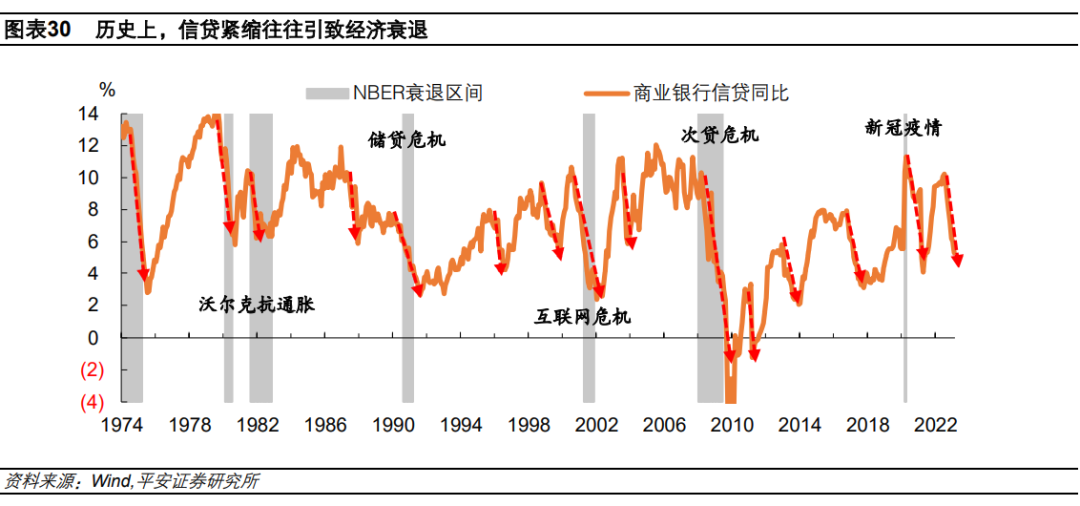
    regulates the conduct of the examiners, but the punishments are

    slight. One candidate, whose essay had been condenmed without

    being read, printed it, which led to the punishment of the

    examiner, degradation of the graduate, and promulgation of a

    law forbidding this mode of appealing to the public. Another

    essay was rejected because the writer had abbreviated a single characterj

    When the names of the successful wranglers are known, they are published by a crier at midnight, on or before the tenth of the ninth moon ; at Canton, he mounts the highest tower, and, after a salute, announces them to the expectant city ; the next morning, lists of the lucky scholars are hawked about the streets, and rapidly sent to all parts of the province. The proclamat) m which contains their names is pasted upon the governor’s office under a salute of three guns ; his excellency comes out and bows three times towards the names of iha I’i’omoted men^ and retires under another salute. The disappointed multitude must then rejoice in the success of the few, and solace themselves with the hope of better luck next time ; while the successful ones are honored and feasted in a very distinguished manner, and are the objects of flattering attention from the whole city. On an appointed day, the governors, commissioners, and high provincial officers banquet them all at the futai’s palace; inferior officers attend as servants, and two lads, fantastically dressed, and holding fragrant branches of the olive(pleafragrans) in their hands

    grace the scene with this symbol of literary attainments. The

    number of A.M., licentiates, or kil-jtn, who triennially receive

    their degrees in the Empire, is upwards of thirteen hundred :

    the expense of the examinations to the government in various

    ways, including the presents conferred on the graduates, can

    hardly be less than a third of a million of taels. (Besides the

    triennial examinations, special ones are held every ten years,

    and on extraordinary occasions, as a victory, a new reign, or an

    imperial marriage. One was granted in 1835 because the Empress-

    dowager had reached her sixtieth year)

    The third degree of tsln-sz\ ‘entered scholars,’ or doctors, is

    conferred triennially at Peking upon the successful licentiates

    who compete for it, and only those among the h’d-j’m., who have

    not alread}’ taken office, are eligible as candidates. On application

    at the provincial treasury, they are entitled to a part of their

    travelling expenses to court, but it doubtless requires some interest

    to get the mileage granted, for many poor scholars are detained

    from the metropolitan examination, or nnist beg or bor

    row in order to reach it. The procedure on this trial is the

    same as in the provinces, but the examiners are of higher rank ;

    the themes are taken from the same works, and the essays ai’e

    but little else than repetitions of the same ti-ain of thought and

    argument. After the degrees are conferred upon all who are

    deeined worthy, which varies from one hundi-ed and fifty to four

    hundred each time, the doctors are introduced to the Emperor,

    EXAMINATIONS FOR TIIIKD AND FOUKTII DEGREES. 559

    and do him reverence, the three highest receiving rewards from

    him) At this examination, candidates, instead of being promoted,

    are occasionally degraded from their acquired standing

    for incompetency, and forbidden to appear at them again. VThe

    graduates are all inscribed upon the list of candidates for promotion,

    by the Board of Civil Office, to be appointed on the lirst

    vacancy ; most of them do in fact enter on official life in some

    way or other by attaching themselves to high dignitaries, or getting

    employment in some of the departments at the capital-/

    (One instance is recorded of a student taking all the degrees

    within nine months ; and some become Tianlin before entering

    office. Others try again and again, till gi’ay hairs compel them

    to retire.) I’here are many subordinate offices in the Academy,

    the Censorate, or the Boards, which seem almost to have been

    instituted for the employment of graduates, whose success has

    given them a partial claim upon the country. The Emperor

    sometimes selects clever graduates to prepare works for the use

    of government, or nominates them upon special literary commissions’”

    ‘ It can easily be understood that no small address in

    managing and appeasing such a crowd of disciplined active

    minds is required on the part of the bureaucracy, and only the

    long experience of many generations of the graduates could suffice

    to keep the system so vigorous as it is.

    The fourth and highest degree of Jianlln is rather an office

    than a degree, for those who attain it are enrolled as members

    of the Imperial Academy, and receive salaries. The triennial

    exatnination for this distinction is held in the Emperor’s palace,

    and is conducted on much the same plan as all preceding ones,

    though being in the presence of the highest personages in the

    Empire, it exceeds them in honor.’ *^ Manchus and Mongols

    ‘ Chinese Repository, Vol. IX., p. 541 ; Vol. III., p. 118.

    2 See Morrison’s Chinese Dictionary, Vol. I., Part I., pp. 759-779, for the laws

    and usages of the several trials. Also Doolittle’s Sucidl Life, Vol. I. , Chaps.

    XV., XVI., and XVII. ; Biot, Essai snr VHistoirc de VInstruction PubUque en

    Chine ; W. A. P. Martin, T/iC Chiiu’se, pp. 39 ff. ; Journal Asiatique, Tomes

    III., pp. 257 and 331, IV., p. 3, and VII. (3d Series, 1839), pp. 32-81;

    Journal Asiatic Soc. Benr/al, Vol. XXVIII., No. 1, 1859; Journal N. C. Br.

    R. As. Soc, New Series, Vol. VI., pp. 129 ff. ; China Review, Vol. II., p

    309.

    compete at these trials with the Chinese, but many facts show

    tliat the former are generally favored at the expense of the latter’;

    the large proportion of men belonging to these races filling

    high oflSces indicates who are the rulers of the landT] The candidates

    are all examined at Peking ; one instance is recorded

    of a Chinese who passed himself oif for a Mancliu, but afterward

    confessed the dissimulation ; the head of the division was

    tried in consequence of his oversight. It is the professed policy

    of the govermnent to discourage literary pursuits among them,

    in order to maintain tho ancient energy of the race ; but Avhero

    the real power is lodged in the hands of civilian^^, it is impossible

    to prevent so powerful a component of the population

    from competing with the others for its possession.

    The present dynasty introduced examinations and gradations

    among the troops on the same principles as obtain in the civil

    service ; nothing more strikingly proves the power of literary

    pursuits in China, than this vain attempt to harmonize the profession

    of arms in all its branches with them. Their enemies

    were, however, no better disciplined and equipped than they

    themselves were. Candidates for the first degree present

    themselves before the district magistrate, with proper testimonials

    and securities. On certain days they are collected on

    the parade-grounds, and exhibit their skill in archery (on foot

    and in the saddle), in wielding swords and lifting weights,

    graduated to test their muscle. The successful men are assembled

    afterward before the prefect ; and again at a third trial

    before the literary chancellor, who at the last tripos tests them

    on their literary attainments, before giving them their degrees

    of siu-tsai. The number of successful military slu-tsal is tho

    same as the literary. They are triennially called together by

    tho governor at the provincial capital to undergo further examination

    for Mi-jin in four successive trials of the same nature.

    These occasions are usually great gala days, and three or four

    scores of young warriors who carry off pi’izes at these tournaments

    receive honors and degrees in much the same style as

    their literary compeers. The trials for the highest degree are

    lield at Peking ; and the long-continued efforts in this service

    generally obtain for the young men posts in the body-guard of

    COMPETITIVE EXAMINATIONS OF THE MILHARV. 561

    the governors or staff uppointrneiits. The forty- nine successful

    candidates out of several thousands at tlie trieiniial examination

    for l-il-jln. in Canton, November, 1882, all hit the target on

    foot six times successively, and on horseback six times ; once

    with the arrow they hit a ball lying on the ground as they

    passed it at a gallop ; and all were of the first class in wielding

    the iron-handled battle-axe, and lifting the stone-loaded beam,

    tl’he candidates are all persons of property, who find their own

    horses, dresses, arms, etc., and are handsomely dressed, the

    horses, trimmings, and accoutrements in good order—the arrows

    being without barbs, to prevent accidents. One observer

    says, ” the marks at wliich they fired, covered with white

    paper, were about the height of a man and somewhat wider,

    placed at intervals of fifty yards ; the object was to strike the>ie

    marks successively with their three ari’ows, the horses be^.’g

    kept at full speed. Although the bulTs-eye was not always
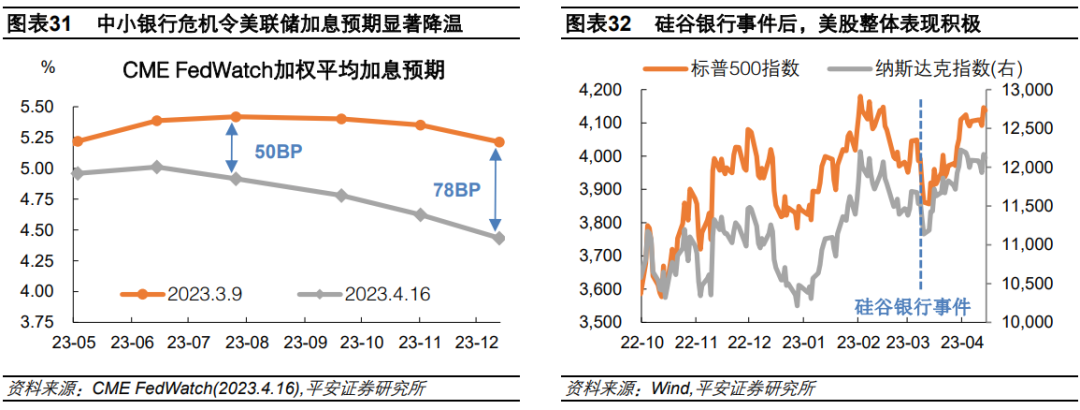
    hit, the target was never missed : the distance did not exceed

    fifteen or twenty feet.’y

    (Since military honors depend so entirely on personal skill, it

    may partly account f(jr the inferior rank the graduates hold in

    comparison with civilians. I\^o knowledge of tactics, gunnery,

    engineering, fortifications, or even, letters in general, seems to

    be required of them; and this explains the inefficiency of the

    army, and the low estimation its officers are held in. Sir J.

    Davis mentions one military officer of enoi’mous size and

    strength, Avhom. he saw on the Pei ho, who had lately been

    promoted for his personal prowess ; and speaks of another attached

    to the guard on one of the boats, who was such a foolish

    fellow that none of the civilians would associate with him.”

    All the classes eligible to civil promotion can enter the ^.sts for

    military honors ; the Emperor is present at the examination for

    the highest, and awards prizes, such as a cap decorated with a

    peacock’s feather ; but no system of prizes or examinations can

    supply the want of knowledge and courage. Military distinctions

    not being much sought by the people, and conferring but

    •Ellis, Embassy to China, p. 87; Chinese Repository, No\. XVI., p. 63;

    Vol. IV., p. 125.

    ^ Davis, Sketches, Vol. I., pp. 99, 101.

    little emolument or power, do not stand as high in public estimation as the present government wishes. The selection oi officers for the naval service is made from the land force, and a man is considered (piite as fit for that branch after his feats of archery, as if the trials had been in yacht-sailing or manning the yards. I

    Such is the outline of the system of examinations through

    which the civil and military services of the Chinese government

    are supplied) and the only part of their system not to be

    paralleled in one or other of the great monarchies of past or

    present times ; though the counterpart of this may have also

    existed in ancient Egypt. ” It is the only one of their inventions,”

    as has been remarked, “which is perhaps worth preserving,

    and has not been adopted by other countries, and carried

    to greater perfection than they were equal to.” CBut such a

    system w^ould be unnecessary in an enlightened Cliristian

    country, where the people, pursuing study for its own sake, are

    able and willing to become as learned as their rulers desire

    without any such inducement. Nor M’ould they submit to the

    trammels and trickery attendant on competition for office ; the

    ablest politicians are by no means found among the most

    learned scholars. The honor and power of official position

    liave proved to be ample stimnlus and reward for years of

    patient study, (^ot one in a score of graduates ever obtains an

    office, not one in a hundred of competitors ever gets a degree ;

    but they all belong to the literary class, and share in its influence,

    dignity, and privileges. Moreover, these books render

    not only those who get the prizes well acquainted with the true

    principles on which power should be exercised, but the whole

    nation—gentry and commoners—know them also. These unemployed

    literati form a powerful middle class, whose members

    advise the work-people, who have no time to study, and aid

    ri their rulers in the management of local affairs. Their intelligence

    fits them to control most of the property, while few

    acquire such wealth as gives them the power to oppress. They

    make the public opinion of the country, now controlling it,

    then cramping it; alternately adopting or resisting new influences,

    and sometimes successfully thwarting the acts of officials,

    OBSERVATIONS UPON THE SYSTEM. 503

    when the rights of the people are in danger of encroachment

    ;

    or at other times combining with tlie authorities to repress anarchy

    or relieve suffering.’

    (This class has no badge of I’ank, and is open to every man’s

    highest talent and efforts, but its complete neutralization of

    hereditary rights, which would have sooner or later made a

    privileged uligari^iij anil-aJiUJdeifiiLfeiKhLLMi§tQcracy, proves

    its vitalizing, democratic influence.) It has saved the Chinese’

    people from a second disintegration into numerous kingdoms,

    by the sheer force of instruction in the political rights and

    duties taught in the classics and their conmientaries. f While

    this system put all on equality, human nature, as we know, has

    no such equality. .Vt its inception it probably met general

    support from all classes, because of its fitness for the times, and

    soon the resistance of multitudes of hopeful students against

    its abrogation and their consequent disappointment in their lifework

    aided its continuance.^ As it is now, talent, wealth, learning,

    influence, paternal raidc, and intrigue, each and all have

    full scope for their greatest efforts in securing the prizes. If

    these prizes had been held by a tenure as slippery as they

    are at present in the American Republic, or obtainable only

    by canvassing popular votes, the system would surely have

    failed, for ” the game would not have been worth the candle.”

    But in China the throne gives a character of pernumency to

    the government, which opposes all disorganizing tendencies,

    and makes it for the interest of every one in ofiice to strengthen

    the power which gave it to him. This loyalty was remarkably

    shown in the recent rebellion, in which, during the eighteen

    years of that terrible carnage and ruin, not one imperial official

    voluntarily joined the Tai-pings, while hundreds died resisting

    them.

    There is no space here for further extracts from the classics

    which will adequately show their character. They would prove

    that Chinese youth, as well as those in Christian lands, are

    taught a higher standard of conduct than they follow. The

    former are, however^ drilled in the very best moral books the

    language affords ; if the Proverbs of Solomon and the New Testament were studied as thoroughly in our schools as the Four Books are in China, our young- ineu would be better fitted to act their part as good and useful citizens.

    fin this way literary pursuits have taken precedence of warlike,

    and no unscrupulous (“sesar or ]^apoleon has heen able to

    use the army for his own aggrandizement. The army of

    Cliina is contemptible, certainly, if compared with those of

    Western nations, and its use is rather like a police, whose powers

    of protection or oppression are exhibited according to the

    tempers of those Avho employ them. But in China the army

    has not been employed, as it was by those great captains, to

    destroy the institutions oti ^vhich it rests ; though its weakness

    and want of discipline often make it a greater evil than good to

    the people.) But had the military waxed strong and efficient,

    it would certainly have l)ecome a terror in the hands of ambitious

    monarchs, a drain on the resources of the land, pci-haps

    a menace to other nations, or finally a destroyer of its own.

    (The officials were taught, when young, what to honor in their

    rulers ; and, now that they liold those stations, they learn that

    discreet, upright magistrates do receive reward and promotion,

    and experience has shown them that peace and thrift are the

    ends and evidence of good government, and the best tests of

    their own fitness for office.?

    Another observable result of this republican method of getting

    the best-educated men into office is the absence of any

    class of slaves or serfs among the population. Slavery exists in

    a modified form of corporeal mortgage for debt, and thousands

    remain in this serfdom for life through one reason or another.

    But the destruction of a feudal baronage involved the extinction

    of its correlative, a villein class, and the oppression of

    poor debtors, as Avns the case in Rome under the consuls. Only

    freemen are eligil>le to enter the concoKfs^ but the percentage

    of slaves is too snuill to influence the total. To this cause, too,

    may, perhaps, to a large degree, be ascribed the absence of

    anything like caste, which has had such bad effects in India.

    <‘^The system could not be transplanted ; it is fitted for the

    ‘genius of the Chinese, and they have become well satisfied

    with its workings, jits purification would do great good, doubtless,

    if the mass or^the people are to be left in their present

    VARIOUS KKSl’LTS TO THE LAND AND PKOI’LIO. 565

    state of ignoi’ance, but their elevation in knowledge would, ere

    long, revolutionize the whole. There can be no doubt as to

    tlie important and beneficial i-esnlts it has accomplished, with / .

    all its defects, in perpetuating and strengthening the system of

    government, and securing to the people a more equitable and

    vigorous body of magistrates than they could get in any other

    way. It offers an honorable career to the most ambitious, taleiited,

    or turbulent spirits in the country, which demands all

    their powers ; and by the time they enter upon office, those

    aspirations and powers have been drilled and molded into use-

    1

    ful service, and are ever after devoted to the maintenance of \

    the system they might otherwise have wrecke^.f Most of the

    real benefits of Chinese education and this sj’sfem of examinations

    are reached before the conferment of the degree of Ixujin.

    These consist in diffusing a general respect and taste for

    letters among the people ; in calling out the true talent of the

    country to the notice of the rulers in an honorable path of effort

    ; in making all persons so thoroughly acquainted -with the

    best moral books in the language that they cannot fail to exercise

    some salutary i-estraint ; in elevating the genei-al standard

    of education so much that every man is almost compelled to

    give his son a little learning in order that he may get along in

    life ; and finally, through all these influences, powerfully contributing

    to uphold the existing institutions of the Empire.

    From the intimate knowledge thus obtained of the writings

    of their best minds, Chinese youth learn the principles of democratic

    nde as opposed to personal authority ; and from this instruction

    it has resulted that no monarch has evei* been able to

    use a standing army to enslave the people, or seize the proceeds

    of their industry for his own selfish ends^’ Nothing in Chinese

    politics is more worthy of notice than the unbounded reverence

    for the Emperor, while each man resists unjust taxation, and

    joins in killing or driving away oppressive officials. [Educated

    men form the only aristocracy in the land ; and the attainment

    of the first degree, by introducing its owner into the class of

    gentnj, is considered ample compensation for all the expense

    and study spent in getting it. On the whole, it may safely be

    asserted that these examinations have done more to maintain the stability, and explain the continuance, of the Chinese government than any other single canse.)

    Ijhe principal defects and malversations in the system can

    soon be shown. Some are inherent, but others rather prove

    the badness of the material than of the system and its harmonious

    workings. One great difRcnlty in the way of the graduated

    students attaining office according to their merits is the

    favor shown to those who can buy nominal and real honors.

    “”Two_censm:g^,-ill–1822, laid a document before his Majesty, in

    M’hich the evils attendant on selling office are shown ; viz., elevating

    priests, highwaymen, merchants, and other unworthy or

    uneducated men, to responsible stations, and placing insurmountable

    difficulties in the way of hard-working, worthy students

    reaching the reward of their toi^ They state that the

    plan of selling offices connnenced during the II an dynasty, but

    speak of the greater disgrace attendant upon the plan at the

    present time, because the avails all go into the privy purse instead

    of being applied to the public service ; they recommend,

    therefore, a reduction in the disbursements of the imperial estal)

    iishment. LVniong the items mentioned by these oriental

    Joseph Humes, which they consider extravagant, are a lac of

    taels (100,000) for tlowers and rouge in the seraglio, and 120,-

    000 in salaries to waiting-boys ; two lacs were expended on the

    gardens of Yuenming, and almost half a million of taels upon

    the parks at Jeh ho, while the salaries to officers and presents

    to women at Yuenming were over four lacs. ” If these few

    items of expense were abolished,” they add, “there would be a

    saving of moi’e than a million of taels of useless expenditure

    ;

    talent might be brought forward to the service of the country,

    and the people’s wealth be secured.”

    i^n consequence of the extensive sale of offices, they state

    that more than five thousand ^.s/;? -,<?.;’ doctors, and more than

    twenty-seven thousand l-il-j’ui licentiates, arc waiting for employment

    ; and those first on the list obtained their degrees

    thirty years ago, so that the pi-obability is that when at last

    employed, they will be too old for service, and be declared

    superannuated in the first examination of official merits and demerits.

    The rules to be observed at the regular examinations

    ITS rilACTICAL DEFECTS AND CORRUPTION. 067

    are strict, but no questions are asked the buyers of office ; and

    they enter, too, on their duties as soon as the money is paid.
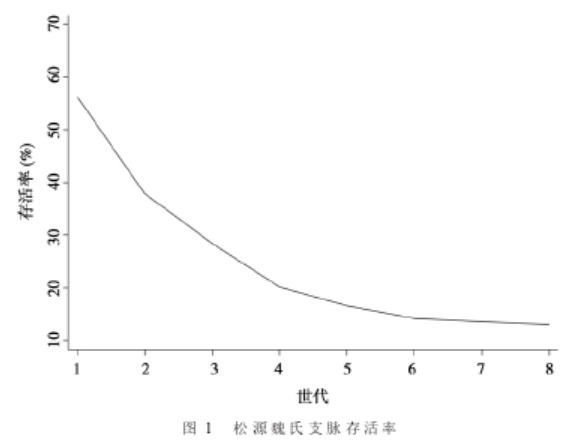
    The censors quote tliree sales, ^vhose united proceeds amounted

    to a quarter of a million of taels, and state that the whole income

    from this source for twenty years was only a few lacs.
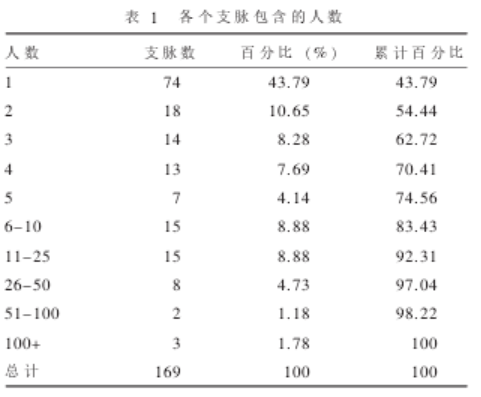
    Examples of the flagitious conduct of these purse-proud magistrates

    are quoted in proof of the bad results of the plan.

    ” Thus the priest Siang Yang, prohibited from holding office,

    bought his way to one ; the intcndant at Xingpo, from being a

    mounted highwayman, bought his M’ay to office ; besides others

    of the vilest parentage. But the covetousness and cruelty of

    these men are denominated purity and intelligence ; they inflict

    severe punishments, which make the people terrified, and

    their superiors point them out as possessing decision : these are

    our able officers !

    “/^

    After animadverting on the general practice “of all officers,

    from governor-generals down to village magistrates, combining

    to gain their jMU-poses l)y hiding the truth from the sovereign,”

    and specifying the malversations of Tohtsin, the premier, in

    particular, they close their paper with a protestation of their

    integrity. “If your Majesty deems what we have now stated

    to be right, and will act thereon in the government, you will

    realize the designs of the souls of your sacred ancestors; and

    the army, the nation, and the poor people, M’ill have cause for

    gladness of heart. Should we be subjected to the operation of

    the hatchet, or suffer death in the boiling caldron, we will not

    decline it,”

    These censors place the proceeds of “button scrip “far too

    low, for/in 1826, the sale produced about six millions of taels,

    and was continued at intervals during the three following

    years. In 1831, one of the sons of HoAvqua was created a

    ku-jin by patent for having subscribed nearly fifty thousand

    dollars to repair the dikes near Canton ; and upon another was

    conferred the rank and title of ” director of the salt monopoly”

    for a lac of taels toward the war in Turkestan, Neither of

    these persons ever held any office of power, nor probably did

    they expect it ; and such may be the case with many of those

    who are satisfied with the titles and buttons, feathers and robes, which their money procures./ The sale of office is rather accepted

    as a State necessity which does not necessarily bring

    tyrants npon the bench ; but when, as was the case in 1863.

    Peiching, head of the Examining Board at Peking, fraudulently

    issued two or three diplomas, his execution vindicated

    the law, and deterred similar tampering with the life-springs of

    the system, ^i^uring the present dynasty, military men have

    l)een frequently appointed to magistracies, and the detail of

    their offices intrusted to needy scholars, which has tended, still

    further, to disgii^ and dishearten the latter from resorting to

    the literary arena.)

    The language itself of the Chinese, which has for centuries

    aided in preserving their institutions and strengthening national

    homogeneity amid so many local varieties of speech, is now

    rather in the way of their progress, and may be pointed to as

    another unfortunate feature which infects this system of education

    and examination ; for it is impossible for a native to write

    a treatise on grammar about another language in his own

    tongue, through which another Chinese can, unaided, learn to

    speak that language. This people have, therefore, no ready

    means of learning the best thoughts of foreign minds. Such

    being the case, the ignorance of their first scholars as regards

    other races, ages, and lands has been their misfortune far more

    than their fault, and thej’ have suffered the evils of their isolation.

    One has been an utter ignorance of what would have

    conferred lasting benefit resulting from the study of outside

    conceptions of morals, science, and politics, (inasmuch as

    neither geography, natural history, mathematics, nor the history

    or languages of other lands forms part of the curriculum,

    these men, trained alone in the classics, have naturally grown

    up with distorted views of their own country. The officials

    are imbued with conceit, ignorance, and arrogance as to its

    power, resources, and comparative influence, and are helpless

    when met by greater skill or strength. However, these disadvantages,

    great as they are and have been, have mostly resulted

    naturally fi-om their secluded position, and are rapidly yielding

    to the new influences which are acting upon government and

    people.^ To one contemplating this startling metamorphosis,

    SALE OF DEGREES a:ND FORGED DIPLOMAS. D6j)

    the foremost wish, indeed, must he that these causes do not

    disinte^’-rate their ancient economies too fast for the recuperation

    and preservation of wliatever is good therein.

    |\nother evil is ^h^ bribery practised to attain the degrees.

    By certain signs placed on the essays, the examiner can easily

    pick out those he is to approve; §8,000 was said to be the

    price of a bachelor’s degree in Canton, but this sum is within

    the reach of few out of the six thousand candidates. The poor

    SL’liolars sell their services to tlie rich, and for a certain price

    will enter the hall of examination, and personate their employer,

    running the risk and penalties of a disgraceful exposure if

    detected ; for a less sum they will drill them before examination,

    or write the essays entirely, which the rich booby must commit

    to memory.) ^The purchase of forged diplomas is another mode

    of obtaining a graduate’s honors, which, from some discoveries

    made at Peking, is so extensively practised, that when this and

    other corruptions are considered, it is surprising that any person

    can be so eager in his studies, or confident of his abilities,

    as ever to think he can get into office by them alone. In 1830,

    the Gazette contained some documents showing that an inferior

    officer, aided by some of the clerks in the Board of Hevenue,

    during the successive superintendence of twenty presidents of

    the Board had sold twenty thousand four hundred and nineteen

    foi-ged diplomas ; and in the ])rovince of Xganhwui, the

    writers in the office attached to the Board of Ileveuue had

    carried on the same practice for four years, and forty-six persons

    in that province were convicted of possessing them. All

    the principal criminals convicted at this time were sentenced to

    decapitation, butCjhese cases are enough to show that the real

    talent of the country does not often find its way into the magistrate’s

    seat without the aid of money ; nor is it likely that the

    tales of such delinquencies often appear in the Gazette. Literary

    chancellors also sell bachelors’ degrees to the exclusion of

    deserving poor scholars ; the office of the // ‘lohchhuj of Kiangsi

    was searched in 1828 by a special commission, and four lacs of

    taels found in it ; he hung himself to avoid further punishment,

    as did also the same dignitary in (^anton in 1833, as was supposed,

    for a similar cause. It is in this way, no doubt, that the ill-fjotten o;ains of most officers return to the o-enenil cirdilation.’

    Notwithstanding these startling corruptions, which seem to

    involve the principle on which the harmony and efficiency of

    the whole machinery of state stand, it cannot be denied, judging

    from tlie results, that the highest officei’s of the Chinese

    government do possess a very respectable rank of talent and

    knowledge, and carry on the unwieldy machine with a degree

    (»f integrity, pati’iotism, industry, and good order which shows

    that the leading minds in it are well chosen. The person who

    has originally obtained his rank by a forged diploma, or by

    direct purchase, cannot hope to rise or to maintain even his first

    standing, without some knowledge and parts. One of the tlu’ce

    commissioners whom Kiying associated with himself in his

    negotiations with the American minister in lS4-i, was a supernumerary

    cluhloi of forbidding appearance, who could hardly

    Avrite a common document, but it was easy to see the low estimation

    the ignoranms was hold in. It may therefore be fairly

    inferred that enough large prizes are drawn to incite successive

    generations of scholars to compete for them, and thus to maintain

    the literary spirit of the people. At these examinations

    the superior minds of the country are brought together in large

    bodies, and thus they learn each others views, and are able to

    check official oppressions with something like a public ojunion.

    In Peking the concourse of several thousands, from the remotest

    provinces, to compete at or assist in the triennial examinations,

    exerts a great and healthy influence upon their rulers

    and themselves. jSTothing like it ever has been seen in any

    other metropolis.

    ^The enjoyment of no small degree of power and influence in

    their native village, is also to be considered in estinuiting the

    rewards of studious toil, whether the student get a diploma or

    not ; and this local consideration is the most common i-eward

    attending the life of a scholar. ^ In those villages where no

    governmental officer is specially appointed, such men are almost

    sure to become the headmen and most influential persons in the

    very spot)where a Chinese loves to be distinguished, (rraduates

    are likewise allowed to erect flag-staffs, or put up a red sign

    INFLUENCE AND IlESPECT OBTAINED BY BACHELORS. 57]

    over the door of tlieir lionses si lowing tlie degree tliev have obtained,

    wliich is both a hariuloss and gratifying reward of

    stud}’/; like the additions of Cant((h. or Odvu.^ D.D. or LL.D.,

    to their owner’s names in other lands.

    (The fortune attending the unsuccessful candidates is various/

    Thousands of them get employment as school-teachers, pettifogging notaries, and clerks in the public offices, and others who are rich return to their families. Some are reduced by degrees to beggary, and resort to medicine, fortune-telling, letter-writing, and other such shifts to eke out a living. Many turn their attention to learning the modes of drawing up deeds and forms used in dealings regarding property ; others look to aiding military men in their duties, and a few turn authors, and thus in one way or another contrive to turn their learning to account.

    During the period of the examinations, when the students are assembled in the capital, the officers of government are careful not to irritate them by punishment, or offend their €ii]^>i-it ile corj)s^ but rather, by admonitions and warnings, induce them to set a good example. The personal reputation of the officer himself has much to do with the influence he exerts over the students, and whether they will heed his cdveats. One of the examiners in Zhejiang, irritated by the impei’tinence of a bachelor, who presumed upon his immunity from corporeal chastisement, twisted his ears to teach him better manners; soon after, the student and two others of equal degree were accused before the same magistrate for a libel, and one of them beaten forty strokes upon his palms. At the ensuing examination, ten of the xiucai indignant at this unauthorized treatment, refused to appear, and all the candidates, when they saw who was to preside, dispersed immediately. In his memorial upon the matter, the governor-general recommends both this officer, and another one who talked much al)Out the affair and produced a great effect upon the public mind, to be degraded, and the bachelors to be stripped of their honors. A magistrate of Honan, having punished a student with twenty blows, the assembled body of students rose and threw their caps on the ground, and walked ofp, leaving him alone. The prefect of Canton, in 1842, having become obnoxious to the citizens from the part lie took in ransoming the city M’lien surrounded by the British forces, the students refused to receive him as their examiuer, and when he appeai’ed in tlie liall to take his seat,

    drove him out of the room by throwing their ink-stones at him ;

    he soon after resigned his statio’N. Perhaps the siu-tsai are

    more impatient than the hu-jin from being better acquainted

    with eacli other, and being examined by local officers, while the

    I’il-jin are overaw’ed by the rank of the commissioners, and,

    coming from distant parts of a large province, have little

    }mitual sympathy or acquaintance. The examining boards,

    however, take pains to avoid displeasing any gathering of graduates.

    We have seen, then, in what has been of necessity a somewhat

    cursory resmue, the management and extent of an institution

    which has opened the avenues of rank to all, by

    teaching candidates how to maintain the principles of liberty

    and equality they had learned from their oft-quoted ‘ancients.’

    All that these institutions need, to secure and promote the highest welfare of the people—as they themselves, indeed, aver—is their faithful execution in every department of government; as we find them, no higher evidence of their remarkable wisdom can be adduced, than the general order and peace of the land. When one sees the injustice and oppressions in law courts, the feuds and deadly fights among clans, the prevalence of lying, ignorance, and pollution among commoners, and the unscrupulous struggle for a living going on in every rank of life, he wonders that Tuiiversal anarchy does not destroy the whole machine. But ‘ the powers that be are ordained of God.”

    The Chinese seem to have attained the great ends of human government to as high a degree as it is possible for man to go without the knowledge of divine revelation. That, in its great truths, its rewards, its hopes, and its stimulus to good acts has yet to be received among them. The course and results of the struggle between the new and the old in the land of Sinim will fomi a remarkable chapter in the history of man.

    FKMA^ EDUCATION IX CHINA. 573

    With regard to female education, it is a singular anomaly among Chinese writers, that while they lay great stress upon maternal instruction in f(u-ining the infant mind, and leading i* on to exoelleiK’O, no more of them should have turned their attention to the preparation ©f hooks for girls, and the establishment of female schools. There are some reasons for the absence of the latter to be found in the state of society, notable among which must stand, of course, the low position of woman in every oriental community, and a general contempt for the capacity of the female mind. It is, moreover, impossible to procure many qualified schoolmistresses, and to this we must add the hazard of sending girls out into the streets alone, where they would run some risk of being stolen. (^~~The principal stimulus

    for boys to study—the hope aiid:”~pi”ospect of office—is

    taken away from girls, and Chinese literature offei’s little to re-|

    pay them for the labor of learning it in addition to all the

    domestic duties which devolve upon them// Nevertheless, education

    is not entirely confined to the sti-onger sex ; seminaries

    for young women are not at all unconnnon in South China, and

    it is not unusual to find private tutors giving instruction to

    young ladies at their houses.* Though this must be regarded

    as a comparative statement, and holding much more for the

    southern than for the northern provinces, on the other hand, it

    may be asserted that literary attainments are considered creditable

    to a wonuin, more than is the case in India or Siam ; the

    names of authoresses mentioned in Chinese annals would make

    a long list. Yuen Yuen, tlie governor general of Canton, in

    1S20, while in office, published a volume of his deceased’s

    daughter’s poetical effusions ; and literary men ai-e usually desirous

    of having their daughters accomplished in music and

    poetry, as well as in composition and classical lore. Such an

    education is considered befitting their station, and reflecting

    credit on the family.

    One of the most celebrated female writers in China is Pan

    Ilwui-pan, also known as Pan Chao, a sister of the historian

    Pan Ivu, who wrote the histoiy of the former Ilan dynasty.

    She M’as appointed historiographer after his death, and completed

    his unfinished annals ; she died at the age of seventy,

    and was honored by the Emperor Ho with a public burial, and

    ‘ Arcluleacon Gray, China, Vol. I., p. 167.

    the title of the (ireat Lady Tsao. About a.d. So, slie was made

    pi”eeeptress of tlie Empress, and wrote the Urst woi-k in any

    language on female education ; it was called Nil Kiai or Fe-

    ‘inale Precej’ts^ and has formed the basis of many succeeding

    books on female education. The aim of her writings was to

    elevate female character, and make it virtuous. She says, ” The

    virtue of a female does not consist altogether in extraordinary

    abilities or intelligence, but in being modestly grave and inviolably

    chaste, observing the requirements of virtuous widowhood,

    and in being tidy in her person and evei-ything about

    her ; in whatever she does to be unassmning, and M’henever she

    moves or sits to be decorous. This is female virtue.” Instruction

    in morals and the various branches of domestic economy

    are more insisted upon in the Mi-itings of this and other authoresses,

    than a knowledge of the classics or histories of the country.

    One of the most distinguished Chinese essayists of modern

    times, Luhchau, published a Avork for the benefit of the sex,

    called the Female Instructor j an extract from liis preface will

    show what ideas are generally entertained on female education

    by Chinese moralists.

    ” The basis of the government of the Empire lies in the habits of the people, and the surety that their usages will be correct is in the orderly management of families, which last depends chiefly upon the females. In the good old times of Cliau, the virtuous women set such an excellent example that it influenced the customs of the Empire—an influence that descended even to the times of the Ching and Wei states. If the curtain of the inner apartment gets thin, or is hung awry [i.e., if the sexes are not kept apart], disorder will enter the family, and viltimately pervade the Empire. Females are doubtless the sources of good manners ; from ancient times to the present this has been the case. The inclination to virtue and vice in women differs exceedingly; their dispositions incline contrary ways, and if it is wished to form them alike, there is nothing like education. In ancient times, youth of both sexes were

    in.structed. According to the A’rtwa^ 0/ 67</<m, ‘the imperial wives regulated the law for educating females, in order to instruct the ladies of the palace in morals, conversation, manners, and work ; and each led out her respective

    (dasses, at proper times, and arranged them for examination in the imperial

    presence.’ But these treatises have not reached us, and it cannot be distinctljr

    ascertained what was their plan of arrangement

    “The t^lncation of a woman and that of a man arc* very <lissimilar. Tlius,

    a man can study during his whole life ; whether he is abroad or at home, lit

    THE “female IISrSTRUCTOR” ON WOMEN”. 575

    can always look into the classics and history, and liecome thorouglily ac-nainted

    wilh the wlioUi range of authors, lint a woman does not study mori; than ten

    years, when she takes upon her the management of a family, whave a multiplicity

    of cares distract her attention, and having no leisure lor undisturbed

    study, she cannot easily understand learned authors ; not having obtained a

    thorough acquaintance with letters, she does not fully comprehend their principles

    ; and like water that has flowed from its fountain, she cannot regulate

    lier conduct by their guidance. How can it be said that a standard work on

    female education is not wanted 1 Every profession and trade has its appropriate

    master ; and ought not those also who possess sucli an influence over manners

    [as females] to be tanght their duties and tluir proper limits ? It is a

    matter of regret, that in these books no extracts liave been made from the

    works of Confucius in order to make them introductory to the writings on polite

    literature ; and it is also to be regretted that selections have not been made

    from the commentaries of Clung, Chu, and other scholars, who have explained

    his writings clearly, as also from the whole range of writers, gathering from

    them all that which was appropriate, and omitting the rest. These are circulated

    among mankind, together with such books as the Juvenile InstrucU/i’

    ;

    yet if they are put into the hands of females, they cause them to become like a

    blind man without a guide, wandering hither and thither without knowing

    where he is going. There has been this great deficiency from very remote times until now.

    “Woman’s influence is according to her moral character, there Tore that point

    is largely explained. First, concerning her obedience to her husband and to

    liis parents ; then in regard to her complaisance to his brothers and sisters,

    and kindness to her sisters-in-law. If unmarried, she has duties toward her

    parents, and to the wives of her elder brothers ; if a principal wiie, a woman

    must have no jealous feelings ; if in straitened circumstances, she must be

    contented with her lot ; if rich and honorable, she must avoid extravagance

    and haughtiness. Then teach her, in times of trouble and in days of ease,

    how to maintain her purity, how to give importance to right principles, how

    to observe widowhood, and how to avenge the murder of a relative. Is she

    a mother, let her teach lier children ; is she a step-mother, let her love

    and cherish her husband’s children ; is her rank in life high, let her be

    condescending to her inferiors ; let her wholly discard all sorcerers, superstitious

    nuns, and witches ; in a word let her adhere to propriety and avoid

    vice.

    “In conversation, a female should not be freward and garrulous, but observe

    strictly what is correct, whether in suggesting advice to her husband, in

    remonstrating with him, or teaching her children, in maintaining etiquette,

    humbly imparting her experience, or in averting misfortune. The deportment

    of females should be strictly grave and sober, and yet adapted to the occasion

    ; whether in waiting on her parents, receiving or reverencing her husband,

    rising up or sitting down, when pregnant, in times ol’ mourning, or when

    fleeing in war, she should be perfectly decorous. Rearing the silkworm and

    working cloth are the most important of the employments of a female ; pre’

    paring and serving up the food for the household, and setting lu order th* sacrificee, follow next, each of which must be attended to ; after them, studj

    and learning can fill up the time.” ‘

    The work thus prefaced, is similar to Sprague’s Letters to a

    Daughter, rather than to a text-book, or a inaiiual intended to

    be read and obeyed rather than recited by young ladies. Happy

    would it be for the country, however, if the instructions given

    by this moralist were followed ; it is a credit to a pagan, to write

    such sentiments as the followinor : ” Durino; infancv, a child ardently

    loves its mother, who knows all its traits of goodness: while the father, perhaps, cannot know about it, there is nothing

    which the mother does not see. Wherefore the mother teaches

    more effectually, and only by her unwise fondness does her son

    become more and more proud (as musk by age becomes sourer

    and stronger), and is thereby nearly ruined.”—*’ Heavenly order

    is to bless the good and curse the vile ; he who sins against it

    will certainly receive his punishment sooner or later : from lucid

    instruction springs the happiness of the world. If females are

    unlearned, they will be like one looking at a wall, they will know

    nothing : if they are taught, they will know, and knowing they

    will imitate their examples.”

    It is vain to expect, however, that any change in the standing

    of females, or extent of their education, will take place until influences

    from abroad are brought to bear upon them—until the

    same work that is elswhere elevating them to their proper place

    in society by teaching them the principles on which that elevation

    is founded, and how they can themselves maintain it, is

    begun. The Chinese do not, by any means, make slaves of their

    females, and if a comparison be made between their condition in

    China and other modern unevangelized countries, or even with

    ancient kingdoms or Moslem races, it will in many points acquit

    them of much of the obloquy they have received on this behalf.

    There are some things which tend to show that more of the

    sex read and write sufficiently for the ordinary purposes of life,

    than a slight examination would at first indicate. Among these

    may be mentioned the letter-writers compiled for their use, in

    which instructions are given for every variety of note and epis-

    ‘ Chinese lieposltorij, Vol. IX., p. 543.

    EXTRACT FROM A GIHLs’ PRIMER. 577

    tie, except, perhaps, love letters. The works just inentioiied, intended

    for their improvement, form an additional fact. A

    Mancliu official of rank, named Sin-kwau, who rose to be governor

    of Kiangsi in Kiaking’s reign, wrote a primer in 1838, for

    girls, called the Nu-rh Yu, or ‘ Words/or Women and Girls.”

    It is in lines of four characters, and consists of aphorisms and

    short pi-ecepts on household management, behavior, care of

    children, neatness, etc., so written as to be easily memorized.

    It shows one of the ways in which literary men interest themselves, in educating youth, and further that there is a demand for such books. A few lines from this primer will exhibit its tenor
    Vile looks should never meet your eye,
    Nor filthy words defile your ear ;
    Ne’er look on men of utterance gross,
    Nor tread the ground which they pollute.
    Keep back the heart from thoughts impure,
    Nor let your hands grow fond of sloth ;
    Then no o’ersight or call deferred
    Will, when you’re pressed, demand your time
    In all your care of tender babes,
    Mind lest they’re fed or warmed too much;
    The childish liberty first granted
    Must soon he checked by rule and rein;
    Guard them from water, fire, and fools ;
    Mind lest they’re hurt or maimed by falls.
    All flesh and fruits when ill with colds
    Are noxious drugs to tender bairus—
    Who need a careful oversight,
    Yet want some license in their play.
    Be strict in all you bid them do.
    For this will guard from ill and woe.

    The pride taken by girls in showing their knowledge of letters is evidence that it is not common, while the general respect in which literary ladies ai-e held proves them not to be so very rare ; though for all practical good, it may be said that half of the Chinese people know nothing of books. The fact that female education is so favorably regarded is encouraging to those philanthropic persons and ladies who are endeavoring to establish female schools at the mission stations, since they have not preiudice to contend with in addition to ignorance.

  • WELLS WILLIAMS《The Middle Kingdom》1-5

    The Middle Kingdom: A SURVEY OP THE GEOGRAPHY, GOVERNMENT. LITERATURE, SOCIAL LIFE, ARTS, AND HISTORY of THE CHINESE EMPIRE ITS INHABITANTS
    S. WELLS WILLIAMS, LL.D.
    Professor of the Chinese language and literature at tale college; author or TONIC AND STLLABIO DICTIONARIES OF THE CHINESE LANOUAOE
    1913

    PREFACE
    During the thirty-five years which have elapsed since the first edition of this work was issued, a greater advance has probably been made in the political and intellectual development of China than within any previous century of her history. While neither the social habits nor principles of government have so far altered as to necessitate a complete rewriting of these pages, it will be found, nevertheless, that the present volumes treat of a reformed and in many respects modern nation. Under the new regime the central administration has radically increased its authority among the provincial rulers, and more than ever in former years has managed to maintain control over their pretentions. The Empire has, moreover, established its foreign relations on a well-understood basis by accredited envoys; this will soon affect the mass of the people by the greater facilities of trade, the presence of travelers, diffusion of education, and other agencies which are awaking the people from their lethargy. Already the influences which will gradually transform the face of society are mightily operating.
    The changes which have been made in the book comprise such alterations and additions as were necessary to describe the country under its new aspects. In the constant desire to preserve a convenient size, every doubtful or superfluous sentence has been erased, while the new matter incorporated has increased the bulk of the present edition about one-third. The arrangement of chapters is the same. The first four, treating of the geography, combine as many and accurate details of recent explorers or residents as the proportions of this section will permit. The extra-provincial regions are described from the researches of Russian, English, and Indian travelers of the last twenty years. It is a waste, mountainous territory for the most part and can never support a large population. Great pains have been taken by the cartographer, Jacob Wells, to consult the most authentic charts in the construction of the map of the Empire. By collating and reducing to scale the surveys and route charts of reliable travelers throughout the colonies, he has produced in all respects as accurate a map of Central Asia as is at this date possible. The Eighteen Provinces are in the main the same as in my former map.
    The chapter on the census remains for the most part without alteration, for until there has been a methodical inspection of the Empire, important questions concerning its population must be held in abeyance. It is worth noticing how generally the estimates in this chapter—or much larger figures—have since its first publication been accepted for the population of China. Foreign students of natural history in China have. by their researches in every department, furnished material for more extensive and precise descriptions under this subject than could possibly have been gathered twoscore years ago. The sixth chapter has, therefore, been almost wholly rewritten, and embraces as complete a summary of this wide field as space would allow or the general reader tolerate. The specialist will, however, speedily recognize the fact that this rapid glance serves rather to indicate how immense and imperfectly explored is this subject than to describe whatever is known.

    That portion of the first volume treating of the laws and their administration does not admit of more than a few minor changes. However good their theory of jurisprudence, the people have many things to bear from the injustice of their rulers, but more from their own vices. The Peking Gazette is now regularly translated in the Shanghai papers, and gives a coup devil of the administration of the highest value.

    The chapters on the languages and literature are considerably improved. The translations and text-books which the diligence of foreign scholars has recently furnished could be only partially enumerated, though here, as elsewhere in the work, references in the foot-notes are intended to direct the more interested student to the bibliography of the subject, and present him with the materials for an exhaustive study. The native literature is extensive, and all branches have contributed somewhat to form the resume which is contained in this section, giving a preponderance to the Confucian classics. The four succeeding chapters contain notices of the arts, industries, domestic life, and science of the Chinese—a necessarily rapid survey, since these features of Chinese life are already well understood by foreigners. Nothing, however, that is either original or peculiar has been omitted in the endeavor to portray their social and economic characteristics. The emigration of many thousands of the people of Kwangtung within the last thirty years has made that province a representative among foreign nations of the others; it may be added that its inhabitants are well fitted, by their enterprise, thrift, and maritime habits, to become types of the whole.

    The history and chronology are made fuller by the addition of several facts and tables(An alphabetical arrangement of all the tables scattered throughout the work may be found, under this word in the Index.) ; but the field of research in this direction has as yet scarcely been defined, and few certain dates have been determined prior to the Confucian era. The entire continent of Asia must be thoroughly investigated in its geography, antiquities, and literature in order to throw light on the eastern portion. The history of China offers an interesting topic for a scholar who would devote his life to its elucidation from the mass of native literature.
    The two chapters on the religions, and what has been done within the past half century to promote Christian missions, are somewhat enlarged and brought down to the present time. The study of modern scholars in the examination of Chinese religious beliefs has enabled them to make comparisons with other systems of Asiatics, as well as discuss the native creeds with more certainty.
    The chapter on the commerce of China has an importance commensurate with its growing amount. Within the past ten years the opium trade has been attacked in its moral and commercial bearings between China, India, and England. There are grounds for hope that the British Government will free itself from any connection with it, which will be a triumph of justice and Christianity. The remainder of Volume II. Describes events in the intercourse of China with the outer world, including a brief account of the Tai-ping Rebellion, which proximately grew out of foreign ideas. No connected or satisfactory narrative of the events which have forced one of the greatest nations of the world into her proper position, so far as I am aware, has as yet been prepared. A succinct recital of one of the most extraordinary developments of modern times should nut be without interest to all.
    The work of condensing the vast increase of reliable information upon China into these two volumes has been attended with considerable labor. Future writers will, I am convinced, after the manner of Richthofen, Yule, Legge, and others, confine themselves to single or cognate subjects rather than attempt such a comprehensive synopsis as is here presented. The number of illustrations in this edition is nearly doubled, the added ones being selected with particular reference to the subject-matter. I have availed myself of whatever sources of information I could command, due acknowledgment of which is made in the foot-notes, and ample references in the Index.
    The revision of this book has been the slow though constant occupation of several years. When at last I had completed the revised copy and made arrangements as to its publication, in March, 1882, my health failed, and under a partial paralysis I was rendered incapable of further labor. My son, Frederick Wells Williams, who had already looked over the copy, now assumed entire charge of the publication. I had the more confidence that he would perform the duties of editor, for he had already a general acquaintance with China and the books which are the best authority. The work has been well done, the last three chapters particularly having been improved under his careful revision and especial study of the recent political history of China. The Index is his work, and throughout the book I am indebted to his careful supervision, especially on the chapters treating of geography and literature. By the opening of this year I had so far recovered as to be able to superintend the printing and look over the proofs of the second volume.
    My experiences in the forty-three years of my life in China were coeval with the changes which gradually culminated in the opening of the country. Among the most important of these may be mentioned the cessation of the East India Company in 1834, the war with England in 1841-42, the removal of the monopoly of the hong merchants(特许商行), the opening of five ports to trade, the untoward attack on the city of Canton which grew out of the lorcha Arrow, the operations in the vicinity of Peking, the establishment of foreign legations in that city, and finally, in 1873, the peaceful settlement of the kotow, which rendered possible the approach of foreign ministers to the Emperor’s presence. Those who trace the hand of God in history will gather from such rapid and great changes in this Empire the foreshadowing of the fulfilment of his purposes ; for while these political events were in progress the Bible was circulating, and the preaching and educational labors of missionaries were silently and with little opposition accomplishing their leavening work among the people.

    On my arrival at Canton in 1833 I was officially reported, with two other Americans, to the hong merchant Kingqua as fan-kwai, or ‘foreign devils,’ who had come to live under his tutelage. In 1874, as Secretary of the American Embassy at Peking, I accompanied the Hon. B. P. Avery to the presence of the Emperor Tungchi, when the Minister of the United States presented his letters of credence on a footing of perfect equality with the ‘Son of Heaven.’ With two such experiences in a lifetime, and mindful of the immense intellectual and moral development which is needed to bring an independent government from the position of forcing one of them to that of yielding the other, it is not strange that I am assured of a great future for the sons of Han; but the progress of pure Christianity will be the only adequate means to save the conflicting elements involved in such a growth from destroying each other. Whatever is in store for them, it is certain that the country has passed its period of passivity. There is no more for China the repose of indolence and seclusion—when she looked down on the nations in her overweening pride like the stars with which she could have no concern.

    In this revision the same object has been kept in view that is stated in the Preface to the first edition—to divest the Chinese people and civilization of that peculiar and indefinable impression of ridicule which has been so generally given them by foreign authors. I have endeavored to show the better traits of their national character, and that they have had up to this time no opportunity of learning man}’ things with which they are now rapidly becoming acquainted. The time is speedily passing away when the people of the Flowery Land can fairly be classed among uncivilized nations. The stimulus which in this labor of my earlier and later years has been ever present to my mind is the hope that the cause of missions may be promoted. In the success of this cause lies the salvation of China as a people, both in its moral and political aspects. This success bids fair to keep pace with the needs of the people. They will become fitted for taking up the work themselves and joining in the multiform operations of foreign civilizations. Soon railroads, telegraphs, and manufactures will be introduced, and these must be followed by whatsoever may conduce to enlightening the millions of the people of China in every department of religious, political, and domestic life.
    The descent of the Holy Spirit is promised in the latter times, and the preparatory work for that descent has been accomplishing in a vastly greater ratio than ever before, and with increased facilities toward its final completion. The promise of that Spirit will fulfil the prophecy of Isaiah, delivered before the era of Confucius, and God’s people will come from the land of Sinim and join in the anthem of praise with every tribe under the sun.
    S. w. w. New Haven, July, 1883.

    CONTENTS OF VOLUME I & VOLUME II

    CHAPTER I. General Divisions and Features of the Empire
    Unusual interest involved in the study of China ; The name China probably a corruption of Tsin; Other Asiatic names for the country; Ancient and modern native designations; Dimensions of the Empire; Its three Grand Divisions :The Eighteen Provinces, Manchuria, and Colonies; China Proper, its names and limits; Four large mountain chains; The Tien shan. ibid.: The Kwanlun; The Hing-an and Himalaya systems; Pumpelly’s ” Sinian System” of mountains; The Desert of Gobi and Sha-moh; Its character and various names; Rivers of China : The Yellow River; The Yangtsz’ River; The Chu or Pearl River;Lakes of China; Boundaries of China Proper; Character of its coast; The Great Plain; The Great Wall of China, its course; Its construction and aspect; The Grand Canal,; Its history and present condition; Minor canals; Public roads, De Guignes’ description, ibid.; General aspects of a landscape; Physical characteristics of the Chinese; The women; Aborigines: Miaotsz’, Lolos, Limus, and others; Manchus and Mongols; Attainments and limits of Chinese civilization
    CHAPTER II. Geographical Description of the Eastern Provinces
    Limited knowledge of foreign countries; Topographies of China numerous and minute; Climate of the Eighteen Provinces; Of Peking and the Great Plain; Of the southern coast towns; Contrast in rain-fall between Chinese and American coasts; Tyfoons; Topographical divisions into Fu, Ting, Chan, and Hien; Position and boundary of Chihli Province; Table of the Eighteen Provinces, their subdivisions and government; Situation, size, and history of Peking; Its walls and divisions; The prohibited city (Tsz’ Kin Ching) and imperial residence; The imperial city (Huang Ching) and its public buildings; The so-called “Tartar City”; The Temples of Heaven and of Agriculture; Environs of Peking; Tientsin and the Pei ho; Dolon-nor or Lama-miao; Water-courses and productions of the province; The Province of Shantung; Tai shan, the ‘Great Mount’; Cities, productions, and people of Shantung; Shansi, its natural features and resources; Taiyuen, the capital; Roads and mountain passes of Shansi; Position and aspect of Honan Province, ibid.; Kaifung, its capital; Kiangsu Province, ibid.; Its fertility and abundant water-ways; Nanking, or Kiangning, the capital; Porcelain Tower of Nanking; Suchau, “the Paris of China”; Chinkiang and Golden Island; Shanghai; The Province of Nganhwui; Nganking, Wuhu, and Hwuichau; Kiangsi Province; Nanchang, its capital, and the River Kan; Porcelain vvorks at Kingteh in Jauchau; Chehkiang Province, its rivers; Hangchau, the capital; Ningpo; Chinhai ano the Chusan Archipelago; Chapu, Canfu, and the “Gates of China,”; Fuhkien Province, ibid. : The River Min, Fuhchau; Amoy and its environs; Chinchau (Tsiuenchau), the ancient Zayton; Position, inhabitants, and productions of Formosa; The Pescadore Islands
    CHAPTER III. Geographical Description of the Western Provinces
    The Province of Hupeh; The three towns, Wuchang, Hanyang, and Hankow; Scenery on the Yangtsz’ kiang; Hunan Province, its rivers and capital city; Shensi Province; The city of Si-ngan; Topography and climate of Kansuli Province; Sz’chuen Province and its four streams; Chingtu fu and the Min Valley; The Province of Kwangtung; Position of Canton, or Kwangchau; Its population, walls, general appearance; Its streets and two pagodas; Temple of Longevity and Honam Josshouse; Other shrines and the Examination Hall; The foreign factories, or ‘Thirteen Hongs’; Sights in the suburbs of Canton; Whanipoa and Macao; The colony of Hongkong; Places of interest in Kwangtiing; The Island of Hainan; Kwangsi Province; Kweichau Province; The Miaotsz’; The Province of Yunnan; Its topography and native tribes; Its mineral wealth
    CHAPTER IV. Geographical Description of Manchuria, Mongolia, Ili, and Tibet
    Foreign and Chinese notions of the land of Tartary; Table of the Colonies, their subdivisions and governments; Extent of Manchuria; Its mountain ranges; The Amur and its affluents, the Ingoda, Argun, Usuri, and Songari; Natural resources of Manchuria; The Province of Shingking, ibid.; Its capital, Mukden, and other towns; Climate of Manchuria; The Province of Kirin; The Province of Tsi-tsi-har; Administration of government in Manchuria; Extent of Mongolia; Its climate and divisions; Inner Mongolia; Outer Mongolia; Urga, its capital, ibid. ; Civilization and trade of the Mongols; Kiakhta and Maimai chin; The Province of Cobdo; The Province of Koko-nor, or Tsing hai; Its topography and productions; Towns between Great Wall and Ili; Position and topography of ill; Tien-shan Peh Lu, or Northern Circuit; Kuldja, its capital; Tien-shan Nan Lu, or Southern Circuit; The Tarim Basin, ibid. ; Cities of the Southern Circuit; Kashgar, town and government; Yarkand; The District of Khoten; Administration of government in Ili; History and conquest of the country; Tibet, its boundaries and names; Topography of the province; Its climate and productions; The yak and wild animals, ibid. ; Divisions: Anterior and Ulterior Tibet; Il’lassa, the capital city; Manning’s visit to the Dalai-lama; Shigatsi’, capital of Ulterior Tibet; Om mani padmi hum; Manners and customs in Tibet; Language; History; Government
    CHAPTER V. Population and Statistics
    Interest and difficulties of this subject; Ma Twan-lin’s study of the censuses; Tables of various censuses; These estimates considered in detail; Four of these are reliable; Evidence in their favor; Comparative population-density of Europe and China; Proportion of arable and unproductive land; Sources and kinds of food in China; Tendencies toward increase of population; Obstacles to emigration; Government care of the people; Density of population near Canton, ibid; Mode of taking the census under Kublai khan; Present method; Reasons for admitting the Chinese census; Two objections to its acceptance; Unsatisfactory statistics of revenue in China; Revenue of Kwangtung Province; Estimates of Medhurst, De Guignes, and others; Principal items of expenditure; Pay of military and civil officers; The land tax
    CHAPTER VI. Natural History of China
    Foreign scientists and explorers in China; Interesting geological features; Loess formation of Northern China, ibid. : Its wonderful usefulness and fertility; Baron Richthofen’s theory as to its origin; Minerals of China Proper : Coal; Building stones, salts, jade, etc.; The precious metals and their production; Animals of the Empire; Monkeys; Various carnivorous animals; Cattle, sheep, deer, etc.; Horses, pigs, camels, etc.; Smaller animals and rodents; Cetacea in Chinese waters; Birds of prey; Passerinse, song-birds, pies, etc.; Pigeons and grouse; Varieties of pheasants; Peacocks and ducks; An aviary in Canton; Four fabulous animals : The ki-Un; The fung-huang, or phoenix; The lung, or dragon, and kuei, or tortoise; Alligators and serpents; Ichthyology of China; Gold-fish and methods of rearing them; Shell-fish of the Southern coast; Insects : Silk-worms and beetles; Wax-worm : Native notions of insects; Students of botany in China; Flora of Hongkong, coniferae, grasses; The bamboo; Varieties of palms, lilies, tubers, etc.; Forest and timber growth; Rhubarb, the Chinese ‘ date ‘ and ‘ olive’; Fruit-trees; Flowering and ornamental plants; The Pun tsito, or Chinese herbal; Its medicine and botany; Its zoology; Its observations on the horse; State of the natural sciences in China
    CHAPTER VII. Laws of China, and Plan of its Government
    Theory of the Chinese Government patriarchal; The principles of surveillance and mutual responsibility; The Penal Code of China; Preface by the Emperor Shunchi; Its General, Civil, and Fiscal Divisions; Ritual, Military, and Criminal Laws; The Code compares favorably with other Asiatic Laws; Defects in the Chinese Code; General survey of the Chinese Government; 1, The Emperor, his position and titles, ibid. ; Proclamation of Hungwu, first Manchu Emperor; Peculiarities in the names of Emperors; The Kicoh Imo, or National, and Miiio hao, or Ancestral Names; Style of an Imperial Inaugural Proclamation; Programme of Coronation Ceremonies; Dignity and Sacredness of the Emperor’s Person; Control of the Right of Succession; The Imperial Clan and Titular Nobles; 2, The Court, its internal arrangements; The Imperial Harem; Position of the Empress-dowager; Guard and Escort of the Palace; 3, Classes of society in China; Eight privileged classes; The nine honorary “Buttons,” or Rank; 4, The central administration; The Nui Koh, or Cabinet; The Kinn-ki Chu, or General Council; The King Pao, or Peking Gazette; The Six Boards(a), of Civil Office—Li Pu; (b), of Revenue—Hu PU; (c), of Rites— Li Pu; {d), of War—Ping Pu; {e), of Punishments—Hing Pu; (f), of War—Ping Pu; The Colonial Office; The Censorate; Frankness and honesty of certain censors; Courts of Transmission and Judicature; The Hanlin Yuen, or Imperial Academy; Minor courts and colleges of the capital; 5, Provincial Governments; Governors-general (tsungtuh) and Governors (futai); Subordinate provincial authorities; Literary, Revenue, and Salt Departments; Tabular Resume of Provincial Magistrates; Military and Naval control; Special messengers, or commissioners
    CHAPTER VIII. Administration of the Laws
    6, Execution of laws, checks upon ambitious officers; Triennial Catalogue and its uses; Character and position of Chinese officials; The lied Book, or status of office-holders; Types of Chinese high officers : Duke Ho; Career of Commissioner Sung; Public lives of Commissioners Lin and Kiying; Popularity of upright officers. Governor Chu’s valedictory; Official confessions and petitions for punishment; Imperial responsibility for public disasters; A prayer for rain of the Emperor Taukwang; Imperial edicts, their publication and phraseology; Contrast between the theory and practice of Chinese legislation; Extortions practised by officials of all ranks; Evils of an ill-paid police; Fear and selfishness of the people; Extent of clan systems among them; Village elders and clan rivalries; Dakoits and thieves throughout the country; Popular associations—character of their manifestoes; Secret societies. The Triad, or Water-Lily Sect; A Memorial upon the Evils of Mal-Administration; Efforts of the authorities against brigandage; Difficulties in collecting the taxes; Character of proceedings in the Law Courts; Establishments of high magistrates; Conduct of a criminal trial; Torture employed to elicit confessions; The five kinds of punishments; Modes of executing criminals; Public prisons, their miserable condition; The influence of public opinion in checking oppression
    CHAPTER IX. Education and Literary Examinations
    Stimulus of literary pursuits in China; Foundation of the present system of competition; Precepts controlling early education; Arrangements and curriculum of boys’ schools; Six text-books employed : 1, The ‘Trimetrical Classic’; 2, The ‘Century of Surnames,’ and 3, ‘ Thousand-Character Classic’; 4, The ‘ Odes for Children’; 5, The Hiao King, or ‘ Canons of Filial Duty,’; 6, The Siao Hioh, or ‘Juvenile Instructor,’; High schools and colleges; Proportion of readers throughout China; Private schools and higher education; System of examinations for degrees and public offices; Preliminary trials; Examination for the First Degree, Siu-tsai,; For the Second Degree, Kil-jin,; Example of a competing essay,; Final honors conferred at Peking; A like system applied to the military; Workings and results of the system of examinations,; Its abuses and corruption; Social distinction and influence enjoyed by graduates; Female education in China; Authors and school-books employed
    CHAPTER X Structure of the Chinese Language
    Influence of the Chinese language upon its literature; Native accounts of the origin of their characters; Growth and development of the language; Characters arranged into six classes; Development from hieroglyphics; Phonetic and descriptive properties of a character; Arrangement of the characters in lexicons; Classification according to radicals; Mass of characters in the language; Six styles of written characters; Their elementary strokes; Ink, paper, and printing; Manufacture and price of books; Native and foreign movable types; Phonetic character of the Chinese language; Manner of distinguishing words of like sound; The Shing, or tones of the language; Number of sounds or words in Chinese; The local dialects and patois; Court or Mandarin dialect; Other dialects and variations in pronunciation; Grammar of the language; Its defects and omissions; Hints for its study; Pigeon English
    CHAPTER XI. Classical Literature of the Chinese
    The Imperial Catalogue as an index to Chinese literature; The Five Classics : I. The Yih King, or ‘Book of Changes’; II. The Shu King, or ‘ Book of Records’; III. The Shi King, or ‘ Book of Odes’; IV. The Li Ki, or ‘ Book of Rites,’ and other Rituals; V. The Chun Tsui, or ‘ Spring and Autumn Record’; The Four Books : 1, The ‘Great Learning’ 2, The ‘Just Medium’; 3, The Lun Yu, or ‘ Analects ‘ of Confucius; Life of Confucius; Character of the Confucian System of Ethics; 4, The Works of Mencius; His Life, and personal character of his Teachings; Dictionary of the Emperor Kanghi
    CHAPTER XII. Polite Literature of the Chinese
    Character of Chinese Ornamental Literature; Works on Chinese History; Historical Novels; The ‘ Antiquarian Researches ‘ of Ma Twan-lin; Philosophical Works : Chu Hi on the Primum Mobile; Military, Legal, and Agricultural Writings; The Shing Yu, or ‘Sacred Commands’ of Kanghi; Works on Art, Science, and Encyclopedias; Character and Examples of Chinese Fiction; Poetry: The Story of Li Tai-peh; Modern Songs and Extempore Verses; Dramatic Literature, burlettas; ‘The Mender of Cracked Chinaware ‘—a Farce; Deficiencies and limits of Chinese literature; Collection of Chinese Proverbs
    CHAPTER XIII. Architecture, Dress, and Diet of the Chinese
    Notions entertained by foreigners upon Chinese customs; Architecture of the Chinese; Building materials and private houses; Their public and ornamental structures; Arrangement of country houses and gardens; Chinese cities: shops and streets; Temples, club-houses, and taverns; Street scenes in Canton and Peking; Pagodas, their origin and construction; Modes of travelling; Various kinds of boats; Living on the water in China; Chop-boats and junks; Bridges, ornamental and practical; Honorary Portals, or Pai-lan; Construction of forts and batteries; Permanence of fashion in Chinese dress; Arrangement of hair, the Queue; Imperial and official costumes; Dress of Chinese women; Compressed feet : origin and results of the fashion; Toilet practices of men and women; Food of the Chinese, mostly vegetable; Kinds and preparation of their meats; Method of hatching and rearing ducks’ eggs; Enormous consumption of fish; The art of cooking in China
    CHAPTER XIV. Social Life among the Chinese
    Features and professions in Chinese society; Social relations between the sexes; Customs of betrothment and marriage; Laws regulating marriages; General condition of females in China; Personal names of the Chinese; Familiar and ceremonial intercourse : The Kotow; Forms and etiquette of visiting; A Chinese banquet; Temperance of the Chinese; Festivals ; Absence of a-Sabbath in China; Customs and ceremonies attending New-Year’s Day; The dragon-boat festival and feast of lanterns; Brilliance and popularity of processions in China; Play-houses and theatrical shows; Amusements and sports : Gambling, chess; Contrarieties in Chinese and Western usage Strength and weakness of Chinese character; Their mendacity and deceit
    CHAPTER XV.  INDUSTRIAL ARTS OF THE CHINESE
    Tenure of land in China; Agricultural utensils; Horse-shoeing; Cultivation of rice; Terraces and methods of irrigation; Manner of using manure; Hemp, the mulberry sugar, and the tallow-tree; Efforts in arboriculture; Celebration of the annual ploughing ceremony; Modes of catching and rearing fish; Mechanical arts, metallurgy; Glass and precious stones; Ingredients and manufacture of porcelain; Its decoration; Chinese snuff-bottles discovered in Egyptian tombs; The preparation of lacquered-ware; Silk culture and manufacture in China; Chinese skill in embroidery; Growth and manufacture of cotton; Leather, felt, etc.; Tea culture, 39 ; Method of curing and preparing, 42 ; Green and black teas, 44 ; Historical notice; Constituents and effects of tea; Preparation of cassia (cinnamomum) and camphor; Ingenious methods of Chinese craftsmen; The blacksmith and dish-mender; Carving in wood and ivory, 59 ; Manufacture of cloisonne, matting, etc.• General aspect of Chinese industrial society.
    CHAPTER XVI.  Science Among the Chinese
    Attainments of the Chinese in the exact sciences : Arithmetic; Astronomy, 68 ; Arrangement of the calendar, 69 ; Divisions of the zodiac, 71 ; Chinese observations of comets and eclipses; Their notions concerning the “Action and Reaction of the Elements,”; Astronomical myths: Story of the herdsman and weaver-girl; Divisions of the day : arrangement of the almanac, 79 ; Geographical knowledge, 80 ; Measures of length, money, and weight, 81 ; System of banks and use of paper money, 85 ; Pawnshops, 8G ; Popular associations, or huni; The theory and practice of war, arms in use, 89 ; Introduction and employment of gunpowder, 90 ; Chinese policy in warfare; Their regard for music, 94; Examples of Chinese tunes; Musical instruments, 99 ; Dancing and posture-making; Drawing and painting, 105 ; Samples of Chinese illustrative art, 107 ; Their symbolism. 111 ; Paintings on pith-paper and leaves, 113; Sculpture and architecture, 115; Notions on the internal structure of the human body, 119; Functions of the viscera and their connection with the yin and yang; Surgical operations, 123 ; A Chinese doctor, 125 ; Drugs and medicines employed, 127 ; The common diseases of China, 129 ; Native treatises on medicine.
    CHAPTER XVII.  History and Chronology of China
    General doubts and ignorance concerning the subject, 136 ; The mythological period, 137 ; Chinese notions of cosmogony, 138 ; The god Pwanku; Chu Hi’s cosmogony; The legendary period, Fuh-hi, 143 ; The eight monarchs, 145 ; Hwangti and the sexagenary cycle, 146 ; The deluge of Yao, 147 ; The historical period : The Hia dynasty, 148 ; Yu the Great, his inscription on the rocks of Kau-lan shan; Records of the Hia, 152 ; The Shang dynasty; Chau-sin; Rise of the house of Chau, 157 ; Credibility of these early annals, 159 ; The Tsin dynasties, Tsin Chi Hwangti; The dynasty of Han; From the Han to the Sui, 165 ; The great Tang dynasty; Taitsung and the Empress Wu, 169 ; The Five Dynasties, 172; Tlie Sung dynasty; The Mongol conquest, Kublai Khan, 175; The Mings, 177; The Manchus, or Tsing dynasty, 179; Kanghi, 180; Yungching and Kienlung, 181; Kiaking and Taukwang, 183; Tables of the monarchs and dynasties.
    CHAPTER XVIII. REHGION OF THE CHINESE
    Causes of the perpetuity of Chinese institutions, 188 ; Isolation of the people, 189; The slight influence upon them of foreign thought and customs, 191 ; Their religious belief’s, two negative features; Three sects: the State religion, called Confucianism; Objects and methods of State worship, The Emperor as High Priest, 198 ; The Ju kino, or Sect of Literati, 15)9 ; Religious functions of government officers, 202 ; Purity and coldness of this religious system, 205 ; Rationalism (Tao kia), Lau-tsz’ its founder, 207 ; His classic, the Tao-the King, 208 ; Visit of Confucius to the philosopher Lau-tsz’, 212; Rites and mythology of the Taoists, 214; Their degeneracy into fetich worshippers, 215 ; Their organization, 217 ; The Sect of Fuh, or Buddhism, 218 ; Life of Buddha, 219 ; Influence of the creed among the people, 221 ; Checks to its power; Its tenets and liturgy, 224 ; Opposition to this sect by the literati, 227 ; Perpetuated in monasteries and nunneries; Similarity between the, Buddhist and Roman Catholic rites; Shamanism, its form in Tibet and Mongolia, 233 ; Buddhist temples, 235 ; Ancestral worship, its ancient origin; Its influence upon the family and society, 237 ; Infanticide in China, its prevalence, 239 ; Comparison with Greece and Rome; Customs and ceremonies attending a decease, 243 ; Funerals and burial-places, 245 ; Funtj-slnit, 240 ; Interment and mourning; Family worship of ancestors, 250 ; Character of the rites, 253 ; Popular superstitions, 255 ; Dread of wandering ghosts, 257 ; Methods of divination, 200 ; Worship at graves and shrines, 262 ; Chinese benevolent institutions and the practice of charity, 263 ; General condition of religion among them; Secret societies, 267 ; Mohammedanism in China; Jews in Kaifung, 271 ; Their miserable condition.
    CHAPTER XIX. RISTIAN Missions Among the Chinese
    Arrival of the Nestorians in China; The tablet of Si-ngan; Prester John and traces of Nestorian labors, 286 ; First epoch of Roman Catholic missions in Eastern Asia; John of Montecorvino, ibid.; Other priests of the fourteenth century; Second period : Xavier’s attempt, 289 ; Landing of Ricci; His life and character, 292 ; The Jesuits in Peking; Faber, 295 ; Adam Schaal; Verbiest; Discussion concerning the rites, 299 ; The Pope and the Emperor Kanghi; Quarrels between the missionaries, 302; Third period: The edict of Yungching expels the Catholics; Statistics of their numbers, 307 ; Their methods : the baptism of dying infants; Collisions between converts and magistrates; Pagan and Christian superstitions: casting out devils; Character of Catholic missionary work, 317; Protestantism in China : The arrival of Morrison in Canton, 318 ; His missionary and literary work, 320 ; Comparison with that of Ricci; Protestant missions among the Chinese of the Archipelago Early efforts, tract distribution, 328 ; Gutzlaff’s voyages along the coast; Foundation of the Medical Missionary Society; Success of hospital work among the natives; Society for the Diffusion of Useful Knowledge in China; The Morrison Education Society, 341 ; Protestant mission work at Canton; At Amoy and Fuhchan, 348 ; In Chehkiang province; At Shanghai, 352 ; Toleration of Christianity in China obtained through Kiying; Policy of the government toward missionaries, 359 ; Articles of toleration in the treaties of 1858; Bible translation and the Term Question among missionaries; Female missionaries, 364 ; Statistics of Protestant missions in China, 366 ; Notices of deceased missionaries; Facilities and difficulties attending the work.
    CHAPTER XX. Commerce of the Chinese
    Ancient notices of foreign trade; The principal import, opium; Peculiarities of its cultivation in India, ibid.; Its preparation and sale in Calcutta, 376 ; Early efforts at introduction into China; Rise of the smuggling trade, 378 ; Manipulation of the drug in smoking, 380 ; The pipe and its use, 382 ; Effects of the practice, 383 ; Quantity and value of the import, 3S7 ; Coasting and inland navigation in China, 389 ; Detail of the principal exports from China, 391 ; Of the imports, 396 ; An example of pigeon-English, 402 ; Present management of the maritime customs; Trade tables.
    CHAPTER XXI. Foreign Intercourse with China
    Limited conception of the Chinese as to embassies; Earliest mention of China or Cathay, 408 ; Acquaintance between Rome and Seres, or Sinae; Knowledge of China under the Greek Empire; Narratives of Buddhist pilgrims, 413 ; Notices of Arab travellers, 414 ; Piano Carpini’s mission from the Pope to Kuyuk Klian, 415; Rubruquin sent by Louis XL to Mangu Khan, 418 • Travels of Marco Polo and King Ilayton of Armenia ; Of the Moor, Ibn Batuta; Of Friar Odoric, 422 ; Of Benedict Goes, 424 ; Of Ibn Waliab, 425 ; The Manchus confine foreign trade to Canton, 42G ; Character of early Portuguese traders; Their settlement at Macao and embassies to Peking; Relations of Spain with China, 431 ; The Dutch come to China, 438 ; They occupy Formosa, 434 ; Koxinga expels them from the island, 437 ; Van Hoorn’s embassy to Peking; Van Braam’s mission to Kienlung, 439 ; France and China; Russian embassies to the court at Peking, 441 ; Intercourse of the English with China, 443 ; Attempts of the East India Company to establish trade, 445 ; The Co-hong; Treatment of Mr. Flint; Anomalous position of foreigners in China during the eighteenth century, 450 ; Chinese action in sundry cases of homicide among foreigners, 451 ; Lord Macartney’s embassy to Peking, 454 ; Attitude of the Chinese regarding Macao; Regarding English and American “squabbles,”; Embassy of Lord Amherst, 458 ; Close of the East India Company monopoly; American trade with China; Chinese terms for foreigners.
    CHAPTER XXII.  Origin Of THE First War with England
    Features of the war with England; Lord Napier appointed superintendent of British trade, 404 •, He goes to Canton; His contest with the governor, 468 ; Chinese notions of supremacy; Lord Napier retires from Canton, his sudden death; Petition of the British merchants to the king, 47() ; Trade continued as before, 478 ; Sir B. G. Robinson the superintendent at Lintin; Is succeeded by Captain Elliot; Hu Nai-tsi proposes to legalize the opium trade, 482 ; Counter-memorials to the Emperor, 483 ; Discussion of the matter among foreigners, 487 ; Canton officers enforce the prohibitory laws; Elliot ordered to drive the opium ships from Lintin; Arrival of Admiral Sir F. Maitland; Smuggling increases; A mob before the factories, 495 ; Captain Elliot’s papers and actions regarding the opium traffic, 496 ; Commissioner Lin sent to Canton, 497; He demands a surrender of opium held by foreigners, 499 ; Imprisons them in the factories; The opium given up and destroyed, 502 ; Homicide of Lin Wei-hi at Hongkong, 505 ; Motives and position of Governor Lin; The war an opium war; Debate in Parliament upon the question.
    CHAPTER XXIII. Progress and Results of the First War between England AND China
    Arrival of the British fleet and commencement of hostilities; Fall of Tinghai, 515; Lin recalled to Peking, 510; Kishen sent to Canton, negotiates’ a treaty with Captain Elliot at the Bogue, 517 ; The negotiations fail, 519 ; Capture of the Canton River defences; The city ransomed; Amoy and Tinghai taken; Fall of Chinhai and Ningpo, 527 ; The Emperor determines to resist, 529 ; Attempt to recapture Ningpo; The British reduce the neighboring towns, 533 ; The fleet enters the Yangtsz’, capture of Wusung; Shanghai taken; Proclamations issued by both parties respecting the war; Storming of Chinkiang, 540 ; Terrible carnage among its Manchu inhabitants, 542 ; Singular contrast at Iching; Kiying communicates with Sir H. Pottinger; The envoy and commissioners meet, 547 ; A treaty drawn up, 549 ; Conversation on the opium question, 550 ; The Treaty of Nanking signed; Massacre of shipwrecked crews on Formosa; Losses and rewards on both sides alter the war, 556 ; Settlement of a tariff and commercial relations, 557 ; Deaths of Howqua and John R. Morrison; A supplementary treaty signed; Renewal of opium vexations, 562 ; Treaties arranged with other foreign powers, 565 ; The ambassador and letter from the United States to China, 566 ; Caleb Cushing negotiates a treaty with Kiying, 567 ; Homicide by an American at Canton, and subsequent correspondence, 568 ; A French treaty concluded by M. de Lagreno at Whampoa; Position of England and China after the war.
    CHAPTER XXIV.  THE Tai-ping Rebellion
    Attitude of the ruling classes in China toward foreigners; Governor Sir J. Davis and Commissioner Kiying; Killing of six Englishmen at Canton; Chinese notions of treaties ibid; Causes of the Tai-ping Rebellion; Life of Hung Siutsuen, its leader; This wonderful vision; He interprets it by Christian ideas, 585 ; Early phases of the movement; Commencement of the insurrection, 590 ; Political and religious tenets of the rebels, 592 ; Rapid advance to the Yangtsz’ and occupation of Nanking, 596 ; The expedition against Peking; Its failure; Dissensions among the rebel wangs, or leaders; Rebel sortie from Nanking; Assistance of foreigners sought by imperialists; Achievements of the Chung Wang; Colonel Gordon assumes control of the “Ever-Victorious force,”; His successful campaigns; Environment of Suchan; The city surrenders; Execution of its wangs by Governor Li; Gordon’s responsibility in the matter, GIG ; Further operations against the insurgents, 617 ; The Ever-Victorious force disbanded, 618 ; Fall of Nanking and dispersion of the rebels; Subsequent efforts of the Shi and Kau wangs; Disastrous character of the rebellion.
    CHAPTER XXV. The Second War between Great Britain and China Relations between the Cantonese and foreigners after the first war; Collecting of customs duties at Shanghai entrusted to foreigners; Common measures of defence against the rebels there; The insurrection in Kwangtung; Frightful destruction of life, 632 ; Governor Yeh’s policy of seclusion; Smuggling lorchas at Hongkong and Macao; The lorcha Arrow affair; The initial acts of the war; Collision with Americans at the Barrier forts, 639 ; View of the war in England, 641 ; Arrival of Lord Elgin and Baron Gros in China; Bombardment and capture of Canton, ibid.; Problem of governing the city; The allies repair to the Pei ho; Capture of the Taku forts, 651 ; Negotiations with Kweiliang and Hwashana at Tientsin; Unexpected appearance of Kiying; Difficulties of Lord Elgin’s position at Tientsin; The treaties signed and ratified, 656 ; Revision of the tariff undertaken at Shanghai; Effect of treaty stipulations and foreign trade on the people of China; Lord Egin visits the Tai-ping rebels at Hankow, 659 ; Sentiment of officials and people in China regarding foreigners, 660 ; Coolie trade outrages, 663 ; The foreign ministers repair to Taku, 664 ; Repulse at the Taku forts, 66G ; The American minister conducted to Peking; Discussion concerning the formalities of an audience, 669 ; He retires and ratifies the treaty at Pehtang; Lord Elgin and Baron Gros sent back to China, 671 ; War resumed, the allies at Pehtang; Capture of villages about Taku, 674 ; Fall of the Taku forts, 676 ; Lord Elgin declines to remain at Tientsin; Interpreters Wade and Parkes sent to Tungchau, 678 ; Capture of Parkes and Loch, 680 ; Skirmish of Pa-li-kiau, 682 ; Pillage of Yuen-ming Yuen, G83 ; Its destruction upon the return of the prisoners, 684 ; Entry into Peking and signing of the treaties, 686 ; Permanent settlement of foreign embassies at the capital.
    CHAPTER XXVI. Narrative of Recent Events in China
    Palace conspiracy upon the death of Hienfung; The regency established at Peking, 691 ; The Lay-Osborne flotilla, 693 ; Collapse of the scheme and dismissal of Lay, 695 ; The Burlingame mission to foreign countries, 696 ; Its treaty with the United States, 698 ; Outbreak at Tientsin, 700 ; Investigation into the riot, 703 ; Bitter feeling among foreigners, 705 ; Memorandum from the Tsung-ii Yamun on the missionary question; Conclusion of the Kansuh insurrection; Marriage of the Emperor Tungchi; The foreign ministers demand an audience; Reception of the ambassadors by Tungchi; Stopping of the coolie trade, 715 ; Japanese descent upon Formosa; English expedition to Yunnan, 719 ; Second mission, murder of Margary; The Grosvenor mission of inquiry; The Chifu Convention between Li Hung-chang and Sir T. Wade, 725 ; Death of Tungchi and accession of Kwangsii; The rebellion of Yakub Beg in Turkestan; He overthrows the Dungani Confederation, 730 ; His forces conquered by Tso Tsung-tang, 731 ; Negotiations as to the cession of Kuldja, 732 ; The great famine of 1878, 734 ; Efforts of foreigners for its relief, 736 ; Chinese boys sent to America for education, 739 ; Grounds of hope for the future of China.

    LIST OF ILLUSTEATIONS IN VOLUME I & VOLUME II
    Worship of the Emperor at the Temple of Heaven, Title-page, representing an honorary portal, or PAI-LAU. (The two characters, Shing chi, upon the top, indicate that the structure has been erected by imperial command. In the panel upon the lintel the four characters, Chung Kwoh Tsung-Um, ‘ A General Account of the Middle Kingdom,’ express in Chinese the title of this work. On the right the inscription reads, Jin che ngai jin yu tsin kih so, ‘ He who is benevolent loves those near, and then those who are remote ; ‘ the other side contains an expression attributed to Confucius, ‘ Si fang chi jin yu shing che ye,” ‘The people of the West have their sages.’)—Compare p. 757. A Road-Cut IN the Loess,  An-ting Gate, Wall of Peking,  Plan op Peking, Portal op Confucian Temple, Peking,  Monument, or Tope, op a Lama, Hwang sz’, Peking,  View over the Loess-clefts in Shansi, Temple of the Goddess Ma Tsu-pu, Ningpo,  Lukan Gorge, Yangtsz’ River. (From Blakiston.), View of a Street in Canton,  Miaotsz’ Types,  Domesticated Yak,  FACADE OF Dwellings in Loess Cliffs, Ling-shi hien,  Coal Gorge on the Yangtsz’. (From Blakiston.),  Fl-Fl Ami HAI-TUJI. (From a Chinese cut.),  The Chinese Pig,  Mode of Carrying Pigs,  The Kl-LIJV, or Unicorn,  The FUNG-HWANG, or Phoenix,  Different Styles op Official Caps,  Mode of Carrying High Officers in Sedan,  Prisoner Condemned to the Cangue in Court,  Mode of Exposure in the Cangue,  Publicly Whipping a Thief through the Streets,  Interior of KUNO YUEN, or ‘Examination Hall,’ Peking,  Chinese Hieroglyphics and their Modern Equivalents,  Six Styles op Chinese Characters,  Worship of Confucius and his Disciples,  Diagram of Chinese Roof Construction,  The PIH-TUNO KUNO, or ‘Classic Hall,’ Peking, Wheelbarrow used for Travelling,  Bridge in Wan-shao Shan Gardens, near Peking,  Bridge, showing the Mode of Mortising the Arch,  Barber’s Establishment,  Tricks Played with the Queue,  Procession op Ladies to an Ancestral Temple,  Appearance of the Bones op a Foot when Compressed,  Feet of Chinese Ladies,  Shape of a Lady’s Shoe,  Boys Gambling with Crickets,  Chinese Chess-board
    Signing of the Treaty of Peking, Manner of Shoeing Horses, Pedler’s Barrow, Group and Residence of Fishermen near Canton, The Fishing Cormorant, The Cobbler and his Movable Workshop, Mode op Firing Tea, Travelling Blacksmith and Equipment, Itinerant Dish-mender, Fancy Carved Work, Fable of the Herdsman and Weaver-girl. (From a bowl.), Representation of a Man Dreaming, The Vengeance op Heaven upon the False Grave, A would-be Assassin Followed by Spirits, Symbols of Happiness and Old Age. (From a plaque.), Caricature of an English Foraging Party, Chinese Notions of the Internal Structure of the Human Body, Pwanku Chiselling Out the Universe, Gateway of the Yuen Dynasty, Ku-yung Kwan, Great Wall, Ancestral Hall and Mode of Worshipping the Tablets, Buddhist Priests, Consulting a Fortune-teller, Head of Nestorian Tablet at Si-ngan, Roman Catholic Altar near Shanghai, Manner of Smoking Opium, Wall of Canton City. (From Fisher.), Plan of Canton and Vicinity, Portrait of Commissioner KiYing, Plan of the Pei ho and Forts. (From Fisher.), Portrait of Prince Kung, Portrait of Wanslang

    NOTE RESPECTING THE SYSTEM OF PRONUNCL ATION ADOPTED IN THIS WORK
    In this the values of the vowels are as follows :
    1. a as the italicized letters in father, far (never like a in hat) ;e.g., chang, hang—sounded almost as if written chahng, hahng, not flat as in the English words sang, hang, man, etc.
    2. a like the short u in hut, or as any of the italicized vowels in American, summer, mother ; the German o approaches this sound, while Wade writes it e ; e.g., pan, tang, to be pronounced as pun, tongue.
    3. e as in men, dead, saw! ; as teh, shen, yen.
    4. e, the French e, as in they, neigh, pray ; as che, ye, pronouneed chaij, yay.
    5. i as in pm, f/ntsh ; as dug, lin, Chihl’i.
    6. ‘t as in machine, believe, feel, me ; as I’l, Ktshen, Kanghi.
    7. o as in long. Yawn ; never like no, cro^u ; as to, soh, j)o.
    8. u as in rule, too, fool ; as 7\i7-k, Belur, ku, sung ; pronounced Toork, Beloor, koo, soong. This sound is heard less full in fuh, fsun, and a few other words ; this and the next may be considered as equivalent to the two ii-sounds found in German.
    9. u nearly as in I’une (French), or wnion, rheum ; as hii, tsil.
    10. ai as in aisle, high, or longer than i in pine ; as Shanghai, Hainan. The combination ei is more slender than ai, though the difference is slight ; e.g., Kivei chau.
    11. au and ao as in round, our, hoio ; as Fuhchau, Macao, Taukwang.
    12. eu as in the colloquial phrase say ’em ; e.g., cheung. This diphthong is heard in the Canton dialect.
    13. ia as in yard ; e.g., Ma, Hang ; not to be sounded as if written Jdgh-a, kigh-ang, but like hed, keiing.
    14. iau is made b}” joining Nos. 5 and 11 ; hiau, Liautung.
    15. ie as in sierra (SjDanisli), Ki’enzi; e.g., Men, kien.
    16. iu as in peu;, pure, lengthened to a dij)hthong ; km, siun.
    17. iue is made by adding a short e to the preceding ; kiuen, Muen,
    18. ui as in Louisiana, suicide ; e.g., sui, cMii.

    SYSTEM OF PRONUNCIATION
    The consonants are sounded generally as they are in the English alphabet. Ch as in church ; hw as in when. ; j soft, as s in pleasure; kw as in awkward ; ng, as an initial, as in singing, leaving off the first two letters ; sz’ and tsz’ are to be sounded full with one breathing, but none of the English vowels are heard in it ; the sound stops at the z ; Dr. Morrison wrote these sounds tsze and sze, while Sir Thomas Wade, whose system bids fair to become the most widely employed, turns them into ssu and fzii. The hs of the latter, made by omitting the first vowel of hissing, is written simply as h by the author. Urh, or’rh, is pronounced as the three last letters of purr.
    All these, except No. 12, are heard in the court dialect, which has now become the most common mode of writing the names of places and persons in China. Though foreign authors have employed different letters, they have all intended to write the same sound ; thus chan, shan, and xan, are only different ways of writing閂; and tsse, tsze, tsz’, zh, tzu`, and tzu, of 字. Such is not the case, however, with such names as Macao, Hongkong, Amoy, Whampoa, and others along the coast, which are sounded according to the local patois, and not the court pronunciation-Ma-ngau, Hiangkiang, Hiamun, Hwangpu, etc. Many of the discrepancies seen in the works of travellers and writers are owing to the fact that each is prone to follow his own fancy in transliterating foreign names ; uniformity is almost unattainable in this matter. Even, too, in what is called the court dialect there is a great diversity among educated Chinese, owing to the traditional way all learn the sounds of the characters. In this work, and on the map, the sounds are written uniformly according to the pronunciation given in Morrison’s Dictionary, but not according to his orthography. Almost every writer upon the Chinese language seems disposed to propose a new system, and the result is a great confusion in writing the same name ; for example, eull, olr, id, ulli, Ih, urh, ‘rh, ‘i, e, lur, nge, ngi, je, ji, are different ways of writing the sounds given to a single character. Amid these discrepancies, both among the Chinese themselves and those who endeavor to catch their pronunciation, it is almost impossible to settle upon one mode of writing the names of places. That which seems to offer the easiest pronunciation has been adopted in this work. It may, perhaps, be regarded as an unimportant matter, so long as the place is known, but to one living abroad, and unacquainted with the language, the discrepancy is a source of great confusion. He is unable to decide, for instance, whether Tang-ngan, Tangon hien, Tang-oune, and Tangao, refer to the same place or not.
    In writing Chinese proper names, authors differ greatly as to the style of placing them ; thus, Fuhchaufu, Fiih-chau fu, Fuh Chau Fu, Fuh-Chau fu, etc., are all seen. Analogy affords little guide here, for New York, Philadelphia, and Cambridge are severally unlike in the principle of writing them : the first, being really formed of an adjective and a noun, is not in this case united to the latter, as it is in Newport, Newtown, etc. ; the second is like the generality of Chinese towns, and while it is now written as one word, it would be written as two if the name were translated-as ‘Brotherly Love ;’ but the third, Cambridge, despite its derivation, is never written in two words, and many Chinese names are like this in origin. Thus applying these rules, properly enough, to Chinese places, they have been written here as single words, Suchau, Peking, Hongkong ; a hyphen has been inserted in some places only to avoid mispronunciation, as Hiau-‘i, St-ngan, etc. It is hardly supposed that this system will alter such names as are commonly written otherwise, nor, indeed, that it will be adhered to with absolute consistency in the following pages ; but the principle of the arrangement is perhaps the simplest possible. The additions fu, chau, ting, and hien, being classifying terms, should form a separate word. Li conclusion, it may be stated that this system could only be carried out approximately as regards the proper names in the colonies and outside of the Empire.

    CHAPTER I GENERAL DIVISIONS AND FEATURES OF THE EMPIRE

    The possessions of the ruling dynasty of China,—that portion of the Asiatic continent which is usually called by geographers the Chinese Empire,—form one of the most extensive dominions ever swayed by a single power in any age, or any part of the world. Comprising within its limits every variety of soil and climate, and watered by large rivers, which serve not only to irrigate and drain it, but, by means of their size and the course of their tributaries, affording unusual facilities for intercommunication, it produces within its own borders everything necessary for the comfort, support, and delight of its occupants, who have depended very slightly upon the assistance of other climes and nations for satisfying their own wants. Its civilization has been developed under its own institutions; its government has been modelled without knowledge or reference to that of any other kingdom ; its literature has borrowed nothing from the genius or research of the scholars of other lands ; its language is unique in its symbols, its structure, and its antiquity ; its inhabitants are remarkable for their industry, peacefulness, numbers, and peculiar habits. The examination of such a people, and so extensive a country, can hardly fail of being both instructive and entertaining, and if rightly pursued, lead to a stronger conviction of the need of the precepts and sanctions of the Bible to the highest development of every nation in its personal, social, and political relations in this world, as well as to individual happiness in another. It is to be hoped, too, that at this date in the world’s history, there are many more than formerly, who desire to learn the condition and wants of others, not entirely for their own amusement and congratulation at their superior knowledge and advantages, but also to promote the well-being of their fellow-men, and impart liberally of the gifts they themselves enjoy. Those who desire to do this, will find that few families of mankind are more worthy of their greatest efforts than those comprised within the limits of the Chinese Empire ; while none stand in more need of the purifying, ennobling, and invigorating principles of our holy religion to develop and enforce their own theories of social improvement.

    ORIGIN OF THE NAME CHINA

    The origin of the name China has not yet been fully settled. The people themselves have now no such name for their country, nor is there good evidence that they ever did apply it to the whole land. The occurrence in the Laws of Manu and in the Mahaharata of the name China, applied to a land or people with whom the Hindus had intercourse in the twelfth century B.C., and who were probably the Chinese, throws the origin far back into the remotest times, where probability must take the place of evidence. The most credible account ascribes its origin to the family of Tsin, whose chief first obtained complete sway, about b.c. 250, over all the other feudal principalities in the land, and whose exploits rendered him famous in India, Persia, and other Asiatic states. His sept had, however, long been renowned in Chinese history, and previous to this conquest had made itself widely known, not only in China, but in other countries. The kingdom lay in the northwestern parts of the empire, near the Yellow River, and according to Visdelon, who has examined the subject, the family was illustrious by its nobility and power. ” Its founder was Taye, son of the emperor Chuen-hu. It existed in great splendor for more than a thousand years, and was only inferior to the royal dignity. Feitsz’, a prince of this family, had the superintendence of the stud of the emperor Hiao, b.c. 909, and as a mark of favor his majesty conferred on him the sovereignty of the city of Tsinchau in mesne tenure with the title of sub-tributary king. One hundred and twenty-two years afterwards, b.c. 770, Siangkwan, jh’t’it vol of Tsinchau (having by his bravery revenged the insults offered to the emperor Ping by the Tartars, who slew his father Yu), was created king in full tenure, and without limitation or exception. The same monarch, abandoning Si-ngan (then called Hao-king, the capital of his empire) to transport his seat to Lohyang, Siangkwan was able to make himself master of the large province of Sliensi, which had composed the proper kingdom of the emperor. The king of Tsin thus became very powerful, but though his fortune changed, he did not alter his title, retaining always that of the city of Tsinchau, which had been the foundation of his elevation. The kingdom of Tsin soon became celebrated, and being the place of the first arrival by land of people from western countries, it seems probable that those who saw no more of China than the realm of Tsin, extended this name to all the rest, and called the whole empire Tsin or Chin.”(D’Herbelot, Bibliotheqne Orientale, quarto edition, 1779, Tome IV., p. 8.Yule, Cathay and the Way Thither, Vol. I., pp. xxxiv., Ixviii. Edkiius, Chinese Buddhism, p. 93.)

    This extract refers to periods long before the dethronement of the house of Chan by princes of Tsin ; the position of this latter principality, contiguous to the desert, and holding the passes leading from the valley of the Tarim across the desert eastward to China, renders the supposition of the learned Jesuit highly probable. The possession of the old imperial capital would strengthen this idea in the minds of the traders resorting to China from the West ; and when the same family did obtain paramount sway over the whole empire, and its head render himself celebrated by his conquests, and by building the Great Wall, the name Tsin was still more widely diffused, and regarded as the name of the country. The Malays and Arabians, whose vessels were early found between Aden and Canton, knew it as China, and probably introduced the name into Europe before 1500. The Hindus contracted it into Machin, from Maha-china, i.e., ‘Great China;’ and the first of these was sometiuies confounded with Manj’i^ a term used for the tribes in Yunnan. Tlius it appears that these and other nations of Asia have known the country or its people by no other terms than Jin., Chin, Sin, Since, or Tziniske. The Persian name Cathay, and its Russian form of Kitai, is of modern orio-in ; it is altered from Ki-tah, the race Avhieh ruled northern China in the tenth century, and is quite unknown to the people it designates. The Latin word Seres is derived from the Chinese word sz’ (silk), and doubtless first came into use to denote the people during the Ilan dynasty.

    VARIOUS DESIGNATIONS

    The Chinese have many names to designate themselves and the land they inhabit. One of the most ancient is Tien Ilia, meaning ‘ Beneath the Skj^,’ and denoting the AVorld ; another, almost as ancient, is /&’ Ilai, i.e., ‘ [all within] the Four Seas,’ while a third is (Vtunr/ Kivoh, oy ‘Middle Kingdom.’ This dates from the establishment of the Chan dynasty, about b.c.1150, when the imperial family so called its own special state in Honan because it was surrounded by all the others. The name was retained as the empire grew, and thus has strengthened the popular belief that it is really situated in the centre of the earth; Chn,)i<j Kioohjln, or ‘men of the Middle Kingdom,’ denotes the Chinese. All these names indicate the vanity and ignorance of the people respecting their geographical position and their rank among the nations ; they have not been alone in this foible, for the Egyptians, Greeks and Romans all had terms for their possessions which intimated their own ideas of their superiority ; while, too, the area of none of those monarchies, in their widest extent, ecpialled that of China Proper. The family of Tsin also established the custom, since continued, of calling the country by the luimc of the dynasty then reigning; but, wliilc the brief duration of that house of forty-four years was not long enough to give it much currency among the people, snccueeding dynasties, by their talents and prowess, imparted their own as permanent appellations to the people and country. The terms Ilan-jhi and JLoi-tsz’ {i.e., men of Ilan or sons of llan) are now in use by the people to denote themselves : the last also means a ”brave man.” Tangjin, or ‘Men of Tang,’ is quite as frequently heard iu the southern provinces, where the phrase Tang Shan, or ‘ Hills of Tang,’ denotes the whole country. The Buddhists of India called the land Chin-tan, or the ‘ Dawn,’ and this appellation has been used in Chinese writings of that sect.

    The present dynasty calls the empire Ta Tsing Kivoh, or * Great Pure Kingdom;’ but the people themselves have refused the corresponding term of Tsing-jin, or ‘ Men of Tsing.’ The empire is also sometimes termed Tsing Chau, i.e., ‘ [land of the] Pure Dynasty,’ by metonymy for the family that rules it. The term now frequently heard in western countries—the Celestial Empire^is derived from Tien Chan, i.e., ‘ Heavenly Dynasty,’ meaning the kingdom which the dynasty appointed by heaven rules over ; but the term Celestials, for the people of that kingdom, is entirely of foreign manufacture, and their language could with difficulty be made to express such a patronymic.

    The phrase Li Jlin, or ‘ Black-haired Pace,’ is a common appellation ; the expressions Ilira Yen, the ‘ Flowery Language,’ and Chung lima Kiooh, the ‘ Middle Flowery Kingdom,’ are also frequently used for the written language of the country, because the Chinese consider themselves to be among the most polished and civilized of all nations—which is the sense of hwa in these phrases. The phrase I^ui T”i, or ‘ Inner Land,’ is often employed to distinguish it from countries beyond their borders, regarded as the desolate and barbarous regions of the earth. lima Ilia (the Glorious Hia) is an ancient term for China, the Hia dynasty being the first of the series; Tung Tu, or ” Land of the East,” is a name used in Mohammedan writings alone.

    The present ruling dynasty has extended the limits of the empire far beyond what they were under the Ming princes, and nearly to their extent in the reign of Kublai, a.d. 1290. In 1840, its borders were well defined, reaching fi*om Sagalien I. on the north-east, in lat. 48° 10′ jS”. and long. 144° 50′ E., to Hainan I. in the China Sea, on the south, in lat. 18° 10′ X., and westward to the Belur-tag, in long. T4° E., inclosing a continuous area, estimated, after the most careful valuation by McCullcjch, at 5,300,000 square miles. The longest line which could be drawn in this vast region, from the south-western part of tli, bordering on Kokand, north-easterly to the sea of Okhotsk, is 3350 miles ; its greatest breadth is 2,100 miles, from the Outer Hing-an or Stanovoi Mountains to the peninsula of Luichau in Kwangtung :—the first measuring 71 degrees of longitude, and the last over 34 of latitude.

    Since that year the process of disintegration has been going on, and the cession of Hongkong to the British has been followed by greater partitions to Russia, which have altogether reduced it more than half a million of square miles on the north-east and west. Its limits on the western frontiers are still somewhat undefined. The greatest breadth is from Albazin on the Amur, nearly south to Hainan, 2150 miles ; and the longest line which can be drawn in it runs from Sartokh in Tibet, north-east to the junction of the Usuri River with the Amur.

    GENERAL DIVISIONS

    The form of the empire approaches a rectangle. It is

    bounded on the east and south-east by various arms and portions

    of the Pacific Ocean, beginning at the frontier of Corea,

    and called on European maps the gulfs of Liautung and Pechele,

    the Yellow Sea, channel of Formosa, China Sea, and Gulf

    of Tonquin. Cochinchina and Burmali border on the provinces

    of Kwangtung, Kwangsi, and Yunnan, in the south-west;

    but most of the region near that frontier is inhabited by halfindependent tribes of Laos, Ivakyens, Singphos, and others.

    The southern ranges of the Himalaya separate Assam, Butan,

    Sikkim, Nipal and states in India from Tibet, whose western

    border is bounded by the nominally dependent country of

    Ladak, or if that be excluded, by the Kara-kormn Mountains.

    The kingdoms or states of Cashmere, Badakshan, Kokand, and

    the Kirghls steppe, lie upon the western frontiers of Little

    Tibet, Ladak, and 111′, as far north as the Russian border ; the

    high range of the Belur-tag or Tsung-ling separates the former

    countries from the Cliiiiese territory in this quarter. Russia is

    conterminous with China from the Kirghis steppe along the

    Altai chain and Kenteh range to the junction of the Argun

    and the Amur, from whence the latter river and its tributary,

    the Usuri, form the dividing line to the border of Corea, a

    total stretch of 5,300 miles. The circuit of tiie whole empire

    is 14,000 miles, or considerably over half the circumference of

    the globe. These measurements, it must be remembered, are

    of the roughest character. The coast line froiri the mouth of

    the river Yaluh in Corea to that of the Annam in Cochinchina

    is not far from 4,400 miles. This immense country comprises

    about one-third of the continent, and nearly one-tenth of the

    habitable part of the globe ; and, next to Russia, is the largest

    empire which has existed on the earth.

    It will, perhaps, contribute to a better comprehension of the

    area of the Chinese Empire to compare it with some other countries.

    Russia is nearly 6,500 miles in its greatest length, about 1,500 in its average breadth, and measures 8,369,144(Or 21,759,974 sq. km.—Gotha Almanack.) square miles, or one-seventh of the land on the globe. The United States of America extends about 3,000 miles from Monterey on the Pacific in a north-easterly direction to Maine, and

    about 1700 from Lake of the Woods to Florida. The area of

    this territory is now estimated at 2,936,166 square miles, with

    a coast line of 5,120 miles. The area of the British Empire

    is not far from 7,647,000 square miles, but the boundaries of

    some of the colonies in Hindostan and South Africa are not

    definitely laid down ; the superficies of the two colonies of

    Australia and Kew Zealand is nearly equal to that of all the

    other possessions of the British crown.

    The Chinese themselves divide the empire into three principal

    parts, rather by the different form of government in each,

    than by any geographical arrangement.

    I. The Eighteen Provinces^ including, with trivial additions, the country conquered by the Manchus in 1664.
    II. 3fmichuria, or the native country of the Manchus, lying north of the Gulf of Liautung as far as the Amur and west of the Usuri River.
    III. Colonial Possessions, including Mongolia, 111 (comprising Sungaria and Eastern Turkestan), Koko-uor, and Tibet.

    The first of these divisions alone is that to which other nations have given the name of China, and is the only part which is entirely settled by the Chinese. It lies on the eastern slope of the high table-land of Central Asia, in the south-east ern angle of the continent ; and for beauty of scenery, fertility of- soil, salubrity of climate, magnificent and navigable rivers, and variety and abundance of its productions, M’ill compare with any portion of the globe. The native name for this portion, as distinguished from the rest, is Shih-jxih Sang or the ‘ Eighteen Provinces,’ but the people themselves usually mean this part

    alone by the term Chung Juvoh. The area of the Eighteen

    Provinces is estimated by ‘McCulloch at 1,348,870 square miles,

    but if the full area of the provinces of Kansuh and Chihli be

    included, this figure is not large enough ; the usual computation

    is 1,297,999 square miles ; Mahe Brun reckons it at

    1,482,091 square miles ; but the entire dimensions of the Eighteen

    Provinces, as the Chinese define them, cannot be much

    under 2,000,000 square miles, the excess lying in the extension

    of the two provinces mentioned above. This part, consequently,

    is rather more than two-fifths of the area of tlie whole empire.

    MOUNTAIN CHAINS

    The old limits are, however, more natural, and being better known may still be retained. They give nearly a square form to the provinces, the length from north to south being 1,474

    miles, and the breadth 1,355 miles ; but the diagonal line from

    the north-east corner to Yunnan is 1,009 miles, and tliat from

    Amoy to the north-western part of Kansuh is 1,557 miles.

    China Proper, therefore, measures about seven times the size of

    France, and fifteen times that of the United Kingdom ; it is

    nearly half as large as all Europe, which is 3,050,000 square

    miles. Its area is, however, nearer that of all the States of the

    American Union lying east of the Mississippi Piver, with Texas,

    Arkansas, Missouri and Iowa added ; these all cover 1,355,309

    square miles. The position of the two countries facing the

    western borders of great oceans is another point of likeness,

    which involves considerable similarity in climate ; there is

    moreover a further reseml)lance between tlie size of the provinces

    in China and those of the newer States.

    Before proceeding to define the three great basins into which

    China may be divided, it will give a better idea of the whole

    subject to speak of the mountain ranges which lie within and

    near or along the limits of the country. The latter in them

    selves form almost an entire wall inclosing and defining the old

    empire ; the principal exceptions being the western boundaries

    of Yunnan, the border between Hi and the Kirghis steppe, and

    the trans-Anmr region.

    Commencing at the north-eastern corner of the basin of the

    Amur above its mouth, near lat. 56° N., are the first sunmiits

    of the Altai range, which during its long course of 2,000 miles

    takes several names ; this range forms the northern limit of the

    table-land of Central Asia. At its eastern part, the range is

    called Stanovoi by the Russians, and Wai Jling-an by the Chinese

    ; the first name is applied as far west as the confluence of

    the Songari with the Amur, beyond which, north-west as far

    as lake Baikal, the Russians call it the Daourian Mountains.

    The distance from the lake to the ocean is about 600 miles, and

    all within Russian limits. Beyond lake Baikal, westward, the

    chain is called the Altai, i.e.^ Golden Mountains, and sometimes

    Kinshan, having a similar meaning. Near the head-waters of

    the river Selenga this range separates into two nearly parallel

    systems running east and west. The southern one, which lies

    mostly in Mongolia, is called the Tangnu, and rises to a much

    liigher elevation than the northern spur. The Tangnu Mountains

    continue under that name on the Chinese maps in a southwesterly

    direction, but this chain properly joins the Tien shan,

    or Celestial Mountains, in the province of Cobdo, and continues

    until it again unites with the Altai further west, near the

    junction of the Kirghis steppe with China and Russia. The

    length of the whole chain is not far from 2,500 miles, and

    except near the Tshulyshman River, does not, so far as is

    known, rise to the snow line, save in detached peaks. The

    average elevation is supposed to be in the neighborhood of

    7,000 feet ; most of it lies between latitudes 47° and 52° X.,

    largely covered with forests and susceptible of cultivation.

    The next chain is the Belur-tag, Tartash ling, in Chinese

    Tsungling, Onion Mountains, or better. Blue Mountains, so called from their distant hue. (Klaproth (MemoireH sur VAsie, Tome II., p. 295) observes that the name is derived from the abundance of onions found upon tliese mountains. M. Abel-Remusat prefers to attribute it to the “bluish tint of onions.”) This range lies in the south-west of Songaria, separating that territory from Badakshan ; it commences about lat. 50° N., nearly at right angles with the Tien shan, and extends south, rising to a great height, though little is known of it. It may be considered as the connecting link between the Tien shan and the Kwanlun ; or rather, both this and the latter

    may be considered as proceeding from a mountain knot, detached

    from the llindu-kush, in the south-western part of Turkestan

    called Pushtikhur, the Belur-tag coming from its northern

    side, while the Kwanlun issues from its eastern side, and extends

    across the middle of the table-land to Koko-nor, there diverging

    into two branches. This mountain knot lies between latitudes

    36° and 37° Is., and longitudes 70° and 74° E. The Himalaya

    range proceeds from it south-easterly, along the southern frontier

    of Tibet, till it bi-eaks up near the head-waters of the

    Yangtsz’, Salween, and other rivers between Tibet, Burmali,

    and Yunnan, thus nearlj’ completing the inland fi’ontier of the

    empire. A small spur from the Yun ling, in the west of Yunnan,

    in the country of the Singphos and borders of Assam,

    may also be regarded as forming part of the boundary line.

    The C/ian(/-j)eh shan lies between the head-waters of the Yaluh

    and Toumen rivers, along the Corean frontier, forming a

    spur of the lower range of the Siliota or SUi-hlh-teh Mountains,

    east of the Usuri.

    Within the confines of the empire are four large chains,

    some of the peaks in their course rising to stupendous elevations,

    but the ridges generally falling below the snow line.

    The first is the Tien shan or Celestial Mountains, called Tengkiri

    b}’ the Mong(jls, and sometimes erroneously Alak Mountains.

    This chain begins at the northern extremity of the

    Belur-tag in lat. 40° N., or more properly comes in from the

    west, and extends from west to east between longitudes 76° and

    90° E., and generally along the 22° of north latitude, dividing

    Ili into the Northern and Southern Circuits. Its western portion

    is called Muz-tag ; the Muz-daban, about long. 79° E., between

    Kuldja and Aksu, is where the road from north to south

    runs across, leadino; over a hi”;h glacier above the snow line.

    East of this occurs a mass of peaks anK)ng the highest in Central

    Asia, called Bogdoula; and at the eastern end, near Ur

    THE TIEN SHAN AND KWANLUX RANGES. 11

    Qiiitsi, as it declines to the desert, are traces of volcanic action

    seen in solfataras and spaces covered with ashes, but no active

    volcanoes ai’C now known. The doubtful volcano of Pi shan,

    between the glacier and the Bogdo-ula, is the only one reported

    in continental China. The Tien shan end abruptly at their

    eastern point, w-here the ridge meets the desert, not far from

    the meridian of Barknl in Kansuh, though Humboldt considers

    the hills in l^Iongolia a continuation of the range eastward,

    as far as the Kui Iling-an. The space between the

    Altai and Tien shan is very nuich broken up by mountainous

    spurs, which may be considered as connecting links of them

    both, though no regular chain exists. The western prolongation

    of the Tien shan, under the name of tlie Muz-tag, extends

    from the high pass only as far as the junction of the Belurtag,

    beyond which, and out of the Chinese Empire, it continues

    nearly west, south of the river Sihon toward Kodjend, under

    the names of Ak-tag and Asferah-tag ; this part is covered with

    perpetual snow.

    Nearly parallel with the Tien shan in part of its course is

    the Kan shan, Ivwanlun or Koulkun range of mountains, also

    called Tien Chu or ‘ Celestial Pillar ‘ by Chinese geographers.

    The Ivwanlun starts from the Pushtikhur knot in lat. 3G° X.,

    and runs along easterly in nearly that parallel through the

    whole breadth of the tabledand, dividing Tibet from the desert

    of Gobi in part of its course. About the middle of its extent,

    not far from long. 00° E., it divides into several ranges,

    wliich decline to the south-east through Ivoko-nor and Sz’cliuen,

    under the names of the Bayan-kara, the Burklian-buddha,

    the Shuga and the Tanghi Mountains,—each more or less

    parallel in their general south-east course till they merge

    with the Yun ling {i.e., Cloudy Mountains), about lat. 33° !N.

    Another group bends northerly, beyond the sources of the Yellow

    Piver, and under the names of Altyn-tag, Xan shan, In

    shan, and Ala shan, passes through Ivansuh and Shensi to join

    the Xui IIino;-an, not far fi-om the o-reat bend of the Yellow

    River. Some portion of the country between the extremities

    of these two ranges is less elevated, but no plains occur, though

    the parts north of Kansuh, where the Great Wall runs, are rugged and unfertile. The large tract between the basins of the Tarini River and that of the Yaru-tsano . i, including the Kwanlun range, is mostly occupied by the desert of Gobi, and is now one of the least known parts of the globe. The mineral treasures of the Kwanlun are probably great, judging from the many precious stones ascribed to it ; this desolate region is the favorite arena for the monsters, fairies, genii, and other beings of Chinese legendary lore, and is the Olympus where the Buddhist and Taoist divinities hold their mystic

    sway, strange voices are lieard, and marvels accomplished.*

    From near the head-waters of the Yellow Iliver, the four ridges

    run south-easterly, and converge hard by the confines of Burmth

    and Yunnan, within an area about one hundred miles in breadth.

    The Yun ling range constitutes the western frontier of Sz’chuen,

    and going south-east into Yunnan, thence turns eastward, under

    the names of Kan ling, Mei ling, “Wu-i shan, and other local

    terms, passing through Kweichau, Hunan, and dividing Kwangtunoj

    and Fuhkien from Iviano-si and Chehkiano;, bends northeast

    till it reaches the sea opposite Chusan. One or two spurs

    branch off north from this range through Hunan and Iviangsi,

    as far as the Yangtsz’, but they are all of moderate elevation,

    covered with forests, and susceptible of cultivation. The descent

    from the Siueh ling or Bayan-kara Mountains, and the

    western part of the Yun ling, to the Pacific, is ^’ery gradual.

    The Chinese give a list of fifty peaks lying in the provinces

    w^hich are covered with snow for the whole ur part of the

    year, and describe glaciers on several of them.

    Another less extensive ridge branches off nearly due east

    from the Bayan-kara Mountains in Koko-nor, and forms a moderately

    high range of mountains between the Yellow Iliver and

    Yangtsz’ kiang as far as long. 112° E., on the western borders

    of Kganhwui ; this range is called Ivo-tsing shan, and Peh

    ling {i.e., Xorthern Mountains), on European maps. These two

    chains, viz., the Yun ling—with its continuation of the Mei

    ling—and the Peh ling, with their numerous offsets, render the

    whole of the western })art of C’hina very imeven.

    ‘ Compare Reimisiit, Ilistaire de la VUle de KJiotan, p. (ir), ff.

    HING-AN AND HIMALAYA KANGES. IB

    On the east of Mongolia, and cominencini!; near the hend of

    the Yellow Ilivei”, or i-ather forming a contiiniation of the

    range in Shansi, is the Nui lling-an ling or Sialkoi, called also

    kSoyorti range, which runs north-east on the west side of the

    basin of the Amur, till it reaches the Wai lling-an, in lat.

    56° N. The sides of the ridge toward the desert are nearly

    naked, but the eastern acclivities are AV’ell wooded and fertile.

    On the confines of Corea a spur strikes off westward through

    Shingking, called Kolmin-shanguin alin bj the Manchus, and

    Chang-pell shan {i.e., Long White Mountains) by the Chinese.

    Between the Sialkoi and Siliota are two smaller ridges defining

    the basin of the Nonni River on the east and west. Little is

    known of the elevation of these chains except that they are

    low in comparison with the great \vestern ranges, and under the

    snow line.

    The fourth system of mountains is the Himalaya, which

    bounds Tibet on the south, while the Kwanlun and Burkhan

    Buddha range defines it on the north. A small range runs

    through it from west to east, connected with the Himalaya by

    a high table-land, which surrounds the lakes Manasa-rowa and

    Ravan-hrad, and near or in which are the sources of the Indus,

    Ganges, and Yaru-tsangbu. This range is called Gang-dis-ri

    and Zang, and also Kailasa in Dr. Buchanan’s map, and its

    eastern end is separated from the Y^un ling b}’ the narrow valley

    of the Y’angtsz’, which here flows from north to south. The

    countr}’ north of the Gang-dis-ri is divided into two portions by a

    spur which extends in a north-west direction as far as the Kwanhm,’

    called the Kara-korum Mountains. On the western side

    of this range lies Ladak, di-ained by one of the largest branches

    of the Indus, and although included in the imperial domains

    on Chinese maps, has long been separated from imperial cognizance.

    The Kara-korum Mountains may therefore be taken

    as composing part of the boundary of the empire ; Chinese

    geographers regard them as forming a continuation of the Tsung ling.

    ‘ One among many native names given to tlie Kwanlun, or Koulkun Mountains, is Tien chv. ^ .^^ ‘Heaven’s Pillar,’ wliieli corresponds precise!)’ with the Atlas of China.

    This hasty sketch of the mountain chains in and around China needs to be further illustrated by Punipelly’s outlines of their general course and elevation in what he suitably terms the Sinian System^ applied ” to that extensive northeast-southwest system of upheaval which is traceable through nearly all Eastern Asia, and to which this portion of the continent owes its most salient features.” lie has developed this system in the liesearches in China, Moncfolla and Ja^Kin, issued by the Smithsonian Institution in 186G. The mountains of China correspond in many respects to the Appalachian system in America, and its revolution probably terminated soon after the deposition of

    the Chinese coal measures. Mr. Pumpelly describes the principal

    anticlinal axes of elevation in China Proper, beginning with the Barrier Range, extending through the northern part of Cliihli and Shansi, where it trends AV.S.W., prolonging across the Yellow River at Pao-teh, and hence S.W. through Shansi and Kansuh, coinciding with the watershed between the bend of that river, which traverses it through an immense gorge.

    The next axis east begins at the Tushih Gate, and goes S.W. to the Xankau Pass, both of them in the Great Wall, and thence across Shansi to the elbow of the Yellow River, and onward to Western Sz’chuen, forming the watershed within the bend of the Yangtsz’. In the regions between these two axes are found coal deposits. A central axis succeeds this in Shansi, crossing the Yangtsz’ near Ichang, and passing on S.W. through Kweichau to the Kan ling ; going X.E., it )-uns through IIonaTi and subsides as it gets over the Yellow River, till in Shantung and the Regent’s Sword it rises higher and higher as it stretches on to the Chang-peh shan in Manchuria, and the ridge between the Songai-i and Usuri rivers. Between the last

    two ranges lie the great coal, iron, and salt deposits in the

    provinces, and each side of the central axis huge troughs and

    basins occur, such as the valley of the Yangtsz’ in Yunnan, the

    Great Plain in Nganhwui and Chihli, the Gulf of Pechele, and

    the basins of the Liao and Songari rivers.

    The coast axis of elevation is indicated by ranges of granitic mountains between Kiangsi and Kiangsu on the north, and Chehkiang and Fuhkien on the south, extending S.W. through pumpelly’s sinian system.

    15 Kwangtung into the Yuii ling, and N.E. into the Chusan Arcliipelago, thence across to Corea and the Sihota Mountains east of the Usuri River. An outlying granitic range, reaching from Hongkong north-easterly to Wanchau, and IS.W. to Hainan Island, marks a fifth axis of elevation.

    Crossing these anticlinal axes are three ranges, coming into China Proper from the west in such a manner as to prove highly beneficial to its structure. The northern is apparently a continuation of the Bayan-kara Mountains in a S.E. direction into Kansuh, and south of the river Wei into Honan, inider the name of the Hiung slian or ‘ Bear Mountains.’ The centre is an offset from this, going across the north of Hupeh. The southern appears to be a prolongation of the IHmalaya into Yunnan and Kwangsi, making the watershed between the Yangtsz’ and Pearl river basins.

    Between the Tien slian and the Kwanlun range on the southwest,

    and reaching to the Sialkoi on the north-east, in an oblique

    direction, lies the great desert of Gobi or Sha-moh, both words

    signifying a ivaterless j)laln^ or sandy floats.’ The entire length

    of this waste is more than 1,800 miles, but if its limits are

    extended to the Belnr-tag and the Sialkoi, at its western and

    eastern extremity, it will reach 2,200 miles ; the avei-age breadth

    is between 350 and 400 miles, subject, however, to great variations.

    The area within the mountain ranges which define it is

    over a million square miles, and few of the streams occurring

    in it find their way to the ocean. The whole of this tract is not

    a barren desert, though no part of it can lay claim to more than

    comparative fertility ; and the great altitude of most portions

    seems to be as much the cause of its stei-ility as the nature of

    the soil. Some portions have relapsed into a waste because of

    the destruction of the inhabitants.

    The M^estern portion of Gobi, lying east of the Tsung ling

    and north of the Kwanlun, between long. 76° and 94° E., and

    in lat. 36° and 41° N., is about 1,000 miles in length, and

    between 300 and 400 wide. Along the southern side of the

    ‘ Another interpretation makes Gobi (Kopi) to apply to the stony, while Sha-moh denotes the sandy tracks of this desert, in which case the name would more correctly read, ” Great Desert of Gobi and Sha-moh.”

    Tien shan extends a strip of arable land from 50 to SO miles in width, producing grain, pastni’age, cotton, and other things, and in which lie nearly all the Mohammedan cities and forts of the JVcui Lu. The Tarim and its branches flow eastward into Lob-nor, through the best part of this ti-act, from 76° to 89° E. : and along; the banks of the Khoten River a road runs from Yarkand to that city, and thence to Il’lassa. Here the desert is comparatively narrow. This part is called Ilan ha I, or ‘ Mirao;e Sea,’ by the Chinese, and is sometimes known as the desert of Lob nor. The remainder of this region is an almost unnntigated waste, and north of Koko-nor assumes its most terrific appearance, being covered with dazzling stones, and rendered insufferably hot by the reflection of the sun’s rays from these and numerous movable mountains of sand. Kor in winter is the climate milder or more endurable. ” The icy winds of Siberia, the almost constantly unclouded sky, the bare saline soil, and its great altitude above the sea, combine to make the Gobi, or desert of Mongolia, one of the coldest countries in the whole of Asia.” *

    The sandhills —kmi/^jchi, as the Mongols call them—appear north of the Ala Shan and along the Yellow River, and when the wind sets them in motion they, gradually travel before it, and form a great danger to travelers who try to cross them.

    One Chinese author says, ” There is neither watei-, herb, man,

    nor smoke ;—if there is no smoke, there is absolutely nothing.”

    The limits of the actual desert are not easily defined, for near

    the base of the mountain ranges, streams and vegetation are

    usually found.

    Near the meridian of Hami, long. 9-1° E., the desert is narrowed to about 150 miles. The road from Kiayii kwan to Hami runs across this narrow part, and travellers find water at various places in their route. It divides Gobi into two parts—the desert of Lob-nor and the Great Gobi—the former being about 4,500 feet elevation, and the latter or eastern not higher than 4,000 feet. The borders of Kansuh now extend across this tract to the foot of the Tien shan. ‘Col. Prejevalskj, Travelis in Mongolia, i’U-. Vul. II., p. 22. London, 187(5.

    THE DESERT OF GOBI. 17

    The eastern part, or Great Gobi, stretches from the eastern declivity of the Tien shan, in long. 94° to 120° E., and about lat. 40° iS^., as far as the Inner Iling-aii. Its width between the Altai and the In shan range varies from 500 to 700 miles. Through the middle of this tract extends the depressed valley properly called Sha-moh, from 150 to 200 miles across, and whose lowest depression is from 2,000 to 2,000 feet above the sea. Sand almost covers the surface of this valley, generally level, but sometimes rising into low hills. The road from Urga to Kalgan, crossing this tract, is watered during certain seasons of the year, and clothed with grass. It is 660 miles, and forty-seven posts are placed along the route. The crow, lai-k, and sand-«:;rouse are abundant on this road, the first beins a real pest, from its pilfering habits. Such vegetation as occurs is scanty and stunted, affording indiiferent pasture, and the M-ater in the small streams and lakes is brackish and unpotable. North and south of the Sha-moh the surface is gravelly and sometimes rocky, the vegetation more vigorous, and in many places affords good pasturages for the herds of the Kalkas tribes. In those portions bordering on or included in Chihli province, among the Tsakhars, agricultural labors are repaid, and millet, oats,

    and barley are produced, though not to a great extent. Trees

    are met with on the water-courses, but not to form forests.

    This region is called tsaii-ti, or Grassland, and maintains large

    herds of sheep and cattle. It extends more or less northward

    towards Siberia. The Etsina is the largest inland stream in

    this division of Gobi, but on its north-eastern borders are some

    large tributaries of the Annir. On the south of the Sialkoi

    range the desert-lands reach nearly to the Chang-peh shan,

    about five degrees beyond those mountains. The general features

    of this portion of the earth’s surface are less forbidding

    than Sahara, but more so than the steppes of Siberia or the

    pampas of Buenos Ayres. The whole of Gobi is regarded by

    Pumpelly as having formed a portion of a great ocean, which,

    in comparatively recent geological times, extended south to the

    Caspian and Black Seas, and between the Ural and Inner Hing an

    Mountains, and was drained off by an upheaval whose traces

    and effects can be detected in many parts. ” It appears to me,”

    Vol. I.—2

    he adds, ” that the ancient physical geography of this region,

    and the effects of its elevation, present one of the most important

    fields of exploration.” It will no doubt soon be more fully

    explored. Baron Richthofen describes Central Asia as properly

    a shallow trough, 1,800 miles long and about 400 miles wude,

    whose bottom is about 1,800 feet above the ocean ; its ancient

    shore-line extended between the Kwanlun and Tien slian ranges

    on the west, from 5,000 to 10,000 feet high, and gradually falling

    to 3,600 feet in its eastern shore. This is the Ilan-ha’i •

    eastward is Sha-nioh.^ and outside of both these wildernesses

    are the peripheral regions, where the waters flow to the ocean,

    carrying their silt, the erosions from the mountains. Inside of

    the shore-line nothing reaches the oceans, and these results of

    degradation are washed or blown into the valleys, and the

    country is buried in its own dust.’

    The rivers of China are her glory, and no country can

    compare with her for natural facilities of inland navigation.

    The people themselves consider that portion of geography relating

    to their rivers as the most interesting, and give it the

    greatest attention. The four largest rivers in the empire are the

    Yellow River, the Yangtsz’, the Amur, and the Tarim ; the

    Yaru-tsangbu also runs more than a thousand miles within its

    borders.

    The Hwang ho, or ‘ Yellow River,’ rises in the plain of Odontala,

    called in Chinese Shuj-suh Juil, or ‘ Starry Sea,’ from the

    numerous springs or lakelets found there between the Shuga

    and Bayan-kara Mountains, in lat. 35^°, and about long. 96° E.,

    and Tiot a hundred miles from the Yangtsz’. The Chinese popularly

    believe that the Yellow River runs underground from

    Lob-nor to Sing-suh liai. In this region are two lakes—the

    Dzaring and Oling, which are its fountains ; and its course is

    very crooked after it leaves them. It turns first south 30 miles,

    then east 160, then nearly west about 120, winding through

    gorges of the Kwanlun; the river then flows north-east and

    east to Lanchau in Ivansuh, having gone about 700 miles in its

    devious line. From Lanchau it turns northward along the

    ‘ Von Richthofen, China. Ergebnisse eigener Heisen, Band I. Berlin, ISTt,

    THE YELLOW RIVEE. 19

    Great Wall for 430 miles, till deflected eastward by the fn shan,

    on the edge of the plateau, and incloses the country of the

    Ortous Mongols within this great bend. A spur of the Peh

    ling forces it south, about long. 110° E., between Shansi and

    Shensi, for some 500 miles, till it enters the Great Plain,

    having run 1,130 miles from Lanchau. Through this loess region

    it becomes tinged with the soil which imparts both color

    and name to it. At the northern bend it separates in several

    small lakes and branches, and during this part of its course,

    for more than 500 miles, receives not a single stream of any

    size, while it is still so rapid, in descending from the plateau,

    as to demand much care when crossing it by boats. At the

    south-western corner of Shansi this river meets its largest

    tributary, the Wei, which comes in from the westward after

    a course of 400 miles, and is more available as a navigable

    stream than any other of the aflHuents. The area of the whole

    basin is less than that of the Yangtsz’, and may be estimated

    at about 475,000 square miles ; though the source of this

    stream is only 1,290 miles in a direct line from its mouth,

    its numerous windings prolong its course to nearly double that

    distance.

    The great differences of level in winter and summer have

    always made this river nearly useless, except as a drain ; while

    the effect of the long-continued deposit of silt along its lower

    level course has finally choked the mouth altogether. This

    remarkable result has been hastened, no doubt, by the dikes

    built along the banks to the east of Kaifung, which thus forced

    the floods to fill up the channel, and pushed the waters back

    over 500 miles to Honan-fu. Here the land is low, and the

    refluent waters gradually worked their way through marshes

    and creeks into the river Wei on the north bank, and thus

    found a north-east ‘ channel into the Canal and the Ta-tsing

    River, till they reached the Gulf of Pechele. A small part of

    these floods have perhaps gone south into the head waters of

    the river Hwai, and thence into Hung-tsih Lake ; but that lake

    has shrivelled, like its great feeder, and all its waters flow into

    the Yangtsz’. The history of the Yellow River furnishes a conclusive

    argument against diking a river’s banks to restrain its floods. It lias now reverted to the channel it occupied about fourteen centuries ago.’

    Far more tranquil and useful is its rival, the Yangtsz’ kiang,

    called also simply Kiaivj or Ta kiang, the ‘ River,’ or ‘ Great

    River.’ It is often erroneously named on western maps, Kyang

    Ku, which merely means ‘ mouth of the river.’ The sources

    of the Kiang ai’e in the Tangla Mountains and the Kwanlun

    range, and are placed on native maps in three streams flowing

    from the southern side of the Bayan-kara, This has been

    partly confirmed by Col. Prejevalsky. In January, 1873, he

    reached the Murui-ussu (Tortuous River) in lat. 35°, long. 94°,

    at its junction with the Ts^apchitai, the northern of the three

    branches, and found it 750 feet wide at that season. In spring,

    the river’s bed there is filled up a mile wide. Its course thence

    is south-east, receiving three other streams, all of which may be

    considered as its head-waters. All their channels are over ten

    thousand feet above the sea, but the ranges near them are under

    the snow-line. There is no authentic account of its course from

    this union till it joins the Yalung kiang in Sz’chuen, a distance

    of nearly 1,300 miles ; but Chinese maps indicate a southeasterly

    direction through the gorges of the Yun ling, till it

    bursts out from the mountains in lat. 20° IST., where it turns

    north-east. During nmcli of this distance it bears the name of

    the Po-lai-tsz’. The Yalung River rises very near the Yellow

    River, and runs parallel with the Kiang in a valley further east,

    flowing upwards of 600 miles before they join. Great rafts

    of timber are floated down both these streams, for sale at

    the towns furtlier east, but no large boats are seen on them

    before they leave the mountains. The town of Batang, in

    Sz’chuen, on the road from Il’lassa, is the first large place on

    the river. The main trunk is called Kin sha kiang {I.e., Goldensand

    River), until it receives the Yalung in the southern part

    of Sz’chuen, which the Chinese there regard as the principal

    stream of the two. Beyond the junction, the united river is

    called Ta kiang as far as Wuchang, in Ilupeh, beyond which

    ‘ Report by Dr. W. A. P. Martin in Journal of N. C. Branch of R A.

    Society, Vol. III., pp. 33-38 ; 1860. Same journal, Vol. IV., pp. 80-86 ; 1867,-

    Notes by Ney Elias. Pumpelly’s Researches, 1866, chap, v., pp. 41-51

    THE YANGTSZ’ KIANG. 21

    the people know it also as the Cliang kiang, or ‘Long Tliver.’

    They do not often call it Yangtsz’, which is properly applied

    only to the reach from Xanking ont to sea, which lay within

    the old region of Yangchan. This name has been erroneously

    written in Chinese, and thence translated ‘ Son of the Ocean,’

    The French often call it the Fleuve Bleu, but the Chinese have

    no such name. Its general course from AYuchang is easterly,

    receiving various tributaries on both shores, until it discharges

    its waters at Tsungming Island, by two mouths, in hit, 32° N,,

    more than 1,850 miles from its mouth in a direct line, but flowing

    nearly 3,000 miles in all its windings.’

    One of the largest and most useful of its tributaries in its

    lower course is the Ivan kiang in Kiangsi, which empties

    through the Poyang lake, and continues the transverse communication

    from north to south, connecting with the Grand

    Canal. The Tungting lake receives the Siang and Yuen, which

    drain the northern sides of the Xan ling in Ilunan ; and west

    of them is the Kungtan or Wu, which comes in with its

    surplus waters from Kweichau. These are on the south ; the

    Ilan in Ilupeh, and the Kialing, Min, and Loh in Sz’chuen, are

    the main aifluents on the north, contributing the drainage

    south of the Peli ling. The Grand Canal comes in opposite

    Chinkiang, and from thence the deep channel, able to carry the

    largest men-of-war on its bosom, finds its way to the Pacific.

    No two rivers can be more unlike in their general features than

    these two mighty streams. While the Yellow Piver is unsteady,

    the Yangtsz’ is uniform and deep in its lower course,

    and available for rafts from Batang in the western confines of

    Sz’chuen, and for boats from beyond Tungchuen in Yunnan,

    more than 1,700 miles from its mouth. Its great body and

    depth afford ample I’oom for ocean steam-ships 200 miles, as far

    as Xanking, where in some places no bottom could be found at

    twenty fathoms, while the banks are not so low^ as to be often

    injured by the freshets, even when the flood is over thirty feet.

    ‘ See the account of Pere Laribe’s voyage on this river in 1843, Annates de

    la Propagation de la Foi, Tome XVII., pp. 207, 286, ff. Five Months on the

    Tang-tsze, by Capt. Thos.W. Blakiston ; London, 1862. Pumpelly’s Researches^chap. ii. , pp. 4-10. Capt. Gill, The River of Golden Sand.

    At Pingslian above Siicliau in Sz’chnen, 1,550 miles from its month, Blakiston reckons the river to be 1,500 feet above tidewater, which gives an average fall of 13 inches to a geographical mile ; the inclination is increased to 19 inches in some portions, and it is this force which carries the silt of this stream ont to sea, bnt which is wanting in the Yellow River. The fall of the Yangtsz’ is nearly donble that of the Nile and Amazon, and half that of the Mississippi. The amount of water discharged is estimated at 500,000 cubic feet a second at Ichang, about 700 miles up, and it may reasonably be concluded that at Tsungming it discharges in times of flood a million cubic feet per second. Barrow calculated the discharge of the Yellow River in 1798 to be 11,610 cubic feet per second, when the current ran seven miles an hour. Xo river in the world exceeds the Yangtsz’ for arrangement of subsidiary streams, which render the whole basin accessible as far as the Yalung. “When a ship-canal has been dug around the gorges and rapids between Ichang and Kwei, steam-vessels can ascend nearly two thousand miles. The area of its basin is estimated at 548,000 square miles ; and from its central course, and the number of provinces through which it 2:)asses, it has been termed the Girdle of China ; while for its size, perennial and ample supply of water, and accessibility for navigation, it ranks with the great rivers of the world.’

    Besides these two notable rivers, numerous others empty

    into the ocean along the coast from Hainan to the Amur, three

    of which drain large tracts of country, and afford access to

    many populous cities and districts. The third basin is that

    south of the I^an ling to the ocean ; it is drained chiefly by the

    Chu kiang, and its form is much less regular than those of the

    Yellow River and Yangtsz’. The Chu kiang or Pearl River,

    like most of the rivers in China, has many names during its

    course, and is formed by three principal branches, respectively

    called East, North, and West rivers, according to the quarter

    from whence they come. The last is by far the largest, and all

    ‘ Staunton’s Emhnssy, Vol. III., p. 233. Blakiston’s Yang-tsze, p. 294, etc

    Chinese Repodtoru^ Vol. II., p. 316,

    LAKES OF CHINA. 2^\

    of them are navigal)le most of their length. They disembogue

    togetlier at Canton, and drain a region of not nuich less than

    130,000 S(jiiare miles, being all the conntr}- east of the Ynn ling

    and south of the Nan ling ranges. The rivers in Yunnan, for

    the most part, empty into the Salween, Saigon, Meikon, and

    other streams in Coehinehina. The Min, which flows by Fnhchau,

    the Tsili, upon which Xingpo lies, the Tsientang, leading

    up to Hangchau, and the Pei ho, or White River, emptying into

    the Gulf of Pechele, are the most considerable among these

    lesser outlets in the provinces ; while the Liau ho and Yaliluh

    kiang, discharging into the Gulf of Liautung, are the only two

    that deserve mention in Southern Manchuria. The difference

    between the number of river-mouths cutting the Chinese coast

    and that of the United States is very striking, resulting from

    the diiferent direction of the mountain chains in the interior.

    The lah’s of China are comparatively few and small ; all

    those in the provinces of any size lie within the Plain, and are

    connected with the two.great rivers. The largest is tlie Tungting

    in Ilunan, about 220 miles in circumference, tlirough

    Avliich the waters of the Siang and Yuen rivers flow, and fill

    its channels and beds according to the season ; it is now the silted-

    up bed of a former inland sea in Ilupeh, lying on both sides

    of the Yangtsz’, and through which countless lakes, creeks, and

    canals form a navigable network between that river and the

    Han. The lake receives the silt as the tributaries flow on

    through it, and discharge themselves along the deep outlet

    near Yohchau ; this depression altogether is about 200 miles

    long and 80 broad. About 320 miles eastward lies the Poyang

    Lake in Kiangsi, which also discharges the surplus waters of

    the Kan into the Yangtsz’. It is nearly 90 miles long, and

    about 20 in breadth, inclosing within its bosom many beautiful

    and populous islets. The scenery around this lake is highly

    picturesque, and its trade and flsheries are inore important

    than those of the Tungting. The Yangtsz’ receives the waters

    of several other lakes as it approaches the ocean, the largest

    of which are the Ta liu or ‘ Great Lake ‘ near Suchau, and the Tsau hu, lying on the northern bank, between Nganking and Nanking ; both these lakes join the river by navigable streams and the former is connected with the ocean by more than one channel.

    The only considerahle lake connected with the Yellow River

    is the llungtsih in Iviangsu, situated near the junction of that

    river and the Grand Canal, into which it discharges the drainings

    of the Ilwai River ; it is more remarkable for the fleets of

    boats upon it than for scenery in the vicinity. The larger part

    of the country between the mouths of the two rivers is so

    marshy and full of lakes, as to suggest the idea that the

    whole was once an enormous estuary where their waters joined,

    or else that their deposits have filled up a huge lake which

    once occupied this tract, leaving only a number of lesser sheets.

    Besides these, there are small lakes in Chihli and Shantung; also the Tien, the /Sien, and the Tali, of moderate extent, in Yunnan ; all of them support an aquatic population upon the fish taken from their waters.

    The largest lake in Manchuria is the Hinkai-nor in Kirin,

    near the source of the Usuri ; the two.lakes Hurun and Puyur,

    or Pir, in the basin of the Nonni River, give their name to

    Hurun-pir, the western district of Tsitsihar ; but of the extent

    and productions of these sheets of water little is known.

    Tl”3 regions lying north and south of Gobi contain many

    salt lakes, none of them individually comparing with the Aral

    Sea, but collectively covering a much larger extent, and most

    of them receiving the waters of the streams which drain their

    own isolated basins. The peculiarities of these little known

    parts, especially the depression on each side of the Tien shan,

    are such as to render them among the most interesting fields

    for geographical and geological research in the world. The

    largest one in Turkestan is Lob-nor, stated to be a great marsh

    overgrown with tall reeds and having a length of 75 miles and

    width of 15 miles(Prejevalsky, Froni Kulja Across the Tien shnii to Lob-nor, p. 99.). Bostang-nor, said to connect with this

    lake, is placed on Chinese maps some 30 miles north of it.

    Korth of the Tien shan the lakes are larger and more numerous

    ; the Dzaisang, Kisil-bash and Issik-kul are the most important.

    All these lakes are salt.

    BOUNDARIES OF THE PROVINCES. 25

    The M’liole region of Koko-nor is a country of lakes. The

    Oling and Dzaring are among tlie sources of the Yellow Rivei”; and the Tsing Ixti^ or Azure Sea, better known as Koko-nor,

    gives its name to the province. The Tengkiri-nor in Tibet lies

    to the north of H’lassa, and is the largest sheet of water within

    the frontiers of the empire. In its neighborhood are numerous

    small lakes extending northward into Koko-nor. The

    Palti or Yamorouk is shaped like a ring, an island in its centre

    occupying nearly the whole surface. Ulterior Tibet possesses

    many lakes on both sides of the Gang-dis-ri range ; the Yik

    and Paha, near Gobi, are the largest, being only two of a long

    row of them south of the Kwanlun range.

    The Eighteen Provinces are bounded on the north-east by the

    colony of Shingking, from which they are separated by the

    line of a former palisade marking the boundary from the town

    of Shan-hai kwan to the Hwang ho. Following this stream to

    its sources in the In shan, the boundary then crosses these

    mountains and pursues a west and south-west course, through

    the territories of roving Mongol tribes, until it finds the Yellow

    River at the settlement of Hokiuli in Shensi. West of this

    the Great “Wall divides the provinces of Shensi and Ivansuh

    from the Mongolian deserts as far as the Kiayli Pass, beyond

    which lies the desert of Gobi, called Pch ha I (Xorth Sea) and Hah

    fiai (Black Sea). On the east are the Gulf of Pechele and the

    Yellow Sea or Hwang hai, also called Tang hai (Eastern Sea)

    as far south as the Channel of Formosa. This channel and

    the China Sea lie on the south-east and south, as far as the Gulf

    of Tongking and the confines of Annam. Kwangsi and Yunnan border on Annam and Siam on their south sides, while Burmali marks the western frontier, but nearly the whole southwest and western frontiers beyond Yunnan and Sz’chuen are possessed by small tribes of uncivilized people, over whom neither the Chinese nor Burmese have much real control.

    Koko-nor bounds Sz’chuen and Kansuh on their western and southwestern sides.

    The coast of China, from Hainan to the mouth of the Yangtsz’, is bordered with multitudes of islands and rocky islets; from that point northward to Liautung, the shores are low, and, except in Sliantuiiii’, the coast is rendered dangerous by shoals.

    South of the Pei ho, along to the end of Shantung Promontory, the coast is bolder, increasing in height after passing the Miautau Islands, though neither side of the promontory presents any point of remarkable elevation ; Cape Macartney, at the eastern end, is a conspicuous bluff when approaching it from sea. From this cape to the mouth of the Tsientang River, near Chapu, a distance of about 400 miles, the coast is

    low, especially between the mouths of the Yangtsz’ and Yellow

    rivers, and has but few good harbors. Quicksands in the

    regions near these rivers and the Bay of Ilangchau render the

    navigation dangerous to native junks. From Kitto Point, near

    Ningpo, down to Hongkong, the shores assume a bolder aspect,

    and numerous small bays and coves occur among the islands,

    affording safe refuge for vessels. The aspect along this part is

    uninviting in the extreme, consisting principally of a succession

    of yellowish cliffs and naked headlands, giving little promise

    of the highly cultivated country beyond them. This bleak appearance

    is caused by the rains washing the decomposed soil

    off the surface ; the rock being granite in a state of partial

    and progressive disintegration, the loose soil is easily carried

    down into the intervals. Another reason for its treeless sin–

    face is owing to the practice of annually cutting the coarse

    grass for fuel, and after the crop is gathered setting the stubble

    on fire, in order to manure the ground for the coming year; the fire and thinness of the soil together effectually prevent any large growth of trees or shrubbery upon the hills.

    The estuary of the Pearl Iliver from the Bocca Tigris down to the Grand Ladrones, a distance of TO miles, and from Hongkong westerly to the Island of Tungku, about 100 miles, is interspersed with islands. The strait which separates Hainan from the Peninsula of Luichau has been supposed to be the place called by Arabian travelers in the ninth century the Gates of China, but that channel was probably near the Chusan Archi})elago. That group of fertile islands is regarded as the l)rokeii termination of the continental range of mountains running throui^h Chehkiang.

    CHARACTER OF THE COAST.

    The Island of Formosa, or Taiwan, cmmects tlie islands of Japan and Lewchew with Lu9onia. Between Formosa and the coast lie the Pescadores or Panghu Islands, a group much less in extent and number than the Chusan Islands. The Chinese have itineraries of all the places, headlands, islands, etc., along the entire coast, but they do not afford much information respecting the names of positions.(CJiinese Repository, Vol. V., p. 337; Vol. X., pp. 351, 371. Williams’ Chinese Commerced Guide, fifth edition, second part, 1863.)

    The first objects that invite attention in the general aspect of China Proper are the Great Plain in the north-east, and the three longitudinal basins into which the country is divided by mountain chains running east and west(Remusat (Nouvennx Melanges, Tome I., p. 9) adds a fourth basin, that of the Sagalien. The latter, however, scarcely deserves the name, having so many interrupting cross-chains.). The three great rivers which drain these basins How through them very irregularly, but by means of their main trunks and the tributaries, water communication is easily kept up, not only from west to east along the great courses, but also across the country. These natural facilities for inland navigation have been greatly” improved by the people, but they still, in most cases, await the introduction of steam to assist them in stemming the rapid currents of some of their rivers, and bringing distant places into more frequent communication.

    The whole surface of China may be conveniently divided into the mountainous and hilly country and the Great Plain. The mountainous country comprehends more than luilf of the whole, lying west of the meridian of 112^ or 114° (nearly that of Canton), quite to the borders of Tibet. The hilly portion is that south of the Yangtsz’ kiang and east of this meridian, comprising the provinces of Fuhkien, Kiangsi, Kwangtung, and sections of Hunan and Ilupeh. The Great Plain lies in the northeast, and forms the richest part of the empire.

    This Plain extends in length 700 miles from the Great Wall and Barrier Range north of Peking to the confluence of Poyang Lake with the Yangtsz’ in Kiangsi, lat. 30° X. The latter river is considered as its southern boundary as far down as Nganking in Ngankwui, wlience to the sea it is formed by a line drawn nearly east throng] i llangchau. The western boundary may be marked by a line drawn from Kingchau in Ilupeh(lat. 30° 36′), nearly north to llwaiking, on the Yellow River, and thence due north to the Great Wall, 50 miles north-west of

    Peking. The breadth varies. North of lat. 35°, where it

    partly extends to the Yellow Sea, and partly borders on the

    western side of Shantung, thence across to tlie ]jear Mountains

    and Shansi, its measure is between 150 and 250 miles ; stating

    the average at 200 miles, this portion has an area of 70,000

    square miles. Between 3-i° and 35° the Plain enlarges, and in

    the parallel of the Yellow Piver has a breadth of some 300

    miles from east to west ; while further south, along the course

    of the Yangtsz’, it reaches nearly 400 miles inland. Estimating

    the mean breadth of this portion at 400 miles, there are

    140,000 square miles, which, watli the northern part, make an

    area of about 210,000 square miles—a surface seven times as

    large as that of Lombardy, and about the same area as the

    plain of Bengal drained by the Ganges. The northern portion

    in Chihli up to the edge of the Plateau is mostly a deposit

    of the yellow loess and alluvial on the river bottoms;

    that lying near the coast in Kiangsu is low and swampy, covered

    by lakes and intersected by water-courses. This portion

    is extremely fertile, and furnishes large quantities of silk, tea,

    cotton, grain, and tobacco. The most interesting feature of this

    Plain is tlie enormous population it supports, which is, according

    to the census of 1812, not less than 177 millions of human

    beings, if the whole number of inhabitants contained in the six

    provinces lying wholly or partly in it be included ; making it

    by far the most densely settled of any part of the world of the

    same size, and amounting to nearly two-thirds of the whole

    population of Europe.(Penny Cydojwidia, Vol. VII., p. 74. McCulloch’s Oeographicul Dictionary, Vol. I., p. 596.)

    THE GREAT WALL 29

    The public works of China are probably unequalled in any land or by any people, for the amount of human labor bestowed upon them; the natural aspect of the country has been materially changed by them, and it has been remarked that the Great Wall is the only artificial structure which would arrest attention in a hasty survey of the surface of the globe. But their usefulness, or the science exhibited in their construction, is far inferior to their extent. The Great Wall, called Wan-li Chang Cheng (i.e., Myriad-mile Wall), was built by Qin Shi-huangdi, in order to protect his dominions from

    the incursions of the northern tribes. Some portions of it

    were already in existence, and he formed the plan of joining

    and extending them along the whole northern frontier to

    guard it. It was finished b.c. 204, having been ten years in

    building, seven of which were done after the Emperor’s death.

    This gigantic work was probably a popular one in the main,

    and still remains as its own chief evidence of the energy,

    industry, and perseverance of its builders, as well as their

    unwisdom and waste. Its construction probably cost less than

    the usual sums spent by Eui-opean States for their standing

    armies. It commences at Shanhai wei or Shanhai kwan (lat.

    40°, long. 119° 50′), a coast town of some importance as on

    the boundary between Child i and Shingking, and a place of

    considerable trade. Lord Jocelyu describes the wall, when

    observed from the ships, as ” scaling the precipices and topping

    the craggy hills of the country, which have along this

    coast a most desolate appearance.”

    It runs along the shore for several miles, and terminates on

    the beach near a long reef. Its course from this point is

    west, a little northerly, along the old frontiers of the province

    of Chihli, and then in Shansi, till it strikes the Yellow River,

    in lat. 394° and long. 111^°. This is the best built part, and

    contains the most important gates, where garrisons and trading

    marts are established. Within the province of Chihli there

    are two walls, inclosing a good part of the basin of the Sangkan

    ho west of Peking ; the inner one was built by an emperor of the Ming dynasty. From the point where it strikes the Yellow River, near Pau-teh, it forms the northern boundary of Shensf, till it tonches that stream again in lat. 37°, inclosing the country of the Ortous Mongols. Its direction from this point is north-west along the northern frontier of Kansnh to its termination near Kiavii kwan, through which the road passes leading to llami.

    From Tiear the eastern extremity of tlio AVall in the province of Ciiihh’, extending in a north-easterly direction, there was once a wooden stockade or palisade, forming the boundary between Liautung and Ivirin, which has been often taken from its representation on maps as a continuation of the Great Wall. It was erected by the Manchus, but has long since become decayed and disused.

    The entire length of the Great Wall between its extremities is 22^ degrees of latitude, or 1,255 miles in a straight line; but its turnings and doublings increase it to fully 1,500 miles.

    It would stretch from Philadelphia to Topeka, or from Portugal to Naples, on nearly the same latitude. The construction of this gigantic work is somewhat adapted to the nature of the country it traverses, and the material was taken or made on the spot where it was used. In the western part of its course, it is in some places merely a mud or gravel wall, and in others earth cased with brick.

    The eastern part is generally composed of earth and pebbles faced with large bricks, weighing from 10 to GO lbs, each, supported on a coping of stone. The whole is about 25 feet thick at the base, and 15 feet at the top, and varying from 15 to 30 feet high; the top is protected with bricks, and defended by a slight parapet, the thinness of which has been taken as proof that cannon were unknown at the time it was erected.

    There are brick towers at different intei’vals, some of them more than 40 feet high, but not built upon the Wall. These are independent structures, usually about 40 feet square at the base, diminishing to 30 at the top; at particular spots the towers are of two stories.

    The impression left upon the mind of a foreigner, on seeing this monument of human toil and unremunerative outlay, is respect for a people that could in any manner build it. Standing on the jK-ak at Kn-jxh Knu (Old North (late), one sees the cloud-<-a[)ped towers extending away over the declivities in single tiles both east and west, until dwarfed by miles and miles of sk}’-w:ird jiei-sj)e(‘ti\(> as they dwindle inf(» niiiinte piles, yet stand

    THE GRAND CANAL. 31

    with solemn stillness where they were stationed twenty centuries ago, as though condemned to wait the march of time till their builders returned. The crumbling dike at their feet may be followed, winding, leaping across gorges, defiles, and steeps, now buried in sonie chasm, now scaling the cliffs and slopes, in very exuberance of power and M’antonness, as it vanishes in a thin, shadowy line, at the horizon. Once seen, the Great Wall of China can never be forgotten.

    At present this remarkable structure is simply a geographical boundary, and except at the Gates nothing is done to keep it in repair. Beyond the Yellow River to its western extremity, the Great Wall, according to Gerbillon, is mostly a mound of earth or gravel, about fifteen feet in height, with only occasional towers of brick, or gateways made of stone.

    At Kalgan portions of it are made of porphyry and other stones piled up in a pyramidal form between the brick towers, difficult to cross but easy enough to pull down. The appearance of this rampart at Ivu-peh kau is more imposing; the entire extent of the main and cross walls in sight from one of the towers there is over twenty miles. In one place it runs over a peak 5,225 feet high, where it is so steep as to make one wonder as much at the labor of erecting it on such a cliff as on the folly of supposing it could be of any use there as a defence. The wall is most visited at Xan-kau (South Gate), in the Ku-yung Pass, a remarkable Thermopyla fifteen miles in length, which leads from the Plain at Peking up to the first terrace above it, and at one time was guarded by five additional walls and gates, now all in ruins. From this spot, the wall reaches across Shansi, and was built at a later period.

    The other great public work is the Grand Canal, or Chah ho (i.e., river of Flood-gates), called also Yim ho or ‘ Transit River,’ an enterprise which reflects far more credit upon the monarchs who devised and executed it, than does the Great Wall, and if the time in which it was dug, and the character of the princes who planned it, be considered, few works can be mentioned in the history of any country more admirable and useful. When it was in order, before the inflow of the Yellow River failed, by means of its connection with its feeders, an uninterrupted water communication across the country from Peking to Canton existed, and goods and passengers passed from the capital to nearly every hirge town in the basins of the two great rivers. The canal was designed by Kublai to reach from his own capital as far as HangZhou, the former capital of the Sung dynasty, and cannot be better described than in Marco Polo’s language : ” You must understand that the Emperor has caused a water communication to be made from this city [Kwa-chau] to Cambaluc, in the shape of a wide and deep channel dug between stream and stream, between lake and lake, forming as it were a great river on which large vessels can ply.” ‘ The northern end is a channel fourteen miles long, from Tung-chau up to Peking, which, passing under the city walls, finishes its course of some 600 miles at the palace wall, close by the British Legation ; here it is called Jl^ Ao, or ‘ Imperial River,’ but all boats now unlade at the eastern gate. An abridged account of Davis’s observations ” will afford a good idea of its construction and appearance.

    “Early on the 23d September, we entered the canal through

    two stone piers and between very high banks. The mounds

    of earth in the immediate vicinity were evidently for the purpose

    of effecting repairs, which, to judge from the vestiges of

    inundation on either side, could not be infrequent. The canal

    joins the Yu ho, which we had just quitted, on its eastern

    bank, as that river flows towards the Pei ho. One of the

    most striking features of the canal is the comparative clearness

    of its waters, when contrasted with that of the two rivers

    on which we had hitherto travelled ; a circumstance reasonably

    attributable to the depositions occasioned by the greater stillness

    of its contents. The course of the canal at this point

    was evidently in the bed of a natural river, as might be perceived

    from its winding course, and the irregularity and inartificial

    appearance of its banks. The stone abutments and

    flood-gates are for the purpose of regulating its waters, which

    at present were in excess and flowing out of it. As we proceeded

    on the canal, the stone flood-gates or sluices occurred at the rate of three or four a day, sometimes oftener, according as the inequalities in the surface of the country rendered them necessary

    • Yuk-‘s Marco Polo, Vol. II., p. KJG. ” Sketches of China, Vol. I., p. 245

    THE GRAND CANAL. 33

    ” As we advanced, the canal in some parts became narrower,

    and the banks had rather more of an artificial appearance than

    where we first entered it, being occasionally pretty high ; but

    still the winding course led to the inference, that as yet the

    canal was for the most part only a natural river, modified and

    regulated by sluices and embankments. The distance between

    the stone piers in some of the flood-gates was apparently so

    narrow as only just to admit the passage of our largest boats.

    The contrivance for arresting the course of the water through

    them was extremely simple ; stout boards, with ropes fastened

    to each end, were let down edgewise over each other through

    grooves in the stone piers. A number of soldiers and workmen

    alwaj’s attended at the sluices, and the danger to the boats

    was diminished by coils of rope being hung down at the sides

    to break tha force of l)lows. The slowness of our progress,

    which for the last week averaged only twenty miles a day,

    gave us abundant leisure to observe the country

    ” “We now began to make better progress on the canal than

    we had hitherto done. The stream, though against us, was

    not strong, except near the sluices, where it was confined. In

    the afternoon we stopped at Kai-ho chin (i.e., River-opening mart), so called, perhaps, because the canal was commenced near here. On the 28th we arrived at the influx of the Yun ho, where the stream turned in our favor, and flowed to the southward, being the highest point of the canal, and a place of some note. The Yun ho flows into the canal on its eastern side nearly at right angles, and a part of its waters flow north and part south, while a strong facing of stone on the western bank sustains the force of the influx. At this point is the temple of the Dragon King, or genius of the watery element, who is supposed to have the canal in his special keeping. This enterprise of leading in this river seems to have been the work of Sung Li, who lived under Hungwu, the first emperor of the Ming dynasty, about 1375. In his time, a part of the canal in Shantung became so impassable that the coasting passage by sea began to be most used. Tins was the very thing the canal had been intended to prevent ; Sung accordingly adopted the plan of an old man named Piying, to concentrate the waters of the Yun ho and neighboring streams, and bring them down upon the canal as they are at present. History states that Sung employed 300,000 men to carry the plan into operation, and that the work was completed in seven months.

    On both sides of ns, nearly level with the canal, were extensive swamps with a shallow covering of water, planted with the Keluml)ium ; they were occasionally separated by narrow banks, along which the trackers walked, and the width of the canal sometimes did not exceed twenty-five yards. On reaching the part which skirts the Tu-shan Lake, the left bank was entirely submertred, and the canal confounded with the lake. All within sight was swamp, coldness, and desolation—in fact, a vast iidand sea, as many of the large boats at a distance were hull down. The swamps on the following day were kept out of sight by some decent villages on the high banks, which from perpetual accunnilation assumed in some places the aspect of hills.

    ” A part of our journey on the first of October lay along a portion of the canal where the banks, particularly to the right, were elaborately and thoroughly faced with stone ; a precaution which seemed to imply a greater than ordinary danger from inundations. In fact, the lakes, or rather floods, seemed to extend at present nearly to the feet of the mountains which lay at a distance on our left. We were now approaching that part of China which is exposed to the disastrous overflowings of the Yellow River, a perpetual source of wasteful expenditure to the government, and of peril and calamity to the people ; it well deserves the name of China’s Sorrow. We observed the repairs of the banks diligently proceeding under the superintendence of the proper officer. For this purpose they use the natural soil in combination with the thick stalks of the gigantic millet.”

    THE GRAND CANAL. 35

    The canal reaches the Yellow River about TO miles from its mouth ; but before leaving the lakes in the southern part of Shantung, it used to run nearly parallel with that stream for more than a hundred miles, and between it and the New Salt River during a good part of this distance. It is hard to understand how, by natural causes, so powerful a river, as it is described to be by the historians of both the British enil^assies less than one hundred years ago, should have become so completely choked up. The difference of level near Kaifung is found to be so very little that the siltage there has been enough to turn the current into the river “Wei and elsewhere. When Amherst’s

    embassy passed, the boats struck right across the stream,

    and gained the opposite bank, about three-fourths of a mile

    distant, in less than an hour. They drifted about two miles

    down, and then slowly brought up against the current to the

    spot Avhere the canal entered. This opening was a sluice nearly

    a hundred yards across, and through it the waters rushed into

    the river like a mill-race ; the banks were constructed of earth,

    strengthened with sorghum stalks, and strongly bound with cordage.

    Sir John Davis remarks, with the instinct of a tradesman,

    as he commends the perseverance and industry which had

    overcome these obstacles, that if the science of a Brunei could

    be allowed to operate on the Yellow River and Grand Canal,” a

    benefit mio-ht be conferred on the Chinese that M^ould more

    than compensate for all the evil that M-e have inflicted with our

    opium and our guns.” The boats were dragged through and

    up the sluice close to the bank by ropes communicating with

    large windlasses worked on the bank, wdiich safely, though

    slowly, brought them into still water.

    The distance between the Yellow and Yangtsz’ rivers is about

    ninety miles, and the canal here is carried largely upon a raised

    w^ork of earth, kept together by retaining walls of stone, and

    not less that twenty feet above the surrounding country in

    some parts. This sheet of water is about two hundred feet wide,

    and its current nearly three miles an hour. South of the II%vang

    ho several large towns stand near the levees, below their level,

    whose safety wholly depends upon the care taken of the baidvs

    of the canal. Ilwai-ngan and Pauying lie thus under and near

    them, in such a position as to cause an involuntary shudder at

    the thought of the destruction which would take place if they

    should give way. The level descends from these towns to the Yangtsz’, and at ‘i’angeliau the canal is much below the houses on its sides. It also connects with every stream or lake whose waters can be led into it. There are two or three inlets into the Yangtsz’ where the canal reaches the northern bank, but Chinkiang, on the southern shore, is regarded as the principal defence and post of its crossing. The canal leaves the river east of that city, proceeds south-east to

    Sucliau, and thence southerly on the eastern side of lake Tai,

    with which it communicates, to Ilangchau in Chehkiang. This

    portion is by far the most interesting and picturesque of the

    whole line, owing to its rich and populous cities, the fertility

    and high cultivation of the banks, and the lively aspect imparted

    by the multitude of boats. Though Kublai has had the credit

    of this useful work, it existed in parts of its com-se long before his day. The reach between the two great rivers was opened in the 11 an dynasty, and repaired by the wise founder of the SuiChao dynasty (a.d. (500). The princes of the TangChao dynasty kept it (tpen, and when the Sung emperors lived at Ilangchau they made the extension up to Chinkiang the great highway which it is to this day. The work from Peking to the Yellow River Mas opened by the Mongols about 1289, in which they merely joined the rivers and lakes to each other as they now exist. The Ming and Tsing emperors have done all they could to keep it open throughout, and lately an attempt has been made to reopen the passage from Ilungtsih Lake north into the old bed, so that boats can reach Tientsin from Kwachau. Its entire length is about 650 miles, or not quite twice that of the Erie Canal, but it varies in its breadth and depth more than any important canal either of America or Europe.

    As a work of art, compared with canals now existing in western countries, the Transit river does not rank high ; but even at this day there is no work of the kind in Asia which can compare with it, and there was none in the world equal to it when first put in full operation. It passes through alluvial soil in every part of its course, and the chief labor was expended in constructing embankments, and not in digging a deep channel.

    CANALS. 37

    The junction of the Yun ho, about lat. 3(5° N., was probably taken as the summit level. From this point northward the trench was dug through to Liiitsing to join the Yu ho, and embankments thrown up from the same place southward to the Yellow River, the whole being a line of two hundred miles. In some places the bed is cut down thirty, forty, and even seventy feet, but it encountered no material obstacle. The sluices which keep the necessary level are of rude construction, and thick planks, sliding in grooves hewn in stone buttresses, form the only locks. Still, the objects intended are all fully gained, and the simplicity of the means certainly does not derogate from the merit and execution of the plan.’

    There are some other inferior canals in the empire. Kienlung

    constructed a waste-weir for carrying off the surplus waters

    of the Yellow River of about a hundred miles in length, by

    cutting a canal from Ifimg liien in llonan, to one of the principal

    affluents of lake Hungtsih. It also answered as a drain for

    the marshy land in that part, and has probably recently served

    to convey the Hoods from the main stream into the lake. In

    the vicinity of Canton and Sucliau are many channels cut

    through the plains, which serve both for irrigation and navigation,

    but they are not worthy the name of canals. Similar conveniences

    are more or less frequently met with in all parts of

    the provinces, notably those on the Plain and low coast-lands.

    The public roads, in a country so well provided with navigable

    streams, are of minor consequence, but these media of travel

    are not neglected. ” I have travelled near 600 leagues by land

    in China,” observes De Guignes, ^ and have found many good

    roads, most of them wide and planted with trees. They are

    not usually paved, and consequently in rainy weather are either

    channelled by the water or covered with nnid, and in dry weather

    so dusty that travellers are obliged to wear spectacles to protect

    their eyes. In Kwangtung transportation is perfornied almost

    wholly by water, the only roads being across the lines of navigation.

    ‘ Klaproth, Memoires, Tome III., p. 312 sqq. De Guignes’ Voyages a Peking. Tome II., p. 195. Davis’s Sketchets, Vol. I., passim.H8 almost nortlnv

    The pass across the Mei ling is paved or filled up with stones; at Kihngan, in Kiangsi, are paved roads in good condition, but beyond the Yangtsz’, in xSganhwui, they were impracticable, but became better as we proceeded ard, and in many places had trees on both sides. Beyond-the Hwang ho they were broader, and we saw crowds of travelers, carts, nudes, and horses.

    In Shantung and Chihli they were generally broad and shady, and very dusty. This is, no doubt, disagreeable, but we went smoothly over these places, while in the villages and towns we were miserably jolted on the pavements. I hope, for the sake of those who may come after me, that the Chinese will not pave their roads before they improve their carriages.

    Some of the thoroughfares leading to Peking are paved with thick slabs of stone. One feature of the roads through the northern provinces which attracts attention is the great miiiilxT that lie below the level of the country. It is caused by the wind sweeping along them, and carrying over

    A Rf ., I-Cut in thf Loess. runLic JioADS. 39

    the fields the dust made and raised by the carts. As soon as the pools left by the rains dry enough to let the carts pass, the earth is reduced to powder ; as the winds sweep through the passage and clear it out, the process in a few years cuts a defile through the loani often fifteen feet deep, which impedes travel by its narrow gauge, hindering the carts as they meet. The banks are protected by revetment Myalls or turf, if necessary. Those near I langchau, and the great road leading from Chehkiang into Kiangsi, are all in good condition. Generally speaking, however, as is the case with most things in China, the roads are not well repaired, and large holes are frequently allowed to remain unfilled in the path, to the great danger of those who travel by night.” ‘

    Mountain passes have been cut for facilitating the transit of goods and people over the high ranges in many parts of the empire. The great road leading from Peking south-west through Sliansi and Shensi, and thence to Sz’chuen, is carried across the Peli ling and the valley of the river Ilwai by a mountain road, ” which, for the difficulties it presents and the art and labor with which they have been overcome, does not appear to be inferior to the road over the Simplon.” * At one place on this route, called Li-nai, a passage has been cut through the rock, and steps hewn on both sides of the mountain from its base to the summit. The passage across the peak being only wide enough for one sedan, the guards are perched in little houses placed on poles over the pass. This road was in ancient times the path to the metropolis, and these immense excavations were made from time to time by different monarchs. The pass over the Mei ling, at Kan-ngan, is a work of later date, and so are most of the other roads across this range in Fuhkien and Ivwangtung.

    ^ Voyages a Peking, Vol. II., p. 214. Compare the letter of a Jesuit missionary (Annales de la Foi, Tome VII., p. 377), who describes houses of rest on the wayside. These singular road-gullies of the loess region have been very thoroughly examined by Baron von Richthofen, from whose work the cut above is taken.^ Penny Cyclopaedia, Vol. XXVIL, p. 656.

    The general aspect of the country is perhaps as much modified by labor of man in China as in England, but the appearance of a landscape in the two kingdoms is unlike. Whenever water is a\aihil)le, streams are led upon the rice fields, and this kind of cultivation allows few or no trees to grow in the plats.

    Such fields are divided by i-aised banks, which serve for pathways across the marshy enclosui-e, and assist in confining the water when let in upon the growing crop. The bounds of other fields are denoted by stones or other landmarks, and the entire absence of walls, fences, or hedgerows, makes a cultivated plain appear like a vast garden.

    The iireatest sameness exists in all the cities. A wall encloses all towns above a .s-^’ or township, and the suburbs are not unfrequently larger than their enceinte. The streets in large towns south of the Hwang ho are paved, and the sewers run under the cross slabs. What filth is not in them is generally in the street, as these drains easily become choked. The roadways arc not usually over ten feet wide, but the low houses on each side make them appear less like alleys than would be the case in western cities. Villages have a pleasant appearance at a distance, usually embowered among trees, between which the whitewashed houses look prettily ; but on entering them one is disappointed at their irregularit}’, dirtiness, and generally decayed look. The gardens and best houses are mostly walled in from sight, while the precincts of temples are the resort of idlers, beggars, and children, with a proportion of pigs and dogs.

    Elegance or ornament, orderly arrangement and grandeur of design, cleanliness, or comfort, as these terms are applied in Europe, are almost unknown in Chinese houses, cities, or gardens.

    GENERAL ASPECT AND RACE TYPES. 41

    Commanding or agreeable situations are chosen for temples and monasteries, which are not only the abode of priests but serve for inns, theatres, and other purposes. The terrace cultivation sometimes renders the acclivities of hills beautiful in the highest degree, but it does not often impart a distinguishing feature to the landscape. A lofty solitary pagoda, an extensive temple shaded by trees in the opening of a vale, a commemorative ^x«’-Z«i*, or boats inoving in every direction through narrow creeks or on broad streams, are some of the peculiar lin eanients of Chinese scenery. No imposing mansions with beautiful grounds are found on the skirts of a town, for the people huddle together in luunlets and villages for mutiuil aid and security.

    No tapering spires pointing out the rural chureli, nor towers, pillars, domes, or steeples in the cities, indicating buildings of public utility, rise upon the low level of dun-tiled roofs.

    No meadows or pastures, containing herds and tlocks, are visible from tlie hill-tops in China ; nor are coaches or railroad cars observed hurrying across its landscapes. Steamers have just begun to course through some of its rivers, and disturb, by theii whistles and wheels, the drowsy silence of past ages and the slow progress of unwieldy junks—the other changes have yet to come.

    The condition and characteristics of the various families of man inhabiting this great empire, render its study far more interesting than anything relating to its physical geography or public works. The Chinese forms the leading family, but the Miaotsz’, the Li-mu, the Kakyens, and other aborigines in the southern provinces, the Manchus, the Mongols, and various

    Tartar tribes, the Tibetans, and certain wild races in Kirin and

    Formosa, must not be overlooked. The sons of Ilan are indeed

    a remarkable race, whether regard be had to their antiquity,

    their numbers, their government, or their literature, and on

    these accounts deserve the study and respect of every intelligent

    student of mankind ; while their unwearied industry, their general

    peaceableness and good humor, and their attainments in

    domestic order and mechanical arts, connnend them to the notice

    of every one who sees in these points of character an earnest

    of their future position amid the great family of civilized

    nations when once they shall have attained the same.

    The physical traits of the Chinese may be described as being between the light and agile Hindu, and the muscular, fleshy European. Their form is well built and symmetrical ; their color is a brunette or sickly white, rather approaching to a yellowish than to a florid tint, but this yellow hue has been much exaggerated ; in the south they are swarthy but not black, ne\er becoming as dark even as the Portuguese, whose fifth or sixth ancestors dwelt near the Tagus. The shades of complexion differ much according to the latitude and degree of exposure to the -u-eather, especially in the females. The hair of the head is lank, black, coarse, and glossy; beard always black, thin, and deficient ; scanty or no whiskers ; and very little hair on the body. Eyes invariably black, and apparently oblique, owing to the slight degree in which the inner angles of the eyelids open, the internal canthi being more acute than in western races, and not allowing the whole iris to be seen ; this peculiarity in the eye distinguishes the eastern races of Asia from all other families of man. There is a marked difference between the features of the mixed race living south of the Mei ling, and the inhabitants of the Great Plain and in Shansi or further west ; the latter are the finer appearing. The hair and eyes being always black, a European with blue eyes and light hair appears strange to them; one reason given by the people of Canton for calling foreigners ‘yangguizi’ or ‘foreign devils,’ is, that they have sunken blue eyes, and red hair like demons.

    The cheek-bones are high, and the outline of the face remark ably round. The nose is rather small, much depressed, nearly even with the face at the root, and wide at the extremity ; there is, however, considerable difference in this respect, but no aquiline noses are seen. Lips thicker than among Europeans, but not at all approaching those of the negro. The hands are small, and the lower limbs better proportioned than among any other Asiatics. The height of those living north of the Yangtsz’ is about the same as that of Europeans. A thousand men taken as they come in the streets of Canton, will hardly equal in stature and weight the same number in Rome or New Orleans, while they would, perhaps, exceed these, if gathered in Peking;

    their nuiscular powers, however, would probably be less in

    either Chinese city than in those of Europe or America.

    In size, the women are smaller than European females ; antf

    in the eyes of those accustomed to the European style of beauty,

    the Chinese women possess little ; the broad upper face, low

    nose, and linear eyes, being quite the contrary of handsome.

    Nevertheless, the Chinese face is not destitute of beauty,

    and when animated with good humor and an expressive eye,

    and lighted by the glow of youth and health, the features lose

    much of their repulsiveness. Nor do they fade so soon and

    ABORIGINAL TRIBES. 43

    look as ugly and witliered wlien old as some travellers say, but

    are in respect to bearing children and keeping their vigor, more

    like Europeans than the Hindus or Persians.

    The mountainous regions in Yunnan, Kwangsi, and Ivweichau,

    give lodgement to many elans of the Miaotsz’ or ” children

    of the soil,” as the words may be rendered. It is singular that

    any of these people should have maintained their independence

    so long, when so lai’ge a portion of them have partially submitted

    to Chinese rule. Those who will not are called sang

    Miaots2\ i.e., wild or ‘ unsubdued,’ while the others are termed

    sh}ih or ‘ subdued.’ They present so many physical points of

    difference as to lead one to infer that they are a more ancient

    race than the Chinese around them, and the aborigines of

    Southern China. They are rather smaller in size and stature,

    have shorter necks, and their features are somewhat more

    angular. They are divided into many tribes, and have been

    described by Chinese travellers, who have illustrated their habits

    by paintings and sketches, from which a good idea can be

    obtained of their condition. Dr. Bridgman has translated such

    an account, written by a Chinese native traveller, in which he

    sketches the manners of eighty-two clans, especially those customs

    relating to worship and marriage, showing how little they

    have learned from their i-ulei’s or impi-oved from the savage

    state. An examination of their languages shows that those of

    the Miaotsz’ proper have strong affinities with the Siamese and

    Annamese, and those known as Lolo exhibit a decided likeness

    to the Burmese. The former of these are mentioned in Chinese

    histoi-y during 4,000 years ; the latter about a.d. 250, when a

    Shan nation came under Cliinese influence in Yunnan, and was

    the object of a warlike expedition. The same race still remain

    on the Upper Irrawadi and in Assam as Shans and Ivhamti, ami

    in the basins of the IMeinam and Mei-lung, all of them akin to

    the Tibetans and Burmese. They form together an interesting

    relic of the ancient peoples of the land, and further inquiries

    will doubtless develop something of their history and origin.’

    ‘ Chinese Repository, Vol. XIV., p. 105. Shanghai Journal, No. III., 1859.Journal of Indian Archipelago, 1852. Missionary Recorder, Vol. III., pp. 33,02, 149, etc. T. T. Cooper, Travels of a Pioneer of Commerce, jiassim.

    An aboriginal race—the Li-mu—exists in the center of Hainan, an offset from the Miaotsz’, judging by the little that is known of their language. The natives of Formosa seem to have more affinity with their neighbors in Luzon and southwai-d than with the Chinese.

    The Mongol and Manchu races have been considered as springing from the same stock, but during centuries of separation under different ‘ circumstances they have altered much.

    The Mongols are essentially a nonuadic race, while the Manchus are an agricultural or a hunting people, according to the part of their country they inhabit. The Manchus are of a lighter complexion and somewhat larger than the Chinese, have the same conformation of the eyelids, but leather more beard, while their countenances indicate greater intellectual capacity. They seem to partake of both the Mongol and Chinese character, possessing more determination and largeness of plan than the latter, with much of the rudeness and haughtiness of the former.

    They have fair, if not florid, complexions, straight noses, and, in a few cases, brown hair and heavy beards. They are more allied to the Chinese, and when they ruled the northern provinces as the Kin dynasty, amalgamated with them. They may be regarded as the most improvable race in Central Asia, if not on the continent; and the skill with which they have governed the Chinese empire, and adopted a civilization higher than their own, gives promise of still further advances when they become familiar with the civilization of Christian lands.

    Under the term Mongols or Moguls a great number of tribes occupying the steppes of Central Asia are comprised. They extend from the borders of the Ivhirgis steppe and Kokand eastward to the Sialkoi Mountains, and it is particularly to this race that the name Tartars or Tatars is applicable. ‘ No such word is now known among the people, except as an ignominious epithet, by the Chinese, who usually write it with two characters—tah-tsz’—meaning ‘ trodden-down people.’ Klaproth confines the appellation of Tartars to the Mongols, Kalmucks, Kalkas, Eleuths, and Buriats, while the Kirghis, Usbecks, Cossacks, and Turks are of Kurdish and Ttirhrman origin.

    MANCIIUS AND MONGOLS. 46

    The Mongol tribes generally arc a stout, squat, swarthy, ill favored race of men, having high and broad shoulders, short, broad noses, pointed and prominent chins, long teeth distant from each other, eyes black, elliptical, and imsteady, thick, short necks, extremities bony and nervous, muscular thighs, but short legs, with a stature nearly or quite equal to the European.

    They have a written language, but their literature is limited and mostly religious. The same language is spoken by all the tribes, with slight variations and only a small admixture of foreign words. Most of the accounts of their origin, their wars, and their habits, were written by foreigners living or travelling among them ; but they themselves, as McCulloch remarks, know as little of these things as rats or marmots do of their descent.

    Yet it is not so easy to find the typical Mongol among the medley of nationalities in their towns. A crowd in a town like Yarkand exhibits all the varieties of the human race. The gaunt, almost beardless Manchu, with sunken eyes, high cheekbones, and projecting jowl, contrasts with the smooth face, pinky yellow, oblique eye, flat cheeks, and rounded jowl of the Chinese. The bearded, sallow Toork, the angular, rosy Kirghis, the coarse, hard Dungani, and thick-lipped, square-faced Eleuth, all show poorly with the tall, handsome Cashmerian, the swarthy liadakshi, and robust, intelligent Uzbek. The fate of the vast swarms of this race which have descended from the tal)le-land of Central Asia and overrun, in different ages, the plains of India, China, Syria, Egypt, and Eastern Europe, and the rise and fall of the gigantic empire they themselves erected under Genghis in the eleventh and twelfth centuries, are among the most remarkable episodes in the world’s history. They have always maintained the same character in their native wilds, their conquests have been exterminations rather than subjugations, their history a record of continual quarrels between clans.

    The last of the five races is the Tibetan, who partake of the physical characteristics of the Mongols and Hindus. They are short, squat, and broad-shouldered in body, with angular faces, wide, high cheek-bones, small black eyes, and scant beard. They are^ mild in disposition, have a stronger religious feeling than the Chinese, and have never left their own highlands either for emigration or conquest. Their civilization is fullj’ equal to that of tlie Siamese and Burmese, and life and property are more secure with them than among their turbulent neighbors in Butan, Lahore, or Cabul.

    It will be seen from this short survey that a full account of the geography, government, manners, literature, and civilization of so large a part of the world and its inhabitants requires the combined labors of many observers, all of them well acquainted with the languages and institutions of the people whom they describe. No one will look, therefore, for more than a brief outline of these subjects in the present work, minute enough, however, to enable readers to form a fair opinion of the people.

    It is the industry of the Chinese which has given them their high place among the nations of the earth. Not only has the indigenous vegetation been superseded wherever culture M-ould remunerate toil, but lofty hills have been tilled and terraced almost to their tops, cities have been built upon them, and extensive ranges of wall erected alone; their summits. They practise all the industrial arts whose objects are to feed, clothe, educate or adorn mankind, and maintain the largest population ever united under one system of rule. Ten centuries ago they were the most civilized nation on earth, and the incredulity manifested in Europe, five hundred years ago, at the recitals of Marco Polo regarding their condition, is the counterpart of the sentiments now expressed by the Chinese when they hear of the power and grandeur of western nations.

    Isolated by natural boundaries from other peoples, their civilization, developed under peculiar influences, must be compared to, ratlier than judged of, by European. A people from whom some of the most distinguishing inventions of modern Europe came (such as the compass, porcelain, gunpowder, and printing), and were known and practised many centuries earlier; who probably amount to more tlian three huTidred millions, united in one system of manners, letters, and polity; whose cities and capitals rival in numbers the greatest metropoles of any age; who have not only covered the earth, but the waters, with towns and streets—such a nation must occupy a conspicuous place in the history of mankind, and the study of their character and condition commend itself to every well-v/islier of his race.

    CIVILIZATION PAST AND FUTURK

    It lias been too much the custom of writers to overlook the influence of the Bible upon modern civilization ; but when a comparison is to be drawn between European and Asiatic civilization, this element forces itself upon the attention as the main cause of the superiority of the former. It is not the civilization of luxury or of letters, of arts or of priestcraft ; it is not the spirit of war, the passion for money, nor its exhibitions in trade and the application of machinery, that render a nation permanently great and prosperous. ” Christianity is the summary of all civilization,” says Chenevix ; ” it contains every argument which could be urged in its support, and every precept which explains its nature. Former systems of religion were in conformity with luxury, but this alone seems to have been conceived for the region of civilization. It has flourished in Europe, while it has decayed in Asia, and the most civilized nations are the most purely Christian.” Christianity is essentially the religion of the people, and when it is covered over with forms and contracted into a priesthood, its vitality goes out; this is one reason why it has declined in Asia. The attainments of the Chinese in the arts of life are perhaps as great as they can be without this spring of action, without any other motives to industry, obedience, and morality, than the commands or demands of the present life.

    A survey of the world and its various races in successive ages leads one to infer that God has some plan of national character, and that one nation exhibits the development of one trait, while another race gives prominence to another, and subordinates the first. Thus the Egyptian people were eminently a priestly race, devoted to science and occult lore ; the Greeks developed the imaginative powers, excelling in the fine arts ; the Romans were warlike, and the embodiment of force and law ; the Babylonians and Persians magnificent, like the head of gold in Daniel’s vision ; the Arabs predacious, volatile, and imaginative ; the Turks stolid, bigoted, and impassible ; the Hindus are contemplative, religious, and metaphysical ; the (yhinese industrious, peaceful, literary, atlieistic, and self-contained.’ The same religion, and constant intercommunication among European nations, has assimilated

    them more than these other races ever could have become ; but every one knows the national peculiarities of the Spaniards,

    Italians, French, English, etc., and how they are maintained,

    notwithstanding the motives to imitation and coalescence. The

    compai’ison of national character and civilization, M’ith the

    view of ascertaining such a plan, is a subject worthy the profound

    study of any scholar, and one which would orter new

    views of the human race. The Chinese would be found to

    iiave attained, it is believed, a higher position in general security

    of life and property, and in the arts of domestic life and

    comfort among the mass, and a greater degree of general literary

    intelligence, than any other heathen or Mohammedan nation

    that ever existed—or indeed than some now calling: themselves

    Christian, as Abyssinia. They have, however, probably done all they can do, reached as high a point as they can without the Gospel ; and its introduction, with its attendant intluences, will erelong change their political and social system. The rise and progress of this revolution among so mighty a mass of liuman beings will form one of the most interesting parts of the history of the world during the nineteenth century, and solve the problem whether it be possible to elevate a race without the intermediate steps of disorganization and reconstruction. ‘ For ol)Sprvations on the Chinese as compared witli other nations, see Sclilef^el’s Philoaifphy of llistuiy, p. 1 18, Bohu’s edition.

    CHAPTER II. GEOGRAPHICAL DESCRIPTION OF THE EASTERN PROVINCES

    The provinces of China Proper are poll tloally subdivided in a scientific manner, but in the regions beyond them, these divisions are considerably modified. Manchuria is regarded as belonging to the reigning family, somewhat as Hanover once pertained to the kings of England, and its scanty population is ruled by a simple military organization, the higliev officials being appointed by his majesty himself. The khans ot the Mongols in Mongolia and 111, the Mohammedan begs in Turkestan, and the lamas in Tibet, are assisted in their rule by Chinese residents and generals who direct and uphold the government.

    The geography of foreign countries has not been studied by the Chinese ; and so few educated men have travelled even into the islands of the Indian Archipelago, or the kingdoms of Siam, Corea, or Burmah, that the people have had no opportunity to become acquainted with the countries lying on their borders, much less with those in remoter parts, whose names, even, they hardly know. A few native works exist on foreign geography, among which four may be here noticed. ”

    1. Researches in the East and West^ 6 vols. Svo. It was written about two centuries ago ; the first volume contains some rude charts intendea to show the situation and form of foreign countries.
    2. Notices of the Seas, 1 vol. Its author, Yang Ping-nan, obtained his information from a townsman, who, being wrecked at sea, wss picked up by a foreign ship, and travelled abroad for fourteen years; on his return to China he became blind, and was engaged as an interpreter in Macao.
    3. JVotiees of Things heard and seen in Foreign Countries^ 2 vols. 12mo ; written about a century ago, containing among other things a chart of the wholb Vol. I.—4 Chinese coast,
    4. The Memoranda of Foreign Tribes, 4 vols.Svo, published in the reign of Kienlung.”‘ A more methodical

    work is that of Li Tsing-lai, called ‘Plates Illustrative of tJie

    Ileavens^ being an astronomical and geographical work, mucl^

    of whose contents were obtained from Europeans residing iiv

    the country. But even if the Chinese had better treatises on

    these subjects, the information contained in them would be

    of little use until it was taught in their schools. The high officers

    in the government begin now to see the importance of a

    better acquaintance with general geography. Commissioner

    Lin, in 1841, published a partial translation of Murray’s Cydol)(

    jidia of Geogrcfjjhy, in 20 volumes ; Gov. Seu Ki-yu, in 1850,

    issued a compend of geographical notices with maps, and many

    others, more accurate and extensive, are now extant.

    However scarce their geographical works upon foreign countries

    may be, those delineating the topography of their own are

    hardly equalled in number and minuteness in any language :

    every district and town of importance in the empire, as well as

    every department and province, has a local geography of its

    own. It may be said that the topographical and statistical

    works form, after the ethical, the most valuable portion of

    Chinese literature. It would not be difficult to collect a library

    of 10,000 volumes of such treatises alone ; the topography of the

    city of Suchau, and of the province of Chehkiang, are each in

    40 vols., while the Kwamjtuncj Tung Chi, an ‘ Historical and

    Statistical Account of Kwangtung,’ is in 182 volumes. Xone

    of these works, however, would bear to be translated entii’c,

    such is the amount of legendary and unimportant matter contained

    in them ; but they contain many data not to be overlooked

    by one who undertakes to write a geography of China.

    The Climate of the Eighteen Provinces has been represented

    in meteorological tables sufficiently well to ascertain its general

    salubrity. Pestilences do not frequently visit the land, nor, as

    in Southern India, is it deluged with rain during one monsoon,

    and parched with drought during the other. The average temperature

    of the whole empire is lower than that of any other

    ‘ Bridgman’s Chinese Chrestomathy, p. 420. Macao, 1841.

    CLIMATE OF THE PROVINCES. ol

    country on the same latitude, and the coast is subject to the

    same extremes as that of the Atlantic States in America. The

    isothermal line of 70° F. as the average for the year, which

    passes south of Canton, runs hy Cairo and Xew Orleans, eight

    degrees north of it ; the line of 60° F. average passes from

    Shanghai to Marseilles, Raleigh, St. Louis, and north of San

    Francisco ; and the line of 50° F. average goes near Peking,

    thence on to Vienna, Dublin, Philadelphia, and Puget’s Sound,

    in lat. 52°. These various lines show that while Shanghai and

    Peking liave temperatures similar to Paleigh and Philadelphia,

    nearly on their own parallels, Canton is the coldest place on the

    globe in its latitude, and the only place within the tropics

    where snow falls near the sea-shore. One result of this projection

    of the temperate zone into the tropical is seen in the

    greater vigor and size of the people of the three southern pi-ovinces

    over any races on the same parallel elsewhere ; and the

    productions are not so strictly tropical. The isothermal lines

    for the year, as given above, are not so irregular as those for

    winter. The line of 00° F. runs by the south of Formosa and

    Hongkong, to Cairo and St. Augustine, a range of nine degrees

    ;

    but the winter line of 40° F. passes from Shanghai to Constantinople,

    Milan, Dublin, and Ealeigh, ending at Puget’s

    Sound, a range of twenty degrees. A third line of 32° for

    winter passes through Shantnng to X. Tibet and the Black

    Sea, Norway, Xew York, and Sitka—a range of twenty-five

    degrees.

    Peking (lat. 39° 55′ N.) exhibits a fair average of the climate

    in that part of the Plain. The extremes range from 104° to

    zero F., but the mean annual temperature is 52.3° F., or more

    than 9° lower than Kaples ; the mean winter range is 12° below

    freezing, or about 18° lower than that of Paris (lat. 48° 50′),

    and 15° lower than Copenhagen. The rainfall seldom reaches

    sixteen inches in a year, most of it coming in July and August

    the little snow that descends remains only two or three days on

    the ground, and is blown away rather than melted ; no one associates

    white with winter, but snow is earnestly prayed for as

    a purifier of the air against diphtheria and fevers. The winds

    from the Plateau cause the barouieter and thermometer to fall, r])ut the sky is clear. In the spring, as the heat increases, the winds raise the dust and sand over the country ; some of these sand-storms extend even to Shanghai, carrying millions of tons of soil from its original place. The dryness of the region has apparently increased during the last century, and constant droughts destroy the trees, which by their absence increase the desiccation now going on. Frost closes the rivers for three months, and ice is cheap. After the second crops fully start in August, the autumns become mild, and till the lOtli of December are calm and genial.’

    The climate of the Plain is generally good, but near the rivers and marshy grounds along the Grand Canal, agues and bowel complaints prevail. A resident speaks of the temperature of banking and the region around it : ” This vast Plain being only a marsh half drained, the moisture is excessive, giving rise to many strange diseases, all of them serious, and not unfrequently mortal. The climate affects the natives from

    other provinces, and Europeans. I have not known one of the

    latter who was not sick for six months or a year after his arrival.

    Every one who comes here must prepare himself for a

    tertian or quotidian. For myself, after suffering two months

    fi’om a malignant fever, I had ten attacks of a maladv the Chinese

    here call the sand^ from the skin being covered with little

    blackish pimples, resembling grains of dust. It is prompt and

    \iolent in its progi’ess, and corrupts the blood so rapidly that in

    a few minutes it staijnates and coae-ulates in the veins. The

    best remedy the people have is to cicatrize the least fleshy j^arts

    of the body with a copper cash. The first attack I experienced

    rendered all my limbs insensible in two minutes, and I expected

    to die before I could receive extreme unction. After recovering

    a little, great lassitude succeeded.” ^ The monsoons

    form an important element in the seaside climate as far north

    as latitude 31°. The dry and wet seasons correspond to the

    north-east and south-west monsoons, assuaging the heats of

    summer by their cooling showers, and making the winters

    ^Comijare an article in the China Review for September-October, 1881, byII. Fritsche : The Amount of Baiii and Snow in Pekinf/.Annates de la Foi, Tome XVI., p. 29^3.

    CLIMATE OF THE COAST TOWNS. 53

    bracing- and healthy. Above the Formosa Channel they are

    less regular in the summer than in winter.

    The inhabitants of Shanghai suffer from rapid changes in

    the autumn and spring months, and pulmonaiy and rheumatic

    complaints are connnon. The maximum of heat is 100° F.,

    and the minimum 2-i°, but ice is not common, nor does snow

    remain long on the ground. The average temperature of the

    sunnner is from 80° to 93° by day, and from G0° to 75.° by

    .night , the thermometer in winter ranges from 45° to 60° by

    day, and from 36° to 45° by night.

    Owing in some degree to the hills, the extremes are rather greater at Ningbo than Shanghai. The thermometer ranges from 24° to 107° during the twelvemonth, and changes of 20° in the course of two hours are not unusual, rendering it the most uidiealtliy station along the coast. There is a hot and cold season of three months each at this place. The cold is very piercing when the north-east winds set in, and fires are needed, but natives content themselves with additional clothing.

    The large brick beds {hang) common in Chihli are not often

    seen. Ice forms in pools, and is gathered to preserve fish.

    Snow frequently falls, but does not remain long. Occasionally

    it covers the hills in Chehkiang for several weeks to the depth

    of six inches. Fuhchau and Canton lie at the base of hills,

    Avithin a hundred miles of the sea-coast, and their climates exhibit

    greater extremes than Amoy and Hongkong. Frost and

    ice are common every winter at each of the former, and fires

    are therefore pleasant in the house. The extremes at Fuhchau

    are from 38° to 95°, with an average of 56° during December

    and 82° for August. Along this whole coast the most refreshing

    monsoon makes the summers very agreeable. The climate of

    Amoy is delightful, but its insular position renders a residetice

    somewhat less agreeable than on the main. Here the thermometer

    ranges from 40° to 96° during the year, without the

    rapid changes of Xingpo. The heat continues longer, though

    assuaged by breezes from the sea.

    Meteorology at Canton and its vicinity has been carefully studied ; on the whole, its climate, and especially that of Macao, may be considered more salubrious than in most other places situated between the tropics. The thermometer at Canton in July and August stands on an average at S0° to 88°, and in January and February at 50° to 60°. The highest recorded observation in 1831 was 94°, in July; and the lowest, 29° in January. Ice sometimes forms in shallow vessels a line or two in thickness, but no use is made of it. A fall of snow nearly two inches deep occurred there in February, 1835, which remained on the ground three hours. Having never seen any before, the citizens hardly knew what was its proper name, some calling \t falling cotton, and every one endeavoring to preserve a little for a febrifuge. Another similar fall occurred in the winter of 1861. Fogs are common during February and March, and the heat sometimes renders them very

    disagreeable, it being necessary to keep up a little fire to dry

    the house. Most of the rain falls in May and June, but there

    is nothing like the rainy season at Calcutta and Manilla in July,

    August, and September. The regular monsoon comes from

    the south-west, with frequent showers to allay the heat. In

    the succeeding months, northerly winds connnence, but from

    October to January the temperature is agreeable, the sky clear,

    and the air invigorating. Few large cities are more healthy

    than Canton ; no epidemics nor malaria prevail, notwithstanding

    the fact that much of the town is built upon piles.

    The climate of Macao and Hongkong has not so great a range

    as Canton, from their proximity to the sea. Few cities in Asia

    are more salntiferous than Macao, though it has been remarked

    that few of the natives there attain a great age. Themaxinnnn

    is 90°, with an average summer heat of 84°. The minimum is

    50°, and average winter weather 68°, with almost uninterrupted

    sunshine. Fogs are not often seen here, but on the river they

    prevail, being frequent at Whampoa. Korth-easterly gales

    are conmion in the spring and autumn, and have a noticeable

    periodicity of three days. The vegetation does not change its

    general aspect during the winter, the trees cease to grow, and the

    grass becomes brownish ; but the stimulus of the warm moisture

    in March soon makes a sinisilJe diffei’ence in the appearance of

    the landscape, and bright green leaves ra])idly replace the old.

    The reputed insalubrity of Hongkong, in early days, was owing

    RAIN-FALL ON CHINESE AND AMERICAN COASTS. 55

    to other causes than climate, and when it became a well-built and

    well-drained town, its unwholesomeness disappeared. The rainfall

    is greater than in Macao, owing to the attraction of the high

    peaks. During the rainy weather the walls of houses become

    damp, and if newlj plastered, drip with moisture.

    The Chinese consider the provinces of Kwangtung, Kwangsi,

    and Yunnan to be the most unhealthy of the eighteen, and for

    this reason employ them as places of banishment for criminals

    from the north-eastern districts. The central portions of the

    country are on some accounts the most bracing, not so liable to

    sudden changes as the coast, nor so cold as the western and

    northern districts. Sz’chuen and tweichau are cooler than

    Fuhkien and Chehkiang, owing to the mountains in and upon

    their borders.

    The marked contrast between the Chinese and American coasts in regard to rain is doubtless owing, in a great degree, to the outlying islands from Formosa to Sagalien on the former, whose high mountains arrest the clouds in their progress inland.

    The iLuro-siwo, being outside of them, allows a far greater mass of cold water between it and the shore on the Chinese, than is the case on the Atlantic coast, and renders it the colder of the two by nearly eight degrees of latitude, if isothermal lines alone are regarded. This mass of cold water, having less evaporation, deprives the maritime provinces of rain in diminishing supply as one goes north along the skirts of the Plain, until the Chang-peh shan are reached. The rains which fall in the western provinces and the slopes of the Bayan kara Mountains, coming up from the Indian Ocean during the south-west

    monsoon, fall in decreasing quantities as the clouds are driven

    north-east across the basins of the Yangtsz’ and Yellow rivers.

    In the western part of Kansuh the humidity covers the mountains

    with more vegetation than further east, toward the ocean.

    Snow falls as late as June, and frosts occur in every month of the

    year. The enormous elevation of the western side of China near

    Tibet, the absence of an expanse of water like the great lakes,

    and the bareness of the mountains north of the Mei ling, account

    for much of this difference between the United States and China f

    but more extended data are needed for accurate deductions.

    The fall of rain at Canton is 70 inches annually, which is the mean of sixteen years’ observation. JS^inety inches was registered during one of these years. Kearly one-half of the whole falls during May, June, and September. The average at Shanghai for four years was 36 inches. Ko observations are recorded for the valley of the Yangtsz Near the edge of the Plateau the rainfall averages 10 inches in the province of Chihli, and rather more in Shansi and Shantung, where moisture is attracted by the mountains. More than three fourths of the rain falls during the ten weeks ending August 31st. Snow seldom remains on the level over a fortnight.

    The increased temperature on the southern coast during the months of June and July operates, with other causes, to produce violent storms along the seaboard, called typhoons, a word derived from the Chinese taifeng, or ‘great wind.’ These destructive tornadoes occur from Hainan to Chusan, between July and October, gradually progressing northward as the season advances, and diminishing in fury in the higher latitudes. They annually occasion great losses to the native and foreign shipping in Chinese waters, more than half the sailing ships lost on that coast having suffered in them. Happily, their fury is oftenest spent at sea, but when they occur inland, the loss of life is fearful.

    In August, 18G2, and September 21, 1ST4-, the deaths reported in two such storms near Canton, Hongkong, and their vicinity, were upward of 30,000 each. In the latter instance the American steamer Alaska, of 3,500 tons, M’as lifted from her anchorage and quietly put down in five feet of water near the shore, from whence she was safely floated some months afterward.

    TYFOONS. 57

    Typhoons exhaust their force within a narrow track, which, in such cases as have been registered, lies in no uniform direction, other than from south to north, at a greater or less angle, along the coast. The principal i)heni)iiiena indicating their approach are the direction of the wind, which commences to blow in soft zephyj-s from the north, without, however, assuaging the heat or disturbing the stifling calm, and the falling barometer. The glass usually begins to fall several hours before the storm commences, and the rarefaction of the air is further shown by the heavy swell rolling in upon the beach, though the sea remains unrutfled. The wind increases as it veers to the north-east, and from that point to south-east blows with the greatest force in iitful gusts. The rain falls heaviest toward the close of the gale, when the glass begins to rise. The barometer not unfrequently falls below 28 in. Capt. Krusenstern in 1804 records his surprise at seeing the mercury sink out of sight.

    The Chinese have erected temples in Hainan to the Tjfoon

    Mother, a goddess whom they supplicate for protection against

    these hurricanes. They say “that a few days before a tyfoon

    comes on, a slight noise is heard at intervals, whirling round

    and then stopping, sometimes impetuous and sometimes slow.

    This is a ‘ tyfoon brewing.’ Then fiery clouds collect in thick

    masses ; the thunder sounds deep and heavy. Kainbows appear,

    now forming an unbroken curve and again separating, and the

    ends of the bow dip into the sea. The sea sends back a bellowing

    sound, and boils with angry surges ; the loose rocks dash

    against each other, and detached sea-weed covers the water;

    there is a thick, murky atmosphere ; the water-fowl fly about

    affrighted ; the trees and leaves bend to the south—the tyfoon

    has connnenced. When to it is superadded a violent rain and

    a frightful surf, the force of the tempest is let loose, and away

    fly the houses up to the hills, and the ships and boats are

    removed to the dry land ; horses and cattle are turned heels

    over head, trees are torn up by the roots, and the sea boils up

    twenty or thirty feet, inundating the fields and destroying vegetation.

    This is called tleh la, or an iron tcJurlwindr ‘ Those

    remarkable gusts which annually occur in the Atlantic States,

    called tornadoes, defined as local storms affecting a thread of

    surface a few miles long, are unknown in China. The healthy

    climate of China has had much to do with the civilization of its

    inhabitants. Xo similar area in the world exceeds it for general

    salubrity.

    The Chinese are the only people who have, by means of a

    ‘ Chinese Repository. Vol. VIII ., p. 230 ; Vol. IV., p. 197. See also Fritsche’a

    paper in Journal of N. C. Branch Royal Asiatic Society, No. XII., 1878, pp.

    127-385; also Appendix II. in No. X., containing observations taken at Zi-ka

    wei.

    term added to the name of a place, endeavored to designate ita

    relative rank. Three of the words used for this purpose, viz.,

    fa, chau, and Men, have been translated as ‘ first,’ ‘ second,’ and

    ‘ third ‘ rank ; but this gradation is not quite correct, for the terms

    do not apply to the city or town alone, but to the portions of

    country of which it is the capital. The nature of these and

    other terms, and the divisions intended by them, are thus

    explained

    :

    “The Eighteen Provinces are divided into fu, ting, clinu, and Men. A fu

    is a large portion or department of a province, under the general control of

    one civil officer immediately subordinate to the heads of the provincial government.

    A ting is a division of a province smaller than a fu, and either like it

    governed by an officer immediately subject to the heads of the provincial

    government, or else forming a subordinate part of a/?/. In the former case it

    is called chih-l%, i.e. under the ‘direct rule’ of the provincial government;

    in the latter case it is sim^jly called ting. A chaii is a division similar to a

    ting, and like it either independent of any other division, or forming part of

    a/H. The difference between the two consists in the government of a ting

    resembling that of a fu more nearly than that of a chau does : that of the chau is less expensive. The ting and chau of the class to which the term chih-li is attached, may be denominated in common with the fu, departments or prefectures ; and the term cMh-Vi may be rendered by tlie word independent.

    The subordinate ting and chau may both be called districts. A ?den, which is also a district, is a small division or subordinate part of a department, whether of a,fu, or of an independent chau or ting.

    “Each/w, ting, chau, and hien, possesses at least one walled town, the seat of its government, which bears the same name as the department or district to which it pertains. Thus Hiangshan is the chief town of the district Hiang-.shan hien ; and Shanking, that of the department Shanking fu. By European writers, the chief towns of the/w or departments liave been called cities of the first order ; tho.se of the chau, cities of the second order ; and those of the hien, cities of the third order. The division called ting, being rarely met with, lias been left out of the arrangement—an arrangement not recognized in

    China. It must be observed that the cliief town of a fu is always also the

    cliief town of a hien district ; and sometimes, when of considerable size and

    importanc-e, it and the country around are divided into two Iden districts, both

    of which have the seat of their government within the same walls: but this

    is not the case with the ting and chau departments. A district is not always

    subdivided ; instances may occur of a whole district possessing but one important

    town. But as there are often large and even walled towns not included in the number of chief or of district towns, consequently not the seat of a regular chau or hien magistracy, a subdivision of a district is therefore frequently rendered necessary ; and for the better government of such towns and the towns surrounding them, magistrates are appointed to them, secondary to the magi.strates of the departments or the districts in which they are

    PtJ, TING, CHAU, AND HIEN. 59

    comprised. Thus Fnlishan is a very large commercial town or mart called a

    chin, situated in the district of Nanhai, of the department of Kwangchau,

    about twelve miles distant from Canton. The chief officer of the department

    has therefore an assistant residing there, and the town is partly under his

    government and partly under that of the Nanhai magistrate, within whose

    district it is included, but who resides at Canton. There are several of these

    c?iin in the provinces, as Kingteh in Kiangsi, Siangtan in Hunan, etc. ; they are not inclosed by walls. Macao affords another instance : being a place of some importance, both from its size and as the residence of foreigners, an assistant

    to the Hiangshan hien magistrate is placed over it, and it is also under

    the control of an assistant to the chief magistrate of the fu. Of these assistant

    magistrates, there are two ranks secondary to the chief magistrate of a///,

    two secondary to the magistrate of a chaii, and two also secondary to the magistrate

    of a liien. Tiie places under the rule of these assistant magistrates are

    called by various names, most frequently chin and so, and sometimes also chai

    and wei. These names do not appear to have reference to any particular form

    of municipal government existing in them ; but the chai and the loei are often

    military posts ; and sometimes a place is, with respect to its civil government,

    the chief city of a fu, while with respect to its military position it is called

    icei. There are other towns of still smaller importance ; these are under the

    government of inferior magistrates who are called siun kien : a division of

    country under such a magistrate is called a sz’, which is best represented by

    the term township or commune. The town of Whampoa and country around it form one such division, called Kiautang sz’, belonging to the district of Pwanyu, in the depai’tment of Kwangchau.

    “In the mountainous districts of Kwangsi, Yunnan, Kweichau, and Sz’-

    chuen, and in some other places, there are districts called tu sz’. Among

    these, the same distinctions of fu, chau, and hien exist, together with the

    minor division «2′. The magistrates of these departments and districts are liereditary in their succession, being the only hereditary local officers acknowledged by the supreme government.

    “There is a larger division than any of the above, but as it does not prevail universally, it was not mentioned in the first instance. It is called tau, a cottrse or circuit, and comprises two or more departments of a province, whether fu, or independent ting or cJtnu. These circuits are subject to the government of officers called tau-tai or intendants of circuit, who often combine with political and judicial powers a military authority and various duties relating to the territory or to the revenue.”

    ‘The eighteen provinces received their present boundaries and divisions in the reign of Ivienhmg ; and the little advance which has been made abroad in the geography of China is shown by the fact, that although these divisions were established a hundred years ago, the old deniarkations, existing at’ Chinese Repository, Vol. IV., p. 54.

    the time of the survey in 1710, are still found in many modern European geographies and maps. The following tahle shows their present divisions and government. The three columns under the head of JJepaiiiiieuts contain i\iQ fu, chUdl tiny^ and chihli chau, all of which are properly prefectures ; the three columns under the head of Districts contain the timj, cJiau, and Men.

    The province of CniiiLi is the most important of the whole. Qn foreign maps it is sometimes written Pechele {i.e., Korth vJhihii), a name formerly given it in order to distinguish it from Iviangnau, or Xaii-cUiJd’i, in which the seat of government w^as once located. This name is descriptive, rather than technical, and means ‘ Direct rule,’ denoting that from this province the supreme power which governs the empire proceeds; any province, in which the Emperor and court should be fixed, would therefore be termed Chihli, and its chief city King, ‘ capital,’ or King-ta or King-ss\ ‘ court of the capital.’ The surface of this province lying south of the Great Wall is level, excepting a few ridges of hills in the west and north, while the eastern parts, and those south to the Gulf, are among the flattest portions of the Great Plain.

    It is bounded on the north-east by Liautung, M’here for a short distance the Great AVall is the frontier line ; on the east by the Gulf of Pechele ; on the south-east and south by Shantung; on the south-west by llonan ; on the west by Shansi and north by Inner Mongolia, where the river Liau forms the boundary. The extensive region beyond the Wall, occupied mostly by the Tsakhar Mongols, is now included within the jurisdiction, and placed under the administration o*f officers residing at one of the garrisoned gates of the Great Wall ; the area of this part is about half that of the whole province. The chief department in the province, that of Shuntien, being both large and important, as containing the metropolis, is divided into four III or circuits, each under the rule of a sub-prefect, who issubordinate to the prefect living at Peking.

    Peking’ {i.e., Northern Capital) is situated upon a sandy’ This word shoixld not be written Pekin ; it is pronounced Pei-ching by the citizens, and by most of the people north of the Great River.

    TOPOGRAPHICAL DIVISIONS OF CIIIXA PROPEPv, Gl 13 o) a o S 0′;’= so-e a ^ S to pc; Hfol o> ?s 2 5 _S S1^ S S ^ ^^3 « ^ig cs 2 ^ =3 “So g oO iD 3 Sfl £5tzT^ x’^cgO CIS3 O .a> cs> iio 2SC ” to *2 > ^2 o’ 2 ‘”‘ 6B;o -^ 5 o :5: cs £ 1: cs •-O c! CO BD^ 2u 5 ^OH C 2 SC3 M C4 *3 -3 c3

    plain, about twelve miles south-west of the Pei ho, and more than a hundred miles west-north-west of its month, in lat. 39° 54′ 36′ K., and long. 11(3° 27′ E., or nearly on the parallel of Samarkand, Naples, and Philadelphia. It is a city worthy of note on many accounts. Its ancient history as the capital of the Yen Kwoh (the ‘ Land of Swallows ‘) during the feudal times, and its later position as the metropolis of the empire for many centuries, give it historical importance ; while its imperial buildings, its broad avenues with their imposing gates and towers, its regular arrangement, extent, populousness, and diversity of costume and equipage, combine to render it to a traveler the most interesting and unique city in Asia. It is now ruinous and poor, but the remains of its former grandeur under Kienlung’s prosperous reign indicate the justness of the comparisons made by the Catholic writers with western cities one hundred and eighty years ago. The entire circuit of the walls and suburbs is reckoned by Ilyacinthe at twenty-five

    miles, and its area at twenty-seven square miles, but more accurate

    measurements of the walls alone give forty-one //, or

    14.25 miles (or 23.55 kilometers) for the Manchu city, including

    the cross-wall, and twenty-eight Z/, or ten miles, for the

    Chinese city on its south ; not counting the cross-wall, the circuit

    measures almost twenty-one miles. The suburbs near the

    thirteen outer gates altogether form a small pi-oportion to the

    whole ; the area within them is nearly twenty-six square miles.

    Those residents who have had the best opportunities estimate

    the entire population at a million or somewhat less ; no census

    returns are available to prove this figure, nor can it be stated

    what is the proportion of Manchus, Mongols, and Chinese, except

    that the latter outnumber all others. Du Ilalde reckoned it

    to be about three millions, and Klaproth one million three hundred

    thousand ; and each was probably true at some period,

    for the number has diminished with the poverty of the Government.

    Peking is regarded by the Chinese as one of their ancient

    cities, ])ut it was not made the capital of the whole empire

    until Kublai established his court at this spot in 1264. The

    Ming emperors who succeeded the Mongols held their court

    POSITION AND HISTORY OF PEKING. 63

    at Nanking until Yimgloh transferred the seat of government to Peking in 1411, where it lias since remained. Under the Mongols, the city was called Khan-haligh (*.<?., city of the Khan), changed into Cambalii in the accounts of those times; on Chinese maps it is usually called King-sz\ Peking has, during its history, existed under many different names ; after each disaster her walls have been changed and her houses rebuilt, so that to-day she stands, like the capitals of the ancient Roman and Byzantine empires, upon the debris of centuries of buildings. The most important renovations have been those by the Liao dynasty, in 937 A.D., who entirely rebuilt the city, and by the Kin rulers in 1151.

    It was at first surrounded by a single wall pierced by nine

    gates, whence it is sometimes called the City of Nine Gates.

    The southern suburbs were inclosed by Kiatsing in 1543, and

    the city now consists of two portions, the northern or inner

    city {JSFui ching), containing about fifteen square miles, where

    are the palace, government buildings, and barracks for troops; and the southern or Outer city ( Wai ching), where the Chinese live. The wall of the Manchu city averages fifty feet high, forty wide at top, and about sixty at bottom, most of the slope being on the inner face. That around the Outer city is no more than thirty in height, twenty-five thick at bottom, and about fifteen at top. The terre-plein throughout is pave^ with bricks weighing sixty pounds each ; a crenellated parapet runs around the entire town, intended only for archers or musketeers, as no port-holes for cannon exist. It is undoubtedly the finest wall surrounding any city now extant. Near the gates, of which there are sixteen in all, the walls are faced with stone, but in other places with these large bricks, laid in a concrete of lime and clay, which in process of time becomes almost as durable as stone. The intermediate space between facings is filled up with the earth taken from the ditch which surrounds the city. Square buttresses occur at intervals of sixty yards on the outer face, each projecting fifty feet, and every sixth one being twice the size of the others ; their tops furnish room for the troops posted there to resist side attacks. Each gate is surmounted with a brick tower of many stories, over a hundred feet high, built in galleries with port-holes, and giving a very imposing appearance to the city as one approaches it from the wide plain. The gates of the Mancliu city have a double entrance formed by joining their supporting bastions with a circular wall in which are side entrances, thus making an enceinte of several acres, in which the yellow-tiled temple to the tutelary God of War is conspicuous. The arches of all the gates are built solidly of granite; the massive doors are closed and barred every night soon after dark.

    At the sides of the gates, and also between them, are esplanades for mounting to the top ; this is shut to the common people, and the guards are not allowed to bring their women upon the wall, which would be deemed an affront to Kwanti. The moat around the city is fed from the Tunghwui River, which also supplies all the other canals leading across or through the city. The approach to Peking from Tung chau is by an elevated stone road, but nothing of the buildings inside the walls is seen ; and were it not for the lofty towers over the gates, it would more resemble an encampment inclosed by a massive wall than a large metropolis. No spires or towers of churches, no pillars or monuments, no domes or minarets, nor even many dw-ellings of superior elevation, break the dull uniformity of this or any Chinese city. In Peking, the different colored yellow or green tiles on official buildings,’ mixed with the brown roofs of common houses, impart a variety to the scene, but the chief objects to relieve the monotony are the large clumps of trees, and the flag -staffs in pairs near the temples.

    GENERAL ASPECT OF THE CAPITAL. 65

    The view from the walls impresses one with the grand ideas of the founders of the city ; and the palaces in the Forbidden City, towering above everything else, worthily exhibit their notions of what was befitting the sovereigns of the Middle Kingdom. The Bell and Clock Towers, the Prospect Hill, the dagobas, pagodas, and gate towers, and lastly the Temple of ‘ ” You woxald think them all made of, or at least covered with, piii’e gold enamelled in azure and green, so that the spectacle is at once majestic an^ channing.” Magaillans, Noavelln Dencriptioit dc Id Cliiiu\ p. 353.

    Heaven, are all likewise visible from this point, and render the scene picturesque and peculiar.*

    The plan of the city here given is reduced from a large Chinese

    map, but is not very exact. The northern portion occupies

    for the most part the same area as the Cambaluc of Marco

    Polo, which, however, extended about two miles north, where

    the remains of the old north wall of the Mongols still exist.

    On their expulsion Ilungwu erected the present northern wall,

    and his son Yungloh rebuilt the other three sides in 1419 on a

    rather larger scale ; but the ai’rangement of the streets and

    gates is due to the Great Khan. When taken possession of by

    the Manchus in 1611, they found a magnificent city ready for

    them, uninjured and strong, which they apportioned among

    their officers and bannermen ; but necessity soon obliged these

    men, less frugal and thrifty than the natives, to sell them, and

    content themselves with humbler abodes ; consequently, the

    greater part of tlie noi-thern city is now tenanted by Chmese.

    The innermost inclosure in the l!^ul Ching contains the palace

    and its surrounding buildings; the second is occupied by barracks

    and public offices, and by many private residences ; the

    outer one, for the most part, consists of dwelling-houses, with

    shops in the large avenues. The inner inclosui’e measures 6.3

    li^ or 2.23 miles, in circuit, and is called Ts£ Kin Ching, or

    ‘ Carnation Prohibited City ;

    ‘ the wall is less solid and high than the city wall ; it is covered with bright yellow tiles, guarded by numerous stations of bannermen and gendarmerie, and surrounded by a deep, wide moat. Two gates, the Tunghwa and Si-hiva, on the east and west, afford access to the interior of this habitation of the Emperor, as well as the space and rooms appertaining, which furnish lodgment to the guard

    c’afending the approach to the Dragon’s Throne ; a tower at

    each corner, and one over each gateway, also gi\’e accommodation

    to other troops. The interior of this inclosure is divided

    ‘ See also Ji’ Unwera Pittoresque, Chine Modern f, par MM. Pauthier et Bazin,

    Paris, 185:^, for a good map of Peking, with careful descriptions. Yule’s Murro

    Polo, passim. De Guigues, Voydr/cs, Tome I. Williamson, Journeys in North

    China, Vol. II. Dr. Rennie, Pckiny and tlixi Pekimjeae. Tour du Monde foi 1864, Tome II.

    A.

    B.

    C.

    D.

    E.

    F.

    G.

    H.

    1.

    J.

    K.

    K.

    L.

    M.

    N.

    O.

    P.

    Q.

    R.

    S.

    T.

    U.

    V.

    w.

    X.

    Y.

    Z.

    BEFEBENCES.

    The Meridian Gate.

    Gate of E.\tensive Peace.

    Hall of Perfect Peace.

    Hall of Secure Peace.

    Palace of Heaven—the Emperor’s.

    Palace of Earth’s Repose—the Empress’.

    Gate to Earth’s Repose, leads to a Garden.

    Ching-hwang miao.

    Temple of Great Happiness.

    Northern gate of Forbidden City.

    Nui Koh, or Privy Council Chamber, lies

    within the wall.

    Gate of Heavenly Rest.

    Hall of Intense Mental Exercises.

    Library, or Hall of Literary Abyis.

    Imperial Ancestral Hall.

    Hall of National Portrait-s.

    PrintinK Office.

    Court of Controllers of Imperial Clan.

    Marble Isle ; a marble bridge leads to it.

    Five Dragon Pavilion.

    Great Ancestral Temple.

    Altar to the Gods of Land and Grain.

    Artificial Mountain. The Russian school

    lies just north of the Eastern gate near N.

    A summer-houpc.

    Military Examination Hall.

    Plantain Garden, or Conservatory,

    A Pavilion.

    Medical College.

    Astronomical Board.

    Five of the Six Boards. The Hanlin Yu9n

    lies just above them.

    House of the Russian Mission.

    Colonial Office.

    Temple for Imperial worship.

    Imperial Observatory, partly on the wall-

    Hall of Literary Examination.

    Russian Church of the Assumption.

    Temple of Eternal Peace of the lamas.

    Kwoh Tsz’ Kien, a Manchii College.

    Temple of the God of the North Star.

    High Watch-tower and Police Office.

    Board of Punishments.

    Censorate.

    Mohammedan Mosque.

    I’ortugtiese Church.

    Elephant’s Inclosure.

    Principal Ching-hwang miau.

    Temple of Deceased Emperors of all ages.

    Obelisk covering a »cab of Buddha.

    Altar to Heaven.—Altar to Earth is on the

    north of the city.

    Altar to Ayriculture.

    Black Dragon Pool, and Temple of God ol

    Hain.

    Altar to the Moon.

    Altar to the Sun.

    PALACES OF THE PROHIBITED CITY. 67

    Into three parts by two walls running from south to north, and

    the whole is occupied by a suite of court-yards and halls, which,

    in their prrangenient and architecture, far exceed any other

    speciraer?. of the kind in China. According to the notions of a

    common Chinese, all here is gold and silver ; ” he will tell you

    of gold and silver pillars, gold and silver roofs, and gold and

    silver vases, in which swim gold and silver fishes.”

    The southern gate, called the Wu 3Idn, or ‘ Meridian Gate,’

    is the fourth in going north from the entrance opposite the

    Tsien. Mitii, and this distance of nearly half a mile is occupied

    by troops. The Wtc Ildn leads into the middle division, in

    which are the imperial buildings ; it is especially appropriated

    to the Emperor, and whenever he passes through it, a bell

    placed in the tower above is struck ; when his troops return in

    triumph, a drum is beaten, and the prisoners are here presented

    to him ; here, too, the presents he confers on vassals and ambassadors

    are pompously bestowed. Passing through this gate

    into a large court, over a small creek spanned by five marble

    bridges, ornamented with sculptures, the visitor is led through

    the Tai-ho Mdii into a second court paved with marble, and

    terminated on the sides by gates, porticos, and pillared corridors.

    The next building, at the head of this court, called the TaiheDian or ‘ Hall of Highest Peace,’ is a superb marble structure, one hundred and ten feet high, standing on a terrace that raises it twenty feet above the ground ; five flights of stairs, decorated with balustrades and sculptures, lead up to it, and five doors open through it into the next court-yard. It is a great hall of seventy-two pillars, measuring about two hundred feet by ninety broad, with a throne in the midst. Here

    the Emperor holds his levees on New Year’s Day, his birthdays,

    and other state occasions ; a cortege of about fifty household

    courtiers stand near him, while those of noble and inferior

    dignity and rank stand in the court below in regular grades,

    and, when called upon, fall prostrate as they all make the fixed

    obeisances. It was in this hall that Titsingh and Van Braam

    were banqueted by Kienlung, January 20, 1795, of which interesting

    ceremony the Dutch embassador gives an account, and

    since which event no European has entered the building. The three Tien in this iiiclosiire are the audience halls, and the sido buildings contain stores and treasures under the charge of the Household Board, with minor bureaus.

    Beyond it are two halls; the first, the CJmmjhe Dian, or ‘Hall of Central Peace,’ having a circular roof, that rests on columns arranged nearly four-square. Here the Emperor ‘jomes to examine the written prayers provided to be offered at the state worship. The second is the Baohe Dian, or ‘ Hall of Secure Peace,’ elevated on a high marble terrace, and containing nine rows of pillars. The highest degrees for literary merit are her6 conferred triennially by the Emperor upon one hundred and fifty or more scholars ; here, also, he banquets his foreign guests and other distinguished persons the day before New Year’s Day. After ascending a stairway, and passing the Iti-eii Tsing 2Idn, the visitor reaches the Kieii Tsing Jfiinj, or ‘Palace of Heavenly Purity’, into which no one can eiiter without special license. In it is the council-chamber, where the Emperor usually sits at morning audience up to eight o’clock, to transact business with his ministers, and see those appointed to office. The building is the most important as it is described to be the loftiest and most mao-nificent of all the palaces. In the court before it is a small tower of gilt copper, adorned with a great number of figures, and- on each side are large incense vases, the uses of which are no doubt religious.

    It Avas in this palace that Ivanghi celebrated a singular and

    unique festival, in 1722, for all the men in the enquire over

    sixty years of age, that being the sixtieth year of his reign.

    His grandson Ivienlung, in 1785, in the fiftieth year of his

    reign, repeated the ceremony, on which occasion the number

    of guests was about three thousand.’ Beyond it stands the

    ‘ Palace of Earth’s Bepose,’ where ‘ Heaven’s consort ‘ rules

    • ler niiniature court in the imperial harem ; there are numerous

    buildings of lesser size in this part of the inclosure, and

    adjoining the northern Avail of the Forbidden City is the imperial

    Flower Garden, designed for the use of its inmates. The

    gardens arc adorned with elegant pavilions, tenq)les, and. :

    ‘ Chinese liepobitory, Vol. IX., p. 259.

    IMPERIAL CITY. 69

    groves, and interspersed with canals, fountains, pools, and

    flower-beds. Two groves rising from the bosoms of small

    lakes, and another crowning the summit of an artificial mountain, add to the beauty of the scene, and afford the inmates of the palace an agreeable variety.

    In the eastern division of the Prohibited City are the otiices

    of the Cabinet, where its members hold their sessions, and the

    treasury of the palace. North of it lies the ‘Hall of Intense Thought,’ where sacrifices are presented to Confucius and other sages. Kot far from this hall stands the Wchi-//yen loA, or the Library, the catalogue of whose contents is published from time to time, forming an admirable synopsis of Chinese literature.

    At the northern end of the eastern division are numerous

    palaces and buildings occupied by princes of the blood, and

    those connected Avith them ; and in this quarter is placed the

    Fung Sien tien, a small temple where the Emperor comes to

    ‘ bless his ancestors.’ Here the Emperor and his family perform

    their devotions before the tablets of their departed progenitors;

    whenever he leaves or returns to his palace, the first

    day of a season, and on other occasions, the monarch goes

    through his devotions in this hall.

    The western division contains a great variety of edifices devoted

    to public and private purposes, among which may be

    mentioned the hall of distinguished sovereigns, statesmen, and

    literati, the printing-office, the Court of Controllers for the

    regulation of the receipts and disbursements of the court, and

    the Ching-Jncang Mlao^ or ‘Guardian Temple’ of the city.

    The number of people residing within the Prohibited City

    cannot 1)0 stated, .but probably is not large ; most of them are

    Manchus.

    The second inclosure, which surrounds the imperial palaces,

    is called Hwang Ching^ or ‘ Imperial City,’ and is an oblong rectangle

    about six miles in circuit, encompassed by a wall twenty

    feet high, and having a gate in each face. From the southern

    gate, called the Tlen-an Mdn^ or ‘ Heavenly Rest,’ a broad

    avenue leads up to the Kin Chiw/ ; and before it. outside of

    the M’all, is an extensive space walled in, and having one entrance

    on the south, called the gate of Great Purity, which 110 one is allowed to enter except on foot, unless by special permission. On the right of the avenue within the wall is a gateway leading to the TaiMiao, or ‘ Great Temple’ of the imperial ancestors, a large collection of buildings hiclosed by a wall 3,000 feet in circuit. It is the most honored of religious structures

    next to the Temple of Heaven, and contains tablets to princes

    and meritorious officers. Here offerings are presented before

    the tablets of deceased emperors and empresses, and worship

    performed at the end of the year by the members of the imperial

    family and clan to their departed forefathers. Across

    the avenue from this temple is a gateway leading to the Shie-

    Tsih tan, or altar of the gods of Land and Grain. These were

    originally Kaa-lung, a Minister of Works, b.c. 2500, and Hautsih,

    a remote ancestor of Chan Kung ; here the Emperor sacriiices

    in spring and autumn. This altar consists of two stories,

    each five feet high, the upper one being fifty-eight feet square; no other altar of the kind is found in the empire, and it would

    he tantamount to high treason to erect one and worship upon it.

    The north, east, south, and west altar are respectively black,

    green, red, and white, and the top yellow ; the ceremonies connected

    with the worship held here are among the most ancient practised among the Chinese.

    PUBLIC BUILDINGS AND BARKS. 71

    On the north of the palace, separated by a moat, and surrounded by a wall more than a mile in circuit, is the King Shan, or ‘ Prospect Hill,’ an artificial mound, nearly one hundred and fifty feet high, and having five summits, crowned with as many temples ; many of these show the neglect in which public edifices soon fall. Trees of various kinds border its base, and line the paths leading to the tops. Its height allows the spectator to overlook the whole city, while, too, it is itself a conspicuous object from every direction. The earth and stone in it were taken from the ditches and pools dug in and around the city, and near its base are many tanks of picturesque shape and appearance; so that altogether it forms a great ornament to the city. Another name for it is Mei Shan, or ‘ Coal Hill,’ from a tradition that a quantity of coal Avas placed there, as a supply in case of siege. The western part of this inelosure is chiefly occupied by the Si l”;<;6/<, or ‘Western Park,’ in and around which are found some of the most beautiful objects and spots in the uietropolis. An artificial lake, more than a mile long, and averaging a furlong in breadth, occupies the centre; it is supplied from the Western Hills, and its waters are adorned with the splendid lotus. A marble bridge of nine arches crosses it, and its banks are shaded by groves of trees, under which are well-paved walks. On its south-eastern side is a large summer-house, consisting of several edifices partly in or over the water, and inclosing a number of gardens and walks, in and around which are artificial hills of rock-work beautifully alternating or supporting groves of trees and parterres of flowers.

    On the western side is the hall for examining military candidates,

    where his majesty in person sees them exliibit their

    prowess in equestrian archery. At the north end of the lake is

    a bridge leading to an islet, wdiich presents the aspect of a hill

    of gentle ascent covered with groves, temples, and summerhouses,

    and surmounted with a tower, from which an extensive

    view can be enjoyed. On the north of the bridge is a hill on

    an island called Kiung-hwa tan^ capped by a white dagoba.

    Xear by is an altar forty feet in circuit, and four feet high,

    inclosed by a wall, and a temple dedicated to Yuenfi, the

    reputed discoverer of the silk-worm, where the Empress annually

    offers sacrifices to her ; in the vicinity a plantation of mulberry

    trees and a cocoonery are maintained. Xear the temple

    of ‘ Great Happiness,’ not far distant from the preceding, on

    the northern borders of the lake, is a gilded copper statue of

    Maitreya, or the coming Buddha, sixty feet high, with a hundred

    arms ; the temple is one of the greatest ornaments of the

    Park. Across the lake on its western bank, and entered

    through the first gate on the south side of the street, is the

    Ts^-kwamj Koh^ wdiere foreign ministers are received by the

    Emperor ; the inclosure is kept with great care, and numerous

    halls and temples are seen amidst groves of firs. The object

    kept in view in the arrangement of these gardens and grounds

    has been to make them an epitome of nature, and then furnish

    every part with conmiodious buildings. But however elegant

    the palaces and grounds may have appeared when new, it is to

    be feared that his majesty has no higher ideas of cleanliness and order tliuu lii.s subjects, and tluit the various public and private edifices and gardens in these two inelosures are despoiled of luilf their beauty bj dirt and neglect. The nundjer of the palaces in them both is estimated to be over two hundred, “each of which,” says Attinet, in vague terms, ” is suflSciently large to accommodate the greatest of European noblemen, with all his retijiue.*’

    Along the avenue leading south from the Imperial City to the division Avail, are found the principal government offices. Five of the ISix Boards have their bureaus on the east side, the Board of Punishments with its subordinate departments being situated with its courts on the west side; immediately south of this is the Censorate. The office attached to the Board of Itites, for the preparation of the Calendar, commonly called the Astronomical Board, stands directly east of this; and the Medical College has its hall not far off. The Ilanlhi l\en, or National Academy, and the Ll-fan Yuen., or Colonial Office, are also near the south-eastern corner of the Imperial City. Opposite to the Colonial Office is the Tang T)iz\ where the remote ancestors of the reigning family are worshipped by his majesty together with the princes of his family; when they come in procession to this temple in their state dresses, the Emperor, as high-priest of the family, performs the highest religious ceremony before his deified ancestors, viz., three kneelings and nine knockings. After he has completed his devotions, the attendant grandees go through the same ceremonies. The temple itself is pleasantly situated in the midst of a grove of fir and other trees, and the large inclosure around it is prettily laid out.

    BUDDHIST AND CONFUCIAN TEMPLES. 73

    In the south-eastern part of the city, built partly upon the wall, is the Observatory, which was placed imder the superintendence of the Komish missionaries by Ivanghi, but is now confided to the care of Chinese astronomers. The instruments are arranged on a terrace higher than the city wall, and are beautiful pieces of bronze art, though now antiquated and useless for practical observations. Nearly opposite to the Observatory stands the Ilall for Literary Examinations, Mdiere the candidates of the province assemble to write their essays. In the north-eastern corner of the city is the Bussian Mission and

    Astronomical Office, inclosed in a large compound ; near it live

    the converts. About half a mile west is the Yung-ho Kung, or

    ‘ Lamasar}’ of Eternal Peace,’ wherein alwut 1,500 Mongol and

    Tibetan priests study the dogmas of Buddhism, or spend their

    days in idleness, under the conti’ol of a Gegen or living Buddha.

    Their course of study comprises instruction in metaphysics, ascetic

    duties, astrology, and medicine ; their daily ritual is performed

    in several courts, and the rehearsal of prayers and chants

    by so many men strikes the hearer as very impressive. The I’ear

    building contains a wooden image, 70 feet in height, of Mait-

    •veya, the coming Buddha ; the whole establishment exhibits in its

    buildings, pictures, images, cells, and internal arrangemeuts for

    study, living, and worship, one of the most complete in the empire.

    Several smaller lamasaries occur in other parts of the city.

    Directly west of the Yimg-ho Kung^ and presenting the

    greatest contrast to its life and activity, lies the Confucian

    Temple, where embowered in a grove of ancient cypresses

    stands the imposing Wan Mlao^ or ‘ Literary Temple,’ in which

    the Example aiid Teacher of all Ages and ten of his great disciples

    are worshipped. The hall is 84 feet in front, and the lofty

    roof is supported on wooden pillars over 40 feet high, covering

    the single room in which their tablets are placed in separate

    niches, he in the high seat of honor. All is simple, quiet, and

    cheerless ; the scene liere presents an impressive instance of

    merited honors paid to the moral teachers of the people. Opposite

    and across the court are ten granite stones shaped like

    drums, which are believed to have been made about the eighth

    century b.c, and contain stanzas recording King Siien’s hunting

    expeditions. In another court are many stone tablets containing

    the lists of Tslii-sz’ graduates since the Mongol dynasty, many thousands of names with places of residence. Contiguous to this temple is the Pili-yung Kang^ or ‘Classic Ilall’, where the Emperor meets the graduates and literati. It is a beautiful specimen of Chinese architectural taste. Near it are 800 stone tablets on which the authorized texts of the classics are engraved.’

    ‘ Dr. Martin, The CJdnese (New York, 1881), p. 85.

    North of the Imperial City lies the extensive yamiui of fJie Tl-tuh, who has the police and garrison of the city under his control, and exercises great authority in its civil administration. The Drum and Bell Towers stand north of the Ti-ngan Mwi in the street leading to the city wall, each of them over a hundred feet high, and forming conspicuous objects ; the drum and bell are sounded at night watches, and can be heard throughout the city; a clepsydra is still maintained to mark time—a good instance of Chinese conservatism, for clocks are now in general use, and correct the errors of the clepsydra itself.

    SHRINES OF ALL KELIGIONS. 75

    Outside of the south-western angle of the Imperial City stands the Mohammedan mosque, and a large number of Turks whose ancestors were brought from Turkestan about a century ago live in its vicinity ; this quarter is consequently the chief resort of Moslems who come to the capital. South-%vest of the mosque, near the cross-wall, stands the Xan Tavy, or old For tugiiese church, and just west of the Forbidden City, inside of the Hwang Chlng, is the Peh 2’ang, or Cathedral; Loth are imposing edifices, and near them are large schools and seiiiinaries for the education of children and neophytes. There are religions edifices in the Chinese metropolis appropriated to many forms of religion, viz., the Greek, Latin, and Protestant churches, Islamism, Buddhism in its two principal forms, nationalism, ancestral worship, state worship, and temples dedicated to Confucius and other deified mortals, besides a great number in which the popular idols of the country are adored. One of the most worthy of notice is the Ti- Wang Miao, lying on the avenue leading to the west gate, a large collection of halls wherein all the tablets of former monarchs of China from remote ages are worshipped. The rule for admission into this Walhalla is to accept all save the vicious and oppressive, those who were assassinated and those who lost their kingdoms. This

    memorial temple was opened in 1522; the Manchus have even

    admitted some of the Tartar rulers of the Kin and Liao dynasties,

    raising the total number of tablets to nearly three hundred.

    It is an impressive sight, these simple tablets of men who once

    ruled the Middle Kingdom, standing .here side by side, wovshipped

    by their successors that their spirits may bless the state.

    This selection of the good sovereigns alone recalls to mind the

    custom in ancient Jerusalem of allowing wicked pi-inces no place

    in the sepulchres of the kings. Distinguished statesmen of all

    ages, called by the Chinese liroh cJiu, or ‘pillars of state,’ are

    associated with their masters in this temple, as not unworthy to

    receive equal honors.

    A little west of this remarkable temple is the Peli-ta sz\ or ‘White Pagoda Temple,’ so called from a costly dagoba near it erected about a.d. 1100, renovated by Kublai in the thirteenth century, and rebuilt in 1S19. Its most conspicuous feature is the great copper umbrella on the top. When finished, the dagoba was described as covered with jasper, and the projecting parts of the roof with ornaments of exquisite workmanship tastefully arranged. Around this edifice, which contains twenty beads or relics of Buddha, two thousand clay pagodas and five books of charms, are also one hundred and eight small pillars Oil which lamps are burned. The portion of the city lying south of the cross-wall is inhabited mostly by Chinese, and contains

    hundreds of /avui-kican, or club-liouses, erected by the gentry

    of cities and districts in all parts of the empire to accommodate

    their citizens resorting to the capital. Its streets are narrow

    and the whole aspect of its buildings and markets indicates the

    life and industry of the people. Hundreds of inns accommodate

    trayellers who lind no lodging-places in the Nul C/n’urj, and

    storehouses, theatres, granaries and markets attract or supply their customers from all parts. There is more dissipation and freedom from etiquette here, and the Chinese officials feel freer from their Manchu colleagues.

    Three miles south of the Palace, in the Chinese City, is situated the Tien Tan, or ‘ Altar to Ileayen,’ so placed because it was anciently customary to perform sacrifices to Heaven in the outskirts of the Emperor’s residence city. The compound is inclosed by more than three miles of wall, within which is planted a thick grove of locust {Sajj/iora), pine and fir trees, interspaced with stretches of grass. Within a second wall, which surrounds the sacred buildings, rises a copse of splendid and thickly growing cypress trees, reminding one of the solemn shade in the vicinity of famous temples in Ancient Greece, or of those celebrated shrines described in “Western Asia. The great South Altar, the most important of Chinese religious structures, is a beautiful triple circular terrace of white marble, whose base is 210, middle stage 150, and top 90 feet in width, each terrace encompassed by a richly caryed balustrade. A curious symbolism of the number three and its multiples may be noticed in the measurements of this pile. The uppermost terrace, whose height above the ground is about eighteen feet, is paved with marble slabs, forming nine concentric circles—the inner of nine stones inclosing a central piece, and around this each receding layer consisting of a successive multiple of nine until the square of nine (a favorite number of Chinese philosophy) is reached in the outermost row. It is upon the single nnind stone in the centre of the upper plateau that the Emperor kneels when worshipping Heaven and his ancestors at the winter solstice.

    THE TEMPLE OF HEAVEN”. 77

    Four lliglits of nine steps each lead from this elevation to the next lower stage, where are placed tablets to the spirits of the sun, the moon, the stars, and the Year God. On the ground at the end of the four stairways stand vessels of bronze in which are placed the bundles of cloth and sundry animals constituting part of the sacrilicial offerings. But of ^’astly greater importance than these in the matter of burnt-offering is the great furnace, nine feet high, faced with green porcelain, and ascended on three of its sides by porcelain staircases. In this receptacle, erected some hundred feet to the south-east of the altar, is consumed a burnt-offering of a bullock—entire and without blemish—at the yearly ceremony. The slaughter-house of the sacrificial bullock stands east of the North Altar, at the end of an elaborate winding passage, or cloister of 72 compartments, each 10 feet in length.

    Separated from the Altar to Heaven by a low wall, is a smaller though more conspicuous construction called Kl-l’iih Tan, or ‘ Altar of Prayer for Grain.’ Its proportions and arrangement are somewhat similar to those of the South Altar, but upon its upper terrace rises a magnificent triple-roofed, circular building known to foreigners as the ‘ Temple of Heaven.’

    This elaborate house of worship, whose surmounting gilded ball rests 100 feet above the platform, was originally roofed with blue, yellow and green tiles, but by Kienlung these colors were changed to blue. When, added to these brilliant hues, we consider the I’ichly carved and painted eaves, the windows shaded by Venetians of blue-glass rods strung together, and the I’ai’e symmetry of its proportions, it is no exaggeration to call this temple the most remarkable edifice in the capital—or indeed in the empire. The native name is Qi-Nian Dian, or ‘Temple of Prayer for the Year’. In the interior, the large shrines of carved wood for the tablets coiTespond to the movable blue wooden huts which on days of sacrifice are put up on the Southern Altar. Here, upon some day following the first of spring (Fel). G), the Emperor offers his supplications to Heaven for a blessing upon the year. In times of drought, prayer for rain is also made at this altar, the Emperor being obliged to proceed on foot, as a repentant suppliant, to the ‘ Hall of Peni tent Fasting,’ a distance of three miles. A green furnace for burnt-offerings lies to the south-east of this, as of the Korth Altar ; while in the open park not far from the two and seventy cloisters are seven great stones, said to have fallen from heaven and to secure good luck to the country.

    Across the avenue upon which is situated this great inclosure of the I’ien Tan, is the Sleii ^uny Tan, or ‘ Altar dedicated to Shinnung,’ the supposed inventor of agriculture. These precincts are about two miles in circumference, and contain four separate altars : to the gods of the heavens, of the earth, of the planet Jupiter, and to Shinnung, The worship here is performed at the vernal equinox, at which time the ceremony of ploughing a part of the inclosed park is performed by the Emperor, assisted by various officials and members of the Board of Rites, The district magistrates and prefect also plough their plats ; but no one touches the imperial portion save the monarch himself. The first two altars are rectangular ; that to the gods of heaven, on the east, is 50 feet long and 4^ feet high: four marble tablets on it contain the names of the gods of the clouds, rain, wind, and thunder. That to the gods of earth is 100 feet long by GO wide ; here the five marble tablets contain the names of celebrated mountains, seas, and lakes in China, Sacrifices are offered to these divinities at various times, and, with the prayers presented, are burned in the furnaces, thus to come before them in the unseen world ; the idea which runs through them partakes of the nature of homage, not of atonement, iS’ early one-half of the Chinese City is empty of dwellings, much of the open land being cultivated ; a large pond for rearing gold-fish near the T’ten Tan is an attractive place. West of this city wall is an old and conspicuous dagobain the Ti.enning sz\ nearly 200 feet high, and a landmark for the city gate. This part of Peking was much the best built when the Liao and Kin dynasties occupied it, west of the main city is the Temple of the Moon, and on the east side, directly opposite, stands the Temple to the Sun ; the T’l Tan, or ‘ Altar to Earth.’ is on the north over against the Altar to Heaven, just desciilicd.

    MONUMENT, OK TOPE, OF A LAMA. UWANG SZ’, PEKING.THE BELL TEMPLE AND HWANG SZ*. 79

    At all these the Emperor performs religious rites during the twelve months. The inciosure of the Altar to Earth is suuiller, and everything connected with the sacrifices is on an inferior scale to those conducted in the Altar to Heaven, The main altar has two terraces, each 6 feet high, and respectively lOG feet and 00 feet square ; the tablet to Imperial Earth is placed on the npper with those to the Imperial Ancestors, and all are adored at the summer solstice. The bullock for sacrifice is afterwards buried and not burned. Adjoining the terraced altar on the south is a small tank for Mater.

    About two miles from the Tl Tan, in a northerly direction, passing through one of the ruined gates of the Peking of Marco Polo’s time on the way, is found the Ta-chioig sz\ or ‘Bell Temple’, in which is hung the great bell of Peking. It was cast about 1406, in the reign of Yungloli, and was covered over in 1578 by a small temple. It is 14 feet high, including the nmbones, 34 feet in circumference at the lim, and 9 inches thick ; the weight is 120,000 lbs. av. ; it is struck by a heavy beam swung on the outside. The Emperor cast five bells in all, but this one alone was hung. It is covered with myriads of Chinese characters, both inside and out, consisting of extracts from the Fah-hwa King and TJng-yen King, two Buddhist classics. In some respects this may be called the most remarkable work of art now in China ; it is the largest suspended bell in the world. A square hole in the top prevents its fracture under the heaviest rinoino-.’

    ‘ Compare Kirclier, China Illustratn, where an engraving of it may be seen. A bell near Mandalay, mentioned by Dr. Anderson, is 13 feet high, 10 feet across tli3 lips, and weighs 90 tons—evidently a heavier monster than this in Peking. (Mandalay to Momien, p. 18.)

    A short distance outside the northern gate, Tah-shing Man, is an open ground for military reviews, and near it a Buddhist temple of some note, called Hwang sz\ containing in its enceinte a remarkable monument erected by Ivienlung. In 1779 the Teshu Lama started for Peking with an escort of 1,500 men; he was met by the Emperor near the city of Si-ning in Ivansuh, conducted to Peking with great honor, and lodged in this temple for several months. He died here of small-pox, November 12, 1780, and this cenotaph of white marble was erected to his nieinoi’v ; the body was inclosed in a <^old cuflin and sent to the Dalai Lama at Lliassa in 1781. The plinth of this beautiful work contains scenes in the })relate’s life carved on the panels, one of which represents a lion rubbing- his eyes with his paw as the tears fall for grief at the Lama’s death.

    The Summer Palace at Yiien-ming Yuen lies about seven miles from the north-west corner of Peking, and its entire circuit is reckoned to contain twelve square miles. The country in this direction rises into gentle hills, and advantage has been taken of the original surface in the arrangement of the different parts of the ground, so that ilie whole presents a great variety of hill and dale, woodlands and lawns, interspered with pools, lakes, caverns, and islets joined by bridges and walks, their banks thrown up or diversified like the free hand of nature. Some parts are tilled, groves or tangled thickets occur here and there, and places are purposely left wild to contrast the better with the cultivated precincts of a palace, or to form a rural pathway to a retired temple or arbor. Here were formerly no less than thirty distinct places of residence for various palace officials, around which were houses occupied by eumichs md servants, each constituting a little village.

    But all was swept away l)y the British and French troops in

    I860, and their ruins still i-cmain to irritate the officials and

    people of Peking against all foreigners. Xear the Summer

    Palace is the great cantomnent of llai-tien, where the Manchu

    garrison is stationed to defend the capital, and whose troops

    did their best in the vain effort to stay the attack in I860. As

    a contrast to the proceedings connected with this approach of

    the British, an extract fi-om Sir John Davis’s Chinese (chap, x.)

    will furnish an index of the changed condition of things.

    ” It was at a place called Jlai-tien, in the innnediate vicinity

    of these gardens, that the strange scene occurred which terminated

    in the dismissal of the embassy of 1816, On his arrival

    there, about daylight in the jnornii?g, with the coinmissioners

    and a few other gentlemen, tlie ambassador was drawn

    to one of the Emperor’s temporary residences by an invitation

    from Duke llo, as he was called, the imperial relative charged

    rt’ith the conduct of the negotiations. After passing through

    SUMMEIl PALACE AT YUEN-MING YUEN. 81

    an open court, where were assembled a vast number of grandees

    in their dresses of ceremony, they were shown into a WTetched

    room, and soon encompassed l)y a well-dressed crowd, among

    whom were princes of the blood by dozens, wearing yellow girdles.

    With a childish and unmannei-ly curiosity, consistent

    enough with the idle and disorderly life which many of them

    are said to lead, they examined the persons and dress of the

    gentlemen without ceremony ; while these, tired with their

    sleepless journey, and disgusted at the behavior of the celestials,

    turned their backs upon them, and laid themselves down to rest.

    Duke IIo soon appeared, and surpi’ised the ambassador hy urging

    him to proceed directly to an audience of the Emperor, who

    was waiting for him. His lordsliip iu vain remonstrated that

    to-morrow liad been fixed for the first audience, and that tired

    and dusty as they all were at present, it would be worthy

    neither of the Emperor nor of himself to wait on his majesty in

    a manner so unprepared. He urged, too, that he was unwell,

    and required innnediate rest. Duke llo became more and more

    pressiug, and at length forgot himself so far as to grasp the

    ambassador’s arm violently, and one of the others stepped up at

    the same time. His lordship immediately shook them oft’, and

    the gentlemen crowded about him ; while the highest indignation

    was expressed at such treatment, and a determined resolution

    to proceed to no audience this morning. The ambassador

    at leugth retired, with the appearance of satisfaction on the

    part of Duke Ho, that the audience should take place tomorrow.

    There is every reason, however, to suppose that this

    person had been largely bribed by the heads of the Canton

    local government to frustrate the views of the embassy, and

    prevent an audience of the Emperor. The mission, at least, was

    on its way back in the afternoon of the same day.”

    The principal part of the provisions recpiired for the supply of this iimnense city comes from the southern provinces, and from flocks reared beyond the wall. It has no important manufactures, horn lanterns, wall papers, stone snuff-bottles, and pipe mouth-pieces, being the principal. Trade in silks, foreign fabrics, and food is limited to supplying the local demand, inasmuch as a heavy octroi duty at the gates restrains all enterprise. No foreign merchants are allowed to carry on business here. The government of Peking differs from that of other cities in the empire, the affairs of the department being separated from it, and administered by officers residing in thvi four circuits into which it is divided. ” A minister of one of the Boards is appointed superintendent of the city, and subordinate to him is ^ fuyin, or mayor. Their duties consist in having charge of the metropolitan domain, for the purpose of extending good government to its four divisions. They have under them two district magistrates, each of Mhoni rules half the city; none of these officers are subordinate to the provincial governor, but carry affairs which they cannot determine to the Emperor. They preside or assist at many of the festivals observed in the capital, superintend the military police, and hold the courts which take cognizance of the offences committed there.”‘

    ‘ Chinese Repository, Vol. IV., p. 181.

    STREET SCENES AND FEATURES OF PEKING. 80

    The thoroughfares leading across Peking, from one gate to the other, are broad, unpaved avenues, more than a hundred feet wide, which appear still wider owing to the lowness of the buildings; the centre is about two feet higher than the sides. The cross-streets in the main city are generally at right angles with them, not over forty feet wide, and for the most part occupied with dwellings. The inhabitants of the avenues are required to keep them well sprinkled in summer; but in rainy weather they are almost impassable from the mud and deep jniddles, the level surface of the ground, and obstructed, neglected drains, preventing rapid drainage. The crowds which throng these avenues, some engaged in various callings, along the sides or in the middle of the way, and others busily passing and repassing, together with the gay appearance of the signl)oards, and. an air of business in the shops, render the great streets of the Chinese metropolis very bustling, and to a foreigner a most interesting scene. Shop-fronts can be entirely opened when necessary ; they are constructed of panels or shutters fitting into grooves, and secured to a row of strong posts which set into mortises. At night, when the shop is

    closed, nothing of it is seen from without ; but in the daytime,

    when the goods are exposed, tlie scene becomes more animated.

    The sign-boards are often broad planks, fixed in stone bases

    on each side of the shop-front, and reaching to the eaves, or

    above them ; the characters are large and of different colors,

    and in order to attract more notice, the signs are often hung

    with various colored flags, bearing inscriptions setting forth the

    excellence of the goods. The sliops in the outer city are frequently

    constructed in this manner, others are made more compact

    for warmth in winter, but as a whole they are not brilliant

    in their fittings. Their signs are, when possible, images of

    the articles sold and always have a red pennon attached ; the

    finer shop-fronts are covered with gold-leaf, brilliant when new,

    but shabby enough when faded, as it soon does. The aj^pearance

    of the main streets exhibits therefore a curious mixture ol

    decay and renovation, which is not lessened by the dilapidated

    temples and governmental buildings everywhere seen, all indicating

    the impoverished state of the exchequer. In many parts of

    the city are placed 2>(^i-lau, or honorary gateways, erected to

    mark the approach to the palace, and M^orthy, by their size and

    ornamental entablatures, to adorn the avenues and impress the

    traveller, if they were kept in good condition.

    The police of the city is connected with the Bannermen, and

    is, on the whole, efiicient and successful in preserving the peace.

    During the night the thoroughfares are quiet ; they are lighted

    a little by lanterns hanging before the houses, but generally are

    dark and cheerless. In the metropolis, as in all Chinese cities,

    the air is constantly polluted by the stench arising from private

    vessels and pul)lic reservoirs for urine and every kind of offal,

    which is all carefully collected by scavengers. By this means,

    although the streets are kept clean, they are never sweet ; but

    habit renders the people almost insensible to this as well as

    other nuisances. Carts, mules, donkeys and horses are to be

    hired in all the thoroughfares. The Manchu women ride

    astride ; their number in the streets, both riding and walking,

    imparts a pleasant feature to the crowd, which is not seen in

    cities further south. The extraordinary length and elaborateness

    of marriage and funeral processions daily passing through the avenues, adds a pretty feature to them, which other cities Avitli narrow streets catinot emulate.

    The environs beyond the suburbs are occupied with niausolea, temples, private mansions, hamlets, and cultivated fields, in or near which are trees, so that the city, viewed from a distance, appears as if situated in a thick forest. Many interesting points for the antiquarian and scientist are to be found in and around this old city, which annually attracts more and more tlic attention of other nations. Its population has decreased regularly since the death of Kienlung in 1707, and is now probably rather less than one million, including the immediate suburbs. The clinuite is healthy, but subject to extremes from zero to 104°; the dryness during ten months of the year is, moreover, extremely irritating. The poor, who resort thither from other parts, form a needy and troublesome ingredient of the population, sometimes rising in large mobs and pillaging the granaries to supply themselves with food, but more commonly perishing in great numbers from cold and hunger. Its peace is always an object of considerable solicitude with the imperial government, not only as it may involve the personal safety of the Emperor, but still more from the disquieting effect it may have upon the administration of the empire. The possession of this capital by an invading force is more nearly equivalent to the control of the country than might be the case in most European kingdoms, but not as much as it might be in Siam, Burmah, or Japan.

    The good influences which nuiy be exerted upon the nation from the metropolis are likewise correspondingly great, while the purification of this source of contamiiuition, and the liberalizing of this centre of power, now well begun in various ways, will confer a vast benefit upon the Chinese people.’

    ‘ Compare the Aiinales de la Foi, Tome X., p. 100, for interesting details concerning the Romish missionurios in Peking. Also Pautliier’s CIdne Moderne,pp. 8-;}(i (I’iiris, l.sr)2), containing an oxccllont map. Bretschneider’s Archeokxjical and Jliitt’iricti! Rencarches on Pddiig, etc., published in the Chinese Recorder, Vol. VI. (1875, passim). Memnirea .mncernaiit fllistoire, les Sciences, les Arts, les A/oeiirs, /<?.<( Usages, etc., des Chinois. par les Mit,si(»inaires de Pckiii ; 16 vols., Paris, 1797-1814. N. B. Dtjimys, Notes for T(>iV.rwts in the: North of China ; Hongkong, 18(5G.

    Chihli contains several other large cities, among which Tau-ting, the foniier residence of the governor-general, and Tientsin, are the most important. The former lies about eighty miles south-west of the capital, on the Yungting River and the great road leading to Shansi. The whole department is described as a thoroughly cultivated, populous region ; it is well M’atered, and possesses two or three small lakes.

    Tientsin is the largest port on the coast above Shanghai. Owing, however, to the shallowness of the gulf and the bar at the mouth of the Pei ho, over which at neap tide only three or four feet of water flow, the port is rendered inaccessible to large foreign vessels. 1 tti size and importance were formerly chiefly owing to its being t’le terminus of the Grand Canal, where the produce and taxes for the use of the capital were brought. Mr. Gutzlaff, who visited Tientsin in 1831, described it as a bustling place, comparing the stirring life and crowds on the water and shores outside of the walls of the city with those of Liverpool.

    The enormous fleet of grain junks carrying rice to the capital is supplemented by a still greater number of vessels which take the food up to Tung chau. Formerly the coast trade increased the shipping at Tientsin to thousands of junks, including all which lined the river for about sixty miles. This native trade has diminished since 1861, inasmuch as steamers arc gradually ousting the native vessels, no one caring to risk insurxince on freight in junks. The country is not very fertile between the city and the sea, owing to the soda and nitre in the soil; but scanty crops are brought forth, and these only after much labor ; one is a species of grass(Phragmites) much used in making floor-mats. Sometimes the rains cause the Pei ho and its affluents to break over their banks, at which periods their waters deposit fertilizing matter over large areas.

    The approach to Tientsin from the eastward indicates its importance, and the change from the sparsely populated country lying along the banks of the Pei ho, to the dense crowds on shore and the fleets of boats, adds greatly to the vivacity of its aspect. ” If flue buildings and striking localities are required to give interest to a scene,” remarks Mr. Ellis, ” this has no claims; but, on the other hand, if the gradual crowding of junks till they become innumerable, a vast population, buildings, though not elegant, yet reguhir and peculiar, careful and successful cultivation, can supply these deficiencies, the entrance to Tientsin will not be without attractions to the traveler.’”

    The stacks of salt along the river arrest the attention of the voyager; the innuense quantity of this article collected at this city is only a small portion of the amount consumed in the interior. Tientsin will gradually increase in wealth, and nt)\v perhaps contains half a million of inhabitants. Its position renders it one of the most important cities in the empire, and the key of the capital.

    Near the endjouehure of the river is Ta-ku, with its forts and gari’ison, a small town noticeable as the spot where the first interview between the Chinese and English plenipotentiaries was held, in August, IS^tO ; and for three engagements between the British and Chinese forces in 1858, 1859, and ISGO. The general aspect of the province is flat and cheerless, the soil near the coast unpi’o(lucti\e, but, as a whole, rich and well cultivated, though the harvests are jeopardized by frequent droughts.

    The port of Peking is Tung chau on the Pei ho, twelve miles from the east gate, and joined to it by an elevated stone causeway. All boats here unload their passengers and freight, which are transported in carts, wheelbarrows, or on mules and donkeys.

    The city of Tung chau presents a dilapidated appearance amidst all its business and trade, and its population depends on the transit of goods for their chief support. The streets are paved, the largest of them having raised footpaths on their sides. The houses indicate a prosperous community. A single pagoda towers nearly 200 feet above them, and forms a waymark for miles across the country. Tung chau is only 100 feet above the sea, fi-om which it is distant 120 miles in a direct line; consequently, its liability to floods is a serious drawback to its permanent prosperity.

    ‘ Jourtud of Lord AinhcrsVs Emba.sKy to China^ Cd ed., p. 22. Lundon, 1840

    DOLOX-XUli \:SD TOV.^’.S IX THE NORTH. 87

    Another city of note is Siuenhwa fu, finely situated between the branches of the Great Wall. Tindvowski remarks, “the crenfvted wall which surrounds it is thirty feet high, and puts one in mind of that of the Krendin, and resembles those of several towns in Uussia; it consists of two thin parallel brick walls, the intennediate space being filled with clay and saud. The Avail is flanked with towers. AVe passed through three gates to enter the city : the first is covered with iron nails; at the second is the guard-house ; we thence proceeded along a broad street, bordered with shops of hardware ; we went through several large and small streets, which are broad and clean ; but, considering its extent, the city is thinly peopled.” ‘

    The department of Chahar, or Tsakhar, lies beyond the Great Wall, north and west of the province, a mountainous and thinly settled country, chiefly inhabited by Mongol shepherds who keep the flocks and herds of the Emperor.”

    ‘ Travels of the Russian Mission through Mongolia to China, Vol. I., p. 293.London, 1837.•^ Williamson, Journeys in North China, Vol. II. , p. 90.

    In the north-east of their grounds lies the thriving town of Dolon-nor (I.e., Seven Lakes), or Lama-miao, of about 20,000 Chinese, founded by Kanghi. The Buddhist temples and manufactories of bells, idols, praying machines, and other religious articles found here, give it its name, and attract “the Mongols, whose women array themselves in the jewelry made here. It is in latitude 42° 16′ X., about ten miles from the Shangtu river, a large branch of the river Liao, on a sandy plain, and is approached by a road Minding among several lakes. North-west of Dolon-nor are the ruins of the ancient Mongolian capital of Shangtu, rendered more famous among English reading people by Coleridge’s exquisite poem—

    In Xanadu did Kubla Khan
    A stately pleasure-dome decree :
    Where Alpli, the sacred river, ran
    Through caverns measureless to man
    Down to a sunless sea.
    So twice five miles of fertile ground
    With walls and towers were girdled round

    —than by Marco Polo’s relation, which moved the poet to pen the lines. It was planned as Mukden now is, an outer and inner Avail inclosing separate peoples, and its tumuli will probably furnish many tablets and relics of the Mongol emperors, when carefully dug over. It was too far from Peking for the Manclm monarchs to rebuild, and the Ming emperors had no power there. It was visited in 1 872 by Messrs. Grosvenor and Bushell of the British Legation ; Dr. BusheH’s description corroborates Polo’s account and Gerbillon’s later notices of its size.’

    There are several lakes, the largest of which, the Peh hu, in

    the south-western part, connects with the Pei ho throngh the

    river Hli-to. The various bi-anches of the five rivers, whose

    miited waters disembogue at Ta-ku, afford a precarious water

    communication through the southern half of Chihli. Their headwaters

    rise in Shan si and beyond the Great AVall, bringing down

    much silt, which their lower currents only partially take out into

    the gulf; this sediment soon destroys the usefulness of the

    channels by raising them dangerously ncai’ the level of the banks.

    The utilization of their streams is a difficult problem in civil

    engineering, not only here but throughout the Great Plain.

    Kear the banks of the Lan ho, a large stream flowing south

    from the eastern slopes of the (Jhahar Hills, past Yungping fu

    into the gulf, and about one hundred and seventy-four miles

    north of Ta-ku, lies Chingpeli, or Jeh-ho, the Emperor’s country

    palace. The approach to it is through a pass cut out of the

    rock, and resembles that leading to Damascus. The imperial

    grounds are embraced by a high range of hills forming a grand

    amphitheatre, which at this point is extremely fine. This descent

    to the city presents new and captivating views at every

    turn of the road. The hunting grounds are inclosed by a high

    wall stretching twenty miles over the hills, and stocked with

    deer, elks, and other game. The Buddhist temples form the

    chief attraction to a visitor. The largest one is square and castellated,

    eleven stories high, and about two hundred feet on

    each of its sides ; the stories are painted red, yellow and green

    alternating. There are several similar but smaller structures

    below this one, and on each of the first two or three series is a

    row of small chinaware pagodas of a blue color ; their tiles are

    ‘ Journal of the Boy. Qeog. Foe, 1874. Yule’s Marco Polo, Vol. I., pp. 263-26S. Cathay and the Way Thither, Vol. I., p. 134. Gerbillon, Memoires concernant leu Vhinoin (Anih^y’^ cd.), Vol. IV., pp. 701-71(5. Joiiriuil AHutiqve,Ser. II., Tome XL, p. 345. Hue, Tiirtary, etc., Vol. I., p 34, 2d ed., London

    SHANDONG PROVINCE. 89

    likewise blue. In the bright sunlight the effect of these brilliant hands is very good, and the general neatness adds to the pleasing result of the gay coloring. Nearly a thousand lamas live about these shrines. The town of Re-he (I.e., Hot River) consists mostly of ons street coiling around the hills near the palace; its inhabitants are of a higher grade than usual in Chinese cities, the greater part being connected with the government.

    The road through Ku peh kau in the Great Wall from Peking to Jeh-ho is one of the best in the province, and the journey presents a variety of charming scenery ; its chief interest to foreigners is connected with the visit there of Lord Macartney, in 1793.’ This fertile prefecture is rapidly settling by Chinese, whose numbers are now not far from two millions.

    The principal productions of Chihli are millet and wheat, sorghum, maize, oats, and many kinds of pulse and fruits, among which are pears, dried and fresh dates(likamnus), apples and grapes ; all these are exported. Coal, both bituminous and anthracite, exists in great abundance ; one mode of using hard coal is to mix its dust with powdered clay and work them into balls and cakes for cooking and fuel. The province also furnishes good marble, granite, lime, and iron, some kinds of precious stones, and clay for bricks and pottery.

    ‘ Sir G. L. Staunton, Acconntof an KmhasRy from the King of Great Britain to the Emperor of China. 3 vols. Lond., 179G.

    The province of Shandong (i.e., East of the Hills) has a long coast-line, its maritime border being more than half its whole circuit. It lies south of the Gulf of Pechele, south-east of Chihli, north of Kiangsu, and borders on Honan, where the Yellow River divides the two. Most of its area is level, the hilly part is the peninsula portion, where the highest points rise too high to admit of cultivation. The Grand Canal enters the province on its course from Tientsin at Lintsing chan in the north-west, passing in a south-easterly direction to the old Yellow River, and adds greatly to its importance. The shores of the promontory are generally l)old, and full of indentations, presenting several excellent harbors ; no important river disembogues within the province, and on each side of the peninsula the waters are shallow. Chifu, in the prefecture of Tangchau, has the hest harhor, and its trade will gradually draw toward it a large population. The hills along the shore have a reniarkahlj uniform, conical shape, resembling the bonnets worn by officers. The hilly regions are arranged in a series of chains running across the promontory, the longest and highest of which runs Avith the general trend of the coast in Tai-ngan fu, some peaks reaching over five thousand feet, but most of them being under three thousand feet high. Their intervales are highly cultivated. The soil is generally productive, except near the shores of the gulf, where it is nitrous. Two crops are aimually produced here as elsewhere in Northern China. The willow, aspen, ailantus, locust(Sop^ora), oak, mulberry, and conifera, are common trees; silk-worms fed on oak leaves furnish silk.

    This province is one of the most celebrated in Chinese history, partly from its having been the scene of many remarkable events in the early history of the people up to b.c. 200, but more particularly from its containing the birthplaces of Confucius and Mencius, wdiose fame has gone over the earth. The inhabitants of the province are proud of their nativity on this score, much as the woman of Samaria was because Jacob’s cattle had (huidv water at the well of Sychar.

    TAI SHAN, THE ‘ GREAT MOUNT,’ 91

    The high mountain called Taishan, or ‘great mount’, is situated near Tai-ngan fu in this province. This peak is mentioned in the Shu King as that where Shun sacrificed to Heaven (b.c.2254) ; it is accordingly celebrated for its historical as well as religious associations. It towers high above all other peaks in the range, as if keeping solitary watch over the country roundabout, and is the great rendezvous of devotees ; every sect has there its temples and idols, scattered up and down its sides, in which priests chant their prayers, and practise a thousand superstitions to attract pilgrims to their shrines. During the spring, the roads leading to the Tai shan are obstructed with long caravans of people coming to accomplish their vows, to supplicate the deities for health or riches, or to solicit the joys of heaven in exchange for the woes of earth. A French missionary mentions having met with pilgrims going to it, one party

    of whom consisted of old dames, who had with iulhiite fatigue

    and discomfort come from the south of llonan, about three

    hundred miles, to “‘remind their god of the long abstinence

    from flesh and fish thev had obsei’ved during the course of tlieir

    lives, and solicit, as a recompense, a happj transmigration for

    their souls.” The youngest of this party was 78, and the oldest

    90 years.’ Another traveller says that the pilgrims resort there

    during the spring, when there are fairs to attract tliem ; high

    and low, official and commoner, men and women,’ old and

    young, all sorts gather to worship and traffic. A great temple

    lies outside the town, whose grounds furnish a large and secure

    area for the tents where the devotees amuse themselves, after

    they have finished their devotions. The road to the summit is

    about five miles, well paved and furnished with rest-houses,

    tea-stalls, and stairways for the convenience of the pilgrims,

    and shaded with cypresses. It is beset with beggars, men and

    women with all kinds of sores and diseases, crippled and injured,

    besieging travellers with cries and self-imposed sufferings,

    frequently lying across the path so as to be stepped upon.

    A vast number of them live on alms thus collected, and have

    scooped themselves holes in the side of the way, where they

    live ; their numbers indicate the great crowds whose offerings

    support such a M’retched thi-ong on the hill.

    ‘ Annalcs de la Foi, 1844, Tome XVI., p. 421.

    The capital of the province is Tsinan, a well-built city of about 100,000 inhabitants. It was an important town in ancient times as the capital of Tsi, one of the influential feudal States, from b.c.1100 to its conquest by Chf Huangdi about 230 ; the present town lies not far east of the Ta-tsing ho, or new Yellow River, and is accessible by small steamers from sea. It has hills around it, and is protected by three lines of defence, composed of mud, granite, and brick. Three copious sprhigs near the western gate furnish pure water, which is tepid and so abundant as to fill the city moat and form a lake for the solace of the citizens whether in boats upon its bosom or from temples around its shores. Its manufactures are strong fabrics of wild silk, and ornaments of llit-ll, a vitreous substance like strass, of which pnuff-l)()ttlcp, bangles, cups, etc., are made in great variety, to reseuil)le serpentine, jade, ice, and other things. East of Tsinan is the prefect city of Tsing chau, once the provincial capital, and the centre of a populous and fertile region. Tsining chau is an opulent and flourishing place, judging from the gilded and carved shops, temples, and public offices in the suburbs, which stretch along the eastern banks of the Canal ; just beyond the town, the Canal is only a little raised above the level of the extensive marshes on each side, and further south the swamps increase rapidly : when Amherst’s embassy passed, the whole country, as far as the eye could reach, displayed the effects of a most extensive I’ecent inundation. Davis adds, ” The

    waters were on a level with those of the Canal, and there was

    no need of dams, which wei-e themselves nearly under water,

    and sluices for discharging the superfluous water were occasionally

    observed. Clumps of large trees, cottages, and towers, were

    to be seen on all sides, half under water, and deserted by the

    inhabitants ; the number of the latter led to the inference that

    they were provided as places of refuge in case of inundation,

    which must be here very frequent. Wretched villages t»ccuiTC(l

    frequently on the right-hand bank, along which the tracking

    path was in some places so completely undermined as to give

    way at every step, obliging them to lay down hurdles of reeds

    to afford a passage.” ‘

    Lin-tsing chau, on the Yu ho, at its junction with the Canal, lies in the midst of a beautiful country, full of gardens and cultivated grounds, interspersed with buildings. This place is the depot for produce brought on the Canal, and a rendezvous for large fleets of boats and baiges. ?sear it is a pagoda in good repair, about 150 feet high, the basement of which is built of granite, and the other stories of glazed bricks.

    ‘ SketcJies of CJu/ui, Yul. I., p. 257.

    CITIES AND CIIAnACTERISTICS OF SHANTUNG. 93

    The towns and villages of Shandong have been much ^•isited during the past few years, and tlu’ir inhabitants have become better acquainted with foreigners, with whom increased intercourse has developed its good and bad results. The productions of this fertile province comprise every kind of grain and vegetable finuid in Xoitlieni China, and its trade by sea and along the Canal opens many outlets for enterprising capital. Among its mineral productions are gold, copper, asbestos, galena, antimony, silver, sulphur, fine agates, and saltpetre ; the first occurs in the beds of streams. All these yield in real importance, however, to the coal and iron, which are abundant, and have been worked for ages. Its manufactures supply the common clothing and utensils of its people ; silk fabrics, straw braid woven from a kind of wheat, glass, cheap earthenware, and rugs of every pattern.

    Mr. Stevens, an American missionary who risited Wei-hai wei and Chifu in 1837, gives a description of the people, which is still applicable to most parts of the province : “These poor people know nothing, from youth to old age, but the same monotonous round of toil for a subsistence, ?nd never see, never hear anything of the world around them. Improvements in the useful arts and sciences, and an increase of the conveniences of life, are never known among them. In the place where their fathers lived and died, do they live, and toil, and die, to be succeeded by another generation in the same nuiimer.

    Few of the comforts of life can be found among them; their houses consisted in general of granite and thatched roofs, but neither table, chair, nor floor, nor any article of furniture could be seen in the houses of the poorest. Every man had his pipe, and tea was in most dwellings. They were industriously engaged, some in ploughing, others in reaping, some carrying out manure, and others bringing home produce; numbers were collected on the thrashing-floors, winnowing, sifting and packing wheat, rice, millet, peas, and in drying maize, all with the greatest diligence. Here, too, were their teams for ploughing, yoked together in all possible ludicrous combinations; sometimes a cow and an ass; or a cow, an ox and an ass; or a cow and two asses; or four asses; and all yoked abreast. All the women had small feet, and wore a pale and sallow aspect, and their miserable, squalid appearance excited an indelible feeling of compassion for their helpless lot. They were not always shy, but were generally ill-clad and ugly, apparently laboring in the fields like the men. But on several occasions, young ladies clothed in gay silks and satins, riding astride upon bags on donkeys, were seen. Ko prospect of melioration for either men or women appears but in the liberalizing and happy influences of Christianity.” ‘

    The province of ShanXxi (i.e., West of the Hills) lies between Ciiihli and Shensi, and north of HeNan ; the Yellow River bounds it on the west and partly on the south, and the Great Wall forms most of the northern frontier. It measures 55,2(38 square miles, nearly the same as England and Wales, or the State of Illinois. This province is the original seat of the Chinese people ; and many of the places mentioned and the

    scenes recorded in their ancient annals occurred within its borders.

    Its rugged surface presents a striking contrast to the level

    tracts in Chihli and Shantung. The southern portion of ShansI,

    including the region down to the Yellow River, in all an area

    of 30,000 square miles, presents a geological formation of great

    simplicity from Ilwai king a^ far north as Ping ting. The plain

    around the lirst-named cit)^ is bounded on the north by a steep,

    castellated raiige of hills which varies from 1,000 to 1,500 feet

    in height ; it has few roado ov streams crossing it. On reaching

    the top, an undulating table-land stretches northward, varying

    from 2,500 to 3,000 feet above the Plain, consisting of coal formation,

    above the limestone of the lower steep hills. About

    forty miles from those hills, there is a second rise like the first,

    up which the road takes one to another plateau, nearly 6,000

    feet above the sea. This plateau is built up of later rocks, sandstones,

    shales, and conglomerates of green, red, yellow, lilac,

    and brown colors, and is deeply eroded by branches of the Tsin

    Piver, which finally flow into the Yellow Piver. This plateau

    has its north-west boi-der in the Wu ling pass, beyond which

    besrins the descent to the basin of the Fan Piver. That basin

    is traversed near its eastern side by the Hob shan nearly to Taiyuen; its peaks rise to 8,000 feet in some places ; the rocks are granite and divide the coal measures, anthracite lying on its eastern side and bituminous on the west, as far as the Yellow.
    ‘ Chinese Repository, Vol. IV., pp. 308-335. W. H. Medhurst’s China,chaps, xv.-xix.

    NAT- -HANSI. 95

    River, and nr \, On top of both plateaus is spread the loess deposi iu depth from ten to five hundred fe^ ” ‘ water-courses in every direction, Avhic’ ‘ ^ .nines.

    On the eastern side . Shansi the rocks are made up of ancient for Liatlons v»r deposits of the Sihirian age, presenting a series of peaks, piisses and ranges that render travel very difficult down to u’.j Plain. By these outlying ranges the province is isolated from Chihli, as no useful water communication exists. This coal and iron formation is probably the largest in the “world, and when railroads open it up to easy access it can be leadily -worked along the water-courses. The northern part of the province is drained through the rivers ending at Tientsin. This elevated region cannot be artificially irrigated, and when the rainfall is too small or too late, the people suffer from famine. The northern and southern prefectures exhibit great diversity in their animal, mineral, and vegetable productions. Some of the favorite imperial hunting-grounds are in the north; from the coal, iron, cinnabar, copper, marble, lapis-lazuli, jasper, salt, and other minerals which it affords, the inhabitants gain much of their wealth. The principal grains are wheat and millet, a large variety of vegetables and fruits, such as persimmons, pears, dates and grapes. The rivers are not large, and almost every one of them is a tributary of the Yellow River. The Fan ho, about 300 miles long, is the most important, and empties into it near the south-western corner of the province, after draining the central section. East of this stream, as far as the headwaters of those rivers flowing into Chihli, extends an undulating table-land, having a general altitude of 3,000 feet above the Plain. South of it runs the river Kiang, also an afiiuent of the Yellow River, and near this, in Kiai chau, is a remarkable deposit of salt in a shallow lake (18 miles long and 3 lu-oad), which is surrounded by a high wall. The salt is evaporated in the sun under government direction, the product bringing in a large revenue ; the adjacent town of Lung-tsiien, containing 80,000 inhabitants, is devoted to the business. Salt has been obtained from this region for two thousand years ; the water in some of the springs is only brackish, and used in culiiKiry operations. There are t\\ “> smaller lakes nearei” the Yellow River.

    The iron obtained in the lower puitean, ii: the sonth-east neaj Tsih chan, is from clay iron-ure and spathic ore with heniatite4 \vhich occurs in limestone strata at the bottom of the coal formations.

    It is extracted in a rude manner, but the produce is etpial to any iron in the world, while its price is only about two cents a pound. The working and transportation of coal and iron employ myriads of people, though they are miserably paid. The province barely supplies its own cotton, but woolen garments and sheepskins are produced to make up the demand for clothing.

    Taiyuen fu, the capital, lies on the northern border of a fertile plain, 3,000 feet above the sea level ; this plain extends about 2,000 square miles, and owes its existence to the gradual filling up of a lake there, the waters having cut their way out, and left the river Fan to drain the surplus. Across the IIo shan Range lies another basin of equal fertility and mineral wealth, in Ping-ting chau, where coal, iron, clay and stone exist in unlimited

    quantities. In the northern part of this province the Buddhist

    tenqjles at AVu-tai shan in Tai chau draw vast crowds of votaries

    to their shrines. The hills in which they are built rise

    jtroiuinently above the range, and each celebrated locality is

    memorialized by its own particular divinity, and the buildings

    where he is worshipped. The presence of a living Buddha, or

    G’egen, hei-e attracts thousands of Mongols from the north to

    adore him ; their toilsome journey adding to the worth of the

    \isit. Most of the lamas are from the noi-th and west. The

    region north of this seems to be gradually losing its fertility,

    owing to the sand which is drifted by north winds from the

    Ortous steppes ; and as all the hills are bare of trees, the whole

    of Shansi seems destined to increasing poverty and barrenness.

    Its inhabitants are shrewd, enterprising traders as well as frugal

    agriculturists ; many of the bankers in the Empire are from its

    cities.

    MOUNTAIN PASSES IN SFIANSl. 97

    The great roads from Peking to the south-west and west pass through all the chief towns of this province, and when new pi-()b:ibly (‘(|ualk'(l in eiiglneei’ing and construction anything o^ the kind ever biult by the Konuuis. The stones with which they are paved average 15 inches in thickness. Few regions can exceed in natural difficulties some of the passes over the loess-covered tracts of this province, where the road must wind the Loess-clefts from the Han-sing From Richthofen.

    through miles of narrow cuts in the light and tenacious soil, to emerge before a landscape such as that seen in the illustration.’

    The province of Henan (i.e. South of the River) comprises some of the most fertile parts of the Plain, and, on account of its abundance and central position, early received the name of

    ‘ Richthofen, China. Band I. S. 68. Ilcv. Arthur Smith, Glimpses of Travel in the Middle Kingdom. Shanghai, 1875.

    Chung Hwa T’l, or the ‘ Middle Flowery Land,’ afterwards enlarged into Chung Kicoh, or ‘ Middle Kingdom.’ Its form is an irregular triangle, and its size nearly the same as ISiiantmig ; it has iShansi and Cliihli on the north, ]S’ganliwui on the southeast, Ilupeh on the south and south-west, and Shensi on the west, bordering also on Shantung and Kiangsu. This area is divided into three basins, that of the Yellow River in the north, of the Hai River on the south, and the Han River on the south-west; the last two are separated by a marked range of mountains, the Fuh-niu shan, which is regarded as the eastern terminus of the Kwunlun Mountains ; it is about 300 miles long, and its eastern end is near Jii-ning fu. This range maintains an elevation of 4,000 to 6,000 feet, and is crossed at Xanchau, where a remarkable natural pass about 30 miles long, rising to 1,200 or 1,500 feet, affords the needed facilities for trade and travel between the central and northern provinces. The Peh and Tan rivers drain its southern slopes into the Ilan, and the eastern sides are abundantly watered by the numerous branches of the Hai River as they flow into Ilungtsih Lake. The northern portion of Henan along the Yellow River is level, fertile and populous, forming one of the richest portions of the province.

    For its climate, productions, literary reputation, historical associations, and variety of scenery, this province takes a prominent rank. The earliest records of the Black-haired race refer to this region, and the struggles for dominion among feudal and imperial armies occurred in its plains. Its’ present difficulty of access from the coast will ere long be overcome by railroads, when its capabilities may be further developed, and the cotton, hemp, iron, tutenag, silk and coal be increased for exportation.

    THE PKOVIXCE OF IIOXMST. 99

    The people at present consume their own food and manufactures, and only require a got)d demand to increase the quality and amounts and exchange them for other things. The three prefectures north of the Yellow River are low-lying; through these the waters of that river have recently found their way into the river Wei and thence to the (lulf of Pechele, at Mang-tsin or east of it ; the gradual rise of the l)ed renders their levels nearly the same, while it makes the main stream so broad and shallow that it is of little use for navigation. These plains are traversed by wheelbarrows and carts, whose drivers and trundlers form a vast body of stalwart men constantly going about in their employment from one city to another.

    Kaifung fu, or Pien-liang, the capital, is situated about a

    league from the southern bank of the Yellow Kiver, whose bed

    is here elevated above the adjacent country. It was the metropolis

    from A.D. 960 to 1120, and has often suffered from attacks

    of armies as well as from inundations. The dikes are mostly

    on the northern shore, and exhibit the industry and unavailing

    efforts of the people for scores of leagues. During the period

    of the Manchu conquest Kaifung was defended by a loyal general,

    who, seeing no other resource against the invaders, broke

    down the embankments to drown them, by which mantjeuvre

    upwards of 300,000 of the inhabitants perished. The city was

    rebuilt, but it has not attained to its ancient splendor, if credit

    can be given to the Statistics of Kaifumj^ in which work it

    is described as having been six leagues in circuit in the twelfth

    century, approached by five roads, and containing numerous

    palaces, gardens, and government houses. The valley of the

    Kiver Loll lies between the Yellow River and the Fuh-niu Mountains,

    a fertile, populous region wherein many of the remarkable

    events of Chinese history M’ere enacted. Loh-yang, near Honan,

    was the metropolis at three different intervals, and probably

    further researches here will bring to light many ancient relics; rock-cut temples and old inscriptions, with graceful bas-reliefs, near the natural gate of Lung-man, where the road crosses Sung slian, have already been seen. Owing to the direction of the roads leading through this region from the south and east, and the passes for travel towards the north-west, it will form a very important center of trade in the future of Central Asia and western China.

    The province of Iviangsu is named from the first syllable of the capital, Kiangning, joined to Su, part of the name of the richest city, Suchau. It lies along the sea-coast, in a northwesterly direction, having Shantung on the north, Xganhwnii on the west, and C’hehkiang on the south. The area is about 4:5,000 square miles, equaling Pennsylvania or a little less than England by it-self. It consists, with little interruption, of level tracts interspersed with lakes and marshes, through which How their two noble rivers, which as tliej are the source of the extraordinary fertility of this region, so also render it obnoxious to freshes, or cover the low portions with irreclaimable morasses.

    The region of Kiangnan is where the beauty and riches

    of China are most amply displayed ; ” and M-hether we considai*,”

    remarks Gutzlaff, speaking of this and the adjoining

    province, ” their agricultural resom-ces, their great manufactures,

    their various productions, their excellent situation on the

    banks of these t»vo large streams, their many canals and tributary

    rivers, these two provinces doubtless constitute the best

    territory of China.” The staple productions are grain, cotton,

    tea, silk, and rice, and most kinds of manufactures are here

    carried to the greatest perfection. The people have an exceptional

    reputation for intelligence and wit, and although the

    province has long ceased to possess a court, its cities still ])i’esent

    a ga^’er aspect, and are adorned W’ith better structures than

    any others in the empire. This province was the scene of the

    dreadful ravages of the Tai-ping rebellion, and large districts

    are still desolate, while their cities lie waste.

    Proljably no other country of equal extent is better watered

    than Kiangsu. The Great River, the Grand Canal, many

    smaller streams and canals, and a succession of lakes along the

    line of the canal, afford easy communication through everj’ part.

    The sea-coast has not been surveyed north of the Yangtsz’,

    where it is unapproachable in large vessels ; dykes have been

    constructed in some portions to prevent the in-flo\v of the

    ocean. The largest lake is the Ilungtsih, about two hundred

    miles in circumference. South of it lies Ivauyu Lake, and on

    the eastern side of the canal opposite is Pauying Lake, both of

    them broad sheets of water. Numerous small lakes lie around them. Tai hu, or ‘ Great Lake,’ lies partly in Jiangsu and partly in Zhejiang, and is the largest in the province. Its borders are skirted by romantic scenery, while its bosom is broken by numerous islets, affording convenient resort to the fishermen who get their subsistence from its waters.

    CITY OF NANKING. 10^

    Kiangning fu (better known abroad as Nanking), the capital

    of the province, is situated on the south sliore of tlie Yangtsz’,

    194 miles from Shanghai. It was the metropolis from a.d. 317

    to 582, and again for 35 years during the Ming dynasty (1368-

    1403). This city is the natural location of an imperial court,

    accessible by land and water from all cpiarters, and susceptible

    of sure defence. “When the Tai-pings were expelled in 1865,

    the city was nearly destroyed, and has since that date only

    slowly revived. When Hungwu made it his capital, he

    strengthened the wall around it, inclosing a great area, 35 miles

    in circuit, which was never fully covered with buildings, and at

    present has a most ruinous appearance. Davis remarks the

    striking resemblance between Home and Xanking, the area

    within the walls of both being partially inhabited, and ruins of

    buildings lying here and there among the cultivated fields, the

    melancholy remains of departed glory. Both of them, however,

    have now brighter prospects for the future.

    The part occupied by the Manchus is separated by a cross

    wall from the Chinese town. The great extent of the wall

    renders the defence of the city difficult, besides which it is

    overlooked from the hills on the east, from one of which, tlio

    Chung shan, a wide view of the surrounding country can be

    obtained. On this eastern face are three gates ; the land near

    the tM’o toward the river is marshy, and the gates are ap

    preached on stone causeys. A deep canal runs up from the

    river directly under the walls on the west, serving to strengthen

    the approaches on that side. Xanking is laid out in four

    rather wide and parallel avenues intersected by others of less

    width ; and though not so broad as those of Peking, are on the

    Mdiole clean, vrell-paved, and bordered Avith handsomely furnished

    shops.

    The only remarkable monuments of royalty which remain are

    several guardian statues situated not far from the walls. These

    statues form an avenue leading up to the sepulchre where the

    Emperor Hungwu was buried about 1398. They consist of

    gigantic figures like warriors cased in armor, standing on either

    side of the road, across which at intervals large stone tablets are

    extended, supported by great blocks of stone instead of pillars

    Situated at some distance arc a innnber of ]-ude colossal timires of horses, elephants, and other animals, all intended to repre eent the guardians of the mighty dead.’

    Nothing made Kanking more celebrated abroad than the

    Porcelain Tower, called Pao-nydn tah, or the ‘Recompensing

    Favor Monastery,’ which stood pre-eminent above all other

    similar buildings in China for its completeness and elegance,

    the material of which it was built, and the quantity of gikling

    with wliicli its interior was embellished. It was erected by

    Yungloh to recompense the great favor of her majesty the

    Empress, and occupied 19 years (1411-14:30) in its construction.

    It was maintained in good condition by the government, and

    three stories which had been thrown down by lightning in

    1801 were rebuilt. TheTai-pings blew it up and carried off the

    bricks in 1856, fearing lest its geomantic influences should work

    against the success of their cause. As to its dimensions : Its

    form was octagonal, divided into nine equal stories, the circumference

    of the lower story being 120 feet, decreasing gradually

    to the top. Its base rested upon a solid foundation of brickwork

    ten feet high, up which a flight of twelve steps led into

    the tower, whence a spiral staircase of 190 steps carried the

    visitor to the summit, 261 feet from the ground. The outer

    face was covered with slabs of glazed porcelain of various

    colors, principally green, red, yellow, and white, the body of

    the edifice being brick. At every story was a projecting roof,

    covered with green tiles ; from each corner and from the top of

    these roofs were suspended bells, numbering 150 in all.

    ‘ The curious reader can consult the article by Mayer, in Vol. XII. of the North China Jirnnch Royal Asiatic Societt/’s Journal, 1878, for the meaning of these various objects.

    ^ Five Years in China, Nashville, Tenn., 1860. See also Voyages of the Nemesis, pp. 450-452, for further details of this city in 1842 ; the Chinese Repository, Vols. I., p. 257, and XIII., p. 261, contain more details on the PagoJa

    PORCELAIl^ TOWEll OF NANKING. 103

    This beautiful structure was visited in 1852 by Dr. Charles Taylor, an American missionary, who has left a full account of his observations. It was to have been raised to an altitude of 329 feet and of thirteen stories, but only nine were built ; careful measurement gave 261 feet as its height, 8^ feet its thickness at top, and 12 feet at the base, wdiere it was 96 feet 10 inches in diameter. The facing was of bricks made of fine porcelain clay ; the prevailing color was green, owing to the predominance of the tiles on the nnnierous stories. The woodwork supporting these successive roofs was strong, curiously carved and richly painted. The many-colored tiles and bricks were highly glazed, giving the building a gay and beautiful appearance, that was greatly heightened when seen in the reflected sunlight.

    When new it had 140 lamps, most of them hanging outside; and a native writer says ” that when lighted they illumine the 33 heavens, and detect the good and evil among men, as well as forever ward off human miseries.” The destruction of a building like this, from mere fanciful ideas, goes far to explain the absence of all old or great edifices in China.

    Nanking has extensive manufactories of fiue satin and ci-upc, Nankeen cotton cloth, paper and ink of fine quality, and beautiful artificial flowers of pith paper. In distant parts of the empire, any article which is superior to the common run of workmanship, is said to be from Nanking, though the speaker means only that it was made in that region. It is renowned, too, for its scholars and literary character, and in this particular stands among the first places of learning in the country. It is the residence of the governor-general of three provinces, and consequently the centre of a large concourse of officials, educated men, and students seeking for promotion ; these, with its large libraries and bookstores, all indicating and assisting literary pursuits, combine to give it this distinguished position. In the monastery on Golden Island, near Chinkiang, a library was found by the English officers, but there was no haste in examining its contents, as they intended to have carried off the whole collection, had not peace prevented.

    The city of Suchau now exceeds Nanking in size and riches. It is situated on islands lying in the Ta hu, and from this sheet of water many streams and canals connect the city with most parts of the department. The walls are about ten miles in circumference; outside of them are four suburbs, one of which is said to extend ten miles, besides which there is an immense floating population. The whole space includes many canals and pools connected with the Grand Canal and the lake, and preeented in 1859 a scene of activity, industry, and riches whicieonJd not be surpassed elsewhere in China. The population probably then exceeded a million, including the suburbs. It lies north-west of Shanghai, the way passing through a continual range of villages and cities; the environs are highly cultivated, producing cotton, silk, rice, wheat, fruits, and vegetables. It was captured in 1860 by the rebels, and M’lien retaken in 1865 was nearly reduced to a heap of ruins. It is, however, rapidly reviving, as the loss of life was comparatively small.

    The Chinese regard this as one of their richest and most beautiful cities, and have a saying, ” that to be happy on earth, one must be born in Suchau, live in Canton, and die in Liauchau, for in the first are the handsomest people, in the second the most C(»8tly luxui-ies, and in the third the best coffins.”

    It has a high reputation for its Imildings, the elegance of its tombs, the picturesrpie scenery of its waters and gardens, the politeness and intelligence of its inhabitants, and the beauty of its women. Its manufactures of silk, linen, cotton, and works in iron, ivory, wood, horn, glass, lackered-ware, paper, and other articles, are the chief sources of its wealth and prosperity; the kinds of silk goods produced here surpass in variety and richness those woven in any other place. Vessels can proceed up to the city by several channels from the Yangzi jiang, but junks of large burden anchor at Shanghai, or Songjiang ; the whole country is so intersected by natural and artificial watercourses, that the people have hardly any need for roads and carts, but get about in barrows and sedans. Small steamers find their way to every large village at high tide.*

    THE CITIES OF SUCIIAU AND CIIIXKIANG. 105

    Chinkiang, situated at the junction of the Grand Canal with the Yangzi jiang, was captured by the British in July, 1842, at a great loss of life to its defenders ; the Manchu general Hailing, finding the city taken, seated himself in his office, and set fire to the house, making it his funeral pyre. Its position renders it the key of the country, in respect to the transport of produce, taxes and provisions for Peking, inasmuch as when the river and canal ai-e both blockaded, the supplies for the north and south are to a great extent intercepted. In times of peace the scenes at the junction afford a good e\hil)itinu of the Industry and trade of the people. BaiTow describes, in 1794, ” tlio multitude of ships of war, of burden and of pleasure, some glidin<^ down the stream, <^)thers sailing against it; some moving by oars, and others lying at anchor; the banks on either side covered with towns and houses as far as the eye could reach; as presenting a prospect more varied and cheerful than any that had hitherto occurred. Kor was the canal, on the opposite side, less lively. For two whole days we were contimially passing among fleets of vessels of different construction and dimensions.” ‘

    The country in the vicinity is well cultivated, moderately hilly, and presents a characteristic view of Chinese life and action. ” On the south-east, the hills broke into an undulating country clothed with verdure, and firs bordering upon small lakes. Beyond, stretched the vast river we had just ascended. In the other direction, the land in the foreground continued a low and swampy flat, leaving it difficult at a little distance to determine which of the serpentine channels was the main branch; there were imnnnerable sheets of water, separated by narrow mounds, so that the whole resembled a vast lake, intersected by causeways. Willows grew along their sides, and dwellings were erected on small patches somewhat higher than the common surface.” ” This whole country was the scene of dreadful fighting for many years. Between the Imperialists and Tai-pings the city was totally destroyed, so that in 1801 hardly a house was left. It is now roo-ainino- its natural trade and prosperity.

    Near the month of the Grand Canal is Kin shan, or Golden Island,’ a beautiful spot, covered with temples and monastic establishments. A pagoda crowns the summit, and there are many pavilions and halls, of various sizes and degrees of elegance, on its sides and at the base, many of them showing their imperial ownership by the yellow or green tiling. Since the river has been open to traffic, and the devastations of the Tai-pings have ceased, the priests have retui-ned in small munbers to their abodes, but the whole settlement is a pool mockery of its early splendor. A similar one, rather larger, is found at Siung shan, or Silv^er Island, below Chinkiang ; it is, however, on a less extensive scale, though in a beautiful situation.

    ‘ Travels in China. ‘^ Capt. G. G. Locli, Ecents in CMna, p. 74.^Mentioned by Marco Polo. Yule’s edition, Vol. II., p. 1<37.

    Priests are the only occupants; temples and palaces the principal buildings, surrounded by gardens and bowers. Massive granite terraces, decorated with huge stone monsters, are reached from the water by broad flights of steps; fine temples, placed to be seen, and yet shaded by trees, open pavilions, and secluded summer-houses, give it a delightful air of retreat and conifort, which a nearer inspection sadly disappoints.

    The banks of the Yangtsz’ during the 250 miles of its course through this province, are uniformly low, and no towns of importance occur close to them, as they would be exposed to the floods. The vast body of water, with its freight of millions of tons of silt goes on its way in a quiet equable current into the Yellow Sea. The dense population of the prefectures on the south bank, contrasted with the sparseness of the region between the Canal and seashore on the north side, indicate the comparative barrenness of the latter, and the difficulty of cultivating marshy lands so nearly level with the sea.

    SHANGHAI. 107

    The largest seaport in Jiangsu is Shanghai (i.e., Approaching the Sea), now become one of the leading emporia in Asia. It lies on the north shore of the Wusong River, about fourteen miles from its mouth, in lat. 31° 10′ N., and long. 121° 30′ E., at the junction of the Huangpu with it, and by means of both streams communicates with SuZhou, SongJiang, and other large cities on the Grand Canal ; while by the Yangzi’ it receives produce from Yunnan and Sichuan. In these respects its position resembles that of New Orleans.

    The town of Wusung is at the mouth of that river, here about a mile wide ; and two miles beyond lies the district town of Paushan. The wall of Shanghai is three miles in circuit, through which six gates open into extensive suburbs ; around the ramparts flows a ditch twenty feet wide. The city stands in a wide plain of extraordinary fertility, intersected by numerous streamlets, and aftoi-ding ample means of navigation and communication; its population is estimated to be at present over 500-000, but the data for this figure are rather imperfect. Since it was opened to foreign commerce in 1843, the growth of the town has been rapid in every element of prosperity, though subject to great vicissitudes by reason of the rebellion which devastated the adjoining country. Its capture by the insurgents in 1851, and their expulsion in February, 1853, with the destruction of the eastern and southern suburbs in 1800, have been its chief disasters since that date. The native trade has gradually passed from the unwieldy and unsafe junks which used to throng the Ilwang-pu east of the city, into steamers and foreign craft, and is now confined, so far as the vessels are concerned, to the inland and coast traffic in coarse, cheap articles.

    Shanghai city itself is a dirty place, and poorly built. The houses are mostly made of bluish square brick, imperfectly burned ; and the walls are constructed in a cellular manner by placing bricks on their edges, and covering them with stucco. The streets are about eight feet wide, paved with stone slabs, and in the daytime crowded with people. Silk and embroidery, cotton, and cotton goods, porcelain, ready-made clothes, beautiful skins and furs, bamboo pipes of every size, bamboo ornaments, pictures, bronzes, specimens of old porcelain, and other curiosities, to which the Chinese attach great value, attract the

    stranger’s notice. Articles of food form the most extensive

    trade of all ; and it is sometimes a difficult matter to get

    through the streets, owing to the iiwmense quantities of fish,

    pork, fruit, and vegetaUes, which crowd the stands in front of

    the shops. Dining-rooms, tea-houses, and bakers’ shops, are

    met with at every step, from the poor man who carries around

    his kitchen or bakehouse, altogether hardly worth a dollai-, to

    the most extensive tavern or tea-house, crowded with customers.

    ‘ Fortune’s Wanderings in China, p. 120.

    For a few cash, a Chinese can dine upon rice, fish, vegetables, and tea; nor does it matter much to him, whether his table is set in the streets or on the ground, in a house or on a deck, he makes himself merry with his chopsticks, and eats what is before him.’ The buildings composing the Cheng-huang miao, and the grounds attached to this establishment, present a good instance of Chinese style and taste in architecture. Large warehouses for storing goods, granaries, and temples, are common; but neither these, nor the public buildings, present any distinguishing features peculiar to this city alone.

    The contrast between the narrow, noisome and reeking parts of the native city, and the clean, spacious, well-shaded and well paved streets and large houses of the foreign municipalities, is like that seen in many cities in India. The Chinese are ready enough to enjoy and support the higher style of living, but they are not yet prepared to adopt and maintain similar improvements among themselves. The difficulty of being sure of the co-operation of the rulers in municipal improvements deters intelligent natives from initiating even the commonest sanitary enterprise of their foreign neighbors.

    The remaining cities and districts of Iviangsu present nothing worthy of special remark. The Grand Canal runs from north to south, and affords a safe and ample thoroughfare for multitudes of boats in its entire length. Tsing-kiang-pu and Ilwaingan, near the old Yellow River, receive the traffic from the north and Ilungtsih Lake, while Yangchau near the Yangtsz’ River, takes that going north. In this part of the channel, constant dyking has resulted in raising the banks ; the city of Ilwai-ngan, for example, lies below the canal which brings trade to its doors, and may one day be drowned by its benefactor. Salt is manufactured in the districts south of the Yellow River, where the people cultivate but rare patches of arable land.

    The island of Tsungming, at the mouth of the Yangtsz’, is about sixty miles long, and sixteen wide, containing over nine hundred square miles, and is gradually enlarging by the constant deposits from the river; it is flat, but contains fresh water. It is highly cultivated and populous, though some places on the northern side are so impregnated with salt, and others so marsh}’, as to be useless for raising food. This island produces a variety of kaoliang or sorghum (Holcus), which is sweet enough to furnish syrup, and is groMu for that purpose in the United States.

    POSITIOX AND TOWNS OF NGANIIWUI PllOVINCE, 109

    The pruvince of T^ganuwui was so named by condjining the rtrst words in its two large cities, Xgaiikiiig and llw uicliaii, and forms the south-western half of Kiangnan ; it is both larger and more uneven than Kiangsu, ranges of hills stretching along the southern portions, and between the River llwai and the Yangzi. It lies in the central and southern parts of the Plain, north of Kiangsi, west of Kiangsu and Chehkiang, and between them and IJonan and Ilupeh. Its productions and manufactures, the surface, cultivation of the country, and character of the people, are very similar to those of Kiangsu, but the cities are less celebrated. The terrible destruction of life in this province during the Tai-ping rule has only been partially remedied by immigration from other provinces ; it will require years of peace and industry to restore the prosperous days of Taokwang’s reign.

    The surface of the country is naturally divided into that portion which lies in the hilly regions around Ilwaichau and Ningkwoh connected with the Tsientang River, the central plain of the Yangtsz’ with its short affluents, and the northern portion which the River Ilwai drains. The southern districts are superior for climate, fertility, and value of their products to most parts of the Empire; and the numerous rivulets which irrigate and open their beautiful valleys to traffic with other districts, render them attractive to settlers. No expense has been spared in erecting and preserving the embankments along the streams, whose waters are thereby placed at the service of the farmers.

    The Great River passes through the south from south-west to north-east ; several small tributaries flow into it on both banks, one of which connects with Chao Hu, or Nest Lake, in Lu Zhou Fu, the principal sheet of water in the province. The largest section is drained by the River Huai and its branches, which flow into Hongze Lake ; most of these are navigable quite across to Ilonan. The productions comprise every kind of grain, vegetables, and fruit known in the Plain ; most of the green tea districts lie in the south-eastern parts, particularly in the Sunglo range of hills in ITwuichau prefecture. Silk, cotton, and hemp are also extensively raised ; but excepting iron, few metals are brought to market.

    The provincial capital, Xgaiikiiig or Anking, lies close to the northern shore of the Kiang. Davis describes the streets as very narrow, and the shops as unattractive ; the courts and gateways of many good dwelling-houses presented themselves as he passed along the streets. ” The palace of the governor we first took for a temple, but were soon undeceived by the inscriptions on the huge lanterns at the gateway. These official residences seldom display any magnificence. The pride of a Chinese officer of rank consists in his power and station, and as the display of mere wealth attracts little respect, it is neglected more than in any country of the world. The best shops that

    we saw were for the sale of horn lanterns and porcelaiu. They

    possess the art of softening horn by the application of a very

    high degree of moist heat, and extending it into thin laminse of

    any shape. These lamps are about as transparent as groundglass,

    and, M’hen ornamented with silken hangings, have an elegant

    appearance.” During the fifty years since his visit, this

    large city has been the sport of prosperous and adverse fortunes,

    and is now slowly recovering from its demolition during the

    Tai-ping rebellion. It is situated on rising ground near the base

    of a range of hills far in the north, the watershed of two basins.

    The banks of the river, between Kanking and Xganking, a

    distance of 300 miles, are well cultivated, and contain towns

    and villages at short intervals. The climate, the scenery, the

    bustle on the river near the towns, and the general aspect of

    peaceful thrift along this reach, makes it on ordinary occasions

    one of the bright scenes in China. AYuhu hien, about sixty

    miles above Xanking, lies near tlie mouth of the llwangchi, a

    stream connecting it with the back country, and making it the

    mart for much of that trade. It was next in importance to

    Chinkiang, but its sufferings between the rebels and imperialists

    nearly destroyed it. The revival in population and trade has

    been encouraging, and its former importance is sure to revive.

    Ilwuichau (or in Cantonese, Fychow) is celebrated, among

    other things, for its excellent ink and lackered-ware. Fung’

    yang (i.e., the Rising Phoenix), a town lying north-west of Thanking, on the River Huai, was intended, by Hongwu, the founder of the Ming dynasty, to have been the capital of the Empire instead of NanJing, and was thus named in anticipation of its future splendor.

    KIANGSf PROVINCE. Ill

    The province of IviAN<isi (/.<?., AVest of the River) lies south of Xganhwui and Ilupeh, between Chehkiaiig and Fuhkien on the east, and Ilunan on the west, reaching from the Yaugtsz’ to the Mei ling on the south. Its form is oblong, and its entire area is nuide up of the beautiful basin of the Kan kiang, including all the affluents and their minor valleys. The hilly portions form part of the remarkable series of mountainous ridges, which cover all south-eastern and southern China, an area of about 300,000 square miles, extending from Ningpo south-westerly to Annam. It is made up of ranges of short and moderate hills, cut up by a complicated net of water-courses, many of which present a succession of narrow defiles and gentle valleys with bottom lands from five to twelve miles wide. That part of this region in Kiangsi has an irregular watershed on the east, separating it from the Min basin, and a more definite divide on the west from Ilunan and its higher mountains. The province entire is a little larger than all New England, or twice the size of Portugal, but, in population, vastly exceeds those countries.

    The surface of the land is rugged, and the character of the inhabitants partakes in some respects of the roughness of their native hills. It is well watered and drained by the River Kan and its tributaries, most of which rise within the province; the main trunk empties into Poyang Lake by numerous mouths, whose silt has gradually made the country around it swampy. For many miles on its eastern and southern banks extends an almost uninhabitable marsh, presenting a dreary appearance. The soil, generally, is productive, and large quantities of rice, wheat, silk, cotton, indigo, tea, and sugar, are grown and exported. It shares, in some degree, the manufactures of the neighboring provinces, especially in Xankeen cloth, vast quantities of which are woven here, but excels them all in the quality and amount of its porcelain. The mountains produce camphor, varnish, oak, banian, fir, pine, and other trees ; those on the west are well wooded, but much of the timber has been carried away during the late rebellion, and left the hill-sides bare and profitless.

    Kancliang, the provincial capital, lies near the southern shore

    of the Poyang Lake ; the city walls are six miles in circuit, and

    accessible by water from all sides. The character of its population

    is not favorable among their countrymen, and owing to the

    difficulty of reaching it from the Yangtsz’, it escaped the ruin

    and rapine which befel Kiukiang. Small steamers can come

    up to its jetties, but as the tea and porcelain are shipped on the

    south-east side of the lake, Nanchang is not likely to become

    a large mart ; few of the cities above it can ever be reached l)y

    steamers. Barrow estimated that there were, independent of

    innumerable small craft, 100,000 tons of shipping lying before

    the place. The banks of the Kan kiang, near the lake, are flat,

    and not highly cultivated, but the scenery becomes more varied

    and agreeable the further one ascends the stream ; towns and

    villages constantly come in sight, and the cultivation, though

    not uiiiversal, is more extended. Among other sights on this

    river are the bamboo water-wheels, which are so built on the

    steep banksides, that the buckets lift their freight 20 or 25

    feet, and pour it out in a ceaseless stream over the fields. The

    flumes thrown out into the stieani to turn a stronger current on

    the wheel, often seriously interfere with navigation. Many

    pagodas are seen on eithei* bank of this water-course, some of

    them undoubtedly extremely old. As the voyager ascends the river, several large cities are passed, as Linkiang, Kih-ngan, Ivauchau, and Xan-ngan (all capitals of departments), besides numerous towns and villages; so that if the extent of this river and the area of the valley it drains be considered, it will probably bear comparison with that of any valley in the world for populousness, amount and variety of productions, and diligence of cultivation.

    Beyond Kihngan are the Shihpah tan, or ‘ Eighteen llapids,’ which are torrents formed by ledges of rocks running across the river, but not of such height or roughness as to seriously obstruct the navigation except at low water. The shores in their vicinage are exceedingly beautiful. The transparency of the stream, the bold I’ocks fringed with wood, and the varied forms of the mountains, call to mind those delightful streams that are discharged from the lakes and iioilh counties of England. The

    TOWNS AND PRODUCTIONS OF KIAN(iSI. 113

    hilly banks are in many places covered with the Camellia oleifera, whose white blossoms give them the appearance of snow, when the plant is in flower. Kanchan is the town where large boats are obliged to stop; but Nan-ngan is at the head of navigation, about three hundred miles from the lake, where all goods for the south are debarked to be carried across the Mei ling, or ‘ Plnm Pass.’

    Within the department of Janchan in Fanliang hien, east of Poyang Lake, are the celebrated porcelain manufactories of Ivingteh chin, named after an Emperor of the Sung dynasty, in whose reign, a.d. 1004, they were established. This mart still supplies all the fine porcelain used in the country, but was almost wholly destroyed during the rebellion, the kilns broken up, and the workmen dispersed to join the rebels or die from want. The million of workmen said to have been employed there thirty years ago are now only gradually resuming their operations, and slowly regaining their prosperity. The approach to the spot is announced by the smoke, and at night it appears like a town on fire, or a vast furnace emitting fiames from numerous vents, there. being, it is said, five hundred kilns constantly burning. Ivingteh chin stands on the river Chang in a plain flanked by high mountains, about forty miles north-east from Jauehau, through which its ware is distributed over the empire.

    Genius in China, as elsewhere, renders a place illustrious, and few spots are more celebrated than the vale of the white Deer in the Lii hills, near Kankang, on the west side of Lake Poyang, where Chu Hi, the great conniientator of Confucius, lived and taught, in the twelfth century. It is a secluded valley about seven miles from the city, situated in a nook by the side of a rivulet. The unpretending buildings are comprised in a number of different courts, evidently intended for use rather than show. In one of the halls, the White Deer is represented, and near by a tree is pointed out, said to have been planted by the philosopher’s own hand. This spot is a place of pilgrimage to Chinese literati at the present day, for his writings are prized by them next to their classics. The beauty and sublimity of this region arc lauded by Davis, and its praisea are frequent themes for poetical celebration among native scholars.”

    The maritime province of Ciiehkiang, the smallest of the eighteen, lies eastward of Kiangsi and ^N^ganhwui, and between Kiangsu and Fuhkein north and south, and derives its name from the river Cheh or ‘ Crooked,’ which runs across its southern part. Its area is 39,000 square miles, or nearly the same as Ohio; it lies south-east of the plain at the end of the Kan slian, and for fertility, numerous water-courses, rich and populous cities, variety of productions, and excellence of manufactures, is not at all inferior to the larger provinces. Baron Richthofen’s letter to the Shanghai Chamber of Commerce, July 25, 1871, contains a good account of its topography. The whole province produces cotton, silk, tea, rice, ground nuts, wheat, ‘indigo, vegetable tallow {stilUngia)^ and pulse, in abundance. It possesses within its limits every requisite for the food and clothing of its inhabitants, while the excellence of its manufactures insures it in exchange a supply of the luxuries of other regions.

    The rivers in Chehkiang rise in the province ; and, as might be inferred from the position of the hills, their course is generally short and the currents rapid. Fourteen principal streams are enumerated, of which the Tsientangis the most important.

    The main branch of this river rises in the southern districts in two head-waters, which join at Kiichau fu and run thence into Hangchau Bay. The bore which comes up into this river fifteen miles, as far as Hangchau, is the only one along the coast. As its wall of water approaches the city, the junks and boats prepare by turning their bows to meet it, and usually rise over its crest, G or 10 feet at times, without mishap.

    The basin of the Tsientang River measures nearly half of the province; by means of rafts and boats the people transport themselves and their produce for about 300 miles to its headwaters.

    ‘ Davis’s Sketches^ Vol. II., p. 55.

    NATURAL FEATURES OF CHEIIKIANG. 115

    The valley of Lanki is the largest of the bottom lands, 140 miles long and .5 to 15 wide, and passes north through a gorge 70 miles in length into the lower valley, where it receives the Sin-ngan River from the west in Xganhwui, and thus communicates with Tlwuichau at times of higli water. It is just fitted for the rafting navigation of the region, and by means of its tortuous channels each one of the 29 districts in its entire basin can be readied by water.

    The forest and fruit trees of Chehkiang comprise almost

    every vahiable species known in the eastern provinces. The

    larch, elcococcus, camphor, tallow, fir, mulberry, varnish, and

    others, are common, and prove sources of wealth in their timber

    and products. The climate is most salubrious ; the grains,

    vegetables, animals, and fishes, furnish food ; while its beautiful

    manufactures of silk are unrivalled in the world, and have found

    their way to all lands. Hemp, lackered- and bamboo-wares,

    tea, crockery, paper, ink, and other articles, are also exported.

    The inhabitants emulate those in the neighboring regions for

    wealth, learning, and refinements, with the exception of the

    hilly districts in the south bordering on Kiangsi and Fuhkien.

    The dwellers of these upland valleys are shut out by position

    and inclination, so that they form a singularly clannish race.

    Their dialects are peculiar and very limited in range, and each

    group of villagers suspects and shuns the others. They are sometimes rather turbulent, and in some parts the cultivation of the mountain lands is interdicted, and a line of military posts extends around them in the three provinces, in order to prevent the people from settling in their limits; though the interdiction does not forbid cutting the timber growing there.’

    HangZhou, the capital of the province, lies in the northern part, less than a mile from the Qiantang. The velocity of this stream indicates a rapid descent of the country towards the ocean, but it discharges very little silt ; the tide rises six or seven feet opposite the city, and nearly thirty at the mouth.

    >See Chinese Repository, Vol. FV., p. 488; Journal of N. C. Br. R. A. Society,Vol. VI., pp. 123-128; and Chinese Recorder, Vol. I., 1869, pp. 241-248. These people are relies of tribes of Miaotsz’.

    Only a moiety of the inhabitants reside within the walls of the city, the suburbs and the waters around them supporting a large population. A portion of the space in the north-western part is walled off for the accommodation of the Manchu garri-si)]i, which consists of 7,000 troops. The governor-general of Chehkiang and Fulikien has an official house here, as well, also, as the governor of the province, but since the increased importance of Fuhchan. he seldom resides in this city; these, with their courts and troops, in addition to the great trade passing through, render it one of the richest and most important cities in the empire. The position is the most picturesque of any of the numerous localities selected by the Chinese for their capital. It lies in full view of the ocean, and from the hill-top in the center a wide view of the plains south and east is obtained.

    ‘ Yule’s Marco Poh, Vol. IT., p. 145.

    IIANGCIIAU AND ITS ENVIKOISrS. 117

    The charming lake, Si Ilu, and the numerous houses on its shores, with the varied scenery of the hills, copses, glades, and river banks, all highly cultivated, within a radius of ten miles, fidly bear out the praises of the Chinese as to i’ts singular beauty. Marco Polo lavishes all his admiration upon its size, riches, manufactures, and government, from which it is to be inferred that it suffered little in the Mongolian conquest. He visited the place when governor of Yangchau in 1286, and enthusiastically describes it as ” beyond dispute the finest and the noblest in the world.” ‘ The Chinese have a proverb—-t^Ar^;?^yu. tlen tang : Hia ya Sa Hang—the purport of which is that Ilangchau and Suchau are fully equal to paradise ; but the comparison of the Venetian traveler gives one a poorer idea of the European cities of his day, than it does of the magnificence of the Chinese, to those who have seen them. The streets are well-paved, ornamented with numerous honorary tablets erected to the memoiy of distinguished individuals, and agreeably interrupting the passage through them. The long main street extending along the Grand Canal into and through the city, thence out by the Tsientang, was, before its ruthless demolition by the Tai-pings in 1S63, probably one of the finest streets in t’^? whole Empire. The shops and warehouses, in point of size and stock of goods contained in them, might vie with the best in London. In population, luxury, wealth, and influence this city rivals Suchau, and for excellence of manufactures probably exceeds the latter place. Were Ilangchau easily reached bji sea, and had it ample harbors, it would engross the trade of the eastern coast; but furious tides (running sometimes 11^ knots an hour) ; the bore jeoparding passage-boats and other small crafts ; sand banks and quick sands ;—these present insuperable difficulties to the commerce by the ocean.

    This city was the metropolis of the country during the nine latter princes of the Sung dynasty (1129 to 1280), when the northern parts were under dominion of the tribe of Kin Tartars. One cause of celebrity is found in the beauty of its environs, especially those near the Si llu, or West Lake, an irregular sheet of water about 12 miles in circuit. Barrow observes that ” the natural and artificial beauties of this lake far exceeded anything we had hitherto had an opportunity of seeing in China. The mountains surrounding it were lofty, and broken into a variety of forms that were highly picturesque ; and the valleys were richly clothed with trees of different kinds, among which three species were remarkably striking, not only by their intrinsic beauty, but also by the contrast they formed with themselves and the rest of the trees of the forest. These were the camphor and tallow trees, and the arl)or vitse. The bright, shining green foliage of the first, mhigled with the purple leaves of the second, and over-topped by the stately tree of life, of the deepest green, produced a pleasing effect to the eye ; and the landscape was rendered still more interesting to the mind by the very singular and diversified appearance of several thousand repositories of the dead upon the sloping sides of the inferior hills. Here, as well as elsewhere, the sombre and upright cypress was destined to be the melancholy companion of the tombs.

    ” Higher still, among the woods, avenues had been opened to admit of rows of small blue houses, exposed on white colonnades, which, on examination, were also found to be mansions of the dead. Xaked coffins, of extraordinary thickness, were everywhere Iving on the surface of the OTOund. The maro-ins of the lake w^ere studded with light aerial buildings, among W’hich one of more solidity and greater extent than the rest was said to belong to the emperor. The grounds were inclosed with brick walls, and mostly planted with vegetables and fruit trees; but in some there appeared to be collections of such shrubs and tiowers as are most esteemed in the country.” ‘

    Staunton speaks of the lake as a beautiful sheet of water, perfectly pellucid, full of fish, in most places shallow, and ornamented with a great number of light and fanciful stone bridges, thrown across the arms of the lake as it runs up into the hills.

    A stone tower on the summit of a projecting headland attracted attention, from its presenting a different architecture from that usually seen in Chinese buildings. This tower, called the Lui Fung t<(h, lit. ‘Tower of the Thunder Peak’ (not Thundering Wind, as Staunton renders it), from the hill being at first owned by Mr. Lui, was built about a.d. 050, and is to-day a solid structure, though much ruined. It has now four stories, and is about 120 feet high ; something like a regular order is still discernible in the moldering cornices. The legend of the White Snake is associated with this structure, and people constantly cany away pieces of its bricks as charms.

    An interesting corroboration of this account is given by Polo, who says, ” Inside the city there is a lake which has a compass of some 30 miles ; and all around it are erected beautiful palaces and mansions, of the richest and most exquisite structure that you can imagine, belonging to the nobles of the city. There are also on its shores many abbeys and churches of the idolaters. In the middle of the lake are two islands, on each of which stands a rich, beautiful and spacious edifice, furnished in such a style as to seem fit for the palace of an emperor. And when any one of the citizens desired to hold a marriage feast, or to give any other entertainment, it used to be done at one of these palaces.” ‘^

    • Travels ih China, p. 522. ‘^ Yule’s Murco Poh, Vol. II., p. 146.

    DESCRIPTION OF HANGZHOU. 119

    The splendor and size of the numerous Buddhist temples in and around HangZhou attracted travelers to the city more even than (lid its position; these shrines have, however, all been destroyed, and their thousands of priests driven away; the Taipings left no Iniilding untouched. The Yoh Miao stands near the north-west corner of the Si IIu, and contains the tombs of the patriot general ^’oh Pi of the Sung dynasty (a.d. 1125), and his son, who were unjustly executed as traitors. Two conical

    mounds mark their resting places, and separated bj a wall, but

    inside the inclosnre are four iron statues cast in a kneeling posture

    and loaded with chains,—on his right Qin Hui and his wife, on the left a judge and general, who subserved Qin Hui’s hatred of Yue Fei by their flagitious conduct. All four are here doing homage and penance to this just man whom they killed, and by the obloquy they receive serve as a warning to other traitors. In a temple, called Tmg-tHz’ s.z\ not far from the city, ths party of the Dutch embassy were well lodged, and attended by three hundred priests. The establishment was in good repair, and besides two guardian monsters more than thirty feet high, near the entrance, contained five hundred images of the Buddhist Arhans, with miniature pagodas of bronze, of beautiful workmanship.

    Ilangchau is better known abroad for manufactures of silk than for any other fabrics, but its position at the termination of the Canal may perhaps give its name to ujany articles which are not actually made there, for lluchau is now a greater depot for raw and woven silks. In the northern suburbs lies an irregular basin, forming the southern extremity of the Canal ; but between the river and the basin there is no communication, so that all goods brought hither nnist be landed. The city contains, among other public buildings, a mosque, bearing an iugcription in Arabic, stating that it is a ” temple for Mussnlmen, when travelling, who wish to consult the Koran,” ‘ It is higher than the adjacent buildings, and adorned with a cupola, pierced with holes at short intervals. It was spared in 1803, as not being an idolatrous temple. There are also several others in the city, it being a stronghold of Islamism in China. “Water communication exists between Ilangchau and Yiiyau, south-east through Shauhing, and thence to Ningbo, by means of which goods find their way to and from the capital. A good road also runs between the two former cities; indeed, elsewhere in the province the thoroughfares are very creditable; they are laid with broad slabs of granite and limestone, and lead over plains and hills in numberless directions.

    ‘ De Guigiies, Voyages a Peking, Vol. II., pp. 65-77.

    Ningbo fu (‘Peaceful AVave city*) is the next important city in Zhejiang, in consequence of its foreign relations. It is adniiiably situated for trade and intluence, at the junction of three streams, in hit. 20° 55′ ^”., and long. 121° 22’ E. ; the united river flows on to the ocean, eleven and a half miles distant, under the name of the Tatsieh. Opposite the city itself, there are but two streams, but the southern branch again subdivides a few miles south-west of Ningbo. Its population has been variously estimated from one-fourth to one-third of a million, and even more, including the subin-ban and floating inhabitants.

    This place was called Klng-yuen by the Sung, and received its present name from the Mongols. It was captured in 1862 by the insurgents, who were deterred from destroying it by the presence of foreign men-of-war ; the prosperity of the mart has since increased. When foreigners first resorted to China for trade, Ningbo soon became a centre of silk and other kinds of commodities; the Portuguese settled there, calling it Z/rt>/(^>o, “which is the same name. It is, moreover, an ancient city, and its Annals afford full information upon every point interesting to a Chinese antiquarian, though a foreigner soon tires of the numy insignificant details mixed up with a few valuable statements.’

    ‘ Compare R. M. Martin’s CJiiiui (Vol. II., ]>. 304), who gives considerable miscellaneous information about the open ports, jtrevious to 184(5; also Dennys’ Treaty Porta of (Jhiiut, 18(57, pp. ;52(5-:54!) ; Richthol’en’s Letlerx, No. T), 1871 ; Yule’s Marco Polo, Vol. II., p. 181 ; Mistsioaarij Recorder, 18(59, pp. 15(5,177.NINGPO. 121

    ” The plain in which Xingpo lies is a magnificent amphitheatre, stretching away from twelve to eighteen miles on one side to the base of the distant hills, and on the other to the verge of the ocean. As the eye travels along, it catches many a pleasing object. Turn landward, it will see canals and water-courses, fields and snug farm-houses, smiling cottages, family residences, hamlets and villages, family tombs, monasteries and temples. Turn in the opposite direction, and you perceive a plain country descending toward the ocean; but the river alive with all kinds of boats, and the banks studded with ice-houses, most of all attract the attention. From without the city, and while still

    Upon the ramparts, look within its walls, you. will be no less gratified. Here there is nothing European, little to remind you ut’ what you have seen in the west. The single-storied and the double-storied houses, the heavy prison-like family mansions, the family vaults and graveyards, the glittering roofs of the temples, the dilapidated official residences, the deserted literary and examination halls, and the prominent sombre Tower of Ningpo, are entirely Chinese. The attention is also arrested for a moment or two by ditches, canals, and reservoirs of water, with their wooden bridges and stone arches.” ‘ Two serious drawbacks to a residence here are the stifling heat of summer and the bad equality of the water.

    The circumference of the walls is nearly five miles ; they are

    about twenty-five feet high, fifteen feet wide at the top, and

    twenty-two at the base, built solidly, though somewhat dilapidated,

    and overgrown with grass. A deep moat partly surrounds

    them ; conimencing at the North gate, it runs on the west, south,

    and south-east side as far as Bridge gate, a distance of nearly

    thi’ee miles, and is in some places forty yards wide. Its constant

    use as a thoroughfare for boats insures its repair and proper

    depth ; the other faces of the city are defended by the river.

    There are six gates, and two sally-ports near the south and west

    approaches intended for the passage of the boats that ply on the

    city canals.

    On the east is Bridge gate, within which, and near the walls,

    the English factory was once situated. This opening leads out

    to the floating bridge ; the latter structure is two hundred yards

    long and five broad, made of planks firmly lashed, and laid

    upon sixteen lighters closely linked and chained together, but

    which can be opened. A busy market is held on the bridge,

    and the visitor following the lively crowd finds his way to an

    extensive suburb on the opposite side. Ferry boats ply across

    both streams in vast numbers, adding greatly to the vivacity of

    the scene. The custom-house is situated beyond the bridge,

    and this eastern suburb contains several buildings of a religious

    ‘ Milne, in Chinese Bepositorp, “Vol. XIII. , p. 22, and in liis Life in China, part second. London, 1857.

    :ind public cliaracter, lumber-yards, dock-yards, and rows of icelionses, inviting the notice of the traveler. The environs beyond the north gate are not so thickly settled as those across the rivers ; the well cultivated fields, divided and irrigated by numerous water-courses, with scattered hamlets, beguile the visitor in his rambles, and lead him onward.

    There are numerous temples and monasteries, and a large variety of assembly-halls, governmental offices, and educational establishments, but none of these edifices are remarkable in an architectural point of view. The assembly-halls or club-houses are numerous, and in their internal arrangements form a cm-ious feature of native society. It is the practice among residents or merchants from other provinces, to subscribe and erect on the spot where they are engaged in business, a temple, dedicated to the patron deity of their native province, in which a few priests are supported, and plays acted in its honor. Sometimes the building is put in charge of a layman, called a ” master of ceremonies,” and the cun-ent expenses defrayed by subscription.

    The club-houses are places of resort for travellers from the several provinces or districts, and answer, moreover, to European coffee-houses, in being points where news from abroad is heard and exchanged.

    The streets are well paved, and interrupted here and there

    by honorary portals of considei*able size and solidity, which also

    give variety to an otherwise dull succession of shops and signboards,

    or dead walls. Two small lagoons afford space for

    some aquatic amusements to the citizens. One called Sun Lake

    is only a thousand yards in circuit ; the other, called Moon

    Lake, is near the AVest gate, and has three times its perimeter.

    ]3oth are supplied by sluices passing through the city gates,

    while many canals are filled from them, which aid in irrigating

    the suburbs. Some of the pleasantest residences of the city are

    built on their banks.

    NINGPO, CHI.HIIAI, AND THE ARCHIPELAGO. 12B

    Among interesting edifices is the Tien-fung tah {i.e., Heavenconferred pagoda), a hexagonal seven-storied tower upward of 100 feet high, which, according to the Aanah of Ningbo, was first erected 1100 years ago, though during that period it has been destroyed and rebuilt several times. Upon the authority of this work, the tower was constructed before the city itself, and its })reservation is considered as connected with the good hick of the place. The visitor mounts to the summit by a flight of narrow stone steps, ascending spirally within the walls.

    The most elegant and solid building of the city lies on the water’s edge outside the walls, between the East and Bridge gates ; it is a temple dedicated to the marine goddess Ma Tsupu, and was founded by Fuhkien men in the 12th century, but the present structure was erected in IGSO, and largely endowed.

    Its ornaments are elaborate and rich, and its appearance on festival days, gay and animated in an unusual degree. The lanterns and scrolls hanging from the ceiling attract attention by the curious devices and beautiful characters written and drawn on them in bright colors, while the walls are concealed by innumerable drawings.

    Chinhai, at the mouth of the river, is so situated by nature and fortified by art, that it commands the passage. Its environs were the scene of a severe engagement between the Chinese and English in October, 1841, on which occasion great slaughter was committed npon the imperial troops. The town lies at the foot of a hill on a tongue of laud on the northern bank of the river, and is partly sheltei-ed from the sea on the north by a dyke about three miles long, composed of large blocks of hewn granite, and proving an admirable defence in severe weather. The walls are twenty feet high and three miles in circumference, but the suburbs extend along the water, attracted by, and for the convenience of, the shipping. Merchant ships report here when proceeding up the river, along whose banks the scenery is diversified, wdiile the water, as usual in China, presents a lively scene. Numerous ice-houses are seen constructed of thick stone walls twelve feet high, each having a door on one side and an incline on the other for the removal and introduction of the ice, and protected by straw and a heavily thatched roof.

    The Chusan archipelago forms a single district of which Tinghai is the capital ; it is divided into thirty-four chwang or townships, whose officers are responsible to the district magistrate.

    The southern limit of the group is Quesan or the Iviu shan islands, in lat. 29° 21′ X., and long. 121° 10′ E., consist ing of eleven islets, the nortlierninost of which is False Saddle Island ; their total number is over a hundred. Tinghai city lies on the southern side of Chau shan or Boat Island, which gives its name on foreign maps to the whole group. It is twenty miles long, from six to ten wide, and fifty one and a half in circumference. The archipelago seems to be the highest portion of a vast submarine plain, geologically comiected with the Kan shan range on the Continent and the mountains in Kiusiu and Nippon; it is a pi\’ot for the changes in weather and temperature observed north and south of this point along the coast.

    The general aspect of these islands and the mainland, is the same beautiful alternation of hills and narrow valleys, everywhere fertile and easily irrigated, with peaks, cascades, and woodlands interspersed. In Chusan itself the fertile and well watered valleys usnally reach to the sea, and are furnished with dykes along the beach, which convert them into plains of greater or less extent, through which run canals, used both for irrigation and navigation. Rice and barley, beans, yams, sweet potatoes, etc., are grown ; every spot of arable soil being cultivated, and terraces constructed on most of the slopes. The view from the tops of the ridges, looking athwart them, or adown their valleys, or to seaward, is highly picturesque. The prevailing rocks belong to the ancient volcanic class, comprising many varieties, but principally clay-stone, trachj^te, and compact and porphyritic felspar. The brief occupation of this island by the British forces in 1841 led to no permanent improvement in the condition of the people, and it has neither trade nor minerals sufficient to attract capital thither. Owing in part, perhaps, to this poverty, Tinghai escaped the ravages of the Tai-pings, and has now recovered from the damage sustained by its first capture.

    PUTO ISLAND AND ITS TEMPLES. 125

    Puto and a few smaller islands are independent of civil jurisdiction, being ruled by the abbot of the head monastery. This establishment, and that on Golden Island in the Yangtsz’ are among the ‘ richest and best patronized of all the bhiddhist monasteries in China ; both of them have been largely favored by emperors at diffirent periods.

    Puto is a narrow islet, 3^ miles long, and lies 1^ miles from the eastern point of Cliusan. Its surface is covered with sixty monasteries, pavilions, temples, and other religious buildings, besides grottos and sundry monuments of superstition, in which at least 2,000 idle priests chant the praises of their gods. One visitor describes his landing and ascending ” a broad and well beaten pathway which led to the top of one of the hills, at every: 5rag and turn of which we encountered a temple or a grotto, an inscription or an image, with here and there a garden tastefully laid out, and walks lined with aromatic shrubs, which diffused a grateful fragrance through the air. The prospect from these heights was extremely delightful; numerous islands, far and near, bestudded the main, rocks and precipices above and below, here and there a mountain monastery rearing its head, and in the valley the great temple, with its yellow tiles indicative of imperial distinction, basked like a basilisk in the noonday-sun. All the aid that could be collected from nature and from Chinese art, was here concentrated to render the scene enchanting. But to the eye of the Christian philanthropist it presented a melancholy picture of moral and spiritual death. The only tliuig we heard out of the mouths of the

    priests was Ometo Full ; to every observation that was made,

    re-echoed Ometo Full ; and the reply to every inquiry was

    Ometo Full. Each pi-iest was furnished with a rosary which

    lie was constantly counting, and as he counted repeated the

    same senseless, monotonous exclamation. These characters met

    the eye at every turn of the road, at every corner of the temples,

    and on every scrap of paper; on the bells, on the gateways,

    and on the walls, the same words presented themselves; indeed the whole island seemed to be under the spell of this talismanic phrase, and devoted to recording and re-echoing Ometo Full.” ‘ The pristine glory of these temples has become sadly dimmed, many of the buildings present marks of decay, and some of the priesthood are obliged to resort to honest labor in order to gain a living. Deaths in their number are supplied by purchasing youths, who are taught nothing but re-‘ Mcdhurst’s China, its State and Prospects, p. 393.

    Jigious literature, a tit training to stunt their minds to pursue the dull niunnuery of singing Onieto Full. The two inipeiial temples present good specimens of Chinese architecture ; but they as well as all other things to be seen at Puto are dilapidated and effete.

    Temples were erected on this island as early as a.d. 550, and since it became a resort for priests it seems to have enjoyed the patronage of the government. The goddess of Mercy is said to have visited this spot, and her image is the principal object of worship. No females are allowed to live on the island, nor any persons other than the priests, unless in their employ. The revenues are derived from rent of the lands belong-ino; to the temples, from the collection of those priests who go on begging excursions over the Empire, and from the alms of pilgrims who resort to this agreeable locality. It appears like one of the most beautiful spots on the earth when the ti’aveller lands, just such a place as his imagination had pictured as exclusively belonging to the sunny East, and so far as nature and art can combine, it is really so : but liere the illusion ends. Idleness and ignorance celibacy and idolatr}-, vice, dirt, and dilapidation, in the inmate! or in their habitations, form a poor back-ground for the well dressed connnunity, and gay, variegated prospect seen when stepping ashore.

    A town of considerable importance in this province is Chapu,

    about fifty miles north-west from Chinhai, across Ilangchau

    Pay, and connected with that city through a luxuriant plain by

    a well-paved causeway about thirty miles long. Chapu was the

    port of Ilangchau, and when it possessed the entii-e trade with

    Japan, boasted of being the largest mai’t on the seacoast of Chehkiang.

    The town lies at the bottom of a bay on the westei’n

    face of some hills fc)rming its eastern point ; and at low tide

    the mud extends a long way from the lowland. The suburbs

    are situated near a small headland ; the walled town stands

    about half a mile ])ehin(l. When attacked by the British in

    !^^ay, ]S42, the walls were found in ])()or condition, but the

    Manchu garrison stationed here upheld their ancient reputation

    for bravery. This body of troops occupies a separate division

    of the city, and their cantonment is j)lanned on the model of a

    CHAPU AND CAN FIT. 127

    camp. The outer defences are numerous, but most of tlie old

    fortifications are considerably decayed. The country in tlu;

    vicinity is highly cultivated, and possesses an unusual number

    of finely constructed, substantial houses.

    South-west from Chapu lies the old town of Canfu (called

    Kanpu by the Chinese), which was once the port of Ilangchau,

    but now deserted, since the stream on which it is situated has

    become choked with sand. This place is mentioned in the voyages

    of two Arabian travellers in the ninth century, as the chief

    port of China, where all shipping centred. The narrow entrance

    between Buffalo Island and Ivitto Point is probably the

    Gates of China mentioned by them ; and Marco Polo, in 1290,

    says, ” The Ocean Sea comes within 25 miles of the city at a

    place called Ganfu, where there is a town and an excellent

    haven, with a vast amount of shipping which is engaged in the

    traffic to and from India and other foreign parts. . . . And a

    great river flows from the city of Kinsay to that sea-haven, l)y

    which vessels can come up to the city itself.” ‘ Marsden erroneously

    supposes Kanpu to be Xingpo, If this was in fact the

    only port allowed to be opened for foreign trade, it shows that,

    even in the Tang dynasty, the same system of exclusion was

    maintained that has so recently been broken up ; though at that

    date the Emperors in Shansi had very little authority along the

    southern coasts. The changes in the Bay of Ilangchau have

    been more potent causes for the loss of trade, and Yule reasonably

    concludes that the upper part of it is believed to cover now

    the old site in Polo’s time.

    ‘ Yule’s Marco Polo, Vol. II., p. 149. Cathay and the Way Thither, p.cxciii. Reinaud, Relations den Voyages faits par les Arabea dans VTnde et d la Chine, etc. (Paris, 1845), Tome I., p. 19.

    The province of Fujian (i.e. Happily Established) is bounded on the north by Zhejiang, north-west and west by Iviangsf, south-west by Ivwangtung, and east by the channel of Formosa. Its western borders are determined, for the most part, by the watershed of the basins of the rivers Min and Kan; a rugged and fertile region of the Xan shan. The line of seacoast is bold, and bordered with a great number of islands, whose lofty granitic or trappean peaks extend in precipitous,

    Larreu headlands from Xaiiioli as far as tlie Cliusan archipelago.

    Ill the general features of its surface, the islands on its

    coasts, and its position with reference to the ocean, it resembles

    the region lying east of Xew Hampshire in the United States ;

    including Formosa, it about equals Missouri in size.

    The Itiver Min is formed by the union of three large streams

    at Yenping fu ; it drains all the country lying east of the AVu-i

    (Bohea) hills, or about three-fourths of the province. It is

    more than three hundred miles long, and owing to its regular

    depth, is one of the most useful streams in China ; twenty-seven

    walled towns stand on its banks. The tide rises eighteen or

    twenty feet at the entrance, and this, with the many islands and

    reefs, renders the approach difficult. At Min-ngan hien, about

    fourteen miles from the mouth, the stream is contracted to less

    than half a mile for about three miles, the water being from

    twelve to twenty-five fathoms deep ; the hills on each side rise

    from fifteen hundred to two thousand feet. One traveller speaks

    of the walls of its forts and batteries, in this part, as affording

    a sort of stairs for the more convenient ascent of the hills on

    which they are situated. From the top, ” the view embraces a

    beautiful scene ; nothing can be more picturesque than the little

    plats of wheat and barley intermixing their yellow crops on the

    acclivities with bristling pines and arid rocks, and crowned with

    garden spots, or surrounded with rice fields and orchards of

    oranges. The valley of the Min, viewed from the summit of

    the fortress, is truly a beautiful sight.” ‘ The scenery on this

    river, though of a different character, will bear comparison with

    that of the Hudson for sublimity and beauty ; the hills are,

    however, much higher, and the country less fruitful, on the

    Min.

    * Borget, L(i Chine Ouverte, p. 13G.

    AVATKll-COUllSES OF FUIIKIEN ri:()VIX(n<:. 129

    Beyond Pagoda Anchorage the passage is too shallow for large vessels, and this obstacle tends to prevent Fuhchau from becoming a place of commerce in keeping with its size and geographical advantages. From the city upwards the river is partially obstructed with rocks and banks, rendering the navigation troublesome as far as Mintsing hien, about thirty miles above it, beyond which the strong rapids render the passageto Yenping extremely tedious,—in high water impossible even with trackers. The banks are steep, and the tow-rope is sometimes taken 50 to 70 feet above the water.

    Mr. Stevens says of this river, that ” bold, high, and romantic

    hills giA^e a uniform yet ever varying aspect to the country ;

    l)ut it partakes so much of the mountainous character, that it

    may be truly said that beyond the capital we saw not one plain

    even of small extent. Every hill was covered with verdure

    from the base to the summit. The less rugged were laid out in

    terraces, rising above each other sometimes to the number of

    thirty or forty. On these the yellow barley and wheat were

    waving over our heads. Here and there a laborer, with a bundle

    of grain which he had reaped, was bringing it down on his

    shoulder to thrash out. Orange, lemon, and mulberry, or other

    trees, sometimes shaded a narrow strip along the banks, half

    concealing the cottages of the inhabitants.” ‘

    Next in size is the Lung kiang, which flows by Changchau, and disembogues near Amoy after a course of two hundred miles. A large number of small islands lie on the coast of Fuhkien, the first of which, on the west, is Naraoh or ]^an-au, about thirteen miles long. Amoy and Quemoy are the largest islands of a group lying off the estuary of the Lung kiang.

    Chimmo Bay is north-east of Amoy, and is the entrance of the passage up to Chinchew, or Tsiuenchau fu, the Zayton * of Marco Polo, and still celebrated for the commercial enterprise of its inhabitants. Before the introduction of steamers into the oasting trade, the harbors and creeks along the provinces of Fuhkien and Kwangtung were infested with numerous fleets of pirates, which used to ” sneak about like rats,” and prey upon the peaceful traders.

    ‘ Chinese Repository, Vol. IV., p. 93.’Yule’s Mnrco Poh, Vol. II., pp. 183-185, etc. A Turkish geography,printed at Constantinople, describes this port under the name of Zeitouii.Compare Klaproth, Memoires sur VAsie, Tome II., p. 208. See further,CJdnese Recoider, Vol. III., p. 87; Vol. IV., p. 77; Vol. V., p. 327, and Vol VI., p. 31, sqq.Vol. I.—9

    The grain raised in Fujian is hardly enough to support its population, especially on the sea-board, and large quantities of rice are brought from Siani, Formosa, and elsewhere. Black tea, camphor and other woods, sugar, chinaware, and grass cloth, are the principal exports.

    The city of Fuzhou(i.e., Happy City), or Ilokchiu, as it is called by the inhabitants, lies in lat. 26° 5′ north, and long. 119° 20′ east, on the northern side of the Min, thirty -four miles from its mouth, and nine from Pagoda Island. The city lies in a plain, surrounded by hills, forming a natural and most magnificent amphitheatre of vast dimensions, whose fertility emulates and adds to its beauty. Suburbs extend from the walls three miles to the banks, and stretch along on both sides the stream.

    They are connected with each other, and a small islet in the

    river, by a stone bridge built in the eleventh century. The

    scenery is bold, and such parts of the surrounding hills as are not

    cultivated or used for graves, are covered with pines ; some of

    the hills north of the city are three thousand feet high. Opposite

    Fuhchau the land is lower, and the suburb is built upon an

    island formed by the division of the main channel, seven miles

    above the city ; the branches reunite at Pagoda Island. This

    island, and the plain on each side, forms a large basin, about

    twenty miles long by fifteen wide. The river is crowded with

    floating habitations, ferry-boats, and trading craft, rendering its

    surface an animated and noisy scene. The flowers grown in

    pots on the boats, and those usually worn by the boatwomen in

    their hair, all assist in imparting a pleasing aspect to the lively sight.

    The city walls ai-e about thirty feet high and twelve wide at the top. The gates, seven in number, are overlooked by high towers ; smaller guard-houses stand upon the walls at short intervals, in which a few soldiers lodge, and where two or three cannon indicate their object. The city is divided into wards and neighborhoods, each of which is under its own police and headmen, who are resjxnisible for the peace of their respective districts.

    APPEARANCE OF FUHCIIAU. 131

    From the Wu-shih slum, an eminence on the south of the city, the view is extensive, and presents a great diversity of charming objects. The square battlements of the wall are seen extending in a devious and irregular circuit for more than eight miles, and inclosing most of the buildings, except on the south.

    On the south-east, a hill rises abruptly more than two hundred feet, its sides built up with interspersed dwellings ; and another on the extreme north of the cit}’, surmounted by a “watch-tower,

    closes the prospect in that dii-ection. Two pagodas within, and

    fantastic looking watch-towers upon the walls, large, regularbuilt

    granaries, and a vast number of flag-staffs in pairs indicating

    temples and offices, contribute to relieve the otherwise dull

    monotony, which is still further diversified by many large trees.

    Several lookout houses are placed over the streets, or upon the

    roofs of buildings, for the accommodation of watchmen, one of

    M’hich immediately attracts the attention of the visitor, from

    its height, and its clock-dial with Koman letters. Few vacant

    spaces occur within the walls of the city, which is everywhere

    equally well built.

    Serpentine canals divide the country round about into plats of greater or less extent, of every form and hue ; while they help drain the city and provide channels for boats coming from the river. These parts of the landscape are dotted with hamlets and cottages, or, where the ground is higher, with graves and tombstones. To one seated on this eminence, the confused hum of mingling cries ascending from the town below,—the beating of gongs, crackling of fireworks, reports of guns, vociferous cries of hucksters and coolies, combining with the barking of dogs and other domestic sounds, as well as those from the crows, fish-hawks, and magpies nearer by,—inform him in the liv^eliest manner that the beautiful panorama he is looking down upon is filled with teeming multitudes in all the tide of life. On the western side of the city is a sheet of water, called Xi Hu, or West Lake, with a series of unpretending buildings and temples lying along its margin, a bridge crossing its expanse, and fishing-nets and boats floating upon its bosom. The watch-tower, on the hill in the northern part of the city, is upon the wall, which here runs near a precipice two hundred feet high ; it is a most conspicuous object when approaching the place.

    The Manchus occupy the eastern side of the city, and number altogether about 8,000 persons; the natives gcncrall}- are not allowed to enter their precincts. They live under their own officers, in much the same style as the Chinese, and, .not having any regular occupation, give no little trouble to the provincial authorities. Though vastly larger than Ningpo, the number of temples and substantial private residences in Fuhchau is much less, and as a whole it is not so well built. The streets are full of abominations, for which the people seem to care very little.

    Before foreign trade attained importance, paper money used to be issued by native mercantile iirms in the city, varying in denomination from forty cents to a thousand dollars, and supplying all the advantages with few of the dangers of bank notes.

    The blue, red, and black colors, which are blended on these promissory bills, present a gay appearance of signatures and eudorsings. The name of the issuing house, and a number of characters traced around the page, in briglit blue ink, form the original impression. The date of issue, and some ingeniously Avrought cyphers, for the recej^tion of signatures and prevention of forgeries, are of a deep red ; while the entry of the sum, and names of the partners and receiver, stand forth in large blade characters. On the back are the endorsements of various individuals, through whose hands the bill has passed, in order to facilitate the detection of forgeries, but not rendering the writer at all liable. These bills have now nearly disappeared, and bank bills from Hongkong are gradually coming into use. The streets usually are thronged with craftsmen and hucksters, in the fashion of Chinese towns, where the shopmen, in their desire to attract buyers, seem to inuigine, that the more they get in their customers’ way, the more likely they are to sell them something. The shops are thrown ojien so widely, and display such a variety of articles, or expose the M’orkmeii so plainly, that the whole street seems to be leather the stalls of a nuirket, or the aisle in a manufactory, than the town-thoroughfare.

    BUILDINGS AND TYPES OF INirABITANTS. 133

    The chief civil and military dignitaries of the province reside here, besides the profect and the magistrates of ]\rin and llaukwan districts. The (li’iiKj-lmxing mUio is one of the largest religious edifices in the place, and the temples tif the goddess of Mercy, and god of War, the most frequented. The KiuSien shan, or ‘ Hill of the Nine Genii,’ on the southern side of the town, is a pretty object. The city wall runs over it, and on its sides little houses are built upon rocky steps ; numerous inscriptions are carved in the face of the rocks. Near the eastern gate, called Tang Men., or ‘ Bath gate,’ is a small suburb, where Chinese and Manchus live together, and take care of many hot wells filled from springs near by ; the populace resort hither in large crowds to wash and amuse themselves.

    The citizens of Fuhchau bear the character of a reserved, proud, rather turbulent people, imlike the polite, affable natives further north. They are better educated, however, and plume themselves on never having been conquered by foreigners. Their dialect is harsh, contrasting strongly with the nasal tones of the patois of Amoy, and the melliflnous sounds heard at Ningpo. There are few manufactures of importance in the city, its commerce and resources depending almost wholly on the trade with the interior by the River Min. Many culprits wearing the cangue are to be seen in the streets, and in passing none of the hilarious merriment which is heard elsewhere greets the eai”. There is also a general lack of courtesy between acquaintances meeting in the higlnvay, a circumstance quite unusual in China. Beggars crowd the thoroughfares, showing both the poverty and the callousnesj of the inhabitants. One half the male population is supposed to be addicted to the opium pipe, and annually expend millions of dollars for this noxious gratification.

    The population of the city and suburljs is reckoned at rather over than under a million souls, including the boat people; it is, no doubt, one of tlie chief cities in the Empire \\\size, trade, and iidluence.

    The island in the river is settled by a trading p()])ulati(jii, a great part of whom consist of sailors and boatmen. The country-women, who bring vegetables and poultry to market, are a robust race, and contrast strikingly with the sickly-looking, little-footed ladies of the city, Fishing-boats are numerous in the river, many of which are furnished with cormorants.’

    Chinese liejwsitary, Vol. TSV., pp. 185, 225.

    Amoy is the best known port in the province, and 150 years ao-Q was the seat of a large foreign coniinercc. It lies in tha district of Tung-ngan, within the prefecture of Tsiuenchau, in lat. 2i° 4U’ X., and long. 118° 20′ E., upon the south-western corner of the island of Amoy, at the mouth of the Lung Kiang. The island itself is about forty miles in circumference, and contains scores of large villages besides the city. The scenery within the bay is picturesque, caused partly by the numerous islands which define it, some of them surmounted by pagodas or temples, and partly by the high hills behind the city, and

    crowds of vessels in the liarbor in the foreground.’ There is

    an outer and inner city, as one approaches it seaward—or more

    properly a citadel and a city—divided by a ridge of rocky hills

    having a fortified wall along the top. A paved road connects

    the two, which is concealed from the view of the beholder as

    he comes in from sea, until he has entered the Inner harbor.

    The entire circuit of the city and suburbs is about eight miles,

    containing a population of 185,000, while that of the island is

    estimated at 100,000 more.

    The harbor of Amoy is one of the best on the coast ; the tide

    rises and falls from fourteen to sixteen feet. The western side

    of the harbor is formed by the island of Kulang su, the batteries

    upon it completely commanding the city. It is about a

    mile long and two and three-quarters around, and maintains a

    large rural population, scattered among four or five hamlets.

    The foreign residences scattered over its hills add measurably

    to the charm of its aspect when viewed from the harbor. Eastward

    of Amoy is the island of Quemoy (/.6\, Golden harbor), whose low, rice grounds on the south-west shore produce a very different effect as opposed to the high land on Amoy ; its population is, moreover, much less.

    ‘ The Boston Missionary Herald for 1845 (p. 87) coutaius a notice of tha ” WfeHe Deer Cavern,” in tliu neighborhood.

    AMOY AND ITS ENVIRONS. 135

    The country in this part of Fuhkien is thickly settled and highly cultivated. Mr. Abeel, describing a trip toward TungngaTi, says, ” For a few miles up, the hills wore the same rugged, barren aspect which is so common on the southern coast of China, but fertility and cultivation grew upon us as we advanced ; the mountains on the east became hills, and these were adorned with fields. The villages were numerous at intervals; many of them were indicated in the distance by large groves of trees, but generally the landscape looked naked. Well-sweeps were scattered over the cultivated hills, affording evidence of the need and the means of irrigation.”

    In the other direction, toward Changchau, the traveller, beyond Pagoda Island, enters an oval bay ten or twelve miles long, bounded by numerous plains rising in the distance into steep barren mountains, and upon which numerous villages are found ; twenty-three were counted at once by Mr. Abeel, and the boatmen said that all could not be seen. Several large towns, and ” villages uncounted ” are visible in every direction, as one proceeds up the river toward Changchau, thirty-five miles from Amoy. This city is well built, the streets paved with granite, some of them twelve feet wide, and intolerably offensive. A bridge, about eight hundred feet long, spans the river, consisting of beams stretching from one abutment to another, covered with cross pieces. From the hill- top behind a temple at the north-western corner of the city, the prospect is charming.

    ” Imagine an amphitheatre,” says Mr. Lowrie, ” thirty miles in length and twenty in breadth, hemmed in on all sides by bare pointed hills, a river running through it, an immense city at our feet, with fields of rice and sugar-cane, noble trees and

    numerous villages stretching away in every direction. It was

    grand and beautiful beyond every conception we had ever

    formed of Chinese scenery. Beneath us lay the city, its shape

    nearly square, curving a little on the river’s banks, closely built,

    and having an amazing number of very large trees within and

    around. The guide said that in the last dynasty it had numl)

    ered 700,000 inhabitants, and now he thought it contained a

    million—probably a large allowance. The villages around also

    attracted our attention. I tried to enumerate them, but after counting thirty-nine of large size distinctly visible in less than half the field before us, I gave over the attempt. It is certainly Avithhi the mark to say that within the t-ircuit of thi.- immense plain there are at least one hundred villages, some of them small, but many numbering Inmdreds and even thousands of inliabitants.” ‘

    ‘ Chinese Repository, Vol. XI., p. 506.

    ChangZhou was the last city in the eastern provinces held by the Tai-pings, a small remnant of their forces having come across the country after the loss of NanJing. They were expolled in 1806, after the town had suffered much from the contending forces. Traces of this destruction have not yet entirely disappeared from the vicinity.

    Shilima, or Chiohbe, is a place of some trade, extending a

    mile along the shore, and larger than Ilaitang hien, a district

    town between it and Amoy. Large numbers of people dwell

    in boats on this river, rendering a voyage up its channel somewhat

    like going through a street, for the noise and bustle.

    The city of Chinchew (or Tsiuenchau), north of Amoy, w’as

    once the larger of the two. It is described by Marco Polo, who

    reached it after iive days’ journey from Fuhchau, meeting with

    a constant succession of flourishing cities, towns and villages.

    “At this city is the haven of Zayton, frequented by all the

    ships from India, . . . and by all the merchants of Manzi, for

    hither is imported the most astonishing quantity of goods and

    of precious stones and pearls. . . . For it is one of the two

    greatest havens in the world for connnerce.”^ It was gradually

    forsaken for Amoy, which was more accessible to junks.

    ‘ Chinesie Rejmiton/, Vol. XIT., p. T^•.^0^, Fortune’s Tea Districts, chaps, xiv and XV.=” Yule’s Marco Polo, Vol. II., p. IbG.

    THE ISLAND OF FORMOSA. 137

    From Zayton, Ivublai Khan’s expedition to Java and Japan sailed, and here the men from Egypt and Arabia traded for silks, sugar, and spices long after the Portuguese reached China. The department of Ilinghwa, situate on the coast between Tsiuenchau and Fuhchau, is exceedingly populous, and its dialect differs distinctly from both of the adjoining prefectures. Its people have a bad reputation, and female infanticide prevails here to a greater degree than elsewhere. At Yenping, on the Min River, the people speak the dialect of banking, showing their origin of not many scores of years past ; there are many patois in these hilly parts of Fnhkien, hirI tlio province as a whole exhibits probably greater discrepancies in its dialects than any other. Its produce is exported north and west, as well as coastwise, and this intcirconrse tends to assimilate the speech of the inhabitants with their neighbors. The natural scenery in the ranges near the Bohea Hills in the borders of Kiangsi attracts visitors from afar. Fortune describes the picturesque grouping of steep rocks, lonely temples on jutting ledges and hidden adits, alternating with hamlets, along the banks of the stream which carries the boats and produce away to a market. The rocks and cliffs here have furnished Chinese artists with many subjects for pen and pencil, while the valley in addition to its natural beauty brings forth the best of teas.

    The island of Formosa, lying 90 miles west of Amoy, together with the Pescadore group, forms a department called Taiwan. The former is a fertile, well-watered region, possessing a salubrious climate, and meriting in every respect its name Formosa—a descriptive term first given by the Portuguese to their settlement at Kilung in 1590, and extended afterward to the entire island. Its total length is about 235 miles, while the width at the centre is not far from 80 miles ; the limits of Chinese jurisdiction do not, however, end)race more than the western or level portion, leaving to untamed aborigines the

    thickly wooded districts beyond the ]\f((h htii sJkdk a lofty

    rantj-e of mountains runnino; north and south and formino- the

    backbone of the island. The western coast presents no good

    harbors, and vessels lying a long distance oft” shore are exposed

    to the double inconvenience of a dano-erons anchoraije and an

    inhospitable reception from the natives ; the eastern side is still

    less inviting, owing to its possession by savage tribes. From

    recent reports it appears, moreover, that the whole coast line is

    rising with unusual persistence and regularity, and that the

    streams are being choked up at their mouths.

    The aborigines of this island are, in those districts that lemain uncontaminated by mixture with Chinese settlers, a remarkably well-built, handsome race, strong, large of eye, bold, and devoted to hunting and ardent spirits (when the latter is procurable), after the manner of wild people the world over; no written language exists among them, nor do they employ any fixed method of reckoning time. They and the inhabitants of Lewchew and neighboring islands are probably of the same race with the Philippine Tagalas, though some have supposed them to be of Malay or Polynesian origin. Like the North American Indians they are divided into numerous clans,

    whose mutual feuds are likely to last until one party or another

    is exterminated ; this turbulence restrains them from any

    united action against the Chinese, whose occupation of the

    island has always been irksome to the natives. Their social

    condition is extremely low ; though free from the petty vices

    of thieving and deception, and friendly toward strangers, the

    principle of blood-requital holds among them with full force,

    and family revenge is usually the sole object of life among the

    men. I^o savage is esteemed who has not beheaded a Chinaman,

    while the greater the number of heads brought home from a fray, the higher the position of a brave in the comnumity.

    The women are forced to attend both to house and field, but share the laziness of their masters, insomuch that they never cut from the growing rice or millet more than enough for the day’s provision. ” Although these people have men’s forms,” observes a Chinese writer in the peculiar antithetical style common to their literary productions, ” they have not men’s natures. To govern them is impossible; to exterminate them not to be thought of; and so nothing can be done with them. The only thing left is to establish troops with cannon at all the passes through which they issue on their raids, and so overawe them, b^^ military display, from coming out of their fastnesses. The savage tracks lie only through the dense forests, thick with underbi’ush, where hiding is easy.

    PRODUCTIONS OF FORMOSA. 139

    When they cut off a head, they boil it to separate the flesh, adorn the skull with various ornaments, and hang it up in their huts as evidence of their valor.” In addition to a few native clans who have submitted to the rulers from the mainland and dwell in the border region between the colonists and :i])oi-igines proper, a peculiarly situated race, called Ilahhas^ maintains a neutral position between the hill tribes and the Cliinese. These people were formerly industrious but per«secuted inhabitants of Kwangtung province, who, in order to better their lot, emigrated to Formosa and established close communication with the natives there, making themselves indispensable to them by procuring arms, powder, and manufactured goods, while owing to their industry they were able in time to monopolize the camphor trade. Though retaining the Chinese costume and shaving their heads, they practically ignore Chinese rule, paying tribute and intermarrying with the mountaineers, from whom they have also obtained large tracts of land.

    Maize, potatoes, fruits, tobacco, indigo, sugar, rice, and tea, are all grown on this island, the three latter in rapidly increasing quantities for purposes of export. Of natural products salt, coal, sulphur, petroleum, and camphor are of the first importance.

    The vast coal basins have hardly been opened or even explored, the only mines now worked being those in the northern part, near Kilung. Native methods of mining are, however, the only ones employed thus far, and it is not surprising, considering their extreme simplicity, that they have not been able to extract coal from remote districts, where the natural difficulties encountered are greatest. Hand labor alone is used, and draining a pit unheard of—compelling a speedy abandoning of the mines when pierced to any great depth in the mountain side. The cost of the coal at the mouth of the pit is about 65 cents per ton for the first qualities, which price improved methods might reduce a third. The presence of volcanoes on this island will, nevertheless, present a serious obstacle to the employment of western mining machinery, especially along the coast, where the measures appear to be excessively dislocated and the work of draining is rendered more difficult. Petroleum is abundant in certain tracts of northern Formosa, flowing plentifully from crevices in the hills, and used to some extent for burning and medicinal purposes by the natives, but not exported. The possibilities of a large sulphur trade are much more important. It is brought from solfatarae and geysers at Tah-yu kang, near Kilung, where it is found in a nearly pure state, as well, too, as a great quantity of sulphurous acid which might with profit be used in the sugar refineries on the island. The manufacture of sidphur is, however forbidden by treaty, though its exportation goes on in small quantities, the contractors taking on themselves all risk of seizure. Camphoi”, perhaps the greatest source of wealth to Formosa, is obtained here by saturating small sticks of the wood with steam, not by boiling as in Japan. The crystals of camphor condense in a receiv-er placed above the furnace ; during the process of distillation an es-^ential oil is produced, which when chemically treated with nitric acid becomes solid camphor. The trees from which the wood is cut grow^ in the most inaccessible tracts of the island, and are, according to all descriptions, of innnense extent, though chopped down by the natives without discrimination or idea of encouraging a second growth.

    Among the most interesting natural phenomena of this district are the so-called volcanoes, whoso occasional eruptions have been noticed by many, Mr. Le Gendre, United States Consul at Amoy in 1869, upon a visit to Formosa took occasion to examine more closely into this subject. It appears from his report ‘ that a gas is constantly issuing from the earth, and when a hole to the depth of a few inches is made it can be lighted.

    It is most likely, he continues, that from time to time gas jets break forth at points of the hills where they had not been observed before, rushing through its long grass and forests of linge trees, and the rock oil which as a general thing flows in their vicinity. As they are apt to spontaneously ignite in contact with the atmosphere, they must set fire to these materials and cause a local conflagration, that gives to the many peaks of the chain the appearance of volcanoes.

    FORMOSA AND THE PESCADORES. 141

    Previous to the first half of the fifteenth century the Chinese had little knowledge of Formosa, nor was their sway established over any part of it until 1GS3. It was never really colonized, and became a misooverned and refractorv region from the earliest attempts at subjection. A great emigration is constantly going on from the main, and lands are taken up by capitalists, who not only encourage the people in settling there, but actually purchase large numbers of poor people to occupy these districts. Taiwan fu, the seat of local government, is the ‘ Commercial Relations between the U. S. and Voreign ‘iS(ttiiinx. lS(iO.

    largest place on the island ; other harbors or places of importance are Ku-sia and Takow, some miles south of Taiwan, the latter, with Tamsui, on the north-west coast, being one of the recently opened ports of trade. Kihmg possesses a good harbor and is the entrepot of goods for the northern end of the island. Snice the opening (in 1861) of these three towns to foreign intercourse, and the more careful examination of the neutral territory at the foot of the mountains, the resources, peoples, and condition of this productive isle have become better known.

    It may be of interest to refer, before leaving Formosa, to the extraordinary fabulous history of the island by one George Psalmanazar, the nam de lylmiie of a remarkable impostor of the commencement of the eighteenth century, who pretended to be a Japanese convert to CJhristianity from Formosa, and who created a profound sensation in Europe by the publication in Latin of a iictitious notice of that country.’

    About twenty-five miles west of Formosa, and attached to Taiwan fu, is the district of Pdvghu ting or Pescadore Islands, consisting of a group of twenty-one inhabited islets, the largest of which, called Panghu, is eighty-four miles in circumference; none of them rise three hundred feet above the sea. The two largest, called Prmgliu and Fisher Islands, ai-e situated near the centre of the cluster, and have an excellent harbor between them. The want of trees, and the absence of sheltered valleys, give these islands a barren appearance. Millet, ground-nuts, pine-apples, sweet potatoes, and vegetables are grown, but for most of their supplies they depend upon Formosa. The population of the group is estimated at ‘6()()(^^ of M’hom a large part are fishermen. The Dutch seized these islands in 1G22, and attempted to fortify them by forced Chinese laborers, but removed to Formosa two years after at the instance of the governor of Fuhkien.
    ‘ ” An nistoricrd and GeograpJdcal Description of Formosa, an Island subject to the Emperor of Japan, ^^ etc. YiXii^voili {MemoiressiirVAsie, Tome I., p. 321) translates an accovint of this island from Chinese sources. E. C. Taintor, The Aborigines of Northern /’l^’/w^Avn!—Shanghai, 1874—read before the North China branch of the Royal Asiatic Society. Chinese Repository, Vol. II., p408, and Vol. V., p. 480.”

    CHAPTER III. GEOGRAPHICAL DESCRIPTION OF THE WESTERN PROVINCES

    The central provinces of llnpeli and Hunan formerly constituted a single one under the name of Hukwang {i.e. Broad Lakes), and they are still commonly known by this appellation. HuPEH {i.e. Korth of the Lakes) is the smaller of the two, but contains the most arable land. It is bounded north by Honan, east by Kganhwui and Kiangsi, south by Hunan, and west by Sz’chuen and Shensi. Its area is about T0,000 square miles, or slightly above that of Kew England.

    The Great Tliver flows through the south, where it connects with all the lakes on both its shores, and nearly doubles its volume of water. The Han kiang, or Han shui rises in the southwest of Shensi, between the Fuh-niu shan and Tapa ling, and drains the south of that province and nearly the whole of Hupeh, joining Yangtsz’ at AVuehang. It is very tortuous in its course, flowing about 1300 miles in all, and is navigable only a portion of the year, during the freshes, as far as Siangyang, about 300 miles. Boats of small size come down, however, at all times from Sin-pu-wan, near its source in Shensi.

    THE PROVINCE OP IIUPEH. 143

    The mouth is not over 200 feet broad, but the bed of the river as one ascends soon widens to 400 and 500 feet, and at Shayang, 168 miles from Hankow, it is half a mile wide. The area of its whole basin is about the same as the province. The extraordinary effects of a large body of melted snow poured into a number of streams converging on the slopes of a range of hills, and then centering in a narrow valley, bringing their annual deposit of alluvial and silt are seen along the River Han. The rise of this stream is often fifty feet where it is narrowest, and the shores are high ; at Iching the channel varies from 300 to 1500 feet at different seasons, but the i-iverbed from 2000 to 9000 feet, the water rising 18 feet at the fresh. In these wide places, the river presents the aspect of a broad, winding belt of sand dunes, in which the stream meanders in one or many channels, l^avigation, therefore, is difficult and dangerous, since moving sands shift the deep water from place to place, and boats are delayed or run aground. In high water the banks are covered, but the current is then almost as serious an obstacle as the shallows are in winter.

    The southeastern part of Ilupeh is occupied by an extensive depression filled with a succession of lakes. The length and breadth of this plain are not far from two hundred miles, and it is considered the most fertile part of China, not being subject to overflows like the shores of the Yellow River, while the descent of the land allows its abundance of water to be readily distributed. Every spot is cultivated, and the surplus of productions is easily transported wherever there is a demand.

    The portions nearest the Yangtsz’ are too low for constant cultivation. The Ax Lake, Millet Lake, Red Horse Lake, and Mienyang Lake, are the largest in the province. The remaining parts of both the Lake provinces are hilly and mountainous ; the high range of the Ta-peh shan (‘ Great White Mountains ‘), commencing far into Shensi, extends to the west of Ilupeh, and separates the basins of the Great River from its tributary, the Han Jiang, some of its peaks rising to the snow line. The productions of Ilupeh are bread-stuffs, silk, cotton, tea, fish, and timber; its manufactures are paper, wax, and cloth. The climate is temperate and healthy.

    The favorable situation of “Wuchang, the provincial capital,

    lias drawn to it most of the trade, which has caused in the

    course of years the settlement of Hanyang and Hankow on the

    northern bank of the Yangtsz’ and River Han. The number

    of vessels gathered here in former years from the other cities

    on these two streams was enormous, and gave rise to exaggerated

    ideas of the value of the trade. The introduction of steamers has destroyed much of this native commerce, and the cities themselves suffered dreadfully Ijv the Tai-pings, from Mliicli thev are rapidly recovering, and oti a surer foundation. The cities ‘lie in lat. 30° 33′ X. and long. 114° 20’ E., 582 geographical miles distant from Shanghai.

    Wuchang is the residence of the provincial officers, the

    Manchu garrison, and a literary population of influence, while

    the working part depends mostly on Hankow for employment.

    Its walls are over twelve miles in circuit, inclosing more vacant

    than occupied surface, whose flatness is relieved by a range of

    low hills that extend bevond Ilanvano; on the other side of

    the liver. The narrow streets are noisome from the offal,

    and in summer are sources of malaria, as the drainage is had.

    AYhen Haidvow was opened to foreign trade in 1801, it presented

    AvucHAXd a:vd Hankou. 145

    a most ruinous appearance, but the sense of security inspired by the presence of the men and vessels from far lands rapidly drew the scattered citizens and artisans to rebuild the ruins. The foreigners live near the river side, east of Hankow and west of the River Han, where the anchorage is very favorable, and out of the powerful current of the Yangtsz’. The difference in level of the great stream is about forty feet in the year. In the long years of its early and peaceful trade up to 1850, this region had gathered probably more people on a given area than could be found elsewhere in the world ; and its repute for riches led foreigners to base great hopes on their share, which have been gradually dissipated. The appearance of the city as it was in 1845 is given by Abbt’^ Hue in a few sentences: ” The night had already closed in when we reached the place where the river is entirely covered with vessels, of every size and form, congregated here from all parts. I hardly think there is another port in the world so frequented as this, which passes, too, as among the most commercial in the empire. We entered one of the open ways, a sort of a street having each side defined by floating shops, and after four hours’ toilsome navigation through this difficult labyrinth, arrived at the place of debarkation. For the space of five leagues, one can only see houses along the shore, and an infinitude of beautiful and strange looking vessels in the river, some at anchor and others passing up and down at all hours.” ‘

    The coup d’a’il of these three cities is beautiful, their environs being highly cultivated and interspersed with the mansions of the great ; but he adds, “If you draw near, you will find on the margin of the river only a shapeless bank worn away with freshets, and in the streets stalls surmounted with palisades, and workshops undermined by the waters or tumbling to pieces from age. The open spots between these ruins are filled with abominations which diffuse around a suffocating odor. No regulation.s respecting the location of the dwellings, no sidewalks, no place to avoid the crowd which presses upon one, elbowing and disputing the passage, but all get along pell-mell, in the midst of cattle, hogvS, and other domestic animals, each protecting himself as he best can from the filth in his way, which the Chinese collect with care for agricultural uses, and carry along in little open buckets through the crowd.”

    Above Hankow, the towns on the Yangtsz’ lie n’earer its

    banks^lfsHiey are not so exposed to the freshets. The largest

    trading places in this part of Ilupeli on the river, are Shasi,

    opposite Kinchau fu, and Ichang near the borders of Sz’chuen,

    respectively 293 and 363 miles distance. From the first settlement

    there is a safe passage by canal across to Shayang, forty

    miles away on the iliver Han ; the travel thence goes north

    to Shansi. The other has recently been opened to foreign

    trade. It is the terminus of navigation for the large vessels

    used from Shanghai upward, as the rapids commence a few

    miles beyond, necessitating smaller craft that can be hauled by

    trackers. These two marts are large centres of trade and travel,

    and were not made desolate by the Tai-pings, as were all other

    towns of importance on the lower Yangtsz’.

    ‘ Annnles de la Fci. i845, Tome XVII., pp. 287, 290. See also Hue’s TravreU in the Chinese Empire, Harper’s Ed., 1855, Vol. II., pp. 142-144. Fnmpelly, pp. 224-22G ; Blakiston’s Yanrjtsze, p. 65 ; Treaty Ports of China, 1867,Art. Hankow.

    The portion of the Yangzi in this province, between Yichang and the Sichuan border, exhibits perhaps some of the most Jiiagnificenl- glunpse^,_.M_scenery in the world. Breaking through the limestone foundations that dip on either side of the granite core of the rapids, the river first penetrates the AVu shan, Mitan, and Lukan gorges on the one side, then the lono- defile of Ichang on the other. At various points between and beyond these the stream is broken by more or less formidable rapids. Among these grand ravines the most impressive, though not the longest, is that of Lukan, whose vertical walls rise a thousand feet or more above the narrow river. Nothing can be more striking, observes Blakiston, than suddenly coming upon this huge split in the mountain mass ” by which the river escapes as through a funnel,” The eastern portions of llupch are rougher than the southern, and were overrun during the rebellion by armed bands, so that their best towns were destroyed. Siangyang fu and Fanching, near the northern borders, arc important places in the internal commerce of this region. Its many associations with leading events in Chinese early and feudal history render it an interesting region to native scholars. A large part of the southwestern prefecture of Shingan is hilly, and its mountainous portions are inhabited by a rude, illiterate population, many of whom are partly governed by local rulers.

    The province of Hunan is bounded north by Ilupeh, east by Kiangsi, south by Kwangtung and Kwangsi, w.est by Ivweichau and Sz’chuen. Its area is reckoned at 84,000 square miles—equal to Great Britain or the State of Kansas. It is drained by four rivers, whose basins comprise nearly the whole province, and define its limits by their terminal watersheds. The largest is the Siang, which, rising in the hills on the south and east in numerous navigable streams, affords facilities for trade in small boats to the borders of Kiangsi and Kwangtung,

    the traffic concentring at Siangtan ; this fertile and populous

    basin occupies well-nigh half of the province. Through the

    western part of Hunan runs the Yuen kiang, but the rapids

    and cascades occur so frequently as to render it far less useful

    than the Siang. Boats are towed up to the towns in the southwest

    with great labor, carrying only four or five tons cargo;

    these are exchanged for mere scows at Ilangkia, 200 miles

    above Changteh, in order to reach Yuenchau. The contrast

    ‘UKAN GOKGE, YANGZI RlVER. NATURAL AND POLITICAL FEATURES OF HUNAN. 147

    between the two rivers as serviceable channels of intercourse is

    notable. Between these two main rivers runs the Tsz’ kiang,

    navigable for only small batteaux, which nnist be pulled up so

    many rapids that the river itself has been called Tan ho, or

    ‘ Rapid River ; ‘ its basin is narrow and fertile, and the produce

    is carried to market over the hills both east and west. The

    fourth river, the Li shui, empties, like all the others, into the

    Tungting Lake, and drains the northwestern portion of the

    province ; it is navigable only in its lower course, and is almost

    useless for travel. These rivers all keep their own chaimels

    through the lake, which is rather a cesspool for the overflow of

    the Yangtsz’ during its annual rise than a lake fed by its own

    springs and aflluents. At Siangyin, on the River Siang, the

    banks are 35 feet above low water, and gradually slope down

    to its mouth at Yohchau, or near it. The variation of this

    lake from a large sheet of water at one season to a marsh at

    another, must of course affect the whole internal trade of the

    province, inasnnich as the rivers running through it are in a

    continual condition of flood or low water—either extreme

    cannot but seriously interfere with steam vessels.

    The productions of Ilunan do not represent a very high development

    of its soil or mines. Tea and coal are the main exports; tea-oil, ground-nut and tun/j oils, hemp, tobacco, and rice, with iron, copper, tin, and coarse paper make up the list.

    The coal-fields of southern Hunan contain deposits equal to those in Pennsylvania ; anthracite occurs on the River Lui, and bituminous on the River Xiang, both beds reaching over the border into Kwangtung. The timber trade in pine, fir, laurel, and other woods is also important. The population of Hunan was somewhat reduced during the Tai-ping rebellion ; its inhabitants have in general a bad reputation among their countrymen for violence and rudeness. The hilly nature of the country tends to segregate them into small communities, which are imperfectly acquainted with each other, because travelling is difficult ; nor is the soil fertile enough to support in many districts a considerable increase of population.

    The capital of Hunan, Changsha, lies on the River Xiang, and is one of the most iofluentialj as it is historically one of the most interesting, cities in the central })urt of China ; the festival of the Dragon Boats originated here. Siangtan, at the confluence of the Lien kf, nioie than 200 miles above Yohchan, is one of the greatest tea-marts in China. Its population is reckoned to he a million, and it is a centre of trade and banking for the products of this and other legions ; it extends for three miles along the west bank, and nearly two miles inland, with thousands of boats lining the shores. Its return to prosperity since the rebellion has been marvellously rapid. The city of Changteh on the Yuen River is the next important town, as it is easily reached from Yohchan on the Yangzi; large amounts of rice are grown in the prefecture.

    Hunan has a high position for letters, the people are well dressed, healthy, and usually peaceable. The boating population is, however, exceptionally lawless, and forms a difficult class for the local authorities to control. Aboriginal hill-tribes exist in the sonthwestern districts, mIucIi are still more unmanageable, probably through the imjust taxation and oppression of the imperial officers set over them. In addition to these ungovernable elements a large area is occupied by the Yao-Jin, who have possessed themselves of the elevated territory lying between Ynngchau and Kweiyang, in the southern point of the province, and there barricaded the mountain passes so that no one can ascend against their will.

    MOUNTAINS AND HIVEKS OF SIIENSl. 140

    The province of SnENsi (i.e., Western Defiles) is bounded north by Inner Mongolia, from which it is divided by the Great Wall, cast by Shansi and Ilonan, southeast by Ilupeh, south by Sz’chuen, and west by Ivansuh. Its area is not far from 70,000 square miles, which is geologically and politically most distinctly marked by the Tsingling shan, the watershed between the Wei and Ilan I’ivers. There is only one good road across it to Ilanchung fu near its southern part ; another, farther east, goes from Si-ngan, by a natural pass between it and the Fuh-niu shan, to Shang, on the Tan ho, in the Ilan basin. This part conijM’ises about one-third of Shensf. The other portion includes the basins of the Wei, Loh an<l Wu-ting, and some smaller tributaries of the Yellow River, of which the Wei is the mo.-^t important. This I’iver joins tiie Yehow at the lowest point of its basin, the Tung-kwaii pass, where the larger stream breaks thj-ongh into the lowlands of llonan, and divides eastern and southern Cliina from the northwestern regions.

    The whole of this part presents a loess formation, and the beds of the streams are cut deep into it, the roads across them being few. The Wei basni is the most fertile part of the province; the history of the Chinese race has been more connected with its fortunes than with any other portion of their possessions. Its productiveness is shown in the rapid development and peopling of the districts along the banks and affluents.

    On the north, the Great Wall separates Shensi from the Ordos -Mongols, its western end reaching the Yellow River at Ninghia—the largest and only imjx^rtant city in that region. All the connections with this region are through Shensi and by Kwei-hwa-ching, l)ut the configuration of the ranges of hills prevents direct travel. Isone of the rivers in this region are serviceable to any great degree for navigation, and but few of them for irrigation ; the crops depend on the rainfall. The climate is more equable and mild than in Shansi, and not so wet as in many parts of Kansuh. The harvests of one good year here furnish food for three poor ones. The chief dependence of the people is on wheat, but rice is grown wherever water can be had; sorghum, millet, pulse, maize, barle}^ ground-nut, and fruits of many sorts fill up the list. Cotton, hemp, tobacco, rapeseed, and poppy are largely cultivated, but the surplus of any crop is not enough in average years to leave much for export.

    The ruthless civil war recently quenched in the destruction of the Mohannnedans in the province has left it quite desolate in many parts, and its restoi’ation to former prosperity and population must be slow.

    The travel between Shensi and Sz’chuen is almost wholly confined to the great road reaching from Si-ngan to Chingtu. It passes along the River Wei to Hienyang liien on the left bank, where the road north into Kansuh diverges, the other continuing west along the river through a populous region to Paoki hien, where it recrosses the Wei. During this portion, the Tai-peh Mountain, about eleven thousand feet high, with its white summit, adds a prominent feature to the scenery. At Paoki, the crossing at the Tsingliiig slian commences, and occupies seven days of difficult travel through a devious road of 163

    miles to Fung hien on the confines of Kansnh. It crosses successive

    ridges from C>,OUO to 9,000 feet higli, and is carried along

    the sides of hills and down the gorges in a manner reflecting

    nnich credit on the engineers of the third centuiy a.d. who

    made it. These mountainous regions ai-e thinly settled all the

    M’ay down to Paoching, near Ilanchung ; hut upon gaining the

    Kiver Ilan, one of the most beautiful and fertile valleys in

    China is reached. Its western watershed is the Kiu-tiao shan,’

    running southwesterly into Sz’chuen on the west side of the

    Kialing River.

    The city of Si-ngan is the capital of the northwest of China, and next to Peking in size, population, and importance. It surpasses that city in historical interest and records, and in the long centuries of its existence has upheld its earlier name of Chang-cm^ or ‘ Continuous Peace.’ The approach to it from the east lies across a bluff, whose eastern face is filled with houses cut in the dry earth, and from whose sunnnit the lofty towers and imposing walls are seen across the plain three miles away.

    These defences Avere too solid for the Mohammedan rebels, and protected the citizens while even their suburbs were burned. The population occupies the entire enciente, and presents a heterogeneous sprinkling of Tibetans, Mongols and Tartai’s, of whom many thousand Moslems are still spared because they were loyal. Si-ngan has been taken and retaken, rebuilt and destroyed, since its establishment in the twelfth century b.c. by the Martial King, but its position has always assured for it the control of trade between the central and western provinces and Central Asia. The city itself is picturesquely situated, and contains some few remains of its ancient importance, while the

    ‘ Usually known as the Ta-pa ling ; but Baron von Eiclithofen found that the natives of that region “call those mountains the Kiu-tiao shan, that is the ‘ nine mountain ridges,’ designating therewith the fact that the range is made up of a number of parallel ridges. This name should be retained in preference to the other.” Letter on the Promncc>< of Chihl’i, Shansi, Shenx’t, etc Shanghai, 1872. See also his CMim, Band II. S. SCJJ-STti ; Alex. Wylie, Notes of a Journey from Chin<jtoo to Hankow^ Journ. Roy. Qeoy. Sac. Vol XIV., p. 108.

    St-I^GA?^ ITS CAPITAL. 151

    neighborhood promises better returns to the sagacious antiquarian

    and explorer than any portion of China. The principal

    record of the Xestorian mission work in China, the famous tablet

    of A.D. 781, still remains in the yard of a temple. Some miles to

    the northwest lies the temple Ta-fu-sz’, containing a notable

    colossus of Buddha, the largest in China, said to have been cut

    by one of the Emperors of the Tang in the ninth century.

    This statue is in a cave hewn out of the sandstone rock, being

    cut out of the same material and left in the construction of the

    grotto. Its height is 56 feet ; the proportions of limbs and

    l)ody of the sitting figure are, on the whole, good, the Buddha

    being represented with right hand npraised in blessing, and the

    figure as well as garments richly covered with color and gilt.

    Before the god stand two smaller colossi of the Schang-hoa,

    Buddha’s favorite disciples ; their inferior art and workmanship,

    however, testify to a later origin. The cave is lighted from

    above, after the manner of the Pantheon, by a single round

    opening in the vaulting. Sixty feet over the rock temple rises

    a tile roofing, and upon the hillside without the cavern are a

    nimiber of minor temples and statues.’

    Next to this city in importance is Ilanchnng, near the bordor of Sz’chuen ; it was much injured by the Tai-pings, and is only slowly recovering, like all the towns in that valley which were exposed ; none of these rebels crossed the Tsingling Mountains. Yu-lin (‘Elm Forest’) is an important city on the Great Wall in the north of Shensi, the station of a garrison which overawes the Mongols. Several marts carrying on considerable trade are on or near the Wei and Han Rivers.

    Gold mines occur in Shensi, and gold is collected in some of the streams ; other metals also are worked. The climate is too cold for rice and silk ; wheat, millet, oats, maize, and cotton supply their places ; rhubarb, nuisk, wax, red-lead, coal, and nephrite are exported. The trade of Si-ngan is chiefly that of bartering the produce of the eastern provinces (reaching it by the great pass of Tung-kwan) and that from Tibet, Kansuh, and 111. Wild animals still inhabit the northern parts, and the number of horses, sheep, goats, and cattle raised for food and service is large compared with eastern China.

    ‘ See Kreituer, Tmfernen Osten, p. 504. Wien, 1881.

    The iniineiise province of Kansuh (/.(\, A^oluntary Reverence,

    made by uniting the names of Kanchaufu and ISuh chau) belonged

    at one time to Shensi, and extended no farther westtlian Kiayii

    kwan; but since the division by Ivienlung, its limits have been

    stretched across the desert to the confines of Songaria on the

    northwest, and to the borders of Tibet on the west. It is

    bounded north and northeast by Gobi and the Dsassaktu

    khanate, east by Shensi, south by Sz’chuen, southwest by Kokonor

    and the desert, and northwest by Cobdoand lli. Its entire

    area cannot be much under 400,000 square miles, the greater

    part of which is a barren waste ; it extends across twelve degrees

    of latitude and twenty-one degrees of longitude, and comprises

    all the best part of the ancient kingdom of Tangut, M’hich

    was destroyed by Genghis.

    The topography of this vast region is naturally divided into

    two distinct areas by the Kiayii kwan at the end of the Great

    Wall ; one a fertile, well-watered, populous country, differing

    toto cwlo from the sandy or mountainous wildernesses of the

    other. The eastern portion is further partitioned into two sections

    by the ranges of mountains which cross it nearly from

    south to north in parallel lines, dividing the basins of the AVei

    and Yellow Rivers near the latter. The passage between them

    is over the Fan-shui ling, not far from the Tao ho and by the

    town of Tihtao, leading thence up to Lanchau. This part of

    the province, watered by the Wei, resembles Shansi in fertility

    and productions, and its nearness to the elevated ranges of the

    Bayan-kara induces comparatively abundant rainfall. The

    streams in the extreme south flow into Sz’chuen, but furnish

    few facilities for navigation. The affluents of the Yellow River

    are on the whole less useful for irrigation and navigation, and

    the four or five which join it near Lanchau vary too nmch in

    their supply of water to be depended on.

    JIAiSSUII PROVINCE. 153

    The peculiar feature of Kansuh is the narrow strip projecting like a wedge into the Tibetan plateau, reaching from Lanchau northwesterly between the Ala shan and Kilien shan to the end of the Great Wall. This strip of territory commands the passage between the basin of the Tarini River and Central Asia and China Proper ; its passage nearly controls trade and power throughout the northern provinces. The Ta-tnng River flows on the south of the Kilien Mountains, but the travel goes near the Wall, where food and fuel are abundant, a long distance beyond its end—even to the desert. The roads from Si-ngan to Lanchan pass up the King River to Pingliang and across several ranges, or else go farther up the River Wei to Tsin chau; the distances are between 500 and 600 miles. From Lanchau one road goes along the Yellow River down to Ninghia, a town inhabited chiefly by Mongols. Another leads 90 miles west to Sining, whither the tribes around Koko-nor repair for trade. The most important continues to Suhchau, this being an easier journey, while its trade furnishes employment to denizens of the region, whose crops are taken by travellers on passage ; this road is about 500 miles in length. Its great importance from early days is indicated by the erection of the Great Wall, in order to prevent inroads along its sides, and by the fortress of Kiayii, which shuts the door upon enemies.

    The climate of Kansuh exhibits a remarkable contrast to that

    of the eastern provinces. Prejevalsky says it is damp in three

    of the seasons; clear, cold winds blowing in winter, and alternatiug

    witli calm, warm weather ; out of 92 days up to September

    3(>, he registered 72 rainy days, twelve of them snowy.

    The highest temperature was 8S° F. in July. Snow and hail

    also fall in May. Xorth of the Ala slian, which divides this

    moist region from the desert, everything is dry and sandy; their peaks attract the clouds, which sometimes discharge their

    contents in torrents, and leave the northern slopes dry ; a marsh

    appears over against and only a few miles from a sandy waste.’

    ‘ Prejevalsky’s Travels in Mongolia, Vol. II., pp. 256-266.

    The country east of the Yellow River is fertile, and produces wheat, oats, barley, millet, and other edible plants. Wild animals are frequent, wdiose chase affords both food and peltry; large flocks and herds are also maintained by Tartars living within the province. The mountains contain metals and minerals, among which are copper, almagatholite, jade, gold, and silver. The capital, Lanchau, lies on the south side of the Yellow River, where it turns northeast ; the valley is narrow, and defended on the west Ly a pass, through which the road goes westward. At Sming fii, about a hundred miles east of Qing Hai, the superintendent of Koico-nor resides ; its political importance has largely increased its trade within the last few yeais. Xinghia fu, in the northeast of the province, is the larofest tow’n on the borders of the desert. The destruction of life and all its resources during the recent JNIohannjiedan rebellion, which was crushed out at Suhchau in October, 1873, is not likely to be repeated soon, as the rebels were all destroyed ;’ their Toorkish origin can even now be traced in their features.” Ko relialjle desci’iption of the t(nvns belonging to Kansuh in the districts around Barkul, since the pacificatioTi of the country by the Chinese, has been made.

    The province of Sz’cuuen (‘ Four Streams ‘) was the largest of

    the old eighteen before Kansuh was extended across the desert,

    and is now one of the richest in its pi-oductions. It is bounded

    north by Kansuh and Shonsi, east by Ilupeh and Ilunan, south

    by Kweichau and Yunnan, west and northwest by Tibet and

    Koko-nor; its area is 1G0,S00 square miles, or double most of

    the other provinces, rather exceeding Sweden in supei-ticies, as it

    falls below California, while it is superior to both in navigable

    I’ivers and productions. The emperors at Si-ngan always de-

    ])ended upon it as the main prop of their power, and in the

    third century a.d. the After Hans I’uled at its capital over the

    west of China.

    ‘7)//). Cor., ^S7i, p. 251.

    • That this insurroction was not unprccodented we learn from a notice of a similar Moliammedan revolt here in 1784. NouveUes Lcttrcs h\lijiantes des MissiiiitK de Ik (‘}iini\ Tome II., p. 2;3.

    TOPOGKAPTIY 01″ SZ’CHUEN PROVINCE. lf).1

    Sz’chuen is naturally divided by the four great rivers which run from north to south into the Yangtsz’, and thus form parallel basins ; as a whole these comprise about half of the entire area, and all of the valuable portion. The western part beyond the Min Hiver belongs to the high table lands of Central Asia, and is little else than a series of mountain ranges, sparsely populated and unfit for cultivation, except in small spaces and bottom lands. The eastern portion is a triangular sluiped I’egion surrounded with high niountaiiis composed of Silurian and Devonian formations with intervening deposits, mostly of red clayey sandstone, imparting a peculiar brick color, which has

    led Baron von Richthofen to call it the Red Basin. The ranges

    of hills average about 3,500 feet high, but the rivers have cut

    their channels through the deposits from 1,500 to 2,500 feet

    deep, making the travel up and down their waters neither rapid

    nor easy. The towns which define this triangular red basin are

    Kweichau on the Yangtsz’, from which a line runnhig south

    of the river to Pingshan hien, not far from Siichau at its

    confluence with the Min, gives the southern border ; thence

    taking a circuit as far west as Yachau fu on the Tsing-i River,

    and turning northwesterly to Lung-ngan fu, the western side is

    roughly skirted, while the eastern side returns to Kweichau

    along the watershed of the River Ilan. Within this area, life,

    industry, wealth, prosperity, are all found; outside of it, as a

    rule, the rivers arc unnavigable, the country uncultivable, and

    the people wild and insubordinate, especially on the south and

    west.

    The four chief rivers in the province, flowing into the Yangtsz’,

    are the Kialing, the Loh, the Min, and the Yalung, the

    last and westerly beiiig regarded as the main stream of the

    Great River, which is called the Kin-sha kiang, west of the

    Min. The Kialing rises in Kansuh, and retains that name

    along one trunk stream to its mouth, receiving scores of tributaries

    from the ridges between its basin and the Ilan, until it

    develops into one of the most useful watercourses in China,

    coming perhaps next to the Pearl River in Kwangtung. Chungking,

    at its embouchure, is the largest dej^ot for trade west of

    Icliang, and like St. Louis, on the Mississippi, will grow in importance

    as the country beyond develops. The River Fo Loh

    (called Fa-sang by Blakiston) is the smallest of the four, its

    headwaters being comiected with the Min al)Ove Chingtu ; the

    town of Lu chau stands at its mouth ; through its upper part it

    is called Chuno; kiani>;. The Min River has its fountains near

    those of the Kialing in Koko-nor, and like that stream it gathers

    contributions from the ranges defining and crossing its basin; as it descends into the plain of Cliingtu, its waters divide into a dozen channels below 1 1 wan hien, and after ruiuiing more than a hundred miles reunite above ^Afei hien, forming a deep and picturesque riv n* down to Siichau, a thousand miles and more from the source. At its junction, the Min almost doubles the volume of water in summer, when the snows melt. The Ya-Innc River is the only large affluent between the Min and the main trunk ; it comes from the I>ayan-kara mountains, between the headwaters of the Yellow and Yangzi Rivers, and leceives no important tributaries in its long, solitary, and unfnictuous course. The Abbe Hue speaks of crossing its rapid channel near Makian-Dsung just before reaching Tatsienlu, the frontier town ; it takes three luimes in its course.

    From Chingtu as a centre, many roads radiate to the other

    large towns in the province, by which travel and trade find free

    course, and render the connections with other provinces safe

    and easy. The roads are paved with flagstones wide enough

    to allow passage for two pack-ti’ains abreast ; stairs are made

    on the inclines, up and down which mules and ponies travel

    without risk, though most of the goods and passengers are

    carried by coolies. In order to facilitate travel, footpaths are

    opened and paved, leading to every handet, and wherever the

    traffic will afford it, bridges of cut stone, iron chains or wii-e,

    span the torrent or chasm, according as the exigency’ requires ;

    towns or hamlets near these structures take pride in keeping

    them in repair.

    chIjStgtu a]nd the mix valley. 157

    The products of this fertile region are varied and abundant. nice and wheat alternate each other in summer and winter, but the amount of land producing food is barely sufficient for its dense population ; pulse, barley, maize, ground-mits, sorghum, sweet and connnon potatoes, buckwheat and tobacco, are each raised for home consumption. Sugar, hemp, oils of several kinds, cotton, and fruits complete the list of plants mostly grown for home use. The exports consist of raw and woven silk, of which more is sent abroad than from any province ; salt, opium, musk, croton (tun//) oil, gentian, rhubarb, tea, coal, spelter, copper, iron, and insect wax, are all grown oi* made for other regions. The peace which S//chuen enjoyed while other provinces were ravaged by rebels, has tended to develop all its products, and increase its abundance. The climate of this region favors the cultivation of the hillsides, which are composed of disintegrated sandstones, because the moist and mild winters bring forward the winter crops ; snow remains only a few days, if it fall at all, and Mdieat is cut before May. The summer rains and freshets furnish water for the rice fields by filling the streams on a thousand hills. This climate is a great contrast to the dry regions further north, and it is subject to less extremes of temperature and moisture than Yunnan south of it. When this usual experience is altered by exceptional dry or wet seasons, the people are left without food, and their wants cannot be supplied by the abundance of other provinces, owing to the slowness of transit. Brigandage, rioting, cannibalism, and other violence then add to the misery of the poor, and to the difficulty of government.

    Chingtu, the capital, lies on the River Min, in the largest plain in the province, roughly measuring a hundred miles one way, and fifty the other, conspicuous for its riches and populousness.

    The inhabitants are reckoned to number 3,500,000 souls. This city has been celebrated from the earliest days, but received its present name of the ‘Perfect Capital ‘ when Liu Pi made it his residence. Its population approaches a million, and its walls, shops, yamuns, sti-eets, warehouses, and suburbs, all indicate its wealth and political importance. Marco Polo calls it Sindafu, and the province Acbalec Manzi, describing the fine stone bridge, half a mile long, M’ith a roof resting on marble pillars, under Mhich “trade and industry is carried on,” ‘ which spans the Kian-suy, i.e.^ the Yangtsz’, as the Min is still often termed. The remarkable cave houses of the old iidiabitants still attract the traveler’s notice as he journeys up to Chingtu, along its banks.

    > Yule’s Marco Polo, Vol. II., p. 23.

    M. David, who lived at this city several months, declares it to be one of the most beautiful towns in China, placed in the midst of a fertile plain watered by many canals, which form a network of great solidity and usefulness. The number of honoraiy gateways in and near it attract the voyager’s eye, and their variety, size, inscriptions, and age furnish an interesting field of in(]iiiry. Many statues cut in fine stone are scattered about the city or used to adoi-n the cemeteries.

    The city of Chungking, on the Yangzi, at the mouth of the Jialing River, 725 miles from Hankow, is the next important city in Sichuan, and the center of a great trade on both rivers. The other marts on the Great River are also at the mouths of its affluents, and from Kwaichau to Siichau and Pingslian hien, a distance of 41)0 miles, there is easy and safe communication within the province for all kinds of boats; steam vessels will also liere find admirable opportunities for their employment.

    In the western half of Sz’clmen, the people are scattered over intervales and slopes between the numberless hills and mountains that make this one of the roughest parts of China; they are governed by their own local rulers, under Chinese superintendence. They belong to the Lolos race, and have been inimical and insubordinate to Chinese rule from earliest times, preventing their own progress and destroying all desire on the part of their rulers to benefit them. Yachau fu, Tatsieidu, and Datang are the largest towns Avest of Chingtu, on the road to Tibet. On the other side of the province, at

    Fungtu hien, occur the fire-wells, where great supplies of

    petroleum gas are used to evaporate the salt dug out near by.

    The many topics of interest in all parts of Sz’chuen, can only

    be referred to in a brief sketch, for it is of itself a kingdom.’

    ‘ Chinese Repository, “Vol XIX., pp. 317 and .394 Annnles de la Foi, Tome III., pp. :Ui9-:}81, and Tome IV., pp. 40!)-4ir>. J^ter by Baron Hiclithofen oit the Provinces of ChlM’i, Shdiisl, Sheiis’t, Sz’chueiiy etc. Shanghai, 1872-Krt’itiicr, Tiafcriien Onteit, pp. 780-829.

    THE PROVINCE OF KWAXGTUNG. 150

    The province of Kwangtuno {i.e., Broad East), from its having been for a long time the only one of the eighteen to which foreigners have had access, has almost become synonymous with (vhina, although but little more is really known of it than of the others—except in the vicinage of Canton, and along the course of the Peh kiang, from Xanhiung down to that city. It is bounded north by Kiangsi and llunan, northeast by Fuh-kieu, south by the ocean, and west and northwest hy Kwangsi; with an area about the same as that of the United Kingdom. The natural facilities for internal navigation and an extensive coasting trade, are unusually great ; for while its long line of ‘coast, nearly a thousand miles in length, affords many excellent harbors, the rivers communicate with the regions on the west, north, and east beyond its borders.

    The Xan shau runs along the north, between it and Kiangsi

    and Ilunan, in a northeasterly and southwesterly direction^

    presenting the same succession of short ridges, with bottom

    lands ‘and clear streams between them, which are seen in Fuhkien.

    These ridges take scores of names as they follow one

    another from Kwangsi to Fuhkien, but no part is so well known

    as the road, twenty-four miles in length, which crosses the Mei

    ling [i.e. Plum ridge), between Xan-ngan and Xanhiung. The

    elevation here is about a thousand feet, none of the peaks in

    this part exceeding two thousand, but rising higher to the west.

    Their summits are limestone, with granite underlying; granite

    is also the prevailing rock along the coast. Li-nm ridge in

    Hainan has some peaks reaching nearly to the snow-line. The

    bottoms of the I’ivers are wide, and their fertility amply repays

    the husbandman. Fruits, rice, silk, sugar, tobacco, and vegetables,

    constitute the greater part of the pi-oductions. Lead,

    iron, and coal, are abundant.

    The Zhu Jiang, or Pearl River, which flows past Canton, takes this name only in that short portion of its course ; it is however preferable to employ this as a distinctive name, comprehending the whole stream, rather than to confuse the reader by naming the numerous branches. It is formed by the union of three rivers, the West, Korth, and East, the two first of which unite at Sanshwui, west of the city, while the East River joins them at Whampoa. The Si kiang, or AVest Iliver, by far the largest, rises in the eastern part of Yunnan, and receives tributaries throughout the whole of Kwangsi, along the southern acclivities of the Xan shan, and after a course of 500 miles, passes out to sea through numerous mouths, the best known of which is the Boeca Tigris. The Peh kiang, or North Piver, joins it after a course of 200 miles, and the East Piver is nearly the same length; these two streams discharge the surplus waters of all the northern parts of Kwangtung. The country drained by the three cannot benmch less than 150,000 square miles, and most of their channels are navigable for boats to all the large towns in this and the province of Kwangsi. The Han kiang is the only river of importance in the eastern end of Kwangtung; the large town of Chauchau lies near its mouth. There can hardly be less than three hundred islands scattered along the deeply indented coast line of this province between Namoh Island and Annani, of which nearly one-third belong to the department of Kwangchau.

    Canton,, or Kwangchau fu (i.e. Broad City), the provincial capital, lies on the north bank of the Pearl River, in lat. 23° 7’10” K., and long. 113° 11:’ 30″ E., nearly parallel with Havana, Muskat, and Calcutta ; its climate is, however, colder than any of those cities. The name Canton is a corruption of Kwangtung, derived in English from Kamtoin, the Portuguese mode of writing it ; the citizens themselves usually call it Kicangtung Sling chinij, i.e. the provincial capital of Kwangtung or simply sdny cJilny. Another name is Yang-ching, or the ‘City of Rams,’ and a third the City of Cienii, both derived from ancient legends. It lies at the foot of the White Cloud hills, along the banks of the river, about seventy miles north of Macao in a direct line, and ninety northwest of Hongkong ; these distances are greater by the river.

    SIZE AND SITUATION OF CANTON. 161

    The delta into which the West, JSTorth, and East Rivei’S fall might be called a gulf, if the islands in it did not occupy so much of the area. The whole forms one of the most fertile parts of the province, and one of the most extensive estuaries of any river in the world,—being a rough triangle about a hundred miles long on each side. The bay of Lintin—so called from the islet of that name, where opium and other store ships formerly anchored—is the largest sheet of water, and lies below the principal embouchure of the river, called Fu, 3ft(.n, i.e. Bocca Tigi-is, or Bogue. Few rivers can be more completely protected by nature than this ; their defences of walls and guns at this spot, however, have availed the Chinese but little against the skill and power of their enemies. Ships pass through it up to the auchorage at Whainpoa, about thirty miles, from whence Canton lies twelve miles nearly due west. The approach to it is indicated by two lofty ]3agodas within the walls, and the multitude of boats and junks thronging the river, amidst which the most pleasing object to the ” far- travelled stranger” is the glimpse he gets through their masts of the foreign houses on Sha-meen, and the flagstaifs bearing their national ensigns.

    The part of Canton inclosed by walls is about six miles in circumference ; having a partition wall running east and west, which divides it into two unequal parts. The entire circuit, including the suburbs, is nearly ten miles. The population on land and water, so far as the best data enable one to judge, cannot be less than a million of inhabitants. This estimate has been doubted ; and certainty npon the subject is not to be attained, for the census affords no aid in determining this point, owing to the fact that it is set down hy districts, and Canton lies partly in two districts, Kanhai and Pwanyii, which extend beyond the walls many miles. Davis says, ” the whole circuit of the city has been compassed within two hours by persons on foot, and cannot exceed six or seven miles ;

    ”—-which is true, but he means only that portion contained within the walls ; and there are at least as many houses without the walls as within them, besides the boats. The city is constantly increasing, the western suburbs present many new streets entirely built up within the last ten years. The houses stretch along the river from opposite the Fa ti or Flower grounds to French Folly, a distance of four miles, and the banks are everywhere nearly concealed by the boats and rafts.

    The situation of Canton is one w^hich would naturally soon attract settlers. The earliest notices of the city date back two centuries befoi-e Christ, but traders were doubtless located here prior to that time. It grew in importance as the country became better settled, and in a.d. 700, a regular market was opened, and a collector of customs appointed. AYhenthe Manchus overran the country in 1650, this city resisted their ntmost efforts to reduce it for the space of eleven months, and was finally carried by treachery. Martini states that a hundred thousand men were killed at its sack ; and the whole number who lost their lives at the final assault and during the siege was 700,000—if the native accounts are trustworthy.’ Since then, it has been rebuilt, and has increased in prosperity until it is regarded as the second city in the empire for numbers, and is probably at present the first in wealth.

    The foundations of the city Avails are of sandstone, their upper

    part being brick ; they are about twenty feet thick, and from

    twenty-five to forty feet high, having an esplanade on the inside,

    and pathways leading to the i-aiiipart, on three sides. The

    houses are built near the wall on both sides of it, so that except

    on the north, one hardly sees it when walking around the

    city. There are twelve outer gates, four in the partition wall,

    and two water gates, through which boats pass, into the moat,

    from east to west. A ditch once encompassed the walls, now

    dry on the northern side ; on the other thi’cc, and within the

    city, it and most of the canals arc filled by the tide, which as it

    runs out does nmch to cleanse iUp city from its sewage. The

    gates are all shut at night, and a guard is stationed near them to

    preserve order, but the idle soldiers themselves cause at times

    no little disturbance. Among the names of the gates are Gfeat-

    Peace gate, Eternal-Rest gate, Five-Genii gate, Bainhoo- Wiehet

    gate, etc.

    The appearance of the city when viewed from the hills on the north is insipid and uninviting, compared with western cities, being an expanse of reddish roofs, often concealed by frames for drying or dyeing clothes, or shaded and relieved by a few large trees, and interspersed with high, red ])olcs used for flagstaffs. Two pagodas shoot up within the walls, far above the watch towers on them, and with the five-storied tower on Kwanyiji shan near the northern gate, form the most conspicuous objects in the prospect.

    ‘ The French bishop Palafox gives still another accoimt of the capture of Canton ; his statement contains, however, one or two glaring errors. Vid. Iliitoire de la Conquete de la Chine par lea Tartares^ pp. 150 ff.

    SIGHTS OF CANTON CITY. 163

    To a spectator at this elevation, the river is a prominent feature in the landscape, as it shines out covered with a great diversity of boats of different colors aiul sizes, some stationary others moving, and all resounding with the mingled hum of laborers, sailors, musicians, hucksters, children, and boatwonien, pursuing their several sports and occupations. On a low sandstone ledge, in the channel off the city, once stood the Sea Pearl(Hai Zhu) Fort, called Dutcli Folly by foreigners, the cpiietude reigning witliin which contrasted agreeably with the liveliness of the waters around. Beyond, on its southern shore, lie the suburb and island of Ilonam, and green fields and low hills are

    seen still farther in the distance ; at the western angle of this

    island the Pearl Piver divides, at the Peh-ngo tan or Macao

    Passage, the greatest body of water flowing south, and leaving a

    comparatively narrow channel before the city. The hills on the

    north rise twehe hundred feet, their acclivities for miles being

    covered with graves and tombs, the necropolis of this vast city.

    The streets are too narrow to be seen from such a spot.

    Among their names, amounting in all to more than six hundred,

    are Dragon street, Martial Dragon street, l\’arl street. Golden

    Fknver street, I^ew Green Pea street, Physic street, SjKctaele

    street, Old Clothes street, etc. They are not as dirty as those

    of some other cities in the empire, and on the whole, considering

    the habits of the people and surveillance of the government,

    which prevents almost everything like public spirit, Canton has

    been a well governed, cleanly city. In these respects it is not

    now as w^ell kept, perhaps, as it was before the war, nor was it

    ever comparable to modern cities in the West, nor should it be

    likened to them : without a coi’poration to attend to its condition,

    or having power to levy taxes to defray its unavoidable

    expenses, it cannot be expected that it should be as wholesome.

    It is more surprising, rather, that it is no worse than it is. The houses along the waterside are built upon piles and those portions of the city are subject to inundations. On the edge of the stream, the water percolates the soil, and spoils all the wells.

    The temples and public buildings of Canton are numerous. There are two pagodas near the west gate of the old city, and one hundred and twenty-four temples, pavilions, halls, and other religious edifices within the circuit of the city. The Kwang tah or ‘Plain pagoda,’ was erected by the Mohammedans (who still reside near it), about ten centuries ago, and is rather a minaret than a pagoda, though quite unlike those structures of Turkey in its style of architecture ; it shoots up in an angular, tapering tower, to the height of one hundred and sixty feet. The other is an octagonal ])agoda, of nine stories, one hundred and seventy feet high, first erected more than thirteen hundred years ago. The geoniancei’S say that the whole city is like a junk, these two pagodas are her masts, and the iive-storied tower on the northern wall, her stern sheets.

    Among the best known monuments to foreigners visiting this city was the monastery of ChorKj-shoin ^z\ ‘ Temple of Longevity,’ founded in 1573, and occupying spacious grounds. “In the iirst pavilion are three Buddhas ; in the second a sevenstory, gilt pagoda, in which are TO images of Buddha. In the third pavilion is an image of Buddha reclining,, and in a merry mood. A garden in the rear is an attractive place of resort, and another, on one side of the entrance, has a numher of tanks in which gold fish are reared. In the space in front of the temple a fair is held every morning for the sale of jade ornaments and other articles.” ‘ This temple was destroyed in Novemher, 1881, hy a mob who were incensed at the alleged jnisbehaviour of some of the priests toward the female devotees—an instance of the existence in China of a lively popular sentiment regarding certain matters. Near this compound stands the ‘Temple of the Five Hundred Genii,’ containing 500 statues of various sizes in honor of Buddha and his disciples.

    ‘Dr. Kerr, Cttntoiu (Inidc,

    BUDDHIST TEMPLES IN CANTON. 165

    The TTaJ-cJiwang sz\ a Buddhist temple at Ilonam usually known as the Plonam Joss-house, is one of the largest in Canton. Its grounds cover about seven aci-es, surrounded by a wall, and divided into courts, garden-spots, and a burial-gromid, where are deposited the ashes of priests after cremation. The buildings consist mostly of cloistei’s or apartments surrounding a court, within which is a temple, a pavilion, or a hall ; these courts are overshadowed by bastard-banian trees, the resort of thousands of birds. The outer gateway leads up a gravelled walk to a high portico guarded by two huge demoniac figures, through which the visitor enters a small inclosure, separated from the largest one by another spacious porch, in which are four colossal statues. This conducts him to the main temple, a low building one hundred feet square, and surrounded by pillars; it contains three wooden gilded images, in a sitting posture, called San Pao Fah, or the Past, Present, and Future Puddha, each of them about twenty-five feet high, and surrounded by numerous altars and attendant images. Daily prayers are chanted before them by a large chapter of priests, all of whom, dressed in yellow canonicals, go through the liturgy. Beyond this a smaller building contains a marble carving somewhat resembling a pagoda, under which is preserved a relic of Puddha, said to be one of his toe-nails. This court has other shrines, and many rooms for the accommodation of the priests, among which are the printing-office and library, both of them respectable for size, and containing the blocks of books issue by them, and sold to devotees.

    There are about one hundred and seventy-five priests connected with the establishment, only a portion of whom can read. Among the buildings are several small temples dedicated to national deities whom the Puddhists have adopted into their mythology. One of the houses adjoining holds the hogs (not hiKjs, as was stated in one work) offered by worshippers who feed them as long as they live.

    •Two other shrines belonging to the Buddhists, are both of them, like the Honam temple, well endowed. One called Kivanghiao s.i\ or ‘ Temple of Glorious Filial Duty,’ contains two hundred priests, who are supported from glebe lands, estimated at three thousand five hundred acres. The number of priests and nuns in Canton is not exactly known, but probably exceeds two thousand, nine-tenths of whom are Puddhists. There are only three temples of the Pationalists, their numbers and influence being far less in this city than those of the Puddhists.

    The Cluntj-liioang miao is an important religious institution in every Chinese city, the temple, being a sort of palladium, in which both rulers and people offer their devotions for the mcIfare of the city. The superintendent of that in Canton pays $4,000 for his situation, which sum, with a large profit, is obtained again in a few years, by the sale of candles, incense, etc., to the worshippers. The temples in China are generally cheerJJess and gloomy abodes, well enough fitted, however, for the residence of inanimate idols and the perfurmance of unsatisfying ceremonies. The entrance courts are usually occupied by liucksters, beggars, and idlers, who are occasionally driven off to give room for the mat-sheds in which theatrical performances got up by priests are acted. The principal hall, where the idol sits enshrined, is lighted only in fictnt, and the altar, drums, bells, and other furniture of the temple, are little calculated to enliven it ; the cells and cloisters are inhabited by men almost as senseless as the idols they serve, miserable beings, whose droning, useless life is too often only a cloak for vice, indolence, and crime, which make the class an opprobrium in the eyes of their countrymen.

    Canton is the most intluential city in Southern China, and its

    reputation for riches and luxury is established throughout the

    central and northern provinces, owing to its formerly engrossing

    the entire foreign trade np to 1843, for a period of about one

    hundred years. At that time the residence of the governorgeneral

    Avas at Shao-king fu, west of Canton, and his official

    guard of 5,000 troops is still quartered there, as the Manchii

    garrison is deemed enougli for the defence of Canton. He and

    the lloppo, or collector of customs, once had their yamuns in the

    Xew City, but a llomish C^athedral lias been built on the ^te

    of the former’s office since its capture in 1857. The governor,

    treasurer, Manchu commandant, chancellor, and the lower local

    magistrates (ten in all), live in the Old City, and with their official

    retinues compose a large body of underlings. Some of these

    establishments occupy four or five acres.

    The KanyYuenoY Examination Hall, lies in the southeastern corner of the Old City, similar in size and arrangement to these edifices in other cities. It is 1,330 feet long, 583 wide, and covers over sixteen acres. The wall surrounding it is entered at the east and west corners of the south end, where door-keepers are stationed to prevent a crowd of idlers. The cells are arranged in two sets on each side of the main passage^ which is paved and lined with trees: they are further disposed in rows of 57 and 63 cells each—all reached through one side door.

    The total is 8,653 ; each cell is 5 feet 9 inches deep, by 3 feet 8 inches wide ; grooves are made in the wall to admit a planlc, serving as a table by day and a bed by night. Once within, the students arc contined to their several stalls, and the outer gate is sealed. A single roof covers the cells of one range, the ranges being 3 feet 8 inches apart. The northern portion includes about one-third of the whole, and is built over with the lialls, courts, lodging-rooms, and guard or eating-houses of the highest examiners, their assistants and copyists, with thousands of waiters, printers, underlings, and soldiers. At the biennial examination the total number of students and others in the Hall reaches nearly twelve thousand men.

    THE THIRTEEN HONGS OR FACTORIES. 167

    There are four prisons in the city, all of them large establish- v^

    ments ; all the capital offenders in the province are brought to Canton for trial before the provincial officers, and this regulation makes it necessary to provide spacious accommodations for them. The execution-ground is a small yard near a pottery manufacture between the southern gate and the river side, and unless the ground is newly stained with blood, or cages containing the heads of the criminals are hung around, has nothing about it to attract the attention. Another public building, situated near the governor’s palace, is the Wan-s/iao Jiung, or ‘ Imperial Presence hall,’ where three days before and after his majesty’s birthday, the officers and citizens assemble to pay him adoration.

    The various guilds among the people, and the clubs of scholars

    and merchants from other provinces, have, each of them, public

    halls which are usually called consoo houses by foreigners, from

    a corruption of a native term hung-sz\ i.e., public hall ; but the

    usual designation is houi kwan or ‘ Assembly Hall.’ Their

    total number must be quite one hundred and fifty, and some of

    them are not destitute of elegance.’

    ‘ Chinese Repository, Vol. II., pp. 145, 191, &c.

    The former residences of foreigners in the western suburbs were known as Shisan Hang or ‘ Thirteen Hangs,’ “” and for nearly two centuries furnished ulniust theonlv (!\hll)ition to the Chinese people of the Yangren or ‘ocean-men’. Here the fears and the greed of the rulers, landlords, and traders combined to restrain foreigners of all nations “within an area of about fifteen acres, a large part of this space being the Garden or licyxnidxiii’ta

    – This word is derived from the Chinese hong or hang, meaning a row or series, and is applied to warehouses because these consist of a succession of rooms. The foreign factories were built in this manner, and therefore the Chinese called each block a hong; the old security-merchants were dubbed liong-merchants, because they lived in such establishments.

    “Walk on the baidv of the river. All these houses and out-houses covered a space scarcely as great as the base of the Great Pyramid ; its total population, including native and foreign servants, was upwards of a thousand souls. The shops and nuirkets of the Chinese were separated from them only a few feet, and this greatly increased the danger from fire, as may be inferred from the sketch of the street next on the west side.

    VIEW OF A STKEET IN CANTON.ENVIKOXS OF CANTOX. 169

    In 1S50, the number of hongs was reckoned to be 16, and the local calendar for that A’ear contained 317 names, not including women and children. Besides the 16 Hangs, four native streets, boidered with shops for the sale of fancy and silk goods to their foreign customers, ran between the factories. This latter name was given to them from their being the residences of factors, for no handicraft was carried on here, nor were many goods stored in them. Fires were not unusual, which demolished jwrtions of them ; in 1822 they were completely consumed; another conflagration in 1843 destroyed two hongs and a street of shops ; and in 1842, owing to a sudden riot, connected with paying the English indemnity, the British Consulate was set on fire. Finally, as if to inaugurate a new era, they were all simultaneously burned by the local authorities to drive out the British forces, in December, 1856, and every trace of this interesting spot as it existed for so long a time in the annals of foreign intercourse obliterated. Since the return of trade, a new and better site has been fomned at Shameen, west of the old spot, by building a solid stone wall and filling in a long, marshy low-tide bank, formerly occupied by boats, to a height of 8 or 10 feet, on which there is room for gardens as well as houses. This is surrounded by water, and thereby secure from fire and mobs t() which the old hongs were exposed. Besidences are obtainable anywhere in the city by foreigners, and the common sight in the olden times of their standing outside of the Great Peace Gate to see the crowd pass in and out while

    they themselves could not enter, is no longer seen. A very

    good map of the enciente was made by an American missionary,

    Daniel Vrooman, by taking the angles of all the conspicuoni

    buildings therein, with the highest points in the suburbs ; he

    then taught a native to pace the streets between them, compass

    in liand (noting courses and distances, which he fixed by the principal gates), until a complete plan was filled out. When the city was opened four years afterwards this map was foundto need no important corrections.

    The trades and manufactories at Canton are mainly connected

    with the foreign commerce. Many silk fabrics are woven at

    Fatshan, a large town situated about ten miles west of the city ;

    fire-crackers, paper, mat-sails, cotton clotli, and other articles,

    are also made there for exportation. The number of persons

    engaged in M’eaving cloth in Canton is about 50000, including

    embroiderers ; nearly 7000 barbers and 4200 shoemakers are

    stated as the number licensed to shave the crowns and shoe the

    soles of their fellow-citizens.

    ^lie opposite suburb of Ilonam offers pleasant walks for recreation, and the citizens are in the habit of going over the river to saunter in its fields, or in the cool grounds of the great temple ; a race-course and many enjoyable rides on horseback also tempt foreigners into the country. A couple of miles up the river are the Fa ti or Flower gardens which once supplied the plants carried out of the country, and are resorted to bypleasure parties ; but to one accustomed to the squares, gardens, and esplanades of M’estern cities, these grounds appear mean in

    the extreme.y Foreigners randjle into the country, but rowing

    upon the river is their favorite reci-eation. Like Europeans in

    all parts of the East, they retain their own costume and modes

    of living, and do not espouse native styles ; though if it were

    not for the shaven crown, it is not unlikely that many of them

    would adopt the Chinese dress.

    The Cantonese enumerate eight remarkable localities, called

    l>ah hhuj^ which they consider worth}’ the attention of the

    stranger. The first is the peak of Yuehsiu, just within the

    walls on the north of the city, and commanding a fine view of

    the surrounding country. The Vi-])a Tah^ or Lyre pagoda at AVhampoa, and the ‘Eastern Sea Fish-pearl,’ a rock in the Pearl

    River off the city, on wliich the fort ah-eady referred to as

    the ‘ Dutch Folly ‘ was formerly situated, are two more ; the

    pavilion of the Five Genii, with the five stone rams, and print

    of a man’s foot in the rock, ” always filled with water,” near

    by ; the rocks of Yu-shan ; the lucky wells of Faukiu in the

    western suburbs ; cascade of Si-tsiau, forty miles west of the

    city ; and a famous red building in the city, complete the eight

    ” lions.”

    The foreign shipping all anchored, in the early days, at “Whampoa, but this once important anchorage has been nearly deserted since the river steamers began their trips to the outer waters. There are two islands on the south side of the anchorage, called French and Danes’ islands, on which foreigners are buried, some of the gravestones marking a century past. The prospect from the summit of the hills hereabonts is picturesque and charming, giving the spectator a high idea of the fertility and industry of the land and its people. The town of Whanipoa and its pagoda lie north of the anchorage; between this and Canton is another, called Lob creek pagoda, both of them uninhabited and decaying.

    MACAO AND HONGKONG. 171

    Macao (pronounced Mal’ov) is a Portuguese settlement on a small peninsula projecting from the south-eastern end of the large island of Iliangshan. Its Chinese inhabitants have been governed since 1S49 by the Portuguese authorities somewhat differently from their own people, but the mixed government has succeeded very well. The circuit of this settlement is about eight miles ; its position is beautiful and very agreeable ; nearly surrounded with water, and open to the sea breezes, having a good variety of hill and plain even in its little territory, and a large island on the west called Tul-vtien shan or La})a Island, on which arc pleasant rambles, to be reached by equally pleasant boat excursions, it offers, moreover, one of the healthiest residences in south-eastern Asia. The population is not far from 80,000, of whom more than ‘7,000 are Portuguese and other foreigners, living under the control of the Portuguese authorities. The Portuguese have refused to pay the former annual ground-rent of 000 taels to the Chinese Government, since the assassination of their governor in 1849, and now control all the inhabitants living within the Barrier wall, most of M’lioni have been born therein. The houses occupied by the foreign population aie solidly built of brick or adobie, large, roomy, and open, and from the rising nature of the ground on which they stand, present an imposing appearance to the visitor coming in from the sea.

    There are a few notable buildings in the settlement ; the most imposing edifice, St. Paul’s church, was burned in 1835.

    Three forts on connnanding eminences protect the town, and others outside of the walls defend its waters ; the governor takes the oaths of office in the Monte fort ; but the government offices are mostly in the Senate house, situated in the middle of the town. Macao was, up to 1813, the only residence for the

    families of merchants trading at Canton. Of late the authorities

    are doing much to revive the prospei-ity of the place, by making

    it a free port. The Typa anchorage lies’ between the islands

    Mackerara and Typa, about three miles off the southern end

    of the peninsula ; all small vessels go into the Inner harbor on

    the west side of the town. Ships anchoring in the Roads are

    obliged to lie about three miles off in consequence of shallow

    Mater, and large ones cannot come nearer than six or seven miles.’

    Since the ascendancy of Hongkong, this once celebrated poi-t

    has fallen away in trade and importance, and for many years

    had an infamous reputation for the protection its rulers afforded

    the coolie trade.

    Eastward from Macao, about, forty miles, lies, the English colony of Hongkong, an island in lat. 22° 16^’ K., and long. Ill” 8^’ E., on the eastern side of the estuary of the Pearl River. The island of Hongkong, or Xianggang (i.e., the Fragrant Streams), is nine miles long, eight broad, and twenty-six in circumference, presenting an exceedingly uneven, barren surface, consisting for the most part of ranges of hills, with narrow intervales, and a little level beach land. Victoria Peak is 1825 feet. Probably not one-twentieth of the surface is available for a<^riciiltural purposes. The island and harbor were first ceded to the Crown of England by the treaty made between Captain Elliot and Kishen, in January, 1841, and again by the treaty of Nanjing, in August, 1842 ; lastly, by the Convention of Peking, October 24, ISCO, the opposite peninsula of Ivowlung M’as added, in order to furnish space for quartering troops and storehouse room for naval and military supplies. The town of Victoria lies on the north side, and extends more than three miles along the shore. The secure and convenient harbor has attracted the settlement here, though the nne\en nature of the ground compels the inhabitants to stretch their warehouses and dwellings along the beach.

    ‘ Cldnese Rejwsitory, passim. An Historical Sketch of the Portwjxiese Settlements in China. Bj Hir A. Ljungstedt. Boston, 188(>.

    The architecture of most of the buildings erected in Victoria is eu})erior to anything heretofore seen in (^liina. Its population is now estimated at 130,000, of whom five-sixths are Chinese tradesmen, craftsmen, laborers, and boatmen, few of whom lune their families. • The government of the colony is vested ^’n a governor, chief-justice’, and a legislative council of five, assisted by various subordinate officers and secretaries, the M’liole forming a cumbrous and expensive machinery, compaied “with the needs and resources of the colony The Bishop of Victoria has an advisory control over the missions of the establishment in the southern provinces of China, and supervises the schools in the colony, where many youths are trained in English and Chinese literature.

    The supplies of the island are chiefly brought from the mainland where an increasing population of Chinese, under the control of the magistrate of Kowluiig, find ample demand for all the provisions they can furnish.

    Three newspapers are published in English, and two in Chinese. The Seaman’s and Military hospitals, the chapels and schools of the London and Church Missionary Society, St. John’s Cathedral, Tioman Catholic establishment, the government house, the magistracy, jail, the ordnance and engineer departments.

    TOWNS OF KWAXGTUNG PROVINCE. 173

    Exchange, and the Club house, are among the principal edifices. The amount of money expended in buildings in this colony is enormous, aiid most of them are substantial stone or brick houses. The view of the city as seen from the harbor is only excelled in beauty by the wider panorama spread out before the spectator on Victoria Peak. During the forty-odd years of its occupation, this colony lias slowly advanced in commercial importance, and become an entrepot for foreign goods designed for native markets in Southern China. Every facility has been given to the Chinese who resort to its shops to carry away their purchases, by making the port free of every impost,

    and preventing the imperial revenue cutters from interfering

    with their junks while in sight of the island. The arrangements

    of this contested point so that the Chinese revenue shall

    not suffer have not satisfied either party, and as it is in the similar

    case of Gibraltar, is not likely to soon be settled. Smugglers

    must run their own risks with the imperial officers. The

    most valuable article leaving Hongkong is opium, but the

    greatest portion of its exports pay the duties on entering China

    at the five open ports in the province of Kwangtung. As the

    focus of postal lines of passenger steamers, and the port where

    mercantile vessels come to learn markets, Ilonofkono; exerts a

    greater influence on the southeast of Asia than her trade and

    size indicate. The island of Shangclmen or San9ian, where Xavier

    died, lies southwest of Macao about thirty miles, and is sometimes

    visited by devout persons from that place to reverence his tomb, which they keep in repair.

    The city oi Shauchau in the northern part of the province lies at the fork of the river, which compels a change of boats for passengers and goods ; it is one of the largest cities after Canton, and a pontoon bridge furnishes the needed facilities for stopping and taxing the boats and goods passing through.

    Shanking, west of Canton, is another important town, which held out a long time against the Manchus ;* it was formerly the seat of the provincial authorities, till they removed to Canton in 1630 to keep the foreigners under control. It stretches along six miles of the river bank, a well-built city for China, in a beautiful position. Some of its districts furnish green teas and matting for the Canton market, and this trade has opened the way for a large emigration to foreign countries. Among other towns of note is Xanhiung, situated at the head of navigation on the North River, where goods cross the Mei ling.

    ‘ Palafox, Conquete de la CJdne, p. 172.

    Before the coast was opened to trade, fifty thousand porters obtained a livelihood by transporting packages, passengers, and merchandise to and from this town and Xan-ngan in Kiangsi. It is a thriving place, and the restless habits of these industrious carriers give its population somewhat of a turbulent character. Many of them are women, who usually pair off by themselves and carry as heavy burdens as the men.

    Not far from Yangshan hien is a fine cavern, the JV^iu Yen or ‘ Ox Cave,’ on a hillside near the North River. Its entrance is like a grand hall, with pillars TO feet high and 8 or 10 feet thick. The finest part is exposed to the sun, but many pretty rooms and niches are revealed by torches ; echoes 2-esound through their recesses. The stalactites and stalagmites present a vast variety of shapes—some like immense folds of di-apery, between which are lamps, thrones and windows of all shapes and sizes, while others hang from the roof in fanciful forms.

    ‘ Embassy (of Lord Amherst) to Cldna, Moxon’s ed., 1840, p. 98.

    THE ISLAND OF HAINAN. 175

    The scenery along the river, between Xanhiung and Shauchau, is described as wild, rugged, and barren in the extreme; the summits of the mountains seem to touch each other across the river, and massive fragments fallen from their sides, in and along the river, indicate that the passage is not altogether free from danger. In this mountainous region coal is procured by opening horizontal shafts to the mines. Ellis ‘ says, it was brought some distance to the place where he saw it, to be used in the manufacture of green vitriol. Many pagodas are passed in the stretch of 330 miles between Xanhiung and Canton, calculated to attract notice, and assure the native boatmen which swarm on its waters, of the protection of the two elements he has to deal with—wind and water. One of the most conspicuous objects in this part of the river are five rocks, which rise abruptly from the banks, and are fancifully called Wt(-7na-tao, or ‘Five-horses’ heads.’ The formation of this part of the province consists of compact, dark-colored limestone, overlying sandstone and breccia. Nearly halfway between Shauchau and Canton is a celebrated mountain and cavern temple, dedicated to Kwanjnn, the goddess of Mercy, and most charmingly situated amid waterfalls, groves, and fine scenery, near a hill about 1850 feet high. The cliff has a sheer descent of five hundred feet; the temple is in a fissure a hundred feet above the water, and consists of two stories; the steps leading up to them, the rooms, walls, and cells, are all cut out of the rock. Inscription;; and scrolls hide the naked walls, and a few inane priests inhabit this somewhat gloomy abode. Mr. Barrow draws a proper comparison between these men and the inmates of the Cork Convent in Portugal, or the Franciscan Convent in Madeira, who had likewise ” chained themselves to a rock, to be gnawed by the vultures of superstition and fanaticism,” but these last have less excuse.

    The island of Hainan constitutes a single department, Kiungchau,

    but its prefect has no power over the central and mountainous

    parts. In early European travels it is named Aynao, Kainan

    and Aniam. It is about one hundred and fifty miles long and

    one hundred broad, being in extent nearly twice the size of

    Sicily. It is separated from the main by Luichau Strait, sixteen

    miles wide, whose shoals and reefs render its passage uncertain.

    The interior of the island is mountainous, and well wooded, and the inhabitants give a partial submission to the Chinese ; Ihey are identical in race with the mountaineers in Kweichau. This ridge is called Li-mu ling; a remarkable peak in the centre of the southern half, Wuzhi Shan or ‘ Fivefinger Mountain,’ probably rises 10,000 feet. The Chinese inhabitants are mostly descendants of emigrants from Fuhkien, and are either trading, agricultural, marine, or piratical in their vocation, as they can make most money. The lands along the coast are fertile, producing areca-nuts, cocoa-nuts, and other tropical fruits, which are not found on the main. Kiungchau fu lies at the mouth of the Li-mu River, opposite Luichau. The port is Hoiliau, nineteen miles distant, but the entrance is too shallow for most vessels, and the trade consequently seeks a better market at Pakhoi, a town which has recently risen to importance as a treaty port on the mainland. All the thirteen district towns are situated on the coast, and within their circuit, on Chinese maps, a line is drawn, inclosing the centre of the island, within which the Li viin^ or Li people live, some of whom are acknowledged to he independent. They are therefore known as wild and civilized Li, and are usually in a state of chronic irritation from the harsh treatment of the rulers. It is prohahle that they originally came from the Malayan Peninsula (as their features, dress, and habits indicate their atiinity with those tribes), and have gradually withdrawn themselves into their recesses to avoid oppression. In 1202, the Emperor Kublai gave twenty thousand of them lands free for a time in the eastern parts, but the Ming sovereigns found them all intractable and l)elligerent. The population of the island is about a million. Its productions are rice, sweet potatoes, sugar, tobacco, fruits, timber, and insect wax.’

    The province of Guangxi(l.e. Broad West) extends westward of Guangdong to the borders of Annam, occupying the region on the southwest of the Xan ling, and has been seldom visited by foreigners, mIioso journeys have been up the Kwai Jiang: or ‘Cassia River’ into Hunan. The banks of the rivers sometimes spread out into plains, more in the eastern parts than elsewhere, on which an abundance of rice is grown. There are mines of gold, silver, and other metals, in this province, most of which are worked under the superintendence of government, but no data are accessible from whicli to ascertain the produce.

    Among the commercial productions of Guangxi, are cassia, cassia-oil, ijik-stones, and cabinet-woods; its natural ivsources supply the prin(;i})al articles of trade, for there are no manufactures of importance. IMany partially subdued tribes are found within the limits of this province, who are ruled by their own hereditary governors, under the supervision of the Chinese authorities; there are twenty-four vhau districts occupied by these people, the names of whose head-men are given in the lied

    ‘ E. C. Taintor, OeogrnpMeal Skelcit of the Mnnd of JTnlnnn, with map.

    (Canton. 18«8. Journal N. G. Br. R. A. S., No. VII., Arts. I., 11., and IN.C’/iiTKi li/anew, Vols. I., p. 124, and II., p. 382. N. B. Dennys, Report on thtnetoly-^jpeiied porta of Kiangchow {UoUkiu) in JIi<iu((n, <ind lldiphong in. Tonqidn. Ilouij’koug, 1878.

    THE PROVINCE OF KWANGSI. 177

    Book, and their position marked in the statistical maps of the

    empire, but no information is furnished in either, concerning

    the numbers, hmguage, or occupations, of the inhabitants.

    Guangxi is well watered by the west lliver and its branches, which enable traders to convey timber and surplus produce to Canton, and receive from thence salt and other articles. The mountains on the northwest are occasionally covered with siK)w; many of the western districts furnish little besides wood for buildings and boats. The basin of the West River is subdivided by ranges of hills into three large valleys, through which flow many tributaries of the leading streams, and as they each usually drop the old name on receiving a new affluent, it is a confusing study to follow them all. On the south the river Yiih rises near Yunnan, and deflects south to Kan-ning near

    the borders of Kwangtung, joining the central trunk at Sinchau,

    after a course of five hundred miles. On the north the

    river Lung and the Hiing-shui receive the surplus drainage

    of the northern districts and of Kweichau, a region where the

    Miaotsz’ have long kept watch and ward over their hilly abodes.

    The waters are then poured into the central trench a few miles

    west of Sinchau. This main artery of the province rises in

    Yunnan and would connect it by batteaux with Canton City if the channel were improved ; it is called Sz’ ho, and ranks as the largest tributary of the Pearl River.

    The capital, Guilin (i.e., Cassia Forest), lies on the Cassia River, a branch of the West River, in the northeast part of the province ; it is a poorly built city, surrounded by canals and branches of the river, destitute of any edifices wortliy of notice and having no great amount of trade. During the Tai-ping rebellion, this and the next town were nearly destroyed between the insurgents and imperialists.

    Wuchau fu, on the same river, at its junction with the Long Jiang, or ‘Dragon River’, where they unite and form the West River, is the largest trading town in the province. The independent chau districts are scattered over the southwest near the frontiers of Annam, and if anything can be inferred from their position, it may be concluded that they were settled by Laos tribes, who had been induced, by the comparative security of life and property within the frontiers, to acknowledge the Chinese sway.’

    The province of Kweichau (*.<?., Koblc Region) is on the whole the poorest of the eighteen in the character of its inhabitants, amount of its products, and development of its resources.

    A range of mountains passes from the northeast side in a southwesterly course to Yunnan, forming the watershed between the valleys of the Yangtsz’ and Siang rivers, a rough but fertile region. The western slopes are peopled by Chinese tillers of the soil, a rude and ignorant race, and rather turbulent; the eastern districts are largely in the hands of the Miaotsz’, who are considered by the officials and their troops to be lawful objects

    of oppression and destruction. The climate of the province

    is regarded as malarious, owing to the quantity of stagnant

    water and the impurity of that drawn from wells. Its productions

    consist of rice, wheat, musk, insect wax, tobacco, timber,

    and cassia, with lead, copper, silver, quicksilver, and iron. The

    quicksilver mines are in Kai chau, north of the provincial capital,

    and apparently exceed in extent and richness all other

    known deposits of this metal ; they have been worked for centuries.

    Cinnabar occurs at various places, about lat. 27°, in a

    belt extending quite across the province, and tei’minating near

    the borders of Yunnan. Two kinds of silk obtained from the

    worms which feed on the mulberry and oak, furnish material

    for clothing so cheaply that cotton is imported from other provinces.

    Horses and other domestic animals are reared in larger quantities than in the eastern provinces. •

    The largest river is the AVu, which drains the central and northern parts of the province, and empties into the Yangtsz’, through the river Kien near Chungking. Other tributaries of that river and West River, also have their sources in this province, and by means of batteaux and rafts are all more or less available for traffic. The natural outlet for the products of Ivweichau is the river Yuen in Ilunan, whose various branches flow into it from the eastern prefectures, but their unsettled condition prevents regular or successful intercourse.

    ‘ Chinese Repodtory, Vol. XIV., pp. 171 ff.

    KWEICHAU PROVINCE AND THE MIAOTSZ 179

    The capital, Kweijang, is situated among the mountains ; it is the smallest provincial capital of the eighteen, its walls not being more than two miles in circumference. The other chief towns or departments are of inferior note. There are many military stations in the southern prefectures at the foot of the mountains, intended to restrain the unsubdued tribes of Miaotsz’ who inhabit them.

    Miaotsz’ Types.

    This name Miaotsz’ is used among the Chinese as a general term for all the dwellers upon these mountains, but is not applied to every clan by the people themselves. They consist of eighty-two tribes in all (found scattered over the mountains in Kwangtung, ITunan, and Kwangsi, as well as in Kweichau), speaking several dialects, and diifering among themselves in their customs, government, and dress. The Chinese have often described and pictured these people, but the notices are confined to a list of their divisions, and an account of their most striking peculiarities. Their language dift’ei’s entirely from the Chinese, but too little is known of it to ascertain its analogies to other tonj^ues; its affinities are most likely with the Laos, and those

    tribes between Burmah, Siam, and China. One clan, inhabiting

    Lipo hien in the extreme south, is called Yau-jin, and

    although they occasionally come down to Canton to trade, the

    citizens of that place firmly believe them to be furnished with

    short tails like monkeys. They carry arms, are inclined to live

    at peace with the lowlanders, but resist eveiy attempt to penetrate

    into their fastnesses. The Yau-jin first settled in Kwangsi,

    and thence passed over into Lien chau about the twelfth century, where they have since maintained their footing. Both sexes wear their hair braided in a tuft on the top of the head—but never shaven and tressed as the Chinese—and dress in loose garments of cotton and linen ; earrings are in imiversal use among them. They live at strife among themselves, which becomes a source of safety to the Chinese, who are willing enough to liarass and oppress, but are ill able to resist, these hardy mountaineers. In 1832, they broke out in active hostilities, and destroyed numerous parties of troops sent to subdue them, but were finally induced to return to their retreats by offers^of pardon and largesses granted to those who submitted.

    A Chinese traveler among the Miaotsz’ says that some of them live in huts constructed upon the branches of trees, others in mud hovels ; and one tribe in clift” houses dug out of the hillsides, sometimes six hundred feet up. Their agriculture is rude, and their garments are obtained Ijy barter from the lowlanders in exchange for metals and grain, or wov^en by themselves.

    The religious observances of these tribes are carefully noted, and whatever is connected with nuirriages and funerals.

    THE PROVINCE OF YUNNAN. 181

    In one tribe, it is the custom for the father of a new-born child, as soon as its mother has become strone^ enouoh to leave her couch, to get into bed himself and there receive the congratulations of his acquaintances, as he exhibits his offspring—a custom which has been found among the Tibetan tribes and elsewhere. Another class has the counterpart of the may-pole and its jocund dance, which, like its corresponding game, is availed of by young men to select their mates.’

    The province of Yunnan {i.e., Cloudy South—south of the Yun ling, or ‘Cloudy Mountains”‘) is in the southwest of the empire, bounded by north Sz’chuen, east by Kweichau and Kwangsi, south by Annam, Laos, and Siam, and west by Burmah.

    ‘ Chinese Repository, Vol. I., p. 29; Vol. XIV., pp. 105-117; G. T. Lay,Chinese as They Are, p. 316 ; Journal of N’. C. Branch of Royal Asiatic Society,No. III., 1H59, and No. VI., 1869. Chinese Recorder, Vols. 11., p. 265, and III., pp. 33, 74, 96, 134 and 147. Peking Gazette for 1872. China Rei-ietc,Vol. v., p. 92.- Known as Widiharit in Pali records. Chinese Recorder, Vol. III., pp. 33,74, sqq. ; see also pp. 62, 93, 126, for the record of a visit.

    Its distance from the central authority of the Empire since its partial conquest under the Ilanjhjnasty has always made it a weak point, and the uneducated, mixed character of the inhabitants has given an advantage to enterprising leaders to resist Chinese rule. It was recovered from the aborigines by the Tang Emperors, who called it Jung chau, or the region of the Jung tribes, from which the name Karajang, i.e.. Black Jung, which Marco Polo calls it, is derived; Kublai Khan himself led an army in 1253 thither before he conquered China, and sent the Venetians on a mission there about the year 127S, after his establishment at Peking. A son of the Emperor was his Yiceroy over this outlying province at that time. The recent travels of Margary, Baber, and Anderson, of the British service, with Monhot and Garnier of the French, have done much to render this secluded province better known. The central portion is occupied by an extensive plateau, ramifying in various directions and intersected with valley-plains at altitudes of 5,000 to 6,000 feet, in Mdiich lie several large lakes and the seven principal cities in the province. These plains are overtopped by the ridges separating them, which, seen from the lower levels, appear, as in Sliansi, like horizontal, connected summit-lines. All are built up of red sandstone, like the basin in Sz’chuen, through which rivers, small and large, have furroM’ed their beds hundreds and thousands of feet, rendering communication almost impossible in certain directions as soon as one leaves the plateau. In the east and northwest, the defiles are less troublesome, and in this latter portion of the province are some peaks rising far above the snow line. These are called on Col. Yule’s map the Goolan Sigon range. The climate is cooler than in Sz’chuen, owing to this elevation, and not very healthy ; snow lies for weeks at Yunnan fu, and the summers are charming.

    The Yangtsz’ enters the province on the northwest for a short distance. The greatest river in it is the Lantsan, which rises in Tibet, and runs for a long distance parallel with and between the Yangzi and Xu Kivers till the three break through the mountains not far from each other, and take different courses,—the largest turning to the eastward across China, the Lantsan southeast throngh Ynnnan to the gulf of Siani, under the name of the Meikon or river of Cambodia, and the third, or Salween, westerly through Burmah. The Meikon receives many large tributaries in its course across the province, and its entire length is not less than 1500 miles. The Lungehuen,

    a large affluent of the Irrawadi, runs a little west of the

    Salween. The Meinam rises in Yunnan, and flows south into

    Siam under the name of the Xanting, and after a course of nearly

    eight hundred miles, empties into the sea below Bangkok.

    East of the Lantsan are several important streams, of which

    three that unite in Annam to form the Sangkoi, are the largest.

    The general course of these rivers is southeasterly, and their

    upper waters are separated by mountain lidges, between which

    the valleys are often reduced to very narrow limits. There are

    two lakes in the eastern part of the province, south of the capital,

    called Sien and Tien ; the latter is about seventy miles

    long by twenty wide, and the Sien hu {I.e., ‘ Fairy Lake ‘) about

    two-thirds as large. Another sheet of water in the northwest,

    near Tali fu, coiinnunicating with the Yangtsz’ kiang, is called

    Urh hai or Uhr sea, which is more* than a hundred miles long,

    and about twenty in width.

    INHABITANTS AND PRODUCTIONS OF YUNNAN. 183

    The capital, Yunnan, lies u})ou the north shore of Lake Tien, and is a town of note, having, moreover, considerable political importance from its trade with other parts of the country through the Yangtsz’, and with Burmah. The city was seriously injured in 1834, by an earthquake, which is said to have lasted three entire days, forcing the inhabitants into tents or the open fields, and overthrowing every important building.’

    The traffic between this province and Burinah centres at the fortified post of Tsantah, in the district of Tangjneh, both of them situated on a branch of the Irrawadi. The principal part of the commodities is transported upon animals from these depots to Bhamo, upon the Iri-awadi, the largest market-town in this part of Chin-India. The Chinese participate largely in this trade, which consists of raw and manufactured silk to the amount of §400,000 annualh’, tea, copper, carpets, orpiment, quicksilver, vermilion, drugs, fruits, and other things, carried from their country in exchange for raw cotton to the amount of $1,140,000 annually, ivory, wax, rhinoceros and deer’s horns, precious stones, birds’ nests, peacocks’ feathers, and foreign articles.

    The entire traffic is probably $2,500,000 annually, and for a few years past has been regularly increasing. There is considerable intercourse and trade on the southern frontiers with the Lolos, or Laos and Annamese,” partly by means of the head-waters of the Meinam and Meikon—which are supposed to communicate with each other by a natural canal—and partly by caravans over the mountains. Yunnan fu was the capital of a Chinese prince about the time of the decadence of the Ming dynasty, who had rendered himself independent in this part of their empire by the overthrow of the rebel Li, but having linked his fortunes with an imbecile scion of that house, he displeased his officers, and his territories gradually fell under the sway of the conquering Manchus.

    ‘ A/males de la Foi, Tome VIII. , p. 87.
    ‘ Two thousand Chinese families live in Amerapura.

    The southern and western districts of the province are inhabited by half-subdued tribes who are governed by their own rulers, under the nominal sway of the Chinese, and pass and repass across the frontiers in pursuit of trade or occupation. The extension of British trade from Bangoon toward this part of China, has brought those hill tribes more into notice, and proved in their present low and barbarous condition the accuracy of the ancient description by Marco Polo and the Boman Catholic missionaries. Colonel Yule aptly terms this wide region an “Ethnological Garden of tribes of various race and in every stage of uncivilization.” The unifying influence of the Chinese written language and literary institutions has been neutralized among these races by their tribal dissensions and inaptitude for study of any kind. Anderson gives short vocabularies of the Kakhyen, Shan, Ilotha Shan, Le-san and Poloung languages, all indicating radical differences of origin, the existence of which would keep them from mingling with each other as Avell as from the Chinese.’

    The mineral wealth of Yunnan is greater and more varied than that of any other province, certain of the mines having been worked since the Sung dynasty. Coal occurs in many places on the borders of the central plateau ; some of it is anthracite of remarkable solidity and uniformity. Salt occurs in hills, not in wells as in Sz’chuen ; the brine is sometimes obtained by diving tunnels into the hillsides. Metalliferous ores reach from this province into the three neighboring ones. Copper is the most abundant, and the mines in Kingyuen fu, in the southwestern ‘part of Sz’chuen, have supplied both copper and zinc ores during the troubles in Yunnan. The copper at Ilwuili chau in that prefecture is worked by companies which pay a royalty of two taels a pecul to the government, and furnish the metal to the mine owners for $S per pecul. The pehtaiKj or argentan ores are mixed with copper, tin, or lead, by the manufacturers according to the uses the alloys are put to.

    Silver exists in several places in the north, and the exploitation of the mines was successful until within 30 years past ; now they cannot be safely or profitably worked, in consequence of political disturbances. Gold is obtained in the sand of some rivers but not to a large extent; lead, iron, tin, and zinc occur in such plenty that they can be exported, but no data are accessible as to the entire product or export.
    ”’ Yule’s Marco Polo, Vol. II. Anderson, Mandalay to Momien.” rroced. Roy. Geog. Soc, Vols. XIII., p. 392, XIV.’, p. 335, XV., pp. 1G3 and 343. Col. Yule, Trade Routes to Westeru CJdiia—The Geo(jiuq,hic<d Mitynzine,April, 1875. Riclithofen, Recent Attoiipts to find a direct Trade-Road toSonthtDCstern China—Shoiif/fiai Budget, March 2(i, 1874. Journey of A. R.Margary from Shaiighae to Bhamo. Loudon, 1875. Col. H. Browne in Blue Books, Nos. 1, 2, 3, and 4 (1870-77).

    CHAPTER IV. GEOGRAPHICAL DESCRIPTION OF MANCHURIA, MONGOLIA, ILi, AND TIBET

    The portions of the Chinese Empire beyond the limits of the Eighteen Provinces, though of far greater extent than China Proper, are comparatively of minor importance. Their vast regions are peopled by different races, whose languages are nnitually unintelligible, and whose tribes are held together under the Chinese sway rather by interest and reciprocal hostilities or dislike, than by force. European geographers have vaguely termed all that space lying north of Tibet to Siberia, and east of the Tsung ling to the Pacific, Chinese Tartary ; while the countries west of the Tsung ling or Belur tag, to the Aral Sea, have been collectively called Inde2}endtnt Tartary. Both these

    names have already become nearly obsolete on good maps of

    those regions ; the more accurate knowledge brought home by

    recent travellers having ascertained that their inhabitants are

    neither all Tartars (or Mongols) nor Turks, and further that

    the native names and divisions are preferable to a single comprehensive

    one. Such names as Manchuria, Mongolia, Songaria,

    and Turkestan, derived from the leading tribes dwelling in

    those countries, are more definite, though these are not permanent,

    owing to the migratory, changeable habits of the people.

    From their ignorance of scientific geography, the Chinese have

    no general designations for extensive countries, long chains of

    mountains, or devious rivers, but apply many names where, if

    they were better informed, they would be content with one.

    The following table presents a general view of these countries,

    giving their leading divisions and forms of government.

    EXTENT OF Manchuria. 187

    They cannot be classed, however, in the same manner as the provinces, nor are the divisions and capitals here given to be regarded as definitely settled. Their nnited area is 3,951,130 square miles, or a little more than all Europe ; their separate areas cannot be precisely given. Manchuria contains about 400,000 square miles ; Mongolia between 1,300,000 and 1,500,000 square miles ; III about 1,070,000 square miles ; and Tibei from 500,000 to 700,000 square miles.

    MANcnuRi.v is so termed from the leading race who dwell there, the 3IandJu/’s or Manclius ^ it is a word of foreign origin, the Chinese having no general appellation for the viceroyalty ruled from Mukden. It comprises the eastern portion of the high table land of Central Asia, and lies between latitudes 39° and 52° X., and longitudes 120° to 134° E. These points include the limits in l^otli directions, giving the region a rectangular shape lying in a north-east and sonth-west direction; roughly speaking, its dimensions are 800 by 500 miles. It is

    bounded on the south by the Gulf of Pechele, and the highlands

    of Corea on the north bank of the Yalnli River ; on the east

    by a line running from the Russian town of Possiet northerly

    to the River ITsuri, so as to include Ilinka Lake ; thence from

    its headwaters to its junction Nvith the Anmr. This river forms

    the northern frontier ; its tributary, the River Argun, together

    with the large lakes llurun and Puyur, lie on the west ; from

    the latter lake an artificial line stretching nearly due east for

    six degrees in lat. 47° strikes the town of Tsitsihar on the

    River Xonni. The rest of the western border follows the rivers

    Konni and Songari to the Palisade. This obsolete boundary

    commences at Shan-hai kwan on the Gulf of Liatung and runs

    north-easterly ; it nominally separates the Mongols from the

    Manchus for neai’ly 300 miles, and really exists only at the

    passes where the roads are guarded by military.

    But a portion of this region has yet been traversed by Europeans, and most of it is a wilderness. The entire population is not stated in the census of 1812, and from the nature of the country and wandering habits of the people, many tribes of whom render no allegiance to the Emperor, it would be impossible to take a regular census. Parts of Manchuria, as here defined, have been known under many names at different periods.

    LiaiUung (‘East of the River Lian’) has been applied to the country between that river, Corea, and the Sea of Japan ; Tungking(‘Eastern Capital’) referred to the chief town of that region, under the Ming dynasty ; and Kwantung (‘ East of the Pass ‘), denoting the same country, is still a common designation for the whole territory.

    Manchuria is now chiefly comprised in the valleys between the ITsuri and Nonni Rivers, up to the Amur on the north, while the basin of the Liau on the south embraces the rest. There are three principal mountain chains. Beginning nearly a hundred miles east of Mukden, in lat. 43°, are the Long White Mountains’ (Chang-bai Shan of the Chinese, or Kolmin-shanguin alin of the Manchus), which form the watershed between the Songari and Yaluh Rivers and serve for the northern frontier of Corea as far as Russian territory. There it divides

    and takes the name of Sih-hih-teh, or Sihoti Mountains, for the

    eastern spur which runs near the ocean, east of the River ITsuri; and the name of Hurkar Mountains for the western and lower

    spurs between that river and the Ilurkar. One noted peak,

    called Mount Chakoran, rising over 10,000 feet, lies south-east

    of San-sang on the Amur. On the plain, north of Ivirin,

    numerous buttes occur, sometimes isolated, and often in lines

    fifteen or twenty miles apart ; most of them are wooded.

    In the western part of Tsitsihar lies the third great range of

    mountains in Manchuria, called the Sialkoi Mountains, a continuation

    of the Inner Iling-an range of Mongolia, and separating

    the Argun and Nonni basins. The Sialkoi range extends over

    a great part of Mongolia, commencing near the bend of the Yellow

    River, and reaching in a north-easterly direction, it forms

    in Manchuria three sides of the extensive valley of the Xonni,

    ending between the Amur and Songari Rivers at their junction.

    These regions are more arid than the eastern portions, and

    the mountains are rather lower ; but our information is vague

    and scanty. As a whole, Manchuria should be called hilly

    rather than mountainous, its intervales alone repaying cultivation.

    ‘ Klaproth {Memoires Relatifs d PAsie, Tome I., Paris, 1834) has translated from the Manchu a narrative of a visit made in 1(577 by one of the grandees of Kanghi’s court to a summit in this range. Chlneise lieposilvry, Vol. XX. , p. 29G.

    THE AMUR AND ITS AFFLUENTS. 189

    The country north of the Chang-bai Shan as far as the Stanovoi Mountains is drained by one river, viz., the Sagalien, Amur, Kwantung, or Hehlung kiang (for it is known by all these names), and its affluents ; Scujalieii ula in Manchu and Heilong Jiang in Chinese, each mean ‘Black’ or ‘Black Dragon River’. The Amur drains the north-eastern slope of Central Asia by a circuitous course, aided by many large tributaries. Its source is in lat. 50° N. and long. 111° E., in a spur of the Daou-]”ian Mountains, called Kenteh, where it is called the Onon.

    After an east and north-east course of nearly five hundred miles,

    the Onon is joined in long. 115° E. by the Ingoda, a stream

    coming from the east of Lake Baikal, where it takes its rise by a

    peak called Tshokondo, the highest of the Yablonsi Khrebet

    Mountains. Beyond this junction, under the Bussian name of

    Shilka, it flows about two hundred and sixty miles north-east

    till it meets the Argun. The Argun rises about three degrees

    south of the Onon, on the south side of the Kenteh, and under

    the name of Kerlon runs a solitary north-east course for four

    Imndred and thirty miles to Lake Hurun, Kerlon, or Dalai-nur; the Kalka here comes in from Lake Buyur or Fir, and their waters leave Lake Hurun atUst-Strelotchnoi (the Arrow’s Mouth) under the name of the Argun, flowing north nearly four hundred miles to the union with the Shilka in lat. 53° ; from its exit as the Argun and onward to the entrance of the Usuri, it forms the boundary between China and Russia for 1,593 versts, or 1,062 miles.

    Beyond this town the united stream takes the name of the

    Amur (/.(‘., Great River) or Sagalien of the Manchus, running

    nearly east about 550 miles beyond Albazin, when its course is

    south-east till it joins the Songari. Most of the affluents are on

    the north bank ; the main channel grows wider as its size increases,

    having so many islands and banks as seriously to interfere

    with navigation. The valley thus watered possesses great

    natural advantages in soil, climate, and productions, which are

    now gradually attracting Russian settlers. In lat. 47^° the Songari River {Sung-hwa kiang of the Chinese) unites with the Amur on the right bank, 950 miles from Ust-Strelotchnoi,

    bringing the drainings of the greater portion of ]\ranehuria,

    and doubling the main volume of water. The headwaters of

    this stream issue from the northern slopes of the C”liang-peh

    shan ; quickly combined in a single channel, these waters tlow

    past the town of Ivirin, scarcely a hundred miles from the

    mountains, in a river twelve feet deep and 900 M-ide. Xear Petune

    the Iliver Xonni joins it from Tsitsihar, and their united

    stream takes the Chinese name of Kwantung (‘ Mingled Union ‘);

    it is a mile and a half wide here and only three or four feet

    deep, a sluggish river full of islands. Then going east b}- north,

    growing deeper by its affluents, the Ilurka, Mayen, Tunni,

    llulan, and other smaller ones, it unites with the Amur at

    at Changchu, a hundred miles west from the Usuri. All accounts

    agree in giving the Songari the superiority. At Sansing,

    it is a deep and rapid river, but further down islands and

    banks interfere with the navigation. The Ilurka drains the

    original country of the Manchus.’

    The district south-east of the desert, and north of the Great

    Wall, is drained and fertilized by the Sira-nniren, or Liau

    Iliver, which is nearly valueless for navigation. Its main and

    western branch divides near the In shan Mountains into the

    Hwang ho and Lahar; the former rises near the Pecha peak,

    a noted point in those mountains. The Sirainuren runs

    through a dry region for nearly 400 miles before it turns south,

    and in a zigzag channel reaches the Gulf of Liautung, a powerful stream carrying its quota of deposit into the ocean ; the M’idtli at Yingtsz’ is C50 feet. The depth is IG feet on the bar at high tide. The Yaluh kiang, nearly three hundred miles long, runs in a very crooked channel along the northern frontiers of Corea. iJut little is known about the two lakes, Ilurun and Pir, except that their waters are fresh and full of fish ; the river Urshun unites them, and several smaller streams run into the latter.

    ‘ Voyage Down the Amur, by Perry McD. Collins, in 1857. New York,1860, cliaps. xxxii.-lx., passim. Ravenstein’s Arnur. Chinese Repository,Vol. XIX., p. 289. Rev. A. Williamson, Journeys in North China, Vol. II.,eliap.s. x.-xiii.

    NATURAL RESOURCES OF MANCHURIA. 191

    The larger part of Manchuria is covered by forests, the

    abode of wild animals, whose capture affords employment,

    clothing, and food to their hunters. The rivers and coasts

    abound in fish ; among which carp, sturgeon, salmon, pike, and

    other species, as well as shell-fish, are plenty ; the pearl-fishery

    is sufficiently remunerative to employ many fishermen ; the

    Chinese Government used to take cognizance of their success,

    and collect a revenue in kind. The argali and jiggetai are

    found here as well as in Mongolia ; bears, wolves, tigers, deer,

    and numerous fur-bearing animals are hunted for their skins.

    The troops are required to furnish 2,4:00 stags annually to the

    Emperor, who reserves for his own use only the fieshy part of

    the tail as a delicacy. Larks, pheasants, and crows of various

    species, with pigeons, thrushes, and grouse, abound. The condor

    is the largest bird of prey, and for its size and fierceness rivals

    its congener of the Andes.

    The greater half of Shingking and the south of Ivirin is cultivated; maize, Setaria wheat, barley, pulse, millet, and buckwheat are the principal crops. Ginseng and rhubarb are collected by troops sent out in detachments under’ the charge of their proper officers. These sections support, moreover, large herds of various domestic animals. The timber which covers the mountains will prove a source of wealth as soon as a remunerative market stimulates the skill and enterprise of settlers; even now, logs over three feet in diameter find their way up to Peking, brought from the Liau valley.

    Manchuria is divided into three provinces, Shhujhing, Kirin,

    and Tsltnlhar. The province of Shingking includes the ancient

    Liautung, and is bounded north by Mongolia ; north-east and

    east by Kirin ; south by the Gulf of Liautung and Corea, from

    which latter it is separated by the Yaluh Eiver ; and west by

    Chahar in Chihli. It contains two departments, viz., Fungtien

    and Kinchau, subdivided into fifteen districts; there are also

    twelve gai-risoned posts at the twelve gates in the Palisade,

    whose inmates collect a small tax on travellers and goods. Manchuria

    is under a strictly military government, every male above

    eighteen being liable for military service, and being, in fact,

    enrolled under that one of the eight standards to which by Liith he belongs. The administration of Shingking is partl;yuivil and partly military ; that of Iviriu and Tsitsihar is entirely military.

    The popnlation of the province has been estimated by T. T.

    Meadows ‘ at twelve millions, consisting of Manclms and Chinese.

    The coast districts are now mostly occupied and cultivated

    by emigrants from Shantung, who are pushing the Manchus

    toward the Amur, or compelling them to leave their hunting

    and take to farming if they wish to stay where they ^vere born.

    The conquerors are being civilized and developed by their subjects,

    losing the use of their own meagre language, and becoming

    more comfortable as they learn to be industrious. But few

    aboriginal settlements now remain who still resist these influences.

    The inhabitants collect near the river, or along the great

    roads, where food or a market are easiest found.

    The capital of Shingking is usually known on the spot as

    Shin-yang, an older name than the Manchu Mukden, or the

    Chinese name Fungtien. As the metropolis of Manchuria, it is

    also known as Shingking (the ‘ Affluent Capital ‘), distinguished

    from the name of the province by the addition oi jjuti-chiny, or

    ‘head-garrison.’ It lies in lat. 41° 50^’ X. and long. 123° 30′ E., on the banks of the Shin, a small brancli of the Liau, and is reckoned to be five hundred miles north-east from Peking. The town is surrounded by a low mud wall about ten miles in circuit, at least half a mile distant from the main city wall, whose eight gates have double archways so that the crowd may not interfere in passing ; this wall is about three miles around, and its towers and bastions are in good condition. It is 35 or 40 feet high, and 15 feet wide at the top, of brick throughout ; a crenulated parapet protects the guard. But for its smaller scale, the walls and buildings here are precisely similar to those at Peking.

    ‘ The Chinese and their Rebdliona. Loudon, 1856.

    THE PROVINCE OF SHINGKING. 193

    The streets are wide, clean, and the main business avenues lined with large, well built shops, their counters, windows, and other arrangements indicating a great trade. This capital contains a large proportion of governmental establishments, yai/uins^ and nearly all the officials belong to the ruling race. Main streets run across the city from gate to gate, with narrow roads or ku-tung intersecting them. The palace of the early Manchn sovereigns occupies the center; while the large warehouses are outside of the inner city. Everywhere marks of prosperity and security indicate an enterprising population, and for its tidy look, industrious and courteous population, Mukden takes high rank among Chinese cities. Its population is estimated to be under 200,000, mostly Chinese. The Manchu monarchs made it the seat of their government in 1631, and the Emperors have since done everything in their power to enlarge and beautify it. The Emperor Kienlung rendered himself celebrated among his subjects, and made the city of Mukden better known abroad, by a poetical eulogy upon the city and province, which was printed in sixty-four different forms of Chinese writing. This curious piece of imperial vanity and literary effort was translated into French by Amyot.

    The town of Ilingking,’ sixty miles east of it, is one of the favored places in Shingking, from its being the family residence of the Manchu monarchs, and the burial-ground of their ancestors.

    It is pleasantly situated in an elevated valley, the tombs being three miles north of it upon a mountain called Tsz’yun shan. The circuit of the walls is about three miles. Ilingking lies near the Palisade which separates the province from Ivirin, and its officers have the rule over the surrounding country, and the entrances into that province. It has now dwindled to a small handet, and the guards connected with the tombs comprise most of the inhabitants.

    Ivinchau, fifteen leagues from Mukden, carries on considerable

    trade in cattle, pulse, and drugs. Gutzlaff ‘ describes the

    harbor as shallow, and exposed to southern gales ; the houses

    in the town are built of stone, the environs well cultivated and

    settled by Chinese from Shantung, while natives of Fuhkien

    conduct the trade. The Manchus lead an idle life, but keep

    on good terms with the Chinese. When he was there in 1832,

    ‘Also called Yertden ; Klaprcth, Meinoire.% Tcvme T., p. 446. Remusat

    informs us that this name formerly included all vf Kirin, or that which was placed under it.- Voyages Along the Coast of China. New York, 1833»Vol. I.— 18

    the authorities had ordered all the females to seclude themselves

    in order to put a stop to debauchery among the native

    sailors. Horses and camels are numerous and cheap, but the

    carriages are clumsy. Kaichau, another port lying on the east

    side of the gulf, possesses a better liarboi-, but is not so much

    frequented.

    Since the treaty of 1858 opened the port of Xiuchwang or

    Yingts//, on the Iliver Liau, to foreign trade, the development

    of Shingking has rapidly increased. The trade in pulse and

    bean-cake and oil employs many vessels annually. Opium,

    silk, and paper are prepared for export thi’ough this mart, besides

    foreign goods. Fung-hwang ting, lying near the Yaluh

    liiver, commands all the trade with Corea, which must pass

    through it. There are many restrictions upon this intercourse

    by both governments, and the Chinese forbid their subjects

    passing the frontiers. The trade is conducted at fairs, under

    the supervision of officers and soldiers ; the short time allowed

    for concluding the bargains, and the great numbers resorting to

    them, render these bazaars more like the frays of opposing clans

    than the scenes of peaceable trade. There is a market-town in

    Corea itself, called Ki-iu w^an, about four leagues from the

    frontier, wliei’e the Chinese ” supply the Coreans with dogs,

    cats, pipes, leather, stags’ horns, copper, horses, mules, and

    asses ; and receive in exchange, baskets, kitchen utensils, rice,

    corn, swine, paper, mats, oxen, furs, and small horses.” Merchants

    are allowed not more than four or five hours in which

    to conduct this fair, and the Corean officers under whose charge

    it is placed, drive all strangers back to the frontier as soon as

    the day closes.’

    The borders of the sea consist of alluvial soil, efflorescing

    a nitrous white salt near the beach, .but very fertile inland,

    well cultivated and populous. Beyond, the hill-country is extremely

    picturesque. Ever-changing views, torrents and fountains,

    varied and abounding vegetation, flocks of black cattle

    grazing on the hillsides, goats perched on the overhanging crags,

    liorses, asses, and sheep lower down in the intervales, numerous

    ‘ Annales de la Foi, Tome XVIII., 1840, p. 302.

    TRADE AND CLIMATE OF MANCHURIA. 195

    well-built Iiamlets, eveiywliere enliven the scene. The department

    of Kinchau lies along the Gulf of Liautung, between the

    Palisade and the sea, and contains four small district towns,

    with forts, around whose garrisons of agricultural troops have

    collected a few settlers. On the south, toward Chilili and the

    “Wall, the country is better cultivated.

    The climate of Manchuria, as a whole, is healthy and moderate,

    far removed from the rigor of the plateau on its west, and

    not so moist as the outlying islands on the east. In summer

    the ranges are TO” to 90° F., thence down to 10° or 20° below

    zero. The rivers remain frozen from December nearly to

    April, and the fall of snow is less than in Eastern America.

    The seasons are really six weeks of spring, five months of summer,

    six weeks of autumn and four months of winter ; the last

    is in some respects the enjoyable period, and is used l)y the

    farmers to l)ring produce to market. If the houses were

    tighter, their inmates would suffer little during the cold season.

    Hue speaks of hail storms which killed tlocks of sheep in Mongolia,

    near’Chahar. Darwin (^N^aturalisfs Yoymje, 2d ed., 1845,

    p. 115) corroborates the possibility of his statement by a somewhat

    similar experience near Buenos Ayres. He here saw many

    deer and other wild animals killed by ” hail as large as small

    apples and extremely hard.’” Of the denuded country, near the

    Liau River, Abbe Hue says : ” Although it is uncertain where

    God placed paradise, we may be sure that he chose some other

    country than Liautung ; for of all savage regions, this takes a

    distinguished rank for the aridity of the soil and rigor of the

    climate. On his entrance, the traveller remarks the barren

    aspect of most of the hills, and the nakedness of the plains,

    where not a tree nor a thicket, and hardly a slip of a herb is to

    be seen. The natives are superior to any Europeans I have

    ever seen fof their powers of eating ; beef and pork abound on

    their tables, and I think dogs and horses, too, under some other

    name ; rich people eat i-ice, the poor are content with boiled

    millet, or with another grain called hac-ham,, about thrice the

    size of millet and tasting like wheat, which I never saw elsewhere.

    The vine is cultivated, but must be covered from October to April ; the grapes are so watery that a hundred liters of juice produce by distillation only forty of poor spirit. The leaves of an oak are used to rear wild silkworms, and this is a considerable branch of industry. The people relish the worms as food after the cocoons have been boiled, drawing them out with a pin, and sucking the whole until nothing but the pellicle is left.” ‘ Another says, the ground freezes seven feet in Kirin, and about three in Shingking ; the thermometer in winter is thirty degrees below zero. The snow is raised into the air by the north-east winds, and becomes so fine that it penetrates the clothes, houses, and enters even the lungs. When travelling, the eyebrows become a mass of ice, the beard a large flake, and the eyelashes are frozen together ; the wind cuts and pierces the skin like razors or needles. The earth is frozen during eight months, but vegetation in summer is rapid, and the streams are swollen by the thawing drifts of snow.

    The province of Kikin, or Girin, comprises the country northeast

    of Shingking, as far as the Annir and Usuri, which bound

    it on the north and east, while Corea and Shingking lie on the

    south-east (better separated by the Chang-peh shan than any

    political confine) and Mongolia on the west. All signs of the line

    of palisades have disappeared (save at the Passes) in the entire

    trajct between the Songari and Shan-hai kwan. The region is

    mountainous, except in the link of that river after the Xonni

    joins it till the Usuri comes in, measuring about one-fourth of

    the M’hole. This extensive region is thinly inhabited by Manchus

    settled in garrisons along the bottoms of the rivers, by

    Goldies, Mangoons, Ghiliaks, and tribes having afiinity with

    them, mIio subsist principall}^ by hunting and fishing, and acknowledge

    their fealty by a tribute of peltry, but who have no

    officers of government placed over them. Du llalde calls them

    Kicking Tatse^ Yuj)i Tatse^ and other names, which seem, indeed,

    to have been their ancient designations. The Y^u-jn TdJifs’i,

    or ‘Fish-skin Tartars,’^ are said to inhabit the extensive valley

    of the Usuri, and do not allow the subjects of the Emperor to

    ‘ AnnaleR de la Foi, Tomo XVI. , p. ‘^i’iO.

    – The inhabitants of ancient Gedrosia, now Beloochi.stan, are said to have

    clothed themselves in lish-skins. Heereu, Historical Researches among Asiatic

    Nations^ Vol. I., p. 175.

    TOWNS AND PRODUCTIONS OB’ KIRIN PROVINCE. 197

    live among them. In winter they nestle together in kraals like

    the Bushmen, and subsist upon the products of their summer’s

    tishing, having cut down fuel enough to last them till warm

    weather. Shut out, as they have been during the past, from all

    elevating influences, these people are likely to be ei-e long amalgamated

    and lost, as well among liussian and other settlers coming

    in from the north, as amid the Chinese immigrants who occupy

    their land in the south. The entire population of this province

    cannot be reckoned, from present information, as high as three

    millions, the greater part of which live along the Songari valley.

    Kirin is divided into three ruling tlmj departments or commanderies,

    viz., Kirin ula, or the garrison of Kirin, Petune or

    Pedne, and Changchun ting. Kirin, the largest of the three, is

    subdivided into eight garrison districts. The town, called

    Chaen Chwang, or ‘ Navy Yard,’ in Chinese, is finely situated

    on the Songari, in lat. 43” 45′ N., and long. 127° 25′ E., at the

    foot of encircling hills, where the river is a thousand feet wide.

    The streets are narrow and irregular, the shops low and small,

    and much ground in the city is unoccupied. Two great streets

    cross each other at right angles, one of them running far into

    the river on the west supported by piles. The highways are

    paved with wooden blocks, and adorned with flowers, gold fish,

    and squares ; its population is about 50,000.

    The four other important places in Kirin are Petune, Larin,

    Altchuku, or A-shi-ho, and Sansing, the latter at the confluent of

    the Sono-ari and Ilurka. Altchuku is the largest, and Petune

    next in size, each town having not far from 35,000 inhabitants

    ;

    Larin is perhaps half as lai’ge, and like the others steadily increasing

    in numbers and importance. jS inguta on the river Ilurka

    has wide regions under its sway where ginseng is gathered ; near

    the stockaded town is a subterranean body of water that furnishes

    large fish. A great and influential portion of the Chinese

    population is Moslem, but no Manchus reside in the place.

    The former control trade and travel in every town.

    Petune, in lat. 45° 20′ X., and long. 125° 10′ E., is inhabited

    by troops and many persons banished from C’hina for their

    crimes. Its favorable position renders it a place of considerable

    trade, and during the suunner ujonths it is a busy mart for

    198 TlIK MIDDLE KINCiDOM.

    these tliiiilj peopled regions. It consists of two main streets,

    with the chief market at their crossing. .\. large mosque attracts

    attention. The third commandery of Changchun, west

    of Kirin and south of Petunc, just beyond the Palisade, is a

    mere post for overseeing the Manchus and Mongols passing to

    and fro on the edge of the steppe.

    The resources of this wide domain in timber, minerals, metals,

    cattle and grain Ivaxq not yet been explored or developed. The

    hills are wooded to the top, the bottoms bring forth two crops

    anmially, and the rivers take down timber and grain to the

    llussian settlers. Sorghum, millet, barley, maize, pulse, indigo,

    and tobacco are the chief crops ; and latterly opium, wdiicli has

    rapidly extended, because it pays well. Oil and whiskey are extensi\’

    ely manufactured, packed in wicker baskets lined with

    paper and transported on Avheelbarrows. The wild and domestic

    animals are numerous. ^Vmong the latter the hogs and mules,

    more than any other kind, furnish food and transportation ;

    while tigers, panthers, and leopards, bears, wolves, and foxes

    reward the hunters for their pains in killing them.

    The province of Tsi-tsi-hak, or Ilehlung kiang, comprises the

    northwest of Manchuria, extending four hundred miles from

    east to west, and about five hundred from north to south. It is

    bounded north by the Amur, from Sliilka to its junction with

    the Songari ; east and southeast by Ivirin, from which the

    Songari partly separates it ; southwest by Mongolia, and west

    by the lliver Argun, dividing it from Russia. The greatest part

    of it is occupied by the valley of the Noimi, jSToun or IS^iin ; its

    area of about two hundred thousand square miles is mostly an

    iminhabited, mountainous wilderness. It is divided into six

    commanderies, viz. : Tsitsihar, Ilulan, Putek, Merguen, Sagalien

    ula, and Ilurun-pir, whose officers have control over the

    tribes within their limits; of these, Sagalien or Igoon is the

    chief town in the northeast districts, and is used by the government

    of Peking as a penal settlement. The town stands on a

    plain but a rood or so above the river, Avhich sweeps off to the

    mountains in the distance. Here is posted a large force of officers

    and men, their extensive barracks indicating the importance

    attached to the place. The garrison has gradually attracted a

    THE PROVINCE OF TSI-TSI-IIAR. 199

    population of natives and Chinese from the south, who live by

    fishing and hunting, as well as farming.

    Tsitsihar, the capital of the province, lies on the River

    ]^onni, in lat. 47° 20′ N., and long, 124° E., and is a place of some

    trade, resorted to by the tribes near the river. Merguen, Hurunpir,

    and Ilulan are situated upon rivers, and accessible when

    the waters are free from ice. Tsitsihar was built in 1692 by

    Kanghi to owerawe the neighboring tribes. It is inclosed hy a

    stockade and a ditch. The one-stoi-ied houses are constructed

    of logs, or of brick stuccoed, where timber is dear, and warmed

    by the brick beds ; the tall chimneys outside the main buildings

    give a peculiar appearance to villages. Pulse, maize, tobacco,

    millet, and wheat, and latterly poppy are common crops. The

    valley of the Nonni is cultivated by the Taguri Manchus, among

    whom six thousand six hundred families of Yakutes settled in

    1687, when they emigrated from Siberia. The Korchin Mongols

    occupy the country south and west of this valley. Some

    of its streams produce large pearls. The region lying between

    the Sialkoi Mountains and the River Argun is rough and sterile,

    presenting few inducements to agriculturalists. Fish abound

    in all the rivers, and furs are sought in the hills. Pasturage is

    excellent in the bottoms. Fairs, between the natives and Cossacks,

    are constantly held at convenient places on the Argun

    and other rivers. The racial distinction between the Mongols

    and Manchus is here seen in the agricultural labors of the latter,

    so opposed to the nomadic habits of the former. This

    region has, within the last half century, attracted Chinese settlers

    from Shantung and Chihli. These colonists are fast filling

    up the vacant lands along the rivers, dispossessing the Manchus

    by their thrift and industry, and making the country far more

    valuable. They will in this way secure its possession to the

    Peking Government, and bring it, by degrees, under Chinese

    control, greatly to the benefit of all. In early days the policy

    of the Manchus, like that of the E. I. Company in India towardg

    British immigration, discountenanced the entrance of Chinese

    settlers, and in both cases to the disadvantage of the ruling

    power.

    The administration of Manchuria consists of a supreme civil

    200 THE MIDDLE KINGDOM.

    government at Mukden, and three provincial military one.’-,

    though Shingking is under both civil and military. There are

    live Boards, each under a president, whose duties are analogous

    to those at Peking. The oversight of the city itself is under a

    fiiyia or mayor, superior to the prefect. The three provinces

    are under as many marshals, whose subordinates rule the conimanderies,

    and these last have garrison officers subject to them,

    whose rank and power correspond to the size and importance of

    their districts. These delegate part of their power to ” assistant

    directors,” or residents, who are stationed in every town ; on

    the frontier posts, the officers have a higher grade, and report

    directly to the marshals or their lieutenants. All the officers,

    both civil and military, are Manchus, and a great portion of

    them belong to the imperial clan, or are intimately connected

    with it. By this arrangement, the Manchus are in a measure

    disconnected with the general government of the provinces,

    furnished wnth offices and titles, and induced to recommend

    themselves for promotion in the Empire by their zeal and fidelity

    in their distant posts.’

    Mongolia is the first in order of the colonies, by which are

    meant those parts of the Empire under the control of the Ll-fan

    Yaen, or Foi’eign Office.” According to the statistics of the

    Empire, it comprises the region lying between lats. 35° and 52°

    X., and from long. 82° to 123° E. ; bounded north by the

    Russian governments of Trans-Baikalia, L’kutsk, Yeniseisk,

    Tomsk, and Semipolatinsk ; northeast and east by Manchuria

    ;

    south by the provinces of Chihli and Shansi, and the Yellow

    River ; southwest by Kansuh ; and west by Cobdo and Ili.

    These limits are not very strictly marked at all points, but the

    lengtli from east to west is about seventeen hundred miles,

    and one thousand in its greatest breadth, inclosing an area of

    ‘ Rev. Alex. Williamson, Travels in Northern China. London, 1870.

    Vol. II., Chaps. I. to XIV. ; Chinene Reposltorij, Vols. IV., p. 57 ; XV., p. 454 -,

    Phinene Itecorder, Vol. VII., \HH\, ” The Ris« and Progress of the Maujows,”

    by J. Ross, pp. 155, 2;}5, and ;515.

    ” Compare Niebuhr’s Flistori/ of Rome, Vol. II., Sect. “Of the Colonies,”

    where can be observed the essential differences between Roman settlements

    abroad and those of the Chinese ; and still greater differences will be fonnd in

    contrasting these with the offsets of Grecian States.

    CLIMATE AXU DIVISIOXS OF MONGOLIA. 201

    1,400,000 square miles, supporting an estimated population uf

    two millions. This elevated plain is almost destitute of wood

    or water, inclosed southward by the mountains of Tibet, and

    northward by offsets from the Altai range. The central part

    is occupied by the desert of Gobi, a barren steppe having an

    average height of 4,000 feet above the sea level, and destitute

    of all running water. Owing to its elevation, extremely vari.:-

    l)le climate, and the absence of oases, it may be considered quite

    as terrible as Sahara, although the sand-waste liere is, perhaps,

    hardly as unmitigated.

    The climate of Mongolia is excessively cold for the latitude,

    arising partly from its elevation and dry atmosphere, and, on

    the steppes, to the want of shelter from the winds. But this

    has its compensation in an unclouded sky and the genial rays of

    the sun, which support and cheer the people to exertion when

    the thermometer is far below zero. The air has been drained of

    its moisture by the ridges on every side ; day after day the

    sun’s heat reaches the eartli with smaller loss than obtains in

    moister regions in the same latitudes. Otherwise these wastes

    would support no life at all at such an elevation. In the districts

    bordering on Chihli, the people make their houses partly

    under ground, in order to avoid the inclemency of the season.

    The soil in and upon the confines of this high land is unfit for

    agricultural purposes, neither snow nor rain falling in suflicient

    quantities, except on the acclivities of the mountain ranges ;

    but millet, barley, and wheat might be raised north and south

    of it. The nomads rejoice in their freedom from tillage, however,

    and move about with their herds and possessions Avithin

    the limits marked out by the Chinese for each tribe to occupy.

    The space on the north of Gobi to the confines of Russia,

    about one hundred and fifty miles wide, is warmer than the

    desert, and supports a greater population than the southern

    sides. Cattle arc numerous on the hilly tracts, but none are

    found in the desert, where wild animals and birds hold undisputed

    possession. The thermometer in winter sinks to thirty

    and forty degrees below zero (Fr.), and sudden and great

    changes are frequent. Xo month in the year is free from snow

    or frost ; but on the steppes, the heat in summer is almost

    202 THE MIDDLE KINGDOM.

    intolerable, owing to the radiation from the sandy or stony

    surface. The snow does not fall very deep, and even in cold

    weather the cattle find food under it ; the flocks and herds are

    not, however, large.

    The principal divisions of Mongolia are four, viz. : 1, Inner

    Mongolia, lying between the Wall and south of the desert ; 2,

    Outer Mongolia, between the desert and the Altai Mountains,

    and reaching from the Inner Iling-an to the Tien shan ; 3, the

    country about Koko-nor, between Kansuh, Sz’chuen, and Tibet

    ;

    and, 4, the dependencies of Uliasutai, lying northwestward of

    the Kalkas khanates. The whole of this region has been included

    under the comprehensive name of Tartary, and if the

    limits of Inner and Outer Mongolia had been the bounds of Tartary,

    the appellation would have been somewhat appropriate.

    But when Genghis arose to power, he called his own tribe

    Kitkai Mongol^ ‘ Celestial People,’ and designated all the

    other tribes Tatars^ that is ‘ tributaries.’ ‘ The three tribes of

    Kalkas, Tsakhars, and Sunnites, now constitute the great body

    of Mongols under Chinese rule.

    Inner Mongolia, or Nui MunyJcu, is bounded north by

    Tsitsihar, the Tsetsen khanate, and Gobi, their frontiers being

    ‘ Abulgasi-Bayadui-clian (lIi»toire Genenlogique des Tatars, traduite du

    Manuscript Tartare ; Leyde : 172G), gives another derivation for these two

    names. ” Alanza-chan eut deux lils jumeaiix I’un appelle Tatar and I’autre

    Mogull oil pour bien dire Muiig’l, entre les quels il partagea ses Estates lorsqu’il

    se vit sur la fin de sa vie.” It is the first prince, he adds, from whom

    came the name Tartar—not from a river called Tata, as some liave .stated—

    wliile of the second : ” Le terme Mung’l a ests change par une corruption generale

    en Mogull ; Mung vent dire trMe on un homme triste, et i)aroeque ce

    prince estoit naturellement d’une humeur fort triste, il porta ce nom dans la

    verite”—(pp. 27-29). But Visdelon (D’Herbelot, ed. 1778, Tome IV., p. 327)

    shows more acquaintance with their history in producing proofs that the name

    Tatar was applied in the eightli century by the Chinese to certain tribes living

    north of the in shan, Ala shan, and River Liau. In the dissensions following

    upon the ruin of the Tang dynasty, some of them migrated eastwards beyond

    the Songari, and there in time rallied to subdue the northern provinces,

    under the name of Nu-cldh. These are the ancestors of the Manchus. Another

    fraction went north to the marshy banks of Lakes Hurun and Puyur,

    where they received the name of Moungul Tahtsz\ i.e., Marsh Tatars. This

    tribe and name it was that the warlike Genghis afterwards made conspicuous

    The sound Mogul used in India is a dialectal variation.

    TRIBES OF INNER MONGOLIA. 203

    almost luidefinable ; east by Ivirin and Sliingking ; south hy

    Chihli and Shansi ; and west by Kansuli. Wherever it runs

    the Wall is popularly regarded as the boundary between China

    and Mongolia. The country is divided into six m/’nj or clialkans^

    like our corps, and twenty-four aimahs ‘ (tribes), which are

    again placed under forty-nine standards or Ihochoun^ each of

    which generally includes about two thousand families, commanded

    l)y hereditary princes, or dsassaks. The principal

    tribes are the Kortchin and Ortous. The large tribe of the

    Tsakhars, which occupies the region north of the Wall, is governed

    by a tatanfj, or general, residing at Kalgan, and their

    pasture gi-ounds are now nominally included in the province of

    Chihli. The province of Shansi in like manner includes the

    lands occupied by the Toumets, who are under the control of a

    general stationed at Suiyuen, beyond the Yellow E-iver. In the

    pastures northwest from Kalgan, in the vicinity of Lakes

    Chazau and Ichi, and reaching more than a hundred miles from

    the Great Wall, lie the tracts appropriated to raising horses for

    the ” Yellow Banner Corps.” Excepting such grazing lands or

    the vast hunting grounds near Jeh-lio, reserved in like manner

    by the government, small settlements of Chinese are continually

    squatting over the plains of Inner Mongolia, from whence they

    have already succeeded in driving many of the aboriginal Mongol

    tribes off to the north. Those natives who will not retire

    are fain to save themselves from starvation or absorption by

    cultivating the soil after the fashion of their neighbors, the

    Chinese immigrants. It was, indeed, this influx of settlers

    which led Ivanghi to erect the southern portion of Inner Mongolia

    into prefectures and districts like China Proper. This

    alteration of habits among its population seems destined, ere

    long, to modify the aspect of the country.

    Most of the smaller tribes, except the Ortous, live between

    the western frontiers of Manchuria, and the steppes reaching

    north to the Sialkoi range, and south to Chahar. These tribes

    are peculiarly favored by the Manchus, from their having joined

    them in their conquest of China, and their leading men are

    ‘ Abulgasi (p. 8:’) fviniislies a notice of these aiinaks and their origin.

    204 thp: middle kingdom.

    often promoted to liigh stations in the government of the

    country.

    OcjTEK Mongolia, or Wal Muivjhu^ is the wild tract Iving

    north of the last as far as Russia. It is bounded north bv

    Russia, east by Tsitsihar, southeast and south by Inner Mongolia,

    southwest by Bai’kul in Kansuli, west by Tarbagatai,

    and northwest by Cobdo and Uliasutui. The desert of CJobi

    occupies the southern half of the i-egion. It is divided into

    four lu^ or circuits, each of which is governed by a khan or

    prince, claiming direct descent fi’om Genghis, and superintending

    the internal management of his own khanate. The Tsetseu

    khanate lies west of Ilurun-pir in Tsitsiliar, extending from

    Russia south to Inner Mongolia. West of it, reaching from

    Siberia across the desert to Inner Mongolia, lies the Tuchetu

    (or Tut<letii of Klaproth’) khanate, the most considerable of the

    four ; the road fi’om Iviakhta to Ivalgan lies within its borders.

    “West of the last, and bounded south by Gobi and northeast

    by Uliasutai, lies the region of the Kalkas of Sainnoin ; and on

    its northwest li(3S the Dsassaktu khanate, south of Uliasutai,

    and reaching to Barkul and Cobdo on the south and west. All

    of them are politically under the control of two IManchu residents

    stationed at I’rga, who direct the mutual interests of the

    Mongols, Chinese, and Russians.

    Ilrga, or Ivuren, the capital, is situated in the Tuchetu khanate,

    in lat. 48° 20′ X., and long. 1()T^° E., on the Tola River, a

    branch of the Selenga. It is the largest and most important

    place in Mongolia, and is divided into ^fahiia’i cJi’tn, the Chinese

    quartei’, and Jhxjdo-Iviu’c’ii^ the Mongol settlement, nearly

    three miles from the other. Its total population is estimated at

    30,000, the Chinese inhabitants of M’hich are forbidden by law

    to live with their families ; of the Mongols here, by far the larger

    part is composed of lamas. In the estimation of these people

    Ilrga stands next to Il’lassa in degree of sanctity, being the seat

    of the third person in the Tibetan 2)atriarchate. According to

    the Lama doctrine this dignitary—the Kutuktu—is the terrestrial

    impersonation of the Godhead and never dies, but passes.

    ‘ Meinoires, Tome I., p. 3.

    OUTER MONGOLIA. 205

    after lils apparent decease, into the body of some newly born

    boy, who is songlit for afterwards according to the prophetic

    indications of the Dalai-lania in Tibet. Tliis holy potentate,

    thongh of limited education and entirely nnder the control of

    the attendant lamas, exercises an nnbonnded influence over the

    Kalkas. It is, indeed, by means of him that the Chinese officials

    control the native I’aces of Mongolia. His wealth, owing to

    contributions of enthusiastic devotees, is enoi-mous ; in and

    about Urga he owns 150,000 slaves, an abundance of worldly

    goods, and the most pretentious palace in Mongolia. Outside

    of its religious buildings, Urga is disgustingly dirty ; the filth

    is thrown into the streets, and the habits of the people are

    loathsome. Decrepid beggars and starving dogs infest the

    Avays ; dead bodies, instead of being interred, are flung to birds

    and beasts of prey ; Imts and liovels afford shelter for both rich

    and poor.*

    The four khanates constitute one ahaah or tribe, subdivided

    into eighty-six standards, each of which is restricted to a certain

    territory, within which it wanders about at pleasure. There

    are altogether one hundred and thirty-five standards of the

    Mongols. The Kalkas chiefiy live between the Altai Mountains

    and Gobi, but do not cultivate the soil to much effect.

    They are devoted to Buddhism, and the lamas hold most of the

    power in their hands through the KatfiMu. They render an

    annual tribute to the Emperor of horses, camels, sheep, and

    other animals or their skins, and receive presents in return of

    many times its value, so that they are kept in subjection by

    constant bril)ing ; the least restiveness on their part is visited

    by a reduction of presents and other penalties. An energetic

    government, however, is not wanting in addition. The supreme

    tribunal is at Urga ; it is the yaiiiKii, par excellence, and has

    both civil and military jurisdiction. The decisions are subject

    to the revision of the two Chinese residents, and sentences

    are usually carried into execution after their confirmation.

    The punishments are horribly sev^ere ; but only a decided

    ‘ Prejevalsky, Monrjolia, Vol. I. ; Pumpelly, Across America, pp. 382-385 ;

    Michie, Across Siberia.

    206 THE MIDDLE KINGDOM.

    and cruel hand over these wild tribes can keep them from constant

    strife.

    Letters are encouraged among them by the Manchus, but

    Avith little success. Many Buddhist books have been translated

    into Mongolian by order of the Emperors ; nor can we wonder

    at the indifference to literature when this stuff is the aliment

    ])rovided them. Their tents, or yu/’ts, are made of wooden

    laths fastened together so as to form a coarse lattice-work ; the

    framework consists of several lengths securer! with ropes, leaving

    a door about three feet square. The average size is twelve

    feet across and ten feet high ; its shape is round and the conical

    roof admits light where it emits smoke. The poles or rafters

    are looped to the sides, and fastened to a hoop at the top.

    Upon this framework sheets of heavy felt are secured according

    to the season. A hearth in the centre holds the fire which

    heats the kettle hanging over it, and warms the inmates squatted

    round, who usually place only felt and sheepskins under

    them. The felt protects from cold, rain, snow, and heat in a

    wonderful manner. A first-class yiwt is by no means an uncomfortable

    dwelling, with its furniture, lining, shrine, and hot

    kettle in the centre. A carpet for sleeping and sitting on is sometimes

    seen in yurts of the wealthier classes; in these, too, the

    walls are lined with cotton or silk, and the floors are of wood.

    The lodges of the rich Kalkas have several apartments, and are

    elegantly furnished, but destitute of cleanliness, comfort, or

    airiness. Most of their cloths, utensils, and arms ai’o procured

    from the Chinese. The Sunnites are fewer than the Kalkas,

    and roam the wide wastes of Gobi. Both derive some revenue

    fi’om conducting caravans across their counti-y, but depend for

    their livelihood chiefly upon the produce of their herds and

    hunting. Their princes are obliged to reside in Urga, or keep

    hostages there, in order that the residents nuiy direct and restrain

    their conduct ; but their devotion to the Katitktu^ and

    the easy life they lead, are the strongest inducements to remain.

    The trade with Tlussia formerly all passed through Iviakhta,

    a town near the frontier, and was carried on by special agents

    and officials appointed by each nation. The whole business

    was managed in the interest of the govermnent, and its ramiK-

    IAKHTA AND THE TRADE WITH RUSSIA. 207

    fications furnished employment, position, and support to so

    many persons as to form a bond of union and guaranty of peace

    between them and their subjects. Timkowski’s jonrney with

    the decennial mission to Peking in 1820-21 furnishes one of

    the best accounts of this trade and intercourse now accessible,

    and with Klaproth’s notes, given iti the English translation

    published in 1827, has long been the chief reliable authority

    for the divisions and organization of the Mongol tribes. Since

    the opening of the Suez Canal, through which Russian steamers

    carry goods to and fro between Odessa and China, the largest

    portion of the Chinese produce no longer goes to Kiakhta.

    That which is required for Siberia is sent from Hankow by way

    of Shansi’, or from Kalgan and Tientsin, under the direction of

    Russian merchants at those places. Furs, which once formed

    the richest part of this produce, are gradually diminishing in

    quality and quantity wdth the increase of settlers. In 1843 the

    export of black tea for Russian consumption was only eight

    millions of pounds, besides the brick tea taken by the Mongols.

    Cottrell states the total value of the trade, annually, at that

    period, at a hundred millions of rubles, reckoned then to be equal

    to $20,830,000, on w^hich the Russians paid, in 1836, about

    $2,500,000 as import duty. The data respecting this trade of

    forty years ago are not very accurate, probably ; the monopoly

    was upheld mostly for the benefit (.>f the officials, as private

    traders found it too much burdened.

    Kiakhta is a haudet of no importance apart from the trade.

    The frontier here is marked by a row of granite columns ; a stockade

    separates it from Maimai chin. Pumpelly says : ” One

    can hardly imagine a sharper line than is here drawn. On the

    one side of the stockade wall, the houses, churches, and people

    are European, on the other, Chinese. With one step the traveller

    passes really from Asia and Asiatic customs and language,

    into a refined European society.’” The goods pay duty at the

    Russian douane in a suburb of fifty houses, near Kiakhta. The

    Chinese town is also a small place, numbering between twelve

    and fifteen hundred men (no women being allowed in the settlement)

    who lived in idleness most of the year. This curious

    haudet has two principal streets crossing at right angles, and gates at the four ends, in the wooden muU which surrounds it.

    These streets are badly paved, while their narrowness barely allows the passage of two camels abreast. The one-storied houses are constructed of wood, roofed Avith turf or boards, and consist of two small rooms, one used as a shop and the other as a bedroom. The windows in the rear apartment are made of oiled paper or mica, but the door is the only opening in the shop.

    The dwellings are kept clean, the furniture is of a superior description, and considerable taste and show are seen in displaying the goods. The traders live hixuriously, and attract a great crowd there during the fair in February, when the goods are exchanged. They are under the control of a Manchu, called the dzargneh’i, who is appointed for three years, and superintends the police of the settlement as Mell as the commercial proceedings. There are two Buddhist temples here served by lamas, and containing five colossal images sitting cross-legged, and numerous smaller idols.’

    The western portion of Mongolia, between the meridians of

    84^ and *JG^ E., extending from near the western extremity of

    Kansuh province to the confines of Russia, comprising Uliasutai

    and its dependencies, Cobdo, and the Kalkas and Tom–gouths of the Tangini JNEountains, is less kiunvn than any other part of it. The residence of the superintending officer of this province is at [Tliasutai (i.e., ‘ Poplar drove ‘), a tt»wn lying northwest of the Seleuira, in the khanate of Sainnoin, in a wiill cultivated and pleasant valley.

    Conno, according to the ( 1iin(\se ma])s, lies in the northwest of Mongolia ; it isbounded north and west by the government Yeniseisk, northeast by I’lianghai, and southeast by the Dsassakt.i khanate, south by Kansidi, and west by Tarbagatai. The part occupied by the Ulianghai or Fi-iyangkit tribes of the Tangmi ^lountains lies northeast of ( ‘olxlo, and nctrth of the Sainnoin and Dsassaktu khanates, and separated from Kussia by the Altai.

    These tribes are allied to the Samoj^eds, and the i ule over th(Mn is ^CoiirAV?, Recollections of Sibena, Chap. IX., p. 314; Timkowski’s T/aveU, Vol. I., ])p. 4-91, 1821 ; PumpHlly, Acnm America and Asia, p. ;]S7, 1871 ; Klapi-oth, Memoires, Toiuu I., p. (Jo ; Kittor, J),’e Erdkuiule run Asien, Bd. II., l>l.. 11)8-1220.

    THE PROVINCE OF COBDO. 200

    administered bv twenty-five siiljordinate military officers, subject

    to the resident at Uliasutai. This city is said to contain

    about two tliousand liouses, is regularly built, and carries on

    some trade with Urga ; it lies on the Iro, a tributary of the

    Jabkan. Cobdo comprises eleven tribes of Kalkas divided into

    thirty-one standards, whose princes obey an amban at Cobdo

    City, himself subordinate to the resident at Uliasutai. The

    Chinese rule over these tribes is conducted on the same principles

    as that over the other IVLjngols, and they all render fealty to

    the Emperor through the chief resident at Uliasutai, but liow

    much obedience is really paid his orders is not known. The

    Kalkas submitted to the Emperor in 1688 to avoid extinction in

    their war with the Eleuths, by whom they had been defeated.

    Cobdo contains several lakes, many of which I’eceivc rivers without having any outlet. The largest is Upsa-nor, which receives from the east the Kiver Tes, and the Iki-aral-nor into which the Jabkan runs. The Hiver Irtysh falls into Lake Dzaisang.

    The existence of so many rivers indicates a more fertile country north of the Altai or Ektag Mountains, but no bounties of nature would avail to induce the inhabitants to adopt settled modes of living and cultivate the soil, if such a clannish state of society exists among them as is described by M. Levchine to be the case among their neighbors, the Kirghis.

    The tribes in Cobdo resemble the American Lidians in their habits, disputes, and modes of life, more than the eastern Kalkas, who approximate in their migratory character to the Arabs.

    The province of Qinghai, or Koko-nor (called Tsok-gumbam by the Tanguts), is not included in Mongolia by European geographers, nor in the Chinese statistical works is it comprised within its borders ; the inhabitants are, however, mostly Mongols, both Buddhist and Moslem, and the government is conducted on the same plan as that over the Kalkas tribes further north.

    This region is known in the histories of Central Asia under the names of Tangout, Sifan, Turfan, etc. On Chinese maps it is politically called Qinghai(‘Azure Sea’), but in their books is named Si Tn or Si Yi/t, ‘ western Limits.’ The borders are now limited on the north by Kansuh, southeast by Sz’chuen, south by Anterior Tibet, and west by the desert, comprising about four degrees of latitude and eleven of longitude. It includes within its limits several large lakes, which receive rivers into their bosoms, and many of them having no outlets.

    The Azure Sea is the largest, lying at an altitude of 10,500 feet and overlooked by high mountains, which in winter are covered with snow, and in summer form an emerald frame that deepens the blueness of the Avater. . It is over 200 miles in circuit, and its evaporation is replaced by the inflowing waters of eight large streams ; oue small islet contains a monaster}’, whose inmates are freed from their solitude only when the ice makes a bridge, as no boat is known to have floated on its salt

    water. The wide, moist plains on the east and west furnish

    pasturage for domestic and wild animals, and constant collisions

    occur between the tribes resorting there for food. The travels

    of Abbe Hue and Col. Prejevalsky furnish nearly all that is

    known concerning the productions and inhabitants of Koko-nor.

    The country is nominally divided into thirty-four banners, and

    its Chinese rulers reside at Si’ning, east of the lake ; but they

    have more to do in defending themselves than in protecting

    their subjects. The Avhole country is occupied by the Tanguts

    of Til)etan origin, who are brigands by profession, and roam

    over the mountains around the headwaters of the Yangtsz’ and

    Yellow Kivers ; by the Mohammedan Dunganis, who have latterly

    been nearly destroyed in their recent rebellion ; and by

    tribes of Mongols under the various names of Eleuths, Kolos,

    Kalkas, Surgouths, and Koits. The Chinese maps are filled

    with names of various tribes, but their statistical accounts are as

    meagre of information as the maps are deficient in accurate and

    satisfactory delineations.

    THE PROVINCE AND LAKE OF KOKO-NOR. 211

    The topographical features of this region are still imperfectly known, and its inhospitable climate is rendered more dangerous by man’s barbarity. High mountain masses alternate with narrow valleys and a few large depressions containing lakes ; the country lying south of the Azure Sea, as far as Burmah, is exceedingly mountainous. “West and southwest of the lake extends the plain of Chaidamu, which at a recent geological age has been the bed of a huge lake; it is now covered with morasses, shaking bogs, small rivers, and sheets of water—the most considerable of the latter bemg Lake Kara, in the extreme western portion.

    The saline argillaceous soil of this region is not adapted to vegetation. Large animals are scarce, due in part to the plague of

    insects which compels even the natives to retreat to the mountains

    with their herds during certain seasons. Its inhabitants

    are the same as those of Eastei-n Koko-nor ; thej are divided

    into five banners, and number about 1,000 yurts^ or 5,000 souls.

    The Burkhan-buddha range forms the southern boundary of

    this plain, and the northernmost limit of the lofty plateau of

    Tibet. Its length from east to west is not far from 130 miles,

    its eastern extremity being near the Yegrai-ula (the near sources

    of the Yellow Eiver) and Toso-nor. The range has no lofty

    peaks, and stretches in an unbroken chain at a height of 15,000

    to 16,000 feet ; it is terribly barren, but does not attain the

    line of perpetual snow. The southern range, which separates

    the headwaters of the Yellow and Yangtsz’ Rivers, is called the

    Bayan-kara Mountains ; that northw^est of this is called on

    Chinese maps, Kilien shan and Kan shan, and bounds the desert

    on the south. On the northern declivities of the T^an shan

    range are several towns lying on or near the road leading across

    Central Asia, which leaves the valley of the Yellow Eiver at

    Lanchau, in Kansuh, and runs X.X.W. over a rough country to

    Liangchau, a town of some importance situated in a fertile and

    populous district. From this place it goes northwest to Kanchau,

    noted for its manufactures of felted cloths which are in

    demand among the Mongol tribes of Koko-nor, and where large

    quantities of rhubarb, horses, sheep, and other commodities are

    procured. Going still northwest, the traveller reaches Suhchau,

    the last large place before passing the Great Wall, which renders

    it a mart for provisions and all articles brought from the

    west in exchange for the manufactures of China. This city

    was the last stronghold of the Dungani Moslems, and when

    they were destroyed in 1873 it began to revive out of its ruins.

    About fifty miles from this town is the pass of Kiayii, beyond

    which the road to Hami, Urumtsi, and 111 leads directly across

    the desert, here about three hundred miles wide. This route

    has been for ages the line of internal communication between the west of China and the regions lying around and in the basins of the Tarini river and the (‘asi)ian.’ A better idea of the security of traffic and caravans within the Empire, and consequently of the goodness of the Chinese rule, is obtained by comparing the usually safe travel on this route with the hazards, robberies, and poverty formerly met with on the great roads in ]5okhara, and the regions south and west of the Belur tag.

    The productions of Koko-nor consist of grain and other vegetables raised along the bottoms of the rivers and margins of the lakes ; sheep, cattle, horses, camels, and other aninuds. Alpine liares, wild asses,’ wild yaks, vultures, lammergeiers, pheasants, antelopes, wolves, mountain sheep, and wild camels are among the denizens of the wilds. The Chinese have settled among the tribes, and Mohammedans of Turkish origin are found in the large towns. There are eight corps between Koko-nor and

    Iliasutai, comprising all the tribes and banners, and over which

    are placed as many supreme generals or commanders appointed

    from Peking. The leading tribes in Ivoko-nor are Eleuths,

    Tanguts, and Tourbeths, the former of M’hom are the remnants

    of one of the most powerful tribes in Centi-al Asia. Tangout

    submitted to the Emperor in 1G90, and its population since the

    incorporation has greatly increased. They iidiabit the hilly region

    of Kansuh, Ivoko-nor^ Eastern Tsaidam, and the basin of

    the Upper Yellow Kiver. They resemble gipsies, being above

    the average in height, with thick-set features, broad shoulders,

    liair and whiskers, black, dark eyes, nose straight, lips thick

    and protruding, face long and never flat, skin tawny. Unlike

    the Mongols aiul Chinese they have a strong growth of beard

    and whiskers which, however, they always shave. They wear

    no tail, Ijut shave their heads; their dress consists of furs and

    cloths made into long coats that reach to the knees. Shirts or

    trowsers are not made use of ; their upper logs are generally

    left bare. Women dress like the men. Their habitations are wooden huts or black cloth tents. The Tangut is cunning,

    ‘Compare Richthofen, China, Band I., 2or Thoil. ; Yulo, Cathaij and t/ie Way Thither, passim.

    •The wild ass is called by Prejevalsky the most remarkable animal of these steppes. Compare Yule’s Marco Polo, Vol. I., p. 220 (2d edition).

    THE TANGUTS AND NOMADS OF KOKO-NOR. 218

    stingy, lazy, and sliiftless. His sole occupation that of tending

    cattle (yaks). He is even more zealous a Buddhist than are the

    Mongols, and extremely superstitious.” The trade at Sining is

    large, but not equal to that between Yunnan and Burniah at

    Tall and Bhamo ; dates, rhubarb, chowries, precious stones, felts,

    cloths, etc., are among the commodities seen in the bazaar. It

    lies about a hundred miles from the sea, at an elevation of

    V,800 feet, and near it is the famous laraasary of Ivunibum,

    where MM. Hue and Gabet lived in 1845. The town is well

    situated upon the Sining ho, and though constructed for the

    most part of wood, presents a fine appearance owing to the

    number of official buildings therein. The population numbers

    some 00,00(1 souls.”

    ‘ For a notice of the Ouigours, who formerly ruled Tangout, consult Klaproth, Memmres, Tome II., p. 301, if. See also Remusat, Nouveaux Melanges Asiati’ques, Tome II., p. 61, for a notice of the Ta-ta tung’o, who applied their letters to write Mongolian.

    * Chinese Repository, Vol. IX., p. 113; Vol. I., p. 118. Penny Cyclopaedia, Arts. Bayan Kara, Tangut. Kreitner, Imfemen Osten, p. 703. Hue, Tr^i*-els, passim.

    The towns lying between the treat Wall and ill, though politically belonging to Xansuh, are more connected with the colonies in their form of government than with the Eighteen Provinces. The first town beyond the Kiayii Pass is Yulimim, distant about ninety miles, and is the residence of officers, who attend to the caravans going to and from the pass. It is represented as lying near the junction of two streams, which flow northerly into the Purunki. The other district town of Tunhwang lies across a mountainous country, upwards of two hundred miles distant. The city of Xgansi chau has been built to facilitate the communication across the desert to Hami or Kamil, the first town in Songaria, and the depot of troops, arms, and munitions of Avar. “With the town of Hami,” says an Austrian visitor in these regions, ” the traveller comes upon the southern foot-hills of the Tien shan, and the first traces of Siberian civilization. Magnificent mountain scenery accompanies him on his way toward the west to the Pussian line. In the government of Semipolatinsk are the express mail-wagons wliicli stand ready at his order to carry him at furious speed to the town of the same name, then to the right bank of the River Irtjsh, and so to Omsk.” ‘ This route and that stretching towards the southwest bring an important trade to llanii ; the country around it is cuUivated by poor Mongols.” Barkul, or Chinsi fu, in hit. 43° 40′ ]X., and long. 93° 30’ E., is the most important place in the department ; the district is called Iho hien. A thousand Manchus, and three thousand Chinese, guard the post. The town is situated on the south of Lake Barkul, and its vicinity receives some cultivation, llami and Turfan each form a ihi(j district in the southeast and west of the department. The trade at all these places consists mostly of articles of food and clothing.

    Urumtsi, c)r Tih-hwa chau (the Bivh-halih of the Ouigours in 1100 % in hit. 43° 45′ N., and long. 89° E., is the westernmost department of Kansuh, divided into three districts, and containing many posts and settlements. In the war with the Eleuths in 1770, the inhabitants around this place were exterminated, and the countiy afterwards repeopled by upwards of ten thousand troops, with their families, and by exiles; emigrants from Kansuh were also induced to settle there. The Chinese accounts

    speak of a high monntain near the city, always covered

    with ice and snow, whose base is wooded, and abounding with

    pheasants ; coal is also obtained in this region. The cold is

    great, and snow falls as late as July. Many parts produce

    grain and vegetables. All this department formerly constituted

    a portion of Songaria. The policy of the Chinese government

    is to induce the tribes to settle, by placing large bodies of troops

    with their families at all important points, and sending their

    exiled criminals to till the soil ; the Mongols then find an increasing demand for their cattle and other products, and are induced to become stationary to meet it. So far as is known, this policy had succeeded well in the regions beyond the Wall, and those around Koko-nor ; but the rebellion of the Dunganis, who arose in these outlying regions at the moment when the energies of the Peking government were all directed to suppressing the Tai-ping insurrection, destroyed these improvements, and frustrated, for an indefinite period, the promising development of civilization among the inhabitants.

    ‘ Lieut. Krcitner, Imfernen Osten.

    ” In Remusat’s Ilii^toire de la VUle de Khotun (p. 70) there is an account of a journey made in the lOth century between Kanchan and Klioten.

    ^ Remusat calls it PciUiUope. Nouveaux MelamjeSy Tome I., p. 5.

    DIVISIONS AND BOUNDARIES OF ILI. 215

    That part of the Empire called Ili is a vast region lying on

    each side of the Tien shan, and including a tract nearly as large

    as Mongolia, and not much more susceptible of cultivation. Its

    limits may be stated as extending from lat. 36° to 49° K., and

    from long. 71° to 96° E., and its entire area, although difficult

    to estimate from its irregularity, can hardly be less than 900,000

    square miles, of which Songaria occupies rattier more than onethird.

    It is divided into two Lu^ or ‘ Circuits,’ viz., the Tien

    shan Pell Lu, and Tien shan Nan Lu, or the circuits north and

    south of the Celestial Mountains. The former is commonly

    designated Songaria, or Dzungaria, from the Songares or

    Eleuths, who ruled it till a few scores of years past, and the latter

    used to be known as Little Bokhara, or Eastern Turkestan.

    tli is bounded north by the Altai range, separating it from

    the Kirghls ; northeast by the Irtysh Piver and Outer Mongolia

    ; east and southeast by ITrumtsi and Barkul in Ivansuh ;

    south by the desert and the Ivwanlun range ; and west by the

    Belur-tag, dividing it from Badakshan and Russian territory.’

    ‘ The recent treaty between Russia and China (ratified in 1881), marks the boundaries between Ili and Russian territory in the following sections: Art. VII. A tract of country in the west of Ili is ceded to Russia, where those who go over to Russia and are thereby dispossessed of their land in tli may settle. The boundary line of Chinese tli and Russian territory will stretch from the Pieh-chen-tao [Bedschin-tau] Mountains along the course of the Hocrh-kwo-ssU [Yehorsos] River, to its junction with the Ili River, thence across the 111 River, and south to the east of the village of Kwo-li-cha-ti”‘ [Kaldschatl on the Wu-tsung-tau range, and from this point south along the old boundary line fixed by the agreement of Ta-Cheng [Tashkend] in the year 1864.

    Art. VIII. The boundary line to the east of the Chi-sang lake, fixed iu the year 1864 by the agreement of Ta-Cheng [Tashkend], having proved unsatisfactory, high officers will be specially deputed by both countries jointly to examine and alter it so that a satisfactory result may be attained. That there may be no doubt what part of the Kliassak country belongs to China and what to Russia, the boundary will consist of a straight line drawn from the Kwei Tung Mountains across the Hei-i-erh-te-shih River to the Sa-wu-crh range, and Ill lenoftli, the Northern Circuit extends about nine hundred miles, and the width, on an average, is three hundred miles. The Southern Circuit reaches nearly twelve hundred and fifty miles from west to east, and varies from three hundred to five hundred in breadth, as it extends to the IvM’unhm range on the south. There is probably most arable land in the Northern Circuit.

    Ili, taken north of the Tarim basin, may be regarded as an

    inland isthmus, extending southwest from the south of Siberia,

    off between the Gobi and Caspian deserts, till it reaches the

    Hindu Kush, leading down to the valley of the Indus. The

    former of these deserts incloses it on the east and south, the

    other on the west and northwest, separated from each other by

    the Belur and Muz-tag ranges, which join with the Tien shan,

    that divide the isthmus itself into t\\o parts. These deserts

    united are equal in extent to that of Sahara, l)ut are not as arid

    and tenantless.

    This region has some peculiar features, among which its great

    elevation, its isolation in respect to its water-courses, and the

    character of its vegetation, are the most remarkable. Songaria

    is especially noticeable for the many closed river-basins which

    occur between the Altai and Tien shan, among the various

    liiinor ranges of hills, each of which is entirely isolated, and

    containing a lake, the receptacle of its drainage. The largest

    of these singular basins is that of the Kiver 111, which runs

    about three hundred miles westward, from its rise in the Tien

    shan (lat. 85°) till it falls into Lake Balkash, which also receives

    some other streams ; the superficies of the whole basin is about forty thousand square miles. The other lakes lie northeastward of Balkash ; the largest of them are the Dzaisang, which receives the Irtysh, the Kisilbasli, into which the ITrungu the liigli of Beors deputed to settle the boundiuy will fix the iit>\v boundary .along such straight line which is within the old bounchxry.

    Art. IX. As to the boundary on the west, between the Province of Fei-rrhkan[Ferghana], which is subject to Russia, and Chinese Kashgar, officials will be deputed V)y both countries to examine it, and they will fix the boundary line between the territories at present actually under the jurisdiction of either country, and they will erect boundary stones thereon.

    TOPOGRAPHY OF ILI. 217

    flows, and four or five smaller ones between them, lying north

    of the city of III. Lake Tenmrtu, or Issik-kul, lies now just

    beyond the southwestern part of this Circuit, and was until

    recently contained therein. This sheet of water is deep and

    never freezes ; it is brackish, but full of fish ; the dimensions

    are about one liundred miles long, and thirty-five wide ; its

    superabundant waters flow oif through the Chu ho into the

    Xirghis steppe.

    The Ala-tau range defines the lake on the north shore. Says

    a Hussian traveller in describing this region, ” It M^ould be difl[icnlt

    to imagine anything more splendid than the view of the

    Tien shan from this spot. The dark blue surface of the Issikkul,

    like sapphire, may M’ell bear comparison with the equally

    blue surface of Geneva Lake, but its expanse—five times as

    great—seeming almost unlimited, and the matchless splendor of

    its background, gives it a grandeur which the Swiss lake does

    not possess. The unbroken, snowy chain liere stretches away

    for at least 200 miles of the length of the Issik-kul ; the sharp

    outlines of the spurs and dark valleys in the front range are

    softened by a thin mist, which hangs over the water and

    heightens the clear, sharp outlines of the white heads of the

    Tien shan giants, as they rise and glisten on the azure canopy

    of a central Asian sky. The line of perpetual snow connnences

    at three-fifths of their slope up, but as one looks, their snowless

    base seems to sink the deeper in the far east, till the waves of

    the lake seem to wash the snowy crests of Ivhan-Tengse.” Forty

    small rivers flow into it, but its size is gradually lessening.’

    Little is known concerning the topography, the productions,

    or the civilization of the tribes who inhabit a large part of Songaria,

    but the efforts of the Chinese government have been

    systematically directed to developing its agricultural resources,

    by stationing bodies of troops, who cultivate the soil, there, and

    by banishing criminals thither, who are obliged to work for and

    assist the troops. It gives one a higher idea of the rulers of

    China, themselves wandering nomads originally, when they are

    seen carrying on such a plan for extending the capabilities of

    these remote parts of their Empire, and teaching, partly by force, partly by bribes, and partly by example, the Mongol tribes under them the advantages of a settled life.

    ‘ Compare also Schuyler, Turkistan, Vol. II., pp. 137 ff

    The productions of Songaria are nnmerons. Wheat, barley,

    rice and millet, are the chief corn stuffs ; tobacco, cotton, melons,

    and some fruits, are grown ; herds of horses, camels, cattle, and

    sheep, afford means of locomotion and food to the people, while

    the mountains and lakes supply game and fish. The inhabitants

    are composed mostly of Eleuths, with a tribe of Tourgouths,

    and remnants of the Songares, together with Mongols, Manchus,

    and Chinese troops, settlers and criminals.

    TiEN-SHAN Peh Lu is divided by the Chinese into three commanderies, llh, on the west, Tarhagatai on the north, and Kurkara usu on the east, between Ili and the west end of Kansuh.

    The government of the ISTorth and South Circuits is under the control of Manchu military officers residing at Ili. This city, called by the Chinese Ilwuiyuen ching, and Gouldja (orlvuldja) and Kuren by the natives, lies on the north bank of the Ili River, in lat. 43° 55′ K., and long. 81^° E. ; it contains about fifty thousand inhabitants, and carries on considerable trade with China through the towns in Ivansuh. The city was defended by six strong fortresses in its neighborhood, and tho solidity of the stone walls enabled it to resist a vigorous assault in the Dungani rebellion. Its circuit is nearly four miles, and two wide avenues cross its centre, dividing it into four equal parts, through each of which run many lanes. Its houses indicate the Turkish origin of its builders in their clay or adobe walls and flat roofs, and this impression is increased by the Junnna mosque of the Taranchis, and the Dungan mosque, outside of the walls. The last has a wonderful minaret built of small roofed pavilions one over another; both of them affect the Chinese architecture in their roofs, and their walls are faced with diamond-shaped tiles. The Buddhist temple has hardly been rebuilt since the city has returned to Chinese rule. The supply of meats and vegetables is constant, and the variety and quality exceed that of most other towns in the region. The population is gradually increasing with the return of peace and trade, but is still under twenty thousand, of which not one-fifth are Chinese and Manchus : the Taranchis constitute half of the whole, and Dunganis are the next in number. The province is the richest and best cultivated of all this reijion of fli : its coal, metals, and fruits are sources of prosperity, and with its return to Chinese sway under new relations in respect to Russian trade, its future is promising.

    TIEN-SHAlSr PEU LU AXD THE TOWX OF KULDJA. 219

    The destruction of life was dreadful at the capture of Kuldja and other towns, which were then left a heap of ruins.’

    Schuyler estimates that not more than a hundred thousand people remained in the province, out of a third of a million in 1860. It is stated in Chinese works that when Amursana, the discontented chief of the Songares, applied, in 1775, to Kienlung for assistance against his rival Tawats or Davatsi, and was sent back with a Chinese army, in the engagements which ensued, more than a million of people were destroyed, and the whole country depopulated. At that time, Knldja was built by

    Kienlung, and soon became a place of note. Outside of the

    town are the barracks for the troops, which consist of Eleuths

    and Mohammedans, as well as ]\[anchus and Chinese. Coal is

    found in this region, and most of the inland rivers produce

    abundance of fish, wliile wild animals and birds are numerous.

    The resources of the country are, however, insufficient to meet

    the expenses of the military establishment, and the presents

    made to the begs, and the deficit is supplied from China.”

    ‘ 175,000 perished in Kuklja alone.
    ” The question of the existence of volcanoes in Central Asia, especially on the Knldja frontier, has always been a matter of doubt and discussion among geologists and Russian explorers. The Governor of Semiretchinsk, General Kolpakofsky, was, in 1881, able to report the discovery of the perpetual fires in the Tien shan range of mountains. The mountain Bai shan was found twelve miles northeast of Kuldja, in a basin surrounded by the massive Ailak mountains ; its fires are not volcanic, but proceed from burning coal. On the sides of the mountain there are caves emitting smoke and sulphurous gas. Mr. Schuyler, in his Turkistan, mentions that these perpetual fires in the mountains, referred to by Chinese historians, were considered by Severtzofif, a Russian, who explored the region, as being caused by the ignition of the seams of coal, or the carburetted h^’drogen gas in the seams. The same author further mentions that Captain Tosnofskey, another Russian explorer, was told of a place in the neighborhood from which steam constantly rose, and that near this crevice there had existed, from ancient times, three pits, where per sons afflicted with rheumatism or skin diseases were in the habit of bathing.

    Subordinate to the control of the commandant at Knldja are nine garrisoned places situated in the same valley, at each of which are bodies of Chinese convicts. The two remaining districts of Tarbagatai and Ivur-kara usu are small compared with 111 ; the first lies between Cobdo and the Kirghis steppe, and is inhabited mostly by emigrants from the steppes of the latter, who render merely a nominal subjection to the gari’isons placed over them, but are easily governed through their tribal rulers. The Tourgouths, who emigrated from Kussia in 1772, into China, are located in this district and Cobdo, as well as in the valleys of the Tekes and Kunges rivers. They have become more or less assimilated with other tribes since they were placed here. In the war with the Songares, many of the people fled from the valley of IK to this region, and after that country was

    settled, they submitted to the Emperor, and partly returned to

    111. The chief town, called Tuguchuk by the Kirghis, and

    Suitsing cliing by the Chinese, is situated not far from the

    southern base of the Tarbagatai Mountains, and contains about

    six hundred houses, half of which belong to the garrison. It

    is one of the nine fortified towns under the control of the commandant

    at Kuldja, and a place of some trade with the Kirghis.

    There are two residents stationed here, with high powers to oversee

    the trade across the frontier, but their duties are inferior

    in importance to those of the officials at Ilrga. 2,500 Manchu

    and Chinese troops remain at this post, and since the conquest

    of the country in 1772 by Kienhmg, its agricniltural products

    have gradually increased under the industry of the Chinese.

    The tribes dwelling in this distant province are restricted within

    certain limits, and their obedience secured by presents. The

    climate of Tarbagatai is changeable, and the cold weather

    comprises more than half the year. The basin of Lake

    Aladvul, or Alaktu-kul, occupies the southwest, and part of the

    Trtysh and Lake Dzaisang the northeast, so that it is well

    watered. The trade consists chiefiy of domestic animals and

    cloths.

    POSITION OF TIEN-SHAN NAN LU. 221

    The town of Kur-kara usu lies on the Ttiver Kur, northeast from Kuldja and oti the road between it and TTrumtsi ; it ia called Kingsui ching by the Chinese. The number of troops stationed at all these posts is estimated at sixty thousand, and the total population of Songaria under two millions.

    The TiEN-SHAN Kan Lit, or Southern C^ircuit of Ili,the territory

    of ‘ the eight Mohammedan cities,’ was named Sin

    Kiang (‘ New Frontier ‘) by Kienlung. It is less fertile than

    the T^orthern Circuit, the greatest part of its area consisting of

    ruffo-ed mountains or barren wastes, barelv affordino; subsistence

    for herds of cattle and goats. The principal boundaries are the

    Kwanlun Mountains, and the desert, separating it from Tibet on

    the south ; Cashmere lies on the southwest, and Badukshan and

    Kokand are separated from it on the west and northwest by

    the Belur-tag, all of them defined and partitioned by the mountain

    ranges over which the passes 12,000 to 16,000 feet high

    furnish both defence and travel according to the season.

    The greater part of this Circuit is occupied with the basin of

    the Tarim or Ergu, which flows from the Belur range in four

    principal branches ‘ (called from the towns lying upon their

    banks the Yarkand, Kashgar, Aksu, and Khoten Rivers), and

    running eastward, receives several affluents from the north and

    south, and falls into Lake Lob in long. 89^ E., after a course,

    including windings, of between 1,100 and 1,300 miles. Of the

    river system from which this stream flows Baron Ilichthofen

    says, ” the region which gives birth to this river is on a scale of

    grandeur such as no other river in the world can boast. It is

    girt round by a wide semicircular collar of mountains of the

    loftiest and grandest character, often rising in ridges of 18,000

    to 20,000 feet in height, while the peaks shoot up to 25,000 and

    even 28,000 feet. The basin which fills in the horse-shoe shaped

    space encompassed by these gigantic elevations, though deeply

    depressed below them, stands at a height above the sea varying

    from 6,000 feet at the margin to about 2,000 in the middle,

    and formed the bed of an ancient sea. From its wall-like sides

    on the south, west, and north, the waters rush headlong down,

    and though the winds blowing from all directions deposit most

    of their moisture on the remoter sides of the surrounding

    ‘ Wood, Jmirney to the Source of the River Oxus, p. 356. From the hills that encircle Lake Sir-i-kol rise some of the principal rivers in Asia : the Yarkand, Kashgar, Sirr, Kuner, and Oxus.

    ranges, viz., the southern foot of the Himalayas, the west side

    of the Paniii-, and the northern slope of the Tien shan, the

    streams formed thereby windhig through the cloud-capped lofty

    cradle-land, and breaking tlirough the mountain chains, reach

    the old ocean bed onlj^ partly well watered. The smallest of

    them disappear in the sand, others flow some distance before

    expanding into a level salt basin and are there absorbed. Only

    the largest, whose munber the Chinese estimate at sixty, unite

    with the Tarim, a river 1,150 miles long, and therefore in

    length between the Khine and Danube, but far surpassing both

    in the massiveness of surrounding mountains, just as it exceeds

    the Daimbe in the extent of its basin. Its tributaries foi-m

    along the foot of the mountains a number of fruitful oases, and

    these by means of artificial irrigation have been converted into

    flourishing, cultivated states, and have played an important part

    in the history of these regions.” ‘ Col. Prejevalsky’s explorations

    in this totally unknown country have brought out a multitude

    of facts pregnant with interest both for histoi’ical and geographical

    study. Among the most important results of his discoveries is the location of Lob more than a degree to the south of its position on Chinese maps, and a consequent bend of the Tarim from its due eastern course before it reaches its outlet.

    This lake, consisting of two sheets of water, the Kara-buran

    and Kara-kurc’hin (or Chon-kul), lies on the edge of the deseit,

    in an uniidiabited region, and surrounded by great swamps,

    which extend also northwest along the Tarim to its junction

    with the Kaidu. It is shallow, overgrown with weeds, and is

    for the most part a morass, the water being fresh, despite the sail

    marshes in the vicinity. The people living near it speak a language

    most like that of Ivhoten ; they are Moslems. Lake Lob is elliptical, 90 to 100 versts long and 20 wide, 2,200 feet above the sea. Enormous flocks of birds come from Khoten on the southwest, as they go north, and make Lob-nor their stopping-place. The desert in this region is poor and desolate in the extreme.

    ‘ RicJitJioferi’ s Bemarks in Prejevalsky’s Loh-nor, p. i;?8. London, 1879.

    THE RIVER TARIM AND LOB-NOR. 223

    Its southern side is formed by the Altyn-tag range, a spur of the Kwanlun Mountains that rises about 14,000 feet in a sheer wall. Wild camels are found in its ravines, whose sight, hearing, and smell are marvellously acute. No other river basins of any size are found within the Circuit, except a large tributary called the Kaidu, which, draining a parallel valley north of Lobnor, two hundred miles long, runs into a lake nearly as large, called Bostang-nor, from which an outlet on the south continues it into the Tarim, about eighty miles from its mouth.

    The tributaries of this river are represented as much more serviceable for agricultural purposes than the main trunk is for navigation. The plain through which the Tarim flows is about two hundred miles broad and not far from nine hundred miles long, most of it unfit for cultivation or pasturage. The desert extends considerably west of the two lakes. The climate of this region is exceedingly dry, and its barrenness is owing, apparently, more to the want of moisture than to the nature of the soil. The western parts are colder than those toward Kansuh, the river being passable on ice at Yarkand, in lat. 38°, for three months, while frost is hardly known at Hami, in lat. 43°.

    The productions of the valley of the Tai’im comprise most of the grains and fruits found in Southern Europe ; the sesamum is cultivated for oil instead of the olive. Few trees or shrubs cover the mountain acclivities or plains. All the domestic animals abound, except the hog, which is i-eared in small numbers by the Chinese. The camel and yak are hunted and raised for food and service, their coats affording both skins and hair for garments. The horse, camel, black cattle, ass, and sheep, are found wild on the edge of the desert, where they find a precarious subsistence. The mountains and marshes contain jackals, tigers, bears, wolves, lynxes, and deer, together with some large species of birds of prey. Gold, copper, and iron are brought from this region, but the amount is not large, and as articles of trade they are less important than the sal-ammoniac, saltpetre, sulphur, and asbestos obtained from the volcanic region in the east of the Celestial Mountains. The best specimens of the yuh or nephrite, so highly prized by the Chinese, are obtained in the Southern Circuit.

    The present divisions of this Circuit are regulated by the position of the eight Mohammedan cities. The western departments of Kansnh naturally belong to the same region, and the cities now pertaining to that province are inhabited by entirely

    similar races, and governed in the same feudal manner, with

    some advantages in consideration of their early submission to

    Kienlung. The first town on the road, of note, is Ilami ; Turfan

    and Pidshan are less important as trading posts than as

    garrisons. The eight cities are named in the Statistics of the

    Empire in the following order, beginning at the east : Harashar,

    Kuche, Ushi (including Sairim and Bai), Aksu, Khoten,

    Yarkand, Kashgar, and Yingkeshar or Yangi Hissar. The

    superior officers live at Yarkand, but the Southern Circuit is

    divided into four minor governments at Ilarashar, Ushi, Yarkand,

    and Khoten, each of whose residents reports both to Kuldja

    and Peking. There is constant restiveness on the part of the

    subject races, who are all Moslems, arising from their clannish

    habits and feuds ; they have not the elements of substantial

    progress and national growth, either under their own rulers or

    Chinese. They have lately thrown off the Peking Government,

    but they have generally regretted the rapines and waste caused

    by the strifes and change, and Avould probably receive the

    Kitai (so they term the Chinese) back again. The latter are

    not hard masters, and bring trade and wealth the longer they

    remain. One of the IJsbek chiefs under Yakub khan gave

    the pith of the situation between the two, when he replied to

    Dr. Bellew’s remark that he talked like a Chinese himself,

    ” Ko, I hate them. But they were not bad rulers. “We had

    everything then ; we have nothing now. We never see any

    signs of the Kitai trade, nor of the wealth they brought here.”‘

    Ilarashar (or Karashar) lies on the Kaidu River, not far from

    Lake Bagarash or Bostang, about two hundred and ninety miles

    west of Turfan, in lat. 42° 15′ N., and long. 87° E. It is a

    large district, and has two towns of some note within the jurisdiction

    of its officers—namely, Korla and Bukur. Ilarashar is

    fortified, and from its being a secure position, and the seat of

    the chief resident, attracts considerable trade. The embroidery

    is superior ; but the tribes living in the district are more addicted

    to hunting than disposed to sedentary trades. Korla lies

    TOWNS OF THE SOUTheRISr CIIiCUIT. 225

    southwest of llarasliar on the Kaidii, between lakes Bostany;

    and Lob, and the productions of the town and its vicinity indi

    cate a fertile soil ; the Chinese say the Mohammedans who live

    here are fond of singing, but have no ideas of ceremony or

    Virbanity. Bukur lies two hundred miles Avest of Korla and

    ” might be a rich and delicious country,”” says the Chinese account,

    ” but those idle, vagrant Mohannnedans only use their

    strength in theft and plunder ; the Avomen blush at nothing.”

    The town formerly contained upward of ten thousand inhal)-

    itants, but Kienlung nearly destroyed it ; the district has been

    since resettled by Iloshoits, Tourbeths, and Turks, and the people

    carry on some trade in the produce of their herds, skins, copper,

    and agates.

    Kuche, about eighty miles west from Bukur, hit. 41° 3T’ X.,

    and long. 83° 20′ E., is a larger an<l more important city than that

    t)f Ilarashar, for the road which crosses the Tien shan l)y the

    pass Muz-daban to Ili, here joins tliat coming from Aksu on

    the west and Ilami on the east. It is three miles in circuit, and

    is defended by ten forts and three hundred troops. The

    bazaars contain grain, fruits, and vegetables, raised in the vicinity

    by great labor, for the land requires to be irrigated by hand

    from Avells, pools, and streams. Copper, sulphur, and saltpeti’e

    are carried across to 111, for use of government as well as traffic,

    being partly levied from the inhabitants as taxes ; linen is

    manufactured in the town, and sal ammoniac, cimiabar, and

    quicksilver are procured fi’oni the mountains. Kuche is considered

    the gate of Turkestan, and is the chief town, politically

    speaking, between Ilami and Yarkand. The district and town

    of Shayar lie south of Kuche, in a marshy valley producing

    abundance of rice, melons, and fruit ; the pears are particularly

    good. Two small lakes, Baba-kul and Sary-kamysch, lie to the

    east of this town, and are the only bodies of water between

    Bostang-nor and Issik-kul. The population is about four thousand,

    ruled by hegs subordinate to the general at Kuche.

    The valley of. the Aksu contains two large towms, Aksu and Ushi or Ush-turfan, besides several posts and villages. Between the former and Kuche, lie the small garrisons and districts of Bai and Sairim. The first contains from four to five hundred families, ruled by their own chiefs. Sairim or Ilanlemuli is siiboi-dinate to Ushi in some degree, but its productions, climate, and inhabitants are like those of Kuche. ” Their manners are simple,” remarks a Chinese writer, speaking of the people; ” they are neither cowards nor rogues like the other Mohammedans; they are fond of singing, drinking, and dancing, like those of Kuche.” Aksu is a large commercial and manufacturing

    town, containing twenty thousand inhabitants, situated,

    like Kuche, at the termination of a road leading across the Tien

    slian to til, and attracting to its market traders from Siberia,

    i)okhara, and Kokand, as well as along the great road. Its manufactures

    of cotton, silk, leather, harnesses, crockery, precious

    stones, and metals are good, and sent abroad in great numbers.

    The country produces grain, fruits, vegetables, and cattle in perfection, and the people are more civilized than those on the east and north; “they are generous and nol)lo, and both slug and ] idieulc the oddities and niggardliness of the other jMobammedans.”

    The Chinese garrison consists of three thousand soldiers, and the officers are accountable to those at Ushi. Ushi lies al)Out TO miles due west of Aksu, in lat. 41° 15′ N. and long. 79° 40′ E., and is stated to contain ten thousand inhabitants.

    ^ CiilU’d aho Pourouts. Compare Klaproth {Memoircs, Tome III., p. 332), who has a notice of these tribes.

    THE GOVERNMENT AND TOWN OF KASJIGAR. 227

    The Chinese name is Yung-ning ching(ie. ‘City of Eternal Tranquillity’). The officers stationed here report to the commandant at Ili, but they communicate directly with Peking, and receive the Emperor’s sanction to their choice of begs, and to the envoys forwarded to the capital with tribute. Copper money is cast here in ingots, somewhat like the ingots of sycee in the provinces. There are six forts attached to Uslif, to keep in order the wandering tribes of the Kii’ghis, called I’ruth l\irghi’s,’ which roam over the fi’ontier regions between Ushi and ^’arkand. They pay homage to the officers at Ushi, but give no tribute. Those who do pay tribute are taxed a tenth, but the Kii-ghis on this frontier are usually allowed to roam where they like, provided they keep the peace. This region was nearly depopulated by Kienlung’s generals, and at present supports a sparse population compared with its fertility and resources.

    The government of Kashgar, known, at the time of the Arab conquest, as Klehlh Bul’hara, presents a vast, undulating plain, of which the slope is very gradual toward the east, and of which the general elevation maybe reckoned at from three to four thousand feet above the sea. The aspect of its surface is mostly one of unmitigated waste—a vast spread of bare sand and gloomy salts, traversed in all directions by dunes and banks of gravel, with the scantiest vegetation, and all but absence of animal life. Such is the view that meets the eye ajid joins the horizon everywhere on the plain immediately beyond the river courses and the settlements planted on their banks.’ The population of this whole district is considerably less than a million

    and a half. The natural mineral productions hei’e are of great

    value, and it is a knowledge of this fact which has induced the

    Chinese to persevere in retaining so expensive and turl)ulent a

    frontier province. The gold and jade of Ivhoten, silver and

    lead of Cosharab, and copper of Khalistan, have given abundant

    employment to Chinese settlers ; while coal, iron, sulphur,

    alum, sal ammoniac, and zinc, though worked in unimportant

    quantities before the insurrection of Yakub khan (Atalik

    Gliazi), furnished the inhabitants with supplies for domestic

    use. An important hinderance to building villages in many sections

    of this territory is the prevalence of sand dunes here.

    Solitary houses and even whole settlements lying in the path of

    these moving hills are suddenly overwhelmed and oftentimes

    totalh’ effaced.

    The town of Kashgar is situated at the northwestern angle

    of the Southern Circuit, on the Kashgar River, a branch of the

    Tarim, in lat. 39° 25′ X., and long. 76° 5′ E., at the extreme

    west of the Empire. Several roads meet here. Going in a

    northw^est direction, one leads over the Tien shan to Kokand ; a

    second passes south, through Yarkand and Khoten, to Leh and

    Cashmere ; a third, the great caravan route, from China through

    1 H. W. Bellew, Kashmir and Kashgar. A Narrative of the Journey of the Embassy to Kashgar in 1873-4, p. 2.

    Uslii, iiiav be said to end liere ; and the fourth and most frequented,

    leads off northwest over the Tien shan through the

    llowat Pass, and along the western banks of Lake Issik-kul to

    111. Kashgar was the capital of the Oigours for a long time, and

    its ruler forced his people, as far east as llanii, to accept Islaniisni

    about the year lUCiO. They then came under Genghis’

    sway, and this city increased its iuiportance. but when Abubahr

    JMiza took Yarkand, he razed Kashgar to the ground. Under

    Chinese rule it became one of the richest marts in Central

    Asia, and its future im])ortance is secured by its position. The

    city is enclosed with high and massive walls, supported by buttress

    bastions, and protected by a deep ditcli on three sides, the river flowing under the fourth. There are but two gates ; the area within is about fifty acres. Around it are populous suburbs.

    In the middle of the town is a large s(piare, and four bazaars

    branch from it through to the gates ; the gari-ison is placed

    without the wall^. The nuinufactures of Kashgar excel those

    of any other town in the two Circuits, especially in jade, gold,

    silk, cotton, gold and silver cloths, and carpets. The country

    around produces fruit and grain in abundance; “the manners

    of the people have an appearance of elegance and politeness,”

    says the Chinese geographer ;

    ” the women dance

    and sing in fanuly parties ; they fear and respect the officers,

    and have not the M’ild, uncultivated aspect of those in

    Ushi.” This judgment is in a measure confirmed by Bellew,

    who credits the people with being singularly free from prejudice

    against the foreigners, quite indifferent on any score of his

    nationality or religion, and content so long as lie pays his way

    and does not offend the customs of the natives. Sevei-al towns

    arc subordinate to Kashgar, because of its oversight of their

    I’ulers, and consumption of their products. Southwest lies Tashl)

    alig, and on the road leading to Yarkand is Yangi Tlissar, both

    of them towns of some importance ; the whole distance from

    Kashgar presents a succession of sandy or saline tracts, alternating

    with fertile bottoms wherever water runs. Small villages

    and post houses serve to connect the larger towns, but the soil

    does not reward the cultivators with much produce.

    THE CITY OF YARKAND. 229

    Tarkand, or Yerkiang, is the political capital of the Southern

    Circuit, as the highest militaiy officers and strongest force

    are stationed liere. It is situated on the Yarkand Itiver, in hit.

    36° 30′ X., and long. 77° 15′ E., in the midst of a sand-girt

    oasis of great fertility. The environs are ai)undantlv su])plied

    with water by canals. The stone walls are three miles in circumference,

    but its suburbs are nuicli larger ; the houses are

    built of dried bricks, and the town has a more substantial appearance

    than others in III. There are njanj mosques and colleges,

    which, with the public buildings occupied by the government

    and ti’oops, add to its consideration. Yarkand is one of

    the ancient cities of Tartary, and was, in remote times, a royal

    residence of Turk princes of the Afrasyab dynasty. In modern

    times it owes its rank as a well-built city chiefly to Abubahr

    Miza, whose short-lived sway from Aksu to Wakhan left its

    chief results in the mosques and bazaars erected or enlarged by

    him. By means of quarrying jade in the Karakash valley, and

    W’orking the bangles, ear-rings and other articles in the city,

    thousands of families found employment under Chinese rule.

    With the overthrow of that sway and then of Yakub khan in

    its restoration, all this industry disappeared. In the destruction

    ensuing on these long struggles for supremac}^, one learns the

    explanation of the barbarism which has succeeded the downfall

    of mighty empires all over AYestern ^isia. The city has no important

    manufactures ; it enjoys a local reputation for its

    leather, and boots and shoes made here are esteemed all over

    the province. Among other articles of trade are horses, silk,

    and wool, and fabrics made from them ; but everything found

    at Ivashgar is sold also at this market. In a Chinese notice of

    the city, the customs at Yarkand are stated to have yielded over

    $45,000 annually ; the taxes are 35,400 sacks of grain, 57,569

    pieces of linen, 15,000 lbs. of copper, besides gold, silk, varnish,

    and hemp, part of which are carried to 111. Jade is obtained

    from the river in large pieces, yellow, white, black, and reddish,

    and the articles made from it are cariied to China. The Chinese

    authorities have no olqection to the resorting thither of

    natives of Kokand, Badakshan, and other neighboring states,

    many of whom settle and marry.

    Klioten is situated on the southern side of the desert, and the

    district embraces all the country south of Aksu and \ arkand,

    alono- the northern base of the Kwanlun Mountains, for more

    tlian three hundred miles from east to west. The capital is

    called Ilchi on Chmese maps, and lies in an extensive plain on

    the Khoten Kiver in lat. 37° N., and long. 80^ E. The town

    of Karakash (meaning ‘Black Jade’)’ lies in lat. 37° 10′, long.

    80″ 13′ 30″, a few miles northwest in the same valley, and is

    said by traders to be the capital rather than Ilchi ; it is located

    on the road to Yarkaud, distant twelve days’ journey. On

    this road the town of (iumnu is also placed, whose chief had in

    his possession a stone supposed to have the power of causing

    rain. Kirrea lies five days’ journey east of Ilchi, near the pass

    across the mountains into Tibet and Ladak ; a gold mine is

    M’orked near this place, the produce of which is monopolized by

    the Chinese. The three towns of Karakash, tlchi, and Kirrea,

    are the only places of importance between the valley of the

    Tarim and Tibet, but none of them have been visited for a long

    time by Europeans.* The population of the town or district is

    unknown ; one notice ‘ gives it a very large number, approaching

    three millions and even more, which at any rate indicates

    a more fertile soil and genial climate than the regions north and

    south of it. Dr. Morrison, in his Yieia of China, puts it at

    44,630 inhabitants ; and although the former includes the whole

    district, and is probably too large, the second seems to be nnich

    too small.

    Khoten is known, in Chinese books, by the names of Yu-tu’/i,

    Ilwan-na, KleuAan, and Klu,-sa-tan-na—the last meaning, in

    Sanscrit, ” Breast of tiie Earth.” * Its eastern part is marshy,

    i)ut that the country nnist have a considerable elevation is

    manifest from the fact that the river which drains and connects

    it with the Tarim runs quite across the desert in its

    course. The country is governed by two high officei-s and a

    ‘ But Remusat says that Karakash is a river and no town.

    ‘” Wood {Journey to the Oxuk, p. 279) refers to a frontier town by the name

    of Ecla.

    ‘ Penny Ci/clopcedia, Art. Tuian Shan nan lu.

    * Rdmusat, Ilis’oire de Hhotan, p. 35.

    KHOTEN DISTRICT. 2^1

    detachment of troops ; there are six towns under their jurisdiction,

    the inhabitants of which are ruled in the same manner as

    the other Mohammedan cities. The people, however, are said

    to be mostly of the JJuddhist faith, and the Chinese give a good

    accoimt of their peacefulness and industi-y. The trade with

    Leh and ll’lassa is carried on by a road crossing the Kwunlun

    over the Kirrea Pass, beyond which it divides. The productions

    of Khoten are fine linen and cotton stuffs, jade ornaments,

    amber, copper, grain, fruits, and vegetables ; the former for exportation,

    the latter for use. It was in this region that Col.

    Prejcvalsky discovered (in 1879) a new variety of wild horse, a

    specimen of which has been stuffed and exhibited in St. Petersburg.

    The animal in question, though belonging undoubtedly

    to the genus J^quus, presents, in many respects, an intermediate

    form between the domestic horse and the wdld ass.

    Remusat published, in 1820, an account of this country,

    drawn from Chinese books, in wdiich the principal events in its

    histoiy are stated, commencing with the Han dynasty, before

    the Christian era, down to the Manchu conquest. In the early

    part of its history, Khoten was the resort of many priests from

    India, and the Buddhist faith was early established there. It

    was an independent kingdom most of the time, from its earliest

    mention to the era of Genghis khan, the princes sometimes extending

    their sway from the Iviayii pass and Koko-nor to the

    Tsung ling, and then being obliged to contract to the valley now

    designated as Khoten. After the expulsion of the Mongols

    from China, Khoten asserted its independence, but afterward

    fell under the sway of the Songares and Eleuths, and lost many

    of its inhabitants. The Manchus conquered it in 1770, when

    the rest of the region between the Tien shan and Kwanlun fell

    under their sway, but neither have they settled in it to the same

    extent, nor made thereof a penal settlement, as in other parts

    of 111.-

    The government of Ili differs in some respects from that of

    Mongolia, where religion is partly called in to aid the state. In

    ‘ Concerning the nomenclature of this region compare Remusat, Histoire de

    Khotan, p. 66. See, moreover, ib., p. 47 ff., the legend of a drove of desert

    rats assisting the king of this land against the army of his enemies.

    the Northern Circuit, the authority is strictly military, exercised

    by means of residents and generals, with bodies of troops under

    their control. The supreme connnand of all Hi is intrusted by

    the colonial office to a Manchu UiaH(jl(an,ov military governorgeneral

    at Kuldja, who has under him two coimcillors to take

    cognizance of civil cases, and thirty -four residents scattered

    about in both Circuits. This governor has also the control of

    the troops stationed in the three western departments of Kansuh,

    but has nothing to do M’ith the civil jurisdiction of those

    towns. The entire number of soldiers under his hand is stated

    at 60,000, most of whom have families, and add agricultural,

    mechanical, or other labors to the profession of arms. The

    councillors are not altogether sul)ordhiatc to the general, but report

    to the Colonial Office.

    In the Northern Circuit, there is a deputy appointed for every village and town, invested with military powers over the troops and convicts, and civil supervision over the native jpiko or chieftains, who are the real rulers acknowledged by the clans.

    The character of the inhabitants north of the Tien shan is rendered

    unlike that of those dwelling in the Southern Circuit, not

    more by the diversity in their language and nomadic habits,

    than by the sway religious rites and allegiance have over them.

    Through this latter motive, the government of Mongolia and

    the Xorthern Circuit is rendered far easier and more effectual

    for the distant court of Peking than it otherwise Avould be.

    The appointment of the native chieftains is first announced to

    the general at Kuldja and the Colonial Office, and they succeed

    to their post when confirmed, which, as the station is in a measure

    hereditaiy, usually follows in course.

    The inhabitants of the Southern Circuit are Mohammedans

    and acknowledge a less Milling subjection to the Emperor than

    those in the Xorthern, the differences in race, religion, and language

    being probably the leading reasons. The government

    of the whole rejjrion is divided amoni»; the Manchu residents or

    aiiihatin at the eight cities, who are nominally responsible to the

    general at Ili, and independent of each other, but there is a

    gradation in rank and power, the one at Yarkaiid having the

    priority. The begs are chosen by the tribes themselves, and

    GOVERNMEXT OF IlI 233

    exercise authority in all petty cases arising among the people,

    without the interference of the Chinese. The troops are all

    Manchu or Chinese, none of the Turks being enrolled in separate

    bodies, though individuals are employed with safety.

    There is considerable difference in the rank and inliuence of

    the begs, which is upheld and respected by the amhcDis. The

    allowances and style granted them are regulated in a measure

    by their feudal importance. The revenue is derived from a

    monthly capitation tax on each man of about half a dollar, and

    tithes on the produce ; there are no transit duties as in China,

    but custom-houses are established at the frontier trading towns.

    The language generally used in the Southern Circuit is the

    Jaghatai Turki of the Kalmucks ; the Usbecks constitute the majority

    of the people, but Eleuths and Kalmucks are everywhere

    intermixed. The Tibetans have settled in Khoten, or more

    probably, remnants still exist there of the former ijihabitants.

    The history of the vast region constituting the present government

    of 111 early attracted the attention of oriental scholars,

    and few portions of the world have had a more exciting historj’.

    After the expulsion of the Mongols from China by

    Hungwu, A.D. 1366, they found that they, as a tribe, were inferior

    in power to the westei’u triljes, but it was not till about

    1680 that the Eleuths, noi-th of the Tien slian under the Galdan,’

    began to attack the Kalkas, and drive them eastward.

    The Sunnites, Tsakhars, and Solons, portions of the Eastern

    Mongols, had already joined the Manchus ; and the Kalkas, to

    avoid extermination, submitted to them also, and besought their

    assistance against the Eleuths. Kanghi received their allegiance,

    and tried to settle the difficulties peaceably, but was

    obliged to send his troops against the Galdan, and drivj him

    from the territory of the Kalkas to the westward of Lob-nor

    and Barkul. The Emperor was materially aided in this enterprise

    by the secession from the Eleuths of the Songares,

    whose khan had taken offence, and drawn his hordes off to the

    south. The khans of the Kalkas and their vast territory thus

    ‘ “Galdan, better kuown by his title of Contaisch “—Remusat, Nouveaux

    Melanges, Tome II., p. 29, See also Scliuyler’s TurkiMan, Vol. II., p. 168.

    became subject to the Chinese. The Galdan lost all his forces,

    and expired bj poison, in 1697, his power dying with him, and

    his tribe having already become too weak to resist.

    Upon the ruins of his power arose that of Arabdan, the khan

    of the Songares. lie subjugated the ]S’orthern Circuit, passed

    over into Turkestan, Tangout, and Khoten, and gradually reduced

    to his sway nearly all the elevated region of Central Asia

    M’est of Kansuh. lie expelled the Tourgouths from their possessions

    in Cobdo, and compelled them to retreat to the banks

    of the Volga. Ivanghi expelled the Songares from the districts

    about Koko-nor, but made no impression upon their authority

    in Songaria. After the death of Arabdan, about 1720, his

    throne was disputed, and the power weakened by dissensions

    among his sons, so that it Avas seized by two usurpers, Amursana

    and Tawats, Avho also fell out after their object was gained.

    Annn-sana repaired to Peking for assistance, and with the aid

    of a Chinese army expelled Tawats, and took possession of the

    throne of Arabdan. But he had no intention of becoming a

    vassal to Ivienlung, and was no sooner reinstated than he resisted

    him ; he defeated two Chinese armies sent against him,

    but succumbed on the third attack, and fled to Tobolsk, -where

    he died in 1757.

    The territory of Arabdan then fell to Ivienlung, and he pursued

    his successes with such cruelty that the Northern Circuit

    was nearly depopulated, and the Songares and Eleuths became

    almost extinct as distinct tribes. The banished tribe of Tourgouths

    was then invited by the Emperor to retui-n from Russian

    sway to their ancient possessions, which they accepted in

    1772; the history of the Chinese embassy to them, and their

    disastrous journey back to Cobdo over the Ivirghis steppe and

    through the midst of their enemies, is one of the most remarkable

    instances of nomadic wanderings and unexampled suffering

    in modern times.’ Chinese troops, emigrants, exiles, and

    nomadic tribes and families, M^ere sent and encouraged to come

    ‘ Compare Remusat (Nouvrnvx Melanges, Tome II., p. 102), who lias compiled

    a brief life of their leader Ubusha. De Quincey’s essay, The Flight of a

    Tartar Tribe. Ritter, Asien, Bd. V. pp. 531-58:^ : Welthistorischer Einflusa

    des chinenicheu lieichs auf Central- tinU West-Asien.

    HISTORY AND CONQUEST OF ILI 235

    into the vacant territory, so that erelong it began to resume its

    former importance. In the period which has since elapsed, the

    Manchus have been enabled to prevent any combination among

    the clans, and maintain their own authority by a mixed system

    of coercion and coaxing which they well know how to practise.

    The agricultural and mineral resources of the country have

    been developed, many of the nomads induced to attend to agriculture

    by making their chieftains emulous of each others prosperity,

    and by exciting a spirit of traffic among all.

    There have been some disturbances from time to time, but no

    master spirit has arisen ^v]lo has been able to unite the tribes

    against the Chinese. In 1825, there “svas an attempt made

    from Kokand by Jehangir, grandson of the l:ojeh or prince of

    Kashgar, to regain possession of Turkestan ; the khan of Kokand

    assisted him with a small army, and such was their dislike

    of the Chinese, that as soon as Jehangir appeared, the Mohammedans

    arose and drove the Chinese troops away or put them

    to death, opening the gates to the invader, lie took possession

    of Tarkand and Kashgar, and advanced to Aksu” where the

    winter put a stop to the campaign. In the next year, the khan

    of Kokand, seeing the disposition of the people, thought he

    would embark himself in the same cause, and made an incursion

    as far as Aksu and Khoten, reducing more than half the

    Southern Circuit to himself, but ostensibly in aid of Jehangir.

    The kojeh, beginning to fear his aid, withdrew ; and the khan,

    having suffered some reverses from the Chinese troops, made his

    peace on very favorable terms, and returned to his own country.

    Jehangir went to Khoten fi-om Yarkand, but his conduct there

    displeasing the people, the Chinese troops, about 60,000 in

    number, had no difficulty in dispersing his force, and resuming

    their sway. The adherents of the kojeh fled toward Badakshan,

    while he himself repaired to Isaac, the newly appointed kojeh

    of Kashgar, by whom he was delivered up to the Chinese with

    his family, and all of them most barbarously destroyed.

    The kojeh was rewarded with the office of prince of Kashgar,

    but having been accused of treasonable designs he was ordered

    to come to Peking for trial ; the charges were all disproved,

    and he returned to Kashgar after several years’ residence at the capital of the Empire. The country was gradually reduced

    by Changliiig, the general at Ili, but Kashgar suffered so nuich

    by the war and removal of the chief authority to Yarkand,

    that it has not since regained its Importance. During this war,

    the dislike of the Mohammedans to the Chinese sway M’as exhibited

    in the large forces Jehangir brought into the field ; and

    if he had been a popular spirited leader, there is reason for

    supposing he might have finally wrested these cities from the

    Chinese. The joy of Taukwang at the successful termination

    of the expedition and capture of the rebel, was so extravagant

    as to appear childish ; and when Jehangir was executed at

    Peking, he ordered the sons of two officers who had been reported

    killed, ” to witness his execution, in order to give expansion

    to the indignation which had accumulated in their

    breasts ; and let the rebel’s heart be torn out and given to them

    to sacrifice it at the tombs of their fathers, and thus console

    their faithful spirits.” Honors Avere heaped upon Changling at

    his return to Peking, and rewards and titles showered upon all

    the troops engaged in the war.

    Since this insurrection, the frontiers of Kashgar and Kokand

    have been passed and repassed by the Pruth Kirghis; iiil830,

    they excited so much trouble because their trade was restricted,

    that a large force was called out to restrain them, and many

    lives were lost before the rising was subdued. The causes of

    the dispute wei-e then examined, and the trade allowed to go on

    as befoi’e. The oppressions of the residents sometimes goad

    on the Mohammedans to rise against the Chinese, but the

    policy of the Emperor is conciliatory, and the complaints of the

    people are in general listened to. The visits of the begs and

    princes to Peking with tribute affords them an opportunity to

    state their grievances, while it also prevents them from caballing

    among themselves. In 1871 the Russians took possession of

    nearly the whole of Tien-Shan Peh Lu during an insurrection of

    the Dunganis against Chinese control. The Tarantchis having

    attacked a Russian outpost, and Yakub Beg being on suspiciously

    good terms with the rebels, it was determined to occupy

    Kuldja—which was effected after a campaign of less than a

    month, led by Gen. l\olpakofsky. The Chinese government was

    BOUNDARIES OF TIBET. 2S1

    imniediatelv informed that the place should be restored whenever

    a sutHcient force could be brought there to hold it against

    attacks, and preserve order. After the final conquest of the

    Dungan tribes in 1S79-SO, this territory was returned by the

    Ilussians upon conclusion of their last treaty M’ith China, exactly

    ten years from the date of possession. The old manner

    of government is now resumed and the country slowly recoveriiiiT

    from the fri^-htful devastation of the insurrection. The

    salai’ies of the governor-general and his councillors, and the

    residents, are small, and they are all obliged to resort to illegal

    means to reimburse their outlays. The highest officer receives

    about $5,200 annually, and his councillors about $2,000 ; the residents

    from $2,300 down to $500 and less. These sums do not,

    probably, constitute one-tenth of the receipts of their situations.’

    The third gi-eat division of the colonial part of the Chinese

    empire, that of Tibet, is less known than III, though its area is

    hardly less extensive. It constitutes the most southern of the

    three great table lands of Central Asia, and is surrounded with

    high mountains which separate it from all the contiguous regions.

    The word Tibet or Tubet is unknown among the inhabitants

    as the name of their country ; it is a corruption by the

    Mongols of T(c po,’ the country of the Tu, a race w^hich overran

    it in the sixth century ; Turner gives another name, Pue-hoachim-,

    signifying the ‘ snowy country of the north,’ doubtless a

    local or ancient term. The general appellation by the people is

    Pot or Bod, or Bod yul—”- the land of Bod.” ‘ It is roughly

    bounded northeast by Ivoko-nor ; east by Sz’chuen and Yunnan ;

    south by Assam, Butan, Xipal, and Gurhwal ; west by Cashmere

    ; and north by the unknown i-anges of the Kwanlun Mountains.

    The southern frontier curves considerably in its course,

    1 Chinese Repository, Vol. V., pp. 267, 316, 351, etc. ; Vol. IX., p. 113.

    Penny Uyclo^mUa, Art. Songaria. Boiilger, Russia and England in Central

    Asia, 2 Vols., London, 1879. Schuyler, Turkistan, 2 vols., N. Y., 1877.

    Petermann’s Mlttheilungen, Appendices XLII. and XLIII., 1875.

    – This derivation is explained somewhat differently in R^musat, Nouveaux

    Melanges, Tome I., p. 190.

    3 To these Ritter adds the names of Wei, Dzang, Nga-ri, Kham, Bhodi, Peuu-

    Tsang, Si-Dzang, Tliupho, Tubl.at, TGbGt, Tiibet, Tibet, and Barantola, asall

    applying to this country. Asien, Bd. III., S. 174-183.

    but is not less than 1,500 miles from the western extremity of

    Kipal to the province of Yunnan ; the northern border is about

    1,300 miles ; the western frontiers cannot be accurately defined,

    and depend more upon the possession of the passes through which

    trade is carried on than any political separation. Beltistan,

    Little Tibet, and Ladak, although included in its limits on

    Chinese maps, have too little subjection or connection with the

    court of Peking, to be reckoned among its dependencies.

    Tibet, in its largest limits, is a table land, the highest plains

    of which have a mean elevation of 11,510 feet, or about 1,300

    feet lower than the plateau of Bolivia, near Lake Titicaca.

    The snow-line on the north side of the Himalaya is at an altitude

    of 16,630 feet ; on the southern slope it is at 12,982 feet.

    Several striking analogies may be traced between this country

    and Peru : the tripartite divisions caused by lofty ranges ; their

    common staples of wool, from alpacas and vicunas in one, and

    sheep and goats in the other ; the abundance of precious

    metals, and many specific customs. The entire province of

    Tibet is divided by mountain chains into three distinct parts; its western portion consists of the basin of the Lidus, until it breaks through into Cashmere at Makpon-i-Shagaron. It begins near Mount Ivailasa, and stretches northwest between the Hindu Ivush and Himalaya, comprising the whole of Beltistan and Ladak ; the Kara-korum, Mus-tag, or Tsung ling range defines it on the northeast. The second part consists of an extensive desert land, commencing at Mount Kailasa, and having the Tsung ling on the west, the Kwjlnlun on the north

    (which separates it from Khoten, and the high waterslied of the

    Yangtsz’, Salween, and other rivers), and Lake Tengkiri, on the

    east ; the Himalaya constitutes its southern boundary. This

    high i-egion, called Katshe or Kor-kache, has not been traversed

    by intelligent travellers and is one of the few yet unknown regions

    of the earth, and is nearly uninhabitable, owing to the extreme rigor of its climate.’

    ‘ Se<‘ Ri’musat, Nouvennx Milnnc/es, T. , p. 100, for notices of tribes anciently inliabiting this district and Bokhara. Compare also Heeren {Historical Re’ aenrcJies, Vol. I., j)p. 180-186), who gives in brief the accounts of Herodotus k)id Ctesias.

    \ NATURAL FEATURES OF TIBET. 239

    The eastern part, consisting of the basin of the Yaru-tsangbu,

    contains, in its plains, most of the towns in Tibet, until it

    reaches the Alpine region which lies between the River Yarn

    and the Yangtsz’, a space extending from long. 1)5° to 99° E.

    This district is described as a succession of ridges and gorges,

    over which the road takes the traveller on narrow and steep

    paths, crossing the valleys by ropes and bridges enveloped in

    the clouds. Mount Kailasa, a notable peak lying in the northeastern

    part of Xari, is not far from 26,000 feet high. The

    number of summits covered with perpetual snow exceeds that

    of any other part of the world of the same extent.

    The road from Sz’chuen to H’lassa strikes the Yalung kiang,

    in the district of Ta tsien lu, and then goes southwesterly to

    Batang on the Yangtsz’ kiang ; crossing the river it proceeds

    up the narrow valley a short distance, and then crosses the

    mountains northwest to the Lantsan kiang or River Meikon, by

    a series of pathways leading over the gorges, till it reaches

    Tsiamdo ; from this point the road turns gradually southwest,

    following the valleys when practicable, till it ends at H’lassa.

    The largest river in Tibet is the Erechumbu, or Yaru-tsangbu ;

    tsangha means river, and is often alone used for this whole

    name. It rises in the Tamchuk range, at the Mariam-la pass

    in Nari, 60 miles east of Lake Manasarowa, the source of the

    Sutlej ; it flows a little south of east for about seven hundred

    miles, through the whole of Southern Tibet, between the first

    and second ranges of the Himalayas, as far as long. 90° E.

    Its tributaries on the north are mimerous, and among them the

    Nauk-tsani>;bu and Dzany;tsu are the larij-est. The volume of

    water which flows through the mountains into Assam by this

    river, is equal to that by the Indus into Scinde. The disputed

    question, whether the Yaru-tsangbu joins the Brahmaputra or

    Irrawadi, has been settled by presumptive evidence in favor

    of the former, but a distance of about 400 miles is still unexplored; ‘ the fall in this part is about 11,000 feet, to where the river Dihong has been traced in Assam. This makes the Brah-‘ Introduction by Col. Yule, iu Gill’s River of Golden 8and.luaputra the largest and longest river in Southern Asia ; Its passage into Assam is near 95° E. longitude.

    The eastern part of Tibet, beyond this meridian, is traversed

    by numerous ranges of lofty mountains, having no separate

    names, the direction of which is from west to east, and from

    northwest to southeast. From these ranges, lateral branches

    run out in different directions, containing deep valleys between

    them. In proportion as the principal chains advance towards

    the southeast they converge towards one another, and thus the

    valleys between them gradually become narrower, until at last,

    on the frontiers of Yunnan and Burmah, they are mere mountain

    passes, whose entire breadth does not much exceed a

    hundred miles, having four streams flowing through them.

    In fact, Tibet incloses the fountain heads of all the large rivers

    of Southern and Eastern Asia. The names and courses of those

    in Eastern Tibet are known ordy imperfectly from Chinese

    maps, but others have described them after their entrance into

    the lowlands.

    Tibet, especially the central part, is a country of lakes, in this

    respect resembling Cobdo. The largest, Tengkiri-nor, situated

    in the midst of stupendous mountains, about one hundred and

    ten miles northwest of Il’lassa, is over a hundred miles long and

    about thirty wide. The i-egion north of it contains many isolated

    lakes, most of them salt. Two of the largest, the Bouka

    and Kara, are represented as connected with the Tliver Xu.

    Lake Khamba-la, Yamoruk or Yarbrokyu, sometimes called

    Palti, from a town on its northern sliore, is a large lake south of

    iriassa, remarkable for its ring shape, the centi-e being filled

    by a large island, around which its waters flow in a chamiel

    thirty miles or more in width. On the island is a nunnery,

    called the Palace of the Holy Sow, said to be the finest in the

    country. In Balti or Little Tibet are many sheets of water, the

    largest of which, the Yik and Paha, are connected by a river

    flowing through a marshy country. A long succession of lakes

    fill one of the basins in Katsche, suggesting the former existence

    of another Aral Sea. The sacred lakes of Manasarowa and

    Ilavan-hrad (Ma])am-dalai and Langga-nor, of the Cliinese)

    form the headwaters of the Sutlej.

    CLIMATE, FOOD ANJ) l’K<>DUCTIONS. 241

    The climate of Tibet is cliaracterized by its purity and excessive

    dryness. The valleys are hot, notwithstanding their proximity

    to snow-capped mountains; from May to October the sky

    is clear in the table -lands, and in the valleys the moisture and

    temperature are favorable to vegetation, the harvest being gathered

    before the gales and snows set in, after October. The

    effects of the air resemble or are worse than those of the kamsin

    in Egypt. The trees wither, and their leaves may be ground

    to powder between the fingers ; planks and beams break, and

    the iidial)itants cover the tind)ers and wood-work of their houses

    with coarse cotton, in order to preserve them against the destructive

    saccidity. The timber neither rots nor is worm-eaten.

    Mutton, exposed to the open air, Ijecomes so “dry that it may be

    powdered like bread ; when once dried it is preserved during

    years. This flesh-bread is a common food in Tibet. The carcass

    of the animal, divested of its skin and viscera, is placed

    where the frosty air Mnll have free access to it, until all the

    juices of the body dry np, and the whole becomes one stiffened

    mass. Xo salt is used, nor does it ever become tainted, and is

    eaten without any further dressing or cooking ; the natives eat it

    at all periods after it is frozen, and prefer the fresh to that which

    has been kept some months. The food called janiha is prepared

    by cooking brick tea during several hours, then adding butter

    and salt, and stirring the mixture until it becomes a thick broth.

    AVhen eaten the stuff is served in wooden bowls, and a plentiful,

    supply of roasted barley-meal poured in, the whole being kneaded

    by the hands and devoured in the shape of dough pellets.

    The productions of Tibet consist of domestic animals, cattle,

    horses, pigs ; some wild animals, such as the white-breasted

    argali, orongo-antelope, ata-dzeren, wolf, and steppe-fox ; and few

    plants or forests, presenting a strong contrast with Nipal and

    Butan, where vegetable life flourishes more luxuriantly. Sheep

    and goats are reared in immense flocks, for beasts of burden

    over the passes, and for their flesh, hair, and coats. Chiefest

    among the animals of tliis mountain land is the yak.’ The

    ‘ Called by Wood Kasli-gow {Journey to the Oxus, p. 319). Chauri gau^aarlykt and sarlac, are other names. doiiiesticated variety, or long-haired yak, is the inseparable companion and most trusty servant not only of the Tibetans, but of tribes in Cashmere, Ladak, Tangout, and JVIongolia, even as far north as Urga. It is a cross-breed, or mule from the yak bull and native cow, which alone is hardy enough for these elevated regions.’ These creatures are of the same size as our cattle, strong, sure-footed and possessed of extraordinary endurance; they retain, however, something of their wild nature, even after long domestication, and must be carefully treated,

    Domesticated Yak.

    especially when being loaded and unloaded. They thrive best

    in hilly countries, well watered and covered with grass—the two

    last being indispensable. The hair is black or black and white,

    seldom entirely white. One sort is without horns, and when

    crossed with the cow bears sterile males, or females which are

    fertile for one generation. As to the wild yak of Til)et, a traveller

    says : ” This handsome animal is of extraordinary size and

    beauty, measuring, when grown, eleven feet in length, exclusive

    of its bushy tail, which is three feet long; its height at the

    hump is six feet ; girth around the body eleven feet, and its

    ‘ This cross is mentioned by Maroo Polo, Yule^a ed., Vol. I., p. 241.

    AlSriMALS OP TIBET. 243

    weight ten or eleven liundred weight. The head is aaorned

    with ponderous liorns, two feet nine inches h)ng, and one foot

    four indies in circumference at the root. The body is covered

    with tliick, black hair, which in the old males assumes a chestnut

    color on the back and upper parts of the sides, and a deep

    fringe of black hair hangs down from the flanks. The muzzle

    is partly gray, and the younger males liave marks of the same

    color on the upper part of the body, whilst a narrow, silverygray

    stripe runs down the centre of the back. The hair of

    young yaks is much softer than that of older ones ; they are

    also distinguishable by their smaller size, and by handsomer

    horns, with the points turned up. The females are much

    smaller than the males, and not nearly so striking in appearance

    ; their horns are shorter and lighter, the hump smaller,

    and the tail and flanks not nearly as hairy.” ‘ This animal is

    useful for its milk, flesh, and wool, as well as for agricultural

    purposes and travel.

    There is comparatively little agriculture. The variety of

    wild animals, birds, and fishes, is very great ; among them the

    musk deer, feline animals, eagles, and wild sheep, are objects

    of the chase. The brute creation are generally clothed with an

    abundance of fine hair or wool ; even the horses have a shaggier

    coat than is granted to bears in more genial climes. The

    Tibetan mastiff is one of the largest and fiercest of its race,

    almost nntamable, and unknown out of its native country.

    The nnisk deer is clothed with a thick coverino; of hair two or

    three inches long, standing erect over the whole body ; the

    animal resembles a hog in size and form, having, however,

    slender legs. The Tibetan goat affords the shawl wool, so

    highly prized for the manufacture of garments.^

    ‘ Prejevalsky, Travels in Mongolia, etc., Vol. I., p. 187.

    “^ B. H. Hodgson, Notice of the Mammals of Tibet, Journal As. Soc. of BeU’gal, Vol. XI., pp. 275 ff. ; also ib. Vols. XVI., p. 763, XIX., p. 466, and XXVI., No. 3, 1857. Abbe Armand David-, Notes sur quelques oiseaux de Thibet, Nouv. Arch, du MuMum, Bull, V. 1869, p. 33; ib. Bull, VI., pp. 19 and 33. Bull, VIII., 1872, pp. 3-128, IX., pp. 15-48, X., pp. 3-82. Recherches pour servir a Vhistoire naturelle des mammiferes comprennant des considerations su)’ la classification de ces animaux, etc. , des etudes sur la faiine de la Chineel du Tibet oriental, par MM. Milne-Edwards, etc, 2 vols. Paris, 1868-74.

    Fruits are common ; small peaches, grapes, apples, and nuts, constitute the limited variety. Barley is raised more than any

    other grain the principal part of agricultural labors being performed

    by the Avomen. Pulse and wheat ai’e cultivated, but no

    rice “svest of Illassa. Ithubarl), asaf{jL’tida, ginger, madder, and

    safflower are collected or prepared, but most of the medicines

    come from China and Butan. Turnips, rape, garlic, onions, and

    melons are raised in small quantities. The mineral productions

    are exceedingly rich. Gold occurs in mines and placer diggings,

    and forms a constant article of export ; lead, silver, copper, and

    cinnabar are also dug out of the ground, but iron has not been

    found to much extent. The great difficulty in the way of the

    inhabitants availing themselves of their metallic Avealth, apart

    fi’om their ignorance of the best modes of mining, is the want

    t>f fuel with which to smelt the ore. Tincal, or crude borax,

    is gathered on the borders of a small lake in the neighborhood

    of Tengkiri-nor, where also any quantity of rock salt can be

    obtained. Precious stones are met with, most of which find

    their way to China.

    The 2)resent divisions of Tibet, by the Chinese, are Tsien

    Tsang^ or Anterior Tibet, and JIau Tsang, or Ulterior Tibet.

    Anterior Tibet is also called U (Wei) and U-tsang, and includes

    the central part of Bod-yur where Il’lassa is ; east of

    this lies Ivham (Kang) or Khamyul, and northeast toward

    Ivoko-nor is Ivhamsok, /.(?., Ivham on the River Sok. Kear the

    bend of the Brahmaputra is the district of Ivongbo, where I’ice

    can be raised ; going westward are Takpo, doUs and gTsang on

    the borders of Xari, ending in a line nearly continuous with

    the eastern border of Kipal. The Chinese books mention eight

    cantons in Anterior Tibet, five of them lying east of ITlassa,

    added to which are thirty-nine feudal townships in Khamsok

    called tu-sz\ all of them chiefiy nominal or at present antiquated.

    Csoma de Ivciros speaks of several small principalities

    in Kham, and describes the inhabitants as differing from the

    rest of the Tibetans in appearance and language ; they assimilate

    probably with the tribes on the l]urman and Chinese frontiers.

    Xari ( A-li in Chinese) is divided into Mangyul, Khorsum,

    and Maryul. The first of these districts lies nearly centerh’LASSA

    the (ATITAL. 24^

    iiiinous with Xipal, and its area is probably about the same, but

    its cold, drj, and elevated i-egions, support only a few sliepherds

    ; Khorsuni and Maryul lie north and northwest in a

    still more inhospitable clime ; the latter adjoins Ladak and

    Balti and is the reservoir of hundreds of lakes situated from

    12,000 to 15,000 feet above the sea. A ridge separates the

    valley of the Indus from the Sutlej, crossed at the Bogola Pass,

    19,220 feet high, and then- over the Gugtila Pass, 19,500 feet

    into Gartok. The people throughout this elevated region are

    forced to live in tents, wood being ahuost unknown for buildil’lassa,

    the gyalsa or capital of Tibet, is situated on the Kichu

    River, about twelve leagues from its junction with the

    Yarn, in lat. 29° 39′ ]S\, and long. 91°05’E. ; the name signifies

    God’s ground^ and it is the largest town in this part of Asia.

    It is famous for the convents near it, composing the ecclesiastical

    establishments of the Dalai (or ‘ Ocean ‘)-lama, whose residence

    is in the monastery of Pobrang-marbu {I.e., ‘ Red town ‘) on

    Mount Putala. The principal building of this establishment is

    three hundred and sixty-seven feet high, and it contains, as the

    Chinese expression is, ” a myriad of rooms.” This city is the

    head-quarters of Buddhism, and the hierarchy of lamas, who, by

    means of the Dalai-lama, and his subordinate the Kiituktu, exercise

    priestly control over wellnigh all Mongolia as well as Tibet.

    The city lies in a fertile plain nearly 12,000 feet high, about

    twelve miles wide, and one hundred and twenty-five from north

    to south, producing harvests of barlej^ and millet, with abundant

    pasturage and some fruit trees. Mountains and hills encircle it; of these the westernmost is Putala, the liver running so near its base that a wall has been built to preserve the buildings from the rise of the waters. The Chinese garrison is quartered about two miles north of this mount, and two large temples, called ITlassa tm-‘kang and Bamotsietso-hang, resplendent with gold and precious stones, stand very near it. The four monasteries.

    Sera, Brebung, Samye, and Galdan, constitute as many separate establishuients.’ During the sway of the Songares in’ Klaproth, Description du Ttibet, p. 246.Ill, their prince xVrabdan made a descent npon IPlassa, and the Lama Avas killed. Kanglu placed a new one upon the see, in 1720, appointing six leading officers of the old Lama to assist him in the government. Three of these joined in an insurrection, and in the conflicts which succeeded, IFlassa suffered considerably.

    The population of the town is conjectured to be 24,000 ; that of the province is reckoned by Csoma at about 050,000.

    The town was visited in the year 1811 by j\rr. Manning whose description of its dirty and miserable streets swarming Mitli dogs and beggars, and the meanness of its buildings, corresponds

    with what Hue and Gabet found in 1846. Mr. Manning

    remained there nearly five months, and had several intei:-

    views with the Dalai-lama ; lie was much impeded in his

    observations by a Cantonese viansJd or teachei’, and exposed to

    danger of illness from insufficient shelter and clothing. His

    reception by the chief of the Buddhist faith on the 17th of

    December, was equally remarkable with that by the Teshu-lama

    of Bogle in 1774, and of Turner in 1783. Mr. Manning was

    alone and unprotected and had very few presents, but his offering

    was accepted ; it consisted of a piece of fine broadcloth, two

    brass candlesticks, twenty new dollars, and two vials of lavender

    water. He rode to the foot of the mountain Putala, and

    dismounted on the first platform to ascend by a long stairway

    of four hundred steps, part of them cut in the rock, and the

    rest ladder steps from story to stoiy in the palace, till he

    reached a large platform roof off which was the reception hall.

    Upon entering this he found that the Ti-mu-fu or Gesiib Jiwihoche,

    the highest civil functionary in Tibet, was also present,

    wliich caused him some confusion : “I did not know how

    much ceremony to go through with one before I began with

    the other. I made the due obeisance, touching the ground three times with my head to the (ii’and Lama, and once to the 2\-ina-fu. I presented my gifts, delivering the coins with a handsome silk scarf with my own hands to them both. While I was Jxotovnmj, the awkward servants let one of the bottles of lavender water fall and break. Havin<i: delivered the scarf to the Grand Lama, I took oft” my hat, and humbly gave him my clean shaven head to lay his hands upon. . . . The Lama’s beautiful and interesting face and manner engrossed all my attention.

    SIIIGATSE AND TESIIU-LUMBO. 247

    He was about seven yeai-s old ; had the simple manners

    of a well educated princely child. His face was, I thought,

    poetically and affectingly beautiful. He was of a cheerful disposition,

    his beautiful mouth perpetually unbending into a

    graceful smile, which illuminated his whole countenance. No

    doubt my grim beard and spectacles excited his risibility. “We

    had not been seated long before he put questions which we rose

    to receive and answer. He inquired whether I had met with

    difficulties on the road ; to which I replied that I had had

    troubles, but now that I had the happiness of being in his presence

    they were amply compensated. I could see that this

    answer pleased both him and his people, for they found that I

    was not a mere rustic, but had some tincture of civility in me.” ‘

    The capital of Tsangor Ulterior Tibet is Shigatse, situated 126

    miles west of H’lassa, and under its control. The monastery

    where the Teshu-lama and his court resides is a few miles

    distant, and constitutes a town of about 4,000 priests, named

    Teshu-Lumbo. He is styled Panchen Rimboche, and is the

    incarnation of Amitabha ]>uddha. His palace is built of dark

    l)rick and has a roof of gilded copper ; the houses rise one

    above another and the gilt ornaments on the temples combine

    to give a princely appearance to the town. The fortress of

    Shigatse stands so as to command both places. The plain

    between this town and H’lassa is a fertile tract, and judging

    from the number of towns in the valleys of the basin of the

    Yaru, its productive powers are comparatively great. Ulterior

    Tibet is divided into six other cantons, besides the territory

    under the jurisdiction of the chief town, most of their fortified

    capitals lying westward of Shigatse.

    ‘ Mis-sion of George Bogle to Tibet and Journey of Thomas Manning to Lhaaa^Edited by C. R. Markliam. London, 1876, p. 265.

    The degree of skill the Tibetans have attained in manufactures, mechanical arts, and general civilization, is less than that of the Chinese, but superior to the Mongols. They appear to be a mild and humane people, possessing a religious sense and enjoying an easy life compared with their southern neighbors.

    They are well-bred and affable, fond of gossiping and festivities, which soften the heart and cheer the temper. Women are treated with care and are not often compelled to work out of doors, ^s’o two people or countries widely separated present a stronger contrast than do the stout, tall, muscular, and floi-id Butias, upon their fertile fields and wooded hills, with the squat, puny, sluggish, and swarthy Tibetans in their rugged, barren mountains. They distinguish five sorts of people among

    themselves, the last of whom are the Butias ; the others are

    the inhabitants of Kham, or Anterior Tibet, those in Tsang, the

    nomads of Kor-kache, and the people of Little Tibet. All of

    them speak Tibetan with some variations. The Tibetans are

    clad with woollens and furs to such a degree that they appear

    to emulate the animals they derive’ them from in their weight

    and warmth ; and with this clothing is found no small quantity

    of dirt. The dress of the sexes varies slightly in its shape ;

    yellow and red are the predominant colors. Large bulgar boots

    of hide are worn by all persons ; the remainder of the dress

    consists of woollen robes and furs like those of the Chinese.

    The women wear many jewels, and adorn their hair as do the

    Mongols with pearls, coral, and turquoises. Girls braid their

    hair in three tresses, married women in two. The head is protected

    by high velvet caps ; the men wear broad-brimmed

    coverings of various materials.

    The two religious sects are distinguished by yellow and red

    caps ; the latter are comparatively few, allow marriage to the

    lamas, but do not differ materially in their ritual or tenets.

    There is no country where so large a proportion of the people

    are devoted to religious service as in Tibet, nor .one where the

    secular part of the inhabitants pays such implicit deference to

    the clergy. The food of the Tibetans is taken at all hours,

    nmtton, barley, and tea constituting the staple articles. On

    all visits tea is presented, and the cup replenished as often as it

    is drained. Spirits and beer, both made from barley, are common

    beverages. On every visit of ceremony, and whenever a

    letter is sent from one person to another, it is necessary to connect

    a silk scarf with it, the size and texture being proportioned

    to the rank and condition of the parties. The sentence Omviaiil 2)ttdiiii- hum is woven upon each end.

    OM MANX PADMI HUM. 249

    The following note by Col. Yule, condensed from Koeppen’s

    Lamaisehe Hlcrai’clde iind Kurhe, contains the most satisfactory

    explanation of this puzzling mystic formnla : ” Om mani

    padmi hum!—the primeval six syllables, as the lamas l ly,

    among all prayers on earth form that which is most abundantly

    recited, written, printed, and even spun by machines for the

    good of the faithful. These syllables form the only prayer

    knoM’u to the ordinary Tibetans and Mongols; they are the first

    words that the child learns to stannner, and the last gasping

    utterance of the dying. The wanderer nmrmurs them on his

    M’ay, the herdsman beside his cattle, the matron at her household

    tasks, the monk in all the stages of contemplation (/.^., of

    fa7- niente) y they form at once a cry of battle and a shout of

    victory ! They are to be read wherever the Lama church

    hath spread, upon banners, upon rocks, upon trees, upon walls,

    upon monuments of stone, upon household utensils, upon strips

    of paper, upon human skulls and skeletons ! They foi*m, according

    to the idea of the believers, the utmost conception of all

    religion, of all wisdom, of all revelation, the path of rescue and

    the gate of salvation ! Properly and literally these

    four words, a single utterance of which is sufficient of itself

    to purchase an inestimable salvation, signify nothing more

    than : ” O the Jewel in the Lotus ! Amen !

    ” Li this interpretation,

    most probably, the Jetcel stands for the Bodhisatva

    Avalokite5vara, so often born from the bud of a lotus flower.

    According to this the whole fornmla is simply a salutation to

    the mighty saint who has taken under his especial chai-ge the

    conversion of the Xorth, and with him who first employed it

    the mystic formula meant no more than Ave AvaloJiitecvara !

    But this simple explanation of course does not satisfy the Lama

    schoolmen, who revel in glorifications and multitudinous glossifications

    of this formula. The six syllables are the heart of

    hearts, the root of all knowledge, the ladder to re-birth in

    higher forms of being, the conquerors of the five evils, the

    flame that burns up sin, the hannner that breaks up torment,

    and so on. Om saves the gods, tua the Asuras, ni the men, jH((7 the animals, ?//< the spectre world oi p?’etas, ^lan the in

    habitants of hell! O/a^ is ‘the blessing of self-renunciation,

    ma of mercy, ?u’ of chastity, etc’ * Truly monstrous,’ says

    Koeppen,”is the number oi pcuh/us \\\nch in the great festivals

    Imm and buzz through the air like flies.’ In some places

    each worshipper reports to the highest Lama how many oni

    ‘jiKinis he has nttered, and the total immber emitted by the

    congregation is counted by the billion.”

    Grueber and Dorville describe Manij>e as an idol, befoi’e

    which xtidfa yens insol’dis gcdleulatlonihus sacra sua faclt.,

    hlentldtn verTja haec repetens:

    —’ O JManipe, mi hum, O Manipe,

    mi hum ; id est Manipe, salva nos !

    ‘ ” Ileniusat {Melanges

    I^ostJiuiiies, Paris, 1843, p. 90) translates this phrase by:

    ” Adoration, O thou precious stone who art in the lotus ! ” and

    observes that it illustrates the fundamental dogma of Buddhism,

    viz. : the production of the material universe by an absolute

    being; all things which exist are shut up in the breast of the

    divine substance ; the ‘ precious stone ‘ signifying that tJte

    world is in God. Mr. Jameson says that the sentence Oni

    tnaxi jxtdiiii JuDKj is formed of the initial letters of various

    deities, all of whom are supposed to be implored in the prayer.’

    In reverential salutations, the cap is removed by the inferior,

    and tbe arms hang by the side. The bodies of the dead are

    placed in an open inclosure, in the same nuumer as practised by

    the Parsees, where birds and beasts of prey devour them, or

    they are dismembered in an exposed place. Lanuis are burned,

    and their ashes collected into urns. As soon as the breath has

    departed, the body is seated in the same attitude as Buddha is

    represented, with the legs bent before, aiul the soles of the feet

    turned upwards. The right hand rests upon the thigh, the

    left turns up near the body, the tlnnnb touching the shoulder.

    In this attitude of contemplation, the corpse is burned.

    In Tibet, as in Butan, the custom of polyandry prevails. The

    choice of a Avife lies with the eldest son, who having made

    known his intentions to his parents sends a matchmaker to pro-

    ‘ Comjiare, for further discussion of this suhjoct, Timkowski’s Misffion ts Peking, London. 1827, Vol. II., p. :i4y. Wilson’s Abode of >S/toiC, p. 329.

    TIBETAN TYPES AND CUSTOMS. 251

    pose the matter to the parents of the girl. The consent of the

    parents being obtained, the matchmaker places an ornament of

    a jewel set in gold, called sedskc upon the head of the damsel,

    and gives her presents of jewels, dresses, cattle, etc., according

    to the means of the young man. The guests invited on the

    day of the marriage bring presents of such things as they

    choose, which augments the dowry, A tent is set up before

    the bride’s house, in which are placed three or four square

    cushions, and the ground around sprinkled with wheat ; the

    bride is seated on the highest cushion, her parents and friends

    standing near her according to their rank, and the assembled

    party there partake of a feast. The bride is then conducted to

    the house of her lover by the friends present, her person being

    sprinkled with wheat or barley as she goes along, and there

    placed by his side, and both of them served with tea and spirits.

    Soon after, the groom seats himself apart, and every one present

    gives a scarf, those of superior rank binding them around their

    necks, equals and inferiors laying them by their sides. The

    next day, a procession is formed of the relatives of the newly

    married pair, wdiich visits all the friends, and the marriage is

    conqjleted. The girl thus becomes the wife of all the brothers,

    and manages the domestic concerns of their household. The

    number of her husbands is son)etimes indicated by as many

    points in her cap. This custom is strengthened by the desire,

    on the part of the family, to keep the property intact among

    its members ; but it does not prevent one of the husbands leaving

    the roof and marrying another woman, nor is the usage

    universal, liemusat speaks of a novel in Tibetan, in which the

    author admirably portrays the love of his heroine, Triharticha,

    for her four lovers, and bi’ings their marriage in at the end in

    the happiest manner.

    The dwellings of the poor are built of unhewn stones, rudely piled upon each other without cement, two stories high, and resembling brick-kilns in shape and size ; the windows are small, in order not to weaken the structure ; the roof is flat, defended by a brushwood parapet, and protected from the molestation of evil spirits by flags, strips of paper tied to strings, or branches of trees. Timber is costly and little used ; the floors are of marble or tiles, and the furniture consists of little else than mats and cushions. The temples and convents are more imposing and commodious structures ; some of those at Il’lassa are among the noblest specimens of architecture in Central Asia.

    The mausoleum of the Teshu-lama at Teshu Lumbu resembles

    a plain square watch-tower surmounted by a double Chinese

    canopy roof, the eaves of which are hung with Ijells, on which

    the breeze plays a ceaseless dirge. The body of the lama reposes

    in a coffin of gold, and his effigy, also of gold, is placed

    within the concavity of a large shell upon the top of the pyramidal

    structure which contains it. The sides of the pyramid

    are silver plates, and on the steps are deposited the jewels and

    other costly articles which once appertained to him. An altar

    in front receives the oblations and incense daily presented before

    the tomb, and near by is a second statue of the deceased as

    large as life in the attitude of reading. Scrolls and pennons of

    silk hang from the ceiling, and the walls are adorned with

    paintings of priests engaged in prayer. The whole structure is

    substantially built, and its rich ornaments are placed there n<jt

    less for security than to do honor to the revered person deposited

    beneath. The windows are closed with mohair curtains,

    and a skylight in the upper story serves for lighting the room,

    and for passing out upon the roof. The roof or parapet is

    ornamented with cylinders of copper or other nuiteiials, which

    imparts a brilliant appearance to the ediiices.

    The manufactures of Tibet consist of woollens, cloth, blankets,

    yarn, goat-hair shawls, musk, paper, metals, and jewelry.

    Their lapidaries cut every kind of oriuiment in superior style,

    and gold and silverware forms a considerable article of trade to

    China. These and other crafts nmst necessai’ily languish, liowever,

    from the immense proportion of men who are witiidi’awn

    from labor into monasteries, compelling the residue to devote

    most of their strength to tillage. The most important exports

    to China consist of gold dust, precious stones, bezoars, asafcetida,

    musk, woollens, and skins ; for which the people receive

    silks, teas, chinaware, tobacco, musical instruments, and metals.

    The trade is carried on throuy-h Sinino- fu in Kansuh, and Batang in Sz’chneii. Tincal, rock-salt, and shawl wool, are additional articles sent to Ladak, Biitan, and India.

    COMMERCE AND LANGUAGE OF TIBET. 25;}

    Music is studied by the priesthood for their ceremonies, and

    with much better effect than among the Chinese priests. Their

    amusements consist in archery, dancing, and observance of

    many festivals connected with the worship of the dead or of

    the living. Dram-drinking is common, but the people camiot

    be called a drunken race, nor does the habit of opium eating or

    smoking, so fatally general in Assam, prevail, inasmuch as the

    poppy cannot well be cultivated among the mountains.

    Education is confined to the priesthood, but the women, who conduct much of the traffic, also learn arithmetic and writing. The language is alphabetical, and reads from left to right; there are two forms of the character, the uchen used for books, and the umin employed in writing, which do not differ more than the Iloman and the running-hand in English. The form of the characters shows their Sanscrit origin, but there are many consonants in the language not found in that tongue, and silent letters are not unfrequent in the written words. There are thirty consonants in the alphbet, distributed into eight classes, with four additional voM-el signs ; each of them ends in a short a, as la, oiga, cJia, which can be lengthened by a diacritical mark placed underneath. The syllables are separated

    from each other by a point ; the accented consonant is that

    which follows the vowel, and the others, whether before or

    after it, are pronounced as rapidly as possible, and not unfrequently

    omitted altogether in speaking. The variations in this

    respect constitute the chief features of the patois found in different

    parts where Tibetan is spoken. A dictionary and grammar ‘

    of this language were printed in 1S34 in Calcutta by (‘soma de

    Korcis, a Hungarian who resided among the priests near Ladak.

    The literature is almost wholly theological, as far as it has been

    examined, and such works as are not of this character, have

    probably been introduced from China. Their divisions of time,

    numeration, chronology, and weights, have also been adopted

    ‘ Essay towards a Dictionary, Tibetan and English. A Grammar of the Tibetan Lauguage in English. Calcutta, 1834. from that country with a few alterations. An Englishman, Mr. Brian Hodgson, who lived in Kipal from lb20 to 1843, has added more than any one else to our knowledge of the literature of this country. This gentleman procured complete copies of the original documents of the Buddhist canon preserved in Sanscrit in Nipalese monasteries, as well as (by a present from the Dalai-lama) the whole of the existing literary remains of the once flourishing Christian mission at Il’lassa. His more important essays on these lands have now been brought together in a single volume.’

    The history of Tibet has been made partially known to Europe through the Mongol author, Sanang Setsen,^ but if free access could be had to their annals, it is probable that a methodical history could be extracted, reaching back at least three centuries before Christ. Tibet was ruled by its ow^n princes till the rise of Genghis ; the first monarch, who united the various tribes under his sway b. c. 313, was Seger-Sandilutu-Kagan-Tlil-Esen,^ and from the fact that Buddhism was introduced during his reign, it miglit be inferred that he came from the south. Il’lassa was founded by Srongzan-Ctambo, or Srongbdzan sgambouo,^ about a.d. 630, after which time Tibetan

    history becomes more authentic, inasmuch as this king introduced

    the alphabet. The Tang dynasty carried their arms into

    Tibet from Khoten, but the people threw off their yoke during

    the decline of that family. Mohammedanism also disturbed the

    supremacy of the Buddhist faith, and severe persecutions followed

    about the beginning of the tenth century by an Islam

    prince Darma, but it was rej^elled at liis death, and has neversince

    made the least impression upon the people. Genghis reduced

    Tangout, one of the principalities, northeast of Koko-nor,

    and soon after brought the whole country under his sway ; this

    ‘ Essays on the Language, Literature, and Religion of Nejial and Tibet, etc.Loudon, 1874.-‘ R musat, Observations stir VlJistoire des Mongols orientemix de S:inang Setsen,Paris, I’an 8. Ssanang Ssetsen, Oeschichte der Mongolen, Uebers., von. J.J. Schmidt, Petersb., 1829.^ Remusat relates tlic story of his origin, Melanges Posthmnes, p. 400.• Klaproth, Description du Tubet.

    HISTORY OF TIBET. 255

    Kiiblai still further settled as a dependency of his empire. The people recovered their independence on the expulsion of the Mongols, and under the Ming dynasty formed several small kingdoms, among which were Ladak and Rodok, both of them still existing.

    From a short resume of letters written from Tibet in 162(), by Romish missionaries living there, it appears that the kingdom of Sopo was the most powerful in the north, and Cogur, IT-tsang, and Mai-yul were three southern principalities. The king of Cogue allowed these missionaries to reside in his territories, and took pleasure in hearing them converse and dispute with the lamas. The Dalai-lama at this time was the king’s brother, and possessed subordinate influence in the state, but the priests were numerous and influential. The conquest of Mongolia and Tangout opened the way for Ivanglil to enter Tibet, but the intercourse between the Emperor and Dalai-lama was chiefly connected with religion and carrying tribute. An index of the freedom of communication between Tibet and the west is found in the passports issued to the traders visiting iriassa in lOSS. The lamas held the supreme power imtil towards the end of his reign, when Chinese influence became paramount. The country had already been concpiered by the Songar chieftain, so that on his defeat it could ofPer little resistance.

    Ivanghi appointed six of the highest princes or gidlho over the provinces ; but soon after his death, in 1727, three of them conspired against Yungching, and were not subdued without considerable resistance. The Emperor then appointed the loyal prince or gialbo as governor-general, and he remained in his vice-regal office till his death, about 1750. Kienlung, finding that his son was endeavoring to make himself fully independent, executed him as a rebel, suppressed the office, and appointed two Chinese generals to be associated with the Dalailama and his coadjutoi-, in the administration of the country.

    The troops were increased and forts erected in all parts of the country to awe the people and facilitate trade.

    The present government of Tibet is superintended by two ta chilly ‘or great ministers,’ residing at Il’lassa, who act con-“‘ointly, while they serve as checks upon each other ; they do not hold their office for a long time. They have absolute control over all the troops in the country, and the military are generally confined to the garrisons, and do not cultivate the soil. The collection of revenue, transmission of tribute to Peking, and direction of the persons who carry it, and those mIu) conduct the trade at Batang and Sining fu, are all under their control. The Dalai-lama, and the Teshu-lama are the high religious officers of the country, each of them independent in his own province, but the former holding the highest place in the hierarchy. The Chinese residents confer with each concerning the direction of his own province. All their appointments to office or nobility must be sanctioned by the residents before they are A’alid, but merely religious officers are not under this surveillance. In the villages, the authority is administered by secular deputy lamas called delni^ and by commandants called kaiipon^ who are sent from the capital. Each dcha is assisted by a native vazir of the place, who, Avith the chief lama, foiiii the local government, amenable to the supreme magistracy. The western province of Kari is peopled by nomads, who wander over the regions north of Tlavan-hrad, and are under the authority of larjxni-‘^ sent from IFlassa, without the assistance of lamas. The two higli-pi-iests themselves are likewise assisted by councillors. One of these, called Soopoon(‘hoondx)o, who held the office of sadeeh or adviser when Turner visited Teshu-Lumbo, was a ]V[anchu by birth, but had long lived in Tibet.

    GOVERNMENT OF TIBET. 257

    The nomadic clans of Dam Mongols and other tribes occupying the thirty-nine feudal townships or ta-sz’ in Anterior Tibet, are governed by the residents without the intervention of the lamas. The disturbances in Ulterior Tibet in 1792, resulting from the irruption of the Kipalese and sack of Teshu-Lumbo, were speedily quelled by the energy of Kienlung’s government, and the invaders forced to sue for mercy. The southern frontier was, in consequence of this inroad, strongly fortified by a chain of posts, and the communication with the states between Tibet and India strictly forbidden and w^atched. It gave the Chinese an opportunity to strengthen their rule and extend their inlluence north to Khoten and into Ladak. The natural mildness of character of the Tibetans, and similarity of religion renders thera much easier under the Chinese joke, than the Mohammedans.*
    ‘ Authorities on Tibet besides those already referred to: Journal Asiatique,Tomes IV., p. 281 ; VIII., p. 117; IX., p. 81 ; XIV., pp. 177, ff. 277, 406,etc. Dii Halde, DescHption of (Jhiim., Vol. II., pp. 884-888. Capt. Samuel Turner, Account of an Embassy to the Court of Teslioo Lama in Tibet, London, 1800. Histoire cic ce qui s’est ]Mi>se au lioyaume du Tibet, en Pann’e 1(}26 ; trad de I’ltalien. Paris, 1829. P. Kircher, CJiinn llhistrnta. MM. Peron et Billecocq, liecueil de Voyages du lldbet, Paris, 1796. Journal of the Asiatic Society of Bengal^ passim. Chinese Repository, Vols. VI., pp. 28, 494,IX., p. 20, and XIII., p. 50.5. Hitter, Asien, Bd. II., 4er Abschnitt, and Bd.III., S. 187-424. Richthofen, China, Bd. I., S. 228, 247, 466, 670, 688, etc.C. H. Desgodin, La mission du Tibet de 1855 a 1870, comprennant Pexpose desaffaires rdigieuses, etc. Dhtpres les lettres de M. fabbe Desgodins, missionaireapofitoliquc, Verdun, 1872. Lieut.’ Kreitner, Jm fernen Osten, pp. 829 ff.,and in The r»jndar Science Monthly, for August, 1882. Emil Schlagintweit,Tibetan Buddhism, Illustrated by Literary Documents and Objects of Religious Worship, London, 1868. Abbe Hue, I’ravels through Tartary, Tibet and China, 2 vols.Vol. I.—17

    CHAPTER V. POPULATION AND STATISTICS

    Much of the interest appertaining to the country and people here treated of, in the minds of philanthropic and intelligent men, has arisen from the impression they have received of its vast population. A country twice the size of the Chinese empire would present few attractions to the Christian^ the merchant, or the ethnologist, if it were no better inhabited than Sahara, or Arizona : a people might possess most admirable institutions, and a matchless form of government, yet these excellencies would lose their interest, did we hear that it is the republic of San Marino or the kingdom of Muscat, where they are found. The population of few countries in the world has been accurately ascertained, and probably that of China is less satisfactory than any European or American state of the present day. It is far easier to take a census among a people who understand its object, and will honestly assist in its execution, than in a despotic, half-civilized country, Avherc the mass of the inhabitants are afraid of contact or intercourse with their rulers; in most of such states, as Abyssinia, Turkey, Persia, etc., there is either no regular emnneration at all, or merely a general estimate for the purposes of i-cvemie or conscription.

    CREDIT DUE TO CHINESE CENSUSES. 259

    The subject of the population of Cliiiui has engaged the attention of the monarchs of the present dynasty, and their censuses have been the best sources of information in making up an intelligent opinion upon the matter. Whatever may be our views of the actual population, it is plain that these censuses, with all their discrepancies and inaccuracies, are the only reliable sources of information. The conflicting opinions and

    conclusions of foreign writers neither give any additional weight

    to them, nor detract at all from their credibility. As the question

    stands at present, they can be doubted, but cannot be

    denied ; it is impossible to prove them, while there are many

    grounds for believing them; the enormous total which they

    exhibit can be declared to be improbable, but not shown to be

    impossible.

    No one who has been in China can hesitate to acknowledge that there are some strong grounds for giving credit to them, but the total goes so far beyond his calculations, that entire belief nmst, indeed, be deferred till some new data have been furnished. There are, perhaps, more peculiar encouragements

    to the increase of population there than in any other

    country, mostly arising from a salubrious climate, semi-annual

    crops, unceasing industry, early marriages, and an equable

    taxation, involving reasonable security of life and property.

    Turning to other countries of Asia, we soon observe that in

    Japan and Persia these causes have less influence ; in Siam

    and Burmah they are weak ; in Tibet they are almost powerless.

    At this point every one must rest, as the result of an examination

    into the population of the Chinese Empire ; though,

    from the survey of its principal divisions, made in the preceding

    chapters, its capability of maintaining a dense population needs

    no additional- evidence. The mind, however, is bewildered in

    some degree by the contemplation of millions upon millions of

    human beings thus collected under one government ; and it

    almost wishes there might be grounds for disbelieving the

    enormous total, from the dieadful results that might follow

    the tyrannical caprice or unrestrained fury of their rulers,

    or the still more shocking scenes of rapine and the hideous

    extremities of want which a bad harvest would necessarily

    cause.

    Chinese literature contains many documents describing

    classes of society comprised in censuses in the various dynasties.

    The results of those enumerations have been digested by Ma

    Twan-lin in a judicious and intelligent manner in the chapters

    treating on population, from which M. Ed. Biot has elaborated

    many important data.’ The early records show that the census

    was designed to contain only the number of taxable people, excluding all persons bound to give personal service, who were

    under the control of others. Moreover, all othcials and slaves,

    all persons over 60 or 66 years of age, the weak or sick, those

    needing help, and sometimes such as were newly placed on state

    lands, were likewise omitted. Deducting these classes. Ma

    Twan-lin gives one census taken in the ninth century, b.c, as

    13,704,923 persons, between the ages of 15 and 05, living

    within the frontiers north of the Yangtsz’ Eiver. This figure

    would be worth, according to the tables of modern statistics,

    about 65 per cent, of the entire population, or as representing

    21,753,528 inhabitants.

    The mighty conqueror, Tsin Chi Ilwangtf, changed the personal

    corvc’c to scutage, and introduced a kind of poll tax, by

    accepting the money from many who could not be forced to do

    the work required. This practice was followed in the 11 an

    dynasty, and in b.c. 194, the poll-tax was legalized, to include

    all men between 15 and 66, while a lighter impost was le\ ied

    on those between 7 and 14. During the four centuries of this

    family’s regime, the object and modes of a census were well

    understood. Ma Twan-lin gives the results of ten taken between

    A.D. 2 and 155. His details show that it was done

    simply for revenue, and was omitted in bad years, when drought

    or freshets destroyed the harvests ; they show, too, an increase

    in the number of slaves, that women were now enumerated,

    and that girls between 15 and 30 paid a poll-tax. In b.c. 30,

    the limits of age were placed between 7 and 56. The average

    of these ten censuses is 63,500,600, the first one being as high

    as 83,640,000, while the next and lowest, taken fifty-five years

    afterwards, is only 29,180,000, and the third is 47,396,<»00.

    These great variations are explained by the disturbances arising

    in consequence of the usurpation of Wangmang, a.d. 9-27, and

    subsequent change of the ca})ital, and the impossibility, during

    this troubled period, of canvassing all parts of the Empire.

    ‘ This careful digest is contained in the Journal Asiatique for 1836 (April and May), and will repay perusal.

    MA TWAN-LIN’s study OF THE cp:nsu8es. 261

    The irfcroiice from thesc data, that tlio real population of the Chinese Empire north of the Nan ling at the time of Christ was at least eighty millions, is as well groinided as almost any fact in its history.’

    After the downfall of the Ilan dynasty, a long period of

    civil war ensued, in which the destruction of life and property

    was so enormous that the population was i-educed to one-sixth

    of the amount set down in a.d. 230, when disease, epidemics,

    and earthquakes increased the losses caused by war and the cessation

    of agricultui’e, according to Ma Twan-lin ; and it is not

    till A.D. 280, when the Tsin dynasty had subjected all to its

    sway, that the country began to revive. In that year an enumeration

    was made which stated the free peojjle between 12

    and 66 years in the land at 14,163,863, or 23,180,000 in all.

    From this period till the Sui dynasty came into power, in 589,

    Cliina was torn by dissensions and rival monarchs, and the

    recorded censuses covered only a portion of the land, the figures

    including even fewer of the people, owing to the great number

    of serfs or bondmen who had sought safety under the protection

    of landowners. At this time a new mode of taking the census

    was ordered, in M’hich the people were classified into those from

    1 to 3 years, then 3 to 10, then 10 to IT, and 17 to 60, after

    which age they were not taxed ; the ratio of the land tax was

    also fixed. A .census taken in 606 in this way gives an estimated

    population of 46,019,956 in all China ; the frontiers, at

    this period, hardly reached to the Xan ling Mountains, and the

    author’s explanation of the manner of carrying on some public

    works shows that even this sum did not include persons who were

    liable to l)e called on for personal service, while all officials, slaves,

    and beggars were omitted. Troubles arose again from these

    enforced works, and it was not till the advent to power of the

    Tang dynasty, in 618, that a regular enumeration was possible.

    ‘ The population of the Ronican Empire at the same period is estimated at 85,000,000 bj Merivale (Vol. IV., pp. ‘^,?,Q-M’^i), but the data are less complete than in China; he reckons the European provinces at 45,000,000, and the Asiatic and African colonies at the remainder, giving 27,000,000 to Asia Minor and Syria. The area of China, at this time, was less than Rome by about one fourth.

    This family reigned 287 years, and Ma Twan-lin gives fifteen

    returns of the population up to 841. They show great variations,

    some of them difficult to explain even by omitting ot

    supplying large classes of the inhabitants. The one most carefully

    taken was in a.d. 75-i, and gives an estimated total of

    about seventy millions for the whole Empire, which, though

    nearly the same as that in the Ilan dynasty in a.d. 2, extended

    over a far greater area, even to the whole southern seaboard.

    In addition to former enumerated classes, many thousands of priests were passed by in this census.

    The years of anarchy following the Tang, till a.d. 976, M-hen the Sung dynasty obtained possession, caused their usual effect. Its first census gives only about sixteen millions of taxable population that year, when its authority was not firmly assured ; but

    in 1021 the returns rise to 43,388,380, and thence gradually

    increase to 100,095,250 in 1102, just before the provinces north

    of the Yellow River, by far the most fertile and loyal, were lost.

    The last enumeration, in 1223, while Ma Twan-lin was living,

    places the returns in the southern provinces at 63,304,000 ; this

    was fifty years before Kublai khan conquered the Empire. Our

    author gives some details concerning the classes included in the

    census during his own lifetime, which prove to a reasonable

    mind that the real number of mouths living on the land Avas, if

    anything, higher than the estimates. In 1290, the Mongol

    Emperor published his enumeration, placing the taxable population

    at 58,834,711, “not counting those who had fled to the

    mountains and lakes, or who had joined the rebels.” This was

    not long after his ruthless hand had almost depopulated vast

    regions in the northern provinces, before he could quiet them.

    In the continuation of Ma Twan-lin’s Ti (‘searches, thei-e are

    sixteen censuses given for the Ming dynasty between 1381 and

    1580 ; the lowest figure is 46,800,000, in 1506, and the highest,

    66,590,000, in 1412, the average for the two centuries being

    56,715,360 inhabitants. One of its compilers declares that he

    cannot reconcile their great discrepancies, and throws doubts on

    their totals from his inability to learn the mo(^leof emimeration.

    Three are given for three consecutive years (1402-1404), the

    difference between the extremes of which amounts to sixteen

    millions, but they were all taken when Yungloh was fighting Kienwan, his nephew, at Nanking, and settling himself at Peking as Emperor, during which years large districts could not possibly have been counted.

    COMPARATIVE CENSUS TABLES. 263

    Before entering upon a careful examination of this question,

    it will be well to bring together the various estimates taken of

    the population during the present dynasty. The details given

    in the table on page 264 have been taken from the best sources,

    and are as good as the people themselves possess.

    Besides these detailed accounts, there have been several

    aggregates of the whole country given by other native writers

    than Ma Twan-lin, and some by foreigners, professedly drawn

    from original sources, but who have not stated their authorities.

    The most trustworthy, together with those given in the other

    table, are here placed in chronological order.

    Authorities.

    / Continuation of MaTwan-lin. Ed.I Biot, Jour7ial Asiatique, 1836.

    Oeneral Statistics of the Empire ;Medhurst’s China, p. 53.

    ‘, Till Tung Chi, a statistical work; \ Morrison’s View of China.

    j General Statistica ; Chinese Repository, Vol. I., p. 359.

    I Memoires sur les Chinois, Tome f VI., p. 377 ff.

    ] Les Missionaires, De Guignes,

    I Tomelll, p. 67.

    i General Statistics ; Chinese Repo-

    \ sitory. Vol. I., p. 359.

    J

    Yih Tung Chi, a statistical work ;

    ( Morrison’s Vieto of China.

    I Memoiressur lesChinois^TomeYI.

    f De Guignes, Tome III. , p. 73.

    j Allerstein ; Grosier ; De Guignes,

    ] Tome III., p. 67.

    \ ” Z.” of Berlin, in Chinese Repo-

    \ sitory. Vol. I., p. 361.

    j General Statistics ; Dr. Morrison,

    I Anglo-Chinese Coll. Report,

    \ 1839. Statement made to Lord

    ( Macartney.

    ] General Statistics ; Chinese Repo-

    ( sitory. Vol. I., p. 359.

    \ VassUivitch.

    ] Chinese Ciistoni’s Reports.

    Seven of these censuses, viz., the 7th, 8th, 12th, 13th, 17th,

    20th, 21st and 23d, are given in detail in the following table.

    364 tiij: middle kingdom.

    c O 3) CP o o^o^o —^ ~_ —_ —_ o ^_ :r_ —__ o

    ©j”-^’cct-*” CO* -T ;r”-r – to 7?’ ::’ //cc -T ir: r*’

    Tr-gi,-(0 CO rrir2-Tr;c;-T:ct:r-r. r: xco

    els??,:

    ~ ^? 5 »

    oil a>

    ^_^ —• N^ ^-^ ,*J l*X ^—’ -‘. ‘y T —^ ^’. l*X ^ ‘.r •— •*•’ -f^

    x’jT C-“cTi–rT^jij ;^’ -^ (^ —’ ^ ;^” 4^ai”X iO ifj

    1(5 = 100 o ooin o

    :c JO t- a, -^ lO =- r; o

    o iO X CO ;o 00 ?* T 😮

    I- rt as i: i- «:ca:_^ s-j

    ;C5’rX!W CO ;c”iCt:^ -^

    lO OOO U3″0 O

    CO <— O iC T 2? ?*

    O X O ‘^ lO ^ cc

    JB ‘—O i-H TJ ‘-‘.’5”

    a;i-r^5’*o^»:c-jrm -r o c: ir: ‘t t-_^oo (»

    cS X vr rr .r CO = 7′ – i m /; th x g 3 o (- :^

    <r« !- t- ^r ^ (- c; -r :^ = x o; x i- t-_~ -r o 😮

    irfic c:’i; ITT* r-‘ lo’xTx.’ x’ i- 1- ttScovi tT

    t-i U r-l(N T( ri 1-1

    ‘”id

    •52J «

    000=0000 oO oO oO oO oO O00!=0G> oO oO O00O0-^ 000= O — 00 C= 0^=:__0_0 0^0 0^=^ 0000 cT o”o cTo^oo cTcTo ^o

    o

    O0O0^0J0O Oo o_^o^o__o_o_0o_0o;3o_o=_^0oo0_o0_^

    oo*-*i-^io” 5* cTi-j’io’^’MocrirJtfT-fo’oroo’

    o

    roi-HrtS:ci-*ooot-5einQooif5 05o;e

    :*-Hi-oin~ X — oioiocii-o^Cii-H^^X’

    –r(T-<inOOC-**3’Ol0^rlO 0_’X^T* ?? c*^

    d” -T t–‘ cc^X :c o” i-^ oT ^* i-^ CO irf~ TT co’cd” T—* tjoccTco-

    Tioi-i-inoOicoi-t-ixco’-o

    15 O O 00 ri O S^ l-^CC CO ‘^^’^..^ •^’*^*’^ ^

    <i-iff{ra?;s«T<r-ie«i-ii-i>-i(NT-i

    Gi-l

    O

    t-.’NTH-Ot-i-iT-IQ035O(NWMC0 00C:XlX5»

    r-lt-0-n’CC;CiOOO:COTO-TIN3:-TT-ITJ>in-T

    OT0003C00iCC’NQ0C000?rO’W”T ^^CO X O t-^

    -^aTs^-^ooiffiO ‘?f0^00 cc^r-Tco co”oi”u5 x’ CO r-T

    t-OOt-Ht-IC0OC0»-lCCC010:CC0C0l— rHOS-^

    COt-T-ii-i;C-»OCO£- lO^CO O0_t-H CO cb os_i-_^o ‘»

    ofw itT t-^ cfcTiO*x -^ ‘^’” t”cc 5^ T-T cc’ T-T r-T r-T

    IS

    . OJXt-TH3:05iOt-e«o:»»T)’Xin3:cO’l’

    •(NXOCOC:-TTr(MXOt-lO:-‘£. XCD35 -~ — ~ ‘ “) 05 T-i_o; o^ o :c »-»

    _. -_ _ – _ TrH-^’oO lOrH *rf ‘t’ C:0~’-ilO«i-(CCCDt–^i-l-T-^Ol010 ” ^”^CCWCOfHT-HT* 74

    t-T itT

    uoi:(‘B[ndod uaAV

    lO^’NOOlOO^COCirlCOlOXrHCO*”-!

    t-^lflT^iOOC^t’-l’-XiQirtt-fN-TasXO

    •^Tji’TiTJ’Xt— COCD’WCC(?*»-<THf-ifW

    s

    THE CENSUSES INDIVIDUALLY CONSIDERED. 265

    The first three belong to the Ming dynasty, and are taken from

    a continuation of Ma Twan din’s Researches, whence they were

    quoted in the Mtrror of Hlstonj, without their details. During

    the Ming dynasty, a portion of the country now called the

    Eighteen Provinces, was not under the control of IlungM’u and

    his descendants. The wars with the Japanese, and with tribes

    on the north and west, together with the civil wars and struggles

    between the Chinese themselves, and with the Nu-chi in

    Manchuria, nmst have somewhat decreased the population.

    The first census of 1662 (No. 4), is incidentally mentioned by

    Kierlung in 1791, as having been taken at that time, from his

    making some observations upon the increase of the population

    and comparing the early censuses with the one he had recently

    ordered. This sum of 21,068,600 does not, however, include

    all the inhabitants of China at that date ; for the Manchus

    commenced their sway in 161:’±, and did not exercise full authority

    over all the provinces much before 1700 ; Canton was

    taken in 1650, Formosa in 1683.

    The census of 1668 (Ko. 5), shows a little increase over that

    of 1662, but is likewise confined to the conquered portions ; and

    in those provinces which had been subdued, there were extensive

    tracts which had been almost depopulated at the conquest.

    Any one who reads the recitals of Semedo, Martini, Trigautius,

    and othei’s, concerning the massaci-es and destruction of life

    both by the Manchus and by Chinese l)andits, between 1630

    and 1650, M’ill feel no loss in accounting for the diminution of

    numbers, down to 1710. But the chief explanation of the decrease

    from sixty to twenty-seven millions is to be found in the

    object of taking the census, viz., to levy a poll-tax, and get at

    the number of men fit for the army—two reasons for most men

    to avoid the registration.

    The census of 1711 (No. 8), is the first one on record which bears the appearance of crediljility, when its several parts are compared with each other. The dates of the preceding (Nos. 6 and 7), are rather uncertain ; the last was extracted by Dr. Morrison from a book published in 1790, and he thought it was probably taken as early as 1650, though that is unlikely.

    The other is given by Dr. Medhurst without any explanation, and their great disparity leads us to think that both are dated wrongly. The census of 1711 is much more consistent in itself, though there are some reasons for supposing that neither did it include all the population then in China. The census was still taken for enrolment in the army, and to levy a capitation tax upon all males between the ages of sixteen and sixty. But this tax and registration were evaded and resisted by the indignant Chinese, who had never been chronicled in this fashion by their own princes; the Emperor Kanghi, therefore, abolished the capitation tax. It was not till about this time that the

    Manchus had subdued and pacified the southern provinces, and

    it is not improbable that this census, and the survey taken by

    the Jesuits, were among their acts of sovereignty. Finding

    the people unwilling to be registered, the poll tax was merged

    in the land tax, and no census ordered during the reign of

    Yungching, till Kienlung revived it in order to have some

    guide in apportioning relief during seasons of distress and scarcity,

    establishing granaries, and aiding the police in their duties.

    Many, therefore, who would do all in their power to prevent

    their names being taken, when they were liable to be taxed or

    called on to do military service, could have no objection to

    come forward, when the design of the census was to benefit

    themselves. It matters very little, however, for what object the

    census was taken, if there is reason to believe it to have been

    accurate. It might indeed act as a stimulus to multiply names

    and figures whom there were no people to represent, as the

    principle of paying the marshals a percentage on the numbers

    they reported did in some parts of New York State in 1840.

    The three next numbers (9, 10, and 11), are taken from De

    Guignes, who quotes Amiot, but gives no Chinese authorities.

    The last is given in full by De Guignes, and both this and that

    of Allerstein, dated twenty years after, ai-e introduced into the

    table. There are some disci’epancies between these two and

    the census of 1753, taken from the General Statistics, which

    cannot easily be reconciled. The internal evidence is in favor

    of the latter, over the census of 1743 ; it is taken from a new

    edition of the Ta Tsing IFioul Tien, or ‘ General Statistics of

    the Empire,’ and the increase during the forty-two years which

    COMPAIJISON OF LATER CENSUSES. 267

    had elapsed since the last census is regular in all the provinces,

    with the exception of Shantung and Kiangnan. The extraordinary

    fertility of these provinces would easily induce immigration,

    while in the war of conquest, their popnlousness and wealth attracted the armies of the Manchus, and the destruction of life was disproportionably great. The smaller numbers given to the western and southern provinces correspond

    moreover to the opposition experienced in those regions.

    On the whole, the census taken in 1753 compares very well

    with that of 1711, and both of them bear an aspect of verity,

    which does not belong to the table of 1743 quoted by De Guignes.

    From 1711 to 1753, the population doubled itself in about

    twenty-two years, premising that the whole country was faithfully

    registered at the iii-st census. For instance, the province

    of Kweichau, in 1711, presents on the average a mere fraction

    of a little more than a single person to two square miles ; while

    in 1753 it had increased in the unexampled ratio of three to a square mile, which is doubling its population every seven years ; Kwangtung, Kwangsi, and Kansuh (all of them containing to this day, partially subdued tribes), had also multiplied their numbers in nearly the same proportion, owing in great measure, probably, to the more extended census than to the mere increase of population.

    The amounts for 173G, three of 1743, and those of 1760,

    1761, and 1762 (Xos. 9, 10, 11, 12, 15, 16, and 17), are all extracted

    from De Guignes, who took them from the Memolres

    sur les Chlnois. The last, that of 1762, is given in detail in the

    table. The discrepancy of sixty millions between that given

    by Amiot for 1760, and that by Dr. Morrison for the same

    year, is owing, there can be little doubt, to foreigners, and not

    to an error of the Chinese. The work from which Dr. Morrison

    extracted his estimate for that year was published in 1790,

    but the census was taken between 1760 and 1765. The same

    work contains the census of 1711 (Xo. 8), quoted by him, and

    there is good cause for believing that Amiot’s or Grosier’s

    estimate of 157,343,975 for 1743, is the very same census, he having multiplied the number 28,605,716 by five, supposing them to have been families and not individuals. The three ascribed to the year 1743, are probably all derived from the same native authorities by different individuals.

    The three dated in 1760, 1761, and 1762, are harmonious with each other ; but if they are taken, those of 1753 and 1760, extracted from the Ylh Tung CIu hy I)i-. Morrison, must be rejected, which are far more reasonable, and correspond better with the preceding one of 1711. It may be remarked, that by reckoning five persons to a family in calculating the census of 1753, as Amiot does for 1743, the population would be 189,223,820 instead of 103,050,060, as given in the table. This explains the apparent decrease of fifty millions. All the discrepancies between these various tables and censuses must not be charged upon the Chinese, since it is by no means easy to ascertain their modes of taking the census and their use of terms. In the tables, for example, they employ the phrase y^/lting, for a male over 15 years of age, as the integer ; this has, then, to be multiplied by some factor of increase to get at the total population ; and this last figure must be obtained elsewhere.

    It must not be overlooked that the object in taking a census being to calcidate the probable revenue by enumei’atingthe taxable persons, the margin of error and deficiency depends on the peace of the state at the time, and not chiefly on the estimate of five or more to a household.

    The amount for 1736 corresponds sufficiently closely with that for 1743 ; and reckoning the same number of persons in a family in 1753, that tallies well enough with those for 1760, 1761, and 1762, the whole showing a gradual increase for twenty-five years. But all of them, except that of 1753, ai’6 probably rated too high. That for 1762 (Xo. 17), has been justly considered as one of the most authentic.

    THE FOUR MOST RELIABLE CEISTSUSES. 269

    The amount given by ” Z.” of Berlin (Xo. 18), of 155^ millions for 1790 is quoted in the Clihiem liejms’dot’y, but the writer states no authorities, was probably never in China, and as it appears at present, is undeserving the least notice. That given by Dr. Morrison for 1792 (Xo. 19), the year before Lord Macartney’s embassy’, is quoted from an edition of that date, but probably Avas really taken in 1765 or thereabouts, but he did nut publish it in detail.’ It is probably much nearer the truth than the amount of ao’d millions by the commissioner Chau to the English ambassador. This estimate has had much more respect paid to it as an authentic document than it deserved.

    The Chinese connnissioner would naturally wish to exalt his country in the eyes of its far-travelled visitors, and not having the official returns to refer to, would not be likely to state them less than they were. lie gave the population of the provinces in round numbers, perhaps altogether from his own memory, aided by those of his attendant clerks, with the impression that his hearers would never be able to refer to the original native authorities.

    The next one quoted (Xo. 21) is the most satisfactory of all the censuses in Chinese works, and was considered by both the Morrisons and by Dr. Bridgman, editor of the Chinese Jiejwsitori/, as ” the most accurate that has yet been given of the population.”

    In questions of this nature, one well authenticated table is

    worth a score of doubtful origin. It has been shown how

    apocryphal are many of the statements given in foreign books,

    but with the census of 1812, the source of error which is chiefly

    to be guarded against is the average given to a family. This

    is done by the Chinese themselves on no uniform plan, and it

    may be the case that the estimate of individuals from the number

    of families is made in separate towns, fi-oni an intimate

    acquaintance with the particular district, which would be less

    liable to eri-or than a general average. The number of families

    given in the census of 1753, is 37,785,552, which is more than

    one-third of the population.

    The four censuses which deserve the most credit, so far as

    the sources are considered, are those of 1711, 1753, 1792, and

    1812 {i.e., Nos. 8, 13, 19, and 21) ; these, when compared,

    show the following rate of increase: From 1711 to 1753, the population increased 7”1,222,602,

    which was an annual advance of l,70-±,82-l: inhabitants, or a’ Sir G. Staunton, PJmbassy to China, Vol. II., Appendix, p. 615 : ” Table of the Population and Extent of China proper, within the Great V/all. Taken in round numbers from the Statements of Chow ta-zhin.” little more than six per cent, per annum for forty-two years.

    Tiiis high rate, it must be remembered, does not take into account

    the more thorough subjugation of the south and west at

    the later date, when the Manchus could safely enrol large districts,

    where in 1711 they would have found so much difficulty

    that they would not have attempted it.

    From 1753 to 1792, the increase was 104,636,882, or an annual

    advance of 2,682,997 inhabitants, or about 2^ per cent,

    per annum for thirty-nine years. During this period, the

    country enjoyed almost uninterrupted peace under the vigorous

    sway of Kienlung, and the unsettled regions of the south and

    west rapidly filled up.

    From 1792 to 1812, the increase was 51:,126,679, or an annual

    advance of 2,706,333—not quite one per cent, per annum

    —for twenty years. At the same rate of progress the present

    population would amount to over 150,000,000, and this might

    have been the case had not the Tai-ping rebellion reduced the

    numbers. An enumeration (Xo. 22), was published by the

    Russian Professor of Chinese Yassilivitch in 1868 as a translation

    from official documents. Foreigners have had greater

    opportunities for travel through the country, between the years

    1840 to 1880, and have ascertained the enormous depopulation

    in some places caused by wars, short supplies of food in consequence

    of scarcity of laborers, famines, or brigandage, each

    adding its own power of destruction at different places and

    times. The conclusion will not completely satisfy any inquirer,

    but the population of the Empire cannot now reasonably

    be estimated as high as the census of 1812, by at

    least twenty-five millions. The last in the list of these censuses

    (No. 23), is added as an example of the efforts of intelligent

    persons residing in China to come to a definite and

    independent conclusion on this point from such data as they

    can obtain. The Imperial Customs’ Service has been able to

    command the best native assistance in their researches, and the

    table of population given above fi-om the Gotha Almanac is

    the sunnnary of what has been ascertained. The population

    of extra-})rovincial (^hina is really uulvnown at present. Manclmria

    is put down at twelve millions by one author, and three

    PRESUMPTIVE EVIDENCE IN THEIR FAVOR. 271

    or four millions, by another, without any official autliurity for

    either ; and all those vast regions in Ili and Tibet may easily

    be set down at from twelve to fifteen millions. To sum up,

    one must confess that if the Chinese censuses are worth but

    little, compared with those taken in European states, they are

    better than the guesses of foreigners who have never been in

    the country, or who have travelled only partially in it.

    The Chinese are doubtless one of the most conceited nations

    on the earth, but with all their vanity, they have never bethought

    themselves of rating their population twenty-five or

    thirty per cent, higher than they suppose it to be, for the purpose

    of exalting themselves in the eyes of foreigners or in their

    own. Except in one case none of the estimates were presented

    to. Of intended to be known by foreigners. The distances in U

    between places given in Chinese itineraries correspond very

    well with the real distances ; the number of districts, towns,

    and villages in the departments and provinces, as stated in

    their local and general topographical works, agree with the

    actual examination, so far as it can be made : why should their

    censuses be charged with gross error, when, however much we

    may doubt them, we cannot disprove them, and the weight of

    evidence derived from actual observation rather confirms them

    than otherwise ; and while their account of towns, villages,

    distances, etc., are unhesitatingly adopted until better can be

    obtained ? Some discrepancies in the various tables are ascribable

    to foreigners, and some of the censuses are incomplete,

    or the year cannot be precisely fixed, both of which vitiate the

    deductions made from them as to the rate of increase. Some

    reasons for believing that the highest population ascribed to

    the Chinese Empire is not greater than the country can support,

    will first be stated, and the objections against receiving the

    censuses then considered.’

    ‘ This interesting subject can then be left with the reader, who will find

    further remarks in Medhurst’s China, De Guignes’ Voyages d Peking, The Missionaries,

    in Tomes VI. and VIII. of Memoires, Ed. Biot, in Journal Asiatique

    for 1836. The Numerical Relations of the Population of China during the 4,000

    Years of its Historical Existence ; or the Rise and Fall of the Chinese Pojmlation,

    by T. Sacharoflf. Translated into English by the Rev. W. Lobscheid, Hongkong,

    1862. Notes and Queries on China and Japan, Vol. II., pp. 88, 103, and 117

    The area of the Eighteen Provinces is rather imperfectly given

    at 1,348,870 sqnare miles, and the average population, there

    fore, for the whole, in 1812, was 268 persons on every sqnare

    mile ; that of the nine eastern provinces in and near the Great

    Plain, comprising 502,192 sqnare miles, or two-fifths of the

    whole, is 458 persons, and the nine southern and western provinces,

    constituting the other three-fifths, is 154 to a square mile.

    The surface and fertility of the country in these two portions

    differ so greatly, as to lead one to look for results like these.

    The areas of some European states and their population, are

    added to assist in making a comparison with China, and coming

    to a clearer idea about their relative density.

    states.

    France

    German}’ . ..

    Great Britain

    Italy

    Holland

    Spain

    Japan

    Benural

    204.092

    212,091

    121,608

    114,296

    20,497

    190,625

    160,474

    156,200

    Population.

    dp:nsity of populations in Europe and china. 273

    ture-lands, and only ten millions devoted to grain and vegeta

    bles ; the other two millions consist of fallow-ground, hop-beds,

    etc. One author estimates that in England 42 acres in a hundred,

    and in Ireland G4, are pastures—a little more than half of

    the whole. There are, then, on the average about two acres of

    land for the support of each individual, or rather less than this,

    if the land required for the food of horses be subtracted. It

    has been calculated that eight men can be fed on the same

    amount of land that one horse requires ; and that four acres of

    pasture-land will furnish no more food for man than one of

    ploughed land. The introduction of railroads has superseded

    the use of horses to such an extent that it is estimated there are

    only 200,000 horses now in England, instead of a million in 1830.

    If, therefore, one-half the land appropriated to pasture should

    be devoted to grain, and no more horses and dogs raised than a

    million of acres could support, England and Wales could easily

    maintain a population of more than four hundred to a square

    mile, supposing them to be willing to live on what the land and

    water can furnish.

    The Irish consume a greater proportion of vegetables than

    the English, even since the improvement by emigration after

    1851 ; many of these live a beggaily life upon half an acre, and

    even less, -and seldom taste animal food. The quantity of land

    under cultivation in Belgium is about fifteen-seventeenths of

    the whole, which gives an average of about two acres to each

    person, or the same as in England. In these two countries, the

    people consume more meat than in Ireland, and the amoimt of

    land occupied for pasturage is in nearly equal proportions in

    Belgium and England. In France, the average of cultivated

    land is If acre ; in Holland, If acre to each person.

    If the same proportion between the arable and uncultivated

    land exists in China as in England, namely one-fourth, there are

    about six hundred and fifty millions of acres under cultivation

    in China ; and we are not left altogether to conjecture, for by a

    report made to Ivienlung in 1745, it appears that the area of

    the land under cultivation was 595,598,221 acres ; a subsequent

    calculation places it at 640,579,381 acres, which is almost the

    same proportion as in England. Estimating it at six hundred and fifty millions—for it lias since increased rather than diminished—it gives one acre and four-fifths to every person, Which is by no means a small supply for the Chinese, considering that there are no cultivated pastures or meadows.

    In comparing the population of different countries, the

    manner of living and the articles of food in use, form such important

    elements of the calculation, in ascertaining whether the

    country be overstocked or not, that a mere tabular view of the

    number of persons on a square mile is an imperfect criterion of

    the amount of inhabitants the land would maintain if they consumed

    the same food, and lived in the same manner in all of

    them. Living as the Chinese, Hindus, Japanese, and other

    Asiatics do, chiefly upon vegetables, the country can hardly be

    said to maintain more than one-half or one-third as many people

    on a square mile as it might do, if their energies were developed

    to the same extent with those of the English or Belgians.

    The population of these eastern regions has been repressed by the combined influences of ignorance, insecurity of life and property, religious prejudices, vice, and wars, so that the land has never maintained as many inhabitants as one would have otherwise reasonably expected therefrom.

    Nearly all the cultivated soil in China is employed in raising food for man. AVoollen garments and leather are little used, while cotton and mulberry cultivation take np only a small proportion of the soil. There is not, so far as is known, a single acre of land sown with grass-seed, and therefore almost no human labor is devoted to raising food for animals, which will not also serve to sustain man. Horses are seldom used for pomp or war, for travelling or carrying burdens, but mules, camels, asses, and goats are employed for transportation and other purposes north of the Yangtsz’ River. Horses are fed on cooked rice, bran, sorghum seed, pulse, oats, and grass cut along

    the banks of streams, or on hillsides. In the southern and

    eastern provinces, all animals are rare, the transport of goods

    and passengers being done by boats or by men. The natives

    make no use of butter, cheese, or milk, and the few cattle employed

    in agriculture easily gather a living on the waste ground

    around the villages. In the south, the buffalo is applied more

    AREA AND VALUE OF ARABLE LAND IN CHINA. 275

    than the ox to plough the rice fields, and the habits of this

    animal make it cheaper to keep him in good condition, while he

    can also do more work. The winter stock is grass cut upon the

    hills, straw, bean stalks, and vegetables, ^o wool being wanted

    for making cloth, flocks of sheep and goats are seldom seen—it

    may almost be said are unknown in the east and south.

    No animal is reared cheaper than the hog ; hatching and

    raising ducks affords employment to thousands of people ; hundreds

    of these fowl gather their own food along the river

    shore, being easily attended by a single keeper. Geese and

    poultry are also cheaply reared. In fishing, which is carried on

    to an enormous extent, no pasture-grounds, no manuring, no

    barns, are needed, nor are taxes paid by the cultivator and consumer.

    While the people get their animal food in these ways, its preparation takes away the least possible amount of cultivated soil. The space occupied for roads and pleasure-gromids is insignificant, but there is perhaps an amount appropriated for burial places quite equal to the area used for those purposes in European countries ; it is, however, less valuable land, and much of it would be useless for culture, even if otherwise unoccupied.

    Graves are dug on hills, in ravines and copses, and wherever they will be retired and dry; or if in the ancestral field, they do not hinder the crop growing close around them.

    Moreover, it is very common to preserve the coffin in temples

    and cemeteries until it is decayed, partly in order to save the

    expense of a grave, and partly to worship the remains, or preserve

    them until gathered to their fathers, in their distant

    native places. They are often placed in the corners of the fields,

    or under precipices where they remain till dust returns to dust,

    and bones and wood both moulder away. These and other customs

    limit the consumption of land for graves much more than

    would be supposed, when one sees, as at Macao, almost as much

    space taken up by the dead for a grave as by the living for a

    hut. The necropolis of Canton occupies the hills north of the

    city, of which not one-fiftieth part could ever have been used

    for agriculture, but where cattle are allowed to graze, as much

    as if there were no tombs.

    Under its genial and equable climate, nioi’e than three-fourths

    of the area of China Proper produces two crops annually. In

    Kwangtung, Kwangsi, and Fuhkien, two ci’ops of rice are taken

    year after year from the low lauds ; while in the loess regions

    of the northwest, a three-fold return from the grain fields is

    annually looked for, if the rain-fall is not withheld. In the

    winter season, in the neighborhood of towns, a third crop of

    sweet potatoes, cabbages, turnips, or some other vegetable is

    grown, T)e Guignes estimates the retui-ns of a rice crop at ten

    for one, which, with the vegetables, will give full twenty-five

    fold from an acre in a year ; few parts, however, yield this increase.

    Little or no land lies fallow, for constant manuring and

    turning of the soil prevents the necessity of repose. The diligence

    exhibited in collecting and applying manure is Avell

    known, and if all this industry result in the production of two

    crops instead of one, it really doubles the area under cultivation,

    Avhen its superficies are compared with those of other

    countries. If the amount of land which produces two ci’ops be

    estimated at one-fourth of the whole (and it is perhaps as near

    one-third), the area of arable land in the provinces may be considered

    as representing a total of 812 millions of acres, or 2f

    acres to an individual. The land is not, however, cut up into such

    small farms as to prevent its being managed as w^ell as the people

    know how to stock and cultivate it ; manual labor is the chief

    dependence of the farmer, fewer cattle, carts, ploughs, and machines being employed than in other countries. In rice fields no aninuils are used after the wet land has received the shoots, transplanting, weeding, and reaping being done by men.

    In no other country besides Japan is so much food derived from the water. Not only arc the coasts, estuaries, rivers, and lakes, covered with fishing-boats of various sizes, which are provided with everything fitted for the capture of whatever lives in the waters, but the spawn of fish is collected and reared.

    TENDENCIKS TO INCREASE OF POrULATION”. 277

    Rice fields are often converted into pools in the winter season, and stocked with fish; and the tanks dug for irrigation usually contain fish. By all these means, an immense supply of food is obtained at a cheap rate, which is eaten fresh or preserved with or without salt, and sent over the Empire, at a cost which places it within the reach of all above beggary. Other articles of food, both animal and vegetable, such as dogs, game, worms, spring greens, tripang, leaves, etc., do indeed compose part of their meals, but it is comparatively an inconsiderable fraction, and need not enter into the calculation. Enough has been stated to show that the land is abundantly able to support the population ascribed to it, even with all the drawbacks known to exist; and that, taking the highest estimate to be true, and considering the mode of living, the average population on a square mile in China is less than in several European countries.

    The political and social causes which tend to multiply the inhabitants are numerous and powerful. The failure of male posterity to continue the succession of the family, and worship at the tombs of parents, is considered by all classes as one of the most afflictive misfortunes of life; the laws allow unlimited facilities of adoption, and secure the rights of those taken into the family in this way. The custom of betrothing children, and the obligation society imposes upon the youth when arrived at maturity, to fulfil the contracts entered into by their parents, acts favorably to the establishment of families and the nurture of children, and restricts polygamy. Parents desire children for a support in old age, as there is no legal or benevolent provision

    for aged poverty, and public opinion stigmatizes the man

    who allows his aged or infirm parents to suffer when he can

    help them. The law requires the owners of domestic slaves to

    provide husbands for their females, and prohibits the involuntary

    or forcible separation of husband and wife, or parents and

    children, when the latter are of tender age. All these causes

    and influences tend to increase population, and equalize the

    consumption and use of property more, perhaps, than in any

    other land.

    The custom of families remaining together tends to the

    same result. The local importance of a large family in the

    country is weakened by its male members removing to town, or

    emigrating; consequently, the patriarch of three or four generations

    endeavors to retain his sons and grandsons around him, their houses joining his, and they and their families forming a social, united company. Such cases as those mentioned in the.

    Sacred Commands are of course rare, where nine generations of the family of Chang Kung-i inhabited one lioiise, or of Chin, at whose table seven hundred mouths were daily fed,’ but it is the tendency of society. This remark does not indicate that great landed proprietors exist, whose hereditary estates are secured by entail to the great injur}- of the state, as in Great Britain,

    for the farms are generally small and cultivated by the

    owner or on the metayer system. Families are supported on a

    more economical plan, the claims of kindred are better enforced,

    the land is cultivated with more care, and the local importance

    of the family perpetuated. This is, however, a very different system from that advocated by Fourier in France, or Greeley in America, for these little communities are placed

    under one natural head, whose authority is acknowledged and

    upheld, and his indignation feared. Workmen of the same profession form unions, each person contributing a certain sum on the promise of assistance when sick or disabled, and this custom prevents and alleviates a vast amount of poverty.

    ‘ Sacred Edict, pp. 51, 60.

    RESTRICTIONS UPON EMIGRATION. 279

    The obstacles put in the way of emigrating beyond sea, both in law and prejudice, operate to deter respectable persons from leaving their native land. Necessity has made the law a dead letter, and thousands annually leave their homes. No better evidence of the dense population can be offered to those acquainted with Chinese feelings and character, than the extent of emigration. “What stronger proof,” observes Medhurst,” of the dense population of China could be afforded than the fact, that emigration is going on in spite of restrictions and disabilities, from a country where learning and civilization reign, and where all the dearest interests and prejudices of the emigrants are found, to lands like Burmah, Siam, Cambodia, Tibet, Manchuria, and the Indian Archipelago, where comparative ignorance and barbarity prevail, and where the extremes of a tropical or frozen region are to be exchanged for a mild and temperate climate? Added to this consideration, that not a single female is permitted or ventures to leave the country, when consequently, all the tender attachments that bind heart to heart must be burst asunder, and, perhaps, forever.”‘

    Moreover, if they return with wealth enough to live upon, they are liable to the vexatious extortions of needy relatives, sharpers, and police, who have a handle for their fleecing whip in the law against leaving the country ; although this clause has been neutralized by subsequent acts, and is not in force, the power of public opinion is against going. A case occurred in 1832, at Canton, where the son of a Chinese living in Calcutta, who had been sent home by his parent with his mother, to perform the usual ceremonies in the ancestral hall, was seized by his uncle as he was about to be married, on the pretext that his father had unequally divided the paternal inheritance; he

    was obliged to pay a thousand dollars to free himself. Soon

    after his marriage, a few sharpers laid hold of him and bore

    him away in a sedan, as he was walking near his house, but his

    cries attracted the police, who carried them all to the magistrates,

    where he was liberated—after being obliged to fee his

    deliverers.’ Another case occurred in Macao in 1838. A

    man had been living several years in Singapore as a merchant,

    and when he settled in Macao still kept up an interest in the

    trade with that place. Accounts of his great wealth became

    rumored abroad, and he was seriously annoyed by relatives.

    One night, a number of thieves, dressed like police-runners,

    came to his house to search for opium, and their boisterous

    manner terrified him to such a degree, that in order to escape

    them he jumped from the terrace upon the hard gravelled

    court-yard, and broke his leg, of which he shortly afterward

    died. A third case is mentioned, where the returned emigrants,

    consisting of a man and his wife, who was a Malay, and

    two children, were rescued from extortion, when before the

    magistrate, by the kindness of his wife and mother, who wished

    to see the foreign woman.” Such instances are now unknown,

    owing to the increase of emigration ; they were, indeed, never numerically great, on account of the small number of those who came back.

    ‘ China : Its State ojid Prospects, p. 42.

    ^ Ta Tslag Leu Lee ; being the Fundamental Laws, etc., of the Penal Codt of China, by Sir G. T. Staunton, Bart , London, 1810. Section CCXXV.

    ^ Chinese Repository, Vol. I., p. 382.

    * Ibid., Vol. VII., p. 503; Vol. II., p. 161.

    The anxiety of the government to provide stores of food for times of scarcity, shows rather its fear of the disastrous residts following a short crop—such as the gathering of clamoi’ous crowds of starving poor, the increase of bandits and disorganization of society—than any peculiar care of the rulers, or that these storehouses really supply deficiencies. The evil consequences resulting from an overgrown population are experienced in one or another part of the provinces almost every year ; and drought, inundations, locusts, mildew, or other natural causes, often give rise to insurrections and disturbances. There can be no doubt, however, that, without adding a single acre to the area of arable land, these evils would be materially alleviated, if the intercommunication of traders and their goods, between distant parts of the country, were more frequent, speedy, and safe; but this is not likely to be the case until both rulers and ruled make greater advances in just government, science, obedience, and regard for each other s right.

    It would be a satisfaction if foreigners could verify any part

    of the census. But this is, at present, impossible. They cannot

    examine the records in the ofiice of the Board of Revenue,

    nor can they ascertain the population in a given district from

    the archives in the hands of the local authorities, or the mode

    of taking it. Neither can they go through a village or town to

    count the number of houses and their inhabitants, and calculate

    from actual examination of a few parts what the whole would

    be. “Where\er foreigners have journeyed, there has appeared

    much the same succession of waste land, hilly regions, cultivated

    plains, and M’ooded heights, as in other countries, M’ith an

    abundance of people, but not more than the land could support,

    if properly tilled.

    METHOD OF TAKING THE CENSUS. 281

    The people are grouped into hamlets and villages, under the control of village elders and officers. In the district of Nanhai, Avhich forms the western part of the city of Canton, and the surrounding country for more than a hundred square miles, there are one hundred and eighty /it'((/if/ or villages; the population of each hiang varies from two hundred and upwards to one hundred thousand, but ordinarily ranges between three hundred and thirty-five hundred. If each of the eighty-eight districts in the province of Kwangtung contains the same number of JtlaiKj, there will be, including the district towns, 15,928 villages, towns, and cities in all, with an average population of twelve hundred inhabitants to each. From the top of the hills on Dane’s Island, at Whampoa, thirty-six towns and villages can

    be counted, of which Canton is one; and four of these contain

    from twelve to fifteen hundred houses. The whole district of

    Hiangshan, in which Macao lies, is also well covered with villages,

    though their exact number is not known. The island of

    Anioy contains more than fourscore villages and towns, and

    this island forms only a part of the district of Tung-ngan. The

    banks of the river leading from Amoy up to Changchau fu, are

    likewise well peopled. The environs of Ningpo and Shanghai

    are closely settled, though that is no more than one always expects

    near large cities, where the demand for food in the city

    itself causes the vicinity to be well peopled and tilled. In a

    notice of an irruption of the sea in 1819, along the coast of

    Shantung, it was reported that a hundred and forty villages

    were laid under water.

    Marco Polo describes the mode followed in the days of Kublai

    khan : ” It is the custom for every burgess of the city, and

    in fact for every description of person in it, to write over his

    door his own name, the name of his wife, and those of his children,

    his slaves, and all the inmates of his house, and also the number of animals that he keeps. And if any one dies in the house, then the name of that person is erased, and if a child is born its name is added. So in this way the sovereign is able to know exactly the population of the city. And this is the practice throughout all Manzi and Cathay.” ‘ This custom was observed long before the Mongol conquest, and is followed at present ; so that it is perhaps easier to take a census in China than in most European countries.

    The law upon this subject is contained in Sees. LXXV. and

    ‘ Yule’s Marco Polo, Vul. II., p. 152.

    LXXVI. of the statutes. It enacts various penalties for not

    registering the members of a family, and its provisions all go to

    show that the people are desirous rather of evading the census

    than of exaggerating it. When a family has omitted to make

    any entry, the head of it is liable to be punished with one hundred

    blows if he is a freeholder, and with eighty if he is not.

    If the master of a family has among his household another distinct family whom he omits to register, the punishment is the same as in the last clause, with a modification, according as the unregistered persons and family are relatives or strangers.

    Persons in government employ omitting to register their families, are less severely punished. A master of family failing to register all the males in his household who are lia1)le to public service, shall be punished with from sixty to one hundred blows,

    according to the demerits of the ofPence ; this clause was in

    effect repealed, when the land tax was substituted for the capitation

    tax. Omissions, from neglect or inadvertency to register

    all the individuals and families in a village or town, on the part

    of the headmen or government clerks, are punishable with

    different degrees of severity. All persons whatsoever are to

    be registered according to their accustomed occupations or professions,

    whether civil or military, whether couriers, artisans,

    physicians, asti’ologers, laborers, musicians, or of any other denomination

    whatever ; and subterfuges in representing one’s self

    as belonging to a profession not liable to public service, are

    visited as usual with the bamboo ; persons falsely describing

    themselves as belonging to the army, in order to evade public

    service, are banished as well as beaten. From these clauses it

    is seen that the Manchus have extended the enumeration to

    classes M’hich were exempted in the Ilan, Tang, and other

    dynasties, and thus come nearer to the actual population.

    ‘ Penal Code, p. 79, Staunton’s translation.

    ITS PROBABLE ACCURACY. 283

    ” In the Chinese government,” observes Dr. Morrison, ” there appears great regularity and system. Every district has its appropriate officers, every street its constable, and every ten houses their tything man. Thus they have all the requisite means of ascertaining the population with considerable accuracy. Every family is required to have a board always hanging up in the house, and ready for the inspection of authorized officers,

    on which the names of all persons, men, women, and children,

    in the house are inscribed. This board is called mun-j>ai

    or ‘door-tablet,’ because when there are women and children

    within, the officers are expected to take the account from the

    board at the door. Were all the inmates of a family faithfully

    inserted, the amount of the population would, of course, be

    ascertained with great accuracy. But it is said that names are

    sometimes omitted through neglect or design ; others think

    that the account of persons given in is generally correct.”

    The door-tablets are sometimes pasted on the door, thus serving

    as a kind of door-plate ; in these cases correctness of enumeration

    is readily secured, for the neighbors are likely to know

    if the record is below the truth, and the householder is not

    likely to exaggerate the taxable inmates under his roof. I have

    read these inun-jMil on the doors of a long ro\v of houses ; they

    were pi-inted blanks filled in, and then pasted outside for thejy<;o-

    Mah or tithing man to examine. Both Dr. Morrison and his

    son, than whom no one has had better opportunities to know the

    true state of the ease, or been more desirous (^f dealing fairly

    with the Chinese, regarded the censuses given in the General

    Statistics as more trustworthy than any other documents available.

    In conclusion, it may be asked, are the results of the enumeration

    of the people, as contained in the statistical works published

    by the government, to be rejected or doubted, therefore,

    because the Chinese officers do not wish to ascertain the exact

    population ; or because they are not capable of doing it ; or,

    lastly, because they wish to impose upon foreign powers by an

    arithmetical array of millions they do not possess ? The question

    seems to hang upon this trilemma. It is acknowledged

    that they falsify or garble statements in a manner calculated to

    throw doubt upon everything they write, as in the reports of

    victories and battles sent to the Emperor, in the memorials upon

    the opium trade, in their descriptions of natural objects in

    books of medicine, and in many other things. But the question

    is as applicable to China as to France : is the estimated population of France in 1801 to be called in question, because the Moniteur gsive false accounts of Napoleon’s battles in 18131

    It would be a strange combination of conceit and folly, for a

    ministry composed of men able to carry on all the details of a

    complicated government like that of China, to systematically

    exaggerate the population, and then proceed, for more than a

    century, with taxation, disbursements, and official appointments,

    founded upon these censuses. Somebody at least must know

    them to be worthless, and the proof that they were so, must,

    one would think, ere long Jbe apparent. The provinces and

    departments have been divided and subdivided since the Jesuits

    made their survey, because they were becoming too densely

    settled for the same officers to rule over them.

    Still less will any one assert that the Chinese are not capable

    of taking as accurate a census as they are of measuring distances,

    or laying out districts and townships. Errors may be

    found in the former as well as in the latter, and doubtless are

    so ; for it is not contended that the four censuses of 1711, 1Y53,

    1792, and 1812 are as accurate as those now taken in England,

    France, or the United States, but that they are the best data

    extant, and that if they are rejected we leave tolerable evidence

    and take up with that which is doubtful and suppositive. The

    censuses taken in China since the Christian era are, on the

    whole, more satisfactory than those of all other nations put

    together up to the Reformation, and further careful research

    will no doubt increase our respect for them.

    Ere long we may be able to traverse a census in its details of

    record and deduction, and thus satisfy a reasonable curiosity,

    especially as to the last reported total after the carnage of the

    rebellion. On the other hand, it may be stated that in the last

    census, the entire population of Manchuria, Koko-nor, 111, and

    Mongolia, is estimated at only 2,107,286 persons, and nearly all

    the inhabitants of those vast regions are subject to the Emperor.

    The population of Tibet is not included in any census,

    its people not being taxable. It is doubtful if an enumeration

    of any part of the extra provincial territory has ever been

    taken, inasmuch as the Mongol tril)es, and still less the TTsbeck

    or other Moslem races, are unused to such a thing, and would

    EVIDENCES IN FAVOR OF THE CENSUS, 28,”)

    not be nnnibered. Yet, the Chinese cannot be eliarged with

    exaggeration, when good judges, as Klaproth and others, reckon

    the whole at between six and seven millions ; and Khoten alone,

    one author states, has three and a half millions. No writer of

    importance estimates the inhabitants of these regions as high

    as thirty millions— as does 11. Mont. Martin—which would be

    more than ten to a square mile, excluding Gobi ; while Siberia

    (though not so well peopled) has only 3,611,300 persons on an

    area of 2,649,600 square miles, or 1^ to each square mile.

    The reasons just given why the Chinese desire posterity are

    not all those which have favored national increase. The uninterrupted

    peace’ which the country enjoyed between the years

    1700 and 1850 operated to greatly develop its resources. Every

    encouragement has been given to all classes to multiply and

    fill the land. Polygamy, slavery, and prostitution, three social

    evils which check increase, have been circumscribed in their

    effects. Early betrothment and poverty do much to prevent

    the first ; female slaves can be and are usually married ; while

    public prostitution is reduced by a separation of the sexes and

    early marriages. No fears of overpassing the supply of food

    restrain the people from rearing families, though the Emperor

    Kienlung issued a proclamation in 1793, calling upon all ranks

    of his subjects to economize the gifts of heaven, lest, erelong,

    the people exceed the means of subsistence.

    It is difficult to see what this or that reason or objection has to do with the subject, except where the laws of population are set at defiance, which is not the case in China. Food and work, peace and security, climate and fertile soil, not universities or

    steamboats, are the encouragements needed for the multiplication

    of mankind ; though they do not have that effect in all

    countries (as in Mexico and Brazil), it is no reason why they

    should not in others. There are grounds for believing that not

    more than two-thirds of the whole population of China were

    included in the census of 1711, but that allowance cannot be

    made for Ireland in 1785 ; and consequently, her annual percentage

    of increase, up to 18-41, would then be greater than

    China, during the forty-two years ending with 1753. McCulloch

    quotes De Guignes approvingly, but the Frenchman takes the rough estimate of 333,000,000 given to Macartney, which is less trustworthy than that of 307,407,200, and compares it with Grosier’s of 157,343,975, which is certainly wrong through his misinterpretation. De Guignes proceeds from the data in his possession in 1802 (which were less than those now available), and from his own observations in travelling through the country in 179G, to show the improbability of the estimated population.

    But the observations made in journeys, taken as were those of the English and Dutch embassies, though they passed through some of the best provinces, cannot be regarded as good evidence against official statistics.

    “Would any one suppose, in travelling from Boston to Chatham,

    and then from Albany to Buffalo, along the railroad, that

    Massachusetts contained, in 1870, exactly double the population

    on a square mile of New York ? So, in going from Peking to

    Canton, the judgment which six intelligent travellers might

    form of the population of China could easily be found to differ

    by one-half. De Guignes says, after comparing China with

    Holland and France, ” All these reasons clearly demonstrate

    that the population of China does not exceed that of other

    countries ;” and such is in truth the case, if the kind of food,

    number of crops, and materials of dress be taken into account.

    His remarks on the population and productiveness of the country are, like his whole work, replete with good sense and candor; but some of his deductions would have been different, had he

    been in possession of all the data since obtained.’ The discrepancies

    between the different censuses have been usually considered

    a strong internal evidence against them, and they should receive

    due consideration. The really difficult point is to fix the

    percentage that must be allowed for the classes not included as

    taxable, and the power of the government to enumerate those

    who wished to avoid a census and the subsequent taxation.

    After all these reasons for receiving the total of 1812 as the

    best one, there are, on the other hand, two principal objections

    against taking the Chinese census as altogether tinistworthy.

    ‘ Voyages a Peking, Tome III. , pp. 55-80.

    POSSIBILITIES OF ERROR. 287

    The first is the enormous averages of 850, 705, and 071 inhabitants on a square mile, severally apportioned to Kiangsu, Xganliwui, and Cliehkiang, or, what is perhaps a fairer calculation, of 458 persons to the nine eastern provinces. Whatever amount of circumstantial evidence may be brought forward in confirmation of the census as a whole, and explanation of the mode of taking it, a more positive proof seems to be necessary before giving implicit credence to this result. Such a population on such an extensive area is marvellous, notwithstanding the fertility of the soil, facilities of navigation, and salubrity of the

    climate of these regions, although acknowledged to be almost

    unequalled. While we admit the full force of all that has been

    urged in support of the census, and are willing to take it as the

    best document on the subject extant, it is desirable to have

    proofs derived from personal observation, and to defer the settlement

    of this question until better opportunities are afforded.

    So high an average is, indeed, not without example. Captain

    Wilkes ascertained, in 1840, that one of the islands of the Fiji

    group supported a population of over a thousand on a square

    mile. On Lord North’s Island, in the Pelew group, the crew

    of the American whaler Mentor ascertained there were four

    hundred inhabitants living on half a square mile. These, and

    many other islands in that genial clime, contain a population

    far exceeding that of any large country, and each separate community

    is obliged to depend M’holly on its own labor. They

    cannot, however, be cited as altogether parallel cases, though if

    it be true, as Barrow says, ” that an acre of cotton will clothe

    two or three hundred persons,” not much more land need be

    occupied with cotton or mulberry plants, for clothing in China,

    than in the South Sea Islands.

    The second objection against receiving the result of the census

    is, that we are not well informed as to the mode of enumerating

    the people by families, and the manner of taking the account,

    when the patriarch of two or three generations lives in

    a hamlet, with all his children and domestics around him. Two

    of the provisions in Sec. XXY. of the Code^ seem to be designed

    for some such state of society ; and the liability to underrate

    the males fit for public service, when a capitation tax was

    ordered, and to overrate the inmates of such a house, when the head of it might suppose he would thereby receive increased aid from government when calamity overtook him, are equally apparent.

    The door-tablet is also liable to mistake, and in shops and workhouses, where the clerks and workmen live and sleep on the premises, it is not known what kind of report of families the assessors make. On these important points our present information is imperfect, while the evident liability to serious error in the ultimate results makes one hesitate. The Chinese may have taken a census satisfactory’ for their purposes, showing

    the number of families, and the a^•erage in each ; but the point

    of this objection is, that ^ve do not know how the families aie

    enumerated, and therefore are at fault in reckoning the individuals.

    The average of persons in a household is set down at five

    by the Chinese, and in England, in 1831, *t was 4.7, but it is

    probably less than that in a thickly settled country, if every

    married couple and their children be taken as a family, whether

    living by themselves, or grouped in patriarchal hamlets.

    Ko one doubts that the population is enormous, constituting

    by far the greatest assemblage of human beings using one speech

    ever congreo ated under one monarch. To the merchants and

    manufacturers of the West, the determination of this question

    is of some importance, and through them to their governments.

    The political economist and philologist, the naturalist and geographer,

    have also greater or less degrees of interest in the

    contemplation of such a people, iiduibiting so beautiful and feitile

    a country. But the Christian philanthropist tui-ns to the

    consideration of this subject with the liveliest solicitude ; for if

    the weight of evidence is in favor of the highest estimate, he

    feels his responsibility increase to a painful degree. The danger

    to this people is furthermore greatly enhanced by the 0})ium

    traffic—a trade which, as if the Rivers Phlegethon and Lethe

    were united in it, carries fire and destruction wherever it flows,

    and leaves a deadly forgetfulness wherever it has passed. Let

    these facts appeal to all calling themselves Christians, to send

    the antidote to this baleful drug, and diffuse a knowledge of the

    principles of the Gospel among them, thereby placing life as

    well as death before them.

    REVENUE OF THE EMPIRE. 289

    If the population of the Empire is not easily ascertained, a satisfactory account of the public revenue and expenditures is still more difficult to obtain ; it possesses far less interest, of course, in itself, and in such a country as China is subject to many variations. The market value of the grain, silk, and other products in which a large proportion of the taxes are paid, varies from year to year; and although this does not materially affect the government which receives these articles, it complicates the subject very much when attempting to ascertain the real taxation. Statistics on these subjects are only of recent date in Europe, and should not yet be looked for in China, drawn up with much regard to truth. The central government requires each province to support itself, and furnish a certain surplusage for the maintenance of the Emperor and his court; but it is well known that his Majesty is continually embarrassed for the want of funds, and that the provinces do not all supply enough revenue to meet their own outlays.

    The amounts given by various authors as the revenue of

    China at different times, are so discordant, that a single glance

    shows that they were obtained from partial or incomplete returns,

    or else refer only to the surplusage sent to the capital.

    De Guignes remarks very truly, that the Chinese are so fully persuaded of the riches, power, and resources of their country, that a foreigner is likely to receive different accounts from every

    native he asks ; but there appears to be no good reason why the

    government should falsify or abridge their fiscal accounts. In

    1587, Trigault, one of the French missionaries, stated the revenue

    at only tls. 20,000,000. In 1655, Xieuhoff reckoned it at

    tls. 108,000,000. About twelve years after, Magalhaens gave

    the treasures of the Emperor at $20,423,962 ; and Le Comte,

    about the same time, placed the revenue at $22,000,000, and

    both of them estimated the receipts from rice, silk, etc., at

    $30,000,000, making the whole revenue previous to Kanghi’s

    death, in 1721, between fifty and seventy millions of dollars.

    Barrow reckoned the receipts from all sources in 1796 at

    tls. 198,000,000, derived from a rough estimate given by the

    commissioner who accompanied the embassy. Sir George

    Staunton places the total sum at $330,000,000 ; of which

    $60,000,000 only were transmitted to Peking. Medhurst,

    Vol. T.—19.

    drawing his iiiforuiation from original sources, thus states the

    principal items of the receipts :

    Land taxes in money,)

    ( Tie. 3I,745,9()6 valued at $42,327,954

    Land taxes in grain, }- sent to Peking, ^ Shih 4,2:30,’.)57 ” 12,692,871

    Custom and transit duties, ) ( Tls. 1,480,997 ” 1,974,662

    Land taxes in money, l kent in Drovinces ‘ ”^^«- 28,705,125 ” 38,373,500

    Grain, ( ^^P’^^P’^*”‘^””®^

    1 Shih 31,596,569 ” 105,689,707

    $200,958,694

    The shih of rice is estimated at $3, but this does not include

    the cost of transportation to the capital.’ At $200,000,-

    000, the tax received by government from each person on an

    average is about sixty cents ; Barrow estimates the capitation

    at about ninety cents. The account of the revenue in taels

    from each province given in the table of population on page

    264, is extracted from the Hed Mooh for 18-40 ; ” the account

    of the revenue in rice, as stated in the official documents

    for that year, is 4,114,000 shih, or about five hundred and

    fifty millions of pounds, calling each shUi a pecul. The

    manner in wdiich the various items of the revenue are divided

    is thus stated for Kwangtung, in the Ited Booh for 1842 :

    Taels.

    Land tax in money 1,264,304

    Pawnl)rokers’ taxes 5,990

    Taxes at the frontier and on transportation 719,307

    Retained 339,143

    Miscellaneous sources 59,530

    Salt department (gabel) 47,510

    Revenue from customs <at Canton 43,750

    Other stations iu the province 53,670

    2,533,204

    This is evidently only the sum sent to the capital from this

    province, ostensibly as the revenue, and which the provincial

    treasury must collect. The real receipts from this province or

    any other cannot well be ascertained by foreigners ; it is, however,

    known, that in former years, the collector of customs at

    Canton was obliged to remit annually from eight hundred

    thousand to one million three hundred thousand taels, and

    ‘ The fihih, says Medhurst, is a measure of grain containing 3,460 English

    cubic inches. China : Its State and Prospects, p. 68. London, 1838.

    * Aiinalea de la Foi, Tome XVI., p. 440.

    SOURCES AND AMOUNT OF REVENUE. 291

    the gross receipts of bis office were not far from three millions

    of taels.’ This was then the richest collectorate in the

    Empire ; hut since the foreign trade at the open ports has been

    placed under foreign supervision, the resoui’ces of the Empire

    have been better reported. A recent analysis of the sources of

    revenue in the Eighteen Provinces has been furnished by the

    eustoms service ; it places them under different headings from

    the preceding list, though the total does not materially differ.

    Out of this whole amount the sum derived from the trade in

    foreign shipping goes most directly to the central exchequer.

    Taels.

    Land tax in money 18,000,000

    Li-kin or internal excise on goods 20,000,000

    Import and export duties collected by foreigners 12,000,000

    Import and export duties on native commerce 3,000,000

    Salt gabel 5,000,000

    Sales of offices and degrees 7,000,000

    Sundries „ 1,400,000

    Amount paid in silver 66,400,000

    Land tax paid in produce 13,100,000

    79,500,000

    De Guignes has examined the subject of the revenue with

    his usual caution, and bases his calculations on a proclamation

    of Kienlung in 1777, in which it was stated that the total income

    in bullion at that period was tls. 27,967,000.

    Taels.

    Income in money as above 27,967,000

    Equal revenue in kind from grain 27,967,000

    Tax on the second crop in the southern provinces 21 ,800,000

    Gabel, coal, transit duties, etc 6,479,400

    Customs at Canton. .’. 800,000

    Revenue from silk, porcelain, varnish, and other manufactures.. 7,000,000

    Adding house and shop taxes, licenses, tonnage duties, etc 4,000,000

    Total revenue 89,713,400

    The difference of about eighty millions of dollars between

    this amount and that given by Medhurst, will not surprise one

    who has looked into this perplexing matter. All these calculations

    are based on approximations, which, although easily made

    ‘ Chinese Commercial Guide, 2d edition, 1842, p. 143.

    up, cannot be verified to onr satisfaction ; but all agree in placing

    the total amount of revenue below that of any European

    government in proportion to the population. In 1823, a paper

    M-as published by a graduate uj^on the fiscal condition of the

    country, in which he gave a careful analysis of the receij)ts and

    disbursements. P. P. Thoms translated it in detail, and summarized

    the former under three heads of taxes reckoned at

    tls. 33,327,056, rice sent to Peking 0,34(5,438, and supplies to

    army 7,227,300—in all tls. 46,900,854. Out of the first snni

    tls. 24,507,933 went to civilians and the army, leaving tls. 5,819,-

    123 for the Peking government, and tls. 3,000,000 for the Yellow

    Piver repairs and Yuen-ming Palace. The resources of the

    Empire this writer foots up at tls. 74,461,633, or just one-half

    of what Medhurst gives. The extraordinary sources of revenue

    which are resorted to in time of war or bad harvests, are sale of

    oflSce and honors, temporary increase of duties, and demands

    for contributions from wealthy merchants and landholders. The first is the most fruitful source, and nniy be regarded rather as a permanent than a temporary expediency employed to make

    up deficiencies. The mines of gold and silver, pearl fisheries in

    Manchuria and elsewhere, precious stones brought from 111 and

    Ivhoten, and other localities, furnish several millions.

    The expenditures, almost every year, exceed the revenue, but

    how the deficit is supplied does not clearly appear ; it has been sometimes drawn from the rich by force, at other times made good by paltering with the currency, as in 1852-55, and again by reducing rations and salaries. In 1832, the Emperor said the excess of disbursements was tls. 28,000,000 ;

    ‘ and, in 1836, the defalcation was still greater, and oflfices and titles to the amount of tls. 10,000,000 were put up for sale to supply it.

    This deficiency has become more and more alarming since the drain of specie annually sent abroad in payment for opium has been increased by military exactions for suppressing the lebellion up to 1867. At that date the Empire began to recuperate.

    ‘ Chinese Rejiositorij, Vol. I., p. 159.

    PRINCIPAL ITEMS OF EXPENDITURE. 293

    The principal items of the expenditure are thus stated by De Guignes:

    Taels,

    Salary of civil and military officers, a tithe of the impost on lands. 7,773,500

    Pay of 00(),()U0 infantry, three taels per month, half in money and

    half in rations •21,G00,()()&

    Pay of 242,000 cavalry, at four taels jjer month 11,010,000

    Mounting the cavalry, twenty taels each 4,840,000

    Uniforms for both arms of the service, four taels 3,308,000

    Arms and ammunition 842,000

    Navy, revenue cutters, etc 13,500,000

    Canals and transportation of revenue 4,000,000

    Forts, artillery, and munitions of war 3,800,000

    71,339,500

    This, according to his calculation, shows a surplus of nearly twenty millions of taels every year. But the outlays for quelling insurrections and transporting troops, deficiency from bad harvests, defalcation of officers, payments to the tribes and princes in Mongolia and 111, and other unitsual demands, more than exceed Ihis surplus. In 1833, the Peking Gazette contained an elaborate paper on the revenue, proposing various ways and means for increasing it. The author, named Xa, says

    the income from land tax, the gabel, customs and transit duty,

    does not in all exceed forty millions of taels, while the expenditures

    should not much transcend thirty in years of peace.* This

    places the budget much lower than other authorities, but the

    censor perhaps includes only the imperial resources, though the

    estimate would then be too high. The pay and equipment of

    the troops is the largest item of expenditure, and it is probable

    that here the apparent force and pay are far too great, and that

    reductions are constantly made in this department by compelling

    the soldiers to depend more and more for support upon

    the plats of land belonging to them. It is considered the best

    evidence of good government on the part of an officer to render

    his account of the revenue satisfactorily, but from the injudicious

    system which exists of combining fiscal, legislative, and

    judicial functions and control in the same person, the temptations

    to defraud are strong, and the pecuhitions proportionabl}’ great.

    The salaries of officers, for some reasons, are placed so low as

    ‘ Chinese Repository, Vol. II., p. 481.

    to prove that the legal allowances were really the nominal incomes,

    and the sums set against their names in the lied Book

    as y<-ing tlen, or anti-extortion perquisites (lit., ‘ nourishing

    frugality ‘), are the salaries.. That of a governor-general is

    from 15,000 to 25,000 taels for the latter, and only ISO or 200

    taels for the legal salary ; a governor gets 15,0UO when he is

    alone, and 10,000 or 12,000 when under a governor-general ; a

    treasurer from 4,500 to 10,000 ; a judge from 3,000 to 8,000 ;

    a prefect from 2,0(»0 to 4,5U0 ; district nuigistrates from 700 to 1,000, according to the onerousness of the post ; an intendant from 3,000 to 4,500 ; a literary chancellor from 2,000 to 5,000 ; and military men from 4,0(»0 taels down to 100 or 150 per annum. The perquisites of the highest and lowest officers are disproportionate, for the people prefer to lay their important cases before the highest courts at once, in order to avoid the expense of passing through those of a lower grade. The personal disposition of the functionary modifies the exactions lie makes upon the people so much, that no guess can be made as to the amount.

    The land tax is the principal resource for the revenue in rural districts, and this is well understood by all parties, so that there is less room for exactions. The land tax is from 1^ to 10 cents a inao (or from 10 to QQ cents an acre), according to the quality of the land, and difficulty of tillage ; taking the average at 25 cents an acre, the income from this source would be up- M^ard of 150 millions of dollars. The clerks, constables, lictors, and underlings of the courts ..ud prisons, are the “claws” of their superiors, as the Chinese aptly call them, and perform most of their extortions, and are correspondingly odious to the people. In toM’ns and trading places, it is easier for the officers to exact in various Avays from wealthy people, than in the country, where rich people often hire bodies of retainers to defy the police, and practise extortion and i-obbery themselves. Like other Asiatic governments, China suffers from the consequences of Ijribery, peculation, extortion, and poorly paid officers, but she has no powerful aristocracy to retain the money thus squeezed out of the people, and ere long it finds its way out of the hands of emperors and ministei’S back into the mass of the people, officers’ salaries and the land-tax. 295

    The Chinese believe, however, that the Emperor annually remits such amounts as he is able to collect into Mukden, in time of extremity ; but latterly he has not been able to do so at all, and probably never sent as much to that city as the popular ideas imagine. The sum applied to filling the granaries is much larger, but this popular provision in case of need is really a light draft upon the resources of the country, as it is usually managed. In Canton, there are onh fourteen buildings appropriated to this purpose, few of them more than thirty feet square, and none of them full.

  • 亨利·梅因《古代法》

    目录

    导 言
    第 一 章   古 代 法 典
    第 二 章   法 律 拟 制
    第 三 章   自 然 法 与 衡 平
    第 四 章   自 然 法 的 现 代 史
    第 五 章   原 始 社 会 与 古 代 法
    第 六 章   遗 嘱 继 承 的 早 期 史
    第 七 章   古 今 有 关 遗 嘱 与 继 承 的 各 种 思 想
    第 八 章   财 产 的 早 期 史
    第 九 章   契 约 的 早 期 史
    第 十 章   侵 权 和 犯 罪 的 早 期 史

    本书的 主 要 目 的 , 在 扼 要 地 说 明 反 映 于 “ 古 代 法 ” 中 的人 类 最 早 的 某 些 观 念 , 并 指 出 这 些 观 念 同 现 代 思 想 的 关 系 。 如果 没 有 像 罗 马 法 那 样 的 一 套 法 律 , 本 文 中 企 图 进 行 的 研 究 , 多数 将 不 能 有 丝 毫 希 望 达 到 有 用 的 结 果 。 因 为 在 罗 马 法 的 最 古部 分 中 , 有 着 最 久 远 的 古 代 事 物 的 痕 迹 , 而 在 其 后 期 规 定 中 ,又 提 供 了 甚 至 到 现 在 还 支 配 着 现 代 社 会 的 民 事 制 度 资 料 。 由于 必 须 把 罗 马 法 当 作 一 个 典 型 的 制 度 , 这 使 著 者 不 得 不 从 其中 采 取 了 数 目 似 不 相 称 的 例 证 ; 但 他 的 本 意 并 非 在 写 一 篇 关于 罗 马 法 律 学 的 论 文 , 他 并 且 尽 可 能 竭 力 避 免 足以 使 其 作 品具 有 这 样 的 外 貌 的 一 切 论 述 。 第 三 和 第 四 章以 一 定 篇 幅 用 来说 明 罗 马 法 学 专 家 的 某 些 哲 学 理 论 , 这 样 做 , 有 两 个 理 由 。 第一 , 著 者 认 为 这 些 理 论 对 世 界 的 思 想 和 行 为 , 比 一 般 所 设 想的 有 较 为 广 泛 、 永 久 的 影 响 。 其 次 , 这 些 理 论 被 深 信 为 是 有关 本 书 所 讨 论 的 各 个 问 题 直 到 最 近 还 流 行 着 的 大 多 数 见 解 的根 源 。 对 于 这 些 纯 理 论 的 渊 源 、 意 义 与 价 值 , 著 者 如 不 说 明其 意 见 , 则 其 所 承 担 的 工 作 , 将 不 能 做 得 深 入 透 澈 。 ——亨利·梅因

    导言

    有 关 法 律 的书 籍 , 不 论 是 古 代 法 或 现 代 法 , 并 不 常 常 能吸 引 很 多 的读 者 ; 但 十 八 世 纪 和 十 九 世 纪 分 别 产 生 了 一 本 著名 的 法律 书 籍 ,对 当 代 的 和 以 后 的 思 想 发 展 方 向 , 有 着 深 远的影 响 。 孟德 斯 鸠的 “ 论 法 的 精 神 ”是 法 国 十 八 世 纪 最 杰 出 的作 品 之一 , 它 标 志 着 历 史 法 律 学 上 的 一 个 重 要 阶 段 , 虽然 具 有梅 因 在 “ 古 代 法 ” ( 第 五 章 ) 中 所 评 论 的 某 些 偏 颇之 处 。“ 古 代 法 ” 在 十 九 世 纪 执 行 了 甚 至 更 为 重 大 的 职 能; 真 的, 就 英 国 而 论 , 如 果 说 现代 历 史 法 律 学 是 随 着 这本 书 的出 现 而 出 生 的 , 也 不 能 谓 言 之过 甚。

    虽 然 在 梅 因 的 卓 越 的 文 体 中 所 表 达 的 , 有 一 些 也 不 能 认为 是 普 通 的 东 西 , 但 “ 古 代 法 ” 中 有 相 当 部 分 , 在 过 去 七 十年 中 , 几 乎 是 学 习 法 律 制 度 的 学 生 所 不 可 或 缺 的 。 为 了 要 能体 现 它 在 当 时 是 怎 样 一 个 独 具 见 解 的 作 品 , 我 们 有 必 要 来 回顾 一 下 当 时 流 行 着 的 一 些 智 力 状 态 。

    1758年 时 作 为 第 一 个 佛 尼 林 派( V i n e r i a n)教授的 布 拉 克 斯 顿 ( B l a c k s t o n e ) 进 行 了 未 有 先 例 的 试 验 , 他在 牛 津 大 学 讲 授 英 国 法 律 。 当 时 , 他 不 得 不 用 法 律 研 究 是 一个 有 教 养 绅 士 的 一 种 适 宜 的 职 业 , 来 说 服 他 的 听 众 ; 虽 然 甚至 他 自 己 或 许 也 不 会 相 信 这 是 像 猎 狐 一 样 一 种 非 常 绅 士 般 的职 业 。 七 十 年 以 后 , 约 翰 · 奥 斯 丁 ( J o h n   A u s t i n ) 在 伦 敦 大学 以 法 律 学 的 吸 引 力 与 实 利 向 其 听 众 吹 嘘 ( 结 果 收 效 很 少 ) ,同 时 却 坦 白 地 承 认 有 许 多 心 地 宽 厚 的 人 们 不 愿 研 习 法 律,主要 是 由 于 它 所 来 自 的 渊 源 , 其 性 质 “ 令 人 可 厌 ” 。 有 一 次,他这 样 写 道 , “ 我 胆 敢 断 言 , 在 一 个 文 明 社 会 中 , 没 有 一 套 法 律会 像 我 们 的 那 样 缺 乏 一 致 性 和 均 称 性 ” 。 除 了 海 尔 ( H a l e ) 和布 拉 克 斯 顿 外 , 没 有 人 曾 把 它 作 过 有 系 统 的 阐 明 。 过 去 , 法律 是 根 据 有 试 验 必 有 错 误 的 原 则 学 习 的 , 现 在 还 活 着 的 一 些老 法 学 家 可 以 记 得 那 样 一 个 时 期 , 用 一 个 著 名 的 美 国 老法官— — 荷 姆 斯 法 官 先 生 ( M r . j u s t i c e   h o l m e s ) — — 的 话 来 描写 , 法 律 只 是 一 麻 袋 的 琐 细 东 西 ; 真 的 , 在 某 些 开 业 律 师 中,赞 成 用 这 种 纯 粹 实 验 的 、 听 天 由 命 的 方 法 来 精 通 法 律 的 偏 见,甚 至 到 今 天 忘 没 有 完 全 消 除 。

    至 于 英 国 的 法 律 史 , 不 仅 被 忽 视 了 , 简 直 是 被 蔑 视 了 。 例如 , 边沁竟 然 建 议 — — 除 了 作 为 批 判 之 外 — — 完全 不 顾 所 有 的 先 例 而 把 英 国 法 律 全 部 重 新 写 过 : 对 于 他 , 甚至 其 最 卓 越 的 学 生 约 翰 · 斯 图 亚 特 · 密 尔也 不 得 不 说 , “ 他 宁 愿 完 全 不 顾 过 去 的 全 部 成 就 , 而 重新 从 头 写 起 ” 。 如 果 对 于 英 国 法 律 史 的 态 度 是 这 样 , 那 就 可 以想 象 到 , 对 于 外 国 制 度 或 对 于 今 昔 法 律 现 象 的 比 较 研 究 , 又将 会 有 怎 样 轻 蔑 的 感 情 了 。这 种 褊 狭 的 心 情 , 在 对 待 罗 马 法 上 , 特 别 显 而 易 见 。1816年 尼 布 尔 ( N i e b u b r ) 在 维 罗 纳 ( V e r o n a ) 发 掘 到 该 雅 士( G a i u s ) “ 法 学 教 典 ” ( I n s t i t u t e s ) 的 手 稿 — — 这 当 然 是 学 术史 上 最 著 名 的 发 现 之 一 : 因 为 这 篇 论 文 不 仅 是 我 们 对 于 古 代罗 马 法 律 甚 至 是 我 们 对 于 雅 利 安 ( A r y a n ) 法 律 一 些 最 有 启 发 性 的 方 面 的 唯 一 知 识 来 源 , 并 且 在 它 写 成 四 百 年 后 的 一 部 不朽 杰 作 查 斯 丁 尼 安 ( J u s t i n i a n ) 的 “ 法 学 阶 梯 ” ( I n s t i t u t e s ) 曾根 据 其 中 极 大 部 分 作 为 编 纂 的 范 本 。 英 国 对 这 样 的 重 大 事 件漠 不 关 心 。 在 本 书 第 九 章 中 , 可 以 看 到 梅 因 痛 切 地 — — 最 终是 有 效 地 — — 抗 议 “ 对 罗 马 法 的 无 知 , 这 是 英 国 人 欣 然 承 认 ,且 有 时 不 以 为 耻 地 引 以自夸的 ” 。

    但 是 , 对 于 过 去 法 律 制 度 和 政 治 制 度 中 可 以 确 定 的 事 实,不 愿 加 以 探 究 的 情 况 , 不 独 英 国 如 此 。 全 欧 洲 有 许 多关 于 政治 社 会 、 自 然 法 以 及 “ 自 然 状 态 ” 的 起 源 的 假 说 , 这 些 假 设,从 现 代 观 点 看 来 , 似 乎 是 很 可 笑 , 并 且 一 点 也 不 像 历 史 上 的事 实 , 以 致 在 今 日 , 我 们 竟 难 于 理 解 他 们 怎 样 会 这 样 强有力地 深 入 当 时 人 们 的 想 像 的 。 我 们 必 须 耐 心 地 、 宽 容 地、并 且也 许 谦 逊 地 ( 否 则 将 来 我 们 自 己 的 信 念 也 将 同 样 地 成 为 毫 无根 据 ) 牢 记 着 梅 因 所 说 的 “ 推 理 的 错 误 的 非 常 活 力 ” 。 这 使 我们 记 起 赫 伯 特 · 斯 宾 塞的 意 见 , 即 “ 一种 思 想 体 系 在 自 杀 以 后 , 有 可 能 精 神 焕 发 地 到 处 流 行 ” 。 十 八世 纪 中 流 行 着 的 关 于 政 治 起 源 的 各 种 观 念 , 在 卢 梭的 奇 怪 的 假 定 中 达 到 了 极 点 , 并 且 直 到 十 九 世 纪中 叶 即 使 已 濒 于 死 亡 , 却 仍 活 着 、 呼 吸 着 , 但 如 果 说 这 些 观念 在 过 去 二 千 年 的 长 时 期 中 实 在 一 无 进 步 , 那 是 不 能 说 是 言之 过 甚 的 。 关 于 社 会 人 的 性 质 , 同 这 些 虚 说 讽 喻 同 时 流 行 的 ,另 外 有 一 种 广 泛 传 布 的 信 念 , 认 为 政 治 历 史 是 一 些 退 化 的 而不 是 发 展 的 故 事 , 认 为 人 类 及 其 大 部 分 的 制 度 已 从 一 个 神 秘地 遥 远 的 时 代 的 较 为 幸 福 的 状 况 中 趋 向 衰 颓 。 因 此 , 既 然 恢复 原 始 的 天 真 状 态 已 不 可 能 , 则 我 们 为 民 族 所 能 做 的 最 好 的工 作 就 是 珍 惜 地 保 存 事 物 的 现 存 秩 序 , 至 少 要 阻 止 它 进 一 步堕 落 。

    由 于 对 历 史 的 藐 视 , 幸 而 它 是 同 比 较 体 面 的 动 机 相 结 合着 的 — — 一 种 动 机 是 对 于 这 种 卓 越 的 自 然 法 的 正 当 反 应 , 另一 种 动 机 是 要 对 法 律 概 念 的 实 质 进 行 有 系 统 分 析 的 一 种 非 常及 时 的 愿 望 — — , 就 在 英 国 产 生 了 另 一 种 法 律 理 论 , 这 主 要同 霍 布 斯和 奥 斯 丁 有 关 , 但 和 边 沁 也 不 无 关 系 。 这种 理 论 , 我 们 为 了 便 利 称 它 为 法 律 与 主 权 的 命 令 说 。 它 认 为 法 律最突出的 是 一 个 在 法 律 上 有 无 限 权 力 的 主 权 者 或 “ 政 治领 袖 ” 对 一 个 臣 民 或 “ 政 治 下 属 ” 所 颁 发 的 不 可 抗 拒 的 命令 ,后 者 既 被 假 定 为 具 有 服 从 的 习 惯 , 就 有 绝 对 服 从 的 义 务。对于自 然 法 或 理 想 法 中 模 糊 的 赏 罚 观 念 发 生 着 怀 疑 , 并 且 是 正当 地 怀 疑 , 它 就 集 中 其 全 部 注 意 力 于 现 实 法 的 强 制 性 质 , 至于 它 在 历 史 上 或 伦 理 上 的 各 种 要 素 , 则 坚 决 不 加 考 虑 。这 种理 论 虽 然 在 其 他 地 方 很 少 受 到 注 意 , 但 在 英 国 直 到 现 在仍 旧常 常 被 讨 论 到 ; 不 过 至 少 有 一 种 意 见 是 大 家 一 致 同 意 的, 即它 既 然 从 法 律 学 的 领 域 中 排 斥 了 历 史 考 虑 , 就 使 它 陷入了一 种 根 本 的 谬 误 , 即 把 一 切 法 律 制 度 都 认 为 是 以 西 欧 的 君 主国 家 作 为 典 型 的 。

    对 于 这 些 倾 向 , 不 是 没 有 阻 力 的 , 这 些 阻 力 就 存 在 于 梅因 的 作 品 中 。 德 国 有 一 个冯·萨维尼,他是历 来 最 著 名 的 法 学 家 之 一 , 他 在 十 九 世 纪 初 期 曾 对 十 八 世 纪非 历 史 的 思 想 习 惯 加 以 激 烈 的 攻 击 。 虽 然 他 对 于 国 家 法 律 与习 惯 并 没 有 真 正 找 到 一 种 科 学 的 历 史 的 研 究 方 法 , 但 他 提 供了 向 这 个 方 向 努 力 的 主 要 推 动 力 量 ; 他 从 事 于 法 律 学 研 究 的精 神 , 辉 煌 地 表 达 在 他 自 己 的 研 究 中 , 此 种 精 神 在 以 后 就 从来 没 有 被 人 们 舍 弃 过 , 虽 然 其 中 有 些 夸 张 之 处 , 随 着 时 间 的变 迁 已 有 所 变 更 。 他 在 英 国 很 少 直 接 影 响 , 就 是 曾 在 德 国 求学 的 奥 斯 丁 , 也 常 常 反 对 他 所 提 出 的 结 论 , 并 且 我 认 为 虽 然没 有 很 多 证 据 , 足 以 证 明 梅 因 非 常 熟 悉 丰 · 萨 维 尼 及 其 门 徒的 著 作 , 但 他 是 深 知 他 们 的 观 点 的 一 般 要 旨 的 , 并 且 无 疑 地在 实 质 上 是 同 意 这 种 观 点 的 。 梅 因 可 能 从 洛 多 尔 夫 · 丰 · 伊叶 林  在1858年 出 版 的 巨 著 “ 罗 马 法 精 神 ”受 到 更 加 直 接 的 影 响 。 伊 叶 林 在 几 个 重 要 问 题 方 面 , 与 萨 维 尼 的 观 点 不 同 , 但 他 肯 定 地 主 张 把 历 史 方 法 用 于 法 律 学 中 。 他 也 对 罗 马 法 的 研究 带 来 了 一 种 新 的 和 活 泼 的 精 神 , 与 长 期 在 德 国 压 制 着 罗 马法 的 无 生 气 的 经 院 哲 学 派 不 同 ; 有 许 多 证 据 足 以 表 明 这 对 于梅 因 是 一 种 真 正 的 刺 激 , 正 像 吉 朋对 伊 叶 林 同 样 是 一 种 刺 激 一 样 。
    “ 古 代 法 ” 出 现 的 时 期 , 也 是 人 类 思 想 史 上 有 最 深 远 影 响 的 事 件 之 一 , 即 达 尔 文自 然 选 择 原 则 形 成 的 时 期 。
    “ 物 种 起 源 ”发 表 于 “ 古 代 法 ” 出 版 前 两 年 。 在 梅 因 的 主 要 著 作 中 , 据 我 所 知 , 只 有 一 处 直 接提 到 了 达 尔 文 ; 在 “ 古 代 法 律 与 习 惯 ” 第 七 章 中 , 他 认 为 达 尔 文 从 自 然 科 学 上 提 供 了 有 利于 父 权 制 理 论 的 证 据 。 究 竟 梅 因 是 否 接 受 进 化 论 的 理 论包 括其 全 部 含 意 在 内 , 这 是 本 文 作 者 所 不 了 解 的 , 但 梅 因 在历 史法 律 学 方 面 的 著 作 自 然 地 同 十 九 世 纪 中 叶 广 为 传 布 的 新 的 研究 精 神 平 列 在 一 起 , 则 是 没 有 疑 问 的 。
    关 于 这 种 “ 新 学 问 ” , 就 其 对 法 律 的 影 响 而 论 , 梅 因 的 全部 著 作 可 以 被 认 为 是 一 种 有 生 气 的 表 现 。 他 对 那 些 不 科 学的缺 乏 批 判 的 , 被 野 蛮 地 但 简 略 地 称 为 “ 先 天 主 义 ” 的 那 种很盛 行 的 思 想 习 惯 , 从 不 放 松 加 以 反 对 。 他 在 “ 古 代 法 制 史 ”( 第 十 二 讲 ) 中 写 道 ,“ 为 英 国 法 学 家 一 般 接 受 的 各 种 历 史 理 论 , 不 但 对 于 法 律 的 研究 有 很 大 的 损 害 , 即 使 对 历 史 的 研 究 也 是 如 此 , 因 此 , 当 前英 国 学 术 上 最 迫 切 需 要 增 益 的 , 也 许 是 新 材 料 的 审 查 , 旧材料 的 再 度 审 查 , 并 在 这 基 础 上 把 我 们 法 律 制 度 的 来 源 及 其 发展 , 加 以 阐 明 。 ” 对 英 国 法 律 应 该 这 样 , 对 其 他 一 般 法 律 也 同样 应 该 这 样 。 在 “ 古 代 法 ” 中 , 梅 因 对 当 时 流 行 的 政 治 纯 理论 中 最 为 旁 若 无 人 的 、 根 深 蒂 固 的 某 种 “ 先 天 主 义 ” 给 以第一 次 的 攻 击 ( 这 在 他 以 后 的 著 作 中 , 常 被 重 复 地 进 行 着)。例如 , 在 第 四 章 中 的 “ ‘ 自 然 平 等 ’ 的 教 条 ” , 第 五 章 中 的 “ 幻想 的 ‘ 自 然 状 态 ’ ” , 第 八 章 中 的 “ 认 为 财 产 起 源 于 单 独 的个人 对 物 质 财 富 的 ‘ 占 有 ’ 这 毫 无 根 据 的 观 点 ” , 第 九 章 中 的“ 社 会 契 约 的 梦 呓 ” , 没 有 一 个 人 曾 像 他 那 样 恶 毒 地 辱 骂这 些一 度 声 势 极 盛 的 说 教 的 严 重 错 误 。 他 说 : 这 些 有 关 “ 世界最古 年 代 人 类 情 况 的 描 写 受 到 这 两 种 假 设 的 影 响 , 首 先 是假定人 类 并 不 具 有 今 天 围 绕 者 他 们 的 大 部 分 环 境 , 其 次 ,是假定在 这 样 想 像 的 条 件 下 他 们 会 保 存 现 在 刺 激 他 们 进 行 活 动的同样 的 情 绪 和 偏 见 ” 。 至 少 对 于 英 国 , 梅 因 可 以 说 是 已 经改变了“自然” 的 面 貌 。

    这 种 智 力 状 态 使 梅 因 完 全 不 可 能 接 受 霍 布 斯 与 奥 斯 丁 的主 权 命 令 说 , 把 它 视 为 是 一 切 法 律 的 起 源 和 性 质 的 特 征 。 这 是 在 “ 古 代 法 ” 最 初 的 篇 幅 中 就 加 以 说 明 的 ; 并 且 他 在 十 四 年 后 出 版 的 “ 古 代 法 制 史 ” 最 后 两 讲 中 更 深 入 地 加 以 发 挥 。 奇 怪 的 是 , 梅 因 虽 然 是 奥 斯 丁 最 严 格 的 批 评 者 之 一 , 但 他 把 奥 斯 丁 在 法 律 分 析 上 所 作 努 力 的 真 正 成 绩 推 荐 给 英 国 法 学 家 , 则 有 甚 于 任 何 人 。 奥 斯 丁 在 1 8 2 8 年 所 作 的 演 讲 , 除 了 培 养 人才 补 足 审 判 席 缺 额 以 外 , 似 乎 很 少 成 就 ; 他 的 演 讲 集 在 1 8 32年 出 版 时 , 依 旧 毫 无 影 响 ; 只 是 通 过 了 梅 因 的 各 种 著 作 和 他在 1 8 5 2 年 对 法 学 院 所 作 的 演 讲 才 把 这 一 热 诚 的 、 太 过 热 诚 的真 理 追 求 者 所 作 耐 性 的 但 落 空 的 努 力 , 从 湮 没 中 援 救 出 来 。 但是 , 虽 然 他 对 奥 斯 丁 的 分 析 天 才 比 以 后 许 多 争 论 者 给 予 更 多的 赞 誉 , 但 他 对 于 把 法 律 视 作 为 命 令 , 并 且 只 是 命 令 这 一个论 点 , 却 无 疑 地 论 证 了 它 的 缺 点 。

    我 在 前 面 已 经 提 到 梅 因 对 于 英 国 人 对 罗 马 法 的 “ 极 端 无知 ” , 提 出 了 非 难 。 1847年 , 他 接 受 了 剑 桥 大 学 民 法 学 钦 定 讲座 的 教 授 职 位 , 因 为 这 个 任 命 , 使 他 得 以 专 心 研 究 古 代 法 而获 益 不 少 。 在 关 于 罗 马 遗 嘱 ( 第 六 章 ) 、 法 律 诉 讼 ( 第十 章 )、家 父 权 ( 第 五 章 ) 以 及 罗 马 契 约 分 类 ( 第 八 章 ) 等 这 些 辉 煌的 纲 要 中 , 包 含 着 许 多 新 奇 的 东 西 , 这 些 东 西 现 在 虽 已毫 不新 奇 , 但 在 1 8 6 1 年 它 们 都 是 很 新 奇 的 ; 我 们 必 须 指 出 其 中 也有 许 多 到 现 在 已 成 为 有 疑 问 的 了 , 但 是 , 对 于 并 不 熟 悉专 门的 罗 马 法 的 读 者 , 还 不 能 在 英 文 中 找 到 一 本 书 , 能 对 那伟 大法 制 中 某 些 独 特 的 制 度 , “ 像 古 代 法 ” 这 样 提 供 生 气 勃 勃 的说明 , 并 且 就 罗 马 法 对 于 欧 洲 人 生 活 上 和 思 想 上 几 乎 每 一 个 部门 所 发 生 的 巨 大 影 响 , 现 在 当 然 还 找 不 到 比 第 九 章 中 所 作 的更 好 的 、 更 有 说 服 力 的 描 写 。 还 不 很 熟 悉 这 一 切 的 读 者 , 可以 从 吉 朋 所 著 “ 罗 马 帝 国 衰 亡 史 ” 这 一 无 比 精 辟 的 书 的 第 四十 四 章 中 找 到 很 适 宜 的 补 充 材 料 。

    梅 因 与 进 化 论 学 派 的 密 切 关 系 , 可 以 从 他 对 于 法 律 制 度史 中 某 种 进 步 因 素 所 具 有 的 确 实 而 决 不 空 洞 的 信 念 , 明 白 表现 出 来 , 他 完 全 意 识 到 进 步 一 字 的 含 义 含 糊 : 在 其 无 数警句之 一 中 , 他 告 诉 我 们 : “ 对 于 人 们 , 不 论 是 个 人 或 是 集体,没有 东 西 比 把 他 们 的 道 德 进 步 认 作 一 个 实 体 的 现 实 性 , 更可厌恶 的 了 ” ; 他 认 为 绝 大 部 分 人 类 往 往 对 于 任 何 有 意 识 地努力改进 民 主 制 度 表 示 漠 不 关 心 , 对 于 这 种 现 象 , 他 表 示 大 为惊奇( 见 第 二 章 ) 。 他 从 不 怀 疑 , 社 会 是 明 显 地 向 着 一 种 稳健的坚实 的 方 向 前 进 的 ; 这 样 , 在 契 约 的 发 展 史 中 , 他 发 现 了善意这 个 道 德 观 念 的 逐 步 出 现 , 并 且 虽 然 从 没 有 停 止 和 自 然 法 非历 史 性 的 谬 论 作 斗 争 , 但 他 依 然 在 其 中 看 到 了 一 个 可 以 促 使改 进 的 有 力 因 素 , 以 反 对 法 律 的 保 守 主 义 的 禀 性 ,即认为法律 是 只 能 通 过 相 当 难 以 运 用 的 如 拟 制 、 衡 平 和 立 法 等 权宜手段 来 改 进 本 身 的 。 他 同 样 清 楚 地 认 识 到 社 会 是 天 然 地 分 为“ 进 步 的 ” 和 “ 不 进 步 的 ” 的 — — 这 种 两 分 法 , 相 当 于 西 方 与东 方 的 两 分 法 。 他 不 愿 为 “ 进 步 ” 的 标 准 下 一 个 定 义 ; 但 在“ 古 代 法 制 史 ” 中 , 他 提 出 了 至 少 两 种 可 能 的 区 别 标 准 — — 一种 是 有 意 识 地 采 用 对 最 大 多 数 人 给 以 最 大 幸 福 的 原 则 作 为 立法 政 策 , 另 一 种 是 对 待 妇 女 地 位 的 流 行 态 度 。 有 许 多 其 他 标准 可 以 提 出 来 讨 论 ; 没 有 一 个 可 以 不 变 地 加 以 应 用 ; 但 谁 会怀 疑 , 在 进 步 的 社 会 和 不 进 步 的 社 会 之 间确有 不 同 , 或 是 谁会 认 为 , 梅 因 在 这 样 相 信 了 以 后 已 作 出 了 过 分 满 足 的 假 设 呢 ?

    在 进 一 步 介 绍 “ 古 代 法 ” 中 某 几 个 时 常 引 起 争 论 的 部 分以 前 , 必 须 首 先 注 意 到 本 书 的 一 个 独 特 之 点 。 大 多 数 人 在 对某 一 门 科 学 作 专 门 研 究 时 , 在 发 表 ( 如 果 他 们 的 确 发 表 了 ) 他们 的 一 般 结 论 前 , 必 先 就 其 各 个 细 节 , 加 以 详 细 研 究 , 并可能 要 先 加 以 说 明 。 而 梅 因 的 做 法 , 恰 恰 与 此 相 反 。 在 其 第 一本 书 中 , 他 叙 述 了 最 粗 糙 的 一 般 原 理 , 而 在 他 所 有 的 后 期 作品 中 , 除 了 二 本 比 较 不 重 要 的 之 外 , 只 是 用 了 更 详 细 的 和 更明 确 具 体 的 例 证 , 以 深 入 阐 明 他 在 开 始 其 专 业 时 新 提 出 的 各项 原 理 。 这 种 方 法 是 大 胆 的 , 并 不 是 毫 无 危 险 的 :除 了 对 于事 物 的 要 点 具 有 非 常 的 直 觉 的 理 解 力 的 人 , 采 用 这 种 做 法 , 很难 获 得 成 功 。 学 者 们 为 了 使 其 结 论 能 达 到 精 确 无 误 , 一般 对于 概 括 是 非 常 谨 慎 的 , 有 时 简 直 是 不 健 康 地 谨 慎 ; 但 是 对 于“ 古 代 法 ” , 如 果 真 有 任 何 成 语 与 它 联 用 得 最 最 经 常 , 那 就 是“ 辉 煌 的 概 括 ” 这 一 个 成 语 。 在 “ 古 代 法 ” 中 , 很 少 有 一 页 没有 几 句 著 名 的 警 句 , 突 出 于 字 里 、 行 间 ; 可 怪 的 是 , 梅 因 在经 过 长 期 的 辛 勤 的 进 一 步 研 究 后 , 竟 发 现 很 少 有 必 要 就 其 最早 的 意 见 , 进 行 修 正 。 这 本 书 充 满 了 渊 博 的 知 识 , 却 没 有 表示 博 学 的 一 般 附 属 物 ; 究 竟 是 由 于 政 策 , 或 是 由 于 厌 恶,还是由于 无 能 , 无 论 如 何 , 梅 因 坚 决 拒 绝 采 用 似 乎 常 常 需 要 的旁 注 和 详 细 证 据 , 以 为 其 明 白 直 率 的 主 文 的 累 赘 。 虽 然具结果 有 时 使 经 过 专 门 训 练 的 读 者 感 到 不 便 , 但 免 除 学 术上的累赘 , 无 疑 地 大 大 增 加 了 “ 古 代 法 ” 和 梅 因 的 其 他 一 切 著 作的声 望 。 我 们 享 受 着 文 字 的 乳 汁 , 而 不 被 迫 目 击 挤 乳 的 这种繁重 的 、 有 时 候 很 辛 苦 的 劳 动 , 虽 然 在 “ 东 西 方 村 落 共 产 体 ”( V i l l a g e   C o m m u n i t i e s   i n   t h e   E a s t   a n d   W e s t ,1871) 、 “ 古 代 法 制 史 ” (1875) 及 “ 古 代 法 律 与 习 惯 ” ( 1 8 8 3年)中 都 用 了 比 “ 古 代 法 ” 更 正 确 的 、 更 有 批 评 眼 光 的 考 查以 观 察 古 代 法 律 中 的 各 个 问 题 , 但 梅 因 在 “ 古 代 法 ” 之 后 写的 一 些 作 品 , 都 不 及 这 个 初 生 儿 , 甚 至 一 半 也 及 不 到 。

    因 此 , “ 古 代 法 ” 应 该 被 认 为 好 像 是 梅 因 毕 生 工 作 中 的 一个 宣 言 书 , 这 是 雅 利 安 民 族 各 个 不 同 支 系 , 尤 其 是 罗 马 人 、 英国 人 、 爱 尔 兰 人 、 斯 拉 夫 人 以 及 印 度 人 的 古 代 法 律 制 度 的 一个 比 较 研 究 。 由 于 它 本 身 是 一 个 令 人 满 意 的 统 一 体 , 它 不 能被 视 为 仅 仅 是 一 篇 绪 论 ; 不 过 , 对 于 他 粗 糙 地 谈 到 的 许 多 问题 , 如 果 要 获 得 更 丰 富 的 知 识 , 读 者 还 必 须 借 助 于 梅 因 的 后期 作 品 。 例 如 第 八 章 提 到 的 村 落 共 产 体 是 一 篇 用 同 名 的 完 整的 ( 虽 然 是 简 短 的 ) 论 文 的 主 题 , 由 于 当 时 那 士 ( N a s s e ) 和G.L . 丰 · 毛 勒 ( G . L . v o n   M a u r e r ) 的 新 近 研 究 而 引 起的 ; 关 于 父 权 家 族 的 说 明 , 当 然 应 该 以 “ 古 代 法 律 与 习 惯 ” 为补 充 材 料 , 这 是 梅 因 的 最 后 一 部 重 要 著 作 , 在 其 中 , 他 用 了同 样 的 说 服 力 和 机 智 , 乘 便 对 主 张 母 权 制 理 论 的 几 个 主 要 代表人 予 以 答 复 。 在 这 里 , 由 于 篇 幅 的 限 制 , 难 以 就 “ 古 代法”中 讨 论 的 各 个 题 目 , 一 一 指 出 究 竟 在 他 后 期 作 品 中 哪 些地 方 曾 详 加 说 明 ; 但 就 主 要 的 题 目 中 , 可 以 提 出 的 有 主 权 、 集体 财 产 的 早 期 形 式 ( 其 重 要 的 一 方 面 , 即 联 合 家 族 , 在 “ 古代 法 ” 中 没 有 提 到 , 但 在 “ 村 落 共 产 体 ” 和 “ 古 代 法 制 史 ” 中 ,都 有 详 尽 的 讨 论 ) , 封 建 制 度 化 的 过 程 , 各 种 古 代 法 典 ( 例 如在 “ 古 代 法 律 与 习 惯 ” 的 第 一 章 中 , 详 细 叙 述 了 “ 摩 奴法典 ” ),法 学 家 〔 特 别 是 罗 马法学专家 ( J u r i s p r u d e n t e s ) 和 爱尔 兰 “ 古 代 法 官 ” 〕 在 制 成 法 律 上 所 起 的 影 响 , 原 始 的 亲 属 关系,动 产 所 有 权 〔 关 于 第 八 章 中 所 讨 论 的要式交易物 ( r e s m a n Acipi) 更 详 细 的 说 明 , 可 参 考 “ 古 代 法 律 与 习 惯 ” 第 十 章 〕 , 土地 所 有 权 , 长 子 继 承 权 , 拟 制 ( 例 如 , 关 于 收 养 这 个 拟 制 的补 充 说 明 , 可 见 “ 古 代 法 制 史 ” 第 八 讲 和 “ 古 代 法 律 与 习 惯 ” 第 四 章 ) , 原 始 诉 讼 程 序 〔 著 名 “ 戏 剧 化 ” 的誓金(Sacra m e n At u m ) 可 在 “ 古 代 法 制 史 ” 第 九 讲 中 再 发 现 〕 , 强 制 执 行 的 各种 早 期 形式,祖先 崇 拜 和 家 族圣物,以 及 衡 平 的 发 展 等。
    “ 古 代 法 ” 中 有 许 多 部 分 , 在 后 来 成 为 批 评 或 者 有 时 是 别人 所 不 同 意 的 主 题 , 对 于 这 些 , 只 可 浏 览 一 过 。 在 一 般 人的心目中 , 梅 因 的 名 字 也 许 最 容 易 同 父 权 制 的 理 论 联 系 在 一 起 。
    大 家 都 知 道 , 有 一 个 以 巴 觉 芬 ( B a c h o f e n ) 〔 他 的 “ 母 权 制论 ” ( D a s   M u t t e r r e c h e t ) 由 于 巧 合 , 恰 在 “ 古 代 法 ” 出 版 的同 一 年 中 出 版 〕 、 马 克 林 南 ( M c l e n n a n ) 、 摩 尔 根 ( M o r g a n ) 、约 瑟 夫 · 库 勒 ( J o s e f   k o h l e r ) 和 法 拉 善 ( F r a z e r ) 为 其 主 要代 表 人 物 的 反 对 学 派 , 主 张 人 类 社 会 以 一 个 人 群 开 始 ,其中男 女 两 性 处 于 一 种 没 有 节 制 的 杂 交 状 态 中 互 相 匹 配 , 主张首先 出 现 的 家 族 集 团 是 以 母 氏 为 中 心 的 , 并 且 主 张 以 认 定 的 生父 的 体 力 和 独 占 禁 忌 占 优 势 的 家 族 集 团 , 在 发 展 的 过 程中,应属 于 一 个 较 后 的 阶 段 。 而 在 “ 古 代 法 ” 和 “ 古 代 法 律 与 习惯 ” 的 简 要 研 究 中 , 显 然 梅 因 所 描 写 的 社 会 , 既 不 是 一 个 以“ 自 然 状 态 中 的 人 ” 也 不 是 以 母 系 子 嗣 , 而 是 一 个 以 父 权 的 、宗 亲 的 家 作 为 单 位 的 社 会 。
    但 是 , 梅 因 所 重 新 假 设 的 这 种 共 产 体 , 从 来 没 有 要 被 认为 是 人 类 社 会 渊 源 的 代 表 之 意 。 他 的 研 究 明 白 地 限 于 雅 利 安民 族 , 尤 其 是 其 中 比 较 进 步 的 几 个 支 系 ( 但 有 显 著 的 例 外 , 如印 度 村 落 共 产 体 ) ; 虽 然 在 其 他 方 面 可 能 有 些 争 执 , 但 雅 利 安家 族 制 度 主 要 是 父 权 的 , 这 是 没 有 争 议 的 。 在 “ 古 代 法 律 与习 惯 ” 中 , 梅 因 不 但 不 主 张 人 类 种 族 的 各 个 支 系 应 该 有 一 个单 一 的 、 一 成 不 变 的 发 展 图 式 , 他 并 且 毫 无 隐 瞒 地 对 这 种 想法 表 示 着 怀 疑 。 现 代 学 说 所 主 张 的 , 正 和 这 个 意 见 相 同 : 现在 认 为 , 把 父 权 制 理 论 和 母 权 制 理 论 作 为 相 互 之 间 不 能调和的 对 立 物 是 完 全 人 为 的 。 男 性 和 女 性 在 家 族 中 和 社 会 上 的 相对 重 要 性 决 定 于 许 多 变 化 着 的 情 况 , 譬 如 各 家 族 集 团 是孤立的 还 是 互 相 邻 接 的 , 男 女 两 性 的 相 对 人 数 , 战 争 的 影 响,可用 以 瞻 养 妻 子 的 财 富 , 灭 婴 的 习 俗 , 以 及 许 多 其 他 类 似 的 因素 , 决 不 可 能 在 一 切 时 代 和 一 切 地 点 , 完 全 相 同 。 即 使 在 大量 证 据 中 仅 仅 熟 悉 其 中 一 部 分 的 人 ( 或 仅 仅 熟 悉 其 中 可靠部分 的 人 , 并 且 不 包 括 梅 因 讽 刺 地 称 之 为 “ 道 听 途 说 ” 的 人 ) ,现 在 也 不 再 怀 疑 母 系 的 安 排 曾 流 行 于 世 界 的 许 多 地 方 。 梅 因曾 被 责 难 为 在 承 认 马 克 林 南 和 摩 尔 根 所 提 出 母 权 制 的 证 据 时过 分 勉 强 , 并 且 过 分 严 格 地 坚 持 着 男 性 的 体 力 和 性 的 忌 妒 这些 支 配 的 因 素 。 实 际 上 , 梅 因 完 全 承 认 父 权 制 并 不 能 适用 于一 切 形 式 的 社 会 ; 他 所 主 张 的 , 只 是 父 权 制 是 雅 利 安 人 所 特有 的 , 同 时 母 权 制 的 证 据 并 不 足 以 支 持 有 一 种 原 始 群 杂交的通 说 而 已 。 对 于 这 两 种 说 法 , 现 代 的 意 见 都 支 持 着 他 ; 任 何普 遍 的 原 始 杂 交 的 假 设 , 现 在 为 一 般 人 所 不 信 , 虽 然 作为偶然 的 热 情 奔 放 的 那 种 所 谓 性 的 共 产 主 义 , 证 据 还 是 不 少 ; 在雅 利 安 人 中 间 确 有 母 权 制 的 遗 迹 , 但 他 们 认 为 这 很 可 能 不 是人 类 家 族 中 这 一 支 系 的 一 种 较 古 时 期 的 原 有 情 况 , 而 是 它 同非 雅 利 安 种 族 习 惯 相 接 触 的 结 果 。

    梅 因 的 行 文 流 畅 , 偶 尔 ( 但 只 是 偶 尔 ) 也 有 自 相 矛 盾 之处 , 这 是 不 能 毫 无 保 留 地 加 以 接 受 的 。 这 类 矛 盾 在 “ 古 代法 ” 最 初 的 篇 幅 中 就 可 以 看 到 , 在 第 一 章 中 , 关 于 半 司 法 的 、半 宗 教 的θεμιτε 觉 得 出 了 在 原 始 社 会 中 “ 判 决 先 于 习 惯 ” 的结 论 。 在 “ 村 落 共 产 体 ” 中 , 梅 因 回 到 了 “ 主 权 者 有 权 创造习 惯 ” 。 在 这 个 问 题 上 , 有 两 种 不 同 信 念 的 学 派 ; 一 派 主 张 在最 古 时 期 高 级 官 吏 的 宣 告 只 是 宣 布 业 已 存 在 的 习 惯 , 另一派则 认 为 这 些 宣 告 却 真 正 是 创 设 和 塑 造 通 俗 惯 例 的 决 定 因 素 。真 相 似 乎 是 在 这 两 种 相 反 的 观 点 的 中 间 。 毫 无 疑 问 , 早期的判 决 , 不 论 是 国 王 的 或 是 祭 司 的 , 不 论 是 纯 粹 世 俗 的或是幻想为 神 灵 所 启 示 的 , 在 确 定 习 惯 的 形 式 、 范 围 以 及 方 向 上,确有 很 大 的 影 响 。 同 时 , 一 切 证 据 似 乎 都 说 明 , 最 古 时 期 的 司法 职 能 被 认 为 是 以发现现存的法律 为 其 主 要 目 的 。 在 西 方 世界,到处都有关 于 这 种 “ 发 现 法 律 ” 以 及 以 发 现 法 律 为 专 职的 公 认 专 家 的 各 种 记 录 。 甚 至 在 解 释 过 程 中 采 用 了 ( 这 也 常是 必 然 的 ) 新 的 成 分 , 在 这 种 情 况 下 , 实 际 上 已 从 单 纯 的 宣布 进 入 了 创 设 的 时 期 , 甚 至 在 这 种 时 候 , 这 种 改 革 仍 旧被装扮成 只 是 发 现 : 正 像 英 国 法 官 在 实 质 上 是 把 新 的 成 分 转 入 到法 律 中 去 , 却 仍 旧 尽 可 能 地 把 它 们 说 成 是 根 据 于 现 存 的 先 例一 样 。 梅 因 对 于 这 种 看 法 , 曾 经 详 细 考 虑 而 加 以 同 意 , 因 为在 “ 古 代 法 律 与 习 惯 ” ( 第 六 章 ) 中 , 当 他 写 到θεμιτε时 , 认为 它 “ 无 疑 地 来 自 早 已 存 在 的 习 惯 或 惯 例 ” ; 虽 然 他 也 许 是 为了 表 示 公 正 起 见 , 接 着 说 ; “ 这观念是,它 们 是 由 国 王 自 发 地或 经 过 神 的 提 示 而 想 出 来 的 ” 。

    “ 古 代 法 ” 中 没 有 一 部 分 像万民法的 叙述 那 样 需 要 更 多 的 详 细 说 明 。 “ 古 代 法 ” 的 最 大 缺 点 , 在 于 它跳 过 了 从 罗 马 人 到 格 罗 秋 ( Grotius) 之 间 的 几 个 世 纪 , 忽 略了中古世纪的时期 , 在 这 个 时 期 内 , “ 自 然 法 ” 转 变 成 为 有 无限 活 力 和 影 响 的 一 种 神 学 概 念 。 对 于 像 梅 因 这 样 有 非 常 的 均衡 感 和 透 视 力 的 人 , 这 真 是 一 个 奇 怪 的 遗 漏 , 而 每 一 个 读 者希 望 对 这 一 漫 长 时 期 的 法 律 理 论 有 比 较 正 确 的 印 象 的 ,应该至 少 参 考 一 下 布 赖 斯 爵 士 (B r y c e ) 和 菲 莱 特 烈 克 · 濮洛 克 爵 士 (F r e d e r i c k   P o l l o c k ) 关 于 “ 自 然 法 律 史 ” 的几 篇 论 文 , 以 及喀莱尔博士 (A. J. C a r l y l e ) 的“ 西 方 中 世 纪 政 治 理 论 ” 。

    梅 因 对 于 罗 马 契 约 法 发 展 的 说 明 , 是 他 论 文 中 最 雄 辩 的部 分 之 一 。 但 这 部 分 有 些 浪 漫 的 倾 向 , 则 是 无 法 掩 盖 的 事 实 。 在 有 些 方 面 , 他 似 乎 显 然 是 错 误 的 ; 例 如约定,根据现代意 见 , 不 能 被 真 正 地 认 为 是 来 源 于耐克逊( n e x u m ) : 它也 许 在宗教的 神 圣 性 中 有 完 全 不 同 的 历 史 , 不 同 的 来 源 。在其 他 方 面 , 如 关 于耐克逊 的 确 切 性 质 , 他 所 表 示 的 见 解 , 有些 也 只 能 认 为 是 似 乎 可 信 的 猜 测 ; 但 这 样 说 , 并 不 能 被 认 为是 对 他 责 难 , 因 为 从 梅 因 的 时 代 起 , 对 于 这 一 个 问 题 曾 发 生过 无 休 无 止 的 争 论 , 而 争 论 的 结 果 也 还 只 是 一 些 可 能 和 推 测而 已 , 实 际 上 , 以 证 据 而 论 , 也 只 能 得 到 这 样 的 结 果 。 梅 因对 于 罗 马 契 约 的 历 史 分 类 存 在 着 真 正 的 弱 点 , 这 与 罗 马 法 学家 自 己 对 于 合 意 的 分 类 的 存 在 着 弱 点 , 完 全 相 同 — 弱 点是在于 它 图 表 式 的 但 靠 不 住 的 单 纯 。 梅 因 所 提 出 的 各 个 阶段是:把债 务 同 真 正 的 以 身 体 自 由 为 质 物 ( 耐 克 逊 借 贷 ) 看 做 一 回 事 , 带 有 严 格 的 神 圣 仪 式 ; 其 次 是 以 庄 严 的 口 头 问 答 和 以 诚 意 担保 的 债 务 ; 其 次 是 有 书 面 文 字 的 无 可 辩 驳 的 证 据 ; 其 次 是 真正 契 约 的 “ 巨 大 道 德 进 步 ” , 这 些 契 约 代 表 着 公 正 的 基 本 原 理 ,即 根 据 一 致 同 意 的 条 件 , 受 领 和 享 有 他 人 有 价 物 件 的 人 , 有归 还 它 或 其 价 值 的 义 务 ; 其 次 是 在 任 何 经 济 发 达 的 社 会 中 , 在四 种 最 普 通 和 重 要 的 交 易 中 一 致 的 效 力 ; 以 及 最 后 , 通 过 裁判 官的 自 由 学 说 , 在 任 何 严 肃 的 和 合 法 的 场 合 中 所取 得 纯 粹 一 致 的 拘 束 力 。 我 们 不 能 说 这 种 根 据 于 道 德 进 步 路线 的 历 史 顺 序 , 是 明 显 地 错 误 的 , 但 为 慎 重 起 见 , 我 们 必 须承 认 要 证 实 其 一 切 细 节 , 现 有 的 证 据 显 然 并 不 充 分 。 事 实 正如 我 们 常 常 指 出 来 的 那 样 , 罗 马 人 在 有 关 合 意 的 法 律 方 面 是独 特 地 凭 经 验 的 , 他 们 从 来 没 有 发 展 一 个 令 人 满 意 的 和 不 矛盾 的 真 正作为 契 约 的 契 约 理 论 , 他 们 的市民法要因(causa civilis)学说, 被 假 定 为 是 一 切 有 拘 束 力 的 合 意 所 依 据 的 , 是完 全 没 有 可 靠 的 法 律 基 础 的 。 梅 因 留 给 我 们 的 印 象 是 , 裁 判官 凭 着 体 现 “ 能 达 到 正 当 后 果 的 ‘ 诺 成 契 约 ’ 原 则 ” 的 ‘ 裁判 官 告 令 ” , 把 合 意 的 可 诉 性 扩 大 到 几 乎 毫 无 限 制 。 这 是 一 种严 重 的 夸 大 。 实 际 上 , 裁 判 官 告 令 , 在 数 量 上 是 很 少 的 , 在性 质 上 是 很 专 门 的 , 在 范 围 上 是 很 狭 小 的 。 毫 无 疑 义 , 到 了古 典 时 期 , 契 约 的 领 域 在 理 论 上 和 在 实 际 上 , 都 已 变 得 很 广泛 , 足 以 满 足 一 切 普 通 目 的 了 ; 但 是 它 还 不 能 公 正 地 被 认 为具 有 梅 因 这 样 热 诚 地 归 功 于 它 的 那 种 科 学 的 均 称 性 或 道 德 的一 致 性 。

    在 第 五 章 的 结 尾 , 可 以 看 到 梅 因 对 他 所 想 象 的 “ 各 国 民事 法 律 ” 的 发 展 , 进 行 了 干 练 的 总 结 , 同 时 读 者 在 开 始 阅 读本 书之 前 , 最 好 先 熟 读 这 一 段 文 字 , 即 以 “ 到 现 在 为 止 , 我 们 已 经研 究 过 有 关 古 代 ‘ 人 法 ’ 的 各 个 部 分 ” 开 始 的 几 页 , 并 且 先 要 把 本 书 开 头 的 主 要 的 五 章 所 依 据 的 要 旨 牢 记 在 心 中 。这 几 页 中 最 后 一 句 话 是 全 部 英 国 法 律 文 献 中 最 著 名 的 “ 进 步社 会 的 运 动 , 到 此 处 为 止 , 是 一个从身分到契约 的 运 动 。 ” 这些 文 句 在 它 写 成 的 当 时 , 是 适 当 的 、 可 以 接 受 的 — —那 个 时候 , 十 九 世 纪 个 人 主 义 的 全 部 力 量 正 在 逐 渐 增 加 其 动 力。关于 梅 因 所 应 用 的 “ 身 分 ” 这 个 字 , 是 否 适 当 , 这 里 不 拟作专门 的 详 尽 讨 论 , 但 作 为 一 个 法 律 “ 术 语 ” , 就 他 所 接 受 的 含 义来 讲 , 是 有 讨 论 的 余 地 的 ; 但 他 的 结 论 实 足 以 表 现 一 条为当今 历 史 法 学 家 没 有 任 何 争 执 的 原 则 — — 即 个 人 自 决 的原则,把 个 人 从 家 庭 和 集 团 束 缚 的 罗 网 中 分 离 开 来 ; 或 者 , 用 最 简单 的 话 来 说 , 即 从 集 体 走 向 个 人 的 运 动 。 这 是 梅 因 的 论文的主 要 观 点 , 是 他 对 所 有 那 些先天 的 空 想 进 行 攻 击 的 矛 头,这些 空 想 创 造 了 抽 象 的人 , 作 为 年 轻 世 界 的 天 命 的 君 主 , 这样就 颠 倒 了 全 部 的 历 史 进 程 。 可 以 看 到 , 梅 因 在 说 这 个 运 动到此处为止 是 进 步 社 会 的 特 征 时 , 是 很 慎 重 的 。 现 在 有 许 多 人在 问 , 有 的 带 着 怀 疑 , 有 的 可 以 看 出 是 有 礼 貌 地 , 究 竟 有 没有 从 契 约 到 身 分 的 相 反 运 动 发 生 过 。 我 们 可 以 完 全 肯 定 , 这个 由 十 九 世 纪放任主义 ( l a i s s e z f a i r e ) 安 放 在 “ 契 约 自 由 ” 这神 圣 语 句 的 神 龛 内 的 个 人 绝 对 自 决 , 到 了 今 日 已 经 有 了 很 多的 改 变 ; 现 在 , 个 人 在 社 会 中 的 地 位 , 远 较 著 作 “ 古 代 法 ” 的时 候 更 广 泛 地 受 到 特 别 团 体 、 尤 其 是 职 业 团 体 的 支 配 , 而 他的 进 入 这 些 团 体 并 非 都 出 于 他 自 己 的 自 由 选 择 。 很 可 能 , 过去 一 度 由 家 庭 这 个 发 源 地 担 任 的 任 务 , 在 将 来 要 由 工 团 这 个发 源 地 来 担 任 了 ; 也 可 能 梅 因 的 这 个 著 名 原 则 , 将 会 有 一 天被 简 单 地 认 为 只 是 社 会 史 中 的 一 个 插 曲 。 如 果 竟 然 是 这 样 发生 了 , 这 究 竟 是 标 志 着 社 会 的 进 步 还 是 退 化 , 是 一 个 非 常 适合 于 每 一 个 有 思 想 的 人 仔 细 研 究 的 问 题 , 但 在 这 里 , 是 不 宜于 作 任 何 讨 论 的 。

    本 书 中 有 些 不 重 要 的 疏 漏 之 处 , 对 于 一 般 读 者 , 是 可 以不 必 特 别 提 出 的 。 但 有 一 点 必 须 加 以 指 出 。 在 第 四 章 中 梅 因竟 以 为 布 拉 克 顿 ( B r a c t o n ) 曾 “ 把 全 部 形 式 和 三 分 之 一 内 容直 接 剽 窃 自 ‘ 民 法 大 全 ’ ” 的 一 篇 论 文 , 作 为 纯 粹 英 国 法 的 一个 纲 要 , 向 其 同 胞 推 销 。 这 与 现 在 由 麦 特 兰 ( M a i t l a n d ) 研 究结 果 确 定 的 事 实 严 重 地 不 相 符 合 , 这 些 事 实 , 在1861年 时 是不 可 避 免 地 被 误 解 了 。 布 拉 克 顿 的 亨 利 或 布 拉 顿 ( B r a t o n ) 是除 了 法 学 家 和 历 史 学 家 外 , 一 般 人 很 少 知 道 的 一 个 作 家 , 因此 请 原 谅 我 为 他 作 一 介 绍 , 他 是 亨 利 三 世 皇 朝 后 半 期 中 一 个王 室 法 庭 的 法 官 , 并 且 是 研 究 中 世 纪 时 期 “ 英 国 法 律 和 习惯 ” 方 面 一 个 最 重 要 的 “ 寺 院 派 ” 作 家 。 像 他 当 时 所 有 的 教士 一 样 , 他 用 拉 丁 文 纂 述 文 章 , 他 应 用 罗 马 法 的 传 统 分 类 与排 列 ; 虽 然 决 不 至 于 有 “ 三 分 之 一 内 容 ” , 但 他 的 著 名 论 文 中确 有 相 当 部 分 借 助 于 罗 马 法 — — 但 不 是 “ 民 法 大 全 ” 的 本 身 ,而是 十 二 世 纪 “ 波 罗 诺 学 派 ” ( B o l o g n e s e ) 注 释 者 所 “ 修 正 ”的 罗 马 法 律 学 。 但 他 的 著 作 , 不 论 在 意 图 上 或 是 在 效 果 上 , 绝不 是 欺 人 之 谈 : 他 的 主 题 是 真 实 的 、 本 土 风 光 的 、 英 国 的 封建 法 律 , 虽 然 曾 受 到 当 时 所 公 认 的 研 究 法 律 学 的 方 法 — — 一个 必 然 是 罗 马 式 的 方 法 — — 的 影 响 , 而 它 受 到 这 种 影 响 , 实在 也 是 无 可 避 免 的 。
    最 后 必 须 加 以 说 明 , 在 本 书 中 提 到 的 一 二 椿 有 关 英 国 法的 事 , 最 近 已 经 有 了 变 化 。 一 般 都 知 道 , 在 梅 因 著 作 中 占 有非 常 显 著 地 位 的 并 且 是 他 所 一 贯 不 赞 成 的 长 子 继 承 权, 在 现 在 , 除 了 荣 誉 称 号 以 外 , 在 一 切 主 要 方 面都 已 从 英 国 继 承 法 中 消 失 了 。 第 八 章 中 有 关 英 国 动 产 法 “ 威胁着要 并 吞 和 毁 灭 不 动 产 法 ” 的 预 言 , 现 在 大 部 已 经 实 现 了 。
    至 于 英国已婚妇 女 的 无 能 力 ( 第 五 章 ) ,这种 现 象 在1861年时 是 任 何 文 明 社 会 的 一 种 耻 辱 , 在 二 十 一 年 以 后 已 被 彻 底 消灭 , 这 原 是 众 所 周 知 而 毋 庸 加 以 说 明 的 事。
    ——C a r l e t o n   k e m p   A l l e n,1931

    第一章   古代法典

    世 界 上 最 著 名 的 一 个 法 律 学 制 度 从 一 部 “ 法 典 ” (code)开 始 , 也 随 着 它 而 结 束 。 从 罗 马 法 历 史 的 开 始 到 结 束 , 它 的释 义 者 一 贯 地 在 其 用 语 中 暗 示 着 , 他 们 制 度 的 实 体 是 建 筑 于“ 十 二 铜 表 法 ”、因 此 也 就 是 建 筑 于 成 文 法 的 基 础 上 的 。 在 罗 马 , 对 于 “ 十 二 铜 表 法 ” 以前 的 一 切 制 度 , 除 了 一 特 殊 之 点 外 , 都 不 予 承 认 。 罗 马 法 律学 在 理 论 上 是 来 自 一 部 法 典 , 而 英 国 法 律 在 理 论 上 则 被 认 为是 来 自 古 代 的 不 成 文 惯 例 , 这 是 他 们 制 度 的 发 展 和 我 们 制 度的 发 展 所 以 不 同 的 主 要 原 因 。 这 两 种 理 论 与 事 实 不 完 全 相 符,但 却 都 产 生 了 极 端 重 要 的 后 果 。

    “ 十 二 铜 表 法 ” 的 公 布 并 不 能 作 为 我 们 开 始 研 究 法 律 史 的最 早 起 点 , 这 是 毋 庸 多 说 的 。 古 代 罗 马 法 典 , 是 属 于 这 样 一类 的 法 典 , 几 乎 世 界 上 每 一 个 文 明 国 家 都 可 以 提 出 一 个 范 例 ,并 且 以 罗 马 和 希 腊 而 论 , 它 们 是 在 彼 此 之 间 相 距 并 不 过 分 遥远 的 时 代 中 在 它 们 各 自 的 领 域 中 广 泛 地 传 布 着 。 它 们 是 在 非常 类 似 的 情 况 下 出 现 的 , 并 且 据 我 们 所 知 , 也 是 由 类 似 的 原因 产 生 的 。 毫 无 疑 问 , 在 这 些 法 典 的 后 面 , 存 在 许 多 法 律 现象 , 这 些 法 律 现 象 在 时 间 上 是 发 生 在 法 典 之 前 的 。 现 在 有 很多 文 件 记 录 , 明 白 地 提 供 我 们 关 于 这 种 早 期 法 律 现 象 的 知 识 ;但 在 语 言 学 家 能 对 “ 梵 文 ”文 学 作 出 完 全的 分 析以 前 , 我 们 知 识 的 最 好 来 源 无 疑 地 只 有 希 腊 的 荷 马 诗 篇, 当 然 我 们 不 能 把 它 认 作 一 种 确 实 事 件 的历 史 , 而 只 能 把 它 作 为 作 者 所 知 道 的 不 是 完 全 出 于 想 象 的 一种 社 会 状 态 的 描 写 。 纵 使 诗 人 的 想 象 力 对 于 这 种 英 雄 时代的某 些 特 征 , 如 战 士 的 勇 猛 以 及 神 的 威 武 , 可 能 有 些 夸 张 之 处 ,但 我 们 没 有 理 由 相 信 , 他 的 想 象 力 曾 受 到 道 德 或 形 而 上 学 的概 念 的 影 响 , 因 为 , 这 些 概 念 当 时 当 没 有 作 为 有 意 识 观察的对 象 。 就 这 一 点 而 论 , 荷 马 文 学 实 远 比 后 期 的 文 件 更为真实可 靠 , 因 为 , 这 些 文 件 虽 然 也 是 为 了 要 说 明 同 样 的 较 早时期的 情 况 , 但 是 它 们 的 编 纂 是 在 哲 学 的 或 神 学 的 影 响 之 下 进 行的 。 如 果 我 们 能 通 过 任 何 方 法 , 断 定 法 律 概 念 的 早 期 形 式 , 这将 对 我 们 有 无 限 的 价 值 。 这 些 基 本 观 念 对 于 法 学 家 , 真 象 原始 地 壳 对 于 地 质 学 家 一 样 的 可 贵 。 这 些 观 念 中 , 可 能 含 有 法律 在 后 来 表 现 其 自 己 的 一 切 形 式 。 我 们 的 法 律 科 学 所 以 处 于这 样 不 能 令 人 满 意 的 状 态 , 主 要 由 于 对 于 这 些 观 念 除 了最最肤 浅 的 研 究 之 外 , 采 取 了 一 概 加 以 拒 绝 的 草 率 态 度 或 偏 见 。 在采 用 观 察 的 方 法 以 代 替 假 设 法 之 前 , 法 学 家 进 行 调 查 研究的方 法 真 和 物 理 学 与 生 物 学 中 所 用 的 调 查 研 究 方 法 十 分 近 似 。凡 是 似 乎 可 信 的 和 内 容 丰 富 的 、 但 却 绝 对 未 经 证 实 的 各 种 理论 , 像 “ 自 然 法 ”或 “ 社 会 契 约 ” 之 类 , 往 往 为 一 般 人 所 爱 好 , 很 少 有 踏 实 地 探 究社 会 和 法 律 的 原 始 历 史 的 ; 这 些 理 论 不 但 使 注 意 力 离 开 了 可以 发 现 真 理 的 唯 一 出 处 , 并 且 当 它 们 一 度 被 接 受 和 相 信 了 以后 , 就 有 可 能 使 法 律 学 以 后 各 个 阶 段 都 受 到 其 最 真 实 和 最 大的 影 响 , 因 而 也 就 模 糊 了 真 理 。

    在 荷 马 诗 篇 中 曾 经 提 到 “ 地 美 士 ” ( T h e m i s ) 和 “ 地 美 士第 ” ( T h e m i s t e s ) 的 字 眼 , 这 是 一 些 最 早 期 的 概 念 , 它 们 和 现在 已 经 充 分 发 达 的 法 律 观 念 和 生 活 规 律 有 着 密 切 的 关 系 。 如所 周 知 , “ 地 美 士 ” 在 后 期 希 腊 万 神 庙 中 是 “ 司 法 女 神 ” ( A Goddess   o f J u s t i c e ) , 但 这 是 一 个 现 代 的 并 且 已 经 很 发 达 的 观念 , 同 “ 伊 利 亚 特 ” ( I l i a d ) 中 把 “ 地 美 士 ” 描 写 为 宙 斯的 陪 审 官 的 原 意 , 完 全 不 同 。 所 有 对 于 人 类 原 始 状 态的 忠 实 观 察 者 现 在 都 能 清 楚 地 看 到 , 在 人 类 的 初 生 时 代 , 人 们 对 于 持 续 不 变 的 或 定 期 循 坏 发 生 的 一 些 活 动 只 能 假 用 一 个有 人 格 的 代 理 人 来 加 以 说 明 。 这 样 , 吹 看 的 风 是 一 个 人 , 并且 当 然 是 一 个 神 圣 的 人 ; 上 升 、 上 升 、 到 达 极 顶 然 后 下 落 的太 阳 是 一 个 人 , 并 且 是 一 个 神 圣 的 人 ; 生 长 庄 稼 的 土 地 是 一个 人 , 也 是 神 圣 的 人 。 在 物 理 世 界 中 如 此 , 在 道 德 世 界 中 也是 如 此 。 当 国 王 用 判 决 解 决 纠 纷 时 , 他 的 判 决 假 设 是 直接灵感 的 结 果 。 把 司 法 审 判 权 交 给 国 王 或 上 帝 的 神 圣 代 理 人 , 万王 之 中 最 伟 大 的 国 王 , 就 是地美士 。 这 个 概 念 的 特 点 , 表 现在 这 个 字 的 复 数 用 法 。地美士第,即地美西斯 , 是 “ 地 美士 ” 的 复 数 , 意 指 审 判 的 本 身 , 是 由 神 授 予 法 官 的 。 在 谈 到 国 王 时 , 好 像 他 们 的 手 中 就 有 着 丰 富 的 “ 地 美 士 第 ” , 随 时 可 以 应 用 似 的 。 但 是 我 们 必 须 明 白 了 解 “ 地 美 士 第 ” 并 不 就 是 法 律 而 是 判 决 。 格 罗 脱 ( G r o t e ) 先 生 在 其 “ 希 腊 史 ”中 说, “宙 斯 或 是 地 球 上 的 人 王 , 不 是 一 个 立法 者 而 是 一 个 法 官 ” 。 他 有 充 足 的 “ 地 美 士 第 ” , 但 是 , 虽 然始 终 相 信 “ 地 美 士 第 ” 来 自 天 上 , 我 们 却 并 不 能 就 假 设 在 各个 “ 地 美 士 第 ” 之 间 , 有 着 任 何 一 条 原 则 贯 串 着 ; 它 们 是 各别 的 、 单 独 的 判 决 。

    甚 至 在 荷 马 诗 篇 中 , 我 们 也 还 可 以 看 出 , 这 些 观 念 只 是暂 时 的 。 在 古 代 社 会 的 简 单 机 构 中 , 情 况 类 似 的 情 形 可 能 比现 在 还 要 普 遍 , 而 在 一 系 列 的 类 似 案 件 中 , 就 有 可 能 采用彼此 近 似 的 审 判 。 我 们 由 此 就 有 了 一 种 “ 习 惯 ” 的 胚 种 或者雏形 , 这 是 在 “ 地 美 士 第 ” 或 判 决 的 概 念 之 后 的 一 种 概 念。由于 我 们 的 现 代 联 想 , 我 们 就先天地 倾 向 于 以 为 一 个 “ 习 惯 ” 观念 必 然 是 先 于 一 个 司 法 判 决 的 概 念 , 以 为 一 个 判 决 必 然是肯定 一 个 “ 习 惯 ” , 或 是 对 于 违 犯 “ 习 惯 ” 的 人 加 以 处 罚 , 纵 使我 们 的 思 想 倾 向 是 这 样 , 但 是 , 非 常 明 确 , 各 种 观 念 的 历 史

    顺 序 却 真 正 是 象 我 在 前 面 所 排 列 的 那 样 排 列 的 。 荷 马 对 于 一个 在 胚 胎 中 的 习 惯 , 有 时 用 单 数 的 “ 地 美 士 ” — — 更 多 的 时候 则 用 “ 达 克 ” ( D i k e ) , 它 的 意 义 明 显 地 介 于 一 个 “ 判 决 ” 和一 个 “ 习 惯 ” 或 “ 惯 例 ” 之 间 。 至 于 N Fμ σ � 是 指 一 条 “ 法律 ” , 这 是 后 期 希 腊 社 会 政 治 语 言 中 一 个 非 常 伟 大 而 著 名 的 名辞 , 但 在 荷 马 诗 篇 中 却 没 有 见 到 过。

    所 谓 神 圣 的 代 理 人 这 种 观 念 , 暗 示 着 “ 地 美 士 第 ” , 而 其本 身 又 人 格 化 在 “ 地 美 士 ” 中 。 这 种 观 念 一 个 肤 浅 的 研 究 者可 能 会 把 它 和 其 他 原 始 信 念 混 淆 起 来 , 我 们 必 须 把 它 们 区 分开 来 。 有 一 种 概 念 认 为 整 部 的 法 典 是 由 “ 神 ” ( D e i t y ) 口 授 的 ,例 如 印 度 的 “ 摩 奴 ” 法 典 ( H i n d o o   laws of Manu), 这 种概 念 似 乎 属 于 比 较 后 期 和 比 较 发 达 的 思 想 , “ 地 美 士 ” 和 “ 地美 士 第 ” 是 同 长 久 以 来 顽 固 地 为 人 们 拘 泥 着 的 一 种 信 念 密 切地 联 系 着 的 , 这 种 信 念 认 为 在 生 活 的 每 一 个 关 系 中 , 在 每 一个 社 会 制 度 中 , 都 有 一 种 神 的 影 响 作 为 它 的 基 础 , 并 支 持 着它 。 在 每 一 古 代 法 律 中 , 在 每 一 政 治 思 想 的 雏 形 中 , 到 处 都可 以 遇 到 这 种 信 念 的 征 象 。 那 时 候 所 有 的 根 本 制 度 如 “ 国家 ” 、 “ 种 族 ” 和 “ 家 族 ” 都 是 假 定 为 贡 献 给 一 个 超 自 然 的 主宰 , 并 由 这 个 主 宰 把 它 们 结 合 在 一 起 的 。 在 这 些 制 度 所 包 含的 各 种 不 同 关 系 中 集 合 起 来 的 人 们 , 必 然 地 要 定 期 举 行 公 共的 祭 礼 , 供 奉 公 共 的 祭 品 , 他 们 时 时 为 了 祈 求 赦 免 因 无 意 或疏 忽 的 侮 慢 而 招 惹 的 刑 罚 举 行 着 斋 戒 和 赎 罪 ,在 这 中 间 这 种同 样 的 义 务 甚 至 被 更 有 意 义 地 承 认 着 。 凡 是 熟 悉 普 通 古 典 文学 的 人 , 都 会 记 得家祭 ( s a c r a   g e n t i l i c i a ) 这 个 名 词 , 这 对于 古 代 罗 马 的 收 养 法 和 遗 嘱 法 都 有 着 极 重 要 的 影 响 。 到 现 在为 止 , 还 保 存 着 原 始 社 会 某 些 最 古 怪 特 点 的 印 度 习 惯 法 ( H i n Ad o o   C u s t o m a t y   law),对 于 人 们 所 有 的 一 切 权 利 和 继 承 的一 切 规 定 , 几 乎 都 要 在 死 人 安 葬 时 , 也 就 是 说 在 家 族 延 续 发生 中 断 时 , 按 照 举 行 规 定 仪 式 时 的 严 肃 程 度 而 决 定 。

    在 我 们 离 开 这 一 法 律 学 阶 段 以 前 , 凡 是 英 国 学 生 都 必 须注 意 到 这 样 的 一 点 。 在 边 沁 的 “ 政 府 论 丛 ” 以 及 奥 斯 丁 的 “ 法 律 学 范 围 论 ”中 , 他 们 把 每 一 项 法 律 分 解 为立 法 者 的 一 个命令,因 此 是 一 种 强 加 于 公 民 身 上 的义务,并且 是 在 发 生 反 抗 时 的 一 种制裁 ; 他 们 并 且 进 一 步 断 定 这 个 作为 法 律 第 一 个 要 素 的命 令,必 须 不 仅 是 针 对 一 个 单 一 的 行 为,而 且 是 对 着 一 系 列 的 或 者 许 多 属 于 同 一 类 型 和 性 质 的 行 为 。这 样 把 法 律 的 各 种 要 素 加 以 分 析 的 结 果 , 同 已 经 成 熟 的 法 律学 的 事 实 完 全 相 符 ; 并 且 只 要 在 用 语 上 稍 为 引 伸 一 下 ,它们就 能 在 形 式 上 适 用 于 各 种 各 样 的 、 各 个 时 代 的 一 切 法 律 。 但是 , 这 并 不 就 是 说 , 在 这 个 概 括 中 所 含 有 的 法 律 观 念 , 即 使到 现 在 , 还 完 全 同 这 个 解 剖 相 符 合 ; 可 奇 怪 的 是 , 我 们 对 于古 代 思 想 史 如 果 研 究 得 越 深 入 , 我 们 发 现 我 们 自 己 同 边 沁 所主 张 的 所 谓 法 律 是 几 个 要 素 的 混 合 物 的 这 种 概 念 , 距 离 越 远 。可 以 断 言 , 在 人 类 初 生 时 代 , 不 可 能 想 象 会 有 任 何 种 类 的 立法 机 关 , 甚 至 一 个 明 确 的 立 法 者 。 法 律 还 没 有 达 到 习 惯的程度 , 它 只 是 一 种 惯 行 。 用 一 句 法 国 成 语 , 它 还 只 是 一种“气氛 ” 。 对 于 是 或 非 唯 一 有 权 威 性 的 说 明 是 根 据 事 实 作 出 的 司 法判 决 , 并 不 是 由 于 违 犯 了 预 先 假 定 的 一 条 法 律 , 而 是 在 审 判时 中 一 个 较 高 的 权 力 第 一 次 灌 输 入 法 官 脑 中 的 。 我 们 要想理解 这 些 在 时 间 上 和 在 联 想 上 同 我 们 距 离 这 样 遥 远 的 种 种 见解 , 当 然 是 极 端 困 难 的 , 但 是 , 我 们 如 果 能 比 较 详 细 地 研 究一 下 古 代 社 会 的 构 成 , 了 解 到 在 古 代 社 会 中 , 每 个 人 的生命有 极 大 部 分 都 生 活 在 族 长 的 专 制 之 下 , 他 的 一 切 行 为 实 际 上

    不 是 由 法 律 的 而 是 由 翻 复 无 常 的 一 种 统 治 所 控 制 着 , 这 就 比

    较 可 信 了 。 我 可 以 说 , 一 个 英 国 人 应 该 比 外 国 人 更 能 够 理 解

    这 样 的 一 个 历 史 事 实 , 即 “ 地 美 士 第 ” 的 发 生 先 于 任 何 法 律

    概 念 , 这 是 因 为 , 在 流 行 着 的 有 关 英 国 法 律 学 性 质 的 许 多 相

    互 矛 盾 的 理 论 中 , 其 最 得 人 心 的 , 或 者 无 论 如 何 是 最 能 影 响

    实 践 的 , 当 然 是 假 定 成 案 和 先 例 先 于 规 则 、 原 则 及 差 别 而 存

    在 的 理 论 。 应 该 指 出 , 根 据 边 沁 和 奥 斯 丁 的 见 解 , “ 地 美 士

    第 ” 还 有 把 单 一 的 或 唯 一 的 命 令 从 法 律 中 区 分 开 来 的 特 性 。 真

    正 的 法 律 使 所 有 公 民 毫 无 差 别 地 一 致 遵 守 着 种 类 相 似 的 许 多

    条 例 ; 这 正 是 法 律 的 最 为 一 般 人 所 深 切 感 觉 到 的 特 征 , 使

    “ 法 律 ” 这 个 名 词 只 能 适 用 于 一 致 、 连 续 和 类 似 。 至 于 ·

    命令 只规 定 一 个 单 独 的 行 为 , 因 此 同 “ 地 美 士 第 ” 比 较 近 似 的 是 命令而不是法律 。 命 令 只 是 对 孤 立 的 事 实 状 态 的 宣 告 , 并 不 必然 地 按 照 一 定 的 顺 序 一 个 和 另 一 个 相 速 。

    英 雄 时 代 的 文 学 告 诉 我 们 的 法 律 萌 芽 , 一 种 是 “ 地 美 士第 ” , 还 有 一 种 是 在 稍 为 发 展 的 “ 达 克 ” 的 概 念 中 。 我 们 在 法律 学 史 上 达 到 的 下 一 个 阶 段 是 非 常 著 名 的 , 并 且 也 是 饶 有 兴趣 的 。 格 罗 脱 先 生 在 其 “ 希 腊 史 ” 第 二 篇 第 二 章 中 , 曾 把 已逐 渐 不 同 于 荷 马 所 纂绘的社 会 生 活 方 式 详 细 加 以 描 写 。英雄时 代 的 王 权 , 部 分 地 依 靠着神所赋与的特 权 , 部 分 地 依 靠着拥 有 出 类 拔 萃 的 体 力 、 勇 敢 和 智 慧 。 逐 渐 地 , 君 主 神 圣不可侵 犯 的 印 象 开 始 淡 薄 , 当 一 系 列 的 世 袭 国 王 中 产 生 了 柔 弱 无能 的 人 , 王 家 的 权 力 就 开 始 削 弱 , 并 且 终 于 让 位 于 贵 族 统 治 。如 果 我 们 可 以 正 确 地 应 用 革 命 的 术 语 , 则 我 们 可 以 说 , 王 位是 被 荷 马 一 再 提 到 的 和 加 以 描 写 的 领 袖 议 会 所 篡 夺 了 。 无 论如 何 , 在 欧 洲 各 地 , 这 时 已 经 从 国 王 统 治 时 代 转 变 到 一 个 寡头 政 治 时 代 ; 即 使 在 名 义 上 君 主 职 能 还 没 有 绝 对 消 失 ,然而王 权 已 缩 小 到 只 剩 下 一 个 暗 影 。 他 成 为 只 是 一 个 世 袭 将 军 , 像在 拉 栖 第 梦 ( L a c e d Em o n ) , 只 是 一 个 官 吏 , 像 雅 典 的 执 政 王(King Archon at Athens ) , 或 仅 仅 是 一 个 形 式 上 的 祭司 , 像 罗 马 的献身王 ( R e x   S a c r i f i c u l u s ) 。 在 希 腊 、 意 大 利和 小 亚 细 亚 , 统 治 阶 级 似 乎 一 般 都 包 括 着 由 一 种 假 定 的 血 缘关 系 结 合 在 一 起 的 许 多 家 族 , 他 们 虽 然 在 开 始 时 似 乎 都 主 张有 一 种 近 似 神 圣 的 性 质 , 但 他 们 的 力 量 在 实 际 上 却 并 不 在 于他 们 所 标 榜 的 神 圣 性 。 除 非 他 们 过 早 地 被 平 民 团 体 所 推 翻 , 他们 都 会 走 向 我 们 现 在 所 理 解 的 一 种 贵 族 政 治 。 在 更 远 一 些 的亚洲 国 家 , 社 会 所 遭 遇 的 变 革 , 在 时 间 上 , 当 然 要 比 意 大 利和 希 腊 所 发 生 的 这 些 革 命 早 得 多 ; 但 这 些 革 命 在 文 化 上 的 相对 地 位 , 则 似 乎 是 完 全 一 样 的 , 并 且 在 一 般 性 质 上 , 它 们 也似 乎 是 极 端 相 似 的 。 有 些 证 据 证 明 , 后 来 结 合 在 波 斯 王 朝 统治 下 的 各 个 民 族 以 及 散 居 在 印 度 半 岛 上 的 各 个 民 族 , 都 有 其英 雄 时 代 和 贵 族 政 治 时 代 ; 但 是 在 它 们 那 里 , 分 别 产 生 了 军事 的 寡 头 政 治 和 宗 教 的 寡 头 政 治 , 而 国 王 的 权 威 则 一 般 并没有 被 取 而 代 之 。 同 西 方 事 物 的 发 展 过 程 相 反 , 在 东 方 , 宗 教因 素 有 胜 过 军 事 因 素 和 政 治 因 素 的 倾 向 。 在 国 王 和 僧 侣阶级之间,军事和 民 事 的 贵 族 政 治 消 失 了 , 灭 绝 了 , 或 者 微 不 足道 ; 我 们 所 看 到 的 最 后 结 果 , 是 一 个 君 主 享 有 大 权 , 但是受到了祭 司 阶 级 的 特 权 的 拘 束 。 在 东 方 , 贵 族 政 治 成 为 宗 教 的 ,而 在 西 方 , 贵 族 政 治 成 为 民 事 的 或 政 治 的 , 虽 然 有 着 这些区别 , 但 是 , 在 一 个 英 雄 国 王 历 史 时 代 的 后 面 跟 着 来 了 一 个 贵族 政 治 的 历 史 时 代 , 这 样 一 个 命 题 是 可 以 被 认 为 正 确 的,纵使 并 不 对 于 全 人 类 都 是 如 此 , 但 无 论 如 何 , 对 于 印 度 — 欧 罗巴系 各 国 是 一 概 可 以 适 用 的 。

    有 一 点 对 于 法 学 家 很 重 要 , 就 是 这 些 贵 族 都 是 法 律 的 受托 人 和 执 行 人 。 他 们 似 乎 已 经 继 承 了 国 王 的 特 权 , 唯 一 的 重要 区 别 , 在 于 他 们 并 不 对 每 一 个 判 决 都 装 作 出 于 直 接 的 神 示 。主 张 全 部 法 律 或 是 部 分 法 律 来 自 神 授 的 思 想 联 系 , 仍 旧 到 处表 现 出 来 , 这 使 族 长 所 作 的 判 决 被 诿 诸 于 超 人 类 的 口 授 , 但是 思 想 的 进 步 已 不 复 允 许 把 个 别 争 议 的 解 决 , 用 假 定 一 种 超人 的 仲 裁 来 解 释 。 法 律 寡 头 政 治 现 在 所 主 张 的 是 要 垄 断 法 律知识 , 要 对 决 定 争 论 所 依 据 的 各 项 原 则 有 独 占 的 权 利 。 我 们在事 实 上 已 到 了 “ 习 惯 法 ” 的 时 代 。 “ 习 惯 ” 或 “ 惯 例 ” 现 在已 成 为 一 个 有 实 质 的 集 合 体 而 存 在 , 并 被 假 定 为 贵 族 阶 层 或阶 级 所 精 确 知 道 的 。 我 们 所 依 据 的 权 威 使 我 们 深 信 , 这 种 寄托 于 寡 头 政 治 的 信 任 有 时 不 免 要 被 滥 用 , 但 这 当 然 不 应 该 仅仅 视 为 一 种 僭 取 或 暴 政 的 手 段 。 在 文 字 发 明 以 前 , 以 及 当 这门 技 术 还 处 于 初 创 时 代 , 一 个 赋 与 司 法 特 权 的 贵 族 政 治 成 了唯 一 的 权 宜 手 段 , 依 靠 这 种 手 段 可 以 把 民 族 或 部 族 的 习 惯 相当 正 确 地 保 存 着 。 正 是 由 于 它 们 被 托 付 于 社 会 中 少 数 人 的 记忆 力 , 习 惯 的 真 实 性 才 能 尽 可 能 地 得 到 保 证。

    “习惯法” 以 及 它 为 一 个 特 权 阶 级 所 秘 藏 的 时 代 , 是 一 个很 值 得 注 意 的 时 代 。 这 个 时 代 的 法 律 学 处 于 怎 样 一 个 状 态 , 其残 留 痕 迹 到 现 在 仍 旧 可 以 在 法 律 的 和 民 间 的 用 语 中 发 现 。 这种 专 门 为 有 特 权 的 少 数 人 所 知 道 的 法 律 , 不 论 这 少 数 人是一个 等 级 , 一 个 贵 族 团 体 , 一 个 祭 司 团 体 , 或 者 一 个 僧侣学院,是 一 种 真 正 的 不 成 文 法 。 除 此 以 外 , 世 界 上 就 没 有 所 谓不成文 法 这 样 东 西 了 。 英 国 的 判 例 法 有 时 被 称 为 不 成 文 法,有些英 国 理 论 家 正 告 我 们 说 , 如 果 真 要 编 订 一 部 英 国 法 律 学 的 法

    典 , 我 们 必 须 把 不 成 文 法 变 为 成 文 法 — — 他 们 坚 持 说 , 这 一

    个 转 变 , 如 果 不 是 在 政 策 上 有 可 疑 之 处 , 无 论 如 何 , 是 非 常

    重 大 的 。 实 际 上 , 在 有 一 个 时 期 中 , 英 国 普 通 法 的 确 可 以 合

    理 地 称 为 不 成 文 法 。 前 一 辈 的 英 国 法 官 们 确 实 标 榜 着 具 有 为

    法 院 和 人 民 群 众 所 不 完 全 知 道 的 规 则 、 原 则 及 差 别 的 知 识 。 他

    们 要 垄 断 的 法 律 , 究 竟 是 不 是 完 全 不 成 文 的 , 是 非 常 可 疑 的 ;

    但 是 , 无 论 如 何 , 纵 使 可 以 假 定 过 去 确 实 曾 经 一 度 有 着 许 多

    专 门 为 法 官 们 所 知 道 的 民 事 和 刑 事 规 则 , 但 它 在 不 久 以 后 即已 不 再 成 为 不 成 文 法 了 。 在 “ 威 斯 敏 斯 特 法 院 ”开 始 根 据 档 案 , 不 论 是 根 据 年 鉴 或 是其 他 资 料 作 出 判 决 时 , 他 们 所 执 行 的 法 律 已 是 成 文 法 。 到 这个 时 候 英 国 法 律 中 任 何 一 条 规 则 , 必 须 首 先 从 印 成 的 许 多 判决 先 例 所 记 录 的 事 实 中 清 理 出 来 , 然 后 再 由 特 定 法 官 根 据 其不 同 的 风 格 、 精 确 度 以 及 知 识 而 表 现 于 不 同 的 文 字 形 式 中 , 最后 再 把 它 运 用 于 审 判 的 案 件 。 在 这 过 程 中 , 没 有 一 个 阶 段 显示 出 有 任 何 特 点 , 使 它 和 成 文 法 有 什 么 不 同 之 处 。 英 国 法 律是 成 文 的 判 例 法 , 它 和 法 典 法 的 唯 一 不 同 之 处 , 只 在 于 它 是用 不 同 的 方 法 写 成 的 。

    离 开 “ 习 惯 法 ” 时 代 , 我 们 再 来 谈 谈 法 律 学 史 上 另 一 明确 划 分 的 时 代 , 也 就 是 “ 法 典 ” 时 代 , 在 那 些 古 代 法 典 中 , 罗马 的 “ 十 二 铜 表 法 ” 是 最 著 名 的 范 例 。 在 希 腊 、 在 意 大 利 、 在西 亚 的 希 腊 化 海 岸 上 , 这 些 法 典 几 乎 到 处 都 在 同 一 个 时 期 出现 , 这 所 谓 同 一 个 时 期 , 我 的 意 思 当 然 并 不 是 指 在 时 间 上 的同 一 个 时 期 , 而 是 说 在 每 一 个 社 会 相 对 地 进 步 到 类 似 的 情 况下 出 现 的 。 在 我 所 提 到 的 几 个 国 家 中 , 到 处 都 把 法 律 铭 刻 在石 碑 上 , 向 人 民 公 布 , 以 代 替 一 个 单 恁 有 特 权 的 寡 头 统 治 阶级 的 记 忆 的 惯 例 。 在 我 所 说 的 这 种 变 化 中 , 我 们 决 不 能 设 想当 时 已 有 了 现 代 编 纂 法 典 时 所 必 须 有 的 各 种 精 密 考 虑 。 毫 无疑 问 , 古 代 法 典 的 所 以 全 创 造 成 功 是 由 于 文 字 的 发 现 和 传 布 。诚 然 , 贵 族 们 似 乎 曾 经 滥 用 具 对 于 法 律 知 识 的 独 占 : 并 且 无论 如 何 , 他 们 对 于 法 律 的 独 占 有 力 地 阻 碍 了 当 时 在 西 方 世 界开 始 逐 渐 普 遍 的 那 些 平 民 运 动 获 得 成 功 。 不 过 虽 然 民 主 情 绪可 能 使 这 些 法 典 更 加 深 得 人 心 , 但 是 法 典 的 产 生 当 然 主 要 还是 由 于 文 字 发 明 的 直 接 结 果 。 铭 刻 的 石 碑 被 证 明 真 是 一 种 比较 好 的 法 律 保 存 者 , 并 且 是 一 种 使 其 正 确 保 存 的 更 好 保 证 , 这比 仅 仅 依 靠 着 少 数 人 的 记 忆 要 好 得 多 , 虽 然 这 种 记 忆 由 于 惯常 运 用 的 结 果 也 是 在 不 断 地 加 强 着 的 。

    罗 马 法 典 就 是 属 于 上 面 所 说 的 那 一 类 法 典 , 这 类 法 典 的价 值 不 在 于 其 分 类 比 较 匀 称 或 用 词 比 较 简 洁 明 了 , 而 在 于 它们 为 众 所 周 知 , 以 及 它 们 能 使 每 个 人 知 道 应 该 做 些 什 么 和 不应 该 做 些 什 么 的 知 识 。 罗 马 “ 十 二 铜 表 法 ” 中 确 实 显 示 出有排 列 匀 稀 的 某 种 迹 象 ; 但 根 据 傅 说 , 这 可 能 是 由 于 当 时这个法 律 的 编 纂 者 曾 求 助 于 希 腊 人 , 这 些 希 腊 人 具 有 后 期希腊在编 纂 法 律 工 作 上 的 经 验 。 从 “ 核 伦 的 阿 提 喀 法 典 ” ( A t t i cC o d e   o f   S o l o n ) 所 遗 留 下 来 的 片 断 , 可 以 看 到 它 很 少 有秩序,而 在 “ 德 里 科 ” 的 法 律 ( L a w s   o f   D r a c o ) 中 也 许 更 少 。这 些 东 方 的 和 西 方 的 法 典 的 遗 迹 , 也 都 明 显 地 证 明 不 管它们的 主 要 性 质 是 如 何 的 不 同 , 它 们 中 间 都 混 杂 着 宗 教 的、民事的 以 及 仅 仅 是 道 德 的 各 种 命 令 ; 而 这 是 和 我 们 从 其 他 来源所知 道 的 古 代 思 想 完 全 一 致 的 , 至 于 把 法 律 从 道 德 中 分离出来,把 宗 教 从 法 律 中 分 离 出 来 , 则 非 常 明 显 是 属 于 智 力 发 展 的 较后 阶 段 的 事 。

    但 是 , 不 论 从 现 代 的 眼 光 看 来 这 些 “ 法 典 ” 的 特 点 是 什么 , 它 们 对 于 古 代 社 会 的 重 要 性 , 是 无 法 用 言 词 来 形 容 的 。 问题 — — 而 这 个 问 题 影 响 着 每 一 个 社 会 的 全 部 将 来 — — 并不在于 究 竟 该 不 该 有 一 个 法 典 , 因 为 大 多 数 古 代 社 会 似 乎 迟 早 都会 有 法 典 的 , 并 且 如 果 不 是 由 于 封 建 制 度 造 成 了 法 律 学史上重 要 的 中 断 , 则 所 有 的 现 代 法 律 很 可 能 都 将 明 显 地 追 溯 到 这些 渊 源 中 的 一 个 或 一 个 以 上 上 去 。 但 是 民 族 历 史的转 折 点 , 是要 看 在 哪 一 个 时 期 , 在 社 会 进 步 的 哪 一 个 阶 段 , 他 们应该把法 律 书 写 成 为 文 字 。 在 西 方 世 界 中 每 一 个 国 家 的 平 民 成分都成 功 地 击 溃 了 寡 头 政 治 的 垄 断 , 几 乎 普 遍 地 在 “ 共 和 政治”史的初期 就 获 得 了 一 个 法 典 。 但 是 在 东 方 , 像 我 已 在 前 面 说 过

    的 , 统 治 的 贵 族 们 逐 渐 倾 向 于 变 为 宗 教 的 而 不 是 军 事 的 或 政

    治 的 , 并 因 此 不 但 不 失 去 反 而 获 得 了 权 力 ; 同 时 , 在 有 些 事

    例 中 , 亚 细 亚 国 家 的 地 理 构 造 促 使 各 个 社 会 比 西 方 社 会 的 面

    积 更 大 , 人 口 更 多 ; 根 据 公 认 的 社 会 规 律 , 一 套 特 定 制 度 传

    布 的 空 间 越 广 , 它 的 韧 性 和 活 力 也 越 大 。 不 论 由 于 何 种 原 因 ,

    东 方 各 国 社 会 编 制 法 典 , 相 对 地 讲 , 要 比 西 方 国 家 迟 得 多 , 并

    且 有 很 不 相 同 的 性 质 。 亚 细 亚 的 宗 教 寡 头 , 或 者 是 为 了 他 们

    自 己 参 考 , 或 者 是 为 了 帮 助 记 忆 , 或 者 是 为 了 教 育 生 徒 , 都

    终 于 把 他 们 的 法 律 知 识 具 体 地 编 订 成 为 法 典 ; 但 也 许 促 使 他

    们 这 样 做 的 最 难 于 拒 绝 的诱力,还 在 于 这 是 一 个 可 以 增 加 和

    巩 固 他 们 影 响 的 机 会 。 他 们 完 全 垄 断 法 律 知 识 , 这 一 点 使 它

    们 能 用 汇 编 来 欺 骗 世 人 , 而 汇 编 中 所 包 括 的 确 实 已 被 遵 守 的规 则 , 还 不 及 祭 司 阶 级 认 为 应 当 被 遵 守 的 规 则 多 。 称 为 “ 摩奴 ” 法 律 的 印 度 法 典 , 当 然 是 婆 罗 门所 编 辑 的 ,无 疑 地 包 含 了 印 度 民 族 的 许 多 真 正的惯例,但根据现代最好的 东 方 学 者 的 见 解 , 整 个 讲 起 来 , 它 并 不 代 表 确 实 曾 经 在 印度 斯 坦 执 行 过 的 一 套 规 则 。 在 它 里 面 有 一 大 部 分 只 是 在 婆 罗门 的 眼 光 中应该 作 为 法 律 的 一 幅 理 想 图 画 。 这 是 和 人 类 的 性质 相 适 应 的 , 也 是 和 作 者 的 特 殊 动 机 相 一 致 的 : 即 像 “ 摩 奴法 典 ” 这 样 的 一 些 法 典 , 应 该 假 托 为 最 古 的 , 并 且 应 认 为 完全 从 “ 神 ” 得 来 的 。 按 照 印 度 的 神 话 学 , “ 摩 奴 ” 是 至 尊 “ 上帝 ” 的 一 种 分 出 物 ; 但 是 这 个 冠 以 他 的 名 称 的 汇 编 , 虽 然 其确 切 日 期 已 不 易 查 考 , 从 印 度 法 律 学 的 相 对 进 步 来 看 , 实 在是 一 种 近 代 的 产 品 。

    “ 十 二 铜 表 法 ” 以 及 类 似 的 法 典 赋 予 有 关 社 会 的 好 处 , 主要 是 保 护 这 些 社 会 使 它 们 不 受 有 特 权 的 寡 头 政 治 的 欺 诈 , 使国 家 制 度 不 致 自 发 地 腐 化 和 败 坏 。 “ 罗 马 法 典 ” 只 是 把 罗马人的 现 存 习 惯 表 述 于 文 字 中 。 从 罗 马 人 在 文 化 进 步 中 的 相 对 地位 来 看 , 它 是 一 非 常 早 的 法 典 , 而 它 公 布 的 时 间 , 正 当罗马社 会 还 没 有 从 这 样 一 种 智 力 状 态 中 脱 身 出 来 , 也 就 是 正 当 他们 的 智 力 状 态 还 处 在 政 治 和 宗 教 义 务 不 可 避 免 地 混 淆 在 一 起的 时 候 。 一 个 野 蛮 社 会 实 行 的 一 套 习 惯 , 往 往 对 其 文 化 进 步绝 对 有 害 或 有 某 种 特 殊 的 危 险 。 一 个 特 定 社 会 从 其 初 生 时 代和 在 其 原 始 状 态 就 已 经 采 用 的 一 些 惯 例 , 一 般 是 一 些 在 大体上 最 能 适 合 于 促 进 其 物 质 和 道 德 福 利 的 惯 例 ; 如 果 它 们 能 保持 其 完 整 性 , 以 至 新 的 社 会 需 要 培 养 出 新 的 惯 行 , 则 这个社会 几 乎 可 以 肯 定 是 向 上 发 展 的 。 但 不 幸 的 是 , 发 展 的 规 律始终 威 胁 着 要 影 响 这 些 不 成 文 的 惯 例 。 习 惯 是 为 群 众 所 遵 守 的 ,但 他 们 当 然 未 必 能 理 解 它 们 所 以 存 在 的 真 正 原 因 , 因 此 , 也

    就 不 可 避 免 地 要 创 造 出 迷 信 的 理 由 以 说 明 它 们 的 永 恒 存 在 。

    于 是 就 开 始 着 这 样 一 种 过 程 , 简 单 地 讲 , 就 是 从 合 理 的 惯 例

    产 生 出 不 合 理 的 惯 例 。 类 比 , 这 是 法 律 学 成 熟 时 期 中 最 有 价

    值 的 工 具 , 但 在 法 律 学 的 初 生 时 代 却 是 最 危 险 的 陷 阱 。 禁 令

    和 命 令 在 开 始 时 由 于 正 当 理 由 原 来 只 限 于 某 一 种 性 质 的 行

    为 , 后 来 就 被 适 用 于 属 于 同 一 类 别 的 一 切 行 为 , 因 为 一 个 人做 了一椿要受到 上 帝 谴 责 的 行 为 , 他 在 做 任 何 稍 有 些 类 似 的

    行 为 时 , 就 必 然 地 要 感 到 一 种 自 然 的 恐 惧 。 当 一 种 食 物 由 于

    卫 生 的 理 由 被 禁 止 , 禁 令 就 要 适 用 于 一 切 类 似 的 食 物 , 虽 然

    类 比 在 有 的 时 候 完 全 是 建 筑 在 想 象 的 基 础 上 的 。 同 样 的 , 为

    了 保 证 一 般 清 洁 而 作 出 的 明 智 的 规 定 , 终 于 竟 变 成 了 教 仪 上

    净 身 的 冗 繁 的 手 续 。 又 如 等 级 的 划 分 是 在 社 会 史 上 特 定 紧 急

    关 头 为 保 持 民 族 生 存 所 必 需 的 , 但 逐 渐 退 化 而 成 为 所 有 人 类一 切 制 度 中 最 不 幸 的 和 最 有 损 害 的 制 度 — — “ 族 籍 制 度 ”(C a s t e ) 。 印 度 法 的 命 运 , 在 事 实 上 , 是 衡 量 罗 马 法 典 价 值 的尺 度 。 人 种 学 告 诉 我 们 , 罗 马 人 与 印 度 人 来 自 同 一 个 原始祖先 , 而 在 他 们 的 原 来 习 惯 中 , 也 确 实 有 显 著 的 类 似 之处,即使 在 现 在 , 印 度 法 律 学 还 存 留 着 考 虑 周 到 和 判 断 正 确 的 实 体 ,只 是 不 合 理 的 摹 仿 已 使 它 在 实 体 上 面 附 加 着 残 酷 妄 诞 的 巨 大附 着 物 。 罗 马 人 由 于 得 到 了 法 典 的 保 护 , 没 有 受 到 这 一类腐蚀 。 在 它 编 纂 的 时 期 , 惯 例 还 是 很 健 康 的 , 如 果 推 迟 到 一 百年 以 后 , 或 许 就 太 迟 了 。 印 度 法 的 大 部 分 是 具 体 规 定 于文字中 的 , 但 是 , 在 “ 梵 文 ” 中 到 现 在 仍 旧 保 存 着的撮要 虽 然在一 种 意 义 上 是 很 古 的 , 但 在 它 们 中 间 有 充 分 证 据 , 证 明 它 们的 编 制 是 在 错 误 造 成 之 后 。 当 然 , 我 们 不 能 就 因 此 而 有 权 利说 , 如 果 “ 十 二 铜 表 法 ” 没 有 公 布 , 罗 马 人 的 文 明 将 像 印 度文 明 那 样 地 无 力 和 恶 化 , 但 至 少 这 是 可 以 断 定 的 , 他 们有了 法 典 , 才 避 免 了 那 样 不 幸 的 遭 遇 。

    第二章 法律拟制

    当 原 始 法 律 一 经 制 成 “ 法 典 ” , 所 谓 法 律 自 发 的 发 展 , 便告 中 止 。 自 此 以 后 , 对 它 起 着 影 响 的 , 如 果 确 有 影 响 的 话 , 便都 是 有 意 的 和 来 自 外 界 的 。 。 我 们 不 能 设 想 , 任 何 民 族 或 部 族的 习 惯 , 从 一 个 族 长 把 它 们 宣 告 以 后 一 直 到 把 它 们 用 文 字 公布 为 止 在 这 一 个 长 久 的 — — 在 有 些 情 况 下 , 非 常 悠 久 的 — —期 间 内 , 会 一 无 变 更 。 如 果 认 为 在 这 个 期 间 以 内 的 任 何 变 更都 不 是 有 意 地 进 行 的 , 也 是 不 妥 当 的 。 但 就 我 们 对 于 这 个 时期 内 法 律 进 步 所 掌 握 的 一 些 知 识 来 说 , 我 们 确 有 理 由 假 定 , 在造 成 变 化 中 , 故 意 只 占 着 极 小 的 部 分 。 远 古 惯 例 中 曾 经 发 生过 一 些 改 革 , 但 促 使 这 些 改 革 发 生 的 情 感 作 用 和 思 想 方 式 , 却不 是 我 们 在 现 在 智 慧 状 态 下 所 能 理 解 的 。 但 是 , 有 了 “ 法典 ” 就 开 始 了 一 个 新 纪 元 。 在 这 时 期 以 后 , 当 我 们 追 溯 一 下法 律 变 更 的 经 过 时 , 我 们 就 能 发 现 这 些 变 更 都 是 出 于 一 种 要求 改 进 的 、 有 意 识 的 愿 望 , 或 者 无 论 如 何 , 是 出 于 一 种 具 有一 定 目 的 的 有 意 识 的 愿 望 , 这 同 原 始 时 代 所 企 求 的 完 全 不 同 。

    初 看 起 来 , 我 们 从 法 典 产 生 以 后 的 法 律 制 度 史 中 , 似 乎很 难 引 伸 出 来 足 以 深 信 不 疑 的 各 种 一 般 命 题 。 涉 及 的 领 域是太 广 泛 了 。 我 们 很 难 肯 定 , 在 我 们 的 观 察 中 是 否 已 包 括 了 足够 数 量 的 现 象 , 或 者 我 们 对 于 所 观 察 的 现 象 , 是 否 已 有了正确 的 理 解 。 但 如 果 我 们 注 意 到 , 在 法 典 时 代 开 始 后 , 静 止 的社 会 和 进 步 的 社 会 之 间 的 区 分 已 开 始 暴 露 出 来 的 事 实 , 我 们

    的 工 作 就 比 较 容 易 进 行 。 我 们 所 关 心 的 只 是 进 步 的 社 会 , 而

    这 类 社 会 显 然 是 极 端 少 数 的 。 虽 然 有 着 充 分 的 证 据 , 但 是 对

    于 一 个 西 欧 的 公 民 , 还 是 非 常 难 于 使 他 完 全 领 会 这 样 一 个 真

    理 , 即 环 绕 在 他 周 围 的 文 明 , 在 整 个 世 界 史 中 , 实 在 是 一 个

    罕 有 的 例 外 。 如 果 把 各 个 进 步 民 族 同 人 类 生 活 总 体 的 关 系 鲜

    明 地 放 在 我 们 的 前 面 , 则 我 们 中 间 共 有 的 思 想 感 情 , 我 们 所

    有 的 一 切 希 望 、 恐 惧 和 理 想 必 将 受 到 重 大 的 影 响 。 这 是 无 可

    争 辩 的 , 几 乎 绝 大 部 分 的 人 类 , 在 其 民 事 制 度 因 被 纳 入 某 种

    永 久 纪 录 中 而 第 一 次 使 其 具 有 外 表 上 的 完 善 性 时 , 就 绝 少 有

    表 示 要 再 加 以 改 进 的 愿 望 。 一 套 惯 例 有 时 被 另 外 一 套 惯 例 强

    暴 地 推 翻 和 代 替 了 ; 到 处 , 标 榜 着 来 自 超 自 然 渊 源 的 一 个 原

    始 法 典 , 往 往 由 于 僧 侣 注 释 者 的 牵 强 附 会 而 被 大 大 地 扩 大 了 ,

    并 被 歪 曲 成 为 最 可 惊 人 的 形 式 ; 但 是 , 除 了 世 界 上 极 小 部 分

    外 , 从 没 有 发 生 过 一 个 法 律 制 度 的 逐 渐 改 良 。 世 界 有 物 质 文

    明 , 但 不 是 文 明 发 展 法 律 , 而 是 法 律 限 制 着 文 明 。 研 究 现 在

    处 在 原 始 状 态 下 的 各 民 族 , 使 我 们 得 到 了 某 些 社 会 所 以 停 止

    发 展 的 线 索 。 我 们 可 以 看 到 , 婆 罗 门 教 的 印 度 还 没 有 超 过 所

    有 人 类 各 民 族 历 史 都 发 生 过 的 阶 段 , 就 是 法 律 的 统 治 尚 未 从

    宗 教 的 统 治 中 区 分 出 来 的 那 个 阶 段 。 在 这 类 社 会 中 的 成 员 , 认

    为 违 犯 了 一 条 宗 教 命 令 应 该 用 普 通 刑 罚 来 处 罚 , 而 违 背 了 一

    个 民 事 义 务 则 要 使 过 失 者 受 到 神 的 惩 戒 。 在 中 国 ,这 一 点 是

    过 去 了 , 但 进 步 又 似 乎 就 到 此 为 止 了 , 因 为 在 它 的民事法律中,同 时 又 包 括 了 这 个 民 族 所 可 能 想 象 到 的 一 切 观 念 。 静 止的 和 进 步 的 社 会 之 间 的 差 别 , 是 还 须 继 续 加 以 探 究 的 大 秘 密之 一 。 在 对 于 它 的 局 部 的 解 释 中 , 我 敢 把 上 章 之 末 所 提 出 的意 见 , 提 供 考 虑 。 我 也 许 必 须 进 一 度 说 明 , 如 果 不 明 白 地 理解 到 , 在 人 类 民 族 中 , 静 止 状 态 是 常 规 , 而 进 步 恰 恰 是 例 外 ,这 样 研 究 就 很 少 可 能 有 结 果 。 成 功 的 另 一 个 不 可 或 缺 的 条 件 ,是 对 于 罗 马 法 的 所 有 各 主 要 阶 段 , 都 要 有 精 确 的 知 识 。 罗 马法 律 学 中 , 有 着 任 何 一 套 人 类 制 度 中 最 长 久 著 名 的 历 史 。 它所 经 历 的 一 切 变 化 的 性 质 , 已 经 在 大 体 上 得 到 很 好 的 肯 定 。 从它 的 开 始 到 它 的 结 束 , 它 是 逐 步 地 改 变 得 更 好 , 或 向 着 修 改者 所 认 为 更 好 的 方 向 发 展 , 而 且 改 进 是 在 各 个 时 期 中 不 断 地进 行 着 的 , 在 这 些 时 期 中 , 所 有 其 余 的 人 类 的 思 想 和 行 动 , 在实 质 上 都 已 经 放 慢 了 脚 步 , 并 且 不 止 一 次 地 陷 于 完 全 停 滞 不前 的 状 态 。

    我 将 把 我 的 叙 述 局 限 于 进 步 社 会 中 所 发 生 的 情 况 。 关于这 些 社 会 , 可 以 这 样 说 , 社 会 的 需 要 和 社 会 的 意 见 常 常 是或多或少 走 在 “ 法 律 ” 的 前 面 的 。 我 们 可 能 非 常 接 近 地 达 到 它们 之 间 缺 口 的 接 合 处 , 但 永 远 存 在 的 趋 向 是 要 把 这 缺 口 重 新

    打 开 来 。 因 为 法 律 是 稳 定 的 ; 而 我 们 所 谈 到 的 社 会 是 进 步 的 ,

    人 民 幸 福 的 或 大 或 小 , 完 全 决 定 于 缺 口 缩 小 的 快 慢 程 度 。

    关 于 使 “ 法 律 ” 和 社 会 相 协 调 的 媒 介 , 有 一 个 有 些 价 值

    的 一 般 命 题 可 以 提 出 。 据 我 看 来 , 这 些 手 段 有 三 , 即 “ 法 律

    拟 制 ” 、 “ 衡 平 ” 和 “ 立 法 ” 。 它 们 的 历 史 顺 序 就 像 我 在 上 面 所

    排 列 的 , 有 时 , 其 中 两 个 在 同 时 进 行 , 也 有 些 法 律 制 度 没 有

    受 到 它 们 中 的 这 一 个 或 另 一 个 的 影 响 。 但 我 从 没 有 看 到 过 一

    个 例 子 , 它 们 出 现 的 顺 序 会 是 不 同 的 或 颠 倒 过 来 的 。 “ 衡 平 ”

    的 早 期 历 史 , 一 般 讲 起 来 , 都 是 比 较 模 糊 的 , 因 此 , 有 人 以为 某 些 改 进 民 法 的 单 独 条 例 , 就 早 于 任 何 衡 平 的 审 判 权 。 我

    的 意 见 是 , 不 论 任 何 地 方 , 补 救 的 “ 衡 平 ” 必 早 于 补 救 的 立

    法 ; 但 是 , 倘 使 事 实 上 并 不 严 格 地 是 这 样 , 那 就 只 须 把 关 于

    它 们 先 后 顺 序 的 命 题 局 限 于 那 些 时 期 , 即 , 它 们 在 改 变 原 始法 律 中 发 生 持 续 和 实 质 影 响 的 时 期 内 。

    我 在 应 用 “ 拟 制 ” 这 个 字 时 , 其 含 意 比 英 国 法 学 家 习 用的 意 义 要 广 泛 一 些 , 比 罗 马 的 “ 拟 制 ” ( f i c t i o n e s ) 则 要 广 泛得 多 。 “ 拟 制 ” ( f i c t i o ) 在 旧 罗 马 法 中 , 恰 当 地 讲 , 是 一 个 辩诉 的 名 词 , 表 示 原 告 一 方 的 虚 伪 证 言 是 不 准 被 告 反 驳 的 ; 例如 原 告 实 际 上 是 一 个 外 国 人 而 提 出 他 是 一 个 罗 马 公 民 的 证 言是 。 这 种 “ 拟 制 ” 的 目 的 , 当 然 是 为 了 给 予 审 判 权 , 因 此,他们 与 英 国 后 座 法 院 和 理 财 法 院 命 令 状 中 的 主 张 非 常 类 似 , 这些 法 院 就 是 通 过 这 些 主 张 来 剥 夺 普 通 诉 证 的 审 判 权 的 ; — —主 张 被 告 已 为 国 王 执 行 官 所 拘 留 , 或 是 主 张 原 告 为 国 王 的 债务 人 , 并 以 被 告 的 拖 欠 为 理 由 而 不 能 清 偿 债 务 。 但 我 现 在应用 “ 法 律 拟 制 ” 这 一 个 用 语 , 是 要 用 以 表 示 掩 盖 、 或 目 的 在

    掩 盖 一 条 法 律 规 定 已 经 发 生 变 化 这 事 实 的 任 何 假 定 , 其 时 法

    律 的 文 字 并 没 有 被 改 变 , 但 其 运 用 则 已 经 发 生 了 变 化 。 因 此 ,

    这 个 用 语 包 括 了 上 面 我 从 英 国 法 和 罗 马 法 中 所 引 证 的 拟 制 的

    实 例 , 但 是 它 们 所 包 括 的 范 围 还 要 广 泛 得 多 , 因 为 我 认 为 英

    国 的 “ 判 例 法 ” 和 罗 马 的 “ 法 律 解 答 ” ( R e s p o n s a Pr u d e n t i u m ) 都 是 以 拟 制 为 其 基 础 的 。 这 两 方 面 的 例 子 立 刻就 要 加 以 研 究 。

    事实 是 , 在 这 两 种 情 况 下,法 律 都 已 经 完 全 被 变 更 了 ; 而拟制 是 它 仍 旧 和 改 变 以 前 一 样 。 为 什 么 各 种 不 同 形 式 的 拟 制 特 别 适 合 于 社 会 的 新 生 时 代 , 这 是 不 难 理 解 的 。

    它 们 能 满 足 并 不 十 分 缺 乏 的 改 进 的 愿 望 , 而 同 时 又 可 以 不 触

    犯 当 时 始 终 存 在 的 、 对 于 变 更 的 迷 信 般 的 嫌 恶 。 在 社 会 进 步

    到 了 一 定 阶 段 时 , 它 们 是 克 服 法 律 严 格 性 最 有 价 值 的 权 宜 办

    法 。 真 的 , 如 果 没 有 其 中 之 一 , 即 “ 收 养 的 拟 制 ” , 准 许 人 为

    地 产 生 血 缘 关 系 , 就 很 难 理 解 社 会 怎 样 能 脱 出 其 襁 褓 而 开 始

    其 向 文 明 前 进 的 第 一 步 。 因 此 , 我 们 不 应 该 受 着 边 沁 的 影 响 ,

    他 一 遇 到 法 律 拟 制 就 要 加 以 嘲 笑 谩 骂 。 他 认 为 拟 制 只 是 诈 欺 ,

    这 适 足 以 说 明 对 于 它 们 在 法 律 发 展 史 中 所 担 任 的 特 殊 任 务 ,

    愚 昧 无 知 。 但 同 时 有 些 理 论 家 看 到 了 拟 制 的 用 处 , 即 据 而 认

    为 它 们 应 该 在 我 们 制 度 中 固 定 下 来 , 如 果 我 们 同 意 他 们 的 见

    解 , 也 同 样 的 是 愚 蠢 的 。 它 们 有 它 们 的 时 代 , 但 是 它 们 的 时

    代 早 已 过 去 了 。 我 们 现 在 已 不 值 得 要 去 用 像 法 律 拟 制 这 样 一

    种 粗 糙 的 方 式 以 求 达 到 一 个 公 认 为 有 益 的 目 的 。 我 不 能 承 认

    任 何 变 例 都 是 合 法 的 , 如 果 它 只 有 使 法 律 更 难 解 , 或 者 是 更

    难 按 照 和 谐 的 顺 序 排 列 起 来 , 因 为 , 法 律 拟 制 是 均 称 分 类 的

    最 大 障 碍 。 法 律 制 度 仍 旧 保 持 原 样 , 原 封 不 动 , 但 它 已 只 成

    为 一 个 躯 壳 。 它 已 经 早 被 破 坏 了 , 而 藏 在 其 外 衣 里 面 的 则 是

    新 的 规 定 。 于 是 , 困 难 就 立 刻 发 生 了 , 我 们 将 很 难 断 定 , 实

    际 上 可 以 适 用 的 规 定 究 竟 应 该 归 类 于 其 真 正 的 还 是 归 类 于 其

    表 面 的 地 位 , 同 时 , 禀 性 不 同 的 人 在 不 同 的 部 门 中 进 行 选 择

    时 , 也 将 得 到 不 同 的 结 果 。 如 果 英 国 法 真 要 得 到 有 秩 序 的 分门 别 类 , 那 就 必 须 剪 除 这 些 法 律 拟 制 , 虽 然 最 近 在 立 法上有所 改 进 , 但 在 英 国 法 律 中 , 拟 制 仍 旧 是 很 多的。

    法 律 用 以 适 应 社 会 需 要 的 其 次 一 个 手 段 , 我 称 之 为 “ 衡平 ” ( E q u i t y ) 。 这 个 名 词 的 含 义 , 是 指 同 原 有 民 法 同 时 存 在 的某 一 些 规 定 , 它 们 建 筑 在 各 别 原 则 的 基 础 上 , 并 且 由 于 这 些原 则 所 固 有 的 一 种 无 上 神 圣 性 , 它 们 竟 然 可 以 代 替 民 法 。 不论 是 罗 马 的 “ 裁 判 官 ” 或 是 英 国 的 大 法 官 的 “ 衡 平 ” , 同 出 现比 较 早 的 “ 拟 制 ” 都 有 不 同 , 其 不 同 之 点 在 于 它 能 公 开 地 、 明

    白 地 干 涉 法 律 。 另 一 方 面 , 它 又 和 “ 立 法 ” 不 同 , 这 是 发 生

    在 它 之 后 的 另 外 一 种 法 律 改 进 的 媒 介 , 其 不 同 之 点 在 于 它 的

    权 力 基 础 并 不 建 筑 在 任 何 外 界 的 人 或 团 体 的 特 权 上 面 , 甚 至

    也 不 建 筑 在 宣 布 它 的 官 吏 的 特 权 上 面 , 而 是 建 筑 在 它 原 则 的

    特 殊 性 上 面 , 这 些 原 则 , 据 说 是 一 切 法 律 应 该 加 以 遵 循 的 。 这

    种 认 为 有 一 套 原 则 比 普 通 法 律 具 有 更 高 的 神 圣 性 并 且 可 以 不

    经 任 何 外 界 团 体 的 同 意 而 主 张 单 独 适 用 的 概 念 , 要 比 法 律 拟制 最 初 出 现 时 属 于 进 步 得 多 的 一 个 思 想 阶 段 。

    最 后 一 个 改 进 的 手 段 是 “ 立 法 ” ( L e g i s l a t i o n ) , 就 是 由 一个 立 法 机 关 制 定 的 法 规 。 这 种 立 法 机 关 , 不 论 它 的 形 式 是 一个 专 制 君 主 或 是 一 个 议 会 , 总 之 是 一 个 为 社 会 所 公 认 的 机 关 。

    它 和 “ 法 律 拟 制 ” 不 同 , 正 像 “ 衡 平 ” 和 “ 法 律 拟 制 ” 不 同一 样 。 它 和 “ 衡 平 ” 也 有 不 同 , 因 为 它 的 权 威 来 自 一 个 外 界团 体 或 人 。 它 所 以 有 强 制 力 , 与 其 原 则 无 关 。 不 论 社 会 舆 论对 立 法 机 关 加 以 任 何 现 实 的 约 束 , 在 理 论 上 , 它 有 权 把 它 所认 为 适 宜 的 义 务 加 在 社 会 的 成 员 身 上 。 没 有 谁 能 够 限 制 它 任意 制 定 法 律 。 如 果 衡 平 的 名 词 可 以 用 作 是 或 非 的 标 准 , 而 立法 机 关 所 制 定 的 法 规 恰 巧 是 根 据 了 这 些 标 准 而 调 整 的 , 则 立法 可 以 说 是 根 据 了 衡 平 而 制 定 的 ; 但 即 使 是 这 样 , 这 些 法 规所 以 能 有 拘 束 力 , 仍 旧 是 由 于 立 法 机 关 本 身 的 权 力 , 并 不 是由 于 立 法 机 关 制 定 法 律 所 根 据 的 原 则 的 权 力 。 因 此 , 它 们 在专 门 术 语 的 意 义 上 与 “ 衡 平 法 ” 不 同 , 后 者 标 榜 着 有 一 种 高度 的 神 圣 性 , 这 使 它 们 即 使 没 有 经 过 君 主 或 议 会 同 意 , 也 应该 为 法 院 立 即 承 认 。 这 些 差 别 特 别 重 要 , 因 为 一 个 边 沁 的 学生 很 容 易 把 “ 拟 制 ” 、 “ 衡 平 ” 和 “ 制 定 法 ” 混 淆 起 来 , 把 它们 统 统 归 属 于 立 法 的 一 个 项 目 下 。 他 会 说 , 它 们 都 包 括制定法律 ; 它 们 之 所 以 不 同 , 只 是 在 新 法 律 产 生 的 机 构 。 这 个 说法 是 完 全 正 确 的 , 我 们 永 远 不 应 该 忘 记 ; 但 这 并 不 使 我 们 有理 由 不 去 利 用 这 样 一 个 便 利 的 名 词 , 表 达 出 立 法 的 特 殊 意 义 。“ 立 法 ” 与 “ 衡 平 ” 在 一 般 人 的 心 目 中 和 在 大 多 数 法 律 家 的 心目 中 , 是 分 开 的 ; 我 们 决 不 能 忽 略 它 们 之 间 的 区 分 , 纵 使 是习 惯 上 的 区 分 , 因 为 这 个 区 分 有 着 重 要 的 实 际 后 果 。

    法律拟制的 例 子 , 几 乎 可 以 很 容 易 地 在 任 何 正 常 发 展 的法 律 规 定 中 找 到 , 因 为 它 们 的 真 正 性 质 立 刻 可 以 为 现 代 观 察者 所 发 觉 。 在 我 即 将 进 而 研 究 的 两 个 例 子 中 , 其 所 用 权 宜 的性 质 不 是 很 容 易 立 刻 就 发 现 的 。 这 些 拟 制 的 第 一 批 作 者 , 其目 的 也 许 并 不 在 改 革 , 当 然 更 不 希 望 被 人 怀 疑 是 在 改 革 。 此外 , 有 一 些 人 , 并 且 是 始 终 有 着 这 样 一 些 人 , 拒 绝 看 到在发展 过 程 中 的 任 何 拟 制 , 而 习 惯 言 语 证 实 了 他 们 的 拒 绝 。因此,没 有 其 他 的 例 子 能 够 被 更 好 地 用 来 说 明 法 律 拟 制 的 分 布广泛 , 以 及 它 们 在 完 成 其 双 重 任 务 , 即 一 方 面 改 变 一 个 法律制度 , 而 另 一 方 面 又 掩 盖 这 种 改 变 时 所 有 的 效 率 。

    我 们 在 英 国 惯 常 看 到 有 一 种 机 构 , 在 扩 大 、 变 更 和 改 进法 律 。 但 在 理 论 上 这 种 机 构 原 是 不 能 改 变 现 存 法 律 一 丝 一毫的 。 这 种 用 以 完 成 实 际 立 法 工 作 的 过 程 , 并 非 是 不 可 感知的,只 是 不 被 承 认 而 已 。 关 于 包 括 在 判 例 中 和 记 录 在 法 律 报 告 中的 我 们 大 部 分 的 法 律 制 度 , 我 们 习 惯 于 用 一 种 双 重 言 语 , 并

    往 往 持 有 一 种 双 重 的 互 不 一 致 的 两 套 观 念 。 当 有 一 些 事 实 被

    提 出 于 英 国 法 院 请 求 审 判 时 , 在 法 官 与 辩 护 人 之 间 进 行 讨 论

    的 全 部 进 程 中 , 决 不 会 、 也 决 不 可 能 提 出 要 在 旧 的 原 则 之 外

    应 用 其 他 任 何 原 则 , 或 者 除 早 已 允 许 的 差 别 外 应 用 任 何 差 别

    的 问 题 。 被 绝 对 地 认 为 当 然 的 , 是 在 某 些 地 方 , 必 然 会 有 这

    样 一 条 法 律 能 够 包 括 现 在 诉 诸 法 律 以 求 解 决 的 事 实 , 如 果 不

    能 发 现 这 样 一 条 法 律 , 那 只 是 由 于 缺 乏 必 要 的 耐 性 、 知 识 或

    智 力 把 它 发 现 而 已 。 但 是 一 当 判 决 被 宣 告 并 列 入 纪 录 以 后 , 我

    们 就 不 自 觉 地 、 不 公 开 地 潜 入 到 一 种 新 的 言 语 和 一 串 新 的 思

    想 中 。 到 这 时 , 我 们 不 得 不 承 认 新 的 判 决已经 改 变 了 法 律 。 如

    果 我 们 用 有 时 被 应 用 的 一 个 非 常 不 正 确 的 说 法 , 那 就 是 可 以

    适 用 的 规 定 已 经 成 为 比 较 有 弹 性 的 了 。 事 实 上 , 它 们 已 经 发

    生 变 化 。 在 已 有 的 先 例 中 , 现 在 已 显 然 地 多 了 一 条 , 比 较 各

    个 先 例 而 得 出 的 法 律 准 则 , 必 将 和 仅 仅 从 一 个 例 子 所 能 得 到

    的 法 律 准 则 完 全 不 同 。 旧 的 规 定 已 经 被 废 除 , 而 一 个 新 的 规

    定 已 被 用 来 代 替 它 , 但 这 个 事 实 往 往 不 容 易 觉 察 , 因 为 们 们

    不 习 惯 于 把 我 们 从 先 例 中 引 伸 出 来 的 法 律 公 式 用 正 确 的 文 字

    表 现 出 来 , 因 此 , 它 们 性 质 的 改 变 , 除 非 是 剧 烈 而 明 显 的 以

    外 , 就 不 很 容 易 被 发 觉 了 。 我 现 在 不 打 算 停 下 来 详 细 讨 论 使

    英 国 法 学 家 同 意 这 些 古 怪 变 例 的 原 因 。 情 况 可 能 是 这 样 的 , 即

    原 来 可 能 有 一 条 公 认 的 学 说 , 认 为 在 某 些 地 方 ,在太虚幻境中 (in nu b i b u s ) 或 者在官吏的胸怀中 ( i n   g r e m i o   m a g i s At r a t u u m ) , 有 着 一 套 完 全 的 、 有 条 理 的 、 匀 称 的 英 国 法 律 , 其内 容 广 泛 , 足 以 提 供 各 种 原 则 以 适 用 于 任 何 可 以 想 象 到 的 一组 情 况 。 这 个 理 论 在 当 初 比 在 现 在 更 为 人 们 深 信 不 疑 , 并 且

    这 也 许 真 正 有 很 好 的 根 据 。 十 三 世 纪 的 法 官 们 也 许 的 确 掌 握

    着 一 些 为 律 师 和 一 般 人 民 所 不 知 道 的 法 律 宝 藏 , 因 为 我 们 有

    理 由 怀 疑 他 们 秘 密 地 从 罗 马 法 和 “ 寺 院 法 ” 的 流 行 纲 要 中 任

    意 地 但 不 一 定 是 始 终 聪 明 地 套 用 着 一 些 东 西 。 但 是 当 韦 斯 敏

    斯 德 法 院 所 判 决 的 问 题 逐 渐 增 加 , 足 以 组 成 一 个 独 立 存 在 的

    法 律 制 度 基 础 时 , 这 个 仓 库 就 被 封 闭 ; 而 现 在 , 几 世 纪 以 来 ,

    英 国 法 律 学 者 竟 然 提 出 了 这 样 一 个 自 相 矛 盾 的 命 题 , 认 为 除

    “ 衡 平 法 ” 和 “ 制 定 法 ” 以 外 , 在 英 国 法 的 基 础 上 , 从 它 第 一

    次 形 成 的 时 候 起 , 就 没 有 什 么 东 西 加 上 去 过 。 我 们 不 承 认 我

    们 的 法 庭 从 事 于 立 法 工 作 ; 我 们 暗 示 着 , 它 们 从 来 没 有 做 过

    立 法 工 作 ; 然 而 我 们 又 主 张 , 英 国 普 通 法 的 规 定 , 在 衡 平 法

    院 和 国 会 的 帮 助 下 , 是 可 以 同 现 代 社 会 的 复 杂 利 益 相 适 应 的 。

    在 罗 马 有 一 种 法 律 , 具 有 非 常 类 似 我 们 判 例 法 中 我 所 说的 那 些 特 点 的 , 称 为 “ 法 律 解 答 ” , 即 “ 法 学 家 的 回 答 ” 。 这些 “ 解 答 ” 的 形 式 , 在 罗 马 法 律 学 的 各 个 时 期 中 有 极 大 的不同 , 但 自 始 至 终 它 们 都 是 由 对 权 威 文 件 的 注 解 组 成 的 , 而 在最 初 , 它 们 只 是 解 释 “ 十 二 铜 表 法 ” 的 各 种 意 见 的 专 门 性的汇 编 。 同 我 们 一 样 , 在 这 些 解 答 中 所 有 的 法 律 用 语 都 从 这 样一 个 假 设 出 发 , 即 古 代 “ 法 典 ” 的 原 文 应 被 保 存 不 变 。 这就是 明 白 的 规 定 。 它 废 止 了 一 切 注 解 和 评 注 , 并 且 不 论 解 释 者是 如 何 的 优 秀 , 对 于 法 典 的 任 何 解 释 , 在 参 照 古 老 的 原文时,没 有 人 敢 公 开 承 认 , 他 所 作 的 解 释 不 会 发 生 修 正 。 但 在 事 实上 , 冠 以 重 要 法 学 专 家名 字 的 “ 法 律 解 答 汇编 ”,至 少 具 有 与 我 们 报 告 案 件 同 样的 威 权 , 并 且 不 断 地 变 更 、 扩 大 、 限 制 或 在 实 际 上 废 弃 “ 十二 铜 表 法 ” 的 规 定 。 在 新 法 律 学 逐 步 形 成 的 过 程 中 , 它 的 作者 们 自 认 为 非 常 专 心 地 尊 重 着 “ 法 典 ” 的 原 来 文 字 。 他 们 只是在 解 释 它 , 阐 明 它 , 引 伸 其 全 部 含 义 ; 但 其 结 果 , 通 过 把

    原 文 凑 合 在 一 起 , 通 过 把 法 律 加 以 调 整 使 适 应 于 确 实 发 生 的

    事 实 状 态 以 及 通 过 推 测 其 可 能 适 用 于 或 许 要 发 生 的 其 他 事 实

    状 态 , 通 过 介 绍 他 们 从 其 他 文 件 注 释 中 看 到 的 解 释 原 则 , 他

    们 引 伸 出 来 大 量 的 多 种 多 样 的 法 律 准 则 , 为 “ 十 二 铜 表 法 ” 的

    编 纂 者 所 梦 想 不 到 的 , 并 且 在 实 际 上 是 很 难 或 者 不 能 在 其 中

    找 到 的 。 法 学 专 家 的 全 部 论 文 都 受 到 尊 重 , 因 为 它 们 是 被 假

    定 为 完 全 符 合 “ 法 典 ” 的 , 但 它 们 的 相 当 高 的 权 威 是 植 基 在

    把 它 们 公 诸 于 世 的 各 个 法 学 专 家 的 声 望 上 的 。 凡 是 举 世 公 认

    为 伟 大 的 任 何 名 字 , 必 使 一 本 “ 法 律 解 答 汇 编 ” 具 有 一 种 不

    小 于 立 法 机 关 制 定 法 规 所 有 的 拘 束 力 ; 而 这 样 一 本 汇 编 的 本

    身 又 成 为 更 进 一 步 的 法 律 学 所 根 据 的 新 基 础 。 但 是 , 早 期 法

    学 家 的 “ 解 答 ” 并 不 由 原 著 者 像 现 在 那 样 印 行 的 。 它 们 由 其

    学 生 加 以 记 录 和 编 辑 , 因 此 , 多 半 都 不 是 按 照 任 何 分 类 方 法

    排 列 的 。 学 生 们 在 这 些 出 版 物 中 所 处 的 地 位 , 应 加 特 别 注 意 ,

    因 为 他 们 对 老 师 服 务 , 一 般 都 因 老 师 对 学 生 孜 孜 不 倦 的 教 育

    而 得 到 补 偿 。 被 称 为 “ 法 学 教 典 ” 或 “ 评 释 ”(C o m m e n t a r i e s ) 的 教 育 论 文 为 当 时 承 认 的 义 务 的 一 种 后 来果 实 , 是 罗 马 制 度 中 最 显 著 的 特 色 之 一 。 至 于 法 学 专 家 们 公诸 于 世 的 他 们 的 分 类 法 以 及 他 们 对 于 变 更 和 改 进 专 门 术 语 的建 议 , 显 然 不 是 在 他 们 用 以 训 练 法 学 家 的 解 答 中 , 而 是 在 这些 涉 及 原 理 的 作 品 中 。

    在 把 罗 马 的 “ 法 律 解 答 ” 同 英 国 法 律 中 最 相 近 的 相 应 部分 进 行 比 较 时 , 我 们 必 须 牢 记 着 , 说 明 罗 马 这 一 部 分 法 律 学的 权 威 者 不 是法院 而 是律师 。 罗 马 法 庭 的 判 决 虽 然 在 特 定 案件 中 是 终 局 的 判 决 , 但 除 了 当 时 承 审 官 吏 在 职 位 上 极 有威信者外 , 并 无 使 它 可 以 适 用 于 其 他 案 件 的 权 力 。 更 确 当 地 讲,在共 和 时 期 内 罗 马 并 没 有 和 英 国 法 院 、 日 耳 曼 帝 国 审 判院或法兰 西 君 主 国 高 等 审 判 厅 相 类 似 的 机 构 。 罗 马 有 许 多 高 级官吏在 其 各 该 部 门 中 都 握 有 重 要 的 司 法 职 能 , 但 他 们 的 官 职 任 期只 有 一 年 , 因 此 它 们 不 能 与 一 个 永 久 的 裁 判 所 相 比 , 只 能 作为 在 律 师 领 袖 中 间 迅 速 地 流 转 着 的 一 个 循 环 职 位 。 对 这种奇特 状 态 的 来 源 , 可 能 有 很 多 的 说 明 , 在 我 们 看 来 是 一种可惊的 变 例 , 但 是 事 实 上 , 它 比 我 们 自 己 的 制 度 更 能 适 合 于 古 代社 会 精 神 , 因 为 这 种 社 会 常 常 不 断 地 分 裂 为 许 多 各 别 的 阶 级 ,在 它 们 之 间 虽 然 互 不 往 来 , 但 却 都 不 愿 在 他 们 上 面 有 一 个 职业 的 教 阶 组 织 存 在 。

    值 得 注 意 的 是 , 这 种 制 度 并 没 有 产 生 某 种 很 可 能 会 产 生的 结 果 。 例 如 , 它 并 没 有 使 罗 马 法通俗化— — 它 没 有 像 有 些希 腊 共 和 国 那 样 削 弱 知 识 分 子 精 通 这 门 科 学 所 需 要 的 努力,虽 然 并 没 有 人 为 的 障 碍 阻 碍 其 普 及 和 作 权 威 的 解 释。相反的,如 果 不 是 由 于 其 他 许 多 原 因 在 发 生 作 用 , 那 就 非 常 可 能,这种 罗 马 法 律 学 就 会 成 为 琐 细 、 专 门 和 难 以 解 释 的 东 西,像从那 时 候 起 流 行 着 的 任 何 制 度 一 样 。 其 次 , 另 外 有 一 种 可能更加 自 然 地 预 期 会 发 生 的 后 果 , 却 没 有 在 任 何 时 期 中 表显出来 。直到 罗 马 的 共 和 政 权 被 颠 复 时 , 法 学 专 家 还 只 是 一 个 界 限不十 分 明 显 并 在 数 量 上 有 很 大 消 长 的 阶 级 ; 虽 然 , 他 们 之 中 任何 特 定 的 个 人 , 对 于 在 他 们 面 前 提 出 的 任 何 案 件 能 发 表 终 局的 意 见 , 则 似 乎 从 来 就 没 有 发 生 过 疑 问 。 在 拉 丁 文 学 中,有大 量 的 关 于 著 名 法 学 专 家 日 常 活 动 的 生 动 描 写 — — 从全 国 各地 蜂 拥 而 来 的 当 事 人 在 清 晨 到 达 他 的 接 待 室 , 他 的 学 生环 立在 周 围 , 手 里 都 拿 着 笔 记 簿 , 记 录 着 这 伟 大 法 学 家 的 回 答——,但 这 样 描 写 的 著 名 人 物 在 任 何 既 定 时 期 内 , 很 少 或 从来 没 有 超 过 一 个 或 二 个 人 的 。 同 时 正 由 于 当 事 人 和 辩 护人的

    直 接 接 触 , 罗 马 人 民 也 就 似 乎 经 常 注 意 着 职 业 威 信 的 升 降 。 现

    在 有 充 分 的 证 据 , 特 别 是 在 西 塞 罗的 著 名 演 讲 “ 为黑 罗 那 辩 ” ( Pro M u r En a ) 中 , 证 明 群 众 对 于 胜 诉 的 重 视 往往不 是 不 够 而 是 过 度 的 。

    我 们 毫 不 怀 疑 , 我 们 在 罗 马 法 最 早 依 靠 了 它 而 得 以 发 展的 这 种 手 段 中 所 发 现 的 各 种 特 点 , 就 是 使 罗 马 法 独 特 卓 越的渊 源 , 也 是 使 它 很 早 就 能 有 丰 富 原 则 的 渊 源 。 原 则 的 成长和茂 盛 , 部 分 地 是 法 律 注 释 者 之 间 的 竞 争 所 造 成 的 , 而这种竞争 , 在 有 法 院 的 地 方 , 即 有 国 王 或 政 府 授 以 司 法 特 权 的 受 托人 的 地 方 , 是 不 被 人 们 所 完 全 知 道 的 。 但 是 主 要 的 媒 介 ,无疑 地 还 在 于 提 请 法 律 判 决 的 各 种 案 件 的 无 限 制 地 大 量 增加。有 些 事 实 状 态 虽 会 使 一 个 乡 村 当 事 人 真 诚 地 感 到 不 知 所 措,但 这 些 事 实 状 态 对 于 形 成 法 学 专 家 “ 解 答 ” 或 法 律 判 决基础的 价 值 , 还 不 如 一 个 有 才 智 的 学 生 所 提 出 的 各 种 假 设情况。成千 成 百 的 事 实 , 不 论 是 真 的 或 是 出 于 想 象 的 , 都 被 一 律 看 待 。

    对 于 一 个 法 学 专 家 , 如 果 他 的 意 见 为 审 判 其 当 事 人 案 件 的 官

    吏 暂 时 废 弃 , 他 会 毫 不 介 意 , 除 非 这 个 官 吏 的 法 律 知 识 或 在

    专 业 上 受 到 的 尊 敬 都 恰 恰 高 过 于 他 。 当 然 , 我 的 意 思 并 不 是说 他 会 完 全 不 考 虑 其 当 事 人 的 利 益 , 因 为 , 这 些 当 事 人 在 较早 时 期 就 是 大 律 师 的 选 举 人 , 到 后 来 才 成 为 他 的 付 款 人 的 , 但

    是 , 一 个 法 学 专 家 走 向 成 功 之 路 要 依 靠 他 的 公 会 的 好 评 ; 显

    然 , 在 我 所 描 写 的 这 样 一 个 制 度 下 , 要 达 到 这 样 一 个 结 果 , 就

    必 须 把 每 一 个 案 件 作 为 一 条 重 大 原 则 的 一 个 例 证 或 是 一 条 广

    泛 规 定 的 一 个 示 范 来 考 虑 , 而 不 能 斤 斤 于 个 别 案 件 的 得 失 。 另

    外 一 种 更 有 力 的 影 响 , 发 生 在 对 各 种 可 能 的 问 题 任 意 提 出 或

    创 造 , 不 加 任 何 明 确 的 限 制 。 资 料 既 然 可 以 任 意 增 加 , 则 发

    展 成 为 一 条 总 则 的 方 便 便 也 无 限 地 增 多 。 法 律 是 在 我 们 自 己

    中 间 执 行 的 , 法 官 不 能 逾 越 展 示 于 他 或 他 的 先 辈 之 前 的 各 种

    事 实 的 范 围 。 因 此 , 受 到 审 判 的 每 一 种 情 况 , 借 用 一 个 法 国

    成 语 , 就 被 奉 之 为 神 圣 。 它 具 有 与 每 一 个 其 他 真 正 的 或 假 设

    的 案 件 不 同 的 某 种 特 点 。 但 是 在 罗 马 , 像 我 已 经 在 前 面 企 图

    说 明 的 , 没 有 像 “ 法 院 ” 或 “ 审 判 院 ” 这 一 类 的 机 构 ; 因 此 ,

    也 没 有 一 组 事 实 会 比 其 他 事 实 具 有 更 多 的 特 殊 价 值 。 当 有 一

    种 困 难 提 交 法 学 专 家 征 求 意 见 时 , 决 没 有 东 西 会 阻 止 一 个 赋

    有 很 好 类 比 力 的 人 立 即 进 而 援 引 和 考 虑 同 它 有 些 联 系 的 全 部

    假 设 问 题 。 不 论 给 予 当 事 人 的 实 际 劝 告 是 怎 样 , 其 由 倾 听着的 学 生 在 笔 记 簿 上 慎 重 保 存 起 来 的 解 答 , 无 疑 地 会 考 虑 到 由一 重 大 原 则 所 能 适 用 的 、 或 为 一 条 包 罗 无 遗 的 规 定 所 能 包 括的 一 切 情 况 , 在 我 们 中 间 , 这 种 情 况 是 不 可 能 的 , 并 且 应 该承 认 , 在 对 英 国 法 提 出 的 许 多 批 评 中 , 它 提 出 时 所 用 的 方 式似 乎 已 经 不 存 在 了 。 我 们 的 法 院 所 以 不 愿 直 截 了 当 地 宣 布 原则 , 很 可 能 不 是 由 于 我 们 法 官 的 禀 性 , 而 是 由 于 我 们 的 先 例比 较 少 , 虽 然 我 们 的 先 例 , 在 不 知 其 他 制 度 的 人 看 来 已 是 卷帙 浩 繁 的 了 。 就 法 律 原 则 的 财 富 而 论 , 我 们 显 然 比有些现代欧 洲 国 家 贫 乏 得 多 。 但 必 须 记 着 , 它 们 是 以 罗 马 法 律 学 为 其民 事 制 度 的 基 础 的 。 它 们 把 罗 马 法 的碎石残屑 建 筑 在 它 们墙垣 之 中 ; 但 就 其 材 料 和 工 作 技 巧 来 看 , 则 并 没 有 使 它 好 过 英国 司 法 机 关 所 造 的 建 筑 物 。

    罗 马 共 和 时 期 是 使 罗 马 法 律 学 具 有 特 别 性 质 的 一 个 时期 ; 在 其 最 初 的 一 部 分 时 间 中 , 法 律 的 发 展 主 要 依 靠 着法学专 家 的 “ 解 答 ” 。 但 当 它 临 到 共 和 国 衰 败 的 时 候 , 在 “ 解 答 ”的 形 式 上 显 示 出 它 们 已 不 可 能 再 作 进 一 步 扩 展 的 预 兆 。它们已 经 开 始 系 统 化 , 并 且 被 提 炼 成 为 纲 要 。 据 说 曾 有 一 个 名 为缪 子 · 沙 沃 拉 ( Q . M u c i u s   S c Ev o l a ) 的 “ 教 长 ”( P o n t i f e x ) 公 布 过 一 本 包 括 全 部 “ 市 民 法 ” 的 手 册 , 在 西 塞罗 的 著 作 中 , 也 显 示 出 对 于 旧 方 法 日 益 不 满 的 迹 象 , 所 谓 旧方 法 是 指 与 法 律 改 革 这 个 更 活 泼 的 手 段 比 较 而 言 的 。 到 了 这个时候 , 其 他 各 种 媒 介 也 在 事 实 上 对 法 律 开 始 发 生 影 响 。 所谓 “ 告 令 ” ( E d i c t ) 或 “ 裁 判 官 ” 的 年 度 布 告 已 被 日 益 重 视,并 用 作 法 律 改 革 的 主 要 手 段 , 而 哥 尼 流 · 西 拉 ( L . C o r n e l i u s S y l l a ) 把 称 为 “ 哥 尼 流 律 ” ( L e g e s   C o r n e l i E) 的 大 量 条 例经 过 立 法 而 制 定 为 法 律 , 就 显 示 出 用 直 接 立 法 的 方 法 能 达 到如 何 迅 速 的 改 进 。 至 于 对 “ 解 答 ” 的 致 命 打 击 则 来 自 奥古斯都,他 限 制 少 数 主 要 的 法 学 专 家 对 案 件 发 表 有 拘束 力 的 意 见 的 权 利 , 这 个 变 化 虽 使 我 们 能 更 接 近 于 现 代 世 界的 观 念 , 但 显 然 根 本 地 改 变 了 法 律 职 业 的 特 点 以 及 它 对 罗 马法 影 响 的 性 质 。 在 一 个 较 后 的 时 期 中 , 另 外 一 个 学 派 的 法 学专 家 又 产 生 了 , 这 些 都 是 各 时 代 中 法 律 学 的 巨 大 人 物 。 但 是阿 尔 比 安 ( U l p i a n ) 和 保 罗 斯 ( P a u l u s ) 、 该 雅 士 和 巴 平 尼 安( p a p i n i a n ) 都 不 是 “ 解 答 ” 的 作 者 。 他 们 的 作 品 都 是 论 述 法律 特 定 部 门 尤 其 是 “ 裁 判 官 告 令 ” 的 正 式 论 文 。

    罗 马 人 的 “ 衡 平 法 ” 以 及 使 衡 平 法 成 为 其 制 度 一 部 分 的“ 裁 判 官 告 令 ” , 将 在 下 面 的 一 章 中 加 以 研 究 。 至 于 对 “ 制 元法 ” , 须 要 说 明 的 只 是 它 在 共 和 时 期 是 很 少 的 , 但 到 了 帝 国 时期 则 有 大 量 增 加 。 在 一 个 国 家 还 是 青 年 和 幼 年 的 时 代 , 绝 少要 求 借 助 于 立 法 机 关 的 活 动 以 求 对 私 法 作 一 般 的 改 进 的 。 人民 所 要 求 的 不 是 变 更 法 律 , 这 些 法 律 通 常 被 估 计 得 高 过 它 们的 真 正 价 值 , 人 民 的 要 求 只 在 能 很 纯 洁 地 、 完 善 地 和 容 易 地执 行 法 律 ; 一 般 是 在 要 除 去 某 种 大 积 弊 , 或 是 要 处 理 阶 级 与阶 级 之 间 和 朝 代 与 朝 代 之 间 某 种 无 可 调 和 的 争 执 时 , 才 求 助于 立 法 机 关 。 依 罗 马 人 看 来 , 在 社 会 发 生 了 一 次 重 大 民 变 后,必 须 制 定 一 大 批 的 条 例 , 才 得 以 安 定 社 会 秩 序 。 西 拉 用 “ 哥尼 流 律 ” 来 宣 布 他 的 改 造 共 和 国 ; 朱 理 亚 · 凯 撒在 “ 制 定 法 ” 中 作 了 大 量 增 加 ; 奥 古 斯 多 促 使 通 过 了最 重 要 的 “ 朱 理 亚 律 ”; 在 以 后 的 一 些 皇 帝 中 ,最 积 极 于 颁 布 宪 令 的 是 像 君 士 坦 丁那 些 要 想统 治 世 界 事 务 的 君 主 。 真 正 的 罗 马 制 定 法 时 期 要 直 到 帝 国 建立 以 后 方 才 开 始 。 皇 帝 们 的 各 种 立 法 起 初 还 伪 装 经 过 群 众 同意 , 但 在 后 来 就 毫 不 掩 饰 地 利 用 皇 权 , 从 奥 古 斯 多 政 权 巩 固后 到 “ 查 斯 丁 尼 安 法 典 ” 公 布 , 这 种法 规 有 大 量 的 增 加 。 可 以 看 到 , 甚 至 在 第 二 个 皇 帝 的 统 治 时期 内 , 法 律 的 条 件 和 其 执 行 的 方 式 就 已 逐 渐 地 接 近 于 我 们 都熟 悉 的 了 。 一 个 制 定 法 和 一 个 有 限 制 的 释 义 局 已 产 生 了 ; 一个 永 久 的 上 诉 法 院 和 一 个 特 许 的 评 释 集 将 在 不 久 之 后 产 生了 ; 这 样 , 我 们 就 被 带 到 更 接 近 于 我 们 今 日 的 观 念 了 。

    第 三 章   自 然法 与 衡 平

    有 些 法 律 原 则 由 于 固 有 的 优 越 性 而 有 代 替 旧 有 法 律 的 权利 , 这 种 理 论 很 早 就 在 罗 马 国 家 和 英 国 广 泛 流 行 。 这 一 类 原则 存 在 于 任 何 制 度 中 , 在 以 前 各 章 中 曾 被 称 为 “ 衡 平 ” , 像 我们 立 刻 就 要 谈 到 的 , 这 个 名 词 是 罗 马 法 学 专 家 用 以 称 呼 法 律变 化 中 这 种 媒 介 的 名 称 之 一 ( 虽 然 是 唯 一 的 一 个 ) 。 在 英 国 ,冠 以 “ 衡 平 ” 名 称 的 衡 平 法 院 , 其 有 关 的 法 律 学 只 能 在 另 一论 文 中 充 分 讨 论 。 它 的 组 成 是 极 端 复 杂 的 , 它 的 资 料 来 自 几个 不 同 的 渊 源 。 早 期 的 教 会 大 法 官 曾 从 “ 寺 院 法 ” 中 采 取 了许 多 原 则 , 这 些 原 则 已 深 深 地 根 植 在 其 结 构 中 。 罗 马 法 中 可以 适 用 于 世 俗 纠 纷 的 规 定 远 多 于 “ 寺 院 法 ” , 因 此 罗 马 法 便 常为 下 一 代 的 衡 平 法 官 所 借 重 , 在 他 们 的 审 判 意 见 录 中 , 我 们常 常 发 现 列 入 了 从 “ 民 法 大 会 ” ( C o r p u s   J u r i s   C i v i l i s ) 中采 摘 的 整 段 原 文 , 其 中 的 名 词 不 加 更 动 , 虽 然 它 们 的 来 源 是从 来 没 有 注 明 的 。 在 近 代 , 尤 其 是 在 十 八 世 纪 中 叶 和 其 后 半期 中 , 尼 德 兰 ( L o w   C o u n t r i e s ) 的 公 法 学 家 所 创 造 的 法 律与 道 德 的 混 合 制 度 似 乎 曾 经 为 英 国 法 学 家 详 细 研 究 过 , 从 泰

    尔 波 爵 士 ( L o r d   T a l b o t ) 大 法 官 到 厄 尔 顿 爵 士 ( L o r d   E l A

    d o n ) 就 任 大 法 官 职 位 时 为 止 , 这 些 作 品 对 衡 平 法 院 的 裁 定 实

    有 相 当 的 影 响 。 构 成 这 个 制 度 的 各 种 要 素 虽 然 来 自 许 多 不 同

    方 面 , 但 由 于 它 必 须 与 普 通 法 近 似 , 它 的 发 展 受 到 了 很 大 的抑 制 , 不 过 它 始 终 能 符 合 一 个 比 较 新 的 法 律 原 则 的 要 求 , 能

    因 其 固 有 的 伦 理 优 越 性 而 有 权 废 弃 国 内 旧 有 的 法 律 。

    罗 马 的 “ 衡 平 法 ” 在 结 构 上 比 较 简 单 , 它 从 开 始 出 现 时

    起 的 全 部 发 展 过 程 是 很 容 易 查 考 的 。 它 的 性 质 和 它 的 历 史 都

    有 详 加 研 究 的 必 要 。 它 是 对 人 类 思 想 有 着 深 远 影 响 的 、 通 过

    人 类 思 想 严 重 地 影 响 了 人 类 命 运 的 那 几 种 概 念 的 根 源 。

    罗 马 人 认 为 他 们 的 法 律 制 度 是 由 两 个 要 素 组 成 的 。 经 查

    斯 丁 尼 安 皇 帝 钦 定 出 版 的 “ 法 学 阶 梯 ” ( I n s t i t u t i o n a l   T r e a At i s e s ) 中 说 , “ 受 法 律 和 习 惯 统 治 的 一 切 国 家 , 部 分 是 受 其 固有 的 特 定 法 律 支 配 , 部 分 是 受 全 人 类 共 有 的 法 律 支 配 。一 个民 族 所 制 定 的 法 律 , 称 为 该 民 族 的 ‘ 民 事 法 律 ’ , 但 是 , 由 自

    然 理 性 指 定 给 全 人 类 的 法 律 , 则 称 为 ‘ 国 际 法 ’ , 因 为 所 有 的

    国 家 都 采 用 它 。 ” 所 谓 “ 由 自 然 理 性 指 定 给 全 人 类 的 ” 这 一 部

    分 法 律 , 就 是 被 假 定 为 由 “ 裁 判 官 告 令 ” 带 入 罗 马 法 律 学 中

    的 原 素 。 在 有 些 地 方 , 它 被 简 单 地 称 为 “ 自 然 法 ” ( J u s   N a t u Ar a l e ) ; 它 的 规 定 据 说 是 受 命 于自然 衡平 ( n a t u r a l i s  Eq u i t a s ) 和 自 然 理 性 。 我 将 设 法 发 掘 这 些 著 名 成 语 如 “ 国 际法 ” 、 “ 自 然 法 ” 、 “ 衡 平 法 ” 的 渊 源 , 并 进 而 决 定 它 们 所 表 示的 概 念 在 相 互 之 间 存 在 着 什 么 关 系 。

    有 一 些 学 者 对 于 罗 马 历 史 只 有 极 肤 浅 的 知 识 , 当 他 看 到

    许 多 外 国 人 用 各 种 名 义 在 共 和 国 境 内 出 现 , 以 及 共 和 国 的 命

    运 竟 会 受 到 非 常 程 度 的 影 响 , 一 定 有 很 深 刻 的 印 象 。 在 较 后

    时 期 , 这 种 侨 民 入 境 的 原 因 是 很 容 易 被 理 解 的 , 因 为 我 们 很

    容 易 体 会 为 什 么 各 族 人 民 都 要 成 群 结 队 地 到 这 世 界 霸 主 的 国

    家 来 ; 在 罗 马 国 家 最 早 的 纪 录 中 , 我 们 就 发 现 有 这 种 大 量 外国 人 和 归 化 者 移 入 的 现 象 。 毫 无 疑 义 , 古 代 意 大 利 大 半 是 由

    强 盗 部 落 所 组 成 的 , 社 会 的 不 安 定 使 得 人 们 集 居 在 有 力 量 来

    保 护 自 己 并 可 以 不 受 外 界 攻 击 的 任 何 社 会 领 土 内 , 纵 使 这 种

    保 护 要 以 付 重 税 、 以 政 治 上 权 利 的 被 剥 夺 、 以 忍 受 社 会 耻 辱

    作 为 代 价 , 也 在 所 不 惜 。 这 个 解 释 也 许 是 不 完 全 的 , 要 作 一

    比 较 完 全 的 解 释 , 还 必 须 考 虑 到 当 时 活 跃 的 商 业 关 系 , 这 种

    关 系 虽 然 很 少 在 共 和 国 的 军 事 传 统 中 反 映 出 来 , 但 罗 马 在 史

    前 时 期 是 必 然 地 和 迦 太 基 ( C a r t h a g e ) 以 及 和 意 大 利 内 地 存 在

    着 这 种 关 系 。 不 论 情 况 究 竟 是 怎 样 , 共 和 国 中 的 外 国 人 实 决

    定 着 其 历 史 的 全 部 过 程 , 在 这 个 历 史 的 各 个 阶 段 中 , 几 乎 完

    全 是 在 说 明 一 个 顽 强 的 民 族 与 一 个 外 来 的 人 民 之 间 的 冲 突 。

    在 现 代 世 界 中 从 来 没 有 发 生 过 这 种 情 况 , 一 方 面 , 因 为 现 代

    欧 洲 社 会 很 少 或 从 来 没 有 受 到 过 足 以 使 土 著 公 民 感 觉 得 到 的

    大 量 的 外 国 移 民 侵 入 , 另 一 方 面 , 因 为 现 代 国 家 的 团 结 一 起

    是 依 靠 着 对 于 一 个 国 王 或 政 治 上 强 有 力 者 的 忠 诚 , 因 此 这 些

    国 家 可 以 用 古 代 世 界 所 没 有 见 到 过 的 速 度 吸 收 着 相 当 数 量 的

    入 境 移 民 , 但 在 古 代 世 界 中 , 一 个 社 会 的 本 地 公 民 常 常 自 以

    为 是 由 于 血 统 而 结 合 在 一 起 的 ; 他 们 反 对 外 来 人 民 主 张 平 等

    权 利 , 认 为 这 是 对 于 他 们 生 来 固 有 权 利 的 一 种 篡 夺 。 早 期 罗

    马 共 和 国 在 “ 宪 令 ” 中 规 定 有 绝 对 排 斥 外 国 人 的 原 则 , 在

    “ 市 民 法 ” 中 也 有 同 样 规 定 。 外 国 人 或 归 化 者 在 “ 国 家 ” 利 益

    休 戚 相 关 的 任 何 机 构 中 , 是 不 能 参 与 的 。 他 不 能 享 受 “ 公 民

    法 ” ( Q u i r i t a   r i a n   l a w ) 的 利 益 。 他 不 能 成 为耐克逊的当事人 , 这 种 契 约 在 有 一 个 时 期 是 原 始 罗 马 人 的 让 与 证 据 同 时 也是 契 约 。 他 不 能 用 “ 提 供 誓 金 之 诉 ” ( S a c r a m e n t a l   A c t i o n )起 诉 , 这 种 涉 讼 的 方 式 其 渊 源 可 以 追 溯 到 文 明 的 萌 芽 时 代 。 但是 , 不 论 是 为 了 罗 马 的 利 益 或 是 为 了 罗 马 的 安 全 , 都 不允许把 外 国 人 完 全 剥 夺 法 律 的 保 护 。 所 有 古 代 社 会 往 往 为 了 轻 微的 骚 动 就 有 被 颠 复 的 危 险 , 所 以 单 单 出 于 自 卫 的 本 能 ,就足以 迫 使 罗 马 人 要 想 出 某 种 方 法 来 安 排 外 国 人 的 权 利 和 义 务 ,

    否 则 他 们 也 许 会 — — 而 这 是 古 代 世 界 中 一 种 真 正 重 要 的 危 险

    — — 用 武 力 斗 争 来 解 决 争 执 。 况 且 , 在 罗 马 史 中 从 来 没 有 一

    个 时 期 完 全 忽 略 对 外 贸 易 。 因 此 , 对 于 当 事 人 双 方 都 是 外 国

    人 或 者 一 方 是 本 国 人 一 方 是 外 国 人 的 争 议 , 在 最 初 所 以 有 审

    判 权 , 也 许 一 半 是 作 为 一 种 警 察 手 段 , 一 半 是 为 了 要 促 进 商

    业 。 由 于 这 类 审 判 权 的 存 在 , 就 有 必 要 立 即 发 见 某 种 原 则 , 以

    便 据 以 解 决 提 交 审 判 的 问 题 , 而 罗 马 法 律 家 为 了 达 到 这 目 的

    而 采 用 的 原 则 是 卓 越 地 反 映 着 当 时 的 特 点 的 。 像 我 在 前 面 已

    经 说 过 的 , 他 们 拒 绝 用 纯 粹 的 罗 马 “ 市 民 法 ” 来 判 决 新 的 案

    件 。 他 们 拒 绝 采 用 外 国 诉 讼 人 “ 本 国 ” 的 特 定 法 律 , 显 然 这

    是 因 为 , 如 果 这 样 做 了 , 也 许 要 造 成 法 律 的 退 化 。 他 们 最 后

    采 用 的 方 法 , 是 选 择 罗 马 同 外 来 移 民 所 出 生 的 意 大 利 各 个 不

    同 社 会 中 共 有 的 法 律 规 定 。 换 言 之 , 他 们 开 始 形 成 一 种 符 合于 “ 万 民 法 ” ( J u s   G e n t i u m ) 的 原 始 的 和 字 面 的 意 义 的 制 度 。所 谓 “ 万 民 法 ” , 即 “ 所 有 国 家 共 有 的 法 律 ” 。 事 实 上 , “ 万 民法 ” 是 古 意 大 利 各 部 落 各 种 习 惯 共 同 要 素 的 总 和 , 因 为 这 些部 落 是 罗 马 人 有 办 法 可 以 观 察 到 的 、 并 且 是 不 断 把 移 民 一 群群 送 到 罗 马 土 地 上 来 的所有国家 。 当 有 一 种 特 别 惯 例 被 看 到为 大 量 的 各 别 民 族 共 同 应 用 时 , 它 即 被 纪 录 下 来 作 为 “ 所有国 家 共 有 的 法 律 ” 或 是 “ 万 民 法 ” 的 一 部 分 。 像 这 样 , 在 罗马 四 周 各 个 不 同 的 国 家 中 , 对 于 财 产 的 让 与 虽 然 都 必 然 地 伴随 着 很 不 同 的 形 式 , 但 是 准 备 要 让 与 的 物 品 的 实 际 移 转 、 交

    付 或 是 送 达 乃 是 它 们 之 中 共 有 仪 式 的 一 部 分 。 例 如 , 这 就 是

    “ 曼 企 帕 地 荷 ” ( M a n c i p a t i o n ) 或 是 罗 马 所 特 有 的 让 与 方 式 中

    的 一 部 分 , 虽 然 是 一 个 次 要 的 部 分 。 因 此 , 交 付 既 然 很 可 能

    是 被 法 学 专 家 有 机 会 观 察 到 的 各 种 让 与 方 式 中 的 唯 一 共 同 要

    素 , 它 就 被 订 作 “ 万 民 法 ” 中 的 一 种 制 度 , 或 是 “ 所 有 国 家

    共 有 法 律 ” 的 一 项 规 定 。 大 量 的 其 他 惯 例 在 经 过 仔 细 研 究 后 ,

    也 得 到 同 样 的 结 果 。 它 们 都 有 一 个 共 同 目 的 , 具 有 某 些 共 同

    特 点 , 这 些 特 点 就 被 归 类 在 “ 万 民 法 ” 中 。 因 此 , “ 万 民 法 ”

    是 规 则 和 原 则 的 一 个 集 合 物 , 这 些 规 则 和 原 则 经 过 观 察 后 被

    决 定 是 各 个 意 大 利 部 落 间 当 时 通 行 的 各 种 制 度 所 共 有 的 。

    上 面 所 说 的 “ 万 民 法 ” 的 起 源 情 况 , 也 许 足 以 消 除 这 样

    一 种 误 解 , 即 认 为 罗 马 法 学 家 似 乎 对 “ 万 民 法 ” 特 别 重 视 。

    “ 万 民 法 ” 的 产 生 , 一 部 分 是 由 于 他 们 轻 视 所 有 的 外 国 法 律 ,

    一 部 分 是 由 于 他 们 不 愿 以 其 本 土 的 “ 市 民 法 ” ( J u s   C i v i l e ) 的

    利 益 给 予 外 国 人 。 诚 然 , 现 在 如 果 我 们 执 行 着 罗 马 法 学 专 家

    当 时 所 进 行 的 工 作 , 我 们 对 于 “ 万 民 法 ” 可 能 会 采 取 一 种 完

    全 不 同 的 看 法 。 我 们 对 于 这 样 辨 别 出 来 的 作 为 大 量 不 同 惯 例

    的 基 础 而 普 遍 存 在 的 要 素 , 必 然 会 附 着 某 种 模 糊 的 优 越 或 占

    先 之 感 。 我 们 对 于 这 样 普 遍 地 适 用 的 规 则 和 原 则 , 必 然 会 有

    几 分 尊 重 。 也 许 我 们 会 认 为 , 这 种 共 同 的 要 素 是 进 行 交 易 所

    必 需 的 本 质 , 而 剩 下 来 的 在 各 个 社 会 中 不 相 同 的 仪 式 , 则 只

    能 被 认 为 是 偶 然 的 和 非 必 要 的 。 我 们 也 可 能 会 作 出 这 样 的 推

    论 , 认 为 我 们 正 在 进 行 比 较 的 各 个 民 族 , 在 过 去 可 能 曾 经 一度 遵 守 过 一 种 共 同 的 伟 大 制 度 , 而 “ 万 民 法 ” 就 是 这 个 制 度

    的 一 个 复 制 品 , 认 为 各 个 国 家 中 错 综 复 杂 的 惯 例 , 只 是 过 去

    曾 经 一 度 管 理 过 他 们 的 原 始 状 态 的 比 较 简 单 的 法 规 的 讹 误 和

    残 余 。 但 现 代 思 想 引 导 观 察 者 达 到 的 这 些 结 论 , 与 原 始 罗 马

    人 本 能 地 感 到 的 结 论 几 乎 恰 恰 相 反 。 我 们 所 尊 重 或 赞 美 的 , 正

    是 他 所 不 喜 欢 的 或 疑 惧 的 。 他 所 爱 好 的 那 部 分 法 律 学 , 正 是

    现 代 理 论 家 认 为 不 必 加 以 考 虑 的 和 暂 时 的 ; 例 如 “ 曼 企 帕 地

    荷 ” 中 的 庄 严 手 势 ; 口 头 契 约 中 巧 妙 地 安 排 的 问 和 答 ; 辩 护

    与 诉 讼 中 不 胜 枚 举 的 手 续 程 序 。 “ 万 民 法 ” 只 是 由 于 政 治 需 要

    而 强 使 他 注 意 的 一 种 制 度 。 他 不 爱 “ 万 民 法 ” 正 像 他 不 爱 外

    国 人 一 样 , 因 为 “ 万 民 法 ” 是 从 这 些 外 国 人 的 制 度 中 来 的 , 并

    且 是 为 了 外 国 人 的 利 益 而 制 定 的 。 在 “ 万 民 法 ” 能 得 到 他 的

    重 视 以 前 , 必 须 在 他 思 想 中 有 一 次 彻 底 的 革 命 , 但 当 这 个 革

    命 确 实 发 生 时 , 它 真 进 行 得 非 常 的 彻 底 , 我 们 现 在 对 于 “ 万

    民 法 ” 的 估 计 所 以 与 刚 才 所 说 的 完 全 不 同 , 其 真 正 理 由 就 在

    于 现 代 法 律 学 和 现 代 哲 学 所 持 的 观 点 都 是 继 承 着 后 期 法 学 专

    家 就 这 问 题 所 持 的 成 熟 见 解 的 。 过 去 确 实 有 过 这 样 一 个 时 期 ,

    把 这 仅 仅 是 “ 市 民 法 ” 的 一 个 卑 贱 附 属 物 的 “ 万 民 法 ” 认 作

    为 一 切 法 律 所 应 该 尽 可 能 依 从 的 一 个 伟 大 的 、 虽 然 还 没 有 完

    全 发 展 的 模 范 。 这 个 剧 变 的 发 生 是 正 当 希 腊 的 “ 自 然 法 ” 理论 被 适 用 于 罗 马 的 “ 所 有 国 家 共 有 法 律 ” 的 实 践 中 的 时 期。所 谓 “ 自 然 法 ” ( j u s   N a t u r a l e ) 只 是 从 一 个 特 别 理 论 的角 度 来 看 的 “ 万 民 法 ” 或 “ 国 际 法 ” 。 法 学 专 家 阿 尔 比 安 曾 经

    以 一 个 法 学 家 所 特 有 的 辨 别 的 癖 好 , 企 图 把 它 们 加 以 区 别 , 但

    结 果 没 有 成 功 。 根 据 有 更 高 权 威 的 该 雅 士 的 言 论 , 以 及 前 面从 “ 法 学 教 典 ” 中 所 摘 引 的 部 分 , 使 我 们 毫 不 怀 疑 , 这 些 用

    语 在 实 际 上 是 可 以 通 用 的 。 它 们 之 间 的 差 别 完 全 是 历 史 的 , 在

    本 质 上 , 它 们 之 间 不 可 能 有 什 么 区 别 。 “ 万 民 法 ” 或 “ 所 有 国

    家 共 有 法 律 ” 与 “ 国 际 法 ” 之 间 的 混 淆 不 清 , 完 全 是 现 代 的 ,

    这 几 乎 是 不 必 加 以 说 明 的 。 国 际 法 的 古 典 用 语 是 “ 使 节 法 ”( J u s   F e c i a l e ) 或 谈 判 与 外 交 的 法 律 。 但 是 毫 无 疑 问 , “ 万 民法 ” 的 含 义 不 明 对 于 独 立 国 家 之 间 的 关 系 应 由 自 然 法 来 管 理这 一 个 现 代 理 论 的 产 生 曾 经 起 过 很 大 的 作 用 。

    我 们 有 必 要 研 究 一 下 希 腊 的 自 然 和 自 然 法 律 的 两 个 概念 。 � Gσ ι � 这 个 字 在 拉 丁 文 中 是 n a t u r a , 在 英 文 中 是nature,它的 含 义 毫 无 疑 问 原 来 是 指 物 质 宇 宙 , 但 这 个 物 质 宇 宙 是 从 完全 另 外 一 个 角 度 来 领 会 的 , 由 于 我 们 的 智 力 与 当 时 的 智 力 有着 距 离 , 这 一 个 角 度 , 在 现 代 语 言 中 , 就 不 很 容 易 加 以说 明。自 然 指 的 是 物 质 世 界 , 是 某 种 原 始 元 素 或 规 律 的 结 果 。 最 古的 希 腊 哲 学 家 习 惯 把 宇 宙 结 构 解 释 为 某 种 单 一 原 则 的 表现,这 种 原 则 , 他 们 有 不 同 的 看 法 , 认 为 是 运 动 、 是 强 力 、 是 火、是 湿 气 、 是 生 殖 。 “ 自 然 ” 的 最 简 单 和 最 古 远 的 意 义 , 正 就 是从 作 为 一 条 原 则 表 现 的 角 度 来 看 的 物 质 宇 宙 。 此 后 , 后 期 希腊 各 学 派 回 到 了 希 腊 最 伟 大 知 识 分 子 当 时 迷 失 的 道 路 上 , 他们 在 “ 自 然 ” 的 概 念 中 , 在物质 世 界 上 加 上 了 一 个道德 世 界 。他 们 把 这 个 名 词 的 范 围 加 以 扩 展 , 使 它 不 仅 包 括 了 有 形的 宇宙 , 并 且 包 括 了 人 类 的 思 想 、 惯 例 和 希 望 。 这 里 , 像 以前一样 , 他 们 所 理 解 的自然 不 仅 仅 是 人 类 的 社 会 的 道 德 现 象 , 而且 是 那 些 被 认 为 可 以 分 解 为 某 种 一 般 的 和 简 单 的 规 律 的现象。

    犹 如 最 古 的 希 腊 理 论 家 所 假 定 的 机 会 的 嘲 弄 使 物 质 宇 宙

    从 其 简 单 的 原 始 形 式 变 成 为 现 今 的 庞 杂 状 态 , 他 们 的 聪 明 的

    后 裔 幻 想 着 , 倘 若 不 是 凑 巧 的 意 外 人 类 很 可 能 会 使 其 自 己 生

    活 于 较 简 单 的 行 动 规 律 和 一 种 比 较 平 静 的 生 活 中 。 按 照 ·

    自 ·

    而 生 活 , 曾 被 认 为 是 人 类 生 存 的 目 的 , 并 且 是 最 优 秀 的 人 必

    须 要 达 到 的 目 的 。 按 照 自 然 而 生 活 , 是 解 脱 粗 俗 人 民 的 混 乱

    习 惯 和 粗 野 放 纵 而 达 到 较 高 级 的 行 为 规 律 , 这 些 规 律 只 有 有

    志 者 通 过 克 己 和 自 制 才 能 加 以 遵 守 。 尽 人 皆 知 , 这 个 命 题 — —按 照 自 然 而 生 活 — — 是 著 名 的 斯 多 葛 派 哲 学 哲 理 的总 和 。 在 希 腊 被 征 服 后 , 这 种 哲 学 在 罗 马 社 会 中 立 刻 有 了 长足 的 发 展 。 它 对 于 有 权 势 的 阶 级 有 着 自 然 的 魔 力 , 这 个 阶 级

    的 人 们 至 少 在 理 论 上 还 墨 守 着 古 代 意 大 利 民 族 的 简 单 习 惯 ,

    不 愿 意 使 自 己 屈 从 于 新 的 外 来 的 风 俗 习 惯 。 他 们 于 是 立 即 开

    始 爱 好 斯 多 葛 派 关 于 按 照 自 然 而 生 活 的 训 戒 。 当 时 由 于 对 世

    界 的 掠 夺 , 由 于 各 地 最 奢 侈 民 族 的 榜 样 , 罗 马 城 中 充 满 了 荡

    佚 荒 淫 , 这 种 爱 好 , 相 比 之 下 , 益 加 可 喜 , 我 并 且 要 说 , 益

    加 可 以 尊 贵 。 纵 使 我 们 不 能 从 历 史 上 来 加 以 证 实 , 但 我 们 仍

    可 以 断 定 , 出 现 于 这 新 希 腊 学 派 门 徒 的 前 列 的 , 一 定 是 罗 马

    法 学 家 。 我 们 有 大 量 证 据 , 证 明 在 罗 马 共 和 国 中 , 实 质 上 只

    有 两 种 职 业 , 军 人 一 般 地 就 是 行 动 的 一 派 , 而 法 学 家 则 普 遍地 站 在 反 抗 派 的 前 列 。

    法 学 家 同 斯 多 葛 派 哲 学 家 的 联 盟 , 延 续 到 数 世 纪 之 久 。 在一 系 列 的 著 名 法 学 专 家 中 , 其 最 早 的 几 个 名 人 都 同 斯 多 葛 学派 有 联 系 , 最 后 , 一 般 公 认 罗 马 法 律 学 的 黄 金 时 代 是 在 安 托宁 · 凯 撒 ( A n t o n i n e   C Es a r s ) 的 时 代 , 而 他 们 就 是 从 这 派哲 学 中 取 得 一 种 生 活 规 则 的 最 著 名 的 门 徒 。 这 些 学 理 在 一 些从 事 特 殊 职 业 的 人 中 间 长 期 广 泛 传 播 , 必 然 要 影 响 他 们所执行 的 和 掌 握 的 艺 术 。 在 罗 马 法 学 专 家 的 遗 著 中 , 有 些论 点 简直 不 能 理 解 , 除 非 我 们 掌 握 了 斯 多 葛 派 的 哲 理 把 它 用 作 一 把

    钥 匙 ; 但 同 时 , 如 果 我 们 只 计 算 那 些 肯 定 归 属 于 斯 多 葛 派 教

    条 的 法 律 条 文 的 数 目 来 衡 量 斯 多 葛 学 派 对 于 罗 马 法 所 发 生 的

    影 响 , 这 将 是 一 个 严 重 的 、 虽 然 是 很 普 通 的 错 误 。 一 般 人 以

    为 , 斯 多 葛 学 派 的 力 量 并 不 在 其 规 定 的 行 为 准 则 中 , 因 为 这

    些 准 则 常 是 可 厌 和 可 笑 的 , 而 是 在 于 伟 大 的 ( 虽 然 是 模 糊

    的 ) 教 人 抑 制 情 欲 的 一 些 原 则 中 。 同 样 地 , 最 明 显 地 表 现 于

    斯 多 葛 哲 学 上 的 希 腊 理 论 对 法 律 学 上 的 影 响 , 并 不 在 于 它 们

    提 供 给 罗 马 法 的 特 殊 论 点 的 数 量 , 而 在 于 它 们 结 予 它 的 单 一

    的 基 本 假 设 。 自 从 自 然 一 语 已 成 为 罗 马 人 口 头 上 一 个 家 喻 户

    晓 的 名 词 以 后 , 这 样 一 种 信 念 便 逐 渐 在 罗 马 法 学 家 中 间 流 行

    着 , 即 旧 的 “ 万 民 法 ” 实 际 是 已 经 失 去 的 “ 自 然 ” 法 典 , 至

    于 “ 裁 判 官 ” 根 据 “ 万 民 法 ” 原 则 而 创 制 的 “ 告 令 ” 法 律 学 ,

    则 正 在 逐 渐 恢 复 法 律 因 为 背 离 了 它 而 退 化 的 一 种 范 式 。 从 这

    信 念 出 发 , 我 们 立 即 得 到 了 这 样 一 个 推 断 , 即 “ 裁 判 官 ” 有

    责 任 尽 量 以 “ 告 令 ” 来 代 替 “ 市 民 法 ” , 尽 可 能 把 “ 自 然 ” 用

    以 管 理 处 于 原 始 状 态 中 的 人 们 的 各 种 制 度 恢 复 过 来 。 当 然 , 用

    这 个 媒 介 来 改 良 法 律 , 还 存 在 着 许 多 障 碍 。 甚 至 在 法 律 界 本

    身 , 可 能 还 要 克 服 各 种 偏 见 , 而 罗 马 人 的 习 惯 也 是 非 常 固 执 ,

    不 肯 很 快 屈 服 于 单 纯 的 哲 学 理 论 。 “ 告 令 ” 用 以 反 抗 某 种 专 门的 变 例 的 间 接 方 法 , 显 示 出 作 者 的 不 得 不 非 常 谨 慎 注 意,而且 直 到 查 斯 丁 尼 安 时 代 , 还 有 部 分 的 旧 法 固 执 地 拒 绝 它 的 影响 。 但 是 , 从 整 体 来 讲 , 罗 马 人 在 法 律 改 进 方 面 , 当 受 到“ 自 然 法 ” 的 理 论 的 刺 激 时 , 就 发 生 了 惊 人 迅 速 的 进 步 。 单 纯化 和 概 括 化 的 观 念 , 是 常 常 和 “ 自 然 ” 这 个 概 念 联 系 着 的 ; 因此 单 纯 匀 称 和 通 晓 易 懂 就 被 认 为 是 一 个 好 的 法 律 制 度 的 特点 , 过 去 对 于 复 杂 言 语 、 繁 褥 仪 式 和 不 必 要 困 难 的 好 尚,便完 全 消 除 。 罗 马 法 所 以 能 具 有 现 存 形 式 , 是 依 靠 着 查 斯 丁 尼安 的 坚 强 意 志 以 及 不 寻 常 的 机 会 , 但 是 制 度 的 基 本 图 形 , 则在 皇 帝 的 改 革 实 行 以 前 很 早 就 计 划 定 当 了 。

    旧 “ 万 民 法 ” 与 “ 自 然 法 ” 之 间 , 真 确 切 的 接 触 之 点 是什 么 ? 我 以 为 它 们 是 通 过 原 来 意 义 的 “ 衡 平 ” ( Hq u i t a s ) 而接 触 和 混 合 的 ; 这 里 , 我 们 似 乎 在 法 律 学 上 第 一 次 遇 到“衡平 ” 这 个 著 名 的 名 词 。 在 研 究 一 个 来 源 如 此 古 远 、 历 史 如此悠 久 的 用 语 上 , 如 果 可 能 , 最 妥 当 的 办 法 是 深 追 最 初 隐 藏 这

    概 念 的 简 单 隐 喻 或 比 喻 。 一 般 认 为 Hq u i t a s 就 是 希 腊 文

    Iσ IDη � , 即 平 均 或 按 比 例 分 配 的 原 则 。 数 或 量 的 平 均 分 配 无 疑

    地 是 和 我 们 对 公 正 的 理 解 密 切 地 交 织 在 一 起 的 ; 很 少 联 想 能

    象 这 样 顽 固 地 坚 持 在 人 们 的 心 中 , 即 使 是 最 深 刻 的 思 想 家 也

    很 难 把 它 从 脑 海 中 加 以 清 除 。 但 在 探 求 这 种 联 想 的 来 历 时 , 我

    们 当 然 还 不 能 证 明 它 是 一 种 早 期 的 思 想 , 它 只 是 比 较 后 来 的

    一 种 哲 学 的 产 物 , 同 时 也 必 须 注 意 , 希 腊 民 主 政 治 用 以 夸 耀

    的 法 律 “ 平 等 ” — — 这 种 平 等 , 在 卡 利 斯 屈 拉 得 斯 ( G a l l i s t r a A

    t u s ) 的 美 丽 的 酒 歌 中 , 据 说 是 哈 马 笛 斯 ( H a r m o d i u s ) 和 阿 利

    斯 托 杰 顿 ( A r i s t o g i r o n ) 给 予 雅 典 人 的 — — 与 罗 马 人 的 “ 衡平 ” 很 少 共 同 之 处 。 前 者 表 示 在 公 民 中 间 平 等 施 行 民 事 法 律 ,

    纵 使 公 民 这 一 个 阶 级 的 人 数 是 非 常 有 限 的 ; 后 者 的 含 义 是 把民 事 法 律 以 外 的 一 种 法 律 适 用 于 不 一 定 要 由 公 民 组 成 的 一 个

    阶 级 。 前 者 不 包 括 暴 君 ; 后 者 包 括 着 外 国 人 , 在 某 种 情 况 下 ,并 且 包 括 奴 隶 。 总 的 讲 来 , 我 倾 向 于 从 另 外 一 个 角 度 来 探 求罗 马 “ 衡 平 ” 的 胚 种 。 拉 丁 文 “ Eq u u s ” 比 希 腊 文 “ Iσ F� ” 更明 确地 带 有平准 的 意 思 。 平 准 的 倾 向 正 是 “ 万 民 法 ” 的 特 点 ,这 种 倾 向 是 一 个 原 始 罗 马 人 最 注 意 的 。 纯 粹 的 “ 公 民 法 ” 承认 在 各 阶 级 人 类 和 各 种 类 财 产 之 间 有 大 量 的 武 断 的 区 分 ; 至于 把 许 多 不 同 习 惯 加 以 比 较 概 括 起 来 的 “ 万 民 法 ” 则 不 承 认“ 公 民 法 ” 的 这 些 区 分 。 例 如 , 古 罗 马 法 规 定 在 “ 宗 亲 ”( A g n a t i c ) 与 “ 血 亲 ” ( C o g n a t i c ) 关 系 之 间 具 有 一 种 根 本 的区 别 , 前 者 是 指 基 于 共 同 服 从 于 同 一 家 父 权 的 “ 家 族 ” , 后 者是 指 ( 按 照 现 代 的 观 点 ) 单 单 由 于 源 自 共 同 祖 先 的 事 实而结合 起 来 的 “ 家 族 ” 。 这 个 区 分 在 “ 各 国 共 有 法 律 ” 中 不 复 存 在,在 财 产 的 古 代 形 式 之 间 、 即 所 谓 “ 要 式 交 易 ” 物 ( T h i n g s  “ M a n c i p i ” ) 与 “ 非 要 式 交 易 ” 物 ( T h i n g s   “ n e c  M a n c i p i ” ) 之 间 的 区 别 , 也 是 如 此 。 因 此 , 据 我 看 来 , 这 种 界限 不 清 , 就 是 以 “ 衡 平 ” 表 示 的 “ 万 民 法 ” 的 特 色 。 当 裁 判官 制 度 适 用 于 涉 及 外 国 诉 讼 人 的 案 件 时 , 常 常 发 生 有 要 求平准 或 排 除 不 规 则 的 必 要 , 我 猜 想 这 个 字 在 最 初 就 是 用 来 描 述

    这 种 情 况 的 。 起 始 , 在 这 个 用 语 中 可 能 没 有 任 何 伦 理 的 色 彩 ;

    也 没 有 任 何 理 由 可 以 相 信 它 所 指 的 诉 讼 程 序 就 不 是 原 始 罗 马

    人 心 目 中 所 极 端 嫌 恶 的 诉 讼 程 序 , 而 是 另 一 种 诉 讼 程 序 。

    在 另 一 方 面 , 罗 马 人 通 过 “ 衡 平 ” 这 个 名 词 所 理 解 的

    “ 万 民 法 ” 的 特 点 , 正 就 是 对 假 想 中 的 自 然 状 态 的 第 一 次 和 最

    鲜 明 地 感 觉 到 的 特 点 。 “ 自 然 ” 含 有 匀 称 秩 序 的 意 思 , 先 是 在物 质 世 界 中 , 而 后 是 在 道 德 世 界 中 , 而 对 秩 序 的 最 早 的 看 法 ,

    无 疑 地 含 有 直 线 、 平 面 和 长 短 之 意 。 人 们 不 论 是 在 想 象 假 定

    中 的 自 然 状 态 的 轮 廓 , 也 不 论 是 在 想 象 “ 各 国 共 有 法 律 ” 的

    确 实 行 使 情 况 时 , 都 会 不 自 觉 地 想 到 这 种 同 样 种 类 的 图 画 或

    数 字 , 并 且 我 们 所 知 道 的 关 于 原 始 思 想 的 知 识 , 会 使 我 们 达

    到 这 样 一 个 结 论 , 即 这 种 想 象 上 的 相 似 性 很 可 能 会 促 使 我 们

    相 信 这 两 种 概 念 在 实 际 上 是 一 同 事 。 可 是 , 虽 然 “ 万 民 法 ” 在

    罗 马 在 事 前 很 少 有 或 者 没 有 什 么 声 望 , 但 是 当 “ 自 然 法 ” 的

    理 论 被 介 绍 到 罗 马 时 , 带 来 了 高 度 的 哲 学 权 威 的 威 望 , 并 且

    被 认 为 是 同 罗 马 民 族 较 早 和 更 幸 福 的 情 况 有 联 系 的 。 不 难 理

    解 , 观 点 的 不 同 会 如 何 地 影 响 到 这 名 词 的 含 义 , 它 既 描 述 了

    旧 原 则 的 运 用 , 又 描 述 了 新 理 论 的 结 果 。 即 在 现 代 的 人 看 来 ,

    把 一 个 过 程 描 述 为 “ 平 准 ” 的 过 程 , 而 同 时 把 这 个 过 程 称 为

    “ 变 例 的 纠 正 ” , 也 不 能 认 为 完 全 是 一 回 事 , 虽 然 两 者 的 含 义

    确 切 地 讲 来 是 一 样 的 。 我 也 并 不 怀 疑 , 当 “ 衡 平 ” 一 经 被 理

    解 为 具 有 希 腊 理 论 的 含 义 时 , 从 希 腊平均 ( Iσ IDη � ) 观 念 所 发生 的 各 种 联 想 , 便 开 始 环 绕 在 衡 平 的 周 围 。 西 塞 罗 的 言 论 把

    它 夸 大 了 , 而 这 就 是 衡 平 这 个 概 念 发 生 变 质 的 第 一 个 阶 段 , 并

    为 自 从 那 个 时 候 起 的 几 乎 每 一 个 伦 理 制 度 或 多 或 少 推 动 着 进行 的 。

    这 里 必 须 说 明 一 下 , 起 初 同 “ 各 国 共 有 法 律 ” 发 生 联 系 、后 来 又 同 “ 自 然 法 ” 联 系 的 各 种 原 则 和 差 别 , 是 通 过 了 什 么正 式 手 段 而 逐 渐 结 合 到 罗 马 法 律 中 去 的 。 因 塔 垦 士( T a r q u i n s ) 的 被 放 逐 而 在 古 罗 马 史 上 引 起 的 危 机 中 , 发 生 了在 许 多 古 代 国 家 早 期 史 乘 中 相 类 似 的 一 种 变 化 , 但 这 种 变 化同 我 们 今 天 所 称 为 革 命 的 那 些 政 治 事 件 , 很 少 共 同 之 处 。 最妥 当 的 说 法 , 可 以 说 是 君 主 政 体 被 转 变 为 委 员 政 治 。 以 往 被集 中 在 一 个 人 手 中 的 权 力 , 现 在 被 分 配 给 了 许 多 选 任 官吏,王位 这 个 名 称 仍 旧 被 保 持 着 , 放 在 后 来 被 称 为 “ 献 身 王 ” (Re x  S a r o r u m   或   R e x   S a c r i f i c u l u s ) 的 一 个 人 物 身 上 。 变 化的 一 部 分 是 把 最 高 司 法 机 关 的 固 定 职 务 移 转 给 了 “ 裁 判 官 ” ,他 同 时 是 共 和 国 的 首 席 官 吏 , 跟 着 这 些 职 务 一 并 移 转 的 有法律 的 和 立 法 的 无 限 制 的 最 高 统 治 权 , 这 是 始 终 为 古 代 主权者所 掌 握 , 并 且 是 显 然 地 同 他 们 一 度 所 享 有 的 宗 法 的 和 英 雄 的

    权 力 有 关 系 的 。 罗 马 当 时 的 情 况 , 使 这 些 被 移 转 的 职 能 中 这

    个 比 较 不 确 定 的 部 分 特 别 显 得 重 要 , 因 为 , 随 着 共 和 国 的 建

    立 , 迫 使 国 家 不 得 不 进 行 一 系 列 反 复 的 试 验 , 以 求 解 决 这 样

    一 个 困 难 , 使 能 很 好 处 理 这 一 部 分 人 , 他 们 在 技 术 上 不 符 合

    于 土 著 罗 马 人 的 标 准 , 但 却 长 期 隶 属 于 罗 马 审 判 权 之 内 。 在

    这 类 人 之 间 或 在 这 类 人 和 土 著 公 民 之 间 所 发 生 的 争 执 , 如 果

    “ 裁 判 官 ” 不 进 行 处 理 , 则 将 永 远 处 于 罗 马 法 所 能 提 供 的 救 济

    的 范 围 之 外 。 随 着 商 业 的 扩 展 , 在 罗 马 人 民 和 真 正 的 外 国 人

    之 间 发 生 了 更 为 严 重 的 纠 纷 , 不 久 也 迫 使 他 不 得 不 加 以 处 理 。

    约 在 第 一 次 布 匿 战 争 ( P u n i c   W a r ) 时 期 , 罗 马 法 院 中 这 类

    案 件 的 数 量 , 大 量 增 加 , 当 时 就 任 命 了 一 个 专 任 “ 裁 判 官 ” 即

    后 来 被 称 为 “ 外 事 裁 判 官 ” 的 ( P r Et o r   P e r e g r i n n s ) 来 专 门

    处 理 这 些 案 件 。 同 时 , 罗 马 人 为 了 预 防 暴 政 的 复 辟 , 使 职 责

    范 围 有 逐 渐 扩 张 趋 势 的 每 一 个 高 级 官 史 在 他 就 职 之 时 , 公 布

    一 个 “ 告 令 ” 或 布 告 , 在 这 个 “ 告 令 ” 或 布 告 中 , 他 把 他 负

    责 部 门 的 管 理 方 式 公 布 出 来 。 “ 裁 判 官 ” 采 用 了 与 其 他 高 级 官吏 同 样 的 规 定 ; 但 每 年 规 定 一 套 原 则 制 度 , 必 然 是 不 可 能 的 ,

    他 只 是 照 例 把 他 前 任 的 “ 告 令 ” 重 新 公 布 一 次 , 并 针 对 当 前

    的 迫 切 需 要 或 根 据 他 自 己 对 于 法 律 的 见 解 , 作 一 些 增 加 或 者

    变 更 。 这 样 每 年 由 于 新 增 部 分 的 不 断 加 长 , “ 裁 判 官 ” 告 令 就

    获 得 了 “ 常 续 告 令 ” ( E d i c t u m   P e r p e u u m ) 的 名 称 , 意 即连续的和不断的 告 令 。 它 的 无 限 长 度 , 再 加 上 了 它 结 构 必 然 地杂 乱 无 章 , 引 起 了 嫌 恶 , 使 一 次 次 往 上 增 加 的 习 惯 , 到 了 萨尔 维 士 · 犹 令 安 ( S a l v i u s   J n l i a n u s ) 的 年 代 就 被 终 止 了 , 犹令 安 是 汉 德 林 皇 帝 ( E m p e r o r   H a d r i a n ) 朝 代 的 一 个 高 级 官吏 。 这 一 个 “ 裁 判 官 ” 的 告 令 便 包 括 了 全 部 的 衡 平 法 律 学 , 可能 被 用 了 新 的 和 均 称 的 顺 序 加 以 排 列 , 于 是 , 在 罗 马 法 中 , 常续 告 令 便 常 被 称 为 “ 犹 令 安 告 令 ” ( E d i c t   o f   J u l i a n u s ) 。

    一 个 研 究 “ 告 令 ” 这 特 殊 机 构 的 英 国 人 , 可 能 会 发 生 的第 一 个 问 题 , 是 “ 裁 判 官 ” 的 这 些 广 泛 权 力 , 究 竟 有 没 有 限制 的 范 围 ? 这 样 很 少 有 明 确 界 限 的 权 威 , 如 何 与 社 会 的 和 法律 的 稳 定 条 件 相 适 应 ? 要 求 得 一 个 答 案 , 只 有 通 过 详 细 研 究我 们 自 己 施 行 英 国 法 律 的 各 种 条 件 。 必 须 记 着 “ 裁 判 官 ” 本身 是 一 个 法 学 专 家 , 或 者 是 一 个 完 全 掌 握 在 都 是 些 法 学专家的 顾 问 手 中 的 人 , 那 就 很 可 能 , 每 一 个 罗 马 法 学 家 都 焦 急 地在 等 待 着 有 一 天 时 间 到 来 , 他 能 充 任 或 掌 握 这 伟 大 的 司 法 高级 官 职 。 在 这 期 间 内 , 他 的 嗜 好 、 情 感 、 偏 见 和 教 养 程度不可 避 免 地 是 属 于 他 自 己 阶 级 的 , 而 他 最 后 带 到 他 职 位 上 的 资格 也 必 然 是 他 在 职 业 的 实 践 和 研 究 中 所 获 得 的 。 每 一 个英国大 法 官 所 受 到 的 正 是 完 全 同 样 的 训 练 , 他 所 带 到 大 法 官 席 上的 正 是 同 样 的 资 格 。 在 他 就 任 时 就 可 以 决 定 , 到 他 离 职 前 必将 在 某 种 程 度 上 变 更 法 律 , 但 是 直 到 他 离 去 职 位 和 直 到 他 所

    作 的 一 系 列 判 决 完 全 被 记 载 于 “ 法 律 记 录 ” 以 前 , 我 们 不 能

    发 现 他 对 于 前 辈 所 遗 留 下 来 的 原 则 , 究 竟 有 了 多 少 的 简 明 或

    增 加 。 “ 裁 判 官 ” 对 罗 马 法 的 影 响 , 和 我 们 所 不 同 的 , 只 在 其

    结 果 被 确 定 的 期 间 。 像 前 面 已 说 过 的 , 他 的 任 期 只 有 一 年 , 而

    他 在 任 期 以 内 所 作 的 判 决 , 虽 然 对 于 诉 讼 人 当 然 是 不 可 推 翻

    的 , 但 此 外 就 没 有 别 的 价 值 。 因 此 , 他 宣 布 想 实 行 变 革 的 最

    顺 利 的 时 期 即 是 在 他 就 “ 裁 判 官 ” 职 位 的 时 候 ; 所 以 , 他 在

    就 职 时 公 开 地 做 的 , 正 是 其 英 国 代 表 在 最 后 不 声 不 响 和 有 时

    不 自 觉 地 做 的 。 对 于 这 种 显 然 的 自 由 所 加 的 节 制 , 也 正 和 加

    于 一 个 英 国 法 官 的 完 全 一 样 。 理 论 上 , 对 于 他 们 二 者 的 权 力 ,

    似 乎 都 并 没 有 任 何 限 制 , 但 是 在 事 实 上 , 罗 马 “ 裁 判 官 ” 和

    英 国 大 法 官 一 样 , 被 其 早 期 训 练 浸 润 的 先 入 之 见 以 及 职 业 论

    点 的 有 力 抑 制 束 缚 在 极 其 狭 小 的 活 动 范 围 之 内 , 这 些 抑 制 的

    严 格 程 度 非 身 受 者 是 不 能 体 会 的 。 应 该 附 加 说 明 的 , 那 许 可

    行 动 的 范 围 以 及 其 不 准 逾 越 的 范 围 , 都 是 非 常 清 楚 地 被 标 明

    的 。 在 英 国 , 法 官 遵 循 着 记 录 判 决 中 各 类 事 实 而 进 行 类 比 。 在

    罗 马 , 由 于 “ 裁 判 官 ” 的 干 预 在 最 初 仅 仅 是 为 了 关 心 社 会 的

    安 全 , 那 就 很 可 能 , 在 最 早 的 时 候 , 干 预 的 多 少 决 定 于 它 所

    必 须 解 决 的 困 难 的 程 度 。 后 来 , 当 “ 解 答 ” 引 起 了 大 家 对 于

    原 则 的 兴 味 时 , 他 就 无 疑 地 利 用 “ 告 令 ” 作 为 一 种 手 段 , 来

    广 泛 推 行 他 和 同 时 代 的 其 他 法 学 专 家 认 之 为 法 律 基 础 的 那 些

    原 则 。 最 后 , 他 竟 完 全 处 在 希 腊 哲 学 理 论 的 影 响 之 下 , 这 些

    理 论 立 即 推 动 他 前 进 , 并 把 他 局 限 于 一 个 特 殊 的 发 展 过 程 中 。

    对 于 萨 尔 维 士 · 犹 令 安 所 采 取 的 措 施 的 性 质 , 有 很 多 的争 论 , 无 论 如 何 , 这 些 措 施 对 于 “ 告 令 ” 的 影 响 是 非 常 明 显的 。 “ 告 令 ” 不 再 因 每 年 有 所 增 加 而 延 长 。 在 这 以 后 , 罗 马 衡平 法 律 学 由 于 汉 德 林 朝 代 到 亚 力 山 大 · 赛 弗 拉 斯 ( A l e x a n d e r  S e v e r u s ) 朝 代 一 系 列 伟 大 法 律 学 专 家 的 辛 勤 著 作 而 得 到 发展 。 他 们 所 建 立 起 来 的 奇 伟 制 度 , 在 查 斯 丁 尼 安 “ 法 学 汇纂 ” ( P a n d e c t s   o f   J u s t i n i a n ) 中 还 保 存 着 一 些 片 断 , 证 明 他们 的 著 作 采 用 了 论 文 的 形 式 讨 论 了 “ 罗 马 法 ” 的 全 部 , 但 主要 的 是 对 “ 告 令 ” 加 以 解 释 。 真 的 , 在 这 个 时 代 中 , 一 个 法学 专 家 不 论 其 处 理 的 是 什 么 , 他 总 可 以 称 为 是 “ 衡 平 法 ”的一 个 释 义 者 。 在 “ 告 令 ” 被 停 止 应 用 的 时 代 以 前 , “ 告 令 ” 的

    原 则 已 经 渗 入 了 罗 马 法 律 学 的 每 一 个 部 门 。 必 须 了 解 , 罗 马

    的 “ 衡 平 法 ” 纵 使 在 和 “ 市 民 法 ” 完 全 不 同 的 时 候 , 也 始 终

    是 在 同 一 个 法 院 内 执 行 的 。 “ 裁 判 官 ” 是 普 通 法 的 大 官 吏 , 也

    是 衡 平 法 的 首 席 法 官 , 并 且 一 到 “ 告 令 ” 发 展 成 为 一 种 衡 平

    规 定 时 , “ 裁 判 官 ” 法 院 立 即 开 始 适 用 它 , 以 代 替 “ 市 民 法 ”

    的 旧 规 定 , 或 者 与 其 同 时 适 用 , 这 样 旧 规 定 就 不 经 过 立 法 机关 的 立 法 行 为 而 直 接 或 间 接 地 被 废 弃 了 , 其 结 果 , 当 然只是法 律 与 衡 平 完 全 不 相 融 合 而 已 , 这 种 融 合 要 直 到 查 斯丁尼安改 革 时 方 才 实 现 。 法 律 学 上 这 两 个 要 素 在 技 术 上 的 分 割 , 必然 地 造 成 了 某 种 混 乱 和 不 便 , 而 “ 市 民 法 ” 中 有 些 比 较 顽固的 学 理 , 则 又 是 “ 告 令 ” 著 者 或 释 义 者 都 不 敢 加 以 干 涉 的。不过 在 同 时 , 在 法 律 学 的 领 域 内 , 几 乎 没 有 一 个 角 落 没 有 受 到“ 衡 平 法 ” 或 多 或 少 的 影 响 。 它 供 给 了 法 学 家 他 所 用 的 一 切 概括 材 料 、 所 用 的 解 释 方 法 、 他 对 原 理 的 释 明 , 以 及 大 量 的 限制 规 定 , 这 些 规 定 很 少 受 到 立 法 者 的 干 预 , 但 却 严 密 地 控 制着 每 一 个 立 法 法 案 的 应 用。

    法 学 家 的 时 期 同 亚 力 山 大 · 赛 弗 拉 斯 同 时 告 终 。 从 汉 德林 到 这 个 皇 帝 时 为 止 , 法 律 在 继 续 不 断 地 改 进 着 , 正 如 现 在在 大 多 数 大 陆 国 家 中 一 样 , 一 部 分 通 过 审 定 的 解 释 , 一 部 分

    通 过 直 接 立 法 。 但 在 亚 力 山 大 · 赛 弗 拉 斯 在 位 的 时 期 , “ 罗 马

    衡 平 法 ” 的 发 展 力 量 似 乎 已 到 了 枯 竭 的 时 候 , 法 学 专 家 的 延

    续 也 停 止 了 下 来 。 余 下 来 的 一 部 分 罗 马 法 律 史 是 君 主 立 法 史 ,

    最 后 , 则 是 试 图 把 到 这 时 为 止 已 成 为 罗 马 法 律 学 的 这 个 庞 大

    躯 体 编 成 法 典 的 历 史 时 期 。 这 样 一 种 最 后 的 和 最 著 名 的 试 验就 是 查 斯 丁 尼 安 的 “ 民 法 大 全 ” 。

    要 把 英 国 的 和 罗 马 的 衡 平 法 详 细 地 加 以 比 较 或 对 照 , 是一 件 冗 长 可 厌 的 事 , 但 有 必 要 提 出 它 们 所 共 有 的 两 个 特 点 。 第一 个 特 点 是 这 样 的 。 它 们 都 倾 向 于 、 并 且 所 有 这 类 制 度 都 是这 样 地 倾 向 于 和 旧 普 通 法 第 一 次 为 衡 平 法 所 干 涉 时 的 那 种 状态 完 全 一 样 的 状 态 。 这 样 一 个 时 期 是 必 然 会 到 来 的 , 就 是 原来 采 用 的 道 德 原 则 已 经 发 挥 出 了 所 有 的 合 法 的 结 果 , 于 是 , 建筑 在 这 些 道 德 原 则 上 面 的 制 度 , 就 会 像 最 严 峻 的 法 律 法 典 那样 地 生 硬 、 那 样 地 没 有 伸 缩 、 那 样 地 不 得 不 落 后 于 道 德 的 进步 。 在 罗 马 , 这 样 一 个 时 期 正 是 亚 力 山 大 · 赛 弗 拉 斯 在 位 的时 期 ; 在 这 以 后 , 虽 然 整 个 罗 马 世 界 正 在 经 历 着 一 次 道德革命 , 但 “ 罗 马 衡 平 法 ” 已 停 止 扩 展 。 英 国 法 律 史 达 到 这同一阶 段 时 , 正 是 大 法 官 厄 尔 顿 爵 士 在 职 的 时 候 , 在 我 们的衡平法 官 中 , 他 是 第 一 个 人 不 但 不 用 间 接 立 法 的 方 法 来 扩 大 其法院 的 法 律 学 , 并 且 终 其 身 致 力 于 解 释 它 和 协 调 它 。 如 果 法 律史 的 哲 学 会 在 英 国 被 更 好 地 理 解 , 则 厄 尔 顿 爵 士 的 贡 献 , 将不 会 像 同 时 代 法 学 家 对 待 它 那 样 , 一 方 面 加 以 夸 张 而 另 一 方面 则 不 予 重 视 。 还 有 其 他 各 种 误 解 , 曾 发 生 某 种 实 际 效 果 的 ,也 许 可 能 会 得 到 避 免 。 英 国 法 学 家 很 容 易 看 出 , “ 英 国 衡 平法 ” 是 建 筑 在 道 德 规 则 上 的 一 种 制 度 ; 但 是 却 忘 记 了 这 些 规则 是 过 去 几 世 纪 的 — — 而 不 是 现 在 的 — — 道 德 , 忘 记 了 这 些

    规 则 已 经 几 乎 尽 它 们 所 能 的 受 到 了 多 方 面 的 应 用 , 并 且 忘 记

    了 它 们 虽 然 同 我 们 今 天 的 伦 理 信 条 当 然 并 没 有 很 大 的 区 别 ,

    但 它 们 并 不 一 定 同 我 们 今 天 的 伦 理 信 条 处 在 同 一 个 水 平 上 。

    一 般 人 对 于 这 个 主 题 所 采 用 的 各 种 理 论 并 不 完 全 , 这 造 成 了

    两 种 相 反 的 误 解 。 许 多 研 究 “ 衡 平 法 ” 的 著 者 , 看 到 了 这 个

    制 度 在 今 日 的 完 整 状 态 , 竟 然 会 明 显 地 或 暗 示 地 自 陷 于 这 样

    一 种 矛 盾 的 说 法 , 即 认 为 衡 平 法 律 学 的 始 创 人 在 奠 定 第 一 块

    墙 基 时 , 就 已 经 筹 划 着 它 今 日 的 固 定 形 式 。 而 另 外 一 些 人 则

    抱 怨 着 — — 这 是 一 种 时 常 在 法 庭 辩 论 中 提 到 的 不 平 — — 以 为

    衡 平 法 院 所 执 行 的 道 德 规 定 已 不 完 全 合 乎 今 日 的 伦 理 标 准 。

    他 们 希 望 每 一 个 大 法 官 对 法 律 学 所 做 的 , 能 完 全 和 英 国 衡 平

    法 的 先 辈 们 对 旧 普 通 法 所 做 的 一 样 。 但 这 是 和 促 使 法 律 改 进的 媒 介 顺 序 , 恰 恰 相 反 的 。 衡 平 法 自 有 它 的 地 位 和 它 的 时 期 ;但 我 在 前 面 已 经 指 出 了 , 当 衡 平 法 的 活 力 消 耗 完 了 时 , 另 一个 手 段 已 经 准 备 好 来 继 承 它 了 。

    英 国 和 罗 马 衡 平 法 还 有 另 一 个 显 著 的 共 同 特 点 , 即 原 来用 以 辩 护 衡 平 主 张 比 法 律 规 定 优 越 的 这 个 假 定 , 是 虚 伪 的 。 对于 人 们 , 不 论 是 个 人 或 是 集 体 , 没 有 东 西 比 把 他 们 的 道德进步 认 作 一 个 实 体 的 现 实 性 , 更 可 厌 恶 的 了 。 这 种 厌 恶 情 绪 , 就个 人 而 言 , 表 现 在 过 分 的 尊 敬 , 这 种 过 分 的 尊 敬 通 常 是 只 用以 对 一 致 性 的 这 个 可 疑 的 美 德 的 。 全 社 会 集 体 意 见 的 动 向 是非 常 明 显 , 不 应 加 以 忽 视 的 , 并 且 一 般 是 非 常 明 显 地 为 了 求得 进 步 不 应 加 以 诋 毁 的 ; 但 是 社 会 上 有 一 种 巨 大 的 阻 力,不愿 接 受 它 , 把 它 作 为 一 种 原 始 现 象 来 对 待 , 而 一 般 都 只 把 它解 释 为 恢 复 一 个 失 去 的 至 善 ( L o s t   p e r f e c t i o n ) — — 逐 渐 回返 到 民 族 未 堕 落 以 前 的 状 态 。 这 种 向 后 而 不 是 向 前 去 寻 求 道德 进 步 目 标 的 倾 向 , 像 我 们 已 看 到 的 , 在 古 代 就 对 罗 马 法 律学 产 生 了 最 深 远 的 影 响 。 罗 马 法 学 专 家 为 了 要 说 明 “ 裁 判官 ” 对 法 律 学 所 作 的 改 进 , 从 希 腊 借 用 了 一 个 人 类 “ 自 然 ” 状态 — — 一 个 “ 自 然 ” 社 会 — — 的 学 理 , 这 种 自 然 社 会 是 出 现于 由 现 实 法 统 治 的 社 会 组 织 之 前 的 社 会 。 另 一 方 面 在 英 国 , 则用 一 些 特 别 适 合 于 当 时 英 国 人 口 味 的 观 念 , 来 解 释 “ 衡 平法 ” 主 张 的 优 于 普 通 法 , 这 些 观 念 假 定 国 王 作 为 其 宗 主 权 的自 然 结 果 , 是 应 该 被 推 定 为 具 有 监 督 公 正 执 行 的 一 般 权 利 的 ,过 去 有 这 样 一 种 旧 的 学 理 , 认 为 “ 衡 平 法 ” 来 自 国 王 的 良 心— — 这 种 改 进 在 实 际 上 已 经 发 生 在 被 指 为 主 权 者 在 道 德 意 义上 的 一 个 固 有 的 提 高 的 社 会 道 德 标 准 中 了 , 这 种 见 解 是 和 前述 的 见 解 相 同 的 , 不 过 表 现 于 一 种 不 同 的 和 一 种 更 为 离奇古怪 的 方 式 中 而 已 。 英 国 宪 法 的 发 展 , 使 这 种 一 条 理 论 在 过 了一 个 时 期 以 后 , 就 不 合 口 味 ; 但 是 , 衡 平 法 院 的 审 判 权在当时 既 然 已 经 是 坚 定 地 确 定 了 , 那 就 没 有 另 设 任 何 正 式代 替 物的 必 要 。 在 现 代 教 科 书 中 , 关 于 “ 衡 平 法 ” 的 理 论 是 多 种多样 的 , 但 都 是 同 样 的 不 足 取 。 其 中 绝 大 部 分 都 只 是 把 罗马的自 然 法 学 理 加 以 改 头 换 面 , 尤 其 是 那 些 著 者 , 他 们 在 开 始 讨论 衡 平 法 院 的 审 判 权 时 就 在 自 然 公 正 和 民 事 公 正 之 间 加 以 明白 的 区 分 , 那 真 是 把 罗 马 自 然 法 学 理 的 要 旨 全 部 采 纳 了 。

    第 四 章   自 然 法 的 现 代 史

    从 前 面 所 说 的 , 可 以 推 断 , 改 变 罗 马 法 律 学 的 理 论 决 不能 被 认 为 有 哲 学 上 的 正 确 性 。 这 种 理 论 事 实 上 包 括 了 “ 思 想的 混 合 方 式 ” 之 一 , 这 种 所 谓 思 想 的 混 合 方 式 现 在 被 认为是人 类 思 想 初 期 的 最 高 思 想 的 特 点 , 同 时 也 是 我 们 今 天 的 智 慧的 努 力 所 不 难 发 现 的 。 “ 自 然 法 ” 把 “ 过 去 ” 与 “ 现 在 ” 混 淆起 来 了 。 逻 辑 上 , 它 意 味 着 曾 经 一 度 由 自 然 法 支 配 的 一 种 “ 自 然 ” 状 态 ; 但 法 学 专 家 并 不 明 白 地 或 确 信 地 说 到 过 有 这 样一 个 状 态 存 在 , 这 种 状 态 除 了 偶 然 在 幻 想 黄 金 时 代 的 诗 歌 中能 发 现 外 , 的 确 也 绝 少 为 古 人 们 所 注 意 到 。 自 然 法 从 实 际 效果 讲 , 是 属 于 现 代 的 产 物 , 和 现 存 制 度 交 织 在 一 起 的 东 西 , 是一 个 有 资 格 的 观 察 家 可 以 从 现 存 制 度 中 区 分 出 来 的 东 西 。 把“ 自 然 ” 的 法 规 从 同 这 些 法 规 混 淆 在 一 起 的 各 种 粗 陋 成 分 中 分离 开 来 的 鉴 别 方 法 , 是 一 种 单 纯 和 调 和 的 感 觉 。 但 是 这 些 经过 提 炼 出 来 的 原 素 所 以 能 受 到 重 视 , 却 并 不 是 由 于 它 们 的 单纯 和 调 和 , 而 是 由 于 它 们 来 自 太 古 的 “ 自 然 ” 统 治 。 这 种 混淆 并 没 有 为 法 学 专 家 的 现 代 学 生 们 成 功 地 解 释 清 楚 , 而 对

    “ 自 然 法 ” 提 出 的 一 些 近 代 纯 理 论 中 暴 露 出 来 的 认 识 模 糊 、 用

    语 含 混 不 清 之 处 , 实 际 上 远 比 我 们 公 正 地 责 咎 于 罗 马 法 学 家

    的 还 要 来 得 厉 害 。 有 些 研 究 这 个 主 题 的 著 者 , 认 为 “ 自 然 ” 法

    典 存 在 于 将 来 , 是 所 有 民 事 法 律 正 在 走 向 的 目 的 , 他 们 企 图用 这 种 方 法 来 避 免 基 本 的 困 难 , 但 是 这 非 但 同 旧 理 论 所 根 据的 假 设 完 全 相 反 , 而 且 也 许 混 杂 了 两 种 自 相 矛 盾 的 理 论 。 这种 不 问 过 去 只 向 将 来 寻 求 完 善 典 型 的 倾 向 , 是 由 基 督 教 带 到这 世 界 上 来 的 , 古 代 文 学 很 少 或 者 没 有 暗 示 过 这 样 一 种 信 念 ,即 认 为 社 会 进 步 必 然 地 是 从 坏 到 好 的 。

    但 是 , 这 个 理 论 在 哲 学 上 虽 然 有 其 缺 陷 , 我 们 却 不 能 因此 而 忽 视 其 对 于 人 类 的 重 要 性 。 真 的 , 如 果 自 然 法 没 有 成 为古 代 世 界 中 一 种 普 遍 的 信 念 , 这 就 很 难 说 思 想 的 历 史 、 因 此也 就 是 人 类 的 历 史 , 究 竟 会 朝 哪 一 个 方 向 发 展 了 。

    法 律 以 及 由 法 律 结 合 在 一 起 的 社 会 , 在 其 幼 稚 时 代 , 似乎 很 容 易 遭 受 两 种 特 殊 危 险 。 其 中 之 一 是 , 法 律 可 能 发 展 得太 快 。 在 比 较 进 步 的 希 腊 社 会 中 , 它 们 的 法 典 就 发 生 过这 种情 形 , 这 些 法 典 用 惊 人 的 速 度 从 繁 杂 的 程 序 形 式 和 不 必 需 的术 语 中 解 脱 出 来 , 并 且 不 久 以 后 就 使 各 种 严 峻 的 规 定 和 规 则上 不 再 依 附 着 任 何 迷 信 色 彩 。 它 们 这 样 做 , 其 本 意 并 不 是 为了 人 类 的 最 终 利 益 , 虽 然 因 此 而 使 其 公 民 获 得 的 直 接 好 处 可能 是 相 当 大 的 。 国 民 性 中 最 罕 见 的 特 性 之 一 , 是 这 样 的 来 应用 和 制 定 法 律 的 能 力 , 即 一 方 面 在 达 到 抽 象 公 正 中 忍 受 着 不断 地 发 生 的 错 误 , 而 在 同 时 却 不 丧 失 法 律 可 能 符 合 于 一 个 较高 理 想 的 希 望 或 愿 望 。 希 腊 的 思 想 家 本 其 高 贵 的 和 顺 应的特性 , 没 有 把 自 己 局 限 在 窄 狭 的 法 律 公 式 中 ; 我 们 对 于 雅 典 平民 法 院 的 工 作 情 况 掌 握 着 正 确 的 知 识 , 如 果 我 们 用 雅 典 平 民法 院 来 推 测 希 腊 的 法 院 , 则 我 们 可 以 知 道 , 在 希 腊 法 院 中 有着 非 常 强 有 力 的 倾 向 把 法 律 与 事 实 混 淆 在 一 起 。 当 时 “ 演 说家 ”的 遗 著 , 以 及 亚 里 士 多 德在 “ 修辞 学 论 ”中 所 保 存 的 法 庭 语 录 , 显示 出 当 时 对 纯 粹 的 法 律 问 题 往 往 是 用 可 能 影 响 法 官 心 理 的 各 种 理 由 来 进 行 辩 论 的 。 通 过 这 种 方 法 , 不 可 能 产 生 持 久 的 法律 学 制 度 。 一 个 社 会 对 于 某 些 特 殊 案 件 , 为 了 要 得 到 一 个 理想 的 完 美 的 判 决 , 就 毫 不 迟 疑 的 把 阻 碍 着 完 美 判 决 的 成 文 法律 规 定 变 通 一 下 , 如 果 这 个 社 会 确 有 任 何 司 法 原 则 可 以传诸后 世 , 那 它 所 能 传 下 来 的 司 法 原 则 只 可 能 仅 仅 是 包 括 着 当 时正 在 流 行 的 是 非 观 念 。 这 种 法 律 学 就 不 能 具 有 为 后 世 比 较 进步 的 概 念 所 能 适 合 的 骨 架 。 充 其 量 , 它 只 是 在 带 有 缺 点 的 文明 之 下 成 长 起 来 的 一 种 哲 学 而 已 。

    很 少 民 族 社 会 的 法 律 学 曾 受 到 这 种 或 则 过 早 成 熟 或 则 时机 未 熟 就 已 经 瓦 解 的 特 殊 危 险 的 威 胁 。 究 竟 罗 马 人 有 没 有 受到 过 它 的 严 重 威 胁 , 当 然 还 不 能 确 定 , 但 是 无 论 如 何 ,罗马人 在 其 “ 自 然 法 ” 的 理 论 中 是 有 着 适 当 的 保 护 的 。 因 为法学专 家 显 明 地 把 “ 自 然 法 ” 想 象 为 一 种 应 该 逐 渐 吸 收 各 种民事法 律 的 制 度 , 但 是 在 民 事 法 律 还 没 有 被 废 弃 以 前 , 自 然 法 却不 能 把 它 们 取 而 代 之 。 在 国 外 自 然 法 是 没 有 这 种 神 圣 不可侵犯 的 印 象 的 , 就 是 只 要 向 它 提 出 申 诉 就 有 可 能 使 处 理 特 定 诉讼 案 件 的 法 官 的 心 理 为 之 折 服 。 这 个 概 念 的 所 以 有 其 价 值 和作 用 , 是 因 为 它 能 使 人 在 想 象 中 出 现 一 个 完 美 法 律 的 典 型 , 它并 且 能 够 鼓 舞 起 一 种 要 无 限 地 接 近 于 它 的 希 望 , 而 在 同 时 , 对于 还 没 有 适 应 于 这 个 理 论 的 那 些 现 存 法 律 义 务 , 它 又 从 不 使法 律 实 务 者 或 市 民 加 以 否 认 。 同 样 重 要 的 , 应 该 看 到 , 这 个模 范 制 度 同 许 多 在 以 后 时 期 曾 嘲 弄 过 人 们 的 希 望 的 制 度 不同 , 并 不 完 全 是 幻 想 的 产 物 。 从 来 没 有 人 把 它 看 作 是 建 筑 在完 全 没 有 经 过 考 验 的 原 则 之 上 的 。 一 般 的 看 法 , 它 是 现 存 法律 的 基 础 , 并 且 一 定 要 通 过 现 存 法 律 才 能 找 到 它 。 它 的 职 能 ,简 单 地 讲 , 是 补 救 性 的 , 而 不 是 革 命 性 的 或 无 政 府 状 态 的 。 这一 点 , 不 幸 地 , 恰 恰 就 是 现 代 对 于 “ 自 然 法 ” 的 见 解 常 常 不再 和 古 代 见 解 相 同 的 地 方 。

    社 会 在 幼 年 时 代 要 招 惹 到 的 另 外 一 种 危 险 , 曾 阻 碍 了 或停 住 了 更 大 一 部 分 人 类 的 进 步 。 原 始 法 律 的 僵 硬 性 , 主 要 是由 于 它 同 宗 教 的 早 期 联 系 和 同 一 性 而 造 成 的 , 这 种 僵 硬 性 曾

    把 大 多 数 人 在 生 活 和 行 为 上 的 见 解 束 缚 住 , 使 它 们 和 人 们 的惯 例 第 一 次 被 固 定 为 有 系 统 形 式 时 的 见 解 一 样 。 世 界 上 只 有

    一 二 个 民 族 由 于 奇 异 的 命 运 才 能 使 它 们 免 除 了 这 种 不 幸 , 而

    从 这 些 民 族 所 出 的 支 系 曾 丰 富 了 少 数 现 代 社 会 , 但 是 情 况 仍

    旧 是 这 样 : 在 大 部 分 世 界 中 , 只 有 墨 守 着 由 原 始 立 法 者 所 设

    计 的 最 初 计 划 , 法 律 才 能 达 到 其 完 美 性 。 如 果 在 这 类 情 形 中 ,

    智 慧 确 曾 对 法 律 发 生 过 影 响 , 那 它 能 一 致 地 以 之 自 夸 的 , 就

    是 它 能 在 古 原 文 的 基 础 上 , 求 得 种 种 机 巧 的 牵 强 附 会 的 结 论 ,

    而 在 其 文 字 性 质 上 却 毫 无 显 著 的 背 离 。 我 找 不 出 任 何 理 由 , 为

    什 么 罗 马 法 律 会 优 于 印 度 法 律 , 假 使 不 是 “ 自 然 法 ” 的 理 论

    给 了 它 一 种 与 众 不 同 的 优 秀 典 型 。 在 这 个 稀 有 的 事 例 中 , 这

    个 由 于 其 他 原 因 而 注 定 了 对 人 类 发 生 巨 大 影 响 的 社 会 , 把 单

    纯 和 匀 称 作 为 其 心 目 中 一 个 理 想 的 和 绝 对 的 完 美 法 律 的 特

    证 。 一 个 国 家 或 者 一 个 职 业 在 其 力 求 改 进 时 , 如 果 能 有 一 个

    明 显 的 要 达 到 的 目 标 , 其 重 要 性 是 不 能 忽 视 的 。 在 过 去 三 十

    年 间 , 边 沁 之 所 以 能 在 英 国 发 生 巨 大 影 响 , 其 秘 密 就 是 在 于他 能 成 功 地 把 这 样 一 个 目 的 , 向 国 人 提 出 。 他 给 我 们 一 个 明白 的 改 良 规 则 。 前 一 世 纪 中 的 英 国 法 学 家 是 敏 锐 的 , 当 然 不致 于 会 被 这 样 一 个 似 是 而 非 的 言 论 所 蒙 蔽 , 以 为 英 国 法 律 是人 类 完 美 的 理 想 , 但 是 由 于 缺 乏 任 何 其 他 原 则 可 资 依 据 , 他们 在 行 动 上 似 乎 就 相 信 着 这 样 一 个 说 法 。 边 沁 提 出 社 会 幸 福 ,

    把 它 作 为 优 先 于 其 他 一 切 的 首 要 目 的 , 这 样 , 就 使 一 个 长 期以 来 正 在 寻 找 出 路 的 洪 流 , 得 到 了 发洩 。

    如 果 我 们 把 前 面 所 描 述 的 假 定 作 为 边 沁 主 义 的 古 代 对 称物 , 这 不 能 说 是 完 全 出 于 妄 想 的 一 种 比 较 。 罗 马 理 论 引 导 人们 努 力 的 方 向 , 正 和 这 个 英 国 人 计 划 的 理 论 所 导 致 的 方 向 , 完全 相 同 ; 罗 马 理 论 的 实 际 结 果 , 同 主 张 坚 决 地 追 求 社 会 一 般幸 福 的 改 良 法 学 派 所 可 能 达 到 的 结 果 , 不 致 于 有 很 大 的 区 别 。但 如 果 认 为 这 个 理 论 是 边 沁 原 则 的 有 意 识 的 豫 期 , 则 是一种错 误 。 毫 无 疑 义 , 在 罗 马 的 普 通 文 献 和 法 律 文 献 中 ,确有时以 人 类 幸 福 作 为 补 救 立 法 的 正 当 目 的 , 但 如 果 拿 有 关 这 个 原则 的 证 据 , 同 不 断 地 给 予 “ 自 然 法 ” 笼 盖 一 切 的 主 张 的 颂扬相 比 , 则 前 者 是 显 著 地 少 而 无 力 的 。 罗 马 法 学 专 家 所 甘 心 悦

    服 的 , 不 是 近 似 博 爱 的 东 西 , 而 是 它 们 的 单 纯 和 调 和 之 感 — —

    就 是 他 们 意 味 深 长 地 称 为 “ 文 雅 ” 的 东 西 。 他 们 辛 勤 劳 力 的

    结 果 , 恰 和 一 个 更 精 确 的 哲 学 所 企 求 的 相 一 致 , 这 正 是 人 类

    好 运 的 一 部 分 。

    回 过 头 来 看 自 然 法 的 现 代 史 , 我 们 断 然 相 信 它 的 影 响 是

    广 泛 深 入 的 , 但 这 种 影 响 的 是 好 是 坏 , 则 就 比 较 难 以 坚 定 地

    加 以 肯 定 。 同 它 有 关 的 各 种 学 说 和 制 度 , 是 在 我 们 时 代 中 争

    论 最 剧 烈 的 一 些 资 料 。 譬 如 说 , “ 自 然 法 ” 理 论 是 一 切 特 殊 观

    念 如 法 律 、 政 治 与 社 会 的 渊 源 , 在 过 去 一 百 年 间 通 过 法 国 而传 遍 西 方 世 界 。 法 学 家 在 法 国 史 上 所 占 有 的 地 位 以 及 法 律 概

    念 在 法 国 思 想 中 所 占 的 领 域 , 始 终 是 非 常 巨 大 的 。 但 现 代 欧

    洲 的 法 律 科 学 , 其 起 源 实 在 不 是 在 法 国 , 而 是 在 意 大 利 , 在

    意 大 利 各 大 学 的 使 者 在 大 陆 各 地 创 设 的 和 企 图 ( 虽 然 结 果 是

    徒 劳 的 ) 在 我 岛 国 创 立 的 学 校 中 , 建 立 在 法 国 的 学 校 对 这 个

    国 家 的 命 运 产 生 了 最 大 的 影 响 。 当 时 的 法 国 法 学 家 立 即 同 加佩 皇 族 ( h o u s e   o f   C a p e t ) 的 国 王 们 结 成 了 密 切 的 联 盟 , 而法 兰 西 君 主 国 之 所 以 能 从 省 邦 和 藩 属 的 割 据 状 态 中 成 长 起来 , 一 方 面 固 然 是 由 于 武 力 , 同 时 也 借 助 他 们 对 帝 王 特 权 的主 张 以 及 他 们 对 封 建 承 继 规 则 的 解 释 。 法 国 国 王 们 同 法 律 家之 间 的 谅 解 , 使 国 王 们 在 对 大 封 建 主 、 贵 族 和 教 会 的 斗 争 中

    取 得 巨 大 的 利 益 , 我 们 只 要 研 究 一 下 直 到 中 世 纪 还 在 欧 洲 流

    行 着 的 各 种 观 念 就 能 够 体 会 到 这 一 点 。 首 先 是 对 于 概 括 的 非

    常 醉 心 以 及 对 于 一 般 命 题 的 出 奇 的 崇 拜 , 因 此 , 在 法 律 的 分

    野 内 , 对 于 看 上 去 似 乎 能 包 含 和 总 括 在 各 地 区 作 为 惯 例 实 行

    的 许 多 各 别 规 则 的 每 一 条 一 般 公 式 就 都 油 然 而 产 生 一 种 虔 敬

    之 心 。 像 这 样 一 类 的 一 般 公 式 , 对 于 熟 习 “ 民 法 大 全 ” 或

    “ 注 释 集 ” 的 法 律 实 务 者 说 来 , 当 然 是 不 难 尽 量 提 供 的 。 但 是

    此 外 还 有 其 他 原 因 使 法 学 家 的 权 力 有 更 大 的 增 加 。 在 我 们 所

    谈 到 的 时 期 中 , 对 于 成 文 法 律 究 竟 有 怎 样 程 度 和 怎 样 性 质 的

    权 力 , 在 观 念 上 是 普 遍 地 模 糊 的 。 一 般 讲 来 , 独 断 的 序 言 ,兹规定 ( I t a   s c r i p t u m   e s t ) , 似 乎 即 足 以 止 息 所 有 的 异 议 。 按

    照 我 们 今 日 的 心 意 , 我 们 对 于 所 引 证 的 公 式 , 必 将 审 慎 地 加

    以 研 究 , 查 询 其 来 源 , 必 要 时 并 会 否 认 它 所 属 的 法 律 有 代 替

    当 地 习 惯 之 权 , 但 前 辈 法 学 家 可 能 就 不 敢 这 样 做 , 他 们 只 是考 究 一 下 法 律 的 规 定 是 否 可 以 适 用 , 充 其 量 , 也 只 是 从 “ 法

    学 汇 纂 ” 或 “ 寺 院 法 ” 中 引 一 些 相 反 的 命 题 而 已 。 对 于 各 种

    法 律 争 论 中 这 个 最 重 要 的 方 面 人 们 看 法 的 变 化 无 定 , 必 须 牢

    记 在 心 中 , 因 为 这 不 但 可 以 帮 助 说 明 法 学 家 对 于 帝 王 出 过 一

    臂 之 力 , 同 时 也 可 以 使 几 个 古 怪 的 历 史 问 题 得 以 阐 明 。 “ 伪 教皇 教 令 集 ” ( F o r g e d   D e c r e t a l s ) 著 者 的 动 机 以 及 他 的 非 常 成功 , 也 能 因 此 而更 加 容 易 领 会 。 再 就 一 个 关 系 较 小 的 现 象 而论 , 它 能 够 帮 助 我 们 、 虽 然 只 是 部 分 地 , 了 解 布 拉 克 顿 的 抄袭 主 义 。 这 个 生 活 在 亨 利 三 世 ( H e n r y   Ⅲ ) 时 代 的 英 国 著 者 ,竟 会 把 他 的 一 篇 全 部 形 式 和 三 分 之 一 内 容 直 接 剽 窃 自 “ 民 法大 全 ” 的 论 文 , 作 为 纯 粹 国 英 法 的 纲 要 , 而 向 其 同 胞 宣 扬 。 他竟 敢 在 正 式 禁 止 系 统 地 研 究 罗 马 法 的 一 个 国 家 内 作 这 样 的 试验 , 这 在 法 学 史 上 将 始 终 成 为 一 个 最 不 可 解 之 谜 。 但 当 我 们了 解 到 当 时 对 于 成 文 法 律 有 拘 束 力 的 一 般 意 见 , 不 论 其 来 源 如 何 , 则 我 们 的 惊 异 是 仍 旧 可 以 略 为 减 少 的 。

    当 法 国 的 国 王 们 在 长 期 争 取 最 高 统 治 权 的 斗 争 中 得 到 胜

    利 的 结 束 时 , 约 相 当 于 瓦 罗 亚 · 安 古 伦 ( V a l o i s A n g o u l e Jm e ) 王 族 继 承 皇 位 的 时 候 , 法 国 法 学 家 的 地 位 是 特 殊 的 , 并 且 延续 到 革 命 暴 发 为 止 。 一 方 面 , 他 们 形 成 了 国 内 最 有 教 养 的 并且 是 最 有 势 力 的 阶 级 。 他 们 尽 量 利 用 他 们 在 封 建 贵 族 以 外 的

    一 个 特 殊 阶 级 的 地 位 , 他 们 并 且 通 过 了 一 个 组 织 把 他 们 的 职

    业 分 布 到 全 法 国 来 确 保 他 们 的 影 响 , 这 个 组 织 包 括 许 多 巨 大

    的 特 许 公 司 , 具 有 广 泛 而 明 确 的 权 力 , 以 及 更 为 广 泛 无 限 制

    的 发 言 权 。 不 论 他 们 所 担 任 的 是 辩 护 人 , 是 法 官 , 或 是 立 法

    者 , 在 其 性 质 上 他 们 都 远 超 过 全 欧 洲 的 同 辈 。 他 们 的 法 律 技巧 , 他 们 的 能 言 善 辩 , 他 们 的 善 于 类 比 和 调 和 , 以 及 ( 如 果以 他 们 中 最 著 名 的 人 物 来 评 定 ) 他 们 对 公 正 概 念 的 热 诚 , 正和 他 们 所 赋 有 的 各 式 各 样 的 独 特 天 才 , 同 样 是 十 分 引 人 注 意的 。 在 这 多 样 的 天 才 中 包 括 着 由 古 乍 斯 ( C u j a s ) 到 孟 德 斯 鸠 ,由 达 该 素 ( D ’ A g u e s s e a u ) 到 都 漠 兰 ( D u m o u l i n ) 的 两 个 相反 的 极 端 之 间 的 全 部 人 物 。 但 是 在 另 一 方 面 , 他 们 必 须 执 行

    的 法 律 制 度 , 则 与 他 们 所 养 成 的 习 性 完 全 不 同 。 这 个 主 要 经

    由 他 们 的 努 力 而 组 成 的 法 国 , 当 时 从 一 种 畸 形 的 和 不 协 调 的

    法 律 学 受 到 的 苦 恼 , 远 超 过 了 其 他 的 任 何 欧 洲 国 家 。 一 次 巨

    大 的 分 裂 终 于 在 这 个 国 家 发 生 , 把 它 分 为成文法区域和习惯 ·

    法 ·

    区域,前 者 承 认 成 文 的 罗 马 法 为 其 法 律 学 的 基 础 , 后 者 只

    在 它 能 提 供 一 般 表 现 形 式 或 是 它 能 提 供 同 当 地 惯 例 相 一 致 的

    法 律 推 理 方 法 时 , 才 加 以 采 用 。 这 样 划 分 的 区 域 , 又 被 划 分为 不 同 的 小 区 域 。 在习惯法区域中 , 就 其 习 惯 的 性 质 来 说 、 省与 省 之 间 不 同 , 县 与 县 之 间 、 市 与 市 之 间 又 有 不 同 。 在成文法区域 中 , 掩 盖 在 罗 马 法 上 面 的 封 建 规 则 , 具 层 次 组 成 亦 非常 复 杂 。 英 国 从 来 没 有 发 生 过 这 样 的 混 乱 情 况 。 在 德 国,这种 情 况 曾 经 存 在 , 但 因 为 和 该 国 政 治 宗 教 间 的 深 刻 划 分 , 在很 大 程 度 上 是 非 常 协 调 的 , 所 以 很 少 影 响 , 甚 至 难 以 感觉到法 国 的 独 特 之 点 在 于 当 君 主 的 中 央 政 权 正 在 不 断 加 强 , 完 全

    的 行 政 统 一 工 作 正 在 迅 速 完 成 , 以 及 在 人 民 中 间 一 种 热 烈 的

    国 家 精 神 正 在 发 展 起 来 的 时 候 , 这 种 法 律 上 非 常 参 差 的 情 况

    还 是 继 续 着 , 丝 毫 不 感 到 有 什 么 改 变 。 这 种 矛 盾 现 象 产 生 了

    许 多 严 重 的 后 果 , 其 中 , 尤 以 它 在 法 国 法 学 家 心 神 上 所 产 生的 效 果 , 最 为 重 要 。 他 们 在 推 理 上 的 意 见 和 他 们 在 智 力 上 的

    偏 见 , 恰 恰 和 他 们 的 利 益 和 职 业 习 惯 完 全 相 反 。 他 们 既 深 深

    地 感 觉 到 并 完 全 认 识 到 法 律 学 上 的 完 美 是 在 于 单 纯 性 和 一 致

    性 , 因 此 便 以 为 或 似 乎 以 为 那 些 确 实 感 染 着 法 国 法 律 的 缺 点

    是 难 以 革 除 的 , 因 此 , 在 实 际 上 , 他 们 常 拒 绝 纠 正 这 些 缺 点 ,

    其 顽 固 程 度 即 在 比 较 不 开 明 的 同 胞 中 也 是 不 常 有 的 。 但 当 时

    有 一 种 方 法 可 以 用 来 调 和 这 些 矛 盾 。 他 们 变 成 了 “ 自 然 法 ” 的

    热 烈 拥 护 者 。 “ 自 然 法 ” 跳 过 了 所 有 的 省 市 界 限 ; 它 不 管 一 切

    区 分 , 不 论 是 贵 族 和 市 民 之 间 的 , 市 民 和 农 民 之 间 的 ; 它 给

    明 白 、 单 纯 和 系 统 以 极 端 崇 高 的 地 位 ; 但 是 它 并 没 有 促 使 其

    拥 护 者 进 行 任 何 特 殊 的 改 进 , 亦 没 有 直 接 威 胁 到 任 何 可 尊 敬

    的 或 有 利 的 专 门 性 质 。 “ 自 然 法 ” 可 以 说 已 成 为 法 国 的 普 通 法 ,

    或 者 , 无 论 如 何 , 承 认 它 的 尊 严 和 要 求 已 成 为 所 有 法 国 法 律

    实 务 者 一 致 同 意 的 一 个 哲 理 。 革 命 前 法 学 家 的 言 论 中 , 对

    “ 自 然 法 ” 毫 无 保 留 地 一 致 颂 扬 , 而 值 得 注 意 的 是 , 那 些 专 事诽 谤 纯 粹 罗 马 法 的 “ 习 惯 ” 论 者 , 在 谈 到 “ 自 然 ” 及 其 规 定时 , 往 往 甚 至 比 自 认 为 只 尊 重 “ 法 学 汇 纂 ” ( D i g e s t ) 及 “ 法典 ” 的 民 法 学 家 , 更 为 热 烈 。 都 漠 兰 是 古 “ 法 兰 西 习 惯 法 ” 所

    有 权 威 学 者 中 的 最 高 权 威 , 却 有 几 篇 非 常 透 彻 详 尽 的 有 关

    “ 自 然 法 ” 的 论 文 , 他 的 颂 词 并 且 有 一 种 特 殊 的 风 格 , 显 然 同罗 马 法 学 专 家 的 小 心 慎 重 有 着 距 离 。 一 个 “ 自 然 法 ” 的 假 说已 成 为 不 复 是 指 导 实 际 的 一 种 理 论 , 而 是 纯 理 论 信 仰 的 一 种信 条 ; 因 此 , 我 们 将 发 现 在 它 比 较 近 来 所 经 受 的 变 化 中 , 由于 其 拥 护 者 的 推 崇 , 它 的 最 弱 部 分 也 上 升 到 了 其 最 强 部 分 的水 平 。

    在 “ 自 然 法 ” 史 达 到 最 紧 要 的 关 头 时 , 十 八 世 纪 已 经 过去 了 一 半 。 如 果 对 于 自 然 法 理 论 及 其 后 果 的 讨 论 继 续 专 属 于法 律 界 , 则 它 所 受 到 的 重 视 可 能 要 有 一 些 减 少 ; 因 为 到 这 个

    时 候 , “ 论 法 的 精 神 ” 出 版 了 。 孟 德 斯 鸠 在 这 本 书 中 , 一 方 面

    相 当 夸 张 地 显 示 出 作 者 强 烈 地 不 愿 接 受 以 前 通 常 是 不 加 详 细

    审 查 而 予 以 容 忍 的 各 种 假 设 , 另 一 方 面 又 相 当 模 糊 地 表 现 出

    作 者 要 与 现 存 偏 见 相 调 和 的 愿 望 , 但 是 , 这 本 书 虽 有 其 缺 点 ,

    却 仍 按 照 着 “ 历 史 方 法 ” 进 行 研 究 , 在 这 种 方 法 之 前 , “ 自 然

    法 ” 是 从 来 没 有 能 瞬 息 维 持 其 立 足 点 的 。 它 不 但 受 到 了 大 众

    的 欢 迎 , 并 且 在 思 想 上 也 发 生 了 巨 大 的 影 响 ; 但 是 , 在 事 实

    上 它 并 没 有 得 到 进 一 步 深 入 的 机 会 , 因 为 似 乎 注 定 要 被 它 所

    毁 灭 的 反 假 说 突 然 从 法 庭 传 到 了 民 间 , 并 且 成 为 远 较 法 院 或

    学 校 中 曾 经 激 辩 过 的 主 题 更 能 引 起 激 烈 争 执 的 主 题 。 这 个 把

    它 放 在 新 地 位 的 人 , 是 一 个 非 常 的 人 , 他 没 有 学 识 , 很 少 美

    德 , 并 且 也 没 有 十 分 坚 强 的 个 性 , 但 由 于 一 种 鲜 明 的 想 象 力 ,

    以 及 他 对 于 人 类 的 真 诚 的 热 爱 ( 为 了 这 , 我 们 对 他 有 许 多 地

    方 应 该 原 谅 的 ) , 却 使 他 成 为 历 史 上 不 可 磨 灭 的 人 物 。 在 我 们

    自 己 的 一 代 中 , 我 们 从 来 没 有 看 到 过 — — 的 确 , 即 在 全 世 界

    整 个 历 史 过 程 中 , 也 不 会 看 到 一 次 或 二 次 以 上 的 — — 这 样 一

    个 文 件 , 曾 对 人 类 的 心 灵 、 对 知 识 分 子 的 躯 体 和 灵 魂 产 生 过

    像 卢 梭 在 1 7 4 9 年 和 1 7 6 2 年 之 间 所 产 生 的 那 样 巨 大 的 影 响的 。 在 由 贝 尔 ( B a y l e ) 和 部 分 地 由 我 国 的 洛 克开 始 ,最 后 却 由 伏 尔 泰完 成 的 纯 然 是 偶 象 破 坏 的 努 力 以后 , 这 是 要 重 新 建 立 人 类 信 念 的 第 一 次 尝 试 ; 并 且 除 了 每 一个 有 建 设 性 的 努 力 常 常 必 然 优 于 单 纯 的 破 坏 性 的 努 力 以 外,它 还 有 着 一 个 卓 越 之 处 , 就 是 在 一 个 几 乎 普 遍 的 怀 疑 论 的 氛围 中 间 , 提 出 了 所 有 过 去 推 理 方 面 知 识 的 健 全 性 问 题 。 在 卢梭 的 一 切 理 论 中 , 其 中 心 人 物 , 不 论 是 穿 着 英 国 服 装 在 一 个

    社 会 契 约 上 签 名 的 或 者 是 率 直 地 把 所 有 历 史 特 性 完 全 剥 光

    的 , 都 一 律 是 在 一 种 假 设 的 自 然 状 态 中 的 “ 人 ” 。 每 一 种 法 律

    和 制 度 , 凡 是 不 能 适 合 于 这 些 理 想 情 况 下 的 这 种 想 象 的 人 , 都

    被 加 以 非 难 , 认 为 是 从 一 种 原 始 完 美 状 态 的 堕 落 ; 对 于 每 一

    种 能 使 社 会 更 接 近 于 “ 自 然 ” 生 物 统 治 着 的 世 界 的 社 会 变 革 ,

    都 认 为 是 可 以 赞 美 的 , 并 值 得 用 任 何 明 显 的 代 价 使 其 实 现 。 这

    个 确 论 仍 旧 是 罗 马 法 学 家 的 理 论 , 因 为 在 这 个 人 类 居 住 的“ 自 然 条 件 ” ( N a t u r a l   C o n d i t i o n ) 的 暗 影 中 , 除 了 对 于 法 学

    专 家 具 有 非 常 魔 力 的 单 纯 和 调 和 之 外 , 竟 没 有 一 个 特 色 和 特

    点 为 人 们 所 注 意 到 ; 但 是 这 个 理 论 好 像 是 本 末 倒 置 过 来 了 。 现

    在 所 研 究 的 主 要 问 题 , 已 不 是 “ 自 然 法 律 ” , 而 是 “ 自 然 状态 ” ( S t a t e   o f   n a t u r e ) 。 罗 马 人 曾 认 为 , 如 果 对 于 现 存 的 各种 制 度 加 以 仔 细 观 察 , 则 在 这 些 制 度 中 必 然 可 以 挑 选 出 有 几

    个 部 分 或 者 立 即 可 以 显 示 出 来 , 或 者 必 须 经 过 法 律 上 的 纯 净

    作 用 才 可 以 显 示 出 那 种 自 然 统 治 的 痕 迹 , 这 种 自 然 统 治 在 罗

    马 人 看 起 来 , 有 可 能 是 真 实 的 。 至 于 卢 梭 的 信 念 是 : 一 个 完

    美 的 社 会 秩 序 可 以 求 之 于 单 纯 的 对 自 然 状 态 的 考 虑 , 这 一 种

    社 会 秩 序 完 全 同 世 界 的 实 际 情 况 没 有 关 系 , 并 且 完 全 同 世 界

    的 实 际 情 况 不 同 。 这 两 种 见 解 的 分 歧 是 巨 大 的 , 一 种 是 痛 责

    现 在 , 因 为 它 不 像 理 想 中 的 过 去 : 而 另 外 的 一 种 , 假 定 现 在

    同 过 去 一 样 的 必 要 的 , 因 此 也 就 不 轻 视 现 在 或 谴 责 现 在 。 我

    们 没 有 必 要 枉 费 时 间 , 以 详 细 分 析 这 建 筑 于 一 个 自 然 状 态 基础 上 的 政 治 、 艺 术 、 教 育 、 伦 理 学 和 社 会 关 系 的 哲 学 。 这 种

    哲 学 对 于 每 一 个 国 家 中 比 较 不 精 确 的 思 想 家 还 具 有 特 别 的 吸

    引 力 , 并 且 无 疑 地 是 妨 碍 着 应 用 “ 历 史 研 究 方 法 ” 的 几 乎 一

    切 先 入 之 见 的 、 多 少 是 不 直 接 的 根 源 , 但 它 已 为 我 们 今 日 有

    识 者 所 不 信 任 到 了 这 样 的 程 度 , 竟 使 那 些 熟 知 纯 理 论 的 错 误

    具 有 非 常 活 力 的 人 们 , 为 之 惶 惑 不 止 。 在 今 天 最 常 提 到 的 问

    题 , 也 许 并 不 是 这 些 意 见 究 竟 有 什 么 价 值 , 而 是 : 在 一 百 年

    以 前 使 它 们 有 这 样 的 盖 过 一 切 的 优 势 , 其 原 因 究 竟 是 什 么 。 我

    认 为 回 答 是 很 简 单 的 。 在 上 一 世 纪 中 , 有 一 种 研 究 最 可 能 用

    来 纠 正 凡 是 专 门 注 意 于 古 法 律 的 人 很 容 易 陷 入 的 误 解 , 这 种

    研 究 便 是 宗 教 的 研 究 。 但 希 腊 宗 教 如 当 时 所 理 解 的 那 样 , 都

    已 被 分 散 于 许 多 想 象 的 神 话 中 。 东 方 的 各 种 宗 教 纵 使 确 曾 受

    到 过 注 意 , 但 这 些 宗 教 似 乎 都 迷 失 于 空 虚 的 宇 宙 开 辟 论 中 。 只

    有 一 种 原 始 记 录 , 值 得 加 以 研 究 — — 就 是 早 期 的 犹 太 史 。 但

    当 时 的 种 种 偏 见 阻 止 着 我 们 利 用 它 。 卢 梭 学 派 同 伏 尔 泰 学 派

    所 共 有 的 少 数 特 征 之 一 ; 是 完 全 轻 视 一 切 宗 教 上 的 古 代 事 物 ,

    特 别 是 属 于 希 伯 来 民 族 的 。 众 所 周 知 , 当 时 的 理 论 家 都 不 仅

    认 为 以 摩 西为 名 的 制 度 并 非 真 的 出 自 神 授 , 认 为 它

    们 也 不 是 象 传 说 那 样 在 一 个 较 后 的 时 期 被 制 定 为 法 典 的 , 他

    们 认 为 这 些 制 度 以 及 全 部 的 “ 摩 西 五 经 ”都 只是 一 种 毫 无 根 据 的 伪 造 , 是 在 从 “ 幽 囚 ” ( C a p t i v i t y ) 中 回 来以 后 完 成 的 。 这 些 思 想 家 所 以 作 出 这 样 的 假 定 , 因 为 这 与 他们 的 荣 誉 有 关 。 因 此 法 国 的 哲 学 家 们 , 既 被 阻 止 取 得 这 个 反

    对 纯 理 论 谬 见 的 主 要 保 证 , 就 在 他 们 热 切 于 从 他 们 认 为 是 僧

    侣 的 迷 信 中 逃 避 出 来 的 时 候 , 又 轻 率 地 把 他 们 自 己 投 入 了 法学 家 的 迷 信 中 去 。

    但 是 这 个 以 自 然 状 态 的 假 设 为 基 础 的 哲 学 , 虽 然 因 为 它

    只 被 看 到 了 其 粗 糙 的 和 比 较 容 易 看 到 的 一 面 , 一 般 的 评 价 不

    高 , 但 这 并 不 是 说 , 当 它 在 比 较 精 巧 的 伪 装 中 , 就 失 掉 了 它

    可 以 赞 美 的 地 方 、 通 俗 的 地 方 和 它 的 力 量 。 我 相 信 , 象 我 前

    面 已 说 过 的 , 它 仍 旧 是 “ 历 史 方 法 ” 的 劲 敌 ; 并 且 ( 除 了 宗

    教 上 的 反 对 以 外 ) 凡 是 拒 绝 或 责 难 这 种 研 究 方 式 的 人 , 一 般

    都 是 由 于 有 意 或 无 意 地 受 到 了 信 赖 社 会 或 个 人 的 非 历 史 的 即

    自 然 的 状 态 的 一 种 偏 见 或 武 断 的 影 响 的 结 果 。 不 过 “ 自 然 ” 学

    说 及 其 法 律 观 点 之 所 以 能 保 持 其 能 力 , 主 要 是 由 于 它 们 能 和

    各 种 政 治 及 社 会 倾 向 联 结 在 一 起 , 在 这 些 倾 向 中 , 有 一 些 是

    由 它 们 促 成 的 , 有 一 些 的 确 是 它 们 所 创 造 的 , 而 绝 大 部 分 则

    是 由 它 们 提 供 了 说 明 和 形 式 。 它 们 明 显 地 大 量 渗 入 到 不 断 由

    法 国 传 播 到 文 明 世 界 各 地 的 各 种 观 念 中 , 这 样 就 成 为 改 变 世

    界 文 明 的 一 般 思 想 体 系 的 一 部 分 。 这 些 学 理 对 民 族 命 运 所 加

    的 影 响 , 其 价 值 如 何 , 当 然 是 我 们 时 代 中 最 热 烈 争 辩 的 论 点

    之 一 , 对 于 这 个 方 面 , 我 们 不 准 备 在 本 文 中 加 以 讨 论 。 但 是

    如 果 回 顾 一 下 自 然 状 态 理 论 在 政 治 上 达 到 非 常 高 度 的 重 要 性

    的 时 期 , 则 绝 少 人 会 否 认 : 在 第 一 次 “ 法 国 革 命 ” 时 期 , 曾

    经 多 次 发 生 的 重 大 失 望 都 是 由 它 有 力 地 促 成 的 。 它 产 生 了 或

    强 烈 地 刺 激 了 当 时 几 乎 普 遍 存 在 的 智 力 上 的 恶 习 , 如 对 现 实

    法 的 蔑 视 , 对 经 验 的 不 耐 烦 , 以 及 ·

    先 ·

    天 ·

    的 优 先 于 一 切 其 他 理

    性 等 。 这 种 哲 学 紧 紧 地 掌 握 住 了 那 些 比 较 思 想 得 少 、 同 时 又

    不 善 于 观 察 的 人 , 它 的 发 展 趋 势 也 就 比 例 地 成 为 明 显 的 无 政

    府 状 态 。 可 惊 异 的 是 , 杜 蒙 ( D u m o n t ) 为 边 沁 出 版 的 “ 无 政府 的 诡 辩 ” 一 书 中 具 体 地 表 现 了边 沁 所 暴 露 的 显 然 是 来 自 法 国 的 谬 见 , 有 很 多 是 来 自 经 过 法国 变 化 的 罗 马 假 设 , 并 且 除 非 是 参 照 了 罗 马 假 设 , 这 些 诡 辩是 不 容 易 理 解 的 。 在 这 一 点 上 可 以 参 考 在 革 命 的 各 个 主 要 年代 中 间 的 ·

    劝 ·

    戒 ·

    者 ( M o n t e u r ) 。 时 代 越 黑 暗 , 则 诉 诸 “ 自 然 法

    律 和 状 态 ” 便 越 加 频 繁 。 在 “ 国 民 议 会 ” 中 这 种 情 况 比 较 少

    见 ; 在 “ 立 法 议 会 ” 时 期 则 比 较 经 常 ; 在 “ 宪 法 会 议 ” 中 , 在

    辩 论 着 阴 谋 和 战 争 的 纷 争 声 中 , 这 种 情 况 便 永 久 存 在 着 。

    有 一 个 例 子 非 常 明 显 地 说 明 了 自 然 法 理 论 对 现 代 社 会 的

    影 响 , 并 且 表 明 这 些 影 响 是 如 何 的 深 而 且 远 。 我 以 为 人 类 根

    本 平 等 的 学 理 , 毫 无 疑 问 是 来 自 “ 自 然 法 ” 的 一 种 推 定 。 “ 人

    类 一 律 平 等 ” 是 大 量 法 律 命 题 之 一 , 它 随 着 时 代 的 进 步 已 成

    为 一 个 政 治 上 的 命 题 。 罗 马 安 托 宁 时 代 的 法 学 专 家 们 提 出 :

    “ 每 一 个 人 自 然 是 平 等 的 ”, 但 在 他 们 心 目 中 , 这 是 一 个 严 格 的 法 律 公 理 。 他 们 企 图 主 张 , 在 假 设 的 “ 自 然 法 ” 之 下 , 以 及 在 现 实法 接 近 “ 自 然 法 ” 的 程 度 内 , 罗 马 “ 市 民 法 ” 所 支 持 的 各 阶

    级 人 们 之 间 的 武 断 区 分 不 应 该 在 法 律 上 存 在 。 这 个 规 定 对 罗

    马 法 律 实 务 者 , 是 有 相 当 的 重 要 性 的 , 因 为 这 使 他 们 必 须 记

    着 , 凡 在 罗 马 法 律 学 被 推 定 为 完 全 符 合 于 “ 自 然 ” 法 典 的 规

    定 时 , 则 罗 马 法 院 在 考 虑 公 民 与 外 国 人 之 间 、 人 民 与 奴 隶 之

    间 、 “ 宗 亲 ” 与 “ 血 亲 ” 之 间 ” 的 一 切 问 题 时 , 却 不 应 该 有 所

    区 别 。 凡 是 作 这 样 主 张 的 法 学 专 家 , 当 然 决 不 会 指 摘 使 市 民

    法 不 能 达 到 其 理 论 形 式 的 社 会 安 排 , 他 们 显 然 也 不 会 相 信 世

    界 真 会 看 到 人 类 社 会 会 同 自 然 组 织 完 全 同 化 的 。 但 当 人 类 平等 学 说 披 上 了 现 代 服 装 而 出 现 时 , 它 显 然 已 包 藏 着 一 种 新 的

    意 义 。 罗 马 法 学 专 家 用 “ 是 平 等 ” ( Eq u a l e s   s u n t ) 的 这 些 字眼 , 其 所 含 意 义 真 和 他 所 说 的 完 全 一 样 , 而 现 代 民 法 学 家 在

    写 “ 人 类 一 律 平 等 ” 时 , 他 的 意 思 是 “ 人 类 应 该 平 等 ” 。 罗 马

    人 以 为 自 然 法 是 和 市 民 法 同 时 存 在 的 , 并 且 是 在 逐 渐 吞 并 着

    市 民 法 的 , 这 种 特 殊 看 法 显 然 已 经 被 遗 忘 了 , 或 已 经 成 为 不

    可 理 解 的 了 。 这 些 字 眼 在 过 去 充 其 量 只 是 表 达 了 有 关 人 类 各

    种 制 度 渊 源 、 组 织 和 其 发 展 的 一 种 理 论 , 后 来 开 始 被 用 来 表

    示 人 类 长 期 遭 受 的 大 不 公 正 之 意 。 早 在 十 四 世 纪 初 期 , 关 于

    人 类 出 生 状 态 的 流 行 说 法 虽 然 明 显 地 想 要 和 阿 尔 比 安 及 其 同

    时 代 人 的 说 法 相 一 致 , 但 其 形 式 和 意 义 却 已 全 然 不 同 。 路 易

    · 胡 廷 国 王 ( K i n g   L o u i s   H u t i n ) 解 放 王 家 领 地 内 农 奴 的 著名 命 令 中 的 前 言 , 在 罗 马 人 听 来 , 将 是 非 常 陌 生 的 , “ 既 然 按

    照 自 然 法 , 每 个 人 应 该 生 而 自 由 ; 由 于 自 上 古 以 来 就 已 采 用

    并 一 直 到 现 在 还 在 我 国 土 上 被 保 持 着 的 某 种 惯 例 和 习 惯 , 并

    且 可 能 由 于 人 们 前 辈 的 罪 行 , 在 我 们 普 通 人 民 中 就 有 许 多 人

    陷 入 了 被 奴 役 的 地 位 , 因 此 , 我 们 等 等 ” , 这 不 是 一 条 法 律 规

    定 而 是 一 个 政 治 教 条 的 宣 言 ; 从 这 个 时 候 起 , 法 国 法 学 家 们

    在 谈 到 人 类 平 等 时 , 正 好 象 这 是 偶 然 被 保 留 在 他 们 的 科 学 中

    的 一 个 政 治 真 理 似 的 。 象 来 自 “ 自 然 法 ” 假 设 中 的 一 切 其 他

    演 释 一 样 , 同 时 也 象 “ 自 然 法 ” 这 个 信 念 的 本 身 一 样 , 它 在

    直 到 被 从 法 学 家 之 手 转 入 到 十 八 世 纪 文 人 们 之 手 以 及 信 服 他

    们 的 公 众 之 手 以 前 , 只 是 毫 无 生 气 地 被 同 意 着 , 而 且 它 对 意

    见 和 实 践 , 也 都 很 少 有 影 响 。 在 这 些 文 人 之 手 中 , 它 成 为 他

    们 信 条 中 最 清 楚 的 教 理 , 并 被 认 为 是 一 切 其 他 教 理 的 一 个 总结 。 但 是 , 它 最 后 在 1 7 8 9 年 事 件 中 所 以 得 势 , 可 能 不 完 全 是

    由 于 它 在 法 国 的 声 望 。 因 为 在 这 世 纪 的 中 叶 , 它 已 被 传 播 到

    了 美 国 。 当 时 的 美 国 法 学 家 , 尤 其 是 弗 吉 尼 亚的 法 学 家 , 似 乎 已 具 有 和 英 国 同 时 代 人 不 同 的 大 量 知 识 , 其 主要 不 同 之 点 , 是 在 他 们 的 知 识 中 包 括 了 许 多 只 可 能 来 自 欧 洲大 陆 法 律 文 献 的 知 识 。 只 要 参 考 一 下 杰斐逊的 著 作 , 就 可 以 看 到 他 是 如 何 深 受 到 法 国 当 时 时 尚 的 半 法 律 、 半通 俗 的 见 解 的 影 响 ; 我 们 也 毫 不 怀 疑 , 正 是 由 于 他 们 对 法 国法 学 家 这 些 特 殊 观 念 深 表 同 情 , 在 “ 独 立 宣 言 ” 开 头 的 几 行 中 , 这 位 指 导 着 当 时 美 国 事务 的杰斐逊和 在 这 殖 民 地 中 的 其 他 法 学 家 , 就 把 这 独 特 的 法国 假 设 即 “ 人 类 生 而 平 等 ” 和 英 国 人 最 熟 悉 的 假 设 “ 人 类 生而 自 由 ” 相 结 合 在 一 起 。 这 是 放 在 我 们 当 前 的 这 个 学 理 的 历史 中 有 极 大 重 要 性 的 一 节 文 句 。 美 国 法 学 家 这 样 突 出 地 和 这样 着 重 地 主 张 人 类 的 根 本 平 等 , 这 在 他 们 自 己 国 家 中 , 并 且在 较 小 的 程 度 上 , 也 在 大 不 列 颠 , 推 动 了 一 个 政 治 运 动 , 到

    现 在 还 远 没 有 衰 竭 下 来 ; 但 除 此 以 外 , 他 们 正 把 他 们 所 一 度

    采 用 的 教 条 还 给 了 法 国 本 土 , 赋 予 了 更 巨 大 的 能 力 , 并 且 使

    它 受 到 了 一 般 人 更 大 的 欢 迎 和 尊 敬 。 甚 至 在 第 一 次 “ 国 民 议

    会 ” 中 比 较 小 心 谨 慎 的 政 治 家 , 也 重 复 着 阿 尔 比 安 的 命 题 , 好

    象 这 个 命 题 立 即 自 荐 于 人 类 的 本 能 和 直 觉 似 的 ; 并 且 在 所 有

    “ 1 7 8 9 年 的 各 种 原 则 ” 中 , 这 是 唯 一 的 曾 受 到 最 少 的 热 烈 的 攻击 , 曾 最澈底地 影 响 现 代 意 见 并 将 最 深 刻 地 改 变 社 会 构 成 和

    国 家 政 治 的 原 则 。

    “ 自 然 法 ” 所 尽 的 最 伟 大 的 职 能 是 产 生 了 现 代 “ 国 际 法 ”和 现 代 “ 战 争 法 ”, 虽 然 它 的 这 一 个 部 分 效果 是 非 常 重 要 的 , 但 在 这 里 , 由 于 它 和 本 文 关 系 不 大 , 因 此将 略 而 不 论 。

    在 形 成 “ 国 际 法 ” 基 础 的 各 种 假 定 中 间 , 或 在 形 成 “ 国

    际 法 ” 中 到 现 在 仍 旧 能 保 持 其 从 原 来 建 筑 师 那 里 所 接 受 的 形

    态 的 部 分 基 本 假 定 中 间 , 有 二 三 种 特 别 显 得 重 要 的 假 定 。 其

    中 第 一 个 表 现 在 这 样 的 一 个 立 论 中 , 即 认 为 有 一 种 可 以 确 定

    的 “ 自 然 法 ” 。 格 罗 修 斯 及 其 后 继 者 直 接 从 罗 马 人 那 里 得 到 这

    一 个 假 设 , 但 他 们 同 罗 马 法 学 专 家 之 间 以 及 在 他 们 相 互 之 间 ,

    对 于 确 定 的 方 式 , 在 看 法 上 有 着 巨 大 的 分 歧 。 在 文 艺 复 兴 以

    后 盛 极 一 时 的 公 法 学 家 中 , 几 乎 每 一 个 人 都 野 心 勃 勃 , 提 出

    了 新 的 和 更 容 易 处 理 的 有 关 “ 自 然 ” 及 其 法 律 的 定 义 , 并 且

    无 可 争 辩 , 当 这 个 概 念 经 过 一 系 列 的 “ 公 法 ” 学 著 者 之 手 , 在

    其 周 围 就 积 聚 了 一 大 堆 的 附 加 物 , 其 中 包 括 了 都 是 从 支 配 着

    各 学 派 的 每 一 种 伦 理 学 理 论 中 得 来 的 各 种 观 念 片 断 。 虽 然 是

    这 样 , 但 仍 有 明 显 的 证 据 证 明 这 个 概 念 主 要 是 有 历 史 性 质 的 ,

    因 为 从 自 然 状 态 的 各 种 必 要 特 点 中 探 求 自 然 法 典 ; 虽 然 经 过

    了 种 种 努 力 , 但 所 获 得 的 结 果 , 正 和 人 们 把 罗 马 法 学 家 的 意

    见 不 加 探 究 或 修 正 而 立 即 采 用 时 所 可 能 得 到 的 结 果 , 完 全 相

    同 。 如 果 把 国 际 法 中 的 协 约 和 条 约 部 分 撇 开 不 论 , 可 以 看 到 ,

    在 这 制 度 中 有 相 当 惊 人 的 一 部 分 是 由 纯 粹 罗 马 法 律 所 组 成

    的 。 法 学 专 家 的 每 一 种 学 理 , 只 要 经 过 他 们 确 认 为 同 “ 万 民

    法 ” 相 协 调 时 , 公 法 学 家 就 以 种 种 理 由 来 借 用 它 , 不 论 这 个

    学 理 是 如 何 明 显 地 标 志 着 其 罗 马 渊 源 。 我 们 也 可 以 看 到 , 这

    些 派 生 的 理 论 是 带 有 其 原 来 观 念 的 弱 点 的 。 大 多 数 公 法 学 家的 思 想 方 法 仍 旧 是 “ 混 合 的 ” 。 在 研 究 这 些 著 者 时 , 最 大 的 困

    难 始 终 是 在 弄 清 楚 他 们 所 讨 论 的 究 竟 是 法 律 还 是 道 德 — — 他

    们 所 描 写 的 国 际 关 系 状 态 究 竟 是 现 实 的 还 是 理 想 的 — — 他 们

    所 说 的 究 竟 是 事 实 , 还 是 他 们 的 意 见 认 为 应 该 是 这 样 的 。

    作 为 “ 国 际 法 ” 基 础 的 其 次 一 个 假 设 是 , “ 自 然 法 ” 与 国家相 ·

    互之间有约束力。一系 列 主 张 或 认 可 这 原 则的 言 论 , 得 追 溯 到 现 代 法 律 科 学 的 极 幼 稚 时 代 , 并 且 初 看 起

    来 , 它 好 像 是 直 接 来 自 罗 马 人 学 说 的 一 个 推 理 。 人 为 的 社 会

    状 态 和 自 然 状 态 不 同 , 在 前 者 之 中 有 一 个 明 显 的 制 法 者 , 在

    后 者 却 没 有 , 因 此 , 如 果 某 一 个单位 不 承 认 它 们 服 从 一 个 共

    同 主 权 或 政 治 领 袖 的 时 候 , 它 们 就 好 像 恢 复 到 了 受 命 于 “ 自

    然 法 ” 了 。 国 家 就 是 这 类 的 单 位 ; 它 们 各 自 独 立 的 这 个 假 设 ,

    排 斥 了 一 个 共 同 立 法 者 的 观 念 , 并 从 这 观 念 出 发 , 按 照 某 种

    思 想 方 法 进 而 得 到 了 从 属 于 自 然 原 始 秩 序 的 观 念 。 另 一 种 想

    法 认 为 各 独 立 的 社 会 相 互 之 间 没 有 任 何 法 律 把 它 们 联 系 着 ,

    但 这 种 无 法 律 状 态 正 就 是 法 学 专 家 们 的 “ 自 然 ” 所 厌 恶 的 真

    空 。 如 果 一 个 罗 马 法 学 家 遇 到 有 市 民 法 被 排 斥 不 能 适 用 的 情

    况 , 他 就 立 即 会 以 “ 自 然 ” 法 令 来 填 补 这 个 空 隙 , 这 样 一 种

    想 法 , 显 然 是 有 理 由 的 。 但 我 们 不 能 就 因 此 以 为 , 在 历 史 的

    任 何 时 期 中 , 都 确 实 可 以 得 出 这 样 的 结 论 , 虽 然 这 在 我 们 的

    眼 光 中 是 非 常 明 确 和 直 接 的 。 根 据 我 的 判 断 , 罗 马 法 的 遗 作

    中 没 有 任 何 一 节 可 以 用 来 证 明 法 学 专 家 确 曾 相 信 自 然 法 在 独

    立 国 家 之 间 有 任 何 拘 束 力 ; 并 且 我 们 不 得 不 看 到 , 对 于 把 君

    主 领 土 看 作 和 文 明 同 境 界 的 罗 马 帝 国 公 民 们 , 如 果 确 有 各 国

    平 等 隶 属 “ 自 然 法 ” 这 样 的 想 法 , 也 至 多 只 是 古 怪 理 论 的 一个 极 端 结 果 。 真 相 似 乎 是 : 现 代 的 “ 国 际 法 ” 虽 然 无 疑 是 罗

    马 法 的 后 裔 , 但 只 是 由 一 种 不 规 则 的 血 统 相 联 系 着 的 。 现 代

    早 期 的 罗 马 法 解 释 者 , 误 解 了 “ 万 民 法 ” 的 意 义 , 毫 不 犹 豫

    地 认 为 罗 马 人 传 给 了 他 们 一 套 调 整 国 际 事 务 的 法 律 制 度 。 在

    起 初 这 个 “ 国 际 法 ” 成 为 有 许 多 可 怕 的 竞 争 者 与 之 相 对 抗 的

    一 种 权 威 , 而 欧 洲 是 长 期 处 在 这 种 情 况 下 , 阻 碍 着 它 被 普 遍

    接 受 。 但 是 , 逐 渐 地 , 西 方 世 界 安 排 了 它 自 己 , 使 其 形 式 比

    较 适 合 于 民 法 学 家 的 理 论 ; 情 况 的 变 更 摧 毁 了 所 有 敌 对 学 理

    的 势 力 ; 最 后 , 在 一 个 罕 有 地 幸 运 的 机 会 , 阿 雅 拉 ( A y a l a ) 和

    格 罗 修 斯 终 于 为 它 取 得 了 欧 洲 的 热 诚 同 意 ; 这 种 同 意 曾 经 在

    每 一 个 不 同 的 庄 严 条 约 中 被 一 再 重 复 申 述 着 。 它 的 胜 利 主 要

    应 归 功 于 这 些 伟 大 人 物 , 他 们 并 且 企 图 把 它 放 在 一 个 完 全 新

    的 基 础 上 , 这 是 毋 庸 赘 述 的 ; 而 且 毫 无 疑 问 , 在 这 转 移 位 置

    的 过 程 中 , 他 们 改 变 了 很 多 它 的 结 构 , 虽 然 远 没 有 一 般 所 想

    象 的 那 么 多 。 格 罗 修 斯 既 然 从 安 托 宁 法 学 专 家 那 里 采 用 了 这

    个 论 点 , 认 为 “ 万 民 法 ” 和 “ 自 然 法 ” 是 同 一 的 , 他 和 他 的

    直 接 前 辈 及 直 接 后 继 者 便 使 “ 自 然 法 ” 具 有 一 种 权 威 , 这 种

    权 威 要 不 是 在 那 个 时 候 “ 国 际 法 ” 的 含 义 模 糊 不 清 , 是 也 许

    永 远 不 会 为 “ 自 然 法 ” 要 求 的 。 他 们 毫 无 保 留 地 主 张 “ 自 然

    法 ” 是 各 国 的 法 典 , 于 是 就 开 始 了 这 样 一 种 过 程 , 就 是 把 假

    定 是 从 单 纯 考 虑 “ 自 然 ” 概 念 而 求 得 的 各 种 规 定 灌 输 到 国 际

    制 度 中 去 , 这 个 过 程 几 乎 一 直 延 续 到 我 们 的 时 代 。 还 有 一 种

    对 于 人 类 有 着 巨 大 实 际 重 要 性 的 后 果 , 虽 然 在 欧 洲 早 期 现 代

    史 中 并 非 完 全 不 知 , 但 在 直 到 格 罗 修 斯 学 派 的 学 理 获 得 盛 行

    之 前 , 却 从 来 没 有 被 明 显 地 或 普 遍 地 承 认 过 。 如 果 各 个 国 家的 集 体 都 受 着 “ 自 然 法 ” 的 统 治 , 则 组 成 这 个 集 体 的 各 个 原

    子 必 须 绝 对 平 等 。 人 类 在 “ 自 然 ” 的 王 笏 之 下 , 是 一 律 平 等

    的 , 从 而 , 如 果 国 际 间 的 状 态 是 一 种 自 然 的 状 态 , 则 各 国 也

    一 定 是 平 等 的 。 独 立 的 国 家 不 论 , 大 小 强 弱 不 同 , 但 在 国 际

    法 的 眼 光 中 是 一 律 平 等 的 ; 这 个 命 题 对 人 类 的 幸 福 有 巨 大 的

    贡 献 , 虽 然 它 在 各 个 时 代 中 继 续 不 断 地 为 各 种 政 治 倾 向 所 威

    胁 着 。 如 果 “ 国 际 法 ” 不 是 由 文 艺 复 兴 后 的 公 法 学 家 们 完 全

    从 “ 自 然 ” 的 庄 严 主 张 中 求 得 , 那 末 这 个 学 理 可 能 永 远 不 能

    获 得 一 个 稳 固 的 立 足 点 。

    可 是 , 总 的 讲 起 来 , 象 我 在 前 面 已 经 说 过 的 , 自 从 格 罗

    修 斯 时 代 以 来 , 在 加 于 “ 国 际 法 ” 上 的 各 种 附 加 物 中 , 只 有

    很 小 一 部 分 是 从 罗 马 “ 万 民 法 ” 最 古 资 料 直 接 采 取 来 的 。 土

    地 的 取 得 始 终 是 引 起 国 家 野 心 的 巨 大 的 刺 激 物 ; 而 适 用 于 这

    种 取 得 的 法 律 规 定 , 以 及 消 除 因 土 地 取 得 而 造 成 的 战 争 的 法

    律 规 定 , 都 仅 仅 是 从 罗 马 法 中 有 关 取 得 “ 万 民 法 ” 财 产 的 各

    种 方 式 的 部 分 中 抄 袭 得 来 的 。 这 许 多 取 得 的 方 式 , 象 我 在 前

    面 已 经 企 图 说 明 的 , 都 是 由 前 辈 法 学 专 家 从 其 所 观 察 到 的 各

    种 惯 例 中 抽 象 出 来 的 一 些 共 同 要 素 , 这 些 惯 例 曾 经 流 行 于 罗

    马 周 围 各 部 落 间 ; 根 据 它 们 的 来 源 , 这 些 规 定 被 归 类 在 “ 各

    国 共 有 的 法 律 ” 中 , 再 由 于 他 们 的 单 纯 性 , 后 来 的 法 学 家 便

    认 为 它 们 恰 合 于 一 个 “ 自 然 法 ” 的 较 近 代 的 概 念 。 它 们 就 这

    样 编 进 了 现 代 的 “ 国 际 法 ” , 其 结 果 是 , 国 际 制 度 中 有 关 ·

    领土( d o m i n i o n ) 、 领 土 性 质 、 领 土 范 围 、 取 得 和 保 卫 领 土 方 式 的 那些 部 分 , 便 都 是 纯 粹 的 罗 马 “ 财 产 法 ” — — 这 就 是 说 , 罗 马

    “ 财 产 法 ” 中 的 那 些 部 分 , 曾 为 安 托 宁 法 学 专 家 想 象 为 和 自 然状 态 有 某 种 一 致 性 的 。 为 了 使 “ 国 际 法 ” 中 这 些 章 节 能 付 诸

    实 施 , 有 必 要 使 存 在 于 主 权 者 之 间 的 相 互 关 系 , 如 同 罗 马 所

    有 者 各 个 成 员 之 间 存 在 的 关 系 一 样 。 这 是 建 立 “ 国 际 法 典 ” 所

    依 据 的 各 种 假 定 中 的 另 一 个 假 定 , 而 这 也 是 在 现 代 欧 洲 史 开

    头 几 个 世 纪 中 不 可 能 被 同 意 的 一 个 假 定 。 这 个 假 定 可 以 被 分

    解 为 这 样 一 个 双 重 命 题 , 一 方 面 “ 主 权 是 领 土 的 ” , 即 它 是 始

    终 和 地 球 表 面 上 一 定 部 分 的 所 有 权 联 系 着 , 另 一 方 面 “ 主 权

    者 ·

    相 ·

    互 ·

    之 ·

    间 , 应 该 被 认 为 不 是 国 家 领 土 的最高 所 有 人 , 而 是

    ·

    绝 ·

    对 所 有 人 ” 。

    许 多 现 代 的 “ 国 际 法 ” 著 者 都 默 认 : 他 们 以 各 种 衡 平 和

    常 识 原 则 为 基 础 建 立 起 的 整 套 学 理 , 都 可 以 在 现 代 文 明 的 各

    个 阶 段 中 推 论 出 来 。 但 这 个 默 认 一 方 面 掩 盖 着 国 际 理 论 上 所

    存 在 的 某 些 真 正 缺 点 , 另 一 方 面 , 就 大 部 分 的 现 代 史 而 论 , 实

    在 是 完 全 不 足 取 的 。 在 匡 际 事 务 中 “ 万 民 法 ” 的 权 威 并 不 是

    始 终 不 受 到 反 抗 的 ; 相 反 的 , 它 不 得 不 长 时 期 地 和 几 种 相 竞

    争 的 制 度 不 断 斗 争 着 。 同 时 , 主 权 的 领 土 性 质 也 并 不 是 始 终

    被 承 认 着 的 , 因 为 在 罗 马 统 治 解 体 以 后 , 人 们 的 心 理 是 长 时

    期 地 处 在 和 这 类 概 念 不 相 协 调 的 观 念 的 支 配 之 下 。 在 “ 国 际

    法 ” 上 这 两 个 主 要 假 定 被 普 遍 承 认 之 前 , 一 个 旧 的 制 度 以 及

    建 筑 在 它 上 面 的 思 想 观 念 必 然 地 要 腐 败 , 一 个 新 的 欧 洲 , 以

    及 与 之 相 适 应 的 新 的 观 念 必 然 地 要 生 长 起 来 。

    有 一 桩 事 值 得 注 意 , 在 我 们 通 常 称 为 现 代 史 的 大 部 分 时期 中 , 没 有 接 受 过 所 谓领土主权 这 类 概 念 。 在 过 去 , 主 权 并不 是 和 对 地 球 上 一 部 分 或 再 小 部 分 的 土 地 的 控 制 联 系 在 一 起的 。 世 界 曾 有 这 样 许 多 世 纪 长 期 处 于 罗 马 帝 国 的 庇 护 之 下 , 以致 忘 记 了 包 括 在 帝 国 中 的 广 大 空 间 在 过 去 曾 一 度 被 划 分 成 许多 独 立 国 家 , 它 们 都 主 张 有 权 不 受 外 来 的 干 预 , 并 且 标 榜 着

    国 家 权 利 应 该 一 律 平 等 。 在 蛮 族 入 侵 平 靖 后 , 关 于 主 权 当 时

    流 行 着 的 观 念 , 似 乎 具 有 双 重 意 义 。 一 方 面 它 有 着 所 谓 “部落 主 权 ” 的 形 式 。 法 兰 克 人, 勃艮第人, 汪 达 尔 人,伦巴达人以 及 西 哥 特 人, 当 然 都 是 他 们 所 占领 着 的 土 地 的 主 人 , 其 中 有 几 种 人 并 以 他 们 自 己 的 名 字 作 为

    土 地 的 地 理 名 称 ; 但 是 他 们 并 不 根 据 土 地 占 有 的 事 实 而 主 张

    任 何 权 利 , 并 且 在 实 际 上 甚 至 对 于 占 有 的 事 实 也 并 不 认 为 有

    任 何 特 别 重 要 性 。 他 们 似 乎 还 保 留 着 他 们 由 森 林 中 和 草 原 上

    所 带 来 的 传 统 , 按 照 他 们 自 己 的 看 法 , 仍 旧 是 一 个 宗 法 社 会 ,

    一 个 游 牧 部 落 , 只 是 暂 时 驻 扎 在 能 供 给 他 们 粮 食 的 土 地 上 而

    已 。 阿 尔 卑 斯 北 高 卢 的 一 部 分 加 上 了 日 耳 曼 的 一 部 分 , 现 在

    已 成 为 法 兰 克 人 在事实上 占 领 的 国 家 — — 就 是 法 兰 西 ; 但 克洛维的 后 裔 即 墨 洛 温王 朝 的 首 领们 并 不 是 法 兰 西 的 国 王 而 是 法 兰 克 人 的 国 王 。 另 外 一 种 有 关主 权 的 特 殊 观 念 , 似 乎 是 — — 这 是 重 要 的 一 点 — — 普 遍 领 土

    的 观 念 。 当 一 个 君 主 失 去 了 领 袖 与 其 部 族 之 间 的 特 殊 关 系 , 并

    为 了 个 人 的 目 的 急 切 要 取 得 一 个 新 的 主 权 形 式 时 , 他 所 能 采

    用 的 唯 一 先 例 是 罗 马 皇 帝 们 的 霸 术 。 胡 乱 摹 仿 一 句 谚 语 , 他成 了 “不为凯撒,即为庸人”的人 。 或 则 他 享 有 拜 占 廷 皇 帝的 全 部 特

    权 , 或 则 他 完 全 没 有 任 何 政 治 地 位 。 在 我 们 这 个 时 代 , 当 一

    个 新 的 王 朝 希 望 废 去 被 黜 免 皇 朝 的 名 号 时 , 它 往 往 喜 欢 说 它的 称 号 来 自人民 而 不 是领土 。 这 样 , 我 们 便 有 了 一 些 法 兰 西

    皇 帝 和 国 王 , 还 有 一 个 比 利 时 人 的 国 王 。 在 我 们 所 谈 到 的 时

    期 中 , 在 类 似 的 情 况 下 , 还 出 现 了 另 外 一 种 不 同 的 观 念 。 一

    个 “ 首 领 ” 如 果 不 想 再 自 称 为 部 落 国 王 , 必 定 会 要 求 成 为 世

    界 的 皇 帝 。 这 样 , 当 世 袭 的 权 臣 们 和 实 际 上 久 已 废 立 的 君 主

    们 相 决 裂 时 , 他 们 立 即 不 愿 自 称 为 法 兰 克 人 的 国 王 , 这 个 称

    号 是 属 于 被 废 黜 的 墨 洛 温 的 ; 但 他 们 又 不 能 自 称 为 法 兰 西 的

    国 王 , 因 为 , 虽 然 这 类 称 号 显 然 并 不 是 不 见 经 传 的 , 却 也 不

    是 一 个 尊 严 的 称 号 。 因 此 , 他 们 就 进 而 矢 志 为 世 界 帝 国 的 统

    治 者 。 他 们 的 动 机 曾 被 大 大 地 误 解 。 近 代 法 国 作 家 们 曾 认 为 ,

    查 理 曼是 远 远 超 过 他 的 同 时 代 人 的 , 不 但 在

    其 意 图 的 性 质 上 如 此 , 即 在 他 执 行 这 些 意 图 所 用 的 能 力 上 也

    是 如 此 。 不 论 是 否 有 人 在 任 何 时 期 都 是 超 过 他 的 同 时 代 人 的 ,

    但 有 一 点 必 然 是 真 的 , 即 查 理 曼 在 企 求 一 个 无 限 制 的 领 土 时 ,

    确 是 有 力 地 采 取 了 他 当 时 的 时 代 思 想 所 准 许 他 遵 循 的 唯 一 的

    道 路 。 关 于 他 在 智 力 上 的 卓 越 , 当 然 是 毫 无 疑 问 的 , 但 这 种

    卓 越 不 是 由 他 的 理 论 而 是 由 他 的 行 为 证 明 的 。

    在 见 解 上 的 这 些 特 性 , 并 不 因 为 查 理 曼 的 遗 产 为 其 三 个

    孙 子 所 分 割 而 有 所 变 更 。 秃 头 查 理、 路易和 罗 退 耳仍 旧 在 理 论 上 — — 如 果 用 这个 词 是 适 当 的 — — 是 罗 马 的 皇 帝 。 正 犹 如 东 罗 马 帝 国 与 西 罗马 帝 国 的 “ 凯 撒 ” ·

    在 ·

    法 ·

    律 ·

    上 都 是 全 世 界 的 皇 帝 , 而 ·

    在 ·

    事 ·

    实 ·

    则 只 各 自 统 治 着 其 中 的 一 半 , 这 三 个 加 洛 温 朝 的 皇 帝 似 乎 都

    认 为 他 们 的 权 力 是 有 限 的 , 但 是 他 们 的 称 号 是 无 限 的 。 这 同

    一 的 纯 理 论 的 主 权 普 遍 性 在 肥 硕 查 理死 亡 , 发 生 第 二 次 分 裂 时 仍 继 续 和 王 位 联 系 着 , 并 且 , 真 的 ,

    在 日 耳 曼 帝 国 存 续 期 间 内 , 从 来 没 有 完 全 和 它 分 离 过 。 领 土

    主 权 — — 这 种 把 主 权 与 地 球 表 面 上 一 块 土 地 的 占 有 联 系 起 来

    的 见 解 — — 明 显 地 是 ·

    封 ·

    建 ·

    制 ·

    度 的 一 个 支 流 , 虽 然 是 一 个 迟 缓

    的 支 流 。 这 可 能 是 ·

    先 ·

    天 ·

    的 预 期 的 , 因 为 第 一 次 把 个 人 义 务 , 结

    果 也 就 是 把 个 人 权 利 和 土 地 所 有 权 联 系 起 来 的 是 封 建 制 度 。

    对 于 封 建 制 度 的 渊 源 和 其 法 律 性 质 , 不 论 正 当 见 解 应 当 是 怎

    样 , 要 鲜 明 地 想 象 封 建 组 织 的 最 好 方 式 , 应 从 它 的 基 础 开 始 ,

    先 考 虑 佃 农 同 设 定 和 限 制 其 劳 务 的 小 块 土 地 之 间 的 关 系 — —

    而 后 通 过 上 层 封 建 建 筑 的 狭 小 范 围 而 一 直 上 升 以 至 接 近 于 这

    制 度 的 顶 点 。 在 黑 暗 时 代 的 后 期 , 这 个 顶 点 究 竟 在 什 么 地 方 ,

    是 不 容 易 决 定 的 。 可 能 , 在 部 落 主 权 的 概 念 确 实 消 失 的 地 方 ,

    这 个 最 高 之 点 始 终 被 指 向 着 西 罗 马 帝 国 凯 撒 的 假 定 承 继 人 。

    但 是 过 了 不 久 , 当 帝 国 权 威 的 实 际 影 响 大 大 萎 缩 时 , 皇 帝 把

    他 仅 有 的 残 余 权 力 集 中 于 日 耳 曼 和 北 意 大 利 , 所 有 在 前 加 洛

    温 帝 国 四 周 的 最 高 封 建 主 发 觉 了 在 他 们 上 面 实 际 上 已 经 没 有

    一 个 最 高 首 领 。 逐 渐 地 他 们 就 习 惯 于 这 种 新 的 形 势 , 而 已 免

    除 外 来 干 涉 的 这 个 事 实 , 终 于 把 依 附 的 理 论 隐 灭 掉 ; 当 然 有

    许 多 征 象 表 明 , 这 个 变 化 的 完 成 并 不 是 十 分 容 易 的 ; 而 且 我

    们 得 毫 无 疑 问 地 认 为 , 由 于 这 样 一 种 印 象 , 就 是 说 , 根 据 事

    物 的 自 然 性 质 , 必 然 地 要 在 某 些 地 方 有 一 个 最 高 的 统 治 权 , 就

    产 生 了 不 断 地 把 世 俗 上 的 无 上 权 力 归 属 于 罗 马 教 皇 的 倾 向 。

    法 兰 西 加 佩 王 朝 的 接 位 , 标 志 着 思 想 革 命 中 第 一 阶 段 的 完 成 。

    这 个 环 绕 着 巴 黎 四 周 有 限 领 土 的 封 建 诸 侯 , 由 于 大 量 的 宗 主

    权 结 合 于 本 身 这 一 个 偶 然 事 件 而 开 始 自 称 为 ·

    法 ·

    兰 ·

    西 ·

    国 ·

    王 , 他成 为 了 一 种 全 然 新 的 意 义 的 国 王 , 一 个 主 权 者 , 他 对 法 兰 西

    土 地 的 关 系 和 男 爵 对 于 封 邑 、 佃 农 对 于 自 由 产 的 关 系 完 全 相

    同 。 这 个 先 例 不 但 是 新 奇 的 , 同 时 也 是 有 影 响 的 。 在 法 兰 西

    的 这 种 君 治 的 形 式 , 有 力 地 促 使 其 他 地 方 向 同 一 个 方 向 变 化 。

    我 盎 格 鲁 - 撒 克 逊王 室 的 王 位 这 时 处 于 一个 部 落 首 领 和 领 土 最 高 统 治 权 的 中 途 。 但 是 诺 曼王朝 诸 王 最 高 权 模 仿 着 法 兰 西 国 王 , 明 显 地 是 一 种 领 土 主 权 。 在

    以 后 建 立 的 或 巩 固 的 每 一 个 统 治 权 , 都 根 据 了 后 一 种 模 型 而

    组 成 。 西 班 牙 、 那 不 勒 斯以 及 在 意 大 利 自 由 市 废 墟

    上 建 立 起 来 的 各 个 诸 侯 国 家 , 都 由 领 土 主 权 的 统 治 者 统 治 着 。

    从 一 个 见 解 逐 渐 转 变 到 另 一 个 见 解 的 事 例 中 , 我 认 为 最 最 离

    奇 的 莫 如 ·

    威 ·

    尼 ·

    斯 ·

    人。 在 其 对 外 征 伐 开 始 时 , 这 个共 和 国 自 视 为 和 罗 马 共 和 政 治 同 一 类 型 的 国 家 , 统 治 着 许 多

    的 属 省 。 经 过 了 一 个 世 纪 以 后 , 你 就 可 以 发 现 它 却 希 望 成 为一 个 集 合 的 主 权 国 家 , 对 它 在 意 大 利 和 爱 琴 海所 有的 占 有 地 拥 有 一 个 封 建 宗 主 国 的 权 利 。

    关 于 主 权 这 个 主 题 的 各 种 通 俗 观 念 在 经 历 着 显 著 变 化 的时 期 内 , 作 为 我 们 今 日 称 为 “ 国 际 法 ” 的 制 度 , 在 形 式 上 是杂 乱 无 章 的 , 在 原 则 上 也 是 不 符 合 它 所 祈 求 的 目 的 的 。 在 罗马-日耳 曼 帝 国 内 的 一 部 分 欧 洲 土 地 上 , 联 邦 国 家 之 间 的 关系 是 由 复 杂 的 但 还 不 完 全 的 帝 国 宪 法 机 构 所 约 束 着 ; 并且这在 我 们 看 来 也 许 是 可 惊 异 的 , 日 耳 曼 法 学 家 所 爱 好 的 观 念 仍旧 是 : 联 邦 国 之 间 的 关 系 , 不 论 在 帝 国 之 内 或 在 帝 国 之 外 应该 根 据 以 凯 撒 为 中 心 的 纯 粹 罗 马 法 律 学 的 规 定 而 不 应 该 根 据“万 民 法 ” 的 规 定 。 这 个 学 理 在 边 远 的 各 国 中 没 有 像 我 们 早 先所 假 定 那 样 地 被 大 胆 抛 弃 ; 但 是 在 实 质 上 , 在 欧 洲 的 其 余 的地 方 , 封 建 的 部 属 已 成 为 公 法 的 一 种 代 替 品 ; 当 那 些 封建从属 犹 疑 不 定 暧 昧 不 明 时 , 至 少 在 理 论 上 , 从 “ 教 会 ” 领袖的权 威 上 面 找 到 一 种 最 高 的 支 配 力 。 虽 然 是 这 样 , 但 可 以 断 定,封 建 和 教 会 的 势 力 在 十 五 世 纪 甚 至 在 十 四 世 纪 年 代 中 就 已 开

    始 迅 速 衰 败 了 ; 如 果 我 们 密 切 审 视 一 下 当 时 各 次 战 事 的 借 口

    以 及 公 开 的 联 盟 动 机 , 就 可 以 看 到 , 以 后 为 阿 雅 拉 和 格 罗 修

    斯 所 调 和 和 巩 固 的 各 种 见 解 , 正 随 着 旧 原 则 一 步 步 地 被 代 替

    而 有 着 重 要 的 进 展 , 虽 然 这 种 进 展 是 默 默 无 声 的 , 并 且 是 很

    缓 慢 的 。 来 自 各 个 渊 源 的 权 威 有 没 有 经 熔 合 而 最 后 成 为 一 个

    国 际 关 系 的 制 度 , 以 及 这 个 制 度 究 竟 在 实 质 上 是 不 是 和 格 罗

    修 斯 的 结 构 有 什 么 不 同 , 现 在 已 无 法 加 以 断 定 , 因 为 在 事 实

    上 “ 宗 教 改 革 ” 已 经 把 它 所 有 的 有 力 要 素 , 除 了 一 点 之 外 , 全

    部 消 灭 。 “ 宗 教 改 革 ” 从 日 耳 曼 开 始 , 它 在 帝 国 的 各 个 诸 侯 之

    间 用 深 而 且 广 的 鸿 沟 分 裂 开 来 , 纵 使 帝 国 元 首 保 持 中 立 , 也

    已 无 法 用 帝 国 最 高 统 治 来 加 以 沟 通 。 帝 国 元 首 于 是 不 得 不 袒

    护 教 会 以 反 对 改 革 者 ; 教 皇 自 然 也 是 处 在 同 样 的 苦 境 中 ; 这

    样 , 这 原 来 在 敌 对 双 方 之 间 负 有 调 停 职 责 的 两 个 当 局 者 本 身

    就 成 为 了 各 国 分 裂 中 的 一 个 大 党 的 首 领 。 在 这 时 声 势 已 被 削

    弱 , 并 且 已 不 能 被 认 为 是 公 共 关 系 中 的 一 个 原 则 而 加 以 信 任

    的 封 建 主 义 , 已 不 复 是 足 够 稳 定 并 可 以 和 宗 教 联 盟 相 匹 敌 的

    一 种 约 束 力 。 因 此 , 在 公 法 处 于 几 乎 混 乱 状 态 的 情 况 下 , 那

    些 被 认 为 是 罗 马 法 学 专 家 唯 一 加 以 认 可 的 一 个 国 家 制 度 的 各种 观 念 , 仍 旧 继 续 存 在 。 这 些 观 念 从 格 罗 修 斯 手 中 获 得 的 形式 、 均 称 和 卓 越 性 , 为 每 一 个 学 者 所 熟 知 。 但 “ 战 事 与 和 平法 规 论 ” 这 部 巨著 的 惊 人 之 处 则 在 其 迅 速 、 完 全 和 普 遍 的 成 功 上 。 “ 三 十 年 战争 ” 的 惨 状 , 军 人 毫 无 拘 束 的 放 纵 行 为 所 激 起 的 无 边 恐 怖 和

    憾 事 , 无 疑 地 , 在 某 种 程 度 上 , 可 以 被 用 来 说 明 这 种 成 功 的

    原 因 , 但 是 这 还 不 能 作 为 全 部 的 说 明 。 因 为 只 要 对 当 时 的 各

    种 观 念 略 为 浏 览 一 下 , 就 可 以 使 我 们 深 信 在 格 罗 修 斯 的 伟 大

    著 作 中 描 绘 出 来 的 国 际 大 厦 的 基 本 图 样 , 如 果 不 是 在 理 论 上很 完善 的 话 , 那 它 就 很 可 能 会 被 法 学 家 所 抛 弃 , 被 政 治 家 及士 兵 们 所 藐 视 。

    显 然 , 格 罗 修 斯 制 度 在 纯 理 论 上 的 完 善 性 是 和 我 们 所 讨论 的 那 个 领 土 主 权 概 念 密 切 地 联 系 着 的 。 “ 国 际 法 ” 理 论 所 作出 的 假 定 是 : 各 个 共 和 政 治 在 其 相 互 关 系 上 处 在 一 种 自然 状态 中 ; 但 是 一 个 自 然 社 会 的 各 个 组 成 原 子 根 据 这 个 基 本 假 设必 须 是 互 相 分 离 和 各 自 独 立 的 。 如 果 有 一 个 较 高 的 权 力 由 于对 共同 最 高 统 治 权 的 要 求 而 把 它 们 联 结 起 来 , 纵 使 这 种 联 结是 很 薄 弱 的 并 且 也 是 偶 然 的 , 但 正 是 这 一 个 共 同 领 导 者 的 概念 引 进 了 现 实 法 的 观 念 , 排 斥 了 一 个 自 然 法 的 观 念 。 因此,如果 一 个 帝 国 元 首 的 普 遍 宗 主 权 , 即 使 仅 仅 是 在 理 论 上 被得到承 认 , 格 罗 修 斯 的 努 力 就 可 能 会 变 成 徒 劳 。 这 也 不 是现代公法 和 我 企 图 描 述 其 发 展 的 有 关 主 权 的 各 种 见 解 之 间 的 唯一结合之 点 。 我 曾 经 说 过 , 国 际 法 律 学 中 有 些 部 门 完 全 是 由 罗马“财 产 法 ” 组 成 的 。 那 末 我 们 可 以 得 到 什 么 推 论 呢 ? 推 论 是:在 对 主 权 所 作 的 评 价 中 如 果 没 有 象 我 所 描 述 的 那 种 变化——如 果 主 权 并 没 有 和 地 球 上 一 块 土 地 的 所 有 权 联 系 起 来 , 换言之 , 并 没 有 成 为 对 领 土 的 主 权 — — , 则 格 罗 修 斯 的 理 论 , 就将 有 四 分 之 三 无 法 加 以 适 用 。

    第 五 章   原 始 社 会 与 古 代 法

    在 近 代 , 法 律 学 这 个 主 题 作 为 科 学 研 究 的 必 要 性 , 是 一向 被 重 视 的 , 由 于 感 到 这 种 必 要 而 提 出 的 论 文 来 自 各 个 不 同方 面 , 但 是 , 如 果 说 , 到 现 在 为 止 , 被 认 为 是 科 学 的 东 西 实际 上 绝 大 部 分 仅 只 是 一 些 推 测 , 只 是 一 些 在 前 面 二 章 中 所 研究 的 罗 马 法 学 家 的 推 测 , 我 以 为 并 不 能 认 为 太 武 断 。 明 白 承认 和 采 用 一 个 自 然 状 态 ; 以 及 与 其 性 质 相 类 似 的 原 则 制 度 的各 种 推 测 理 论 , 其 有 关 的 一 系 列 论 文 , 从 这 些 理 论 发 明 者 的时 代 起 一 直 到 我 们 今 天 为 止 , 始 终 被 继 续 着 , 很 少 中 断 。它们 出 现 于 奠 定 现 代 法 律 学 基 础 的 注 释 学 派 的 注 解 中 , 出 现 于继 承 他 们 的 经 院 法 学 家 的 作 品 中 。 它 们 可 以 在 寺 院 法 学者的教 条 中 看 到 。 它 们 被 那 些 在 文 艺 复 兴 时 代 极 为 活 跃 的 博 学 多能 的 民 法 学 家 放 置 在 杰 出 的 地 位 。 格 罗 修 斯 及 其 继 承 人 不 但

    使 它 们 具 有 实 际 的 重 要 性 , 并 且 使 它 们 变 得 更 加 辉 煌 更 加 可

    以 赞 誉 。 在 我 国 布 拉 克 斯 顿 的 开 头 几 章 中 也 可 以 看 到 它 们 , 他

    把 它 们 原 封 不 动 地 从 柏 拉 玛 克 ( B u r l a m a q u i ) 中 照 抄 下 来 , 而凡 是 今 天 所 刊 印 的 用 以 为 学 者 或 实 务 者 作 指 导 的 各 种 教 科

    书 , 在 它 们 开 头 讨 论 法 律 的 基 本 原 理 时 往 往 就 会 被 发 觉 , 这

    些 基 本 原 理 就 是 罗 马 假 设 的 一 次 重 复 申 述 。 但 是 , 正 由 于 这

    些 推 测 有 时 用 以 掩 盖 其 自 己 的 伪 装 , 如 同 其 原 来 的 形 式 一 样 ,

    使 我 们 对 于 它 们 混 杂 于 人 类 思 想 中 的 技 巧 , 能 获 得 一 个 充 分的 观 念 。 洛 克 所 主 张 的 “ 法 律 ” 起 源 于 一 个 “ 社 会 契 约 ” 的理 论 , 很 难 隐 瞒 其 来 自 罗 马 的 特 点 , 事 实 上 , 这 个 理 论 只 是

    使 古 代 见 解 对 现 代 人 中 特 殊 的 一 代 具 有 更 大 吸 引 力 的 外 衣 而

    已 ; 可 是 , 在 另 一 方 面 , 霍 布 斯 就 同 一 主 题 所 提 出 的 理 论 , 却

    故 意 否 认 罗 马 人 及 其 门 徒 所 设 想 的 一 个 自 然 法 的 现 实 性 。 然

    而 在 这 个 把 英 国 有 代 表 性 的 政 治 家 长 期 分 成 为 两 个 敌 对 阵 营

    的 两 种 理 论 中 , 有 一 点 却 是 彼 此 之 间 极 为 相 似 的 , 就 是 它 们

    都 以 人 类 的 、 非 历 史 的 、 无 法 证 实 的 状 态 作 为 他 们 的 基 本 假

    设 , 这 两 个 理 论 的 作 者 , 对 于 社 会 产 生 前 状 态 的 各 种 特 征 , 以

    及 对 于 人 类 凭 以 脱 离 这 种 社 会 产 生 前 状 态 进 入 我 们 所 熟 悉 的

    仅 有 的 那 种 社 会 组 织 的 异 常 活 动 的 性 质 , 有 着 分 歧 的 看 法 。 但

    是 他 们 却 一 致 同 意 , 认 为 在 原 始 状 态 中 的 人 和 在 社 会 产 生 后

    的 人 两 者 之 间 , 存 在 着 一 个 巨 大 的 鸿 沟 把 他 们 分 离 开 来 , 我

    们 毫 不 怀 疑 , 这 个 观 点 正 是 他 们 有 意 识 地 或 者 无 意 识 地 从 罗

    马 人 那 里 借 用 来 的 。 如 果 法 律 现 象 的 确 象 这 些 理 论 家 所 认 为

    的 那 样 — — 即 认 为 是 一 个 庞 大 、 复 杂 的 整 体 — — , 那 么 , 也

    就 难 怪 人 心 往 往 要 规 避 它 所 担 任 的 工 作 , 否 则 它 有 时 候 就 会

    失 望 地 放 弃 系 统 化 的 工 作 ; 而 人 心 所 采 取 的 规 避 的 办 法 , 是

    退 而 求 助 于 某 种 似 乎 可 以 调 和 一 切 事 物 的 智 巧 的 推 测 。

    在 和 罗 马 学 理 有 着 同 样 的 思 想 基 础 的 各 种 法 律 学 理 论

    中 , 有 两 种 非 常 著 名 的 理 论 , 必 须 除 外 。 其 中 的 第 一 种 是 和

    孟 德 斯 鸠 的 大 名 有 联 系 的 。 虽 然 在 “ 论 法 的 精 神 ” 的 开 始 部

    分 中 , 有 一 些 模 糊 辞 句 似 乎 表 明 作 者 不 愿 与 当 时 流 行 着 的 各

    种 见 解 公 然 决 裂 , 但 从 全 书 的 大 意 来 看 , 它 对 其 主 题 所 表 示

    的 概 念 当 然 是 和 前 人 所 发 表 的 见 解 完 全 不 同 的 。 在 它 从 各 种假 定 的 法 律 学 制 度 中 通 过 广 泛 深 入 观 察 而 搜 集 起 来 的 大 量 种

    类 繁 杂 的 例 子 中 间 , 常 常 可 以 看 到 有 一 种 明 显 的 渴 望 , 想 把

    因 其 粗 鲁 、 奇 异 或 猥 亵 而 使 文 明 的 读 者 为 之 震 惊 的 那 些 风 尚

    和 制 度 ; 置 于 特 别 杰 出 的 地 位 。 书 中 不 断 地 提 出 的 推 测 是 : 法

    律 是 气 候 、 当 地 情 况 、 偶 然 事 件 或 诈 欺 的 产 物 — — 是 除 了 相

    当 经 常 发 生 作 用 的 原 因 以 外 任 何 原 因 的 产 物 。 在 事 实 上 , 孟

    德 斯 鸠 似 乎 把 人 类 的 本 性 看 做 是 完 全 可 塑 性 的 , 它 只 是 在 被

    动 地 重 复 着 它 从 外 界 所 接 受 的 印 象 , 在 绝 对 地 听 命 着 它 从 外

    界 所 接 受 的 刺 激 。 而 他 的 制 度 所 以 不 能 成 为 一 个 制 度 , 无 疑

    地 , 错 误 就 是 在 这 里 。 他 过 低 地 估 计 了 人 类 本 性 的 稳 定 性 。 他

    很 少 或 完 全 不 重 视 种 族 的 遗 传 性 质 , 即 每 一 代 从 前 辈 接 受 下

    来 再 一 代 代 传 下 去 很 少 加 以 改 变 的 性 质 。 的 确 , 除 非 对 “ 论

    法 的 精 神 ” 中 所 注 意 到 的 那 些 变 更 原 因 给 予 应 有 的 承 认 , 要

    对 社 会 现 象 、 因 而 也 对 于 法 律 提 供 一 个 完 全 的 说 明 是 不 可 能

    的 ; 但 这 些 原 因 的 数 量 和 其 力 量 , 似 乎 为 孟 德 斯 鸠 过 高 地 估

    计 了 。 在 他 所 罗 列 的 变 例 中 , 有 许 多 已 被 证 明 是 建 筑 在 虚 伪

    的 报 告 或 错 误 的 解 释 上 , 而 在 剩 余 下 来 的 一 些 变 例 中 , 有 不

    少 不 是 证 明 人 类 本 性 的 变 化 无 常 , 相 反 地 却 证 明 了 其 恒 久 不

    变 , 因 为 它 们 都 是 人 类 在 较 古 远 的 时 期 顽 固 地 抗 拒 了 在 别 种

    场 合 可 能 会 发 生 效 果 的 各 种 影 响 而 遗 留 下 来 的 遗 物 。 真 相 是 ,

    在 我 们 智 力 的 、 道 德 的 和 体 力 的 组 成 中 , 绝 大 部 分 都 是 属 于

    稳 定 部 分 , 它 对 于 变 化 具 有 巨 大 的 抵 抗 力 , 因 此 虽 然 世 界 上

    一 个 部 分 的 人 类 社 会 是 明 显 地 变 化 多 端 的 , 但 这 些 变 化 并 非

    如 此 迅 速 , 也 不 是 如 此 广 泛 , 以 致 其 数 量 、 性 质 及 一 般 趋 向

    会 达 到 不 可 能 确 定 的 地 步 。 以 我 们 今 日 有 限 知 识 所 可 能 达 到的 , 也 许 只 是 比 较 地 接 近 的 真 理 , 但 我 们 没 有 理 由 以 为 这 是非 常 遥 远 的 , 或 以 为 ( 实 在 是 同 样 的 东 西 ) 它 须 要 在 将 来作很 大 的 修正,因 此 是 完 全 无 用 的 和 不 足 为 训 的 。

    前 面 所 谈 的 另 外 一 种 理 论 是 边 沁 的 历 史 理 论 。 这 个 理 论

    在 边 沁 的 著 作 的 有 几 个 部 分 中 模 糊 地 ( 并 且 可 以 说 是 胆 小

    地 ) 提 出 来 , 和 他 在 “ 政 府 论 丛 ” 中 开 其 端 , 后 来 由 约 翰 ·

    奥 斯 丁 先 生 加 以 完 成 的 有 关 法 律 概 念 的 分 析 完 全 不 同 。 把 一

    条 法 律 还 原 为 在 特 殊 情 况 下 适 用 的 一 种 特 殊 性 的 命 令 , 目 的

    只 是 为 了 使 我 们 可 以 摆 脱 言 语 上 的 困 难 — — 这 当 然 是 一 种 最

    可 怕 的 困 难 。 至 于 社 会 所 以 把 这 些 命 令 加 诸 自 己 身 上 , 其 动

    机 何 在 , 这 些 命 令 相 互 之 间 的 联 系 如 何 , 以 及 它 们 对 在 它 们

    以 前 的 命 令 及 对 它 们 所 代 替 的 命 令 的 依 附 性 质 又 如 何 这 一 些

    问 题 , 仍 旧 是 悬 而 未 决 。 边 沁 所 提 出 的 答 案 是 , 社 会 因 其 对

    一 般 权 宜 措 施 的 见 解 有 所 变 更 而 变 更 着 、 并 且 是 不 断 地 变 更

    着 法 律 。 很 难 说 这 个 命 题 是 错 误 的 , 但 它 肯 定 是 没 有 效 果 的 。

    因 为 , 所 谓 对 一 个 社 会 或 毋 宁 说 是 对 社 会 的 统 治 阶 级 是 权 宜

    的 东 西 , 实 际 上 必 然 地 就 是 社 会 在 作 出 变 更 时 心 目 中 所 想 要

    达 到 的 目 的 , 不 论 这 个 目 的 是 什 么 。 所 谓 权 宜 和 最 大 幸 福 , 实

    在 就 是 推 动 变 更 的 冲 动 , 不 过 名 称 不 同 而 已 ; 当 我 们 把 权 宜

    作 为 是 变 更 法 律 或 意 见 的 准 则 时 , 我 们 从 这 个 命 题 中 所 能 得

    到 的 , 只 是 用 一 个 特 别 名 词 来 代 替 当 我 们 说 一 次 变 更 发 生 了时 必 然 地 要 想 到 的 另 一 个 名 词 而 已 。

    对 于 现 有 的 各 种 法 律 学 理 论 , 存 在 着 非 常 广 泛 的 不 满 , 并且 一 般 都 认 为 这 些 理 论 不 能 真 正 解 决 它 们 标 榜 着 要 解 决 的 问题 , 因 此 就 正 当 地 产 生 了 这 样 的 一 种 怀 疑 , 就 是 说 为 了 要 求得 一 个 完 美 的 结 果 所 必 须 的 某 些 方 面 的 研 究 ; 或 者 为 其 著 者进 行 得 不 够 彻 底 , 或 者 是 甚 至 完 全 被 忽 略 了 。 真 的 , 也 许 除了 孟 德 斯 鸠 外 , 在 所 有 这 些 纯 理 论 中 , 的 确 都 有 一 个 可 以 指责 的 显 著 遗 漏 。 在 这 些 纯 理 论 中 , 都 忽 视 了 在 它 们 出 现的特定 时 间 以 前 很 遥 远 的 时 代 中 , 法 律 在 实 际 上 究 竟 是 怎 样 的 。 这

    些 纯 理 论 的 创 造 者 详 细 地 观 察 了 他 们 自 己 时 代 的 各 种 制 度 和

    文 明 以 及 在 某 种 程 度 上 能 迎 合 他 们 心 理 的 其 他 时 代 的 各 种 制

    度 和 文 明 , 但 是 当 他 们 把 其 注 意 力 转 向 和 他 们 自 己 的 在 表 面

    上 有 极 大 差 别 的 古 代 社 会 状 态 时 , 他 们 便 一 致 地 停 止 观 察 而

    开 始 猜 想 了 。 因 此 , 他 们 所 犯 的 错 误 , 正 和 一 个 考 察 物 质 宇

    宙 规 律 的 人 , 把 他 的 考 虑 从 作 为 一 个 统 一 体 的 现 存 物 理 世 界

    开 始 而 不 从 作 为 其 最 简 单 构 成 要 素 的 各 个 分 子 着 手 时 所 犯 的

    错 误 , 很 相 类 似 。 这 种 在 科 学 上 违 背 常 理 的 方 法 , 在 任 何 其

    他 思 想 领 域 中 不 可 采 用 , 那 在 法 律 学 中 当 然 也 是 同 样 不 足 取

    的 。 似 乎 在 先 就 可 以 看 到 , 我 们 应 该 从 最 简 单 的 社 会 形 式 开

    始 , 并 且 越 接 近 其 原 始 条 件 的 一 个 状 态 越 好 。 换 言 之 , 如 果

    我 们 要 采 用 这 类 研 究 中 所 通 常 遵 循 的 道 路 , 我 们 就 应 该 尽 可

    能 地 深 入 到 原 始 社 会 的 历 史 中 。 早 期 社 会 所 提 供 给 我 们 的 各

    种 现 象 并 不 是 一 看 就 容 易 理 解 的 , 但 要 掌 握 住 这 些 现 象 时 所

    遇 到 的 困 难 , 和 在 考 究 现 代 社 会 组 织 错 综 复 杂 情 况 时 使 我 们

    遭 受 的 困 惑 , 是 不 能 相 比 的 。 这 种 困 难 的 产 生 ; 是 由 于 它 们

    的 奇 怪 和 异 样 , 而 不 是 由 于 它 们 的 数 量 和 复 杂 性 。 当 人 们 用

    一 种 现 代 的 观 点 来 观 察 这 些 现 象 时 必 然 会 引 起 不 易 很 快 克 服

    的 惊 奇 ; 但 当 惊 奇 被 克 服 时 , 它 们 就 将 很 少 也 很 简 单 的 了 。 不过 纵 使 它 们 造 成 了 很 大 的 困 难 , 我 们 不 辞 劳 苦 以 确 定 这 些 胚种 也 不 会 是 浪 费 精 力 的 。 因 为 现 在 控 制 着 我 们 行 动 以 及 塑 造着 我 们 行 为 的 道 德 规 范 的 每 一 种 形 式 , 必 然 可 以 从 这 些 胚 种当 中 展 示 出 来 。

    我 们 所 能 知 道 的 社 会 状 态 的 雏 形 , 来 自 三 种 记 录 — — 即

    观 察 者 对 于 同 时 代 比 较 落 后 的 各 种 文 明 的 记 事 , 某 一 个 特 殊

    民 族 所 保 存 下 来 的 关 于 他 们 的 原 始 历 史 的 记 录 , 以 及 古 代 的

    法 律 。 第 一 种 证 据 是 我 们 可 以 预 期 的 最 好 的 一 种 。 各 个 社 会

    既 不 是 同 时 并 进 而 是 按 着 不 同 速 度 前 进 的 , 因 此 确 有 这 样 一

    些 时 期 , 凡 是 受 到 有 系 统 的 观 察 习 惯 训 练 的 人 们 , 能 真 正 有

    机 会 可 以 看 到 人 类 的 幼 年 , 并 加 以 描 述 。 塔西佗曾尽 量 利 用 了 这 种 机 会 ; 但 是 他 所 著 的 “ 日 耳 曼 ” 一书 , 不 像 大 多 数 著 名 的 经 典 著 作 一 样 , 没 有 能 引 起 别 人 去 仿 效 他 的 优 秀 榜 样 ; 因 此 我 们 现 在 所 保 有 的 这 一 类 的 记 录 , 数

    量 非 常 之 少 。 文 明 人 对 于 其 野 蛮 的 邻 人 往 往 有 一 种 傲 慢 之 感 ;

    这 就 使 他 们 往 往 明 显 地 不 屑 于 观 察 他 们 , 而 这 种 不 关 心 有 时

    更 因 为 恐 惧 、 因 为 宗 教 偏 见 、 甚 至 就 因 为 这 些 名 词 — — 即 文

    明 和 野 蛮 — — 的 应 用 而 更 加 严 重 , 这 种 文 明 和 野 蛮 的 分 野 常

    对 大 多 数 人 造 成 了 不 但 在 程 度 上 而 且 在 种 类 上 都 有 所 差 别 的

    印 象 。 甚 至 对 于 “ 日 耳 曼 ” 也 有 些 批 评 家 曾 怀 疑 它 为 了 要 求

    对 比 尖 锐 , 叙 述 生 动 而 牺 牲 了 信 实 。 有 一 些 史 料 , 叙 述 着 民

    族 的 幼 年 , 保 存 在 档 案 中 流 传 给 我 们 的 , 也 被 认 为 由 于 种 族

    骄 傲 或 由 于 新 时 代 的 宗 教 情 绪 而 被 歪 曲 了 。 然 而 对 于 大 部 分

    的 古 代 法 律 却 并 未 发 生 过 这 些 毫 无 根 据 的 或 合 理 的 疑 虑 , 这

    是 非 常 值 得 重 视 的 事 实 。 所 有 流 传 下 来 的 许 多 古 代 法 律 所 以

    能 被 保 存 下 来 , 只 是 因 为 它 们 是 古 代 的 , 那 些 在 当 初 执 行 它和 服 从 它 的 人 们 , 并 不 标 榜 能 理 解 它 ; 在 有 些 情 况 下 , 他 们

    甚 至 嘲 笑 它 和 藐 视 它 。 除 了 它 是 由 他 们 祖 先 传 下 来 的 以 外 , 他

    们 对 它 并 不 特 别 重 视 。 因 此 , 如 果 我 们 能 集 中 注 意 力 于 那 些

    古 代 制 度 的 断 片 , 这 些 断 片 还 不 能 合 理 地 被 假 定 为 曾 经 受 到

    过 改 动 , 我 们 就 有 可 能 对 于 原 来 所 属 社 会 的 某 种 主 要 特 征 获

    得 一 个 明 确 的 概 念 。 在 这 个 基 础 上 再 向 前 跨 进 一 步 , 我 们 可

    以 把 我 们 已 有 的 知 识 适 用 于 象 “ 摩 奴 法 典 ” 那 种 大 体 上 其 真

    实 性 还 可 疑 的 一 些 法 律 制 度 ; 凭 了 这 个 已 经 获 得 的 关 键 , 我

    们 就 可 以 把 那 些 真 正 是 古 代 传 下 来 的 部 分 从 那 些 曾 经 受 到 过

    编 纂 者 的 偏 见 、 兴 趣 或 无 知 的 影 响 的 部 分 , 区 分 开 来 。 至 少

    应 该 承 认 , 如 果 有 足 够 的 材 料 来 从 事 于 这 样 的 研 究 过 程 , 如

    果 反 复 的 比 较 是 被 正 确 地 执 行 着 , 则 我 们 所 遵 循 的 方 法 , 必

    将 象 征 比 较 语 言 学 中 使 能 达 到 惊 人 结 果 的 那 些 方 法 一 样 很 少

    有 可 以 反 对 的 余 地 。

    从 比 较 法 律 学 中 所 获 得 的 证 据 , 使 我 们 对 人 类 原 始 状 态

    确 立 了 一 种 看 法 , 即 所 谓 “ 宗 法 理 论 ” 。 当 然 这 个 理 论 无 疑 地

    原 来 是 以 下 亚 细 亚(L o w e r   A s i a ) 希 伯 来族 长制 的 圣 经 史 为 根 据 的 ; 但 是 , 像 前 面 已 经 解 释 过 的 , 正 因 为 它 和 “ 圣 经 ” ( S c r i p t u r e ) 有 联 系 , 它 就 被 反 对 , 不 被 认 为 是一 个 可 以 接 受 的 完 全 的 理 论 , 因 为 直 到 最 近 还 热 诚 从 事 于 总

    括 各 种 社 会 现 象 的 多 数 研 究 者 , 不 是 一 些 对 希 伯 来 古 代 事 物

    具 有 最 顽 强 偏 见 的 人 , 就 是 一 些 想 不 借 助 于 宗 教 记 录 而 最 坚

    强 地 希 望 自 己 建 立 一 个 体 系 的 人 。 即 使 一 直 到 现 在 ; 也 许 还

    有 着 这 样 一 种 倾 向 , 低 估 这 些 记 事 的 价 值 , 或 者 应 该 说 是 不

    愿 把 它 们 作 为 闪 族 ( S e m i t i c   p e o p l e ) 传 统 的 组 成 部 分 , 而 从其 中 得 出 结 论 。 但 是 , 值 得 注 意 的 是 , 这 一 种 法 律 记 录 , 几乎 完 全 来 自 属 于 印 度 - 欧 罗 巴 种 族 的 社 会 制 度 , 其 中 较 大 部

    分 是 罗 马 人 、 印 度 人 和 斯 拉 夫 人 所 供 给 的 ; 而 当 前 研 究 阶 段

    所 面 临 的 困 难 是 : 要 知 道 究 竟 到 什 么 地 方 为 止 , 究 竟 有 哪 一

    些 人 种 , 是不 许 可 被 肯 定 为 他 们 的 社 会 原 来 是 按 照 父 权 的 模

    型 而 组 成 的 。 从 “ 创 世 纪 ” 开 头 的 几 章 中 所 能 收 集 到 的 这 一

    类 社 会 的 主 要 轮 廓 , 在 这 里 毋 庸 详 为 描 述 , 因 为 我 们 大 多 数

    人 已 经 从 小 都 非 常 熟 悉 , 同 时 也 因 为 由 于 洛 克 和 菲 尔 美

    ( F i l m e r ) 之 间 辩 论 的 结 果 , 在 英 国 文 献 中 已 有 专 书 论 述 了 这个 问 题 , 虽 然 这 本 书 并 不 是 很 有 益 的 。 从 历 史 表 面 上 所 能 看

    到 的 各 点 是 : — — 最 年 长 的 父 辈 — — 最 年 长 的 尊 属 亲 — — 是

    家 庭 的 绝 对 统 治 者 。 他 握 有 生 杀 之 权 , 他 对 待 他 的 子 女 、 他

    的 家 庭 象 对 待 奴 隶 一 样 , 不 受 任 何 限 制 ; 真 的 , 亲 子 具 有 这

    样 较 高 的 资 格 , 就 是 终 有 一 天 他 本 身 也 要 成 为 一 个 族 长 , 除

    此 以 外 , 父 子 关 系 和 主 奴 关 系 似 乎 很 少 差 别 。 子 女 的 羊 和 牛

    就 是 父 的 羊 和 牛 , 父 所 占 有 的 物 件 是 由 他 以 代 表 的 身 分 而 非

    所 有 人 的 身 分 占 有 的 , 这 些 占 有 物 , 在 他 死 亡 时 , 即 在 其 一

    等 卑 亲 属 中 平 均 分 配 , 长 子 有 时 以 生 得 权 的 名 义 接 受 双 倍 的

    份 额 , 但 更 普 通 的 是 除 了 一 种 荣 誉 的 优 先 权 以 外 , 不 再 赋 予

    任 何 继 承 利 益 。 在 圣 经 的 记 事 中 有 一 个 不 十 分 明 显 的 例 子 , 似

    乎 父 系 的 帝 国 第 一 次 发 生 了 破 坏 的 痕 迹 。 雅 各和以扫两 个 家 族 分 离 而 组 成 为 两 个 国 家 ; 但 是 雅 各 子 女的 各 个 家 族 却 仍 旧 结 合 在 一 起 , 而 成 为 一 个 民 族 。 这 就 好 象是 一 个 国 家 或 共 和 政 治 的 不 成 熟 的 胚 种 , 同 时 也 好 象 是 一 种权 利 顺 序 较 胜 于 家 族 关 系 所 提 出 的 要 求 。

    为 了 法 学 家 的 特 殊 目 的 , 简 要 地 说 明 人 类 在 其 历 史 黎 明时 期 所 做 状 态 的 各 个 特 征 , 我 以 为 只 要 摘 引 荷 马 “奥特赛 ”中 如 下 几 行 诗 句 就 够 了 :

    “ 他 们 既 没 有 评 议 会 , 又 没 有地美士第 , 但 每 一 个 人 对 妻 子 和儿 女 都 有 审 判 权 , 在 他 们 相 互 之 间 , 则 是 各 不 相 关 的 。 ” 这 些诗 句 是 适 用 于 “ 独 眼 巨 人 ”的 , 我 以 为 如 果 说 “ 独眼 巨 人 ” 就 是 荷 马 心 目 中 一 种 外 国 的 和 不 进 步 的 文 明 的 典 型 ,

    也 许 不 完 全 是 一 种 幻 想 ; 因 为 一 个 原 始 共 产 体 对 于 在 风 尚 上

    和 它 自 己 有 非 常 不 同 的 人 , 往 往 会 感 到 几 乎 是 自 然 的 憎 恶 , 这

    种 憎 恶 通 常 表 现 为 把 他 们 描 写 成 怪 物 , 例 如 巨 人 甚 至 是 魔 鬼

    ( 在 东 方 神 话 学 中 , 几 乎 在 所 有 情 况 中 都 是 如 此 ) 。 不 论 是 不

    是 这 样 , 在 这 几 行 诗 句 中 , 正 集 中 了 古 代 法 律 事 物 所 能 给 予

    我 们 的 各 种 暗 示 的 总 和 。 人 类 最 初 是 分 散 在 完 全 孤 立 的 集 团

    中 的 , 这 种 集 团 由 于 对 父 辈 的 服 从 而 结 合 在 一 起 。 法 律 是 父

    辈 的 语 言 , 但 它 们 没 有 达 到 我 们 在 本 文 第 一 章 中 所 分 析 的 地

    美 士 第 的 程 度 。 当 我 们 向 前 进 行 而 达 到 这 些 早 期 法 律 概 念 成

    形 的 社 会 状 态 时 , 我 们 发 现 , 这 些 法 律 概 念 仍 旧 多 少 带 有 足

    以 表 示 一 个 专 制 的 父 的 命 令 的 这 个 特 点 的 神 秘 性 和 自 发 性 ,

    但 在 同 一 时 候 , 由 于 他 们 来 自 一 个 主 权 者 , 这 些 法 律 概 念 就

    预 先 假 定 了 一 个 组 织 比 较 广 泛 、 由 许 多 家 族 集 团 组 成 的 联 合体 。 第 二 个 问 题 是 , 这 种 联 合 体 的 性 质 是 什 么 以 及 它 包 括 的

    亲 密 程 度 究 竟 是 怎 样 的 。 正 是 在 这 一 点 , 古 代 法 律 提 供 给 我

    们 最 大 的 贡 献 之 一 , 并 且 填 补 了 否 则 只 可 能 以 猜 度 来 渡 过 的

    一 个 鸿 沟 。 它 不 论 在 任 何 方 面 都 明 显 地 表 示 着 , 原 始 时 代 的

    社 会 并 不 象 现 在 所 设 想 的 , 是 一 个个人 的 集 合 , 在 事 实 上 ; 并

    且 根 据 组 成 它 的 人 们 的 看 法 , 它 是一个 ·

    许 ·

    多 ·

    家 ·

    族 ·

    的 ·

    集 ·

    合 ·

    体 。 如

    果 说 一 个 古 代 社 会 的 ·

    单 ·

    位 是 “ 家 族 ” , 而 一 个 现 代 社 会 的 单 位

    是 “ 个 人 ” , 则 这 个 对 比 , 也 许 可 以 更 强 有 力 地 表 示 出 来 。 在

    古 代 法 律 中 , 这 个 差 别 有 着 重 大 的 后 果 。 法 律 的 这 样 组 成 是

    为 了 要 适 应 一 个 小 的 独 立 团 体 的 制 度 。 因 此 , 它 的 数 量 不 多 ,

    因 为 它 可 以 由 家 长 的 专 断 命 令 来 增 补 的 。 它 的 仪 式 繁 多 , 因

    为 它 所 着 重 处 理 的 事 务 , 类 似 国 际 间 的 事 务 的 地 方 , 多 于 个

    人 间 交 往 的 迅 速 处 理 。 尤 其 重 要 的 , 它 具 有 一 种 特 性 , 其 重

    要 性 在 目 前 还 不 能 全 部 表 现 出 来 。 它 所 持 有 的 ·

    人 ·

    生 观 和 发 达

    的 法 律 学 中 所 体 现 的 完 全 不 同 。 团 体 ·

    永 ·

    生 ·

    不 ·

    灭 , 因 此 , 原 始法 律 把 它 所 关 连 的 实 体 即 宗 法 或 家 族 集 团 , 视 为 永 久 的 和 不能 消 灭 的 。 这 种 见 解 同 远 古 时 代 道 德 属 性 所 表 现 的 特 别 看 法 ,

    有 着 密 切 联 系 。 个 人 道 德 的 升 降 往 往 和 个 人 所 隶 属 集 团 的 优

    缺 点 混 淆 在 一 起 , 或 处 于 比 较 次 要 的 地 位 。 如 果 共 产 体 有 了

    罪 过 , 它 的 罪 恶 大 于 其 成 员 所 犯 罪 的 总 和 ; 这 个 罪 是 一 个 团

    体 行 为 , 其 后 果 所 及 , 要 比 实 际 参 与 犯 罪 行 为 的 人 多 的 多 。 如

    果 , 反 过 来 , 个 人 是 显 然 有 罪 的 , 那 他 的 子 女 、 他 的 亲 属 、 他

    的 族 人 或 他 的 同 胞 就 都 要 和 他 一 起 受 罚 , 有 时 甚 至 代 替 他 受

    罚 。 因 此 关 于 道 德 责 任 和 道 德 报 应 的 观 念 , 在 很 古 时 代 , 似

    乎 常 比 各 个 较 进 步 时 代 体 会 得 更 加 明 白 , 因 为 既 然 家 族 集 团是 永 生 不 灭 的 , 其 担 当 刑 罚 的 责 任 是 无 限 制 的 , 则 原 始 人 的

    头 脑 自 不 会 象 后 来 当 个 人 被 视 为 完 全 和 集 团 分 离 的 时 期 的 后

    代 人 的 头 脑 那 样 被 种 种 困 难 问 题 所 窘 困 了 。 早 期 希 腊 关 于 一

    个 遗 传 的 诅 咒 的 观 念 , 标 志 着 由 古 代 的 和 简 单 的 对 于 事 物 的

    看 法 走 向 后 来 神 学 或 形 而 上 学 解 释 的 过 渡 的 一 步 。 他 的 后 裔

    从 原 来 罪 犯 所 受 到 的 遗 物 , 不 是 一 种 受 刑 罚 的 义 务 , 而 是 一

    种 犯 新 罪 使 发 生 一 种 该 受 报 复 的 义 务 ; 这 样 , 家 族 的 责 任 就

    和 这 种 新 的 思 想 状 态 , 即 把 犯 罪 后 果 限 制 于 实 际 犯 罪 者 的 新

    思 想 状 态 , 取 得 了 一 致 。

    如 果 我 们 能 根 据 前 面 谈 到 的 圣 经 上 的 例 子 提 供 给 我 们 的

    暗 示 而 作 出 一 个 一 般 结 论 , 并 假 定 : 凡 族 长 死 亡 时 , 一 个 家

    族 仍 能 结 合 在 一 起 而 不 分 散 , 这 时 候 共 产 体 就 开 始 存 在 了 , 如

    果 是 这 样 , 则 社 会 起 源 的 解 释 将 是 很 简 单 的 。 在 大 多 数 的 希

    腊 国 家 中 , 以 及 在 罗 马 , 长 期 存 在 着 一 系 列 上 升 集 团 的 遗 迹 ,

    而 “ 国 家 ” 最 初 就 是 从 这 些 集 团 中 产 生 的 。 罗 马 人 的 “ 家

    族 ” 、 “ 大 氏 族 ” 和 “ 部 落 ” 都 是 它 们 的 类 型 , 根 据 它 们 被 描

    述 的 情 况 , 使 我 们 不 得 不 把 它 们 想 象 为 从 同 一 起 点 逐 渐 扩 大

    而 形 成 的 一 整 套 同 心 圆 , 其 基 本 的 集 团 是 因 共 同 从 属 于 最 高

    的 男 性 尊 属 亲 而 结 合 在 一 起 的 “ 家 族 ” 。 许 多 “ 家 族 ” 的 集 合

    形 成 “ 氏 族 ” 或 “ 大 氏 族 ” 。 许 多 “ 氏 族 ” 的 集 合 形 成 “ 部

    落 ” 。 而 许 多 “ 部 落 ” 的 集 合 则 构 成 了 “ 共 和 政 治 ” 。 根 据 这

    些 痕 迹 , 我 们 是 不 是 可 以 进 而 认 为 : 共 和 政 治 是 因 为 来 自 一

    个 原 始 家 族 祖 先 的 共 同 血 统 而 结 合 在 一 起 的 许 多 人 的 一 个 集

    合 体 。 关 于 这 一 点 , 我 们 至 少 可 以 断 定 , 一 切 古 代 社 会 都 自

    认 为 是 来 自 一 个 原 祖 , 并 且 除 此 以 外 , 他 们 虽 经 努 力 , 但 仍无 法 想 出 他 们 所 以 会 结 合 在 一 个 政 治 团 体 中 的 任 何 其 他 理

    由 。 事 实 上 , 政 治 思 想 的 历 史 是 从 这 样 一 个 假 设 开 始 的 ; 即

    血 缘 是 共 产 体 政 治 作 用 的 唯 一 可 能 的 根 据 ; 也 没 有 任 何 一 种

    我 们 强 调 地 称 之 为 革 命 的 感 情 破 灭 , 其 惊 人 和 完 全 的 程 度 及

    得 上 其 他 原 则 — — 例 如 所 谓 “ 地 方 毗 邻 ” — — 第 一 次 成 为 共

    同 政 治 行 动 的 基 础 时 所 完 成 的 变 化 的 。 因 此 , 我 们 可 以 肯 定

    认 为 在 早 期 共 和 政 治 中 , 所 有 公 民 都 认 为 , 凡 是 他 们 作 为 其

    成 员 之 一 的 集 团 , 都 是 建 筑 于 共 同 血 统 上 的 。 凡 对 于 “ 家

    族 ” 是 显 然 正 确 的 , 当 时 便 认 为 首 先 对 于 “ 氏 族 ” , 而 后 对 于

    “ 部 落 ” , 最 后 对 于 “ 国 家 ” 也 都 是 正 确 的 。 可 是 , 我 们 发 现 ,

    虽 然 有 着 这 样 一 个 信 念 , 或 者 假 如 我 们 可 以 这 样 称 呼 它 的 话 ,

    这 个 理 论 , 但 每 一 个 共 产 体 所 保 存 着 的 记 录 或 传 统 , 却 都 明

    显 地 表 示 这 个 基 本 假 设 是 虚 伪 的 。 不 论 我 们 观 察 希 腊 各 邦 , 或

    罗 马 , 或 提 供 尼 布 尔 以 许 多 有 价 值 例 证 的 在 笛 脱 麻 希 的 条 顿

    贵 族 政 治 , 或 凯 尔 特 部 族 组 织 , 或 斯 拉 夫 俄 罗 斯 人 和 波 兰 人

    的 那 些 只 在 后 来 才 引 人 注 意 的 奇 怪 的 社 会 组 织 , 在 每 个 地 方 ,

    我 们 都 能 在 他 们 的 历 史 中 发 现 有 把 外 国 出 生 的 人 接 纳 或 同 化

    于 原 来 的 同 族 人 中 的 事 。 如 果 单 独 以 罗 马 而 论 , 我 们 也 可 看

    到 , 这 个 原 始 集 团 即 “ 家 族 ” 是 不 断 地 由 于 收 养 的 习 俗 而 搀

    杂 进 来 其 他 血 统 的 人 的 , 而 有 关 把 原 来 的 “ 部 落 ” 之 一 驱 逐

    出 境 , 以 及 一 个 古 代 国 王 大 量 增 加 各 氏 族 成 员 的 种 种 故 事 , 似

    乎 是 始 终 不 断 地 流 传 着 的 。 国 家 的 组 成 被 普 遍 假 定 为 自 然 的 ,

    但 在 实 际 上 却 绝 大 部 分 是 人 为 的 。 这 种 存 在 于 信 念 或 理 论 同

    显 著 的 事 实 之 间 的 互 相 抵 触 , 初 看 起 来 是 非 常 令 人 困 惑 的 ; 但

    它 真 正 说 明 的 , 正 是 “ 法 律 拟 制 ” 在 社 会 幼 年 时 代 所 发 挥 的效 能 。 最 早 最 广 泛 应 用 的 法 律 拟 制 , 是 允 许 以 人 为 的 方 法 来

    发 生 家 庭 关 系 , 我 以 为 , 人 类 所 深 受 其 惠 的 , 实 没 有 比 这 个

    更 多 的 了 。 如 果 过 去 从 来 没 有 过 这 种 拟 制 , 任 何 一 个 原 始 集

    团 不 论 其 性 质 如 何 , 决 不 可 能 吸 收 另 一 个 集 团 , 除 了 一 方 面

    是 绝 对 的 优 势 , 另 方 面 是 绝 对 的 从 属 之 外 , 也 决 不 可 能 有 任

    何 二 个 集 团 在 任 何 条 件 下 能 结 合 起 来 。 毫 无 疑 问 , 如 果 我 们

    用 现 代 的 见 解 来 设 想 几 个 独 立 共 产 体 的 结 合 , 我 们 可 以 提 出

    成 百 种 达 到 这 个 目 的 的 方 式 来 , 其 中 最 简 单 的 方 式 就 是 由 包

    括 在 要 合 并 的 各 集 团 中 的 个 人 , 按 照 地 区 在 一 起 选 举 或 一 起

    活 动 ; 但 是 , 许 多 人 如 果 仅 仅 因 为 他 们 恰 巧 居 住 于 同 一 地 域

    以 内 就 应 该 行 使 共 同 政 治 权 利 , 这 个 观 念 对 于 原 始 的 古 代 社

    会 来 讲 , 是 完 全 陌 生 和 奇 怪 的 。 在 那 时 代 , 受 到 欢 迎 的 办 法

    是 , 外 国 人 应 该 ·

    把 ·

    他 ·

    们 ·

    自 ·

    己 ·

    冒 ·

    充 为 来 自 他 们 所 要 加 入 的 人 民

    的 同 一 祖 先 ; 我 们 今 天 所 不 易 理 解 的 , 正 就 是 这 个 拟 制 的 善

    意 , 以 及 它 能 被 做 得 接 近 真 实 。 但 是 , 有 一 个 情 况 是 必 须 加

    以 重 视 的 , 即 形 成 不 同 政 治 集 团 的 人 们 当 然 有 定 期 会 集 在 一

    起 的 习 惯 , 目 的 在 用 共 同 的 祭 祀 以 确 认 和 神 圣 其 联 系 。 被 同

    化 于 同 胞 中 的 异 乡 人 无 疑 地 也 会 被 允 许 参 加 这 些 祭 祀 ; 我 们

    可 以 相 信 当 这 些 异 乡 人 一 度 这 样 做 了 以 后 , 似 乎 就 很 容 易 或

    没 有 什 么 困 难 被 视 为 参 加 了 共 同 血 统 。 因 此 , 从 证 据 得 出 的

    结 论 , 所 有 早 期 社 会 并 不 都 是 由 同 一 祖 先 的 后 裔 组 成 , 但 所

    有 永 久 和 团 结 巩 固 的 早 期 社 会 或 者 来 自 同 一 祖 先 , 或 者 则 自

    己 假 定 为 来 自 同 一 祖 先 。 有 无 数 的 原 因 可 能 会 把 原 始 集 团 加

    以 粉 碎 , 但 无 论 如 何 , 当 它 们 的 成 分 重 新 结 合 时 , 都 是 以 一

    种 亲 族 联 合 的 型 式 或 原 则 为 根 据 的 。 不 论 在 事 实 上 是 怎 样 , 所有 的 思 想 、 言 语 和 法 律 都 被 调 整 , 以 适 合 于 这 个 假 定 。 但 是 ,

    虽 然 在 我 看 来 , 就 那 些 记 录 为 我 们 所 熟 悉 的 各 个 共 产 体 而 论 ,

    所 有 这 一 切 似 乎 都 是 可 以 成 立 的 , 但 它 们 历 史 的 其 余 部 分 论

    证 了 前 面 所 提 出 的 论 点 , 即 这 个 最 有 力 的 “ 法 律 拟 制 ” 主 要

    地 起 着 暂 时 的 和 有 限 的 影 响 。 到 了 某 一 个 时 间 — — 也 许 是

    — — 当 它 们 自 己 感 觉 到 自 己 力 量 足 以 抵 抗 外 来 压 力 时 — — ,

    所 有 这 些 国 家 就 立 即 终 止 用 人 为 扩 大 血 缘 的 方 法 来 滋 补 新 成

    员 。 因 此 , 凡 当 有 新 的 人 口 由 于 任 何 原 因 而 结 集 在 他 们 四 周 ,

    但 不 能 提 出 和 他 们 起 原 于 共 同 祖 先 的 主 张 时 , 在 这 种 情 况 下 ,

    他 们 就 必 然 地 成 为 “ 贵 族 ” 。 他 们 严 格 维 持 着 一 个 制 度 的 主 要

    原 则 , 根 据 这 个 原 则 人 们 除 了 真 正 的 或 人 为 的 血 统 关 系 以 外 ,

    没 有 任 何 条 件 可 以 使 他 们 获 得 政 治 权 利 , 因 此 教 导 了 弱 者 另

    一 个 原 则 , 这 个 原 则 已 证 明 是 具 有 高 度 的 生 命 力 的 。 这 就 是

    ·

    地 ·

    方 ·

    毗 ·

    邻 原 则 , 现 在 已 被 到 处 承 认 为 共 产 体 在 政 治 职 能 上 的

    一 种 条 件 。 于 是 一 套 新 的 政 治 观 念 立 刻 产 生 了 , 这 些 既 然 是

    我 们 自 己 的 观 念 , 是 我 们 同 时 代 人 的 观 念 ; 并 且 在 很 大 程 度

    上 也 是 我 们 祖 先 的 观 念 , 因 此 也 就 模 糊 了 我 们 对 于 那 些 被 它

    们 所 驳 倒 和 废 弃 的 旧 理 论 的 理 解 。

    一 个 古 代 社 会 、 据 我 们 所 能 设 想 到 的 , 虽 然 是 多 种 多 样

    的 , 但 “ 家 族 ” 是 它 的 典 型 ; 不 过 这 里 所 谓 的 家 族 , 同 现 代

    人 所 理 解 的 宗 族 并 不 完 全 相 同 。 为 了 要 得 到 古 代 的 概 念 , 我

    们 必 须 就 我 们 现 代 观 念 作 一 些 重 要 的 增 加 和 一 些 重 要 的 限

    制 。 我 们 必 须 把 家 族 看 作 是 因 吸 收 外 来 人 而 不 断 扩 大 的 团 体 ,

    我 们 并 且 必 须 把 收 养 的 拟 制 认 为 是 和 真 正 的 血 缘 关 系 非 常 密

    切 地 近 似 的 , 因 此 不 论 在 法 律 上 或 在 人 们 的 意 见 中 , 对 于 真正 的 血 缘 关 系 和 收 养 关 系 之 间 , 都 没 有 丝 毫 差 别 。 在 另 一 方

    面 , 由 于 共 同 血 统 而 在 理 论 上 混 合 于 一 个 家 族 中 的 人 们 , 他

    们 在 实 际 上 结 合 在 一 起 , 乃 是 由 于 他 们 共 同 服 从 其 最 高 在 世

    的 尊 亲 属 如 父 亲 、 祖 父 或 曾 祖 父 。 一 个 首 领 具 有 宗 法 权 , 是

    家 族 集 团 观 念 中 的 一 个 必 要 的 要 素 , 正 和 家 族 集 团 是 由 他 所

    产 生 的 事 实 ( 或 假 定 事 实 ) 同 样 的 必 要 ; 因 此 , 我 们 必 须 了

    解 , 不 论 任 何 人 , 虽 然 由 于 血 缘 关 系 真 正 包 括 在 同 族 之 内 ; 但

    如 果 他 们 ·

    在 ·

    事 ·

    实 ·

    上 退 出 了 其 统 治 者 的 支 配 , 则 早 在 法 律 创 始

    时 期 , 他 们 就 要 被 认 为 是 不 属 于 这 个 家 族 了 。 我 们 在 原 始 法

    律 学 的 发 轫 时 候 所 遇 到 的 , 正 是 这 种 宗 法 的 集 合 体 , — — 近

    代 家 族 就 是 这 样 在 一 方 面 加 以 缩 小 在 另 一 方 面 加 以 扩 大 而 组

    成 的 。 家 族 也 许 比 “ 国 家 ” 、 比 “ 部 落 ” 、 比 “ 氏 族 ” 更 加 古

    老 一 些 , 但 它 在 “ 氏 族 ” 和 “ 部 落 ” 被 长 久 遗 忘 , 在 血 缘 同

    国 家 的 组 成 已 长 久 失 掉 了 联 系 以 后 , 还 在 私 法 上 留 有 残 迹 。 它

    在 法 律 学 的 各 大 部 门 中 都 有 烙 印 可 以 发 现 ; 并 且 我 以 为 , 它

    可 以 被 认 为 是 这 些 部 门 中 许 多 最 重 要 和 最 持 久 特 征 的 真 正 渊

    源 。 最 古 法 律 的 各 种 特 性 从 开 始 时 就 使 我 们 得 到 这 样 一 个 结

    论 , 即 在 权 利 和 义 务 制 度 上 , 它 对 于 家 族 集 团 所 持 的 见 解 正

    和 我 们 今 日 流 行 在 全 欧 洲 的 对 于 个 人 所 持 的 见 解 完 全 相 同 。

    即 使 在 现 在 , 我 们 还 可 以 观 察 到 这 样 的 社 会 , 它 们 的 法 律 和

    惯 例 除 非 被 假 定 为 还 没 有 脱 离 这 种 原 始 状 态 就 很 难 加 以 说

    明 ; 但 是 在 环 境 比 较 幸 运 的 共 产 体 中 , 法 律 学 的 结 构 已 开 始

    逐 渐 瓦 解 了 , 如 果 我 们 仔 细 地 观 察 这 种 瓦 解 现 象 , 我 们 就 能

    看 到 这 种 瓦 解 主 要 是 发 生 在 受 到 家 族 的 原 始 概 念 影 响 最 深 的

    那 些 部 分 的 制 度 中 。 一 个 最 重 要 的 例 证 中 , 就 是 在 罗 马 法 中 , 变 化 发 生 得 非 常 迟 缓 , 从 一 个 时 代 到 另 一 个 时 代 , 我 们 可 以

    观 察 到 变 化 所 遵 循 的 路 线 和 方 向 , 并 且 甚 至 可 以 对 变 化 所 趋

    向 的 最 后 结 果 , 略 加 叙 述 。 并 且 在 进 行 这 个 最 后 的 研 究 时 , 我

    们 不 会 受 到 那 个 把 现 代 和 古 代 世 界 分 隔 开 来 的 想 象 障 碍 的 阻

    挠 。 因 为 经 过 提 炼 的 罗 马 法 同 原 始 野 蛮 的 惯 例 混 合 后 , 形 成

    了 以 封 建 制 度 这 个 虚 伪 的 名 字 为 我 们 所 知 的 混 合 物 , 其 结 果

    之 一 是 复 活 了 在 罗 马 世 界 早 已 废 弃 不 用 的 古 代 法 律 学 的 许 多

    特 色 , 因 此 那 似 乎 已 经 终 止 了 的 分 解 过 程 又 再 度 开 始 , 并 且

    在 某 种 程 度 上 直 到 现 在 仍 旧 在 继 续 进 行 中 。

    最 古 社 会 的 家 族 组 织 曾 在 少 数 法 律 制 度 学 上 留 有 明 白 而

    广 大 的 标 志 , 显 示 出 “ 父 ” 或 其 他 祖 先 对 于 卑 亲 属 的 人 身 和

    财 产 有 终 身 的 权 力 , 这 种 权 力 , 我 们 为 了 方 便 起 见 , 用 它 后

    来 在 罗 马 的 名 称 , 称 它 做 “ 家 父 权 ” 。 在人 类 原 始 联 合 的 所 有 特 色 中 , 没 有 比 这 种 权 力 更 多 地 被 大 量的 证 据 所 证 明 ; 但 也 没 比 这 种 权 力 更 为 普 遍 地 、 更 为 迅 速 地从 进 步 共 产 体 的 惯 例 中 消 失 掉 。 在 安 托 宁 时 代 写 作 的 该 雅 士 ,认 为 这 个 制 度 是 罗 马 人 特 有 的 制 度 , 诚 然 , 如 果 他 看 一 看 莱因 河 或 多 瑙 河 对 岸 那 些 曾 引 起 他 同 时 代 人 好 奇 心 的 野 蛮 部落 , 他 可 能 会 看 到 许 多 最 粗 陋 形 式 的 宗 法 权 的 例 子 。 在 远 东

    有 一 个 和 罗 马 人 来 自 同 一 人 种 的 支 系 也 正 在 按 照 其 最 专 门 的

    细 节 重 复 施 行 “ 家 父 权 ” 。 但 在 公 认 为 包 括 于 罗 马 帝 国 内 的 各

    民 族 中 , 除 了 只 在 亚 细 亚 加 拉 塔 ( A s i a t i c   G a l a t E) 之 外 , 该雅 士 不 可 能 找 到 有 类 似 罗 马 “ 家 父 权 ” 的 一 种 制 度 。 据 我 看来 , 祖 先 的 直 接 权 威 在 大 多 数 进 步 社 会 中 所 以 会 很 快 就 少 于

    其 在 最 早 状 态 中 所 有 的 程 度 , 是 有 多 种 理 由 的 。 未 开 化 人 们对 其 父 绝 对 遵 从 , 无 疑 地 是 一 个 主 要 事 实 , 这 个 事 实 不 是 轻

    易 地 能 解 释 清 楚 的 , 如 果 只 说 因 为 这 样 对 他 们 有 利 ; 但 是 , 在

    同 时 , 如 果 子 服 从 父 是 出 于 自 然 的 , 那 末 子 希 望 父 具 有 卓 越

    的 体 力 或 卓 越 的 智 慧 也 是 同 样 出 于 自 然 的 。 因 此 , 当 社 会 处

    在 体 力 和 智 力 都 具 有 特 殊 价 值 的 时 候 , 就 会 发 生 一 种 影 响 , 倾

    向 于 使 “ 家 父 权 ” 限 于 确 实 具 有 才 干 的 和 强 有 力 的 人 。 当 我

    们 初 看 到 有 组 织 的 希 腊 社 会 时 , 好 像 出 类 拔 萃 的 智 慧 会 使 体

    力 虽 已 衰 微 的 人 仍 能 保 持 其 家 父 权 ; 但 在 “ 奥 特 赛 ” 中 优 烈

    锡 士 ( U l y s s e s ) 和 莱 安 底 斯 ( L a e r t e s ) 的 关 系 似 乎 表 示 当 其子 兼 有 非 常 的 勇 武 和 智 慧 时 , 其 年 已 衰 老 的 父 是 可 以 从 家 族

    首 领 的 地 位 上 被 废 免 的 。 在 成 熟 的 希 腊 法 律 学 中 , 其 规 定 比

    荷 马 文 学 中 所 暗 示 的 实 践 , 更 前 进 了 几 步 ; 虽 然 仍 有 许 多 严

    格 的 家 族 义 务 被 保 留 着 , 但 父 亲 的 直 接 权 威 象 在 欧 洲 的 法 典

    中 一 样 被 限 制 于 未 成 年 的 子 女 , 或 是 , 换 言 之 , 被 限 制 于 这

    些 子 女 假 定 他 们 的 智 力 和 体 力 还 不 充 足 的 一 定 时 期 内 。 但 是 ,

    这 个 具 有 改 革 古 旧 惯 例 以 适 应 共 和 政 治 急 需 这 种 显 著 倾 向 的

    罗 马 法 , 它 一 方 面 保 持 了 原 始 制 度 , 另 一 方 面 却 保 持 了 我 认

    为 它 曾 从 属 的 自 然 限 制 。 在 每 一 种 生 命 有 关 的 场 合 , 如 当 集

    体 的 共 产 体 为 了 议 和 或 为 了 战 争 而 必 须 利 用 其 智 力 和 体 力

    时 , 家 子或 “ 在 父 权 下 之 子 ” 就 可 以 获 得 和 父 同 样 的 自 由 。 罗 马 法 学 中 有 这 样 一 个 格 言 , “ 家 父 权 ” 并 不 触 及 “ 公 法 ”。 父 和子 在 城 中 一 同 选 举 , 在 战 场 上 并 肩 作 战 ; 真 的 , 当 子 成 为 将

    军 时 , 可 能 会 指 挥 其 父 , 成 为 高 级 官 吏 时 ; 要 审 判 其 父 的 契

    约 案 件 和 惩 罚 其 父 的 失 职 行 为 。 但 在 “ 私 法 ” 所 创 造 的 一 切关 系 中 , 子 就 必 须 生 活 在 一 个 家 庭 专 制 之 下 , 这 种 家 庭 专 制

    直 到 最 后 还 保 持 着 严 酷 性 , 它 并 且 延 续 了 许 多 世 纪 , 为 就 成

    为 法 律 史 中 最 奇 怪 的 问 题 之 一 。

    罗 马 的 “ 家 父 权 ” 必 然 地 是 我 们 原 始 父 权 的 典 型 , 但 作

    为 一 个 文 明 生 活 的 制 度 , 不 论 我 们 从 其 对 人 的 影 响 或 对 物 的

    效 果 而 论 , 都 是 同 样 难 以 理 解 的 。 遗 憾 的 是 , 在 它 的 历 史 上

    存 在 着 的 一 个 鸿 沟 , 现 在 已 无 法 更 完 全 地 填 满 了 。 就 人 而 言 ,

    根 据 我 们 所 获 得 的 材 料 , 父 对 其 子 有生死之权,更 ·

    毋 ·

    待 ·

    论 的 , 具 有 无 限 制 的 肉 体 惩 罚 权 ; 他 可 以任 意 变 更 他 们 的 个 人 身 分 ; 他 可 以 为 子 娶 妻 , 他 可 以 将 女 许 嫁 ; 他 可 以 令 子 女 离 婚 ; 他 可 以 用 收 养 的 方 法 把 子 女 移 转 到

    其 他 家 族 中 去 ; 他 并 且 可 以 出 卖 他 们 。 后 来 在 帝 政 时 期 , 我

    们 还 可 以 发 现 所 有 这 些 权 利 的 遗 迹 , 但 已 经 缩 小 在 极 狭 小 的

    范 围 内 。 家 内 惩 罚 的 无 限 制 的 权 利 已 变 成 为 把 家 庭 犯 罪 移 归

    民 事 高 级 官 吏 审 判 的 权 利 ; 主 宰 婚 姻 的 特 权 已 下 降 为 一 种 有

    条 件 的 否 定 权 ; 出 卖 的 自 由 已 在 实 际 上 被 废 止 , 至 于 收 养 在

    查 斯 丁 尼 安 的 改 良 制 度 中 几 乎 全 部 失 去 了 它 在 古 代 的 重 要

    性 , 如 果 没 有 子 女 的 同 意 , 移 转 给 养 父 母 就 不 能 生 效 。 总 之 ,

    我 们 已 十 分 接 近 最 后 流 行 于 现 代 世 界 的 各 种 观 念 的 边 缘 , 但

    是 在 这 些 相 隔 很 远 的 时 代 之 间 , 存 在 着 一 个 暗 昧 的 期 间 , 据

    我 们 猜 想 , “ 家 父 权 ” 所 以 能 这 样 长 时 期 地 持 续 者 , 其 原 因 就

    在 它 比 表 面 上 较 为 可 以 容 忍 一 些 。 儿 子 积 极 完 成 其 对 国 家 所

    负 各 种 义 务 中 最 重 要 的 义 务 , 纵 使 不 取 消 他 父 亲 的 权 威 , 一

    定 也 会 削 弱 这 种 权 威 。 我 们 不 难 想 象 , 如 果 对 于 一 个 占 有 高

    级 民 事 官 吏 职 位 的 成 年 人 行 使 父 权 专 制 , 则 必 然 地 会 引 起 极大 的 诽 谤 。 不 过 在 较 早 期 的 历 史 中 , 这 种 在 实 际 上 解 放 的 事

    例 , 如 和 罗 马 共 和 时 代 因 不 断 发 生 战 事 而 造 成 的 事 例 相 比 , 是

    要 少 得 多 。 早 期 战 争 中 一 年 有 四 分 之 三 时 间 辗 转 于 战 场 上 的

    军 事 护 民 官 和 士 兵 , 以 及 在 后 一 时 期 统 治 一 省 的 地 方 总 督 和

    占 领 它 的 军 团 兵 , 他 们 实 在 不 应 该 有 任 何 实 际 理 由 使 他 们 自

    认 为 是 一 个 专 制 主 人 的 奴 隶 ; 而 在 当 时 , 所 有 这 些 逃 避 “ 家

    父 权 ” 的 道 路 有 不 断 增 加 的 倾 向 。 胜 利 引 导 到 征 服 , 征 服 引

    导 到 占 领 ; 用 殖 民 来 占 领 的 方 式 改 变 了 用 常 备 军 来 占 领 各 省

    的 制 度 。 每 次 向 前 进 展 一 步 , 就 要 召 唤 更 多 的 罗 马 公 民 出 国 ,

    就 要 对 正 在 不 断 减 少 的 拉 丁 民 族 的 血 液 进 行 一 次 新 的 汲 引 。

    我 以 为 , 我 们 得 推 定 , 到 帝 国 建 立 , 世 界 平 靖 开 始 的 时 候 , 主

    张 松 弛 “ 家 父 权 ” 的 强 有 力 的 情 绪 , 已 成 为 确 切 不 移 的 了 。 最

    早 加 于 这 古 代 制 度 的 大 打 击 来 自 较 早 期 的 几 个 凯 撒 , 而 图 拉

    真 ( T r a j a n ) 和 汉 德 林 所 作 的 几 次 单 独 干 涉 , 似 乎 又 为 后 来 一

    系 列 明 确 的 立 法 准 备 了 条 件 , 我 们 虽 无 法 断 定 这 些 立 法 的 时

    间 , 但 我 们 知 道 , 这 些 立 法 在 一 方 面 限 制 了 家 父 权 , 另 一 方

    面 增 加 了 其 自 动 放 弃 的 种 种 便 利 。 在 比 较 早 的 时 期 , 如 果 子

    经 过 三 次 出 卖 , 就 可 以 消 灭 “ 家 父 权 ” , 我 认 为 , 这 个 方 式 证

    明 在 很 早 时 候 就 感 觉 到 没 有 延 长 这 种 权 力 的 必 要 。 这 一 条 规

    定 宣 布 子 在 被 父 出 卖 三 次 以 后 应 该 获 得 自 由 , 其 原 意 似 乎 是

    为 了 要 惩 罚 这 种 甚 至 为 道 德 观 念 还 处 于 启 蒙 时 期 的 原 始 罗 马

    人 所 反 对 的 实 践 。 但 是 甚 至 在 “ 十 二 铜 表 法 ” 公 布 以 前 , 由

    于 法 学 专 家 的 智 机 , 如 果 家 父 愿 意 中 止 家 父 权 的 时 候 , 就 可

    以 利 用 这 个 方 式 来 把 它 取 消 。

    无 疑 地 , 我 们 是 不 能 从 历 史 的 表 面 来 发 现 这 许 多 促 使 减轻 父 对 子 人 身 权 力 的 严 酷 性 的 原 因 的 。 我 们 无 法 断 定 究 竟 公

    共 舆 论 对 于 一 种 法 律 所 赋 予 的 权 威 能 使 它 瘫 痪 到 如 何 程 度 ,

    或 者 父 子 之 情 究 竟 能 使 它 被 忍 耐 到 如 何 程 度 。 但 是 , 虽 然 对

    于 人 身 的 权 力 在 后 来 可 能 变 成 了 有 名 无 实 , 不 过 到 现 在 还 残

    存 的 罗 马 法 律 学 的 全 部 要 旨 暗 示 着 ; 父 对 子财产 所 有 的 权 利 ,

    则 是 始 终 毫 无 犹 豫 地 被 行 使 到 法 律 所 准 许 的 限 度 的 。 这 些 对

    财 产 的 权 利 在 最 初 出 现 时 , 其 活 动 范 围 较 广 是 无 足 惊 异 的 。 古

    代 罗 马 法 禁 止 “ 在 父 权 下 之 子 ”和父 分 开 而 持 有 财 产 , 或 者 ( 我 们 宁 可 说 ) 绝 对 不 考 虑 子 有 主张 一 种 各 别 所 有 权 的 可 能 。 父 有 权 取 得 其 子 的 全 部 取 得 物 , 并享 有 其 契 约 的 利 益 而 不 牵 涉 到 任 何 赔 偿 责 任 。 我 们 从 最 古 罗

    马 社 会 的 构 成 中 所 能 得 到 的 就 是 这 些 , 因 为 除 非 我 们 假 定 原

    始 家 族 集 团 的 成 员 应 该 把 他 们 各 式 各 样 的 劳 动 所 得 都 放 在 其

    共 有 的 财 产 中 , 而 在 同 时 他 们 又 不 能 把 在 事 前 没 有 经 过 考 虑

    的 个 人 债 务 来 拘 束 它 , 则 我 们 就 很 难 就 原 始 家 族 集 团 作 出 一

    个 概 念 。 “ 家 父 权 ” 的 真 正 难 解 之 处 实 在 并 不 在 这 一 方 面 , 而

    是 在 于 父 的 这 些 财 产 特 权 被 剥 夺 得 如 此 之 慢 , 以 及 在 于 在 这

    些 特 权 被 大 大 地 缩 小 之 前 全 部 文 明 世 界 都 被 引 入 这 些 特 权 范

    围 之 内 的 情 况 。 对 于 这 种 情 况 , 没 有 试 作 过 任 何 改 革 , 直 到

    帝 国 的 初 期 , 现 役 军 人 的 取 得 物 可 以 不 受 “ 家 父 权 ” 的 影 响 ,

    这 无 疑 地 是 被 用 作 为 对 推 翻 自 由 共 和 政 治 的 军 队 的 酬 劳 的 一

    部 分 。 经 过 三 个 世 纪 以 后 , 这 同 样 的 免 除 扩 大 而 适 用 于 国 家

    文 官 的 劳 动 所 得 。 这 二 种 变 化 在 应 用 时 是 显 然 有 限 制 的 , 并

    且 它 们 在 技 术 上 是 采 用 这 样 的 形 式 , 以 求 尽 量 避 免 干 预 “ 家

    父 权 ” 的 原 则 。 罗 马 法 在 过 去 是 一 向 承 认 某 种 有 限 的 和 依 附的 所 有 权 的 , 奴 隶 及 “ 在 父 权 下 之 子 ” 的 赏 金 和 积 蓄 并 不 被强 迫 包 括 在 家 庭 账 目 之 内 , 这 种 特 许 财 产 的 特 别 名 称 为 “ 特有 产 ” ( P e c u l i u m ) , 适 用 于 新 从 “ 家 父 权 ” 中 解 放 出 来 的 取 得物 , 属 于 军 人 方 面 的 则 称 为 “ 军 役 特 有 产 ”, 属 于 文 官 方 面 的 则 称 为 “ 准 军 役 特 有 产 ”。 以 后 对 家 父 权 还 有 其 他 的 变 更 , 在 外 表

    上 对 于 古 代 原 则 已 不 复 像 过 去 那 样 的 尊 重 了 。 在 采 用 “ 准 军

    役 特 有 产 ” 以 后 不 久 , 君 士 坦 丁 大 帝 取 消 了 父 对 子 从 其 母 承

    继 财 产 上 所 有 的 绝 对 权 , 把 它 缩 小 为 一 种用益权或 终 身 收 益 。 在 西 罗 马 帝 国 还 有 少 数 比 较 不 很 重 要 的 变 化 , 但最 大 的 变 化 发 生 在 东 罗 马 帝 国 , 是 当 查 斯 丁 尼 安 的 时 代 , 他

    所 制 定 的 法 律 , 规 定 除 非 子 的 取 得 物 是 来 自 其 父 自 己 财 产 , 父

    对 这 些 取 得 物 的 权 力 不 得 超 出 在 他 生 存 期 内 享 有 出 产 物 的 范

    围 。 罗 马 的 “ 家 父 权 ” 虽 已 作 了 这 样 极 度 的 宽 放 , 但 是 罗 马

    的 制 度 仍 旧 远 比 现 代 世 界 中 任 何 类 似 制 度 为 广 泛 和 严 格 。 法

    律 学 最 早 的 现 代 作 者 认 为 , 只 有 比 较 残 暴 和 比 较 鄙 野 的 罗 马

    帝 国 征 服 者 , 特 别 是 斯 拉 夫 族 的 各 国 , 才 有 类 似 “ 法 学 彙

    纂 ” 和 “ 法 典 ” 中 所 叙 述 的 一 种 “ 家 父 权 ” 。 所 有 的 日 耳 曼 移民 似 乎 都 承 认 一 个 家 族 团 体 属 于门特 ( m u n d ) 或 族 长 权 之 下 ;

    但 族 长 的 权 力 显 然 只 是 一 种 腐 败 的 “ 家 父 权 ” 的 遗 骸 , 同 罗

    马 人 的 父 所 享 有 的 权 力 远 不 能 相 比 拟 。 法 兰 克 人 特 别 被 提 到

    没 有 受 到 这 种 罗 马 制 度 的 影 响 , 因 此 老 一 辈 的 法 国 法 学 家 甚

    至 在 非 常 忙 于 用 罗 马 法 规 定 来 填 补 野 蛮 习 惯 的 孔 隙 时 , 还 不

    得 不 用 这 明 白 的 格 言 ·

    在 ·

    法 ·

    兰 ·

    西 ·

    父 ·

    权 ·

    不 ·

    能 ·

    代 ·

    来 保 获 自 己 , 使 不 受 到“ 家 父 权 ” 的 侵 入 。 罗 马 人 固 执 地 保 持 着 他 们 这 个 最 古 状 态 的

    遗 迹 , 其 本 身 是 值 得 注 意 的 , 但 更 值 得 注 意 的 是 “ 家 父 权 ” 在

    它 一 度 绝 迹 以 后 又 复 在 全 部 文 明 世 界 广 泛 流 行 这 一 事 实 。 当

    “ 军 役 特 有 产 ” 还 只 是 父 对 子 财 产 权 力 的 唯 一 例 外 时 , 以 及 当

    父 对 于 子 人 身 所 有 的 权 力 还 是 极 为 广 泛 的 时 候 , 罗 马 公 民 权

    以 及 随 着 公 民 权 而 产 生 的 “ 家 父 权 ” 正 被 广 布 到 帝 国 的 每 一

    个 角 落 。 每 一 个 非 洲 人 或 西 班 牙 人 、 每 一 个 高 卢 人 、 不 列 颠

    人 或 犹 太 人 因 赠 与 、 买 受 或 继 承 而 获 得 这 种 公 民 权 的 光 荣 时 ,

    把 它 自 己 放 在 罗 马 “ 人 法 ” 之 下 , 又 虽 然 我 们 的 权 威 学 者 暗

    示 , 在 取 得 公 民 权 前 所 生 的 子 女 不 能 违 背 他 们 的 意 志 而 把 他

    们 放 在 “ 父 权 ” 之 下 , 但 在 这 以 后 所 生 的 子 女 以 及 所 有 在 他

    们 以 后 的 卑 亲 属 都 应 该 处 于 一 个 罗 马家子 的 通 常 地 位 上 。 对

    于 后 期 罗 马 社 会 的 构 成 , 本 不 在 本 文 研 究 范 围 之 内 , 但 我 不

    妨 在 这 里 说 明 , 有 人 认 为 安 托 宁 那 · 卡 刺 卡 拉 ( A n t o n i n u s C a r a c a l l a ) 规 定 把 罗 马 公 民 权 赋 予 其 全 部 臣 民 的 措 施 并 不 重要 , 这 种 意 见 是 缺 乏 根 据 的 。 不 论 我 们 对 这 件 事 作 如 何 解 释 ,

    但 它 必 然 无 疑 地 大 大 扩 大 了 “ 家 父 权 ” 的 范 围 , 并 且 据 我 看

    来 , 它 使 家 族 关 系 更 加 紧 密 , 而 这 正 是 我 们 必 须 比 以 前 更 加

    注 意 的 , 可 以 用 来 说 明 正 在 改 变 着 世 界 的 伟 大 道 德 革 命 的 一

    种 媒 介 。

    在 离 开 我 们 主 题 的 这 一 个 部 分 以 前 , 应 该 注 意 到 “ 家

    父 ” 对 于 “ 在 父 权 下 之 子 ” 的 不 法 行 为 ( 或侵 ·

    权 ·

    行 ·

    为 ) 应 负

    责 任 。 他 对 其 奴 隶 的 不 法 行 为 也 同 样 的 应 该 负 责 ; 但 在 这 两

    种 情 形 下 , 他 原 有 这 样 一 种 特 别 的 权 利 , 就 是 把 犯 罪 者 的 本

    人 交 出 以 赔 偿 损 害 。 “ 家 父 ” 这 样 因 为 子 的 缘 故 而 负 担 责 任 ,再 加 上 父 和 “ 在 父 权 下 之 子 ” 相 互 之 间 不 能 提 起 控 诉 , 有 些

    法 学 家 认 为 这 种 情 况 最 好 用 “ 家 父 ” 与 “ 家 子 ” 间 存 在 着 一

    种 “ 人 格 统 一 ” 的 假 设 来 加 以 说 明 。 在 “ 继 承 ” 的 一 章 中 , 我

    将 说 明 在 什 么 意 义 上 和 在 什 么 限 度 内 , 这 种 “ 统 一 ” 可 以 被

    认 为 是 一 种 现 实 。 在 目 前 我 只 须 说 明 : “ 家 父 ” 的 这 些 责 任 以

    及 此 后 要 讨 论 到 的 其 他 一 些 法 律 现 象 , 据 我 看 来 , 都 是 作 为

    原 始 族 长 所 有 ·

    权 ·

    利 的 一 种 对 称 的 某 种 ·

    义 ·

    务 。 我 的 看 法 是 , 如

    果 他 有 绝 对 的 处 分 其 同 部 族 之 人 的 人 身 和 财 产 的 权 利 , 则 和

    这 种 代 表 性 的 所 有 权 相 适 应 , 他 也 有 从 共 同 基 金 中 供 养 同 族

    内 所 有 成 员 的 责 任 。 困 难 是 在 于 , 当 我 们 在 想 象 “ 家 父 ” 的

    这 种 责 任 的 性 质 时 , 我 们 必 须 从 我 们 习 惯 的 联 想 中 充 分 地 解

    脱 出 来 。 它 不 是 一 种 法 律 义 务 , 因 为 法 律 还 没 有 渗 透 到 “ 家

    族 ” 的 境 界 之 内 。 要 称 它 为 ·

    道 ·

    德 ·

    的 也 许 还 言 之 过 早 , 因 为 道

    德 观 念 属 于 较 后 阶 段 的 智 力 发 展 ; 在 目 前 , 我 们 不 妨 称 之 为

    “ 道 德 义 务 ” , 但 是 这 所 谓 “ 道 德 义 务 ” , 应 该 被 理 解 为 一 种 自

    觉 地 服 从 的 , 并 且 是 依 靠 本 能 和 习 惯 而 不 是 依 靠 文 明 规 定 裁

    制 所 强 行 的 义 务 。

    “ 家 父 权 ” 就 其 正 常 状 态 而 论 , 并 不 是 , 并 且 据 我 看 来 ,

    也 不 可 能 是 一 种 在 大 体 上 永 久 的 制 度 。 因 此 , 如 果 我 们 单 从

    它 本 身 来 考 虑 , 它 以 前 具 有 普 遍 性 的 证 据 , 是 不 完 全 的 ; 但

    是 如 果 研 究 一 下 古 代 法 律 中 在 根 本 上 依 附 着 它 、 但 却 不 是 从

    它 所 有 方 面 或 为 每 一 个 人 所 能 看 到 的 一 条 线 索 所 联 系 着 的 其

    他 部 门 , 则 可 以 获 得 的 证 据 将 更 多 。 我 们 试 以 亲 属 关 系 为 例 ,

    或 者 换 言 之 , 以 古 代 法 律 学 中 亲 属 相 互 间 据 而 衡 量 远 近 亲 疏

    的 等 级 为 例 。 这 里 , 最 方 便 的 方 法 又 是 应 用 罗 马 的 用 语 , 即“ 宗 亲 ” 和 “ 血 亲 ” 关 系 。 血亲 关 系 就 是 现 代 观 念 所 熟 悉 的 亲属 关 系 概 念 ; 这 是 因 一 对 已 婚 的 人 所 出 生 的 共 同 后 裔 而 产 生 的 亲 属 关 系 , 不 论 其 后 裔 来 自 男 性 或 女 性 方 面 。宗亲 亲 属 关系 和 这 完 全 不 同 ; 它 不 包 括 有 许 多 我 们 在 今 天 认 为 当 然 是 我

    们 亲 属 的 人 , 而 同 时 却 包 括 了 更 多 我 们 决 不 会 计 算 在 我 们 亲

    属 中 的 人 。 其 实 , 这 是 根 据 了 最 古 时 代 的 看 法 而 存 在 于 家 族

    成 员 间 的 一 种 关 系 。 这 个 关 系 的 范 围 , 和 现 代 亲 属 关 系 的 范

    围 是 远 不 相 一 致 的 。

    因 此 , “ 血 亲 ” 指 的 是 一 切 人 , 从 血 统 上 能 追 溯 到 一 个 单

    一 的 男 性 和 女 性 祖 先 的 ; 或 者 , 如 果 我 们 用 罗 马 法 中 这 个 字

    的 严 格 的 专 门 意 义 , 他 们 是 一 切 从 血 统 上 能 追 溯 到 一 对 合 法

    结 婚 夫 妇 的 人 。 “ 血 亲 属 ” 因 此 是 一 个 相 对 的 名 称 , 它 所 表 示

    血 缘 关 系 的 程 度 要 以 被 选 定 作 为 计 算 的 起 点 的 特 殊 婚 姻 而 决

    定 。 如 果 我 们 从 父 和 母 的 婚 姻 开 始 , “ 血 亲 属 ” 只 表 示 兄 弟 和

    姊 妹 的 亲 属 关 系 ; 如 果 我 们 从 祖 父 和 祖 母 的 婚 姻 开 始 , 则 伯

    叔 姑 母 以 及 其 后 裔 也 都 要 包 括 在 “ 血 亲 属 ” 的 观 念 内 , 根 据

    这 同 一 步 骤 只 要 我 们 在 宗 谱 上 选 定 更 高 更 高 的 起 点 , 那 就 可

    继 续 得 到 更 大 量 的 “ 血 亲 ” 。 这 一 些 都 是 为 一 个 现 代 人 所 容 易

    理 解 的 , 但 谁 是 “ 宗 亲 ” 呢 ? 首 先 , 凡 专 从 男 性 追 溯 其 亲 属

    关 系 的 都 是 “ 血 亲 ” 。 为 了 要 组 成 一 张 “ 血 亲 ” 世 系 表 , 当 然

    只 须 要 依 次 取 每 一 个 直 系 祖 先 , 并 把 其 所 有 男 女 两 性 的 卑 属

    亲 都 包 括 在 一 张 表 式 内 ; 如 果 , 在 追 溯 这 样 一 张 家 系 表 或 家

    系 树 的 各 个 支 派 时 , 我 们 每 到 达 一 个 女 性 的 名 字 时 立 即 停 止 ,

    不 再 在 该 特 殊 的 支 派 或 枝 节 上 继 续 向 前 进 行 , 把 女 性 的 卑 属

    亲 完 全 除 外 后 所 有 遗 留 下 来 的 人 就 都 是 “ 宗 亲 ” , 而 他 们 相 互的 关 系 便 是 “ 宗 亲 ” 关 系 。 我 之 所 以 要 在 那 实 际 上 把 他 们 从

    “ 血 亲 ” 分 开 来 的 过 程 上 稍 谈 几 句 , 因 为 这 说 明 了 一 个 著 名 的

    法 律 格 言 “ 一 个 妇 女 是 家 族 的 终 点 ”。 在 一 个 女 性 名 字 出 现 的 地 方 封 闭 了 家 系 中 有 关 支 派 或 枝 条 。 女 性 的 后 裔 是 不 包 括 在 家 族 关 系 的 原 始 观 念 中 的 。

    如 果 我 们 所 研 究 的 古 法 律 制 度 是 一 个 允 许 收 养 的 制 度 ,

    则 在 “ 宗 亲 ” 之 中 还 必 须 加 进 由 于 人 为 的 扩 大 范 围 而 增 加 到

    “ 家 族 ” 中 来 的 人 口 , 包 括 男 性 或 女 性 。 但 是 这 类 人 的 卑 亲 属

    如 果 能 满 足 上 面 所 谈 的 各 种 条 件 ; 则 他 们 将 只 是 “ 宗 亲 ” 。

    然 则 , 究 竟 凭 着 什 么 理 由 , 决 定 这 种 专 断 的 包 括 和 除 外 ?

    为 什 么 一 个 “ 亲 属 关 系 ” 的 概 念 一 方 面 是 这 样 地 有 弹 性 , 可

    以 包 括 因 收 养 而 带 入 家 族 中 来 的 陌 生 人 , 但 另 一 方 面 又 是 这

    样 地 狭 隘 , 把 一 个 女 性 成 员 的 后 裔 排 除 在 家 族 之 外 ? 要 解 决

    这 个 问 题 , 我 们 又 必 须 回 到 “ 家 父 权 ” 。 “ 宗 亲 属 ” 的 基 础 并

    不 是 “ 父 ” “ 母 ” 的 婚 姻 , 而 是 “ 父 ” 的 权 威 。 在 同 一 “ 父

    权 ” 之 下 的 一 切 人 , 或 是 曾 经 在 它 下 面 的 一 切 人 , 或 是 可 能

    会 在 它 们 下 面 的 一 切 人 , 如 果 他 们 的 直 系 祖 先 寿 命 很 长 足 以

    造 成 他 个 人 的 王 国 , 所 有 这 一 切 人 就 都 是 因 “ 宗 亲 属 ” 而 结

    合 在 一 起 的 。 实 际 上 , 在 原 始 的 见 解 中 , 所 谓 “ 亲 属 关 系 ” 正

    是 以 “ 家 父 权 ” 为 其 范 围 的 。 “ 家 父 权 ” 开 始 时 , “ 亲 属 关

    系 ” 也 开 始 ; 因 此 , 收 养 关 系 也 包 括 在 亲 属 关 系 之 中 。 “ 家 父

    权 ” 终 了 时 , “ 亲 属 关 系 ” 也 终 了 ; 因 此 , 一 个 被 父 所 解 放 了

    的 子 就 丧 失 了 “ 宗 亲 属 ” 的 一 切 权 利 。 这 就 是 为 什 么 女 性 后

    裔 不 在 古 亲 属 关 系 范 围 之 内 的 理 由 。 如 果 一 个 妇 女 未 婚 而 死

    亡 , 她 不 能 有 合 法 的 卑 亲 属 。 在 她 结 婚 后 , 她 所 生 的 子 女 属于 她 夫 而 不 属 于 她 父 的 “ 家 父 权 ” 范 围 , 这 样 , 她 的 子 女 就不 属 于 她 自 己 的 家 族 。 很 显 然 , 如 果 有 人 自 称 是 母 亲 的 亲 属 ,

    则 原 始 的 社 会 组 织 可 能 要 为 之 惊 惶 失 措 。 因 为 这 样 一 个 人 就

    可 能 要 属 于 两 个 不 同 的 “ 家 父 权 ” ; 但 是 各 别 的 “ 家 父 权 ” 含

    有 各 别 的 管 辖 权 之 意 , 则 这 个 同 时 属 于 两 个 管 辖 权 的 人 就 必

    将 生 活 于 两 种 不 同 法 律 管 理 之 下 。 既 然 “ 家 族 ” 是 帝 国 内 的

    一 个 帝 国 ; 是 共 和 政 治 内 的 一 个 共 产 体 , 受 到 它 自 己 的 以 父

    为 其 泉 源 的 制 度 的 统 治 , 则 把 亲 属 关 系 限 于 “ 宗 亲 ” , 正 是 避

    免 在 家 庭 中 的 法 庭 上 发 生 法 律 冲 突 的 一 种 必 要 保 证 。

    “ 父 权 ” 本 身 因 父 的 死 而 消 灭 , 但 “ 宗 亲 属 ” 则 好 像 是 一

    个 模 型 , 在 “ 父 权 ” 消 灭 后 还 留 着 痕 迹 。 这 就 是 研 究 法 律 学

    史 的 人 对 “ 宗 亲 属 ” 感 到 有 兴 趣 的 所 在 。 只 有 在 比 较 少 数 的

    古 代 法 律 的 纪 念 碑 中 可 以 看 到 “ 父 权 ” , 但 是 意 味 着 父 权 存 在

    的 “ 宗 亲 ” 关 系 , 则 几 乎 到 处 都 可 以 发 现 。 属 于 印 度 - 欧 罗

    巴 祖 先 的 各 个 共 产 体 的 土 著 法 律 , 在 其 最 古 结 构 中 ; 绝 少 不

    显 示 出 明 明 可 以 归 因 于 “ 宗 亲 属 ” 的 特 性 的 。 例 如 : 在 含 有

    浓 厚 宗 族 依 附 这 个 原 始 观 念 的 印 度 法 中 , 亲 属 关 系 是 完 全

    “ 宗 亲 ” 的 , 据 我 所 知 , 在 印 度 的 家 谱 中 , 所 有 妇 女 的 名 字 一

    般 是 完 全 略 而 不 载 的 。 对 于 亲 属 关 系 的 这 种 同 样 见 解 , 在 许

    多 蹂 躏 罗 马 帝 国 的 各 民 族 的 法 律 中 都 普 遍 存 在 , 真 好 象 是 它

    们 原 始 惯 例 的 一 部 分 ; 我 们 并 且 不 妨 猜 想 ; 如 果 不 是 后 期 罗

    马 法 对 现 代 思 想 所 加 的 巨 大 影 响 , 它 在 现 代 欧 洲 法 律 学 中 可

    能 要 比 现 在 更 永 久 地 被 保 存 着 。 “ 裁 判 官 ” 很 早 就 把 “ 血 亲属 ” 作 为天然 形 式 的 亲 属 关 系 , 并 不 辞 艰 苦 地 想 把 旧 的 概 念

    从 他 们 的 制 度 中 清 除 出 去 。 他 们 的 观 念 传 给 了 我 们 , 但 “ 宗亲 属 ” 的 痕 迹 在 许 多 现 代 的 继 承 法 规 定 中 仍 旧 可 以 看 到 。 把

    女 性 及 其 子 女 排 斥 在 政 府 职 务 之 外 , 一 般 以 为 系 由 于 撒 利 族法 兰 克 人 ( S a l i a n   F r a n k s ) 的 惯 例 , 但 这 当 然 是 来 自 “ 宗亲 ” 关 系 , 起 源 于 古 日 耳 曼 对 于 自 主 财 产 的 继 承 规 定 。 在 英

    国 法 律 中 , 只 有 到 最 近 才 被 废 弃 的 那 种 特 别 规 定 , 即 禁 止 半

    血 统 兄 弟 相 互 继 承 土 地 的 规 定 , 也 可 以 在 “ 宗 亲 ” 中 找 到 解

    释 。 在 诺 曼 底的 习 惯 中 。 这 个 规 定 只 适 用 于同母 ·

    异 ·

    父 ( u t e r i n e ) 兄 弟 , 也 即 是 同 母 而 不 是 同 父 的 兄 弟 ; 这

    种 限 制 , 是 严 格 地 从 “ 宗 亲 属 ” 制 度 中 演 绎 出 来 的 , 因 为 在

    这 个 制 度 下 , 同 母 异 父 兄 弟 在 相 互 之 间 根 本 不 是 亲 属 。 当 它

    被 带 到 英 格 兰 时 , 英 国 法 官 不 了 解 原 则 的 来 源 , 把 它 解 释 为

    只 是 一 般 地 禁 止 半 血 统 的 继 承 , 并 把 它 推 用 到同血 ·

    统兄 弟 , 即 同 父 异 母 的 各 个 儿 子 。 在 一 切 虚 伪 法律 哲 学 的 文 籍 中 , 当 以 企 图 对 半 血 统 的 被 排 斥 进 行 解 释 并 证

    明 它 是 正 当 的 布 拉 克 斯 顿 的 诡 辩 文 章 , 最 为 突 出 。

    我 以 为 , 由 此 可 以 看 出 这 个 由 “ 家 父 权 ” 结 合 起 来 的

    “ 家 族 ” 是 全 部 “ 人 法 ” 从 其 中 孕 育 而 产 生 出 来 的 卵 巢 。 在

    “ 人 法 ” 的 各 章 中 , 最 重 要 的 是 有 关 妇 女 身 分 的 一 章 。 刚 才 说

    过 , “ 原 始 法 律 学 ” 虽 不 允 许 一 个 妇 女 把 任 何 “ 宗 亲 属 ” 的 权

    利 传 给 其 后 裔 , 但 却 把 它 本 人 包 括 在 “ 宗 亲 ” 范 围 之 内 。 其

    实 , 一 个 女 性 同 她 所 出 生 的 家 族 之 间 的 关 系 , 应 该 比 把 她 和

    男 性 亲 属 结 合 在 一 起 的 关 系 更 来 得 严 格 、 密 切 和 永 久 。 我 们

    曾 几 次 说 过 , 早 期 法 律 只 着 眼 于 “ 家 族 ” ; 这 也 就 是 说 , 它 只

    着 眼 于 行 使 “ 家 父 权 ” 的 人 : 因 此 , 它 在 父 死 之 时 解 放 其 子

    或 孙 所 依 据 的 唯 一 原 则 , 是 在 考 虑 这 个 子 或 孙 有 没 有 使 其 本身 成 为 一 个 新 家 族 的 首 领 和 一 套 新 “ 父 权 ” 的 根 子 的 能 力 。 一

    个 妇 女 当 然 不 具 有 这 种 能 力 , 因 此 也 就 不 能 有 获 得 法 律 所 赋

    与 的 自 由 的 权 利 。 所 以 古 法 律 学 用 一 种 特 殊 的 诡 计 把 她 终 生

    留 在 “ 家 族 ” 的 范 围 中 。 这 就 是 最 古 罗 马 法 中 所 谓 “ 妇 女 终身 监 护 ” ( P e r p e t u a l   T u t e l a g e   o f   W o m e n ) 的 制 度 , 在 这个 制 度 下 面 , 一 个 “ 女 性 ” 虽 因 其 父 的 死 亡 而 从 父 权 中 解 脱

    出 来 , 但 仍 应 继 续 终 身 从 属 于 最 近 的 男 性 亲 属 ; 并 以 他 作 为

    其 “ 监 护 人 ” 。 “ 终 身 监 护 制 ” ( P e r p e t u a l   G u a r d i a n s h i p ) 显

    然 是 不 折 不 扣 的 “ 家 父 权 ” 的 一 种 人 为 的 延 长 , 虽 然 当 时 在

    其 他 方 面 , “ 家 父 权 ” 已 经 被 完 全 取 消 了 。 在 印 度 , 这 个 制 度

    完 整 无 缺 地 保 存 下 来 , 并 执 行 得 非 常 严 格 , 以 致 一 个 印 度 的

    母 亲 常 常 受 着 自 己 儿 子 的 监 护 。 甚 至 在 欧 洲 所 有 斯 干 的 那 雄

    亚 各 国 有 关 妇 女 的 法 律 一 直 到 最 近 还 保 留 着 这 种 制 度 。 西 罗

    马 帝 国 的 侵 入 者 在 土 著 惯 例 中 都 普 遍 具 有 这 种 制 度 。 他 们 在

    “ 监 护 制 ” 这 个 主 题 上 所 有 的 各 式 各 样 观 念 , 实 在 是 他 们 介 绍

    到 西 方 世 界 的 各 种 观 念 中 最 退 化 的 一 种 。 但 在 成 熟 的 罗 马 法

    律 学 中 , 这 种 制 度 已 完 全 消 失 。 如 果 我 们 所 能 参 考 的 只 是 查

    斯 丁 尼 安 所 编 纂 的 法 律 , 则 我 们 将 几 乎 完 全 不 知 道 有 这 样 一

    个 制 度 ; 但 是 该 雅 士 手 稿 的 发 现 让 我 们 看 到 了 这 个 制 度 , 正

    当 它 陷 于 完 全 丧 失 信 用 和 濒 于 消 灭 的 这 样 一 个 最 有 趣 的 时

    代 。 这 个 伟 大 的 法 学 专 家 斥 责 了 一 般 用 来 替 这 个 制 度 辩 解 的

    所 谓 女 性 智 力 低 劣 的 说 法 , 在 他 的 著 作 中 , 并 且 有 相 当 大 的

    一 部 分 用 来 说 明 罗 马 法 学 家 所 提 出 以 便 “ 妇 女 们 ” 能 凭 以 打

    垮 这 古 代 规 定 的 许 多 方 法 , 其 中 有 些 是 非 常 聪 明 的 。 这 些 法

    学 专 家 在 “ 自 然 法 ” 理 论 的 指 导 下 , 在 这 个 时 期 明 显 地 以 两性 平 等 作 为 其 衡 平 法 典 的 一 个 原 则 。 我 们 可 以 看 到 他 所 攻 击

    的 各 种 限 制 是 对 于 财 产 处 分 上 的 限 制 , 因 为 在 那 个 时 候 , 妇

    女 处 分 财 产 仍 必 须 正 式 取 得 其 监 护 人 的 同 意 。 至 于 对 她 人 身

    的 支 配 权 则 显 然 早 已 废 弃 了 。

    “ 古 代 法 ” 把 妇 女 从 属 于 她 血 统 至 亲 , 而 现 代 法 律 学 中 的

    一 个 主 要 现 象 则 是 把 她 从 属 于 丈 夫 。 这 种 变 化 的 历 史 是 值 得

    注 意 的 。 这 种 历 史 的 开 始 , 远 在 罗 马 的 纪 年 史 中 。 在 古 代 , 按

    照 罗 马 的 惯 例 而 缔 结 婚 姻 的 方 式 有 三 种 , 一 种 是 男 宗 教 仪 式 ,

    另 外 两 种 是 按 照 世 俗 仪 式 进 行 。 宗 教 婚 姻 叫共食婚 ( C o n f a r A r e a t i o n ) ; 高 级 形 式 的 民 事 婚 姻 称 为买卖婚 ( C o e m p t i o n ) ; 低 级 形 式 称 为时效婚 ( U s u s ) , 通 过 这 些 婚 姻 , 夫 对 于 妻 的 人 身和 财 产 取 得 了 多 种 权 利 , 总 的 说 来 , 是 超 过 现 代 法 律 学 任 何制 度 所 赋 与 他 的 。 然 则 , 他 究 竟 是 凭 什 么 能 力 取 得 这 些 权 利的 呢 ? 他 不 是 以夫 而 是 以父 的 能 力 。 通 过 “ 共 食 婚 ” 、 “ 买 卖婚 ” 和 “ 时 效 婚 ” ,妇女处在夫 的 监 护 下也 就 是 说 , 在 法 律 上 , 她 成 了 她 丈 夫 的女儿 。 她 被 包 括 在 夫的 “ 家 父 权 ” 中 。 她 承 担 着 在 “ 家 父 权 ” 存 在 时 所 产 生 的 以及 在 “ 家 父 权 ” 消 灭 后 所 遗 下 的 一 切 义 务 。 她 所 有 的 全 部 财

    产 绝 对 地 属 于 夫 所 有 , 在 他 死 亡 后 , 她 便 受 监 护 人 的 保 护 , 监

    护 人 是 由 其 夫 用 遗 嘱 指 定 的 。 但 是 , 这 三 种 古 代 的 婚 姻 形 式

    逐 渐 废 弃 不 用 , 在 罗 马 最 光 辉 灿 烂 的 时 期 , 它 们 几 乎 完 全 为

    另 外 的 一 种 婚 礼 所 代 替 — — 显 然 是 旧 式 的 , 但 到 这 时 为 止 一

    向 是 被 认 为 不 体 面 的 — — , 这 是 低 级 形 式 民 间 婚 姻 的 一 种 变

    形 。 我 毋 庸 详 细 说 明 这 在 现 在 成 为 普 遍 流 行 的 制 度 的 专 门 结

    构 , 只 须 说 明 : 在 法 律 上 妇 女 只 是 作 为 家 族 的 一 种 暂 时 寄 托物 而 已 。 家 族 所 有 的 各 种 权 利 仍 旧 毫 无 损 失 , 妇 女 继 续 在 她

    父 所 指 定 的 监 护 人 的 保 护 之 下 , 而 监 护 人 的 支 配 权 在 许 多 实

    质 问 题 上 甚 且 超 过 其 夫 的 低 级 权 力 。 其 结 果 , 罗 马 女 性 不 论

    是 已 婚 的 或 未 婚 的 , 在 人 身 上 和 财 产 上 都 有 巨 大 的 独 立 地 位 ,

    因 为 象 我 已 经 暗 示 过 的 ; 后 期 法 律 的 趋 势 把 监 护 人 的 权 力 逐

    渐 缩 减 到 零 , 而 流 行 的 婚 姻 形 式 也 并 没 有 把 补 充 的 优 越 权 给

    予 其 夫 。 但 基 督 教 似 乎 从 开 始 时 就 有 要 缩 小 这 种 显 著 自 由 的

    倾 向 。 具 有 这 个 新 信 仰 的 专 家 们 最 初 由 于 对 腐 败 的 邪 教 世 界

    种 种 放 荡 行 为 的 正 当 嫌 恶 的 引 导 , 但 后 来 则 为 禁 欲 主 义 的 一

    种 热 情 所 催 促 , 对 于 这 事 实 上 为 西 方 世 界 所 仅 见 的 最 松 弛 的

    一 种 婚 姻 关 系 , 不 表 欢 迎 。 最 后 期 的 罗 马 法 律 由 于 它 曾 受 到

    基 督 皇 帝 宪 令 的 接 触 , 带 有 反 对 这 些 伟 大 安 托 宁 法 学 专 家 们

    自 由 学 理 的 某 种 痕 迹 。 当 时 流 行 的 宗 教 情 绪 可 以 说 明 , 经 过

    蛮 族 征 服 的 熔 炉 锻 炼 过 并 由 罗 马 法 律 学 同 宗 法 惯 例 混 合 而 形

    成 的 近 代 法 律 学 , 为 什 么 会 在 其 雏 形 中 过 分 地 吸 收 一 些 不 完

    全 的 文 明 社 会 中 有 关 妇 女 地 位 的 规 定 。 在 近 代 史 开 始 的 混 乱

    时 代 , 日 耳 曼 和 斯 拉 夫 移 民 的 法 律 对 于 地 方 臣 民 象 是 一 个 隔

    层 那 样 重 叠 在 罗 马 法 学 之 上 , 这 些 优 胜 民 族 的 妇 女 到 处 都 是

    处 在 各 式 各 样 的 古 代 监 护 制 之 下 , 丈 夫 要 从 他 本 族 以 外 任 何

    家 族 娶 妻 , 为 了 从 他 们 那 里 取 得 保 佐 权 , 就 必 须 以 一 种 聘 金

    付 给 她 的 亲 属 作 为 代 价 。 当 我 们 继 续 向 前 进 展 看 到 中 世 纪 时 ,

    法 典 已 通 过 两 种 制 度 的 合 并 而 形 成 , 其 有 关 妇 女 的 法 律 也 就

    带 有 双 重 渊 源 的 烙 印 。 对 于 未 婚 女 性 , 罗 马 法 律 学 的 原 则 占

    了 优 势 , 一 般 ( 虽 然 对 这 规 定 在 有 些 地 方 是 有 例 外 的 ) 都 已

    不 受 家 族 的 束 缚 ; 但 已 婚 妇 女 的 地 位 则 是 根 据 蛮 族 的 古 代 原则 规 定 的 , 夫 能 以 夫 的 身 分 把 过 去 一 度 属 于 妻 的 男 性 亲 属 所

    有 的 各 种 权 力 取 为 己 有 , 所 不 同 的 是 他 已 不 再 是 购 买 他 的 特

    权 了 。 因 此 , 到 这 时 候 , 西 欧 和 南 欧 的 近 代 法 律 开 始 因 这 样

    一 个 主 要 特 征 而 著 名 , 就 是 一 方 面 未 婚 妇 女 和 寡 妇 比 较 有 了

    自 由 , 另 一 方 面 它 又 使 妻 子 感 到 沉 重 无 力 。 由 于 婚 姻 而 使 女

    性 处 于 从 属 地 位 , 要 经 过 很 长 时 期 才 明 显 地 消 灭 , 欧 洲 这 种

    野 蛮 主 义 的 复 活 , 其 主 要 和 有 力 的 溶 剂 始 终 是 来 自 查 斯 丁 尼

    安 法 典 化 的 法 律 学 ; 因 为 凡 是 研 究 它 的 地 方 都 必 然 地 会 唤 起

    那 热 情 , 查 斯 丁 尼 安 法 典 化 的 法 律 学 隐 秘 地 、 但 是 最 有 效 地

    损 坏 着 它 在 表 面 上 仅 仅 是 要 加 以 解 释 的 各 种 习 惯 、 但 是 有 关

    已 婚 妇 女 的 一 章 法 律 , 绝 大 部 分 不 是 根 据 了 “ 罗 马 法 ” 而 是

    根 据 了 “ 寺 院 法 ” 的 见 解 来 解 释 的 , “ 寺 院 法 ” 对 于 因 婚 姻 而

    创 设 关 系 所 持 的 见 解 同 世 俗 法 律 学 的 精 神 两 者 之 间 有 着 宽 阔

    的 距 离 , 其 程 度 较 其 他 任 何 方 面 都 来 得 明 显 。 这 多 少 是 难 以

    避 免 的 , 因 为 凡 是 保 留 着 一 些 基 督 教 制 度 这 种 彩 色 的 社 会 , 很

    少 可 能 会 使 已 婚 妇 女 恢 复 中 期 罗 马 法 所 赋 与 她 们 的 个 人 自

    由 , 但 是 已 婚 女 性 在 财 产 上 没 有 权 力 和 其 在 人 格 上 的 没 有 地

    位 是 建 筑 在 完 全 不 同 的 基 础 上 的 , 而 寺 院 法 的 释 义 者 所 以 深

    深 阻 碍 了 文 明 , 就 是 因 为 他 们 把 前 者 保 存 下 来 , 并 加 以 巩 固 。

    有 许 多 迹 象 说 明 在 世 俗 原 则 和 教 会 原 则 之 间 , 是 曾 经 发 生 过

    斗 争 的 , 但 寺 院 法 几 乎 处 处 都 得 到 胜 利 。 在 有 些 法 国 省 分 中 ,

    等 级 低 于 贵 族 的 已 婚 妇 女 取 得 了 罗 马 法 律 学 所 准 许 的 处 分 财

    产 的 全 部 权 力 , 这 种 地 方 法 律 后 来 有 大 部 分 就 为 “ 拿 破 仑 法

    典 ” 所 采 纳 ; 但 是 苏 格 兰 法 律 的 情 况 表 明 , 切 实 顺 从 罗 马 法

    学 专 家 的 学 理 并 不 一 定 能 使 妻 的 地 位 有 所 提 高 。 不 过 对 于 已 婚 妇 女 最 严 厉 的 制 度 , 或 则 是 那 些 严 格 尊 重 “ 寺 院 法 ” 的 制

    度 , 或 则 是 由 于 同 欧 洲 文 明 接 触 较 迟 从 未 把 他 们 的 古 制 加 以

    去 除 的 制 度 。 斯 干 的 那 维 亚 法 律 直 到 后 来 对 于 所 有 女 性 还 是

    比 较 苛 刻 的 , 仍 旧 因 为 对 妻 的 严 峻 而 著 名 。 英 国 普 通 法 所 规

    定 的 财 产 上 的 无 能 力 , 其 严 厉 程 度 也 并 不 稍 逊 , 而 英 国 普 通

    法 中 绝 大 部 分 的 基 本 原 则 , 都 是 来 自 “ 寺 院 法 学 者 ” 的 法 律

    学 的 。 普 通 法 中 规 定 已 婚 妇 女 法 律 地 位 的 那 一 部 分 , 真 可 以

    使 一 英 国 人 对 作 为 本 章 主 题 的 伟 大 制 度 有 一 个 明 白 的 概 念 。

    我 们 只 要 回 想 一 下 纯 粹 英 国 普 通 法 所 赋 与 丈 夫 的 各 种 特 权 ,

    并 回 想 一 下 , 在 普 通 法 还 没 有 经 衡 平 法 或 制 定 法 修 正 的 部 分

    中 , 在 权 利 、 义 务 和 救 济 等 各 方 面 严 格 地 坚 持 妻 在 法 律 上 必

    须 完 全 从 属 的 见 解 , 我 们 将 对 古 代 “ 家 父 权 ” 的 运 用 和 性 质 ,

    获 得 一 个 鲜 明 的 印 象 。 最 早 的 罗 马 法 和 最 晚 的 罗 马 法 之 间 , 就

    在 “ 父 权 下 之 子 ” 这 个 主 题 上 所 存 在 着 的 距 离 , 同 普 通 法 和

    衡 平 法 院 法 律 学 就 其 分 别 对 妻 所 作 规 定 上 存 在 的 距 离 , 可 以

    视 为 完 全 相 等 。

    如 果 我 们 看 不 到 监 护 在 两 种 形 式 上 的 真 正 来 源 , 而 就 这

    些 论 题 采 用 了 普 通 用 语 , 则 我 们 必 然 会 以 为 , “ 妇 女 的 保 佐 ”

    果 然 是 古 代 法 律 制 度 把 停 止 权 利 的 拟 制 推 进 到 一 个 过 分 极 端

    的 例 子 , 而 古 代 法 律 制 度 为 “ 男 性 孤 儿 监 护 ”所 设 的 规 定 则 是 恰 恰 方 向 相 反 的 一 种 错 误 的 例 证 。 所 有 这 类 制 度 都 规 定 在 绝 早 的 时 期 就 终 止 男

    性 的 保 佐 。 根 据 可 以 作 为 其 典 型 的 古 代 罗 马 法 的 规 定 , 因

    “ 父 ” 或 “ 祖 父 ” 死 亡 而 免 除 “ 家 父 权 ” 的 家 子 , 应 仍 处 在 监

    护 之 下 , 一 般 讲 到 他 十 五 岁 的 时 候 为 止 ; 但 一 到 这 个 时 候 , 他 就 能 立 刻 完 全 享 有 人 格 和 财 产 独 立 之 权 。 因 此 , 未 成 年 的 期

    间 , 是 不 合 理 地 短 促 , 正 像 妇 女 无 权 力 的 持 续 期 间 是 荒 谬 地

    长 久 一 样 。 但 是 , 事 实 上 , 在 造 成 这 两 种 监 护 原 来 形 式 的 情

    况 中 , 既 没 有 过 分 , 也 没 有 不 足 的 成 分 。 在 这 两 者 之 中 , 不

    论 是 哪 一 种 都 丝 毫 没 有 考 虑 对 公 或 对 私 的 便 利 。 男 性 孤 儿 的

    监 护 原 只 是 为 了 庇 护 他 们 到 解 事 的 年 龄 , 正 像 妇 女 的 保 佐 , 目

    的 是 在 保 护 女 性 使 不 受 其 本 身 柔 弱 所 造 成 的 害 处 。 父 的 死 亡

    所 以 能 使 子 免 除 家 族 束 缚 , 其 理 由 是 为 了 子 已 有 能 力 成 为 一

    个 新 的 宗 族 首 领 和 一 个 新 “ 家 父 权 ” 的 始 创 者 ; 这 类 能 力 是

    妇 女 所 没 有 的 , 所 以 她 就 ·

    永 ·

    远 ·

    不 ·

    能 被 解 放 。 因 此 “ 男 性 孤 儿

    监 护 ” 是 一 种 手 段 , 用 以 保 持 从 属 于 “ 父 ” 家 族 的 假 象 , 到

    假 定 儿 童 能 自 成 为 父 的 时 候 为 止 。 这 就 是 把 “ 家 父 权 ” 延 长

    到 体 力 刚 刚 达 到 壮 年 时 为 止 。 因 为 严 格 的 理 论 要 求 它 应 该 作

    出 这 样 的 规 定 , 直 到 青 春 期 终 了 为 止 。 但 是 , 它 既 然 并 不 要

    求 把 受 监 护 的 孤 儿 一 直 监 护 到 智 力 成 熟 或 适 宜 于 处 理 事 务 的

    年 龄 , 那 就 不 能 达 到 一 般 便 利 的 目 的 ; 而 这 一 层 似 乎 是 罗 马

    人 在 其 社 会 进 步 的 很 早 阶 段 就 已 经 发 觉 的 了 。 罗 马 立 法 中 最

    早 的 纪 念 碑 之 一 是 ·

    雷 ·

    多 ·

    利 ·

    亚 或 ·

    柏 ·

    雷 ·

    多 ·

    利 ·

    亚 ·

    法 ( L e x   l Et o r i a

      o r   P l Et o r i a ) , 它 就 把 所 有 成 年 的 和 有 完 全 权 利 的 自 由 男性 放 在 一 种 新 型 监 护 人 称 为保佐人 ( C u r a t o r e s ) 的 暂 时 管 束之 下 , 取 得 保 佐 人 的 认 可 是 一 切 行 为 或 契 约 有 效 的 必 要 条 件 。

    青 年 人 年 龄 达 到 二 十 六 岁 , 是 这 个 制 定 法 所 规 定 的 监 督 的 限

    期 ; 罗 马 法 中 所 用 的 “ 成 年 ” 或 “ 未 成 年 ” 这 些 名 词 , 是 专

    对 二 十 五 岁 的 年 龄 而 言 的 。 在 现 代 法 律 学 中 , ·

    未 ·

    成 ·

    年 或 ·

    受 ·

    ·

    护 已 经 几 乎 一 致 地 被 用 为 专 门 保 护 在 体 力 上 和 智 力 上 未 成 熟的 少 年 人 。 在 达 到 解 事 年 龄 时 ,未成 · 年 或受 · 监护 便 自 然 终 止

    了 。 但 罗 马 人 对 于 体 力 幼 弱 的 保 护 和 对 于 智 力 幼 稚 的 保 护 , 分

    成 在 理 论 上 和 在 形 式 上 完 全 不 同 的 两 种 制 度 。 有 关 这 两 种 制

    度 的 观 念 , 在 近 代 的 对 监 护 的 观 念 中 已 合 而 为 一 。

    “ 人 法 ” 中 还 有 另 外 一 章 , 现 在 有 加 以 引 述 的 必 要 。 在 成

    熟 的 法 律 学 的 各 种 制 度 中 用 以 规 定 ·

    奴 ·

    隶 ·

    主 ·

    和 ·

    奴 ·

    隶 关 系 的 法 律

    规 定 , 并 没 有 很 明 显 的 迹 象 可 以 表 明 这 种 原 始 状 态 是 古 代 社

    会 所 共 有 的 。 但 是 这 种 例 外 是 有 理 由 的 。 在 “ 奴 隶 制 度 ” 中

    似 乎 始 终 有 一 些 使 人 类 为 之 震 惊 或 困 惑 的 东 西 , 不 论 人 类 是

    如 何 的 不 习 惯 于 回 忆 , 不 论 人 类 道 德 天 性 的 教 养 是 进 步 得 如

    何 微 少 。 古 代 共 产 体 几 乎 是 下 意 识 地 都 要 体 验 到 良 心 谴 责 , 其

    结 果 往 往 会 采 用 一 些 想 象 的 原 则 为 奴 隶 制 度 作 辩 护 , 或 至 少

    是 作 理 性 上 的 辩 护 的 可 能 根 据 。 在 他 们 历 史 的 初 期 , 希 腊 人

    解 释 这 个 制 度 的 根 据 是 因 为 某 种 民 族 智 力 低 劣 , 从 而 天 然 地

    适 合 于 这 种 奴 役 状 态 。 罗 马 人 用 了 同 样 独 特 的 精 神 , 认 为 它

    是 战 胜 者 和 战 败 者 之 间 一 种 假 定 的 合 意 , 前 者 要 求 敌 人 永 久

    为 其 服 役 ; 而 后 者 以 获 得 他 在 法 律 上 已 经 丧 失 的 生 命 来 作 为

    交 换 。 这 些 理 论 不 但 不 充 分 , 并 且 也 显 然 同 它 所 想 说 明 的 实

    际 情 况 不 符 。 但 这 些 理 论 在 某 些 方 面 还 有 着 巨 大 的 影 响 。 它

    们 使 “ 奴 隶 主 ” 心 安 理 得 。 它 们 永 久 保 存 了 并 且 也 许 加 深 了

    “ 奴 隶 ” 的 低 下 地 位 。 它 们 自 然 有 助 于 隐 蔽 奴 隶 同 家 族 制 度 其

    他 方 面 原 来 所 有 的 关 系 。 这 种 关 系 虽 不 明 显 , 但 在 原 始 法 律

    的 许 多 部 分 中 , 特 别 是 在 典 型 的 制 度 — — 即 古 罗 马 的 制 度 中 ,

    还 是 不 经 意 地 被 表 现 出 来 的 。

    在 美 国 , 曾 花 了 很 多 力 量 从 事 于 研 究 早 期 社 会 中 “ 奴隶 ” 是 否 被 认 为 “ 家 族 ” 中 一 个 成 员 的 问 题 。 有 这 样 一 种 看法 , 认 为 答 案 必 然 是 正 面 的 。 从 古 代 法 和 许 多 原 始 历 史 所 提供 的 证 据 中 , 很 明 显 , “ 奴 隶 ” 在 某 种 条 件 下 , 是 可 以 成 为“ 奴 隶 主 ” 的 “ 继 承 人 ” 或 “ 概 括 继 承 人 ” ( U n i v e r s a l S u c c e s s o r ) 的 , 这 样 重 要 的 权 力 , 像 我 将 在 “ 继 承 ” 这 一 章中 加 以 说 明 的 , 意 味 着 “ 家 族 ” 的 管 理 和 代 理 在 某 种 特 殊 情

    况 下 是 可 能 遗 传 给 奴 仆 的 。 但 在 美 国 的 论 点 中 似 乎 有 着 这 样

    的 一 个 假 定 , 即 如 果 我 们 承 认 “ 奴 隶 制 ” 曾 经 是 一 个 原 始 的

    “ 家 族 ” 制 度 , 这 个 确 认 实 在 就 是 意 味 着 承 认 现 在 “ 黑 奴 制

    度 ” 在 道 德 上 是 有 可 以 辩 护 的 根 据 的 。 然 则 所 谓 “ 奴 隶 ” 原

    来 就 包 括 在 “ 家 族 ” 之 内 , 究 竟 是 什 么 意 思 呢 ? 这 并 不 是 说

    奴 隶 的 地 位 不 可 能 是 激 动 人 们 行 动 的 最 卑 鄙 动 机 的 产 物 。 “ 奴

    隶 制 ” 的 基 础 无 疑 是 出 于 这 种 简 单 的 愿 望 , 就 是 利 用 他 人 的

    体 力 以 为 图 谋 自 己 舒 适 或 安 乐 的 一 种 手 段 , 而 这 是 象 人 类 天

    性 一 样 地 古 老 的 。 当 我 们 说 “ 奴 隶 ” 在 古 时 候 就 包 括 在 “ 家

    族 ” 之 内 , 我 们 并 不 是 企 图 说 明 那 些 把 他 带 到 “ 家 族 ” 里 并

    把 他 留 在 那 里 的 人 们 的 动 机 ; 我 们 仅 仅 是 在 暗 示 , 把 他 同 奴

    隶 主 连 结 起 来 的 约 束 , 和 把 集 团 中 每 一 个 成 员 同 族 长 结 合 在

    一 起 的 约 束 , 是 属 于 同 样 的 一 般 性 质 的 。 我 们 在 前 面 已 提 到

    过 , 在 人 类 原 始 观 念 中 , 除 了 家 族 关 系 之 外 , 不 可 能 理 解 在

    各 个 个 人 相 互 之 间 可 以 有 任 何 关 系 , 事 实 上 , 上 述 的 后 果 就

    是 来 自 这 个 一 般 的 确 言 。 “ 家 族 ” 首 先 包 括 因 血 缘 关 系 而 属 于

    它 的 人 们 , 其 次 包 括 因 收 养 而 接 纳 的 人 们 ; 但 是 当 有 一 种 第

    三 类 的 人 , 他 们 只 是 因 为 共 同 从 属 于 族 长 而 参 加 “ 家 族 ” 的 ,

    这 些 人 就 是 “ 奴 隶 ” 。 族 长 所 出 生 的 和 收 养 的 臣 民 被 放 在 “ 奴隶 ” 之 上 ; 因 为 按 照 事 物 正 常 的 发 展 , 他 们 迟 早 一 定 会 从 约

    束 中 被 解 放 出 来 , 行 使 他 自 己 的 权 力 ; 至 于 “ 奴 隶 ” , 他 并 不

    因 为 地 位 低 微 而 被 放 在 家 族 范 围 之 外 , 也 不 因 为 他 地 位 低 微

    而 使 他 降 低 到 无 生 命 的 财 产 那 样 的 地 位 , 我 以 为 , 这 是 可 以

    从 遗 留 下 来 的 许 多 迹 象 中 明 显 地 证 明 的 , 象 在 没 有 其 他 办 法

    时 古 代 奴 隶 可 以 有 继 承 的 能 力 , 就 是 证 明 之 一 。 但 如 果 妄 自

    推 测 , 以 为 在 社 会 的 启 蒙 时 期 , 因 为 在 “ 父 ” 的 王 国 中 曾 经

    为 他 保 留 过 一 定 的 地 位 , 所 以 “ 奴 隶 ” 的 命 运 就 可 以 大 大 改

    善 , 这 当 然 是 极 端 不 妥 当 的 。 比 较 可 能 的 情 况 是 , 家 子 在 实

    际 上 已 经 被 同 化 为 “ 奴 隶 ” , 而 不 是 “ 奴 隶 ” 分 享 着 较 晚 的 时

    代 父 对 其 子 所 表 示 的 那 种 温 情 。 但 是 对 于 那 些 比 较 进 步 的 和

    成 熟 的 法 典 , 我 们 可 以 有 信 心 地 说 , 凡 是 准 许 有 奴 隶 制 度 的

    场 合 , 在 那 些 保 留 着 奴 隶 早 期 状 态 某 种 残 余 的 制 度 下 面 的

    “ 奴 隶 ” , 一 般 要 比 采 用 使 他 社 会 地 位 降 低 的 其 他 理 论 的 制 度

    下 面 的 “ 奴 隶 ” 好 一 些 。 法 律 学 对 于 奴 隶 所 持 的 观 念 , 对 于

    奴 隶 始 终 有 着 巨 大 的 关 系 。 罗 马 法 由 于 受 到 了 “ 自 然 法 ” 理

    论 的 影 响 , 把 他 日 益 看 作 为 一 件 财 产 的 趋 势 得 以 停 止 发 展 , 从

    而 凡 是 深 受 罗 马 法 律 学 影 响 并 准 许 有 奴 隶 的 地 方 , 其 奴 隶 的

    状 态 从 来 不 是 悲 惨 得 难 堪 的 。 我 们 有 大 量 的 证 据 , 证 明 在 美

    国 凡 是 以 高 度 罗 马 化 的 路 易 斯 安 那 州 法 典为 其 法 律 基 础 的 那 些 州 中 , 黑 种 人 的 命 运 及 其 前途 , 在 许 多 重 大 方 面 都 比 以 英 国 普 通 法 为 其 基 础 的 制 度 之 下

    的 要 好 得 多 , 因 为 根 据 最 近 的 解 释 , 在 英 国 普 通 法 上 “ 奴

    隶 ” 是 没 有 真 正 的 地 位 的 , 因 此 也 就 只 能 被 认 为 是 一 种 物 件 。

    到 现 在 为 止 , 我 们 已 经 研 究 过 属 于 本 文 范 围 之 内 的 有 关古 代 “ 人 法 ” 的 各 个 部 分 , 而 研 究 的 结 果 , 我 相 信 , 能 使 我

    们 对 于 法 律 学 初 生 时 期 所 有 的 看 法 , 有 进 一 步 的 明 确 。 各 国

    的 民 法 , 在 其 最 初 出 现 时 , 是 一 个 宗 法 主 权 的 “ 地 美 士 第 ” ,

    我 们 现 在 并 且 可 以 看 到 这 些 “ 地 美 士 第 ” 也 许 只 是 更 早 期 人

    类 状 态 中 每 一 个 独 立 族 长 可 能 向 他 妻 、 子 以 及 奴 隶 任 意 提 出

    的 不 负 责 任 的 命 令 的 一 种 发 展 形 式 。 但 是 甚 至 在 国 家 组 织 形

    成 之 后 , 法 律 的 使 用 仍 旧 是 极 其 有 限 的 。 这 些 法 律 不 论 是 保

    持 着 像 “ 地 美 士 第 ” 的 这 种 原 始 形 态 , 也 不 论 是 已 经 进 步 到

    “ 习 惯 或 法 典 化 条 文 ” 的 状 态 , 它 的 拘 束 力 只 及 到 各 “ 家 族 ”

    而 不 是 个 人 。 用 一 个 不 完 全 贴 切 的 对 比 , 古 代 法 律 学 可 以 譬

    作 “ 国 际 法 ” , 目 的 只 是 在 填 补 作 为 社 会 原 子 的 各 个 大 集 团 之

    间 的 罅 隙 而 已 。 在 处 于 这 种 情 况 下 的 一 个 共 产 体 中 , 议 会 的

    立 法 和 法 院 的 审 判 只 能 及 到 家 族 首 长 , 至 于 家 族 中 的 每 一 个

    个 人 , 其 行 为 的 准 则 是 他 的 家 庭 的 法 律 , 以 “ 家 父 ” 为 立 法

    者 。 但 民 法 的 范 围 在 开 始 时 虽 然 很 小 , 不 久 即 不 断 地 逐 渐 扩

    大 。 改 变 法 律 的 媒 介 即 拟 制 、 衡 平 和 立 法 , 依 次 在 原 始 制 度

    中 发 生 作 用 , 而 在 每 一 个 发 展 过 程 中 必 有 大 量 的 个 人 权 利 和

    大 量 的 财 产 从 家 庭 审 判 庭 中 移 转 到 公 共 法 庭 的 管 辖 权 之 内 。

    政 府 法 规 逐 渐 在 私 人 事 件 中 取 得 了 同 在 国 家 事 务 中 所 有 的 同

    样 的 效 力 , 已 不 再 被 每 一 个 家 庭 中 奉 为 神 圣 的 暴 君 的 严 命 所

    废 弃 了 。 通 过 罗 马 法 的 纪 年 史 , 我 们 可 以 看 到 有 关 一 个 古 代

    制 度 逐 渐 被 摧 毁 以 及 把 各 种 材 料 再 度 结 合 起 来 而 形 成 各 种 新

    制 度 的 几 乎 全 部 的 历 史 , 这 些 新 的 制 度 , 有 的 被 保 持 原 状 一

    直 传 到 了 现 代 世 界 , 也 有 的 由 于 在 黑 暗 时 期 和 蛮 族 相 接 触 而

    被 消 灭 或 腐 蚀 , 最 后 才 又 为 人 类 所 恢 复 。 当 这 个 法 律 学 在 查斯 丁 尼 安 时 代 经 过 了 最 后 一 次 改 编 后 , 除 了 为 活 着 的 “ 家

    父 ” 仍 旧 保 有 广 泛 权 力 的 唯 一 条 款 以 外 , 其 中 已 很 难 找 到 古

    代 制 度 的 迹 象 。 到 处 都 以 便 利 的 、 匀 称 的 或 单 纯 的 原 则 — —

    总 之 , 是 新 的 原 则 — — 来 代 替 能 满 足 古 代 良 心 的 空 洞 考 虑 的

    权 威 。 到 处 都 以 一 种 新 的 道 德 来 代 替 同 古 代 惯 例 相 一 致 的 行

    为 准 则 和 顺 从 理 由 , 因 为 在 事 实 上 , 这 些 准 则 和 理 由 都 是 从古 代 惯 例 中 产 生 的 。

    所 有 进 步 社 会 的 运 动 在 有 一 点 上 是 一 致 的 。 在 运 动 发 展的 过 程 中 , 其 特 点 是 家 族 依 附 的 逐 步 消 灭 以 及 代 之 而 起 的 个人 义 务 的 增 长 。 “ 个 人 ” 不 断 地 代 替 了 “ 家 族 ” , 成 为 民 事法律 所 考 虑 的 单 位 。 前 进 是 以 不 同 的 速 度 完 成 的 , 有 些 社会在表 面 上 是 停 止 不 前 , 但 实 际 上 并 不 是 绝 对 停 止 不 前 , 只要经过 缜 密 研 究 这 些 社 会 所 提 供 的 各 种 现 象 , 就 可 以 看 到 其 中 的古 代 组 织 是 在 崩 溃 。 但 是 不 论 前 进 的 速 度 如 何 , 变 化 是绝少受 到 反 击 或 者 倒 退 的 , 只 有 在 吸 收 了 完 全 从 外 国 来 的 古 代 观

    念 和 习 惯 时 , 才 偶 尔 发 生 显 然 停 滞 不 前 的 现 象 。 我 们 也 不 难

    看 到 : 用 以 逐 步 代 替 源 自 “ 家 族 ” 各 种 权 利 义 务 上 那 种 相 互

    关 系 形 式 的 , 究 竟 是 个 人 与 个 人 之 间 的 什 么 关 系 。 用 以 代 替

    的 关 系 就 是 “ 契 约 ” 。 在 以 前 , “ 人 ” 的 一 切 关 系 都 是 被 概 括

    在 “ 家 族 ” 关 系 中 的 , 把 这 种 社 会 状 态 作 为 历 史 上 的 一 个 起

    点 , 从 这 一 个 起 点 开 始 , 我 们 似 乎 是 在 不 断 地 向 着 一 种 新 的

    社 会 秩 序 状 态 移 动 , 在 这 种 新 的 社 会 秩 序 中 , 所 有 这 些 关 系

    都 是 因 “ 个 人 ” 的 自 由 合 意 而 产 生 的 。 在 西 欧 , 向 这 种 方 向

    发 展 而 获 得 的 进 步 是 显 著 的 。 奴 隶 的 身 分 被 消 灭 了 — — 它 已

    为 主 仆 的 契 约 关 系 所 代 替 了 。 在 “ 保 佐 下 妇 女 ” 的 身 分 , 如果 她 的 保 佐 人 不 是 夫 而 是 其 他 的 人 , 也 不 再 存 在 了 ; 从 她 成

    年 以 至 结 婚 , 凡 是 她 所 能 形 成 的 一 切 关 系 都 是 契 约 关 系 。 “ 父

    权 下 之 子 ” 的 身 分 也 是 如 此 , 在 所 有 现 代 欧 洲 社 会 的 法 律 中

    它 已 经 没 有 真 正 的 地 位 。 如 果 有 任 何 民 事 责 任 加 于 “ 家 父 ” 和

    成 年 之 子 , 使 他 们 共 同 受 到 它 的 约 束 , 则 这 样 的 责 任 只 可 能

    通 过 契 约 而 后 才 能 具 有 法 律 效 力 。 有 一 些 显 然 的 例 外 , 而 这

    种 例 外 的 性 质 适 足 以 证 明 这 个 规 定 。 在 解 事 年 龄 以 前 的 子 裔 ,在 监 护 下 的 孤 儿 , 经 宣 告 的 疯 癫 病 人 , 都 在 “ 人 法 ” 上 规 定了 他 们 在 某 些 方 面 是 有 能 力 的 , 在 某 些 方 面 是 无 能 力 的 。 究竟 为 什 么 要 有 这 些 规 定 呢 ? 在 各 种 不 同 制 度 的 传 统 用 语 中 , 所提 出 的 理 由 虽 然 是 各 不 相 同 的 , 但 是 在 实 质 上 , 各 种 说 法 所具 有 的 效 果 却 是 完 全 一 致 的 。 绝 大 部 分 法 学 家 都 一 致 承 认 这样 一 个 原 则 , 他 们 都 认 为 上 述 各 类 人 所 以 应 受 外 来 的 支 配 , 其唯 一 理 由 是 在 于 他 们 本 身 不 具 有 为 其 自 己 利 益 而 作 出 决 定 的能 力 ; 换 言 之 , 他 们 缺 乏 用 “ 契 约 ” 而 达 到 定 约 的 必 要 条 件 。

    “ 身 分 ” 这 个 字 可 以 有 效 地 用 来 制 造 一 个 公 式 以 表 示 进 步的 规 律 , 不 论 其 价 值 如 何 , 但 是 据 我 看 来 , 这 个 规 律 是 可 以足 够 地 确 定 的 。 在 “ 人 法 ” 中 所 提 到 的 一 切 形 式 的 “ 身 分 ” 都起 源 于 古 代 属 于 “ 家 族 ” 所 有 的 权 力 和 特 权 , 并 且 在 某 种 程度 上 , 到 现 在 仍 旧 带 有 这 种 色 彩 。 因 此 , 如 果 我 们 依 照 最 优秀 著 者 的 用 法 , 把 “ 身 分 ” 这 个 名 词 用 来 仅 仅 表 示 这 一 些 人格 状 态 , 并 避 免 把 这 个 名 词 适 用 于 作 为 合 意 的 直 接 或 间 接 结果 的 那 种 状 态 , 则 我 们 可 以 说 , 所 有 进 步 社 会 的 运 动 , 到 此 处 为 止 , 是 一 个 “ 从 身 分 到 契 约 ” 的 运 动 。

    第 六 章   遗 嘱 继 承 的 早 期 史

    我 们 在 英 国 研 究 “ 法 律 学 ” , 如 果 想 要 表 示 出 历 史 的 研 究

    方 法 的 优 越 性 , 超 过 其 他 流 行 在 我 们 中 间 的 任 何 方 法 , 则

    “ 遗 命 ” ( T e s t a m e n t s ) 或 “ 遗 嘱 ” ( W i l l s ) 在 “ 法 律 ” 的 一 切部 门 中 , 是 一 个 最 好 的 例 子 。 它 所 以 具 有 这 种 性 能 是 由 于 它 的 内 容 多 、 时 间 长 。 它 的 历 史 , 在 社 会 状 态 很 幼 稚 的 时 期 就开 始 了 , 当 时 所 有 的 各 种 概 念 , 由 于 其 形 式 古 老 , 须 要 费 些 心 力 才 能 加 以 理 解 ; 而 在 其 发 展 过 程 的 另 一 个 极 端 , 即 现 在 ,

    我 们 又 有 这 样 许 多 法 律 观 念 , 这 些 法 律 观 念 成 为 现 代 语 法 和

    思 想 习 惯 所 隐 蔽 的 一 些 同 样 的 概 念 , 因 此 也 就 遇 到 另 外 一 种

    困 难 , 就 是 难 以 相 信 那 些 作 为 我 们 日 常 知 识 的 各 种 观 念 , 究

    竟 是 否 真 的 需 要 加 以 分 析 研 究 。 “ 遗 嘱 法 ” 的 发 展 正 在 这 两 个

    极 端 之 间 , 是 可 以 追 溯 得 很 清 楚 的 。 和 多 数 其 他 部 门 的 法 律

    史 不 同 , 它 在 封 建 制 度 产 生 的 时 代 很 少 受 到 阻 碍 。 真 的 , 就

    法 律 的 所 有 部 门 而 论 , 所 谓 它 们 曾 由 于 古 代 史 和 近 代 史 间 的

    划 分 而 引 起 了 中 断 , 或 者 换 言 之 , 曾 由 于 罗 马 帝 国 的 解 体 而

    引 起 了 中 断 , 这 个 说 法 实 际 上 是 大 大 地 夸 张 了 的 。 许 多 著 者 ,

    只 是 由 于 懒 惰 , 不 愿 费 一 些 力 量 在 六 百 多 年 的 混 乱 中 从 迷 惑

    和 模 糊 的 里 面 寻 求 联 系 的 线 索 , 至 于 其 余 的 研 究 者 , 虽 然 不

    是 天 然 地 缺 乏 耐 性 和 勤 奋 , 但 由 于 他 们 对 自 己 国 内 法 律 制 度

    怀 有 无 谓 的 自 尊 心 , 不 愿 承 认 它 曾 受 惠 于 罗 马 法 律 学 , 他 们就 被 引 入 了 歧 途 。 但 这 些 不 利 的 势 力 , 对 “ 遗 嘱 法 ” 领 域 中

    发 生 的 影 响 比 较 少 。 蛮 族 对 于 所 谓 “ 遗 嘱 ” 的 概 念 , 显 然 是

    生 疏 的 。 权 威 学 者 一 致 同 意 , 他 们 在 本 土 和 以 后 在 罗 马 帝 国

    边 境 居 留 地 上 所 实 行 的 各 种 包 括 他 们 习 惯 的 成 文 法 典 的 有 关

    部 分 中 , 完 全 没 有 “ 遗 嘱 ” 的 痕 迹 。 只 有 在 他 们 和 罗 马 各 省

    人 民 混 合 在 一 起 以 后 , 他 们 才 从 帝 国 法 律 学 中 吸 取 了 “ 遗

    嘱 ” 的 概 念 , 在 开 始 时 只 是 一 部 分 , 到 后 来 才 被 全 部 采 纳 。 教

    会 的 影 响 对 于 这 次 迅 速 同 化 有 很 大 关 系 。 教 会 势 力 很 早 就 继

    承 了 有 些 邪 教 神 庙 所 享 有 的 那 些 保 管 和 登 记 “ 遗 命 ” 的 特 权 ;

    甚 至 在 这 样 早 的 时 候 , 宗 教 基 金 中 的 现 世 所 有 物 几 乎 完 全 来

    自 私 人 遗 赠 。 因 此 , 最 早 的 “ 省 议 会 ”的 命 令 对 于 否 认 “ 遗 嘱 ” 神 圣 性 的 人 都 有 革 出 教 门

    的 规 定 。 在 我 们 这 里 , 在 英 国 , 一 般 都 认 为 阻 止 “ 遗 嘱 法 ” 史

    中 断 的 主 要 原 因 之 一 当 然 是 由 于 教 会 的 影 响 , 这 种 中 断 有 时

    被 确 信 曾 在 其 他 部 门 的 “ 法 律 学 ” 史 中 发 生 过 。 有 一 类 “ 遗

    嘱 ” 的 管 辖 权 过 去 曾 被 委 托 给 “ 宗 教 法 院 ” , 这 些 法 院 虽 然 并

    不 始 终 是 明 白 地 、 但 却 的 确 适 用 着 罗 马 法 律 学 的 原 则 ; 并 且 ,

    虽 然 “ 普 通 法 院 ” 或 “ 衡 平 法 院 ” 都 并 没 有 必 须 遵 照 “ 宗 教

    法 院 ” 的 任 何 义 务 , 但 它 们 对 这 在 它 们 旁 边 适 用 的 一 套 明 确

    规 定 的 制 度 , 终 不 能 规 避 其 有 力 影 响 。 英 国 的 人 格 遗 嘱 继 承

    法 就 成 了 过 去 罗 马 公 民 遗 产 处 分 所 遵 循 的 宗 规 的 一 种 变 形 。

    用 历 史 方 法 来 研 究 这 个 问 题 时 我 们 所 能 得 到 的 结 论 , 和

    不 依 靠 历 史 而 单 凭表 ·

    面印 象 进 行 分 析 时 所 得 到

    的 结 论 , 两 者 之 间 的 极 端 不 同 是 不 难 指 出 的 。 我 认 为 , 不 论

    从 一 个 “ 遗 嘱 ” 的 通 俗 概 念 出 发 , 或 是 从 它 的 法 律 概 念 出 发 ,没 有 人 会 不 想 象 到 : 凡 是 “ 遗 嘱 ” 必 附 有 某 种 特 性 。 例 如 , 他

    可 能 会 说 , 一 个 “ 遗 嘱 ” 必 须 ·

    只 ·

    有 ·

    在 ·

    死 ·

    亡 ·

    时 才 能 发 生 效 力 — —

    它 是 ·

    秘 ·

    密 ·

    的 , 它 里 面 所 规 定 的 有 利 害 关 系 的 人 们 是 必 然 地 不

    应 该 知 道 的 — — 它 是 ·

    可 ·

    以 ·

    取 ·

    消 ·

    的 , 即 始 终 可 以 为 一 个 新 的 遗

    嘱 行 为 所 代 替 的 。 但 是 , 我 可 以 证 明 , 在 某 一 个 时 期 , 一 个

    “ 遗 嘱 ” 完 全 没 有 这 些 特 征 。 我 们 的 “ 遗 嘱 ” 直 接 来 自 “ 遗

    命 ” , 而 “ 遗 命 ” 在 最 初 是 一 经 执 行 立 即 有 效 的 : 是 不 秘 密 的 ;

    是 不 可 取 消 的 。 事 实 上 , 在 所 有 法 律 媒 介 中 , 没 有 一 种 历 史

    媒 介 的 产 物 要 比 人 们 用 书 面 意 志 来 控 制 其 死 后 的 财 产 处 分 更

    为 复 杂 的 了 。 “ 遗 命 ” 很 迟 缓 地 但 是 逐 渐 地 把 我 在 前 面 所 说 的

    各 种 特 性 聚 集 在 其 周 围 ; 造 成 这 种 情 况 的 原 因 是 完 全 偶 然 的 ,

    并 且 也 是 在 偶 然 的 事 物 压 力 之 下 完 成 的 , 这 些 原 因 和 事 物 压

    力 除 了 曾 影 响 过 法 律 的 历 史 以 外 , 对 于 我 们 目 前 已 经 是 没 有

    什 么 利 害 关 系 的 了 。

    在 法 律 理 论 远 比 现 在 为 多 的 一 个 时 期 中 — — 诚 然 , 这 些

    理 论 的 绝 大 部 分 是 毫 无 价 值 的 和 十 分 不 成 熟 的 , 但 是 这 些 理

    论 却 仍 旧 把 法 律 学 从 我 们 并 非 是 不 知 道 的 、 比 较 恶 劣 的 和 比

    较 拙 劣 的 情 况 下 挽 救 了 出 来 , 在 当 时 的 情 况 中 , 我 们 不 能 希

    望 有 象 概 括 这 一 类 的 东 西 , 而 法 律 也 被 仅 仅 认 为 是 一 种 经 验

    的 产 物 — — 对 于 我 们 在 直 觉 上 能 立 即 和 显 然 地 感 到 的 一 个

    “ 遗 嘱 ” 所 具 有 的 某 些 特 性 , 当 时 在 进 行 解 释 时 所 采 取 的 流 行

    说 法 是 : 这 些 特 性 是 它 天 然 就 有 的 , 或 者 , 说 得 具 体 一 些 , 是

    由 “ 自 然 法 ” 附 着 于 它 上 面 的 。 我 以 为 , 在 一 度 认 定 所 有 这

    些 特 征 的 渊 源 都 在 历 史 的 记 忆 中 , 可 能 就 不 会 有 人 主 张 这 样

    一 个 学 理 了 ; 同 时 , 这 个 学 理 所 自 来 的 理 论 , 其 遗 迹 尚 残 存于 我 们 所 习 用 并 且 也 许 还 不 知 如 何 加 以 舍 弃 的 表 现 形 式 中 。

    我 可 以 用 十 七 世 纪 法 律 文 籍 中 一 个 共 有 的 论 点 来 说 明 这 种 情

    况 。 当 时 的 法 学 家 很 普 遍 地 认 为 “ 立 遗 嘱 ” 权 力 的 本 身 是 来

    自 “ 自 然 法 ” 的 权 力 , 是 由 “ 自 然 法 ” 所 赋 与 的 一 种 权 利 。 他

    们 的 学 说 虽 然 并 不 是 所 有 的 人 都 能 立 即 看 到 其 联 系 的 , 但 实

    质 上 , 这 些 学 说 确 在 后 来 为 这 些 人 所 取 法 , 他 们 主 张 : 指 定

    或 控 制 死 亡 后 财 产 处 分 的 权 利 是 财 产 所 有 权 本 身 的 一 种 必 然

    的 或 自 然 的 结 果 。 每 一 个 法 律 学 者 也 一 定 还 遇 到 过 表 现 在 一

    个 相 当 不 同 的 学 派 的 语 句 中 的 这 个 同 一 的 见 解 , 这 个 见 解 在

    说 明 这 一 部 门 法 律 的 原 理 时 , 认 为遗命 继 承是 死 亡 者 财 产 应 该 首 先 遵 照 的 移 转 方 式 , 然 后再 进 而 说 明 法 定 继 承是 立 法 者

    的 偶 然 规 定 , 以 履 行 由 于 死 亡 的 财 产 所 有 者 因 疏 忽 或 不 幸 而

    未 执 行 的 一 种 职 能 。 这 些 意 见 , 实 际 上 就 是 所 谓 遗 嘱 处 分 是

    “ 自 然 法 ” 的 一 个 制 度 这 种 比 较 扼 要 的 学 理 , 表 现 于 详 尽 的 方

    式 中 而 已 。 当 近 代 思 想 非 难 “ 自 然 ” 和 “ 自 然 法 ” 时 , 究 竟

    它 所 联 想 的 范 围 如 何 , 如 果 要 武 断 地 加 以 认 定 , 当 然 是 决 不

    妥 当 的 ; 但 我 以 为 , 大 多 数 主 张 “ 遗 嘱 权 ” 是 来 自 “ 自 然

    法 ” 的 人 们 , 他 们 的 意 思 , 可 能 或 者 是 认 为 这 种 权 力 在 事 实

    上 普 遍 存 在 的 , 或 者 认 为 这 种 权 力 由 于 一 种 原 始 的 本 能 和 冲

    动 的 推 动 而 为 各 国 所 一 致 承 认 。 对 于 上 述 论 点 中 的 第 一 点 , 我

    认 为 , 当 它 经 过 这 样 明 显 的 说 明 后 , 是 决 不 能 认 为 满 意 的 , 特

    别 是 在 这 样 一 个 时 期 中 , 当 我 们 可 以 看 到拿破仑法典对 于 “ 遗 嘱 权 ” 有 着 许 多 严 格 的 限 制 , 同 时 也可 以 看 到 以 这 个 法 兰 西 法 典 为 范 本 的 各 种 制 度 正 在 一 天 天 地增 加 。 对 于 第 二 种 说 法 , 我 们 也 必 须 加 以 反 对 , 因 为 这 是 违 背 了 早 期 法 律 史 中 最 最 可 靠 的 事 实 的 , 并 且 我 敢 于 一 般 地 断 定 , 在 所 有 自 然 生 长 的 社 会 中 , 在 早 期 的 法 律 学 中 是不 准 许

    或 是 根 本 没 有 考 虑 到 过 “ 遗 嘱 权 ” 的 , 只 有 在 法 律 发 展 的 后

    来 阶 段 , 才 准 许 在 多 少 限 制 之 下 使 财 产 所 有 者 的 意 志 能 胜 过

    他 血 亲 的 请 求 。

    所 谓 “ 遗 嘱 ” 或 “ 遗 命 ” 这 个 概 念 是 不 能 单 从 它 本 身 来

    考 虑 的 。 它 是 一 系 列 概 念 中 的 一 个 概 念 , 并 且 还 不 是 第 一 个

    概 念 。 就 其 本 身 而 论 , 一 个 “ 遗 嘱 ” 仅 仅 是 遗 嘱 人 用 以 宣 告

    其 意 思 的 工 具 。 我 以 为 , 在 讨 论 这 一 个 工 具 前 , 有 几 个 问 题

    必 须 首 先 加 以 研 究 — — 例 如 , 从 一 个 死 亡 者 在 死 亡 时 所 转 移

    的 究 竟 是 什 么 , 究 竟 是 哪 一 类 的 权 利 或 利 益 ? 转 移 给 谁 , 用

    什 么 形 式 ? 以 及 为 什 么 死 亡 者 被 允 许 在 死 后 来 支 配 其 财 产 的

    处 分 ? 如 果 用 术 语 来 表 示 , 则 和 一 个 “ 遗 嘱 ” 观 念 有 关 联 的

    各 种 概 念 , 它 们 的 依 附 关 系 是 应 该 这 样 表 示 的 。 一 个 “ 遗

    嘱 ” 或 “ 遗 命 ” 是 一 种 工 具 , 继 承 权 的 移 转 即 通 过 这 个 工 具

    而 加 以 规 定 。 继 承 权 是 概 括 继 承 的 一 种 形 式 。 概 括 继 承 是 继

    承 一 种 ·

    概 ·

    括 ·

    的 ·

    权 ·

    利 ( u n i v e r s i t a s   j u r i s ) , 或 权 利 和 义 务 的 全

    体 。 把 这 个 次 序 颠 倒 过 来 , 我 们 就 必 须 研 究 什 么 是 ·

    概 ·

    括 ·

    的 ·

    ·

    利 ; 什 么 是 概 括 继 承 ; 被 称 为 一 个 继 承 权 的 概 括 继 承 , 它 的

    形 式 究 竟 是 怎 样 的 。 此 外 还 有 两 个 问 题 , 虽 然 在 某 种 程 度 上

    和 我 所 要 讨 论 的 各 点 是 并 不 相 关 的 , 但 为 了 澈 底 了 解 “ 遗

    嘱 ” 这 个 主 题 , 却 是 必 须 加 以 解 决 的 。 这 两 个 问 题 就 是 , 为

    什 么 一 个 继 承 权 在 任 何 情 况 下 都 要 由 遗 嘱 人 的 意 志 来 支 配 ,

    以 及 用 以 控 制 继 承 权 的 工 具 , 它 的 性 质 究 竟 是 什 么 ?

    第 一 个 问 题 和概 ·

    括 ·

    的 ·

    权 ·

    利 有 关 ; 即 和 一 个 全 体 的 ( 或 一

    群 的 ) 权 利 和 义 务 有 关 。 所 谓 ·

    概 ·

    括 ·

    的 ·

    权 ·

    利 是 各 种 权 利 和 义 务

    的 集 合 , 由 于 在 同 一 时 候 属 于 同 一 个 人 这 种 唯 一 情 况 而 结 合

    起 来 的 。 它 好 比 是 某 一 个 特 定 的 个 人 的 法 律 外 衣 。 它 并 不 是

    把 “ 任 何 ” 权 利 和 “ 任 何 ” 义 务 凑 合 在 一 起 而 形 成 的 。 它 只

    能 是 属 于 一 个 特 定 人 的 一 切 权 利 和 一 切 义 务 所 组 成 的 。 把 这

    样 许 多 财 产 权 、 通 行 权 、 遗 赠 权 、 特 种 清 偿 义 务 、 债 务 、 损

    害 赔 偿 责 任 — — 把 这 样 一 些 法 律 权 利 和 义 务 结 合 在 一 起 而 成

    为 一 个 ·

    概 ·

    括 ·

    的 ·

    权 ·

    利 的 纽 带 , 是 由 于 它 们 附 着 于 某 一 个 能 够 行

    使 这 些 权 利 和 义 务 的 个 人 的 这 一 种 ·

    事 ·

    实 。 没 有 这 一 个 ·

    事 ·

    实 , 就

    没 有 权 利 和 义 务 的 全 体 。 ·

    概 ·

    括 ·

    的 ·

    权 ·

    利 这 个 用 语 不 是 古 典 的 , 但

    法 律 学 有 这 个 观 念 , 应 该 完 全 归 功 于 罗 马 法 ; 同 时 这 个 用 语

    也 不 是 完 全 难 于 捉 摸 的 。 我 们 应 该 设 法 把 我 们 每 一 个 人 对 世

    界 上 其 余 人 的 全 部 法 律 关 系 , 聚 集 在 一 个 概 念 之 下 。 不 论 这

    些 法 律 关 系 的 性 质 和 构 成 是 怎 样 , 这 些 法 律 关 系 在 集 合 起 来

    后 , 就 成 为 了 一 个 ·

    概 ·

    括 ·

    的 ·

    权 ·

    利 ; 只 要 我 们 仔 细 记 着 , 在 这 个

    用 语 中 不 但 应 该 包 括 权 利 并 且 也 应 该 包 括 义 务 , 则 我 们 对 于

    这 个 观 念 就 很 少 有 误 解 的 危 险 。 我 们 的 义 务 可 能 超 过 我 们 的

    权 利 。 一 个 人 可 能 欠 得 多 而 值 得 少 , 因 此 , 如 果 他 的 总 的 法

    律 关 系 用 金 钱 价 值 来 衡 量 , 他 可 能 是 一 个 所 谓 破 产 者 。 但 就

    以 他 为 中 心 所 包 含 的 全 部 权 利 和 义 务 而 论 , 这 依 然 是 一 个

    “ 概 括 的 权 利 ” 。

    其 次 我 们 要 研 究 “ 概 括 继 承 ” 。 概 括 继 承 就 是 继 承 一 种 ·

    ·

    括 ·

    的 ·

    权 ·

    利 。 当 一 个 人 接 受 了 另 外 一 个 人 的 法 律 外 衣 , 在 同 一

    个 时 候 一 方 面 承 担 其 全 部 义 务 , 另 一 方 面 享 有 其 全 部 权 利 时 ,就 发 生 概 括 继 承 。 为 了 使 这 个 概 括 继 承 真 实 和 完 全 , 转 移 必

    须 象 法 学 家 所 说 的 那 样一次。 当 然 , 可 以想 象 , 一 个 人 可 以 在 不 同 时 期 取 得 另 外 一 个 人 的 全 部 权 利 和

    义 务 , 例 如 通 过 连 继 购 买 ; 他 也 可 以 用 不 同 身 份 来 取 得 这 些

    权 利 和 义 务 , 部 分 由 于 是 继 承 人 , 部 分 由 于 是 买 受 人 , 部 分

    由 于 是 受 遗 赠 人 。 但 是 , 虽 然 这 样 组 合 起 来 的 一 群 权 利 和 义

    务 在 事 实 上 确 等 于 一 个 特 定 人 的 全 部 法 律 人 格 , 但 这 种 取 得

    不 能 作 为 一 个 概 括 继 承 。 要 有 一 个 真 正 的 概 括 继 承 , 转 让 必

    须 是 对 全 部 权 利 和 义 务 在同一 时 候 一 次 进 行 , 同 时 受 领 人 也

    必 须 以同一 法 律 身 分 来 接 受 。 一 个 概 括 继 承 的 观 念 正 如 一 个

    概 括 的 权 利 的 观 念 , 在 法 律 学 中 是 永 久 的 , 虽 然 在 英 国 法 律

    制 度 中 , 由 于 取 得 权 利 的 身 分 是 多 种 多 样 的 , 尤 其 是 由 于 英

    国 财 产 上 “ 不 动 产 ” 和 “ 动 产 ” 两 大 部 分 之 间 的 区 分 , 这 个

    观 念 给 模 糊 了 。 在 破 产 的 情 况 下 , 一 个 受 让 人 继 承 破 产 者 全

    部 财 产 , 是 一 种 概 括 继 承 , 虽 然 受 让 人 只 就 遗 产 的 限 度 清 偿

    债 务 , 但 这 只 是 对 原 来 观 念 的 一 个 修 正 形 式 。 如 果 在 我 们 中

    间 有 人 承 受 一 个 人 的 ·

    全 ·

    部 财 产 以 偿 付 其 ·

    全 ·

    部 债 务 作 为 条 件 ,

    则 这 类 移 转 就 和 最 古 罗 马 法 中 所 谓 概 括 继 承 完 全 类 似 。 当 一

    个 罗 马 公 民收养 一 个 养 子 , 就 是 说 把 原 来 不 在 “ 家 父 权 ” 下

    的 人 收 纳 为 其 养 子 , 他 就概括地 继 承 其 养 子 的 财 产 , 也 就 是

    说 他 取 得 了 养 子 全 部 财 产 和 承 担 了 其 养 子 全 部 义 务 。 在 原 始

    “ 罗 马 法 ” 中 还 发 现 有 几 种 其 他 形 式 的 概 括 继 承 , 但 其 中 最 重

    要 和 最 持 久 的 一 种 , 是 我 们 所 最 直 接 关 心 的 “ 汉 来 狄 塔 斯 ”

    ( H Er e d i t a s ) 或 “ 继 承 权 ” 。 “ 继 承 权 ” 是 在 死 亡 时 发 生 的 一 种概 括 继 承 。 概 括 继 承 人 是 “ 汉 来 斯 ” ( H Er e s ) 或 “ 继 承 人 ” 。 他 立 即 取 得 死 亡 者 的 全 部 权 利 和 全 部 义 务 。 他 立 刻 取 得 了 他

    的 全 部 法 律 人 格 , 并 且 不 论 他 由 于 “ 遗 嘱 ” 提 名 , 或 是 根 据

    “ 无 遗 嘱 ” ( I n t e s t a c y ) 而 继 承 , “ 汉 来 斯 ” 的 特 殊 性 质 保 持 不

    变 , 这 是 无 须 赘 述 的 。 “ 汉 来 斯 ” 这 个 名 词 可 以 用 于 “ 无 遗 嘱

    继 承 人 ” , 也 可 以 用 于 “ 遗 嘱 继 承 人 ” , 因 为 一 个 人 成 为 “ 汉

    来 斯 ” 的 方 式 和 他 所 具 有 的 法 律 性 质 本 来 是 毫 无 关 系 的 。 死

    亡 者 的 概 括 继 承 人 , 不 论 是 由 于 “ 遗 嘱 ” 或 由 于 “ 无 遗 嘱 ” ,统 是 他 的 “ 继 承 人 ” 。 但 是 “ 继 承 人 ” 不 一 定 是 一 个 人 。 在 法律 上 被 视 为 一 个 单 位 的 许 多 人 , 也 可 以 作 为 “ 继 承 权 的共同继承人 ” ( C o h e i r s ) 。

    我 现 在 引 述 罗 马 人 通 常 对 于 一 个 “ 继 承 权 ” 所 下 的 定 义 ,读 者 就 能 够 理 解 这 些 各 别 名 词 的 全 部 含 意 。 “ 继承权是对于一个死亡者全部法律地位的一种继承”。意思 就 是 说 , 死 亡 者 的 肉 体 人 格 虽 已 死 亡 , 但 他 的 法 律 人 格 仍

    旧 存 在 , 毫 无 减 损 地 传 给 其 “ 继 承 人 ” 或 “ 共 同 继 承 人 ” ,

    ( 以 法 律 而 论 ) 他 的 同 一 性 在 其 “ 继 承 人 ” 或 “ 共 同 继 承 人 ”

    身 上 是 延 续 下 去 的 。 在 我 国 法 律 中 , 把 “ 遗 嘱 执 行 人 ” 作 为

    死 亡 者 个 人 遗 产 范 围 内 的 代 表 一 条 可 以 用 来 例 证 它 所 自 来 的

    理 论 , 不 过 它 虽 然 能 例 证 , 但 却 仍 不 能 对 这 个 理 论 加 以 说 明 。

    甚 至 后 期 罗 马 法 , 尚 认 为 在 死 亡 者 和 其 继 承 人 之 间 , 必 须 有

    密 切 相 当 的 地 位 , 但 英 国 的 一 个 代 表 人 就 不 具 有 这 一 种 特 点 ;

    同 时 在 原 始 法 律 学 中 , 一 切 东 西 都 依 赖 着 继 承 的 延 续 。 除 非

    在 遗 嘱 中 规 定 着 遗 嘱 人 的 权 利 和 义 务 应 该 立 即 移 转 给 “ 继 承

    人 ” 或 “ 共 同 继 承 人 ” , 遗 命 就 丧 失 其 效 力 。

    在 近 代 遗 嘱 法 律 学 中 , 象 在 后 期 罗 马 法 中 一 样 , 最 重 要

    的 目 的 是 在 执 行 遗 嘱 人 的 意 志 。 象 古 罗 马 法 律 中 , 相 应 关 心

    的 主 题 是 “ 概 括 继 承 ” 的 授 与 。 在 这 些 规 定 中 , 有 一 些 在 我

    们 看 来 是 一 种 来 自 常 识 的 原 则 , 但 另 外 一 些 则 看 上 去 很 象 是

    一 个 无 谓 的 幻 想 。 不 过 如 果 没 有 其 中 第 二 类 的 规 定 , 则 第 一类 的 规 定 便 将 无 从 产 生 , 这 是 任 何 这 一 类 的 命 题 所 必 然如此的 。

    为 了 要 解 决 这 显 然 的 矛 盾 , 并 使 我 想 说 明 的 一 系 列 观 念

    更 为 清 楚 起 见 , 我 必 须 借 用 前 一 章 开 始 部 分 中 所 作 研 究 的 结

    果 。 我 们 在 社 会 的 幼 年 时 代 中 , 发 现 有 这 样 一 个 永 远 显 著 的

    特 点 。 人 们 不 是 被 视 为 一 个 个 人 而 是 始 终 被 视 为 一 个 特 定 团

    体 的 成 员 。 每 一 个 人 首 先 是 一 个 公 民 , 然 后 , 既 是 一 个 公 民 ,

    他 必 是 阶 级 中 的 一 个 成 员 — — 属 于 一 个 贵 族 阶 级 的 成 员 或 是

    属 于 一 个 平 民 阶 级 的 成 员 ; 或 是 , 在 有 一 些 社 会 中 , 由 于 时

    运 不 佳 而 在 其 发 展 的 过 程 中 遭 受 到 了 特 殊 的 逆 转 , 他 就 成 了

    一 个 族 籍 的 成 员 。 其 次 , 他 是 一 个 氏 族 、 大 氏 族 或 部 族 的 成员 ; 最 后 , 他 是 一 个家族 的 成 员 。 这 最 后 的 一 类 是 他 所 处 身的 最 狭 小 的 最 个 人 的 关 系 ; 这 看 上 去 好 象 是 矛 盾 的 , 但 他 绝不把他自己 看 成 为 一 个 各 别 的 个 人 。 他 的 个 性 为 其 家 族 所 吞没 了 。 我 重 复 一 遍 前 面 已 经 说 过 的 对 于 一 个 原 始 社 会 的 定 义 。作 为 社 会 的 单 位 的 , 不 是 个 人 , 而 是 由 真 实 的 或 拟 制 的 血 族关 系 结 合 起 来 的 许 多 人 的 集 团 。

    我 们 第 一 次 发 现 有 关 概 括 继 承 的 迹 象 , 正 是 一 个 未 开 化

    社 会 的 特 点 之 一 。 原 始 时 代 的 共 和 国 和 一 个 近 代 国 家 的 组 织

    不 同 , 在 原 始 时 代 的 共 和 国 中 , 包 括 了 许 多 小 的 专 制 政 府 , 每一 个 政 府 相 互 之 间 各 不 相 关 , 每 一 个 政 府 都 处 于 一 个 唯 一 的

    君 主 特 权 的 绝 对 统 治 之 下 。 但 是 , 虽 然 “ 族 长 ” 〔 我 们 在 这 时

    候 还 不 应 称 他 为 “ 家 父 ” ( P a t e r f a m i l i a s ) 〕 有 这 样 广 泛 的 权 利 ,

    但 我 们 决 不 能 就 认 为 他 负 担 着 同 样 广 大 的 义 务 。 如 果 他 管 理

    一 家 , 这 是 为 了 家 族 的 利 益 。 如 果 他 是 所 有 物 的 主 人 , 他 是

    作 为 儿 女 和 亲 族 的 受 讬 人 而 持 有 的 。 除 去 由 于 他 统 治 着 小 国

    家 的 关 系 而 赋 与 他 的 权 力 和 地 位 以 外 , 他 没 有 任 何 其 他 特 权

    或 特 殊 地 位 。 一 个 “ 家 族 ” 在 事 实 上 是 一 个 “ 法 人 ” , 而 他 就

    是 它 的 代 表 , 或 者 我 们 甚 至 几 乎 可 以 称 他 为 是 它 的 “ 公 务

    员 ” 。 他 享 有 权 利 , 负 担 义 务 , 但 这 些 权 利 和 义 务 在 同 胞 的 期

    待 中 和 在 法 律 的 眼 光 中 , 既 作 为 他 自 己 的 权 利 和 义 务 , 也 作

    为 集 体 组 织 的 权 利 和 义 务 。 我 们 不 妨 在 这 里 研 究 一 下 , 当 这

    样 一 个 代 表 在 死 亡 时 所 可 能 产 生 的 结 果 。 在 法 律 的 眼 光 中 , 根

    据 民 事 高 级 官 吏 的 看 法 , 族 长 的 死 亡 是 一 个 全 然 无 关 紧 要 的

    事 件 。 因 为 结 果 只 是 代 表 家 族 集 体 组 织 和 对 于 市 政 审 判 权 负

    有 主 要 责 任 的 人 , 换 一 个 名 字 而 已 。 所 有 原 来 依 附 于 死 亡 的

    族 长 的 种 种 权 利 和 义 务 , 将 毫 无 间 断 地 依 附 于 其 继 承 人 ; 因

    为 , 在 事 实 上 , 这 些 权 利 和 义 务 是 家 族 的 权 利 和 义 务 , 而 家

    族 则 分 明 具 有 一 个 法 人 的 特 性 — — 它 是 永 生 不 灭 的 。 债 权 人

    对 新 的 族 长 象 对 旧 的 族 长 一 样 , 可 以 要 求 同 样 的 补 偿 , 因 为

    这 种 责 任 既 然 是 仍 旧 存 在 的 家 族 的 责 任 , 自 将 绝 对 不 变 。 在

    族 长 死 亡 后 , 家 族 所 有 的 一 切 权 利 将 和 他 死 亡 前 所 有 的 完 全

    相 同 , 除 了 这 法 人 — — 如 果 对 这 样 早 的 时 代 真 能 够 恰 当 地 运

    用 这 样 精 确 而 专 门 的 用 语 — — 必 须 用 一 个 略 微 有 变 动 的 名 字

    来 ·

    依 ·

    法 ·

    要 ·

    求 以 外 。

    如 果 我 们 要 了 解 社 会 是 怎 样 逐 渐 地 和 缓 慢 地 分 解 而 成 为

    它 现 在 所 由 构 成 的 合 成 原 子 的 — — 是 经 过 了 怎 样 的 不 知 不 觉

    的 程 序 才 以 人 和 人 的 关 系 来 代 替 个 人 和 家 族 以 及 家 族 和 家 族

    相 互 之 间 的 关 系 的 , 那 我 们 就 得 探 究 法 律 学 历 史 的 全 部 过 程 。

    现 在 所 应 注 意 之 点 是 , 纵 使 革 命 已 经 显 然 完 成 , 纵 使 高 级 官

    吏 已 经 在 很 大 程 度 上 代 替 了 “ 家 父 ” 的 地 位 , 民 事 法 庭 已 代

    替 了 家 族 法 庭 , 但 是 , 司 法 当 局 所 管 理 的 全 部 权 利 和 义 务 仍

    旧 受 到 已 经 废 弃 的 特 权 的 影 响 , 并 在 每 一 个 部 分 中 都 带 有 这

    些 特 权 的 色 彩 。 因 此 , 毫 无 疑 问 , 被 罗 马 法 律 用 全 力 坚 持 作

    为 遗 嘱 或 无 遗 嘱 继 承 首 要 条 件 的 “ 概 括 的 权 利 ” 的 移 转 , 是

    一 个 比 较 古 老 的 社 会 的 一 个 特 点 , 这 特 点 是 人 们 的 思 想 无 法

    把 它 和 新 社 会 分 离 开 来 的 , 虽 然 它 和 较 新 的 局 面 之 间 是 并 没

    有 真 正 的 或 适 当 的 联 系 的 。 一 个 人 在 法 律 上 的 生 存 得 在 其 继

    承 人 或 许 多 共 同 继 承 人 身 上 延 长 , 这 在 实 质 上 似 乎 就 等 于 把

    ·

    家 ·

    族 的 一 个 特 征 通 过 拟 制 而 移 转 给 ·

    个 ·

    人 。 法 人 中 的 继 承 必 然

    是 概 括 的 , 而 家 族 是 一 个 法 人 。 法 人 永 生 不 灭 。 个 别 成 员 的

    死 亡 对 于 集 体 的 总 的 生 存 毫 无 关 系 , 并 且 也 决 不 会 影 响 到 集

    体 的 法 律 附 带 、 其 能 力 或 其 责 任 。 这 样 , 在 罗 马 人 所 谓 概 括

    继 承 的 这 个 观 念 中 一 个 法 人 所 有 的 这 一 切 性 质 , 似 乎 都 被 移

    转 给 个 人 公 民 了 。 他 肉 体 的 死 亡 可 以 丝 毫 不 影 响 他 所 占 有 的

    法 律 地 位 , 其 所 根 据 的 原 则 显 然 是 : 他 的 地 位 应 该 尽 可 能 和

    一 个 家 族 的 地 位 相 类 似 , 而 一 个 家 族 既 有 着 法 人 的 性 质 , 是

    不 会 发 生 肉 体 死 亡 的 。

    我 注 意 到 在 大 陆 法 学 家 中 , 对 于 混 杂 于 概 括 继 承 中 的 各

    种 概 念 之 间 的 联 系 , 在 理 解 其 性 质 时 , 绝 少 不 感 到 很 大 的 困难 的 , 同 时 在 法 律 学 中 , 一 般 讲 起 来 恐 怕 也 没 有 一 个 主 题 像

    他 们 就 这 个 主 题 上 所 作 的 纯 理 论 那 样 缺 少 价 值 。 但 英 国 法 学

    者 就 我 们 现 在 正 在 研 究 的 观 念 所 作 的 分 析 , 应 该 不 会 有 错 误

    的 危 险 。 在 我 们 自 己 的 制 度 中 有 一 种 为 所 有 法 律 家 都 熟 悉 的

    拟 制 , 能 用 来 很 好 地 说 明 它 。 英 国 法 学 家 把 法 人 分 为 “ 集 合

    法 人 ” ( C o r p o r a t i o n   a g g r e g a t e ) 和 “ 单 一 法 人 ” ( C o r p o r a t i o n s o l e ) 。 一 个 “ 集 合 法 人 ” 是 一 个 真 正 的 法 人 , 但 一 个 “ 单 一 法 人 ” 则 是 一 个 个 人 , 是 一 系 列 的 个 人 中 的 一 个 成 员 , 通 过 拟 制 而 赋 与 一 个 “ 法 人 ” 的 性 质 的 。 例 如 , 国 王 或 一 个 教 区 中 的 教 区 长 就 是 “ 单 一 法 人 ” 的 例 子 。 在 这 里 , 当 考 虑 到

    他 的 权 能 或 职 位 时 , 是 和 随 时 可 以 据 有 这 种 权 能 或 这 个 职 位

    的 各 别 的 人 不 相 牵 涉 的 , 同 时 , 由 于 这 种 权 能 是 永 久 的 , 因

    此 据 有 这 种 权 能 的 一 系 列 的 个 人 便 也 带 着 “ 法 人 ” 所 有 的 主

    要 属 性 — — 即 “ 永 久 性 ” 。 在 罗 马 法 的 较 古 理 论 中 , 个 人 之 与

    家 族 , 正 和 英 国 法 律 学 的 原 理 中 一 个 “ 单 一 法 人 ” 之 与 “ 集

    合 法 人 ” 的 关 系 , 完 全 相 同 。 这 两 种 观 念 的 由 来 和 联 系 是 完

    全 相 同 的 。 事 实 上 , 如 果 我 们 认 为 就 罗 马 遗 嘱 法 律 学 而 论 , 每

    一 个 个 人 公 民 就 是 一 个 “ 单 一 法 人 ” , 则 我 们 将 不 但 能 充 分 理

    解 一 个 继 承 权 的 全 部 概 念 , 并 且 将 能 完 全 掌 握 这 概 念 所 自 来

    的 假 定 的 线 索 。 我 们 有 这 样 一 个 格 言 , 国 王 是 一 个 “ 单 一 法

    人 ” , 他 永 生 不 灭 。 他 的 权 能 应 立 即 为 其 继 承 人 所 填 补 , 而 统

    治 权 的 延 续 也 就 视 为 未 经 中 断 。 对 于 罗 马 人 , 把 死 亡 的 事 实

    从 权 利 和 义 务 的 移 转 中 排 除 掉 , 似 乎 也 是 同 样 简 单 和 自 然 的

    过 程 。 遗 嘱 人 在 其 继 承 人 或 在 许 多 共 同 继 承 人 中 继 续 生 存 下

    去 。 在 法 律 上 , 他 和 他 们 是 同 一 个 人 , 如 果 有 任 何 人 在 其 遗

    嘱 处 分 中 违 背 了 把 他 的 实 际 生 存 和 他 的 死 后 生 存 结 合 起 来 的

    原 则 , 纵 使 这 种 违 背 仅 仅 是 出 于 推 定 的 , 法 律 也 就 将 认 为 这

    个 遗 嘱 有 瑕 疵 而 予 以 排 斥 , 并 把 继 承 权 给 与 其 血 亲 族 , 至 血

    亲 族 所 以 能 具 有 符 合 继 承 人 条 件 的 权 能 , 是 由 法 律 本 身 的 规

    定 , 而 不 是 由 可 能 会 有 错 误 的 任 何 证 件 所 赋 与 的 。

    当 一 个 罗 马 人 在 死 亡 时 没 有 遗 嘱 或 没 有 有 效 的 “ 遗 嘱 ” ,

    他 的 卑 亲 属 或 亲 族 就 将 根 据 下 述 亲 等 而 成 为 其 继 承 人 。 继 承

    的 人 或 许 多 人 不 仅 仅代表 ·

    着 死 亡 者 , 根 据 刚 才 所 谈 到 的 理 论 ,

    他 们 并 且 ·

    继 ·

    续 着 他 的 民 事 生 活 、 他 的 法 律 生 存 。 当 继 承 的 顺

    序 是 由 “ 遗 嘱 ” 决 定 时 , 也 可 以 得 到 同 样 的 结 果 , 但 是 死 亡

    者 和 其 继 承 人 之 间 有 同 一 性 的 原 理 , 当 然 比 任 何 形 式 的 “ 遗

    命 ” 或 任 何 种 遗 嘱 法 律 学 要 古 老 得 多 。 这 里 , 应 该 恰 当 地 提

    出 一 个 问 题 , 这 个 问 题 将 因 我 们 对 这 主 题 探 究 得 愈 深 入 而 对

    我 们 发 生 愈 大 压 迫 力 — — 如 果 不 是 由 于 和 概 括 继 承 有 关 联 的

    这 些 显 著 观 念 , 那 末遗 ·

    嘱 是 否 就 根 本 不 会 出 现 了 呢 ? 遗 嘱 法

    所 适 用 的 原 则 是 可 以 用 多 种 多 样 的 似 是 而 非 的 哲 学 假 设 来 说

    明 的 ; 这 个 原 则 和 现 代 社 会 的 每 一 个 部 分 交 织 着 , 并 且 可 以

    用 广 泛 的 一 般 便 宜 来 作 为 辩 护 它 的 根 据 的 。 但 是 在 这 里 , 必

    须 再 一 次 地 重 复 我 们 的 警 告 , 即 如 果 以 为 , 目 前 我 们 为 维 护

    一 个 现 存 制 度 而 持 有 的 那 些 理 由 , 必 然 地 和 这 个 制 度 产 生 时

    所 有 的 情 绪 有 其 共 同 之 处 , 这 是 不 对 的 , 这 种 印 象 是 法 律 学

    上 各 种 问 题 发 生 错 误 的 最 大 根 源 。 可 以 断 言 , 在 古 罗 马 “ 继

    承 法 ” 中 , 遗 嘱 或 遗 命 这 个 观 念 是 和 一 个 人 死 后 生 存 于 其 继

    承 人 人 格 中 的 理 论 , 不 能 分 解 地 纠 缠 在 一 起 的 , 我 甚 至 可 以

    说 , 是 混 和 在 一 起 的 。

    概 括 继 承 这 个 概 念 虽 然 在 法 律 学 中 已 经 根 深 蒂 固 , 却 并

    不 是 为 每 一 种 法 律 的 编 制 者 自 发 地 想 到 的 。 在 可 以 发 现 有 这

    种 概 念 的 地 方 , 都 显 示 出 它 是 来 自 罗 马 法 ; 跟 着 它 一 直 传 下

    来 的 有 许 多 以 “ 遗 命 ” 和 “ 遗 赠 ” 为 主 题 的 法 律 规 定 , 这 些

    规 定 为 现 代 实 务 者 所 应 用 , 竟 完 全 没 有 觉 察 到 它 们 和 其 原 来

    理 论 的 关 系 。 但 是 , 在 纯 粹 罗 马 法 律 学 中 , 一 个 人 在 其 继 承

    人 身 上 继 续 生 存 的 原 则 — — 如 果 我 们 可 以 这 样 说 , 根 本 消 灭

    死 亡 的 事 实 — — 是 遗 嘱 继 承 和 无 遗 嘱 继 承 全 部 法 律 所 环 绕 的

    中 心 , 这 是 非 常 明 显 而 不 致 发 生 误 解 的 。 罗 马 法 强 迫 服 从 这

    个 有 势 力 的 理 论 , 其 坚 决 严 厉 的 程 度 就 足 以 说 明 , 这 个 理 论

    是 由 罗 马 原 始 社 会 组 织 中 生 长 出 来 的 ; 在 这 个 推 定 之 外 , 我

    们 并 且 还 有 更 好 的 证 据 。 在 罗 马 最 古 的 “ 遗 嘱 ” 制 度 中 恰 巧

    有 某 些 术 语 偶 然 地 被 保 存 到 现 在 。 在 该 雅 士 的 著 作 中 , 我 们

    看 到 概 括 继 承 所 借 以 创 设 的 授 受 公 式 。 我 们 看 到 古 代 的 名 称 ,

    通 过 了 这 个 名 称 , 一 个 后 来 被 称 为 “ 继 承 人 ” 的 人 被 预 先 给

    指 定 了 。 在 “ 十 二 铜 表 法 ” 中 我 们 并 且 还 有 明 白 承 认 “ 遗

    命 ” 权 的 著 名 条 款 , 而 规 定 “ 无 遗 嘱 继 承 ” 的 条 款 也 被 保 存

    着 。 所 有 这 一 切 古 代 的 名 言 中 , 都 有 一 个 显 著 的 特 点 。 它 们

    一 致 表 示 , 从 “ 遗 嘱 人 ” 转 移 给 “ 继 承 人 ” 的 是 ·

    家族 , 也 就

    是 包 括 在 “ 家 父 权 ” 中 和 由 “ 家 父 权 ” 而 产 生 的 各 种 权 利 和

    义 务 的 集 合 体 。 在 所 有 的 三 个 例 子 中 都 完 全 没 有 提 到 物 质 财

    产 ; 在 其 余 两 个 例 子 中 , 物 质 财 产 被 明 白 地 称 为 “ 家 族 ” 的

    附 属 物 或 附 属 品 。 因 此 , 原 始 的 “ 遗 嘱 ” 或 “ 遗 命 ” 是 一 个

    手 段 , 或 者 ( 因 为 在 开 始 时 可 能 不 是 成 文 的 ) 是 一 种 程 序 , 而

    ·

    家 ·

    族 的 移 转 就 是 根 据 了 这 个 规 定 而 进 行 的 。 这 是 宣 告 谁 有 权来 继 承 “ 遗 嘱 人 ” 为 族 长 的 一 种 方 式 。 当 我 们 对 于 “ 遗 嘱 ” 的 原 来 目 的 作 出 这 样 的 理 解 , 我 们 也 就 立 即 可 以 看 到 为 什 么

    “ 遗 嘱 ” 会 同 古 代 宗 教 和 法 律 最 古 怪 遗 物 之 一 的家祭 ( s a c r a)联 系 在 一 起 。 这 些 ·

    家 ·

    祭 是 一 种 罗 马 形 式 的 制 度 , 凡 是 没 有 完

    全 解 脱 原 始 形 态 的 社 会 都 有 这 种 制 度 。 ·

    家 ·

    祭 是 用 以 纪 念 家 族

    同 胞 之 谊 的 祭 祀 和 礼 仪 , 是 家 族 永 存 的 誓 约 和 见 证 。 不 论 ·

    家祭 的 性 质 如 何 — — 所 谓 在 一 切 情 形 中 ·

    家 ·

    祭 都 是 对 某 些 荒 诞 无

    稽 的 祖 先 的 崇 拜 , 不 论 这 话 是 否 真 实 — — 它 们 在 各 处 都 被 用

    来 誓 证 家 族 关 系 的 神 圣 性 ; 因 此 每 当 家 族 族 长 本 人 发 生 变 化

    危 及 “ 家 族 ” 的 延 续 生 存 时 , ·

    家 ·

    祭 就 显 得 特 别 重 要 。 因 此 , 在

    这 族 统 治 者 死 亡 时 , 人 们 更 常 提 到 ·

    家 ·

    祭 。 在 印 度 人 中 , 继 承一 个 死 亡 者 财 产 的 权 利 , 是 和 履 行 其 葬 仪 的 责 任 相 辅 而 行 的 。

    如 果 葬 仪 没 有 被 按 礼 履 行 或 者 不 是 由 适 当 的 人 来 履 行 , 则 在

    死 亡 者 和 在 生 存 者 之 间 不 能 认 为 已 经 建 立 了 任 何 关 系 ; “ 继 承

    法 ” 就 不 能 适 用 , 没 有 人 能 继 承 遗 产 。 在 一 个 印 度 人 的 一 生

    中 , 似 乎 每 一 椿 大 事 都 和 这 些 祭 仪 有 关 。 如 果 印 度 人 结 婚 了 ,

    是 为 了 要 有 子 女 , 在 他 死 亡 后 祭 祀 他 ; 如 果 他 没 有 子 女 , 他

    就 有 最 大 的 责 任 从 其 他 家 族 中 收 养 一 个 子 女 , “ 其 目 的 是 在 ” ,

    根 据 印 度 博 士 的 说 法 , “ 获 得 葬 饼 、 水 和 庄 严 的 祭 礼 ” 。 西 塞

    罗 时 代 罗 马 ·

    家 ·

    祭 所 保 存 的 范 围 , 也 并 不 小 于 印 度 。 它 包 括 了

    “ 继 承 权 ” 和 “ 收 养 ” 。 如 果 对 养 子 原 来 的 家 族 不 举 行 适 当 的

    ·

    家 ·

    祭 , 则 不 能 进 行 “ 收 养 ” : 如 果 祭 仪 的 费 用 不 在 各 个 共 同 继

    承 人 中 严 格 地 平 均 分 摊 , 则 不 准 根 据 “ 遗 命 ” 来 分 配 一 个

    “ 继 承 权 ” 。 我 们 最 后 一 次 看 到 这 ·

    家 ·

    祭 的 时 代 的 罗 马 法 , 和 现

    存 印 度 制 度 之 间 所 存 在 的 差 别 , 是 非 常 有 益 的 。 在 印 度 人 中间 , 法 律 中 的 宗 教 成 分 获 得 了 完 全 的 优 势 。 “ 家 族 ” 祭 祀 成 了

    一 切 “ 人 法 ” 和 大 部 分 “ 物 法 ” 的 基 石 。 祭 祀 甚 至 经 过 异 常

    的 扩 大 , 因 为 , 在 一 种 常 常 伴 随 着 祭 祀 的 观 念 的 印 象 影 响 之

    下 , 认 为 人 类 血 液 是 一 切 祭 品 中 最 可 珍 贵 的 祭 品 , 印 度 人 就

    在 原 始 的 家 祭 上 作 了 一 些 补 充 , 认 为 寡 妇 在 丈 夫 的 葬 仪 中 应

    该 以 身 殉 葬 , 这 个 实 践 为 印 度 人 继 续 实 行 到 有 史 时 期 , 并 且

    在 几 个 印 度 - 欧 罗 巴 人 种 中 亦 都 见 诸 于 传 说 。 在 罗 马 人 方 面

    则 恰 恰 与 此 相 反 , 法 律 责 任 和 宗 教 义 务 已 不 再 挽 杂 在 一 起 。 举

    行 庄 严 ·

    家 ·

    祭 的 必 要 性 已 不 再 成 为 民 事 法 律 理 论 的 一 部 分 , 它

    们 改 属 “ 教 长 会 ” ( C o l l e g e   o f   P o n t i f f s ) 的 各 别 管 辖 之 下 。

    在 西 塞 罗 给 阿 提 格 斯 ( A t t i c u s ) 的 许 多 信 中 充 满 了 有 关 ·

    家 ·

    的 提 示 , 使 我 们 深 信 不 疑 ·

    家 ·

    祭 已 在 “ 继 承 权 ” 上 构 成 了 一 种

    难 以 容 忍 的 重 担 ; 但 到 这 个 时 候 , 在 发 展 上 已 经 超 过 了 法 律

    从 宗 教 分 离 出 来 的 时 期 , 而 我 们 所 期 待 着 的 是 ·

    家 ·

    祭 从 后 期 法

    律 学 中 全 部 消 失 不 见 。

    在 印 度 法 律 中 , 没 有 一 个 所 谓 真 正 的 “ 遗 嘱 ” 的 东 西 。

    “ 遗 嘱 ” 所 处 的 地 位 为 “ 收 养 ” 所 占 据 着 。 在 这 里 我 们 可 以 看

    到 “ 遗 嘱 权 力 ” 和 “ 收 养 能 力 ” 的 关 系 , 以 及 为 什 么 这 两 者

    之 一 的 行 使 都 可 能 引 起 要 履 行 ·

    家 ·

    祭 的 一 种 特 殊 渴 望 。 “ 遗 嘱 ”

    和 “ 收 养 ” 都 威 胁 着 要 歪 曲 “ 家 族 ” 承 袭 的 正 常 进 程 , 但 当

    亲 族 之 中 没 有 人 能 继 承 的 时 候 , 它 们 显 然 都 是 避 免 承 袭 的 完

    全 中 断 的 手 段 。 在 这 两 者 之 中 , 用 人 为 的 方 法 来 创 设 血 亲 关

    系 的 “ 收 养 ” 是 在 大 部 分 古 代 社 会 中 自 发 地 产 生 的 一 种 手 段 。

    印 度 人 无 疑 地 在 古 代 的 实 践 上 前 进 了 一 步 , 即 准 许 寡 妇 收 纳

    养 子 , 如 果 丈 夫 忽 略 了 这 样 做 ; 只 在 孟 加 拉 的 地 方 习 惯 中 , 隐约 有 一 些 “ 遗 嘱 权 力 ” 的 痕 迹 。 但 是 首 创 这 个 对 人 类 社 会 的

    转 化 具 有 巨 大 影 响 ( 仅 次 于 “ 契 约 ” ) 的 “ 遗 嘱 ” 制 度 这 一 项

    功 劳 , 主 要 应 该 归 属 于 罗 马 人 。 我 们 必 须 注 意 , 切 不 可 以 把

    在 晚 近 时 代 它 所 具 有 的 职 能 , 认 为 在 其 最 早 形 态 中 就 已 经 具

    备 的 了 。 在 开 始 时 , 它 并 不 是 分 配 死 亡 者 财 产 的 一 种 方 式 , 而

    是 把 家 族 代 表 权 移 转 给 一 个 新 族 长 的 许 多 方 法 中 的 一 种 。 无

    疑 地 财 产 已 传 给 其 “ 继 承 人 ” , 但 这 些 是 因 为 公 有 财 产 处 分 权

    是 随 着 家 族 统 治 权 的 移 转 而 移 转 的 。 我 们 还 没 有 到 达 “ 遗

    嘱 ” 史 上 的 这 一 个 阶 段 , 即 “ 遗 嘱 ” 已 成 为 变 更 社 会 的 有 力

    工 具 , 即 一 方 面 它 们 刺 激 着 财 产 的 流 转 , 另 一 方 面 它 们 在 财

    产 所 有 权 中 产 生 了 可 塑 性 。 甚 至 最 后 期 的 罗 马 法 学 家 , 似 乎

    也 没 有 在 实 际 上 把 这 些 后 果 和 “ 遗 嘱 权 力 ” 联 系 起 来 。 在 罗

    马 社 会 中 , 从 没 有 把 “ 遗 嘱 ” 视 为 分 离 “ 财 产 ” 和 “ 家 族 ” 的

    一 种 手 段 , 或 作 为 创 设 许 多 各 式 各 样 利 益 的 一 种 手 段 , 而 是

    作 为 使 一 个 家 族 的 成 员 都 能 得 到 比 在 “ 无 遗 嘱 ” 继 承 规 定 下

    所 能 获 得 的 更 好 的 供 应 的 一 种 方 法 。 我 们 可 能 要 发 生 这 样 一

    个 疑 问 , 即 当 时 一 个 罗 马 人 对 于 立 遗 嘱 的 实 践 所 有 的 想 法 和

    我 们 今 天 所 熟 悉 的 想 法 究 竟 是 不 是 极 端 地 不 同 的 。 把 “ 收

    养 ” 和 “ 立 遗 嘱 ” 作 为 延 续 “ 家 族 ” 的 方 式 的 习 惯 , 是 必 然

    地 和 罗 马 人 对 于 主 权 继 承 的 看 法 特 别 含 糊 有 关 联 。 我 们 不 能

    不 看 到 , 早 期 罗 马 各 个 皇 帝 的 依 次 继 承 在 当 时 是 被 认 为 合 理

    地 正 常 的 , 并 且 尽 管 当 时 发 生 了 这 一 切 事 情 , 但 象 狄 奥 多 西

    ( T h e o d o s i u s ) 或 查 斯 丁 尼 安 这 类 诸 侯 的 自 封 为 凯 撒 和 奥 古 斯多 , 也 并 没 有 被 认 为 是 妄 诞 无 稽 的 。

    当 原 始 社 会 的 各 种 现 象 揭 露 以 后 , 十 七 世 纪 法 学 家 认 为可 疑 的 一 个 命 题 , 即 “ 无 遗 嘱 继 承 ” 比 “ 遗 嘱 继 承 ” 是 更 为

    古 老 的 一 个 制 度 , 已 成 为 无 可 争 辩 的 了 。 在 这 个 问 题 解 决 以

    后 , 又 发 生 了 另 外 一 个 更 有 趣 的 问 题 , 即 一 个 遗 嘱 的 指 示 究

    竟 是 怎 样 和 在 什 么 条 件 下 最 初 被 准 许 用 来 规 定 家 族 权 的 移

    转 , 以 及 后 来 又 规 定 财 产 的 死 后 分 配 。 这 个 问 题 的 所 以 难 于

    决 定 , 是 因 为 在 古 代 共 产 体 中 “ 遗 嘱 权 力 ” 是 罕 见 的 。 除 了

    罗 马 人 之 外 , 其 他 原 始 社 会 究 竟 是 否 知 道 有 真 正 立 遗 嘱 权 力

    的 , 还 是 有 疑 问 的 。 它 的 萌 芽 形 式 虽 然 到 处 可 见 , 但 其 中 绝

    大 部 分 都 不 能 逃 避 渊 源 来 自 罗 马 的 嫌 疑 。 雅 典 的 遗 嘱 无 疑 是

    土 著 的 , 但 我 们 不 久 就 可 以 看 到 , 它 只 是 未 成 熟 的 遗 命 。 至

    于 那 些 征 服 罗 马 帝 国 的 各 个 蛮 族 所 传 给 我 们 的 一 些 法 典 中 用

    法 律 规 定 的 “ 遗 嘱 ” , 这 些 “ 遗 嘱 ” 几 乎 都 肯 定 是 罗 马 的 。 近

    来 最 有 鉴 别 力 的 德 国 批 评 都 注 意 到 这 些 ·

    蛮 ·

    族 ·

    法 ·

    律上 来 , 调 查 的 主 要 目 的 , 是 要 在 这 些 制 度 中 把

    原 来 本 族 习 惯 所 组 成 的 部 分 从 借 用 罗 马 法 律 的 外 来 要 素 中 分

    离 出 来 。 在 进 行 这 项 工 作 的 过 程 中 , 经 常 发 现 一 个 结 果 , 即

    在 古 代 法 典 的 核 心 中 并 没 有 “ 遗 嘱 ” 的 痕 迹 。 凡 含 有 “ 遗

    嘱 ” 的 法 律 , 都 是 来 自 罗 马 法 律 学 的 。 同 样 地 , ( 据 我 被 告

    知 ) 希 伯 来 语 的 犹 太 法 所 规 定 的 萌 芽 “ 遗 命 ” , 也 应 该 归 因 于

    和 罗 马 人 接 触 。 唯 一 不 属 于 罗 马 或 希 腊 社 会 的 遗 命 形 式 可 以

    被 合 理 地 假 定 为 土 著 的 , 是 为 孟 加 拉 省 的 惯 例 所 承 认 的 一 种 ;

    而 孟 加 拉 的 遗 命 只 是 一 种 萌 芽 的 “ 遗 嘱 ” 。

    从 上 述 证 据 似 乎 应 该 得 出 这 样 一 个 结 论 , 即 “ 遗 命 ” 在

    最 初 只 是 在 没 有 人 能 根 据 真 正 的 或 人 为 的 血 族 权 利 而 享 有 继

    承 时 方 才 有 效 。 因 此 , 当 梭 伦 法 第 一 次 以 “ 遗 命 ” 权 赋 与 雅典 公 民 时 , 他 们 曾 禁 止 剥 夺 直 系 男 性 卑 亲 属 的 继 承 权 。 同 样地 , 孟 加 拉 的 “ 遗 嘱 ” 只 有 在 和 家 族 某 种 优 先 权 相 一 致 时 才 被 准 许 适 用 于 某 种 继 承 。 又 , 犹 太 人 的 原 来 制 度 虽 没 有 规 定

    “ 立 遗 嘱 ” 的 特 权 , 但 后 来 自 称 为 以遗漏之 ·

    件 ( c a s u s  o m i s s i ) 补 充 “ 摩 西 法 ” ( M o s a i c   L a w ) 的 希 伯 来 语 法 律 学 ,

    准 许 在 根 据 摩 西 制 度 规 定 有 继 承 权 的 亲 族 全 部 不 能 继 承 或 全

    部 不 能 发 现 时 , 才 能 行 使 “ 立 遗 嘱 ” 权 。 古 日 耳 曼 法 典 借 以

    保 卫 与 之 相 结 合 的 遗 嘱 法 律 学 的 一 些 限 制 也 是 很 有 意 义 的 ,

    并 且 也 指 向 了 同 一 的 方 向 。 根 据 我 们 所 知 道 的 这 些 日 耳 曼 法

    律 , 其 绝 大 部 分 都 有 这 样 一 个 特 点 , 即 在 每 家 所 有 的 ·

    自 ·

    主 ·

    地(a l l o d ) 或 领 地 外 , 法 律 还 承 认 几 种 附 属 的 财 产 , 每 一 种 附 属

    财 产 就 都 表 示 着 罗 马 的 原 则 曾 各 别 地 被 注 入 到 原 始 条 顿 惯 例

    中 。 原 始 的 日 耳 曼 的 自 主 的 财 产 是 被 严 格 地 保 留 给 其 亲 族 的 。

    它 不 但 不 能 用 遗 命 来 处 分 , 并 且 也 不 能 ·

    在 ·

    生 ·

    前 ( i n t e r  

    v i v o s ) 用 让 与 的 方 式 来 移 转 。 古 日 耳 曼 法 和 印 度 法 律 学 相 同 ,

    规 定 男 性 的 子 嗣 与 其 父 亲 是 财 产 共 有 人 , 家 族 赠 与 非 得 全 部

    成 员 同 意 , 不 能 执 行 。 但 其 他 各 种 财 产 , 比 自 主 物 发 生 得 较

    迟 并 且 也 比 较 不 甚 贵 重 的 , 就 比 较 容 易 移 转 , 并 且 移 转 时 也

    按 照 远 为 宽 弛 的 规 定 办 理 。 妇 女 和 女 性 的 后 嗣 也 可 以 继 承 这

    种 财 产 , 显 然 是 根 据 这 样 一 个 原 则 , 即 它 们 是 不 包 括 在 宗 亲

    的 神 圣 界 限 之 内 的 。 从 罗 马 借 用 的 “ 遗 命 ” , 最 初 被 准 许 适 用

    于 、 实 在 也 仅 适 用 于 这 些 最 后 提 到 的 财 产 。

    以 上 的 说 明 , 可 用 以 使 我 们 对 古 代 罗 马 “ 遗 嘱 史 ” 中 一

    种 确 定 的 事 实 所 作 的 最 可 能 的 解 释 更 为 可 信 。 我 们 根 据 丰 富

    的 证 据 , 认 为 在 罗 马 国 家 的 原 始 时 代 , “ 遗 命 ” 是 在 “ 特 别 民会 ” ( C o m i t i a   C a l a t a ) 也 即 是 在 “ 贵 族 民 会 ” ( C o m i t i a   C u r i a At a ) 或 “ 罗 马 贵 族 市 民 议 会 ” ( P a r l i a m e n t   o f   t h e   P a t r i c i a n B u r g h e r s   o f   R o m e ) 为 “ 私 事 ” 而 集 会 时 加 以 执 行 的 。 这

    种 执 行 的 方 式 , 成 为 民 法 学 家 世 代 相 传 的 一 种 说 法 的 来 源 , 他

    们 认 为 在 罗 马 史 的 有 一 个 时 代 中 每 一 个 “ 遗 嘱 ” 都 是 一 个 庄

    严 的 立 法 行 为 。 但 我 们 实 在 没 有 必 要 去 仰 仗 一 个 曾 对 古 代 议

    会 的 程 序 作 了 非 常 不 精 确 的 说 明 的 解 释 。 有 关 在 “ 特 别 民会 ” 中 执 行 “ 遗 嘱 ” 的 故 事 , 其 适 当 的 解 答 无 疑 地 应 求 诸最古 的 罗 马无遗嘱 继 承 法 。 原 始 罗 马 法 律 学 中 规 定 亲 属 相 互 之间 继 承 权 的 准 则 , 在 它 们 还 没 有 受 到 “ 裁 判 官 ” 的 “ 告 令 法律 ” 所 变 更 前 , 是 这 样 的 : — — 第 一 , 由正统 ( s u i ) 或 没 有被 解 放 的 直 系 卑 亲 属 继 承 。 在 没 有正统 时 , 由 “ 最 近 的亲 ” 来 代 替 他 , 即 由 过 去 在 或 曾 经 在 死 亡 者 同 一 “ 家 父 权 ”下的 最 亲 近 的 人 或 最 亲 近 的 亲 等 来 代 替 。 再 次 是 三 等 和 最 后 等亲 , 其 中 继 承 权 传 给同族人 , 即 死 亡 者氏族或大氏族中的集体 成 员 。 我 在 前 面 已 经 解 释 过 , “ 大 氏 族 ” 是 家 族 的 一 种 拟 制

    的 扩 大 , 凡 是 具 有 同 一 姓 氏 以 及 因 为 有 同 一 姓 氏 而 被 假 定 为

    来 自 共 同 始 祖 的 一 切 罗 马 “ 贵 族 ” 公 民 都 包 括 在 内 。 称 为

    “ 贵 族 民 会 ” 的 “ 贵 族 议 会 ” 是 完 全 由 “ 氏 族 ” 或 “ 大 氏 族 ”

    的 代 表 组 成 的 一 个 “ 立 法 机 关 ” 。 这 是 罗 马 人 民 的 一 个 代 表 会

    议 , 根 据 了 国 家 的 组 成 单 位 是 “ 氏 族 ” 的 假 定 而 组 织 的 。 正

    由 于 这 样 不 可 避 免 的 推 理 , “ 民 会 ” 的 受 理 “ 遗 嘱 ” 是 与 “ 同

    族 人 ” 的 权 利 有 关 的 , 并 且 其 目 的 是 在 保 证 “ 同 族 人 ” 能 行

    使 他 们 的 最 后 继 承 权 。 如 果 我 们 假 定 , 只 有 在 遗 嘱 人 没 有 可以 发 现 的同族人 或在同族人 放 弃 权 利 时 才 可 以 立 “ 遗 命 ” , 并假 定 每 一 个 “ 遗 命 ” 应 提 交 给 “ 罗 马 氏 族 大 会 ” ( G e n e r a l   A s As e m b l y   o f   t h e   R o m a n   G e n t e s ) 以 便 使 那 些 因 遗 嘱 处 分 而 受 到 损 害 的 人 得 在 必 要 时 可 以 提 出 否 决 , 在 大 会 中 通 过 后即 可 推 定 他 们 已 放 弃 其 继 承 权 , 如 果 我 们 这 样 假 定 , 则 全 部

    显 然 的 变 例 就 可 以 为 之 扫 除 了 。 在 “ 十 二 铜 表 法 ” 公 布 的 前

    夕 , 这 种 否 决 权 可 能 已 经 大 大 地 缩 小 了 , 或 是 仅 仅 偶 然 地 和

    不 经 常 地 行 使 着 。 虽 然 , 要 说 明 把 这 管 辖 权 托 付 给 “ 特 别 民

    会 ” 的 意 义 和 渊 源 是 容 易 的 , 但 要 追 溯 其 逐 渐 发 展 或 逐 渐 衰

    亡 的 过 程 却 没 有 这 样 容 易 。

    但 是 , 所 有 现 代 “ 遗 命 ” 所 自 来 的 “ 遗 命 ” , 并 不 是 在

    “ 特 别 民 会 ” 中 执 行 的 “ 遗 命 ” , 而 是 另 外 一 种 与 之 相 竞 争 并

    且 终 于 用 来 代 替 它 的 “ 遗 命 ” 。 这 种 早 期 罗 马 “ 遗 命 ” 在 历 史

    上 有 其 重 要 性 , 并 且 通 过 了 它 可 以 解 释 清 楚 许 多 古 代 的 思 想 ,因 此 我 认 为 必 须 比 较 详 细 地 加 以 阐 明 。

    当 “ 遗 嘱 权 ” 在 法 律 史 上 第 一 次 出 现 时 , 像 几 乎 所 有 伟大 的 各 种 罗 马 制 度 一 样 , 有 迹 象 证 明 它 成 了 “ 贵 族 ” 和 “ 平民 ” 间 争 论 的 题 目 。 当 时 有 一 条 政 治 格 言 , 即 “一个平民不能成为一个大氏族的成员 ” ( P l e b s   G e m t e m   n o n   h a b et),其 结 果 是 把 “ 平 民 ” 完 全 排 斥 在 “ 贵 族 民 会 ” 之 外 。 因 此 ,有些 评 论 家 就 认 为 一 个 “ 平 民 ” 的 “ 遗 嘱 ” 是 不 可 能 在 “ 贵 族议 会 ” 中 宣 读 的 , 因 此 一 个 “ 平 民 ” 就 也 完 全 没 有 “ 遗 嘱 ” 之

    权 。 其 他 评 论 家 仅 仅 指 出 , 在 “ 遗 嘱 人 ” 没 有 代 表 的 一 个 不

    友 好 的 议 会 中 , 要 把 一 个 拟 议 的 “ 遗 嘱 ” 提 交 它 受 理 是 有 困

    难 的 。 不 论 真 正 的 看 法 应 该 如 何 , 一 种 “ 遗 命 ” 被 应 用 了 , 它

    具 有 意 图 避 免 某 种 可 厌 恶 义 务 的 一 切 特 点 。 这 种 “ 遗 嘱 ” 是一 种在生 ·

    前 的 让 与 , 把 “ 遗 嘱 人 ” 的 家 族 和 财 产 完 全 地 和 不

    可 挽 回 地 移 转 给 他 心 意 中 的 继 承 人 。 这 种 移 转 一 定 是 始 终 为

    严 格 的 罗 马 法 规 定 所 准 许 的 , 但 是 , 当 这 种 行 为 的 目 的 是 要

    在 死 后 发 生 效 力 时 , 就 可 能 发 生 纠 纷 , 因 为 在 没 有 取 得 “ 贵族 议 会 ” 的 正 式 认 可 前 , 它 是 否 能 成 为 有 效 的 “ 遗 嘱 ” , 是 一

    个 问 题 。 当 时 在 罗 马 人 民 的 两 个 阶 级 之 间 如 果 在 这 一 点 上 存

    在 着 分 歧 意 见 , 那 末 后 来 通 过 伟 大 的 大 宪 官 和 解 时 代 它 就 连同 许 多 其 他 不 平 的 泉 源 给 一 并 消 灭 了 。 “ 十 二 铜 表 法 ” 原 文 还保 存 着 , 它 说法律规定,家父得使用他资产的监护权 ( P a t e r  f a m i l i a s   u t i   d e   p e c u n i a J  t u t e l a Jv e   r e i   s u E l e g a Js s i t , i t a   j u s   e s t o ) — — 这 一 条 法 律 除 了 使 “ 平 民 遗嘱 ” 合 法 化 外 , 不 可 能 有 任 何 其 他 的 目 的 。

    学 者 们 都 知 道 , 在 “ 贵 族 议 会 ” 停 止 作 为 罗 马 国 家 的 立法 机 关 又 经 过 了 几 世 纪 后 , 它 仍 旧 为 了 私 事 而 继 续 召 开 正 式集 会 。 因 此 , 在 “ 十 二 铜 表 法 ” 公 布 后 的 一 个 长 时 期 内 ,我们 有 理 由 相 信 “ 特 别 民 会 ” 仍 旧 为 了 使 “ 遗 命 ” 生 效 而 集 会。把 它 称 为 一 个 “ 登 记 法 院 ” ( C o u r t   o f   R e g i s t r a t i o n ) , 可 以最 恰 当 地 表 示 出 它 可 能 的 职 能 , 但 是 提 出 的 “ 遗 嘱 ” 应 被 理解 为 并 不 真 正 地登入簿据 , 只 是 向 其 成 员 宣 读 , 他 们 应 能 注意 其 要 旨 并 牢 记 于 心 中 。 很 可 能 这 一 种 “ 遗 命 ” 从 来 没 有写成 书 面 , 但 无 论 如 何 , 纵 使 “ 遗 嘱 ” 原 来 是 书 面 的 , “ 民 会 ”

    的 职 责 也 只 限 于 听 取 高 声 朗 诵 , 在 这 以 后 文 件 由 “ 遗 嘱 人 ” 加以 保 管 , 或 寄 存 于 某 些 宗 教 团 体 妥 为 保 管 。 这 种 公 告 也 许 是在 “ 特 别 民 会 ” 中 执 行 的 “ 遗 命 ” 的 附 带 条 件 之 一 , 这 就 使它 不 为 一 般 人 所 欢 迎 。 在 帝 国 的 初 期 , “ 民 会 ” 仍 旧 召 集 会 议 ,但 这 些 会 议 似 已 徒 具 形 式 , 很 少 或 甚 至 没 有 “ 遗 嘱 ” 会 在 定期 会 议 中 被 提 出 来 。

    对 现 代 世 界 文 明 有 深 远 影 响 的 , 是 古 代 的 “ 平 民 遗嘱 ” — — 这 是 上 述 “ 遗 命 ” 的 代 替 物 。 它 在 罗 马 获 得 了 由于要 把 “ 遗 命 ” 提 交 “ 特 别 民 会 ” 而 丧 失 的 一 切 声 望 。 它 所 以有 其 一 切 优 点 , 关 键 在 于 它 是 来 自曼企帕因 ( m a n c i p i u m ) 或 即 古 罗 马 的 让 与 , 我 们 毫 不 踌 躇 地 认 为 这 种 手 续 程 序 是 现 代社 会 如 果 没 有 了 它 们 就 很 难 团 结 在 一 起 的 两 个 伟 大 制 度即“ 契 约 ” 和 “ 遗 嘱 ” 的 母 体 。 曼 企 帕 因 或 后 来 在 拉 丁 文 中 所谓“ 曼 企 帕 地 荷 ” , 把 我 们 带 回 到 民 事 社 会 的 萌 芽 时 代 去 。由于它 的 产 生 远 在 书 写 艺 术 发 明 之 前 、 至 少 是 在 书 写 艺 术 广 为 流

    行 之 前 , 所 以 手 势 、 象 征 的 行 为 和 庄 严 的 成 语 便 被 用 来 代 替

    了 文 件 的 形 式 , 冗 长 的 和 繁 复 的 仪 式 是 为 了 要 使 有 关 各 造 都

    能 注 意 到 交 易 的 重 要 性 , 并 使 证 人 们 可 以 因 此 而 获 得 深 刻 的印 象 。 口 头 证 言 不 及 书 面 证 言 完 备 , 因 此 必 须 增 加 的 证 人 和助 手 的 人 数 , 远 超 过 后 来 被 认 为 合 理 或 可 以 理 解 的 范 围 。

    罗 马 的 “ 曼 企 帕 地 荷 ” 首 先 要 求 当 事 人 、 也 就 是 出 卖 人和 买 受 人 到 场 , 如 果 我 们 用 现 代 法 律 术 语 , 应 该 是 让 与 人 和受 让 人 到 场 。 此 外 , 还 应 该 至 少 有五个 证 人 ; 以 及 一 个 例 外人 物 , 即 “ 司 秤 ” ( L i b r i p e n s ) , 他 带 着 一 对 天 平 秤 用 以 权 衡古 罗 马 未 铸 成 钱 币 的 铜 钱 。 我 们 现 在 所 研 究 的 “ 遗 命 ” — —即铜衡式 ( p e r Ee t   l i b r a m ) “ 遗 嘱 ” , 这 是 在 术 语 上 这 样 被 长

    期 继 续 称 呼 的 — — 就 是 一 个 普 通 “ 曼 企 帕 地 荷 ” , 在 形 式 上 甚至 在 用 语 上 都 是 毫 未 变 动 过 的 。 “ 遗 嘱 人 ” 是 让 与 人 ; 五 个 证人 和 司 秤 都 到 场 了 ; 受 让 人 的 地 位 由 一 个 在 术 语 上 被 称 为家产买主 ( f a m i l i E  e m p t o r ) 的 所 占 有 。 于 是 就 按 照 一 个 普 通“ 曼 企 帕 地 荷 ” 的 仪 式 进 行 。 经 过 某 种 正 式 的 手 势 和 言 语 的 宣述 。

    家产买主 用 一 块 钱 敲 击 天 平 以 表 示 价 金 的 支 付 , 最 后 ,“ 遗 嘱 人 ” 即 用 所 谓 “ 交 易 宣 告 ” ( N u n c u p a t i o ) 的 一 套 话 语 来批 准 刚 才 所 做 的 , 这 一 套 成 语 在 遗 嘱 法 律 学 中 已 有 了 长 久 的历 史 , 已 为 法 学 家 所 熟 知 。 对 于 称 为 家 产 买 主 的 人 的 性 质 , 必须 特 别 加 以 注 意 。 毫 无 疑 问 , 在 起 初 他 是 “ 继 承 人 ” 本 身 。“ 遗 嘱 人 ” 当 场 把 他 全 部 “ 家 产 ” ( f a m i l i a ) , 也 就 是 他 在 家 族

    上 以 及 通 过 家 族 所 享 有 的 一 切 权 利 移 转 给 他 , 包 括 他 的 财 产 、

    他 的 奴 隶 以 及 他 的 一 切 祖 传 特 权 , 连 同 他 的 一 切 义 务 和 责 任 。

    根 据 上 面 所 说 的 资 料 , 我 们 可 以 发 现 原 始 形 式 的 所 谓

    “ 曼 企 帕 地 荷 ” 式 “ 遗 命 ” 和 现 代 的 遗 嘱 之 间 是 有 几 个 显 著 的不 同 之 点 的 。 因 为 “ 曼 企 帕 地 荷 ” 式 “ 遗 命 ” 既 然 相 当 于“ 遗 嘱 人 ” 财 产 的完全的 让 与 , 它 是 不 能撤销的 。 因 为 一 个 权力 在 既 已 消 灭 之 后 , 是 不 能 重 新 行 使 的 了 。

    再 则 , 它 不 是 秘 密 的 。 既 然 “ 家 产 买 主 ” 本 身 就 是 “ 继承 人 ” , 他 就 完 全 知 道 他 的 权 利 是 什 么 , 并 且 也 知 道 他 是 不 可

    改 变 地 享 有 继 承 权 的 , 即 使 在 秩 序 最 好 的 古 代 社 会 中 也 常 难

    免 会 发 生 暴 乱 , 因 此 这 样 的 知 识 便 成 为 极 端 危 险 的 了 。 但 这

    种 “ 遗 命 ” 和 “ 让 与 ” 关 系 所 发 生 的 最 可 惊 的 后 果 , 也 许 是

    在 把 继 承 权 立 刻 归 属 于 “ 继 承 人 ” 。 多 数 民 法 学 家 都 不 相 信 这

    一 点 , 他 们 认 为 “ 遗 嘱 人 ” 财 产 的 归 属 是 以 “ 遗 嘱 人 ” 死 亡

    为 条 件 的 , 或 要 在 一 个 不 可 确 定 的 时 候 , 即 让 与 人 死 亡 的 时

    候 才 能 让 与 给 他 。 但 是 一 直 到 罗 马 法 律 学 的 最 后 时 期 , 有 一

    类 的 交 易 是 绝 对 不 允 许 用 一 个 条 件 来 直 接 变 更 它 , 或 用 一 定时 限 来 限 制 它 , 或 用 一 定 时 限 来 起 算 的 。 用 术 语 来 讲 , 就 是不 准 许 附 有条件 ( c o n d i t i o ) 或日期 ( d i e s ) 的 。 “ 曼 企 帕 地荷 ” 是 其 中 的 一 种 , 因 此 , 虽 然 看 起 来 很 奇 怪 , 但 我 们 还 是

    不 得 不 得 出 这 样 一 个 结 论 , 即 原 始 罗 马 “ 遗 嘱 ” 是 立 即 生 效

    的 , 即 使 “ 遗 嘱 人 ” 在 其 “ 立 遗 嘱 ” 行 为 后 仍 旧 生 存 , 也 是

    如 此 。 很 可 能 , 罗 马 公 民 原 来 只 在 临 死 的 时 候 订 立 “ 遗 嘱 ” ,

    而 一 个 少 壮 的 人 为 了 “ 家 族 ” 延 续 而 预 作 准 备 时 就 往 往 宁 可

    采 取 “ 收 养 ” 而 不 采 取 “ 遗 嘱 ” 的 形 式 。 我 们 仍 旧 应 该 相 信 ,

    如 果 “ 遗 嘱 人 ” 竟 然 恢 复 健 康 , 他 只 能 在 其 “ 继 承 人 ” 的 容

    许 之 下 继 续 管 理 其 家 族 。

    这 些 不 方 便 处 如 何 补 救 , 以 及 为 什 么 “ 遗 命 ” 会 具 有 现

    在 普 遍 地 认 为 和 它 有 关 联 的 各 种 特 点 , 我 在 进 行 解 释 之 前 , 首

    先 应 该 说 明 二 三 个 问 题 。 “ 遗 命 ” 并 非 必 须 是 书 面 的 : 在 起 初 ,

    “ 遗 命 ” 似 乎 一 成 不 变 地 是 口 头 的 , 并 且 , 即 使 在 较 后 时 期 ,

    宣 布 遗 赠 的 证 书 也 只 是 偶 然 地 和 “ 遗 嘱 ” 联 系 在 一 起 而 并 不

    是 它 的 主 要 组 成 部 分 。 它 对 “ 遗 嘱 ” 的 关 系 , 事 实 上 正 和 旧

    英 国 法 律 中 允 许 使 用 的 证 书 对 罚 金 和 回 复 的 关 系 , 或 “ 封 土

    授 与 状 ” 对 封 土 授 与 的 关 系 相 同 。 在 “ 十 二 铜 表 法 ” 之 前 , 书

    面 绝 少 用 处 , 因 为 “ 遗 嘱 人 ” 无 权 以 其 遗 产 遗 赠 给 任 何 人 , 能

    从 一 个 遗 嘱 中 获 得 利 益 的 唯 一 的 人 们 是 “ 继 承 人 ” 或 “ 共 同

    继 承 人 ” 。 但 “ 十 二 铜 表 法 ” 中 条 文 的 极 端 一 般 性 不 久 产 生 了

    这 样 一 条 教 义 , 即 不 论 “ 遗 嘱 人 ” 对 他 加 上 任 何 指 示 , “ 继 承

    人 ” 必 须 接 受 继 承 权 , 换 言 之 , 必 须 接 受 作 出 遗 赠 限 制 的 继

    承 权 。 书 面 的 遗 嘱 证 件 于 是 取 得 了 一 种 新 的 价 值 , 即 可 以 用

    来 作 为 防 止 继 承 人 诈 欺 地 拒 绝 满 足 受 遗 赠 人 的 一 种 保 证 ; 但到 最 后 , “ 遗 嘱 人 ” 还 是 可 以 任 意 决 定 专 靠 证 人 的 证 言 , 并 用口 头 宣 告家产买主 必 须 支 付 的 各 个 遗 赠 。

    所 谓家产买主 这 个 名 词 , 须 要 注 意 。 “ 买 主 ” 表 示 “ 遗嘱 ” 可 以 说 是 一 种 买 卖 , 而 “ 家 产 ” 这 个 词 , 和 “ 十 二 铜 表法 ” 遗 嘱 条 款 中 的 用 语 相 比 较 时 , 可 以 使 我 们 获 得 有 启 发 性的 结 论 。 “ 家 产 ” 在 古 典 拉 丁 文 中 , 意 思 始 终 是 指 一 个 人 的 奴隶 。 但 在 这 里 , 以 及 一 般 地 在 古 罗 马 法 的 用 语 中 , 它 包 括 了在 他 “ 家 父 权 ” 之 下 的 一 切 人 , 至 于 “ 遗 嘱 人 ” 的 物 质 财 产或 资 产 , 则 视 为 家 族 的 附 属 物 而 移 转 。 试 再 回 顾 一 下 “ 十 二铜 表 法 ” , 可 以 看 到 它 谈 到 了 “他资产的监护权 ” ( t u t e l a   r e isu E) , 这 一 种 说 法 正 和 刚 才 所 研 究 的 成 语 意 义 相 反 。 因 此我 们 就 无 法 避 免 这 样 一 个 结 论 , 即 甚 至 在 比 较 近 的 大 宪 官 和解 时 代 , 表 示 “ 家 庭 ” 和 “ 财 产 ” 的 两 个 名 词 在 日 常 用 语 中是 混 淆 不 清 的 。 如 果 把 一 个 人 的 “ 家 庭 ” 认 为 是 他 的 财 产 , 我们 就 不 妨 把 这 个 用 语 解 释 为 指 “ 家 父 权 ” 的 范 围 , 但 是 , 由于 这 两 个 名 词 是 可 以 相 互 交 换 的 , 我 们 必 须 承 认 , 这 样 的 说法 把 我 们 带 回 到 了 原 始 时 代 , 当 时 财 产 是 由 家 族 所 有 , 而 家族 则 为 公 民 所 管 理 , 因 此 社 会 的 成 员 并 不 有 其 财 产和 其 家 族 ,而是通过 其 家 族 而 有 其 财 产 的 。

    在 一 个 不 容 易 明 确 决 定 的 时 期 , 罗 马 “ 裁 判 官 ” 在 处 理“ 遗 命 ” 时 , 习 惯 于 按 照 法 律 的 精 神 而 不 是 法 律 的 文 字 来 举 行仪 式 。 不 定 期 处 分 在 不 知 不 觉 中 成 为 成 规 定 例 , 直 到 最 后 , 一

    种 完 全 新 形 式 的 “ 遗 嘱 ” 成 熟 了 , 并 且 和 “ 告 令 法 律 学 ” 正

    规 地 啣 接 在 一 起 。 新 的 或 是裁判官 的 “ 遗 命 ” 从 ·

    大 ·

    官 ·

    法 ( J u s  H o n o r a r i u m ) 或 罗 马 的 衡 平 法 取 得 其 全 部 的 稳 固 性 。 某 年的 “ 裁 判 官 ” 一 定 曾 在 其 就 任 的 “ 布 告 ” 中 列 入 了 一 个 条 款 ,

    说 明 他 决 意 支 持 通 过 某 种 仪 式 而 执 行 的 一 切 “ 遗 命 ” ; 这 种 改

    革 在 被 发 现 为 有 利 的 以 后 , 其 有 关 条 款 便 被 “ 裁 判 官 ” 的 继

    承 者 重 新 引 用 , 并 再 为 其 后 任 重 复 采 用 , 直 到 最 后 由 于 这 样

    地 被 继 续 编 入 而 被 称 为 “ 常 续 ” 或 “ 永 续 告 令 ” ( C o n t i n u o u s E d i c t ) 这 一 部 分 法 律 学 的 一 个 公 认 部 分 。 研 究 一 下 一 个有效 “ 裁 判 官 遗 嘱 ” 的 条 件 , 显 然 可 以 看 到 这 些 条 件 决 定 于“ 曼 企 帕 地 荷 遗 命 ” 的 要 求 , 革 新 的 “ 裁 判 官 ” 显 然 只 在 旧 有的 手 续 能 保 证 真 实 或 防 止 诈 欺 时 才 加 以 保 留 。 当 “ 曼 企 帕地荷 遗 命 ” 执 行 时 , 在 “ 遗 嘱 人 ” 的 旁 边 有 七 个 人 到 场 。 因 此“ 裁 判 官 遗 嘱 ” 必 须 有 七 个 证 人 : 其 中 两 个 相 当 于司秤和家产买主 , 他 们 不 是 作 为 象 征 的 性 质 , 他 们 到 场 的 唯 一 目 的 是为了 提 供 证 言 。 这 时 不 再 举 行 象 征 的 仪 式 ; 只 是 把 “ 遗 嘱 ”诵读 一 遍 ; 但 是 为 了 要 永 保 “ 遗 嘱 人 ” 处 分 的 证 据 起 见 , 很 可能 ( 虽 然 不 能 绝 对 地 肯 定 ) 必 须 有 一 书 面 的 证 件 。 无 论 如 何 ,每 当 一 个 书 面 提 出 诵 读 或 被 提 供 为 一 个 人 的 最 后 “ 遗 嘱 ” 时,我 们 确 切 地 知 道 , 除 非 七 个 证 人 中 的 每 一 个 人 分 别 在 外 面 加盖 其 印 章 , “ 裁 判 官 法 院 ” 是 不 会 用 特 别 干 涉 来 支 持 它 的。这是 在 法 律 学 史 上 第 一 次 看 到盖印 , 作 为 立 证 的 方 式 。 必 须 注意 , 罗 马 “ 遗 嘱 ” 以 及 其 他 重 要 文 件 上 的 印 章 并 非 仅 仅 作 为签 证 者 到 场 或 同 意 的 标 志 , 而 是 的 的 确 确 的 一 种 封 签 , 在 可以 阅 读 文 件 前 必 须 加 以 启 开 的 。

    因 此 “ 告 令 法 律 ” 所 强 行 的 一 个 “ 遗 嘱 人 ” 的 处 分 , 只要 经 过 七 个 证 人 的 封 签 证 明 , 不 一 定 要 经 过 “ 曼 企 帕 地 荷 ” 的形 式 。 但 我 们 可 以 作 出 这 样 一 个 一 般 性 的 命 题 , 即 罗 马 财 产的 主 要 性 质 , 除 非 通 过 假 定 为 和 “ 市 民 法 ” 同 源 的 各 种 程 序以 外 , 是 不 能 传 授 的 。 因 此 , “ 裁 判 官 ” 不 能 把 一 个继承权授与 任 何 人 。 他 不 能 把 “ 继 承 人 ” 或 “ 共 同 继 承 人 ” 放 在 “ 遗嘱 人 ” 本 身 和 他 自 己 的 权 利 义 务 所 有 的 同 样 关 系 中 。 他 所 能做 到 的 , 是 使 被 称 为 “ 继 承 人 ” 的 人 对 遗 赠 财 产 有 实 际 的 享有 权 , 并 对 “ 遗 嘱 人 ” 的 债 务 有 清 偿 的 力 量 。 当 “ 裁 判 官 ” 为这 些 目 的 而 行 使 其 权 力 时 , 在 术 语 上 他 被 称 为 传 授遗产占有( B o n o r u m   P o s s e s s i o ) 。 这 种 情 况 下 的 “ 继 承 人 ” 或遗产占有者 , 能 享 有 “ 市 民 法 ” 上 “ 继 承 人 ” 所 能 享 有 的 一 切 财 产 所有 权 。 他 取 得 财 产 利 益 并 能 以 之 移 转 , 然 而 , 在 申 请 损 害 赔偿 时 , 他 不 应 如 我 们 所 说 的 , 求 诸 “ 普 通 法 ” 而 应 求 诸 “ 裁判 官 法 院 ” 的 “ 衡 平 法 ” 。 如 果 我 们 说 他 拥 有 在 继 承 权 中 的 一种衡平 的 财 产 , 可 能 不 致 发 生 大 错 ; 但 是 , 为 了 使 我 们 不 致为 这 样 的 类 比 所 迷 惑 , 我 们 必 须 始 终 记 着 , 在 有 一 年 中,遗产占有 是 根 据 所 谓 “ 时 效 取 得 ” ( U s u c a p i o n ) 的 一 条 罗 马 法 原则 而 产 生 效 果 的 , “ 占 有 者 ” 就 成 为 包 括 在 继 承 权 中 的 一切 财产 的 一 个 “ 公 民 ” 所 有 人 。我 们 对 古 代 的 “ 民 事 诉 讼 ” ( C i v i l   P r o c e s s ) 法 所 知 道 的太 少 了 , 不 能 对 “ 裁 判 官 法 院 ” 所 提 供 的 各 式 救 济 方 法 之间的 利 弊 一 一 加 以 比 较 。 但 可 以 断 言 , 虽 然 “ 曼 企 帕 地 荷遗命 ” 有 许 多 缺 点 , 但 通 过 它 而 立 即 全 部 把概括的权利 加 以 移转 的 “ 曼 企 帕 地 荷 遗 命 ” , 却 从 没 有 完 全 为 这 新 的 “ 遗 嘱 ” 所

    代 替 ; 在 一 个 不 拘 泥 于 古 代 形 式 或 者 这 些 古 代 形 式 并 不 十 分

    被 重 视 的 时 期 , 法 学 专 家 的 所 有 机 智 便 都 被 耗 费 于 改 进 这 种

    比 较 神 圣 庄 严 的 工 具 。 在 该 雅 士 时 代 , 也 就 是 安 托 宁 · 凯 撒时 代 ; “ 曼 企 帕 地 荷 遗 命 ” 的 大 缺 点 都 已 消 除 。 原 来 , 正 如 我

    们 已 经 看 到 过 的 那 样 , 对 手 续 程 序 的 主 要 性 质 的 要 求 , 是

    “ 继 承 人 ” 本 身 必 须 是 “ 家 产 买 主 ” , 其 结 果 是 : 他 不 但 立 即

    在 “ 遗 嘱 人 的 财 产 ” 中 取 得 一 种 既 得 利 益 , 并 且 被 正 式 告 知他 的 权 利 。 但 是 到 了 该 雅 士 时 期 , 就 准 许 可 由 一 些 不 相 关 的人 来 担 任 “ 家 产 买 主 ” 。 因 此 继 承 人 就 不 一 定 会 被 告 知 他 的 预定 继 承 ; 从 此 以 后 , “ 遗 嘱 ” 就 取 得 了秘密 的 特 性 。 用 一 个 陌生 人 作 为 “ 家 产 买 主 ” 以 代 替 真 正 的 “ 继 承 人 ” , 还 有 其 他 的种 种 后 果 。 在 它 一 经 合 法 化 后 , 一 个 罗 马 “ 遗 命 ” 就 包 括 了两 个 部 分 或 阶 段 — — 一 个 是 让 与 , 这 是 一 种 纯 粹 的 形 式 , 还有 一 个 是 “ 宣 告 ” 。 在 这 程 序 的 后 半 过 程 中 , “ 遗 嘱 人 ” 或 者口 头 向 其 助 手 宣 布 在 他 死 亡 后 应 该 执 行 的 愿 望 , 或 者 提 出 一个 书 面 文 件 , 其 中 包 含 有 他 的 愿 望 。 可 能 要 直 到 注 意 力 已 不再 集 中 于 这 想 象 的 ” 让 与 ” 而 集 中 于 “ 宣 告 ” , 并 把 它 作 为 交易 的 重 要 部 分 时 , “ 遗 嘱 ” 才 被 准 许 成 为可以撤销的 。

    这 样 , 我 已 从 法 律 史 上 把 “ 遗 嘱 ” 的 系 统 作 了 一 番 考 察 。它 的 根 源 , 就 是 建 筑 在 “ 曼 企 帕 地 荷 ” 或 “ 让 与 ” 上 的 古“ 铜 衡 式 ” 遗 命 。 但 这 个 古 “ 遗 嘱 ” 有 多 种 缺 点 , 这 些 缺 点 已经 , 虽 然 只 是 间 接 的 , 为 裁 判 官 法 所 补 救 了 。 同 时 , 法 学 专家 们 的 机 智 , 在 “ 普 通 法 遗 嘱 ” 或 “ 曼 企 帕 地 荷 遗 命 ” 中 , 实现 了 那 些 裁 判 官 可 能 会 同 时 在 “ 衡 平 法 ” 中 达 到 的 各 种 改 进 。但 这 些 最 后 的 改 良 , 完 全 依 靠 了 法 律 上 的 机 巧 , 因 此 我 们 看到 该 雅 士 或 是 阿 尔 比 安 时 代 的 “ 遗 嘱 法 ” 只 是 过 渡 性 质 的 。 以后 接 着 发 生 些 什 么 变 化 , 我 们 不 知 道 ; 但 最 后 , 刚 在 查 斯 丁尼 安 法 律 学 复 兴 之 前 , 我 们 发 现 东 罗 马 帝 国 的 人 民 应 用 着 一种 “ 遗 嘱 ” , 它 一 方 面 可 以 追 溯 到 “ 裁 判 官 遗 嘱 ” , 而 另 一 方面 可 以 追 溯 到 “ 铜 衡 式 ” 遗 命 。 像 “ 裁 判 官 遗 命 ” 一 样 , 它不 需 要 “ 曼 企 帕 地 荷 ” , 并 且 除 非 有 七 个 证 人 的 封 签 不 生 效 力 。

    但 又 象 “ 曼 企 帕 地 荷 遗 嘱 ” 一 样 , 它 所 移 转 的 是 继 承 权 , 不仅 仅 是 一 个遗产占有 。 但 它 最 重 要 特 点 中 有 几 点 是 由 现 实 法规 所 规 定 的 , 并 且 正 是 由 于 它 有 三 重 来 源 , 即 “ 裁 判 官 告令 ” 、 “ 市 民 法 ” 以 及 “ 帝 国 宪 令 ” , 因 此 查 斯 丁 尼 安 就 称 他 自己 时 代 的 “ 遗 嘱 法 ” 为三重法 。 这 种 新 的“遗命 ” 就 是 一 般 人 所 说 的 “ 罗 马 遗 嘱 ” 。 但 这 只 是 东 罗 马 帝国 的 “ 遗 嘱 ” ; 根 据 萨 维 尼 的 研 究 , 显 示 出 在 西 罗 马 帝 国,直到 中 世 纪 , 旧 的 “ 曼 企 帕 地 荷 遗 命 ” 连 同 让 与 、 铜 和 天平 等工 具 , 仍 旧 被 继 续 使 用 着 。

    第七章 古今有关遗嘱与继 承的各种思想

    虽 然 现 代 欧 洲 “ 遗 嘱 法 ” 中 有 许 多 地 方 和 过 去 人 类 所 实 行 的

    最 古 的 遗 嘱 处 分 有 着 密 切 的 联 系 , 但 在 “ 遗 嘱 ” 和 “ 继 承 ” 这

    个 主 题 上 , 古 代 和 现 代 思 想 观 念 确 实 存 在 着 重 要 的 分 歧 。 这

    一 些 分 歧 点 , 我 将 在 本 章 中 详 细 加 以 说 明 。

    在 距 离 “ 十 二 铜 表 法 ” 时 代 几 世 纪 以 后 的 一 个 时 期 中 , 我

    们 发 现 在 “ 罗 马 市 民 法 ” 上 增 加 了 许 多 规 定 , 其 目 的 是 在 限

    制 剥 夺 子 女 的 继 承 权 ; 我 们 看 到 “ 裁 判 官 ” 的 审 判 权 亦 积 极

    地 执 行 这 一 项 利 益 ; 我 们 在 那 时 候 发 现 有 一 种 新 的 救 济 方 法 ,

    在 性 质 上 是 非 常 例 外 的 , 而 其 来 源 也 是 不 确 定 的 , 这 种 救 济

    方 法 称 为 “ 遗 嘱 违 反 伦 道 之 诉 ” ( Q u e r e l a   I n o f f i c i o s i   T e s t a Am e n t i ) , 目 的 是 使 亲 子 恢 复 为 其 父 的 “ 遗 命 ” 所 不 公 正 地 拒 绝

    的 继 承 利 益 。 有 的 著 者 在 把 这 个 法 律 规 定 和 承 认 订 立 “ 遗

    嘱 ” 的 绝 对 自 由 的 “ 十 二 铜 表 法 ” 原 文 相 比 较 时 , 他 们 想 把

    大 量 戏 剧 性 的 偶 然 事 件 混 入 他 们 的 “ 遗 嘱 法 律 ” 史 中 。 他 们

    谈 到 族 长 立 刻 毫 无 限 制 地 任 意 剥 夺 子 女 的 继 承 权 , 谈 到 这 种

    新 的 实 践 对 公 共 道 德 所 造 成 的 侮 辱 和 损 害 , 更 谈 到 一 切 善 良

    人 们 对 “ 裁 判 官 ” 阻 止 父 权 堕 落 进 一 步 发 展 而 作 的 勇 敢 行 为

    加 以 赞 美 。 这 些 故 事 就 其 所 叙 述 的 主 要 事 实 而 论 , 并 不 是 完

    全 毫 无 根 据 的 , 但 反 映 出 对 于 法 律 史 上 的 各 项 原 则 是 有 严 重的 误 解 的 。 “ 十 二 铜 表 法 ” 的 法 律 应 该 根 据 它 制 定 时 代 的 特 性

    来 加 以 解 释 。 它 不 可 能 有 一 种 在 较 后 时 代 认 为 它 必 须 加 以 反

    对 的 倾 向 , 它 只 根 据 这 样 一 个 假 定 继 续 前 进 , 即 不 认 为 这 种

    倾 向 是 存 在 的 , 或 者 我 们 可 以 说 , 根 本 不 考 虑 到 有 这 种 倾 向

    存 在 的 可 能 。 罗 马 公 民 很 少 可 能 会 立 刻 开 始 自 由 地 运 用 这 剥

    夺 继 承 权 的 权 力 。 我 们 知 道 , 在 当 时 , 家 族 奴 役 的 羁 绊 是 在

    最 残 酷 地 压 迫 着 , 但 人 们 仍 旧 忍 受 着 , 在 这 种 情 况 下 , 如 果

    以 为 在 我 们 自 己 时 代 不 受 欢 迎 的 某 些 负 担 , 在 那 时 竟 然 能 够

    解 脱 , 这 是 违 背 了 一 切 理 性 和 违 背 了 对 于 历 史 的 合 理 理 解 的 。

    “ 十 二 铜 表 法 ” 准 许 执 行 “ 遗 命 ” , 只 限 于 它 认 为 遗 嘱 可 能 被

    执 行 的 情 况 下 , 也 就 是 说 , 只 限 于 没 有 子 嗣 和 近 亲 的 时 候 。 它

    并 不 禁 止 剥 夺 直 系 卑 亲 属 的 继 承 权 , 因 为 这 种 偶 然 事 件 是 当

    时 罗 马 立 法 者 所 不 可 能 预 见 到 的 , 因 此 也 就 无 从 在 立 法 中 用

    明 文 加 以 规 定 。 毫 无 疑 义 , 当 家 族 情 谊 逐 渐 丧 失 了 它 原 来 所

    具 有 的 个 人 义 务 的 面 貌 时 , 就 偶 然 发 生 了 剥 夺 子 女 继 承 权 的

    事 件 , 但 “ 裁 判 官 ” 的 干 预 却 并 不 是 由 于 这 种 恶 习 的 普 遍 发

    生 , 而 在 最 初 时 无 疑 地 是 由 于 下 述 原 因 的 推 动 , 即 因 为 这 类

    不 自 然 的 任 意 行 动 事 例 在 当 时 是 很 少 而 且 是 例 外 的 , 并 且 也

    是 和 当 时 的 道 德 观 念 相 抵 触 的 。

    由 这 一 部 分 罗 马 “ 遗 嘱 法 ” 所 提 供 的 迹 象 在 性 质 上 是 完

    全 不 同 的 。 可 注 意 的 是 , 罗 马 人 从 没 有 把 一 个 “ 遗 嘱 ” 用 作

    ·

    剥 ·

    夺 一 个 “ 家 族 ” 的 继 承 权 的 一 种 手 段 , 或 用 作 造 成 一 项 遗

    产 的 不 公 平 分 配 的 一 种 手 段 。 阻 止 它 转 向 这 一 方 面 的 法 律 规

    定 , 随 着 这 部 分 法 律 学 的 逐 渐 发 展 而 不 断 增 加 其 数 量 和 严 密

    程 度 ; 这 些 规 定 无 疑 地 是 和 罗 马 社 会 一 贯 的 情 绪 相 符 合 的 , 并不 完 全 是 由 于 个 人 感 情 的 偶 然 变 动 。 遗 嘱 权 的 主 要 价 值 似 乎

    是 在 它 的 能 够 帮 助 一 个 “ 家 族 ” ·

    作 ·

    好 ·

    豫 ·

    备 , 并 在 分 配 继 承 财

    产 中 能 比 较 按 照 “ 无 遗 嘱 继 承 法 ” 分 配 得 更 加 公 平 不 偏 。 如

    果 一 般 的 情 绪 确 是 这 样 , 它 在 某 种 程 度 上 说 明 了 始 终 成 为 罗

    马 人 的 特 点 : 即 对 于 “ 无 遗 嘱 ” 而 死 亡 感 到 特 殊 的 恐 怖 。 丧

    失 遗 嘱 特 权 似 乎 被 认 为 是 比 任 何 灾 害 更 沉 重 的 一 种 天 罚 ; 咒

    诅 一 个 敌 人 , 说 他 要 死 而 无 “ 遗 嘱 ” 要 比 任 何 咒 诅 都 更 苛 酷 。

    在 我 们 今 日 所 存 在 的 各 种 意 见 中 , 没 有 这 种 类 似 的 感 情 , 或

    是 很 不 容 易 发 现 有 这 种 感 情 。 所 有 各 个 时 代 的 一 切 人 无 疑 地

    都 宁 愿 能 筹 划 其 所 有 物 的 归 宿 , 并 由 法 律 来 为 他 们 执 行 这 个

    任 务 ; 但 是 罗 马 人 对 于 “ 有 遗 嘱 而 死 亡 ” 的 感 情 , 从 其 强 度

    来 讲 , 并 不 仅 仅 是 出 于 放 任 随 便 的 愿 望 ; 当 然 , 它 和 家 族 骄

    傲 更 无 共 同 之 处 , 因 为 家 族 骄 傲 全 然 是 封 建 制 度 的 产 物 , 它

    把 一 种 财 产 积 累 在 一 个 独 一 的 代 表 人 手 中 。 也 许 是 ·

    先 ·

    天 ·

    的 由

    于 “ 无 遗 嘱 继 承 ” 中 的 某 些 规 定 , 造 成 这 种 强 烈 地 宁 愿 用

    “ 遗 嘱 ” 分 配 财 产 而 不 愿 根 据 法 律 规 定 而 分 配 。 但 是 , 困 难 是

    在 于 , 当 我 们 看 到 罗 马 的 “ 无 遗 嘱 继 承 ” 法 律 , 还 是 处 在 查

    斯 丁 尼 安 把 它 制 成 为 现 代 立 法 者 几 乎 普 遍 采 用 的 继 承 顺 序 以

    前 几 个 世 纪 中 一 直 具 有 的 那 种 形 式 中 时 , 它 完 全 没 有 给 人 以

    显 著 不 合 理 或 不 平 衡 的 印 象 。 相 反 的 , 它 所 规 定 的 分 配 方 法

    非 常 公 平 合 理 , 并 且 和 现 代 社 会 一 般 认 为 满 意 的 分 配 方 法 很

    少 不 同 之 处 , 因 此 , 我 们 实 没 有 理 由 说 明 为 什 么 会 这 样 地 非

    常 不 受 欢 迎 , 特 别 是 在 这 样 一 种 法 律 学 中 , 它 把 有 子 女 要 扶

    养 的 人 的 遗 嘱 权 削 减 到 一 个 狭 小 的 范 围 内 。 我 们 可 以 预 期 的 ,

    象 在 现 在 的 法 兰 西 那 样 , 族 长 都 一 般 地 不 愿 意 自 找 麻 烦 执 行一 个 “ 遗 嘱 ” , 他 宁 愿 让 其 财 产 听 任 “ 法 律 ” 处 理 。 但 是 , 我

    以 为 如 果 我 们 比 较 仔 细 地 研 究 一 下 查 斯 丁 尼 安 以 前 的 “ 无 遗

    嘱 继 承 ” 标 准 , 我 们 就 能 发 现 打 开 秘 密 的 关 键 。 这 个 法 律 的

    结 构 包 括 两 个 不 同 的 部 分 。 一 部 分 的 规 定 来 自 “ 市 民 法 ” , 这

    是 罗 马 的 “ 普 通 法 ” ; 另 一 部 分 则 来 自 “ 裁 判 官 告 令 ” 。 我 在

    其 他 场 合 已 经 提 到 过 了 , “ 市 民 法 ” 规 定 有 权 继 承 的 继 承 人 按

    顺 序 有 这 样 三 种 ; 未 解 放 之 子 , 宗 亲 中 的 最 近 亲 等 , 以 及

    “ 同 族 人 ” 。 在 这 三 种 顺 序 中 间 , “ 裁 判 官 ” 添 加 了 各 类 的 亲 族 ,

    这 些 亲 族 是 “ 市 民 法 ” 所 完 全 不 管 的 。 直 到 最 后 “ 告 令 ” 和

    “ 市 民 法 ” 结 合 而 组 成 了 一 张 继 承 顺 序 表 , 它 在 实 质 上 和 传 到

    现 代 的 多 数 法 典 中 的 并 没 有 很 大 区 别 。

    有 一 点 必 须 注 意 , 在 古 代 一 定 有 这 样 一 个 时 期 , 当 时

    “ 无 遗 嘱 继 承 ” 的 顺 序 完 全 由 “ 市 民 法 ” 决 定 “ 告 令 ” 的 安 排

    是 完 全 不 存 在 的 , 或 是 不 一 贯 地 执 行 的 。 我 们 毫 不 疑 惑 , “ 裁

    判 官 ” 的 法 律 学 在 其 早 年 时 代 , 不 得 不 和 可 怕 的 阻 力 相 竞 争 ,

    并 且 更 可 能 的 是 , 在 一 般 情 绪 和 法 律 意 见 默 认 了 它 很 久 以 后 ,

    它 定 期 地 介 绍 进 来 的 各 种 变 更 并 不 根 据 于 某 种 确 定 的 原 则 ,

    而 是 根 据 了 连 续 任 命 的 各 个 高 级 官 吏 的 不 同 偏 见 而 随 时 变 动

    的 。 我 认 为 , 罗 马 人 在 这 个 时 期 中 所 实 行 的 “ 无 遗 嘱 继 承 ” 规

    定 , 足 以 说 明 罗 马 社 会 长 时 期 以 来 对 于 一 个 “ 无 遗 嘱 死 亡 ” 所

    以 始 终 存 在 着 强 烈 嫌 恶 的 理 由 。 当 时 继 承 的 顺 序 是 这 样 的 : 在

    一 个 公 民 死 亡 时 , 如 果 没 有 遗 嘱 或 是 没 有 有 效 的 遗 嘱 , 他 的

    “ 未 解 放 ” 之 子 成 为 其 继 承 人 。 他 的 ·

    解 ·

    放 之 子 不 能 分 享 继 承 权 。

    如 果 在 他 死 亡 时 , 没 有 直 系 卑 亲 属 , 就 由 宗 亲 中 最 近 的 亲 等

    继 承 , 但 是 通 过 女 性 后 裔 而 和 死 者 结 合 起 来 的 亲 族 ( 不 论 如何 接 近 ) , 都 不 能 享 有 继 承 权 。 家 族 中 所 有 其 他 支 系 都 被 排 斥

    在 继 承 权 之 外 , 而 继 承 权 就 应 归 属 于 ·

    同 ·

    族 ·

    人 也 就 是 和 死 者 具

    有 同 一 姓 氏 的 全 体 罗 马 公 民 。 因 此 , 如 果 没 有 一 个 有 效 的

    “ 遗 命 ” , 在 我 们 所 考 察 的 这 一 个 时 期 中 的 一 个 罗 马 人 就 将 使

    其 解 放 之 子 绝 对 得 不 到 什 么 权 利 , 另 一 方 面 , 既 然 假 定 他 在

    死 亡 时 没 有 子 嗣 , 则 他 的 宗 族 就 有 完 全 失 去 其 财 产 而 使 财 产

    传 诸 于 另 外 一 些 人 的 迫 切 危 险 , 这 些 人 和 他 的 关 系 仅 仅 是 由

    于 祭 司 的 拟 制 , 假 定 凡 是 同 族 的 全 部 成 员 都 是 来 自 一 个 共 同

    祖 先 。 这 样 一 种 状 态 的 本 身 就 几 乎 足 以 说 明 上 述 一 般 情 绪 的

    所 以 发 生 ; 但 在 事 实 上 , 如 果 我 们 忘 记 了 , 我 所 描 述 的 情 况

    很 可 能 是 发 生 在 正 当 罗 马 社 会 处 于 从 其 分 散 家 族 的 原 始 组 织

    转 变 的 第 一 个 阶 段 时 , 则 我 们 所 理 解 的 仅 及 一 半 而 已 。 把

    “ 解 放 ” 承 认 为 一 个 合 法 的 惯 例 , 真 是 针 对 父 权 王 国 的 最 早 的

    一 个 打 击 , 但 是 法 律 虽 然 仍 旧 认 为 “ 家 父 权 ” 是 家 族 关 系 的

    根 本 , 却 坚 持 把 解 放 之 子 视 作 “ 亲 属 ” 权 外 的 陌 生 人 和 血 缘

    外 的 外 人 。 然 而 , 我 们 不 能 就 因 而 认 为 法 律 上 的 炫 学 所 加 于

    家 族 上 的 种 种 限 制 会 在 其 父 的 自 然 情 感 上 有 同 样 效 果 。 家 族

    忠 诚 一 定 仍 旧 保 留 着 “ 宗 法 ” 制 度 下 的 那 种 近 乎 不 可 思 议 的

    神 圣 性 和 强 烈 性 ; 并 且 家 族 忠 诚 很 少 可 能 会 因 为 解 放 行 为 而

    消 灭 , 它 的 可 能 性 恰 恰 完 全 相 反 。 可 以 毫 不 踌 躇 地 认 为 当 然

    的 , 从 父 权 下 得 到 解 放 不 但 不 是 情 感 的 割 断 , 相 反 的 正 是 情

    感 的 表 现 — — 这 是 对 最 最 溺 爱 和 最 最 尊 重 的 子 嗣 给 予 一 种 仁

    德 和 宠 爱 的 标 志 。 如 果 在 所 有 子 嗣 中 受 到 这 样 特 别 宠 遇 之 子

    会 因 为 “ 无 遗 嘱 死 亡 ” 而 绝 对 地 被 剥 夺 了 继 承 权 , 则 他 的 不

    愿 蒙 受 这 种 情 况 是 母 庸 多 加 解 释 而 自 明 的 。 我 们 也 许 可 以 ·

    先天地 假 定 , 人 们 的 喜 爱 “ 立 遗 嘱 ” 是 由 于 “ 无 遗 嘱 ” 继 承 规

    定 所 造 成 的 某 种 道 德 上 的 不 公 正 而 产 生 的 ; 在 这 里 , 我 们 发

    现 这 些 “ 无 遗 嘱 ” 继 承 规 定 是 和 古 代 社 会 借 以 结 合 在 一 起 的

    那 种 天 性 不 相 一 致 的 。 我 们 可 以 把 上 面 所 主 张 的 一 切 , 表 现

    于 一 简 明 的 形 式 中 。 原 始 罗 马 人 的 每 一 种 占 优 势 的 情 绪 , 都

    是 和 家 族 的 各 种 关 系 交 织 在 一 起 的 。 但 什 么 是 “ 家 族 ” ? 法 律

    上 有 它 的 定 义 — — 自 然 情 感 上 有 它 另 外 的 一 个 定 义 。 在 这 两

    者 之 间 的 冲 突 中 产 生 了 我 们 所 要 加 以 分 析 的 感 情 , 它 热 烈 欢

    迎 这 样 一 种 制 度 , 根 据 这 种 制 度 人 们 可 以 根 据 情 感 的 指 示 而

    决 定 其 对 象 的 命 运 。

    因 此 , 我 认 为 罗 马 人 对 于 “ 无 遗 嘱 死 亡 ” 的 恐 惧 , 说 明

    了 在 古 代 有 关 “ 家 族 ” 这 个 主 题 的 法 律 与 古 代 人 对 于 家 族 的

    情 感 慢 慢 地 发 生 改 变 这 两 者 之 间 很 早 就 发 生 了 冲 突 。 在 罗 马

    “ 制 定 法 ” 中 有 一 些 规 定 ; 特 别 是 有 关 限 制 妇 女 继 承 能 力 的 那

    一 个 条 例 , 是 使 这 种 感 情 长 期 存 在 的 主 要 原 因 ; 一 般 人 都 相

    信 , 创 设 “ 信 托 遗 赠 ” ( F i d e i - C o m - m i s s a ) 制 度 , 其 目 的 就

    是 想 用 以 避 免 这 些 条 例 所 规 定 的 无 能 力 。 但 是 这 种 感 情 本 身

    的 惊 人 的 强 烈 程 度 , 似 乎 说 明 了 在 法 律 和 舆 论 之 间 早 就 存 在

    着 某 种 很 深 的 对 抗 ; 而 “ 裁 判 官 ” 对 于 法 律 学 的 改 进 无 法 把

    这 种 感 情 加 以 消 灭 , 也 是 完 全 不 足 为 奇 的 。 凡 是 熟 悉 舆 论 哲

    学 的 人 都 知 道 : 一 种 情 绪 决 不 会 因 为 产 生 它 的 情 况 消 逝 了 而

    必 然 地 随 着 消 灭 。 它 可 能 会 比 情 况 留 存 得 更 长 久 ; 不 , 它 也

    可 能 会 在 后 来 达 到 一 个 强 烈 的 顶 点 和 高 潮 , 而 这 种 顶 点 和 高

    潮 是 在 情 况 继 续 存 在 期 间 从 来 没 有 达 到 过 的 。

    把 一 个 “ 遗 嘱 ” 看 作 是 授 予 一 种 权 力 , 把 财 产 从 家 族 中转 出 来 , 或 是 把 财 产 根 据 “ 遗 嘱 人 ” 的 想 象 或 见 解 而 分 成 许

    多 不 公 平 的 部 分 , 这 种 看 法 发 生 在 封 建 制 度 已 完 全 巩 固 了 的

    中 世 纪 的 后 半 期 。 当 现 代 法 律 学 初 步 以 粗 糙 的 形 式 出 现 时 , 用

    遗 嘱 来 绝 对 自 由 处 分 一 个 死 者 的 财 产 , 还 是 很 少 见 的 。 在 这

    个 时 期 内 , 当 财 产 的 遗 传 由 “ 遗 嘱 ” 规 定 时 — — 在 大 部 分 的

    欧 洲 , 动 产 是 遗 嘱 处 分 的 主 体 — — 遗 嘱 权 的 行 使 不 能 干 预 寡

    妇 从 遗 产 中 取 得 一 定 分 额 的 权 利 , 同 样 不 能 干 预 子 嗣 取 得 固

    定 比 例 的 权 利 。 子 所 取 得 的 分 额 由 罗 马 法 的 规 定 用 数 量 表 示

    出 来 。 关 于 寡 妇 的 规 定 , 应 该 归 功 于 教 会 的 努 力 , 它 始 终 不

    懈 地 关 怀 着 丈 夫 死 后 妻 子 的 利 益 , — — 经 过 二 三 世 纪 的 坚 决

    要 求 之 后 , 才 获 得 了 所 有 的 胜 利 中 也 许 是 最 难 得 的 一 个 胜 利 ,

    就 是 丈 夫 在 结 婚 时 就 明 白 保 证 赡 养 其 妻 , 最 后 并 把 “ 扶 养 寡

    妇 财 产 ” ( D o w e r ) 的 原 则 列 入 了 全 西 欧 的 “ 习 惯 法 ” 中 。 可

    怪 的 是 , 以 土 地 作 为 扶 养 寡 妇 的 财 产 的 制 度 经 证 明 要 比 类 似

    的 和 更 古 的 为 寡 妇 和 子 嗣 保 留 的 一 定 分 额 动 产 的 制 度 , 更 加

    巩 固 。 在 法 兰 西 有 些 地 方 习 惯 中 , 把 这 种 权 利 一 直 保 持 到

    “ 革 命 ” 时 代 , 在 英 国 , 也 有 类 似 的 惯 例 的 痕 迹 ; 但 在 大 体 上 ,

    流 行 着 的 学 理 是 动 产 可 以 由 “ 遗 嘱 ” 自 由 处 分 , 并 且 , 虽 然

    寡 妇 的 要 求 得 到 继 续 尊 重 , 但 子 的 特 权 则 被 从 法 律 学 上 加 以

    取 消 。 当 然 这 种 变 化 完 全 是 由 于 “ 长 子 继 承 权 ” 的 影 响 。 “ 封

    建 的 ” 土 地 法 为 了 一 个 子 嗣 而 剥 夺 所 有 其 余 诸 子 的 继 承 权 , 甚

    至 对 那 些 可 以 平 均 分 配 的 财 产 也 不 复 视 为 有 加 以 平 均 分 配 的

    义 务 。 “ 遗 命 ” 是 用 以 产 生 不 平 等 的 主 要 工 具 , 而 在 这 种 情 况

    下 产 生 了 古 代 人 和 现 代 人 对 于 一 个 “ 遗 嘱 ” 的 不 同 的 概 念 。 但

    是 , 虽 然 通 过 “ 遗 命 ” 而 享 有 处 理 遗 产 的 自 由 是 封 建 主 义 的一 个 偶 然 产 物 , 但 是 在 自 由 “ 遗 嘱 ” 处 分 制 度 和 另 外 一 个 制

    度 , 像 封 建 土 地 法 制 度 之 间 , 是 存 在 着 极 端 巨 大 的 区 别 的 , 因

    为 在 封 建 土 地 法 制 度 之 下 , 财 产 的 移 转 是 强 迫 按 照 规 定 的 遗

    传 系 统 而 进 行 的 。 这 个 真 理 似 乎 是 “ 法 兰 西 法 典 ” 的 著 者 所

    没 有 注 意 到 的 。 在 他 们 决 定 要 加 以 摧 毁 的 社 会 组 织 中 , 他 们

    看 到 “ 长 子 继 承 权 ” 主 要 建 筑 在 “ 家 族 ” 授 产 的 基 础 上 , 但

    他 们 同 时 也 注 意 到 “ 遗 命 ” 在 严 格 限 嗣 继 承 下 常 常 被 用 来 以

    为 他 保 留 的 完 全 相 同 的 优 先 权 给 予 长 子 。 因 此 , 为 了 使 他 们

    的 工 作 非 常 可 靠 , 他 们 不 但 使 长 子 不 得 在 婚 姻 协 议 中 优 先 于

    其 余 诸 子 , 他 们 并 把 “ 遗 嘱 继 承 ” 排 斥 于 法 律 之 外 , 否 则 就

    要 使 他 们 的 基 本 原 则 , 即 在 父 死 亡 时 其 财 产 应 在 诸 子 中 平 均

    分 配 的 原 则 不 能 成 立 。 其 结 果 是 他 们 建 立 了 一 种 小 范 围 的 永

    续 限 嗣 继 承 制 度 ( a   s y s t e m   o f   s m a l   p e r p e t u a l e n t a i l s ) , 这 种 制 度 非 常 接 近 欧 洲 的 封 建 制 度 , 而 不 是 完 全 的遗 产 自 由 。 英 国 的 土 地 法 , “ 封 建 制 度 的 赫 鸠 妻 尼 恩 城 ” ( t h e   H e r c u l a n e u m   o f   F e u d a l i s m ) , 当 然 是 更 和 中 世 纪 的 土 地

    法 相 似 而 不 同 于 任 何 大 陆 国 家 的 土 地 法 , 我 们 的 “ 遗 嘱 ” 也

    就 常 常 被 用 来 助 长 或 效 法 长 子 和 其 亲 系 的 优 先 权 , 这 成 为 不

    动 产 婚 姻 授 产 中 几 乎 普 遍 的 特 色 。 但 是 , 这 个 国 家 中 的 感 情

    和 舆 论 都 曾 受 到 自 由 遗 嘱 处 分 实 践 的 重 大 影 响 ; 据 我 看 来 , 在

    大 部 分 法 兰 西 社 会 中 就 家 族 中 保 存 财 产 这 个 问 题 所 具 有 的 情

    绪 , 比 诸 英 国 人 更 接 近 于 二 三 世 纪 以 前 流 行 于 全 欧 洲 的 情 绪

    状 态 。

    “ 长 子 继 承 权 ” 问 题 引 起 了 历 史 法 律 学 中 一 个 最 困 难 的 问

    题 。 虽 然 我 还 没 有 说 明 我 的 见 解 , 但 我 常 常 谈 到 在 罗 马 继 承法 上 , 许 多 “ 共 同 继 承 人 ” 总 是 和 一 个 单 一 “ 继 承 人 ” 有 同

    一 的 立 足 点 的 。 事 实 上 , 我 们 从 没 有 看 到 罗 马 法 律 学 上 有 这

    样 一 个 时 期 , 一 个 “ 继 承 人 ” 或 “ 概 括 继 承 人 ” 的 地 位 不 可

    以 为 一 个 集 体 的 共 同 继 承 人 所 取 得 。 这 个 集 体 作 为 一 个 单 一

    的 单 位 而 继 承 , 继 承 的 财 产 通 过 以 后 另 外 的 法 律 程 序 在 他 们

    中 间 进 行 分 配 。 当 “ 继 承 ” 是 ·

    法 ·

    定 ·

    继 ·

    承 , 这 个 集 体 中 所 包 括

    的 都 是 死 者 的 子 嗣 时 , 他 们 每 一 个 人 都 从 财 产 中 取 得 一 个 相

    等 的 份 额 ; 虽 然 在 有 一 个 时 期 男 性 比 女 性 占 一 些 便 宜 , 但 在

    这 里 完 全 没 有 一 些 “ 长 子 继 承 权 ” 的 痕 迹 。 分 配 的 方 式 在 全

    部 古 代 法 律 学 中 是 完 全 一 样 的 。 当 然 , 当 民 事 社 会 开 始 , 各

    家 族 在 经 过 许 多 世 代 以 后 已 不 再 结 合 在 一 起 时 , 自 发 地 就 产

    生 了 这 种 观 念 , 要 把 领 地 在 每 一 世 代 的 所 有 成 员 中 平 均 分 配 ,

    并 且 不 专 为 长 子 或 其 支 系 保 留 任 何 特 权 。 关 于 这 种 现 象 和 原

    始 思 想 的 密 切 关 系 , 可 以 从 比 罗 马 制 度 更 古 的 一 些 制 度 中 , 看

    到 一 些 特 别 有 意 义 的 暗 示 。 在 印 度 人 中 , 当 子 刚 出 生 时 , 他

    对 其 父 的 财 产 立 刻 取 得 一 种 既 得 权 , 这 种 财 产 未 得 共 有 人 的

    承 认 是 不 能 出 卖 的 。 在 子 达 到 成 年 时 , 他 有 时 甚 至 可 以 不 愿

    其 父 是 否 同 意 而 强 迫 分 割 财 产 , 并 且 , 如 果 得 到 父 的 同 意 , 则

    纵 使 不 为 所 有 其 余 诸 子 所 愿 意 , 一 子 也 能 取 得 分 割 。 在 这 类

    分 割 发 生 时 , 父 除 了 取 得 的 份 额 不 是 一 份 而 是 两 份 以 外 , 并

    不 能 较 其 子 更 为 优 待 。 日 耳 曼 部 落 的 古 代 法 是 非 常 类 似 的 。

    “ 自 由 地 ” 或 家 族 领 地 是 父 和 子 的 共 有 财 产 。 不 过 , 习 惯 上 这

    种 共 有 财 产 在 父 死 亡 时 也 是 不 分 割 的 , 而 一 个 印 度 人 的 所 有

    物 虽 然 在 理 论 上 是 可 以 分 割 的 , 但 在 事 实 上 却 同 样 地 很 少 分

    割 , 因 此 往 往 许 多 世 代 转 辗 相 传 从 不 分 割 , 这 样 , 印 度 的 家族 就 有 不 断 扩 大 为 “ 村 落 共 产 体 ” 的 倾 向 , 其 情 况 我 将 在 以

    后 加 以 阐 述 。 所 有 这 一 切 , 明 显 地 指 出 , 在 死 亡 时 把 财 产 在

    男 性 子 嗣 中 绝 对 平 均 分 配 , 是 家 族 依 附 发 生 瓦 解 的 第 一 个 阶

    段 中 社 会 上 最 为 普 遍 的 实 践 。 这 时 候 , “ 长 子 继 承 权 ” 就 成 为

    历 史 上 的 难 题 了 。 当 封 建 制 度 在 形 成 的 过 程 中 , 这 些 制 度 除

    了 一 方 面 从 罗 马 各 省 的 法 律 以 及 另 一 方 面 从 蛮 族 的 古 代 习 惯

    中 得 到 其 原 素 外 , 在 世 界 上 已 没 有 其 他 渊 源 , 但 我 们 知 道 罗

    马 人 或 蛮 族 在 财 产 继 承 中 都 不 习 惯 于 把 任 何 优 先 权 给 予 长 子

    或 其 亲 系 , 因 此 , 初 看 起 来 , 我 们 感 到 迷 惑 不 解 。

    在 蛮 族 最 初 定 居 于 罗 马 帝 国 境 内 时 所 实 行 的 各 种 “ 习

    惯 ” 中 , 并 没 有 “ 长 子 继 承 制 ” 。 我 们 知 道 它 的 渊 源 是 来 自 入

    侵 酋 长 的采地 ( b e n e f i c e ) 或 贻 赠 。 这 些 初 时 只 是 由 移 居 来 的

    国 王 偶 然 封 赐 、 但 后 来 为 查 理 曼 大 量 分 配 的 “ 采 地 ” , 乃 是 授

    与 有 军 功 的 受 益 人 管 业 的 罗 马 各 省 土 地 。 ·

    自 ·

    主 ·

    地 所 有 人 似 乎

    并 不 跟 随 其 统 治 者 从 事 远 征 或 艰 难 的 冒 险 事 业 , 所 有 法 兰 克

    酋 长 和 查 理 曼 所 进 行 的 历 次 远 征 , 其 随 军 出 征 的 或 是 人 身 依

    附 王 家 的 士 兵 , 或 是 由 于 土 地 的 租 佃 而 被 迫 服 役 的 士 兵 。 但

    是 采 地 在 开 始 时 完 全 没 有 世 袭 的 意 味 , “ 采 地 ” 的 持 有 要 听 从

    赐 与 人 的 好 恶 , 至 多 以 受 赐 人 的 终 身 为 限 ; 但 从 最 初 的 时 候

    起 , 受 益 人 似 乎 并 未 致 力 于 扩 大 出 租 地 , 并 在 其 死 后 把 土 地

    继 续 保 留 给 家 族 中 人 。 由 于 查 理 曼 继 承 人 柔 弱 无 能 , 这 些 企

    图 普 遍 获 得 成 功 , “ 采 地 ” 就 逐 渐 转 变 为 世 袭 的 “ 封 地 ”

    ( F i e f ) 了 。 但 是 封 地 虽 然 是 世 袭 的 , 却 并 不 一 定 遗 传 给 长 子 。

    它 们 所 遵 从 的 继 承 规 则 , 完 全 由 赐 与 人 和 受 益 人 之 间 同 意 的

    条 件 决 定 , 或 者 由 其 中 之 一 方 强 加 于 另 一 方 的 条 件 决 定 。 因此 , 原 来 的 租 地 条 件 是 非 常 多 种 多 样 的 ; 因 为 到 现 在 为 止 所

    提 到 的 各 种 租 地 条 件 都 是 为 罗 马 人 和 蛮 族 所 熟 悉 的 继 承 方 式

    的 某 种 联 合 , 所 以 并 不 象 有 时 所 说 的 那 样 任 意 地 变 化 的 , 但

    它 们 无 疑 是 非 常 琐 细 的 。 在 有 些 租 地 条 件 中 , 毫 无 疑 问 地 准

    许 长 子 和 其 支 系 先 于 其 他 子 嗣 而 继 承 封 地 , 但 这 类 继 承 非 特

    并 不 普 通 , 甚 至 也 没 有 为 一 般 所 采 用 。 在 欧 洲 社 会 较 近 的 一

    次 变 化 中 , 当 领 地 的 ( 或 罗 马 的 ) 和 自 主 地 的 ( 或 日 耳 曼

    的 ) 财 产 形 式 完 全 为 封 建 的 财 产 形 式 所 代 替 时 , 这 种 完 全 同

    样 的 现 象 又 重 复 发 生 了 。 自 主 地 完 全 为 封 地 所 吸 收 。 较 大 的

    自 主 地 所 有 者 把 部 分 的 土 地 有 条 件 地 移 转 给 其 属 下 而 自 成 为

    封 建 主 ; 较 小 的 自 主 地 所 有 者 为 了 逃 避 那 个 恐 怖 时 代 的 压 迫 ,

    就 把 他 们 的 财 产 奉 献 给 某 些 强 大 的 酋 长 , 并 以 战 争 时 为 他 服

    役 为 条 件 再 从 他 的 手 中 领 回 其 土 地 。 当 这 个 时 期 , 西 欧 的 广

    大 人 民 都 处 于 奴 隶 或 半 奴 隶 的 状 态 — — 罗 马 和 日 耳 曼 的 个 人

    奴 隶 , 即 罗 马 的 土 著 农 奴 ( c o l o n i ) 和 日 耳 曼 的 农 奴 ( l i d i ) — — 他 们 同 时 为 封 建 组 织 所 并 吞 , 他 们 中 的 一 小 部 分 对 封 建 主 处

    于 奴 仆 关 系 , 但 大 部 分 则 以 当 时 视 为 降 格 的 条 件 接 受 土 地 。 在

    这 普 遍 分 封 土 地 的 时 代 中 创 设 的 各 种 租 地 条 件 、 因 佃 农 和 新

    地 主 拟 定 的 条 件 或 因 佃 农 被 迫 接 受 地 主 条 件 的 不 同 而 各 异 。

    在 采 地 的 情 况 下 , 有 些 财 产 的 继 承 按 照 “ 长 子 继 承 权 ” 的 规

    定 , 但 并 不 是 全 部 如 此 。 但 是 , 一 当 封 建 制 度 普 遍 推 行 于 西

    欧 ; 就 明 显 地 感 到 “ 长 子 继 承 权 ” 比 其 他 任 何 种 继 承 方 式 有

    更 大 的 长 处 。 “ 长 子 继 承 权 ” 于 是 就 以 惊 人 迅 速 的 程 度 遍 传 到

    全 欧 各 地 , 它 传 播 的 主 要 工 具 是 “ 家 族 授 产 ” ( F a m i l y   S e t t l e Am e n t , 在 法 兰 西 称 为 P a c t e s   d e   F a m i l l e , 在 日 耳 曼 称 为 H a u s G e s e t z e ) , 它 普 遍 规 定 凡 是 由 于 武 功 而 占 有 的 土 地 一 概

    应 传 给 长 子 。 最 后 , 法 律 竟 让 位 给 这 多 年 应 用 的 实 践 , 在 逐

    渐 建 立 起 来 的 一 切 “ 习 惯 法 ” 中 , 对 于 自 由 租 地 和 军 役 租 地

    的 财 产 , 长 子 和 其 亲 系 有 优 先 继 承 之 权 。 至 于 因 佃 役 租 地 而

    持 有 的 土 地 ( 原 来 , 所 有 租 地 都 是 佃 役 的 , 佃 农 必 须 偿 付 金

    钱 或 提 供 劳 役 ) , 习 惯 所 规 定 的 继 承 制 度 在 各 国 和 各 省 中 差 别

    很 大 。 比 较 一 般 的 通 例 是 , 这 些 土 地 在 所 有 人 死 亡 时 应 由 所

    有 子 嗣 平 均 分 配 , 但 在 有 些 事 例 中 , 长 子 仍 有 优 先 权 , 在 有

    些 事 例 中 则 由 幼 子 取 得 优 先 权 。 但 象 英 国 的 “ 定 役 租 地 ”

    ( S o c a g e ) 一 样 , 它 发 生 的 时 期 较 其 余 各 类 的 租 地 为 迟 , 并 且

    既 不 是 完 全 自 由 的 , 也 不 是 完 全 佃 役 的 , 这 些 通 过 租 地 而 持

    有 的 财 产 、 这 些 在 某 些 方 面 看 来 是 属 于 最 重 要 的 一 类 财 产 的

    继 承 , 通 常 就 适 用 “ 长 子 继 承 权 ” 。

    “ 长 子 继 承 权 ” 所 以 能 被 广 为 传 播 , 一 般 都 认 为 是 由 于 所

    谓 封 建 的 理 由 。 据 说 , 如 果 在 封 地 最 后 持 有 人 死 亡 时 把 它 传

    给 一 个 单 一 的 人 而 不 在 多 数 人 中 间 进 行 分 配 , 封 建 主 就 可 以

    对 他 所 需 要 的 军 役 有 更 好 的 保 证 。 我 不 否 认 这 种 意 见 可 以 部

    分 地 说 明 “ 长 子 继 承 权 ” 所 以 逐 渐 为 人 们 所 爱 好 , 但 我 们 须

    指 出 , “ 长 子 继 承 权 ” 所 以 能 成 为 欧 洲 的 一 种 习 惯 , 倒 并 不 是

    由 于 它 对 封 建 主 有 利 , 而 是 由 于 它 为 佃 农 所 欢 迎 。 再 则 , 上

    述 理 由 完 全 不 能 说 明 它 的 来 源 。 法 律 中 决 不 可 能 有 任 何 规 定

    完 全 是 为 了 要 求 得 便 利 。 在 便 利 的 意 识 发 生 作 用 之 前 , 必 先

    有 某 些 观 念 存 在 着 , 它 所 能 做 的 也 只 是 把 这 些 观 念 组 成 新 的

    结 合 而 已 ; 在 当 前 的 情 形 中 , 问 题 正 就 是 在 找 寻 这 些 观 念 。

    从 一 个 富 有 这 类 征 兆 的 地 方 , 我 们 获 得 了 一 个 很 有 价 值的 暗 示 。 在 印 度 , 虽 然 父 的 所 有 物 可 在 其 死 亡 时 加 以 分 割 , 并

    且 甚 至 在 生 前 就 可 以 在 所 有 男 性 子 嗣 中 平 均 分 割 , 虽 然 这 个

    平 均 分 配 财 产 的 原 则 推 广 到 印 度 制 度 的 每 一 个 部 分 , 但 当 最

    后 一 个 在 职 者 死 亡 时 , 他 所 传 下 的 ·

    官 ·

    职 ·

    或 ·

    政 ·

    治 ·

    权 ·

    利 , 几 乎 普

    遍 地 根 据 “ 长 子 继 承 权 ” 的 规 定 而 进 行 继 承 。 因 此 , 主 权 是

    传 给 长 子 的 , 作 为 印 度 社 会 集 合 单 位 的 “ 村 落 共 产 体 ” 的 事

    务 原 归 一 人 管 理 时 , 则 父 死 之 后 一 般 就 由 长 子 继 续 管 理 。 在

    印 度 , 所 有 职 位 都 有 世 袭 的 趋 向 , 并 且 在 性 质 许 可 时 , 这 些

    职 位 即 归 属 于 最 老 支 系 的 最 长 成 员 。 把 这 些 印 度 继 承 和 在 欧

    洲 几 乎 一 直 到 现 在 还 存 在 的 较 未 开 化 社 会 组 织 的 有 些 继 承 ,

    加 以 比 较 , 我 们 可 以 得 到 这 样 的 结 论 , 即 宗 法 权 不 仅 是 ·

    家 ·

    ·

    的 并 且 是 ·

    政 ·

    治 ·

    的 , 它 在 父 死 亡 时 不 在 所 有 子 嗣 中 分 配 , 它 是

    长 子 的 天 生 权 利 。 例 如 , 苏 格 兰 高 原 部 落 的 酋 长 职 位 是 按 照

    “ 长 子 继 承 权 ” 的 顺 序 继 承 的 。 的 确 , 这 里 似 乎 有 一 种 家 族 依

    附 , 比 我 们 从 有 组 织 民 事 社 会 原 始 记 录 中 所 知 道 的 任 何 一 种

    家 族 依 附 还 要 来 得 古 老 。 古 罗 马 法 中 亲 属 的 宗 法 联 合 体 以 及

    大 量 类 似 的 征 兆 , 说 明 在 有 一 个 时 期 中 家 族 所 有 的 各 支 系 都

    团 结 在 一 个 有 机 的 整 体 中 ; 当 亲 属 这 样 形 成 的 集 团 本 身 就 成

    为 一 个 独 立 社 会 时 , 这 个 集 团 是 由 最 老 亲 系 的 最 长 男 性 管 理

    的 ; 这 自 非 狂 妄 的 臆 测 。 的 确 , 我 们 并 不 具 有 这 类 社 会 的 真

    实 知 识 。 即 在 最 原 始 的 共 产 体 中 , 就 我 们 所 知 , 家 族 组 织 至

    多 只 是 “ 政 府 中 的 政 府 ” ( i m p e r i a   i n   i m p e r i o ) 。 但 是 有 一

    些 部 族 、 特 别 是 凯 尔 特 部 族 的 地 位 从 有 史 以 来 都 近 似 独 立 , 这

    使 我 们 不 得 不 深 信 它 们 过 去 曾 一 度 是 各 别 的 政 府 , 它 的 酋 长

    职 位 是 根 据 “ 长 子 继 承 权 ” 而 继 承 的 。 但 是 , 我 们 必 须 注 意 ,不 要 把 它 和 法 律 上 的 名 词 作 现 代 的 联 想 。 我 们 现 在 所 谈 到 的

    一 种 家 族 关 系 比 我 们 所 熟 知 的 印 度 社 会 或 古 罗 马 法 中 任 何 家

    族 关 系 更 为 紧 密 。 如 果 罗 马 的 “ 家 父 ” 明 显 地 是 家 族 所 有 物

    的 管 家 , 如 果 印 度 人 之 父 只 是 其 诸 子 的 共 同 分 配 者 , 则 真 正

    的 宗 法 族 长 将 更 显 著 地 仅 仅 是 一 个 公 共 基 金 的 管 理 人 。

    因 此 , 在 “ 采 地 ” 中 所 发 现 的 “ 长 子 继 承 权 ” 的 继 承 事

    例 可 能 是 从 入 侵 种 族 的 一 种 宗 族 政 府 制 度 模 仿 来 的 , 这 种 家

    族 政 府 制 度 曾 为 入 侵 种 族 所 知 道 , 但 并 不 是 普 遍 适 用 的 。 有

    些 未 开 化 的 部 落 也 许 还 在 实 行 着 这 种 制 度 , 或 者 更 加 可 能 , 社

    会 还 刚 刚 离 开 较 古 的 状 态 , 因 此 人 们 在 为 一 种 新 形 式 的 财 产

    决 定 继 承 规 则 时 , 就 自 发 地 联 想 到 了 这 种 “ 长 子 继 承 权 ” 。 但

    这 里 还 有 一 个 问 题 , 为 什 么 “ 长 子 继 承 权 ” 会 逐 渐 代 替 了 其

    他 一 切 继 承 原 则 ? 我 以 为 答 案 应 该 是 在 加 洛 林 帝 国 瓦 解 期 间 ,

    欧 洲 社 会 肯 定 是 在 退 化 着 。 它 比 早 期 蛮 族 王 朝 时 期 的 悲 惨 低

    微 状 况 甚 至 还 要 落 后 一 些 。 这 个 时 期 的 最 大 特 点 是 国 王 权 力

    的 软 弱 甚 至 中 断 , 因 此 也 就 是 内 政 的 软 弱 中 断 ; 因 此 社 会 内

    部 是 不 团 结 的 , 人 们 也 普 遍 地 倒 退 到 比 共 产 体 开 始 时 更 古 的

    一 种 社 会 组 织 中 去 。 在 第 九 第 十 世 纪 时 期 , 封 建 主 连 同 其 属

    臣 大 概 都 属 于 一 个 宗 法 家 庭 , 这 种 家 庭 不 是 象 原 始 时 代 那 样

    用 “ 收 养 ” 而 是 用 “ 分 封 土 地 ” ( I n f e u d a t i o n ) 的 方 法 补 充 成

    员 的 ; 对 这 样 一 种 结 合 , “ 长 子 继 承 权 ” 继 承 方 式 是 强 力 和 持

    久 的 一 种 渊 源 。 只 要 全 部 组 织 建 筑 在 它 上 面 的 土 地 能 保 留 在

    一 起 , 它 就 能 有 力 地 进 行 攻 击 和 防 卫 ; 分 割 土 地 也 就 是 分 割

    这 小 小 的 社 会 , 也 就 是 在 普 遍 暴 乱 的 世 纪 中 给 侵 略 造 成 机 会 。

    我 们 可 以 完 全 断 定 , “ 长 子 继 承 权 ” 制 的 被 优 先 采 用 , 并 不 是为 了 一 个 子 而 剥 夺 其 余 诸 子 的 继 承 权 。 分 裂 封 地 要 使 每 一 个

    人 受 到 损 害 。 封 地 的 巩 固 会 使 每 一 个 人 获 得 好 处 。 “ 家 族 ” 可

    以 因 权 力 集 中 于 一 个 人 手 中 而 更 强 大 有 力 量 ; 赋 与 继 承 权 的

    封 建 主 并 不 能 较 其 同 胞 和 亲 属 在 占 有 、 利 益 或 享 受 上 有 任 何

    优 越 之 处 , 如 果 我 们 以 英 国 长 子 在 一 个 严 格 的 授 产 下 所 处 的

    地 位 , 来 估 计 一 个 封 地 的 继 承 人 所 继 承 的 特 权 , 这 将 是 一 个

    独 特 的 时 代 错 误 。

    我 曾 说 过 , 早 期 的 封 建 结 合 来 自 一 种 古 代 的 “ 家 族 ” 形

    式 , 并 且 和 它 极 端 类 似 。 但 是 在 古 代 世 界 中 , 在 还 没 有 通 过

    封 建 制 度 坩 埚 的 一 些 社 会 中 , 当 时 似 乎 曾 经 流 行 的 “ 长 子 继

    承 权 ” 还 没 有 变 成 后 期 封 建 欧 洲 的 “ 长 子 继 承 权 ” 。 当 亲 属 集

    团 经 过 许 多 世 代 不 再 为 一 个 世 袭 的 酋 是 统 治 时 , 过 去 曾 为 大

    家 而 管 理 的 领 地 也 就 被 大 家 平 均 分 配 了 。 为 什 么 这 种 情 况 不

    在 封 建 世 界 中 发 生 呢 ? 如 果 在 最 初 的 封 建 时 代 的 混 乱 期 间 , 长

    子 为 了 全 家 的 利 益 而 持 有 土 地 , 那 末 为 什 么 当 封 建 欧 洲 已 经

    巩 固 , 正 规 的 社 会 生 活 又 再 度 确 立 了 时 , 全 个 家 族 会 不 重 新

    恢 复 过 去 一 度 属 于 罗 马 人 和 日 耳 曼 人 的 平 等 继 承 权 的 能 力 ?

    那 些 专 心 致 力 于 探 讨 封 建 制 度 的 家 系 的 著 者 , 很 少 能 掌 握 开

    启 这 个 困 难 的 关 键 。 他 们 看 到 了 封 建 制 度 的 原 料 , 但 是 他 们

    没 有 注 意 到 成 品 。 助 威 这 个 制 度 形 成 的 观 念 和 社 会 形 式 无 疑

    地 是 蛮 族 的 和 古 代 的 , 但 是 , 当 法 院 和 法 律 家 被 要 求 来 解 释

    它 时 , 他 们 用 来 解 释 它 的 原 则 却 是 最 后 期 罗 马 法 律 学 的 , 因

    此 也 就 是 非 常 精 炼 和 非 常 成 熟 的 原 则 。 在 一 个 宗 法 统 治 的 社

    会 中 , 长 子 继 承 了 宗 亲 集 团 的 政 府 , 并 有 绝 对 权 力 处 分 其 财

    产 。 但 他 并 不 因 此 而 成 为 一 个 真 正 的 所 有 人 。 他 还 有 不 包 含在 所 有 权 这 概 念 中 的 相 关 连 的 各 种 义 务 , 这 些 义 务 是 十 分 不

    明 确 的 并 且 也 不 可 能 下 定 义 的 。 但 后 期 的 罗 马 法 律 学 象 我 们

    自 己 的 法 律 一 样 , 把 对 于 财 产 上 所 有 的 无 限 制 权 力 看 做 财 产

    所 有 权 , 并 没 有 、 并 且 在 事 实 上 也 不 可 能 注 意 到 这 一 类 的 义

    务 , 而 关 于 这 类 义 务 的 概 念 是 在 正 规 法 律 产 生 之 前 就 已 经 有

    的 。 这 种 精 练 的 观 念 和 野 蛮 的 观 念 相 接 触 后 , 不 可 避 免 地 召

    致 了 这 样 一 个 后 果 , 就 是 把 长 子 改 变 成 继 承 财 产 的 法 定 所 有

    人 。 教 会 的 和 世 俗 的 法 律 学 家 从 一 开 始 就 这 样 确 定 了 长 子 的

    地 位 ; 而 原 来 本 可 与 其 亲 属 在 平 等 的 地 位 上 共 祸 福 的 年 轻 兄

    弟 , 则 在 不 知 不 觉 间 下 降 为 僧 侣 、 军 事 冒 险 家 或 是 官 邸 的 食

    客 。 这 种 法 律 上 的 革 命 , 正 和 苏 格 兰 高 原 大 部 分 地 方 在 最 近

    小 规 模 地 发 生 的 革 命 , 完 全 相 同 。 当 苏 格 兰 法 律 学 必 须 决 定

    酋 长 在 扶 养 部 族 的 领 地 上 所 具 有 的 法 律 权 力 时 , 它 已 远 超 过

    了 同 部 族 人 对 完 全 所 有 权 可 以 加 一 些 模 糊 限 制 的 时 期 , 因 此 ,

    它 也 就 不 可 避 免 地 把 许 多 人 的 遗 产 转 变 成 一 个 人 的 财 产 了 。

    为 了 简 明 起 见 , 我 把 一 个 单 独 子 嗣 对 一 个 家 或 一 个 社 会

    所 有 权 力 的 继 承 , 称 为 “ 长 子 继 承 权 ” 的 继 承 方 式 。 但 是 , 可

    注 意 的 是 , 在 遗 留 给 我 们 的 这 类 继 承 的 少 数 很 古 的 事 例 中 , 取

    得 代 理 地 位 的 不 一 定 是 我 们 所 熟 知 的 意 义 中 的 长 子 。 曾 在 西

    欧 流 行 的 “ 长 子 继 承 权 ” 形 式 也 曾 在 印 度 人 中 继 续 保 存 过 , 我

    们 并 有 一 切 理 由 相 信 它 是 正 常 的 形 式 。 在 这 种 制 度 下 , 不 但

    是 长 子 , 并 且 是 长 子 的 亲 系 也 常 常 获 得 优 先 权 。 如 果 长 子 不

    能 继 承 , 则 他 的 长 子 不 但 对 其 兄 弟 并 且 对 其 叔 父 辈 有 优 先 权 。

    如 果 他 也 不 能 继 承 , 这 同 一 规 定 可 以 适 用 于 再 下 一 代 。 但 如

    果 继 承 不 仅 仅 是 ·

    民 ·

    事 ·

    的 、 而 且 是 ·

    政 ·

    治 ·

    的 权 力 时 , 就 可 能 要 发生 一 种 困 难 , 这 种 困 难 的 大 小 随 社 会 团 结 力 的 强 弱 而 增 减 。 一

    个 行 使 权 力 的 酋 长 可 能 寿 命 长 过 其 长 子 , 而 原 来 有 继 承 资 格

    的 孙 子 又 可 能 年 龄 太 小 未 及 成 年 , 不 能 担 负 实 际 指 导 社 会 以

    及 管 理 事 务 的 责 任 。 在 这 种 情 况 下 , 比 较 固 定 的 社 会 往 往 采

    取 这 种 便 宜 方 法 ; 就 是 把 这 幼 小 的 继 承 人 放 在 监 护 之 下 , 一

    直 到 他 适 宜 于 执 政 的 年 龄 。 监 护 权 一 般 属 于 男 性 宗 亲 ; 但 有

    可 注 意 的 是 , 在 极 少 的 偶 然 事 例 中 , 古 代 社 会 也 有 同 意 由 妇

    女 行 使 这 种 权 力 者 , 这 无 疑 是 出 于 尊 重 母 亲 的 庇 护 的 要 求 。 在

    印 度 , 一 个 印 度 主 权 者 的 寡 妇 曾 用 她 稚 子 的 名 义 而 统 治 着 国

    家 , 并 且 我 们 也 不 禁 要 想 到 法 兰 西 皇 位 继 承 规 定 的 习 惯 — —这种 习 惯 , 不 论 其 渊 源 为 何 , 无 疑 是 非 常 古 远 的 — — 规 定母后 对 “ 摄 政 职 位 ” ( R e g e n c y ) 较 所 有 其 他 申 请 人 有 优 先 之 权 ,但 同 时 它 却 又 严 格 地 排 斥 一 切 女 性 据 有 皇 位 。 把 主 权 遗 传 给

    一 个 幼 小 的 继 承 人 所 发 生 的 不 方 便 , 还 有 另 外 一 种 方 法 加 以

    消 除 , 这 种 方 法 无 疑 会 自 发 地 发 生 在 组 织 简 略 的 共 产 体 中 。 就

    是 把 幼 小 的 继 承 人 完 全 放 在 一 边 , 而 把 酋 长 的 职 位 授 与 第 一

    代 中 年 事 最 高 的 现 存 男 性 。 凯 尔 特 部 族 组 织 在 他 们 已 保 留 了

    一 个 世 纪 且 其 中 民 事 的 和 政 治 的 社 会 还 没 有 初 步 划 分 的 许 多

    现 象 中 间 , 就 有 着 这 样 一 个 继 承 的 规 定 , 并 把 它 一 直 带 到 了

    有 史 时 期 。 在 这 些 部 族 组 织 中 , 似 乎 还 有 这 样 一 种 现 实 准 则 ,

    认 为 在 长 子 不 能 继 承 时 , 他 的 长 弟 可 以 优 先 于 所 有 的 孙 辈 而

    获 得 继 承 , 不 问 在 主 权 遗 传 的 当 时 孙 辈 的 年 龄 是 怎 样 。 有 些

    著 者 用 这 样 的 假 说 来 解 释 这 个 原 则 , 认 为 凯 尔 特 的 习 惯 是 把

    最 后 的 酋 长 看 做 好 象 是 一 个 树 根 或 是 主 干 , 而 后 把 继 承 权 给

    与 和 他 距 离 最 近 的 卑 亲 属 ; 叔 父 既 较 接 近 于 共 同 的 根 干 , 便应 优 先 于 孙 辈 。 如 果 这 个 解 释 只 是 用 以 说 明 继 承 制 度 , 那 是

    无 可 非 议 的 ; 但 如 果 以 为 第 一 个 采 用 这 样 的 规 定 的 人 , 是 在

    应 用 显 然 从 封 建 继 承 制 度 开 始 在 法 律 家 中 进 行 论 辩 的 时 候 起

    就 有 的 推 理 过 程 , 则 将 是 一 个 严 重 的 错 误 。 叔 父 所 以 能 优 先

    于 孙 辈 , 其 真 正 的 来 源 无 疑 地 是 出 于 一 个 原 始 社 会 中 原 始 人

    们 的 一 种 简 单 打 算 , 即 认 为 由 一 个 成 年 的 酋 长 来 统 治 总 比 由

    一 个 孩 子 统 治 来 得 好 , 一 个 年 纪 较 轻 的 儿 子 将 比 长 子 的 任 何

    子 嗣 更 早 达 到 成 年 。 同 时 , 我 们 有 证 据 证 明 我 们 所 最 熟 悉 的

    那 种 形 式 的 “ 长 子 继 承 权 ” 是 一 种 原 始 的 形 式 , 其 传 统 是 当

    越 过 一 个 幼 小 的 继 承 人 而 作 出 有 利 于 其 叔 父 的 决 定 时 , 须 先取 得 部 族 的 同 意 。 在 麦 克 唐 纳 氏 ( M a c d o n a l d s ) 纪 年 史 中 有着 有 关 这 种 仪 式 的 相 当 真 实 的 例 子。

    根 据 可 能 保 存 着 一 种 古 代 阿 剌 伯 习 惯 的 穆 罕 默 德 法 律( M o h a m e t a n   I a w ) , 财 产 继 承 权 是 在 诸 子 中 平 均 分 配 的 , 女儿 则 可 取 得 半 份 , 但 是 如 果 有 任 何 一 人 在 继 承 权 分 割 前 死 亡而 遗 下 子 女 时 , 这 些 孙 儿 女 会 全 部 为 其 叔 姑 所 排 斥 。 与这原则 相 一 致 , 当 遗 下 的 是 政 治 权 时 , 继 承 就 按 照 凯 尔 特社会中的 “ 长 子 继 承 权 ” 形 式 进 行 。 在 西 方 两 个 穆 罕 默 德 的 大 家 族中 , 所 根 据 的 规 定 是 : 在 继 承 王 位 时 叔 父 优 先 于 诸 姪 , 虽 此姪 为 长 兄 之 子 , 亦 在 所 不 论 ; 这 一 规 定 虽 然 直 到 最 近 还 在 埃及 适 用 , 但 依 我 所 知 , 是 否 适 用 于 土 耳 其 君 主 的 移 转 , 是 还有 疑 问 的 。 苏 丹 们 的 政 策 事 实 上 一 直 是 在 防 止 适 用 这 个规定的 情 况 的 发 生 , 很 可 能 , 他 们 整 批 屠 杀 其 幼 年 兄 弟 一 方 面 固然 是 为 了 其 子 孙 的 利 益 , 另一 方 面 也 是 为 了 消 除 对 王 位 的 危险 竞 争 者 。 不 过 很 明 显 , 在 一 夫 多 妻 的 社 会 中 , “ 长 子 继 承权 ” 的 形 式 是 经 常 在 变 化 的 。 有 许 多 理 由 都 可 以 构 成 对 继 承的 要 求 , 例 如 , 母 亲 的 位 次 或 她 受 父 亲 宠 爱 的 程 度 。 因 此 , 有些 信 奉 伊 斯 兰 教 的 印 度 君 主 不 敢 主 张 有 任 何 明 显 的 遗 嘱 权 ,但 主 张 有 权 指 定 继 承 之 子 。 圣 经 上 以 撒 与 其 子 的 历 史 中 所 提到 的祝福 , 有 时 被 指 为 一 种 遗 嘱 , 但 这 似 乎 应 该 被 认 为 是 一种 指 定 一 个 长 子 的 方 式 。

    第 八 章   财 产 的 早 期 史

    罗 马 “ 法 学 阶 梯 ” 在 对 各 种 各 样 的 所 有 权 下 了 定 义 之 后 ,

    进 而 讨 论 “ 取 得 财 产 的 自 然 方 式 ” 。 凡 是 不 熟 悉 法 律 学 史 的 人 ,

    对 于 这 些 取 得 的 “ 自 然 方 式 ” , 似 乎 不 致 在 一 看 之 下 就 有 理 论

    上 的 或 者 是 实 践 上 的 兴 趣 的 。 猎 人 捕 获 或 杀 死 的 野 兽 , 由 于

    河 流 在 不 知 不 觉 中 的 淤 积 而 在 我 们 田 野 上 增 加 的 土 地 , 和 生

    根 于 我 们 土 地 上 的 树 木 , 这 些 都 是 罗 马 法 律 家 称 之 为 我 们 可

    以自然地 取 得 的 东 西 。 较 老 的 法 学 专 家 一 定 曾 注 意 到 , 这 类

    取 得 是 普 遍 地 为 他 们 所 处 的 小 社 会 的 惯 例 所 认 可 的 , 后 一 时

    期 的 法 律 家 既 然 发 现 这 些 取 得 被 归 类 于 古 “ 万 民 法 ” 中 , 并

    把 它 们 看 作 为 最 简 单 的 一 种 取 得 , 就 在 “ 自 然 ” 律 令 中 给 它

    们 分 配 了 一 个 地 位 。 这 些 财 产 所 受 到 的 尊 严 性 在 现 代 时 期 正

    在 继 续 不 断 增 长 , 直 至 完 全 超 过 了 它 原 来 的 重 要 性 。 理 论 已

    把 它 们 作 为 它 的 美 好 食 料 , 并 使 它 们 在 实 践 上 起 着 最 最 严 重

    的 影 响 。

    在 这 些 “ 自 然 取 得 方 式 ” 中 , 我 们 有 必 要 只 研 究 其 中 的一 种 , 即 “ 先 占 ” ( O c c u p a t i o ) 。 “ 先 占 ” 是 蓄 意 占 有 在 当 时 为

    无 主 的 财 产 , 目 的 ( 这 是 在 专 门 定 义 中 加 上 去 的 ) 在 取 得 财

    产 作 为 己 有 。 罗 马 法 律 学 称 为无主物 ( r e s   n u l l i u s ) 的 物 件— — 即 现 在 没 有 或 过 去 从 来 没 有 过 一 个 所 有 人 的 物 件 — — 只能 用 列 举 的 方 法 来 加 以 确 定 。 在从来没有过 一 个 所 有 人 的 物件 中 , 如 野 兽 、 鱼 、 野 雞 、 第 一 次 被 发 掘 出 来 的 宝 石 , 以 及新 发 现 或 以 前 从 未 经 过 耕 种 的 土 地 。 在现在没有 一 个 所 有 人的 物 件 中 , 包 括 抛 弃 的 动 产 、 荒 废 的 土 地 以 及 ( 一 个 变 例 的但 最 为 惊 人 的 项 目 ) 一 个 敌 人 的 财 产 。 在 所 有 这 些 物 件 中 , 完全 的 所 有 权 为 第 一 个 占 有 它 们 、 意 图 保 留 它 们 作 为 已 有 的占有人 所 取 得 — — 这 种 意 图 在 某 种 情 况 下 是 必 须 以 特 殊 行 为 来表 示 的 。 我 以 为 我 们 不 难 理 解 “ 先 占 ” 有 其 普 遍 性 , 它 促 使有 一 代 的 罗 马 法 律 家 把 “ 先 占 ” 的 实 践 列 入 “ 所 有 国 家 共 有 的 法 律 ” 中 , 它 有 其 单 纯 性 , 这 使 另 外 一 些 法 律 家 认 为 它 应 归 因 于 “ 自 然 法 ” 。 但 对 于 它 在 现 代 法 律 史 中 的 命 运 , 我 们 是没有先天的 考 虑 的 。 罗 马 人 的 “ 先 占 ” 原 则 , 以 及 法 学 专 家把 这 原 则 发 展 而 成 的 规 则 , 是 所 有 现 代 “ 国 际 法 ” 有 关 “ 战利 品 ” 和 在 新 发 现 国 家 中 取 得 主 权 等 主 题 的 来 源 。 它 们 又 提供 了 “ 财 产 起 源 ” 的 理 论 , 这 种 理 论 立 刻 受 到 欢 迎 , 并 通 过这 一 种 或 另 一 种 形 式 而 成 为 绝 大 部 分 纯 理 论 法 律 家 所 默 认 的理 论 。

    我 曾 说 过 , 罗 马 的 “ 先 占 ” 原 则 曾 决 定 “ 国 际 法 ” 中 有

    关 “ 战 利 品 ” 这 一 章 的 要 旨 。 “ 战 争 虏 获 法 ” 中 的 种 种 规 定 ,

    来 自 这 样 一 种 假 定 , 就 是 敌 对 行 动 的 开 始 使 社 会 回 复 到 了 一

    种 自 然 状 态 , 并 且 , 在 这 样 造 成 的 人 为 的 自 然 状 态 中 , 就 两

    个 交 战 国 而 论 , 私 有 财 产 制 度 就 处 于 停 止 的 状 态 。 后 期 论 述

    “ 自 然 法 ” 的 著 者 竭 力 主 张 私 有 财 产 在 某 种 意 义 上 是 他 们 所 解

    释 的 制 度 所 认 可 的 , 因 此 , 所 谓 一 个 敌 人 的 财 产 是 ·

    无 ·

    主 ·

    物 的

    假 说 , 在 他 们 看 起 来 , 是 不 法 和 惊 人 的 , 他 们 谨 慎 地 把 它 污

    蔑 为 仅 仅 是 法 律 学 上 的 一 种 拟 制 。 但 是 , 当 我 们 把 “ 自 然法 ” 的 渊 源 追 溯 到 “ 万 民 法 ” , 我 们 立 刻 看 到 为 什 么 一 个 敌 人的 财 物 会 被 看 作 无 主 财 产 , 并 因 此 而 能 力 第 一 个 占 有 人 所 取

    得 。 在 古 代 , 当 胜 利 使 征 服 者 的 军 队 的 组 织 解 体 , 并 任 令 士

    兵 进 行 不 分 皂 白 的 抢 掠 时 , 从 事 战 争 的 人 们 会 自 然 地 产 生 这

    种 观 念 。 可 是 , 在 最 初 , 允 许 为 虏 获 者 所 取 得 的 , 只 是 一 些

    动 产 。 我 们 根 据 一 个 可 靠 的 证 据 , 知 道 在 古 意 大 利 , 对 于 在

    一 个 被 征 服 国 家 的 土 地 上 取 得 所 有 权 , 流 行 着 一 种 很 不 同 的

    规 则 , 因 此 , 我 们 可 以 猜 想 把 先 占 原 则 适 用 于 土 地 ( 这 始 终

    是 一 椿 困 难 事 ) 开 始 于 “ 万 民 法 ” 成 为 “ 自 然 法 典 ” 的 时 期 ,

    并 且 这 是 黄 金 时 代 法 学 专 家 所 作 的 一 种 概 括 的 结 果 。 他 们 有

    关 这 一 点 的 教 条 被 保 存 在 查 斯 丁 尼 安 的 “ 法 学 汇 纂 ” 中 , 这

    些 教 条 无 条 件 地 主 张 , 敌 人 的 各 种 财 产 就 交 战 的 对 方 而 论 是

    ·

    无 ·

    主 ·

    物 , 而 虏 获 者 使 敌 产 成 为 自 己 所 有 的 “ 先 占 ” 则 是 “ 自

    然 法 ” 的 一 种 制 度 。 国 际 法 律 学 从 这 些 立 论 中 得 出 的 规 则 , 有

    时 被 人 诋 毁 为 一 种 不 必 要 的 对 于 战 斗 者 的 残 酷 和 贪 婪 的 宽

    纵 , 但 我 认 为 提 出 这 种 责 难 的 人 , 只 是 那 些 不 熟 悉 战 争 历 史

    的 人 , 因 此 也 就 是 那 些 不 了 解 要 强 使 人 们 服 从 任 何 一 种 法 则

    是 怎 样 一 种 伟 大 功 绩 的 人 。 当 罗 马 的 “ 先 占 ” 原 则 被 现 代 的

    “ 战 利 品 ” 法 所 采 用 时 , 带 来 了 一 些 附 属 的 法 规 , 使 其 执 行 得

    更 加 精 确 。 如 果 把 在 格 罗 修 斯 论 文 成 为 权 威 著 作 后 发 生 的 战

    事 来 和 较 早 时 期 的 战 争 相 比 较 , 可 以 看 到 , 一 待 罗 马 的 格 言

    被 接 受 后 , “ 战 争 ” 立 刻 具 有 一 种 比 较 可 以 容 忍 的 性 质 。 如 果

    把 罗 马 “ 先 占 ” 法 律 非 难 为 对 现 代 “ 国 际 法 ” 的 任 何 部 分 发

    生 着 有 害 的 影 响 , 则 我 们 可 以 有 相 当 理 由 认 为 曾 受 到 有 害 影

    响 的 是 国 际 法 的 另 外 一 章 。 “ 公 法 学 家 ” 把 罗 马 人 曾 引 用 于 宝石 的 发 现 的 原 则 同 样 地 引 用 于 新 国 家 的 发 现 , 这 样 就 生 搬 硬

    套 地 采 用 了 与 期 待 它 担 当 的 任 务 完 全 不 相 称 的 一 条 学 理 。 由

    于 十 五 世 纪 和 十 六 世 纪 伟 大 航 海 家 的 发 现 , 这 学 理 被 提 高 到

    了 极 端 重 要 的 地 位 , 但 它 所 引 起 的 争 端 比 它 所 解 决 的 争 端 更

    来 得 多 。 不 久 , 在 最 需 要 明 确 的 两 个 问 题 上 , 发 生 了 最 大 的

    不 明 确 , 即 关 于 发 现 人 为 其 主 权 者 取 得 的 领 土 的 范 围 , 以 及

    完 成 ·

    主 ·

    权 ·

    者 ·

    占 ·

    有 ·

    假 ·

    定 ( a d p r e h e n s i o ) 所 必 需 的 行 为 的 性 质 。 更

    有 进 者 , 这 个 原 则 对 于 一 件 幸 运 的 结 果 竟 赋 与 了 这 样 巨 大 的

    利 益 , 它 就 本 能 地 为 欧 洲 有 些 最 冒 险 的 民 族 如 荷 兰 人 、 英 吉

    利 人 以 及 葡 萄 牙 人 所 反 对 。 我 们 英 国 人 虽 不 明 白 否 认 “ 国 际

    法 ” 的 规 定 , 但 在 实 践 上 从 不 承 认 西 班 牙 人 独 占 墨 西 哥 湾 以

    南 全 部 美 洲 的 要 求 , 也 没 有 承 认 法 兰 西 国 王 独 霸俄亥俄和密西西比河流 域 的 要 求 。 从 伊 利 萨 伯( E l i z a b e t h ) 接 位 到 查 理 二 世 接 位 时 为 止 , 在 美 洲 领 海 内 可 以说 从 来 没 有 过 完 全 的 和 平 , 而 新 英 格 兰 殖 民 者 侵 犯 法 兰 西 国

    王 的 领 土 一 直 延 续 了 一 世 纪 之 久 。 边 沁 看 到 这 条 法 律 在 运 用

    中 所 遇 到 的 混 乱 情 况 , 受 到 很 深 刻 的 印 象 , 竟 然 失 其 常 态 而

    去 赞 美 那 著 名 的 教 皇 亚 历 山 大 六 世 ( P o p e   A l e x a n d e r   t h e S i x t h ) 的 “ 训 谕 ” , 在 亚 速 尔 群 岛 ( A z o r e s ) 之 西 一 百 海 哩

    处 划 一 分 界 线 把 世 界 上 未 发 现 的 国 家 分 给 西 班 牙 人 和 葡 萄 牙

    人 ; 边 沁 的 赞 扬 , 初 看 起 来 , 好 像 很 是 奇 怪 的 , 但 教 皇 亚 历

    山 大 的 安 排 , 究 竟 是 否 在 原 则 上 真 比 “ 公 法 ” 的 规 定 更 为 妄

    谬 , 还 是 可 疑 的 。 因 为 “ 公 法 ” 把 半 个 大 陆 给 与 一 个 国 王 , 主

    要 由 于 他 的 臣 仆 们 所 做 的 , 恰 恰 符 合 罗 马 法 律 学 的 规 定 , 符

    合 取 得 一 件 可 以 用 手 复 盖 的 贵 重 物 件 时 所 需 要 的 各 种 条 件 。

    从 事 研 究 本 书 主 题 的 人 们 , 所 以 认 为 “ 先 占 ” 饶 有 兴 味

    者 , 主 要 由 于 它 对 纯 理 论 法 律 学 所 作 出 的 贡 献 , 即 它 提 供 了

    一 个 关 于 私 有 财 产 起 源 的 假 说 。 过 去 曾 一 度 普 遍 地 认 为 “ 先

    占 ” 中 包 含 的 手 续 程 序 和 在 最 初 时 属 于 共 有 的 土 地 及 其 果 实

    转 变 成 为 个 人 财 产 的 手 续 程 序 , 是 同 样 的 。 导 致 这 个 假 定 的

    思 想 过 程 是 不 难 理 解 的 , 如 果 我 们 掌 握 了 “ 自 然 法 ” 概 念 上

    古 代 的 和 现 代 的 区 别 。 罗 马 法 律 家 认 为 , “ 先 占 ” 是 取 得 财 产

    的 “ 自 然 方 式 ” 之 一 , 他 们 毫 不 怀 疑 地 深 信 , 如 果 人 类 真 能

    生 活 在 “ 自 然 ” 的 制 度 下 , “ 先 占 ” 必 将 为 他 们 的 实 践 之 一 。

    至 于 他 们 是 否 真 正 自 信 这 样 的 民 族 状 态 确 实 存 在 , 则 象 我 在

    前 面 已 经 说 过 的 , 是 他 们 论 文 中 留 而 未 决 的 一 点 ; 但 他 们 有

    一 个 推 测 则 确 是 所 有 时 代 的 人 一 致 认 为 可 信 的 , 即 财 产 制 度

    并 不 是 自 有 人 类 以 来 就 有 的 制 度 。 现 代 法 律 学 一 无 保 留 地 接

    受 他 们 的 全 部 教 条 , 而 对 于 这 种 假 定 的 “ 自 然 ” 状 态 所 怀 抱

    的 热 诚 好 奇 , 甚 且 超 过 了 他 们 。 此 后 , 由 于 现 代 法 律 学 接 受

    了 这 个 论 点 , 认 为 土 地 及 其 果 实 在 过 去 一 度 是 ·

    无 ·

    主 ·

    物 , 同 时

    也 由 于 它 对 于 “ 自 然 ” 的 特 殊 见 解 使 得 它 毫 无 犹 豫 地 假 定 人

    类 在 组 织 民 事 社 会 前 很 久 就 确 实 实 行 过 ·

    无 ·

    主 ·

    物 的 “ 先 占 ” , 我

    们 可 以 立 刻 得 到 这 样 一 个 推 理 : 即 “ 先 占 ” 是 一 个 手 续 程 序 ,

    通 过 了 这 个 手 续 程 序 , 原 始 世 界 的 “ 无 人 物 件 ” 在 世 界 历 史

    中 即 成 为 个 人 的 私 有 财 产 。 要 列 举 那 些 赞 成 这 个 理 论 的 某 一

    形 式 的 法 学 家 , 将 是 无 聊 的 , 并 且 也 没 有 这 样 做 的 必 要 , 因

    为 始 终 作 为 其 时 代 一 般 意 见 的 忠 实 索 引 的 布 拉 克 斯 顿 , 曾 在

    他 的 第 二 部 书 的 第 一 章 中 有 如 下 一 段 概 括 。

    他 写 道 : “ 土 地 及 土 地 里 的 一 切 物 件 是 人 类 直 接 得 自 ‘ 造物 主 ’ 的 赐 赠 的 一 般 财 产 。 财 物 共 有 即 使 在 最 早 时 代 , 似 乎也 从 来 没 有 适 用 于 物 件 实 体 以 外 的 部 分 ; 也 不 能 扩 大 及 于 物

    件 的 使 用 。 因 为 , 根 据 自 然 法 律 和 理 性 , 凡 是 第 一 个 开 始 使

    用 它 的 人 即 在 其 中 取 得 一 种 暂 时 所 有 权 , 只 要 他 使 用 着 它 , 这

    种 所 有 权 就 继 续 存 在 , 但 是 不 能 比 使 用 期 更 长 ; 或 者 , 更 确

    切 一 些 讲 , 占 有 的 权 利 只 是 与 占 有 行 为 同 时 继 续 存 在 。 这 样 ,

    土 地 是 共 有 的 , 没 有 一 部 分 可 以 成 为 任 何 特 定 个 人 的 永 久 财

    产 ; 但 如 有 人 占 有 了 它 的 任 何 一 定 的 地 点 作 为 休 息 、 居 住 以

    及 类 似 目 的 之 用 , 即 暂 时 取 得 一 种 所 有 权 , 如 果 有 人 用 武 力

    把 他 赶 走 , 这 是 不 公 正 的 并 且 是 违 反 自 然 法 的 , 但 是 一 当 他

    离 开 而 不 复 占 有 它 时 , 别 的 人 就 可 以 夺 取 它 而 并 无 不 公 正 之

    处 。 ” 他 于 是 再 进 而 辩 称 : “ 当 人 类 日 益 增 加 , 就 有 必 要 接 受

    较 永 久 的 所 有 权 的 概 念 , 不 是 仅 仅 把 眼 前 的 使 用 权 而 是 要 把

    将 被 使 用 的 物 件 的 实 体 拨 归 个 人 所 有 。 ”

    这 一 节 中 有 一 些 模 糊 的 说 法 , 令 人 怀 疑 布 拉 克 斯 顿 对 于

    他 在 他 的 权 威 著 作 中 所 找 到 的 命 题 即 所 谓 地 面 的 所 有 权 在

    “ 自 然 ” 法 下 是 由 ·

    占 ·

    有 ·

    人 第 一 个 取 得 的 意 义 , 似 乎 并 不 完 全 了

    解 ; 但 他 有 意 地 或 是 由 于 误 解 而 加 于 这 个 理 论 上 的 限 制 , 使

    它 变 成 了 它 所 不 时 采 取 的 形 式 。 许 多 比 布 拉 克 斯 顿 更 著 名 的

    作 者 在 用 语 上 是 确 切 的 , 认 为 在 事 物 开 始 时 , “ 先 占 ” 最 初 给

    与 一 种 针 对 世 人 来 说 是 排 外 性 的 但 又 只 是 暂 时 享 有 的 权 利 ,

    到 后 来 , 这 种 权 利 一 方 面 保 持 其 排 外 性 , 同 时 又 成 为 永 久 的 。

    他 们 这 样 来 说 明 其 理 论 , 目 的 是 为 了 使 “ 自 然 ” 状 态 中 的 ·

    ·

    主 ·

    物 通 过 “ 先 占 ” 而 成 为 财 产 的 学 理 , 和 他 们 从 圣 经 史 中 所

    获 得 的 推 理 取 得 一 致 , 即 族 长 们 在 最 初 对 牧 养 其 牛 羊 的 土 地并 不 是 永 久 占 有 的 。

    直 接 适 用 于 布 拉 克 斯 顿 理 论 的 唯 一 批 评 , 是 在 研 究 那 个

    造 成 他 的 原 始 社 会 图 景 的 情 况 , 是 否 要 比 其 他 能 同 样 容 易 地

    想 象 出 来 的 情 况 更 接 近 可 能 一 些 。 用 这 种 方 法 来 研 究 , 我 们

    可 以 恰 当 地 询 问 , 是 不 是 ·

    占 ·

    有 ( 布 拉 克 斯 顿 显 然 是 按 照 其 普

    通 英 语 意 义 而 使 用 这 个 名 词 的 ) 土 地 上 一 定 地 点 作 为 休 息 或

    居 住 的 人 就 应 该 准 许 保 留 它 而 不 受 干 扰 。 在 这 样 情 况 下 , 他

    的 占 有 权 必 须 有 同 样 广 大 的 力 量 , 才 能 保 留 它 , 并 且 他 也 很

    可 能 时 常 受 到 新 来 者 的 干 扰 , 如 果 这 个 新 来 者 看 中 了 这 块 土

    地 并 自 以 为 有 强 力 足 以 把 占 有 人 驱 逐 掉 。 但 事 实 是 : 所 有 对

    这 些 论 点 的 一 切 强 辩 由 于 这 些 论 点 本 身 的 毫 无 根 据 而 完 全 没

    有 价 值 。 人 类 在 原 始 状 态 中 所 做 的 也 许 并 不 是 一 个 毫 无 办 法

    加 以 研 究 的 主 题 , 但 对 于 他 们 为 什 么 要 这 样 做 的 动 机 , 则 可

    能 就 无 法 知 道 了 。 这 些 有 关 世 界 最 古 年 代 人 类 情 况 的 描 写 , 受

    到 这 两 种 假 定 的 影 响 , 首 先 是 假 定 人 类 并 不 具 有 他 们 现 在 被

    围 绕 着 的 大 部 分 的 情 况 , 其 次 是 假 定 在 这 样 想 象 的 条 件 下 他

    们 会 保 存 着 刺 激 他 们 现 在 活 动 的 同 样 情 绪 和 偏 见 , — — 虽 然

    在 事 实 上 , 这 些 情 绪 很 可 能 正 是 由 这 个 假 定 认 为 他 们 应 该 被

    剥 夺 的 情 况 所 创 设 和 产 生 的 。

    萨 维 尼 有 一 个 格 言 , 有 时 被 认 为 是 在 赞 助 着 和 布 拉 克 斯

    顿 所 概 括 的 一 些 理 论 颇 相 近 似 的 一 种 有 关 财 产 起 源 的 见 解 。

    这 个 伟 大 的 日 耳 曼 法 律 家 宣 称 : 一 切 “ 所 有 权 ” 都 是 因 “ 时

    效 ” ( P r e s c r i p t i o n ) 而 成 熟 的 “ 他 主 占 有 ” ( A d v e r s e   P o s s e s As i o n ) 。 萨 维 尼 作 出 这 样 说 明 , 只 是 就 罗 马 法 而 言 , 在 全 部 理

    解 其 含 义 以 前 , 必 须 对 用 语 的 解 释 和 定 义 耗 费 很 多 劳 力 。 可

    是 , 他 的 意 思 可 以 充 分 正 确 地 表 现 出 来 , 如 果 我 们 认 为 他 所

    断 言 的 是 : 不 论 我 们 对 罗 马 人 所 接 受 的 有 关 所 有 权 的 观 念 钻

    研 得 如 何 深 入 , 不 论 我 们 在 追 溯 这 些 观 念 时 如 何 密 切 接 近 法

    律 的 初 生 时 代 , 我 们 所 能 得 到 的 有 关 所 有 权 的 概 念 不 外 乎 包

    括 这 三 个 要 素 — — “ 占 有 ” , “ 他 主 占 有 ” , 即 不 是 一 种 任 意 的

    或 从 属 的 而 是 一 种 针 对 世 人 来 说 的 绝 对 占 有 , 以 及 “ 时 效 ” ,

    也 就 是 “ 他 主 占 有 ” 不 间 断 地 延 续 着 的 一 定 期 间 。 非 常 可 能 ,

    这 个 格 言 可 以 用 其 著 者 所 允 许 的 更 大 的 概 括 性 来 表 达 , 但 如

    果 我 们 所 考 察 的 任 何 法 律 制 度 的 发 生 远 在 这 些 联 合 观 念 构 成

    所 有 权 观 念 的 时 期 以 前 , 则 就 很 难 预 期 一 个 合 理 可 靠 的 结 论 。

    同 时 萨 维 尼 的 准 则 不 但 确 立 了 关 于 财 产 起 源 的 通 俗 理 论 , 它

    的 特 殊 价 值 还 在 于 使 我 们 注 意 到 它 的 弱 点 。 在 布 拉 克 斯 顿 和

    他 的 追 随 者 的 见 解 中 , 神 秘 地 影 响 我 们 人 类 祖 先 的 心 理 的 是

    取 得 专 门 享 有 的 方 式 。 但 神 秘 之 处 , 并 不 在 此 。 所 有 权 以 他

    主 占 有 开 始 , 并 不 足 以 奇 怪 。 第 一 个 所 有 人 应 该 是 武 装 的 强

    有 力 的 人 , 才 能 保 证 其 物 件 的 安 全 , 这 也 并 非 出 于 意 外 。 但

    是 为 什 么 一 定 要 经 过 一 定 的 时 间 , 才 能 产 生 一 种 尊 重 他 占 有

    的 情 绪 — — 这 正 就 是 为 什 么 人 类 对 于 一 切 在 ·

    事 ·

    实 ·

    上 长 时 期 存

    在 的 东 西 普 遍 加 以 尊 敬 的 根 源 — — , 这 才 真 正 有 深 入 研 究 的

    必 要 但 却 远 不 属 于 本 文 范 围 之 内 的 问 题 。

    在 指 出 我 们 可 能 多 少 搜 集 一 些 有 关 所 有 权 早 期 历 史 知 识

    的 处 所 之 前 , 我 敢 提 出 我 的 意 见 。 我 认 为 一 般 对 于 “ 先 占 ” 在

    文 明 第 一 阶 段 中 起 的 作 用 所 产 生 的 印 象 , 恰 正 和 真 相 直 接 相

    反 。 “ 先 占 ” 是 实 物 占 有 的 有 意 承 担 ; 至 于 这 样 一 种 行 为 赋 予

    人 们 对 “ 无 主 物 ” 享 有 权 利 的 看 法 , 不 但 不 是 很 早 期 社 会 的特 征 , 而 且 很 可 能 , 这 是 一 种 进 步 法 律 学 和 一 种 在 安 定 的 情

    况 下 法 律 产 生 的 结 果 。 只 有 在 财 产 权 利 的 不 可 侵 犯 性 在 实 际

    上 长 期 得 到 了 认 可 时 , 以 及 绝 大 多 数 的 享 有 物 件 已 属 于 私 人

    所 有 时 , 单 纯 的 占 有 可 以 准 许 第 一 个 占 有 人 就 以 前 没 有 被 主

    张 所 有 权 的 物 品 取 得 完 全 所 有 权 。 产 生 这 个 学 理 的 情 绪 , 和

    作 为 文 明 开 始 时 期 的 特 征 的 所 有 权 的 少 见 和 不 固 定 , 是 绝 对

    不 能 调 和 的 。 它 的 真 正 的 基 础 , 并 不 在 于 对 这 “ 财 产 权 ” 制

    度 出 于 天 性 的 偏 爱 , 而 是 在 于 这 个 制 度 长 期 继 续 存 在 而 发 生

    的 一 种 推 定 , 即 ·

    每 ·

    一 ·

    种 ·

    物 ·

    件 ·

    都 ·

    应 ·

    该 ·

    有 ·

    一 ·

    个 ·

    所 ·

    有 ·

    人 。 当 一 个

    “ 无 主 物 ” 、 也 就 是 当 一 个 还 没 有 或 者 ·

    从 ·

    来 没 有 成 为 完 全 所 有

    权 的 物 件 被 占 有 时 , 占 有 人 所 以 被 允 许 成 为 所 有 人 , 是 出 于

    这 样 一 种 感 觉 , 即 所 有 的 贵 重 物 件 天 然 地 是 一 种 绝 对 占 有 的

    主 体 , 而 在 上 述 的 情 况 中 , 除 了 “ 占 有 人 ” 以 外 还 没 有 一 个

    人 被 授 与 过 财 产 权 。 简 言 之 , “ 占 有 人 ” 成 为 所 有 人 , 因 为 所

    有 的 物 件 都 被 假 定 为 应 该 是 属 于 某 个 人 的 财 产 , 同 时 也 因 为

    没 有 一 个 人 比 他 对 这 特 定 物 件 有 更 好 的 所 有 权 。

    即 使 对 于 我 们 所 讨 论 的 、 在 其 自 然 状 态 中 的 人 类 的 描 写

    没 有 其 他 反 对 意 见 , 但 在 有 一 点 上 , 这 种 描 述 是 和 我 们 所 掌

    握 的 真 凭 实 据 严 重 地 不 一 致 的 。 可 以 看 到 , 这 些 理 论 所 假 定

    的 各 种 行 为 和 动 机 是 “ 个 人 ” 的 行 为 和 动 机 。 为 自 己 签 署

    “ 社 会 契 约 ” 的 , 是 每 一 个 “ 个 人 ” 。 这 好 象 是 一 个 移 动 的 沙

    洲 , 而 作 为 沙 洲 中 的 沙 粒 的 是 “ 个 人 ” , 按 照 霍 布 斯 的 理 论 ,

    这 些 沙 粒 由 于 强 力 的 锻 炼 凝 固 为 社 会 岩 石 。 在 布 拉 克 斯 顿 所

    描 绘 的 图 画 中 , “ 占 有 了 它 的 任 何 一 定 的 地 点 作 为 休 息 、 居 住

    以 及 类 似 目 的 之 用 ” 的 , 也 是 一 个 “ 个 人 ” 。 它 的 缺 点 是 : 它必 然 要 动 摇 从 罗 马 “ 自 然 法 ” 所 传 下 来 的 一 切 理 论 。 罗 马

    “ 自 然 法 ” 和 “ 市 民 法 ” 主 要 不 同 之 处 , 是 在 于 它 对 “ 个 人 ”

    的 重 视 , 它 对 人 类 文 明 所 作 最 大 的 贡 献 , 就 在 于 它 把 个 人 从

    古 代 社 会 的 权 威 中 解 放 出 来 。 但 是 有 必 要 再 一 次 加 以 重 复 的

    就 是 “ 古 代 法 律 ” 几 乎 全 然 不 知 “ 个 人 ” 。 它 所 关 心 的 不 是

    “ 个 人 ” 而 是 “ 家 族 ” , 不 是 单 独 的 人 而 是 集 团 。 即 使 到 了

    “ 国 家 ” 的 法 律 成 功 地 透 过 了 它 原 来 无 法 穿 过 的 亲 族 的 小 圈 子

    时 , 它 对 于 “ 个 人 ” 的 看 法 还 是 和 法 律 学 成 熟 阶 段 的 看 法 显

    著 地 不 同 的 。 每 一 个 公 民 的 生 命 并 不 认 为 以 出 生 到 死 亡 为 限 ;

    个 人 生 命 只 是 其 祖 先 生 存 的 一 种 延 续 , 并 在 其 后 裔 的 生 存 中

    又 延 续 下 去 。

    罗 马 人 就 “ 人 法 ” 和 “ 物 法 ” 之 间 的 区 分 , 虽 然 是 极 端

    方 便 的 , 但 却 是 完 全 人 为 的 , 这 个 区 分 显 然 促 使 我 们 在 研 究

    当 前 的 主 题 时 , 离 开 了 真 正 的 方 向 。 当 讨 论 到 “ 物 法 ” ( J u s  

    R e r u m ) 时 , 就 把 讨 论 “ 人 法 ” ( J u s   P e r s o n a r u m ) 中 所 得 的

    教 训 忘 记 了 , 当 考 虑 到 “ 财 产 ” 、 “ 契 约 ” 以 及 “ 侵 权 行 为 ”

    ( D e l i c t ) 等 等 时 , 好 像 从 关 于 “ 人 ” 的 原 始 状 态 所 确 定 的 事

    实 中 , 不 能 获 得 有 关 它 们 原 始 性 质 的 暗 示 。 如 果 一 个 纯 粹 古

    法 律 制 度 可 以 放 在 我 们 的 面 前 , 并 适 用 罗 马 的 分 类 来 作 为 试

    验 , 这 种 方 法 的 无 用 是 显 而 易 见 的 。 不 久 就 可 以 看 到 , 把

    “ 人 法 ” 从 “ 物 法 ” 中 分 离 出 来 , 在 法 律 的 初 生 时 代 是 毫 无 意

    义 的 , 因 为 属 于 这 两 个 部 门 的 规 定 是 难 解 地 错 杂 在 一 起 的 , 而

    后 期 法 律 家 的 区 分 只 可 能 适 用 于 后 期 法 律 学 。 本 文 开 始 时 已

    经 说 过 , 可 以 推 断 , 如 果 把 我 们 的 注 意 力 限 于 个 人 的 所 有 权 ,

    则 就 先 天 地 极 少 可 能 对 早 期 的 财 产 史 获 得 任 何 线 索 。 真 正 古代 的 制 度 很 可 能 是 共 同 所 有 权 而 不 是 各 别 的 所 有 权 , 我 们 能

    得 到 指 示 的 财 产 形 式 , 则 是 些 和 家 族 权 利 及 亲 族 团 体 权 利 有

    联 系 的 形 式 。 在 这 里 , 罗 马 法 律 学 不 能 对 我 们 有 所 启 发 , 因

    为 正 是 被 自 然 法 理 论 所 改 变 后 的 罗 马 法 律 学 把 下 述 的 印 象 遗

    留 给 我 们 现 代 人 , 即 个 人 所 有 权 是 正 常 状 态 的 所 有 权 , 而 人

    的 集 团 所 共 有 的 所 有 权 只 是 通 则 的 一 个 例 外 。 可 是 , 凡 是 要

    探 究 原 始 社 会 任 何 已 经 消 灭 的 制 度 的 人 , 有 一 个 共 产 体 始 终

    应 该 仔 细 地 加 以 研 究 。 对 长 期 居 留 在 印 度 的 一 支 印 度 - 欧 罗

    巴 系 , 这 类 原 始 制 度 即 使 曾 经 发 生 过 重 大 变 化 , 但 我 们 发 现

    它 绝 少 完 全 抛 弃 它 原 来 在 其 中 长 大 的 外 面 轮 廓 。 在 印 度 人 中

    间 , 我 们 确 实 发 现 有 一 种 所 有 权 形 式 应 立 刻 引 起 我 们 的 注 意 ,

    因 为 它 完 全 符 合 我 们 研 究 “ 人 法 ” 中 有 关 财 产 原 始 状 态 时 要

    使 我 们 接 受 的 各 种 观 念 。 印 度 “ 村 落 共 产 体 ” 一 方 面 是 一 个

    有 组 织 的 宗 法 社 会 , 另 一 方 面 又 是 共 同 所 有 人 的 一 个 集 合 。 组

    成 它 的 人 们 相 互 之 间 的 个 人 关 系 是 和 他 们 的 财 产 所 有 权 不 能

    辨 别 地 混 淆 在 一 起 的 , 英 国 官 吏 曾 企 图 要 把 两 者 加 以 分 开 , 这

    种 企 图 被 认 为 是 英 印 统 治 中 最 惊 人 的 失 策 。 印 度 的 “ 村 落 共

    产 体 ” 是 被 公 认 为 非 常 古 老 的 。 不 论 从 哪 一 个 方 面 来 深 入 研

    究 印 度 历 史 , 印 度 的 一 般 历 史 或 者 地 方 史 , 在 其 历 史 发 展 的

    最 早 时 期 常 常 可 以 发 现 有 这 种 “ 共 产 体 ” 的 存 在 。 许 多 有 才

    智 的 和 善 于 观 察 的 著 者 , 其 中 大 部 分 的 人 对 于 这 种 “ 共 产

    体 ” 的 性 质 和 来 源 , 都 没 有 任 何 理 论 的 支 持 , 但 他 们 却 一 致

    同 意 认 为 它 是 一 种 最 不 容 易 摧 毁 的 社 会 制 度 , 它 从 来 不 愿 意

    把 任 何 一 个 惯 例 加 以 革 新 。 征 服 和 革 命 不 断 地 横 扫 而 过 , 但

    是 并 没 有 扰 乱 它 或 除 掉 它 , 在 印 度 , 凡 是 最 好 的 政 府 制 度 似乎 始 终 是 把 它 承 认 为 行 政 基 础 的 那 些 政 府 制 度 。

    成 熟 的 罗 马 法 律 以 及 紧 接 着 它 的 足 迹 的 现 代 法 律 学 把 共

    有 制 度 看 作 财 产 权 中 一 种 例 外 的 、 暂 时 的 状 态 。 在 西 欧 普 遍

    流 行 着 的 格 言 : ·

    没 ·

    有 ·

    人 ·

    能 ·

    违 ·

    背 ·

    其 ·

    意 ·

    志 ·

    而 ·

    被 ·

    保 ·

    留 ·

    在 ·

    共 ·

    同 ·

    所 ·

    有 ·

    ·

    中 ( N e m o   i n   c o m m u n i o n e   p o t e s t   i n v i t u s   d e t i n e r i ) , 就

    明 显 地 表 示 出 这 种 见 解 。 但 是 在 印 度 , 他 们 的 想 法 恰 恰 相 反 ,

    个 别 的 所 有 制 始 终 是 朝 着 共 同 所 有 制 的 方 向 在 发 展 。 其 过 程

    已 经 在 前 面 谈 到 了 。 儿 子 一 出 世 就 已 在 父 的 财 产 中 立 即 取 得

    一 种 既 得 利 益 ; 当 到 达 成 年 时 , 在 某 种 偶 然 情 况 下 , 法 律 的

    条 文 甚 至 许 可 他 要 求 分 割 家 族 财 产 。 可 是 , 在 事 实 上 , 甚 至

    在 父 死 亡 时 , 也 绝 少 发 生 分 家 的 , 财 产 继 续 被 保 留 不 分 割 有

    几 代 之 久 , 虽 然 每 一 代 的 每 一 个 成 员 对 于 财 产 中 没 有 经 过 分

    割 的 一 个 份 额 都 各 有 一 种 合 法 权 利 。 这 样 共 有 的 领 地 有 时 由

    一 个 选 任 的 管 理 人 加 以 管 理 , 但 在 一 般 情 况 下 , 在 某 些 省 份

    中 , 始 终 是 由 年 事 较 高 的 宗 亲 、 也 就 是 由 血 族 中 最 长 一 支 系

    的 最 年 长 的 代 表 来 管 理 。 这 样 一 种 共 同 财 产 所 有 人 的 集 合 , 一

    个 持 有 一 个 共 有 领 地 的 亲 族 的 集 团 , 是 最 简 单 形 式 的 印 度

    “ 村 落 共 产 体 ” 。 但 是 这 个 “ 共 产 体 ” 不 仅 仅 是 一 个 因 亲 族 的

    同 胞 之 谊 而 结 合 起 来 的 , 也 不 仅 仅 是 一 种 合 伙 的 联 合 。 它 是

    一 个 有 组 织 的 社 会 , 它 不 但 管 理 着 共 有 基 金 , 并 且 通 过 一 整

    套 的 官 吏 来 管 理 着 内 政 、 警 务 、 司 法 以 及 赋 和 公 共 义 务 的 分

    配 。

    我 在 上 面 叙 述 的 一 个 “ 村 落 共 产 体 ” 的 形 成 过 程 , 可 以

    视 为 典 型 的 。 但 我 们 不 能 就 因 此 而 假 定 , 在 印 度 每 一 个 “ 村

    落 共 产 体 ” 都 是 在 这 样 一 种 简 单 方 式 里 面 结 合 起 来 的 。 虽 然据 我 所 知 , 在 印 度 北 部 , 在 保 存 下 来 的 记 录 中 , 几 乎 一 成 不

    变 地 表 明 “ 共 产 体 ” 是 由 一 种 简 单 的 血 亲 集 合 而 成 的 , 但 记

    录 中 也 提 供 我 们 这 种 情 况 , 即 血 亲 外 的 人 也 始 终 随 时 可 以 参

    加 进 来 , 并 且 在 某 种 条 件 下 , 只 要 是 一 个 份 额 财 产 的 买 受 人 ,

    一 般 地 就 可 以 被 准 许 加 入 族 内 。 在 印 度 半 岛 的 南 部 , 常 常 有

    一 些 “ 共 产 体 ” 似 乎 不 是 由 一 个 而 是 由 二 个 或 更 多 的 家 族 发

    展 而 成 的 ; 也 有 些 “ 共 产 体 ” 的 构 成 部 分 经 公 认 是 完 全 出 于

    人 为 的 ; 真 的 , 有 时 在 同 一 社 会 中 聚 合 着 属 于 不 同 族 籍 的 人

    们 , 这 种 情 况 对 于 一 个 共 同 祖 先 的 假 设 是 一 个 致 命 的 打 击 。 但

    是 在 所 有 这 些 同 族 中 , 或 者 保 留 着 一 个 共 同 祖 先 的 传 统 , 或

    者 有 着 这 样 一 个 共 同 祖 先 的 假 定 。 蒙 特 斯 图 亚 特 · 爱 芬 斯 吞

    ( M o u n t s t u a r t   E l p h i n - s t o n e ) 曾 经 特 别 详 细 描 述 过 “ 南 方村 落 共 产 体 ” ( 在 其 “ 印 度 史 ” 第 7 1 页 中 ) 。 他 这 样 说 : “ 一

    般 人 的 看 法 是 : 村 落 的 土 地 所 有 人 都 是 开 拓 这 个 村 落 的 一 个

    或 几 个 个 人 的 后 裔 ; 向 原 有 族 员 购 买 或 通 过 其 他 方 法 从 原 有

    家 族 成 员 取 得 权 利 的 人 , 则 是 仅 有 的 例 外 。 这 一 个 推 定 由 下

    述 事 实 加 以 证 实 , 即 直 到 现 在 , 在 小 村 落 中 , 往 往 只 有 一 个

    唯 一 的 家 族 的 土 地 所 有 人 , 大 村 落 中 的 土 地 所 有 人 往 往 也 只

    有 少 数 几 个 家 族 ; 但 每 一 个 家 族 都 有 许 多 成 员 , 以 致 全 部 农

    业 劳 动 普 通 都 是 由 土 地 所 有 人 自 己 担 任 的 , 不 需 要 佃 农 或 工

    人 的 帮 助 。 土 地 所 有 人 的 权 利 是 他 们 集 体 所 有 的 , 虽 然 他 们

    几 乎 始 终 可 以 取 得 其 中 或 多 或 少 一 个 完 整 的 部 分 , 但 他 们 从

    来 没 有 发 生 过 一 次 全 部 的 分 割 。 例 如 , 一 个 土 地 所 有 人 可 以

    出 卖 或 抵 押 其 权 利 ; 但 他 必 须 首 先 取 得 ‘ 村 落 ’ 的 同 意 , 而

    买 受 人 就 恰 恰 抵 充 他 的 位 置 并 负 担 他 的 所 有 义 务 。 如 果 一 家没 有 后 裔 , 它 的 份 额 便 应 归 入 共 有 财 产 中 。 ”

    本 书 第 五 章 中 提 到 的 一 些 意 见 , 我 相 信 可 以 帮 助 读 者 理

    解 爱 芬 斯 吞 所 谈 的 重 要 性 。 没 有 一 种 原 始 社 会 的 制 度 可 能 会

    保 存 到 今 天 , 除 非 是 通 过 某 种 生 动 的 法 律 拟 制 使 它 取 得 了 原

    来 性 质 所 没 有 的 一 种 弹 性 。 因 此 , “ 村 落 共 产 体 ” 不 一 定 是 一

    种 血 亲 的 集 合 , 它 或 者 是 这 类 的 一 种 集 合 , 或 者 是 根 据 一 个

    亲 属 联 合 的 模 型 而 组 成 的 一 个 共 同 财 产 所 有 人 的 集 体 。 和 它

    可 以 相 比 拟 的 类 型 显 然 不 是 罗 马 的 “ 家 族 ” , 而 是 罗 马 的 “ 氏

    族 ” 或 “ 大 氏 族 ” 。 “ 氏 族 ” 也 是 根 据 家 族 的 模 型 而 组 成 的 一

    个 集 团 ; 这 是 通 过 多 种 多 样 的 拟 制 而 扩 大 的 家 族 , 这 些 拟 制

    的 确 切 性 质 已 经 湮 没 不 可 考 了 。 在 历 史 时 期 内 , 其 主 要 的 特

    点 正 就 是 爱 芬 斯 吞 在 “ 村 落 共 产 体 ” 中 所 谈 到 的 两 点 。 过 去

    始 终 有 一 个 共 同 祖 先 的 假 定 , 这 个 假 定 有 时 和 事 实 显 然 是 有

    出 入 的 ; 我 们 再 重 复 一 次 历 史 学 家 的 话 , “ 如 果 一 家 没 有 后 裔 ,

    它 的 份 额 便 应 归 入 共 有 财 产 中 ” 。 在 旧 罗 马 法 中 , 无 人 主 张 的

    继 承 权 归 属 于 “ 同 族 人 ” 。 凡 是 研 究 它 们 历 史 的 人 们 都 这 样 怀

    疑 , 认 为 “ 共 产 体 ” 和 “ 氏 族 ” 一 样 , 一 般 都 由 于 准 许 族 外

    人 的 加 入 而 混 杂 , 但 “ 共 产 体 ” 吸 收 族 外 人 的 确 实 方 式 , 现

    在 已 无 法 确 定 。 在 现 在 , 据 爱 芬 斯 吞 告 诉 我 们 , “ 共 产 体 ” 在

    取 得 族 人 同 意 后 用 接 纳 买 受 人 的 方 法 而 补 充 成 员 。 然 而 , 这

    个 被 收 养 成 员 的 取 得 是 属 于 一 种 概 括 继 承 的 性 质 ; 随 着 他 所

    买 受 的 份 额 , 他 同 时 继 承 了 卖 主 对 集 合 体 所 负 的 全 部 责 任 。 他

    是 一 个 “ 家 产 买 主 ” , 他 开 始 抵 充 某 人 的 地 位 , 也 就 继 承 了 他

    的 法 律 身 分 。 要 接 纳 他 必 须 取 得 全 族 人 的 同 意 , 这 使 我 们 回

    忆 到 “ 贵 族 民 会 ” 那 些 自 命 为 亲 属 的 较 多 族 人 所 组 成 的 “ 议会 ” , 也 就 是 古 代 罗 马 共 和 政 体 所 竭 力 坚 持 的 同 意 , 他 们 坚 执

    地 认 为 这 种 同 意 是 使 一 个 “ 收 养 ” 合 法 化 和 使 一 个 “ 遗 嘱 ” 获

    特 确 认 所 必 要 的 条 件 。

    在 印 度 “ 村 落 共 产 体 ” 的 每 一 个 方 面 几 乎 都 可 以 发 现 一

    种 极 端 古 老 的 象 征 。 我 们 有 极 多 的 充 足 的 理 由 来 猜 疑 : 法 律

    初 生 时 代 的 特 点 是 , 由 于 人 格 权 和 财 产 权 的 混 杂 不 清 以 及 公

    法 义 务 和 私 法 义 务 的 混 淆 在 一 起 而 流 行 着 共 同 所 有 制 , 因 此 ,

    即 使 在 世 界 的 任 何 其 他 部 分 都 不 能 发 现 类 似 地 混 合 的 社 会 ,

    我 们 应 有 正 当 理 由 从 我 们 对 于 这 些 财 产 所 有 同 族 团 体 的 考 察

    中 推 论 出 许 多 重 要 的 结 论 来 。 在 欧 洲 有 一 些 部 分 其 财 产 权 很

    少 受 到 封 建 变 化 的 影 响 , 在 许 多 其 他 重 要 方 面 它 和 东 方 世 界

    的 关 系 也 象 和 西 方 世 界 一 样 密 切 , 在 这 些 部 分 中 , 恰 巧 有 一

    套 类 似 的 现 象 在 最 近 引 起 了 许 多 热 切 的 兴 趣 。 哈 克 索 孙 ( M .

    d e   H a x t h a u s e n ) 、 顿 戈 波 斯 基 ( M . T e n g o b o r s k i ) 以 及 其 他人 的 科 学 研 究 告 诉 我 们 , 俄 罗 斯 的 村 落 并 不 是 人 们 的 偶 然 集合 , 也 不 是 根 据 契 约 而 组 成 的 联 合 体 ; 它 们 是 和 印 度 那 些 村

    落 一 样 天 然 组 织 起 来 的 共 产 体 。 诚 然 , 这 些 村 落 在 理 论 上 始

    终 是 某 些 贵 族 所 有 人 的 世 袭 财 产 , 农 民 从 历 史 时 期 起 就 已 变

    成 领 主 的 附 属 于 土 地 的 农 奴 , 在 很 多 情 况 下 , 并 成 为 领 主 个

    人 的 农 奴 。 但 这 高 贵 的 所 有 制 的 压 力 从 来 没 有 把 古 代 的 村 落

    组 织 加 以 破 坏 , 而 且 很 可 能 , 这 个 假 定 为 把 农 奴 制 介 绍 来 的

    俄 罗 斯 沙 皇 , 他 在 制 定 法 律 时 的 真 正 意 图 是 在 防 止 农 民 舍 弃

    那 种 合 作 , 因 为 没 有 这 种 合 作 , 旧 的 社 会 秩 序 是 不 可 能 长 期

    维 持 的 。 在 俄 罗 斯 “ 村 落 ” 中 , 村 民 之 间 是 假 定 有 一 种 宗 亲

    的 关 系 的 , 人 格 权 和 所 有 权 是 混 杂 在 一 起 的 , 在 内 政 方 面 亦有 多 种 多 样 的 自 发 规 定 , 这 一 切 就 使 它 几 乎 完 全 和 印 度 “ 共

    产 体 ” 重 复 ; 但 是 有 一 个 重 要 的 不 同 之 点 , 是 我 们 极 感 兴 趣

    的 。 一 个 印 度 村 落 的 共 同 所 有 人 , 虽 然 其 财 产 是 混 在 一 起 的 ,

    但 他 们 有 其 各 别 的 权 利 , 而 且 这 种 权 利 的 分 割 是 完 全 和 无 限

    制 地 继 续 着 的 。 在 一 个 俄 罗 斯 村 落 中 , 权 利 的 分 割 在 理 论 上

    也 是 完 全 的 , 但 只 是 暂 时 的 。 在 一 定 的 、 但 并 不 是 在 所 有 情

    况 中 都 是 同 样 的 时 期 终 了 后 , 各 别 的 所 有 权 即 告 消 灭 , 村 落

    的 土 地 就 集 中 在 一 起 , 然 后 在 组 成 共 产 体 的 家 族 中 按 照 人 数

    重 行 分 配 。 这 种 再 分 配 实 行 后 , 家 族 的 和 个 人 的 权 利 又 被 分

    成 为 各 个 支 系 , 作 为 再 一 次 分 配 时 期 到 来 之 前 继 续 遵 循 的 根

    据 。 还 有 一 种 所 有 权 更 奇 特 的 变 形 发 生 在 某 些 国 家 中 , 这 些

    国 家 长 期 成 为 土 耳 其 帝 国 和 奥 地 利 皇 室 领 土 之 间 的 一 块 争 执

    的 土 地 。 在 塞 尔 维 亚 ( S e r v i a ) 、 在 克 罗 西 亚 ( C r o a t i a ) 以 及

    在 奥 地 利 的 斯 拉 窝 尼 亚 , 各 种 村 落 也 都 是 由 既 是 共 同 所 有 人

    又 是 亲 属 的 人 们 集 合 而 成 的 ; 但 在 那 里 , 共 产 体 的 内 部 安 排

    和 以 上 两 个 例 子 中 所 提 到 的 有 所 不 同 。 在 这 一 例 子 中 , 共 有

    财 产 的 内 容 不 但 在 事 实 上 不 分 割 , 并 且 在 理 论 上 也 认 为 是 不

    能 分 割 的 , 全 部 土 地 由 所 有 村 民 的 联 合 劳 动 耕 种 着 , 农 产 物

    每 年 在 各 家 村 民 中 分 配 一 次 , 有 时 按 照 各 家 假 定 的 需 要 , 有

    时 按 照 规 定 而 以 一 定 份 额 的 用 益 权 给 与 各 别 的 人 。 东 欧 的 法

    学 家 都 认 为 所 有 这 些 实 践 都 可 追 溯 到 一 个 据 说 在 最 古 的 斯 拉

    夫 法 律 中 可 以 找 到 的 原 则 , 就 是 家 族 财 产 不 能 永 久 分 割 的 原

    则 。

    在 以 上 研 究 中 发 现 的 这 些 现 象 所 以 会 引 起 人 们 的 极 大 兴

    趣 , 主 要 是 它 使 我 们 得 以 了 解 原 来 持 有 财 产 的 团 体 ·

    内 ·

    部 的 各别 所 有 权 的 发 展 情 况 。 我 们 有 强 有 力 的 理 由 , 认 定 在 某 一 个

    时 期 中 , 财 产 不 属 于 个 人 、 甚 至 也 不 属 于 各 别 的 家 族 , 而 是

    属 于 按 照 宗 法 模 型 组 成 的 较 大 的 社 会 所 有 ; 从 古 代 所 有 权 转

    变 到 现 代 所 有 权 的 方 式 , 虽 然 还 是 十 分 模 糊 的 , 但 是 如 果 有

    几 种 显 著 的 “ 村 落 共 产 体 ” 形 式 没 有 被 发 现 并 加 以 研 究 的 话 ,

    则 可 能 还 要 更 加 模 糊 。 在 印 度 - 欧 罗 巴 血 统 的 民 族 中 间 , 过

    去 可 以 看 到 , 或 者 至 今 还 可 以 看 到 一 些 宗 法 团 体 , 其 中 各 式

    各 样 的 内 部 安 排 是 有 加 以 注 意 的 价 值 的 。 据 说 , 未 开 化 的 苏

    格 兰 高 原 部 族 领 袖 经 常 每 隔 一 个 短 时 期 、 有 时 甚 至 是 逐 日 把

    食 物 分 配 给 其 管 辖 下 各 家 庭 的 家 长 。 奥 地 利 和 土 耳 其 省 的 斯

    拉 夫 村 人 也 由 他 们 团 体 的 长 辈 作 定 期 分 配 , 但 在 这 里 , 是 把

    全 年 全 部 农 产 物 一 次 分 配 的 。 可 是 在 俄 罗 斯 村 落 中 , 财 产 的

    实 体 已 不 再 被 视 为 不 可 分 割 的 , 各 别 的 对 于 财 产 的 要 求 准 许

    自 由 提 出 , 但 在 这 里 , 分 割 的 进 程 在 继 续 一 定 的 时 期 以 后 即

    断 然 停 止 。 在 印 度 , 不 但 没 有 共 有 财 产 的 不 可 分 性 , 并 且 共

    有 财 产 的 各 个 部 分 所 具 有 的 各 别 的 财 产 所 有 权 得 无 限 制 地 延

    长 , 并 分 为 任 何 数 量 的 派 生 所 有 权 , 但 是 公 有 财 产 的 “ 事 实

    上 ” 的 分 割 则 为 根 深 蒂 固 的 习 惯 所 阻 止 , 也 为 反 对 在 未 经 族

    人 同 意 时 接 纳 族 外 人 的 规 定 所 阻 止 。 当 然 , 我 们 并 不 想 坚 持

    这 些 不 同 形 式 的 “ 村 落 共 产 体 ” 可 以 代 表 到 处 都 以 同 样 方 式

    完 成 的 一 种 变 化 过 程 中 的 各 个 阶 段 。 虽 然 证 据 并 不 允 许 我 们

    前 进 过 远 , 但 是 我 们 如 果 认 为 , 就 我 们 所 看 到 的 那 种 形 式 的

    私 有 财 产 权 , 主 要 是 由 一 个 共 产 体 的 混 合 权 利 中 逐 步 分 离 出

    来 的 各 别 的 个 人 权 利 所 组 成 的 , 这 种 猜 度 , 并 不 能 说 是 完 全

    毫 无 根 据 的 臆 测 。 我 们 在 研 究 “ 人 法 ” 时 , 似 乎 可 以 看 到“ 家 族 ” 扩 张 而 成 为 亲 属 的 “ 宗 亲 ” 集 团 , 然 后 , “ 宗 亲 ” 团

    体 分 解 而 成 为 各 个 的 家 ; 最 后 , 家 又 为 个 人 所 代 替 ; 现 在 可

    以 提 出 这 样 的 意 见 , 即 在 这 个 变 化 中 每 一 个 步 骤 相 当 于 “ 所

    有 权 ” 性 质 中 一 次 类 似 的 改 变 。 如 果 在 这 个 意 见 中 有 任 何 真

    理 的 话 , 可 以 看 到 , 它 在 实 质 上 影 响 了 有 关 “ 财 产 ” 起 源 的

    理 论 家 一 般 都 向 他 们 自 己 提 出 的 问 题 。 他 们 最 急 切 需 要 解 决

    的 问 题 — — 也 许 是 一 个 无 法 解 决 的 问 题 — — 是 : 最 初 引 起 人

    们 相 互 尊 重 他 人 的 所 有 物 , 其 动 机 究 竟 是 什 么 ? 这 个 问 题 也

    可 以 用 这 种 形 式 来 表 现 , 虽 然 也 很 少 希 望 能 为 它 找 到 一 个 答

    案 , 即 研 究 一 下 使 得 一 个 混 合 团 体 和 其 他 混 合 团 体 的 领 地 离

    开 的 原 因 。 但 是 , 私 有 “ 财 产 ” 史 中 最 最 重 要 的 一 章 如 果 真

    是 它 的 逐 渐 从 亲 属 共 同 所 有 权 中 解 除 出 来 , 那 末 , 需 要 研 究

    的 主 要 之 点 , 就 和 在 所 有 历 史 法 律 学 门 口 所 要 遇 到 的 问 题 完

    全 相 同 — — 即 原 来 促 使 人 们 团 结 在 家 族 联 合 体 中 的 动 机 究 竟

    是 什 么 ? 对 于 这 样 一 个 问 题 , 如 果 没 有 其 他 科 学 的 帮 助 , 单

    靠 法 律 学 是 不 能 提 出 一 个 答 案 的 。 这 个 事 实 不 得 不 加 以 注 意 。

    古 代 社 会 的 财 产 是 不 分 割 的 , 但 这 种 状 态 是 和 当 任 何 单

    独 的 一 部 分 完 全 从 集 团 遗 产 中 分 离 出 来 时 就 立 刻 表 现 的 一 种

    特 殊 鲜 明 的 分 割 , 是 不 相 矛 盾 的 。 这 种 现 象 的 产 生 , 无 疑 地

    是 由 于 财 产 经 分 割 后 , 就 成 为 一 个 新 的 团 体 的 所 有 物 , 因 此 ,

    在 已 经 分 离 的 状 态 下 , 如 果 要 和 它 发 生 往 来 , 就 成 为 两 个 高

    度 复 杂 团 体 之 间 的 一 种 交 易 了 。 我 已 经 就 各 集 合 体 的 大 小 和

    复 杂 程 度 等 方 面 , 把 古 代 法 和 现 代 国 际 法 加 以 比 较 , 这 些 集

    合 体 的 权 利 和 义 务 古 代 法 里 都 有 规 定 。 古 代 法 中 的 契 约 和 让

    与 既 然 不 是 以 单 独 的 个 人 而 是 以 有 组 织 的 人 的 团 体 为 当 事人 , 这 此 契 约 和 让 与 就 有 高 等 的 仪 式 ; 它 们 需 要 多 种 多 样 象

    征 性 的 行 为 或 言 辞 , 其 目 的 是 使 整 个 交 易 能 深 深 地 印 在 参 与

    仪 式 的 每 一 个 人 的 记 忆 中 ; 它 们 并 且 要 求 一 个 很 大 数 目 的 证

    人 到 场 。 从 这 些 特 点 以 及 类 似 的 其 他 特 点 产 生 了 古 代 财 产 形

    式 上 普 遍 存 在 着 的 顽 强 性 。 有 时 , 家 族 的 遗 产 是 绝 对 不 可 让

    与 的 , 像 斯 拉 夫 人 的 情 形 , 更 通 常 的 是 , 虽 然 让 与 不 一 定 完

    全 非 法 , 但 象 在 大 部 分 的 日 耳 曼 部 落 中 那 样 , 让 与 在 实 际 上

    几 乎 是 不 能 实 行 的 , 因 为 要 移 转 就 必 须 取 得 多 数 人 的 同 意 。 在

    这 些 障 碍 并 不 存 在 或 是 能 够 克 服 的 地 方 , 让 与 行 为 的 本 身 一

    般 都 为 一 大 套 不 能 有 丝 毫 疏 忽 的 仪 式 所 重 累 着 。 古 代 法 一 致

    拒 绝 废 除 一 个 单 独 动 作 , 不 论 它 是 如 何 地 荒 诞 ; 一 个 单 独 的

    音 节 , 不 论 其 意 义 可 能 是 早 已 被 忘 却 了 ; 一 个 单 独 的 证 人 , 不

    论 他 的 证 词 是 如 何 地 多 余 。 全 部 的 仪 式 应 该 由 法 律 上 所 规 定

    的 必 须 参 加 的 人 们 毫 不 苟 且 地 加 以 完 成 , 否 则 让 与 便 归 无 效 ,

    而 出 卖 人 亦 恢 复 其 权 利 , 因 为 他 移 转 的 企 图 并 未 生 效 。

    对 使 用 物 件 和 享 有 物 件 的 自 由 流 通 所 加 的 种 种 障 碍 , 只

    要 社 会 获 得 极 为 细 微 的 活 动 时 , 就 会 立 刻 被 感 觉 到 , 前 进 中

    的 社 会 就 竭 力 用 种 种 权 宜 手 段 来 克 服 这 些 障 碍 , 这 就 形 成 了

    “ 财 产 ” 史 中 的 材 料 。 在 这 些 手 段 中 , 有 一 个 更 重 要 , 因 为 它

    更 古 老 和 普 遍 。 把 财 产 分 为 许 多 类 别 的 想 法 , 似 乎 是 大 多 数

    早 期 社 会 中 自 发 地 产 生 的 。 有 一 种 或 一 类 的 财 产 放 在 比 较 不

    贵 重 的 地 位 上 , 但 在 同 时 却 免 除 了 古 代 加 在 它 们 上 面 的 种 种

    拘 束 。 后 来 , 适 用 于 低 级 财 产 移 转 与 继 承 的 规 定 , 其 高 度 的

    便 利 逐 渐 被 一 般 人 所 承 认 , 在 经 过 了 一 个 渐 进 的 改 革 过 程 后 ,

    比 较 不 贵 重 一 类 的 有 价 物 的 可 塑 性 就 传 染 给 传 统 上 地 位 较 高一 级 的 各 类 物 件 。 罗 马 “ 财 产 法 ” 的 历 史 就 是 “ 要 式 交 易物 ” 和 “ 非 要 式 交 易 物 ” 同 化 的 历 史 。 在 欧 洲 大 陆 上 的 “ 财产 ” 史 是 罗 马 化 的 动 产 法 消 灭 封 建 化 的 土 地 法 的 历 史 , 虽 然在 英 国 所 有 权 的 历 史 还 没 有 接 近 完 成 , 但 已 可 以 看 出 , 动 产

    法 是 在 威 胁 着 要 并 吞 和 毁 灭 不 动 产 法 。

    享 有 物 件 的 唯 一自然 分 类 , 即 能 符 合 物 体 中 实 质 区 别 的唯 一 分 类 , 是 把 它 们 分 成 为 “ 动 产 ” 和 “ 不 动 产 ” 。 这 种 分 类

    虽 是 法 律 学 中 所 熟 悉 的 , 但 它 是 罗 马 法 慢 慢 地 发 展 而 得 来 的 ,

    并 且 直 到 罗 马 法 的 最 后 阶 段 才 被 采 用 。 我 们 现 在 的 分 类 就 是

    从 罗 马 法 得 来 的 。 “ 古 代 法 ” 的 分 类 有 时 在 表 面 上 和 这 个 分 类

    很 相 类 似 。 古 代 法 分 类 偶 然 地 把 财 产 分 为 各 个 范 畴 , 并 把 不

    动 产 作 为 其 中 的 一 项 ; 但 是 后 来 发 现 它 们 或 者 把 许 多 和 不 动

    产 毫 无 关 系 的 物 件 归 在 不 动 产 之 内 , 或 者 把 它 们 从 和 它 们 有

    极 密 切 关 系 的 各 种 权 利 中 强 行 分 出 来 。 这 样 , 在 罗 马 法 中 ,

    “ 要 式 交 易 物 ” 不 但 包 括 土 地 , 并 且 也 包 括 奴 隶 和 牛 马 。 苏 格

    兰 法 律 把 某 种 抵 押 物 和 土 地 列 在 一 起 , 印 度 法 则 把 土 地 和 奴

    隶 联 系 起 来 。 在 另 一 方 面 , 英 国 法 律 把 多 年 的 土 地 租 赁 和 土

    地 上 的 其 他 利 益 分 列 , 并 把 前 者 用 动 产 物 ( c h a t t e l s   r e a l ) 的名 义 并 入 动 产 之 内 。 更 有 进 者 , “ 古 代 法 ” 的 分 类 是 含 有 贵 重和 低 贱 之 意 的 分 类 ; 动 产 和 不 动 产 之 间 的 区 分 , 至 少 以 罗 马法 律 学 而 论 , 实 在 并 不 具 有 尊 鄙 的 意 思 。 “ 要 式 交 易 物 ”最初的 确 要 比 “ 非 要 式 交 易 物 ” 优 越 些 , 正 象 苏 格 兰 的 可 继 承财产 和 英 格 兰 的 不 动 产 优 越 于 和 它 们 相 对 的 动 产 一 样 。 研究一切 制 度 的 法 律 家 都 不 辞 劳 苦 , 力 求 以 某 种 易 解 的 原 则 来 说 明这 些 分 类 ; 但 在 法 律 哲 学 中 去 寻 求 划 分 的 理 由 , 结 果 必 然 是徒 劳 无 功 ; 它 们 不 属 于 法 律 哲 学 而 属 法 律 历 史 。 可 以 用 来 概括 绝 大 多 数 事 例 的 解 释 是 , 比 其 余 享 用 物 贵 重 的 享 用 物, 一般 都 是 每 一 个 特 定 社 会 最 初 和 最 早 知 道 的 , 因 此 也 就 着 重 地用 “ 财 产 ” 的 名 称 来 尊 重 它 们 的 那 些 形 式 的 财 产 。 在 另 一 方面 , 所 有 不 列 入 爱 好 的 物 件 中 的 物 品 都 被 列 在 较 次 的 地 位 , 因为 关 于 它 们 价 值 的 知 识 是 肯 定 在 贵 重 财 产 目 录 已 经 确 定 之

    后 。 它 们 在 最 初 是 不 为 人 们 所 知 道 的 , 稀 少 , 用 途 有 限 , 再

    不 然 就 被 认 为 是 特 权 物 件 的 附 属 物 。 这 样 , 罗 马 “ 要 式 交 易

    物 ” 虽 然 包 括 了 许 多 极 有 价 值 的 动 产 , 但 价 值 最 高 的 宝 石 仍

    旧 是 从 来 没 有 被 列 入 “ 要 式 交 易 物 ” 项 内 , 因 为 它 们 是 古 罗

    马 人 所 不 知 道 的 。 同 样 地 , 在 英 国 , 动 产 物 据 说 已 下 降 到 动

    产 的 地 位 , 因 为 在 封 建 土 地 法 下 , 这 类 地 产 是 不 常 见 的 , 并

    且 是 毫 无 价 值 的 。 但 最 饶 有 兴 趣 的 是 , 这 些 商 品 继 续 降 格 , 正

    当 其 重 要 性 已 有 增 加 、 其 数 量 已 有 增 多 时 。 为 什 么 它 们 没 有

    继 续 被 包 括 在 爱 好 的 享 有 物 件 中 呢 ? 理 由 之 一 , 是 由 于 “ 古

    代 法 ” 固 执 地 墨 守 着 它 的 分 类 。 凡 是 没 有 受 过 教 育 的 人 和 早

    期 社 会 都 有 这 样 一 个 特 点 , 他 们 除 了 在 实 际 上 所 熟 悉 的 特 定

    应 用 之 外 , 一 般 都 不 能 想 出 一 条 通 用 的 规 则 。 他 们 不 能 从 日

    常 经 验 中 遇 到 的 特 殊 事 件 中 分 析 出 一 个 通 用 的 名 词 或 通 用 的

    格 言 ; 这 样 , 包 括 为 我 们 所 熟 知 的 各 种 形 式 财 产 的 名 称 , 就

    被 拒 绝 适 用 于 和 它 们 完 全 类 似 的 其 他 享 有 物 件 和 权 利 主 体

    上 。 对 象 法 律 那 样 稳 定 的 一 个 主 题 发 生 了 特 别 的 力 量 , 后 来

    又 添 加 了 其 他 更 适 合 于 文 明 进 步 以 及 一 般 适 宜 概 念 的 影 响 。

    法 院 和 法 律 家 终 于 对 爱 好 商 品 的 移 转 、 回 复 或 遗 传 中 所 需 要

    的 各 种 令 人 困 惑 的 手 续 程 序 , 感 到 不 便 , 于 是 便 也 不 愿 把 作为 法 律 幼 年 时 代 特 点 的 专 门 束 缚 加 于 新 的 各 类 财 产 之 上 。 因

    此 就 产 生 了 一 种 倾 向 , 把 这 些 最 后 发 现 的 物 件 在 法 律 学 安 排

    中 列 在 最 低 的 地 位 , 只 通 过 较 简 单 的 程 序 就 可 以 移 转 , 比 较

    古 代 的 让 与 简 便 了 许 多 , 不 再 用 来 作 为 善 意 的 绊 脚 石 和 诈 欺

    的 进 身 阶 了 。 我 们 也 许 有 低 估 古 代 移 转 方 式 的 不 便 的 危 险 。 我

    们 的 让 与 证 书 是 书 面 的 , 其 中 的 文 字 既 经 职 业 起 草 者 审 慎 推

    敲 过 , 在 正 确 性 上 就 绝 少 存 在 着 缺 点 。 但 是 一 个 古 代 让 与 不

    是 用 书 面 的 , 而 是 用 行 动 的 。 动 作 和 口 语 代 替 了 书 面 专 门 语

    法 , 任 何 公 式 被 误 读 了 或 是 象 征 的 行 为 被 遗 漏 了 , 就 可 能 使

    程 序 归 于 无 效 , 正 如 二 百 年 前 在 叙 述 使 用 权 或 发 表 残 余 财 产

    权 中 发 生 一 个 重 大 错 误 时 , 就 使 一 个 英 国 契 据 归 于 无 效 一 样 。

    真 的 , 古 代 仪 式 的 害 处 , 上 面 所 说 的 仅 及 其 半 。 假 使 只 在土地 的 移 转 中 需 要 有 书 面 的 或 行 为 的 精 密 让 与 , 由 于 这 类 财 产绝 少 在 极 忽 忙 之 中 予 以 处 分 , 在 移 转 时 发 生 错 误 的 机 会 是 不

    会 多 的 。 但 是 古 代 世 界 中 所 谓 高 级 财 产 不 但 包 括 土 地 , 并 且

    也 包 括 几 种 最 最 普 通 和 几 种 最 最 有 价 值 的 动 产 。 当 社 会 一 经

    开 始 很 快 地 运 动 时 , 如 果 对 于 一 匹 马 或 一 头 牛 , 或 对 于 古 代

    世 界 最 有 价 值 的 可 移 动 之 物 — — “ 奴 隶 ” — — 都 需 要 高 度 地错 综 复 杂 形 式 的 移 转 , 必 将 感 到 很 大 的 不 便 。 这 类 商 品 一 定常 常 是 、 并 且 甚 至 于 原 来 是 用 不 完 全 的 形 式 来 让 与 的 , 因 此也 就 在 不 完 全 的 名 义 下 持 有 它 们 。

    古 罗 马 法 中 的 “ 要 式 交 易 物 ” 是 土 地 — — 在 有 史 时 期 , 指意 大 利 疆 土 内 的 土 地 , — — 奴 隶 以 及 负 重 的 牲 畜 , 如 牛 和 马 。毫 无 疑 问 , 构 成 这 一 类 别 的 物 件 都 是 农 业 劳 动 的 工 具 , 对 于一 个 原 始 民 族 很 重 要 的 商 品 。 我 猜 想 , 这 类 商 品 最 初 称 为“ 物 件 ” 或 “ 财 产 ” , 而 它 们 移 转 的 让 与 方 式 称 作 “ 曼 企帕因 ” 或 “ 曼 企 帕 地 荷 ” ; 但 可 能 要 直 到 很 后 的 时 期 , 它 们才接受 了 “ 要 式 交 易 物 ” 的 特 别 名 称 , 所 谓 “ 要 式 交 易 物 ” , 就 是“ 需 要 一 次 ‘ 曼 企 帕 地 荷 ’ 的 物 件 ” 。 可 能 除 此 以 外 , 存 在 着或 产 生 了 有 一 类 的 物 件 , 这 些 物 件 是 不 值 得 坚 持 采 用 全 部 的

    “ 曼 企 帕 地 荷 ” 仪 式 的 。 当 这 些 物 件 由 所 有 人 移 转 给 所 有 人 时 ,

    只 须 进 行 通 常 手 续 程 序 的 一 部 分 , 这 一 部 分 就 是 实 际 送 达 、 实

    物 移 转 或 交 付 , 这 是 一 种 财 产 所 有 权 变 更 的 最 明 显 的 标 志 。 这

    类 商 品 是 古 代 法 律 学 中 的 “ 非 要 式 交 易 物 ” , 即 “ 不 需 要 一 次

    ‘ 曼 企 帕 地 荷 ’ 的 物 件 ” , 这 些 物 件 在 起 初 可 能 很 少 被 重 视 , 并

    且 也 不 常 从 一 个 团 体 的 所 有 人 移 转 给 另 一 团 体 的 所 有 人 的 。

    可 是 , “ 要 式 交 易 物 ” 的 目 录 虽 是 不 可 改 变 地 定 下 来 了 , 但

    “ 非 要 式 交 易 物 ” 的 目 录 却 在 无 限 制 地 扩 大 ; 从 此 , 人 类 对 物

    质 自 然 每 一 次 新 的 征 服 就 在 “ 非 要 式 交 易 物 ” 上 添 加 了 一 个

    新 的 项 目 , 或 在 那 些 已 经 公 认 的 项 目 中 实 行 一 次 修 改 。 因 此 ,

    它 们 就 不 知 不 觉 地 提 高 到 和 “ 要 式 交 易 物 ” 处 于 平 等 的 地 位 ,

    一 种 固 有 的 低 级 的 印 象 就 这 样 逐 渐 消 失 , 人 们 也 就 看 到 了 在

    他 们 移 转 时 , 如 果 用 简 单 的 手 续 , 比 较 采 用 复 杂 和 严 肃 的 仪

    式 有 更 多 的 利 益 。 法 律 改 良 中 的 两 个 媒 介 即 “ 拟 制 ” 和 “ 衡

    平 ” 就 被 罗 马 法 律 学 专 心 一 致 地 运 用 着 , 使 得 “ 交 付 ” 能 具

    有 “ 曼 企 帕 地 荷 ” 的 实 际 效 果 。 同 时 , 虽 然 罗 马 立 法 者 是 期

    不 敢 制 订 法 律 , 规 定 “ 要 式 交 易 物 ” 中 的 财 产 权 可 通 过 简 单

    的 物 件 送 达 而 立 即 移 转 , 但 甚 至 这 样 一 个 步 骤 , 最 后 也 为 查

    斯 丁 尼 安 大 胆 地 做 了 , 在 他 的 法 律 学 中 , “ 要 式 交 易 物 ” 和

    “ 非 要 式 交 易 物 ” 之 间 的 区 别 已 完 全 消 失 , “ 交 付 ” 或 “ 送达 ” 成 为 法 律 所 承 认 的 最 大 让 与 。 罗 马 法 律 家 很 早 就 对 “ 交

    付 ” 有 显 著 的 偏 爱 , 这 种 偏 爱 使 他 们 在 理 论 中 分 配 给 “ 交

    付 ” 一 个 特 殊 地 位 , 使 现 代 学 生 们 无 法 看 到 其 真 正 的 历 史 。

    “ 交 付 ” 被 归 类 在 “ 自 然 的 ” 取 得 方 式 中 , 一 方 面 因 为 它 在 意

    大 利 各 部 落 中 普 遍 地 应 用 着 , 另 一 方 面 因 为 它 是 能 通 过 最 简

    单 机 构 来 达 到 其 目 的 的 一 种 过 程 。 如 果 把 法 学 专 家 的 言 语 简

    要 地 加 以 重 述 , 无 疑 地 包 含 着 : 属 于 “ 自 然 法 ” 的 “ 交 付 ” 比

    “ 是 企 帕 地 荷 ” 还 要 古 老 , 因 为 “ 曼 企 帕 地 荷 ” 是 一 个 “ 市 民

    社 会 ” 的 制 度 ; 我 认 为 不 消 说 得 , 这 一 点 是 恰 恰 和 事 实 相 反

    的 。

    “ 要 式 交 易 物 ” 和 “ 非 要 式 交 易 物 ” 之 间 的 区 分 是 一 种 有

    功 于 人 类 文 明 的 区 分 , 这 种 区 分 涉 及 全 部 商 品 , 它 把 商 品 中

    的 一 小 部 分 归 入 一 类 , 而 把 其 余 的 列 入 较 低 级 的 一 类 。 各 种

    低 级 的 财 产 , 由 于 蔑 视 和 忽 视 , 首 先 从 原 始 法 律 所 喜 爱 的 复

    杂 仪 式 中 释 放 出 来 , 此 后 , 在 另 一 种 智 力 进 步 的 状 态 下 , 简

    单 的 移 转 和 恢 复 方 法 便 被 采 用 , 作 为 一 个 模 型 , 以 它 的 便 利

    和 简 单 来 非 难 从 古 代 传 下 来 的 繁 重 仪 式 。 但 是 , 在 有 些 社 会

    中 , 财 产 所 受 到 的 束 缚 是 过 分 地 复 杂 和 严 密 , 不 能 轻 易 地 得

    到 放 松 。 当 印 度 人 生 出 男 性 的 子 嗣 时 , 象 我 已 经 说 过 的 印 度

    的 法 律 便 使 他 们 都 在 父 的 财 产 中 取 得 一 种 利 益 , 并 使 他 们 的

    同 意 成 为 财 产 让 与 的 一 个 必 要 条 件 。 古 日 耳 曼 民 族 的 一 种 通

    例 具 有 同 样 的 精 神 — — 值 得 注 意 的 是 , 盎 格 鲁 - 撒 克 逊 的 习

    惯 似 乎 是 一 个 例 外 — — , 它 规 定 在 未 经 取 得 男 性 子 嗣 同 意 前

    禁 止 让 与 财 产 ; 斯 拉 夫 人 的 原 始 法 律 甚 至 完 全 禁 止 让 与 。 很

    明 显 , 这 一 类 的 障 碍 是 不 能 用 在 各 种 财 产 之 间 加 以 区 分 的 方法 来 克 服 的 , 因 为 困 难 涉 及 所 有 各 类 商 品 ; 因 此 , 当 “ 古 代

    法 ” 一 度 开 始 向 改 进 的 道 路 发 展 时 , 就 用 另 外 一 种 性 质 的 区

    分 来 克 服 这 种 障 碍 , 这 种 区 分 不 是 按 照 财 产 的 性 质 而 是 按 照

    其 渊 源 来 分 类 。 在 印 度 , 就 有 两 种 分 类 制 度 的 遗 迹 , 我 们 现

    在 考 虑 的 一 种 可 以 用 印 度 法 在 “ 继 承 财 产 ” 和 “ 取 得 物 ” 之

    间 建 立 的 区 分 来 例 证 。 父 的 继 承 财 产 在 其 子 出 生 时 即 为 他 们

    所 分 有 ; 但 按 照 大 多 数 省 分 的 习 惯 , 他 本 人 在 世 时 取 得 的 则

    完 全 为 他 个 人 所 有 , 并 可 以 由 他 任 意 移 转 。 罗 马 法 中 有 一 种

    类 似 的 区 分 , 这 是 对 “ 父 权 ” 最 早 的 一 种 改 革 , 它 允 许 子 把

    他 在 军 役 中 所 获 得 的 物 件 归 他 自 己 所 有 。 但 这 种 分 类 方 法 , 在

    日 耳 曼 人 中 得 到 最 广 泛 的 应 用 。 我 曾 反 复 地 说 过 ,自主 ·

    地 虽然 并 非 不 可 让 与 , 但 一 般 必 须 经 过 很 大 的 困 难 才 可 以 移 转 ; 而且 ,自主地 只 可 以 遗 传 给 宗 亲 属 。 于 是 , 非 常 多 种 多 样 的 区分 便 被 承 认 了 , 都 企 图 消 灭 和 自 主 土 地 分 不 开 的 各 种 不 便 。 例如,杀害亲属和解费 ( w e h r g e l d ) 在 日 耳 曼 法 律 学 中 占 有 很 大的 地 位 , 却 并 不 成 为 家 族 领 地 的 一 部 分 , 并 且 根 据 完 全不同的 继 承 规 则 而 遗 传 。 同 样 的 ,寡妇再醮时所课的罚金( r e i p u s ) 也 不 并 入 它 所 给 付 的 人 的自主地 之 内 , 在 移 转 时 , 并且 也 可 以 不 理 会 宗 亲 的 特 权 。 日 耳 曼 的 法 律 也 象 印 度 人 的 法

    律 一 样 , 把 家 长 的 “ 取 得 物 ” 和 “ 继 承 ” 财 产 区 分 开 来 , 准

    许 他 在 十 分 自 由 的 条 件 下 处 理 其 “ 取 得 物 ” 。 其 他 种 类 的 分 类

    也 是 被 承 认 的 , 常 见 的 是 土 地 与 动 产 的 区 分 ; 但 是 在 动 产 项

    下 还 被 分 成 几 个 附 属 的 类 别 , 每 一 类 都 适 用 一 种 不 同 的 规 则 。

    象 征 服 罗 马 帝 国 的 日 耳 曼 人 那 样 未 开 化 的 民 族 竟 会 有 这 样 丰

    富 的 分 类 , 我 们 在 初 看 起 来 似 乎 是 很 奇 怪 的 , 但 这 无 疑 地 是由 于 他 们 的 制 度 中 有 相 当 数 量 的 罗 马 法 成 分 , 这 些 都 是 他 们长 期 寄 居 于 罗 马 领 土 边 境 的 时 期 内 吸 收 的 。 对 于 自 主 地 以 外各 种 商 品 的 移 转 和 遗 传 的 规 定 , 我 们 可 以 毫 无 困 难 地 发 现 其

    中 许 多 来 自 罗 马 法 律 学 , 这 些 都 可 能 是 他 们 在 非 常 是 的 时 间

    内 零 零 星 星 地 从 罗 马 法 律 学 中 借 用 来 的 。 究 竟 阻 碍 财 产 自 由

    流 通 的 障 碍 通 过 了 这 类 手 段 能 克 服 到 何 种 程 度 , 我 们 无 法 加

    以 猜 度 , 因 为 这 些 区 分 已 在 现 代 历 史 上 消 失 了 。 我 在 前 面 已

    解 释 过 , 自 主 地 形 式 的 财 产 在 封 建 时 期 已 完 全 消 灭 了 , 并 且

    当 封 建 制 度 一 经 巩 固 后 , 西 方 世 界 所 有 各 种 区 分 在 实 际 上 只

    有 一 种 还 留 存 着 — — 就 是 土 地 和 物 件 、 不 动 产 和 动 产 之 间 的

    区 分 。 在 外 表 上 , 这 个 区 分 和 罗 马 法 在 最 后 采 用 的 那 种 区 分

    相 同 , 但 中 世 纪 的 法 律 和 罗 马 法 律 在 有 一 点 上 是 显 然 不 同 的 ,

    这 就 是 中 世 纪 的 法 律 认 为 不 动 产 比 动 产 更 加 高 贵 。 这 一 个 例

    子 , 就 足 以 证 明 它 所 属 的 一 类 方 法 的 重 要 性 。 在 以 法 兰 西 法

    典 为 其 制 度 的 基 础 的 一 切 国 家 中 , 也 就 是 在 欧 洲 大 陆 的 绝 大

    部 分 国 家 中 , 始 终 是 来 自 罗 马 法 律 的 动 产 法 代 替 了 和 废 弃 了

    封 建 的 土 地 法 。 英 国 是 唯 一 的 重 要 国 家 , 在 那 里 这 种 变 化 虽

    然 已 有 进 展 , 但 并 没 有 接 近 完 成 。 应 该 进 一 步 说 明 , 我 国 也

    是 唯 一 重 要 的 欧 洲 国 家 , 在 其 中 , 动 产 和 不 动 产 的 分 开 受 到

    了 在 过 去 曾 促 使 古 代 分 类 乖 离 了 唯 一 合 乎 自 然 分 类 的 同 一 种

    影 响 的 扰 乱 。 英 国 的 分 类 在 大 体 上 是 分 为 土 地 和 物 件 ; 但 某

    种 物 件 被 作 为 继 承 动 产 ( h e i r l o o m ) 和 土 地 列 在 一 起 , 某 种 土地 上 的 利 益 则 由 于 历 史 上 的 原 因 又 和 动 产 平 列 。 英 国 法 律 学站 在 法 律 变 化 的 主 流 之 外 , 重 复 着 古 代 法 律 的 现 象 , 这 里 所说 的 并 不 是 唯 一 的 事 例 。

    因为 本 文 的 范 围 只 许 可 提 到 那 些 极 古 的 方 法 , 我 要 再 谈

    一二 个 方 法 , 通 过 了 这 些 方 法 , 古 代 人 对 于 财 产 所 有 权 所 加

    的 种 种 束 缚 多 少 放 松 了 一 些 。 特 别 是 其 中 的 一 种 必 须 加 以 详

    细 讨 论 , 因 为 凡 是 不 熟 悉 早 期 法 律 史 的 人 都 不 会 很 容 易 地 相

    信 : 现 代 法 律 学 非 常 迟 缓 并 且 经 过 了 绝 大 困 难 才 获 得 承 认 的

    一 条 原 则 , 却 在 法 律 科 学 很 幼 年 时 代 就 非 常 熟 悉 了 。 在 一 切

    法 律 中 , 现 代 人 最 不 愿 采 用 并 不 愿 使 它 产 生 合 法 后 果 的 原 则 ,

    就 是 罗 马 人 所 知 的 “ 时 效 取 得 ” 和 在 “ 时 效 ” 的 名 义 下 一 直

    传 到 现 代 法 律 学 的 原 则 , 虽 然 这 个 原 则 是 有 它 有 利 的 性 质 的 。

    最 古 罗 马 法 上 有 一 条 明 定 的 规 则 , 比 “ 十 二 铜 表 法 ” 更 古 老 ,

    它 规 定 : 凡 是 曾 被 不 间 断 地 持 有 一 定 时 期 的 商 品 即 成 为 占 有

    人 的 财 产 。 占 有 的 期 间 是 极 短 促 的 — — 一 年 或 二 年 , 根 据 商

    品 的 性 质 而 定 — — , 在 有 史 时 期 内 , “ 时 效 取 得 ” 只 在 用 一 种

    特 殊 方 式 开 始 占 有 时 才 能 准 许 有 效 ; 但 我 以 为 在 一 个 较 不 进

    步 的 时 代 , 比 我 们 在 权 威 著 作 中 所 读 到 的 更 不 严 格 的 条 件 下 ,

    占 有 也 很 可 能 变 成 所 有 权 。 我 在 前 面 已 经 说 过 , 我 决 不 主 张

    人 类 对 于事实上 占 有 的 尊 重 是 法 律 学 本 身 所 能 说 明 的 一 种 现

    象 , 但 有 必 要 说 明 的 是 , 原 始 社 会 在 采 用 “ 时 效 取 得 ” 原 则

    时 , 并 没 有 被 曾 经 阻 碍 现 代 人 接 受 这 原 则 的 那 些 纯 理 论 的 疑

    虑 和 踌 躇 所 困 惑 。 现 代 法 律 家 对 于 “ 时 效 ” 的 看 法 , 起 先 是

    嫌 恶 , 后 来 则 是 勉 强 赞 成 。 在 有 几 个 国 家 中 , 包 括 我 们 自 己

    的 国 家 在 内 , 立 法 是 期 不 愿 越 过 这 样 一 个 旧 的 方 法 而 前 进 一

    步 , 根 据 这 个 旧 的 方 法 , 凡 是 在 过 去 一 个 指 定 的 时 期 以 前 、 一

    般 是 前 一 个 朝 代 的 第 一 年 以 前 遭 受 损 害 而 提 出 的 诉 讼 , 一 概

    不 予 受 理 ; 直 到 中 世 纪 最 后 结 束 、 詹 姆 士 一 世继 承 英 格 兰 王 位 , 我 们 才 获 得 了 一 种 很 不 完 全 的 真 正

    的 时 限 条 例 。 现 代 世 界 对 罗 马 法 中 这 最 著 名 的 一 章 、 而 且 无

    疑 是 欧 洲 大 多 数 法 律 家 经 常 谈 到 的 一 章 竟 会 这 样 慢 才 加 以 采

    用 , 主 要 是 由 于 受 到 “ 寺 院 法 ” 的 影 响 。 “ 寺 院 法 ” 是 从 宗 教

    习 惯 产 生 出 来 的 , 这 些 宗 教 习 惯 既 然 关 心 着 神 圣 或 准 神 圣 的

    利 益 , 就 很 自 然 地 认 为 它 们 所 赋 与 的 特 权 不 能 因 长 期 不 用 而

    丧 失 ; 按 照 这 个 见 解 , 宗 教 法 律 学 在 后 来 巩 固 时 , 就 以 明 显

    地 反 对 “ 时 效 ” 著 称 。 “ 寺 院 法 ” 被 教 会 法 律 家 用 作 世 俗 立 法

    的 范 本 , 对 基 本 原 理 就 发 生 了 特 殊 影 响 。 “ 寺 院 法 ” 给 予 全 欧

    洲 形 成 的 各 式 各 样 习 惯 的 明 确 规 定 , 其 数 量 远 不 及 罗 马 法 所

    给 予 的 多 , 但 它 在 许 多 基 本 问 题 上 似 乎 已 经 给 了 职 业 意 见 以

    一 种 偏 向 , 而 这 样 产 生 的 倾 向 又 随 着 每 个 制 度 的 发 展 而 不 断

    地 增 加 力 量 。 它 所 产 生 的 倾 向 之 一 就 是 对 于 “ 时 效 ” 的 嫌 恶 ;

    但 是 , 如 果 不 是 和 实 在 派 经 院 法 学 家 的 学 理 相 同 , 我 以 为 这

    种 偏 见 是 决 不 会 象 它 现 在 那 样 有 力 的 。 这 些 经 院 法 学 家 认 为 :

    不 论 实 际 立 法 如 何 变 动 , 凡 是 一 种 ·

    权 ·

    利 , 纵 使 经 过 长 期 的 忽

    视 , 在 实 际 上 是 不 可 毁 灭 的 。 这 种 想 法 的 残 余 , 到 现 在 依 旧

    存 在 。 凡 是 热 诚 讨 论 法 律 哲 学 的 任 何 地 方 , 对 于 “ 时 效 ” 的

    理 论 基 础 问 题 , 总 是 热 烈 地 进 行 争 辩 的 。 在 法 国 和 德 国 , 如

    果 一 个 人 已 经 有 许 多 年 丧 失 了 占 有 , 究 竟 应 作 为 其 怠 忽 的 处

    罚 而 剥 夺 其 所 有 权 呢 , 还 是 由 于 法 律 希 望结束诉讼 ( f i n i s  l i t i u m ) 而 通 过 简 单 仲 裁 使 其 丧 失 所 有 权 , 仍 旧 是 一 个 极 有 兴

    趣 的 问 题 。 但 是 在 古 代 罗 马 社 会 中 , 人 们 就 没 有 受 到 这 种 犹

    豫 不 决 的 困 扰 。 罗 马 的 古 代 惯 例 对 于 在 某 种 情 况 下 丧 失 占 有

    达 一 二 年 的 任 何 人 , 就 直 接 剥 夺 其 所 有 权 。 “ 时 效 取 得 ” 的 这个 规 定 , 在 它 最 古 代 形 式 下 , 其 确 切 性 质 究 竟 是 怎 样 的 , 很

    不 容 易 说 明 ; 但 是 , 就 我 们 从 书 本 中 所 看 到 和 它 附 着 在 一 起

    的 种 种 限 制 , 可 知 “ 时 效 取 得 ” 实 在 是 一 种 最 有 用 的 保 障 , 用

    以 防 止 过 于 繁 杂 的 一 种 让 与 制 度 所 有 的 各 种 害 处 。 为 了 得 到

    “ 时 效 取 得 ” 的 好 处 , 他 主 占 有 在 开 始 时 必 须 是 善 意 的 , 换 言

    之 , 即 占 有 人 必 须 认 为 他 是 合 法 地 取 得 财 产 ; 其 次 , 商 品 移

    转 给 他 时 所 采 用 的 形 式 虽 然 在 这 特 定 情 况 中 不 一 定 要 等 于 是

    一 个 完 全 的 权 利 的 赋 与 , 但 至 少 是 应 该 为 法 律 所 承 认 的 。 因

    此 , 在 一 个 “ 曼 企 帕 地 荷 ” 的 情 形 中 , 不 问 履 行 是 如 何 的 草

    率 , 但 只 要 在 履 行 中 已 经 包 括 了 一 种 “ 交 付 ” 或 “ 送 达 ” , 则

    权 利 上 的 缺 点 就 可 以 因 至 多 两 年 的 “ 时 效 取 得 ” 而 矫 正 。 在

    罗 马 人 的 实 践 中 , 我 认 为 他 们 对 于 “ 时 效 取 得 ” 的 利 用 , 最

    有 力 地 证 明 他 们 的 法 律 天 才 。 他 们 所 感 到 苦 恼 的 困 难 , 几 乎

    正 是 英 国 法 律 家 过 去 曾 经 和 现 在 仍 旧 感 到 窘 迫 的 困 难 。 由 于

    他 们 的 制 度 的 复 杂 性 , 这 是 他 们 一 直 没 有 勇 气 也 没 有 力 量 加

    以 改 造 的 , 实 际 上 的 权 利 常 常 和 理 论 上 的 权 利 相 脱 离 , 衡 平

    上 的 所 有 权 则 和 法 律 上 的 所 有 权 相 脱 离 。 但 是 法 学 专 家 制 订

    的 这 个 “ 时 效 取 得 ” 提 供 了 一 个 自 动 的 机 械 , 通 过 了 这 个 自

    动 机 械 , 权 利 的 缺 陷 就 不 断 得 到 矫 正 , 而 暂 时 脱 离 的 所 有 权

    又 可 以 在 可 能 极 短 的 阻 碍 之 后 重 新 迅 速 地 结 合 起 来 。 直 到 查

    斯 丁 尼 安 改 革 之 前 , “ 时 效 取 得 ” 一 直 没 有 失 掉 其 好 处 。 但 法

    律 和 衡 平 一 经 完 全 混 合 、 罗 马 人 不 再 用 “ 曼 企 帕 地 荷 ” 作 为

    让 与 时 , 这 古 代 的 方 法 已 失 去 必 要 , 而 “ 时 效 取 得 ” 在 相 当

    地 延 长 的 时 期 后 , 就 成 为 “ 时 效 ” , 它 最 后 几 乎 为 所 有 现 代 法

    律 制 度 所 普 遍 采 用 。

    我 将 简 单 地 提 一 提 另 外 一 种 方 法 , 它 和 上 面 所 提 到 的 一

    种 方 法 具 有 同 一 的 目 的 , 它 虽 然 没 有 立 即 在 英 国 法 律 史 中 出

    现 , 但 在 罗 马 法 中 却 是 历 史 非 常 悠 久 的 。 有 些 日 耳 曼 民 法 学

    家 对 英 国 法 律 中 类 比 这 个 问 题 所 提 供 的 线 索 没 有 足 够 地 注

    意 , 竟 认 为 它 甚 至 早 于 “ 曼 企 帕 地 荷 ” , 这 足 证 它 的 明 显 年 代 。

    我 要 谈 到 的 是 “ 拟 诉 弃 权 ” ( C e s s i o   i n   J u r e ) , 即 在 一 个 法院 中 , 对 于 要 求 让 与 财 产 的 一 种 串 通 回 复 。 原 告 用 一 种 普 通

    形 式 的 诉 讼 请 求 诉 讼 标 的 ; 被 告 缺 席 ; 商 品 就 当 然 地 被 判 给

    原 告 。 我 母 庸 提 醒 英 国 法 律 家 , 这 个 方 法 也 曾 为 我 们 的 祖 先

    所 想 到 , 并 产 生 了 著 名 的 “ 罚 金 ” 和 “ 回 复 ” , 大 大 地 解 除 了

    封 建 土 地 法 最 严 酷 的 束 缚 。 这 种 罗 马 人 的 和 英 国 人 的 方 法 有

    很 多 相 同 之 点 , 并 且 最 有 启 发 地 相 互 例 证 。 但 在 这 两 者 之 间

    还 是 有 区 别 的 , 英 国 法 律 家 的 目 的 是 解 除 存 在 权 利 中 的 各 种

    纠 葛 , 而 罗 马 法 学 专 家 则 是 在 用 一 种 必 然 地 无 可 非 议 的 移 转

    方 式 来 代 替 常 常 失 误 的 移 转 方 式 , 用 它 来 防 止 纠 葛 。 实 际 上 ,

    这 种 办 法 是 “ 法 院 ” 正 常 地 进 行 工 作 时 自 行 发 现 的 办 法 , 但

    无 论 如 何 仍 旧 逃 不 出 原 始 观 念 的 支 配 。 当 法 律 观 点 在 前 进 状

    态 中 时 , 法 院 认 为 串 通 的 诉 讼 是 诉 讼 程 序 的 一 种 滥 用 ; 但 始

    终 存 在 这 样 一 个 时 期 , 当 法 院 的 形 式 被 谨 慎 地 遵 守 着 时 , 法

    院 就 决 不 会 梦 想 再 有 所 求 了 。

    法 院 及 其 诉 讼 手 续 对 “ 财 产 ” 的 影 响 是 很 广 泛 的 , 但 这

    个 问 题 已 超 过 了 本 文 的 范 围 , 并 将 使 我 们 深 入 到 后 期 的 法 律

    史 , 这 也 和 本 文 的 计 划 是 不 相 一 致 的 。 但 有 必 要 提 一 下 , “ 财

    产 ” 和 “ 占 有 ” 间 区 分 之 所 以 重 要 , 就 是 由 于 这 种 影 响 — —

    并 不 是 区 分 的 本 身 , 这 ( 用 一 个 著 名 英 国 民 法 学 家 的 话 ) 和对 物 所 有 的 法 律 权 利 和 对 物 所 有 的 实 际 权 力 间 的 区 分 ) 是 完

    全 相 同 的 — — 而 是 它 在 法 律 哲 学 中 所 获 得 的 非 常 重 要 性 。 凡

    是 受 过 教 育 的 人 决 不 全 没 有 从 法 律 著 作 中 听 到 过 罗 马 法 学 专

    家 在 “ 占 有 ” 这 个 问 题 上 长 时 期 来 发 生 的 一 些 极 端 混 乱 的 意

    见 , 而 萨 维 尼 天 才 的 得 到 证 明 , 主 要 就 在 于 他 发 现 了 这 个 谜

    语 的 解 答 。 事 实 上 , 罗 马 法 律 家 所 用 的 “ 占 有 ” 似 乎 含 有 一

    种 不 容 易 说 明 的 意 义 。 这 个 名 词 从 其 字 源 上 看 , 原 来 一 定 含

    有 实 体 接 触 或 可 以 任 意 恢 复 的 实 体 接 触 之 意 ; 但 在 实 际 应 用

    上 如 不 加 任 何 形 容 词 , 它 的 含 义 不 仅 仅 包 括 实 体 强 留 , 而 是

    实 体 强 留 加 上 了 要 把 物 件 保 留 为 自 己 所 有 的 意 向 。 萨 维 尼 跟

    随 着 尼 布 尔 , 认 为 这 个 变 例 只 可 能 有 一 个 历 史 渊 源 。 他 指 出 ,

    罗 马 的 “ 贵 族 ” 市 民 在 付 出 名 义 租 金 而 成 为 绝 大 部 分 公 共 领

    地 的 佃 农 时 , 在 古 罗 马 法 的 见 解 中 , 他 们 只 是 占 有 人 , 但 他

    们 当 时 是 一 些 意 图 保 持 他 们 的 土 地 而 抗 拒 一 切 外 来 者 的 占 有

    人 。 其 实 , 他 们 所 提 出 的 请 求 , 几 乎 和 最 近 在 英 国 由 “ 教

    会 ” 土 地 的 承 租 人 所 提 出 的 请 求 , 完 全 相 同 。 他 们 承 认 在 理

    论 上 他 们 是 国 家 的 任 意 佃 农 ( t e n a n t s - a t - w i l l ) , 但 又 认 为

    时 间 和 安 全 的 享 有 使 他 们 的 持 有 成 熟 而 成 为 一 种 所 有 权 , 如

    果 为 了 要 重 行 分 配 领 地 而 排 斥 他 们 , 那 是 不 公 正 的 。 这 种 请

    求 和 “ 贵 族 ” 租 地 的 联 想 永 远 影 响 着 “ 占 有 ” 的 意 义 。 同 时 ,

    佃 农 如 果 被 排 斥 了 或 受 到 了 扰 乱 的 威 胁 时 , 他 们 所 能 利 用 的

    唯 一 法 律 救 济 , 是 “ 占 有 禁 令 ” ( P o s s e s s o r y   I n t e r d i c t s ) , 这是 罗 马 法 中 的 简 易 诉 讼 程 序 , 是 “ 裁 判 官 ” 为 了 要 保 护 他 们而 明 白 制 定 的 , 或 者 , 根 据 另 外 一 种 理 论 , 是 在 较 早 时 代 用以 临 时 保 持 占 有 以 待 法 律 权 利 问 题 的 最 后 解 决 。 因 此 , 不 难了 解 , 凡 是 · 作 ·

    为 · 自 ·

    己 · 所 ·

    有 而 占 有 财 产 的 人 , 就 有 权 要 求 “ 禁

    令 ” , 并 且 通 过 一 种 高 度 人 为 的 辩 诉 制 度 , 使 “ 禁 令 ” 程 序 能

    用 以 处 理 一 个 争 执 占 有 的 冲 突 请 求 。 接 着 就 开 始 了 一 种 运 动 ,

    而 这 种 运 动 正 象 约 翰 · 奥 斯 丁 先 生 所 指 出 的 , 在 英 国 法 律 中

    恰 恰 重 复 地 发 生 。 ·

    财产所有人 ( d o m i n i ) 宁 愿 采 用 形 式 比 较 简

    单 方 法 比 较 迅 速 的 “ 禁 令 ” , 以 代 替 手 续 程 序 迟 滞 而 复 杂 的

    “ 物 权 诉 讼 ” ( R e a l   A c t i o n ) , 并 且 为 了 能 利 用 这 种 占 有 救 济 ,

    财 产 所 有 人 竟 借 助 于 假 定 是 包 括 在 其 所 有 权 之 中 的 占 有 。 容

    许 不 是 真 正 的 “ 占 有 人 ” 而 是 “ 所 有 人 ” 的 人 们 能 自 由 利 用

    占 有 救 济 以 证 实 其 权 利 , 在 起 初 虽 可 能 是 一 种 恩 赐 , 但 最 后

    使 英 国 和 罗 马 法 律 学 发 生 了 严 重 退 化 的 效 果 。 罗 马 法 , 在

    “ 占 有 ” 问 题 上 发 生 了 各 种 复 杂 难 解 之 处 , 使 它 为 人 们 所 不 信

    任 , 而 英 国 法 , 在 适 用 于 回 复 不 动 产 的 诉 讼 陷 入 了 最 无 希 望

    的 混 乱 状 态 后 , 终 于 不 得 不 用 一 种 果 断 的 救 济 办 法 来 把 全 部

    混 乱 一 扫 而 光 。 近 三 十 年 来 英 国 在 实 质 上 已 把 物 权 诉 讼 加 以

    发 除 , 没 有 人 怀 疑 , 这 是 一 件 公 认 的 好 事 , 但 是 对 于 法 律 学

    的 调 和 有 敏 感 的 人 们 仍 将 慨 歎 地 认 为 , 这 样 我 们 不 但 没 有 澄

    清 、 改 进 和 简 化 真 正 的 所 有 权 诉 讼 , 反 而 牺 牲 了 这 些 所 有 权

    诉 讼 而 让 位 于 占 有 的 勒 迁 之 诉 ( p o s s e s s o r y   a c t i o n   o f   e Aj e c t m e n t ) , 这 样 使 我 们 的 全 部 土 地 回 复 制 度 完 全 建 筑 在 一 个

    法 律 拟 制 上 。

    法 院 也 用 区 分 “ 法 律 ” 和 “ 衡 平 ” 的 方 法 来 有 力 地 帮 助

    形 成 和 改 变 有 关 财 产 所 有 权 的 各 种 概 念 , 法 律 和 衡 平 间 的 区

    分 在 最 初 出 现 时 通 常 表 现 为 管 辖 权 上 的 区 分 。 在 英 国 , 可 以

    衡 平 的 财 产 只 是 受 “ 衡 平 法 院 ” 管 辖 的 财 产 。 在 罗 马 , “ 裁 判官 告 令 ” 采 用 新 的 原 则 时 在 外 表 上 往 往 是 用 允 许 在 某 种 情 况

    下 可 以 提 出 一 种 特 殊 诉 讼 或 一 种 特 殊 抗 辩 的 形 式 ; 因 此 , 罗

    马 法 上 的 ·

    可 ·

    衡 ·

    平 财 产 ( p r o p e r t y   i n   b o n i s ) 是 以 “ 告 令 ” 为

    根 据 的 完 全 由 救 济 方 法 保 护 的 财 产 。 保 全 衡 平 权 利 、 使 不 因

    法 律 所 有 人 的 请 求 而 发 止 的 机 构 , 在 两 种 制 度 中 似 乎 略 有 不

    同 。 在 我 们 的 制 度 中 , 它 们 的 独 立 性 靠 “ 衡 平 法 院 ” 的 “ 禁

    状 ” 而 保 全 。 在 罗 马 制 度 中 , 既 然 “ 法 律 ” 和 “ 衡 平 ” 还 没

    有 巩 固 , 并 且 由 同 一 法 院 执 行 , 就 不 需 要 “ 禁 状 ” , 只 须 “ 高

    级 官 吏 ” 简 单 地 拒 绝 把 “ 市 民 法 所 有 人 ” 能 凭 而 获 得 在 衡 平

    法 上 属 于 别 人 的 财 产 的 那 些 诉 讼 和 抗 辩 给 与 他 们 即 可 。 但 两

    个 制 度 在 实 际 的 执 行 上 , 是 几 乎 相 同 的 。 它 们 都 用 了 不 同 的

    手 续 程 序 , 以 一 种 暂 时 成 立 来 保 存 新 的 财 产 形 式 , 直 到 这 种

    新 的 财 产 形 式 为 全 部 法 律 所 承 认 。 用 了 这 种 方 法 , 罗 马 “ 裁

    判 官 ” 以 一 种 即 时 的 财 产 权 给 与 因 仅 仅 送 达 而 取 得 “ 要 式 交

    易 物 ” 的 人 , 不 必 等 待 “ 取 得 时 效 ” 的 成 熟 。 同 样 , 他 及 时

    承 认 最 初 仅 作 为 一 个 “ 受 托 人 ” 或 受 寄 人 的 抵 押 权 人 , 以 及

    “ 永 佃 人 ” ( E m p h y t e u t a ) 或 偿 付 一 定 永 久 佃 租 的 佃 农 , 有 所

    有 权 。 和 这 个 发 展 过 程 相 平 行 ; 英 国 衡 平 法 院 为 “ 抵 押 人 ” 、

    为 “ 信 托 受 益 人 ” ( C e s t u i   q u e   T r u s t ) 为 享 有 特 种 授 产 的

    已 婚 妇 女 , 以 及 为 还 没 有 获 得 一 种 完 全 法 律 所 有 权 的 “ 买 受

    人 ” , 创 设 一 种 特 殊 的 所 有 权 。 在 这 一 切 事 例 中 , 显 然 是 新 的

    所 有 权 形 式 被 承 认 了 并 保 存 了 。 但 是 , 在 英 国 和 罗 马 , “ 财

    产 ” 间 接 地 受 到 衡 平 影 响 的 , 真 不 下 千 百 种 之 多 。 衡 平 的 著

    者 利 用 他 们 手 中 掌 握 的 有 力 工 具 , 向 法 律 学 的 各 个 角 落 里 推

    进 , 他 们 必 然 地 要 遇 到 、 触 及 并 且 多 少 在 实 质 上 改 变 财 产 法律 。 在 前 面 我 谈 到 某 些 古 代 法 律 特 点 和 方 法 曾 有 力 地 影 响 着

    所 有 权 的 历 史 时 , 我 的 意 见 应 被 理 解 为 , 它 们 的 最 大 影 响 是

    在 把 改 进 的 暗 示 和 提 示 注 入 到 衡 平 制 度 制 造 者 所 呼 吸 的 精 神

    空 气 中 。

    但 是 要 描 述 “ 衡 平 法 ” 对 “ 所 有 权 ” 发 生 的 全 部 影 响 , 就

    必 须 把 它 的 历 史 一 直 写 到 我 们 现 在 为 止 。 我 所 以 提 到 它 , 主

    要 因 为 有 几 位 可 尊 敬 的 当 代 著 者 曾 以 为 : 从 罗 马 人 把 “ 衡

    平 ” 财 产 从 “ 法 律 ” 财 产 中 分 离 开 来 这 件 事 情 中 , 我 们 获 得

    了 使 中 世 纪 法 律 对 于 “ 所 有 权 ” 持 有 的 概 念 显 然 有 别 于 罗 马

    帝 国 法 律 所 持 有 概 念 的 线 索 。 封 建 时 代 概 念 的 主 要 特 点 , 是

    它 承 认 一 个 双 重 所 有 权 , 即 封 建 地 主 所 有 的 高 级 所 有 权 以 及

    同 时 存 在 的 佃 农 的 低 级 财 产 权 或 地 权 。 有 人 认 为 这 种 双 重 所

    有 权 非 常 象 罗 马 人 把 财 产 权 概 括 地 区 分 ·

    为 ·

    公 ·

    民 的 或 法 律 的 ,

    以 及 ( 用 一 个 后 来 的 名 词 ) ·

    有 ·

    使 ·

    用 ·

    权 ·

    的 ( B o n i t a r i a n ) 或 可 衡

    平 的 。 该 雅 士 也 把 ·

    完 ·

    全 ·

    所 ·

    有 ·

    权 分 裂 为 两 个 部 分 作 为 罗 马 法 律

    的 一 个 特 点 , 与 其 他 民 族 所 熟 悉 的 完 全 或 自 主 财 产 所 有 权 成

    为 明 白 的 对 比 。 诚 然 , 查 斯 丁 尼 安 把 完 全 所 有 权 重 新 合 而 为

    一 , 但 蛮 族 在 这 样 许 多 世 纪 中 所 接 触 到 的 是 西 罗 马 帝 国 经 过

    部 分 改 革 的 制 度 而 不 是 查 斯 丁 尼 安 的 法 律 学 。 当 蛮 族 居 留 在

    帝 国 的 边 缘 上 时 , 很 可 能 他 们 学 到 了 这 种 分 划 , 后 来 便 产 生

    了 显 著 的 后 果 。 我 们 虽 然 同 意 这 种 理 论 , 但 无 论 如 何 必 须 承

    认 , 在 各 种 蛮 族 习 惯 中 所 含 有 的 罗 马 法 因 素 到 现 在 为 止 , 还

    研 究 得 很 不 完 全 。 所 有 解 释 封 建 制 度 的 各 种 错 误 的 或 不 充 分

    的 理 论 , 在 它 们 相 互 之 间 有 一 点 类 似 的 倾 向 , 就 是 忽 略 了 包

    含 在 封 建 制 度 结 构 中 的 这 种 特 殊 要 素 。 在 这 个 国 家 中 为 一 般人 所 追 随 的 前 辈 研 究 者 , 都 特 别 着 重 封 建 制 度 逐 渐 从 长 成 到

    成 熟 这 个 混 乱 期 间 内 的 各 种 情 况 ; 后 来 , 在 已 经 存 在 的 那 些

    错 误 中 又 加 添 了 一 个 新 的 错 误 的 来 源 , 这 就 是 民 族 骄 傲 , 它

    使 日 耳 曼 的 著 者 过 分 夸 大 其 祖 先 早 在 他 们 来 到 罗 马 世 界 之 前

    就 已 建 立 起 了 的 社 会 组 织 的 完 整 性 。 有 一 二 位 英 国 研 究 者 虽

    能 从 正 确 的 方 向 来 寻 求 封 建 制 度 的 基 础 , 但 他 们 的 考 察 仍 旧

    没 有 得 到 任 何 可 以 令 人 满 意 的 结 果 , 这 或 者 是 由 于 他 们 过 于

    专 心 地 从 查 斯 丁 尼 安 的 编 纂 中 寻 求 类 比 , 或 者 由 于 他 们 把 注

    意 力 局 限 于 现 在 被 发 现 附 在 现 存 的 蛮 族 法 典 上 的 罗 马 法 纲 要

    上 。 但 是 , 如 果 罗 马 法 律 学 的 确 对 蛮 族 社 会 有 任 何 影 响 , 则

    绝 大 部 分 影 响 的 产 生 应 该 在 查 斯 丁 尼 安 立 法 以 前 , 也 就 是 这

    些 纲 要 着 手 编 辑 之 前 。 我 认 为 , 在 蛮 族 惯 例 这 个 瘦 削 的 骨 骼

    上 被 以 肌 肉 的 , 不 是 经 过 改 革 的 和 经 过 提 炼 的 查 斯 丁 尼 安 法

    律 学 , 而 是 流 行 在 西 罗 马 帝 国 的 以 及 东 罗 马 帝 国 ·

    民 ·

    法 ·

    大 ·

    全 所

    没 有 能 代 替 的 未 经 整 理 的 体 系 。 变 更 的 发 生 , 应 该 假 限 定 在

    日 耳 曼 部 落 作 为 征 服 者 而 占 有 罗 马 领 土 的 任 何 部 分 之 前 , 因

    此 , 也 就 是 远 在 日 耳 曼 君 主 为 供 罗 马 臣 民 之 用 下 令 起 卓 罗 马

    法 辑 要 之 前 。 凡 是 能 体 会 到 古 代 法 律 和 发 达 的 法 律 之 间 的 差

    别 的 每 一 个 人 都 会 感 觉 到 有 这 类 假 定 的 必 要 。 遗 存 的 ·

    蛮 ·

    族 ·

    ·

    律 虽 然 是 粗 糙 的 , 但 从 它 们 纯 粹 源 自 蛮 族 的 理 论 来 看 , 还 不

    是 太 粗 糙 的 ; 我 们 也 没 有 理 由 认 为 我 们 在 文 字 记 录 中 所 看 到

    的 已 超 过 了 当 时 在 胜 利 部 落 的 成 员 自 己 中 间 所 实 行 的 各 种 规

    定 。 如 果 我 们 能 有 办 法 使 我 们 相 信 在 蛮 族 制 度 中 已 经 存 在 着

    已 贬 低 了 价 值 的 罗 马 法 的 大 量 成 分 , 则 我 们 就 有 可 能 解 除 一

    个 严 重 的 困 难 。 征 服 者 的 日 耳 曼 法 律 和 其 臣 民 的 罗 马 法 律 恐不 可 能 合 并 起 来 , 如 果 在 这 两 种 法 律 相 互 之 间 不 具 有 比 精 炼法 律 学 和 蛮 族 习 惯 中 间 通 常 有 的 更 多 的 亲 和 力 的 话 。 很 可 能 ,蛮 族 的 法 典 在 表 面 上 虽 然 很 古 , 却 只 是 真 正 原 始 的 惯 例 和 半

    省 略 的 罗 马 规 定 的 一 种 混 合 物 , 正 是 这 种 外 国 原 素 使 它 们 和

    罗 马 法 律 学 能 合 并 起 来 , 而 当 时 的 罗 马 法 律 学 其 精 致 程 度 也已 稍 逊 于 西 罗 马 帝 国 诸 皇 帝 治 下 所 获 得 的 了 。

    虽 然 这 一 切 都 应 该 承 认 , 但 是 却 有 几 种 理 由 使 封 建 形 式的 所 有 权 不 象 是 罗 马 的 双 重 所 有 权 所 直 接 提 示 的 。 法 律 上 的财 产 权 和 衡 平 的 财 产 权 之 间 的 区 别 , 看 起 来 很 微 妙 , 极少 可能 为 蛮 族 所 理 解 ; 更 有 进 者 , 除 非 “ 法 院 ” 已 经 正 常 进 行 工作 , 这 是 很 难 被 人 懂 得 的 。 但 反 对 这 理 论 的 最 强 有 力 的 理 由是 , 在 罗 马 法 中 存 在 一 种 形 式 的 财 产 权 — — 这 的 确 是 “ 衡平 ” 的 一 种 产 物 — — 可 以 用 来 非 常 简 单 地 说 明 从 一 套 思 想 转变 到 另 一 套 思 想 的 过 渡 。 这 种 财 产 权 就 是 “ 永 佃 权 ” ( E m p h y At e u s i s ) , 虽 然 关 于 它 把 封 建 所 有 权 介 绍 到 世 界 上 来 时 所 作 出的 确 切 助 力 , 我 们 知 道 得 很 少 , 但 中 世 纪 的 “ 封 地 ” 就 常 常是 建 筑 在 这 上 面 的 。 “ 永 佃 权 ” 虽 在 当 时 也 许 还 没 有 以 它 的 这个 希 腊 名 称 为 人 所 知 道 , 仅 却 的 确 标 志 着 最 后 引 导 到 封 建 主义 的 一 种 思 潮 中 的 一 个 阶 段 。 在 罗 马 史 中 , 第 一 次 提 到 大 地产 , 是 在 我 们 研 究 到 罗 马 的 贵 族 财 产 时 , 其 规 模 之 大 绝 非 一个 “ 家 父 ” 连 同 其 子 嗣 和 奴 隶 全 家 所 能 耕 种 的 。 这 些 大 财 产所 有 人 似 乎 完 全 不 知 道 有 自 由 佃 农 耕 种 的 制 度 。 他 们 的大地产 ( l a t i f u n d i a ) 一 般 都 是 由 奴 隶 队 在 监 工 之 下 进 行 工 作 , 监工 本 身 可 能 是 奴 隶 或 自 由 人 ; 当 时 试 行 的 唯 一 组 织 , 就 是 把低 级 奴 隶 分 成 为 许 多 小 团 体 , 使 他 们 成 为 较 好 的 和 较 可 信 任的 那 些 奴 隶 的特有产 , 因 而 也 就 使 那 些 较 好 的 和 较 可 信 任 的奴 隶 关 心 他 们 的 工 作 效 率 。 可 是 , 这 类 制 度 对 于 有 一 种 土 地所 有 人 即 “ 市 政 当 局 ” 特 别 不 利 。 意 大 利 的 官 吏 从 事 于 罗 马行 政 的 往 往 调 动 迅 速 频 繁 ; 因 此 由 一 个 意 大 利 法 人 来 管理 广大 土 地 必 定 是 非 常 不 够 好 的 。 因 此 , 市 政 当 局 开 始 把纳税地( a g r i v e c t i g u l e s ) 出 租 , 换 言 之 , 即 把 土 地 以 一 定 的 租 金 、 在某 种 条 件 下 、 永 久 租 与 一 个 自 由 佃 农 。 这 个 办 法 后 来 为个人所 有 者 广 泛 模 仿 , 而 佃 农 和 所 有 人 的 关 系 原 来 是 由 契约决定的 , 后 来 为 “ 裁 判 官 ” 所 承 认 , 认 为 佃 农 也 具 有 一 种 有 限 的所 有 权 , 这 在 后 来 就 成 为 “ 永 佃 权 ” 。 从 这 时 起 , 租 地的历史分 为 两 大 支 流 。 在 我 们 对 于 罗 马 帝 国 记 录 最 不 完 全 的一段长时 期 内 , 那 时 罗 马 大 家 族 的 奴 隶 队 逐 渐 转 化 成 为土著农夫 , 他们 的 来 源 和 地 位 构 成 了 全 部 历 史 中 最 暧 昧 问 题 之 一 。 我 们 不妨 这 样 来 猜 测 , 即 他 们 中 一 部 分 来 自 奴 隶 的 上 升 , 一 部 分 来自 自 由 农 民 的 降 格 ; 同 时 他 们 也 证 明 了 罗 马 帝 国 的 富 人阶级逐 渐 注 意 到 耕 种 者 对 于 土 地 的 出 产 物 有 一 种 利 益 时 就 可 以 使土 地 财 产 的 价 值 增 多 。 我 们 知 道 , 他 们 的 服 役 是 属 于 土 地 的 ;这 种 服 役 性 质 并 不 完 全 具 有 绝 对 奴 隶 状 态 的 许 多 特 征 ; 并 且他 们 只 要 在 每 年 收 获 量 中 以 一 定 的 部 分 付 给 地 主 就 可 以 免 除服 役 。 我 们 也 知 道 , 他 们 经 历 了 古 代 世 界 和 现 代 世 界 中 一 切社 会 的 变 化 而 被 保 存 下 来 , 他 们 虽 然 包 括 在 封 建 结 构 的 较 低级 的 地 位 , 但 他 们 在 许 多 国 家 中 继 续 以 他 们 曾 付 给 罗 马土地所有人 ( d o m i n u s ) 的 完 全 同 样 数 量 的 贡 税 交 与 地 主 , 而 从 土著 农 夫 之 中 的 一 个 特 殊 阶 层 、 即 为 其 所 有 人 保 留 一 半 农 产物的分益土著农夫 ( c o l o n i   m e d i e t a r i ) , 传 下 来 了分益 佃 农( m e t a y e r   t e n a n t r y ) , 几 乎 所 有 欧 洲 南 部 的 土 地 到 现 在 为 止仍 旧 由 这 些 人 耕 种 着 。 在 另 一 方 面 , 如 果 我 们 可 以 这 样 来 理解 “ 民 法 大 全 中 ” 关 于 它 的 暗 示 的 话 , 那 末 “ 永 佃 权 ” 可 以成 为 财 产 权 的 一 种 人 人 欢 迎 和 有 益 的 变 更 ; 并 且 可 以 设 想 , 凡有 自 由 农 民 存 在 的 地 方 , 支 配 着 他 们 在 土 地 上 的 利 益 的 , 就是 这 种 租 地 制 。 前 面 已 经 说 过 , “ 裁 判 官 ” 把 永 佃 人 认 为 一 个真 正 的 所 有 人 。 在 被 驱 逐 时 , 他 可 以 用 “ 物 权 诉 讼 ” 来 争取恢 复 , 这 是 所 有 权 的 明 显 的 标 志 , 并 且 只 要 他 准 期 清 偿 租 金( c a n o n ) 就 可 以 受 到 保 护 , 不 受 租 借 人 的 干 扰 。 但 在 同 时 , 我 们 不 能 以 为 租 借 人 的 所 有 权 已 经 消 灭 或 是 停 止 了 。 他 的 所 有权 仍 旧 存 在 , 因 为 他 在 不 付 租 金 时 就 有 权 收 回 租 地 , 在 出 卖时 有 先 买 权 , 并 且 对 于 耕 种 的 方 式 有 一 定 的 控 制 权 。 因 此 , 我们 可 以 把 “ 永 佃 权 ” 作 为 一 个 显 著 的 双 重 所 有 权 的 例 子 ,这种 双 重 所 有 权 是 封 建 财 产 权 的 特 点 , 同 时 , 这 种 例 子 也比法律 的 和 衡 平 的 权 利 并 列 要 简 单 得 多 , 并 且 容 易 摹 仿 得 多 。 可是 。 罗 马 租 地 史 并 不 到 此 为 止 。 我 们 有 明 显 的 证 据 , 证明在沿 莱 因 河 和 多 瑙 河 一 带 是 期 保 卫 着 帝 国 边 疆 以 反 抗 蛮族的各大 堡 垒 之 间 , 有 连 绵 不 断 的 狭 长 的 田 地 , 称 为边界地 ( a g r i l i m i t r o p h i ) 的 , 向 由 罗 马 军 队 中 的 久 戍 的 兵 士 根 据 “ 永 佃权 ” 的 条 件 占 有 着 。 这 里 也 有 一 种 双 重 所 有 权 。 罗 马 国 家 是土 地 的 地 主 , 士 兵 们 只 要 随 时 准 备 着 在 边 境 危 急 时 应 征 入 伍服 役 , 即 能 耕 种 土 地 而 不 受 侵 扰 。 事 实 上 , 一 种 非 常 类 似 奥地 利 - 土 耳 其 边 境 军 队 屯 垦 制 度 的 卫 戍 职 守 代 替 了 普 通“永佃 权 ” 人 应 尽 的 清 偿 租 金 的 义 务 。 我 们 不 可 能 怀 疑 : 这 就 是建 立 封 建 主 义 的 蛮 族 君 主 所 抄 袭 的 先 例 。 他 们 目 睹 这 种 制 度有 百 余 年 , 并 且 我 们 必 须 记 着 , 有 许 多 守 卫 着 边 境 的 老 兵 本身 就 是 蛮 族 的 后 裔 , 他 们 说 的 也 许 是 日 耳 曼 语 言 。 他 们 接 近着 这 样 容 易 模 仿 的 一 个 模 型 , 这 不 但 使 佛 兰 克 和 论 巴 德 的 君主 们 从 此 获 得 了 把 公 有 领 地 划 出 一 部 分 赐 与 其 从 者 以 换 取 军役 的 想 法 ; 同 时 或 许 也 说 明 了 这 种 趋 势 , 即 这 种 “ 采 地 ” 很快 就 成 为 世 袭 的 , 因 为 一 个 “ 永 佃 权 ” 虽 然 可 能 是 根 据 原 来契 约 的 条 件 创 造 出 来 的 , 但 按 诸 常 理 它 却 是 传 给 受 让 人 的 继承 人 的 。 诚 然 , 采 地 的 持 有 人 , 以 及 较 近 时 期 由 采 地 变 成 的那 种 封 地 的 封 建 主 , 似 乎 都 负 有 某 种 为 屯 军 所 不 致 有 的 和“ 永 佃 权 人 ” 所 必 然 不 会 有 的 劳 役 。 例 如 对 于 高 一 级 的 封 建 主有 尊 敬 和 感 恩 的 义 务 , 有 帮 助 他 置 备 女 儿 嫁 奁 和 为 他 儿 子 准备 武 装 的 责 任 , 在 未 成 年 时 受 他 监 护 的 义 务 , 以 及 许 多 其 他类 似 的 租 地 条 件 , 一 定 都 是 从 罗 马 法 中 “ 庇 护 人 ” 和 “ 自 由民 ” 亦 即 是 “ 前 主 人 ” ( q u o n d a m m a s t e r ) 和 “ 前 奴 隶 ” ( q u o n d a m- s l a v e ) 的 相 互 关 系 依 照 字 面 直 接 借 用 来 的 。 然 而 , 我 们 知道 , 最 早 的 采 地 受 益 人 都 是 君 主 的 个 人 随 从 , 这 个 地 位 在 表面 上 是 很 光 荣 的 , 但 在 初 时 一 定 夹 杂 着 某 种 身 分 低 贱 的 意 味 ,这 是 无 可 争 辩 的 。 在 宫 庭 中 侍 奉 君 主 的 人 放 弃 了 某 种 属 于 绝对 个 人 自 由 的 东 西 , 即 自 主 财 产 所 有 人 最 足 以 骄 傲 的 特 权 。

    第 九 章   契 约 的 早 期 史

    关 于 我 们 所 处 的 时 代 , 能 一 见 而 立 即 同 意 接 受 的 一 般 命

    题 是 这 样 一 个 说 法 , 即 我 们 今 日 的 社 会 和 以 前 历 代 社 会 之 间

    所 存 在 的 主 要 不 同 之 点 ; 乃 在 于 契 约 在 社 会 中 所 占 范 围 的 大

    小 。 这 个 说 法 所 根 据 的 现 象 , 有 些 都 是 常 常 被 提 出 来 受 到 注

    意 、 批 评 和 颂 扬 的 。 我 们 决 不 会 毫 不 经 心 地 不 理 会 到 : 在 无

    数 的 事 例 中 , 旧 的 法 律 是 在 人 出 生 时 就 不 可 改 变 地 确 定 了 一

    个 人 的 社 会 地 位 , 现 代 法 律 则 允 许 他 用 协 议 的 方 法 来 为 其 自

    己 创 设 社 会 地 位 ; 真 的 , 对 于 这 个 规 定 有 几 个 例 外 , 不 断 地

    在 热 烈 愤 慨 下 遭 到 废 弃 。 例 如 , 黑 奴 问 题 , 到 现 在 仍 被 剧 烈

    争 论 着 , 其 真 正 争 执 之 点 是 : 奴 隶 的 身 分 究 竟 是 不 是 属 于 过

    去 的 制 度 , 又 如 雇 主 和 工 人 之 间 能 合 乎 现 代 道 德 的 唯 一 关 系 ,

    究 竟 是 不 是 完 全 由 契 约 决 定 的 一 种 关 系 。 承 认 过 去 和 现 在 之

    间 存 在 这 种 差 别 , 是 最 著 名 的 现 代 思 想 的 实 质 。 可 以 断 言 ,

    “ 政 治 经 济 学 ” 是 今 日 有 相 当 进 步 的 唯 一 伦 理 研 究 部 门 , 它 将

    会 和 生 活 的 事 实 不 相 符 合 , 如 果 “ 强 行 法 ” 对 它 一 度 占 据 的

    领 域 的 绝 大 部 分 不 肯 加 以 放 弃 , 并 且 人 们 不 能 具 有 直 到 最 近

    才 允 许 他 们 有 的 决 定 其 自 己 行 为 规 律 的 一 种 自 由 。 受 到 政 治

    经 济 学 训 练 的 大 多 数 人 都 有 这 样 一 种 偏 见 , 认 为 他 们 的 科 学

    所 根 据 的 一 般 真 理 是 有 可 能 变 为 普 遍 性 的 真 理 的 , 并 且 , 当

    他 们 把 它 作 为 一 种 艺 术 而 运 用 时 , 他 们 一 般 都 着 重 于 扩 大“ 契 约 ” 的 领 域 , 缩 小 “ 强 行 法 ” 的 领 域 , 只 有 在 必 须 依 靠 法

    律 以 强 制 “ 契 约 ” 的 履 行 时 , 才 是 例 外 。 一 些 思 想 家 在 这 种

    思 潮 影 响 下 作 出 的 鼓 动 , 开 始 在 西 方 世 界 中 很 强 烈 地 感 觉 到 。

    立 法 几 乎 已 经 自 己 承 认 它 和 人 类 在 发 现 、 发 明 以 及 大 量 积 累

    财 富 各 方 面 的 活 动 无 法 并 驾 齐 驱 ; 即 使 在 最 不 进 步 的 社 会 中 ,

    法 律 亦 逐 渐 倾 向 于 成 为 一 种 仅 仅 的 表 层 , 在 它 下 面 , 有 一 种

    不 断 在 变 更 着 的 契 约 规 定 的 集 合 , 除 非 为 了 要 强 迫 遵 从 少 数

    基 本 原 理 或 者 为 了 处 罚 违 背 信 用 必 须 诉 求 法 律 外 , 法 律 绝 少

    干 预 这 些 契 约 的 规 定 。

    社 会 研 究 , 因 为 它 们 必 须 依 靠 对 法 律 现 象 的 考 究 , 是 在

    一 种 非 常 落 后 的 状 态 中 , 因 此 , 我 们 发 现 这 些 真 理 不 为 今 天

    流 行 着 的 有 关 社 会 进 步 的 日 常 用 语 所 承 认 , 是 不 足 为 奇 的 。 这

    些 日 常 用 语 比 较 符 合 我 们 的 偏 见 , 而 不 符 合 我 们 的 信 念 。 当

    “ 契 约 ” 所 根 据 的 道 德 成 为 问 题 的 时 候 , 绝 大 多 数 的 人 都 更 强

    有 力 地 不 顾 把 道 德 认 为 是 进 步 的 , 我 们 中 有 许 多 人 几 乎 本 能

    地 不 愿 承 认 我 们 同 胞 所 有 的 善 意 和 信 任 , 会 比 古 时 代 更 为 广

    泛 传 布 , 也 不 愿 承 认 我 们 当 代 的 礼 仪 中 有 能 和 古 代 世 界 中 的

    忠 诚 相 比 拟 的 东 西 。 有 的 时 候 , 这 些 先 人 之 见 的 声 势 为 诈 欺

    行 为 所 大 大 加 强 , 这 种 诈 欺 行 为 是 在 它 们 被 目 睹 之 前 所 未 曾

    听 到 过 的 , 并 且 以 其 犯 罪 行 为 而 使 人 震 骇 , 更 以 其 复 杂 而 令

    人 惊 异 。 但 这 些 欺 诈 行 为 的 性 质 明 白 地 显 示 出 : 在 它 们 成 为

    可 能 之 前 , 它 们 所 破 坏 的 道 德 义 务 必 定 已 超 过 了 一 定 比 例 的

    发 展 。 由 于 多 数 人 笃 守 信 义 , 就 给 了 少 数 人 不 顾 信 义 的 方 便 ,

    因 此 , 当 巨 大 的 不 诚 实 的 事 件 发 生 时 , 必 然 的 结 论 是 , 在 一

    般 的 交 易 中 都 显 现 出 审 慎 的 正 直 , 只 在 特 殊 情 形 中 才 予 犯 法者 以 可 乘 之 机 。 如 果 我 们 坚 持 要 从 法 律 学 上 的 反 映 来 看 道 德

    史 , 并 且 把 我 们 的 眼 光 向 着 “ 犯 罪 ” 法 而 不 是 向 着 “ 契 约 ” 法 ,

    则 我 们 必 须 细 心 谨 慎 , 才 不 致 错 误 。 最 古 罗 马 法 所 处 理 的 唯

    一 形 式 的 不 诚 实 , 是 “ 窃 盗 罪 ” 。 在 我 写 本 书 的 时 候 , 英 国 刑

    法 中 最 新 的 一 章 , 是 企 图 为 “ 受 托 人 ” 的 欺 诈 行 为 作 出 处 罚

    的 规 定 。 从 这 对 比 中 所 可 能 得 到 的 正 当 推 论 , 并 不 是 原 始 罗

    马 人 比 我 们 有 更 高 的 道 德 观 念 。 我 们 应 该 说 , 在 他 们 和 我 们

    相 隔 开 的 时 代 中 间 , 道 德 已 经 从 一 个 很 粗 浅 的 概 念 进 步 到 一

    种 高 度 精 炼 的 概 念 — — 从 把 财 产 权 视 为 绝 对 神 圣 , 发 展 到 把

    仅 仅 由 于 片 面 信 用 而 产 生 的 权 利 视 为 有 权 受 到 刑 事 法 律 的 保

    护 。

    法 学 家 的 各 种 明 确 理 论 , 在 这 一 点 上 , 并 不 比 普 通 人 的

    意 见 更 接 近 真 理 。 试 从 罗 马 法 律 家 的 见 解 开 始 , 我 们 发 现 他

    们 的 见 解 和 道 德 及 法 律 进 步 的 真 正 历 史 并 不 符 合 。 在 有 一 类

    的 契 约 中 , 以 缔 约 两 造 的 善 意 担 保 为 唯 一 要 件 , 这 种 契 约 他

    们 特 别 称 之 为 “ 万 民 法 契 约 ” ( C o n t r a c t s   j u r i s   g e n t i u m ) 。

    并 且 , 虽 然 这 些 契 约 无 疑 地 是 罗 马 制 度 中 最 迟 产 生 的 , 但 其

    所 用 的 用 语 , 如 果 我 们 可 以 从 中 吸 取 其 含 义 的 话 , 实 包 含 着 :

    这 些 契 约 比 在 罗 马 法 中 处 理 的 某 种 其 他 形 式 的 约 定 还 要 古

    远 , 在 罗 马 法 中 忽 视 一 个 专 门 手 续 程 序 , 就 要 像 误 会 或 欺 骗

    一 样 损 害 到 责 任 。 然 而 所 谓 它 们 是 古 远 的 说 法 , 是 模 糊 的 、 暧

    昧 的 , 是 只 能 通 过 “ 现 在 ” 方 能 理 解 的 ; 所 谓 “ 国 际 法 契

    约 ” 被 明 白 地 看 作 人 类 在 “ 自 然 状 态 ” 下 所 知 道 的 一 种 “ 契

    约 ” , 也 要 到 罗 马 法 律 家 的 用 语 变 成 了 对 罗 马 法 律 家 的 思 想 方

    式 已 不 再 能 理 解 的 一 个 时 代 的 用 语 之 后 才 能 理 解 。 卢 梭 兼 有了 法 律 上 的 和 通 俗 的 错 误 。 在 “ 论 艺 术 和 科 学 对 道 德 的 影响 ”— — 这 是 他 作 品 中 引 人 注 意 的 第 一 部 ,并 且 是 他 最 无 保 留 地 申 述 他 的 意 见 使 他 成 为 一 个 学 派 首 创 人的 一 篇 作 品 — — 中 , 他 一 再 指 出 古 波 斯 人 的 诚 实 和 善 意 , 认为 这 些 是 原 始 人 天 真 的 特 征 , 已 经 逐 渐 为 文 明 所 消 灭 了 的 ; 到

    一 个 较 后 的 时 期 , 他 把 他 所 有 理 论 完 全 放 在 一 个 原 始 “ 社 会

    契 约 ” 学 理 的 基 础 上 。 所 谓 “ 社 会 契 约 ” , 是 我 们 正 在 讨 论 的

    错 误 所 形 成 的 最 有 系 统 的 一 种 形 式 。 这 个 理 论 虽 然 为 政 治 热

    情 所 抚 育 而 趋 于 重 要 , 但 所 有 它 的 营 养 则 完 全 来 自 法 律 学 的

    纯 理 论 。 首 先 受 它 吸 引 的 著 名 英 国 人 士 所 以 重 视 它 , 主 要 是

    由 于 可 以 在 政 治 上 利 用 它 , 但 是 , 正 象 我 现 在 解 释 的 , 如 果

    政 治 家 不 是 长 期 地 用 法 律 用 语 来 进 行 争 辩 , 则 他 们 将 决 不 可

    能 达 到 它 。 同 时 这 个 理 论 的 英 国 著 者 也 不 是 对 于 这 理 论 的 深

    远 影 响 茫 然 不 见 的 , 因 为 法 国 人 就 是 经 过 这 种 推 荐 而 承 继 到

    它 的 。 法 国 人 的 著 作 显 示 出 : 他 们 认 为 这 个 理 论 可 以 用 来 说

    明 一 切 政 治 现 象 , 同 时 也 可 以 说 明 一 切 社 会 现 象 。 他 们 看 到

    在 他 们 时 代 中 已 经 非 常 触 目 的 事 实 , 即 人 类 所 遵 守 的 现 实 法

    规 中 , 比 较 大 的 部 分 都 是 由 “ 契 约 ” 设 定 的 , 只 有 少 数 是 由

    “ 强 行 法 ” 设 定 的 。 但 是 , 他 们 对 于 法 律 学 中 这 两 个 要 素 的 历

    史 关 系 , 或 者 是 一 无 所 知 , 或 者 是 漠 不 关 心 。 因 此 , 他 们 提

    出 一 切 “ 法 律 ” 源 自 “ 契 约 ” 的 理 论 , 其 目 的 是 在 满 足 他 们

    的 尝 试 , 要 把 所 有 法 律 学 归 因 于 一 个 一 致 渊 源 的 纯 理 论 , 同

    时 也 在 规 避 主 张 “ 强 行 法 ” 来 自 神 授 的 各 种 学 理 。 在 另 一 个

    思 想 阶 段 中 , 他 们 可 能 满 足 于 把 他 们 的 理 论 停 留 在 一 个 巧 妙假 设 或 一 个 便 利 的 口 头 公 式 的 情 况 中 。 但 这 个 时 代 , 是 在 法

    律 迷 信 的 统 治 之 下 。 “ 自 然 状 态 ” 已 不 再 是 似 是 而 非 的 东 西 了 ,

    因 此 , 在 坚 持 “ 社 会 契 约 ” 是 一 种 历 史 事 实 时 , 就 很 容 易 使

    “ 法 律 ” 起 源 于 契 约 的 理 论 获 得 一 种 虚 伪 的 真 实 性 和 明 确 性 。

    我 们 自 己 的 一 代 已 经 摈 弃 了 这 些 错 误 的 法 律 理 论 , 部 分

    由 于 我 们 已 经 超 过 了 他 们 所 处 的 智 力 状 态 , 部 分 由 于 我 们 已

    经 几 乎 完 全 停 止 再 在 这 类 主 题 上 进 行 推 理 。 喜 爱 研 究 的 人 们

    在 目 前 所 乐 于 从 事 的 工 作 , 以 及 答 复 我 们 祖 先 对 社 会 状 态 起

    源 所 持 纯 理 论 的 工 作 , 是 对 现 在 存 在 和 在 我 们 眼 前 活 动 的 社

    会 进 行 分 析 ; 但 是 , 由 于 缺 少 历 史 的 帮 助 , 这 种 分 析 就 时 常

    退 化 而 成 为 一 种 徒 然 是 好 奇 心 的 活 动 , 并 且 特 别 容 易 使 研 究

    者 不 能 理 解 和 他 所 习 见 的 有 很 大 不 同 的 社 会 状 态 。 用 我 们 自

    己 时 代 的 道 德 观 念 来 评 价 其 他 时 代 的 人 们 , 其 错 误 正 如 假 定

    现 代 社 会 机 器 中 的 每 一 个 轮 子 、 每 一 只 螺 钉 在 较 原 始 的 社 会

    中 都 有 其 相 对 物 的 那 样 错 误 。 在 用 现 代 风 格 写 成 的 历 史 著 作

    中 , 这 类 印 象 繁 衍 很 广 , 并 且 都 很 巧 妙 地 掩 盖 着 它 们 自 己 ; 但

    是 我 在 法 律 学 的 领 域 中 也 发 现 了 它 们 的 痕 迹 , 如 一 般 对 孟 德

    斯 鸠 穿 插 在 其 “ 波 斯 人 信 札 ”中 有 关

    “ 穴 居 人 ” ( T r o g l o d y t e s ) 的 小 寓 言 所 作 的 颂 扬 中 。 据 说 “ 穴居 人 ” 是 一 种 人 , 由 于 他 们 系 统 地 破 坏 其 “ 契 约 ” , 因 而 全 部

    遭 受 灭 亡 。 如 果 这 个 故 事 表 示 着 著 者 意 中 的 道 德 观 念 , 并 且

    是 用 以 暴 露 这 一 世 纪 和 上 一 个 世 纪 曾 受 到 其 威 胁 的 一 种 反 社

    会 异 端 , 这 诚 然 是 无 可 指 摘 的 ; 但 如 果 由 它 而 得 到 的 推 论 是 :

    一 个 社 会 在 允 约 和 合 意 上 如 果 没 有 给 予 一 种 神 圣 性 , 而 这 种

    神 圣 性 与 一 个 成 熟 文 明 所 给 予 的 尊 敬 相 类 似 , 这 个 社 会 就 不可 能 结 合 在 一 起 , 则 它 所 含 有 的 错 误 将 是 非 常 严 重 的 , 它 将使 我 们 对 于 法 律 史 不 能 作 出 正 确 的 理 解 。 事 实 是 , “ 穴 居 人 ”

    完 全 没 有 注 意 到 “ 契 约 ” 责 任 , 却 曾 兴 旺 起 来 , 建 立 过 强 有

    力 的 国 家 。 在 原 始 社 会 组 织 中 , 必 须 首 先 了 解 的 一 点 是 , 个

    人 并 不 为 其 自 己 设 定 任 何 权 利 , 也 不 为 其 自 己 设 定 任 何 义 务 。

    他 所 应 遵 守 的 规 则 , 首 先 来 自 他 所 出 生 的 场 所 , 其 次 来 自 他

    作 为 其 中 成 员 的 户 主 所 给 他 的 强 行 命 令 。 在 这 样 制 度 下 , 就

    很 少 有 “ 契 约 ” 活 动 的 余 地 。 同 一 家 族 的 成 员 之 间 ( 我 们 得

    这 样 来 解 释 证 据 ) 是 完 全 不 能 相 互 缔 结 契 约 的 , 对 于 其 从 属

    成 员 中 任 何 一 人 企 图 拘 束 家 族 而 作 出 的 合 意 , 家 族 有 权 置 之

    不 理 。 诚 然 , 家 族 得 与 其 他 家 族 缔 结 契 约 , 族 长 得 与 族 长 缔

    结 契 约 , 但 这 种 交 易 在 性 质 上 和 财 产 的 让 与 相 同 , 并 同 样 地

    有 许 多 繁 文 缛 节 , 只 要 在 履 行 时 忽 略 其 中 一 个 细 节 就 足 以 使

    义 务 归 于 无 效 。 由 于 一 个 人 对 另 外 一 个 人 的 话 加 以 信 赖 而 产

    生 积 极 义 务 , 是 进 步 文 明 最 迟 缓 的 胜 利 品 之 一 。

    无 论 是 “ 古 代 法 ” 或 是 任 何 其 他 证 据 , 都 没 有 告 诉 我 们

    有 一 种 毫 无 “ 契 约 ” 概 念 的 社 会 。 这 种 概 念 在 最 初 出 现 时 , 显

    然 是 极 原 始 的 。 在 可 靠 的 原 始 记 录 中 , 我 们 都 可 以 注 意 到 , 使

    我 们 实 践 一 个 允 约 的 习 性 还 没 有 完 全 发 展 , 种 种 罪 恶 昭 彰 不

    信 不 义 的 行 为 常 被 提 到 , 竟 毫 无 非 难 , 有 时 反 加 以 赞 许 。 例

    如 , 在 荷 马 文 学 中 , 优 烈 锡 士 的 欺 诈 狡 猾 , 好 象 是 和 纳 斯 佗

    ( N e s t o r ) 的 智 虑 明 达 、 海 克 佗 ( H e - c t o r ) 的 坚 毅 不 拔 以 及亚 济 里 斯 ( A c h i l l e s ) 的 英 雄 豪 侠 处 于 同 等 的 一 种 美 德 。 古 代

    法 特 别 使 我 看 到 粗 糙 形 式 的 和 成 熟 时 期 的 “ 契 约 ” 间 存 在 着

    一 个 很 远 的 距 离 。 在 开 始 时 , 法 律 对 于 强 迫 履 行 一 个 允 约 , 并不 加 以 干 预 。 使 法 律 执 有 制 裁 武 器 的 , 不 是 一 个 允 约 , 而 是

    附 着 一 种 庄 严 仪 式 的 允 约 。 仪 式 不 但 和 允 约 本 身 有 同 样 的 重

    要 性 , 仪 式 并 且 还 比 允 约 更 为 重 要 ; 因 为 成 熟 的 法 律 学 着 重

    于 仔 细 分 析 据 供 一 个 特 定 的 口 头 同 意 的 心 理 条 件 , 而 在 古 代

    法 中 则 着 重 于 附 着 在 仪 式 上 的 言 语 和 动 作 。 如 果 有 一 个 形 式

    被 遗 漏 了 或 用 错 了 , 则 誓 约 就 不 能 强 行 , 但 是 , 在 另 一 方 面 ,

    如 果 所 有 形 式 经 表 明 已 完 全 正 确 进 行 , 则 纵 使 以 允 约 是 在 威

    胁 或 欺 骗 之 下 作 出 为 辩 解 , 也 属 徒 然 。 从 这 样 一 种 古 代 的 看

    法 , 转 变 而 成 为 一 个 “ 契 约 ” 的 熟 习 观 念 , 其 转 化 过 程 在 法

    律 学 史 中 是 显 然 可 见 的 。 在 起 初 , 仪 式 中 有 一 个 或 二 个 步 骤

    省 略 了 ; 后 来 其 他 的 也 简 化 了 或 者 在 某 种 条 件 下 忽 略 了 ; 最

    后 , 少 数 特 殊 的 契 约 从 其 他 契 约 中 分 离 出 来 , 准 许 不 经 任 何

    仪 式 而 缔 结 定 约 , 这 种 选 定 的 契 约 都 是 些 社 会 交 往 活 动 和 力

    量 所 依 靠 的 。 心 头 的 约 定 从 繁 文 缛 节 中 迟 缓 地 但 是 非 常 显 著

    地 分 离 出 来 , 并 且 逐 渐 地 成 为 法 学 专 家 兴 趣 集 中 的 唯 一 要 素 。

    这 种 心 头 约 定 通 过 外 界 行 为 而 表 示 , 罗 马 人 称 之 为 一 个 “ 合

    约 ” ( P a c t ) 或 “ 协 议 ” ( C o n v e n t i o n ) ; 当 “ 协 议 ” 一 度 视 为

    一 个 “ 契 约 ” 的 核 心 时 , 在 前 进 中 的 法 律 学 不 久 就 产 生 了 一

    种 倾 向 , 使 契 约 逐 渐 和 其 形 式 和 仪 式 的 外 壳 脱 离 。 在 这 以 后 ,

    形 式 只 在 为 了 要 保 证 真 实 性 和 为 了 要 保 证 谨 慎 和 细 心 时 才 加

    保 留 。 一 个 “ 契 约 ” 的 观 念 是 完 全 地 发 展 了 , 或 者 , 用 罗 马

    人 的 用 语 来 说 , “ 契 约 ” 是 吸 收 在 “ 合 约 ” 中 了 。

    罗 马 法 律 中 这 个 变 更 过 程 的 历 史 , 是 非 常 有 启 发 性 的 。 在

    法 律 学 的 最 初 曙 光 期 , 用 以 表 示 一 个 “ 契 约 ” 的 名 词 是 历 史

    “ 拉 丁 语 法 ” 学 者 很 熟 悉 的 一 个 名 词 。 这 就 是 “ 耐 克 逊 ” , 契约 的 两 造 称 为 “ 耐 克 先 ” ( n e x i , ) , 这 两 个 用 语 必 须 特 别 注 意 ,

    由 于 它 们 所 依 据 的 隐 喻 特 别 持 久 。 在 一 个 契 约 合 意 下 的 人 们

    由 一 个 强 有 力 的 ·

    约 ·

    束 或 ·

    连 ·

    锁 联 结 在 一 起 , 这 个 观 念 一 直 继 续

    着 , 直 到 最 后 影 响 着 罗 马 的 “ 契 约 ” 法 律 学 ; 并 且 由 这 里 顺

    流 而 下 , 它 和 各 种 现 代 观 念 混 合 起 来 。 然 则 在 这 耐 克 逊 或 约

    束 中 , 究 竟 包 括 些 什 么 ? 从 一 个 拉 丁 考 古 学 家 传 下 来 的 一 个

    定 义 , 认 为 ·

    耐 ·

    克 ·

    逊 是 ·

    每 ·

    一 ·

    种 ·

    用 ·

    铜 ·

    片 ·

    和 ·

    衡 ·

    具 ·

    的 ·

    交 ·

    易   ( o m n e q u o d   g e r i t u r   p e r   Es   e t   l i b r a m ) , 这 些 文 字 曾 引 起 了许 多 疑 惑 。 铜 片 和 衡 具 是 “ 曼 企 帕 地 荷 ” 的 著 名 附 属 物 , 即在 前 章 中 描 述 过 的 古 代 仪 式 , 通 过 这 种 仪 式 “ 罗 马 财 产 ” 最高 形 式 中 的 所 有 权 就 由 一 个 人 移 转 到 另 外 一 个 人 。 “ 曼 企 帕 地荷 ” 是 一 种让与 , 因 此 就 发 生 了 一 个 困 难 , 因 为 这 样 的 定 义似 乎 把 “ 契 约 ” 和 “ 让 与 ” 混 淆 起 来 了 , 而 在 法 律 哲 学 上 , 它们 不 仅 仅 是 各 别 的 , 而 且 在 实 际 上 是 相 互 对 立 的 。物权 ( j u s   i n   r e ) 、对世权 ( r i g h t   i n   r e m ) , 即 “ 对 全 世 界 有 效的 ” 权 利 或 “ 财 产 所 有 权 ” , 在 成 熟 法 律 学 的 分 析 中 是 和 人 权  ( j u s   a d   r e m ) 、 对 人 权 ( r i g h t   i n   p e r s o n a m ) , 即 “ 对一 单 独 个 人 或 团 体 有 效 的 ” 权 利 或 债 权 , 有 明 显 的 区 别 的 。

    “ 让 与 ” 转 移 “ 财 产 所 有 权 ” , “ 契 约 ” 创 设 “ 债 权 ” — — 然 则,这 两 者 怎 样 会 包 括 在 同 一 的 名 称 或 同 一 的 一 般 概 念 之 下 ? 这

    和 许 多 相 似 的 困 难 一 样 , 是 由 于 把 显 然 属 于 智 力 发 展 进 步 阶

    段 的 一 种 能 力 , 把 在 实 践 上 混 合 在 一 起 的 各 种 纯 理 论 观 点 加

    以 区 别 的 能 力 , 错 误 地 认 为 属 于 一 个 未 成 形 社 会 的 心 理 状 态

    而 产 生 的 。 我 们 有 不 可 误 解 的 有 关 社 会 事 务 状 态 的 各 种 迹 象 ,

    证 明 “ 让 与 ” 和 “ 契 约 ” 在 实 际 上 是 混 淆 不 分 的 ; 同 时 , 直到 人 们 在 缔 约 和 让 与 中 采 用 一 种 各 别 的 实 践 前 , 这 两 个 概 念的 差 异 从 来 没 有 为 人 们 所 领 会 到 。

    这 里 可 以 看 到 , 我 们 对 古 罗 马 法 已 具 有 足 够 的 知 识 , 使我 们 可 以 提 供 一 些 在 法 律 学 萌 芽 时 代 各 种 法 律 概 念 和 法 律 用语 所 遵 循 的 转 化 方 式 的 大 概 。 它 们 所 经 历 的 变 更 似 乎 是 从 一

    般 到 特 殊 的 一 种 变 更 ; 或 者 , 换 言 之 , 古 代 的 概 念 和 古 代 的

    名 词 是 处 于 逐 渐 专 门 化 的 过 程 中 。 一 个 古 代 的 法 律 概 念 相 当

    于 不 仅 一 个 而 是 几 个 现 代 概 念 。 一 个 古 代 的 专 门 术 语 可 以 用

    来 表 示 许 多 东 西 , 这 些 东 西 在 现 代 法 律 中 分 别 具 有 各 种 不 同

    的 名 称 。 如 果 我 们 研 究 下 一 阶 段 的 法 律 学 史 , 我 们 就 可 以 看

    到 次 要 的 概 念 逐 渐 地 被 解 脱 出 来 , 旧 的 一 般 的 名 称 正 为 特 别

    的 名 称 所 代 替 。 旧 的 一 般 概 念 并 没 有 被 遗 忘 , 但 它 已 不 再 包

    括 它 起 初 包 括 的 一 种 或 几 种 观 点 。 因 此 同 样 的 , 古 代 的 专 门

    术 语 依 旧 存 在 , 但 它 只 执 行 着 它 以 前 一 度 具 有 的 许 多 职 能 中

    的 一 种 。 我 们 可 以 从 许 多 方 面 来 证 明 这 种 现 象 。 例 如 , 各 式

    各 样 的 “ 父 权 ” 在 过 去 曾 一 度 被 认 为 是 属 于 同 一 性 质 的 , 它

    也 无 疑 地 被 归 属 于 一 个 名 称 之 下 。 祖 先 所 行 使 的 权 力 , 不 论

    它 是 对 家 族 或 是 对 物 质 财 产 — — 对 牛 、 羊 、 奴 隶 、 子 女 或 妻— — 行 使 的 统 是 一 样 的 。 我 们 不 能 绝 对 地 确 定 权 力 的 旧 的 罗马 名 称 , 但 我 们 有 强 有 力 的 理 由 相 信 :曼奴斯 ( m a n u s ) 能 表示 各 种 不 同 程 度 的权力 , 就 可 知 道 古 代 对 于权力 的 一 般 名 词

    是曼奴斯 。 但 是 , 当 罗 马 法 稍 稍 进 步 了 后 , 名 称 和 观 念 都 专

    门 化 了 。 “ 权 力 ” 按 照 着 它 所 行 使 的 对 象 而 在 文 字 上 或 在 概 念上 明 确 地 区 分 了 。 对 物 质 商 品 或 奴 隶 行 使 的 权 力 , 成 为完全所有权 — — 对 儿 女 , 称 为家父权 — — , 对 那 些 已 被 他 们 的 祖先 把 他 们 的 劳 役 卖 给 了 别 人 的 自 由 人 , 称 为曼企帕因 — — , 对妻 子 , 则 仍 然 是 曼 奴 斯 。 可 以 看 到 , 旧 的 文 字 并 没 有 完 全 废止 , 只 是 限 制 于 它 以 前 表 示 的 权 限 的 一 种 特 定 的 行 使 上 而 已 。

    这 个 例 子 可 以 使 我 们 理 解 “ 契 约 ” 和 “ 让 与 ” 在 历 史 上 所 发生 的 关 联 的 性 质 。 一 切 要 式 行 为 在 开 始 时 可 能 只 有 一 种 庄 严的 仪 式 , 在 罗 马 , 它 的 名 称 在 过 去 似 乎 就 是耐克逊 。 过 去 在让 与 财 产 时 所 用 的 同 样 形 式 , 后 来 似 乎 就 恰 恰 被 用 于 缔 结 一个 契 约 。 但 经 过 不 多 时 候 , 我 们 到 达 了 这 样 一 个 时 期 , 当 时一 个 “ 契 约 ” 的 观 念 又 被 从 一 个 “ 让 与 ” 的 观 念 中 分 离 了 出来 。 这 样 , 就 发 生 了 一 个 双 重 的 变 化 。 “ 用 铜 片 和 衡 具 ” 的 交易 , 当 它 的 目 的 是 在 移 转 财 产 时 , 采 用 了 一 个 新 的 、 特 殊 的名 称 , “ 曼 企 帕 地 荷 ” 。 而 古 代 的 “ 耐 克 逊 ” 则 仍 旧 用 以 表 示原 来 的 仪 式 , 但 这 样 仪 式 只 被 用 于 使 契 约 庄 严 化 的 特 殊 目 的 。

    当 我 们 说 : 在 古 代 二 种 或 三 种 法 律 概 念 往 往 混 合 为 一 , 我们 的 意 思 并 不 是 在 暗 示 : 在 这 些 包 括 在 一 起 的 几 个 观 念 之 中

    不 可 能 有 一 种 观 念 会 比 其 他 各 种 观 念 古 老 一 些 , 或 者 , 在 几

    个 观 念 形 成 时 , 也 不 可 能 有 一 种 观 念 会 较 其 他 观 念 显 著 地 占

    优 势 , 并 居 于 它 们 之 上 。 为 什 么 一 个 法 律 概 念 会 继 续 长 期 包

    括 几 个 概 念 , 一 个 术 语 会 代 替 几 个 术 语 , 其 理 由 无 疑 地 是 因

    为 在 原 始 社 会 中 , 往 往 在 人 们 有 机 会 注 意 或 给 与 适 当 名 称 之

    前 , 法 律 在 实 践 上 很 早 已 发 生 了 变 化 。 虽 然 我 们 已 说 过 , “ 父

    权 ” 在 最 初 时 并 不 是 因 它 所 行 使 的 对 象 的 不 同 而 有 所 区 分 , 然

    我 确 切 地 感 到 , “ 对 子 女 的 权 力 ” ( P o w e r   o v e r   C h i l d - r e n ) 实 即 是 古 代 “ 权 力 ” 概 念 的 基 础 ; 我 也 深 信 在 最 早 应 用“ 耐 克 逊 ” 时 , 也 即 是 在 原 来 应 用 它 的 人 们 的 心 目 中 , “ 耐 克逊 ” 的 作 用 是 在 使 财 产 的 移 转 有 适 当 的 庄 严 仪 式 。 大 概 “ 耐克 逊 ” 的 略 微 歪 曲 其 原 来 的 职 能 , 最 初 是 为 了 使 它 适 用 于

    “ 契 约 ” , 而 由 于 它 改 变 的 程 度 十 分 轻 微 , 所 以 人 们 长 期 没 有

    觉 察 或 注 意 到 。 旧 的 名 称 仍 旧 保 留 着 , 因 为 人 们 没 有 感 觉 到

    他 们 需 要 一 个 新 的 名 称 。 旧 的 观 念 盘 踞 在 人 们 脑 中 , 因 为 没

    有 人 发 现 有 理 由 要 费 心 来 研 究 它 。 这 种 情 况 , 在 “ 遗 嘱 ” 史

    中 已 有 了 明 白 的 例 证 。 一 个 “ 遗 嘱 ” 在 最 初 只 是 简 单 的 财 产

    移 转 。 只 在 这 种 特 殊 让 与 和 一 切 其 他 让 与 之 间 逐 渐 发 生 了 巨

    大 的 实 践 上 的 差 别 , 才 使 这 种 让 与 被 分 别 对 待 , 即 使 是 这 样 ,

    也 还 需 要 经 过 几 个 世 纪 以 后 , 法 律 改 良 者 才 把 这 名 义 上 的 曼

    企 帕 地 荷 , 作 为 无 用 的 累 赘 而 加 以 清 除 , 并 同 意 在 “ 遗 嘱 ” 中

    除 了 “ 遗 嘱 人 ” 的 明 白 意 思 外 , 其 他 一 切 都 非 必 要 。 不 幸 的

    是 , 我 们 无 法 以 对 “ 遗 嘱 ” 的 早 期 史 的 绝 对 信 心 来 追 溯 “ 契约 ” 的 早 期 史 , 但 我 们 并 非 完 全 没 有 暗 示 , 说 明 契 约 在 最 初出 现 时 是 把耐克逊 放 在 一 种 新 的 应 用 中 , 后 来 通 过 实 际 试 验获 得 了 重 要 效 果 , 被 承 认 为 一 种 各 别 的 交 易 。 下 述 过 程 的 描写 虽 然 是 出 于 臆 测 , 但 并 非 全 无 根 据 。 我 们 试 以 一 次 现 款 买

    卖 作 为 “ 耐 克 逊 ” 的 通 常 形 式 。 出 卖 人 携 带 他 意 欲 处 分 的 财

    产 — — 例 如 一 个 奴 隶 — — 买 受 人 带 来 了 他 用 作 金 钱 的 粗 铜 块— — 还 有 一 个 不 可 缺 少 的 助 手 , 即司秤 , 他 带 来 了 一 个 天 平秤 。 通 过 规 定 手 续 , 奴 隶 被 移 交 给 买 受 人 — — 铜 块 经司秤秤过 , 然 后 移 交 给 出 卖 人 。 在 这 交 易 继 续 进 行 的 过 程 中 , 我 们称 之 为耐克逊 , 买 卖 的 双 方 是 耐 克 先 ; 但 一 当 交 易 完 成 后 ,耐克逊 就 告 中 止 , 出 卖 人 和 买 受 人 即 不 再 具 有 他 们 因 这 暂 时 关

    系 而 产 生 的 名 称 。 在 这 里 , 我 们 试 再 根 据 商 业 史 的 发 展 向 前跨 进 一 步 。 假 定 奴 隶 是 移 转 了 , 但 没 有 付 钱 。 在这 ·

    种 情 况 下 ,

    就 出 卖 人 说 , ·

    耐 ·

    克 ·

    逊 是 完 成 了 , 并 且 当 他 已 移 交 其 财 产 后 , 他

    已 不 再 是 ·

    耐 ·

    克 ·

    苏 ·

    斯 ( n e x u s ) ; 但 就 买 受 人 说 , 耐 克 逊 仍 在 继

    续 着 。 就 他 的 部 分 而 论 , 交 易 还 未 完 成 , 他 仍 被 认 为 是 耐 克

    苏 斯 。 因 此 , 可 以 看 到 , 这 同 一 名 词 在 一 方 面 是 指 财 产 凭 以

    移 转 的 “ 让 与 ” , 在 另 一 方 面 又 是 指 债 务 人 对 于 还 没 有 偿 付 的

    买 价 的 个 人 债 务 。 我 们 还 可 以 更 进 一 步 , 假 设 一 种 程 序 是 完

    全 属 于 形 式 , 在 这 程 序 中 并 ·

    没 ·

    有 ·

    东 ·

    西 移 转 , 也 ·

    没 ·

    有 ·

    东 ·

    西 偿 付 ;

    这 就 表 明 了 一 种 更 高 级 商 业 活 动 的 交 易 , 一 种 ·

    将 ·

    来 ·

    生 ·

    效 ·

    的 ·

    ·

    卖 ·

    契 ·

    约 ( e x e c u t o r y   C o n t r a c t   o f   S a l e ) 。

    如 果 在 一 般 见 解 和 职 业 见 解 中 , 真 的 都 把 一 个 契 约 长 期

    地 认 为 是 一 种 不 ·

    完 ·

    全 ·

    的 ·

    让 ·

    与 , 这 个 真 理 的 重 要 性 是 有 多 种 理

    由 的 。 在 上 一 世 纪 中 , 有 关 人 类 在 自 然 状 态 中 的 各 种 纯 理 论

    被 概 括 为 这 样 一 个 学 理 , 即 “ 在 原 始 社 会 中 财 产 是 不 当 什 么

    的 , 被 重 视 的 只 有 债 务 ” , 这 并 非 是 完 全 不 适 当 的 ; 但 现 在 可

    以 看 到 , 如 果 把 这 个 命 题 颠 倒 过 来 , 可 能 会 更 接 近 于 实 际 。 另

    一 方 面 , 从 历 史 上 考 虑 , “ 让 与 ” 和 “ 契 约 ” 在 原 始 时 代 的 联

    系 , 说 明 了 某 些 常 被 学 者 和 法 学 家 认 为 特 别 难 以 解 释 的 东 西 ,

    我 的 意 思 是 指 : 极 古 法 律 制 度 中 一 般 都 对 于 ·

    债 ·

    务 ·

    人 非 常 苛 酷 ,

    并 给 与 ·

    债 ·

    权 ·

    人 以 过 分 的 权 力 。 当 我 们 一 度 懂 得 了 ·

    耐 ·

    克 ·

    逊 是 被

    人 为 地 延 长 了 以 使 债 务 人 有 一 定 的 时 间 , 我 们 就 可 以 更 好 地

    理 解 他 在 公 众 和 法 律 之 前 的 地 位 。 他 的 负 债 无 疑 地 被 认 为 是

    一 种 变 例 , 而 中 止 付 款 一 般 被 认 为 是 一 种 诡 计 和 对 于 严 格 的

    规 定 的 一 种 歪 曲 。 相 反 的 , 凡 是 在 交 易 中 正 当 地 完 成 其 任 务

    的 人 , 必 为 人 所 尊 重 ; 那 就 很 自 然 的 要 使 他 掌 握 紧 急 的 武 器以 便 强 使 程 序 完 成 , 这 个 程 序 严 格 地 讲 , 是 决 不 应 该 准 许 展

    期 或 迟 延 的 。

    因 此 , “ 耐 克 逊 ” 的 原 意 是 一 种 财 产 让 与 , 在 不 知 不 觉 中

    也 用 来 表 示 一 个 “ 契 约 ” , 并 且 , 在 最 后 , 这 个 字 和 一 个 “ 契

    约 ” 观 念 经 常 发 生 联 系 , 不 得 不 用 一 个 特 定 名 词 即 “ 曼 企 帕

    因 ” 或 “ 曼 企 帕 地 荷 ” 来 表 明 真 正 的 “ 耐 克 逊 ” 或 交 易 , 这

    样 财 产 是 真 正 的 移 转 了 。 现 在 , “ 契 约 ” 便 从 “ 让 与 ” 中 分 离

    出 来 , 它 们 的 历 史 的 第 一 阶 段 于 是 完 成 了 。 但 它 们 发 展 到 这

    样 一 个 时 期 , 即 缔 约 者 的 允 约 要 比 附 带 进 行 的 手 续 程 序 有 更

    高 神 圣 性 的 时 期 , 则 还 有 很 大 一 段 距 离 。 为 了 说 明 这 一 时 期

    中 所 发 生 的 变 化 的 性 质 , 必 须 略 为 越 出 本 文 范 围 之 外 , 研 究

    一 下 罗 马 法 学 专 家 关 于 “ 合 意 ” 的 分 析 。 这 种 分 析 , 是 他 们

    智 慧 最 美 丽 的 纪 念 碑 , 在 这 分 析 中 , 我 只 须 约 略 提 一 下 , 它

    把 “ 债 ” 和 “ 协 议 ” 或 “ 合 约 ” 在 理 论 上 加 以 分 开 。 边 沁 和

    奥 斯 丁 先 生 宣 称 , “ 一 个 契 约 有 两 个 要 素 : 首 先 , 要 约 者 一 造

    表 示 ·

    意 ·

    向 , 要 做 他 约 定 要 做 的 行 为 或 遵 守 他 约 定 要 遵 守 的 不

    行 为 。 其 次 , 是 受 约 者 表 示 他 ·

    预 ·

    期 要 约 者 一 造 履 行 其 提 出 的

    允 约 ” 。 这 在 实 际 上 是 和 罗 马 法 律 家 的 学 理 完 全 相 同 的 , 但 在

    他 们 的 见 解 中 , 这 些 “ 表 示 ” 的 结 果 不 是 一 个 “ 契 约 ” 而 是

    一 个 “ 协 议 ” 或 “ 合 约 ” 。 一 个 “ 合 约 ” 是 个 人 相 互 间 同 意 的

    极 端 产 物 , 它 显 然 还 不 够 成 为 一 个 “ 契 约 ” 。 它 最 后 是 否 会 成

    为 一 个 “ 契 约 ” , 要 看 法 律 是 否 把 一 个 “ 债 ” 附 加 上 去 。 一 个

    “ 契 约 ” 是 一 个 “ 合 约 ” ( 或 “ 协 议 ” ) ·

    加 ·

    上 一 个 “ 债 ” 。 在 这

    个 “ 合 约 ” 还 没 有 附 带 着 “ 债 ” 的 时 候 , 它 称 为 ·

    空 ·

    虚 ( n u d e 或 n a k e d ) 合 约。

    什 么 是 一 个 “ 债 ” ? 罗 马 法 律 家 的 定 义 是 : “ 应 负 担 履 行

    义 务 的 法 锁 ” ( J u r i s   v i n c u l u m , q u o   m e c e s s i t a t e   a d As t r i n g i m u r   a l i c u j u s   s o l v e n d E  r e i ) 。 这 个 定 义 通 过 它 们 所

    根 据 的 共 同 隐 喻 而 把 “ 债 ” 和 “ 耐 克 逊 ” 联 系 起 来 , 并 明 白

    告 诉 我 们 一 个 特 殊 概 念 的 体 系 。 “ 债 ” 是 法 律 用 以 把 人 或 集 体

    的 人 结 合 在 一 起 的 “ 束 缚 ” 或 “ 锁 链 ” , 作 为 某 种 自 愿 行 为 的

    后 果 。 凡 引 起 “ 债 ” 的 效 果 的 行 为 , 主 要 是 那 些 归 类 在 “ 契

    约 ” 和 “ 侵 权 ” 、 “ 合 意 ” 和 ” 损 害 ” 等 题 目 之 下 的 行 为 ; 但

    是 有 许 多 其 他 行 为 能 造 成 类 似 后 果 的 , 却 不 能 包 括 在 一 种 确

    切 分 类 中 。 应 予 注 意 的 是 , 行 为 并 不 是 由 于 任 何 道 德 上 的 必

    要 而 使 它 自 己 负 上 “ 债 ” 的 ; 这 是 由 法 律 根 据 其 充 沛 的 权 力

    而 附 加 上 去 的 , 这 是 非 常 有 必 要 加 以 注 意 的 一 点 , 因 为 “ 市

    民 法 ” 的 现 代 解 释 者 有 时 提 出 了 一 个 不 同 的 学 理 , 并 以 他 们

    自 己 道 德 的 或 形 而 上 学 的 理 论 来 作 为 支 持 。 ·

    法 ·

    锁 的 意 象 沾 染

    了 和 渗 透 了 罗 马 “ 契 约 ” 和 “ 侵 权 ” 法 律 的 每 一 个 部 分 。 法

    律 把 各 当 事 人 拘 束 在 一 起 , ·

    锁 ·

    链 只 有 通 过 称 为 ·

    清 ·

    偿 ( s o l u t i o )

    的 程 序 才 能 解 除 , 清 偿 也 是 一 个 借 喻 的 用 语 , 英 语 中 的 “ 支

    付 ” 只 偶 尔 地 和 它 的 意 义 相 同 。 这 借 喻 的 意 象 借 以 表 现 其 自

    己 的 一 致 性 , 说 明 了 罗 马 法 律 用 语 上 另 一 个 在 其 他 情 况 下 很

    难 解 释 的 特 性 , 即 “ 债 ” 既 表 示 权 利 , 也 表 示 义 务 , 例 如 使

    债 务 清 偿 之 权 以 及 清 偿 债 务 的 义 务 。 事 实 上 罗 马 人 把 “ 法 律

    上 的 锁 链 ” 的 全 貌 放 在 他 们 的 眼 前 , 对 其 一 端 的 重 视 不 多 也

    不 少 于 其 他 一 端 。

    在 进 步 的 罗 马 法 中 , “ 协 议 ” 在 完 成 以 后 , 几 乎 在 所 有 情

    况 下 , 都 立 即 把 “ 债 ” 加 上 去 , 于 是 就 成 为 一 个 “ 契 约 ” ; 这是 契 约 法 必 然 要 趋 向 的 结 果 。 但 为 了 进 一 步 研 究 , 我 们 必 须

    特 别 注 意 其 中 间 阶 段 — — 即 除 了 一 个 完 全 的 合 意 之 外 , 还 需

    要 某 种 东 西 来 吸 引 “ 债 ” 的 阶 段 。 这 个 时 期 正 是 把 契 约 分 成

    四 类 — — 即 “ 口 头 契 约 ” 、 “ 文 书 契 约 ” 、 “ 要 物 契 约 ” 和 “ 诺

    成 契 约 ” ( t h e   V e r b a l , t h e   L i t e r a l , t h e   R e a l , a n d   t h e

      C o n s e n s u a l ) — — 的 著 名 的 罗 马 分 类 法 开 始 应 用 的 时 期 , 在

    这 个 时 期 内 , 这 四 类 “ 契 约 ” 也 是 法 律 所 要 强 制 执 行 的 仅 有

    的 四 类 契 约 。 这 个 分 类 的 意 义 , 在 我 们 理 解 了 把 “ 债 ” 从

    “ 协 议 ” 中 分 离 出 来 的 理 论 后 , 立 即 可 以 理 会 。 每 一 类 的 契 约

    实 际 上 都 是 根 据 某 种 手 续 而 命 名 的 , 这 些 手 续 是 除 了 缔 约 两

    造 仅 仅 的 合 意 以 外 所 必 需 的 。 在 “ 口 头 契 约 ” 中 , 一 待 “ 协

    议 ” 完 成 以 后 , 必 须 要 经 过 一 种 言 辞 的 形 式 才 能 使 法 锁 附 着

    在 它 上 面 。 在 “ 文 书 契 约 ” 中 , 登 入 总 帐 簿 或 记 事 簿 能 使

    “ 协 议 ” 具 有 “ 债 ” 的 效 力 , 在 “ 要 物 契 约 ” 的 情 况 下 , 送 达

    作 为 预 约 主 体 的 “ 物 ” 时 , 才 产 生 同 样 的 结 果 。 总 之 , 在 每

    一 种 情 况 下 , 缔 约 的 两 造 必 须 达 到 一 种 谅 解 ; 但 是 , 如 果 他

    们 不 再 前 进 , 他 们 在 相 互 之 间 即 不 ·

    负 ·

    义 ·

    务 , 不 能 强 迫 履 行 或

    在 违 背 信 约 时 要 求 救 济 。 但 如 果 他 们 遵 守 了 某 种 规 定 的 手 续 ,

    “ 契 约 ” 就 立 即 完 成 , 并 以 所 采 取 的 特 殊 方 式 作 为 它 的 名 称 。

    至 于 这 种 实 践 的 例 外 , 将 在 下 文 中 加 以 详 述 。

    在 前 面 , 我 是 根 据 历 史 顺 序 而 列 举 四 类 “ 契 约 ” 的 , 但

    罗 马 教 科 书 的 著 者 并 不 都 是 一 成 不 变 地 按 照 这 个 顺 序 的 。 “ 口

    头 契 约 ” 是 四 类 契 约 中 最 古 的 一 类 , 并 且 是 原 始 “ 耐 克 逊 ” 最

    早 的 已 知 的 后 裔 , 这 是 毫 无 可 疑 的 。 古 代 采 用 的 “ 口 头 契

    约 ” 有 好 几 种 , 但 其 中 最 重 要 的 、 并 为 我 们 的 权 威 学 者 讨 论到 的 唯 一 的 一 种 是 用约 ·

    定 的 方 法 来 达 成 的 , 所 谓 约 定 , 就 是

    一 “ 问 ” 一 “ 答 ” ; 即 由 要 求 允 约 的 人 提 出 问 题 , 并 由 作 出 允

    约 的 人 给 予 回 答 。 这 个 问 题 和 回 答 , 像 我 刚 才 解 释 过 的 , 构

    成 了 原 始 观 念 中 除 了 有 关 系 的 人 们 的 单 纯 的 合 意 之 外 所 必 需

    的 额 外 要 素 。 它 们 成 为 “ 债 ” 借 以 附 加 上 去 的 媒 介 。 古 代 的

    “ 耐 克 逊 ” 现 在 已 经 传 给 较 成 熟 的 法 律 学 的 , 第 一 件 就 是 锁 链

    的 概 念 , 它 把 缔 约 两 造 结 合 起 来 , 而 这 就 成 为 “ 债 ” 。 其 次 传

    下 来 的 是 仪 式 的 观 念 , 它 伴 随 着 同 时 尊 崇 着 定 约 , 这 个 仪 式

    已 变 化 而 成 为 “ 约 定 ” 。 原 来 “ 耐 克 逊 ” 的 主 要 特 点 是 庄 严 让

    与 , 这 种 庄 严 让 与 转 变 为 单 纯 的 问 题 和 回 答 , 如 果 我 们 没 有

    罗 马 “ 遗 嘱 ” 史 来 启 发 我 们 , 将 始 终 是 一 个 秘 密 。 读 了 那 些

    历 史 , 我 们 可 以 懂 得 正 式 的 “ 让 与 ” 怎 样 先 从 和 手 中 交 易 有

    直 接 关 系 的 手 续 程 序 中 分 离 开 来 , 后 来 又 完 全 都 省 略 了 。 在

    当 时 , “ 约 定 ” 的 问 和 答 既 然 无 疑 地 是 一 种 最 简 单 形 式 的 “ 耐

    克 逊 ” , 我 们 可 以 认 为 这 种 问 和 答 实 早 已 带 有 一 种 专 门 形 式 的

    性 质 。 如 果 认 为 它 们 所 以 为 早 期 的 罗 马 法 律 家 所 欢 迎 , 完 全

    是 由 于 它 们 能 使 协 议 合 意 的 人 们 有 机 会 来 考 虑 和 回 想 , 这 是

    错 误 的 。 无 可 否 认 , 它 们 有 这 样 一 种 的 价 值 , 这 是 逐 渐 被 承

    认 的 ; 但 根 据 我 们 权 威 著 作 的 陈 述 , 有 证 据 证 明 它 们 有 关

    “ 契 约 ” 的 职 能 在 起 先 是 形 式 的 和 仪 式 的 , 并 不 是 每 一 个 问 题

    和 回 答 都 是 自 古 以 来 就 足 以 构 成 一 个 “ 约 定 ” 的 , 只 有 用 特

    别 适 宜 于 特 定 情 况 的 专 门 术 语 表 白 的 一 个 问 题 和 回 答 , 才 能

    构 成 一 个 “ 约 定 ” 。

    为 了 正 确 理 解 契 约 法 史 , 虽 然 必 须 把 “ 约 定 ” 理 解 为 : 在

    它 被 承 认 为 一 种 有 用 的 担 保 之 前 , 它 只 是 一 种 庄 严 的 形 式 , 但是 , 在 另 一 方 面 , 如 果 对 它 的 真 正 用 度 视 若 无 睹 , 也 将 是 错

    误 的 。 “ 口 头 契 约 ” 虽 然 已 不 象 古 代 那 样 重 要 , 但 它 一 直 被 保

    存 到 罗 马 法 律 学 的 最 后 时 期 ; 我 们 可 以 视 作 当 然 的 , 在 罗 马

    法 上 没 有 一 种 制 度 如 此 长 期 的 保 存 着 , 除 非 它 在 实 践 上 确 有

    些 用 处 。 我 在 一 个 英 国 著 者 的 文 章 中 看 到 他 对 罗 马 人 甚 至 在

    最 早 时 期 也 满 足 于 这 种 对 忽 忙 和 缺 乏 深 思 熟 虑 之 处 , 如 此 疏

    于 防 范 的 情 况 , 表 示 十 分 惊 奇 。 但 是 如 果 把 约 定 详 细 研 究 一

    下 , 并 且 记 着 在 我 们 所 涉 及 的 社 会 状 态 里 面 , 书 面 证 据 是 很

    不 容 易 得 到 的 , 那 末 我 以 为 , 我 们 必 须 承 认 这 种 专 门 用 以 满

    足 它 所 要 求 达 到 的 目 的 的 这 种 问 题 和 回 答 , 可 以 公 允 地 认 为

    是 一 种 高 度 巧 妙 的 办 法 。 ·

    允 ·

    约 ·

    人 以 约 定 人 的 资 格 把 契 约 中 所

    有 的 条 款 用 一 个 问 题 的 形 式 提 出 , ·

    要 ·

    约 ·

    人 给 予 回 答 。 “ 你 是 否同 意 在 某 某 地 点 某 某 日 期 送 达 给 我 某 某 一 个 奴 隶 ? ” “ 我 同意 。 ” 现 在 , 我 们 试 想 一 想 , 我 们 可 以 看 到 , 这 个 “ 债 ” 把 允约 用 问 句 的 形 式 提 出 来 , 就 把 两 造 的 自 然 地 位 给 颠 倒 过 来 了 ,并 且 由 于 有 效 地 破 坏 了 会 话 的 行 程 , 使 人 注 意 不 到 滑 过 一 个危 险 的 质 权 。 对 于 我 们 , 一 般 说 来 , 一 个 口 头 允 约 是 完 全 从要 约 人 的 话 中 得 来 的 。 在 古 罗 马 法 中 , 另 一 个 步 骤 是 绝 对 需

    要 的 , 即 允 约 人 在 达 到 合 意 后 必 须 把 所 有 条 件 综 合 在 一 个 庄

    严 的 问 句 中 ; 并 且 , 在 审 判 时 , 必 须 提 出 的 证 据 , 就 是 这 个

    问 句 以 及 对 这 问 句 的 同 意 — — 而 ·

    不 ·

    是 允 约 , 允 约 本 身 是 没 有

    拘 束 力 的 。 这 个 看 上 去 无 足 轻 重 的 特 点 , 在 契 约 法 的 用 语 中

    竟 有 这 样 大 的 关 系 , 这 是 罗 马 法 律 学 的 初 学 者 迅 速 感 觉 到 的 ,

    他 们 最 初 碰 到 的 绊 脚 石 之 一 几 乎 普 遍 地 是 由 它 产 生 的 。 当 我

    们 在 英 文 中 提 到 一 个 契 约 时 , 为 便 利 起 见 , 偶 然 把 它 和 契 约两 造 的 一 方 联 系 起 来 时 — — 例 如 , 如 果 我 们 想 一 般 地 提 到 一

    个 缔 约 人 — — , 我 们 的 话 所 指 的 总 是 要 约 人 。 但 罗 马 人 的 一

    般 用 语 则 转 向 不 同 的 一 面 ; 它 总 是 从 允 约 人 的 地 位 来 看 契 约

    的 , 如 果 我 们 可 以 这 样 说 的 话 。 在 谈 到 一 个 契 约 的 一 造 时 , 主

    要 谈 到 的 总 是 “ 约 定 人 ” , 即 提 出 问 题 的 人 。 至 于 约 定 的 用 处 ,

    其 最 生 动 的 实 例 可 参 见 拉 丁 喜 剧 家 的 集 子 。 如 果 有 这 些 段 落

    的 全 部 场 面 经 通 读 一 过 〔 例 如 , 普 罗 塔 斯 ( P l a u t u s ) 的 “ 说谎 者 ” ( P s e u d o l u s ) 幕 一 景 一 ; 幕 四 景 六 ; “ 三 个 铜 钱 ” ( T r i n u m Am u s ) 幕 五 景 二 〕 , 就 可 以 看 到 思 考 允 约 的 人 的 注 意 力 是 如 何

    有 效 地 为 问 题 所 吸 引 , 以 及 从 一 个 没 有 预 先 考 虑 好 的 应 承 中

    撤 退 的 机 会 是 如 何 的 充 足 。

    在 “ 文 书 ” 或 “ 书 面 契 约 ” 中 , 一 个 “ 债 ” 通 过 了 它 而

    加 于 “ 协 议 ” 上 的 正 式 行 为 是 把 可 以 明 白 确 定 的 欠 款 数 目 登

    入 一 本 总 帐 的 借 方 。 为 了 要 说 明 这 种 “ 契 约 ” , 必 须 了 解 罗 马

    的 家 庭 状 态 , 古 代 簿 记 的 有 条 不 紊 性 质 和 非 常 的 有 规 律 性 。 古

    罗 马 法 中 有 几 个 小 困 难 , 例 如 , 象 “ 奴 隶 特 有 产 ” 的 性 质 , 只

    有 在 我 们 回 想 起 : 在 一 个 罗 马 家 庭 中 , 所 有 成 员 都 严 格 地 对

    其 户 主 负 责 , 以 及 家 庭 中 每 笔 收 支 在 登 入 草 帐 后 , 在 一 定 期

    间 内 必 须 转 入 家 庭 总 帐 , 只 有 明 了 了 这 些 , 才 能 解 释 清 楚 。 可

    是 , 就 我 们 所 看 到 的 “ 文 书 契 约 ” 的 描 写 中 , 是 有 些 不 易 明

    了 之 处 的 , 原 因 是 登 帐 的 习 惯 在 后 来 已 不 普 遍 了 , 而 “ 文 书

    契 约 ” 的 用 语 成 了 表 示 和 原 来 所 理 解 的 完 全 不 同 的 一 种 定 约

    的 形 式 。 因 此 , 我 们 无 法 说 明 , 关 于 原 始 “ 文 书 契 约 ” ,

    “ 债 ” 的 设 定 究 竟 是 由 债 权 人 一 方 简 单 的 登 入 簿 据 , 还 是 必 须

    获 得 债 务 人 的 同 意 或 在 其 自 己 的 簿 据 中 同 样 登 记 , 才 能 发 生法 律 效 力 。 但 是 有 一 个 主 要 之 点 是 可 以 确 定 的 , 即 在 这 种“ 契 约 ” 中 , 只 要 条 件 遵 守 了 , 所 有 的 手 续 都 可 以 省 却 。 这 是

    契 约 法 历 史 中 向 前 推 进 的 另 一 步 。

    根 据 历 史 顺 序 , 其 次 一 种 “ 契 约 ” 是 “ 要 物 契 约 ” , 表 示

    在 伦 理 概 念 上 向 前 跨 进 一 大 步 。 凡 是 在 任 何 合 意 中 , 以 送 达

    一 种 特 殊 物 件 为 其 目 的 的 — — 绝 大 部 分 的 简 单 合 意 都 属 此 类

    — — , 一 待 送 达 确 实 发 生 后 , “ 债 ” 即 产 生 。 其 结 果 必 定 是 对

    最 古 的 有 关 “ 契 约 ” 观 念 的 一 个 重 大 革 新 ; 因 为 在 原 始 时 代 ,

    毫 无 疑 义 , 当 缔 约 的 一 造 由 于 疏 忽 而 没 有 把 他 的 合 意 通 过 约

    定 的 手 续 , 则 按 照 合 意 而 做 的 一 切 , 将 不 为 法 律 所 承 认 。 借

    钱 的 人 除 非 经 过 正 式 的 ·

    约 ·

    定 , 是 不 能 诉 请 偿 还 的 。 但 在 “ 要

    物 契 约 ” 中 , 一 方 的 履 行 就 允 许 使 他 方 负 担 法 律 责 任 — — 则

    显 然 是 基 于 伦 理 的 根 据 。 第 一 次 把 道 德 上 的 考 虑 认 为 “ 契

    约 ” 法 中 的 一 个 要 素 , 这 就 是 “ 要 物 契 约 ” 和 前 两 种 不 同 之

    处 , 并 不 是 由 于 专 门 形 式 或 由 于 遵 从 罗 马 家 庭 习 惯 而 有 所 不

    同 。

    我 们 现 在 要 讨 论 第 四 类 或 “ 诺 成 契 约 ” , 这 是 各 种 契 约 中

    最 有 趣 和 最 重 要 的 一 种 。 在 这 名 称 下 有 四 种 特 殊 “ 契 约 ” : 委

    任 ( M a n d a t u m )   即 “ 受 托 ” ( C o m m i s s i o n ) 或 “ 代 理 ”

    ( A g e n c y ) ; “ 合 伙 ( S o c i e t a s ) ; “ 买 卖 ” ( E m t i o   V e n d i t i o ) ; 以

    及 “ 租 赁 ” ( L o c a t i o   C o n d u c t i o ) 。 在 前 面 几 页 说 明 了 一 个“ 契 约 ” 是 附 加 着 一 个 “ 债 ” 的 一 个 “ 合 约 ” 或 “ 协 议 ” 后 ,

    我 曾 提 起 通 过 一 些 行 为 或 手 续 法 律 允 许 “ 债 ” 吸 收 入 “ 合

    约 ” 内 。 我 这 样 说 , 只 是 为 了 作 一 般 的 说 明 , 但 除 非 我 们 把

    这 理 解 为 不 但 包 括 正 面 的 , 而 且 也 包 括 反 面 的 , 则 这 个 说 明不 是 严 格 地 正 确 的 。 因 为 , 实 质 上 , 这 些 “ 诺 成 契 约 ” 的 特

    点 是 : 从 “ 合 约 ” 中 产 生 这 些 契 约 , 是 ·

    无 ·

    需 任 何 手 续 的 。 关

    于 “ 诺 成 契 约 ” , 很 多 是 难 以 辨 解 的 , 更 多 是 含 糊 不 清 的 , 甚

    至 曾 有 这 样 的 说 法 , 即 在 这 些 契 约 中 , 缔 约 两 造 的 ·

    同 ·

    意 比 在

    其 他 任 何 种 类 的 合 意 中 更 为 着 重 。 但 “ 诺 成 ” 的 这 个 名 词 不

    过 表 示 : 在 这 里 , “ 债 ” 是 立 即 附 着 于 ·

    诺 ·

    成 ( C o n s e n s u s ) 的 。

    “ 诺 成 ” 或 两 造 的 相 互 同 意 是 “ 协 议 ” 中 最 后 的 和 最 主 要 的 要

    素 , 而 属 于 “ 买 卖 ” 、 “ 合 伙 ” 、 “ 委 任 ” 和 “ 租 赁 ” 四 类 之 一

    的 合 意 , 它 的 特 点 是 : 一 经 两 造 同 意 提 供 了 这 个 要 素 时 , 一

    个 “ 契 约 ” 立 即 成 立 。 “ 诺 成 ” 带 来 了 “ 债 ” , 在 特 种 交 易 中 ,

    执 行 着 在 其 他 契 约 中 由 ·

    要 ·

    物 ( R e s ) 或口头 约 定 ( V e r b a   s t i p Au l a t i o n s ) 以 及 由文书 ( L i t e r E) 或 书 面 登 入 总 帐 而 履 行 的 同

    样 职 能 。 “ 诺 成 ” 因 此 是 一 个 名 词 , 并 无 细 微 的 变 例 , 而 正 是

    和 “ 要 物 ” 、 “ 口 头 ” 及 “ 文 书 ” 完 全 相 类 似 的 。

    在 生 活 的 接 触 中 , 最 普 通 和 最 重 要 的 一 种 契 约 无 疑 是 那

    称 为 “ 诺 成 ” 的 第 四 种 。 每 一 个 社 会 的 集 体 生 存 , 其 较 大 部

    分 是 消 耗 在 买 卖 、 租 赁 、 为 了 商 业 目 的 而 进 行 的 人 与 人 之 间

    的 联 合 、 一 个 人 对 另 一 个 人 的 商 业 委 托 等 等 交 易 中 ; 这 无 疑

    是 使 罗 马 人 象 大 多 数 社 会 一 样 , 考 虑 到 把 这 些 交 易 从 专 门 手

    续 的 累 赘 中 解 脱 出 来 , 并 尽 可 能 使 社 会 运 动 最 有 效 的 泉 源 不

    至 阻 塞 。 这 类 动 机 当 然 不 以 罗 马 人 为 限 , 而 罗 马 人 和 其 邻 国

    人 通 商 贸 易 , 必 然 使 他 们 有 丰 富 的 机 会 看 到 在 我 们 面 前 的 各

    种 契 约 到 处 都 有 变 成 ·

    诺 ·

    成 ·

    的 倾 向 , 即 一 经 表 示 相 互 同 意 立 即

    具 有 拘 束 力 。 于 是 , 依 靠 他 们 通 常 的 实 践 , 他 们 就 把 这 些 契

    约 称 为 ·

    万 ·

    民 ·

    法 契 约 。 但 我 们 并 不 以 为 它 们 在 很 早 时 期 就 有 这个 名 称 。 一 个 “ 万 民 法 ” 的 最 早 观 念 也 许 在 委 任 一 个 “ 外 事

    裁 判 官 ” 之 前 早 就 存 在 罗 马 法 律 家 的 心 中 , 但 只 有 通 过 广 泛

    的 和 正 常 的 贸 易 , 罗 马 法 律 家 才 能 熟 悉 其 他 意 大 利 社 会 的 契

    约 制 度 , 而 这 类 贸 易 在 意 大 利 获 得 彻 底 平 靖 和 罗 马 的 最 高 权

    力 断 然 确 立 之 前 , 是 很 难 达 到 相 当 的 规 模 的 。 虽 然 , 极 端 可

    能 , “ 诺 成 契 约 ” 是 罗 马 制 度 中 最 后 出 生 的 , 并 且 虽 然 很 可 能

    ·

    万 ·

    民 ·

    法 这 个 称 呼 证 明 它 渊 源 并 不 太 古 , 但 把 这 些 契 约 归 属 于

    “ 国 际 法 ” 的 这 个 用 语 , 却 在 现 代 产 生 了 它 们 来 自 非 常 古 远 的

    年 代 的 看 法 。 因 为 , 当 “ 国 际 法 ” 变 为 “ 自 然 法 ” 时 , 似 乎

    就 含 有 了 这 样 的 意 思 , 即 “ 诺 成 契 约 ” 是 最 适 合 于 自 然 状 态

    的 一 种 合 意 ; 于 是 , 产 生 了 这 独 特 的 信 念 , 即 文 明 愈 年 轻 , 它

    的 契 约 形 式 一 定 愈 简 单 。

    “ 诺 成 契 约 ” 在 数 量 上 是 极 端 有 限 的 。 但 是 , 毫 无 疑 义 它

    在 “ 契 约 ” 法 史 上 开 创 一 个 新 的 阶 段 , 所 有 现 代 契 约 概 念 都

    是 从 这 个 阶 段 发 轫 的 。 意 志 的 运 动 构 成 合 意 , 它 现 在 完 全 孤

    立 了 , 成 为 另 外 一 种 考 虑 的 主 题 ; 在 契 约 的 观 点 上 , 形 式 全

    部 被 消 除 了 , 外 部 行 为 只 是 看 做 内 部 意 志 行 为 的 象 征 。 “ 诺 成

    契 约 ” 被 归 类 在 “ 万 民 法 ” 中 , 并 且 这 种 分 类 在 不 久 以 后 即

    得 出 了 这 样 一 个 推 理 , 认 为 它 们 是 代 表 定 约 的 一 种 合 意 , 为

    “ 自 然 ” 所 认 可 并 包 括 在 自 然 法 典 中 的 。 当 到 达 这 一 点 时 , 我

    们 就 可 以 看 到 在 罗 马 法 律 家 中 有 几 个 著 名 的 学 理 和 区 分 。 其

    中 之 一 是 “ 自 然 债 ” 和 “ 民 事 债 ” ( N a t u r a l   a n d   C i v i l   O b l i A

    g a t i o n s ) 之 间 的 区 分 。 当 一 个 智 力 完 全 成 熟 的 人 有 意 使 其 自

    己 受 到 一 个 合 意 的 约 束 , 即 使 他 并 没 有 履 行 某 种 必 要 的 手 续

    以 及 由 于 某 种 技 术 上 的 障 碍 , 他 缺 少 了 制 订 一 个 有 效 契 约 的正 式 能 力 , 他 仍 被 称 为 在 一 个 ·

    自 ·

    然 ·

    债 ·

    之 ·

    下 。 法 律 ( 而 这 就 是

    区 分 所 暗 示 的 ) 不 强 制 执 行 债 , 但 它 也 不 绝 对 拒 绝 承 认 它 ; ·

    ·

    然 ·

    债 在 许 多 方 面 和 纯 粹 是 无 效 的 债 又 有 不 同 , 尤 其 是 在 这 样

    的 情 况 下 , 即 如 果 缔 结 契 约 的 能 力 在 后 来 取 得 时 , 自 然 债 就

    可 以 在 民 事 上 得 到 批 准 。 法 学 专 家 另 外 一 种 很 奇 怪 的 学 理 , 其

    渊 源 不 可 能 早 于 “ 协 议 ” 从 “ 契 约 ” 的 专 门 要 素 中 分 离 出 来

    的 时 期 。 根 据 这 些 法 学 专 家 的 意 见 , 虽 然 只 有 “ 契 约 ” 能 作

    为 一 个 ·

    诉 ·

    讼 的 基 础 , 但 一 个 单 纯 的 “ 合 约 ” 或 “ 协 议 ” 可 以

    作 为 一 个 ·

    抗 ·

    辩 的 根 据 。 由 此 推 论 , 虽 然 一 个 人 由 于 在 事 前 没

    有 注 意 遵 照 正 当 形 式 使 一 个 合 意 成 熟 为 一 个 “ 契 约 ” 的 话 , 不

    能 就 根 据 这 个 合 意 而 提 起 诉 讼 , 但 根 据 一 个 有 效 契 约 而 提 出

    的 请 求 , 只 要 经 证 明 有 一 个 还 没 有 超 过 一 个 简 单 协 议 状 态 的

    反 合 意 , 就 可 以 癖 驳 了 。 例 如 回 复 债 务 之 诉 可 以 提 供 一 个 仅

    仅 放 弃 或 延 期 付 款 的 非 正 式 合 意 作 为 抗 辩 。

    上 面 所 说 的 学 理 , 表 示 出 “ 裁 判 官 ” 在 向 其 最 伟 大 的 革

    新 前 进 时 所 发 生 的 迟 疑 。 他 们 关 于 “ 自 然 法 ” 的 理 论 必 定 曾

    经 引 导 他 们 特 别 偏 爱 “ 诺 成 契 约 ” 以 及 “ 诺 成 契 约 ” 仅 仅 是

    其 中 的 特 殊 例 子 之 一 的 那 些 “ 合 约 ” 或 “ 协 议 ” ; 但 是 他 们 不

    敢 立 即 把 “ 诺 成 契 约 ” 的 自 由 推 及 一 切 “ 协 议 ” 。 他 们 利 用 了

    从 罗 马 法 开 始 时 就 托 付 给 他 们 的 对 于 诉 讼 程 序 的 那 时 特 殊 监

    督 权 , 并 且 , 虽 然 他 们 不 准 提 出 不 是 根 据 正 式 契 约 的 一 个 诉

    讼 , 但 在 导 演 诉 讼 程 序 的 秘 密 舞 台 中 , 他 们 使 其 新 的 合 意 理

    论 有 充 分 活 动 的 余 地 。 但 当 他 们 进 展 到 这 样 的 程 度 后 , 不 可

    避 免 地 他 们 一 定 要 向 前 再 进 一 步 。 当 有 一 年 的 “ 裁 判 官 ” 在

    “ 告 令 ” 中 宣 称 : 他 将 对 还 没 有 成 熟 为 “ 契 约 ” 的 “ 合 约 ” 赋与 可 衡 平 的 诉 讼 , 只 要 争 执 中 的 “ 合 约 ” 是 根 据 一 个 要 因

    ( C a u s a ) 的 话 , 在 这 时 候 , 古 代 “ 契 约 ” 法 的 革 命 就 完 成 了 。

    这 类 的 “ 合 约 ” 在 进 步 的 罗 马 法 律 学 中 始 终 是 被 强 行 的 。 其

    原 则 是 把 “ 诺 成 契 约 ” 达 到 其 适 当 后 果 的 原 则 ; 事 实 上 , 如

    果 罗 马 人 的 专 门 用 语 具 有 象 他 们 的 法 律 理 论 所 具 有 的 那 样 的

    可 塑 性 , 这 些 由 “ 裁 判 官 ” 强 行 的 “ 合 约 ” 就 可 能 称 为 新 的

    “ 契 约 ” , 新 的 “ 诺 成 契 约 ” 。 但 , 法 律 语 法 是 最 后 变 更 的 法 律

    的 一 部 分 , 而 可 衡 平 地 强 行 的 ” 合 约 ” 继 续 被 简 单 地 称 为

    “ 裁 判 官 合 约 ” 。 必 须 注 意 , 除 非 在 “ 合 约 ” 中 有 要 因 , 这

    “ 合 约 ” 就 新 的 法 律 学 而 论 , 将 继 续 是 ·

    空 ·

    虑 的 ; 要 使 它 能 具 有

    效 力 , 就 必 须 用 一 个 约 定 来 使 它 变 为 一 个 “ 口 头 契 约 ” 。

    我 所 以 这 样 详 细 的 讨 论 它 , 主 要 由 于 我 认 为 这 “ 契 约 ” 史

    有 非 常 的 重 要 性 , 它 可 以 用 来 防 止 无 可 数 计 的 误 会 。 在 这 讨

    论 中 , 详 细 说 明 了 从 一 个 伟 大 的 法 律 学 里 程 碑 到 另 一 个 里 程

    碑 中 各 种 观 念 的 进 程 。 我 们 由 “ 耐 克 逊 ” 开 始 , 其 中 “ 契

    约 ” 和 “ 让 与 ” 是 混 杂 在 一 起 的 , 其 中 伴 随 着 合 意 的 手 续 形

    式 甚 至 比 合 意 本 身 还 要 重 要 。 从 “ 耐 克 逊 ” , 我 们 转 到 “ 约

    定 ” , 这 是 较 古 仪 式 的 一 个 简 单 形 式 。 其 次 发 现 的 是 “ 文 书 契

    约 ” , 在 这 里 , 一 切 的 手 续 都 被 放 弃 了 , 如 果 合 意 的 证 据 能 从

    一 个 罗 马 家 庭 的 严 格 遵 守 的 习 惯 中 提 出 来 。 在 “ 要 物 契 约 ” 中 ,

    第 一 次 承 认 了 一 个 道 德 责 任 , 凡 是 参 加 或 同 意 一 个 定 约 的 部

    分 履 行 的 人 们 , 就 不 许 由 于 形 式 上 的 缺 陷 而 否 认 它 。 最 后 , 出

    现 了 “ 诺 成 契 约 ” , 其 中 唯 一 被 重 视 的 是 缔 约 人 的 心 理 状 态 ,

    至 于 外 界 情 况 除 非 作 为 内 在 企 图 的 证 据 外 是 不 予 注 意 的 。 罗

    马 人 的 思 想 从 一 个 粗 糙 的 观 念 到 一 个 精 练 的 观 念 的 这 种 进步 , 究 竟 是 否 能 例 证 人 类 思 想 在 “ 契 约 ” 这 主 题 上 有 了 必 要的 进 步 , 这 当 然 是 无 法 断 定 的 。 除 了 罗 马 人 之 外 , 所 有 其 他古 代 社 会 的 “ 契 约 ” 法 或 者 太 少 了 , 没 有 充 足 的 资 料 , 或 者是 已 经 完 全 失 传 了 ; 至 于 现 代 法 律 学 则 是 如 此 透 澈 地 为 罗 马观 点 所 影 响 , 以 致 我 们 无 法 获 得 对 比 和 类 似 , 并 从 中 吸 取 教训 。 但 是 , 从 我 所 描 写 的 演 变 中 既 缺 乏 任 何 剧 烈 的 、 惊 奇 的以 及 不 易 理 解 的 东 西 , 我 们 就 可 以 合 理 地 相 信 , 在 某 种 程 度

    上 , 古 罗 马 “ 契 约 ” 史 是 其 他 古 代 社 会 中 这 类 法 律 概 念 的 历

    史 的 典 型 。 但 也 只 是 在 某 种 程 度 上 , 罗 马 法 的 进 步 可 以 被 用

    来 代 表 其 他 法 律 学 制 度 的 进 步 。 “ 自 然 ” 法 的 理 论 是 专 属 于 罗

    马 人 的 。 ·

    法 ·

    锁 的 观 念 , 就 我 所 知 , 也 是 专 属 于 罗 马 人 的 。 成

    熟 的 罗 马 的 “ 契 约 和 侵 权 ” 法 中 有 许 多 特 点 , 都 来 自 上 述 的

    两 种 观 念 , 或 则 来 自 其 一 , 或 则 两 者 兼 而 有 之 , 因 此 , 这 许

    多 特 点 也 是 属 于 一 特 定 社 会 的 专 门 产 物 。 这 些 后 期 法 律 概 念

    是 重 要 的 , 不 是 因 为 这 些 概 念 代 表 了 在 一 切 条 件 下 思 想 发 展

    的 必 然 结 果 , 而 是 因 为 它 们 对 现 代 世 界 的 智 力 素 质 起 了 十 分

    巨 大 的 影 响 。

    罗 马 法 尤 其 是 罗 马 “ 契 约 法 ” 以 各 种 思 想 方 式 、 推 理 方

    法 和 一 种 专 门 用 语 贡 献 给 各 种 各 样 的 科 学 , 这 确 是 最 令 人 惊

    奇 的 事 。 在 曾 经 促 进 现 代 人 的 智 力 欲 的 各 种 主 题 中 , 除 了

    “ 物 理 学 ” 外 , 没 有 一 门 科 学 没 有 经 过 罗 马 法 律 学 滤 过 的 。 纯

    粹 的 “ 形 而 上 学 ” 诚 然 是 来 自 希 腊 而 不 是 来 自 罗 马 的 , 但 是

    “ 政 治 学 ” 、 “ 道 德 哲 学 ” 甚 至 “ 神 学 ” 不 但 在 罗 马 法 中 找 到 了

    表 意 的 工 具 , 并 且 以 罗 马 法 为 其 最 深 奥 的 研 究 养 育 成 是 的 一

    个 卵 巢 。 为 了 要 说 明 这 种 现 象 , 并 没 有 绝 对 必 要 讨 论 文 字 和观 念 之 间 的 神 秘 关 系 , 或 是 说 明 人 类 的 心 神 如 何 从 来 没 有 能

    抓 住 任 何 思 想 主 题 , 除 非 它 在 事 前 就 具 有 适 当 丰 富 的 用 语 或

    能 掌 握 一 种 适 当 的 逻 辑 方 法 的 工 具 。 只 须 说 明 , 当 东 方 和 西

    方 世 界 的 哲 学 兴 趣 分 离 时 , 西 方 思 想 的 始 创 者 都 属 于 讲 拉 丁

    语 和 用 拉 丁 语 著 作 的 一 个 社 会 。 但 是 在 西 方 各 省 中 , 能 够 很

    精 确 地 用 来 研 究 哲 学 的 唯 一 语 言 是 罗 马 法 的 语 言 , 它 由 于 独

    特 的 机 会 , 几 乎 保 留 了 奥 古 斯 多 时 代 所 有 的 纯 洁 性 , 而 地 方

    拉 丁 则 正 在 退 化 为 怪 异 的 不 纯 正 的 一 种 方 言 。 如 果 罗 马 法 律

    学 提 供 了 语 言 上 唯 一 的 正 确 的 媒 介 , 更 重 要 的 , 是 它 同 时 提

    供 了 思 想 上 唯 一 的 正 确 、 精 密 深 邃 的 媒 介 。 因 为 哲 学 和 科 学

    在 西 方 不 能 立 足 , 至 少 有 三 个 世 纪 之 久 ; 并 且 虽 然 大 多 数 罗

    马 人 的 精 力 都 集 中 在 形 而 上 学 和 形 而 上 学 的 神 学 上 面 , 但 这

    些 热 情 的 研 究 中 所 用 的 语 法 完 全 是 希 腊 的 , 而 它 们 的 活 动 场

    所 是 帝 国 的 东 半 部 。 有 时 , 东 方 争 论 者 所 获 得 的 结 论 非 常 重

    要 , 以 致 不 论 是 同 意 或 是 不 同 意 这 些 结 论 的 人 都 必 须 把 它 们

    记 录 下 来 , 后 来 东 方 争 论 的 结 果 就 被 介 绍 到 西 方 来 , 对 于 这

    些 结 果 , 西 方 一 般 都 予 以 默 认 , 不 赞 许 亦 不 拒 绝 。 在 这 时 候 ,

    有 一 个 研 究 部 门 , 虽 是 最 勤 劳 的 人 也 感 到 困 难 , 最 精 细 的 人

    也 感 到 深 奥 , 最 精 巧 的 人 也 感 到 细 致 的 , 但 对 于 西 方 各 省 受

    过 教 育 的 阶 级 却 从 来 没 有 失 掉 过 它 的 吸 引 力 。 对 阿 非 利 加 、 西

    班 牙 、 高 卢 和 北 意 大 利 的 有 教 养 的 公 民 , 正 是 法 律 学 , 并 且

    也 只 有 法 律 学 , 代 替 了 诗 歌 和 历 史 、 哲 学 和 科 学 。 西 方 思 想

    在 其 最 早 的 对 于 明 显 的 法 律 面 貌 的 努 力 中 不 但 毫 无 一 些 神 秘

    之 处 , 并 且 , 如 果 我 们 以 为 它 会 有 其 他 任 何 色 彩 , 也 将 是 令

    人 惊 奇 的 。 我 所 认 为 可 怪 的 是 , 由 于 一 种 新 要 素 的 出 现 而 在西 方 和 东 方 观 念 之 间 、 西 方 和 东 方 神 学 之 间 引 起 的 区 别 , 竟

    然 很 少 人 注 意 。 正 是 由 于 法 律 学 的 影 响 开 始 变 得 非 常 有 力 , 才

    使 君 士 坦 丁 堡 的 建 立 和 后 来 的 西 罗 马 帝 国 从 东 罗 马 帝 国 分

    离 , 成 为 哲 学 史 中 的 两 个 新 纪 元 。 但 是 , 由 于 来 自 “ 罗 马 法

    律 ” 的 各 种 观 念 已 和 日 常 的 观 念 非 常 密 切 地 混 杂 在 一 起 , 大

    陆 思 想 家 无 疑 地 不 容 易 体 会 到 这 个 重 要 关 头 的 重 要 姓 。 另 一

    方 面 , 英 国 人 对 这 一 点 也 是 视 若 无 睹 的 , 这 是 由 于 他 们 对 于

    他 们 自 己 承 认 的 现 代 知 识 潮 流 的 最 丰 富 渊 源 和 罗 马 文 明 的 一

    个 智 慧 的 成 果 , 极 端 无 知 。 在 同 时 , 一 个 费 尽 心 力 熟 悉 古 典

    罗 马 法 的 英 国 人 , 由 于 其 本 国 人 对 这 主 题 向 来 极 少 兴 趣 , 对

    于 我 胆 敢 提 出 的 主 张 , 他 比 起 法 国 人 或 德 国 人 来 也 许 是 一 个

    更 好 的 鉴 定 家 。 任 何 一 个 知 道 罗 马 法 律 学 是 怎 样 一 回 事 的 人 ,

    知 道 确 实 由 罗 马 人 实 践 的 罗 马 法 律 学 的 人 , 并 且 要 观 察 最 古

    的 西 方 神 学 及 哲 学 在 那 些 特 点 上 不 同 于 它 们 之 前 的 思 想 状 态

    的 人 , 对 于 这 已 经 开 始 透 入 和 支 配 着 纯 理 论 的 新 要 素 究 竟 是

    什 么 , 都 可 以 有 资 格 加 以 说 明 。

    罗 马 法 中 对 其 他 研 究 主 题 有 最 广 泛 影 响 的 部 分 是 “ 债 ”

    法 , 或 是 接 近 于 “ 债 ” 法 的 部 分 , 即 “ 契 约 和 侵 权 ” 法 。 罗

    马 制 度 中 这 一 部 分 丰 富 的 术 语 , 它 所 能 用 以 履 行 的 职 能 , 罗

    马 人 本 身 并 不 是 不 知 道 的 , 这 从 他 们 把 这 个 特 别 形 容 词 准 字

    用 在 “ 准 契 约 ” 和 “ 准 侵 权 ” 等 名 词 中 , 就 可 以 得 到 证 明 。

    “ 准 ” 在 这 样 的 用 法 中 , 完 全 是 一 个 分 类 的 名 词 。 英 国 评 论 家

    常 认 为 “ 准 契 约 ” 就 是 默 约 , 但 这 是 错 误 的 , 因 为 默 约 是 真

    的 契 约 而 准 契 约 则 不 是 契 约 。 在 默 约 中 , 行 为 和 情 况 是 用 作

    为 某 些 要 素 的 象 征 , 这 些 要 素 在 明 约 中 是 用 文 字 来 象 征 的 ; 就合 意 的 理 论 而 论 , 一 个 人 所 用 的 究 竟 是 这 一 套 象 征 还 是 另 一

    套 象 征 , 是 毫 无 关 系 的 。 但 是 一 个 “ 准 契 约 ” 完 全 不 是 一 个

    契 约 。 这 类 准 契 约 中 最 普 通 的 例 子 , 象 一 个 人 误 以 金 钱 给 付

    另 一 个 人 因 而 在 这 两 人 之 间 存 在 的 关 系 。 法 律 为 了 顾 全 道 德

    上 的 利 益 , 使 受 领 人 负 有 偿 还 的 责 任 , 但 根 据 这 交 易 的 性 质 ,

    表 示 出 这 并 不 是 一 个 契 约 , 因 为 , 在 这 中 间 , 缺 乏 作 为 “ 契

    约 ” 最 重 要 要 素 的 “ 协 议 。 ” “ 准 ” 这 个 字 放 在 罗 马 法 的 一 个

    名 词 之 前 , 含 有 这 样 一 种 意 思 , 即 用 它 作 为 标 志 的 概 念 和 其

    原 来 的 概 念 之 间 , 在 比 较 上 有 着 一 种 强 有 力 的 表 面 类 比 或 相

    似 。 它 的 意 思 并 不 是 说 , 这 两 种 概 念 是 同 样 的 , 或 是 属 于 同

    一 种 类 的 。 相 反 地 , 它 否 定 了 在 它 们 之 间 存 在 着 同 一 性 的 观

    念 ; 但 是 它 指 出 它 们 有 充 分 的 相 似 之 处 , 可 以 把 其 中 之 一 归

    类 为 另 一 个 的 连 续 , 以 及 从 法 律 的 一 个 部 门 中 取 来 的 用 语 可

    以 移 用 到 法 律 的 另 外 一 个 部 门 , 并 加 以 应 用 , 而 不 致 对 规 定

    的 说 明 有 强 烈 的 歪 曲 , 而 这 些 规 定 在 另 一 种 情 况 下 是 很 难 完

    善 地 加 以 说 明 的 。

    有 人 这 样 乖 巧 地 提 出 , “ 默 约 ” 是 真 正 的 契 约 , “ 准 契

    约 ” 完 全 不 是 契 约 , 在 这 两 者 之 间 所 存 在 的 混 淆 不 清 , 和 把

    政 治 上 的 权 利 和 义 务 归 因 于 被 统 治 者 和 统 治 者 之 间 的 一 个

    “ 原 始 契 约 ” ( O r i g i n a l   C o m p a c t )   的 这 个 著 名 错 误 , 有 很

    多 共 同 之 点 。 早 在 这 理 论 获 得 定 形 之 前 , 罗 马 契 约 法 的 用 语

    大 部 分 用 来 描 写 人 类 所 常 常 设 想 的 存 在 于 君 主 和 臣 民 之 间 的

    权 利 和 义 务 上 的 相 互 关 系 。 当 世 界 上 充 满 了 各 式 各 样 的 格 言 ,

    极 端 断 然 地 提 出 国 王 的 主 张 应 该 绝 对 服 从 , — — 这 些 格 言 佯

    称 来 自 “ 新 约 全 书 ” , 而 实 际 上 却 是 来 自 凯 撒 暴 政 的 难 忘 回 忆— — 如 果 罗 马 “ 债 ” 法 没 有 提 供 一 种 言 语 , 能 隐 约 表 示 当 时

    还 没 有 完 全 发 展 的 一 种 观 念 , 则 被 统 治 者 应 该 享 有 相 关 权 利

    的 思 想 , 将 完 全 没 有 表 达 的 可 能 。 我 认 为 国 王 的 特 权 和 国 王

    对 其 臣 民 的 义 务 两 者 之 间 的 互 不 相 容 , 自 从 西 方 历 史 开 始 以

    来 是 从 来 没 有 忘 却 过 的 , 但 在 封 建 制 度 继 续 盛 行 之 际 , 除 了

    纯 理 论 著 作 家 外 , 这 是 绝 少 为 人 所 注 意 的 , 因 为 封 建 制 度 通

    过 明 白 的 习 惯 有 效 地 控 制 着 欧 洲 多 数 君 主 , 使 不 能 有 过 分 的

    理 论 上 的 权 利 。 但 是 当 封 建 制 度 衰 亡 、 中 世 纪 的 组 织 脱 出 工

    作 常 规 、 以 及 宗 教 改 革 使 教 皇 的 权 威 不 复 为 人 所 信 任 时 , 国

    王 有 神 权 的 学 理 就 显 著 地 立 即 提 高 到 它 以 前 从 来 没 有 达 到 过

    的 重 要 地 位 。 它 所 获 得 的 声 价 必 须 常 常 求 助 于 罗 马 法 的 用 语 ,

    而 原 来 带 有 神 学 面 貌 的 一 科 争 论 逐 渐 一 天 天 地 取 得 了 一 种 法

    律 争 辩 的 色 彩 。 于 是 出 现 了 一 种 曾 在 意 见 史 中 不 断 重 复 出 现

    的 现 象 。 正 当 君 主 权 主 张 逐 渐 发 展 而 成 为 菲 尔 美 的 学 理 时 , 从

    “ 契 约 法 ” 中 借 用 来 的 原 来 作 为 保 护 臣 民 权 利 的 用 语 竟 成 为 国

    王 和 人 民 间 一 个 现 实 的 原 始 契 约 的 学 说 , 这 一 个 学 说 首 先 在

    英 国 人 手 中 , 后 来 、 特 别 是 在 法 国 人 手 中 发 展 成 为 社 会 和 法

    律 一 切 现 象 的 一 种 广 博 的 解 释 。 但 是 政 治 学 和 法 律 学 之 间 仅

    有 的 真 正 的 联 系 , 是 在 后 者 把 其 独 特 地 有 可 塑 性 的 术 语 的 好

    处 给 与 了 前 者 。 罗 马 “ 契 约 ” 法 律 学 对 君 主 和 臣 民 关 系 上 所

    作 出 的 贡 献 , 正 和 在 一 个 比 较 狭 小 范 围 内 、 它 对 于 为 一 个

    “ 准 契 约 ” 责 任 拘 束 在 一 起 的 人 们 的 关 系 上 所 作 出 的 贡 献 完 全

    相 同 。 罗 马 “ 契 约 ” 法 律 学 提 供 了 一 套 文 字 和 成 语 , 充 分 正

    确 地 接 近 当 时 对 于 政 治 责 任 问 题 所 具 有 的 各 种 观 念 。 一 个

    “ 原 始 契 约 ” 学 理 所 处 的 地 位 , 从 未 能 高 过 怀 威 尔 博 士 (W h e w e l l ) 所 提 出 的 , 他 的 意 见 是 : 这 个 学 理 虽 然 是 不 够 健 全

    的 , 但 “ 它 可 能 是 表 示 道 德 真 理 的 一 种 ·

    方 ·

    便 ·

    的 形 式 ” 。

    在 “ 原 始 契 约 ” 发 明 之 前 把 法 律 用 语 广 泛 应 用 于 政 治 主

    题 上 以 及 “ 原 始 契 约 ” 这 个 假 定 在 后 来 所 发 生 的 有 力 影 响 , 充

    分 说 明 了 在 政 治 学 中 有 着 大 量 的 为 罗 马 法 律 学 所 独 特 创 造 的

    文 字 和 概 念 。 它 们 也 大 量 地 存 在 “ 道 德 哲 学 ” 中 , 这 可 能 有

    不 同 的 解 释 , 这 是 由 于 罗 马 法 比 政 治 理 论 受 到 伦 理 著 作 更 直

    接 的 贡 献 , 而 这 些 伦 理 著 作 的 著 者 也 更 加 自 觉 到 他 们 责 任 的

    范 围 。 在 谈 到 道 德 哲 学 特 别 应 该 归 功 于 罗 马 法 律 家 时 , 我 所

    指 的 应 该 是 未 经 康 德 ( K a n t ) 中 断 其 历 史 以 前 的 道 德 哲 学 , 即

    研 究 人 类 行 为 规 则 的 一 种 科 学 , 适 当 地 解 释 这 些 规 则 的 科 学 ,

    以 及 这 些 规 则 应 受 的 限 制 的 科 学 。 在 “ 批 判 哲 学 ” ( C r i t i c a l  P h i l o s o p h y ) 兴 起 后 , 道 德 学 的 旧 有 意 义 几 乎 完 全 丧 失 , 除 了由 罗 马 天 主 教 神 学 者 仍 旧 研 究 的 诡 辩 学 中 用 一 种 降 格 的 形 式

    保 留 着 之 外 , 道 德 学 似 乎 已 普 遍 被 认 为 只 是 本 体 论 研 究 ( o n At o l o g i c a l   i n q u i r y ) 的 一 个 部 门 了 。 除 怀 威 尔 博 士 一 人 外 , 我

    在 当 时 的 英 国 著 者 中 找 不 到 一 个 人 , 他 把 道 德 哲 学 理 解 为 在

    它 被 形 而 上 学 所 吸 收 之 前 以 及 在 它 的 规 定 的 基 础 变 成 为 比 其

    规 定 本 身 更 为 重 要 的 问 题 之 前 , 为 人 们 所 理 解 的 那 样 。 可 是 ,

    只 要 伦 理 科 学 涉 及 行 为 的 实 际 统 治 时 , 它 就 多 少 受 到 罗 马 法

    的 浸 润 。 象 现 代 思 想 中 一 切 巨 大 主 题 一 样 , 它 是 原 来 合 并 在

    神 学 中 的 。 最 初 曾 经 被 称 为 、 以 及 现 在 仍 为 罗 马 天 主 教 神 学

    者 称 为 “ 道 德 神 学 ” 的 科 学 , 无 疑 地 是 在 著 者 明 知 之 下 采 用

    了 教 会 制 度 中 的 行 为 原 则 而 构 成 的 , 并 且 是 用 了 法 律 学 中 的

    用 语 和 方 法 为 其 表 现 和 扩 张 的 。 在 这 个 过 程 继 续 进 行 的 中 间 ,法 律 学 虽 然 只 是 准 备 成 为 发 表 思 想 的 工 具 , 但 它 不 可 避 免 地

    会 把 它 的 特 色 传 给 思 想 本 身 。 由 于 和 法 律 概 念 相 接 触 而 感 染

    到 的 特 点 , 在 现 代 世 界 最 早 的 伦 理 文 献 中 完 全 可 以 看 到 , 我

    以 为 这 是 很 明 显 的 , 以 权 利 和 义 务 完 全 的 相 互 关 系 和 不 可 分

    解 的 关 系 为 基 础 的 “ 契 约 法 ” 曾 被 用 为 矫 正 著 者 们 某 种 倾 向

    的 东 西 , 因 为 这 些 著 者 如 果 听 其 自 然 , 就 有 可 能 把 一 个 道 德

    责 任 完 全 看 做 “ 神 国 ” ( C i v i t a s   D e i ) 中 一 个 公 民 的 公 共 义 务 。

    但 是 当 伟 大 的 西 班 牙 道 德 学 家 们 研 究 道 德 神 学 时 , 罗 马 法 在

    道 德 神 学 中 的 分 量 已 显 著 减 少 。 用 博 士 评 论 博 士 的 法 学 方 法

    发 展 起 来 的 道 德 神 学 有 它 自 己 的 一 套 用 语 , 而 亚 里 士 多 德 的

    推 理 和 表 现 的 特 征 , 由 于 大 部 分 无 疑 地 是 吸 收 自 学 院 派 的

    “ 道 德 论 ” ( D i s p u t a t i o n s   o n   M o r a l s ) 的 , 便 代 替 了 凡 是 精通 罗 马 法 的 人 决 不 会 误 会 的 那 种 特 殊 的 思 想 方 式 和 言 语 形

    式 。 如 果 道 德 神 学 家 的 西 班 牙 学 派 的 势 力 继 续 着 , 则 伦 理 学

    中 的 法 律 要 素 就 有 可 能 成 为 完 全 不 重 要 , 但 是 下 一 代 研 究 这些 主 题 的 罗 马 天 主 教 著 者 在 应 用 他 们 的 结 论 时 , 几 乎 把 他 们的 影 响 完 全 加 以 毁 灭 。 道 德 神 学 降 格 成 为 诡 辩 学 , 不 再 为 欧洲 纯 理 论 的 领 袖 们 感 到 兴 趣 ; 完 全 操 在 基 督 新 教 徒 手 中的新的 道 德 哲 学 , 大 大 超 出 了 过 去 道 德 神 学 家 的 成 就 。 其 结 果 是使 罗 马 法 对 伦 理 研 究 的 影 响 为 之 大 大 增 加 。

    在 “ 宗 教 改 革 ” 之 后 不 久 , 我 们 发 现 有 两 大 思 想 学 派 在这 一 个 主 题 上 划 分 开 来 。 这 两 大 学 派 中 最 有 势 力 的 一 派 最 初我 们 称 之 为 诡 辩 学 派 , 他 们 都 是 些 和 罗 马 天 主 教 会 有 神 交 的人 , 并 且 他 们 几 乎 都 是 分 属 于 这 一 个 或 另 一 个 宗 教 教 团 的 。 在另 一 方 面 , 则 有 另 外 一 批 著 者 , 他 们 是 以 在 学 识 上 共 同 来 自“ 战 争 与 和 平 法 规 论 ” 的 伟 大 著 者 嚣 俄 · 格 罗 修 斯 而 相 互 结 合在 一 起 的 。 几 乎 所 有 的 后 一 派 人 都 是 “ 宗 教 改 革 ” 的 信 徒 , 虽然 不 能 说 他 们 是 正 式 地 、 公 开 地 和 诡 辩 学 派 发 生 冲 突 , 但 他们 体 系 的 起 源 和 目 的 显 然 是 和 诡 辩 学 派 有 着 本 质 上 的 不 同的 。 这 个 区 别 有 必 要 加 以 重 视 , 因 为 它 涉 及 到 罗 马 法 和 对 这两 个 体 系 都 有 关 系 的 那 个 思 想 部 门 的 影 响 问 题 。 格 罗 修 斯 的著 作 虽 然 在 每 一 页 中 都 接 触 到 纯 粹 “ 伦 理 学 ” 的 各 个 问 题 , 并且 虽 然 它 是 无 数 有 关 形 式 道 德 学 的 书 籍 的 近 的 或 远 的 根 源 ,但 众 所 周 知 , 它 不 是 “ 道 德 哲 学 ” 的 一 本 专 著 : 它 是 决 定

    “ 自 然 法 ” 的 一 个 尝 试 。 现 在 , 无 须 研 究 这 个 问 题 , 即 一 个

    “ 自 然 法 ” 的 概 念 是 否 罗 马 法 学 专 家 的 一 种 独 有 创 造 , 我 们 可

    以 断 言 , 甚 至 格 罗 修 斯 本 人 也 承 认 罗 马 法 律 学 的 格 言 说 , 有

    些 已 知 的 现 实 法 应 该 认 为 是 “ 自 然 法 ” 的 一 部 分 , 这 个 格 言

    纵 使 不 是 毫 无 错 误 , 仍 应 该 受 到 极 端 的 尊 敬 而 加 以 接 受 的 。 因

    此 , 格 罗 修 斯 体 系 在 其 基 础 上 就 是 和 罗 马 法 牵 涉 在 一 起 的 , 而

    这 种 关 系 就 不 可 避 免 地 使 他 — — 这 是 著 者 所 受 法 律 训 练 的 必

    然 结 果 — — 在 每 一 章 节 中 自 由 地 应 用 着 罗 马 法 中 专 门 术 语 ,

    以 及 各 种 推 理 、 定 义 和 例 证 的 方 式 , 而 这 些 辩 论 的 意 义 , 特

    别 是 辩 论 的 说 服 力 , 有 时 是 被 隐 藏 着 的 , 是 不 熟 悉 于 它 们 来

    源 的 读 者 所 不 知 道 的 。 在 另 一 方 面 , 诡 辩 学 很 少 借 用 罗 马 法 ,

    而 其 所 主 张 的 道 德 观 念 和 格 罗 修 斯 所 断 言 的 全 不 相 同 。 在 诡

    辩 学 的 名 称 下 成 为 著 名 的 或 是 不 名 誉 的 有 关 是 和 非 的 哲 学 ,

    它 的 渊 源 来 自 “ 不 可 赦 之 罪 ” 和 “ 可 赦 之 罪 ” ( M o r t a l   a n d V e n i a l sin) 间 的 区 分 。 迫 使 诡 辩 哲 学 的 著 者 发 明 一 套 精 密的 规 范 体 系 , 以 便 在 尽 量 把 不 道 德 行 为 从 不 可 赦 犯 罪 的 范 畴中 移 出 来 , 并 把 它 们 定 为 可 赦 之 罪 , 其 动 机 之 一 是 出 于 一 种自 然 的 渴 望 , 想 要 避 免 把 一 种 特 定 行 为 定 为 不 可 赦 罪 的 可 怕后 果 , 另 一 种 动 机 是 出 于 一 种 同 样 地 可 以 体 会 的 愿 望 , 就 是

    为 天 主 教 会 解 除 一 种 不 便 的 理 论 , 来 帮 助 罗 马 天 主 教 会 在 和

    基 督 新 教 进 行 的 冲 突 中 取 得 胜 利 。 这 种 试 验 的 命 运 , 应 属 于

    普 通 史 的 范 围 。 我 们 知 道 , 诡 辩 学 派 使 僧 侣 辈 有 权 对 各 色 人

    等 的 性 格 加 以 精 神 上 的 约 束 , 这 样 也 就 使 它 对 诸 侯 、 政 治 家

    和 将 军 们 有 着 “ 宗 教 改 革 ” 时 代 以 前 所 从 未 听 到 过 的 一 种 影

    响 , 并 且 也 真 的 对 基 督 新 教 初 步 成 就 发 生 遏 制 和 缩 小 作 用 的

    那 个 巨 大 反 动 作 出 了 重 大 贡 献 。 但 在 其 开 始 的 企 图 中 , 它 不

    是 在 建 立 而 是 在 规 避 , — — 不 是 在 发 现 一 条 原 则 而 是 在 逃 避

    一 个 假 定 — — 不 是 在 确 定 是 和 非 的 性 质 而 是 在 行 为 的 决 定 在

    一 个 特 殊 性 质 中 哪 些 是 不 错 的 , — — 诡 辩 学 就 是 这 样 用 了 它

    的 巧 妙 的 高 论 继 续 发 展 下 去 , 直 到 它 最 后 过 分 地 削 弱 行 为 的

    道 德 特 征 , 过 分 地 诽 谤 了 我 们 人 类 的 道 德 本 能 , 以 致 最 后 人

    类 的 良 心 突 然 起 来 反 抗 它 , 并 把 这 体 系 和 其 博 士 们 埋 葬 在 一

    个 共 同 的 废 墟 中 。 在 长 期 不 断 的 打 击 中 , 最 后 的 一 击 来 自 巴斯 噶 ( P a s c a l ) 的 “ 书 翰 集 ” ( P r o v i n c i a l   L e t t e r s ) , 在 这 些可 纪 念 的 “ 文 件 ” 出 现 后 , 就 没 有 一 个 即 使 影 响 最 小 、 声 望最 微 的 道 德 学 家 敢 于 公 开 踏 着 诡 辩 学 家 的 足 迹 前 进 。 这 样 一来 , 全 部 伦 理 学 的 领 域 便 完 全 留 归 追 随 格 罗 修 斯 的 著 者 们 控

    制 了 ; 它 在 很 大 程 度 上 仍 表 现 出 和 罗 马 法 纠 缠 在 一 起 的 迹 象 ,这 有 时 被 认 为 是 对 格 罗 修 斯 理 论 的 一 种 过 失 , 但 有 时 则 被 认

    为 是 对 它 的 最 高 贡 献 。 自 从 格 罗 修 斯 时 代 以 来 , 许 多 研 究 者

    已 变 更 了 他 的 原 则 , 并 且 在 “ 批 判 哲 学 ” 兴 起 以 后 , 当 然 有许 多 人 已 完 全 抛 弃 了 他 的 原 则 ; 但 即 使 是 那 些 远 离 其 基 本 假

    设 的 人 们 , 也 继 承 了 很 多 他 的 陈 述 方 法 、 他 的 思 思 路 线 以 及

    他 的 例 证 方 式 ; 而 对 于 不 懂 罗 马 法 律 学 的 人 , 这 些 是 绝 少 意

    义 并 且 也 是 绝 无 妙 处 的 。(以上部分是 作 者 在 1 8 5 6 年 投 寄 “ 剑 桥 论丛 ” 的 一 篇 论 文 , 转 录 时 曾 略 加 修 改 )

    我 已 经 说 过 , 在 自 然 科 学 之 外 , 没 有 一 门 知 识 会 象 形 而

    上 学 那 样 受 罗 马 法 的 影 响 如 此 之 少 的 。 因 为 , 有 关 形 而 上 学

    主 题 的 讨 论 始 终 是 用 希 腊 文 进 行 的 , 最 初 是 用 纯 粹 希 腊 文 , 后

    来 是 用 特 意 用 来 表 现 希 腊 概 念 的 拉 丁 方 言 。 现 代 语 言 只 有 在

    采 用 拉 丁 方 言 或 在 模 仿 了 原 来 在 其 结 构 上 所 用 的 程 序 之 后 ,

    才 能 适 合 于 形 而 上 学 的 研 究 。 现 代 形 而 上 学 论 文 中 所 常 用 的

    用 语 , 其 来 源 是 亚 里 士 多 德 的 拉 丁 译 文 , 其 中 , 不 论 是 否 来

    自 阿 拉 伯 译 文 , 翻 译 者 的 计 划 并 不 是 要 从 任 何 部 分 的 拉 丁 文

    献 中 找 寻 类 似 的 言 语 , 而 是 要 从 拉 丁 字 根 上 重 新 创 造 一 套 相

    当 于 希 腊 哲 学 观 念 辞 句 的 成 语 。 在 这 样 一 个 过 程 中 , 罗 马 法

    的 用 语 可 能 仅 仅 发 生 绝 少 的 影 响 ; 至 多 , 也 只 有 少 数 变 形 的

    拉 丁 法 律 名 词 进 入 形 而 上 学 的 言 语 中 。 同 时 , 必 须 注 意 , 当

    有 些 形 而 上 学 的 问 题 成 为 西 欧 最 激 烈 的 问 题 时 , 在 其 思 想 中 ,

    如 果 不 是 在 言 语 中 , 一 定 泄 露 出 来 一 种 法 律 的 本 源 。 在 纯 理

    论 史 中 , 很 少 事 物 有 比 下 列 事 实 给 人 以 更 深 的 印 象 , 即 凡 是

    用 希 腊 语 言 的 人 民 从 来 没 有 严 重 地 感 觉 到 为 “ 自 由 意 志 ” 和

    “ 必 然 性 ” 的 大 问 题 所 困 扰 过 。 我 不 想 对 这 一 点 作 出 任 何 概 括

    的 解 释 , 但 这 样 说 明 似 乎 并 不 是 离 题 太 远 的 , 即 不 论 是 希 腊

    人 或 是 用 希 腊 语 讲 话 和 思 想 的 任 何 一 个 社 会 , 都 没 有 显 示 出

    来 有 产 生 一 种 法 律 哲 学 的 最 小 的 能 力 。 法 律 科 学 是 罗 马 人 的

    一 种 创 造 , “ 自 由 意 志 ” 的 问 题 是 当 我 们 在 一 个 法 律 观 点 下 研

    究 一 个 形 而 上 学 的 概 念 时 发 生 的 。 为 什 么 会 发 生 这 样 的 问 题 :

    不 变 的 顺 序 是 否 和 必 要 的 联 系 相 一 致 ? 我 只 能 说 , 罗 马 法 的

    随 着 它 的 发 展 而 日 益 增 强 的 趋 势 , 是 认 为 法 律 后 果 是 通 过 一

    种 坚 决 的 必 然 性 而 和 法 律 原 因 相 结 合 着 的 , 这 一 种 趋 势 在 我

    反 复 引 用 过 的 如 下 的 “ 债 ” 的 定 义 中 得 到 最 明 显 的 证 明 : “ 应

    负 担 履 行 的 义 务 的 法 锁 ” 。

    但 是 “ 自 由 意 志 ” 问 题 在 它 成 为 哲 学 问 题 之 前 , 是 一 个

    神 学 上 的 问 题 , 如 果 它 的 名 词 曾 受 到 法 律 学 的 影 响 , 这 是 由

    于 法 律 学 早 已 渗 入 了 神 学 的 缘 故 。 这 里 所 要 提 出 并 加 以 研 究

    的 大 问 题 过 去 从 来 没 有 被 满 意 地 阐 述 过 。 我 们 必 须 决 定 的 是 :

    法 律 学 究 竟 有 没 有 被 用 来 作 为 通 过 它 而 观 察 神 学 上 各 项 原 则

    的 媒 介 ; 它 究 竟 有 没 有 提 供 一 种 特 殊 的 言 语 , 一 种 特 殊 的 推

    理 方 式 , 以 及 解 决 许 多 生 活 问 题 的 特 殊 方 法 从 而 开 辟 新 的 通

    道 , 使 神 学 上 的 纯 理 论 通 过 它 顺 流 而 下 并 得 到 扩 展 。 为 了 要

    得 到 一 个 答 案 , 有 必 要 回 忆 一 下 关 于 神 学 最 初 吸 收 的 理 智 粮

    食 最 著 名 的 著 者 们 已 经 一 致 同 意 的 究 竟 是 什 么 。 各 方 面 都 一

    致 同 意 , 基 督 教 会 最 古 的 语 言 是 希 腊 语 , 而 它 最 初 所 从 事 的

    各 种 问 题 是 那 些 希 腊 哲 学 在 其 后 期 形 式 中 为 它 们 开 辟 了 道 路

    的 问 题 。 人 类 从 中 获 得 从 事 于 深 奥 争 论 , 如 有 关 “ 神 人 ” 、

    “ 神 质 ” 和 “ 神 性 ” ( t h e   D i v i n e   P e r s o n s , t h e   D i v i n e   S u b As t a n c e , a n d   t h e   D i v i n e   N a t u r e s ) 等 等 问 题 的 手 段 的 唯 一的 文 字 和 观 念 的 宝 库 , 是 希 腊 形 而 上 学 文 献 。 拉 丁 语 以 及 贫乏 的 拉 丁 哲 学 是 不 足 以 胜 任 的 , 因 此 , 帝 国 中 西 方 或 操 拉 丁

    语 的 各 省 对 于 东 方 的 结 论 , 就 毫 无 争 议 或 不 加 审 查 而 采 用 了 。

    弥 尔 曼 教 长 ( D e a n   M i l m a n ) 说 : “ 拉 丁 基 督 教 接 受 了 拉 丁 的

    狭 隘 肤 浅 的 语 彙 所 无 法 用 适 当 名 词 加 以 表 示 的 信 条 。 但 是 , 自

    始 至 终 , 罗 马 和 西 方 之 间 的 紧 密 粘 固 , 是 对 于 东 方 神 学 者 较

    深 奥 的 神 学 所 精 制 出 来 的 教 条 制 度 的 一 种 被 动 的 默 从 , 并 不

    是 它 自 己 对 那 些 神 秘 事 物 加 以 有 力 的 和 有 创 造 性 的 研 究 的 结

    果 。 拉 丁 教 会 是 阿 塔 纳 细 阿 ( A t h a n a s i u s ) 的 弟 子 , 同 时 也 是

    他 的 忠 实 信 徒 ” 。 但 是 , 当 东 方 和 西 方 的 分 离 一 天 天 地 扩 大 ,

    操 拉 丁 语 的 西 罗 马 帝 国 开 始 生 活 在 其 自 己 的 精 神 生 活 中 时 ,

    它 对 东 方 的 谦 逊 突 然 为 东 方 理 论 所 完 全 不 熟 悉 的 许 多 问 题 的

    议 论 所 代 替 。 “ 当 希 腊 神 学 〔 弥 尔 曼 : ‘ 拉 丁 基 督 教 ’ ( L a t i n C h r i s t i a n i t y ) 序 , 第 5 页 ] 用 更 精 致 的 技 巧 来 为 ‘ 神 格 ’ ( G o d Ah e a d ) 和 基 督 的 性 质 下 定 义 时 ” — — “ 当 无 休 止 的 争 辩 仍 旧 不

    断 地 延 续 , 并 从 这 陷 于 衰 弱 的 社 会 中 一 个 宗 派 跟 着 一 个 宗 派

    传 布 出 来 时 ” — — 西 方 教 会 以 非 常 的 热 诚 投 身 于 一 类 新 的 辩

    论 中 , 这 种 辩 论 , 从 那 时 候 起 一 直 到 现 在 , 是 包 括 在 拉 丁 教

    会 中 的 任 何 时 候 的 任 何 人 类 所 从 来 没 有 失 去 过 兴 趣 的 。 “ 罪

    过 ” ( S i n ) 的 性 质 和 它 的 可 以 由 继 承 而 转 让 — — 人 所 欠 的 债 务以 及 其 代 替 的 偿 还 — — “ 赎 罪 ” ( A t o n e m e n t ) 的 必 要 和 能 力— — 最 重 要 的 是 “ 自 由 意 志 ” 和 “ 神 意 ” ( D i v i n e P r o v i d e n c e ) 之 间 的 显 然 互 不 相 容 — — , 这 些 是 西 方 开 始 进 行

    辩 论 的 问 题 , 并 且 辩 论 时 象 东 方 在 讨 论 其 比 较 特 殊 的 信 条 的

    条 款 时 同 样 的 热 烈 。 然 则 , 在 这 个 把 希 腊 语 各 省 从 拉 丁 语 各

    省 分 离 开 来 的 分 界 线 的 两 边 , 为 什 么 竟 会 存 在 这 样 显 著 不 同的 两 类 神 学 上 问 题 ? 教 会 历 史 家 说 过 , 新 的 问 题 比 曾 把 东 方

    基 督 教 扯 得 粉 碎 的 那 些 问 题 更 多 “ 实 际 ” , 更 少 绝 对 理 论 , 他

    们 的 这 种 解 释 , 虽 已 接 近 答 案 , 但 就 我 所 注 意 到 的 , 他 们 中

    实 在 没 有 一 个 人 完 全 达 到 了 全 部 答 案 。 我 敢 毫 不 踌 躇 地 断 言 ,

    这 两 个 神 学 体 系 间 的 不 同 , 主 要 是 由 于 这 样 一 个 事 实 , 就 是

    神 学 理 论 由 东 方 传 到 西 方 时 , 它 是 由 希 腊 的 形 而 上 学 的 气 氛

    移 转 到 罗 马 法 的 气 氛 中 。 在 这 些 争 辩 成 为 有 压 倒 重 要 性 以 前

    的 几 个 世 纪 中 , 西 方 罗 马 人 的 一 切 智 力 活 动 都 完 全 花 费 在 法

    律 学 上 。 他 们 都 忙 于 把 一 套 特 殊 的 原 则 适 用 于 生 活 情 况 可 被

    安 排 的 一 切 结 合 中 。 没 有 任 何 外 来 的 工 作 或 风 尚 曾 把 他 们 的

    注 意 力 从 这 全 神 贯 注 的 事 情 上 转 移 开 来 , 并 且 为 了 继 续 这 样

    做 , 他 们 有 一 个 丰 富 而 精 确 的 词 汇 , 一 个 严 格 的 推 理 方 法 , 一

    批 多 少 已 为 经 验 所 证 实 的 有 关 行 动 的 通 则 , 和 一 个 严 正 的 道

    德 哲 学 。 因 此 他 们 也 就 不 可 能 不 从 基 督 教 记 录 的 各 项 问 题 中

    选 择 那 些 接 近 于 他 们 习 惯 的 纯 理 论 制 度 的 问 题 , 他 们 处 理 这

    些 问 题 的 态 度 也 就 不 可 能 不 来 自 他 们 的 法 庭 的 习 惯 。 几 乎 每

    一 个 对 罗 马 法 有 足 够 知 识 的 人 , 能 够 理 解 罗 马 刑 法 制 度 , 罗

    马 人 由 “ 契 约 或 侵 权 ” 创 设 的 债 的 理 论 , 罗 马 人 对 于 “ 债

    务 ” 以 及 对 于 “ 债 务 ” 产 生 、 消 灭 和 移 转 的 方 式 的 见 解 , 罗

    马 人 对 于 通 过 “ 概 括 继 承 ” 而 个 人 继 续 生 存 的 观 念 的 人 , 都

    可 以 说 明 : 西 方 科 学 问 题 经 证 明 对 它 非 常 意 气 相 投 的 心 境 是

    来 自 什 么 地 方 的 , 用 以 说 明 这 些 问 题 的 用 语 是 来 自 什 么 地 方

    的 , 以 及 应 用 于 其 解 决 中 的 推 理 方 法 又 是 来 自 什 么 地 方 的 。 必

    须 回 忆 一 下 , 这 逐 渐 渗 入 西 方 思 想 中 的 罗 马 法 既 不 是 古 城 市

    的 古 制 度 , 也 不 是 “ 拜 占 廷 皇 帝 ” 的 经 过 删 改 的 法 律 学 ; 当然 , 更 不 是 几 乎 埋 没 于 以 “ 现 代 民 法 ” 名 义 通 行 于 世 的 现 代

    纯 理 论 学 理 的 象 寄 生 物 那 样 的 过 度 发 展 中 的 大 量 规 则 。 我 所

    谈 的 , 只 是 指 由 安 托 宁 时 代 伟 大 法 律 思 想 家 所 研 究 出 来 的 、 部

    分 地 由 查 斯 丁 尼 安 的 “ 法 学 汇 纂 ” 加 以 转 载 的 法 律 哲 学 , 这

    个 体 系 很 少 缺 点 , 除 了 它 所 要 达 到 的 高 度 的 优 雅 、 明 确 和 精

    审 , 已 超 过 了 人 类 事 务 所 许 可 以 及 人 类 法 律 所 能 限 制 的 范 围 。

    许 多 英 国 著 名 的 和 有 信 誉 的 著 者 , 由 于 对 罗 马 法 的 无 知

    ( 这 是 英 国 人 不 得 不 立 即 承 认 , 但 有 时 不 以 为 耻 , 反 以 自 夸

    的 ) , 对 罗 马 帝 国 时 期 内 人 类 智 力 状 态 提 出 了 最 不 足 取 的 奇

    论 。 他 们 常 常 这 样 主 张 , 并 且 是 毫 不 踌 躇 地 、 好 象 在 提 出 这

    命 题 时 毫 不 卤 莽 似 的 , 认 为 从 奥 古 斯 多 时 代 终 了 的 时 候 起 一

    直 到 一 般 对 于 基 督 信 仰 开 始 发 生 兴 味 时 , 文 明 世 界 的 心 力 遭

    受 到 瘫 痪 症 的 猛 烈 侵 染 。 这 时 有 两 个 思 想 主 题 , — — 也 许 是

    除 了 自 然 科 学 之 外 仅 有 的 两 个 — — 可 以 供 人 们 所 具 有 的 一 切

    能 力 作 专 心 致 志 的 研 究 。 其 中 之 一 是 形 而 上 学 的 研 究 , 这 只

    要 人 愿 意 继 续 钻 研 是 没 有 限 制 的 ; 另 一 个 是 法 律 , 这 是 和 人

    类 的 事 务 同 样 地 广 大 的 。 恰 巧 在 上 述 的 时 期 中 , 操 希 腊 语 的

    名 省 专 心 从 事 于 其 一 , 而 操 拉 丁 语 的 各 省 又 专 心 于 另 一 种 问

    题 。 我 不 想 谈 亚 历 山 大 城 和 东 方 在 纯 理 论 研 究 方 面 的 成 果 ) 但

    我 大 胆 地 断 言 , 在 罗 马 和 西 方 的 手 中 有 一 件 工 作 , 足 以 补 偿

    在 其 他 智 力 上 的 欠 缺 , 并 且 我 要 附 带 说 明 一 句 , 他 们 所 获 得

    的 结 果 , 就 我 们 所 知 而 论 , 对 于 他 们 所 花 费 的 坚 毅 的 专 门 的

    劳 力 , 并 不 是 不 值 得 的 。 除 了 一 个 职 业 法 律 家 外 , 也 许 没 有

    人 能 完 全 了 解 “ 法 律 ” 能 吸 收 个 人 的 多 少 精 力 , 但 是 一 个 普

    通 人 也 不 难 理 解 为 什 么 罗 马 集 体 智 力 的 一 个 不 平 常 部 分 会 被法 律 学 所 独 占 。 “ 一 个 特 定 社 会 的 精 通 法 律 学 , 它 所 依 靠 的 条

    件 , 和 它 在 任 何 其 他 种 类 研 究 中 所 依 靠 的 条 件 终 久 是 完 全 相

    同 的 ; 而 条 件 中 最 主 要 的 是 全 国 智 力 花 费 的 比 例 , 以 及 时 间

    的 长 短 。 当 促 使 一 种 科 学 前 进 和 完 善 的 一 切 直 接 的 和 间 接 的

    原 因 结 合 在 一 起 时 , 这 种 结 合 在 从 ‘ 十 二 铜 表 法 ’ 到 两 个 帝

    国 分 裂 时 候 为 止 的 这 个 长 时 期 内 继 续 对 罗 马 的 法 律 学 发 生 作

    角 , — — 并 不 是 不 规 则 的 和 间 断 的 , 而 是 力 量 继 续 不 断 地 增

    长 , 数 量 继 续 不 断 地 增 加 的 。 我 们 可 以 看 到 , 一 个 年 轻 国 家

    最 早 的 智 力 活 动 是 研 究 它 的 法 律 。 一 当 人 们 的 智 力 第 一 次 有

    意 识 地 努 力 要 作 出 概 括 时 , 首 先 包 括 在 一 般 通 则 和 包 含 丰 富

    的 公 式 中 的 是 日 常 生 活 中 的 事 务 。 年 轻 共 和 国 集 中 一 切 精 力

    专 心 从 事 法 学 研 究 的 声 势 , 在 开 始 时 是 毫 无 限 制 的 ; 但 不 久

    就 终 止 了 。 智 力 不 再 为 法 律 所 垄 断 。 早 晨 集 合 在 伟 大 罗 马 法

    学 专 家 那 里 的 听 众 减 少 了 。 英 国 ‘ 法 学 院 ’ 的 学 生 数 从 几 千

    人 减 少 到 了 几 百 人 。 艺 术 、 文 学 、 科 学 和 政 治 在 全 国 的 知 识

    界 取 得 了 它 们 的 分 额 ; 而 法 律 学 的 实 践 则 限 制 于 一 个 职 业 界

    的 范 围 之 内 , 虽 然 并 不 是 有 限 的 或 是 无 关 重 要 的 , 但 它 所 以

    能 有 吸 引 力 , 一 方 面 是 由 于 这 一 门 科 学 的 固 有 的 引 人 之 处 , 另

    一 方 面 亦 是 由 于 因 此 而 可 能 获 得 的 酬 报 。 这 一 系 列 的 变 化 在

    罗 马 甚 至 比 在 英 国 表 现 得 更 为 显 著 。 到 共 和 国 时 代 的 末 期 , 法

    律 是 除 了 有 将 军 的 特 殊 天 才 的 人 以 外 一 切 有 才 干 的 人 的 唯 一

    天 地 。 但 是 到 了 奥 古 斯 多 时 代 , 一 个 新 的 智 力 发 展 的 阶 段 开

    始 了 , 正 象 我 们 的 伊 利 萨 伯 时 代 开 始 一 样 。 我 们 都 知 道 它 在

    诗 歌 和 散 文 上 的 成 就 ; 但 必 须 说 明 , 有 些 迹 象 表 明 在 其 装 饰

    文 学 的 光 辉 灿 烂 以 外 , 它 已 到 了 在 自 然 科 学 中 作 出 新 征 服 的前 夕 。 但 是 到 这 个 时 候 , 罗 马 国 家 中 智 力 的 历 史 已 不 再 和 智

    力 进 步 到 这 时 为 止 所 追 求 的 道 路 平 行 前 进 。 罗 马 文 学 严 格 讲

    起 来 只 能 说 是 昙 花 一 现 , 它 在 各 式 各 样 的 影 响 下 突 然 终 止 , 这

    些 影 响 虽 然 有 一 部 分 是 可 以 探 索 的 , 但 在 这 里 加 以 分 析 是 不

    适 当 的 。 古 代 的 知 识 界 有 力 地 被 推 囘 到 其 老 路 上 去 , 而 法 律

    又 成 为 专 属 于 天 才 的 正 常 范 围 , 正 和 罗 马 人 把 哲 学 和 诗 歌 蔑

    视 为 一 种 幼 稚 民 族 的 玩 具 的 时 代 一 样 。 在 帝 政 时 代 , 使 一 个

    有 天 才 的 人 从 事 于 法 学 专 家 的 事 业 的 外 因 , 其 性 质 究 竟 是 怎

    样 的 , 要 理 解 这 一 点 , 最 好 的 方 法 是 考 虑 他 在 选 择 职 业 时 所

    面 对 的 抉 择 。 他 可 能 成 为 一 个 修 辞 学 教 师 , 一 个 边 境 哨 地 的

    司 令 官 , 或 是 一 个 颂 词 的 职 业 著 者 。 此 外 , 能 容 纳 他 的 仅 有

    的 现 实 生 活 中 的 其 他 职 业 是 法 律 职 业 。 通 过 了 这 , 可 以 到 达

    财 富 、 名 誉 、 官 职 、 君 主 的 会 议 室 — — 甚 至 可 以 达 到 王 位 的

    本 身 。 ” (“ 剑 桥 论丛 ” , 1 8 5 6 年)

    学 习 法 律 学 的 报 酬 是 巨 大 的 , 所 以 在 帝 国 境 内 到 处 都 有

    法 律 学 校 , 甚 至 在 形 而 上 学 的 领 域 内 也 是 如 此 。 虽 然 帝 国 首

    都 迁 到 拜 占 廷 显 而 易 见 地 推 动 了 它 在 东 方 的 研 究 工 作 , 但 法

    律 学 从 没 有 能 推 翻 和 它 相 竞 争 的 各 种 学 问 。 它 所 用 的 语 言 是

    拉 丁 , 这 是 帝 国 东 半 部 的 一 种 外 来 方 言 。 只 是 对 西 方 我 们 可

    以 说 , 法 律 不 但 是 有 野 心 的 和 有 抱 负 的 人 的 精 神 食 粮 , 并 且

    是 一 切 智 力 活 动 的 唯 一 滋 养 。 对 于 罗 马 的 知 识 界 , 希 腊 哲 学

    仅 不 过 是 一 个 短 促 的 风 尚 , 并 且 当 新 的 东 方 首 都 建 立 , 帝 国

    分 裂 为 二 , 西 方 各 省 就 比 以 前 更 明 白 地 和 希 腊 纯 理 论 相 分 离 , 更 明 白 地 专 心 于 法 律 学 。 当 他 们 这 样 不 再 听 命 于 希 腊 人 , 并

    开 始 自 行 建 立 其 神 学 时 , 这 个 神 学 经 证 明 渗 透 了 法 律 的 观 念

    并 在 其 措 辞 中 用 了 法 律 的 用 语 。 当 然 , 在 西 方 神 学 中 , 这 个

    法 律 的 基 体 是 十 分 深 厚 的 。 一 套 新 的 希 腊 理 论 , 即 亚 里 士 多

    德 哲 学 , 后 来 流 入 西 方 , 并 且 几 乎 完 全 掩 没 了 土 著 的 学 理 。 但

    到 “ 宗 教 改 革 ” 、 它 部 分 地 摆 脱 了 它 们 的 影 响 时 , 它 立 即 用“ 法 律 ” 来 补 足 它 们 的 地 位 。 在 喀 尔 文 ( C a l v i n ) 和 阿 明 尼 阿斯 ( A r m i n i u s ) 两 种 宗 教 体 系 中 究 竟 哪 一 个 有 更 显 著 的 法 律性 质 , 这 是 很 难 说 的 。

    罗 马 人 的 特 殊 的 “ 契 约 ” 法 律 学 对 现 代 “ 法 律 ” 中 相 当部 门 所 发 生 的 巨 大 影 响 , 似 不 属 于 本 文 范 围 , 应 属 于 成 熟 的法 律 学 史 。 这 种 影 响 要 直 到 波 罗 诺 学 派 创 立 了 现 代 欧 洲 法 律学 后 才 感 觉 到 。 但 罗 马 人 在 帝 国 衰 亡 前 曾 把 “ 契 约 ” 概 念 发展 得 非 常 完 全 的 事 实 , 在 比 上 述 时 期 更 早 的 一 个 时 期 就 具 有重 要 性 。 我 曾 不 止 一 次 地 说 过 , “ 封 建 制 度 ” 是 古 代 蛮 族 习 惯和 罗 马 法 的 一 种 混 合 物 ; 其 他 任 何 解 释 都 是 不 足 信 的 , 甚 至是 不 可 领 会 的 。 封 建 时 代 最 早 的 社 会 形 式 和 原 始 人 类 到 处 结合 在 其 中 的 一 般 社 团 很 少 区 别 。 一 个 “ 封 地 ” 是 一 些 财 产 权利 和 人 身 权 利 不 可 分 解 地 混 合 在 一 起 的 一 种 有 机 的 、 完 全 的结 合 。 它 和 一 个 印 度 “ 村 落 共 产 体 ” 以 及 一 个 苏 格 兰 高原部族 社 团 有 许 多 共 同 之 处 。 但 封 建 社 会 仍 具 有 某 种 现 象 ,是我们 从 文 明 初 创 者 自 发 形 成 的 社 团 中 找 不 到 的 。 真 正 的古代共产 体 不 是 由 明 白 的 规 定 而 是 依 靠 情 绪 , 或 者 , 我 们 应 该 说 , 依靠 本 能 , 结 合 在 一 起 的 ; 凡 是 新 来 者 都 虚 假 地 装 做 有 血 统 关系 而 就 在 这 个 本 能 的 范 围 之 内 被 纳 入 社 团 的 。 但 是 最 早 的 封建 社 会 既 不 是 仅 仅 由 情 绪 结 合 起 来 的 , 也 不 是 靠 一 种 拟 制 来补 充 其 成 员 的 。 把 他 们 结 合 在 一 起 的 纽 带 是 “ 契 约 ” , 他 们 用和 新 伙 伴 缔 结 一 个 契 约 的 方 法 来 获 得 新 伙 伴 。 封 建 主 和 属 臣的 关 系 原 来 是 用 明 白 的 定 约 来 确 定 的 , 一 个 愿 意 把 自 己 用推荐或分封土地 的 方 法 接 纳 在 同 族 之 内 的 人 , 对 于 他 被 接 纳 的各 项 条 件 是 明 白 了 解 的 。 因 此 , 把 封 建 制 度 和 原 始 民 族 纯 粹惯 例 加 以 区 分 的 主 要 东 西 是 “ 契 约 ” 在 它 们 中 间 所 占 的 范 围 。封 建 主 具 有 一 个 宗 法 家 长 的 许 多 特 点 , 但 他 的 特 权 为 多 种 多样 确 立 的 习 惯 所 限 制 , 这 种 习 惯 来 自 分 封 土 地 时 经 过 同 意 的

    明 确 的 条 件 。 使 我 们 不 能 把 封 建 社 会 和 真 正 的 古 代 社 会 归 属

    一 类 , 其 主 要 的 不 同 之 点 就 是 由 此 而 来 的 。 封 建 社 会 比 较 持

    久 , 比 较 多 种 多 样 ; 它 们 所 以 持 久 , 是 因 为 明 确 的 规 定 比 本

    能 的 习 惯 不 容 易 毁 灭 , 其 所 以 多 种 多 样 , 是 因 为 它 们 所 根 据

    的 契 约 是 依 照 交 出 或 授 与 土 地 的 人 的 具 体 情 况 和 具 体 要 求 而

    调 节 的 。 这 最 后 的 理 由 可 以 用 来 说 明 那 在 我 们 中 间 流 行 的 关

    于 现 代 社 会 渊 源 的 通 俗 意 见 是 如 何 大 大 地 需 要 修 正 。 人 们 常

    说 , 现 代 文 明 的 外 貌 所 以 如 此 地 不 规 则 和 多 样 化 , 主 要 是 由

    于 日 耳 曼 民 族 的 丰 富 而 易 变 的 天 才 , 这 和 罗 马 帝 国 那 种 迟 钝的 常 规 是 完 全 不 同 的 。 真 相 是 , 罗 马 帝 国 把 法 律 概 念 遗传给了 现 代 社 会 , 而 这 种 不 规 则 正 是 来 自 那 些 法 律 概 念 ; 如 果 说蛮 族 的 习 惯 和 制 度 有 一 个 特 点 比 另 一 个 特 点 更 为 显 著 , 那 末这 个 特 点 就 是 它 们 的 极 端 一 致 。

    第 十 章   侵 权 和 犯 罪 的 早 期 史

    “ 条 顿 法 典 ” ( T e u t o n i c   C o d e s ) 包 括 我 们 盎 格 鲁 - 撒 克逊 的 法 典 在 内 , 是 流 传 到 我 们 手 里 的 唯 一 的 古 代 世 俗 法 律 , 关于 它 原 来 的 规 模 我 们 可 以 形 成 一 个 明 确 的 概 念 。 虽 然 罗 马 和希 腊 法 典 的 现 存 片 断 足 以 证 明 它 们 的 一 般 性 质 , 但 残 存 的 数

    量 不 多 , 还 不 够 使 我 们 十 分 确 切 地 知 道 它 们 到 底 有 多 大 的 篇

    幅 以 及 各 个 部 分 相 互 的 比 重 。 但 大 体 而 论 , 所 有 已 知 的 古 代

    法 的 蒐 集 都 有 一 个 共 同 的 特 点 使 它 们 和 成 熟 的 法 律 学 制 度 显

    然 不 同 。 最 显 著 的 差 别 在 于 刑 法 和 民 法 所 占 的 比 重 。 在 日 耳

    曼 法 典 中 , 民 事 部 分 的 法 律 比 刑 事 部 分 范 围 要 狭 小 得 多 。 德

    累 科 法 典 科 处 血 刑 的 传 统 , 似 乎 表 明 它 也 有 同 样 的 特 点 。 只

    有 在 “ 十 二 铜 表 法 ” ( 这 是 一 个 具 有 伟 大 法 律 天 才 和 一 个 温 良

    风 俗 的 社 会 的 产 物 ) 中 , 它 的 民 事 法 律 才 有 些 象 其 现 代 的 先

    例 ; 但 是 损 害 救 济 方 式 所 占 的 地 位 , 虽 然 不 是 异 常 巨 大 , 但

    却 是 相 当 大 的 。 我 以 为 可 以 这 样 说 , 法 典 愈 古 老 , 它 的 刑 事

    立 法 就 愈 详 细 、 愈 完 备 。 这 种 现 象 常 常 可 以 看 到 , 并 且 这 样

    解 释 无 疑 地 在 很 大 程 度 上 是 正 确 的 : 由 于 法 律 初 次 用 文 字 写

    成 时 , 社 会 中 经 常 发 生 强 暴 行 为 。 据 说 , 立 法 者 按 照 野 蛮 生

    活 中 某 一 类 事 件 发 生 次 数 的 多 少 以 分 配 其 工 作 的 比 重 。 但 我

    认 为 这 个 说 法 并 不 十 分 完 全 。 应 该 囘 想 一 下 , 在 古 代 的 蒐 集

    中 民 事 法 律 比 较 缺 少 是 和 本 文 中 所 讨 论 的 古 代 法 律 学 的 其 他特 征 相 一 致 的 。 文 明 社 会 所 施 行 的 法 律 的 民 事 部 分 , 有 十 分

    之 九 是 由 “ 人 法 ” 、 “ 财 产 和 继 承 法 ” 以 及 “ 契 约 法 ” 组 成 的 。

    但 是 很 显 然 , 当 我 们 越 接 近 社 会 的 萌 芽 时 代 , 这 一 切 法 律 学

    领 域 就 愈 缩 小 到 更 狭 小 的 范 围 之 内 。 既 然 一 切 身 分 形 式 都 共

    同 从 属 于 “ 父 权 ” 之 下 , 既 然 “ 妻 ” 对 其 “ 夫 ” 没 有 任 何 权

    利 , 子 对 其 父 也 没 有 任 何 权 利 , 以 及 婴 儿 “ 受 监 护 人 ” 对 作

    为 其 “ 监 护 人 ” 的 “ 宗 亲 ” , 也 没 有 任 何 权 利 , 这 个 等 于 是

    “ 身 分 法 ” 的 “ 人 法 ” 即 被 限 制 在 最 狭 小 的 限 度 内 。 同 样 地 ,

    有 关 “ 财 产 ” 和 “ 继 承 ” 的 规 定 决 不 会 很 多 的 , 既 然 土 地 和

    财 物 是 在 家 族 内 授 受 , 并 且 , 如 果 真 要 分 配 的 话 , 也 是 在 家

    族 的 范 围 内 进 行 的 。 但 是 , 古 代 民 法 中 最 大 的 缺 口 始 终 是 由

    于 缺 少 “ 契 约 ” 而 造 成 的 , 在 有 些 古 代 法 典 中 完 全 不 提 到

    “ 契 约 ” , 而 在 另 一 些 古 代 法 典 中 则 用 一 种 精 细 的 “ 宣 誓 ” 法

    律 来 代 替 “ 契 约 ” , 这 足 以 证 明 “ 契 约 ” 所 依 据 的 道 德 观 念 还

    没 有 成 熟 。 至 于 刑 法 , 则 并 没 有 同 样 的 使 它 贫 乏 的 理 由 , 因

    此 , 纵 使 我 们 不 应 冒 昧 地 宣 称 在 国 家 的 幼 年 时 代 总 是 一 个 无

    法 抑 制 的 强 暴 时 期 , 我 们 仍 旧 应 该 懂 得 为 什 么 刑 法 和 民 法 的

    现 代 关 系 竟 在 古 代 法 典 中 颠 倒 过 来 。

    我 曾 认 为 : 原 始 法 律 学 曾 以 近 代 所 不 知 道 的 优 先 给 与 ·

    ·

    罪 法 。 这 种 说 法 完 全 是 为 了 方 便 起 见 , 但 事 实 上 , 对 古 代 法

    典 的 仔 细 考 察 使 我 们 知 道 , 它 们 以 非 常 的 数 量 揭 示 的 法 律 并

    非 真 正 的 犯 罪 法 。 所 有 文 明 制 度 都 一 致 同 意 在 对 国 家 、 对 社

    会 所 犯 的 罪 行 和 对 个 人 所 犯 的 罪 行 之 间 , 应 该 有 所 区 别 , 这

    样 区 别 的 两 类 损 害 , 我 称 之 为 ·

    犯 ·

    罪 ( c l i m i n a ) 和 ·

    不 ·

    法 ·

    行 ·

    为( d e l i c t a ) , 虽 然 我 并 不 认 为 这 两 个 名 词 在 法 律 学 上 是 始 终 这样 一 致 应 用 的 。 古 代 社 会 的 刑 法 不 是 “ 犯 罪 ” 法 ; 这 是 “ 不

    法 行 为 ” 法 , 或 用 英 国 的 术 语 , 就 是 “ 侵 权 行 为 ” 法 。 被 害

    人 用 一 个 普 通 民 事 诉 讼 对 不 法 行 为 人 提 起 诉 讼 , 如 果 他 胜 诉 ,

    就 可 以 取 得 金 钱 形 式 的 损 害 补 偿 。 我 们 试 参 考 该 雅 士 在 “ 评

    释 ” 中 根 据 “ 十 二 铜 表 法 ” 对 刑 事 法 律 学 所 作 的 讨 论 , 可 以

    看 到 , 在 罗 马 法 所 承 认 的 民 事 不 法 行 为 的 开 头 有 ·

    窃 ·

    盗 ·

    罪 ( F u r At u m ) 。 我 们 在 习 惯 上 认 为 专 属 于犯 ·

    罪 的 罪 行 被 完 全 认 为 是不

    · 法 ·

    行为 , 并 且 不 仅 是 窃 盗 , 甚 至 凌 辱 和 强 盗 , 也 被 法 学 专 家

    把 它 们 和 扰 害 、 文 字 诽 谤 及 口 头 诽 谤 联 系 在 一 起 。 所 有 这 一

    切 都 产 生 了 “ 债 ” 或 是 ·

    法 ·

    锁 , 并 都 可 以 用 金 钱 支 付 以 为 补 偿 。

    但 这 个 特 点 , 最 有 力 地 表 现 在 日 耳 曼 部 落 的 统 一 法 律 ( t h e  

    c o n s o l i d a t e d   L a w s   o f   G e r m a n i c   t r i b e s ) 中 。 它 们 对 杀 人罪 也 不 例 外 有 一 个 庞 大 的 用 金 钱 赔 偿 的 制 度 , 至 于 轻 微 损 害 ,

    除 少 数 例 外 , 亦 有 一 个 同 样 庞 大 的 金 钱 赔 偿 制 度 。 垦 布 尔 先

    生 ( M r . K e m b l e s ) 〔 在 “ 盎 格 鲁 - 撒 克 逊 ” ( A n g l o -

    S a x o n s ) 卷 一 , 第 1 7 7 页 中 〕 写 道 : “ 根 据 盎 格 鲁 - 撒 克 逊 法

    律 , 对 于 每 一 个 自 由 人 的 生 命 , 都 可 以 按 照 他 的 身 分 而 以 一

    定 金 钱 为 赔 偿 , 对 于 其 身 受 的 每 一 个 创 伤 , 对 于 他 的 民 权 、 荣

    誉 或 安 宁 所 造 成 的 几 乎 每 一 种 损 害 , 都 可 以 用 相 当 的 金 钱 为

    赔 偿 ; 金 额 按 照 偶 然 情 势 而 增 加 ” 。 这 些 和 解 费 明 显 地 被 认 为

    是 收 入 的 一 种 有 价 值 的 来 源 ; 一 套 高 度 复 杂 的 规 则 规 定 着 申

    请 它 们 的 权 利 和 负 担 它 们 的 责 任 ; 并 且 象 我 在 前 面 已 经 说 过

    的 那 样 , 如 果 它 们 在 所 属 的 人 死 亡 时 还 没 有 清 偿 , 它 们 常 根

    据 一 些 特 殊 的 规 定 而 遗 传 下 去 。 因 此 , 如 果 一 种 ·

    侵 ·

    权 ·

    行 ·

    为 或

    ·

    不 ·

    法 ·

    行 ·

    为 的 标 准 是 : 被 认 为 受 到 损 害 的 是 被 损 害 的 个 人 而 不是 “ 国 家 ” , 则 可 断 言 , 在 法 律 学 幼 年 时 代 , 公 民 赖 以 保 护 使

    不 受 强 暴 或 诈 欺 的 , 不 是 “ 犯 罪 法 ” 而 是 “ 侵 权 行 为 法 ” 。

    于 是 , 在 原 始 法 律 学 中 “ 侵 权 行 为 ” 被 大 量 地 扩 大 了 。 必

    须 说 明 , 原 始 法 律 学 也 涉 及 “ 罪 过 ” 。 对 于 条 顿 法 典 , 我 们 几

    乎 是 毋 庸 作 这 样 的 说 明 的 , 因 为 我 们 所 接 受 到 的 这 些 法 典 的

    形 式 , 是 经 基 督 教 立 法 者 编 纂 或 改 写 过 的 。 但 是 , 在 非 基 督

    教 的 古 代 法 律 中 , 对 于 某 类 行 为 和 不 行 为 也 往 往 因 为 违 背 了

    神 的 指 示 和 命 令 而 加 以 刑 罚 。 雅 典 “ 阿 勒 乌 柏 果 斯 元 老 院 ”

    ( S e n a t e   o f   A r e o p a g u s ) 所 适 用 的 法 律 也 许 是 一 个 特 殊 的宗 教 法 典 , 而 在 罗 马 , 显 然 从 很 早 的 时 期 起 , 教 长 法 律 学 就

    对 通 奸 罪 、 渎 神 罪 以 及 谋 杀 罪 加 以 刑 罚 。 因 此 , 在 雅 典 和 在

    罗 马 各 省 中 , 法 律 处 罚 ·

    罪 ·

    过 。 他 们 也 有 处 罚 ·

    侵 ·

    权 ·

    行 ·

    为 的 法 律 。

    触 犯 “ 上 帝 ” 的 罪 行 的 概 念 产 生 了 第 一 类 的 律 令 ; 触 犯 邻 居

    的 概 念 产 生 了 第 二 类 的 律 令 ; 但 触 犯 国 家 或 集 成 社 会 的 观 念 ,

    并 没 有 一 开 始 就 产 生 一 个 真 正 的 犯 罪 法 律 学 。

    但 是 我 们 不 能 就 因 而 假 定 , 对 国 家 做 出 不 法 行 为 这 样 一

    种 简 单 而 基 本 的 概 念 , 是 在 任 何 原 始 社 会 中 都 缺 乏 的 。 很 可

    能 在 最 初 阻 止 犯 罪 法 律 发 展 的 真 正 原 因 , 正 是 由 于 这 个 概 念

    被 理 解 得 很 清 楚 明 白 。 无 论 如 何 , 当 罗 马 社 会 认 为 它 本 身 受

    到 了 损 害 时 , 它 即 绝 对 按 照 字 面 地 类 推 适 用 当 一 个 个 人 受 到

    不 法 行 为 时 所 发 生 的 后 果 , 国 家 对 不 法 行 为 的 个 人 就 用 一 个

    单 一 行 为 来 报 复 。 其 结 果 是 , 在 共 和 国 的 幼 年 时 代 , 对 于 严

    重 妨 害 国 家 安 全 或 国 家 利 益 的 每 一 种 罪 行 , 都 由 立 法 机 关 制

    定 一 个 单 独 法 令 来 加 以 处 罚 。 这 就 是 对 于 一 个 ·

    犯 ·

    罪 ( c r i m e n )的 最 古 概 念 — —犯 ·

    罪 是 一 种 涉 及 重 要 结 果 的 行 为 , 对 于 这 种行 为 , 国 家 不 交 给 民 事 法 院 或 宗 教 法 院 审 判 , 而 专 对 犯 罪 者

    制 定 一 个特 ·

    别法 ·

    律 ( p r i v i l e g i u m ) 加 以 处 理 。 因 此 , 每 一 个 起

    诉 都 用 一 种 痛 苦 和 刑 罚 状 ( a   b i l l   o f   p a i n s   a n d   p e n a l At i e s ) 的 形 式 , 而 审 判 一 个 犯 人 ( c r i m i n a l ) 所 用 的 一 种 诉 讼 程序 是 完 全 非 常 的 、 完 全 非 正 规 的 、 完 全 离 既 定 的 规 则 和 固 定

    条 件 而 独 立 的 。 一 方 面 由 于 执 行 正 义 的 法 院 就 是 主 权 国 家 本

    身 , 另 一 方 面 由 于 不 可 能 把 规 定 的 或 禁 止 的 行 为 加 以 分 类 , 因

    此 , 在 这 个 时 代 中 , 就 没 有 任 何 的 犯 罪 ·

    法 ·

    律 、 任 何 的 犯 罪 法

    律 学 。 所 用 的 程 序 和 通 过 一 条 普 通 法 令 的 形 式 完 全 相 同 ; 它

    是 由 同 样 的 人 物 提 议 , 并 且 用 完 全 同 样 的 仪 式 来 进 行 的 。 可

    以 注 意 的 是 , 当 一 种 犯 罪 法 律 连 同 执 行 它 的 一 套 “ 法 院 ” 和

    官 员 们 在 后 来 出 现 时 , 旧 的 程 序 可 能 是 由 于 它 符 合 于 理 论 , 仍

    旧 严 格 地 适 用 着 ; 由 于 这 一 种 方 法 不 复 为 人 所 信 任 , 罗 马 人

    民 常 对 触 犯 国 家 尊 严 的 人 保 留 着 用 一 种 特 别 法 律 加 以 处 罚 的

    权 力 。 凡 是 古 典 派 的 学 者 都 能 知 道 , 雅 典 的 ·

    痛 ·

    苦 ·

    和 ·

    刑 ·

    罚 ·

    ( Cι σ α γ γ CKι α ) 正 是 完 全 同 样 地 , 在 正 式 法 院 成 立 后 还 继 续 存

    在 。 我 们 也 知 道 , 当 条 顿 民 族 的 自 由 人 集 会 立 法 时 , 他 们 也

    主 张 有 权 刑 罚 特 别 凶 残 的 罪 行 , 或 刑 罚 占 有 崇 高 地 位 的 犯 人

    所 犯 的 罪 行 。 具 有 这 种 性 质 的 , 是 “ 盎 格 鲁 - 撒 克 逊 国 会 ”

    ( A n g l o - S a x o n   W i t e n a g e m o t ) 的 刑 事 管 辖 权 。

    也 许 有 人 以 为 , 我 所 说 的 古 代 和 现 代 关 于 刑 法 观 念 上 所

    存 在 的 不 同 , 只 是 在 口 头 上 存 在 。 可 以 这 样 说 , 社 会 除 了 用

    立 法 的 方 法 来 处 罚 犯 罪 外 , 从 最 早 的 时 代 起 , 它 就 用 它 的 法

    院 来 进 行 干 预 , 强 迫 不 法 行 为 人 补 偿 其 不 法 行 为 。 如 果 它 是

    这 样 做 了 , 那 就 始 终 可 以 假 定 社 会 在 某 些 方 面 由 于 他 造 成 的罪 行 而 受 到 了 损 害 。 但 是 , 不 论 这 个 推 论 在 今 天 的 我 们 看 来是 如 何 严 格 , 它 是 否 真 正 由 原 始 古 代 的 人 们 所 作 出 , 依 旧 是

    一 个 疑 问 。 国 家 在 最 早 时 代 ·

    通 ·

    过 ·

    其 ·

    法 ·

    院 而 进 行 干 涉 , 很 少 是

    由 于 国 家 受 到 了 损 害 这 个 观 念 , 这 从 下 述 的 情 况 中 可 以 看 出 ,

    即 在 原 来 的 司 法 行 政 中 , 它 所 采 用 的 程 序 , 主 要 是 摹 仿 私 人

    生 活 中 可 能 要 做 的 一 系 列 的 行 为 , 即 人 们 在 生 活 中 发 生 了 争

    执 , 但 在 后 来 不 得 不 把 他 们 的 争 执 提 交 和 解 。 高 级 官 吏 谨 慎

    地 仿 效 着 临 时 被 召 唤 来 的 一 个 私 人 公 断 者 的 态 度 。

    为 了 要 表 明 这 个 说 法 不 仅 仅 是 一 种 幻 想 , 我 将 提 出 它 所

    依 据 的 证 据 。 我 们 所 知 道 的 最 古 的 司 法 程 序 是 罗 马 人 的 “ 誓

    金 法 律 诉 讼 ” ( L e g i s   A c t i o   S a c r a m e n t i ) , 所 有 后 期 的 罗 马“ 诉 讼 法 ” ( L a w   o f   A c t i o n s ) 都 是 从 它 发 展 来 的 。 该 雅 士曾 详 尽 地 描 述 它 的 仪 式 。 初 看 起 来 , 这 好 象 是 毫 无 意 义 甚 至荒 谬 的 , 但 稍 加 注 意 , 就 可 使 我 们 了 解 它 的 意 义 。

    涉 讼 的 标 的 一 般 认 为 是 应 该 存 缴 到 法 院 中 的 。 如 果 是 动

    产 , 就 用 原 物 。 如 果 是 不 动 产 , 就 以 碎 片 或 样 品 为 代 替 ; 例

    如 土 地 用 一 块 泥 , 房 屋 用 一 块 砖 作 代 表 。 在 该 雅 士 所 选 的 例

    子 中 , 诉 讼 是 为 了 一 个 奴 隶 。 当 诉 讼 开 始 时 , 原 告 手 持 一 竿

    前 进 , 这 一 根 竿 子 据 该 雅 士 的 说 明 是 象 征 着 一 支 枪 。 他 抓 住

    了 奴 隶 , 并 用 下 述 语 句 主 张 他 的 权 利 , “我根据公民法的规定主张这个人是我所有的 ” ( H u n c   e g o   h o m i n e m   e x   J u r e   Q u i r i t i u m   m e u m   e s s e   d i c o   s e c u n d u m   s u a m   c a u s a m   s i c u t   d i x i ) ; 接 着 他 用 竿 触 他 , 说 , “现在把枪放在他身上 ” ( E c c e   t i b i   V i n d i c t a m   i m p o s u i ) 。 被 告 进 行 着 同样 的 一 系 列 的 行 为 和 动 作 。 这 时 裁 判 官 进 而 干 涉 , 他 吩 咐 诉讼 两 造 放 手 , “ 放开枪 ” ( M i t t i t e   a m b o   h o m i n e m ) 。 他 们 服从 了 , 原 告 就 要 求 被 告 提 出 其 干 涉 的 理 由 , “ 我请求这物件,你有什么理由主张权利 ” ( P o s t u l o   a n n e   d i c a s   g u a J  e x c a u s a J  v i n d i c a v e r i s ) , 对 这 个 问 题 所 给 与 的 回 答 是 一 个 新 的权 利 的 主 张 , “我已主张这物件是我所有,所以把枪放在他身上 ” ( J u s   p e r e g i   s i c u t   v i n d i c t a m   i m p o s u i ) 。 到 这 时 , 第一 个 请 求 人 提 出 一 笔 称 为 “ 誓 金 ” 的 金 钱 , 作 为 他 提 出 案 件正 当 的 赌 注 , 并 说 , “你的权利主张没有根据,我愿以誓金决胜负 ” ( Q u a n d o   t u   i n j u r i a J  p r o v o c a s t i , D Er i s   S a c r a m e n A

    t o   t e   p r o v o c o ) , 被 告 于 是 说 “ 我也给 ” ( S i m i l i t e r   e g o t e ) , 接 受 赌 注 。 这 以 后 的 程 序 已 不 再 是 一 种 正 式 需 要 的 了 , 但 须 注 意 , 裁 判 官 从 誓 金 中 提 取 保 证 金 , 这 些 保 证 金 常 被 解 入国 库 。

    这 是 每 一 个 古 罗 马 诉 讼 的 必 要 的 开 端 。 有 人 认 为 这 就 是

    一 个 戏 剧 化 的 “ 公 道 的 起 源 ” , 我 以 为 , 这 个 意 见 是 很 难 不 予

    同 意 的 。 两 个 带 武 器 的 人 为 了 某 种 引 起 纠 纷 的 财 产 而 争 吵 着 。

    裁 判 官 ,一个因恭敬谨慎和功绩而受尊敬的人 ( v i r   p i e t a t e

      g r a v i s ) , 恰 巧 经 过 , 居 间 要 求 停 止 争 执 。 争 吵 的 人 就 把 情况 告 诉 他 , 同 意 由 他 公 断 , 他 们 一 致 同 意 失 败 的 一 方 除 了 放 弃 争 执 的 标 的 物 外 , 并 应 以 一 定 数 量 的 金 钱 给 付 公 断 八 , 作 为 麻 烦 和 时 间 上 损 失 的 酬 报 。 如 果 不 是 由 于 一 个 意 外 的 巧 合,该 雅 士 所 描 写 的 一 个 “ 法 律 诉 讼 ” 中 必 要 的 诉 讼 程 序 , 实 质

    上 是 和 荷 马 所 描 写 的 给 “ 火 及 金 属 工 作 之 神 ” ( G o d H e p h Es t u s ) 铸 造 为 亚 济 里 斯 盾 牌 的 第 一 格 ( F i r s t C o m Ap a r t m e n t   o f   t h e   S h i l e d   o f   A c h i l l e s ) 的 两 个 主 题 之 一完 全 相 同 , 则 这 个 解 释 将 不 象 它 表 面 上 那 样 地 可 信 。 在 荷 马所 描 写 的 审 判 剧 内 , 似 乎 为 了 特 意 要 表 明 原 始 社 会 的 特 证 , 争

    议 不 是 为 了 财 产 , 而 是 为 了 一 个 杀 人 罪 的 和 解 费 。 一 个 人 说

    他 已 经 付 了 , 另 一 个 人 说 他 从 来 没 有 收 到 过 。 但 是 使 这 幅 图

    画 成 为 古 罗 马 实 践 的 复 本 的 细 节 就 是 指 定 要 交 给 法 官 的 酬

    金 。 两 个 塔 仑 ( t a l e n t ) 的 黄 金 放 在 中 间 , 这 些 黄 金 要 付 给 那个 能 把 判 决 的 理 由 解 释 得 使 听 众 感 到 极 为 满 意 的 人 。 这 个 数

    额 , 和 “ 誓 金 ” 的 细 小 相 比 , 显 得 十 分 巨 大 , 这 在 我 看 来 , 表

    示 着 变 动 中 的 惯 例 和 已 经 巩 固 为 法 律 的 惯 例 之 间 的 差 别 。 这

    被 诗 人 认 作 是 英 雄 时 代 城 市 生 活 中 一 个 显 著 的 、 特 有 的 、 但

    仍 旧 只 是 偶 然 的 特 点 而 加 以 介 绍 的 一 幕 , 在 民 事 诉 讼 的 历 史

    开 始 时 , 就 被 固 定 而 成 为 一 种 正 式 的 、 通 常 的 诉 讼 手 续 。 因

    此 , 很 自 然 , 在 一 个 “ 法 律 诉 讼 ” 中 , “ 法 官 ” 的 酬 劳 会 减 低

    到 一 个 合 理 的 数 额 , 并 且 不 再 用 公 决 的 方 法 把 它 公 断 给 许 多

    公 断 人 中 的 一 个 人 , 而 视 为 当 然 地 把 它 付 给 裁 判 官 所 代 表 的

    国 家 。 但 我 毫 不 怀 疑 , 荷 马 如 此 生 动 地 加 以 描 写 并 由 该 雅 士

    用 了 比 平 常 粗 劣 的 术 语 精 美 得 多 的 术 语 来 描 写 的 这 些 事 件 ,

    在 实 质 上 它 们 的 意 义 是 完 全 一 致 的 ; 为 了 肯 定 这 个 见 解 , 应

    该 附 加 说 明 , 许 多 观 察 现 代 欧 洲 最 早 司 法 惯 例 的 观 察 者 都 认

    为 “ 法 院 ” 加 于 罪 人 的 罚 金 原 来 就 是 誓 金 , “ 国 家 ” 并 不 因 为

    被 告 对 它 做 了 任 何 不 法 行 为 而 取 得 和 解 费 , 但 从 给 与 原 告 的

    赔 偿 中 取 得 一 分 作 为 时 间 和 麻 烦 的 公 平 代 价 。 垦 布 尔 先 生 明

    白 地 认 为 盎 格 鲁 - 撒 克 逊 的 b a n n u m 或 f r e d u m 具 有 这 种 性质 。

    古 代 法 律 还 提 供 了 其 他 证 据 , 证 明 最 古 的 司 法 官 吏 模 仿着 私 人 争 执 中 人 们 的 可 能 行 为 。 在 决 定 陪 偿 损 害 时 , 他 们 以

    在 该 案 件 的 情 况 下 一 个 被 害 人 可 能 要 采 取 报 复 的 程 度 作 为 他

    们 的 指 南 。 这 就 说 明 了 为 什 么 古 代 法 律 对 于 现 行 犯 或 犯 罪 后

    不 久 被 捕 的 犯 人 以 及 经 过 相 当 时 间 后 被 捕 的 犯 人 处 以 很 不 同

    的 刑 罚 的 原 故 。 在 古 罗 马 的 “ 盗 窃 法 ” 中 有 几 个 有 关 这 个 特

    点 的 奇 怪 例 证 。 “ 十 二 铜 表 法 ” 似 将 “ 盗 窃 罪 ” 分 为 “ 显 然

    的 ” 和 “ 非 显 然 的 ” 两 种 , 并 根 据 罪 行 归 类 的 不 同 而 处 以 显

    著 不 同 的 刑 罚 。 “ 显 然 的 窃 盗 ” 是 指 在 行 窃 的 屋 子 里 被 捕 的 人

    或 是 携 带 赃 物 向 安 全 处 所 逃 避 中 被 捕 的 人 ; 如 果 他 原 来 是 一

    个 奴 隶 , “ 十 二 铜 表 法 ” 判 处 他 死 刑 , 如 果 他 是 一 个 自 由 人 ,

    “ 十 二 铜 表 法 ” 判 处 他 为 财 产 所 有 人 的 奴 隶 。 “ 非 显 然 的 窃

    盗 ” 是 指 在 上 述 以 外 其 他 任 何 情 况 下 被 发 现 的 人 ; 对 这 一 类

    的 罪 人 , 旧 法 典 只 是 简 单 地 要 求 他 双 倍 偿 囘 他 所 偷 窃 的 价 值 。

    在 该 雅 士 时 代 , “ 十 二 铜 表 法 ” 对 “ 显 然 的 窃 盗 ” 的 过 度 严 酷 ,

    大 大 减 轻 了 , 但 是 法 律 仍 维 持 旧 的 原 则 , 处 以 四 倍 于 偷 窃 价

    值 的 罚 金 。 至 于 “ 非 显 然 的 窃 盗 ” 则 仍 旧 继 续 给 付 双 倍 。 古

    代 立 法 者 无 疑 地 认 为 , 如 果 让 被 害 的 财 产 所 有 人 自 己 处 理 , 则

    在 他 盛 怒 之 下 所 拟 加 的 刑 罚 必 将 和 窃 盗 在 一 个 相 当 时 期 后 发

    觉 时 , 他 所 能 满 意 的 刑 罚 , 完 全 不 同 ; 法 律 刑 罚 的 等 级 就 是

    根 据 这 个 考 虑 而 调 整 的 。 这 里 边 的 原 则 和 盎 格 鲁 - 撒 克 逊 及

    其 他 日 耳 曼 法 典 所 遵 循 的 原 则 完 全 相 同 , 这 些 法 典 规 定 人 赃

    并 获 的 窃 盗 应 当 场 绞 杀 或 斩 首 , 但 对 于 追 捕 已 经 中 断 而 仍 把

    他 杀 死 的 人 , 则 规 定 要 处 以 杀 人 罪 的 刑 罚 。 古 代 法 律 中 的 这

    些 区 别 有 力 地 证 明 一 个 改 进 的 和 一 个 粗 糙 的 法 律 学 之 间 的 距

    离 。 现 代 司 法 行 政 者 公 认 为 最 感 困 难 的 , 是 对 属 于 同 一 专 门类 型 的 各 种 罪 行 , 把 它 们 的 犯 罪 程 度 加 以 区 别 。 我 们 很 容 易

    说 一 个 人 犯 了 过 失 杀 人 罪 、 窃 盗 罪 或 重 婚 罪 , 但 如 果 要 确 定

    他 所 犯 道 德 罪 过 的 程 度 , 从 而 确 定 他 所 应 受 刑 罚 的 轻 重 , 则

    常 常 是 最 感 困 难 的 。 如 果 我 们 企 图 正 确 地 解 决 这 个 问 题 , 我

    们 在 决 疑 上 , 或 在 动 机 的 分 析 上 , 必 将 遇 到 困 难 ; 因 此 , 我

    们 今 日 的 法 律 就 开 始 了 一 种 日 益 增 长 的 倾 向 , 尽 可 能 对 这 问

    题 不 在 现 实 法 上 加 以 规 定 。 在 法 兰 西 , 当 陪 审 团 认 为 有 罪 时 ,

    究 竟 这 个 罪 是 否 有 可 以 减 轻 的 情 况 , 听 由 陪 审 团 加 以 决 定 ; 在

    英 格 兰 , 准 许 法 官 对 于 刑 罚 的 选 择 有 几 乎 无 限 的 伸 缩 范 围 ; 所

    有 的 国 家 都 对 误 用 法 律 保 留 着 叫 做 “ 赦 免 特 权 ” 的 一 种 最 后

    补 救 办 法 , 这 种 权 力 一 般 都 归 “ 元 首 ” ( C h i e f   M a g i s t r a t e ) 掌握 。 很 奇 怪 , 原 始 时 代 的 人 们 很 少 受 到 这 些 踌 躇 的 若 恼 , 他

    们 完 全 确 信 被 害 人 的 冲 动 是 他 有 权 要 求 报 复 的 正 当 标 准 , 并

    且 他 们 正 确 地 摹 仿 他 情 感 的 升 降 以 确 定 他 们 的 量 刑 标 准 。 我

    希 望 能 够 这 样 说 , 他 们 的 立 法 方 法 是 已 过 时 效 的 。 但 有 些 现

    代 法 律 制 度 , 在 遇 到 严 重 不 法 行 为 时 , 承 认 不 法 行 为 者 在 当

    场 被 捕 时 其 所 受 被 害 人 过 度 的 惩 罚 是 有 正 当 理 由 的 — — 这 一

    种 宽 纵 , 虽 然 在 表 面 上 看 来 似 乎 是 可 以 理 解 的 , 但 据 我 看 来 ,

    在 实 际 上 是 根 据 于 一 种 很 低 微 的 道 德 观 念 。

    我 曾 说 过 , 最 后 引 导 古 代 社 会 形 成 一 个 真 正 犯 罪 法 律 学

    的 理 由 , 是 非 常 简 单 的 。 国 家 自 以 为 是 受 到 损 害 了 , “ 人 民 议

    会 ” 就 用 伴 随 着 立 法 行 为 的 同 一 行 动 直 接 打 击 犯 人 。 最 古 犯

    罪 法 院 只 是 立 法 机 关 的 一 部 分 或 委 员 会 — — 虽 然 在 现 代 并 不

    完 全 是 如 此 , 我 将 有 机 会 指 出 — — 在 古 代 世 界 , 确 实 是 如 此

    的 。 无 论 如 何 , 这 是 最 大 的 两 个 古 国 的 法 律 史 所 指 出 的 结 论 ,在 一 个 情 况 中 是 相 当 清 楚 的 , 而 在 另 一 个 情 况 中 是 绝 对 明 白

    的 。 雅 典 的 原 始 刑 法 把 犯 罪 的 惩 罚 一 部 分 委 托 给 “ 执 政 官 ”

    ( A r c h o n s ) 作 为侵权行为 而 加 以 处 罚 , 一 部 分 委 托 给 “ 阿 勒乌 柏 果 斯 元 老 院 ” , 作 为 罪 过 而 加 以 处 罚 。 这 两 个 管 辖 权 在 最

    后 都 移 转 给 “ 希 黎 亚 ” ( H e l i Ea ) 即 平 民 高 等 法 院 ( t h e   H i g h   C o u r t   o f   P o p u l a r   J u s t i c e ) , 而 “ 执 政 官 ” 和 “ 阿 勒 乌柏 果 斯 ” 的 职 能 便 成 为 只 是 行 政 的 或 竟 完 全 无 意 义 的 了 。 但

    “ 希 黎 亚 ” 只 是 “ 议 会 ” 的 一 个 古 字 ; 古 典 时 代 的 “ 希 黎 亚 ”

    只 是 为 了 司 法 目 的 而 召 集 的 “ 人 民 议 会 ” , 著 名 的 雅 典 “ 迪 卡

    斯 德 黎 ” ( D i k a s t e r i e s ) 只 是 它 的 一 部 分 或 是 陪 审 官 。 在 罗 马 ,也 发 生 过 相 应 的 变 更 , 这 更 容 易 加 以 解 释 , 因 为 罗 马 人 把 他

    们 的 试 验 限 于 刑 法 , 他 们 和 雅 典 人 不 同 , 并 不 使 普 通 法 院 既

    有 民 事 的 又 有 刑 事 的 管 辖 权 。 罗 马 犯 罪 法 律 学 的 历 史 开 始 于

    古 “ 平 民 法 院 ” ( J u d i c i a   P o p u l i ) , 据 说 是 由 国 王 主 持 的 。 这

    些 全 然 是 在 立 法 形 式 下 对 大 罪 人 的 庄 严 审 判 。 但 似 乎 从 一 个

    很 早 的 时 期 起 , “ 民 会 ” 有 时 把 它 的 犯 罪 管 辖 权 委 托 一 个 “ 审

    问 处 ” ( Q u Es t i o ) 或 “ 委 员 会 ” , 它 和 “ 议 会 ” 的 关 系 , 正 和

    “ 众 议 院 ” 的 一 个 “ 委 员 会 ” 与 “ 议 院 ” 本 身 的 关 系 一 样 , 只

    是 罗 马 的 “ 委 员 ” 或 “ 审 问 官 ” ( Q u Es t o r e s ) 不 仅 对 “ 民

    全 ” 提 送 ·

    报 ·

    告 , 并 且 也 行 使 该 团 体 本 身 习 惯 上 行 使 的 一 切 权

    力 , 甚 至 包 括 对 “ 被 告 人 ” 判 刑 。 这 样 的 一 个 “ 审 问 处 ” 只

    被 指 定 审 判 一 种 特 殊 犯 人 , 但 并 没 有 规 定 不 许 可 二 个 或 三 个

    “ 审 问 处 ” 在 同 时 进 行 审 判 ; 很 可 能 , 当 有 几 件 对 社 会 的 严 重

    不 法 案 件 同 时 发 生 时 , 有 几 个 “ 审 问 处 ” 在 同 时 受 到 委 派 。 也

    有 迹 象 表 明 , 有 时 这 些 “ 审 问 处 ” 非 常 近 似 我 们 “ ·

    常 ·

    设 委 员会 ” ( S t a n d i n g   C o m m i t t e e s ) 的 性 质 , 因 为 它 们 是 定 期 委 任

    的 , 不 必 等 待 某 种 严 重 犯 罪 行 为 的 发 生 。 在 很 古 的 时 代 的 议

    事 录 中 被 提 到 过 的 , 旧 的 “ 弑 亲 审 问 官 ” ( Q u Es t o r e s   P a r r i Ac i d i ) 有 权 审 判 ( 或 如 有 的 人 认 为 的 那 样 , 有 权 搜 索 和 审 判 )一 切 弑 亲 和 谋 杀 案 件 , 他 们 似 乎 是 正 规 地 每 年 选 派 的 ; 而 审判 对 共 和 国 有 严 重 危 害 的 二 人 委 员 会 或 “ 叛 逆 二 人 委 员 会 ” ( D u u m v i r i   P e r d u e l l i o n i s ) , 大 多 数 著 者 也 相 信 是 定 期 指 派

    的 。 把 这 些 权 力 委 派 给 这 些 官 吏 , 使 我 们 又 前 进 了 一 步 。 不

    再 是 在 对 国 家 犯 罪 发 生 时 , 才 被 委 派 , 而 是 在 有 ·

    可 ·

    能 发 生 时 ,

    就 已 具 有 一 般 的 、 虽 然 是 暂 时 的 审 判 权 。 这 时 已 很 接 近 一 种

    正 规 的 犯 罪 法 律 学 , 这 也 可 以 从 “ 弑 亲 ” 和 “ 判 逆 ” 这 些 一

    般 用 语 上 显 示 出 来 , 这 些 用 语 标 志 着 已 临 近 彷 彿 是 犯 罪 分 类

    的 那 种 东 西 。

    但 真 正 的 犯 罪 法 要 到 纪 元 前 1 4 9 年 才 开 始 产 生 , 当 时 古

    尔 潘 尼 斯 · 披 梭 ( L . C a l p u r n i u s   P i s o ) 实 行 了 所 谓 “ 古 尔潘 尼 亚 贪 污 律 ” ( L e x   C a l p u r n i a   d e   R e p e t u n d i s ) 的 制 定

    法 。 这 个 法 律 适 用 于 有 关 盗 用 金 钱 ( R e p e t u n d a r u m   P e c u A

    n i a r u m ) 的 案 件 , 这 就 是 , 各 “ 省 民 ” ( P r o v i n c i a l s ) 对 总 督

    ( G o v e r n o r - G e n e r a l ) 不 正 当 征 收 的 金 钱 有 偿 还 的 请 求 权 , 但

    这 个 制 定 法 的 最 大 和 永 久 重 要 性 在 于 它 建 立 了 第 一 个 “ 永 久

    审 问 处 ” ( Q u Es t i o   P e r p e t u a ) 。 一 个 “ 永 久 审 问 处 ” 是 一 个

    ·

    永 ·

    久 的 委 员 会 , 和 那 些 临 时 的 以 及 那 些 暂 时 的 是 有 区 别 的 。 它

    是 一 个 正 规 的 刑 事 法 院 , 它 的 存 在 从 创 设 它 的 制 定 法 通 过 时

    候 起 , 一 直 继 续 到 废 弃 它 的 另 一 个 制 定 法 通 过 时 候 为 止 。 它

    的 成 员 不 是 象 较 早 的 “ 审 问 处 ” 的 成 员 那 样 特 别 任 命 的 , 而是 在 组 成 它 的 法 律 中 规 定 由 特 种 法 官 中 选 任 并 按 照 明 确 的 规

    定 进 行 更 换 。 它 有 权 审 理 的 罪 行 也 是 在 条 例 中 明 白 规 定 和 明

    白 下 定 义 的 , 新 的 “ 审 问 处 ” 有 权 在 将 来 审 判 一 切 人 , 如 果

    他 的 行 为 符 合 于 法 律 所 规 定 的 犯 罪 的 定 义 。 因 此 , 它 是 一 个

    正 规 的 犯 罪 司 法 机 关 , 行 使 一 种 真 正 的 刑 事 法 律 学 。

    因 此 , 原 始 犯 罪 法 史 可 分 为 四 个 阶 段 。 我 们 可 以 了 解 犯罪 的 概 念 和不法行为或侵权行为以及罪过 的 概 念 是 有 区 别的 , 在 犯 罪 的 概 念 中 包 括 着 对 国 家 或 社 会 集 体 所 加 损 害 的 概 念 , 我 们 首 先 发 现 的 是 , 共 和 国 按 照 这 概 念 的 字 面 意 义 由 它 自 己 直 接 干 预 或 由 它 用 单 独 行 为 对 那 些 损 害 国 家 的 人 给 予 报

    复 。 这 是 我 们 的 出 发 点 ; 每 一 个 公 诉 状 就 是 一 个 痛 苦 和 刑 罚

    状 , 这 是 一 个 特 别 法 律 , 指 明 犯 人 的 姓 名 , 并 规 定 他 的 刑 罚 。

    当 犯 罪 种 类 增 加 , 使 立 法 机 关 不 得 不 把 权 力 委 托 给 特 别 “ 审

    问 处 ” 或 “ 委 员 会 ” , 它 们 都 有 权 对 一 个 特 定 的 控 告 进 行 调 查 ,

    并 在 控 告 经 证 明 属 实 后 有 权 对 特 定 犯 人 加 以 处 罚 。 这 时 , ·

    ·

    二 ·

    步 方 告 完 成 。 当 立 法 机 关 不 再 等 待 一 个 犯 罪 发 生 以 后 方 才

    委 托 “ 审 问 处 ” , 而 在 某 种 犯 罪 有 发 生 的 可 能 以 及 预 防 这 些 犯

    罪 将 要 发 生 时 , 定 期 的 任 命 象 “ 弑 亲 审 问 处 ” 和 “ 叛 逆 二 人

    委 员 会 ” 那 样 的 “ 委 员 ” 时 , 它 又 作 了 ·

    另 ·

    一 ·

    次 运 动 。 至 ·

    最 ·

    阶 段 , “ 审 问 处 ” 从 定 期 的 或 临 时 的 变 为 永 久 的 法 院 — — 法 官

    们 不 再 由 指 派 委 员 会 的 特 定 法 律 加 以 指 定 , 而 是 规 定 在 将 来

    用 一 种 特 定 方 法 和 从 一 个 特 定 阶 级 中 选 任 — — , 并 把 某 种 行

    为 用 普 通 文 字 加 以 说 明 和 宣 布 为 有 罪 , 如 果 触 犯 了 , 就 将 处

    以 适 合 于 每 一 种 犯 罪 的 刑 罚 。

    如 果 “ 永 久 审 问 处 ” 有 一 个 较 长 的 历 史 , 它 们 将 无疑 的会 被 认 为 是 一 个 各 别 的 制 度 , 它 们 和 “ 民 会 ” 的 关 系 将 不 会比 我 们 自 己 的 法 院 和 君 主 之 间 的 关 系 更 为 密 切 , 君 主 在 理 论上 是 公 道 的 泉 源 。 但 帝 国 暴 政 在 它 们 的 渊 源 被 完 全 忘 却 前 就把 它 们 全 部 摧 毁 , 并 且 , 在 它 们 存 续 的 时 期 内 , 这 些 “ 永 久

    委 员 会 ” 被 罗 马 人 视 为 仅 仅 是 一 种 委 托 权 的 受 托 人 。 犯 罪 的

    审 判 权 被 认 为 是 立 法 机 关 的 一 种 自 然 属 性 , 而 公 民 的 心 理 总

    是 要 从 “ 审 问 处 ” 回 复 到 “ 民 会 ” , 是 民 会 把 它 不 可 分 割 的 职

    能 的 一 部 分 委 托 给 “ 审 问 处 ” 执 行 的 。 甚 至 在 “ 审 问 处 ” 成

    为 永 久 机 关 时 也 认 为 它 只 是 “ 平 民 议 会 ” 的 “ 委 员 会 ” — —

    只 是 为 一 个 较 高 的 权 威 服 役 的 机 关 — — , 这 个 看 法 有 重 要 的

    法 律 后 果 , 其 痕 迹 留 在 犯 罪 法 中 一 直 到 最 近 的 时 期 。 它 的 直

    接 结 果 之 一 是 在 “ 审 问 处 ” 成 立 了 很 久 之 后 , “ 民 会 ” 仍 继 续

    通 过 痛 苦 和 刑 罚 状 而 行 使 刑 事 管 辖 权 。 虽 然 立 法 机 关 为 了 便

    利 起 见 , 同 意 把 其 权 力 委 托 于 其 自 身 以 外 的 机 关 , 我 们 并 不

    能 就 认 为 它 已 经 完 全 放 弃 了 这 些 权 力 。 “ 民 会 ” 和 “ 审 问 处 ”

    继 续 平 行 地 审 判 犯 人 ; 在 平 民 发 生 任 何 不 平 常 的 大 公 愤 时 , 直

    到 共 和 国 消 灭 时 为 止 , 必 然 地 要 在 “ 部 落 民 会 ” ( A s s e m b l y  of t h e   T r i b e ) 前 对 其 对 象 提 起 控 诉 。

    共 和 国 各 种 制 度 中 最 显 著 的 特 征 之 一 也 来 自 始 “ 审 问

    处 ” 的 依 附 于 “ 民 会 ” 。 罗 马 共 和 国 刑 法 制 度 中 “ 死 ” 刑 的 消

    灭 一 向 是 上 一 世 纪 中 著 者 们 最 喜 爱 的 题 目 , 他 们 经 常 利 用 它

    指 出 罗 马 人 的 性 格 和 现 代 社 会 组 织 的 学 说 。 这 种 断 然 地 提 出

    的 理 由 , 认 为 它 纯 粹 是 出 于 偶 然 的 。 在 罗 马 立 法 机 关 陆 续 采

    取 的 三 种 形 式 中 , 为 众 所 习 知 的 一 种 , 即 “ 兵 员 民 会 ” ( C o m i t i a C e n t u r i a t a ) , 是 专 门 在 行 军 中 代 表 国 家 的 。 因 此 “ 兵 员 民众 ” 就 具 有 一 个 军 队 指 挥 官 所 应 有 的 一 切 权 力 , 它 有 权 使 所

    有 的 犯 过 失 的 人 , 遭 受 一 个 士 兵 在 违 犯 纪 律 时 所 应 得 的 同 样

    惩 戒 。 因 此 , “ 兵 员 民 会 ” 可 以 科 处 死 刑 。 但 “ 贵 族 民 会 ” 或

    “ 部 落 民 会 ” ( C o m i t i a   T r i b u t a ) 则 不 然 。 罗 马 城 中 的 罗 马 公

    民 是 由 宗 教 和 法 律 赋 与 神 圣 性 的 , 由 于 这 一 点 , 这 两 种 民 会

    就 都 受 到 了 束 缚 , 并 且 , 就 这 后 一 种 “ 部 落 民 会 ” 而 论 , 我

    们 确 知 : 根 据 确 定 的 原 则 , “ 部 落 民 会 ” 最 多 只 能 科 处 罚 金 ,

    既 然 刑 事 审 判 权 专 属 于 立 法 机 关 , 而 “ 兵 员 民 会 ” 和 “ 部 落

    民 众 ” 却 继 续 行 使 着 平 列 的 权 力 , 于 是 很 容 易 就 会 把 比 较 严

    重 的 犯 罪 向 科 处 较 重 刑 罚 的 立 法 机 关 起 诉 ; 但 在 这 时 , 比 较

    民 主 的 民 会 即 “ 部 落 民 会 ” 几 乎 已 完 全 代 替 了 别 的 民 会 , 成

    为 后 期 共 和 国 的 普 通 立 法 机 关 。 共 和 国 的 衰 落 , 正 当 “ 永 久

    审 问 处 ” 设 立 的 时 候 , 因 此 设 立 它 们 的 制 定 法 都 是 由 一 个 立

    法 机 关 通 过 , 而 过 个 立 法 机 关 本 身 在 通 常 开 会 时 也 不 能 对 一

    个 犯 人 判 处 死 刑 。 所 以 , 具 有 受 委 托 权 威 的 “ 永 久 司 法 委 员

    全 ” ( P e r m a n e n t   J u d i c i a l   C o m m i s s i o n s ) , 在 其 权 力 和 能 力

    上 , 受 到 委 派 权 力 给 它 的 团 体 所 具 有 的 权 力 限 度 的 限 制 。 它

    们 不 能 做 “ 部 落 民 会 ” 所 不 能 做 的 事 ; 既 然 “ 民 会 ” 不 能 判

    处 死 刑 , “ 审 问 处 ” 也 就 同 样 的 无 权 判 处 死 刑 。 这 样 达 到 的 变

    例 在 古 代 并 不 象 现 代 一 样 用 赞 成 的 眼 光 来 看 它 , 并 且 , 真 的 ,

    罗 马 人 的 性 格 是 否 会 因 此 而 变 好 , 是 个 疑 问 , 但 可 以 肯 定 的

    是 , “ 罗 马 宪 法 ” 竟 变 得 更 坏 。 正 如 每 一 个 跟 随 着 人 类 历 史 一

    直 流 传 到 今 日 的 制 度 一 样 , 死 刑 在 文 明 过 程 的 某 一 些 阶 段 中

    对 社 会 是 必 需 的 。 有 一 个 时 期 , 废 弃 死 刑 的 企 图 挫 败 了 作 为

    一 切 刑 法 根 源 的 两 大 本 能 。 如 果 没 有 了 死 刑 , 社 会 将 感 觉 到它 对 罪 人 没 有 获 得 充 分 的 报 复 , 同 时 也 将 以 为 刑 罚 的 赦 免 将

    不 足 以 阻 止 别 人 的 仿 效 。 罗 马 法 院 不 能 判 处 死 刑 , 显 然 地 、 直

    接 地 引 入 一 个 恐 怖 的 革 命 时 期 , 即 称 为 “ 公 敌 宣 言 ” ( P r o s c r i p At i o n s ) 的 , 在 这 期 间 内 , 一 切 法 律 都 正 式 停 止 执 行 , 只 因 为

    党 派 暴 行 不 能 为 它 所 渴 望 的 报 复 找 到 其 他 的 出 路 。 这 种 法 律

    的 间 歇 的 中 止 , 是 使 罗 马 人 民 政 治 能 力 衰 败 的 最 有 力 的 原 因 ;

    并 且 , 一 旦 到 达 这 样 境 地 , 我 们 可 以 毫 不 迟 疑 地 说 , 罗 马 自

    由 的 毁 灭 仅 仅 是 一 个 时 间 问 题 , 如 果 “ 法 院 ” 的 工 作 能 使 人

    民 的 热 情 有 一 个 适 当 的 出 口 , 司 法 诉 讼 的 形 式 将 无 疑 地 被 罪

    恶 昭 彰 地 滥 用 , 象 在 我 国 后 期 斯 图 亚 特 ( S t u a r t s ) 的 各 个 朝代 一 样 , 但 国 民 性 格 将 不 致 于 象 它 在 实 际 上 那 样 深 受 其 害 , 罗马 制 度 的 稳 定 也 不 致 于 象 它 在 实 际 上 那 样 严 重 受 到 削 弱 。

    我 还 要 提 一 提 罗 马 刑 事 制 度 中 由 这 同 一 的 司 法 权 的 理 论

    产 生 的 另 外 两 个 特 点 。 这 两 个 特 点 是 : 罗 马 刑 事 法 院 的 非 常

    众 多 以 及 犯 罪 分 类 的 变 化 繁 多 和 极 不 规 则 , 这 是 罗 马 刑 事 法

    律 学 全 部 历 史 中 一 贯 的 特 色 。 据 说 , 每 一 个审问处 , 不 论 是否 永 久 的 , 都 以 一 个 各 别 的 制 定 法 为 其 创 始 的 来 源 。 它 从 创

    设 它 的 法 律 得 到 权 力 ; 它 严 格 遵 守 其 特 许 状 所 规 定 的 范 围 , 对

    于 特 许 状 所 没 有 明 白 规 定 的 各 种 犯 罪 是 不 能 过 问 的 。 由 于 组

    成 各 种 “ 审 问 处 ” 的 制 定 法 都 是 为 了 适 应 特 种 紧 急 需 要 , 事

    实 上 每 一 种 制 定 法 都 是 为 了 惩 罚 当 时 的 情 况 特 别 令 人 憎 恶 和

    特 别 危 险 的 一 类 行 为 , 这 些 立 法 在 相 互 之 间 丝 毫 没 有 关 系 , 并

    且 也 没 有 共 同 原 则 把 它 们 联 系 起 来 。 同 时 存 在 的 不 同 犯 罪 法

    共 有 二 三 十 种 , 由 数 目 完 全 相 等 的 “ 审 问 处 ” 来 执 行 它 们 ; 在

    共 和 国 时 期 内 , 并 没 有 作 过 任 何 企 图 要 把 这 些 各 别 的 司 法 机关 合 而 为 一 , 或 是 要 把 委 任 它 们 和 规 定 它 们 责 任 的 各 种 制 定

    法 中 的 规 定 加 以 匀 称 。 这 个 时 期 罗 马 犯 罪 管 辖 权 的 情 况 在 某

    些 方 面 有 些 象 英 国 的 民 事 救 济 行 政 , 当 时 英 国 普 通 法 院 还 没

    有 把 那 种 拟 制 的 证 言 引 用 到 它 们 的 令 状 , 使 它 们 得 相 互 侵 入

    彼 此 的 特 殊 的 领 域 中 。 正 和 “ 审 问 处 ” 一 样 , 后 座 法 院 ( C o u r t of Q u e e n ’ s   B e n c h ) 、 民 事 高 等 法 院 ( C o m m o n  P l e a s ) 和 理 财 法 院 ( E x c h e q u e r ) 在 理 论 上 都 是 从 一 个 较 高 的权 威 分 出 来 的 机 关 , 并 且 每 一 个 机 关 都 分 别 主 管 一 类 特 种 案件 , 这 类 案 件 被 假 定 是 由 其 管 辖 权 的 泉 源 委 托 给 它 的 ; 不 过当 时 罗 马 “ 审 问 处 ” 在 数 量 上 远 不 止 三 个 , 如 要 把 分 属 于 每

    一 个 “ 审 问 处 ” 审 判 权 的 各 种 行 为 加 以 区 别 , 远 不 及 把 韦 斯

    敏 斯 德 三 种 法 院 的 范 围 加 以 划 分 那 样 便 当 。 在 各 个 不 同 的

    “ 审 问 处 ” 的 范 围 之 间 划 一 条 正 确 分 界 线 是 有 困 难 的 , 因 此 这

    样 多 的 罗 马 法 院 有 时 造 成 了 许 多 不 便 ; 我 们 很 惊 异 地 读 到 , 当

    一 个 人 所 犯 的 罪 行 不 能 立 即 明 了 究 竟 应 属 哪 一 个 类 别 时 , 他

    可 同 时 或 连 续 地 在 几 个 不 同 的 “ 委 员 会 ” 中 被 提 出 控 诉 , 以

    至 有 一 个 “ 委 员 会 ” 宣 布 它 有 权 来 认 定 他 有 罪 ; 并 且 , 虽 然

    某 一 个 “ 审 问 处 ” 的 定 罪 可 以 排 斥 其 他 “ 审 问 处 ” 的 审 判 权 ,

    但 某 一 个 “ 审 问 处 ” 所 作 的 无 罪 开 释 不 能 作 为 另 一 个 “ 审 问

    处 ” 提 出 控 告 时 的 辩 护 。 这 和 罗 马 民 事 法 律 的 规 定 直 接 相 反 ;

    我 们 并 且 可 以 确 定 , 象 罗 马 人 那 样 对 法 律 学 中 的 变 例 ( 或 者用 他 们 的 意 义 深 长 的 成 语粗野 ) 十 分 敏 感 的 人 民 , 是 不 会 长期 容 忍 这 种 情 况 的 , 如 果 不 是 “ 审 问 处 ” 的 忧 郁 的 历 史 使 它们 被 认 为 是 党 派 手 中 的 暂 时 武 器 , 而 不 是 惩 治 犯 罪 的 常 设 机构 。 皇 帝 不 久 就 消 除 了 这 种 审 判 权 的 重 复 和 冲 突 的 现 象 ; 但可 以 注 意 的 是 他 们 并 没 有 消 除 犯 罪 法 中 的 另 一 个 特 点 , 这 是和 “ 法 院 ” 的 数 量 有 密 切 关 系 的 。 甚 至 包 括 在 查 斯 丁 尼 安“ 民 法 大 全 ” 中 的 犯 罪 分 类 也 是 非 常 反 复 多 变 的 。 事 实 上 每 一

    个 “ 审 问 处 ” 都 把 自 己 局 限 于 由 其 特 许 状 委 托 给 它 审 判 的 各

    种 罪 行 。 但 这 些 罪 行 在 原 来 制 定 法 中 所 以 归 类 在 一 起 , 只 是

    因 为 在 这 一 项 制 定 法 通 过 时 这 些 罪 行 恰 巧 同 时 需 要 法 律 加 以

    惩 罚 。 因 此 , 在 这 些 罪 之 间 未 必 一 定 有 任 何 共 同 之 点 ; 但 是

    它 们 在 一 个 特 定 “ 审 问 处 ” 中 构 成 一 特 定 的 审 判 题 目 , 这 一

    个 事 实 很 自 然 地 会 给 群 众 以 深 刻 的 印 象 , 同 时 在 同 一 制 定 法

    中 所 提 到 的 各 种 罪 行 之 间 的 联 系 又 是 如 此 的 根 深 蒂 固 , 甚 至

    在 西 拉 和 奥 古 斯 多 皇 帝 正 式 企 图 整 理 罗 马 犯 罪 法 时 , 立 法 者

    还 是 保 留 着 旧 的 分 类 方 法 。 西 拉 和 奥 古 斯 多 的 制 定 法 是 帝 国

    刑 事 法 律 学 的 基 础 , 这 些 制 定 法 所 传 给 法 律 学 的 有 些 分 类 是

    非 常 特 别 的 。 我 试 举 一 个 简 单 的 例 子 ,伪证 是 始 终 和割伤 以及毒杀 归 类 在 一 起 , 这 无 疑 是 由 于 一 条 西 拉 法 律 即 “ 哥 尼 流暗 杀 和 毒 杀 律 ” ( L e x   C o r n e l i a   d e   S i c a r i s   e t   V e n e f i Ac i s ) 曾 把 这 三 种 形 式 的 罪 行 的 审 判 权 给 与 同 一 个 “ 永 久 委 员会 ” 。 同 时 可 以 看 到 , 这 种 罪 行 的 任 意 归 类 也 影 响 到 罗 马 人 的方 言 。 人 民 自 然 地 养 成 这 样 一 种 习 惯 , 即 把 列 举 在 一 条 法 律中 的 各 种 罪 行 用 单 子 上 的 第 一 个 名 称 来 称 呼 它 , 而 这 个 名 称也 就 用 来 称 呼 授 权 审 判 这 些 罪 行 的 法 院 。 凡 是 由 “ 通 奸 审 问处 ” ( Q u Es t i o   D e   A d u l t e r i s ) 审 判 的 罪 行 便 都 称 为 “ 通 奸罪 ” ( A d u l t e r y )。

    我 对 罗 马 “ 审 问 处 ” 的 历 史 和 特 征 所 以 不 厌 其 详 地 加 以说 明 , 是 因 为 一 个 刑 事 法 律 学 的 形 成 从 没 有 在 任 何 其 他 地 方这 样 有 启 发 地 例 证 过 。 最 后 的 一 批 “ 审 问 处 ” 是 由 奥 古 斯 多皇 帝 加 设 的 , 从 这 时 候 起 , 罗 马 人 可 以 说 已 具 有 一 个 相 当 完

    全 的 犯 罪 法 了 。 和 它 发 展 的 同 时 , 类 推 的 过 程 继 续 进 行 着 , 我

    把 这 个 过 程 称 为 把 “ 不 法 行 为 ” 改 变 为 “ 犯 罪 ” , 因 为 , 虽 然

    罗 马 法 立 机 关 对 于 比 较 凶 暴 的 罪 行 并 没 有 废 止 民 事 救 济 , 它

    给 被 害 人 提 供 了 他 一 定 愿 意 选 择 的 一 种 赔 偿 。 但 是 , 即 在 奥

    古 斯 多 完 成 其 立 法 以 后 , 有 几 种 罪 行 仍 继 续 被 视 为 “ 不 法 行

    为 ” , 而 这 些 罪 行 在 现 代 社 会 看 起 来 , 是 应 该 作 为 犯 罪 的 ; 直

    到 后 来 , 在 一 个 不 能 确 定 的 时 期 , 当 法 律 开 始 注 意 到 一 种 在

    “ 法 学 汇 纂 ” 中 称 为非常犯罪 ( c r i m i n a   e x t r a o r d i n a r i a ) 的 新的 罪 行 时 , 它 们 才 成 为 刑 事 上 可 以 处 罚 的 罪 行 。 无 疑 的 , 有 一 类 行 为 , 罗 马 法 律 学 理 论 是 单 纯 地 把 它 们 看 做 不 法 行 为 的 ;但 是 社 会 的 尊 严 心 日 益 提 高 , 反 对 对 这 些 行 为 的 犯 罪 者 在 给 付 金 钱 赔 偿 损 失 以 外 不 加 其 他 较 重 的 处 罚 , 因 此 , 如 果 被 害 人 愿 意 时 , 准 许 把 它 们 作 为 非 常 ( e x t r a   o r d i n e m ) 犯 罪 而 起诉 , 即 通 过 一 种 在 某 些 方 面 和 普 通 程 序 不 同 的 救 济 方 式 而 起诉 。 从 这 些非常犯罪 第 一 次 被 承 认 的 时 期 起 , 罗 马 国 家 的 犯 罪 表 一 定 和 现 代 世 界 任 何 社 会 中 所 有 的 同 样 地 长 。

    我 们 没 有 必 要 详 细 描 写 罗 马 帝 国 执 行 犯 罪 司 法 的 方 式 ,但 须 注 意 , 它 的 理 论 和 实 践 都 对 现 代 社 会 发 生 有 力 的 影 响 。 皇帝 们 并 不 直 接 废 弃 “ 审 问 处 ” , 在 开 始 时 , 他 们 把 一 种 广 泛 的 刑 事 审 判 权 交 给 “ 元 老 院 ” ( S e n a t e ) , 虽 然 事 实 上 它 其 中 可 能显 得 很 卑 贱 , 但 在 这 个 “ 元 老 院 ” 中 皇 帝 在 名 义 上 也 和 其 余的 人 一 样 只 是 一 个 “ 议 员 ” ( S e n a t o r ) 。 皇 帝 在 开 始 时 就 主 张 要 有 某 几 种 并 行 的 犯 罪 审 判 权 ; 这 种 审 判 权 跟 着 对 自 由 共 和国 的 记 忆 日 益 衰 退 而 坚 定 地 扩 大 着 , 它 占 取 了 古 法 院 的 权 力 。 逐 渐 地 , 对 犯 罪 的 惩 罚 权 移 转 给 直 接 由 皇 帝 委 派 的 高 级 官 吏 , “ 元 老 院 ” 的 特 权 移 转 到 “ 帝 国 枢 密 院 ” ( l m p e r i a l   P r i v y C o u n c i l ) , “ 帝 国 枢 密 院 ” 也 就 成 了 一 个 最 后 刑 事 上 诉 法 院 。 在 这 些 影 响 下 , 现 代 人 所 熟 悉 的 学 理 在 不 知 不 觉 中 形 成 了 , 即 君 主 是 一 切 “ 公 道 ” 的 泉 源 , 是 一 切 “ 美 德 ” 的 受 托 人 。 帝国 在 这 时 候 已 达 到 完 善 的 地 步 , 这 不 是 不 断 增 长 阿 谀 和 卑 贱的 结 果 , 而 是 帝 国 集 权 的 结 果 。 事 实 上 , 刑 事 公 道 的 理 论 已几 乎 回 到 了 它 开 始 的 出 发 点 。 它 开 始 时 相 信 应 该 由 集 合 体 用其 自 己 的 手 来 报 复 其 自 己 的 不 法 行 为 ; 它 最 后 所 采 的 学 理 则以 为 犯 罪 的 惩 罚 在 一 种 特 殊 方 式 中 属 于 君 主 , 他 是 人 民 的 代表 和 受 托 人 。 这 种 新 的 见 解 和 旧 的 见 解 不 同 , 主 要 在 于 公 道 监 护 所 给 予 君 主 个 人 的 敬 畏 和 庄 严 气 概 。

    罗 马 人 对 于 君 主 和 公 道 关 系 的 一 个 较 近 的 见 解 , 当 然 有助 于 使 现 代 社 会 可 以 无 须 经 过 这 一 系 列 的 变 化 , 象 我 在 “ 审问 处 ” 的 历 史 中 已 经 例 证 过 了 的 。 在 居 住 于 西 欧 的 几 乎所有民 族 的 原 始 法 律 中 , 都 有 这 样 一 个 古 代 概 念 的 迹 象 ,即犯罪的 处 罚 属 于 自 由 人 的 议 会 , 在 有 些 国 家 中 — — 据 说 苏 格兰是其 中 之 — — 现 存 司 法 机 关 的 渊 源 可 以 追 溯 到 立 法 机 关的一个“ 委 员 会 ” 。 但 犯 罪 法 普 遍 由 于 两 种 原 因 而 得 到 更 快 的 发 展 , 这两 种 原 因 , 即 罗 马 帝 国 的 回 忆 和 教 会 的 影 响 。 一 方 面 , 凯 撒的 威 严 传 统 由 于 查 理 曼 王 朝 的 暂 时 得 势 而 被 保 全 , 使 君 主 具有 一 个 蛮 族 酋 长 所 决 不 能 获 得 的 一 种 威 望 , 并 使 最 小 的 封 建主 也 有 了 社 会 保 护 人 和 国 家 代 表 人 的 资 格 。 另 一 方 面 , 教 会急 于 控 制 凶 暴 残 忍 行 为 , 对 比 较 严 重 的 恶 行 树 立 惩 罚 的 权 威 ,在 “ 圣 经 ” 的 有 些 章 节 中 , 有 些 语 句 同 意 以 刑 罚 之 权 授 与 民事 高 级 官 吏 。 “ 新 约 全 书 ” 认 为 世 俗 统 治 者 的 存 在 是 为 了 使 作恶 之 人 有 所 恐 惧 ; “ 旧 约 全 书 “ 认 为 “ 流 人 血 者 , 人 亦 流 其血 ” 。 我 以 为 , 毫 无 疑 问 , 对 于 犯 罪 问 题 的 各 种 现 代 观 念 都 根据 “ 黑 暗 时 代 ” 教 会 所 主 张 的 两 种 假 定 — — 第 一 , 每 一 个 封建 统 治 者 在 他 的 地 位 上 得 比 拟 于 圣 · 保 罗所谈 到 的 罗 马 高 级 官 吏 ; 其 次 , 他 所 要 惩 罚 的 罪 行 是 “ 摩 西 十诫 ” ( M o s a i c   C o m m a n d m e n t s ) 中 规 定 要 禁 止 的 , 或 是 教 会并 不 保 留 在 其 自 己 审 判 权 之 内 的 。 “ 异 端 ” ( H e r e s y ) ( 被 假 定为 包 括 在 “ 第 一 诫 ” 和 “ 第 二 诫 ” 中 的 ) 、 “ 通 奸 ” 和 “ 伪证 ” 是 宗 教 罪 行 , 教 会 只 允 许 世 俗 权 力 在 发 生 非 常 严 重 案 件时 才 予 以 合 作 以 便 课 以 较 重 的 刑 罚 。 同 时 , 它 教 导 我 们 , 各式 各 样 的 谋 杀 和 强 盗 案 件 之 所 以 都 属 于 民 事 统 治 者 的 管 辖 ,这 不 是 由 于 他 们 地 位 的 偶 然 结 果 , 而 是 由 于 上 帝 的 明 白 命 令 。在 关 于 阿 尔 弗 烈 德 国 王 ( K i n g   A l f r e d ) ( 垦 布 尔 , 卷 二 ,第 2 0 9 页 ) 的 著 作 中 , 有 这 样 一 段 , 特 别 明 显 地 说 明 在 他 的时 代 关 于 刑 事 审 判 权 的 起 源 流 行 着 的 各 种 观 念 的 争 论。可 以看 到 , 阿 尔 弗 烈 德 认 为 它 半 属 于 教 会 权 威 , 半 属 于 “ 国 会 议员 ” ( W i t a n ) , 他 明 白 主 张 反 叛 地 主 罪 可 以 不 受 普 通 规 定 的 管辖 , 正 和 罗 马 “ 大 法 ” ( L a w   o f   M a j e s t a s ) 规 定 反 叛 凯 撒罪 应 不 受 普 通 规 定 管 辖 相 同 。 “ 在 这 以 后 ” , 他 说 , “ 有 许 多 国家 接 受 了 对 基 督 的 信 仰 ( 有 许 多 宗 教 会 议 遍 及 地 球 各 处 , 在英 国 人 中 当 他 们 接 受 了 基 督 信 仰 , 不 论 对 神 圣 主 教 的 , 或 是对 崇 高 的 ‘ 国 会 议 员 ’ 的 ) 之 后 , 也 是 如 此 。 他 们 于 是 规 定 ,由 于 基 督 的 慈 悲 之 心 , 世 俗 的 君 主 们 在 取 得 他 们 的 许 可 后 , 得不 犯 罪 过 而 对 每 一 恶 行 取 得 他 们 所 规 定 的 以 金 钱 表 现 的 · 博脱( b o t ) ; 除 了 反 叛 君 主 外 , 对 于 这 种 情 形 , 他 们 是 不 敢 给 与 任何 慈 悲 的 , 因 为 ‘ 全 能 的 上 帝 ’ 对 于 藐 视 ‘ 他 ’ 的 , 不 为 定罪 , 基 督 对 于 把 ‘ 他 ’ 出 卖 致 死 的 , 也 不 为 定 罪 , ‘ 他 ’ 命 令一 个 君 主 应 该 受 人 爱 戴 , 象 ‘ 他 自 己 ’ 受 人 爱 戴 一 样 。 ”

  • GREYE:胡安焉《我在北京送快递》

    首都北京,约有28.8万名快递员。
    他们是物流业的末梢神经,承担着物品抵达顾客前的最后环节。网购时代,每个人都与快递员产生连接,却从未注意过他们的世界。
    43岁的胡安焉曾是28.8万人中的一员。2019年前后,他在北京送了两年快递。在效率的催逼下,他的世界被缩小到5公里范围内,像日复一日推石头上山的西西弗斯,还要推得又快又好。
    2023年年初,快递员胡安焉成了作家。他出版书籍《我在北京送快递》,引发热议。边缘人第一次被公众关注,人们惊叹于他敏锐的洞察,也被他的故事吸引。
    胡安焉不善言辞,这个特质让他在生活中被频频绊倒。社会对他来说,是一套不适应的价值系统,他从未融入其中,却不得不接受它的评判与筛选,结果则是一连串的失败与失望。
    这是一个普通人幸与不幸的故事。在黯淡无光的漫长岁月里,他不服输、不沉沦,写作是他唯一的光,他靠此杀出一条血路。

    01 我在北京送快递

    2019年11月25日,这是胡安焉当快递员的最后一天。
    手上要送的快递只有寥寥几件,早上装好车后,他甚至跟同事聊了会儿天再出发。时间一下子变得宽裕,“就像穷光蛋一夜暴富”。
    过去两年间,他每天要派送一百多个快件,旺季时数量还要翻个两三倍。“双11”后的几天里,他在站点卸完货后,“快件漫到我的腰部,并向门外淌出。”为了完成额度,他每日心急火燎,疲于奔命。
    他负责的地盘位于北京通州,方圆约5公里,包括八个住宅小区、两个商场、两栋写字楼和两个创业园区。

    胡安焉的送快递路线

    以往,他早上8点开着三轮车从站点出发,按一个固定的路线派件,这是他摸索出来的最高效的路线,如果不按这个路线走,就完不成当天的工作。
    时间的紧迫感总是如影随形。到了早上9点,如果只送出20个快件,他就会焦虑,因为昨天同样时间他已经送出25个;如果已经送出30个,他心里就会宽慰。对效率的苛刻成了本能反应。
    与工作量相匹配,他的平均工资是7000元,最多的一个月拿到了一万出头。
    得到公司遣散的消息,他不意外,苗头早就出现。
    从年初开始,公司就将派件费下调,派一个件的收入从2元降到1.8元,后来又降到1.6元。由于业务被转移到其他快递公司,快件量也日渐减少。
    既然时间充裕,他试着把路线反过来走。
    他才发现,自己从未见过早上八九点钟的某小区,这个小区他过去总在傍晚抵达,而他已经为这里的居民送了一年多快递。
    结束工作后,他坐在自己负责派件的一个商场内,打量店铺里的售货员,看送餐员跑来跑去,他猜测,他们大多数人都是麻木的,脑子里什么也没想——和他一样。
    下了班之后,他重新拿起书来读,穆齐尔的《没有个性的人》、乔伊斯的《尤利西斯》,都是大部头。
    工作变清闲之后,他变得更温和、更平实,对人更有耐心。而此前在工作量的重压下,他很容易烦躁、满腹牢骚,对人莫名生出怨恨。
    胡安焉不擅长与客户沟通。主管要求他们送出快件后,要请客户帮忙打个五星好评,站点还做了统计表贴在墙上,好评数靠后的人在开会时要被揪出来检讨。
    对着客户,他开不了这个口。
    于是每天下了班,他就在手机里编辑短信,请当天服务过的客户给他打个好评,每天要发二三十条短信。对他来说,文字表达要比面对面口头表达容易得多。
    矛盾也时有发生。

    有一位客户公司搬迁了,却忘记修改收货地址,不知情的胡安焉把快件送到了他的旧地址。第二天,客户气冲冲地打来电话,不提自己留错地址的事,只理直气壮地要求胡安焉取回快件,重新派送到他的新地址。

    胡安焉气炸了,但还是忍气吞声,自掏腰包付了8元转寄费。

    还有一位客户,态度亲切,语调温柔。她有一件退货需要快递员上门取件,但她晚上7点才下班,而快递平台不接受夜间取件的预约。

    在电话里,她向胡安焉提出建议:何不你晚上吃过饭,到我的小区里散散步,顺便把我的退货取了。

    但实际上,胡安焉的住处距离她的小区往返需要一小时,谁会这样散步?他想回敬她:不如你吃过晚饭后,出门散步,顺便找个快递站把退货寄了。但这句话终究没有说出口。
    同事在快递车里休息

    胡安焉手机里有个“报复备忘录”,里面记了两个名字,都是让他气得牙痒痒的、蛮不讲理的客户。离职后,他把备忘录删了,一个都没报复。
    曾有一位客户批评他说:“顾客就是上帝,难道你不懂吗?”
    胡安焉听了一愣,随即为自己辩解道:“可是上帝应该只有一个,我每天却要伺候很多个啊。”

    02 格格不入

    1979年,胡安焉出生在广州,但父母都不是广州人。
    爸爸是粤东汕尾人,妈妈出生在上海,他们下乡时在海南省认识,结婚后搬到广州海珠区新港西路。当时新港西路还是一片泥地,后来才铺上沥青。
    胡安焉记得,小时候过年都是孤零零的,家里没有亲戚可以串门,他也没有同龄人可以一起玩耍。
    爸爸的性格内向孤僻,沉默寡言,跟单位的同事不太往来,“从头到尾,他跟社会都是脱节的。”
    (胡安焉的家就在中山大学南校区对面,小时候校园是他的游乐园)
    在他看来,父母非常压抑自己的情感,凡事都是退让,对他的要求也很严格。
    在那个道德主义流行的年代,父母总是怕他做错事,告诉他这不好那不好,炒股是不好的,投机倒把做生意也是不好的,好像所有私人的价值追求都是负面的。
    在这样的家庭教育下,他成了不太会表达自己的人。
    中专毕业后,他到夜校读广告设计,进了一家漫画杂志社做美编,工资1500元。
    试用期过后转正,当时的劳动合同内容他已记不清,只记得有一种强烈的被冒犯的感觉——合同违反了一堆劳动法,他没有签,但也没有离职。
    这些事情触发了他的思考。
    以前他觉得,社会肯定是对的,他无非就是怎么打磨自己,让自己能嵌入社会。但这份工作让他发现,原来社会不像他以为的那么正确。
    对他产生更大冲击的,是漫画社里的同事们。
    同事们都有点艺术家气质,他们听摇滚乐、听金属朋克,身上有文身和耳钉,发型也非常叛逆、有个性。胡安焉崇拜这群朋友。
    进漫画社时,胡安焉已经24岁,做过六七份工作了。

    由于性格内向、温驯,他的工作经历都不太愉快,并且渐渐发现自己与社会格格不入,心里有点惶恐。

    但是在漫画社里,他的惶恐得到了安慰、缓和。他看到这样一群充满理想主义的同龄人,他们拒绝把自己塞进社会模板里,主动逃离主流价值,但他们照样过得很积极、很开心。

    没多久,这群朋友就辞去工作,到北京追求“流浪与创作”的生活。胡安焉也跟着去了。

    为了节省房租,他们租住在燕郊,房租平摊到每个人头上才一百多元。最窘迫的时候,他们买不起菜,于是用面粉和水做成煎饼吃。他们花在画画和创作上的时间很少,多数时候在到处闲逛、聊天。

    一天下午,他们在外面游荡,路过一个批发市场时,朋友冷不丁地对胡安焉说了一句:我觉得你更适合写作。

    朋友为什么会说那句话,胡安焉没有追问。但他一直记得这句话,后来成了他决定写作的动机之一。
    在北京的那段时间,胡安焉还读了很多书,波德莱尔的诗、美国“垮掉的一代”艾伦·金斯堡的诗、凯鲁亚克的小说……
    虽然内容都忘得差不多了,但这种多元化的,甚至是有点边缘的价值观,给他造成了一种很深的刺激。

    慢慢地,他不再觉得,人一定要遵循社会的主流价值去生活。

    “前面的工作经历,无论取掉其中哪一段,都不会对今天的我产生影响。但是假如没有在北京的这段经历,今天的我肯定会是一个和现在很不同的人——它塑造了最初的我,给了我一个起点。”

    03 不断地逃离

    都说性格决定命运。胡安焉觉得,性格确实多次左右了他的人生选择。

    从青少年时代开始,他就意识到自己比同龄人更单纯、更迟钝。踏入社会后,这种不适应感越来越强烈。

    看着身边的同学蜕变为成人,他不明白他们是怎么做到的,“我怀疑他们早在还是个学生时,身体里就已经藏了一个成人。”而胡安焉的身体里,还是一个学生。
    读中专的时候,学校安排整个班级到酒店实习,实际上是做廉价劳工。

    在宴会厅撤场的时候,他一次多码了几张椅子,身边的同学就围拢过来调侃他,说活是干不完的,如果他干活太卖力,领班就会以同样的标准要求他们。他害怕得罪人,就不再在同学面前卖力干活。

    酒店的班次分两种,普通班和两头班。所谓两头班,就是早上上四小时,晚上再上四小时,意味着要花费双倍的通勤时间和费用,大家都不想上。

    有位同事因家里有事,用两头班换了胡安焉的普通班。下次应该要用普通班换回他的两头班,这样才公平。

    但胡安焉怕显得自己斤斤计较,就跟同事说,不用换回来了。

    没想到同事得寸进尺,下次又来找他换班。另一位同事看不过去,帮胡安焉出了头。

    他渐渐地意识到,自己是一个不懂得拒绝,经常逆来顺受的人,而大多数人都不会站在他人的角度考虑问题。如果他不想继续吃亏,要不变得和别人一样自私,要不就选择和所有人保持距离——后一种通常容易得多。

    后来,他做过十几份零工,人际相处难免出现问题。每次他克服不了,第一反应就是逃离。

    他幻想着,换一个环境,如果运气好的话,就会遇到不同的人,他们会公平地、友善地对待他,自觉地把他应得的给他。然而这是一种妄想。

    28岁那年,他不想打工了,向父母借了两万元,和朋友合伙开女装店。
    店铺开在广西南宁一家商场里的六楼。
    楼层大约只有三个篮球场大小,却挤了170个店面。朋友负责在广州的服装市场拿货、发货,他则负责在南宁看店。

    每天十几个小时地待在暗无天日的商场里,他的社恐变得更严重了。有客人进店,他的反应不是振奋,而是厌烦和恐惧,更不会主动拉客和销售。偶尔与人起争执,他会止不住地发抖、打寒战。

    生意场上残酷的竞争,让这座拥挤狭隘的商场暗流涌动。店主们连跟顾客谈价格,都是把数字敲在计算器上,唯恐被隔壁听见。

    大家抬头不见低头见,表面客客气气,背地里却互相中伤、搬弄是非。有个店主看不惯胡安焉的店铺生意好,于是到处散播流言,说他卖的衣服都是假货。有一次,胡安焉的合伙人来南宁,还跟另一个店主大打出手。
    经营女装店两年后,胡安焉退出了。

    离开那个充满是非的环境后,他才意识到自己的精神受到了创伤。他变得畏光、怕人、疑神疑鬼。走在路上,他觉得街上的人都在看他、议论他,他朝路人回瞪过去,才发现对方根本没有在看他。

    积累了太多负面情绪无法释放,他只想惩罚自己。

    2009年8月,没做太多准备,他就骑着爸爸平时买菜的自行车,从广州骑到北京,骑了26天。

    这辆车给他带来了很多麻烦,它平均两天要坏三次,后来三分之二的零件都换掉了。自行车的坐垫也不能调,只能在最低的高度,他骑的时候腿是屈着的,导致半月板撕裂,留下了后遗症。

    吃饭在路边的小吃店解决,晚上睡在几十块一晚的旅馆里。一路上,他摔过车,掉进山路边挺深的排水沟里;也骑上过高速,时速100多公里的汽车贴在身边呼啸而过。

    他没去任何名胜景点,沿途经过的都是小县城和乡镇。他在陌生的城市里东张西望,听不同的方言,看不同的风俗,这给了他很大的精神满足。

    骑行结束后,他回到广州,把自己困在家里大量地阅读。

    这一年他30岁。也就是这时,他开始写作。

    04 生活的惯性

    写作与打工,在胡安焉的生活里,是两种无法相容的状态。

    “当我去工作的时候,我就无法写作。工作极大地占用我的时间,同时还透支我的情绪,令我在下班后只想放松和减压,而无力思考其他……当我要写作的时候,我就辞去工作,专心地在家写。”

    他也尝试过靠写作养活自己。但把小说投到各家杂志社,总是石沉大海,偶尔发表一篇,也只有千字几十的稿费。逐渐见底的存款,让他放弃了这个想法。

    33岁那年,他搬到大理找工作。

    大理优美的自然环境以及好天气治愈了他,那段日子他过得自由自在。他到一家商场做保安,新同事不知道他的底细、他的过去,他因此可以卸下心理负担,随性地生活,“就像把生活格式化了一遍。”
    (胡安焉在大理还摆过一阵子地摊,卖文具)
    许多人都追求安稳的生活,但安稳对胡安焉来说没有太大吸引力。

    同样的工作、同样的生活环境,会让他变得越来越迟钝,感知会退化,甚至会有窒息的感觉。他渴望新鲜感,渴望对生活一直保持敏锐的感知力。

    这种流浪的底气也源于他的无欲无求。

    父母在广州有房,有退休金,不需要他养老。他自己物欲也很低,平时不抽烟不买名牌,剪头发去路边5元的摊子,出行可以骑车就不坐车,日常开支很低。

    出门在外,他租的都是小单间,一张床一张桌子,带个厕所就够了。

    他认为,很多人在一个地方扎根,是因为他们工作上的积累、人际关系的积累都在这里,离开了就要从零开始。而他本身没有任何积累,没车没房,自然也就没有牵挂。
    打工和写作交替的生活模式,成了一种惯性。

    多年里,他每次打工存到一点钱,就辞职写作;写作写不下去了,就又出门打工。

    2017年,他到广东顺德一家物流园,从事夜间分拣工作。做这份工作,首先是因为不用面试,谁来了都能做。其次,每个月的工资有接近五千,比他之前的工作都要高一点。

    所谓夜间分拣,就是把各地收来的货物从货车上卸下,按照目的地分拣、打包,再重新装车。

    他们晚上7点上班,早上7点下班,连续工作12个小时。被送到这里分拣的,很多是大件的货物,重的高达五六十斤。很多人吃不了这个苦,做不长久。胡安焉做了10个月,掉了快20斤体重。

    这些工作的细节,后来被胡安焉写进文章里。
    到了2020年4月,他从快递公司离职后没多久,新冠疫情就爆发了。

    疫情形势严峻,快递员不让进小区,物流业也受到很大影响,他就没有去找工作。当时他有一定的存款,就想待在家里重启写作,写小说。

    写小说前,他想写点随笔作为热身。他回忆起那份夜间分拣的工作,就花了一个下午写下来。

    在这篇随笔里,他细致地描写了日夜颠倒的作息,对身体和精神造成的折磨:

    “每次到了凌晨四五点,我都困得不行,只要让我躺下,五秒内就可以睡着;即使不躺下,我也已经摇摇欲坠,经常眼前一黑就要失去知觉,可是随即又惊醒过来。”

    他随文附上一张照片——那是他的手,拇指的骨头由于长期从事重体力劳动,已有些变形,其他手指缠有胶布,手上布满了汗水和灰尘凝结而成的灰色斑点。
    文章一发出来,立刻被大量转发、阅读。很多人在留言里表达自己的惊讶,他们感到匪夷所思,原来社会上还有这样的工作。

    胡安焉这才发现,“这部分人的生活内容,大多数人是一无所知的。”

    做体力劳动不要求学历。他的同行里极少有文字表达能力的,很多人小学都没读完,除了自己的名字外写不了几个字。在大众层面,他们是不被留意到的群体,也没有能力去表达、去发声。

    一下子涌来的关注,让胡安焉感觉像中奖了一样。

    随后,稿约、文章发表的机会、出版的机会都纷至沓来,他的生活有了翻天覆地的变化。他觉得自己是幸运的。虽然还没因此赚到很多钱,但反正他生活也很俭朴,他已经感到满足。

    现在,他和妻子搬到成都生活,日子过得安静、平和。
    他们在成都三环租了一个60平米的房子,租金才1800,家里有快1000本书,都堆在纸箱子里。

    成都物价很低,中午他买菜做饭,吃完就步行10分钟到附近的图书馆,一整个下午都花在里面,读书、写东西。晚上则看看书,看看电影。

    但成都不是终点,他和妻子计划以后搬到大理。生活总是在变换。

    05 用写作超越自己

    刚开始写作时,胡安焉对写作的看法仍是功利的。
    他心里想,我30岁了,如果能在写作中获得一些成绩,确立我不是一事无成的人,我就不会惶恐于这辈子是白过的。

    如今想来,他觉得当年的自己太稚嫩了。
    “今天我认为这完全就是放屁,根本就不成立。一个人,最重要的是他本质是什么,而不是他创造了什么,或者得到了什么。当然创造什么也很重要,但这还是建立在你本质是什么的基础上,它只是你本质的一种投射。”

    过了不惑之年,胡安焉有了更稳固的价值观,不会再被外界的评价影响。

    但有些东西始终没有变,比如他的诚实与自省。
    《我在北京送快递》出版后,收到很多好评,有读者夸赞是“真诚而克制的写作”。胡安焉自己重看,觉得文字仍未达到自己的标准,不少部分有自我维护的成分在里面。

    这段时间,不少记者找过来要采访,他没有经验。有记者问他存款多少,他也和盘托出。后来才意识到,这是他的隐私,不回答也可以。
    他认为,一个人的生活与写作是离得很近的。你如何感知世界,如何处理生活,都会体现在你的语言里。

    “对待生活不能做到真诚,他的生命感受必然是虚饰和雷同的。但写作必须刺穿这层虚饰,把真实的自己袒露出来。这只是第一步,但也是必不可少的一步。”

    通过写作,他也不断地回溯自己过去的经历,试图去理解,他人生中的各种际遇,到底以何种方式影响了他,让他成为了今天的自己。

    2008年,他在南宁经营女装店的时候,曾经遇到一个“疯女人”。

    女人穿着奇怪的衣服,搭配一只大得过分的包包。“她表情紧张,甚至有些害怕,脚步迟迟疑疑,但又竭力保持镇静。”胡安焉不认识她,只知道她精神有点问题。

    那天,女人走进他的店内,挑选了一条短裤,她没有走进试衣间,而是撩起短裙,直接套在自己的腿上。照了照镜子后,她没有脱下短裤,而是又套了第二条短裤在身上,接着是第三条。

    胡安焉看着眼前的女人,以及她身上挂着的三条短裤,突然有点难过,“从她的脸上,我清清楚楚地看到了自己,她就是另一个我——惊慌,恐惧,孤独,委屈。”

    多年后,他把这个“疯女人”写进自己的小说。

    这个萍水相逢的人,为何会给他留下如此深刻的印记,他没有答案,这毕竟不是一道数学题。这种模模糊糊的感觉,他只能通过小说去表达。

    年轻时,他初读塞林格的《麦田上的守望者》,从中获得了很多感动。他希望读者读了他的小说,也能体会到这种隐晦的、用言语说不出的滋味及感受。
    在小说的创作上,胡安焉野心不小。
    能有一本拿出来不脸红的,复杂性和丰富性都达到一定水平的代表作,是他当下的创作目标。但他明白,如果没有时间上的积淀,以及不断的自我进步,这是不可能实现的。
    “就像卡夫卡说的,唯一的美德是耐心。在写作上唯一需要的就是耐心。”
    现在,胡安焉没有固定的经济来源,靠偶尔到账的稿费度日。以后是否会拮据到需要去打工,甚至是做回快递员,重新过上那种西西弗斯推石头上山的日子,他自己也不确定。
    这个问题他也问过自己,如果西西弗斯没有石头,会怎样?
    如果说推石头上山,是一种机械的、徒劳的盲目;但没有石头,似乎又会失去目标感,陷入虚无之中。他以前的生活,好像只在这两种状态中摇摆。
    如今,他不再认为人生只有这两种可能。
    生活应该有更高的意义。“你可以把一生都投入到对这两种状态的克服之中,最后超越它。”

  • 王  鑫,张慧琴,孙昌璞:用科学精神抵御学术滑向灰色地带

    科技创新是推动人类社会进步的关键动力,在我国社会经济发展中扮演着日益重要的作用。而科学精神则是激励科技创新产生价值的行动规范,是一切科学活动的思想源泉,其求真、诚信、创新、怀疑、宽容等精神内核是科技创新健康发展的基本保证。

    改革开放以来,我国科技创新能力持续加强,科技创新水平显著提高,实质的科技创新成果也日渐增长。但在取得这些科技进步的同时,也出现了一些有违科学精神的现象。一些人受各种利益驱使,迅速滑向科研诚信的灰色地带,甚至走向学术不端,挑战科技界的学术底限(见图1)。学术不端行为是显而易见、容易判断的违规行为,而游走于学术不端和诚信科研之间的灰色地带的行为却贻害更深,比如说盲目追逐研究热点、挑选研究数据、过度解读研究结果等行为,长此以往它们对科技创新会产生严重危害。这些屡禁不止的行为主要源于不断滋生的趋利之风,同时也有科学创新自身属性带来的问题。科技创新本质上是创造前所未有的新东西,短期内很难评判其真正的价值。对于其价值的评价和评估难以完全客观,这或许是科技创新中学术灰色地带存在的内在因素。

    图 1  处于诚信科研和学术不端之间的灰色地带

    为了杜绝学术不端行为,我国相关部门和机构相继出台了一系列文件和规定,科技管理部门也三令五申,但实际上这些举措起不到令行则止的作用。与此同时,科学家群体也不断发出呼吁,希望科学研究要回归学术本源,用科学精神对科研不端和游走于灰色地带的行为进行约束并坚决说“不”。

    一、什么是科学研究的灰色地带?

    “科学研究的灰色地带”是介于诚信科研(responsible conduct of research)和学术不端(Research Misconduct)①[1]之间灰色地带的科研行为,也被称为“有问题的科研行为”(Questionable Research Practices)。这类行为虽然看上去可能并不严重,但它们违背了学术界传统价值观,对科学研究可能造成损害[2]

    科学研究的灰色地带涉及研究数据的规范性、完整性、可靠性,研究方法的科学性和逻辑性,以及对待科研人员的公正性和恰当性等方面[2]。有研究者具体列举了34种处于科研诚信灰色地带的行为[1],我们在此基础上将其归纳为四大类问题(见表1),即:在选题方面可能存在追逐流行或有利可图的题目、“过份地钻薄木板”等情况;在确定研究目的时可能存在违背伦理原则、利益相关关系不透明等情况;在研究方法上可能存在研究材料重复使用、无目的收集数据和挑选数据等情况;在论证过程中缺乏批判思维、过度解读结果或其影响力以及原创性不足等问题也值得关注。

    表 1  34种有问题的科研行为[1]

    资料来源:作者根据Ravn和Sørensen(2021)论文归纳整理。

    需要注意的是,一些理论和实验密切联系的研究存在着操纵数据以迎合理论的不良现象。这种粗暴地解释实验结果的行为,大大降低了理论内在的严谨性和实验求真的严肃性。最近,马约朗纳粒子研究领域的大量撤稿事件(见表2)正是这方面典型的例证,后文将详细阐述。

    表 2  马约朗纳粒子研究领域的撤稿情况

    学术界应该关注科学研究灰色地带问题。通常,对于学术不端行为(如伪造、篡改和剽窃),学术界已有广泛的共识和明确的定义,然而,在诚信科研和学术不端之间存在的一些灰色地带行为,它们既不像诚信科研那样“光明磊落”,也不像学术不端行为那样明确定义。由于对这些行为存在认知上的模糊,其种类和数量均要高于明确定义的学术不端行为。法内里.D(Fanelli D)的一项荟萃分析(meta-analysis)[3]表明,承认自己或同事有灰色地带科研行为的人员比例(分别为34%和72%),要高于承认自己或同事有学术不端行为的人员比例(分别为2%和14%)。

    国内外科学界事实上很早就注意到了这类科研灰色地带的研究。1958年,美国公共舆论研究学会的学术论文集中首次提到了有问题的科研行为,即不要为了证明一些预先确定的结果而进行有问题的科学研究[4]。我国也有很多科学家注意到了类似科研行为的危害。庆存瑞分析了病态科学(主观期望、一厢情愿的科学)产生的根源[5],认为科学研究上存在过于急于求成和存在投机心理,以及科学共同体没有充分发挥同行评议的作用。郝柏林[6]提醒学术界在揭露伪科学的同时还要警惕赝科学(即基于一定的事实,辅以各种联想和推论,却没有用现代科学方法证实或证伪的科学研究)的危害。他提出了赝科学的一些特点:一是某些在自己领域内有建树的科学家在其他领域搞赝科学具有迷惑性;二是从事赝科学的人士往往热衷于借助媒体宣传扩大影响而不真正下功夫在理论和实验上证明自己的主张;三是从事赝科学的人士热衷于提出新名词和新学科,却不花精力将新学科发展为真正的科学;四是从事赝科学的人士更容易获得支持。显而易见,病态科学和赝科学都处于科研灰色地带,这些研究往往会损害公众和政府对于科学的信任。

    二、历史上灰色地带“科学研究”的案例

    在众多处于灰色地带的科学研究中,有一些经典案例。

    1919年5月29日,英国科学家爱丁顿率领的日食观测队,通过对日全食时太阳周围恒星位置的观测,验证了爱因斯坦广义相对论。需要注意的是,爱丁顿当时测得的三组数据中,有两组数据支持爱因斯坦理论,而另一组数据则符合牛顿理论[7]。但爱丁顿认为那一组数据出现了系统误差,并未采用,也没有令人信服地解释产生误差的原因。几年后美国天文学家坎贝尔评论到“这项研究的逻辑似乎并不完全清晰”。

    另一个经典案例是密立根油滴实验。罗伯特·安德鲁·密立根(Robert Andrews Millikan)进行了175次测量基本电荷值的油滴实验,只公布了58次观测数据。有人认为他故意选取数据,但大卫·古斯丁(David Goodstein)并不这么认为[8]。古斯丁通过考证原始数据材料发现,密立根舍弃的那些是他认为不符合研究标准、且没有经历完整实验流程的油滴数据(例如油滴体积过大或者过小等),保留了经历完整实验过程的油滴数据,并全部公布了这些数据。在后人重复密立根的一系列实验中,却存在一个有趣的现象:在密立根之后的所有测量数据随着时间慢慢增长,最终稳定到一个数值。费曼在1974年的演讲中解释道:“当获得比密立根的数值更高的结果时,科学家们会拼命寻找错误原因;相反地,当获得与密立根相仿的结果时,便不会那么用心去检讨”。费曼称之为“草包族科学”(Cargo cult science)。这类类似科学的研究,遗漏了“科学的品德,也就是进行科学思考时必须遵守的诚实原则”。这种实验研究是在理论预设结果的“导向”下开展的,很显然是处于灰色地带的研究。当然,我们尚不能判断出密立根是否有意造假,因为我们不知道他是否知晓此前人们对电荷电量理论的推断。

    在我国科学发展历史上,有些科学家因为各种原因忽视了理论计算的适用条件和与实际误差之间的关系,在某些科学问题上提出了有问题的结论[9]。这类研究逐渐损害了科学共同体内部以及公众和政府中对科学研究声誉的认可。

    三、警惕灰色地带的科研行为

    1. 科学研究不是建造“空中楼阁”,警惕科学研究中的明星与“爆炸性成果”

    科学史告诉我们,科学研究不是一下子爆发出明星式的成果,而是通过长期奋斗逐步取得的。例如,开普勒三定律的提出是基于第谷终身积累的天文观测数据,屠呦呦发现青蒿素则源自阅读、整理数百本古代药物书籍和数百次实验。这些默默无闻、看似枯燥乏味却至关重要的基础工作需要极大耐心、大量时间和精力以及对科学研究的高度热情。虽然最终成果会被广泛认知,但其背后科研人员长期坚持不懈地工作却常常不为学术界外的人士所知。

    与之形成鲜明对比的是,处于灰色地带的科学研究往往被媒体大力宣传,有明星式的人物和所谓爆发出来的“成果”。例如,1989年有关冷聚变的研究掀起了轩然大波[5],当时美国犹他大学的科学家斯坦利·庞斯(Stanley Pons)和英国南安普顿大学的马丁·弗莱西曼(Martin Fleischmann)声称“发现”了室温下的氘-氘聚变反应,并且在论文投稿之前,美国犹他大学便召开新闻发布会进行宣传。该论文在未通过同行评议的情况下,犹他州州长就公开表示要提供500万美元资助。随后,全球众多科学家重复了这项实验,但冷聚变现象却始终没有得到确切的证据证实。值得注意的是,两位科学家拒绝公布实验细节和分享数据,并将客观可重复性问题变成一个主观的信仰问题。冷聚变事件游走于学术不端渐现的灰色地带,导致许多科学家花费时间、精力及资源去验证其真伪而造成浪费。

    类似事件在我国也曾发生。2016年,一位科学工作者的基因编辑论文被撤回,尽管最终没有证实其有主观造假行为。然而,从该论文发表时媒体大肆宣传到后来科学界对其结果提出质疑所引起的争议,再到全球科学家验证实验未能证明该论文结论,这个事件以论文撤搞而暂时平息。在论文成果还没有最终定论之前(尽管论文通过同行评议发表在高水平期刊上),媒体的大肆宣传、地方政府随之而来的资金和资源的投入,使得这一事件像冷聚变事件一样轰动但充满争议。相比之下,在实际应用中取得巨大成功的CRISPR(Clustered Regularly Interspaced Short Palindromic Repeats)基因编辑工具,始于1987年日本科学家的偶然发现,此后经过一批科学家二三十年默默无闻的深入研究,科学家们才真正明确了CRISPR的生物学机理并揭示了其巨大应用价值。CRISPR持久受欢迎源自其被广泛认可的科学价值,而非媒体的推波助澜。

    在抵制学术灰色地带的事件中,同行评议通常发挥着维护科学客观性和严谨性的作用。然而,并非所有事件中同行评议都能及时发挥作用。此外,需要注意的是,由于各种因素的影响,同行评议可能存在滞后性。正如庆存瑞教授在对病态科学进行评价时所强调的那样,病态科学与同行评议未能充分发挥作用有一定关系。这也引起了人们对于当前科研中同行评议制度是否已经失效的争论[10]

    2. 自由探索不是“百科全书”式的研究,警惕原创水平不高的“伪自由探索”研究

    蒂尼·拉文(Tine Ravn)和麦兹·索伦森(Mads Søensen)认为,“无原创性”(unoriginality)的科学研究也处于灰色地带。在他们的文章中,一位物理学家表示“大家只是简单地制造过多且相似的论文,这些研究只是现有研究的装饰品,几乎没有原创性贡献。”这种基于前人研究而进行无实际价值或者盲目探索的“研究”结果,可能会在同行评议后发表在某些期刊上,并且作者可以将其研究冠以“自由探索”的名号。然而,这种做法异化了自由探索的概念,成为了“伪自由探索”,既不是研究自由,也不是科学探索。“伪自由探索”的另一种表现形式是开展“百科全书”式的科研,即在没有资源约束条件下,研究团队从事没有明确科学目标、肆意扩张的大型“研究”,研究方向就是整个热点领域,覆盖广却没有特色。

    1945年,范内瓦·布什(Vannevar Bush)在《科学——无尽的前沿》报告中传达了一种理念:好奇心驱动的科学研究必须能够在未来某个时候以某种方式对科学发展和技术应用产生影响。然而,在当前全球竞争环境下,麻省理工学院前校长雷欧·拉斐尔·莱夫(Leo Rafael Reif)认为,美国不能仅仅依赖这种理念下的基础研究发挥作用,还需要依靠面向需求的基础研究,有针对性地取得科学突破[11]。莱夫认为,布什所说的基础研究就像是一个小而美丽的自然花园(wild garden),但国家需要的科学更像是农场(farm),需要一群人共同凝练研究方向以满足国家乃至人类的需求。实际上,真正的好奇心驱动、自由探索式的科学研究只占基础研究很小的一部分,其目的是为未来培育和创造更多的可能性。对于自由探索研究的投入应该是有限的,对其较大的投入是需要深思熟虑的,其关键是严格选择最合适的人选。冠以“自由探索”的“伪自由探索”虽然侵占的资源可能不大,但其坏处不止于产出的价值微薄,它还会带坏风气,败坏科学作风,其潜在的破坏性不可估量。

    3. 灰色地带的科学研究浪费了时间和资源,造成科技创新体系无意义空转

    科学研究应是严谨和富有逻辑的。科学研究成果不仅能真实地展示客观世界、揭示其运行规律,更重要的是能真正地应用于现实,推动人类文明和生产力进步。然而,处于灰色地带的科学研究可信度低,这类研究越多就越损害科学研究的公信力。可能产生的后果便是,科学共同体互相间信任度降低,造成理论和实验脱节。进一步地,会使科学共同体外部(政府、企业等资助机构)对科学共同体的信任度降低,造成研究端与应用端的脱节。

    坚持科学研究的严谨性和逻辑性是“有代价”的,需要花费很多的时间、资源和精力来保证。因而,取得有价值的科研成果,需要科学工作者的长期奋斗。游走于科学研究灰色地带的行为当然是一种投机取巧,当有人靠着这种行为获得了事业上所谓的“进步”,受损害的是那些扎扎实实、实事求是的科研工作者对于科研体系乃至对我们社会的信心。科学共同体整体乃至这个社会信任度的降低及科研工作者个体信心的丧失,毫无疑问造成整个科技创新体系的低效。

    4. 灰色地带的科学研究行为的实质是缺少科学严谨性和实事求是的精神

    缺乏逻辑严谨性和实事求是的精神,是科学研究滑入灰色地带的根本原因。历史经验告诉我们,只有坚持科学的严谨性和发扬实事求是的科学精神,科学才能真正的进步。原子弹研发过程中的“九次计算”是体现科学严谨性的典型案例。1960年,在验证苏联专家提供的原子弹教学模型一个关键参数时,第一次计算耗时20天,但计算结果与苏联专家给出的结果不符。为了获得准确的结果,邓稼先带领九院的科学家们开展了艰苦的计算。三个月内,科学家们三班倒工作,进行了3次计算,结果仍然与苏联专家的不一致。于是科学家们又进行了5次计算。直到1961年,周光召用“最大功原理”证明了苏联专家的参数有误,验证了我国科学家“九次计算”结果的准确性。如果当时科学家们不坚持科学的严谨性,简单地认为苏联专家的参数是正确的,将极大影响原子弹的研发。

    四、从灰色地带到学术不端的典型案例:天使粒子如何妖魔化四

    如果实验科学家不能充分理解科学理论和实验之间的相互关系,他们可能会盲目地相信“理论”,并可能导致科学研究滑向学术灰色地带甚至堕入学术不端。

    在物理学中,当实验物理学家知道了“理论”的预言结果,在某些情况下,他们处理实验数据时会产生主观倾向,导致实验以一种不那么令人信服的方式“验证”了理论。1956年,李政道、杨振宁发现宇称不守恒并建立中微子二分量理论,预言μ子到正负电子衰变的实验分支比是3/4。此前相关实验发现的分支比在一定范围内几乎是随机的。此后10年,不同研究组的多次实验测量结果显示分支比稳定到3/4,而每一次实验的误差都落在前一个实验的误差范围内。这个事例告诉大家,单次实验观察不一定能完全独立于理论去无偏地验证理论预言,仅凭一次和少数几次实验检验理论的正确性是不可靠的,只有多次重复实验才能逼近理论描述的“客观实在”。

    此外,实验物理学家有时相信的“理论”预言,有可能只是某种简化模型和低阶近似的结果,而事实上模型和近似成立的条件可能十分苛刻,最近关于Majorana零模实验的激烈争论和批量撤稿(见表2)正是这一现象的典型案例。Majorana零模系统被认为可以应用于超导拓扑量子计算机中,因此成为研究热点。具体来说,理论上超导-纳米线(拓扑绝缘体-超导)紧邻复合系统一定会约化到Kitaev模型,从而具有Majorana零模,使其拥有拓扑保护的潜力。然而,在实验采用的强场(或强表面能隙)条件下,这些系统并不能约化到理想Kitaev模型。这时即使观察到的强度为2e2/h的零偏压信号,也不能代表Majorana零模的出现。最近,我们通过更加精确的分析和严格的计算表明[12],在过强或者过弱的磁场条件下,系统不会出现零偏压峰;事实上出现强度为2e2/h的零偏压峰只是Majorana零模的必要但非充分条件,不能用于判断体系是否是Majorana零模。然而,实验家为了迎合有效模型理论预言,甚至在误差范围外有取向地处理数据,“得到”了与理论相符合的错误结论。这也就是最近Majorana实验大量文章被撤稿的原因。

    上述问题出现的深层次原因在于一些人不能正确地理解和处理理论与实验之间的关系,他们有意无意地忽略理论预言成立的条件,将理想模型当实际系统来处理。同时,他们不能客观地分析和使用实验数据,而是为了迎合严格的或不严格的“理论”,人为地处理实验数据。为了拟合已有的理论,置反证的实验数据于不顾。这些做法很有可能导致科学研究滑向灰色地带甚至堕入学术不端。正如本文作者之一孙昌璞在《物理学报》上发表文章[13]所说:“一个好的理论-实验的结合工作,必须是双盲的、背靠背的,否则的话就会出现互相人为拟合趋同的科学诚信问题”。

    五、形成科学精神价值体系,拒绝学术灰色化

    由于科学本身的内在规律,科技创新的灰色地带问题的发现和判断有根本性的困难,有时外人很难区分科技成果是初创时的不完美,还是学术研究或价值取向的灰色地带。一旦不加区分,“错杀一千也不放过一个”就会扼杀正在成长的创新。创新的东西不仅和传统的有外在的不一样,而且其内在价值的评价体系也有异于传统。此时,科学精神就变得至关重要。正如社会学所述,在良序社会中,除了法律法规约束外,还需要道德价值观来约束那些法力不逮的地方。同样地,对于科学创新中出现的问题而言,仅靠有形的、刚性的科学规则规范是不够的,还需要无形的、内化于心的科学精神。我们充分相信一个拥有科学精神的学者,是绝不会在人所不知的地方放松自己对科学严谨性的追求。

    当前,全球科技发展和科技竞争进入了新的阶段。与其他科技强国一样,我国面临着一些人类发展的共同难题;同时随着科技创新水平逐渐接近世界前沿,我国又面临着越来越多的“无人区”探索;在越来越大的外部竞争压力下,我国必须在很多领域主动、自主地探索,开展自主可控的研究[14]。在这三重因素的影响下,我国正在不断拓展和深入“无人区”的探索,并遇到了很多在过去追赶状态中没有遇到过的新问题。

    在以追赶为主的科学发展态势下,多数科学研究的方向及其价值判断标准是确定的,我们可以跟踪国外的科学研究进展,在他人已有的工作基础上做一些创新,完全开放的同行评议也能很好地发挥作用。而在当前深入“无人区”探索的新阶段,科学研究的方向及其价值判断标准不像以往那么明确。传统的同行评议可能难以发挥应有作用(同行评议倾向于支持已有的研究方向),甚至会扼杀创新。同时,新的研究价值判断方法尚未建立起来。旧有价值判断准则的部分失效和新的价值判断准则的暂时缺位,容易导致学术不端或者学术灰色地带的行为发生。同时我们也要看到,科研竞争的不断加剧在客观上会导致学术不端及游走于学术灰色地带的行为发生[15]。因此,当我国科技创新进入新阶段,“无人区”探索逐渐拓展和深入时,特别需要注重对基础研究价值判断的革新。基础研究的有用性和基础性在短期内很难有一个明确的判断标准,所以需要依靠具有科学家精神(即科学精神和爱国主义)的价值判断。

    科学研究需要实事求是的精神。参与“两弹一星”的老一辈科学家以自己的实际行动阐释了严谨、实事求是的科学态度,这种科学态度应该始终坚持,并成为我国新时期科技创新文化的重要组成部分。于敏先生在巨大的政治压力下坚持科学真理,实事求是,充分体现了科学家精神。“文革”期间,实验工作队设计的一个小型化型号在一个关键动作上出了毛病,军事管制委员会的领导蓄意要把这次技术问题变为政治问题,于敏坚决拒绝按他们的意图说话:“如果我说假话,我现在可以轻松过关,但我经受不了历史和真理的考验。我宁愿现在挨整,决不说对不起历史的话,不说违背真理的话。”胡思得院士回忆到“于敏同志这种大义凛然的态度,在当时的政治环境下,确实是难能可贵,对我们是极大的教育和鼓舞,也免使科研工作走入歧途,我从此把于敏当作自己处世立业的学习榜样。”

    科学研究的实事求是精神还体现在以科研诚信规范正确处理研究中的错误。著名理论物理学家、“两弹一星”元勋彭桓武先生生前在正式科学刊物上发表的最后一份文字[16]便是他自己论文的一封更正信。刘寄星研究员曾在一次访问[17]中提到:“这封信足以反映彭先生一生严谨求实的科学态度”。2019年,中共中央办公厅、国务院办公厅印发《关于进一步弘扬科学家精神 加强作风和学风建设的意见》,对弘扬科学家精神、加强作风和学风建设做出了全面系统部署。孙昌璞等10位科学家共同向广大科技工作者发出了“弘扬科学家精神,树立良好作风学风”倡议书[18],呼吁:自觉践行新时代科学家精神;坚守科研诚信底线和科研伦理规范;反对浮夸浮躁、急功近利;加强科研数据及成果管理;反对科研领域“圈子”文化;积极履行社会责任。他们呼吁:更要持续加强科研诚信建设、深入践行良好作风学风,呼吁要遵照科研诚信要求,负责任地开展科研活动,抵制学术不端和处于灰色地带的有问题的科研行为。

    基础科学研究应该面向国家重大需求与挑战,围绕社会、经济和产业发展中的共性问题,凝练关键科学问题并组织开展研究。绝不能在“自由探索”口号的庇护下,开展覆盖面广却不深刻的“百科全书”式的科学研究。不能不顾资源约束条件,做一些“豪华”的科学研究。不能一味追逐热点,为了一些利益(例如获得资助等)做一些所谓的“高显示度”的工作。我们需要科学家们能够在一个方向上深耕,“坐稳冷板凳”(或者说有战略定力),对基础理论形成深刻的理解,并将其运用到实际领域中去。

    ① 学术不端行为主要指伪造(falsification)、篡改 (fabrication)、剽窃(plagiarism)。

    参考文献

    [1]Ravn T, Sørensen M. Exploring the Gray Area: Similarities and Differences in Questionable Research Practices (QRPs) Across Main Areas of Research. Science and Engineering Ethics 27, 2021. https://doi.org/10.1007/s11948-021-00310-z
    [2]Institute of Medicine. Responsible Science: Ensuring the Integrity of the Research Process: Volume I. Washington, DC: The National Academies Press.1992. https://doi.org/10.17226/1864.
    [3]Fanelli D. How many scientists fabricate and falsify research? A systematic review and meta-analysis of survey data. PloS one, 2009, 4(5): e5738. DOI: 10.1371/journal.pone.0005738.
    [4]Riley J. Proceedings of the Thirteenth Conference on Public Opinion Research. The Public Opinion Quarterly, 1958, 22(2): 169-216.
    [5]庆承瑞. 病态科学, 冷聚变及其它. 自然辩证法研究, 1991(1): 47-53. DOI: 10.19484/j.cnki.1000-8934.1991.01.009.
    [6]郝柏林. 伪科学与赝科学. 科学, 2002, 54(2): 40+2.
    [7]迈克尔·斯特雷文斯. 知识机器. 北京: 中信出版社, 2022: 31-33.
    [8]Goodstein D. In Defense of Robert Andrews Millikan. American Scientist, 2001, 89(1): 54-60. DOI: 10.1511/2001.14.724.
    [9]吴明喻. 科技政策研究二十年——吴明瑜口述自传. 湖南: 湖南教育出版社, 2015: 73.
    [10]Mastroianni A. The rise and fall of peer review. https://experimentalhistory.substack.com/p/the-rise-and-fall-of-peer-review [2023-2-27].
    [11]Reif R. How to Turn Vannevar Bush’s “Wild Garden” Into a Farm that Cultivates Solutions to Human Needs. Issues in Science and Technology. https://issues.org/vannevar-bush-wild-garden-science-policy-reif/ [2023-2-27].
    [12]Qiao, Li, Sun. Do Majorana zero modes emerge in the hybrid nanowire under a strong magnetic field?arXiv: 2112.13568 PRB.
    [13]孙昌璞. 当代理论物理发展趋势之我见 —杨振宁学术思想启发的若干思考. 物理学报, 2022, 71(1): 7-16. DOI: 10.7498/aps.71.20212307.
    [14]刘仓理. 如何确保国防科技领域科技链人才链安全. https://www.workercn.cn/c/2022-06-08/6972725.shtml
    [2023-2-27].
    [15]丹尼尔·格林伯格. 纯科学的政治. 上海: 上海科学技术出版社, 2020: V
    [16]彭桓武. 来信. 科学, 2007, 59(1): 52.
    [17]刘寄星. 严谨求实的物理学大师. https://www.cas.cn/zt/jzt/yszt/ldyxphw/mtbd/200703/t20070306_2671515.shtml [2023-2-27].
    [18]中国科学报. 10院士专家发起“弘扬科学家精神、树立良好作风学风”倡议 https://www.nsfc.gov.cn/csc/20340/20289/44932/index.html [2023-2-27]
  • 金庸:中国最大的历史教训是闭关锁国和思想控制[节]

    本文为金庸1994年10月3日至29日北京大学访问期间的演讲。

    中国文明不断消长   

    大家希望听我讲小说,其实写小说并没有什么学问,大家喜欢看也就过去了。我对历史倒是有点兴趣。今天我想简单地讲一个问题,就是中华民族如此长期地、不断地发展壮大,到底有何道理,有哪些规律?这几年我常在英国牛津大学,对英国文学、英国历史和中国历史很有兴趣。大家都知道,英国对二十世纪影响最大的一位历史学家名叫汤因比,他写了一部很长很长的《历史研究》。他在这部书中分析了很多世界上的文明,说明世界上的很多文明都在历史进程中衰退或消亡了,直到现在仍真正兴旺发达的文明只有两个,一个是西方的欧美文明,一个是东方的中国文明。

    而中国文明历史悠久且连续不断,则又是世界唯一的。虽然古代有的文明历史比中国早,有的文明范围比中国大,如巴比伦的文明、埃及的文明、希腊罗马的文明,但这些文明却因遇到外力的打击,或者自己腐化而逐渐衰退、消亡了。

    他说:一种文明总会遇到外来的挑战,如果该文明能很好地应付这个挑战,就能继续发展;如果不能很好地应付挑战,就会衰退,甚至消亡。这里也有多种情况:一种是遇到强大外族的打击,整个民族被杀光杀尽,消灭了;一种是民族内部长期僵化,没有改革,没有进化,象活的木乃伊,结果衰落了;有的则因自己的腐化而垮台;还有一种就是分裂,国家内战不休。   

    我们的国歌中有一句:“中华民族到了最危险的时候”,这句话是在抗战前后写的,它表示了一种忧患意识。那时候我国遭受外族敌人的侵略,处境确实非常危险。在座的各位同学年纪轻,不知道,你们的爸爸妈妈就知道了。我同在座的雷洁琼大姐、周南社长等都经历过这段艰难而危险的时刻。就我看来,我国历史上遭受外族侵略的危险时期有七个:第一是西周末年到春秋战国时期东西南北受到的外族进攻;第二是秦汉时期匈奴的进攻,时间长达四百年之久;第三是魏晋时鲜卑等五胡的进犯,时间也有四百年;第四是隋唐时期突厥和吐蕃的侵犯,时间约三百年;第五是五代、南北宋时期契丹、女真及西夏的侵犯,时间大概也是四百年;第六是元、明、清时期蒙古、满族的侵犯;第七是近代西方帝国主义和日本帝国主义的侵略。

    中国历史发展规律

    纵观中国历史,大概可以看到这样一个规律,我们的民族先是统一强盛,后来慢慢腐化,组织力量衰退。此时如果出现一些改革,那么就会中兴。如果改革失败了,或者自己腐化了,那么外族敌人就会入侵。在外族入侵的时候,我们民族有个很特殊的现象,就是外族的入侵常常是我们民族的转机。以上所讲的我们民族七次大的危机,又都是七次大的转机。历史上常常是外族人来了之后,我们华夏民族就跟它同化、融合,一旦同化、融合了,我们华夏民族就壮大起来,统一起来。   

    之后可能又腐化了,衰退了,或者分裂了,外族人来了,我们民族再融合,又壮大,如此循环往复。其他国家民族遇到外族入侵,要么打赢,要是打不赢,这个国家或民族就会垮台。我们中华民族遇到外族入侵时,常常能把外族打退,打不退的情况也很多,但却很难被征服。这是因为一方面我们有一股韧力,一股很顽强的抵抗力量;一方面我们又很开放,在文化上同它们融合在一起,经过一段时间,大家变成一个民族,我们的民族从此又壮大起来。   

    我在温哥华英属哥伦比亚大学获颁名誉教授时也曾讲到这个问题,以及其他一些中国的历史问题。加拿大的一些教授觉得我的这些观念比较新,并讨论为什么中国可以融合外族,而西方就融合不了。我想其中第一个原因是我国一开始就是农业社会,生产力比较高、技术比较先进,有强大的经济力量可以发展文化;第二个原因是从西周开始,我们已有了一个严密的宗法社会制度,后世讲到中国封建社会,总认为封建的宗法制度很束缚人的思想,很束缚人的行为,其实这种宗法制度也有它的历史作用,我们民族由于有了严密的继承制度,从而避免了内部的争斗和战争。

    一些游牧民族本来很强盛,但往往在关键的时候闹分裂。父亲死后,他的两个儿子或者三个儿子抢父亲的位子坐,罗马也有这种情况。一抢位子,就要打架,就要内乱。本来很强盛的部落、部族或者民族,一分裂,就要自己打自己。我们民族从西周开始,虽然自己内部斗争也不断有,但基本上还是遵循世袭制度,即父亲死了,嫡长子继位,这是当时中华民族发展的一个重要制度。一个社会的基本法律制度固定了,社会就会很稳定,内部斗争就会大大减少,这也是民族强盛的重要环节。还有一个重要环节,就是我们对外族是很开放的。

    从历史上看,中国很长很长的时候是外族统治的,如北魏。其实隋唐也有很大很大的少数民族的成份,主要是鲜卑人。有一个情况不知各位想到没有,我的小说中写过一个人叫“独孤求败”,独孤求败很骄傲,他一生与人比剑比武从没有输过,所以他改个名叫求败,希望失败一次,但却总没有败过。这个“独孤”就是鲜卑人。“鲜卑”这两个字,有些学者说“西伯利亚”就是“鲜卑利亚”,鲜卑人原本住在西伯利亚那一带。但这不是很一致的意见。

    北周的时候,有个人叫独孤信,他有很多女儿,其中大女儿嫁给了北周的皇帝,第四个女儿嫁给了唐高祖的父亲,第七个女儿嫁给了隋文帝。所以唐高祖和隋炀帝是表兄弟,唐太宗李世民则应叫隋炀帝为表叔。他们都有鲜卑的血统。唐太宗李世民的妈妈姓窦,是鲜卑人。唐太宗的皇后姓长孙,长孙和窦都是鲜卑人的姓。

    皇后的哥哥长孙无忌是唐朝很有名的宰相,他也是鲜卑人了。据我初步统计,唐朝宰相至少有2、3人是胡人,其中主要是鲜卑人。那时候说“胡人”就象我们现在说“洋人”一样,没有歧视的意思。在唐朝,有2、3个外国人当“国务院总理”,可见唐朝对外国人一点也不歧视。再说汉朝,汉武帝与匈奴交战,匈奴分裂投降了。其中一个匈奴王子叫金日石单,很受汉武帝重用。汉武帝死后,他的身后大事交给两个人,一个是霍光,一个就是金日石单。由此可见,我们民族壮大的重要原因就是非常开放。   

    我在武侠小说里写了中国武术怎样厉害,实际上是有些夸张了。中国人不太擅长打仗,与外国人打仗时,输的多,赢的少,但是我们有耐力,这次打不赢没关系,我们长期跟你干,打到后来,外国人会分裂的。如匈奴很厉害,我们打他不过。汉高祖曾在山西大同附近被匈奴人围困,无法脱身。他的手下便献了一条妙计,去向匈奴皇后说,汉人漂亮的女人很多,你如果把汉朝皇帝抓来,把汉人打垮了,俘虏了大批汉人中的漂亮女人,你这个皇后就要糟糕了。匈奴皇后中了这个诡计,便退兵了。

    匈奴后来分为南北,南匈奴投降了汉朝,北匈奴则向西走,一部分到了英国,以至灭亡了整个西罗马帝国。有意思的是,匈奴的一半被中国抵抗住了,投降了,另外一半却把整个欧洲打垮了。

    隋唐时期的突厥也是如此,他们分为东突厥和西突厥。东突厥向隋唐王朝投降了。慢慢地被华夏民族所融合。西突厥则向西行。来到了土耳其。后来土耳其把东罗马帝国打垮了,把整个君士坦丁堡占了下来,直到现在。所以我们不要一提起历史就认为我们民族不行,其实我们民族真正不行,只是16世纪以后的三、四百年的事情。

    最近我在牛津大学的一次聚餐会上遇到一位很有名的研究东亚经济的学者,他和我谈到中国经济的发展前途时说,中国的经济自古以来就很发达,人均收入一直是全世界第一,只是到了16世纪以后才慢慢被英国赶上去。而国民总收入却是到了1820年才被英国超过。中国国力居世界领先的地位竟保持了二、三千年之久。那位学者对中国经济前途非常乐观,他说大概到2020年时,中国的国民经济收入又会是全世界第一,并能长期保持下去,恐怕至少在那之后的四、五十年内没有任何国家能够赶得上。我听了之后很兴奋,问他是否有数据?他列举了很多统计数字。他是专家,不会随口乱说。我觉得他的分析是很有道理的。

    实际上我们中国古代在科学技术方面一直是很先进的,到宋朝尤其先进,大大超过了欧洲。那时我们的科技发明,欧洲是远远赶不上的。如造纸、印刷、火药、罗盘等在宋朝已经非常兴旺发达了。现在大家用的钞票也是中国发明的,在宋朝时代就已经开始使用了。那时我们的金融制度相当先进,货币的运用相当成熟。那么欧洲人什么时候才开始转机呢?应该说是到了中国的明朝,从那时起,中国开始落后了。   

    我想其中原因,一个是政治上的专制,对人民的思想控制很严,一点也不自由开放,动不动满门抄斩,株连九族,吓得人们不敢乱说乱动,全部权力控制在皇帝一人手里。另一个原因就是明朝对付不了日本倭寇的入侵,便异想天开,实行所谓海禁,把航海的船只全部烧掉,以为如此一来就能断绝与倭寇的来往,饿死倭寇。这是对日本完全不了解。这种愚蠢的禁令,当然是永乐皇帝之后、郑和下西洋之后的事情了。

    明朝一实行封锁,整个国力便开始衰退。与此同时,西方科学却开始发展,工业革命也开始了。有一个有趣的时间值得注意,那就是16世纪初的1517年,德国马丁路德公然否定教皇的权威,反对神权控制,就在这个时候,我国明朝的正德皇帝下江南。

    正德皇帝是个很无聊、很腐化的昏君,他下江南干了许多荒淫无耻的勾当。大家知道,在隋朝、唐朝,中国是很富强的,到了宋朝、元朝也还可以,那时候科学发达交通方便、对外开放。而欧洲正是封闭的时候,一切都由教廷控制,学术思想不自由。你说地球围绕太阳转,他却要你坐牢,一切都是封闭的。

    到了16世纪,欧洲自由开放了,科学发明开始了,可中国反而长期封锁起来了。这是最大的历史教训。   

    今天讲了这么多,无非是要大家明确两个观念,那就是改革和开放。中华民族之所以这样壮大,靠的就是改革和开放。当我们遇到困难的时候,内部要积极进行改革,努力克服困难,改革成功了,我们的民族就会中兴。同时我们还要对外开放,这点更为重要,因为中国人有自信心,我们自信自己的民族很强大,外来的武力或外来的文化我们都不害怕。

    另有一个重要观念,今天没有时间详谈。我认为过去的历史家都说蛮夷戎狄、五胡乱华、蒙古人、满洲人侵略中华,大好山河沦亡于异族等等,这个观念要改一改。我想写几篇历史文章,说少数民族也是中华民族的一分子,北魏、元朝、清朝只是少数派执政,谈不上中华亡于异族,只是“轮流做庄”。满洲人建立清朝执政,肯定比明朝好得多。这些观念我在小说中发挥得很多。希望将来写成学术性文字。  

    上面我讲到的那位英国历史学家汤因比在他初期写《历史研究》这部大著作的时候,并没有非常重视中国。到他快去世的时候,他得出一个结论:世界的希望寄托于中国文明和西方文明的结合。他认为西方文明的优点在于不断地发明、创造、追求、向外扩张,是“动”的文化。中国文明的优点在于和平,就好象长城,处于守势,平稳、调和,是“静”的文化。

    现在许多西方学者都认为,地球就这样大了,无止境地追求、扩充,是不可能的,也是不可取的。今后只能接受中国的哲学,要平衡、要和谐,民族与民族之间要相互协作,避免战争。由于科学的发展,核武器的出现,今后的世界大战将不可思议。一些疯狂的人也许执意要打核战争,殊不知,这种战争的结局将是人类的同归于尽。这种可能性不能说没有,我所接触到的西方学者目前对打核战争都不太担心,他们最担心的是三个问题:第一是自然资源不断地被浪费;第二是环境污染;第三是人口爆炸。这三个问题将关系到人类的前途。

    所以,现在许多西方人把希望寄托于中国,他们希望了解中国,了解中国的哲学。他们认为中国的平衡、和谐、团结的哲学思想、心理状态可能是解决整个人类问题的关键。   

    最近牛津有一个十分盛大的宴会,伦敦《泰晤士报》前总编辑李斯。莫格勋爵也参加了,他曾谈到,十九世纪世界的经济中心在伦敦,二十世纪初转到了纽约,到了战后七十年代、八十年代则转到了东京,而二十一世纪肯定要转到中国。至于这个中心是中国的北京还是上海。依我看,在北京或在上海都不是问题,只要是在中国就很好。

  • 湖北省博物馆(武汉):曾候乙尊盘

    2400年前的巨型“保温杯”太美了

    它出自2400年前战国时期的工匠之手,精巧得无以复加,至今无法进行3D扫描建模。

    夏冰镇 冬温酒

    2400年前的巨型“保温杯”太美了

    尊盘,由尊与盘两件器物组成;是盛酒器,一般作盛水器。

    冬天盘内盛装热水 可以加热尊中酒水,夏天盘中盛冰则可起到冰镇作用,可谓冬夏两相宜,相当于一个巨型“保温杯”,或宴飨xiǎng、祭祀之美器。

    2400年前的巨型“保温杯”太美了

    铜尊重9千克,铜盘重19.2千克。玲珑剔透、极尽奢华,铸造技术水平精妙至极。

    盘底刻有铭文“曾侯乙作持用终(曾侯乙一直使用到最后)”,曾侯乙墓中出土的器物刻有这一铭文的共有208处,但只有此尊盘内的铭文有后期打磨补刻痕迹,即便是2400年后,打磨痕迹仍是清晰可辨。据考证,此处铭文显示曾侯乙并非尊盘最初主人,而是传了三代曾侯。

    2400年前的巨型“保温杯”太美了

    尊口沿远看像云朵,实际是龙蛇盘旋环绕的镂空花纹。

    2400年前的巨型“保温杯”太美了

    尊的颈部攀附四只反首吐舌、向上爬行的豹,豹身也以镂空的龙蛇装饰,尊的腹部和圈足满是蟠pánchī(虎形龙相物)纹和浮雕的龙。

    2400年前的巨型“保温杯”太美了

    整个尊体共装饰有28条龙、32条蟠螭。

    盘的制作更为复杂,盘身的四个抠手,也是由无数条龙蛇组成的镂空花纹,抠手下有八条镂空夔kuí龙。

    2400年前的巨型“保温杯”太美了

    盘足为四条圆雕的双身龙。

    整个盘体装饰龙56条、蟠螭48条。

    2400年前的巨型“保温杯”太美了

    从尊口到盘足,还盘踞着上千只蟠pán huǐ(蜷曲的小蛇),无处不精美,处处有装饰。

    失蜡法代表作中国古代青铜器的巅峰,曾侯乙尊盘造型复杂精美,尤其是透空装饰层层堆叠,表层却又彼此独立且互不连接,只靠铜梗支撑。

    2400年前的巨型“保温杯”太美了

    科学鉴定表明,曾侯乙尊盘集浑铸、分铸,焊接和失蜡法等多种工艺为一体,尊、盘各有34个、38个部件,分别通过56处和44处,铸、焊连成一体,部件之多 焊接之繁,十分罕见。

    2400年前的巨型“保温杯”太美了

    而失蜡法在尊和盘口沿的镂空附饰制作上的运用,更是佐证了在2000多年前,我国已经开始使用失蜡法铸造青铜器,而且造型艺术、铸造技术都已臻于完美。

    时光从不停滞,而匠人之心却以青铜为载体,永久流传。

  • 张爱玲:烬余录

    我与香港之间已经隔了相当的距离了几千里路,两年,新的事,新的人。战时香港所见所闻,唯其因为它对于我有切身的、剧烈的影响,当时我是无从说起的。现在呢,定下心来了,至少提到的时候不至于语无伦次。然而香港之战予我的印象几乎完全限于一些不相干的事。

             我没有写历史的志愿,也没有资格评论史家应持何种态度,可是私下里总希望他们多说点不相干的话。现实这样东西是没有系统的,像七八个话匣子同时开唱,各唱各的,打成一片混沌。在那不可解的喧嚣中偶然也有清澄的,使人心酸眼亮的一刹那,听得出音乐的调子,但立刻又被重重黑暗上拥来,淹没了那点了解。画家、文人、作曲家将零星的、凑巧发现的和谐联系起来,造成艺术上的完整性。历史如果过于注重艺术上的完整性,便成为小说了。像威尔斯的《历史大纲》,所以不能跻于正史之列,便是因为它太合理化了一点,自始至终记述的是小我与大我的斗争。

             清坚决绝的宇宙观,不论是政治上的还是哲学上的,总未免使人嫌烦。人生的所谓“生趣”全在那些不相干的事。

             在香港,我们初得到开战的消息的时候,宿舍里的一个女同学发起急来,道:“怎么办呢?没有适当的衣服穿!”她是有钱的华侨,对于社交上的不同的场合需要不同的行头,从水上跳舞会到隆重的晚餐,都有充分的准备,但是她没想到打仗。后来她借到了一件宽大的黑色棉袍,对于头上营营飞绕的空军大约是没有多少吸引力的。逃难的时候,宿舍的学生“各自奔前程”。战后再度相会她已经剪短了头发,梳了男式的菲律宾头,那在香港是风行一时的,为了可以冒充男性。战争期中各人不同的心理反应,确与衣服有关。譬如说,苏雷珈。苏雷珈是马来半岛一个偏僻小镇的西施,瘦小,棕黑皮肤,睡沉沉的眼睛与微微外露的白牙。像一般受过修道院教育的女孩子,她是天真得可耻。她选了医科,医科要解剖人体,被解剖的尸体穿衣服不穿?苏雷珈曾经顾虑到这一层,向人打听过。这笑话在学校里早出了名。

             一个炸弹掉在我们宿舍的隔壁,舍监不得不督促大家避下山去。在急难中苏雷珈并没忘记把她最显焕的衣服整理起来,虽然许多有见识的人苦口婆心地劝阻,她还是在炮火下将那只累赘的大皮箱设法搬运下山。苏雷珈加入防御工作,在红十字会分所充当临时看护,穿着赤铜地绿寿字的织锦缎棉袍蹲在地上劈柴生火,虽觉可惜,也还是值得的。那一身伶俐的装束给了她空前的自信心,不然,她不会同那些男护士混得那么好。同他们一起吃苦,担风险,开玩笑,她渐渐惯了,话也多了,人也干练了。战争对于她是很难得的教育。

             至于我们大多数的学生,我们对于战争所抱的态度,可以打个譬喻,是像一个人走在硬板凳上打瞌盹,虽然不舒服,而且没结没完地抱怨着,到底还是睡着了。

             能够不理会的,我们一概不理会,出生入死,沉浮于最富色彩的经验中,我们还是我们,一尘不染,维持着素日的生活典型。有时候仿佛有点反常,然而仔细分析起来,还是一贯作风。像艾芙林,她是从中国内地来的,身经百战,据她自己说是吃苦耐劳,担惊受怕惯了的。可是轰炸我们邻近的军事要塞的时候,艾芙林第一个受不住,歇斯底里起来,大哭大闹,说了许多可怖的战争的故事,把旁的女学生一个个吓得面无人色。

             艾芙林的悲观主义是一种健康的悲观。宿舍里的存粮看看要完了,但是艾芙林比平时吃得特别多,而且劝我们大家努力地吃,因为不久便没的吃了。我们未尝不想极力撙节,试行配给制度,但是她百般阻挠,她整天吃饱了就坐在一边啜泣,因而得了便秘症。

             我们聚集在宿舍的最下层,黑漆漆的箱子间里,只听见机关枪“忒啦啦拍拍”像荷叶上的雨。因为怕流弹,小大姐不敢走到窗户跟前迎着亮洗菜,所以我们的菜汤里满是蠕蠕的虫。

             同学里只有炎樱胆大,冒死上城去看电影——看的是五彩卡通——回宿舍后又独自在楼上洗澡,流弹打碎了浴室的玻璃窗,她还在盆里从容地泼水唱歌,舍监听见歌声,大大地发怒了。她的不在乎仿佛是对众人的恐怖的一种讽嘲。港大停止办公了,异乡的学生被迫离开宿舍,无家可归,不参加守城工作,就无法解决膳宿问题。我跟着一大批同学到防空总部去报名,报了名领了证章出来就遇着空袭。我们从电车上跳下来向人行道奔去,缩在门洞子里,心里也略有点怀疑我们是否尽了防空团员的责任。——究竟防空员的责任是什么,我还没来得及弄明白,仗已经打完了。——门洞子里挤满了人,有脑油气味的,棉墩墩的冬天的人。从人头上看出去,是明净的浅蓝的天。一辆空电车停在街心,电车外面,淡淡的太阳,电车里面,也是太阳——单只这电车便有一种原始的荒凉。

             我觉得非常难受——竟会死在一群陌生人之间么?可是,与自己家里人死在一起,一家骨肉被炸得稀烂,又有什么好处呢?有人大声发出命令:“摸地!摸地!”哪儿有空隙让人蹲下地来呢?但是我们一个磕在一个的背上,到底是蹲下来了。飞机往下扑,砰的一声,就在头上。我把防空员的铁帽子罩住了脸,黑了好一会,才知道我们并没有死,炸弹落在对街。一个大腿上受了伤的青年店伙被抬进来了,裤子卷上去,少微流了点血。他很愉快,因为他是群众的注意集中点。门洞子外的人起先捶门捶不开,现在更理直气壮了,七嘴八舌嚷:“开门呀,有人受了伤在这里!开门!开门!”不怪里面不敢开,因为我们人太杂了,什么事都做得出。外面气得直骂“没人心。”到底里面开了门,大家一哄而入,几个女太太和女佣木着脸不敢做声,穿堂里的箱笼,过后是否短了几只,不得而知。飞机继续掷弹,可是渐渐远了。警报解除之后,大家又不顾命地轧上电车,唯恐赶不上,牺牲了一张电车票。

             我们得到了历史教授佛朗士被枪杀的消息——是他们自己人打死的。像其他的英国人一般,他被征入伍。那天他在黄昏后回到军营里去,大约是在思索着一些什么,没听见哨兵的吆喝,哨兵就放了枪。

             佛朗士是一个豁达的人,彻底地中国化,中国字写得不错,(就是不大知道笔划的先后),爱喝酒。曾经和中国教授们一同游广州,到一个名声不大好的尼庵里去看小尼姑。他在人烟稀少处造有三幢房屋,一幢专门养猪。家里不装电灯自来水,因为不赞成物质文明。汽车倒有一辆、破旧不堪,是给仆欧买菜赶集用的。

             他有孩子似的肉红脸,瓷蓝眼睛,伸出来的圆下巴,头发已经稀了,颈上系一块暗败的蓝字宁绸作为领带。上课的时候他抽烟抽得像烟囱。尽管说话,嘴唇上永远险伶伶地吊着一支香烟,跷板似的一上一下,可是再也不会落下来。烟蒂子他顺手向窗外一甩,从女学生蓬松的鬈发上飞过,很有着火的危险。

             他研究历史很有独到的见地。官样文字被他耍着花腔一念,便显得非常滑稽,我们从他那里得到一点历史的亲切感和扼要的世界观,可以从他那里学到的还有很多很多。可是他死了——最无名目的死。第一,算不了为国捐躯。即使是“光荣殉国”,又怎样?他对于英国的殖民地政策没有多大同情,但也看得很随便,也许因为世界上的傻事不止那一件。每逢志愿兵操演,他总是拖长了声音通知我们:“下礼拜一不能同你们见面了,孩子们,我要去练武功。”想不到“练武功”竟送了他的命——一个好先生,一个好人。人类的浪费……围城中种种设施之糟与乱,已经有好些人说在我头里了。政府的冷藏室里,冷气管失修,堆积如山的牛肉,宁可眼看着它腐烂,不肯拿出来,做防御工作的人只分到米与黄豆,没有油,没有燃料。各处的防空机关只忙着争柴争米,设法喂养手下的人员,哪儿有闲工夫去照料炸弹?接连两天我什么都没吃,飘飘然去上工。当然,像我这样不尽职的人,受点委曲也是该当的。在炮火下我看完了《官场现形记》。小时候看过而没能领略它的好处,一直想再看一遍,一面看,一面担心能够不能够容我看完。字印得极小,光线又不充足,但是,一个炸弹下来,还要眼睛做什么呢——“皮之不存,毛将焉附?”

             围城的十八天里,谁都有那种清晨四点钟的难挨的感觉——寒噤的黎明,什么都是模糊,瑟缩,靠不住。回不了家,等回去了,也许家已经不存在了。房子可以毁掉,钱转眼可以成废纸,人可以死,自己更是朝不保暮。像唐诗上的“凄凄去亲爱,泛泛入烟雾”,可是那到底不像这里的无牵无挂的虚空与绝望。人们受不了这个,急于攀住一点踏实的东西,因而结婚了。

             有一对男女到我们办公室里来向防空处长借汽车去领结婚证书。男的是医生,在平日也许并不是一个“善眉善眼”的人,但是他不时的望着他的新娘子,眼里只有近于悲哀的恋恋的神情。新娘是看护,矮小美丽、红颧骨,喜气洋洋,弄不到结婚礼服,只穿着一件淡绿绸夹袍,镶着墨绿花边。他们来了几次,一等等上几个钟头,默默对坐,对看,熬不住满脸的微笑,招得我们全笑了。实在应当谢谢他们给带来无端的快乐。

             到底仗打完了。乍一停,很有一点弄不惯,和平反而使人心乱,像喝醉酒似的。看见青天上的飞机,知道我们尽管仰着脸欣赏它而不至于有炸弹落在头上,单为这一点便觉得它很可爱,冬天的树,凄迷稀薄像淡黄的云;自来水管子里流出来的清水,电灯光,街头的热闹,这些又是我们的了。第一,时间又是我们的了——白云,黑夜,一年四季——我们暂时可以活下去了,怎不叫人欢喜得发疯呢?就是因为这种特殊的战后精神状态,一九二○年在欧洲号称“发烧的一九二○年”

             我记得香港陷落后我们怎样满街的找寻冰淇淋和嘴唇膏。我们撞进每一家吃食店去问可有冰淇淋。只有一家答应说明天下午或许有,于是我们第二天步行十来里路去践约,吃到一盘昂贵的冰淇淋,里面吱格吱格全是冰屑子。街上摆满了摊子,卖胭脂,西药、罐头牛羊肉,抢来的西装,绒线衫,素丝窗帘,雕花玻璃器皿,整匹的呢绒。我们天天上城买东西,名为买,其实不过是看看而已。从那时候起我学会了怎样以买东西当作一件消遣。——无怪大多数的女人乐此不疲。

             香港重新发现了“吃”的喜悦。真奇怪,一件最自然,最基本的功能,突然得到过份的注意,在情感的光强烈的照射下,竟变成了下流的,反常的。在战后的香港,街上每隔五步十步便蹲着个衣冠济楚的洋行职员模样的人,在小风炉上炸一种铁硬的小黄饼。香港城不比上海有作为,新的投机事业发展得极慢。许久许久,街上的吃食仍旧为小黄饼所垄断。渐渐有试验性质的甜面包,三角饼,形迹可疑的椰子蛋糕。所有的学校教员,店伙,律师帮办,全都改行做了饼师。

             我们立在摊头上吃滚油煎的萝卜饼,尺来远脚底下就躺着穷人的青紫的尸首。上海的冬天也是那样的罢?可是至少不是那么尖锐肯定。香港没有上海有涵养。

             因为没有汽油,汽车行全改了吃食店,没有一家绸缎铺或药房不兼卖糕饼。香港从来没有这样馋嘴过。宿舍里的男女学生整天谈讲的无非是吃。

             在这狂欢的气氛里,唯有乔纳生孤单单站着,充满了鄙夷和愤恨。乔纳生也是个华侨同学,曾经加入志愿军上阵打过仗。他大衣里只穿着一件翻领衬衫,脸色苍白,一绺头发垂在眉间,有三分像诗人拜伦,就可惜是重伤风。乔纳生知道九龙作战的情形。他最气的便是他们派两个大学生出壕沟去把一个英国兵抬进来——“我们两条命不抵他们一条。招兵的时候他们答应特别优待,让我们归我们自己的教授管辖,答应了全不算话!”他投笔从戎之际大约以为战争是基督教青年会所组织的九龙远足旅行。

             休战后我们在“大学堂临时医院”做看护。除了由各大医院搬来的几个普通病人,其余大都是中流弹的苦力与被捕时受伤的乘火打劫者。有一个肺病患者比较有点钱,雇了另一个病人服侍他,派那人出去采办东西,穿着宽袍大袖的病院制服满街跑,院长认为太不成体统了,大发脾气,把二人都撵了出去。另有个病人将一卷绷带,几把手术刀叉,三条病院制服的裤子藏在褥单底下,被发觉了。

             难得有那么戏剧化的一刹那。病人的日子是修长得不耐烦的。上头派下来叫他们拣米,除去里面的沙石与稗子,因为实在没事做,他们似乎很喜欢这单调的工作。时间一长,跟自己的伤口也发生了感情。在医院里,各个不同的创伤就代表了他们整个的个性。每天敷药换棉花的时候,我看见他们用温柔的眼光注视新生的鲜肉,对之仿佛有一种创造性的爱。

            他们住在男生宿舍的餐室里。从前那间房子充满了喧哗——留声机上唱着卡门麦兰达的巴西情歌,学生们动不动就摔碗骂厨子。现在这里躺着三十几个沉默,烦躁,有臭气的人,动不了腿,也动不了脑筋,因为没有思想的习惯。枕头不够用,将他们的床推到柱子跟前,他们头抵在柱子上,颈项与身体成九十度角。就这样眼睁睁躺着,每天两顿红米饭,一顿干,一顿稀。太阳照亮了玻璃门,玻璃上糊的防空纸条经过风吹雨打,已经撕去了一大半了,斑驳的白迹子像巫魔的小纸人,尤其在晚上,深蓝的玻璃上现出奇形怪状的小白魍魉的剪影。

             我们倒也不怕上夜班,虽然时间特别长,有十小时。夜里没有什么事做。病人大小便,我们只消走出去叫一声打杂的:“二十三号要屎乒。(“乒”是广东话,英文Pan的音译)”或是“三十号要溺壶。”我们坐在屏风后面看书,还有宵夜吃,是特地给送来的牛奶面包。唯一的遗憾便是:病人的死亡,十有八九是在深夜。

             有一个人,尻骨生了奇臭的蚀烂症。痛苦到了极点,面部表情反倒近于狂喜……眼睛半睁半闭,嘴拉开了仿佛痒丝丝抓捞不着地微笑着。整夜他叫唤:“姑娘啊!姑娘啊!”悠长地,颤抖地,有腔有调。我不理。我是一个不负责任的,没良心的看护。我恨这个人,因为他在那里受磨难,终于一房间的病人都醒过来了。他们看不过去,齐声大叫“姑娘”。我不得不走出来,阴沉地站在他床前,问道:“要什么?”他想了一想,呻吟道:“要水。”他只要人家给他点东西,不拘什么都行。我告诉他厨房里没有开水,又走开了。他叹口气,静了一会,又叫起来,叫不动了,还哼哼:“姑娘啊……姑娘啊……哎,姑娘啊……”

             三点钟,我的同伴正在打瞌盹,我去烧牛奶,老着脸抱着肥白的牛奶瓶穿过病房往厨下去。多数的病人全都醒了,眼睁睁望着牛奶瓶,那在他们眼中是比卷心百合花更为美丽的。

             香港从来未曾有过这样寒冷的冬天。我用肥皂去洗那没盖子的黄铜锅,手疼得像刀割。锅上腻着油垢,工役们用它煨汤,病人用它洗脸。我把牛奶倒进去,铜锅坐在蓝色的煤气火焰中,象一尊铜佛坐在青莲花上,澄静,光丽。但是那拖长腔的“姑娘啊!姑娘啊!”追踪到厨房里来了。小小的厨房只点一只白蜡烛,我看守着将沸的牛奶,心里发慌,发怒,像被猎的兽。

             这人死的那天我们大家都欢欣鼓舞。是天快亮的时候,我们将他的后事交给有经验的职业看护。自己缩到厨房里去。我的同伴用椰子油烘了一炉小面包,味道颇像中国酒酿饼。鸡在叫,又是一个冻白的早晨。我们这些自私的人若无其事的活下去了。

             除了工作之外我们还念日文。派来的教师是一个年轻的俄国人,黄头发剃得光光地。上课的时候他每每用日语问女学生的年纪。她一时答不上来,他便猜:“十八岁?十九岁?不会超过廿岁罢?你住在几楼?待会儿我可以来拜访么?”她正在盘算着如何托辞拒绝,他便笑了起来道:“不许说英文。你只会用日文说:‘请进来。请坐。请用点心。’你不会说:‘滚出去!’”说完了笑话,他自己先把脸涨得通红。起初学生黑压压拥满一课堂,渐渐减少了。少得不成样,他终于赌气不来了,另换了先生。

             这俄国先生看见我画的图,独独赏识其中的一张,是炎樱单穿着一件衬裙的肖像。他愿意出港币五元购买,看见我们面有难色,连忙解释:“五元,不连画框。”

             由于战争期间特殊空气的感应,我画了许多图,由炎樱着色。自己看了自己的作品欢喜赞叹,似乎太不像话,但是我确实知道那些画是好的,完全不像我画的,以后我再也休想画出那样的图来。就可惜看了略略使人发糊涂。即使以一生的精力为那些杂乱重叠的人头写注解式的传记,也是值得的。譬如说,那暴躁的二房东太太,斗鸡眼突出像两只自来水龙头;那少奶奶,整个的头与颈便是理发店的电气吹风管;像狮子又像狗的,蹲踞着的有传染病的妓女,衣裳底下露出红丝袜的尽头与吊袜带。

             有一幅,我特别喜欢炎樱用的颜色,全是不同的蓝与绿,使人联想到“沧海月明珠有泪,蓝田日暖玉生烟”那两句诗。

             一面在画,一面我就知道不久我会失去那点能力。从那里我得到了教训——老教训:想做什么,立刻去做,都许来不及了。“人”是最拿不准的东西。

             有个安南青年,在同学群中是个有点小小名气的画家。他抱怨说战后他笔下的线条不那么有力了。因为自己动手做菜,累坏了臂膀。因之我们每天看见他炸茄子,(他只会做一样炸茄子)总觉得凄惨万分。

             战争开始的时候,港大的学生大都乐得欢蹦乱跳,因为十二月八日正是大考的第一天,平白地免考是千载难逢的盛事。那一冬天,我们总算吃够了苦,比较知道轻重了。可是“轻重”这两个字,也难讲……去掉了一切的浮文,剩下的仿佛只有饮食男女这两项。人类的文明努力要想跳出单纯的兽性生活的圈子,几千年来的努力竟是枉费精神么?事实是如此。香港的外埠学生困在那里没事做,成天就只买菜,烧菜,调情——不是普通的学生式的调情,温和而带一点感伤气息的。在战后的宿舍里,男学生躺在女朋友的床上玩纸牌一直到夜深。第二天一早,她还没起床,他又来了,坐在床沿上。隔壁便听见她娇滴滴叫喊:“不行!不吗!不,我不!”一直到她穿衣下床为止。这一类的现象给人不同的反应作用——会使人悚然回到孔子跟前去,也说不定。到底相当的束缚是少不得的。原始人天真虽天真,究竟不是一个充分的“人”。医院院长想到“战争小孩”(战争期间的私生子)的可能性,极其担忧。有一天,他瞥见一个女学生偷偷摸摸抱着一个长形的包裹溜出宿舍,他以为他的噩梦终于实现了。后来才知道她将做工得到的米运出去变钱,因为路上流氓多,恐怕中途被劫,所以将一袋米改扮了婴儿。

             论理,这儿聚集了八十多个死里逃生的年轻人,因为死里逃生,更是充满了生气:有的吃,有的住,没有外界的娱乐使他们分心;没有教授,(其实一般的教授们,没有也罢),可是有许多书,诸子百家,诗经,圣经,莎士比亚——正是大学教育的最理想的环境。然而我们的同学只拿它当做一个沉闷的过渡时期——过去是战争的苦恼,未来是坐在母亲膝上哭诉战争的苦恼,把憋了许久的眼泪出清一下。眼前呢,只能够无聊地在污秽的玻璃窗上涂满了“家,甜蜜的家”的字样。为了无聊而结婚,虽然无聊,比这种态度还要积极一点。

             缺乏工作与消遣的人们不得不提早结婚。但看香港报上挨挨挤挤的结婚广告便知道了。学生中结婚的人也有。一般的学生对于人们的真性情素鲜认识,一旦有机会刮去一点浮皮,看见底下的畏缩,怕痒,可怜又可笑的男人或女人,多半就会爱上他们最初的发现。当然,恋爱与结婚是于他们有益无损,可是自动地限制自己的活动范围,到底是青年的悲剧。

             时代的车轰轰地往前开。我们坐在车上,经过的也许不过是几条熟悉的街衢,可是在漫天的火光中也自惊心动魄。就可惜我们只顾忙着在一瞥即逝的店铺的橱窗里找寻我们自己的影子——我们只看见自己的脸,苍白,渺小:我们的自私与空虚,我们恬不知耻的愚蠢——谁都像我们一样,然而我们每人都是孤独的。

  • 陈韦伶(广东):女性后花园

    陈韦伶来自广东揭阳,是一位90后的女插画师、画家,作品关注女性,其《女性后花园》等系列作品,令人印象深刻。

    《柔情似水》

    《在你的江河里流淌》

    《欲之七》

    陈韦伶是一个单亲家庭长大的孩子,她回忆,因为潮汕地区大多人的思想都很保守,在身边的家庭,会一直想要生个儿子传承香火,在看到她是女孩子时,亲生父亲就和母亲离婚了,她跟着妈妈、外婆一起生活。在读三年级时,她离开了揭阳,和舅舅家人在佛山生活。

    《瞧一瞧》

    《白雪与魔镜》

    她现在生活在广州一栋40多年的老楼里,有一间36㎡的自己的房子。

  • 立此存照

    2023.4.26 徐跋骋抄袭

    中国美术学院绘画艺术学院油画系第二工作室教师徐跋骋被曝光抄袭国外艺术家的画作,尤其是艺术家希娜·加文(Seana Gavin)和吉姆·卡赞赞(Jim Kazanjian)两人的作品。大量对比图显示徐抄袭国外艺术家作品时间长达十年。希娜·加文在ins上发文表示自己很震惊,徐一副抄袭的作品居然售价高达10万美元,她号召大家揭露这一行径,不要购买徐的作品。

    4月26日,中国美术学院就此前该校教师徐跋骋被曝作品涉嫌抄袭问题回应称,学校成立专门调查组,依规开展调查。根据调查组调查,经校院两级学术委员会认定,徐跋骋学术不端行为属实。给予降低岗位等级、撤销专业技术职务的处分,并决定与其终止聘用关系。

    2023.4 钟海燕贪污2亿元

    钟海燕,女,生于1963年,1996年开始担任校长,2009年调任贵阳实验小学任校长至案发,兼任贵州省教育学会第五届理事会副会长,2020年获“全国先进工作者”称号。据称其贪污受贿的金额高达2.2亿,还涉嫌多项违法违纪行为。
    贵阳市实验小学是贵州省重点小学,集团化办学,有10多个分校,共有130个教学班,6000多名学生。权谋私、暗箱操作、接受贿赂就成了她的日常。要想进这样的小学,一个指标大概就要十万块。
    其最大的贪腐来自于贪污学生学费、课本费、辅导教材费、补课费、学校招标采购、基建维修等,其中一个校区修个游泳池就花了1.2亿,同时还在学校内高价售卖物品。

    2023.4.23 袁久红在工作群发不雅照

    4月24日,东南大学称,网传我校马院负责人袁某某在某微信群里发不雅图片,学校对此高度重视,立即开展调查。根据初步调查结果,情况属实,学校决定免去其院长职务。
    袁久红,男,1966年出生,江西兴国人,东南大学首席教授,博士生导师,曾任东南大学宣传部部长、东南大学马克思主义学院院长,第十五届校委员会委员,2014年教育部社会科学司“全国高校思想政治理论课教学能手”

    2023.4.18 钟阳接受调查

    2023.4.18消息:贵州省黔南州委副书记、州政府党组书记、州长钟阳涉嫌严重违纪违法接受纪律审查和监察调查。钟最后一次公开露面是在4月14日,参加了当天黔南州委的几场重要会议。4月17日,黔南州一家国有资本运营有限公司的党委委员雷钱龙已被带走。
    钟阳,女,1972年生,布依族;历任贵阳市团委组织部干部、部长助理、组织部部长等,在老部长的指点和帮助下,2002年5月被任命为共青团贵阳市委副书记;后在同乡刘文新帮助下,2005年升为贵阳市委秘书长;2009年调任息烽县委副书记,后为息烽县县长;2015年调回贵阳任国家经济技术开发区党工委副书记、管委会主任,花溪区委书记;2018年,其情人李再勇晋升为贵州省副省长,钟调任黔南州担任副州长,2021年任州长
    据悉,钟常胁迫男性下属,包养情人;其情人太多,其中一人举报了她。

    2023.1.24 赵明被女博士生举报

    大年初三,西南大学一位网名为“西南大学唯泉雪声”的女博士生公开举报其导师,西南大学政法学院的博士生导师赵明教授,称赵以“你毕业论文不合格,你就不能顺利毕业,想要顺利毕业,就得与其发生性关系,必须随叫随到,否则这辈子都别想毕业”,作为要挟理由该名女博士与其保持了长达3年之久的不正当关系。
    据学校通告:2022年9月16日,这位博士生就曾向学校反映其导师赵的相关问题,当时学校调查认定属实,确认导师存在严重师德师风问题。在此之后,作出取消研究生导师资格、调离教师岗位、降低岗位等级、报请主管部门批准撤销教师资格等处分决定。只是女博士发现自己的导师依然是赵明,于是她认定学校只是想着息事宁人,将事件控制在校内,这也彻底激怒了女博士,这才决意公开举报。

    2022.7 方岱宁视频会议被吻

    2022年7月初,中科院院士、北京理工大学教授方岱宁在参加一个视频会议时,一名年轻女子突然进入镜头连续亲吻他的脸,方岱宁提醒对方正在视频连线后,女子随即离开镜头。
    2022年12月7日,北京理工大学就此事发布情况通报,主要内容如下:
    经查核,视频内容是方岱宁今年7月初在线参加学术会议时发生的事情,因其行为失范,造成严重不良影响,根据有关规定,学校决定免去方岱宁的校学术委员会主任、校务委员会副主任职务,停止其研究生招生资格。视频中出现在方岱宁身边的女性为北京某公司职员,未曾在我校有过任何学习进修及工作经历。

    2019.3 王胜战贪污3亿

    王胜战,1967年出生,浙江宁海人。1986年考入浙江农村技术师范专科学校农学系园艺专业,1989年毕业分配至宁海第二职业中学任教,并担任团总支负责人,1991年到余姚市一中学担任教师,2006年任余姚市第五中学校长,2010年成为余姚中学校长,2018年王胜战被中国教育报评为“最受读者欢迎的校长”,2020年被任命为余姚市教育局党委书记、局长。
    王东窗事发的缘由是因为学校食堂配餐,余姚市一共有288所各级学校,这些学校的配餐水准全部由王一人决定。经查,王涉嫌金额高达3亿元,包养2个校长,祸害18名学生,还同103个女老师发生了实质性的关系。“早上到单位醒酒,中午陪情妇,晚上KTV”。
    2019年7月,王胜战被开除党籍、开除公职,2020年1月被判处死缓,剥夺政治权利终身,并被没收个人全部财产。

  • 密码保护:张广友《抹不掉的记忆》

    此内容受密码保护。如需查阅,请在下方输入密码。

  • 天才捕手计划:在北京,超过6000人住在厕所里 

    北京有一项有意思的世界之最,它是世界上公厕最多的城市之一,一共有12769间市政公厕,还不包括数量众多的商场、饭店公厕。
    这些马路边的公厕里,经常可以看到有一个管理间,那也是公厕环卫工人的家,很多人吃住都在那里。
    不久前我在北京的很多胡同转了转,去体验了一下住在公厕里的生活。
    这是一个我从没见过的北京。

    厕所里的家

    刘军的家在雍和宫附近一间公厕里。
    家只有两平方米,放一张半人高的柜子,留下一个过道,就挤满了。如果要睡觉,他得踩着梯子爬上阁楼,那里更局促,顶多能坐起来。
    家里没有空调,阁楼有扇窗户和一台电扇,天热了就靠它们。
    刘军的全部家当,除了衣服就是柜子里塞的电磁炉、电水壶和电饭锅,此外便无其他。

    他是一个环卫工,和媳妇一起住在公厕的管理间,关上门就很难和真正的厕所区分开。
    相比之下,另一个环卫工张元民的家宽敞些,但也只有五平方米,床板是拼起来的,床和置物柜中间留下一人宽的过道,不用每天爬上爬下睡在阁楼里。
    北京是世界上拥有公厕最多的城市之一,共有12769间市政公厕。
    这些公厕按等级分为一类、二类、三类和三类以下,其中一类和二类公厕都是可以住人的,要求24小时有服务,一共有7354间。
    但不管一类还是二类公厕,住人的管理间都差不多大,不会超过一张床加一个柜子的面积。
    条件稍好一点的,比如景山旁的一个厕所,前两年给管理间也装了空调,让冬天和夏天不再难熬。

    对住在这里的人来说,最麻烦的是洗澡。刘军两口子来了两个月,至今没有洗澡,只有晚上没人的时候,躲在厕所里擦擦身子。
    吃饭也在厕所的家里。刘军两口子每天买菜,最常见的是土豆和白菜,偶尔会有辣椒和菠菜,总之什么便宜买什么。
    其实环卫工人也有食堂,每天五块钱,但吃得很差,“我们每天吃的,萝卜、白菜、土豆、豆芽,就这几样,还咬不动”,张元民一边吃一边把碗里的豆芽都挑了出来。

    张元民和媳妇都是公厕环卫,他每月工资三千九,媳妇四千,两口子每个月除了吃饭,花不了钱。
    原本张元民一个月话费也只有8元,现在因为每天要给厕所拍照片汇报工作,才多充了20块的流量。
    刘军两口子也都是公厕环卫工,除了刘军抽烟喝酒花点钱,都存起来,两口子一个月至少能存六千。
    像刘军和张元民一样,来自全国各地的几千名环卫工人,把24小时的全部衣食住行,都藏在一个又一个这样的家里。

    打扫了北京15年

    15年前,张元民刚来北京就住在厕所里。
    他不是没有想过干别的,在甘肃老家时,张元民卖了十年水果,但他太实诚了,从不缺斤少两,被同行排挤,挣不到钱,最少的一年连2000块都没有。
    为了养家,2008年7月1日,39岁的张元民带着媳妇第一次到了北京。
    当时的北京沉浸在迎接奥运的火热气氛中,也在进行第四次“公厕革命”,北京市政府为迎接奥运会,3年里新建公厕1891间,改造3118间。
    张元民夫妻投入到了首都的厕所建设事业里,在长安街的长安商场门口,他们当上了“所长”,一人负责男厕,一人负责女厕,一个月一共挣两千块钱。
    也是从那时起,北京对公厕的卫生要求开始变得严格,“在公共厕所里,任何时段都应做到苍蝇少于两只,废弃物停留时间不超过半小时。”

    2012年,离开公厕后,张元民两口子又开始在西城区扫地下通道。
    在张元民眼里,这份工作至今令他怀念:有社保,一天只用干8个小时,虽然没有休息日,但节假日三薪,逢年过节还发几百块钱,两口子发了100斤大米根本吃不完。
    每天下午下了早班,张元民还会去做兼职,在西单管理自行车停放。这也是另一种意义的环卫,把杂乱的马路变得干净。
    做这份兼职时,张元民一人管着十几个人,拿了块“先进个人荣誉证书”的奖牌和两箱饮料,奖牌至今还留在老家。
    靠这两份工作,张元民最多的时候一个月能拿六千块,让他可以花钱在鼓楼租房住。他以为自己的日子会这样一直下去,但他错了。
    2018年,这份扫大街的工作因为要给北京人干,单位把他们三十几个外地人遣散了。
    之后,他和媳妇先是去了金融街一栋大厦做保洁,然后去了一所学校做保洁。但随着年纪变大,媳妇已经拖不动沉重的垃圾袋,他们又离开了那里。
    北漂15年,他们无路可去,所以今年又回到了公厕。
    张元民去过北京很多景点,但提到北京,他最想说的除了工作还是工作。
    胡同里的人常把污物泼得到处都是,便池里总出现各种异物,尿不湿、卫生巾甚至是各种生活垃圾,反复提醒也没用,每次都是张元民捞出来。
    这让他觉得自己没有受到尊重,因此不和任何人说话。“人家本来就看不起我们,还跟他聊啥呢?”
    但张元民并不是一个不善言辞的人,他说自己以前也是个很幽默很爱聊天的人,“现在叫生活弄得话也不会说了,啥也没心情了,干啥都没心情。”

    最大的愿望

    跟张元民不同,刘军大部分时间都在哈尔滨农村种地。种地越来越存不下钱,他两口子就在附近打零工,因为没有技术,只能做些纯体力活。
    如今他59了,体力活干不动时,在网上刷到北京中介在招保洁,一个月有四千块。今年2月,刘军背着一个大兜子,媳妇推着行李箱,坐着火车来到北京,住进了公厕。
    他觉得这份工作并不累,只不过除了吃饭,就几乎不能离开厕所。
    到北京的第一个月,他的媳妇哪儿都没去过,就守着厕所。刘军负责的厕所就在胡同另一头,她也只去过一次。
    第二个月,她才在晚上休息的时候出去看看,能找到胡同的超市,也能走到胡同口再找回来。
    没有什么人会和他们说话,即便同事之间也是点头之交。离他们家最近的公厕,只有不到一百米,住了一对河南夫妻,但因为口音太重听不懂,双方平时只是打个招呼。
    胡同里的人也让刘军紧张。一次,他穿着工作服,在一个胡同里找厕所,被一个老太太一直盯着。她警惕地说,这里没厕所,让他赶紧出去。刘军感觉自己被当成了小偷。
    至于北京的那些著名景点,跟他们更是毫无关系,即使他们的家步行到雍和宫只需要五分钟,却从没想过去哪。
    刘军只尝试去过一回天安门。那是下午1点左右,厕所没啥人,他穿着工作服,偷偷骑着自行车就往天安门那边去了。
    以前,他只在手机直播里看过升国旗、降国旗,那天他想去看看真国旗。
    但骑到天安门附近时,他被交警拦下来,说是逆行,再往里走还要刷身份证。刘军没见过这阵仗,怕惹麻烦,又骑回了公厕。
    北京还有很多东西刘军也没见过。他住的厕所对面,是一个神秘的四合院,没有牌子,大门紧闭,总有一个穿着得体的年轻人接待偶尔开来的轿车。
    在拥挤的胡同里,这个四合院甚至拥有一个车库,卷闸门轰隆隆升起又放下。
    刘军不知道里面是干什么的,穿着得体的年轻人也不跟他说,唯一的共同点是,他们俩都是打工的。
    再过一年,刘军就要60岁了,到时候他可以领养老金,每个月一百多。两口子要为自己的未来做打算,因此打算继续留在北京。
    张元民也还得多干几年,为未成家的两个儿子攒钱。没有别的本事,张元民只能认认真真地把厕所擦了一遍又一遍。
    刚来的时候,地板上、便池里、墙壁上全是黄色的尿碱和各种冲洗不掉的污物,张元民只能用最传统的解决办法——钢丝球,趴在地上一点一点刮干净。
    小便池里不通水,厕所里也没有洗手的水池,他只能用5升的水瓶去接大便池里的水,再用来清洗小便池。
    还有一些并不太常见的污渍,前几天胡同里有人把吃完的火锅汤倒在了便池里,等张元民看到的时候已经凝固住了,还是只能用钢丝球,弄完这一个便池就花了半个多小时。

    “这活干得特别憋屈,他们就检查厕所卫生,也不检查我们个人卫生。”
    但他并不因此而对工作松懈,他怕连扫厕所的工作也失去了,”既然干上了就再勤一点,跟洗碗一样,人家擦两遍,我擦四遍,人家转两圈,我转四圈。自己别给自己找事。”
    每晚8点半以后,张元民依次检查完三个厕所的情况,拍完照发到群里,这一天的工作才算告一段落。
    无人时,他拿起车篓里的两块红砖快速挥动,锻炼臂力,再趴在环卫小车上做几个俯卧撑。这是枯燥繁复的日子里,为数不多的放松时间。
    他不想让别人知道他是谁,尤其是老乡,不想让自己“失败又狼狈的一生”和现在的身份,影响到两个还没有成家的儿子。
    “我现在最大的愿望就是一个8小时制4个工休的待遇,很想,做梦都想。我这点想法是不是很幼稚,太离谱,太奢侈,是我吃多了还是喝多了,我也搞不懂,但是这点想法不过分吧?”

    我认识刘军的那一天,他们两口子留我在家里吃了一顿饭。
    他们从柜子里取出了小电饭锅和大米,特意用桶装的矿泉水煮了这锅饭。电磁炉放在地上,阿姨蹲在地上,炒了一盘西红柿鸡蛋。
    我去附近的凉菜店买了一点牛肉、鸡爪和一瓶二锅头。
    开饭的时候,我们围坐在厕所门口,在椅子上垫上报纸,摆好菜肴。
    阿姨很快就吃完了,我和刘军几乎喝完了一瓶酒,我的头晕乎乎的。
    我走的时候,阿姨似乎和我说了什么,我记不清了,也许是我喝大了。
    但我希望,他们的声音并不是真的那么微小,而是可以被更多人听到。

    (应故事讲述者要求,文中部分人物系化名)

  • 钟正生,范城恺:两次美国“银行危机”的比较研究

      2023年3月爆发的银行业危机,与1980-90年代美国储贷危机有较强相似性,两次危机同处于高通胀、高利率的宏观背景,储蓄机构“存短贷长”的经营模式遭受考验。本篇报告复盘美国储贷危机始末,并比较两次危机的异同,思考本轮美国经济和货币政策的可能走向。

      美国储贷危机始末。美国储贷协会起源于1830年代,在二战后一度因住房需求扩张而蓬勃发展。1970-80年代美国高通胀、高利率时期,“Q条例”约束(存款利率上限)放大了利率波动对储贷行业的冲击。1980年代初期,大批储贷协会亏损严重。里根政府奉行“新自由主义”,孕育了一系列过度宽松的金融监管举措。美国政府先后推动利率市场化、允许破产机构营业、放松资本要求等,暂时挽救了储贷行业。但好景不长,1986年油价暴跌引发“能源州”经济和地产崩盘,地区储贷协会破产并蔓延全国。1987-1989年美联储重回加息周期。1988-1991年储贷协会经历“倒闭潮”。1990年8月至1991年3月,美国经济陷入历时8个月的衰退。1989-1992年美联储以经济为准绳,启动了为期三年的降息周期,累计降息24次、6.8个百分点。虽然货币政策宽松,但美国地产业和银行业仍在承压,且恰逢全球经济不景气等,美国经济复苏较为艰难。商业银行信贷增长在1991年下半年触底,1994年才基本修复。1990年代布什政府痛下决心处置问题机构,同时强化金融监管,1995年储贷危机正式结束。

      对本轮银行业危机的启示。第一,本轮银行业危机与储贷危机有较强相似性。都主要归因于银行业自身业务风险,即存款成本和贷款收益错配、“借短贷长”。但这两次危机不存在明显的地产泡沫和金融过度创新,与次贷危机的背景不同。第二,本轮银行业危机可能不会像储贷危机那样演化为系统性金融危机。首先,政策阻断风险传导的能力更强。FDIC救助权力更大,政策响应更及时。其次,美国地产基本面更好,银行底层资产更优。最后,金融监管环境更严格,市场主体更谨慎。第三,信贷紧缩强化美国经济衰退逻辑,市场可能转向“衰退交易”。历史上,较为严重的信贷紧缩往往伴随经济衰退,且信贷增速修复往往滞后于经济复苏,可能延缓复苏进程。我们认为,本轮美国衰退节点可能提前至年中。市场对于美国经济衰退的程度和时长仍有一个重估的过程。第四,政策“先救市、后改革”,但货币转向仍主要取决于经济。美联储降息是银行危机的结局,但需要等到经济实质性恶化之后。目前市场对于美联储转向期待较高,而对可能更早到来的衰退计价难言充分。

      风险提示:美国银行业危机超预期升级,美国经济超预期下行,美国货币紧缩超预期,非美地区经济金融风险超预期爆发等。

      2023年3月美国硅谷银行事件引发中小银行危机。截至目前,银行挤兑、流动性危机和市场恐慌情绪已先后缓解,市场进一步聚焦于银行危机对美国经济的中期影响。我们认为,本轮银行业危机与1980-90年代美国储贷危机有较强相似性,两次危机同处于高通胀、高利率的宏观背景,储蓄机构“存短贷长”的经营模式遭受考验。储贷危机爆发后,美国经济曾经历八个月的“浅衰退”,地产和银行业所受创伤持续更久,美联储开启长达三年的降息周期。本篇报告详细复盘美国储贷危机始末,并辩证比较两次危机的异同,思考本轮美国经济和货币政策的可能走向。

      01

      美国储贷危机始末

      美国储贷协会起源于1830年代,在二战后一度因住房需求扩张而蓬勃发展。1970-80年代美国高通胀、高利率时期,储贷协会“借短贷长”的资产负债结构受到巨大冲击,储贷行业亏损严重。新自由主义思想下,美国政府实行宽容政策,推动利率市场化,暂时挽救了储贷行业。但好景不长,1986年油价暴跌引发“能源州”经济和地产崩盘,地区储贷协会纷纷破产,危机随后蔓延全国。“屋漏偏逢连夜雨”,1987-1989年美联储重回加息周期,前期宽松监管埋下的巨雷纷纷引爆。1988-1991年储贷协会经历“倒闭潮”,房贷违约、信贷紧缩和经济衰退接踵而至。1990年代,布什政府痛下决心处置问题机构,美联储开启长达三年的降息周期,美国经济缓慢复苏。

      1.1 起源:大萧条出清,二战后兴起

      美国储贷协会起源于1830年代。1831年美国第一家储蓄与贷款协会(Savings and loan association,S&L)成立,由一些希望购买自己住房但缺乏足够储蓄的人自发组织,因彼时的银行并不提供住房抵押贷款。协会主要吸收少部分会员存款并发放中长期固定利率住房抵押贷款,来满足平民的住房梦。早期的储贷协会主要由州政府进行监管,包括成立许可、情况报告和定期检查等,但实际并未严格执行。

      “大萧条”加速储贷行业出清。由于美国内战和经济危机等,储贷协会的发展并不一帆风顺,但到1930年全美已有约1.2万家储贷协会,总资产也近90亿美元(占GDP比重约10%)。在1929-1933年大萧条期间,由于贷款人不断违约、房产价值一落千丈、储户纷纷挤提,1937年储贷协会数量和资产较1930年分别减少21.7%和35.6%,降低至9225家和57亿美元(占GDP比重约6%)。为了应对危机,美国实施了新的住房政策,1932年和1934年分别通过《联邦住房贷款银行法案》和《全国住宅法》,建立了联邦住房贷款委员会(FHLBB)和联邦储贷保险公司(FSLIC),监管储贷协会的日常经营并以统一费率向储贷协会收取存款保险费,这些举措支持和保障了后来储贷协会的发展。

      二战后人口与住房需求高增,储贷行业蓬勃发展。1931-1945年二战期间,由于居民消费和住房建设受限,居民储蓄持续走高,个人储蓄存款总额占可支配收入的比例从1938年的1.9%一路上涨至1944年的26%,战争期间积累的储蓄转化为战后的住房购买力。二战后,军人返乡和“婴儿潮”(1946-1964年新生婴儿数高达7800万人),使美国人口保持长期增长,派生大量住房需求。加上政府税收和住房政策的鼓励,美国新屋开工数量从1945年的200多万套,迅速膨胀了四倍,在1950年代多数年份里均超1000万套。储贷协会顺势蓬勃发展,1960年代初总资产突破1000亿美元,占GDP比重高达18%左右,占据了一半的住房金融市场。

      1.2 初现:高利率冲击,储贷业亏损,监管松绑

      1970-80年代美国高通胀、高利率环境加剧银行业压力。由于财政政策的过度刺激、粗暴的价格管制和石油危机的冲击,加之美联储前期缺乏独立性,美国通胀和通胀预期失控,1970-80年代美国陷入“大滞涨”时代。美国CPI同比增速从1960年代的2.3%上涨到1970年代的7.1%,甚至在1974年、1979-1981年突破了10%。高通胀迫使美联储提高利率,且由于通胀反复,利率也随之呈现变动快、波动大、顶点高的特点。尤其在1979-1982年,沃尔克领导美联储大幅加息抗击通胀,引发长短端利率水平明显“倒挂”,向储贷机构“借短贷长”的资产负债结构施压。

      “Q条例”约束进一步放大了利率波动对储贷行业的冲击。1966年《利率控制法案》将“Q条例”扩展到储贷协会,该条例禁止商业银行和储贷机构支付活期存款利息,并设置了定期存款利率上限。即使储贷协会的存款利率上限被允许略高于商业银行,但仍然远低于通胀率和国债收益率。由于名义利率上升、存款利率调整受限,储贷协会因存贷利率错配而承压。

      资产端方面,因存量抵押贷款的固定利率无法调整,调高新增抵押贷款利率又会导致贷款需求降低,储贷协会平均贷款收益率很难提升。并且,监管规定储贷协会绝大部分资金只能投放于住房固定利率抵押贷款,因而也无法通过资产多样化来降低风险、提高收益。负债端方面,当金融市场利率高于存款利率上限时,储户存款意愿下降、证券投资意愿上升,这对储贷协会的负债端造成巨大压力。同时,货币市场基金的发展也加速了储蓄转移。当时的货币市场基金没有准备金和利率限制,且便利性良好,受到市场欢迎,规模迅速扩张。美国货币市场基金总资产在1978年仅有95亿美元,到1982年就达到了2363亿美元。

      1980年代初期,大批储贷协会亏损严重。美联储大幅加息后,1981-1982年储贷协会净息差仅为-1.0%至0.7%,总利润从1979年的17.9亿美元,迅速下降到1980年的3.0亿美元,随后在1981年大幅亏损31.3亿美元。到1982年年中,储贷行业整体资本净值为负,其抵押品的市场价值为1000 亿美元,仅占负债的15%,有形资产在总资产中的占比更是跌落至0.5%以下。在此期间,储贷机构总资产规模虽然仍在增长,但同比增速明显放缓,从1975-79年的10%以上下降至1982年底的1.1%。

      1981-1989年,里根政府奉行“新自由主义”,孕育了一系列过度宽松的金融监管举措。由于凯恩斯主义未能有效应对滞胀危机,新自由主义理念复兴,以供给学派和货币主义为底层逻辑的“里根经济学”应运而生。1981年里根政府上台之初提出经济复兴计划,主要包含四方面内容:大幅减税,鼓励储蓄和投资;削减政府支出,改革社保制度;放松经济管制,提高经济效率;稳定货币增长速度,控制通货膨胀。经济自由化思潮延展到金融领域表现为放松对金融机构的严格管制,侧重于“效率优先”,要求“政府收手”,但却矫枉过正,忽视了“安全问题”。

      1980-1986年,美国政府为储贷协会“松绑”,推动利率市场化、放松资产端和负债端的管制。1980年和1982年美国分别通过了《存款机构放松管制与货币控制法案》(简称《1980年银行法》,DIDMCA)和《存款机构法》(又称《甘恩-圣杰曼法》)。这些措施同时缓和了储贷协会资产端和负债端的压力。资产方面,政策支持可调整利率的抵押贷款、提高贷款额度,同时,储贷协会被允许投资公司、地产和商业债券等风险资产,储贷协会亏损最严重的多个州管制几乎完全放开。负债方面,1982年《存款机构法》宣布分6年逐步取消“Q条例”,放开了对定期存款利率的上限管制。这一举措提高了储贷协会吸收存款的能力,但也迫使其必须提高资产端的收益,去购买高风险、高收益的资产。

      此外,美国政府采取“宽容”政策,允许破产机构继续经营,并降低资本监管要求。1983年偿还破产机构的保险储户大约需要花费25亿美元,但保险基金只有6亿美元储备金,所以监管机构并未加强监管、关闭问题机构或补充保险基金,反而让大部分破产的储贷协会继续经营。1983-1989年,每年均有超400家破产的储贷协会继续营业。为了配合执行该政策,1980年监管部门将资本标准(资本与总资产比率)的最低要求从5%降低到4%,1982年又降低到3%。监管部门还允许储贷协会采用更宽松的有管理的会计准则(RAP)而不是一般公认会计准则(GAAP)来计算资本要求。1981年9月,监管部门允许问题机构发行“收入资本凭证”来补充资本,使其具有“账面”清偿能力。种种宽松政策使“僵尸”机构得以继续存活,也为大规模的破产倒闭潮埋下祸根。

      1983-1985年,在宏观环境改善和地产复苏的背景下,储贷协会暂时扭亏为盈。1982年美国GDP同比下跌1.8%后,1983年-1985年美国经济强劲恢复、通胀减速,GDP和CPI年均复合增速分别达到5.3%和3.7%。通胀可控后,1983年联邦基金利率由此前的20%左右下行至10%以下,储贷协会受利率压抑的状况有所缓解。随着美国经济复苏,叠加人口增长预期(1960年代“婴儿潮”孕育1990年代初人口增长)、住房政策扶持、金融自由化等助推,美国房地产市场也快速修复,房价重新走入上升通道。尽管房地美房价指数同比增速在1982年中有10个月为负且最大跌幅高达6.9%,但1983年就有9个月的同比增速超过10%,1984年和1985年房价也依然保持着5%左右的增速。在经济复苏和房地产回暖的背景下,1983年储贷协会扭亏为盈,盈利8.4亿美元,资产增长18.6%,1985年储贷协会的总资产已是1982年的1.5倍以上。

      1.3 爆发:“能源州”崩溃,机构“倒闭潮”,经济陷衰退

      1986年产油国争夺市场份额,油价暴跌使德州等能源州地产泡沫破裂,储贷协会遭受打击。1979-1981年第二次石油危机后,WTI油价由15美元/桶以下蹿升至30美元/桶以上。美国德克萨斯州等西南地区为“能源州”,油价高涨带来繁荣的经济和良好的预期,并且州立法机构允许投资者投资于投机性房地产,催生了地区房地产市场过度繁荣。到1986年,由于OPEC对产油国价格战的默许,油价迅速下跌,甚至一度逼近10美元/桶。美国“能源州”经济普遍陷入衰退,并引发房价下跌,刺破了前期过度投资而形成的“地产泡沫”,使储贷协会遭受严重损失。德州储贷协会大量破产,直接导致FSLIC的保险基金耗尽,社会公众对美国金融体系的信心遭受重大打击,储贷协会破产潮逐步蔓延到全国。美联储数据显示1988年储贷协会破产高峰期时,全国超过40%的倒闭和救助发生在德州,而FDIC数据显示整个1980-1994年德州破产机构的数量和资产占全美的比重分别为29.1%和21.4%。

      1987-1989年美联储重回加息周期,进一步加重了储贷协会负担。1987年-1990年,油价重回上涨和经济短暂复苏使美国通胀低位反弹并快速上行,CPI同比增速分别达到3.6%、4.1%、4.8%、5.4%。此外,1987年签订的《卢浮宫协议》要求美元汇率停止贬值,这也要求美联储提高利率。1987年1月开始,美联储整体进入加息周期(除了1987年10月的“股灾”导致美联储紧急降息三次,但1988年3月重新加息),联邦基金目标利率由1986年8月的5.88%,升至1989年5月的9.81%。在此背景下,储贷协会存贷利差再次受到挤压。

      1986-1988年,联邦储贷保险公司实际破产,但监管仍在“宽容”,成本越来越高。1984年联邦储蓄贷款保险公司为清理破产储贷协会支出8.9亿美元,1985年迅速达到74亿美元,1986年更是达到91亿美元,联邦储蓄贷款保险公司入不敷出,年末净值为转负至-63亿美元,实际上已经破产。为了应对危机,1987年里根签署《银行业公平竞争法》(CEBA),授权联邦储蓄贷款保险公司筹集108亿美元基金用于处置有问题的储贷社,但仍实施“宽容”政策。1988年联邦住房贷款银行委员会针对德克萨斯州储贷协会的问题,推出西南计划,以优惠条件出售整合破产储贷协会。但这些措施并没有彻底解决储贷协会的问题,1987年和1988年联邦储贷保险基金亏损扩大,净值分别为-137亿美元和-750亿美元,消耗的成本越来越高。

      1988-1991年储贷协会经历“倒闭潮”,房贷违约、信贷紧缩和经济衰退接踵而至。1988-1991年的4年里,共790家储贷协会问题机构被解决,其中仅1990年就有316家。储贷协会大量倒闭,对美国经济带来一系列连锁反应。

    • 首先,1988-1992年房地产贷款违约持续上升。1988年12月以后,美国房地产贷款拖欠率、撇账率开始上升,1991年房地产贷款拖欠率在二季度达到7.37%的顶点,撇账率四季度达到1.17%的阶段性高点,但并未立即回落,而是在1992年的三季度出现1.18%的高点。
    • 其次,1990-1994年美国银行业持续出现信贷紧缩。美国所有商业银行工商业贷款同比增速,由1989年底的6%下降至1994年初的-1%,工商业贷款与所有存款的比值也由29%大幅下降至18%。
    • 最后,1990-1991年美国经济陷入衰退。1990年8月至1991年3月是美国经济研究局(NBER)定义的衰退区间,历时8个月。1990年一季度美国GDP同比增长2.82%,随后增速不断下滑至四季度的0.6%,全年增长1.9%。1991年前三季度美国经济同比增速均为负值,全年增长-0.1%。整个衰退区间内,首月的失业率为5.7%,之后持续上行至最后一个月的6.8%,并且在度过衰退区间后失业率继续震荡上行至1992年6月的7.8%。

      1.4 结局:处置问题机构,美联储降息,经济弱复苏

      1989-1991年布什政府采取果断措施处理问题机构,同时强化金融监管;1995年储贷危机正式结束。1989年美国政府通过颁布《存款机构改革、复兴与实施法》(FIRREA),开始真正解决储贷危机,新建了储蓄机构监管委员会(OTS)、联邦存款保险公司(FDIC)和新的保险基金。针对破产和倒闭机构,建立重组信托公司(RTC)专门处理,由复兴基金公司(RFC)发行债券来支付费用。同时,监管从严,恢复部分管制措施、严格限制储贷协会可以购买的资产种类并提高核心资本比率要求。为了解决存款保险制度中存在的道德风险问题,1991年又颁布了《联邦存款保险公司完善法》(FDICIA),收窄保险范围并将保费与风险挂钩,同时要求被保险机构提供更详细的报告,严格实行年度现场检查制度,发现问题要求立即整改。1995年,以RTC的关闭为标志,储贷危机正式结束。RTC共处理了747个储贷协会,接管的4500亿美元资产中85%得到恢复,储贷协会资产规模降低、质量提高。

      1989-1992年,美联储以经济为准绳启动了为期三年的降息周期,累计降息24次、6.8个百分点。

    • 降息开始阶段:1989年上半年美联储仍面临通胀压力而加息,年初格林斯潘在国会作证时认为“目前4%-5%的通胀率是不可接受的”,并预估全年GDP实际增长近2%。1989年3月以后,新增非农就业数据连续放缓,从此前的20-30万下降至6月的11.4万,PMI指数也从5月开始回落至50以下,PCE同比从2月的4.7%回落至6月的4.2%。美国经济走弱信号增强,美联储更加相信未来通胀可控,因此于1989年6月首次降息25BP;7月,美联储再降息50BP,绿皮书预测实际GDP降至1.5%;到四季度,美联储降息共约80BP。
    • 降息停滞阶段:由于通胀反弹,美联储在1990年上半年停止了降息。1990年6月,核心CPI较年初高出0.5个百分点达4.9%。1990年7月,美联储试探性小幅下调25BP至8%。1990年8月第三次石油危机爆发,石油月均价从8月的17美元/桶上涨至10月的36美元/桶,尽管美国当月公布的失业率(5.7%)创1988年3月以来最高,零售数据也暗示经济疲软,但美联储依然比较犹豫。
    • 降息加速阶段:截至1990年10月,美国制造业PMI下降至43.2,已经连续18个月低于荣枯线,美联储开始每月连续降息。1991年初美国介入海湾战争,令经济雪上加霜,随后油价下跌,非农就业和工业生产等经济数据持续疲弱。美联储此后保持长时间降息操作,最终1992年9月达到3%的利率低点。

      美国房地产市场于1991年初触底,1992年才基本回到衰退前水平,此后房价增速长期迟缓。1989年6月美联储首次降息后,新建住房销售和已开工的新建私人住宅同比增速再度出现下跌趋势,在1年半后也即1991年1月增速见底,同比分别下跌35.3%和48.6%,又经过8个月即到1991年10月,增速实现由负转正。房价增速见底滞后于销售和开工,以房地美房价指数衡量的美国房价,在1991年8月同比增速见底为-0.2%,随后增速转正但高度有限,至1993年末期间月度同比增速的中枢仅为1.3%,1994年的增速中枢才上升至2.4%。

      银行信贷增长在1991年下半年触底,1994年以后才基本修复。美联储首次降息后,商业银行信贷增速依然维持下行趋势并在25个月后即1991年8月达到增速底2.7%,经过38个月即到1994年11月首次达到6%的增速(1989年6月为6.7%),远远不及1986-1987年10%左右的同比增速。细分来看,消费信贷、工商业贷款和不动产抵押贷款的增速前后分别于1991年11月、1992年3月和1993年4月分别达到-1.9%、-4.4%和1.32%的增速底,其中消费贷款和工商业贷款分别保持1年和3年时间的同比负增长。综上,本轮衰退后,美国商业银行信贷经历了漫长的修复过程,不动产抵押贷款增速中枢下滑,消费信贷增速底部修复的时长与工商业贷款相近。

      1991年二季度以后,美国经济进入复苏周期。1991年一季度,美国实际GDP同比萎缩近1%;二季度,GDP环比折年率回升至3.2%,同比萎缩幅度缩窄,美国经济脱离NBER衰退区间。虽然美联储实施了政策宽松,但美国地产业和银行业仍在承压,且恰逢全球经济不景气(如1990年代初日本经济泡沫破裂)等,美国经济复苏较为艰难。1992-1994年,美国GDP年均增速仅为3.4%,远远不及战后多次衰退后的复苏斜率。

      02

      对本轮银行业危机的启示

      2.1 本轮银行业危机与储贷危机有较强相似性

      2023年3月爆发的美国中小银行危机,与1980-90年代储贷危机有较强相似性。

      首先,两次危机均主要源自银行业本身的业务风险。存款成本和贷款收益错配、“借短贷长”,银行盈利能力和流动性均面临压力。正如硅谷银行的失败,主要源于其投放贷款能力与吸收存款不匹配,继而引发后续的投资失败与银行挤兑。

      其次,两次危机的宏观背景都是高通胀和美联储大幅加息。这一压力的直接体现是美债收益率曲线的倒挂,这一方面表现了市场对经济的悲观预期,也切实削弱了银行的放贷和盈利能力。

      再次,两次危机均引发银行主动收紧信贷,也都发生了银行存款向货币市场基金转移的迹象。据美联储数据,2023年初(1月4日)以来截至4月5日,美国商业银行信贷规模减少1.0%(1822亿美元),存款总额减少3.2%(5603亿美元);同期,货币市场基金增长9.0%(4330亿美元)。

      最后,上述两次危机均不存在明显的地产泡沫和金融过度创新,与次贷危机爆发的背景明显不同。这也意味着,目前美国银行业风险或难达到次贷危机的程度。

      总之,储贷危机是一段有价值的历史参考,有利于我们去追踪和推演本轮美国中小银行危机的走向。

      2.2 但本轮银行业危机或许不如储贷危机严重

      有三方面理由令我们认为,本轮银行业危机可能不会像储贷危机那样演化为系统性金融危机:

      一是,本次危机的传导风险相对更小。在储贷危机中,除美联储货币紧缩外,油价暴跌与“能源州”地产崩盘也是重要导火索。当时“能源州”长期沐浴在高油价、高利润之下,孕育了过度投资与区域经济泡沫。当下,国际油价在产油国的减产呵护中仍然坚挺,而美国页岩油企业在债务压力、能源转型等风险之下对待资本开支亦较为谨慎,能源支出在美国经济中的比重也已下降,因此能源冲击向美国银行业和经济的传导风险较为有限。再看本轮银行危机:首先,硅谷银行事件有一定偶然性,因其客源单一,且大部分存单额度超过25万美元的FDIC保险额度,放大了客户挤兑带来的冲击。其次,虽然美联储急加息引发债券投资损失和银行挤兑相互叠加,但美国政府和美联储的快速行动已经较好地解决了存款挤兑和资产抛售问题。最后,1980-90年代银行业监管改革赋予了FDIC更大的救援权力,使当前监管机构阻断风险传播的能力更强。

      二是,美国地产基本面更好,银行底层资产更优。储贷危机爆发前,美国房屋空置率虽不像次贷危机时期飙升,但也从1983年的1.4%上行至1985年的1.9%,地产贷款拖欠率也保持在5%左右偏高水平。当前,美国住房空置率处于1%以下的历史最低水平,地产贷款拖欠率低至1.2%,因次贷危机后美国地产业长期去库存。新冠疫情后,政策刺激只是加快启动了地产周期,而非制造“泡沫”。即便美联储紧缩后美国地产明显降温,但由于供需基本面并未失衡、居民和企业并未在地产方面过度融资,预计压力整体可控。至于市场关注的商业地产风险,我们认为,当前美国商业地产的基本面只是不如住宅,但仍处于健康水平,且CMBS市场规模远小于RMBS,不会对银行资产的健康构成太大威胁(参考报告《如何看待美国商业地产风险》)。

      三是,金融监管环境更严格,市场主体更谨慎。监管不力对储贷协会的失败负有不可推卸的责任。1960-80年代“Q条例”明显限制了储贷协会揽储能力与资金使用效率。尽管1982-1988年逐步取消了Q条例限制,利率更加市场化,但改革本身又鼓励了储贷协会追逐高收益和高风险,放大了资产负债错配问题。此外,政策对于早期储贷协会的经营失败过分“宽容”,允许不盈利的机构营业,使金融风险不断积聚,引发了最终储贷行业的整体崩盘。对比来看,本轮处于危机中的中小银行,虽然也曾“受益”于特朗普时期的监管放松,但并没有改变近十年《多德-弗兰克法案》定下的“强监管”基调。数据显示,次贷危机后,资本充足要求趋严后,美国商业银行资产负债率显著下降。

      2.3 信贷紧缩强化美国经济衰退逻辑,市场可能转向“衰退交易”

      信贷紧缩可能引致经济衰退,且信贷紧缩通常历时较长,继而延缓复苏进程。历史数据显示,较为严重的信贷紧缩(以美国商业银行信贷同比增速显著下降为标准),往往伴随经济衰退,且信贷增速修复往往滞后于经济复苏。回到储贷危机,1988-1989年储贷协会倒闭数据已经显著上升,信贷增速的下降从1989年底开始。1990-1991年美国经济陷入官方定义的衰退,信贷紧缩仍在继续。1991-1993年,在经济衰退结束后,美国工商业贷款同比持续萎缩、1994年初才开始转正,持续三年的信贷紧缩,也是储贷危机后美国经济复苏斜率较缓的原因之一。

      我们认为,这一次美国中小银行信贷紧缩的加速,或使美国衰退节点提前至年中。美国商业银行信贷资产增速已于2022年9月见顶回落;美联储高级信贷官员调查显示,2022年二季度开始,当美联储开启加息周期后,大小银行的信贷标准已经开始收紧,截至2022年四季度收紧幅度仍在上升。3月中小银行危机的爆发,为银行业再敲警钟,3月以来银行信贷增速加速回落。但考虑到美联储可能适当提前结束加息(目前市场对终端利率的预期由中小银行危机前的5.5%左右下调至5.0%),以平衡信贷紧缩的冲击,本轮衰退的程度或许也不会单纯因为信贷紧缩而显著加深。

      对市场而言,这一次中小银行危机强化了经济衰退的逻辑,可能“纠正”前期过于乐观的市场预期,毕竟年初市场对于美国经济“软着陆”甚至“不衰退”的预期是浓厚的。我们在前期报告《2023海外经济与市场九问》中提示,因美国经济结构恶化、就业指标反应滞后、“供给驱动型”通胀回落空间不足、美联储有意“制造衰退”等原因,美国衰退风险可能被低估。预计未来一段时间,美国银行业信贷情况会持续受到市场和政策的关注。市场对于美国经济衰退的程度和时长仍有一个重估的过程,继而市场风格可能以“衰退交易”为主线,即美股、商品等风险资产将承压,而美债、黄金等避险资产将走强。

      2.4 政策“先救市、后改革”,但货币政策转向仍主要取决于经济

      美国政府和美联储面对本轮中小银行危机的逻辑是“先救市、后改革”。1983-1989年储贷危机早期,储贷协会的亏损引发储户恐慌和挤兑,美国政府为避免储贷协会大量倒闭,采取宽松的监管政策;直到1989年以后,面对储贷协会的集中倒闭,政策不得不改变重心,监管由松转严,立即处理问题机构并寻求降低处理成本、防范道德风险,此后进一步推动制度改革,实施了对金融机构分类和常态监管、限定存款保险范围、谨慎采取非常规救助、对流动性支持“收费”等措施。可以看出,平衡政策救助与道德风险总是困难的,但危机爆发时政策上总是“不得不救”,俟危机平复后才能推动中长期改革。

      在本轮中小银行风波中,美国政府也更倾向于快速解决问题而暂时搁置道德风险的考量。3月10日硅谷银行宣布倒闭后,3月12日美国政府和美联储立即出台银行定期救助计划(BTFP),并承诺对其储户进行完全救助,即使这些举措暂时使金融市场条件转松,一定程度上抵消了美联储遏制通胀的效果。在银行业危机明显缓和后,3月30日白宫呼吁金融监管机构加强对规模1000-2500亿美元银行的监管。往后看,若美国银行业出现新的动荡,我们认为美国监管部门仍将第一时间稳定金融市场,待金融市场稳定后再寻求低成本的处置方式,在中长期强化相关金融风险监控。

      本轮中小银行危机后,美联储加息终点可能更早到来,但降息仍需等到美国经济实质恶化之后。储贷危机时期,美联储在危机处理中的角色相对有限。1980年代,沃尔克领导的美联储主要与通胀作斗争,不惜“制造衰退”,无暇顾及储贷协会的压力。1987年以后,格林斯潘领导的美联储曾因“股灾”而短暂降息,但1988-89年期间仍为维护物价稳定而选择加息,即使当时已有不少储贷协会倒闭。1989年6月美联储首次降息,也主要是出于经济增长放缓、通胀前景可控的考虑。

      在目前仍较强劲的经济数据下,美联储很难快速改变紧缩取向。这意味着,未来一段时间,美联储可能选择在较高的利率水平上“按兵不动”、静观其变。对市场而言,则需警惕预期波动对资产价格的扰动,毕竟今年以来华尔街和美联储预期“错位”引发市场动荡的情形仍然历历在目。3月9日硅谷银行事件以来截至4月14日,受益于美联储紧缩预期显著降温,纳斯达克指数和标普500指数分别上涨4.7%和3.6%,年内已分别累涨15.8%和7.8%。可见,市场对于美联储转向期待较高,但对可能更早到来的美国经济衰退,计价难言充分。

      风险提示:1)美国银行业危机超预期升级,例如出现新的金融机构暴雷,引发风险传导。2)美国经济超预期下行,或反向加大银行业风险。3)美联储货币紧缩超预期,继而再加剧金融波动风险。4)非美地区经济金融风险超预期爆发等。

  • 白营 等:权力之网:精英网络如何塑造中国的战争和政治

    原文信息:Bai, Ying, Ruixue Jia, and Jiaojiao Yang. “Web of Power: How Elite Networks Shaped War and Politics in China.” The Quarterly Journal of Economics (2022).

  • F.P.拉姆齐:普遍命题和因果性

    文章来自:《世界哲学》2023年第2期
    译自:Frank Plumpton Ramsey, “General Propositions and Causality”,in Foundations of Mathematics and other Logical Essays,R.B. Braithwaite ed.,Kegan Paul, 1931,pp.237-255.

       哲学问题的解决首先是问题的分解,因为作为整体根本无从置喙。
       让我们首先在一个明确定义的世界(尤其是常识意义上的物质世界)中来考察普遍命题的意义。这里涉及到普通的因果性问题。
       正如每个人(我们(拉姆齐和布雷斯韦特)除外)所说的那样,这种命题分为两类。首先是合取式:例如,“每个剑桥人都投票了”;当然,这里的变量不是剑桥人,而是一个限定的空间区域,根据说话者对“剑桥”的定义而变化,指的是“这座城镇”或者“英格兰一个叫剑桥的城镇”抑或其他什么地方。
       说这些命题是合取式的时候,老式逻辑学家们是对的,在分析它们是什么合取式的时候,他们却错了。不过,在根本上把它们与我们称之为变形假言陈述(variable hypotheticals)的其他种类(例如:砷是有毒的;所有人都是会死的)区分开来的时候,他们也是对的。
       为什么这些命题不是合取式?
       我们先这样来问:它们与合取式有哪些共同之处?又有哪些不同之处?大致来说,当我们主观地看待它们的时候,它们是完全不同的,但是,当我们客观地看待它们的时候,即看待它们的真假条件的时候,它们似乎又是相同的。
       (x)φx不同于合取式(“(x)φx”是一阶逻辑的全称公式,现在一般记成?x φx,意思是“对于所有的x,x都是φ”。“合取式”指的是诸如“a是φ并且b是φ并且c是φ”等公式)
       乃是因为
       (a)它不能作为一个合取式而写出来。
       (b)它的作为合取式的成分从来没有被使用过;除了应用到有穷的类,我们从来没有以类-思考方式(class-thinking)使用过它,也就是说,我们只使用可应用的规则。
       (c)[与(b)相同的另外一种说法。]它总是超出了我们的所知或所需;参见密尔关于“所有人都是会死的”和“惠灵顿公爵是会死的”所做的论述。它表达的是一种我们随时准备做出的推论,而不是基本信念。
       基本信念是一幅附近区域的地图,我们通过它来导航。不管我们如何复杂化或者填充细节,它仍然是这样一幅地图。但是,如果我们声称要无限延伸它,那它就不再是地图;我们既不能接受它,也无法用它导航。在我们需要它的更遥远部分之前,我们的旅程就已经结束了。
       (d)确定性的相关度是特殊情形的确定性,或者特殊情形的有穷集合的确定性,而不是我们从未用过、也根本无法确定的无穷情形的确定性。
       (x)φx类似于合取式,
       在于
       (a)它包含所有较小的(这里指所有有穷的)合取式,并且看起来像是一个无穷乘积。
       (b)当我们问是什么使得它为真的时候,我们必定会回答说,它为真当且仅当每个x都具有φ这种属性;也就是说,当我们把它当作是一个能够表明真假的命题时,我们就不得不使它成为一个合取式,并且不得不需要有一个合取式理论,但是由于缺乏符号力量,我们又无法表示这个理论。
       [但是,我们不能说的,我们就不能说,我们甚至也不能用口哨声把它吹出来。](如果允许合取式是无穷的(无穷合取式指的是“a是φ并且b是φ并且c是φ并且……”这样的表达式),我们就失去了认识它们的任何手段,因此很难看出它们在我们的知识中扮演什么角色;根据维特根斯坦的观点,它们甚至无法被表达出来。拉姆齐模仿《逻辑哲学论》最后一个命题“对于不可说的东西我们必须保持沉默”的这句俏皮话,似乎在警告人们,不要为了说我们不能说的话而试图寻找一种不同的表达方式。毕竟,如果我们成功了,那就不是要表达不能表达的东西,而只是要证明我们所讨论的思想并不是不能表达的。维特根斯坦过去常常吹着口哨在剑桥四处走动,口哨内容是复杂的歌剧。[Cf.Margaret Paul,Frank Ramsey (1903-1930):A Sister’s Memoir,Smith-Gordon,2012,p.212])
       这样的话,如果它不是合取式,那么它根本就不是命题;然后,它按照什么方式是对的或错的,这个问题就出现了。
       对于命题来说,对和错,即真或假,会双重地出现。当提出命题的人为这个命题做出一个真值函项,以析取方式讨论这个命题的真假情形的时候,真假对错就是他需要考虑的东西。现在,除了在数学中之外,我们从来没有利用过这些变形假言陈述,而即使在数学中,现在也已经知道这样做是错误的。当我们对通过组合不同的自然定律而得到的不同理论进行讨论的时候,我们似乎就是这样做的。但这个时候,如果P是这样一条定律,那么,我们不考虑P[即(x)φx]和?P[即?(x)φx]这两种选择,而是考虑有P或没有P(不把它当作定律绝不意味着这条定律为假,即?x?φx),要不然的话就是有P=(x)φx或者有Q=(x)?φx。
       另外一种与命题有关的对错方式,是相对于旁观者的,他会说,某某人对这个命题的信念是对的还是错的。当然,这仅仅取决于这个旁观者自己的看法,受其观点与其所批评者的观点是否相左的影响。如果A认为p,并且认为B也认为是p,那么他说B认为的是对的;如果他认为p,并且认为B认为的却是?p,那么他说B认为的是错的。但是,批评往往没有这样简单;也有这样的可能,当B认为的是p的时候,而A认为的既不是p也不是?p,而是认为问题尚未解决。他可能认为B是傻瓜,因为B认为的是p,而不是他自己认为的?p。这种情况几乎总是发生在假言陈述的情况下。如果B说,“如果我吃了这个肉馅饼,我就会胃疼”,而A说“不,你不会的”,他并没有真正地反驳B的主张——至少在其被视为实质蕴涵的时候。他也没有反驳一个被认为是B的断言,即有证据证明了如此如此。B可能没做这样的断言,事实上,即使他是对的,他也不能总是合理的。因为他可能是对的,但没有证明。
       事实上,对于一个人观点的任何方面,同意和不同意都是可能的,而不必以“p”“?p”这种简单形式出现。
       许多句子表达的是认知态度,而不是命题;对命题态度说“是”或“否”的区别,有别于对命题说“是”或“否”的区别。这也同样适用于通常的假言陈述[从上面的例子可以看出,当其条件从句成立的时候,它就断言了某些东西:我们只把排中律应用于结论从句,而不是应用于整个假言陈述];变形假言陈述则更是如此。
       因此,为了理解变形假言陈述及其对错,我们必须考虑对它可能的不同态度;如果我们知道这些态度是什么和涉及到什么,我们就可以很容易地解释,说这样的态度是对是错的时候,究竟是什么意思,因为这只是自已有这种态度,并且认为自己邻近的人有相同的或不同的态度。
       那么,对于“所有人都是会死的吗?”这个问题,可能的态度有哪些呢?
       (1)程度不同地相信。
       (2)没有考虑过。
       (3)不相信,因为它没有得到证明。
       (4)不相信,因为深信某种可能存在的人是不死的。
       (5)不相信,因为深信有人是不死的。
       我们必须分析这些态度;显然,在第一种情况下,我们的分析必须根据单称命题所表达的信念来进行,而且这样的分析就足以满足我们当前的目的。
       相信所有人都会死——这是什么意思?在某种意义上是说,有一部分人相信,对于任何的x,如果他是人,那么他是会死的。普遍信念的组成成分是:
       (a)一个普遍性说明;
       (b)一个关于单一信念的习惯。
       当然,这些都相互联系,习惯根据心理定律从说明得到,而这种心理定律决定了“所有”的意义。
       由此,我们根据“习惯”这个概念来解释上面的(1);而上面的(2)没有问题;如果我们问,思考者考虑的东西是什么?那么上面的(3)似乎会出现问题。但其实也不会有问题:它既非考虑一个东西是否如此,也非考虑要做某事与否,而只是一种中间状态。普遍陈述这个概念已经出现了,证据也得以考虑,只是它依旧没有成立。
       在上面的(4)和(5)中,由于以下原因,更加确定了这个普遍陈述是不成立的:也就是说,在(4)中,我们有另一个普遍陈述,它与提到的那个陈述结合起来,就会得出一个我们不愿意得出的结论(它本身是第三个普遍陈述,即“并非所有人都是那种类型的”);在(5)中,我们有一个单称陈述,与提到的陈述完全矛盾。
       变形假言陈述或因果律构成了说话者用以迎接未来的系统;因此,它们在如下意义上不是主观的:如果你和我说的都不同,那么我们都在说关于我们自己的一些东西,这些东西彼此擦肩而过,比如,“我去过格兰切斯特”、“我没有去过”。原因在于,如果我们用不同的系统来迎接未来,即使实际的未来对双方来说都一致,只要它(在逻辑上)可能与一方一致而与另一方不一致,也就是说,只要我们不相信同样的东西,那么我们就不会有一致意见。(参考:如果甲持肯定态度,乙持怀疑态度,那么他们仍然可以争论起来。)
       变形假言陈述不是判断,而是判断“如果我遇到?,我会把它当作ψ”的规则。这一点不能否认,但不采纳它的人可能会不同意它。
       因此,除了习惯之外,这些态度似乎不包含任何令人费解的想法;显然,任何关于习惯的命题都是普遍的,因此,对一个人的普遍判断的批评本身也是一种普遍的判断。但是,既然所有的信念都涉及习惯,那么,对任何判断的批评也会涉及习惯,我在这一点上并没有看到任何会引起异议的地方。它有一种循环的感觉,但我认为这是错觉。无论如何,我们还是在下面对它进行讨论。
       对因果律的这种解释与布雷斯韦特的解释有一定的相似之处(Cf.R.B.Braithwaite,“The Idea of Necessary Connexion”,Mind(1927)& Mind(1928).),我们必须仔细地比较它们,看看这种解释是否避免了布雷斯韦特所易遭受的反对意见。他说过,关于定律的普遍命题是一种基于非证明性理由的信念,而我认为(拉姆齐的《关于定律的普遍命题和关于事实的普遍命题》(F.P.Ramsey,“Universals of Law and of Fact”,in Philosophical Papers,D.H.Mellor eds.,Cambridge University Press,1990,pp.140-144))并非如此,理由有三个:
       (a)有些关于定律的普遍命题根本不被相信,例如未知的因果律。
       (b)有些关于事实的普遍命题基于不可证明的理由而被相信。
       (c)一些(派生的和局部的)关于定律的普遍命题基于可证明的理由而被相信。
       所以,我提出了一个不同的理论,根据这个理论,如果我们知道一切事情并且尽可能简单地将其组织在一个演绎系统之中,那么,我们就应该把一些命题当作公理,而因果律是这些命题的推论。
       上面所说的,当然完全否定了这种观点(因为不可能知道一切事情并把它组织在一个演绎系统之中),并且回到更接近布雷斯韦特的观点。因果普遍命题并不是像我当时7所想的那样是简单命题,而是我们所相信的普遍命题。我们可能因为它简单而相信它,但这是另外一回事。当我这样说的时候,千万不要误解了我的意思;变形假言陈述与合取式的区别并不在于我们相信它们,它们本来就是截然不同的。但是,一个变形假言陈述的证据(通常至少)是一个合取式,这样的合取式与其他合取式的区别在于,我们相信,它能指导我们得到一个新的实例,也就是说,从它推导出一个变形假言陈述。
       这就解释了布雷斯韦特怎么会说,定律就是人们相信的那些东西;但是,像他说成的那样,因为易遭受上面所给的反对,所以是错误的。布雷斯韦特的问题是解释“P是自然定律”的含义。我们的解决方案是,做出这样的断言,就是以一种变形假言陈述的方式断言P。[当然,我们也可以将自然定律延伸到从上述意义的自然定律得出的任何合取式。]但这个解决方案是不完整的。原因在于,当我们谈到未知的自然定律,或者一条被描述但没有被陈述的定律,例如人在某种程度上依赖于染色体特征的定律(但是没人知道如何依赖),或者他已经发现了一条控制弹簧伸展的定律(但我不知道是什么定律),当此之时,它根本没有解释我们的意思是什么。在第二个实例中,我说他相信一个变形假言陈述,并进一步暗示这是真的,但我既然不知道那是什么,我自己也就不能对它采取他那种态度。
       因此,在这里的每一种情况之下,我们似乎都把未知的定律当作真命题,而我们的理论认为这是不可能的。
       当我们在有穷主义数学理论中谈论一个未知的数学真命题时,同样的困难也会出现。在这个更为清晰的领域中,解决方案应该更为容易,然后可以扩展到其他领域。
       在数论中,一个未知的真命题不能被解释为对所有的数都真的(未知)命题,而是解释为已证的或可证的命题。接着,可证的意味着可以在任何数量的步骤中来证明,并且根据有穷主义原则,这个数量必须以某种方式加以限制,例如,限制在人力所能及的范围之内。所以,“某某人发现了一个新定理”,就是说他构造了一个有限大小的证明。
       当我们转向一条未知的因果律时,与上述解决方案所依赖的证明过程相对应的是什么呢?显然,正是为这条因果律收集证据的那个过程,而且,说有这样一条定律——尽管我们还不知道它——就必然意味着,在某个受限制的范围(一个析取式)之内,存在这样一些单个事实,一旦我们知道了它们,就会引导我们去断定一个变形假言陈述。但这是不够的,因为必要的不仅是可以得出这一普遍命题的那些事实,还需要在作出断言时必须不致于误导我们。(否则的话我们就不能称它为真的因果律。)因此,还必须断定的是,它只限于在某个有限范围内成立,而这个范围就是我们可能经验的范围。
       在数学中没有与之对应的东西,因为数学的普遍命题一旦得到证明,就必须在任何特殊情况下都成立,但是经验的普遍命题却不能被证明;得到它的证据与它在其他情况下成立所指的,是不同的事实。
       因为循环性,这个解释有两种可能的反对意见。我们正在试图解释,断定存在着未知的因果律是什么意思,而我们又可被说成是根据这样的定律断言来解释,而且该解释有两种不同的方式。这里的意思是说,存在一些会引导我们去断定一个变形假言陈述的事实;也许有人会说,这意味着它们会引导我们根据一条可能未知的因果律来形成一个习惯,而这个习惯又由另一条未知的因果律构成。
       对于这个问题,我们首先要回答的是,这一因果律是事实凭借它而把我们引导到这个普遍命题的原因,它一定不是什么未知的定律(例如不是这样的定律,根据它,对事实的认识将首先使我们糊里糊涂,然后使我们得到这个糊涂的普遍命题),而是表达我们归纳推理方法的已知定律;其次,此处未知的变形假言陈述必须被理解成一个未知的陈述(它的句法当然是已知的,但它的词项或这些词项的含义是未知的),这当然会因为一条已知的心理定律而导致一个习惯。
       我认为,我们所说的已经充分概述了对相关分析问题所做的回答,但是对于主要问题仍然容易使我们感到困惑和不满意——这个问题是形而上学方面而非心理分析方面的问题,也就是说,“因果关系是实在的还是虚构的?如果是虚构的,那么它是有用的还是起误导作用的、是随意的还是不可或缺的?”
       我们现在来考虑这些变形假言陈述在我们的思想中是否起重要作用;例如,我们可以认为,它们能简单地被消除并被作为它们证据的基本命题所替换。我认为这是密尔的观点;密尔认为,与其说“所有人都会死,所以威灵顿公爵也会死”,不如说“某某人死了(我们也许会倾向于说,证据不仅仅是A、B、C已经死亡,而是A、B、C已经死亡,并且就我们所知,至今还没有人没有死亡;也就是说,“我们所知道的都已经死了”。但这个额外的部分并不是证据的一部分,而是对它的描述,说“并且这就是所有的证据”),所以这位公爵也会死”。这一观点的理由是,思想的最终目的是指导我们的行动,在任何情况下,我们的行动只取决于信念或者对某些单称命题的信念度。既然可以不用变形中介来组织我们的单称信念,我们就得出结论说,它们纯粹是多余的。

       但我认为这是错误的;除了在简化我们的思想方面具有价值之外,它们还构成我们心灵的重要组成部分。我们概括而明确地思考,是所有赞扬、指责和详尽讨论的根源。我们不能责怪一个人,除非考虑到如果他当时不这样做的话那么就已经发生了什么(原文是“what would have happened if he had acted otherwise”,是典型的反事实表达式),而且这种未实现的条件句不能被解释成实质蕴涵,而是在本质上取决于变形假言陈述。我们来更加仔细地考虑这个问题。
       当我们考虑一个可能的行动时,我们会问自己,如果我们这样做或那样做会发生什么。如果我们给出明确的答案,例如,“如果我做了p,那么q将会发生”,这可以被恰当地看作是一个实质蕴涵,或者是一个析取命题“或者非p或者q”。当然,它不同于任何一个普通的析取命题,因为它的一个支命题不是我们试图发现它为真的东西,而是在我们能力范围内使其为真或为假的东西。(我们可以把一个人未来的自愿行为当做一个知识问题:“我能坚持下去吗?”但方法只能是通过区分出未来的他自己。)如果我们继续进行到“并且,如果q那么r”,我们就会得到一种更普通的更实质的蕴涵。

       除了“如果p,那么q将会发生”这样明确的回答之外,我们还经常会得到“如果p,那么q可能会发生”或者“q大概率会发生”等回答。这里的概率度显然不是对“非p或q”的信念度,而是在给定p之后对q的信念度,这个信念度,即使在没有对p的明确信念度的情况下,也明显是可能有的,因为p不是一个知识问题。我们的行为在很大程度上是由这些假言信念的度所决定的。

       现在假设一个人处于这样一种情况之中:例如,假设他有一块蛋糕,但他决定不吃它,因为他认为这会让他肠胃不适;然后,假设我们考虑他的行为并认为他是错的。现在,这个人的行为所依据的信念是,如果他吃了蛋糕,他就会生病,根据我们上面的解释,这是一个实质蕴涵。无论事前还是事后,我们都不能反驳这个命题,因为只要那个人不吃蛋糕,这个命题就是成立的;在事前,我们没有理由认为他会吃蛋糕,而在事后,我们知道他不会吃。既然他认为的并不为假,我们为什么还要与他争论或谴责他呢?

       在事前,我们确实与他有很明显的不同:并不是他相信p而我们却相信?p,而是在给定p的情况下,他对q的信念度与我们不同;显然,我们可以试着让他接受我们的观点。(如果两个人在争论“如果p,那么将会q吗?”,并且都对p持怀疑态度,那么,他们是在把p假设性地添加到自己的知识储备中,并在此基础上对q进行讨论;所以,在某种意义上,“如果p,那么q”和“如果p,那么非q”是相互矛盾的。我们可以说,他们在校正给定p的情况下对q的信念度。如果p被证明是假的,那么这些信念度就成为是无效的(void)。如果有一方确实相信非p,那么,这个问题对他来说就没有任何意义了,除非是作为一个从某些定律或假设得出什么的问题。)但是在事后,我们双方都知道,他没有吃蛋糕,也没有生病;我们之间的区别是,他认为如果他已经吃了它的话,他就已经生病了(原文为“if he had eaten it,he would have been ill”),而我们认为他不会生病。但显而易见的是,这不是对任何命题的信念度的不同,因为我们双方对所有这些事实的看法都是一致的。

       这些关于未实现条件的断言的意义,以及这些条件是否实现的事实,对于我们之间的差异并不会造成什么影响,因为我们可以说,这种争论的共同基础就在于这样一个事实,即我们总是笼统地考虑事情。每个人都有变形假言陈述(或者在不确定的情况下,都有几率),我们把这些假设应用于任何此类问题;我们之间的差异就是关于这些变形假言陈述的差异。无论何时何地可能发生的事态,对于其结果我们都有不同程度的期望,不管是模糊的还是清晰的。容易产生歧义的,是对事态的定义;例如,考虑一个人如果当时采取了不同的行动那么已经发生了什么(原文为“what would have happened if a man had acted differently”)的时候,我们往往会引入我们所知道的事实,不管他已经知道还是可能知道,比方说,桥牌上所有牌的实际位置,而不是从他的角度来看它们的位置概率。但有一点很清楚,我们的预期值是普遍的;当分类得以明确定义时,我们期望在任何情况下这种分类都具有相同的概率。如果不是这样,我们在每一种真实情况下的期望都是不同的,那么在假想情况下的期望就没有意义了。

       当然,所有这些都同样适用于任何假设事件的推论,而不仅仅是人类行为。我之所以选择参照后者来阐述它,乃是因为我认为它们在解释因果律所具有的特殊地位方面特别重要,因果律是变形假言陈述的重要类型,但不是唯的一类型。为了解决这个问题,我们从一般的假言陈述开始。

       除非实质蕴涵p?q为真,否则,“如果p,那么q”决不可能为真;但是,这通常意味着p?q不仅为真,而且通过某些没有明确陈述的特定方式是可推演的或可发现的(“如果p,那么q”也可以指pr?q,其中r不是事实或定律,或者不仅由事实或定律组成,而且由一个次级系统中的命题组成。例如,从唯我论的观点来看,“如果我睁开眼睛,我将会看到红色”。密尔关于外部世界的理论中的假言陈述就具有这种本质,不能用来定义外部世界。所有可用的都是定律,结合我过去的经验,由此可以得出这样的结论:如果我睁开眼睛,我将会看到红色。但这不能涵盖关于外部世界的猜想,除非我们认为,足够的定律知识能使我们确信所有这些猜想都成立。我确实猜想了某些东西;而这只能是假设性的,如果这个假设可以适用于一个次级系统的话。密尔的观点必须被这样的说法所取代:外部世界是一个次级系统,任何关于外部世界的命题都只是让人否认所有与外部世界不一致的经验过程。)——当“如果p那么q”或“因为p,所以q”(当p已知为真时,因为只是如果的变体)被认为值得陈述时,这一点总是显而易见的,即使已经知道p是假的或者q是真的。一般地,我们可以赞同密尔,说,“如果p那么q”意味着q是从p可推论的,当然,也就是说,加上某些没有明确陈述但由上下文以某种方式表明的事实和定律,可以从p推论出来。这意味着p?q从这些事实和定律得出,如果真是如此,那就绝不是一个假设性事实;因此,尽管听起来是可推论的,但密尔的解释并不像布拉德雷所认为的那样是循环的。当然,从事实中得出p?q并不是逻辑命题,而是对事实的描述:“这些事实包含着p?q”。与意欲表达的定律或事实相对应,我们会得到句法上微妙的各种变体。例如,“如果他在那里,那他一定已经投了赞成票(因为它已经一致地通过了),但是,如果他当时在那里,那他就会投反对票(这是他的本性)”(原文:“If he was there,he must have voted for it (for it was passed unanimously),but if he had been there,he would have voted against it (such being his nature)”,这段话涉及到了后来被反复提及的反事实条件句的和指示条件句的语义差别)。[在这方面,定律=变形假言陈述。]
       有一类情况特别重要,也就是我们所说的,“如果”不仅给了我们一个认识根据(ratio cognoscendi),而且给了我们一个存在根据(ratio essendi)。在这种情形下,例如,通常当我们说“如果p已经发生了,那么q也已经发生”(原文:“If p had happened,q would have happened”)的时候,p?q一定可以从假言陈述(x)(φx?ψx)和事实r推出,其中pr?q是φx?ψx的实例,q所描述的事件不早于pr中描述的任何事件。这种变形假言陈述我们称之为因果律。
       我们现在必须解释因果律的特殊重要性和客观性;举例来说,从原因到结果的推演如何被认为完全不同于从结果到原因的推演。(没有人会说原因是由于结果而存在。)一个基本的事实似乎是,未来是由现在决定的,或者更委婉地说,是受现在影响的,但过去并非如此。这是什么意思?并不清楚。如果我们试图弄清楚,它会变成一句废话或者一个定义:“如果条件从句(protasis)早于结论从句(apodasis),我们说的是存在根据(这是定义)”。我们觉得这是不对的;我们认为,我们理解的之前和之后是有某种区别的;但这种区别可能是什么呢?从原因推导出结果的定律和从结果推导出原因的定律,二者之间是有区别的;但它们真的是像我们所说的那样吗?不会;因为它们是后天的(a posteriori),但我们所说的是先天的(a priori),[热力学第二定律是后天的;特别的是,它似乎只是由于缺少定律(即几率)而得到的结果,但可能有关于洗牌的定律。]
       那么,关于未来我们所相信而关于过去我们所不相信的,究竟是什么呢?我们认为,过去已经确定;如果这不仅意味着它已经成为过去,那么还可能意味着,它对我们来说已经确定,现在没有什么能改变我们对它的看法,现在的任何事情都与我们对过去事件的概率无关。但这显然是不对的。真实的是,我们任何可能的当前意愿(对我们来说)都与过去的任何事情无关。对另外一个人(或未来的我们自己)来说,它可以作为过去的标志,但对我们现在,我们所做的只是影响未来的概率。
       在我看来,这就是问题的根源;我不能影响过去,这是一种方式——表达了有关我的信念度的并且显然为真的东西。在我看来,从我们所研究的情形中,又产生了原因和结果的一般差别。因此,我们并不是在探求(与这种差别完全不相干的)无关的知识或者分类,而是在追踪我们可能的行动的不同后果,我们自然而然地按照时间顺序,从原因推进到结果,而不是从结果推进到原因。我们可以给出A或A′,然后给出B或B′,如此等等;A和B的概率是相互依赖的,但根据我们当前的意愿,我们首先达成的是A。
       我们说,其他人只能影响未来而不能影响过去,原因有二:首先,通过类比我们自己,我们知道,他们从自己的角度可以去影响未来而非过去;第二,如果我们把他们的行动归入原因和结果的一般范畴,那么这一行为只能是晚于它的东西的原因。
       这最终意味着,通过影响它,我们只能(在我们的预测中)间接地影响晚于它的事件。从某种意义上说,我现在的行动是最终的、也是唯一的最终偶然性。
       [当然,我们知道我们无法影响自己的过去;我们知道我们可以影响自己的未来。经验告诉我们,这种影响至多以光速散发出去。]
       显而易见,因果律的概念和使用并不预设“因果律”,即每件事都有原因。我们有一些形如“如果φx,那么ψx”的变形假言陈述,其中ψ晚于φ,可以称之为因果律:我们也有形如“如果φx,那么ψx的概率为α”的其他变形假言陈述,这就是所谓的几率。如果我们知道足够多的事实,并且看不到用定律来取代几率的希望,我们就会认为几率是最终的。没有理由认为它不是最终的。定律是几率统一体;当然,正如我在关于几率的文章(F.P.Ramsey,“Chance”,in Philosophical Papers,D.H.Mellor ed.,Cambridge University Press,1990,pp.104-109)中所显示的那样,几率并没有给出实际的信念度,而是给出了与实际信念度接近的、更简单的系统。所以,我们也不能确信这些定律。
       根据我们一直在解释的观点,因果必然性不是事实;当我们断定一条因果律时,我们所断定的既不是一个事实,也不是一个无穷的合取式,也不是普遍对象(universals)的一个连接,而是一个变形假言陈述,严格地说,它根本就不是命题,而是我们推导出命题的公式。
       对这一观点最明显的批评是:它是循环的,因为它试图通过变形假言陈述概念来解释因果性,而这个概念本身就包含了因果性。因为变形假言陈述的存在取决于我们如此对它的使用,也就是说,根据我们意义上的因果律,我们从它得到具体的信念。我们必须清楚地回应这一批评,因为它肯定是站不住脚的。
       首先或许可以提出一个次要的观点:变形假言陈述和普通信念所涉及的因果性是一样多的;因为因果性属于我们从它推演出来的任何一个信念的本质,而且以某种方式作用于这一信念,所以,信念的本质这个概念涉及的因果关系与变形假言陈述所涉及的是一样多的。与变形假言陈述相联系的因果律更加复杂,但没有本质上的区别。例如,因果律的类型不存在层次,而只是像(x)…,(x)(y)…,(x)(y)(z)…这样越来越复杂的同种类型。
       现在说重点。这个世界,或者更确切地说,我们所熟悉的这个世界的一部分,正如我们大家都一致同意的那样,显示出许多系列的更迭规律性。我认为,除此之外,它并没有表现出所谓因果必然性的特征,而是我们造出了称为因果律的句子,从这些句子(即已经造出的因果律)出发,我们得到以某种方式与它们相联系的行动和命题,并且认为,被作为因果律实例的命题所断定的事实是因果必然性的实例。这是我们行为的一个规律,是事物普遍规律的一部分;在这种情况下,除了规律性之外,再没什么可以被称之为因果性的了,但我们还是可以对我们的这种行为做出一个变形假言陈述,并且把它当做是因果性的一个实例。

       但是,难道就没有什么东西可以被称为普遍对象的真正联系吗?我不能否认这一点,因为由这样的短语我不能明白任何东西;我发现,我们称之为因果律的东西根本不是这样的。
       所以,也可能存在着一个无穷的整体,但是,关于它的那些命题似乎又都是变形假言陈述,而且“无穷集合”实际上是无稽之谈。
       变形假言陈述与其他命题有形式上类似的地方,所以,我们有时候就把它们当作关于普遍对象的事实,有时候也当作无穷合取式。这些类比具有误导性,虽然很难摆脱,而且它们在显示给不同类型的头脑时,情感上是令人满意的。“实在论”的这两种形式都必须被实在论精神所拒绝。
       让人想要对因果性采取实在论观点的事情是这样的。假设人类总是无缘无故地认为草莓会让他们胃疼,所以从不吃草莓;那么,他们所有的信念,严格意义上的信念,例如,如果我吃草莓我就会痛苦,都将为真;但是真的不会有什么问题吗?如果他们吃了它们,他们也不会疼痛,这难道不是事实吗?
       不,这不是事实;这是我的规则的推论。事实是,我吃过它们了,而且一点也不疼。如果我们把未实现的条件视为事实,我们就必须假定,任何诸如“如果他洗牌,他会给自己发王牌”这样的陈述都有明确的真假意义,而这是荒谬的。只有当它或它的矛盾可以从我们的系统中推演出来的时候,我们才把它看做是有意义的。否则,我们会说“你不能说本应该发生了什么”,这听起来像是在承认无知,而且确实也是如此,因为这意味着我们不能预测在类似情况下将会发生什么,但不是因为“本应该发生了什么”是我们所不知道的现实。
       但是你会说,他们的系统符合他们所知道的一切事实;如果两个系统都符合事实,这种选择难道不就是随心所欲的吗?然而,我们确实相信,这个系统是唯一确定的,经过足够长时间的考察,我们大家都会找到它。这就是皮尔士关于真——即每个人最终都会相信的东西——的观念;它并不适用于对事实的真实陈述,而是适用于“真正的科学系统”。
       我们的朋友,那些不吃草莓的人,他们的问题在于他们没有试验。为什么需要试验呢?是为了增加一个人的概率的权重:如果q与p相关,那么在采取涉及到p的行动之前最好先找出q。但是,如果q是已知的,那就不值得了;所以他们认为,他们知道这个试验的问题是什么,所以很自然地,他们不愿意去做。
       从根本上说,困难来自于把每个句子都当成是命题;如果从巧合的立场看得出来,几率并不是命题,那么很明显的是,除了其他理由之外,定律也不是命题。

       注记

       (一)人们构造出所有的理论、几率和定律,期待发现进一步的事实来补充它们;这些事实总是被认为是确定无疑的。当对它们不确定的时候,我们应该做些什么呢?这是相当模糊的,就像容许这个理论本身的不确定性一样。
       (二)几率和定律在理论系统和基本系统中的运用方式是一样的;如果这个理论系统是暂时的,那么原因的运用方式也是一样的。当然,这个理论系统就像是一个变形假言陈述,只是被推演出来的;而理论系统中的定律离推演远多了。
       (三)如果一个定律或一个理论的推论是不明确的,即,如果某些东西可否从它推演出来是缺乏测试的,那么它必须被形式地采用;每当看到φ的时候,我们就相信ψ,这不是习惯;相信由这些记号推演出的任何符号的意义,这才是习惯。
       (四)这一理论与休谟理论之间的关系应该有所说明。休谟和我们一样,也说万事万物都有规律,但是,他似乎是自相矛盾的,因为他说心灵的确定性和确定性的感觉给出了必然性概念。我们被不公正地指责为同样的循环:因为他把必然性的“意像”(idea)(把“idea”译为“意像”参考了金岳霖在《知识论》(1983年)中的意见:“意像是类似具体的,前此我们已说过。休谟既只承认意像,当然不能承认有抽象的意念。他既不承认有抽象的意念,他所提出的一些问题,在他毫无办法(例如无量小),而他底哲学说不通。”)拿来寻找“印象”(impression),结果陷入一片混乱。我不清楚是否有这样的意像和印象,但也可能有。当我们因经验而不得不以一种特殊方式进行思考的时候,我们可能确实会有一种不同于刚下定决心时的感觉。但是我们不应该说我们感到自己是有必然性的,在我们的思想中只有规律性:必然性总是一种修辞手法。我认为他非常理解这一点,并相信他的读者们比他们在字面上的解释显示出更多的智慧。
       (五)与纯粹的描述性科学理论相反,我的理论可以称为一种预测理论。在我看来,把一个定律视为对某些事实的概括,这是不够的;这也是一种对未来的期待态度。就几率而言,这种差别是最明显的;总结出来的事实并不能排除均等的巧合几率,而这种几率会被总结出来,并最终得到一个完全不同的理论。

  • 陈熙:延续香火的理想与普遍绝嗣的现实—基于家谱的人口数据

    摘要:延续香火、传宗接代(本文所讨论的传嗣、绝嗣、传宗接代等皆以男性后代为判断标准,这符合中国历史的传统。在历史上尽管也有女性作为继承人的现象存在, 但是在传统观念和实际中,绝大多数都是以是否有男性后代作为是否绝嗣的判断标准)是传统社会人们的普遍愿望和理想,然而,由于传统时代人口的高死亡率和极短的预期寿命, 延续香火的理想对于大多数人来说难以实现, 绝嗣现象普遍存在。 本文依据家谱的人口信息, 通过构建虚拟的家族支脉,考察了清代两百余年间家族支脉的繁衍状况。 结果显示,仅有13.61%的人在经历了两百余年的生存竞争后, 能够拥有自己的后代, 而其他大多数都已绝嗣,传嗣的理想和现实之间存在巨大的落差。

    一、引言

    “不孝有三 , 无后为大 。” 孟子的这句话典型反映了传统社会对家族延续的强烈愿望与伦理要求, 传宗接代成为人生中最重要的使命。 费孝通曾指出, 延续 “香火” 的观念深入民间, 是中国社会最重要的信念 (费孝通,1982)。 然而这一理想在现实中究竟多大程度上能够被实现, 却鲜有实证性的证据。 明清以后民间编修了大量的家谱, 清晰地记载了家族人口的繁衍过程, 包括个人的生卒年月和亲属关系等, 这就为研究人口繁衍和香火延续问题提供了最有效的资料。

    尽管清代人口出现了爆炸性的增长, 从康熙十八年 (1679) 的 1.6 亿增加到宣统二年 (1910)的 4.36 亿 (曹树基, 2001), 但人口的死亡率仍然居高不下, 预期寿命也非常低, 人口再生产依然是处于传统的高出生、 高死亡的状态, 出生预期寿命可能低于 30 岁 (Zhao, 2000)。 根据家谱资料的研究结果显示, 18 世纪十五岁男子的人均预期寿命仅有 35-38 岁 (Yuan I-Chin, 1931; 刘翠溶, 1992; 侯杨方, 2000)。 李中清等根据辽宁户籍登记资料发现, 清朝 1-5 岁年龄组男性人口的预期寿命是 35.9 岁, 女性是 29 岁 (James Lee & Cameron Campbell, 1997)。 到了 1920 年代,中国农村人口的出生预期寿命也仅仅为 24.2 岁 (Barclay, G.W., A.J. Coale, M.A. Stoto and T.J.Trussell , 1976)。 根据寇尔-德曼的模型生命表 , 在出生预期寿命为 30 岁的情况下 , 40%的人会在 10 岁前死亡, 50%的人在 20 岁前死亡 (Coale and Demeny, 1983), 这意味着近半数的人在进入婚姻状态之前就死去, 无法完成传宗接代的使命。

    清代的婴幼儿死亡率估计较为困难, 但总体上期间婴幼儿死亡率处于很高的水平。 由于清代皇室族谱对女儿和早殇儿童的登记较为完备, 李中清等对皇室族谱的研究显示, 清代婴幼儿的死亡率为 100-400‰ (James Lee, Wang Feng, Cameron Campbell, 1994)。 而在 1774-1873 年间辽宁农村孩子中 (1-5 岁), 女孩死亡率为 316‰, 男孩为 266‰ (李中清、 王丰, 2000)。 民国以后区域性的人口调查增多, 20 世纪三十年代许士廉估计婴幼儿的死亡率在 250‰左右 (许士廉,1930)。 四十年代初, 呈贡男性婴儿死亡率为 212.1‰, 女性为 211.1‰ (陈达, 1981)。

    早婚被认为是中国历史人口的一个重要特征, 但是最近的一些研究表明, 仅仅是女性早婚,而男性有不少人是在 30、 40 岁才结婚, 超过 5%的男性甚至终生未婚 (李中清、 王丰, 2000),受高死亡率影响, 丧偶发生的可能性很高, 这都会对生育后代产生消极影响。

    已有的历史人口学研究表明, 尽管具体的数值有所差异, 但在清代以至民国, 中国人口的死亡率处在一个很高的水平, 婴幼儿死亡率尤其高, 人口的预期寿命短暂。 在高死亡率面前,传嗣的难度大大增加, 延续香火的理想与人口高死亡率之间发生了明显的冲突。

    清代人口总量快速增长和极低的预期寿命这两个宏观层面的特征, 似乎同时作用于微观家族人口的繁衍上。 通过观察家谱的世系图很容易发现, 家族中有些支脉拥有数量庞大的后代, 人口数量快速增加, 而有些支脉则人丁稀少, 逐渐绝嗣。 人口繁衍的机会在各个支脉之间并非均等分布。 在人口总量的快速增长的同时, 绝嗣现象却普遍地发生, 这两个看似相互矛盾的现象, 让我们推出这样的假设: 即清末规模庞大的人口, 可能就只是清朝初期一小部分人的后代, 而清初的1.6 亿人中的绝大多数, 在后来的两百余年间, 都陆续绝嗣了。 这就意味着传嗣的理想对于大多数人可能都是难以实现的, 只有少数人能够拥有自己的后代。

    本文利用家谱资料进行历史人口学的研究, 试图通过家谱数据来检验和测定延续香火的理想与现实之间的差距, 并在此基础上对人口再生产规律进行思考。

    二、文献回顾

    对于中国的历史人口研究, 家谱是进行定量分析的重要资料之一(另外一个重要的数据来源是户口册, 目前已经发现并建立完善数据库的是由李中清 (James Lee) 团队开发的 “中国多世代人口数据库——辽宁部分 (CMGPD-LN)”)。 家谱作为一种长时段的人口记录, 通常有几百年甚至上千年的记载, 适合用于长时段的人口分析。 与正史和方志中记载的数据不同, 由于家谱属于民间私修, 修家谱的主要目的是为了显示本族的兴旺发达, 源远流长(葛剑雄, 1999), 不像官方的人口资料, 家谱没有刻意隐瞒家族人口的必要 (Telford, 1992)。 此外, 不同于官方记载中的宏观人口统计, 家谱是基于个人层面的记载, 包括个人的出生、 死亡等信息, 将这些信息整理为数据库, 便可以获得适用于人口分析的统计指标。 这些优势条件使得家谱自上世纪七八十年代以来, 逐渐成为研究中国历史微观人口行为的核心资料。

    然而, 和其他历史人口学资料一样,家谱也存在着自身的缺陷, 其中最主要的问题是对女儿和早殇儿童漏记的问题 (Meskill,1970;Telford,1986,1990; Harrell, 1987; 刘翠溶, 1992),以及由于漏记导致的对死亡率的低估和代表性问题, 即家谱可能更多反映的是繁衍成功的家族人口状况, 不一定能够代表全部人口 (Zhao, 1994, 2001)。 因为存在这些漏记的问题, 所以在利用家谱数据做出结论时, 需要特别地谨慎 (Harrell, 1995)。 尽管不完美, 家谱仍然是研究中国历史人口的重要资料, 利用 CAMSIM 方法进行微观人口模拟与家谱数据进行比对证明, 家谱提供的诸多人口统计指标是可靠的 (Zhao, 1994), 谨慎对待这些漏记问题, 仍可以从家谱数据中得到合理和准确的人口信息 (Liu, 1978, 1985)。

    上世纪八十年代以来, 利用家谱进行历史人口学研究形成了许多重要的成果, 对明清以来的中国人口, 尤其是近两百年人口的死亡率、 结婚率、 生育率等有了深入的研究; 家庭结构也是重要的议题, 不过由于家谱无法直接提供家庭规模的数据, 因而研究家谱的学者只能从人口条件对家庭结构的制约角度对家庭问题进行探讨 (刘翠溶, 1992)。 人口条件对家庭的制约, 主要表现在较短的人均寿命限制了大家庭的实现。 由于人均寿命较短, 多代同堂难以实现, 使得核心家庭是主流的家庭模式 (Zhao, 1994, 2000)。 这些研究对历史人口的诸多方面进行了深入探讨,然而,从家族本身的延续方面进行考察的研究则相对较少。 早期 Freedman 等对中国传统宗族的研究显示, 家族内部成员之间的社会经济地位是呈现分化状态, 既包含富有的商人, 也包含落魄的贫民;既有拥有功名、 地位显赫的士绅, 也有处于社会底层的农民 (Freedman, 1958)。 这意味着财富和社会声望在家族内部的分配是不均匀的, 集中在特定的优势支脉中, 这种优势在繁衍后代过程中不断累积和放大。 通过对浙江萧山三个家族的研究, Harrell 证明了那些拥有更多功名的富有的支脉, 他们的子孙数量不成比例地占据了人口的大部分 (Harrell, 1985)。 John C. H. Fei (1982)等对十个家族人口的发展历程进行考察, 发现家族人口的增长存在一个 CMV (critical maximum value), 即当家族人口增长到最高点时 , 家族就不可避免地走向瓦解 , 这可能归因于在特定区域内土地资源的短缺带来的竞争导致。 因此, 最初占有优势的家族, 随着家族人口规模的增加, 家族优势在不同支脉之间不均衡分配, 使得族内的优势支脉与劣势支脉的分化, 家族内部开始新一轮的贫富分化, 演绎着类似家族之间的生存竞争。

    三、家谱数据与方法

    本文利用 《松源魏氏宗谱》 进行分析。 松源镇地处福建西北山区, 地形相对封闭, 属于河谷盆地, 受外界影响较小。 魏氏宗谱最早编修于明代正德八年 (1513 年), 其后历次增修, 民国六年(1917) 进行了第五次增修。 不间断地修谱可以减少因时间久远、 对祖先信息记忆模糊造成的谬误, 提高记载准确性。 家谱中与人口统计相关的记载是世系表, 包括男子的世系、父子关系、排行、 职位、功名、出生日期、死亡日期、 妻子的出生日期、 死亡日期、儿子和女儿的名字和数量以及早殇和出继子女的情况等。 此外家谱的世系图则详细地绘制了家族内部的代际传承关系,这对于考察家族人口的代际繁衍过程提供了方便。 不可避免的是, 魏氏家谱也存在着漏记的问题,比如对女儿的信息记载不全, 往往只记载女儿的数量而没有记载女儿的生卒年; 对于早殇儿童的记载存在遗漏, 往往只记载早殇儿子的个数, 对女儿早殇的记载几乎没有。不过,本文重点并不在于估计人口的死亡率, 因此女儿和早殇儿童的漏记造成的影响会相对较小。 另外,魏氏宗族的另一个优点在于,由于地理位置相对封闭,历史上受到战乱影响很小, 历史上诸如太平天国战争等造成重大人口损失的事件,对该地区的影响很小。

    与以往的研究不同, 本文的研究单位是支脉, 而不是个人或者家庭。 本文重点考察的是整个家族的传承, 即家族的延续和消亡情况。 研究存在一个实际的困难是, 历史上有些家族成功繁衍,家族规模不断壮大,而有些家族则繁衍失败, 走向绝嗣, 那些能够编修家谱的家族, 都属于繁衍成功者,而在历史上绝嗣的家族曾经在历史上出现过, 却没有家谱传世, 因而无法分析他们的人口状况。 幸运的是, 即使在一个成功家族的内部, 各个支脉的繁衍状况也是不一样的,在一些支脉繁衍壮大的同时, 家族中的另一些支脉却逐渐消亡。 家族之间生存竞争在家族内部不同支脉之间也同样存在。 然而, 成功家族内部的失败者的信息被相对完整地保存在家谱里,这使得我们有可能重新复原历史上不同支脉之间在繁衍过程中的竞争场景。

    基于这样的设想,本文将魏氏宗谱中的第 20 世设置为繁衍竞争开始的第 1 世。 第 20 世共有169个男性,以他们的嫡系子孙为各自的后代, 假设他们各自成为一个独立的家族 , 这样便可以得到 169 个虚拟的支脉, 作为本文的基本研究单位。 第 20 世中最早出生的时间是清顺治七年(1650), 作为观测开始时间 ; 1917 年是第五次修谱时间 , 作为结束时间 。 由此可以观测这 169 个支脉, 共计 1360 个男性, 在这 267 年间的繁衍和消亡历程。

    四、支脉繁衍竞争状况

    从 1650-1917 年, 魏氏家族整个家族是逐步扩张的。 在 1650-1770 年间, 该家族的每二十年新生男子数从初期的 16 人逐渐增加到 100 人左右, 1770 年之后每二十年新生男子数稳定在80-100 人。

    不过,尽管新生男子数在稳定增加, 但是新增人口在各个支脉之间的分布是极不均匀的。 在本文设定的竞争起点 1650 年, 这169 个支脉都只有一名男子 , 起点上是公平的; 但竞争开始之后,有些支脉繁衍昌盛,人口逐渐增多,而有些 支 脉 逐 渐 绝 嗣 。 每 经 历一代,都有一定数 量 的 支脉被淘汰(见图 1)。

    松源魏氏在经历第一代繁衍后,淘汰了43.8%的支脉, 即有超过四成的支脉绝嗣; 至第二代则淘汰了 62.13%的支脉, 第三代淘汰了71.60%,可见,三代之内,松源魏氏的大多数支脉的香火已断,支脉被淘汰的速度非常快。 之后由于存留的支脉总数较少, 因而绝嗣的速度逐渐放缓。 能繁衍 5 代的支脉, 大多数已经成为魏氏家族中的人丁兴旺的大支。 延续香火对于这些大支而言,变得相对容易。 直到最后观测时间 1917 年, 初期的 169 支脉中的 86.39%已经先后绝嗣。 这就意味着, 在经历 267 年的繁衍竞争之后,最后只有 13.61%的人能够有自己的嫡系后代。

    以上的分析结果与赵中维运用 CAMSIM 方法进行的微观人口模拟实验的结果相近。在赵中维的实验中, 3000 人经过 9 代的繁衍后, 只有 398 人有自己的后代,传嗣的比例也仅有13.27%(Zhao,2001)。 由于每个家族人口具有一定的特殊性,以上数据并不能直接推广到其他人口 ,但是可以反映人口繁衍的大致趋势, 即传嗣的难度很大, 绝嗣现象普遍存在, 传宗接代的使命对于大多数人都是难以完成的。

    在整个繁衍历程中,魏氏家族共生育了1360个男性,而这1360 个男性并非在各个支脉中平均分布。

    从表 1 的累计百分比一栏可以看到, 占 74.56%即将近 3 / 4 的支脉只有 5 个人及以下, 这些人丁稀少的支脉面临绝嗣的可能性很大; 而人数能达到 26 人以上的支脉只有 7.69%, 这些人口众多的支脉属于繁衍过程中的胜利者。 少数优势支脉占据了大量的人口, 而大多数的劣势支脉占据比重很小的人口比重。 人口在各个支脉之间的分布严重失衡。

    这 1360 个男性分配在 169 条支脉中分布的基尼系数是 0.719, 可见人口的分布是非常不均衡的。 这就为我们描绘了人口繁衍竞争中的一个侧面, 即少数优势支脉逐渐繁荣, 呈现不对称地壮大起来,占据了大量的人口,排挤了其他支脉的发展, 而其他大量的劣势支脉则逐步走向绝嗣。

    优势支脉的繁荣和劣势支脉的淘汰是一个循环过程, 当原先的优势支脉后代人数不断增多, 其内部也开始出现分化,有些能继承前人的优势, 而有些则衰弱下去,于是开始了新一轮的优势淘汰劣势的过程又重新上演。

    五、传嗣的影响因素

    理论上,影响支脉是否能传嗣因子有很多, 然而家谱所能够提供的解释性因素主要包括以下几个方面: 生育子女数、 妻子数、 社会经济地位指标 (是否担任族长和是否有功名)、早殇儿童数和过继。 由于因变量的取值在传嗣和绝嗣之间的二元变量 , 故 采 用 Logistic 回 归 分析,结果如表 2 所示。

    (一) 生育子女数

    生育子女数是影响传嗣与否最直接的因素。 在相同的医疗卫生条件和营养水平下, 生育子女数越多,传嗣的机会越大。在回归模型1中,只考虑儿子数和女儿数两个变量的影响, 结果显示两者对于提高传嗣几率都有显著的正向作用, 而且在模型 2、 3中分别加入职位、 功名、早殇儿童数等其他变量之后, 儿子数和女儿数这两个变量的作用因素并没有减弱,可见其影响大小是稳定的。

    需要注意的是,女儿数的系数明显大于儿子数, 这是由于家谱对女儿记载不完备导致的, 并不意味着生育女儿更容易传嗣。在全 部 记 录 中 , 每 个 男 性 平 均 生 育 儿 子 1.1个, 生育女儿 0.3 个, 这说明女儿存在严重的漏记。 更重要的是, 随着时间的推移, 对女儿的记载逐渐增多。 表 3 显示的是有出生年记载的父亲 (占总数的 70.15%) 生育的儿子和女儿数, 其中年份是指父亲出生的年份。 1750 年以后,女儿的记载逐渐增多, 而大量绝嗣的支脉已经在 1650-1750 年退出了历史舞台, 这就导致女儿大多数出现在传嗣的支脉中, 绝嗣支脉中女儿记载很少, 进而造成回归方程中女儿数的影响系数大于儿子数的反常现象。

    (二) 妻子数

    一般认为, 妻子 (包含妾和续弦) 数越多, 生育的儿子和女儿也会越多, 进而提高传嗣的概率, 然而这一假设并不能得到回归方程的支持, 如回归模型 2。 考虑到女儿的记载偏差以及女儿数理论上和儿子数量对传嗣贡献一样, 因而在模型 2 中, 去掉了女儿数这个变量, 只考虑儿子数和妻子数的影响。 妻子数这个变量对于传嗣的影响呈现微弱的负向作用,但是未能通过显著性检验, 在模型 3 加入社会经济变量后, 妻子数仍未能通过检验。

    进一步通过比较绝嗣支脉和传嗣支脉中的已婚男子娶妻状况发现, 两者也没有明显的差别。 如表 4 所示, 已婚的绝嗣男子和传嗣男子都以娶 1 个妻子为主, 均占 80%以上; 两个妻子的比例都还较高, 达到 10%以上, 多妻的比例都很低。 表 4 说明, 在妻子数量和结构上,绝嗣男子和传嗣男子并没有区别。

    需要注意的是, 绝嗣男子的未婚比例要高于传嗣男子, 这也是造成绝嗣的重要原因。 比较已婚的绝嗣和传嗣男子的婚姻状态的意义在于说明, 男子一旦进入婚姻状态后, 娶妻的多少并不影响传嗣。 未婚而亡或者不婚当然意味着绝嗣, 但是多妻也并不能明显提高传嗣的机会。 在已婚的男性中, 妻子数量和生育儿子数量之间的相关系数仅为 0.075, 相关性微弱, 这进一步说明妻子数与儿子数无关, 多妻并未能带来多子。 由于妻子的数量很少存在漏记情况, 儿子的记载也较为完备, 这个结论具有较好的可信度。 已有的研究显示, 在传统社会, 人们生育的目的是为了传嗣,如果有足够多的儿子, 那么人们就可能提早结束生育行为 (侯杨方, 1998; Zhao, 2006)。 妻子数量对传嗣没有明显影响, 这也可以说明, 在由男性主导生育行为的传统社会, 女性的生育潜力被大量闲置。

    (三) 社会经济地位

    在婚姻和繁衍后代中占据优势者, 主要归功于他们较高的社会经济地位 (Telford, 1992)。家族中那些拥有功名的人, 能够较早地结婚和生育, 这使得他们更容易获得子嗣, 可以说是 “富人拥有后代” (Harrell 1985)。 对英国工业革命以前的人口研究发现, 财富状况和子嗣数量之间有着明显的相关性, 最富有的人留下的后代数量是最贫穷的人的两倍 (Gregory Clark and Gillian Hamilton, 2006)。 贫穷推迟了男性结婚年龄 (Freedman, 1958), 并成为导致 35 岁以上男性未婚的主要原因 (陈意新、 曹树基, 2002)。 在 18 和 19 世纪, 上层贵族的儿子中到 30-40岁时只有6%的人未婚, 而下层贵族中单身的比例却达到 12% (李中清、王丰,2000), 而在安徽桐城,绅士 阶 层 的 儿 子 中 20 岁 以 上 尚 未 结 婚 的 只 有5% , 而 非 绅 士 阶 层 的 儿 子 则 有 15% 是 单 身(Telford,1994)。 穷人在婚姻市场上处于劣势地位 , 未婚比例的增加 , 自然提高了绝嗣的概率 ,而晚婚也压缩了夫妻双方的生育期, 在人均预期寿命很低的时代, 生育期的缩短对于子女数量的影响是明显的。此外, 贫穷带来的营养不良问题也降低了生育能力 (劳伦斯·斯通,2011),这些使得在前现代社会富人往往拥有更多的孩子。

    除了影响结婚率外, 社会经济因素还会影响到人们的生育决策和行为。 已有的研究显示, 传统中国的人口生育行为存在人为控制, 并非处于纯粹的 “自然的状态”,人们会根据家庭经济状况和对未来的预期进行生育控制, 当人们拥有足够保证传嗣的儿子数时, 就可能停止生育,以减轻经济负担 (James Lee & Cameron Campbell, 1997; 侯杨方,1998;Zhao,2006)。 婚后推迟生育、 提早结束生育年龄、 延长生育间隔是形成低生育的三种人口机制 (李中清、 王丰,2000)。因此, 贫困可能会影响人们生育决策和预期, 减少子女数, 同时溺婴的可能性也在增加。 另外,富裕的家庭可以为成员提供较好的生活条件和医疗条件, 并在灾荒年间降低死亡率。

    在家谱资料中, 直接对个人的收入状况的记载很少, 因而需要寻找其他的代用指标。 本文分别选取 “族长” 代表经济状况、 用 “功名” 代表社会地位。 族长是整个家族的权威代表,族长所在的支脉往往拥有更多的资源, 进而提高结婚的机会, 例如在辽宁农村, 族长的结婚概率比普通人高三倍 (李中清、 王丰, 2000); 功名则是社会地位的重要指标, 拥有国家赐予的功名,不仅可以享受到国家的物质补助, 同时也在地方上享有一定的社会地位和声望。 一方面,考取功名需要一定的经济基础, 尽管不乏穷人获取功名的例子, 但通常只有经济条件较好的家庭,才有能力供养后代读书考取功名; 另一方面, 许多的功名是花钱捐来的, 捐得的功名越多, 也反映出家族的财力。 在表 2 的模型 3 中, 族长这个变量的影响作用很大, 并通过了显著性检验;功名变量虽然没有通过检验, 但该变量对传嗣的作用也是正向的。 进一步通过卡方分析表明, 在有功名的人当中,传嗣的比例远远高于绝嗣; 而在没有功名的人当中, 这一差距要小得多 (见表 5)。功名和传嗣之间的卡方系数为 32.836 (p=0.000), 可见, 是否拥有功名对于是否拥有后代的影响是显著的。

    对族长和功名所代表的社会经济地位变量所进行的研究,再次验证了前人的研究结论,即经济上占优势的人群更容易得到后代。这种优势在近亲之间得到传播和继承(James Lee &Cameron Campbell,1997),使得优势得到进一步的扩大,进而使得所在的支脉逐渐繁荣壮大起来。

    (四) 过继

    过继是传统社会为了维持家族香火延续而常用的一种方式。 过继包括出继和入继两个方面。 这里并没有将过继的因素放在回归方程中,主要是因为,不论是出继还是入继,都同时包含对延续香火积极和消极的意义。就入继而言,一方面入继可以弥补自己没有男性后代的缺憾,有助于延续香火,但另一方面, 需要入继这一事件本身也表明该支人丁衰微,几近断了香火。因此,过继因素在延续后代方面,同时具有一正一负两相矛盾的作用,不便于直接进入方程。 表6统计了家族中出入继的情况。

    若以 “无过继” 群体为平均水平的话, 则 “入继 1 子” 群体的绝嗣比例略低于平均水平, 表明入继在一定程度上起到了延续香火的作用; 出继 1 子的人, 其绝嗣比例则明显高于平均水平,说明出继不利于传嗣。 实际上, 大多数时候是辈分较低者的儿子过继给辈分较高者, 比如弟弟的儿子过继给兄长。 这意味着在某种程度上, 家庭地位也会影响到绝嗣的发生。

    除了上述因素外, 早殇儿童数量理论上也是影响因素之一。 尽管由于家谱中对早殇儿童的记载存在严重的遗漏, 使得估计儿童的死亡率水平存在困难, 我们还是找到了 77 条早殇儿童的记载。 在回归方程中,早殇儿童的因素勉强能够通过检验, 并显示对传嗣产生负面影响, 即随着早殇儿童的增多,传嗣的概率可能下降。早殇儿童数量越多, 可能意味着营养和医疗卫生条件越差。不过由于早殇儿童漏记的问题, 此仅作参考。

    六、结论

    尽管延续香火、 传宗接代是人们的普遍理想, 人们为此也做出种种努力, 但是现实当中, 人们所向往的那种儿孙满堂的理想情景并不多见,恰恰相反, 绝嗣才是更为普遍的现实。 经历了这267年间后,只有 13.61%的人留下了自己的后代 , 尽管期间人口总量在不断增长,但是绝嗣现象仍普遍发生,人们延续香火的理想受到普遍绝嗣现实的狙击。

    在影响传嗣的诸多因子中,生子数的影响最为直接,在同等死亡率下,生子数越多, 传嗣的机会也就越大。生子数的多少最终受制于社会经济因素的影响,在家谱数据中表现为占据更多资源和声望的族长容易有后代,拥有功名的人也容易使得本支脉得到延续。 在人口繁衍的过程中,这些占据更多资源的人群在生存竞争中取得优势, 这种优势被逐步累计和放大,使得他们的后代逐渐占据了人口的主体部分。占人口大多数的弱势人群则逐步被排挤和淘汰,最终绝嗣。人数最多的 10%支脉, 占据了总人口的 62.72%; 而人数最少的 10%的支脉,只拥有总人口的1.25%,繁衍的机会在不同支脉之间是极不均等的。

    当代欧美发达国家人口不愿意多生育、 而拉美、非洲、 东南亚等发展中国家和地区维持相对较高的生育率, 进而出现了落后地区人口比重上升, 而发达国家地区的人口比重下降的局面。这种人口的逆向淘汰的出现,前提条件是生育和死亡大体已经在人类的掌控范围之内,尤其是在人们可以较为有效地控制流行病和饥荒。 然而在传统时期的中国, 人们显然还无法自主选择生育、控制死亡, 相反, 死亡水平决定并塑造了人口的再生产方式。 那么, 在这种情况下,人口的繁衍可能遵循着 “优胜劣汰” 的自然法则,那些占据较好的社会经济地位的家族,能够提供较为充足的营养、 相对清洁的居住条件,尤其是在爆发大规模流行病和饥荒时, 具有较强的应对能力,使得死亡率低于那些社会经济水平落后的人群。 这使得优势家族在繁衍过程中逐渐壮大,而劣势家族的生存空间则逐渐被挤压, 最终被淘汰。需要注意的是, 随着优势家族后代人口规模的不断扩大, 内部成员之间也逐渐出现优势和劣势的分化,只有少数后代能够继承优势, 而多数人则渐渐退化, 于是新一轮的优胜劣汰的生存竞争也随之展开。

    本文见刊于《南方人口》2012年第6期。

  • 黎曼 (Riemann) :关于几何基础中的假设

    研究大纲
    I. n 元量的概念
    II. 能适用于 n 元量的度量关系(假设线的长度独立于其形状,每一条线都可以拿另一条线来量度)
    III. 物理空间中的应用

    研究大纲

           大家知道,几何学事先设定了空间的概念,并假设了空间中各种建构的基本原则。关于这些概念,只有叙述性的定义,重要的特性则以公设的形态出现。这些假设(诸如空间的概念及其基本性质)彼此间的关系尚属一片空白;我们看不出这些概念之间是否需要有某种程度的关联,相关到什么地步,甚至不知是否能导出任何的相关性。

    从欧几里德(Euclid)到几何学最著名的改革家雷建德(Legendre),无论是数学家或研究此问题的哲学家都无法打破这个僵局。这无疑是因为大家对于「多元延伸量」(multiply extended quantities)(包括空间量)的概念仍一无所知。因此我首先要从一般「量」(quantity)的概念中建立「多元延伸量」的概念。我将指出,「多元延伸量」是可以容纳若干度量关系的。所以我们所处的空间也不过是三元延伸量的一种特例。然而在此必然会发觉,几何学中的定理并不能由「量」的一般概念中导出,而是要源自经验和能够将空间从其它易知的三元量属性区分出来。因而有了一个问题,即如何找出一组最简单的数据关系来决定空间的度量关系。这个问题的本质尚有争议且可能有好几套简单的数据关系均符合要求。单就眼前的问题看,最重要的一套是欧几里得做为几何学原本的公设。一如所有数据关系的定义,它们并没有逻辑上的必然性。只是由经验认可,是一个假说。因此,我们能够做的是研究这类数据关系的可靠性(在我们的观察范围内当然相当可靠)。然后考虑是否能够延伸到观察范围之外,亦即朝向测量不能及的大范围和小范围来推广。

    I. n 元量的概念          

    在尝试解决第一个问题── n 元延伸量概念的建立之前,我恳求大家多批评指教,因为在这种哲学性质的工作上,观念比理论建构还难,而我在这方面所受的训练甚少。过去所学,除了枢密顾问高斯谈双二次剩余的第二篇论文中的少许提示,他的五十周年纪念册及哥廷根学术杂志中的点滴及赫巴特 (Herbart) 的一些哲学研究外,也少能派上用场。

    1.   

           要了解「量」必须先有一个关于「量」的普遍观念和一些能体现它的特殊事例 (instance)。这些事例形成了所谓的流形:任两事例若可以连续地渐次转移成为彼此,是连续流形,否则为离散流形。个别事例在前者中称为「点」(point),在后者称为「元素」(element)。构成离散流形的例子很多,至少在较高等的语言中一定可以找得到──只要能够理解一堆东西摆在一起的观念就够了(在离散量的研究中,数学家可以毫不迟疑地假设所有的「东西」都是同类的)。反过来说,连续流形的例子在日常生活中很少,大概只有颜色以及实际物体的所有位置可以算是多元量的几个简单实例。这种概念的创造与发展最先并屡屡出现于高等数学。

           利用标记或圈围取出流形的某些部分,称为「量」。对「量」的定量比较工作,在离散的情形可以用数的,在连续的情况下则需靠测量。测量需将两个被比较的量叠合;因此必须选出一个量,充当其它量的测量标准。否则,我们只能在一个量包含于另一个量时才能作比较,只能谈「较多」(more)、「较少」(less),而不知绝对的「大小」(how much)。以这种的方式进行,形成了对「量」研究的一个部门。其中「量」的观念独立于测距 (measurement),而相依于位置;不以单位表示,而是必须视为流形上的区域。这项研究对数学许多部门而言是必要的(例如多变量解析函数的处理),而这种研究的缺乏,正是阿贝尔 (Abel) 的著名定理及拉格郎吉 (Lagrange)、发府 (Phaff) 和亚各比 (Jacobi) 等人的贡献之所以未能在微分方程一般理论中有所发挥的主要原因。从「延伸量」的科学的这个部门出发,不需借助任何其它的假设,我们首需强调两点,以澄清「n 元延伸量」的基本性质。第一点是关于「多元延伸量」这种概念的建立,而第二点则提到如何将流形中定位置的问题转化为决定数值的问题。

    2.   

           在一个概念下的事例如果构成连续流形,则从其中的一个事例以确定的方式移动到另一个事例时,中间所经过的所有事例会构成一个一元延伸的流形。它的特色是,从其中任一点出发,则只有两个方向可供连续移动:亦即非往前则往后。现在,我们想象这个一元流形以确定的方式移向另一个完全不同的一元流形,以至于旧流形上每一点都确定的走向新流形上的对应点,则仿前述,这样的例子便构成了一个二元延伸流形。以此类推,我们可以想象一个二元延伸流形。以此类推,我们可以想象一个二元延伸流形确定地移向一个完全不同的二元流形而得到一个三元延伸流形,不难看出如何继续这个建构。如果我们把这个过程中的参与者看成是变动的,而非固定的概念,则这种建构可以看成是融合n维和一维的变动度(variability)而得到n+1维的变动度。

    3.

           反之,我现在要说明怎样将一个具已知边界的变动度分解为一个一维变动度及一个较低维的变动度。考虑流形上沿一个一维向度的分解,固定其中之一,使其分解上的点得以相互比较。沿这个向度上的每一点都给定一个值,值随着点的不同而连续变化。换句话说,我们可以在这个给定的流形上定出一个连续的位置函数,使在流形上的任一区,函数的值绝非常数。则当此函数的值固定时,共享此值的所有原流形上的点,便形成了一个较低维的连续流形。函数值改变时,这些流形便分解而连续地从一个变为另一个;我们因而可以假定它们全部都是同一个子流形的变换,而这种变换会使得第一个子流形上的每一点规律地对应到第二个子流形上的每一点。也有些例外的情形,它们相当重要,在此略过。这样,流形上点的位置,便可化简为一个数字以及一个较低维的子流形上的点的位置。我们不难发现,原流形若是n维,则分解后所得到的子流形必有n-1维,这个过程重覆n次以后,一个n元流形上的位置关系便可化为n个数字;任一个流形若可依此法予以化简,则化简的结果必然是有限个数字。不过也有些较特殊的流形,其位置最后化简的结果是无穷列或连续体。这流形的例子有:某一区域上的所有函数、一个实体的所有形状等等。

    II.能适用于n元量的度量关系
    (假设线的长度独立于其形状,每一条线都可以拿另一条线来量度)

    在建立了n元流形的观念,并将其中位置决定问题转化成为数值决定问题的基本性质确立之后,我们接着要讨论第二个问题,亦即研究能适用于流形的度量关系,及决定这些关系的条件。这些度量关系只能以抽象方式表示,而它们之间的关连只能藉公式表达。然而在某些假设之下,我们可以把它们化成能独立地以几何方式表现的关系,也因而可以将数量运算的结果以几何表示。因此,虽然无法完全避免抽象公式化的研究,但其结果可用几何方式表出。这两个部分的基础见于枢密顾问高斯谈曲面的著名论文中。

    1.

    测量,需要先让量独立于位置而存在;有很多方法可以办到这一点。这正是我在此所要提出的假说,亦即线的长度与其形状无关,每条线都能以另一条线测距。位置化简为数量,则n元流形中的点的位置可用x1,x2,x3直到xn等n个变量表示;如此,则只要X(X=x1,x2…xn)能表为参数t的函数,便能定出直线。所以我们的主题是,为线的长度定出一个数学式;为此,所有的X要有共同的单位。我要在某些特定条件的限制下处理这个问题。首先我要规定我所讨论的线,其dxi(xi的微变化量)间的比值呈连续变化。如此,我们可以把线分割成许多小段的「线元素」(line element),使得「线元素」上dx(即dx1,dx2,dx3,,dxn间)的比为定值,我们的问题则是,如何为每一点找出一个ds的一般式,其中ds必须以x和dx表示。再则,我要假设,当「线元素」上每一点都产生相同的微量移动时,「线元素」的长度ds一阶不变;也就是说,如果所有的dx都以同一比例放大,则「线元素」亦以该比例放大。在这些假设之下,「线元素」可以是dxi的一个一次齐次函数,其中dxi全变号时「线元素」不变,且一次齐次式的系数都是x的函数。举一个最简单的例子:先找一个式子来代表与这个「线元素」的起点等距的所有点所形成的n-1维流形;亦即找到一个位置的连续函数,使得上述各等距n-1维流形代入之值都不同。则向各个方向远离起点时,函数的值必须越来越大,或越来越小。我要假设在其往各方向远离起点时,函数值越来越大,而在起点产生最小值。因此函数的一次与二次微分系数如为有限,则一次项系数须为零,而二次项系数为非负;在此假设二次项系数恒正。当ds固定时,这个二次微分式亦固定;当ds以同一比例放大时(dx亦然),它以平方的关系放大。因此,它等于ds2乘以一个常数,而ds也因而等于一个以x的连续函数为系数的dx的正二次齐次式的方根。在物理空间中,如用直角坐标,则ds=(Σ(dx)21/2;物理空间是我们这个「最简单的例子」中的特例。下一个次简单的例子应该算是以四次微分式的四次方根来表示线元的流形了。研究这种更一般的情形并不需要新的原理,然而非常费事,且对物理空间的研究帮助不多,特别是因为其结果无法以几何形式呈现。我因此只打算研究「线元素」能表为二次微分式方根的这种流形。若以n个新的独立变量的n个函数,代替原有的n个函数,则可将原来的式子转换成一个类似的式子。然而我们并不能这样任意地用此法把一式变成另一式,因为这样的式子有n(n+1)/2个系数是独立变量的任意函数。引进新变量时只能满足n个条件,因此只能将n个系数的值求出。还剩下n(n-1)/2个系数,完全取决于所代表的流形,而需要n(n-1)/2个位置函数来定出它的度量关系。因此,像平面和物理空间这样子,线元素可写成(Σ(dx)2)1/2的流形,构成了一种特殊情形,是我们正要探讨的。他们需要一个名称;因此我想把这种线元素平方能以全微分平方和之式子表示的流形叫做「平」(flat)的流形。为了分析上述流形的主要差别,必须除去依赖于表现方式的那些特性。为了达到这一点,我们要依据一定的原理来选择变量。

    2.  

    基于以上的目的,我们要建立一个自一原点出发的测地线或最短曲线系统。如此,任意点可经由两个条件而确定其位置:连接该点与原点的最短曲线长度,以及此线在原点的初始方向。也就是说,找出dx0(起始点上沿最短曲线的dx)的比值,及此线的长度s,就可得所求点的位置了。我们现在引进一组线性表示da来代替dx0,使得在原点线元素的平方等于这些dai的平方和,因此独立变量便成了s,以及诸da的比。最后,找x1,x2,x3,…,xn,使其与dai成正比,且平方和等于s2。引入这个量之后,对于微量的x,线元素的平方会等于Σdxi2。但它的展式中的下一级则是一个有n(n-1)/2项的二次齐次式:(x1dx2-x2dx1),(x1dx3-x3dx1)……,形成了一个四次的微量;我们若将它除以(0,0,0,……),(xi,x2,x3,……),(dx1,dx2,dx3,……)三点为顶点的三角形的平方,将得到一个有限值。此值在x和dx同属一个二元线性式时,或当由原点到x及由原点到dx这两条线属同一面元素时,是不会变的,因此视面元素的位置和方向而定。很显然,若我们的流行是「平」的,它会等于0;此时线元素的平方可以化为Σdxi2:因而可以将该值视为在此面元素的方向上与「平」之偏差的一个指标。将它乘以3/4;则便成了枢密顾问高斯所称的面曲率。先前提过,需要有n(n-1)/2个位置函数才能确定上述n元流形的度量关系。因此,每点若给定n(n-1)/2个面方向的曲率,便可以定出流形的度量关系;但有个条件:这些曲率值之间不能有恒等式的关系,而确实如此,一般不会发生这种情形。这样一来,这种能以微分平方式的方根表线元素的这种流形,其度量关系因此以完全独立于变量的选择表示。我们也可以用同样的方法处理一种线元素表现的稍微复杂的情形──线元素表成微分的四次方根。在这种更一般的情形下,线元素无法化成微分式的平方和的根号,因此线元素平方与「平」的偏差度将会是二阶的微量,而非如其他流形是四阶微量。这种特性,不妨叫做最小部份的平面性。然而就目前而言,这些流形最主要的特性,也是我们之所以要加以研究的原因,是二维流形的度量关系可以用几何上的「曲面」来代表,而多元流形的度量关系可以化为自身所包含的「曲面」。我们将再做讨论。

    3.

    在曲面的了解上,内在的度量关系,虽然只和曲面上路径的长度相关,却往往和曲面与其外部点之相对位置扯上关系。然而我们可以自外在关系中把曲面抽出,方法适用一种不改变面上曲线长度的弯曲;亦即曲面只能加以弯曲,而不能伸缩,因弯曲而产生的各种曲面都视为相同。因此,任何的圆柱面和圆锥面和平面是相同的,因为只要将平面弯曲便可形成锥和柱,而内在度量关系不变,所有关于平面的定理──整个平面几何学,都仍然有效。反过来说,球和上述的三种面则根本上不同,因为由球面变成平面势必要伸缩。根据前面的研究,二元量的线元素若能表为微分平方式的方根,如曲面,则其每一点的内在度量关系决定于(面)曲率。就曲面而言,这个量可以想象成曲面在这点的两个曲率积;或者由另一角度看:这个量乘以一个由测地线形成的无限小三角形(随着其直径的缩小),会等于内角和减去两直角(用弪度量表示即内角和减π)的一半。第一个定义预设了两个曲率积在曲面弯曲下不变的定理。第二个定义则假定一个无限小三角形,其内角和减去两直角会正比于面积。为了在n元流形中给定点的一个面方向(surface direction)上,替曲率下一个可以理解的定义,我们先提过,发自一点的最短曲线决定于其初始方向。同理,如果将所有起自一点而处在面元上的矢量延长成最短曲线,则可定出曲面;而这曲面在这定点上有一定的面曲率,此面曲率等于此点的n元流形沿曲面方向的曲率。

    4.

    把这些结果应用到空间几何上之前,我们还需要对「平」的流形(亦即,线元素平方可以表为全微分的平方和的流形)做一些通盘的考虑。

    在一个「平」的n元流形上,每一点,每一方向的曲率皆为0;然根据前面的研究,如果要决定其度量关系,必须知道每一点上有n(n+1)/2个独立曲面方向,其曲率为0。曲率处处为0的流形,可以看成是曲率处处为定值的流形的一种特例。曲率为定数的流形,其共同特征如下:其上的图形可移动而不必伸缩。很显然,每一点为每一方向的曲率如果不全相同,图形便无法自由地平移、旋转。反过来说,流形度量的性质完全由曲率决定;因此在任一点的每个方向上的值与在另一点每个方向上的值完全相同,因此可以从任何一点开始。所以在曲率固定的流形上,图形可以摆在任何位置。这些流形的度量关系仅决定于曲率之值;顺便由解析的观点看,此值若记为a,则线元素可表为(Σdx2)1/2/(1+(a/4)Σx2)。

    5.

    常曲率的曲面可用来做几何的例证。我们不难看出,常曲率为正的曲面,必可滚贴到半径为该曲率倒数的球上。为了了解这种曲面的各种变化,我们取一个球,以及在赤道与球相切的旋转面。

    常曲率比球大的这类曲面,会从球的内部与赤道相切,类似轮胎面的外侧;它们也可以滚贴上半径较小的球带,但可能不止一层。曲率比球小,而仍为正的曲面,可由下面的方法得到:用两个大半圆切割较大半径的球面,再把切割线贴合起来。曲率为0的曲面,是一个在赤道与球相切的圆柱;若曲率为负,则类似轮胎面的内侧,在赤道与球外切。如果把这些曲面看成面块(pieces of surface)在其中移动的所有可能位置,正如空间是物体的位置一般,则小面块可在曲面上自由移动而不必伸缩。曲率为正的曲面可以让面块自由移动而不必弯曲,如球面,但曲率为负就不行了。除了这种小面块对位置的独立性之外,在曲率为0的曲面中,有一种其他曲面没有的特性,即方向独立于位置。

    III.物理空间中的应用

    1.

    研究了n元量的度量关系的决定方式之后,我们可以给出决定物理空间的度量关系的充要条件;但大前提是,先假设线长是独立于其形状,且线元素可表成微分平方式的方根──因此极微小的状态可视为「平」的。

    首先,这些条件可以表成为在每一点有三个面方向,它们的曲率为0;因此,只要三角形三内角和等于两直角,物理空间的度量关系便确立了。

    但其次,如果我们跟欧几里德一样,假设不止线独立于形状,而体亦然,则结果将是曲率处处为定数;而知道一个三角形的内角和,便知道所有三角形的内角和。

    第三,也是最后,与其假设线的长度独立于位置、方向,亦可假设长度与方向独立于位置。基于这个观念,位置的差或变化,是用三个独立单位表示的复数。

    2.

    在前述讨论中,我们先将延展性(extension)或区域性(regionality)的观念和度量关系分开,然后发现同一个延展关系下可以容许不同的度量关系;我们选择了一套特殊的度量,使得物理空间的度量关系得以由此确定,而所有相关的定理可由此推得。接下来要讨论的是,这些假设的产生,是如何依赖经验。在这里,延展关系和度量关系差别就大了:前述第一种情形的可能状态是离散的,其得自经验的理解虽未必完全确定,却是准确的;而第二种可能状态是连续的,经验的取决准确率再高,仍是不准的。这种分别,在将经验扩充到观察所不能及的大范围和小范围时,会特别重要,后者会在观察能力之外越来越模糊,但前者不会。物理空间的建构推广到超乎量度之大时,注意「无界」与「无限」之别,一个是延展关系的,一个是度量关系的。空间是一个无界的三元流形这件事,是一个被用于所有的对外在世界的理解的一个假设。扩充感官认知时要用到它,探索物体的可能位置时也要用到它;从这些用途中不断肯定这个假设。空闲无界的性质,其确切性比任何一种外在的经验都强,但无限性却无法由此得到;恰恰相反的是,如果假设物体独立于位置,因而给定一个固定的正曲率(不管多小都可以),则物理空间必属有限。如果在一个曲面方向把初始矢量沿长成最短曲线,可以得到一个正常曲率的无界曲面,因而该曲面若在平的三元流形内,必为一球面,因而是有限的。

    3.

    超测度之大的问题,对处理自然界现象是没有用的。但超测度之小的问题则不同。我们对于微观现象的因果关系的知识,有赖于我们处理无限小问题的精确度。近几个世纪,人类对于自然界运作方式的理解几乎全来自建构的精确性,这种精确性来自无限量分析的发明,以及现代物理所借助的阿基米德、牛顿、伽利略等人的原理。相对的,在尚无法运用这种原理的自然科学中,它的因果关系仍有赖于微量的分析,但只能做到显微镜的放大极限为止。因此,物理空间的度量关系中,无限小的问题并非无用。

    我们若假设物体独立于位置而存在,则曲率必处处为常数,而由天文观测中可知,这个常数不能非0;至少,其倒数必大到使望远镜的观测范围变得微不足道。但如果物体不独立于位置而存在,则无限小的度量关系便不能由无限大的来下结论;每一点的曲率都可以在三个方向自由变动,只要满足空间中每一个可测量的部分的总曲率显然是0。若线元素无法如先前所述,表为微分式平方和的方根,关系会变得更复杂。物理空间度量关系的基本认知来自刚体和光束的概念,而它们似在无限小的世界中并不适用;因此可以相当肯定的认为,物理空间中的度量关系,在无限小的时侯并不合乎几何学的假说。事实上,只要这点能够更方便我们解释现象,就应立即接受这个假设。

    几何学的假说在无限小时是否适用的问题,牵涉到空间度量关系的基础。关于此问题(仍属物理空间的研究),上述的脚注是适用的;在离散流形中,度量关系的原理已经包含在流形的概念中;但在连续的情形,则必须来自别处。因此,要就是物理空间的深层结构是离散流形,要不就是其度量关系的基础必须自外界寻找,如作用其上的束缚力。

    要回答这些问题,必须从现象的理解出发,理解这些经验所认可的现象;牛顿打下了它的基础,并一步步用其所无法解释的现象加以修正。像前面这种,从一般概念出发的研究,只能保证我们的工作并未受狭隘的观念所限,传统的偏见并未阻碍我们理解事物的关联性。这就把我们带进了另一个领域──物理学,我想我们就此打住吧!

    这篇论文是黎曼在一八五四年六月十日于哥廷根大学的就职演讲。

  • 沈志华:美苏冷战的发生也是从经济领域的脱钩开始的

    冷战的起源和发生,特别是苏联在其中的作用,这是学界一直在讨论的问题。如果我们从经济这个新视角,特别是苏联的经济观念、经济政策以及美苏之间的经济关系来研究,就会发现不同的逻辑链条,产生不同的历史叙事,从而对战后美苏关系变化、冷战格局形成和展开提供一种新的解释框架。历史研究的责任在于说明冷战研究究竟是怎样发生的,美苏双方的动机是什么,为什么会造成如此的结果。事实上,通往冷战的每一步都有回转的机会和可能,但美苏走到最后一步还是掉入了冷战的深渊。

       本文发表在《华东师范大学学报(哲学社会科学版)》2023年第1期,原题《观察“冷战发生”的新视角——写在<经济漩涡:观察冷战发生的新视角>出版之前》


      历史研究的本质是对人类经验的考察和讨论,而不是对概念和理论的研究。《经济漩涡:观察冷战发生的新视角》(以下简称“本书”)一书的任务不是讨论国际关系的理论,更不曾想建立一种理论模式。作为一部实证性历史著作,笔者只是试图对国际史学界讨论的一个老问题提供一个新的观察视角。这个老问题就是冷战的起源和发生,特别是苏联在其中的作用;这个新视角就是经济,特别是苏联的经济观念、经济政策以及美苏之间的经济关系。因此,本书关注的历史过程同以往没有区别,还是在战争后期和战后初期发生的那些会议、事件、谈判、纷争和冲突,但观察的视角不同,就会发现不同的逻辑链条,产生不同的历史叙事,从而对战后美苏关系变化、冷战格局形成和展开提供一种新的解释框架。

      本书的时间起点在1944年夏天,此时敦巴顿橡树园会议和布雷顿森林会议在美苏的共同努力下双双取得成功,为建立战后国际秩序奠定了基础。敦巴顿橡树园会议倡导成立国际安全组织—联合国及安全理事会,布雷顿森林会议倡导成立国际经济组织(亦称“经济联合国”)—国际货币基金组织和国际复兴开发银行(此后还将建立国际贸易组织)。美苏两国领导人和当时的政治精英们普遍认为,安全和经济这两个国际组织就像是承载世界前行的两个车轮,它们的组建和运转,将保障战后人类社会的稳定、繁荣和发展。然而,历史很快就证明,美苏关系和大国合作从此开始滑向下坡。根本的问题不在安全而在经济:安全的车轮(联合国)很快组建起来,虽然磕磕碰碰但总算开始运转,而经济的车轮(经济联合国)却未能按原计划组建和运转,以经济全球化为背景的国际经济组织,由于苏联及其集团缺席而无法成为未来国际经济秩序的保障。经济不是决定一切的唯一因素,但确是一切决定的基础性因素,因此有必要加强对冷战发生乃至展开过程中经济因素的考察。这也是本书论述的逻辑起点。

      本书的时间终点在1947年夏秋,此时冷战格局在欧洲已经形成。这里涉及对冷战发生如何定义的问题。从冷战制度对抗的表现形式来讲,冷战的发生应该有两个基本条件:第一是美苏双方(不是单方面)都放弃了战时大国合作的原则,而选择了对抗政策;第二是这种对抗不仅发生在美苏两国之间,而且是在以他们各自为首的两个政治集团之间。冷战格局的形成意味着战时大国合作结束,欧洲乃至世界开始分裂,进入两极时代。1947年3月美国提出杜鲁门主义,6月提出马歇尔计划,说明美国的冷战政策已经形成。1947年7月苏联断然拒绝马歇尔计划,9月成立欧洲共产党情报局,并提出世界已经划分为两大阵营的口号,说明苏联也采取了冷战对抗的政策。在此过程中,双方都逐步构建起自己的政治集团。而在此之前,尽管美苏之间关系已经恶化,甚至发生了冲突,尽管美国已经制定了对苏“遏制”战略,但都不符合上述两个条件,因此不能说冷战已经形成。值得注意的是,1945年12月苏联没有按照约定宣布加入布雷顿森林体系,美国开始产生对苏联拒绝国际合作的战略疑虑;1947年7月莫斯科及其准卫星国拒绝加入马歇尔计划,表明苏联已经决心与美国和西方世界做彻底切割。美苏合作关系的这两次破裂都发生在经济领域,应该不是偶然的。说到底,战后世界的分裂首先在于未能建立起一体化的国际经济组织,美苏关系陷入了经济漩涡,而不是安全困境。所以,冷战发生的根本原因不是安全问题,而是经济问题。这也是本书论述的逻辑终点。

      正是由于冷战发生的最深层、最主要的原因在于经济体系—其实冷战发生后美苏的对抗也首先体现在经济领域,本书重点讨论的是冷战中的经济战(Economic Warfare),或曰经济冷战(Economic Cold War, Cold Economic Warfare)。当然,主要侧重在苏联方面—这是冷战史新研究的特征之一。


      英国哲学家卡尔·波普尔[Karl R. Popper]很早就说过:“不可能有这样的历史—‘真实发生的过去’(the past as it actually happened);只能有对历史的各种解释,而且没有一种解释是终极的;每一代人都有权形成自己的解释。他们不仅有权形成自己的解释,而且有义务这样做,因为的确有一种寻求答案的迫切需要。”

      以往史学界对于冷战、冷战起源和冷战发生的研究,大体上局限于国际政治体系的范围内,而安全结构、地缘政治、意识形态是这一体系的基本范畴。国际政治体系对于冷战史研究无疑是十分重要、十分必要的,数十年来冷战史学家正是在这一理论体系的运用中取得了丰硕的研究成果。但是,笔者在研究中感到,如果仅限于安全结构、地缘政治和意识形态范畴,似乎有很多问题是无法解释清楚的。比如,在美苏形成冷战对抗的格局前,彼此都没有构成对对方的安全威胁;双方都没有感受到来自对方的“军事威胁”,“不安全感”不过是意识形态偏见带来的幻觉,而非现实。所谓陷入“安全困境”主要是第一次柏林危机(特别是朝鲜战争)以后的事情,如何用安全结构或安全观念来解释冷战的形成?又比如,就冷战起源而言,美苏意识形态的对立无疑是最根源性的,但在考察冷战发生时,情况就未必如此了。在苏南冲突出现之前,斯大林并没有在其势力范围内宣扬和推行苏联模式的社会主义道路,甚至有些美国决策者也看到了这一点,那么如何用意识形态来描述冷战的发生?再比如,在冷战爆发前美苏并没有地缘政治的交集,双方分别从中国和朝鲜半岛撤军甚至表明他们尽力避免这样的交集,如果本书对历史的考察可以证明伊朗危机的根源和本质是苏联对石油资源的诉求(不是占领或分割伊朗领土),而美苏对德占领政策分歧的实质是战后赔偿问题(不是永久性地分别占领德国),又如何用地缘政治来说明冷战的开始?所以,只在国际政治体系内讨论冷战起源尤其是冷战发生的问题显然是不够的,这里忽略了一个重要的因素—经济。

      与国际政治体系相对应,笔者在考察和解释冷战起源、冷战发生以及国际关系的深层因素时,借用了关于世界经济体系(World-Economy System)或现代世界体系(Modern World-System)的概念,尽管这一概念创始人沃勒斯坦(I. M. Wallerstein)的一些观点和结论笔者难以认同。沃勒斯坦指出,“世界体系分析是一种方法而不是一个理论”,而这种分析方法认定,“人类共同活动的三个领域—经济的、政治的和社会或社会文化的领域—不是独立的社会活动领域,它们没有独自的‘逻辑’。更重要的是,它们的约束、决定、准则和‘合理性’的相互结合是那样的紧密,以致没有任何有用的研究方式可以按照经济、政治和社会的分类把‘这些因素’分开,或仅仅讨论可变的一种领域就能不断地、绝对地领会其他两种领域。”因此,引入世界经济体系当然不是替代国际政治体系,而只是增加了一个观察历史的视角。不过也需要指出,经济观察与政治观察和社会观察并不是平行并列的。所谓现代世界体系,实际上就是资本主义世界经济体系,而马克思和恩格斯曾对资本主义社会产生和发展的历史进行了最严谨、最科学的研究。把近代以来的人类历史放在世界经济体系中进行考察,实际上正是马克思和恩格斯研究资本主义历史的方法,他们认为:“始终必须把‘人类的历史’同工业和交换的历史联系起来研究和探讨。”他们还特别指出:“一切社会变迁和政治变革的终极原因,不应当在人们头脑中,在人们对永恒的真理和正义的日益增进的认识中去寻找,而应当在生产方式和交换方式的变更中去寻找;不应当在有关的时代的哲学中去寻找,而应当在有关的时代的经济学中去寻找。”笔者完全认同这种研究方法,考察冷战起源、冷战发生乃至冷战结束的历史过程,不能离开“经济学”的研究,甚至可能首先需要从“经济学”的视角开始。


      如果从经济的角度观察,人们就会发现,战后美苏关系实际上是极不对称的,这种不对称性不是表现为政治影响力,而是表现为经济实力。以往把战后初期的苏联看作另一个“超级大国”,可能是一种错误认知。如果仅从意识形态和政治制度看,或许可以这样说,但是如果从美苏经济实力差距和经济关系特征的角度观察,必然导致对过去思维定式的怀疑。在经济成就、科技创新以及在此基础上的整体经济和军事能力等方面,苏联与美国之间差距如此之大,以至于根本无法将二者放在同一个天平上衡量,战后初期尤其如此。正是这一点而不是其他,决定了战后斯大林的战略考量:在安全战略上,苏联不可能主动向美国挑战,而在经济战略上,苏联需要与美国继续合作。美国也是因为经济实力超强才会拥有沃勒斯坦所说的霸权(hegemonic)地位,或如莱夫勒(M.P.Leffler)所说的“权力优势”(preponderance of power)。如同英语作为国际语言表明了大英帝国曾经的世界霸权地位,美元作为国际货币也显示了美国现实的世界霸权地位。正是在这样的基础上,美国在战略上提出了由美元主导战后国际经济秩序的布雷顿森林体系,在策略上则把美元贷款作为撬动对苏政治和外交的经济杠杆。而苏联对战后与美国经济合作的实际运作开始产生犹疑和不满,也恰恰首先反应在这两个问题上。

      如果加入经济因素的考量,人们还会发现,从“二战”结束到战后初期,冷战的发生过程大致在两个领域展开:国际政治领域和世界经济领域。前者表现为战后国际秩序的安排及美苏势力范围的划分,后者表现为战后资本主义世界体系的重组及其与苏联的关系。从国际政治体系看,战时同盟在双方认同的“雅尔塔体系”中得以延伸,美苏在安全关切和霸权目标上的矛盾完全有可能在“大国合作”机制中得以缓解,从而避免走向冲突。从世界经济体系看,美苏经济体制之间的本质性差异,只有在两国建立战略互信且认同国际经济秩序统一的游戏规则的条件下才能逐渐弥合。苏联对美国主导的布雷顿森林体系虽感到有利可图,但也心存疑虑。在美苏关系不断恶化的情况下,苏联首先放弃了加入布雷顿森林体系的机会,进而断然拒绝参与欧洲经济援助计划,使得战时的美苏经济合作关系无法在战后国际经济秩序的重构中延续下去。所以,作为冷战本质的制度对抗首先是在经济领域显化的,冷战的发生也是从经济领域的脱钩开始的。当苏联拒绝加入布雷顿森林体系时,雅尔塔体系的经济基础实际上已经开始动摇;当苏联和东欧拒绝加入马歇尔计划、决心与西方世界做彻底的经济切割时,冷战便发生了。


      严格地讲,本书重点研究的是“冷战的发生”(Beginning of the Cold War),而非“冷战的起源”(Origins of the Cold War)。这是两个紧密相连但关注点不同的问题,冷战起源讨论的是冷战这一历史现象的本质属性及其发生的根源(“是什么”、“为什么会发生”),而冷战发生讨论的是冷战这一战后国际格局具体产生的机制和过程(“如何开始”、“为什么这样开始”)。以往史学界在“冷战起源”的问题上长期争论不休,众说纷纭,至少部分的原因在于没有把这两个问题区分开来。实际上,对于苏联的“社会主义模式”(在马克思主义的概念中社会主义是共产主义的第一阶段)来说,这里的确存在一个理论设想与现实历史过程之间的差别问题。从理论上讲,马克思主义认为,共产主义必将埋葬和替代资本主义,因此他们之间是“你死我活”的斗争。但在现实历史过程中,情况却复杂得多。

      作为具有特定内涵的20世纪的冷战,是以美苏两国为代表的两种社会制度、经济模式及其意识形态的竞争和对抗。这种非战争形态的对抗是全方位的,双方都企图引领人类文明的发展方向,并获得实际的地缘政治和经济发展利益,进而谋取世界霸权。对于冷战的性质和特征,国际学界大体上是有共识的,而这种认知必然将冷战的起源追溯到第一次世界大战和十月革命,因为正是十月革命的爆发和胜利,在现实中提出了社会主义体系向资本主义体系挑战的问题,提出了共产主义战胜资本主义的问题。马克思和恩格斯曾在1848年宣布:共产党人的理论就是“消灭私有制”,共产党人的任务就是“用暴力推翻全部现存的社会制度”。这个“共产主义的幽灵”在1917年现身了。用列宁的话说,“俄国革命实质上是世界无产阶级革命的总演习”。作为世界革命的总导演,列宁和俄共(布)于1919年组建了共产国际。托洛茨基起草的共产国际宣言称:共产国际的目标就是“促使并加速共产主义革命在全世界的胜利”,“国际共产党的任务就在于推翻资产阶级的世界秩序,并代之以社会主义制度的大厦”。追根寻源,把冷战的起源与十月革命和苏俄政权联系在一起,无疑是正确的。但是,如果把冷战的发生过程也简单地归结于此,而无视历史发展变化的复杂性和偶然性因素,则无疑是背离了历史研究的实证方法。

      十月革命爆发五周年之际,世界革命和苏俄政权本身都陷入了危机。列宁期待的欧洲革命不仅没有形成高潮,反而消退下去。随着1918年德国基尔水兵起义、1919年匈牙利苏维埃革命和1920年苏俄红军进攻波兰相继失败,作为对资本主义世界体系直接冲击和“替代性选择”的世界革命不得不偃旗息鼓。1922年的热那亚会议(及随后的海牙会议)是苏俄作为世界秩序的反叛者参加的第一次国际经济会议,列宁那句名言—“我们不是以共产党人的身分,而是以商人的身分去热那亚的”—充分表明现实主义的俄国共产党人准备在一段不确定的时间内放弃以推翻旧世界为目标的世界革命方针。尽管英国试图重新将俄国纳入世界资本主义经济体系的愿望未能实现,但作为热那亚会议的唯一成果,俄国与德国签署的拉巴洛条约说明,两种制度之间“你死我活”的斗争已经暂告结束。同样,苏俄虽然在海牙会议拒绝了各国关于对被国有化的外国企业进行赔偿的要求,但答应在获得贷款后可以考虑偿还外债,说明布尔什维克正在准备有条件地接受维护国际经济秩序的“游戏规则”。不久以后,共产国际便从世界革命的大本营转变为苏联对外政策的工具,共产国际发动的“东方革命”(包括中国革命)也主要是为了保障苏联这座“孤岛”在资本主义“海洋”包围中的生存和安全。而苏联国家本身则开始与它宣称要推翻的资本主义世界进入了“和平共处”时期。

      与此同时,苏俄国内政策的变化也是巨大的。十月革命胜利初期,布尔什维克党实施了直接向社会主义过渡的各项经济措施:全面国有化,消灭货币和商业,推进农村的“十月革命”,倡导公社化。在政治制度方面,则取缔立宪会议,实行一党专制。国内战争的爆发和帝国主义的武装干涉,在很大程度上加快了苏俄建立社会主义国家的进程。然而,这一系列“战时共产主义”的激进措施遭遇到民众的强烈反对。全国各地的农民暴动,特别是作为十月革命主力部队的喀琅施塔得水兵起义,让列宁意识到布尔什维克政权的合法性已经面临全面危机。于是,作为战略性退却,“新经济政策”应运而生。允许多种经济成分并存和市场发挥作用,运用商业原则调节城乡关系,鼓励人们发家致富,这一切都是同建设社会主义社会的理念背道而驰的。但列宁认为,在经济发展还十分落后的俄国,必须补上资本主义这一课,因为“作为小生产和交换的自发产物的资本主义,在一定范围内是不可避免的,所以我们应该利用资本主义(特别是要把它引导到国家资本主义的轨道上去)作为小生产和社会主义之间的中间环节,作为提高生产力的手段、道路、方法和方式”。他在去世前甚至认为,合作社和国家资本主义“已是建成社会主义社会所必需而且足够的一切”,其发展“也就等于……社会主义的发展”。实际上,这种对内政策的逻辑延伸恰恰形成了新的对外政策,列宁似乎试图建构一种新的适应于欠发达国家的社会主义理论和政策体系,而这种“社会主义社会”仍然是在世界资本主义经济体系之内的。可惜,因重病缠身、过早去世,列宁未能如愿。

      斯大林能够战胜其他所有政治局委员而成为列宁的接班人,从社会发展的角度看至少有两个重要原因:其一,斯大林在1924年提出的“一国建成社会主义”的理论,虽然背离了在世界革命共同胜利中实现社会主义的路径,但却符合俄国当时所处的国际环境和实际条件,为坚定苏联社会及民众的社会主义理想和方向提供了理论依据。正是在这一国家建构和社会主义模式的理论基础上,斯大林为了保障苏联的国家安全,要求各国共产党必须支持苏联、援助苏联、保卫苏联,一切服从苏联的利益—被宣布为“国际无产阶级利益”的体现。为此,苏联今天可以参加英法抵制法西斯德国的“集体安全”谈判,明天可以与希特勒德国签订瓜分势力范围的秘密条约,后天又可以与英美结成同盟反抗法西斯轴心国,总之一切以苏联的现实政治和安全利益为核心,世界革命不过是临时借用的策略工具而已。其二,斯大林通过取消“新经济政策”,强力实现农业集体化和社会主义工业化,为苏联解决了一个列宁尚未及解决的社会主义制度创设的难题:在世界革命推迟的条件下,如何将“国家资本主义的俄国”转变成“社会主义的俄国”,即在制度形态上确立一个与资本主义世界体系和资本主义国家性质根本不同的“社会主义国家”。当时,其他反对派领导人都没有能够找到一种符合马克思主义理念又可供实施的“社会主义”方案,他们或者超越现实提出更加激进的“不断革命”论,如托洛茨基,或者趋向“保守”主张长期停留在“新经济政策”的“退却”阶段,如布哈林。而只有斯大林坚持的高度集权的社会主义计划经济体制,既应和了十月革命提出的历史命题,又为苏维埃政权提供了合法性依据。更重要的是,命运之神也在眷顾斯大林。苏联第一个五年计划进行期间(1928—1932年),恰好赶上西方的经济大萧条。这样,苏联不仅利用资本主义经济危机获得了大量西方的资金、设备和技术,而且充分向外部世界显示出社会主义计划经济体制的优越性。再有,斯大林创造的经济模式虽然造就了工业化奇迹,但也付出了沉重的代价—普遍的社会恐慌、畸形的经济发展和低下的生活水平。然而,1930年代紧张的国际局势掩盖了这一切,斯大林的经济模式本质上又回到了“战时共产主义”,而这种模式的优势—国家高效分配资源、集中力量解决优先选项等,恰恰在战争的环境中可以得到充分体现。这些历史偶然性的结果,无疑大大增强了斯大林和苏共政权对其社会主义经济模式的信心。这就是斯大林最后决心与世界经济体系切割、与美国进行全面对抗的动力和依据。


      本书讨论“冷战发生”的命题时,实际上提出的是这样一个问题:第二次世界大战特别是苏德战争爆发以来,在苏联与美国,或者说苏联的社会主义体制与美国和西方的资本主义体制之间,是否存在和平共处的“机会”?如果存在,那么这种“机会”又是如何失去的?通过上述对于苏联国际战略方针变化和社会主义经济体制形成的简要历史回顾,大致可以看出,关于这个问题的答案是复杂的。对于冷战起源的一般性描述并不能替代对冷战发生过程的具体分析。冷战的发生是世界主要矛盾以及美苏之间各种矛盾变化合力的结果,也是冷战的根源性深层因素显性化、具体化的过程。从冷战根源性因素的激活到冷战行为的实际发生,其间还需要一系列连接性环节的助力。那么,这些“助力”究竟是什么?实际上,冷战史学者之间的分歧,很多就表现在对战后美苏相互关系变化的动力和原因、美苏各自政策的取向和目标等具体问题的看法或判断不同。因此,回答“机会”是否存在和如何失去的问题,需要从对冷战起源的宏观研究进入更为细致的对冷战发生过程的微观研究。本书所作的就是这样一种努力。

      从国际政治体系看,战时反法西斯同盟给苏联带来了巨大的战略利益,借助美国的援助与合作,苏联不仅战胜了德国,而且出兵东欧和亚洲,扩大了版图,建立了势力范围,斯大林战前实施的以苏联国家安全为核心的对外战略得以成功并继续。战争后期和战后初期,斯大林宣布解散作为世界革命大本营的共产国际;要求法国和意大利等西欧共产党放弃武装,加入政府;敦促东欧国家在议会选举基础上建立多党制“联合政府”;对中国革命和希腊革命态度冷淡,静观其变。所有这些都表明苏联没有破坏现存国际政治秩序的意图,反而在雅尔塔体系中安享其安全和地缘政治的成果。这就是战后美苏继续合作、社会主义国家与资本主义国家和平共存的国际政治基础。

      然而从世界经济体系看,则事情存在着两面性。一方面,斯大林对美苏之间经济实力的巨大差距看得十分清楚,战后苏联经济重建需要得到美国的帮助,而参加布雷顿森林体系正是获取国际贷款的重要渠道。1944年苏联代表在布雷顿森林会议文件上签字,以及1945年12月27日前苏联各部门关于加入国际经济组织的论证报告,都可以说明这一点。这就是苏联实现战后美苏经济合作以及考虑进入国际经济体系的动力。另一方面,斯大林已经在苏联建立起将“替代”资本主义市场经济体系的社会主义计划经济体制,而且对此充满信心。因此,对于美国设计的战后国际经济体系,斯大林认为那只是为解决资本主义市场经济可能出现的危机问题而设计的,除非有巨大利益可图,苏联没有参与的必要性斯大林最担心的是,因为加入布雷顿森林体系而危及苏联的计划经济体制,并最终危及政治体制和国家权力。这种对美国设计的资本主义世界经济体系的疑虑正是斯大林最后决定与美国经济脱钩的内在动因。由于这种对美国和资本主义经济体系发自内心的不信任,斯大林对布雷顿森林体系构建过程中美国的行为非常敏感,不愿轻易妥协和让步。1946年(冷战发生前)启动的以巩固计划经济体制为核心的第四个五年计划,以及苏联对美国拒绝贷款和在德国赔偿问题上不合作的激烈反应,就很说明问题,这也是苏联最终未能进入国际经济体系的最根本和最主要的原因。

      综合观察,战后美苏继续合作(无论在政治上还是经济上)的可能性是有的,两种不同社会体制(无论在政治上还是经济上)之间和平共处的可能性也是有的,就是说“机会”是存在的。很多学者否认“机会”的存在,认为冷战是历史的必然结果,甚至有人提出“没有斯大林就没有冷战”。笔者对此不能苟同。其实历史存在很多偶然性。如果苏联在3-c条款谈判中早一些接受美国提出的利率,无疑就可以得到租借贷款,也就排除了战后取得信用贷款甚至加入布雷顿森林体系的障碍;如果罗斯福的健康状况允许他完成第四届总统任期,哪怕再给他几个月的时间,从当时的情况看,苏联在雅尔塔会议后不久得到美国贷款并加入国际经济组织是完全现实的;如果苏联在1947年3月莫斯科外长会议前或在会议期间及时在德国赔偿问题上做出妥协,马歇尔很可能就不会提出援助欧洲计划,至少会因为要承担分裂德国的责任而犹豫。这种“如果”还可以举出很多,而正是无数“偶然性”的合成,造成了历史的“必然结果”。所以,冷战的发生也是偶然的。说到历史的必然性,那么必须看到,自《共产党宣言》发表一个半世纪以来,无论资本主义社会还是社会主义社会都发生了重大变化,而且还在继续变化,这是不以人们意志为转移的历史的选择。既然如此,那么在战后越来越凸显的全球化的历史发展趋势引导下,不同制度国家之间的和平共处难道不是反映了人类命运共同体的愿景?

      事实上,通往冷战的每一步都有回转的机会和可能,但美苏走到最后一步还是掉入了冷战的深渊。那么,“机会”是如何失去的?笔者不赞成冷战史学者过多地讨论所谓“冷战责任”的问题,这多少会使研究者落入意识形态的陷阱。现在大多数学者都承认冷战的形成是一个螺旋上升的互动过程,但需要进一步解释的是这个互动过程的具体表现,历史研究的责任在于说明冷战究竟是怎样发生的,美苏双方决策的动机是什么,为什么会造成如此的结果,而不是简单地“各打五十大板”。研究表明,从租借谈判到贷款之争,从凯南长电报、丘吉尔铁幕演说,到杜鲁门主义和马歇尔计划的提出,几乎每一步都是美国的政策首先发生了变化,是美国主动改变了对苏政策,而不是相反。苏联的一系列行为尽管是不合理或不道德的,如东欧的选举问题、伊朗的石油问题、德国的赔偿问题等,但这些做法都不是针对美国的,也没有伤害美国的意图。就外交方针和经济政策变化的因果关系而言,美国对苏外交方针趋向强硬是全面改变经济政策的前提,而苏联整体转变对美外交方针则是在经济政策上对美国彻底失望的结果,二者正好相反。因此,从冷战发生的进程看,开启“发动机”的无疑是美国。然而,苏联并不是无辜的。一方面,人们常说美国“误解”了苏联的动机,这里当然存在美国决策者固有的意识形态偏见因素,但是在很多情况下,难道不是莫斯科的不当或过激行为引发了“误解”,并为华盛顿提供了改变政策、动员舆论的把柄和证据?伊朗危机就是最典型的案例。另一方面,苏联在应对美国政策时也存在问题,其策略的结果往往不是“刹车”而是“加油”,不是缓和关系而是激化矛盾。苏联后期对德国统一赔偿计划的处置,对关于援助欧洲计划的巴黎会谈的反应,都是这方面的案例。这就是人们常说的冷战发生的“互动”过程。