当然,也有一些投资经理非常优秀,但从短期看难以辨别是运气还是天才。许多投资顾问索取高额费用的本领远远高于提供高额回报,事实上他们的核心竞争力是销售能力。不管是大投资者还是小投资者,与其听他们的花言巧语,不如读一读Jack Bogle写的《The Little Book of Common Sense Investing》这本书。
Berkshire’s gain in net worth during 2013 was $34.2 billion. That gain was after our deducting $1.8 billion of charges – meaningless economically, as I will explain later – that arose from our purchase of the minority interests in Marmon and Iscar. After those charges, the per-share book value of both our Class A and Class B stock increased by 18.2%. Over the last 49 years (that is, since present management took over), book value has grown from $19 to $134,973, a rate of 19.7% compounded annually.* 2013 年,伯克希尔的净值增长了 342 亿美元。这是抵消了 18 亿美元的账面冲销后的数据,账面冲销源于我们购买 Marmon 和 Iscar 的少数股权——这些冲销没有实质上的经济意义,我后面会解释。扣除上述摊销费用后,伯克希尔的 A 级和 B 级股票每股账面价值增长了 18.2%。过去的 49 年(即从现任的管理层接手以来),我们的每股账面价值从 19 美元增长到 134,973美元,复合增长率 19.7%。
On the facing page, we show our long-standing performance measurement: The yearly change inBerkshire’s per-share book value versus the market performance of the S&P 500. What counts, of course, is per share intrinsic value. But that’s a subjective figure, and book value is useful as arough tracking indicator. (An extended discussion of intrinsic value is included in our Owner-Related Business Principles on pages 103 – 108. Those principles have been included in our reports for 30 years, and we urge new and prospective shareholders to read them.)封面上是我们的业绩衡量标准:每年伯克希尔每股账面价值的变动和标普 500 指数的比较。当然真正有意义的是每股内在价值。但内资价值是一个主观的数字,每股账面价值则是内在 价值一个有用的参考。(关于内在价值,更详细的讨论请参考我们的股东手册 103-108 页。30 多年来,这些原则一直印在我们的股东手册上,我们希望新加入的以及有兴趣成为股东 的投资者都阅读这部分内容。)
As I’ve long told you, Berkshire’s intrinsic value far exceeds its book value. Moreover, the difference has widened considerably in recent years. That’s why our 2012 decision to authorizethe repurchase of shares at 120% of book value made sense. Purchases at that level benefit continuing shareholders because per-share intrinsic value exceeds that percentage of book value by a meaningful amount. We did not purchase shares during 2013, however, because the stock price did not descend to the 120% level. If it does, we will be aggressive.我已经说过,伯克希尔的内在价值远超账面价值。并且两者之间的差距近年来显著扩大。这 也是我们在 2012 年以账面价值 120%的价格回购公司股票的原因。在这个价位回购股票有利 于继续持有的股东,因为公司的每股内在价值超过了账面价值一大截。2013 年我们没有回 购股票,原因是股价一直没有掉到账面价值 120%的价位。要不然我们会积极回购的。
Charlie Munger, Berkshire’s vice chairman and my partner, and I believe both Berkshire’s book value and intrinsic value will outperform the S&P in years when the market is down ormoderately up. We expect to fall short, though, in years when the market is strong – as we did in 2013. We have underperformed in ten of our 49 years, with all but one of our shortfalls occurring when the S&P gain exceeded 15%.公司的副董事长,我的合伙人,查理·芒格和我都相信,在市场下跌或者上涨缓慢的年份,伯克希尔的账面价值和内在价值增速都会战胜标普指数。在市场强势上涨的年份——比如刚 刚过去的 2013 年,我们一般会暂时落后。过去 49 年里,我们曾有 10 年跑输市场,其中只 有一次标普指数上涨不到 15%。
Over the stock market cycle between year ends 2007 and 2013, we overperformed the S&P. Through full cycles in future years, we expect to do that again. If we fail to do so, we will not have earned our pay. After all, you could always own an index fund and be assured of S&P results. 2007-2013 年这个周期里,我们成功跑赢了标普指数。在未来的周期中,我们也一样会跑赢 市场。如果没有做到这一点,我们将愧对于自己的工资。因为大家始终可以买一只指数基金 来获得和标普 500 一样的收益。
The Year at Berkshire今年的伯克希尔
On the operating front, just about everything turned out well for us last year – in certain cases very well. Let me count the ways:运营方面,过去的一年结果很不错——某些方面甚至非常棒。请看下文:
We completed two large acquisitions, spending almost $18 billion to purchase all of NV Energy and a major interest in H. J. Heinz. Both companies fit us well and will be prospering a century from now. 我们完成了两项大型收购,花了 180 亿美元完全买下 NV Energy,以及亨氏(H.J. Heinz)2的大笔股权。两家公司和我们都非常契合,而且它们的生意都还会红火一个世纪。
With the Heinz purchase, moreover, we created a partnership template that may be used by Berkshire in future acquisitions of size. Here, we teamed up with investors at 3G Capital, a firm led by my friend, Jorge Paulo Lemann. His talented associates – Bernardo Hees, Heinz’s new CEO, and Alex Behring, its Chairman – are responsible for operations.在亨氏的收购中,我们创造了一个未来伯克希尔可能还会使用的合作模式。具体来说,我们和 3G Capital 的投资者合作完成了收购。3G Capital 是由我的朋友 Jorge Paulo Lemann3领导的一家公司。他的天才合伙人——Bernardo Hees,亨氏的新 CEO,以及Alex Behring,公司的董事长,将会负责公司未来的运营。
Berkshire is the financing partner. In that role, we purchased $8 billion of Heinz preferred stock that carries a 9% coupon but also possesses other features that should increase thepreferred’s annual return to 12% or so. Berkshire and 3G each purchased half of the Heinz common stock for $4.25 billion.伯克希尔扮演的角色是财务合伙人。作为财务合伙人,我们花 80 亿美元买下了亨氏 分红率 9%的优先股,并且有权利将每年优先回报提高到 12%。同时伯克希尔和 3G分别出资 42.5 亿美元各买下亨氏一半的普通股。
Though the Heinz acquisition has some similarities to a “private equity” transaction, thereis a crucial difference: Berkshire never intends to sell a share of the company. What we would like, rather, is to buy more, and that could happen: Certain 3G investors may sell some or all of their shares in the future, and we might increase our ownership at such times. Berkshire and 3G could also decide at some point that it would be mutually beneficial if we were to exchange some of our preferred for common shares (at an equity valuation appropriate to the time).我们对亨氏的收购看起来和“私募股权”投资的交易非常相似,但是有着本质的不同: 伯克希尔不打算卖出公司的任何股份。我们喜欢的是购买更多的股份,而且那很可能 发生:3G 的部分投资者将来会把他们的股份转让给我们,于是我们可以提高持股比 例。另外,伯克希尔可以和 3G 协商,在未来某个合适的时间,在对双方都有利的情 况下,将我们的优先股转换为普通股(以当时一个合理的估值)。
Our partnership took control of Heinz in June, and operating results so far are encouraging. Only minor earnings from Heinz, however, are reflected in those we report for Berkshire this year: One-time charges incurred in the purchase and subsequent restructuring of operations totaled $1.3 billion. Earnings in 2014 will be substantial.(去年)6 月,我们的合作伙伴接手了亨氏,业绩喜人。但是在伯克希尔的报表上,来自亨氏的利润很小,这是由于收购和业务重组形成了 13 亿美元的一次性摊销。2014年的业绩数字就会变得非常明显。
With Heinz, Berkshire now owns 8.5 companies that, were they stand-alone businesses, would be in the Fortune 500. Only 491.5 to go. 有了亨氏以后,世界 500 强公司里,伯克希尔已经拥有了 8.5 家公司(忽略关联关系 将它们看作独立的公司)。现在还剩 491.5 家等着我们。
NV Energy, purchased for $5.6 billion by MidAmerican Energy, our utility subsidiary, supplies electricity to about 88% of Nevada’s population. This acquisition fits nicely intoour existing electric-utility operation and offers many possibilities for large investments in renewable energy. NV Energy will not be MidAmerican’s last major acquisition.NV Energy,由中美洲能源以 56 亿美元买下,隶属于我们的公共事业板块,为内华达 州 88%的人口供电。这笔收购和我们现有的电力事业相辅相成,并且给我们在可再生 能源的几个大项目提供了许多机会。NV Energy 不会是中美洲能源的最后一个大型收 购。
MidAmerican is one of our “Powerhouse Five” – a collection of large non-insurance businesses that, in aggregate, had a record $10.8 billion of pre-tax earnings in 2013, up $758 million from 2012. The other companies in this sainted group are BNSF, Iscar, Lubrizol and Marmon.MidAmerican Energy4(中美洲能源)是我们的“五驾马车”之一——我们最大的 5家非保险公司。2013 年中美洲能源税前利润创纪录地达到 108 亿美元,而 2012 年仅有 7.58 亿。其他的 4 架马车分别是 BNSF(伯灵顿北方圣特菲铁路公司)、Iscar(伊斯卡)6、Lubrizol(路博润)7和 Marmon8
Of the five, only MidAmerican, then earning $393 million pre-tax, was owned by Berkshire nine years ago. Subsequently, we purchased another three of the five on an all-cash basis. In acquiring the fifth, BNSF, we paid about 70% of the cost in cash, and, for the remainder, issued shares that increased the number outstanding by 6.1%. In other words, the $10.4 billion gain in annual earnings delivered Berkshire by the five companies over the nine-year span has been accompanied by only minor dilution. That satisfies our goal of not simply growing, but rather increasing per-share results.
If the U.S. economy continues to improve in 2014, we can expect earnings of our Powerhouse Five to improve also – perhaps by $1 billion or so pre-tax. 如果 2014 年美国经济继续恢复,我们预计 5 驾马车的利润也会随之增长——大致会 增加 10 亿美元左右。
Our many dozens of smaller non-insurance businesses earned $4.7 billion pre-tax last year, up from $3.9 billion in 2012. Here, too, we expect further gains in 2014.非保险业务里,我们其他小一些的公司税前盈利从 2012 年的 39 亿增长到今年的 47亿。预计 2014 年它们也会持续增长。
Berkshire’s extensive insurance operation again operated at an underwriting profit in2013 – that makes 11 years in a row – and increased its float. During that 11-year stretch,our float – money that doesn’t belong to us but that we can invest for Berkshire’s benefit – has grown from $41 billion to $77 billion.
Concurrently, our underwriting profit has aggregated $22 billion pre-tax, including $3 billion realized in 2013. And all of this all began with our 1967 purchase of National Indemnity for $8.6million. 与此同时,我们累计实现了 220 亿税前承保利润,其中 2013 年 30 亿。而这一切,都起始于我们 1967 年以 860 万美元收购了 National Indemnity。
We now own a wide variety of exceptional insurance operations. Best known is GEICO, the car insurer Berkshire acquired in full at yearend 1995 (having for many years prior owned a partial interest). GEICO in 1996 ranked number seven among U.S. auto insurers. Now, GEICO is number two, having recently passed Allstate. The reasons for this amazing growth are simple: low prices and reliable service. You can do yourself a favor by calling 1-800-847-7536 or checking Geico.com to see if you, too, can cut your insurance costs. Buy some of Berkshire’s other products with the savings.现在我们已经拥有多家卓越的保险公司。最为人所熟知的,GEICO, 由 1955 年伯克希 尔完全收购的车险公司(在那之前很多年我们就持有它部分权益了)。1996 年 GEICO在美国车险企业里排名第七。现在它排第二,刚刚超过了 Allstate。它惊人增长的秘 密其实非常简单:便宜的价格和可靠的服务。大家应该打客服电话 1-800-847-7536,或者登录 Geico.com,看看 GEICO 的产品是不是能帮你节省一些保险支出。省下来的 钱可以买些其他伯克希尔的产品。
While Charlie and I search for elephants, our many subsidiaries are regularly making bolt-on acquisitions. Last year, we contracted for 25 of these, scheduled to cost $3.1 billion in aggregate. These transactions ranged from $1.9 million to $1.1 billion in size. Charlie and I encourage these deals. They deploy capital in activities that fit with our existing businesses and that will be managed by our corps of expert managers. The result is no more work for us and more earnings for you. Many more of these bolt-on deals will be made in future years. In aggregate, they will be meaningful.查理和我一直在猎象,我们的公司也在不断进行补强型收购。去年我们一共有 25 笔,总计 31 亿美元的此类收购。这些收购从 190 万到 11 亿美元不等。查理和我都支持这 些收购。它们把资本用在了契合我们现有业务的地方,并且将由我们优秀的经理人团 队管理。结果就是,我们不用干活,大家却在赚钱。未来还会有更多类似的补强型收 购。整体而言,它们带来的意义非凡。
Last year we invested $3.5 billion in the surest sort of bolt-on: the purchase of additional shares in two wonderful businesses that we already controlled. In one case – Marmon –our purchases brought us to the 100% ownership we had signed up for in 2008. In the other instance – Iscar – the Wertheimer family elected to exercise a put option it held, selling us the 20% of the business it retained when we bought control in 2006.去年我们投资了 35 亿,用于确定无疑的补强型投资:购买了两家我们已经拥有控制 权公司的剩余股权。第一个是 Marmon,根据 2008 年的协议我们获得了 Marnon 100%的权益。另一个是 Iscar,Wertheimer 家族决定行使它的卖出权,将其持有公司的 20%股份转让给我们。2006 年我们已经获得了公司的控制权。
These purchases added about $300 million pre-tax to our current earning power and also delivered us $800 million of cash. Meanwhile, the same nonsensical accounting rule that Idescribed in last year’s letter required that we enter these purchases on our books at $1.8 billion less than we paid, a process that reduced Berkshire’s book value. (The charge wasmade to “capital in excess of par value”; figure that one out.) This weird accounting, youshould understand, instantly increased Berkshire’s excess of intrinsic value over book value by the same $1.8 billion.
Our subsidiaries spent a record $11 billion on plant and equipment during 2013, roughly twice our depreciation charge. About 89% of that money was spent in the United States. Though we invest abroad as well, the mother lode of opportunity resides in America. 2013 年,伯克希尔所属企业在厂房、设备上的资本开支达到 110 亿,几乎是折旧额 的 2 倍。大约 89%的钱投在了美国。我们也在国外投资,但是投资机会的主矿脉还是 在美国。
In a year in which most equity managers found it impossible to outperform the S&P 500, both Todd Combs and Ted Weschler handily did so. Each now runs a portfolio exceeding$7 billion. They’ve earned it. 去年多数投资经理没能战胜标普 500,但是 Todd Combs 和 Ted Weschler 轻松做到了。他们各自管理的组合都超过了 70 亿美元。他们应得的。
I must again confess that their investments outperformed mine. (Charlie says I should add“by a lot.”) If such humiliating comparisons continue, I’ll have no choice but to ceasetalking about them.我不得不坦白,他们的投资业绩超过了我。(查理提醒我应该加上“超过了一大截”。) 如果这种令人惭愧的对比继续下去,我就只好闭口不提他俩了。
Todd and Ted have also created significant value for you in several matters unrelated to their portfolio activities. Their contributions are just beginning: Both men have Berkshire blood in their veins.除了投资赚钱以外,Todd 和 Ted 还在诸多方面为大家创造了价值。他们带来的价值 只是小荷才露尖尖角:他们都流淌着伯克希尔的血。
“Though there are many regulatory restraints in the utility industry, it’s possible that we will makeadditional commitments in the field. If we do, the amounts involved could be large.” — 1999 Annual Report “虽然公用事业充满管制,我们还是有机会进行一些投资。一旦我们决定投资,一定是大手 笔。” ——1999 年年报
We have two major operations, BNSF and MidAmerican Energy, that share important characteristics distinguishing them from our other businesses. Consequently, we assign them their own section in this letter and split out their combined financial statistics in our GAAP balance sheet and income statement.这个版块主要有两家公司,BNSF(伯灵顿北方圣特菲铁路公司)和 MidAmercian Energy(中 美洲能源),它们有一些重要共同特点区别于我们其他的公司。所以,我们在这里把它们单 独归为一类进行讨论,并在 GAAP 会计报表中单独列示它们的合并资产负债表和营收表。
A key characteristic of both companies is their huge investment in very long-lived, regulated assets, with these partially funded by large amounts of long-term debt that is not guaranteed by Berkshire. Our credit is in fact not needed because each company has earning power that even under terrible economic conditions will far exceed its interest requirements. Last year, forexample, BNSF’s interest coverage was 9:1. (Our definition of coverage is pre-tax earnings/interest, not EBITDA/interest, a commonly-used measure we view as seriously flawed.)它们的一个重要特征是,两家公司都有巨额的长期受管制的资产投资,这些资产部分由大额 长期账务支持,伯克希尔并不承担相关的债务责任。它们实际上并不需要我们的信用支持,因为它们具备良好的盈利能力,即使在恶劣的环境下也能覆盖它们的债务利息。比如在去年 疲软的经济中,BNSF 的利息覆盖倍数是 9:1(。我们对覆盖倍数的定义应该是税前利润/利息,而不是 EBITDA(息税折旧摊销前利润)/利息,一项我们认为被普遍使用的错误指标。)
At MidAmerican, meanwhile, two factors ensure the company’s ability to service its debt underall circumstances. The first is common to all utilities: recession-resistant earnings, which result from these companies exclusively offering an essential service. The second is enjoyed by few other utilities: a great diversity of earnings streams, which shield us from being seriously harmed by any single regulatory body. Now, with the acquisition of NV Energy, MidAmerican’s earnings base has further broadened. This particular strength, supplemented by Berkshire’s ownership,has enabled MidAmerican and its utility subsidiaries to significantly lower their cost of debt. This advantage benefits both us and our customers.在中美洲能源,有两个因素确保它在各种情形下都具有还本付息的能力。第一个因素与其他 公用事业企业相同:抗周期的盈利能力,这源于公司垄断地提供社会必需的服务。第二个因 素则只有少数公用事业公司才具备:多元化的利润来源,这保护我们不会因为监管部门的某 一项措施而遭受重创。收购了 NV Energy 以后,中美洲能源的利润来源进一步扩大了。同时,由于伯克希尔的股东背景,中美洲能源和它的分支机构可以以显著低于同行的利率借债。这 种优势即有利于我们也有利于我们的顾客。
Every day, our two subsidiaries power the American economy in major ways: 每天,我们的两家公司都在驱动着美国经济:
BNSF carries about 15% (measured by ton-miles) of all inter-city freight, whether it is transported by truck, rail, water, air, or pipeline. Indeed, we move more ton-miles of goods than anyone else, a fact establishing BNSF as the most important artery in oureconomy’s circulatory system. Its hold on the number-one position strengthened in 2013. BNSF 承担了全国 15%(以吨-英里衡量)的城际间货运量,包括公路、铁路、水路、航空以及管道运输。BNSF 的吨-英里运量超过其他任何公司,这个事实意味着 BNSF是全国经济循环系统最重要的大动脉。2013 年它依然保持着其龙头地位。
BNSF, like all railroads, also moves its cargo in an extraordinarily fuel-efficient and environmentally friendly way, carrying a ton of freight about 500 miles on a single gallon of diesel fuel. Trucks taking on the same job guzzle about four times as much fuel.和其他铁路公司一样,BNSF 还以一种非常节约能源和环境友好的方式在运输着货物,它运输一顿货物 500 英里只需一加仑柴油。卡车实现同样的运力大约要使用 4 倍的能 源。
MidAmerican’s utilities serve regulated retail customers in eleven states. No utilitycompany stretches further. In addition, we are the leader in renewables: From a standing start nine years ago, MidAmerican now accounts for 7% of the country’s wind generationcapacity, with more on the way. Our share in solar – most of which is still in construction –is even larger. 中美洲能源的电力设施为 11 个州的零售客户服务。没有任何公用事业公司服务范围 比我们更广。另外,我们是再生能源方面的领导者: 9 年前开始涉足,到目前我们 已经占全国风力发电量的 7%,未来还会更多。我们在太阳能上的份额——虽然大部 分还在建设当中,甚至更高。
MidAmerican can make these investments because it retains all of its earnings. Here’s alittle known fact: Last year MidAmerican retained more dollars of earnings – by far – than any other American electric utility. We and our regulators see this as an important advantage – one almost certain to exist five, ten and twenty years from now.中美洲能源之所以能进行上述投资是因为它留存了所有利润。事实上:去年中美洲能 源迄今为止累计留存的利润超过美国任何其他电力公司。我们和监管部门都把这看作一项重要的优势——一项还会持续 5 年、10 年、20 年的优势。
When our current projects are completed, MidAmerican’s renewables portfolio will have cost $15billion. We relish making such commitments as long as they promise reasonable returns. And, on that front, we put a large amount of trust in future regulation.等我们的在建项目完工后,中美洲能源的可再生能源投资将达到 150 亿。只要这些投资的预 期回报合理,我们都喜欢这样的投资。在这方面,我们给予了未来的监管极大的信任。
Our confidence is justified both by our past experience and by the knowledge that society will forever need massive investments in both transportation and energy. It is in the self-interest of governments to treat capital providers in a manner that will ensure the continued flow of funds to essential projects. It is meanwhile in our self interest to conduct our operations in a way that earns the approval of our regulators and the people they represent.我们的信心来源于过往的经验,也来源于社会在交通和能源方面会一直需要大量投资的认识。政府为了自己的利益将会合理对待资本提供者,以保证有持续的资金来满足必须的公共项目。从我们自身的利益出发,我们愿意去争取监管者和它们所代表的人民的认可和批准。
Tangible proof of our dedication to that duty was delivered last year in a poll of customer satisfaction covering 52 holding companies and their 101 operating electric utilities. Our MidAmerican group ranked number one, with 95.3% of respondents giving us a “very satisfied” vote and not a single customer rating us “dissatisfied.” The bottom score in the survey, incidentally, was a dismal 34.5%.
All three of our companies were ranked far lower by this measure before they were acquired by MidAmerican. The extraordinary customer satisfaction we have achieved is of great importance as we expand: Regulators in states we hope to enter are glad to see us, knowing we will be responsible operators.我们现有的三家公司在被中美洲能源收购以前的调查中排名远低于现在。优异的消费者满意 度在我们扩张的时候发挥着重要作用:我们希望进入地区的监管部门愿意看到我们的到来,因为他们知道我们是负责任的公司。
Our railroad has been diligent as well in anticipating the needs of its customers. Whatever you may have heard about our country’s crumbling infrastructure in no way applies to BNSF or railroads generally. America’s rail system has never been in better shape, a consequence of huge investments by the industry. We are not, however, resting: BNSF spent $4 billion on the railroad in 2013, double its depreciation charge and a single-year record for any railroad. And, we will spend considerably more in 2014. Like Noah, who foresaw early on the need for dependabletransportation, we know it’s our job to plan ahead.预见到消费者的需求增长,我们的铁路板块也在兢兢业业的工作。你听说的任何关于我们国 家基础设施建设的怨言,都不适用于 BNSF 和铁路行业。美国的铁路系统从未有过今天这样 良好的状态,这是行业巨额投资的成果。当然我们也没闲着:2013 年 BHSF 在铁路上投资了40 亿,是折旧额的两倍,也是有史以来最高的单年投资额。我们可能在 2014 年投资更多。就好像预见到未来交通需求的诺亚一样,我们明白必须未雨绸缪。
Leading our two capital-intensive companies are Greg Abel, at MidAmerican, and the team of Matt Rose and Carl Ice at BNSF. The three are extraordinary managers who have my gratitude and deserve yours as well. 领导我们两家重资本公司的是中美洲能源的 Greg Abel,还有 BNSF 的 Matt Rose 和 Carl Ice团队。他们三人都是卓越的经理人,应该受到我和大家的感谢。
Here are the key figures for their businesses: 以下是他们公司的业务数据:
Ron Peltier continues to build HomeServices, MidAmerican’s real estate brokerage subsidiary.Last year his operation made four acquisitions, the most significant being Fox & Roach, a Philadelphia-based company that is the largest single-market realtor in the country.
Ron Peltire 在继续打造 HomeServices,中美洲能源的房地产经济业务。去年他进行了四次收 购,最主要的是对 Fox & Roach 的收购,一家总部位于费城、全国最大的地区性经纪公司。
HomeServices now has 22,114 agents (listed by geography on page 112), up 38% from 2012. HomeServices also owns 67% of the Prudential and Real Living franchise operations, which are in the process of rebranding their franchisees as Berkshire Hathaway HomeServices. If you haven’tyet, many of you will soon be seeing our name on “for sale” signs. HomeServices 现在有 22,114 名经纪人(各地区的名单见 112 页),比 2012 年增加 38%。HomeServices 还拥有 Prudential and Real Living 67%的特许经营权业务,它正在更名为Berkshire Hathaway HomeServices。大家很快就会在“待售”的房屋广告上看到我们的名字。
Manufacturing, Service and Retailing Operations制造、服务和零售业务
“See that store,” Warren says, pointing at Nebraska Furniture Mart. “That’s a really good business.” “Why don’t you buy it?” I said. “It’s privately held,” Warren said. “Oh,” I said. “I might buy it anyway,” Warren said. “Someday.” —Supermoney by Adam Smith (1972)“ 看那间超市”,沃伦指着内布拉斯加家具超市说,“那真是个好公司。” “那你为什么不买下它?”我说。 “它是家私有企业”沃伦说。 “哦”,我说。 “我一定会买下它的”,沃伦说,“总有一天”。 ——Supermoney,作者 Adam Smith (1972)
Our activities in this part of Berkshire cover the waterfront. Let’s look, though, at a summarybalance sheet and earnings statement for the entire group.我们在这部分的业务种类繁多。我们将通过一个合并的资产负债表和营收表来了解整个部门。
Our income and expense data conforming to Generally Accepted Accounting Principles (“GAAP”)is on page 29. In contrast, the operating expense figures above are non-GAAP and exclude some purchase-accounting items (primarily the amortization of certain intangible assets). We present the data in this manner because Charlie and I believe the adjusted numbers more accurately reflect the true economic expenses and profits of the businesses aggregated in the table than do GAAP figures.
I won’t explain all of the adjustments – some are tiny and arcane – but serious investors should understand the disparate nature of intangible assets: Some truly deplete over time while others in no way lose value. With software, for example, amortization charges are very real expenses. Charges against other intangibles such as the amortization of customer relationships, however, arise through purchase-accounting rules and are clearly not real costs. GAAP accounting draws no distinction between the two types of charges. Both, that is, are recorded as expenses when earnings are calculated – even though from an investor’s viewpoint they could not be more different.我不打算逐一解释所有的调整——有些是细微并且晦涩的——但是认真的投资者必须要理 解不同无形资产之间的本质区别:一些无形资产的价值随时间消耗殆尽,但是另外一些的价 值从不耗减。比如说软件,其摊销额是真是的成本支出。但对于某些无形资产,例如对客户 关系,购买法会计准则下的摊销则显然不是真实的成本。GAAP 会计准则并不对这两者进行 区分。尽管从投资者的角度看,它们完全不同,但在会计上计算利润是它们都会被记作成本。
In the GAAP-compliant figures we show on page 29, amortization charges of $648 million for the companies included in this section are deducted as expenses. We would call about 20% of these“real,” the rest not. This difference has become significant because of the many acquisitions we have made. It will almost certainly rise further as we acquire more companies.
Eventually, of course, the non-real charges disappear when the assets to which they’re relatedbecome fully amortized. But this usually takes 15 years and – alas – it will be my successor whose reported earnings get the benefit of their expiration.当对应的资产没摊销完之后,相应的账面成本也就没有了。但这通常需要 15 年,哎,我的 继承人才能享受到摊销完之后报表上增加的利润了。
Every dime of depreciation expense we report, however, is a real cost. And that’s true at almostall other companies as well. When Wall Streeters tout EBITDA as a valuation guide, button your wallet.
Our public reports of earnings will, of course, continue to conform to GAAP. To embrace reality, however, remember to add back most of the amortization charges we report.当然我们公开的财报依然会遵循 GAAP 会计准则。但是请认清现实,记得把我们报告的摊销 加回来。
************ The crowd of companies in this section sells products ranging from lollipops to jet airplanes.
Some of these businesses, measured by earnings on unleveraged net tangible assets, enjoy terrific economics, producing profits that run from 25% after-tax to far more than 100%. Others generate good returns in the area of 12% to 20%. A few, however, have very poor returns, a result of some serious mistakes I made in my job of capital allocation. I was not misled: I simply was wrong in my evaluation of the economic dynamics of the company or the industry in which it operated.这个版块的公司销售的产品从棒棒糖到喷气式飞机,无所不包。有些公司有非常好的经济特 性,它们无杠杆条件下的税后有形资产回报率从 25%到 100%多。其他一些产品的回报率介 于 12%-20%。但也有少数公司回报率很糟糕,这是我们在资产配置上所犯下的严重错误。我 并没有受到误导:我只是错误地估计了公司或者其所在行业的经济形势。
Fortunately, my blunders usually involved relatively small acquisitions. Our large buys have generally worked out well and, in a few cases, more than well. I have not, however, made my last mistake in purchasing either businesses or stocks. Not everything works out as planned.幸运的是我们犯得错误一般是小型的收购。我们的大型收购都运行的很好,有些甚至非常好。但以上不会是我犯得最后一个错误。并非事事都如我所料。
Viewed as a single entity, the companies in this group are an excellent business. They employed an average of $25 billion of net tangible assets during 2013 and, with large quantities of excess cash and little leverage, earned 16.7% after-tax on that capital.把整个板块看作一个公司的话,这家公司业务非常优秀。2013 年它们运作 250 亿的净资产,大量的现金和极低的杠杆,实现了 16.7%的税后收益。
Of course, a business with terrific economics can be a bad investment if the purchase price is excessive. We have paid substantial premiums to net tangible assets for most of our businesses, a cost that is reflected in the large figure we show for goodwill. Overall, however, we are getting a decent return on the capital we have deployed in this sector. Furthermore, the intrinsic value of these businesses, in aggregate, exceeds their carrying value by a good margin. Even so, the difference between intrinsic value ad carrying value in the insurance and regulated-industry segments is far greater. It is there that the truly big winners reside.当然,如果出价过高,买入一些具有良好经济特性的公司也可能成为一笔糟糕的投资。我们 大多数的收购里都支付了远超有形净资产的溢价,这些成本反映在财报巨额的无形资产数据 中。不过总体来说,我们收获了与投资额相称的回报。而且,这些公司的内在价值,远超它们的账面价值。需要说明的是,在保险板块和受管制的行业板块,内在价值和账面价值之间 的差距更加巨大。那里才是真正的大赢家所在之处。
************ We have far too many companies in this group to comment on them individually. Moreover, both
current and potential competitors read this report. In a few of our businesses we might be disadvantaged if they knew our numbers. So, in some of our operations that are not of a size material to an evaluation of Berkshire, we only disclose what is required. You can find a good bit of detail about many of our operations, however, on pages 80-84.这个版块内的公司太多,我们不能一一道来。而且它们现有和潜在的竞争对手都能看到这份 报告。公开某些公司的数据将会对它们不利。所以,对伯克希尔来说,规模不是非常大的公 司我们仅按要求披露信息。不过,在 80-84 的内容里,大家可以找到更多详细内容。
I can’t resist, however, giving you an update on Nebraska Furniture Mart’s expansion into Texas. I’m not covering this event because of its economic importance to Berkshire – it takes more than a new store to move the needle on Berkshire’s $225 billion equity base. But I’ve now worked 30years with the marvelous Blumkin family, and I’m excited about the remarkable store – truly Texas-sized – it is building at The Colony, in the northern part of the Dallas metropolitan area.我还是忍不住要像大家汇报一下内布拉斯加家具超市在德克萨斯扩张的最新进展。我把它拿 出来说,是因为它对伯克希尔来说不仅仅是新开了一家店那么简单,虽然相比伯克希尔 2250亿的资产规模来说这微不足道。我和 Blumkin 家族合作 30 多年了,我为这家新店而兴奋,一家真正德克萨斯式的超市,它开在达拉斯市区北面的 The Colony。
When the store is completed next year, NFM will have – under one roof, and on a 433-acre site –1.8 million square feet of retail and supporting warehouse space. View the project’s progress at网页链接 NFM already owns the two highest-volume home furnishings stores in the country (in Omaha and Kansas City, Kansas), each doing about $450 million annually. I predict the Texas store will blow these records away. If you live anywhere near Dallas, come check us out.明年 NFM 建成以后,它将会在 433 英亩的地基上拥有 180 万平方英尺的零售和仓储空间。可以在 网页链接 查询项目的进展情况。NFM 已经拥有全国销售额最大的两家店铺 了(分别位于奥马哈和堪萨斯市),两家的年销售额分别达到 4.5 亿左右。我预计德克萨斯 的新店将会刷新上述纪录。如果大家住在达拉斯附近,欢迎大家来看看。
I think back to August 30, 1983 – my birthday – when I went to see Mrs. B (Rose Blumkin), carrying a 1 1 ⁄4-page purchase proposal for NFM that I had drafted. (It’s reproduced on pages114 – 115.) Mrs. B accepted my offer without changing a word, and we completed the deal without the involvement of investment bankers or lawyers (an experience that can only bedescribed as heavenly). Though the company’s financial statements were unaudited, I had no worries. Mrs. B simply told me what was what, and her word was good enough for me.
Mrs. B was 89 at the time and worked until 103 – definitely my kind of woman. Take a look atNFM’s financial statements from 1946 on pages 116 – 117. Everything NFM now owns comes from (a) that $72,264 of net worth and $50 –no zeros omitted – of cash the company then possessed, and (b) the incredible talents of Mrs. B, her son, Louie, and his sons Ron and Irv.那时候 B 夫人 89 岁了,后来一直工作到 103——绝对是我们风格的女强人。大家看一看116-117 页上 NFM 从 1946 年以来的财务报告。NFM 现在所有的一切都从当初 72,264 美元 净资产、50 美元的现金,以及 B 夫人、她的儿子 Louie、孙子 Ron 和 Irv 难以置信的天才衍 化而来。
The punch line to this story is that Mrs. B never spent a day in school. Moreover, she emigrated from Russia to America knowing not a word of English. But she loved her adopted country: At Mrs. B’s request, the family always sang God Bless America at its gatherings.故事里最秒的地方是,B 夫人从来没上过学。而且她从俄国移民到美国时甚至连英文都不会 说。但是她热爱这个接纳它的国家:家庭聚会时他们经常应 B 夫人的要求合唱上帝保佑美国。
Aspiring business managers should look hard at the plain, but rare, attributes that produced Mrs.B’s incredible success. Students from 40 universities visit me every year, and I have them start the day with a visit to FM. If they absorb Mrs. B’s lessons, they need none from me.有抱负的经理人应该好好学习让 B 夫人成功的那些朴素却稀有的品质。每年都有超过 40 所 大学的学生们来拜访我,我以带领他们参观 FM 作为开场。如果他们吸收了 B 夫人的经验,他们不需要向我学任何东西。
Finance and Financial Products金融和金融产品
“Clayton’s loan portfolio will likely grow to at least $5 billion in not too many years and, withsensible credit standards in place, should deliver significant earnings.” — 2003 Annual Report “Clayton 的贷款规模不用几年就会达到 50 亿美元,它们信用质量良好,将会产生巨额利润。” ——2003 年年报
This sector, our smallest, includes two rental companies, XTRA (trailers) and CORT (furniture), as well as layton Homes, the country’s leading producer and financer of manufactured homes. Asidefrom these 100%-owned subsidiaries, we also include in this category a collection of financial assets and our 50% interest in erkadia Commercial Mortgage.这是我们最小的业务版块,包括两家租赁公司,XTRA(拖车租赁)和 CORT(家具租赁),以及Clayton Home,国内领先的预置房生产商和金融租赁商。除了这些 100%拥有的子公司外,我们还有其他一些金融资产以及 Berkadia Commerical Mortgage 公司 50%的权益。
Clayton is placed in this section because it owns and services 326,569 mortgages, totaling $13.6 billion. In recent years, as manufactured home sales plummeted, a high percentage of Clayton’searnings came from this mortgage business.
In 2013, however, the sale of new homes began to pick up and earnings from both manufacturing and retailing are again becoming significant. Clayton remains America’s number one homebuilder:Its 2013 output of 29,547 homes accounted for about 4.7% of all single-family residences built in the country. Kevin Clayton, Clayton’s CEO, has done a magnificent job of guiding the company through the severe housing depression. Now, his job – definitely more fun these days – includes the prospect of another earnings gain in 2014.
CORT and XTRA are leaders in their industries as well. And Jeff Pederson and Bill Franz will keep them on top. We are backing their plans through purchases of equipment that enlarge their rental potential. CORT 和 XTRA 也是各自行业中的佼佼者。Jeff Pederson 和 BillFranz 依然会维持它们的领先地 位。我们支持他们购置设备扩大租赁规模的计划。
Here’s the pre-tax earnings recap for this sector:
下面是这个版块的税前收入:
Investments投资
“Our stock portfolio. . . was worth approximately $17 million less than its carrying value [cost] . . . it is our belief that, over a period of years, the overall portfolio will prove to be worth more than its cost.” — 1974 Annual Report “我们的股票投资……大约比他们的账面价值(投资成本)要低 1700 万美元……但我们相 信,几年以后,整个组合的价值将会远超投资成本。” ——1974 年年报
Below we list our fifteen common stock investments that at yearend had the largest market value. 下面列出了我们市值前 15 的股票投资:
Berkshire has one major equity position that is not included in the table: We can buy 700 million shares of Bank of America at any time prior to September 2021 for $5 billion. At yearend these shares were worth $10.9 billion. We are likely to purchase the shares just before expiration of our option. In the meantime, it is important for you to realize that Bank of America is, in effect, our fifth largest equity investment and one we value highly.伯克希尔有一项重要的股票投资没有列在表上:在 2021 年以前的任何时候,我们都可以以50 亿美元购买美国银行 7 亿股股票。截至年底,这些股票价值 109 亿。我们倾向于在购买 权到期前行权购买。大家应该了解,美国银行的投资是我们的第五大股票投资,并且我们非 常看好。
In addition to our equity holdings, we also invest substantial sums in bonds. Usually, we’ve donewell in these. But not always.除了股票以外,我们也会大额投资债券。通常我们业绩都不错。但也并非时时如此。
Most of you have never heard of Energy Future Holdings. Consider yourselves lucky; I certainly wish I hadn’t. The company was formed in 2007 to effect a giant leveraged buyout of electricutility assets in Texas. The equity owners put up $8 billion and borrowed a massive amount in addition. About $2 billion of the debt was purchased by Berkshire, pursuant to a decision I made without consulting with Charlie. That was a big mistake.
Unless natural gas prices soar, EFH will almost certainly file for bankruptcy in 2014. Last year, we sold our holdings for $259 million. While owning the bonds, we received $837 million in cash interest. Overall, therefore, we suffered a pre-tax loss of $873 million. Next time I’ll call Charlie.
A few of our subsidiaries – primarily electric and gas utilities – use derivatives in their operations. Otherwise, we have not entered into any derivative contracts for some years, and our existing positions continue to run off. The contracts that have expired have delivered large profits as well as several billion dollars of medium term float. Though there are no guarantees, we expect a similar result from those remaining on our books.
2012年第二件令人失望的事情是我没有能进行一笔大收购。我瞄准了一些大象,但最终空手而回。不过今年年初我们运气不错。2月,我们达成协议购买一家全资拥有H.J.Heinz公司的控股公司50%股份。另外一半将会由以Jorge Paulo Lemann为首的少数投资者持有,他是巴西著名的商人和慈善家。我们买不到比这更好的公司了。Jorge Paulo长期以来都是我的好朋友,并且是一位卓越的经理人。他为首的投资人团队和伯克希尔将会各自出资约40亿美元购买持股公司的普通股。伯克希尔还会另外投资80亿美元购买分红率9%的优先股。优先股两个优势大大增加了它的价值:首先它将会在特定时刻以显著的溢价被回购,其次这些优先股还允许我们以象征性的价格购买持股公司5%的普通股。120亿美元的总投资吸收了伯克希尔去年利润的一大块。但我们依然用有大量的现金,并在不断地累积。所以,我们得继续干活;查理和我再次穿上远征服,继续猎象。
眼尖的读者可能已经注意到中美洲能源的利润表格中的怪异。住房服务公司(HomeSevices of America Inc.)是怎么回事?这样一家公司怎么会被划分到“受管制的,资本密集的业务”中? 实际上,2000年我们获得中美洲能源控制权的时候,它的就在公司中。那时我主要关注公司的公用业务,没有关注到住房服务公司,它包括几家房地产经纪公司。然而,从那时起,住房服务公司就不断地增加地产经纪公司——2012年增加了3家——现在在美国主要的大城市拥有大约16,000名代理人。(我们的房地产经纪公司列示在107页)。2012年,我们的代理人参与的房屋销售额达420亿美元,比2011年增长33%。另外,房屋服务公司去年购买了Prudential and Real Living 67%的特许权业务,它在全国一共有544家经纪公司加盟,并它们的在销售额中收取少量的特许费。我们计划5年内收购剩余的份额。今年,我们将逐步把连锁加盟商和特许权公司的品牌统一为伯克希尔哈撒韦住房服务。即便在萧条时期,Ron Peltier在管理住房服务公司上依然工作出色。现在,房地产市场持续恢复,我们期望利润未来会有显著的提升。
Marmon是一家多元化的公司,有150多家各个行业的子公司。它最大的业务是持有并租赁油罐车给各种货运公司,比如油运和化工产品运输公司。Marmon的业务主用由美国的Union Tank Car和加拿大的Procor两家子公司运营。Union Tank Car历史悠久,1911年Standard Oil Trust帝国倒闭之前一直由其拥有。有火车经过的时候留意看UTLX的标志。作为伯克希尔的股东,大家拥有打着这个商标的油罐车。当大家看到UTLX的车时,请挺起胸膛,并享受一个世纪前约翰·洛克菲勒看到自己的车队所享受到那种满足感。
铁路公司并不拥有油罐车,它们属于货运商或者出租公司。去年年底,Union Tank Car和Procor一共拥有97,000辆油罐车,账面价值40亿美元。强调一下,一辆新车成本约10万美元。Union Tank Car还是一家主要的油罐车制造商——一部分出售但大部分自己持有并出租。现在,它的订单已经排到2012年了。BNSF和Marmon都受益于与美国原油生产的重新扩张。我们的铁路现在每天运输50万桶原油,大约是“下48州”(不包括阿拉斯加和离岸州)总产量的10%。种种迹象表明,BNSF今年的原油运输量将会显著增长。
我们曾目睹很多股份回购并非满足上述第二条条件。你要知道,很多 CEO永远认为他们公司的股票太便宜了。但事实上,股份回购并非简单用来抵消股 票增发带来的股权稀释,或者仅仅因为公司手握多余的现金。只有当回购价格 低于股票内在价值时,继续持有的股东才不会利益受损。考虑是否要收购或者 股份回购时的第一准则是,在某一个价格你是明智的,但在另一个价格时你可 能就是愚蠢的( what is smart at one price is dumb at another)。(摩根大通 的Jamie Dimon 就始终重视价格 /价值因素在回购决定中的重要性。我建议你们去 读读他的年度信。)
伯克希尔-哈撒韦拥有中美能源控股89.5%的股份。中美能源旗下有多家公用事业公司,其中最大的几家包括:(1)Yorkshire Electricity and Northern Electric,它拥有380万终端用户,是英国第三大电力公司;(2)中美能源,它服务着72.5万电力用户,主要集中在爱荷华;3)Pacific Power and Rocky Mountain Power,服务着西部六州的170万电力用户;(4)Kern River and Northern Natural pipelines,通过它运输的天然气占美国用量的6%。
Clayton房屋公司是我们在这一领域的主要运作,它是组装式和活动式房层的主要生产基地。当然,Clayton并不是一直占据着第一的位置。10年前,该领域中三大主要的制造企业Fleetwood、Champion and Oakwood曾拥有着该行业44%的产量。但是,这三家公司现在都已经破产。同时,整个行业的产量也从1999年的38.2万套下降至2009年的6万套。
住房抵押贷款市场受政府通过FHA,Freddie Mac and Fannie Mae表现出来的条例控制,它们的信贷标准占有绝对的优势,因为他们担保的抵押贷款能够实现证券化,实际上,并且均将其转变成美国联邦政府债务。目前,这种常见拥有担保房屋的购买者,享有可以获得利率仅为5.25%的30年期的贷款资格。此外,这些抵押贷款最近被美联储大量的购买,作为维持超低利率水平的举措之一。
你可能记得2003年的时候,硅谷很流行一个车贴:“神啊,求求你再给个泡沫吧”。很不幸,这个愿望很快就成真了:几乎所有的美国人都认为房价会永远上涨,这种坚信不疑令借款人的收入和现金损益表对放贷机构无足轻重,他们大把大把的把钱借给别人,相信房价上涨(hpa, house price appreciation)会解决所有问题。今天,我们国家里不断蔓延的痛苦,正是源于这种错误的信心。随着房价的下跌,大量愚蠢的金融问题被曝光。对此你能学到经验就是:只有在退潮的时候,你才能看出哪些人在裸泳。我们目睹那些最大金融机构的现状,简直是“惨不忍睹”。
来点好消息,现在报告:伯克希尔最新规模收购的企业——tti和艾斯卡(iscar)公司,分别在他们的ceo paul andrews 和 jacob harpaz领导下,2007年表现不俗。艾斯卡公司是我见过的制造企业中令人印象深刻的一家,去年我报告过这点,而秋天造访它在韩国非比寻常的工厂后,更加深了。
在jay1999年去世后,bob在2002年初也退休了。pritzker家族决定逐步卖掉或重组他们的财产,其中包括marmon集团。marmon集团通过它的9个部门运营着125项生意,其中最大的一项是联合槽罐车公司(union tank car)。算上它的加拿大公司,联合槽罐车公司共拥有94,000辆铁路槽罐车,被分别租赁给不同的货主。这只“舰队”的初置成本是5.1亿美元,合计有7亿美元的销售额和大约20,000名员工。
这项交易,也是按jay喜欢的方式进行的。我们仅凭marmon集团的财务报表就出此价格,没有雇用顾问和进行细致的查证。我知道公司会和pritzker家族描述的情况一样,同样他们也知道,不论混乱的金融市场情况如何,我们都会说到做到。在过去的一年里,许多大交易被重新谈判或干脆取消,但这个交易,对pritzker家族来说,象对伯克希尔一样,一个交易就是一个交易(a deal is a deal)。
去年喜诗糖果的销售是3.83亿美元,税前利润是8,200万美元,运营资金是4,000万美元。这意味着从1972年以来,我们不得不再投资区区3,200万美元,以适应它适度的规模增长,和稍许过度的财务增长。同时税前收益总计是13.5亿美元,扣除3,200万美元后,所有这些收益都流到伯克希尔(或早些年的蓝筹邮票公司)。利润在缴纳公司税后,我们用余下的钱买了其他有吸引力的公司。就像从亚当和夏娃最初喜好(adam and eve kick-started)的活动,带来了60亿人一样,喜诗糖果开启了我们后来的许多滚滚而来的新财源。(它对于伯克希尔来说,就如圣经上说的:“丰腴膏沃而且生养众多”)
稍有不协的是,中美洲能源也拥有美国第二大房地产中介公司——美国家庭服务公司(homeservices of america),这家公司经营20多个地区性品牌、拥有18,800个房动产经纪人员。去年是房屋销售增长很缓慢的时期,而2008年很有可能更缓慢。不过,当质地良好的中介公司处于一个很合算的价格时,我们将会继续进行收购。
去年,我告诉你们,我们将尽快完成伯克希尔在投资业务上的继任者计划。我们的确现在确定了4个候选人,他们都能接替我的投资工作。他们都普遍拥有管理素质,并且他们对应邀到伯克希尔来工作,都显示出强烈的兴趣。董事会了解这四位的能力,并期待如果需要,可以雇佣到一个或更多的人。这些候选人都正当壮年,经济上非常富有(well-to-do),所有人希望能为伯克希尔工作的原因,并不是为了得到经济上的补偿。(我很不情愿地打消了,要在我死后继续管理投资组合的念头。也放弃我希望给“拓展视野”(thinking outside the box),这项条款赋予的新含义)
轮到美国的ceo们说真话的时候(a moment of truth),他们的回应一点不光彩。在接下去的6年里,入选标准普尔指数的500家公司中只有两家,选择了“首选的”路线。余下公司的ceo们全都选择了另一条低速路线,从而忽略了一大笔显而易见的费用,只为在报表上,有更高的“收益”。我确信他们中的一些人也觉得,即使他们选择把期权作为费用计入,他们的董事们也会在将来的某些时候,为了通过经理们渴望的“一次性授予(mega-giants)”(期权),而重新考虑。
每个人很自然的,期望收益超过市场的平均水平。那些“投资助理”由衷的(bless their hearts)鼓励和灌输他们的客户这种观念。但是作为一类,雇佣这些投资助理的群体。他们收益一定是低于平均水平。原因很简单:1)所有投资者都不可避免赚到:一个平均的投资回报,减去交易费用;2)被动型投资者和指数投资者,由于从头至尾他们的交易很不活跃,他们赚到的收益是:平均收益水平,减去一个非常低的交易费用。3)在赚取市场平均收益的群体中,剩下的一部分就是——交易活跃的投资者。但是这个群体也因此会招致高额的交易、管理和顾问咨询费用。所以交易活跃的投资者,相比他们那些不活跃的“同胞们”(brethren),会抹去很大一部分的投资回报。这意味着:“懵懂无知”(know-nothing)的被动型投资者(与他们相比)一定会胜出。
我还必须指出,在本世纪里,想从股票中赚到10%年收益的人,他们的如意算盘是2%的年收益来自分红,8%来自股价上涨。但这无异于他们是在预计:2100年道琼斯指数会在2,400万点的水平!如果你的理财顾问告诉你,会从股票上赚到两位数的投资回报,那就把上面的数字解释给他听,一定会让他感到狼狈。许多“投资助理”显然是童话“绿野仙踪”(alice in wonderland)里,那个说:“为什么,我在早饭前,有时已经相信了超过六件不可能发生的事情呢?”话的女王的直系后代。所以要谨防那些油嘴滑舌的投资助理,向往你头脑里塞进幻的时候,同时也在往自己的口袋里揣着酬金。
不过,对于为什么ceo们要选择一个如此高投资收益假设的原因,并不让人困惑:这样他们就可以报告更高的公司收益。而且即便他们,如我认为的那样,确实是错的,那恶果(chicken come home to roost)在他们退休后的很长时间里,也不会发生。
数十年来,美国公司掩藏(push the envelope)(收益),或是更坏的企图,想尽可能高的报告当前收益的行为,应该好收敛了。他们应该听听我搭档查理·芒格的话:“如果你三次把球击出左边界,那下次击打时,瞄得稍微靠向右些。”
无论公司在养老金费用上耍得花样,如何让股东们逡巡止步于道上(in store down the road),纳税人要经历的打击,要远胜公司股东们许多倍。公共养老金虽然承诺巨大,但在很多方面,养老基金却严重不足。只是因为引爆这颗定时炸弹的导火索还很长,政治家们畏缩于税收会造成的伤痛。反正只有在这些员去世后很久,这些问题才会出现。员们很容易就制定出,这些养老的承诺,涉及有时是哪些不满40岁人的提早年退休计划;慷慨的生活费(cost-of-living)调整计划。在这个人们寿命越来越长而通货膨胀又是必然的世界里,那些承诺将决不会很容易的兑现。
伯克希尔在2006年也进行了一些“附属性”收购,像是织果公司(Fruit of the Loom)、迈铁(MiTek)、西堤毕(CTB)、萧氏地毯(Shaw)、与克雷顿(Clayton)等关联企业,都有收购的行动。其中以织果公司所进行的规模最大。首先,以12亿美元(负债也包含其中)收购运动服、及制服的生产商-罗素公司;接着在十二月,同意浮华世界公司内衣制造部门的收购案。总计这些收购,为织果增加了22亿美金的营收,也带进23,000名员工。
除了我们为前期的保单增加了损失准备金之外,MedPro只在能够取得承保利润时才签发保单。我们下属其他主要保险公司在12.7亿美元承保业务量上取得了3.24亿美元承保利润,这是一个非常卓越的业绩,我们为此应该感谢Berkshire Hathaway Homestate Companies的Rod Eldred、Central States Indemnity 的John Kizer、U. S. Liability 的Tom Nerney、Kansas Bankers Surety的 Don Towle、 National Indemnity的 Don Wurster。
表3是我们下属主要保险企业的承保和浮存总体情况。
政府管制公用事业业务
我们持有MidAmerican Energy Holdings 80.5%的股权(完全稀释后),这是一家拥有许多不同种类公用事业企业的控股公司,其中下属最大的三家企业包括:(1)Yorkshire Electricity和Northern Electric,拥有370万电力用户,为英国第三大电力供应商;(2)MidAmerican Energy,主要是为爱荷华的706,000用户提供服务;(3)Kern River 和Northern Natural pipelines,提供了美国消费天然气的7.8%。并购 PacifiCorp完成后,我们将在西部6州增加160万的电力用户,其中大部分业务在俄勒冈州和犹他州。这次交易将使MidAmerican的收入增加330亿美元,资产增加141亿美元。 2005年8月8日公用事业控股公司法案(The Public Utility Holding Company Act, PUHCA)被废止,这一里程碑事件使伯克夏能够在2006年1月9日将其持有的MidAmerican优先股转换为拥有投票权的普通股,这次转换结束了公用事业控股公司法案强加于我们的错综复杂的公司制度安排(a convoluted corporate arrangement)。现在我们同时持有MidAmerican的83.4%普通股和投票权,这使得我们在财务会计和税收上能够合并这家公司的报表。可是我们真正的经济权益是前面提到的80.5%,因为已经发行的期权肯定会在未来几年间执行,这将稀释我们的持股比例。 尽管我们的投票权大幅度增加,但四方共同持有的股权结构根本不会发生任何变化。我们将MidAmerican看作是伯克夏、Walter Scott 及其两位超级经理人 Dave Sokol 和Greg Abel四方组成的合伙企业,每一方持有多少投票权并不重要,重要的是,只有我们大家共同认为明智的情况下,我们才会采取重大的行动。与Dave、Greg和Walter共同合作了5年,进一步强化了我最初的信念:没有比他们更好的合作伙伴了。 你会注意到,2005年我们提供了两份资产负债表,一份是根据GAAP规定我们在2005年12月31日的实际数据(不包括MidAmerican在内),另一份反映了我们将MidAmerican优先股转换为普通股的情况。今后伯克夏所有财务报表都将MidAmerican合并在内。 也许看起来与公司主业有些不太协调,MidAmerican持有美国第二大房地产经纪公司,这可真是一颗掌上明珠。母公司名称为美国安家服务公司(HomeServices of America),但公司的19,200个代理人通过18家以当地品牌命名的下属企业进行经营,由于三次小规模并购,2005年我们参与了金额达640亿美元的房地产交易,比2004年增长了6.5%。 近年来持续狂热的住宅相关房地产市场目前正在逐步降温,这将为我们带来更多的并购机会。我和公司CEO Ron Peltier希望美国安家服务公司(HomeServices of America)在未来十年内能进一步发展壮大。 表4是MidAmerican业务经营的主要数据。
我们的建筑产品企业和Shaw仍然受到原材料和能源成本上升的打击,这些企业中大多数是石油(更准确地说是石化产品)和天然气的消费大户,这些商品的价格已经快速上涨。 我们同样也提高了产品的销售价格,但在提价到实现业绩增长之间往往有相当长的时间间隔,尽管如此,我们的建筑产品企业和Shaw地毯公司的经营业绩还是令人称赞的,这应该归功于他们强大的商业特许权和能干的管理层。 在服饰业务方面,我们最大的企业Fruit of the Loom收益与市场份额再次双双增长。当然,我们在男士和女士内衣市场上的领先优势尽人皆知,根据Wal-Mart、Target等大型卖场的统计,我们的销售份额约为48.7% ,与2002年我们收购这家企业时的44.2%相比显著上升。从较小的基数开始,我们在大卖场销售的成年妇女和女孩的内衣的市场份额从2002年的13.7%上升到2005年的24.7%。在一个主要产品类别市场上能够实现如此的增长并非易事,为此我们要特别感谢公司的CEO John Holland创造了这一奇迹。 2005年我曾告诉各位: Ben Bridge (珠宝业)和R. C. Willey(家庭装饰业)的销售额(same-store sales)远远超过业内同行。你们可能会认为,一个年度的爆炸性增长会导致第二年的业绩难以比肩,但Ben Bridge 的Ed和Jon Bridge、R. C. Willey的Scott Hymas面对这种挑战却仍旧实现了继续增长,2005年Ben Bridge 同家店销售额增长了6.6%,R. C. Willey增长了9.9%。 当我们在新的市场开出新店铺时,R. C. Willey继续以周六不营业的经营方式横扫一周经营7天的竞争对手,几年之前我还十分怀疑的Boise店2005年竟然取得了21%的收益率,刷新了2004年10%的纪录。2005年11月新开的Reno店一开张就挤破了大门,销售额很快超过了Boise店早期的增长速度。2006年6月我们将在Sacramento开始营业,如果这家店能够像我所预料的那样成功的话,那么,未来几年内我们将在加利福尼亚开设R. C. Willey专卖店。 在航空服务业务方面,航空公司业务的反弹使FlightSafety的收益得到改善。为了支持公司业务持续增长,我们大笔投资新的模拟飞行器,我们最近的扩张是2005年9月份在英国Farnborough新开张一个主要设施训练基地,拥有42个训练中心。到2007年完全建成时,我们将累计投资1亿美元用于建筑及15台模拟飞行器。FlightSafety非常能干的CEO Bruce Whitman确信,没有任何竞争对手所提供服务在深度和广度上能够与我们相媲美的。 NetJets的经营成果却是一个完全不同的故事。2004年我曾放言其业务将在2005年实现盈利,但我却错得一塌糊涂(全世界最大的公务机公司——巴菲特麾下的NetJets公司在全球范围提供最安全私密的航空旅行解决方案。NetJets公司的部分产权拥有计划允许个人或企业花费整架飞机购置成本的一部分购买公务机的部分产权,只需提前几小时通知NetJets,即可在全年随时得到安全、可靠和高质量的服务。2004年,NetJets公司有超过26万个航班飞往140多个不同的国家——译者注)。 应该说明的是,我们欧洲地区的业务在实现了良好的增长的同时,成本也有所下降,客户合同增长了37%。我们是欧洲地区经营飞机部分所有权业务的唯一一家企业,我们目前在欧洲地区业务遍地开花的局面是NetJets成为这一行业全球领导者的关键因素。 可是我们的美国业务尽管客户大幅度增长,却出现了严重的亏损,其经营效率下降、成本急升。我们相信,我们三个最大的竞争对手也遭受到了同样的打击,但他们都各自隶属于飞机制造商,因此可能并不像我们那样非常关注获得足够利润的必要性。无论如何,这三家竞争对手管理的飞行机队的综合价值都继续远低于我们运作的机队的价值。 Rich Santulli这位我所认识的最具活力的经理人将会解决公司的收入成本问题,但他绝不会以损害公司服务质量的方式来解决问题。我和他都保证我们的服务、保安、安全水平肯定是其他任何对手难以比拟的。 我们的零售业务中包括See’s Candies这家我们早在1972年收购的公司,这也是我们历史最为悠久的非保险企业,当时我们马上决定由46岁的Chuck Huggins来负责。尽管我们俩当时在选择经理人上还是新手,芒格和我在这次任命上却打出了一个“本垒打”。在他34年的任期中,Chuck Huggins对客户和品牌的热爱已经渗透到整个组织中,使这家公司的盈利增长了10倍。值得指出的是,这一成就是在一个增长得很慢甚至可以说是几乎没有增长的产业中所取得的(在这个行业中,销售数量的数据很难搞清楚)。 2005年年底,我们把See’s的管理权杖交给了Brad Kinstler,在此之前,他在为伯克夏公司管理Cypress Insurance 和Fechheimer时就做得很好。对于我们来说,把经理人调来调去并不寻常,但Brad Kinstler的良好记录让我们认为,他显而易见是See’s经理人的最佳选择。我希望Chuck和他的妻子Donna能够出席今年的股东大会。如果出席的话,所有股东就能与我和芒格一起给这位美国排名第一的糖果制造商经理人非常应得的掌声。 每一天,通过无数种方式,我们下属每一家企业的竞争地位要么变得更强,要么变得更弱,如果我们让客户更加愉悦、消除不必要的成本支出、改善我们的产品和服务,我们的竞争力就会更强。但如果我们对待客户时冷淡或者容忍不必要的费用成本不断上升,我们的竞争力就会萎缩。就每一天而言,我们行为的影响难以察觉,但天长日久所累计的影响后果之巨大却难以估计。 由于这些几乎毫不显眼的行为的后果导致我们的长期竞争地位得到改善时,我们称这种现象为“加宽护城河”,这些行为对于我们想要打造10年甚至20年以后的企业至关重要。当然,我们总是想在短期内赚到更多的钱,但当短期与长期目标冲突时,加宽护城河应该优先加以考虑。如果一个公司管理层作出糟糕的决策以实现短期盈利目标并因此置成本、客户满意度、品牌吸引力于不顾,那么,以后再出色的努力也难免弥补由此造成的损害。当今汽车和航空行业的公司经理人在努力处置其前任留下的问题时所面临的进退两难的局面就是最好的证明。芒格和我喜欢引用本·富兰克林的名言:“预防为主,治疗为辅”(An ounce of prevention is worth a pound of cure)。但有时无论如何治疗也无法治愈过去的错误。 我们的经理人们专注于加宽护城河并且在这方面才华横溢,原因非常简单,他们对他们的企业充满热情。在伯克夏收购以前,他们往往已经管理了这家公司很长时间,伯克夏进入之后唯一的作用是继续坚持原来的方向。各位股东如果在年度大会上看到这些为股东们作为杰出贡献的英雄们(其中包括四位女中豪杰),请向他们表示感谢。 我们的经理人的态度与一位娶了商业大亨独生女儿的年轻小伙子形成了鲜明的对比,在婚礼之后,感到十分宽慰的父亲把他的女婿叫来,开始讨论他们的将来: “孩子,你是我盼望已久却一直未能找到的乘龙快婿,这是我的公司的50%的股权证明,从现在开始,你就是与我平起平坐的合伙人。” “谢谢您,父亲大人。” “那么,你想负责公司的哪些事务?负责销售怎么样?” “恐怕我连把水卖给一个在撒哈拉沙漠缓缓爬行的人也做不到。” “好吧,那么负责人际关系如何?” “我对别人根本毫不关心。” “没关系,在经营中我们还有许多其他事情要做。你愿意做什么?” “事实上,我对任何事都没有兴趣。你为什么不买断我的股权呢?”
投资
以下是我们的普通股投资情况。2005年年底市值超过7亿美元的股票投资明细如下:
表8:规模较大的分类或经营单位的税前收益情况(单位:百万美元)
2005年,我们的投资组合由于公司事件而出现了两个变化——吉列并入宝洁(Procter & Gamble),美国运通(American Express)将Ameriprise分拆上市。另外,我们大幅增持了Dick Kovacevich管理得非常出色的富国银行(Wells Fargo)的股票,同时在 Anheuser-Busch和Wal-Mart公司股票上建仓。 不要期望我们的证券投资组合会出现什么奇迹,尽管我们主要持股一些实力强大且盈利能力很高的企业,但其股价根本谈不上便宜。作为一个整体,它们可能会在10年后价值翻番,一种可能性是下一个十年他们的每股收益总体上将每年增长6%-8%,其股价将或多或少与每股收益的增长相近(当然这些公司的经理人会认为我的预期过于保守,我希望他们是对的)。 宝洁与吉列的并购于2005年第4季度结束,这要求伯克夏记录50亿美元的税前收益。从经济的观点来看,美国公认会计准则(GAAP)规定的这种会计分录没有任何意义,你在评估伯克夏2005年收益情况时,应该忽略这笔巨额会计收益。在合并之前,我们从来没有打算卖出吉列的股票,合并之后,我们也不打算卖出宝洁的股票,合并也不会导致我们缴纳任何税费。 无论如何夸大一个CEO对公司的重要性也不过分,在2001年Jim Kilts进入吉列之前,这家公司正在苦苦地挣扎之中,特别是为资本配置上的大错而痛苦不堪。吉列收购金霸王电池(Duracell)让股东们支付了几十亿美元的代价,而这种代价在传统财务会计上根本看不出任何反映。简而言之,吉列在并购中获得的商业价值与其付出的并购成本并不相等(令人非常吃惊的是,这种非常简单的衡量标准在管理层及其投资银行家讨论并购时几乎总是被忽略)。 Jim Kilts入主吉列以后,马上开始逐步严格财务纪律,全面收紧业务,推动市场营销,他的一系列措施大幅度提升了公司的内在价值。吉列并入宝洁进一步增强了两家公司的发展潜力。由于其管理成就,Jim Kilts获得了非常丰厚的补偿金——但他所挣的每一分钱都理所应当(这并非一个学术探讨:作为在吉列公司持股9.7%的股东,伯克夏实际上支付了相应比例的补偿金)。事实上,向一个巨型企业的能力的确超凡的CEO支付再高的报酬也不为过,可惜这种CEO实在是太罕见了。 大多数美国高管的薪酬与经营业绩并不匹配,将来也不会出现什么太大的变化,因为关于CEO薪酬就像以欺骗方式做牌一样是已经事先安排好的,完全不利于投资者。结果是,一个表现平平或者表现糟糕的CEO,在他精心物色的人际关系主管和非常乐于助人的咨询公司顾问Ratchet and Bingo的协助下,最终总是从一个恶意设计的高管薪酬安排中获得大量的金钱。 例如十年固定价格的股票期权(谁不愿意要呢?)。假设停滞公司(Stagnant)的CEO无用先生(Fred Futile)接受了这样一批期权,比如给予他相当于公司1%的股票期权,那么,他获取个人利益的方法就会显而易见——他肯定不会支付任何红利,而是保留公司所有收益来回购股票。 假设在无用先生的领导下,停滞公司恰如其名没有什么增长,在发行期权后的十年间,公司每年在100亿美元的净资产价值基础上盈利10亿美元,相当于所发行的全部股票每股盈利10美元。无用先生拒绝向股东派发红利,用全部收益来回购股票。如果股价一直保持10倍市盈率的水平,那么,在期权到期之日股价将增值158%。这是因为持续回购使股份减少了3,870万股,每股收益将因此提高到25.80美元/股。通过将股东收益全部保留不作分配,无用先生就能获得1.58亿美元的巨额财富,尽管公司业务没有任何增长。更令人吃惊的是,即使停滞公司的收益在这十年间下降了20%,无用先生仍然可以赚到1亿美元以上。 通过不分配红利而将留存收益投资到各种令人失望的项目和并购上,无用先生仍然会获得巨大的报酬,即使这些投资只能取得微不足道的5%的收益率,无用先生个人仍然能有大笔金钱进账。具体来说,在停滞公司的市盈率在十年间保持不变的情况下,无用先生的期权会让他赚到630万美元。与此同时,所有股东会开始怀疑:当时向无用先生发行期权时所声称的股东与管理层结成“利益同盟”究竟是什么回事? 一种“正常”的红利政策,比如将收益的三分之一派发红利,虽然不会导致如此极端的结果出现,但仍然会让那些根本没有任何成就的经理人获得极其丰厚的报酬。 CEO们非常明白这个数学道理,他们知道支付给股东的每一分钱红利都会相应减少已发行期权的价值,可是我从未见过管理层与股东关于要求批准固定价格股票期权计划(a fixed-priced option plan)的股东大会委托材料(proxy materials)发生冲突。尽管CEO们总是一成不变地在公司内部鼓吹资本是有成本的,但他们不知为何总是忘记告诉股东们,固定价格股票期权给CEO们带来的资本却是免费的。 事情本来并非注定必须如此, 对于一家公司的董事会来说,实行一种当保留收益时自动调整计算期权价值的做法简直是轻而易举的。但让我吃惊又吃惊的是,这种期权几乎从来没有发行过。实际上,期权履约价格(Strike Price)随着留存收益而调整的期权激励计划,对于管理层激励“专家”来说似乎十分陌生,然而这些专家对所有出现过的有利于管理层的期权计划却像百科全书一样了如指掌(吃人的嘴软,“Whose bread I eat, his song I sing.”)。 遭受解雇那一天将会是一个CEO收入特别丰厚的一天,事实上,在清理他的办公桌走人的那一天,他“挣”到的钱要比一个清扫厕所的美国环卫工人一年所挣的钱还要多得多。忘掉那句古老的格言: “一事成功事事成功”(nothing succeeding like success)。如今,在公司管理层中,一个风靡一时的定律是:“一事失败事事成功”(nothing succeeds like failure)。 为管理层毫不起眼的平平业绩支付巨额的离职补偿、慷慨的额外补贴和超标的薪水,早已司空见惯,因为公司薪酬委员会(compensation Committee,是在英美企业董事会内部普遍设立的旨在评价包括CEO、其他执行董事在内的高管人员的绩效,负责制定和核定董事会成员及高管人员的一揽子补偿方案的一个专门机构——译者注)已经成为数据比较的奴隶。搞定董事会的方法很简单,选择三名董事,当然并非随机选择,在董事会会议召开前几个小时,用薪酬支付永远逐步提高的统计数据对他们进行一番狂轰乱炸。如此这般,董事会就会把一大堆稀奇古怪的“糖果”撒向CEO们,而原因只是我们儿时都会用的小把戏:“但是,妈妈,其他小朋友都有一个。”当公司薪酬委员会采用类似的逻辑推理时,昨天已是非常过分的过度要求在今天看来只不过是底线而已。 公司董事会应该采取我儿时的偶像底特律队著名强击手(打出许多本垒打的击球手)Hank Greenberg 的态度。Hank Greenberg的儿子Steve曾经是一个球手的代理人,在代表一个外场手与一家职业棒球大联盟俱乐部谈判时,Steve试探性地问他的老爸,他应该要求多少签约奖金。Hank Greenberg这位真正的按劳付酬主义者一针见血地问:“去年他的击打成功率是多少?”Steve说:“0.246。”Hank Greenberg的回答直截了当:“要一件队服。” (让我停下来简短地坦白一下: 在批评公司薪酬委员会的行为时,我并非作为一个真正的内幕人士进行爆料,尽管我曾经担任过20家上市公司的董事,但只有一家公司的CEO把我安排进入公司薪酬委员会。呜呜呜……) 我认为美国经济的长期问题在于贸易不平衡,对此,我已经在过去的年报中详细陈述,我的观点仍旧不变。我的这一信念却让伯克夏2005年度税前利润减少了9.55亿美元,这一数据包括在我们的损益表中,也反映了美国公认会计准则(GAAP)对待收益和损失的不同方式。我们在股票或债券上持有长期头寸(long-term position)时,每年的持仓市值变化会反映在资产负债中,但只要我们没有出售,这笔资产就极少反映在损益表中。比如,我们的可口可乐股票价值从1998年年底的134亿美元下跌到2005年年底的81亿美元,市值下降了53亿美元之巨,却不会影响我们的损益表。可是长期外汇头寸却是根据当日市价每日计价的,因此,每个报表日都会影响我们的收益情况,从我们第一次涉足外汇交易起至今,我们一共赚了20亿美元。 2005年我们减少了一些美元现汇看跌头寸(direct position in currencies),可是通过买入以多种外汇计价的证券,我们部分抵消了这一变化,并且赚到了一大部分国际利润。查理和我更喜欢以这种方式获得非美元暴露(nondollar exposure,外汇风险仅指因两国货币汇率的变动给交易双方中任何一方可能带来的损失或收益。通常将承受外汇风险的外汇金额称为“受险部分”或“暴露”——译者注)。这主要是由于利率的变化——当美国利率相对于其他国家上升时,持有资产大部分为外汇就会形成一个显著的负盈利(Negative Carry,负盈利,持有的市场头寸利率较低而借贷货币要支付较高的利率从而导致负值现金流,也就是融资成本高于证券或期货投资收益率的交易——译者注)。我们持有美元头寸的这种盈利变化实际上给我们造成了损失,2006年可能会继续如此。与之相反,持有国外证券经过一段时间之后,形成一个正盈利(与负盈利相反,正盈利指持有的市场头寸利率较高而借贷货币要支付较低的利率从而导致正值现金流。也就是证券或期货投资收益率高于融资成本的交易——译者注)的可能性会相当大。 影响美国经常账户赤字的潜在因素继续恶化,而且看起来没有中止的迹象,不仅我们的贸易赤字——经常账户中最大也是最常见的项目——在2005年创下了历史新高,而且我们预计第二大项目——投资收支也将很快由正转负。由于相对于美国海外投资而言,外国投资者所持有的美国资产(或者对美国的要求权)增加得更多,因此,这些外国投资者通过他们所持有的美国资产所获得的收益将开始超过我们美国所持有的海外资产获得的收益。最后,经常账户的第三个项目国际收支中的单边资金转移总是负的。 应该强调的是,美国特别富裕,并且将更加富裕。结果是,美国经常账户的巨大不平衡如果对美国经济或市场没有产生显而易见的有害影响的话,可能会持续很长一段时间。可是我不太相信这种情况会永远是有利的,要么美国人尽快用我们所选择的方式来处理这个问题,要么到了某种程度,这个问题可能将会以一种不太令人愉快的方式引起我们的注意。
附件有一篇我曾在华盛顿邮报刊登的社论,文中提到去年夏天在众议院以312票对111票通过的一项惊世骇俗的法案,多亏参议员Richa rd Shelby的阻挡,参议院最后并未批准众议院的愚蠢行为,另外证监会主委Bill Dona ldson以其一生清誉,坚定抵挡强大的政治压力,大企业总裁们企图利用政治献金游说国会议员,重施在1993年封杀期权会计准则实行的故技。
至于我们的服饰事业,规模最大的就属Fruit of the Loom,该公司主要拥有三项资产,一是148年全世界知名的品牌、一是低制造成本、一是其总裁-John Holland,2003年Fruit囊括威名百货、Target及K-mart等大卖场42.3%的男性及儿童内衣,而女性及少女内衣的比例也从2002年的11.3%成长到13.9%。
去年我们的打击阵容又增添了好几位强打者,两件从2001年就开始谈的案子在去年结案,全美相框订做业的领导厂商Albecca(以Larson-Jhul品牌经营)以及Fruit of the Loom纺织公司,全美约有1/3的男士及儿童内衣系由该公司制造,当然该公司还有销售其它服装,两家公司都由相当优秀的经理人领军,Albecca有Steve MaKenzie,而Fruit of the Loom则有John Holland,后者在1996年自该公司退休,三年前又回锅挽救该公司免于毁灭的命运,他今年70岁,现在我正努力说服他跟我同进退(目前我个人预定在死后5年再办理退休,并且有可能会根据情况予以延长)。
这样的信仰在P&R决定以1,500万美元从Jack Goldfarb手中买下联合内衣公司时获得了丰厚的回报,联合公司(虽然它只是被授权生产的厂商)当时专门生产Fruit of the Loom的内衣,该公司拥有500万美元的现金-其中250万美元被P&R用来并购用,另外每年约300万美元的税前盈余,将因P&R本身亏损部位而得到免税的利益,另外更棒的是在剩下的1,250万美元尾款当中,有整整900万美元是开出免付利息的票据,由联合公司日后年度盈余超过100万美元时计提半数支付,(真是令人怀念的往日时光,每当想起这类的交易就让我雀跃不已)。
后来,联合公司进一步买下Fruit of the Loom的商标权,同时跟着P&R并入西北工业,Fruit后来累计的税前盈利超过2亿美元。
John Holland是Fruit营运最辉煌时期的经营者,然而John却于1996年宣布退休,之后的管理当局竟大幅举债,其中部分的资金被用来并购一堆没有效益的公司,公司最后终于宣布破产,John后来又回锅走马上任,并对于营运进行大幅改造,在John回来之前,交货总是一团混乱、成本激增、与主要客户之间的关系日益恶化,而John在陆续解决这些问题之后,也开始裁减公司不当的冗员,将员工人数由40,000人减为23,000人,简言之,他又让Fruit of the Loom回复到原来的模样,只是外在的产业环境竞争却日益激烈。
尽管风险颇大,我们不时还是可以找到少数-非常少数能够引起我们兴趣的垃圾债券,而截至目前为止,总计个人50多年的垃圾债投资经验感觉还算不错,在1984年的年报中,我们曾提到当初投资经营发生状况的华盛顿公用电力系统公司债,而这些年来我们也陆续介入其它有问题的公司债,诸如克莱斯勒金融公司、德士古石油及RJR纳贝斯可饼干等,事后这些公司也都能重返光彩,然而如果我们一直积极投入垃圾债券市场的话,总有一天我们会发生损失,不过偶尔买进一些问题债也有可能让我们钓到大鱼,在Fruit of the Loom宣布破产的初期,我们以相当于面额50%的价格买进该公司的债券与银行债权,该公司的破产个案相当特殊,因为公司并未停止支付有担保债务的利息,这等于让我们一年得到大约15%的收益,目前我们持有Fruit of the Loom有担保债权的比例提高到10%,而且最后我们很有可能收回相当于面额70%的本金,经由这笔投资,我们等于间接降低了整个并购案的投资金额。
Ben Bridge珠宝公司是另外一件靠电话成交的个案,在这之前我们双方连面对面谈话都没有,Ed Bridge是Barnett Helzberg的好朋友,1995年我们向Barnett买下贺兹柏格珠宝,Ed跟他的侄子Jon共同经营这家位于西岸拥有65家分店的珠宝公司,在听到Bridge有意出售公司之后,Barnett立刻强烈建议Berkshire买进,于是Ed打电话向我说明公司营运的状况,同时送了一些报表资料过来,然后双方就此成交,这次一样是一半现金,一半股票。
盖可保险 (1-800-847-7536 or GEICO.com) 下表是用来显示盖可保险成长幅度的一张表,去年我很兴奋地向各位报告我们2000年在广告行销的大笔投入,并强调每一分钱都节节实实花在刀口上,事实证明我错了,我们额外投入的经费并没有为我们相对增加询问的电话,而且平均每通询问电话最后成交的比率几年来也首度下滑,这些不利的发展使得我们平均每张保单的取得成本大幅增加。
State Farm成立于1922年,由伊利诺州一位45岁半退休的农夫所创立,当初他是为了与纽约、费城与Hartfold长期垄断的傲慢保险业者对抗才成立State Farm的,相对于前者拥有资本、信誉与通路等强大优势,由于State Farm是合作社性质,所以他的董事与经理人不得拥有股份,因此在早期高成长时期,无法得到资本市场的资金挹注,同时他们也没有一般公司认为吸引优秀经理人赖以生存绝对必要的认股选择权或高额薪水。
Tom Nicely-GEICO公司的CEO,依然还是老板们梦寐以求的经营长才,他所作的一切都切中要点,当意外发生时,他从来不会像其它经理人一样将时间浪费在妄想逃避或扭曲事实上,2000年开始,他大举砍掉不具成本效益的广告,展望2001年若有必要他仍将继续维持相同的做法,(虽然我们依然会维持大量的媒体曝光率),若有需要,Tony绝对会大幅的调涨保费价格,他每天都盯着报表,永远不落于人后,想要从竞争对手那边扳回一城,我们绝对是Tony的好帮手。
去年在年报当中,我曾经形容我的家族自从1995年来买下四分之一的(也就是每年200小时)的霍克1000型飞机所有权的愉快经验,不久之后,我又再接再厉签约买下一架Cessna V Ultra型六分之一的所有权,现在每年我在EJA以及波仙珠宝的花费大概是我年薪的十倍,如此大家可以据此推算你可以负担的底限在哪里。
BERKSHIRE HATHAWAY INC. To the Shareholders of Berkshire Hathaway Inc.:
Our per-share book value increased 14.3% during 1993. Over the last 29 years (that is, since present management took over) book value has grown from $19 to $8,854, or at a rate of 23.3% compounded annually.
During the year, Berkshire’s net worth increased by $1.5 billion, a figure affected by two negative and two positive non-
operating items. For the sake of completeness, I’ll explain them here. If you aren’t thrilled by accounting, however, feel free to fast-forward through this discussion:
1. The first negative was produced by a change in Generally Accepted Accounting Principles (GAAP) having to do with the taxes we accrue against unrealized appreciation in the securities we carry at market value. The old rule said that the tax rate used should be the one in effect when the appreciation took place. Therefore, at the end of 1992, we were using a rate of 34% on the $6.4 billion of gains generated after 1986 and 28% on the $1.2 billion of gains generated before that. The new rule stipulates that the current tax rate should be applied to all gains. The rate in the first quarter of 1993, when this rule went into effect, was 34%. Applying that rate to our pre-1987 gains reduced net worth by $70 million.
2. The second negative, related to the first, came about because the corporate tax rate was raised in the third quarter of 1993 to 35%. This change required us to make an additional charge of 1% against all of our unrealized gains, and that charge penalized net worth by $75 million. Oddly, GAAP required both this charge and the one described above to be deducted from the earnings we report, even though the unrealized appreciation that gave rise to the charges was never included in earnings, but rather was credited directly to net worth.
3. Another 1993 change in GAAP affects the value at which we carry the securities that we own. In recent years, both the common stocks and certain common-equivalent securities held by our insurance companies have been valued at market, whereas equities held by our non-
insurance subsidiaries or by the parent company were carried at their aggregate cost or market, whichever was lower. Now GAAP says that all common stocks should be carried at market, a rule we began following in the fourth quarter of 1993. This change produced a gain in Berkshire’s reported net worth of about $172 million.
4. Finally, we issued some stock last year. In a transaction described in last year’s Annual Report, we issued 3,944 shares in early January, 1993 upon the conversion of $46 million convertible debentures that we had called for redemption. Additionally, we issued 25,203 shares when we acquired Dexter Shoe, a purchase discussed later in this report. The overall result was that our shares outstanding increased by 29,147 and our net worth by about $478 million. Per-share book value also grew, because the shares issued in these transactions carried a price above their book value.
Of course, it’s per-share intrinsic value, not book value, that counts. Book value is an accounting term that measures the capital, including retained earnings, that has been put into a business. Intrinsic value is a present-value estimate of the cash that can be taken out of a business during its remaining life. At most companies, the two values are unrelated. Berkshire, however, is an exception: Our book value, though significantly below our intrinsic value, serves as a useful device for tracking that key figure. In 1993, each measure grew by roughly 14%, advances that I would call satisfactory but unexciting.
These gains, however, were outstripped by a much larger gain – 39% – in Berkshire’s market price. Over time, of course, market price and intrinsic value will arrive at about the same destination. But in the short run the two often diverge in a major way, a phenomenon I’ve discussed in the past. Two years ago, Coca-Cola and Gillette, both large holdings of ours, enjoyed market price increases that dramatically outpaced their earnings gains. In the 1991 Annual Report, I said that the stocks of these companies could not continuously over perform their businesses.
From 1991 to 1993, Coke and Gillette increased their annual operating earnings per share by 38% and 37% respectively, but their market prices moved up only 11% and 6%. In other words, the companies over performed their stocks, a result that no doubt partly reflects Wall Street’s new apprehension about brand names. Whatever the reason, what will count over time is the earnings performance of these companies. If they prosper, Berkshire will also prosper, though not in a lock-step manner.
Let me add a lesson from history: Coke went public in 1919 at $40 per share. By the end of 1920 the market, coldly reevaluating Coke’s future prospects, had battered the stock down by more than 50%, to $19.50. At yearend 1993, that single share, with dividends reinvested, was worth more than $2.1 million. As Ben Graham said: “In the short-run, the market is a voting machine – reflecting a voter-registration test that requires only money, not intelligence or emotional stability – but in the long-
run, the market is a weighing machine.”
So how should Berkshire’s over-performance in the market last year be viewed? Clearly, Berkshire was selling at a higher percentage of intrinsic value at the end of 1993 than was the case at the beginning of the year. On the other hand, in a world of 6% or 7% long-term interest rates, Berkshire’s market price was not inappropriate if – and you should understand that this is a huge if – Charlie Munger, Berkshire’s Vice Chairman, and I can attain our long-standing goal of increasing Berkshire’s per-share intrinsic value at an average annual rate of 15%. We have not retreated from this goal. But we again emphasize, as we have for many years, that the growth in our capital base makes 15% an ever-more difficult target to hit.
What we have going for us is a growing collection of good-
sized operating businesses that possess economic characteristics ranging from good to terrific, run by managers whose performance ranges from terrific to terrific. You need have no worries about this group.
The capital-allocation work that Charlie and I do at the parent company, using the funds that our managers deliver to us, has a less certain outcome: It is not easy to find new businesses and managers comparable to those we have. Despite that difficulty, Charlie and I relish the search, and we are happy to report an important success in 1993.
Dexter Shoe
What we did last year was build on our 1991 purchase of H. H. Brown, a superbly-run manufacturer of work shoes, boots and other footwear. Brown has been a real winner: Though we had high hopes to begin with, these expectations have been considerably exceeded thanks to Frank Rooney, Jim Issler and the talented managers who work with them. Because of our confidence in Frank’s team, we next acquired Lowell Shoe, at the end of 1992. Lowell was a long-established manufacturer of women’s and nurses’ shoes, but its business needed some fixing. Again, results have surpassed our expectations. So we promptly jumped at the chance last year to acquire Dexter Shoe of Dexter, Maine, which manufactures popular-priced men’s and women’s shoes. Dexter, I can assure you, needs no fixing: It is one of the best-managed companies Charlie and I have seen in our business lifetimes.
Harold Alfond, who started working in a shoe factory at 25 cents an hour when he was 20, founded Dexter in 1956 with $10,000 of capital. He was joined in 1958 by Peter Lunder, his nephew. The two of them have since built a business that now produces over 7.5 million pairs of shoes annually, most of them made in Maine and the balance in Puerto Rico. As you probably know, the domestic shoe industry is generally thought to be unable to compete with imports from low-wage countries. But someone forgot to tell this to the ingenious managements of Dexter and H. H. Brown and to their skilled labor forces, which together make the U.S. plants of both companies highly competitive against all comers.
Dexter’s business includes 77 retail outlets, located primarily in the Northeast. The company is also a major manufacturer of golf shoes, producing about 15% of U.S. output. Its bread and butter, though, is the manufacture of traditional shoes for traditional retailers, a job at which it excels: Last year both Nordstrom and J.C. Penney bestowed special awards upon Dexter for its performance as a supplier during 1992.
Our 1993 results include Dexter only from our date of merger, November 7th. In 1994, we expect Berkshire’s shoe operations to have more than $550 million in sales, and we would not be surprised if the combined pre-tax earnings of these businesses topped $85 million. Five years ago we had no thought of getting into shoes. Now we have 7,200 employees in that industry, and I sing “There’s No Business Like Shoe Business” as I drive to work. So much for strategic plans.
At Berkshire, we have no view of the future that dictates what businesses or industries we will enter. Indeed, we think it’s usually poison for a corporate giant’s shareholders if it embarks upon new ventures pursuant to some grand vision. We prefer instead to focus on the economic characteristics of businesses that we wish to own and the personal characteristics of managers with whom we wish to associate – and then to hope we get lucky in finding the two in combination. At Dexter, we did.
* * * * * * * * * * * *
And now we pause for a short commercial: Though they owned a business jewel, we believe that Harold and Peter (who were not interested in cash) made a sound decision in exchanging their Dexter stock for shares of Berkshire. What they did, in effect, was trade a 100% interest in a single terrific business for a smaller interest in a large group of terrific businesses. They incurred no tax on this exchange and now own a security that can be easily used for charitable or personal gifts, or that can be converted to cash in amounts, and at times, of their own choosing. Should members of their families desire to, they can pursue varying financial paths without running into the complications that often arise when assets are concentrated in a private business.
For tax and other reasons, private companies also often find it difficult to diversify outside their industries. Berkshire, in contrast, can diversify with ease. So in shifting their ownership to Berkshire, Dexter’s shareholders solved a reinvestment problem. Moreover, though Harold and Peter now have non-controlling shares in Berkshire, rather than controlling shares in Dexter, they know they will be treated as partners and that we will follow owner-oriented practices. If they elect to retain their Berkshire shares, their investment result from the merger date forward will exactly parallel my own result. Since I have a huge percentage of my net worth committed for life to Berkshire shares – and since the company will issue me neither restricted shares nor stock options – my gain-loss equation will always match that of all other owners.
Additionally, Harold and Peter know that at Berkshire we can keep our promises: There will be no changes of control or culture at Berkshire for many decades to come. Finally, and of paramount importance, Harold and Peter can be sure that they will get to run their business – an activity they dearly love – exactly as they did before the merger. At Berkshire, we do not tell .400 hitters how to swing.
What made sense for Harold and Peter probably makes sense for a few other owners of large private businesses. So, if you have a business that might fit, let me hear from you. Our acquisition criteria are set forth in the appendix on page 22.
Sources of Reported Earnings
The table below shows the major sources of Berkshire’s reported earnings. In this presentation, amortization of Goodwill and other major purchase-price accounting adjustments are not charged against the specific businesses to which they apply, but are instead aggregated and shown separately. This procedure lets you view the earnings of our businesses as they would have been reported had we not purchased them. I’ve explained in past reports why this form of presentation seems to us to be more useful to investors and managers than one utilizing GAAP, which requires purchase-price adjustments to be made on a business-by-business basis. The total net earnings we show in the table are, of course, identical to the GAAP total in our audited financial statements.
(000s omitted) ——————————————
Berkshire’s Share of Net Earnings (after taxes and Pre-Tax Earnings minority interests) ———————- ——————
Total Earnings – All Entities .. $1,189,718 $ 550,617 $688,121 $407,285 * Includes Dexter’s earnings only from the date it was acquired, November 7, 1993.
**Excludes interest expense of Commercial and Consumer Finance businesses. In 1992 includes $22.5 million of premiums paid on the early redemption of debt.
A large amount of information about these businesses is given on pages 38-49, where you will also find our segment earnings reported on a GAAP basis. In addition, on pages 52-59, we have rearranged Berkshire’s financial data into four segments on a non-
GAAP basis, a presentation that corresponds to the way Charlie and I think about the company. Our intent is to supply you with the financial information that we would wish you to give us if our positions were reversed.
“Look-Through” Earnings
We’ve previously discussed look-through earnings, which we believe more accurately portray the earnings of Berkshire than does our GAAP result. As we calculate them, look-through earnings consist of: (1) the operating earnings reported in the previous section, plus; (2) the retained operating earnings of major investees that, under GAAP accounting, are not reflected in our profits, less; (3) an allowance for the tax that would be paid by Berkshire if these retained earnings of investees had instead been distributed to us. The “operating earnings” of which we speak here exclude capital gains, special accounting items and major restructuring charges.
Over time, our look-through earnings need to increase at about 15% annually if our intrinsic value is to grow at that rate. Last year, I explained that we had to increase these earnings to about $1.8 billion in the year 2000, were we to meet the 15% goal. Because we issued additional shares in 1993, the amount needed has risen to about $1.85 billion.
That is a tough goal, but one that we expect you to hold us to. In the past, we’ve criticized the managerial practice of shooting the arrow of performance and then painting the target, centering it on whatever point the arrow happened to hit. We will instead risk embarrassment by painting first and shooting later.
If we are to hit the bull’s-eye, we will need markets that allow the purchase of businesses and securities on sensible terms. Right now, markets are difficult, but they can – and will – change in unexpected ways and at unexpected times. In the meantime, we’ll try to resist the temptation to do something marginal simply because we are long on cash. There’s no use running if you’re on the wrong road.
The following table shows how we calculate look-through earnings, though I warn you that the figures are necessarily very rough. (The dividends paid to us by these investees have been included in the operating earnings itemized on page 8, mostly under “Insurance Group: Net Investment Income.”) Berkshire’s Share of Undistributed Berkshire’s Approximate Operating Earnings
Berkshire’s Major Investees Ownership at Yearend (in millions) ————————— ———————– ——————–
1993 1992 1993 1992
—— —— —— —— Capital Cities/ABC, Inc. ….. 13.0% 18.2% $ 83(2) $ 70
The Coca-Cola Company …….. 7.2% 7.1% 94 82
Federal Home Loan Mortgage Corp. 6.8%(1) 8.2%(1) 41(2) 29(2)
GEICO Corp. ……………… 48.4% 48.1% 76(3) 34(3)
General Dynamics Corp. ……. 13.9% 14.1% 25 11(2)
The Gillette Company ……… 10.9% 10.9% 44 38
Guinness PLC …………….. 1.9% 2.0% 8 7
The Washington Post Company .. 14.8% 14.6% 15 11
Wells Fargo & Company …….. 12.2% 11.5% 53(2) 16(2)
Berkshire’s share of undistributed earnings of major investees $439 $298
Hypothetical tax on these undistributed investee earnings(4) (61) (42)
Reported operating earnings of Berkshire 478 348 Total look-through earnings of Berkshire $856 $604 (1) Does not include shares allocable to the minority interest at Wesco
(2) Calculated on average ownership for the year
(3) Excludes realized capital gains, which have been both recurring and significant
(4) The tax rate used is 14%, which is the rate Berkshire pays on the dividends it receives
We have told you that we expect the undistributed, hypothetically-taxed earnings of our investees to produce at least equivalent gains in Berkshire’s intrinsic value. To date, we have far exceeded that expectation. For example, in 1986 we bought three million shares of Capital Cities/ABC for $172.50 per share and late last year sold one-third of that holding for $630 per share. After paying 35% capital gains taxes, we realized a $297 million profit from the sale. In contrast, during the eight years we held these shares, the retained earnings of Cap Cities attributable to them – hypothetically taxed at a lower 14% in accordance with our look-through method – were only $152 million. In other words, we paid a much larger tax bill than our look through presentations to you have assumed and nonetheless realized a gain that far exceeded the undistributed earnings allocable to these shares.
We expect such pleasant outcomes to recur often in the future and therefore believe our look-through earnings to be a conservative representation of Berkshire’s true economic earnings.
Taxes
As our Cap Cities sale emphasizes, Berkshire is a substantial payer of federal income taxes. In aggregate, we will pay 1993 federal income taxes of $390 million, about $200 million of that attributable to operating earnings and $190 million to realized capital gains. Furthermore, our share of the 1993 federal and foreign income taxes paid by our investees is well over $400 million, a figure you don’t see on our financial statements but that is nonetheless real. Directly and indirectly, Berkshire’s 1993 federal income tax payments will be about 1/2 of 1% of the total paid last year by all American corporations.
Speaking for our own shares, Charlie and I have absolutely no complaint about these taxes. We know we work in a market-based economy that rewards our efforts far more bountifully than it does the efforts of others whose output is of equal or greater benefit to society. Taxation should, and does, partially redress this inequity. But we still remain extraordinarily well-treated.
Berkshire and its shareholders, in combination, would pay a much smaller tax if Berkshire operated as a partnership or “S” corporation, two structures often used for business activities. For a variety of reasons, that’s not feasible for Berkshire to do. However, the penalty our corporate form imposes is mitigated – though far from eliminated – by our strategy of investing for the long term. Charlie and I would follow a buy-and-hold policy even if we ran a tax-exempt institution. We think it the soundest way to invest, and it also goes down the grain of our personalities. A third reason to favor this policy, however, is the fact that taxes are due only when gains are realized.
Through my favorite comic strip, Li’l Abner, I got a chance during my youth to see the benefits of delayed taxes, though I missed the lesson at the time. Making his readers feel superior, Li’l Abner bungled happily, but moronically, through life in Dogpatch. At one point he became infatuated with a New York temptress, Appassionatta Van Climax, but despaired of marrying her because he had only a single silver dollar and she was interested solely in millionaires. Dejected, Abner took his problem to Old Man Mose, the font of all knowledge in Dogpatch. Said the sage: Double your money 20 times and Appassionatta will be yours (1, 2, 4, 8 . . . . 1,048,576).
My last memory of the strip is Abner entering a roadhouse, dropping his dollar into a slot machine, and hitting a jackpot that spilled money all over the floor. Meticulously following Mose’s advice, Abner picked up two dollars and went off to find his next double. Whereupon I dumped Abner and began reading Ben Graham.
Mose clearly was overrated as a guru: Besides failing to anticipate Abner’s slavish obedience to instructions, he also forgot about taxes. Had Abner been subject, say, to the 35% federal tax rate that Berkshire pays, and had he managed one double annually, he would after 20 years only have accumulated $22,370. Indeed, had he kept on both getting his annual doubles and paying a 35% tax on each, he would have needed 7 1/2 years more to reach the $1 million required to win Appassionatta.
But what if Abner had instead put his dollar in a single investment and held it until it doubled the same 27 1/2 times? In that case, he would have realized about $200 million pre-tax or, after paying a $70 million tax in the final year, about $130 million after-tax. For that, Appassionatta would have crawled to Dogpatch. Of course, with 27 1/2 years having passed, how Appassionatta would have looked to a fellow sitting on $130 million is another question.
What this little tale tells us is that tax-paying investors will realize a far, far greater sum from a single investment that compounds internally at a given rate than from a succession of investments compounding at the same rate. But I suspect many Berkshire shareholders figured that out long ago.
Insurance Operations
At this point in the report we’ve customarily provided you with a table showing the annual “combined ratio” of the insurance industry for the preceding decade. This ratio compares total insurance costs (losses incurred plus expenses) to revenue from premiums. For many years, the ratio has been above 100, a level indicating an underwriting loss. That is, the industry has taken in less money each year from its policyholders than it has had to pay for operating expenses and for loss events that occurred during the year.
Offsetting this grim equation is a happier fact: Insurers get to hold on to their policyholders’ money for a time before paying it out. This happens because most policies require that premiums be prepaid and, more importantly, because it often takes time to resolve loss claims. Indeed, in the case of certain lines of insurance, such as product liability or professional malpractice, many years may elapse between the loss event and payment.
To oversimplify the matter somewhat, the total of the funds prepaid by policyholders and the funds earmarked for incurred-but-
not-yet-paid claims is called “the float.” In the past, the industry was able to suffer a combined ratio of 107 to 111 and still break even from its insurance writings because of the earnings derived from investing this float.
As interest rates have fallen, however, the value of float has substantially declined. Therefore, the data that we have provided in the past are no longer useful for year-to-year comparisons of industry profitability. A company writing at the same combined ratio now as in the 1980’s today has a far less attractive business than it did then.
Only by making an analysis that incorporates both underwriting results and the current risk-free earnings obtainable from float can one evaluate the true economics of the business that a property-casualty insurer writes. Of course, the actual investment results that an insurer achieves from the use of both float and stockholders’ funds is also of major importance and should be carefully examined when an investor is assessing managerial performance. But that should be a separate analysis from the one we are discussing here. The value of float funds – in effect, their transfer price as they move from the insurance operation to the investment operation – should be determined simply by the risk-
free, long-term rate of interest.
On the next page we show the numbers that count in an evaluation of Berkshire’s insurance business. We calculate our float – which we generate in exceptional amounts relative to our premium volume – by adding loss reserves, loss adjustment reserves and unearned premium reserves and then subtracting agent’s balances, prepaid acquisition costs and deferred charges applicable to assumed reinsurance. Our cost of float is determined by our underwriting loss or profit. In those years when we have had an underwriting profit, which includes 1993, our cost of float has been negative, and we have determined our insurance earnings by adding underwriting profit to float income.
(1) (2) Yearend Yield
Underwriting Approximate on Long-Term
Loss Average Float Cost of Funds Govt. Bonds ———— ————- ————— ————-
(In $ Millions) (Ratio of 1 to 2)
1967 profit $ 17.3 less than zero 5.50%
1968 profit 19.9 less than zero 5.90%
1969 profit 23.4 less than zero 6.79%
1970 $ 0.37 32.4 1.14% 6.25%
1971 profit 52.5 less than zero 5.81%
1972 profit 69.5 less than zero 5.82%
1973 profit 73.3 less than zero 7.27%
1974 7.36 79.1 9.30% 8.13%
1975 11.35 87.6 12.96% 8.03%
1976 profit 102.6 less than zero 7.30%
1977 profit 139.0 less than zero 7.97%
1978 profit 190.4 less than zero 8.93%
1979 profit 227.3 less than zero 10.08%
1980 profit 237.0 less than zero 11.94%
1981 profit 228.4 less than zero 13.61%
1982 21.56 220.6 9.77% 10.64%
1983 33.87 231.3 14.64% 11.84%
1984 48.06 253.2 18.98% 11.58%
1985 44.23 390.2 11.34% 9.34%
1986 55.84 797.5 7.00% 7.60%
1987 55.43 1,266.7 4.38% 8.95%
1988 11.08 1,497.7 0.74% 9.00%
1989 24.40 1,541.3 1.58% 7.97%
1990 26.65 1,637.3 1.63% 8.24%
1991 119.59 1,895.0 6.31% 7.40%
1992 108.96 2,290.4 4.76% 7.39%
1993 profit 2,624.7 less than zero 6.35%
As you can see, in our insurance operation last year we had the use of $2.6 billion at no cost; in fact we were paid $31 million, our underwriting profit, to hold these funds. This sounds good – is good – but is far from as good as it sounds.
We temper our enthusiasm because we write a large volume of “super-cat” policies (which other insurance and reinsurance companies buy to recover part of the losses they suffer from mega-
catastrophes) and because last year we had no losses of consequence from this activity. As that suggests, the truly catastrophic Midwestern floods of 1993 did not trigger super-cat losses, the reason being that very few flood policies are purchased from private insurers.
It would be fallacious, however, to conclude from this single-year result that the super-cat business is a wonderful one, or even a satisfactory one. A simple example will illustrate the fallacy: Suppose there is an event that occurs 25 times in every century. If you annually give 5-for-1 odds against its occurrence that year, you will have many more winning years than losers. Indeed, you may go a straight six, seven or more years without loss. You also will eventually go broke.
At Berkshire, we naturally believe we are obtaining adequate premiums and giving more like 3 1/2-for-1 odds. But there is no way for us – or anyone else – to calculate the true odds on super-cat coverages. In fact, it will take decades for us to find out whether our underwriting judgment has been sound.
What we do know is that when a loss comes, it’s likely to be a lulu. There may well be years when Berkshire will suffer losses from the super-cat business equal to three or four times what we earned from it in 1993. When Hurricane Andrew blew in 1992, we paid out about $125 million. Because we’ve since expanded our super-cat business, a similar storm today could cost us $600 million.
So far, we have been lucky in 1994. As I write this letter, we are estimating that our losses from the Los Angeles earthquake will be nominal. But if the quake had been a 7.5 instead of a 6.8, it would have been a different story.
Berkshire is ideally positioned to write super-cat policies. In Ajit Jain, we have by far the best manager in this business. Additionally, companies writing these policies need enormous capital, and our net worth is ten to twenty times larger than that of our main competitors. In most lines of insurance, huge resources aren’t that important: An insurer can diversify the risks it writes and, if necessary, can lay off risks to reduce concentration in its portfolio. That isn’t possible in the super-
cat business. So these competitors are forced into offering far smaller limits than those we can provide. Were they bolder, they would run the risk that a mega-catastrophe – or a confluence of smaller catastrophes – would wipe them out.
One indication of our premier strength and reputation is that each of the four largest reinsurance companies in the world buys very significant reinsurance coverage from Berkshire. Better than anyone else, these giants understand that the test of a reinsurer is its ability and willingness to pay losses under trying circumstances, not its readiness to accept premiums when things look rosy.
One caution: There has recently been a substantial increase in reinsurance capacity. Close to $5 billion of equity capital has been raised by reinsurers, almost all of them newly-formed entities. Naturally these new entrants are hungry to write business so that they can justify the projections they utilized in attracting capital. This new competition won’t affect our 1994 operations; we’re filled up there, primarily with business written in 1993. But we are now seeing signs of price deterioration. If this trend continues, we will resign ourselves to much-reduced volume, keeping ourselves available, though, for the large, sophisticated buyer who requires a super-cat insurer with large capacity and a sure ability to pay losses.
In other areas of our insurance business, our homestate operation, led by Rod Eldred; our workers’ compensation business, headed by Brad Kinstler; our credit-card operation, managed by the Kizer family; and National Indemnity’s traditional auto and general liability business, led by Don Wurster, all achieved excellent results. In combination, these four units produced a significant underwriting profit and substantial float.
All in all, we have a first-class insurance business. Though its results will be highly volatile, this operation possesses an intrinsic value that exceeds its book value by a large amount – larger, in fact, than is the case at any other Berkshire business.
Common Stock Investments
Below we list our common stockholdings having a value of over $250 million. A small portion of these investments belongs to subsidiaries of which Berkshire owns less than 100%.
12/31/93
Shares Company Cost Market
—— ——- ———- ———-
(000s omitted)
2,000,000 Capital Cities/ABC, Inc. …………. $ 345,000 $1,239,000
93,400,000 The Coca-Cola Company. …………… 1,023,920 4,167,975
13,654,600 Federal Home Loan Mortgage Corp. (“Freddie Mac”) ………………. 307,505 681,023
4,350,000 General Dynamics Corp. …………… 94,938 401,287
24,000,000 The Gillette Company …………….. 600,000 1,431,000
38,335,000 Guinness PLC ……………………. 333,019 270,822
1,727,765 The Washington Post Company. ……… 9,731 440,148
6,791,218 Wells Fargo & Company ……………. 423,680 878,614
Considering the similarity of this year’s list and the last, you may decide your management is hopelessly comatose. But we continue to think that it is usually foolish to part with an interest in a business that is both understandable and durably wonderful. Business interests of that kind are simply too hard to replace.
Interestingly, corporate managers have no trouble understanding that point when they are focusing on a business they operate: A parent company that owns a subsidiary with superb long-
term economics is not likely to sell that entity regardless of price. “Why,” the CEO would ask, “should I part with my crown jewel?” Yet that same CEO, when it comes to running his personal investment portfolio, will offhandedly – and even impetuously – move from business to business when presented with no more than superficial arguments by his broker for doing so. The worst of these is perhaps, “You can’t go broke taking a profit.” Can you imagine a CEO using this line to urge his board to sell a star subsidiary? In our view, what makes sense in business also makes sense in stocks: An investor should ordinarily hold a small piece of an outstanding business with the same tenacity that an owner would exhibit if he owned all of that business.
Earlier I mentioned the financial results that could have been achieved by investing $40 in The Coca-Cola Co. in 1919. In 1938, more than 50 years after the introduction of Coke, and long after the drink was firmly established as an American icon, Fortune did an excellent story on the company. In the second paragraph the writer reported: “Several times every year a weighty and serious investor looks long and with profound respect at Coca-Cola’s record, but comes regretfully to the conclusion that he is looking too late. The specters of saturation and competition rise before him.”
Yes, competition there was in 1938 and in 1993 as well. But it’s worth noting that in 1938 The Coca-Cola Co. sold 207 million cases of soft drinks (if its gallonage then is converted into the 192-ounce cases used for measurement today) and in 1993 it sold about 10.7 billion cases, a 50-fold increase in physical volume from a company that in 1938 was already dominant in its very major industry. Nor was the party over in 1938 for an investor: Though the $40 invested in 1919 in one share had (with dividends reinvested) turned into $3,277 by the end of 1938, a fresh $40 then invested in Coca-Cola stock would have grown to $25,000 by year end 1993.
I can’t resist one more quote from that 1938 Fortune story: “It would be hard to name any company comparable in size to Coca-
Cola and selling, as Coca-Cola does, an unchanged product that can point to a ten-year record anything like Coca-Cola’s.” In the 55 years that have since passed, Coke’s product line has broadened somewhat, but it’s remarkable how well that description still fits.
Charlie and I decided long ago that in an investment lifetime it’s just too hard to make hundreds of smart decisions. That judgment became ever more compelling as Berkshire’s capital mushroomed and the universe of investments that could significantly affect our results shrank dramatically. Therefore, we adopted a strategy that required our being smart – and not too smart at that – only a very few times. Indeed, we’ll now settle for one good idea a year. (Charlie says it’s my turn.)
The strategy we’ve adopted precludes our following standard diversification dogma. Many pundits would therefore say the strategy must be riskier than that employed by more conventional investors. We disagree. We believe that a policy of portfolio concentration may well decrease risk if it raises, as it should, both the intensity with which an investor thinks about a business and the comfort-level he must feel with its economic characteristics before buying into it. In stating this opinion, we define risk, using dictionary terms, as “the possibility of loss or injury.”
Academics, however, like to define investment “risk” differently, averring that it is the relative volatility of a stock or portfolio of stocks – that is, their volatility as compared to that of a large universe of stocks. Employing data bases and statistical skills, these academics compute with precision the “beta” of a stock – its relative volatility in the past – and then build arcane investment and capital-allocation theories around this calculation. In their hunger for a single statistic to measure risk, however, they forget a fundamental principle: It is better to be approximately right than precisely wrong.
For owners of a business – and that’s the way we think of shareholders – the academics’ definition of risk is far off the mark, so much so that it produces absurdities. For example, under beta-based theory, a stock that has dropped very sharply compared to the market – as had Washington Post when we bought it in 1973 – becomes “riskier” at the lower price than it was at the higher price. Would that description have then made any sense to someone who was offered the entire company at a vastly-reduced price?
In fact, the true investor welcomes volatility. Ben Graham explained why in Chapter 8 of The Intelligent Investor. There he introduced “Mr. Market,” an obliging fellow who shows up every day to either buy from you or sell to you, whichever you wish. The more manic-depressive this chap is, the greater the opportunities available to the investor. That’s true because a wildly fluctuating market means that irrationally low prices will periodically be attached to solid businesses. It is impossible to see how the availability of such prices can be thought of as increasing the hazards for an investor who is totally free to either ignore the market or exploit its folly.
In assessing risk, a beta purist will disdain examining what a company produces, what its competitors are doing, or how much borrowed money the business employs. He may even prefer not to know the company’s name. What he treasures is the price history of its stock. In contrast, we’ll happily forgo knowing the price history and instead will seek whatever information will further our understanding of the company’s business. After we buy a stock, consequently, we would not be disturbed if markets closed for a year or two. We don’t need a daily quote on our 100% position in See’s or H. H. Brown to validate our well-being. Why, then, should we need a quote on our 7% interest in Coke?
In our opinion, the real risk that an investor must assess is whether his aggregate after-tax receipts from an investment (including those he receives on sale) will, over his prospective holding period, give him at least as much purchasing power as he had to begin with, plus a modest rate of interest on that initial stake. Though this risk cannot be calculated with engineering precision, it can in some cases be judged with a degree of accuracy that is useful. The primary factors bearing upon this evaluation are:
1) The certainty with which the long-term economic characteristics of the business can be evaluated;
2) The certainty with which management can be evaluated, both as to its ability to realize the full potential of the business and to wisely employ its cash flows;
3) The certainty with which management can be counted on to channel the rewards from the business to the shareholders rather than to itself;
4) The purchase price of the business;
5) The levels of taxation and inflation that will be experienced and that will determine the degree by which an investor’s purchasing-power return is reduced from his gross return.
These factors will probably strike many analysts as unbearably fuzzy, since they cannot be extracted from a data base of any kind. But the difficulty of precisely quantifying these matters does not negate their importance nor is it insuperable. Just as Justice Stewart found it impossible to formulate a test for obscenity but nevertheless asserted, “I know it when I see it,” so also can investors – in an inexact but useful way – “see” the risks inherent in certain investments without reference to complex equations or price histories.
Is it really so difficult to conclude that Coca-Cola and Gillette possess far less business risk over the long term than, say, any computer company or retailer? Worldwide, Coke sells about 44% of all soft drinks, and Gillette has more than a 60% share (in value) of the blade market. Leaving aside chewing gum, in which Wrigley is dominant, I know of no other significant businesses in which the leading company has long enjoyed such global power.
Moreover, both Coke and Gillette have actually increased their worldwide shares of market in recent years. The might of their brand names, the attributes of their products, and the strength of their distribution systems give them an enormous competitive advantage, setting up a protective moat around their economic castles. The average company, in contrast, does battle daily without any such means of protection. As Peter Lynch says, stocks of companies selling commodity-like products should come with a warning label: “Competition may prove hazardous to human wealth.”
The competitive strengths of a Coke or Gillette are obvious to even the casual observer of business. Yet the beta of their stocks is similar to that of a great many run-of-the-mill companies who possess little or no competitive advantage. Should we conclude from this similarity that the competitive strength of Coke and Gillette gains them nothing when business risk is being measured? Or should we conclude that the risk in owning a piece of a company – its stock – is somehow divorced from the long-term risk inherent in its business operations? We believe neither conclusion makes sense and that equating beta with investment risk also makes no sense.
The theoretician bred on beta has no mechanism for differentiating the risk inherent in, say, a single-product toy company selling pet rocks or hula hoops from that of another toy company whose sole product is Monopoly or Barbie. But it’s quite possible for ordinary investors to make such distinctions if they have a reasonable understanding of consumer behavior and the factors that create long-term competitive strength or weakness. Obviously, every investor will make mistakes. But by confining himself to a relatively few, easy-to-understand cases, a reasonably intelligent, informed and diligent person can judge investment risks with a useful degree of accuracy.
In many industries, of course, Charlie and I can’t determine whether we are dealing with a “pet rock” or a “Barbie.” We couldn’t solve this problem, moreover, even if we were to spend years intensely studying those industries. Sometimes our own intellectual shortcomings would stand in the way of understanding, and in other cases the nature of the industry would be the roadblock. For example, a business that must deal with fast-moving technology is not going to lend itself to reliable evaluations of its long-term economics. Did we foresee thirty years ago what would transpire in the television-manufacturing or computer industries? Of course not. (Nor did most of the investors and corporate managers who enthusiastically entered those industries.) Why, then, should Charlie and I now think we can predict the future of other rapidly-evolving businesses? We’ll stick instead with the easy cases. Why search for a needle buried in a haystack when one is sitting in plain sight?
Of course, some investment strategies – for instance, our efforts in arbitrage over the years – require wide diversification. If significant risk exists in a single transaction, overall risk should be reduced by making that purchase one of many mutually-
independent commitments. Thus, you may consciously purchase a risky investment – one that indeed has a significant possibility of causing loss or injury – if you believe that your gain, weighted for probabilities, considerably exceeds your loss, comparably weighted, and if you can commit to a number of similar, but unrelated opportunities. Most venture capitalists employ this strategy. Should you choose to pursue this course, you should adopt the outlook of the casino that owns a roulette wheel, which will want to see lots of action because it is favored by probabilities, but will refuse to accept a single, huge bet.
Another situation requiring wide diversification occurs when an investor who does not understand the economics of specific businesses nevertheless believes it in his interest to be a long-
term owner of American industry. That investor should both own a large number of equities and space out his purchases. By periodically investing in an index fund, for example, the know-
nothing investor can actually out-perform most investment professionals. Paradoxically, when “dumb” money acknowledges its limitations, it ceases to be dumb.
On the other hand, if you are a know-something investor, able to understand business economics and to find five to ten sensibly-
priced companies that possess important long-term competitive advantages, conventional diversification makes no sense for you. It is apt simply to hurt your results and increase your risk. I cannot understand why an investor of that sort elects to put money into a business that is his 20th favorite rather than simply adding that money to his top choices – the businesses he understands best and that present the least risk, along with the greatest profit potential. In the words of the prophet Mae West: “Too much of a good thing can be wonderful.”
Corporate Governance
At our annual meetings, someone usually asks “What happens to this place if you get hit by a truck?” I’m glad they are still asking the question in this form. It won’t be too long before the query becomes: “What happens to this place if you don’t get hit by a truck?”
Such questions, in any event, raise a reason for me to discuss corporate governance, a hot topic during the past year. In general, I believe that directors have stiffened their spines recently and that shareholders are now being treated somewhat more like true owners than was the case not long ago. Commentators on corporate governance, however, seldom make any distinction among three fundamentally different manager/owner situations that exist in publicly-held companies. Though the legal responsibility of directors is identical throughout, their ability to effect change differs in each of the cases. Attention usually falls on the first case, because it prevails on the corporate scene. Since Berkshire falls into the second category, however, and will someday fall into the third, we will discuss all three variations.
The first, and by far most common, board situation is one in which a corporation has no controlling shareholder. In that case, I believe directors should behave as if there is a single absentee owner, whose long-term interest they should try to further in all proper ways. Unfortunately, “long-term” gives directors a lot of wiggle room. If they lack either integrity or the ability to think independently, directors can do great violence to shareholders while still claiming to be acting in their long-term interest. But assume the board is functioning well and must deal with a management that is mediocre or worse. Directors then have the responsibility for changing that management, just as an intelligent owner would do if he were present. And if able but greedy managers over-reach and try to dip too deeply into the shareholders’ pockets, directors must slap their hands.
In this plain-vanilla case, a director who sees something he doesn’t like should attempt to persuade the other directors of his views. If he is successful, the board will have the muscle to make the appropriate change. Suppose, though, that the unhappy director can’t get other directors to agree with him. He should then feel free to make his views known to the absentee owners. Directors seldom do that, of course. The temperament of many directors would in fact be incompatible with critical behavior of that sort. But I see nothing improper in such actions, assuming the issues are serious. Naturally, the complaining director can expect a vigorous rebuttal from the unpersuaded directors, a prospect that should discourage the dissenter from pursuing trivial or non-rational causes.
For the boards just discussed, I believe the directors ought to be relatively few in number – say, ten or less – and ought to come mostly from the outside. The outside board members should establish standards for the CEO’s performance and should also periodically meet, without his being present, to evaluate his performance against those standards.
The requisites for board membership should be business savvy, interest in the job, and owner-orientation. Too often, directors are selected simply because they are prominent or add diversity to the board. That practice is a mistake. Furthermore, mistakes in selecting directors are particularly serious because appointments are so hard to undo: The pleasant but vacuous director need never worry about job security.
The second case is that existing at Berkshire, where the controlling owner is also the manager. At some companies, this arrangement is facilitated by the existence of two classes of stock endowed with disproportionate voting power. In these situations, it’s obvious that the board does not act as an agent between owners and management and that the directors cannot effect change except through persuasion. Therefore, if the owner/manager is mediocre or worse – or is over-reaching – there is little a director can do about it except object. If the directors having no connections to the owner/manager make a unified argument, it may well have some effect. More likely it will not.
If change does not come, and the matter is sufficiently serious, the outside directors should resign. Their resignation will signal their doubts about management, and it will emphasize that no outsider is in a position to correct the owner/manager’s shortcomings.
The third governance case occurs when there is a controlling owner who is not involved in management. This case, examples of which are Hershey Foods and Dow Jones, puts the outside directors in a potentially useful position. If they become unhappy with either the competence or integrity of the manager, they can go directly to the owner (who may also be on the board) and report their dissatisfaction. This situation is ideal for an outside director, since he need make his case only to a single, presumably interested owner, who can forthwith effect change if the argument is persuasive. Even so, the dissatisfied director has only that single course of action. If he remains unsatisfied about a critical matter, he has no choice but to resign.
Logically, the third case should be the most effective in insuring first-class management. In the second case the owner is not going to fire himself, and in the first case, directors often find it very difficult to deal with mediocrity or mild over-
reaching. Unless the unhappy directors can win over a majority of the board – an awkward social and logistical task, particularly if management’s behavior is merely odious, not egregious – their hands are effectively tied. In practice, directors trapped in situations of this kind usually convince themselves that by staying around they can do at least some good. Meanwhile, management proceeds unfettered.
In the third case, the owner is neither judging himself nor burdened with the problem of garnering a majority. He can also insure that outside directors are selected who will bring useful qualities to the board. These directors, in turn, will know that the good advice they give will reach the right ears, rather than being stifled by a recalcitrant management. If the controlling owner is intelligent and self-confident, he will make decisions in respect to management that are meritocratic and pro-shareholder. Moreover – and this is critically important – he can readily correct any mistake he makes.
At Berkshire we operate in the second mode now and will for as long as I remain functional. My health, let me add, is excellent. For better or worse, you are likely to have me as an owner/manager for some time.
After my death, all of my stock will go to my wife, Susie, should she survive me, or to a foundation if she dies before I do. In neither case will taxes and bequests require the sale of consequential amounts of stock.
When my stock is transferred to either my wife or the foundation, Berkshire will enter the third governance mode, going forward with a vitally interested, but non-management, owner and with a management that must perform for that owner. In preparation for that time, Susie was elected to the board a few years ago, and in 1993 our son, Howard, joined the board. These family members will not be managers of the company in the future, but they will represent the controlling interest should anything happen to me. Most of our other directors are also significant owners of Berkshire stock, and each has a strong owner-orientation. All in all, we’re prepared for “the truck.”
Shareholder-Designated Contributions
About 97% of all eligible shares participated in Berkshire’s 1993 shareholder-designated contributions program. Contributions made through the program were $9.4 million and 3,110 charities were recipients.
Ralph Schey-史考特飞兹的总裁,也是另一位我希望他能够一直工作到99岁的经理人,在去年击出了满贯全垒打,总计去年创造出1.1亿美元的税前获利,更令人印象深刻的是史考特飞兹总计也不过用了1.16亿美元的资本,就缔造出这样惊人的盈余数字,而且这样的结果并没有靠任何的财务杠杆,整个公司只有少量的借款(扣除旗下的财务金融子公司所运用的借款不算)。
Ralph Schey还是继续发挥他的才能,为我们管理-世界百科全书、寇比吸尘器与史考特飞兹所组成的大集团,自从我们买下这些企业以来,他们的总盈余年年都成长,投资的报酬相当可观,Ralph所领导的企业集团真是够大,单单他旗下事业加总起来就足以名列财富五百强,而若以投资报酬的角度来看,大概可以让他排在前十名。
我们与所罗门CEO- John Gutfreund之间良好的关系,随着几年来的合作日益增进,但我们还是无法判断投资银行业的前景,不管是短期、中期或是长期皆然,这是一个难以预估未来获利程度的产业,我们仍然相信我们所拥有的转换权利会在其有效期间内,对我们产生相当大的贡献,然而这种特别股的价值主要还是来自于其固定收益,而不是股权特性之上。
负责买卖伯克希尔股份的是Henderson兄弟公司-交易所中一家老牌专家,它的前身William Thomas Henderson,是在1861年以500块美金买下一个交易所的席位(最近一个席位的成交价大约是62.5万美金),在所有54家交易公司当中,HBI共被分配到第二多的83种股票,我们很高兴伯克希尔能够被分配给HBI负责交易,到目前为止对于他们的服务感到相当满意,该公司负责人Jim Maguire亲自负责伯克希尔的交易,他是我们可以找到的最佳人选。
本公司去年企业价值成长的原因,主要系归功于旗下主要企业经理人杰出的表现,包含the Blumkins, Mike Goldberg, the Heldmans, Chuck Huggins, Stan Lipsey与 Ralph Schey等人,这些企业,除了保险业外,这几年来在没有耗费额外的资金的前提之下,还能稳定的提高公司的获利,这种成就塑造出我们所谓典型的经济价值或商誉,这虽然无法在公司的资产负债表上反映出来,但必须向各位报告,在1986年这种情况极为显著。
由Berkshire持有41%股权的GEICO(盖可)公司,在1986年表现相当突出,就整个产业而言,个人险种的承保表现一般来说不如商业险种,但以个人险种为主要业务的GEICO其综合比率却降低到96.9,同时保费收入亦成长了16%,另外该公司也持续买回自家公司的股份,总计一年下来流通在外的股份减少了5.5%,我们依投资比例所分得的保费收入已超过五亿美元,大约较三年前增加一倍,GEICO的帐是全世界保险公司中最好的,甚至比Berkshire本身都还要好,GEICO之所以能够成功的重要因素,在于该公司从头到脚彻底地精简营运成本,使得它把其它所有车险公司远远拋在脑后,该公司去年的费用损失占保费收入的比例只有23.5%,许多大公司的比例甚至比GEICO还要多出15%,即使是像Allstate 与 State Farm等车险直销业者成本也比GEICO高出许多。
致伯克希尔·哈撒韦公司的全体股东:
去年登记为波克夏的股东人数由1,900人增加到2,900人,主要是由于我们与Blue Chip的合并案,但也有一部份是因为自然增加的速度,就像几年前我们一举成长突破1,000大关一样。有了这么多新股东,有必要将有关经营者与所有者间关系方面的主要企业原则加以汇整说明:
尽管我们的组织登记为公司,但我们是以合伙的心态来经营(Although our form is corporate, our attitude is partnership.)查理芒格跟我视波克夏的股东为合伙人,而我们两个人则为执行合伙人(而也由于我们持有股份比例的关系,也算是具控制权的合伙人)我们并不把公司视为企业资产的最终拥有人,实际上公司只是股东拥有资产的一个媒介而已。
对应前述所有权人导向,我们所有的董事都是波克夏的大股东,五个董事中的四个,其家族财产有超过一半是波克夏持股,简言之,我们自给自足(We eat our own cooking) 。
我们长远的经济目标(附带后面所述的几个标准)是将每年平均每股内含价值的成长率极大化,我们不以波克夏规模来作为衡量公司的重要性或表现,由于资本大幅提高,我们确定每股价值的年增率一定会下滑,但至少不能低于一般美国大企业平均数。
我们最希望能透过直接拥有会产生现金且具有稳定的高资本报酬率的各类公司来达到上述目的,否则退而求其次,是由我们的保险子公司在公开市场买进类似公司的部份股权,购并对象的价格与机会,保险公司资金的需求会决定年度资金的配置。
由于这种取得企业所有权的双向手法,及传统会计原则的限制,合并报告盈余无法完全反映公司的实际经济状况,查理跟我同时身为公司股东与经营者,实际上并不太理会这些数字,然而我们依旧会向大家报告公司每个主要经营行业的获利状况,那些我们认为重要的,这些数字再加上我们会提供个别企业的其它信息将有助于你对它们下判断。
会计数字并不会影响我们经营或资金配置的决策,当购并成本接近时,我们宁愿去买依会计原则不列示在帐面的两块钱盈余,而非那种完全列示在帐面的一块钱盈余,这也是我们当要购买整家企业(盈余可完全列示)的价格要比购买部份股权(盈余不可列示)贵上一倍而常常所须面临的选择一样类似,但就长期而言,我们却可期望这些不可列示的盈余透过长期资本利得反映在公司帐面之上。
我们很少大幅举债,而当我们真得如此做时,我们倾向把它们定在长期固定利率的基础之上,我们宁愿避免资产负债表过度融资而放弃许多吸引人的投资机会,虽然如此保守的作法有时使我们的绩效打了点折扣,但考量到对保户、存款人、借款人与全体股东将大部份财产托付给我们的责任时,这也是惟一令我们感到安心的做法。
管理当局的心愿不会靠股东的花费来实现,我们不会因为要任意的多角化而随便买下整家公司却忽略了股东长期的经济利益,我们会把你的钱当作就好象在用自己的钱一般地谨慎,就宛如你直接透过股票市场分散买进股票具备一样的价值。
我们认为应该定期检验结果,我们测试的标准是衡量保留下来的每一块钱是否能发挥至少一块钱的市场价值,而到目前为止,尚能达到标准,我们会以每五年一个循环,而随着净值的成长,这项目标将愈来愈难达成。惟有在当收到跟付出一样多的经济价值时,我们才有考虑发行库藏股,这项原则适用于各种情况,不管是购并或公开市场收购,另外债务转股权、选择权与转换权都一样,我们绝不会违背股东权益的情况下,把公司的一部份卖掉(这正是发行新股背后代表的意义) 。
你必须完全明了有一种查理跟我可能会损及绩效表现的态度,那就是:不论价格高低,我们绝不会出售波克夏所拥有的好公司,只要我们预期它们能够产生一些现金流入,而我们也对该公司的经营阶层、劳资关系感到安心。我们希望不要重复犯下资金配置错误导致我们投入次级的产业,同时也对于那些只要投入大量资本支出便能改善获利状况的建议(预测通常很靓丽,支持的人也很诚恳,但到最后,额外的重大投资得到的结果就好象是在流沙上挣扎一般),尽管如此,打牌似的管理行为(每轮都把最好的牌丢出)并非我们行事风格,我们宁可整体的结果逊色一点也不愿意花大把银子处理它。
我们会以绝对真诚的态度对待大家,尤其是有关评估企业价值的各种利与弊方面。我们的原则是假设今天的位置对调时,我们希望你应该告知我们的所有事实,这是我们应该给你的,此外,由于波克夏是一家具有媒体事业的集团,我们责无旁贷地须以同样客观正确的标准要求自己,就像是我们要求新闻同仁一般,我们深信坦白对身为经营者的我们来说是有益的,因为一个在对外欺骗别人的人最后一定会把自己也给骗了。
但坦白的原则也有限度,那就是我们仅在法令规定范围内讨论我们在股票上的进出,就像一件好产品或商业购并案一样,好的投资机会不多所以珍贵,且很容易被盗用,所以通常我们不会详细说明投资细节,这甚至包括已经出售的部份(因为我们很有可能会在买回来)与传言我们要买进的,若我们否认相关报导但说: “不予置评”,有时反而会被认为已经证实。
终于结束教条式的说明,接下来进行到1983年的重点,购并Nebraska Furniture主要股权以及我们与Rose Blumkin一家的交往过程。
去年在提到许多经理人如何前扑后继追求一些愚蠢的购并案时,我们引用Pascal的话: “它使我想到所有的不幸皆归究于大家无法安静的待在一个房间内”,但今年我要说:
“Pascal也会为了Blumkin太太离开那个房间”大约67年前,当Blumkin太太23岁时,靠她一张嘴说服边界警卫逃离俄国来到美国,从未接受过正式教育(连小学也没有),也不懂英文,许多年后靠着她的女儿每晚教她复习白天在学校所学的每一个字,她学会了英文,而后在卖了许多年二手衣后,在1937年靠着省吃简用存下的500美金她实现梦想开了一家家具店,参酌当时全美最大家具交易中心-芝加哥American Furniture Mart,她将之命名为Nebraska Furniture Mart,尔后她遭遇到你所能预期的各种困难(也包括你想不到的),以500美金起家没有任何产品或地缘优势地去对抗资金雄厚、经营已久的同业竞争,在早期当她有限的资源损耗怠尽时,B太太(这个个人商标在大Omaha地区与可口可乐齐名)甚至把家中所有值钱的东西变卖一空以维持信誉。
Omaha的零售商在发现到B太太可以给顾客更低的价格时,便联手向家具及地毯工厂施压不要供货给B太太,但靠着各种不同的方法,她还是取得货源并大幅降价,甚至因而被告到法院违反公平交易法,但最后不但赢得所有官司更打开了知名度,其中有一个案件,在法庭中为了证明即使以现行市价打一个大折扣后,她仍有所获利,结果她卖了一条地毯给法官。
今天Nebraska Furniture 一家20万平方呎的店面,年销售额却高达一亿美金,全美没有任何一家零售家具店可以比得上,它所卖的家具、地毯与家电用品比Omaha所有其它业者加起来还多。
当我们在评断一家公司的企业价值时,我常常会问自己一个问题: “假设我有足够的资金与人才时,我愿不愿意和这家公司竞争”,我宁愿和大灰熊摔角也不愿和B太太家族竞争,他们采购有一套,经营费用低到其竞争对手想都想不到的程度,然后再将所省下的每一分钱回馈给客人,这是一家理想中的企业,建立在为客户创造价值并转化为对所有者的经济利益的基础上。
B太太凭借其高瞻远瞩与家族因素考量终于决定于去年出售公司给我们,我对这个家族与其事业已欣赏了数十年,所以整个交易很快便敲定,但B太太并没有马上回家休息如同她所说的失去斗志,相反的她仍持续担任公司的负责人,在每周七天都待在卖场,其中销售地毯更是她的擅长,一个人的业绩便足以打败所有其它零售业者。我们一共买下九成股权,剩下的一成由原有管理公司的家族成员拥有,另还预留一成的认购权给有潜力的年轻人。
遗传学家应好好研究Blumkin家族为何皆能成为优秀的经理人?Louie Blumkin- B太太的儿子担任Nebraska Furniture 的总经理已有好多年且被公认为最精明的家具与家电用品的最佳采购者,他说因为他有最好的老师,而B太太则说她有最优秀的学生,两者的说法完全正确,Louie 跟他三个儿子皆继承了Blumkin家族优秀的管理能力、勤奋工作与最重要的正直的人格特质,他们实在是不错的合伙人,很高兴能与他们一起合作。
1983年公司的净值由原来每股737美元增加成为975美元,约成长32%,但我们从未把单一年度的数字表现看得太认真,毕竟没有什么道理要把企业反映盈余的期间与地球绕行太阳公转的周期划上等号,反而我们建议至少以五年为一周期来评断企业整体的表现,若五年平均利得要比美国企业平均来得差时,便要开始注意了(就像Goethe所观察到的,到时要注意我们所提出的解释,万一要是失败了,解释的理由可能会有一大堆)
在现有经营阶层过去十九年的任期内,帐面价值由19美元增加成为975美元,约以22.6%年复合成长率成长,考量到我们现有的规模,未来可能无法支持这么高的成长率,不信的人最好选择去当业务员而非数学家。我们之所以选择帐面价值(虽然不是所有形况皆如此)是因为它是衡量内含价值成长(这是真正重要的)的一种保守但合理的替代方式,它的好处是很容易去计算且不牵涉主观去衡量内含价值,但仍需强调这两者事实上具有截然不同的意义。
帐面价值是会计名词,系记录资本与累积盈余的财务投入,内含价值则是经济名词,是估计未来现金流入的折现值,帐面价值能够告诉你已经投入的,内含价值则是预计你能从中所获得的。类似词能告诉你之间的不同,假设你花相同的钱供二个小孩读到大学,二个小孩的帐面价值即所花的学费是一样的,但未来所获得的回报(即内含价值)却不一而足,可能从零到所付出的好几倍,所以也有相同帐面价值的公司,却有截然不同的内含价值。
像波克夏在1965年会计年度刚开始由现有经营阶层接管时,其帐面价值为每股19美金,明显高于其实际的内含价值,所谓的帐面价值主要系以那些无法赚取合理报酬的纺织设备为主,就好比是将教育经费摆在不会读书的孩子身上一样。
但如今我们的内含价值早已大幅超越帐面价值,主要的原因有两点:
(1)标准会计原则要求我们保险子公司所持有的股票以市价记录于帐面上,但其它公司部份却以成本与市价孰低法计算,到1983年底为止,后者的市价超过帐面价值有税前七千万美金或税后五千万美金之多,超过的部份属于内含价值的一部份,但不包含在计算帐面价值之内。
(2)更重要的是,我们所拥有的几家企业具有庞大的经济商誉(事实上是包含在内含价值之内的)且远大于记载在帐上的商誉。
商誉不管是经济上或是会计上的,是一项神秘的课题,实在需要比现在所报告还要更多的时间解释,本报告书的附录有关商誉及其摊销、规定与现实,将解释为何经济上与会计上的商誉事实上通常是大不相同。
虽然不用了解商誉及其摊销,你一样可以过得很好,但对于研究投资的学生或经理人也好,却有必要了解其间些微的不同,我现在的想法与35年前课堂所教要重视实质的资产并规避那些主要倚靠经济商誉的公司的作法已有明显的转变,当初的偏见虽然使我投入较少但也犯了许多投资上的疏乎。
凯恩斯发现问题所在,困难的地方不在于要有新观念,而是如何摆脱旧有的窠臼,我的反应比较慢,一方面是由于教我的老师一直以来皆让我受益良多,但从商的经历,直接或间接地让我对拥有商誉而仅须运用少量实质资产的公司大有好感。
我建议那些对会计专有名词不会觉得感冒且对商誉的经济价值有兴趣的人读读附录,而不论你看不看附录,Charlie跟我一致认为波克夏拥有比帐面价值更高经济价值的商誉。
下表显示波克夏依照各个公司持股比例来列示帐面盈余的主要来源,而各个公司资本利得损失并不包含在内而是汇总于下表最后“已实现出售证券利得”一栏(我们认为单一年度的出售证券利得并无太大意义,但每年加总累计的数字却相当重要),至于商誉的摊销则以单一字段另行列示,虽然本表列示的方式与一般公认会计原则不尽相同但最后的损益数字却是一致的: 其中在1982年波克夏拥有Blue Chips Stamps 60%的股权,但到了1983年下半年这个比例增加到100%,而Blue Chips又拥有 Wesco 财务公司 80% 的股权,故波克夏间接拥有Wesco的股权亦由48%增加到80%。
有观Wesco旗下事业会在Charlie的报告中讨论,他在1983年底接替Louie Vincenti成为Wesco的董事长,Louie由于身体健康的关系以77岁年纪退休,有时健康因素只是借口,但以Louie这次情况确是事实,他实在是一位杰出的经理人。
GEICO的特别股利系由于该公司自我们及其它股东手中买回自家股票,经过买回后我们持有的股权比例仍维持不变,整个卖回股权的过程其实等于是发放股利一样,不像个人,由于企业收到股利的实际联邦税率6.9%较资本利得税率28%低得许多,故前者可让公司股东获得更多实质收益。而即使把前述特别股利加入计算,我们在1983年从GEICO所收到的现金股利还是远低于我们依比例所赚到的盈余,因此不论从会计或经济的角度来说,将这项额外收入计入盈余当中是再适当也不过了,但由于金额过于庞大因此我们必需特别加以说明。
前表告诉大家我们盈余的来源,包括那些不具控制权的股权投资所收到的现金股利,但却不包括那些未予分配的盈余,就长期而言,这些盈余终将反映在公司的股票市价之上,而波克夏的内含价值亦会跟随着增加,虽然我们的持股不一定表现一致,有时让我们失望,但有时却会让我们惊喜,到目前为止,情况比我们当初预期的还要好,总得来说,最后所产生的市场价值要比当初我们保留的每一块钱还要高。
下表显示在1983年底我们持有不具控制权的股权投资,所有的数字包含波克夏与80%Wesco的权益,剩下的20%已予以扣除:
依照目前持股情况与股利发放率(扣除去年GEICO发放特别股利的特例)我们预期在1984年将收到约三千九百万美金的现金股利,而保留未予发放的盈余估计将达到六千五百万,虽然这些盈余对公司短期的股价将不会有太大影响,但长期来说终将显现出来。
水牛城晚报
首先我要澄清一点,我们公司的名称是水牛城晚报公司,但所发行的报纸名称,自从一年多以前开始发行早报开始,却是水牛城新闻。
1983年公司约略超过原先设定10%的税后纯益率,主要有两项原因:(1)州的所得税因前期亏损扣抵而变得很少(2)每吨新闻印刷成本突然降低(不过隔年情况可能完全相反)
虽然水牛城新闻的获利情况在一般新闻来说表现平平,但若考量到水牛城当地的经济与销售环境,这种表现却是不凡,由于重工业聚集,故最近的不景气确使当地的一部份经济活动受到重创,且复苏缓慢,一般民众大受其害,当地的报纸也无法幸免,发行量大幅滑落,许多业者被迫删减版面作为因应,在这种窘况下,水牛城新闻却拥有一项利器-大众对其的接受程度,即渗透率(指每天每个社区家庭购买该报的比率),我们的比率相当高,以1983年九月止的前半年,水牛城新闻高居全美一百份最大报纸的第一位(这项排名系由流通量调查局依照城市邮政编码所编撰) 。
在解释所谓的排名之前,有一点必须要说明的是有许多大城市同时发行两份报纸,则其渗透率一定会比只发行一份的城市,如水牛城还低得许多,尽管如此,仍有许多名列一百大者拥有单一城市,而水牛城不但名列前茅,更远胜于许多全国赫赫有名的日报。
此外在周日版部份,水牛城的渗透率更挤进前三名,比某些大报还高上一到二十个百分点,而这并不是一开始就如此的,下表列示该报在1977前几年与现在发行量的比较,在水牛城所发行的周日报原来是Couier-express(当时水牛城日报还未发行周日报)而现在当然是水牛城日报了:
我们认为一份报纸的渗透率是该事业强弱的一项重要指针,广告主而言若一家报纸能在某一地区拥有极高渗透率的话,便能发挥极高的经济效益,相对的若渗透率很低则无法吸引太多的广告主。
而我们认为有三个原因使得水牛城日报广为当地民众所接受,其中第二与第三亦能解释为何水牛城周日报会比当时同时发行的Couier-express更受欢迎的原因:
(1)第一点与水牛城日报本身无关,水牛城居民的流动率相对较低,稳定的居民对于当地社区事务抱持着更多的关心,也因此对当地地区性报纸的在地新闻更感兴趣。
(2)该报长期由传奇人物Alfred Kirchhofer领导,以编辑品质与公正客观性著称,并由Murray Light继承并保存之,这对于我们能够成功战胜Courier-express的激烈竞争极为重要,若没有周日报,水牛城日报可能无法存活至今。
(3) 水牛城日报就如其名一般,它刊载大量的新闻,在1983年我们的新闻版面(News Hole)即真正的新闻而非广告,约占超过一半(不包括夹报的部份) ,就我们所知在所有主宰当地地区的大报之中,只有一家的比例是超越我们的,虽然没有具体明确的数字,但一般估计的平均比例约为三十几,换言之,我们提供的新闻份量比其它同业还要多上25%,事实上丰富的新闻内容是经过精心安排的,有些出版业者为了提高获利,大幅删减新闻版面,但我们却不愿如此做并坚持至今,而我们相信只要好好地撰写与编辑提供丰富的新闻内容,将是对读者最大的服务,而读者对我们刊物的珍视也将转化成极高的渗透率。
尽管水牛城日报本身极具竞争力,但是ROP (报纸版面上的广告与夹报的广告量的比)却很难有再增加的空间,虽然我们在1983年有大幅成长,广告则数由九百多万增加为一千六百多万,营收则由360万成长至810万美元,增加幅度与全美其它地区差异不大,但以我们的Case来说考量到Courier-express同时关闭则视嫌高估。
平心而论,若广告由报纸版面移到夹报对我们来说有负面的经济影响,夹报的利润较低,且受限于其它相同传递方式的竞争,更甚者ROP则数的减少连带使的新闻版面亦跟着减少(因为新闻版面须维持一定比例) ,进而减少对读者的实用性。
Stan Lipsey在年中接替Henry Urban成为水牛城日报的发行人,Henry在日报因发行周日版而面对诉颂与损失的灰暗时期从未退缩,当时这项决定受到许多当地新闻同业质疑,但Henry仍受到水牛城日报所有员工,也包含我与 Charlie的敬重,Stan跟Henry从1969年起便为波克夏工作,它对于水牛城日报从编辑到发行的大小事务亲身参与,他的表现无与伦比。
喜斯糖果的经营表现依旧亮丽,它拥有可贵而稳固的客户基础与管理阶层,近年来喜斯遇到两个重大的难题,所幸其中至少有一个已找到解决的方法,这问题与成本有关,不过不是指原料成本,虽然我们跟竞争同业比原料成本较高,而若这种情况相反的会我们反而会不高兴,事实上原料成本是我们较无法控制的,因为不管价格如何变化,我们所使用皆属最上等的原料,我们视产品品质为最重要的一点。
但在其它成本却是我们所可以控制的,不过问题却出在这身上,我们的成本(以每磅为基本单位,但不包括原料成本)增加的速度远高于一般物价水准,若要扭转现在的竞争劣势与获利危机,降低成本绝对有其必要性,所幸最近几个月,成本已受到有效控制,相信1984年的成本增加率将会低于通货膨胀,这自信源自于我们与Chuck多年来共事的经验,打从我们买下喜斯以来便由他负责,而他的表现就如同下表一样有目共睹:
我们面临的另一个问题,如上表中可看到的是我们在实际售出的糖果磅数停滞不前,事实上这是这个行业普遍遇到的困难,只是过去我们的表现明显优于同业,不过现在却一样惨。过去四年来我们平均每家分店卖出的糖果数事实上无多大变化,尽管分店数有所增加(而销售费用有同样增加),当然营业额因我们大幅调涨售价而增加许多,但我们认为衡量一家店经营绩效的标准在于每家分店卖出糖果磅数而非销售额,1983年平均一家店的销售量减少了0.8%,不过这已是1979年来较好的表现了,累计的降幅约达8%,集体订购量(约占整体销售的25%)在经过1970年代成长高峰后已停滞不前。
我们不确定分店与集体订购的销售量无法增加主要是受到我们的订价策略还是景气萧条或是我们的市场占有率太高的影响,不过1984年我们调涨的幅度较以往几年温和,希望明年跟各位报告的销售量能因此增加,不过我们却无任何依据能保证这种情况一定发生。
除了销量的问题,喜斯具有多项且重要的竞争优势,在我们主要的销售地区-西部,我们的糖果为消费者所偏爱,他们甚至愿意用多花二三倍的价钱来享受(糖果就如同股票一样,价格与价值乃有所不同,价格是指你所付出的,而价值却是指你所得到的) ,我们全美直营店服务的品质跟我们的产品一样好,亲切贴心的服务人员就跟包装上的商标一样,以一家雇用二千名季节性员工的企业来说,可是不容易办到的,这都要归功于Chuck与所有同仁的努力。而由于我们在1984年仅微幅调整价格,所以预期明年度的获利只与今年相当。
我们本身除了经营保险业外,还在这项产业有庞大的投资,而这些由本人作决策的事业,其经营成果显而易见的很惨,所幸那些不受本人控制的部份,如GEICO表现杰出,才避免整个集团经营亮起红灯,没错你心里想的完全正确,几年前我犯下的错误如今已找上门来了。
整个产业如下表所示,已低迷了好几个年头:
资料明白显示出目前整个产业,包括股市、共同基金与互助会所面临的惨况,Combined Ratio代表所有的保险成本(发生的理赔损失加上费用)占保费收入的比重,一百以下表示有承销利益,反之则发生亏损如同去年我们所揭示的原因,我们认为1983年的惨况仍将持续好几个年头,不过并不表示情况不会好转,事实上一定会,只是要未来几年的平均Combined Ratio明显低于前几年的水准将不太可能,基于对通货膨胀的预期,除非保费收入每年以超过10%成长,否则损失比率将很难压到比现在的水准还低。
我们自己的Combined Ratio是121,由于最近Mike Goldberg已接手负责保险事业的经营,所以这个烫手山竽交给他来解决,要比本人亲自处理要来得好得多了,然而不幸的是,保险这行业前置期很长,虽然企业政策与人员可随时改进,但其效果却须要相当长的一段时间才能显现,(事实上我们就靠这点在投资GEICO上,赚了很多钱,我们可以在公司营运效益真正显现之前,先一步预期) ,所以目前的窘境事实上是我两三年前直接负责营运时所捅下的偻子。所以尽管整体表现不佳,但其中仍有几位经理人表现杰出,Roland所领导的National Indemnity在同业对手一片惨淡时,一支独秀,而Tom在Colorado展露头角,我们可说是挖到宝了。
近来我们在再保险领域的表现极为活跃,而事实上我们希望能够再更活跃一些,在这行投保者相当注重承保者长期的债信以确保其对之多年后的承诺得以实现,这一点波克夏所提供坚实的财务实力使我们成为客户倚赖的首选。这行生意的来源主要是终身赔偿(Structured Settlement)即损害请求者每月定期领取赔偿费直到终身而非一次给付,这对请求者来说可享受税赋上的优惠,也可避免一下子把赔偿款花得精光,通常这些被害人皆严重伤残,所以分次给付可确保其往后数十年的衣食无虞,而关于这点我们自认为可提供无与伦比的保障,没有其它再保业者,即使其资产再雄厚,有比我们更坚强的财务实力。
我们也想过或许靠着本身坚强的财务实力,可承受有意愿移转其损失赔偿准备的公司,在这类个案中,保险公司一次付给我们一大笔钱,以承担未来所有(或一大部份)须面临的损害赔偿,当然相对的受托人要让委托人对其未来年度的财务实力有信心,在这一点上我们的竞争力明显优于同业。
前述两项业务对我们而言极具潜力,且因为它们的规模与预计可产生的投资利益大到让我们特别将其承销成绩,包括Combined Ratio 另行列示,这两项业务皆由National Indemnity的Don 负责。
GEICO在1983年的表现之好,其程度跟我们自己掌管的保险事业差劲的程度一样,跟同业平均水准111相比,GEICO在加计预估分配给保户的股利后的数字为96,在这之前我从不认为它能够表现的如此之好,这都要归功于优异的企业策略与经营阶层。
Jack与Bill在承销部们一贯维持着良好的纪律(其中包含最重要的适当地损失准备提列)而他们的努力从新事业的开展有成获得了回报,加上投资部门的Lou Simpson,这三个人组成了保险业的梦幻队伍。
我们拥有GEICO大约三分之一的股权,依比例约拥有二亿七千万的保费收入量,约比我们本身所有的还多80%,所以可以这么说我们拥有的是全美最优质的保险业务,但这并不代表我们就不需改进自有的保险业务。
有人常问为什么波克夏不分割它的股票,而这个问题通常是建立在这个动作将会对股东有利的假设基础之上,不过我们并不认同这点,让我告诉你为什么。
我们有一个目标是希望波克夏的股价能与其本身拥有的内含价值成正相关(请注意是合理的正相关而非完全一致,因为如果一般绩优公司的股价远低于其真正价值的话,波克夏也很难免除在外) ,而一个公司要维持合理的股价跟其所背后的股东有很大关系,若公司的股东与潜在的买家主要都是基于非理性或情绪性的投资该公司股票,则公司股票便会不时出现很离谱的价格,躁郁的人格会导致躁郁的价格,这种性格甚至有助于我们买卖其它公司的股票,但我们尽量避免这种情况跟波克夏沾上边将会对身为股东的你我有利。
很难确保公司股东皆维持高水平,A太太可依自己喜好选择其个人的四百文件投资组合,任何人都可买任何股票,没有任何公司可依智力、情绪稳定度、道德感或衣着品味来筛选股东,所以股东优生学基本上是一项不可能的任务。
但大致而言,我们觉得可透过不断地沟通公司经营哲学以吸引并维持优质的股东群,以达到自我筛选的目的。例如一场标榜为歌剧的音乐会,跟另一场以摇滚乐为号召的演唱会,铁定会吸引不同的观众群来欣赏,虽然任何人皆可自由买票进场。相同地透过不断地宣传与沟通,我们希望能够吸引到认同我们经营理念与期望的股东(一样重要的是说服那些不认同的远离我们)我们希望那些倾向长期投资且把公司当成是自己事业一样看待的股东加入我们,大家重视的是公司的经营成果而非短期的股价波动。
具有这项特质的投资人属于极少数,但我们却拥有不少,我相信大概有90%(甚至可能超过95%)的股东已投资波克夏或Blue Chips达五年以上,另外95%的股东,其持有的波克夏股票价值比起其本身第二大持股超过两倍以上,在股东上千人,市值超过十亿的公司中,我敢保证波克夏的股东与经营者的想法是最能契合的,我们很难再将我们股东的素质再加以提升。
如果我们将公司的股票分割,同时采行一些注重公司股价而非企业价值的动作,我们吸引到的新进股东其素质可能要比离开的股东差得多,当波克夏的股价为1,300元时,很少有人负担得起,对于买得起一股的人来说,将股票分割为一百股对他来说并无任何影响,而那些认为有差别且真的因为我们股票分割而买进的人肯定会将我们现有的股东水准往下拉(难到我们牺牲到那些原有思想透彻换来一堆认为九张十元钞要比一张百元钞好的蛋头真得能够提升整个股东团队的素质吗?)人们若非基于价值而买进股票早晚也会基于相同原因卖掉股票,他们的加入只会使公司的股价偏离价值面而作不合理的波动。所以我们尽量避免那些会招来短期投机客的举动,而采取那些会吸引长线价值型投资者的政策,就像你在布满这类型投资者的股票市场中买进波克夏的股票,你也可以在相同的市场中卖出,我们尽量维持这种理想的状态。
股票市场上讽刺的一点是太过于重视变动性,经纪商称之为流动性与变现性,对那些高周转率的公司大加赞扬(那些无法让你口袋麦可麦可的人,一定会让你的耳朵不得闲)但投资人必须有所认知,那就是凡事对庄家有利的一定对赌客不利,而过热的股市跟赌场没有两样。假设一家公司的股东权益报酬率为12%,而其股票年周转率为百分之百,又若买卖股票须抽1%的手续费(低价股的费率可能还更高)而公司股票以帐面净值进行交易,这样算下来光是每年股权移转的交易成本便占去净值的百分之二,且对公司的获利一点帮助都没有,(这还不包括选择权交易,后者将会使这项磨擦成本更上一层楼)玩这种大风吹的游戏实在是有点划不来,若是政府突然宣布调高企业或个人所得税16%时,相信大家一定都会跳起来,但过度重视变动性的结果便是要付出这样的代价。
过去在每天交易量约一亿股的年代(以今日的水准算是相当低的了) ,对所有权人来说是绝对是祸不是福,因为那代表大家要付出二倍于五千万股交易量的成本,又假设每买卖一股的交易成本为十五分钱,则一年累积下来约要花费75亿美金的代价,这相当于爱克森石油、通用动力、通用汽车与太古石油这四家全美最大企业的年度盈余加总,这些公司以1982年底计有750亿美元净值,约占财富杂志五百大企业净值与获利的12%,换句话说投资人只因为手痒而将手中股票换来换去的代价等于是耗去这些大企业辛苦一年的所得,若再加计约20亿投资管理费的话,更相当于全美前五大金融机构(花旗、美国银行、大通银行、汉华银行与摩根银行)获利的总和,这昂贵的游戏只是用来决定谁能吃这块饼,但没有一点办法让饼变得更大。(我知道有一种论点说这过程能使资金作更有效的配置,但我们却怀疑其可信度,相反的过热的股市反而妨碍的资金合理的配置,反而使饼变得更小。亚当史密斯说:自由市场中有一只看不见的大手能导引经济社会使其利益极大化,我们的看法是-赌场般的股市与神经质的投资行为仿佛是一只看不见的大脚碍手碍脚地拖累了经济社会向前发展。
与那些过热的股票相比,波克夏目前的买卖价差约为30点,或大约2% ,依据交易量大小的不同,买卖双方所需支付的成本约略从4%(只买卖几股)递减至1 1/2 %(若量大的话可以议价方式降低差价与手续费),而波克夏的股票交易单量通常较大,故平均成本不超过2%。同时波克夏股票的周转率(扣除盘商间交易与亲属赠与)每年约仅3%,也就是说总的而言,波克夏股东每年所付出的交易成本约占其市值的万分之六,粗估约为90万美金(这笔金额不少,但远低于市场平均) ,股票分割会增加交易成本,降低股东素质并鼓励公司股价与其内含价值悖离,我们想不到有任何一点好处。
去年这时我登了一小段广告寻求可能的购并对象,在我们的新闻事业我们告诉广告主重复刊登便会有结果(事实上是如此),所以今年我再复述一次我们购并的标准: 我们对具以下条件的公司有兴趣:
(1)巨额交易(每年税后盈余至少有五百万美元)
(2)持续稳定获利(我们对有远景或具转机的公司没兴趣)
(3)高股东报酬率(并甚少举债)
(4)具备管理阶层(我们无法提供)
(5)简单的企业(若牵涉到太多高科技,我们弄不懂)
(6)合理的价格(在价格不确定前,我们不希望浪费自己与对方太多时间)
我们不会进行敌意购并,并承诺完全保密并尽快答复是否感兴趣(通常不超过五分钟) ,我们倾向现金交易,除非我们所换得的内含价值跟我们付出的一样多,否则不考虑发行股份。我们欢迎可能的卖方与那些过去与我们合作过的对象打听,对于那些好的公司与好的经营阶层,我们可以提供一个好的归属。
今年的股东指定捐赠计划约有96.4%的有效票参与,总计在1984年初(帐列1983年)捐出的款项分配给1,353家慈善机构,共计约三百万美元,虽然股东回复占股权的比率颇高,但占股东总数的比率却不甚理想,主要的原因可能是新购并进来的股东人数较多且不熟悉本计划的内容,我们建议新股东赶快阅读相关信息,若你也想参加的话,我们强烈建议你赶快把股份从经纪人那儿改登记于自己的名下。
Blue Chips与波克夏的合并案顺利完成,仅有低于0.1%的股东表示反对,也没有人要求再评估,在1983年我们因而获得了一些租税上的优惠,我们预期往后几年能够再获得一些,此外整个合并案有个小插曲,相较于1965年现有经营阶层接手时的1,137,778股,波克夏现今有1,146,909股流通在外,若你当初持有1%的股权约等于现在的0.99%股权,不过波克夏的资产已从过去单纯的纺织机器设备厂房,增加为拥有新闻、糖果、家具与保险事业,外加13亿美金的有价证券。
Appendix
BERKSHIRE HATHAWAY INC.
Goodwill and its Amortization: The Rules and The Realities
商誉及其摊销:规则与现实
When a business is purchased, accounting principles require that the purchase price first be assigned to the fair value of the identifiable assets that are acquired. Frequently the sum of the fair values put on the assets (after the deduction of liabilities) is less than the total purchase price of the business. In that case, the difference is assigned to an asset account entitled “excess of cost over equity in net assets acquired”. To avoid constant repetition of this mouthful, we will substitute “Goodwill”
当一个公司被并购时,会计准则要求并购价格首先分配给所并购的可确认资产的公允价值。资产的公允价值总和(经过扣除负债后)经常是少于公司的并购总价格。在这种情况,这两者的差异就被分配到一个资产帐户,称为“超出并购的净资产权益的额外成本”。为了避免不断的重复这一很长的说法,我们将用“商誉”来替代之。
Accounting Goodwill arising from businesses purchased before November 1970 has a special standing. Except under rare circumstances, it can remain an asset on the balance sheet as long as the business bought is retained. That means no amortization charges to gradually extinguish that asset need be made against earnings.
在1970年11月前购买公司所产生的商誉有不同的处理。除非在极少的情况下,只要仍然持有所购买的公司,商誉就可以存在于资产负债表上。这意味着不需针对盈利核算摊销费用而逐渐削减这项资产。
The case is different, however, with purchases made from November 1970 on. When these create Goodwill, it must be amortized over not more than 40 years through charges – of equal amount in every year –to the earnings account. Since 40 years is the maximum period allowed, 40 years is what managements (including us) usually elect. This annual charge to earnings is not allowed as a tax deduction and, thus, has an effect on after-tax income that is roughly double that of most other expenses.
但是1970年以后的并购就不同了。当并购产生商誉,这些商誉必须在不超过40年的时间里进行摊销。每年以相等的摊销费用减少利润帐户。由于40年是所允许的最长时间,这也是管理层(包括我们自己)通常选用的。这项减少利润的年度费用不允许被用来抵扣税,所以具有一般费用大约两倍的税后收入影响。
That’show accounting Goodwill works. To see how it differs from economic reality, let’s look at an example close at hand. We’ll round some figures, and greatly oversimplify, to make the example easier to follow. We’ll also mention some implications for investors and managers.
这就是会计商誉的做法。为了揭示这与经济商誉实际情况的不同,让我们看一个手头的例子。我们将近似一些数字,并极大的简化,以让这个例子容易理解。我们还将提及一些对投资者和经理人的影响。
Blue Chip Stamps bought See’s early in 1972 for $25 million, at which time See’s had about $8 million of net tangible assets. (Throughout this discussion, accounts receivable will be classified as tangible assets, a definition proper for business analysis.) This level of tangible assets was adequate to conduct the business without use of debt, except for short periods seasonally. See’s was earning about$2 million after tax at the time, and such earnings seemed conservatively representative of future earning power in constant 1972 dollars.
Blue Chip Stamps于1972年初以2500万美元购买了喜诗糖果。当时,喜诗有大约8百万的净有形资产。(在整个讨论中,应收帐款将被归于有形资产,这个定义对商业分析是适合的。)这个水平的有形资产,除了季节性的短时期,当时足够不用债务而运营业务。喜诗当时的税后盈利是2百万美元,这似乎保守的代表了以1972年美元计的未来盈利能力。
【TERRY:商誉=2500-800=1700万美元】
Thus our first lesson: businesses logically are worth far more than net tangible assets when they can be expected to produce earnings on such assets considerably in excess of market rates of return. The capitalized value of this excess return is economic Goodwill.
因此,我们学到的第一课:当净有形资产能产生远超过市场水平的回报率时,公司价值从逻辑上讲,远超过净有形资产。这一超出市场回报的价值被资本化就变成了经济商誉。
In 1972 (and now) relatively few businesses could be expected to consistently earn the 25% after tax on net tangible assets that was earned by See’s – doing it, furthermore, with conservative accounting and no financial leverage. It was not the fair market value of the inventories, receivables or fixed assets that produced the premium rates of return. Rather it was a combination of intangible assets, particularly a pervasive favorable reputation with consumers based upon countless pleasant experiences they have had with both product and personnel.
在1972年(和现在)相对来说只有很少的公司能像喜诗那样稳定的获得25%的税后净有形资产回报率。而且这种回报率还是建立在保守的会计方式和没有财务杠杆的情况下。并不是库存,应收款,或者固定资产的公允市场价值,产生了这种非凡的回报率。正好相反,是无形资产的组合,尤其是在消费者中良好的声誉产生了这一切。这种良好的声誉是建立在消费者对其产品以及公司员工无数愉快的体验之上。
Such a reputation creates a consumer franchise that allows the value of the product to the purchaser, rather than its production cost, to be the major determinant of selling price. Consumer franchises are a prime source of economic Goodwill. Other sources include governmental franchises not subject to profit regulation, such as television stations, and an enduring position as the low cost producer in an industry.
这种声誉创造出了一个消费者特许经营权,这允许产品对购买者的价值,而不是产品的生产成本,成为了定价的主要决定性因素。消费者特许经营权是经济商誉的主要来源。其他的来源包括无盈利管制的政府特许经营权,如电视台,在一个行业的低成本生产者的持久地位。
Let’s return to the accounting in the See’s example. Blue Chip’s purchase of See’s at $17 million over net tangible assets required that a Goodwill account of this amount be established as an asset on Blue Chip’s books and that $425,000 be charged to income annually for 40 years to amortize that asset. By 1983, after 11 years of such charges, the $17 million had been reduced to about $12.5 million. Berkshire, meanwhile, owned 60% of Blue Chip and, therefore, also 60% of See’s. This ownership meant that Berkshire’s balance sheet reflected 60% of See’s Goodwill, or about $7.5 million.
让我们回到喜诗这个例子的会计处理。BlueChip对喜诗的并购超出了净有形资产1700万美元。这就要求在BlueChip的资产负债表上设立同等额度的商誉帐户,并在40年的时间里,每年把这项资产摊销42.5万美元的费用,随之减少利润。到了1983年,经过了11年这样的摊销,这1700万已经被减少到了1250万。伯克希尔,与此同时,拥有60%的BlueChip,所以也就是60%的喜诗。这一所有权意味着伯克希尔的资产负债表反映了60%的喜诗的商誉,即750万美元。
1250*0.6=750
In 1983 Berkshire acquired the rest of Blue Chip in a merger that required purchase accounting as contrasted to the “pooling” treatment allowed for some mergers. Under purchase accounting, the“fair value” of the shares we gave to (or “paid”) Blue Chip holders had to be spread over the net assets acquired from Blue Chip. This “fair value” was measured, as it almost always is when public companies use their shares to make acquisitions, by the market value of the shares given up.
1983年伯克希尔并购了BlueChip余下的股份。这一合并要求使用并购会计处理,而不是一些合并所允许的“合并”会计处理。在并购会计处理下,我们给(或“支付”)Blue Chip的股份的“公允价值”必须在我们从BlueChip获得的净资产上分摊。这一“公允价值”的多少,当上市公司用股票进行并购时总是用所放弃的市场价值来衡量。
The assets “purchased” consisted of 40% of everything owned by Blue Chip (as noted, Berkshire already owned the other 60%). What Berkshire “paid” was more than the net identifiable assets we received by $51.7 million, and was assigned to two pieces of Goodwill: $28.4 million to See’s and $23.3 million to Buffalo Evening News.
“并购”的资产包括了Blue Chip所拥有的所有东西的40%(如上所示,伯克希尔一直拥有余下的60%)。当伯克希尔“支付”的超过了我们收到的5170万美元可确认净资产,这一超出的部分被分配到两部分商誉:2840万美元在喜诗,以及2330万美元在Buffalo Evening News。
After the merger, therefore, Berkshire was left with a Goodwill asset for See’s that had two components: the $7.5 million remaining from the 1971 purchase, and $28.4 million newly created by the 40% “purchased” in 1983. Our amortization charge now will be about $1.0 million for the next 28 years, and $.7 million for the following 12 years, 2002 through 2013.
所以在并购后,伯克希尔有了喜诗的商誉,具有两部分:从1971年并购所剩下的750万美元,以及1983年的40%“并购”所新创造的2840万美元。我们在未来28年的摊销费用将是每年1百万美元,之后的12年也就是2002到2013年是每年70万美元。
In other words, different purchase dates and prices have given us vastly different asset values and amortization charges for two pieces of the same asset. (We repeat our usual disclaimer: we have no better accounting system to suggest. The problems to be dealt with are mind boggling and require arbitrary rules.)
换句话说,不同的并购日期和价格,让我们对同样一个资产有了两个非常不同的价值和摊销费用。(我们重复我们的免责声明:我们没有更好的会计系统可以建议。必须被解决的大量问题令人难以想象,因此必须有硬性的规则。)
But what are the economic realities? One reality is that the amortization charges that have been deducted as costs in the earnings statement each year since acquisition of See’s were not true economic costs. We know that because See’s last year earned $13 million after taxes on about $20 million of net tangible assets – a performance indicating the existence of economic Goodwill far larger than the total original cost of our accounting Goodwill. In other words, while accounting Goodwill regularly decreased from the moment of purchase, economic Goodwill increased in irregular but very substantial fashion.
但是,经济现实是什么?一个实际情况是,从喜诗并购后每年从利润表中作为成本扣除的摊销费用并不是真正的经济成本。我们知道喜诗去年在2000万美元的净有形资产之上,挣了1300万美元的税后利润。这一业绩表明现存的经济商誉远高于最初总的商誉会计成本。换句话说,虽然会计商誉从并购那一刻就有规律的定期减少,但经济商誉却以不规律但却非常重大的方式增加。
Another reality is that annual amortization charges in the future will not correspond to economic costs. It is possible, of course, that See’s economic Goodwill will disappear. But it won’t shrink in even decrements or anything remotely resembling them. What is more likely is that the Goodwill will increase– in current, if not in constant, dollars – because of inflation.
另一个现实是,未来的年度摊销费用将无法符合经济成本。当然,喜诗的经济商誉也可能消失。但商誉不会稳定的消耗,或者以类似稳定的方式消耗。最有可能的是,商誉将会增加。由于通胀的作用,商誉将会以目前的美元价值,而不是以不变美元价值计增加。
That probability exists because true economic Goodwill tends to rise in nominal value proportionally with inflation. To illustrate how this works, let’s contrast a See’s kind of business with a more mundane business. When we purchased See’s in 1972, it will be recalled, it was earning about $2 million on $8 million of net tangible assets. Let us assume that our hypothetical mundane business then had $2 million of earnings also, but needed $18 million in net tangible assets for normal operations. Earning only 11% on required tangible assets, that mundane business would possess little or no economic Goodwill.
这一可能性的存在是因为真实的经济商誉倾向于随通胀在名义价值上成比例增加。为了说明这是如何运作的,让我们把喜诗这样的业务和一个更普通的业务做一个对比。1972年,当初我们并购喜诗时,它在8百万美元净有形资产之上的盈利是2百万美元。让我们假定我们假设的普通业务也有2百万美元的盈利,但却需要1800万美元的净有形资产来维持正常运营。在必须的有形资产之上只获得11%的回报,这个普通的业务具有很少,或者没有经济商誉。
A business like that, therefore, might well have sold for the value of its net tangible assets, or for $18 million. In contrast, we paid $25 million for See’s, even though it had no more in earnings and less than half as much in “honest-to-God” assets. Could less really have been more, as our purchase price implied? The answer is “yes”– even if both businesses were expected to have flat unit volume – as long as you anticipated, as we did in 1972, a world of continuous inflation.
这样一个业务,完全有可能因其净有形资产而以1800万美元卖出。与之相反,我们支付了2500万美元购买了喜诗,即使它没有更多的盈利,而且只有前面普通业务不到一半的实打实的资产。难道少既是多,就像我们的并购价格所暗示的那样?答案是“对”。即便两个业务都预期有停滞的业务量,只要你预计到了一个持续通胀的世界,正如我们在1972年预计的那样,这个答案就是“对”。
To understand why, imagine the effect that a doubling of the price level would subsequently have on the two businesses. Both would need to double their nominal earnings to $4 million to keep themselves even with inflation. This would seem to be no great trick: just sell the same number of units at double earlier prices and, assuming profit margins remain unchanged, profits also must double.
要理解为什么,想象物价水平翻倍之后对这两个业务的影响。这两者都需要把名义盈利翻倍到4百万美元才能赶得上通胀。这似乎不需要太多的手段:只要卖同样多的数量,把价格翻倍就行了,假设利润率不变,盈利一定翻倍。
But, crucially, to bring that about, both businesses probably would have to double their nominal investment in net tangible assets, since that is the kind of economic requirement that inflation usually imposes on businesses, both good and bad. A doubling of dollar sales means correspondingly more dollars must be employed immediately in receivables and inventories. Dollars employed in fixed assets will respond more slowly to inflation, but probably just as surely. And all of this inflation-required investment will produce no improvement in rate of return. The motivation for this investment is the survival of the business, not the prosperity of the owner.
但是关键的是,为了达到这一点,两者恐怕都必须把正常的净有形资产投资翻倍。因为这就是通胀常常强加于商业的经济要求,有好处也有坏处。以美元计的销售额翻倍意味着更多的钱必须马上被用在应收款和库存。固定资产所用的钱对通胀会有较慢的反应,但肯定会有反应。而且,所有这些通胀要求的投资将无法改善回报率。这种投资的原因在于维持业务的生存,而不是拥有者利益的增长。
Remember, however, that See’s had net tangible assets of only $8 million. So it would only have had to commit an additional $8 million to finance the capital needs imposed by inflation. The mundane business, meanwhile, had a burden over twice as large – a need for $18 million of additional capital.
记住,喜诗只有8百万美元的净有形资产。所以,它只需要投入额外的8百万美元来支持通胀所强加的资本需求。而普通的业务,则有着两倍的负担,需要1800万美元的额外资本。
After the dust had settled, the mundane business, now earning $4 million annually, might still be worth the value of its tangible assets, or $36 million. That means its owners would have gained only a dollar of nominal value for every new dollar invested. (This is the same dollar-for-dollar result they would have achieved if they had added money to a savings account.)
尘埃落定之后,这个普通的业务,现在每年盈利4百万美元,可能仍然价值相当于其有形资产价值,即3600万美元。这意味着所有者投资的每一个美元,只产生了一个美元的名义价值增加。(这与他们把钱加到存款帐户中一样,都是一美元对一美元。)
See’s, however, also earning $4 million, might be worth $50 million if valued (as it logically would be) on the same basis as it was at the time of our purchase. So it would have gained $25 million in nominal value while the owners were putting up only $8 million in additional capital – over $3 of nominal value gained for each $1 invested.
喜诗同样也盈利4百万美元,用我们购买时同样的估值方法评估(逻辑上应该如此)可能价值5000万美元。所以喜诗获得了2500万美元的名义价值增加,而所有者仅仅投入了8百万美元的额外资本,这相当于每投入1美元获得超过3美元的名义价值。
Remember, even so, that the owners of the See’s kind of business were forced by inflation to ante up $8 million in additional capital just to stay even in real profits. Any unleveraged business that requires some net tangible assets to operate (and almost all do) is hurt by inflation. Businesses needing little in the way of tangible assets simply are hurt the least.
记住,即使是这样,喜诗的拥有者也由于通胀被迫付出8百万美元的额外资本,这也才仅仅是维持真实利润。任何不用杠杆而且需要一些净有形资产来运营(几乎所有的业务都是如此)的业务都会被通胀伤害。只需要很少有形资产的业务只不过受的伤害最少。
And that fact, of course, has been hard for many people to grasp. For years the traditional wisdom – long on tradition, short on wisdom –held that inflation protection was best provided by businesses laden with natural resources, plants and machinery, or other tangible assets (“In Goods We Trust”). It doesn’t work that way. Asset-heavy businesses generally earn low rates of return – rates that often barely provide enough capital to fund the inflationary needs of the existing business, with nothing left over for real growth, for distribution to owners, or for acquisition of new businesses.
然而这个事实,当然一直很难被许多人领悟。多年以来,传统智慧,(长于传统,短于智慧)认为充满天然资源,工厂,机器和其他有形资产(“我们信赖的商品”)的业务能够提供最好的通胀保护。其实根本不是这样。重资产的业务通常获得低回报率,低到仅能提供足够的资本来满足现存业务的通胀下需求,而根本无法剩下任何东西来支持真正的增长,分配股息给所有者,或者并购新的业务。
In contrast, a disproportionate number of the great business fortunes built up during the inflationary years arose from ownership of operations that combined intangibles of lasting value with relatively minor requirements for tangible assets. In such cases earnings have bounded upward in nominal dollars, and these dollars have been largely available for the acquisition of additional businesses. This phenomenon has been particularly evident in the communications business. That business has required little in the way of tangible investment – yet its franchises have endured. During inflation, Goodwill is the gift that keeps giving.
与之相反,不成比例的大量商业财富在通胀时期积累起来。这些财富是通过拥有一些业务运营而实现的,这些运营结合了具有持久价值的无形资产与相对很少的有形资产需求。在这些例子里,名义盈利大幅增加,这些资金可以用来并购其他的业务。这种现象在通讯行业尤为明显。这一行业仅需要很少的有形资产投资,但是却能保持特许经营权。在通胀时期,商誉是不断奉献的礼物。
But that statement applies, naturally, only to true economic Goodwill. Spurious accounting Goodwill – and there is plenty of it around –is another matter. When an overexcited management purchases a business at a silly price, the same accounting niceties described earlier are observed. Because it can’t go anywhere else, the silliness ends up in the Goodwill account. Considering the lack of managerial discipline that created the account, under such circumstances it might better be labeled “No-Will”. Whatever the term, the 40-year ritual typically is observed and the adrenalin so capitalized remains on the books as an “asset” just as if the acquisition had been a sensible one.
但是这一论断自然只适用于真正的经济商誉。欺骗性的会计商誉(有很多这样的例子)是另外一码事。当一个过度兴奋的管理层用愚蠢的高价购买一个业务时,前面描述的同样的会计细节也能被观察到。因为它无处可去,愚蠢的买价最终留在商誉帐户。考虑到由于缺乏管理纪律而创造的这样一个帐户,在这种情况下,应该称之为“无誉”。无论期限,通常可以观察到40年的仪式性摊销。管理层追求刺激的肾上腺素被资本化保留在帐面上作为一项“资产”,就好像这个并购是一个明智的举动。
If you cling to any belief that accounting treatment of Goodwill is the best measure of economic reality, I suggest one final item to ponder.
如果你坚持相信对商誉的会计处理是衡量经济现实的最佳方式,我建议你思考最后一个例子。
Assume a company with $20 per share of net worth, all tangible assets. Further assume the company has internally developed some magnificent consumer franchise, or that it was fortunate enough to obtain some important television stations by original FCC grant. Therefore, it earns a great deal on tangible assets, say $5 per share, or 25%.
假设一个公司有每股20美元的净资产,全部是有形资产。进一步假设公司内部发展了一个绝妙的消费者特许经营权,或者这个公司足够幸运,获得了一些重要的FCC最初授予的电视台许可。所以,这个公司于有形资产上盈利丰厚,比如每股5美元,或者25%的回报。
With such economics, it might sell for $100 per share or more, and it might well also bring that price in a negotiated sale of the entire business.
有这样的经济状况,这支公司的股票可能卖价每股100美元或更高。而且还有可能在一个谈判卖出整个业务中获得如此的价格。
Assume an investor buys the stock at $100 per share, paying in effect $80 per share for Goodwill (just as would a corporate purchaser buying the whole company). Should the investor impute a $2 per share amortization charge annually ($80 divided by 40 years) to calculate“true” earnings per share? And, if so, should the new “true” earnings of $3 per share cause him to rethink his purchase price?
假设一个投资者支付了每股100美元购买股票,实际上是用每股80美元支付了商誉(正如一个企业并购整个公司时那样)。这个投资者是否应该每年拿出2美元的摊销费用,用于计算“真实”每股盈利?如果是这样,新的3美元“真实”盈利是否应该促使他重新思考购买价格?
We believe managers and investors alike should view intangible assets from two perspectives:
我们相信经理人和投资者应该从两个视角看待无形资产:
1. In analysis of operating results – that is, in evaluating the underlying economics of a business unit – amortization charges should be ignored. What a business can be expected to earn on unleveraged net tangible assets, excluding any charges against earnings for amortization of Goodwill, is the best guide to the economic attractiveness of the operation. It is also the best guide to the current value of the operation’s economic Goodwill.
在分析运营结果,也就是评估一个业务单元的内在经济状况时,摊销费用应该被忽略。一个业务预期在净有形资产上所能获得的利润,除去任何商誉的摊销费用,才是衡量业务运营在经济上是否有吸引力的最佳指导。这也是衡量业务运营的经济商誉的当前价值的最佳指导。
2. In evaluating the wisdom of business acquisitions, amortization charges should be ignored also. They should be deducted neither from earnings nor from the cost of the business. This means forever viewing purchased Goodwill at its full cost, before any amortization. Furthermore, cost should be defined as including the full intrinsic business value – not just the recorded accounting value – of all consideration given, irrespective of market prices of the securities involved at the time of merger and irrespective of whether pooling treatment was allowed. For example, what we truly paid in the Blue Chip merger for 40% of the Goodwill of See’s and the News was considerably more than the $51.7 million entered on our books. This disparity exists because the market value of the Berkshire shares given up in the merger was less than their intrinsic business value, which is the value that defines the true cost to us.
在评估商业并购是否明智时,摊销费用也应被忽略。摊销费用既不应该从业务的盈利中减去,也不应该从业务的成本中扣除。这意味着永远视所购买的商誉为在任何摊销之前的全部成本。更重要的是,并购成本应该被定义为,包含所支付代价的全部内在商业价值,而不仅是其记录的会计价值,不论合并当时所涉及的证券的市场价格,也不管是否允许用合并会计处理。比如,我们在合并Blue Chip 40%的喜诗和Buffalo Evening News的商誉时,真正支付的代价远超过我们记录在账面上的5170万美元。这种不一致的存在是由于在合并时,伯克希尔股票的市场价值低于其内在商业价值,对我们来说这才是决定真实成本的价值。
Operations that appear to be winners based upon perspective (1) may pale when viewed from perspective (2). A good business is not always a good purchase – although it’s a good place to look for one.
从视角(1)看似乎是赢家的业务运营,有可能从视角(2)看却黯然失色。一个好的业务不一定是一个好的并购对象,虽然好业务是寻找好并购的地方。
We will try to acquire businesses that have excellent operating economics measured by (1) and that provide reasonable returns measured by (2). Accounting consequences will be totally ignored.
我们将寻求并购那些用(1)衡量是优秀的运营状况,而且用(2)衡量能产生合理回报的业务。会计后果将完全被忽略。
At year end 1983, net Goodwill on our accounting books totaled $62 million, consisting of the $79 million you see stated on the asset side of our balance sheet, and $17 million of negative Goodwill that is offset against the carrying value of our interest in Mutual Savings and Loan.
在1983年底,在我们会计帐面上的净商誉是6200万美元,包括7900万美元标明在资产负债表的资产一侧,以及1700万美元负的商誉以冲销我们持有的Mutual Savings and Loan的权益价值。
We believe net economic Goodwill far exceeds the $62 million accounting number.
我们相信净经济商誉远超过这6200万美元的会计数字。
Operating earnings of $39.7 million in 1981 amounted to 15.2% of beginning equity capital (valuing securities at cost) compared to 17.8% in 1980. Our new plan that allows stockholders to designate corporate charitable contributions (detailed later) reduced earnings by about $900,000 in 1981. This program, which we expect to continue subject to annual evaluation of our corporate tax position, had not been initiated in 1980.
1981年共获得397000万美元,较1980年的17.8%,,今年期初权益资本报酬率为15.2%(有价证券按原价计)。1981年我们允许股东决定公司慈善捐款的计划(后面细说)大约减少了90万美元收入。这个项目往后会根据公司的课税情况继续进行,而它在1980年还未开始。
Non-Controlled Ownership Earnings无控制权持股之盈余
In the 1980 annual report we discussed extensively the concept of non-controlled ownership earnings, i.e., Berkshire’s share of the undistributed earnings of companies we don’t control or significantly influence but in which we, nevertheless, have important investments. (We will be glad to make available to new or prospective shareholders copies of that discussion or others from earlier reports to which we refer in this report.) No portion of those undistributed earnings is included in the operating earnings of Berkshire.
在1980年的年报中我们广泛的讨论了无控制持股之盈余的概念,亦即那些我们尽管无法控制或显著影响的投资公司的盈余。我们会很乐意给新股东或潜在股东提供我们本文中提到的早期的报告。公司的营业利润里面不含有这部分未分配利润。
However, our belief is that, in aggregate, those undistributed and, therefore, unrecorded earnings will be translated into tangible value for Berkshire shareholders just as surely as if subsidiaries we control had earned, retained – and reported – similar earnings.
然而,总体上,我们相信,这部分没有记录的未分配利润会转化为股东的有形资产价值,就像我们控制的公司所赚取的盈利一样,这都是相同的收入。
We know that this translation of non-controlled ownership earnings into corresponding realized and unrealized capital gains for Berkshire will be extremely irregular as to time of occurrence. While market values track business values quite well over long periods, in any given year the relationship can gyrate capriciously. Market recognition of retained earnings also will be unevenly realized among companies. It will be disappointingly low or negative in cases where earnings are employed non-productively, and far greater than dollar-for-dollar of retained earnings in cases of companies that achieve high returns with their augmented capital. Overall, if a group of non-controlled companies is selected with reasonable skill, the group result should be quite satisfactory.
我们知道无控制权之盈利转化成伯克希尔的相应的实现、未实现的利得发生时间并不确定,然而在长时期内市场价值会与企业价值同步发展。保留盈余也会在不同公司先后被承认。收益用作非生产性使用时,它回报就很低。当公司用做扩张资本获取高额收益时,人们又认为超过了一比一。总得说来,如果一个不受控制的公司通过合理的方式被选中,那么结果应当都不错。
In aggregate, our non-controlled business interests have more favorable underlying economic characteristics than our controlled businesses. That’s understandable; the area of choice has been far wider. Small portions of exceptionally good businesses are usually available in the securities markets at reasonable prices. But such businesses are available for purchase in their entirety only rarely, and then almost always at high prices.
总的来说,我们未控制的公司的盈利比我们控制的公司更好。这可以理解,选择的余地更大了。一些异常优秀的公司的股票总可以在证券市场上以合理的价格买到,但是很少情况下可以把这样的公司全部买到手,而且价格还都非常高。
General Acquisition Behavior一般收购行为
As our history indicates, we are comfortable both with total ownership of businesses and with marketable securities representing small portions of businesses. We continually look for ways to employ large sums in each area. (But we try to avoid small commitments – if something is not worth doing at all, it is not worth doing well.) Indeed, the liquidity requirements of our insurance and trading stamp businesses mandate major investments in marketable securities.
我们的历史显示,我们对于所有权公司以及代表公司小份额的市场证券都能接受。我们经常寻找能够在每一块获得更大份额的方法。(我们尽量避免小额投资,如果一件事情不值得做,它就不值得做好)。事实上,我们保险和交易券的流动性要求大量投资于有价证券。
Our acquisition decisions will be aimed at maximizing real economic benefits, not at maximizing either managerial domain or reported numbers for accounting purposes. (In the long run, managements stressing accounting appearance over economic substance usually achieve little of either.)
我们的购置决策将以最大化现实收益为目标,而不是最大化管理领域或者是会计上的报表编号。(长久来看,强调会计表现而不是经济利益的管理经常两个目标都达不到)
Regardless of the impact upon immediately reportable earnings, we would rather buy 10% of Wonderful Business T at X per share than 100% of T at 2X per share. Most corporate managers prefer just the reverse, and have no shortage of stated rationales for their behavior.
不考虑对可以立即报告的收益的影响,我们会宁愿以X元/股的价格购买这个公司10%的股权,也不会以2X的价格收购全部的股权。大部分公司的管理人员却正好相反,而且还认为自己有理有据。
However, we suspect three motivations – usually unspoken – to be, singly or in combination, the important ones in most high-premium takeovers:
然而,尽管经常被提及,我们质疑三种单独或组合成为高价收购的重要动机的行为。
(1) Leaders, business or otherwise, seldom are deficient in animal spirits and often relish increased activity and challenge. At Berkshire, the corporate pulse never beats faster than when an acquisition is in prospect.
(1)领导、商人或者其他人员,一般并不缺少动物精神,并且总是经常亢奋或者有战斗意识。在伯克希尔,没有收购在即时公司心跳更快了。
(2) Most organizations, business or otherwise, measure themselves, are measured by others, and compensate their managers far more by the yardstick of size than by any other yardstick. (Ask a Fortune 500 manager where his corporation stands on that famous list and, invariably, the number responded will be from the list ranked by size of sales; he may well not even know where his corporation places on the list Fortune just as faithfully compile ranking the same 500 corporations by profitability)
(2)大多数组织(商业的或者是其他行业的),评价或者被评价,并且更多的是依据公司规模而不是其他标准支付管理人员薪酬。(问一个财富500强的经理他的公司在排行榜上排多少,他一定会说公司规模的排行榜数字,他甚至不知道自己公司在同样的500个公司中按利润能排多少名)
(3) Many managements apparently were overexposed in impressionable childhood years to the story in which the imprisoned handsome prince is released from a toad’s body by a kiss from a beautiful princess. Consequently, they are certain their managerial kiss will do wonders for the profitability of Company T(arget).
(3)许多管理者很明显受一个英俊的青蛙王子被一个美丽的公主的亲吻后解救的童话故事的过度影响,结果,他们很确信自己的管理会让公司的利润目标发生奇迹。
Such optimism is essential. Absent that rosy view, why else should the shareholders of Company A(cquisitor) want to own an interest in T at the 2X takeover cost rather than at the X market price they would pay if they made direct purchases on their own?
这样的乐观是必须的,如果不是那么乐观,为什么股东仍然要以两倍的价格收购公司所有股权而不是以X的价格在市场上直接购买公司的股票? In other words, investors can always buy toads at the going price for toads. If investors instead bankroll princesses who wish to pay double for the right to kiss the toad, those kisses had better pack some real dynamite. We’ve observed many kisses but very few miracles. Nevertheless, many managerial princesses remain serenely confident about the future potency of their kisses – even after their corporate backyards are knee-deep in unresponsive toads.
换句话说,投资者总能以目前的拉蛤蟆市场价格来购买癞蛤蟆。如果相反投资者愿意为公主之吻付双倍价格去投资公主,这些吻必须得真正起作用才行。我们看到了很多亲吻但却很少有奇迹发生。然而,尽管她们的后院是及膝深的没有反应的癞蛤蟆,很多管理的公主仍然对她们亲吻的作用保持信心。
In fairness, we should acknowledge that some acquisition records have been dazzling. Two major categories stand out.
公平的说,我们应该承认一些收购很棒,主要有两类收购:
The first involves companies that, through design or accident, have purchased only businesses that are particularly well adapted to an inflationary environment. Such favored business must have two characteristics: (1) an ability to increase prices rather easily (even when product demand is flat and capacity is not fully utilized) without fear of significant loss of either market share or unit volume, and (2) an ability to accommodate large dollar volume increases in business (often produced more by inflation than by real growth) with only minor additional investment of capital. Managers of ordinary ability, focusing solely on acquisition possibilities meeting these tests, have achieved excellent results in recent decades. However, very few enterprises possess both characteristics, and competition to buy those that do has now become fierce to the point of being self-defeating.
第一种是通过设计或者是巧合,收购的公司正好适应了通货膨胀的经济环境。这种有利的收购必须有两个特性:(1)有能力很轻易的在保证不失去市场份额的情况下提高价格;(2)投入少量追加资本就能产生大量收入的能力(通常都是靠通货膨胀而不是真正的增长)。一般水平的管理人员,只关注收购中有这两种特征的企业,在最近十年,都取得了很好的成果。然而,很少的企业有那两种能力和竞争力去收购这些企业,现在并购这些企业的竞争已经达到了白热化,已经不值得购买了。
The second category involves the managerial superstars – men who can recognize that rare prince who is disguised as a toad, and who have managerial abilities that enable them to peel away the disguise. We salute such managers as Ben Heinemann at Northwest Industries, Henry Singleton at Teledyne, Erwin Zaban at National Service Industries, and especially Tom Murphy at Capital Cities Communications (a real managerial “twofer”, whose acquisition efforts have been properly focused in Category 1 and whose operating talents also make him a leader of Category 2. From both direct and vicarious experience, we recognize the difficulty and rarity of these executives’ achievements. (So do they; these champs have made very few deals in recent years, and often have found repurchase of their own shares to be the most sensible employment of corporate capital.)
第二类源于管理精英,他们有能力识别少数的那些伪装成癞蛤蟆的王子,并且有能力让癞蛤蟆变回原形。我们敬仰这些人,像西北工业公司的海涅曼,泰里达因的亨利·辛格顿,国家服务公司的欧文赞班,尤其是大都会通讯公司的汤姆·莫斐(一个真正的管理者,他的主要努力都放在第一种上,并且他也有杰出的才能来担任第二种情况下的管理者)。通过直接或者是间接的经验,我们得知道这些人获取这些成就的艰难和罕见。(他们也一样,近些年也很少做收购,并且经常发现回购公司股票是公司资本的最明智的使用途径)
Your Chairman, unfortunately, does not qualify for Category 2. And, despite a reasonably good understanding of the economic factors compelling concentration in Category 1, our actual acquisition activity in that category has been sporadic and inadequate. Our preaching was better than our performance. (We neglected the Noah principle: predicting rain doesn’t count, building arks does.)
不幸的是,你们的董事长并不是第二类人。并且尽管对第一种公司中经济因素有充分的认识,我们事实上的收购却分散并且不合适。我们的说教要比我们的表现更为优秀。(我们忽略了这一诺亚法则:祈祷雨水停止并不管用,建造自己的方舟才是正确的选择)
We have tried occasionally to buy toads at bargain prices with results that have been chronicled in past reports. Clearly our kisses fell flat. We have done well with a couple of princes – but they were princes when purchased. At least our kisses didn’t turn them into toads. And, finally, we have occasionally been quite successful in purchasing fractional interests in easily-identifiable princes at toad-like prices.
我们不时的尝试去廉价购买癞蛤蟆,这些结果在过去的报告中都被记录了下来。很明显,我们的亲吻不起作用。对一些王子起来作用,但是购买他们的时候他们就已经是王子了。至少我们的亲吻没有让他们变成癞蛤蟆。而且最后我们经常能够实现的是以癞蛤蟆的价格收购容易识别的王子的小部分股权。
Berkshire Acquisition Objectives伯克希尔的并购目标
We will continue to seek the acquisition of businesses in their entirety at prices that will make sense, even should the future of the acquired enterprise develop much along the lines of its past. We may very well pay a fairly fancy price for a Category 1 business if we are reasonably confident of what we are getting. But we will not normally pay a lot in any purchase for what we are supposed to bring to the party – for we find that we ordinarily don’t bring a lot.
我们会继续寻找价格合理的公司整体并购,即使收购的公司未来发展是沿着原来的轨道。如果我们很自信我们买到的是什么,我们不妨给第一类的企业支付相当高昂的价格。但是我们不会给任何我们打算收购的公司支付较高的价格,因为我们发现那并不都会带来高收益。
During 1981 we came quite close to a major purchase involving both a business and a manager we liked very much. However, the price finally demanded, considering alternative uses for the funds involved, would have left our owners worse off than before the purchase. The empire would have been larger, but the citizenry would have been poorer.
在1981年,我们差点儿就完成了一次很大的收购,包括一家公司和我们很喜欢的管理者,然而,考虑到资金的其他用途,最终需要的价格可能会让我们的股东在收购后收益减少。伯克希尔王国将会更大,但是居民却会更加贫穷。
Although we had no success in 1981, from time to time in the future we will be able to purchase 100% of businesses meeting our standards. Additionally, we expect an occasional offering of a major “on-voting partnership”as discussed under the Pinkerton’s heading on page 47 of this report. We welcome suggestions regarding such companies where we, as a substantial junior partner, can achieve good economic results while furthering the long-term objectives of present owners and managers.
尽管1981年我们没有成功,但是将来我们会经常收购满足我们标准的公司的所有股份。此外,我们期待在这本报告的第47页提到的像Pinkerton公司那种偶然的机会-没有投票权的公司。我们鼓励关于这类公司的建议,作为次级合伙人,我们能够在实现现今所有者和管理层的目标的同时,取得较好的经济回报。
Currently, we find values most easily obtained through the open-market purchase of fractional positions in companies with excellent business franchises and competent, honest managements. We never expect to run these companies, but we do expect to profit from them. 目前,我们发现在公开市场上对具有优秀的特许经营权和能干的诚实的管理者的公司部分持仓,就能很容易获取收益。我们从不希望要经营这些公司,但是我们确实希望能从它们获利。
We expect that undistributed earnings from such companies will produce full value (subject to tax when realized) for Berkshire and its shareholders. If they don’t, we have made mistakes as to either: (1) the management we have elected to join; (2) the future economics of the business; or (3) the price we have paid. 我们希望这些公司的未分配利润能全部给贝克希尔的股东创造价值,如果没有的话,我们就在这些方面犯了错误:(1)我们选派的管理层;(2)公司的未来经济状况 (3)我们支付的价格。
We have made plenty of such mistakes – both in the purchase of non-controlling and controlling interests in businesses. Category (2) miscalculations are the most common. Of course, it is necessary to dig deep into our history to find illustrations of such mistakes – sometimes as deep as two or three months back. For example, last year your Chairman volunteered his expert opinion on the rosy future of the aluminum business. Several minor adjustments to that opinion – now aggregating approximately 180 degrees – have since been required.
在购买非控制型股权和控制型股权的时候,我们已经犯了很多这样的错误。第二类错算是最经常发生的。当然,深度挖掘我们的历史了解这些错误的具体情况是很有必要的,有时候可能要追溯至两三个月之前。例如,去年你们的董事长自告奋勇的提出了他对于铝制品行业的乐观构想。需要对他的分析做许多小调整,这些小调整截至目前累计起来能够使得分析结果逆转。
For personal as well as more objective reasons, however, we generally have been able to correct such mistakes far more quickly in the case of non-controlled businesses (marketable securities) than in the case of controlled subsidiaries. Lack of control, in effect, often has turned out to be an economic plus.
然而,由于个人因素或者是更客观的原因,一般情况下,相比下属子公司,对这些非控制企业(即有价证券)我们可以更快的纠正这些错误。事实上,没有控制权这时变成了一种经济加成。
As we mentioned last year, the magnitude of our non-recorded ownership earnings has grown to the point where their total is greater than our reported operating earnings. We expect this situation will continue. In just four ownership positions in this category – GEICO Corporation, General Foods Corporation, R. J. Reynolds Industries, Inc. and The Washington Post Company – our share of undistributed and therefore unrecorded earnings probably will total well over $35 million in 1982. The accounting rules that entirely ignore these undistributed earnings diminish the utility of our annual return on equity calculation, or any other single year measure of economic performance.
正如我们去年提到的那样,我们未记录的非控制型公司的未分配利润不断增长,总量已经超过了我们的经营收入。我们期望这种现象会持续下去。仅仅在4家这样的公司——GEICO公司、通用食品公司、R.J.雷诺兹行业、华盛顿邮报公司,我们未记录的所有权收益可能就已经超过了1982年的总和3500万美元。会计规则忽略了这些未分配利润,在计算资本回报率的时候减少了我们的年利润和其他年度收益指标。
Long-Term Corporate Performance公司长期业绩
In measuring long-term economic performance, equities held by our insurance subsidiaries are valued at market subject to a charge reflecting the amount of taxes that would have to be paid if unrealized gains were actually realized. If we are correct in the premise stressed in the preceding section of this report, our unreported ownership earnings will find their way, irregularly but inevitably, into our net worth. To date, this has been the case.
在计算公司长期业绩的时候,我们的保险子公司所持有的股票以市价计量(扣除变现时所需要缴纳的所得税),如果未实现的收益真的实现了,就得缴纳这种税。如果前面的假设正确,我们未报告的留存收益就会不规则的但无可避免的反映到我们的收益中。迄今为止,的确如此。
An even purer calculation of performance would involve a valuation of bonds andnon-insurance held equities at market. However, GAAP accounting does not prescribe this procedure, and the added purity would change results only very slightly. Should any valuation difference widen to significant proportions, as it has at most major insurance companies, we will report its effect to you.
即使更加严格的业绩核算也要包括债券和非保险公司持有股票的价值。然而,GAAP会计准则没有描述这一流程,而且这样做对我们的结果也只有很小的影响。一旦像大多数保险公司那样,任何估值差异对结果有重要影响,我们就会向你报告它的影响。
On a GAAP basis, during the present management’s term of seventeen years, book value has increased from $19.46 per share to $526.02 per share, or 21.1% compounded annually. This rate of return number is highly likely to drift downward in future years. We hope, however, that it can be maintained significantly above the rate of return achieved by the average large American corporation.
在GAAP准则下,在现任经理的17年的任期内,账面价值从每股19.46$涨到了526.02$,年复合增长率为21.1%。这个回报率在将来非常有可能下降。然而,我们希望它能维持在高于美国大公司年平均回报率的水平上。
Over half of the large gain in Berkshire’s net worth during 1981 – it totaled $124 million, or about 31% – resulted from the market performance of a single investment, GEICO Corporation. In aggregate, our market gain from securities during the year considerably outstripped the gain in underlying business values. Such market variations will not always be on the pleasant side.
1981年伯克希尔的净值总计1.24亿美元,大约是31%要归功于一家公司的市场表现-CEICO公司。我们这一年的股票收入总计超过了基础业务的收益。这样的市场状况不会一直这么乐观。
In past reports we have explained how inflation has caused our apparently satisfactory long-term corporate performance to be illusory as a measure of true investment results for our owners. We applaud the efforts of Federal Reserve Chairman Volcker and note the currently more moderate increases in various price indices. Nevertheless, our views regarding long-term inflationary trends are as negative as ever. Like virginity, a stable price level seems capable of maintenance, but not of restoration.
在过去的报告中,我们解释了通货膨胀怎样使得我们的股东真实的投资回报美化。我们称赞联邦委员会主席沃尔克的努力,大部分物价指数已经缓和。然而,像童贞一样,稳定的物价水平可以维持原状,但不能修复。
Despite the overriding importance of inflation in the investment equation, we will not punish you further with another full recital of our views; inflation itself will be punishment enough. (Copies of previous discussions are available for masochists.) But, because of the unrelenting destruction of currency values, our corporate efforts will continue to do a much better job of filling your wallet than of filling your stomach.
尽管通货膨胀对投资极其重要 ,我们也不会再把自己的理念灌输给你。通货膨胀本身的惩罚已足够(受虐狂可以看先前讨论的副本)。但是因通货膨胀对价值的摧残,我们公司会致力于填充你的钱包而不是你的胃。
Equity Value-Added权益价值增值
An additional factor should further subdue any residual enthusiasm you may retain regarding our long-term rate of return. The economic case justifying equity investment is that, in aggregate, additional earnings above passive investment returns – interest on fixed-income securities – will be derived through the employment of managerial and entrepreneurial skills in conjunction with that equity capital. Furthermore, the case says that since the equity capital position is associated with greater risk than passive forms of investment, it is “entitled” to higher returns. A “value-added” bonus from equity capital seems natural and certain.
至于长期回报,另一个因素会进一步减轻你的热情。我们之所以进行股权投资,是因为总的来说,通过管理层运用管理技巧进行投资回报要高于被动投资回报,也就是固定收益证券的利息。而且,情况显示由于权益资本比被动投资面临着更大的风险,它应该给予更大的回报。权益资本获得风险溢价是合理的。
But is it? Several decades back, a return on equity of as little as 10% enabled a corporation to be classified as a “good” business – i.e., one in which a dollar reinvested in the business logically could be expected to be valued by the market at more than one hundred cents. For, with long-term taxable bonds yielding 5% and long-term tax-exempt bonds 3%, a business operation that could utilize equity capital at 10% clearly was worth some premium to investors over the equity capital employed. That was true even though a combination of taxes on dividends and on capital gains would reduce the 10% earned by the corporation to perhaps 6%-8% in the hands of the individual investor.
真是这样吗?几十年前,仅仅10%的股本回报率就让一个企业被归类为好企业。也就是,1美元再投资的市场收益可以预期股票的市场价格将高于100美分。由于,长期应税债券回报率为5%,长期免税债券回报率3%,一个能够产生10%的利润率的企业确实值得投资者投资。即使去除各种税收,回报率最终降到了6%-8%,对一个个体投资者来说也是值得投资的。
Investment markets recognized this truth. During that earlier period, American business earned an average of 11% or so on equity capital employed and stocks, in aggregate, sold at valuations far above that equity capital (book value), averaging over 150 cents on the dollar. Most businesses were “good” businesses because they earned far more than their keep (the return on long-term passive money). The value-added produced by equity investment, in aggregate, was substantial.
投资市场上认同这个道理。在早期,美国企业股本经营利润率能够达到11%,并且股票以远高于账面价值的价格出售,平均每美元价格为150美分。大部分的企业都可以算作好企业,因为他们赚的钱都比被动收入多得多。价值增值源于股票投资,这一理念深入人心。
That day is gone. But the lessons learned during its existence are difficult to discard. While investors and managers must place their feet in the future, their memories and nervous systems often remain plugged into the past. It is much easier for investors to utilize historic p/e ratios or for managers to utilize historic business valuation yardsticks than it is for either group to rethink their premises daily. When change is slow, constant rethinking is actually undesirable; it achieves little and slows response time. But when change is great, yesterday’s assumptions can be retained only at great cost. And the pace of economic change has become breathtaking.
那种情况不复存在,但是学到的经验不容丢弃。尽管投资者和经理人必须立足未来,但是他们的记忆和神经系统经常留滞在过去。投资者使用历史市盈率或者是经理人使用历史经营评估标准要比让他们反思他们的前提更容易。当改变缓慢时,持续的反思确实没必要,作用小而且减缓反应时间。但是当改变较大时,过去的假定只有在高成本下才能够成立,而经济的改变脚步令人惊愕。
During the past year, long-term taxable bond yields exceeded 16% and long-term tax-exempts 14%. The total return achieved from such tax-exempts, of course, goes directly into the pocket of the individual owner. Meanwhile, American business is producing earnings of only about 14% on equity. And this 14% will be substantially reduced by taxation before it can be banked by the individual owner. The extent of such shrinkage depends upon the dividend policy of the corporation and the tax rates applicable to the investor.
过去,长期应税债券和免税债券回报率分别为16%和14%。免税债券的全部回报都无可非议的流入个体投资者的口袋。同时,美国企业平均资本回报率仅为14%,而且因为资金来自于所有者,这笔收益还要纳税并进一步减少,幅度取决于公司的股息政策和投资者适用的税率。
Thus, with interest rates on passive investments at late 1981 levels, a typical American business is no longer worth one hundred cents on the dollar to owners who are individuals. (If the business is owned by n funds or other tax-exempt investors, the arithmetic, although still unenticing, changes substantially for the better.) Assume an investor in a 50% tax bracket; if our typical company pays out all earnings, the income return to the investor will be equivalent to that from a 7% tax-exempt bond. And, if conditions persist – if all earnings are paid out and return on equity stays at 14% – the 7% tax-exempt equivalent to the higher-bracket individual investor is just as frozen as is the coupon on a tax-exempt bond. Such a perpetual 7% tax-exempt bond might be worth fifty cents on the dollar as this is written.
如此,以1981年标准,典型的投资一个公司一美元产生的价值还不到一美元。(如果是退休基金或者是其他免税投资者,情况会好些)。假设一个投资者适用50%的税率,如果一个公司支付所有盈余,那么这个投资者的投资报酬率大约和7%的免税债券相等。并且,如果情况持续下去-如果所有盈余都支付并且资本回报率为14%-相当于7%的免税债券-个人投资者就像是投资了免税债券一样面临资金冻结。这样一个无期限7%免税债券可能连它的价值的一半都不到。
If, on the other hand, all earnings of our typical American business are retained and return on equity again remains constant, earnings will grow at 14% per year. If the p/e ratio remains constant, the price of our typical stock will also grow at 14% per year. But that 14% is not yet in the pocket of the shareholder. Putting it there will require the payment of a capital gains tax, presently assessed at a maximum rate of 20%. This net return, of course, works out to a poorer rate of return than the currently available passive after-tax rate. 另一方面,如果美国企业利润不发放并且股东回报率保持稳定,那每年的回报率就达到14%。
如果市盈率保持不变,那么股票的价格每年也会增长14%。但是这14%还没有进入投资者的腰包。如果还需要缴资本利得税(目前最大为20%),这个净利润,还是要比基本的14%的免税公债低。
Unless passive rates fall, companies achieving 14% per year gains in earnings per share while paying no cash dividend are an economic failure for their individual shareholders. The returns from passive capital outstrip the returns from active capital. This is an unpleasant fact for both investors and corporate managers and, therefore, one they may wish to ignore. But facts do not cease to exist, either because they are unpleasant or because they are ignored.
除非基本报酬率下降,一个每股年收益率为14%却不付现金红利的公司对个人投资者来说就是一无所获。被动投资的回报率还是高于主动投资的回报。这对于投资者和经理人都是不愉快的,因此,他们都愿意其他人忽略这一事实。但是事实就是事实,不管他们是不是令人不愉快或者是被忽略。
Most American businesses pay out a significant portion of their earnings and thus fall between the two examples. And most American businesses are currently “bad” businesses economically – producing less for their individual investors after-tax than the tax-exempt passive rate of return on money. Of course, some high-return businesses still remain attractive, even under present conditions. But American equity capital, in aggregate, produces no value-added for individual investors.
许多美国企业支付他们收益的大部分,因此常常属于这两类之间。并且大多数美国企业都不能算好企业因为他们支付给投资者的收益要比免税的被动投资还少。当然,一些高回报的企业即使在目前这种情况下依然很吸引人。但是整体上说,美国资本没有给投资者带来价值。
It should be stressed that this depressing situation does not occur because corporations are jumping, economically, less high than previously. In fact, they are jumping somewhat higher: return on equity has improved a few points in the past decade. But the crossbar of passive return has been elevated much faster. Unhappily, most companies can do little but hope that the bar will be lowered significantly; there are few industries in which the prospects seem bright for substantial gains in return on equity.
但要强调的是,并不是经济陷入萧条,美国的公司都在经济上跳跃发展,但只是不如原来跳的高。实际上,他们跳的更高了,资产回报率提高了几个百分点。但是被动投资回报率这一门槛上升的更快。不幸的是,大部分的企业能做的很少,只能盼望着门槛能降低,只有少数企业能够预期有很好的收益。
Inflationary experience and expectations will be major (but not the only) factors affecting the height of the crossbar in future years. If the causes of long-term inflation can be tempered, passive returns are likely to fall and the intrinsic position of American equity capital should significantly improve. Many businesses that now must be classified as economically “bad” would be restored to the “good” category under such circumstances.
通货膨胀经历和预期是未来门槛提高的主要但不是唯一的原因。如果长期通胀起因能够得到缓和,被动投资收益很可能下降而且美国的权益资本的地位将会大幅提升。在这种情况下现在的不好的企业都可能变成好企业。
A further, particularly ironic, punishment is inflicted by an inflationary environment upon the owners of the “bad” business. To continue operating in its present mode, such a low-return business usually must retain much of its earnings – no matter what penalty such a policy produces for shareholders.
另一个具有讽刺意味的现象出现在“坏”企业当中。为了继续现有的经营模式,这样一个低回报率的企业必须保留大部分收益-不管这对股东有什么伤害。
Reason, of course, would prescribe just the opposite policy. An individual, stuck with a 5% bond with many years to run before maturity, does not take the coupons from that bond and pay one hundred cents on the dollar for more 5% bonds while similar bonds are available at, say, forty cents on the dollar. Instead, he takes those coupons from his low-return bond and – if inclined to reinvest – looks for the highest return with safety currently available. Good money is not thrown after bad.
当然,理性会给出恰恰相反的解决方法。一个持有5%的利息债券的投资者,不可能将获得的5%的利息再投资这个债券,因为这个债券在市场上40美分就可以买到。相反,如果倾向于再投资,他会提取利息投资于更高利息的安全的对象。良币是不会驱逐劣币的。
What makes sense for the bondholder makes sense for the shareholder. Logically, a company with historic and prospective high returns on equity should retain much or all of its earnings so that shareholders can earn premium returns on enhanced capital. Conversely, low returns on corporate equity would suggest a very high dividend payout so that owners could direct capital toward more attractive areas. (The Scriptures concur. In the parable of the talents, the two high-earning servants are rewarded with 100% retention of earnings and encouraged to expand their operations. However, the non-earning third servant is not only chastised – “wicked and slothful” – but also is required to redirect all of his capital to the top performer. Matthew 25: 14-30)
这个道理也适用于股票投资。逻辑上,历史和预期回报都很高的公司应该保持全部或大部分收益股东才能因再投资获得额外利润。相反,低回报率的公司应该支付大部分的红利,这样股东才能投资于更好的领域。(圣经上也这样表示,在一个关于天才的寓言中,两个仆人经营的很好,回报很高,就被鼓励继续经营,而另一个没获得回报的仆人不仅被指责为邪恶、懒惰,还要求把他的财产给前两个经营。马太福音第25章,14-30)
But inflation takes us through the looking glass into the upside-down world of Alice in Wonderland. When prices continuously rise, the “bad” business must retain every nickel that it can. Not because it is attractive as a repository for equity capital, but precisely because it is so unattractive, the low-return business must follow a high retention policy. If it wishes to continue operating in the future as it has in the past – and most entities, including businesses, do – it simply has no choice.
但是通货膨胀就像让我们通过窥镜看爱丽丝梦游仙境一样。当价格不断上升,不良企业必须保留每一分。不是因为对于股票投资有吸引力,而是因为没有吸引力,不良企业必须得坚持高保留政策。如果它想要在未来持续经营,就不得不这样说,没得选择。
For inflation acts as a gigantic corporate tapeworm.,That tapeworm preemptively consumes its requisite daily diet of investment dollars regardless of the health of the host organism. Whatever the level of reported profits (even if nil), more dollars for receivables, inventory and fixed assets are continuously required by the business in order to merely match the unit volume of the previous year. The less prosperous the enterprise, the greater the proportion of available sustenance claimed by the tapeworm.
因为通货膨胀就好像是公司里的巨大的绦虫,不管主人身体怎么样,它都在吸收主人的投资。不管利润如何,应收账款、存货和固定资产都需要企业支付很多钱来维持之前的规模。企业运营的越不好,绦虫要求获得的物质比例越大。
Under present conditions, a business earning 8% or 10% on equity often has no leftovers for expansion, debt reduction or “real” dividends. The tapeworm of inflation simply cleans the plate. (The low-return company’s inability to pay dividends, understandably, is often disguised. Corporate America increasingly is turning to dividend reinvestment plans, sometimes even embodying a discount arrangement that all but forces shareholders to reinvest. Other companies sell newly issued shares to Peter in order to pay dividends to Paul. Beware of “dividends” that can be paid out only if someone promises to replace the capital distributed.)
在目前的情况下,一个企业盈利8%到10%就没有剩余扩张,减少债务或者是派发红利。通货膨胀这条绦虫就把剩余吃干净了。(低回报企业没有能力支付红利,这经常被忽略。美国企业越来越多的倾向于股息再投资计划。
Berkshire continues to retain its earnings for offensive, not defensive or obligatory, reasons. But in no way are we immune from the pressures that escalating passive returns exert on equity capital. We continue to clear the crossbar of after-tax passive return – but barely. Our historic 21% return – not at all assured for the future – still provides, after the current capital gain tax rate (which we expect to rise considerably in future years), a modest margin over current after-tax rates on passive money. It would be a bit humiliating to have our corporate value-added turn negative. But it can happen here as it has elsewhere, either from events outside anyone’s control or from poor relative adaptation on our part.
伯克希尔仍然因为主动性的而不是被动的或者是义务性的原因留存收益。但是我们也不可能免受不断上升的被动投资回报率对股权投资造成的压力。我们努力跨国税后被动投资回报率的门槛,但也只是勉强可以。我们21%的历史回报率,扣除目前的资本收益税(我们预期这一税率将来会大幅上升)—将来并不确定—仍然对目前的税后被动投资回报率保持着安全边际。如果资本增值为负,我们将感到一点羞辱。但是就像在其他地方发生的一样,我们这里也会发生,或者是外围无控制权的企业或者是相关度比较弱的企业。
Sources of Reported Earnings报告收益来源
The table below shows the sources of Berkshire’s reported earnings. Berkshire owns about 60% of Blue Chip Stamps which, in turn, owns 80% of Wesco Financial Corporation. The table displays aggregate operating earnings of the various business entities, as well as Berkshire’s share of those earnings. All of the significant gains and losses attributable to unusual sales of assets by any of the business entities are aggregated with securities transactions in the line near the bottom of the table and are not included in operating earnings.
下面的图标表明了伯克希尔的报告收入来源。伯克希尔拥有的热门邮票收集公司大约60%的股份,而它拥有Wesco金融公司的80%的股份。这个表格显示了各企业的总的营业利润和伯克希尔对该公司的收益的占有比例。各企业资本非经常利得和损失汇总于线面最后一栏的证券交易项中,不包含在营业利润里。
*Amortization of intangibles arising in accounting for purchases of businesses (i.e. See’s, Mutual and Buffalo Evening News) is reflected in the category designated as “Other”. **Berkshire divested itself of its ownership of the Illinois National Bank on December 31, 1980. *核算收购时产生的无形资产分期偿还在“其它”项目里(思喜糖果、布法罗晚报、相互信贷蓄储银行) **伯克希尔在1980年,11月31日出手了它对伊利诺伊大陆银行的所有权
Blue Chip Stamps and Wesco are public companies with reporting requirements of their own. On pages 38-50 of this report we have reproduced the narrative reports of the principal executives of both companies, in which they describe 1981 operations. A copy of the full annual report of either company will be mailed to any Berkshire shareholder upon request to Mr. Robert H. Bird for Blue Chip Stamps, 5801 South Eastern Avenue, Los Angeles, California 90040, or to Mrs. Jeanne Leach for Wesco Financial Corporation, 315 East Colorado Boulevard, Pasadena, California 91109.
布鲁奇普公司和威斯克公司都是上市公司,有自己的年报。在年报的38—50页有两个公司高管们的陈述式报告,在里面他们讲述了1981年的业务。伯克希尔的股东会得到任一家公司年报的复印件,如果有需要,请致信Robert 先生,地址是Blue Chip Stamps, 5801 South Eastern Avenue, Los Angeles, California 90040或者是Jeanne女士,地址是Wesco Financial Corporation, 315 East Colorado Boulevard, Pasadena, California 91109。
As we indicated earlier, undistributed earnings in companies we do not control are now fully as important as the reported operating earnings detailed in the preceding table. The distributed portion of earnings, of course, finds its way into the table primarily through the net investment income segment of Insurance Group earnings.
正如我们前面所说,无控制权公司的未分配利润正如前面表格报告的营业利润一样重要。未分配利润主要来源于保险公司的净投资收入部分。
We show below Berkshire’s proportional holdings in those non-controlled businesses for which only distributed earnings (dividends) are included in our earnings.
下面我们报告了伯克希尔在这些无控制权公司的情况,只有通过派发股利计入公司收入。
(a)伯克希尔或者是其保险公司所有 (b) Blue Chip and/or Wesco own shares of these companies. All numbers represent Berkshire’s net interest in the larger gross holdings of the group. (b)蓝筹邮票或者是Wesco公司所持有的公司。所有的数字代表依据伯克希尔在这些公司的持股比例换算而来。
Our controlled and non-controlled businesses operate over such a wide spectrum of activities that detailed commentary here would prove too lengthy. Much additional financial information is included in Management’s Discussion on pages 34-37 and in the narrative reports on pages 38-50. However, our largest area of both controlled and non-controlled activity has been, and almost certainly will continue to be, the property-casualty insurance area, and commentary on important developments in that industry is appropriate.
我们的控制型公司和非控制型公司经营范围非常广泛,若要详细的介绍,会非常冗杂。许多附加的财务信息在管理评论的34到37页和叙述报告的38—50页。然而,我们控制的和非控制型的经营领域,大部分都是在财产和意外灾害保险,并且这种情况将会持续,而且适于对这个领域的重要发展进行评价。
Insurance Industry Conditions保险产业的现状
“Forecasts”, said Sam Goldwyn, “are dangerous, particularly those about the future.” (Berkshire shareholders may have reached a similar conclusion after rereading our past annual reports featuring your Chairman’s prescient analysis of textile prospects.)
Sam Goldwyn说,预测,尤其是对未来的预测,是危险的(伯克希尔的股东可能在阅读了之前你们主席预测纺织产业发展的年报之后得出了相似的结论)。
There is no danger, however, in forecasting that 1982 will be the worst year in recent history for insurance underwriting. That result already has been guaranteed by present pricing behavior, coupled with the term nature of the insurance contract.
但是,预测1982年将是近期保险行业承保业务最差的一年是没有任何危险的。结合保险合同的周期性以及现在的定价策略,一定是可以得出这个结论的。
While many auto policies are priced and sold at six-month intervals – and many property policies are sold for a three-year term – a weighted average of the duration of all property-casualty insurance policies probably runs a little under twelve months. And prices for the insurance coverage, of course, are frozen for the life of the contract. Thus, this year’s sales contracts (“premium written” in the parlance of the industry) determine about one-half of next year’s level of revenue (“premiums earned”). The remaining half will be determined by sales contracts written next year that will be about 50% earned in that year. The profitability consequences are automatic: if you make a mistake in pricing, you have to live with it for an uncomfortable period of time.
许多车险定价和出售以六个月为期限,而很多财产保险以三年为期,所有灾害保险的期限加权平均可能是略少于12个月。在承保范围内,价格在合同有效期内是不变的。如此,今年的销售合同(用保险行业的说法就是保费)就决定了下年收入的一半(保费收入)。剩下的一半就由下一年签订的合同来决定,那一年也只能获得保费的一半。这样盈利能力就很明显:如果你定价错了,你就得在很长一段时间内忍受忍受这个错误。
Note in the table below the year-over-year gain in industry-wide premiums written and the impact that it has on the current and following year’s level of underwriting profitability. The result is exactly as you would expect in an inflationary world. When the volume gain is well up in double digits, it bodes well for profitability trends in the current and following year. When the industry volume gain is small, underwriting experience very shortly will get worse, no matter how unsatisfactory the current level.
下表是全行业的年同期保费收入增长率和它对当年和下年利润的影响。结果正如你预测的通货膨胀时期的情况一样。当保费收入增长率达到两位数时,当年和下一年的盈利就很好。当保费增长率很低时,无论当前的情况多么糟糕,承保业务很快就会变得更糟。
The Best’s data in the table reflect the experience of practically the entire industry, including stock, mutual and reciprocal companies. The combined ratio indicates total operating and loss costs as compared to premiums; a ratio below 100 indicates an underwriting profit, and one above 100 indicates a loss.
表中的贝斯特数据几乎反映了整个行业的状况,包括股票公司、共同基金公司。综合赔付率表明了相对保险费的全部运营成本和损耗成本。比率低于100代表盈利,高于100说明亏损。
Source: Best’s Aggregates and Averages. 数据来源: 贝斯特总值和平均值.
As Pogo would say, the future isn’t what it used to be. Current pricing practices promise devastating results, particularly if the respite from major natural disasters that the industry has enjoyed in recent years should end. For underwriting experience has been getting worse in spite of good luck, not because of bad luck. In recent years hurricanes have stayed at sea and motorists have reduced their driving. They won’t always be so obliging.
正如Pogo说的,未来不会和过去一样。当前的定价策略预示着灾难性的结果,尤其是该行业近年来从自然灾害得以缓和的情况结束时。承保业务的情况变得越来越差,这是因为好运气,而不是坏运气。近年来,飓风停留在港口,开车的人也减少。情况不会一直这么好。
And, of course the twin inflations, monetary and “social”(the tendency of courts and juries to stretch the coverage of policies beyond what insurers, relying upon contract terminology and precedent, had expected), are unstoppable. Costs of repairing both property and people – and the extent to which these repairs are deemed to be the responsibility of the insurer – will advance relentlessly.
然而,双通货膨胀,货币的和社会的(法院和陪审团倾向于依据合同术语和先例,扩大政策范围),是没法阻止的。财产、人员的恢复成本和这些恢复归于保险公司的责任的情况都是残酷增加的。 若没遇上什幺倒霉事(如大灾难或驾驶行为增加等)同业保费收入平均至少要增加十个百分点才能使 1982 年的承销比率不会再恶化(大部份同业估计承担损失每年以十个百分点成长,当然大家都期望自己公司成长较少)。
去年年报我们曾经提到许多保险公司因投资不当使得其公司财务变得不健全,迫使他们放弃原有承保原则,不惜以低价承接保单以维持既有流动性。很明显的帐上持有不合理高估的债券的同业,为了现金周转而以明显不合理的低价大量卖出保单,他们害怕保单收入的减少更甚于承保所可能增加的损失。然而不幸的是所有的同业皆因此受波及,因为你的价格不可能与竞争同业差得太远,这种压力未曾稍减,并迫使愈来愈多的同业跟进,盲目追求量的成长而非质的增加,害怕失去的市场占有率永远无法回复。即使大家一致认同费率极不合理,我们认为没有一家保险业者,能够承受现金极度流出的情况下不接任何保单,而只要这种心态存在,则保单价格将持续面临调降压力。 对于专家一再认定保险产业的循环具规则性且长期而言承销损益接近两平,我们则抱持不同的看法,我们相信承保面临钜额损失(虽然程度不一)将成为保险业界的常态,未来十年内最好的表现在以往仅能算得上是普通而已。虽然面临持续恶化的未来,波克夏的保险事业并无任何良方,但我们经营阶层却已尽力力争上游,虽然承保数量减少了,但承保损益相较于同业仍显优越。
展望未来,波克夏将维持低保单的现状,我们的财务实力使我们能保持最大的弹性,这在同业间并不多见。而将来总有一天,当同业保单接到怕之时,波克夏财务实力将成为营运发展最有利的后盾。其中 GEICO我们不具控制权的主要股权投资更是个中翘楚,它堪称企业理念的最佳实践典范我们让使得所有股东皆能指定其个别捐赠单位的新计划受到广大回响,在932,206 张有效股份中(即在本公司股份系由本人登记者),有 95.6%回复,而在即使不包含本人股份的情况下,也有超过 90%的成绩。此外有 3%的股东主动写信来支持本计划,而股东参与的热烈与提供的意见,也是我们前所未见,这种自动自发的态度说明了本计划成功与否,也可看出波克夏股东的天性。很明显的,他们不但希望能拥有且能自由掌控其所欲捐赠金钱的去向,教授父权式的管理学院可能会惊讶的发现,没有一位股东表示希望由波克夏的经营阶层来帮他们作决定或是依董监事捐赠比例行事 (这是目前一般美国大企业普遍的作法) 除了由波克夏及其子公司经营阶层决定的捐献外,总计 1,783,655 美元的股东指定捐赠款共分配给 675 个慈善机关团体。
往后几年波克夏将会因这项捐款计划获得些许的税负抵减,而每年十月十日以前,我们将会通知股东每股可捐赠的金额,你有三个礼拜的时间可以作决定,为免丧失资格,股份须确实由你本人名义登记,对于去年这项计划我们惟一感到遗憾的是,有些股东虽然不是因为本身的错误,而无法参加,由于税务单位的解释令于十月初才下来,并规定股份若由代理人或经纪人名义登记者不适用,由于时间紧迫,再加上联络前述股东仍须透过其代理人,使得部份股东没能参加,在此我们强烈呼吁那些股票经纪人尽速通知其客户,以免股东的权利被剥夺,其中有家证券经纪商代表六十位股东(约占 4%强股权)很明显地在接到邮件三个礼拜后,才将之转到客户的手上。讽刺的是,该公司并非所有部门皆如此懒散,转寄邮件的帐单在六天内就送到波克夏公司。
我们之所以告诉大家这件事有两个理由(1)若你希望参加这项股东指定捐赠计划的话,请务必将你的股份在九月底以前改登记在自己的名下(2)就算你不想参加,最好还是至少将一股登记在自己的名下,如此才能确保你与其它股东一样在第一时间知道有关公司的重大消息。最后包含这项股东指定捐赠计划在内的许多很好的idea,都是由波克夏公司的副董事长兼 Blue Chip 的董事长 Charlie Minger 所构思,不管职称为何,Charlie 跟我皆以执行合伙人的心态管理所有事业,而各位股东就像是我们一般的合伙人一样。
蓝筹印花公司的年报会在5月份发布,这里面包含截止到1975年3月1日年度财务状况,是由普华永道公司审计的。任何伯克希尔哈撒韦公司的股东想要获得一份蓝筹印花公司的年报,可以随时写信给Robert H. Bird先生,地址为加利福尼亚州洛杉矶市东南大街5801号,蓝筹印花公司秘书Robert H. Bird先生收,邮编90040
Massachusetts Investors Trust has net assets of about $1. 8 billion;Investors Stock Fund about $1 billion; Tri-Continental Corporation about$. 5 billion; and Lehman Corporation about $350 million; or a total of over$3.5 billion.
互联网上的贸易,几乎都需要借助金融机构作为可资信赖的第三方来处理电子支付信息。虽然这类系统在绝大多数情况下都运作良好,但是这类系统仍然内生性地受制于“基于信用的模式”(trust based model)的弱点。我们无法实现完全不可逆的交易,因为金融机构总是不可避免地会出面协调争端。而金融中介的存在,也会增加交易的成本,并且限制了实际可行的最小交易规模,也限制了日常的小额支付交易。并且潜在的损失还在于,很多商品和服务本身是无法退货的,如果缺乏不可逆的支付手段,互联网的贸易就大大受限。因为有潜在的退款的可能,就需要交易双方拥有信任。而商家也必须提防自己的客户,因此会向客户索取完全不必要的个人信息。而实际的商业行为中,一定比例的欺诈性客户也被认为是不可避免的,相关损失视作销售费用处理。而在使用物理现金的情况下,这些销售费用和支付问题上的不确定性却是可以避免的,因为此时没有第三方信用中介的存在。所以,我们非常需要这样一种电子支付系统,它基于密码学原理而不基于信用,使得任何达成一致的双方,能够直接进行支付,从而不需要第三方中介的参与。杜绝回滚(reverse)支付交易的可能,这就可以保护特定的卖家免于欺诈;而对于想要保护买家的人来说,在此环境下设立通常的第三方担保机制也可谓轻松加愉快。在这篇论文中,我们(we)将提出一种通过点对点分布式的时间戳服务器来生成依照时间前后排列并加以记录的电子交易证明,从而解决双重支付问题。只要诚实的节点所控制的计算能力的总和,大于有合作关系的(cooperating)攻击者的计算能力的总和,该系统就是安全的。
参考资料 [1] W Dai(戴伟),a scheme for a group of untraceable digital pseudonyms to pay each other with money and to enforce contracts amongst themselves without outside help(一种能够借助电子假名在群体内部相互支付并迫使个体遵守规则且不需要外界协助的电子现金机制), “B-money”, http://www.weidai.com/bmoney.txt, 1998
[2] H. Massias, X.S. Avila, and J.-J. Quisquater, “Design of a secure timestamping service with minimal trust requirements,”(在最小化信任的基础上设计一种时间戳服务器) In 20th Symposium on Information Theory in the Benelux, May 1999.
[3] S. Haber, W.S. Stornetta, “How to time-stamp a digital document,” (怎样为电子文件添加时间戳)In Journal of Cryptology, vol 3, No.2, pages 99-111, 1991.
[4] D. Bayer, S. Haber, W.S. Stornetta, “Improving the efficiency and reliability of digital time-stamping,”(提升电子时间戳的效率和可靠性) In Sequences II: Methods in Communication, Security and Computer Science, pages 329-334, 1993.
[5]S. Haber, W.S. Stornetta, “Secure names for bit-strings,”(比特字串的安全命名) In Proceedings of the 4th ACM Conference on Computer and Communications Security, pages 28-35, April 1997. on Computer and Communications Security, pages 28-35, April 1997.
[6] A. Back, “Hashcash – a denial of service counter-measure,”(哈希现金——拒绝服务式攻击的克制方法)http://www.hashcash.org/papers/hashcash.pdf, 2002.
[7] R.C. Merkle, “Protocols for public key cryptosystems,” (公钥密码系统的协议)In Proc. 1980 Symposium on Security and Privacy, IEEE Computer Society, pages 122-133, April 1980.S. Haber, W.S. Stornetta, “Secure names for bit-strings,”(比特字串安全命名) In Proceedings of the 4th ACM Conference on Computer and Communications Security, pages 28-35, April 1997. on Computer and Communications Security, pages 28-35, April 1997.H. Massias, X.S. Avila, and J.-J. Quisquater, “Design of a secure timestamping service with minimal trust requirements,”(在最小化信任的条件下设计一种时间戳服务器) In 20th Symposium on Information Theory in the Benelux, May 1999.
[8] W. Feller, “An introduction to probability theory and its applications,” (概率学理论与应用导论)1957
1988年,在美国税收不满意排名中,联邦所得税还排在第一位,但是到1989年以后,房产税就一骑绝尘超过联邦所得税排名榜首,到2005年的时候更是超过第二名20个百分点排在第一。也正是如此,著名的税务经济学家弗雷德里克·C·斯托克(Frederick C. Stocker)把房产税称之为是“类似于一个由疯狂的建筑师设计的结构,由一个不称职的建造者在摇摇欲坠的地基上竖立起来,并因成群结队的业余修补匠的善意维修工作而变得更糟。”什么叫“成群结队地业余修补匠的善意维修工作”?就是美国各州和地方政府时不时就会对房产税提出各种各样的修改,在斯托克看来,这种修改并没有做得更好,而是更加糟糕。 经济学家费舍尔(Glenn W. Fisher)倒不这么认为,他在《最糟糕的税收?美国房产税历史》一书中对房产税的历史作了梳理。他觉得房产税之所以成为地方政府的主要收入来源,原因就是在于它“更容易界定和管理,更容易在地方政府之间进行均等化”,因为房产的价值最为醒目,无从藏匿,而其他财产都会带来各种各样的问题。在1840年代初期的债务危机之后,当州政府开始转向而不是远离财产税作为其主要收入来源时,财产税成为州和地方政府的财政支柱。 为什么今天房产税会受到近一半人的讨厌,问题又出在哪?总结了一下,我看文献,对于房产税的争议主要集中在以下几点:
我们再来看美国的地方政府有多少,这是非常有意思的,它分为有特殊功能的地方政府,还有一般意义的地方政府。特殊功能的政府和独立学区政府,Independent School District Governments有12754个,就是我们通常所说的学区,还有其他的Special District Governments,包括消防,图书馆,自来水区域,这些都是美国特殊功能的地方政府,共有51296个。还有一般意义的地方政府,就像中国说的市、镇。一般意义的地方政府一共有38779个,其中有3031个县,中国是2844个,中国和美国差不多。还有一些市政府,Municipal Governments有19495个,还有Township Governments,城镇的政府16253个。
在美国,税法界有句格言,“老税种是好税种”(”an old tax is a good tax”)。什么意思呢?一个税种越老,它的替代所造成的干扰就越大。在美国,房产税已经存在了很长时间,任何用其他税种取代它的激进变化都会导致引起广泛和重大的意外收获和损失。“事实证明这一制度是如此顽强,以至于近年来经济学家们放弃了废除它的世纪斗争,开始接受财产税作为美国税收制度的一个不可避免的部分。一些人甚至对它产生了适度的热情”。尽管1978年加州的税收起义有了明显效果,但是这种效果并未波及到更多州。

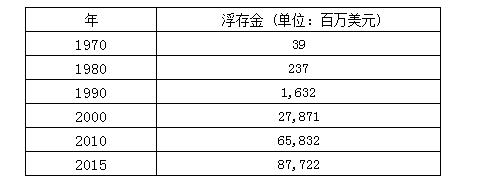

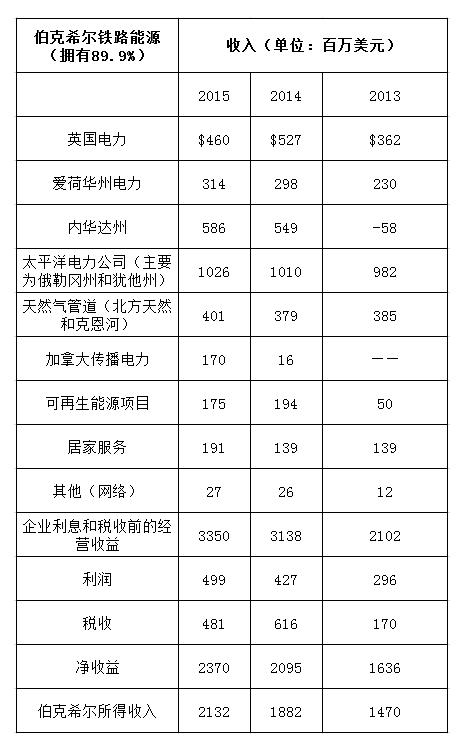
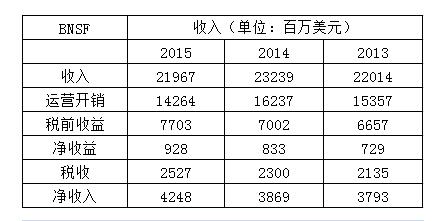
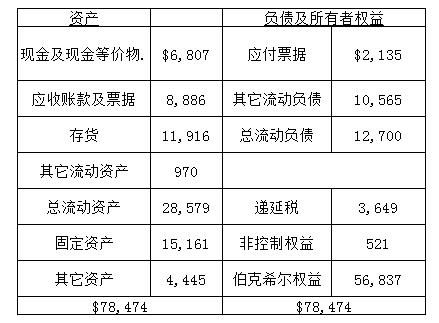
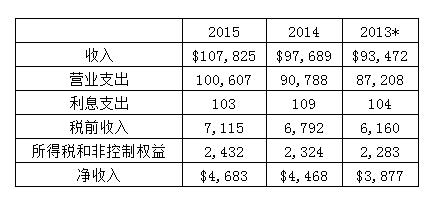
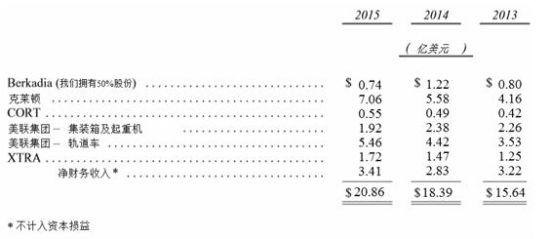
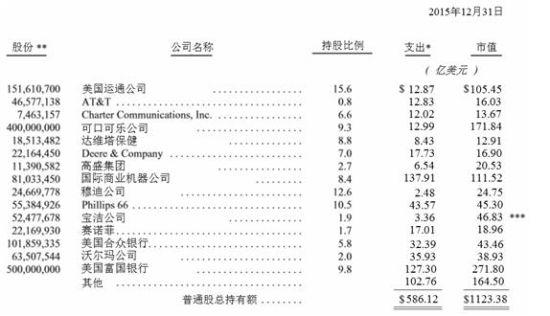
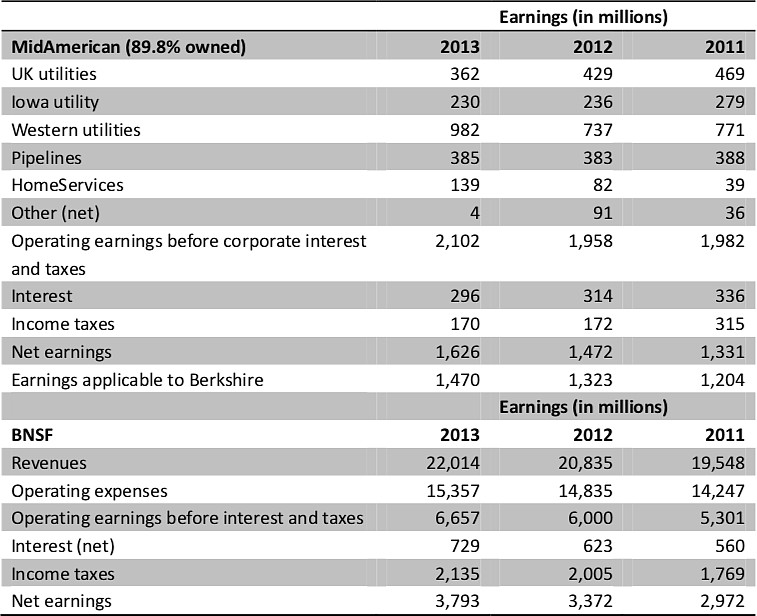

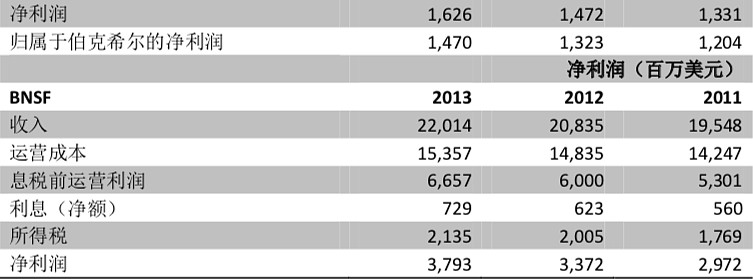
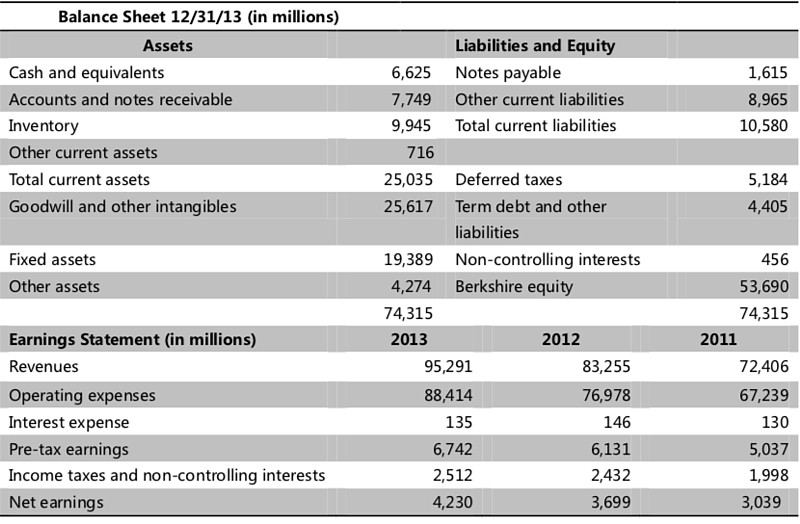
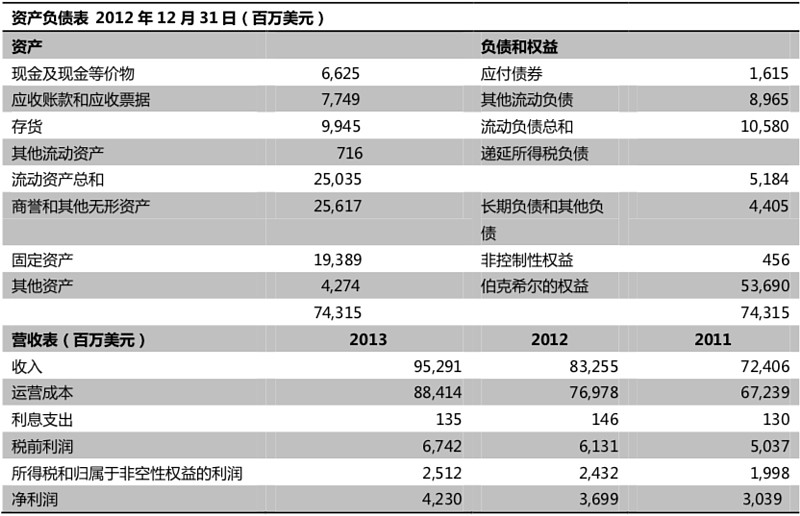
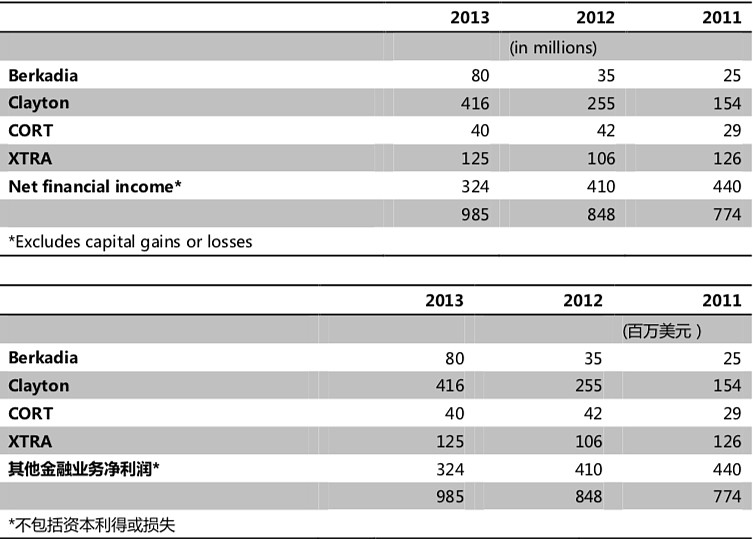
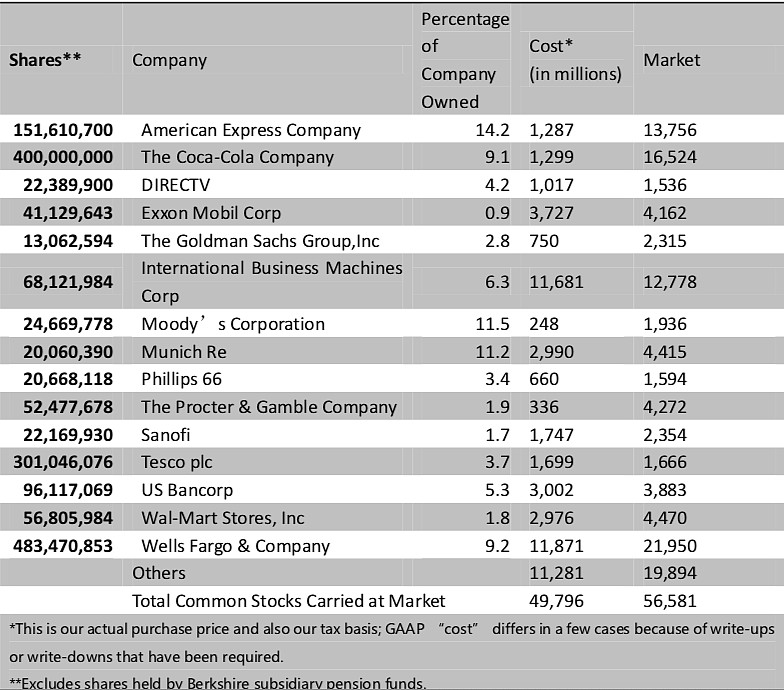
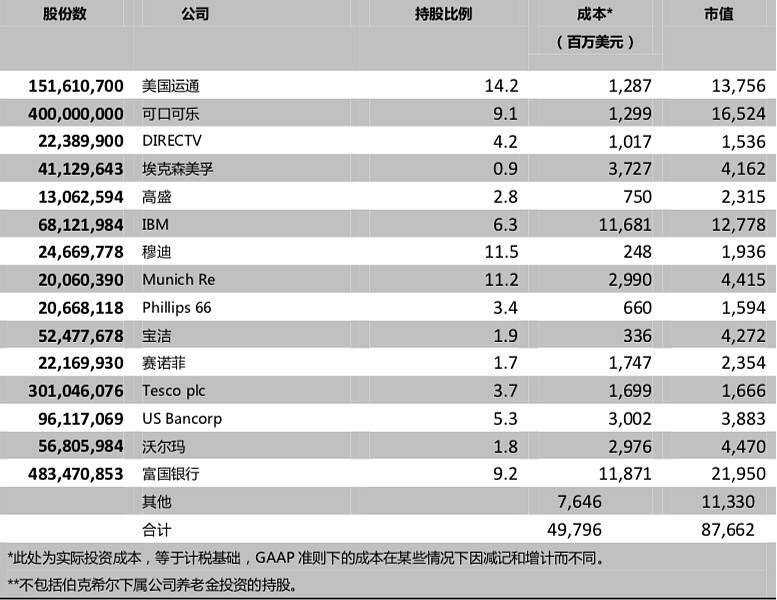
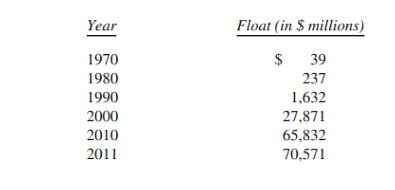
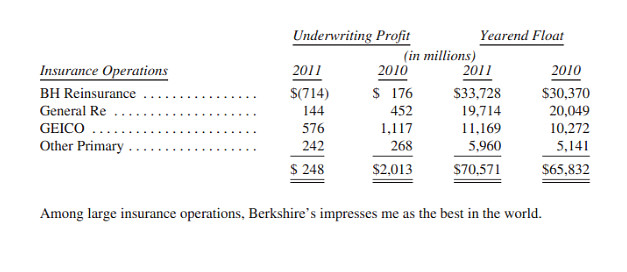
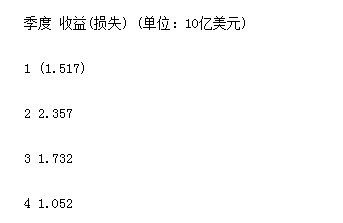
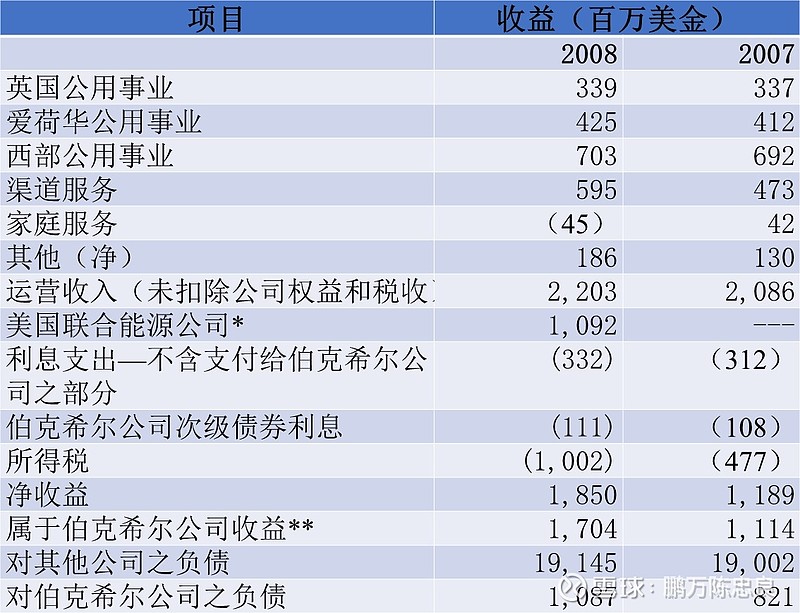
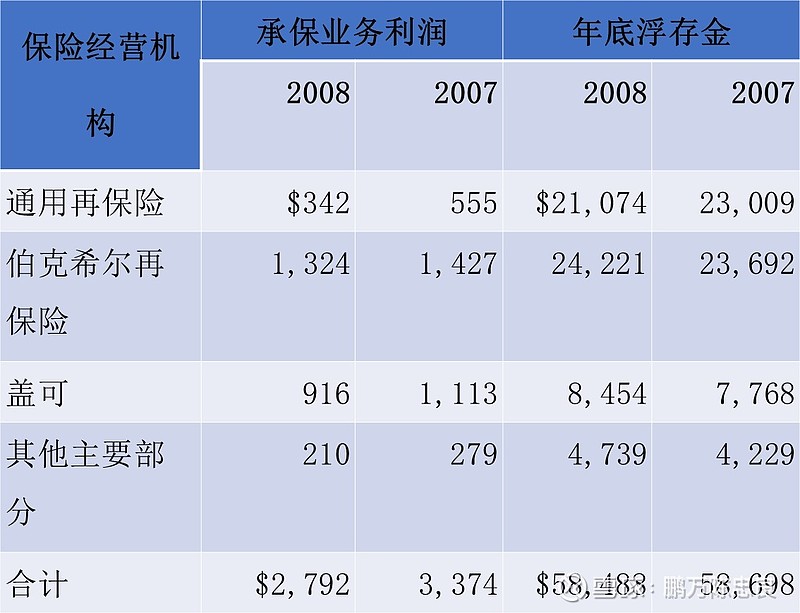
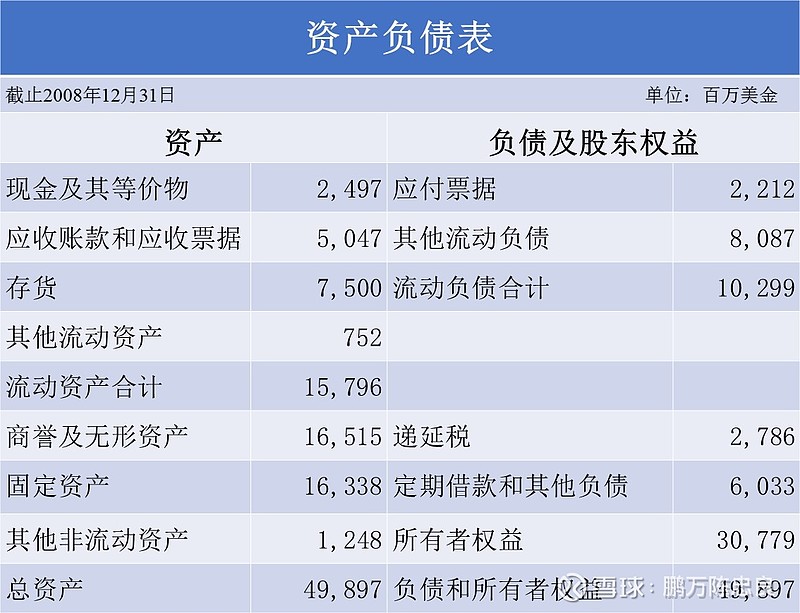
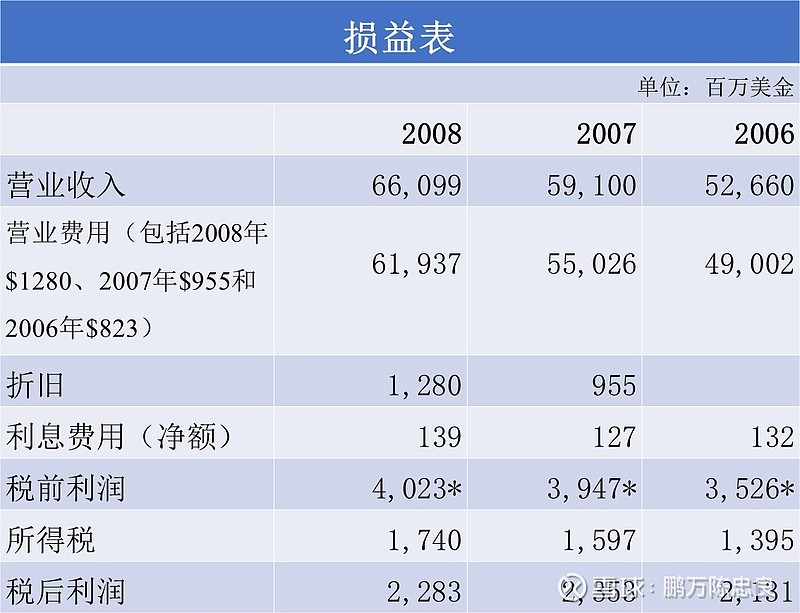
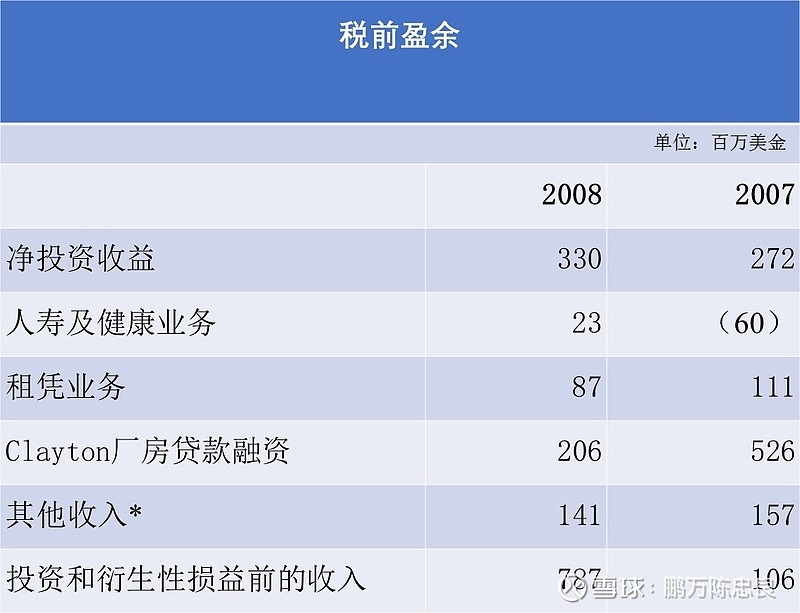
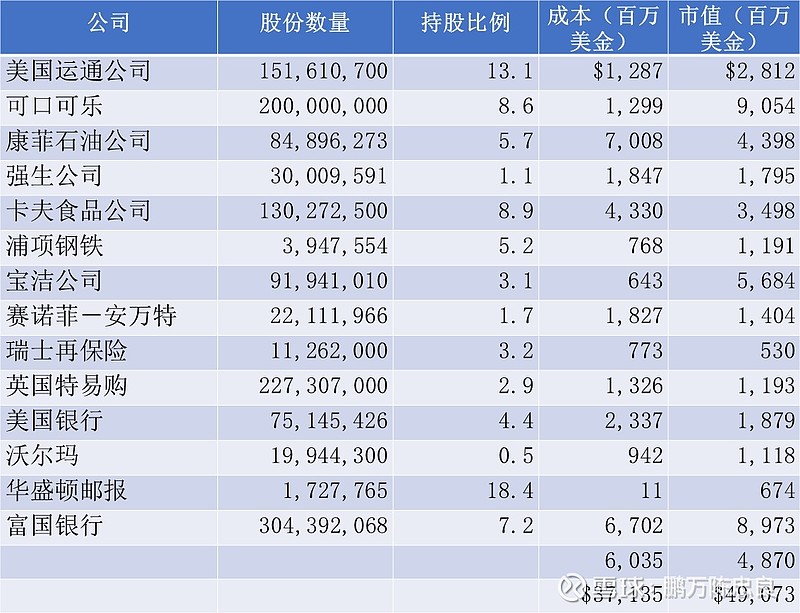
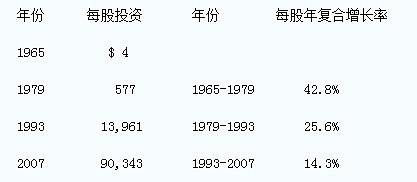
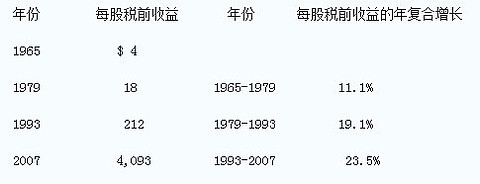
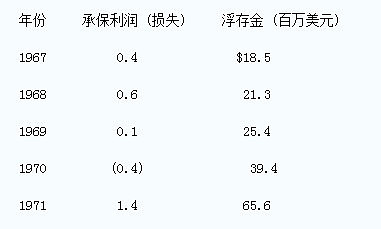
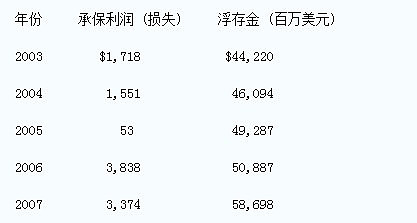
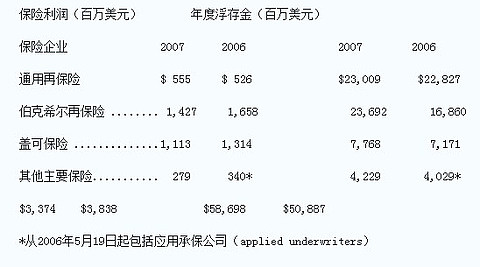
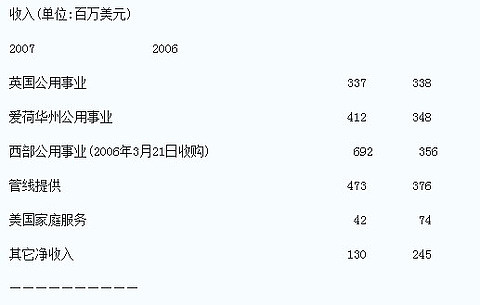
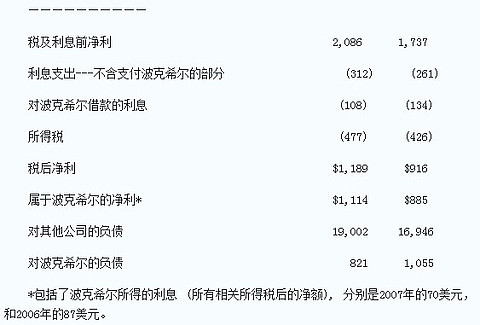
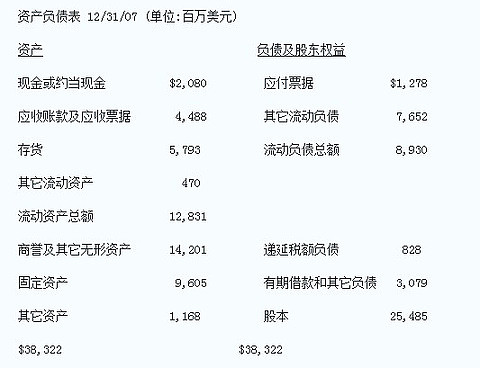
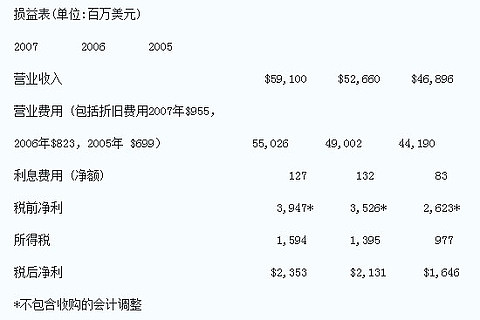
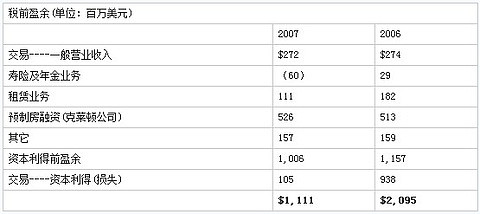
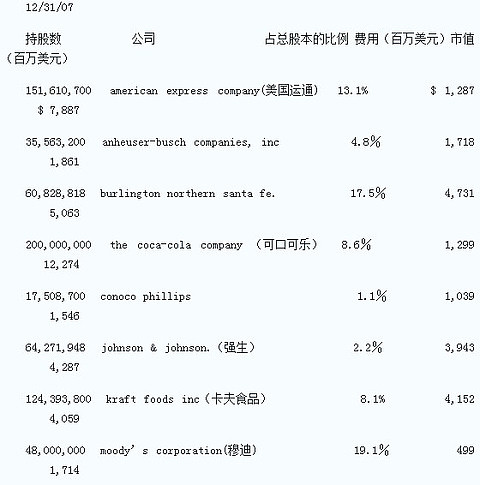
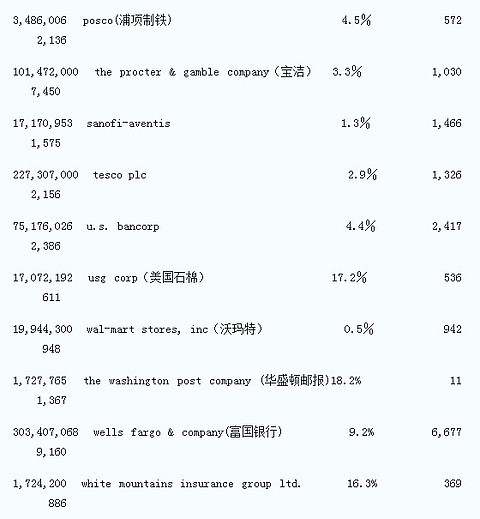
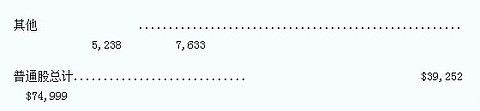
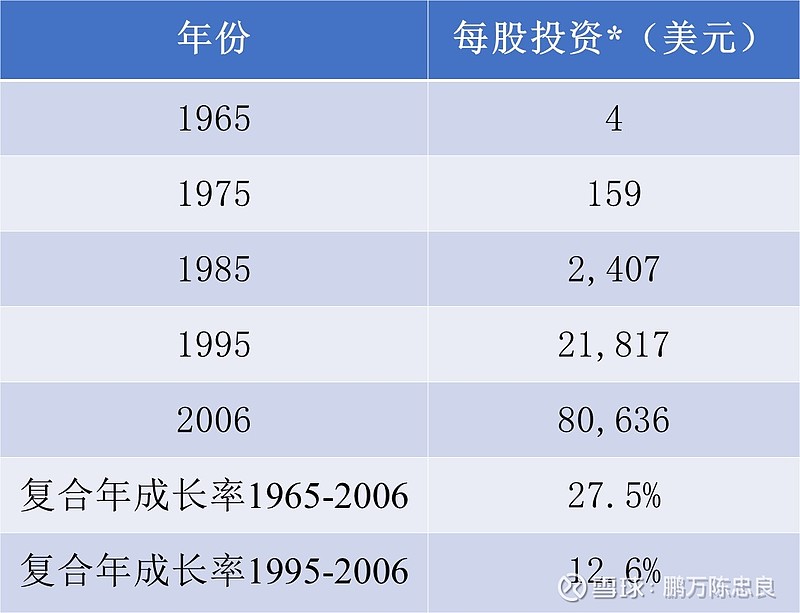
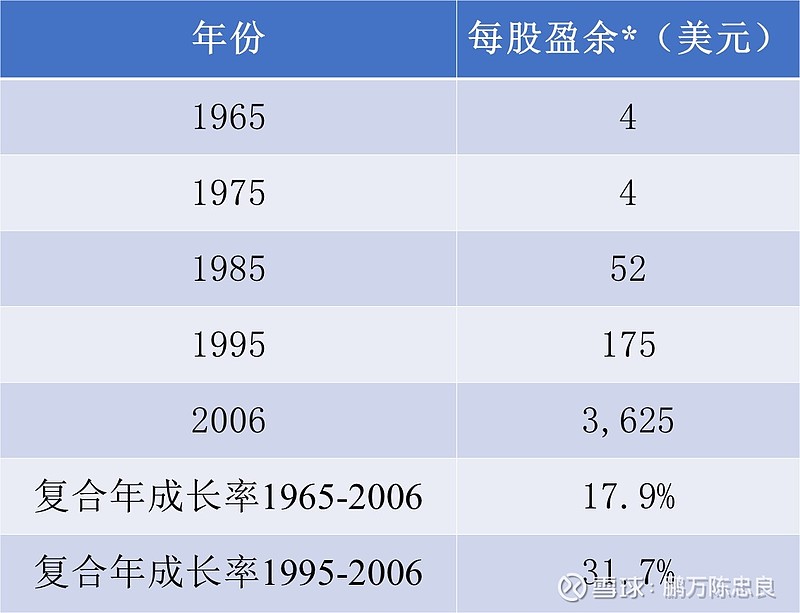
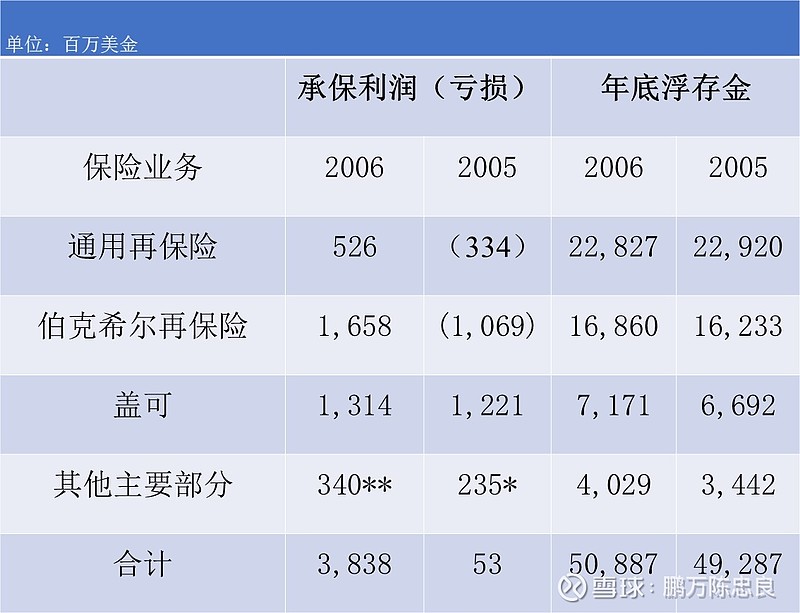
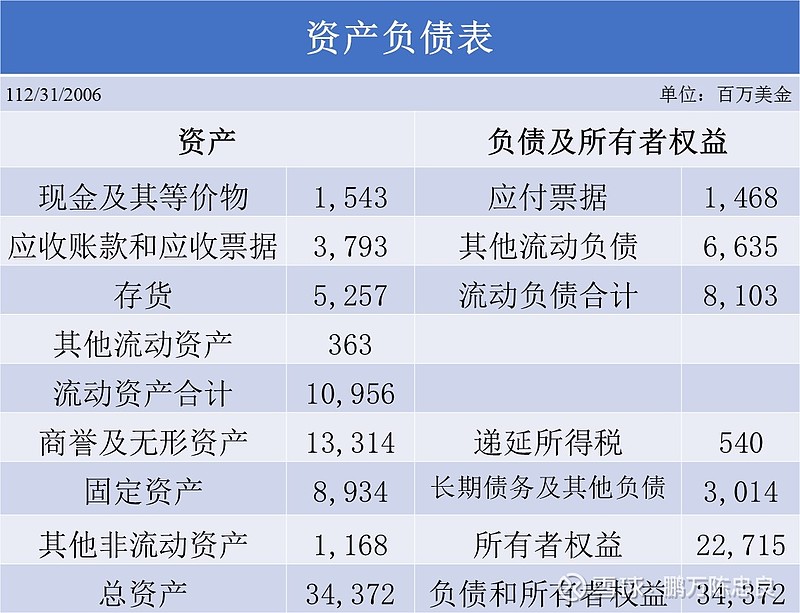
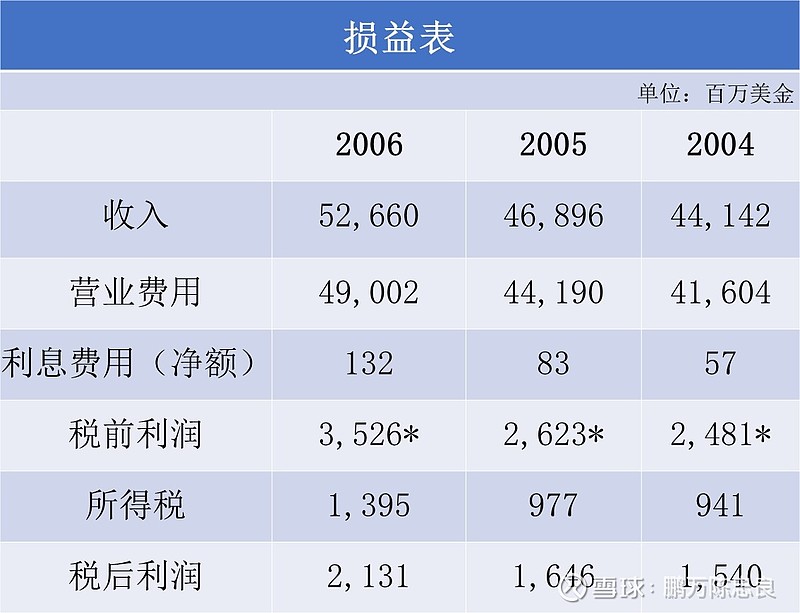
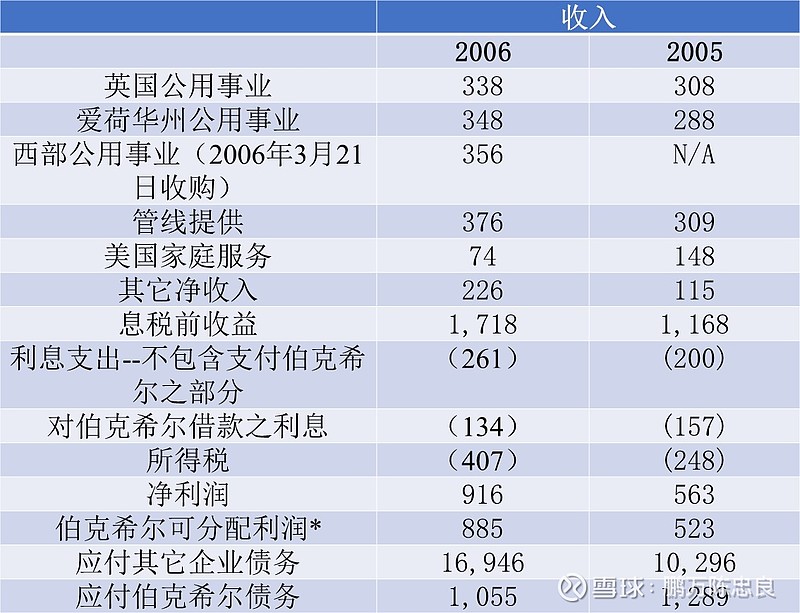
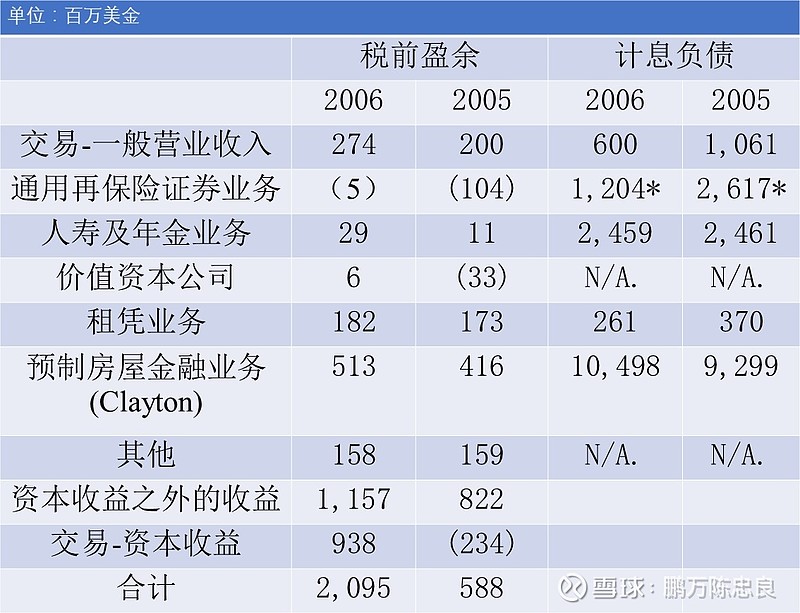
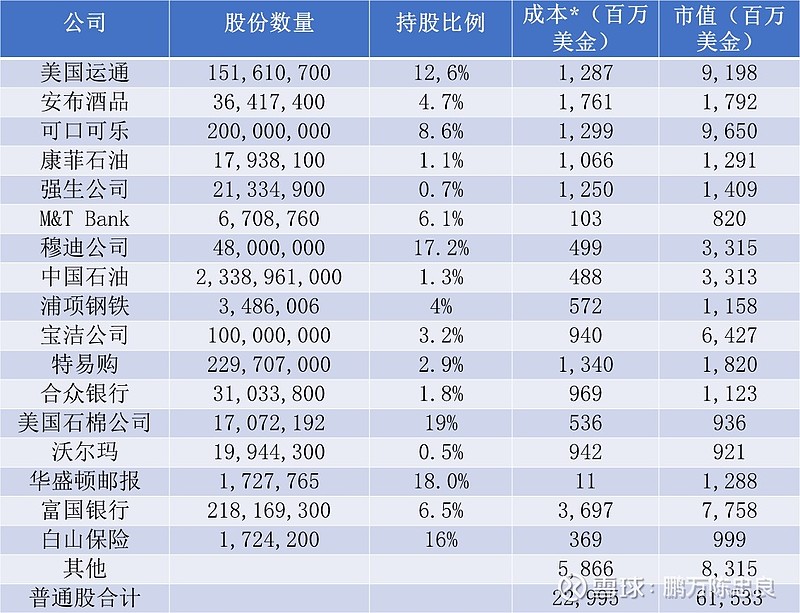
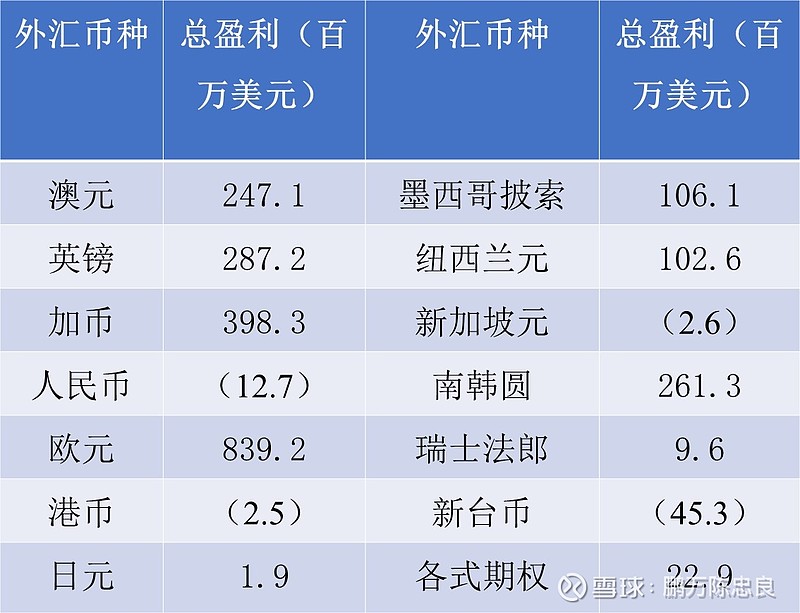
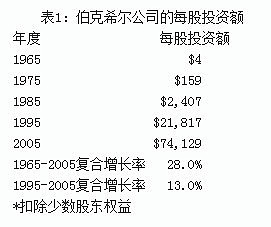
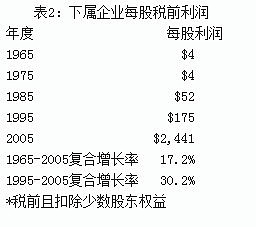
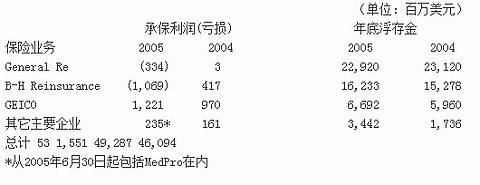
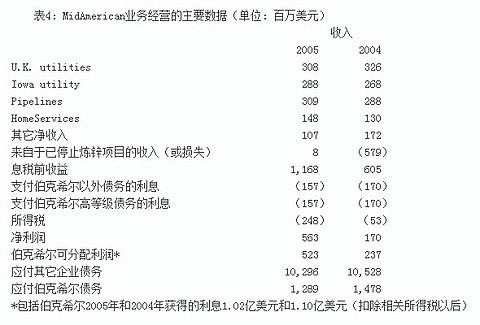
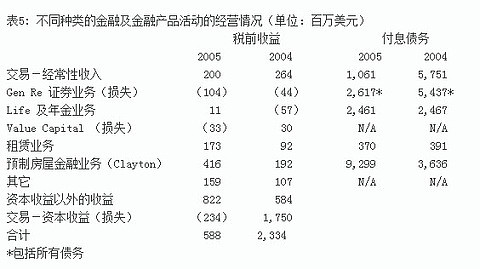

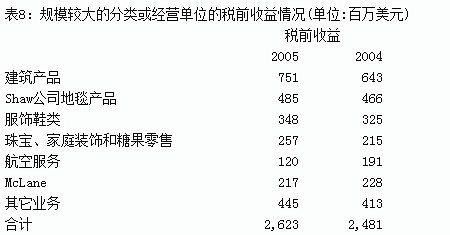

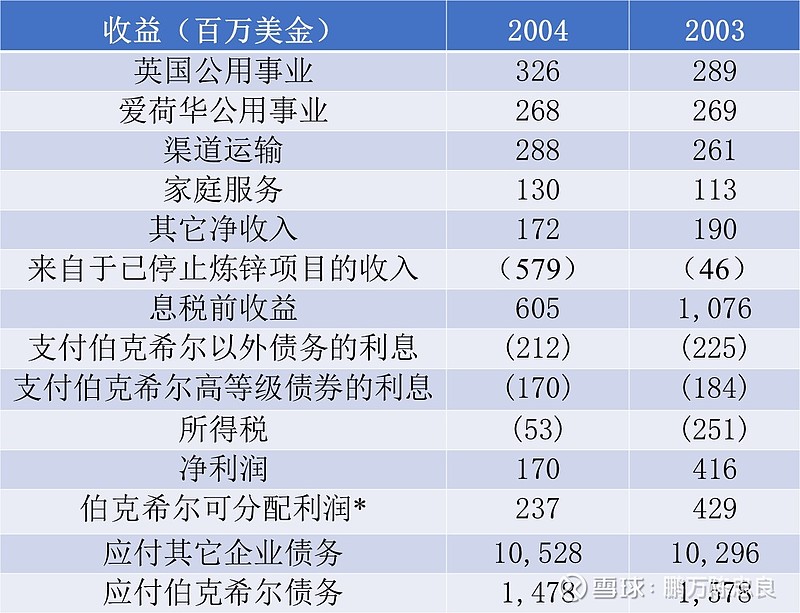
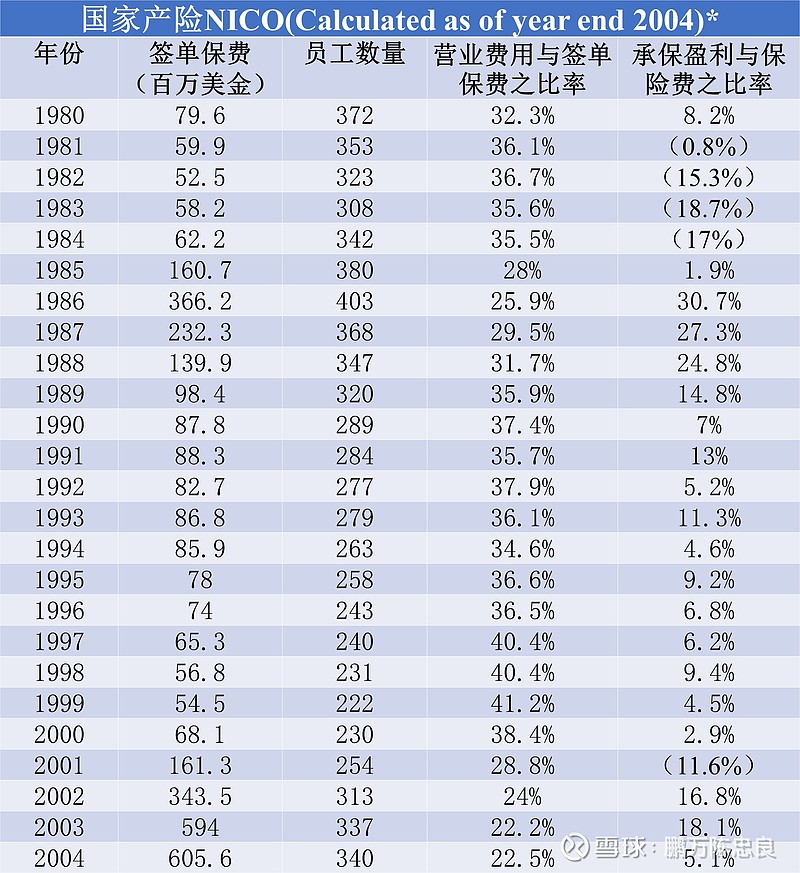
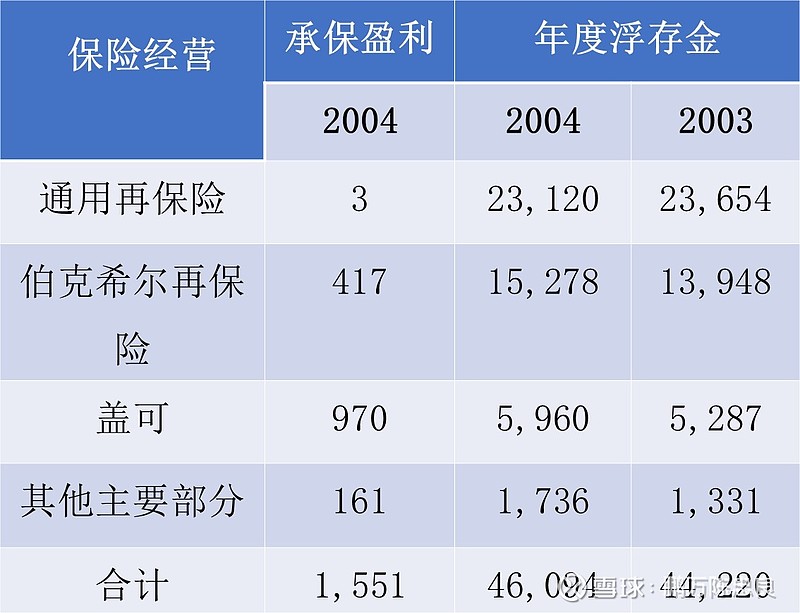
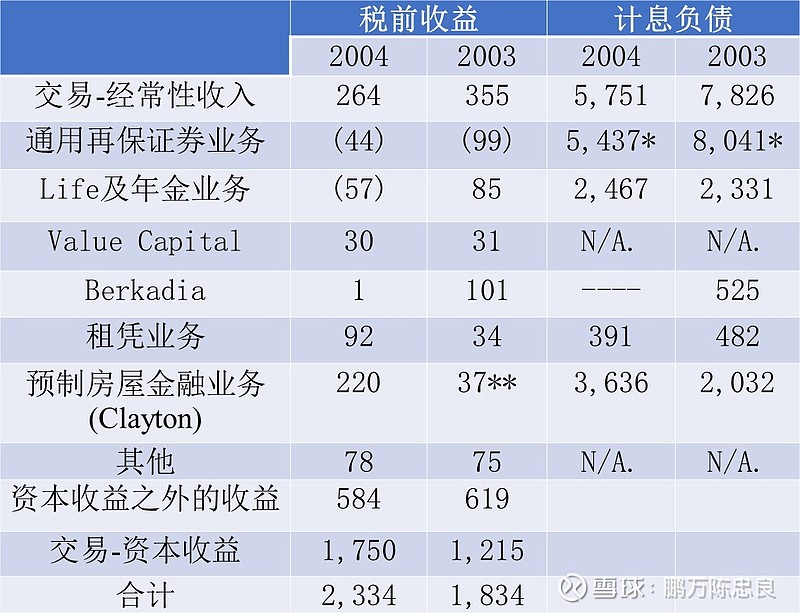
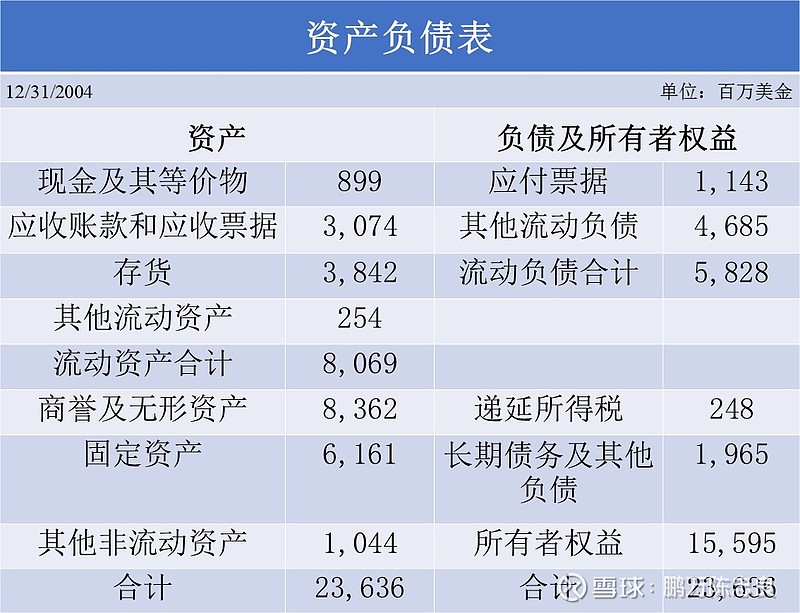
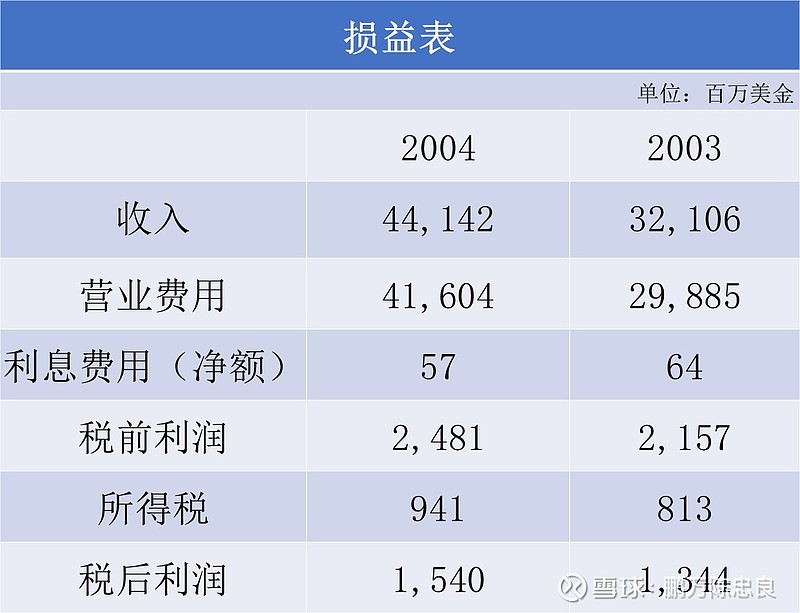
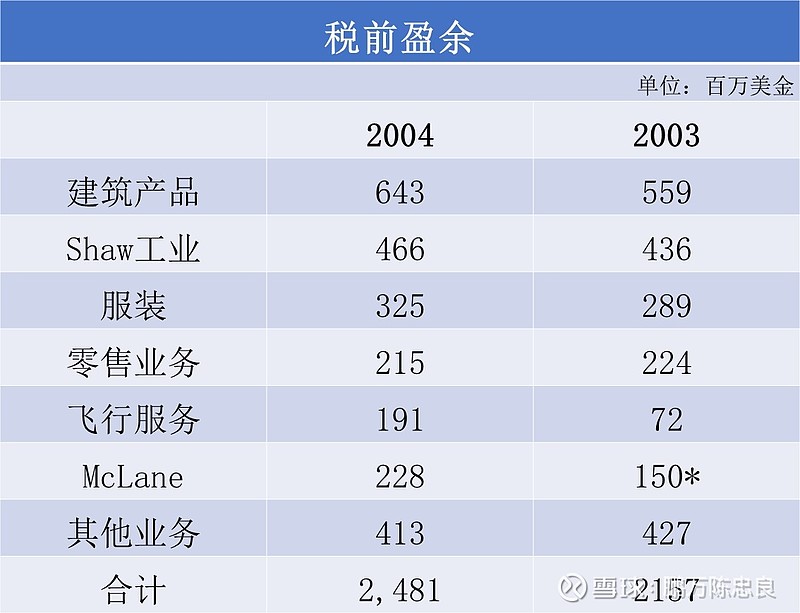
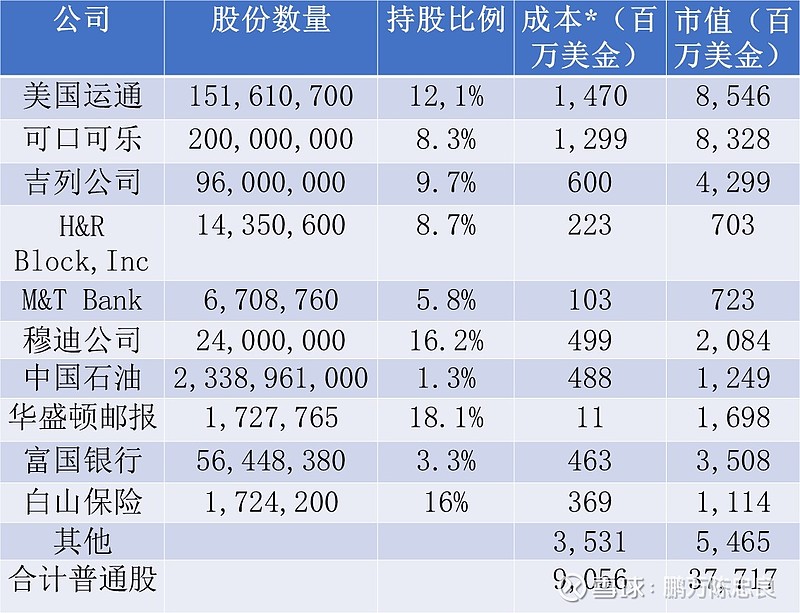
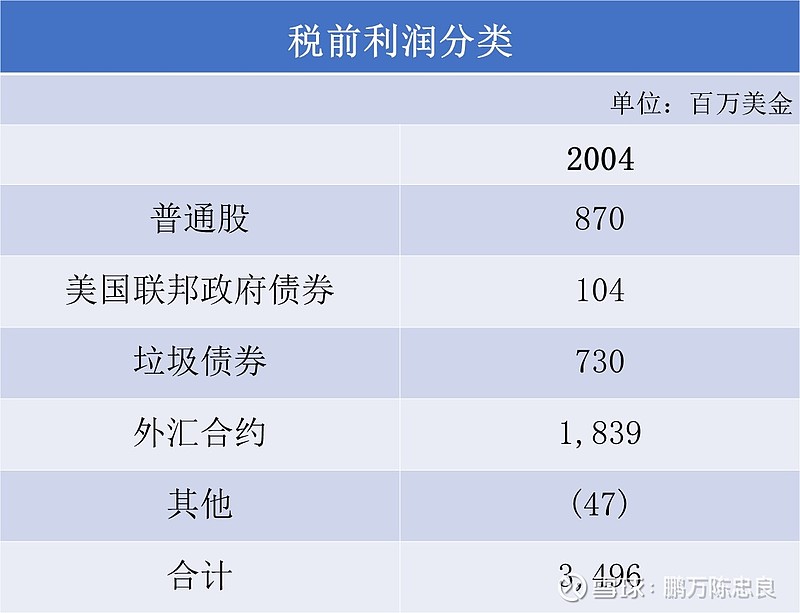
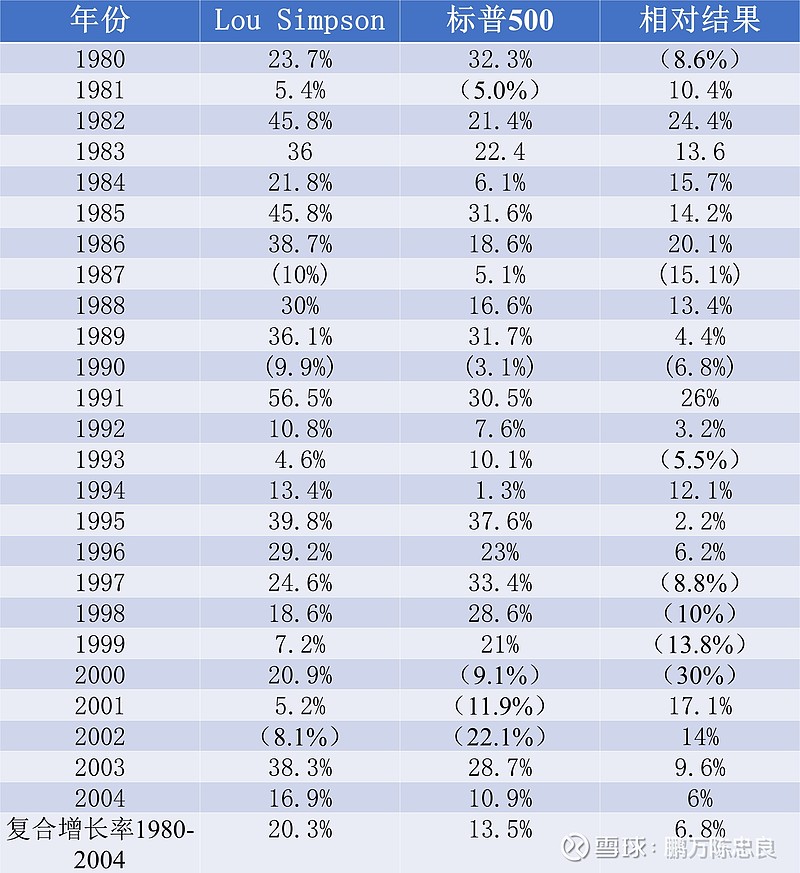
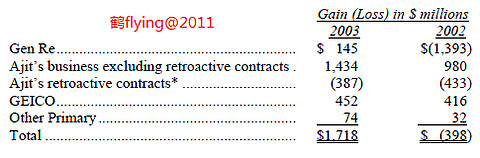
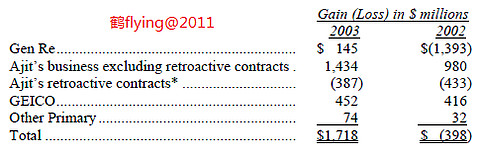
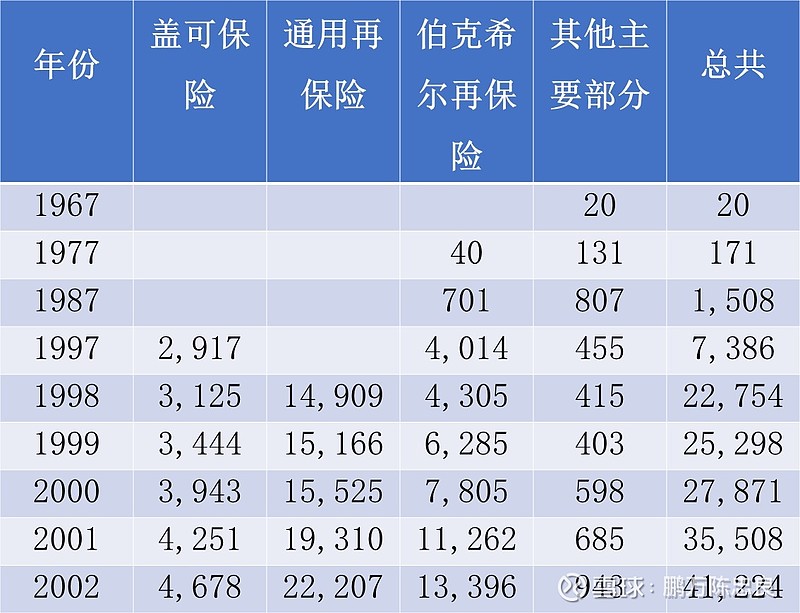
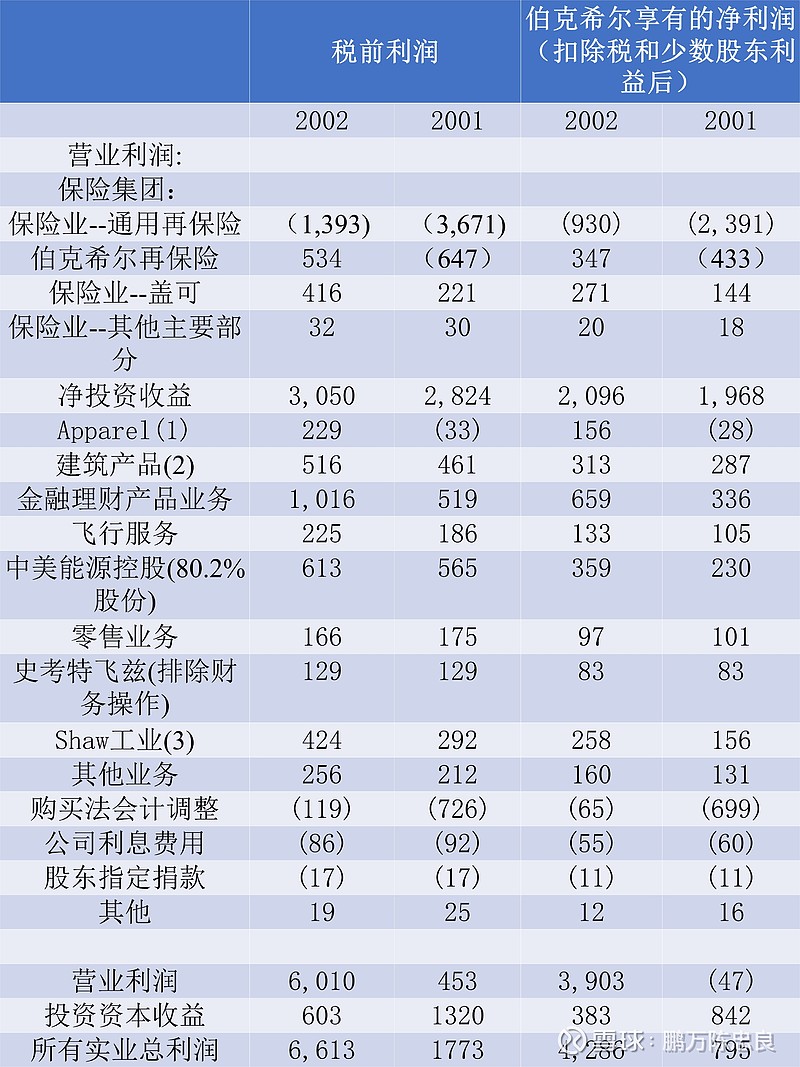
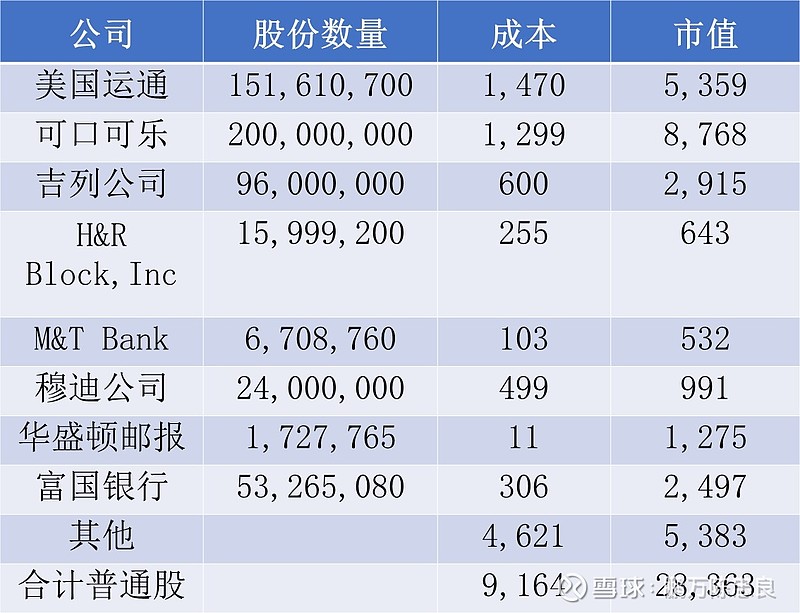
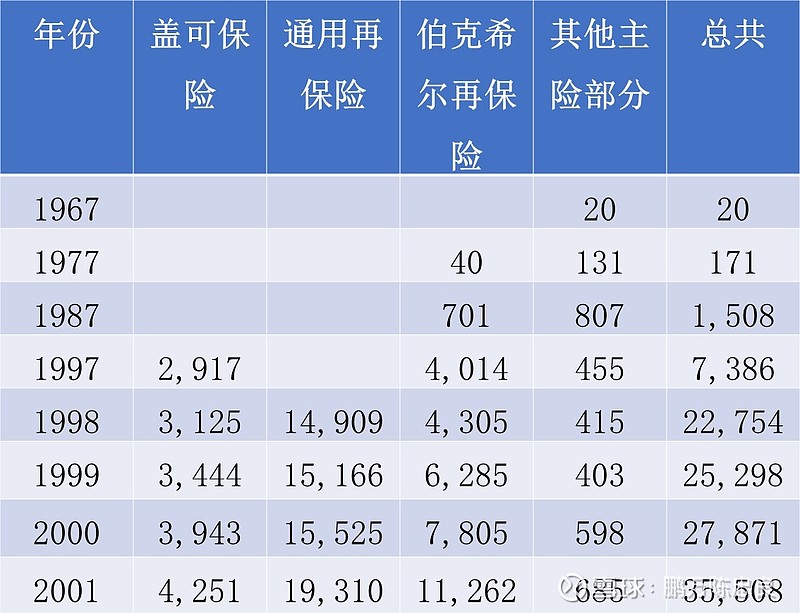
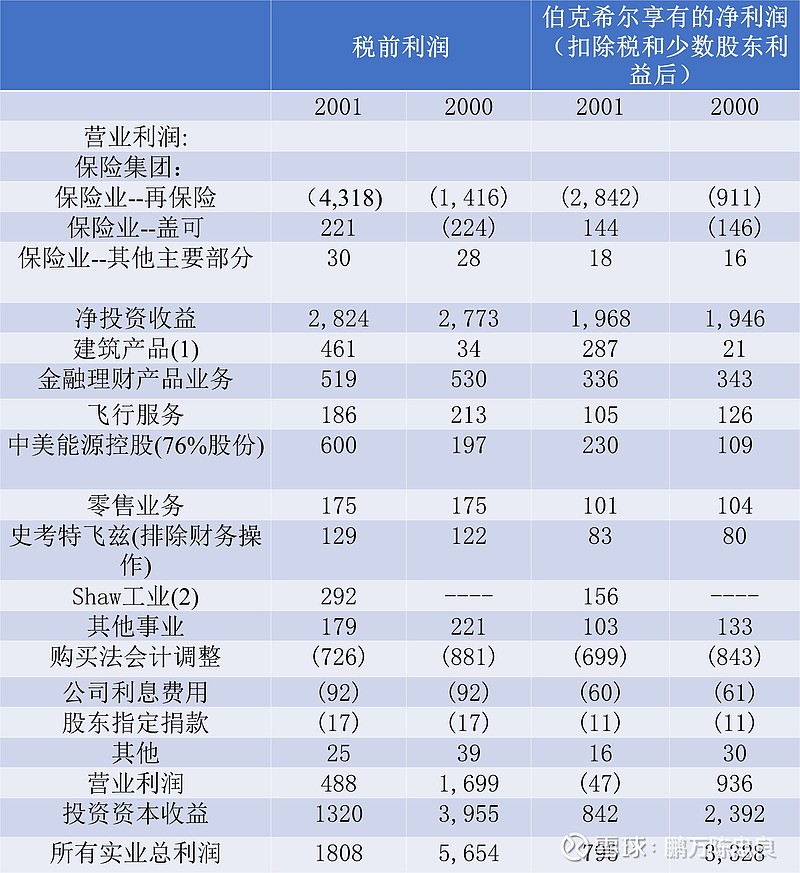
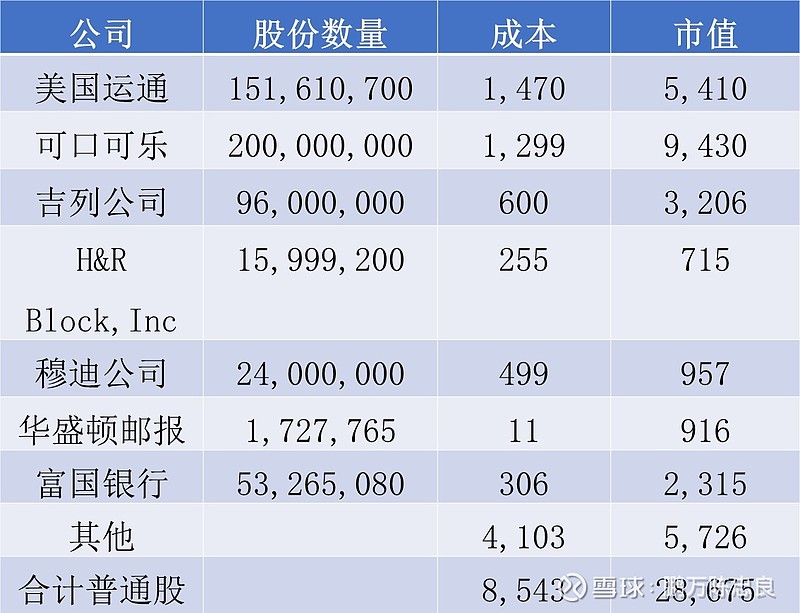
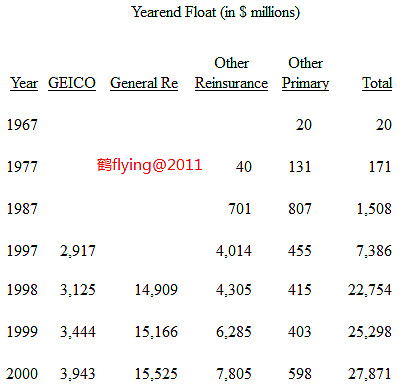
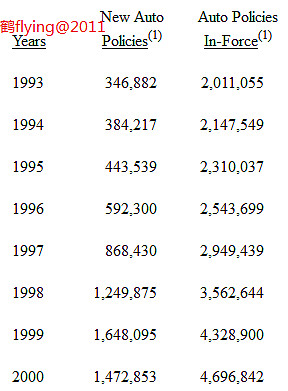
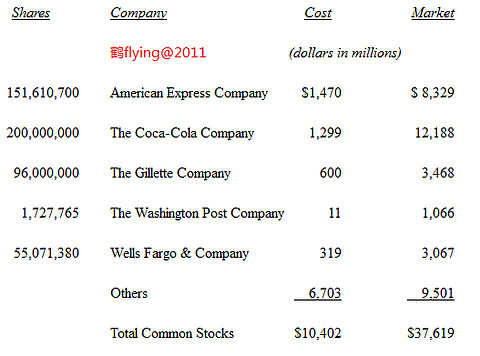
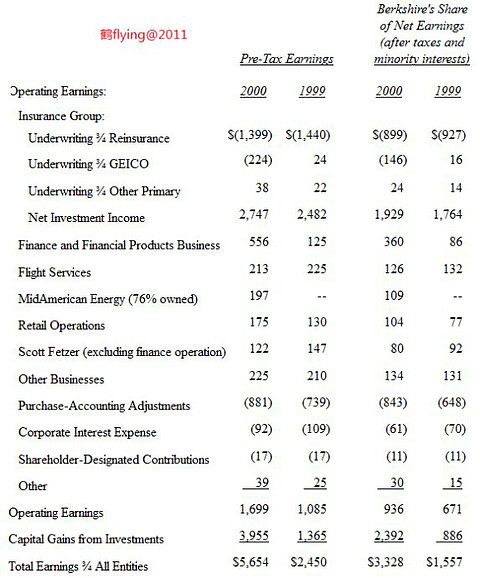
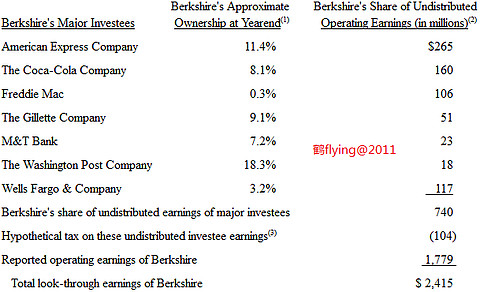
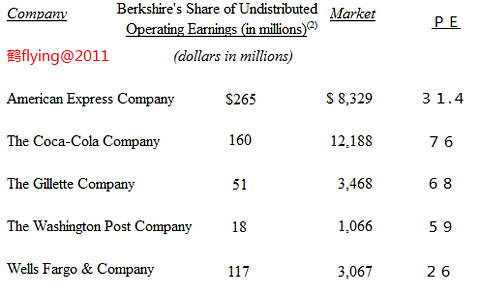
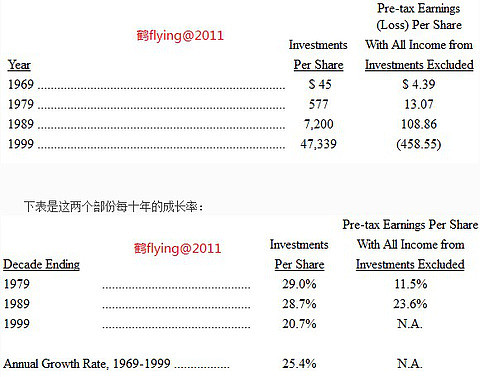
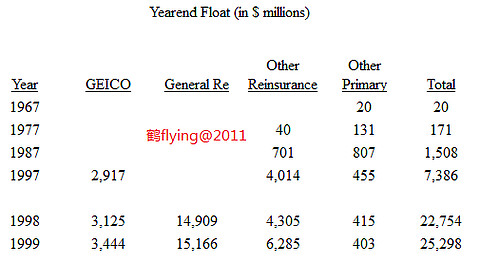
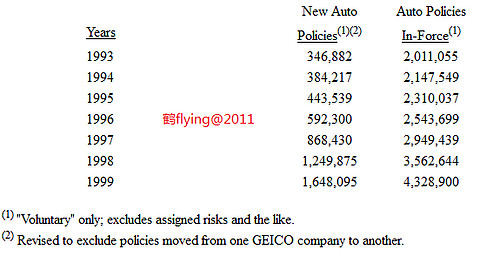

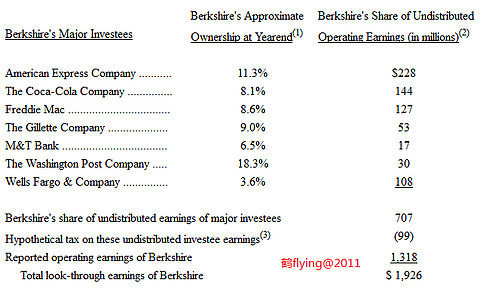
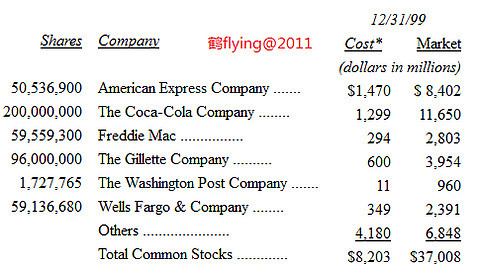
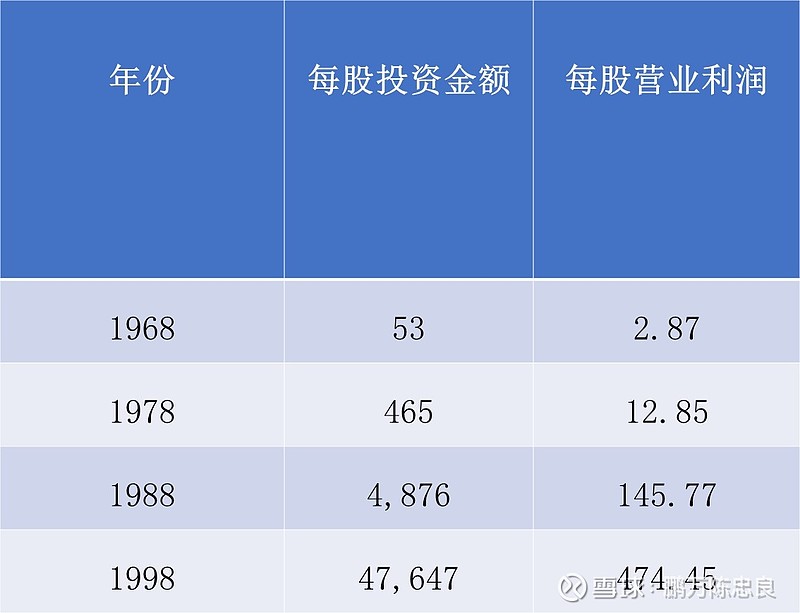
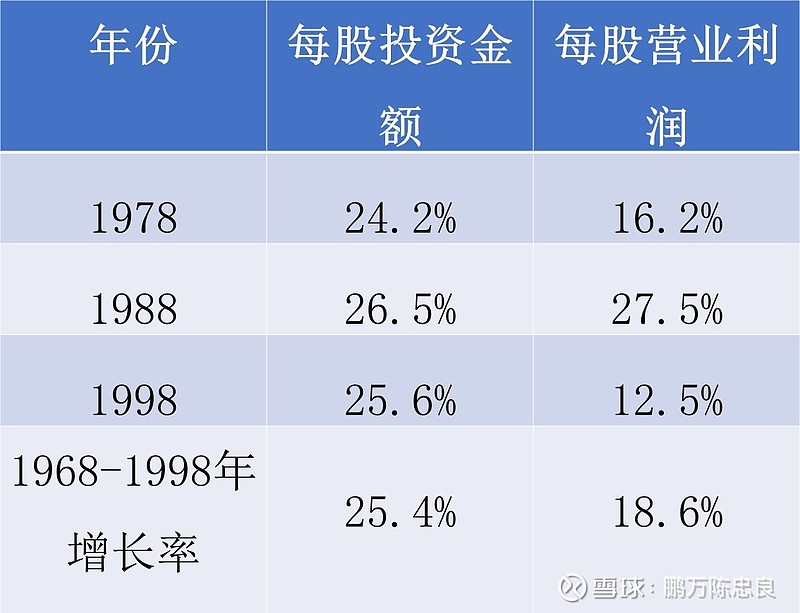
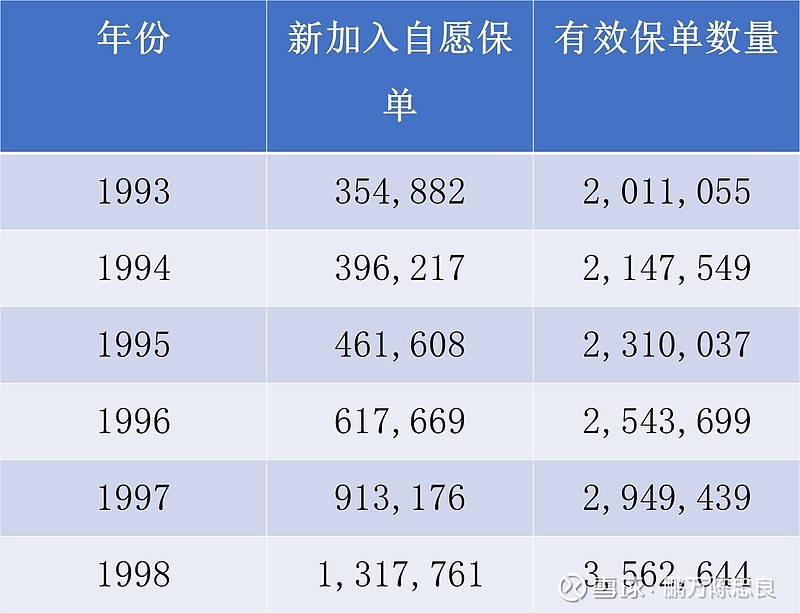
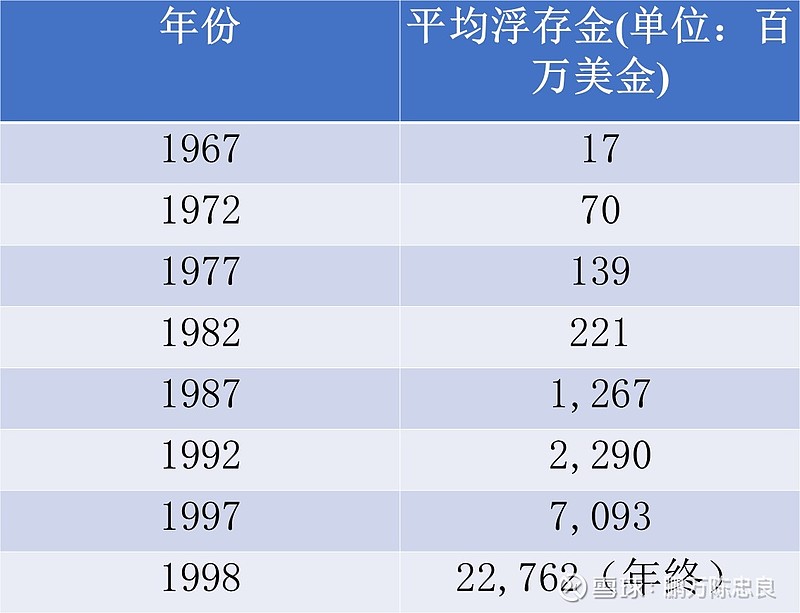
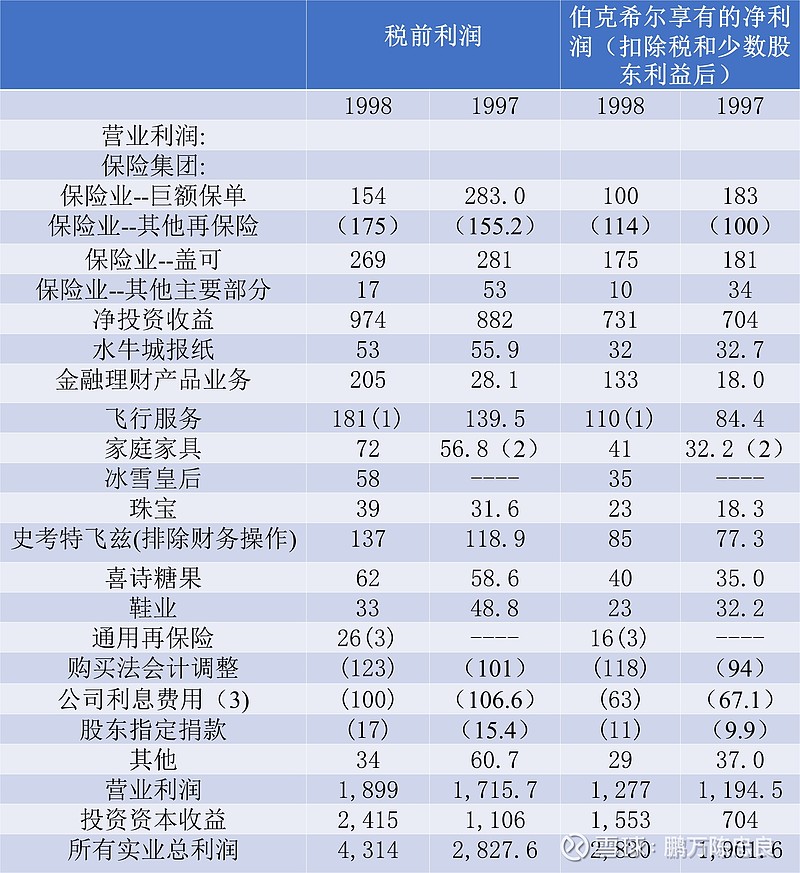
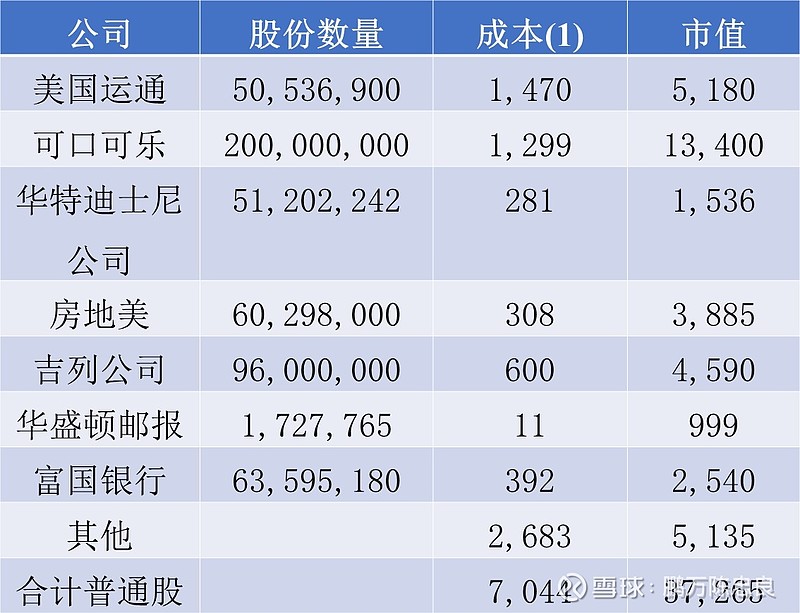
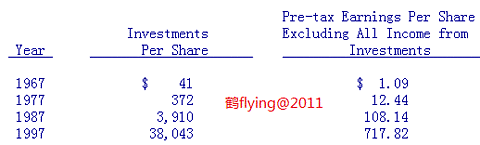
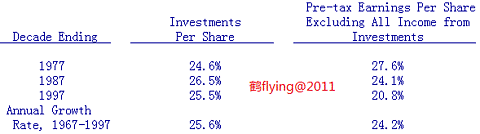
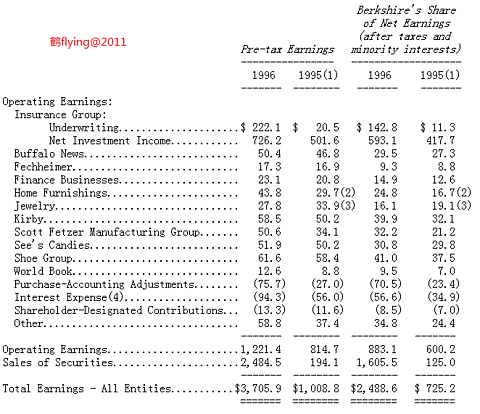
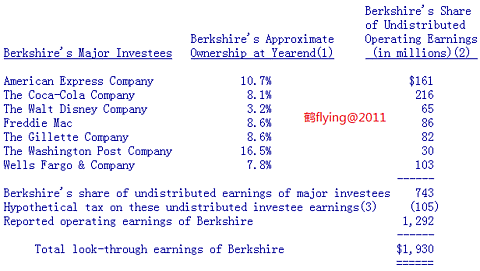
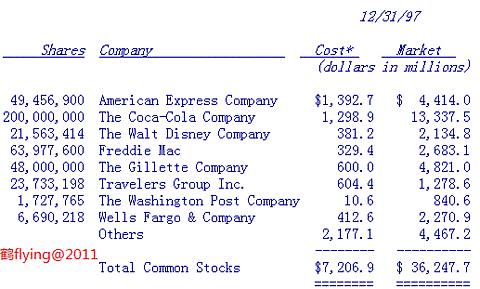
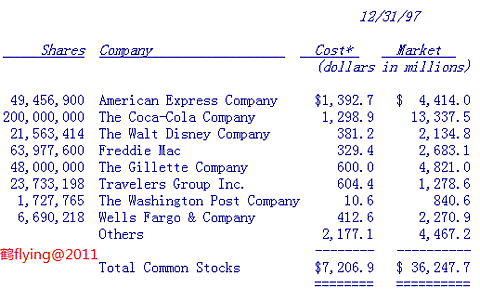
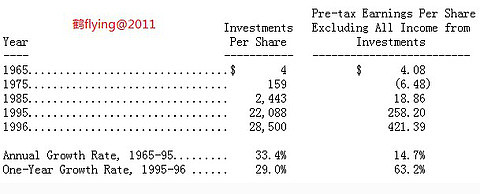
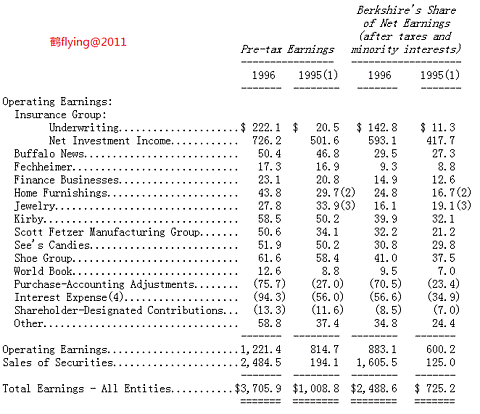
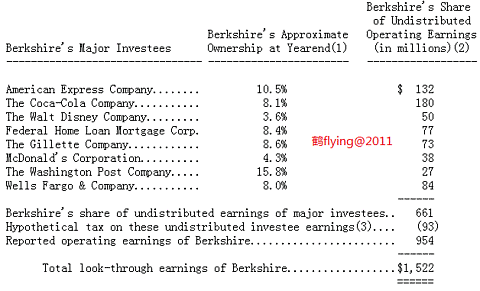
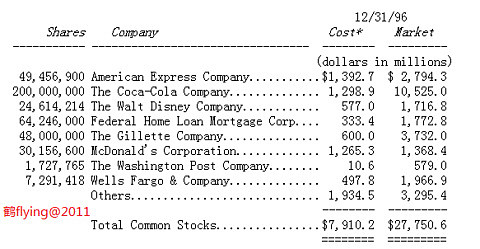
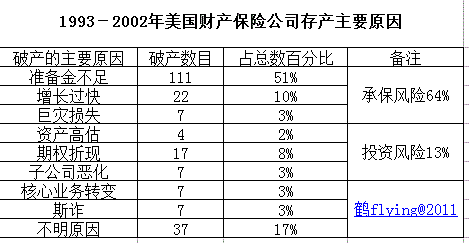
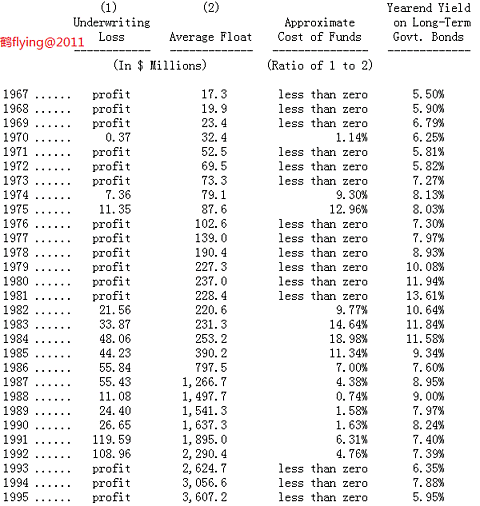
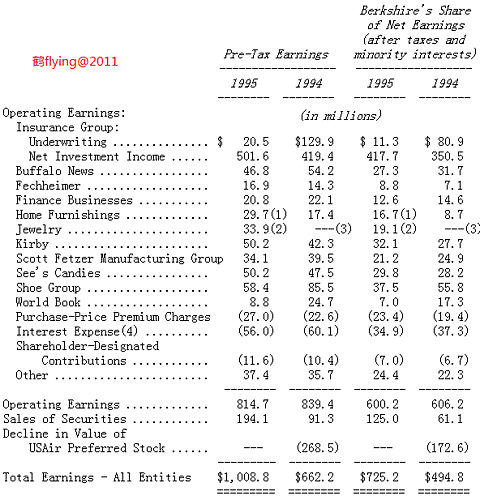
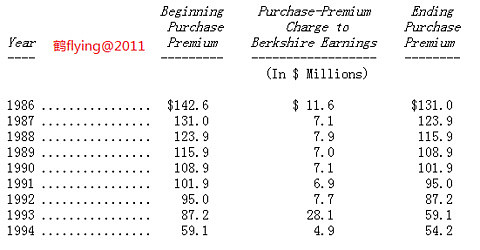
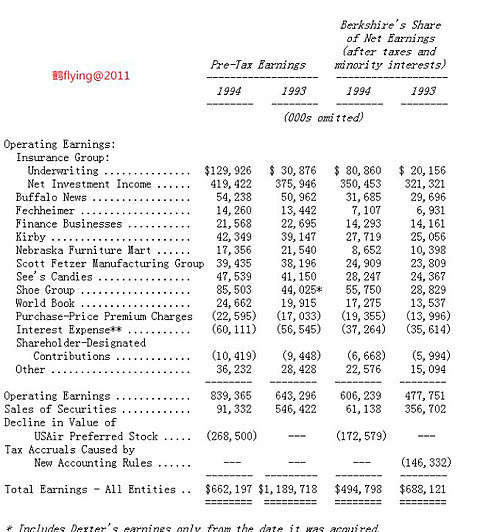
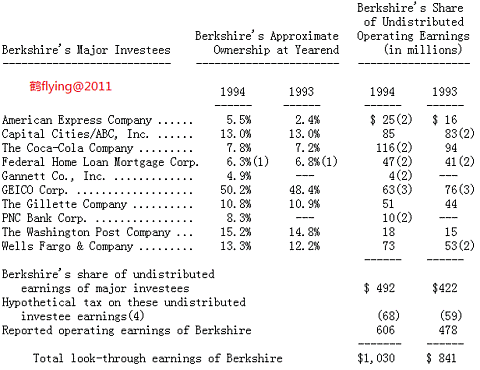
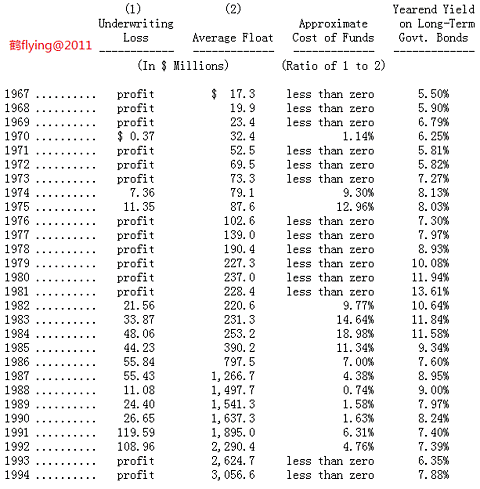


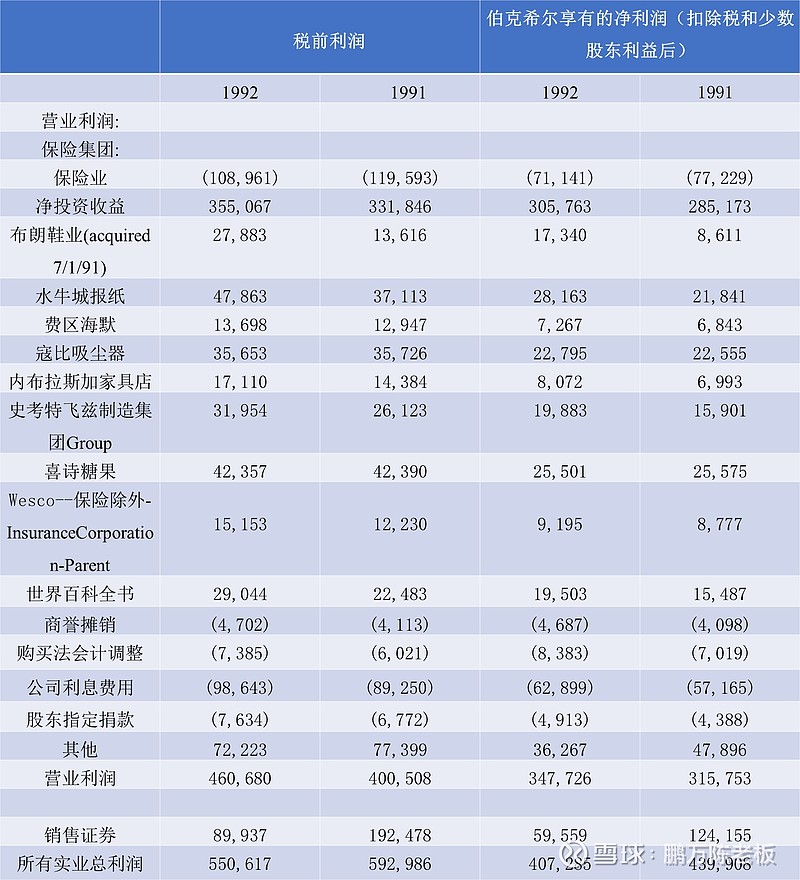
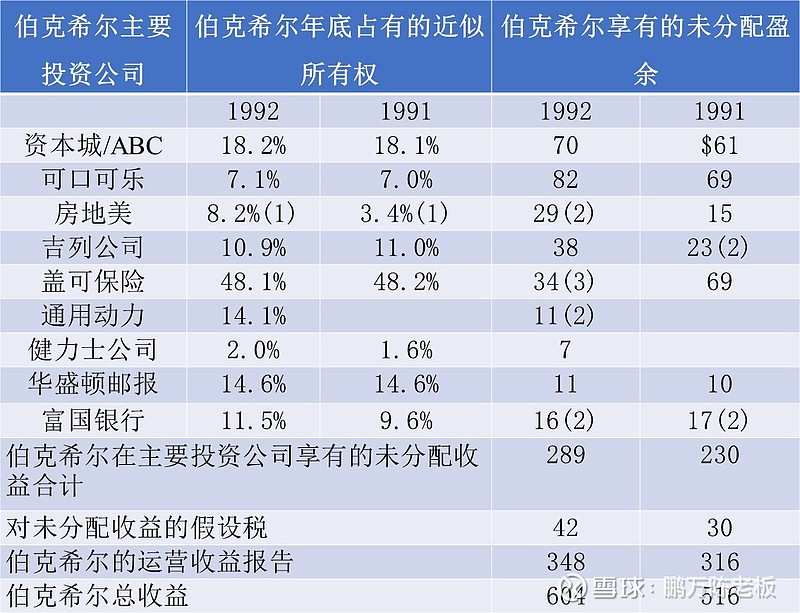
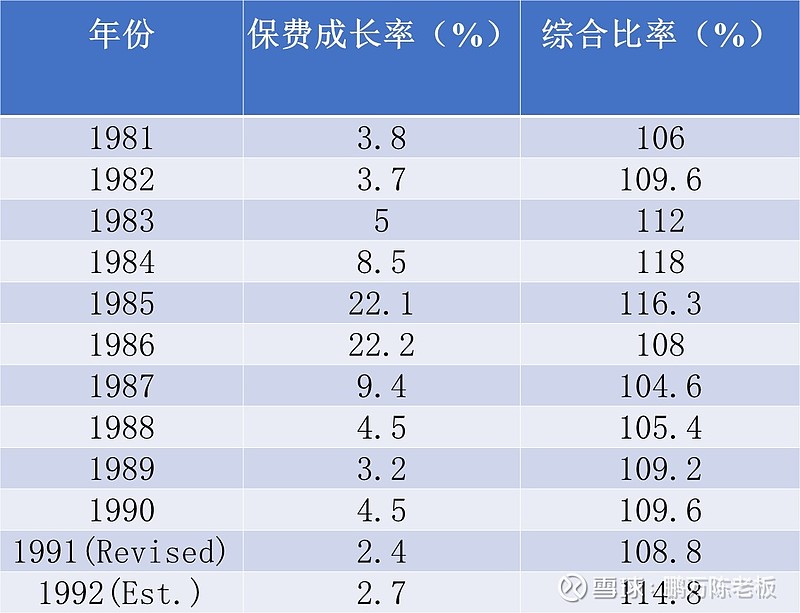
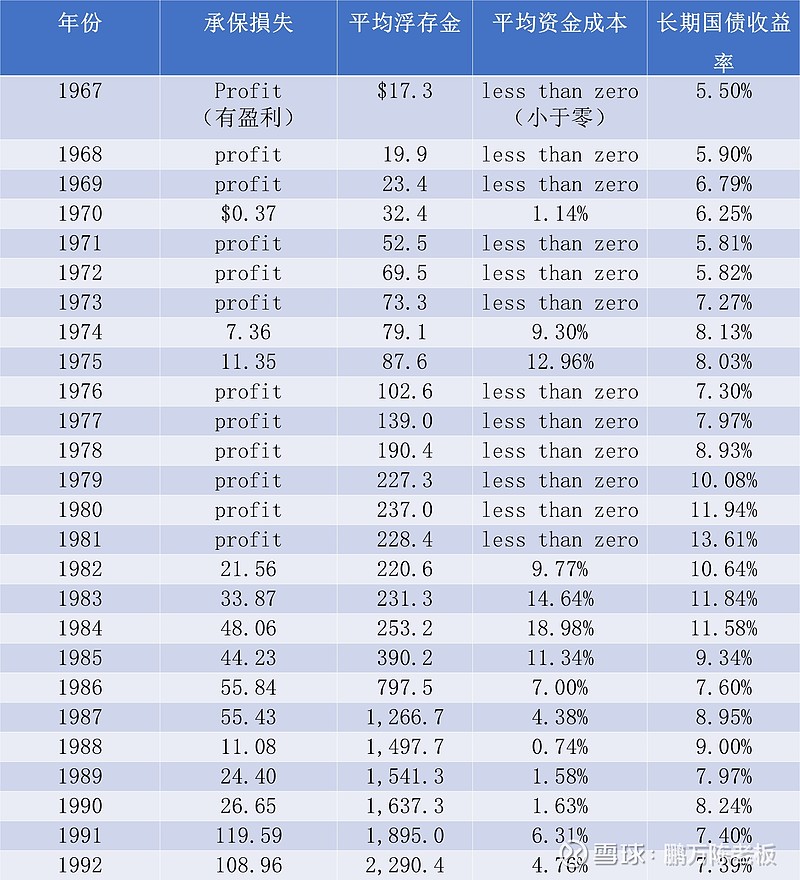
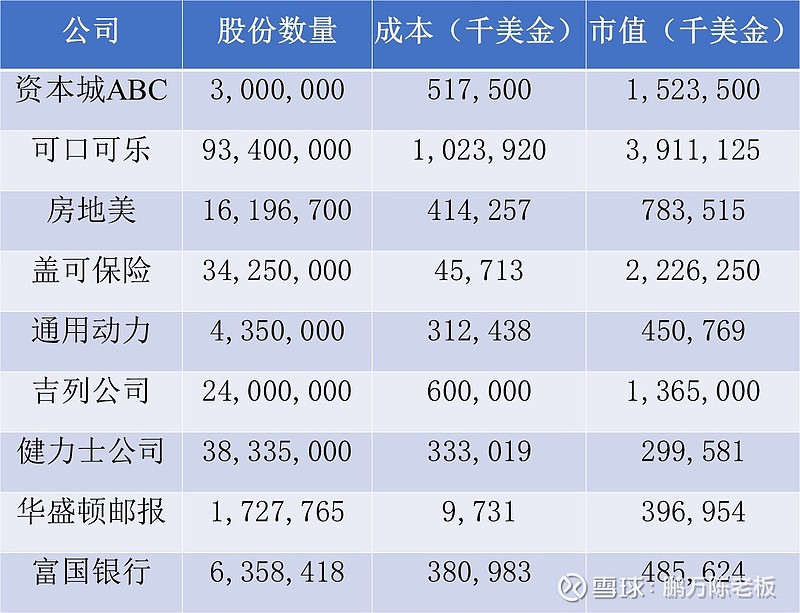
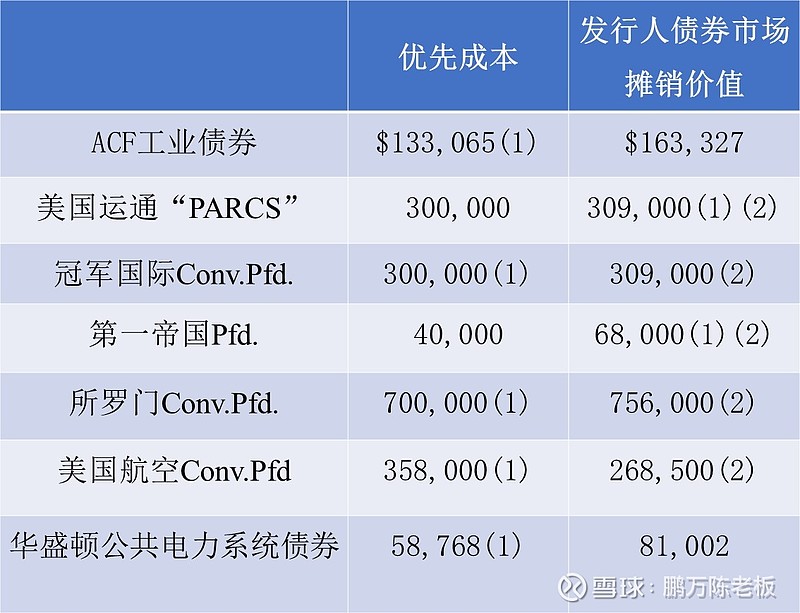
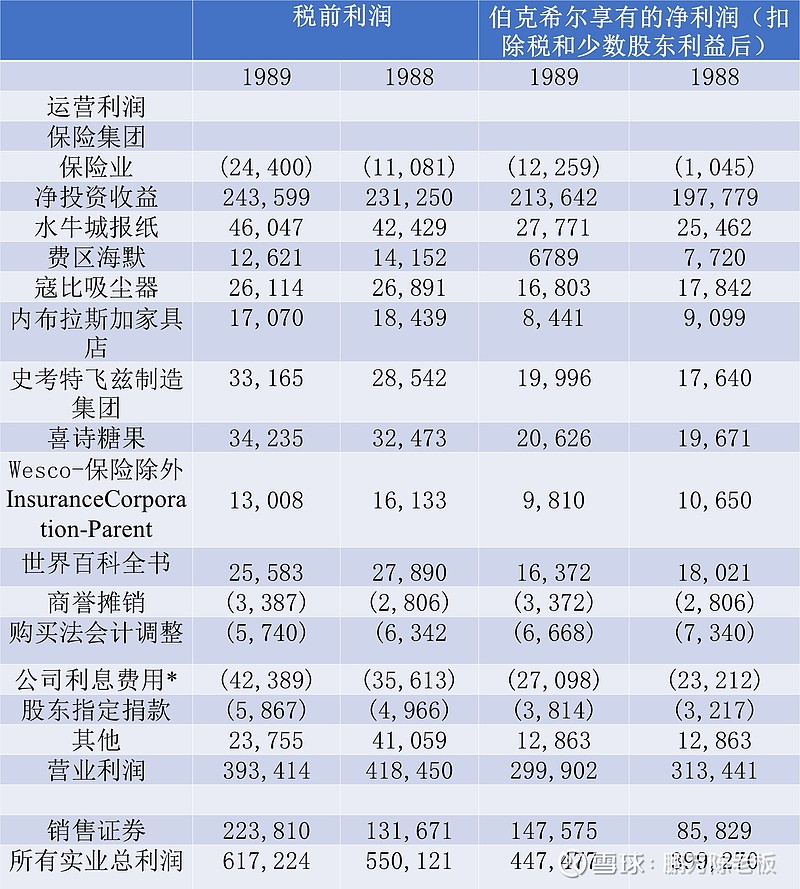
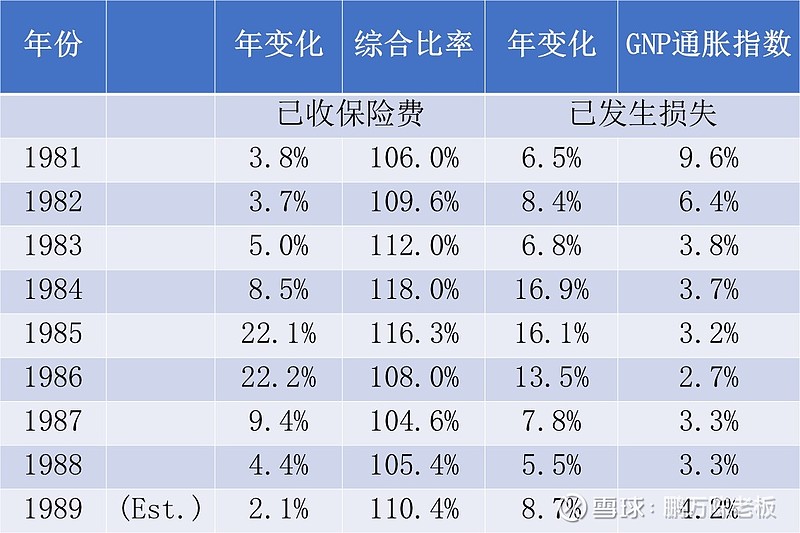
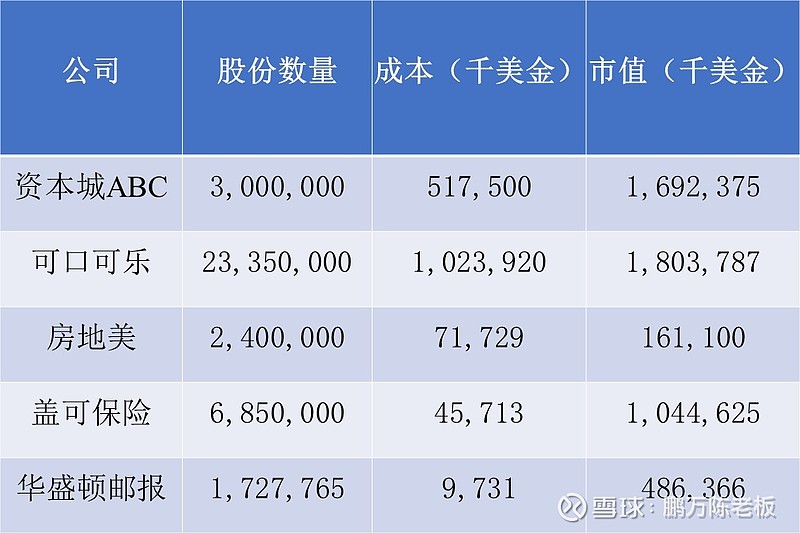
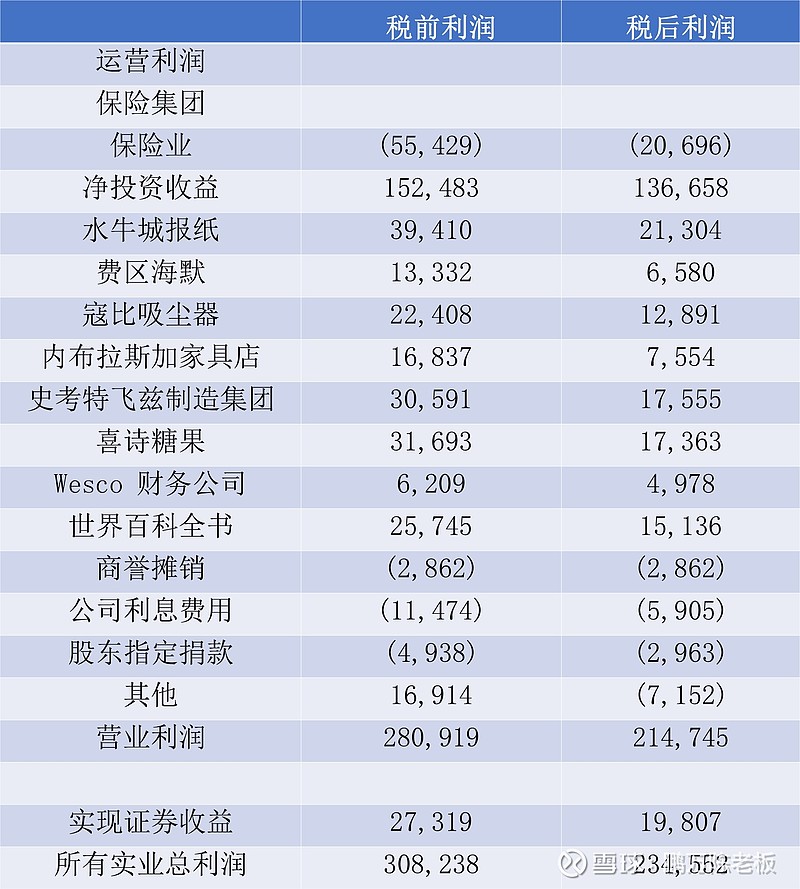
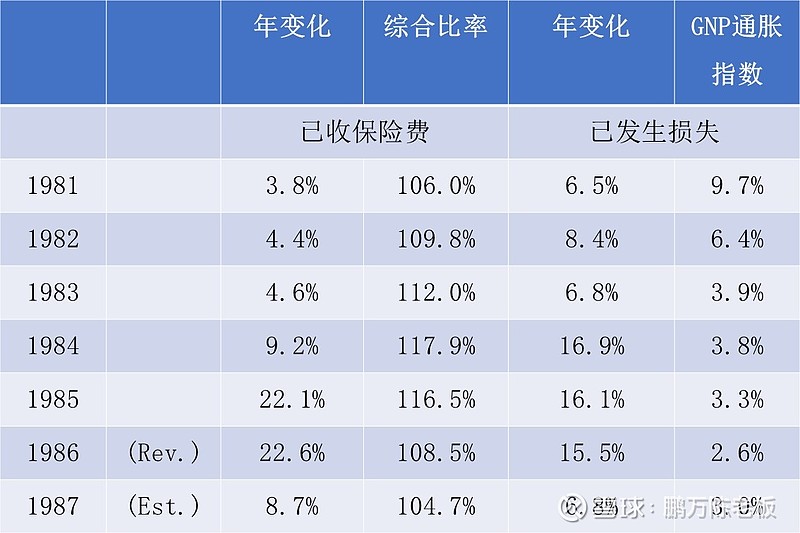
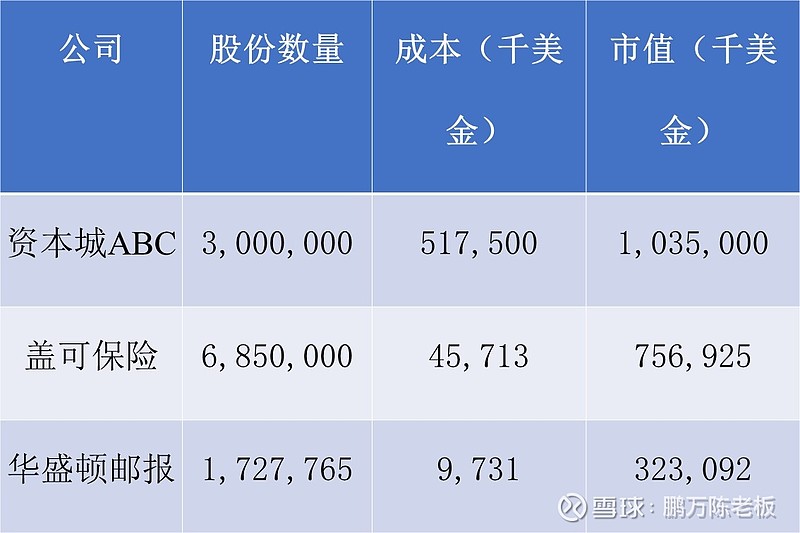
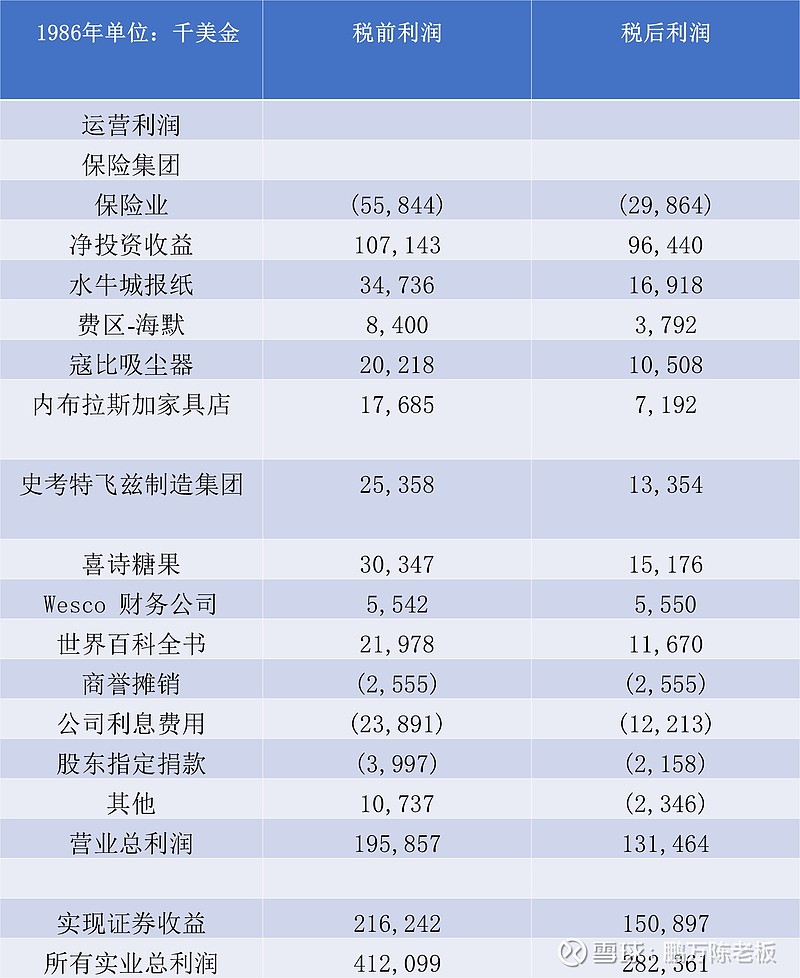
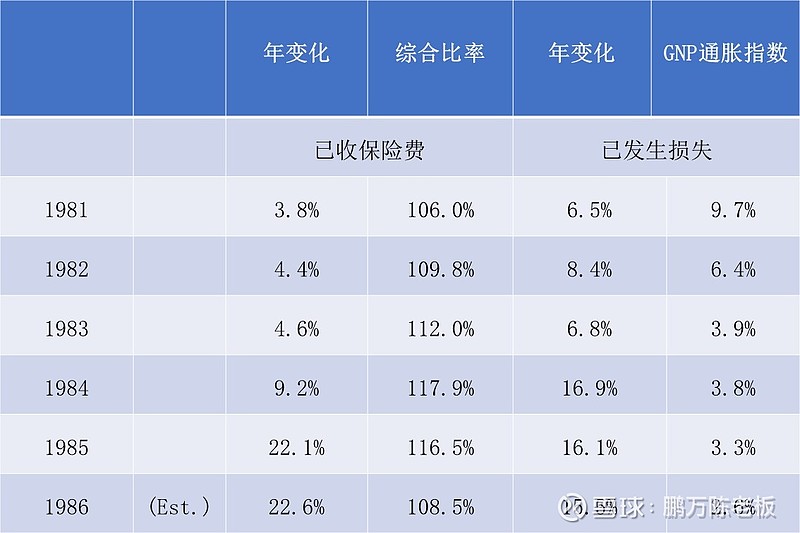
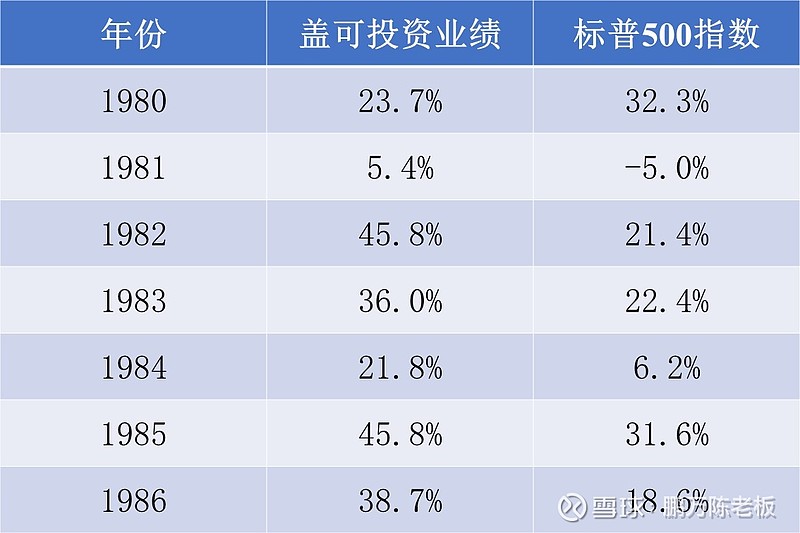
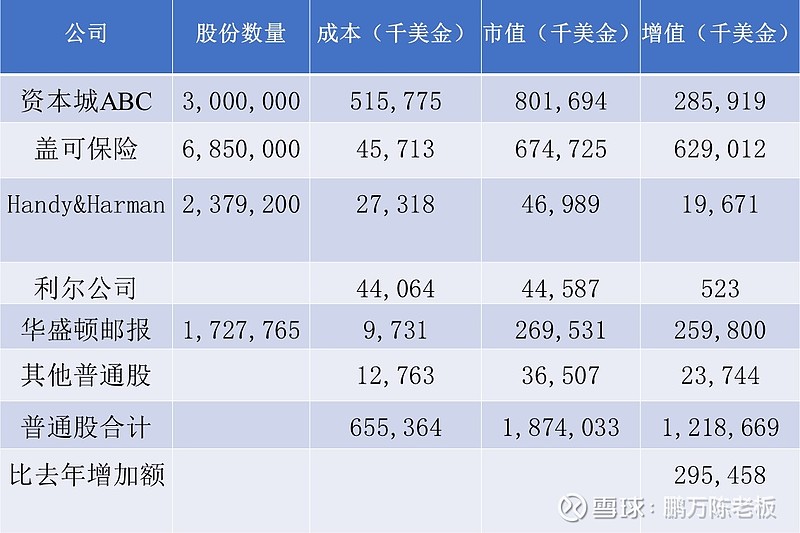
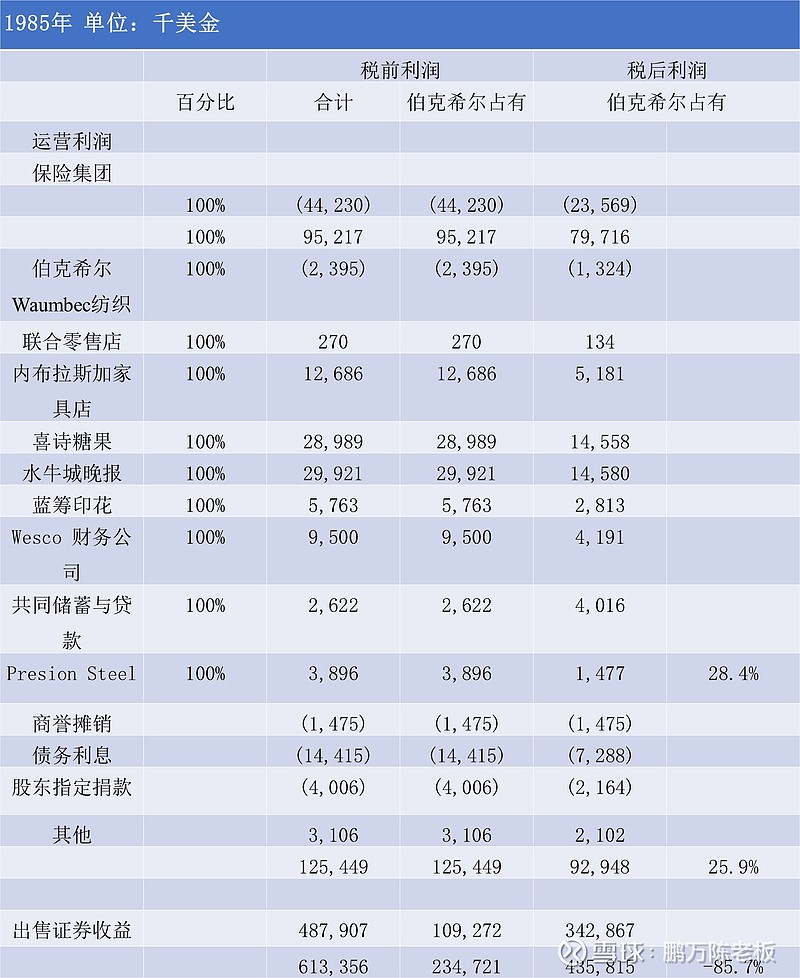
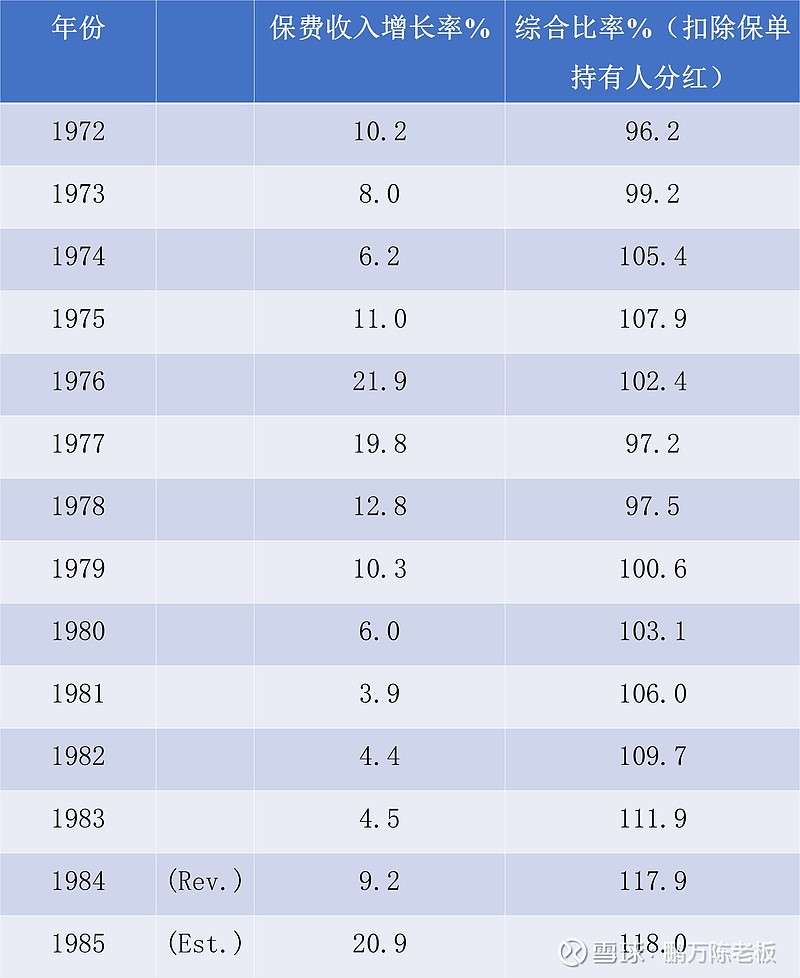
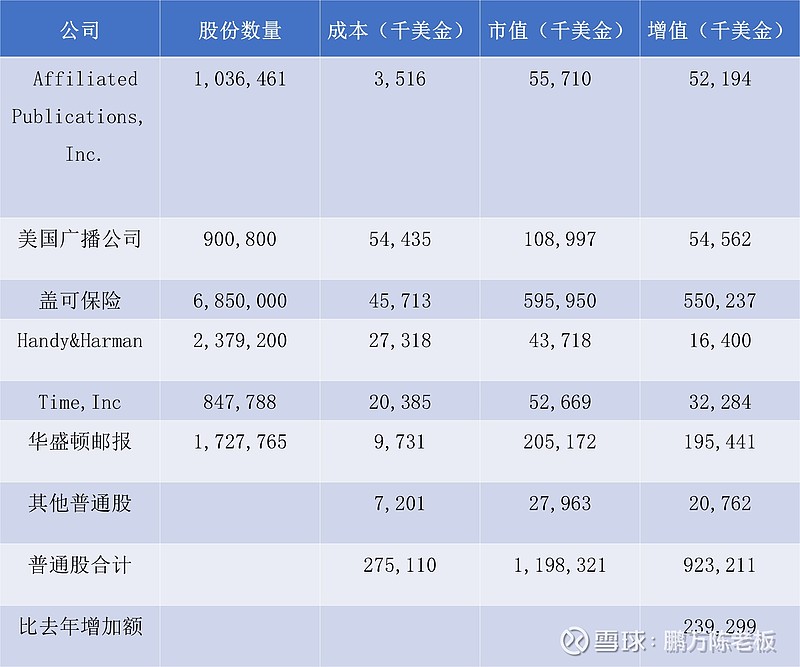 我们之前曾提到过去十年来投资环境已由过去完全不看重大企业的情况转变成适当的认同,华盛顿邮报就是一个最好的例子,我们在1973年中以不到当时内含价值四分之一的价格买进股权,计算价格/价值比并不需要有独到的眼光,大部份的证券分析师、经纪人与媒体经营者跟我们一样估计该公司的价值约在四亿到五亿美元之间,但当时其仅一亿的股票市值却是随处可见,只是我们具有的优势是态度,我们从葛拉罕那里学到成功投资的关键是在买进好的公司股票在其股价相对于代表的实际价值被低估的时候。在1970年代早期大部份的机构投资人却认为企业价值与他们考量买进卖出的价格并无太大关联,现在看来当然令人难以置信,然而当时他们受到知名的商学院所提出的新理论所惑,「股票市场具有完全的效率,因此计算企业的价值对于投资活动一点也不重要」,事后想想我们实在欠这些学者太多了,在不管是桥牌、西洋棋或是选股等斗智的竞赛中,还有什么能让我们更有利的,当对手被告知思考是白费力气的一件事。
1973到1974年间华盛顿邮报表现依旧良好使得内在价值持续增加,尽管如此我们在该公司的持股市值却由原始成本的一仟多万减少25%变成八百万美元,本来我们觉得已经够便宜的东西,没想到在一年之后具有无比大智能的市场又将它的标价又向下调整到至少比其实际价值少两成的地步。
美好的结局可以预知,Kay Graham-华盛顿邮报的总裁具有无比的智能与勇气除了拥有极佳的管理长才将公司的内在价值进一步提升之外,更大手笔地以便宜的价格大量买回公司的股份,在此同时投资人开始体认到公司特殊的竞争优势而使得公司股价回升到合理的价位。所以我们经历了三重享受,一来公司本身的价值提升,二来每股所代表的价值因公司实施库藏股又增加,三来随着折价幅度逐渐缩小,股价的表现超越公司价值实际增加。
除了1985年依持股比例卖回给公司的股份外,其它的持股皆未变动,年底持股的市值加上卖回股份所得的收入合计为二亿二仟万美元。
假若在当初1973年中我们将一仟万随便投资一家当时最热门的媒体事业,则到今年年底我们持股的市值大约会在四到六仟万元之间,这结果显然比一般市场的平均表现高出许多,其原因在于媒体的特殊竞争力,至于再多出来的一亿六仟万部份是因为华盛顿邮报的总裁Kay作出的决策优于其它媒体事业的经营者,虽然她惊人的事业成就并未有人大幅报导,但伯克夏的所有股东却不能不加以珍惜。
由于我们买下资本城股份(后面会详描述)使得我必须在1986年被迫离开华盛顿邮报的董事会,但只要法令许可我们将无限期的持有华盛顿邮报的股份,我们期待该公司的价值持续稳定成长,我们也知道公司的管理阶层有才能且完全以股东的利益为导向,不过该公司的市值目前已增加为十八亿美元,公司的价值很难再以当初市值仅一亿美元时的速度成长,也由于我们其它主要的持股股价大多已反映,所以我们的投资组合很难再像过去一般具成长潜力。
或许你会发现年底我们有一大笔Beatrice公司的持股,这是属于短期的套利动作,算是闲置资金暂时的去处(虽然不是百分之百安全,因为交易有时也会发生问题导致重大的损失) ,但我们大多只参与已宣布的购并案,当然若能为这些资金找到更长期可靠的去处我们会更高兴,但现阶段却找不到任何合适的对象。
到年底为止,我们旗下保险子公司大约持有四亿美元的免税债券,其中大约有一半是WPPSS华盛顿公用电力供应系统发行的债券(该公司我已于去年详尽的说明同时也解释在事情尘埃落定之前我们为何不愿进一步说明公司的进出动作,就像我们投资股票时一样,到年底我们在该债券的未实现投资利益为六仟二百万美元,三分之一的原因是由于债券价格普遍上涨,其余则是投资人对于WPPSS一、二、三期计划有较正面的看法,我们每年从该投资所获得的免税利益大约为三仟万美元。
大约在年后,伯克夏买进约三百万股的资本城/ABC股票,(每股价格172.5美元,我追踪该公司的管理绩效已有许多年,我认为他们是上市公司当中最优秀的,汤姆墨菲与丹柏克不但是最优秀的管理阶层,也是那种你会想把自己的女儿嫁给他的那一种人,跟他们一起合作实在是我的荣幸,也相当愉快,若相信各位若认识他们应该也会有这种感觉。
我们的股权投资使得资本城能够取得三十五亿美元的资金用来购并美国广播公司ABC,虽然对资本城来说,或许ABC的效益无法在短暂几年内就立竿见影,但我们很有耐心一点也不心急,毕竟就算是才华与努力俱备,还是需要时间来发酵,就算你让九个女人同时怀孕,也不可能让小孩一个月就生出来。
为了展现我们的信心,我们特别与管理阶层签订了一项协议,在一定的期间内,我们的投票权将交给担任CEO的汤姆墨菲(或是接任的丹柏克)来处理。事实上这项提案是由我与查理主动提出,同时我们还自我限制了一些卖出股份的条件,这个动作主要是为了确保我们出售的股份不会落到未经现有管理阶层同意的人士身上,有点类似几年前我们与吉列刮胡刀与华盛顿邮报签订的协议。
由于有时钜额的股票交易可能必须要溢价,有些人可能认为这样的限制可能会损及伯克夏股东的权益,不过我们的看法正好完全相反,身为公司的所有权人,我们认定这些企业的长期经济利益将因为这些限制而更加巩固,因为如此一来专业经理人便能全心全意的为公司打拼,进而为全体股东创造最大的利益,很显然的这比让一些经理人整天为了换不同的老板而分心,(当然有些经理人会把自己的利益摆在公司的利益之前,所以我们在投资时会尽量避开这类的经营阶层)今天企业的不稳定性是股权分散的必然结果,一家公司随时都会有大公东浮上台面,满口仁义道德但实际上却包藏祸心,我们常藉由锁住自身持有的股权来宣示对公司稳定的支持,这种安定感加上好的经营阶层与企业型态,是让企业获利丰收的沃土,这就是我们会这样安排的用意所在。
当然人性面也很重要,我们不希望我们欣赏与推崇的经理人,在欢迎我们的加入后,会担心一觉醒来,因为我们持有重要股权,所有事情一夕生变。我告诉他们绝对放心,我们一定说话算话,而且也包括伯克夏公司的承诺,万一我个人发生了什么不幸(意思是指我本人活不到一百岁就挂了) 。
当然我们投资资本城的这次交易并未占到什么便宜,这反应出近年来媒体事业的蓬勃发展(当然还比不上某些购并案的疯狂),事实上也没有多少讨价还价的余地,但重点是这项投资让我们能与这杰出的人材与事业结合在一起,而且是相当庞大的规模。
至于有人可能会觉得很奇怪,为何同样一家公司,你们的董事长在五、六年前以43块的价钱卖掉,而现在却以172.5块的高价买回,有关这个问题,容我在多花一点时间,想一个漂亮一点的答案给各位。
同一期间我们还花斥资三亿二千万美金购并了位于克里夫兰的史考特费泽,下一个段落我将会说明伯克夏购并公司的一些标准,史考特费泽就是个典型的例子-易懂、够大、管理佳、很会赚钱。
该公司有17项事业,年营业额约七亿美金,很多都是该行的领导者,投资报酬率相当高,拥有许多知名品牌,如克比家护系统、空气压缩机、瓦斯炉等。另外著名的世界百科全书约占该公司销售额的四成,是主要的营业项目之一,其销售量比起其它四家同业的量还多。
我和查理对世界百科全书特别感兴趣,事实上我读他们的书已有25年的历史,现在连我自己的孙子都有一套,它被所有的老师、图书馆与读者评选为最有用的百科全书,而且它的售价比起同类型的书还便宜,这种价美物廉产品的结合使得我们愿意以该公司提出的价格进行投资,尽管直销业近几年来表现并不出色。
另外值得注意的是担任该公司总裁已九年的Ralph Schey,由于1960年代的购并风潮,当他上任时,该公司共有多达31项的事业,他大刀阔斧将不合适或不赚钱的事业处置掉,他在资本分配上的功力相当杰出,我们很高兴能与他一起共事。
事实上购并史考特费泽的过程相当有趣,在我们介入之前还有段小插曲,早在1984年便传出该公司有意要出售,一家投资银行顾问花了好几个月编织了许多美丽的远景,以吸引一些买主上门,最后在1985年中一项具有员工认股计划特色的出售案为股东大会所通过,然而到了最后节骨眼却由于特定因素被搁置,我在报上看到这项消息,立刻写了一封简短的信给Ralph Schey,虽然我并认识他本人,我说我们很欣赏公司过去的表现,不知道他有没有兴趣与我们谈一谈,不久我与查理便在芝加哥与Ralph碰面共进晚餐,并在隔周正式签定购并合约。
由于这项购并案与原本保险事业的大幅成长,将使明年公司的营收超越二十亿美元,大概是今年的两倍。
史考特费泽购并案充份说明了我们对于购并采取随性的态度,我们并没有任何特定的策略与计划,也没有专人来研究一些中介者提供的企划案,反而我们倾向一切顺其自然,反正时候到了,我们就会有逤行动。
为了主动向命运招手,我们依惯例还是列出征求企业被购并的小广告,今年惟一的小变动是第一项获利的标准略微提高,主要是因为我们期望购并能为伯克夏带来明显的改变:
我们之前曾提到过去十年来投资环境已由过去完全不看重大企业的情况转变成适当的认同,华盛顿邮报就是一个最好的例子,我们在1973年中以不到当时内含价值四分之一的价格买进股权,计算价格/价值比并不需要有独到的眼光,大部份的证券分析师、经纪人与媒体经营者跟我们一样估计该公司的价值约在四亿到五亿美元之间,但当时其仅一亿的股票市值却是随处可见,只是我们具有的优势是态度,我们从葛拉罕那里学到成功投资的关键是在买进好的公司股票在其股价相对于代表的实际价值被低估的时候。在1970年代早期大部份的机构投资人却认为企业价值与他们考量买进卖出的价格并无太大关联,现在看来当然令人难以置信,然而当时他们受到知名的商学院所提出的新理论所惑,「股票市场具有完全的效率,因此计算企业的价值对于投资活动一点也不重要」,事后想想我们实在欠这些学者太多了,在不管是桥牌、西洋棋或是选股等斗智的竞赛中,还有什么能让我们更有利的,当对手被告知思考是白费力气的一件事。
1973到1974年间华盛顿邮报表现依旧良好使得内在价值持续增加,尽管如此我们在该公司的持股市值却由原始成本的一仟多万减少25%变成八百万美元,本来我们觉得已经够便宜的东西,没想到在一年之后具有无比大智能的市场又将它的标价又向下调整到至少比其实际价值少两成的地步。
美好的结局可以预知,Kay Graham-华盛顿邮报的总裁具有无比的智能与勇气除了拥有极佳的管理长才将公司的内在价值进一步提升之外,更大手笔地以便宜的价格大量买回公司的股份,在此同时投资人开始体认到公司特殊的竞争优势而使得公司股价回升到合理的价位。所以我们经历了三重享受,一来公司本身的价值提升,二来每股所代表的价值因公司实施库藏股又增加,三来随着折价幅度逐渐缩小,股价的表现超越公司价值实际增加。
除了1985年依持股比例卖回给公司的股份外,其它的持股皆未变动,年底持股的市值加上卖回股份所得的收入合计为二亿二仟万美元。
假若在当初1973年中我们将一仟万随便投资一家当时最热门的媒体事业,则到今年年底我们持股的市值大约会在四到六仟万元之间,这结果显然比一般市场的平均表现高出许多,其原因在于媒体的特殊竞争力,至于再多出来的一亿六仟万部份是因为华盛顿邮报的总裁Kay作出的决策优于其它媒体事业的经营者,虽然她惊人的事业成就并未有人大幅报导,但伯克夏的所有股东却不能不加以珍惜。
由于我们买下资本城股份(后面会详描述)使得我必须在1986年被迫离开华盛顿邮报的董事会,但只要法令许可我们将无限期的持有华盛顿邮报的股份,我们期待该公司的价值持续稳定成长,我们也知道公司的管理阶层有才能且完全以股东的利益为导向,不过该公司的市值目前已增加为十八亿美元,公司的价值很难再以当初市值仅一亿美元时的速度成长,也由于我们其它主要的持股股价大多已反映,所以我们的投资组合很难再像过去一般具成长潜力。
或许你会发现年底我们有一大笔Beatrice公司的持股,这是属于短期的套利动作,算是闲置资金暂时的去处(虽然不是百分之百安全,因为交易有时也会发生问题导致重大的损失) ,但我们大多只参与已宣布的购并案,当然若能为这些资金找到更长期可靠的去处我们会更高兴,但现阶段却找不到任何合适的对象。
到年底为止,我们旗下保险子公司大约持有四亿美元的免税债券,其中大约有一半是WPPSS华盛顿公用电力供应系统发行的债券(该公司我已于去年详尽的说明同时也解释在事情尘埃落定之前我们为何不愿进一步说明公司的进出动作,就像我们投资股票时一样,到年底我们在该债券的未实现投资利益为六仟二百万美元,三分之一的原因是由于债券价格普遍上涨,其余则是投资人对于WPPSS一、二、三期计划有较正面的看法,我们每年从该投资所获得的免税利益大约为三仟万美元。
大约在年后,伯克夏买进约三百万股的资本城/ABC股票,(每股价格172.5美元,我追踪该公司的管理绩效已有许多年,我认为他们是上市公司当中最优秀的,汤姆墨菲与丹柏克不但是最优秀的管理阶层,也是那种你会想把自己的女儿嫁给他的那一种人,跟他们一起合作实在是我的荣幸,也相当愉快,若相信各位若认识他们应该也会有这种感觉。
我们的股权投资使得资本城能够取得三十五亿美元的资金用来购并美国广播公司ABC,虽然对资本城来说,或许ABC的效益无法在短暂几年内就立竿见影,但我们很有耐心一点也不心急,毕竟就算是才华与努力俱备,还是需要时间来发酵,就算你让九个女人同时怀孕,也不可能让小孩一个月就生出来。
为了展现我们的信心,我们特别与管理阶层签订了一项协议,在一定的期间内,我们的投票权将交给担任CEO的汤姆墨菲(或是接任的丹柏克)来处理。事实上这项提案是由我与查理主动提出,同时我们还自我限制了一些卖出股份的条件,这个动作主要是为了确保我们出售的股份不会落到未经现有管理阶层同意的人士身上,有点类似几年前我们与吉列刮胡刀与华盛顿邮报签订的协议。
由于有时钜额的股票交易可能必须要溢价,有些人可能认为这样的限制可能会损及伯克夏股东的权益,不过我们的看法正好完全相反,身为公司的所有权人,我们认定这些企业的长期经济利益将因为这些限制而更加巩固,因为如此一来专业经理人便能全心全意的为公司打拼,进而为全体股东创造最大的利益,很显然的这比让一些经理人整天为了换不同的老板而分心,(当然有些经理人会把自己的利益摆在公司的利益之前,所以我们在投资时会尽量避开这类的经营阶层)今天企业的不稳定性是股权分散的必然结果,一家公司随时都会有大公东浮上台面,满口仁义道德但实际上却包藏祸心,我们常藉由锁住自身持有的股权来宣示对公司稳定的支持,这种安定感加上好的经营阶层与企业型态,是让企业获利丰收的沃土,这就是我们会这样安排的用意所在。
当然人性面也很重要,我们不希望我们欣赏与推崇的经理人,在欢迎我们的加入后,会担心一觉醒来,因为我们持有重要股权,所有事情一夕生变。我告诉他们绝对放心,我们一定说话算话,而且也包括伯克夏公司的承诺,万一我个人发生了什么不幸(意思是指我本人活不到一百岁就挂了) 。
当然我们投资资本城的这次交易并未占到什么便宜,这反应出近年来媒体事业的蓬勃发展(当然还比不上某些购并案的疯狂),事实上也没有多少讨价还价的余地,但重点是这项投资让我们能与这杰出的人材与事业结合在一起,而且是相当庞大的规模。
至于有人可能会觉得很奇怪,为何同样一家公司,你们的董事长在五、六年前以43块的价钱卖掉,而现在却以172.5块的高价买回,有关这个问题,容我在多花一点时间,想一个漂亮一点的答案给各位。
同一期间我们还花斥资三亿二千万美金购并了位于克里夫兰的史考特费泽,下一个段落我将会说明伯克夏购并公司的一些标准,史考特费泽就是个典型的例子-易懂、够大、管理佳、很会赚钱。
该公司有17项事业,年营业额约七亿美金,很多都是该行的领导者,投资报酬率相当高,拥有许多知名品牌,如克比家护系统、空气压缩机、瓦斯炉等。另外著名的世界百科全书约占该公司销售额的四成,是主要的营业项目之一,其销售量比起其它四家同业的量还多。
我和查理对世界百科全书特别感兴趣,事实上我读他们的书已有25年的历史,现在连我自己的孙子都有一套,它被所有的老师、图书馆与读者评选为最有用的百科全书,而且它的售价比起同类型的书还便宜,这种价美物廉产品的结合使得我们愿意以该公司提出的价格进行投资,尽管直销业近几年来表现并不出色。
另外值得注意的是担任该公司总裁已九年的Ralph Schey,由于1960年代的购并风潮,当他上任时,该公司共有多达31项的事业,他大刀阔斧将不合适或不赚钱的事业处置掉,他在资本分配上的功力相当杰出,我们很高兴能与他一起共事。
事实上购并史考特费泽的过程相当有趣,在我们介入之前还有段小插曲,早在1984年便传出该公司有意要出售,一家投资银行顾问花了好几个月编织了许多美丽的远景,以吸引一些买主上门,最后在1985年中一项具有员工认股计划特色的出售案为股东大会所通过,然而到了最后节骨眼却由于特定因素被搁置,我在报上看到这项消息,立刻写了一封简短的信给Ralph Schey,虽然我并认识他本人,我说我们很欣赏公司过去的表现,不知道他有没有兴趣与我们谈一谈,不久我与查理便在芝加哥与Ralph碰面共进晚餐,并在隔周正式签定购并合约。
由于这项购并案与原本保险事业的大幅成长,将使明年公司的营收超越二十亿美元,大概是今年的两倍。
史考特费泽购并案充份说明了我们对于购并采取随性的态度,我们并没有任何特定的策略与计划,也没有专人来研究一些中介者提供的企划案,反而我们倾向一切顺其自然,反正时候到了,我们就会有逤行动。
为了主动向命运招手,我们依惯例还是列出征求企业被购并的小广告,今年惟一的小变动是第一项获利的标准略微提高,主要是因为我们期望购并能为伯克夏带来明显的改变:
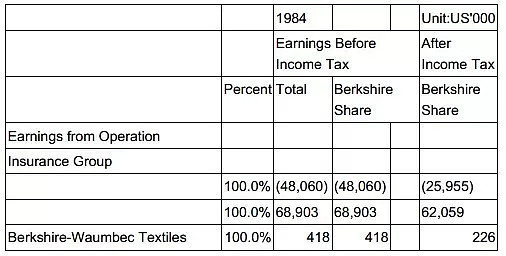 比较细心的股东可能会发现GEICO特别股利的金额与其分类的位置有变动,虽然损益数字些微受到影响,但实质上并无太大差别,但背后的故事却相当有趣。
如同去年我报告过的,(1)1983年中GEICO 宣布实施库藏股买回自家股票(2)同时我们签署协议同意GEICO 自我们手中买回等比例的股份(3)总结最后我们卖还给GEICO 35万股,并收到2,100万现金,而我们在GEICO的持股比例则维持不变(4)我们著名的律师事务所认可这整件交易为减资(5)依税法我们只要缴交6.9%的集团企业间股利税(6)最重要的是这2,100万现金比我们未认列的未分配盈余少得多,故经济实质面而言,我们将之视为股利的分配。
但由于这种情况并不常见且金额又不小,所以在去年季报与年报中我们特别加以分别列示,并且经我们的本地签证会计师认可同意。
而1984年General Foods也发生同样的状况,只是后者是直接自公开市场中买回,所以我们每天卖出一点股份以使我们在该公司的持股比例维持不变,同样的双方在交易之前已签订好协议,且我们收到的现金比我们在该公司未认列的未分配盈余少得多,总计我们收到2,100万现金,而持股比例则维持在8.75%不变。
但这时签证会计师的纽约总部却跳出来讲话,否决的其分所的结论,认定我们与GEICO 与General Foods之间的交易属于股权买卖而非股利分配,在这种情况下,我们所收到的现金被认定为出售股票收入,在扣除当初的原始投资成本后,应列示为资本利得,当然这只是会计上的处理与税务无关。
虽然我们并不认同纽约方面的看法,但为免会计师出具保留意见,我们仍勉强接收,并重编1983年的报表,尽管如此,公司实质上未受任何影响,我们在这两家公司的权益、帐上的现金、所得税与持有股权的市值皆维持不变。
而今年我们又与General Foods签订类似的协议,为了确保在税法上得以认定为股利分配,我们仍将在该公司维持持有的股权比例不变,当然若后续还有类似的情况我们一定会跟所有的股东报告。而在参与过这么多次类似的交易后,我们觉得这种作法对不卖出股份的股东同样有利,当一家经营绩效良好且财务基础健全的公司发现自家的股价远低于其内含价值时,买回自家股票是保障股东权益最好的方法了。
但我必须说明我是指那些基于本益比角度的买回,并不包括那种不道德的green-mail(在这类交易中,甲乙双方为自身私利协议剥削不知情的丙方,甲方-是指职业股东在刚买下股票后,便对公司经营阶层发出要钱或是要命的勒索,而乙方-是指息事宁人的公司经营阶层,愿意用高价买回,只要这个钱不要是他出的就好,丙方-就这样被牺牲,别人花钱他来买单,结果公司经营阶层还信势旦旦的说要维持公司利益,而不知情的股东只能呆呆的被宰还不自知。
去年我们几个投资部位较大的被投资公司只要其价格与价值差异颇大时,都努力买回自家股份,而对于身为股东的我们而言,有两点好处
第一点很明显,是一个简单的数学问题,透过买回公司的股票,等于只要花一块钱的代价便能够获得两块钱的价值的,所以每股的内含价值可大幅的提高,这比花大钱去购并别人的公司的效果要好得多。
第二点较不明显,且没有什么人知道,实际上也很难去衡量,但时间一长其效果越明显,那就是管理当局可透过买回自家的股票来对外宣示其重视股东权益的心而非一昧的要扩张个人经营事业的版图,因为后者往往不但对股东没有帮助,甚至反而有害股东的利益。如此一来,原有的股东与有兴趣的投资人将会对公司的前景更具信心,而股价便会向上反应而与其本身的价值更为接近。
相对地那一些成天把维护股东权益的口号挂在嘴边,却对买回自家股票的建议置之不理的人,很难说服大家他不是口是心非,久而久之,他便会被市场投资人所离弃。
最近我们靠前三大持股-GEICO、General Foods与华盛顿邮报大量买回自家股票(艾克森-我们的第四大持股也积极买回股票,只是因为我们是最近才建立部位,所以影响不大),而大发利市,我们对于投资这种具竞争优势同时又真正注重股东权益的管理阶层感到相当安心。
下表显示我们在1984年底,主要的投资部位(所有数字已扣除Wesco等公司的少数股权)
比较细心的股东可能会发现GEICO特别股利的金额与其分类的位置有变动,虽然损益数字些微受到影响,但实质上并无太大差别,但背后的故事却相当有趣。
如同去年我报告过的,(1)1983年中GEICO 宣布实施库藏股买回自家股票(2)同时我们签署协议同意GEICO 自我们手中买回等比例的股份(3)总结最后我们卖还给GEICO 35万股,并收到2,100万现金,而我们在GEICO的持股比例则维持不变(4)我们著名的律师事务所认可这整件交易为减资(5)依税法我们只要缴交6.9%的集团企业间股利税(6)最重要的是这2,100万现金比我们未认列的未分配盈余少得多,故经济实质面而言,我们将之视为股利的分配。
但由于这种情况并不常见且金额又不小,所以在去年季报与年报中我们特别加以分别列示,并且经我们的本地签证会计师认可同意。
而1984年General Foods也发生同样的状况,只是后者是直接自公开市场中买回,所以我们每天卖出一点股份以使我们在该公司的持股比例维持不变,同样的双方在交易之前已签订好协议,且我们收到的现金比我们在该公司未认列的未分配盈余少得多,总计我们收到2,100万现金,而持股比例则维持在8.75%不变。
但这时签证会计师的纽约总部却跳出来讲话,否决的其分所的结论,认定我们与GEICO 与General Foods之间的交易属于股权买卖而非股利分配,在这种情况下,我们所收到的现金被认定为出售股票收入,在扣除当初的原始投资成本后,应列示为资本利得,当然这只是会计上的处理与税务无关。
虽然我们并不认同纽约方面的看法,但为免会计师出具保留意见,我们仍勉强接收,并重编1983年的报表,尽管如此,公司实质上未受任何影响,我们在这两家公司的权益、帐上的现金、所得税与持有股权的市值皆维持不变。
而今年我们又与General Foods签订类似的协议,为了确保在税法上得以认定为股利分配,我们仍将在该公司维持持有的股权比例不变,当然若后续还有类似的情况我们一定会跟所有的股东报告。而在参与过这么多次类似的交易后,我们觉得这种作法对不卖出股份的股东同样有利,当一家经营绩效良好且财务基础健全的公司发现自家的股价远低于其内含价值时,买回自家股票是保障股东权益最好的方法了。
但我必须说明我是指那些基于本益比角度的买回,并不包括那种不道德的green-mail(在这类交易中,甲乙双方为自身私利协议剥削不知情的丙方,甲方-是指职业股东在刚买下股票后,便对公司经营阶层发出要钱或是要命的勒索,而乙方-是指息事宁人的公司经营阶层,愿意用高价买回,只要这个钱不要是他出的就好,丙方-就这样被牺牲,别人花钱他来买单,结果公司经营阶层还信势旦旦的说要维持公司利益,而不知情的股东只能呆呆的被宰还不自知。
去年我们几个投资部位较大的被投资公司只要其价格与价值差异颇大时,都努力买回自家股份,而对于身为股东的我们而言,有两点好处
第一点很明显,是一个简单的数学问题,透过买回公司的股票,等于只要花一块钱的代价便能够获得两块钱的价值的,所以每股的内含价值可大幅的提高,这比花大钱去购并别人的公司的效果要好得多。
第二点较不明显,且没有什么人知道,实际上也很难去衡量,但时间一长其效果越明显,那就是管理当局可透过买回自家的股票来对外宣示其重视股东权益的心而非一昧的要扩张个人经营事业的版图,因为后者往往不但对股东没有帮助,甚至反而有害股东的利益。如此一来,原有的股东与有兴趣的投资人将会对公司的前景更具信心,而股价便会向上反应而与其本身的价值更为接近。
相对地那一些成天把维护股东权益的口号挂在嘴边,却对买回自家股票的建议置之不理的人,很难说服大家他不是口是心非,久而久之,他便会被市场投资人所离弃。
最近我们靠前三大持股-GEICO、General Foods与华盛顿邮报大量买回自家股票(艾克森-我们的第四大持股也积极买回股票,只是因为我们是最近才建立部位,所以影响不大),而大发利市,我们对于投资这种具竞争优势同时又真正注重股东权益的管理阶层感到相当安心。
下表显示我们在1984年底,主要的投资部位(所有数字已扣除Wesco等公司的少数股权)
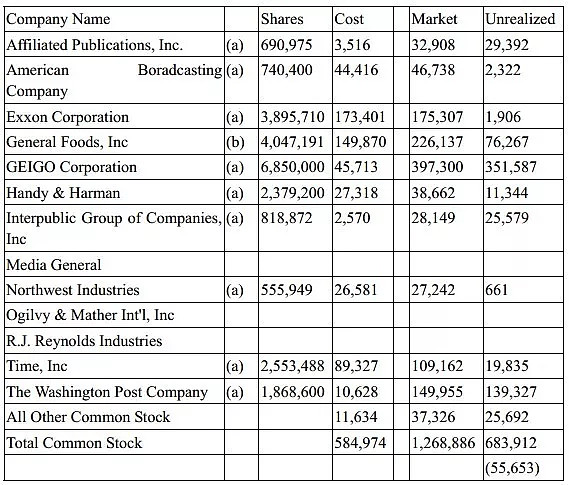 最近十年来实在很难找得到同时能够符合我们质与量(价格与价值的差距)标准的投资标的,我们尽量避免降格以求,但你知道什么事都不做才是最困难的一件事(有一位英国政治家将该国十九世纪的伟大归功于统治者的无为而治,但历史学家可以随随便便就提议,不过后继统治者却很难真得做得到)
除了先前曾提到的数字,有关Wesco的经营理念在Charlie Munger写的报告中会详加描述。
此外我们实际掌控的企业,如Nebraska家具店、喜斯糖果、水牛城日报与保险事业集团的经营,将在稍后加以说明
最近十年来实在很难找得到同时能够符合我们质与量(价格与价值的差距)标准的投资标的,我们尽量避免降格以求,但你知道什么事都不做才是最困难的一件事(有一位英国政治家将该国十九世纪的伟大归功于统治者的无为而治,但历史学家可以随随便便就提议,不过后继统治者却很难真得做得到)
除了先前曾提到的数字,有关Wesco的经营理念在Charlie Munger写的报告中会详加描述。
此外我们实际掌控的企业,如Nebraska家具店、喜斯糖果、水牛城日报与保险事业集团的经营,将在稍后加以说明
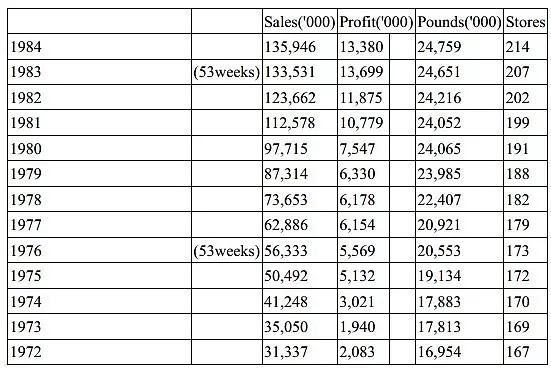 看得出其表现并非处于持续成长的状态,事实上盒装巧克力这行业的获利情况并不一定,有的品牌赔钱,但有的却颇有赚头,就我们所知只有一家竞争对手维持高获利,而喜斯的成功要归功于优秀的产品与杰出的经营人才,尽管在1984年我们产品价格的涨幅不若以往,大约1.4%,不过还好我们在过去几年一直困扰我们的成本控制问题上大有进展,除了我们无法控制原料成本外,其它费用仅较去年增加2.2%。过去我们由于单店销售数量(指重量,而非金额)略微下滑,整体销量只能靠增加门市来扩张,当然使得销售成本恶化,1984年单店销量减少1.1%,但整体销量因扩点的关系成长0.6%(两者皆已将1983年53周的因素列入考量)
喜斯糖果的销售受到季节因素的影响越来越大,在圣诞节到来的前四周,其业绩与获利分别占全年的四成与七成五,此外复活节与情人节期间的业绩也特别好,至于平时的生意表现便平平,不过也因为如此使得管理部门与员工在忙季特别辛苦,须要特别的耐性来处理大量的订单。而即使如此服务态度与产品品质却一点也没有打折扣,至于其它同业我就不管保证,事实上有的为了降低成本增加保存期限而添加防腐剂或将成品加以冷冻,我们宁愿大家辛苦一点而拒绝这样的作法。
此外我们的店在非假日期间遭遇到一些新式食物与零食店的竞争,所幸在1984年我们推出六种新式糖果棒加以反击,其效果颇佳广为消费者所接受,目前我们正在研发新产品预计在不久的未来推出上市。
展望明年我们期望把成本增加幅度压得比通货膨胀率低,当然这比必须要增加单店的销量来加以配合,预估平均售价将调涨6-7%,获利将稳定成长。
看得出其表现并非处于持续成长的状态,事实上盒装巧克力这行业的获利情况并不一定,有的品牌赔钱,但有的却颇有赚头,就我们所知只有一家竞争对手维持高获利,而喜斯的成功要归功于优秀的产品与杰出的经营人才,尽管在1984年我们产品价格的涨幅不若以往,大约1.4%,不过还好我们在过去几年一直困扰我们的成本控制问题上大有进展,除了我们无法控制原料成本外,其它费用仅较去年增加2.2%。过去我们由于单店销售数量(指重量,而非金额)略微下滑,整体销量只能靠增加门市来扩张,当然使得销售成本恶化,1984年单店销量减少1.1%,但整体销量因扩点的关系成长0.6%(两者皆已将1983年53周的因素列入考量)
喜斯糖果的销售受到季节因素的影响越来越大,在圣诞节到来的前四周,其业绩与获利分别占全年的四成与七成五,此外复活节与情人节期间的业绩也特别好,至于平时的生意表现便平平,不过也因为如此使得管理部门与员工在忙季特别辛苦,须要特别的耐性来处理大量的订单。而即使如此服务态度与产品品质却一点也没有打折扣,至于其它同业我就不管保证,事实上有的为了降低成本增加保存期限而添加防腐剂或将成品加以冷冻,我们宁愿大家辛苦一点而拒绝这样的作法。
此外我们的店在非假日期间遭遇到一些新式食物与零食店的竞争,所幸在1984年我们推出六种新式糖果棒加以反击,其效果颇佳广为消费者所接受,目前我们正在研发新产品预计在不久的未来推出上市。
展望明年我们期望把成本增加幅度压得比通货膨胀率低,当然这比必须要增加单店的销量来加以配合,预估平均售价将调涨6-7%,获利将稳定成长。
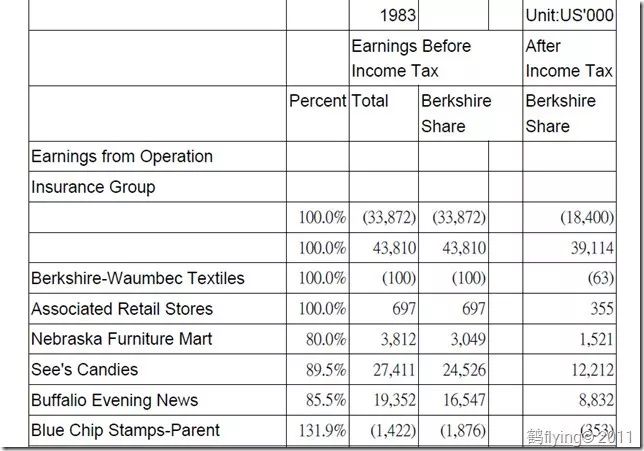
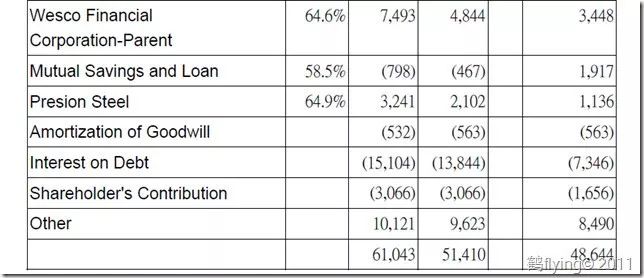
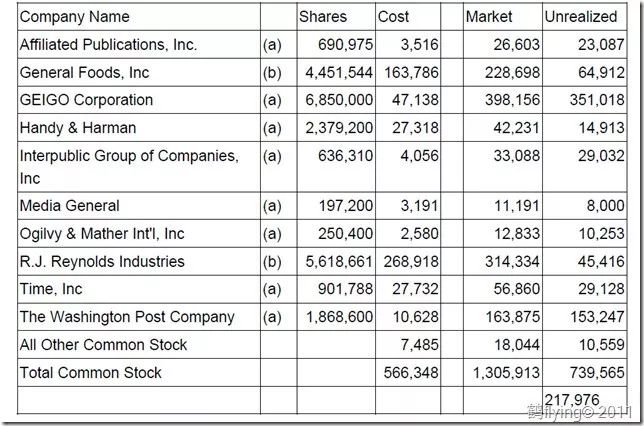
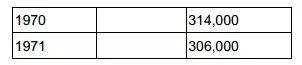
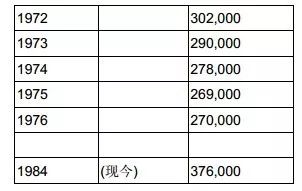
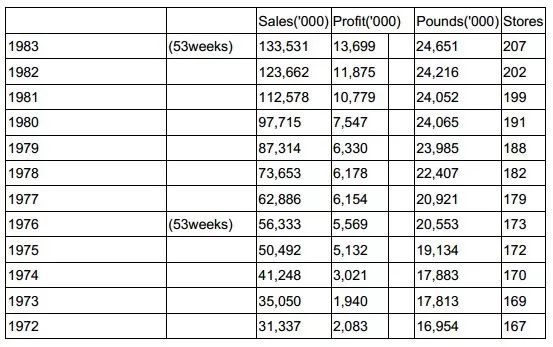
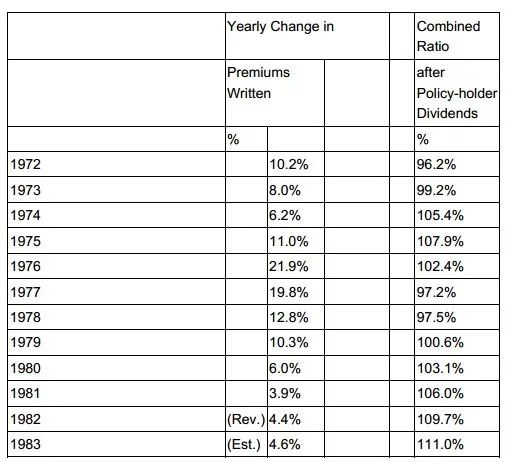
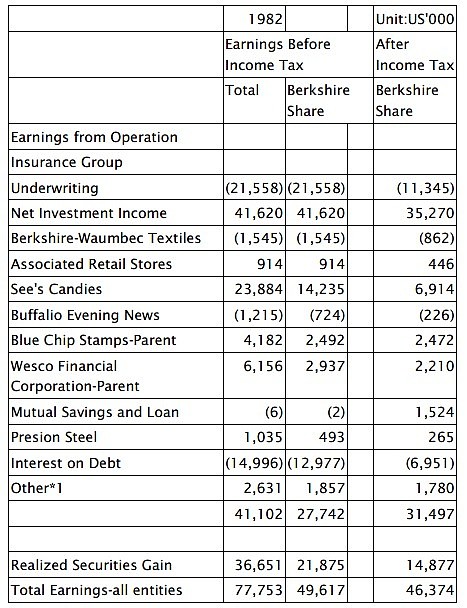 **1 包 含 购 并 企 业 商 誉 的 摊 销(如 See’s Candies; Mutual; Buffalio Evening News 等)
本报告并附有 Blue Chip 及 Wesco 两家公司主要经营阶层对其 1982 年公 司 经 营 作 的 一 番 叙 述,其 中 我 相 信 你 会 发 现 有 关 Blue Chip 在 Buffalo Evening News 的情况特别有意思,目前全美大约有十四个城市的日报业者其每周发行量超过 Buffalo,但真正的关键却在于星期天发行量的成长,六年前也 就 是 在 周 日 版 尚 未 推 出 之 前,原 本 在 Buffalo 发 行 星 期 天 报 纸 的Courier-Express 约有 27 万份的发行量,而如今即使该地区家庭户数未见成长单单 Buffalo News 在周日便有 36 万份,约为 35%的成长,就我们所知这是在全美其它地区所未见的,一切都要归功该报的管理阶层为我们所做的努力。 如同我们先前曾说明过的,不具控制权的股权投资未分配的盈余其重要性早以不下于前表所列公司帐面营业净利。在不具控制权的股权投资中已分配的盈余当然已反映在公司净投资收益(Net Investment Income)项下,而下表所列系我们在不具控制权的股权投资依持股比例所应有之权益:
**1 包 含 购 并 企 业 商 誉 的 摊 销(如 See’s Candies; Mutual; Buffalio Evening News 等)
本报告并附有 Blue Chip 及 Wesco 两家公司主要经营阶层对其 1982 年公 司 经 营 作 的 一 番 叙 述,其 中 我 相 信 你 会 发 现 有 关 Blue Chip 在 Buffalo Evening News 的情况特别有意思,目前全美大约有十四个城市的日报业者其每周发行量超过 Buffalo,但真正的关键却在于星期天发行量的成长,六年前也 就 是 在 周 日 版 尚 未 推 出 之 前,原 本 在 Buffalo 发 行 星 期 天 报 纸 的Courier-Express 约有 27 万份的发行量,而如今即使该地区家庭户数未见成长单单 Buffalo News 在周日便有 36 万份,约为 35%的成长,就我们所知这是在全美其它地区所未见的,一切都要归功该报的管理阶层为我们所做的努力。 如同我们先前曾说明过的,不具控制权的股权投资未分配的盈余其重要性早以不下于前表所列公司帐面营业净利。在不具控制权的股权投资中已分配的盈余当然已反映在公司净投资收益(Net Investment Income)项下,而下表所列系我们在不具控制权的股权投资依持股比例所应有之权益:
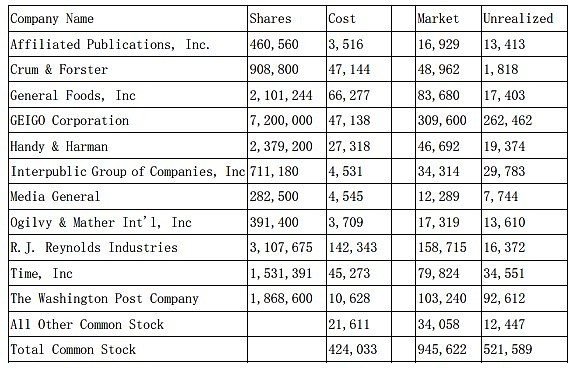 (a) 代表全部股权由波克夏及其子公司所持有 (b) 代表由波克夏子公司 Blue Chip 与 Wesco 所持有,依波克夏持股比例 换算得来 (c) 代表暂时持有作为现金的替代品。
为免你未注意到,本表有个投资经验可与大家分享,念旧(Nostalgia) 在我们投资选股时必须特别加以重视,我们投资组合中具有最大未实现利益的两家公司 GEIGO 与 Washington Post,事实上本人早在 13 岁与 20 岁时便与它们结缘,但磋跎了二十几年,迟至 1970 年代我们才正式成为该公司的股东,但结果证明所谓: “迟到总比未到好。” 由于我们具控制权与不具控制权的股权投资经营的行业实在是相当广泛,若我一一详细介绍将会使得报告变得冗长,然而这其中不管是现在或是将来最主要的事业经营将会是摆在产险与意外险领域之上,因此我们有必要对保险产业现状予以详加说明: 下表显示的是去年我们曾引用过,经过更新后的产业统计数字,其所传达的讯息相当明显,我们将不会对 1983 年的承保结果感到吃惊,数据正说明了目前整个所面临到的状况,Combined Ratio 系表示经营成本加上理赔损失除以保费收入的比率,若比率小于 100%则表示有承保利益,反之则有承保损失,就如同去年我们所说的一样,若承销保费年增率低于 10%,你就会发现隔年的承保结果恶化,即使像通膨率相对较低的今日也是如此,随着保单日益成长,医疗费用上涨的速度远高于一般物价,加上保险责任日益扩大的影响,承保损失将很难压低到 10%以下,大家必须有所认知 1982 年的 Combined Ratio 109.5 已是相当乐观的估计,在以前年代保险公司几乎可依自身喜好来调整年度获利,只要(1)承销长期保单(Long-tail)因为理赔成本多采用估计(2)以前年度提存有适当准备或(3)业务成长快速。 有迹象显示有几家大型保险公司倾向以模糊的会计与挪动准备的方式来掩饰其本业不佳的情况。保险业,跟其它行业一样,不良的经营阶层对不良的营运通常最直接的反应就是不良的帐务,俗语说: “你很难让一个空沙包站得直挺挺的”。当然大部份的经营阶层都尽力正正当当的游戏规则玩,但即使是正直的管理当局在面对获利不佳的情况时,下意识多多少少也不会愿意完全承认走下坡的窘境,产业统计资料指出在 1982 年对于提列损失准备方面有恶化迹象,而实际的 Combined Ratio 可能会比表列数更差一点。 一般认为在 1983 或 1984 年会到谷底,然后产业循环会如同过去经验一般缓步稳定地向上,但由于一项明显的改变(这种改变已许多年未见,而如今却重现)使我们抱持不同的看法。
(a) 代表全部股权由波克夏及其子公司所持有 (b) 代表由波克夏子公司 Blue Chip 与 Wesco 所持有,依波克夏持股比例 换算得来 (c) 代表暂时持有作为现金的替代品。
为免你未注意到,本表有个投资经验可与大家分享,念旧(Nostalgia) 在我们投资选股时必须特别加以重视,我们投资组合中具有最大未实现利益的两家公司 GEIGO 与 Washington Post,事实上本人早在 13 岁与 20 岁时便与它们结缘,但磋跎了二十几年,迟至 1970 年代我们才正式成为该公司的股东,但结果证明所谓: “迟到总比未到好。” 由于我们具控制权与不具控制权的股权投资经营的行业实在是相当广泛,若我一一详细介绍将会使得报告变得冗长,然而这其中不管是现在或是将来最主要的事业经营将会是摆在产险与意外险领域之上,因此我们有必要对保险产业现状予以详加说明: 下表显示的是去年我们曾引用过,经过更新后的产业统计数字,其所传达的讯息相当明显,我们将不会对 1983 年的承保结果感到吃惊,数据正说明了目前整个所面临到的状况,Combined Ratio 系表示经营成本加上理赔损失除以保费收入的比率,若比率小于 100%则表示有承保利益,反之则有承保损失,就如同去年我们所说的一样,若承销保费年增率低于 10%,你就会发现隔年的承保结果恶化,即使像通膨率相对较低的今日也是如此,随着保单日益成长,医疗费用上涨的速度远高于一般物价,加上保险责任日益扩大的影响,承保损失将很难压低到 10%以下,大家必须有所认知 1982 年的 Combined Ratio 109.5 已是相当乐观的估计,在以前年代保险公司几乎可依自身喜好来调整年度获利,只要(1)承销长期保单(Long-tail)因为理赔成本多采用估计(2)以前年度提存有适当准备或(3)业务成长快速。 有迹象显示有几家大型保险公司倾向以模糊的会计与挪动准备的方式来掩饰其本业不佳的情况。保险业,跟其它行业一样,不良的经营阶层对不良的营运通常最直接的反应就是不良的帐务,俗语说: “你很难让一个空沙包站得直挺挺的”。当然大部份的经营阶层都尽力正正当当的游戏规则玩,但即使是正直的管理当局在面对获利不佳的情况时,下意识多多少少也不会愿意完全承认走下坡的窘境,产业统计资料指出在 1982 年对于提列损失准备方面有恶化迹象,而实际的 Combined Ratio 可能会比表列数更差一点。 一般认为在 1983 或 1984 年会到谷底,然后产业循环会如同过去经验一般缓步稳定地向上,但由于一项明显的改变(这种改变已许多年未见,而如今却重现)使我们抱持不同的看法。
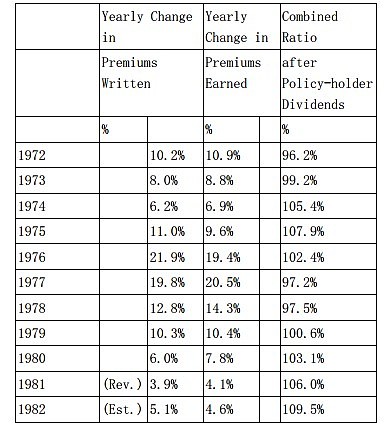 对此我们必须探究几项影响企业获利的重要因素才能了解这种改变,一般来说若企业处在产业面临供给过剩且为产品一般商品化的情形(在整体表现、外观、售后服务等都无差异化)时,便极有可能发生获利警讯,当然若价格或成本在某些情况下(例如透过政府立法干预、非法勾结或国际性联合垄断如 OPEC)能获得控制或可稍微免除自由市场竞争。否则若客户不在乎其所采用的产品或通路服务由谁提供,成本与价格系由完全竞争来决定,如此产业铁定会面临悲惨的下场,这也是为什么所有的厂商皆努力强调并建立本身产品或服务的差异性,这种作法在糖果有用(消费者会指明品牌)而砂糖却没有用(难道你听过有人会说: “我的咖啡要加奶精和某某牌的砂糖”),在许多产业就是无法作到差异化,有些生产者能因具成本优势而表现杰出,然在定义上这种情况极少或甚至不存在,所以对大部份销售已完全商品化的公司来说,不可避免的结局便是,持续的产能过剩无法控制价格滑落导致获利不佳,当然产能过剩会因产能缩减或需求增加而自我修正,而不幸的是这种修正的过程却是缓慢而痛苦的,当产业好不容易面临反弹时,却又是一窝蜂全面扩张的开始,不到几年又必须面对先前的窘况。而最后决定产业长期获利情况的是供给吃紧与供给过剩年度的比率,通常这种比率很小,(以我们在纺织业的经验来说,供给吃紧的情况要追溯到许多年以前,且大约仅维持不到一个早上的时间)。在某一些产业,供给吃紧的情况却可以维持上好一段期间,有时实际需求的成长甚至超过当初所预期,而要增加产能因涉及复杂的规划与建厂而须有相当的前置期。
回归正题谈到保险业,供给量能马上提高只要业者增加点资本(有些时候由于州政府立法保障保户免于保险公司倒闭风险,甚至可不需要增加资本),在绝大数的情况下,(除了发生股市大崩盘或自然界的大天灾)保险业皆处于过度竞争的环境下经营,通常来说尽管勇于尝试多变化,业者所销售的保单多属于无差异化的一般商品(许多保户包含大公司的经理人在内,甚至不知道自己所投保的是那一家保险公司),所以保险业在教科书当中一般被归类为面临供给过剩且产品一般商品化死胡同的艰困行业。
那么为什么保险业即使在面临这种情况下,数十年来仍能有所获利? (在1950 年到 1970 年间产业平均的 Combined Ratio 为 99.0,使得公司获利除投资收益外,还外加 1%的承销利益,答案在于传统的规范与行销方式,这个世纪以来整个产业系依照业者所掌控的近乎法定管制价格机制在运作,虽然竞价行为确实存在,但在大型保险业间却不普遍,主要的竞争系在争取经纪人方面,且多用各种与价格无关的方式去争取。而大型业者的费率主要系透过产业公会与州政府管制当局协调(或依照公司所建议)来订定,讨价还价是难免的,但那是业者与政府间,而不是业者与客户间的行为。当争论结束,公司甲的价格可能与公司乙的完全一致,而法律也禁止业者或经纪人再杀价竞争。业者与州政府协议订定的价格保障业者的获利而当资料显示现有价格不敷成本时,政府还会与业者协调共同努力改善损失的状况,故产业大部份定价的举动皆能确保公司有利可图,最重要的是不同于一般商业社会运作的习惯,保险公司即使在超额供给的情况下,仍能合法地调整价格以确保公司的获利。但好景不常,虽然旧有的制度仍在但组织外的资金入续投入市场,迫使所有的参与者,不论新旧皆被迫响应,新进者利用各种不同的行销管道且毫不犹豫地使用价格作为竞争的工具,而确实他们也善用这项武器,在过程中消费者了解到保险不再是不二价的行业,而关于这点他们永远记得。产业未来的获利性取决于现今而非过去竞争的特性,但许多经理人很难体认到这一点,不是只有将军才会战到最后一兵一卒,大部份的企业与投资分析都是后知后觉,但我们却看得很透澈,惟有一种情况才能改善保险业承保获利的状况,这和铝、铜或玉米生产业者相同,就是缩小供给与需求之间的差距,而不幸的是不像铝、铜,保单的需求不会因市场紧峭而一下子就大幅增加,所以相对的,须从紧缩供给面来下手,而所谓的供给实际上是偏向心理面而非实质面的,不须要关闭厂房或公司,只要业者克制一下签下保单的冲动即可。而这种抑制绝不会是因为获利不佳,因为不赚钱虽然会使业者犹豫再三但却不愿冒着丧失市场占有率与业界地位而放弃大笔的生意。反而是需要自然的或金融上的大风暴才会使业者大幅缩手,而这种情况或许明天就会发生,也或许要等上好几年,到时即使把投资收益列入考量,保险业也很难有获利的情况,当供给真正的紧缩时,大笔的业务将会捧上门给幸存的大型业者,他们有能力也有通路能够吃下所有生意,而我们的保险子公司已准备好这一天的到来。
在 1982 年我们的保险部门承销成绩恶化的比同业还严重,从获利优于同业滑落成同业平均之下,主要的变动在于 National Indemnity 传统的承保范围,我们以往获利颇佳的部份,价格下跌到保险公司铁定赔钱的惨况,而展望明年,我们预期表现将与同业水准相当,不过所谓的水准将会很惨。我们两位明星,Cypress 的 Milt Thornton 与 Kansas 的 Floyd Taylor 表现持续看好,维持一惯的积极态度并建立在节省成本与客户至上的企业文化上,这明白显现在他们的得 分 记 录 上,在 1982 年 母 公 司 负 责 管 理 保 险 子 公 司 的 责 任 交 给 Mike Goldberg,自从 Mike 从我手中接棒后,不论在计划、招募与监控上皆也明显进步。 GEICO 持续以追求效率与客户服务的热诚所管理,而这点也保证公司非凡的成功,Jack Byrne 与 Bill Snyder 成就人类最微妙的目标-让事情单纯化并牢记你所欲达成的目标,加上业界最优秀的投资经理人 Lou Simpson,我们很满意这种最佳组合,GEICO 是前面我们所提及过度供给的大众化商品高获利特殊情况的最佳典范,它是一家具有既深且广的成本优势的公司,我们在该公司 35%的权益代表约二亿五千万的保费量,远大于我们直接取得的数量。 波克夏与 Blue Chip 目前正考虑在 1983 年正式合并,若真的实现,将会以一致的评价模式进行股权的交换,波克夏上一次大量发行新股是在 1978 年购并 Diversified Retailing 时。我们公司发行新股系遵循一项原则,那就是我们不轻易发行新股,除非我们所换得的内含企业价值与我们所付出的一样多,这种原则看似理所当然,你会问那有人会笨到以一块钱去交换五毛钱的呢?但不幸的是,有许多企业的经理人恰恰愿意如此作。他们在购并企业的第一选择是用现金或举债,但通常 CEO 的欲望超过现金与融资额度所能负担(我个人也是如此),尤其是他个人的持股市价远低于内含企业价值时更是如此,但事实仅维持一下子,然后就像 Yogi Berra 所说的: “光看你就能观察到许多东西”对股东而言,届时你就会发现公司经营阶层在乎的到底是企业版图的扩张或是股东权益的维护了。之所以需要在两者之间作选择的理由很简单,公司在股票市场上的价格通 常低于其内含企业价值,但当股东会愿意将整间公司以协议的方式出售,必定想要且通常会取得相当于企业内含价值的回报,若收到的是现金,那么计算卖方取得的报酬是再容易不过了,若以买方的股票作交换,计算卖方取得的报酬还算简单,只要计所取得的股票之市值即可,同时只要买方所用以交换的股票其市价接近内含企业价值便无太大问题,问题是假设若其股票市价仅及内含企业价值的一半,这时买方将会面临用贱卖自家股票的不愉快场面。
讽刺的是,假设当买方变成卖方时,他反而能透过谈判换取相当于本身内含企业价值的代价,但当买方仅卖出公司部份股权以购并卖方,它将无法以高于市场给它的价格出售之。最后不论如何,往前冲的买方结果是以本身低估的股票换取价值合理的资产,等于是以一块钱价值的股票换到仅值五毛钱的东西,在这种情况下,以合理的价格买下不错的公司将会变成很不划算的买卖,就像是把金或银以锡的价格换到金子一样。当然若购并者对于规模的渴望配合上积极的行动自然能够找到理由解释这种摧毁公司价值的发行新股行动,亲切的投资银行家会再三保证其动作的合理性(不要问理发师你是有应该理头发),通常公司经营阶层最常采用的理由有下列几项: (a)我们现在要买下的这家公司未来潜力无穷,(假定他们要换走的原有公司股份可能也是如此,而未来的远景以企业评价的角度而言是诲暗不明的,若以二倍的东西换取一倍的东西,即使未来两者的企业价值皆倍增则此种差异将仍然存在)。 (b)我们必须成长(有人或许会问:“所谓的我们是指谁?”对现有的股东而言,事实是现有的企业价值将因发行新股而遭到稀释,假若明天波克夏要发行新股以购并别人,波克夏或许将拥有原有企业加上新购并的公司,但各位股东在那些无可取代的企业,诸如 See’s Candy、National Indenmity 等公司的权益将马上减少。就像你家里原有 120 亩的农场,结果你和拥有 60 亩农地的邻居合并经营而权益各半,最后虽然你实际管理的面积增加为 180 亩,但你实际可分得的权益将永远减少 25%,那些想要牺牲老板权益以扩张个人版图的经营阶层最好考虑到政府机关做事) (c)我们的股票受到低估,而在此项交易我们已尽量避免动用公司股份,但我们仍须给予卖方 51%的股票与 49%的现金,使得他们得以免税(这种论点无异承认买方应尽量少发行新股,我们认同。但若用 100%的股票会损及原有股东权益,那么 51%的股票也一样,卖方的期望并不是决定买方最佳利益的考量因素,若卖方坚持被购并的条件包含换掉公司 CEO,那结果不知会如何? 有三种方法可以避免原有股东的股份价值遭到侵蚀,第一种是以合理的价格对合理的价格进行购并(就像是波克夏与 Blue Chip 的合并案一样,试着用对双方都公平的方式进行,大家都收到与其付出一致的企业内含价值,Kraft 与Nabisco 的合并案也是如此,但他们是少数例外,不是因为购并者要回避这类交易,而是实际执行有困难)。 第二种方法发生在公司股票市价高于其实际企业内含价值,在这种情况下发行股票反而增进原有股东权益,在 1965-69 年间许多购并案属于这类,结果与1970 年后的购并案完全相反,被购并的公司股东收到膨胀不实的股份(通常藉由可疑的会计与哄托的手法)成为该项交易的真正输家。而近年来在大型的公司变得相当少见,有些例外主要是那些具有美丽远景的公司使得市场暂时以高于其企业内含价值的价格予以评价。 第三种方法是购并者照样进行交易,但然后接着从市场买回与因购并所发行的股份数量相同的股票,如此一来,原本以股换股的交易会转变为以现金换股的交易,买回股份本身是一种修补损害的动作,正常的读者应该能正确的猜到我们宁愿以买回自家股份的方式直接增进原有股东权益,而不只是修补原先的损害,得分的达阵会比弥补失误更令人雀跃,但当失误真得发生了,弥补是很重要的,我们衷心建议弥补错误的买回自家股份动作能将一项不好的以股换股交易变为公平的以现金换股交易。
购并所用的语言通常会让事情搞混且鼓励经理人作出不合理的举动,例如股权稀释通常须经过仔细试算对帐面价值与每股获利能力的影响,而后者尤其受到重视,若计算结果对购并者为负面(即遭到稀释),则马上有人会提出合理解释说明在未来一定能够改善(实际交易不一定成功,但计划绝对不会有问题,若老板很明显的对于一项购并案保持高度兴趣,下面的部属与顾问一定能量身订作一套计划来证明交易价格的合理性),更别提若是试算结果为正面(即反稀释)一定不会有人再有任何意见。对于股权稀释与否的关心实在是有点过度,现在的每股盈余(甚至是未来几年的每股盈余)是企业评价的重要变量,但却不是绝对惟一的。有许多的合并案,即使未遭稀释,购并者本身的权益却马上遭到损害,而有些案子虽然现在或未来几年的每股盈余遭到稀释,但原有股东的权益却**提高,真正重要的是一件购并案其企业内含价值是否有遭到稀释(而这需要考量许多项变 量),我们坚信从这个角度去判断是绝对必要的(事实上也很难做到)。 第二个问题牵涉到交换的比例,若甲公司宣布要发行股票购并乙公司,通常大家都会把它解读成甲要取得乙或乙要卖给甲,但真正对这件事看得透澈的人却会直接但贴切的形容为甲卖掉部份股份以取得乙或乙股东得到部份甲的股份以换取乙全部的财产。在交易中,你给对方的跟对方给你的东西一样重要,即使要经过好一阵子才能知道你所给的是什么。后续不论是出售普通股或发行可转债以取得交易所需资金或恢复财报实力,皆必须仔细计算以评估原本这项购并案的影响,(若企业怀胎是企业结合的必然结果,那么在享乐之前便须面对现实)。 管理阶层必须仔细想清楚,他们会不会在像卖部份股权一样的情况下,把100%股权卖掉,若卖掉全部股权的作法不恰当,那么在同一基础下卖掉部份股权就合理吗?管理当局的小错误会慢慢累积成为一项大错误而非大胜利(拉斯维加斯就是建立在人们从事认为无伤大雅的资本交易所造成的财富移转之上)。取舍之间的因素考量在投资公司间可以很容易的计算,假设投资公司甲其市价仅为其真正价值的一半,并打算购并投资公司乙,又假设投资公司甲决定发行相当市值的股份以换取投资公司乙全部的资产,在这种情况下等于是投资公司甲以二块钱的内含价值换取一块钱的内含价值,而马上会接到甲公司股东与证管会的异议,强调投资公司合并的公平性,所以这样的交易一定不被允许。然而对制造、服务、金融等公司而言,价值却不像投资公司那么容易计算,但我们也曾见过有些购并案像前面所提案例一样明显伤害原有股东的权益,而如果公司经营阶 层能注重公平性,愿意用同样的标准来评估两家企业的话,这样的伤害便绝对不会发生。 最后我们对购并者原有股东因发行稀释股份的祸不单行表示点意见,在这种情况下,第一项打击是购并案本身所造成对内含价值的损害,第二项打击是在购并案后对企业评价的向下修正,因为包括现有与未来可能的股东会对管理当局这种损害股东权益的行为感到失望,而宁愿把钱交给真正重视股东权益的人手上,如此一来公司的本益比将向下修正,不管管理当局如何再三强调这种行为只是偶发性,就像是客人在餐厅的汤内发现一只蟑螂,生意马上受到影响,不管你换了厨师也一样,同理可证最高的本/内含价值比将会给那些不轻易发行股份稀释原有股东权益的经营阶层。
在波克夏或是其它由我们作决策的公司,包括 Blue Chip 及 Wesco,惟有当我们所换得的企业价值跟我们所付出的一样多时,才考虑发行新股,我们绝不会将企业发展或企业规模与股东权益划上等号。 由于会有许多不同的读者看到这份报告,其中可能会有人对我们的购并计划 有所帮助,我们对具以下条件的公司有兴趣: (1)钜额交易(每年税后盈余至少有五百万美元) (2)持续稳定获利(我们对有远景或具转机的公司没兴趣) (3)高股东报酬率(并甚少举债) (4)具备管理阶层(我们无法提供) (5)简单的企业(若牵涉到太多高科技,我们弄不懂) (6)合理的价格(在价格不确定前,我们不希望浪费自己与对方太多时间) 我们不会进行敌意购并,并承诺完全保密并尽快答复是否感兴趣(通常不超过五分钟),我们倾向采现金交易,但若符合先前所提状况也会考虑发行股份。 今年的股东指定捐赠计划再度得到热烈回响,虽然每股仅分配 1 美元较去年的 2 美元少,仍有 95.8%的有效票参与,若与 Blue Chip 的合并案成真,附代的好处是合并报税将使我们可捐赠的总额大幅增加,每位股东可分配的金额未来也会跟着增加。若你也想参加的话,我们强烈建议你赶快把股份从经纪人那儿改登记于自己的名下。
在一时冲动之下,我们将企业总部的面积增加 252 平方呎(约 17%),恰巧碰 上 重 新 签 订 五 年 的 租 约,和 我 一 同 工 作 的 五 个 人-Joan Atherton、Mike Goldberg、Gladys Kaiser、Verne McKenzie 与 Bill Scott 等其生产力远超过企业集团,精简的组织使我们有更多的时间管理旗下公司而非互相管理。我的合伙人 Charlie Munger 将继续留在洛杉矶不管与 Blue Chip 的合并成功与否,Charlie 跟我在企业决策上是可以互相替代的,距离一点也不会阻碍我们,我们总是发现一通电话会比半天冗长的会议更有效率。 今年我们有两位经营明星退休,National Indemnity 65 岁的 Phil Liesche 和 Associated Retail 79 岁的 Ben Rosner,这两个人都让身为波克夏股东的你更为富有,National Indemnity 是支持波克夏成长的重要力量。Phil 和他的继任者 Ringwalt 是该公司成功主要的推动者,而 Ben Rosner 在 1967 年将Associated Retail 以现金卖给 Diversified Retailing 后,原本仅承诺继续待到当年度年底,结果在往后的十五年仍持续表现杰出。他们两人皆为波克夏尽心尽力管理公司就好象是他们 100%拥有这家公司一样,不须订定额外的规则来强迫他们,这种态度早在波克夏加入前便已深植在他们的人格特质中,他们好的个性成就我们更多的财富,如果我们能持续吸引到像 Ben 和 Phil 这样的人,你将可不必担心波克夏的未来。
对此我们必须探究几项影响企业获利的重要因素才能了解这种改变,一般来说若企业处在产业面临供给过剩且为产品一般商品化的情形(在整体表现、外观、售后服务等都无差异化)时,便极有可能发生获利警讯,当然若价格或成本在某些情况下(例如透过政府立法干预、非法勾结或国际性联合垄断如 OPEC)能获得控制或可稍微免除自由市场竞争。否则若客户不在乎其所采用的产品或通路服务由谁提供,成本与价格系由完全竞争来决定,如此产业铁定会面临悲惨的下场,这也是为什么所有的厂商皆努力强调并建立本身产品或服务的差异性,这种作法在糖果有用(消费者会指明品牌)而砂糖却没有用(难道你听过有人会说: “我的咖啡要加奶精和某某牌的砂糖”),在许多产业就是无法作到差异化,有些生产者能因具成本优势而表现杰出,然在定义上这种情况极少或甚至不存在,所以对大部份销售已完全商品化的公司来说,不可避免的结局便是,持续的产能过剩无法控制价格滑落导致获利不佳,当然产能过剩会因产能缩减或需求增加而自我修正,而不幸的是这种修正的过程却是缓慢而痛苦的,当产业好不容易面临反弹时,却又是一窝蜂全面扩张的开始,不到几年又必须面对先前的窘况。而最后决定产业长期获利情况的是供给吃紧与供给过剩年度的比率,通常这种比率很小,(以我们在纺织业的经验来说,供给吃紧的情况要追溯到许多年以前,且大约仅维持不到一个早上的时间)。在某一些产业,供给吃紧的情况却可以维持上好一段期间,有时实际需求的成长甚至超过当初所预期,而要增加产能因涉及复杂的规划与建厂而须有相当的前置期。
回归正题谈到保险业,供给量能马上提高只要业者增加点资本(有些时候由于州政府立法保障保户免于保险公司倒闭风险,甚至可不需要增加资本),在绝大数的情况下,(除了发生股市大崩盘或自然界的大天灾)保险业皆处于过度竞争的环境下经营,通常来说尽管勇于尝试多变化,业者所销售的保单多属于无差异化的一般商品(许多保户包含大公司的经理人在内,甚至不知道自己所投保的是那一家保险公司),所以保险业在教科书当中一般被归类为面临供给过剩且产品一般商品化死胡同的艰困行业。
那么为什么保险业即使在面临这种情况下,数十年来仍能有所获利? (在1950 年到 1970 年间产业平均的 Combined Ratio 为 99.0,使得公司获利除投资收益外,还外加 1%的承销利益,答案在于传统的规范与行销方式,这个世纪以来整个产业系依照业者所掌控的近乎法定管制价格机制在运作,虽然竞价行为确实存在,但在大型保险业间却不普遍,主要的竞争系在争取经纪人方面,且多用各种与价格无关的方式去争取。而大型业者的费率主要系透过产业公会与州政府管制当局协调(或依照公司所建议)来订定,讨价还价是难免的,但那是业者与政府间,而不是业者与客户间的行为。当争论结束,公司甲的价格可能与公司乙的完全一致,而法律也禁止业者或经纪人再杀价竞争。业者与州政府协议订定的价格保障业者的获利而当资料显示现有价格不敷成本时,政府还会与业者协调共同努力改善损失的状况,故产业大部份定价的举动皆能确保公司有利可图,最重要的是不同于一般商业社会运作的习惯,保险公司即使在超额供给的情况下,仍能合法地调整价格以确保公司的获利。但好景不常,虽然旧有的制度仍在但组织外的资金入续投入市场,迫使所有的参与者,不论新旧皆被迫响应,新进者利用各种不同的行销管道且毫不犹豫地使用价格作为竞争的工具,而确实他们也善用这项武器,在过程中消费者了解到保险不再是不二价的行业,而关于这点他们永远记得。产业未来的获利性取决于现今而非过去竞争的特性,但许多经理人很难体认到这一点,不是只有将军才会战到最后一兵一卒,大部份的企业与投资分析都是后知后觉,但我们却看得很透澈,惟有一种情况才能改善保险业承保获利的状况,这和铝、铜或玉米生产业者相同,就是缩小供给与需求之间的差距,而不幸的是不像铝、铜,保单的需求不会因市场紧峭而一下子就大幅增加,所以相对的,须从紧缩供给面来下手,而所谓的供给实际上是偏向心理面而非实质面的,不须要关闭厂房或公司,只要业者克制一下签下保单的冲动即可。而这种抑制绝不会是因为获利不佳,因为不赚钱虽然会使业者犹豫再三但却不愿冒着丧失市场占有率与业界地位而放弃大笔的生意。反而是需要自然的或金融上的大风暴才会使业者大幅缩手,而这种情况或许明天就会发生,也或许要等上好几年,到时即使把投资收益列入考量,保险业也很难有获利的情况,当供给真正的紧缩时,大笔的业务将会捧上门给幸存的大型业者,他们有能力也有通路能够吃下所有生意,而我们的保险子公司已准备好这一天的到来。
在 1982 年我们的保险部门承销成绩恶化的比同业还严重,从获利优于同业滑落成同业平均之下,主要的变动在于 National Indemnity 传统的承保范围,我们以往获利颇佳的部份,价格下跌到保险公司铁定赔钱的惨况,而展望明年,我们预期表现将与同业水准相当,不过所谓的水准将会很惨。我们两位明星,Cypress 的 Milt Thornton 与 Kansas 的 Floyd Taylor 表现持续看好,维持一惯的积极态度并建立在节省成本与客户至上的企业文化上,这明白显现在他们的得 分 记 录 上,在 1982 年 母 公 司 负 责 管 理 保 险 子 公 司 的 责 任 交 给 Mike Goldberg,自从 Mike 从我手中接棒后,不论在计划、招募与监控上皆也明显进步。 GEICO 持续以追求效率与客户服务的热诚所管理,而这点也保证公司非凡的成功,Jack Byrne 与 Bill Snyder 成就人类最微妙的目标-让事情单纯化并牢记你所欲达成的目标,加上业界最优秀的投资经理人 Lou Simpson,我们很满意这种最佳组合,GEICO 是前面我们所提及过度供给的大众化商品高获利特殊情况的最佳典范,它是一家具有既深且广的成本优势的公司,我们在该公司 35%的权益代表约二亿五千万的保费量,远大于我们直接取得的数量。 波克夏与 Blue Chip 目前正考虑在 1983 年正式合并,若真的实现,将会以一致的评价模式进行股权的交换,波克夏上一次大量发行新股是在 1978 年购并 Diversified Retailing 时。我们公司发行新股系遵循一项原则,那就是我们不轻易发行新股,除非我们所换得的内含企业价值与我们所付出的一样多,这种原则看似理所当然,你会问那有人会笨到以一块钱去交换五毛钱的呢?但不幸的是,有许多企业的经理人恰恰愿意如此作。他们在购并企业的第一选择是用现金或举债,但通常 CEO 的欲望超过现金与融资额度所能负担(我个人也是如此),尤其是他个人的持股市价远低于内含企业价值时更是如此,但事实仅维持一下子,然后就像 Yogi Berra 所说的: “光看你就能观察到许多东西”对股东而言,届时你就会发现公司经营阶层在乎的到底是企业版图的扩张或是股东权益的维护了。之所以需要在两者之间作选择的理由很简单,公司在股票市场上的价格通 常低于其内含企业价值,但当股东会愿意将整间公司以协议的方式出售,必定想要且通常会取得相当于企业内含价值的回报,若收到的是现金,那么计算卖方取得的报酬是再容易不过了,若以买方的股票作交换,计算卖方取得的报酬还算简单,只要计所取得的股票之市值即可,同时只要买方所用以交换的股票其市价接近内含企业价值便无太大问题,问题是假设若其股票市价仅及内含企业价值的一半,这时买方将会面临用贱卖自家股票的不愉快场面。
讽刺的是,假设当买方变成卖方时,他反而能透过谈判换取相当于本身内含企业价值的代价,但当买方仅卖出公司部份股权以购并卖方,它将无法以高于市场给它的价格出售之。最后不论如何,往前冲的买方结果是以本身低估的股票换取价值合理的资产,等于是以一块钱价值的股票换到仅值五毛钱的东西,在这种情况下,以合理的价格买下不错的公司将会变成很不划算的买卖,就像是把金或银以锡的价格换到金子一样。当然若购并者对于规模的渴望配合上积极的行动自然能够找到理由解释这种摧毁公司价值的发行新股行动,亲切的投资银行家会再三保证其动作的合理性(不要问理发师你是有应该理头发),通常公司经营阶层最常采用的理由有下列几项: (a)我们现在要买下的这家公司未来潜力无穷,(假定他们要换走的原有公司股份可能也是如此,而未来的远景以企业评价的角度而言是诲暗不明的,若以二倍的东西换取一倍的东西,即使未来两者的企业价值皆倍增则此种差异将仍然存在)。 (b)我们必须成长(有人或许会问:“所谓的我们是指谁?”对现有的股东而言,事实是现有的企业价值将因发行新股而遭到稀释,假若明天波克夏要发行新股以购并别人,波克夏或许将拥有原有企业加上新购并的公司,但各位股东在那些无可取代的企业,诸如 See’s Candy、National Indenmity 等公司的权益将马上减少。就像你家里原有 120 亩的农场,结果你和拥有 60 亩农地的邻居合并经营而权益各半,最后虽然你实际管理的面积增加为 180 亩,但你实际可分得的权益将永远减少 25%,那些想要牺牲老板权益以扩张个人版图的经营阶层最好考虑到政府机关做事) (c)我们的股票受到低估,而在此项交易我们已尽量避免动用公司股份,但我们仍须给予卖方 51%的股票与 49%的现金,使得他们得以免税(这种论点无异承认买方应尽量少发行新股,我们认同。但若用 100%的股票会损及原有股东权益,那么 51%的股票也一样,卖方的期望并不是决定买方最佳利益的考量因素,若卖方坚持被购并的条件包含换掉公司 CEO,那结果不知会如何? 有三种方法可以避免原有股东的股份价值遭到侵蚀,第一种是以合理的价格对合理的价格进行购并(就像是波克夏与 Blue Chip 的合并案一样,试着用对双方都公平的方式进行,大家都收到与其付出一致的企业内含价值,Kraft 与Nabisco 的合并案也是如此,但他们是少数例外,不是因为购并者要回避这类交易,而是实际执行有困难)。 第二种方法发生在公司股票市价高于其实际企业内含价值,在这种情况下发行股票反而增进原有股东权益,在 1965-69 年间许多购并案属于这类,结果与1970 年后的购并案完全相反,被购并的公司股东收到膨胀不实的股份(通常藉由可疑的会计与哄托的手法)成为该项交易的真正输家。而近年来在大型的公司变得相当少见,有些例外主要是那些具有美丽远景的公司使得市场暂时以高于其企业内含价值的价格予以评价。 第三种方法是购并者照样进行交易,但然后接着从市场买回与因购并所发行的股份数量相同的股票,如此一来,原本以股换股的交易会转变为以现金换股的交易,买回股份本身是一种修补损害的动作,正常的读者应该能正确的猜到我们宁愿以买回自家股份的方式直接增进原有股东权益,而不只是修补原先的损害,得分的达阵会比弥补失误更令人雀跃,但当失误真得发生了,弥补是很重要的,我们衷心建议弥补错误的买回自家股份动作能将一项不好的以股换股交易变为公平的以现金换股交易。
购并所用的语言通常会让事情搞混且鼓励经理人作出不合理的举动,例如股权稀释通常须经过仔细试算对帐面价值与每股获利能力的影响,而后者尤其受到重视,若计算结果对购并者为负面(即遭到稀释),则马上有人会提出合理解释说明在未来一定能够改善(实际交易不一定成功,但计划绝对不会有问题,若老板很明显的对于一项购并案保持高度兴趣,下面的部属与顾问一定能量身订作一套计划来证明交易价格的合理性),更别提若是试算结果为正面(即反稀释)一定不会有人再有任何意见。对于股权稀释与否的关心实在是有点过度,现在的每股盈余(甚至是未来几年的每股盈余)是企业评价的重要变量,但却不是绝对惟一的。有许多的合并案,即使未遭稀释,购并者本身的权益却马上遭到损害,而有些案子虽然现在或未来几年的每股盈余遭到稀释,但原有股东的权益却**提高,真正重要的是一件购并案其企业内含价值是否有遭到稀释(而这需要考量许多项变 量),我们坚信从这个角度去判断是绝对必要的(事实上也很难做到)。 第二个问题牵涉到交换的比例,若甲公司宣布要发行股票购并乙公司,通常大家都会把它解读成甲要取得乙或乙要卖给甲,但真正对这件事看得透澈的人却会直接但贴切的形容为甲卖掉部份股份以取得乙或乙股东得到部份甲的股份以换取乙全部的财产。在交易中,你给对方的跟对方给你的东西一样重要,即使要经过好一阵子才能知道你所给的是什么。后续不论是出售普通股或发行可转债以取得交易所需资金或恢复财报实力,皆必须仔细计算以评估原本这项购并案的影响,(若企业怀胎是企业结合的必然结果,那么在享乐之前便须面对现实)。 管理阶层必须仔细想清楚,他们会不会在像卖部份股权一样的情况下,把100%股权卖掉,若卖掉全部股权的作法不恰当,那么在同一基础下卖掉部份股权就合理吗?管理当局的小错误会慢慢累积成为一项大错误而非大胜利(拉斯维加斯就是建立在人们从事认为无伤大雅的资本交易所造成的财富移转之上)。取舍之间的因素考量在投资公司间可以很容易的计算,假设投资公司甲其市价仅为其真正价值的一半,并打算购并投资公司乙,又假设投资公司甲决定发行相当市值的股份以换取投资公司乙全部的资产,在这种情况下等于是投资公司甲以二块钱的内含价值换取一块钱的内含价值,而马上会接到甲公司股东与证管会的异议,强调投资公司合并的公平性,所以这样的交易一定不被允许。然而对制造、服务、金融等公司而言,价值却不像投资公司那么容易计算,但我们也曾见过有些购并案像前面所提案例一样明显伤害原有股东的权益,而如果公司经营阶 层能注重公平性,愿意用同样的标准来评估两家企业的话,这样的伤害便绝对不会发生。 最后我们对购并者原有股东因发行稀释股份的祸不单行表示点意见,在这种情况下,第一项打击是购并案本身所造成对内含价值的损害,第二项打击是在购并案后对企业评价的向下修正,因为包括现有与未来可能的股东会对管理当局这种损害股东权益的行为感到失望,而宁愿把钱交给真正重视股东权益的人手上,如此一来公司的本益比将向下修正,不管管理当局如何再三强调这种行为只是偶发性,就像是客人在餐厅的汤内发现一只蟑螂,生意马上受到影响,不管你换了厨师也一样,同理可证最高的本/内含价值比将会给那些不轻易发行股份稀释原有股东权益的经营阶层。
在波克夏或是其它由我们作决策的公司,包括 Blue Chip 及 Wesco,惟有当我们所换得的企业价值跟我们所付出的一样多时,才考虑发行新股,我们绝不会将企业发展或企业规模与股东权益划上等号。 由于会有许多不同的读者看到这份报告,其中可能会有人对我们的购并计划 有所帮助,我们对具以下条件的公司有兴趣: (1)钜额交易(每年税后盈余至少有五百万美元) (2)持续稳定获利(我们对有远景或具转机的公司没兴趣) (3)高股东报酬率(并甚少举债) (4)具备管理阶层(我们无法提供) (5)简单的企业(若牵涉到太多高科技,我们弄不懂) (6)合理的价格(在价格不确定前,我们不希望浪费自己与对方太多时间) 我们不会进行敌意购并,并承诺完全保密并尽快答复是否感兴趣(通常不超过五分钟),我们倾向采现金交易,但若符合先前所提状况也会考虑发行股份。 今年的股东指定捐赠计划再度得到热烈回响,虽然每股仅分配 1 美元较去年的 2 美元少,仍有 95.8%的有效票参与,若与 Blue Chip 的合并案成真,附代的好处是合并报税将使我们可捐赠的总额大幅增加,每位股东可分配的金额未来也会跟着增加。若你也想参加的话,我们强烈建议你赶快把股份从经纪人那儿改登记于自己的名下。
在一时冲动之下,我们将企业总部的面积增加 252 平方呎(约 17%),恰巧碰 上 重 新 签 订 五 年 的 租 约,和 我 一 同 工 作 的 五 个 人-Joan Atherton、Mike Goldberg、Gladys Kaiser、Verne McKenzie 与 Bill Scott 等其生产力远超过企业集团,精简的组织使我们有更多的时间管理旗下公司而非互相管理。我的合伙人 Charlie Munger 将继续留在洛杉矶不管与 Blue Chip 的合并成功与否,Charlie 跟我在企业决策上是可以互相替代的,距离一点也不会阻碍我们,我们总是发现一通电话会比半天冗长的会议更有效率。 今年我们有两位经营明星退休,National Indemnity 65 岁的 Phil Liesche 和 Associated Retail 79 岁的 Ben Rosner,这两个人都让身为波克夏股东的你更为富有,National Indemnity 是支持波克夏成长的重要力量。Phil 和他的继任者 Ringwalt 是该公司成功主要的推动者,而 Ben Rosner 在 1967 年将Associated Retail 以现金卖给 Diversified Retailing 后,原本仅承诺继续待到当年度年底,结果在往后的十五年仍持续表现杰出。他们两人皆为波克夏尽心尽力管理公司就好象是他们 100%拥有这家公司一样,不须订定额外的规则来强迫他们,这种态度早在波克夏加入前便已深植在他们的人格特质中,他们好的个性成就我们更多的财富,如果我们能持续吸引到像 Ben 和 Phil 这样的人,你将可不必担心波克夏的未来。
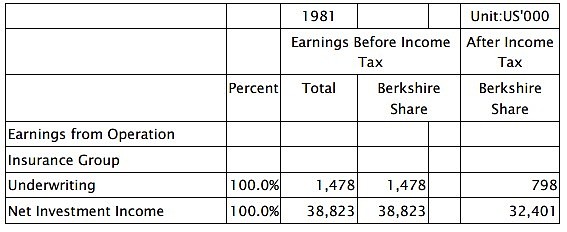
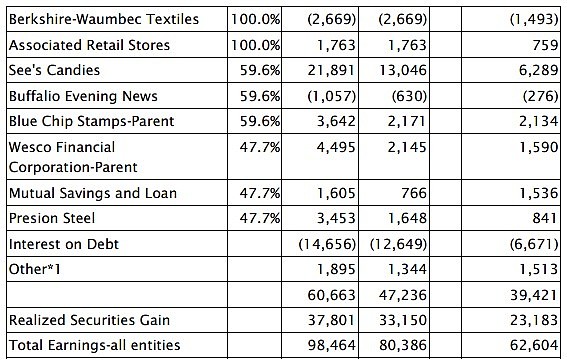 *Amortization of intangibles arising in accounting for purchases of businesses (i.e. See’s, Mutual and Buffalo Evening News) is reflected in the category designated as “Other”. **Berkshire divested itself of its ownership of the Illinois National Bank on December 31, 1980. *核算收购时产生的无形资产分期偿还在“其它”项目里(思喜糖果、布法罗晚报、相互信贷蓄储银行) **伯克希尔在1980年,11月31日出手了它对伊利诺伊大陆银行的所有权
Blue Chip Stamps and Wesco are public companies with reporting requirements of their own. On pages 38-50 of this report we have reproduced the narrative reports of the principal executives of both companies, in which they describe 1981 operations. A copy of the full annual report of either company will be mailed to any Berkshire shareholder upon request to Mr. Robert H. Bird for Blue Chip Stamps, 5801 South Eastern Avenue, Los Angeles, California 90040, or to Mrs. Jeanne Leach for Wesco Financial Corporation, 315 East Colorado Boulevard, Pasadena, California 91109.
布鲁奇普公司和威斯克公司都是上市公司,有自己的年报。在年报的38—50页有两个公司高管们的陈述式报告,在里面他们讲述了1981年的业务。伯克希尔的股东会得到任一家公司年报的复印件,如果有需要,请致信Robert 先生,地址是Blue Chip Stamps, 5801 South Eastern Avenue, Los Angeles, California 90040或者是Jeanne女士,地址是Wesco Financial Corporation, 315 East Colorado Boulevard, Pasadena, California 91109。
As we indicated earlier, undistributed earnings in companies we do not control are now fully as important as the reported operating earnings detailed in the preceding table. The distributed portion of earnings, of course, finds its way into the table primarily through the net investment income segment of Insurance Group earnings.
正如我们前面所说,无控制权公司的未分配利润正如前面表格报告的营业利润一样重要。未分配利润主要来源于保险公司的净投资收入部分。
We show below Berkshire’s proportional holdings in those non-controlled businesses for which only distributed earnings (dividends) are included in our earnings.
下面我们报告了伯克希尔在这些无控制权公司的情况,只有通过派发股利计入公司收入。
*Amortization of intangibles arising in accounting for purchases of businesses (i.e. See’s, Mutual and Buffalo Evening News) is reflected in the category designated as “Other”. **Berkshire divested itself of its ownership of the Illinois National Bank on December 31, 1980. *核算收购时产生的无形资产分期偿还在“其它”项目里(思喜糖果、布法罗晚报、相互信贷蓄储银行) **伯克希尔在1980年,11月31日出手了它对伊利诺伊大陆银行的所有权
Blue Chip Stamps and Wesco are public companies with reporting requirements of their own. On pages 38-50 of this report we have reproduced the narrative reports of the principal executives of both companies, in which they describe 1981 operations. A copy of the full annual report of either company will be mailed to any Berkshire shareholder upon request to Mr. Robert H. Bird for Blue Chip Stamps, 5801 South Eastern Avenue, Los Angeles, California 90040, or to Mrs. Jeanne Leach for Wesco Financial Corporation, 315 East Colorado Boulevard, Pasadena, California 91109.
布鲁奇普公司和威斯克公司都是上市公司,有自己的年报。在年报的38—50页有两个公司高管们的陈述式报告,在里面他们讲述了1981年的业务。伯克希尔的股东会得到任一家公司年报的复印件,如果有需要,请致信Robert 先生,地址是Blue Chip Stamps, 5801 South Eastern Avenue, Los Angeles, California 90040或者是Jeanne女士,地址是Wesco Financial Corporation, 315 East Colorado Boulevard, Pasadena, California 91109。
As we indicated earlier, undistributed earnings in companies we do not control are now fully as important as the reported operating earnings detailed in the preceding table. The distributed portion of earnings, of course, finds its way into the table primarily through the net investment income segment of Insurance Group earnings.
正如我们前面所说,无控制权公司的未分配利润正如前面表格报告的营业利润一样重要。未分配利润主要来源于保险公司的净投资收入部分。
We show below Berkshire’s proportional holdings in those non-controlled businesses for which only distributed earnings (dividends) are included in our earnings.
下面我们报告了伯克希尔在这些无控制权公司的情况,只有通过派发股利计入公司收入。
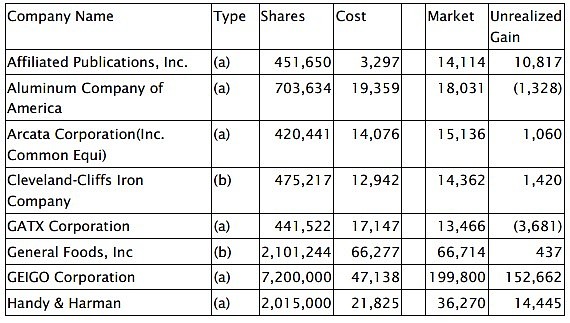
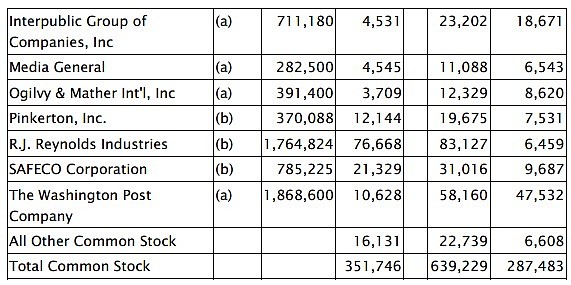 (a)伯克希尔或者是其保险公司所有 (b) Blue Chip and/or Wesco own shares of these companies. All numbers represent Berkshire’s net interest in the larger gross holdings of the group. (b)蓝筹邮票或者是Wesco公司所持有的公司。所有的数字代表依据伯克希尔在这些公司的持股比例换算而来。
Our controlled and non-controlled businesses operate over such a wide spectrum of activities that detailed commentary here would prove too lengthy. Much additional financial information is included in Management’s Discussion on pages 34-37 and in the narrative reports on pages 38-50. However, our largest area of both controlled and non-controlled activity has been, and almost certainly will continue to be, the property-casualty insurance area, and commentary on important developments in that industry is appropriate.
我们的控制型公司和非控制型公司经营范围非常广泛,若要详细的介绍,会非常冗杂。许多附加的财务信息在管理评论的34到37页和叙述报告的38—50页。然而,我们控制的和非控制型的经营领域,大部分都是在财产和意外灾害保险,并且这种情况将会持续,而且适于对这个领域的重要发展进行评价。
(a)伯克希尔或者是其保险公司所有 (b) Blue Chip and/or Wesco own shares of these companies. All numbers represent Berkshire’s net interest in the larger gross holdings of the group. (b)蓝筹邮票或者是Wesco公司所持有的公司。所有的数字代表依据伯克希尔在这些公司的持股比例换算而来。
Our controlled and non-controlled businesses operate over such a wide spectrum of activities that detailed commentary here would prove too lengthy. Much additional financial information is included in Management’s Discussion on pages 34-37 and in the narrative reports on pages 38-50. However, our largest area of both controlled and non-controlled activity has been, and almost certainly will continue to be, the property-casualty insurance area, and commentary on important developments in that industry is appropriate.
我们的控制型公司和非控制型公司经营范围非常广泛,若要详细的介绍,会非常冗杂。许多附加的财务信息在管理评论的34到37页和叙述报告的38—50页。然而,我们控制的和非控制型的经营领域,大部分都是在财产和意外灾害保险,并且这种情况将会持续,而且适于对这个领域的重要发展进行评价。
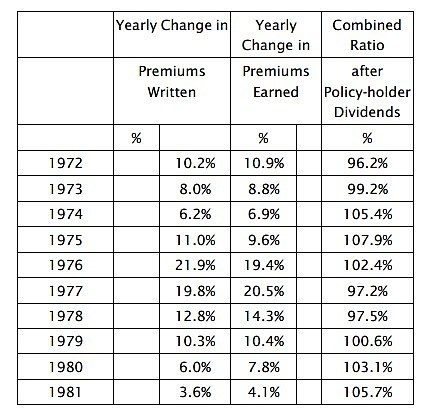 Source: Best’s Aggregates and Averages. 数据来源: 贝斯特总值和平均值.
As Pogo would say, the future isn’t what it used to be. Current pricing practices promise devastating results, particularly if the respite from major natural disasters that the industry has enjoyed in recent years should end. For underwriting experience has been getting worse in spite of good luck, not because of bad luck. In recent years hurricanes have stayed at sea and motorists have reduced their driving. They won’t always be so obliging.
正如Pogo说的,未来不会和过去一样。当前的定价策略预示着灾难性的结果,尤其是该行业近年来从自然灾害得以缓和的情况结束时。承保业务的情况变得越来越差,这是因为好运气,而不是坏运气。近年来,飓风停留在港口,开车的人也减少。情况不会一直这么好。
And, of course the twin inflations, monetary and “social”(the tendency of courts and juries to stretch the coverage of policies beyond what insurers, relying upon contract terminology and precedent, had expected), are unstoppable. Costs of repairing both property and people – and the extent to which these repairs are deemed to be the responsibility of the insurer – will advance relentlessly.
然而,双通货膨胀,货币的和社会的(法院和陪审团倾向于依据合同术语和先例,扩大政策范围),是没法阻止的。财产、人员的恢复成本和这些恢复归于保险公司的责任的情况都是残酷增加的。 若没遇上什幺倒霉事(如大灾难或驾驶行为增加等)同业保费收入平均至少要增加十个百分点才能使 1982 年的承销比率不会再恶化(大部份同业估计承担损失每年以十个百分点成长,当然大家都期望自己公司成长较少)。
去年年报我们曾经提到许多保险公司因投资不当使得其公司财务变得不健全,迫使他们放弃原有承保原则,不惜以低价承接保单以维持既有流动性。很明显的帐上持有不合理高估的债券的同业,为了现金周转而以明显不合理的低价大量卖出保单,他们害怕保单收入的减少更甚于承保所可能增加的损失。然而不幸的是所有的同业皆因此受波及,因为你的价格不可能与竞争同业差得太远,这种压力未曾稍减,并迫使愈来愈多的同业跟进,盲目追求量的成长而非质的增加,害怕失去的市场占有率永远无法回复。即使大家一致认同费率极不合理,我们认为没有一家保险业者,能够承受现金极度流出的情况下不接任何保单,而只要这种心态存在,则保单价格将持续面临调降压力。 对于专家一再认定保险产业的循环具规则性且长期而言承销损益接近两平,我们则抱持不同的看法,我们相信承保面临钜额损失(虽然程度不一)将成为保险业界的常态,未来十年内最好的表现在以往仅能算得上是普通而已。虽然面临持续恶化的未来,波克夏的保险事业并无任何良方,但我们经营阶层却已尽力力争上游,虽然承保数量减少了,但承保损益相较于同业仍显优越。
展望未来,波克夏将维持低保单的现状,我们的财务实力使我们能保持最大的弹性,这在同业间并不多见。而将来总有一天,当同业保单接到怕之时,波克夏财务实力将成为营运发展最有利的后盾。其中 GEICO我们不具控制权的主要股权投资更是个中翘楚,它堪称企业理念的最佳实践典范我们让使得所有股东皆能指定其个别捐赠单位的新计划受到广大回响,在932,206 张有效股份中(即在本公司股份系由本人登记者),有 95.6%回复,而在即使不包含本人股份的情况下,也有超过 90%的成绩。此外有 3%的股东主动写信来支持本计划,而股东参与的热烈与提供的意见,也是我们前所未见,这种自动自发的态度说明了本计划成功与否,也可看出波克夏股东的天性。很明显的,他们不但希望能拥有且能自由掌控其所欲捐赠金钱的去向,教授父权式的管理学院可能会惊讶的发现,没有一位股东表示希望由波克夏的经营阶层来帮他们作决定或是依董监事捐赠比例行事 (这是目前一般美国大企业普遍的作法) 除了由波克夏及其子公司经营阶层决定的捐献外,总计 1,783,655 美元的股东指定捐赠款共分配给 675 个慈善机关团体。
往后几年波克夏将会因这项捐款计划获得些许的税负抵减,而每年十月十日以前,我们将会通知股东每股可捐赠的金额,你有三个礼拜的时间可以作决定,为免丧失资格,股份须确实由你本人名义登记,对于去年这项计划我们惟一感到遗憾的是,有些股东虽然不是因为本身的错误,而无法参加,由于税务单位的解释令于十月初才下来,并规定股份若由代理人或经纪人名义登记者不适用,由于时间紧迫,再加上联络前述股东仍须透过其代理人,使得部份股东没能参加,在此我们强烈呼吁那些股票经纪人尽速通知其客户,以免股东的权利被剥夺,其中有家证券经纪商代表六十位股东(约占 4%强股权)很明显地在接到邮件三个礼拜后,才将之转到客户的手上。讽刺的是,该公司并非所有部门皆如此懒散,转寄邮件的帐单在六天内就送到波克夏公司。
我们之所以告诉大家这件事有两个理由(1)若你希望参加这项股东指定捐赠计划的话,请务必将你的股份在九月底以前改登记在自己的名下(2)就算你不想参加,最好还是至少将一股登记在自己的名下,如此才能确保你与其它股东一样在第一时间知道有关公司的重大消息。最后包含这项股东指定捐赠计划在内的许多很好的idea,都是由波克夏公司的副董事长兼 Blue Chip 的董事长 Charlie Minger 所构思,不管职称为何,Charlie 跟我皆以执行合伙人的心态管理所有事业,而各位股东就像是我们一般的合伙人一样。
Source: Best’s Aggregates and Averages. 数据来源: 贝斯特总值和平均值.
As Pogo would say, the future isn’t what it used to be. Current pricing practices promise devastating results, particularly if the respite from major natural disasters that the industry has enjoyed in recent years should end. For underwriting experience has been getting worse in spite of good luck, not because of bad luck. In recent years hurricanes have stayed at sea and motorists have reduced their driving. They won’t always be so obliging.
正如Pogo说的,未来不会和过去一样。当前的定价策略预示着灾难性的结果,尤其是该行业近年来从自然灾害得以缓和的情况结束时。承保业务的情况变得越来越差,这是因为好运气,而不是坏运气。近年来,飓风停留在港口,开车的人也减少。情况不会一直这么好。
And, of course the twin inflations, monetary and “social”(the tendency of courts and juries to stretch the coverage of policies beyond what insurers, relying upon contract terminology and precedent, had expected), are unstoppable. Costs of repairing both property and people – and the extent to which these repairs are deemed to be the responsibility of the insurer – will advance relentlessly.
然而,双通货膨胀,货币的和社会的(法院和陪审团倾向于依据合同术语和先例,扩大政策范围),是没法阻止的。财产、人员的恢复成本和这些恢复归于保险公司的责任的情况都是残酷增加的。 若没遇上什幺倒霉事(如大灾难或驾驶行为增加等)同业保费收入平均至少要增加十个百分点才能使 1982 年的承销比率不会再恶化(大部份同业估计承担损失每年以十个百分点成长,当然大家都期望自己公司成长较少)。
去年年报我们曾经提到许多保险公司因投资不当使得其公司财务变得不健全,迫使他们放弃原有承保原则,不惜以低价承接保单以维持既有流动性。很明显的帐上持有不合理高估的债券的同业,为了现金周转而以明显不合理的低价大量卖出保单,他们害怕保单收入的减少更甚于承保所可能增加的损失。然而不幸的是所有的同业皆因此受波及,因为你的价格不可能与竞争同业差得太远,这种压力未曾稍减,并迫使愈来愈多的同业跟进,盲目追求量的成长而非质的增加,害怕失去的市场占有率永远无法回复。即使大家一致认同费率极不合理,我们认为没有一家保险业者,能够承受现金极度流出的情况下不接任何保单,而只要这种心态存在,则保单价格将持续面临调降压力。 对于专家一再认定保险产业的循环具规则性且长期而言承销损益接近两平,我们则抱持不同的看法,我们相信承保面临钜额损失(虽然程度不一)将成为保险业界的常态,未来十年内最好的表现在以往仅能算得上是普通而已。虽然面临持续恶化的未来,波克夏的保险事业并无任何良方,但我们经营阶层却已尽力力争上游,虽然承保数量减少了,但承保损益相较于同业仍显优越。
展望未来,波克夏将维持低保单的现状,我们的财务实力使我们能保持最大的弹性,这在同业间并不多见。而将来总有一天,当同业保单接到怕之时,波克夏财务实力将成为营运发展最有利的后盾。其中 GEICO我们不具控制权的主要股权投资更是个中翘楚,它堪称企业理念的最佳实践典范我们让使得所有股东皆能指定其个别捐赠单位的新计划受到广大回响,在932,206 张有效股份中(即在本公司股份系由本人登记者),有 95.6%回复,而在即使不包含本人股份的情况下,也有超过 90%的成绩。此外有 3%的股东主动写信来支持本计划,而股东参与的热烈与提供的意见,也是我们前所未见,这种自动自发的态度说明了本计划成功与否,也可看出波克夏股东的天性。很明显的,他们不但希望能拥有且能自由掌控其所欲捐赠金钱的去向,教授父权式的管理学院可能会惊讶的发现,没有一位股东表示希望由波克夏的经营阶层来帮他们作决定或是依董监事捐赠比例行事 (这是目前一般美国大企业普遍的作法) 除了由波克夏及其子公司经营阶层决定的捐献外,总计 1,783,655 美元的股东指定捐赠款共分配给 675 个慈善机关团体。
往后几年波克夏将会因这项捐款计划获得些许的税负抵减,而每年十月十日以前,我们将会通知股东每股可捐赠的金额,你有三个礼拜的时间可以作决定,为免丧失资格,股份须确实由你本人名义登记,对于去年这项计划我们惟一感到遗憾的是,有些股东虽然不是因为本身的错误,而无法参加,由于税务单位的解释令于十月初才下来,并规定股份若由代理人或经纪人名义登记者不适用,由于时间紧迫,再加上联络前述股东仍须透过其代理人,使得部份股东没能参加,在此我们强烈呼吁那些股票经纪人尽速通知其客户,以免股东的权利被剥夺,其中有家证券经纪商代表六十位股东(约占 4%强股权)很明显地在接到邮件三个礼拜后,才将之转到客户的手上。讽刺的是,该公司并非所有部门皆如此懒散,转寄邮件的帐单在六天内就送到波克夏公司。
我们之所以告诉大家这件事有两个理由(1)若你希望参加这项股东指定捐赠计划的话,请务必将你的股份在九月底以前改登记在自己的名下(2)就算你不想参加,最好还是至少将一股登记在自己的名下,如此才能确保你与其它股东一样在第一时间知道有关公司的重大消息。最后包含这项股东指定捐赠计划在内的许多很好的idea,都是由波克夏公司的副董事长兼 Blue Chip 的董事长 Charlie Minger 所构思,不管职称为何,Charlie 跟我皆以执行合伙人的心态管理所有事业,而各位股东就像是我们一般的合伙人一样。
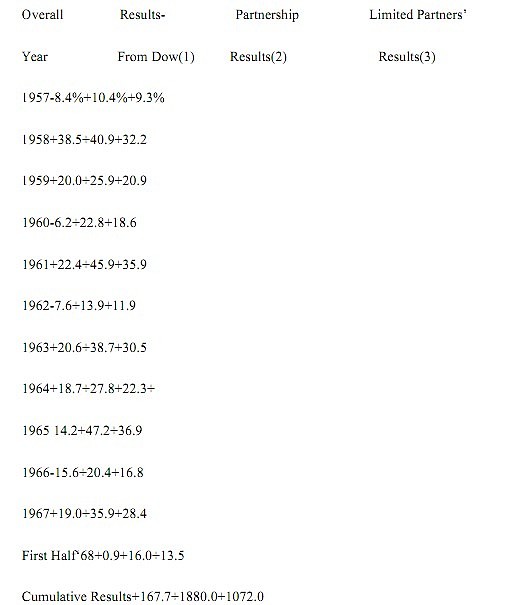 虽然我们要到年底才对我们的控股公司进行估价,但是预计今年它们将为我们贡献约三百万美元的收益。 今年 Diversified Retailing Company(即 Hochschild Kohn 和 Associated Cotton Shops 的拥有人)第一次对外发布了它的年报,主要因为其在去年 12 月份向约 1000 位债权人发行了债券。 作为一个私人拥有的(其股东共有三家,我们拥有其 80%的股份)投资控股公司,它对债权人而言多少显得有点特殊。我将把它的年报附在信件后面,以后如无意外我都会把它的年报附在我的半年度的信件后面。 我之前已经说过,我们对于这些准备永久持有的公司的股票将不能通过在二级市场的买卖来赚取差价,但是通过持有这些公司它们将为我们提供一个满意的长期回报率。
目前的情况
目前市场的雪球正越滚越大,而我个人的感觉是这些股票不但没有可预期的短期价值,连长期持有的价值也存在疑问。通过对财务报表的扭曲和各种其它方法,使得相关公司获得了可观的利益。 此外建议大家赶紧去找亚当-史密斯写的《金钱游戏》,该书富有智慧和洞察力。我不准备把该书也附在信件后面,其零售价为$6.95。 我们在 1968 年的表现 每个人都有犯错误的时候。在 1968 年年初的时候,我觉得我们合伙企业的前景比以往任何时候都差。然而结果是今年我们获得了$40,032,691 的收益,收益率为 58.8%,道琼斯指数仅为 7.7%。这种结果完全是变态的。
虽然我们要到年底才对我们的控股公司进行估价,但是预计今年它们将为我们贡献约三百万美元的收益。 今年 Diversified Retailing Company(即 Hochschild Kohn 和 Associated Cotton Shops 的拥有人)第一次对外发布了它的年报,主要因为其在去年 12 月份向约 1000 位债权人发行了债券。 作为一个私人拥有的(其股东共有三家,我们拥有其 80%的股份)投资控股公司,它对债权人而言多少显得有点特殊。我将把它的年报附在信件后面,以后如无意外我都会把它的年报附在我的半年度的信件后面。 我之前已经说过,我们对于这些准备永久持有的公司的股票将不能通过在二级市场的买卖来赚取差价,但是通过持有这些公司它们将为我们提供一个满意的长期回报率。
目前的情况
目前市场的雪球正越滚越大,而我个人的感觉是这些股票不但没有可预期的短期价值,连长期持有的价值也存在疑问。通过对财务报表的扭曲和各种其它方法,使得相关公司获得了可观的利益。 此外建议大家赶紧去找亚当-史密斯写的《金钱游戏》,该书富有智慧和洞察力。我不准备把该书也附在信件后面,其零售价为$6.95。 我们在 1968 年的表现 每个人都有犯错误的时候。在 1968 年年初的时候,我觉得我们合伙企业的前景比以往任何时候都差。然而结果是今年我们获得了$40,032,691 的收益,收益率为 58.8%,道琼斯指数仅为 7.7%。这种结果完全是变态的。
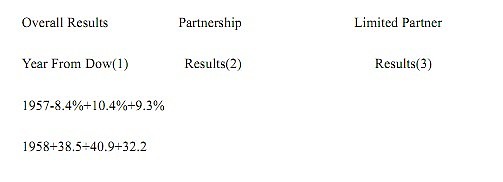
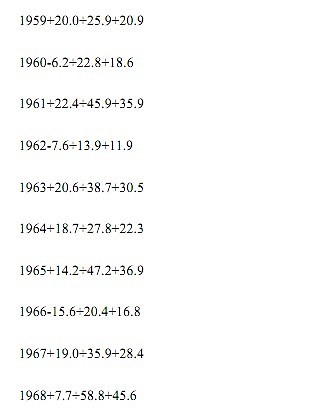
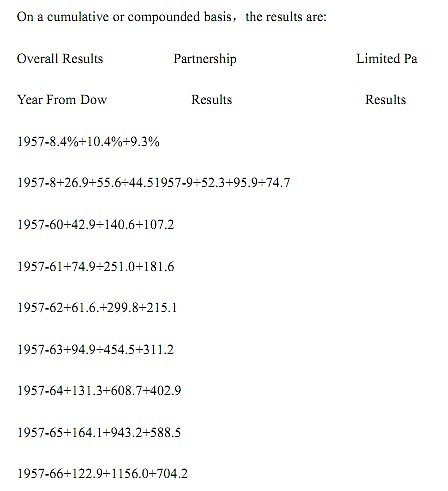
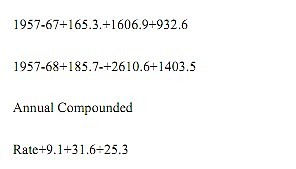 对于 1968 年的结果分析 所有四个部分的投资成效都不错,总体超过四千万美元的投资分配如下:
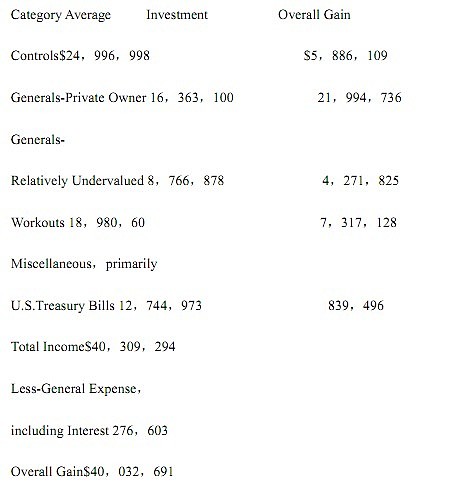 取得控制权的投资 我们控制 DRC 80%和 BERKSHIRE 70%的股份。综合的税后利润超过了五百万美元。 常有合伙人说:“BERKSHIRE 的表现还不错嘛,这周涨了 4%。”又或者问:“最近发生了什么事情,为何 Bkershire 跌了 3%?”我再次说明,我们拥有控制权的公司的股票价格表现跟我们的年度收益和净资产变化无关。1967 年底,我们评估 BERKSHIRE 的价值为每股 25元,虽然其市场价值是每股 20 元;1968 年底,我们评估 BERKSHIRE 的价值为每股 31 元,虽然市场价格为 37 元——即便市场价格为 20 或者 25 元,我们对 BERKSHIRE 的评估仍然会是 31 元。
普通股投资——私人所有 这部分是一直以来是我们四个部分中回报率最为丰硕的部分。而今年此部分所获得的收益也主要只来源于一个商业点子。
普通股——相对价值被低估 这一部分就 1966 和 1967 年整体而言贡献了我们总收益的三分之二。我亦在上年提到过这部分的主要收益也仅来源于一个点子。这种情况将继续下去。
Workouts
这部分的表现在 1967 年是糟糕透顶,但在今年表现不错。我们的点子确实越来越少了。我有时候想我们是不是应该在我们的办公室挂上一块牌子,上面写着:“我们不相信奇迹,但我们依靠奇迹而有所成。”就像个体重超重且视力不佳的老击球手仍然试图击中一个快速球一般。 大事记: 巴菲特合作有限公司,即我们合伙公司的前身,建立于 1956 年 5 月 5 日。建立时共有 7 名有限合伙人(4 名家庭成员,3 名好友),总共的净资产为$105,100,而其中无限合伙人(巴菲特)提供的资金为$100。另外两个单一家庭组成的合伙企业也于 1956 年成立。
所以在 1957年 1 月 1 日,总共的净资产为$303,726。在 1957 年,我们获得的收益为$31,615.97,即10.4%的收益率。在 1968 年,纽约交易所的交易时间约为 1200 小时,即相当于我们在 1968年每小时就赚了$33,000,相当于我们在 1957 一年的收益。 在 1962 年 1 月 1 日,我们成立了有限合伙公司,同时把我的办公室搬出了我的卧室,并且雇佣了 5 名员工。净资产已经达到了$7,178,500。从那时起到现在我们的净资产已经达到$104,429,431,而我们亦增加了一名雇员。自从 1963 年以来(净资产为$9,405,400),办公场地的租金从$3,947 增长至$5,823,差旅费由$3,206 增长至$3,603。就目前的情况而言,我们的费用尚未到达我们无法控制的地步。 其它杂项: 虽然投资环境日益恶化,我们的办公条件确是不错的。
取得控制权的投资 我们控制 DRC 80%和 BERKSHIRE 70%的股份。综合的税后利润超过了五百万美元。 常有合伙人说:“BERKSHIRE 的表现还不错嘛,这周涨了 4%。”又或者问:“最近发生了什么事情,为何 Bkershire 跌了 3%?”我再次说明,我们拥有控制权的公司的股票价格表现跟我们的年度收益和净资产变化无关。1967 年底,我们评估 BERKSHIRE 的价值为每股 25元,虽然其市场价值是每股 20 元;1968 年底,我们评估 BERKSHIRE 的价值为每股 31 元,虽然市场价格为 37 元——即便市场价格为 20 或者 25 元,我们对 BERKSHIRE 的评估仍然会是 31 元。
普通股投资——私人所有 这部分是一直以来是我们四个部分中回报率最为丰硕的部分。而今年此部分所获得的收益也主要只来源于一个商业点子。
普通股——相对价值被低估 这一部分就 1966 和 1967 年整体而言贡献了我们总收益的三分之二。我亦在上年提到过这部分的主要收益也仅来源于一个点子。这种情况将继续下去。
Workouts
这部分的表现在 1967 年是糟糕透顶,但在今年表现不错。我们的点子确实越来越少了。我有时候想我们是不是应该在我们的办公室挂上一块牌子,上面写着:“我们不相信奇迹,但我们依靠奇迹而有所成。”就像个体重超重且视力不佳的老击球手仍然试图击中一个快速球一般。 大事记: 巴菲特合作有限公司,即我们合伙公司的前身,建立于 1956 年 5 月 5 日。建立时共有 7 名有限合伙人(4 名家庭成员,3 名好友),总共的净资产为$105,100,而其中无限合伙人(巴菲特)提供的资金为$100。另外两个单一家庭组成的合伙企业也于 1956 年成立。
所以在 1957年 1 月 1 日,总共的净资产为$303,726。在 1957 年,我们获得的收益为$31,615.97,即10.4%的收益率。在 1968 年,纽约交易所的交易时间约为 1200 小时,即相当于我们在 1968年每小时就赚了$33,000,相当于我们在 1957 一年的收益。 在 1962 年 1 月 1 日,我们成立了有限合伙公司,同时把我的办公室搬出了我的卧室,并且雇佣了 5 名员工。净资产已经达到了$7,178,500。从那时起到现在我们的净资产已经达到$104,429,431,而我们亦增加了一名雇员。自从 1963 年以来(净资产为$9,405,400),办公场地的租金从$3,947 增长至$5,823,差旅费由$3,206 增长至$3,603。就目前的情况而言,我们的费用尚未到达我们无法控制的地步。 其它杂项: 虽然投资环境日益恶化,我们的办公条件确是不错的。
 上半年的业绩表现纯粹是由占我们净资产比例 63.3%的二级市场投资的证券所贡献的,取得控制权的投资部分没有任何贡献,而我们买下 的 Diversified Retailing Company(DRC) and Berkshire Hathaway Inc.会在年底被重新评估并将其结果按固有的标准反映到我们的业绩中来。
DRC 和 BH 在上半年都有一些重要的收购举动。我们拥有 DRC80%的股份,而总体而言 DRC 以及其下的子公司的表现都是令人满意的。但是 BH 却在其纺织领域遭受着实实在在的困难境况。目前我尚不认为 BH 的根本价值将会遭到损失,但是 BH 也似乎还不能够为我们提供一个满意的资产回报率。
所以如果未来股市上涨的趋势得以持续的话,我们在 BH 的投资必将拖累我们的整体业绩表现。类似的情况也会在我们其它的 CONTROLL 类投资上出现,然而当投资的生意本身没有任何进步的情况下,这种拖累将会表现得更为明显。正如我的一位朋友所说的:“所谓经验,是指当你在找寻其它东西时无意中的发现。”
致合伙人:
在过去的十一年中,我一直把长期超越道琼斯指数 10%作为我们的目标,我也说过虽然完成这一目标是困难的,但也并非是不可能的。下述的一些情况是我们的生意和市场本身在这些年来发生的变化: 1、市场较往日已经有了显著的变化:明显的有价格优势的投资标的已经在数量上大大减少; 2、人们对于投资业绩的关注度的快速提高导致了市场行为的过激反应,而我本人的分析技巧则只能评估出一个有限的价值区间; 3、我们的资金基数已经达到了 6500 万美元,我们的投资点子正在减少; 4、由于之前我们已经取得了良好的业绩,对我个人而言,继续努力取得优越业绩的动力难免会减少。 下面让我们再来仔细对上述各点进行分析。
对于证券或公司的估值总免不了要涉及到定性和定量的各方面的因素。从一个极端的角度来讲,定性的分析方法会说:“买下正确的公司,用不着考虑它目前的价格!”而定量的方法则会说:“以正确的价格买入,用不着考虑公司的情况!”而在实际分析的时候,显然两方面的因素都要给予考虑。 有趣的是,虽然我自认为自己主要毕业于强调定量方法的学派,我所做的真正令我感到很满意的投资往往又是着重强调了定性因素的点子,从这些点子上,我有着一种“高利润性洞察力”。这也是我大量利润的来源。虽然如此,这种洞察力往往来之不易,我并不能经常获得。 正如洞察力往往都是偶然才能产生一样,而且显然洞察力本身就不是一种定量的东西。所以如果真正要赚大钱,那么投资者除了要能做出正确的定性分析,就我的观点来说,可能更确定的利润仍来自于明确的定量决策。 这种统计意义上的便宜货已经消失数年了。这可能是由于在近 20 年中对投资标的的不断梳理导致的,我们之后并没有再出现类似 30 年代的导致大量便宜货出现的时代。也许也是因为社会对于投资的认同度提高,而这也自然地减少了便宜货的存在。还可能是由于收到对于证券分析的爆炸性的增长导致的。无论是哪种情况,都导致从定量分析意义上的便宜货几乎消失。当然,也许时不时还会有少量的机会。 偶尔也会有令我能够充满信心地从定量方面做出决定的投资机会。这是让我们获得大量盈利的最好机会。虽然如此,类似的机会将会非常稀少。在过去三年中我们的良好表现在很大程度上都只归因于此类的单个投资点子。 另一个难点是对于投资业绩关注程度的提高。数年来我一直在说明合适的衡量投资业绩的标准。我持续地告诉各位: 如果我们的投资业绩不能超越平均水平,则我们的钱就都应该投入到别的地方去。而近年来的优良业绩可能会给各位造成对我原来提法的曲解。
一直以来我都敬告各位三年的时间是衡量投资业绩的一个最低的时限。而大众对于投资业绩的衡量时限却往往是按年度、季度、月度甚至更短的时间来衡量。而对于短时间取得优异投资业绩的资金管理者的报酬也相当惊人,无论是跟由此新募集到的资金还是跟实际的投资业绩相比都是如此。于是上述的情况便愈演愈烈。 接着发生的情况,便是更多的专业投资者认为自己有必要迎合当前的趋势。无疑如果成功便意味着巨大的报酬。这甚至有可能成为未来市场衡量投资业绩的一般标准。但是,这也是一种我确信自己并不擅长的行为。 正如我在去年的信的第五页所说的那样:“除此之外,我们亦不会跟随目前市场流行的一种投资风气,即尝试通过对市场波动而导致股票价格大于其商业价值来获利。此种投资方法在近年来也确实创造了实实在在的收益,并且这些收益往往是在短期获得的。关于这种投资技巧背后的坚固性我即无法否定也无法肯定。这种技巧并不能够完全获得我认识层面的认可(也许是我的偏见使然),同时与我的脾气完全背离。我不会将自己的钱通过这种方式进行投资,所以我也不会用你们的钱通过这种方式进行投资。 任何一种这样的包含大量资金投入的短期行为都会对市场的所有参与者制造麻烦。我不会尝试去猜测市场任何波动,同时也对明年市场会是 600,900 还是 1200 点没有丝毫的概念。虽然目前和未来的时期里对市场的投机行为会造成相应的严重后果,经验告诉我对市场时机的判断是毫无意义的。但是,我亦认为目前的这种市场情况将会对我们未来一段时间的投资造成困难。 上述的话可能过于守旧了(毕竟我已经 37 岁)。当游戏规则改变的时候,只有老人才会说新的方式是错的,而且肯定会导致问题,等等。我在过去已经因为这样遭到了其它人的轻蔑。我亦看到过因为只根据以往情况而非现在情况的分析而造成的损失。至少有一点我是清楚的。我不会抛弃之前自己所能明白其内在逻辑的投资方法,即便这意味着放弃一种看似容易获得大量利润的我自己不能理解的方法。这种方法并没有得到实践的足够的考验,并可能招致永久性的资金损失。 第三点便是我们资金基数的扩大。多年以来我的投资点子一般都能覆盖我们 110%至 1000%的资金。所以我也没有想到在将来这种情况会有变化。上述的两种情况,再加上目前我们的资金量,使我认为目前的资金基数已经可能拖累我们的业绩表现。同时我亦认为这是我所列出的四点中对我们影响最小的一点。但是持续扩大的资金量必然在一定程度上对我们的业绩造成(哪怕是有限的)影响。 最后一点,亦即最重要的一点:即对于个人动机的考虑。当我开始这项事业时我为自己设定的目标是长期的年均复合收益率超越道琼斯指数 10 个百分点。当时的我比现在要年轻,要穷,也可能比现在有着更强的竞争力。即便没有上述的三种可能对投资业绩产生影响的不利因素,我仍然认为个人环境的改变很有可能会影响我从事这项事业的动力。 可能会发生在我身上的事情是,我会愿意持续地买入一个公司的股票,只是基于我个人对于该公司人员和所处行业情况的喜好,哪怕在其它方面的投资可能取得更高的回报率。 自然我们会在买入具有吸引价格的公司然后再卖出方面投入更多的资金。但是更令人愉悦的方式也许是持续地持有它们并尝试(通过财务等手段)改善其状况——哪怕对它们的运营只是有一点点的改进。 因此,我可能会把自己限制在那些就我而言容易理解,且我认为安全、有利可图且令人愉悦的东西里面。虽然我自认为这种方式并不会令我们的投资变得更加地保守,因为我认为从我开始投资以来,我们其实一直都是采取了很保守的投资方式。所以我们面临的长期风险并不会减少,而长期的增值潜力却多少可能受到影响。
上半年的业绩表现纯粹是由占我们净资产比例 63.3%的二级市场投资的证券所贡献的,取得控制权的投资部分没有任何贡献,而我们买下 的 Diversified Retailing Company(DRC) and Berkshire Hathaway Inc.会在年底被重新评估并将其结果按固有的标准反映到我们的业绩中来。
DRC 和 BH 在上半年都有一些重要的收购举动。我们拥有 DRC80%的股份,而总体而言 DRC 以及其下的子公司的表现都是令人满意的。但是 BH 却在其纺织领域遭受着实实在在的困难境况。目前我尚不认为 BH 的根本价值将会遭到损失,但是 BH 也似乎还不能够为我们提供一个满意的资产回报率。
所以如果未来股市上涨的趋势得以持续的话,我们在 BH 的投资必将拖累我们的整体业绩表现。类似的情况也会在我们其它的 CONTROLL 类投资上出现,然而当投资的生意本身没有任何进步的情况下,这种拖累将会表现得更为明显。正如我的一位朋友所说的:“所谓经验,是指当你在找寻其它东西时无意中的发现。”
致合伙人:
在过去的十一年中,我一直把长期超越道琼斯指数 10%作为我们的目标,我也说过虽然完成这一目标是困难的,但也并非是不可能的。下述的一些情况是我们的生意和市场本身在这些年来发生的变化: 1、市场较往日已经有了显著的变化:明显的有价格优势的投资标的已经在数量上大大减少; 2、人们对于投资业绩的关注度的快速提高导致了市场行为的过激反应,而我本人的分析技巧则只能评估出一个有限的价值区间; 3、我们的资金基数已经达到了 6500 万美元,我们的投资点子正在减少; 4、由于之前我们已经取得了良好的业绩,对我个人而言,继续努力取得优越业绩的动力难免会减少。 下面让我们再来仔细对上述各点进行分析。
对于证券或公司的估值总免不了要涉及到定性和定量的各方面的因素。从一个极端的角度来讲,定性的分析方法会说:“买下正确的公司,用不着考虑它目前的价格!”而定量的方法则会说:“以正确的价格买入,用不着考虑公司的情况!”而在实际分析的时候,显然两方面的因素都要给予考虑。 有趣的是,虽然我自认为自己主要毕业于强调定量方法的学派,我所做的真正令我感到很满意的投资往往又是着重强调了定性因素的点子,从这些点子上,我有着一种“高利润性洞察力”。这也是我大量利润的来源。虽然如此,这种洞察力往往来之不易,我并不能经常获得。 正如洞察力往往都是偶然才能产生一样,而且显然洞察力本身就不是一种定量的东西。所以如果真正要赚大钱,那么投资者除了要能做出正确的定性分析,就我的观点来说,可能更确定的利润仍来自于明确的定量决策。 这种统计意义上的便宜货已经消失数年了。这可能是由于在近 20 年中对投资标的的不断梳理导致的,我们之后并没有再出现类似 30 年代的导致大量便宜货出现的时代。也许也是因为社会对于投资的认同度提高,而这也自然地减少了便宜货的存在。还可能是由于收到对于证券分析的爆炸性的增长导致的。无论是哪种情况,都导致从定量分析意义上的便宜货几乎消失。当然,也许时不时还会有少量的机会。 偶尔也会有令我能够充满信心地从定量方面做出决定的投资机会。这是让我们获得大量盈利的最好机会。虽然如此,类似的机会将会非常稀少。在过去三年中我们的良好表现在很大程度上都只归因于此类的单个投资点子。 另一个难点是对于投资业绩关注程度的提高。数年来我一直在说明合适的衡量投资业绩的标准。我持续地告诉各位: 如果我们的投资业绩不能超越平均水平,则我们的钱就都应该投入到别的地方去。而近年来的优良业绩可能会给各位造成对我原来提法的曲解。
一直以来我都敬告各位三年的时间是衡量投资业绩的一个最低的时限。而大众对于投资业绩的衡量时限却往往是按年度、季度、月度甚至更短的时间来衡量。而对于短时间取得优异投资业绩的资金管理者的报酬也相当惊人,无论是跟由此新募集到的资金还是跟实际的投资业绩相比都是如此。于是上述的情况便愈演愈烈。 接着发生的情况,便是更多的专业投资者认为自己有必要迎合当前的趋势。无疑如果成功便意味着巨大的报酬。这甚至有可能成为未来市场衡量投资业绩的一般标准。但是,这也是一种我确信自己并不擅长的行为。 正如我在去年的信的第五页所说的那样:“除此之外,我们亦不会跟随目前市场流行的一种投资风气,即尝试通过对市场波动而导致股票价格大于其商业价值来获利。此种投资方法在近年来也确实创造了实实在在的收益,并且这些收益往往是在短期获得的。关于这种投资技巧背后的坚固性我即无法否定也无法肯定。这种技巧并不能够完全获得我认识层面的认可(也许是我的偏见使然),同时与我的脾气完全背离。我不会将自己的钱通过这种方式进行投资,所以我也不会用你们的钱通过这种方式进行投资。 任何一种这样的包含大量资金投入的短期行为都会对市场的所有参与者制造麻烦。我不会尝试去猜测市场任何波动,同时也对明年市场会是 600,900 还是 1200 点没有丝毫的概念。虽然目前和未来的时期里对市场的投机行为会造成相应的严重后果,经验告诉我对市场时机的判断是毫无意义的。但是,我亦认为目前的这种市场情况将会对我们未来一段时间的投资造成困难。 上述的话可能过于守旧了(毕竟我已经 37 岁)。当游戏规则改变的时候,只有老人才会说新的方式是错的,而且肯定会导致问题,等等。我在过去已经因为这样遭到了其它人的轻蔑。我亦看到过因为只根据以往情况而非现在情况的分析而造成的损失。至少有一点我是清楚的。我不会抛弃之前自己所能明白其内在逻辑的投资方法,即便这意味着放弃一种看似容易获得大量利润的我自己不能理解的方法。这种方法并没有得到实践的足够的考验,并可能招致永久性的资金损失。 第三点便是我们资金基数的扩大。多年以来我的投资点子一般都能覆盖我们 110%至 1000%的资金。所以我也没有想到在将来这种情况会有变化。上述的两种情况,再加上目前我们的资金量,使我认为目前的资金基数已经可能拖累我们的业绩表现。同时我亦认为这是我所列出的四点中对我们影响最小的一点。但是持续扩大的资金量必然在一定程度上对我们的业绩造成(哪怕是有限的)影响。 最后一点,亦即最重要的一点:即对于个人动机的考虑。当我开始这项事业时我为自己设定的目标是长期的年均复合收益率超越道琼斯指数 10 个百分点。当时的我比现在要年轻,要穷,也可能比现在有着更强的竞争力。即便没有上述的三种可能对投资业绩产生影响的不利因素,我仍然认为个人环境的改变很有可能会影响我从事这项事业的动力。 可能会发生在我身上的事情是,我会愿意持续地买入一个公司的股票,只是基于我个人对于该公司人员和所处行业情况的喜好,哪怕在其它方面的投资可能取得更高的回报率。 自然我们会在买入具有吸引价格的公司然后再卖出方面投入更多的资金。但是更令人愉悦的方式也许是持续地持有它们并尝试(通过财务等手段)改善其状况——哪怕对它们的运营只是有一点点的改进。 因此,我可能会把自己限制在那些就我而言容易理解,且我认为安全、有利可图且令人愉悦的东西里面。虽然我自认为这种方式并不会令我们的投资变得更加地保守,因为我认为从我开始投资以来,我们其实一直都是采取了很保守的投资方式。所以我们面临的长期风险并不会减少,而长期的增值潜力却多少可能受到影响。

 其它杂项: 我们年初的资产为$68,108,088。在年底合伙人从中提取的金额为$1,600,000,很可能是因为我在 10 月份的信中所展望的更低的收益增长预期所致。对于他们而言这显然是一种理性的行为,因为他们中的大多数都有能力和动力来超越我们拟定的未来业绩目标,而我本人也因为不必在为了一个我自己可能无法达到的目标而劳心劳力而松了一口气。 有一些合伙人在收到我 10 月份的信之后问我“你的真正意思到底是什么?”这样的问题对任何作者都显然是某种打击。不过我也向他们保证,我的真正意思就是我的字面意思。 还有人问我这是否意味这我有意逐渐淡出合伙企业。对此我的回答是:“绝不是这样。”只要各位还愿意将资金交付于我,同时该生意还能令人愉悦地做下去,我就必将为了从我还在穿廉价网球鞋的时候就一直支持的合伙人们继续工作下去。
 在上半年我们以及两位在企业中拥有 10%股份的合伙人联手买下了 Hochschild,Kohn&Co 的全部股份。这是一家巴尔的摩的私人百货公司。这是我们合伙企业第一次以谈判的方式买下整个生意。虽然如此,买入的原则并没有任何改变。 对该生意价格的定量和定性的衡量都照常进行,并严格按照与其它投资机会同样的准绳进行了估价。HK(以后就这样叫它,因为我也是直到交易完成后才知道该公司的确切发音)从各个方面满足了我们的要求。 无论是从生意还是私人交往的角度来说,我们都拥有一流的人才来打理这桩生意。如果没有优异的管理,即便价格更加便宜,我们也不见得会买下这个生意。 当一个拥有数千名雇员的生意被售出时,想要不吸引一定的公众注意是不可能的。然而希望你们不要以公众新闻的报道来推断该生意对合伙企业的影响。我们有超过五千万美元的投资,绝大部分都投资在二级市场上,而 HK 的投资只占了我们净投资额的不到 10%。在对于二级市场的投资部分,我们对于某只证券的投资超过了我们对 HK 投资额度的三倍还多,但是这项投资却不会引起公众的注意。这并不是说对于 HK 的投资就不重要,它占我们投资额 10%比例就说明它对我们而言是一项重要的投资。但是总体而言它只是我们全部的投资的冰山一角而已。 到年底我准备用购买成本加上自购买后它产生的盈余作为我们对它的估值。这项评估方法将一直被执行,除非未来发生新的变化。自然地,如果不是因为一个吸引人的价格,我们是不会买入 HK 的。因此一个基于我们购买价格的估值事实上低估了 HK 的价值,不过这仍然是最为客观的一个评价方法。我们所有的投资所拥有的价值在我眼中都是被低估了的,否则我们就不会持有它们了。


 在上半年我们的买入情况是令人满意的。我们的普通股投资中包括三家我们(B.P.L.)已经是最大的单一持股人的公司。这些股票一直在被我们买入,而且是在一个对于私人拥有者来说每股价值被市场所低估的价格买入的。对于这三家公司,有一家我们已经持续买入其股票达 18 个月,而另外两家则持续买入其股票达一年左右的时间。 我们完全有可能在未来一年内继续日复一日的买入上述股票,只要上述公司或在其它的类似情况中的公司能够持续的改善其盈利情况及增加其资产价值,同时其在资本市场上的股票价格却没有什么起色。这样的投资对我们的短期表现不会起到很好的影响,但就长期而言这确实是有利可图而且令人心安的做法。上述情况最终会以两种形式终止,一是由于外部因素的影响,其市场价格得到了正确的反映,二是 我们的持续买入是的我们成为了实际控制人。任何一种结果都将令我感到满意。 需要注意的是,虽然在上述或类似的投资中,我们买入了价格被低估的股票,但是很多时候我们都是不可能成为其实际控制人的,因此剩下的唯一出路就是等待市场再次正确反映其价值,而市场正确反映其价值的时间我们是无法确定的。

 注:每年巴菲特都会把它的合伙企业的表现和道琼斯指数以及几家大的著名投资公司的表现进行比较,同时提出自己的一些观点,并强调相比那些投资经理而言,不但他们的业绩表现远远不如自己的合伙企业,同时巴菲特自己大部分的个人财产也都放在了合伙企业里面,而不像其它的基金经理那样即便亏损自己的个人财产也少有损失。这里不再一一翻译出来。而他的投资业绩,事实证明比绝大多数基金经理的业绩好得多。
 注:巴菲特随后论述了他关于长期复合收益率的观点,认为道琼斯指数近年来 11%以上的复合收益率在未来是不会持续的,而他合伙企业未来的长期年均复合收益率也不可能保持在目前的高水平。之后他再次不厌其烦地简单介绍了他的三种投资方式(请参见 1961 年致合伙人信件)。
  (注:我们可以看到在道琼斯指数表现不好的年份,全靠 WORKOUTS(套利)的贡献才使得巴菲特战胜了市场。巴菲特的第一种投资是有可能转化为第三种投资的,即对于普通股的投资是有可能转化为 CONTROLS(控制)的,控股之后巴菲特就不再在乎公司的市场价值了,只要该公司持续改善盈利,使得其资产价值不断增加,巴菲特的合伙企业的收益自然就会不断增加。为了保证在买入后有利可图,巴菲特往往是把自己当成一个真正的生意人来权衡是否买入某只股票的,这是他对普通股进行投资的基本立场,所以对于第一和第三种投资方式,巴菲特的要求是非常苛刻的,他会挑选在公司股票的市场价格远远低于起市场价值的时候买入,这样一旦他获得控股权,只要能够稍微改善公司的情况他就能够保证合理的利润,即便不可能控股,他也降低了长期持股的风险。而对于第二种投资方式,则相对巴菲特不要求什么价格远远低于价值,但是他看重的是另一方面的安全性,即短期是否可以获得确定无疑的正回报(哪怕持股 3 个月只能获得 3%的收益,只要该收益有确定性,那么从年化收益率的角度来看也是非常可观的收益率了,这在市场整体下跌的时候给整个投资组合带来的贡献无疑是非常巨大的,尤其是当很大一部分的资本都投入其中的时候——问题在于巴菲特自己也不是能够预测市场走势的人,因此他在信中也说到在 1962 年他获得超越市场水平的原因固然是在于 WORKOUTS 的贡献,但幸运的是他刚好是在市场低迷的时候在 ORKOUTS 中投入了较大比例的资金)。由此可见巴菲特的投资方式是跟很多基金经理的投资方式有着非常大的区别的。)


 对于优秀合伙人的选择和我与他们的良好关系将有助于确保我们使用同样的价值/业绩衡量标准。如果我的表现糟糕,我希望合伙人退出,而我也将寻找一个更适合的地方投放我自己的钱。如果表现良好,则我会努力表现得更好。 问题的关键在于,我们要确定所有的合伙人对于什么是好什么是坏的都具有相同的理念。我相信如果在行动之前就先确定评判的标准,将有助于所有的事业最终取得一个较好的结局。 我一直以来都使用道琼斯指数作为我们业绩的评判标准。我个人认为 3 年是最最起码的可以对于业绩的做出评判的时间段。而最好的业绩评判周期应该要经历一个完整的市场周期,比如从业绩评判当时的道琼斯指数水平开始,直到该指数最终回到几乎同样的水平为止。 战胜市场的平均水平并不是一件容易的工作。实际上,光是长期跟上市场的平均水平就已经是一件十分困难的工作。虽然没有确切的数据,但我认为即便是目前最好的几家投资咨询公司也只取得了与市场水平相近的回报。 Wiesenberger 收集了 70 只共同基金自 1946 年以来的表现。其中有 32 只平衡型的基金,由于它们没有将全部资金投入股市,并且它们的表现也不如股票市场的平均水平,因此我将他们剔除。在剩余的 38 只基金中,只有 6 只长期而言超越了市场的平均水平。而且它们中没有任何一只的年均复合增长率能够哪怕是超过道琼斯指数几个百分点。 下面是近五年来四家有代表性的大型投资基金和道琼斯指数以及我们的投资业绩的比较: