从此走进深度人生 Deep net, deep life.

分类: 财经

  • Torsten Dennin《From Tulips to Bitcoins_ A History of Fortunes Made and Lost in Commodity Markets》31-42

    31 Wheat: Working in Memphis 2008

    The price of wheat speeds from record to record. Trader Evan Dooley bets on the wrong direction, juggling 1 billion USD and dropping the ball. This results in a loss of 140 million USD for his employer, MF Global, in February 2008.

    “I simply do not know where the money is.” —Jon Corzine, CEO of MF Global

    Less than a month after Jérôme Kerviel’s catastrophic bet on European equity indices, which resulted in losses of nearly 5 billion USD to French investment bank Société Générale, another trader caused difficulties for his employer.
    This time it was through speculation on wheat futures. At the end of February 2008, MF Global, one of the world’s largest futures and options brokers, had to admit that one of its traders in Memphis, Tennessee, had speculated on wheat futures with corporate accounts. Within hours, a loss of about 140 million USD occurred.

    Spun out of Man Financial Group in 2007, MF Global was a commodity brokerage house that offered clearing and execution services. It had ambitions to become a financial services firm on the order of a Goldman Sachs or JPMorgan, and its CEO was Jon Corzine, former chairman of Goldman Sachs and onetime governor of New Jersey. Although it was a niche player on Wall Street, MF Global was a force on the Chicago Mercantile Exchange (CME), with 3 million futures and options positions open with a face value of more than 100 billion USD. Its customers made up almost 30 percent of the trading volume on the CME.

    Trading Wheat

    After corn, wheat is the second-biggest agricultural crop in the world, and it is traded worldwide on commodity futures exchanges. On the Chicago Board of Trade (CBOT), wheat is traded under the symbol W and the current contract month (e.g., W Z0 for wheat December 2020). One contract refers to 5,000 bushels of wheat, and each bushel is equivalent to 27.2 kilograms.
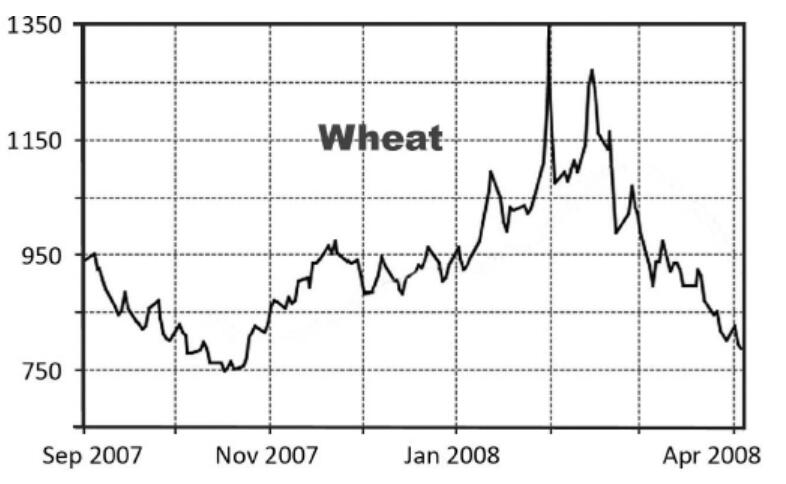
    Priced at 7.50 USD per bushel in November 2007, US wheat was already trading above 8 USD by the beginning of 2008. In part this was due to a tightening supply, but the increase was also increasingly driven by speculative capital, along with a weak US currency. The price broke through 9 and 10 USD per bushel within days, and at the end of February the situation had really gotten out of hand. On February 27, wheat contracts close to delivery experienced price movements of as much as 25 percent within a day. Although trading opened positive, by noon the price had fallen to 10.80 USD.

    Trader Evan Dooley speculated on falling
    prices of 2 million tons of wheat.

    In the afternoon, however, the price jumped again, to 13.50 USD per bushel. The news that Kazakhstan, one of the largest exporters of wheat, wanted to introduce export taxes to reduce sales was boosting the US wheat price. It was the strongest intraday price movement in wheat ever observed.
    However, there was also another explanation for the price swings: Evan Dooley, who had been a trader at MF Global since November 2005, had quickly entered significant positions in wheat futures on his own account in the morning hours of February 27. With these unauthorized actions, the 40-year-old trader exceeded his limits by far.
    Betting on a falling wheat price, Dooley is said to have traded around 15,000 futures—2 million metric tons of wheat. The value of the position varied between 800 million and 1 billion USD. However, as the wheat price continued to rise sharply, the company was forced to close the position with losses, that is, to buy further futures contracts. This led to a further price jump to a level that the market would not reach again, despite continuing strength, for several years.

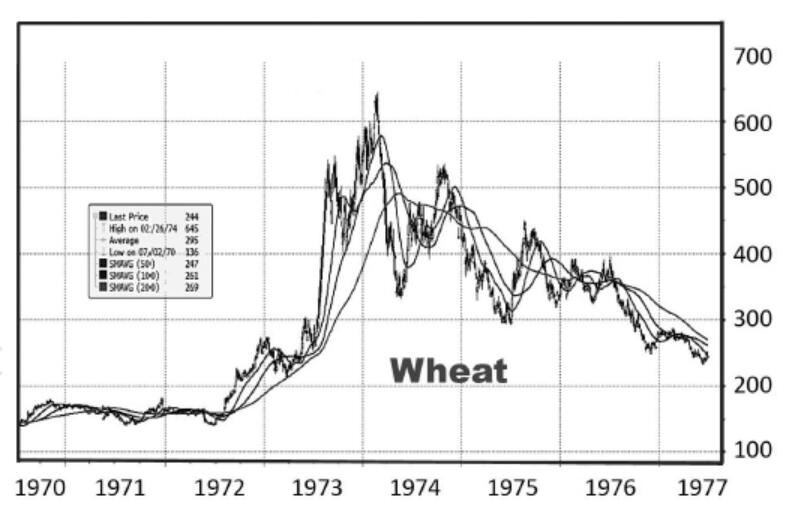
    Figure 28. Wheat prices in US cents/bushel, 2007–2008, Chicago Board of Trade. Data: Bloomberg, 2019.

    MF Global shares lost more than 25 percent in value on that day. The losses came to approximately 140 million USD and represented four times the previous quarter. Concerned about the extent of the loss, MF Global promised to revise its internal policies and risk management. Dooley was fired immediately, and MF Global was fined 10 million USD for lack of supervision of its traders. Dooley himself was sentenced to five years in federal prison and had to make restitution of 140 million USD.
    On a side note, MF Global collapsed in 2011 when the company reported a 192 million USD quarterly loss. Client funds disappeared in the aftermath, which became a huge scandal. However, the failure of MF Global, with more than 40 billion USD in assets—the eighth-biggest bankruptcy in US history—was modest compared with the chaotic 2008 failure of Lehman Brothers, which had a 691 billion USD balance sheet. Regulators were eager to show that not all Wall Street firms were too big to fail. They happily let MF Global go under.

    Key Takeaways
    •Less than a month after Jérôme Kerviel’s catastrophic bet on European equity indices in 2008, another trader caused trouble for his employer: Evan Dooley of MF Global speculated on falling wheat prices and built up a short position of almost 1 billion USD.
    •Wheat prices kept climbing higher and higher, however, from 7.50 USD per bushel in late 2007 to more than 10 USD per bushel in January 2008.
    •On February 27, 2008, the price of wheat traded in Chicago fluctuated in the course of the day by 25 percent—falling back to 10.80 USD per bushel, then jumping again to 13.50 USD in the afternoon. MF Global accumulated a loss of about 140 million USD within hours.

    32 Crude Oil: Contango in Texas 2009

    The price of West Texas Intermediate (WTI) crude oil collapses, unsettling commodity traders around the world. A 10,000-person community in Oklahoma becomes the center of world attention. The concept of “super-contango” is born, and investment banks enter the tanker business.

    “Super-Contango is a state in which a forward price of a commodity is higher than the spot price to a greater extent than can be explained by the interest and storage costs that explain the usual state of contango.” Moneyterms.co.uk

    Cushing is a small town in Oklahoma with fewer than 10,000 residents: There’s a Wal-Mart, some fast-food restaurants, and a few gas stations. Only massive tanks, pipes, and refineries hint that the town is somehow special. In the south of the city is a complex for the strategic oil reserves of the United States, with a capacity of 35 million barrels—one of the largest in the country.
    Suddenly, at the beginning of 2009, Cushing—the only delivery location for West Texas Intermediate (WTI), the US benchmark for crude oil—became the focus of the world’s attention. In the oil market, big-time inventory building had begun. And it began on a large scale.

    Trading in Crude

    Because of the many different types and qualities of crude oil, market participants have agreed to trade in a few local varieties for reference: At the New York Mercantile Exchange (NYMEX), this is US West Texas Intermediate (WTI) oil, at the Intercontinental Exchange (ICE) in London it’s North Sea Brent, and in Singapore the Asian reference is Tapis. Additionally, there is an OPEC basket price, which calculates the average price of seven different types of crude: Sahara Blend (Algeria), Minas (Indonesia), Bonny Light (Nigeria), Arab Light (Saudi Arabia), Dubai (United Arab Emirates), Tia Juana Light (Venezuela), and Isthmus (Mexico). On commodity futures markets, WTI and Brent are the primary references for the price of oil, which is traded in 1,000 barrels per contract under the abbreviations CL (WTI) and CO (Brent) as well as the corresponding contract months (e.g., Z9 for December 2019).
    In the wake of the financial market crisis and the deteriorating economic outlook, the price of crude oil had come under massive pressure in the second half of 2008. That summer, crude oil had briefly traded at more than 145 USD for a short time. But then, the price dropped to less than 45 USD. The withdrawal of investment capital (“deleveraging”) also contributed significantly to the price decline. This became obvious through an analysis of the short-term crude oil contracts in which financial investors are typically invested, and which were now much more affected than long-term contracts.

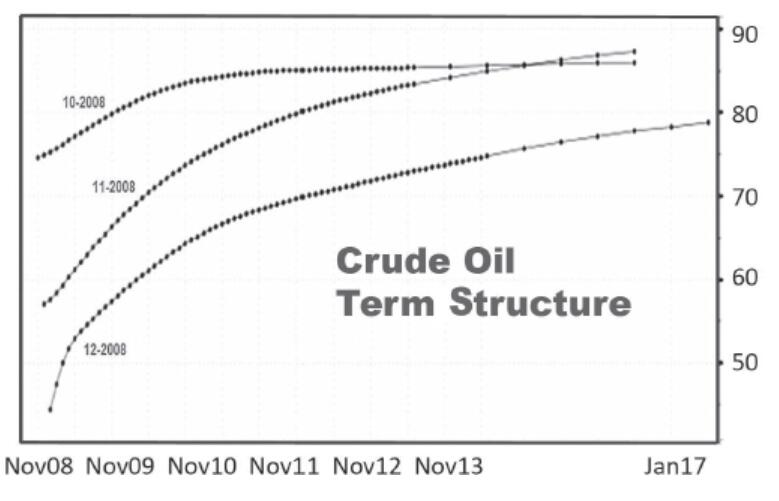
    Figure 29. Crude Oil (WTI) Term Structure in USD/barrel, 2008. Data: Bloomberg, 2019.

    The forward term structure, which tracks the price of future crude oil deliveries over a period of several years, was still nearly flat in summer 2008, but from there, the contango structure of crude oil (WTI) increased. Contango refers to the situation in which spot prices are below the level of futures prices. This could be due to warehousing costs, including insurance and interest, for example, although those can be superseded by the effects of supply and demand.
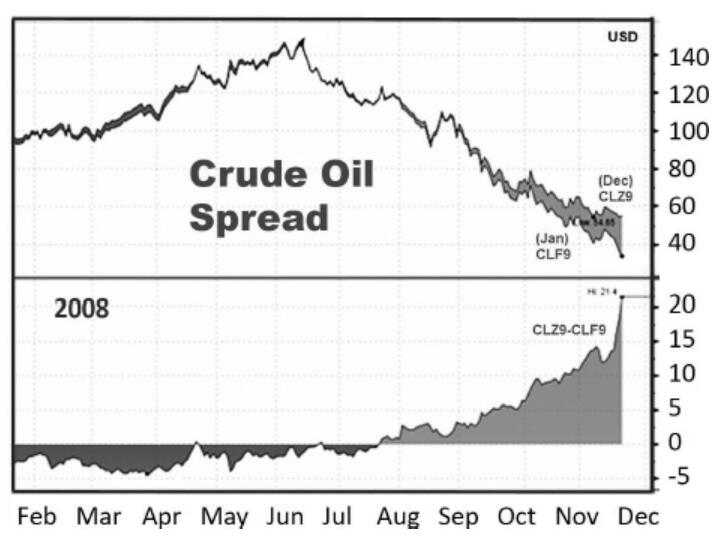
    Between October and December 2008, the contango became extreme. The price decline at the short end of WTI contracts led to a record price difference (the spread)—in excess of 20 USD—between contracts for WTI January 2009 and WTI December 2009. Commodity traders introduced the term “super-contango” to describe what was happening, and commodity analysts called the price distortion of crude oil “absurd.” WTI decoupled completely from other crude oil reference prices such as Brent and, as a barometer for international crude oil markets, was “as useful as a chocolate oven glove,” noted a commodity analyst of Barclays, the British investment bank. What led to this situation? And, more importantly, what were the implications?

    Super-contango! Front-end WTI traded as low as 35 USD, while later crude contracts with later dates stayed above 50 USD.

    The world’s attention turned to Cushing, the world’s “pipeline crossroads” and the only source of WTI crude oil. Contango favors stockpiling, because instead of a low current price, oil can be sold for more at a later date. The only obstacle is that the owner of the crude needs to have appropriate storage facilities. At Cushing, due to the increasing contango, the storage level of oil was steadily increasing.

    Figure 30. Price spread of crude oil January (CLF9) and December 2009 (CLZ9) in USD/barrel. Data: Bloomberg, 2019.

    In January, oil inventories counted more than 33 million barrels (1 barrel equals 159 liters), and the remaining capacity literally was disappearing like ice in sunshine. The super-contango led to “super-storage,” because every holder of crude oil futures without the appropriate capacity had to sell crude oil, if needed, regardless of price. At its low, US crude oil was trading below 35 USD.
    It’s hard to know whether the super-contango was merely an expression of the short-term oversupply of the crude oil market due to the economic slowdown, or whether this was the effect of disinvestment of index and hedge fund capital in the forward contracts. In any case, the steepness of the crude oil forward curve continued to increase.

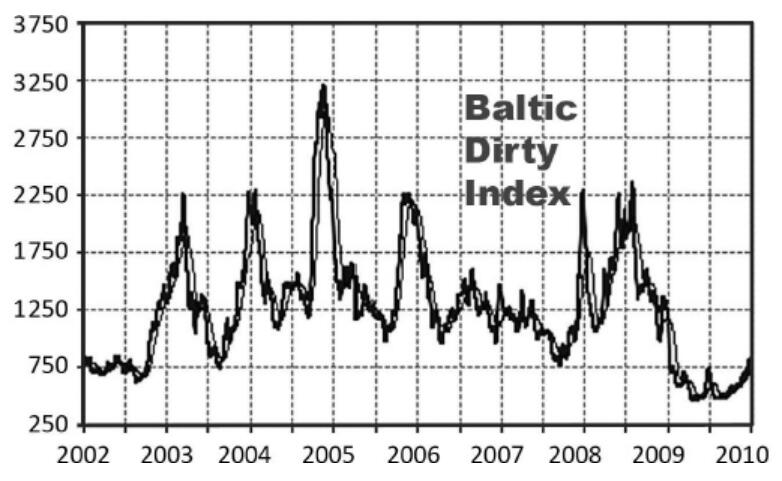
    Figure 31. Baltic Dirty Tanker Index, 2002–2010. Data: Bloomberg, 2019.

    An additional factor, apart from the price differences, distinguished this situation from past events: The economic slowdown and the effects of the credit crunch had put international freight rates under extreme pressure. At the beginning of 2009, freight rates for oil tankers were around 85 percent below their highs in summer 2008.

    The crude oil super-contango, combined with low freight rates, provided a lucrative business for investment banks.

    For a short while early in 2009, the price difference between a current crude oil contract and a December 2009 contract exceeded 30 percent. The combination of super-contango and the low crude oil tanker freight rates opened up a new field not only for crude oil traders but also for investment banks, since it was possible to store crude oil in oil tankers on the high seas.
    With sufficient inventories, it made no sense to sell oil at prices below 40 USD, if you could sell above 55 USD risk-free through a futures contract. January crude oil prices were trading 20 USD below December contracts, while the cost of storage aboard on a supertanker in January 2009 averaged around 90 US cents a barrel. Assuming that transportation, insurance, and financing were secured, there was an opportunity for immense profit for oil companies and traders.

    Tanker Talk

    The Baltic Exchange is a global marketplace for shipbrokers, shipowners, and charterers. The various indices of the stock exchange offer an important overview of freight rates differentiated according to cargo types, ship sizes, and shipping routes. The Baltic Clean Tanker Index tracks tankers carrying clean cargo, such as oil products (petrol, diesel, fuel oil, or kerosene); the Baltic Dirty Tanker Index is for tankers that carry cargo such as crude oil. In 2009, freight rates for bulk carriers—summarized in the Baltic Dry Index—had fallen by 94 percent since the previous summer, due to the economic slowdown and the credit crunch during the international financial crisis. In comparison, the freight rates for tankers lost a little less. Freight rates for crude oil fell by around 85 percent.
    Tanker lease periods between three and nine months were particularly sought after.
    In February 2009, Frontline, the world’s largest owner of supertankers, reported that 25 tankers had been chartered, and there were still open inquiries about 10 more ships. Any tanker that held less than 2 million barrels of oil was not statistically recorded, but industry experts estimated that there were as many as 80 million barrels on the water at the time, more than twice as much oil as was in official storage in Cushing. The profitable business had also taken on a new dimension. The new customers were no longer BP or Exxon, but Merrill Lynch, Morgan Stanley, Goldman Sachs, Citibank, Barclays, and Deutsche Bank.
    Ship brokers around the globe were surprised by the extent of storage inquiries. After all, 35 supertankers accounted for roughly 10 percent of crude oil tanker capacity worldwide. Due to additional demand, tanker freight rates recovered slightly from their lows. However, the floating inventories prevented a significant spike in oil prices during the year, despite any improvement in underlying economic data. After a nearly 75 percent drop in crude oil prices in just one year, the supply surplus of floating stock unsettled the market. For 2008, the International Energy Agency (IEA) reported a decline in oil demand for the first time since 1983.

    Key Takeaways
    •Cushing, a small town in Oklahoma, is the pipeline capital of the world—the only delivery point for WTI, the most important benchmark for crude oil.
    •In the summer of 2008, crude oil was trading above 145 USD. But then the price collapsed to less than 45 USD, and WTI switched from backwardation into a deep contango. A super-contango was born.
    •In combination with low freight rates due to the economic crisis, the oil super-contango provided a lucrative business for investment banks, which could physically buy oil, store it in supertankers, and sell it on futures exchanges, locking in a secure profit.
    •The super-contango led to a massive supply glut in crude oil for a number of years.

    33 Sugar: Waiting for the Monsoon 2010

    A severe drought threatens India’s sugar harvest, and the world’s largest consumer becomes a net importer on the world market. Brazil, the largest exporter of sugar, has its own problems. As a result, international sugar prices rise to a 28-year high.

    “The peacocks are not dancing.
    It will not rain.”

    —P. K. Dubey in Monsoon Wedding (2001)

    June 2009 was the driest summer month in India for more than 80 years, and the dry season was nowhere near ending. In the first week of August, rainfall was only one-third of its normal level. In the main agricultural areas in the north of the country, the weather phenomenon called El Niño had practically stopped the monsoon, whose season on the subcontinent usually lasts from the beginning of June to the end of September.
    One consequence of El Niño in India is significant crop failures, but India’s frequent experience of drought and famine has historically led to large storage facilities. According to the US Department of Agriculture, about 20 million metric tons of rice and about 30 million tons of wheat were stored in 2009. For sugar, however, the situation was quite different.
    Crop failures were so severe, especially in the state of Uttar Pradesh, that India—the second-largest sugar producer in the world—changed from being a net exporter of the crop to becoming a net importer. After producing more than 26 million metric tons of sugar the year before, the country was initially expected to consume 22 million tons of sugar in 2009. However, in August, the Indian Ministry of Agriculture revised the harvest estimates downward, first to 17 million tons and later to 15 million tons. It was not until 2011 that the Indian authorities expected a harvest of around 25 million metric tons of sugar.

    Sweet!

    Almost three-quarters of the sugar produced in more than 100 countries comes from sugarcane, grown primarily in tropical and subtropical regions. Sugar beets come mainly from the European Union and Russia. Brazil, the largest sugar producer and exporter, is responsible for about 16 percent of the world’s sugar, followed by India (14 percent), China (6 percent), and the United States (5 percent). In Brazil, more than half of the sugar harvest is processed into fuel (ethanol).
    Sugar is traded on multiple futures exchanges in different classifications. The most liquid trading is in Sugar No. 11 (ticker SB) on the New York Board of Trade (NYBOT), where futures contracts are traded in US cents per pound and comprise approximately 50 metric tons of sugar (112,000 pounds). Together with wheat, corn, and soybeans, sugar is the most liquid traded agricultural commodity.

    In 2008, the global trading volume of sugar was about 45 million tons, which equates to almost one-third of the quantity produced worldwide. Two-thirds of total sugar production is consumed directly in producer countries and is excluded from global trade. If other trade barriers, such as quotas and trade agreements, are taken into account, only about 25 percent of the world’s sugar is available to the global market, and about 40 percent of that comes from Brazil, which has quadrupled its sugar production since the early 1990s.

    With severe weather in India and Brazil, the price of sugar shot up.

    Like India, Brazil also had to cope with severe weather conditions in 2009. The problem there was not drought, however, but too much water.

    Figure 32. Sugar prices in US cents/lb, 1970–2010. Data: Bloomberg, 2019.

    Over the past 40 years, the price of sugar has been very volatile. Starting with prices as low as 1 US cent per pound in 1967, the price exploded in the mid-1970s to more than 60 US cents. Then, in 2004, the price of sugar slipped below 6 US cents—levels that had not been seen for more than 20 years.
    In 2010, however, there was a sugar rush! Massive imports from India and weather-related delivery delays in Brazil pushed the raw sugar price to a 28-year high. Futures contracts closed at 29.90 US cents per pound on January 29, 2010, a premium of more than 150 percent compared to the previous year. The situation calmed down only after the March contracts expired on February 26, 2010. At that point positive data from Brazil signaled that the worst scarcity was over.

    Key Takeaways
    •The three most important sugar producers worldwide are Brazil, India, and China, and the latter two mostly produce the crop for their own use.
    •The summer of 2009 was the driest summer in India for more than 80 years. El Niño caused significant crop failures, India became a net importer of sugar on the world market, and Brazil had weather-related problems as well. The price of sugar spiked around the globe.
    •Sugar prices rose to just under 30 US cents per pound by the end of January 2010—more than 150 percent over the previous year. Compared to prices in 2004, when sugar traded below 6 US cents, it represented a staggering increase of 500 percent and the highest price in almost 30 years.

    34 Chocolate Finger 2010

    Due to declining harvests in Côte d’Ivoire (the Ivory Coast)—the largest cocoa exporter on the world market—prices are rising on the international commodity futures markets. In the summer of 2010, cocoa trader Anthony Ward, “Chocolate Finger,” wagers more than 1 billion USD on cocoa futures.

    “Of course they are people. They’re Oompa Loompas.“ —Willy Wonka in the movie Charlie and the Chocolate Factory

    Cocoa, native to Central and South America, was considered by the Maya and the Aztecs to be a gift from the gods and therefore sacred. The seeds of the cacao tree also served as a means of payment. In the treasuries of Aztec king Moctezuma II, the Spanish conquistadors discovered, in addition to gold, more than 1,200 tons of cocoa—tax revenues and a huge currency reserve.
    Today cocoa is an important cash crop, an export commodity for many developing countries, and the raw material for the production of chocolate. (In Germany, one of the countries with the highest per capita consumption of chocolate worldwide, every person eats an average of around 9 kilos per year.) Production costs for chocolate depend on the cocoa content, cocoa quality, and processing time, so that for a normal chocolate bar, the price of cocoa accounts only for about 10 percent of the cost of production.
    Cocoa is traded in New York on the New York Board of Trade (NYBOT) and in London on the London International Financial Futures Exchange (LIFFE) in contracts of 10 tons each in USD and GBP, respectively.

    The 10 largest cocoa producers account for more than 90 percent of the world’s crop. Côte d’Ivoire dominates global production with a market share of more than a third of world production.

    In July 2010, market rumors in London suggested that the Armajaro hedge fund had placed a 1 billion USD bet in the cocoa market. Fund manager Anthony Ward was said to have bought around 240,000 tons of cocoa in an attempt to corner the market. This would have accounted for about 7 percent of global cocoa production and the majority of the available quantities. While some traders saw this as a bet that cocoa prices would continue to rise due to a declining supply, others argued that Ward was creating an artificial shortage and manipulating the market through his massive purchases just before the start of the annual cocoa harvest in October.

    Where’s the Cocoa?

    Cocoa’s main growing areas have shifted in recent years from Central America to Africa. The 10 largest producer countries account for more than 90 percent of the global cocoa harvest. Of these, Côte d’Ivoire is the largest supplier of cocoa in the world, with a market share of more than 33 percent. Indonesia, Ghana, Nigeria, Brazil, and Cameroon follow far behind. By 2010, however, cocoa production in Côte d’Ivoire had fallen by more than 15 percent over the previous five years, largely due to poor crop maintenance and pest infestation. Cocoa production in 2008–2009 was the smallest harvest in the previous five years, at just 1.2 million metric tons, a trend that market participants expected for the 2009–2010 crop as well.
    At age 50, Anthony Ward was considered a genius in trading cocoa. His attempt to corner the market for cocoa was spectacular but not an isolated event. In 2002, Ward had purchased more than 200,000 tons of cocoa—the equivalent of 5 percent of the world’s cocoa market—through futures contracts. That was not the biggest cocoa transaction, however. The cocoa trading desk at Phibro, Salomon Smith Barney’s commodity trading business, had taken a position of 300,000 tons of cocoa in 1997. The head of the cocoa trading desk at that time? Anthony Ward.

    Anthony Ward had been a cocoa trader and industry expert since 1979. In the first months of 2010, the price rose more than 20 percent because of his trades.

    Anthony Ward gained his first trading experiences in 1979 with tea, rice, cocoa, and rubber. In 1998 he co-founded Armajaro with Richard Gower, initially focusing on cocoa, then adding coffee and, later, other agricultural goods. Today Armajaro manages 1.5 billion USD and, with a local presence in Côte d’Ivoire, Indonesia, and Ecuador, is one of the largest cocoa suppliers to the world market. After Ward’s trades in July 2010, the British press dubbed Ward “Willy Wonka,” after the character in Charlie and the Chocolate Factory, and “Chocolate Finger,” in homage to a James Bond villain.

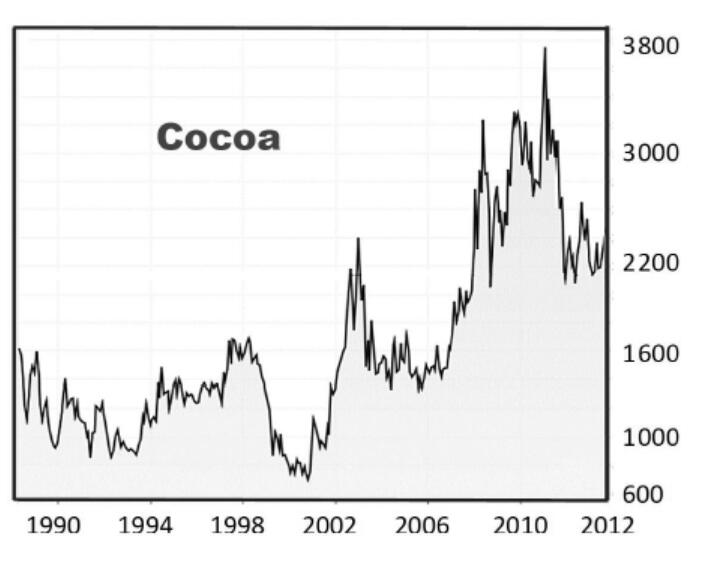
    Figure 33. Cocoa prices in USD/ton, 1990–2012. Data: Bloomberg, 2019.

    In 2009 and 2010, increasing demand, declines in production, and price speculation by hedge funds caused cocoa prices to rise more than 150 percent within two and a half years and to reach their highest level since 1977. A ton of cocoa in mid-July cost more than 3,600 USD. Because of Armajaro’s purchases, the short-term price of cocoa rose: A July contract carried a 300 USD premium compared to a December 2010 contract. Customers had to pay a premium of around 15 percent compared to a later delivery (backwardation).

    In a letter to the NYSE and LIFFE, 16 companies and trading houses complained about market manipulation of the cocoa market. However, LIFFE declared that “indications for a market manipulation are not recognized.”

    Key Takeaways
    •The cocoa market is relatively small and highly concentrated: Côte d’Ivoire dominates global cocoa production with a market share of more than a third of world production. The 10 largest cocoa-producing countries account for more than 90 percent of the world’s crop.
    •During the summer of 2010, rumors spread that hedge fund Armajaro had placed a bet of 1 billion USD in the cocoa market. Fund manager Anthony Ward, nicknamed “Willy Wonka” and “Chocolate Finger,” is said to have bought around 240,000 tons of cocoa in an attempt to corner the market.
    •Compared to price levels in early 2009, cocoa prices in London and New York rose by more than 150 percent and reached their highest level since 1977. A ton of cocoa cost more than 3,600 USD in July 2010—an increase of more than 500 percent compared to 2002. It was a successful bet for Chocolate Finger.

    35 Copper: King of the Congo 2010

    The copper belt of the Congo is rich in natural resources, but countless despots have looted the land. Now Eurasian Natural Resources Corporation (ENRC) is reaching out to Africa, and oligarchs from Kazakhstan aren’t shy about dealing with shady businessmen or the corrupt regime of President Joseph Kabila.

    “The West exploited Africa and now it wants to save it. We have been living with this hypocrisy for too long. Africa can only be saved by Africans.” —Joseph Kabila, President of the Democratic Republic of the Congo
    “We bought an asset from the Democratic Republic of Congo that was for sale.” —Sir Richard Sykes, ENRC

    On Friday, August 20, 2010, investors in the city of London listened closely as Eurasian Natural Resources Corporation (ENRC), a 12 billion USD, London-listed Kazakh mining company, took over the majority stake in Camrose Resources, which held the Kolwezi mining licenses recently expropriated by the government of the Congo. The previous owner of the extremely lucrative licenses? The Canadian mining company First Quantum Minerals. This was explosive news!

    All of a sudden, after decades of colonialism, dictatorship, and warfare, the Democratic Republic of the Congo (DRC) was once again the focus of media attention and the international mining industry. The Congo, one of the poorest countries in the world, nevertheless has an immense wealth of natural resources. The African copper belt stretches from the Congolese mining province of Katanga to northern Zambia. Here lies around 10 percent of the world’s copper reserves. And in 2010, copper was scarcer and more expensive than ever before: Based on its 52-week low, the price of the metal had increased that year alone by 50 percent. For the first time, copper traded above 9,000 USD per metric ton on the London Metal Exchange (LME).

    An Introduction to the Congo

    The Democratic Republic of the Congo, formerly Zaire, is the third-largest country in Africa, after Sudan and Algeria. Neighboring countries—the (formerly French) Republic of the Congo, the Central African Republic, Sudan, Uganda, Rwanda, Burundi, Zambia, Tanzania, and Angola—are all much smaller. With its wealth of natural resources, such as cobalt, diamonds, copper, gold, and other rare minerals, the Congo is a prime example of the “resource curse” thesis: The 70 million inhabitants of the Democratic Republic of the Congo are among the world’s poorest. Only Zimbabwe has a lower per capita GDP.
    The Congo, whose capital is Kinshasa, gained independence from Belgium in 1960 under President Kasavubu and the popular Prime Minister Patrice Lumumba. A period of instability and military intervention followed, beginning in 1965, under the long dictatorship of Mobutu Sese Seko, during which Mobutu and the elite of the country (now called Zaire) systematically looted the wealth of the nation.
    The system collapsed in 1997, when Mobutu was ousted by Laurent-Désiré Kabila. In January 2001, L.-D. Kabila was murdered by one of his bodyguards under unclear circumstances, and the presidency passed to his son, Joseph Kabila. The latter stayed in power until the end of 2018. In January 2019, opposition leader Felix Tshisekedi was declared the fifth president of Congo-Kinshasa since its independence of Belgian colonial supremacy.
    Despite the official end of the second Congo war in July 2003 (the first took place in 1997–1998), conflicts still persisted in the country up until today. In the course of this “African World War,” which involved eight African states and 25 armed groups, more than 5 million people died. It was the bloodiest armed conflict since World War II.
    The Kamoto Mine near the town of Kolwezi is in the heart of the Congo’s mining district, where more than 3 million tons of copper and more than 300,000 tons of cobalt are believed to be in the ground. The current market value of copper reserves alone exceeds 30 billion USD. When the mine was still in operation, the machines of state-owned mining company Gécamines, once the largest company in Africa, moved about 10,000 tons of rock each day. In September 1990, however, the central part of the mine collapsed, burying many miners. The operation came to a standstill. Under the Mobutu dictatorship, reinvestments were neglected, and the largest mines fell into decay. In the late 1990s, Gécamines sold most of its projects to international mining corporations.

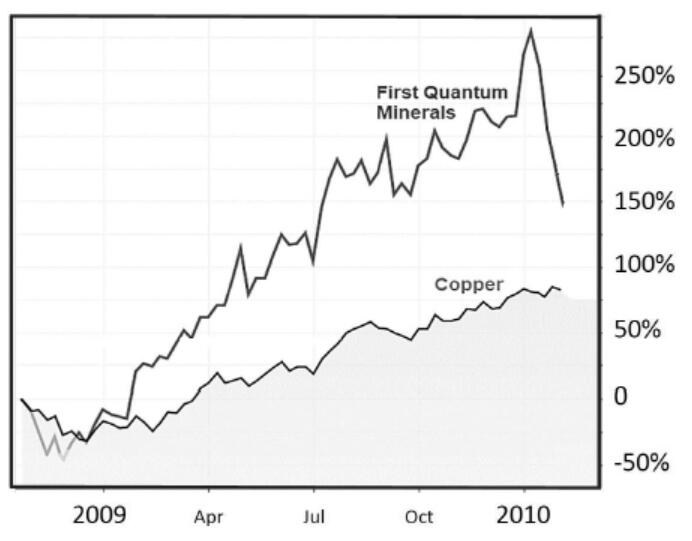
    Figure 34. Copper and share price of First Quantum Minerals, 2009–2010. Data: Bloomberg, 2019.

    Beginning in 2007, the Congolese government undertook a review of more than 60 foreign mining agreements in order to increase state involvement and ownership in the mining sector. Since then, the revision of mining licenses has created multiple sources of conflict.

    The government was aiming for at least 35 percent government ownership in future mining projects. In addition, newer regulations called for a signing bonus of 1 percent of the project value, a 2.5 percent license fee on the gross income, and a stipulation that the mine would go into production within two years.

    The value of the mineral reserves of the African copper belt between the DRC and Zambia exceeded the GDP of half the African continent.

    In August 2009, after a 2½-year review by the government, Canadian First Quantum Minerals’ Kolwezi license was terminated. The government accused First Quantum of breaching the 2002 mining regulations, though First Quantum denied it. One of the contentious issues was the increase of the Gécamines’ share by 12.5 percent—for zero costs involved.
    The situation for the Canadian company was precarious, since it had already invested more than 700 million USD in expanding Kolwezi. Moreover, after First Quantum couldn’t come to an agreement with the Kabila government, the Congolese Supreme Court also revoked the company’s licenses for the Frontier and Lonshi mines in favor of the state mining company Sodimico—another bitter blow to First Quantum.

    Sly Foxes

    The wealth of natural resources in the Katanga province of the Congo smoldered into a power struggle among the three craftiest businessmen on the continent: George Forrest, Billy Rautenbach, and Dan Gertler. Sixty-seven-year-old Forrest, head of the Forrest Group, had been born in the Congo and was the old man of the Congolese mining industry. In early 2004, a few months after the end of the war in the Congo, Forrest and Kinross Gold entered into a joint-venture agreement with the government over the Kamoto Copper Company (later Katanga Mining).
    Rautenbach, founder of Wheels of Africa, the largest transport company in southern Africa, was a friend of Zimbabwean president Robert Mugabe. He went after the jewel, Katanga Mining, through the British company Camec. However, after a short takeover battle, the Congolese government announced a review of those mining licenses, and Rautenbach took the hint. He pulled back in September 2007. Rautenbach had previously been the manager of Gécamines but was replaced by Forrest, which accounted for the hostility between the two men.
    Meanwhile, Gertler was laughing on the sidelines. Just 30 years old, he closed a joint-venture contract with the government of the Congo in 2004 for the development of KOV (Kamoto-Oliveira Virgule, later the company Nikanor). KOV was the only mine in Katanga with more resources than Kamoto Copper Company. More than 6.7 million metric tons of copper and 650,000 tons of cobalt—twice as much as in Kamoto—were estimated to be in the ground. According to market prices in 2018, the value of these resources alone exceeds half the GDP of Africa.
    During the takeover battle for Katanga, Gertler bought shares in that mine through Nikanor. Camec finally lost its bid at the beginning of 2008, and Nikanor and Katanga Mining merged. In addition to his financial resources, Gertler had excellent connections: He is the grandson of the founder of Israel’s diamond exchange, a friend of then-Israeli prime minister Ariel Sharon, and the same age as Congo president Joseph Kabila, whom he considered a close friend.
    In January 2010 the newly established Highwinds Properties, owned by Dan Gertler, was awarded the Kolwezi license in a shady deal. A few months later came the bombshell. On August 20, 2010, ENRC confirmed that it had secured the licenses to Kolwezi through its 50.5 percent acquisition of Camrose Resources for 175 million USD. The company said it intended to cooperate with Cerida Global, another Dan Gertler–controlled company. With the acquisition of Camrose, ENRC was also committed to a 400 million USD loan for Highwinds and a loan guarantee of another 155 million USD for Cerida’s debts.

    The Kazakh company ENRC aggressively expanded its business in Africa and was not shy about dealing with African despots like Joseph Kabila.

    Camrose also offered a majority stake in its subsidiary Africo to ENRC, whose copper and cobalt projects were located near its Camec properties. This was of high strategic importance for the Kazakh company, since ENRC had acquired the Central African Mining and Exploration Company (Camec) for 955 million USD in 2009. This is where Dan Gertler came into play, as Camec was 35 percent owned by the Israeli investor, who quickly unified the three Kazakh oligarchs—Alexander Mashkevitch, Patokh Chodiev, and Alijan Ibragimov—who owned 40 percent of ENRC.
    The deals between Camec and Camrose were important milestones for ENRC’s aggressive expansion policy in Africa, along with a 12 percent stake in Northam Platinum in South Africa that ENRC acquired in May 2010. Regardless of pending possible expropriations and a skeptical attitude by many institutional investors, only time would show whether ENRC would have a more favorable outcome in Congo than its Canadian rival, First Quantum.
    Sometimes time flies. In November 2013, ENRC delisted its shares from the London stock exchange. The following April, an official investigation into bribery and sanction-busting began in England, and the founding partners decided to take the company private again. In February 2014, news spread that the company needed to sell all its international assets—including the copper mines in the Democratic Republic of the Congo—to repay debts. President Kabila, however, stayed in power until the end of 2018.
    In January 2019, the opposition leader Felix Tshisekedi was declared the fifth president of Congo-Kinshasa. Leader of the opposition, Martin Fayulu, complained that Kamila, despite officially stepping down from office, would with his associates most likely continue controlling the levers of powers. Presidential elections had been due for more than two years, but elections had been postponed several times despite forceful protests. Since the end of Belgian colonial supremacy in 1960, the country had never seen a peaceful transfer of power.

    Key Takeaways
    •The African copper belt that runs between the Congo and Zambia holds an incredible wealth of natural resources. In 2010 it became the focus of upheaval when President Kabila revoked the mining license of Canadian firm First Quantum Minerals.
    •Copper was now big business, as copper prices traded at record highs of more than 9,000 USD per ton on the London Metal Exchange (LME).
    •The Kazakh (but London-listed) resource company Eurasian Natural Resources Corporation (ENRC) began to massively expand its footprint in Africa. The firm’s leaders were willing to deal with shady businessmen as well as with President Kabila’s corrupt regime.
    •In a murky transaction involving Dan Gertler’s Highwinds Properties, the expropriated assets of First Quantum were sold to ENRC. International investors were shocked, and the company went private a couple of years later.

    36 Crude Oil: Deep Water Horizon and the Spill 2010

    Time is pressing in the Gulf of Mexico. After a blowout at the Deepwater Horizon oil rig, a catastrophe unfolds—the biggest spill of all time. About 780 million liters of crude oil flow into the sea. Within weeks BP loses half its stock-market value.

    “This well did not want to be drilled . . . it just seemed like we were messing with Mother Nature.” —Daniel Barron, survivor of the Deepwater Horizon disaster
    “I would like my life back.” —Tony Hayward, CEO of BP

    Deepwater Horizon was one of the world’s most advanced deepwater rigs. Installed in 2001, it was 121 meters long, 78 meters wide, and 23 meters high and cost 350 million USD. In April 2010, the giant lay about 40 miles off the coast of Louisiana in the Gulf of Mexico. Since February, the platform had been busy in the Mississippi Canyon Block 252, drilling in the Macondo reservoir about 4,000 meters below sea level.
    April 20, 2010, promised to be a successful day, because the drill hole identified as API Well No. 60-817-44169 was about to be completed. The well would be sealed and prepared for production by a production platform. Every day counted because platform operators like Transocean charged oil companies on a daily basis. And in this case, BP was already concerned because Deepwater Horizon had been behind schedule for 43 days. The delays had already cost the big oil company more than 20 million USD.

    Twenty years after the Exxon Valdez oil spill, an even bigger environmental catastrophe was looming on the horizon.

    The Exxon Valdez—A Past Catastrophe

    Shortly after midnight on March 24, 1989, the most severe environmental disaster in the history of the United States occurred. The 300-meter-long oil tanker Exxon Valdez was on its way from the oil-loading station of the Trans-Alaska Pipeline, in the port city of Valdez, Alaska, when it collided with Bligh Reef in Prince William Sound. The accident caused a spill of almost 40,000 tons of crude oil. Around 2,000 km of coastline were contaminated, and hundreds of thousands of fish, seabirds, and marine animals died. Captain Joseph Hazelwood was drunk in his room at the time of the accident, and third officer Gregory Cousins had the bridge.
    Despite an extensive cleanup, the ecosystem remains severely disturbed three decades later.
    That morning, four BP managers arrived by helicopter to monitor the completion of the drilling. Only a few hours before, experts from the oil services company Halliburton had cemented the drill hole closed, but employees of Schlumberger, who were about to test the cement seal, were sent back to shore by the BP managers before they had accomplished their task.

    Deepwater Horizon drilled for black gold in the Gulf of Mexico on behalf of BP.

    To accelerate completion of the work, BP urged rapid replacement of the drilling mud in the well with seawater to prepare for early production. This decision precipitated an argument between BP and the Transocean managers, who considered that step premature. Unlike seawater, drilling mud holds back rising gas and oil. However, the managers of BP prevailed, and the work began.
    The decision would prove disastrous. The hole had a leak, and drilling mud and gas bubbles began to spill out. The cement plug also appeared to be leaking. Work continued into the night, until suddenly a sharp hiss of methane was heard and a fountain of mud shot out of the derrick, signaling a blowout.
    As the methane ignited, a huge column of flame rose into the sky. Suddenly the entire derrick was on fire, and four workers on the drilling deck were dead.
    The alarm sensors designed to warn of fire and a concentration of toxic or exploding gases had been turned off to keep workers from being disturbed by false alarms in the middle of the night. Now, below deck, it was chaos. Workers, some of them barely awake and dressed in little more than a life jacket, were jumping off the platform into the water, trying to save themselves. But with the Deepwater Horizon in flames, the oil on the water’s surface had caught fire as well. Chaos also reigned in the rig’s two lifeboats.

    Around 11 pm, the Damon B. Bankston, an 80-meter-long supply ship, rescued the survivors. Eleven people had died in the explosion. Two days later, the oil platform sank in the Gulf of Mexico.
    The demise of the platform marked the beginning of the biggest environmental disaster in the history of the United States, an event that would provide the plot for a Hollywood blockbuster movie, starring Mark Wahlberg, in 2016.

    The Macondo drilling ended in disaster. In the largest oil spill in the United States, nearly 780 million liters of crude oil ran out, and the market value of BP fell by half.

    When fire broke out on the deck of the Deepwater Horizon, engineer Christopher Pleasant pressed the emergency button for the blowout preventer (BOP), a series of shut-off valves mounted directly above the well bore to interrupt the flow of oil into it. Like huge pliers, the massive shear jaw of the BOP was supposed to cap and close the well in case of disaster. The automatic emergency system was activated, but nothing happened.
    A commission of inquiry later found that the Deepwater Horizon blowout preventer was poorly maintained, the hydraulic system was leaking, and the safety instructions had not been properly maintained. In addition, the ring valve of the device had been damaged weeks before. Not only was the blowout preventer in poor condition, as early as September 2009, BP had reported almost 400 defects on the rig to Transocean. However, maintenance had been delayed, and more than 26 systems were in poor condition. There were even problems with the ballast system.
    After the platform sank, an oil slick formed. Approximately 1.5 km by 8 km at first, it expanded to almost 10,000 square kilometers within a few days. Between 5 and 10 million liters of crude oil were flowing out every day, and Louisiana, Florida, Mississippi, and Alabama all declared a state of emergency. According to the US Department of the Interior’s Flow Rate Technical Group (FRTG), the amount of oil that flowed out every 8 to 10 days matched the total amount of oil from the Exxon Valdez disaster. BP estimated that there were around 7 billion liters of crude oil in the source. Thus, it would take another two to four years until the entire amount of oil had oozed into the sea.
    Shortly after the platform sank, BP initiated two independently made side-to-side relief wells (called the “bottom-kill method”), but the drilling would have taken about three months. Meanwhile, the capture of the oil with the aid of large steel domes was failing.

    The depth of the seabed—around 1,500 meters—complicated the work. At the end of May 2010, several attempts were made to plug the leak with mud and cement (the “top- kill method”), but they, too, were unsuccessful. In the middle of July, BP succeeded in significantly reducing the oil flow with a new sealing attachment—a temporary closure was successful. As a result, on August 6, the leak was finally sealed permanently using a modified variant of the top-kill method (“static-kill”)—pumping in liquid cement through side relief holes. On September 19, five months after the Deepwater Horizon sank, BP declared the well “officially dead.”

    It took five months to seal the oil leak.

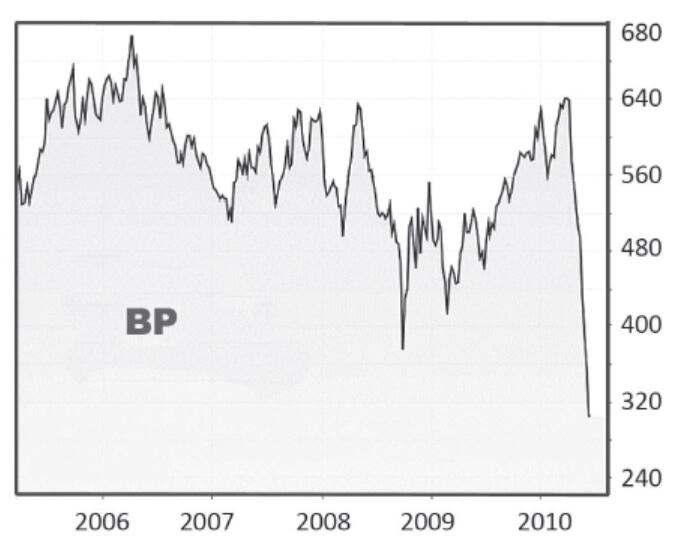
    It was estimated that nearly 5 million barrels of oil, around 780 million liters, had run out, and BP’s stock-market value fell by half in the course of the disaster. The company announced that it would divest 10 billion USD worth of assets to defer the cost of the spill.

    Figure 35. BP, share price fluctuation during first half of 2010. Data: Bloomberg, 2019.

    At that point only about 3 billion USD in costs had accumulated. But BP also set up a trust fund of more than 20 billion USD for the future consequences of the catastrophe. Still unanswered is the question of who bears the responsibility for the disaster. Undoubtedly, BP took high risks, applied non-industry-compliant practices to save costs, and, as the principal, bears the financial responsibility. Transocean’s role as operator of the oil platform also needs to be clarified, especially since the platform was in relatively poor condition. For Halliburton, the questions revolve around the doubtful completion of the cement seal of the well, and initial claims have also been made to BP’s partner companies Mitsui and Anadarko.
    The disaster heightened public awareness of the risks associated with deepwater drilling, both in the Gulf of Mexico and in planned projects off Brazil and Africa. As a direct result of the catastrophe, the US government passed a deep-sea moratorium, temporarily banning all new deep-sea drillings. Although this was later repealed, no new licenses have been awarded. As a further consequence, President Barack Obama fired the head of the Minerals Management Service, Elizabeth Birnbaum. The agency, now renamed the Bureau of Ocean Energy Management, Regulation and Enforcement, had grossly and negligently violated its oversight responsibilities.
    It is impossible to estimate the economic consequences of the disaster, let alone the environmental consequences, which include not only the direct effects of the oil pollution but also the burning of oil and the use of toxic chemicals like Corexit, which have been used to combat the oil spill. BP said in 2018 that it would take a new charge over the Deepwater Horizon spill after again raising estimates for outstanding claims, lifting total costs to around 65 billion USD. The story of the disaster in the Gulf of Mexico will play out for decades in the future.

    Key Takeaways
    •At the Deepwater Horizon oil rig in the Gulf of Mexico, the Macondo drilling, at about 4,000 meters below sea level, ended in disaster. Nearly 780 million liters of crude oil ran out, and the market value of BP, the oil and gas company in charge, fell by half within weeks.
    •The oil spill caused the biggest environmental catastrophe in the history of the United States, far more devastating than the oil spill of the Exxon Valdez 20 years earlier.
    •As a consequence, US authorities temporarily froze all deepwater drilling licenses. BP is estimating a price tag of more than 65 billion USD.

    37 Cotton: White Gold 2011

    The weather phenomenon known as La Niña causes drastic crop failures in Pakistan, China, and India due to flooding and bad weather conditions. Panic buying and hoarding drive the price of cotton to a level that has not been reached since the end of the American Civil War 150 years ago.

    “It’s not something you’re going to see again in your lifetime.” —Sharon Johnson, senior cotton analyst
    “I think there’s still hope for prices to go higher.” —Yu Lianmin, Chinese cotton farmer

    In ancient Babylon, cotton was known as “white gold,” and the fabric has remained popular throughout history, woven by hand for hundreds of years. At the end of the 18th century, however, spinning and weaving mills began to produce fabrics and clothing at a much lower cost than could be done by hand. By the 19th century, the cotton business was booming, due to recent inventions such as the steam engine, the cotton gin, the spinning jenny, and mechanical looms.
    The textile industry of the United Kingdom required ever larger quantities of the raw material, which was produced in its colonies or elsewhere abroad, especially in the southern United States, where cotton had expanded tremendously in the early 1800s. The crop thrived everywhere that was moist and warm, and labor was cheap in the American South. For about 250 years enslaved Africans had toiled on southern plantations, and cotton production grew from just 10,000 bales a year to more than 4 million until slavery was abolished after the end of the American Civil War in 1865. During that war, the price of cotton rose to dizzying heights that would only be reached again in spring 2011, almost 150 years later.

    The last time cotton reached almost 2 USD per pound was after the American Civil War.

    Since 1995, cotton had traded mostly between 0.40 and 0.80 USD, but at the end of September 2010, for the first time in 15 years, the price of cotton broke the 1 USD/lb level. A few months earlier, in May, the German magazine Der Spiegel had bemoaned “the end of cheap jeans,” as it noted the price explosion in cotton. But that was only the beginning. By November, cotton prices had increased another 40 percent. A sharp correction followed, but by the end of December cotton was up to 1.40 USD. And, beginning in January 2011, the market was unstoppable. The price spiked to more than 2.15 USD in March 2011—four times the level of early 2000 and a 480 percent increase over the November 2008 price.
    It was the highest price ever paid for cotton since the introduction of cotton trading on the New York Cotton Exchange in 1870.

    Figure 36. Cotton prices in US cents/lb, 2005–2013. Data: Bloomberg, 2019.

    The price had actually been rising for several years. At the end of 2009, the global textile industry had forecast robust growth of around 3 percent for the following year. However, flooding and bad weather conditions in several important producer countries such as China, India, Pakistan, and Australia led to significant crop losses. Because of the falling inventory, high premiums were paid for material that was available in the short term.

    Once again, severe weather conditions influenced agriculture prices.

    In Pakistan, the world’s fourth-largest cotton-producing country, floods hit more than 14 million people in 2010, according to UN estimates. The exceptionally heavy monsoon season was considered the strongest in more than 80 years, and rain destroyed more than 280,000 hectares of cotton. According to the Pakistan Cotton Ginners Association, the flood destroyed 2 million bales of cotton. The All Pakistan Textile Mills Association also reported a worrying shortage of cotton. Only 30 percent of the mills had raw material in stock for the next 90 days, and Pakistan would soon stop exporting cotton.

    A few weeks later, India, the second-largest cotton producer in the world, followed suit. The Indian Ministry of Textiles stopped exports, since without the ban the Indian textile industry would not have been guaranteed an adequate supply of cotton. Indian exports dropped to 0.5 million metric tons, having exceeded 1.5 million tons in the 2007–2008 season.
    There were several reasons for the shortage beyond the dynamic growth of the domestic Indian textile industry. The world’s largest cotton producer and importer, China, was also enduring a shrinking cotton harvest for the second year in a row, due to low temperatures and too much rain. China Cotton Association statistics in December 2010 showed monthly imports doubling year over year.

    Cotton Basics

    Most cotton species and varieties are cultivated as annual plants and have high requirements for heat and water. In the Northern Hemisphere, sowing takes place from the beginning of February to the beginning of June, depending on the location.
    China, India, the United States, Pakistan, Brazil, and Uzbekistan together account for around 85 percent of the world’s cotton production, with China and India producing more than half of the global market volume. In the 2009–2010 harvest, the amount of cotton grown worldwide reached 25 million metric tons.
    Cotton is used mainly in textiles, accounting for about one-third of the world’s textile fibers. These can be categorized into natural fibers—such as vegetable fibers (e.g., cotton or linen) and animal fibers (e.g., wool, hair, and silk)—or artificial (synthetic) fibers. Synthetic fibers actually dominate the industry, accounting for almost 60 percent. They can be divided into cellulosic fibers (e.g., viscose) and those derived from petroleum. The most important synthetic fibers are polyester, polyamide, and polyacrylic fibers.
    Cotton is traded on the commodity futures exchanges in the United States under the symbol CT and the respective contract month in a contract size of 50,000 lb per contract.
    In late 2010 and early 2011, flooding and Cyclone Yasi caused severe damage in Australia, which ranked eighth among the top 10 cotton producers worldwide. The Australian Cotton Shippers Association, which had predicted a bumper harvest of more than 4 million bales, reduced its forecast by more than 10 percent.

    Blocks on cotton exports worsened the situation, and panic buying and hoarding were the result.

    Cotton processors in the region reacted in panic. Willing to pay any price for raw material, they pushed prices ever higher. Cotton farmers who still had inventory continued to aggravate the situation. The China National Cotton Information Center estimated that around 2 million tons of available material never reached the market in China. For example, in Huji, in Shandong province, about 220 kilometers from Beijing, growers held back more than 50 percent of their harvest at the end of January, expecting prices to continue to rise. Because of the short shelf life of cotton, that strategy could only be maintained until April or May.
    In any case, the price boom in cotton was short lived. The International Cotton Advisory Committee in Washington estimated that the acreage for the 2011–2012 season would increase to 36 million hectares, the most in 17 years. It was a natural response to record prices. In the short term, however, most processors had no choice but to mix cheaper synthetic fibers with the more expensive cotton.

    Key Takeaways
    •If you thought that the exciting times of trading cotton took place more than 100 years ago, events in 2010 proved you wrong.
    •The first impacts of global climate change were evident in a series of extreme weather events. Flooding and bad weather conditions caused by La Niña accounted for significant crop losses in several important cotton-producing countries, such as China, India, Pakistan, and Australia.
    •Cotton processors in the region reacted in panic, driving prices higher. Cotton farmers who still had stocks held back their supply in expectation of even higher profits.
    •As a consequence, cotton prices shot through the roof. Cotton, which once traded at 40 US cents per pound in 2009, doubled in value within a year to 80 US cents and skyrocketed to 2 USD in 2011. This was an increase of 500 percent in two years!
    •Because of short supplies, export restrictions, panic buying, and hoarding, the price of cotton rose to a level not reached since the end of the American Civil War 150 years ago.

    38 Glencore: A Giant Steps Into the Light (2011)

    In May 2011, the world’s largest commodity trading company—a conspicuous and discreet partnership with an enigmatic history—holds an IPO. The former owners, Marc Rich and Pincus Green, have been followed by US justice authorities for more than 20 years. Without mandatory transparency or public accountability in the past, they were able to close deals with dictators and rogue states around the world.

    “Glencore is Marc Rich’s legacy.” —Daniel Ammann, author of The King of Oil
    “My business is my life.” —Marc Rich

    It was the week before the Easter holidays in 2011, on a warm, sunny day in the banking metropolis of Frankfurt am Main, Germany. For the first time that year, temperatures climbed above 72 degrees Fahrenheit, and the city was full of people enjoying the sun’s warm rays. It was also the first week of “investor education” concerning the biggest IPO of the year, for Glencore.
    Equity sector specialists were explaining corporate strategy and the business model of the world’s largest commodity trading house and the reasons why institutional investors should participate in its initial public equity offering. In a meeting room in one of the bank towers, high above the city center, 11 people nibbled on light snacks. The analyst was late, however, thanks to too many meetings and telephone conferences. And much of the information about corporate returns remained unclear. It seemed that Glencore was not being completely transparent. How exactly did the commodity giant—whose value was estimated at between 60 and 80 billion USD by the banks in the consortium and whose management team was known only to industry insiders—earn its money? Until the IPO, the Switzerland-based company had cherished one thing above all: secrecy.
    Glencore (the name was derived from Global Energy Commodity Resources) was one of the world’s leading commodity players. Its business activities included the production, processing, and trading of aluminum, copper, zinc, nickel, lead, iron ore, coal, and crude oil as well as agricultural products. In terms of sales, the company was the largest in Switzerland and the largest individual shareholder, with 33 percent, of the multinational mining company Xstrata. Before the IPO, Glencore was completely owned by its management and employees, but until 1993 it had had a turbulent history determined by only one man: Marc Rich, nicknamed “The King of Oil.”

    Marc Rich was the world’s most successful commodity trader. Together with Pincus Green, he broke the Seven Sisters cartel, the dominant oil companies until the 1970s.

    Within commodity markets, Marc Rich was a legend. No commodity trader before or after him has ever been so successful. As a son of German-speaking Jews, Rich began his career in 1954 with Philipp Brothers, then the world’s largest commodity trader. Strong economic growth in Europe, the United States, and Asia made the 1960s a boom decade for commodity trading. But in 1973, when the company earned a record profit in which Marc Rich and Pincus Green played a decisive role, a dispute about future payments arose.
    Rich and Green left Philipp Brothers and convinced Jacques Hachuel, Alexander Hackel, and John Trafford to follow them. Together they founded Marc Rich + Co AG in Zug, Switzerland, on April 3, 1974.

    Rich and Green revolutionized commodity trading, breaking the multinational Seven Sisters oil companies cartel and becoming major players in international petroleum trading. In the early 1980s Rich was the world’s largest independent oil trader. Marc Rich + Co generated more profit than UBS, the biggest bank in Switzerland, and Rich’s private wealth was estimated to total more than a billion USD.
    Initially, the company focused on the physical trading of iron, nonferrous metals, and minerals. Crude oil and coal marked an expansion into energy. With the acquisition of an established Dutch grain distribution company in 1982, Rich + Co also entered the agricultural sector. Through further acquisitions in mining, smelting, refineries, and processing, the company continued to grow in the 1980s and 1990s.

    Who Was Marc Rich?

    Marc Rich, born Marcell David Reich on December 18, 1934, in Antwerp, Belgium, was the son of German-speaking Jews. Fleeing war and persecution, the family immigrated to the United States and changed the family name to Rich. As a young man, Rich studied at New York University but left after two semesters to join Philipp Brothers in 1954, then the largest commodity trading company in the United States. He started his career under Ludwig Jesselson, and between 1964 and 1974 he worked as a manager of the Philipp Brothers offices in Spain. In 1974 Rich left the company and with Pincus Green and others founded Marc Rich + Co AG.
    Within the next two decades, the new commodity trading company would become the most successful in the industry. But because of business ties to Iran—despite American political and economic sanctions and the US abolition of diplomatic relations in April 1980—Rich and Green became the focus of the US Justice Department. Accused of organized crime and tax fraud, Rich avoided prosecution by fleeing to Switzerland, where for 20 years he and Green proceeded with business as usual, while they were pursued by US justice.
    After a management buyout in 1993, Rich separated from the firm, and the group was renamed Glencore. At the time, Forbes magazine estimated his private assets at more than 1.5 billion USD.
    Rich never went to trial, and on his last day of office, January 20, 2001, President Bill Clinton granted full and unconditional pardons to Rich and Green in a still-controversial act.
    In June 2013, Rich died of a stroke at a hospital in Lucerne, Switzerland, at the age of 78.
    As it hunted for the next source of profits, the company was not picky. The list of its business partners read like a “Who’s Who” of international rogue states and dictatorships. The company traded commodities with Iran during the hostage crisis and with Fidel Castro’s Cuba, as well as with Slobodan Milosevic’s Yugoslavia, North Korea, Muammar Gaddafi’s Libya, the Soviet Union under Brezhnev, South Africa’s apartheid regime, and Nigeria and Angola in the late 1970s.
    In the 1990s, though, the tables turned. Pincus Green and Alexander Hackel resigned, and the press relentlessly excoriated the company’s business behavior. Finally, after heavy trading losses, Rich lost the support of other senior managers.
    In November 1993, the 39 most important employees of Marc Rich + Co met at the Parkhotel in Zug to discuss the future of the company without Rich. Led by Willy Strothotte, they agreed on a management buyout, and by the following November, Rich had gradually sold his shares of the firm to management and senior employees, about 200 people in all. The value of the company—an industry leader in trading crude oil, metals, and minerals—was estimated to be between 1 and 1.5 billion USD. The new owners renamed the company Glencore, eliminating all traces of the Marc Rich name after 20 years.
    Strothotte took over as chairman of the board of directors of Glencore but also moved into a top position at Schweizerischer Südelektra, which was renamed Xstrata in 1999 and was 33 percent owned by Glencore. The two companies maintained a close relationship. While Xstrata concentrated on commodity production, Glencore focused on marketing and trading raw materials. Xstrata, listed in London, offered transparency for investors. However, Glencore’s business continued to play out behind the scenes.

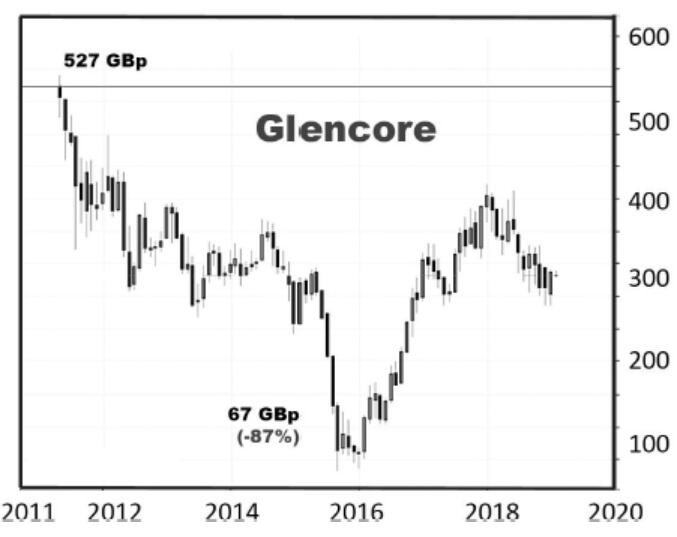
    Figure 37. Glencore (GBP). Equity price performance since IPO on May 19, 2011. Data: Bloomberg, 2019.

    As Glencore reached the limits of growth within its corporate structure, it badly needed fresh capital, a situation exacerbated by the fact that some of the management team had to be reimbursed within the next couple of years. The initial public offering, which raised 12 billion USD, satisfied that hunger for cash. On May 19, 2011, shares of Glencore were listed for the first time in London at 5.27 GBP. In February 2012, the company announced a merger with Xstrata that would be concluded almost a year later under CEO Ivan Glasenberg. The CEO of Glencore since 2002, Glasenberg had been with the company since 1984 and, with an estimated 5 billion USD net wealth, he became one of the top 10 richest people in Switzerland.
    It turned out that Glencore’s management had cashed out at the peak of the cycle: The share price of the initial IPO has never been reached again. Instead, during a commodity sell-off, shares plunged to 67 GBP on September 28, 2015, a loss of 87 percent since the IPO. In January 2019, however, Glencore’s share price had recovered to 3 GBP, which shows that its business model as a listed company was working.

    Key Takeaways
    •The commodity trading company Glencore had a turbulent history that, until 1993, was determined by one man—Marc Rich, nicknamed “The King of Oil.” Rich had founded Glencore’s predecessor company, Marc Rich + Co AG, in Zug, Switzerland, in 1974.
    •With private wealth of more than 1 billion USD, Rich became the most famous commodity trader by breaking the Seven Sisters cartel, and by becoming the world’s largest independent oil trader. His list of business partners read like a “Who’s Who” of international rogue states and dictatorships.
    •Glencore and other commodity trading companies generally maintain an aura of secrecy, since they prefer to strike their deals in private. However, to overcome financing constraints, Glencore, which was completely owned by its management and employees after 1993, raised 12 billion USD in its initial public offering in May 2011. It merged with mining giant Xstrata one year later and became a leader in both mining and commodity trading.
    •In May 2011, shares of Glencore were listed for the first time in London at 5.27 GBP. In hindsight, that was the top of the cycle; during the following bear market in commodities, the shares plunged to 0.67 GBP in September 2015. Today, shares of Glencore have recovered to 3 GBP.

    39 Rare Earth Mania: Neodymium, Dysprosium, and Lanthanum 2011

    China squeezes the supply of rare earths, and high-tech industries in the United States, Japan, and Europe ring the alarm bell. But the Chinese monopoly can’t be broken quickly. And the resulting sharp rise in rare earth prices lures investors from around the globe.

    “The Middle East has oil. China has rare earths.” —Deng Xiaoping, 1992

    In 2013, geologist Don Bubar bought 4,000 hectares of land in the wilderness of Canada for less than half a million USD, hoping that in a few years the area would be worth billions. Bubar and his company, Avalon Resources, planned to develop a mine for rare earths and to start production by 2015. Gold fever had seized the mining industry. Almost 300 companies worldwide were exploring for rare earths and other exotic metals like lithium, indium, or gallium. Investors were happy to spend their money on these projects, because the supply of rare earths is limited, demand was high, and prices were soaring, reflected in press headlines almost every day.
    Rare earths have become indispensable for modern high-tech applications—in computers, mobile phones, or flat screens, for example, and the growth of regenerative energy can’t be achieved without rare earths in electric/hybrid cars or in wind power plants. But these metals have been at the center of a trade conflict between the main producer, China, and the industrialized countries, a situation that has been worsening over the past few years.

    What Are Rare Earths?

    Rare earths consist of 17 metals: scandium, yttrium, and the lanthanides group of lanthanum, cerium, dysprosium, europium, erbium, gadolinium, holmium, lutetium, neodymium, praseodymium, promethium, samarium, terbium, thulium, and ytterbium. In most deposits, light rare earths (cerium, lanthanum, neodymium, and praseodymium) are found in large quantities, while the occurrence of heavy rare earths (yttrium, terbium, and dysprosium among others) is considerably lower.
    One of the most extensively used metals is neodymium, which is indispensable for the production of permanent magnets, that is, magnets that do not discharge. Neodymium is used in mobile phones and computers, wind turbines, and electric/hybrid cars. Each megawatt of power from a wind generator requires between 600 and 1,000 kg of permanent magnets made of iron-boron-neodymium alloys. Moreover, in every wind turbine, there are several hundred kilos of neodymium and dysprosium.
    Lanthanum is also used in many high-tech applications. For example, about one kg of neodymium is needed for the hybrid engine of a Toyota Prius, but the batteries contain about 15 kg of lanthanum. The German Federal Institute for Geosciences and Natural Resources expects the demand for rare earths to rise to 200,000 metric tons a year. At current prices, this means a market size of 2 billion USD. Compared to other metal markets, such as that for copper, with an annual production volume of almost 20 million metric tons and a market value of almost 140 billion USD, rare earths are a tiny but profitable segment.
    China has dictated world market prices of rare earths, since its production accounts for about 97 percent of the global volume of 120,000 tons per year. China also has almost 40 percent of the world’s reserves, while other significant reserves are located in Russia, the United States, Australia, and India.
    Similar to OPEC’s actions during the oil crises of the 1970s, China has been manipulating exports for years, and the United States, Japan, and Europe have all complained about export restrictions and high export duties. In 2005, exports were around 65,000 metric tons per year, but the volume has shrunk dramatically since then. As a result, prices for rare earths rose sharply from 2005 to 2008, and there was another price push in the third quarter of 2009. For the first half of 2011, the Chinese government announced exports of just 14,500 metric tons, and prices rose again. A kilogram of neodymium in May 2011 cost almost 300 USD, compared to just 40 USD 12 months earlier.
    China also used its dominance in rare earth production as a political weapon. When Japan detained a Chinese ship captain, China banned rare earth exports to Japan in September 2010.

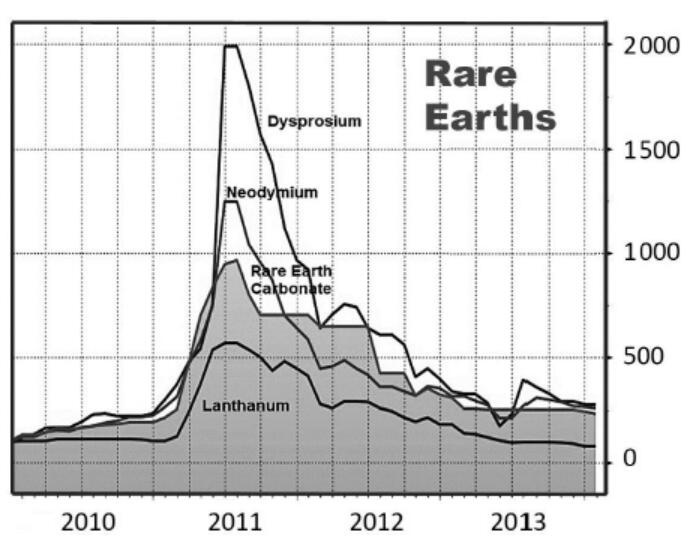
    Figure 38. Rare earth carbonate, neodymium, dysprosium, and lanthanum, 2010–2013. Chinese onshore prices in RMB, indexed 30.12.2009=100. Data: Bloomberg, 2019.

    Over the past 20 years, industrialized nations have maneuvered themselves into this economic dependency. In the mid-1960s, the United States began producing rare earths in the Mountain Pass Mine, in the Mojave Desert of California. Until the late 1990s, this mine alone covered the world’s demand for these metals. Within the industry, this time period is known as the “Mountain Pass era.”

    However, due to environmental constraints and low prices for rare earth metals, the mine closed in 2002. Since the beginning of the 1990s, the Chinese—able to produce the rare earths more cheaply and without worrying about environmental requirements—have begun to flood the world market.
    The main Chinese production comes from Mongolia, where only a few kilometers away from the city of Baotou, with its multimillion population, is Bayan Obo, one of the world’s largest open-air mines.

    It is estimated that up to 35 million metric tons of rare earths—more than half of total Chinese production—come from Bayan Obo. Another large segment of the Chinese supply derives from the southern provinces, where there are numerous small illegal projects in addition to official government mines. Production has its price, however. Processing rare earths generates large amounts of poisonous residues, which leads to heavy pollution by thorium, uranium, heavy metals, acids, and fluorides. Thus, untreated sewage has turned the nearby 12-kilometer-long drinking-water reservoir at Baotou into a waste dump enriched with chemicals and radioactive thorium.

    Bayan Obo in China is the world’s largest mine for rare earth minerals.

    Such heavy environmental damages are ironic, since these rare earths are indispensable to the clean energy industry, especially wind turbines and electric/hybrid cars. There’s no short-term, easy way out of the West’s self-inflicted scarcity. Development of an independent production capacity without environmental problems is a very capital-intensive undertaking. Exploration and exploitation of rare earth deposits is somewhat less problematic; despite their name, rare earths are not really scarce. Even the rarest metal in the group is around 200 times more common than gold.

    Skyrocketing prices of rare earths have attracted many adventurers.

    Skyrocketing prices in 2011 attracted investors and adventurers around the globe, as small mining companies began to search for rare earths and other exotic metals, and investors looked for attractive rare earth deposits to invest in. However, the majority of new rare earth deposits will never be developed or even have the slightest chance to go into production.
    The two most promising companies were Molycorp and Lynas. Molycorp, which had an IPO in 2010, planned to reactivate the Mountain Pass Mine, while Lynas aimed to start production at the Mount Weld Mine in Australia in 2011. All other projects were looking at a planning horizon of at least five years. Meanwhile, the absence of a processing infrastructure was an even greater obstacle than the need for capital-intensive funding.
    In 2015, Molycorp filed for bankruptcy after facing challenging competition and declining rare earth prices. The company was then reorganized as Neo Performance Materials. Lynas successfully got into production and made a first shipment of concentrate in November 2012. Today it operates a mining and concentration plant at Mount Weld and a refining facility in Kuantan, Malaysia. In September 2018, however, the processing facilities in Malaysia came under government review because of environmental concerns, and shares of Lynas began to tumble.
    China will continue to be the dominant source of rare earths, which perfectly fits into the strategic plan issued by Chinese premier Li Keqiang and his cabinet in May 2015: Made in China 2025.

    Key Takeaways
    •The group of 17 rare earth metals, with exotic names like neodymium, dysprosium, or lanthanum, have become indispensable for modern high-tech applications like wind turbines and e-mobility.
    •In 2011, China squeezed the supply of rare earths, using its dominance in rare earth production as a political weapon. Because its production accounts for more than 90 percent of global supply, China has been able to dictate world market prices.
    •High-tech industries in the United States, Japan, and Europe sounded the alarm, but it was impossible to break the Chinese monopoly on the supply of rare earths in the short term. As a consequence, rare earth prices increased sharply, an average of 10 times between 2009 and 2011. Prices of neodymium and dysprosium, which are in the highest demand, increased even more drastically. This price spike attracted global investors who were eager to invest in rare earth deposits.

    40 The End? Crude Oil Down the Drain 2016

    A perfect storm is brewing for the oil market. There is an economic slowdown and too much storage because of contango. The world seems to be floating in oil, whose price falls to 26 USD in February 2016. But the night is always darkest before dawn, and crude oil and other commodities find their multiyear lows.

    “Everybody be cool. You—be cool.” —Seth Gecko in From Dusk till Dawn
    “The crude oil supply glut is gone.” —Nick Cunningham, www.oilprice.com

    The Armageddon of the global financial crisis had been stopped by the massive bailouts and unconventional monetary policy of central banks around the world. As for oil, WTI crashed from almost 150 USD/barrel in June 2008 and traded temporarily below 33 USD during spring 2009. By the end of that year, crude prices had recovered to 80 USD, and between 2011 and 2014 the reference point for crude oil was 100 USD.
    But in hindsight, the summer of 2014 proved to be just the quiet before a massive storm: WTI fell from almost 110 USD to less than 26 USD—a drop of 76 percent, even lower than it had been during the financial crisis. (Actually it was the lowest level for crude prices since 2003.)
    Crude oil was not the only victim. The year 2016 began as an ugly one for all commodities as the Chinese domestic stock market plunged, and many other equity indices around the world followed in a case of Asian contagion. Demand in China was of fundamental importance for commodities because of demographics, growth, and the country’s immense raw material purchases. The US dollar retreated massively from highs of 100 on the Dollar Index, and raw material prices dropped further.

    Figure 39. Crude oil (WTI): recovery and bear market, 2008–2016. Data: Bloomberg, 2019.

    The massive price drop during the financial crisis had caused the term structure for crude oil to flip into contango, in which spot prices are below those of future delivery dates. It made more sense to store oil than to sell it, but the glut in supply overtaxed existing holding facilities, eventually leading to the use of supertankers as floating storage.
    By the end of summer 2015, crude inventories were still rising and prices had started to crash. In early 2016, storage levels had barely declined from their 80-year highs of 490 million barrels in the United States alone, leading to pessimism about the future.
    The International Energy Agency (IEA) noted that crude oil markets could “drown in over-supply” because of rising storage levels around the world. The agency said that the world had added 1 billion barrels of oil in storage in 2015, and storage levels were still rising. Even in the fourth quarter, normally when stocks are drawn down, inventories continued to climb.

    Crude oil crashed because of a massive global supply glut. Oil prices fell to less than 26 USD.

    There were dire warnings that the world could soon run out of storage space for oil, which would depress prices even further. Oil tumbled to its lowest level in more than 12 years, as the crude stockpiled at the delivery point for New York futures reached a record.
    On February 11, 2016, when the S&P 500 index posted a 12 percent loss on the year, the Baltic Dry Index—which measures the shipping activity of dry bulk cargos around the world—fell to an all-time low of 290. The activity in commodity markets came to a halt, and the Bloomberg Commodity Index posted a 30 percent loss on the year. However, February 11 marked the lows for many assets, and the markets began to improve in the weeks and months that followed.

    OPEC and Russia agreed to a joint production cut to fight the supply glut. Finally prices started to recover.

    Capitulation Price Levels

    In early February 2016, the S&P Goldman Sachs Commodity Index and Bloomberg Commodity Index, two important commodity market references, posted double-digit losses. Investors were devastated since 2015 had already been a bloodbath for commodities. Crude oil traded as low as 26 USD/barrel, copper below 2 USD/lb, and even gold traded as low as 1,050 USD/oz. Cryptocurrencies weren’t given much attention from investors at that time. Bitcoins, for example, had a bad year in 2015, trading below 200 BTC/USD, and started to recover in 2016.
    Gold was the first among the group of more than 20 commodities to indicate a turnaround, as prices started to climb, and exceeded its 200-day moving average rather quickly, a strong technical indicator for bullish markets.
    In the face of the massive supply glut, OPEC and Russia agreed to a joint cut in production. It was OPEC’s first agreed cut since 2008, when oil prices collapsed late in the year after hitting record levels during the summer. And it had the potential to restore some longer-term stability to the global oil market. The wild card was renewed production in the United States, pushed by shale oil and fracking on the back of rising prices. Some feared that this could simply end up prolonging the glut and pushing prices back down.
    But there was also evidence that the massive inventories of raw materials were declining, and demand was finally picking up. And demographic trends continued to support the rationale that more people in the world would require more commodities in the years ahead. Both classic economic theory and common sense dictate that as demand rises, inventories fall and prices rise.

    Figure 40. Commodity performance in 2016. Data: Bloomberg, 2019.

    Meanwhile commodity prices were rising, with gold leading the way. The precious yellow metal traded to more than 1,380 USD in the wake of Britain’s Brexit vote, and silver shot up above 21 USD. Crude oil rose from just above 26 USD per barrel in February to more than 50 USD at the beginning of October. The price of sugar increased from 10 US cents per pound in August 2015 to more than 24 US cents on September 29, 2016. The prices of iron ore, zinc, tin, nickel, and lead all posted double-digit gains in 2016. In perhaps the most optimistic signal for commodity markets, the Baltic Dry Index rose from 290 in February to 915 in early October, an increase of more than 215 percent.

    Crude oil prices doubled from their lows in 2009, and commodities started to shine again.

    It appeared that prices for raw materials had reached a significant bottom. Commodities as an asset class posted impressive gains, rising by more than 20 percent from its lows in 2016 to the end of the year. WTI more than doubled in that period to above 55 USD/barrel.
    Production cuts that had been in place since the start of 2017 helped halve the excess of global oil stocks, although, according to OPEC, those remained above the five-year average, at 140 million barrels. It was not until May 2018 that OPEC said the global oil supply surplus had nearly been eliminated.

    Key Takeaways
    •“Super-contango” had caused a massive supply glut in crude oil, during which storage facilities for WTI in Cushing, Oklahoma, reached maximum capacity: The world seemed to be floating in oil, and WTI crashed from almost 110 USD to less than 26 USD in February 2016—a drop of 76 percent and the lowest level for crude oil prices since 2003.
    •During 2016, the Chinese domestic stock market plunged, and many other equity indices around the world followed, leading commodity markets lower as well. However, in spring 2016, commodity markets found a bottom, and commodities as an asset class posted impressive gains over the full year, rising by more than 20 percent. The price of WTI more than doubled in that period to more than 55 USD/barrel.
    •Nevertheless, it would take until May 2018 until OPEC confirmed that the global oil supply surplus had nearly been eliminated.

    41 Electrification: The Evolution of Battery Metals 2017

    Elon Musk and Tesla are setting the pace for a mega trend: electrification! Demand from automobile manufacturers, utilities, and consumers pushes lithium-based battery usage to new heights. For commodity markets, it is not only lithium and cobalt but also traditional metals like copper and nickel that are suddenly in high demand again. Electrification might prove to be the “new China” for commodity markets in the long term.

    “Tesla is here to stay and keep fighting for the electric car revolution.” —Elon Musk

    The year 2016 issued a wake-up call for the automotive and oil industries. OPEC, the mighty oil cartel, massively revised its growth expectations for electric vehicles (EVs) upward by 500 percent. Instead of the 46 million EVs by 2040 it had envisioned in 2015, OPEC was now looking at a forecast of 266 million EVs.
    If those projections turn out to be correct, by 2040 demand for oil could fall by 8 million barrels a day. That is about what the United States currently produces in a day, or roughly 8 percent of global consumption. (The world consumes almost 100 million barrels of crude oil every day, of which 75 percent is related to the transportation sector.)

    Elon Musk and Tesla

    Elon Musk, founder and CEO of SpaceX, Tesla, and Neuralink, was born in Pretoria, South Africa, in 1971. As of February 2018, Musk had a net worth in excess of 20 billion USD and was listed by Forbes as the 53rd-richest person in the world. In December 2016, he was ranked 21st on the Forbes list of “The World’s Most Powerful People.” Musk also founded PayPal, which was bought by eBay for 1.5 billion USD in October 2002.
    Tesla, based in Palo Alto, California, specializes in electric vehicles (EVs), lithium-ion battery energy storage, and solar-panel manufacturing through its subsidiary company SolarCity. Tesla operates multiple production and assembly plants near Reno, Nevada, while its main vehicle-manufacturing facility is in Fremont, California. The Gigafactory in Reno primarily produces batteries and battery packs for Tesla vehicles and energy storage products. According to Bloomberg, over the past 12 months Tesla has been burning money at a clip of about 8,000 USD a minute (roughly 500,000 USD an hour).
    In 2017 Tesla produced and sold 100,000 cars. It might be the beginning of a revolution, but so far EVs are hardly making a dent. German automakers BMW, Mercedes, and Audi together sold 6.6 million cars, and for these traditional car companies, the electric catchup has just started. In Germany, new car registrations of EVs reached 55,000, half of which were plug-in hybrids. This represented 1.6 percent of the new car market, based on 3.4 million new cars in Germany. Compared to 43.8 million total cars in use in that country, it was basically a grain of sand in the desert.

    EVs made up 1.6 percent of new car registrations in car-crazy Germany in 2017. However, Bloomberg New Energy Finance estimates that by 2040, EVs will make up to 40 percent of global new car registrations—tremendous growth!

    Currently China makes up half of the global EV market, according to the International Energy Agency’s Global EV Outlook 2018. In 2017, China sold 579,000 EVs, a 72 percent increase compared to 2016. Meanwhile, the global stock of electric passenger cars exceeded 3 million last year.
    But compared to the bigger picture, that’s merely a drop of water in the ocean, since according to BMI Research, the global car fleet can be estimated at around 1.2 billion cars. And global sales of passenger cars are forecast to exceed 81 million vehicles in 2018. Along with China, the United States is among the largest automobile markets worldwide, in terms of both production and sales.
    Therefore, it is all about the future as automakers start to expand their business into the electric mobility sector. Bloomberg New Energy Finance (BNEF) estimates that by 2040, global EV penetration of new car registration could reach 35 to 40 percent.

    Figure 41. Cobalt prices, 2012–2018. Data: Bloomberg, 2019.

    For commodity markets, this might signal the beginning of an avalanche, as electric cars demand additional raw materials. For example, studies done by the investment bank UBS and BNEF suggest that by 2040 there will be a significant surplus demand for graphite, nickel, aluminum, copper, lithium, cobalt, and manganese. Other commodities, like crude oil, steel, as well as platinum and palladium, would be negatively affected.

    For commodity markets, the mega trend of electrification could turn out to be an enormous new source of demand.

    Prices for cobalt and lithium, which are both essential for different types of batteries, are experiencing a bull market. Lithium-based batteries first had commercial applications a couple of years ago. Now we have them in almost all mobile devices: laptops, smartphones, electric tools, and cars. Gigafactories have been ramped up in the United States and China, and battery prices are falling because of economics of scale and scope. That, in turn, triggers new applications.

    Figure 42. Benchmark Lithium Index, 2012–2018. Data: Benchmark Mineral Intelligence, 2019.

    Tesla might lose its leadership in electric cars, but Elon Musk kicked off a revolution in electrification and energy usage—a revolution that works to the good of humanity and, as a side benefit, will be good for commodity markets as well.
    The electrification of the automobile industry is a gigantic step, but only the tip of an iceberg. The ability to store energy is the missing link in growing alternative (wind, solar, and water) energy production. By 2025, power banks and power walls—instruments for decentralized energy storage at home, for example—might exceed sales for lithium-based batteries for the car industry. And this market is much bigger and promises much higher growth!

    Key Takeaways
    •There is a bull market for battery metals like lithium and cobalt, as battery-producing facilities shoot up like mushrooms. Prices for cobalt quadrupled from 25,000 to 100,000 USD per ton in 2017.
    •Elon Musk and Tesla are at the forefront of a mega trend in electrification. Although sales of electric vehicles today are minuscule, industry estimates peg them at 40 percent of global new car registrations by 2040. We might be witnessing the beginning of a revolution.
    •E-mobility is the first step, but energy storage is the missing link to alternative energy production by wind, sun, and water.
    •Together, e-mobility and energy storage might prove to be the “new China” for commodity markets in the long term, since demand is climbing not only for lithium and cobalt, but also for traditional metals like copper and nickel.

    42 Crypto Craze: Bitcoins and the Emergence of Cryptocurrencies 2018

    Bitcoins, the first modern cryptocurrency, emerged in 2009, described in a white paper the previous year by the pseudonymous Satoshi Nakamoto. The value of bitcoins explodes in 2017 from below 1,000 to above 20,000 USD, attracting worldwide attention. This stellar price rise, followed by a crash of almost 80 percent in 2018, makes bitcoins the biggest financial bubble in history, dwarfing even the Dutch tulip mania of the 17th century. Despite the boom and bust, the future looks bright, as underlying blockchain technology reveals its potential and starts to revolutionize daily life.

    “[Bitcoin/Blockchain] is the next major IT revolution that is about to happen.” —Steve “Woz” Wozniak, co-founder of Apple
    “With all of the calls of ‘bubble,’ it’s worth remembering that we’re in the early stages of global adoption as well as the early stages of development of the technology.” —Ari Paul, Forbes

    The punch came fast. Before boarding a flight to leave the country on April 1, 2018, Robert Farkas, co-founder of Centra Tech, was arrested by local criminal authorities in the United States. Half a year earlier, in September 2017, celebrity boxer Floyd Mayweather had posted happy pictures of himself living la dolce vita, spending money in expensive shops in Beverly Hills with his cryptocurrency-based Centra card.
    Farkas and his Centra Tech co-founder Sohrab “Sam” Sharma had claimed to offer a debit card, backed by Visa and Mastercard, that would allow people to convert cryptocurrency to US dollars to spend on everyday goods. The Securities and Exchange Commission alleged that Centra had no relationship with either card company. Sharma and Farkas had created fake biographies of fictional executives and paid celebrities to tout the upcoming initial coin offering (ICO)—an unregulated process by which a company can issue a new digital coin in exchange for real money—and the promise of quick riches on social media. Sharma and Farkas had swindled about 32 million USD from investors.
    Centra Tech is just one example of multiple scams and frauds in the crypto and ICO market in 2018, but it was dwarfed by other ICO scams like Modern Tech, which had made off with more than 660 million USD.
    It is still pioneer days in the technology sector, where ICOs are more popular and better known than companies’ traditional initial public offerings (IPOs). ICOs have quickly become a more important source of project funding than endless discussions with venture capital companies. There’s a dark side, however. The opportunities of a fast-developing market always attract fraud and black sheep. That is part of the game.

    The bitcoin was born in 2009. Today, more than 2,000 alternative coins exist.

    December 2018 is still the Wild West in an industry that is barely 10 years old. Bitcoins (BTC), described in a white paper in November 2008 and first released as open-source software in January 2009 by the pseudonymous Satoshi Nakamoto, are generally considered the first decentralized cryptocurrency. It was originally created as an alternative, decentralized payment method. Since then, more than 2,000 alternative coin variants have been created. Like Napster 10 years earlier, the system works without a central bank, as a peer-to-peer network in which transactions take place directly between users, without an intermediary. Blockchain is the technology behind cryptocurrencies, and it is fast becoming a platform for a vast number of innovations in peer-to-peer transactions.
    A blockchain is a cryptographically protected distributed ledger. It’s what protects you or anyone else from making a copy of that bitcoin you just bought. In fact, anything that you can make a mental list of, you can manage with blockchains—everything from tracking land and real estate ownership to the way we distribute medicine and how we grant certificates and diplomas. Some of these ideas are brilliant, while others are ridiculous.

    Digital Assets, Cryptocurrencies, and Tokens

    A digital asset is anything that exists in a binary format and comes with the right to use it, while the term “cryptocurrency” refers to coins that fulfill the characteristics of standard paper-based money (fiat money). The characteristics are its function as a store of value, a unit of account, and fungibility. Examples include bitcoin, ethereum’s ether, and ripple’s XRP. Note that ethereum and ripple refer to the underlying blockchain and not to their cryptocurrencies. Crypto tokens are similar to cryptocurrencies in that they are built on blockchains.
    Cryptocurrencies are the most common form of tokens, but crypto tokens are broader representations of a blockchain’s value. That value is manifested across a diverse range—from cryptocurrencies to loyalty points and even to assets built on the blockchain.
    Ethereum, for example, is the underlying blockchain for several tokens that use its platform to develop services and products. The difference between cryptocurrencies and crypto tokens becomes important within the context of investment. For example, cryptocurrency valuation is derived from a coin’s success in adhering to the characteristics of money. On the other hand, crypto token valuations depend on a different set of factors, such as protocol adoption and robustness.
    Originally, cryptocurrencies were designed to offer a decentralized alternative to traditional fiat currencies. Even at peak valuation in December 2017, bitcoins—plus the sum of all other cryptocurrencies a decade after their invention—represented just a fraction of physical money in US dollars, euros, pound sterling, or yen in terms of value. In volume, bitcoins are still by far the biggest cryptocurrency, followed by ether, ripple, and dash. In 2018, the 500 biggest coins had a combined market capitalization of 500 billion USD, of which bitcoins made up two-thirds. Physical US dollar notes in circulation are valued at 1.5 trillion USD, and that is only a minor fraction of the total US dollar supply. Next in line is physical gold, whose circulating value is estimated at 8 trillion USD, before taking the whole currency market into consideration. All fiat currencies together add up to a value of 83 trillion USD, which includes all physical money in circulation and electronic, that is, virtual money.
    Another important factor is the concentration of holdings. About 40 percent of bitcoins are held by perhaps 1,000 users. The top 100 bitcoin addresses control 17.3 percent of all the issued currency, according to Alex Sunnarborg, co-founder of the crypto hedge fund Tetras Capital. That’s important, since the cryptocurrency was designed to reach a maximum of 21 million bitcoins. Bitcoins are added by “mining,” a process by which transactions are verified and added to the public ledger. Currently, one bitcoin is added approximately every 10 minutes. With ether, the top 100 addresses control 40 percent of the supply, and with smaller currencies top coin holders control more than 90 percent because many of them are members of the teams running these projects.
    Bitcoins were first explained to the public as a form of digital money, and that is how its successors and competitors like litecoin and ether have been framed as well. Each of these currencies resembles traditional money in certain ways: They are abstractions of economic value and can be traded. But none of them offers the most basic role of a currency as a relatively stable medium of exchange. There is too much friction involved. Each transaction takes too long, uses too much energy, and involves too many risks.

    Bitcoins are more than digital money.

    The biggest problems with bitcoins have emerged because the mechanics of buying and holding them are so inscrutable that nearly everyone pays third parties to handle them. Those wallet-service middlemen become points of failure for the whole system. They get hacked, their systems go down, and they are ordered by governments and regulators to report transactions that users thought would be anonymous.

    The Mt. Gox Heist

    Launched in 2010 by Jed McCaleb, who later founded ripple, Mt. Gox, by 2013, had become the largest bitcoin exchange in the world. Based in Shibuya, an area in Tokyo, Japan, at that point Mt. Gox was handling more than 70 percent of all bitcoin transactions worldwide. In June 2011, when Mt. Gox was acquired by Mark Karpelès, the company was hacked the first time, and 2,000 bitcoins were stolen. As a consequence, a number of security measures were initiated, including arranging for a substantial number of bitcoins to be taken offline and held in cold storage. As a result of an investigation by the US Department of Homeland Security regarding the company’s license, the US government seized more than 5 million USD from Mt. Gox, and the company had to announce a temporary suspension of US dollar withdrawals. But that was not the biggest problem. As it turned out, the company had been the victim of an ongoing hack for more than two years.
    In February 2014, Mt. Gox suspended trading, closed its website and exchange service, filed for bankruptcy protection in Japan and the United States, and began liquidation proceedings soon after. The crypto exchange announced that approximately 850,000 bitcoins belonging to customers and the company were missing (valued today at 4.2 billion USD). Although 200,000 bitcoins were eventually recovered, the remaining 650,000 have never been found.
    CEO Mark Karpelès was arrested in August 2015 in Japan and charged with fraud and embezzlement and manipulating the Mt. Gox computer system to increase the balance in an account. US authorities followed the trail of money, and in July 2017 Alexander Vinnik was arrested in Greece and charged with playing a key role in the laundering of bitcoins stolen from Mt. Gox. Vinnik is alleged to be associated with BTC-e, an established bitcoin exchange, which was raided by the FBI as part of the investigation. The BTC-e site has been shut down, and the domain has been seized by the FBI. But no money has been found so far.
    What is a fair price for a bitcoin? Is it 1 or 100,000 USD? Some financial analysts today emphasize that bitcoins have no intrinsic value at all, and some economists refer to the Fisher equation, which pins the current value of a bitcoin to 20 to 25 USD in regard to the total available number of bitcoins, transaction speed, and trading volume. But it’s important to note that for this equation it is not the status quo but the future potential of the technology and application that is relevant for a bitcoin’s value. And it is hard to see limits to the application of blockchain technology.

    In May 2010 Laszlo Hanyecz bought two pizzas in Jacksonville, Florida, for 10,000 BTC. It was the first real-world bitcoin transaction.

    Bitcoins became a hot topic in 2017 in the financial mainstream because of tremendous price fluctuations. Let’s take a step back: Prices initially were measured in US cents and single-digit US dollars in the land of Dungeons and Dragons or World of Warcraft. But on May 22, 2010, Laszlo Hanyecz made the first real-world bitcoin transaction by buying two pizzas in Jacksonville, Florida, for 10,000 BTC, valuing one bitcoin at 0.003 USD. One year later, in spring 2011, bitcoins were traded at parity with US dollars. And six years after that, on December 17, 2017, bitcoins surpassed 20,000 USD for the first time.

    Bitcoins traded at 0.03 USD in May 2010 and above 20,000 USD in December 2017.

    That same month, in December 2017, the Chicago Mercantile Exchange (CME) introduced and listed futures contracts on bitcoins in the commodity segment, allowing a hot speculative bubble to unfold. Bitcoins became commoditized and open to new investors and the mainstream, beyond the niche of electronic wallets. Until then, bitcoin and other cryptocurrency trading had been limited to specialized exchanges like Bitfinex, Kraken, or OKCoin, where you had to exchange US dollars or euros into bitcoins with your electronic wallet, though bitcoins were exchangeable into any other cryptocurrency. From its high in December, bitcoins crashed to below 6,000 USD within two weeks.

    Figure 43. Price of bitcoins surpassed 1,000, 5,000, 10,000, and finally 20,000 USD in 2017. Data: Bloomberg, 2019.

    In December 2018, bitcoins tumbled below 3,500 USD to a 13-month low before stabilizing. The slide fueled a sell-off among rival tokens ether, litecoin, and XRP. After months of stability at around 6,000 to 6,500 USD, bitcoins and other cryptocurrencies had lost more than 700 billion USD in market capitalization since their peak in December 2017.
    Regulatory concerns played a role, as the US Securities and Exchange Commission announced penalties against two companies that hadn’t registered their initial coin offerings as securities. Also, the US Justice Department was in the process of investigating whether the previous year’s rally was fueled by market manipulation.
    As Robert Shiller noted in his book Irrational Exuberance, it is impossible to spot a bubble and time its burst if you are part of it. That is possible only in hindsight. But after the stellar rise from less than 1 USD before 2011 and the crash by almost 80 percent from its December 2017 peak, the verdict is official: The bitcoin craze is the biggest financial bubble in history! It even dwarfs the tulip mania of the 17th century, which had previously exceeded every historic financial market bubble, including the Mississippi or South Sea Bubble, the run-up in equity prices before the busts of the Great Depression and Black Friday, or—more recently—the dot-com bubble and the rally before the world financial crisis hit in 2008.

    It may comfort investors that an 80 percent crash is not a unique event in the crypto space. In the past five years, the value of bitcoins was cut in half three times, and crashed by more than 25 percent 16 times, only to rise to new highs until 2018. Think back . . . how many years did it take to recover your losses from the dot-com bubble? Measured by the NASDAQ Composite, on average that took about 15 years! In the past, recoveries in the crypto universe have been much faster.

    The year 2013 was a rough ride for bitcoins. And the Mt. Gox heist almost became an extinction event for the cryptocurrency.

    In percentage terms, the bitcoin crashes of 2013 were almost as bloody as 2018. Prices ran up from a couple of US dollars to more than 1,200 USD, before plummeting. In April 2013, bitcoin prices fell from 230 to 67 USD overnight, a massive 70 percent drop in 12 hours. It took seven months to recover. After April, bitcoin prices hovered around 100 to 120 USD until later in the year, when prices suddenly skyrocketed to 1,200 USD in late November. However, in December the price tumbled back to less than half of that.
    Adding to the long road of recovery after the collapse in December 2013 was the Mt. Gox scandal. Bitcoins steadily increased in price through January and February, when they suddenly dropped by nearly 50 percent from 880 to below 500 USD because of the Mt. Gox heist.

    Figure 44. Historic bitcoin price corrections, 2013–2017. Data: Coindesk.com.

    One of the results of the erratic price swings of 2013–2014 is the emergence of an active cryptocurrency trading scene with its own slang, a special language established by crypto enthusiasts. The term “HODL” is probably the best known. During a massive price crash in 2013, someone called “GameKyuubi,” apparently drunk, posted “I AM HODLING” in a Bitcoin Talk forum. What the user in the post wanted to convey was the fact that despite the sharp drop in price, he was choosing to hold on to his bitcoins. The post went viral, and #HODL has been interpreted as “Hold On for Dear Life,” which corresponds to “Buy & Hold,” an investment strategy every long-term investor can relate to.

    #HODL. Hold On for Dear Life.

    Crypto slang today is very colorful, with a multitude of new terms and phrases whose meanings go way beyond their traditional definitions. There are words and abbreviations such as “mooning,” “fudding,” ADDY, JOMO, BTFD, and DYOR—the list goes on and on. HODL, however, is by far the most popular of these terms, and one that almost all cryptocurrency investors can identify with.

    Anti-money-laundering measures and the Chinese ban on cryptocurrencies and ICOs weighed heavily on bitcoins in 2018.

    How does one account for the extraordinary bitcoin rally and its bust? Originally, bitcoins were founded to redistribute value and move money away from banks and other financial institutions to people. Anyone could become a bank, a payment service, or a lender. But bitcoins and other cryptocurrencies also became a loophole for money laundering and capital flight. Because of the low level of legal regulation, the use of cryptocurrency spread into the shadow economy. The implementation of an automatic exchange of information in 2017 led to last-minute panic as a new global standard on the automatic exchange of information targeted tax evaders. The new system provides for the exchange of non-resident financial account information with the tax authorities in the account holders’ country of residence. Data was exchanged for the first time in September 2017, but the majority of the 100-plus jurisdictions had implemented the system by January 1, 2018.

    The Top 5 Crypto Billionaires in 2018

    1.Chris Larsen (57), co-founder of ripple, owns 5.2 billion XRP, the token launched by ripple, whose current value is 8 billion USD.
    2.Joseph Lubin (53), co-founder of ethereum, has an estimated wealth of 1–5 billion USD.
    3.Changpeng Zhao (41), founder and CEO of Binance, the world’s largest cryptocurrency exchange, has an estimated wealth of 1–2 billion USD.
    4.Cameron and Tyler Winklevoss (36) were early investors in bitcoins and the founders of Gemini in 2015. Their estimated wealth is 0.9–1.1 billion USD.
    5.Matthew Mellon (45), an early investor in ripple’s XRP, has an estimated wealth of 0.9–1 billion USD.
    Source: Business Insider, 2018.

    Capital flight has also worried the government of China. By buying bitcoins, the Chinese have been able to move funds abroad. In September 2017, renminbi-to-bitcoin trades made up more than 90 percent of all bitcoin transactions. The government outlawed fiat money from being used in cryptocurrency purchases and even imposed travel bans on Huobi and OKCoin executives, two of the nation’s largest crypto exchanges. Chinese regulatory authorities also imposed a ban on ICOs and finally termed them illegal in China in September 2017. Huobi was forced to move its operations to Singapore, while OKCoin, renamed OKEx, was embraced by Malta. Many Chinese simply transferred their bitcoins to the now-offshore exchanges and carried on trading—until February 2018.
    That February, the People’s Bank of China (PBOC), which is the central regulatory authority, issued a statement that “it will block access to all domestic and foreign cryptocurrency exchanges and ICO websites,” basically shutting down all cryptocurrency activities in the country. And the authorities were not bluffing: In April 2018, police stormed a large-scale bitcoin mining operation in the city of Tianjin and confiscated 600 computers in the raid

    For bitcoins and blockchains, 2018 was like 1992 for the internet—early days. To reveal the cryptocurrency’s full potential, another 10 years are needed.

    The Chinese government has been successful in imposing stricter capital controls, banning bitcoin trading and ICOs, and shielding its people from bad influences by its Great Firewall. But China will not be able to turn back time for blockchain technology and its applications.
    The blockchains and cryptocurrencies will achieve their full potential in a decade, said Steve Wozniak, co-founder of Apple, in 2018, and according to Jack Dorsey, CEO of Twitter, bitcoins will become the world’s “single currency.” Previously, from 2014 to 2017, Jamie Dimon, CEO of JPMorgan Chase, was regularly quoted about his views of bitcoins: “Bitcoin is a fraud,” he said, as well as “Bitcoin will not survive,” and “Bitcoin is going nowhere.” In 2018, Jamie Dimon regretted that he had called bitcoin a fraud but still remained bearish. Meanwhile, earlier in that year, overwhelmed by client demand, JPMorgan Chase’s top rival, Goldman Sachs, announced the setup of a cryptocurrency trading desk.
    As for a distributed ledger technology like blockchain, its situation today is like that of the internet in 1992, with immense potential but a steep and messy learning curve. Every successful new technology undergoes an explosion of growth in which we try to use it for everything, until time reveals what the best applications and limitations are. Investing in dot-com stocks in the late 1990s was a roller-coaster ride, and many of the pioneers in that field ultimately failed. The real impact of the internet has taken decades to unfold, but the future of e-commerce and society has been changed forever.

    Blockchain technology has the potential to be just as impactful over time. Just as with the dot-com bubble, backing any single player in the crypto craze is like placing a bet on 27 red in a game of roulette. It is too early and the outcomes are too uncertain to identify potential winners. However, with the digital revolution we are experiencing right now, the economic landscape will be transformed in drastic ways. And, despite its sins of adolescence and the irrational exuberance of crypto trading’s early years, crypto tokens and blockchain technology have already begun to revolutionize our world. The applications in real estate, property, banking and financial services, and health care, just to name a few, are limitless and can only be compared with the development of the internet or the rise of smartphone applications. It might be that we are witnessing the first glimpse of a tokenized and coin-based economy. The future looks bright.

    Key Takeaways
    •Bitcoins were introduced in 2009 as an alternative, decentralized payment method using blockchain technology. Today more than 2,000 alternative coins (“altcoins”) exist.
    •Over 10 years the price of bitcoins rose from 0.003 USD in 2010 to 1 USD in 2011, to more than 1,000 USD in 2017. It exceeded 20,000 USD in December 2017, but within weeks, bitcoins dropped by almost 80 percent to below 3,500 USD in December 2018.
    •This tremendous boom and bust has made bitcoins the biggest financial bubble in history, greater even than the Dutch tulip mania of 1637.
    •The boom and bust of 2017–2018 has been associated with the Chinese ban on cryptocurrencies and ICOs, as well as anti-money-laundering measures like the implementation of automatic exchange of financial information in more than 100 countries. The beginnings of new disruptive technologies often attract black sheep and fraud, and many of the ICOs did turn out to be scams.
    •For bitcoins and blockchain applications, it is still early days. To reveal their true potential, another decade is needed. But from today’s perspective, the applications seem limitless.

    Outlook: The Dawn of a New Cycle and a New Era

    We are at the dawn of the 2020s and the commodity and crypto markets are in the starting blocks for a new rally. At the beginning of 2016, commodity investors looked back on five painful bear market years. In 2015, the Bloomberg Commodity Index, which measures the performance of 22 commodities like crude oil, gold, copper, wheat, and corn, lost 25 percent of value. And it got worse: In January 2016, commodity markets traded down an additional 7 percent. The Bloomberg Commodity Index was trading at its lowest level since its inception in 1991. Since spring 2014, investors had lost almost half of their invested funds. Investors in gold and silver mining companies, in particular, were hit hardest. The Arca Gold BUGS Index and Philadelphia Gold and Silver Index, both representing the biggest gold and silver mines, traded down to levels last reached at the beginning of 2000, when a troy ounce of gold was 260 USD.

    From summer 2011 to the beginning of 2016, investors saw 80 percent of their principal vanish into thin air, while gold in the same period traded down from above 1,900 USD to 1,050 USD (–45 percent). Mining in general suffered greatly. Market capitalization of companies included in the MSCI World Metals & Mining Index dropped by more than 80 percent since their peak valuation during the commodity super cycle in 2008. Shares of Glencore, the biggest mining and commodity trading company in the world, traded down to 67 GBP at the end of September 2015. From its highest prices in 2011, investors lost more than 80 percent of their capital. Compared to its closing price of 527 GBP for its initial public offering in May 2011, this represented a loss of shareholder value of almost 90 percent!
    Market exaggerations drove credit default swaps for mining companies into the stratosphere. For example, Glencore’s 2.5 percent yielding bond, maturing in 2019, dropped by 25 percent within three months to 75 US cents per dollar, offering a yield to maturity of more than 17 percent per year for investors. The same held true, for example, for bonds of Freeport-McMoRan, Teck Resources, First Quantum, or Lundin Mining, all large cap mining companies. Investors anticipated the bankruptcy of a whole industry.

    Figure 45. 50 years of commodity markets ups and downs. Did we see the beginning of a new bullish cycle in 2016? Data: Bloomberg, 2019

    .In retrospect, we witnessed capitulation levels at the beginning of the year 2016. However, bold investors were able to make a killing in commodities during an early recovery. Compared to January 2016, gold mines tripled in value in just half of a year while gold gained 30 percent. Shares of Glencore approached 300 GBP, quadrupling in value compared to its lows just a couple of months before.
    While commodity markets crumbled and value in mining evaporated, world equity and bond markets celebrated the time of their life. MSCI World increased steadily after its drop by almost 60 percent during the financial crisis of 2008–2009. In the United States, the Dow Jones and S&P 500 were both trading at all-time highs in late 2016 and continued their path of success until January 2018. At the same time, yields of 10-year bonds in the United States fell below 1.5 percent, while in Europe, German 10-year bonds dropped into negative territory. Bond investors woke up every day believing their party would never stop.
    Looking at the long-term relationship between equities and commodities by taking the ratio of S&P Goldman Sachs Commodity Index versus the S&P 500, one fact is striking: Relative valuation is extreme. Compared to equities, commodities have been stuck in the penalty box since the China-fueled commodity super cycle burst. Similar to the tech bubble 15 years ago, Alphabet (Google) today is valued equal to the aggregated market capitalization of all companies included in MSCI World Metals & Mining Index (more than 180 companies, including mining giants like BHP Group, Rio Tinto, Glencore, Vale, Barrick Gold, and Newmont Mining)! One has to ask: What is cheap, and what is expensive?

    Figure 46. Relative valuation of commodities versus equities. Buy commodities! Data: Bloomberg, 2019.

    Therefore, it is no surprise that after a severe five-year bear market, a 15 percent rise in commodity markets in 2016 passed the majority of investors unnoticed. From their intra-year lows, commodity market indices like the Bloomberg Commodity Index (BCOM), S&P Goldman Sachs Commodity Index (S&P GSCI), and Rogers International Commodity Index (RICI) all gained more than 25 percent and surpassed equity-index performance. Furthermore, metals and mining as well as oil and gas led the equity-index sector performance in the United States and Europe, but fund manager surveys show that investors continued to be massively underweighted in resources equities.
    Recent history aside, investors can refer to several commodity markets that are still in oversupply. But in terms of supply-demand imbalances following the boom of the commodity super cycle, the worst is behind us. Slashes of industry investments in mining, as well as in oil and gas, will have brutal results in 2020–2030, when natural depletion will combine with and outweigh reduced exploration and development expenditures. With fundamental market data for commodities just starting to improve, commodity prices reached a technical bottom. A shift of the 200-day moving average to the upside in April 2016 was a first positive sign for a bullish market environment in commodities in the future.
    In conclusion, 2016 might prove to have been the dawn of a new cycle for commodity investors, a multiyear period of rising prices, which also reflects healthy prospects for the global mining industry. In the coming years, new trends like battery metals for electrification, e-mobility, and the megatrend of digitalization, which includes cryptocurrencies, will become an important and enormous driver for productivity, growth, and commodity markets. Electric vehicles might not need gasoline or diesel, but demand for gold, copper, nickel, cobalt, lithium, and rare earths increases drastically. If this scenario holds true, we witnessed the beginning of a new cycle which can only be compared to the awakening of the Chinese economy almost 20 years ago. It is also the beginning of a more mature stage in blockchain and bitcoins, as the exuberance of the early years is gone and opens the path to future applications.

    Epilogue

    “Commodities tend to zig when the equity markets zag.” —Jim Rogers, commodity expert and co-founder of the Quantum Fund

    Let us take a short time trip back to the year 2001. The average price for a barrel of crude oil was 26 USD. In the course of the year, the price of a ton of copper dropped from 1,800 to below 1,400 USD. Gold traded between 255 and 293 USD per troy ounce and made its first serious attempt in modern times to jump above 300 USD.

    Prices for wheat and corn averaged 2.70 and 2.08 USD per bushel. The terror attacks of 9/11 on the World Trade Center and the Pentagon, which killed about 3,000 people, were the most traumatizing events in 2001. Although the head of Al-Qaeda, Osama bin Laden, was shot in an elite U.S military mission in 2011, the war against global terrorism still has not been won today, almost 20 years later. But at least a military victory against the Islamic State seems imminent. In the White House, Democrat Bill Clinton was replaced by Republican George W. Bush; 15 years later Republican Donald Trump took over the presidency from charismatic Democrat Barack Obama. Cynical observers note that 9/11 has been replaced by 11/9, the date Donald Trump’s election was announced.

    In 2001, commodities as a professionally recognized and investable asset class were still in their infancy. The Bloomberg Commodity Index, as a measure of commodity market performance, had been launched just a few years earlier, in 1998, as the Dow Jones AIG Commodity Index. Alternative investments in addition to traditional investments in equities and bonds have since become more fashionable, thanks to the investment strategies of endowment funds such as those at Yale and Harvard Universities. In 2005, Gary Gorton and K. Geert Rouwenhorst published “Facts and Fantasies about Commodity Futures,” which also helped anchor commodities as an integral part of a global asset allocation.

    At the end of 2001, China entered the World Trade Organization (WTO), an event that marked the beginning of rapid growth of the Chinese economy and caused massive turbulence for global commodity markets. Within a few years, China had evolved as a dominant factor in global commodity demand, and the commodity super cycle was born.

    Crude oil reached 147 USD per barrel, copper traded above 10,000 USD per ton, gold surpassed 1,900 USD per troy ounce, and wheat and corn shot up to 9.50 and 8.40 USD per bushel. But depression followed euphoria in the form of years of sluggish growth in the aftermath of the global financial and economic crisis. The year 2008 was an annus horribilis for global capital markets, as equity and commodity markets dropped by more than 50 percent. A period of deleveraging and sluggish growth followed a nonsustainable recovery. Thereafter, commodity markets faced five years of a severe bear market.
    Today, approaching 2020, we are witnessing the starting point of a new commodity bull market and a maturing of the market for cryptocurrencies. The exuberance of the commodity super cycle is gone, invested assets are rising again for the first time in years, and commodity market performance is up ahead of equities. The price of a barrel of oil tested a low of 26 USD during spring 2016 but has since nearly tripled from that level. Copper traded in excess of 6,000 USD per ton. Gold rose above 1,300 USD per troy ounce. In the agricultural sector, wheat and corn prices averaged 4.80 and 3.60 USD per bushel. From a technical perspective, bottom building was completed in 2016, as commodities went above their 200-day moving average and created a bullish chart pattern in 2017. Nevertheless, even at the start of 2019 the majority of commodities still traded way below their medium- to long-term average prices, and bitcoins are in a phase of bottom-building.
    In hindsight, 2016 proved to be the turning point for commodities, as fundamentals started to improve, prices recovered, and the way was cleared for a new market cycle.
    The 42 chapters of this book show, on the one hand, that commodity market speculation was not invented in this decade. On the contrary, in the 1980s and 1990s commodities had only disappeared from investors’ radar screens, while the 1970s also saw tremendous commodity price spikes. Many of the episodes described here—from the Dutch tulip mania in the 17th century to the fantastic rise and fall of bitcoins in the 21st century—show how dramatically temporary imbalances on the supply or demand side can affect individual commodity markets. The real economic consequences should not be underestimated, as unlike stocks, bonds, or currencies, commodities are real assets. Political unrest and failing governments because of high food prices in Africa, which led to the Arab Spring, or current instabilities in Venezuela and Brazil due to low oil prices, are only two examples.
    Tulips and bitcoins are linked as the two biggest financial bubbles in history, despite nearly 400 years between them. Meanwhile markets and events have given rise to 40 fantastic stories from the commodity world. The wheel of time continues to turn, and due to the cyclical nature of commodity markets, extreme events are doomed to repeat themselves, albeit in a modified form. Each market is determined in its extreme phase by greed and fear; and the short memory of capital markets is proverbial anyway.
    The episodes summarized in this book are meant to highlight the booms and busts of commodity and crypto markets. Besides extreme price fluctuations, this book aims to show an insider’s perspective on speculation, gains, and losses that determine individual fates. The extent and velocity of price spikes are stunning, even for long-term investors. Linking commodity market events over several hundred years demonstrates the parallels among events in the past and prepares us for future developments including blockchain and bitcoins.

    Glossary of Terms

    AddyShort version of “address,” usually meaning your public key or the address of your crypto wallet. A bitcoin address is used to send and receive bitcoin transactions. The address is made up of a sequence of letters and numbers but can also be represented as a QR code.
    AgflationA period of rising food prices caused by increased demand for agricultural commodities, as was seen for both food and biofuels in 2007–2008. The word is a combination of the terms “agriculture” and “inflation.”
    AltcoinAltcoins or coins are alternative cryptocurrencies launched after bitcoins. Today there are more than 4,000 altcoins, which differ from bitcoins in various ways. An example of an altcoin is litecoin.
    Backwardation and ContangoIn finance, the difference between a spot (or cash) price and future prices defines the term structure. Backwardation occurs when the price for future delivery is lower than the spot price (e.g., the price of crude oil delivered in 3 months is 60 USD/barrel and the spot price is 70 USD/barrel). Contango occurs when the price for future delivery is higher than the spot price (e.g., the price of gold delivered in 1 year is 1,400 USD/oz and the spot price is 1,300 USD/oz). Contango is common for financial futures and gold, whereas backwardation is often seen in commodity markets and implies a positive carry for investors.
    BlockchainA blockchain is a growing list of records, called blocks, that are linked using cryptography. Blockchain is a form of Distributed Ledger Technology (DLT), which is a consensus of replicated, shared, and synchronized digital data geographically spread across multiple sites, countries, or institutions. There is no central administrator or centralized data storage.
    Bull and Bear MarketIn finance, the terms bull and bear market describe the general direction of a market. The use of “bull” and “bear” derives from the way the animals attack their opponents. A bull thrusts its horns up into the air, while a bear swipes its paws downward. These actions are metaphors for the movement of a market. If the trend is up, it’s a bull market. If the trend is down, it’s a bear market. A bear market usually is defined when prices drop to 20 percent or more below their recent top, while a smaller price decline is considered to be a correction.
    BTCBitcoin (BTC, or). A cryptocurrency, a form of electronic money, 1 bitcoin is divided into 1,000 millibitcoins and 100,000,000 satoshis. A bitcoin is currently worth about 4,000 USD.
    BTFDAn abbreviation for “Buy The Fucking Dip,” a stock market term to buy stocks or other assets during a price correction.
    Cornering a MarketIn finance, cornering a market consists of obtaining sufficient control of an asset—for example, a stock, currency, or commodity—in an attempt to manipulate the market price. Control usually means to have a dominant share in ownership.
    (Market) CrashA crash in stocks, commodities, or cryptocurrencies is a sudden dramatic decline of prices across a significant cross-section of the market, resulting in a significant loss of paper wealth. Crashes are driven by panic as much as by underlying economic factors. They often follow speculative stock market bubbles.
    CryptocurrencyA cryptocurrency is a digital asset designed to work as a medium of exchange that uses a high level of cryptography to secure financial transactions, control the creation of additional units, and verify the transfer of assets. Cryptocurrencies are an alternative and digital currency, which use decentralized control as opposed to the centralized digital currency and central banking systems of fiat currencies. The most popular cryptocurrency is bitcoin. The most common categorization of cryptocurrencies are alternative cryptocurrency coins (altcoins) and tokens (which are not meant to be a medium of exchange).
    DYORAn abbreviation for “Do Your Own Research.” It is used often in internet forums and blogs as a reminder for readers to do their own research on a subject, rather than take everything they read at face value.
    Fiat CurrencyA “regular” or “normal” currency today, such as the US dollar, euro, or pound sterling. Fiat money is a currency without intrinsic value that has been established as money, often by government regulation, and is backed by the government. (The term fiat comes from the Latin for “let it be done.”) This approach differs from money whose value is underpinned by some physical good such as gold or silver (the “gold standard”) or economic value like some cryptocurrencies.
    FOMO / JOMOAn abbreviation for “Fear of Missing Out.” It is defined as a fear of regret, which may lead to a compulsive concern that one might miss an opportunity for social interaction, a novel experience, a profitable investment, or other satisfying events. FOMO perpetuates the fear of having made the wrong decision. JOMO, on the other hand, describes the “Joy of Missing Out,” the antithesis of FOMO.
    FUDThis describes the spreading of “Fear, Uncertainty, and Doubt,” typically through the media. It’s a disinformation strategy broadly used in politics, public relations, sales, marketing, and investing. Generally, FUD is a strategy to influence perception by disseminating negative or false information and a manifestation of the appeal to fear.
    Gold and SilverGold (symbol AU, from the Latin aurum) and silver (symbol AG, from the Latin argentum) are precious metals that have been used for thousands of years as a measure of value. Since the sixth century BCE, gold and silver have been minted as coins. In the past, a gold or silver standard was often implemented as a base of monetary policy. Officially, the world gold standard was abandoned for a fiat currency system after 1971 (the “Nixon Shock”).
    Gold StandardThe gold standard is a monetary system where a country’s currency or paper money has a value directly linked to gold. (Variations include the silver standard or bimetallic standard.) Most nations abandoned the gold standard as the basis of their monetary systems at some point, although many hold substantial gold reserves. After World War II, a system similar to a gold standard was established by the Bretton Woods Agreements. Under this system, many countries fixed their exchange rates relative to the US dollar, and central banks could exchange dollar holdings into gold at the official exchange rate of 35 USD per ounce. All currencies pegged to the US dollar thereby had a fixed value in terms of gold. In August 1971, President Nixon ended the convertibility of US dollars into gold, which marked the beginning of the fiat currency system of floating exchange rates.
    HODLAn abbreviation for “Hold On for Dear Life.” HODL was originally a typo, originated in a December 2013 post on the Bitcoin Forum during a price crash. It became very popular within the cryptocurrency community as encouragement for holding the cryptocurrency rather than selling it (buy and hold).
    ICOAn Initial Coin Offering (ICO) is a type of funding using cryptocurrencies. In an ICO, a quantity of cryptocurrency is sold in the form of tokens to investors in exchange for legal tender or other cryptocurrencies such as bitcoins or ether. ICOs can be a source of capital for startup companies and can usually avoid regulatory compliance and intermediaries such as venture capitalists, banks, and stock exchanges.
    Long and ShortIn trading, an investor can take two types of positions: long and short. An investor can either buy an asset (going long), or sell it (going short). In a long (buy) position, the investor is hoping for the price to rise. In a short position, the investor hopes for and benefits from a drop in the price of the asset. Entering a short position is a bit more complicated than purchasing the asset.
    MooningIn the cryptocurrency world, mooning refers to an instant surge in pricing in a positive way. If someone says, “the bitcoin is mooning,” it means the price of a bitcoin has surged instantly for a certain time.
    Pump and DumpThis is a form of securities fraud that involves artificially inflating the price of an owned stock through false and misleading positive statements, in order to sell the cheaply purchased stock at a higher price. Once the operators of the scheme dump—that is, sell—their overvalued shares, the price falls and investors lose their money. False or misleading information can be spread by spam email, social media, internet forums, or blogs. The scheme is most common with small cap cryptocurrencies and very small exchange listed corporations, that is, microcaps.
    Rare Earth Metals or Rare Earth ElementsA set of 17 elements, specifically 15 lanthanides as well as scandium and yttrium. These are: cerium, dysprosium, erbium, europium, gadolinium, holmium, lanthanum, lutetium, neodymium, praseodymium, promethium, samarium, scandium, terbium, thulium, ytterbium, and yttrium. A common distinction differentiates between light rare earth elements and heavy rare earth elements. Rare earth elements are used in many high-tech applications, like electric motors of hybrid vehicles, wind turbines, hard disc drives, portable electronics, microphones, and speakers.
    SatsShort for “satoshi,” the smallest fraction of a bitcoin. There are 100,000,000 satoshis in a bitcoin. The term derives from the pseudonym of bitcoin inventor Satoshi Nakamoto. Currently, 10,000 sats are equivalent to 65 US cents.
    Strong and Weak HandsIn finance, strong hands refer to well-financed investors or speculators, typically long-term holders who are unlikely to exit their position based on small market movements. Weak hands refer to the opposite.
    Rogue TraderA trader who makes unauthorized trades, often in the gray area between civil and criminal transgression. A rogue trader may be a legitimate employee of a company yet enter into transactions on behalf of his or her employer without permission.
    Tokens(Crypto) tokens are a digital representation of a particular asset or utility and a category of cryptocurrencies. Tokens can represent basically any asset that is fungible and tradeable, such as property or real estate, commodities, loyalty points, or even other cryptocurrencies.
    USDThe US dollar (USD, or $) is the official currency of the United States of America and its territories. Dollar is also the name of more than 20 currencies, including those of Canada, Australia, and New Zealand. One US dollar is generally divided into 100 US cents.
    WalletIf you want to store bitcoins or any other cryptocurrency, you will need to have a digital wallet. A cryptocurrency wallet is a software program that stores private and public keys and interacts with various blockchains to enable users to send and receive digital currency and monitor their balance. There are various forms of wallets: online, offline, hardware, and paper, all with varying levels of security.
    WhaleThe term “whale” is frequently used to describe a very big player or a very big investor in the market. The ocean is a metaphor for the market, since one can then extend it to include big fish and small fish, sharks, waves as the market moves, and so forth.

    List of Abbreviations

    BMOBank of Montreal
    BTCBitcoin
    CADCanadian Dollar
    CBOTChicago Board of Trade
    CHFConfoederatio Helvetica Franc, or for short, Swiss Franc
    CMEChicago Mercantile Exchange
    ct.Carat
    DOEDepartment of Energy
    EURThe euro is the official currency of 19 of 28 member states of the European Union (EU).
    EVsElectric Vehicle(s)
    FAOFood and Agricultural Organization
    GBPPound Sterling (Great Britain Pound)
    ICEIntercontinental Exchange
    IEAInternational Energy Agency
    kgKilogram
    lbPound
    LIFFELondon International Financial Futures Exchange
    LMELondon Metal Exchange
    LNGLiquefied Natural Gas
    LTCMLong-Term Capital Management
    NOKNorwegian Krona
    NYMEXNew York Mercantile Exchange
    MMBtuMillion British Thermal Units
    OECDOrganisation for Economic Co-operation and Development
    OPECOrganization of the Petroleum Exporting Countries
    ozTroy Ounce
    RBCRoyal Bank of Canada
    USDUS Dollar
    USDAUS Department of Agriculture
    WTIWest Texas Intermediate (crude oil)

    List of Figures

      Figure 1.Rice. Candlestick chart in USD/cwt 2016, Chicago Board of Trade (CBOT). Data: Bloomberg, 2019.
      Figure 2.Crude oil prices 1861–2018, in USD/barrel (real prices of 2015). Data: BP Statistical Review of Energy, 2019.
      Figure 3.Prices for soybean oil, 1960–1964, in US cents/lb, Chicago Board of Trade. Data: Bloomberg, 2019.
      Figure 4.Wheat prices, 1970–1977, in US cents/bushel, Chicago Board of Trade. Data: Bloomberg, 2019.
      Figure 5.Gold-silver ratio, 1973–2013. Data: Bloomberg, 2019.
      Figure 6.Crude oil prices, 1965–1986, in USD/barrel. Data: Datastream, 2019.
      Figure 7.Diamond prices, 2003–2016. Prices indexed over different sizes and qualities. Data: PolishedPrices.com, Bloomberg, 2019.
      Figure 8.Silver prices, 1970–1982, in USD/troy ounce. Data: Bloomberg, 2019.
      Figure 9.Crude oil prices, 1989–1991, in USD/barrel. Data: Bloomberg, 2019.
    Figure 10.Crude oil future term structure in 1993/1994, in USD/barrel. Data: Bloomberg, 2019.
    Figure 11.Silver prices, 1994–2008, in USD/troy ounce. Data: Bloomberg, 2019.
    Figure 12.Silver, Pan American Silver, and Apex Silver, 1998–2009. Performance indexed 1998. Data: Bloomberg, 2019.
    Figure 13.Copper in US cents/lb, 1995–1997. Data: Bloomberg, 2019.
    Figure 14.Share price of Bre-X, 1992–1997, in Canadian dollars (CAD). Data: Bloomberg, 2019.
    Figure 15.Palladium in USD/ounce, 1998–2004. Data: Bloomberg, 2019.
    Figure 16.Copper prices in USD/ton, 2003–2007, London Metal Exchange (LME). Data: Bloomberg, 2019.
    Figure 17.Zinc prices in USD/ton, 2003–2006, London Metal Exchange (LME). Data: Bloomberg, 2019.
    Figure 18.Natural gas prices in USD/MMBtu, 2003–2007, New York Mercantile Exchange. Data: Bloomberg, 2019.
    Figure 19.Price spread between natural gas March and April 2007 delivery, in USD/MMBtu, New York Mercantile Exchange. Data: Bloomberg, 2019.
    Figure 20.Future term structure of natural gas in USD/MMBtu, 2010, New York Mercantile Exchange. Data: Bloomberg, 2019.
    Figure 21.Frozen orange juice concentrate prices in US cents/lb, 2002–2006.Data: Bloomberg, 2019.
    Figure 22.Norwegian salmon prices in NOK/kg, 2000–2011. Data: Bloomberg, 2019.
    Figure 23.Steel prices in USD/ton, 2000–2010. Data: Bloomberg, 2019.
    Figure 24.Wheat prices in US cents/bushel, 2005–2008, Chicago Board of Trade. Data: Bloomberg, 2019.
    Figure 25.Natural gas prices in USD/MMBtu, 2003–2007, New York Mercantile Exchange. Data: Bloomberg, 2019.
    Figure 26.Platinum prices in USD/troy ounce, 2004–2009. Data: Bloomberg, 2019.
    Figure 27.Rice prices in US cents/cwt, 2000–2010, Chicago Board of Trade. Data: Bloomberg, 2019.
    Figure 28.Wheat prices in US cents/bushel, 2007–2008, Chicago Board of Trade. Data: Bloomberg, 2019.
    Figure 29.Crude oil (WTI) term structure in USD/barrel, 2008. Data: Bloomberg, 2019.
    Figure 30.Price spread of crude oil January (CLF9) and December 2009 (CLZ9) in USD/barrel. Data: Bloomberg, 2019.
    Figure 31.Baltic Dirty Tanker Index, 2002–2010. Data: Bloomberg, 2019.
    Figure 32.Sugar prices in US cents/lb, 1970–2010. Data: Bloomberg, 2019.
    Figure 33.Cocoa prices in USD/ton, 1990–2012. Data: Bloomberg, 2019.
    Figure 34.Copper and share price of First Quantum Minerals, 2009–2010. Data: Bloomberg, 2019.
    Figure 35.BP share price fluctuation during first half of 2010. Data: Bloomberg, 2019.
    Figure 36.Cotton prices in US cents/lb, 2005–2013. Data: Bloomberg, 2019.
    Figure 37.Glencore (GBP). Equity price performance since IPO on May 19, 2011. Data: Bloomberg, 2019.
    Figure 38.Rare earth carbonate, neodymium, dysprosium, and lanthanum, 2010–2013. Chinese onshore prices in RMB, indexed 30.12.2009=100. Data: Bloomberg, 2019.
    Figure 39.Crude oil (WTI): recovery and bear market, 2008–2016. Data: Bloomberg, 2019.
    Figure 40.Commodity performance in 2016. Data: Bloomberg, 2019.
    Figure 41.Cobalt prices, 2012–2018. Data: Bloomberg, 2019.
    Figure 42.Benchmark Lithium Index, 2012–2018. Data: Benchmark Mineral Intelligence, 2019.
    Figure 43.Price of bitcoins surpassed 1,000, 5,000, 10,000, and finally 20,000 per USD in 2017. Data: Bloomberg, 2019.
    Figure 44.Historic bitcoin price corrections, 2013–2017. Data: Coindesk.com.
    Figure 45.50 years of commodity markets ups and downs. Did we see the beginning of a new bullish cycle in 2016? Data: Bloomberg, 2019.
    Figure 46.Relative valuation of commodities versus equities. Buy commodities! Data: Bloomberg, 2019.

    References

    1.Tulip Mania: The Biggest Bubble in History (1637)

    Dash, M. Tulpenwahn. Die verrückteste Spekulation der Geschichte. München: Claasen Verlag, 1999.

    Friedmann, J. “Tulpen-Wahn in Holland—Wie die große Gartenhure Investoren verrückt machte.” www.spiegel.de, 1 August 2009.

    von Petersdorff, W. “Eine Blumenzwiebel für 87.000 Euro.” www.faz.net, 18 March 2008.

    2.The Dojima Rice Market and the “God of Markets” (1750)

    Mattheis, P. “Der Reishändler.” SZ-Serie: Die großen Spekulanten 39. www.sueddeutsche.de, 28 October 2008.

    Needham, J. “Samurai trader!” www.financialsense.com, 20 January 2008.

    3.The California Gold Rush (1849)

    Bojanowski, A. “Neuer Goldrausch in Kalifornien—‘Es ist wie 1849.’” www.sueddeutsche.de, 17 June 2008.

    “Going to California—49ers and the Gold Rush.” http://americanhistory.about.com, 2008.

    “Gold Rush.” The California State Library, www.library.ca.gov/goldrush, 2007.

    4.Wheat: Old Hutch Makes a Killing (1866)

    “B. P. Hutchinson dead—once leading grain speculator in this country.” The New York Times, 17 March 1899.

    Ferris, W. G. The Grain Traders. The Story of the Chicago Board of Trade. East Lansing: Michigan State University Press, 1988.

    Geisst, Charles. Wheels of fortune—The history of speculation to respectability. Hoboken, NJ: John Wiley & Sons, 2002.

    “The great speculator fails—Mr. Hutchinson leaves Chicago and his trades closed out.” The New York Times, 30 April 1891.

    Teweles, R. J., and Jones, F. J. The Futures Game—Who Wins? Who Loses? And Why? New York: McGraw-Hill, 1987.

    5.Rockefeller and Standard Oil (1870)

    King, B. W. “John D. Rockefeller und das Zeitalter des Öls.” http://finanzen.coart.de/BrsenKnowHow/Geschichtliches, 18 August 2006.

    Kunz, M. “Reichster und meistgehasster Mann der Welt.” www.focus.de, 23 May 2008.

    6.Wheat: The Great Chicago Fire (1872)

    Ferris, W. G. The Grain Traders: The Story of the Chicago Board of Trade. East Lansing: Michigan State University Press, 1988.

    Geisst, C. Wheels of fortune—The history of speculation to respectability. Hoboken, NJ: John Wiley & Sons, 2002.

    “The wheat corner—sudden collapse of the grain gamblers’ schemes in Chicago loss of the clique over USD 1,000,000.” The New York Times, 23 August 1872.

    7.Crude Oil: Ari Onassis’s Midas Touch (1956)

    “Aristoteles Onassis—Reicher Mann ganz arm.” www.stern.de, 13 January 2006.

    “Kalkuliertes Risiko.” Der Spiegel 29(1978), www.spiegel.de.

    Seebach, W. “König Saud und Aristoteles Onassis.” Die Zeitwww.zeit.de, 17 June 1954.

    8.Soybeans: Hide and Seek in New Jersey (1963)

    Food and Agriculture Organization of the United Nations (FAO), www.fao.org, December 2008.

    “The man who fooled everybody.” www.time.com, 4 June 1963.

    Miller, N. C. The Great Salad Oil Swindle. Baltimore: Penguin Books, 1965.

    “Wall Street: spreading the losses.” www.time.com, 6 December 1963.

    9.Wheat: The Russian Bear Is Hungry (1972)

    “Another Soviet grain sting.” www.time.com, 28 November 1977.

    The Food and Agriculture Organization of the United Nations (FAO), www.fao. org, December 2008.

    Mattheis, P. “Der Turtle-Chef.” SZ-Serie: Die großen Spekulanten (33), www.sueddeutsche.de, 29 January 2008.

    Peters, M., Langley, S., and Westcott, P. “Agricultural commodity price spikes in the 1970s and 1990s.” United States Department of Agriculture (USDA), March 2009, www.ers.usda.gov.

    10.The End of the Gold Standard (1973)

    Schulte, T. “Silber—das bessere Gold.” Kopp Verlag, 2010.

    “Die Silber-Panik” (1893). http://zeitenwende.ch.

    “US-Bundesstaaten wollen einen Gold- und Silberstandard.” www.bullion-investor.net, 7 March 2010.

    11.1970s—Oil Crisis! (1973 & 1979)

    “Die Ölkrise 1973.” http://zeitenwende.ch, 2009.

    Organization of the Petroleum Exporting Countries (OPEC), www.opec.org, 2008.

    US Department of Energy, www.eia.doe.gov, 2008.

    12.Diamonds: The Crash of the World’s Hardest Currency (1979)

    Grill, B. “Herr der Diamanten.” www.zeit.de, 2 October 2003.

    “Im Griff des Syndikats.” Der Spiegel 44 (1989), www.spiegel.de.

    Kühner, C. “A diamond’s best friend—Antwerpen, Weltzentrum des Diamantenhandels.” NZZ Folio, December 1993.

    Schulz, B. “Nicholas Oppenheimer—Der Diamantenkönig.” www.faz.net, 22 October 2006.

    13.“Silver Thursday” and the Downfall of the Hunt Brothers (1980)

    Boehringer, S. “Aufstieg mit Öl, Absturz mit Silber.” SZ-Serie: Die großen Spekulanten 17, www.sueddeutsche.de, 14 May 2008.

    “Die Gebrüder Hunt verzocken sich am Silbermarkt.” www.faz.net, 26 February 2004.

    14.Crude Oil: No Blood for Oil? (1990)

    “Fünf Jahre Irak-Krieg—Chronik eines umstrittenen Feldzugs.” www.spiegel.de, 17 March 2008.

    “Der Golfkrieg 1991.” www.faz.net, 24 February 2001.

    Pollack, K. “Der gefährlichste Mann der Welt.” Der Spiegel 6 (2003), www.spiegel.de.

    Pollack, K. The Threatening Storm—The Case for Invading Iraq. New York: Random House, 2002.

    Thumann, M. “Trotz Blut kein Öl.” www.zeit.de, 16 June 2009.

    15.The Doom of German Metallgesellschaft (1993)

    Knipp, T. Der Machtkampf. Der Fall Metallgesellschaft und die Deutsche Bank. Düsseldorf: Econ Verlag, 1998.

    Landler, M. “Spotlight: Heinz Schimmelbusch’s comeback.” www.nytimes.com, 10 August 2007.

    ”Metallgesellschaft reports talks with ex-chief fail.” New York Times, 5 April 1996.

    “Missmanagement bei Metallgesellschaft.” www.manager-magazin.de, 28 August 2001.

    16.Silver: Three Wise Kings (1994)

    Chasan, E. “Apex Silver Mines files for bankruptcy protection.” www.reuters.com, 14 January 2009.

    Fuerbringer, J. “Buffett likes silver; Soros, a silver mine.” www.nytimes.com, 26 March 1998.

    Morgenson, G. “Gates putting some money in silver miner.” www.nytimes.com, 29 September 1999.

    The Silver Institute, www.silverinstitute.org.

    Weitzman, H. “Morales pledges to nationalize mining industry in Bolivia.” www.ft.com, 9 May 2006.

    17.Copper: “Mr. Five Percent” Moves the Market (1996)

    Bastian, N. “Kupferfinger sucht einen neuen Job.” www.handelsblatt.com, 12 December 2005.

    www.kupferinstitut.de.

    Neidhart, C. “Hamanaka—der Vorstadt-Spießer.” SZ-Serie: Die großen Spekulanten 2. www.sueddeutsche.de, 29 January 2008.

    18.Gold: Welcome to the Jungle (1997)

    Behar, R. “Jungle Fever.” Fortune, 9 June 1997.

    BHP Billiton, Minerals Companion, 2006

    “Goldenes Grab.” Der Spiegel 16 (1997), www.spiegel.de.

    Goold, D., and Willis, A. The Bre-X Fraud. Toronto: McClelland & Stewart, 1997.

    19.Palladium: More Expensive Than Gold (2001)

    Frank, R. “Eine Seltenheit: Palladium-Münzen.” www.moneytrend.at, January 2001.

    United Nations Conference on Trade and Development (UNCTAD), Market Information in the Commodities Area (InfoComm), www.unctad.org/infocomm.

    Wolf, C. “Palladium—Rasante Rekordjagd.” www.focus.de, 18 January 2001.

    20.Copper: Liu Qibing Disappears Without a Trace (2005)

    “Bad bets in the copper market.” www.economist.com, 18 November 2005.

    Busch, A. “China treibt den Kupferpreis von allen Seiten in die Höhe.” www.handelsblatt.com, 12 December 2005.

    Hoffbauer, A. “Die diskreten Kontrakte des Herrn Liu.” www.handelsblatt.com, 12 December 2005.

    Mortished, C. “City gripped by mystery of the phantom copper dealer.” The Times, 15 November 2005.

    Powell, B. “Buy! Sell! Run!” www.time.com, 20 November 2005.

    21.Zinc: Flotsam and Jetsam (2005)

    BHP Billiton, Minerals Companion, 2006.

    International Lead and Zinc Study Group, www.ilzsg.org, 2009.

    London Metal Exchange, www.lme.co.uk, 2009.

    “A user guide to commodities.” Deutsche Bank, September 2008.

    “Zinc in New Orleans flooded warehouses.” Reed Business Information, 2009.

    “Zinc price soars after New Orleans supply freeze.” www.telegraph.co.uk, 7 September 2005.

    “Zinc under supply tightness.” Metalworld, September 2005.

    22.Natural Gas: Brian Hunter and the Downfall of Amaranth (2006)

    “Amaranth trading led to MotherRock loss.” Bloomberg, 25 June 2007.

    Energy Information Administration, www.eia.doe.gov, 2009.

    “Hedge-Fonds hat angeblich fünf Milliarden Dollar verwettet.” www.handelsblatt. com, 19 September 2006.

    “Hedge-Fonds MotherRock schließt.” www.handelsblatt.com, 7 August 2006.

    “In sieben Tagen 4,5 Milliarden Dollar Verlust.” www.manager-magazin.de, 19 September 2006.

    “Milliardenverlust von Hedge-Fonds läßt Märkte kalt.” www.fazfinance.net, 20 September 2006.

    US Department of Energy, www.energy.gov, 2009.

    Copeland, R. “Ten years after blowup, Amaranth investors waiting to get money back.” Wall Street Journalwww.wsj.com/articles/ten-years-after-blowup-amaranth-investors-still-waiting-for-money-back-1451524482, 1 January 2016.

    23.Orange Juice: Collateral Damage (2006)

    “Orange juice falls.” The New York Times, 22 January 2004.

    “Orange juice rises.” The New York Times, 14 August 2004.

    www.flcitrusmutual.com.

    www.nws.noaa.gov.

    US Department of Agriculture (USDA). Situation and Outlook for Orange Juice. www.fas.usda.gov, February 2006.

    24.John Fredriksen: The Sea Wolf (2006)

    Bomsdorf, B. “John Fredriksen—Milliardär und Tankerkönig.” www.welt.de/wirtschaft/article1799093/John-Fredriksen-Milliardaer-und-Tankerkoenig.html, 14 March 2008.

    “Kathrine und Cecilie Astrup Fredriksen Schnappen sich diese schönen Milliardärs-Töchter TUI?” www.bild.de/politik/wirtschaft/kaufen-diese-schoenen-milliardaers-toechter-tui-11713918.bild.html, 2 July 2010.

    “Lachsfieber: Brisante Recherchen über einen Nahrungsmittelgiganten.” www.ardmediathek.de.

    OECD-FAO: Agricultural Outlook 2011–2012. www.fao.org.

    25.Lakshmi Mittal: Feel the Steel (2006)

    Feel the Steel is the logo of Pittsburgh Steelers (www.steelers.com).

    “Arcelor und Mittal. Stahl-Giganten einigen sich auf Fusion.” www.spiegel.de/wirtschaft/arcelor-und-mittal-stahl-giganten-einigen-sich-auf-fusion-a-423475.html, 25 June 2006.

    “Der größte Stahlproduzent der Welt entsteht.” http://www.faz.net/aktuell/wirtschaft/rohstoffe-der-groesste-stahlproduzent-der-welt-entsteht-1192255.html, 25 October 2004.

    James, J. “Steel’s new spring.” Time magazine, www.time.com, 31 October 2004.

    Kanter, J., Timmons, H., and Giridharadas, A. “Arcelor agrees to Mittal takeover.” www.nytimes.com/2006/06/25/business/worldbusiness/25iht-steel.html, 25 June 2006.

    Kroder, T. “Lakshmi Mittal: Der Stahlbaron aus Indien.” www.ftd.de, 25 October 2004.

    www.arcelormittal.com.

    “Lakshmi Mittal ‘Stahl-Maharadscha’ mit Familiensinn.” www.stern.de/wirtschaft/news/lakshmi-mittal–stahl-maharadscha–mit-familiensinn-3498140.html, 27 January 2006.

    “Mittal/Arcelor Fusion perfekt.” http://www.manager-magazin.de/unternehmen/artikel/a-428605.html, 26 July 2006.

    Zitzelsberger, G. “Fusion der Stahlgiganten. Ein moderner Maharadscha.” www.sueddeutsche.de/wirtschaft/fusion-der-stahlgiganten-ein-moderner-maharadscha-1.819924, 5 December 2008.

    26.Crude Oil: The Return of the “Seven Sisters” (2007)

    Hoyos, C. “The evolution of the Seven Sisters.” www.ft.com/content/2103f4da-cd8e-11db-839d-000b5df10621, 11 March 2007.

    Hoyos, C. “The new Seven Sisters: oil and gas giants dwarf western rivals.” www.ft.com/content/471ae1b8-d001-11db-94cb-000b5df10621, 12 March 2007.

    “Petro-China—Das teuerste Unternehmen der Welt.” www.faz.net, 5 November 2007.

    “The Seven Sisters still rule.” www.time.com, 9 September 1978.

    Vardy, N. “The new Seven Sisters: today’s most powerful energy companies.” https://seekingalpha.com/article/30922-the-new-seven-sisters-todays-most-powerful-energy-companies, 28 March 2007.

    27.Wheat and the “Millennium Drought” in Australia (2007)

    “Dried up, washed out, fed up.” The Economist, 4 October 2007.

    “Dramatische Dürre.” www.spiegel.de, 20 April 2007.

    “Dürre in Australien.” www.faz.net, 10 November 2006.

    “Dürre in Australien.” www.stern.de, 2 January 2007.

    “Dürre treibt Bauern in den Selbstmord.” www.stern.de, 24 October 2006.

    “Extremwetter—Jahrtausend-Dürre in Australien.” www.spiegel.de, 7 November 2006.

    International Grains Council (IGC), www.igc.org.uk, 2009.

    “Der Weizenpreis läuft von Rekord zu Rekord.” www.faz.net, 26 February 2008.

    28.Natural Gas: Aftermath in Canada (2007)

    “BMO Financial hikes commodity-trading loss view.” Reuters, May 2007.

    “BMO says commodity-trading losses to dent profit.” Reuters, April 2007.

    “Ex-BMO trader gets fine.” www.thestar.com, 7 November 2009.

    “How did BMO’s USD450M loss just materialize?” Financial Post, April 2007.

    29.Platinum: All Lights Out in South Africa (2008)

    Cotterill, J. “S Africa power monopoly too big to fail.” Financial Times, 6 February 2019.

    “Eskom says SA needs ‘at least’ 40 new coal mines.” www.mg.co.za, 8 August 2009.

    Johnson Matthey, www.matthey.com, 2009.

    London Platinum and Palladium Market, www.lppm.org.uk, 2009.

    “Stromausfall in Südafrika erreicht Rohstoffmärkte.” www.fazfinance.net, 25 January 2008.

    30.Rice: The Oracle (2008)

    Müller, O. “Angst vor Hungersnot—Hoher Reispreis macht Asien nervös.” www.handelsblatt.com, 9 April 2008.

    “USA rechnen mit mehr als 100.000 Toten.” www.focus.de, 7 May 2008.

    31.Wheat: Working in Memphis (2008)

    “Rohstoffmärkte sind spekulativ überhitzt.” www.faz.net, 6 March 2008.

    “Rogue trader rocks firm—Huge wheat futures loss stuns MF Global.” www.chicagotribune.com, 29 February 2008.

    32.Crude Oil: Contango in Texas (2009)

    Baskin, B. “Oil stored at sea washes out rallies.” http://online.wsj.com, 5 February 2009.

    Bayer, T. “‘Super-Contango’—Unternehmen bunkern Öl.” www.ftd.de, 8 December 2008.

    Hecking, C., and Bayer, T. “Abgeschmiert in der Prärie.” www.ftd.de, 19 January 2009.

    33.Sugar: Waiting for the Monsoon (2010)

    Abraham, T. K. “World sugar shortage to extend a third year.” Bloomberg, 29 January 2010.

    Hein, C. “Indien betet für einen stärkeren Monsun.” www.faz.net, 12 August 2009.

    Kazim, H. “Dürre bedroht Indiens Wirtschaft.” www.spiegel.de, 18 August 2009.

    Lembke, J. “Der Zuckerpreis ist kaum zu stoppen.” www.faz.net, 7 August 2009.

    Mai, C. “Zuckerpreis erreicht 25-Jahres-Hoch.” www.ftd.de, 3 August 2009.

    Merkel, W. “In Indien und Australien wird die Dürre noch größer.” www.welt.de, 24 September 2009.

    Stern, N. “Ernteausfälle in Indien treiben Zuckerpreis.” http://diepresse.com, 16 August 2009.

    34.Chocolate Finger (2010)

    “Kakao als Spielball der Spekulation.” www.faz.net, 20 July 2010.

    Marron, D. “The cocoa corner: Is Choc Finger down USD 150 million?” http://seekingalpha.com, 26 July 2010.

    Murugan, S. “What’s driving cocoa?” http://seekingalpha.com, 4 August 2010.

    “Sweet dreams. A hedge fund bets big on chocolate.” www.economist.com/finance-and-economics/2010/08/05/sweet-dreams, 7–13 August 2010.

    Werdigier, J., and Creswell, J. “Trader’s cocoa binge wraps up chocolate market.” www.nytimes.com, 24 July 2010.

    35.Copper: King of the Congo (2010)

    “Congo—Africa’s disaster.” www.independent.co.uk/voices/editorials/leading-article-congo-africas-disaster-2013789.html, 30 June 2010. “Kongo will mehr von eigenen Rohstoffen profitieren.” www.gtai.de, 24 June 2010.

    MacNamara, W., and Johnson, M. “Disquiet over ENRC’s purchase of Congo assets.” www.ft.com/content/19fe6f94-b791-11df-8ef6-00144feabdc0, 3 September 2010.

    MacNamara, W., and Thompson, C. “Congo seizes First Quantum Minerals’ assets.” www.ft.com/content/27d6e104-b530-11df-9af8-00144feabdc0, 31 August 2010.

    Thompson, C., and MacNamara, W. “ENRC buys into disputed Congo project.” www.ft.com/content/870a8b2a-acda-11df-8582-00144feabdc0, 21 August 2010.

    36.Crude Oil: Deep Water Horizon and the Spill (2010)

    “780 Millionen Liter—die bisher größte Ölpest aller Zeiten.” www.zeit.de/wissen/umwelt/2010-08/bp-oelloch-leck-verzoegerung, 3 August 2010.

    Bethge, P., and Meyer, C. “Die Alptraum-Bohrung.” www.spiegel.de/spiegel/a-713063.html, 23 August 2010.

    “Ölkatastrophe im Golf von Mexiko Alarm auf Bohrinsel war offenbar abgeschaltet.” www.spiegel.de/wissenschaft/natur/oelkatastrophe-im-golf-von-mexiko-alarm-auf-bohrinsel-war-offenbar-abgeschaltet-a-708247.html, 24 July 2010.

    “Ölpest im Golf von MexikoAuch BP macht die Katastrophe jetzt Angst.” www.stern.de/panorama/wissen/natur/oelpest-im-golf-von-mexiko-auch-bp-macht-die-katastrophe-jetzt-angst-3284936.html, 30 May 2010.

    “Ölpest im Golf von Mexiko BP-Experten durchtrennen leckendes Öl-Rohr.” www.spiegel.de/wissenschaft/natur/oelpest-im-golf-von-mexiko-bp-experten-durchtrennen-leckendes-oel-rohr-a-698597.html, 3 June 2010.

    “‘Static Kill’ erfolgreich. BP stopft Öl-Bohrloch.” www.stern.de/panorama/wissen/natur/-static-kill–erfolgreich-bp-stopft-oel-bohrloch-3537142.html, 4 August 2010.

    37.Cotton: White Gold (2011)

    Cancryn, A., and Cui, C. “Flashback to 1870 as cotton hits peak.” www.wsj.com/articles/SB10001424052748704300604575554210569885910, 16 October 2010.

    Cui, C. “Chinese take a cotton to hoarding.” www.wsj.com/articles/SB10001424052748704680604576110423777349298, 29 January 2011.

    Industrievereinigung Chemiefaser e.V. (IVC), www.ivc-ev.de.

    National Cotton Council of America, www.cotton.org.

    Pitzke, M. “Preisexplosion bei Baumwolle Das Ende der Billig-Jeans.” http://www.spiegel.de/wirtschaft/unternehmen/preisexplosion-bei-baumwolle-das-ende-der-billig-jeans-a-696579.html, 25 May 2010.

    United States Department of Agriculture, www.usda.gov.

    White, G. “Cotton price causes ‘panic buying’ as nears 150-year high.” www.telegraph.co.uk/finance/markets/8301886/Cotton-price-causes-panic-buying-as-nears-150-year-high.html, 4 February 2011.

    Wollenschlaeger, U. “Baumwolle: Auf Rekordpreise folgt Rekordproduktion.” www.textilwirtschaft.de/business/unternehmen/Baumwolle-Auf-Rekordpreise-folgt-Rekordproduktion-69081?crefresh=1, 9 March 2011.

    38.Glencore: A Giant Steps into the Light (2011)

    Ammann, D. “King of Oil.” Orell Füssli Verlag, Zurich, 2010.

    Ammann, D. “Marc Rich: Der mann, der seinen Namen verlor.” www.weltwoche.ch, 23 May 2007.

    Honigsbaum, M. “The Rich list.” In The Observerwww.guardian.co.uk, 13 May 2001.

    “Rohstoffhändler Marc Rich gestorben.” www.srf.ch/news/wirtschaft/rohstoffhaendler-marc-rich-gestorben, 27 June 2013.

    Schärer, A. “Die Erben des Marc Rich.” www.woz.ch, 13 December 2001.

    “Warum Marc Rich bei Madoff rechtzeitig ausstieg.” www.tagesanzeiger.ch/wirtschaft/unternehmen-und-konjunktur/Warum-Marc-Rich-bei-Madoff-rechtzeitig-ausstieg/story/30815433, 27 January 2011.

    39.Rare Earth Mania: Neodymium, Dysprosium, and Lanthanum (2011)

    Quote from: J. Perkowski, Behind China’s Rare Earth Controversyhttp://www.forbes.com/sites/jackperkowski/2012/06/21/behind-chinas-rare-earth-controversy/#e5aaecd16b82, 21 June 2012.

    Blank, G. “Wichtiger Rohstoff Seltene Erden. Knappheit made in China.” www.stern.de/digital/computer/wichtiger-rohstoff-seltene-erden-knappheit-made-in-china-3874186.html, 29 December 2010.

    “Chinas schwere Hand auf den seltenen Erden.” www.nzz.ch/chinas_schwere_hand_auf_den_seltenen_erden-1.8096711, 22 October 2010.

    Geinitz, C. “Streit mit China um seltene Erden spitzt sich zu.” www.faz.net/aktuell/wirtschaft/rohstoffe-streit-mit-china-um-seltene-erden-spitzt-sich-zu-13091.html, 25 October 2010.

    Jung, A. “Rohstoffe. Wettlauf der Trüffelschweine,” www.spiegel.de/spiegel/print/d-75159727.html, 15 November 2010.

    Liedtke, M., and Elsner, H. “Seltene Erden,” Bundesanstalt für Geowissenschaften und Rohstoffe.” www.bgr.bund.de, 20 November 2009.

    Lohmann, D. “Kampf um Seltene Erden. Hightech-Rohstoffe als Mangelware.” www.scinexx.de/dossier-540-1.html, 13 May 2011.

    Mayer-Kuckuk, F. “Strategische Metalle China verknappt Molybdän-Förderung.” www.handelsblatt.com/finanzen/maerkte/devisen-rohstoffe/strategische-metalle-china-verknappt-molybdaen-foerderung/3579078.html?ticket=ST-1201086-huIl3W7cP5RSMLdwDNFj-ap3, 1 November 2010.

    40.The End? Crude Oil Down the Drain (2016)

    Cunningham, N. “OPEC: the oil glut is gone.” https://oilprice.com/Energy/Crude-Oil/OPEC-The-Oil-Glut-Is-Gone.html, 14 May 2018.

    Cunningham, N. “The world is not running out of storage space for oil.” https://oilprice.com/Energy/Energy-General/The-World-Is-Not-Running-Out-Of-Storage-Space-For-Oil.html, 21 January 2016.

    Dennin, T. “The dawn of a new cycle in commodities.” Research Paper, Tiberius Asset Management AG, April 2016.

    EIA. “Crude oil prices to remain relatively low through 2016 and 2017.” www.eia.gov/todayinenergy/detail.php?id=24532, 13 January 2016.

    El Gamal, R., Lawler, A., and Ghaddar, A. “OPEC in first joint oil cut with Russia since 2001,” Saudis take ‘big hit.’” www.reuters.com/article/us-opec-meeting-idUSKBN13P0JA, 30 November 2016.

    Raval, A. “‘Oil market glut will persist through 2016,’ says IEA.” www.ft.com/content/e27ff724-717e-11e5-9b9e-690fdae72044, 13 October 2015.

    Shenk, M. “WTI crude falls to 12-year low at $26.14 per barrel.” www.bloomberg.com/news/articles/2016-02-10/oil-holds-losses-near-3-week-low-amid-record-cushing-supplies, 11 February 2016.

    41.Electrification: The Evolution of Battery Metals (2017)

    Autoverkäufe 2017. “Mercedes fährt BMW und Audi davon.” cwww.abendblatt.de/wirtschaft/article213089441/BMW-verkauft-so-viele-Autos-wie-nie.html, 12 January 2018.

    BNEF New Energy Outlook, https://about.bnef.com/new-energy-outlook, 16 August 2018.

    Hull, D., and Recht, H. “Tesla doesn’t burn fuel, it burns cash.” www.bloomberg.com/graphics/2018-tesla-burns-cash, 3 May 2018.

    Kraftfahrtbundesamt, www.kba.de.

    42.Crypto Craze: Bitcoins and the Emergence of Cryptocurrencies (2018)

    Akolkar, B. “China officially bans all crypto-related commercial activities.” 22 August 2018, https://bitcoinist.com/china-officially-bans-crypto-activities/.

    “Comparing 25 of the biggest cryptocurrencies.” World Economic Forum, March 2018, www.weforum.org/agenda/2018/03/comparing-the-25-most-notable-cryptocurrencies.

    “Cryptoprimer.” www.investopedia.com/tech/crypto-primer-currencies-commodities-tokens/#ixzz5HfVcEWBS.

    Kharif, O. “The bitcoin whales: 1,000 people who own 40 percent of the market.” https://www.bloomberg.com/news/articles/2017-12-08/the-bitcoin-whales-1-000-people-who-own-40-percent-of-the-market, 8 December 2017.

    Kharpal, A. (2017): “Founders of a cryptocurrency backed by Floyd Mayweather charged with fraud by SEC.” www.cnbc.com, 3 April 2017.

    Lee, J. “Mystery of the $2 billion bitcoin whale that fueled a selloff.” https://www.bloomberg.com/news/articles/2018-09-13/mystery-of-the-2-billion-bitcoin-whale-that-fueled-a-selloff, 13 September 2018.

    Meyer, D. “China enlists its ‘great firewall’ to block bitcoin websites.” http://fortune.com/2018/02/05/bitcoin-china-website-ico-block-ban-firewall/, 5 February 2018.

    Paul, A. “It’s 1994 In cryptocurrency.” www.forbes.com/sites/apaul/2017/11/27/its-1994-in-cryptocurrency/#7a81d58eb28a, 27 November 20017.

    Potter, S., and White, T. “No end in sight for crypto sell-off as bitcoin breaches $4,250.” www.bloomberg.com/news/articles/2018-11-20/no-end-in-sight-for-crypto-sell-off-as-tokens-take-fresh-hit.

    Shiller, R. “Irrational exuberance.” Crown Business, 9 May 2006.

  • Torsten Dennin《From Tulips to Bitcoins_ A History of Fortunes Made and Lost in Commodity Markets》16-30

    16 Silver: Three Wise Kings 1994

    Warren Buffett, Bill Gates, and George Soros show their interest in the silver market in the 1990s—investing in Apex Silver Mines, Pan American Silver, and physical silver. It is silver versus silver mining. Who would lead and who would lag?

    “The financial markets generally are unpredictable.” —George Soros

    At the beginning of May 2006, Bolivia’s leftist president Evo Morales practiced a little saber rattling as he threatened to nationalize the country’s domestic mining industry. A lot of silver was at stake, given Bolivia’s two important mines, San Cristóbal (part of Apex Silver Mines) and San Bartolomé (Coeur d’Alene Mines). (Morales had already implemented nationalization of the natural gas industry a week earlier.) In reaction, the stock prices of Apex Silver fell dramatically. From a price of 26 USD in April, the stock plunged to below 13 USD by June. It was a demonstration of how risky investments in mineral resources can be because of politics.

    Some Facts About Silver

    Silver is about 20 times more common than gold, with the most significant deposits found in North and South America. According to industry figures, there are only 25 relevant silver mines worldwide, and half of their sales are generated by precious metal production. The overwhelming share of global silver production is coupled to the extraction of other metals, especially lead, zinc, copper, or gold. According to the Silver Institute, industrial applications account for about 50 percent of total demand, followed by jewelry and photography.
    For standardized silver trading on commodity exchanges, the ticker XAG stands for the price of a troy ounce of silver in USD. The center of physical silver trade is the London Bullion Market, and the London Bullion Market Association (LBMA) fixes an official price once a day. COMEX, part of the New York Mercantile Exchange, is the largest trading place for futures and options on silver. There silver futures are traded under the symbol SI, followed by the contract month and year (e.g., SIH0, Silver March 2020 Futures).
    It’s not always clear, however, where the best investments lie. In the mid- and late 1990s, Warren Buffett, George Soros, and Bill Gates all entered the silver market as major professional investors, and their actions attracted attention within the international financial community. Like the three kings in the Bible, these men inspired private and institutional investors to follow their lead. However, though Soros, Buffett, and Gates all invested in silver, they used different instruments—physical silver and equity investments in silver-mining companies.

    Figure 11. Silver prices, 1994–2008, in USD/troy ounce. Data: Bloomberg, 2019.

    George Soros, born in Hungary in 1930, is known for the success of his Quantum Fund—a hedge fund founded by him and Jim Rogers—and for his bets in 1992 against the pound sterling, which forced the Bank of England to depreciate its currency. Today his net worth is estimated by Forbes to be around 14 billion USD. At the end of 1994, Soros invested in Apex Silver Mines and, together with his brother Paul, temporarily held more than 20 percent of the company. Founded in 1993, Apex owned 65 percent of San Cristóbal, a silver-zinc-lead mine in southwestern Bolivia that was estimated to contain 450 million ounces of silver. Apex also was active in Argentina, Bolivia, Mexico, and Peru.
    Warren Buffett, also born in 1930, is the third-richest man in the world, with an estimated net private wealth of about 47 billion USD. As CEO of Berkshire Hathaway, an investment holding company he founded, he has demonstrated outstanding investment success over decades. The annual general meetings of the firm are reported to be a “Woodstock for investors,” with more than 20,000 people following every statement by the “Oracle of Omaha,” as Buffett is known.

    In the mid- and late 1990s, Warren Buffett, George Soros, and Bill Gates all got involved in the silver market.

    William “Bill” Henry Gates III, born in 1955, founded the Microsoft Corporation together with Paul Allen in 1975 and has a fortune of 53 billion USD, which made him the second-richest man in the world before he began to donate large amounts to charitable causes. In 1999 Gates got involved in Pan American Silver as the third big investor in the silver market after Soros and Buffett.
    Buffett tried a different strategy. In 1998, before official publication of its annual financial statements, Berkshire Hathaway announced that the company had acquired a total of 130 million troy ounces of silver between July 25, 1997, and January 12, 1998. That was about 4,000 metric tons of silver, which accounted for about 20 percent of the global annual mine production. For Berkshire Hathaway, however, this represented a mere 2 percent of its total invested capital.
    The investment in the physical metal surprised the international financial community, as Buffett had always been known for his value-oriented equity investment style. In this case his rationale was based on the discrepancy between supply and demand in the metal over the previous few years and a significant decline in inventories. The increase in silver price that followed proved him right. His investment was very profitable.
    As for Bill Gates, it became public in September 1999 that through Cascade Investment LLC he had purchased more than three million shares of Pan American Silver at an average price of about 5.25 USD. This represented 10 percent of the company, which was founded in 1994 and which now had a portfolio of silver-mining projects in Mexico, Peru, Bolivia, and Argentina.
    Looking at the price performance of silver versus share price performance of Apex Silver and Pan American Silver since 1997, an interesting picture emerges.

    Figure 12. Silver, Pan American Silver, and Apex Silver, 1998–2009. Performance indexed 1998. Data: Bloomberg, 2019.

    By the end of 2008, silver was performing the best, followed by the share price of Pan American Silver. Although Apex Silver shares first traded in line with silver and with Pan American Silver, it later crashed: It fell 90 percent between its IPO in 1997 and the end of 2008. Bankruptcy followed. What had happened?

    When Bolivian president Morales threatened mining companies with nationalization, investors panicked.

    President Morales’s threat to nationalize Bolivian mining projects unsettled investors. Actually, in place of a direct nationalization, the tax burden in Bolivia was heavily increased. Nevertheless, Apex Silver was forced to a sell part of its flagship asset to Sumitomo. Developing the San Cristóbal Mine became more and more expensive, as the cost of energy exploded. In order to obtain credit, Apex Silver had to sell futures in high quantities of silver, zinc, and lead. As commodity prices rose, these hedges led to increasing losses, and in January 2009 the company announced bankruptcy.

    So which investment was better? The share price of both Apex Silver and Pan American Silver temporarily outperformed silver, because annual production and the value of total mineral resources in the ground had a leverage effect. But leverage is the price investors pay for entrepreneurial and market risk. And when compared to Apex Silver, an investment in physical silver proved to be the much safer bet.

    Key Takeaways
    •Warren Buffett, Bill Gates, and George Soros became interested in the opportunities offered by the silver market in the 1990s.
    •Over a decade, the price of silver climbed from below 4 USD to more than 8 USD in 1997. It reached 22 USD in 2008.
    •Silver mining companies seemed to offer a much higher return than a direct investment in silver, but this higher expected return came with a price.
    •Because of the rising silver price, Bolivian president Evo Morales threatened to nationalize his country’s domestic mining industry. Shares of Apex Silver crashed by more than 90 percent from its IPO in 1997, followed by bankruptcy.

    17 Copper: “Mr. Five Percent” Moves the Market 1996

    The star trader of Sumitomo, Yasuo Hamanaka, lives two lives in Tokyo, manipulating the copper market and creating record earnings for his superiors but also carrying on risky private trades. In the end, Sumitomo endures a record loss of 2.6 billion USD, and Hamanaka is sentenced to eight years in prison.

    “Who is Mr. Copper?” Investopedia

    For years Yasuo Hamanaka was the head trader at Sumitomo Trading in Tokyo, the commodity trading subsidiary of Japanese conglomerate Sumitomo. In insider circles he was known by his nicknames—“Copper Fingers” or “Mr. Five Percent,” because he controlled as much as 5 percent of the global copper market. He earned huge profits for his company. However, on June 5, 1996, Hamanaka revealed that he’d lost 1.6 billion USD of his company’s money. Since then, the Sumitomo scandal has been considered one of the biggest financial frauds in recent history.

    Some Copper Basics

    The global production of copper, which is used mainly in construction and electrical and mechanical engineering, is around 20 million metric tons. Chile is the largest producer, with about one-third of the world’s output, followed by Indonesia, the United States, and Australia. Copper can be recycled and reprocessed almost without loss of quality, and along with aluminum, it is the most frequently traded industrial metal. The two most important exchanges are the London Metal Exchange (LME) and the New York Mercantile Exchange (NYMEX). At LME copper trades in US dollars per ton; at NYMEX, in US cents per pound. In the United States, the ticker symbol is HG, followed by the contract month and year (e.g., HGZ9, for copper with delivery in December 2019). Currently copper costs 2.80 USD per pound, or 5,600 USD per ton.
    In 1985 Yasuo Hamanaka, a 37-year-old expert in copper trading on the commodity futures markets, was hired by the Sumitomo Corporation in Tokyo. His department suffered a considerable loss in the mid-1980s, but the head of trading, and later Hamanaka himself, managed to conceal it with secret trades. Contrary to company tradition in which a trader changed position after a certain period of time, Hamanaka remained at his post for 11 years, because he generated such high profits.

    The Japanese trader Yasuo Hamanaka was a dominant factor in global copper. But he lost his bet against China.

    Any allegations about market manipulation and fraud from the LME went unheeded, while Hamanaka’s influential comments about rising copper demand and the occurrence of an artificial shortage were often published in the financial press. Even as Sumitomo’s star trader was making a modest impression, however, he was actually living a double life, professionally and privately. During the day he officially traded for Sumitomo; secretly at night he traded for himself on the LME and NYMEX. He lived with his family of four in a small house in Kawasaki, an unattractive Tokyo suburb, and drove a small car. But he enjoyed expensive trips with a lover from the Ginza entertainment district and—of course—had a Swiss bank account.
    Beginning in 1993, Hamanaka recognized that the Chinese economy was developing an enormous demand for copper due to its fast industrialization, and he bet that prices would rise. However, the Chinese put the market under pressure by talking down the price. Hamanaka’s losses started to pile up. He faked balance sheets, trading reports, and his superiors’ signatures in order to obtain additional credit lines to increase his positions and move the market in the “right” direction. But the Chinese seemed in no hurry to buy. By the end of 1995 and the beginning of 1996, the situation was slowly becoming critical. Now mentally unstable, Hamanaka was drinking heavily.
    In June 1996, the star trader had no choice but to admit the extent of his losses: Uncovered futures positions came to 1.8 billion USD. Shocked, Sumitomo dismissed Hamanaka, and in a panic it liquidated all positions. This caused another 800 million USD in losses for the company, as the price of copper dropped by 27 percent in a single day due to the sheer volume of the sales orders. In the end, the Sumitomo Corporation realized a loss of 2.6 billion USD, the biggest ever for a single company in the international financial markets.

    By liquidating copper futures positions it could not cover, the Sumitomo Corporation faced a loss of 2.6 billion USD.

    Figure 13. Copper in US cents/lb, 1995–1997. Data: Bloomberg, 2019.

    Afterward, reporters wondered how a single trader could have concealed such an unprecedented loss from his superiors. Obviously, internal audits, risk management, and supervision at Sumitomo had failed because, despite the immense transaction volume, none of Hamanaka’s superiors knew about his deals in detail. As for Hamanaka himself, the public considered him a criminal offender. He admitted his guilt in court and was sentenced to eight years’ imprisonment in 1998.

    Key Takeaways
    •Yasuo Hamanaka began trading copper for the Japanese conglomerate Sumitomo in 1985. Because of the size of his orders, and his control of up to 5 percent of the global copper market, Hamanaka earned the nicknames “Copper Fingers” and “Mr. Five Percent.”
    •After 1993, Hamanaka bet on rising copper prices caused by increasing Chinese demand, but when prices continued to fall, he lost money. Hoping that prices would recover, Hamanaka continued to hide his cumulative losses through secret trades.
    •In 1996, however, Hamanaka was forced to reveal a loss of 1.8 billion USD. Shocked, his superiors ordered all positions to be sold immediately, which caused a 27 percent drop in copper prices in a single day and resulted in an additional loss for Sumitomo of 800 million USD.
    •The Sumitomo copper scandal in Japan of 1996 was one of the biggest financial frauds in history; a single person caused a loss of 2.6 billion USD.

    18 Gold: Welcome to the Jungle 1997

    In the jungle of Borneo, the Canadian firm Bre-X supposedly finds a gold deposit with a total estimated value of more than 200 billion USD. Large mining companies and Indonesian president Suharto all want a piece of the pie, but in March 1997 the discovery turns out to be the largest gold fraud of all time.

    “Geologically, it’s the most brilliant thing I’ve ever seen in my life! It’s so big, it’s scary. It’s f***ing scary!” —John Felderhof, Bre-X
    “This can’t be a scam! Do some more tests! Figure it out! I know it’s there, okay?” —Peter Munk, Barrick Gold

    St. Paul is a remote community with roughly 5,000 inhabitants northeast of Alberta, Canada. Its only tourist attraction has been a landing platform for UFOs that was erected on June 3, 1967. In the middle of the 1990s, however, the tiny town became the focus of international media: Every 50th resident was a shareholder of the mining company Bre-X, whose value had increased 500-fold within just three years. As a result, the number of millionaires in St. Paul had suddenly shot up dramatically. At the center of attention was John Kutyn, an employee of the local savings bank, who had sold everything, including his car and his motorcycle, to invest in Bre-X early on.

    St. Paul, a small Canadian community of 5,000, recorded a sudden surge in resident millionaires.

    Kutyn spread the news about the gold discovery of the century among his neighbors and customers. He would be one of the few who managed to exit the company before it collapsed. A wealthy man, he went on to settle in New Zealand.

    Where’s the Gold?

    Based on industry estimates of the World Gold Council, around 190,000 metric tons of gold have been produced throughout history, of which one-fifth is stored in central bank vaults. The main gold-producing countries are China, Australia, Russia, the United States, and Canada, followed by Peru, Indonesia, South Africa, Mexico, and Ghana. Together, these 10 countries account for around 75 percent of global mine production. Former number-one gold producer South Africa now barely makes the top 10. Though it dominated gold mining for more than 30 years, the country’s production peaked in the 1970s.
    The center of global gold trading is the London Bullion Market, and most of the demand comes from the jewelry industry, followed by investors and industrial applications. The largest gold-producing companies in terms of volume are Barrick Gold, Newmont Mining, and Goldcorp.
    In the 1980s Canada had witnessed a boom in exploration companies, which searched the world for crude oil, gold, and other commodities. Among them was Bre-X, founded by former stockbroker David Walsh late in the decade. From an initial 0.30 Canadian dollar (CAD), the value of Bre-X shares fell to a few cents in 1993. But that would change after Walsh and a geologist named Felderhof bought exploration rights for Busang in the jungle of Borneo, Indonesia. Together with his colleague Mike de Guzman, Felderhof had explored Busang for another company in the mid-1980s, and the two men had found small traces of gold. On May 6, 1993, Bre-X announced that it had acquired a license for Busang. At that point the share price was around 0.50 CAD. But drilling samples validated gold levels of more than 6 grams per ton of rock. Since 3 grams are considered an excellent result, this caused a sensation.

    Was Busang home to the biggest gold treasure of all time?

    It wasn’t long before analysts picked up the Bre-X story. In March 1994 the stock rose to 2.40 CAD. By September, after a year of exploration and testing, the management of Bre-X estimated that Busang’s ore resources were between 3 and 6 million ounces of gold. As Bre-X’s drill results got better and better, gold experts and analysts published ever more optimistic forecasts.
    In November 1995 Busang’s gold resources were estimated at more than 30 million ounces, and toward the end of the year the stock price of Bre-X shares climbed above 50 CAD! At the annual general shareholders’ meeting in May 1996, the company was valued at 200 CAD per share, which then split by 1:10. The estimates kept rising: Bre-X reported more than 39 million ounces of gold in June 1996, 47 million ounces in July, 57 million ounces in December, and 71 million ounces in February 1997. Shortly afterward, Felderhof publicly speculated about resources of more than 100 million ounces. This would have made Busang the richest gold deposit of all time. Market rumors even doubled the estimate: Some 200 million ounces, about 6,000 tons, were supposed to lie hidden in the jungle of Borneo!

    Though the company had not produced a single ounce of gold, Bre-X shares rose 500-fold.

    At the beginning of September 1996, the stock reached its highest price—28 CAD (which corresponded to a price of 280 CAD before the stock split) and a market capitalization of more than 4 billion USD. In just three years the value of Bre-X shares had increased by more than 500 times, even though not a single ounce of gold had been commercially produced!

    In the meantime, the industry’s big names—Placer Dome, Newmont Mining, Barrick Gold, and Freeport-McMoRan—were also taking part in the race for Busang. Indonesian president Haji Muhammed Suharto wanted his share of the treasure, too. In December 1996 the Indonesian government, Bre-X, and Barrick Gold agreed to divide Busang among themselves. The following February, Freeport joined the group.
    But then things began to fall apart. On March 19, 1997, Mike de Guzman committed suicide by jumping from a helicopter. During the due-diligence process, independent drill holes had revealed only negligible amounts of gold. A week later, lab results showed that Bre-X had manipulated the initial samples. It was a personal disgrace for Peter Munk, the head of Barrick Gold, and the news caused investors to panic. The share price of Bre-X collapsed, and the stock was suspended from trading. Later Bre-X had to declare bankruptcy, and the stock became worthless.

    Figure 14. Share price of Bre-X, 1992–1997, in Canadian dollars (CAD). Data: Bloomberg, 2019.

    The Bre-X fraud remains one of the biggest capital market scandals in Canada and the biggest mining scandal ever recorded, causing serious lingering damage to the reputation of the Canadian stock market. Major investors who were hurt included the Ontario Municipal Employees Retirement Board, the Quebec Public Sector Pension Fund, and the Ontario Teachers Pension Plan. In addition, many small investors, including some 200 residents of St. Paul, saw their money vanish into thin air.

    Bre-X crashed. The stock was worthless.

    Not everyone suffered. David Walsh capitalized 35 million USD by selling Bre-X shares before the collapse and moved to the Bahamas. John Felderhof was able to sell nearly 3 million Bre-X shares, with a total value of almost 85 million CAD, between April and September 1996. He found a new home in the Cayman Islands. The Bre-X scandal was finally settled in 2002. However, legal disputes continue today.

    Key Takeaways
    •The Bre-X scandal remains the biggest corporate mining scandal in Canada to date.
    •In 1993 David Walsh and John Felderhof claimed to find the gold deposit of the century in Borneo. Their company, Bre-X, rose from a penny stock, trading below 30 Canadian cents, to 4 billion USD in market capitalization. From mid-1993 to mid-1996, the value of Bre-X shares increased by a multiple of 500. Indonesian president Haji Muhammed Suharto and large multinational gold companies all wanted a piece of the pie.
    •But in March 1997 the discovery was unmasked as the largest gold fraud of all time. Lab results confirmed that the company had manipulated its gold samples. Bre-X declared bankruptcy; its stock was worthless.

    19 Palladium: More Expensive Than Gold 2001

    In 2001 palladium becomes the first of the four traded precious metals—gold, silver, platinum, and palladium—whose price breaks the psychological mark of 1,000 USD per ounce. That represents a tenfold increase in just four years. The reason lies in continuing delivery delays by the most important producer: Russia.

    “The actual level of Russian stockpiles of palladium is a closely guarded state secret.” —United Nations Conference on Trade and Development

    Russia is the epicenter of the global palladium market, due to its high share of world annual production and its strategic inventories, which were built up through overproduction in the 1970s and 1980s. Since palladium is mainly a by-product of the production of other metals such as platinum or nickel, the production of palladium continues even when the supply of the metal is sufficient and prices are low.

    Russia dominated global palladium production and held significant inventories.

    The majority of palladium comes from Russia—and from a single spot, the Norilsk nickel deposit in northern Siberia. If supplies of Norilsk nickel are unable to keep pace with demand, stocks held by the Russian precious metals authority Gokhran, which is under the supervision of the Ministry of Finance, and the Russian Central Bank, fill the gap.

    A Palladium Primer

    Together with platinum, ruthenium, rhodium, osmium, and iridium, palladium is part of the platinum group of metals (PGM). More than 50 percent of the market for the metal depends on automobile catalysts and other industrial processes, though palladium is also used in jewelry. On average over the past five years, just over 50 percent of the annually mined palladium has come from Russia. Other important producer countries are South Africa, which accounts for just under one-third of global production, and the United States, with 15 percent of the global supply. With an annual production volume of around 220 metric tons, the market for palladium is significantly smaller than, for example, gold or silver. (For comparison, around 3,000 metric tons of gold and 24,000 of silver are produced each year.)
    The London Bullion Market Association’s (LBMA) twice-daily price fixing is the most internationally recognized price reference, and futures in palladium are traded in the United States (NYMEX) and Japan (TOCOM).

    Figure 15. Palladium in USD/ounce, 1998–2004. Data: Bloomberg, 2019.

    In the late 1990s the development of automobile catalysts made palladium an important industrial metal, and it was increasingly used instead of platinum because of the relatively low price at the time. But lack of deliveries from Russia started to drive the price up.
    In 1997 palladium deliveries from Russia halted for seven months. The next year deliveries stopped again. Moreover, analysts began to question the actual physical availability of the metal. It seemed that a large share of the palladium inventory had been collateralized by Western banks for credits in the aftermath of the Russian Financial Crisis of 1997.

    The price of palladium rose from 120 USD to more than 1,000 USD, making the metal more valuable than gold, silver, and platinum.

    The price of palladium rose from 120 USD per ounce in early 1997 to more than 200 USD in 1998. In April of that year, the price of the metal surpassed the gold price for the first time since 1971, due to continued supply disruptions in Russia. And the prices for palladium continued to climb: to 400 USD, then to 600 USD. In February 2000 the price of palladium skyrocketed to more than 800 USD, while the price of gold averaged just under 300 USD during that period. It seemed as though the price would consolidate, but instead it rose again to 1,000 USD.
    At the beginning of 2001, palladium broke through the psychological barrier of 1,000 USD, the first of the four traded precious metals—the others are gold, silver, and platinum—to do so. The shortage pushed the price up to almost 1,100 USD at the end of January 2001. The value of palladium had increased almost tenfold in just four years!
    It didn’t last. Subsequently, the value of palladium fell as low as 200 USD, after Russia announced long-term supply contracts with Japan, which were expected to start in January 2001. Then, during the commodity boom in the first decade of the new millennium, the price of palladium once again reached 600 USD before consolidating. Still this represented only a triple rise, compared with a multiple of 10 in 2001.
    In 2015 a major emissions scandal in the car industry (“Dieselgate”) fueled another palladium rally. In September of that year, the US Environment Protection Agency (EPA) issued a notice of violation of the Clean Air Act to the Volkswagen Group. The German car manufacturer had intentionally manipulated data and software in its diesel engines to meet emissions limits. The scandal spread to other manufacturers and raised awareness of the higher levels of pollution emitted by diesel-powered vehicles. The price of palladium, which was used in catalysts for gasoline cars, more than doubled, from less than 500 USD in mid-2015 to more than 1,100 USD at the end of 2018. At the beginning of 2019, Palladium was trading at 1,320 USD, once again higher than gold. Investors are wondering how long the rally will last this time . . .

    Key Takeaways

    •More than 90 percent of palladium reserves are found in Russia and South Africa. The metal (together with platinum) is predominantly used in automobile catalyst systems and related industrial applications.
    •In January 2001 palladium prices rose to 1,100 USD, 10 times the value of four years before.
    •Palladium became more valuable than gold, silver, or platinum, as Russia, the biggest producer and exporter of the metal, withheld shipments.
    •Dieselgate, the global diesel-related emissions scandal, fueled a new rally in palladium, whose prices have more than doubled again since 2015.

    20 Copper: Liu Qibing Disappears Without a Trace 2005

    A trader for the Chinese State Reserve Bureau shorts 200,000 tons of copper and hopes for falling prices. However, when copper prices climb to new records, he disappears and his employer pretends never to have heard of him. What sounds like the plot of a thriller shocks metal traders all over the world.

    “It’s one thing to have a rogue trader on your staff—that happens. But I’d be amazed if China wanted a reputation as a rogue nation in these markets, where it has become such an important player.” —Anonymous trader

    Most people even have trouble pronouncing the name Liu Qibing, but in November 2005 the Chinese copper trader was the number-one topic of conversation on the commodity futures exchanges in London, New York, and Shanghai. Rumors were circulating about a massive, speculative short position in the copper market: Liu Qibing, in his capacity as a trader for the Chinese State Reserve Bureau (SRB), was said to have shorted futures contracts on the London Metal Exchange (LME) amounting to 100,000 to 200,000 tons.
    Unlike Yasuo Hamanaka in Japan almost ten years earlier, Liu Qibing was speculating on falling copper prices. However, prices continued to rise, and the talk of a massive short position temporarily drove London’s three-month-forward copper contracts to a record high of nearly 4,200 USD per metric ton.

    Starting at 1,500 USD, the copper price bounced up to 9,000 USD per ton.

    Copper prices had started to climb since the turn of the millennium. In December 2003 the price of copper broke the 2,000 USD per ton mark for the first time, while the average price of previous years was only slightly above 1,500 USD. Just a few months later, the price breached the 4,000 USD level. The trigger for this development lay in the growing demand of the Chinese economy, which required more and more of the red metal for its infrastructure and housing industry. Although the OECD countries (members of the Organisation for Economic Co-operation and Development) collectively consumed about 80 percent of the world’s copper output at that time, China’s growth was more dynamic. Copper consumption in OECD countries increased on average by 2.5 percent per year over the previous five years. However, China’s demand grew by about 15 percent per year over the same period, while supply growth proved inflexible. At peak times China’s demand growth accounted for more than 80 percent of global demand growth.

    China was sucking global copper markets dry.

    At that time China alone accounted for a quarter of the world’s copper consumption. Meanwhile, the prices for industrial metals continued to rise, because producers were slow to respond with an increased supply. There were several reasons for their reluctance: First, the development of new mines usually takes several years until the first ton of copper can be produced. Second, many producers didn’t trust the high price level to last and therefore delayed long-term investment projects. By 2004, however, the extension of existing projects and the activation of new mines were entering a decisive phase. Experts—including the world’s largest copper producer, Chilean Codelco, and the Chinese State Reserve Bureau—expected the supply to increase at the end of 2005, and the rise in copper prices should have come to an end. As it turned out, that was a misperception for which China paid dearly.
    Contrary to expectations, almost all major producers had problems with production. Costs increased; high oil prices, strikes, and even earthquakes all had a lasting effect. The projected additional supply in the copper market was lagging, and demand, continually fueled by China’s dynamic economic growth, was jumping ahead. As a consequence, the price rose steadily. The rumors surrounding Liu’s positions created additional momentum, as copper inventories on commodity futures exchanges in London, New York, and Shanghai reached their lowest levels in 30 years.

    Figure 16. Copper prices in USD/ton, 2003–2007, London Metal Exchange (LME). Data: Bloomberg, 2019.

    The newspaper China Daily reported that 130,000 metric tons of copper were sold by Liu Qibing for the SRB at an average price of 3,300 USD per ton. As the price of copper rose above 4,000 USD, Liu broke off contacts with other traders in London and China and disappeared. His cell phone remained silent, the door of his apartment on the 10th floor of a Beijing building never opened, and he was absent from his job in Shanghai.

    The Chinese trader broke off all contacts, never answered his cell phone, and his employer denied his existence.

    At first Liu’s employer denied he existed. Later, the SRB claimed that the trader was acting solely on his own behalf. The SRB, which was founded in 1953, was supposed to stabilize prices and secure supplies through commodity trading, not earn profits through speculation. Industry experts considered the 36-year-old trader, who was under house arrest according to Chinese sources, more a pawn than a perpetrator.
    Liu, the son of a farming family from Hubei Province, had been with the SRB since 1990 and had been trained for futures and options trading at the London Metal Exchange (LME). Between 2002 and 2004, Liu is said to have generated more than 300 million USD in risky copper trades for the SRB. Now, the Chinese state was facing losses of hundreds of millions of dollars. In response, the government in Beijing tried to push down the world market price through copper auctions. In a first tranche, 50,000 tons were sold. Another tranche of a similar size was to follow, and the leadership in Beijing spread the word that the country had 1.3 million tons of copper in reserve. However, market participants estimated that the amount of copper available was just half that. The Chinese government’s actions were unsuccessful, as more and more market participants took counter-positions to force China to make physical delivery of the metal in late December.
    Hedge funds—called “crocodiles” in China—particularly saw an opportunity to generate short-term profits. The copper price climbed above 5,000 USD in January 2006, to 6,000 USD in early April, and to 7,000 USD at the end of that month. It rose to the dizzying heights of nearly 8,800 USD a ton in May, before normalizing again over the coming months.

    Key Takeaways
    •Like the Japanese trader Yasuo Hamanaka almost 10 years before, Chinese trader Liu Qibing was caught on the wrong side of the copper market. He speculated on falling prices and lost a great deal.
    •Liu was working for the Chinese State Reserve Bureau (SRB), which handled the Chinese economy’s rising demand for the commodity. Market intelligence estimated Liu’s short position at about 100,000 to 200,000 tons of copper.
    •Copper prices climbed from 1,500 USD per ton in 2003 to almost 9,000 USD in 2006, and Liu, labeled as a rogue trader, vanished.

    21 Zinc: Flotsam and Jetsam 2005

    The city of New Orleans, called The Big Easy, is well known for its jazz, Mardi Gras, and Creole cuisine. Less well known, however, is that about one-quarter of the world’s zinc inventories are stored there. Hurricane Katrina’s flooding makes the metal inaccessible, and concerns over damage cause the price of zinc to rise to an all-time high.

    “It’s totally wiped out . . . it’s devastating.” —President George W. Bush

    Zinc, which is traded on the London Metal Exchange (LME) in US dollars per metric ton, is the third-largest metal market, after copper and aluminum. But in the first years of the new millennium, zinc and lead were considered the ugly sisters of copper and aluminum, because of years of low prices and low margins for mining companies. Global supply was stagnating.

    What Happens at the LME?

    At the London Metal Exchange (LME), copper, aluminum, zinc, lead, nickel, and tin, as well as molybdenum, cobalt, and steel are traded. To capture the opportunities of electrification and electronic vehicles, LME plans to introduce lithium, manganese, and graphite futures contracts in the near future. Trading takes place in two rounds, in the morning and afternoon, in an open ring (“open pit”) during which the daily official trading price is determined. In 2012 the 137-year-old LME agreed to a 1 billion GBP takeover from the Hong Kong Exchange and Clearing (HKEx) after a nine-month auction battle that included ICE, CME, and Nasdaq. With an annual turnover of more than 12 trillion USD, the London Metal Exchange is the world’s largest trading place for metals, followed by metal exchanges in Singapore and New York.
    LME forward contracts are physically deliverable, and inventories of corresponding metals are stocked in LME-approved warehouses. Delivery takes place against LME delivery notes, which provide the owner with the right to a specified quantity of metal at a designated storage location. Currently, there are more than 400 warehouses in 32 locations, from the United States and Europe to the Middle East and Asia.
    Even as interest in industrial metals increased in 2003 as a result of the rapid growth of the Chinese economy, zinc’s price rise lagged behind those of other industrial metals. Nevertheless, China played a major role in the metal’s shortage: In 2004 the country became a net importer of zinc, bringing in about 67,000 tons in the first seven months of 2005, after only 15,000 tons were imported in the entire previous year. The International Lead & Zinc Study Group forecast a market deficit of 200,000 metric tons by the end of 2005, though there had been an excess of 50,000 tons in the first five months.
    Even though global inventories continued to decline, many producing companies remained skeptical about increasing the supply. “At this point, nobody in our business is rushing to build new zinc mines,” explained Greig Gailey, managing director of Zinifex, the world’s third-largest producer of zinc (after Xstrata and Teck Cominco), in 2005. “We’re certainly not, nor are Teck Cominco or Falconbridge.”

    Figure 17. Zinc prices in USD/ton, 2003–2006, London Metal Exchange (LME). Data: Bloomberg, 2019.

    By this time the price of zinc was hovering around 1,200 USD per metric ton. It had broken through 1,000 USD at the beginning of 2004, after moving in a narrow range between 750 and 850 USD over the two previous years.

    About 25 percent of global zinc inventories were concentrated in warehouses in and around New Orleans.

    In a nutshell, that was the situation until August 2005. Then Katrina hit New Orleans like an atomic bomb. The Level 5 hurricane caused devastating damage in the southeastern United States but particularly affected the city, whose urban area was almost completely below sea level.
    Twenty-four official LME warehouses had been sited in and around the city at the Mississippi Delta, due to its geographical location and attractive economic conditions. In addition to 250,000 tons of zinc, there were also 1,200 tons of aluminum and 900 tons of copper locked away. Global zinc inventories were estimated by the International Lead & Zinc Study Group to be just over 1 million metric tons at that point—the equivalent to a 35-day global supply. The inventories in New Orleans therefore accounted for around a quarter of global stocks and about half of the zinc traded at the LME. Due to the flood damage in New Orleans, however, access to the zinc was suddenly severely limited.
    Stephen Briggs, a metal analyst at Société Générale, summarized the situation: “We have a potentially serious development . . . the market is assuming that the metal is damaged and will be inaccessible for a lengthy period of time.”

    Who Needs Zinc?

    Zinc is mainly used as corrosion protection for other metals or metallic alloys such as iron or steel, and most of the demand for it is based on infrastructure, construction, and transport. Zinc is commonly produced as a co-product with lead, and worldwide mined production is around 11 million metric tons. The largest producer countries are China, Australia, Peru, the United States, Australia, and Canada; the latter two are also the largest exporters of the metal. Unlike the more concentrated markets for copper or nickel, the 10 largest companies produce less than 50 percent of the world’s zinc.
    Consumers assumed the worst. On September 2, zinc prices rose to a five-month high, as speculators foresaw delays in the delivery of zinc from the New Orleans warehouses. On September 6, the LME decided to temporarily suspend the supply of zinc from its stocks, though it had confirmed delivery of the metal just a week before. Accordingly, the price of zinc in London increased exponentially to 1,454 USD per metric ton, the highest since 1997. Two days later the LME’s CEO, Simon Heale, confirmed that suspension of deliveries could last until 2006 because of lack of access to the port of New Orleans.
    At the end of the year, zinc prices broke through 1,900 USD and, just under two weeks later, reached 2,400 USD in London. But that was only the beginning: The worsening situation eventually drove the value of the metal to 4,000 USD in the first half of 2006 and marked a new high of just under 4,600 USD per ton in November of that year.
    By 2007 the scare was over: Beginning in August, the price dropped continuously over the next 12 months, from 3,500 USD to less than 1,500 USD.

    Key Takeaways
    •Only market insiders were aware that warehouses in the city of New Orleans held around a quarter of global zinc stocks and about half of the zinc traded at the London Metal Exchange, the biggest physical metal market in the world.
    •In August 2005 Hurricane Katrina devastated New Orleans, causing extensive flooding in the area and making zinc inventories inaccessible.
    •As a consequence of this shortage of material, the price for zinc climbed from nearly 1,200 USD per ton during summer 2005 to a record of 4,600 USD in November 2006.

    22 Natural Gas: Brian Hunter and the Downfall of Amaranth 2006

    In the aftermath of the closure of MotherRock, an energy-based hedge fund, the bust of Amaranth Advisors shakes the financial industry, as it is the largest hedge fund failure since the collapse of Long-Term Capital Management in 1998. The cause? A failed speculation in US natural gas futures. Brian Hunter, an energy trader at Amaranth, loses 6 billion USD within weeks.

    “The market can stay irrational longer than you can stay solvent.” —John Maynard Keynes

    The news shook financial markets like an earthquake in September 2006: Amaranth Advisors, a 10 billion USD American hedge fund, erased around two-thirds of its capital in two weeks by betting on natural gas and was about to close. Only a few weeks before, MotherRock, another hedge fund that specialized in natural gas futures, had collapsed as well. Some of the causes for these events date back to previous years. Following the record hurricane seasons of 2004 and 2005, many hedge funds had become interested in the energy markets. Hurricanes Ivan, Katrina, Rita, and Wilma had all damaged crude oil and natural gas production facilities in the Gulf of Mexico, resulting in a significantly reduced supply.

    Weather and hedge fund speculation drove up natural gas prices from 6 to above 15 USD.

    These extreme weather events, as well as relatively constant demand during the winter months, led to increasing price volatility and, in some cases, substantial price spikes for energy, especially natural gas. While the price of gas traded between 6 and 7 USD during 2004 and the first half of 2005, the hurricane season drove up gas prices to more than 15 USD in December. Production disruptions dragged on for months, but the warm winter, the absence of major storms, and a greater number of imports dampened the effect on the price level of natural gas in 2006.
    Compared to their all-time high that year, benchmark natural gas prices in New York lost around two-thirds of their value. In September natural gas was trading near 4 USD. The huge fluctuations in price made natural gas interesting for short-term-oriented traders, but natural gas’s future contract curve offered an even more interesting investment opportunity. Speculation on the change of price differences between different contract maturities is a popular trading strategy, especially by hedge funds: Traders enter long and short positions in the same commodity simultaneously, and the trade is based on an expansion or narrowing of the price differences, that is, a change in the steepness of the term structure.

    Some Thoughts on Natural Gas

    Natural gas is one of the most important sources of energy in the United States, with a market share of almost 25 percent. Home heating, electricity generation, and other industrial applications together make up nearly 80 percent of its use. But the need for heat, which accounts for 20 percent of total demand, is very seasonal: There’s high demand in the winter months, less during the summer.

    Natural gas production in the United States is focused in Texas, the Gulf of Mexico, Oklahoma, New Mexico, Wyoming, and Louisiana. Texas and the Gulf region together contribute more than 50 percent of domestic output. Another 15-plus percent of total US natural gas consumption is imported from Canada or imported in the form of liquefied natural gas (LNG).

    Natural gas is traded on NYMEX under the symbol NG and the current contract month in USD per 10,000 MMBtu (1 MMBtu equals 26.4 cubic meters of gas, based on an energy content of 40 megajoules/m3).
    In 2006 the two top hedge fund investors in the US natural gas market were Brian Hunter, head of energy trading at Amaranth Advisors, a fund worth 9 billion USD, and Robert “Bo” Collins, chief executive of MotherRock, which oversaw about 400 million USD. The Mother Rock Energy Master Fund, which launched in December 2004, returned 20 percent to its investors in 2005.

    Figure 18. Natural gas prices in USD/MMBtu, 2003 to 2007, New York Mercantile Exchange. Data: Bloomberg, 2019.

    Some investors at the time were aware that Collins and Hunter held opposing positions in March–April and October–January natural gas contracts. In July 2006 the price difference between the gas futures for March and April 2007 reached 2.60 USD. Hunter’s investment decisions assumed that the difference would increase due to the upcoming cold season. In contrast, MotherRock was betting on a correction in the price spread.

    Who Is Brian Hunter?

    Born in 1975, Brian Hunter is a Canadian mathematician and hedge fund manager. From 2001 to 2004, he worked at Deutsche Bank in New York. There, in 2001 and 2002, he achieved a profit of 17 and 52 million USD by trading natural gas futures. However, after losses of more than 50 million USD in just one week, Hunter was released from his job. He moved on to Amaranth.
    Hunter became a legend on Wall Street by earning more than 1 billion USD speculating on natural gas prices after Hurricanes Katrina and Rita. By August 2006 he had achieved a profit of about 2 billion USD. Within a week, however, he had lost three times that, causing serious problems for Amaranth. After his separation from the company, Hunter went on to found a new hedge fund in 2007.
    Amaranth, with about 360 employees, had begun as a company that focused on convertible arbitrage. As those profit opportunities dwindled, it moved on to the energy sector. The firm dominated US natural gas trading on financial markets such as the NYMEX and the Intercontinental Exchange (ICE), as it bought and sold thousands of contracts, sometimes even tens of thousands, on a daily basis. Amaranth held about 100,000 natural gas contracts in one month, which accounted for about 5 percent of the total annual gas consumption of the United States. On the New York Stock Exchange alone, Amaranth controlled 40 percent of all outstanding contracts for the 2006–2007 winter season (October–March) and more than three-quarters of all outstanding November futures contracts.

    Amaranth Advisors and MotherRock had opposite guesses on which way the market would move.

    In June and July 2006, erratic natural gas price movements caused massive losses in the MotherRock Energy Master Fund. Earlier, the US Department of Commerce had reported a 12 percent increase in gas inventories. As a result, the gas price dropped by 12 percent within a week. The redemption of shares by investors aggravated MotherRock’s distress, which increased its losses to more than 200 million USD. However, the hedge fund’s high losses were not primarily due to a “normal” price decline. A subsequent Senate investigation confirmed that the sheer volume of Amaranth purchases of March contracts and sales of April contracts had distorted the price spread of natural gas, which moved up by more than 70 percent by July 31, 2006. MotherRock’s position worsened to the point where the fund was unable to meet its margin requirements. The fund collapsed, and positions were wound up in August 2006. Brian Hunter had triumphed, but his victory would be short lived.

    In late summer, natural gas prices began a downward spiral. The price of natural gas on the NYMEX, with delivery in October, dropped from 8.45 USD in July to below 4.80 USD in September, the lowest price of the previous two and a half years. The difference between futures contracts maturing in March 2007 and April 2007 moved from a high of nearly 2.50 USD in June to below 50 US cents in September—a plunge of around 75 percent!

    Figure 19. Price spread between natural gas March and April 2007 delivery, in USD/MMBtu, New York Mercantile Exchange. Data: Bloomberg, 2019.

    At the end of August, Amaranth held approximately 100,000 contracts in both the September and October futures on the long and short sides. Taken together, these represented enormous positions, because the movement of only 1 US cent on 100,000 contracts meant a change in value of about 10 million USD. The sheer size of the trades caused significant price movements in natural gas and its future term structure, that is, the price relationship of the different maturities.

    Figure 20. Future Term Structure of natural gas in USD/MMBtu, 2010, New York Mercantile Exchange. Data: Bloomberg, 2019.

    The total positions of the fund added up to approximately 18 billion USD. The 60-cent increase in September contracts and the associated drop in the October–September price spread meant a huge loss for Amaranth.
    On August 29 the profit-and-loss calculation showed a one-day depreciation of natural gas valuation of just under 600 million USD. The next day’s margin obligations would be even worse: They rose to 944 million USD, due to further price depreciation. Two days later Amaranth’s margin commitments were in excess of 2.5 billion USD. A week later, on September 8, the hedge fund’s obligations exceeded 3 billion USD.

    Amaranth’s total positions added up to 18 billion USD. In September the fund’s margin commitments rose to more than 3 billion USD.

    With the price volatility of energy markets remaining high, and because of the cumulative losses, concerns were mounting at Morgan Stanley (one of Amaranth’s important investors, along with Credit Suisse and Deutsche Bank), which forced the fund to return money.
    Funds under management at Amaranth fell from 9 to 4.5 billion USD in just a week. Founder Nicholas Maounis told his investors in a letter that the company would drastically reduce its positions due to the price fluctuations in the US gas market, and that investors could anticipate losses of 35 percent by the end of the year, even though four weeks earlier the fund had posted a 26 percent profit.
    Amaranth got its name from the Greek word for “imperishable,” but it was now painfully clear that the firm’s profits were anything but. In addition to individual investors, injured parties included umbrella hedge funds of Credit Suisse, Morgan Stanley, and Deutsche Bank. On July 25, 2007, the Commodity Futures Trading Commission condemned Amaranth and Brian Hunter for attempted price manipulation of the natural gas market. Hunter, who had left Amaranth, had already established a new hedge fund—Solengo Capital Advisors.
    When Amaranth collapsed in September 2006, investors were told redemptions would be temporarily suspended. Ten years after the blowup, in 2016, Amaranth investors were still waiting to get their money back.

    Key Takeaways
    •Energy markets were a hot topic in 2005–2006. The price of natural gas climbed from 6 to more than 15 USD, but in late summer the market turned sour and a downward spiral began. In September 2006 natural gas fell below 5 USD.
    •Brian Hunter built a position of 18 billion USD in natural gas. By August 2006 his trades had earned him 2 billion USD. But then the market turned against him. Within weeks he had lost 6 billion USD, and Amaranth Advisors collapsed in September 2006.
    •The demise of Amaranth Advisors shook the financial industry. It was the biggest hedge fund collapse since the downfall of Long-Term Capital Management in 1998 and investors haven’t been paid back yet.

    23 Orange Juice: Collateral Damage 2006

    “Think big; think positive. Never show any sign of weakness. Always go for the throat. Buy low; sell high.” That’s the philosophy of Billy Ray Valentine, played by Eddie Murphy in the 1983 movie Trading Places. The film’s final showdown has Murphy and Dan Aykroyd cornering the orange juice market. In reality, the price of frozen orange juice concentrate would quadruple between 2004 and 2006 on the New York Mercantile Exchange—a consequence of a record hurricane season.

    “My God! The Dukes are going to corner the entire frozen orange juice market!” —Dan Aykroyd, as Louis Winthorpe III in Trading Places

    The blockbuster movie Trading Places, from 1983, stars Eddie Murphy and Dan Aykroyd and culminates in a chaotic scene at the New York commodity exchange over trades of orange juice that hinge on data from the US Department of Agriculture. This was not really farfetched, as trading in orange juice, or more precisely frozen orange juice concentrate, on the New York Mercantile Exchange (NYMEX) is dominated by the effects of weather. Hurricanes, frosts, or droughts in Florida and the region around São Paulo, Brazil—the main places where oranges are grown—can lead to major price fluctuations that vary with the seasons and also affect other agricultural commodities: High prices are due to risk premiums in May (frost in Brazil) and November (hurricane season in Florida), and lows are more common in February and September. Even light storms can lead to a loss of fruit.

    Some Juicy Facts

    Oranges are cultivated in almost all parts of the world with tropical or subtropical climates, but two countries dominate orange juice production. More than 50 percent of the world’s harvest comes from Brazil (the São Paulo region) and Florida in the United States. At harvest, oranges are typically packaged in boxes of 90 pounds or 40.8 kilograms. Processing fruit into concentrate offers advantages, compared to oranges and orange juice, when it comes to storage, shelf life, and transportation.
    Orange juice is traded in the form of frozen concentrated orange juice futures in New York. A futures contract refers to 15,000 pounds of concentrate, the equivalent of 2,300 to 2,500 boxes of oranges. Under normal conditions, an orange harvest in Florida provides about 200 million boxes, worth about 1.2 billion USD.

    The hurricane seasons of 2004 and 2005 were the most active since weather records were kept in the United States.

    Heavy storms can destroy entire plantations and, at worst, result in lower harvests for several years, because new crops do not bear fruit for three to four years and are most productive only after about eight years. Storms can also make a difference in the spread of pests and diseases, which can greatly impact harvests on monoculture plantations. The years 2004 to 2006 created a “perfect storm” for the price of orange juice, overshadowing even the price spike of crude oil during the 2005 hurricane season.

    Storms to Remember

    The Atlantic hurricane season typically lasts from June 1 to November 30, and an average season sees just six hurricanes. There are exceptions: The year 2004 was one of the most active and costly hurricane seasons since records began. Winds and floods were responsible for at least 3,000 deaths and property damage of approximately 50 billion USD. The most significant storms—Charley, Frances, Ivan, and Jeanne—all crossed the United States. And all four hit Florida.
    But the hurricane season of 2005 stands out even more. It emerged as the most active hurricane season since weather records began, with 28 storms, including 13 hurricanes, of which 4 were Category 5 storms! Category 5 on the Saffir-Simpson scale means a hurricane with wind speeds in excess of 251 km/h. The storms in 2005 cost some 2,300 lives and caused damages amounting to 130 billion USD. Hurricanes Dennis, Emily, Katrina, Rita, and Wilma were responsible for the worst of the devastation that year. Katrina caused massive damage in the southeastern United States in August 2005, hitting the city of New Orleans particularly hard. However, Wilma broke all records and is now considered the strongest storm in history.

    Florida’s orange industry generally has suffered from subsidized overproduction. As a result, in times of good harvests income levels are low. The orange harvest in 2004 was very productive, and consequently in May 2004 the price of orange juice was about 35 percent lower than in the previous year. The US Department of Agriculture was estimating a harvest of 245 million cases in 2004, which would have been well above the crop level of the previous year (203 million cases) and would even have topped the record harvest of the 1997–1998 season (244 million cases). In addition, the Atkins diet, which advocated avoiding carbohydrates (including the sugar in orange juice), was particularly popular in the United States at the time and causing noticeably lower demand. At the end of May 2004, orange juice was trading at only 0.54 USD/lb in New York.

    Figure 21. Frozen orange juice concentrate prices in US cents/lb, 2002–2006. Data: Bloomberg, 2019.

    But then parameters started to change. The Atkins diet lost popularity, and demand began to pick up. And four hurricanes in 2004–2005—Charley, Frances, Jeanne, and Wilma—would affect the supply of Florida oranges. According to the Florida Citrus Mutual industry association, Hurricane Wilma alone caused a crop loss of around 35 million boxes, or about 17 percent of unharvested fruit.

    From a base of 0.55 USD, the price for frozen orange juice concentrate rose to more than 2 USD. A quadruple increase!

    In 2005 the US Department of Agriculture predicted a harvest of only 135 million boxes, that is, a decline of almost 10 percent compared to the already-below-average harvest of the previous year. Market observers expected the lowest harvest level in the previous 17 years due to storm damage and pest infestation. Starting at just under 0.55 USD in May 2004, the price of orange juice concentrate in New York continued to rise, quadrupling within two and a half years.

    The prices for orange juice rose to levels unmatched since 1990.

    In October 2005 the price rose above 1 USD, breaking a psychological barrier, and the upward momentum continued. Orange juice rose to levels that had not been reached since January 1990, when the price topped 2 USD after a severe frost. In December 2006 the price of orange juice was again trading above 2 USD.
    The orange crop in 2005–2006 began to recover slightly in both the United States and Brazil compared to the previous year. But the supply remained about 30 percent below the 2003–2004 level. Finally, in 2007, the price for orange juice fell back to between 1.20 and 1.40 USD, and in 2008, the price normalized to levels below 1 USD again.

    Key Takeaways
    •Prices of agricultural commodities are very sensitive to extreme weather. As a consequence of a record Atlantic hurricane season, the price of frozen orange juice concentrate quadrupled between 2004 and 2006.
    •In October 2005 prices surpassed 1 USD and continued to climb. In December 2006, the price of orange juice traded above 2 USD, a level that had not been reached since January 1990.
    •A notable fictional cornering of the market for frozen orange juice concentrate—whose plot hinged on weather information from the US Department of Agriculture’s Crop Report—took place in the movie Trading Places (1983), starring Eddie Murphy and Dan Aykroyd.

    24 John Fredriksen: The Sea Wolf 2006

    John Fredriksen controls a corporate empire founded on transporting crude oil. Among the pearls of that empire is Marine Harvest, the largest fish-farming company in the world.

    “You stand on dead men’s legs. You’ve never had any of your own. You couldn’t walk alone between two sunrises and hustle the meat for your belly . . .” —Jack London, The Sea Wolf

    Acomparison with socialite Paris Hilton is inevitable: The twin sisters Kathrine and Cecilie, 26, are young, beautiful, and rich. In the list of Forbes magazine’s “Hottest Billionaire Heiresses,” the twins are next to Ivanka Trump and Holly Branson. The sisters have so far kept their names out of scandals, but they are already following in the business footsteps of their father, John Fredriksen. Forbes rates the private wealth of the 74-year-old Norwegian shipowner—by far the richest Norwegian—at more than 8 billion USD. Due to high taxes in Norway, however, Fredriksen lives in London and holds Cypriot citizenship.
    Fredriksen, born May 11, 1944, near Oslo, became rich in the crude oil business, as have many before him. He was already working in the shipping business when he set up his own company during the oil crises of the 1970s and built up a tanker fleet, today one of the largest in the world. He earned money on risky ventures during the Iran-Iraq War in the 1980s and delivered crude oil to the apartheid regime in South Africa.
    Today Frederiksen heads a huge corporate empire, directly or through its investment firms. He is the largest shareholder of the Bermuda-registered shipping company Frontline, which controls a fleet of Liquefied Natural Gas (LNG) tankers with Golar LNG, and is involved in the oil rig operator SeaDrill and the shipping companies Golden Ocean Group and Overseas Shipholding Group. In Germany, Fredriksen is known as a major shareholder of the TUI Group and an advocate of selling the container shipping division Hapag-Lloyd, in order to promote the consolidation of the industry. Prior to 2010 John Fredriksen held the largest stake in TUI Travel and had a significant influence upon its direction and strategy. The Norwegian had already made a name for himself in the world of fish farming and today controls the largest fish-farming company in the world—Marine Harvest.

    Figure 22. Norwegian salmon prices in NOK/kg, 2000–2011. Data: Bloomberg, 2019.

    In the 1971 German TV adaptation of Jack London’s famous adventure novel The Sea Wolf, Raimund Harmstorf, in his role as Wolf Larsen, crushes a raw potato to illustrate his worldview—eat, or be eaten. It’s an apt metaphor for the dealings of John Fredriksen, the Norwegian Sea Wolf.
    In the first years of the new millennium, the Norwegian fish-farming industry was experiencing financial difficulties due to low prices for fish. In particular, the company Pan Fish, founded in 1992, had been struggling since 2000.

    What’s the Catch?

    By far the world’s largest fishing nations are China, Peru, India, and Japan. In Europe, Norway, Denmark, and Spain haul in the largest harvests. The value of world exports of fish and fishery products in 2015 reached 96 billion USD. Aquaculture deals with the controlled cultivation of fish, mussels, crabs, and algae, and there’s a rapidly growing global market for these products: According to figures from the UN’s Food and Agriculture Organization (FAO), slightly more than a third of the almost 150 million metric tons of fish caught come from aquaculture—and the number is rising. The Organisation for Economic Co-operation and Development (OECD) and FAO estimate that by 2020 the proportion of farmed fish will account for almost 50 percent of the total fishery.
    Farmed fish have the advantage of lower prices, and some argue that fish farms can also counteract the overfishing of the oceans; according to FAO estimates, more than 70 percent of the fishing grounds are already considered “overfished.” However, others point out some disadvantages: Aquaculture’s carnivorous fish, such as salmon and trout, consume many times the body weight of wild-caught fish; and there are particularly negative consequences to keeping fish in unnaturally large and dense pens, especially in countries with low ecological standards, such as in Southeast Asia or South America, because of over-fertilization or the use of antibiotics.
    Fredricksen controlled an almost 50 percent stake in Pan Fish through his investment company Greenwich Holding and the two vehicles Geveran Trading and Westborough Holdings. In June 2005, he bid successfully for the remaining shares of the company. In the second quarter of 2005, Fredriksen also acquired 24 percent of Fjord Seafood through Geveran Trading. His shares would soon amount to nearly 50 percent of the company. Then, in October 2005, Fjord Seafood made an offer to the state fish-farming company Cermaq, but the bid failed due to opposition from the Norwegian government.
    Fredricksen made his next big move in March 2006: Nutreco, today the largest manufacturer of fish feed worldwide, sold 75 percent of Marine Harvest—which had been involved in Chilean fish farming since the mid-1970s—to Geveran Trading for nearly 900 million euros. The remaining 25 percent was acquired by the Norwegian firm Stolt-Nielsen.

    On December 29, 2006, Pan Fish, Fjord Seafood, and Marine Harvest merged to form the new Marine Harvest Group. What was by far the largest fish-farming corporation in the world was now under the control of John Fredriksen.

    Key Takeaways
    •John Fredriksen, a modern version of Jack London’s Sea Wolf, made his fortune in the crude oil market, then became active in oil drilling, the transport of crude oil, shipping, and liquified natural gas. Today he controls an extensive corporate empire.
    •During the first years of the new millennium, the Norwegian fish-farming industry experienced severe financial difficulties due to low salmon prices.
    •By active industry consolidation over two years, Fredriksen built the Marine Harvest Group in 2006. Today it’s the world leader in fish farming and aquaculture.

    25 Lakshmi Mittal: Feel the Steel (2006)

    The dynamic growth of the Chinese economy and its hunger for raw materials rouses the suffering steel industry from near death. Through clever takeovers and the reorganization of rundown businesses, Lakshmi Mittal rises from a small entrepreneur in India to the largest steel tycoon in the world, a position he crowns with the acquisition of his main competitor and the world’s second-largest steel producer—Arcelor.

    “I want to be the Ford of Steel.” —Lakshmi Mittal
    “Aim for the highest.” —Andrew Carnegie

    It was a dream wedding, with a setting akin to the court of ancient maharajahs in India or a tale from 1001 Nights. On June 22, 2004, fireworks illuminated the night sky in Paris, Bollywood stars Aishwarya Rai and Shah Rukh Khan entertained the guests, pop star Kylie Minogue performed, and more than 5,000 bottles of Mouton-Rothschild 1986 were served. The evening festivities were the main attraction of the six-day celebration of the wedding of 23-year-old Vanisha Mittal and London investment banker and founder of Swordfish Investments Amit Bhatia, age 25. Twelve Boeing jets had been chartered to bring more than 1,500 guests from India to France, where they visited the Jardin des Tuileries, Versailles, and the Château de Vaux-le-Vicomte. The silver-wrapped wedding invitations included five-star accommodations at the Hotel Le Grand and the InterContinental, whose 600 rooms had been fully booked. Presents for the guests featured designer handbags filled with jewelry. It is estimated that the cost of this extravaganza was around 60 million USD. The check was signed by the proud bride’s father, Lakshmi Mittal.
    Who is this tycoon who could arrange a fairytale wedding for his daughter and that same year acquire a princely residence in London’s posh Kensington district from the chief executive of the Formula One Group, Bernie Ecclestone, for the equivalent of around 130 million USD?
    Lakshmi Mittal’s father had run a small steel plant in the Rajasthan province of India. The family later moved to Calcutta, where the father took over a major factory and where Lakshmi learned the steel business from scratch.
    After studying business administration in Calcutta, in 1976 Lakshmi was put in charge of modernizing a rundown steelwork in Indonesia that the family had previously acquired for 1.5 million USD. That pattern would continue throughout the Indian mogul’s life, as he bought money-losing or underutilized steel producers and restructured their business through cost reductions, sales orientation, layoffs, and closures. When a steel industry boom was triggered by rapid economic growth in China, Lakshmi Mittal would become one of the richest men in the world in just a few years.

    Lakshmi Mittal forged the world’s largest steel company.

    Gradually he added larger and larger acquisition targets. In 1989 Mittal bought a derelict steel plant in Trinidad and Tobago and renovated it. He had a major success in Mexico in 1992: The state had invested 2.2 billion USD in state-of-the-art steel-production equipment, but the end of the oil boom was forcing the government to sell. Mexican president Carlos Salinas awarded the Indian entrepreneur the contract for just 220 million USD, of which Mittal only had to raise 25 million in cash. He then renamed the company Ispat Mexicana. (Ispat is Hindi for “steel.”)
    The year 1995 marked another turning point for the businessman. After the collapse of the Soviet Union, the giant Karmetwerk, which included coal mines, was up for privatization in Kazakhstan. Although Western corporations did not dare invest, Mittal paid 400 million USD, dismissed a third of the workforce, and made the company profitable within a year. Mittal also bought Sidex in Romania after that company was privatized, though it was a controversial deal because of a letter of recommendation written by British prime minister Tony Blair to Romanian president Adrian Năstase after Mittal’s donation to Blair’s party (“Mittalgate”).

    Mittal Steel was created in the spring of 2005.

    In October 2004 Mittal announced the merger of privately held LNM Holding and publicly listed Ispat International with the American International Steel Group (ISG). (ISG arose from the assets of LTV Steel and the assets of former industrial titans Acme Steel and Bethlehem Steel.) In the spring of 2005, the deal—worth 4.5 billion USD—was concluded. Mittal Steel, based in the Netherlands, was born.

    Steel Ups and Downs

    Carnegie and Vanderbilt in USA, or Thyssen and Krupp in Germany—these family names ring a bell in the history of the steel industry. Compared to other industries, the steel industry today is highly fragmented; the 10 largest steelmakers produce less than a third of the world’s supply, compared to a market share of more than 90 percent by the world’s 10 largest carmakers. ArcelorMittal is the industry leader. Nippon Steel, Baoshan Iron & Steel, POSCO, and JFE Steel follow at some distance.
    The 1990s were dark years for steel producers from Western countries. Specifically, the US steel industry slipped into a severe crisis due to overcapacity and cheap imports, and since the late 1990s, more than 30 companies have had to apply for bankruptcy and creditor protection. The situation changed dramatically with the rapid growth of the Chinese economy. The Chinese demand for steel increased from around 15 percent of the world’s market in 2000 to almost 50 percent a decade later. This unbalanced the markets for raw materials like iron ore and metallurgical coal and caused prices for crude steel to rise significantly. At the beginning of the millennium, the price for a metric ton of steel was around 200 USD; by 2008, it had risen to 1,100 USD.
    Mittal had created the world’s largest steel producer, with more than 70 million tons of production capacity. About 90 percent of the company was owned by the family. But Mittal, who wanted to outdo magnates like Andrew Carnegie and Bethlehem Steel’s Charles Schwab, was not yet satisfied.
    In October of the same year, Mittal Steel acquired Ukrainian steel producer Kryvorizhstal at an auction for 4.8 billion USD, after the Ukrainian president decided against a consortium headed by the son-in-law of the former Ukrainian president. But behind the scenes a much larger deal was looming that would profoundly change the steel industry.

    Figure 23. Steel prices in USD/ton, 2000–2010. Data: Bloomberg, 2019.

    In January 27, 2006, Mittal announced a takeover bid to the shareholders of Arcelor, which was the industry’s second-biggest company. He offered a premium of 27 percent on the closing price of the previous day, a purchase price of nearly 20 billion USD. Arcelor itself had been created by the merger of French, Spanish, Luxembourg, and Belgian steelworks, and in 2005 it had produced almost 50 million metric tons of crude steel. The attempt at the hostile takeover provoked Arcelor’s corporate leadership; the governments of Luxembourg, France, and Belgium also opposed the merger.
    “L’India”—the Indian—“does not fit in with our great culture,” said Guy Dollé, the French head of Arcelor. And, in fact, the takeover battle turned into a war of cultures, during which Arcelor sought to save itself through a merger with Russian steelmaker Severstal. It played out like high-stakes poker. In the course of a month, Arcelor rejected two offers from Mittal as too low. Then, in June 2006, the Arcelor board of directors called for a marathon nine-hour negotiation. For almost 34 billion USD, a further premium of 15 percent on the stock closing price of the previous day—about 45 percent above the original offer—Arcelor finally agreed to the sale.

    With the merger of Arcelor and Mittal, the world’s largest steel producer was created, with a combined production volume of just under 120 million tons of crude steel, a global market share of around 12 percent, 60 billion USD in sales, and more than 320,000 employees. Number two in the industry, Nippon Steel, had less than one-third of ArcelorMittal’s production capacity.
    With the acquisition of Arcelor, the Mittal family reduced its stake in the new company to around 45 percent. Nevertheless, with estimated private assets of around 25 billion USD, Lakshmi Mittal is considered the fifth richest person in the world.

    Key Takeaways
    •The awakening of the Chinese economy, with its dynamic growth and enormous lust for resources, shook up a moribund global steel industry. Between 2000 and 2008, global steel prices increased more than fivefold. One entrepreneur noticed this industry trend faster than others.
    •Lakshmi Mittal became the “man of steel.” The Indian tycoon created Mittal Steel in 2005 by buying ISG and the remaining assets of former US industry giants Acme Steel and Bethlehem Steel. But that was not enough. After a bidding frenzy, in summer 2006 Mittal bought Arcelor and forged the world’s biggest steel company, ArcelorMittal.
    •After the transaction was complete, Lakshmi Mittal was considered the fifth richest person in the world, with estimated private assets topping 25 billion USD.

    26 Crude Oil: The Return of the “Seven Sisters” (2007)

    An exclusive club of companies controls oil production and worldwide reserves. But its influence diminishes with the founding of the Organization of the Petroleum Exporting Countries (OPEC) and the rise of state oil companies outside the Western world.

    “There is no business like oil business.“ —C. C. Pocock, Chairman of Shell

    In 2007 the Financial Times created the term the “New Seven Sisters” to describe the world’s seven most influential energy companies outside the Organisation for Economic Co-operation and Development (OECD). The original Seven Sisters, a term coined in the 1950s, referred to a consortium of predominantly successor companies to the Standard Oil Company: Standard Oil of New Jersey, Standard Oil Company of New York, Standard Oil of California, Gulf Oil, Texaco, Royal Dutch Shell, and the Anglo-Persian Oil Company.

    For a long time, the Seven Sisters were regarded as the dominant force in the oil business, since, thanks to a framework agreement with the Iranian government, they held a demand cartel over oil producers in the Third World. Producer countries were forced to sell the majority of their production on the basis of long-term contracts and fixed prices to the oligopoly, which also controlled trade and distribution.
    The Seven Sisters were able to set the rules, because until the 1970s the group controlled about 85 percent of global oil reserves. However, early in that decade, more and more important producer countries began to nationalize their oil industry: Algeria was the first country to do so, in 1971, followed shortly thereafter by Libya. In the following year, Iraq nationalized the concessions of Western companies. In 1973 Iran also nationalized its domestic oil industry. The power of the Seven Sisters was dwindling, and OPEC—founded in 1960 and the cartel’s counterpart on the supply side—was gaining in importance.

    The Seven Sisters controlled 85 percent of the world’s oil reserves until the 1970s.

    Today, OPEC countries supply about 40 percent of the world’s crude oil, and according to their own data, member countries together account for about 75 percent of global crude oil reserves, while oil production in Western countries has declined over recent years.

    Four of the Seven Sisters still exist today—ExxonMobil, Chevron, Royal Dutch Shell, and BP.

    To counter strong price fluctuations and a continuous drop in oil prices below 10 USD, the large oil companies used mergers and acquisitions. For example, Exxon (Standard Oil of New Jersey) and Mobil Oil (Standard Oil Company of New York) merged in 1999 to create ExxonMobil, the world’s largest oil company, whose annual revenue exceeds the economic power of many small countries.
    From Standard Oil of California came Chevron, which took over US Gulf Oil in 1985 and in 2001 incorporated Texaco as well. The British Anglo-Persian Oil Company first became the Anglo-Iranian Oil Company and then British Petroleum. Following the acquisition of Amoco (the former Standard Oil of Indiana) and Atlantic Richfield, the company finally changed its name to BP in 2000. As a result, four of the original seven dominant companies were left: ExxonMobil, Chevron, Royal Dutch Shell, and BP.

    Big Oil today is made up of BP, Chevron, ConocoPhillips, ExxonMobil, Royal Dutch Shell, and Total.

    Further mergers, such as Total and Petrofina (1999), Total and Elf Aquitaine (2000), and Conoco and Phillips Petroleum (2002), have put the US firm ConocoPhillips and the French company Total into the same category as the other four. There are now six super-majors—BP, Chevron, ConocoPhillips, ExxonMobil, Royal Dutch Shell, and Total—all often referred to as “Big Oil” in the financial press. However, their influence today is significantly lower than that of the Seven Sisters 50 years ago. Together, Big Oil today controls less than 10 percent of global oil and gas production, and the group’s share of global reserves is again significantly lower.
    In contrast, the “new Seven Sisters” of the oil industry together control about a third of global oil and gas production and global reserves: These include Saudi Aramco (Saudi Arabia), Gazprom (Russia), China National Petroleum Corporation (China; CNPC), National Iranian Oil Company (Iran), Petróleos de Venezuela (Venezuela), Petrobras (Brazil), and Petronas (Malaysia).

    The “new Seven Sisters” are Saudi Aramco, Gazprom, CNPC, National Iranian Oil, Petróleos de Venezuela, Petrobras, and Petronas.

    Aramco, based in Dhahran, Saudi Arabia, is the most important of the group. As the world’s largest oil company, it produces 12 million barrels of crude oil daily and has reserves of approximately 260 billion barrels of crude oil—almost a quarter of global reserves. With its Ghawar oil field, Saudi Aramco also operates the largest oil field in the world. After a dramatic drop in oil prices in 2015–2016, the kingdom of Saudi Arabia speculated about an IPO of Saudi Aramco to raise money. But plans have not yet been realized.
    At the end of 2006, Russian Gazprom and Petro China, a subsidiary of CNPC, had left the market value of most Western energy companies far behind. CNPC, the China National Offshore Oil Corporation (CNOOC), and Sinopec are China’s three largest oil companies.
    The power of the former Russian state-owned company Gazprom—the world’s largest producer of natural gas—was felt in Europe in late 2005 due to the gas dispute with Ukraine. (The enterprise also holds a monopoly on the export of gas from Russia.)
    The state-owned National Iranian Oil Company (NIOC), based in Tehran, is part of the Iranian Ministry of Petroleum and is also active worldwide. Petróleos de Venezuela (PDVSA) was the instrument of power of former Venezuelan president Hugo Chávez. Established as part of the nationalization of the country’s oil industry, PDVSA is today the largest oil company in Latin America. In the Campos Basin, the semipublic Petrobras (formally Petróleo Brasileiro) accounts for more than 80 percent of Brazil’s oil production. The company is also a leader in offshore drilling and deep drilling. With the Tupi field, the Brazilians have probably discovered the third-largest oil field in the world. Petronas (full name Petroliam Nasional Berhad), a state-owned petroleum company known for its landmark Petronas Towers in Kuala Lumpur, is one of the largest international oil and gas companies, with more than 100 subsidiaries and representations in more than 30 countries.

    Key Takeaways
    •After the breakup of Rockefeller’s Standard Oil empire, a consortium known as the “Seven Sisters” emerged. Included were Standard Oil of New Jersey, Standard Oil Company of New York, Standard Oil of California, Gulf Oil, Texaco, Royal Dutch Shell, and the Anglo-Persian Oil Company. This consortium controlled 85 percent of global crude oil reserves until the mid-1970s.
    •The influence of the Seven Sisters diminished with the founding of OPEC and the rise of state oil companies outside the Western world. OPEC today controls about 40 percent of global oil and gas production.
    •The legacy of the Seven Sisters lives on in a group of super-majors, six integrated oil and gas companies also referred to as “Big Oil”: BP, Chevron, ConocoPhillips, ExxonMobil, Royal Dutch Shell, and Total. Compared to the original Seven Sisters, they control less than 10 percent of global oil and gas production.
    •The “new Seven Sisters” are Saudi Aramco, Gazprom, CNPC, National Iranian Oil, Petróleos de Venezuela, Petrobras, and Petronas. Together these seven companies control about a third of global oil and gas production and reserves.

    27 Wheat and the “Millennium Drought” in Australia 2007

    After seven lean years for Australia’s agricultural sector, a Millennium Drought drives the price of wheat internationally from record to record. Thousands of Australian farmers expect a total failure of their harvest. Is this a preview of the effects of global climate change?

    “This is more typical of a 1 in a 1000-year drought, or possibly even drier, than it is of a 1 in a 100-year event.” —David Dreverman, Head of the Murray-Darling Basin Authority

    The Aboriginal term uamby means “where the waters meet,” except that on the Uamby farm, 50 kilometers northwest of the Australian wine-making and sheep-breeding city of Mudgee, no more water was flowing. The year 2006 was one of the hottest since weather records began on this continent and also one with the least rainfall.

    Though the extreme drought had already affected the farm severely, it was only the beginning of the worst summer months—which fall between December and March in Australia. Water reserves were running low, and the animals could no longer find food. The pastures were bare and parched, necessitating purchases of water and food. Of the original 4,800 sheep on the farm, only 2,800 were left; the remainder had to be sold for 5 USD per animal, though the owners had expected about 40 USD.

    The World’s Wheat

    With an annual production of just under 600 million tons, various wheat varieties, together with corn and rice, are among the most widely cultivated cereals in the world. Wheat accounts for around one-fifth of the world’s calorie needs. It’s an important food for livestock and is also used to produce biofuels like ethanol. The average yield per hectare is just under 3 tons worldwide (1 hectare = 10,000 square meters, comparable to a soccer field). Large parts of the harvest are consumed by the producer countries themselves, so that only about 100 million tons of the total amount produced reach the world market—a factor that can affect price fluctuations in times of shortages.
    More than 400,000 people were working in Australia’s agriculture sector, one of the country’s most important industries, and the situation was dire. At the beginning of 2007, due to the adverse circumstances, a farmer was taking his own life every four days. At the beginning of the next year, more than 70 percent of the agricultural land, about 320 million hectares, was affected by lack of rain and high temperatures.

    The “granary” of Australia, the Murray-Darling Basin, produces 40 percent of the country’s wheat.

    The situation was especially tense in the Murray-Darling Basin. The river system spans thousands of kilometers, an area about the size of France and Spain combined, supplying some 15 percent of Australia’s water. Officially, the rivers supplied around 50 percent less water in 2007 than the previous year, and 2006 itself had been a record low-water year. The basin is considered the granary of Australia, because this area alone grows 40 percent of the food on the continent. Meanwhile, small towns like Dimboola, about 330 kilometers from Melbourne, in the Australian wheat belt, were becoming ghost towns.
    For the international market, Australia’s role as the second-largest exporter of wheat was of particular importance. In “normal” times, Australia exports 25 million tons every year. But normal times had not existed in Australia for seven years, making the drought the country’s longest. The year 2006 was the third-driest year since records began in 1900, and the Australian Bureau of Agricultural and Resource Economics (ABARE) was estimating the 2006–2007 winter harvest at just 26 million metric tons, 36 percent less than the previous year. Even so, 2007 proved to be hotter, and experts began talking about a Millennium Drought. Australian prime minister John Howard declared it “the worst drought in living memory.” The direct cause was the phenomenon known as El Niño—a rise in Pacific Ocean temperature that affects weather patterns, and a phenomenon whose frequency and intensity has increased significantly through global climate change, according to environmental and weather experts.

    El Niño Acts Up

    El Niño (“the boy” in Spanish, referring to the Christ Child, since El Niño usually occurs around Christmastime) describes a weather phenomenon in which the sea surface temperature in the equatorial Pacific rises, wind systems over the Pacific change, and as a result, the cold Humboldt current west of South America weakens. A layer of warm water travels through the tropical East Pacific from Southeast Asia to South America, and water temperatures off Australia and Indonesia drop. The result is a change in global weather patterns: There are usually heavy rains on the South and North American West Coasts and drought, crop failures, and bush fires in Australia, India, and Southeast Asia.
    In contrast, La Niña (“the girl”) is an exceptionally cold current in the equatorial Pacific, whose effects are excessive rain in Indonesia and drought in Peru.
    The Australian harvest was crucial because the global 2006–2007 wheat harvest, at 598 million metric tons, was also significantly lower than the previous year’s 621 and 628 million tons. The 15 largest producing countries provided about 80 percent of that total. Australia, the second-largest exporter after the United States at the time, accounted for about 16 percent of global wheat exports.

    The harvest came at a time of increasing demand, growing prosperity, and robust economic growth. For global wheat consumption, the forecast for this period was 611 million metric tons.
    The collapse of Australian wheat production first hit Asia and the Middle East, since these countries traditionally imported grain from Australia. They were now looking for wheat in the United States and Canada. The Europeans were also affected by the heat. In Ukraine, the 2006 crop had shrunk by half.

    In February 2008 the price for wheat more than tripled, compared to 2006, to almost 13 USD per bushel.

    The price of wheat on the Chicago Board of Trade (CBOT) soon began an unprecedented rally. The typical trading band for wheat in the years before 2006 was between 2.50 USD and 4 USD. At the beginning of 2004, however, inventories fell to their lowest levels since 1980. Bad harvests in Europe and China meant that the Middle Kingdom had to import wheat for the fourth year in a row. The price of grains was picking up dynamically.
    In October 2006, wheat broke through the 5 USD mark for the first time and remained there. Then, in June 2007, wheat prices rose to 6 USD, climbed to 7 USD in August, 8 USD at the beginning of September, 9 USD at the end of that month, and rose to 9.50 USD at the beginning of October.
    Meanwhile, global inventories continued to fall and reached a 26-year low. In addition, in Canada—another major wheat exporter on the world market—grain reserves plunged 29 percent year-on-year at the end of July, while Egypt, Jordan, Japan, and Iraq placed buying orders for large quantities of wheat.

    Figure 24. Wheat prices in US cents/bushel, 2005–2008, Chicago Board of Trade. Data: Bloomberg, 2019.

    After this fast-paced rally, international wheat prices took a breather, but in hindsight that turned out to be just a short break. At the beginning of February 2008, wheat prices broke through the 10 USD barrier, and the price momentum continued. The closing price on February 27, 2008, was 12.80 USD, a dramatic tripling since early 2006!
    The devastating drought had caused losses of around 50 percent in the recent Australian harvest. The situation began to relax slightly with the 2007–2008 harvest of 609 million tons, as the rapid increase in wheat prices had proved an incentive for many farmers to plant previously fallow land. A harvest of 688 million tons worldwide was estimated for 2008–2009. By then the unprecedented Australian drought finally had come to an end. However, weather experts painted a bleak picture for the country’s agriculture in the future.

    Key Takeaways
    •The year 2006 was the third driest in Australia since weather records started in 1900, but 2007 topped it. That year turned out to be the hottest year in history.
    •After several lean years, the Millennium Drought caused devastating damages to Australian agriculture. The national wheat harvest dropped by 50 percent, and global grain markets panicked, since Australia was the biggest global exporter of wheat after the United States.
    •In October 2006, wheat topped 5 USD for the first time. In summer 2007, the rally in wheat prices intensified. In February 2008, wheat prices broke the psychological barrier of 10 USD and closed the month at 12.80 USD. Prices had tripled since early 2006.
    •The Millennium Drought in Australia was caused by El Niño, a weather phenomenon whose strength and frequency could be directly linked to global climate change, according to environmental and weather experts.

    28 Natural Gas: Aftermath in Canada 2007

    The new CEO of the Bank of Montreal, Bill Downe, must report a record loss for the second quarter of 2007 due to failed commodity price speculation. Half a year after Amaranth’s bankruptcy, another natural gas trading scandal shakes market participants’ confidence.

    “How all of a sudden does a USD 450 million loss just materialize like this? Was it a lack of control from a risk perspective or was somebody hiding trades in a desk drawer?” —Leigh Parkinson, Risk Advisory

    It was the middle of April when three of the directors of Optionable, a New York commodity broker, unloaded a share package worth nearly 30 million USD. Just days later, the auditor Deloitte and Touche released a report to its principal, the Bank of Montreal (BMO), stating that there was a 350 to 450 million CAD loss in its natural gas portfolio. This came as a nasty surprise for CEO Bill Downe, who had been in his position for only a month and who was about to announce BMO’s quarterly figures.

    A Canadian Institution

    Founded in 1817, the Bank of Montreal (BMO) is the fourth-largest bank in Canada in terms of deposits and has played a major role in the development of the country, having financed the construction of the first transcontinental railroad in the 1880s. Today BMO’s business activities are divided into private and commercial clients (retail banking), investment banking (BMO capital markets), and wealth management. Tony Comper served as CEO from 1990 to 2007, and during his leadership, in 2000, a small trading scandal occurred in futures trading of natural gas, causing damage of around 30 million CAD. Seven years later, Bill Downe took over.
    The responsible trader at BMO was David Lee, who dealt in natural gas options both on the New York Mercantile Exchange (NYMEX) and over the counter. Lee had joined BMO in his mid-20s, coming from the Bank of New York, where he had been involved in building the commodity derivatives business from scratch. Beginning as an analyst, he soon switched to trading and specialized in natural gas options.
    At BMO, Lee handled a large portion of his trades via Optionable. For a broker like Optionable with fewer than 20 employees, these trades represent almost 30 percent of his total revenue. It was no wonder that Lee and Kevin Cassidy, the CEO of Optionable, were close friends.

    BMO’s commodity trading achieved a huge profit in 2006.

    Trading in natural gas delivered an attractive additional income for BMO. Its commodity trading was 15 to 20 times larger than that of the Canadian market leader, the Royal Bank of Canada (RBC). BMO’s energy-trading business had grown to 25 traders. The bank had offices in Houston, New York, and Canadian energy metropolis Calgary, where in March 2006, at BMO’s annual general meeting, Tony Comper had announced excellent results in the investment banking segment, driven primarily by trading profits in oil and gas.

    The commodity business was booming. Due to the damage caused by Hurricane Katrina in 2005, the price of natural gas was rising. In 2004 and the first half of 2005, the price hovered between 6 and 7 USD, but after the hurricane season, corporate clients increasingly were interested in price-hedging transactions. In December 2005, the price of US natural gas went over 15 USD/MMBtu.
    This trend did not go on forever, though. Within weeks benchmark gas prices in New York had lost around two-thirds of their value. A mild winter ensured a sufficient supply of the commodity, which this time was unaffected by hurricanes. Customer interest cooled down significantly, but energy trading at BMO continued to grow.

    The BMO team around David Lee was betting on a rebound in prices.

    BMO’s star trader David Lee got it massively wrong with natural gas options.

    Market participants could see that someone was building massive options positions on the NYMEX and over the counter, but prices continued to fall and volatility declined. The value of call options imploded.
    The trading positions in Lee’s team were getting out of balance, but he was able to disguise his losses with the help of Optionable. Later the law firm Schatz Nobel Izard would accuse Optionable of having helped the BMO trader falsify his book and, among other things, of confirming incorrect trading prices. When Deloitte and Touche examined the upcoming quarterly figures, the loss could no longer be concealed. The auditors estimated the deficit came to 350 to 450 million CAD. BMO canceled collaboration with Optionable immediately, and Optionable stock lost almost 90 percent of its value.

    Figure 25. Natural gas prices in USD/MMBtu, 2003–2007, New York Mercantile Exchange. Data: Bloomberg, 2019.

    At the end of April 2007, just days before the announcement of its quarterly figures, BMO announced a profit warning and pointed to the bank’s deferred trading positions in the commodity market, namely positions in natural gas, that would weigh heavily on quarterly profits. Companies such as Goldman Sachs and Citadel, a major Chicago hedge fund manager, showed interest in taking over the portfolio. However, BMO’s managers were convinced that they could handle the situation themselves. It turned out, though, that publicizing the trading positions before they could be reduced was the wrong strategy. The losses continued to increase.
    When the quarterly figures came out in May, BMO had upped the losses on its commodity trading book to 680 million USD, the equivalent of about 12 percent of its total annual profit. Gritting his teeth, Downe reported the biggest trade loss of any Canadian bank in history, blaming market illiquidity and lower volatility. His rationale was not wrong, but market participants were skeptical, and analysts asked some unpleasant questions, about both the bank’s business strategy and the quality of its risk management. Bob Moore, executive managing director for commodity products, and David Lee had to leave the company. Lee was fined 500,000 USD and was banned from working in the banking industry. The total cost of the BMO trade scandal added up to around 850 million USD.

    Key Takeaways
    •Half a year after Amaranth Advisors’ bankruptcy, another natural gas trading scandal shook the commodity markets in 2007.
    •David Lee was a celebrated star trader at BMO, and he and his team bet on a rebound of natural gas prices, after prices had declined from a record high of 15 USD due to damages from a record hurricane season.
    •But prices declined further. Natural gas even traded temporarily below 4 USD again. For a while, Lee could disguise his loss of 350 to 450 million USD with the help of his broker Optionable. But auditors uncovered the problem.
    •After earning record profits the year before, Lee’s energy trading imploded. Losses from the trading scandal added up to more than 800 million USD.

    29 Platinum: All Lights Out in South Africa 2008

    Due to ongoing supply bottlenecks of electricity from Africa’s largest energy provider, Eskom, South Africa’s major mining companies restrict their production, and the price of platinum explodes.

    “South Africa needs at least 40 new coal mines to prevent shortages over the long term.” —Brian Dames, Eskom

    “Restoring energy security for the country is an absolute imperative.” —Cyril Ramaphosa, president of South Africa in 2019

    Two years before the World Cup kickoff in June 2010 in South Africa, the country faced its worst electricity supply bottleneck in decades. In spring 2008 the government declared an energy emergency. The national utility company Eskom—the largest electricity provider in Africa—shut down power for several hours every day for weeks, since its capacity lagged far below demand. For 20 years the country’s economy had been growing at a rapid pace. Electricity demand had risen 50 percent since the end of apartheid in 1994, but the South African government and Eskom had failed to provide additional capacity. The electricity company had repeatedly stressed that the nation’s power plants would have to be overhauled and new power plants built, but government agencies ignored these warnings.

    Because there was not enough power available, electricity was rationed at various intervals and in different zones, resulting in two- to three-hour power outages every day. Particularly affected were Johannesburg and the Gauteng region, the center of gold and platinum production. Around half of the mining companies’ energy demand was needed just to maintain infrastructure. Without electricity, the water could no longer be pumped out of the mines, and getting sufficient oxygen several kilometers deep became critical. The impact on actual production was even more dramatic. The Miners’ Union said that the companies sent tens of thousands of workers home or for training. At the end of January, the situation worsened. The energy company operated the world’s largest coal-fired power plant, the Kendal power plant, and Eskom’s coal reserves were being soaked by rainfall. At this point international precious metal prices began to react.

    Eskom turned off the power for the mining companies.

    Precious Platinum and Palladium

    The group of platinum metals (PGMs) includes platinum, palladium, rhodium, iridium, osmium, and ruthenium, but the economically important metals in this group are platinum and palladium, whose trading is overseen by the London Platinum and Palladium Market (LPPM). South Africa and Russia together account for around 90 percent of the world’s platinum metals production. Smaller producer countries are Canada, the United States, and Zimbabwe. The major companies are Anglo American Platinum (Amplats), Impala Platinum (Implats), Lonmin in South Africa, and Norilsk Nickel in Russia. In recent years, Sibanye has also grown into a new player through takeovers and acquisitions.
    Platinum is mainly used for catalysts (50 percent) and jewelry (25 percent); while for palladium, in addition to those applications, dentistry and electronics are important. Price-determining factors for both metals are Russian and South African production, Russian inventories, and global growth rates.
    South Africa had been the center of global gold production since the end of the 19th century, though it had fallen back over the past 30 years to eighth place. However, South Africa still has a dominant position in producing platinum. Around 80 percent of the world’s production comes from that country, with the overwhelming majority being produced in the Bushveld complex. The prices for platinum are correspondingly sensitive to any negative news from South Africa.
    Prices for platinum had been rising steadily since mid-2005, but the momentum increased significantly in late 2007 and early 2008. For the first time in seven years, the multinational firm Johnson Matthey, the world market leader in auto catalysts and thus the largest customer of platinum, expected falling shipments for the entire year.

    Figure 26. Platinum prices in USD/troy ounce, 2004–2009. Data: Bloomberg, 2019.

    At the end of January 2008, the news that the three largest gold producers in South Africa and the largest platinum producer were reducing production in all mines caused prices to jump. Amplats, with a 40 percent market share, expected production losses of 9,000 ounces per day. The number-two firm, Impala Platinum, claimed to lose about 3,500 ounces per day. Overall, South Africa’s platinum miners feared a 2008 production loss of 0.5 million ounces.

    By March 2008 the price of platinum rose to more than 2,200 USD/oz.

    In addition to gold, the price of platinum in particular rose overnight by almost 100 USD to more than 1,700 USD. At the beginning of March 2008, the price of a troy ounce of platinum closed at more than 2,250 USD, a temporary price maximum.
    Electricity supplier Eskom slowly began to regain control of the situation, but industry production was still running at only 90 percent capacity, and the company predicted that supply problems would continue until at least 2020.
    And the years of mismanagement and corruption continued. In February 2019 the situation escalated again, as Cyril Ramaphosa, the president of South Africa following Jacob Zuma, declared Eskom to be “too big and too important to fail” during the Indaba mining conference in Cape Town. Besides its aging coal-fired plants, the company suffers from a debt level of more than 30 billion USD. A breakup, a government rescue plan, as well as a 15% increase in its tariffs to its industrial customers are in the cards for 2019. At the same time, an ounce of platinum costs 800 USD—a new price rally is about to unfold!

    Key Takeaways
    •In 2008, South Africa faced its worst electricity supply bottleneck in decades, and the government declared an energy emergency. Eskom, the national utility company and the largest electricity provider in Africa, shut down power for several hours every day.
    •Although South Africa’s golden days of gold mining were over, it remained the dominant force in platinum group metals, with about 80 percent of the world’s production.
    •At the end of January 2008, the three largest gold producers and the largest platinum producers all reduced their mine production as a result of continuing power outages.
    •That development spurred prices for platinum, which had been rising steadily since mid-2005 and had already reached 1,000 USD. By March 2008, the price of platinum climbed above 2,200 USD per troy ounce, its highest price ever!

    30 Rice: The Oracle 2008

    The Thai “Rice Oracle,” Vichai Sriprasert, predicts in 2007 that rice will increase in price from 300 USD to 1,000 USD, and he becomes a figure of ridicule and mockery. However, a dangerous chain reaction affecting the rice harvest is about to start in Asia and, with Cyclone Nargis, culminates in a catastrophe.

    “National hoarding really doesn’t help the market.” —Robert Zeigler,
    International Rice Research Institute

    At 65, Vichai Sriprasert was one of Thailand’s largest rice exporters, nicknamed the “Rice Oracle.” Years of experience with the interrelationship between supply, demand, and price development had earned Vichai a lot of money as well as the honorary chairmanship of the Thai Association of Rice Traders. As the world’s largest exporter of rice, Thailand was a determining factor in international trade.
    Disbelief and ridicule were the initial reactions to Vichai’s prediction, in 2007, that rice prices were likely to exceed 1,000 USD per ton in the following year. At the time Thai export rice was priced at around 300 USD per ton. After a rapid increase in the price of oil and dramatically higher prices for wheat and corn, however, the laughter disappeared. In spring 2008, the price of rice actually broke Vichai’s targeted 1,000 USD mark. And it would continue to rise. For Vichai, the situation was comparable to the 1970s, when in the shadow of the oil crisis, rice prices rose to around 2,700 USD per metric ton.

    Rice Realities

    According to figures from the Food and Agriculture Organization (FAO), rice—along with corn and wheat—is one of the most widely cultivated cereals in the world, with an annual production of around 650 million metric tons. The largest producer countries are China, India, Indonesia, Bangladesh, Vietnam, and Thailand. Due to its predominantly wet cultivation, between 3,000 and 5,000 liters of flowing water are needed per kilogram of rice. On the one hand, this has a positive effect in terms of lower pest and weed infestation; on the other hand, this can lead to serious crop failures in periods of dry weather.
    Despite the importance of rice, futures trading is insignificant, with less liquidity than the wheat or corn market. The most important trading place for rice is the Chicago Board of Trade (CBOT) in the United States. Traded contracts are quoted in US cents per American centner or hundredweight (1 cwt equals 100 lb equals 45.359 kg), with one contract covering 2,000 hundredweights.
    What had happened? Driven by the rising price of crude oil, the prices of many agricultural goods rose sharply in 2007, a condition called “agflation.” The food price index, calculated by the FAO, had risen by 57 percent within just one year, from March 2007 to March 2008. Wheat and soybean prices also doubled, and the price of corn had increased by 66 percent since autumn 2007.

    Figure 27. Rice prices in US cents/cwt, 2000–2010, Chicago Board of Trade. Data: Bloomberg, 2019.

    However, the price of rice was still well above that of other agricultural goods and was developing its own momentum in spring 2008. From June 2007 to April 2008, rice prices rose by around 75 percent—even more in Asia. Prices increased from 400 USD per metric ton to more than 1,000 USD.
    The price spike had widespread consequences. Rice is a staple food for around three billion people, and in many countries nearly half of household income is spent on nutrition. The rise in prices threatened political stability in several countries and caused serious unrest around the world. In Haiti several people were killed in protests, and uprisings were reported in Egypt, Burkina Faso, Cameroon, Indonesia, Côte d’Ivoire, Mauritania, Mozambique, and Senegal. How did all this happen?

    The globally traded rice volume of 30 million tons was very low compared to the total production of 650 million tons.

    The rice market is generally subject to structural deficits. The average amount of rice traded on the world markets per year—around 30 million metric tons—is very low compared to global production of around 650 million tons. This makes global prices extremely vulnerable to short-term fluctuations in supply and demand. Urbanization, demographics, and the demand for alternative energies and weather conditions all are influential factors and also apply to other agricultural goods to some extent.
    For example, rapid urbanization in Asia has destroyed more and more agricultural acreage, and increasing prosperity on that continent has also led to more meat consumption, increasing the amount of grain needed to feed livestock. The consumption of meat in China alone increased by about 150 percent in the past 30 years. Furthermore, the rice fields of Asia have had to absorb an annual birth rate of about 80 million babies in the region. Indirectly, the high price of oil and a related increase in demand for biofuels are also driving up the price of rice, as many farmers switch to the more profitable cultivation of corn, wheat, and oilseeds.
    Some countries recorded significant losses in their rice harvest due to weather in 2007–2008. Thunderstorms and floods destroyed more than 20 million hectares of fields within one year, twice the total acreage of Thailand. Bangladesh, generally a major exporter of rice, suffered significant crop losses in 2007 from floods and Tropical Storm Sidr, which destroyed almost the entire crop. The rice harvest in Vietnam was also hampered by severe pest infestation and disease. As a result, the price of rice continued to rise, and the situation gradually worsened.
    With panic buying and export restrictions, the dominoes were falling: In Asia, supplies continued to be stretched. The rice-exporting countries of Vietnam and India issued restrictions on the export of rice, while India slowed exports to stabilize prices at home. Other exporting countries, such as China, Egypt, and Cambodia, joined in with quotas and taxes. China was so worried about supplying its own population that it waived exports until further notice, while in Thailand, farmers, traders, and rice mills began to hoard their rice.

    In Asia, hoarding and export restrictions worsened the already tight supply.

    Everywhere in the region there was panic buying. Even in the United States, Wal-Mart rationed its sales to customers. The world’s largest importer, the Philippines, announced massive purchases to forestall further supply shortages. Importing countries like Bangladesh, Indonesia, and Iran were also affected. And then, on the night of May 3, a catastrophe occurred.
    Cyclone Nargis hit the coast of Myanmar, devastating the rice supply region in the middle of the harvest season and leaving between 50,000 and 100,000 people dead. The price of rice shot up again, and the risk of famine and revolts caused by hunger rose. As the price of rice quadrupled, many regions were threatened by unrest. In addition to the tight supply and the unfavorable weather, export restrictions and hoarding had created an artificial shortage, dramatically exacerbating the situation. Even Vichai did not foresee how bad the situation would become.
    In May 2008, however, the supply situation eased. Pakistan, one of the largest rice producers, loosened its export restrictions, and the crop in India was more than 2 million metric tons larger than expected. However, the structural problems of the rice market would remain. Given a comparatively small international market, repeated supply bottlenecks in Asia are to be expected in the future.

    Key Takeaways
    •In the beginning of 2007, Vichai Sriprasert, the “Rice Oracle” of Thailand, predicted a massive increase in the price of rice, a ridiculous thought at that time.
    •Later in 2007, however, prices of many agricultural goods rose sharply, driven by increasing crude oil prices (“agflation”). The situation in the rice market was especially critical.
    •From June 2007 to April 2008, rice prices in Asia increased from 400 USD to more than 1,000. Hoarding and export restrictions worsened an already tight supply.
    •When Cyclone Nargis hit Myanmar in May 2008, it devastated that country’s rice harvest and left as many as 100,000 people dead.
    •The price of rice quadrupled, and many regions were threatened by unrest, causing difficulties that even the Rice Oracle did not foresee.

  • Torsten Dennin《From Tulips to Bitcoins_ A History of Fortunes Made and Lost in Commodity Markets》1-15

    “The Wheel of Time turns and, Ages come and pass, leaving memories that become legend. Legend fades to myth, and even myth is long forgotten when the Age that gave it birth comes again.”—Robert Jordan (1948–2007), The Wheel of Time

    “Wall Street people learn nothing and forget everything [. . .] to give way to hope, fear and greed.” —Benjamin Graham (1894–1976)

    Contents

    Introduction
    1.Tulip Mania: The Biggest Bubble in History (1637)
    In the Netherlands in the 17th century, tulips become a status symbol for the prosperous new upper class. Margin trading of the flower bulbs, which are weighed in gold, turns conservative businessmen into reckless gamblers who risk their homes and fortunes. In 1637 the bubble bursts.
    2.The Dojima Rice Market and the “God of Markets” (1750)
    In the 18th century, futures contracts on rice are introduced at the Dojima rice market in Japan. The merchant Homma Munehisa earns the nickname “God of Markets” for his market intelligence, and he becomes the richest man in Japan.
    3.The California Gold Rush (1849)
    Gold Rush! Some 100,000 adventurers stream into California in 1849 alone, lured by the vision of incredible wealth. The following year, the value of gold production in California exceeds the total federal budget of the United States. Because of this treasure, California becomes the 31st state in the Union in 1850.
    4.Wheat: Old Hutch Makes a Killing (1866)
    The Chicago Board of Trade is established in 1848, and Benjamin Hutchinson, known as “Old Hutch,” later becomes famous by successfully cornering the wheat market. He temporarily controls the whole market and earns millions.
    5.Rockefeller and Standard Oil (1870)
    The US Civil War triggers one of the first oil booms. During this time, John D. Rockefeller founds the Standard Oil Company. Within a few years, through an aggressive business strategy, he dominates the oil market, from production and processing to transport and logistics.
    6.Wheat: The Great Chicago Fire (1872)
    The Great Chicago Fire of October 1871 leads to massive destruction in the city and leaves more than 100,000 residents homeless. The storage capacities for wheat are also significantly reduced. Trader John Lyon sees this as an opportunity to earn a fortune.
    7.Crude Oil: Ari Onassis’s Midas Touch (1956)
    Aristotle Onassis, an icon of high society, seems to have the Midas touch. Apparently emerging out of nowhere, he builds the world’s largest cargo and tanker fleet and earns a fortune with the construction of supertankers and the transport of crude oil. Onassis closes exclusive contracts with the royal Saudi family, and he is one of the winners in the Suez Canal conflict.
    8.Soybeans: Hide and Seek in New Jersey (1963)
    Soybean oil fuels the US credit crisis of 1963. The attempt to corner the market for soybeans ends in chaos, drives many firms into bankruptcy, and causes a loss of 150 million USD (1.2 billion USD in today’s prices). Among the victims are American Express, Bank of America, and Chase Manhattan.
    9.Wheat: The Russian Bear Is Hungry (1972)
    The Soviet Union starts to buy American wheat in huge quantities, and local prices triple. Consequently, Richard Dennis establishes a groundbreaking career in commodity trading.
    10.The End of the Gold Standard (1973)
    Gold and silver have been recognized as legal currencies for centuries, but in the late 19th century silver gradually loses this function. Gold keeps its currency status until the fall of the Bretton Woods system in 1973. The current levels of sovereign debt are causing many investors to reconsider an investment in precious metals.
    11.The 1970s—Oil Crisis! (1973 & 1979)
    During the 1970s the world must cope with global oil crises in 1973 and 1979. The Middle East uses crude oil as a political weapon, and the industrialized nations— previously unconcerned about their rising energy addiction and the security of the supply—face economic chaos.
    12.Diamonds: The Crash of the World’s Hardest Currency (1979)
    Despite the need for individual valuation, diamonds have shown a positive and stable price trend over a long period of time. In 1979, however, monopolist De Beers loses control of the diamond market; “investment diamonds” drop by 90 percent in value.
    13.“Silver Thursday” and the Downfall of the Hunt Brothers (1980)
    Brothers Nelson Bunker Hunt and William Herbert Hunt try to corner the silver market in 1980 and fail in a big way. On March 27, 1980, known as “Silver Thursday,” silver loses one-third of its value in a single day.
    14.Crude Oil: No Blood for Oil? (1990)
    Power politics in the Middle East: Kuwait is invaded by Iraq, but Iraq faces a coalition of Western countries led by the United States and has to back down. In retreat, Iraqi troops set the Kuwaiti oil fields on fire. Within three months the price of oil more than doubles, from below 20 to more than 40 USD.
    15.The Doom of German Metallgesellschaft (1993)
    Crude oil futures take Metallgesellschaft to the brink of insolvency and almost lead to the largest collapse of a company in Germany since World War II. CEO Heinz Schimmelbusch is responsible for a loss of more than 1 billion USD in 1993.
    16.Silver: Three Wise Kings (1994)
    Warren Buffett, Bill Gates, and George Soros show their interest in the silver market in the 1990s—investing in Apex Silver Mines, Pan American Silver, and physical silver. It is silver versus silver mining. Who would lead and who would lag?
    17.Copper: “Mr. Five Percent” Moves the Market (1996)
    The star trader of Sumitomo, Yasuo Hamanaka, lives two lives in Tokyo, manipulating the copper market and creating record earnings for his superiors but also carrying on risky private trades. In the end, Sumitomo endures a record loss of 2.6 billion USD, and Hamanaka is sentenced to eight years in prison.
    18.Gold: Welcome to the Jungle (1997)
    In the jungle of Borneo, Canadian firm Bre-X supposedly finds a gold deposit with a total estimated value of more than 200 billion USD. Large mining companies and Indonesian president Suharto all want a piece of the pie, but in March 1997 the discovery turns out to be the largest gold fraud of all time.
    19.Palladium: More Expensive Than Gold (2001)
    In 2001 palladium becomes the first of the four traded precious metals—gold, silver, platinum, and palladium—whose price breaks the psychological mark of 1,000 USD per ounce. That represents a tenfold increase in just four years. The reason lies in continuing delivery delays by the most important producer: Russia.
    20.Copper: Liu Qibing Disappears Without a Trace (2005)
    A trader for the Chinese State Reserve Bureau shorts 200,000 tons of copper and hopes for falling prices. However, when copper prices climb to new records, he disappears and his employer pretends never to have heard of him. What sounds like the plot of a thriller shocks metal traders all over the world.
    21.Zinc: Flotsam and Jetsam (2005)
    The city of New Orleans, called The Big Easy, is well known for its jazz, Mardi Gras, and Creole cuisine. Less well known, however, is that about one-quarter of the world’s zinc inventories are stored there. Hurricane Katrina’s flooding makes the metal inaccessible, and concerns over damage cause the price of zinc to rise to an all-time high.
    22.Natural Gas: Brian Hunter and the Downfall of Amaranth (2006)
    In the aftermath of the closure of MotherRock, an energy-based hedge fund, the bust of Amaranth Advisors shakes the financial industry, as it is the largest hedge fund failure since the collapse of Long-Term Capital Management in 1998. The cause? A failed speculation in US natural gas futures. Brian Hunter, an energy trader at Amaranth, loses 6 billion USD within weeks.
    23.Orange Juice: Collateral Damage (2006)
    “Think big; think positive. Never show any sign of weakness. Always go for the throat. Buy low; sell high.” That’s the philosophy of Billy Ray Valentine, played by Eddie Murphy in the 1983 movie Trading Places. The film’s final showdown has Murphy and Dan Aykroyd cornering the orange juice market. In reality, the price of frozen orange juice concentrate would quadruple between 2004 and 2006 on the New York Mercantile Exchange—a consequence of a record hurricane season.
    24.John Fredriksen: The Sea Wolf (2006)
    John Fredriksen controls a corporate empire founded on transporting crude oil. Among the pearls of that empire is Marine Harvest, the largest fish-farming company in the world.
    25.Lakshmi Mittal: Feel the Steel (2006)
    The dynamic growth of the Chinese economy and its hunger for raw materials rouses the suffering steel industry from near death. Through clever takeovers and the reorganization of rundown businesses, Lakshmi Mittal rises from a small entrepreneur in India to the largest steel tycoon in the world, a position he crowns with the acquisition of his main competitor and the world’s second-largest steel producer—Arcelor.
    26.Crude Oil: The Return of the “Seven Sisters” (2007)
    An exclusive club of companies controls oil production and worldwide reserves. But its influence diminishes with the founding of the Organization of the Petroleum Exporting Countries (OPEC) and the rise of state oil companies outside the Western world.
    27.Wheat and the “Millennium Drought” in Australia (2007)
    After seven lean years for Australia’s agricultural sector, a Millennium Drought drives the price of wheat internationally from record to record. Thousands of Australian farmers expect a total failure of their harvest. Is this a preview of the effects of global climate change?
    28.Natural Gas: Aftermath in Canada (2007)
    The new CEO of the Bank of Montreal, Bill Downe, must report a record loss for the second quarter of 2007 due to failed commodity price speculation. Half a year after Amaranth’s bankruptcy, another natural gas trading scandal shakes market participants’ confidence.
    29.Platinum: All Lights Out in South Africa (2008)
    Due to ongoing supply bottlenecks of electricity from Africa’s largest energy provider, Eskom, South Africa’s major mining companies restrict their production, and the price of platinum explodes.
    30.Rice: The Oracle (2008)
    The Thai “Rice Oracle,” Vichai Sriprasert, predicts in 2007 that rice will increase in price from 300 USD to 1,000 USD, and he becomes a figure of ridicule and mockery. However, a dangerous chain reaction affecting the rice harvest is about to start in Asia and, with Cyclone Nargis, culminates in a catastrophe.
    31.Wheat: Working in Memphis (2008)
    The price of wheat speeds from record to record. Trader Evan Dooley bets on the wrong direction, juggling 1 billion USD and dropping the ball. This results in a loss of 140 million USD for his employer, MF Global, in February 2008.
    32.Crude Oil: Contango in Texas (2009)
    The price of West Texas Intermediate (WTI) crude oil collapses, unsettling commodity traders around world attention. A 10,000-person community in Oklahoma becomes the center of the world. The concept of “super-contango” is born, and investment banks enter the tanker business.
    33.Sugar: Waiting for the Monsoon (2010)
    A severe drought threatens India’s sugar harvest, and the world’s largest consumer becomes a net importer on the world market. Brazil, the largest exporter of sugar, has its own problems. As a result, international sugar prices rise to a 28-year high.
    34.Chocolate Finger (2010)
    Due to declining harvests in Côte d’Ivoire (the Ivory Coast)—the largest cocoa exporter on the world market—prices are rising on the international commodity futures markets. In the summer of 2010, cocoa trader Anthony Ward, “Chocolate Finger,” wagers more than 1 billion USD on cocoa futures.
    35.Copper: King of the Congo (2010)
    The copper belt of the Congo is rich in natural resources, but countless despots have looted the land. Now Eurasian Natural Resources Corporation (ENRC) is reaching out to Africa, and oligarchs from Kazakhstan aren’t shy about dealing with shady businessmen or the corrupt regime of President Joseph Kabila.
    36.Crude Oil: Deep Water Horizon and the Spill (2010)
    Time is pressing in the Gulf of Mexico. After a blowout at the Deepwater Horizon oil rig, a catastrophe unfolds—the biggest oil spill of all time. About 780 million liters of crude oil flow into the sea. Within weeks BP loses half its stock-market value.
    37.Cotton: White Gold (2011)
    The weather phenomenon known as La Niña causes drastic crop failures in Pakistan, China, and India due to flooding and bad weather conditions. Panic buying and hoarding drive the price of cotton to a level that has not been reached since the end of the American Civil War 150 years ago.
    38.Glencore: A Giant Steps into the Light (2011)
    In May 2011, the world’s largest commodity trading company—a conspicuous and discreet partnership with an enigmatic history—holds an IPO. The former owners, Marc Rich and Pincus Green, have been followed by US justice authorities for more than 20 years. Without mandatory transparency or public accountability in the past, they were able to close deals with dictators and rogue states around the world.
    39.Rare Earth Mania: Neodymium, Dysprosium, and Lanthanum (2011)
    China squeezes the supply of rare earths, and high-tech industries in the United States, Japan, and Europe ring the alarm bell. But the Chinese monopoly can’t be broken quickly. And the resulting sharp rise in rare earth prices lures investors around the globe.
    40.The End? Crude Oil Down the Drain (2016)
    A perfect storm is brewing for the oil market. There is an economic slowdown and too much storage because of contango. The world seems to be floating in oil, whose price falls to 26 USD in February 2016. But the night is always darkest before dawn, and crude oil and other commodities find their multiyear lows.
    41.Electrification: The Evolution of Battery Metals (2017)
    Elon Musk and Tesla are setting the pace for a mega trend: electrification! Demand from automobile manufacturers, utilities, and consumers pushes lithium-based battery usage to new heights. For commodity markets, it is not only lithium and cobalt but also traditional metals like copper and nickel that are suddenly in high demand again. Electrification might prove to be the “new China” for commodity markets in the long term.
    42.Crypto Craze: Bitcoins and the Emergence of Cryptocurrencies (2018)
    Bitcoins, the first modern cryptocurrency, emerged in 2009. The value of bitcoins explodes in 2017 from below 1,000 to above 20,000 USD, attracting worldwide attention. This stellar price rise, followed by a crash of almost 80 percent in 2018, makes bitcoins the biggest financial bubble in history, dwarfing even the Dutch tulip mania of the 17th century. Despite the boom and bust, the future looks bright, as underlying blockchain technology reveals its potential and starts to revolutionize daily life.

    Introduction

    “The price of a commodity will never go to zero . . . you’re not buying a piece of paper that says you own an intangible piece of company that can go bankrupt.” —Jim Rogers

    Commodities came into vogue with the beginning of the new millennium, as investing in crude oil, gold, silver, copper, wheat, corn, or sugar was introduced and marketed massively as an “investment theme” and a “new” asset class by banks and other financial intermediaries. The first investable commodity indices—the S&P Goldman Sachs Commodity Index and the Dow Jones AIG Commodity Index—were developed in the early 1990s, but after the turn of the millennium, every major investment bank offered its own commodity index and index concept. This development opened up a new and attractive asset class for institutional investors and wealthy individuals. We witness today the same development in the cryptocurrency world, making an exotic new asset class investable for the public.
    The rapid growth of the Chinese economy is the key parameter of the commodity boom, which has been evident since around the year 2000, when the “workbench of the world” developed a gigantic hunger for raw materials: Imports of iron ore, coal, copper, aluminum and zinc began soaring, and China became the dominant factor in worldwide demand. The dynamic growth of the Chinese economy catapulted commodity prices sky-high. Like a gigantic vacuum cleaner, China swept up the markets for energy, metals, and agricultural goods, and prices kept rising, since supply growth couldn’t keep up with rising demand.
    At least temporarily, the collapse of Lehman Brothers and the worsening financial crisis caused a break in the skyrocketing prices. Crude oil crashed from its high at 150 USD/barrel during the summer of 2008 to below 40 USD in the spring of 2009. In the course of the year, prices recovered again, to above 80 USD. Industrial metals also benefited from the economic recovery. In the aftermath of the financial crisis, and amid worries about rising public debt as well as the stability of the financial system, the interest of investors in gold rose substantially. In 2009, with the European debt crisis looming, gold surpassed the level of 1,000 USD for the first time, but it climbed as high as 1,900 USD per troy ounce in 2011.
    Exotic agricultural products such as sugar, coffee, and cocoa were also among the goods that experienced significant price increases in 2009, as the ghost of “agflation” returned and spooked markets. Market recovery after the financial market meltdown of 2008/2009 proved not to be sustainable, however. After April 2011, commodity markets entered a severe five-year bear market. A period of sluggish growth, deleveraging, and a slower economy in China worsened a massive imbalance of demand and supply for raw materials. A supply glut caused crude oil to fall back to 26 USD early in 2016. But since then, commodity markets have turned around. In 2016, for the first time in five years, they closed positive.

    The Commodity Market and Cryptocurrencies—Some Basics

    A commodity is any raw or primary economic good that is standardized. Organized commodity trading in the United States dates back almost 200 years, but commodity trading has a much longer history. It goes back several thousand years to ancient Sumerians, Greeks, and Romans, for example. In comparison to commodity trading, the history of the stock market—where you exchange pieces of ownership in companies—is much younger. In 1602 the Dutch East India Company officially became the world’s first publicly traded company on the Amsterdam Stock Exchange in Europe. In the United States, the first major stock exchange was the New York Stock Exchange, created in 1792 on Wall Street in New York City.

    Commodities can be categorized into energy, metals, agriculture, livestock, and meat. You can also differentiate between hard commodities like metals and oil, which are mined, and soft commodities that are grown, like wheat, corn, cotton, or sugar.

    By far the most important commodity sector is crude oil and its products like gasoline, heating oil, jet fuel, or diesel. With the world consuming more than 100 million barrels of crude oil every day, that comes to a market value in excess of 6 billion USD per day, or 2.2 trillion USD per year! About three-quarters of crude oil goes into the transportation sector, fueling cars, trucks, planes, and ships.

    Metal markets are usually divided into base and precious metals. By tonnage, iron ore is the biggest metal market, with more than 2.2 million tons of iron ore mined globally. Nearly two-thirds of global exports go to China; that’s around 1 billion metric tons! At 70 USD per ton, the market value of iron ore, on the other hand, is rather small. The biggest metal market, in value of US dollars, is gold. Around 3,500 tons are mined per year, an equivalent of 140 billion USD. The total aboveground stocks of gold are estimated at around 190,000 tons; that makes gold a physical market of nearly 8 trillion USD. In value terms, copper, aluminum, and zinc are next, whereas other precious metal markets—silver, platinum, or palladium—are rather small.

    In agriculture and livestock, the biggest markets are grains like wheat and corn as well as oil seeds like soybeans, and sugar.

    Bitcoins were released as the first cryptocurrency in January 2009. Since then, more than 4,000 alternative coins (“altcoins”) have been invented. The website coinmarketcap.com tracks prices of about 2,000 of them on a daily basis. After massive price corrections in 2018, the total market capitalization of all cryptocurrencies dropped below 200 billion USD. Bitcoins remain the dominant cryptocurrency, with a market capitalization of almost 70 billion USD and a market share of 40 percent. The next five most traded cryptos are ripple, ethereum, stellar, bitcoin cash, and litecoin. Together these five cryptos amount to a market capitalization of 30 billion USD, less than half of bitcoins.

    Organized commodity trading by itself has a longer history than equity markets, a fact often overlooked in the focus on the dramatic price swings over the past decades. For example, the Chicago Board of Trade (CBOT) was founded in 1848 to provide a platform for trading agricultural products such as wheat and corn. But trade and the speculation in commodities is much older than that. Around 4000 BCE, Sumerians used clay tokens to fix a future time, date, and number of animals, such as goats, to be delivered, which resembles modern commodity future contracts. Peasants in ancient Greece sold future deliveries of their olives, and records from ancient Rome show that wheat was bought and sold on the basis of future delivery. Roman traders hedged the prices of North African grains to protect themselves against unexpected price increases.

    The history of commodity and crypto trading is colorful and instructive, and my aim with this book is to bring to life the most important episodes from the past up to the present. Some of these are spectacular boom-and-bust stories; others are examples of successful trading. All are worth paying attention to.

    The first six chapters cover major events from the 17th to the 19th century. The Dutch tulip mania of the 1600s is considered one of the first documented market crashes in history and is still a topic of university lectures. In the 18th century, rice market fortunes were earned and lost in Japan, and in the process candlestick charts—which are used today in the financial industry—were invented. In the 1800s, J. D. Rockefeller’s strategies and the rise of Standard Oil marked the beginning of the oil age. At nearly the same time in the midwestern United States, two men were trying to accumulate a fortune by manipulating wheat markets, while in California the Gold Rush broke out, with momentous consequences.

    The episodes of commodity trading in the 20th century read like a “Who’s Who” of business history: Aristotle Onassis, Warren Buffett, Bill Gates, and George Soros are just some of the major players. Meanwhile, crude oil was playing an increasingly important role.

    The 1970s saw a real boom in commodity markets. After a shortfall in its wheat harvest, the Soviet Union went shopping for US agricultural goods, reinforcing an already positive price trend in wheat, corn, and soybeans. It’s no overstatement to say that the rapid rise of crude oil prices during two oil crises in 1973 and 1979 changed the existing world order; the 1990 Gulf War was, in part, an attempt to reverse the clock. During this period the price of oil doubled. Among the collateral damage, the German conglomerate Metallgesellschaft was driven to the brink of insolvency by its crude oil-trading activities.

    In the years that followed, a boom in gold, silver, and diamond prices was followed by a crash, and the Hunt brothers lost their oil-based family fortune because of the collapsing silver price. Warren Buffett, Bill Gates, and George Soros later were also involved in the silver market. And in the jungles of Borneo, the biggest gold scam of all time culminated in the bankruptcy of Bre-X. Another huge speculation in 1996 was caused by the Japanese trader Hamanaka in the copper market. That was repeated almost ten years later by Chinese copper trader Liu Qibing, which also signaled the shift of economic forces from Japan to China.

    The emerging commodity boom of the new millennium attracted additional speculators and led to other boom-and-bust episodes. The collapse of Amaranth Advisors, which accumulated a loss of 6 billion USD within a few weeks by betting on natural gas, hit news headlines worldwide.

    Weather often has played a role. The flooding of New Orleans by Hurricane Katrina led to a price spike in zinc in London, as the majority of zinc warehouses licensed by the London Metal Exchange became inaccessible. An active Atlantic hurricane season in 2006 not only caused oil prices to rise due to damage in the Gulf of Mexico but also pushed the price of orange juice concentrate to new heights.

    A “millennium drought” threatened Australia, resulting in record high wheat prices worldwide. A few years later, a drought in India drove the price of sugar to levels that had not been observed for 30 years. Shortly before that, Cyclone Nargis in Asia caused a human catastrophe. Rice had to be rationed, and the rising prices led to unrest in several countries.

    These fateful events often contrast with individual speculations, in which huge sums of money were involved. For example, trader Evan Dooley lost more than 100 million USD in wheat futures, just a few weeks after the loss of billions by Jérôme Kerviel, in the proprietary trading of French banking giant Société Générale, made world headlines. In 2011, the heritage of Marc Rich, “The King of Oil,” was cashed in: Glencore celebrated its initial public offering, catapulting its CEO Ivan Glasenberg into the list of the top 10 richest people in Switzerland.

    As a new decade began, the trendy themes of commodity markets shifted first to rare earths like neodymium and dysprosium, then to “energy metals” like lithium and cobalt, which are essential for energy storage and the electrification of transportation in the future. Since 2009 blockchain and bitcoins have caught the attention of traders. With tradeable bitcoin futures introduced at COMEX in 2017, the cryptocurrency has now become a commodity. With prices starting the year below 1,000 USD, bitcoins rose to 20,000 USD in 2017; then the cryptocurrency crashed by 80 percent in the first weeks of 2018. In the history of the biggest financial bubbles of mankind, tulip mania was pushed to second place after 400 years at the top.

    The chapters in this book are framed by the biggest and the second biggest financial bubbles in financial history: tulips and bitcoins. In between are the stories of 40 major commodity market events over four centuries. These episodes were accompanied by extreme price fluctuations and individual outcomes, and they demonstrate that each market can be subject to a boom-and-bust cycle due to a change in supply, demand, or other external factors. This holds true for South African–dominated platinum production, sudden frost in coffee or orange harvests, unrest in Côte d’Ivoire that affected the price of cocoa, strikes by Chilean mine workers that pushed copper prices up, and the fluctuation of bitcoin and other cryptocurrency prices because of financial woes.
    Commodity and cryptocurrency markets are now at the crossroads of investment mega trends like demographic revolution, climate change, electrification, and digitalization. Investing in commodities, blockchain, and its applications will remain a thrilling ride.

    1 Tulip Mania: The Biggest Bubble in History 1637

    In the Netherlands in the 17th century, tulips become a status symbol for the prosperous new upper class. Margin trading of the flower bulbs, which are weighed in gold, turns conservative businessmen into reckless gamblers who risk their homes and fortunes. In 1637 the bubble bursts.

    “Like the Great Tulip Mania in Holland in the 1600s and the dot-com mania of early 2000, markets have repeatedly disconnected from reality.” —Tony Crescenzi, Pimco

    At the beginning of the 17th century, the Netherlands were on the threshold of a golden age, a period of economic and cultural prosperity that would last for about a hundred years. The country’s religious freedom attracted a great diversity of people who were persecuted elsewhere because of their faith. At this time, the small and recently founded Republic of the Seven United Netherlands was rising to the rank of world power, becoming one of the leading nations in international trade, while the rest of Europe stagnated.
    As the Hanseatic League (a dominant mercantile confederation in Europe in the Middle Ages) declined in power, the young maritime nation built colonies and trading posts around the world, including New Amsterdam (today’s New York), Dutch India (Indonesia), and outposts in South America and the Caribbean, such as Aruba and the Netherlands Antilles. In 1602 merchants founded the Dutch East India Company (Vereenigde Oostindische Compagnie—VOC), which was endowed with sovereign rights and commercial monopolies by the government. The VOC was the first multinational corporation and one of the largest trading companies of the 17th and 18th centuries. Merchants from Haarlem and Amsterdam experienced an unprecedented economic boom.
    The new class of rich merchants eagerly imitated the lifestyle of noble lords and ladies by building large estates with gigantic gardens. Tulips—which had arrived in Leiden from Armenia and Turkey in the 16th century by way of Constantinople, Vienna, and Frankfurt am Main—quickly became a luxury good and a status symbol of the wealthy. Upper-class women wore the exotic flowers as hair ornaments or on their clothes for social occasions.

    Tulip Mania on the Silver Screen

    Tulip mania is not only an important topic in economics and finance, but it also frequently surfaces in modern pop culture. In the movie Wall Street: Money Never Sleeps (2010), Michael Douglas explains to Shia LaBeouf what happened during the Dutch tulip mania, and a painting of tulips in his apartment is a mocking reminder of that bubble.
    In 2017 Alison Owen and Harvey Weinstein produced the movie Tulip Fever, whose plot is set against the backdrop of the 17th-century tulip wars. In the movie a married noblewoman (Alicia Vikander) switches identities with her maid to escape the wealthy merchant she married, and has an affair with an artist (Dane DeHaan). She and her lover try to raise money by investing what little they have in the high-stakes tulip market.
    The supply of tulip bulbs, however, grew very slowly since a bulb produced only two to three offspring every year, and the “mother” bulb actually faded away after a few seasons. Thus the supply lagged behind demand, and prices rose, opening up a lucrative niche for intermediaries. Tulips were now no longer sold by growers to wealthy clients but at auctions. And instead of occurring at organized exchanges, trading initially took place in pubs and inns. Later, groups gathered to form trading clubs, or informal exchanges, and they organized auctions according to fixed rules.
    Initially the tulip bulbs were traded only during the planting season. However, as demand rose, traders sold bulbs that were still in the ground: It wasn’t the flowers that were sold anymore, but the rights to buy tulip bulbs. By this time, in the 1630s, tulip trading had become a speculative business because no one knew what the flowers would actually look like. Around 400 painters were commissioned to produce pictures that would entice potential buyers.

    Tulips quickly advanced to become a status symbol. Prices skyrocketed, rising to 50 times the original level between 1634 and 1637.

    Flower experts tried to satisfy their demanding clients with newer and ever more gorgeous creations characterized by particularly uniform petals and striking color patterns. The appearance of the mosaic virus, a plant infestation transmitted by aphids, actually created an extremely rare specimen, a surprising plant with flamed, two-color petals.
    At the height of the boom, tulip contracts changed hands as many as 10 times. Prices skyrocketed and between 1634 and 1637 multiplied by a factor of 50. In individual cases, for example the variety Semper Augustus, buyers paid as much as 10,000 guilders for a single tulip bulb, about 20 times a craftsman’s annual salary. In January 1637 alone, prices doubled in a short period of time. An entire house in Amsterdam could be bought for just three tulip bulbs. The speculative bubble reached its climax on February 5, 1637. Traders from all over the region met in Alkmaar, and 99 tulip bulbs changed hands for 90,000 guilders, the equivalent of one million US dollars today. The excess carried the seeds of the tulip’s downfall since the crash had already begun two days earlier in Haarlem. There for the first time, at a simple pub auction, no buyer was found. The reaction spread rapidly. Suddenly all market participants wanted to sell, resulting in the collapse of the entire tulip market in the Netherlands.

    In 1637, the bubble burst: Prices fell by 95 percent, and trading ceased.

    On February 7, 1637, trading stopped entirely. Prices had fallen by 95 percent, and the number of open contracts referring to tulip bulbs exceeded existing bulb supply by a huge multiple. Both buyers and sellers were hoping for a solution from the Dutch government. In the end, futures trading was prohibited, and buyers and sellers were forced to agree among themselves.
    Large parts of the Dutch population had been infected by tulip fever, from nobles and merchants to farmers and casual workers. Most participants, knowing nothing about the market, started their trading with the tulip bulbs and mortgaged their house or farm to increase their initial capital. However, the booming economy in the Netherlands did dampen the negative economic impact of this speculative bubble.
    Dutch tulip mania is the first documented market crash in history, and the analysis of the process can be applied to the dot-com bubble of 1998–2001 or any other financial bubble. In the decades following the tulip fever, the flower changed from an upper-class status symbol to a widespread ornamental plant, which it still is today, almost 400 years later. And almost 80 percent of the world’s tulip crop still comes from the Netherlands.

    Key Takeaways
    •During the Dutch economic boom of the Golden Age, during the 17th century, tulips became an exclusive status symbol of the new, wealthy upper class.
    •Prices skyrocketed, rising by more than 50 times between 1634 and 1637. Wide segments of the Dutch population were gripped by the speculative fever.
    •Before the bust, tulip bulbs traded for as much as the value of a house in Amsterdam. Then, in February 1637, the bubble burst. Prices fell by 95 percent.
    •The tulip mania is the first well-documented market crash in history. And for almost four centuries, it was known as the biggest financial bubble in history, much larger than the dot-com crash of 2000.

    2 The Dojima Rice Market and the “God of Markets” 1750

    In the 18th century, futures contracts on rice are introduced at the Dojima rice market in Japan. The merchant Homma Munehisa earns the nickname “God of Markets” for his market intelligence, and he becomes the richest man in Japan.

    “After 60 years of working day and night I have gradually acquired a deep understanding of the movements of the rice market.” —Homma Munehisa

    During Japan’s Edo period, which began in 1603, the country enjoyed its longest uninterrupted period of peace, and during this time domestic trade and the agriculture sector strengthened. The Dojima rice market was established in Osaka toward the end of the 17th century, and the city became the center of Japanese rice trading in the hundred years that followed. At the Dojima market, rice was traded for other goods, such as silk or tea. A common currency had not yet been established, but rice was generally accepted as payment (for taxes, for example).
    Due to the financial needs of the country’s feudal lords, warehouses started to accept warrants, which promised future delivery instead of the actual goods, and many landowners pledged their harvests for years in advance. Soon trading warrants were uncoupled from trades of physical rice at Dojima; a lively trade in so-called rice coupons evolved. Over time the rice coupons surpassed rice production levels by far. In the middle of the 18th century, almost four times the quantity of rice produced was traded in rice coupons.

    In 1749 around 100,000 bales of rice were traded in Osaka, but at the same time, there were only about 30,000 physical bales of rice in Japan.

    What Is a Rice Coupon?
    Rice coupons are a standardized form of a promise for the future delivery of rice, in which the price, quantity, and delivery date are fixed. If the market price is above the agreed price, the buyer makes a profit. If the price of rice is lower than the contract price, the buyer suffers a loss. Rice coupons are the first known standardized commodity futures in the world, and the Dojima rice market can be regarded as the first modern futures exchange, predating the introduction of trading in Amsterdam, London, New York, and Chicago.
    In 1750, at the age of 36, Homma Munehisa took over his family’s rice-trading company. As the owner of large rice fields in the northwest of Japan, Homma specialized in grain trading. At first he concentrated his activities in Sakata, where his family was located. Later he moved to Osaka.
    There Homma began to trade rice coupons, and in order to be informed as quickly as possible about the actual harvest in Sakata, he built up his own communication system, which covered about 600 kilometers. His family’s rice fields offered him valuable insider information. But in addition, Homma was probably the first to use analyses of historic price movements. He invented a graph, later known as a candlestick chart, that is still in use today. In contrast to a line chart, the “candles” not only show the opening and closing prices in the course of a day but also track the intraday high and low prices. Homma was convinced that by analyzing historic price movements, it was possible to recognize repetitive patterns that would allow him to make a profit.

    Figure 1. Rice. Candlestick chart in USD/cwt 2016, Chicago Board of Trade (CBOT). Data: Bloomberg, 2019.

    The following episode is legendary: Over several days Homma, who seemed to have more background information than his competitors, bought more and more rice from local farmers at the rice exchange in Dojima. Again and again he drew a paper out of his pocket and peered at symbols that remotely looked like candles. On the fourth day, a messenger from the countryside arrived in Osaka with reports of harvest losses because of a storm. The price for rice in Dojima jumped up, but there was hardly any rice for sale.
    In just a few days Homma had gotten control of Japan’s entire rice market, and he became rich beyond description. After his success at the Dojima exchange, Homma moved to Edo (Tokyo) and continued his ascent, acquiring the nickname “God of Markets.” Raised to the aristocracy, he served as a financial advisor to the Japanese government. He died in 1803. It was almost 200 years before his invention, the candlestick chart, was rediscovered and popularized by investors and traders alike.

    Key Takeaways
    •The trader Homma Munehisa cornered the Japanese rice market in 1750, buying physical supplies of rice and acquiring rice coupons on the basis of his superior market intelligence.
    •Earning the nickname “God of Markets,” he became the richest man in the country.
    •Homma invented candlestick charts, which are still used today in financial and technical analysis.

    3 The California Gold Rush 1849

    Gold Rush! Some 100,000 adventurers stream into California in 1849 alone, lured by the vision of incredible wealth. The following year, the value of gold production in California exceeds the total federal budget of the United States. Because of this treasure, California becomes the 31st state in the Union in 1850.

    “Gold! Gold! Gold from the American River!” —Samuel Brannan

    It’s hard to imagine today, but before 1848 California was an inhospitable and remote place, populated mainly by Mexicans, descendants of Spaniards, and Native Americans. Among the few European settlers was the Swiss-German émigré John Augustus Sutter, who had left his wife and children in Switzerland after the bankruptcy of his company and moved to the American West. By this time he owned a large piece of land in the Sacramento Valley, a settlement he called Nueva Helvetica. Sutter built a fort at the confluence of the American and Sacramento Rivers, and on the southern arm of the American River, near the village of Coloma, he started to put up a sawmill. It was there, on the morning of January 24, 1848, that one of the workers, carpenter James Wilson Marshall, found a gold nugget in the riverbed. Sutter and Marshall tried to keep the find secret while they gradually bought up more land. But the news of the spectacular discovery couldn’t be concealed for long when Sutter’s employees began to pay for goods with the gold they had found.
    Things soon got out of control. Samuel Brannan, a Coloma shopkeeper, filled a bottle with gold nuggets and traveled to San Francisco. There he rode through the streets, waving the bottle and shouting, “Gold, gold from the American River,” to gain attention for his business, which just happened to include prospecting equipment. The California Gold Rush was on.
    In 1848 only 6,000 people came to search for gold. But the following year gold fever truly took hold. As news of the finds spread, adventurers from all over the world hurried to California. Almost 100,000 people traveled to California in search of wealth and fast fortune in the boom year of 1849. They came from Asia as well. More and more Chinese arrived at Gum San, the “mountain of gold,” as they called California.
    The numbers are staggering. In 1848 California had fewer than 15,000 people. In 1852, four years after the first gold discovery, the population exploded tenfold. San Francisco grew from fewer than 1,000 inhabitants in 1848 to about 25,000 residents in 1850. By 1855 more than 300,000 adventurers were searching for gold, and there were plenty of merchants to service—and take advantage of—them.

    The Gold Rush in the Movies

    With No Country for Old Men, directed by the Coen brothers, and The Hateful Eight, by Quentin Tarantino, recent years have seen a comeback of the Western as a movie genre. The concept of a gold rush was a popular theme in these movies in the past. Perhaps the most prominent is The Gold Rush (1925), a classic silent movie with Charlie Chaplin in his Little Tramp persona participating in the Klondike Gold Rush. Re-released in 1942, the movie remains one of Chaplin’s most celebrated works. More recent is Gold, made in 2013 by Thomas Arslan: The plot focuses on a small group of German compatriots who head into the hostile northern interior of British Columbia in the summer of 1898, at the height of the Klondike Gold Rush, in search of the precious metal.
    Prices for prospecting gear multiplied by 10. In Coloma, Sam Brannan’s business took in 150,000 USD per month. Still, the promise of great wealth kept miners panning for gold in the riverbeds. Success meant they’d earn about 20 times as much as a worker on the East Coast in one day. In many cases six months of hard work in the goldfields earned adventurers the equivalent of six years of “normal” work. Annual gold production in California rose to 77 tons in 1851.
    The value of that amount of gold exceeded the total US gross domestic product at that time. Many miners, though, had a hard time holding on to their earnings. Far from civilization, merchants charged fantastic prices for their goods, while saloonkeepers profited greatly on alcohol and gambling. In truth, the actual winners of the gold rush were businessmen and merchants like Samuel Brannan. The most famous of these is probably entrepreneur Levi Strauss. Born in Germany, he set up shop in San Francisco, and when he realized prospectors needed sturdy trousers to work in, he trimmed tent fabric to meet the demand. Jeans were born.

    Almost 100,000 people came to California in 1849 alone. By 1855 there would be more than 300,000 new migrants.

    With its growth in wealth and population, California’s political weight also increased. In 1850 the “Golden State” was incorporated into the United States. The boom didn’t last forever, though. Around 1860 the easily accessible gold reserves had been depleted, and many cities were abandoned. The population of Columbia, founded just 10 years earlier, dropped from 20,000 people to 500. Boom towns became ghost towns.
    The pattern of the California Gold Rush would be repeated in other places over the next half century. Within a decade, the population of Australia multiplied by 10 in the aftermath of the 1851 gold rush on that continent, which evolved from a British convict colony to a more or less civilized state. In 1886 gold was found on the Witwatersrand south of Pretoria in Transvaal, South Africa. In a few years, Transvaal became the largest gold producer in the world. And in 1896, gold was discovered on the Klondike River in Alaska, leading to boom towns such as Dawson City at the confluence of the Klondike and the Yukon Rivers, which grew from 500 to 30,000 inhabitants within two years.
    As for California, Sutter’s settlement eventually developed into Sacramento, the capital of the state. The huge wave of 19th-century gold seekers is recalled in the name of San Francisco’s football team—the 49ers. And what about John Augustus Sutter? He died in poverty in 1880.

    Key Takeaways
    •The discovery of gold by Swiss-German immigrant John Augustus Sutter and James Wilson Marshall triggered a true global gold rush. More than the prospectors, however, it was the merchants who generally became rich selling equipment and services.
    •The California Gold Rush of 1849 kicked off a huge wave of immigration—with 100,000 new arrivals in that year alone.
    •The discovery of gold accelerated California’s development, leading to statehood in 1850.
    •The pattern of gold rush booms was followed in Australia, South Africa, and the Yukon.

    4 Wheat: Old Hutch Makes a Killing 1866

    The Chicago Board of Trade is established in 1848, and Benjamin Hutchinson, known as “Old Hutch,” later becomes famous by successfully cornering the wheat market. He temporarily controls the whole market and earns millions.

    “Did you hear what Charlie said? Charlie said we were philanthropists! Why bless my buttons, we’re gamblers! . . . You’re a gambler! and I’m a gambler!” —Benjamin Hutchinson

    ACorner in Wheat is a short silent American film, made in 1909, that tells of a greedy tycoon who tries to corner the world market on wheat, destroying the lives of the people who can no longer afford to buy bread. The classic movie, set in the wheat-speculation trading pits of the Chicago Board of Trade building, was adapted from a novel and a short story by Frank Norris, titled The Pit and “A Deal in Wheat,” respectively. In 1994 A Corner in Wheat was selected for preservation in the US National Film Registry by the Library of Congress as being “culturally, historically, or aesthetically significant.”
    Chicago had become the hub for agricultural products in the American Midwest in the 19th century, as large quantities of grains entered the city and more and more warehouses were built to better coordinate supply and demand. Prices regularly came under pressure, and in 1848 the Chicago Board of Trade (CBOT) was founded.
    Benjamin Peters Hutchinson, nicknamed “Old Hutch,” is famous for being the first person to corner the wheat market. Born in Massachusetts in 1829, he moved to Chicago at the age of 30, started trading in grain, and became a member of the CBOT.
    In 1866 Hutchinson was betting on a poor wheat harvest. From May to June of that year, he grew his position, both in the spot market and in futures contracts. His average realized price was reported to be 88 US cents per bushel. Then, in August, the price began to rise steadily because of below-average harvests in Illinois, Iowa, and other states that delivered grain to Chicago. On August 4, the price of wheat ranged between 90 and 92 US cents per bushel. Short sellers soon realized that there would not be enough wheat to meet their delivery obligations. (The strategy of short sellers is to sell contracts at the beginning of the season; they assume that prices during harvest season will come under pressure, and they’ll be able to close their positions with a profit.)
    By August 18, Hutchinson’s control of the tight physical market had driven wheat prices up to 1.87 USD. He had become a rich man. As a consequence, however, the CBOT declared illegal the practice of acquiring futures contracts and trying to prevent physical delivery at the same time.

    What Is a Commodity Futures Exchange?

    The Chicago Board of Trade, established in 1848, is one of the oldest organized commodity futures exchanges in the world. The function of every futures exchange is to provide liquidity and a central marketplace for buyers and sellers to handle standardized contracts (futures and options) that are subject to physical delivery in the future. At the CBOT, these are mainly agricultural products such as wheat, corn, or pork bellies. In 1864 the CBOT introduced the first standardized exchange-traded futures contracts. In 2007 the CBOT and the Chicago Mercantile Exchange (CME) merged into the CME Group. Ten years later, the CME introduced bitcoin futures in the commodity segment of the exchange.
    In 1888 Hutchinson saw another opportunity for lucrative speculation. During the spring, he bought wheat in the spot market and acquired more and more futures contracts for maturity and delivery in September. The storage capacity in the city was around 15 million bushels, and Hutchinson controlled most of the wheat available in Chicago through the spot market.

    On September 22 the wheat price broke the psychological level of 1 USD.

    As a few years before, his average realized price was below 90 US cents per bushel. But this time Old Hutch was facing a powerful group of short sellers who included John Cudahy, Edwin Pardridge, and Nat Jones; they would challenge him over future deliveries in September.
    Until August, the price of wheat remained at around 90 US cents per bushel. But Old Hutch again had the right instincts. Frost destroyed a large part of the local crop. And European demand for wheat imports also grew because of an unexpectedly large crop deficit. The price started to rise, and on September 22 it broke the psychologically important mark of 1 USD.

    One day before maturity of the futures contracts, prices climbed to 1.50 USD. Hutchinson set the final settlement price at 2 USD.

    On September 27, three days before the contracts for September expired, wheat prices rose to 1.05 USD, then increased further to 1.28 USD. Market participants caught on the wrong side began to panic, and short sellers were forced to cover their positions in what’s known as a “short squeeze.” With his positions in the physical market, Old Hutch controlled the price. The day before maturity, on September 29, he offered 1.50 USD to the big short sellers and raised the settlement price to 2 USD. Based on his average realized price, Hutchinson must have realized a profit of around 1.5 million USD.
    He wasn’t done speculating, however. Within the next three years, Hutchinson had given up his profit. Later he lost his entire fortune.

    Key Takeaways
    •Benjamin Peters Hutchinson, nicknamed “Old Hutch,” was a grain trader who bought wheat on the spot market and acquired contracts for future delivery at the Chicago Board of Trade (CBOT). By cornering the wheat market in Chicago in 1866 and 1888, he was able to double his investments within weeks, earning a fortune.
    •The CBOT was established in 1848 and is today one of the oldest organized commodity futures exchanges in the world. The exchange later declared illegal the practice of cornering a market by buying harvests physically and financially at the same time.
    •The CBOT and the Chicago Mercantile Exchange (CME) merged in 2007 to become the CME Group.

    5 Rockefeller and Standard Oil 1870

    The US Civil War triggers one of the first oil booms. During this time, John D. Rockefeller founds the Standard Oil Company. Within a few years, through an aggressive business strategy, he dominates the oil market, from production and processing to transport and logistics.

    “Competition is a sin.” —John D. Rockefeller

    The production of petroleum from coal or crude oil as an inexpensive alternative to whale oil for lamp fuel is commonly regarded as the beginning of the modern petroleum industry. On August 27, 1859, Colonel Edwin Drake discovered a lucrative deposit of crude oil near Titusville, Pennsylvania. The onset of the American Civil War two years later sparked the first oil boom in that state. The price of oil rose to more than 100 USD per barrel (measured in today’s prices). Drilling rigs soon spread across farms in northwestern Pennsylvania, as hundreds of small refineries were created near the oil wells and along the transport routes to Pittsburgh and Cleveland, Ohio, cities that were home to major railroad crossroads: The New York Central and Erie Railroad led to Cleveland, while Pittsburgh served as an important east-west junction on the Pennsylvania Railroad. The majority of freight on these railways still consisted of grains and industrial goods, but the volume of oil products was growing rapidly.
    In 1863 John Davison Rockefeller, age 24, founded a small oil refinery in Cleveland together with his brother William. The son of penniless German immigrants, John worked as a dishwasher during his school years and graduated as an accountant. Rockefeller’s company was successful and prospered, despite fluctuations in the market. The oil boom had led to a spike in production, and the price of the commodity fell from 20 USD per barrel in 1861 to only 10 US cents. In 1866, one year after the end of Civil War, however, the price had risen again to more than 1.50 USD.

    Figure 2. Crude oil prices 1861–2018, in USD/barrel (real prices of 2015). Data: BP Statistical Review of Energy, 2019.

    With William, Rockefeller founded a second refinery in 1866, then, in 1870, he reorganized his company, naming it the Standard Oil Company. A year later, Rockefeller and other refinery owners formed an alliance to obtain discounts from railway operators. In addition, this alliance was responsible for railway operators raising prices for competitors, which led to an oil war in 1872.
    At the end of that year, Rockefeller took over the presidency of the National Refiners Association, which represented 80 percent of all American refineries. He would continue to aggressively grow Standard Oil, and by 1873 he had managed to acquire or to control almost all refineries in Pennsylvania.

    From Crude Oil to the Plastic-Wrapped Cucumber at Your Supermarket

    A refinery splits crude oil into its various components, such as light and heavy fuel oil, kerosene, and gasoline. With additional steps, a variety of alkanes and alkenes can also be produced from petroleum. Petroleum remained the most important use of crude oil until the rapid spread of automobiles in the 1920s. Although Henry Ford had intended ethanol to fuel his cars, the Rockefeller family, as founders of the Standard Oil Company, pushed for gasoline to power automobiles and succeeded.
    Today, oil is still by far the most important source of energy, at the core of every industrial society, and the base for numerous chemical products, such as fertilizers, plastics, and paints. Although three-quarters of crude oil production is used in transportation, it will take e-mobility further decades at least to challenge the supremacy of crude oil.
    Between 1875 and 1878, Rockefeller traveled throughout America to convince the owners of the 15 largest refineries to become part of his Standard Oil Company. Smaller companies had to follow suit or perish: For example, the plant of the Vacuum Oil Company, founded in 1866, went up in flames. Other entrepreneurs sold Rockefeller their companies for well below half of their market value. As early as 1882, Standard Oil controlled more than 90 percent of the refinery business in the United States.
    Next, the company turned to pipeline and distribution networks. Rockefeller built his own sales channels, forcing other trading networks out of the market. In late 1882, the National Petroleum Exchange opened in New York to facilitate the trading of oil futures.
    In the end, Standard Oil had a hold over virtually the whole crude oil value chain in the United States—from oil production to processing, transport, and logistics—and began to extend its dominance to the global oil market as well.

    Accumulating a fortune of around 900 million USD by 1913, Rockefeller represented the American Dream, the richest man of all time.

    By transforming his enterprise, Rockefeller was able to postpone the destruction of his empire. But his aggressive company strategy eventually prompted the first antimonopoly legislation in the United States. In 1911, the Supreme Court ordered the dismantling of Standard Oil. As a result, the company’s share price fell like a stone. Rockefeller, nevertheless, was able to buy back large quantities of the stock, which only increased his fortune in the years that followed. World War I, increasing motorization, and advances in the industrialization process all resulted in a rapid increase in the demand for oil.
    Eventually Standard Oil was broken up into 34 individual companies, from which today’s ExxonMobil and Chevron have emerged. Other sections of the original firm were liquidated over time or were absorbed by other oil and gas companies.
    Back in 1913, the total wealth of John D. Rockefeller was estimated at 900 million USD, the equivalent of 300 billion USD today. This is more than twice the private wealth of Jeff Bezos, founder and CEO of Amazon and, according to Forbes, the wealthiest man in the world today (before his divorce).
    The son of John D. Rockefeller, Nelson, almost became president of the United States, but instead served as vice president from 1974 to 1977. David Rockefeller, the last grandson of John D. Rockefeller, died in 2017. Even today, the name Rockefeller is a symbol of vast wealth and also of philanthropy.

    Key Takeaways
    •The American Civil War fueled the first crude oil boom in history. Prices in 1861 soared above 100 USD (in today’s currency).
    •John D. Rockefeller founded the Standard Oil Company, a corporation that not only came to control the US market for crude oil but also dominated the global market.
    •The rise of the automotive industry and industrialization in general propelled all developing countries into the oil age.
    •John D. Rockefeller personified the American Dream par excellence, rising from a dishwasher to a multibillionaire. Even in 2019 his surname remains a synonym for immeasurable wealth.
    •Though Standard Oil was broken up, successor companies like Exxon-Mobil and Chevron are still operating today.

    6 Wheat: The Great Chicago Fire 1872

    The Great Chicago Fire of October 1871 leads to massive destruction in the city and leaves more than 100,000 residents homeless. The storage capacities for wheat are also significantly reduced. Trader John Lyon sees this as an opportunity to earn a fortune.

    “Being a firefighter is not something you do; it’s something you are.” —the TV show Chicago Fire

    The sun burned hot in the American Midwest during the summer of 1871. In and around Chicago, only 3 centimeters of rain fell between July and October. Water resources were nearing depletion, and small fires sprang up regularly. On October 8, a fire broke out in a barn, initiating a disaster that became known as the “Great Chicago Fire.”

    Winds from the southwest fanned the flames and set neighboring houses on fire. Traveling quickly, the fire spread toward the city center and crossed the Chicago River. It took two days to get the conflagration under control, and by then an area of more than 8 square kilometers and 17,000 buildings had been destroyed. Every third inhabitant of the city lost his home. The damage has been estimated at more than 200 million USD. In addition to large parts of the city, the fire destroyed 6 out of the 17 warehouses approved by the Chicago Board of Trade (CBOT). The city’s total storage capacity decreased from about 8 to 5.5 million bushels. John Lyon, a large-scale wheat trader, saw the opportunity to make a profit. He joined with another trader, Hugh Maher, and CBOT broker P. J. Diamond, to manipulate the wheat market.

    What’s What with Wheat

    Different types of wheat are traded on futures exchanges. In the United States, wheat is traded on the Chicago Board of Trade (CBOT) and the Kansas City Board of Trade (KCBT), with the volume of Chicago Soft Red Winter Wheat (soft wheat) outweighing Kansas Hard Red Winter Wheat (hard wheat). Chicago wheat is mainly grown in an area that extends from Central Texas to the Great Lakes and the Atlantic Ocean. Kansas wheat grows primarily in Kansas, Nebraska, Oklahoma, and parts of Texas.

    At CBOT, wheat is traded in US cents per bushel and designated with the abbreviation W plus a letter and number that stands for the current contract month (e.g., W Z9 for wheat delivered in December 2019). A contract refers to 5,000 bushels of wheat, with one bushel corresponding to 27.2 kilograms. Therefore, one contract refers to around 136 metric tons of wheat.

    In the spring of 1872, the group began to buy wheat in the spot and futures market. Wheat prices rose continuously through early July, and contracts specifying delivery in August traded between 1.16 and 1.18 USD per bushel. At the beginning of July an average of just 14,000 bushels of wheat a day reached the city; by the end of the month, prices had climbed to 1.35 USD. In response, however, wheat deliveries to Chicago increased.

    By the beginning of August, 27,000 bushels a day were coming in. But luck was still with Lyon. Another warehouse burned to the ground, and the city’s already stretched storage capacity was reduced by another 300,000 bushels. Rumors about a below-average harvest due to bad weather pushed up prices even more. On August 10 these two factors combined to push wheat contracts for August up to 1.50 USD. On August 15 prices climbed to above 1.60 USD. But then the wheel of fortune started to turn.

    As more and more wheat reached the city of Chicago, Lyon was forced to give up.

    The high prices incentivized farmers to speed up their harvest: Crops were picked into the night. In the second week of August, about 75,000 bushels of wheat reached Chicago each day; a week later that figure had risen to 172,000 bushels. For the rest of the month, daily deliveries increased to nearly 200,000 bushels.

    Wheat that had already been shipped from Chicago to Buffalo returned to the Windy City, because of the high local prices. Newly opened warehouses also added to the storage capacity in the city, bringing it to more than 10 million bushels—two million bushels more than before the Great Fire!

    To secure their profits and stabilize prices, Lyon and his partners had to buy all the wheat coming into Chicago. But they were already leveraged by local banks, and the additional funds they needed soon exceeded the group’s financial options.

    On Monday, August 19, Lyon had to admit defeat. He could no longer afford to buy wheat in the spot market. The price of wheat with delivery in August fell by 25 US cents. The following day prices dropped another 17 US cents. The crash ruined John Lyon, who was unable to meet his margin calls. His attempt at market manipulation ended in financial disaster and bankruptcy.

    Key Takeaways
    •The Great Chicago Fire of 1871 led to massive destruction and left more than 100,000 people homeless.
    •With the number of grain warehouses drastically reduced, a group of speculators around John Lyon saw a big opportunity in the wheat market. Together they tried to corner the wheat market, but rises in price also resulted in increased shipments of wheat to the city. After initially increasing to 1.60 USD, the price of wheat crashed.
    •Lyon and his friends were unable to meet their margin calls. Their attempt at cornering the market ended in bankruptcy and financial disaster.

    7 Crude Oil: Ari Onassis’s Midas Touch 1956

    Aristotle Onassis, an icon of high society, seems to have the Midas touch. Apparently emerging out of nowhere, he builds the world’s largest cargo and tanker fleet and earns a fortune with the construction of supertankers and the transport of crude oil. Onassis closes exclusive contracts with the royal Saudi family, and he is one of the winners in the Suez Canal conflict.

    “The secret of business is to know something that nobody else knows.” —Aristotle Onassis

    At the beginning of December 2005 the youngest billionaire in the world, Athina Roussel, age 20, celebrated her wedding to 32-year-old Brazilian equestrian Álvaro Alfonso de Miranda Neto. A thousand bottles of Veuve Clicquot were ordered for the 1,000 guests at the São Paulo nuptials. Athina was the only heiress to the Onassis fortune, the last of her clan. Her grandfather, Aristotle “Ari” Socrates Onassis, would have been almost 100 years old.

    A central figure in the high society of the 1950s, ’60s, and ’70s, Aristotle Onassis earned his fortune by constructing supertankers and transporting crude oil. Like Rockefeller, Onassis became synonymous with wealth and fortune. But his rise to fame was not a straightforward one.

    The Onassis family initially became wealthy through the tobacco trade. Based in the city of Smyrna, Ari’s father had a fleet of ten ships. Ari himself enjoyed a good education. At 16 he already spoke four languages—Greek, Turkish, English, and Spanish. In 1922, however, when the Turks retook Smyrna (Izmir), which had been under Greek rule since World War I, the family had to flee. They were forced to leave everything behind. Virtually penniless, Onassis migrated to Argentina and earned money by importing tobacco. He also kept himself afloat with occasional jobs.

    In the 1930s the world economic crisis offered Onassis an attractive business opportunity in the form of large-scale transport of crude oil.

    The economic crisis of the 1930s offered Onassis the opportunity to get into the crude oil transport business on a large scale. There were rumors that the Canadian National Steamship Company was in serious financial difficulties and that several of its freighters were for sale. Onassis took all the money he’d accumulated and purchased six rundown ships for 120,000 USD, one-tenth of their value at the time.

    With that bold move, Onassis laid the foundation of his empire. The purchase quickly paid off during the economic recovery that followed. At the beginning of World War II, Onassis’s fleet had grown to 46 freighters and tankers, and he leased them to the Allied forces on profitable terms.

    Ari and the Women

    Aristotle Onassis married into another family of successful Greek shipowners when he wed Athina “Tina” Livanos. They divorced in the 1950s, however, after he began a long relationship with celebrated opera diva Maria Callas, who separated from her husband for Onassis. In 1968 Onassis married Jacqueline Kennedy, widow of President John F. Kennedy. At the time, Onassis was 62 years old; Jackie was 23 years younger. Because of her spending on travel and shopping, Onassis nicknamed her “supertanker,” since he said she cost him just as much as a ship.

    During the war, Onassis’s ships changed their flags to neutral Panama and remained undisturbed by naval battles. As more and more freight ships were lost to the conflict, his own fleet’s rates rose higher, creating a gold mine for Onassis. After the war, he expanded the number of his ships into the largest private commercial fleet in the world, and in 1950, he commissioned the biggest tanker in the world, 236 meters long, to be completed at the German Howaldt shipyard.

    But it was not until spring 1954 that the 48-year-old Onassis made a definite breakthrough. Through shady contacts and friendships, he struck a lucrative agreement with the royal family of Saudi Arabia. Onassis not only received the exclusive right to transport crude oil for King Saud, but he also was to produce a new supertanker for the country almost every month and would participate in the sale of crude oil. Together Onassis and Saudi Arabia set up the Saudi Arabian Tanker Company, with a goal of having 25 to 30 ships that could transport about 10 percent of the country’s crude oil.

    By royal decree the Arabian American Oil Company (Aramco) would have had to use Saudi Arabian ships for the tonnage previously shipped in charter ships. Aramco—a joint venture among Standard Oil (New Jersey), Standard Oil of California, Socony Vacuum, and Texas Co.—had had a concession agreement with King Ibn Saud since 1933 and was responsible for nearly 10 percent of the world’s oil production. About half of the oil produced in Saudi Arabia went by pipeline to Lebanon; the other half was transported by tankers. Of the tanker market, 40 percent of crude was shipped in Aramco’s own tankers; for the remaining 60 percent, the company used charters.

    The Suez Canal conflict resulted in enormously profitable opportunities for Onassis.

    By breaking into this system, Onassis made some powerful enemies. The United States tried to block the agreement to safeguard its own influence, and Europe—which in the 1950s derived 90 percent of its oil supply from the Middle East, whose largest producer was Saudi Arabia—was also unenthusiastic. The deal with Saudi Arabia ultimately fell through, and without the new freight orders, Onassis’s ships sat idle in shipyards around the world. The Greek magnate’s empire began to crumble. But he was rescued by the Suez crisis in 1956.

    With the growing economic importance of crude oil, European nations increasingly were dependent on the use of the Suez Canal to bring fuel from the producing countries. But the nationalist policies of the new Egyptian president, Gamal Abdel Nasser, were intensifying conflicts with Israel as well as with France and Great Britain, which controlled the canal. Egypt blocked the Gulf of Aqaba and Suez Canal to Israeli shipping; then on July 26, 1956, Nasser nationalized the Suez Canal.

    Britain’s prime minister, Anthony Eden, responded together with Israel and France with Operation Musketeer. On October 29, Israel invaded the Gaza Strip and the Sinai Peninsula and quickly pushed toward the canal. Two days later Britain and France began bombing Egyptian airports. Although the Egyptian army was quickly beaten and the war was over by December 22, 1956, sunken ships continued to block the Suez passage until April 1957.

    The crisis brought salvation to Aristotle Onassis. No other shipowner had the transport capacity to move the oil. With more than 100 idle tankers and virtually no competition, he was able to double his rates, once again earning a fortune. The Six-Day War in 1967 offered a similar opportunity, and later, during the oil crisis in 1973, Onassis’s Olympic Maritime Company posted a profit of more than 100 million USD.

    Aristotle Onassis earned his fortune through the transport of crude oil. He became a society icon through his extravagant lifestyle and his marriage to Jackie Kennedy.

    By then, Onassis’s total private wealth was estimated at more than 1 billion USD. Throughout his career he had diversified into other businesses: He bought banks in Geneva, founded Olympic Airways, built the Olympic Tower on Fifth Avenue in New York, and acquired the Greek island of Skorpios. Onassis became enamored of Monaco, which had been a dull, sleepy little place until he transformed it. In Monte Carlo, Onassis bought beautiful hotels and dozens of houses and villas, built public facilities and beach clubs, and renovated the port and the casino. He held legendary gatherings on his yacht, inviting guests who included President John F. Kennedy and his wife, Winston Churchill, Ernest Hemingway, and other members of high society from business, politics, and Hollywood. Onassis even brought together Prince Rainier of Monaco and American actress Grace Kelly, helping establish Monaco as a paradise for the rich and beautiful in Europe.

    Key Takeaways

    •Aristotle “Ari” Socrates Onassis earned a fortune by transporting crude oil in his huge tanker fleet and through his excellent relationships with the Saudi family.
    •He profited massively from the Suez crisis in 1956 and the oil crises of the 1970s.
    •Onassis was an icon of the international jet set, thanks to his relationship with opera star Maria Callas, and his second marriage to Jacqueline Kennedy, the widow of John F. Kennedy.
    •With his private wealth of more than 1 billion USD, Onassis supported Prince Rainer of Monaco and established the principality as the place to be for the rich and beautiful.

    8 Soybeans: Hide and Seek in New Jersey 1963

    Soybean oil fuels the US credit crisis of 1963. The attempt to corner the market for soybeans ends in chaos, drives many firms into bankruptcy, and causes a loss of 150 million USD (1.2 billion USD in today’s prices). Among the victims are American Express, Bank of America, and Chase Manhattan.

    “You have caused terrific loss to many of your fellow Americans!US federal judge Reynier Wortendyke

    At first glance, it seemed like a plot for a Hollywood movie: Workers deceived warehouse inspectors using oil tanks filled with water to hide one of the largest credit frauds in US history. It was all part of an attempt to corner the soybean market, a fragile house of cards whose collapse caused a loss of more than 150 million USD (the equivalent of about 1.2 billion USD today) and whose effects rippled throughout corporate America.
    At the center of the debacle were Allied Crude Vegetable Oil, a New Jersey company, and its owner Anthony (“Tino”) De Angelis. In the end the unraveling of the scheme was analogous to the bankruptcy of Lehman Brothers in 2008: On a November evening in 1963, a group of employees of the Wall Street brokerage firm Ira Haupt & Co., including managing partner Morton Kamerman, sat in a conference room and spoke on the phone with Anthony De Angelis. As the conversation heated up, De Angelis accused Kamerman of ruining his company. Kamerman was not responsible for his firm’s commodity trading, but he was aware that De Angelis was one of his biggest customers. The Haupt & Co. partners were desperately looking for someone willing to buy soybean oil in large quantities, but they had no success. The next morning Kamerman understood a lot more about his company’s commodity business. However, the knowledge went hand in hand with the fact that Haupt & Co. was bankrupt due to the insolvency of Allied Crude.

    Some Background About Soybeans

    Soybeans, which are predominantly crushed for soybean oil and soybean meal, are produced and exported mainly by the United States “Corn Belt” (Illinois and Iowa), Brazil, and Argentina. Together these countries account for about 80 percent of the world’s soybean harvest of around 215 million metric tons. In most of the world’s production, the oil is extracted first, and the residual mass is used primarily as a feedstock. Soybeans, soybean meal, and soybean oil are traded on the Chicago Board of Trade (CBOT) with the symbol S, SM, and BO and the respective contract month (for example, S F0 = Soybean January 2020).

    Figure 3. Prices for soybean oil, 1960 – 1964, in US cents/lb, Chicago Board of Trade. Data: Bloomberg, 2019.

    Anthony De Angelis had founded Allied Crude Vegetable Oil in 1955 to buy subsidized soybeans from the government, process them for soybean oil, and sell the product abroad. Born in 1915, he was the son of Italian immigrants and grew up in the Bronx in New York. As a commodity trader, he dealt in cotton and soybeans, and between 1958 and 1962, he built a refinery in Bayonne, New Jersey, and leased 139 oil tanks, many as high as a five-story building. American Express Warehousing, a subsidiary of American Express, was paid by Allied Crude for storage, inspection, and certification of the oil volume. In 1962 De Angelis was responsible for about three-quarters of the total soybean and cottonseed oils in the United States. But in order to finance the rapid growth of the company in a highly competitive industry, he increased leverage by taking more and more credit, which was largely collateralized by the oil he produced.

    And that is where the fraud began: Allied Crude Vegetable Oil never had as much oil as was necessary to secure its loans. A close investigation by American Express Warehousing would have revealed that De Angelis needed to store more oil than was available in the entire United States, according to the US Department of Agriculture’s monthly data. At its peak, De Angelis’s credit volume represented more than three times the amount of oil that could be stored in the tanks in Bayonne. But De Angelis was American Express’s largest customer. And his employees deceived the inspectors who were sent to check the collateral by pumping oil from tank to tank or filling the tanks mainly with water and only a small amount of oil. In this way the company continued to receive new credit lines.
    Instead of expanding operations, however, the company used the credit lines for speculation in soybean futures at Chicago’s commodity exchange. De Angelis placed huge bets on rising prices for soybeans; he had to deposit only about 5 percent of the future purchase sum as a margin. Nevertheless, in his attempt to corner the entire market through further positions, De Angelis needed an even higher credit line.
    He was already trading in futures contracts with Wall Street brokers Ira Haupt and J. R. Williston & Beane, and they agreed to further credit against stockpiles of the nonexistent oil. Both institutions were financed on the basis of their warrants by commercial banks Chase Manhattan and Continental Illinois.
    By mid-1963, De Angelis had accumulated soybean positions equaling about 120 million USD or 1.2 billion pounds. A tick of only 1 US cent in the price of soybeans meant that De Angelis gained or lost 12 million USD. For a while his trades were profitable. In just six weeks in autumn 1963, the price of soybean oil climbed from 9.20 USD per pound to 10.30 USD. But on November 15 the market collapsed because of Russian plans to buy more US grain and the negative reaction to this. Allied Crude Vegetable Oil collapsed with it.

    De Angelis deceived his creditors and caused losses of more than 1 billion USD in today’s prices.

    Within four hours soybean oil had fallen to 7.60 USD per pound, and the Chicago Board of Trade called for additional margins from Ira Haupt, which the company was unable to provide because its main customer, De Angelis, was not in a position to do so. Even another 30 million USD borrowed by American and British banks was not enough to rescue Ira Haupt. Williston & Beane was also forced to merge with Walston & Co. because of dwindling equity.

    The soybean market tumbled and took Allied Crude down with it.

    Allied Crude went into bankruptcy, and as creditors reviewed the company’s tanks more carefully, they confirmed there were just 100 million pounds of soybean oil there instead of 1.8 billion pounds. This difference was worth about 130 million USD.
    Affected by the debacle were banks, brokers, oil traders, and warehouses, huge firms like Bank of America, Chase Manhattan, Continental Illinois, Williston & Beane, Bunge Corp., and Harbor Tank Storage Co., to name just a few. The main loser was the parent company of American Express Warehousing: American Express faced legal suits by 43 companies, to the tune of more than 100 million USD. The share price of American Express dropped by more than 50 percent after the fraud hit the news. The scandal, however, received only limited attention, because two days later President Kennedy was shot in Dallas.
    For Ira Haupt & Co., liabilities amounted to almost 40 million USD, which they were not able to meet, affecting more than 20,000 brokerage customers. Even worse than these financial claims was the damage to the reputation of the US economy. As for Anthony De Angelis, in 1965 he was sentenced to 10 years’ imprisonment for fraud.

    Key Takeaways
    •In 1963 Anthony (“Tino”) De Angelis and his company Allied Crude Vegetable Oil were at the epicenter of one of the biggest corporate credit crises before the collapse of Lehman Brothers in 2008.
    •By cheating on inventories and in a bold pattern of fraud, Allied Crude received immense credit lines for its business and heavily speculated on the rise of soybean and soybean oil futures in Chicago. Eventually the market for soybeans crashed in November 1963 and took Allied Crude Vegetable Oil with it.
    •Affected by the fraud were several banks, brokers, oil traders, and warehouse companies, including prominent names like American Express, Bank of America, and Chase Manhattan.
    •The huge scandal, however, was overshadowed by the assassination of President John F. Kennedy two days later.

    9 Wheat: The Russian Bear Is Hungry 1972

    The Soviet Union starts to buy American wheat in huge quantities, and local prices triple. Consequently, Richard Dennis establishes a ground-breaking career in commodity trading.

    “If you live among wolves you have to act like a wolf.” —Nikita Khrushchev

    In the history of capital markets, 1972 is known as the year of “The Great Russian Grain Robbery.” Because of harvest shortages, Soviet commissioners were traveling all over the United States, buying as much wheat as they could. Their actions affected not only the grain market but also the career of a young commodity trader named Richard Dennis.
    At the beginning of the 1970s, the United States was beginning to abolish the gold standard, and as a result the US currency subsequently weakened. At the same time, wheat was trading close to 1 USD—historically low levels. That was not a surprise, since wheat production was massively subsidized by the government. But the weakening dollar gradually made American products, including many agricultural goods, more competitive. As a result, exports rose, and hand in hand with export volume, prices began to rise as well: That included grain prices, which were slowly awakening from their slumber.

    In the history of capital markets, 1972 is known as the year of “The Great Russian Grain Robbery.”

    Weather is always a key factor for agricultural prices, and after years of good harvests, the world’s grain production started to decline in 1972. Poor weather conditions were responsible for lower yields in important producer nations like the United States, Canada, Australia, and the Soviet Union. In comparison to 1970–1971, wheat stocks in 1973–1974 fell by 93 percent in Australia, 64 percent in Canada, and 59 percent in the United States. Inventories approached critically low levels.

    Figure 4. Wheat prices, 1970–1977, in US cents/bushel, Chicago Board of Trade. Data: Bloomberg, 2019.

    In July and August 1972, the Soviets bought nearly 12 million metric tons of US wheat—approximately 30 percent of the country’s production—amounting to a net value of about 700 million USD. Because farmers were already facing problems meeting demand, prices increased sharply, from below 2 USD at the beginning of the decade to more than 6 USD in February 1974. Corn spiked at the same time, from less than 1.5 USD to nearly 4 USD, while soybean prices more than tripled, reaching their highest level of more than 12 USD in June 1973.

    Weather Woes

    The harvest of Kansas wheat (Hard Red Winter Wheat), which is mainly exported, can be threatened by climatic fluctuations three times during the year: in late autumn, when it is too hot and dry or too cold and humid for germination; during winter, when sudden temperature changes threaten growth; and finally, in spring, when rain prevents pollination. For these reasons crop quality, quantity, and price are all subject to huge fluctuations.

    The rapid price spike favored young Richard Dennis, who had studied in Chicago and at Tulane University in Louisiana and had worked as a student at the Chicago Mercantile Exchange (CME) in 1966 at the age of 17. He began speculating with 2,000 USD in initial capital from his family, first with small contracts on the MidAmerica Exchange, and later on the CME.

    In 1972 the 23-year-old Dennis recognized the new agricultural market trend. He bet on rising wheat prices and won. A year later, in 1973, his initial capital increased to 100,000 USD as he took advantage of a trend-following system, aggressively increased his positions, and remained invested. In 1974 he made a profit of 500,000 USD on soybeans alone, and by the end of the year, he’d become a millionaire at the age of 25.

    The Soviet shopping spree of 1972 was repeated in 1977 after another bad harvest in Eastern Europe.

    Three years later history repeated itself. In 1977 Soviet president Brezhnev announced a national wheat harvest of less than 200 million tons, which took the markets by surprise as the US Department of Agriculture and US intelligence both were forecasting a good harvest.
    By this time Soviets had already bought 18 to 20 million tons of wheat from the United States, Canada, Australia, and India. Although worldwide production of wheat was around 600 million metric tons, according to data from the Food and Agriculture Organization (FAO), only a small fraction of that quantity was globally traded. Because large amounts are consumed by the producer countries themselves, world market prices can fluctuate dramatically based on relatively small changes in global trading.
    Meanwhile, Dennis’s career continued to soar. At the beginning of the 1980s, his capital rose to around 200 million USD. At 35 he was known as the “Prince of the Pit” and was one of the most recognized commodity traders in the world.
    In 1983 and 1984 Dennis recruited and trained 21 men and two women in commodity trading. The group later became known as “Turtle Traders,” thanks to an often-quoted comment by Dennis, who said, “You can breed traders like turtles in a laboratory.” Five years later the group had earned him a profit of 175 million USD.

    Key Takeaways
    •After a bad harvest, agents of the Soviet Union quickly and secretly purchased 30 percent of the total US wheat crop. Therefore, 1972 became famous as the year of the “Great Russian Grain Robbery.”
    •Grain shortages and the Soviet actions caused a spike in prices: Wheat prices that traded at 2 USD in 1970 shot up above 6 USD in February 1974, a threefold increase within 24 months. Corn also rose from 1.50 USD to nearly 4 USD, while soybean prices surpassed 12 USD during the summer of 1973.
    •Richard Dennis, age 23, recognized the new trend in agricultural markets and bet on rising wheat prices. He became a millionaire two years later, After a decade he was making a profit of 200 million USD, earning the nickname “Prince of the Pit.”

    10 The End of the Gold Standard 1973

    Gold and silver have been recognized as legal currencies for centuries, but in the late 19th century silver gradually loses this function. Gold keeps its currency status until the fall of the Bretton Woods system in 1973. The current levels of sovereign debt are causing many investors to reconsider an investment in precious metals.

    “Gold and silver, like other commodities, have an intrinsic value, which is not arbitrary, but is dependent on their scarcity, the quantity of labour bestowed in procuring them, and the value of the capital employed in the mines which produce them.” —David Ricardo

    “You have to choose . . . between trusting to the natural stability of gold and the natural stability of the honesty and intelligence of the members of the government. And, with due respect to these gentlemen, I advise you, as long as the capitalist system lasts, to vote for gold.” —George Bernard Shaw

    “Only gold is money. Everything else is credit.” —J. P. Morgan

    In June 2011 the US Mint announced a 30 percent increase in silver coin sales compared to the previous month. With more than 3.6 million silver eagles sold, the US Mint reached its limit of production, so great was the interest of investors in silver coins. Similar figures were reported by the Royal Canadian Mint, the Australian Mint in Perth, and also by the Vienna-based Mint Austria, producer of the Vienna Philharmonic Coin. In March 2011 newspaper headlines proclaimed that the state of Utah was considering once again accepting gold and silver as legal currencies. Utah was not an isolated case in the United States; Colorado, Georgia, Carolina, Tennessee, Vermont, and Washington were also looking to return to the stable value of gold.
    What seems curious at first glance made many investors thoughtful. After all, the use of a paper currency without a tie to precious metals like gold or silver is a relatively recent experiment. Only in the early 1970s, when President Nixon abolished gold convertibility in 1971, and with the collapse of the Bretton Woods system of fixed exchange rates and the convertibility of all currencies into gold in 1973, was the gold standard abolished and replaced by fiat money.
    Fiat money is a currency without intrinsic value that has been established as money, often by government regulation. Thus, the fiat money experiment has been tested in international financial markets for less than 50 years.

    The international monetary system—detached from gold and silver—has existed in this form for less than 50 years.

    The gold standard was the prevailing monetary system until World War I. Under a pure gold standard, the money supply equals the gold possession of a country. In the wake of the Great Depression in 1929 and the subsequent banking crisis in 1931, however, the gold standard came increasingly under pressure. In Britain, the suspension of sterling’s gold convertibility in September 1931 (the Sterling Crisis) heralded the collapse of the international gold standard. The United States also began to break away from the gold standard as it gradually devalued the US dollar. In 1933 President Franklin D. Roosevelt declared private gold ownership illegal so the government could print more paper money as a way to overcome the Great Depression.

    Gold or Silver?

    In the historical context, the gold standard was just a short transitional period for global financial markets. For many centuries silver was the dominant currency. Most countries used a silver standard or a bimetallic standard. Similar to the gold standard, under a silver standard the total amount of money in circulation is hedged by silver, while a bimetallic standard additionally prescribes a fixed exchange ratio between silver and gold. For many years in the United States, that was 1:16. The gold-silver ratio indicates how many units of silver are needed to buy one unit of gold.
    After both the silver and gold standards ended, the range of this ratio has fluctuated between 1:10 and 1:100. At the beginning of the 1980s, the ratio dropped below 1:20. In the early 1990s, it peaked at just under 1:100. In the years 2009 and 2010, the price of silver rose much more sharply than the price of gold. While 80 ounces of silver had to be paid for 1 troy ounce of gold by the end of 2008, it was just 40 ounces in mid-2011 and fell further to 1:50 by the beginning of 2019. Considering the natural resources and the amount of each metal mined annually, it would imply a long-term ratio of 1:10.
    After World War II the world’s economic and political center shifted toward the United States. The Bretton Woods system reorganized the international monetary system, and the US dollar, backed by gold, became the new global reserve currency.

    Figure 5. Gold-silver ratio, 1973–2013. Data: Bloomberg, 2019.

    All central banks were obligated to other central banks to exchange currency for gold at a fixed rate of 35 USD per ounce. But since the 1960s, US gold reserves have been shrinking, due to increasing account deficits. Social welfare entitlements and the growing financial burden of the Vietnam War accelerated the US current account deficit, raised inflation, and lowered international confidence in the US dollar. For the first time in 1970, the US money supply exceeded the amount of gold reserves. A year later, in August, President Nixon stopped the conversion of US dollars to gold (an event known as “Nixon shock”), but it was not until 1973 that the Bretton Woods system was officially overruled and replaced by a system of floating exchange rates. After that, the gold standard faded into history.
    Today, central banks and supranational organizations like the International Monetary Fund (IMF) hold 33,000 metric tons of gold, almost 20 percent of all known aboveground stocks of the precious metal.

    Silver Gives Way to Gold

    Silver gradually lost its official payment function in the late 19th century due to several factors. On the one hand, the United Kingdom, as a leading economic nation, was able to prevail with its gold standard against the French-dominated Latin coinage based on the silver standard. On the other hand, gold discoveries in California and Australia led to a tenfold increase in worldwide gold production and thus to lower gold prices. This made the gold standard more attractive. In 1871 Germany also switched to the gold standard. The transition from the silver or bimetallic standard to a pure gold standard led to an oversupply of silver and weighed on the price of silver for several decades.How
    ever, attention again has been focused on the solvency of many countries, including the United States, Japan, and some European economies. Measures taken to combat the financial and economic crisis that started in spring 2007 with the US real estate crash caused the national debt and the money supply to explode.
    Global debt accelerated to 320 trillion USD, whereas global GDP only rose to 80 trillion USD, and the dollar’s purchasing power declined by more than 90 percent since 1971. In addition to some European countries—Portugal, Ireland, Greece, and Spain (known as “PIGS countries”)—the United States was also temporarily threatened by a downgrade of its creditworthiness by international rating agencies. In the face of all this, it is not surprising that gold and silver bullion and coins, even if they are no longer legal tender, are popular with investors, and that bitcoins have emerged as an alternative currency. Gold-backed cryptocurrencies offer another alternative to fiat money. It seems like the gold standard is rising from its ashes through private initiatives instead of by government institutions.

    A sovereign crisis and a lack of trust are attracting investors to gold, silver, and cryptocurrencies.

    Key Takeaways
    •In 1933 President Franklin D. Roosevelt issued Executive Order 6102, which declared private possession of gold bars and coins illegal and punishable by up to 10 years in prison. All private gold holdings had to be turned over to the Federal Reserve in exchange for paper money at 20.67 USD per troy ounce. This prohibition against gold ownership wasn’t lifted until 1975 by President Gerald Ford.
    •After World War II, the US dollar was declared the world reserve currency, pegged to gold at a fixed exchange ratio. All other currencies were then pegged to the US dollar (the “Gold Standard”).
    •As US debt spiraled out of control, President Nixon ended the convertibility of US dollars into gold in 1971 (the “Nixon Shock”).
    •With the end of the Bretton Woods system in 1973, one of the greatest economic experiments began: a system of free and floating exchange rates for currencies that are not backed by any collateral other than the faith in national governments.

    11 The 1970s—Oil Crisis! 1973 & 1979

    During the 1970s the world must cope with global oil crises in 1973 and 1979. The Middle East uses crude oil as a political weapon, and the industrialized nations—previously unconcerned about their rising energy addiction and the security of the supply—face economic chaos.

    “Peak oil is the point in time when the maximum rate of global petroleum extraction is reached, after which the rate of production enters terminal decline.” —“Peak Oil,” Wikipedia

    “Just like global warming, the rationale for peak oil sounds great, it makes sense, but there is just one small problem, the facts don’t support it . . . it is a myth.” seekingalpha.com

    On Sunday, November 25, 1973, highways in Germany were emptied by a driving ban! The same day almost no cars moved in Denmark, the Netherlands, Luxembourg, or Switzerland. A week earlier, on November 19, Germany had introduced a general “Sunday driving ban” for four weeks, combined with a speed limit of 100 km/h on motorways and 80 km/h on ordinary roads. This was noteworthy: Germany—home to Mercedes, BMW, and Audi—is one of the few countries in the world today that does not have a general speed limit on its highways. Germans generally are in love with their cars! But the ban was the reaction of the German government to a sudden spike in energy prices caused by an oil crisis.
    The crisis was due to a conflict in the Middle East, between the Arab countries and Israel, that had been intensifying since the beginning of the 1970s. During the Six-Day War in 1967, Israel had conquered the Golan Heights and the Sinai Peninsula and occupied the Gaza Strip, the West Bank, and East Jerusalem. The Arab countries called for an immediate withdrawal from the occupied territories, and international pressure on Israel increased. But warnings about possible retaliation were ignored, as was the Egyptian offer of a peace treaty if the Sinai Peninsula were to be returned. On October 6, 1973, during the Jewish holy day of Yom Kippur, Egypt and Syria together attacked Israel.
    At first Syria achieved some success in the Golan Heights, and Egypt was prevailing on the Sinai Peninsula. However, the United States supported Israel with substantial military resources, and the small country finally changed the course of the war. Subsequently, the Arab countries pursued a different option.

    On October 17, 1973, OPEC decided to limit the supply of crude oil as a political weapon.

    On October 17, 1973, all Arabian crude oil–producing nations retaliated by reducing oil supply by 5 percent compared to September 1973 levels. They also imposed a complete supply boycott for crude oil against the United States and the Netherlands, which were considered Israel’s close allies. The league of exporting countries then announced that they would continue to restrict oil production until all occupied areas were “liberated” and the rights of Palestinian people were restored. The first oil crisis had begun.

    What Is OPEC?

    The Organization of the Petroleum Exporting Countries (OPEC) was established in 1960 in Baghdad by five founding members: Iraq, Iran, Kuwait, Saudi Arabia, and Venezuela. The development of new oil fields and a global oversupply had resulted in steady price declines in the 1950s. In response OPEC’s objective was to establish a common crude oil production level by joint agreement of all OPEC member countries, so that the world market price for crude oil stayed within a defined target corridor. OPEC has also been a driving force to break the power of the “seven sisters,” a group of Western oil companies. As of March 2019 the cartel consisted of 14 members—Algeria, Angola, Ecuador, Equatorial Guinea, Gabon, Iran, Iraq, Kuwait, Libya, Nigeria, Republic of the Congo, Saudi Arabia, Venezuela, and the United Arab Emirates, representing about 44 percent of global oil production and about 80 percent of the world’s “proven” oil reserves. Saudi Arabia is by far the largest crude oil producer among all OPEC members, responsible for about 12 million barrels per day in 2018. According to figures from the Energy Information Administration (EIA), the largest non-OPEC producing countries include Russia, the United States, China, Mexico, Canada, Norway, and Brazil.
    Up to this point, Western industrialized countries had been living with the illusion that global energy reserves were inexhaustible and that they needn’t be concerned with the security of the supply. Their addiction to crude oil kept rising, so the sudden embargo triggered an economic shock in many industrialized countries. Germany, for instance, sourced more than 50 percent of its energy demand from imported oil, about three-quarters of which came from the Middle East. It turned out that even with reduced consumption, reserves would have lasted only for three months, which caused people to panic. To limit the use of oil and reduce the degree of dependence, European countries began implementing energy-saving measures. They intensified negotiations with alternative crude oil suppliers, started to develop domestic sources of oil as well as alternative energy sources, and implemented strategic oil reserves.

    Economic Ripples

    In Germany and other industrialized countries, the first oil price shock triggered stagflation, which is economic stagnation combined with rising prices (inflation). Rising energy prices fueled an inflation spiral and at the same time slowed economic growth: Gross domestic output shrank from 5.3 percent in 1972 to 0.4 percent in 1974 and –1.8 percent in 1975. Many industries recorded a massive decline in production; construction fell 16 percent, and the automotive industry declined 18 percent. The stock market value of German companies dropped drastically and recorded a loss at the end of September 1974 of almost 40 percent, compared to July 1972. Unemployment rose from almost-full employment to 2.6 percent in 1974 and 4.8 percent in 1975.
    The impact of the cuts in the crude oil supply was visible immediately: Prices started to rise. At the end of 1972, US crude oil was trading at 3.50 USD per barrel; in September 1973 it rose to 4.30 USD, and at the end of 1973 oil prices traded above 10 USD. Sales in OPEC countries grew from about 14 billion USD in 1972 to more than 90 billion USD in 1974.

    During the first oil crisis in 1973 oil prices spiked from 3.50 USD to more than 10 USD.

    Using oil as a weapon brought quick political results: On November 5, 1973, the European foreign ministers called for Israel to evacuate the areas it had occupied since 1967. OPEC responded by gradually loosening the supply restrictions.
    But the world had changed. Even after the initial relaxation, prices for crude oil remained high. In 1974 alone, the value of German oil imports increased by more than 150 percent compared to the previous year.

    With the second oil crisis in 1979, oil prices jumped from under 15 USD to almost 40.

    Over the following years, crude oil prices stagnated, but they started to rise rapidly again in 1979–1980. After the Iranian Revolution and Iraq’s attack on neighboring Iran, industrialized countries once more became concerned about oil supply security. At the beginning of 1979, crude oil was trading at less than 15 USD per barrel. Within 12 months, prices had risen to nearly 40 USD, causing a second oil crisis. As a side effect, both oil crises marked the most prosperous years in the Soviet Union after discovery of oil in western Siberia and the rise of non-OPEC Western offshore oil production.

    Figure 6. Crude oil prices, 1965–1986, in USD/barrel. Data: Datastream, 2019.

    OPEC raised their basket price—an average of the prices of petroleum blends that are produced by OPEC members—to 24 USD per barrel; Libya, Algeria, and Iraq even asked 30 USD for their crude oil. In 1980 OPEC’s prices reached their peak when Libya demanded 41 USD, Saudi Arabia 32 USD, and the other countries 36 USD per barrel. In the following year, however, sales volume declined due to weaker economic development in the Western industrialized countries.
    As investments in alternative energy sources bore fruit, global crude oil consumption between 1978 and 1983 dropped by 11 percent. OPEC’s global market share of crude oil production fell back to 40 percent and continued to decline because of a lack of cartel discipline. US president Ronald Reagan made an agreement with Saudi Arabia to increase oil production in the 1980s, putting crude oil prices into a slide until the late 1990s. In the late 1980s, oil prices briefly dropped below 10 USD per barrel, bringing the Soviet Union to the brick of insolvency. OPEC’s market share fell during that time to 30 percent of world production.

    Key Takeaways
    •In 1973, because of tension in the Mideast, the Organization of the Petroleum Exporting Countries (OPEC) used its oil exports to Western industrialized countries as a political weapon and limited the supply, precipitating the first oil crisis. Crude oil prices soared from 3.50 USD at the end of 1972 to more than 10 USD just 12 months later.
    •The oil crisis came as a shock to most involved nations, strongly affecting economic growth and leading to rising unemployment.
    •During the second oil crisis, in 1979, oil prices jumped from less than 15 USD to almost 40.

    12 Diamonds: The Crash of the World’s Hardest Currency 1979

    Despite the need for individual valuation, diamonds have shown a positive and stable price trend over a long period of time. In 1979, however, monopolist De Beers loses control of the diamond market; “investment diamonds” drop by 90 percent in value.

    “Diamonds are a girl’s best friend.” —Marilyn Monroe,
    as Lorelei Lee in Gentlemen Prefer Blondes

    Precious stones such as diamonds, rubies, sapphires, emeralds, and opals are mainly known for their use in jewelry. Of these, diamonds are by far the largest market segment, and many individual gemstones—for example, the Blue Hope, the Cullinan, the Millennium Star, the Excelsior, the Koh-i-Noor, and the Orlov—have famous histories.

    Global production of rough diamonds generally ranges between 20 and 25 metric tons per year. This represents 100 to 130 million carats and is worth approximately 10 billion USD.

    Only about 20 percent of all diamonds are used in the jewelry industry, however. Industrial diamonds make up a huge market, and within this segment of smaller stones, artificially produced (industrial) diamonds also play an important role. The largest diamond production sites are in Russia, Australia, Canada, and Africa—in particular South Africa, Namibia, Botswana, Sierra Leone, and the Democratic Republic of the Congo.

    The Four Cs in Diamonds

    Unlike other commodities, diamonds do not have a standardized fixed value per unit weight. A diamond’s value is determined by various criteria, of which the “4 Cs” are the best known: color, clarity, cut, and carat. Sometimes, a fifth “C” is included. It stands for certification, which confirms the physical characteristics of a particular stone as certified by an official institution.
    Color grading depends on how close a stone is to colorless. The classification begins at D—which corresponds to very fine white or almost colorless diamonds—and continues through E, F, G, H (simple white), and so on. Colored diamonds (e.g., yellow, red, blue, or green) are particularly rare, so these so-called fancy diamonds are very precious.
    The clarity (purity) of a diamond is determined by the degree of inclusions in the stone. The higher the clarity, the rarer it is. The scale begins with IF (internally flawless) and continues through small to clear and coarse inclusions. Cut refers to the angles and proportions of a diamond. The most popular is the brilliant cut. Finally, traditionally a diamond’s weight is given in carats (1 ct = 0.2 gram).

    The largest diamond exchanges are located in Antwerp, Amsterdam, New York, Ramat Gan (Israel), Johannesburg, and London. Antwerp is the most important market; 85 percent of rough diamonds and about half of global cut stones are traded in the Diamond Quarter of that Belgian city.
    The value chain begins with mining and includes purchasing agents, processing, wholesalers, traders, intermediaries, jewelers, and other retailers, but a valuation is not simply a linear correlation to size: Larger stones are much rarer and thus exponentially more precious. In addition, prices fluctuate from one size class to the next. For example, the price can vary by more than 1,000 USD from a 0.49-carat diamond to a 0.5-carat diamond, though the difference is only 100 mg or less. In December 2018 prices for 1-carat diamonds ranged from 500 USD to 10,000 USD, depending on the degree of purity and colorlessness.
    By far the most important player in the diamond industry—analogous to OPEC in the global oil market—is De Beers. The South African company, part of the Anglo American mining group, is the largest diamond producer and trader in the world.

    Figure 7. Diamond prices, 2003–2016. Prices indexed over different sizes and qualities. Data: PolishedPrices.com, Bloomberg, 2019.

    De Beers has long dominated the global diamond market, similar to the way OPEC dominates global oil.

    De Beers controls about 30 percent of the world’s diamond production, and its influence in marketing and sales is even stronger. The company determines the volume and quality of rough diamonds that traders are able to buy. The Diamond Trading Company (DTC), which is controlled by De Beers, buys most of the world’s raw diamond production, allocates production quotas to mining companies, and manages sales through the Central Selling Organization (CSO), which is also an extended arm of the DTC. The CSO regularly organizes “sights” in London where about 150 authorized sightholders are offered compilations of rough diamonds for sale.
    For years the De Beers Syndicate guaranteed stable prices. At the end of the 1970s, however, the company lost control of the diamond market.

    A De Beers Primer

    De Beers, the largest diamond producer and trader in the world, has been active in the diamond market for more than 100 years. The company’s name goes back to the first mine in Kimberley, which was located on the farm of brothers Johannes Nicolaas and Diederik Arnoldus de Beer. After diamonds were found there in 1871, a group of adventurers transformed the remote place into the world capital of diamonds. British businessman Cecil Rhodes gradually bought up all the mining licenses and founded De Beers in 1888. Today, the company is 45 percent owned by the Anglo American Corporation, with 40 percent owned by the Oppenheimer family.
    Ernest Oppenheimer was born in Friedberg, Germany, near Frankfurt am Main, in 1880, and at age 32 he was pulling the political strings in Kimberley. In 1916, Oppenheimer founded Anglo American, which quickly became one of the most successful mining companies in the world. In 1926, he took over the majority of De Beers.
    De Beers’s entire production was always bought by the London Diamond Syndicate, which was established in 1890. The syndicate was the cornerstone of the Diamond Corporation, precursor to the Central Selling Organization (CSO). In the 1930s, during the Great Depression, Oppenheimer bought up massive quantities of diamonds in order to stabilize prices. Since then, De Beers and CSO have formed an exclusive diamond cartel.
    During that decade the US dollar depreciated significantly against other currencies, due to rising inflation in the United States and a search by investors for nontraditional investment opportunities. Interest in diamonds as a “hard” currency and a stable store for wealth increased, leading to greater demand for high-quality stones. De Beers, however, only moderately expanded the supply at the time, which resulted in further price increases that, in turn, attracted more and more potential investors.

    Diamond hysteria took hold. In 1979, the value of investment diamonds doubled, and prices for a 1-carat diamond of the best quality increased tenfold.

    Meanwhile, in Israel, rough diamonds were also becoming a favorite investment. In order to support Tel Aviv as an emerging center of diamond processing, the government granted large loans to banks under favorable conditions. As a result, a number of diamond investment companies were set up, which were able to sell diamonds directly to private investors.
    The hysteria over investment diamonds fueled a vicious circle. In 1979 the average price for diamonds doubled. Prices for a 1-carat, best-quality diamond multiplied by 10 and for a while traded at around 60,000 USD!
    De Beers attempted to gradually cool the market by expanding the supply, but the strategy was unsuccessful. The result was complete market chaos. The inevitable bust finally began in Japan, where it was common practice to accept diamonds as collateral for loans. When the first bank considered the market overheated and stopped accepting diamonds as collateral, the house of cards collapsed. The first drop in prices kicked off a race to sell stones. As speculators disposed of their stock, more and more borrowers fell below their collateral limits and were forced to raise money. Diamonds flooded the market, which was already oversaturated by De Beers’s efforts to cool it down. Even a cessation of sales and a buyback of diamonds by the cartel didn’t help. Prices crashed, and investors’ net wealth decreased, a downtrend accelerated by global recession.

    Within a year, the prices of investment diamonds fell from 60,000 to 6,000 USD.

    Within 12 months, the price of investment diamonds fell from 60,000 to 6,000 USD, approximately the level before the hysteria started. After that diamond prices recovered slowly, although in the early 1980s, the CSO withdrew diamonds worth more than 6 billion USD from the market, while De Beers cut mining quotas and closed one of its mines in South Africa. De Beers took similar actions to stabilize the price of diamonds after the global financial crisis in 2009, which had lessened the demand for luxury goods.

    Key Takeaways
    •South African company De Beers, today part of the Anglo American mining group, has long dominated international diamond production and sales.
    •In 1979 the company lost control of the diamond market after a market frenzy, during which average diamond prices doubled within a year, and prices for a 1-carat best-quality diamond rose tenfold, only to crash by 90 percent after the bubble burst.

    13 “Silver Thursday” and the Downfall of the Hunt Brothers 1980

    Brothers Nelson Bunker Hunt and William Herbert Hunt try to corner the silver market in 1980 and fail in a big way. On March 27, 1980, known as “Silver Thursday,” the metal loses one-third of its value in a single day.

    “The U.S. government has a technology, called a printing press, that allows it to produce as many U.S. dollars as it wishes.” —Ben Bernanke, Chairman of the Federal Reserve, 2006–2014

    The Hunt clan is one of the most glamorous families in the United States. They have a colorful history. In the 1920s Haroldson Lafayette Hunt (1889–1974), adventurer and professional poker player, won a drilling license in El Dorado, Arkansas, during a round of poker. Hunt, also known as “Arkansas Slim,” struck oil with his initial drilling exploration. With the first profits from El Dorado, he purchased additional drilling licenses in Kilgore, Texas, and discovered the world’s biggest known oil field to that date. In 1936 he founded the Hunt Oil Company, which became the largest independent oil producer in the United States. Fortune magazine estimated his net wealth at between 400 and 700 million USD in 1957, placing Hunt among the top 10 richest Americans. The Hunts also possessed large segments of Libyan oil fields until Muammar Gaddafi expropriated them in the early 1970s.
    H. L. Hunt’s private life was equally notorious: He had six children with his first wife, Lyda Bunker, including Nelson Bunker, Lamar, and William Herbert. Later, he started an affair with Frania Tye, whom he married and with whom he had four children before the couple separated in 1942. Hunt had another four children with one of his secretaries, Ruth Ray, whom he finally married in 1957.
    Unlike the Rockefellers, whose surname has always been associated with wealth, crude oil, and the Standard Oil Company, the name Hunt is forever tied to the largest failed speculation in silver.

    A Precious Metal Primer—A Recap

    The two most significant factors in the past 50 years for precious metals have been the prohibition of private gold holdings in the United States and the collapse of the Bretton Woods system, which was created in 1944. In 1933 President Franklin D. Roosevelt declared private possession of gold of more than 100 USD illegal, and the ban remained in place for more than 40 years. With the Nixon Shock of 1971, the United States declared an end to the official convertibility of the US dollar into gold, due to massive increases of government debt, expansion of the money supply, and rising inflation. In 1973 the Bretton Woods system—the international currency system that established the US dollar as the leading currency, backed by gold (“the Gold Standard”)—fell apart. With the abolition of the silver and gold standards, both metals lost their economic importance, and large quantities became available on the market. As a result, silver fell to 2 USD per troy ounce. But this price level also has had a lasting negative effect on silver production, as only a few countries are able to produce it at this low price level.
    The Hunt brothers’ speculation, which culminated in the collapse of the silver market in 1980, became a legend in commodity trading.
    William Herbert and Nelson Bunker Hunt were the first big investors to recognize the rare opportunities offered by the silver market in the 1970s: There was constant industrial demand, low incentives for subsidies due to low prices, and a small market of available silver.
    Nelson Bunker had made no secret of his aversion to “paper money” after the gold standard was abandoned. “Every moron could buy a printing press, and everything might be better than paper money,” he said. To preserve the family fortune, the Hunt brothers focused their investments on real estate and the silver market.
    Between 1970 and 1973 Nelson Bunker and William Herbert bought about 200,000 troy ounces of silver. Within these three years, the price of silver doubled from 1.5 USD to 3 USD per troy ounce.
    Encouraged by this success, the brothers expanded their activities to futures exchanges and acquired, at the beginning of 1974, futures contracts representing 55 million ounces of silver. Then they waited for physical delivery. Physical delivery was as unusual at that time as it is nowadays, and with constant purchases on the spot markets, the Hunts generated an artificial shortage of silver. Keeping in mind how the United States had appropriated private gold holdings 40 years before, they had the bulk of the precious metal delivered to banks in Zurich and London, where they thought their silver stocks would be safe from US authorities.
    In spring 1974 the price of silver rose to more than 6 USD. Rumors spread that the Hunts—who by now possessed about 10 percent of the world’s silver supply—were targeting a dominant market position. Before 1978 another 20 million ounces of silver were delivered to Nelson Bunker and William Herbert, who tried to convince more investors to partner with them. Together with two Saudi sheikhs, they founded the International Metal Investment Group, and by 1979 they had acquired additional futures contracts for more than 40 million ounces of silver at the Commodity Exchange (COMEX) and the Chicago Board of Trade (CBOT). Over almost a decade, the Hunts and their partners had amassed some 150 million ounces of silver, about 5,000 tons.
    This was equivalent to half of US silver reserves, about 15 percent of the world’s total. In addition, the Hunt brothers possessed around 200 million ounces of silver in the form of exchange-traded futures contracts. Global demand for silver rose to around 450 million ounces, while output remained below 250 million ounces, due to the low price level of just a few years earlier.
    In the meantime, the price of silver had risen to 8 USD, then it doubled to 16 USD in just two months, due to a growing physical shortage of silver. The CBOT and COMEX combined were able to deliver only 120 million ounces of silver, since the Hunts’ strategy concerning physical delivery was now being imitated by an increasing number of market participants.

    Figure 8. Silver prices, 1970–1982, in USD/troy ounce. Data: Bloomberg, 2019.

    At the end of 1979, the CBOT announced that no investor would be allowed to hold more than three million silver contracts. All contracts above that limit had to be liquidated. Nelson Bunker interpreted this as a sign of an imminent scarcity; he continued to buy silver, while Lamar joined him and invested 300 million USD. At that point Nelson Bunker held 40 million ounces of silver abroad and—together with the partners of the International Metal Investment Group—an additional 90 million ounces of silver. The International Metal Group in turn held futures contracts for an additional 90 million ounces, with a delivery date of March 1980.

    At the end of 1979 the price of silver rose to 34.50 USD; in the middle of January 1980 the price jumped above 50 USD (about 120 USD in today’s prices). The Hunt family’s silver stocks surpassed 4.5 billion USD in value!

    The wheel of fortune was about to turn, however. Once COMEX accepted only liquidation orders, prices started to fall. The US Federal Reserve System increased interest rates, and the stronger US dollar began to negatively affect prices for gold and silver. By mid-March 1980, silver prices had fallen to 21 USD. The crash was accelerated by panic selling on the part of smaller speculators who had followed the Hunts’ example. Others cashed in private silver stocks of jewelry and coins because of the record prices, further increasing physical supply of the metal.

    As March 1980 came to an end, the Hunts could no longer meet the margin requirements of their futures positions and were forced to sell more than 100 million USD worth of silver. On March 27, 1980, silver opened at 15.80 USD and closed at 10.80 USD. The day went down in history as “Silver Thursday.”

    On “Silver Thursday,” March 27, 1980, silver opened at 15.80 USD per troy ounce and closed at 10.80 USD. It was a daily loss of more than 30 percent!

    For the Hunts, whose volume-weighted average entry price in silver futures was 35 USD, this meant a debt of 1.5 billion dollars!
    Many investors, including COMEX officials who held short positions, significantly reinforced the downward spiral in silver prices. Although the metal recovered to about 17 USD by the mid-1980s, the Hunts had to file for bankruptcy and were accused of conspiracy to manipulate the market.
    The downfall of the Hunts was caused by extensive leverage. Otherwise they would have been able to weather the crash in silver prices without having to liquidate massive positions in the market. In the media the Hunts became a symbol of market manipulation, and their speculation and the collapse of silver prices, which caused huge losses for private investors, weighed down the reputation of the silver market for decades.

    Key Takeaways
    •Haroldson Lafayette Hunt, known as “Arkansas Slim,” founded the family fortune on oil. Subsequently the Hunts were among the top 10 wealthiest families in the United States.
    •Brothers Nelson Bunker and William Herbert Hunt tried to preserve the family wealth by investing in silver. They attempted to corner the silver market by buying the metal physically and building up large futures contract positions.
    •The price of silver skyrocketed from below 2 USD per troy ounce to above 50 in January 1980. By then, the Hunt family fortune surpassed 4.5 billion USD. But on March 27, 1980—“Silver Thursday”—silver crashed 30 percent. The Hunts had to file for bankruptcy and were accused of conspiracy to manipulate the silver market.

    14 Crude Oil: No Blood for Oil? 1990

    Power politics in the Middle East: Kuwait is invaded by Iraq, but Iraq faces a coalition of Western countries led by the United States and has to back down. In retreat, Iraqi troops set the Kuwaiti oil fields on fire. Within three months the price of oil more than doubles, from below 20 to more than 40 USD.

    “Once [Saddam Hussein] acquired Kuwait . . . he was clearly in a position to be able to dictate the future of worldwide energy policy, and that gave him a stranglehold on our economy and on that of most of the other nations of the world as well.” —Richard “Dick” Cheney, US Secretary of Defense, 1990

    During the Iran-Iraq War of the 1980s, Iraq had enjoyed good relations with the United States and Europe. The Western countries supported Iraq, especially militarily, in order to counteract the Khomeini regime in Tehran and the further spread of Islamic and Soviet influence.
    In 1980 Iraq was producing about six million barrels of crude oil per day, and Iran about five million barrels, most of which came from the oil-rich southwestern province of Khuzestan. Combined, crude oil production in the two countries accounted for about 20 percent of the world’s daily consumption. But the eight-year war, which killed a million people on both sides, greatly affected the economy of Iraq, whose main funding came from the Arab states, in particular Saudi Arabia and Kuwait. After the war, the country was heavily in debt to them.
    In addition, Iraq had always denied the legitimacy of Kuwait’s independence, considering it part of Iraqi territory. Conflicts had been smoldering around the border since its independence from the United Kingdom in 1961. Meanwhile Iraq was working to cancel or renegotiate its debt burden with Saudi Arabia and Kuwait and also trying to lower its debt by reducing crude oil production (thus leading to higher prices and higher profits). But Kuwait counteracted that move by increasing its quota and lowering its export price to increase its own market share.
    On July 17, 1990, Iraq accused its neighbors and the United Arab Emirates of producing far more oil than was agreed within OPEC, thereby pushing prices down and resulting in losses of 14 billion USD to Iraq alone. Iraq also accused its neighbors of stealing oil from Iraqi oil fields along their common border.
    Negotiations to ease tensions between Iraq and Kuwait failed on July 31, and Iraq deployed its forces along Kuwait’s border. During a meeting with Iraqi president Saddam Hussein, the US ambassador affirmed that the United States would not take any position in domestic Arab disputes or concerning the border conflict between Iraq and Kuwait. There were no specific defense or security agreements between the United States and Kuwait either. The Iraqi president interpreted this as a toleration of further action: On August 2, 1990, 100,000 Iraqi soldiers marched into Kuwait. The Gulf War had begun.

    A Quick Primer to Three Persian Gulf Wars

    The Iran-Iraq War (1980–1988) was originally referred to as the Gulf War until the Persian Gulf War of 1990–1991 (the Iraq-Kuwait conflict), after which the latter was known as the First Gulf War. Consequently, the Iraq War of 2003–2011 has been called the Second Gulf War.
    In September 1980 Iraq, headed by Saddam Hussein, invaded Iran, triggering an eight-year war that destabilized the region and devastated both countries. The United States supported Iraq during that war, because America was nervous about the potential spread of the Islamic Iranian Revolution by Ayatollah Khomeini, and Iraq longed to replace Iran as the dominant Persian Gulf state.
    The Gulf War of 1990 was waged by coalition forces from 35 nations led by the United States against Iraq, still headed by Saddam Hussein, in response to Iraq’s invasion and annexation of Kuwait. By that annexation, Iraq doubled its known oil reserves to 20 percent of global reserves, and was threatening Saudi Arabia, which controlled another 25 percent of global crude oil reserves, a situation that the United States could not tolerate.

    But it took another Gulf War to overthrow the government of Saddam Hussein. In 2003 a United States–led coalition invaded Iraq on the pretext that Iraq had weapons of mass destruction.

    Today Iran and Saudi Arabia are fighting for regional hegemony in a renewed cold war that is also an Islamic conflict of Sunni against Shiite. The Sunni-Shia conflict has been 1,400 years in the making. The arguments are complicated but essentially boil down to who is the rightful leader of Muslims following the prophet Mohammed after his death. With as much as 90 percent, the majority of the world’s Muslims are Sunni. Iran, Iraq, Azerbaijan, and Bahrain, however, have a majority Shia population.

    Figure 9. Crude oil prices, 1989–1991, in USD/barrel. Data: Bloomberg, 2019.

    The effect on oil prices was obvious. Oil prices marked a low in June 1990 of around 15 USD per barrel, having bounced between 15 and 25 USD in the previous months. At the end of July, on the eve of the war, the price of crude oil was already back at 20 USD. On August 3, West Texas Intermediate (WTI, a trading benchmark for crude oil) was just below 25 USD. Crude closed the month above 30 USD, then, at the end of September, oil traded at 40 USD for the first time. In October 1990 the price of crude oil marked a new high—more than 40 USD per barrel.

    Together, Iraq and Kuwait accounted for about 20 percent of the world’s oil reserves.

    Strategically, Kuwait was extremely valuable to Iraq. Although it is only 20,000 square kilometers, Kuwait has a 500-kilometer coastline, far exceeding the 60-kilometer coastline of much larger Iraq, whose area is almost 450,000 square kilometers. During the invasion, Iraq captured gold worth more than 500 million USD and, more importantly, gained access to Kuwaiti oil resources.
    Saddam Hussein had counted on the United States not to interfere in internal Arab affairs, but he now faced a completely different reaction from President George H. W. Bush. It seemed that US interests not only concerned Kuwaiti oil fields; they touched indirectly on Iraqi oil fields as well. Iraq controlled 10 percent of the world’s oil reserves; the annexation of Kuwait added another 10 percent.
    Moreover, as US Secretary of Defense (and later CEO of Halliburton, a major oil company) Richard “Dick” Cheney noted a few weeks after the Iraqi invasion, “Iraqi troops are only a few hundred kilometers away from another 25 percent of the world’s oil reserves in eastern Saudi Arabia.”
    Just a few hours after the beginning of the invasion, the UN Security Council adopted Resolution 660, which called for the withdrawal of the Iraqi troops. Within a week, the Security Council had imposed an economic and financial ban against Iraq (Resolution 661), which was designed to put an end to Iraqi crude oil exports. Meanwhile, the United States formed a military alliance of 34 countries against Iraq under the leadership of General Norman Schwarzkopf. Of the more than 900,000 soldiers deployed, about 75 percent were American troops. On August 8, two US Navy aircraft carriers arrived in the region, and President Bush initiated Operation Desert Shield to protect Saudi Arabia from an invasion.

    The invasion of Iraq began with Operations Desert Shield and Desert Storm. Oil prices spiked from 15 USD to more than 40 USD per barrel in October 1990.

    By Resolution 662, the UN Security Council declared the annexation of Kuwait by Iraq void and called for the restoration of its sovereignty. On August 25, the UN Security Council sanctioned the coalition’s embargo under Operation Desert Shield. By then 70 warships were deployed in the Gulf region.
    In occupied Kuwait arrests, abductions, torture, and executions were the order of the day, and the Iraqi government used foreign hostages as human shields. On September 5 Saddam Hussein invoked holy war against the United States in the Persian Gulf and called for the fall of the Saudi Arabian king Fahd. The Kuwaiti royal family had already fled.
    On November 29 the UN Security Council presented Iraq with an ultimatum for withdrawal from Kuwait by January 15, 1991. The US Congress approved military measures on January 12, and five days later, in the early morning hours, coalition forces began a massive air strike against Iraq. Within the first 24 hours of Operation Desert Storm, there were approximately 1,300 attacks.

    It took another Gulf War, in 2003, to overthrow the regime of Saddam Hussein.

    After a further ultimatum expired, the United States initiated a ground war on February 24. Two days later, the war was essentially over, as Iraqi troops officially began a withdrawal from Kuwait. In doing so, however, they set fire to Kuwaiti oil fields and opened the locking bars of many oil terminals to let the oil flow out into the sea. According to Kuwait, about 950 fields were set on fire or were mined by the Iraqi forces. In addition, oil production was interrupted until summer 1991. Only after the last fires were extinguished in November of that year did production increase again.
    Despite the war, American and British aims to eliminate the military power of Iraq, and its claims to supremacy in the region, remained unfulfilled. It took another Gulf War in 2003 to overthrow the regime of Saddam Hussein.

    Key Takeaways
    •The president of Iraq, Saddam Hussein, aspired to hegemony in the Middle East, the most oil-rich region of the world, but he failed to overthrow Iran during eight years of war in the 1980s.
    •Kuwait, despite its small geographic size, was of strategic importance to Iraq, because of its oil resources and its coastal access and harbor.
    •The Gulf War of 1990–1991 began with the invasion of Kuwait by Iraq and ended because of the intervention of the United States with Operations Desert Shield and Desert Storm. As a consequence of supply insecurity and burning oil fields, oil prices shot up from 15 USD to more than 40 USD.
    •After 9/11, Saddam Hussein was accused of possessing weapons of mass destruction; his regime in Iraq was finally overthrown in 2003.

    15 The Doom of German Metallgesellschaft 1993

    Crude oil futures take Metallgesellschaft to the brink of insolvency and almost lead to the largest collapse of a company in Germany since World War II. CEO Heinz Schimmelbusch is responsible for a loss of more than 1 billion USD in 1993.

    “We’re back, we’ve made it.” —Kajo Neukirchen, CEO of MG

    He was one of the stars of the German business scene: In 1989 Heinz Schimmelbusch became the youngest CEO in German history, the head of German Metallgesellschaft (MG), a huge industrial conglomerate founded in 1881 with a focus on mining and commodity trading. With Schimmelbusch’s arrival, a new wind was blowing through the company. Its traditional dependence on the metal business, which accounted for almost two-thirds of group sales and profit, was about to be reduced. The new growth areas would be engineering, environmental technology, and financial services.
    Schimmelbusch went on a shopping spree, acquiring Feldmühle Nobel, Dynamit Nobel, Buderus, and Cerasiv and creating an empire, valued at 15 billion USD, that included more than 250 subsidiaries. In 1991 Manager Magazine named him “Manager of the Year.” But four years after Schimmelbusch joined MG, his realm would end in disaster.

    The subsidiary of the MG Group in the United States was engaged in risky bets on crude oil prices.

    Under Schimmelbusch the MG Group was not only getting bigger but also more complicated to manage. At the beginning of the 1990s, the German economy cooled down. There was pressure from cheap Eastern European competitors, the car industry weakened, and Metallgesellschaft’s high debt levels began to drag on the company. But the firm’s Sword of Damocles was actually hovering above its subsidiary in the United States.
    Metallgesellschaft Refining and Marketing (MGRM) in New York sold fuel oil, gasoline, and diesel to large customers at long-term fixed rates; the company dealt in contracts of five- to ten-year maturity that promised delivery of a certain quantity of oil at a fixed price every month. MGRM’s customers were hedging against rising crude oil prices. However, MGRM did not have oil through its own sources or inventories. It had to buy the oil itself.

    Understanding the Oil Market

    From 1984 to 1992, the oil market was dominated by what traders refer to as “backwardation.” This means that price of crude oil to be delivered in the future will be traded at a discount to the current (cash) price. For the buyer of oil contracts this means, in addition to interest gained on the capital invested, there’s a gain from the difference between the future price and the spot price. Thus, MGRM’s rollover hedging strategy generated a continuous profit in addition to its hedging fees.
    Due to the volatile price of crude oil, MGRM was facing a market price risk of more than 600 million USD, which corresponded to one-tenth of the balance sheet of the parent company. This market price risk was hedged by futures.
    The company entered into a growing volume of crude oil futures whose sizes would be adjusted just before maturity to the contract volume of its customers and which would be rolled forward into the next contract month.

    A massive price decline in crude oil flipped the future term structure from backwardation into contango, which resulted in massive losses in MGRM’s hedging strategy.

    However, in 1993, these conditions changed as a massive decline in crude oil prices reversed the future term structure from backwardation to “contango,” in which future prices are higher than current ones. While the current oil price was below 18.50 USD per barrel, prices for a year ahead were more than 1 USD per barrel higher. The monthly gain for MGRM was converting into a widening loss. And there was another factor neglected by MGRM: rising cash-flow risks during contract maturity.
    While its delivery obligations matched delivery requirements at maturity, MGRM was now faced with increasing margin payments in the future. This had a direct impact on the balance sheet for MGRM, since realized losses would not be offset by potential future profits.

    Figure 10. Crude oil future term structure in 1993/1994, in USD/barrel. Data: Bloomberg, 2019.

    The situation continued to worsen as MGRM suffered from liquidity problems and poor credit ratings. In the context of declining oil prices, MGRM was caught in a vicious circle.
    Local management staked everything on a single throw of the dice and continued to carry out additional contracts with customers. At the low point of the crisis, MGRM alone was responsible for between 10 and 20 percent of all outstanding one-month-forward transactions in crude oil.

    By terminating all crude oil futures positions, the MG Group realized a loss of more than 1 billion USD.

    Meanwhile, German Metallgesellschaft’s fortunes had also been plunging. As a result of the economic slowdown and a high debt burden, the company could only pay a dividend in 1991–1992 by writing down hidden reserves. The following year the deficit had climbed to almost 350 million Deutschmarks, about 200 million USD. Then the bad news from the United States hit. Under pressure from creditors, MGRM was forced to file for bankruptcy with a loss of 1.5 billion USD. That brought the entire group to the brink of insolvency.

    In February 1993 Schimmelbusch launched an extensive divestment program to redeem 600 million USD. But the US subsidiary’s losses continued to grow and soon exceeded 1 billion USD. Schimmelbusch now had to ask for additional funding by the company’s major shareholders, Deutsche Bank and Dresdner Bank. Startled by the imminent loss, Ronaldo Schmitz, a member of Deutsche Bank’s executive board and chairman of MG’s supervisory board, pulled the trigger. The MG Group realized losses of more than 1 billion USD as a result of the termination of all crude oil contracts, and the group’s total liabilities grew to almost 5 billion USD.
    On December 17, 1993, Schimmelbusch and CFO Meinhard Forster were dismissed by the supervisory board without notice, and Kajo Neukirchen was hired by Schmitz to save the company. With a bailout of 2 billion USD, rigorous cost savings, and the dismissal of 7,500 employees, Neukirchen restructured the MG Group, which now focused on trading, plant construction, chemicals, and construction technology. In February 2000 the company was renamed MG Technologies, and it became the GEA Group in 2005. The MG Group had met an inglorious end.

    Key Takeaways
    •CEO Heinz Schimmelbusch became the youngest CEO in Germany when he headed German Metallgesellschaft (MG Group), a large and venerable industrial conglomerate. Manager Magazine named him “Manager of the Year” in 1991.
    •MGRM—the company’s crude oil refining and marketing subsidiary—followed practices that would adversely affect the entire conglomerate.
    •MGRM was selling petroleum products at a fixed price to customers, hedging its exposure on the futures market. During normal market conditions, the backwardation term structure of crude oil provided a comfortable markup.
    •Things changed when crude oil dropped from more than 40 USD in 1991 to below 20 USD in 1993, and the term structure flipped into contango. Losses mounted to a total of more than 1 billion USD and brought the MG Group to the brink of bankruptcy.

  • 克劳迪娅·戈尔:女性能实现事业与家庭“双丰收”吗?

    1. 非升即走,艰难的抉择

    在许多职业,比如会计、法律、金融、咨询和学术界,女性和男性的竞争环境甚至更不平等。过去的半个多世纪里,这些领域的职业发展变化不大,尽管其中近半数专业人员是女性。这些领域的晋升规则都要求早期投入大量时间。在预定期限结束时,雇员(一般称为助理)要接受考评。勤奋(或幸运)的人将获得终身职位或合伙人资格,其他人则被打发。这类工作通常被称为“非升即走”职业。“升迁”的人留下来,而“出局”的人往往去更低一层级的公司、机构或大学任职。

    每个职业和部门的门槛和发展时钟并不相同,但都有一个共同点:那些得到丰厚回报的人,届时应该已经30多岁。这一点今非昔比。只是拿下高等学位以及获得第一次晋升、合伙人身份或终身职位所需的时间,都已变得更长、更晚。

    曾几何时,攻读高等学位的大学毕业生会直接进入研究生院或专业学校。而今,几乎所有人毕业后都要花一年或更长时间从事与最终职业相关的工作。在学术界,大多数博士申请者获得学士学位后都首先担任研究助理(这个职位被称为“博士预科”)。MBA群体则通常在进入商学院之前工作若干年。

    今天,攻取博士学位所花的时间比以往任何时候都要多,即便在有大把就业机会的领域也不例外。我拿到博士学位的时候,获得经济学博士学位通常需要4年时间,现在是6年。物理和生物科学的博士后培训同样延长了周期,这些职位已经在其他领域流行起来。

    接受教育和培训的年数增加倒无可厚非。但这只是“非升即走”世界的开始。学术界获得终身职位一般需要6~8年。法律行业确定合伙人身份大约需要10年;咨询和会计行业确定合伙人身份需要6~9年,具体取决于是否拥有MBA 学位。至于投资银行业,需要5~6年或可从初级银行家升级为副总裁级别。         

    所以在学术界,现在至少要有13年(更可能是16年)的学士后生涯做铺垫,个人的职业生涯方能巩固。在咨询和会计领域,考虑升职前起码得拼搏10年。而攻读MBA或法学博士课程之前,应该投入几年时间工作。因此,个人职业生涯的第一次晋升通常发生在30多岁时。

    可想而知,事业与家庭之间会出现怎样的张力。在谋求合伙人身份或终身职位的过程中,当年的22岁大学毕业生渐渐年长,进入了30多岁,甚至更老。大学毕业生的初婚年龄中位数远低于这个年龄。

    如果提早进行“非升即走”抉择,譬如在35岁之前,女性就可以先努力工作,成为合伙人或拿到终身职位,然后再开启家庭生活。然而随着晋升年龄提升,这意味着要么晚点组建家庭,要么第一次重大的晋升时刻在孩子上学前班时到来。职业道路需要长时间的工作,对于有年幼子女的人,这往往太过紧张。两种选择都有问题,尤其是对女性而言。

    职业时钟与生物时钟和家庭时钟交织同步,滴答作响。很多女性和男性必须在职业生涯稳固之前建立家庭;否则,他们可能将永远无法拥有家庭。

    2. 管道泄漏,职场流失的女性

    自20世纪70年代开始,许多专业的职业女性新人比例大幅上升。在完成各类高等学位课程方面,第四组女性取得了长足进步。可是,获得终身职位、合伙人身份或其他晋升机会的女性比例没有跟上节奏。起初,人们以为高级职位的女性比例偏低是因为晋升需要时间,但现在大家发觉事实并非如此,时间其实绰绰有余。

    过去20年间, 我所在的经济学领域的女博士比例达到30%~35%。但她们当中终身副教授为25%,正教授为15%。1974年,我是8% 的助理女教授之中的一员,到了2018 年,该比例升至27%。1974 年,正教授群体的女性比例不足3%,2018年逼近15%,进步可谓巨大,但是速度太慢。假如男性和女性候选人的晋升率相同,那么正教授的女性比例应该会更高。这种差异的部分原因是,女性发表文章的记录导致她们的晋升率降低。另一个原因是,她们在晋升之前离开了学术界。

    女性在学术、法律、咨询、管理和金融等领域的低晋升率,归因于人们通常所称的“管道泄漏”现象。“管道泄漏”是指女性和男性晋升前都有离职者,但在各个关键时刻,女性离职的比例高于男性。

    人们一直想方设法寻找女性流失率更高的原因。通过比较论文发表能力相当的男性和女性,大家发现偏见、偏袒和指导不足等因素依然存在。但是,大多数“非升即走”职业中管道泄漏的主要原因,带领我们回到了晋升所需的时间问题上。高强度的职业对所有人来说都是艰难的。尤其是年轻的父母,更加辛苦;而在通往顶峰的路上,放慢脚步并投入大量家庭时间的一方,往往就是女性。

    女性从事这些职业所面临的最大障碍,是我们熟悉的时间要求,而并非只是工作时间的问题。时间要求还包括生活中需求最大的时刻。一如上文所述,这些压力在个人的30 多岁时冲至顶点。

    工作时间对于升职非常重要,这一点不难在法律等注重工时的职业中得到验证。律师按小时(甚至按分钟)计费,律师事务所自然要密切关注时间。我们知道女律师成为合伙人的比例低于男律师。但直到最近大家才了解个中原因。美国律师协会组织了一项大规模的律师调查(称为“法学博士之后”项目),追踪他们的等级并进行分析;结果表明,成为合伙人与投入的时间之间存在显著的相关性。助理律师的工作时间和获得的收入,是造成男女晋升率差异的主要因素。         

    随着越来越多的女性开始从事这类职业,以及越来越多的男性希望与生活伴侣建立平等关系,老规矩和旧思想产生了越来越大的成本。机构并不想人才流失,而流失的人才大部分又是女性。

    3. 一丝微光,职业公平的解决方案

    大学设有最严厉的“非升即走”政策,不过,在为男女初级教员提供家庭假期和为获得终身教职按下暂停键方面,大学日益宽容。新的职位被开发出来,可以绕过严格的“非升即走”途径。

    无法忍受加班加点争取终身教职的人,或者自认无缘晋升的人可以考虑讲师和兼职职位。法律和会计领域则有非股权合伙制。个人可以沿着食物链行进,在小型机构获得终身职位,或者成为规模较小、利润较低的律师事务所或会计师事务所的合伙人。

    公司也不想失去训练有素的员工,特别是在专业服务行业,客户关系丰富,培训成本(由公司承担)通常很高。没有孩子的年轻员工几乎没有个人时间限制,一般都希望给公司合伙人和高层管理者留下好印象。他们会长时间投入工作,频频相互竞争。如果是20多岁的年轻人,拼命工作没问题。但这并不是很多人,尤其是女性,在有了年幼子女后想要的生活。高层管理者尤其是CEO(首席执行官)们,都愿意减少已经成为多数年轻员工常态的漫长且往往不可预测的工作时间。

    高盛、摩根大通、花旗集团、美国银行、摩根士丹利、巴克莱和瑞士信贷等华尔街巨头们,也纷纷决心创设更好的激励机制,化解如何留住公司困扰年轻人才的委托代理问题。金融巨头开始订立规则,保护周末和晚上的时间、带薪休假、法定假期以及快捷的晋升途径。

    2013年,高盛发起一轮大行动:“我们致力于实施下列举措,以更好地推助本公司初级银行家拥有成功且可持续的长期职业生涯。”规则很明确,几乎没有需要向执行委员会报告的例外情况。“所有分析师和员工周五晚上9点至周日早上9点必须离开办公室(自本周末开始)……所有分析员和经理预计……每年应有3周休假。”此外,不准把工作从办公室搬到家里或附近的咖啡店。一年后,瑞士信贷禁止周六上班,美银美林集团倡议初级银行家每月至少休四天周末。

    科技巨擘们同样明白,长时间工作会破坏舒适的工作环境。2016年,亚马逊为了打造“适当缩短工作时间但仍能促进成功和职业发展的环境”,宣布允许科技人员乃至经理削减25%的工作时间,同时降低25% 的薪酬。员工基本上是按小时减扣工资。

    一些咨询公司和会计师事务所已经落实政策,限制年轻员工长途出差的次数。一些公司则限定员工的工作时间,限制员工下班后发送电子邮件。这些由高级合伙人和CEO 推行的举措引人注目,他们认为,有些经理驱使年轻员工玩儿命工作,以致后者被迫辞职。每个经理和合伙人都希望自己的项目顺利完成,他们不会时时顾及疯狂工作给整个公司带来的成本。无论成功与否,为控制年轻员工过度工作所做的大量努力说明,公司及员工已经认识到,拼命工作是要付出代价的。

    20世纪90年代前半期,美国最大的两家会计师事务所察觉了自身存在的严重人事问题。他们在招聘女性层面做得很好,注册会计师有一半是女性。但这些女性很少能成为合伙人。就像一些业内人士所言,他们一直在流失女性会计师。多数高层领导并不认为可以遏制这种流失。然而,聪明好奇的德勤CEO 迈克尔·库克(Michael Cook)提出了异议,并于1992年委托一个外部审核小组调查女性离职的原因。

    调查发现,女性早在晋升前就已陆续离职。报告称,德勤的文化不断排挤她们。她们接不到利润丰厚的会计业务,不被委以重任,还被斥以不够坚毅,至少被认为没有男同事能吃苦耐劳。在库克的领导下,德勤的企业文化发生质变。女性新合伙人比例渐有上升。

    1997年,安永CEO菲尔·拉斯卡维(Phil Laskawy)发现了类似的问题。公司尝试了实行弹性工作制、开展职业辅导、建立女性网络等策略。不久,安永的女性合伙人比例也见长。

    不只德勤和安永提高了女性合伙人比例,该行业一些政策不算开明的公司也有同样的提升。目前尚无法评估这种提升有多少是由于德勤特意改变企业文化的策略,或安永的弹性工作安排。但有其他证据表明,存在更基本的结构性因素阻碍女性攀登事业高峰。

    这些职业实施的解决方案都不充分。在法律、会计和咨询行业,非股权合伙人的报酬相当低。在学术界,虽然兼职教员有男有女,但女性兼职的比例还是过高。这些职位通常提供给随行配偶(不论男性或女性)。奈何在地理位置上,女性历来更多捆绑于丈夫的职位。甚至就在最近,暂停“非升即走”考核的举措也受到了批评。研究表明,女性需要额外一个学期来照顾家庭;男人则利用这些时间发表更多的学术论文。“非升即走”制度与组建和养育家庭并不协调。这些做法均不适合任何性别,但鉴于现实情况,女性付出的代价更大。         

    毫不奇怪,工作随叫随到、时间不规律又不可预测的员工,往往比工作时间接近正常的员工挣得多。更重要的是,这种溢价给女性的职业生涯和夫妻公平造成了问题。时间长或随叫随到工作的时薪溢价越高,尤其在有孩子时夫妻双方进行分工的激励就越大。

    我所说的“分工”,并非指一人洗碗,另一人擦干。我指的是更普遍的事务:正像我们在整个旅程中看到的,一人(通常是妻子)花更多的时间为家庭待命,另一人(通常是丈夫)花更多的时间在工作中待命。

    如果有孩子的夫妇不进行分工,也即他们不做出最普遍的决定(让一方在家事上待命,另一方在工作上待命),那就意味着他们要少挣钱。两人不能同时接受无法控制时间的工作,因为要照顾孩子;就像我的狗,会在某天不可知的时间生病和需要帮助。

    当能多挣的收入并不是很多时,按照夫妻双方的意愿,少挣就少挣吧。换言之,两人都可以拒绝时间较难预测的工作。这样就好比他们用放弃的那部分薪水购买夫妻公平。可如果这笔钱数额很大,夫妻公平的成本也许就会高到难以抗拒这份工作;进而夫妻公平可能会被放置一边但这不是唯一的损失。当夫妻公平被搁置,职场中的性别平等问题也将随之而起。即便按时薪计算,女性的收入也会低于男性。问题既在于劳动力市场的工作如何计酬,也在于家庭的劳作和照顾如何按性别划分。

    关键是,正如律师和药师案例所启示的,性别(不)平等和夫妻(不)公平恰似硬币的正反两面。造成夫妻间不公平的,是我们一直在探究的艰难抉择:夫妻中有一方,通常是女性,决定在家待命。这也意味着,总体说来,哪怕按时薪计酬,女性的收入也比男性低。这继而引发了性别不平等。幸好,黑暗中突现一丝微光:越来越多人开始努力争取夫妻公平,争取与家人共度时光。

    本文整理自克劳迪娅·戈尔(Claudia Goldin)的著作《事业还是家庭?女性追求平等的百年旅程》。

  • 中快餐饮与指鼠为鸭

    2023.6.1,江西工业职业技术学院一学生在学校食堂吃饭时,疑吃出一只“鼠头”,与食堂工作人员交涉未果,遂将其拍照公开了。

    后学生改口,且有关部门也鉴定为鸭脖,于是一个新词被创造出来:指鼠为鸭。

    6月17日,江西省联合调查组发布通报,判定异物为老鼠类啮齿动物的头部。
    6月19日,江西工业职业技术学院已与涉事食堂供应商江西中快后勤服务有限公司解约。

    江西中快的控股大股东是深圳中快餐饮集团有限公司。
    中快餐饮集团创立于1994 年,总部位于深圳市,是一家集高校、中学、医院、企事业单位及写字楼供餐业务为一体的专业团餐综合服务商。高校团餐板块是店数最多,最具代表性的品牌。中快餐饮集团在全国多个省市至少直接投资了24家地方“中快餐饮”企业,其中包括上海、安徽、陕西、河南等地。

    该集团创始人李平金,江西庐山人,1994年在南昌承包万寿宫的工商处食堂起家,随后在1995年拿下南昌蓝天学院(现名江西科技学院)的食堂招标,切入高校市场。2004年,该集团通过收购一家深圳公司,进军全国。李平金的弟弟是中快餐饮董事长李四星。

    李四星称,中快餐饮一大业态为高校业态,“全国范围内在营高校食堂项目700多个,年营收规模直逼海底捞”,“好吃+自营”是中快高校食堂的经营策略。此外,和其它团餐公司普遍外包档口联营的经营模式不同,中快的高校食堂项目,全部采用自营。李四星认为,招商转包制容易导致风味档口产品质量参差不齐,使食堂出现经营问题,有实力的餐饮公司需要通过统一采购和自营自制来解决这一问题,同时自营还能使食品安全得到保障。

    涉事企业要求“诚信经营”,研究称其发展得益于“成本控制”

    2020年,“中国食品报官方平台”刊登了一篇中快餐饮集团创始人李平金的专访。专访中提到的,中快发展离不开三个核心:诚信经营、服务意识、物美价廉。

    “说到做到,做不到的事诚实地说,争取对方的理解。诚信是中快的经营之本,也是很多学校选择与其合作的原因。”李平金表示。

    在文章中,李平金称,食堂,一端服务的是学校,一端服务的是学生。如果说学校选择中快是因为诚信,那么想要打动学生,中快则要靠物美价廉的产品。这就需要让利,薄利多销会形成规模。规模大,采购成本会更低,才能做到物美价廉,这是一个良性循环的链条。

    无独有偶,早在2015年,中国教育后勤协会也曾刊登了一篇题为《“中快餐饮”调研报告》的内容,提到了相似的观点。该文署名作者为中国教育后勤协会专家委员会委员。

    作者提出,“中快餐饮”以年均30%速度迅速扩张,业务覆盖全国多个省市区,旗下员工达2万人。在考察了旗下江西中快所经营的多个高校食堂后,作者在文中总结其发展迅速的原因,其中提到了一点——“成本控制与效率效益”。

    文章显示,中快餐饮连锁经营,其原料采购价格低于全国任何地区高校餐饮“联采”价格;粮油价格约低2—3%,其它大宗原料价格约低3—4%,蔬菜价格约低10%,总体原料成本约低5%。

    据测算,“中快餐饮”人工成本约占营业额20%;水电气成本约占营业额7%,集团和分公司各类管理成本约占营业额2.5%,三项合计间接成本为29.5%,均低于当时全国任何一家高校食堂的间接成本。

    其中,文章中还提到了“食品安全关键控制点”。文章称,江西中快落实原料进出库台帐制度,确保食品源头安全;原材料供货索证制度,严格审核供应商,拒绝不合格原材料。同时,确立了食品留样制度,设立留样柜、留样员,每餐每个品种200克、48小时留样。

    根据行业报告显示,2023年中国团餐市场规模将达到2万亿元,占据中国餐饮市场近半壁江山。

    圳中快餐饮集团在北京、上海、河南、广东、山西、陕西、江苏、湖北、湖南、云南等全国26个省级、直辖市地区投资有公司,通过股权控制有160家企业,间接持股公司超200家,商业版图涉及住宿、餐饮、租赁和商务服务业等。

      据中国团餐行业新媒体“新团餐”在2019年7月19日推送的一篇文章显示,中快餐饮已形成连锁化经营规模,经营的食堂已经超过了800家,员工超过四万人,每天提供500万人次用餐。

      目前,中快餐饮集团以聚焦中小学基础教育餐饮的中禾百年,定位高校市场的中快餐饮,面向医院团餐市场的中康餐饮,一起构成了三大业务板块。

      去年11月,一家认证为“团餐产业第一新媒体与服务平台”的自媒体“团餐界”曾发布了一篇对中快餐饮董事长李四星的采访。稿件中称,中快餐饮“全国范围内在营高校食堂项目700多个,年营收规模直逼海底捞”。

      作为中国火锅界的龙头企业,海底捞2022年共有1371家门店,营收高达347.41亿元,净利润约13.73亿元,其创始人张勇更是凭借海底捞一度成为新加坡首富。

      李四星在文章中称,中快餐饮一大业态为高校业态,“好吃+自营”是中快高校食堂的经营策略。不过,截至发稿,“团餐界”公众号上已无法找到上述李四星的采访。

      据东方网6月19日报道,一名此前任职于江西省教育厅学校后勤与产业办公室,目前仍在江西省教育厅下属事业单位工作的干部表示,江西工业职业技术学院“61”食品安全事件涉事餐饮企业为江西中快后勤服务有限公司,“现在学校已经和他们解约了。”

      两万亿的隐秘江湖

      此次的江西鼠头鸭脖事件,还揭开了团餐市场的神秘面纱。

      不同于社会餐饮,团餐市场由于并不直接面对C端消费者,因此外界对其关注度整体偏低。

      团餐是针对特定场景下餐饮需求的B2B外包服务,主要餐饮服务对象为学校、机关单位、医院、大型企业等团体。中国社科院服务经济与餐饮产业研究中心执行主任赵京桥表示,自上世纪90年代末以来,机关事业单位后勤社会化改革、学生营养餐政策出台,以及不断推进阳光化采购,使得我国团餐产业不断扩容,其应用场景也逐步覆盖至老年餐、月子餐等,并同社会餐饮融合,布局社区团餐、团餐外卖、航空餐等。

      艾媒咨询发布的《2022—2023年中国团餐行业发展研究及典型案例分析报告》显示,2016-2022年,中国团餐市场规模由0.90万亿元增至1.98万亿元,截至2022年占餐饮市场的比重达45.1%,总体呈现上升趋势。

      团餐市场中,校园餐则是体量最大(全国约有2.6亿人消费人口)的细分行业,具有社会关注度最高、政策性强的特点。宸睿资本创始人胡维波也曾提到,学校场景是团餐产业最大的消费场景,也是各个团餐企业重点布局的市场,占比在35%-40%。

      连锁经营专家文志宏告诉中国新闻周刊,由于团餐偏刚需的属性,近几年发展速度明显高于社会餐饮。

      数据显示,2017—2022年,我国团餐市场总体保持较好的增速,2021年以外的年份同比增长均超过餐饮市场。2020年,在餐饮市场负增长15.4%的情况下,团餐市场仍能保持2%的增速。2022年,在疫情的冲击下,团餐市场比社会餐饮表现更为稳定、更具韧性,收入同比增长11.9%。

      随着政府阳光采购政策的不断深化推进,团餐市场有望进一步扩容。根据中国饭店协会发布的《2022年度中国团餐发展报告》预测,团餐行业将会保持10%的增长率,预计2023年达到约2万亿元市场规模,2026年将达到3.6万亿左右。

      不过知支之(上海)商业管理有限公司创始人孟庆刚告诉中国新闻周刊,相较于社会餐饮,团餐行业仍然处于比较原始的阶段,其一大特征是企业获取订单大多依靠资源驱动,这在整个行业内非常普遍。“说的好听是不太市场化,说的不好听就是桌面下的东西比较多。”

      事实上,中快餐饮就是如此起家的。该集团微信公众号中提到,创始人李平金是江西庐山人,于1994年在南昌承包万寿宫的工商处食堂起家,随后在1995年拿下南昌蓝天学院(现名江西科技学院)的食堂招标,切入高校市场。2004年,该集团通过收购一家深圳公司,进军全国。

      校园餐怎么管?

      对于团餐,特别是校园餐来说,安全是第一诉求。

      上海市食品安全研究会专家组成员刘少伟,同时也是上海市教委食品安全检查员。他告诉中国新闻周刊,从某种角度来说,团餐的安全风险比社会餐饮更高。“社会餐饮的就餐规模也就几十个人,但团餐规模化作业属性,意味着同时就餐人数少则几百,多则上千。一旦发生食品安全问题,容易形成大规模群体性食物中毒。”

      刘少伟表示,客观来说,我国对校园的食品安全不可谓不重视,每年开学前各地都会组织针对学校餐饮单位的监督检查,但其实监管的办法并不多。

      监管不足主要体现在专业度方面。孟庆刚指出,餐饮是非常专业的事情,而学校和教委都是教育教学部门,“会不会管”需要打个问号。

      “校园餐的监管应该从两个主体着手,一个是经营者,就是做饭的,另一个则是供应商,负责送菜的。目前对校园餐的监管重在前端,比如明厨亮灶,卫生清洁等,也就是针对做菜的。但供应链其实是团餐的核心,比如食材从哪里买的,怎么进入的食堂,过程中是否需要冷链,这才是重中之重。”

      一位不愿具名的团餐企业负责人告诉中国新闻周刊,团餐兼具市场和社会双重属性,利润普遍低于社会餐饮。“服务主体往往会制订毛利上限,且涨价行为也会被严格监督,所以团餐企业如果想要赚钱,主要从供应链想办法。”

      在团餐行业内,供应链被称为“第二大利润中心”,也是企业降本增效、挖掘增长潜力的关键。据悉,在不同因素的影响下,团餐企业采购成本占总收入的比重高达45%,有的甚至会高达60%,远高于社餐采购成本占比。

      而根据中国教育后勤协会于2015年刊登的一篇题为《“中快餐饮”调研报告》的文章显示,中快餐饮连锁经营,其原料采购价格低于全国任何地区高校餐饮“联采”价格;粮油价格约低2—3%,其它大宗原料价格约低3—4%,蔬菜价格约低10%,总体原料成本约低5%。

      据测算,“中快餐饮”人工成本约占营业额20%;水电气成本约占营业额7%,集团和分公司各类管理成本约占营业额2.5%,三项合计间接成本为29.5%,均低于当时全国任何一家高校食堂的间接成本。

    中快后勤成立于2009年,注册资本1600万元,由深圳中快餐饮集团有限公司(下称中快餐饮集团)控股,持股比例为58%。8日,记者就中快后勤是否是涉事食堂承包商等问题向中快餐饮集团核实,该集团总部工作人员表示“不太了解情况,没有接到(相关通知)”。

      官网信息显示,中快餐饮集团注册资本7700万元,创立于 1994 年。该公司总部位于深圳市,是一家集高校、中学、医院、企事业单位及写字楼供餐业务为一体的专业团餐综合服务商,战略布局达全国 30 个省、自治区及直辖市,拥有 37 个子公司,日服务顾客逾 700 万人次,北京理工大学、东北大学、东南大学、复旦大学、交通大学等60多家高校在其项目展示之列。

      相较于中快餐饮集团,菁禾餐饮、金盟餐饮的规模要小一些,其中金盟餐饮成立于2005年,注册资本5000万元,除江西工业职业技术学院(瑶湖校区)第二食堂外,该公司还中标过江西建设职业技术学院三楼学生食堂委托经营管理采购项目、浙江理工大学科技与艺术学院一期食堂委托管理项目、洛阳理工学院王城校区铭苑一餐厅二楼委托经营项目、南昌市卫生学校食堂租赁项目等。

      菁禾餐饮成立于2016年,注册资本2000万元,2018年该公司还曾中标江西制造职业技术学院上海路小区食堂招租项目,合同期为3年。

      承包高校食堂是一门什么样的生意?

      记者发现,目前,高校食堂外包给餐饮公司的现象已十分普遍。通常情况下,高校会进行公开招标,中标的餐饮公司便可获得食堂的承包权。之后,餐饮公司会根据所需对外招商,将一些档口以租金或提点的模式租给餐饮商户。

      8日,记者以商户身份咨询了武汉某家餐饮公司,其工作人员介绍,在武汉,高校食堂档口的出租大部分是以提点模式,少部分是以租金模式。“提点的话一般是全部包干,公摊水电等都包含在内,大概是提25—32个点,具体得看哪个学校,每个学校政策不一样。”

      所谓提点模式,简单理解就是抽成模式,“提25—32个点”则意味着餐饮公司的抽成比例是25%—32%。即商户每收入100元,便需要拿出25-32元分给承包食堂的餐饮公司。

      上述工作人员称,对于商户而言,提点模式前期投入相对会少一些,主要是3万元的押金支出;租金模式前期投入较大,以武汉白沙洲某高校食堂为例,租一个面食档口算下来大约需要12万元,除3万元押金外,还包括5万元租金(一年)、3000元管理费(一年)、1500元公摊费用(一个月)以及采购食材、设备等方面的支出。

      “这个学校(武汉白沙洲某高校)目前有3000人,只有一家食堂,一个面食档口营业额现在每天能达到约3000元,一个月下来差不多七八万元。高校食堂通常都是下半学期的营业额会比上半学期好,主要是因为下半学期会有新生入学,人数会多一些。”该工作人员称。

      除直接与承包食堂的餐饮公司联系外,商户也可通过一些加盟项目进入高校食堂。

      记者以加盟者身份从哈尔滨某餐饮项目加盟方了解到,该公司名下加盟店大多都开在高校食堂,公司可向加盟者提供档口资源,协助加盟者开店。加盟者除需向品牌方支付一定金额的加盟费、品牌管理费等费用外,还得向承包食堂的餐饮公司缴纳2万-5万元押金,以及相应的租金或提点金额,其中提点比例在25%—30%之间。

      那么,高校食堂档口的生意好不好做?能赚到钱吗?一位在武汉江夏区某高校食堂卖鸡公煲的商户对记者表示,他们是加盟的品牌店,刚做了约一年时间,目前还未回本。“前期光加盟费就交了四五万元,档口是提点模式,水电气等全都算进去提二十多个点,赚不到什么钱。”

      随后,记者又以咨询者身份和一位打算转让河南某高校食堂档口的商户杨森(化名)聊了聊。据杨森介绍,他在该校食堂档口是卖米粉、肉夹馍等,一天的营业额虽不及快餐,但也能达到2500元左右,除去成本之后能剩下约1000元;周末低一些,营业额约2000元。

      “学校就是人流稳定。这个学校大概有一万多人,一共两个食堂。因为学校食堂点外卖要去校门口拿,平时同学们都是在食堂吃。”杨森说。

      杨森介绍,其档口是租金模式,一年租金4万元,其余是水电费,一个月1000元左右,每年大概有9个月的营业时间。“我们简单算了下,毛利约65%,刨去水电、租金,毛利在45%左右。”

      值得一提的是,不管是以哪种方式进入高校食堂,最终的合同都是与食堂承包商签订,承包商负责整个食堂的管理、招商等,学校则负责卫生检查等工作。而商户进入高校食堂档口,餐饮公司及校方对其并没有营业执照、卫生许可证等相关证件上的要求。

      “只要健康证就行,其他证件都不用。健康证要公示出来,没有健康证不能开业。健康证好办,医院几十块钱就能办,当天就能拿到证。”杨森表示。

      上述哈尔滨某餐饮项目加盟方也向记者确认,在高校食堂经营档口,不需要营业执照和卫生许可证。

      但高校平时会较为频繁地对食堂各档口卫生情况进行检查。“学校要求很严格,晚上走之前一定得弄好卫生。”杨森说。

      至于校方是否会给予相应的处罚,杨森表示他还未曾看到有商户因卫生问题被校方罚钱。“都是嘴上说说,警告一下,然后你立马做好就没事了。”

      记者注意到,在江西工业职业技术学院2021年11月发生“老鼠事件”时,该校曾发表情况说明称,食堂清洁间出现老鼠是由于涉事餐饮公司卫生清洁人员在做完清洁工后,并末及时盖住食堂地面排污下水管道盖板,导致有室外老鼠窜入。学校专项调查组掌握该情况后,对该公司进行了严厉处罚,并对当事人进行了相应处理,同时立即开展环境卫生大检查,第一时间责令该公司对食堂卫生进行整改,立即组织专业公司对食堂实施全面的清洁消毒,重点对下水道、排水沟等处做灭鼠处理,立整立改切实做到“零疏忽”“零死角”。

  • 李宏彬 等:父母的政治资本如何影响大学生在劳动力市场中的表现?

    李宏彬 孟岭生 施新政 吴斌珍:《父母的政治资本如何影响大学生在劳动力市场中的表现?———基于中国高校应届毕业生就业调查的经验研究》,本文的数据来源于2010年的调查,文章原载《经济学(季刊)》2012年第3期。

    引言

    近年来,越来越多的经济学家开始研究经济社会地位的代际间传递问题。已有的大量研究发现,父母的健康状况、受教育程度及收入对下一代的健康状况、教育水平,以及他们的职场表现都有重要影响。 然而,关于父母的政治资本对下一代的影响的研究依然十分缺乏。 
    中国高校快速扩招之后 (从1999-2009年,高校招生规模扩大了293%),更多的年轻人有机会接受大学教育。这种情况下,代际传递更有可能影响下一代的收入,而不是影响他们的受教育年限。也就是说,即使同样拥有大学文凭,家庭出身更好的大学生可能会在劳动力市场中找到更好的工作。
    目前在中国,“官二代”和 “非官二代”在各个方面受到不同对待的现象受到了包括官方媒体在内的极大关注。例如,《人民日报》在2010年7月1日的一篇题为《为“二代”创建公平的竞技场》的文章中这样说道:“三十多年前,改革开放打破身份桎梏,社会如水流活; 三十多年后,一部分人先富起来,财富与权力的差距,在事实上形成身份的差别、阶层的分化。恰逢代际更替,也就造成了不同的‘二代’—— ‘富二代’、‘官二代’、二代农民工、二代独生子……‘学好数理化,不如有个好爸爸’、‘他们有的是背景,我们有的是背影’等灰色民谣、‘拼爹’等让人啼笑皆非的网络新词,都让人看到在社会的同场竞技中,不同‘二代’面临的不同境遇。”
    文章有几点需要说明。首先,尽管我们的数据库信息丰富,但是父母的政治资本对子女人力资本的影响有一部分是我们 (研究者)无法观察到的,但是雇主能观察到。不过,这对于大学毕业生首份工作的工资而言,这不是一个很大的问题。因为即使对雇主而言,他们的人力资本特征与老员工相比也是难以观察的。因此,研究者和雇主之间的信息不对称问题是可以忽略的。其次,我们只调查了应届毕业生第一份工作的工资。由于工资溢价很可能会随时间而变化,如果说对于缺乏工作经验的应届毕业生而言都存在工资溢价的话,那么,工资溢价很可能会随着这些学生年龄的增长而进一步提高。

    调查数据

    我们的数据来自清华大学中国经济社会数据中心于2010年5、6月间开展的第一轮中国大学生就业追踪调查 (CCSS)。调查以院校的地理位置(北京、上海、天津、东北、东部、中部和西部)1和学校类型(7种)为依据进行分层随机抽样。最终在全国2305所高校中抽取了100所院校,然后在每所大学内随机抽取学生。
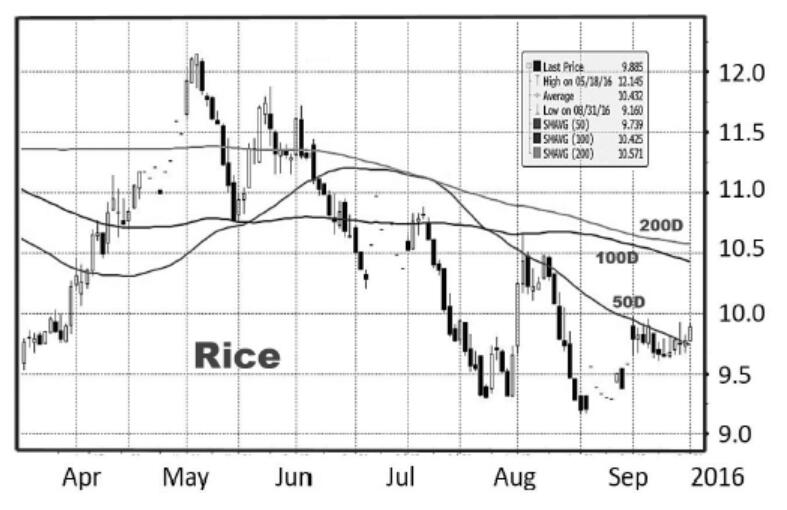
    作为预调查,第一轮调查包括了全样本100所高校中的19所,其中10所为名牌大学,即211院校 (含985院校)。我们特意抽取了更多的名牌大学来检验问卷的质量以及整个调查的组织情况。被调查院校分布于全国11个省市,涵盖了各大地理区域。为了基于小样本进行统计推断,我们根据两项指标将被调查院校分为八类,并据此构建了权重用于统计分析。两项指标分别为:院校类型(211院校)和院校所在区域(东北、北部、中部和西部)。每所院校的权重为总体中该类院校的总量与样本中该类院校数量之比。
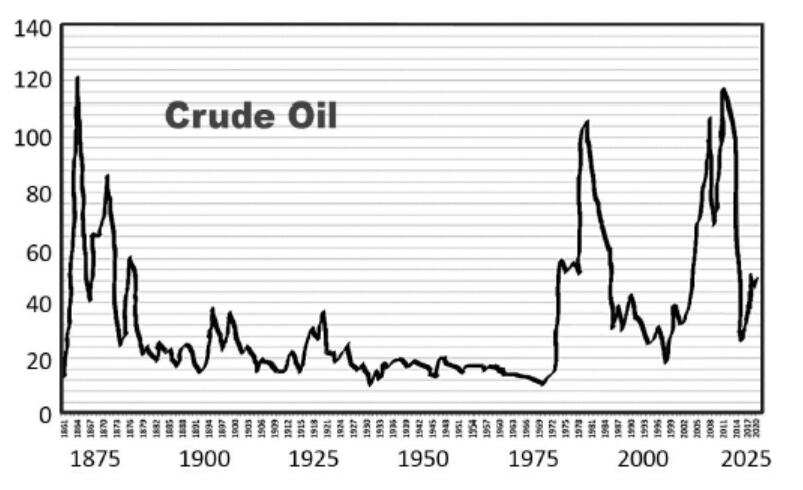
    我们在每所院校中随机抽取约300名应届毕业生。在被调查的全部6059名应届毕业生中,有3167名学生来自重点高校,2892名来自其他院校。在9所非重点院校中,6所为公立院校(2201名学生),2所为私立院校(415名学生),1所为职业学校(276名学生)。
    调查所使用的问卷是由包括经济学、社会学和教育学在内的各个领域的专家共同设计完成的。问卷内容不仅包括个人基本信息、家庭背景,还包括高考成绩、大学生活、毕业去向等问题。调查工作由各个样本院校选派的1-3名主管教学、学生工作的行政人员负责。我们在北京对他们进行了集中培训。学生填写完问卷后,问卷会被放入密封的信封里以保证匿名性。在所有问卷都填写完成之后,各校负责人收集完成的问卷并将问卷邮寄回北京。为了保证调查的整体质量,我们全程监督了各校问卷填答过程、数据收集及录入过程。
    表1为描述性统计结果,其中第 (1)列为全样本信息,第 (2)、(3)列分别为“非官二代”和“官二代”学生的信息。第四列为考虑权重后两组学生相关变量的差别,权重计算方法如前文所述。“官二代”的划分标准是学生父母中至少一人为政府官员,14%的学生符合“官二代”标准。

    表1第一部分是学生的基本信息。从平均水平上看,大学毕业生第一份工作的平均工资是2153元。“官二代”的平均工资比其他普通同学高出18%(2494元相比于2116元),但是加权后两类学生间的差距没有那么显著。我们将用多元回归的办法来检验控制了其他变量的影响后工资溢价是否依然存在。
    由表1可知,全部样本中有56.2%的学生是男生。有意思的是,“非官二代”学生中的男生比例比 “官二代”学生高 (56.9%相比于51.7%)。学生的平均年龄为22.9岁,在 “非官二代”学生与“官二代”学生之间差别很小,分别为22.9岁和22.6岁。16%的学生父母中至少有一人有大专及以上学历; 不过“官爸爸”、“官妈妈”中有大专及以上文凭的比例比普通父母高出6倍多(59%相比于8.4%)。官二代家庭收入比普通家庭收入也高很多,高出2倍有余(76924元相比于35142元)。
    表1的第二部分报告了学生文理分科情况和标准化后的高考成绩。基于省内参加同类考试的学生高考成绩的平均值和标准差,我们对所有高考分数进行了标准化,公式如下:(学生分数-平均分)/标准差。由定义可知,标准化后的分数均值为0。样本中约75%的学生为理科生。有意思的是,出身普通家庭的学生中理科生的比例更高 (74.0%相比于70.3%)。“官二代”学生的数学成绩更好,但理综/文综成绩更差。不过这两类学生的其他成绩差别不显著。

    表1的第三部分报告了学生在大学期间所获得的人力资本,包括英语等级考试成绩,是否有技术等级证书,是否有工作经验,是否是党员,以及是否有学生会干部经历。从表中可以看到,与来自普通家庭的学生相比“官二代”的更低,但是英语成绩较高。同时,大学期间普通家庭的学生从事打工兼职的可能性也更高。不过,两类学生在持有技术等级证书、入党和担任学生会干部方面没有明显区别。

    在附表中,我们还给出了“官二代”大学生和非“官二代”大学生就业行业的百分比分布。相比之下,“官二代”大学生更多地在金融业以及党政机关/群众组织/社会团体/国际组织等行业就业。

    实证研究模型

    在本部分中,我们建立了一个简单的计量模型来展示我们的研究思路。 假设收入由以下方程决定:

    lnW2 =α+βP1 +γX1 +δX2 +ε 方程(1)

    其中,lnW 为大学毕业生第一份工作工资的对数,P 为“官二代”的虚拟量,1代表父母中至少一人具有行政级别,0代表没有。这里的“官”包括任何有行政级别 (包括副科及以下)的人,他们的工作单位性质可以是党政机关、事业单位和国有企业。X表示其他影响收入的变量。X1表示父母特征变量,X2表示学生特征变量。ε为误差项。系数β是要估计的父母的政治资本给孩子带来的工资溢价。
    当且仅当P独立于误差项ε的时候,普通最小二乘法对β的估计是一致的。但是由于以下几个原因,P可能会与误差项ε相关。
    第一,父母当官对孩子收入有正影响的原因可能在于父母其他方面的特征帮助了孩子。因此除了父母的政治资本之外,我们还需要控制父母其他方面的特征,如父母的户口、人力资本和收入。
    第二,“官二代”可能能力更高,而能力和收入正相关。对这个问题最简单的处理方法是找到一个可以衡量能力的代理变量,并将其包括在回归方程中。前人在研究教育回报时采用高中考试成绩、IQ值、AFQT成绩和其他类似的能力考试的成绩作为不可观测的能力的代理变量。在我们的数据中,学生报告了高考成绩。如果高考成绩是能力的合理或近似合理的度量,那么将高考成绩加入方程会减少“能力偏差”。调查中我们不仅获得了高考总成绩信息,还获得了学生各科的高考成绩,包括数学、语文、英语、理/文综。这些成绩可以用来度量学生不同方面的能力。
    第三,“官二代”就读的院校可能更好,或者他们在本科学习中积累了更多企业需要的技能。这两个因素对学生毕业后的起薪都有促进作用。我们的调查提供了非常丰富的信息,使得我们可以对学生的大学以及大学表现的异质性进行很好的控制。
    不过,我们无法观察到所有影响大学毕业生起薪的因素。尽管我们较为全面地控制背景变量可以减少潜在的遗漏变量问题,但是我们仍然无法从根本上消除其影响。

    父母的政治资本有工资溢价吗?

    通过对回归方程式 (1)的估计,我们估计了“官二代”和非“官二代”大学毕业生在首份工作的工资上的差别。回归中,因变量是工资的对数值。 由于观察对象均为大学生,因此没有引入受教育年限作为自变量。全部的回归都考虑了权重。回归系数估计值的标准差是异方差稳健的,并在各省内聚类(cluster)。

    (一) 基 本 结 果

    表2的回归结果表明“官二代”毕业后首份工作的工资更高。第 (1)列中的回归包含3个解释变量: “官二代”虚拟变量、性别和年龄。“官二代” 虚拟变量的系数在1%的水平上显著,其估计值为0.133。这意味着相比于普通家庭学生,“官二代”的工资溢价为13.3%。根据Zhang et al. (2007) 的估计,这个溢价约为两年教育的回报。另外值得注意的是男生的工资溢价约为20%,考虑到学生之前均没有工作经验,这个差距还是相当大的。由于学生之间年龄差距不是很大,所以年龄对工资的影响并不显著。

    父母做官之所以对下一代收入有正的影响可能是因为“官爸爸”或“官妈妈”其他方面的特质影响了下一代。由表1可知,“官爸爸”和“官妈妈” 整体上的教育水平更高、收入更高。有鉴于此,我们分别引入以下因素作为控制变量:第 (2)列的父母户口虚拟变量(是否为城镇户口)、第 (3)列的父母收入(取对数)、第(4)列的父母学历虚拟变量(是否至少一人有大专及以上学历)。在第5列中,我们还控制了学生来源省份的固定效应。在控制了这些变量后,“官二代”身份对起薪的影响基本没有变化; 第5列显示,“官二代”虚拟变量前的系数依然在1%水平上显著为正,大小为12.1%。
    表2的最后一列显示进一步控制行业虚拟变量之后的回归结果。在控制了行业变量后,“官二代”身份对起薪的影响相对于先前的结果略有下降; “官二代”虚拟变量前的系数依然在1%水平上显著为正,大小为10.4%。
    正如我们所预期的那样,在所有回归中((3)-(6)列),父母收入对子女工资均有正向作用,且在1%水平上显著。由于父母收入、子女工资都是对数形式,因此收入前的系数代表弹性。估计结果表明父母收入每增加1%,子女大学毕业后首份工作的工资就增加3%,这个影响是很大的。此外,父母是否有城镇户口和父母是否有大专及以上学历对子女工资没有影响。

    (二)能力可以解释父母政治资本的工资溢价吗?

    以往研究表明中国官员的能力比普通人更强。如果 “官爸爸”、“官妈妈”的这些能力禀赋可以遗传给子女的话,那么“官二代”与“非官二代”学生之间的能力禀赋有差别,那么将两者的工资进行比较就无法得出父母的政治资本有工资溢价这个结论。由于无法利用自然实验,因此目前处理这个问题的最好办法就是在方程中引入能力的合适代理变量。中国大学生绝大部分都要参加高考,而且他们在高中时都是尽全力准备高考。因此,高考成绩可能比较好地度量能力。
    通过研究“官二代”是否更重视理科(相对于文科),以及“官二代”的高考成绩是否更好,我们首先对“官二代”是否比普通大学生能力更强这个问题予以验证。表3第(1)列研究了哪类学生在高中 (和大学)更倾向于学理科。“官二代”虚拟变量前的系数为负并在10%的水平上显著,说明“官二代”更倾向于在高中(和大学)学文科。我们同时发现男生和年龄更小的学生更倾向于学理科。不过,户口、收入甚至父母学历都没有显著影响。

    “官二代”在高考中表现更好。表3的第 (2)—(6)列中,我们分别以高考总分、数学、语文、英语和理/文综成绩作为因变量进行回归。“官二代”高考总分、数学成绩更高,但是另外几科成绩与普通大学生不分伯仲。以上结果表明,在工资方程中引入高考成绩作为控制变量是非常有必要的。

    其次,我们来研究“官二代”的工资溢价能在多大程度上能由高考成绩来解释。我们先来看 “官二代”工资高是否与他们更倾向于学文科有关系。表4第 (1)列在表2第(5)列的基础上引入理科生虚拟变量。结果显示理科生虚拟变量前的系数不显著,这说明是否为理科生不会影响到首份工作的工资。进一步的,理科生虚拟变量的引入对“官二代”虚拟变量前的系数也没有影响。

    表4的回归结果表明“官二代”并没有因为能力更强而获得工资溢价。第(2)列的结果表明,高考总分的估计系数为正但并不显著。更重要的是,它的引入没有明显改变“官二代”虚拟变量的系数估计结果,这意味着“官二代”的工资溢价不是由于难以观测到的能力或智力因素导致的。

    在第 (3)-(5)列中,我们以数学、语文和英语成绩代替高考总分作为控制变量分别进行回归。类似的,各科成绩前的系数为正但都不显著。在最后一列,我们将四科成绩同时放入方程进行回归。尽管四科成绩的系数联合显著,但是“官二代”虚拟变量的系数并没有明显变化。

    为什么父母的政治资本会有帮助?

    前面的研究结果表明,“官二代”大学生毕业后的首份工作工资更高,且这不是由于学生的能力差异或者父母其他方面的特性所导致的。本部分就“官二代”获得工资溢价的可能原因进行探讨。特别的,我们想对两类可能导致工资溢价的因素予以检验: 院校选择与大学期间的人力资本积累。

    (一)“官二代”选择更好的院校了吗?

    “官二代”在职场上更有优势可能是因为他们上了更好的学校或者在有“工资溢价”的学校读书。高考志愿填报是一个非常讲究策略的事情。考生对风险的不同态度、对院校相关信息的了解、和学校的关系、大学的费用都是影响他们填报志愿的重要因素。如果出身官员家庭的考生有信息优势,有关系,填报志愿时风险承受能力更强,经济条件更好的话,那么他们上好大学的机会就更大。
    由表5回归结果可知,“官二代”和“非官二代”上好大学的几率相当。第(1)列以各校平均的高考录取分数为因变量进行回归,录取分数越高,代表学校更好。自变量与表4类似。“官二代”虚拟变量前的系数小且不显著,说明“官二代”在上好大学(以高考平均分衡量)方面并没有优势。第(2)列中,我们采用各校应届毕业生平均工资作为因变量进行回归,结果类似。

    表5的第(3)、(4)列估计了控制了学校质量之后工资方程,结果证实“官二代”身份所带来的工资溢价不是由于“官二代”上好大学导致的。更具体的,在表4基础上,表5第(3)列、第(4)列分别加入各校学生高考平均成绩、院校固定效应来控制院校质量。加入这些控制变量后,“官二代”虚拟变量前的系数依然显著且大小基本没有变化。有意思的是,学校质量本身影响大学生的起薪,因为各校平均录取分数系数在1%水平上显著为正。

    为了控制专业对收入的影响,在表5的最后一列,我们在回归中加入了大学专业的固定效应。结果显示,“官二代”虚拟变量前的系数略有增大,而且依然在1%水平上显著为正。

    (二)大学期间的人力资本积累能否解释工资溢价?

    “官二代”在大学期间可能积累了更多有助于提升未来工资的人力资本。这些人力资本是多维度的,可以用学分积、技术等级证书、党员身份、学生会干部经历或者是打工兼职(包括实习)经历等来测量。我们在本节中研究这些人力资本特质对大学毕业生的起薪以及 “官二代”的工资溢价的影响。
    基于回归结果,我们发现“官二代”与普通同学在学习成绩、获得技术等级证书方面不分伯仲,但是他们的打工兼职 (包括实习)经历更少。表6第1列的回归以学分积为因变量,自变量与之前保持一致。“官二代”虚拟变量前的系数小且不显著,这表明“官二代”在学习成绩上没有优势。英语对大学生而言很重要,所以我们也以全国英语等级考试成绩为因变量进行了回归。虽然之前的简单统计显示“官二代”的英语成绩更高,但是表6显示,在控制其他因素的影响之后,“官二代”在英语方面没有优势(第(2)列)。同时他们获得技术等级证书的几率与普通同学相同(第(3)列),但是在校期间从事兼职工作的可能性更小(第(4)列)。

    另外一个工资溢价的解释和入党的概率相关: “官二代”更可能是党员,而党员更容易获得政府机关或国企工作。更重要的是党员本身也是一种能力的标志,在职场中是一种积极的信号。但是表6第5列的回归结果表明,“官二代”入党几率与其他同学大致相当。“官二代”也许更多地在课余活动中培养了能力,比如担任学生会干部。但回归结果却表明大学期间“官二代”并没有在社会活动中更活跃。表6最后一列表明“官二代” 担任学生会干部的机会与普通同学不相上下。

    最后,我们将以上衡量大学期间人力资本积累的因素全部包括在工资方程中,其中包括:学分积、技术等级证书、学生会干部身份、党员身份和兼职经历。表7的(1)-(5)列中,我们将这些变量逐一引入方程,在第(6)列中我们将这些变量同时引入。大学学分积、党员身份和学生会干部经历对首份工作工资有正向影响;但技术等级证书和打工兼职经历不影响工资。更重要的是,在控制了所有这些变量后(第(6)列),“官二代”虚拟变量的系数没有明显变化,这表明大学期间积累的人力资本不能解释 “官二代”身份带来的工资溢价。

    结论

    本文的研究结果表明,父母的政治资本对高校毕业生第一份工作的工资存在显 著正向的影响, “官二代”大学毕业生的起薪比其他同学高出了13% (约280元/月)。在控制父母的其他特征,如户口、收入、教育等因素的影响之后,父母政治资本的影响甚至更大了。

    尽管我们无法利用自然实验来解决线性回归中存在的遗漏变量问题,但是我们可以通过控制大量可能影响工资的变量来降低可能存在的估计偏差。其中,最为重要的是,我们将高考成绩作为学生能力或智商的代理变量。在高考中取得好成绩是所有高中生的目标,他们努力学习的目的就是为了提高高考分数。因此,高考成绩可以较好地衡量学生的能力或智商。本文的回归结果表明,“官二代”的高考总分和数学成绩更高。但是,即使引入高考成绩作为控制变量,“官二代”大学生在劳动力市场上有明显工资溢价的结论依然成立。这说明,“官二代”和非“官二代”学生之间可能存在的能力差别不能解释“官二代”的工资溢价。

    中国大学毕业生就业追踪调查所收集的信息还使得我们可以研究父母政治资本通过哪些渠道来影响子女工资。研究发现,父母的政治资本对学生进入211院校读书的可能性、在校期间人力资本的积累情况都没有显著的影响。因此在控制了所有这些可能影响工资的因素之后,“官二代”获得的工资溢价仍高达12%。这些结果进一步说明,父母的政治资本本身对子女的工资是有帮助的。其原因可能是“官二代”父母与雇主间有着某些特殊的关系、也可能是 “官二代”父母有着更好的获取求职信息的渠道。

    尽管仍然存在一些不可观测的人力资本因素可能与 “官二代”身份相关,但鉴于我们可以观察到的人力资本指标都与 “官二代”身份不相关,我们基本可以认定剩余的工资溢价就是 “官二代”身份本身在大学生劳动力市场中的回报。

    即便剩余的工资溢价仍然可能是由不可观测的能力或人力资本引起的, 本文的研究结果依然对我们进一步理解社会公平问题有一定的启发。近年来, 新闻媒体、网络论坛中有很多关于中国“官二代”享受社会、经济等方面特权的讨论,这些讨论很容易激起民众的愤怒情绪。一个毫不怀疑的事实是, 当今大多数中国人都倾向于认为“官二代”是能够获得工资溢价的。我们的实证结果表明,“官二代”身份以外的可观测的家庭特征和学生自身的特征,并不能解释“官二代”所获得的工资溢价,这说明父母的政治资本本身有助于提高大学毕业生的工资。不过影响的具体机制还有待于进一步的研究,文献对此也没有很好的解释。

  • 彭姝祎:欧洲主要国家养老金制度改革及其启示

    文章来源:《社会保障评论》,2023年第2期。

    一、引言

    作为福利国家的发源地,欧洲是全球最早建立养老金制度的地区。二战之后,欧洲各国普遍建立了以现收现付为主要融资方式的公共养老金制度。从20世纪70年代中后期起,在日益严峻的人口老龄化趋势下,各国的养老金制度普遍遭遇财政危机,收不抵支,赤字巨大。从90年代前后起,为确保养老金制度在财政层面可持续,各国陆续启动改革,改革在断断续续中持续至今。

    改革的总方向是控制支出、减少赤字,各国的做法大致相同,即综合运用参数改革和结构性改革两种方式,一方面开源节流,减少公共养老金的财政压力;一方面增建职业/企业年金、个人养老保险/储蓄等基金制的支柱,将养老责任向市场转移。改革后,公共养老金的保障水平趋于下降,政府的责任降低,企业和个人的责任增加。整体来看,改革有效改善了各国养老金制度的财政状况,具有不可否定的积极意义,但同时也削弱了整个养老金制度的再分配性质,使养老金待遇在不同代际、不同性别、不同收入水平、不同技能和学历、不同就业性质的退休者之间出现了较大甚至是巨大的差异,某些群体的老年贫困风险随之增加,养老金制度的充足性受到冲击。欧洲国家的经验表明,养老金改革是一个系统工程,要综合考虑财政可持续性和充足性两大要素,避免顾此失彼。

    鉴于绝大多数中小规模的欧洲国家人口少、经济结构单一,参考意义不大,本文以英国、法国、德国和意大利四国为主要参照,这四国的养老金改革同时也具有典型意义。

    二、养老金改革的措施与结果

    过去二三十年间,在大体相同的人口老龄化压力下,欧洲国家普遍对养老金制度进行了改革,以应对日益加剧的收支失衡。改革通常有两种方式,一是参数改革,即对公共养老金制度的相关技术参数,如退休年龄、缴费年限、缴费率、养老金计发方式等进行调整,从而改变替代率和收益率,实现增收减支目的;二是结构性改革,即增建基金积累制的市场化支柱,让企业和个人承担一定的养老责任,减轻国家的财政负担。前者属于量变,后者属于质变。

    整体来看,各国均综合采用了上述两种改革方式,区别只在于改革的节奏、程度和力度。鉴于结构性改革较为激进,容易引发民众反对,甚至导致政府下台(比如法国),各国普遍选取了由量变到质变的改革路径,先从相对温和的参数改革着手,调整相关技术参数,直接或间接降低公共养老金的待遇水平,实现节流目的。当待遇下降到一定程度后,再“水到渠成”“顺理成章”地开启结构性改革,引进基金制支柱,以此来弥补公共养老金的削减。只有瑞典一步到位,于20世纪末将普惠性的公共养老金改为“名义账户”制,保留了现收现付的融资方式,但脱离政府预算、独立运行,从根本上改变了筹资模式和给付原则。

    (一)参数改革

    参数改革的主要目的是增收减支,各国普遍采用的措施大致可划分为三类。

    1.减支措施

    减支措施主要有:改变养老金的指数化方式,将曾长期施行的养老金待遇与工资挂钩,或与工资和物价中增速较快的一个挂钩,改为只与物价挂钩(英国、法国、意大利等),以间接放缓养老金的支出涨幅;修改养老金计发的参照基数,降低替代率,如荷兰由参照职业生涯末期工资(通常末期工资水平最高)改为参照整个职业生涯的平均工资,法国由参照工资水平最高的10年扩大为25年,英国将国家收入关联养老金(公共养老金的第二层)从参照工资水平最高的20年改为参照整个职业生涯,意大利从参照最后5年零1个月改为参照整个职业生涯;瑞典和德国将养老金与预期寿命或抚养比挂钩,从而随其变化自动调整。

    2.增收措施

    增收的首要措施是提高缴费率。德国将养老保险缴费率由最初的14%提高到了20世纪末的逾20%。但缴费率关涉劳动力成本,无限制上调将损害经济竞争力,故德国经过激烈讨论,做出了将缴费率稳定在20%的政治决定,以防止非工资性劳动成本上涨过快。目前德国的养老保险缴费率为18.6%,并规定在2026年之前禁止突破20%。法国将基本养老保险缴费率由最初的不足10%调整到了目前的15.45%。其次是改善抚养比,即领取退休金的老年人口和缴费的经济活动人口之比。随着分子即退休人口的持续增加,各国纷纷在做大“分母”即增加经济活动人口、扩大缴费群体上做文章,如创造条件促进女性就业、出台反失业措施促进青年人就业、引入青壮年移民劳动力、遏制普遍存在的提前退休现象、用财政激励手段提高老年人口就业率等。

    3.减支、增收并举的措施

    延长法定退休年龄是各国普遍采用的、既能有效减支又能增收的一举两得之策。如英国政府的估算表明,退休年龄每延长一年,大约可减少占GDP0.3%的公共养老金支出;同时人们每多工作一年,还能带来相当于GDP0.1%的额外收入;荷兰政府指出,从2001到2039年,若将退休年龄延长2年,则支出将减少约10%。

    和改变养老金计发方式、调整缴费率等措施相比,延长退休年龄是高度显性的,容易引发反对,为此各国纷纷采取了渐进、弹性的方式,以“月”“季度”等为单位逐步延长,同时配套以正向和反向的激励措施,即提前退休减扣养老金、延后退休增加养老金。意大利等国则在法定退休年龄和预期寿命之间建立了自动关联上调机制。由表1可见,西欧绝大多数国家的法定退休年龄已延至65岁以上,同时以灵活的姿态,允许重体力等从事“艰苦”“有害健康”工作的劳动者或很早便开始职业生涯、缴费年限足够长的劳动者提前退休而不减扣养老金(法国、德国、瑞典等)。在退休年龄存在公私部门差异的国家(在意大利、英国、法国,公共部门退休年龄低于私人部门),为提高延迟退休的合法性、降低改革的阻力,往往先把两者的退休年龄拉齐,之后再共同延至同一水平。

    (二)结构性改革

    参数改革有效增强了公共养老金制度的财政可持续性,同时为结构性改革腾挪了空间、创造了条件:当公共养老金的给付水平随参数调整下降、养老金日渐不足时,增建基金制的支柱来弥补不足便显得水到渠成。因此,在参数改革进行到一定阶段后,各国陆续立法开启了结构性改革,鼓励创建企业/职业年金、个人养老保险/储蓄等,将养老责任向企业和个人转移,让市场发挥作用。

    经过改革,各国大体形成了三支柱的养老金体系,但三支柱的发育程度以及各支柱在整个养老金体系中的占比存在很大差异。英国、瑞典建成了比较鲜明的三支柱体系,法国和意大利处于起步阶段,德国则介于两者之间。

    从20世纪80年代撒切尔夫人执政起,英国就开始对养老金制度进行结构性改革,将养老责任大幅度向个人和企业转移:一方面压低公共养老金的给付水平,只提供最基本的保障;另一方面凭借税费减免、立法支持缴费确定型职业年金等方式鼓励发展职业年金,并立法引入“自动加入”机制,将职业年金由自愿转为半强制;同时以奖励方式鼓励人们退出国家收入关联养老金,加入职业年金或个人养老金。上述措施极大地促进了基金制的发展,使英国最终形成了由公共养老金、职业年金和私人养老金组成的三支柱的养老金体系,其中公共养老金是低水平的普惠制度,覆盖面广但保障水平有限,毛替代率仅为22.1%(2016年),不到欧盟国家平均水平的一半,反之市场支柱发达。

    瑞典经过结构性改革,建立了一个鲜明的三支柱养老金体系,将养老责任从国家和雇主转移到了国家、雇主和个人。基本养老金支柱日益薄弱,国家的责任得到较大幅度的缩减,市场的作用显著上升。

    德国的公共养老金制度在参数改革后保障水平骤降,替代率由从20世纪90年代的70%降至2000年前后的不足50%,为政府“顺理成章”地引进基金制创造了条件,按照施罗德的说法,即“以结构改革替代待遇减缩”。2000年前后,德国通过李斯特改革,从法律层面正式引入基金制,以财政补贴、税收抵扣等方式鼓励人们购买政府认可的商业性养老保险项目。同时针对企业年金不够普及的局面,以税收激励、财政补贴等措施,鼓励雇主建立企业年金。经此改革,德国单支柱的养老金制度开始向多支柱转变。

    法国以现收现付的养老金制度为绝对主导——该国不仅有强制性的、现收现付的基本养老保险(即公共养老金),还有一个同样是现收现付且强制性的补充养老保险,两者相加替代率在70%左右。因此,尽管法国在参数改革后,公共养老金的待遇水平也有一定程度的下降,但和英国、德国等国相比,养老金仍然较为充足。尽管在2000年左右,法国也立法引入了基金制的职业年金和个人储蓄计划,但是基金制的支柱发育缓慢,在整个养老金制度中的占比长期不足5%;2010年以来,法国多次就养老金的改革方式在全民范围内发起讨论,探讨深化结构性改革、加强基金制支柱的可行性,但现行养老金制度的充足性以及深刻的历史教训(见下文),使法国民众对基金制抱有高度戒心,宁愿牺牲待遇水平也不愿放弃现收现付支柱的主导地位。

    意大利的情况和法国类似,该国现收现付的公共养老金替代率高,即使在紧缩性的参数改革后仍高达80%(公共部门更高,在95%以上),因此基金制的支柱——部分引入名义账户制、立法推进企业年金等——引入较晚,发育缓慢,形成了“发育不完全的多支柱”体系。

    基金制并不是新鲜事物,德国最初建立的养老保险制度就是基金制,该制度一度维持着高水平的积累,但随后在两次世界大战、货币改革等因素的影响下,养老基金严重缩水,一度到了只够维持二周支出的地步,这使德国在1957年痛下决心将法定养老保险的融资方式改为了现收现付。法国在20世纪30年代也建立了一个基金制的养老保险制度,但该制度在随后的大萧条以及二战后的金融失序中遭遇毁灭性打击,基金断崖式缩水,退休者失去了保障、生活难以为继,这也是法国人在“降低公共养老金待遇水平”和“进行结构改革,大力发展基金制”的选择中倾向于前者的原因之一。21世纪以来英国也遭遇了类似问题,在2008年的全球性经济与金融危机中,由于基金制规模庞大,英国受到的冲击也较大,养老基金大幅度缩水,导致英国的老年贫困率大幅上升。2008年危机还使部分原本打算向基金制转型的中东欧国家废除了该支柱。近期受特斯拉政府预算改革的影响,英国养老金现暴雷风险,基金制脆弱的一面再次显现。

    (三)改革结果

    各国参数调整和结构性改革相结合的措施有效缓解了养老金制度的财政压力。2016年法国的统计表明,在2010年以来所有改革措施的作用下,法国的养老金收益将逐步下降,降幅在2020、2030和2040年均相当于GDP的1%,到2040年养老金占GDP的比重将下降1.04个百分点。意大利在2011年改革后,平均养老金与劳动者人均GDP之比出现了较大幅度的下降,预计到2046年将由2016年的17.5%降至15%。意大利社保局2016年年度报告显示,2015年公共养老金支出占当年GDP的比重为16.69%,如不实施任何改革,该比重将超过18%,之后直线上扬,预计到2026年左右将突破21%,政府的财政负担将更加沉重。

    三、改革的负面结果

    尽管改革有效提高了养老金制度的财政可持续性,但同时也带来了不容忽视的负面后果:随着公共养老金保障水平的下降,养老金制度的收入再分配功能受到削弱;未来,退休者的养老金水平差异将随着他们在代际、性别、收入、技能和学历、就业性质(正规就业或非正规就业)等方面的差异而扩大,养老金制度的充足性受到冲击。

    (一)当下退休对比未来退休:改革带来养老保障的代际差异

    改革将导致养老金待遇水平的代际差。首先,随着退休年龄的延长和养老金计发标准更加严苛,未来一代退休者整体上将工作更长、缴费更多、收益更少。以改革较温和、法定退休年龄最早(62岁)的法国为例,该国的研究表明,以“终身”为单位,养老金替代率将在代际之间递减:从“50后”(20世纪50年代生人)的55%减至“90后”的45%;养老金的缴费率和收益损失率则递增,前者从“50后”的23%升至“90后”的27.8%,后者从“50后”的1.2%升至“80 后”的4.5% 和“70 后”的5.9%。意大利引入名义账户制后,养老金收益缩水,代价将由未来几代退休者承担,这引发了有关“代际撕裂”的激烈讨论。经合组织的相关报告也表明,在职业生涯完整的前提下,最近进入劳动力市场的人(1996年生人)和大约15年前退休的人(1940年生)相比,平均退休金替代率将下降近6个百分点。

    其次,改革导致未来的退休者更多地依赖市场支柱,但市场支柱不具备再分配功能,能否从中得到充分保障主要取决于能否“进场”以及金融市场这两大因素。一方面,“进场资格”与就业企业、就业性质、个人经济状况等因素息息相关,下列因素势必导致一部分人特别是低收入群体难以进场:一是大多数国家的职业年金是自愿性质,只覆盖部分人口;二是大多数国家的职业年金有准入门槛(收入要求),这使低收入者或者被挡在外面,或者就算勉强拿到了“入场券”,低收入也只能换来低水平年金;三是低收入者往往缺乏购买养老产品或进行养老储蓄的财力,而不仅仅是一些“市场派”所宣称的投资未来的“眼光”;四是各国的职业/企业年金纷纷从待遇确定型转成了缴费确定型,这意味着收益的不稳定。另一方面,基金制支柱的增加意味着投资风险的增大,尽管金融市场有自我修复能力,但老年人的抗风险打击能力较差。经合组织的研究表明,2008年的全球性金融危机对老年雇员的打击最大,因为和年轻雇员相比,他们等待市场自我修复的时间有限,重建储蓄的时间少,再就业更难。

    综上,和当前的退休者相比,未来几代退休者的养老金收益将面临更多的变数,其贫困风险也将随之提升。正如牛津大学教授伯恩哈德·艾宾浩斯(Bernhard Ebbinghaus)指出的,“公共养老金和私人养老金相混合的制度将众多老年人置于危险之中,因为他们缺乏足够的与收入关联的补充养老金。”事实证明,在多支柱的混合制度中,公共养老金支柱占比低的国家的退休者贫困风险更高;反之公共养老金占比高的国家贫困风险更低。如图1所示:在欧盟28国中,法国作为公共养老金支柱占绝对优势的国家,退休者的贫困风险几乎最低(7.3%),是欧盟平均水平(15.3%)的一半。英国高达22.8%,是法国的3倍;德国和瑞典紧随其后。英国、德国和瑞典退休者的贫困风险在西欧国家中名列前茅。艾宾浩斯也指出,英国、瑞士等基本养老金支柱薄弱的国家具有相对中高的贫困风险;德国正在产生中等水平的贫困;而法国和一些南欧国家的贫困率较低。英国作为欧洲养老金市场化程度最高的国家之一,近三十年来老年极端贫困率和极端贫困速度的上升在西欧国家均名列前茅。2021年英国媒体指出,英国有近五分之一的养老金领取者生活在贫困中,这是自2012年以来的最高水平。

    (二)正规就业对比非正规就业:改革导致养老保障的“内部人”“外部人”分化

    改革使公共养老金的待遇水平与个人收入水平和缴费年限高度关联,进而在正规就业者和非正规就业者之间造成了养老保障的“内部人”(insiders)与“外部人”(outsiders)分化。换言之劳动者可获得的养老金水平与其就业安全日益相关。

    退休年龄延长、缴费年限增加等改革凸显了将职业生涯维持到法定退休年龄的重要性,只有能确保工作到退休的稳定就业才能够提供较为充足的养老金,而连续性和稳定性差的就业势必导致退休金减少,这就造成了养老保障的“内部人”和“外部人”分化。正规就业者因职业生涯的连贯而能够获得相对充足的保障,成为养老保障的“内部人”。而临时工、合同工、小时工等各类非全日制、非正规就业者则容易因缴费年限不足、缴费中断、缴费基数过低等因素而难以得到充分保障,甚至被抛出养老保障网(在缴费时长达不到最低缴费要求的情况下),成为养老保障的“外部人”。

    此外,和正规就业者相比,非正规就业者普遍不被职业年金所覆盖,且由于收入水平低而缺乏投资养老保险或储蓄的能力,因此不仅难以获得充足的公共养老金,而且在基金制的支柱中往往也处于不利境地。

    综上,非正规就业者未来将面临更高的老年贫困风险。早在2012年,辛里奇(Hinichs)和杰苏拉(Jessoula)就指出,“公共养老金在提供最低收入方面的慷慨对(预防)老年贫困仍然发挥着重要作用。为降低退休者的严重贫困率,我们需要最低的收入保障,特别是基本的、有保障的或最低的养老金。鉴于目前及未来劳动力职业生涯的中断和非正规就业的发展,这一点将变得更加关键”。然而最近十余年来,稳定的就业在所有欧洲国家均呈降势,取而代之的是非正规就业、临时性就业等。欧盟委员会针对欧盟国家的统计表明,从2002到2017年,非全日制就业人口在就业总人口(15—64岁)中的占比从15.6%上升到了19.4%,临时性就业也从12.4%升至14.3%,这引发了人们对未来收入不平等和养老金不充足的普遍担忧。经合组织也指出:“大多数社会保障体系是以稳定、线性的职业生涯为基础的,没有能力为非正规就业的劳动者提供足够的收入安全,他们中的很多人可能会被忽略”“新工作形式的发展有可能削弱未来几代退休者的收入前景”。典型例子是德国的小微就业。21世纪初,为促进就业,德国通过允许雇员免缴养老保险的方式支持发展“小微就业”,尽管该措施的就业促进效果十分显著,但同时导致小微就业者的养老金水平大大低于正规就业者,十余年后,小微就业者(特别是其中的女性)较高的贫困风险逐渐显现。

    (三)女性对比男性:改革带来养老保障的性别差异

    改革导致了养老金待遇水平的性别差异。和男性相比,女性因生育养育以及普遍承担更多家务劳动的缘故,其职业生涯和建立在职业生涯基础上的缴费记录面临更多的中断风险,进而面临更大的养老金待遇水平下降风险和老年贫困率上升风险。大多数欧洲国家逐步意识到了这一点,并在养老金的计发上对女性给予了一定的补偿和照顾,如将产假视同缴费期等。不过研究表明,类似的做法效果有限,无助于从根本上缩小基于性别因素的养老金待遇差。主要原因在于,出于照顾家庭等因素,女性更容易进入工作弹性较大的非正规就业部门。经合组织的统计表明,在非正规特别是非全日制就业中,女性的占比是男性的3倍;平均每4个在职女性就有1个就职于非全日制部门(见图2)。而非全日制就业的薪资水平普遍较低,按照经合组织的统计数据,非全日制雇员的平均收入比全日制雇员低一半左右。

    低收入叠加缴费时间不足,拉大了女性和男性的退休待遇差。统计表明,2015年,欧盟28国老年女性的平均退休金待遇比男性低四分之一;德国最甚,低40%,这和德国小微就业较多且从业者多为女性有关。2021年,德国女性的平均退休收入仍然比男性低将近三分之一;同年经合组织的报告显示,在全体经合组织成员国中,老年女性的平均贫困率(16.2%)均高于男性(11.6%),只有智利除外(男女几乎持平)。

    (四)法定退休对比提前退休:改革导致不同年龄退休者的养老待遇差

    改革拉大了老年人的退休待遇差,增加了一部分退休者的贫困风险,加剧了老年群体的贫富分化,特别是在养老金市场化程度较高的国家。原因在于,随着法定退休年龄的延长和与之相伴随的领取全额养老金缴费年限的增加,将职业生涯保持到最后一刻、进而获得全额养老金的难度不断加大。法国的研究表明,退休年龄从此前的60岁延至62岁以后,60岁以上劳动者的失业风险上升了7个百分点,且再就业的难度进一步加大。德国左翼政党指出,2008年金融危机以来,能满足全额养老金领取条件(65岁退休并缴费45年)的老年人只占全体老年就业者的20%,如果按计划将退休年龄延至67岁,则势必有更多的老年人失业。

    尽管如前所述,各国出于增收减支目的,纷纷出台措施鼓励老年人就业,但效果并不显著。就业与否归根结底由市场说了算,老年群体无疑缺乏竞争力,最终能否留在就业市场以及能留多久,与老年人自身的年龄、技能、学历、健康状况等息息相关。各国的经验都表明,年龄越大、学历和技能越低、健康状况越差,被劳动力市场淘汰的风险就越高。受劳动力市场青睐的老年人往往是高技能高学历者,而这部分人在任何国家都是少数。与之形成对照的是,占相对多数的低学历低技能的老年人很难将职业生涯维持到退休;对这部分人而言,即使能够继续就业,往往也是辗转在各类低薪、低技能的非正规就业岗位上。经合组织的研究表明,在65—74岁的在职老人中,只有15%在正规就业岗位;德国64岁以上的在职老人中,一半左右在餐饮、零售、家政等行业打零工,薪资微薄。法国针对2010—2015年公共养老金改革的研究也表明,改革对低收入人群和提前退出职场的人负面影响最大,50岁就退出职场的人平均退休金将减少10%。换言之,延迟退休等措施实行后,在劳动力市场的淘汰机制下,对很多人而言,延长的只能是低质低薪的就业,无法从延迟退休中受益。只有少数有良好教育背景的高收入群体才能延长“高薪高质”的就业并从延迟退休中受益。结果是,公共养老金从相对贫困的群体流向了相对富裕的群体。

    综上,退休年龄延长和缴费年限增加使很多无法将职业生涯维持到法定退休年龄的老年人受到负面冲击,进而在社会层面造成老年贫困率上升的恶果。随着问题的显现,一些国家开始反思相关政策并采取了一些补救措施:德国在2014年回调了延长退休的规定,进一步放宽了“提前退休不减扣养老金”的条件;意大利于2018年暂停退休年龄和预期寿命的自动关联,并放宽了对提前退休的限制,允许更多的群体提前退休;荷兰放缓了延迟退休的节奏——将原计划于2021年的延至67岁推迟到2024年,并计划在长期内放慢退休年龄和预期寿命的关联节奏,避免将预期寿命的所有提高都转化为退休年龄的延后;瑞典大约要到2026年才将领取全额养老金的时间调整到64岁。

    (五)低薪对比高薪:改革拉大不同工资水平退休者的养老金差距

    改革导致的公共养老金中缴费与待遇更紧密的关联,以及不具有任何再分配性质的基金制支柱的上升,对低薪者造成了严重的负面冲击。原因在于,一方面,各国的养老金几乎已悉数改为缴费确定型,因此在相同的替代率下,低薪者的养老金水平无疑更低;另一方面,低薪者往往是非正规就业者、自雇者等,难以被企业年金所覆盖,通常也缺乏足够的收入“进场”第三支柱,因此无论在现收现付支柱还是基金制的支柱都处于相对更加弱势的地位,特别是在类似英国那样的市场支柱发达的国家。在“国家保基本、其余人靠市场”的理念下,英国的老年贫困率更高,老年贫富差距更大。根据艾宾浩斯的研究,英国的基础养老金水平太低,只有平均收入的16%,而且需要长时间的缴费,这导致英国的老年贫困率长期在西欧国家排名第一。即便加上私人年金,英国的老年人也在最贫困之列。英国65岁以上极端贫困(即收入不高于国民平均收入中位数的40%)人口数量始终处于升势,所以英国很早就设立了零缴费的救助支柱,并不断提高救助标准。其他国家也大多设立了针对低薪老人的养老救助制度,或针对弱势群体的最低养老金。

    一言以蔽之,养老金改革后,女性、低学历低技能的老年人、60岁以上老年人、非正规就业者、低薪者、自雇者、被迫提前退出劳动力市场的低龄老人等群体,更容易成为改革引发的老年收入分配不公的牺牲品。这些群体通常是重叠的,譬如,一名60岁以上的老人,往往同时是低学历低技能低薪的女性非正规就业者(如家政服务人员、保洁人员、养老院护工等)。一部分人尤其是女性,很可能终身陷在保障水平极不充分的小微就业中,再难回到正规就业岗位。未来养老金水平的个体差异将日益加大。

    四、结语与思考

    由以上分析,我们可初步得出如下结论:养老金制度是个综合性的系统工程,目前普遍使用的三个评价指标,即充足性、完整性(覆盖率)和财政可持续性缺一不可。近三十年来,鉴于养老金的财政可持续性问题突出,欧洲各国纷纷聚焦于改善财政可持续性,通过改革不断降低公共养老金的待遇水平,客观上制造并加强对基金制的需求,进而引进基金制的养老计划,减轻公共养老金的财政负担。在此过程中,各国不同程度地忽略乃至损害了养老金制度的充足性,特别是那些基金制支柱占比较大的国家。

    基金制有其脆弱性的一面,法国、德国建立养老金的历史以及2008年的全球性经济与金融危机都曾不同程度地显现了这一点。2008年的危机还因“凸显了当个人的现金给付与金融市场的波动相关联时,养老金制度所面临的风险”而引发“基金制的养老计划是否适合作为养老保障资金机制的长期辩论”。客观地说,基金制和现收现付制各有利弊,不应盲目否定基金制,也不能否认多支柱的养老金体系在改善养老金财政可持续方面的重要作用。只是这方面的研究已较丰富,基金制的积极作用也已引起世界各国的充分重视。反过来,持续不断的改革对养老金充足性的损害尚未引起普遍关注和充分重视——因为其负面后果的显现需要一定的时间,因此本文着重强调这一点。

    欧洲三十余年的改革实践表明,在提高养老金制度财政可持续性的同时,不能忽略其再分配功能的降低对非正规就业者、自雇者、女性、失业者、低学历低技能者、低薪者等弱势群体的冲击,这些负面结果或许也是各国政府始料未及的。欧洲的经验提醒我们,要尽量客观而全面地认识养老金改革可能带来的消极后果,特别是对上述弱势群体的不利影响,以便未雨绸缪,做好防范或者补救工作。欧洲国家普遍采取了预防或补救措施,一是将病产假、失业、伤残等导致的缴费中断适度视同或折算成缴费。二是在改革的同时建立并加强由财政供款的“零支柱”养老救助制度,为改革后得不到充分保障甚至掉出养老金保障网的弱势群体构筑最后一道防线,这一点业已成为欧洲各国的共识,也是各种老年救助项目未在以增收减支为目标的改革中不减反增的原因。如德国于2020年出台了基础养老金制度(Grundrente),由联邦政府供款为终生工作缴费但法定养老金低于平均水平者提供一份附加养老金,该制度从2021年1月1日起实施,预计受益者将达130万。基础养老金的引入不仅提高了德国法定养老金的“底线水平”,而且缩小了低收入者与高收入者的养老金待遇差。欧洲的改革显示,在某种程度上,公共养老金和老年救助成了跷跷板的两端,当一端的支出因养老金待遇的削减而下降时,另一端的支出就会因贫困人口的增加而上升;一端下降得越快,另一端上升得越多。法国养老金改革后,政府用于失业保险、老年救助的费用有较大幅度的提高,2010年改革中节省出的140亿欧元中,15%用在了额外增加的各种救助上;1996—2013年,意大利公共养老保险支出增长了约79%,而养老救济支出增加了110%;英国每6个退休者中就有一个领取基于家计调查的救助津贴。养老金改革的目的原本是节约资金、减轻国家财政负担,但是贫困率的增加使得用于救助的费用不断提升。三是建立有效的最低收入机制,以应对福利与缴费记录关联的不断强化所导致的不充分不稳定就业者日益加剧的老年贫困风险。

    此外,对各国改革结果的比较研究再次证明了一个“老生常谈”的结论——公共养老金占比高低和老年贫困与收入不平等呈负相关,养老金责任越是从国家向市场转移,养老金制度的再分配性质就越低,减贫效果就越差,老年收入不平等现象就越严重。公共养老金无论何时何地都是预防老年贫困的最有效手段。在市场支柱占比高的国家,很多老年人被迫打零工来弥补养老金不足的现象也充分证明了这一点。

    一言以蔽之,养老金改革是一个随着经济社会和人口结构变化而不断动态调整的过程。即便是已建立现代养老金制度逾半个世纪的老牌欧洲福利国家,仍在不断地摸索改革。理想的养老金制度统筹兼顾充足性、完整性和财政可持续,但充足性和制度可持续之间存在一定的矛盾,这是世界各国普遍面临的难题。此外,没有脱离一国国情的、放之四海皆准的养老金模式;即便在一国之内,也没有放在任何历史时期皆准的模式。各国都应从本国的经济社会现实甚至历史文化传统出发,探索符合本国国情的养老金制度,使之既有能力为尽可能广泛的人口提供尽量充足的老年收入保障,也不超越特定历史阶段的经济财政能力。

  • 朱隽 等:货币国际化的国际经验和教训

    本文节选自《2022·CF40中国金融改革报告》分报告《资本项目开放和货币国际化的国际经验教训研究》第二节《货币国际化的国际经验和教训》。该分报告的课题负责人为CF40学术委员、丝路基金董事长朱隽,课题组成员包括艾明、林苒、刘璟。

    从美元、德国马克、日元、新加坡元等的国际化经验看,各国在货币国际化的过程中因立场差异而采取了不同的政策措施。但总体上看,其货币国际化的过程体现出以下几个规律:

    一、货币国际化进程是市场主导的,需遵循基本的市场规律,政府的政策不会改变货币国际化发展的根本趋势

    货币的国际化遵循基本的市场规律,既是一国综合实力的体现,也反映了市场主体对货币的接受和认可,并不会因为发行国政府的政策选择而出现根本性的变化。

    当本币国际化条件已经具备时,政府的抑制政策无法阻挡市场力量对本币国际化的驱动。联邦德国在马克国际化初期试图限制马克的国际化,但收效甚微,最终不得不顺势而为,解除限制性措施。

    联邦德国政府在1960-1980年对马克国际化一直持审慎态度,主动限制马克的国际化。1960年代,马克国际使用范围逐渐扩大,国际化势头明显。但联邦德国认为马克国际化会加大资本流入压力,对国内价格稳定和金融稳定构成挑战。因此,政府推出一系列限制措施:在资本流入方面,具体措施包括限制非居民投资境内股票、债券和货币市场;限制本国银行向非居民存款支付利息;对境外投资者持有债券的收益征税,增加其投资马克债券的成本等。

    同时,政府还限制境外马克使用。1968年,德央行与本国银行达成协定,银行只能在境内发行马克债券,央行对债券发行条件、规模有知情权和相当的影响力。非居民在德境内发行马克债券,其收入汇出境外时须兑成外币,不允许以马克的形式流出,从而避免境外马克市场的壮大。1970年代,德国仍采取管制措施,限制资本流入。

    表1 德国资本流入管制措施历程(1970-1974)

    资料来源:Tavlas (1991)

    限制政策对马克国际化起到了一定的抑制作用,但并未改变马克成为全球主要储备货币的发展趋势。

    一个突出表现是,在联邦德国限制资本流入的背景下,境外投资者持有马克资产的需求无法在境内市场得到满足,从而形成了体量庞大的离岸马克市场。境外投资者在离岸市场持有的马克资产规模,在1980-1984年一度超过其在境内持有马克资产的规模(见表2)。这一现象表明,市场在主动创造绕过限制措施的方式,限制政策效果有限。

    表2 1980-1989年境外投资者持有的马克资产

    数据来源:Tavlas (1991);单位:十亿马克

    随着欧洲经济一体化发展,马克国际化已成趋势,压抑市场需求的难度不断上升。正如1985年的德国央行的月度报告指出,“考虑到德国马克的国际地位,德国不可能改变现在发展趋势,马克必须保持相对其他国际投资货币的竞争力。”

    同时,德国金融市场的广度和深度进一步提升,抗风险能力增强,马克国际化条件已经具备。联邦德国在货币合作中扮演重要角色的意愿增强。以1979年3月欧洲货币体系(EMS)建立为标志,其他成员国的货币与马克挂钩,“通过接受德国货币政策的方式做出低通胀的承诺”(Fischer,1987)。德央行也认为,“在欧洲货币体系内,(马克)承担着主要货币的功能,充当着其他货币的‘稳定锚’。”

    表3 德国资本流入管制措施解除历程(1975-1986)

    资料来源:Tavlas (1991)

    解除限制后的马克国际化快速发展。马克在全球官方外汇储备中的占比,1970年约为2%,1980年为15%,1989年接近20%,90年代由于民主德国和联邦德国统一后的经济阵痛有所回落。马克是当时仅次于美元的第二大储备货币,其份额几乎是排名第三位日元的两倍。

    表4 1980-1989年主要货币在官方外汇储备中的份额

    数据来源:Tavlas (1991);单位:%

    二、政府可以在货币国际化进程中起到助推器、稳定器和润滑剂的作用,特别是可在投融资领域促进货币国际化进程

    虽然政府无法阻挡市场力量对货币国际化的驱动,但是,根据本币的国际地位与经济实力、金融实力发展的阶段性特征,政府可以利用“看得见的手”熨平波动,对货币国际化起到助推器、稳定器和润滑剂的作用。

    货币国际化初期,经济体的经济一般均能快速发展,经常项目往往存在顺差,本币自然呈现回流,因此,需要通过投融资活动向境外提供本币,形成境内境外市场联动和本币的循环。

    日本的“黑字环流”是这方面的典型例子。上世纪80年代,日本贸易顺差占GDP比重大幅攀升,美日双边贸易摩擦加剧。1986年,日本推出了“黑字还流”计划,旨在将国际贸易盈余、外汇储备和国内私人资本通过政府发展援助和商业贷款等渠道重新流回发展中国家,从而达到削减国际收支顺差等目标。

    “黑字还流”计划于1987—1991年施行,共三期约650亿美元 (见表5)。第一期侧重向国际开发性金融机构出资,额度100亿美元,约占同期GDP的0.5%。第二期通过国际机构、日本输出入银行、海外经济协力基金乃至民间银行出资,金额200亿美元,约占同期GDP的0.8%。第三期计划是日本配合布兰迪计划[1]的实质举措,额度350亿美元,约占同期GDP的1%。

    表5 “黑字还流”计划一览表

    资料来源:朱隽,《新形势下的人民币国际化与国际货币体系改革》

    从具体构成看,“黑字还流”计划既包括官方的对外援助,又包括了商业性的贷款。总体而言,贷款的优惠程度高、期限长、附加条件少。从资金来源看,既源于日本财政预算,又包括私人部门资金。从资金流向看,主要流向发展中国家,尤其是亚太地区的能源、原材料出口企业。部分资金有选择性地被用于进口日本的机械设备,并在项目投产后将产品出口到日本,以获取日元收入偿还贷款。

    从组织形式看,“黑字还流”计划充分利用了国家金融机构力量。日本不仅直接参与国际金融机构增资,而且在多边开发机构下新设日元特别基金,还鼓励日本金融机构与国际金融机构开展平行贷款和联合融资。

    总体看,“黑字还流”计划在加快对外投资发展、改善日本国际收支平衡等方面起到预期的作用,基本实现了计划的初衷。

    一方面,日本企业对外投资大幅增长。1985-1989年,日本对外投资从1985年的122亿美元增长至1989年的675亿美元,成为当时世界上第一大对外投资大国。按照海外资产排名,1990年全世界最大的100家非金融类跨国公司中,日本有12家,仅次于美国(26 家)和法国(14 家);1989年日本海外银行资本达19672亿美元,超过美、英、法、联邦德国四国总和,占全球国际银行总资本的40%。

    另一方面,日本国际收支平衡状况改善。1987-1990年,日本经常项目顺差从870亿美元减少至358亿美元,1987年后日本外汇储备基本稳定在900亿美元左右。

    图1 日元外汇交易金额及占比

    数据来源:BIS

    与此同时,“黑字还流”计划推动了日元国际化水平提升。日本出口中以日元结算的比重自1986年的35.5%升至1990年的37.5%,进口中以日元结算比重自9.7%升至14.4%;全球离岸债券中日元债券发行量占比自1985年的7.7%升至1991年的12.9%;全球跨境贷款中日元贷款的占比自1985年的5.7%升至1991年的11.6%;各国外汇储备中日元资产的占比自1985年的8.0%升至1990年的9.1%;全球主要外汇市场上,日元交易量曾于1989年达到第二位,仅次于美元。

    “黑字还流”计划恰是抓住了日本经济腾飞的重要时间窗口,有力地支持了日元国际化进程。因此,一国要进一步推动货币国际化,在坚持市场主导的基础上,政府可以积极有为,为充分发挥市场作用创造更好的环境和条件。

    三、货币国际化需要利率和汇率实现市场化

    从利率的角度看,市场化的利率是促进货币自由使用的制度基础,对于推动货币国际化至关重要。受到管制的利率会导致资金价格扭曲,影响资金配置效率,市场主体也难以对资金和各种金融产品进行合理定价。资金价格扭曲还会引致套利行为,对经济和金融体系产生冲击,阻碍货币在国际上被接受和认可。

    从美国利率市场化的经验看,利率市场化与货币国际化是相互促进,协调发展的。美元开始成为国际货币有其特定的历史背景,美国凭借其强大的政治、经济和军事实力,在两次世界大战中加强资本输出和商品输出,成为当时世界上最大的债权国,拥有接近全球一半的黄金储备,为战后美元取代英镑成为世界货币奠定了条件。

    美元的金融市场开放和货币国际化采取的是先外后内的顺序,即通过依次实现货币国际化、放松资本管制、汇率自由化和利率自由化来实现金融市场开放的。当然,这也和其特殊的历史环境相关。

    1929-1933年的经济危机之后,存贷机构之间出现了恶性竞争,为此美联储宣布对存款利率上限实行管制(即Q条例)。但到了1960年代后期,利率管制弊端日益暴露。僵硬的资金价格不能使资金流向优质的银行。特别是当时美国经济出现“滞胀”现象,通胀率一度高达20%。对存款的利率管制导致美国公众不愿意将资金存入银行,出现“金融脱媒”现象。而且商业银行等存款性金融机构筹资能力受挫,美国银行业出现经营危机,大量银行破产。

    在此背景下,1970年尼克松政府成立专门委员会主张放松金融管制,实现金融自由化,至1980年美国颁布《1980年银行法》,废除Q条例,开始利率市场化,并于1986年真正实现利率市场化(见表6)。

    回顾历史,1970-1986年为美元国际化程度下降阶段,美元的官方外汇储备占比也呈逐年下降的趋势,这一方面原因在于布雷顿森林体系瓦解后,英镑、日元和马克等货币在各国央行的占比逐渐提升,对美元国际化造成一定挑战;另一方面在于美国这一阶段处于金融市场开放的起步阶段,金融市场开放度相对较低(Chinn, Menzie, 2006)。

    表6美国取消利率管制进程(1970-1986)

    资料来源:盖笑婷,《浅谈美国利率市场化改革的进程与经验》

    利率完全市场化加快了美国金融体系的创新,使其进入高速发展阶段,为境内外投资者提供更多成本低、安全性高、流动性强的美国金融工具。美国股票市场价值占GDP的比重也一直处于高位,为美元持有者提供流动性和开放型的金融市场,巩固了美元的国际地位。

    从汇率的角度看,相对于金本位制度下固定汇率制度是天然的选择,在信用本位制度下,浮动汇率制度是必然的选择(Kenen,1969、1988)。蒙代尔“三元悖论”明确指出,固定汇率制度、资本自由流动和独立的货币政策三者不可能同时实现。货币国际化伴随资金的自由流动,要求汇率更加市场化。非市场化的汇率将导致失衡的累积,限制宏观经济的调整能力,只有市场决定的灵活汇率才能够吸收外部冲击,促进实现经济内外部均衡,降低危机发生的可能性。实证研究表明,保持汇率充足的灵活性,对帮助经济体隔离在经济开放过程中可能面临的外部冲击具有重要意义(Barry Eichengreen,2020)。

    布雷顿森林体系崩溃后,美国继续在世界信用货币体系中充当 “领头羊”的角色。在此背景下,德国马克国际化可分成两大阶段(安冉和冷德穆,2010):准备和起始阶段(1948-1985年)、开拓进展阶段(1985-1999年)。

    1973 年马克开始实行浮动汇率制度,灵活的汇率则有利于其及时调整国际收支的各种失衡,应对资金跨境流动带来的冲击,对于巩固和提升货币的国际地位有重要意义。1983 年之后德国发行马克债券,为马克的国际化提供了基础。

    在这一阶段,欧洲货币体系成员国改成盯住马克,欧洲货币体系逐渐演变成“马克区”。德国的贸易结算份额与国际债券份额也呈现上升趋势。德国马克在1980 年被纳入特别提款权,占比达到19%仅次于美国的42%,从而成为SDR 的第二大货币。

    在开拓进展阶段,1986 年德国成为世界最大的出口国,经济快速发展,同时不断开放金融自由化,促进马克国际化发展。1990 年德国统一,货币也实现了统一,之后随着德国经济实力的飞腾,国际话语权增加,尤其是在欧洲,马克成为主要的结算与支付的货币,并成为继美元之后的第二大国际货币。

    结合分析1975 年至1998 年马克汇率变化与货币国际化,如图2所示,德国马克在国际上的地位迅速提升,尤其是国际储备份额增长迅速,1989 年德国马克国际储备份额达到巅峰,同期马克的国际债券份额一直保持很高的水平。

    在这个阶段,随着德国经济实力的变化,实现经济体内外部均衡的潜在均衡汇率水平也出现了调整。在灵活汇率制度下,德国马克汇率有升有贬,实现了市场化,因此德国能有效应对外部冲击,推动其货币国际化进程。

    图2 德国马克汇率及马克国际化

    资料来源:CEIC,廖明珠《货币国际化阶段性分析及网络外部性与汇率影响研究》

    四、货币国际化要求建立发达和开放的金融市场

    从供给的角度看,一个开放、成熟和具有相当深度的金融市场能够为投资者提供类型广泛的金融工具,投资者可以进行投资组合防范和化解风险,从而便利投资者投资特定货币计价的资产,提高此货币国际化的程度(并且影响对该货币的需求)(Samar Maziad等,2011)。

    同时,货币国际化需要金融基础设施作为支撑,深层次的金融市场拥有高度的流动性,外部网络优势的存在可以促进交易成本的降低(Karen, 2009)。

    因此,发达的金融市场对于货币国际化而言是必不可少的。如果一国对其金融市场发展予以限制,将会使该国的货币在国际资本市场上失去竞争力,影响其货币国际化的进程(Tavlas, 1992)。

    回顾美元崛起和发展的历程,完善的金融市场是其确立全球主导货币地位不可或缺的要素。

    Eichengreen和Flandreau(2012),Chitu,Eichengreen和Mehl (2014)均指出,有深度、稳定的金融市场在美元替代英镑成为国际货币体系中的主导货币的过程中发挥着至关重要的作用。

    在美联储成立之前,纽约金融市场的发展受到许多约束,美国的银行被禁止进行银行承兑汇票的交易,并且禁止其设立海外分支机构。国内市场缺乏流动性,市场上的商业票据流动性很差。因此,直到1914年,尽管美国已经是世界上最大的贸易国,美元在国际贸易和国际支付中所发挥的作用仍然不大,几乎没有以美元计价的证券和信贷。

    1913年美联储宣告成立,《联邦储备法》废除了某些禁止金融交易的条件,监管部门放宽了商业银行可以持有的汇票数量和种类,这些措施提高了美国与其他国家之间的贸易以及外汇交易往来。与此同时,美国加快了金融市场的建设,建立了银行同业间以美元计价的贸易承兑汇票市场。美联储则通过成为该市场做市商的方式,提供再贴现,为市场注入大量美元。

    1924年,全球以美元结算的商业承兑汇票的规模超过了英镑两倍,在各国中央银行和政府的外汇储备中,美元所占的比例已经超过英镑(Eichengreen,2011)。美元迈出了成为国际货币体系主导货币的第一步。

    到1931 年,美联储已经是市场上最大的投资者,由纽约发行并且以美元计价的国际债券和贸易借贷份额增长迅速。美国金融市场进一步深化,流动性和开放性进一步提高,美元的国际作用也日益提高。第二次世界大战的爆发加快了这个转型过程:美国大规模给英国和其他欧洲国家放贷,逆转了二者之间债权国和债务国的关系,战争的爆发使得黄金从英国等欧洲国家输出到美国,纽约成为最主要的金融中心,伦敦逐步丧失其地位(Havard University,2012)。

    1960年代,美国推进金融自由化和金融创新,美元债券市场不断壮大,投资者美元资产持有量大幅提高,美国国债也逐渐成为各国外汇储备重要构成,美元地位快速提升。在1973年布雷顿森林体系崩溃之后,正是高度发达的金融市场有力地支撑了美国的国际化和美元霸权地位(Lim, 2006)。

    在全球金融危机爆发后,人们对于美元能否继续保持其国际角色保持疑虑,但美元的主导地位并未发生根本性改变。造成这一现象的根源在于美国仍然是世界上最大的经济体,仍然拥有世界上最大的金融市场。特别是对于中央银行的储备管理者而言,美国国债市场是世界上流动性最充裕的金融市场,外国投资者愿意在美国市场交易,这反过来又给美国市场带来了更大流动性,这是一个自我强化的过程。因此,在竞争国际金融中心和储备货币地位时,“在位”货币占据优势,在相当长一段时间内美元仍是主导货币(Eichengreen,2011)。

    日本金融市场则备受管制、发展滞后,是日元国际化失败的重要因素。

    在日元国际化早期,日本政府认为国际化会冲击本国经济、损害本国国内金融和资本市场,对日元国际化采取消极抵制的态度。拐点事件是1984年日美日元美元委员会的设立。1985年日本财务省发表《金融自由化与日元国际化的现状和展望》,解除了对欧洲日元可转向定期存款的禁令,并使日元兑换可自由化。但有文献指出,这一阶段金融和资本市场发展实行的是“双轨政策”(two-track policy),即为了缓解外界压力,开放日元在离岸市场的使用,同时考虑到国内既得利益者的顾虑,放慢日本国内金融市场的开放程度,导致其发展落后于其他发达经济体(Samar Maziad等,2011)。

    研究表明,日本金融市场存在一些根深蒂固的问题(Murase Tstsuji,2000)。一是金融市场基础设施发展缓慢,日本银行业仍采用传统方式支付结算,日本银行支付结算系统营业时间短、转账效率低的问题长期得不到解决。债券市场仍执行50年前的登记及交易体制,而同期欧美早已标准化、电子化。此外,日本证券统一集中结算系统建设缓慢,限制了股票市场的发展。

    二是债券市场发展不成熟,特别是日本国债市场。在1995年之前,日元一直是位居美元、德国马克之后位列第三位的国际货币,但与其它发达经济体相比,非居民持有的日本政府债券的占比却仅有10%(见图3),这个比例与其国际货币地位不匹配。

    图3 1997年G10国家非居民持有的政府债券占比

    数据来源:日本央行,1999

    首先,日本政府债券不能发挥基准定价的职能。美元各类债券的市场利率以美国国债(treasury bill)的利率作为基准的,在此基础上加点作为溢价补偿。但各期限的日元国债收益率长期高于离岸日元债券,出现收益率倒挂现象(见图4)。这表明日本政府债券无法发挥基准的作用。

    图4 欧洲日元债券与美元债券溢价比较

    注:欧洲美元债券溢价 = 欧洲美元债券(世界银行,1996.8.21)-美国10年期国债(1996.7.15);欧洲日元债券溢价 = 欧洲日元债券(世界银行,1994.12.20)-第174序列日本政府债券(1994.9.20)。

    数据来源:彭博数据库

    其次,缺乏流动性是日本债券市场另一大弊端。日本金融市场发展存在一些制度性问题。一是税收制度。日本对某些市场主体(比如企业)的金融交易征收预提税,对另一些市场主体(比如金融机构和部分非居民)免征预提税,两类市场主体分别使用不同的交易体系,造成债券市场分割。二是日本金融体系中公共部门占比大,市场竞争不足,其往往在一级市场大量买入国债并持有至到期,因此国债二级市场流动性差,价格发现能力弱(2000)。

    因此,通过债券买卖价差(bid-ask spread)衡量流动性可以看出,日本2年期和5年期债券的买卖价差是主要发达经济体中买卖价差最大的,即便是流动性最高的10年期债券,日本的买卖价差也仅次于法国(见图5)。因此,日本债券市场流动性低于其他发达经济体。

    图5 日本与其他主要发达经济体债券买卖差价的比较

    数据来源:日本央行,1999

    三是日本货币市场交易品种单一,票据市场不发达,回购市场做法与国际不接轨,导致日本金融市场对国际投资者缺乏吸引力。发展滞后的金融市场无法为日元国际化提供有力支持。

    随着日本经济1990年代陷入滞胀,东京金融市场失去了其国际竞争力,许多投资者将其业务转入开放程度更高、交易成本更低的其他亚洲金融中心。

    1995年日本国际金融中心(JCIF)针对外国机构就日本金融市场发展开展问卷调查。调查发现,无人对日本金融市场的发展状况表示满意,47%的被调查者认为日本金融市场与“开放和国际化标准”相距甚远(见表7)。此后,日本于1998年启动“大爆炸式”改革,努力推动提高金融市场开放度,使其更为透明和可信,但遗憾的是,此时已经错过了日元国际化的最佳时机。

    表7 东京市场开放程度和国际化的评估

    数据来源:JCIF (1995,1998)

    五、在货币国际化过程中,离岸市场需和在岸市场协调发展才能发其挥积极作用

    离岸和在岸市场协调发展对推动货币国际化有十分重要的意义。从国际经验来看,在货币国际化的初期,一国在岸金融市场往往开放程度有限、对跨境资金交易的限制较多,而离岸市场在税收、监管和金融基础设施等方面一般具有优势。这些优势会使离岸市场的参与者更加多元化、交易更加活跃,更有利于形成市场化的价格信号,并为各种金融产品的创新提供试验田,可以对在岸金融市场的发展和开放起到引领作用。

    同时,还应看到,仅依靠离岸市场的发展还无法有效支撑货币国际化。只有在岸金融市场也发展成熟,离岸金融市场才能充分发挥其推动货币国际化的作用。这主要是因为,无论离岸市场如何发达,在岸金融市场始终是一种货币流动性供给的源头,是该货币相关金融交易最终清算地,国际投资者对该货币的信心从根本上也取决于在岸市场的稳健和发展程度。缺少成熟的在岸市场,离岸市场的发展也将变成无本之木(朱隽,2021)。美国的案例就很好地体现了发展在岸市场的重要性,日本则是此方面的反例。

    美国离岸金融业务的发展推动在岸市场的发展,二者的有效融合促使美元国际化。离岸美元市场的产生有其特殊的政治和社会背景。二战后苏联为规避政治风险,将出口石油获得的大量美元资产转存在巴黎和伦敦的国际商业银行,欧洲美元市场开始起步。20世纪70年代,沙特等OPEC成员国担心其在美国境内银行的存款被冻结,也将大量石油美元投入欧洲美元市场。

    随着1960年美国实施利息平衡税,离岸美元市场便捷性和吸引力凸显,欧洲美元市场因大量资金流出美国而蓬勃发展。随后美国于1981年12月允许本国各类存款机构以及外国银行在美国的分行和代理机构建立美国国际银行便利设施(IBF),在美国本土从事在岸的离岸业务活动。由于IBF采取宽松的金融管制措施,包括利率自由浮动、不适用法定准备金制度和不参加存款保险等,这一制度使得美元资产总额急剧膨胀。1981-1983年,IBF总资产由634亿美元增至1740亿美元,增长了近3倍。

    值得注意的是,美国监管当局从未禁止离岸市场与在岸市场之间跨境贸易和投资的清算与结算。只要离岸金融机构有需要,都可以随时通过在岸金融体系进行清算,从而为离岸市场的健康发展提供保障。

    与此同时,离岸业务的发展也促使美国于上世纪90年代放松了金融管制,取消存款准备金限制,大力发展新型金融工具,从而促使在岸金融市场蓬勃发展,在岸和离岸市场的融合度增加,IBF原有功能逐渐淡化。

    1990年之后,随着美国对银行监管制度逐步放松,IBF总资产占美国对外总资产的比重从90年代之前的50%不断下降,并一路回落至20%以下。美国IBF设立数量降至240家左右,不足1987年的一半。

    图6 美国IBF资产规模及占美国对外总资产规模的比例

    资料来源:BIS季度报告

    表8 美国IBF资产规模情况

    资料来源:BIS;单位:十亿美元

    总体看,美国IBF较好地实现了政策意图:一是相对成功地吸引境外美元业务回归本土。美元在IBF资产、负债计价中始终处于主导地位,占比维持在85%-90%。二是IBF将美国本土银行与外资银行及海外市场连接,将欧洲美元市场的一部分业务转移到了美国境内,扩大了本土银行的产品和业务,增强了国内金融机构的竞争力。

    美国审计总署(GAO)考察结果显示,IBF的建立加强了美国银行业在国际银行市场的竞争力。从1981年9月至1983年6月,位于美国的银行境外美元资产与位于其他国家银行境外美元资产的比值增加了67%。因此,IBF客观上实现了促使离岸市场和在岸市场融合的过渡功能。

    但日元离岸市场发展滞后,且与在岸市场难以协调,是日元国际化失败的原因之一。如前所述,由于日本发展金融市场采取的是“双轨政策”(two-track policy),这就导致离岸市场和在岸市场从根源上难以协调发展。

    在离岸市场发展方面,日本政府的态度相对积极,但在具体实施过程中,监管当局对离岸市场交易品种仍有严格限制。1984年以前,日本政府对欧洲日元市场的交易品种限制较严,1984年才允许对居民发放欧洲日元短期贷款,1986年才允许非居民发行欧洲日元债券(必须达到一定评级),1989年才放开对居民的欧洲日元中长期贷款(Tetsuji,2000),1990年才取消非居民发行欧洲日元债券的评级要求。这些严格的管制在一定程度上限制了离岸市场的产品种类和交易活跃度,导致其错过了黄金发展期。

    同时,由于日本金融机构和企业对外借贷过度依赖美元,日元难以在离岸市场上沉淀。日本的银行扩展海外业务时,往往发放的是美元贷款而非日元贷款,日本金融机构的对外投资也集中于外币计价的证券,而非本币证券。

    尽管1980年代日本推出“黑字环流”计划,对外输出日元资本,在一定程度上为离岸市场提供了部分流动性,但其中相当一部分资金通过贸易渠道回流日本本土。同时,对外直接投资的日本企业在融资和经营中也较少使用日元,“黑字环流”时期日本使用美元对外直接投资的比例远高于使用日元的比例,日本企业金融交易中对外债权债务均以外币计价为主,日元很难在离岸市场上沉淀(朱隽,2021)。由于离岸市场受到这些结构性因素的制约,在很大程度上也阻碍了日元国际化的步伐。

  • 钟正生,范城恺:两次美国“银行危机”的比较研究

      2023年3月爆发的银行业危机,与1980-90年代美国储贷危机有较强相似性,两次危机同处于高通胀、高利率的宏观背景,储蓄机构“存短贷长”的经营模式遭受考验。本篇报告复盘美国储贷危机始末,并比较两次危机的异同,思考本轮美国经济和货币政策的可能走向。

      美国储贷危机始末。美国储贷协会起源于1830年代,在二战后一度因住房需求扩张而蓬勃发展。1970-80年代美国高通胀、高利率时期,“Q条例”约束(存款利率上限)放大了利率波动对储贷行业的冲击。1980年代初期,大批储贷协会亏损严重。里根政府奉行“新自由主义”,孕育了一系列过度宽松的金融监管举措。美国政府先后推动利率市场化、允许破产机构营业、放松资本要求等,暂时挽救了储贷行业。但好景不长,1986年油价暴跌引发“能源州”经济和地产崩盘,地区储贷协会破产并蔓延全国。1987-1989年美联储重回加息周期。1988-1991年储贷协会经历“倒闭潮”。1990年8月至1991年3月,美国经济陷入历时8个月的衰退。1989-1992年美联储以经济为准绳,启动了为期三年的降息周期,累计降息24次、6.8个百分点。虽然货币政策宽松,但美国地产业和银行业仍在承压,且恰逢全球经济不景气等,美国经济复苏较为艰难。商业银行信贷增长在1991年下半年触底,1994年才基本修复。1990年代布什政府痛下决心处置问题机构,同时强化金融监管,1995年储贷危机正式结束。

      对本轮银行业危机的启示。第一,本轮银行业危机与储贷危机有较强相似性。都主要归因于银行业自身业务风险,即存款成本和贷款收益错配、“借短贷长”。但这两次危机不存在明显的地产泡沫和金融过度创新,与次贷危机的背景不同。第二,本轮银行业危机可能不会像储贷危机那样演化为系统性金融危机。首先,政策阻断风险传导的能力更强。FDIC救助权力更大,政策响应更及时。其次,美国地产基本面更好,银行底层资产更优。最后,金融监管环境更严格,市场主体更谨慎。第三,信贷紧缩强化美国经济衰退逻辑,市场可能转向“衰退交易”。历史上,较为严重的信贷紧缩往往伴随经济衰退,且信贷增速修复往往滞后于经济复苏,可能延缓复苏进程。我们认为,本轮美国衰退节点可能提前至年中。市场对于美国经济衰退的程度和时长仍有一个重估的过程。第四,政策“先救市、后改革”,但货币转向仍主要取决于经济。美联储降息是银行危机的结局,但需要等到经济实质性恶化之后。目前市场对于美联储转向期待较高,而对可能更早到来的衰退计价难言充分。

      风险提示:美国银行业危机超预期升级,美国经济超预期下行,美国货币紧缩超预期,非美地区经济金融风险超预期爆发等。

      2023年3月美国硅谷银行事件引发中小银行危机。截至目前,银行挤兑、流动性危机和市场恐慌情绪已先后缓解,市场进一步聚焦于银行危机对美国经济的中期影响。我们认为,本轮银行业危机与1980-90年代美国储贷危机有较强相似性,两次危机同处于高通胀、高利率的宏观背景,储蓄机构“存短贷长”的经营模式遭受考验。储贷危机爆发后,美国经济曾经历八个月的“浅衰退”,地产和银行业所受创伤持续更久,美联储开启长达三年的降息周期。本篇报告详细复盘美国储贷危机始末,并辩证比较两次危机的异同,思考本轮美国经济和货币政策的可能走向。

      01

      美国储贷危机始末

      美国储贷协会起源于1830年代,在二战后一度因住房需求扩张而蓬勃发展。1970-80年代美国高通胀、高利率时期,储贷协会“借短贷长”的资产负债结构受到巨大冲击,储贷行业亏损严重。新自由主义思想下,美国政府实行宽容政策,推动利率市场化,暂时挽救了储贷行业。但好景不长,1986年油价暴跌引发“能源州”经济和地产崩盘,地区储贷协会纷纷破产,危机随后蔓延全国。“屋漏偏逢连夜雨”,1987-1989年美联储重回加息周期,前期宽松监管埋下的巨雷纷纷引爆。1988-1991年储贷协会经历“倒闭潮”,房贷违约、信贷紧缩和经济衰退接踵而至。1990年代,布什政府痛下决心处置问题机构,美联储开启长达三年的降息周期,美国经济缓慢复苏。

      1.1 起源:大萧条出清,二战后兴起

      美国储贷协会起源于1830年代。1831年美国第一家储蓄与贷款协会(Savings and loan association,S&L)成立,由一些希望购买自己住房但缺乏足够储蓄的人自发组织,因彼时的银行并不提供住房抵押贷款。协会主要吸收少部分会员存款并发放中长期固定利率住房抵押贷款,来满足平民的住房梦。早期的储贷协会主要由州政府进行监管,包括成立许可、情况报告和定期检查等,但实际并未严格执行。

      “大萧条”加速储贷行业出清。由于美国内战和经济危机等,储贷协会的发展并不一帆风顺,但到1930年全美已有约1.2万家储贷协会,总资产也近90亿美元(占GDP比重约10%)。在1929-1933年大萧条期间,由于贷款人不断违约、房产价值一落千丈、储户纷纷挤提,1937年储贷协会数量和资产较1930年分别减少21.7%和35.6%,降低至9225家和57亿美元(占GDP比重约6%)。为了应对危机,美国实施了新的住房政策,1932年和1934年分别通过《联邦住房贷款银行法案》和《全国住宅法》,建立了联邦住房贷款委员会(FHLBB)和联邦储贷保险公司(FSLIC),监管储贷协会的日常经营并以统一费率向储贷协会收取存款保险费,这些举措支持和保障了后来储贷协会的发展。

      二战后人口与住房需求高增,储贷行业蓬勃发展。1931-1945年二战期间,由于居民消费和住房建设受限,居民储蓄持续走高,个人储蓄存款总额占可支配收入的比例从1938年的1.9%一路上涨至1944年的26%,战争期间积累的储蓄转化为战后的住房购买力。二战后,军人返乡和“婴儿潮”(1946-1964年新生婴儿数高达7800万人),使美国人口保持长期增长,派生大量住房需求。加上政府税收和住房政策的鼓励,美国新屋开工数量从1945年的200多万套,迅速膨胀了四倍,在1950年代多数年份里均超1000万套。储贷协会顺势蓬勃发展,1960年代初总资产突破1000亿美元,占GDP比重高达18%左右,占据了一半的住房金融市场。

      1.2 初现:高利率冲击,储贷业亏损,监管松绑

      1970-80年代美国高通胀、高利率环境加剧银行业压力。由于财政政策的过度刺激、粗暴的价格管制和石油危机的冲击,加之美联储前期缺乏独立性,美国通胀和通胀预期失控,1970-80年代美国陷入“大滞涨”时代。美国CPI同比增速从1960年代的2.3%上涨到1970年代的7.1%,甚至在1974年、1979-1981年突破了10%。高通胀迫使美联储提高利率,且由于通胀反复,利率也随之呈现变动快、波动大、顶点高的特点。尤其在1979-1982年,沃尔克领导美联储大幅加息抗击通胀,引发长短端利率水平明显“倒挂”,向储贷机构“借短贷长”的资产负债结构施压。

      “Q条例”约束进一步放大了利率波动对储贷行业的冲击。1966年《利率控制法案》将“Q条例”扩展到储贷协会,该条例禁止商业银行和储贷机构支付活期存款利息,并设置了定期存款利率上限。即使储贷协会的存款利率上限被允许略高于商业银行,但仍然远低于通胀率和国债收益率。由于名义利率上升、存款利率调整受限,储贷协会因存贷利率错配而承压。

      资产端方面,因存量抵押贷款的固定利率无法调整,调高新增抵押贷款利率又会导致贷款需求降低,储贷协会平均贷款收益率很难提升。并且,监管规定储贷协会绝大部分资金只能投放于住房固定利率抵押贷款,因而也无法通过资产多样化来降低风险、提高收益。负债端方面,当金融市场利率高于存款利率上限时,储户存款意愿下降、证券投资意愿上升,这对储贷协会的负债端造成巨大压力。同时,货币市场基金的发展也加速了储蓄转移。当时的货币市场基金没有准备金和利率限制,且便利性良好,受到市场欢迎,规模迅速扩张。美国货币市场基金总资产在1978年仅有95亿美元,到1982年就达到了2363亿美元。

      1980年代初期,大批储贷协会亏损严重。美联储大幅加息后,1981-1982年储贷协会净息差仅为-1.0%至0.7%,总利润从1979年的17.9亿美元,迅速下降到1980年的3.0亿美元,随后在1981年大幅亏损31.3亿美元。到1982年年中,储贷行业整体资本净值为负,其抵押品的市场价值为1000 亿美元,仅占负债的15%,有形资产在总资产中的占比更是跌落至0.5%以下。在此期间,储贷机构总资产规模虽然仍在增长,但同比增速明显放缓,从1975-79年的10%以上下降至1982年底的1.1%。

      1981-1989年,里根政府奉行“新自由主义”,孕育了一系列过度宽松的金融监管举措。由于凯恩斯主义未能有效应对滞胀危机,新自由主义理念复兴,以供给学派和货币主义为底层逻辑的“里根经济学”应运而生。1981年里根政府上台之初提出经济复兴计划,主要包含四方面内容:大幅减税,鼓励储蓄和投资;削减政府支出,改革社保制度;放松经济管制,提高经济效率;稳定货币增长速度,控制通货膨胀。经济自由化思潮延展到金融领域表现为放松对金融机构的严格管制,侧重于“效率优先”,要求“政府收手”,但却矫枉过正,忽视了“安全问题”。

      1980-1986年,美国政府为储贷协会“松绑”,推动利率市场化、放松资产端和负债端的管制。1980年和1982年美国分别通过了《存款机构放松管制与货币控制法案》(简称《1980年银行法》,DIDMCA)和《存款机构法》(又称《甘恩-圣杰曼法》)。这些措施同时缓和了储贷协会资产端和负债端的压力。资产方面,政策支持可调整利率的抵押贷款、提高贷款额度,同时,储贷协会被允许投资公司、地产和商业债券等风险资产,储贷协会亏损最严重的多个州管制几乎完全放开。负债方面,1982年《存款机构法》宣布分6年逐步取消“Q条例”,放开了对定期存款利率的上限管制。这一举措提高了储贷协会吸收存款的能力,但也迫使其必须提高资产端的收益,去购买高风险、高收益的资产。

      此外,美国政府采取“宽容”政策,允许破产机构继续经营,并降低资本监管要求。1983年偿还破产机构的保险储户大约需要花费25亿美元,但保险基金只有6亿美元储备金,所以监管机构并未加强监管、关闭问题机构或补充保险基金,反而让大部分破产的储贷协会继续经营。1983-1989年,每年均有超400家破产的储贷协会继续营业。为了配合执行该政策,1980年监管部门将资本标准(资本与总资产比率)的最低要求从5%降低到4%,1982年又降低到3%。监管部门还允许储贷协会采用更宽松的有管理的会计准则(RAP)而不是一般公认会计准则(GAAP)来计算资本要求。1981年9月,监管部门允许问题机构发行“收入资本凭证”来补充资本,使其具有“账面”清偿能力。种种宽松政策使“僵尸”机构得以继续存活,也为大规模的破产倒闭潮埋下祸根。

      1983-1985年,在宏观环境改善和地产复苏的背景下,储贷协会暂时扭亏为盈。1982年美国GDP同比下跌1.8%后,1983年-1985年美国经济强劲恢复、通胀减速,GDP和CPI年均复合增速分别达到5.3%和3.7%。通胀可控后,1983年联邦基金利率由此前的20%左右下行至10%以下,储贷协会受利率压抑的状况有所缓解。随着美国经济复苏,叠加人口增长预期(1960年代“婴儿潮”孕育1990年代初人口增长)、住房政策扶持、金融自由化等助推,美国房地产市场也快速修复,房价重新走入上升通道。尽管房地美房价指数同比增速在1982年中有10个月为负且最大跌幅高达6.9%,但1983年就有9个月的同比增速超过10%,1984年和1985年房价也依然保持着5%左右的增速。在经济复苏和房地产回暖的背景下,1983年储贷协会扭亏为盈,盈利8.4亿美元,资产增长18.6%,1985年储贷协会的总资产已是1982年的1.5倍以上。

      1.3 爆发:“能源州”崩溃,机构“倒闭潮”,经济陷衰退

      1986年产油国争夺市场份额,油价暴跌使德州等能源州地产泡沫破裂,储贷协会遭受打击。1979-1981年第二次石油危机后,WTI油价由15美元/桶以下蹿升至30美元/桶以上。美国德克萨斯州等西南地区为“能源州”,油价高涨带来繁荣的经济和良好的预期,并且州立法机构允许投资者投资于投机性房地产,催生了地区房地产市场过度繁荣。到1986年,由于OPEC对产油国价格战的默许,油价迅速下跌,甚至一度逼近10美元/桶。美国“能源州”经济普遍陷入衰退,并引发房价下跌,刺破了前期过度投资而形成的“地产泡沫”,使储贷协会遭受严重损失。德州储贷协会大量破产,直接导致FSLIC的保险基金耗尽,社会公众对美国金融体系的信心遭受重大打击,储贷协会破产潮逐步蔓延到全国。美联储数据显示1988年储贷协会破产高峰期时,全国超过40%的倒闭和救助发生在德州,而FDIC数据显示整个1980-1994年德州破产机构的数量和资产占全美的比重分别为29.1%和21.4%。

      1987-1989年美联储重回加息周期,进一步加重了储贷协会负担。1987年-1990年,油价重回上涨和经济短暂复苏使美国通胀低位反弹并快速上行,CPI同比增速分别达到3.6%、4.1%、4.8%、5.4%。此外,1987年签订的《卢浮宫协议》要求美元汇率停止贬值,这也要求美联储提高利率。1987年1月开始,美联储整体进入加息周期(除了1987年10月的“股灾”导致美联储紧急降息三次,但1988年3月重新加息),联邦基金目标利率由1986年8月的5.88%,升至1989年5月的9.81%。在此背景下,储贷协会存贷利差再次受到挤压。

      1986-1988年,联邦储贷保险公司实际破产,但监管仍在“宽容”,成本越来越高。1984年联邦储蓄贷款保险公司为清理破产储贷协会支出8.9亿美元,1985年迅速达到74亿美元,1986年更是达到91亿美元,联邦储蓄贷款保险公司入不敷出,年末净值为转负至-63亿美元,实际上已经破产。为了应对危机,1987年里根签署《银行业公平竞争法》(CEBA),授权联邦储蓄贷款保险公司筹集108亿美元基金用于处置有问题的储贷社,但仍实施“宽容”政策。1988年联邦住房贷款银行委员会针对德克萨斯州储贷协会的问题,推出西南计划,以优惠条件出售整合破产储贷协会。但这些措施并没有彻底解决储贷协会的问题,1987年和1988年联邦储贷保险基金亏损扩大,净值分别为-137亿美元和-750亿美元,消耗的成本越来越高。

      1988-1991年储贷协会经历“倒闭潮”,房贷违约、信贷紧缩和经济衰退接踵而至。1988-1991年的4年里,共790家储贷协会问题机构被解决,其中仅1990年就有316家。储贷协会大量倒闭,对美国经济带来一系列连锁反应。

    • 首先,1988-1992年房地产贷款违约持续上升。1988年12月以后,美国房地产贷款拖欠率、撇账率开始上升,1991年房地产贷款拖欠率在二季度达到7.37%的顶点,撇账率四季度达到1.17%的阶段性高点,但并未立即回落,而是在1992年的三季度出现1.18%的高点。
    • 其次,1990-1994年美国银行业持续出现信贷紧缩。美国所有商业银行工商业贷款同比增速,由1989年底的6%下降至1994年初的-1%,工商业贷款与所有存款的比值也由29%大幅下降至18%。
    • 最后,1990-1991年美国经济陷入衰退。1990年8月至1991年3月是美国经济研究局(NBER)定义的衰退区间,历时8个月。1990年一季度美国GDP同比增长2.82%,随后增速不断下滑至四季度的0.6%,全年增长1.9%。1991年前三季度美国经济同比增速均为负值,全年增长-0.1%。整个衰退区间内,首月的失业率为5.7%,之后持续上行至最后一个月的6.8%,并且在度过衰退区间后失业率继续震荡上行至1992年6月的7.8%。

      1.4 结局:处置问题机构,美联储降息,经济弱复苏

      1989-1991年布什政府采取果断措施处理问题机构,同时强化金融监管;1995年储贷危机正式结束。1989年美国政府通过颁布《存款机构改革、复兴与实施法》(FIRREA),开始真正解决储贷危机,新建了储蓄机构监管委员会(OTS)、联邦存款保险公司(FDIC)和新的保险基金。针对破产和倒闭机构,建立重组信托公司(RTC)专门处理,由复兴基金公司(RFC)发行债券来支付费用。同时,监管从严,恢复部分管制措施、严格限制储贷协会可以购买的资产种类并提高核心资本比率要求。为了解决存款保险制度中存在的道德风险问题,1991年又颁布了《联邦存款保险公司完善法》(FDICIA),收窄保险范围并将保费与风险挂钩,同时要求被保险机构提供更详细的报告,严格实行年度现场检查制度,发现问题要求立即整改。1995年,以RTC的关闭为标志,储贷危机正式结束。RTC共处理了747个储贷协会,接管的4500亿美元资产中85%得到恢复,储贷协会资产规模降低、质量提高。

      1989-1992年,美联储以经济为准绳启动了为期三年的降息周期,累计降息24次、6.8个百分点。

    • 降息开始阶段:1989年上半年美联储仍面临通胀压力而加息,年初格林斯潘在国会作证时认为“目前4%-5%的通胀率是不可接受的”,并预估全年GDP实际增长近2%。1989年3月以后,新增非农就业数据连续放缓,从此前的20-30万下降至6月的11.4万,PMI指数也从5月开始回落至50以下,PCE同比从2月的4.7%回落至6月的4.2%。美国经济走弱信号增强,美联储更加相信未来通胀可控,因此于1989年6月首次降息25BP;7月,美联储再降息50BP,绿皮书预测实际GDP降至1.5%;到四季度,美联储降息共约80BP。
    • 降息停滞阶段:由于通胀反弹,美联储在1990年上半年停止了降息。1990年6月,核心CPI较年初高出0.5个百分点达4.9%。1990年7月,美联储试探性小幅下调25BP至8%。1990年8月第三次石油危机爆发,石油月均价从8月的17美元/桶上涨至10月的36美元/桶,尽管美国当月公布的失业率(5.7%)创1988年3月以来最高,零售数据也暗示经济疲软,但美联储依然比较犹豫。
    • 降息加速阶段:截至1990年10月,美国制造业PMI下降至43.2,已经连续18个月低于荣枯线,美联储开始每月连续降息。1991年初美国介入海湾战争,令经济雪上加霜,随后油价下跌,非农就业和工业生产等经济数据持续疲弱。美联储此后保持长时间降息操作,最终1992年9月达到3%的利率低点。

      美国房地产市场于1991年初触底,1992年才基本回到衰退前水平,此后房价增速长期迟缓。1989年6月美联储首次降息后,新建住房销售和已开工的新建私人住宅同比增速再度出现下跌趋势,在1年半后也即1991年1月增速见底,同比分别下跌35.3%和48.6%,又经过8个月即到1991年10月,增速实现由负转正。房价增速见底滞后于销售和开工,以房地美房价指数衡量的美国房价,在1991年8月同比增速见底为-0.2%,随后增速转正但高度有限,至1993年末期间月度同比增速的中枢仅为1.3%,1994年的增速中枢才上升至2.4%。

      银行信贷增长在1991年下半年触底,1994年以后才基本修复。美联储首次降息后,商业银行信贷增速依然维持下行趋势并在25个月后即1991年8月达到增速底2.7%,经过38个月即到1994年11月首次达到6%的增速(1989年6月为6.7%),远远不及1986-1987年10%左右的同比增速。细分来看,消费信贷、工商业贷款和不动产抵押贷款的增速前后分别于1991年11月、1992年3月和1993年4月分别达到-1.9%、-4.4%和1.32%的增速底,其中消费贷款和工商业贷款分别保持1年和3年时间的同比负增长。综上,本轮衰退后,美国商业银行信贷经历了漫长的修复过程,不动产抵押贷款增速中枢下滑,消费信贷增速底部修复的时长与工商业贷款相近。

      1991年二季度以后,美国经济进入复苏周期。1991年一季度,美国实际GDP同比萎缩近1%;二季度,GDP环比折年率回升至3.2%,同比萎缩幅度缩窄,美国经济脱离NBER衰退区间。虽然美联储实施了政策宽松,但美国地产业和银行业仍在承压,且恰逢全球经济不景气(如1990年代初日本经济泡沫破裂)等,美国经济复苏较为艰难。1992-1994年,美国GDP年均增速仅为3.4%,远远不及战后多次衰退后的复苏斜率。

      02

      对本轮银行业危机的启示

      2.1 本轮银行业危机与储贷危机有较强相似性

      2023年3月爆发的美国中小银行危机,与1980-90年代储贷危机有较强相似性。

      首先,两次危机均主要源自银行业本身的业务风险。存款成本和贷款收益错配、“借短贷长”,银行盈利能力和流动性均面临压力。正如硅谷银行的失败,主要源于其投放贷款能力与吸收存款不匹配,继而引发后续的投资失败与银行挤兑。

      其次,两次危机的宏观背景都是高通胀和美联储大幅加息。这一压力的直接体现是美债收益率曲线的倒挂,这一方面表现了市场对经济的悲观预期,也切实削弱了银行的放贷和盈利能力。

      再次,两次危机均引发银行主动收紧信贷,也都发生了银行存款向货币市场基金转移的迹象。据美联储数据,2023年初(1月4日)以来截至4月5日,美国商业银行信贷规模减少1.0%(1822亿美元),存款总额减少3.2%(5603亿美元);同期,货币市场基金增长9.0%(4330亿美元)。

      最后,上述两次危机均不存在明显的地产泡沫和金融过度创新,与次贷危机爆发的背景明显不同。这也意味着,目前美国银行业风险或难达到次贷危机的程度。

      总之,储贷危机是一段有价值的历史参考,有利于我们去追踪和推演本轮美国中小银行危机的走向。

      2.2 但本轮银行业危机或许不如储贷危机严重

      有三方面理由令我们认为,本轮银行业危机可能不会像储贷危机那样演化为系统性金融危机:

      一是,本次危机的传导风险相对更小。在储贷危机中,除美联储货币紧缩外,油价暴跌与“能源州”地产崩盘也是重要导火索。当时“能源州”长期沐浴在高油价、高利润之下,孕育了过度投资与区域经济泡沫。当下,国际油价在产油国的减产呵护中仍然坚挺,而美国页岩油企业在债务压力、能源转型等风险之下对待资本开支亦较为谨慎,能源支出在美国经济中的比重也已下降,因此能源冲击向美国银行业和经济的传导风险较为有限。再看本轮银行危机:首先,硅谷银行事件有一定偶然性,因其客源单一,且大部分存单额度超过25万美元的FDIC保险额度,放大了客户挤兑带来的冲击。其次,虽然美联储急加息引发债券投资损失和银行挤兑相互叠加,但美国政府和美联储的快速行动已经较好地解决了存款挤兑和资产抛售问题。最后,1980-90年代银行业监管改革赋予了FDIC更大的救援权力,使当前监管机构阻断风险传播的能力更强。

      二是,美国地产基本面更好,银行底层资产更优。储贷危机爆发前,美国房屋空置率虽不像次贷危机时期飙升,但也从1983年的1.4%上行至1985年的1.9%,地产贷款拖欠率也保持在5%左右偏高水平。当前,美国住房空置率处于1%以下的历史最低水平,地产贷款拖欠率低至1.2%,因次贷危机后美国地产业长期去库存。新冠疫情后,政策刺激只是加快启动了地产周期,而非制造“泡沫”。即便美联储紧缩后美国地产明显降温,但由于供需基本面并未失衡、居民和企业并未在地产方面过度融资,预计压力整体可控。至于市场关注的商业地产风险,我们认为,当前美国商业地产的基本面只是不如住宅,但仍处于健康水平,且CMBS市场规模远小于RMBS,不会对银行资产的健康构成太大威胁(参考报告《如何看待美国商业地产风险》)。

      三是,金融监管环境更严格,市场主体更谨慎。监管不力对储贷协会的失败负有不可推卸的责任。1960-80年代“Q条例”明显限制了储贷协会揽储能力与资金使用效率。尽管1982-1988年逐步取消了Q条例限制,利率更加市场化,但改革本身又鼓励了储贷协会追逐高收益和高风险,放大了资产负债错配问题。此外,政策对于早期储贷协会的经营失败过分“宽容”,允许不盈利的机构营业,使金融风险不断积聚,引发了最终储贷行业的整体崩盘。对比来看,本轮处于危机中的中小银行,虽然也曾“受益”于特朗普时期的监管放松,但并没有改变近十年《多德-弗兰克法案》定下的“强监管”基调。数据显示,次贷危机后,资本充足要求趋严后,美国商业银行资产负债率显著下降。

      2.3 信贷紧缩强化美国经济衰退逻辑,市场可能转向“衰退交易”

      信贷紧缩可能引致经济衰退,且信贷紧缩通常历时较长,继而延缓复苏进程。历史数据显示,较为严重的信贷紧缩(以美国商业银行信贷同比增速显著下降为标准),往往伴随经济衰退,且信贷增速修复往往滞后于经济复苏。回到储贷危机,1988-1989年储贷协会倒闭数据已经显著上升,信贷增速的下降从1989年底开始。1990-1991年美国经济陷入官方定义的衰退,信贷紧缩仍在继续。1991-1993年,在经济衰退结束后,美国工商业贷款同比持续萎缩、1994年初才开始转正,持续三年的信贷紧缩,也是储贷危机后美国经济复苏斜率较缓的原因之一。

      我们认为,这一次美国中小银行信贷紧缩的加速,或使美国衰退节点提前至年中。美国商业银行信贷资产增速已于2022年9月见顶回落;美联储高级信贷官员调查显示,2022年二季度开始,当美联储开启加息周期后,大小银行的信贷标准已经开始收紧,截至2022年四季度收紧幅度仍在上升。3月中小银行危机的爆发,为银行业再敲警钟,3月以来银行信贷增速加速回落。但考虑到美联储可能适当提前结束加息(目前市场对终端利率的预期由中小银行危机前的5.5%左右下调至5.0%),以平衡信贷紧缩的冲击,本轮衰退的程度或许也不会单纯因为信贷紧缩而显著加深。

      对市场而言,这一次中小银行危机强化了经济衰退的逻辑,可能“纠正”前期过于乐观的市场预期,毕竟年初市场对于美国经济“软着陆”甚至“不衰退”的预期是浓厚的。我们在前期报告《2023海外经济与市场九问》中提示,因美国经济结构恶化、就业指标反应滞后、“供给驱动型”通胀回落空间不足、美联储有意“制造衰退”等原因,美国衰退风险可能被低估。预计未来一段时间,美国银行业信贷情况会持续受到市场和政策的关注。市场对于美国经济衰退的程度和时长仍有一个重估的过程,继而市场风格可能以“衰退交易”为主线,即美股、商品等风险资产将承压,而美债、黄金等避险资产将走强。

      2.4 政策“先救市、后改革”,但货币政策转向仍主要取决于经济

      美国政府和美联储面对本轮中小银行危机的逻辑是“先救市、后改革”。1983-1989年储贷危机早期,储贷协会的亏损引发储户恐慌和挤兑,美国政府为避免储贷协会大量倒闭,采取宽松的监管政策;直到1989年以后,面对储贷协会的集中倒闭,政策不得不改变重心,监管由松转严,立即处理问题机构并寻求降低处理成本、防范道德风险,此后进一步推动制度改革,实施了对金融机构分类和常态监管、限定存款保险范围、谨慎采取非常规救助、对流动性支持“收费”等措施。可以看出,平衡政策救助与道德风险总是困难的,但危机爆发时政策上总是“不得不救”,俟危机平复后才能推动中长期改革。

      在本轮中小银行风波中,美国政府也更倾向于快速解决问题而暂时搁置道德风险的考量。3月10日硅谷银行宣布倒闭后,3月12日美国政府和美联储立即出台银行定期救助计划(BTFP),并承诺对其储户进行完全救助,即使这些举措暂时使金融市场条件转松,一定程度上抵消了美联储遏制通胀的效果。在银行业危机明显缓和后,3月30日白宫呼吁金融监管机构加强对规模1000-2500亿美元银行的监管。往后看,若美国银行业出现新的动荡,我们认为美国监管部门仍将第一时间稳定金融市场,待金融市场稳定后再寻求低成本的处置方式,在中长期强化相关金融风险监控。

      本轮中小银行危机后,美联储加息终点可能更早到来,但降息仍需等到美国经济实质恶化之后。储贷危机时期,美联储在危机处理中的角色相对有限。1980年代,沃尔克领导的美联储主要与通胀作斗争,不惜“制造衰退”,无暇顾及储贷协会的压力。1987年以后,格林斯潘领导的美联储曾因“股灾”而短暂降息,但1988-89年期间仍为维护物价稳定而选择加息,即使当时已有不少储贷协会倒闭。1989年6月美联储首次降息,也主要是出于经济增长放缓、通胀前景可控的考虑。

      在目前仍较强劲的经济数据下,美联储很难快速改变紧缩取向。这意味着,未来一段时间,美联储可能选择在较高的利率水平上“按兵不动”、静观其变。对市场而言,则需警惕预期波动对资产价格的扰动,毕竟今年以来华尔街和美联储预期“错位”引发市场动荡的情形仍然历历在目。3月9日硅谷银行事件以来截至4月14日,受益于美联储紧缩预期显著降温,纳斯达克指数和标普500指数分别上涨4.7%和3.6%,年内已分别累涨15.8%和7.8%。可见,市场对于美联储转向期待较高,但对可能更早到来的美国经济衰退,计价难言充分。

      风险提示:1)美国银行业危机超预期升级,例如出现新的金融机构暴雷,引发风险传导。2)美国经济超预期下行,或反向加大银行业风险。3)美联储货币紧缩超预期,继而再加剧金融波动风险。4)非美地区经济金融风险超预期爆发等。

  • 乓乓响:上海疫情保供单位谋IPO

    一家给幼儿园、学校、医院供餐的食品供应链公司,是如何在上半年上海疫情极度严峻、全城静默的时刻,实现了70%的高毛利?这家公司的招股书,揭开了上海疫情封控之下隐秘角落里发生的商业奇迹。

    2022年10月24日,乓乓响(中国)有限公司(开曼)二度向港交所提交招股书。根据招股书,乓乓响总部位于上海,按2021年销售收益计算,该公司是上海最大食堂食品供应链综合服务供货商。根据第三方报告,上海共有逾500家食堂食品供货商,乓乓响按2021年的销售额计算市场份额约为1.5%。乓乓响的农产品及其他食品组合包括超过4100款产品,主要分为动物性食品;植物性食品;加工食品;谷物、食用油及调味品。

    2019年、2020年、2021年以及截至2022年5月,乓乓响分别实现营业收入1.43亿元、1.23亿元、2.23亿元及0.74亿元,净利润分别为2269万元、2729万元、3661万元、1779万元。

    乓乓响的客户也比较特殊,大部分为幼儿园及教育机构,截至2019年末、2020年末、2021年末和2022年5月末,乓乓响分别有222名、239名、287名及332名企业及机构客户,其中各期间幼儿园及教育机构分别为156、156、215及171家,分别占公司总收入的83.2%、59.4%、63.4%及25.9%。

    2019年、2020年、2021年以及截至2022年5月,乓乓响经营活动获得现金流净额分别为4114万元、1220万元、5445万元、-296万元。截至2019年末、2020年末、2021年末和2022年5月末,乓乓响持有的现金及现金等价物分别为1492万元、3527万元、3331万元和471万元。

    高利润率背后的秘密

    值得注意的是,2022年前五个月,乓乓响在营业收入同比下滑的情况下,净利润却实现了同比50%以上的增长。2019年、2020年、2021年以及截至2022年5月,乓乓响的毛利率分别为28.9%、38.2%、33.8%、53.4%,也就是说,在2020年疫情最严重的近半年时间,乓乓响的毛利率几乎是2019年的两倍。

    众所周知,2022年上半年,由于奥密克戎疫情导致上海被封锁数月,乓乓响毛利率为何能逆势上扬?

    招股书揭开了这个秘密。招股书称,上海疫情封控期间,大多数超市及食品市场被迫关闭,导致供应短缺。与此同时,由于住宅区被暂时封锁,行动受到限制,农产品上门配送需求激增,农产品市场售价相对较高。而在此期间,仅被列为供给保障重点单位的公司方获允许提供及配送农产品与其他食品。而乓乓响就是其中的一家。

    进入疫情保供名单对乓乓响的影响几何?可以看一下招股书中罗列的一些基本数据:
    截至2022年5月31日止五个月,由于幼儿园及教育机构在2022年3月至5月期间将课程转移到在线授课,导致乓乓响来自幼儿园及教育机构的收入大幅下降。
    在2021年之前,来自幼儿园及教育机构以及餐饮服务供货商的收入对乓乓响的贡献最大。但截至2022年5月31日的五个月,对乓乓响收入贡献最大的则是临时及应急服务客户,贡献收入约3427万元,收入占比46%;相比之下,幼儿园和教育机构的收入占比由去年同期的65%下降至26%。

    根据招股书,临时及应急服务客户包括上海市住宅区团购团长(团购团长);通过“快团团”购买团购包(包括蔬菜及肉类)的个人客户;政府机关(向乓乓响)采购并要求乓乓响向某些住宅区的居民配送多种植物性食品。

    2022年前五个月,乓乓响的毛利率相当之高。具体为,团购团长业务毛利率74.7%、个人客户毛利率52.6%,政府机构、临时及应急服务供应商、为雇员采购的实体业务毛利率分别为73.6%、83.8%、74.6%,只有其他企业及机构客户的毛利率低于50%,为36.3%。整体上的毛利率为69.6%。

    各小区团购团长为乓乓响带货最多,金额1732万元,占比50.6%;其次是个人团购客户,金额694万元,占比20.3%;还有政府机构采购539万元,占比15.7%。

    今年6月开始,乓乓响不再参与保供。

    整体而言,毛利率方面,临时及应急服务客户的毛利率最高,约70%;幼儿园及教育机构毛利率排第二,约50%;餐饮服务商及银行、医院和政府机构毛利率约30%。

    招股书显示,向幼儿园和教育机构供餐是一个利润很棒的生意。过去几年,乓乓响向幼儿园及教育机构提供餐食的平均毛利率超过40%,远远超过其他领域的毛利率。对此,乓乓响解释称,幼儿园及教育机构的毛利率相对较高主要归因于其长期服务于上海的幼儿园及教育机构子领域,具备较强议价能力。

    从国内外餐饮供应链代表公司来看,乓乓响在教育领域的高毛利率是不太正常的。例如:

    国内“餐饮供应链第一股”千味央厨2017年-2020年的毛利率分别为22.69%、23.83%、24.50%和20.79%。从国际上看,英国餐饮供应商巨头Brakes Bro Co.的平均毛利率只有7%;美国最大餐饮供应商Sysco过去30年的毛利率始终在18%-20%附近波动。美国另一大餐饮供应商巨头US FoodS的毛利率也只有16-18%。

    由此可见,15%-20%的毛利率是一个自由竞争市场中、餐饮供应链公司正常的毛利率水平,高达40%的毛利率实在过于夸张。

    乓乓响的所谓“议价能力”到底体现在哪里,招股书并没有具体讲。商业议价能力通常体现在产品的核心竞争力上,即具有独特配方或技术含量的独家产品,这往往让供应方拥有对需求方的定价支配权;还有一种情况是品牌溢价,即品牌自身光环带来的价格上浮效应,但这一般存在于价格较高的消费品或奢侈品中。

    但乓乓响认为,品类齐全的产品组合及保持食品质量与安全的能力促成其相对稳定的客户网络,使其2020年及2021年的客户保留率分别达80.6%及72.8%。2019年6月至2021年5月,乓乓响还是上海市2019年首批标准化试点项目下唯一农产品分销类指定单位。

    在幼儿园和学校餐厅,对供应商食材的核心要求是安全和健康。基础食材不存在独家产品或核心配方,也很少有品牌溢价。乓乓响提供的基础餐饮食材供应与其他公司相比并不存在竞争性优势,因此不可能形成排它性壁垒。那么要获得如此高的毛利率只有两种可能:一个是通过其它方式排除了竞争,实现事实上的区域性垄断;二是牺牲食品安全和食品质量换取。

    招股书显示:创始人黄建义及其配偶张卫平持有公司全部股份,控股离岸(维京岛)公司Qingteng International、Xingxing International,由离岸公司100%控股拟上市公司,公司拥有上海乓乓响农副产品加工有限公司、上海乓乓响餐饮管理有限公司和上海东岸农产品有限公司三家全资子公司。黄建义为乓乓响董事会主席、行政总裁兼执行董事,两人的女儿黄贤至在公司担任董事,一个典型的家族企业。自公司成立以来,黄建义一直担任董事会主席、行政总裁。公司董事会的三名执行董事中,黄建义和女儿黄贤至各占一名,另外一名执行董事是成立时就进入公司的首席财务官陈正琴。2022年4月,第一次港股递表前夕,34岁的黄贤至被委任为执行董事。

    2012年9月,乓乓响控股股东黄建义与许建平、钱建平建立了乓乓响农副产品。2016年2月乓乓响农副产品于新三板上市,代码“836365”,2019年8月30日终止挂牌。

    2019年至2021年,公司的资产负债率分别为64.07%、80.64%、69.53%。到2022年5月底,其资产负债率约为64.64%。但2022年3月,乓乓响的全资附属公司乓乓响农副产品向股东乓乓响香港宣派股息2340万元(其中包括应付股息2130万元和10%的预扣税约210万元)。

    2018年,乓乓响向第一大供应商上海乓乓响农产品专业合作社采购的总额占比为22.22%,公司称其不是关联方,而在2016年则被列入关联方。2019年,乓乓响合作社(更名为上海品铂农产品专业合作社)从前五大供应商中消失,2020年再次位列第二大供应商,但采购总额占比仅为7.3%,2022年又不再合作。上海品铂曾用名“上海品铂农产品专业合作社(2014.5-2019.4期间)”,黄建义曾担任其法人代表至2015.7,黄卸任后不久上海品铂即成为乓乓响的供应商。乓乓响独立董事乔国平曾任浦东新区三林镇副镇长、北蔡镇副镇长、新区农业发展管理署常委副书记、署长、新区农业委员会总经济师即农业与综合办公室主任。

    乓乓响称,2015年7月,黄建义将乓乓响合作社75%股权转让给第三方。
    第三方是谁呢?

  • 恒瑞医药时任董事长周云曙内幕交易案行政处罚决定书

    中国证券监督管理委员会黑龙江监管局行政处罚决定书〔2022〕3号

      当事人:周云曙,男,1971年10月10日出生,江苏恒瑞医药(34.010, -0.12, -0.35%)股份有限公司(以下简称“恒瑞医药”)时任董事长、总经理、董事。住址:上海市浦东新区。

      依据《中华人民共和国证券法》(以下简称《证券法》)的有关规定,我局对周云曙内幕交易“司太立(18.060, -0.24, -1.31%)”股票行为进行了立案调查、审理,并依法向当事人告知了作出行政处罚的事实、理由、依据及当事人依法享有的权利。应当事人周云曙的要求,我局于2022年7月27日举行了听证会,听取了周云曙代理人的陈述和申辩。本案现已调查、审理终结。

      经查明,周云曙存在以下违法事实:

      一、内幕信息的形成及公开过程

      2020年2月,浙江司太立制药股份有限公司(以下简称“司太立”)总裁胡某与恒瑞医药副总经理沈某平联系,提及司太立的碘海醇注射液和碘帕醇注射液近期将获得药监局批号,司太立没有销售团队,沈某平表示可以通过恒瑞医药帮助司太立销售国内试剂。沈某平向周云曙汇报由恒瑞医药独家代理司太立即将获批的碘海醇注射液和碘帕醇注射液,周云曙授权沈某平持续跟进。

      2020年4月17日,恒瑞医药和司太立共同针对合作产品成本的计算方法等事项召开视频会议,司太立的总工程师吴某韦、财务总监丁某、销售总监王某华、销售副总经理蒋某华赴上海浦东新区海科路1288号恒瑞大楼参加会议,恒瑞医药参会人员为副总经理沈某平、副总经理杜某新、姚某煌。

      2020年4月21日,恒瑞医药沈某平和司太立总裁胡某电话沟通了双方合作协议。

      2020年4月22日,司太立总裁胡某通过微信将合作协议发至沈某平,当日,两人通过微信多次沟通合作协议的修改事宜。

      2020年4月26日至4月28日期间,沈某平、戴某斌、蒋某梅、孙某平、刘某含通过电子邮件讨论恒瑞医药与司太立的合作协议细节。

      2020年4月27日,沈某平与周云曙电话沟通合同条款,周云曙认为合同问题不大,尽快往前推进。

      2020年4月29日,沈某平发送邮件至恒瑞医药戴某斌、蒋某梅、孙某平、刘某含,邮件中提及周云曙认为合作协议没有原则性问题,恒瑞医药已经与司太立的合作协议达成一致意见,并拟与司太立签约。胡某通过微信将加盖司太立公章的合作协议照片发给沈某平,沈某平通过微信回复了邮寄地址。

      2020年5月6日,沈某平通过微信将加盖恒瑞医药公章的合作协议照片发给胡某,并发微信“我们法务会和您律师协商公告”。

      2020年5月11日,司太立及全资子公司上海司太立制药有限公司(以下简称“上海司太立”)与恒瑞医药签署《江苏恒瑞医药股份有限公司与浙江司太立制药股份有限公司、上海司太立制药有限公司之合作协议》(以下简称《合作协议》)。

      2020年5月13日,司太立披露了《浙江司太立制药股份有限公司关于与江苏恒瑞医药股份有限公司签署药品合作协议的公告》;恒瑞医药披露了《江苏恒瑞医药股份有限公司关于签署药品合作协议的公告》。

      综上,司太立及上海司太立于2020年5月11日与恒瑞医药签署《合作协议》属于《证券法》第五十二条规定的内幕信息。该内幕信息的形成不晚于2020年4月21日,公开于2020年5月13日。内幕信息知情人为周云曙、沈某平、戴某斌、蒋某梅、孙某平、刘某含、胡某等人。

      二、周云曙控制使用“刘某”账户内幕交易“司太立”

      (一)周云曙为内幕信息知情人

      周云曙系恒瑞医药时任董事长、总经理、董事,任职期间授权沈某平跟进与司太立合作事宜,周云曙不晚于2020年4月27日知悉该内幕信息,属于《证券法》第五十一条规定的内幕信息知情人。

      (二)周云曙控制使用“刘某”账户情况

      “刘某”账户于2003年10月28日开立于中信建投(24.310, -0.54, -2.17%)连云港(4.200, -0.08, -1.87%)龙河南路证券营业部(原华夏证券有限公司),资金账户50XXXX68,下挂沪市股东普通账户号A44XXXX270和深市股东普通账户号010XXXX886。“刘某”中信建投证券账户对应的三方存管同名银行账户为交通银行(4.640, -0.01, -0.22%)连云港浦东支行6222XXXXXXXXXXX0148。刘某为恒瑞医药财务部保险理财分部员工,与周云曙是同学关系,刘某入职恒瑞医药由周云曙办理,两人私人关系密切。

      自2014年1月24日起,“刘某”账户交易的下单手机号除2015年3月4日为158XXXXX800外,其余均为周云曙手机号码180XXXXX777。自2015年1月1日起,除几笔交易对手方名称为“空”的资金往来外,“刘某”三方存管银行账户的资金往来主要是周云曙、赵某人夫妻及“刘某”证券账户。

      (三)周云曙控制使用“刘某”账户内幕交易“司太立”情况

      “刘某”账户在2020年4月29日买入“司太立”,成交22300股,交易金额1,457,560元。4月30日,买入成交4000股,交易金额250,391元。5月6日,买入成交3000股,交易金额189,481元。5月8日,买入成交9000股,交易金额600,450元。5月11日,买入成交7200股,交易金额458,770元。2020年5月13日,45500股全部卖出,交易金额3,429,397元。2020年4月29日至5月11日,“刘某”账户全部为单一买入45500股“司太立”,合计成功买入金额2,956,652元。2020年5月13日,“刘某”账户将持有的45500股“司太立”全部卖出,成交金额3,429,397元,获利450,029.73元。

      “刘某”账户内幕信息敏感期间交易“司太立”的资金全部来自周云曙、赵某人夫妻,2020年4月29日至2020年5月8日,共转账存入“刘某”三方存管同名银行账户325万元,全部转入“刘某”证券账户。2020年5月18日,“刘某”证券账户银证转账转出370万元,2020年5月18日至21日期间,“刘某”三方存管银行账户划转至周云曙、赵某人夫妻合计250万元,剩余资金存储在“刘某”三方存管银行账户。

      (四)账户交易特征分析

      内幕信息敏感期内,周云曙向“刘某”账户突击转入资金,买入“司太立”一只股票,在内幕信息公开后将“司太立”全部卖出,决策果断,买入意图明显,买入卖出意愿坚决,账户持股单一。“刘某”账户交易“司太立”均为手机委托,委托买入的号码均为180XXXXX777,系周云曙使用的手机号码。周云曙利用“刘某”账户交易“司太立”的时间与内幕信息形成、变化、公开时点基本一致,交易行为明显异常。

      上述违法事实,有司太立及恒瑞医药相关公告、相关证券和银行账户资料、交易记录、通讯记录、上交所数据信息、询问笔录等证据证明。

      周云曙的上述行为违反了《证券法》第五十条、第五十三条第一款的规定,构成《证券法》第一百九十一条规定的“证券交易内幕信息的知情人或者非法获取内幕信息的人,违反本法第五十三条的规定从事内幕交易”的行为。

      周云曙代理人在听证和申辩意见中提出如下申辩意见:

      第一,认定周云曙“以他人名义买卖证券”缺乏事实依据。第二,《合作协议》的签署不属于内幕信息。《合作协议》不属于重大合同,《合作协议》不具有非公开性。第三,周云曙不存在内幕交易的主观故意。第四,案涉证券账户交易行为没有造成危害后果。第五,周云曙已对涉嫌内幕交易行为进行深刻检讨,并自愿申请适用行政执法当事人承诺制度。

      经复核,我局认为本案事实清楚、证据充分、法律适用正确,周云曙代理人的申辩意见不能成立:

      第一,内幕信息敏感期内,“刘某”账户交易“司太立”的资金均来源于周云曙、赵某人夫妻;在“司太立”全部卖出之后,“刘某”账户银转证转出370万,通过三方存管银行账户转至周云曙、赵某人夫妻账户累计250万元。“刘某”账户在内幕信息敏感期内交易“司太立”的手机号码均为周云曙的手机号码。周云曙自认其在内幕信息敏感期内通过“刘某”账户购买“司太立”股票。上述事实足以认定周云曙控制使用“刘某”账户内幕交易“司太立”。

      第二,《合作协议》属于《证券法》第八十条第二款第(三)项规定的“重要合同”,司太立及上海司太立与恒瑞医药签署《合作协议》属于《证券法》第五十二条第二款所述的内幕信息。司太立与恒瑞医药就碘海醇注射液与碘帕醇注射液的合作在《合作协议》签署之前并未公开。

      第三,周云曙在敏感期内向“刘某”账户突击转入资金,买入“司太立”一只股票,在内幕信息公开后将“司太立”全部卖出,决策果断,买入意图明显,买入卖出意愿坚决,账户持股单一,足见其从事内幕交易的主观意图。

      第四,《证券法》第五十条明确规定,“禁止证券交易内幕信息的知情人和非法获取内幕信息的人利用内幕信息从事证券交易活动。”周云曙内幕交易“司太立”为法律禁止性行为,应当受到行政处罚。

      根据当事人违法行为的事实、性质、情节与社会危害程度,依据《证券法》第一百九十一条第一款的规定,我局决定:

      没收周云曙违法所得450,029.73元,并处以500,000元罚款。

      上述当事人应自收到本处罚决定书之日起15日内,将罚款汇交中国证券监督管理委员会开户银行:中信银行(4.510, -0.04, -0.88%)北京分行营业部,账号:7111010189800000162,由该行直接上缴国库,并将注有当事人名称的付款凭证复印件送中国证券监督管理委员会行政处罚委员会办公室及我局备案。当事人如果对本处罚决定不服,可在收到本处罚决定书之日起60日内向中国证券监督管理委员会申请行政复议,也可在收到本处罚决定书之日起6个月内直接向有管辖权的人民法院提起行政诉讼。复议和诉讼期间,上述决定不停止执行。

      黑龙江证监局   2022年9月16日    

  • 浑水研究:瑞幸咖啡财务造假报告(摘要)

     2020年1月31日,浑水研究(MuddyWaters Research)公布:“我们收到了一份长达89页的不明身份的报告,声称瑞幸咖啡是个骗局:‘在2019年第三季度和2019年第四季度,每店每日商品数量分别夸大了至少69%和88%,有11,260小时的门店流量视频为证。’我们认为这项工作是可信的。”报告作者委派了92个全职和1400个兼职调查员,收集了25000多张小票。该报告还指出,瑞幸将2019年第三季度的广告支出夸大了150%以上,尤其是在分众传媒上的支出。

    Executive Summary
    摘要

      当瑞幸咖啡2019年5月上市的时候,它就基本上是个通过高额折扣和免费赠送向中国用户灌输喝咖啡文化的失败生意了。

      在其6.45亿美元的首次公开募股之后,该公司从2019年第三季度开始捏造财务和运营数据,已经演变成了一场骗局。该公司公布的一系列业绩显示,其业务出现了戏剧性的拐点,股价在两个多月的时间里上涨了160%以上。毫不奇怪,它在2020年1月成功地筹集了11亿美元(包括二次配售)。

      瑞幸确切地知道投资者在寻找什么,如何将自己定位成一个有精彩故事的成长型股票,以及操纵哪些关键指标来最大化投资者信心。

      这份报告由两部分组成:欺诈和基本崩溃的业务,我们分别展示了瑞幸是如何伪造数据的,以及为什么其商业模式存在固有的缺陷。

      Part One: The Fraud第一部分:始于2019年第三季度的欺诈铁证Smoking Gun Evidence #1Number of items per store per day inflated by 69% in 2019 3Q and 88% in 2019 4Q, supported by 11,260 hours of store traffic video

      每家商店每天的商品数量在2019年第三季度增长了69%,在2019年第四季度增长了88%,并有11260小时的商店交通视频支持。

      我们从2019年第4季度开始在线下追踪了981个店铺,每家门店单日销售商品数仅为263件。(瑞幸文件中显示2019年Q3每家门店单日销售商品数为444件,预计Q4位483-506件)

      我们动员了92名全职和1418名兼职人员在现场进行监控,成功记录了981个店铺日的客流量,覆盖了620家店铺100%的营业时间。门店选择方法基于城市和地点类型的分布,与瑞幸的4507家直营店预计2019年底开业的情况相同。瑞幸的4507家门店分布在53个城市,我们覆盖了38个城市,其中96%的门店都位于这些城市。通过分析瑞幸店铺的详细地址来确定店铺的位置类型:我们将店铺分为办公室、商场、学校、住宅、交通、酒店等。

      我们统计了每家店的客流量,并记录了从开门到关门的视频,平均每天11.5小时。当我们再次检查人流量和记录的视频时,如果视频监控丢失了超过10分钟的片段,我们就会丢弃一整天的数据。我们的成功率只有54%,因此所有成功的数据都是100%的完整。

      ……(关于数据严谨性的论述)

      这是2019年11月23日通知商店经理注意提货数量激增的证据。

      然而,这里有一个聪明的部分:公司管理层可能认为,越来越多的投资者和数据公司开始跟踪他们的订单号码,作为尽职调查过程的一部分,所以“跳跃式订单”是误导投资者的简单方法。

      为了了解线上订单膨胀的规模,我们随机选取151家线下跟踪店-天来跟踪他们的线上订单。我们在商店营业时间的开始和结束时分别下了一份订单,以获得当天的在线订单数量。我们发现,同一家商店在同一天的在线订单数量膨胀范围从34到232,平均每天106个订单或72%的离线订单平均。

      Smoking Gun Evidence #2Luckin’s “Items per order” has declined from 1.38 in 2019 2Q to 1.14 in 2019 4Q

      瑞幸的“单品”从2019年第二季度的1.38下降到2019年第四季度的1.14件。

      从2019年第四季度开始,我们收集了来自45个城市2213家商店10119名顾客的25843张收据。25,843张收据显示,每个订单的提货和送货单分别为1.08张和1.75张,或混合1.14张(99%置信水平)。这标志着每笔订单的单品数量持续下降,从2018年第一季度的1.74件下降到2019年第一季度的1.14件。

      这一趋势可以归因于送货单贡献的下降,因为人们自然倾向于购买更多的物品来满足免费送货的要求。瑞幸表示,通过走访我们的商店,我们发现,大多数上门收件的顾客只买一种现磨饮料,因为在大多数情况下,优惠券只能用于订单中的一种商品。根据公司介绍和管理层沟通,交付订单的比例确实从2018年第一季度的61.7%下降到2019年第三季度的12.8%,1月初进一步下降到约10%。

      Smoking Gun Evidence #3:We gathered 25,843 customer receipts and found that Luckin inflated its net selling price per item by at least RMB 1.23 or 12.3% to artificially sustain the business model. In the real case, the store level loss is high at 24.7%-28%. Excluding free products, actual selling price was 46% of listed price, instead of 55% claimed by management.

      我们收集了25843份客户收据,发现瑞幸将每件商品的净售价至少提高了1.23元或12.3%,人为地维持了这种商业模式。在实际情况中,商店层面的损失高达24.7%-28%。不包括免费产品,实际销售价格为上市价格的46%,而不是管理层声称的55%。

      瑞幸报告称,2019年第三季度每件商品的净售价为11.2元人民币。在2019年11月13日的收益电话会议上,瑞幸的首席财务官兼首席运营官Reinout Schakel为2019年第四季度指引了更高的价格。然而,我们的25843张收据显示的净售价只有9.97元人民币,也就是说,与报告的情况相比,通货膨胀率为12.3%(99%的置信水平和1%的统计误差,意味着我们99%确定价格在9.87- 10.07元人民币之间,1%的误差。

      不包括免费产品,现磨饮料和其他产品的售价分别为10.94元和9.16元,与报道的情况相比,通货膨胀率分别为12.3%和32%。不包括免费产品,实际销售价格为上市价格的46%,而不是管理层声称的55%。

      在上述收益电话会议上,瑞幸的首席财务官Reinout Schakel回避了有关加大促销力度的问题。然而,我们的收据显示,他们甚至从2019年第四季度开始向现有用户提供免费的饮料券,而之前只向新用户和邀请他们的用户提供免费的饮料券。据推测,每一家公司提交的文件中,免费项目的比例正在下降。

      瑞幸的首席财务官Reinout Schakel表示,他们继续增加已经在支付他们希望支付的价格的人数。我们的收据显示正好相反,即使在成熟的市场,有更成熟的客户,有效价格停滞在10元人民币,不包括免费产品。每件商品的净售价与经营月份之间不存在正相关关系。

      瑞幸首席财务官Reinout Schakel在1月份花旗银行最近的一次会议上提到,超过63%的客户为每杯咖啡支付15-16元人民币。在2019年第三季度公司的报告中,他们指出63%的产品售价超过零售价的50%。然而,这些都太好了,不可能是真的,而且与我们的收据发现相矛盾。

      我们的收据显示,只有28.7%的商品以超过标价50%的价格售出。事实上,大部分商品的售价都在标价的28%-38%之间。瑞幸的核心客户对价格仍然非常敏感。只有39.2%的顾客支付的价格高于12元人民币,18.9%的顾客每杯咖啡支付的价格高于15元人民币。

      为什么ASP很重要?如果投资者还记得Luckin在演讲中对商店盈利能力的敏感性分析,他们会发现ASP是商店盈利能力的关键因素。他们指出,在每家店每天400件商品的情况下,每件商品售价16元人民币,店级利润率可高达28.4%。在管理层的分析中,较接近实际情况的每股收益低于12元的下限,不知怎么被忽略了,这代表着一个更加艰难的盈利前景。

      在实际情况下,即每家店每天263件,净售价为9.97元,根据管理报表,店级损失为28.0%。注意,所有的数字都是由管理层提供的。退一步说,我们给公司一些信用,通过送免费咖啡实现规模经济,并在2019年第二季度报告的数字中降低成本,商店层面的损失仍然高达24.7%。在目前的价格水平上,他们只能通过每天每家店销售800件商品来实现门店水平的盈利,否则他们必须将有效售价提高到最低13元人民币。这就是为什么他们需要编造ASP数字来维持他们的商业模式。

      Smoking Gun Evidence #4:Third party media tracking showed that Luckin overstated its 2019 3Q advertising expenses by over 150%, especially its spending on Focus Media

      第三方媒体跟踪显示,瑞幸将2019年第三季度的广告支出夸大了150%以上,尤其是在分众传媒上的支出。

      瑞幸在招股说明书中披露了2019年3月31日前的季度广告支出。IPO后,其广告费用可以通过其季度盈利报告中新客户获取成本的分项来计算。

      在2019年第二季度财报电话会议上,公司首次披露分众传媒在2019年第二季度2.4亿元+广告支出总额中占1.4亿元(他们仅解释了1.545亿元,占2.42亿元广告支出总额的64%)。

      CTR市场研究跟踪的数据显示,瑞幸将2019年第三季度的广告支出多报了150%以上:2019年第三季度,CTR暗示分众传媒支出为4600万人民币,仅占瑞幸广告支出的12%,远低于前几个季度。假设瑞幸在2019年第三季度的非分众传媒广告支出与此相当,那么瑞幸将其广告支出夸大了158%。

      CTR市场研究跟踪实际广告广播不同的品牌在各种媒体渠道,包括所有三大媒体的分众传媒渠道:液晶显示器网络(办公楼电梯),海报/数字框架网络(住宅电梯),和电影院网络——占82%、17%和1%分众传媒的总收入在2019年上半年,分别基于分众传媒2019年的中期报告。

      下面是CTR对瑞幸广告支出在分众传媒渠道的月度跟踪结果。Luckin的支出在2019年9月至11月降至最低水平,但在2019年12月反弹。

      CTR原始数据中的美元金额是媒体列表价格,这可能远远高于实际的广告支出。

      为了计算列表价格和广告支出之间的转化率,我们计算了CTR跟踪分众传媒(002027 CH)报告收入的总分众传媒播出广告的转化率。根据2019年第一季度至第三季度的数据,分众传媒的实际收入约为CTR跟踪媒体列表价格的8%。

      根据分众传媒财务报告中列出的会计政策,分众传媒的广告收入是在“广告播出时”确认的,与CTR跟踪的广告播出时间相同,瑞幸应该在什么时候预定广告费用。

      CTR还根据追踪结果在其网站上发布月度、季度和年度最大广告客户报告。例如,在2019年5月(Link), CTR指出瑞幸是其追踪的所有媒体渠道(包括传统户外、电视、广播和分众传媒使用最多的三个渠道)的最大广告商。值得注意的是,Luckin当月跟踪广告预算的83%用于LCD显示网络,12%用于海报/数字框架网络,5%用于影院网络。

      然而,瑞幸在液晶显示和海报/数字框广告方面的排名在2019年6月和7月迅速下滑,甚至从2019年8月开始跌出前10名(链接)。

      那么钱都花到哪里去了呢?

      从被夸大的店面利润和广告费用中也可以找到类似的线索。

      瑞幸声称在2019年第三季度实现了“门店水平的盈利”。结合确凿的证据1至3,瑞幸实际上将门店层面的损失隐藏在门店层面以下,而不是真正超过门店层面的盈亏平衡点。

      瑞幸店级结果的真实案例是每天每家店263件商品的销售额,ASP为9.97元人民币。对比真实案例和报道案例,瑞幸集团在2019年第三季度将门店营业利润夸大了3.97亿元。巧的是,瑞幸报告的广告支出与央视跟踪的分众传媒实际支出的差额为3.36亿元,与被夸大的门店营业利润相差无几。此外,从2019年第三季度开始,这两个错误陈述变得明显起来。瑞幸有可能将其夸大的广告费用重新用于欺诈收入和店面利润。

      Smoking Gun Evidence #5Luckin’s revenue contribution from “other products” was only about 6% in 2019 3Q, representing a nearly 400% inflation, as shown by 25,843 customer receipts and its reported VAT numbers.

      瑞幸从“其他产品”获得的收入贡献在2019年第三季度仅为6%,根据25,843份客户收据和报告的增值税数字,这代表了近400%的通货膨胀。

      瑞幸的雄心绝不是开一家咖啡公司。它的使命是“每个人的日常生活,从咖啡开始!”这使得“其他产品”,即非现煮饮料,如便餐、果汁、坚果、马克杯等成为一个重要的产品——据报道,其收入贡献从2018年第二季度的7%增加到2019年第三季度的23%,项目贡献相应从6%增加到22%。

      然而,在我们追踪的981个工作日中,只有2%的提货订单中发现了非现制产品。25843张收据进一步显示,收派订单中4.9%及17.5%为“其他产品”,占6.2%,即膨胀近400%。再一次,人们自然倾向于购买更多的“其他产品”来满足免费送货的要求。但是,如果2018年第二季度的订单率从62%大幅下降到现在的近10%,为什么同期“来自其他产品的收入百分比”从7%上升到23% ?

      瑞幸最新的F-1表格中的增值税税率也支持了我们的调查结果:根据中华人民共和国国家税务总局,销售商品和服务的增值税税率是不同的。对于提供服务,例如出售现酿产品或送货,增值税税率均为6%。对于销售商品,例如销售包装食品和饮料,即“其他产品”,在瑞幸的案例中,自2019年4月以来增值税税率为13%(或之前的16%)。我们在瑞幸购物后收到的增值税发票进一步证实了这一点(见下面的样品)。根据瑞幸的收入分类,我们可以计算一个混合的增值税税率,并与公司报告进行比较。

      按产品类别加权平均净收入贡献%,我们发现计算的增值税率与上市前2018年第4季度、2018年全年和2019年第1季度的报告情况完全吻合(见下图)。

      然而,在2019年2-3季度,这一差距突然扩大,报告的增值税税率为6.5%,而实际计算为7.6%。从另一个角度来看,为了与报道的6.5%的增值税相一致,其他产品的收入贡献实际上将是7%,这与25843张发票的6.2%非常接近,而公司报道的是22%-23%。

      在这种情况下,“其他产品”在2019年第三季度的实际收入贡献为6%-7%,或者瑞幸有逃税行为。

      为了确认其他产品的增值税税率为13%,我们在瑞幸购买了一些产品,并要求提供增值税记录。它清楚地显示了13%的增值税为坚果,松饼,果汁等,和6%的新鲜酿造饮料和送货费。任何想要这些信息的人都可以在购买后通过瑞幸的应用程序要求增值税记录。

      Red Flag #1: Luckin’s management has cashed out on 49% of their stock holdings (or 24% of total shares outstanding) through stock pledges, exposing investors to the risk of margin call induced price plunges

      瑞幸的管理层已经通过股票质押兑现了49%的股票持有量(或已发行股票总数的24%),令投资者面临追缴保证金导致股价暴跌的风险。瑞幸的管理层强调,他们从未出售过公司的任何股份;然而,他们已经通过股票质押融资套现。抵押的股份数量几乎是他们全部股份的一半,按当前价格价值25亿美元。

      Red Flag #2: CAR (699 HK) déjà vu: Charles Zhengyao Lu and the same group of closely-connected private equity investors walked away with USD 1.6 billion from CAR (699 HK) while minority shareholders took heavy losses

      似曾相识:陆正耀(Charles Zhengyao Lu)和同一批关系密切的私人股本投资者从中非(699 HK)手中拿走了16亿美元,而少数股东蒙受了巨大损失。

      Red Flag #3: Through acquisition of Borgward, Luckin’s Chairman Charles Zhengyao Lu transferred RMB 137 million from UCAR (838006 CH) to his related party, Baiyin Wang. UCAR, Borgward, and Baiyin Wang are on the hook to pay BAIC-Foton Motors RMB 5.95 billion over the next 12 months. Now Baiyin Wang owns a recently founded coffee machine vendor located next door to Luckin’s Headquarter

      瑞幸集团董事长陆正耀通过收购宝沃,将1.37亿元人民币从UCAR (838006 CH)转移到其关联方——王白银。UCAR、Borgward和Baiyin Wang将在未来12个月向百富顿汽车支付59.5亿元人民币。现在,在瑞幸总部的隔壁,有一家刚成立不久的咖啡机供应商。

      Red Flag #4: Luckin recently raised USD 865 million through a follow-on offering and a convertible bond offering to develop its “unmanned retail” strategy, which is more likely a convenient way for management to siphon large amount of cash from the company

      瑞幸最近通过增发和发行可转换债券筹集了8.65亿美元,以发展其“无人零售”战略,这更可能是管理层从公司吸走大量现金的便捷方式。

      Red Flag #5: Luckin’s independent board member, Sean Shao, is/was on the board of some very questionable Chinese companies listed in the US that have incurred significant losses on their public investors

      瑞幸的独立董事肖恩·邵(Sean Shao)是一些非常可疑的在美上市中国公司的董事,这些公司的公开投资者蒙受了重大损失。

      瑞幸的招股说明书显示,其独立董事邵绍锋(Sean Shao)在德勤(Deloitte)工作10年后,曾在多家在美上市的中国公司担任董事。我们详细研究这些公司,发现的18家公司,肖恩•邵曾在董事会4被指控的欺诈行为(CHME,阿迪,GRO和勇)和5是反向收购——臭名昭著的生成大批中国欺诈公司早在2011年- 2012年。

      Red Flag #6: Luckin co-founder & Chief Marketing Officer, Fei Yang, was once sentenced to 18 months’ imprisonment for crime of illegal business operations when he was the co-founder and general manager of Beijing Koubei Interactive Marketing & Planning Co.,Ltd. (“iWOM”). Afterwards, iWOM became a related party with Beijing QWOM Technology Co., Ltd. (“QWOM”), which is now an affiliate of CAR and is doing related party transactions with Luckin

      瑞幸联合创始人兼首席营销官杨飞曾因非法经营罪被判处有期徒刑18个月,当时他是北京口碑互动营销策划有限公司的联合创始人兼总经理。(“iWOM”)。此后,iWOM与北京QWOM科技有限公司(“QWOM”)成为关联方,后者现在是CAR的子公司,并与瑞幸金进行关联方交易

      Part Two: The Fundamentally Broken Business Before 3rd Quarter, 2019第二部分:2019年第三季度之前基本崩溃的业务Business Model Flaw #1: Luckin’s proposition to target core functional coffee demand is wrong: China’s caffeine intake level of 86mg/day per capita is comparable to other Asian countries already, with 95% of the intake from tea. The market of core functional coffee product in China is small and moderately growing in China.

      商业模式缺陷#1:瑞幸针对核心功能咖啡需求的主张是错误的:中国人均86毫克/天的咖啡因摄入量已经与其他亚洲国家相当,95%的摄入量来自茶叶。在中国,核心功能咖啡产品的市场规模较小,且正在适度增长。

      Business Model Flaw #2: Luckin’s customers are highly price sensitive and retention is driven by generous price promotion; Luckin’s attempt to decrease discount level (i.e. raise effective price) and increase same store sales at the same time is mission impossible

      商业模式缺陷#2:瑞幸的客户对价格高度敏感,慷慨的价格推广是留住他们的动力;瑞幸试图降低折扣水平(即提高有效价格),同时增加同店销售额是不可能完成的任务

      Business Model Flaw #3: Flawed unit economics that has no chance to see profit: Luckin’s broken business model is bound to collapse

      商业模式缺陷#3:有缺陷的单位经济没有机会看到利润:瑞幸破碎的商业模式注定要崩溃。

      Business Model Flaw #4: Luckin’s dream “to be part of everyone’s everyday life, starting with coffee” is unlikely to come true, as it lacks core competence in non-coffee products as well. Its “platform” is full of opportunist customers without brand loyalty. Its labor-light store model is only suitable for making “Generation 1.0” tea drinks that have been in the market for more than a decade, while leading fresh tea players have pioneered “Generation 3.0” products five years ago.

      商业模式缺陷#4:瑞幸“从咖啡开始,成为每个人日常生活的一部分”的梦想不太可能实现,因为它在非咖啡产品方面也缺乏核心竞争力。它的“平台”充满了没有品牌忠诚度的机会主义客户。它的lab -light商店模式只适用于生产已经上市十多年的“1.0代”茶饮料,而领先的鲜茶生产商五年前就率先推出了“3.0代”产品。

      Business Model Flaw #5: The franchise business of Luckin Tea is subject to high compliance risk as it’s not registered with relevant authority as required by law, because Luckin Tea launched its franchise business in September 2019 without having at least two directly-operated stores fully operational for at least 1 year.

      商业模式缺陷# 5:Luckin茶受到高的特许经营业务合规风险,因为它不是在有关机关依法注册,因为Luckin茶2019年9月推出了特许经营业务完全没有至少两个直接经营的店铺运营至少1年。

  • 中信证券团队:从拆解Model3看智能电动汽车发展趋势

    一个产业的进步和变革,往往是供给和需求两方面因素共同驱动的。当新航路带来的 新市场遇到珍妮纺纱机,就足够引发一场工业革命;出行的需求遇上热机,就产生了各类 交通工具。集成电路出现以来,人们对电子化、自动化、智能化的需求越来越高,其根源 还是对低成本美好生活的需求,这种需求与不断发展的 IT 技术供给相结合,相继诞生了 PC、智能手机、智能家居等诸多大型产业,如今又开始推动汽车往智能化方向演进。 汽车的智能化的大方向已经成为了产业共识和市场共识,然而什么叫智能化却没有一 个明确的定义。我们认为,智能化的关键在于智能汽车的软件“可迭代、可演进”。比如 说 2008 年安卓 1.0 发布之初,使用体验是比较一般的,经过不断的数据收集、用户反馈 和持续迭代,最终交互和用户体验越来越好,逐步向我们理想中的“智能终端”逼近。

    无论每个人如何去定义自己心目中的汽车智能化,但我们相信会有一个共识,那就是 现在仅仅只是汽车智能化的起点,离终局还非常遥远,这中间软件需要不断进行升级迭代。 而汽车过去的 E/E 架构,是由多个厂商提供 ECU 组成的电子电气架构,正 因为硬件和软件功能都被切割成很多块分布在不同厂家提供的 ECU 里,使得软件 OTA 的 难度非常大。这使得很多型号的汽车从出厂到最终报废,软件功能都没有升级过,都没有 迭代,又何谈智能?

    显而易见,汽车如果要能像手机一样持续根据数据和用户反馈进行软件迭代,现有的 E/E 架构势必然是要进行大的变革的。软件和硬件必须解耦,算力必须从分布走向集中, 特斯拉的 Model3 率先由分布式架构转向了分域的集中式架构,这是其智能化水平遥遥领 先于许多车厂的主要原因,我们接下来就对特斯拉的车身域、座舱域、驾驶域进行详细的 解读。

    车身域:按位置而非功能进行分区,彻底实现软件定义车身

    同样是域控制器,特斯拉的域控制器思路始终是更为领先的。举例来说,作为传统汽 车供应链中最核心的供应商之一,博世是最早提出域控制器概念的企业之一。但博世的思 路仍然受到传统的模块化电子架构影响,其在 2016 年提出了按照功能分区的五域架构, 将整车的 ECU 整合为驾驶辅助、安全、车辆运动、娱乐信息、车身电子 5 个域,不同域 之间通过域控制器和网关进行连接。在当时看来,这一方案已经能够大大减少 ECU 数量, 然而用今天的眼光来看,每个域内部仍然需要较为复杂的线束连接,整车线束复杂度仍然 较高。

    与博世形成对比,特斯拉 model 3 在 2016 年发布,2017 年量产上市,与博世的报告 几乎处于同一时期。然而,model 3 的域控制器架构核心直接从功能变成了位置,3 个车 身控制器就集中体现了特斯拉造车的新思路。按照特斯拉的思路,每个控制器应该负责控 制其附近的元器件,而非整车中的所有同类元器件,这样才能最大化减少车身布线复杂度, 充分发挥当今芯片的通用性和高性能,降低汽车开发和制造成本。所以特斯拉的三个车身 域控制器分别分布在前车身、左前门和右前门前,实现就近控制。这样的好处是可以降低 布线的复杂度,但是也要求三个车身域要实现彻底的软硬件解耦,对厂商的软件能力的要 求大大提高。

    前车身控制器:全车电子电气配电单元以及核心安全 ECU 连接

    前车身控制器位于前舱中,主要负责的功能是前车体元件控制以及主要的配电工作。 该控制器离蓄电池比较近,方便取电。其主要负责三类电子电气的配电和控制:1、安全 相关:i-booster、ESP 车身稳定系统、EPS 助力转向、前向毫米波雷达;2、热管理相关: 如冷却液泵、五通阀、换热器、冷媒温度压力传感器等;3、前车身其它功能:车头灯、 机油泵、雨刮等。除此之外,它还给左右车身控制器供电,这一功能十分重要,因为左右 车身控制器随后还将用这两个接口中的能量来驱动各自控制的车身零部件。

    将其拆开来看,具体功能实现方面,需要诸多芯片和电子元件来配合完成。核心的芯 片主要完成控制和配电两方面的工作。 先说控制部分,主要由一颗意法半导体的 MCU 来执行。此外,由于涉及 到冷却液泵、制动液液压阀等各类电机控制,所以板上搭载有安森美的直流电机驱动芯片 ,这类芯片通常搭配一定数量的大功率 MOSFET 即可驱动 电机。 配电功能方面,一方面需要实时监测各部件中电流的大小,另一方面也需要根据监测 的结果对电流通断和电流大小进行控制。电流监测方面,AMS 的双 ADC 数据采集芯片和 电流传感器配套芯片(黄色框 AMS 中的芯片)可以起到重要作用。而要控制电流的状态, 一方面是通过 MOSFET 的开关,另一方面也可以通过 HSD 芯片(High Side Driver,高 边开关),这种芯片可以控制从电源正极流出的电流通断。

    这一块控制器电路板共使用了 52个安森美的大功率 MOSFET,9个功率整流器芯片, 以及 ST 和英飞凌的共计 21 个 HSD 芯片。在前车身控制器上我们可以看到,特斯拉已经 在很大程度上用半导体元件取代了传统电气元件。

    左车身域控制器:负责车身左侧电子电气调度

    左车身控制器位于驾驶员小腿左前方位置,贴合车体纵向放置,采用塑料壳体封装, 可以在一定程度上节约成本。左车身控制器负责管理驾驶舱及后部的左侧车身部件,充分 体现了尽可能节约线束长度以控制成本的指导思想。 左车身控制器主要负责了几类电子电气的配电和控制:1、左侧相关:包括仪表板、 方向盘位置调节、照脚灯;2、座椅和车门:,左前座椅、左后座椅、前门、后排车门、座 椅、尾灯等。

    左车身域控制的核心芯片主要也分为控制和配电。核心控制功能使用两颗 ST 的 32 位 MCU 以及一颗 TI 的 32 位单片机来实现。左车身的灯具和电机比较多,针对灯具类应 用,特斯拉选用了一批 HSD 芯片来进行控制,主要采用英飞凌的 BTS 系列芯片。针对电 机类应用,特斯拉则选用了 TI 的电机控制芯片和安森美的大功率 MOSFET。

    右车身域控制器:负责车身右侧电子电气调度

    右车身控制器与左车身基本对称,接口的布局大体相同,也有一些不同点。右车身域 负责超声波雷达以及空调,同时右车身承担的尾部控制功能更多一些,包括后方的高位刹 车灯和后机油泵都在此控制。

    具体电路实现方面,由于功能较为相似,电路配置也与左车身较为相似。一个不同点 在于右车身信号较多,所以将主控单片机从左车身的 ST 换成了瑞萨的高端单片机 RH850 系列。此外由于右车身需要较多的空调控制功能,所以增加了三片英飞凌的半桥驱动器芯 片。

    特斯拉车身域的思路:彻底地软件定义汽车,用芯片替代保险丝和继电器

    车身域是特斯拉相比传统汽车变化最大的地方,传统汽车采用了大量 ECU,而特斯拉 通过三个域实现了对整车的一个控制。虽然都是往域控制器方向走,但特斯拉没有采用博 世的功能域做法,而是完全按区域来进行划分,将硬件尽量标准化,通过软件来定义汽车 的思路体现得淋漓尽致。除此之外,特斯拉还将一些电气化的部件尽量芯片化,如车身域 中采用了大量 HSD 芯片替代了继电器和保险丝,可靠性提高,而且可以编程,能更好实 现软件定义汽车。

    特斯拉控制器的未来走向:走向更高集成度,优化布置持续降本

    从特斯拉车身控制器能够体现出的另一个发展趋势是器件的持续集成和持续降本。早 期版本的 model S 和 model X 并无如此集中的车身控制器架构,但如今较新的 model 3 和 model Y 已经体现出集成度增加的趋势。

    另外 2020 款 model Y 的 PCB 板也得到进一步节约。初代 PCB 板由于形状不规则, 必然有一部分 PCB 材料被浪费,推高了成本。而第三代控制器的 PCB 形状能够紧密贴合, 两个左右车身控制器可以合并成为一个矩形,因此 PCB 材料的利用率得到有效提升,也 能够在一定程度上降低成本。

    未来车身控制器会如何发展,是否会走向一台统一的控制器?至少目前来看,特斯拉 用产品对此做出了否定的回答。我们可以看到,2021 年交付的 model S plAId,其第四代 车身控制器仍旧使用了分离的两片左右车身控制器。

    而且在第四代车身控制器设计中,前车身控制器也分成了两片,一片负责能量管理和 配电,另一片负责车身管理、热管理以及少量配电工作。整体来看,第四代控制器的元件 密度仍旧很高,体现出了集成降本的趋势。另外,第四代控制器的元件连接采用 Press-Fit 技术取代了传统焊接,进一步提高了良率,也有利于实现更高的元器件密度。

    整体来看,统一的中央计算机虽然集成度高,但不可避免地带来了控制器和受控器件 的距离增加,从而增加线束长度,提高成本,而且元件集成密度也有一定的限制,我们无 法在有限的空间内无限制集成,因此集中化也是有上限和最优解的,目前看来特斯拉正逐 渐改善设计和工艺来逼近这个最优解。 硬件方面的持续集成也为软件的集成和发展创造了条件。传统汽车产业链当中不同功 能独立性很高,各功能的 ECU 都来自不同厂商,难以协同工作。但特斯拉将大量 ECU 集 成后,车身上只需保留负责各个功能的执行器,而主要的控制功能都统一在域控制器中, 采用少量的 MCU,更多使用软件来完成功能控制。比如特斯拉 model 3 的左右车身域控 制器中各有 3 个 MCU,数量大大减少,不同控制功能采用软件的形式进行交互,能够有 更大的协同创新空间。比如特斯拉可以协同全车空调出风口来调节车内风场,或对副驾驶 座位上的乘客进行体重检测,判断其是否属于儿童,从而灵活调整安全气囊策略,而不是 像传统车企一样只能让儿童坐在后排。而且特斯拉可以从软件控制当中收集数据,并持续 不断改善控制功能,改善用户体验。

    驾驶域:FSD 芯片和算法构成主要壁垒,NPU 芯片效率更优

    特斯拉的另一个重要特色就是其智能驾驶,这部分功能是通过其自动驾驶域控制器 (AP)来执行的。本部分的核心在于特斯拉自主开发的 FSD 芯片,其余配置则与当前其 他自动驾驶控制器方案没有本质区别。 在 model 3 所用的 HW3.0 版本的 AP 中,配备两颗 FSD 芯片,每颗配置 4 个三星 2GB 内存颗粒,单 FSD总计 8GB,同时每颗 FSD配备一片东芝的 32GB闪存以及一颗 Spansion 的 64MB NOR flash 用于启动。网络方面,AP 控制器内部包含 Marvell 的以太网交换机和 物理层收发器,此外还有 TI 的高速 CAN 收发器。对于自动驾驶来说,定位也十分重要, 因此配备了一个 Ublox 的 GPS 定位模块。 外围接口方面,model 3 整车的所有摄像头都直接连接到 AP 控制器,与这些相机配 合的还有 TI 的视频串行器和解串器。此外还有供电接口、以太网接口和 CAN 接口使得 AP 控制器能够正常运作。作为一款车载控制器,特斯拉的自动驾驶域控制器还考虑到了紧急 情况,因此配备了紧急呼叫音频接口,为此搭配了 TI 的音频放大器和故障 CAN 收发器。

    另外一点值得注意的是,为了保障驾驶安全,AP 控制器必须时刻稳定运行,因此特 斯拉在 AP 控制器中加入了相当大量的被动元件,正面有 8 颗安森美的智能功率模块,并 搭配大量的电感和电容。背面更为明显,在几乎没有太多控制芯片的情况下将被动元件铺 满整个电路板,密度之高远超其他控制器,也明显高于生活中各种常见的智能终端。从这 一点来看,随着智能汽车的发展,我国被动元器件企业也有望获益。

    为了实现自动驾驶,特斯拉提出了一整套以视觉为基础,以 FSD 芯片为核心的解决 方案,其外围传感器主要包含 12 个超声传感器(Valeo)、8 个摄像头(风挡玻璃顶 3 个前 视,B 柱 2 个拍摄侧前方,前翼子板 2 个后视,车尾 1 个后视摄像头,以及 1 个 DMS 摄 像头)、1 个毫米波雷达(大陆)。

    其最核心的前视三目摄像头包含中间的主摄像头以及两侧的长焦镜头和广角镜头,形 成不同视野范围的搭配,三个摄像头用的是相同的安森美图像传感器。

    毫米波雷达放置于车头处车标附近,包含一块电路板和一块天线板。该毫米波雷达内 部采用的是一颗 Freescale 控制芯片以及一颗 TI 的稳压电源管理芯片。

    而整个 AP 控制器的真正核心其实就是 FSD 芯片,这也是特斯拉实现更高 AI 性能和 更低成本的的一个重点。与当前较为主流的英伟达方案不同,特斯拉 FSD 芯片内部占据 最大面积的并非CPU和GPU,而是NPU。虽然此类设计完全是为神经网络算法进行优化, 通用性和灵活性相对不如英伟达的 GPU 方案,但在当前 AI 算法尚未出现根本性变化的情 况下,NPU 的适用性并不会受到威胁。

    NPU 单元能够对常见视觉算法中的卷积运算和矩阵乘法运算进行有效加速,因此特斯 拉 FSD 芯片能够使用三星 14nm 工艺,达到 144TOPS 的 AI 算力,而面积只有约 260 平 方毫米。相比而言,英伟达 Xavier 使用台积电 12nm 工艺,使用 350 平方毫米的芯片面 积却只得到 30TOPS 的 AI 算力。这样的差距也是特斯拉从 HW2.5 版本的英伟达 Parker SoC 切换到 HW3.0 的自研 FSD 芯片的原因。因此,在算法不发生根本性变革的情况下, 特斯拉 FSD 能取得成本和性能的双重优势,这也构成了特斯拉自动驾驶方案的竞争力。

    AI 算法方面,根据特斯拉官网人工智能与自动驾驶页面的描述,AutoPilot 神经网络的 完整构建涉及 48 个网络,每天依据其上百万辆车产生的数据进行训练,需要训练 70000 GPU 小时。基础代码层面,特斯拉具备可以 OTA 的引导程序,还有自定义的 Linux 内核 (具有实时性补丁),也有大量内存高效的低层级代码。 未来自动驾驶域的创新仍然会集中在芯片端,另外传感器的创新如激光雷达、4D 毫 米波雷达等也能够很大程度上推动智能驾驶。在可见的未来,专用 AI 芯片将能够成为与英 伟达竞争的重要力量,我国 AI 芯片企业有望借助智能汽车的东风获得更好发展。(报告来源:未来智库)

    座舱域:特斯拉更多将座舱视为 PC 而非手机

    座舱域是用户体验的重要组成部分,特斯拉的座舱控制平台也在不断进化中。本次拆 解的特斯拉 model 3 2020 款采用的是第二代座舱域控制器(MCU2)。 MCU2 由两块电路板构成,一块是主板,另一块是固定在主板上的一块小型无线通信 电路板。这一块通信电路板包含了 LTE 模组、以太网控制芯片、天线 接口等,相当于传统汽车中用于对外无线通信的 T-box,此次将其集成在 MCU 中,能够 节约空间和成本。我们本次拆解的 2020 款 model 3 采用了 Telit 的 LTE 模组,在 2021 款 以后特斯拉将无线模组供应商切换成移远通信。 MCU2 的主板采用了双面 PCB 板,正面主要布局各种网络相关芯片,例如 Intel 和 Marvell 的以太网芯片,Telit 的 LTE 模组,TI 的视频串行器等。正面的另一个重要作用是 提供对外接口,如蓝牙/WiFi/LTE 的天线接口、摄像头输入输出接口、音频接口、USB 接 口、以太网接口等。

    而 MCU2 的背面更为重要,其核心是一颗 Intel Atom A3950 芯片,搭配总计 4GB 的 Micron 内存和同样是 Micron 提供的 64GB eMMC 存储芯片。此外还有 LG Innotek 提供的 WiFi/蓝牙模块等。

    在座舱平台上,特斯拉基于开源免费的 Linux 操作系统开发了其自有的车机操作系统, 由于 Linux 操作系统生态不如 Android 生态丰富,特斯拉需要自己进行一部分主流软件的 开发或适配。 座舱域的重要作用就是信息娱乐,MCU2 在这一方面表现尚显不足。伴随 A3950 芯 片低价的是其性能有限,据车东西测试称,在 MCU2 上启动腾讯视频或 bilibili 的时间都超 过了 20 秒,且地图放大缩小经常卡顿。卡顿的原因是多方面的,一方面 A3950 本身算力 有限,集成显卡 HD505 性能也比较弱,处理器测评网站 NotebookCheck 对英特尔 HD 505 的评价是,截至 2016 年的游戏,即使是在最低画质设置下,也很少能流畅运行。另一方 面,速度较慢、寿命较短的 eMMC(embedded MultiMedia Card)闪存也会拖累系统性 能。eMMC 相对机械硬盘具备速度和抗震优势,但擦写寿命可能只有数百次,随着使用次 数增多,坏块数量增加,eMMC 的性能将逐渐恶化,在使用周期较长的汽车上这一弊端可 能会得到进一步放大,导致读写速度慢,使用卡顿,2021 年年初,特斯拉召回初代 MCU eMMC 可以佐证这一点。综合来看,特斯拉 MCU2 相比同时期采用高通 820A 的车机,属 于偏弱的水平。

    但特斯拉作为一家重视车辆智能水平的企业,并不会坐视落后的局面一直保持下去。 2021 年发布的所有新款车型都换装 AMD CPU(zen+架构)和独立显卡(RDNA2 架构), GPU 算力提升超过 50 倍,存储也从 eMMC 换成了 SSD,读写性能和寿命都得到大幅改 善。整体来看,相比 MCU2,MCU3 性能获得明显提升,提升幅度比第一代到第二代的跨 度更大。

    提升的配置也让使用体验得到大幅提升。根据车东西的测试,MCU3 加载 bilibili 的时 间缩短到 9 秒,浏览器启动时间为 4 秒,地图也能够流畅操作,虽然相比手机加载速度仍 然不够,但已经有明显改善。另外 MCU3 的庞大算力让其能够运行大型游戏,比如 2021 年 6 月新款特斯拉 model S 交付仪式上,特斯拉工作人员就现场展示了用手柄和车机玩赛 博朋克 2077。而且特斯拉官网上,汽车内部渲染图中,车机屏幕上显示的是巫师 3。这两 个案例已经说明,MCU3 能够充分支持 3A 游戏,使用体验一定程度上已经可以与 PC 或 游戏主机相比较。

    从特斯拉车机与游戏的不断靠拢我们可以看到未来座舱域的发展第一个方向,即继续 推进大算力与强生态。目前除特斯拉采用 x86 座舱芯片外,其他车企采用 ARM 体系较多, 但同样呈现出算力快速增长的趋势,这一点从主流的高通 820A 到 8155,乃至下一代的 8295 都能够得到明显体现。高通下一代座舱芯片 8295 性能基本与笔记本电脑所用的 8cx 相同。可以看到无论是特斯拉用的 AMD 芯片还是其他车企用的高通芯片,目前趋势都是 从嵌入式的算力水平向 PC 的算力水平靠拢,未来也有可能进一步超越 PC 算力。

    而且高算力让座舱控制器能够利用现有的软件生态。特斯拉选用 x86,基于 Linux 开 发操作系统,利用现有的PC游戏平台,其他厂商更多利用现有的ARM-Android移动生态。 这一方向发展到一定阶段后,可能会给车企带来商业模式的改变,汽车将成为流量入口, 车企可以凭借车载的应用商店等渠道获得大量软件收入,并且大幅提高毛利率。 座舱域控制器的第二个发展方向则是可能与自动驾驶控制器的融合。首先,当前座舱 控制器的算力普遍出现了过剩,剩余的算力完全可以用于满足一些驾驶类的应用,例如自 动泊车辅助等。其次,一些自动驾驶功能尤其是泊车相关功能需要较多人机交互,这正是 座舱控制器的强项。而且,座舱控制器与自动驾驶控制器的融合还能够带来一定的资源复 用和成本节约,停车期间可以将主要算力用于进行游戏娱乐,行驶期间则将算力用于保障自动驾驶功能,而且这种资源节约能够让汽车少一个域控制器,按照 MCU3 的价格,或许 能够为每台车节约上百美元的成本。目前已经出现了相当多二者融合的迹象,比如博世、 电装等主流供应商纷纷在座舱域控制器中集成 ADAS 功能,未来这一趋势有望普及。

    电控域:IGBT 宏图大展,SiC 锋芒初露

    IGBT:汽车电力系统中的“CPU”,广泛受益于电气化浪潮

    IGBT 相当于电力电子领域的“CPU”,属于功率器件门槛最高的赛道之一。功率半导 体又称为电力电子器件,是电力电子装置实现电能转换、电路控制的核心器件,按集成度 可分为功率 IC、功率模块和功率分立器件三大类,其中功率器件又包括二极管、晶闸管、 MOSFET 和 IGBT 等。 应用场景的增量扩张使得汽车领域成为市场规模最大,增长速度最快的 IGBT 应用领 域。根据集邦咨询数据,新能源汽车(含充电桩)是 IGBT 最主要的应用领域,其占比达 31%。IGBT 在汽车中主要用于三个领域,分别是电机驱动的主逆变器、充电相关的车载 充电器(OBC)与直流电压转换器(DC/DC)、完成辅助应用的模块。

    1)主逆变器:主逆变器是电动车上最大的 IGBT 应用场景,其功能是将电池输出的大 功率直流电流转换成交流电流,从而驱动电机的运行。除 IGBT 外,SiC MOSFET 也能完 成主逆变器中的转换需求。 2)车载充电器(OBC)与直流电压转换器(DC/DC):车载充电器搭配外界的充电 桩,共同完成车辆电池的充电工作,因此 OBC 内的功率器件需要完成交-直流转换和高低 压变换工作。DC/DC 转换器则是将电池输出的高压电(400-500V)转换成多媒体、空调、 车灯能够使用的低压电(12-48V),常用到的功率半导体为 IGBT 与 MOSFET。 3)辅助模块:汽车配备大量的辅助模块(如:车载空调、天窗驱动、车窗升降、油 泵等),其同样需要功率半导体完成小功率的直流/交流逆变。这些模块工作电压不高,单 价也相对较低,主要用到的功率半导体为 IGBT 与 IPM。

    以逆变器为例,Model S 的动力总成有两种,分别为 Large Drive Unit(LDU)和 Small Drive Unit(SDU),前者装配在“单电机后驱版本”中的后驱、“双电机高性能四驱版本” 中的后驱,后者装配在“双电机四驱版本”中的前后驱、“双电机高性能四驱版本”中的 前驱。

    LDU 尺寸较大,输出功率也较大,内部的逆变器包含 84 个 IGBT。LDU 的逆变器呈 现三棱镜构造,每个半桥位于三棱镜的每个面上,每个半桥的 PCB 驱动板(三角形)位 于三棱镜的顶部,电池流出的高压直流电由顶部输入,逆变后的高压交流电由底部输出。

    Model S(单电机版本)全车共有 96 个 IGBT,其中有 84 个 IGBT 位于逆变器中,为 其三相感应电机供电,84 个 IGBT 的型号为英飞凌的 IKW75N60T。若以每个 IGBT 5 美 元计算,Model S 逆变器所使用的 IGBT 价格约为 420 美元。

    SiC:Model 3 开创应用先河,与 IGBT 各有千秋

    与 IGBT 类似,SiC 同样具有高电压额定值、高电流额定值以及低导通和开关损耗等 特点,因此非常适合大功率应用。SiC 的工作频率可达 100kHz 以上,耐压可达 20kV,这 些性能都优于传统的硅器件。其于上世纪 70 年代开始研发,2010 年 SiC MOSFET 开始 商用,但目前并未大规模推广。

    Model 3 为第一款采用全 SiC 功率模块电机控制器的纯电动汽车,开创 SiC 应用的先 河。基于 IGBT 的诸多优势,在 Model 3 问世之前,世面上的新能源车均采用 IGBT 方案。 而 Model 3 利用 SiC 模块替换 IGBT 模块,这一里程碑式的创新大大加速了 SiC 等宽禁带 半导体在汽车领域的推广与应用。根据 SystemPlus consulting 拆解报告,Model 3 的主逆 变器上共有 24 个 SiC 模块,每个模块包含 2 颗 SiC 裸晶(Die),共 48 颗 SiC MOSFET。

    Model 3 所用的 SiC 型号为意法半导体的 ST GK026。在相同功率等级下,这款 SiC 模块采用激光焊接将 SiC MOSFET、输入母排和输出三相铜进行连接,封装尺寸也明显小 于硅模块,并且开关损耗降低 75%。采用 SiC 模块替代 IGBT 模块,其系统效率可以提高 5%左右,芯片数量及总面积也均有所减少。如果仍采用 Model X 的 IGBT,则需要 54-60 颗 IGBT。

    24 个模组每个半桥并联四个,利用水冷进行散热。24 个模块排列紧密,每相 8 个, 单个开关并联 4 个。模组下方紧贴水冷散热器,并利用其进行散热。可以看到,模块所在 位置的背面有多根棒状排列的散热器(扰流柱散热器),利用冷却水进行水冷。水通道由 稍大的盖板覆盖和密封。

    Model 3 形成“示范效应”后,多家车厂陆续跟进 SiC 方案。在 Model 3 成功量产并 使用后,其他厂商开始逐渐认识到 SiC 在性能上的优越性,并积极跟进相关方案的落地。 2019 年 9 月,科锐与德尔福科技宣布开展有关车用 SiC 器件的合作,科锐于 2020 年 12 月成为大众 FAST 项目 SiC 独家合作伙伴;2020 年,比亚迪“汉”EV 车型下线,该车搭 载了比亚迪自主研发的的 SiC MOSFET 模块,加速性能与续航显著提升;2021 年,比亚 迪在其“唐”EV 车型中加入 SiC 电控系统;2021 年 4 月,蔚来推出的轿车 ET7 搭载具 备 SiC 功率模块的第二代高效电驱平台;小鹏、理想、捷豹、路虎也在逐渐布局 SiC。

    相比 IGBT,SiC 能够带动多个性能全面提升,优势显著。由于 Si-IGBT 和 Si-FRD 组成的 IGBT 模块在追求低损耗的道路上走到极致,意法半导体、英飞凌等功率器件厂商 纷纷开始研发 SiC 技术。与 Si 基材料相比,SiC 器件的优势集中体现在:1)SiC 带隙宽, 工作结温在 200℃以上,耐压可达 20kV;2)SiC 器件体积可以减少至 IGBT 的 1/3~1/5, 重量减少至 40%~60%;3)功耗降低 60%~80%,效率提升 1%~3%,续航提升约 10%。 在多项工况测试下,SiC MOSFET 相比 Si-IGBT 在功耗和效率上优势显著。

    但 SiC 的高成本制约普及节奏,未来 SiC 与 Si-IGBT 可能同步发展,相互补充。与 IGBT 相比,SiC 材料同样存在亟待提升之处。1)目前 SiC 成品率低、成本高,是 IGBT 的 4~8 倍;2)SiC 和 SiO2 界面缺陷多,栅氧可靠性存在问题。受限于高成本,SiC 器件 普及仍需时日,叠加部分应用场景更加看重稳定性,我们认为 SiC 在逐步渗透的过程中将 与 Si-IGBT 一同成长,未来两者均有广阔的应用场景与增长空间。

    由于应用落地较慢,目前整个 SiC 市场仍处于发展阶段,国外厂商占据主要份额。根 据 Cree(现公司名为 Wolfspeed)数据,2018 年全球 SiC 器件销售额为 4.2 亿美元,预 计 2024 年销售额将达 50 亿美元。SiC 产业分链可分为衬底、外延、模组&器件、应用四 大环节,意法半导体、英飞凌、Cree、Rohm 以及安森美等国外龙头主要以 IDM 模式经营, 覆盖产业链所有环节,五家龙头占据的市场份额分别为 40%、22%、14%、10%、7%。 国内三安光电、中车时代电气、扬杰科技、华润微等厂商以 IDM 模式经营,而天岳先进、 露笑科技、华天科技等厂商则专注于某一细分环节。(报告来源:未来智库)

    动力域:主从架构 BMS 为躯干,精细电池管理为核心

    Model 3 作为电动车,电能和电池的管理十分重要,而负责管理电池组的 BMS 是一 个高难度产品。BMS 最大的难点之一在于,锂电池安全高效运行的条件是十分苛刻的。 当今的锂电池,无论正负极还是电解液都十分脆弱。正负极均为多孔材料,充放电时锂离子就在正极和负极的孔隙中移动,导致正负极材料膨胀或收缩,当锂电池电压过高或过低, 就意味着锂离子过度集中在正负极其中之一,导致这一边的电极过度膨胀而破碎,还容易 产生锂枝晶刺破电池结构,而另一边的电极由于缺乏锂离子支撑,会发生结构坍塌,如此 正负极都会受到永久性损害。电解液和三元正极材料都对温度比较敏感,温度过高则容易 发生分解和反应,乃至燃烧、爆炸。因此,使用锂电池的前提就是确保其能工作在合适的 温度和电压窗口下。如果以电压为横轴,温度为纵轴绘制一张图,这就意味着锂电池必须 运行在图中一个较小的区域内。 BMS 的第二大难点在于,不同的锂电池之间必然存在不一致性。这种不一致性就导 致同一时间,在同一电池组内,不同的电池仍然工作在不同的温度、电压、电流下。

    在诸多厂家的 BMS 中,特斯拉的 BMS 系统是复杂度和技术难度最高的之一,这主 要是由于特斯拉独特的大量小圆柱电池成组设计。 为什么特斯拉选用难以控制的小圆柱电池?早在特斯拉成立的早期,日本厂商在 18650 小圆柱电池上积累了丰富的经验,一年出货量达到几十亿节,因而这类电池一致性较好,有利于电池管理。因此特斯拉在 model S 上选用了小圆柱电池。出于技术积累等 方面的原因,特斯拉在 model 3 上使用了仅比 18650 略大的 2170 电池,并且至今还在使 用圆柱形电池。

    由于特斯拉一直采用数量庞大的小圆柱电池来构造电池组,导致其 BMS 系统的复杂 度较高。在 model S 时代,特斯拉全车使用了 7104 节电池,BMS 对其进行控制是需要一 定软件水平的。根据汽车电子工程师叶磊的表述,在 model S 当中,采用每 74 节电池并 联检测一次电压,每 444 节电池设置 2 个温度探测点。

    未来特斯拉的 BMS 是否会维持这样的复杂度?从目前趋势来看,随着采用的电池越 来越大,BMS 需要管理的电池数量是越来越少的,BMS 的难度也有所降低。比如从 model S 到 model 3,由于改用 2170 电池,电芯数量出现了较明显的下降,长续航版电芯数量缩 减到 4416 颗,中续航版 3648 颗,标准续航版 2976 颗。本次拆解的标准续航版配置 96 个电压采样点,数量与 model S 相同,平均每 31 节电池并联测量一个电压值。整车 4 个电池组,每个都由 24 串 31 并的电池组组成,对电流均衡等方面提出了较高的要求。未来, 随着 4680 大圆柱电池的应用,单车电芯数量将进一步减少,有利于 BMS 更精确地进行 控制,或许能够进一步强化特斯拉的 BMS 表现。 尽管面临着最高的 BMS 技术难度,但特斯拉仍旧在这一领域做到优秀水准,而且还 有超越其他公司的独到之处。比如特斯拉在电池管理的思路方面显得更加大胆,热管理方 面是一个典型体现。特斯拉会在充电期间启动热管理系统将电池加热到 55 度的理论最佳 温度,并在此温度下进行持续充电,相比而言,其他厂商往往更在意电池是否会过热,不 会采用此类策略,这更加显现出特斯拉在 BMS 方面的实力。

    特斯拉在充电或电能利用方面的用户体验设计是其 BMS 系统的另一个独到之处。比 如特斯拉会用车身电池来使其他重要控制器实现“永不下电”,提高启动速度,改善用户 体验。充电时,特斯拉采取的策略也更加灵活,会在充电刚开始时将电流提高到极大的程 度,迅速提升电池电量,随后再逐渐减小充电电流到一个可以长期持续的水平,比如 model Y 可以在 40 秒内达到 600A 的超大电流充电。相比而言,一般的 车企甚至消费电子厂商通常会用一个可以长期持续的电流进行恒流充电。考虑到车主有时 需要在几分钟内迅速补充电池电量,特斯拉的这种策略无疑是更有优势的,这也体现出特 斯拉比传统车企思路更灵活,更能产生创新。

    而具体如何实现这样优秀的 BMS 功能?前文所说的种种 BMS 管理策略依赖于软件, 软件的基础在于特斯拉的 BMS硬件设计。特斯拉 model 3 的硬件设计包括了核心主控板、 采样板、能量转换系统(PCS,由 OBC 和 DCDC 两部分组成)以及位于充电口的充电控 制单元。BMS 部分所有电路均覆盖有透明三防漆以保护电路,导致电路元件外观光滑且反 光。 主控板负责管理所有 BMS 相关芯片,共设置 7 组对外接口,包含了对充电控制器(CP)、 能量转换系统(PCS)的控制信号,以及到采样板(BMB)的信号,另外还包含专门的电 流电压采集信号。电路板上包含高压隔离电源、采样电路等电路模块。元器件方面,有 Freescale 和 TI 的单片机,以及运放、参考电压源、隔离器、数据采样芯片等。

    具体到 BMB 电路方面,标准续航版和长续航版也有所不同,我们以元器件较多的 4 号采样板为例进行说明。首先,在采样点数量方面就有所不同,标准续航版共设置 24 个 采样点,因此 FPC 上有 24 个触点与 BMB 进行对应。长续航版的电池组顶格设置,4 个 电池组当中,中间两组较长,左右各设置 25 个采样点,共 50 个,两边的电池组略短一些, 共设置 47 个采样点,一侧 24 个,另一侧 23 个,因此长续航版的 BMB 需要在两侧都设 置触点。 其次,电路布置和元器件数量也有较大不同。经过触点传来的信号需要由 AFE(模拟 前端)芯片进行处理,这是整个 BMB 电路的核心。标准续航版每个 BMB 有两颗定制的 AFE 芯片,其配置有些类似 Linear Technology(ADI)的 LTC6813 芯片但不完全相同, 同时配置了 3 颗 XFMRS 的 BMS LAN 芯片用于与其他电路板的信号传输。长续航版 BMB 由于两侧均有触点,信号数量较多,因此为每个 AFE 另外配置了两颗简化版的 AFE 芯片 ,用来辅助信号处理。同时 BMS LAN 芯片的数量也增加了 1 颗。

    BMS 体系的另一个重要组成部分是充电控制,特斯拉为此开发了充电控制器,位于左 后翼子板充电口附近。该控制器有三个对外接口,负责控制充电口盖、充电枪连接状态与 锁定、充电信号灯、快慢充控制及过热检测等。电路方面则包括了 Freescale 的 MCU 和 ST 的 HSD 芯片等。

    BMS 还有一个重要功能就是电能转换,包括将高压直流电转化成低压直流电来供给车 内设备,或者将高压交流电转化为高压直流电用于充电等,这一部分是通过能量转换系统 (PCS,也称高压配电盒)完成的。PCS 包括两个主要部分,分别是将交流电转化成直流 电的 OBC(车载充电器,On Board Charger)和进行直流电压变换的 DCDC。这部分电 路中主要是各种大电容和大电感,也包含了整车中十分罕见的保险丝。

    从元器件层面来看BMS系统,最核心的主要就是AFE芯片和各类功率器件/被动元件。 其中 AFE 芯片领域,国内最主流的是三家美国公司产品,Linear Technology(被 ADI 收 购)、Maxim(被 ADI 收购)、TI,所以其实还是归结于全球最大的两家模拟芯片公司。此 外 NXP/Freescale、Intersil 等大型厂商也有一定份额。随着国内产业发展,国产 AFE 芯 片通道数和产品稳定性逐渐提高,也有望获得发展空间。功率器件方面,我国产业已经有 一定市场地位,在汽车领域仍可以进一步突破。 从电路和系统层面来看,依据汽车电子工程师朱玉龙的说法,BMS 真正的核心价值, 其实是在电池的测试,评价,建模和后续的算法。整个 EE 的软硬件架构,已经基本是红 海,未来产业不需要大量的 BMS 公司,长久来看还是电池厂商和车厂能够在 BMS 领域获 得较高的地位。随着汽车产业崛起,未来我国电动汽车厂商在 BMS 领域也有望获得更深 厚的积累。

    线束和连接器:高压线束和连接器是最大增量,集中式 E/E 架构减少线束用量

    线束:架构革新缩短线束长度,轻量化为车厂降本提效关键

    车结构日益复杂,功能日益多样,导致线束长度与复杂度提升。线束是汽车电路的网 络主体,其连接车上的各个组件,负责相关电力与电信号的传输,被誉为“汽车神经”。 汽车智能化与电气化程度的提升,依赖于汽车传感器、ECU(电子控制单元)数量的增加, 90 年代一辆车的 ECU 数量大约为十几个,而目前单车 ECU 数量已增至上百个。控制单 元的数量的增加使得网线结构日益复杂,大大增加了车辆中的线束长度。

    降低线束复杂程度,依赖电子电气架构的革新。根据博世的电子电气架构战略图,汽 车的电子电气架构主要分为三大类:分布式电子电气架构、域集中式电子电气架构与车辆 集中式电子电气架构。传统汽车主要采用分布式架构,该架构由多个相对独立的 ECU 组 成,各个 ECU 与功能一一对应。而线束则负责将不同的 ECU 进行连接,以实现信息的交 互。因此在传统的分布式架构下,ECU 模块数量的增多与分散化的布局,不可避免地会导 致线束长度的增加,提高制造成本。目前传统分布式架构汽车的线束长度大约为 5km。

    特斯拉早期的 Model S 与 Model X 对架构进行改革,根据功能划分域控制器,整体 架构介于分布式和域集中式之间。Model S 与 Model X 车内仅由驾驶域、动力域、底盘域、座舱域、车身域等域控制器构成,因此极大减少 ECU 的数量并同步缩短了 CAN 总线的长 度,Model S 线束长度约为 3km。

    而 Model 3 对“域”进行重新划分,在 Model S 与 Model X 的基础上进行跨域融合。 各个 ECU 不再按功能进行划分,而是以物理位置直接分为 CCM(中央处理模块)、BCM LH (左车身控制模块,LBCM)、FBCM(前车身控制模块)、BCM RH(右车身控制模块, RBCM)四大部分。CCM 负责原本驾驶域与座舱域的功能需求,包括自动驾驶模块、信 息娱乐模块、车内外通信连接等;BCM LH 负责左侧车身转向、制动、稳定控制等;FBCM 负责电源分配、逻辑控制等;BCM RH 负责动力系统、热管理等。利用少量的高性能计算 单元替代分散的 ECU,把需要实现的功能通过软件迁移到几大模块中,从而进一步提升集 成度,因此,Model 3 的线束长度进一步缩短到 1.5km。

    缩短线束长度是提升产品续航与制造效率的共同需求。传统汽车线束的重量约占整车 的 5%,长度的缩短能够为汽车设计让出更多的物理空间,并能减轻汽车总重从而减少油 耗提升续航。同时,线束种类多样、布局复杂且质地较软,因此线束的生产与安装都主要 依赖于人工。根据佐思汽研数据,95%的线束需要人工生产,线束低自动化的生产模式限 制了车厂进一步扩大产能。针对这一问题,Model 3 通过革新架构缩短线束长度,减少其 对产能提升的阻滞。

    除了架构调整缩短线束长度,拆解发现,Model 3 在高压线束中采用铝导线代替传统 的铜导线,进一步实现轻量化。铝与铜的密度分别为 2.7kg/m³、8.9 kg/m³,且铝料的成本 较铜便宜一半以上。即使考虑铝在导电性能上的劣势,增大线径的铝导线(增大约 1.6 倍) 依旧可以进一步减少车身重量(约 21%),降低制造成本。

    从行业看,线束行业的单车价值量相对稳定,单价主要受车型的不同、项目定价的差 异及结构影响。在新车型和改款车型上市的初期,由于车辆的售价较高,相应的零部件定 价也相应较高。而随着推出时间的增长及新车型的推出,整车厂会对原有车型进行降价, 同时也要求汽车零部件生产商降价,从而降低公司产品的销售价格。根据沪光股份招股说 明书,2019 年公司成套线束(构成车身的主要线束组合,不包括发动机相关的线束)、发 动机线束、其他线束单价分别为 1587 元/套、199 元/件、29 元/件。相同车型的线束单价 相对稳定,单价差异主要取决于车型的不同,2019 年,公司不同车型成套线束的单价普 遍在 1000 到 3000 元之间。

    Model 3 等新能源车发展方兴未艾,量价提升打开线束行业成长空间。目前线束行业 为存量市场,市场规模依赖下游汽车的销售情况,汽车“新四化”趋势下 2021 年我国汽 车产销量分别为 2608.2 万辆与 2627.5 万辆,结束了 2018 年以来连续三年的下降局面。 同时,高压线束的增量需求与轻量化趋势提升单车价值量,行业空间进一步打开。根据华 经产业研究院数据,传统低、中、高端汽车的线束单车价值量约为 2500、3500、4500 元, 而新能源车线束单车价值平均提升至 5000 元左右。若以 3000 元的单车价值量计算,2021 年线束市场规模可达 782 亿元。 从盈利上看,成本冲击使得行业毛利率表现不佳。线束行业属于劳动密集型行业、产 品成本受铜等原材料价格影响严重,因此行业内公司毛利率较低。在人力成本与原料成本 的负面冲击下,近年来线束行业毛利率呈现下降趋势。

    而从格局上看,线束行业与整车厂商合作稳定,市场集中度较高。汽车线束行业发展 高度依赖汽车行业,大部分品牌车厂拥有较成熟稳定的汽车配套体系。长期以来,对零部 件的高标准要求使得线束供应商与汽车企业的合作相对稳定。目前,全球汽车线束市场主 要由日本的矢崎、住友电气、藤仓,韩国的欲罗、京信以及欧美的莱尼、安波福、科仑伯 格舒伯特公司、德克斯米尔、李尔等线束厂商主导。根据前瞻产业研究院,2018 年前五 大厂商矢崎、住友电气、德尔福、莱尼、李尔分别占比 29.81%、24.38%、16.71%、6.05%、 4.70%,CR5 为 81.65%。(报告来源:未来智库)

    连接器:电气化催生增量应用,设计革新持续优化

    连接器常在导线的两段,同样用于两个有源器件之间的连接,其形式和结构多样,但 通常由接触件、绝缘件、壳体、附件组成。接触件是连接器完成功能的核心零件,其通过 阴、阳两个接触件的插合完成电连接;壳体是汽车连接器的外罩,提供机械保护与固定连 接器的作用;绝缘体的作用是使接触件按规定的位置和间距排列,并提供绝缘保护;附件 可进一步分为结构附件和安装附件,结构附件包括卡圈、定位键、定位销、导向销、联接 环等,安装附件包括螺钉、螺母、螺杆、弹簧圈等。按照性能及应用场景的不同,车用连 接器可以分为高速连接器、低压连接器和高压连接器。

    高压连接器是汽车电气化背景下的关键组件。根据线束世界资料,一台现代车辆包含 的连接器数量多达 700 个。而在汽车电气化趋势下,车内 60V 电压以上的场景迅速增加。 车辆的驱动离不开高电压大电流电路的驱动,这为高压连接器提供巨大的增量需求。拆解 发现,Model 3 中的高压连接器数量也线性增加,功能与形态也有相应的变化。

    在高压快充连接器上,Model 3 使用的是由 TE(泰科)定制的插片式高压连接器 HC Stak 35,其作用是连接汽车电池与充电线束。插片结构是特斯拉一贯的选择,其能够增 加铝导线的焊接选择,与同等的圆柱式端子相比,其尺寸更小,载流更好(提升约 20%), 能为电气系统布局尽可能地节约空间。

    从设计上看,HC Stak 35 的端子通过铜板(35mm 厚)与 35 片刀叉型端子连接,由 于插座端的端子是由 35 片 DEFCON 端子叠加形成,所以其能类似积木一样,根据不同端 口的需求不同,通过改变叠片数量来构成不同型号的连接器,这一模块化设计方式能够进 一步降低端子加工成本。HC Stak 35 搭配 95 mm²的高压线束,能够支持 Model 3 充电 15 分钟增加 279 公里的快速充电与长效续航。但插片式连接器同样有其缺点,其不耐拔插, 插片容易变形导致正负极插片无法保持在同一水平面上。

    在动力电池—电驱高压线束的连接器上,Model 3 采用的是 TE 的 HC Stak 25。其 结构和功能与 HC Stak 35类似,不同点在于尺寸的大小,可以看到,HC Stak 25比 HC Stak 35 更小,因此 HC Stak 25 插座端的端子是 20 片 DEFCON 端子组成(HC Stak 35 为 35 片),不同的型号共用相同的连接器端子。连接器端子通过数量堆叠的变化能够快速完成 不同型号的组装,这体现了连接器模块化生产带来的成本管控优势。

    材料方面,Model 3 连接器材料为尼龙塑料材料,但我们认为金属合金外壳的应用未 来会愈加普及。虽然金属材料连接器相比尼龙材料的成本更高,但其强度更高,不会出现 插件受力处开裂或冲击后断裂的情况;同时快充功能要求连接器短时间内能够耐受更高的 电流,金属材料的良导热性有利于更好地进行升温控制,因此我们认为,金属外壳在未来 的应用中会愈加普及。可能也正是基于以上考虑,特斯拉的 Model Y 已将其高压连接器外 壳由塑料材料替换成金属材料。

    从竞争格局来看,汽车是连接器最大应用场景,行业竞争充分,海外龙头积淀深厚。 2020 年,汽车领域连接器规模占连接器总规模的 22%,是最大的连接器细分市场,电气 化与智能化趋势有望进一步提高汽车连接器市场空间。同时,行业内厂商头部化趋势愈加 明显,1980 年全球前 10 大连接器供应商的市场份额为 38.0%,而在 2019 年前十大供应 商的份额提升至 60.2%。2019 年全球前十大连接器厂商分别为泰科、安费诺、莫仕、安 波福、鸿海精密、立讯精密、矢崎、JAE、JST、罗森伯格。

    电池:技术代际领先,未来向耐用消费品发展

    电池包外观对比:集成度领先同时期车型,目前仍然处于领先地位

    Model 3 电池包采用 4 块大模组,与同期的 iD.4 X,宝马 iX3 的电池包相比,采用大 模组技术,集成度更高,内部布局更为整洁,电池包技术目前仍处于领先地位。

    集成方式:小模组→大模组→无模组 CTC,集成度不断提提升,降本增效

    集成度提升,减少非必要零件,降低成本,提高续航里程。在旧款的 Model S 中,电 池包采用 16 个小电池模组,分模组进行电池管理;在 2022 款 Model S 中,电池包采用 5 块大模组方式集成,电池包中结构件数量减少,重量减轻,系统能量密度提升,在同样采 用 100kWh 的 1865 电池的情况下,整车续航里程从 335 英里增加至 405 英里,提升 21%; 在最新的 CTC 技术中,直接由电芯作为车身的一部分,电池包上盖与车身地板融合,取 消模组设计,进一步提高系统集成效率,成本降低 6%,续航里程提高 16%。

    适配性:兼容不同数量、类型的电芯,多材料体系、多供应商方案共存

    当前特斯拉电池包系统,多材料、多供应商、多类型电池共存。目前特斯拉电池包采 用多材料体系、多供应商方案。当前,特斯拉的标续版车型中采用磷酸铁锂电池材料体系, 长续航和高性能车型中采用三元锂电池材料体系,形成了多种材料体系并存的格局。供应 商方面,北美工厂生产的车型采用松下的圆柱电池,上海工厂生产的车型采用宁德时代的 方形电池以及 LGES 的圆柱形电池,多供应商下多种电池类型共存。

    电池包空间灵活排布,兼容多材料体系。铁锂版标续 Model 3 出现之前,三元版标续 Model 3 采用不占满电池包的方式,保留长续版 188L 的电池包体积,仅占用约 3/4 的电池 包空间,放入 53kWh 电池;切换到铁锂版标续 Model 3 后,用磷酸铁锂电芯将电池包空 间全部填满,由于磷酸铁锂电芯的能量密度低于三元电芯,对应带电量 55kWh,达到与此 前三元版标续 Model 3 相同的续航能力。

    冷却管路设计:蛇形冷却→直线冷却,缩短冷管长度,更快、更充分冷却

    特斯拉早期的 Model S/X 电池模组中,冷却管路采用蛇形布置的冷却管,即长冷却 管穿越于整个电池模组中。

    Model 3 开始,特斯拉采用直线冷却。冷却液从模组一侧分 7 根直线冷却管流入,从 另一端流出,单根冷却管覆盖 164 颗电芯。单根冷却管覆盖数减少,冷却效果更充分;冷 管长度减小,冷却更快。核心原因,一方面 Model 3 升级为大模组方案,模组内需冷却的 电芯数增加;另一方面,在快充的需求下,对于电芯更快、更充分的冷却需求提升。

    在最新的 2022 款 Model S 上,直线冷却进一步升级为 U 型直线冷却。U 型是指横向 来看,每根冷却管在竖直方向 U 型折叠,单侧流入流出;直线是指俯视来看,U 型冷却管 直线布置。纵向 U 型排布的好处是,对于不同位置的电芯的冷却效果更加均匀;直线排布 则是保持单管更少的电芯覆盖量,2022 款 Model S 模组内布置 11 根 U 型冷却管,单管覆 盖电芯数进一步下降至单管 144 颗。

    横向对比来看,国内市场电动车方案以方形为主,方形电芯方案下,主流方案是在电 池包下方铺设冷板,通过界面导热材料将电芯中的热量导至冷板,实现冷却。随着电池能 量密度、充放电功率要求的提升,对于电池冷却的需求提升,宁德时代最新发布的麒麟电 池中,将隔热垫、水冷板、横纵梁整合为一体,冷板从水平放置变为类似特斯拉冷却管的 竖直、间隔放置,换热面积扩大 4 倍,支持 4C 快充,同时起到冷却与支撑作用。

    导热阻燃设计:增加灌封胶与防火泡棉,导热阻燃升级

    灌封胶加发泡泡棉,导热阻燃设计升级。早期 Model S/X 中依靠液冷及热管理系统对 电池包热失控进行软防控。随着电动车自燃事故的发生以及法规层面对热失控要求趋严, 特斯拉采用了灌封胶加发泡泡棉的阻燃方案。类似于电子元件中灌封的概念,特斯拉在动 力电池包中采用灌封胶填充圆柱电池间的空隙,起到避免电芯间传热、提高对冲击的稳定 性,提高电池包整体的热稳定性和机械稳定性。同时,特斯拉在上盖中加入隔热发泡泡棉, 将热量阻绝在客舱外。

    市面上多种阻燃设计方案共存,尚未达成共识。当前防火阻燃方案众多,例如凯迪拉 克 Lyriq 和广汽埃安采用气凝胶薄片隔绝电芯之间传热,同时达到轻量化的效果;极狐在 电池包上覆盖陶瓷纤维防火毯;Rivian 中采用金云母板覆盖在电池包上放;岚图的“琥珀” 和“云母”电池系统,分别对应在电池包内加入气凝胶和层状云母的方式达到隔热阻燃效 果。

    电芯:从 18650 到 2170 再到 4680,成本降低、续航里程提升

    4680 电池,续航里程提升下的降本最优解。最早特斯拉采用直径 18mm,高 65mm 的 1865 电池,后续采用直径 21mm,高 70mm 的 2170 电池,相较于 1865 电池能量密 度提升,成本下降。2020 年特斯拉电池日上,特斯拉发布 4680 电池,相较于此前采用的 2170 电池,4680 电池的电芯容量是其 5 倍,能够提高相应车型 16%的续航里程,输出功 率 6 倍于 2170 电池。其中电池直径为 46mm 是做大电池后成本降低和续航里程提升同时 达到最优得出。

    4680 搭配全极耳,提升能量密度的同时,为功率密度提升打开空间。由于全极耳比 单极耳多出两块集流盘,而小电池中集流盘占到电池体积比例更高,影响能量密度,因此 大电池更适配全极耳。在产热方面,全极耳结构的电池由于电流在集流体上流过的电流路 径更短,电阻减小而产热减小为单极耳结构的 20%;散热方面,全极耳结构电池沿径向形 成强导热路径,热管理难度与能耗降低。因此 4680 电池扩大尺寸提升容量的同时,全极 耳结构减小了电阻发热和电池冷却所带来的损耗,最终电池的有效能量及能量密度增加。 另外,由于全极耳产热小、散热快,为 4680 电池实现大功率快充创造了物理条件。

    4680 电池通过新结构、新材料应用,实现“能量密度高、倍率高、成本低”的不可 能三角。在实现高能量密度、高倍率的情况下,4680 的大电芯摊薄非活性物质成本,尽 可能做高能量密度摊薄总体单 Wh 成本,生产过程简化节省成本。

    电机电控:集成度高,持续向高能效优化

    总成:驱动单元集成度高,系统效率提升

    Model 3/Y 搭载驱动电机、电机控制器、单挡变速箱三合一驱动系统,集成度高。电 机方面,标准续航版后轮搭载永磁同步电机,四驱高性能版后轮搭载永磁同步电机,前轮 搭载交流异步电机,采用定子+转自复合油冷系统,Model Y 还采用扁线电机,电机功率 密度较大程度改善,成本亦有降低。电控方面,Model 3/Y 搭载 SiC MOSFET,较 Model X/S Si IGBT 方案逆变器功率密度显著提高。同时受益于驱动系统集成化提高、电机电控 等关键零部件升级,Model 3/Y 驱动系统效率达 89%,较 Model S/X 提高了 6pcts。

    电机:向高功率、低能耗演进,性能和成本持续优化

    Model S/XModel 3:由感应电机转向永磁同步电机。2012 年特斯拉 Model S 上市, 该车型定位高性能(197kW),彼时大功率车用永磁电机尚未成熟。而大功率感应电机相 对成熟、成本低,且不受稀土资源制约,亦无高温下退磁的担忧。因此 Model S 搭载的是 感应电机而没有选择永磁电机。感应电机具备成本低、功率高等优势,但同时也存在体积 大、效率低而影响续航等缺点。随着电动化推进,在 2017 年推出的 Model 3 中开始转向 使用永磁同步电机。相比感应电机,永磁同步电机体积小更紧凑,效率高而有利于续航且 更易控制,在 Model Y 中,特斯拉继续亦采用永磁同步电机方案。

    Model3Model Y:由圆线向扁线切换。目前电机多为圆线电机,绕组一般采用圆形 细铜线。扁线电机相比圆线电机的优势在于:1)槽满率 20%提升可使电机体积减小;2) 宽截面使其电阻/温升减小 50%/10%左右,输出功率更高,峰值功率密度可达 4.4kW/kg, 显著高于目前圆线电机的 3.2-3.3kW/kg;3)在电机损耗中,铜耗占到 65%,而在扁线电 机中裸铜槽满率提高,有效绕组电阻降低,进而降低铜损耗。 Model Y 搭载扁线电机,电机体积和功率密度皆有所优化。目前特斯拉在国内共推出 5 款电机,其中扁线永磁同步电机最大功率从 202kW 提升至 220kW,最大扭矩从 404Nm 提升至 440Nm。Model Y 后电机采用扁线方案,扁线漆包线重量约 5.78kg,焊接一致性 和饱满性较优,转子体积和重量也皆有降低。我们预计 Model 3 亦会跟进,示范效应下扁 线电机有望加速渗透,比亚迪、蔚来、理想、大众等车企皆开始切换扁线电机。

    Model SModel 3:由水冷向油冷切换。早期 Model S 采用水冷系统进行电机热管 理,但因是机壳液冷无法对绕组直接冷却,冷却效率较低。后特斯拉电机均以油路冷却方 案为主,散热能力和电机功率密度明显提高。 Model 3:采用“定子冷却+转子冷却”复合方案。一方面定子铁芯表面开有 162 个 方形油道,与机壳过盈形成油路,两端安装塑料油环(圆周均布 16 油孔)进行绕组两端 喷油冷却。另一方面转子轴中空且开有甩油孔,转子主动冷却同时,能通过转子甩油实现 定子绕组内圈冷却。Model 3 复合式油冷技术使得电机的功率密度和转矩密度明显提升, 相较普通的水冷电机,持续转矩能够提升 40%-50%。 Model Y:整体延用了 Model 3 的油冷方案,在定转子细节上进行优化。新定子铁芯 取消了外表面的横纵油道设计,并采用激光焊接,外壳定子进油口和后油环结构发生调整。 转子油孔位置和数量更具针对性,甩油效果提高。(报告来源:未来智库)

    小三电:和电池包集成,空间布局更为紧凑

    “小三电”和电池包集成,结构紧凑成本更低。将车载充电机(OBC)和 12V-DC/DC 变换器集成为电源转换系统(PCS),并与 PDU、BMS 等和电池包集成在一起,高压三合 一内壳体采用轻而薄的铝材,与电池包共用外壳体,减少动力电池与三合一之间的布线长 度和电缆用量,重量可降低约 5%。 同时,零部件集成一起便于电子元器件的维修。Model Y 整体沿用了 Model 3 的集成方案,上壳加入防拆卸设计和安全互锁,低压连接器需通过 上底壳连接电路,提高防盗能力和安全性。同时将电路板为上下板,上板组装电气部件, 下板则与电池模组固定,便于流水线作业,提高电池系统组装速度。

    快充:搭载 V3 大电流超充技术,快充水平持续提高

    采用第三代大电流快充技术,充电功率大幅提高。快充技术有两种实现途径,一是使 用高电压提高功率,代表是保时捷 Taycan 的 800V 方案,另一种是通过大电流实现快充, 代表是特斯拉超级快充,该种方案对热管理要求较高。Model 3 配套特斯拉第三代超级快 充充电桩,采用水冷散热设计,充电过程中峰值电流为 600A,最大充电功率可达 250kW, 较 V2 充电桩峰值功率提高了 72.4%,在该功率环境中,Model 3 的 5 分钟充电量可支持 120km 续航,40 分钟 SOC 即可由 8%充至 90%。第四代超充技术或将推出,峰值电流 900A,峰值功率有望达到 350kW,将与 4680 兼容,或首先搭载 Plaid 和 Cybertruck 中。

    热管理:跨域集成,向系统性工程升级

    拓扑结构:结构持续创新,系统集成逐渐深化

    特斯拉热管理系统经历 4代发展,在结构集成上不断创新。按照时间序列和匹配车型, 特斯拉电动汽车热管理系统技术可以分为 4 代。特斯拉第一代车型传承于燃油车热管理的 传统思路,各个热管理回路相对独立。第二代车型中引入四通换向阀,实现电机回路与电 池回路的串并联,开始结构集成。第三代 Model 3 开始进行统一的热源管理,引入电机堵 转加热,取消水暖 PTC,并采用集成式储液罐,集成冷却回路,简化热管理系统结构。第 四代 Model Y 在结构上采用高度集成的八通阀,对多个热管理系统部件进行集成,以实现 热管理系统工作模式的切换。从特斯拉车型的演进来看,其热管理系统集成度不断提升。

    1)第一代热管理系统相对独立,结构集成初步显现。 特斯拉第一代热管理系统不同回路相对独立。特斯拉第一代热管理系统应用于 Tesla Roadster 车型,包含电机回路、电池回路、HVAC(空调暖通)回路和空调回路,各回路相对独立,与传统内燃机汽车架构类似。电机回路上布置驱动电机、电子控制单元、电子 水泵、膨胀水箱等,对电机回路上电子部件进行散热。电池回路上布置动力电池、热交换 器、膨胀水箱、高压 PTC 等,实现高低温下电池性能的稳定。HVAC 回路布置散热器、高 压 PTC 等,调节乘员舱温度。空调系统布置压缩机、冷凝器、膨胀阀和热交换器等,通 过压缩机进行制冷循环,并通过热交换器对系统回路和 HVAC 回路进行制冷。

    2)二代热管理系统引入四通阀,电机电池回路实现交互。 第二代热管理系统引入四通阀,实现电池回路和电机回路的交互。在整车冷启动工况 下,当电池系统有加热需求,可调节四通阀开启状态,实现电机回路和电池回路串联,使 用电机系统预热为电池系统进行加热,减少高压 PTC 为电池加热消耗电能。当电池有冷 却需求时,如电机回路温度低于电池回路,则通过电机回路散热器为电池系统冷却。如整 车工况、两系统工作状态不满足串联模式热管理时,则控制四通阀实现并联,进行独立控 制。

    3)三代热源统一管理,集成式储液罐加强系统集成。 第三代热管理系统结构设计凸显集成,统一热源管理加强系统联系。Model 3 在拓扑 结构上相较第二代热管理系统没有本质差别,但在驱动电机和储液罐结构实现技术创新, 在结构设计上更加集成,实现三个管路的热量交换。在该系统下,取消电池回路的高压 PTC, 利用电机电控设备废热进行加热,同时功率电子冷却系统与空调系统链接,节省系统成本。

    引入冷却液储罐发挥整合优势,集成式储液罐设计进一步联系各系统。采用集成式储 液罐(Superbottle)设计,实现膨胀水箱与热管理系统的加热与冷却部件高度集成。 Superbotlle 核心部件为冷却液储罐 CR(Coolant Reservoir),此外该集成模块包含四通 阀、电机水泵、电池水泵、Chiller 热交换器、散热器和执行器等部件。1)冷却模式下, 冷却液在抽取至冷却液储存罐中时,分别在两条路径由 Chiller 和散热器冷却,实现对电池 和对电机设备及电机的循环冷却。2)加热模式下,电池与功率电子管路切换成串联电路, 冷却液进入管理模块、驱动单元的油冷却热交换器吸收其工作中所产生的热量,经过集成 阀流经 chiller 为电池进行加热。

    4)四代系统八通阀结构创新,热管理整车集成化。 第四代热管理系统使用八通阀集成冷却和制热回路,实现整车热管理集成化。Model Y 的热管理系统中使用了一个八通阀(Octovalve),引入热泵空调系统、空调系统和鼓风机 电机的低效制热模式,将整车热管理集成化,并通过车载计算机精确的控制各元器件的运 转情况。冷却环节,沿用三代冷却剂回路方案。通过冷却液循环系统,冷却液在各系统之 间流动。在制热环节,采用热泵空调系统通过热交换器和管路连接,与电池回路和电机回 路进行耦合,实现整个热管理系统的热量交互。

    技术持续创新,特斯拉热管理系统集成逐渐深化。综合来看,特斯拉热管理通过四通 阀、集成式储液罐、热泵系统和八通阀等技术创新,实现结构集成,提升了系统的能量利 用效率。以加热方式为例,特斯拉从仅利用电池电能产热(PTC),到利用电池产热+利用 电机电控余热,再到电池产热+车内各可产热的部件+环境产热,通过整车热源集成及技术 升级完善热能利用。

    同行比较:高集成热管理为行业共识,传统车厂和新势力逐步追赶

    1)大众 ID.4:搭载二氧化碳热泵,集成度有待提升。 搭载二氧化碳热泵和水路热力阀,实现电池电机部分集成。大众汽车在 ID 系列车型 上搭载了二氧化碳热泵空调,其结构设计延用了普通热泵的结构,其架构主要采用直冷直 热架构,制冷蒸发器与热泵冷凝器直接进入乘员舱,并采用电磁阀和双向电子膨胀阀的组 合方式对制冷剂回路进行控制,配合舱内 PTC 实乘员舱温度条件。制冷剂回路使用 CO2 冷媒水路循环使用三通阀、水路热力阀连接电池和电机,利用电机余热加热电池,降低电 池制热下水路高压 PTC 需求,但制冷剂回路与冷却水路之间的交互较少,相对独立,未 采用热泵加热电池的模式。

    2)蔚来:热泵系统逐渐覆盖,整车热管理向集成发展 。2022 款全新 ES8 采用热泵系统。蔚来 ES6 采用智能热泵系统。在制热模式下,系统 从低温环境中吸取热量,并通过回路输送乘客舱,以达到高效制热效果。2022 年 4 月 19 日,蔚来汽车宣布 2022 款全新蔚来 ES8 正式开启交付,全新蔚来 ES8 不再使用 PTC 热 敏电阻的空调加热方式,使用了跟蔚来 ES6 一样的热泵制热方式。

    3)小鹏:储液罐一体化及四通阀实现整车热循环,热管理集成继续发展。 小鹏 P7 储液罐一体化设计,四通阀集成实现整车热循环。小鹏 P7 为小鹏汽车的第 2款纯电车型,整车热管理系统采用一体化储液罐设计和单 PTC 加热方案,利用一个四通 阀实现整车系统级的热循环。在储液罐设计上,小鹏 P7 采用电机、电池、乘客舱三者的 膨胀罐一体化设计,变为膨胀罐总成,减少零部件数量。同时利用四通阀,将电机冷却水 路与电池温控水路串接,使用电机余热加热电池,降低系统能量损失。

    研发朝向系统进一步集成与能量利用。小鹏在其专利中公开了一种热管理集成单元, 包括流道板、泵组件、阀组件、水冷冷凝器、水水换热器和电池冷却器。阀组件连通动力 电池的出口和电机水泵的进口,并且连通电池水泵的进口和电驱部件的出口,电池水泵和 /或电机水泵将冷却液输送至电驱部件以吸收电驱部件的热量,被加热后的冷却液流经动力 电池以对动力电池进行保温,实现低温工况下电驱部件热量对动力电池进行保温,对电驱 部件的废热进行利用。

    4)比亚迪:乘员舱加热取消 PTC,热管理系统集成一体化不断完善。 一体化热管理不断完善。目前,比亚迪 e 平台 3.0 在热管理上采取了类似特斯拉集成 化的阀岛方案,对冷媒回路进行了大规模集成。采用集成的热泵技术,将驾驶舱制暖预热 交给热泵电动空调系统以及来自“8 合 1”电驱电控系统的余热,取消对应 PTC 模组,动 力电池低温需求则由热泵电空调(包含风暖 PTC)支持,冷媒直接换热,一体化程度提高。

    国内车厂竞相追赶,热管理集成为行业共识。从设计逻辑横向对比来看,国内各车厂 都不同程度地向类似特斯拉所采用的集成式热管理系统迭代,采取四通阀、热泵系统等方 式管理车内热源或冷却剂,通过整车或部分系统集成提高热管理效率。目前,国内各车厂 热管理所处阶段类似于特斯拉第二或第三代热管理系统,呈现追赶特斯拉的特点。

    电子膨胀阀:热管理精细化管控重要部件,技术壁垒较高

    电子膨胀阀为电动车热管理精细化管控的重要部件。电子膨胀阀由控制器、执行器和 传感器 3 部分构成。由于电子膨胀阀的感温部件为热电偶或热电阻,可以在低温下准确反 映出温度的变化,提供更准确的流量调节,同时电子膨胀阀流量控制范围大、调节精细, 弥补了毛细管和热力膨胀阀不能调节的缺点,更适合电动车电子化与热管理精细化的管控。

    车用电子膨胀阀技术难点在于稳定性、精度要求高,同时阀件工艺存在门槛。1)稳 定性要求高:车用电子膨胀阀需安装在高速行驶、震动等相对动态场景,要求运行稳定、 耐震动、轻量化、宽温度范围适用、高可靠性和安全性,且空间紧凑,要求设计体积更小、 安装方便和可靠。2)精度要求高:车用的热管理系统比目前家用或商用空调系统更为复 杂,特别是在电池的热管理上对电子膨胀阀有更高的精度要求。3)工艺要求高:一般来 说,一只阀件由几十个精密细小的零部件构成,需 30 余个工序制作,且在制造中需满足 公差极限和测试要求,工艺要求高。受限于电子膨胀阀本身技术壁垒,全球电子膨胀阀市 场呈现寡头垄断局面,2021 年三花智控、不二工机和盾安环境电子膨胀阀份额合计约 90%。

    八通阀:热管理系统集成核心部件,回路转换提升效率

    八通阀可调节各回路,实现热管理效率提升。八通阀可以改变 9 个管路的链接方式, 从而实现不同循环回路,并进一步形成 12 种制热模式和 3 种制冷模式。举例来说,1)当 电池系统温度高于循环中其他部件(DCDC、电机控制器、电机等)温度时,电池循环系 统和电机循环系统并联。2)当电机循环系统温度高于电池系统时,两系统串联,实现余 热管理。3)当电池与乘员舱有制热需求时,分别可通过电机堵转快速加热,热泵系统通 过水箱散热器吸收环境热。(报告来源:未来智库)

    汽车车身:一体压铸减重,线控底盘提效

    从 Model 3 的拆车情况来看,传统零部件维度,Model 3 及特斯拉其他车型在车身材 料及工艺、车灯、玻璃和底盘上有许多新技术应用。我们在零部件端进行了进一步的拆解 分析,具体如下。

    车身材料及工艺:轻量化协同一体压铸,节能、提效最优解

    Model 3 采用钢铝混合车身,制造工艺以冲压焊接为主。经过对 Model 3 的拆解,我 们发现 Model 3 车身制造工艺采用冲压焊接技术,车身材料为钢铝混合,具体分为:铝材、 低碳钢、高强度钢、超高强度钢。铝材具有低密度特性,主要集中于 Model 3 车身尾部及 壳体,以平衡车体前后重量分布。车身其余部位根据设计强度要求,采用三种不同强度的 钢铝合金,其中乘客舱骨架(车身纵梁、AB 柱、车顶纵梁、底板梁)采用强度最大的超 高强度钢,用以保护乘客安全。铝材的使用令汽车在轻量化方向上迈出重要一步。

    轻量化满足节能及提高续航诉求,“以铝代钢”是最佳选择。全铝车身是特斯拉家族 主流,目前 Model Y、Model S、Model X 均已采用。铝合金相较于钢铁密度更低,普通 B 级车钢制白车身重量通常在 300-400kg,采用铝合金可使车身重量降低 30%-40%。除减 重外,车身选用铝合金还可大幅降低能耗,提供更大的动力输出,据世界铝业协会报告, NEDC 工况下汽车自重每减少 10%,能减少 6%-8%的能耗。铝合金在新能源车轻量化的 进程中优势明显,是车身材料的首选,但因其造价相对较高,目前全铝车身主要应用于中 高档车型,低档车型及 Model 3 等“以量取胜”车型只是部分采用铝材,随着铝合金加工 工艺不断进步,其价格将逐渐降低,铝合金材料已成为车身轻量化发展的新趋势。

    高压压铸是铝合金材料最高效的成型方法,特斯拉率先提出一体压铸。金属制品主要 采用机床铣削、钣金成型焊接、铸造三种工艺生产。其中铸造主要生产内部结构复杂,难 以用钣金成型或机床铣削不具有经济性的零件。压铸全称压力铸造,是一种将金属熔液压 入钢制模具内施以高压并冷却成型的一种精密铸造法。压铸适合铸造结构复杂、薄壁、精 度要求较高、熔点比钢低的金属零件(铝、锌、铜等)。特斯拉于 2019 年率先提出一体压 铸技术制造工艺,即通过大吨位压铸机将单独、零散的零部件高度集成后一次成型压铸成 大型结构件,目前主要应用于车身结构件中。2020 年,一体铸造技术开始在 Model Y 上 应用,2021 年十月,Model Y 一体压铸前舱落地柏林工厂,Cybertruck 后地板亦将应用。

    一体压铸降本增效明显,大势所趋。相较于传统的冲压焊接工艺,一体化压铸技术的 主要优势在降本增效。冲压+焊接技术需要先冲压出零部件,再经焊装、涂装、总装后形 成零件,一体压铸则是直接将零部件压铸成一个零件,效率明显提升。人工方面,压铸机 替代了大部分焊装车间员工,相同产量下,一体压铸车间员工数量仅为传统车企焊装车间 的 10%左右,人工成本大幅下降的同时,人效显著提升。轻量化方面, 采用一体压铸技 术可使整车减重约 10%,续航里程提升约 14%。一体化压铸在降本增效及轻量化方面的 优势明显,继特斯拉之后,蔚来、理想、小鹏等造车新势力及大众、奔驰等全球主流车企 纷纷跟进,一体压铸大势所趋。

    车灯:消费升级、智能化升级两大属性驱动技术迭代

    Model 3 外饰搭配兼具科技感与美感,车灯选用矩阵式 LED 光源。Model 3 整车车长 4694mm,宽度 1850mm,轴距 2875mm,典型的轿跑造型,前脸沿用特斯拉“家族式” 的封闭格栅设计,车门采用隐藏式门把手式设计,饰条选用铝材,车灯应用全 LED 光源, 灯体内部为矩阵式构架,科技感及美感十足。

    车灯既是功能件又是外观件,消费升级、智能化升级两大属性驱动技术迭代。车灯早 期功能仅限于为行车提供照明,保障夜间行车的安全。近年来,需求端车主对智能和美观 的诉求逐渐加大的同时,供给端也在不断挖掘车灯潜在的“噱头”,共同推动车灯技术的 迭代和外观的进化,汽车车灯开始从静态被动的安全功能系统,变成了主动响应增进驾驶 体验的智能配置,单车价值量不断提升。具体而言,一方面,光源端向更优质、节能、更 小体积方向迭代;另一方面,智能车灯从 LED 到 ADB 再到 DLP,功能从方便司机拓展到 实现与其他车辆、行人的信息交互。目前,欧洲生产 Model Y 已确定采用 DLP 车灯。

    智能化升级:从 AFS 到 ADB 再到 DLP,智能化程度不断加深。汽车行驶过程中驾 驶员需要应对的环境瞬息万变,静态的汽车车灯照明很难实时满足驾驶员的观察需求。在 这一背景下,AFS(或 AFLS,Adaptive Front-lighting System)和 ADB(Adaptive Driving Beam)等技术应运而生,近两年,DLP(Digital Lighting Process,数字投影灯光)技术也 开始应用在一些车型上。 1)AFS 前灯:能够根据汽车的加速、刹车和转向等工况调节大灯照射角度,确保照 明范围能持续覆盖驾驶员需要观察的区域,减少盲区。前瞻产业研究院数据显示 2019 年 我国 AFS 大灯渗透率为 18%。 2)ADB 前灯:能够通过摄像头探测汽车前方的车辆和行人,并依据探测结果控制远 光灯的分区照射,避免来车驾驶员和行人因被远光灯照射而产生炫目。前瞻产业研究院数 据显示 2019 年我国 ADB 大灯的渗透率为 1.8%。3)DLP 前灯:工作原理和投影机基本一致,就是通过镜片反射数字微镜芯片 DMD, 投射数字编辑的信息到车前的地面,像素高达百万级。由于 DLP 车灯的关键零部件数字微 型反射镜元件(Digital Micromirror Device,简称 DMD)、德州仪器的数字光处理控制器芯 片(DLPC)、功率微控制器芯片(PMIC),均由德州仪器独家垄断,成本相对较高。

    汽车玻璃:Model 3 天幕引领行业趋势,渗透率有望持续提升

    代传统天窗,特斯拉全景天幕引领行业趋势。2016 年,特斯拉宣布旗下 Model S 和 Model 3 两大车型的最新款更换全景天幕玻璃。其中 Model 3 采用了分段式的天幕玻璃, 在车顶中部采用了加强横梁,对视野仍有一定的影响,而 Model S 和 Model Y 更是取消了 中间的横梁,采用了一体式的天幕玻璃。我们认为全玻璃车顶在造型设计上更加时尚和具 有视觉冲击力,为车内提供更加广阔的视野,采光性能更好,乘坐体验提升显著。同时天 幕玻璃省去电机、滑轨、齿轮等复杂结构后,制造成本更低。特斯拉所使用的天幕玻璃采 用高强度的夹层玻璃保证安全,并通过镀膜技术阻挡近 98%的紫外线和 81%的热量进入 车内。特斯拉的天幕设计受到了消费者的广泛好评,料将成为未来趋势。

    天幕工艺、性能要求提高,推动产业链价值重构。特斯拉的天幕设计逐渐开始被其他 品牌跟进,蔚来、小鹏、理想和比亚迪等国内主机厂均在旗舰车型上开始搭载天幕。从汽 车天窗的发展历程来看,从最早的无天窗设计,到小天窗和全景天窗,再到天幕,汽车玻 璃的单车使用面积不断提升。天幕玻璃较多采用钢化玻璃,由于其面积比普通玻璃更大, 工艺难度更高,单平米价格水平普遍更高。此外,天幕玻璃对隔热、隔音等方面都有更高 要求,如采用夹层设计、具备防红外线功能、具备智能调光功能等,其单价也显著高于普 通的钢化或夹层玻璃。对于传统汽车玻璃天窗而言,玻璃供应商是 Tier2,天窗机械及密 封部件贡献主要价值量,天窗系统整体单车价值量约为 2000-4000 元。而天幕玻璃单车价 值量约为 1500 元,玻璃供应商升级为 Tier-1,不仅满足了消费者需求,同时降低了主机 厂的成本。因此,主机厂更有动力提升全玻璃车顶的配置率。因此,天幕玻璃将为汽车玻 璃行业打开新的增长空间。

    底盘:线控底盘是实现高级别自动驾驶的必由之路

    Model 3 底盘逐步实现线控化。经过对 Model 3 底盘结构的拆解,我们看到:悬架方 面,特斯拉全车型均采用前轮双叉臂式独立悬架搭配后轮多连杆式独立悬架的配置,未配 置空气悬架;制动系统方面,特斯拉车系使用最前沿技术,即线控制动系统 Ibooster;转 向系统方面,Model 3 仍沿用传统的电动助力转向。

    线控底盘是实现自动驾驶 SAE L3 的“执行”基石。自动驾驶系统共分为感知、决策、 控制和执行四个部分,其中底盘系统属于自动驾驶中的“执行”机构,是最终实现自动驾 驶的核心功能模块。L3 及 L3 以上更高级别自动驾驶的实现离不开底盘执行机构的快速响 应和精确执行,以达到和上层的感知、决策和控制的高度协同。而底盘系统的升级也意味 着其中驱动系统、制动系统和转向系统等功能模块的升级。所以,线控底盘作为更高级别 自动驾驶的执行基石,是发展自动驾驶的具体抓手。

    制动系统:线控制动是 L3 及以上高级别自动驾驶的必然选择。发展至今,汽车制动 领域先后历经四个阶段:机械制动、发动机动力制动、脱离发动机的电力制动和数控制动, 以及现阶段具备完备冗余机制的线控制动。相较于使用电子真空泵,第四代的线控制动能 进行能量回收,在能耗降低的同时,效率提升。随着汽车行业智能化、自动化发展,线控 制动是必然选择。

    转向系统:线控转向是汽车转向系统未来趋势。汽车转向系统经历“机械-电子辅助线控”三段式发展,第三代线控转向系统(Steer-By-Wire,SBW)在电子助力转向系统 (Electric Power Steering, EPS)的基础之上发展而来,将驾驶员的操纵输入转化为电 信号,无需通过机械连接装置,转向时方向盘上的阻力矩也由电机模拟产生,可以自由地 设计转向系统的角传递特性和力传递特性,完全实现由电线或者电信号实现指令传递从而 操纵汽车。线控转向模式下,方向盘与转向机完全解耦,转向精准度提升,同时节约驾驶 舱空间,是 L4 及以上自动驾驶的必选项。

    悬架:空气悬架是核心趋势,配置价格区间明显下探。传统汽车的悬架一般由螺旋弹 簧和减振器组成,被动地进行受力缓冲和反弹力消减。空气悬架是一种主动悬架,它可以 控制车身底盘高度、车身倾斜度和减振阻尼系数等。与传统钢制汽车悬架系统相比较,空 气悬架在提高车身稳定性及乘坐舒适性方面有显著优势,是汽车悬架的核心趋势。空气悬 架系统此前多配置于 BBA 等高端豪华品牌,标配价格在 70 万元以上。随着国内自主主机 厂不断推出高端品牌,同时希望给消费者带来“性价比”,空悬成为其增配的主要产品, 国内自主品牌空悬配置价格区间明显下探。

  • 贝索斯的公开信:亚马逊的成长

    贝索斯成立亚马逊,从1997年每年都会发布致股东的公开信,23封信成为商业史上经典的教材和案例。

    1997年的股东信:成功标准是能够为股东创造长期价值,而实现这一目标必须以客户为中心

    在1997年第一封股东信中,出身投行的贝索斯着重强调了亚马逊的价值观:我们的成功标准是能够为股东创造长期价值,坚持长期市场领导地位”这一目标,而非关注短期的盈利以及华尔街的短期反应。实现这一目标必须以客户为中心。

    如何衡量亚马逊的市场领导地位,贝索斯将其用用户增长率、收入增长率、用户回头率、品牌力量来指标化。

    1998年的股东信:与优秀的人共事,亚马逊向全品类电商平台升级,首次实现了跨国运营

    1998年互联网概念被爆炒,亚马逊市值全年上涨11倍,达169亿美元。这一年,亚马逊的销售额由1997年的1.48亿美元增加至1998年的6.1亿美元,同比增速为313%。

    在信中,贝索斯兴奋的表示,亚马逊用户数累计达到了620万,并在美国推出了音乐、影视以及礼品店。同时,在英、德两国开设新店,在近期推出了亚马逊拍卖。

    面对激烈的竞争,贝索斯表示,设置较高的人才招聘门槛,在过去、现在、未来,都会是亚马逊成功的一个重要因素。

    1999年的股东信:优于同行的效率以及规模效应可以给亚马逊带来最坚实的护城河

    1999年互联网泡沫达到顶峰,投资者对互联网概念趋之若鹜。

    在这一年,亚马逊销售额从实现16.4亿美元,同比增长169%。新增用户1070万,累计用户数从620万增加至1690万。

    贝索斯强调,1999年,受益于精简高效地利用资本的商业模式,亚马逊不需要建立实体店以及相应的库房,因此集中管理的仓储物流模式使得亚马逊在仅仅2.2亿美元仓储费用和3.18亿美元厂房设备的投入中,获得了超过20亿美元的年销售额。

    2000年的股东信:并未为了保住当期利润而停止扩张的步伐,利用技术减少成本

    2000年的贝索斯稍显落寞,业务的快速增长仍然难以吞噬过高的估值,泡沫终究被戳破。这一年亚马逊市值下跌近80%。

    贝索斯着重提到“电商”是一门固定成本高、可变成本很低的生意,因此很难做成一个中等规模的生意,变相地承认了投资“PETS.COM”以及“LIVING.COM”的失败。

    与实体零售商相比,亚马逊同样在借助技术进步来减少成本,但技术进步更大的影响,“电商”在利用技术改善用户体验,从而吸引足够多的用户达到规模效应。

    面对残酷的资本市场,贝索斯再次重申长期价值的重要性。

    如果公司目前的处境要比去年好很多,为什么股价会比上一年低这么多呢?贝索斯引述著名投资人格雷厄姆“称重机”与“投票器”的比喻。

    股市从短期来看是个“投票机”,从长期来看则是个“称重机”。

    贝索斯没有为了保住当期利润而停止扩张的步伐,对长期价值的追寻在熊市中更显得弥足珍贵。

    2001年的股东信:规模效应进入了良性循环,始终坚持现金流为王

    互联网泡沫破裂带来的阴霾还没有散去,2001年亚马逊市值40亿美元,同比下跌27%。这一年,亚马逊营收达31.2亿美元,同比仅增长13%,是其创立以来增速最低的一年。市场对亚马逊的未来成长空间产生了质疑。

    在“当期盈利”和“扩大规模”之中,亚马逊总是选择后者。

    贝索斯表示,专注于优化成本给予了我们降价能力,进而拉动业务的增长。业务增长会带来更多销量,从而分摊固定成本,减少平均成本,反过来给我们更大的降价能力。

    这能够讨好用户,对股东来说也是好事。我们希望保持这种良性循环。

    与此同时,贝索斯还强调了现金流的重要性。

    “每股股票代表了一份公司未来现金流,因此现金流看起来比其他任何单变量都更能诠释一家公司的长期股价。”可观、稳定的自由现金流成为亚马逊未来几年的重中之重。

    2002年的股东信:在电商领域,提升用户体验的花费是固定资产投资

    2002年,亚马逊自由现金流首次转正达1.35亿美金,市值也重拾升势,全年上涨79%,达72亿美元。

    在信中,贝索斯回答了亚马逊如何实现提供优质的用户体验,和提供低价产品两全其美的问题。

    贝索斯解释道,传统零售与电商是不同的。在传统零售领域,提升用户体验的花费是动态成本;在电商领域,提升用户体验的花费是固定资产投资。这一差异允许亚马逊在提升用户体验的同时,利用用户数量的增多而降低单客成本。

    因此,同时实现看似矛盾的两个目标“提升用户体验”以及“降低售价”,在亚马逊的商业模式中成为了可能。

    2003年的股东信:坚持长线思维

    这一年,得益于快速增长的现金流,亚马逊市值达到211亿美元,同比上涨193%。亚马逊当年现金流达4.76亿美元,同比增长253%;营收达53亿美元,同比增34%。

    在信中,贝索斯强调,“长线思维”既是成为一名真正的股东的必备能力,也是这样的股东投资决策的必然结果。

    同时,贝索斯用“租客”与“房东”来分别形容“短期投资者”与“长期投资者”。租客只会注重短期利益而不在乎房屋本身的维护成本,而房东则会权衡房屋的长期投入与舒适度。

    规模扩大的变现需要时间,因此降低价格几乎总会损害眼下的业绩。但是从长远来看,我们要坚持不懈地推动“价格-成本结构”的良性循环,这将给我们带来更强大、更有价值的业务。

    2004年的股东信:长期目标不是利润,而是自由现金流

    由于市场对亚马逊长期盈利能力的担忧,2004年其市值下滑至181亿美元,同比下降14.5%,这一年,亚马逊自由现金流增长了38%,达到4.77亿美元,比去年同期高出1.31亿美元。

    在信中,贝索斯明确的表示,亚马逊的终极财务指标,以及最想达成的长期目标,是每股自由现金流。亚马逊的自由现金流主要来自不断增加的营业利润、有效管理的运营资本以及资本支出。

    贝索斯用一个实际的例子来证明用“固定资产投入”换来的“净利增长”是不可持续的。净利增长率和EBITDA因为没有考虑“营运资本和资本支出”只能反映运营状况的一部分,仅注重净利增速是片面且不可持续的。

    当增长所需的资本投资超过这些投资产生现金流的现值时,一家公司的盈利增长的确可能在特定环境下损害股东价值。

    2005年股东信:数据分析很好,但长期判断更重要

    2005年亚马逊推出Amazon Prime业务,会员免配送费,提升会员粘性的同时对用户进行了分类筛选。同时,前瞻性的利用“大数据”来辅助“物流中心”的投资决策。

    贝索斯表示,数据分析是亚马逊最喜欢的决策方法。同时,贝索斯也强调了长期判断的重要性。

    价格弹性的定量理解局限于短期内,我们可以预计降价在本周和本季度内的影响,但不能精确预计持续降价在今后五年、十年或更长时间内对我们业务的影响。

    在这一决策上,贝索斯对免费送货服务和Amazon Prime计划作出了判断:这两项功能在短期内耗资不菲——但相信它们在长期内会有非常重要的价值。

    另外,面对 “长期利益”与“短期利益”的取舍问题,贝索斯还举例称:

    允许“第三方销售”在亚马逊平台与其自营业务公平竞争,这一举措在短期内会对业绩产生负面影响,但是长期来看却是“以用户为中心”以及“注重长期价值”的最好体现。

    事实证明,第三方销售产品数量占总产品数量的比例从2000年的6%提高到2005年的28%,同时零售收入增长了两倍。

    2006年股东信:涉足新业务,必须考虑投资回报和规模效应

    2006年,贝索斯意图发展与电商发展毫无关联的AWS业务,外界对其也并不看好。亚马逊股价在当年持续承压,公司市值163.36亿,同比降低16.7%,自由现金流5.25亿,同比减少12.5%。

    面对新业务的选择,贝索斯在信中说,“在我们将股东的资金投入任何一项新业务前,我们必须相信,这项新业务能带来股东决定投资亚马逊时所期待的资本回报;我们还必须确信,这项业务今后能达到的规模,使其对我们整个公司来说都是举足轻重的。”

    AWS云服务这一现象级业务,客户是软件开发商,主要服务是为用户提供“运算与存储”服务。

    由于新业务需要耐心培育,一些大公司很难将新业务由小做大。亚马逊的企业文化对那些起点较小却有巨大潜力的新业务提供了不同寻常的支持,贝索斯相信这是亚马逊竞争优势的一个源泉。

    后来,这一业务也将亚马逊积累的“巨量”数据分析存储的能力放大。

    2007年股东信:推出现象级产品“Kindle”,改变了人们的阅读方式

    这一年,得益于电商的持续增长与Kindle的热卖,自由现金流达12.4亿,同比上涨135.4%。市场已经逐步认同贝索斯“自由现金流”的理念,亚马逊市值达399.3亿,同比增加134%;

    经过3年的努力,亚马逊推出了Amazon Kindle。

    Kindle的初衷就是为了让人们更加舒适的进行长时间专心阅读,远离碎片化信息。“Kindle”上线当日5.5小时内存货售罄,供不应求的情况持续了半年之久。

    2008年股东信:长期发展战略可以与顾客至上战略相得益彰

    2008年金融危机爆发,亚马逊也未能幸免,市值大跌45%至219.5亿美元。经营情况较为稳定:营收191.7亿,同比增长29%,自由现金流14.2亿,同比增长14.5%。

    在此全球经济动荡之际,我们所秉持的基本做法依然未有改变。谦虚谨慎,关注长期价值,用户至上。

    在信中,贝索斯指出“Kindle”是一个“逆向工作思维”的产物。

    “顺向思维”是指我们有了什么样的优势因此做什么业务,而“逆向思维”则是从用户需求出发,用户需要什么因此我们做什么业务。

    在用户体验上,贝索斯进一步解释说,我们的价格目标在于赢得用户的信任,而不是仅仅寻求短期利益的最大化。我们将基于这一角度的定价作为获取长期利润的最佳途径,并将其作为我们的工作信条。我们可能在单个商品上获利有限,但我们始终相信,基于消费者对亚马逊的长期信任,我们将卖出更多的商品。

    贝索斯强调,其首要的业绩目标仍然是最大限度地挖掘长期自由现金流,并借此获得较高的投资回报,将在AWS、第三方销售商工具、数字媒体、中国市场、以及新商品类别等方面大力投资。

    2009年股东信:用户体验是“终极目标”

    这一年,亚马逊市值上涨172%,达597.3亿。当年自由现金流29.2亿,同比增长114%;营收249.1亿,同比增长28%。

    这背后是亚马逊各业务条线都呈现了惊人的增长。Kindle电子书从去年的25万种上升至46万种,电商平台的活跃第三方卖家数达190万,AWS推出“关系数据库”、“虚拟私有云”。

    贝索斯表示,亚马逊对2010年设定了452个具体目标,其中有360个目标将直接影响用户体验,每个目标都切实可行并规定了完工日期。在452目标中,净利润、毛利率或运营利润率这些词语一次都没有使用。

    在贝索斯眼中,用户体验是“终极目标”,而“财务指标”是向目标挺进过程中的结果。

    2010年股东信:亚马逊大规模使用新技术,帮助提升经营效率

    AWS已经成为软件开发者的“基础设施”,基于对AWS变现能力的认可,华尔街对公司的盈利预期不断上调。2010年亚马逊市值达811.8亿,创历史新高,同比增长36%。自由现金流由于大量的研发投入导致至同比减少13.6%,达25.5亿。

    随机森林算法、贝叶斯估计方法、RESTful services、Gossip协议、最终一致性、数据分表、反熵、拜占庭容错机制、抹除码、vector clock算法……走进亚马逊的某个会议室,您可能在那么一瞬间会以为自己闯进了一个计算机科学讲座。

    2010年给股东的信充满了科技感,这其中许多都是亚马逊当时正在应用的算法或技术。很多高精尖算法或技术都为亚马逊所独有,部分技术超越了当时学术的前沿,众多研发成果步入“商业变现”阶段,领先的科技成了亚马逊又一个坚实的“护城河”。

    亚马逊利用“低价策略”维持住了足够大的流量,基于此延伸出世界上一流的后台支持技术,将这一技术拓展并商业化则诞生了“亚马逊云”这样现象级业务。

    2011年股东信:亚马逊的生态让参与者创造价值

    2011年亚马逊持续加大研发投入与资本支出,自有现金同比下滑16.1%,达21.4亿。市值达787亿,同比下降3%,营收481亿,同比增加40.6%。

    在信中,贝索斯表示,颠覆性的发明通常能让他人发挥自己的创造力——追求自己的梦想。这正是亚马逊网络服务(AWS)、亚马逊配送和Kindle出版(KDP)的重要组成部分。

    亚马逊将平台上的服务自助化,降低了所有潜在商家的创业成本,使成千上万的人进行大胆尝试,有所作为。

    2012年股东信:永远聚焦用户,而非竞争对手

    2012年亚马逊市值突破千亿,增长44.6%达到1139亿。

    亚马逊持续在“提升用户体验”方面进行投资,这些投资的动机就是对用户的关注,而不是对竞争对手的反应。

    贝索斯在信中写道,亚马逊经常在没有任何竞争压力的情况下提升用户体验,许多投资者批评亚马逊更像一个“慈善机构”而非一个“上市公司”,甚至是违背了作为营利性公司的原则。

    但贝索斯不这么认为,遇到问题才改进的结果只会是聪明反被聪明误。我们生活的世界正快速发展变化着,这种做法非常危险。

    贝索斯认为积极主动地取悦用户,赢得他们的信任,这能从用户那里获得更多的业务。即使在新的商业领域也是如此,用长远的眼光来考虑,让用户和股东的利益保持一致。

    2013年股东信:不断创新

    当年亚马逊市值继续走高,同比增长61%到达1830亿,市场热情不减。

    在信中,贝索斯回顾了亚马逊其中一小部分项目,从金牌服务(Prime)到亚马逊微笑(Amazon Smile),再到Mayday。FireTV业务代表的互联网电视、亚马逊生鲜所代表的新零售竟然都在当时被亚马逊所提及。

    你们了解亚马逊的整体进展,了解这些项目是多么鼓舞人心。

    贝索斯在信中还首次提及了亚马逊对待员工的态度。启动了一项名为“职业选择”的项目,为员工预付95%的课程费,让他们在有需要的领域就读各种课程,例如飞机机械或护理。

    2014年股东信:Marketplace、Prime和AWS成就了亚马逊

    2014年亚马逊市值1443亿美元,同比下降21.2%,营收889.9亿,同比增长19.5%。

    贝索斯在信中描述,一种理想的商品至少有四个特征:用户喜爱;体量成长潜能大;资本回报高;能够经得起时间考验(有存活几十年的潜力)。

    对亚马逊来说,Marketplace, Prime和AWS这三大支柱成就了今天的亚马逊。

    贝索斯在信中首次提及“飞轮效应”,亚马逊大多数业务都会伴随规模的提升而减少单位固定成本。Marketplace、Prime以及FBA(亚马逊配送服务),三者构成了一个完整的“飞轮效应”闭环:商家加入Marketplace后平均销量提升20%,由于更多的商家加入Prime会员可以享受更加多元的购物体验,伴随商家与客户交易笔数的提升FBA的单均配送成本持续下降。

    同时,贝索斯表示,2014年亚马逊推出了智能音响Echo及AI管家Alexa作为物联网交互终端,将在未来数年内引领智能家居的新潮流。

    2015年股东信:创新必须要试验,并准备好为其买单

    这一年,亚马逊营收首次突破千亿,为1070亿,同比增长20.2%。自由现金流达74.5亿。2015年亚马逊市值再次大幅增长,以120.6%的涨幅达到3183亿美元。

    亚马逊零售业务和AWS最初都只是“播下的种子”,在没有大举收购的情况下迅速自发成长为庞大的业务。

    这是怎么回事?贝索斯在信中解释说,它们共享着独特的组织文化,这一文化深信几条原则,并在此基础上展开行动。

    亚马逊长期以来形成了一种鼓励创新的企业文化。他们深知“失败”总是伴随着“创新”而来,因此对失败的宽容就是对“创新”的鼓励。部分大型组织都有敢于创新的理念,但未必愿意承担创新过程中的一系列失败。

    高昂的回报通常来自于挑战传统智慧,但传统智慧通常都是正确的。如果有10%的机会获得100倍回报,那么你每次都应当去赌一把。

    这一年亚马逊推出“Amazon Lending”,以供应链金融的方式持续帮助平台上的中小商家。为了满足更加精细化的配送需求,亚马逊开始改造“商家”自有仓库。对传统仓库赋能,让亚马逊以更轻资产的方式扩张以及完善自己的配送网络。

    2016年股东信:我们必须保持DAY1的状态

    这一年,亚马逊市值再创新高达3577亿,同比增长12.4%;营收1359.9亿,同比增长27.1%;自由现金流105.35亿,同比增长41.4%。

    这一年给股东的信丝毫没有谈业务的变化,贝索斯着重强调了如何保持组织活力。

    如何保持DAY1的状态,贝索斯认为,将业务的重心集中于一点,以用户为中心是目前保持“第一天”活力的最佳做法。

    为什么?以用户为中心具有许多优势,这一点尤为重要:用户总是会惊人地心怀不满,即使他们自身不知道这个事实,他们总是渴望更好,而您想要取悦用户的愿望,则必须以他们为出发点进行发明创造。

    亚马逊在决策的效率与正确概率上反复权衡。大多数“巨无霸”企业中都会有大企业病: “保守主义”、“环节多”、”决策耗时长”,亚马逊很好的解决了这一难题。亚马逊同时具备大公司业务范围与能力,创业公司的精神与初心,这是企业继续前行的两个必要条件。

    2017年股东信:让高标准渗透公司文化

    2017年是亚马逊上市20周年之际,其市值达5635亿,累计增长39102%,年均复合增速35%。

    贝索斯在信中表示,在过去几年里,亚马逊在满足用户的高期望方面取得了一些成就,同时也为失败付出了数十亿美元的代价。

    对于高标准,贝索斯认为,人们很容易通过耳濡目染来学习掌握高标准,高标准具有传染性。另外,高标准是特定的,你必须在每个利益相关领域单独学习高标准。

    建设高标准的企业文化是非常值得的,它能带来很多好处。最自然和最明显的是,你将为用户提供更好的产品和服务——这个理由就足够了!

    2018年股东信:保持好奇心,敢于想象

    这一年,福布斯美国400富豪榜自1994年以来榜首首次易主,贝索斯成为世界首富。亚马逊在体量如此庞大的情况下在2018年股价狂飙50%,成为继苹果之后第二家突破万亿美元的公司。

    在亚马逊成立之初,我们就知道自己想要创造一种建设者文化(拥有好奇心的人,或者说是探险家)。他们喜欢发明创造,哪怕他们是专家,还是抱有跟初学者一样“新鲜的”心态。他们看待我们做事的方式,与我们现在的做事方式如出一辙。

    贝索斯表示,亚马逊仍然是全球零售业的一个小角色。我们在零售市场中所占的比例很低,而且,我们业务所在的每个国家都有更大的零售商。

    不过,贝索斯认为要敢于想象不可能的事。比如:结帐。没有人喜欢排队等候。所以我们设想了一家商店,在那里你可以走进来,拿走你想要的东西,然后直接离开。

    另外,随着公司的发展,一切都需要扩展,包括失败实验的规模。如果失败的规模没有扩大,你的发明就不会真正推动潮流。

    2019年股东信:2040年要实现净零碳排放

    在今年的股东信中,贝索斯主要谈及疫情的应对,以及亚马逊的“碳足迹”目标。

    疫情让他们了解到亚马逊对他们的用户来说变得多么重要。

    对于“碳足迹“目标。亚马逊承诺,将提前10年实现《巴黎协定》的目标,到2040年实现净零碳排放。此外,亚马逊还利用其规模优势为员工和社区谋福利,包括提高薪水和福利,提供技能培训等;亚马逊直接和间接支持了美国200万个就业岗位。

    2021年股东信:

    在亚马逊 1997 年的致股东信中(也是我们第一封),我谈到了我们希望创造一种「持久的特许经营权」,一种通过释放互联网的力量来重塑服务客户意义的特许经营。我注意到亚马逊已经从 158 名员工增长到 614 人,我们的客户超过 150 万。我们刚刚以每股 1.50 美元的拆分调整后的股价上市。当时,我提到了亚马逊处于 Day 1。

    从那时起,我们已经走过了漫长的道路,我们比以往任何时候都更加努力地服务和取悦客户。去年,我们雇佣了 50 万名员工,现在全球各地有员工 130 万人。我们在全球拥有 2 亿多名 Prime 会员。超过 190 万中小型企业在我们平台上销售,占我们零售额的近 60%。连接到智能助手 Alexa 的智能家居设备超过 1 亿台。AWS 服务于数百万客户,截止 2020 年年化收入(annualized run rates)为 500 亿美元。1997 年,我们还没有推出 Prime、Marketplace、Alexa 或 AWS,那时候甚至都没有这样的想法。我们在每一次项目上都冒了很大的风险,并为此付出汗水和创造力。

    一路走来,我们为股东创造了 1.6 万亿美元的财富。他们是谁?你就是其中之一,我的亚马逊股份让我变得富有。但是超过八分之七的股份,相当于 1.4 万亿美元的财富创造为他人所有。他们是谁?他们是养老基金,大学,401(k)(养老保险制度)以及 Mary 和 Larry 一家(购买亚马逊股票的散户,并且在贝佐斯写这封信时,恰好给他发来了感谢邮件。)

    我总是听到类似的故事。我认识其中的一些人,他们把从亚马逊赚来的钱用在大学、紧急情况、住房、度假、创业和慈善事业上。我为亚马逊为股东创造的财富感到自豪。这很重要,因为帮助改善了他们的生活。但我还知道:这还不是我们创造的价值中最大的一部分。

    创造比消费更有价值

    如果你想在商业上取得成功(实际上是在生活中),你必须创造比消费更多的东西。你的目标应该是为你交往的每一个人创造价值。任何不能为其触及的人创造价值的企业,即使表面上看起来很成功,也不会在这个世界上长久。很快就会被淘汰。

    记住,股票价格不是关于过去的,它们是对未来现金流的预测,并折现回到现在。股市代表着预见。不过,我现在要换个话题,谈谈过去的事。我们在 2020 年为股东创造了多少价值?这是个相对容易回答的问题,因为会计系统就是为回答这个问题而设立的。我们在 2020 年的净利润为 213 亿美元。如果亚马逊不是一家拥有数千名股东的上市公司,而是一家只有单一所有者的独资企业,那么这就是其在 2020 年获得的全部收入。

    员工呢?这也是一个相当容易回答的价值创造问题,因为我们可以看看薪酬支出情况。公司的支出就代表员工的收入。2020 年,员工的收入为 800 亿美元,另加 110 亿美元开支 (包括福利和各种工资税),总计 910 亿美元。

    第三方卖家呢?我们有个内部团队(销售合作伙伴服务团队)来回答这个问题。他们估计,2020 年,第三方卖家在亚马逊上销售商品获得的利润在 250 亿至 390 亿美元之间,保守地讲,我在这里假设为 250 亿美元。

    至于客户,我们必须将其细分为消费者客户和 AWS 客户。首先是消费者,我们为其提供低廉价格、多种选择和快速交货服务,但是假设我们忽略了所有这些,只看重一件事,那就是我们为客户节省了时间。

    在亚马逊上 28% 的购买是在三分钟或更短的时间内完成,半数购买完成不到 15 分钟。与典型的实体店购物之旅相比,需要开车、停车、搜索商店过道、排队结账、找到你的车,然后再开车回家,研究表明这平均需要一个小时。如果你假设典型的亚马逊购物只需要 15 分钟,一周可以节省你几次去实体店的时间,那么每年就节省了 75 个小时以上。这很重要,毕竟在 21 世纪初,我们都很忙碌。

    我们换算成美元,让我们把节省的时间假设为每小时 10 美元(这是保守的)。75 小时乘以每小时 10 美元,减去 Prime 的成本,我们就可以为每个 Prime 会员创造约 630 美元的价值。我们有 2 亿 Prime 会员,这意味着 2020 年创造的价值总计为 1260 亿美元。

    AWS 很难估计,因为每个客户的工作量截然不同,但我们无论如何都会这样做,事先承认误差很高。云端运行与内部运行带来的直接成本改善各不相同,但合理的估计是 30%。在 AWS 2020 年全年 450 亿美元的收入中,这 30% 意味着创造了 190 亿美元客户价值。(内部运行花费 640 亿美元,使用 AWS 花费 450 亿美元)

    这项评估工作的困难之处在于,直接降低成本是迁移到云端为客户带来的好处中最小的一部分。更大的好处是提高了软件开发的速度,这可以显著提高客户的竞争力和收入。我们没有合理的方法来估计这部分客户价值,只能说它几乎肯定大于直接成本节约。保守地说,我认为 AWS 在 2020 年为客户创造的这部分价值高达 380 亿美元。

    将为 AWS 和消费者客户创造的价值加在一起,我们在 2020 年创造的客户总价值达到 1640 亿美元。总的来说,我们在 2020 年为股东创造了 210 亿美元价值、为员工创造了 910 亿美元、为第三方卖家创造 250 亿美元、为客户创造 1640 亿美元,总计 3010 亿美元。

    如果每个小组都有一份损益表,代表他们与亚马逊的互动,那么上面的数字就是这些损益表的「底线」。这些数字是人们为我们工作、卖家通过我们销售以及客户从我们这里购买的部分原因,即我们为他们创造了价值。这种价值创造不是「零和游戏」。这不仅仅是把钱从一个口袋转到另一个口袋。围绕着整个社会来看,你会发现发明是所有真正价值创造的根源,创造的价值被认为是衡量创新的最好标准。

    当然,我们与这些人的关系和我们创造的价值不仅仅是金钱。金钱并不能说明问题的全部。例如,我们与股东的关系相对简单,他们在自己选择的期限内投资和持有股票。我们很少就年度会议和正确的投票程序等事项向股东提供指导。即便如此,他们也可以无视这些指示,直接跳过投票。

    我们与员工的关系是截然不同的例子。我们有他们遵循的流程和需要符合的标准。我们需要培训和各种认证。员工必须在规定的时间上班。我们与员工的互动很多,而且是细粒度的。这不仅仅是工资和福利的问题,它还涉及到双方关系的所有其他细节方面。

    董事会对贝塞默最近工会投票的结果感到安慰吗?不,没有。我认为我们需要为员工做得更多。虽然投票结果向一端倾斜,我们与员工的直接关系依然密切,但我很清楚,我们需要更好的愿景来为员工创造价值——一个让他们成功的愿景。

    CEO 贝佐斯的最后一封信:世界想让你做普通人,别信

    如果你看了一些新闻报道,你可能会认为我们不关心员工。在这些报道中,我们的员工有时被称为绝望的灵魂,被当作机器人对待。但这不准确。他们是成熟而有思想的人,可以选择在哪里工作。当我们调查配送中心的员工时,94% 的人说他们会向朋友推荐来亚马逊上班。

    员工可以在轮班期间小憩,活动身体、取水、使用洗手间或与经理交谈,所有这些都不会影响他们的绩效。这些小憩是除了 30 分钟午餐和 30 分钟正常休息之间之外的。

    我们没有设定不合理的绩效目标,而是设定了可实现的绩效目标,将任期和实际员工绩效数据考虑在内。员工的表现是在很长一段时间内综合评估的结果,因为我们知道,在任何给定的一周、一天或一小时内,各种因素都会影响他们的表现。如果员工在一段时间内未能达到绩效目标,他们的经理会与他们交谈并提供指导。

    培训也扩展到那些表现出色并能承担更多责任的员工身上。事实上,82% 的培训是积极的,提供给达到或超过预期的员工。我们解雇了不到 2.6% 的员工,因为他们无法履行自己的职责。2020 年,由于新冠肺炎疫情对运营的影响,这个数字甚至更低。

    世界上最好的雇主和最安全的工作场所

    事实是,领导亚马逊运营的数千人庞大团队始终非常关心我们的临时工,我们为自己创造的工作环境感到自豪。我们还感到自豪的是,亚马逊是一家不仅仅为计算机科学家和拥有高级学位的人创造就业机会的公司,我们也为那些从未获得这种优势的人创造就业机会。

    尽管我们已经取得了很多成就,但我很清楚,我们需要一个更好的愿景,才能让我们的员工取得成功。我们一直希望成为世界上最以客户为中心的公司。我们不会改变这一点,这就是我们取得如此成功的原因。但我承诺我们要增加一项,我们将成为世界上最好的雇主和最安全的工作场所。

    在我即将担任执行董事长的职位上,我将把重点放在新的举措上。我是个发明家,这是我最喜欢的,也是我最擅长的。因此我能创造最大价值。我很高兴能与运营部门中充满激情的团队合作,在这个兼具「最好雇主和最安全工作场所」的舞台上进一步创造发明。在细节上,亚马逊总是灵活的,但在愿景问题上,我们是固执和无情的。当我们下定决心做某事时,我们从来没有失败过,在这一点上,我们也不会失败。

    我们深入探讨安全问题。例如,亚马逊约 40% 的工伤与肌肉骨骼疾病(MSD)有关,即反复运动可能导致的扭伤或拉伤等疾病。MSD 在我们从事的这类工作中很常见,而且更有可能发生在员工入职的前六个月。我们需要为新员工发明减少 MSD 的解决方案,他们中的许多人可能是第一次参加正式工作。

    WorkingWell 就是一个这样的项目,我们于 2020 年在北美和欧洲的 350 个工作地点向 85.9 万名员工推出了这个项目,我们在那里培训一小群员工有关身体力学、积极主动保持健康和安全方面的知识。除了减少工伤,这些概念对日常工作以外的活动也有积极影响。

    我们正在开发新的自动化人员配备时间表,它使用复杂的算法在使用不同肌腱组的工作之间轮换员工,以减少重复运动,帮助保护员工免受 MSD 风险。这项新技术是我们将在 2021 年推出的工作轮换计划的核心。我们对 MSD 早期预防的日益重视已经取得了成效。从 2019 年到 2020 年,总体 MSD 减少了 32%,导致必须离开工作岗位的 MSD 减少了一半以上。

    我们在亚马逊雇佣了 6200 名安全专业人员。他们使用安全科学来解决复杂的问题,并建立新的行业最佳实践标准。2021 年,我们将在安全项目上投资超过 3 亿美元,其中包括最初的 6600 万美元,用于开发有助于防止叉车和其他类型工业车辆相撞的技术。

    当我们带头时,其他人就会跟随。两年半前,当我们为小时工设定 15 美元的最低工资时,我们这样做是因为我们想在工资方面领先而不是随大流,因为我们认为这样做是正确的。加州大学伯克利分校和布兰迪斯大学的经济学家最近发表的一篇论文,分析了我们决定将最低起薪提高到每小时 15 美元的影响。他们的评估反映了我们从员工、他们的家庭和他们所居住的社区那里听到的情况。

    我们提高了起薪不仅使我们自己的员工受益,也使同一社区的其他工人受益,从而提振了全国各地的地方经济。研究表明,在同一劳动力市场中,我们的加薪导致其他雇主的平均时薪增加了 4.7%。

    我们的领导工作还没有结束。如果我们想成为世界上最好的雇主,我们不应该满足于 94% 的员工说他们会向朋友推荐亚马逊的工作,而是必须以 100% 为目标。我们将通过继续在工资、福利、提升技能机会和其他方面领先,随着时间的推移,我们将做到这一点。

    如果任何股东担心,成「世界上最好雇主和最安全工作场所」的目标可能会分散我们作为「世界上最以客户为中心的公司」的关注,那我希望你们能够放下担忧。这样想吧:如果我们能同时运营两种不同的业务,就像消费者电子商务和 AWS 一样,并且都在最高水平上做得非常好,那么我们当然也能在这两种愿景声明上做同样的事情。事实上,我相信它们会相互加强。

    气候承诺

    在这封信的早期草稿中,我以论证和例子开始了这一部分,旨在证明人类导致的气候变化是真实存在的。但是,坦率地说,我认为我们现在可以停止这样说了。你不必说光合作用是真实存在的,或者说重力是真实存在的,或者海平面上的水是在 100 摄氏度沸腾的。这些事情完全是真的,气候变化也是如此。

    不久前,大多数人认为应对气候变化是好事,但他们也认为这将耗资巨大,并会威胁到就业、竞争力和经济增长。我们现在知道得更清楚了。应对气候变化的明智行动不仅将阻止坏事发生,还将提高我们的经济效率,有助于推动技术变革,降低风险。总而言之,这些可以带来更多更好的工作,更健康快乐的孩子,生产效率更高的工人,以及更繁荣的未来。

    但这并不意味着其是一件容易的事,未来十年将是决定性的十年。2030 年的经济将需要与今天有很大的不同,亚马逊计划成为这一变化的核心。我们在 2019 年 9 月与 Global Optimism 组织共同发起了「气候誓言」,因为我们希望帮助推动这场积极的革命。我们需要成为一个不断壮大的企业团队中的一员,他们了解 21 世纪的紧迫性和机遇。

    现在,不到两年后,代表几乎所有经济部门的 53 家公司签署了气候誓言。百思买、IBM、印孚瑟斯、梅赛德斯-奔驰、微软、西门子和 Verizon 等公司承诺,到 2040 年,其全球业务将实现零碳排放,比《巴黎协议》提前 10 年实现目标。誓言还要求它们定期测量和报告温室气体排放,通过真正的商业变革和创新实施脱碳战略,并通过额外的、可量化的、真实的、永久的和对社会有益的补偿来中和任何剩余的排放。可信的、高质量的补偿是宝贵的,我们应该保留它们,以补偿那些不存在低碳替代品的经济活动。

    气候誓言签署方正在做出有意义的、切实的和雄心勃勃的承诺。Uber 的目标是到 2030 年在加拿大、欧洲和美国成为零碳排放平台,Henkel 计划将其生产用电的 100% 来源于可再生能源。亚马逊正在朝着我们自己的目标前进,即到 2025 年 100% 使用可再生能源,比我们最初设定的 2030 年目标提前了五年。亚马逊是全球最大的可再生能源企业买家,我们在全球有 62 个电网级别的风能和太阳能项目,以及 125 个铺设太阳能屋顶的配送和分类中心。这些项目的发电量超过 6.9 千兆瓦,每年提供超过 2000 万兆瓦时的能源。

    运输是亚马逊业务运营的重要组成部分,也是我们到 2040 年实现零碳排放计划中最艰难的部分。为了帮助快速加速电动汽车技术的市场,并帮助所有公司过渡到更环保的技术,我们向 Rivian 投资了超过 10 亿美元,并向该公司订购了 10 万辆电动送货车。我们还与印度 Mahindra 和欧洲的梅赛德斯-奔驰建立了合作伙伴关系。

    这些来自 Rivian 的定制电动送货车辆已经投入运营,并于今年 2 月首次在洛杉矶上路。1 万辆新车最早将于明年上路,到 2030 年,所有 10 万辆车将全部上路,节省数百万吨碳排放。我们希望其他企业加入气候誓言的一个重要原因是向市场发出信号,企业应该开始发明和开发签署方需要履行承诺的新技术。我们购买 10 万辆 Rivian 电动送货车就是一个很好的例子。

    为了进一步加快对建设零碳经济所需的新技术的投资,我们于去年 6 月推出了气候誓言基金(Climate Pledge Fund)。该投资计划从 20 亿美元开始,投资于有远见的公司,旨在促进向低碳经济的过渡。亚马逊已经宣布投资于 CarbonCure Technologies、Pachama、Redwood Materials、Rivian、Turntide Technologies、ZeroAvia 和 Infinium,而且它们只是我们希望建立未来零碳经济的创新公司中的一部分。

    我还个人出资 100 亿美元提供赠款,帮助推动我们在未来十年所需的系统性变革。我们将支持顶尖的科学家、活动家、非政府组织、环境正义组织和其他致力于抗击气候变化和保护自然世界的人。去年年底,我向 16 个致力于创新和移动解决方案的组织提供了我的第一轮赠款。这将是大公司、小公司、全球组织和个人的集体行动,我很高兴能成为这一旅程的一部分,并乐观地认为人类可以团结起来解决这一挑战。

    保持差异化才能生存,世界希望你融入它

    这是我作为亚马逊首席执行官的最后一封年度股东信,我觉得有最后一件极其重要的事情必须传授给大家。我希望所有亚马逊人都把这件事放在心上。

    这是理查德·道金斯(Richard Dawkins)出版的《盲眼钟表匠》(The Blind Watch Maker)的一段话,它关于生物学的一个基本事实:

    「避免死亡是你必须努力去做的事情。如果顺其自然(比如死亡),身体往往会恢复到与环境的平衡状态。如果你测量某些变量,如生物体内的温度、酸度、水分或电荷,通常会发现它们与周围环境中相应的测量结果有很大不同。例如,我们的体温通常比周围环境温度更高,在寒冷的气候下,身体必须努力工作才能保持这种差异。但当我们死后,这种机能就会停止,温差也开始消失,最终我们体温与周围环境相同。当然,并不是所有的动物都在努力避免与周围的温度达到平衡,但所有的动物都做了类似避免与周围环境融合的努力。例如,在干旱的国家,动植物努力保持细胞中的液体含量,这与水从细胞流向干燥外部世界的自然趋势背道而驰。如果他们失败了,他们就会死。更广泛地说,如果生物不积极地阻止水分流失,它们最终会融入周围环境,不再作为拥有自我意识的生物存在。这就是他们死后会发生的事情。」

    虽然这不是一个比喻,但仍然是一段很棒的话,与亚马逊息息相关。我甚至认为,它与所有公司、所有机构以及我们每个人的生活都相关。这个世界用什么方式吸引你,试图让你保持所谓的「正常」?需要多少努力要保持你的独特性?让那些把你变得与众不同的东西保持下去?

    我认识一对幸福的夫妇,他们在相处过程中经常会遇到这样的场景:丈夫经常会假装痛苦地看着妻子,对她说:「你就不能正常一点儿吗?」然后他们大笑起来。当然,深刻的事实是,他喜欢她的独特之处。但是,与此同时,如果我们稍微正常一点,事情往往会变得更容易,消耗更少的能量,这也是事实。

    这种现象总会发生于不同维度,民主不正常,暴政是历史的常态。如果我们停止了保持民主所需的所有艰苦努力,我们将很快与暴政达到平衡。

    我们都知道独特性(原创性)是有价值的,我们都被教导要「做你自己」。我真正要求你们做的是拥抱并现实地认识到保持这种独特性需要付出多大的努力。这个世界希望你融入它,它会千方百计地吸引你,但别让这种情况发生。你必须为自己的与众不同付出代价,但这是值得的。童话版的「做你自己」是,只要你让自己的独特性闪耀光芒,所有的痛苦就会消失。这种说法具有误导性。做你自己是值得的,但不要指望这是容易或免费的,你必须不断地投入努力。

    这个世界总是试图让亚马逊融入它,让我们与我们周围环境保持平衡。这将需要持续的努力,但我们可以而且必须做得更好。

    我一如既往地附上我们 1997 年的股东信。它在最后写道:「亚马逊网感谢客户的支持和信任,感谢彼此的辛勤工作,感谢股东们的支持和鼓励。」这一点都没变。我要特别感谢贾西同意担任首席执行官一职,这是一项责任重大的艰难工作。贾西才华横溢,信奉最高的标准。我向你们保证,贾西不会允许世界把我们变成普通人,他会聚集我们所需的能量,让我们保持内在活力,让我们与众不同。这并不容易,但却至关重要。我认为他将会让所有人满意。谢谢你,贾西!

    致你们所有人:保持善良,有独创性,创造的东西要比消费的多,永远不要让世界吸引你融入周围的环境。现在仍是 Day 1。

    1997年 DAY1—关于亚马逊的长期主义
    Amazon.com passed many milestones in 1997: by year-end, we had served more than 1.5 million customers, yielding 838% revenue growth to $147.8 million, and extended our market leadership despite aggressive competitive entry.

    But this is Day 1 for the Internet and, if we execute well, for Amazon.com. Today, online commerce saves customers money and precious time. Tomorrow, through personalization, online commerce will accelerate the very process of discovery. Amazon.com uses the Internet to create real value for its customers and, by doing so, hopes to create an enduring franchise, even in established and large markets.

    It’s All About the Long Term

    We believe that a fundamental measure of our success will be the shareholder value we create over the long term. This value will be a direct result of our ability to extend and solidify our current market leadership position. The stronger our market leadership, the more powerful our economic model. Market leadership can translate directly to higher revenue, higher profitability, greater capital velocity, and correspondingly stronger returns on invested capital.

    Our decisions have consistently reflected this focus. We first measure ourselves in terms of the metrics most indicative of our market leadership: customer and revenue growth, the degree to which our customers continue to purchase from us on a repeat basis, and the strength of our brand. We have invested and will continue to invest aggressively to expand and leverage our customer base, brand, and infrastructure as we move to establish an enduring franchise.

    1998年 建立文化—以客户为中心 & WHM
    1) Our Customers

    We intend to build the world’s most customer-centric company. We hold as axiomatic that customers are perceptive and smart, and that brand image follows reality and not the other way around. Our customers tell us that they choose Amazon.com and tell their friends about us because of the selection, ease-of-use, low prices, and service that we deliver.

    2) Work Hard, Have Fun, Make History

    It would be impossible to produce results in an environment as dynamic as the Internet without extraordinary people. Working to create a little bit of history isn’t supposed to be easy, and, well, we’re finding that things are as they’re supposed to be! We now have a team of 2,100 smart, hard-working, passionate folks who put customers first. Setting the bar high in our approach to hiring has been, and will continue to be, the single most important element of Amazon.com’s success.

    During our hiring meetings, we ask people to consider three questions before making a decision:

    Will you admire this person? If you think about the people you’ve admired in your life, they are probably people you’ve been able to learn from or take an example from. For myself, I’ve always tried hard to work only with people I admire, and I encourage folks here to be just as demanding. Life is definitely too short to do otherwise.

    Will this person raise the average level of effectiveness of the group they’re entering? We want to fight entropy. The bar has to continuously go up. I ask people to visualize the company 5 years from now. At that point, each of us should look around and say, “The standards are so high now — boy, I’m glad I got in when I did!”

    Along what dimension might this person be a superstar? Many people have unique skills, interests, and perspectives that enrich the work environment for all of us. It’s often something that’s not even related to their jobs. One person here is a National Spelling Bee champion (1978, I believe). I suspect it doesn’t help her in her everyday work, but it does make working here more fun if you can occasionally snag her in the hall with a quick challenge: “onomatopoeia!”

    1999年 重复前两年的话—以客户为中心、长期主义
    Our vision is to use this platform to build Earth’s most customer-centric company, a place where customers can come to find and discover anything and everything they might want to buy online.

    2000年 第一战略—增长用户数
    Future: Real Estate Doesn’t Obey Moore’s Law.

    Let’s move to the future. Why should you be optimistic about the future of e-commerce and the future of Amazon.com?

    Industry growth and new customer adoption will be driven over the coming years by relentless improvements in the customer experience of online shopping. These improvements in customer experience will be driven by innovations made possible by dramatic increases in available bandwidth, disk space, and processing power, all of which are getting cheap fast.

    While there are no foregone conclusions, and we still have much to prove, Amazon.com today is a unique asset. We have the brand, the customer relationships, the technology, the fulfillment infrastructure, the financial strength, the people, and the determination to extend our leadership in this infant industry and to build an important and lasting company. And we will do so by keeping the customer first.

    2001年 增长飞轮—现金流的安全及未来盘子有多大
    An investment framework

    In every annual letter (including this one), we attach a copy of our original 1997 letter to shareholders to help investors decide if Amazon.com is the right kind of investment for them, and to help us determine if we have remained true to our original goals and values. I think we have.

    In that 1997 letter, we wrote, “When forced to choose between optimizing the appearance of our GAAP accounting and maximizing the present value of future cash flows, we’ll take the cash flows.”

    Why focus on cash flows? Because a share of stock is a share of a company’s future cash flows, and, as a result, cash flows more than any other single variable seem to do the best job of explaining a company’s stock price over the long term.

    If you could know for certain just two things–a company’s future cash flows and its future number of shares outstanding–you would have an excellent idea of the fair value of a share of that company’s stock today. (You’d also need to know appropriate discount rates, but if you knew the future cash flows for certain, it would also be reasonably easy to know which discount rates to use.) It’s not easy, but you can make an informed forecast of future cash flows by examining a company’s performance in the past and by looking at factors such as the leverage points and scalability in that company’s model. Estimating the number of shares outstanding in the future requires you to forecast items such as option grants to employees or other potential capital transactions. Ultimately, your determination of cash flow per share will be a strong indicator of the price you might be willing to pay for a share of ownership in any company.

    Since we expect to keep our fixed costs largely fixed, even at significantly higher unit volumes, we believe Amazon.com is poised over the coming years to generate meaningful, sustained, free cash flow. Our goal for 2002 reflects just that. As we said in January when we reported our fourth quarter results, we plan this year to generate positive operating cash flow, leading to free cash flow (the difference between the two is up to $75 million of planned capital expenditures). Our trailing twelve-month pro forma net income should, roughly but not perfectly, trend like trailing twelve-month cash flow.

    Limiting share count means more cash flow per share and more long-term value for owners. Our current objective is to target net dilution from employee stock options (grants net of cancellations) to an average of 3% per year over the next five years, although in any given year it might be higher or lower.

    2002年 偷懒、只提了指标
    只回答了一个问题:

    Traditional stores face a time-tested tradeoff between offering high-touch customer experience on the one hand and the lowest possible prices on the other. How can Amazon.com be trying to do both?

    The answer is that we transform much of customer experience—such as unmatched selection, extensive product information, personalized recommendations, and other new software features—into largely a fixed expense. With customer experience costs largely fixed (more like a publishing model than a retailing model), our costs as a percentage of sales can shrink rapidly as we grow our business. Moreover, customer experience costs that remain variable—such as the variable portion of fulfillment costs—improve in our model as we reduce defects. Eliminating defects improves costs and leads to better customer experience.

    We believe our ability to lower prices and simultaneously drive customer experience is a big deal, and this past year offers evidence that the strategy is working.

    2003年 重复讲话—以客户为中心
    As we design our customer experience, we do so with long-term owners in mind. We try to make all of our customer experience decisions—big and small—in that framework.

    For instance, shortly after launching Amazon.com in 1995, we empowered customers to review products. While now a routine Amazon.com practice, at the time we received complaints from a few vendors, basically wondering if we understood our business: “You make money when you sell things—why would you allow negative reviews on your website?” Speaking as a focus group of one, I know I’ve sometimes changed my mind before making purchases on Amazon.com as a result of negative or lukewarm customer reviews. Though negative reviews cost us some sales in the short term, helping customers make better purchase decisions ultimately pays off for the company.

    2004年 重复讲话—现金流
    Our Most Important Financial Measure: Free Cash Flow Per Share

    Amazon.com’s financial focus is on long-term growth in free cash flow per share.

    Amazon.com’s free cash flow is driven primarily by increasing operating profit dollars and efficiently managing both working capital and capital expenditures. We work to increase operating profit by focusing on improving all aspects of the customer experience to grow sales and by maintaining a lean cost structure.

    2005年 科学决策—大数据分析
    Many of the important decisions we make at Amazon.com can be made with data. There is a right answer or a wrong answer, a better answer or a worse answer, and math tells us which is which. These are our favorite kinds of decisions.As you would expect, however, not all of our important decisions can be made in this enviable, math-based way. Sometimes we have little or no historical data to guide us and proactive experimentation is impossible, impractical, or tantamount to a decision to proceed. Though data, analysis, and math play a role, the prime ingredient in these decisions is judgment.1

    Opening a new fulfillment center is an example. We use history from our existing fulfillment network to estimate seasonal peaks and to model alternatives for new capacity. We look at anticipated product mix, including product dimensions and weight, to decide how much space we need and whether we need a facility for smaller “sortable” items or for larger items that usually ship alone. To shorten delivery times and reduce outbound transportation costs, we analyze prospective locations based on proximity to customers, transportation hubs, and existing facilities. Quantitative analysis improves the customer’s experience and our cost structure.

    2006年 重复讲话—以客户为中心
    Our established businesses are well-rooted young trees. They are growing, enjoy high returns on capital, and operate in very large market segments. These characteristics set a high bar for any new business we would start. Before we invest our shareholders’ money in a new business, we must convince ourselves that the new opportunity can generate the returns on capital our investors expected when they invested in Amazon. And we must convince ourselves that the new business can grow to a scale where it can be significant in the context of our overall company.

    Furthermore, we must believe that the opportunity is currently underserved and that we have the capabilities needed to bring strong customer-facing differentiation to the marketplace. Without that, it’s unlikely we’d get to scale in that new business.

    In our experience, if a new business enjoys runaway success, it can only begin to be meaningful to the overall company economics in something like three to seven years.

    2007年 偷懒、只提了新机会、kindle
    We humans co-evolve with our tools. We change our tools, and then our tools change us. Writing, invented thousands of years ago, is a grand whopper of a tool, and I have no doubt that it changed us dramatically. Five hundred years ago, Gutenberg’s invention led to a significant step-change in the cost of books. Physical books ushered in a new way of collaborating and learning.

    2008年 重复讲话—长期主义、kindle
    In this turbulent global economy, our fundamental approach remains the same. Stay heads down, focused on the long term and obsessed over customers. Long-term thinking levers our existing abilities and lets us do new things we couldn’t otherwise contemplate. It supports the failure and iteration required for invention, and it frees us to pioneer in unexplored spaces. Seek instant gratification – or the elusive promise of it – and chances are you’ll find a crowd there ahead of you. Long-term orientation interacts well with customer obsession. If we can identify a customer need and if we can further develop conviction that that need is meaningful and durable, our approach permits us to work patiently for multiple years to deliver a solution. “Working backwards” from customer needs can be contrasted with a “skills-forward” approach where existing skills and competencies are used to drive business opportunities. The skills-forward approach says, “We are really good at X. What else can we do with X?” That’s a useful and rewarding business approach. However, if used exclusively, the company employing it will never be driven to develop fresh skills. Eventually the existing skills will become outmoded. Working backwards from customer needs often demands that we acquire new competencies and exercise new muscles, never mind how uncomfortable and awkward-feeling those first steps might be.

    2009年 偷懒、只提了指标
    Net sales increased 28% year-over-year to $24.51 billion in 2009. This is 15 times higher than net sales 10 years ago when they were $1.64 billion in 1999.

    Free cash flow increased 114% year-over-year to $2.92 billion in 2009.

    2010年 重点讲技术—是基石
    Random forests, naïve Bayesian estimators, RESTful services, gossip protocols, eventual consistency, data sharding, anti-entropy, Byzantine quorum, erasure coding, vector clocks … walk into certain Amazon meetings, and you may momentarily think you’ve stumbled into a computer science lecture.

    Look inside a current textbook on software architecture, and you’ll find few patterns that we don’t apply at Amazon. We use high-performance transactions systems, complex rendering and object caching, workflow and queuing systems, business intelligence and data analytics, machine learning and pattern recognition, neural networks and probabilistic decision making, and a wide variety of other techniques. And while many of our systems are based on the latest in computer science research, this often hasn’t been sufficient: our architects and engineers have had to advance research in directions that no academic had yet taken. Many of the problems we face have no textbook solutions, and so we — happily — invent new approaches.

    Our technologies are almost exclusively implemented as services: bits of logic that encapsulate the data they operate on and provide hardened interfaces as the only way to access their functionality. This approach reduces side effects and allows services to evolve at their own pace without impacting the other components of the overall system. Service-oriented architecture — or SOA — is the fundamental building abstraction for Amazon technologies. Thanks to a thoughtful and far-sighted team of engineers and architects, this approach was applied at Amazon long before SOA became a buzzword in the industry. Our e-commerce platform is composed of a federation of hundreds of software services that work in concert to deliver functionality ranging from recommendations to order fulfillment to inventory tracking. For example, to construct a product detail page for a customer visiting Amazon.com, our software calls on between 200 and 300 services to present a highly personalized experience for that customer.

    State management is the heart of any system that needs to grow to very large size. Many years ago, Amazon’s requirements reached a point where many of our systems could no longer be served by any commercial solution: our key data services store many petabytes of data and handle millions of requests per second. To meet these demanding and unusual requirements, we’ve developed several alternative, purpose-built persistence solutions, including our own key-value store and single table store. To do so, we’ve leaned heavily on the core principles from the distributed systems and database research communities and invented from there. The storage systems we’ve pioneered demonstrate extreme scalability while maintaining tight control over performance, availability, and cost. To achieve their ultra-scale properties these systems take a novel approach to data update management: by relaxing the synchronization requirements of updates that need to be disseminated to large numbers of replicas, these systems are able to survive under the harshest performance and availability conditions. These implementations are based on the concept of eventual consistency. The advances in data management developed by Amazon engineers have been the starting point for the architectures underneath the cloud storage and data management services offered by Amazon Web Services (AWS). For example, our Simple Storage Service, Elastic Block Store, and SimpleDB all derive their basic architecture from unique Amazon technologies.

    And we like it that way. Invention is in our DNA and technology is the fundamental tool we wield to evolve and improve every aspect of the experience we provide our customers. We still have a lot to learn, and I expect and hope we’ll continue to have so much fun learning it. I take great pride in being part of this team.

    2011年 重点讲技术—AWS
    “To us, the value of Amazon Web Services is undeniable – in twenty seconds, we can double our server capacity. In a high-growth environment like ours and with a small team of developers, it’s very important for us to trust that we have the best support to give to the music community around the world. Five years ago, we would have crashed and been down without knowing when we would be back. Now, because of Amazon’s continued innovation, we can provide the best technology and continue to grow.” That’s Christopher Tholen, the Chief Technology Officer of BandPage. His comments about how AWS helps with the critical need to scale compute capacity quickly and reliably are not hypothetical: BandPage now helps 500,000 bands and artists connect with tens of millions of fans.

    2012年 偷懒、吹了下股价和未来—清醒点
    As I write this, our recent stock performance has been positive, but we constantly remind ourselves of an important point – as I frequently quote famed investor Benjamin Graham in our employee all-hands meetings – “In the short run, the market is a voting machine but in the long run, it is a weighing machine.” We don’t celebrate a 10% increase in the stock price like we celebrate excellent customer experience. We aren’t 10% smarter when that happens and conversely aren’t 10% dumber when the stock goes the other way. We want to be weighed, and we’re always working to build a heavier company.

    2013年 偷懒、列了一堆在干的事
    长期主义。

    2014年 偷懒、从去年事里挑了点—MarketPlace、Prime、AWS
    重点项目。

    2015年 偷懒、重复了一遍去年的—MarketPlace、Prime、AWS
    重点项目。

    2016年 Day2——公司变坏、想清楚什么才是亚马逊
    “Jeff, what does Day 2 look like?”

    That’s a question I just got at our most recent all-hands meeting. I’ve been reminding people that it’s Day 1 for a couple of decades. I work in an Amazon building named Day 1, and when I moved buildings, I took the name with me. I spend time thinking about this topic.

    “Day 2 is stasis. Followed by irrelevance. Followed by excruciating, painful decline. Followed by death. And that is why it is always Day 1.”

    To be sure, this kind of decline would happen in extreme slow motion. An established company might harvest Day 2 for decades, but the final result would still come.

    I’m interested in the question, how do you fend off Day 2? What are the techniques and tactics? How do you keep the vitality of Day 1, even inside a large organization?

    Such a question can’t have a simple answer. There will be many elements, multiple paths, and many traps. I don’t know the whole answer, but I may know bits of it. Here’s a starter pack of essentials for Day 1 defense: customer obsession, a skeptical view of proxies, the eager adoption of external trends, and high-velocity decision making.

    重点列了4件事:

    True Customer Obsession
    Resist Proxies
    Embrace External Trends
    High-Velocity Decision Making

    2017年 Day2重建文化——高标准
    How do you stay ahead of ever-rising customer expectations? There’s no single way to do it – it’s a combination of many things. But high standards (widely deployed and at all levels of detail) are certainly a big part of it. We’ve had some successes over the years in our quest to meet the high expectations of customers. We’ve also had billions of dollars’ worth of failures along the way. With those experiences as backdrop, I’d like to share with you the essentials of what we’ve learned (so far) about high standards inside an organization.

    Intrinsic or Teachable?

    First, there’s a foundational question: are high standards intrinsic or teachable? If you take me on your basketball team, you can teach me many things, but you can’t teach me to be taller. Do we first and foremost need to select for “high standards” people? If so, this letter would need to be mostly about hiring practices, but I don’t think so. I believe high standards are teachable. In fact, people are pretty good at learning high standards simply through exposure. High standards are contagious. Bring a new person onto a high standards team, and they’ll quickly adapt. The opposite is also true. If low standards prevail, those too will quickly spread. And though exposure works well to teach high standards, I believe you can accelerate that rate of learning by articulating a few core principles of high standards, which I hope to share in this letter.

    Universal or Domain Specific?

    Another important question is whether high standards are universal or domain specific. In other words, if you have high standards in one area, do you automatically have high standards elsewhere? I believe high standards are domain specific, and that you have to learn high standards separately in every arena of interest. When I started Amazon, I had high standards on inventing, on customer care, and (thankfully) on hiring. But I didn’t have high standards on operational process: how to keep fixed problems fixed, how to eliminate defects at the root, how to inspect processes, and much more. I had to learn and develop high standards on all of that (my colleagues were my tutors).

    Understanding this point is important because it keeps you humble. You can consider yourself a person of high standards in general and still have debilitating blind spots. There can be whole arenas of endeavor where you may not even know that your standards are low or non-existent, and certainly not world class. It’s critical to be open to that likelihood.

    Recognition and Scope

    What do you need to achieve high standards in a particular domain area? First, you have to be able to recognize what good looks like in that domain. Second, you must have realistic expectations for how hard it should be (how much work it will take) to achieve that result – the scope.

    Let me give you two examples. One is a sort of toy illustration but it makes the point clearly, and another is a real one that comes up at Amazon all the time.

    Perfect Handstands

    A close friend recently decided to learn to do a perfect free-standing handstand. No leaning against a wall. Not for just a few seconds. Instagram good. She decided to start her journey by taking a handstand workshop at her yoga studio. She then practiced for a while but wasn’t getting the results she wanted. So, she hired a handstand coach. Yes, I know what you’re thinking, but evidently this is an actual thing that exists. In the very first lesson, the coach gave her some wonderful advice. “Most people,” he said, “think that if they work hard, they should be able to master a handstand in about two weeks. The reality is that it takes about six months of daily practice. If you think you should be able to do it in two weeks, you’re just going to end up quitting.” Unrealistic beliefs on scope – often hidden and undiscussed – kill high standards. To achieve high standards yourself or as part of a team, you need to form and proactively communicate realistic beliefs about how hard something is going to be – something this coach understood well.

    Six-Page Narratives

    We don’t do PowerPoint (or any other slide-oriented) presentations at Amazon. Instead, we write narratively structured six-page memos. We silently read one at the beginning of each meeting in a kind of “study hall.” Not surprisingly, the quality of these memos varies widely. Some have the clarity of angels singing. They are brilliant and thoughtful and set up the meeting for high-quality discussion. Sometimes they come in at the other end of the spectrum.

    2018年 Day2重建文化——搞探索、要允许失败
    Intuition, curiosity, and the power of wandering Imagining the impossible Failure needs to scale too

  • 林泽玲,蒋照生:中国A股区块链上市公司全景报告(2021)

    摘要:
    1、发展区块链业务的211家上市公司整体资质较高,中大型企业占比超9成;上市时间3年以上的企业共195家,占比92.42%,其中上市时间10年以上企业占比50.24%;
    2、头部城市的区块链上市企业活跃,北京、深圳、杭州、上海、成都共有120家,占比56.87%;
    3、211家上市公司所属行业多样,其中,信息传输、软件和信息技术服务业(99家)、制造业(57家)、金融(19家)的上市企业数量最多;
    4、上市企业通过自主研发、合作研发、投资持股等方式开展区块链业务,自主研发为主,占比超45%;
    5、211家A股区块链概念股中有157家已有区块链相关成果产出,占比高达75%左右;
    6、38%左右的上市企业当前区块链能力以服务内部业务需求或拓展业务条线为主;27%左右的企业以技术输出为主;另有35%左右的企业在满足自身业务需求的情况下,同时在进行对外的技术能力输出;
    7、从应用特征看,上市企业区块链应用以存证类为主,涉及发票、证书、版权保护、司法等领域;溯源类应用在上市公司区块链布局版图中较存证类有较大差距,布局企业主要涉及农业、物流、运输等产业;
    8、区块链业务涉及金融、政务、医疗健康等场景的企业最多,分别有68家,20家,16家。

    目录
    一、区块链上市企业基本情况
    1、上市公司整体资质较高,市值分布呈现头部效应
    2、头部城市上市企业活跃,北深杭沪四地占比过半
    3、所属行业多样,主要分布在信息传输、制造业和金融业
    4、北京上市企业行业分布集中,广东更为多样化
    二、上市企业区块链业务开展现状
    1、自主研发方式为主,占比超过 45%
    (1)自主研发:设立实验室、申请专利
    (2)合作研发:与互联网企业合作最多
    (3)投资持股或以全资/控股子公司开展业务
    2、近 75%已有成果产出,3 成以上对外技术输出
    3、多家推出特色区块链产品,存证类产品为主
    4、业务涉及金融、政务、医疗健康等场景的企业最多
    (1)区块链+金融
    (2)区块链+数字政务
    (3)区块链+医疗健康
    三、10 家代表性上市企业的区块链业务
    四、结语
    导语

    2020年以来,区块链产业的发展迈入上升期。政策的扶持和资本的活跃,推动着产业界加速探索区块链技术在政务、民生、金融、公益慈善等诸多领域的应用实践,与之伴随的是区块链产业的社会认知度和行业认可度不断提升。

    在这个过程中,市场涌现出了诸多优秀的区块链企业,其中既有伴随区块链技术发展的创新型区块链技术企业,也有传统金融机构、互联网企业以及其中的上市企业群体。与创新型原生性的区块链技术企业相比,上市企业群体虽大多数都不以区块链相关业务为主营业务,但其在资本、经验、行业资源等方面都具有初创企业无法匹敌的优势,在产业区块链的发展中扮演着重要角色。从2017年不过30余家区块链概念股到如今的200余家,上市企业群体更加关注和青睐区块链技术,并积极布局和探索区块链技术的实际应用价值。

    但另一方面,作为新兴的技术型产业,区块链仍处于发展早期。当前市场依旧鱼龙混杂,一些企业可能借区块链技术的幌子炒作赚取非法收益,实际却并未开展相关业务,欺瞒投资者和其他利益相关方。那A股如今的200余家区块链概念股成色如何?其区块链相关业务实际进展到哪一阶段?

    为了更进一步了解我国上市企业群体区块链业务的实际开展情况,01区块链、零壹智库联合数字资产研究院推出《中国A股区块链上市公司全景报告(2021)》。本报告基于东方财富choice、wind、深圳区块链50指数等所涉上市企业,同时结合企业财报、公告和投资者互动平台上的相关信息,将其中211家有实质性区块链业务/区块链技术研究的企业圈定为研究对象,将其统称为区块链概念股,并从企业基本情况、区块链业务开展路径、涉及场景等维度展开细致分析,以期对我国区块链产业发展现状进行多维呈现。(注:本报告数据截至2020年11月30日。)

    一、区块链上市企业基本情况

    本报告所圈定的211家A股上市企业分布在五大市场板块。其中,位于深圳创业板企业数量最多,共有76家,占比36.03%;其次是深交所中小板,62家,占比29.38%;上交所主板47家,占比22.27%。集中在中小板、创业板和上交所主板的企业共有185家,占比87.68%。另有深交所主板20家(占比9.48%),上交所科创板6家(2.84%)。

    图:A股区块链概念股板块分布

    来源:01区块链、零壹智库、Wind

    目前,A股尚没有出现完全定位于区块链科技公司的上市企业,211家区块链概念股原有主营业务都并非区块链,而是通过自主研发、合作研发或是投资参股的方式,布局区块链业务。从企业规模和市值、上市时间等维度来看,开展区块链业务的上市公司整体资质较高。北上深杭等头部城市也是上市企业的主要分布城市,区块链概念股所属行业的主要类型包括信息传输、软件和信息技术服务业,制造业,金融业等。不同省份/直辖市的区块链概念股的行业分布也呈现出不同特点,北京较为集中在信息传输、软件和信息技术服务业,广东区块链概念股所属行业则更为多样化。

    1、上市公司整体资质较高,市值分布呈现头部效应

    依据Wind算法,非金融型企业参照《大类统计上大中小微型企业划分办法(2017)》、金融类企业参考银发[2015]309号《金融业企业划型标准规定》进行划分,按照行业门类、大类、中类和组合类别,依据从业人员、营业收入、资产总额等指标或替代指标,可将我国企业划分为大型、中型、小型、微型等四种类型。

    从企业规模来看,211家区块链概念股以大型企业为主,有167家,占比79.15%。另有中型企业32家,占比15.17%。大、中型规模企业占比超过9成。

    图:A股区块链概念股企业规模分布

    来源:01区块链、零壹智库、Wind

    从上市时长来看,211家区块链概念股大多有较长的经营时间,企业发展较为稳定。其中,上市时间3年以上的企业共195家,占比92.42%;上市时间5年以上共151家,占比71.56%;上市10年以上的企业106家,占比50.24%,其中大型企业82家,中型企业18家。

    图:A股区块链概念股经营时间分布(单位:家)

    来源:01区块链、零壹智库、Wind

    市值方面,截至2020年11月30日,百亿元市值以下的企业数量最多,共129家,占比61.14%;百亿到千亿元市值区间的企业66家,占比31.28%;市值在千亿到万亿元区间的企业13家,万亿元市值以上企业仅有3家。

    图:A股区块链概念股市值分布(单位:家)

    来源:01区块链、零壹智库、Wind

    从总市值上看,截至2020年11月30日,A股总市值为84.26万亿元,而本报告圈定的211家区块链概念股当日市值为10.79万亿元,占A股总市值的12.81%左右。

    图:区块链概念股市值占A股总市值的比重

    来源:01区块链、零壹智库、Wind

    综上,211家区块链概念股整体资质水平较高。作为一种新型信息技术,区块链技术应用发展前期需要大量研发投入,这也对开展区块链业务的企业的资金和技术等方面实力提出了更高的要求。上市企业一般在资金、技术、人才等方面拥有更多优势,有利于其开展相关的技术研发或投资。

    同时,211家区块链概念股的市值规模也呈现较为明显的头部效应。市值前五的上市企业总市值占211家上市企业总市值的56.76%,前十占比67.72%。从平均市值来看,211家上市企业中,仅有26家在平均市值以上。

    市值前十的上市企业中,属于金融行业的有8家,以银行为主,包括工商银行(601398.SH)、建设银行(601939.SH)、中国银行(601988.SH)、平安银行(000001.SZ)、民生银行(600016.SH)、光大银行(601818.SH)。另有交通运输、仓储和邮政业-邮政业1家(顺丰控股002352.SZ),信息传输、软件和信息技术服务业-电信、广播电视和卫星传输服务1家(中国联通600050.SH)。

    图:市值排行前十的区块链概念股
    (截至2020年11月30日,单位:亿元)

    来源:01区块链、零壹智库、Wind

    2、头部城市上市企业活跃,北深杭沪四地占比过半

    从省级分布来看,区块链概念股地域分布较广,已覆盖全国26个省级行政区。其中,区块链概念股数量最多的省级行政区分别为北京、广东、浙江、江苏、上海、福建、四川、山东、河北,其余省份区块链概念股数量均低于3家。北京市以51家区块链概念股企业位居全国首位,广东、浙江分别以44家和24家区块链概念股分列二三位。除此之外,其余省份的区块链概念股数量均未超过15家。

    图:A股区块链概念股省域分布(单位:家)

    来源:01区块链、零壹智库、Wind

    从城市分布情况看,超过一半的区块链概念股分布在北京、深圳、杭州、上海、成都等头部城市,共有120家,占比56.87%。其中上市企业数量5家以上的城市共有9个,分别为:北京51家,深圳33家,杭州17家,上海12家,成都7家,福州6家,广州6家,厦门5家,南京5家。这9个城市上市企业数量共142家,占比67.30%,而其中排名前四的北深杭沪四地的区块链上市企业数量占比就已超过53.55%。

    图:A股区块链概念股城市分布(单位:家)

    来源:01区块链、零壹智库、Wind

    北深杭沪等头部城市是区块链产业发展的活跃地区,无论是产业基础还是政策支持力度都处于领先地位,同时,头部城市亦是优质上市企业较为集中度的地区,因而在这些城市会有相对更多的开展区块链业务的上市企业出现。

    3、所属行业多样,主要分布在信息传输、制造业和金融业

    211家区块链概念股所属的行业多样,包括信息传输、软件和信息技术服务业、制造业、金融、租赁和商务服务业、交通运输、批发零售等领域。其中,信息传输、软件和信息技术服务业行业的上市企业数量最多,有99家,占比46.92%。其次是制造业和金融业,分别为57家(27.01%)和19家(9.00%)

    图:A股区块链概念股所属行业分布(单位:家)

    来源:01区块链、零壹智库、Wind

    4、北京上市企业行业分布集中,广东更为多样化

    从区块链概念股数量前三大省级行政区的行业分布情况来看,北京地区的区块链概念股在所属行业分布上较为集中,超7成企业属于信息传输、软件和信息技术服务业,三大类(信息传输、软件和信息技术服务业、金融业和制造业)行业占去超9成上市企业。

    图:北京地区上市企业所属行业分布

    来源:01区块链、零壹智库、Wind

    广东省共有区块链概念股44家,涉及的行业领域较为丰富,有八大类。信息传输、软件和信息技术服务业(36.36%)、制造业(27.27%)和金融业(11.36%)为主,三大行业类别占比约75%。

    图:广东省上市企业所属行业分布

    来源:01区块链、零壹智库、Wind

    浙江省24家区块链概念股的行业分布也较为集中,主要为信息传输、软件和信息技术服务业(41.67%),制造业(20.83%)和金融业(20.83%),三大类型业务领域占比83.33%。

    图:浙江省上市企业所属行业分布

    来源:01区块链、零壹智库、Wind

    二、上市企业区块链业务开展现状

    1、自主研发方式为主,占比超过45%

    本报告所圈定的211家区块链概念股的主营业务都并非区块链技术,其开展区块链业务的方式主要包括自主研发、合作研发、投资持股等。

    具体来看,以自主研发方式开展区块链业务的有至少97家,占比约为45.97%;有至少25家区块链概念股通过参股投资的方式,持有区块链技术公司或有开展区块链业务的公司的股份;有至少25家通过合作研发(包括与第三方科技公司、互联网巨头以及客户合作)的方式开展区块链业务;有至少31家由其控股子公司或全资子公司开展区块链业务。此外,有33家同时以上述两种或三种方式开展区块链业务。

    图:区块链概念股业务开展方式分布

    来源:01区块链、零壹智库

    (1)自主研发:设立实验室、申请专利

    自主研发是当前区块链概念股布局区块链的主要方式之一。选择这种布局方式的上市企业集中分布于金融、软件信息服务等细分行业。这些企业凭借自身多年的技术积累和产业服务经验,通过设立区块链事业部、建立相关研究院/实验室或投入研究经费,持续开展区块链技术底层平台的研发和相关领域的应用实践,并且已有部分相应技术研究应用成果落地。另有多家上市企业通过积极申请区块链相关专利,寻求建立相关领域的先发优势和技术壁垒。

    这类上市企业推出的相关产品或服务所涉行业领域已基本覆盖金融、农业、政务、供应链、物联网、通信等。具体的业务场景包括供应链金融、贸易金融、农产品溯源、电子存证等。

    表:A股区块链概念股自主研发相关实践(部分)

    来源:01区块链、零壹智库

    (2)合作研发:与互联网企业合作最多

    对部分区块链概念股而言,与其他企业机构合作共同研发区块链技术,推进区块链产业应用是当前较优的选择。合作研发能在很大程度上提升区块链研发效率和应用进程,发挥双方各自的资源禀赋,在技术、资金、场景、应用和服务等方面展开创新合作。

    从合作的企业类型看,传统的互联网类科技企业是最受区块链概念股青睐的合作对象。蚂蚁、百度、迅雷、小米、浪潮等互联网企业均与1家或多家上市企业建立了区块链相关的合作关系。

    除此之外,原生型区块链技术企业也在与上市企业建立更加紧密的连接。这些企业既包括趣链科技、溪塔科技、众享比特等产业区块链企业,也囊括了类似火币中国、嘉楠科技、比特大陆等涉足加密数字货币领域的区块链技术企业。

    第三类与区块链概念股建立合作研发关系的以高校和研究机构为主。其中包括广西大学、上海交通大学、赛迪区块链研究院、中国科大先研院联合实验室和中钞区块链技术研究院等。

    表:A股区块链概念股合作研发相关实践(部分)


    来源:01区块链、零壹智库

    (3)投资持股或以全资/控股子公司开展业务

    通过投资持股其他区块链技术企业或者设立全资/控股子公司开展区块链业务是上市企业选择的另一种布局区块链赛道方式。以这类形式“涉链”的上市企业数量占报告样本总数的25%以上。其中,通过投资持股和设立全资/控股子公司方式布局区块链的上市企业数量几乎持平。

    211家区块链概念股投资持股的对象以产业区块链技术企业为主,但也包含了某些已涉足加密数字货币产业的企业。比如,矿机厂商比特大陆和亿邦国际均在此前获得了A股上市企业的投资:智度股份(000676.SZ)在2018年对比特大陆进行了投资,并于2019年获得了比特大陆联合创始人吴忌寒设立的Matrixport的认股权;2017年5月银江股份(300020.SZ)拟以自有资金方式出资6000万元,认购新三板挂牌企业浙江亿邦通信科技股份有限公司定向发行的400万股股票。

    更加激进的,数知科技(300038.SZ)在回答投资者提问时表示公司2015年开始战略性投资区块链技术公司,2015年通过基金Gem Tech Ventures投资Ripple,2018年通过基金Light Bridge Ventures投资Conflux。这也是国内罕见的上市企业披露直接投资涉及加密货币的公链项目。

    另外,区块链概念股设立的子公司多成立于近三年,其中大部分是新设立的从事区块链相关技术研发和应用探索的子公司,也有部分是将此前从事其他业务的子公司转型/扩展至区块链领域。

    表:A股区块链概念股投资持股/设立子公司情况(部分)


    来源:01区块链、零壹智库

    2、近75%已有成果产出,3成以上对外技术输出

    从区块链技术及业务进展情况来看,据不完全统计,211家区块链概念股中有157家已有区块链相关成果产出,占比高达75%左右。这些成果主要包括:已成功搭建区块链底层技术平台、已落地或正在推进区块链应用实践、已为市场其他参与机构提供了区块链技术服务或区块链产业配套服务等。

    图:A股区块链概念股产出成果比例

    来源:01区块链、零壹智库

    这些已产出技术成果的上市企业中,38%左右的企业当前的区块链技术能力以服务内部业务需求或拓展业务条线为主,这类企业此前大都深耕某些细分领域,已具备足够的场景整合和业务服务能力;27%左右的企业当前则以技术输出为主,积极寻求与外部机构的合作,赋能产业场景。这类企业包括但不限于信息技术服务商、金融IT服务商等。另有35%左右的企业在满足自身业务需求的情况下,同时在进行对外的技术能力输出。

    图:A股区块链概念股产出成果呈现形式分布

    来源:01区块链、零壹智库

    另外,在211家区块链概念股中,有至少83家近来曾公开表示仍在大力推动区块链相关技术研究,占比将近39.34%。这些研究包括但不限于:区块链底层网络、区块链技术平台、跨链技术、数据信息安全、智能合约、数字资产等。

    图:A股区块链概念股大力正推动技术研究的比例

    来源:01区块链、零壹智库

    3、多家企业推出特色区块链产品,存证类产品为主

    在已产出区块链成果的上市企业中,大都推出极具行业和业务特色的区块链产品。比如旋极信息的发票链、信息科技的信发链、数字认证的信认链、常山北明的至信链等。这些产品名称中都包含“信”,可以看出上市企业比较看重区块链建立/重构信任关系的价值。另外,具有产业特色的产品也较为常见,如中装建设推出的建筑装饰业区块链技术金融信息服务平台,中远海科的航运供应链区块链存证平台。

    从应用特征看,以存证类为主,涉及发票、证书、版权保护、司法存证等领域;溯源类应用在上市公司区块链布局版图中较存证类有较大差距,布局的企业主要涉及农业、物流、运输等产业。

    图:2020年我国区块链专利申请人(公司)分布情况

    来源:01区块链、零壹智库

    4、业务涉及金融、政务、医疗健康等场景的企业最多

    从区块链业务开展情况来看,211家区块链概念股提供的技术或产品服务涉及的行业领域覆盖了包括金融、政务、医疗健康、物流、供应链、农业、文化版权等领域。同时,多家上市企业区块链业务涉及到多个领域。

    01区块链和零壹智库统计发现,相关技术或产品服务涉及金融领域的上市企业最多,至少有68家,占比32.23%;涉及政务领域有至少20家,占比9.48%;涉及医疗健康至少16家,占比7.58%。同时有至少31家企业的面向2个以上的行业领域提供服务,占比约14.69%。

    图:211家上市企业区块链业务所涉领域数量前十(单位:家)

    来源:01区块链、零壹智库

    (1)区块链+金融

    在金融领域,涉及的应用场景包括供应链金融、贸易金融、支付清结算、资产交易、资产管理、保险、证券、征信等。其中,涉及供应链金融的企业数量最多,至少有22家,在68家金融企业中占比33.35%。

    供应链金融被认为是最适合应用区块链技术的场景之一。传统供应链金融模式一直存在信息不对称、信用难以穿透、线下操作繁琐等问题,在解决中小企业融资需求方面的效果不甚理想,行业也一直在探索将新的技术应用于供应链金融。

    区块链技术基于共识算法、非对称加密、分布式存储等技术要件,具有的去中心化、不可篡改等特性,使得核心企业的信用能够在区块链上实现可信流转,从而有效盘活企业的应收账款,解决传统模式下中小企业融资难、融资贵问题。

    目前,区块链+供应链金融已成为各类型企业重点布局的应用领域之一。22家涉及区块链+供应链金融业务的上市企业所属行业分布在保险业、货币金融服务行业、邮政业、软件和信息技术服务业、商务服务业、建筑业、通用设备制造业等。企业类型包括商业银行、互联网巨头、传统IT服务商、企服SaaS软件服务商等。

    在211家上市企业中,推出的供应链金融平台包括:江苏银行(600919.SH)供应链金融云平台、易见股份(600093.SH)的“易见区块”供应链金融平台、海联金汇(002537.SZ)供应链金融服务系统以及远光软件(002063.SZ)的“供应链金融平台”等。

    (2)区块链+数字政务

    数字政务是推动公共服务和社会治理精细化、智能化的重要载体。区块链在政务领域的应用是当前区块链应用的热点之一。区块链去中心化、不可篡改、非对称加密、可追溯等特性,可以很好地解决数字政务领域对于数据流通安全性和可信性的需求,在此基础上搭建具有公共服务价值的可信平台,提升政务执行效率,优化政府业务流程,降低行政成本,在政务数据存储、共享等方面减少资源浪费。

    当前,政务区块链已经涵盖了数字身份、电子存证、电子票据、产权登记等多个场景。2020年,包括北京、湖南、贵州等地陆续发布规划,积极推动区块链应用到政务系统中。特别是新冠疫情发生以来,在防疫控疫领域业陆续出现了许多数字政务解决方案,帮助政府更高效开展疫情防控工作。

    从211家企业的数据来看,开展区块链+数字政务的上市企业数量仅次于金融行业。上市企业推出的区块链政务应用包括:常山北明(000158.SZ)旗下的开放式司法存证服务平台“至信链”,南威软件(603636.SH)打造的“证照链”等。

    (3)区块链+医疗健康

    医疗健康服务是社会刚需,但行业在运转的过程中也存在诸多问题,在服务民众方面尚有待提升的地方。近年来,新型信息技术被积极尝试用于医疗健康行业,以改善行业存在的医疗资源配置、医药营销、产品流通等方面的问题。

    2020年以来,随着区块链技术的价值被不断发掘,国家卫生健康委等多个官方机构也积极倡导区块链与医疗健康行业的融合应用。仅在2020年就有多个省市发布相关文件,将区块链技术应用于医疗健康领域受到政府及行业的肯定。所涉及的具体场景包括医疗数据共享协同、医疗物资管理、数据溯源等。

    表:部分官方文件中与“区块链+医疗健康”相关内容

    资料来源:网络公开资料整理,01区块链,零壹智库

    在开展区块链+医疗健康业务的上市企业中,卫宁健康(300253.SZ)在2020年10月份联合信医科技正式发布“医疗健康区块链解决方案”;和仁科技(300550.SZ)在2019年财报中表示,公司已将区块链融入医疗知情告知业务场景;2019年2月,易联众(300096.SZ)在投资者关系互动平台上表示,在区块链方面,公司与蚂蚁金服在疫苗溯源、处方外流等方面已开展合作。

    三、10家代表性上市企业的区块链业务

    为了更进一步了解上市企业区块链业务开展路径,01区块链从上市企业2019年年报、2020年半年报中对区块链业务有相对详细表述的企业中选取10家作为案例,主要基于财报信息、投资者互动平台、企业官网信息,对其区块链业务做进一步的评析。

    图:2019年报、2020半年报中提及“区块链”次数较多的上市企业

    来源:01区块链、零壹智库

    由上图可以看到,10家上市企业2019年财报中提及“区块链”次数均在20次以上,有5家企业提及次数超过50次。而2020年半年报中“区块链”出现次数也均在10次以上。从财报信息来看,10家上市企业主要通过自主研发的方式开展区块链业务,涉及业务领域包括金融、供应链、食品安全、医疗、能源、数字政务、数字传媒等,具体的业务场景或产品/服务包括供应链金融、供应链管理、药品溯源、区块链电子发票、版权可信存证等。

    表:10家代表性上市企业区块链业务开展情况

    资料来源:01区块链、零壹智库

    可以看到,10家上市企业开展区块链业务所涉行业领域基本上都与其原有主营业务相关,金融仍然是最多企业布局的领域。对于区块链行业而言,寻找合适的应用场景是关键难题之一,对于原本主营业务并非区块链技术服务的上市企业而言,从企业现有业务出发寻找场景,是最为高效的方式之一。同时,也有企业在技术底层方面投入,如智度股份(000676.SZ)旗下的行业级联盟链底层平台,深大通(000038.SZ)在数字传媒领域推出的“大通可信联盟链”。

    四、结语

    随着区块链行业的稳步发展,可以预见的是,将有更多上市企业布局区块链业务。上市企业在技术和资金方面的优势,将使其有更大概率实践出典型的应用案例或是高效的技术底层,从而助推我国区块链产业更好地向前发展。

    但受限于技术演进和产业发展阶段,当前大多数区块链业务并非“现金牛”业务,仍需一段时间的技术研发投入和应用实践探索。据证券日报此前报道,2020年突如其来的疫情打乱了很多上市公司的节奏,不少打算在区块链领域“更进一步”的上市公司无奈重返原点,导致大量区块链项目被搁置。从2020年全年看,211家上市企业中也仅有少数几家披露了区块链业务实际收入情况。这一方面可能是由于区块链项目周期较长,或受疫情影响项目进展缓慢甚至被搁置,另一方面更多可能是由于各家的区块链业务收入相对其主营业务依旧微不足道,并非财报中强制披露的内容。由此可见,虽然211家企业都在布局区块链,也在这一领域获得了一定的技术积累或应用成果,但在经济效益方面尚未给上市公司带来“惊喜”。

    不过,从前文也能看出,即便在2020年如此艰难的年份,211家上市企业中仍有很大一部分依旧在坚持区块链技术研发与应用探索,并在实践中积累一定经验。可以预期的是,2021年在政策、资本、技术和市场的多重因素推动下,上市企业的区块链业务板块将迎来更为广阔的发展空间。

  • 鲁南制药股权代持案判决书

    On 14th June 2016 Wang Buqiang prepared a proposal for the restructuring of Endushantum which referred to Ms. Zhao as “the actual controller of Endushantum”. This proposal also included reference to the incentive plan for Lunan’s management.
    2016年6月14日,王步强准备了重组Endushantum的备忘录,其中称赵女士为“Endushantum的实际控制人”,该备忘录还提及了给鲁南管理层的激励计划。

    On 1st August 2016 Ms. Zhao attended the board meeting of Lunan, she says in her capacity as beneficial owner of Endushantum. At the board meeting the setting up of an employee incentive plan was discussed, but no final decision was made.
    2016年8月1日赵女士参加了鲁南的董事会会议,按照赵女士的说法,她是作为Endushantum的受益人参加的。在董事会会议上,大家讨论了员工激励计划,但是没有做出任何决定。

    On 5th August 2015 Mrs. Wei transferred the two issued shares in Endushantum to Jade Value. The same day 44,998 new shares in Endushantum were issued to Jade Value and 5,000 to Zhongzhi. Ms. Zhao was not told of this.
    2015年8月5日,魏女士将2股已经发行的Endushantum股权转让给Jade Value,同一天,Endushantum对Jade Value发行了44998股,对Zhongzhi发行了5000股,未告知赵女士这件事情。


    On 16th August 2016 Endushantum, on Mrs. Wei’s instructions, paid Ms. Zhao $687,000. Ms. Zhao says that Wang Jianping and Wang Buqiang were aware of the payment. On 5th September 2016 Ms. Zhao paid Wang Jianping $8,800 described in the transfer as a “trust fee”, although the explanation given her was that it was an “annual company maintenance fee”.
    2016年8月16日,按照魏女士的指示,Endushantum支付了赵女士68.7万美元,赵女士说王建平和王步强知晓这一支付。2016年9月5日赵女士支付了王建平8800美元,备注是信托费,但是通知她的是每年公司维持费。

    On 25th September 2016 Hengde was incorporated. Wang Jianping was the only director and shareholder.
    2016年9月25日Hengde注册成立,王建平是唯一的董事和股东。

    On 20th November 2016, Mrs. Wei as settlor executed a deed establishing the “Banyan Tree Trust”. She appointed Hengde as trustee to manage the trust property, which comprised all the shares in Jade Value. The original beneficiaries of the trust were Ms. Zhao and Wang Jiaoming, the daughter of Mrs. Wei and Wang Jianping. Wang Jianping was the protector with a power to add and remove beneficiaries.
    2016年11月20日魏女士作为委托人签署证书建立Banyan Tree信托,任命Hengde为受托人管理信托财产,信托财产包括Jade Value全部股权。初始受益人是赵女士和Wang Jiaoming,Wang Jiaoming是王建平和魏女士的女儿,王建平是保护人,可以增加和移除信托收益人。

    In December 2016 Shandong NT purchased all the shares in Better and Hope from Endushantum and Lunan for RMB 115 million.
    2016年12月山东NT以人民币1.15亿元的价格自Endushantum 和鲁南收购了Better和Hope全部的股权。

    On 15th February 2017 Mrs. Wei transferred the shares in her name in Jade Value to Hengde. (Mrs. Wei had earlier on 18th December 2016 executed an identical share transfer which does not appear to have been actioned. Nothing turns on the date.)
    2017年2月15日魏女士将其名下Jade Value股权转移给Hengde。(魏女士之前在2016年12月18日还只做了转移同一批股权的文书,但是没有实际执行。)

    By this time there was worsening tension between the directors of the board of Lunan. One faction (“the Guimin camp”) comprised the chairman, Zhang Guimin, Zhu Bingfeng, Li Bing and Su Ruiqiang. The other (“the Zeping camp”) comprised Zhang Zeping, Li Guangzhong and Wang Buqiang. The Zeping camp were dissatisfied with the direction in which Zhang Guimin was taking Lunan. They wanted to remove him as chairman. On 19th February 2017 they had approached Wang Jianping with a view to retaining him as their lawyer in the upcoming corporate battle.
    在这个时候,鲁南的董事会开始严重分裂,一个派系,贵民派,包括董事长张贵民以及Zhu Bingfeng、Li Bing和Su Ruiqiang,另一个派系,泽平派包括张泽平、Li Guangzhong和王步强。泽平派不满张贵民正在控制鲁南,想撤换掉这个董事长,2017年2月19日他们找到王建平,雇佣他为马上到来的控制权战争中的律师。

    On 20th February 2017 there was a meeting in KWM’s Beijing offices between Ms. Zhao and Wang Jianping, where Ms. Zhao learnt for the first time of the existence of the Banyan Tree Trust and its terms. She was given a copy of the trust deed. Wang Jianping wanted her to sign a document to ensure that her interest in the trust would pass on her death to her (Ms. Zhao’s) daughter, but Ms. Zhao refused.
    2017年2月20日,在金杜北京办公室赵女士和王建平见面,赵女士第一次知晓了Banyan Tree信托及其条款,她获得了信托证书的复印件,王建平希望赵女士签署文件让她在信托文件中的利益可以在她死后转移给赵女士的女儿,但是赵女士拒绝了。

    On 27th February 2017, Ms. Zhao sent Wang Jianping via WeChat a query about the relevance of Jade Value to Endushantum. Originally Wang Jianping said that Jade Value held all the shares in Endushantum, but then corrected that to say that Jade Value held 90 per cent, with 10 per cent held by a management company owned by himself, Wang Buqiang and Zhang Guimin. That management company was Zhongzhi.
    2017年2月27日,赵女士通过微信向王建平询问Jade Value和Endushantum的关系,一开始王建平说Jade Value持有Endushantum全部股权,然后纠正说Jade Value持有90%,另外10%被他、王步强和张贵民拥有的一个公司持有,这个公司就是Zhongzhi。

    Ms. Zhao says that these revelations destroyed her confidence in Wang Jianping. She threated to sue Wang Jianping. In return Wang Jianping offered to resign as protector of the Banyan Tree Trust and appoint Ms. Zhao’s mother as the protector. The following day, 28th February 2017, Ms. Zhao was sent a renunciation by Wang Jiaoming of her interest in the Banyan Tree Trust, purportedly dated 1st February 2017, but probably backdated from 27th or 28th February.
    赵女士说这些信息摧毁了她对王建平的信任,她威胁起诉王建平,王建平提议她辞去Banyan Tree信托保护人的职务,改由赵女士的母亲担任。第二天,2017年2月28日,赵女士收到了Wang Jiaoming放弃Banyan Tree信托信托利益的文件,日期为2017年2月1日,但可能是从2月27日或28日倒签的。

    On 27th February 2017, Ms. Zhao gave an instruction to Lunan stating that she was the only legitimate owner of Endushantum and Endushantum’s property. She said: “I hereby entrust my mother to manage the dividend collection on my behalf. I no longer empower Sharon Wei to do so.” Zhang Guimin sent this to the Finance Department with the instruction: “Please handle accordingly.” Wang Buqiang saw this.
    2017年2月27日,赵女士指示鲁南她是Endushantum和Endushantum的财产的唯一合法所有者,她说:“我在此委托我的母亲代表我收取股息,我不再授权魏女士这么做了。”张贵民转发财务部,批注“请按此办理。”王步强亲眼看到。

    On 2nd March 2017 the Zeping camp gave notice of a meeting of the board of Lunan to discuss removing Zhang Guimin as chairman. Before they could hold the meeting, however, on 7th March 2017 Zhang Guimin purported to dismiss them as directors and took physical control of Lunan. The directors in the Zeping camp were forcibly removed from Lunan’s premises in Linyi. Subsequently each camp purported to pass board resolutions removing the other side from office. These efforts were legally ineffective, because it was only a shareholders’ resolution which would permit the removal of directors.
    2017年3月2日,泽平派系发出通知召开鲁南的董事会罢免董事长张贵民。但在他们可以开会以前,2017年3月7日,张贵民将他们全部开除然后物理控制了鲁南,泽平派系的董事被强制带出临沂的鲁南办公场地,随后每一个派系的董事都通过董事会决议开除对方,这些决议都是非法的,因为只有股东会决议可以开除董事。

    What then happened was that the Guimin camp continued to exercise day-to-day control of the business. In the current litigation, however, (until the reconciliation to which I shall come) Appleby took instructions from the Zeping camp. Lunan continued to pay the Zeping directors, notwithstanding that they were refused access to the premises or participation at board meetings.
    接下来发生的事情贵民派系继续控制公司的日常经营,但在当前的诉讼中,直到我要提及的和解前,鲁南继续支付泽平派系董事的薪水,虽然他们被禁止访问公司和参与董事会决议。

    In early March 2017, both sides in the battle for control of Lunan took steps to seek Ms. Zhao’s support in the forthcoming shareholder fights. Zhang Guimin introduced her to a woman called Zhao Xiaoai, but also known as Zhao Aili. He said she was a lawyer representing Lunan’s supervisory board. (Some documents say Zhao Xiaoai was the board’s legal representation, which may be different, but nothing turns on this.)
    2017年3月初期,想要控制鲁南的双方都寻求赵女士在马上开始的股东会大战上支持自己,张贵民向赵女士介绍了Zhao Xiaoai,或者叫Zhao Aili,声称她代表鲁南的监事会。(一些文件说Zhao Xiaoai代表董事会,这里虽有区别,但是对结果没有影响。)

    On 8th March 2017, Ms. Zhao called (or purported to call) a shareholders’ meeting. However, Mrs. Wei issued a declaration to Lunan’s board stating that neither Ms. Zhao nor her mother were shareholders in Endushantum.
    2017年3月8日,赵女士召开,或者打算召开股东会,但是魏女士向鲁南的董事会宣布赵女士和她的母亲都不是Endushantum的股东。

    On 9th March 2017 Zhao Xiaoai via WeChat showed Ms. Zhao a copy of the 2001 share entrustment agreement. This was the first time Ms. Zhao had seen it.
    2017年3月9日Zhao Xiaoai通过微信向赵女士出具了2001年股权信托协议,这是赵女士第一次见到这个文件。

    On 10th March 2017, Lunan (probably on the Guimin camp’s instructions) wrote to Mrs.Wei as follows:“Ms. Wei Sharon (Original Settlor): Lunan… entrusted 25.7% of the total shares to [Endushantum] for nominal shareholding. [Endushantum] signed a Trust Agreement with your company without the permission of Lunan Pharmaceutical, which in our opinion hurts our interest. We now demand you to immediately stop performing and terminate the Trust Agreement. We have engaged lawyers to take legal actions to pursue relevant liabilities.”
    2017年3月10日,鲁南,可能是按照贵民派系的指示,向魏女士发文:“鲁南将其27.5%的股权信托给Endushantum代持,未经鲁南同意Endushantum与你签署了信托文件,我们认为损害了我们的合法权益,我们要求你立刻停止侵害并终止信托,我们已经聘请了律师追究有关责任。”

    On 21st March 2017, Lunan (but on the Zeping camp’s instructions) wrote to Mrs. Wei to say:“Considering the chaos in the Company and that the nature and ownership of the shares of [Endushantum] are still in controversy, in order to equally protect the interest of all shareholders and staff of the Company, the Company would like to maintain the current equity structure before the new Chairman and General Manager take control of the Company and order is restored. Please do not transfer your shares of the Company during this period.”
    2017年3月21日鲁南,可能是按照泽平派系的知识,向魏女士发文:“考虑到目前公司的混乱以及Endushantum股权的性质和所有人处于争议状态,为了平等保护所有股东和公司员工的利益,公司决定维持目前的股权结构直到新董事长和总经理控制了公司恢复了秩序,请勿转让你手中的股权。”

    In early April 2017 Ms. Zhao went back to China. She and her husband, Wang Rui, arrived in Linyi on 3rd April. There she met Zhao Xiaoai for lunch, who subsequently allowed her to take various screenshots of documents off Lunan computers and an Excel spreadsheet. Ms. Zhao discovered that Zhao Xiaoai had broken into her father’s desk in his office at Lunan (which had otherwise been left untouched after his death) on Zhang Guimin’s instructions and found documents, including, it would seem, the 2001 share entrustment agreement. Ms. Zhao met Wang Buqiang on 7th April 2017 for dinner. I shall come back to this conversation. The following day, 8th April 2017, she again met Zhao Xiaoai. Relations broke down after Ms. Zhao indicated that she would not be supporting Zhang Guimin in the shareholder dispute. Zhao Xiaoai then refused Ms. Zhao further access to Lunan’s computers.
    2017年4月赵女士回到中国,她和她的丈夫Wang Rui4月3日来到临沂,与Zhao Xiaoai一起吃饭,Zhao Xiaoai允许赵女士拍摄大量鲁南的文件和表格,赵女士发现Zhao Xiaoai按照张桂敏的闯入了她父亲在鲁南的办公室——自从去世后他的办公室一直无人打扰——发现了包括2001股权信托协议在内的文件。赵女士2017年4月7日与王步强一起吃完饭,我接下来再回到这次晚饭。第二天2017年4月8日赵女士又见到了Zhao Xiaoai,在赵女士表示她不会在股东会支持张贵民以后双方闹翻,Zhao Xiaoai拒绝赵女士进一步访问鲁南的电脑。

    On 26th June 2017, Walkers, on Ms. Zhao’s behalf, issued a stop notice in respect of shares in Endushantum. On 7th July 2017 Harneys, on Hengde’s behalf, gave an undertaking to preserve the status quo. On 17th July 2017 Zhongzhi gave an undertaking to preserve the status quo of its 10 per cent shareholding in Endushantum. On 20th July 2017 Hengde and Endushantum issued the 2017/0125 proceedings which I am currently trying. These proceedings sought directions as regards the Banyan Tree Trust.
    2017年6月26日代表赵女士的Walkers律所发布了关于Endushantum股权的停止通知,2017年7月7日代表Hengde的Harneys保证要维持现状,2017年7月17日Zhongzhi也保证要维持持股10%的现状。2017年7月20日Hengde和Endushantum提起了我正在审理的2017/0125号诉讼,这些诉讼寻求关于Banyan Tree信托的指示。

    On 18th August 2017 Hengde gave a further undertaking not to deal with shares held by Endushantum.
    2017年8月18日Hengde进一步发布指示不要处置Endushantum持有的股权。

    On 21st August 2017 Ms. Zhao and Kunlun BVI issued the current proceedings under action number 2017/0151. I shall not give a full account of the procedural steps taken in the action. Issues of disclosure I shall deal with in a separate section. By order of 10th April 2017, this action was ordered to be heard together with Hengde’s action. The trial was originally listed for hearing in April 2019, but that was adjourned and then adjourned again due to Covid, so it only came before me for hearing in March 2021.
    2017年8月121日赵女士和英属维京群岛昆仑提起了2017/0151号诉讼,我就不详细叙述诉讼的过成了,我将在单独的部分再介绍。根据2017年4月10日的裁定,本诉讼与Hengde的诉讼合并审理,本诉讼原本计划2019年4月开庭,但是因为新冠疫情2021年3月才来到我面前。


    On 16th November 2017 Ms. Zhao was able to visit Lunan’s premises again and take some further photographs of Lunan’s records.
    2017年11月16日赵女士再次可以访问鲁南公司,进一步拍照了鲁南的记录。

    On 23rd October 2019, the Zeping group of directors issued an open letter, complaining that Zhang Guimin had not obeyed a court order to reinstate them as active directors. Among numerous allegations of mismanagement was one of embezzling money:“At the beginning of this year, Zhang Guimin illegally transferred RMB 24,974 million2 into the accounts of eight companies named after Zhang Guimin, including Shandong Guimin Pharmaceutical Sales Co Ltd (details of the 17 illegal transfers are attached below). These companies are basically newly established this year and have no business relationship with Lunan… Socially, it is public knowledge that a certain company in Linyi is laundering hundreds of millions of yuan for Zhang Guimin. Zhang Guimin is suspected of misappropriating huge amounts of money.”
    2019年10月23日泽平派系的股东发布了公开信,职指责张贵民没有遵守让他们重新成为董事的法庭命令,无数的指控之中包括管理不善,贪污财产,“本年年初的时候,张贵民非法转移了249.74亿[原文注:这里应该是笔误,应为2497.4万]资产到8个以他命名的公司,其中包括山东贵民药物销售公司(具体17笔非法财产转移请见附录)”,这些公司基本上是今年设立的与鲁南没有商业关系,大家都知道临沂的一个公司正在为张贵民非法大量洗钱,张贵民被怀疑盗窃了巨额资金。

    Notwithstanding that letter, there appears to have been some kind of reconciliation. On 29th January 2020 Appleby (representing Lunan) told Walkers (representing Ms. Zhao) that they were taking instructions now from the Guimin directors.
    尽管有这封公开信,似乎发生了一些和解,2020年1月29日代表鲁南的Appleby告诉代表赵女士的Walkers他们现在遵守贵民派系董事的指示。

    In the meantime on 5th December 2019, Lunan issued proceedings against Endushantum before the Intermediate People’s Court of Linyi City. Whether this was before or after the reconciliation between the two camps of directors is not in evidence, but it is likely to be after the reconciliation. Although Lunan asked for the proceedings to be heard in private (as is possible in the PRC), the Linyi court did not grant this request. The trial was heard in open court on 7th February 2020. Zhang Guimin as chairman was the legal representative of Lunan. Two lawyers from the Shanghai Kingsway law firm, Wang Huaigang and Ceng Yan, appeared for Lunan. Mrs. Wei was the legal representative of Endushantum. Two lawyers from the Beijing Jing Xuan law firm, Wang Longhai and He Bei, appeared for Endushantum.
    与此同时,2019年12月5日,鲁南在临沂中院起诉Endushantum,不清楚诉讼是在两个派系的董事和解以前还是和解以后提起的,但有可能是和解以后,虽然鲁南要求不公开审理(中国法律允许不公开审理),但是临沂院拒绝,2020年1月7日法庭公开审理,张贵民作为董事长是鲁南的法定代表人,Shanghai Kingsway律师事务所的两位律师,Wang Huaigang和Ceng Yan代理鲁南出庭,魏女士是Endushantum的法定代表人,Beijing Jing Xuan律师事务所的Wang Longhai和He Bei代理Endushantum。

    In its statement of claim, Lunan alleges that “[Kunlun US] and [Endushantum] signed an Agreement for Shareholding Rights Transfer on 11 September 2006. [Kunlun US] transferred its Entrusted Shareholding Interests to [Endushantum] to hold on its behalf. [Endushantum] promised to succeed all the rights and liabilities of Kunlun US based on the [Entrusted Shareholding Agreement]. On 11 October 2006 [Lunan’s] Board of Directors passed a resolution and confirmed that variation.”

    在起诉状中,鲁南认为“在美国昆仑和Endushantum于2006年9月11日签署的股权转让合同中,美国昆仑将其受托持股利益转让给Endushantum为自己代持,Endushantum保证根据受托持有协议继受美国昆仑的所有权利和义务,2006年10月11日鲁南的董事会决议批准了这一行为。”

    Endushantum admitted these averments in its defence. Importantly, it did not include in its list of documents submitted to the Linyi court the 2006 transfer agreement. That document was never before the Linyi court. Instead Endushantum conceded that it “enjoys all rights and assumes all obligations originally enjoyed and assumed by [Kunlun US] under the Agreement for Shareholding Entrustment.” It simply asked for its annual fees. Further (despite this not being part of Lunan’s case) Endushantum volunteered that it held shares in Shandong NT on the basis that Lunan funded the purchase. No mention was made of Zhao snr, Ms. Zhao or the litigation in the BVI. Nor were the issues raised in the current proceedings pleaded. No challenge was made to the jurisdiction of the Linyi court; instead Endushantum voluntarily submitted to the Chinese jurisdiction.

    Endushantum在答辩状中认可一点,但是非常重要的一点是,Endushantum未向临沂法院提交2006年转让协议,临邑法院从来没有看到这一协议,Endushantum承认其“承受股权信托心意项下美国昆仑原本享有的全部权利。”它仅仅主张年费,而且(尽管鲁南没有主张),Endushantum主动提起它持有的山东NT的股权来自于鲁南的出资,没有提交老赵、赵女士或者英属维京群岛等等诉讼,也没有提及当前程序中提出的争议点,没有提出管辖权异议,Endushantum自愿承认中国法院的管辖。

  • 案例:上海市市场监督管理局对食派士公司的行政处罚决定书

    一、当事人基本情况

    当事人: 上海食派士商贸发展有限公司

    住 所:上海市黄浦区瑞金二路77号底层D室

    法定代表人:杨蓓敏

    注册资本: 人民币200.0000万元整

    经营范围:餐饮企业管理,计算机技术领域内的技术咨询、技术开发、技术转让、技术服务,会务服务,企业管理咨询,市场营销策划,广告设计、制作,国内快递(邮政企业专营业务除外),食品流通。

    二、案件来源及调查经过

    根据举报线索,本机关自2019年6月起对当事人涉嫌滥用市场支配地位垄断案开展反垄断调查。2019年8月8日,本机关依法决定对当事人立案调查。期间进行了现场检查、询问调查,提取了相关书证等资料,委托第三方机构开展了经济学分析和市场调查,并多次与当事人沟通,听取陈述意见。

    三、违法事实及相关证据

    经查,当事人的经营模式为通过公司网页、手机APP“食派士”(Sherpa’s)等媒介连接用户与线下餐饮企业,借助互联网信息平台,以习惯于使用英文的目标用户需求为导向,整合并向用户提供餐饮外送服务资源信息以及外送服务;用户进行线上订餐并向当事人支付餐品费用和配送费,在线下接受当事人提供的餐饮外送服务;与当事人合作的线下餐饮企业根据合同约定向当事人支付佣金。目前,当事人业务范围涵盖上海市、北京市、苏州市三地,截至2020年11月, 已与上海***个餐饮品牌、共***家餐饮门店建立合作关系。

    (一)本案涉及的相关市场

    《中华人民共和国反垄断法》(以下简称“《反垄断法》”)规定,相关市场是指经营者在一定时期内就特定商品或者服务(以下统称为商品)进行竞争的商品范围和地域范围。《国务院反垄断委员会关于相关市场界定的指南》(以下简称《指南》)规定,相关市场范围的大小主要取决于商品(地域)的可替代程度。相关商品市场,是根据商品的特性、用途及价格等因素,由需求者认为具有较为紧密替代关系的一组或一类商品所构成的市场。相关地域市场,是指需求者获取具有较为紧密替代关系的商品的地理区域。界定相关市场时,可以基于商品的特征、用途、价格等因素进行需求替代分析,必要时进行供给替代分析。在经营者竞争的市场范围不够清晰或不易确定时,可以按照“假定垄断者测试”的分析思路来界定相关市场。

    本机关结合有关行业经营模式、竞争特点,从当事人提供服务的性质、功能、价格等方面进行需求替代分析,辅以供给替代分析,并围绕该市场的需求特性与收费模式开展了假定垄断者测试,将本案相关地域市场界定为中国上海市,相关商品市场界定为提供英文服务的在线餐饮外送平台服务市场。

    1.相关地域市场

    在线餐饮外送服务配送物品是即食类食品,易腐坏变质,并且目前主要依靠人工配送,配送服务距离有限。考虑到要保证食物口味、食品安全以及配送效率,在线餐饮外送平台在平台设计时就进行了城市锁定,用户使用平台订餐时首先要选择城市,然后才能选择这个城市内的餐厅订餐,不能跨城市消费。相应地,用户需要支付的配送费和合作餐厅商户需要支付的佣金因城市不同而不同。因此本机关将本案相关地域市场界定为中国上海市。

    2.相关商品市场

    当事人作为独立第三方,将线下的商务机会与互联网结合,借助互联网信息平台连接用户的餐饮需求与餐厅商户的盈利需求,向习惯于使用英文的用户提供在线餐饮外送服务。结合当事人经营模式的性质和功能,本机关首先分析在线餐饮外送服务和堂食服务的替代性,其次分析在线餐饮外送平台服务与餐饮企业自营在线餐饮外送服务的替代性,最后分析提供英文服务的在线餐饮外送平台服务和提供中文服务的在线餐饮外送平台服务的替代性。

    (1)替代分析

    ①在线餐饮外送服务与堂食服务不具有替代关系

    从用户的需求方面进行分析,在线餐饮外送服务与堂食服务不具有替代关系。

    用户享受在线餐饮外送服务和堂食服务虽然同属于餐饮消费范畴,但无论从用户的核心诉求来看,还是从选择情境来看,都存在显著差异。有关市场调查报告显示,75%的受访外籍人士和高达94.1%的中国籍受访者认为“外送与堂食不是一回事”。对于在线餐饮外送服务,用户更加注重订餐操作便捷、餐品信息准确、送餐速度快、送餐质量高(温度、口感等),因此餐厅需要在软硬件方面加大投入,保证食品安全、叫餐过程、餐品配送服务等符合用户需求,但无需承担就餐服务。而对于堂食服务,用户的核心诉求是丰富的餐品可选性、周到的点餐服务、适宜的就餐环境、合理的上餐顺序、快捷的上餐速度、较高的餐品质量,因此餐厅需要成熟的菜品运作体系,加大对服务人员、厨师等的培训力度,以为用户提供更高质量的就餐服务。

    从选择情境来看,有关市场调查报告显示,在被问及选择堂食的场景和选择在线餐饮外送服务的场景时,分别仅有6.6%和0.7%的外籍受访者认为堂食和餐饮外送服务都可以,没有中国籍受访者认为堂食和餐饮外送服务都可以。在菜品和价格一致且不计外送服务配送费的情况下,仅有 8.8%的受访外籍人士和23.5%的中国籍受访者认为堂食可以替代餐饮外送服务。用户主要是在工作忙时、天气恶劣时、不想出门时,以及时间和地理位置不方便时,出于便利性而选择在线餐饮外送服务;选择堂食服务则更多地是出于交际、体验等心理需求,例如在需要社交的正式场合或大型场合,以及以转换就餐环境为目的时,用户会选择去线下餐厅消费。相应地,餐厅为了满足用户的这些心理需求,需要在装潢、非餐饮产品等方面投入成本。

    此外,从消费成本的角度看,影响用户选择堂食和在线餐饮外送服务这两种不同消费模式的主要成本差异,在于外送服务的配送费与到餐厅就餐的交通费用比较。市场调查报告显示,在菜品价格一致的情况下,分别有 75.7%的受访外籍人士和 85.3%的中国籍受访者不会因为在线餐饮外送服务配送费的价格上涨(5%-10%)而放弃外送服务选择堂食。

    从餐厅商户的需求方面进行分析,在线餐饮外送服务与堂食服务也不具有替代关系。

    餐饮行业在我国第三产业中一直占有重要地位,市场体量较大。随着近年来我国人民生活节奏的逐渐加快和对高品质生活的追求,选择外出就餐以及外卖叫餐的人群逐渐增长。而我国移动端设备的技术发展与终端普及,不仅让在线餐饮服务行业能够更容易、更高效地实现线上与线下交互的实时性、操作的便捷性、定位的准确性以及交易的安全性,更使我国移动网民数量快速增长,为在线餐饮外送服务行业提供了广阔的用户基础。由于餐饮服务的消费频次较高,在用户对线上线下服务均满意的情况下,餐饮商户的用户黏性会越来越高。因此,为进一步拓展和优化销售渠道,餐饮商户更倾向于选择同时提供堂食服务和在线餐饮外送服务。另一方面,由于餐饮外送服务的人均消费通常低于堂食,并且不能减少餐饮商户的经营成本,如果餐饮商户仅提供外送服务,会导致餐饮投入产出比下降。因此绝大多数餐饮商户在选择经营在线餐饮外送服务,甚至部分餐饮商户建立独立的外卖品牌的同时,不会放弃并仍然倚重于堂食服务,并不断通过提升在线餐饮外送服务的标准化程度和质量效率,在扩大收益的同时努力保护堂食品牌价值。因此,对于餐饮商户来说,在线餐饮服务和堂食服务不可相互替代。

    综上,在线餐饮外送服务与堂食服务不具有替代关系。

    ②在线餐饮外送平台服务与餐饮企业自营在线餐饮外送服务不具有替代关系

    随着互联网技术的快速发展和用户餐饮习惯的不断改变,餐饮行业互联网化程度日益提高,出现了多种在线餐饮外送服务提供形式。根据提供在线餐饮外送服务的主体不同,可以分为餐饮企业自营在线餐饮外送服务和平台提供在线餐饮外送服务两种。

    餐饮企业提供自营在线餐饮外送服务,无论是通过电话订餐服务、自建在线订餐网站、APP,还是通过微信公众号或微信小程序等方式,都需要额外支出开发营销成本,并且还可能发生用户下载使用量低,投入产出比低下的情况。用户只能获得特定餐厅的信息和产品,并且在配送这一餐饮外送服务的核心和难点环节中,因餐饮企业自建或外包配送体系的巨大投入,用户将不得不承担更为高昂的配送费用。相较而言,平台提供在线餐饮外送服务时,以目标用户需求为导向,整合了大量餐饮商户资源,能够为用户提供更为丰富、全面、透明的信息,使用户拥有更大的主动权和更多的选择权;同时,平台拥有成熟的配送管理体系和专业技术,还具有一定的规模效应,用户承担的配送费用也更为低廉。因此平台更容易吸引用户,餐饮商户也更倾向于选择与平台合作开展在线餐饮外送服务,这样不仅不会占用餐饮商户的人力成本,降低餐饮外送对堂食业务的影响,而且可以吸引更多流量。

    据此,在线餐饮外送平台服务与餐饮企业自营在线餐饮外送服务不具有替代关系。

    ③提供英文服务的在线餐饮外送平台服务和提供中文服务的在线餐饮外送平台服务不具有替代关系

    从需求方面分析,提供英文服务的在线餐饮外送平台服务和提供中文服务的在线餐饮外送平台服务不具有替代关系。

    首先,外送平台服务语言是影响用户选择的重要因素。市场调查报告显示,在受访的外籍人士中,接近九成仅使用提供英文服务的在线餐饮外送平台,同时使用提供中文服务的在线餐饮外送平台和提供英文服务的在线餐饮外送平台的仅占 12.5%。即使提供英文服务的在线餐饮外送平台也同时提供中文服务,仅使用英文界面的外籍受访者比重高达 72.1%,中文、英文界面都用,且使用中文界面更多的比重仅为 8.1%。有76%的受访外籍人士因为语言不通而经常使用或只使用提供英文服务的在线餐饮外送平台的英文界面,有 61.8%的中国籍受访者因为不懂英文或英文不好而选择不使用或不经常使用提供英文服务的在线餐饮外送平台。提供英文服务的在线餐饮外送平台在习惯使用中文的用户群体中知晓度极低,仅有 2.9% 的中国籍受访者知道上海市提供英文服务的在线餐饮外送平台名称。因此语言因素是用户选择提供英文服务的在线餐饮外送平台服务还是提供中文服务的在线餐饮外送平台服务的一个重要原因。无论中文语言程度如何,能够提供英文服务,是用户选择在线餐饮外送平台服务时非常看重的因素。

    其次,提供英文服务的在线餐饮外送平台和提供中文服务的在线餐饮外送平台的用户消费特征具有较显著差异。提供英文服务的在线餐饮外送平台用户以习惯于使用英文的消费者群体为主,消费水平普遍较高,喜爱西式餐饮,并在点餐时喜欢搭配酒水饮料,平均客单价在150元以上。提供中文服务的在线餐饮外送平台以习惯于说中文的消费者群体为主,消费水平相对较低,喜爱中式餐饮,平均客单价在30元-60元之间,100元以上的订单比例较低。此外,由于习惯使用英文的用户多为外籍人士,在每年暑期、圣诞节等外籍人士休假期间,提供英文服务的在线餐饮外送平台销售额会显著下降,提供中文服务的在线餐饮外送平台同期销售额并不会发生明显波动,但在春节假期期间销售额会下降。这也从侧面印证了两类用户群体的消费习惯不同。正基于此,提供英文服务的在线餐饮外送平台和提供中文服务的在线餐饮外送平台不将彼此视为竞争对手。

    从供给方面分析,提供英文服务的在线餐饮外送平台服务和提供中文服务的在线餐饮外送平台服务不具有替代关系。

    二是提供英文服务的在线餐饮外送平台与提供中文服务的在线餐饮外送平台相互转型成本较高。提供中文服务的在线餐饮外送平台要开发英文服务,需要招募会说英文的工作人员,开发英文订餐APP页面,翻译商户、菜单、图片等信息,做好审核、管理、售后维护等配套服务,前期投入大,运营成本高,且存在订单量不如预期的风险,综合来看投入产出可能不成正比。并且考虑到中文用户群体已经十分庞大,还存在较大的开发空间,重新投入资金开发英文用户的收益预期相比继续拓展中文用户来说并不高。因此即使提供中文服务的在线餐饮外送平台了解到提供英文服务的在线餐饮平台服务市场确有需求,但均表示暂未考虑进入该市场。另一方面,对于提供英文服务的在线餐饮外送平台来说,考虑到目前已有的提供中文服务的在线餐饮外送平台的巨大体量和互联网用户黏性较高的特点,如果转型成为以中文服务为主的外送平台将面临很大的竞争压力,因此也未考虑进入提供中文服务的在线餐饮外送平台服务市场。

    三是在线餐饮外送平台服务市场存在技术、用户黏性高等进入障碍。要进入在线餐饮外送平台服务市场,需要投入一定的资金,更重要的是需要考虑如何保障配送服务,要自行投入开发配送智能调度系统,或者与现有的配送服务提供商进行技术对接。同时,互联网经济有着用户黏性较高的特点,用户一旦习惯于使用特定在线餐饮外送平台,并且体验良好,一般情况下不会轻易改变。如果平台经营者进入该市场时间较早,积累的用户人数更多,那么新进入者会因为较难拓展用户而存在市场进入障碍。

    综上,提供英文服务的在线餐饮外送平台服务和提供中文服务的在线餐饮外送平台服务不具有替代关系。

    (2)假定垄断者测试

    本机关在上述需求替代和供给替代的分析基础上,根据《指南》关于假定垄断者测试基本思路,借助经济学工具进行假定垄断者测试,运用临界损失分析法对市场交易数据进行分析。

    临界损失分析法的基本思路是以目标商品为待测试商品集合,假定垄断者控制着市场上所有目标商品,且在一段时期内小幅提高目标商品价格(一般为5%-10%),通过比较目标商品涨价时的临界损失率和实际损失率来判断假定垄断者的涨价行为是否有利可图。如果实际损失率超过临界损失率,则表明假定垄断者的涨价行为无利可图,目标商品无法单独构成相关市场。相反,如果实际损失率小于临界损失率,则表明该涨价有利可图,目标商品可以构成相关市场。

    假定垄断者测试需要围绕相关经营者的商业模式展开,着重考察经营者(假定垄断者)在该商业模式下,调高核心收费项目对于市场需求量的影响。

    本案中,在线餐饮外送平台均通过撮合用户与餐厅商户的交易,并收取服务费用获取经营利润。在这种经营模式下,用户和餐厅商户的需求相互关联,越多的用户通过在线餐饮外送平台购买餐饮,就会吸引越多的餐厅商户入驻;越多的餐厅商户入驻在线餐饮外送平台,也会吸引越多的用户选择使用平台提供的服务。因此,在线餐饮外送平台具有双边性,其需求规模受到餐厅商户的入驻选择与用户购买意愿的联合影响,而且餐厅商户与用户的需求存在网络互补特性。具体而言:

    首先,用户需求与商户数量、类型和质量存在一定程度的正比关系。用户的数量影响签约商户的入驻选择,并且商户的数量、价格、品类、质量等也反过来影响用户通过在线餐饮外送平台进行消费的意愿。但是该关系的强度在大型平台与小型平台表现不同。小型平台的用户数量、订单量与在线合作商户数量呈现明显的正比关系,但在大型平台上则并不明显。

    其次,用户和餐厅商户的需求量不仅受到平台针对其收费的负面影响,也受到平台对另一端收费的负面影响。如果在线餐饮外送平台提高对用户的收费(此处主要是配送费),将降低用户下单的数量,进而降低餐厅商户的入驻意愿,也就是说商户数量受到用户配送费的负面影响。反之,如果增加餐厅商户的佣金抽成比例,会导致部分商户选择退出,进而影响部分用户的下单意愿,也就是说用户的订单数量会间接受到商户佣金的负面影响。

    再次,在线餐饮外送平台的每项收费存在进一步的需求反馈效果。如果在线餐饮外送平台增加了配送费导致用户下单数量减少,降低了餐厅商户的入驻数量,还会进一步降低用户的下单意愿。即配送费上涨从两个渠道降低了交易量,一是配送费的需求直接效应,二是配送费的需求反馈效应。类似的两种效应也反映在餐厅商户佣金上。增加餐厅商户佣金直接导致部分商户退出,这是佣金的直接效应;商户退出导致用户下单意愿下降,进一步降低了其他商户的入驻意愿,这是佣金的反馈效应。

    在此市场需求特性下,由于在线餐饮外送平台的收入主要来自于合作餐厅商户佣金与用户配送费,因此需要考察这两项费用的增加对于在线餐饮外送平台订单量的影响程度。在线餐饮外送平台的用户订单量受到多种因素影响,与本案竞争分析相关的因素包括:餐费(P)、配送费(d)、合作餐厅商户数量(N)。将用户订单量与关键需求因素表示为Q(P, d, N),一般而言,给定其他条件,P或d越大,Q越小;N越大,Q也可能越大。在在线餐饮外送平台的另一端,合作餐厅商户选择是否上线进行销售,也就是合作餐厅商户数量N,则受到平台佣金率(r)与用户订单量(Q)的影响,即N(r, Q)。一般而言,给定其他条件,r越大,N越小;Q越大,N也会越大。从中可以发现该在线餐饮外送平台的市场环境不同于传统制造——分销模式的典型之处就是网络效应的出现,即用户订单数量对于合作餐厅商户数量的正影响,和合作餐厅商户数量对于用户订单数量的正影响。在本案中,可能存在两个方向的网络效应影响用户订单量,也影响相关经营者的定价模式。

    本案关注的经营者(假定垄断者)为上海市提供英文服务的在线餐饮外送平台。有证据证明当事人实施违法行为的期间主要集中在2017年以来,为保证假定垄断者测试的稳健性,本机关搜集了2015年1月至2019年6月上海市提供英文服务的在线餐饮外送平台经营者,以及提供中文服务的在线餐饮外送平台经营者的真实交易数据,以此为基础进行假定垄断者测试。

    经查,2017年以来上海市提供英文服务的在线餐饮外送平台经营者共有4个,除当事人经营的食派士之外,还有上海孝煊科技有限公司经营的ekDelivery(中文名为“老外厨房”,以下简称EKD)、上海略策商贸有限公司经营的MEALBAY和北京锦食送科技有限公司经营的锦食送。对上述经营者的有关交易数据分析显示,合作餐厅商户佣金与在线合作餐厅商户数量不是影响食派士、锦食送、EKD与MEALBAY的总外送订单数量的显著因素,而餐费与配送费则是显著的影响因素。在合作餐厅商户端,用户订单量、订单金额与佣金率均为显著影响合作餐厅商户数量的因素。因此,在本案中,对于一个包含了食派士、锦食送、EKD与MEALBAY等经营者的假定垄断者,其订单量主要受到餐费与配送费的影响,而在给定当前的在线合作餐厅商户数量的情况下,在线合作餐厅商户数量的小幅波动不会显著影响订单量。

    针对本案,本机关认为一个合理的假定垄断者利润模型为

    (d+rP-c)×Q(d, P),其中c为假定垄断者的订单平均服务成本。

    按照临界损失分析方法推算出适合本案分析的临界损失率为,

    其中,

    为 当前市场情况下的假定垄断者毛利率。为△d相应的配送费改变量,一般取

    。△rP为相应的佣金改变量,给定配送费__改变量后,其选取可能受到在线餐饮外送平台的策略性影响,既可以直接改变佣金率r,也可以通过某些方式间接改变餐费P。

    因此需要考察两种情形进行稳健的临界损失分析:(1)仅配送费发生变动;(2)配送费与佣金均变动。三种价格(d、r与P)的增加都会增加毛利,但是仅有配送费与餐费会影响订单量。也就是说,在当前的市场条件下,假定垄断者总是存在小幅提高佣金率r的动机;但是是否存在动机调高餐费P或配送费d则受到用户的需求特性影响。

    利用当事人、MEALBAY、EKD和锦食送4个经营者2015年1月至2019年6月的历史交易数据,在控制住影响订单量的其他因素(例如季节、菜品、餐厅区位)后,经分析发现,配送费越高,订单量越低,此现象不仅反映在这些提供英文服务的在线餐饮外送平台的订单总量上,也反映在这些合作餐厅商户层面的订单量上。经济学的计量分析结果见下表。参数估计值在统计学意义上都很显著,而且系数符号符合经济学预期。从模型II与III的估计结果还可以看出,用户不仅对于订餐的总支付(餐费+配送费)是敏感的,配送费的比重也是影响订餐需求的负面因素。

    提供英文服务的在线餐饮外送平台合并订单量,log(订单量)

    (2015年1月至2019年6月)

    括号内为标准差。1%:###;5%:##,10%:#

    常数项的估计值均略。

    模型III是订单模型与商户数量模型联合估计的,此处省略汇报该商户模型的估计结果。

    在订单总量层面上,餐费平均水平越高,订单总量越低。但是,相对于餐费的影响力,当前市场情况下的配送费对于用户订单数量影响较弱,用户对于配送费相对不敏感,其不敏感程度足以支撑第(1)种情形下的临界损失分析。在第(1)种情形下,该假定垄断者有意愿、也有能力调高配送费水平。也就是说,给定餐费水平与其他影响需求的因素,小幅增加当前市场的配送费水平是有利可图的。

    针对临界损失分析的第(2)种情形,首先可以发现相对于配送费,用户对于餐费更加敏感,如果调高餐费,将使得订单量下降更多,有更大可能性将使假定垄断者的利润受损。但是假定垄断者可以小幅调高佣金率,同样能够起到调高毛利的目的,而不必损失订单量。即如果佣金也可以调整,假定垄断者更可能会通过佣金率的调整而实现盈利。给定餐费水平与其他影响需求的因素,如果假定垄断者能够同时小幅增加佣金率和配送费,更可能有利可图。

    基于替代分析的定性分析和按照假定垄断者测试要求进行的定量分析均表明,提供英文服务的在线餐饮外送平台服务市场构成一个独立的相关商品市场。

    综上,本机关将本案相关市场界定为上海市提供英文服务的在线餐饮外送平台服务市场。

    (二)市场支配地位

    根据《反垄断法》,市场支配地位是指经营者在相关市场内具有能够控制商品价格、数量或者其他交易条件,或者能够阻碍、影响其他经营者进入相关市场能力的市场地位。在对当事人的市场份额、相关市场竞争状况、其他经营者对当事人依赖程度及进入相关市场的难易程度等因素进行综合性分析的基础上,本机关认定2017年1月——2019年10月期间,当事人在中国上海市提供英文服务的在线餐饮外送平台服务市场具有支配地位。

    1.当事人在相关市场具有较高市场份额

    证据显示,当事人实施违法行为的期间主要集中在2017年1月——2019年10月,因此在计算当事人市场份额时主要参考了此期间相关市场的竞争状况。2017年以来上海市提供英文服务的在线餐饮外送平台包括食派士、EKD、MEALBAY和锦食送等4个经营者,其中MEALBAY于2017年12月31日停止在线餐饮外送服务运营。考虑到衡量在线餐饮外送平台经营状况的重要指标主要包括平台用户数、日订单量、合作餐厅商户数量和销售额,本机关以上述4项数据作为市场份额的统计口径,具体数据如下图所示。

    可以看出,当事人在相关市场内市场份额均高于其他三个经营者,并达到二分之一以上。依据《反垄断法》第十九条“有下列情形之一的,可以推定经营者具有市场支配地位:(一)一个经营者在相关市场的市场份额达到二分之一的……”之规定,本机关依法推定2017年1月——2019年10月,当事人在相关市场中具有市场支配地位。针对该推定,当事人未能提供证据证明其不具有市场支配地位。

    2.当事人具有明显优于竞争对手的财力及技术条件

    当事人经营的食派士在线餐饮外送平台服务品牌创立于2001年,迄今为止已积累了近20年的行业经验。而其他3个提供英文服务的在线餐饮外送平台进入市场较晚(MEALBAY 2006年创立于上海,锦食送2015年进入上海市场,EKD 2016年在上海正式上线运营),在技术条件、资金水平、管理水平等各方面均与当事人有较大差距。特别是在配送这一在线餐饮外送平台服务的核心环节,当事人自建配送员队伍,拥有成熟的配送体系和管理制度,配送服务质量和效率均优于竞争对手。同时,通过多年的运营,当事人积累了大量的商业数据资源,在数据的占有、分析和利用方面较竞争对手具有更大优势,有利于当事人不断优化管理决策,提高经营效率,提升服务质量,从而进一步强化了当事人的竞争优势。

    3.其他经营者对当事人提供的在线餐饮外送平台服务依赖程度较高

    在线餐饮外送平台同时连接了餐厅商户和用户需求,具有双边性。餐厅经营的差异化和餐饮消费需求的多元化,使得平台一边的规模对于另一边使用平台的意愿具有很强影响,因此平台的双边市场在规模增长过程中,会产生正向的相互促进作用。当在线餐饮外送平台拥有相当规模的餐厅商户和用户时,餐厅商户对于平台的依赖程度也会较高。

    有关市场调查报告显示,提到上海市提供英文服务的在线餐饮外送平台,有 88.2%的外籍受访者第一个想到食派士,同时知道食派士、锦食送和EKD的受访者约占 15%左右。食派士是上海外籍受访者知晓率和使用率最高的提供英文服务的在线餐饮外送平台。虽然目前上海市提供中文服务的在线餐饮外送平台业务量远远大于以当事人为代表的提供英文服务的在线餐饮外送平台,但由于两类平台针对的目标用户群体不同,以高端西式餐厅为主的合作餐厅商户为了开拓习惯使用英文的用户市场,获得更多订单量和更高利润,就必须和品牌知名度高、市场份额占比高、流量大的当事人合作,否则将面临订单量少、无法通过在线餐饮外送渠道盈利的状况。因此餐厅商户对于当事人在交易上的依赖程度较高。

    4. 其他经营者进入相关市场的难度较大

    在线餐饮外送平台服务市场的双边网络效应进一步增加了新经营者进入相关市场的难度。多年的经营使当事人在吸引餐厅商户入驻的能力上具有明显优势,进而又会促使更多用户优先选择当事人经营的平台进行交易。新进入者为了与当事人竞争,除了要投入资金和解决配送服务等技术难题之外,还必须同时吸引足够多的餐厅商户入驻与消费用户使用才能开展经营,从而减少餐厅商户与用户对于当事人经营的平台的依赖。基于当事人现有的餐厅商户和用户规模优势,竞争者的进入成本和竞争难度由于网络效应的存在而变得更高。

    以上对于相关市场的界定及市场支配地位的认定结论由询问笔录、相关市场调查报告、经济学分析报告以及当事人、上海市其他提供英文服务的在线餐饮外送平台、餐厅经营者提供的书证材料等证据证明。

    (三)滥用市场支配地位行为

    证据表明, 2017年1月——2019年10月期间,当事人实施了没有正当理由限定交易的滥用市场支配地位行为。

    1.基本事实

    (1)当事人与所有合作餐厅商户签订含有“排他性送餐权条款”的合作协议

    证据显示,当事人与所有合作餐厅商户签订的无限期自动续约的《食派士送餐服务合同》(以下简称“《合同》”)中,均明确规定了排他性送餐权条款。例如当事人在2017年与合作餐厅商户签订的《合同》规定:“7.0排他性送餐权 在合同有效期间,乙方(指合作商户)同意只授权甲方(指当事人)进行乙方的食物送餐服务……但不得a)在没得到甲方同意的情况下,与其他与甲方提供类似服务的公司合作(仅限提供英文服务的公司,只提供中文服务的类似公司不包括在内)……”。尽管在每年的《合同》规定中,该排他性送餐权条款在措辞或在《合同》中的顺序略有不同,但核心含义和要求未曾改变,即要求合作餐厅商户在未得到当事人同意的情况下,不得再与当事人的竞争对手合作提供送餐服务。

    (2)当事人通过微信沟通、制作周报等形式要求未执行“排他性送餐权条款”的合作餐厅商户从竞争对手平台下架

    当事人在日常经营过程中不断加强对合作餐厅商户执行排他性送餐权条款执行情况的监督,通过主动筛查或接到其他商户举报等方式,发现存在同时上架竞争对手平台的合作商户之后,由当事人相关工作人员通过微信等方式与该商户联系沟通,要求其严格执行《合同》规定,立即停止与其他提供英文服务的在线餐饮外送平台合作,否则将从食派士送餐平台下架该商户。同时,有关工作人员每周制作工作报表上报商务总监,持续跟进、更新有关商户是否从竞争对手平台下架情况。由于这些合作商户在当事人的平台订单量高于其他平台,多数商户从盈利角度考虑,选择了从其他提供英文服务的在线餐饮外送平台下架。对于拒绝执行该条款的商户,当事人随即终止与其合作。

    证据显示,2017年10月,***餐饮管理有限公司上海第一分公司(以下简称“***”)与当事人和锦食送分别签署了合作合同。当事人在得知***与锦食送有合作关系后,2018年2月28日通过微信形式要求该公司终止与锦食送的合作,并表示“排他性送餐权条款”是当事人与合作商户签订合作协议的核心条款。***的市场总监因认为该条款不公平,向当事人的商务经理明确表示不能执行。随后当事人于2018年4月终止了与***的合作。***继续与锦食送合作,但外送单量大幅下降至每月只有一两单,损失30余万,不得不于2018年11月恢复与当事人的合作,并按照当事人要求,结束了与锦食送的合作。

    经查,共15个同时入驻多平台的餐饮品牌按照当事人的要求,终止了与MEALBAY、EKD、锦食送等竞争对手的合作。

    (3)当事人制定实施“独家送餐权计划”

    2017年9月至2018年3月,当事人制定了“独家送餐权计划”(以下简称“计划”)并推进实施。由当事人质检部对合作餐厅商户逐一核查,梳理列出未严格遵守《合同》排他性送餐权条款的餐厅名称和数量,区分一般餐厅和重点餐厅制定不同话术,向合作餐厅发送电子邮件,要求它们终止与其它提供英文服务的在线餐饮外送平台的合作。对于一般餐厅,强调“在我们的合同中十分明确的注释着‘排他性条款’并且在合作中也是一再强调这点,如果贵司不能从其他食品外送公司的网站上取消菜单的话,我们只能依照合约条款停止合作”。对于重点餐厅,当事人除了要求其严格执行“排他性送餐权”条款规定外,还明确“如果我们允许您同其他公司进行合作,外送的营业额就会相对减少,那么您将付更高的佣金给我们”。发送邮件后,当事人每过一周会再次检查,若发现有关餐厅仍未从竞争对手平台下架,则会持续发送邮件和信息提醒餐厅执行排他送餐权条款,直至该餐厅从其他平台下线。

    为推进实施该计划,当事人制定了详细的计划执行时间表,规定“9.18-9.24邮件通知餐厅和RAM(指负责与合作餐厅商户联系的商务部门工作人员);9.25-10.1对于没有回复的餐厅通知RAM跟进,对于重点餐厅进行拍摄取证;10.9-10.15 2次跟进餐厅回复和RAM跟进情况,对于重点餐厅进行拍摄取证;10.16-10.22 检查各平台餐厅下线情况,统计数据”。

    据统计,自2017年9月起,当事人对在锦食送平台上架的16家、在EKD平台上架的49家和在MEALBAY平台上架的7家餐厅实施了计划。至2017年11月,上述餐厅中的 60%从其他提供英文服务的在线餐饮外送平台下架。至2018年3月,与当事人合作的餐厅中仅有3家仍在其他竞争对手平台上架,计划基本执行完毕。

    以上事实由当事人及相关人员陈述笔录、当事人及相关经营者提供的书面合同、往来邮件、微信聊天记录截屏等证据证明。

    2.分析认定

    本机关认为,当事人要求合作餐厅商户不得与其他与当事人提供类似服务的公司合作,本质上属于限定交易相对人只能与当事人进行交易的行为(以下简称“限定交易的行为”)。在当事人具有市场支配地位且无正当理由的情况下,当事人的上述行为排除、限制了相关市场竞争。

    (1)当事人限定交易的行为实质性地排挤了竞争对手

    如前所述,在线餐饮外送平台经营模式存在网络效应,平台一端需求者的数量增加会加强平台对于另一端需求者的吸引力。因此,平台都需要一定数量的商户才能够存活和参与市场竞争,并且商户数量与种类的增加对于小型平台(例如锦食送、MEALBAY、EKD等)会表现出更强的网络效应。即相对于大型平台而言,小型平台额外增加商户导致的用户订单量的增幅会更大;反之,通过需求传导与反馈机制,商户下架对于小型平台的用户订单量影响也会更大。

    另一方面,由于不同的在线餐饮外送平台针对的用户群体并不完全相同,餐厅商户为扩大销售,一般情况下更愿意选择与多个平台同时开展合作。这也是新平台能够进入市场的重要原因。但是,如果餐厅商户只能选择单一平台进行销售,那么最合理的选择会是与能够为餐厅商户带来最大利益的平台进行合作。本案中,当事人无论在合作餐厅商户数量还是订单数量规模方面,都明显高于其他竞争对手,这使得当事人可以在不降低合作餐厅商户佣金、用户配送费的情况下,就能够吸引餐厅商户选择与当事人合作,而放弃其他竞争对手。此种情形下,竞争对手必须保证提供与当事人平台同等规模的订单量,或者大幅度补贴商户,才能维持商户上线数量,竞争难度明显增大,竞争能力也随之下降。具有市场支配地位的当事人通过限定交易行为锁定合作餐厅商户端后,也就能够锁定用户端,并在两端同时施加更大的市场力量。

    证据表明,当事人在与所有合作餐厅商户签订的无期限自动续约《合同》中规定排他性送餐权条款,并采取措施监督合作餐厅商户执行该条款。特别是在2017年9月至2018年3月期间,当事人利用在相关市场的支配地位制定和实施了“独家送餐权计划”,迫使大量餐厅出于维持在食派士平台较大的订单数量和用户数的考虑,从当事人竞争对手平台下架,致使竞争对手订单量骤然下降,平台用户相继流失,销售额大幅下滑,甚至无法继续经营。

    据统计,2017年以来,当事人的竞争对手日订单量、月均在线餐厅数量和销售额均持续大幅下降,其中MEALBAY因无法维继而于2017年12月停止在线餐饮外送服务。与竞争对手形成鲜明对比的是,同期当事人日均订单量虽然也有小幅下降,但月均在线餐厅商户数量和销售额却有明显增长。

    可见,当事人的上述行为严重削弱了竞争对手的竞争能力,使竞争对手遭受到了实质性排挤。

    (2)当事人限定交易的行为损害了合作餐厅商户和用户的利益

    一是损害了合作餐厅商户和用户的选择权。当事人的上述行为使得合作餐厅商户无法同时上架多个平台,也缩小了用户能够选择的平台经营者和餐厅商户的范围。

    二是造成了合作餐厅商户和用户的福利损失。证据证明,当事人的上述行为造成合作餐厅商户的佣金比例和用户需要支付的配送费均有上涨,损害了合作餐厅商户和用户的福利。据统计,2017年-2019年期间,剔除季节性波动因素之后,相关市场中的总订单数量变动不大。但是EKD、MEALBAY和锦食送等竞争对手在2016年-2017年上半年通过吸引一定数量、规模的合作餐厅商户增强了竞争能力,对市场竞争产生了明显影响,导致当事人在此期间收取的用户配送费平均为***元/单,合作餐厅商户佣金比例平均为***%,均低于当事人2015年的水平。但在当事人强化实施限定交易行为后,该两项费用均逐渐上涨,在2019年上半年期间配送费平均为***元/单,商户佣金比例平均为***%,较2016年分别上涨了45.60%和9.33%。

    (3)当事人实施限定交易行为无正当理由

    当事人提出,规定独家排他性送餐权条款的目的是出于知识产权保护,是为了防止合作餐厅商户将由当事人编辑、翻译的餐单交由其他平台使用。经查,当事人合作餐厅的餐单翻译均由餐厅自行提供,当事人仅对相关内容进行编排以便于在有关程序或者网页中显示,在极个别情况下会对菜单配料进行补充翻译。当事人提出的理由与事实不符,不能成立。

    当事人在《合同》中规定独家排他性送餐权条款,也并非为满足产品安全要求,或为保护针对交易进行的特定投资所必须,当事人也无法提出限定交易行为具有正当性的其他理由。

    四、行政处罚依据和决定

    本机关认为,当事人在2017年1月——2019年10月期间,利用在上海市提供英文服务的在线餐饮外送平台服务市场的支配地位,实施了限定交易的行为, 锁定了相关市场内大量合作餐厅商户资源,严重削弱了竞争对手的竞争能力,在相关市场产生了排除、限制竞争效果,且没有正当理由,违反了《反垄断法》第十七条第一款第(四)项关于“禁止具有市场支配地位的经营者从事下列滥用市场支配地位的行为:……(四)没有正当理由,限定交易相对人只能与其进行交易或者只能与其指定的经营者进行交易……”的规定,构成滥用市场支配地位限定交易的行为。

    鉴于当事人在调查过程中能够积极配合,主动整改,2019年11月已停止违法行为,且由于难以确定充分竞争状态下在线餐饮外送服务配送费用的公允价格和佣金的公允比例,无法计算违法所得,依据《中华人民共和国行政处罚法》第二十七条第(一)项、《反垄断法》第四十七条、第四十九条的规定,本机关作出如下行政处罚:

    五、行政处罚的履行方式和期限

    当事人应当自收到本行政处罚决定书之日起十五日内,将罚款缴至工商银行或者建设银行设在本市的代收机构。到期不缴纳罚款的,依据《中华人民共和国行政处罚法》第五十一条的规定,本机关可以每日按罚款数额的百分之三加处罚款。

    六、救济途径和期限

    当事人如对本处罚决定不服,可自收到本行政处罚决定书之日起六十日内向上海市人民政府或者国家市场监督管理总局申请行政复议,或自收到本行政处罚决定书之日起六个月内依法向人民法院提起行政诉讼。复议、诉讼期间,行政处罚决定不停止执行。

    逾期不提起行政复议或行政诉讼,又不履行本行政处罚决定的,本机关可依法申请人民法院强制执行。

    上海市市场监督管理局

    2020年12月25日

  • 案例:国家市场监督管理总局对阿里公司的行政处罚决定书

    国市监处〔2021〕28 号

    一、当事人基本情况

    当事人:阿里巴巴集团控股有限公司

    住 所:开曼群岛大开曼岛乔治城 Capital Place 一期 4 楼

    基本情况:阿里巴巴集团控股有限公司(以下称当事人)于 1999 年成立,现任董事局主席兼首席执行官张勇,主营业务包括网络零售平台服务、零售及批发商业、物流服务、生活服务、云计算、数字媒体及娱乐、创新业务等。

    二、案件来源及调查经过

    根据举报,2020 年 12 月起,本机关依据《中华人民共和国反垄断法》(以下简称《反垄断法》)对当事人涉嫌实施滥用市场支配地位行为开展了调查。期间,本机关进行了现场检查、调查询问,提取了相关证据材料;对其他竞争性平台和平台内经营者广泛开展调查取证;对本案证据材料进行深入核查和大数据分析;组织专家反复深入开展案件分析论证;多次听取当事人陈述意见,保障当事人合法权利。

    2021 年 4 月 6 日,本机关按照《中华人民共和国行政处罚法》(以下简称《行政处罚法》)的规定,向当事人送达了《行政处罚告知书》,告知其涉嫌违反《反垄断法》的事实、拟作出的行政处罚决定、理由和依据,以及其依法享有陈述、申辩和要求举行听证的权利。当事人放弃陈述、申辩和要求举行听证的权利。

    三、本案相关市场

    根据《反垄断法》和《国务院反垄断委员会关于相关市场界定的指南》规定,同时考虑平台经济特点,结合本案具体情况,本案相关市场界定为中国境内网络零售平台服务市场。

    (一)本案相关商品市场为网络零售平台服务市场。调查过程中,当事人提出,本案相关商品市场应界定为 B2C 网络零售平台服务市场,理由是 B2C 网络零售平台服务与 C2C 网络零售平台服务在商业定位和商业模式上存在较大差异,不具有合理的替代关系。

    本机关认为,本案相关商品市场应界定为网络零售平台服务市场。网络零售平台服务是指网络零售平台经营者为平台内经营者和消费者进行商品交易提供的网络经营场所、交易撮合、信息发布等服务,具体包括商品信息展示、营销推广、搜索、订单处理、物流服务、支付结算、商品评价、售后支持等。网络零售平台服务市场属于双边市场,服务平台内经营者和消费者两个群体,其显著特征是具有跨边网络效应,使双边用户对网络零售平台服务的需求具有紧密关联。因此,界定本案相关市场,需要考虑平台双边用户之间的关联影响。从经营者和消费者两个角度分别进行需求替代分析和供给替代分析,界定本案相关商品市场为网络零售平台服务市场。

    1. 网络零售平台服务与线下零售商业服务不属于同一相关商品市场。线下零售商业服务为经营者和消费者进行商品交易提供实体经营场所、商品陈列及相关配套等服务,与网络零售平台服务在功能上具有一定相似性,但二者不具有紧密替代关系。

    (1)从经营者需求替代分析,二者不具有紧密替代关系。

    一是覆盖地域和服务时间不同。线下零售商业服务由于经营场所地理位置和交通等方面的限制,通常只能使经营者与周边一定区域内的消费者达成交易,覆盖地域范围有限。网络零售平台服务则能够借助互联网,在服务范围上突破地理空间限制,并通过物流体系使平台内经营者与全国范围内的消费者达成交易。同时,线下零售商业服务一般有固定营业时间限制,网络零售平台服务通过虚拟交易场所可以使平台内经营者实现全天候营业。

    二是所服务经营者的经营成本构成不同。线下零售商业服务提供的经营场所一般是实体店铺,经营者经营成本主要包括店铺租金、装修费用、人工成本及仓储成本等。网络零售平台服务为平台内经营者提供的是虚拟交易场所,其经营成本主要为营销费用和佣金抽成等可变成本,试错成本相对较低。

    三是支持经营者匹配潜在消费者的能力不同。网络零售平台服务借助大数据分析和算法等技术手段,可以汇总分析消费者偏好等市场需求信息,为消费者 “画像”,使平台内经营者能够精准匹配目标客户,并通过营销推广将商品推送给更多潜在消费者,降低其对消费者针对性搜索和匹配成本,提升商品供应对消费者需求的匹配速度和程度。线下零售商业服务由于缺少相应的数据和技术支撑,难以为经营者提供精准匹配消费者等服务。

    四是为经营者提供的市场需求反馈效率不同。网络零售平台服务可以利用交易积累的用户评价等海量数据,深入分析市场需求及其变化,使平台内经营者更好地以市场需求为导向进行商品生产和供应的调整。线下零售商业服务为经营者提供的市场需求反馈信息较为有限,经营者借此调整商品生产和供应的效率相对较低。

    (2)从消费者需求替代分析,二者不具有紧密替代关系。

    一是可供消费者选择的商品范围不同。网络零售平台服务不受营业场所物理空间限制,可以提供更多种类的商品供消费者选择。线下零售商业服务由于实体经营场所受物理空间限制,可供消费者选择的商品种类没有网络零售平台服务丰富。

    二是为消费者提供的购物便捷程度不同。网络零售平台服务不受时间和空间限制,可以使消费者实现随时随地购物,并与物流系统紧密连接,为消费者提供送货上门服务,提高消费者购物便捷性。线下零售商业服务则需要消费者前往相应的实体店铺进行选购,且通常需要实地比较多家店铺才能选购到合适商品,时间成本相对较高,并且一般不提供送货上门服务。

    三是为消费者比较和匹配商品的效率不同。网络零售平台服务能够呈现更为大量和丰富精细的商品信息,缓解信息不对称问题,使消费者便捷地进行商品比较,快速搜索意向商品,提升消费者比较和选择商品的效率。线下零售商业服务提供的商品信息相对有限,且受到营业场所地理位置、交通时间等方面限制,消费者通常需要花费更多的时间和精力搜寻意向商品,比较和选择商品的效率较低。

    (3)从供给替代分析,二者不具有紧密替代关系。

    一是盈利模式不同。网络零售平台服务主要通过向平台内经营者收取交易佣金、营销推广费等盈利。线下零售商业服务主要通过向经营者收取固定的店铺租金等盈利。

    二是线下零售商业服务转变为网络零售平台服务难度较大。有效进入网络零售平台服务市场,不仅需要满足提供网络零售平台服务所必需的基础设施、技术支撑等方面要求,还需达到平台经济所必需的临界规模,线下零售商业服务经营者转为网络零售平台的成本很高。近年来,线下零售商业服务经营者实际发展为网络零售平台的情况较少。

    因此,从需求替代和供给替代分析,线下零售商业服务与网络零售平台服务不具有紧密替代关系,不属于同一相关商品市场。

    2. 网络零售平台服务构成单独的相关商品市场。

    一是为不同类别经营者提供的网络零售平台服务属于同一相关商品市场。根据平台内经营者不同,网络零售可分为 B2C 网络零售和 C2C 网络零售两种模式。B2C 网络零售是指企业卖家对个人买家的零售模式,C2C 网络零售是指个人卖家对个人买家的零售模式。两种模式中的卖家均为平台内经营者,网络零售平台向其均主要提供网络经营场所、交易撮合、信息发布等服务,帮助平台内经营者与消费者达成交易。因此,B2C 和 C2C 两种网络零售模式下的平台服务并无本质区别,网络零售平台通过调整平台规则,即可以实现两种网络零售模式的转换。因此,为不同类别平台内经营者提供的网络零售平台服务属于同一相关商品市场。

    二是为不同商品销售方式提供的网络零售平台服务属于同一相关商品市场。传统网络零售模式中,平台通常为平台内经营者提供货架式商品虚拟展示场所,消费者一般具有较为明确的购物需求,会主动到平台上搜索、浏览商品。新兴网络零售模式则主要通过直播、短视频、图文等多种内容展示方式向消费者推荐商品,引导消费者购物。在两种商品销售方式下,网络零售平台对平台内经营者提供的均为网络经营场所、交易撮合、信息发布等服务,均可以满足消费者网络购物需求。因此,为不同商品销售方式提供的网络零售平台服务属于同一相关商品市场。

    三是为不同商品品类提供的网络零售平台服务属于同一相关商品市场。根据平台内商品品类不同,网络零售商品可分为服装、电子数码、家用电器、食品、化妆品、家居用品、家装建材等细分品类,各个细分品类又可进一步划分,但对平台内经营者和消费者而言,网络零售平台服务内容并无本质区别。因此,为不同商品品类提供的网络零售平台服务属于同一相关商品市场。

    综上,本案相关商品市场界定为网络零售平台服务市场。

    (二)本案相关地域市场为中国境内。

    一是从经营者需求替代分析,中国境内市场与境外市场不具有紧密替代关系。中国境内平台内经营者主要通过境内网络零售平台,将商品销售给中国境内消费者。如果经营者有意通过网络零售平台向中国境内消费者销售商品,一般不会选择境外网络零售平台,而是考虑在中国境内运营的网络零售平台。

    二是从消费者需求替代分析,中国境内市场与境外市场不具有紧密替代关系。中国境内消费者通过境外网络零售平台购买商品不仅面临服务语言、支付结算、售后保障等方面的障碍,还要支付一定的进口关税,且商品配送时间相对较长。因此,中国境内消费者通常通过境内网络零售平台购买商品,一般不会将境外网络零售平台作为其购买商品的替代选择。

    三是从供给替代分析,中国境内市场与境外市场不具有紧密替代关系。网络零售平台服务属于互联网增值电信业务,境外网络零售平台在中国境内开展业务需要按照相关法律法规要求申请业务许可,同时需要搭建开展业务所需的物流体系、支付系统、数据系统等设施,难以及时、有效地进入中国境内市场,对现有的中国境内网络零售平台形成竞争约束。

    四是为中国境内不同地域提供的网络零售平台服务属于同一相关地域市场。中国境内网络零售平台借助互联网可以为全国范围的经营者和消费者提供服务,且境内各地对网络零售平台服务的监管政策不存在较大差异。

    综上,本案相关地域市场界定为中国境内。

    以上事实,有当事人财务报告、总裁会会议纪要、内部钉钉群聊天记录、工作总结、相关人员调查询问笔录等文件、竞争性平台和平台内经营者相关人员调查询问笔录等证据证明。

    四、当事人在相关市场具有支配地位

    调查过程中,当事人提出其不具有市场支配地位,理由:一是衡量网络零售平台服务市场份额的指标多元且不统一,不能以单一指标推定当事人具有支配地位;二是平台服务市场高度依赖信息技术发展,第三方支付和社会化物流等快速发展,大大降低了行业准入门槛,新竞争者持续进入并快速发展;三是新兴平台的发展使经营者销售渠道多元化,对单一平台的依赖性有限,降低了经营者的迁移成本。

    本机关认为,分析认定当事人是否具有市场支配地位需对有关因素进行综合考虑。当事人长期占有较高市场份额,且具有很高的市场认可度和消费者黏性,平台内经营者迁移成本较高,当事人提出的理由不成立。根据《反垄断法》第十八条、第十九条的规定,本机关认定,当事人在中国境内网络零售平台服务市场具有支配地位。

    (一)当事人的市场份额超过 50%。一是从平台服务收入情况看。2015—2019 年,当事人网络零售平台服务收入在中国境内 10 家主要网络零售平台合计服务收入中,份额分别为 86.07%、75.77%、78.51%、75.44%、71.17%。二是从平台商品交易额看。平台商品交易额是指网络零售平台上的商品成交金额,是平台上所有经营者经营状况和消费者消费状况的综合反映。2015—2019 年,当事人网络零售平台商品交易额在中国境内网络零售商品交易总额中,份额分别为 76.21%、69.96%、63.58%、61.70%、61.83%。

    (二)相关市场高度集中。根据平台服务收入市场份额,2015—2019 年,中国境内网络零售平台服务市场的 HHI 指数(赫芬达尔—赫希曼指数)分别为 7408、6008、6375、5925、5350,CR4 指数(市场集中度指数)分别为 99.68、99.46、98.92、98.66、98.45,显示相关市场高度集中,竞争者数量较少。近 5 年来,当事人市场份额较为稳定,长期保持较强竞争优势,其他竞争性平台对当事人的竞争约束有限。

    (三)当事人具有很强的市场控制能力。一是当事人具有控制服务价格的能力。当事人在与平台内经营者的商业谈判中,通常以格式合同方式,直接规定交易佣金费率和年度营销推广费支出水平,平台内经营者谈判能力较弱。二是当事人具有控制平台内经营者获得流量的能力。当事人通过制定平台规则、设定算法等方式,决定平台内经营者和商品的搜索排名及其平台展示位置,从而控制平台内经营者可获得的流量,对其经营具有决定性影响。三是当事人具有控制平台内经营者销售渠道的能力。当事人经营的淘宝和天猫平台商品交易额在中国境内网络零售商品交易总额中占比超过 50%,是经营者开展网络零售最主要的销售渠道,对经营者具有很强影响力。

    (四)当事人具有雄厚的财力和先进的技术条件。一是当事人具有雄厚的财力。2015—2019 年,当事人净利润分别为(略),年均增长率 24.1%;市值从 2015 年 12 月的 1.32 万亿元增长至 2020 年 12 月的 4.12 万亿元,强大的财力可以支持当事人在相关市场及关联市场的业务扩张。二是当事人具有先进的技术条件。当事人凭借进入网络零售平台服务市场的先发优势,积累了大量的平台内经营者和消费者,拥有海量的交易、物流、支付等数据,对比其他竞争性平台优势明显。当事人具有先进的算法,能够通过数据处理技术实现个性化搜索排序策略,针对性满足消费者需求,并精准监测平台内经营者在其他竞争性平台上的经营情况。同时,当事人是中国境内最大的公有云服务提供商,具有强大的算力,为当事人网络零售平台服务提供大规模计算、大数据分析等一整套云服务。当事人还具有先进的人工智能技术,并建立了可靠的安全系统。上述财力和技术条件巩固和增强了当事人的市场力量。

    (五)其他经营者在交易上高度依赖当事人。一是当事人平台对平台内经营者具有很强的网络效应和锁定效应。证据表明,当事人平台拥有大量消费者用户,且平均消费水平远超其他竞争性平台。同时,当事人的消费者用户黏性很强,跨年度留存率达 98%。因此,当事人对平台内经营者具有很强的跨边网络效应和锁定效应,平台内经营者难以放弃当事人平台上的庞大消费者群体和巨大流量。二是当事人平台是品牌形象展示的重要渠道。在网络零售平台服务市场,当事人平台拥有很高的经营者和消费者认可度,是品牌形象展示的重要载体。调查过程中,平台内经营者普遍表示,与其他网络零售平台相比,当事人平台的影响力更大,消费者更为认可,放弃在当事人平台经营不仅影响营收,还会对其品牌形象产生较大不利影响。三是平台内经营者从当事人平台转换到其他平台的成本很高。调查显示,当事人平台是大多数平台内经营者最主要的网络销售渠道,在其网络销售额中的占比普遍较高。平台内经营者在当事人平台获得了众多固定用户,积累了大量的交易、支付、用户评价等数据,并依赖这些数据开展经营活动。用户和数据是重要资源和无形资产,难以迁移到其他竞争性平台,平台内经营者转换至其他竞争性平台面临较高成本。

    (六)相关市场进入难度大。进入网络零售平台服务市场不仅需要投入大量资金建设平台,建立物流体系、支付系统、数据系统等设施,还需要在品牌信用、营销推广等方面持续投入,进入相关市场成本较高。同时,网络零售平台须在平台一边获得足够多的用户,才能实现有效的市场进入。目前中国境内网络零售平台获客成本逐年提高,潜在进入者达到临界规模的难度不断增大。

    (七)当事人在关联市场具有显著优势。当事人在物流、支付、云计算等领域进行了生态化布局,为当事人网络零售平台服务提供了强大的物流服务支撑、支付保障和数据处理能力,进一步巩固和增强了当事人的市场力量。

    综上所述,根据《反垄断法》第十八条、第十九条规定,认定当事人在中国境内网络零售平台服务市场具有支配地位。

    以上事实,有当事人财务报告、工作总结等文件、与部分平台内经营者签订的协议以及国家统计部门统计数据、第三方机构统计数据、平台内经营者相关人员调查询问笔录、竞争性平台经营数据及其相关人员调查询问笔录等证据证明。

    五、当事人实施滥用市场支配地位行为的事实和依据

    经查,2015 年以来,当事人为限制其他竞争性平台发展,维持、巩固自身市场地位,滥用其在中国境内网络零售平台服务市场的支配地位,实施 “二选一”行为,通过禁止平台内经营者在其他竞争性平台开店和参加其他竞争性平台促销活动等方式,限定平台内经营者只能与当事人进行交易,并以多种奖惩措施保障行为实施,违反《反垄断法》第十七条第一款第(四)项关于 “没有正当理由,限定交易相对人只能与其进行交易”的规定,构成滥用市场支配地位行为。

    (一)禁止平台内经营者在其他竞争性平台开店。当事人作为网络零售平台服务提供者,平台内经营者是其吸引消费者、提升竞争力的关键要素。平台上聚集的经营者越多,越能够吸引更多消费者,形成正向反馈效应,使平台保持竞争优势和市场力量。同时,不同类别的平台内经营者对于平台竞争力的贡献度不同。一般情况下,经营者品牌知名度越高、市场份额越大,对平台竞争力的贡献越大。当事人根据销售增长、商品能力、用户运营、品牌力、服务能力、合规经营等因素将平台内经营者由高到低划分为 SSKA、SKA、KA、核腰、腰部、长尾、底部等七个层次,其中 KA 及以上经营者(以下统称为核心商家)是网络零售平台的关键竞争力。为增强自身竞争力,削弱其他竞争性平台的市场力量,当事人对核心商家提出禁止在其他竞争性平台开店的要求。

    一是在协议中直接规定不得在其他竞争性平台开店。2015 年以来,当事人在与部分核心商家签订的《战略商家框架协议》、《联合生意计划》、《战略合作备忘录》等多种协议中,明确规定核心商家不得进驻其他竞争性平台、专注于在当事人平台开展网络零售业务,或者将当事人平台作为中国境内唯一的网络销售渠道、不考虑自行或由代理商通过其他网络零售平台进行交易、改变现有网络零售渠道需经当事人同意等,达到使核心商家仅在当事人平台经营的目的。

    二是口头提出不得在其他竞争性平台经营要求。经查,当事人更多是在签署相关合作协议或者促销活动谈判过程中,对核心商家口头提出仅在当事人平台经营,要求核心商家不在其他竞争性平台开设旗舰店,或者要求核心商家将其他竞争性平台上的旗舰店降为非旗舰店、控制其他竞争性平台专卖专营店数量、下架全部商品、不予发货、限制库存等。由于当事人具有市场支配地位,平台内经营者对当事人网络零售平台服务具有较强依赖性,上述要求具有较强约束力。证据显示,当事人口头提出的不得在其他竞争性平台经营的要求普遍得到较好执行。

    (二)禁止平台内经营者参加其他竞争性平台促销活动。为吸引消费者,增加平台的商品销量,网络零售平台每年定期开展集中促销活动,如 “双 11”“618”等,对商品销量影响很大,成为网络零售平台开展竞争的重要节点。为获取竞争优势,当事人重点对平台内核心商家提出不得参加其他竞争性平台重要促销活动的要求。

    一是在协议中直接规定不得参加其他竞争性平台促销活动。2015 年以来,当事人在与部分核心商家签订的《战略商家框架协议》、《联合生意计划》、《战略合作备忘录》等多种协议中,明确规定其不得参加其他网络零售平台组织的促销活动,或者未经当事人同意不得通过其他网络零售平台自行开展促销等,以减少其他竞争性平台的影响力。

    二是口头提出不得参加其他竞争性平台促销活动要求。2015 年以来,在每年 “双 11”“618”等促销活动期间,当事人均通过口头明确要求、发送核心商家在其他竞争性平台促销页面截屏等明示或暗示方式,要求核心商家不得参加其他竞争性平台的促销活动,包括不得参加其他竞争性平台的促销会场、不得在其他竞争性平台为商品打促销标签、不得在店铺内营造促销活动氛围等。证据显示,当事人口头提出的上述要求普遍得到较好执行。

    (三)当事人采取多种奖惩措施保障 “二选一”要求实施。当事人一方面通过流量支持等激励性措施促使平台内经营者执行 “二选一”要求,另一方面通过人工检查和互联网技术手段监控等方式,监测平台内经营者在其他竞争性平台开店或者参加促销活动情况,并凭借市场力量、平台规则和数据、算法等技术手段,对不执行当事人相关要求的平台内经营者实施处罚,包括减少促销活动资源支持、取消参加促销活动资格、搜索降权、取消在平台上的其他重大权益等。上述处罚措施大幅降低消费者对被处罚平台内经营者的关注度,对其正常经营造成重大不利影响,同时具有很强的威慑效果,使得更多平台内经营者不得不执行当事人提出的 “二选一”要求。

    一是减少促销活动资源支持。促销活动中,网络零售平台一般会给参加促销的平台内经营者和商品打上特定标识,并在活动页面对特定经营者或商品予以优先展示,这是平台内经营者参加平台促销活动、增加商品销量的重要方式。当事人对违反 “二选一”要求的部分平台内经营者,采取了取消其促销活动期间资源支持的处罚手段。证据显示,部分平台内经营者因参加其他竞争性平台 “双 11”“618”等促销活动,被当事人取消了促销会场优先展示位置。

    二是取消促销活动参加资格。当事人制定 “灰名单”制度,将在其他竞争性平台开店或者参加其他竞争性平台促销活动的平台内经营者列入处罚名单,取消其参加当事人大型促销活动资格。证据显示,部分平台内经营者因未执行当事人 “二选一”要求而被列入 “灰名单”,进而遭到处罚,只有执行当事人要求并经当事人审核通过后,方能恢复参加当事人大型促销活动和 “聚划算”“天天特卖”等日常促销活动的报名资格。证据表明,大部分被列入 “灰名单”的平台内经营者执行了当事人 “二选一”要求。

    三是实施搜索降权。搜索算法的核心是提升搜索转化率,使商品得到消费者更多关注,从而提高商品销量,涉及平台内经营者的核心权益。搜索降权直接导致平台内经营者的商品在平台上排序靠后甚至无法被搜索到,严重影响商品销售。对部分未执行 “二选一”要求的平台内经营者,当事人调低其搜索权重,以示严厉处罚。证据显示,部分平台内经营者因未执行当事人 “二选一”要求受到了搜索降权的处罚。

    四是取消平台内经营者在当事人平台上的其他重大权益。当事人对经多次要求仍不停止在其他竞争性平台经营或者仍不退出其他竞争性平台促销活动的平台内经营者,采取取消 KA 资格或者终止相关合作等手段,剥夺其相关服务保障等重大权益。证据显示,部分平台内经营者因未执行当事人 “二选一”要求,被取消 KA 资格或者被终止相关合作。

    调查过程中,当事人提出签订合作协议为平台内经营者自愿,会给予平台内经营者独特资源作为对价,属于激励性措施,具有正当理由。当事人采取限制性措施是针对平台内经营者没有按照约定执行的情况,实施有关行为是保护针对交易的特定投入所必须。

    本机关认为,当事人提出的理由不能成立,实施有关行为没有正当理由。一是大部分含有 “二选一”内容的合作协议并非平台内经营者自愿签订。调查显示,平台内经营者往往倾向于在多个平台同时开设店铺、销售商品,签订相关协议并非出于自愿。平台内经营者因违反合作协议要求而被当事人处罚,证明其并非自愿与当事人开展相关合作。二是调查发现,部分平台内经营者并未因执行当事人口头要求而获得对价,取消对价只是当事人对平台内经营者进行处罚的手段之一。三是排他性交易并非保护特定投入所必须。当事人在日常经营和促销期间投入的资金和流量资源是平台自身经营所需的投入,并非为特定平台内经营者进行的投入。当事人采取的激励性措施,可以通过多种方式得到回报,实施 “二选一”行为并不是必须选择。

    以上事实,有当事人相关人员调查询问笔录、内部钉钉群聊天记录、电子邮件、与部分平台内经营者签订的合作协议、各业务部门发展规划、工作总结、“双 11”“618”招商规则、会议简报等文件、当事人自查报告以及竞争性平台和平台内经营者相关人员调查询问笔录等证据证明。

    六、当事人行为排除、限制了市场竞争

    当事人限制平台内经营者在其他竞争性平台开店或者参加其他竞争性平台促销活动,形成锁定效应,以减少自身竞争压力,不当维持、巩固自身市场地位,背离平台经济开放、包容、共享的发展理念,排除、限制了相关市场竞争,损害了平台内经营者和消费者的利益,削弱了平台经营者的创新动力和发展活力,阻碍了平台经济规范有序创新健康发展。

    (一)排除、限制了中国境内网络零售平台服务市场竞争。

    当事人限定平台内经营者只能与其进行交易,不能进驻其他竞争性平台或者在其他竞争性平台开展促销活动,直接削弱了其他竞争性平台与当事人进行公平竞争的能力和相关市场竞争程度,不当提高了潜在竞争者的市场进入壁垒,破坏了公平、有序的市场竞争秩序。

    一是排除、限制了相关市场经营者之间的公平竞争。当事人要求平台内经营者不得在其他竞争性平台开店或者不得参加其他竞争性平台的促销活动,不当抑制了其他竞争性平台可能获得的经营者供给,削弱了其他竞争性平台的竞争能力,排除、限制了市场公平竞争。同时,由于平台经济具有跨边网络效应,相关行为在直接导致其他竞争性平台上经营者流失的同时,也会进一步减少其他竞争性平台上的消费者数量,使平台内经营者和消费者数量减少形成循环反馈,削弱其他竞争性平台的竞争能力,严重排除、限制相关市场经营者之间的公平竞争。

    证据表明,当事人出于竞争需要,有针对性地对部分品类经营者或重点品牌经营者提出 “二选一”要求,压制其他竞争性平台相关业务发展或阻碍其品牌升级,并实现了相应效果。

    二是排除、限制了相关市场潜在竞争。由于平台经济具有网络效应和规模经济特点,新进入的平台服务提供者需要积累一定规模的用户才能有效进入市场。当事人对部分平台内经营者提出不得进驻其他竞争性平台、将当事人作为中国境内唯一线上销售渠道等要求,在将经营者锁定在自身平台的同时,不当增加了相关市场潜在进入者与相关经营者达成合作协议的难度,使其难以获取进入市场开展竞争所需的必要资源,提高了市场进入壁垒,排除、限制了相关市场的潜在竞争。

    (二)损害了平台内经营者的利益。

    当事人有关行为直接限制了平台内经营者的经营自主权,削弱了商品的品牌内竞争,损害了平台内经营者利益。

    一是损害了平台内经营者的经营自主权。由于不同平台侧重的消费者群体有所不同,通常情况下平台内经营者具有多栖性倾向,希望通过多平台经营,提升经营效率,获得更丰富的销售渠道,更广泛地接触消费者,以实现更大的销售额。当事人要求平台内经营者仅在当事人平台开店或者仅参加当事人平台的促销活动,剥夺了平台内经营者自主选择合作平台的交易权利,限制了其经营自主权。

    二是不当减损平台内经营者合法利益。促销活动前,平台内经营者一般需要大量备货,并投入营销推广费等成本。当事人在大型促销活动期间向平台内经营者提出退出其他竞争性平台促销活动等要求,对平台内经营者实施取消促销活动资源、搜索降权等惩罚措施,严重影响平台内经营者正常经营,导致交易缺乏稳定性和公平性,直接损害平台内经营者的正当利益。当事人要求平台内经营者仅在当事人平台开店或者仅参加当事人平台的促销活动,也使其损失了原本可以在其他平台开展经营获得的收益。

    三是削弱了品牌内竞争程度。同一品牌产品的经营者在不同平台上开展经营,可以在品牌内形成不同销售渠道之间的竞争。特别是在促销活动期间,网络零售平台往往通过对平台内经营者进行补贴,使其能够提供更为优惠的价格。当事人要求平台内经营者仅在当事人平台开店或者仅参加当事人平台的促销活动,限制了同一品牌商品的销售渠道和促销渠道,削弱了品牌内的竞争。

    (三)阻碍资源优化配置,限制了平台经济创新发展。

    当事人有关行为妨碍了网络零售平台服务市场的资源优化配置,抑制了市场主体活力,限制了平台经济创新发展。

    一是阻碍了要素自由流动,降低资源配置效率。平台内经营者可以根据不同平台的经营效率、服务价格、管理水平、服务能力等在不同平台间自由选择,合理分配资源。当事人实施 “二选一”行为,阻碍了生产要素在不同网络零售平台间的自由流动,影响了商品供需有效匹配,降低了经济循环流通效率。

    二是限制了平台内经营者多样化差异化创新经营。平台内经营者可以根据不同平台用户特点,通过旗舰店、专营店、专卖店等不同形式和渠道,相机采取不同的竞争策略,开展差异化经营,从而为消费者提供更多选择。当事人限定平台内经营者只能与其进行交易,抑制了平台内经营者创新发展的动力和活力。

    三是抑制了市场主体活力,影响平台经济创新发展。平台经济持续健康发展有赖于公平竞争和技术创新。当事人通过不正当手段维持和巩固自身竞争优势,削弱了平台经营者开展技术和商业模式创新的动力,影响了其他平台和潜在竞争者的创新意愿,不利于平台经济创新健康发展。

    (四)损害了消费者利益。

    当事人有关行为限制了消费者自由选择权和公平交易权,损害了消费者利益。

    一是限制了消费者的自由选择权。在网络零售环境下,消费者的搜寻和比价成本大幅降低,更容易在不同平台间进行商品和价格比较,作出最优选择。当事人有关行为减少其他竞争性平台上可选择的品牌及商品,限缩了消费者可接触的品牌和商品范围,限制了消费者的自由选择权。

    二是限制了消费者的公平交易权。网络零售平台根据自身经营策略,为消费者提供多元化的服务和促销活动。当事人限制平台内经营者在其他竞争性平台开店或参加促销活动,使消费者只能被动接受当事人的交易条件,无法享受其他平台更具竞争力的价格和服务,限制了消费者的公平交易权,损害了消费者利益。

    三是从长远看会对社会总体福利水平带来潜在损害。当事人有关行为排除、限制了市场竞争,降低了平台经营效率,妨碍平台经营模式创新,阻碍潜在竞争者进入市场,不当降低了市场竞争的强度和水平,影响网络零售平台服务在充分竞争中不断优化和发展,损害效果会传递到消费终端,不仅损害消费者现实利益,也会损害消费者期待利益,减损社会总体福利水平。

    以上事实,有当事人各业务部门发展规划、竞对策略、工作总结、内部钉钉群聊天记录、电子邮件等文件、当事人自查报告以及竞争性平台和平台内经营者相关人员调查询问笔录等证据证明。

    七、行政处罚依据和决定

    经查,当事人自 2015 年以来,滥用其在中国境内网络零售平台服务市场的支配地位,禁止平台内经营者在其他竞争性平台开店或者参加促销活动,排除、限制了相关市场竞争,侵害了平台内经营者的合法权益,损害了消费者利益,阻碍了平台经济创新发展,且不具有正当理由,构成《反垄断法》第十七条第一款第(四)项禁止 “没有正当理由,限定交易相对人只能与其进行交易”的滥用市场支配地位行为。

    根据《反垄断法》第四十七条、第四十九条规定,综合考虑当事人违法行为的性质、程度和持续的时间,同时考虑当事人能够按照要求深入自查,停止违法行为并积极整改等因素,本机关对当事人作出如下处理决定:

    (一)责令停止违法行为。

    1. 不得限制平台内经营者在其他竞争性平台开展经营;不得限制平台内经营者在其他竞争性平台的促销活动。

    2. 当事人应当自收到本行政处罚决定书之日起十五日内,向本机关提交改正违法行为情况的报告。

    3. 根据《行政处罚法》坚持处罚与教育相结合的原则,本机关结合调查过程中发现的问题,制作《行政指导书》,要求当事人从严格落实平台企业主体责任、加强内控合规管理、保护消费者权益等方面进行全面整改,依法合规经营。

    (二)对当事人处以其 2019 年度中国境内销售额 4557.12 亿元 4% 的罚款,计 182.28 亿元(大写:壹佰捌拾贰亿贰仟捌佰万元)。

    根据《行政处罚法》第四十六条规定,当事人应当自收到本行政处罚决定书之日起十五日内,根据本行政处罚决定书,携缴款码到 12 家中央财政非税收入收缴代理银行(工、农、中、建、交、中信、光大、招商、邮储、华夏、平安、兴业)任一银行网点或者网上银行缴纳罚款。缴款码为:***。

    根据《行政处罚法》第五十一条规定,当事人逾期不履行行政处罚决定的,本机关可以采取以下措施:(一)到期不缴纳罚款的,每日按罚款数额的百分之三加处罚款;(二)申请人民法院强制执行。

    当事人如对上述行政处罚决定不服,可以自收到本行政处罚决定书之日起六十日内,向国家市场监督管理总局申请行政复议;或者自收到本行政处罚决定书之日起六个月内,依法向人民法院提起行政诉讼。行政复议或者行政诉讼期间,本行政处罚决定不停止执行。

    市场监管总局

    2021 年 4 月 10 日

  • 巴菲特致股东的信2021-2025(终)

    2025.11.10

    致我的股东伙伴们:

    我将不再撰写伯克希尔的年度报告,也不会在年度会议上无休止地发言。用英国人的话说,我“安静下来”了。

    差不多吧。

    年底时,格雷格·阿贝尔将成为老板。他是一位出色的管理者,一位不知疲倦的工作者,也是一位诚实的沟通者。希望他能长期任职。

    我将继续通过年度感恩节信息与你们以及我的孩子们交流有关伯克希尔的情况。伯克希尔的个人股东是一个非常特殊的群体,他们异常慷慨地与那些不太幸运的人分享收益。我喜欢有机会与你们保持联系。今年,先容我稍作回忆。之后,我将讨论分配我的伯克希尔股份的计划。最后,我将提出一些商业和个人见解。

    随着感恩节的临近,我对自己在95岁高龄还能活着感到既感激又惊讶。

    在我年轻的时候,这种结局看起来并不乐观。早些时候,我差点丧命。那是1938年,奥马哈的医院当时被市民认为是天主教或新教医院,这种分类在当时看来是很自然的。我们家的医生哈雷·霍茨是一位友好的天主教徒,他上门诊病时会提着一个黑色的包。霍茨医生叫我“船长”,而且他的收费从不高。1938年,我肚子疼得厉害,霍茨医生过来后,稍作检查便告诉我早上就会好起来。随后他回家吃了晚饭,还玩了一会儿桥牌。然而,霍茨医生始终无法忘怀我那略显奇怪的症状,于是当晚他便把我送往圣凯瑟琳医院进行紧急阑尾切除手术。在接下来的三个星期里,我感觉仿佛置身修道院,也开始享受我的新“讲台”。我喜欢说话——是的,即使在那时也是如此——而修女们也热情地接纳了我。

    更妙的是,我的三年级老师马森小姐让我的30个同学每人给我写一封信。我可能把男生的信都扔掉了,但女生的信我却反复阅读;住院也有住院的回报。康复过程中的亮点——其实第一周大部分时间都很危险——是我亲爱的艾迪阿姨送给我的礼物。她给我带来了一套非常专业的指纹采集工具,我随即给所有照顾我的修女都采集了指纹。(我可能是圣凯瑟琳接诊的第一个新教孩子,她们不知道会发生什么。)

    我的理论——当然是完全疯狂的——是总有一天会有修女变坏,而联邦调查局会发现他们忽略了给修女采集指纹。20世纪30年代,联邦调查局及其局长埃德加·胡佛备受美国人推崇,我幻想着胡佛先生本人会来到奥马哈视察我那珍贵的收藏。我进一步幻想胡椒和我将迅速识别并逮捕那个堕落的修女。全国声誉似乎笃定无疑。

    显然,我的幻想从未实现。但讽刺的是,几年后事实证明,我应该给埃德加本人采集指纹,因为他因滥用职权而声名狼藉。这就是20世纪30年代的奥马哈,当时我和我的朋友们都非常渴望得到雪橇、自行车、棒球手套和电动火车。让我们看看那个时代还有几个孩子,他们在离我很近的地方长大,极大地影响了我的生活,但我却长时间对他们一无所知。

    我先从查理·芒格说起,我64年来最好的朋友。20世纪30年代,查理住在我自1958年起拥有并居住的房子的一个街区之外。

    早些时候,我差点与查理失之交臂。查理比我大6年零8个月,1940年夏天,他在祖父的杂货店工作,每天工作10小时赚2美元。(节俭在巴菲特家族根深蒂固。)第二年,我也在店里做了类似的工作,但我直到1959年才见到查理,那时他35岁,我28岁。

    二战后,查理从哈佛法学院毕业,然后永久搬到加州。然而,查理永远在谈论他在奥马哈的早年时光,对他影响深远。60多年来,查理对我产生了巨大影响,他不可能是更好的老师和保护我的“大哥”。我们虽有分歧,但从不争吵。“我告诉过你”这句话不在他的词汇表里。

    1958年,我买了我的第一套也是唯一一套房子。当然,它位于奥马哈,离我成长的地方(广义上说)大约两英里,离我岳父母不到两个街区,离巴菲特杂货店大约六个街区,离我工作了64年的办公大楼只有6-7分钟车程。让我们继续说另一位奥马哈人斯坦·利普西。1968年,斯坦将奥马哈太阳报(周报)卖给了伯克希尔,十年后应我请求搬到了水牛城。当时,伯克希尔的一家附属公司拥有的水牛城晚间新闻正与出版水牛城唯一周日报纸的竞争对手进行生死搏斗。而我们一直在输。

    斯坦最终打造了我们的新产品周日版,多年来,我们的报纸——曾经一直在失血现金——在我们3,300万美元的投资上每年赚取超过100%(税前)。这对伯克希尔在20世纪80年代初期来说是一笔重要的资金。

    斯坦在离我家大约五个街区的地方长大。斯坦的一位邻居是小沃尔特·斯科特。沃尔特,你们会记得,1999年将中美能源公司带入伯克希尔。他也是伯克希尔的董事,直到2021年去世,是一位非常亲密的朋友。沃尔特是内布拉斯加州几十年来的慈善领袖,奥马哈和整个州都承载着他的印记。

    沃尔特就读于本森高中,我本应也去那里上学——直到1942年我父亲意外击败一位连任四届的现任国会议员。生活充满了惊喜。

    等等,还有更多。1959年,唐·基奥和他的年轻家庭住在离我家直接对面的一套房子,离芒格家族曾经住过的地方大约100码。唐当时是一名咖啡销售员,但注定要成为可口可乐公司的总裁以及伯克希尔的忠实董事。

    我认识唐时,他年薪12,000美元,而他和妻子米基正在抚养五个孩子,他们都将上天主教学校(需要学费)。

    我们的家庭很快成为了好朋友。唐来自爱荷华州西北部的一个农场,毕业于奥马哈的克里顿大学。早些时候,他娶了奥马哈女孩米基为妻。加入可口可乐公司后,唐在全球声名鹊起。

    1985年,当唐担任可口可乐公司总裁时,公司推出了命运多舛的新可乐。唐发表了一次著名演讲,向公众道歉并恢复了“旧”可乐。这一转变发生在他解释说,可口可乐公司收到的来信地址写的是“最高白痴”,这些信件被直接送到了他的办公桌。他的“戒酒”演讲是一次经典,可以在YouTube上观看。他愉快地承认,实际上,可口可乐产品的所有权属于公众,而不是公司。随后销量飙升。

    你可以在CharlieRose.com观看唐的精彩访谈。(汤姆·墨菲和凯·格雷厄姆也有一些精彩的片段。)和查理·芒格一样,唐永远保持着中西部男孩的本色,热情、友好,彻头彻尾的美国人。

    最后,阿吉特·贾恩,出生并成长于印度,以及我们的加拿大籍继任首席执行官格雷格·阿贝尔,两人在20世纪后期都曾在奥马哈居住过几年。事实上,90年代,格雷格住在范纳姆街,离我家只有几个街区,但我们当时并未见面。

    难道奥马哈的水里有什么神奇的成分吗?

    我在华盛顿特区度过了几年青少年时光(当时我父亲在国会任职),1954年我在曼哈顿找到了一份本以为是永久性的工作。在那里,本·格雷厄姆和杰瑞·纽曼待我很好,我交到了许多终身好友。纽约有独特的资产——现在依然如此。然而,1956年,在仅待了一年半后,我回到了奥马哈,再也没有离开。

    随后,我的三个孩子以及几个孙子孙女都在奥马哈长大。我的孩子们一直上公立学校(从我父亲(1921届)、我的第一任妻子苏珊(1950届)以及查理、斯坦·利普西、艾尔夫和罗恩·布鲁姆金——他们都对内布拉斯加家具店的壮大功不可没,还有杰克·林沃尔特(1923届),他创立了国民赔偿公司并于1967年将其卖给了伯克希尔,成为我们庞大的财产/伤亡业务的基础——所毕业的同一所高中毕业)。

    我们的国家有许多伟大的公司、优秀的学校、一流的医疗机构,每个地方都有其独特的优势以及才华横溢的人。但我感觉自己非常幸运,能够结交许多终生好友,遇到我的两位妻子,在公立学校获得良好的教育开端,年轻时遇到许多有趣友好的奥马哈成年人,并在内布拉斯加国民警卫队结识各种朋友。简而言之,内布拉斯加就是我的家。

    回首往事,我觉得无论伯克希尔还是我,因为以奥马哈为基地而获益良多,如果我住在其他地方,情况可能就不一样了。通过幸运的出生,我抽到了一根荒诞的长麦秸。

    现在谈谈我的高龄。我的基因并没有特别有帮助——家族有史以来的长寿纪录(坦率地说,随着往回推算,家族记录变得模糊不清)是92岁,直到我出现。但我有幸遇到了明智、友好且敬业的奥马哈医生,从哈雷·霍茨开始,至今依然如此。至少有三次,我的生命被救,每次都是由离我家仅几英里之内的医生所救。(我已经放弃了给护士采集指纹的做法,不过在95岁,你可以容忍很多古怪行为……但也有一定限度。)

    那些活到老年的人需要巨大的好运,每天都要避开香蕉皮、自然灾害、酒驾或分心驾驶、雷击等等。但命运女神是反复无常的——没有其他词更合适——极其不公平。在许多情况下,我们的领导者和富人得到了远远超过应得的好运——而这些接受者往往不愿承认。世袭继承者从出生的那一刻起就获得了终生的财务独立,而其他人则在早期生活中面临着地狱般的境遇,或者更糟糕的是,身体或精神上的残疾剥夺了我视为理所当然的东西。在世界上许多人口密集的地区,我可能过着悲惨的生活,而我的姐妹们的生活会更加糟糕。

    我于1930年出生,健康、相对聪明、白人、男性且在美国。哇!谢谢你,命运女神。我的姐妹们在智力上与我相当,在性格上比我更好,但她们面临的情况却大不相同。命运女神在我的一生中多次光顾,但她对90多岁的人也无能为力。运气有其局限性。

    而时间老人则相反,随着我年龄的增长,他对我越来越感兴趣;而他是战无不胜的;对他来说,每个人都最终会出现在他的记分卡上,被标记为“胜利”。当平衡感、视力、听力和记忆力都在持续下滑时,你就知道时间老人就在附近。

    我变老的过程来得晚一些——它的到来因人而异——但一旦出现,就不可否认。

    令我惊讶的是,我总体感觉还不错。虽然我行动缓慢,阅读也日益困难,但我一周五天都在办公室,与很棒的人一起工作。偶尔,我还能想到一个有用的想法,或者收到一个我们本可能收不到的提议。由于伯克希尔的规模和市场的水平,想法并不多——但并非零。

    然而,我意想不到的长寿对他我的家庭以及我实现慈善目标有着不可避免的重大影响。

    让我们深入探讨一下。

    接下来会发生什么

    我的孩子们都已超过正常退休年龄,分别为72岁、70岁和67岁。如果打赌他们三人都能像我这样享有延迟衰老的幸运,那将是个错误。为了提高他们在我有生之年将分配我的几乎全部遗产的可能性,我需要加快对他们的三个基金会的终生赠与。我的孩子们现在正处于经验、智慧的巅峰时期,但尚未进入老年。这种“蜜月期”不会永远持续下去。

    幸运的是,进行一次航向修正很容易执行。然而,还有一个额外因素需要考虑:我希望保留相当数量的A类股,直到伯克希尔股东对格雷格产生我和查理长期以来所享有的那种信任。这种信任应该不会太久就能建立起来。我的孩子们已经100%支持格雷格,伯克希尔的董事会也是如此。三个孩子现在都具备分配一大笔财富所需的成熟度、智慧、精力和直觉。他们还将拥有在我离开后仍然在世的优势,如果有必要,可以采取预见性和应对性政策,以适应影响慈善事业的联邦税收政策或其他发展变化。他们可能确实需要适应一个周围环境发生显著变化的世界。从坟墓统治并没有很好的记录,而且我从来没有这样做的冲动。

    幸运的是,我的三个孩子都从他们的母亲那里继承了显性的基因。随着时间的推移,我也成为了他们思考和行为的更好榜样。然而,我永远无法与他们的母亲相提并论。

    我早已不再年轻,但我对他们的期望是,他们不需要创造奇迹,也不必害怕失败或失望。这些都是不可避免的,我也犯过不少。他们只需要在政府活动和私人慈善事业通常取得的成就基础上有所改进即可,同时要认识到这些其他财富再分配方式也有其不足之处。

    早些时候,我考虑过各种宏大的慈善计划。尽管我很固执,但这些计划被证明并不可行。在这些年里,我也目睹了政治恶棍的不当财富转移、王朝选择以及是的,还有那些笨拙或古怪的慈善家的作为。

    如果我的孩子们只是做好工作,他们可以肯定我和他们的母亲会感到满意。他们的直觉很好,而且他们每个人都有多年的实践经验,最初是一些很小的金额,后来不规律地增加到每年超过5亿美元。

    加速对孩子们基金会的终生赠与绝不代表我对伯克希尔前景的看法有任何改变。格雷格·阿贝尔完全符合甚至超过了我最初认为他应成为伯克希尔下一任首席执行官时的高期望。他对许多业务和员工的了解远比我现在的了解要多,而且他在许多其他首席执行官甚至不考虑的事务上学习速度非常快。我想不到有哪位首席执行官、管理咨询师、学者、政府官员——你可以随便说——我会选择他来管理你的储蓄和我的储蓄。

    例如,格雷格对我们的财产/伤亡保险业务的上行潜力和危险的了解远超过许多长期从事财产/伤亡保险业务的高管。我希望他的健康状况在未来几十年保持良好。如果运气好,伯克希尔在未来一个世纪可能只需五到六位首席执行官。它尤其应该避免那些目标是在65岁退休、成为炫耀性富翁或建立王朝的人。一个不愉快的现实:偶尔,一个出色且忠诚的母公司或子公司的首席执行官会患上痴呆症、阿尔茨海默病或其他长期的严重疾病。查理和我遇到过这种情况几次,但未能采取行动。这种失败可能是一个巨大的错误。董事会必须对首席执行官级别的这种可能性保持警觉,而首席执行官必须对子公司的这种可能性保持警觉。这说起来容易做起来难;我可以从过去一些大公司中举出几个例子。董事们应该保持警觉并发言,这是我唯一能建议的。

    在我的一生中,改革者试图通过要求披露首席执行官的薪酬与普通员工的薪酬对比来让首席执行官难堪。委托书声明很快膨胀到100多页,而之前只有20页或更少。但良好的意图并没有奏效;反而适得其反。根据我大多数的观察——A公司的首席执行官看着B公司的竞争对手,委婉地向他的董事会传达他应该更有价值。当然,他也提高了董事的薪酬,并且小心地挑选薪酬委员会的成员。新规则产生了嫉妒,而不是节制。这种自动增压开始了自己的生活。

    非常富有的首席执行官经常感到困扰的事情——毕竟,他们也是人——其他首席执行官变得比他们更富。嫉妒和贪婪携手并进。有什么顾问曾建议大幅削减首席执行官薪酬或董事会薪酬?

    总体而言,伯克希尔的业务前景略好于平均水平,由几个非相关且规模较大的宝石引领。然而,一二十年后,将有许多公司表现优于伯克希尔;我们的规模对其造成了影响。

    伯克希尔比我知道的任何企业都更不可能遭受毁灭性的灾难。而且,伯克希尔拥有几乎我所熟悉的任何公司中最具股东意识的管理层和董事会(我见过很多)。最后,伯克希尔将始终以一种使其存在成为美国资产的方式进行管理,并避免那些使其沦为乞丐的活动。随着时间的推移,我们的管理者应该会变得相当富有——他们肩负着重要的责任——但他们并不渴望王朝或炫耀性的财富。

    我们的股价将反复无常地波动,偶尔会像在现任管理层下60年中出现的三次那样下跌约50%。不要气馁;美国将回归,伯克希尔的股票也将回归。

    最后一点想法

    也许是一种自私的想法。我很高兴地说,我对自己的后半生比前半生更满意。我的建议是:不要为过去的错误而自责——至少要从中吸取一点教训,然后继续前进。永远不要嫌晚去改进。选对榜样并模仿他们。你可以从汤姆·墨菲开始;他是最好的。

    记得阿尔弗雷德·诺贝尔,后来以诺贝尔奖闻名,据报道,他在一家报纸误将他弟弟去世时的讣告当作他的而发表后,读到了自己的讣告。他对自己读到的内容感到震惊,意识到他应该改变自己的行为。

    不要指望新闻编辑室的混乱:决定你希望你的讣告说什么,然后过一种值得拥有这样讣告的生活。

    伟大并不会通过积累大量的金钱、大量的宣传或巨大的政府权力来实现。当你以成千上万种方式中的一种帮助他人时,你就帮助了世界。善良是无成本的,也是无价的。无论你是否有宗教信仰,《黄金法则》作为行为指南都很难被超越。

    我以一个曾无数次轻率行事、犯下许多错误但也很幸运地从一些好朋友那里学到如何更好地行事的人的身份来写这封信(尽管仍然远未完美)。记住,清洁工和董事长一样,都是人。

    我祝愿所有读者感恩节快乐。是的,即使是那些讨厌的人;改变永远不嫌晚。记得感谢美国为你最大化了机会。但它——不可避免地——在分配回报时反复无常,有时甚至卑鄙。

    仔细选择你的榜样,然后模仿他们。你永远不会完美,但你可以永远更好。

    2025

    To the Shareholders of Berkshire Hathaway Inc.:

    这封信是伯克希尔年度报告的一部分。作为一家上市公司,我们需要定期向你们披露许多具体的事实和数据。

    This letter comes to you as part of Berkshire’s annual report. As a public company, we are required to periodically tell you many specific facts and figures.

    然而,“报告” 一词意味着更大的责任。除了规定的数据外,我们认为还应该向你们提供关于你们所拥有的资产以及我们的想法的额外评论。我们的目标是以一种换位思考的方式与你们沟通 —— 也就是说,如果你们是伯克希尔的首席执行官,而我和我的家人是被动投资者,将我们的积蓄托付给你们,我们希望你们也能以这样的方式与我们交流。

    “Report,” however, implies a greater responsibility. In addition to the mandated data, we believe we owe you additional commentary about what you own and how we think. Our goal is to communicate with you in a manner that we would wish you to use if our positions were reversed – that is, if you were Berkshire’s CEO while I and my family were passive investors, trusting you with our savings.

    这种方式使我们每年都会讲述你们通过持有伯克希尔股票间接拥有的众多企业的发展情况,包括好的和坏的方面。不过,在讨论特定子公司的问题时,我们会遵循汤姆・墨菲 60 年前给我的建议:“表扬要指名道姓,批评则应笼统概括”。

    This approach leads us to an annual recitation of both good and bad developments at the many businesses you indirectly own through your Berkshire shares. When discussing problems at specific subsidiaries, we do, however, try to follow the advice Tom Murphy gave to me 60 years ago: “praise by name, criticize by category.”

    错误 —— 没错,伯克希尔也会犯错

    Mistakes – Yes, We Make Them at Berkshire

    有时,我在评估伯克希尔收购的企业的未来经济前景时会犯错,这都是资本配置不当的例子。无论是对可交易股票的判断(我们将这些视为企业的部分所有权),还是对公司的全资收购,都可能出现这种情况。

    Sometimes I’ve made mistakes in assessing the future economics of a business I’ve purchased for Berkshire – each a case of capital allocation gone wrong. That happens with both judgments about marketable equities – we view these as partial ownership of businesses – and the 100% acquisitions of companies.

    其他时候,我在评估伯克希尔聘请的管理人员的能力或忠诚度时也会犯错。忠诚度方面的失望带来的伤害可能不止于财务影响,那种痛苦堪比婚姻破裂。

    At other times, I’ve made mistakes when assessing the abilities or fidelity of the managers Berkshire is hiring. The fidelity disappointments can hurt beyond their financial impact, a pain that can approach that of a failed marriage.

    在人事决策上,能有一个不错的成功率就已经很不错了。最严重的错误是拖延纠正错误,或者像查理・芒格所说的 “犹豫不决”。他常对我说,问题不会凭空消失,需要采取行动,尽管这可能让人不太舒服。

    A decent batting average in personnel decisions is all that can be hoped for. The cardinal sin is delaying the correction of mistakes or what Charlie Munger called “thumb-sucking.” Problems, he would tell me, cannot be wished away. They require action, however uncomfortable that may be.

    在 2019 – 2023 年期间,我在给你们的信中使用了 16 次 “错误” 或 “失误” 这个词。许多其他大型公司在这期间从未使用过这两个词。我得承认,亚马逊在 2021 年的信中做了一些非常坦诚的自我剖析。在其他地方,通常都是一片乐观的言论和画面。

    During the 2019 – 23 period, I have used the words “mistake” or “error” 16 times in my letters to you. Many other huge companies have never used either word over that span. Amazon, I should acknowledge, made some brutally candid observations in its 2021 letter. Elsewhere, it has generally been happy talk and pictures.

    我也曾担任大型上市公司的董事,在这些公司的董事会会议或分析师电话会议上,“错误” 或 “失误” 是禁忌词汇。这种禁忌暗示着管理层的完美,这总是让我感到不安(不过,有时可能存在法律问题,使得有限的讨论更为明智。我们生活在一个诉讼频发的社会)。

    I have also been a director of large public companies at which “mistake” or “wrong” were forbidden words at board meetings or analyst calls. That taboo, implying managerial perfection, always made me nervous (though, at times, there could be legal issues that make limited discussion advisable. We live in a very litigious society.)

    我现在94岁了,格雷格·阿贝尔很快就会接替我成为首席执行官,并撰写年度信件。格雷格认同伯克希尔的信条,即一份“报告”是伯克希尔首席执行官每年对股东应尽的义务。他也明白,如果你开始欺骗股东,很快你就会相信自己的鬼话,进而欺骗自己。

    At 94, it won’t be long before Greg Abel replaces me as CEO and will be writing the annual letters. Greg shares the Berkshire creed that a “report” is what a Berkshire CEO annually owes to owners. And he also understands that if you start fooling your shareholders, you will soon believe your own baloney and be fooling yourself as well. #

    皮特·利格尔——独一无二的人才

    Pete Liegl – One of a Kind

    让我给你们讲一讲皮特·利格尔的非凡故事。大多数伯克希尔股东都不认识他,但他为股东们的总财富贡献了数十亿美元。皮特于11月去世,享年80岁,直到去世他仍在工作。

    Let me pause to tell you the remarkable story of Pete Liegl, a man unknown to most Berkshire shareholders but one who contributed many billions to their aggregate wealth. Pete died in November, still working at 80.

    我第一次听说森林河公司(Forest River)是在2005年6月21日。这家位于印第安纳州的公司由皮特创立并管理,是一家休闲车(RV)制造商。那天,我收到一位中间人来信,详细介绍了该公司的相关数据。写信人说,森林河公司的唯一所有者皮特别希望将公司卖给伯克希尔。他还告诉了我皮特期望的售价。我喜欢这种直截了当的方式。

    I first heard of Forest River – the Indiana company Pete founded and managed – on June 21, 2005. On that day I received a letter from an intermediary detailing relevant data about the company, a recreational vehicle (“RV”) manufacturer. The writer said that Pete, the 100% owner of Forest River, specifically wanted to sell to Berkshire. He also told me the price that Pete expected to receive. I liked this no-nonsense approach.

    我向一些休闲车经销商做了些调查,对了解到的情况很满意,于是安排了6月28日在奥马哈会面。皮特带着他的妻子莎伦和女儿丽莎一起来了。见面时,皮特向我保证,他想继续经营这家企业,但如果能确保家人的财务安全,他会更安心。

    I did some checking with RV dealers, liked what I learned and arranged a June 28th meeting in Omaha. Pete brought along his wife, Sharon, and daughter, Lisa. When we met, Pete assured me that he wanted to keep running the business but would feel more comfortable if he could assure financial security for his family.

    皮特接着提到,他拥有一些出租给森林河公司的房地产,这在6月21日的信中并未提及。几分钟内,我们就确定了这些资产的价格,因为我表示伯克希尔无需进行评估,我会直接接受他的估值。

    Pete next mentioned that he owned some real estate that was leased to Forest River and had not been covered in the June 21 letter. Within a few minutes, we arrived at a price for those assets as I expressed no need for appraisal by Berkshire but would simply accept his valuation.

    然后我们谈到了另一个需要明确的问题。我问皮特他的薪酬应该是多少,并补充说,无论他说多少,我都会接受。(我得补充一句,这不是我推荐普遍使用的方法。)

    Then we arrived at the other point that needed clarity. I asked Pete what his compensation should be, adding that whatever he said, I would accept. (This, I should add, is not an approach I recommend for general use.)

    皮特停顿了一下,他的妻子、女儿和我都倾身向前。然后他让我们大吃一惊:“嗯,我看了伯克希尔的委托书,我不想挣得比我的老板还多,所以给我年薪10万美元吧。” 我惊讶得差点从椅子上掉下来,这时皮特又说:“但我们今年会赚到X(他说了一个数字),我希望每年能从公司超出目前业绩的收益中获得10%的奖金。” 我回答说:“好的,皮特,但如果森林河公司进行任何重大收购,我们会根据所使用的额外资本进行适当调整。” 我没有定义 “适当” 或 “重大” 的含义,但这些模糊的表述从未引发过问题。

    Pete paused as his wife, daughter and I leaned forward. Then he surprised us: “Well, I looked at Berkshire’s proxy statement and I wouldn’t want to make more than my boss, so pay me $100,000 per year.” After I picked myself off the floor, Pete added: “But we will earn X (he named a number) this year, and I would like an annual bonus of 10% of any earnings above what the company is now delivering.” I replied: “OK Pete, but if Forest River makes any significant acquisitions we will make an appropriate adjustment for the additional capital thus employed.” I didn’t define “appropriate” or “significant,” but those vague terms never caused a problem.

    随后,我们四人去奥马哈的快乐山谷俱乐部共进晚餐,之后一直合作得很愉快。在接下来的19年里,皮特表现出色,没有竞争对手能与他的业绩相媲美。

    The four of us then went to dinner at Omaha’s Happy Hollow Club and lived happily ever after. During the next 19 years, Pete shot the lights out. No competitor came close to his performance.

    并非每家公司都有易于理解的业务,也很少有像皮特这样的所有者或管理者。当然,我在评估伯克希尔收购的业务时也会犯错,有时在评估合作对象时也会失误。

    Every company doesn’t have an easy-to-understand business and there are very few owners or managers like Pete. And, of course, I expect to make my share of mistakes about the businesses Berkshire buys and sometimes err in evaluating the sort of person with whom I’m dealing.

    但我也在业务潜力以及管理者的能力和忠诚度方面收获了许多惊喜。我们的经验是,一个成功的决策随着时间推移能带来惊人的改变。(想想收购政府雇员保险公司(GEICO)这个商业决策,选择阿吉特·贾恩作为管理者的决策,还有我幸运地找到查理·芒格这位独一无二的合作伙伴、私人顾问和忠实朋友。)错误会逐渐淡化,而成功的决策会不断开花结果。

    But I’ve also had many pleasant surprises in both the potential of the business as well as the ability and fidelity of the manager. And our experience is that a single winning decision can make a breathtaking difference over time. (Think GEICO as a business decision, Ajit Jain as a managerial decision and my luck in finding Charlie Munger as a one-of-a-kind partner, personal advisor and steadfast friend.) Mistakes fade away; winners can forever blossom.

    在选择首席执行官方面,我还有一点要补充:我从不看候选人的毕业院校。从不!One further point in our CEO selections: I never look at where a candidate has gone to school. Never!

    当然,有很多优秀的管理者毕业于名校。但也有很多像皮特这样的人,他们可能受益于就读不太知名的院校,甚至没有完成学业。看看我的朋友比尔·盖茨,他认为在一个正在改变世界的新兴行业中起步,远比为了一张能挂在墙上的文凭留在学校重要得多。(读一读他的新书《源代码》。)

    Of course, there are great managers who attended the most famous schools. But there are plenty such as Pete who may have benefitted by attending a less prestigious institution or even by not bothering to finish school. Look at my friend, Bill Gates, who decided that it was far more important to get underway in an exploding industry that would change the world than it was to stick around for a parchment that he could hang on the wall. (Read his new book, Source Code.)

    不久前,我通过电话结识了杰西卡·图恩克尔,她的继父本·罗斯纳曾长期为查理和我经营一家企业。本是一位零售天才,在准备这份报告时,我向杰西卡确认本的学历,我记得他学历有限。杰西卡回复说:“本只读到六年级。”

    Not long ago, I met – by phone – Jessica Toonkel, whose step-grandfather, Ben Rosner, long ago ran a business for Charlie and me. Ben was a retailing genius and, in preparing for this report, I checked with Jessica to confirm Ben’s schooling, which I remembered as limited. Jessica’s reply: “Ben never went past 6th grade.”

    我很幸运能在三所优秀的大学接受教育。我坚信终身学习。然而,我观察到,很大一部分商业才能是天生的,先天因素比后天培养更重要。

    I was lucky enough to get an education at three fine universities. And I avidly believe in lifelong learning. I’ve observed, however, that a very large portion of business talent is innate with nature swamping nurture.

    皮特·利格尔就是一个天生的商业奇才。

    Pete Liegl was a natural.

    去年的业绩

    Last Year’s Performance

    2024 年,伯克希尔的表现超出了我的预期,尽管我们 189 家运营公司中有 53% 的公司收益出现了下降。由于美国国债收益率提高,且我们大幅增加了对这些高流动性短期证券的持有量,投资收益实现了大幅增长,这对我们起到了推动作用。

    In 2024, Berkshire did better than I expected though 53% of our 189 operating businesses reported a decline in earnings. We were aided by a predictable large gain in investment income as Treasury Bill yields improved and we substantially increased our holdings of these highly-liquid short-term securities.

    我们的保险业务收益也大幅增长,这主要得益于政府雇员保险公司(GEICO)的出色表现。在过去五年里,托德・库姆斯对 GEICO 进行了重大改革,提高了效率,并使承保业务与时俱进。GEICO 是一颗长期持有的 “宝石”,需要大力打磨,而托德一直在不懈努力完成这项工作。虽然改革尚未完成,但 2024 年取得的进展非常显著。

    Our insurance business also delivered a major increase in earnings, led by the performance of GEICO. In five years, Todd Combs has reshaped GEICO in a major way, increasing efficiency and bringing underwriting practices up to date. GEICO was a long-held gem that needed major repolishing, and Todd has worked tirelessly in getting the job done. Though not yet complete, the 2024 improvement was spectacular.

    总体而言,2024 年财产意外险(“P/C”)的定价有所提高,这反映出对流风暴造成的损失大幅增加。气候变化的影响可能已经显现。然而,2024 年并未发生 “灾难性” 事件。但总有一天,可能随时会发生极其严重的保险损失,而且无法保证每年只会发生一次。

    In general, property-casualty (“P/C”) insurance pricing strengthened during 2024, reflecting a major increase in damage from convective storms. Climate change may have been announcing its arrival. However, no “monster” event occurred during 2024. Someday, any day, a truly staggering insurance loss will occur – and there is no guarantee that there will be only one per annum.

    财产意外险业务对伯克希尔至关重要,本信件后面将对其进行更深入的讨论。

    The P/C business is so central to Berkshire that it warrants a further discussion that appears later in this letter.

    伯克希尔的铁路和公用事业业务,这是我们除保险业务外最大的两个业务板块,其总收益有所改善。不过,这两个业务仍有很大的提升空间。

    Berkshire’s railroad and utility operations, our two largest businesses outside of insurance, improved their aggregate earnings. Both, however, have much left to accomplish.

    在去年年底,我们以约 39 亿美元的价格将公用事业业务的持股比例从约 92% 提高到了 100%,其中 29 亿美元以现金支付,其余部分以伯克希尔 “B” 股支付。

    Late in the year we increased our ownership of the utility operation from about 92% to 100% at a cost of roughly $3.9 billion, of which $2.9 billion was paid in cash with a balance in Berkshire “B” shares.

    总体而言,我们在 2024 年实现了 474 亿美元的运营收益。我们经常(可能有些读者会厌烦地说 “没完没了”)强调这一指标,而不是第 K – 68 页上按照通用会计准则(GAAP)规定报告的收益。

    All told, we recorded operating earnings of $47.4 billion in 2024. We regularly – endlessly, some readers may groan – emphasize this measure rather than the GAAP-mandated earnings that are reported on page K-68.

    我们的衡量指标不包括我们持有的股票和债券的资本利得或损失,无论这些利得或损失是否实现。从长期来看,我们认为收益很可能占上风(不然我们为什么要购买这些证券呢?),尽管每年的数据会有大幅波动且难以预测。我们进行此类投资的期限几乎总是远远超过一年。在很多情况下,我们的投资决策考虑的是几十年的时间跨度。这些长期投资有时会带来丰厚的回报。

    Our measure excludes capital gains or losses on the stocks and bonds we own, whether realized or unrealized. Over time, we think it highly likely that gains will prevail – why else would we buy these securities? – though the year-by-year numbers will swing wildly and unpredictably. Our horizon for such commitments is almost always far longer than a single year. In many, our thinking involves decades. These long-termers are the purchases that sometimes make the cash register ring like church bells.

    以下是我们对 2023 – 2024 年收益的详细分析。所有计算均扣除了折旧、摊销和所得税。息税折旧摊销前利润(EBITDA)是华尔街偏爱的一个指标,但存在缺陷,我们并不采用。

    Here’s a breakdown of the 2023 – 2024 earnings as we see them. All calculations are after depreciation, amortization and income tax. EBITDA, a flawed favorite of Wall Street, is not for us.

    令人惊讶!一项重要的美国记录被打破

    Surprise, Surprise! An Important American Record is Smashed

    六十年前,现任管理层接手了伯克希尔。这一举措是个错误 —— 是我的错误,它困扰了我们二十年。我要强调的是,查理立刻就发现了我这个明显的错误:虽然我收购伯克希尔的价格看起来很便宜,但它的业务 —— 一家位于美国北部的大型纺织企业 —— 正走向衰落。

    Sixty years ago, present management took control of Berkshire. That move was a mistake – my mistake – and one that plagued us for two decades. Charlie, I should emphasize, spotted my obvious error immediately: Though the price I paid for Berkshire looked cheap, its business – a large northern textile operation – was headed for extinction.

    美国财政部在某种程度上已经提前察觉到了伯克希尔的命运。1965 年,该公司一分钱的所得税都未缴纳,这种情况在公司已持续了大约十年,这实在令人尴尬。对于那些极具魅力的初创公司来说,这种经济表现或许可以理解,但对于一家美国工业的老牌支柱企业而言,这就像是一个闪烁的黄灯,警示着问题的存在。伯克希尔正走向衰落。

    The U.S. Treasury, of all places, had already received silent warnings of Berkshire’s destiny. In 1965, the company did not pay a dime of income tax, an embarrassment that had generally prevailed at the company for a decade. That sort of economic behavior may be understandable for glamorous startups, but it’s a blinking yellow light when it happens at a venerable pillar of American industry. Berkshire was headed for the ash can.

    六十年后的今天,想象一下当美国财政部发现,还是这家公司 —— 仍以伯克希尔哈撒韦的名义运营 —— 缴纳的公司所得税比美国政府从任何其他公司(甚至是那些市值高达数万亿美元的美国科技巨头)收到的都要多时,他们会有多惊讶。

    Fast forward 60 years and imagine the surprise at the Treasury when that same company – still operating under the name of Berkshire Hathaway – paid far more in corporate income tax than the U.S. government had ever received from any company – even the American tech titans that commanded market values in the trillions.

    确切地说,伯克希尔去年向美国国税局(IRS)缴纳了四笔税款,总计 268 亿美元。这约占美国企业总纳税额的 5%。(此外,我们还向外国政府和 44 个州缴纳了相当数额的所得税。)

    To be precise, Berkshire last year made four payments to the IRS that totaled $26.8 billion. That’s about 5% of what all of corporate America paid. (In addition, we paid sizable amounts for income taxes to foreign governments and to 44 states.)

    请注意,实现这一创纪录纳税额的一个关键因素是:在1965 – 2024年期间,伯克希尔股东仅收到过一次现金股息。1967年1月3日,我们进行了唯一一次股息支付 —— 总额为101,755美元,即每股A类股支付10美分。(我都记不起来为什么会向伯克希尔董事会提议这一举措了。现在回想起来,就像一场噩梦。)

    Note one crucial factor allowing this record-shattering payment: Berkshire shareholders during the same 1965 – 2024 period received only one cash dividend. On January 3, 1967, we disbursed our sole payment – $101,755 or 10¢ per A share. (I can’t remember why I suggested this action to Berkshire’s board of directors. Now it seems like a bad dream.)

    六十年来,伯克希尔股东支持持续再投资,这使得公司的应税收入不断增加。向美国财政部支付的现金所得税在最初十年微乎其微,如今累计已超过 1010 亿美元,而且这个数字还在不断增加。

    For sixty years, Berkshire shareholders endorsed continuous reinvestment and that enabled the company to build its taxable income. Cash income-tax payments to the U.S. Treasury, miniscule in the first decade, now aggregate more than $101 billion . . . and counting.

    庞大的数字可能让人难以直观理解。让我换个方式来描述我们去年支付的268亿美元。

    Huge numbers can be hard to visualize. Let me recast the $26.8 billion that we paid last year.

    如果在 2024 年全年,伯克希尔每 20 分钟就向美国财政部开出一张 100 万美元的支票(想象一下,2024 年是闰年,全年有 366 个日日夜夜),到年底我们仍会欠联邦政府一大笔钱。实际上,要到 1 月下旬,美国财政部才会告诉我们可以稍作喘息,睡上一觉,然后准备 2025 年的纳税事宜。

    If Berkshire had sent the Treasury a $1 million check every 20 minutes throughout all of 2024 – visualize 366 days and nights because 2024 was a leap year – we still would have owed the federal government a significant sum at yearend. Indeed, it would be well into January before the Treasury would tell us that we could take a short breather, get some sleep, and prepare for our 2025 tax payments.

    你的钱都投在哪里了

    Where Your Money Is

    伯克希尔的股权投资活动具有两面性。一方面,我们控制着许多企业,至少持有被投资公司 80% 的股份,通常情况下我们持有 100% 的股份。这 189 家子公司与可交易普通股有相似之处,但又不尽相同。这些子公司的总价值高达数千亿美元,其中包括一些罕见的 “瑰宝”,许多表现良好但远称不上卓越的企业,还有一些令人失望的落后者。我们没有投资会造成重大拖累的业务,但也有一些是我本不该收购的。

    Berkshire’s equity activity is ambidextrous. In one hand we own control of many businesses, holding at least 80% of the investee’s shares. Generally, we own 100%. These 189 subsidiaries have similarities to marketable common stocks but are far from identical. The collection is worth many hundreds of billions and includes a few rare gems, many good-but-far-from-fabulous businesses and some laggards that have been disappointments. We own nothing that is a major drag, but we have a number that I should not have purchased.

    另一方面,我们持有十几家大型高盈利企业的少量股份,这些企业家喻户晓,如苹果、美国运通、可口可乐和穆迪等。这些公司中的许多企业在运营所需的有形净资产上获得了极高的回报率。截至年底,我们的部分持股价值为 272 亿美元。可以理解的是,真正出色的企业很少会整体出售,但这些 “瑰宝” 的一小部分股份在周一至周五可以在华尔街买到,而且偶尔还能以优惠的价格购得。

    In the other hand, we own a small percentage of a dozen or so very large and highly profitable businesses with household names such as Apple, American Express, Coca-Cola and Moody’s. Many of these companies earn very high returns on the net tangible equity required for their operations. At yearend, our partial-ownership holdings were valued at $272 billion. Understandably, really outstanding businesses are very seldom offered in their entirety, but small fractions of these gems can be purchased Monday through Friday on Wall Street and, very occasionally, they sell at bargain prices.

    我们在选择股权工具时不偏袒任何一方,根据哪里能更好地配置你们(以及我家人)的储蓄来进行投资。通常情况下,没有什么投资看起来很有吸引力;极少数情况下,我们会发现自己面临众多投资机会。格雷格和查理一样,在这种时候都能果断行动。

    We are impartial in our choice of equity vehicles, investing in either variety based upon where we can best deploy your (and my family’s) savings. Often, nothing looks compelling; very infrequently we find ourselves knee-deep in opportunities. Greg has vividly shown his ability to act at such times as did Charlie.

    对于可交易股票,如果我犯了错误,调整起来相对容易。需要强调的是,伯克希尔目前的规模削弱了这一宝贵的选择灵活性。我们不能随意进出市场。有时,建立或退出一项投资需要一年或更长时间。此外,作为少数股东,我们无法在需要时更换管理层,也无法在对资金使用决策不满意时控制资金流向。

    With marketable equities, it is easier to change course when I make a mistake. Berkshire’s present size, it should be underscored, diminishes this valuable option. We can’t come and go on a dime. Sometimes a year or more is required to establish or divest an investment. Additionally, with ownership of minority positions we can’t change management if that action is needed or control what is done with capital flows if we are unhappy with the decisions being made.

    对于控股公司,我们可以决定这些决策,但在处理错误投资时,灵活性要小得多。实际上,除非面临我们认为无法解决的问题,否则伯克希尔几乎从不出售控股企业。不过,有些企业主因为我们的坚定态度而选择与伯克希尔合作。偶尔,这对我们来说是一个明显的优势。

    With controlled companies, we can dictate these decisions, but we have far less flexibility in the disposition of mistakes. In reality, Berkshire almost never sells controlled businesses unless we face what we believe to be unending problems. An offset is that some business owners seek out Berkshire because of our steadfast behavior. Occasionally, that can be a decided plus for us.

    尽管一些评论人士认为伯克希尔目前持有大量现金,但你们的大部分资金仍然投资于股票。这种偏好不会改变。虽然我们去年持有的可交易股票价值从354亿美元降至272亿美元,但我们非上市控股股票的价值有所增加,并且仍然远远高于可交易股票投资组合的价值。

    Despite what some commentators currently view as an extraordinary cash position at Berkshire, the great majority of your money remains in equities. That preference won’t change. While our ownership in marketable equities moved downward last year from $354 billion to $272 billion, the value of our non-quoted controlled equities increased somewhat and remains far greater than the value of the marketable portfolio.

    伯克希尔的股东可以放心,我们将永远把大部分资金投资于股票,主要是美国股票,尽管其中许多公司都有重要的国际业务。伯克希尔永远不会偏好持有现金等价资产,而放弃拥有优质企业,无论是全资控股还是部分持股。

    Berkshire shareholders can rest assured that we will forever deploy a substantial majority of their money in equities – mostly American equities although many of these will have international operations of significance. Berkshire will never prefer ownership of cash-equivalent assets over the ownership of good businesses, whether controlled or only partially owned.

    如果财政政策不当,纸币的价值可能会蒸发。在一些国家,这种鲁莽的做法已经习以为常,而在我们美国短暂的历史中,也曾经接近过这种边缘。固定息票债券无法抵御货币失控带来的风险。

    Paper money can see its value evaporate if fiscal folly prevails. In some countries, this reckless practice has become habitual, and, in our country’s short history, the U.S. has come close to the edge. Fixed-coupon bonds provide no protection against runaway currency.

    然而,只要企业的产品或服务受到国民的需求,企业以及拥有所需才能的个人通常都能找到应对货币不稳定的方法。个人技能也是如此。由于我缺乏诸如卓越的运动天赋、美妙的歌喉、医疗或法律技能等资产,在我的一生中,我不得不主要依靠股票投资。实际上,我一直依赖美国企业的成功,并且还会继续这样做。

    Businesses, as well as individuals with desired talents, however, will usually find a way to cope with monetary instability as long as their goods or services are desired by the country’s citizenry. So, too, with personal skills. Lacking such assets as athletic excellence, a wonderful voice, medical or legal skills or, for that matter, any special talents, I have had to rely on equities throughout my life. In effect, I have depended on the success of American businesses and I will continue to do so.

    无论如何,公民明智(更理想的是富有想象力)地配置储蓄,是推动社会不断增加所需商品和服务产出的必要条件。这种经济体系被称为资本主义。它有自身的缺陷和弊端(在某些方面,现在比以往任何时候都更加严重),但它也能创造出其他经济体系无法比拟的奇迹。

    One way or another, the sensible – better yet imaginative – deployment of savings by citizens is required to propel an ever-growing societal output of desired goods and services. This system is called capitalism. It has its faults and abuses – in certain respects more egregious now than ever – but it also can work wonders unmatched by other economic systems.

    美国就是最好的例子。自 1789 年美国宪法通过、国家活力得以释放以来,这个国家在仅仅 235 年的时间里取得的进步,即使是最乐观的殖民者也无法想象。

    America is Exhibit A. Our country’s progress over its mere 235 years of existence could not have been imagined by even the most optimistic colonists in 1789, when the Constitution was adopted and the country’s energies were unleashed.

    诚然,美国在建国初期有时会从国外借款以补充国内储蓄。但与此同时,我们需要许多美国人持续储蓄,然后需要这些储蓄者或其他美国人明智地配置这些资金。如果美国人把生产的所有东西都消费掉,这个国家就会原地踏步。

    True, our country in its infancy sometimes borrowed abroad to supplement our own savings. But, concurrently, we needed many Americans to consistently save and then needed those savers or other Americans to wisely deploy the capital thus made available. If America had consumed all that it produced, the country would have been spinning its wheels.

    美国的发展历程并不总是一帆风顺的,我们国家一直有许多无赖和骗子,试图利用那些错误地将储蓄托付给他们的人。但即便存在这种不法行为(如今这种现象依然猖獗),以及由于激烈的竞争或颠覆性创新,许多资金配置最终失败,但美国人的储蓄还是带来了远超殖民者梦想的产出数量和质量。

    The American process has not always been pretty – our country has forever had many scoundrels and promoters who seek to take advantage of those who mistakenly trust them with their savings. But even with such malfeasance – which remains in full force today – and also much deployment of capital that eventually floundered because of brutal competition or disruptive innovation, the savings of Americans has delivered a quantity and quality of output beyond the dreams of any colonist.

    从最初仅有 400 万人口,尽管早期还经历了一场残酷的内战,美国在转瞬之间改变了世界。

    From a base of only four million people – and despite a brutal internal war early on, pitting one American against another – America changed the world in the blink of a celestial eye.

    在某种程度上,伯克希尔的股东通过放弃股息,选择再投资而非消费,参与了美国的这一奇迹。最初,这种再投资微不足道,几乎可以忽略不计,但随着时间的推移,它如滚雪球般增长,这得益于持续的储蓄文化,以及长期复利的魔力。

    In a very minor way, Berkshire shareholders have participated in the American miracle by foregoing dividends, thereby electing to reinvest rather than consume. Originally, this reinvestment was tiny, almost meaningless, but over time, it mushroomed, reflecting the mixture of a sustained culture of savings, combined with the magic of long-term compounding.

    伯克希尔的业务如今已遍布美国各个角落。而且我们并未就此满足。许多公司会因各种原因倒闭,但与人类不同的是,企业的老化本身并非致命因素。如今的伯克希尔比 1965 年时要年轻得多。

    Berkshire’s activities now impact all corners of our country. And we are not finished. Companies die for many reasons but, unlike the fate of humans, old age itself is not lethal. Berkshire today is far more youthful than it was in 1965.

    不过,正如查理和我一直承认的那样,伯克希尔如果换个地方,就不可能取得如今的成就,但即便伯克希尔从未存在,美国也依然会取得现在的成功。

    However, as Charlie and I have always acknowledged, Berkshire would not have achieved its results in any locale except America whereas America would have been every bit the success it has been if Berkshire had never existed.

    所以,谢谢你,山姆大叔(美国的拟人化称呼)。有一天,伯克希尔的后辈们希望能向你缴纳比 2024 年更多的税款。请明智地使用这些钱。照顾好那些在生活中运气不佳的人们,这并非他们的过错,他们理应得到更好的生活。永远不要忘记,我们需要你维持稳定的货币,而这需要你具备智慧并保持警惕。

    So thank you, Uncle Sam. Someday your nieces and nephews at Berkshire hope to send you even larger payments than we did in 2024. Spend it wisely. Take care of the many who, for no fault of their own, get the short straws in life. They deserve better. And never forget that we need you to maintain a stable currency and that result requires both wisdom and vigilance on your part.

    财产意外险业务

    Property-Casualty Insurance

    财产意外险仍然是伯克希尔的核心业务。该行业遵循一种在大型企业中极为罕见的财务模式。

    P/C insurance continues to be Berkshire’s core business. The industry follows a financial model that is rare – very rare – among giant businesses.

    通常情况下,公司在销售产品或服务之前(或同时)会产生劳动力、材料、库存、厂房和设备等成本。因此,它们的首席执行官在销售产品之前就能很好地了解产品的成本。如果售价低于成本,管理者很快就会意识到问题。现金的大量流失是难以忽视的。

    Customarily, companies incur costs for labor, materials, inventories, plant and equipment, etc. before – or concurrently with – the sale of their products or services. Consequently, their CEOs have a good fix on knowing the cost of their product before they sell it. If the selling price is less than its cost, managers soon learn they have a problem. Hemorrhaging cash is hard to ignore.

    在承保财产意外险时,我们先收取保费,很久之后才会知道我们的产品成本是多少 —— 有时这个 “真相时刻” 会延迟 30 年甚至更久。(我们仍在为 50 多年前发生的石棉相关风险支付大量赔款。)

    When writing P/C insurance, we receive payment upfront and much later learn what our product has cost us – sometimes a moment of truth that is delayed as much as 30 or more years. (We are still making substantial payments on asbestos exposures that occurred 50 or more years ago.)

    这种运营模式的好处是,在产生大部分费用之前,财产意外险公司就能获得现金,但也存在风险,即在首席执行官和董事们意识到发生了什么之前,公司可能已经在亏损,有时甚至是巨额亏损。

    This mode of operations has the desirable effect of giving P/C insurers cash before they incur most expenses but carries with it the risk that the company can be losing money – sometimes mountains of money – before the CEO and directors realize what is happening.

    某些保险业务可以最大程度地减少这种时间差,比如农作物保险或冰雹损失保险,这些保险的损失能很快被报告、评估和赔付。然而,其他一些保险业务可能会让公司在走向破产的同时,还让高管和股东们沉浸在喜悦之中。想想医疗事故保险或产品责任险等。在 “长尾” 保险业务中,一家财产意外险公司可能会多年甚至数十年向所有者和监管机构报告大量但虚假的利润。如果首席执行官是个乐观主义者或骗子,这种会计处理方式可能会特别危险。这些情况并非凭空想象:历史上有大量这样的例子。

    Certain lines of insurance minimize this mismatch, such as crop insurance or hail damage in which losses are quickly reported, evaluated and paid. Other lines, however, can lead to executive and shareholder bliss as the company is going broke. Think coverages such as medical malpractice or product liability. In “long-tail” lines, a P/C insurer may report large but fictitious profits to its owners and regulators for many years – even decades. The accounting can be particularly dangerous if the CEO is an optimist or a crook. These possibilities are not fanciful: History reveals a large number of each species.

    近几十年来,这种 “先收钱,后赔付” 的模式使伯克希尔能够投资大量资金(“浮存金”),同时总体上实现了我们认为的小额承保利润。我们对 “意外情况” 进行预估,到目前为止,这些预估是足够的。

    In recent decades, this “money-up-front, loss-payments-later” model has allowed Berkshire to invest large sums (“float”) while generally delivering what we believe to be a small underwriting profit. We make estimates for “surprises” and, so far, these estimates have been sufficient.

    我们不会被业务中不断增加的巨额赔付所吓倒。(在我写这封信时,想想野火造成的损失。)合理定价以承担这些损失,并在意外发生时冷静接受损失,这是我们的工作。我们还有责任对不合理的判决、无理的诉讼和公然的欺诈行为提出质疑。

    We are not deterred by the dramatic and growing loss payments sustained by our activities. (As I write this, think wildfires.) It’s our job to price to absorb these and unemotionally take our lumps when surprises develop. It’s also our job to contest “runaway” verdicts, spurious litigation and outright fraudulent behavior.

    此外,格雷格、我们的董事们和我个人在伯克希尔都有大量投资,这与我们获得的任何薪酬相比都要多得多。我们不使用期权或其他单边补偿形式;如果你们亏损,我们也会亏损。这种方式鼓励谨慎行事,但并不能确保我们有先见之明。

    Under Ajit, our insurance operation has blossomed from an obscure Omaha-based company into a world leader, renowned for both its taste for risk and its Gibraltar-like financial strength. Moreover, Greg, our directors and I all have a very large investment in Berkshire in relation to any compensation we receive. We do not use options or other one-sided forms of compensation; if you lose money, so do we. This approach encourages caution but does not ensure foresight.

    财产意外险业务的增长依赖于经济风险的增加。没有风险,就不需要保险。

    P/C insurance growth is dependent on increased economic risk. No risk – no need for insurance.

    回想 135 年前,那时世界上还没有汽车、卡车或飞机。如今,仅美国就有 3 亿辆汽车,庞大的车队每天都造成巨大的破坏。飓风、龙卷风和野火造成的财产损失巨大,而且还在不断增加,其发生模式和最终成本越来越难以预测。

    Think back only 135 years when the world had no autos, trucks or airplanes. Now there are 300 million vehicles in the U.S. alone, a massive fleet causing huge damage daily. Property damage arising from hurricanes, tornadoes and wildfires is massive, growing and increasingly unpredictable in their patterns and eventual costs.

    为这些风险提供 10 年期保单是愚蠢的,甚至可以说是疯狂的,但我们认为,一般来说,承担一年期的此类风险是可控的。如果我们改变主意,我们会改变提供的合同。在我有生之年,汽车保险公司通常已经放弃了一年期保单,转而采用六个月期保单。这种改变减少了浮存金,但有助于更明智地进行承保。

    It would be foolish – make that madness – to write ten-year policies for these coverages, but we believe one-year assumption of such risks is generally manageable. If we change our minds, we will change the contracts we offer. During my lifetime, auto insurers have generally abandoned one-year policies and switched to the six-month variety. This change reduced float but allowed more intelligent underwriting.

    没有任何一家私人保险公司愿意承担伯克希尔所能承受的风险规模。有时,这一优势非常重要。但当价格不合理时,我们也需要缩减业务。我们绝不能为了继续参与市场而承保定价过低的保单。这无异于企业自杀。

    No private insurer has the willingness to take on the amount of risk that Berkshire can provide. At times, this advantage can be important. But we also need to shrink when prices are inadequate. We must never write inadequately-priced policies in order to stay in the game. That policy is corporate suicide.

    合理为财产意外险定价既需要艺术,也需要科学,而且绝对不适合乐观主义者。招募阿吉特的伯克希尔高管迈克・戈德堡说得好:“我们希望我们的承保人员每天上班时都保持警惕,但不要畏缩不前。”

    Properly pricing P/C insurance is part art, part science and is definitely not a business for optimists. Mike Goldberg, the Berkshire executive who recruited Ajit, said it best: “We want our underwriters to daily come to work nervous, but not paralyzed.”

    综合各方面因素,我们喜欢财产意外险业务。伯克希尔在财务和心理上都能从容应对极端损失。我们也不依赖再保险公司,这为我们带来了实质性且持久的成本优势。最后,我们拥有出色的管理人员(他们都不是乐观主义者),并且特别适合利用财产意外险业务带来的大量资金进行投资。

    All things considered, we like the P/C insurance business. Berkshire can financially and psychologically handle extreme losses without blinking. We are also not dependent on reinsurers and that gives us a material and enduring cost advantage. Finally, we have outstanding managers (no optimists) and are particularly well-situated to utilize the substantial sums P/C insurance delivers for investment.

    在过去二十年里,我们的保险业务从承保中获得了 320 亿美元的税后利润,约为每美元销售额 3.3 美分的税后利润。与此同时,我们的浮存金从 460 亿美元增长到了 1710 亿美元。随着时间的推移,浮存金可能会略有增长,如果承保明智(再加上一些运气),浮存金有望实现零成本。

    Over the past two decades, our insurance business has generated $32 billion of after-tax profits from underwriting, about 3.3 cents per dollar of sales after income tax. Meanwhile, our float has grown from $46 billion to $171 billion. The float is likely to grow a bit over time and, with intelligent underwriting (and some luck), has a reasonable prospect of being costless.

    伯克希尔增加对日本的投资

    Berkshire Increases its Japanese Investments

    我们投资重点虽在美国,但对日本的投资逐渐增加,这是一个虽小却重要的例外。

    A small but important exception to our U.S.-based focus is our growing investment in Japan.

    自伯克希尔开始购买五家日本公司的股票以来,已过去近六年。这五家公司的运营模式与伯克希尔自身有相似之处,且都非常成功。按字母顺序,这五家公司分别是伊藤忠商事株式会社(ITOCHU)、丸红株式会社(Marubeni)、三菱商事株式会社(Mitsubishi)、三井物产株式会社(Mitsui)和住友商事株式会社(Sumitomo)。这些大型企业各自在众多业务领域拥有权益,许多业务立足日本,同时也有遍布全球的业务。

    It’s been almost six years since Berkshire began purchasing shares in five Japanese companies that very successfully operate in a manner somewhat similar to Berkshire itself. The five are (alphabetically) ITOCHU, Marubeni, Mitsubishi, Mitsui and Sumitomo. Each of these large enterprises, in turn, owns interests in a vast array of businesses, many based in Japan but others that operate throughout the world.

    伯克希尔在 2019 年 7 月首次对这五家公司进行投资。我们简单查看了它们的财务记录,就对其股票的低价格感到惊讶。随着时间的推移,我们对这些公司的钦佩与日俱增。格雷格多次与他们会面,我也定期关注他们的进展。我们俩都欣赏他们的资本配置、管理层以及对待投资者的态度。

    Berkshire made its first purchases involving the five in July 2019. We simply looked at their financial records and were amazed at the low prices of their stocks. As the years have passed, our admiration for these companies has consistently grown. Greg has met many times with them, and I regularly follow their progress. Both of us like their capital deployment, their managements and their attitude in respect to their investors.

    这五家公司都会在适当的时候增加股息,在合理的情况下回购股票,而且它们的高管薪酬计划比美国同行更为克制。

    Each of the five companies increase dividends when appropriate, they repurchase their shares when it is sensible to do so, and their top managers are far less aggressive in their compensation programs than their U.S. counterparts.

    我们对这五家公司的持股是长期的,并且我们致力于支持它们的董事会。从一开始,我们也同意将伯克希尔对每家公司的持股比例保持在 10% 以下。不过,当我们接近这一限制时,这五家公司同意适度放宽上限。随着时间的推移,你可能会看到伯克希尔对这五家公司的持股比例都会有所增加。

    Our holdings of the five are for the very long term, and we are committed to supporting their boards of directors. From the start, we also agreed to keep Berkshire’s holdings below 10% of each company’s shares. But, as we approached this limit, the five companies agreed to moderately relax the ceiling. Over time, you will likely see Berkshire’s ownership of all five increase somewhat.

    截至年底,伯克希尔对这五家公司的总投资成本(以美元计)为 138 亿美元,持股的总市值达到 235 亿美元。

    At yearend, Berkshire’s aggregate cost (in dollars) was $13.8 billion and the market value of our holdings totaled $23.5 billion.

    与此同时,伯克希尔一直在(但并非依据任何公式)增加日元计价的借款。所有借款都是固定利率,没有 “浮动利率” 借款。格雷格和我对未来的外汇汇率没有看法,因此我们寻求近似货币中性的头寸。然而,根据通用会计准则(GAAP)的规定,我们必须定期在收益中确认所借日元的任何收益或损失。截至年底,由于美元走强,我们已计入 23 亿美元的税后收益,其中 8.5 亿美元是在 2024 年实现的。

    Meanwhile, Berkshire has consistently – but not pursuant to any formula – increased its yen-denominated borrowings. All are at fixed rates, no “floaters.” Greg and I have no view on future foreign exchange rates and therefore seek a position approximating currency-neutrality. We are required, however, under GAAP rules to regularly recognize in our earnings a calculation of any gains or losses in the yen we have borrowed and, at yearend, had included $2.3 billion of after-tax gains due to dollar strength of which $850 million occurred in 2024.

    我预计格雷格和他未来的继任者将在未来几十年内继续持有这一日本投资头寸,并且伯克希尔未来还会找到其他方式与这五家公司进行富有成效的合作。

    I expect that Greg and his eventual successors will be holding this Japanese position for many decades and that Berkshire will find other ways to work productively with the five companies in the future.

    我们也喜欢目前日元平衡策略的收益情况。在我写这封信时,预计 2025 年来自日本投资的年度股息收入总计约 8.12 亿美元,而我们日元计价债务的利息成本约为 1.35 亿美元。

    We like the current math of our yen-balanced strategy as well. As I write this, the annual dividend income expected from the Japanese investments in 2025 will total about $812 million and the interest cost of our yen-denominated debt will be about $135 million.

    奥马哈年度股东大会

    The Annual Gathering in Omaha

    我希望你能在 5 月 3 日来到奥马哈参加我们的股东大会。今年我们的日程安排略有变化,但基本内容保持不变。我们的目标是让你得到许多问题的答案,让你与朋友们相聚,并让你对奥马哈留下良好的印象。这座城市期待着你的到来。

    I hope you will join us in Omaha on May 3rd. We are following a somewhat changed schedule this year, but the basics remain the same. Our goal is that you get many of your questions answered, that you connect with friends, and that you leave with a good impression of Omaha. The city looks forward to your visits.

    我们将有一群热情的志愿者,为你提供各种各样的伯克希尔产品,让你在购物的同时也能收获快乐。和往常一样,我们将在周五中午至下午 5 点开放,有可爱的 Squishmallows 玩偶、Fruit of the Loom 的内衣、Brooks 跑鞋以及许多其他物品等你来选购。

    We will have much the same group of volunteers to offer you a wide variety of Berkshire products that will lighten your wallet and brighten your day. As usual, we will be open on Friday from noon until 5 p.m. with lovable Squishmallows, underwear from Fruit of the Loom, Brooks running shoes and a host of other items to tempt you.

    同样,我们今年只出售一本书。去年我们推出了《穷查理宝典》(Poor Charlie’s Almanack),全部售罄,周六营业结束前 5000 本就销售一空。

    Again, we will have only one book for sale. Last year we featured Poor Charlie’s Almanack and sold out – 5,000 copies disappeared before the close of business on Saturday.

    今年我们将推出《伯克希尔哈撒韦 60 年》(60 Years of Berkshire Hathaway)。2015 年,我请负责管理年会诸多事务的卡丽・索瓦(Carrie Sova)尝试编写一本关于伯克希尔的轻松历史书。我让她充分发挥想象力,她很快就创作出了一本书,其创意、内容和设计都让我惊叹不已。

    This year we will offer 60 Years of Berkshire Hathaway. In 2015, I asked Carrie Sova, who among her many duties managed much of the activity at the annual meeting, to try her hand at putting together a light-hearted history of Berkshire. I gave her full reign to use her imagination, and she quickly produced a book that blew me away with its ingenuity, contents and design.

    随后,卡丽离开伯克希尔去组建家庭,现在她有三个孩子。但每年夏天,伯克希尔的员工们都会聚在一起观看奥马哈风暴追逐者队(Omaha Storm Chasers)与美国职业棒球大联盟三级联盟对手的比赛。我会邀请一些老员工参加,卡丽通常也会带着家人一起来。在今年的活动中,我厚着脸皮问她是否愿意为伯克希尔成立 60 周年再出一版,重点展示查理的照片、语录和鲜为人知的故事。

    Subsequently, Carrie left Berkshire to raise a family and now has three children. But each summer, the Berkshire office force gets together to watch the Omaha Storm Chasers play baseball against a Triple A opponent. I ask a few alums to join us, and Carrie usually comes with her family. At this year’s event, I brazenly asked her if she would do a 60th Anniversary issue, featuring Charlie’s photos, quotes and stories that have seldom been made public.

    即便要照顾三个年幼的孩子,卡丽还是立刻答应了。因此,我们将在周五下午以及周六上午 7 点至下午 4 点出售 5000 本新书。

    Even with three young children to manage, Carrie immediately said “yes.” Consequently, we will have 5,000 copies of the new book available for sale on Friday afternoon and from 7 a.m. to 4 p.m. on Saturday.

    卡丽拒绝为她在这本新 “查理” 版书籍上所做的大量工作收取任何报酬。我提议我和她共同签名 20 本书,捐赠给为奥马哈南部无家可归的成年人和儿童提供服务的斯蒂芬中心(Stephen Center),任何向该中心捐款 5000 美元的股东都可获得一本。基泽家族(Kizer family)从我的老朋友、卡丽的祖父老比尔・基泽(Bill Kizer, Sr.)开始,几十年来一直在支持这个有意义的机构。通过出售这 20 本签名书筹集的任何款项,我都会进行等额匹配捐赠。

    Carrie refused any payment for her extensive work on the new “Charlie” edition. I suggested she and I co-sign 20 copies to be given to any shareholder contributing $5,000 to the Stephen Center that serves homeless adults and children in South Omaha. The Kizer family, beginning with Bill Kizer, Sr., my long-time friend and Carrie’s grandfather, have for decades been assisting this worthy institution. Whatever is raised through the sale of the 20 autographed books, I will match.

    贝基・奎克(Becky Quick)将在周六报道我们经过重新安排的股东大会。贝基对伯克希尔了如指掌,她总是能安排与管理层、投资者、股东以及偶尔的名人进行有趣的访谈。她和她所在的 CNBC 团队在将我们的会议传播到全球以及存档大量与伯克希尔相关的资料方面做得非常出色。这一存档创意要归功于我们的董事史蒂夫・伯克(Steve Burke)。

    Becky Quick will cover our somewhat re-engineered gathering on Saturday. Becky knows Berkshire like a book and always arranges interesting interviews with managers, investors, shareholders and an occasional celebrity. She and her CNBC crew do a great job of both transmitting our meetings worldwide and archiving much Berkshire-related material. Give our director, Steve Burke, credit for the archive idea.

    今年我们不会播放电影,而是会提前一点在上午 8 点开始会议。我会做一些开场发言,然后我们会立即进入问答环节,由贝基和现场观众轮流提问。

    We will not have a movie this year but rather will convene a bit earlier at 8 a.m. I will make a few introductory remarks, and we will promptly get to the Q&A, alternating questions between Becky and the audience.

    格雷格和阿吉特将和我一起回答问题,上午 10:30 我们会休息半小时。11 点重新开始时,只有格雷格会和我一起留在台上。今年我们将在下午 1 点结束会议,但展览区会一直开放到下午 4 点供大家购物。

    Greg and Ajit will join me in answering questions and we will take a half-hour break at 10:30 a.m. When we reconvene at 11:00 a.m., only Greg will join me on stage. This year we will disband at 1:00 p.m. but stay open for shopping in the exhibit area until 4:00 p.m.

    随后,卡丽离开伯克希尔去组建家庭,现在她有三个孩子。但每年夏天,伯克希尔的员工们都会聚在一起观看奥马哈风暴追逐者队(Omaha Storm Chasers)与美国职业棒球大联盟三级联盟对手的比赛。我会邀请一些老员工参加,卡丽通常也会带着家人一起来。在今年的活动中,我厚着脸皮问她是否愿意为伯克希尔成立 60 周年再出一版,重点展示查理的照片、语录和鲜为人知的故事。

    Subsequently, Carrie left Berkshire to raise a family and now has three children. But each summer, the Berkshire office force gets together to watch the Omaha Storm Chasers play baseball against a Triple A opponent. I ask a few alums to join us, and Carrie usually comes with her family. At this year’s event, I brazenly asked her if she would do a 60th Anniversary issue, featuring Charlie’s photos, quotes and stories that have seldom been made public.

    即便要照顾三个年幼的孩子,卡丽还是立刻答应了。因此,我们将在周五下午以及周六上午 7 点至下午 4 点出售 5000 本新书。

    Even with three young children to manage, Carrie immediately said “yes.” Consequently, we will have 5,000 copies of the new book available for sale on Friday afternoon and from 7 a.m. to 4 p.m. on Saturday.

    卡丽拒绝为她在这本新 “查理” 版书籍上所做的大量工作收取任何报酬。我提议我和她共同签名 20 本书,捐赠给为奥马哈南部无家可归的成年人和儿童提供服务的斯蒂芬中心(Stephen Center),任何向该中心捐款 5000 美元的股东都可获得一本。基泽家族(Kizer family)从我的老朋友、卡丽的祖父老比尔・基泽(Bill Kizer, Sr.)开始,几十年来一直在支持这个有意义的机构。通过出售这 20 本签名书筹集的任何款项,我都会进行等额匹配捐赠。

    Carrie refused any payment for her extensive work on the new “Charlie” edition. I suggested she and I co-sign 20 copies to be given to any shareholder contributing $5,000 to the Stephen Center that serves homeless adults and children in South Omaha. The Kizer family, beginning with Bill Kizer, Sr., my long-time friend and Carrie’s grandfather, have for decades been assisting this worthy institution. Whatever is raised through the sale of the 20 autographed books, I will match.

    贝基・奎克(Becky Quick)将在周六报道我们经过重新安排的股东大会。贝基对伯克希尔了如指掌,她总是能安排与管理层、投资者、股东以及偶尔的名人进行有趣的访谈。她和她所在的 CNBC 团队在将我们的会议传播到全球以及存档大量与伯克希尔相关的资料方面做得非常出色。这一存档创意要归功于我们的董事史蒂夫・伯克(Steve Burke)。

    Becky Quick will cover our somewhat re-engineered gathering on Saturday. Becky knows Berkshire like a book and always arranges interesting interviews with managers, investors, shareholders and an occasional celebrity. She and her CNBC crew do a great job of both transmitting our meetings worldwide and archiving much Berkshire-related material. Give our director, Steve Burke, credit for the archive idea.

    今年我们不会播放电影,而是会提前一点在上午 8 点开始会议。我会做一些开场发言,然后我们会立即进入问答环节,由贝基和现场观众轮流提问。

    We will not have a movie this year but rather will convene a bit earlier at 8 a.m. I will make a few introductory remarks, and we will promptly get to the Q&A, alternating questions between Becky and the audience.

    格雷格和阿吉特将和我一起回答问题,上午 10:30 我们会休息半小时。11 点重新开始时,只有格雷格会和我一起留在台上。今年我们将在下午 1 点结束会议,但展览区会一直开放到下午 4 点供大家购物。

    Greg and Ajit will join me in answering questions and we will take a half-hour break at 10:30 a.m. When we reconvene at 11:00 a.m., only Greg will join me on stage. This year we will disband at 1:00 p.m. but stay open for shopping in the exhibit area until 4:00 p.m.

    你可以在第16页找到周末活动的完整详细信息。特别要注意的是周日上午一直很受欢迎的布鲁克斯跑步活动(我会睡个懒觉)。

    You can find the full details regarding weekend activities on page 16. Note particularly the always-popular Brooks run on Sunday morning. (I will be sleeping.)

    我那位睿智又漂亮的妹妹伯蒂(Bertie),我去年写信提到过她,她将和她的两个女儿一起参加这次会议,她的两个女儿也很漂亮。观察者们都认为,产生这种出色基因的源头只在家族女性一方(真让人难过)。

    My wise and good-looking sister, Bertie, of whom I wrote last year, will be attending the meeting along with two of her daughters, both good-looking as well. Observers all agree that the genes producing this dazzling result flow down only the female side of the family. (Sob.)

    伯蒂现在91岁了,我们每周日都会用老式电话聊天。我们会聊聊老年生活的乐趣,讨论一些有趣的话题,比如我们各自拐杖的优缺点。对我来说,拐杖的作用仅限于防止我摔倒。

    Bertie is now 91 and we talk regularly on Sundays using old-fashion telephones for communications. We cover the joys of old age and discuss such exciting topics as the relative merits of our canes. In my case, the utility is limited to the avoidance of falling flat on my face.

    但伯蒂经常会让我自愧不如,她声称自己还能享受到一个额外的好处:她告诉我,当一个女人拄着拐杖时,男人就不会再对她 “献殷勤” 了。伯蒂的解释是,男性的自尊心使得他们不会把拄着拐杖的小老太太当作合适的追求对象。目前,我还没有数据来反驳她的说法。

    But Bertie regularly one-ups me by asserting that she enjoys an additional benefit: When a woman uses a cane, she tells me, men quit “hitting” on her. Bertie’s explanation is that the male ego is such that little old ladies with canes simply aren’t an appropriate target. Presently, I have no data to counter her assertion.

    但我对此有所怀疑。在会议上我在台上看不清太多东西,如果参会者能帮我留意一下伯蒂,我将不胜感激。如果拐杖真的起作用了,就告诉我一声。我打赌她会被男士们团团围住。对于上了一定年纪的人来说,这一幕会让人想起《乱世佳人》中斯嘉丽·奥哈拉(Scarlett O’Hara)和她那群男性爱慕者的场景。

    But I have suspicions. At the meeting I can’t see much from the stage, and I would appreciate it if attendees would keep an eye on Bertie. Let me know if the cane is really doing its job. My bet is that she will be surrounded by males. For those of a certain age, the scene will bring back memories of Scarlett O’Hara and her horde of male admirers in Gone with the Wind.

    伯克希尔的董事们和我都非常高兴你们来到奥马哈,我预计你们会度过一段愉快的时光,还可能交到一些新朋友。
    The Berkshire directors and I immensely enjoy having you come to Omaha, and I predict that you will have a good time and likely make some new friends.

    2025年2月22日 February 22, 2025
    沃伦·E·巴菲特 Warren E. Buffett
    董事会主席 Chairman of the Board

    2024

    查理·芒格——伯克希尔哈撒韦的建筑师

    查理·芒格于11月28日去世,离他的百岁生日只有33天。虽然他在奥马哈出生和长大,但他一生中80%的时间都住在美国其他地方。因此,直到1959年他35岁时,我才第一次见到他。1962年,他决定从事资金管理工作。

    三年后他告诉我——没错!——我做了一个愚蠢的决定,买下伯克希尔的控股权。但是,他向我保证,既然我已经迈出了这一步,他会告诉我如何改正我的错误。

    在我接下来要讲的事情中,请记住,查理和他的家人没有一分钱投资于我当时管理的小型投资合伙企业,而我用他们的钱购买了伯克希尔。此外,我们谁也没想到查理会拥有伯克希尔的股票。

    然而,查理在1965年立即建议我:“沃伦,别再想买伯克希尔这样的公司了。但现在你控制了伯克希尔,加上以合理价格收购的优秀企业,放弃以优惠的价格购买公平的企业。换句话说,抛弃你从你的英雄本·格雷厄姆那里学到的一切。它是有效的,但只有在小规模的实践中。”后来,我反复地听从了他的指示。

    许多年后,查理成为我经营伯克希尔的合伙人,当我的旧习惯浮现时,他不断地把我拉回理智。直到他去世,他一直扮演着这个角色,我们一起,还有那些早期投资我们的人,最终取得了比查理和我所梦想的要好得多的成就。

    实际上,查理是现在的伯克希尔的“建筑师”,而我则是“总承包商”,为他的愿景日复一日地进行建设。

    查理从未试图把自己作为创作者的功劳揽在自己身上,而是让我来领奖。在某种程度上,他和我的关系既是哥哥,又是慈爱的父亲。即使他知道自己是对的,他也会把缰绳给我,当我犯错时,他从不——从不——提醒我我犯的错误。

    在现实世界中,伟大的建筑与他们的建筑师联系在一起,而那些浇筑混凝土或安装窗户的人很快就被遗忘了。伯克希尔已经成为一家伟大的公司。虽然我长期负责施工队;查理应该永远被认为是建筑师。

    致伯克希尔哈撒韦公司股东:

    伯克希尔有300多万个股东。我负责每年写一封信,这封信将对这个多样化和不断变化的股东群体有用,他们中的许多人希望更多地了解他们的投资。

    查理-芒格一直是我管理伯克希尔几十年过程中的合作伙伴,他对我的这一义务有着和我同样的看法,并希望我今年能像往年一样与您沟通。他和我对伯克希尔股东的责任意见完全一致。

    * * * * * * * * * * * *

    作家们发现,在头脑中描绘他们所寻求的读者群很有用,而且他们通常希望吸引大量读者。 在伯克希尔,我们的目标群体十分有限:他们是那些将自己的储蓄托付给伯克希尔,并不期望转售伯克希尔股票的投资者(类似于那些为了买农场或物业而储蓄的人,而不是那些更愿意用自己的多余资金购买彩票或“热门”股票的人)。

    多年来,伯克希尔吸引了数量非同寻常的“终身”股东及其继承人。我们珍惜他们的存在,认为他们每年都有权利,直接从他们的首席执行官那里听到好消息和坏消息,而不是从一个永远提供乐观和糖浆的投资者关系官员或沟通顾问那里得到消息。

    在知道伯克希尔的股东是什么样的人后,我很幸运有一个完美的心智模型。我的妹妹伯蒂。让我来介绍她。

    首先,伯蒂聪明、睿智,喜欢挑战我的思维。然而,我们从来没有吵过架,我们的关系也从未破裂过。我们永远不会。

    此外,伯蒂和她的三个女儿也有很大一部分积蓄购买了伯克希尔的股票。它们的所有权跨越了几十年,每年伯蒂都会读我要说的话。我的工作是预测她的问题,并给她诚实的回答。

    伯蒂和你们大多数人一样,了解许多会计术语,但她还没有准备好参加注册会计师考试。她关注商业新闻——每天阅读四份报纸——但并不自认为是经济专家。她很理智——非常理智——本能地知道专家永远应该被忽视。毕竟,如果她能够可靠地预测明天的赢家,她会自由地分享她的宝贵见解,从而增加竞争性的买方吗?这就像找到黄金,然后把宝图递给邻居,指出黄金所在的位置。

    伯蒂了解激励的力量——无论好坏——人性的弱点,以及在观察人类行为时可以识别的“信息”。她知道谁在“卖”,谁可以信任。简而言之,她不会受到任何人的愚弄。

    那么,伯蒂今年会对什么感兴趣呢?

    经营业绩、事实和虚构

    让我们从数字开始。官方年度报告从K-1报告开始,长达124页。它充满了大量的信息——有些重要,有些微不足道。

    在其披露中,许多所有者以及财经记者将关注K-72页。在那里,他们会找到众所周知的“底线”,标有“净收益(亏损)”。这些数字显示,2021年的净收益为900亿美元,2022年为230亿美元,2023年为960亿美元。

    这到底是怎么回事?

    你在寻求指导,并被告知计算这些“收益”的程序是由一个清醒和有资质的财务会计准则委员会(以下简称“FASB”)颁布的,由一个敬业和勤奋的美国证券交易委员会(以下简称“SEC”)授权,并由德勤(以下简称“D&T”)的世界级专业人士进行审计。在K-67页上,德勤毫不留情:“我们认为,财务报表......在所有重大方面(斜体字)公平地呈现公司的财务状况。及其运营结果 . .截至2023年12月31日止三年中的每一年......

    如此神圣,这个一点用也没有的“净收入”数字,很快就通过互联网和媒体传播到世界各地。各方都认为他们已经完成了自己的工作——而且从法律上讲,他们已经完成了。

    然而,我们感到不舒服。在伯克希尔,我们的观点是,“收益”应该是一个明智的概念,伯蒂会发现在评估企业时会有一些用处,但只是作为一个起点。因此,伯克希尔还向伯蒂和你报告我们所说的“运营收益”。以下是他们讲述的故事:2021年的运营收益为276亿美元;2022年为309亿美元,2023年为374亿美元。

    伯克希尔公司所偏好的规定数字与强制规定数字之间的主要区别在于,我们排除了有时可能超过每天50亿美元的未实现资本收益或损失。具有讽刺意味的是,我们的偏好在2018年之前基本上是规则,当时才被强制规定的“改进”所取代。几个世纪前,伽利略的经历本应教会我们不要随意改变来自高层的规定。但在伯克希尔,我们可能会很固执。

    * * * * * * * * * * * *

    毫无疑问,资本收益的重要性不容忽视:我预计在未来几十年,它们将是伯克希尔价值增值的一个非常重要的组成部分。否则,我们为什么要像我一直以来对自己的资金所做的那样,将您的大量资金(包括伯蒂的)投入到可交易的股票中呢?

    自1942年3月11日(我第一次购买股票的日期)以来,我记不得有任何时期,我没有将大部分净资产投入到股票中,而且是美国的股票。到目前为止,一切都很顺利。那个命运多舛的1942年那一天,道琼斯工业平均指数跌破了100点,而我“扣动扳机”时,我的亏损大约为5美元。很快,情况就好转了,现在这个指数已经稳定在了大约38000点。美国对投资者来说是一个了不起的国家。他们所需要做的就是安静地坐着,不听任何人的话。

    然而,基于“收益”来判断伯克希尔的投资价值,考虑到这些“收益”包含了变幻莫测的日日夜夜、甚至年复一年的股市波动,这种做法远远不够理智。正如本·格雷厄姆教导我的,“短期内市场行为如同一台投票机;而长期来看,它会变成一台称重机。”

    我们的做法

    我们在伯克希尔的目标很简单:我们希望拥有享有良好、基本和持久经济效益的企业,要么全部拥有,要么持有一部分股份。在资本主义体系中,一些企业将会长期蓬勃发展,而另一些则会被证明是无底洞。要预测哪些企业会成为赢家、哪些会成为输家比你想象的要困难得多。那些声称他们知道答案的人通常要么是自欺欺人,要么是江湖郎中。

    在伯克希尔,我们特别青睐那些未来能够以高回报率投入额外资本的稀有企业。拥有一家这样的公司,然后静静地坐着,几乎可以创造无法估量的财富。甚至这样的持有者的继承人也有时可以过上终身的悠闲生活。

    我们也希望这些受青睐的企业由能干和值得信赖的管理者运营,尽管这是一个更难做出的判断,然而,伯克希尔也曾经历过一些失望。

    1863年,美国第一任主计长(Comptroller)Hugh McCulloch给所有国家银行写了一封信。他的指示中包括这样的警告:“永远不要指望你能阻止一个流氓欺骗你。”许多自认为可以“管理”这个无赖问题的银行家,已经从McCulloch的建议中学到了智慧我也一样。人不是那么容易读懂的。诚意和同理心很容易伪装。与1863年一样,现在也是如此。

    我所描述的收购业务的两个必备条件的结合,长期以来一直是我们收购的目标,有一段时间,我们有大量的候选者需要评估。

    如果我错过了一个我错过了很多另一个总是会出现。

    那些日子早已一去不复返了;规模让我们筋疲力尽,尽管收购竞争加剧也是一个因素。

    到目前为止,伯克希尔哈撒韦的GAAP(美国通用会计准则)净资产是美国企业中最高的。创纪录的营业利润和强劲的股市导致年底的数字达到5610亿美元。而其他499家标普500指数公司2022年的净资产规模为8.9万亿美元。(2023年的数字尚未统计,但不太可能大幅超过9.5万亿美元。)

    按照这一衡量标准,伯克希尔哈撒韦目前占据了近6%的份额。在五年内将我们的庞大基数翻一番是不可能的,特别是因为我们非常反对发行股票(这一行为会立即增加净值)。

    在这个国家,能够真正改变伯克希尔哈撒韦公司命运的公司屈指可数,而且它们一直被我们和其他公司没完没了地挑中。有些我们可以估价,有些我们不能。而且,如果我们可以的话,它们的价格必须要有吸引力。在美国以外的地方,伯克希尔哈撒韦公司基本上没有对资本配置有意义的候选目标。总而言之,我们不可能有令人瞠目结舌的表演。

    尽管如此,管理伯克希尔哈撒韦公司基本上是一件有趣的事情,而且总是很有趣。积极的一面是,经过59年的整合,我们现在拥有各种业务的一部分或100%,按加权计算,这些业务的前景略好于大多数美国大公司。凭借运气和勇气,从大量的数十个决定中涌现出几个巨大的赢家。我们现在有一小群长期担任经理的人,他们从来不会考虑去其他地方,他们把65岁仅仅视为另一个生日。

    * * * * * * * * * * * *

    伯克希尔受益于不同寻常的坚定不移和明确的目标。虽然我们强调保护好我们的员工、社区和供应商谁不想这样做呢?但我们将永远忠于我们的国家和我们的股东。我们永远不会忘记,虽然你的钱和我们的钱在一起,但它不属于我们。

    有了这样的重点,再加上我们目前的业务组合,伯克希尔应该比一般的美国公司做得好一点,更重要的是,在运营中,资本永久损失的风险也应该大大降低。不过,任何超出“稍微好一点”的东西都是一厢情愿的想法。当伯蒂把全部赌注押在伯克希尔的时候,这种谦虚的愿望还没有实现——但现在已经实现了。

    我们并不那么秘密的武器

    偶尔,市场和/或经济会导致一些基本面良好的大型企业的股票和债券出现惊人的错误定价。的确,市场能够——也必将——不可预测地失灵,甚至消失,就像1914年的4个月和2001年的几天那样。如果你认为美国投资者现在比过去更稳定,那就回想一下2008年9月的情况。通信的速度和技术的奇迹使世界范围内的即时瘫痪成为可能,自烟雾信号以来,我们已经走了很长一段路。这种即时的恐慌不会经常发生——但它们会发生。

    伯克希尔能够以巨额资金和业绩的确定性迅速应对市场动荡,这可能会给我们提供偶尔的大规模机会。虽然股票市场比我们早年大得多,但今天的活跃参与者既没有比我在学校时情绪更稳定,也没有比我在学校时受过更好的教育。不管出于什么原因,现在的市场表现出比我年轻时更像赌场的行为。赌场现在存在于许多家庭中,每天都在诱惑着住户。

    金融生活中的一个事实永远不应该被忘记。华尔街——用这个词的比喻意义来说——希望它的客户赚钱,但真正让它的客户热血沸腾的是狂热的活动。在这种时候,任何可以推销的愚蠢的东西都会被大力推销——不是每个人都这么做,但总是有人这么做。

    偶尔,场面也会变得丑陋。政客们被激怒了;最明目张胆的犯罪分子逍遥法外,有钱而不受惩罚;而你隔壁的朋友会变得困惑、贫穷,有时还想要报复。他了解到,金钱压倒了道德。

    伯克希尔的一条投资规则没有也不会改变:永远不要冒资本永久损失的风险。多亏了美国的顺风和复利的力量,如果你在一生中做出了几个正确的决定,避免了严重的错误,那么我们经营的领域一直是——而且将会——得到回报。

    我相信伯克希尔能够应对前所未有的金融灾难。我们不会放弃这种能力。当经济动荡发生时,伯克希尔的目标将是成为国家的一笔资产——就像它在2008- 2009年以一种非常微小的方式发挥作用一样——并帮助扑灭金融大火,而不是成为众多无意或有意点燃大火的公司之一。

    我们的目标是现实的。伯克希尔的优势来自于它在扣除利息成本、税收和大量折旧及摊销费用(“EBITDA”在伯克希尔是被禁止使用的衡量标准)后巨大多样化的收益。我们对现金的要求也很低,即使国家遭遇长期的全球经济疲软,恐惧和几乎瘫痪。

    伯克希尔目前不支付股息,股票回购是100%的自由裁量权。年度债务到期日从来都不重要。

    你们的公司持有的现金和美国国债数量也远远超出了传统观点所认为的必要水平。在2008年的恐慌中,伯克希尔从运营中获得现金,没有以任何方式依赖商业票据、银行贷款或债券市场。我们没有预测到发生经济危机的准确时间,但我们总是为此做好准备。

    极端的财政保守主义是我们对那些加入我们伯克希尔所有权的人做出的企业承诺。在大多数年份里——实际上是在漫长的几十年里——我们的谨慎很可能被证明是不必要的行为——就像对一座被认为是防火的堡垒式建筑的保险政策一样。但伯克希尔并不想对伯蒂或任何信任我们的个人造成永久性的财务损失——长期的收益缩水是无法避免的。

    伯克希尔希望长盛不衰。

    让我们感到舒适的非受控企业

    去年我提到了伯克希尔长期持有的两只股票,可口可乐和美国运通。这些都不像我们对苹果的持仓那么大。每只股票只占伯克希尔公司公认会计准则净值的4-5%。但它们是有价值的资产,也说明了我们的想法。

    美国运通于1850年开始运营,可口可乐于1886年在亚特兰大的一家药店诞生。(伯克希尔不太喜欢新公司)。多年来,两家公司都试图向不相关的领域扩张,但都没有取得什么成功。在过去——但现在肯定不是——两者甚至都管理不善。

    但两家公司都在其主营业务上取得了巨大成功,并根据情况在各地进行了重塑。而且,最重要的是,他们的产品“四处旅行”。可口可乐和美国运通的核心产品都在世界范围内家喻户晓,而现金流和对毋庸置疑的金融信任的需求是我们这个世界永恒的必需品。

    在2023年,我们没有买卖美国运通或可口可乐的股票——延续了我们自己的《李伯大梦》式的沉睡期(《李伯大梦》是美国小说之父华盛顿·欧文的小说“Rip Van Winkle”的中文译名)。这种沉睡期现在已经持续了二十多年。去年,这两家公司再次通过提高盈利和股息来奖励我们的不作为。事实上,在2023年,我们从美国运通获得的收益份额,已经大大超过了我们很久以前购买的13亿美元成本。

    美国运通和可口可乐几乎肯定会在2024年提高股息——美国运通的股息可能提高16%——而且我们肯定会全年保持我们的持股不变。我能创造一个比这两家公司更好的全球业务吗?正如伯蒂会告诉你的那样:“不可能。

    尽管伯克希尔在2023年没有增持这两家公司的股票,但由于我们在伯克希尔进行的股票回购,您去年对可口可乐和美国运通的间接所有权有所增加。这种回购有助于增加您对伯克希尔拥有的每一项资产的参与。对于这个显而易见但经常被忽视的事实,我补充了我通常的警告:所有股票回购都应该取决于价格。以商业价值为折价回购的明智之举,如果以溢价回购,就会变得愚蠢。

    持有可口可乐和美国运通股票的得失教训?当你找到一个真正出色的企业时,请坚持下去。耐心是有回报的,一项出色的业务可以抵消许多不可避免的平庸决定。

    * * * * * * * * * * * *

    今年,我想描述另外两项我们预计无限期维持的投资。与可口可乐和美国运通公司一样,这些承诺相对于我们的资源而言并不大。然而,它们是值得的,我们能够在2023年增加这两个仓位。

    截至年底,伯克希尔拥有西方石油公司27.8%的普通股,还拥有认股权证,在五年多的时间里,这些认股权证使我们能够选择以固定价格大幅增加我们的所有权。尽管我们非常喜欢我们的所有权和选择权,但伯克希尔对收购或管理西方石油公司没有兴趣。我们特别喜欢它在美国拥有的大量石油和天然气,以及它在碳捕获计划方面的领导地位,尽管这种技术的经济可行性尚未得到证实。这两项活动都非常符合我国的利益。

    不久前,美国严重依赖外国石油,碳捕获没有有意义的支持者。事实上,在1975年,美国的石油产量为每天800万桶油当量(以下简称“BOEPD”),远远低于本国的需求。依靠在二战中动员起来的有利能源地位,美国已经退缩成为严重依赖外国(可能不稳定)的供应商。预计石油产量将进一步下降,未来使用量将会增加。

    很长一段时间以来,悲观主义似乎是正确的,到2007年,产量下降到了500万桶油当量/日。与此同时,美国政府在1975年建立了战略石油储备(“SPR”)以缓解(尽管并没有完全消除)美国自给自足能力的削弱。

    然后——哈利路亚!——页岩油经济在2011年变得可行,我们的能源依赖结束了。现在,美国的产量超过了1300万桶油当量/日,而石油输出国组织不再占据上风。西方石油自身的美国年产油量每年都接近于SPR的整个库存。如果美国国内产量保持在500万桶油当量/日,并且发现自己极度依赖非美国来源,我们的国家今天将会非常——非常——紧张。在那个水平上,如果外国石油不可用,SPR将在几个月内被耗尽。

    在Vicki Hollub的领导下,西方石油正在为国家和所有者做正确的事情。没有人知道未来一个月、一年或十年油价会怎么样。但Vicki知道如何将石油从岩石中分离出来,这是一种不寻常的才能,对她的股东和她的国家都是有价值的。

    * * * * * * * * * * * *

    此外,伯克希尔继续持有对非常大的五家日本公司的被动和长期利益,每家公司都以一种高度多样化的方式经营,有些类似于伯克希尔自身的经营方式。去年,格雷格·艾伯尔和我前往东京与这些公司的管理层进行了会谈后,我们增加了对这五家公司的持股。

    伯克希尔现在对每家公司持股约为9%。(一个小细节:日本公司计算未流通股的方式与美国的做法不同)伯克希尔还向每家公司承诺,不会购买使我们的持股超过9.9%的股份。我们对这五家公司的成本总计为1.6万亿日元,而这五家公司年末的市值为2.9万亿日元。然而,日元近年来已经贬值,我们年末的未实现收益以美元计算为61%,即80亿美元。

    格雷格和我都不相信我们能够预测主要货币的市场价格。我们也不相信我们能够雇佣具备这种能力的人。因此,伯克希尔用1.3万亿日元债券的收益为其在日本的头寸提供了大部分资金。这笔债务在日本受到了很好的接受,我相信伯克希尔拥有的日元计价债务比其他任何美国公司都多。日元贬值使伯克希尔年末获得了19亿美元的收益,根据GAAP规定,这笔款项已在2020-23年期间定期计入收入。

    在某些重要方面,伊藤忠、丸红、三菱、三井和住友这五家公司都采取了对股东友好的政策,这些政策远远优于美国通常实行的政策。自从我们开始购买日本股票以来,这五家公司中的每一家都以有吸引力的价格减少了其未流通股的数量。

    与此同时,与美国的典型情况相比,这五家公司的管理层对自己的薪酬远没有那么激进。还要注意的是,这五家公司中的每一家都只将其收益的约1/3用于股息。这五家公司保留的大笔资金既用于建立许多业务,也用于回购股票,但程度较小。和伯克希尔一样,这五家公司也不愿发行股票。

    伯克希尔的另一个好处是,我们的投资可能会为我们带来机会,让我们与五家管理良好、备受尊敬的大型公司在世界各地建立合作伙伴关系。他们的利益比我们的广泛得多。就他们而言,让日本的CEO们感到欣慰的是,伯克希尔哈撒韦公司将永远拥有巨大的流动性资源,这些资源可以立即用于此类合作伙伴关系,无论它们的规模如何。

    我们在日本的购买从2019年7月4日开始。考虑到伯克希尔哈撒韦公司目前的规模,通过公开市场收购建立头寸需要极大的耐心和较长时间的“友好”价格。这个过程就像是让一艘战舰转弯。这是一个较大的劣势,我们在伯克希尔的早期没有面临过。

    2023年的记分卡

    我们每个季度都会发布一份新闻稿,以类似于下面所示的方式报告我们汇总的运营收益(或亏损)。以下是全年数据:

    2023年2022年

    保险-承保……54.28亿美元亏损3000万美元

    保险-投资收益……95.67亿美元64.84亿美元

    铁路……50.87亿美元59.46亿美元

    公用事业和能源……23.31亿美元39.04亿美元

    其他业务及杂……149.37亿美元145.49亿美元

    运营利润……373.50亿美元308.53亿美元

    在2023年5月6日的伯克希尔年会上,我展示了当天一大早发布的第一季度业绩。然后我对全年的前景做了一个简短的总结:(1)我们的大多数非保险业务在2023年面临收益下降;(2)我们最大的两个非保险业务BNSF和伯克希尔哈撒韦能源公司的良好业绩将缓解这种下降,这两家公司加起来占2022年营业利润的30%以上;(3)我们的投资收入肯定会大幅增长,因为伯克希尔持有的巨额美国国债头寸终于开始开始回报,且远远超过我们一直收到的微薄收入;(4)保险可能会做得很好,这既是因为它的承保收益与经济中其他领域的收益没有相关性,而且,除此之外,财产意外伤害保险的价格已经走强。

    保险如期通过了。然而,我对BNSF和BHE的期望都错了。让我们分别来看看。

    铁路对美国经济的未来至关重要。从成本、燃料使用量和碳排放强度来衡量,这显然是将重型材料运往遥远目的地的最有效方式。卡车运输在短途运输中获胜,但美国人需要的许多货物必须运送到数百甚至数千英里以外的客户那里。这个国家离不开铁路,而铁路行业的资金需求永远是巨大的。的确,与大多数美国企业相比,铁路消耗资本。

    BNSF是覆盖北美的六大铁路系统中最大的。我们的铁路拥有23,759英里的主干线,99条隧道,13,495座桥梁,7,521台机车和其他各种固定资产,资产负债表上的资产总额为700亿美元。但我的猜测是,复制这些资产至少需要5000亿美元,完成这项工作需要数十年。

    BNSF每年的支出必须超过折旧费用,以维持其目前的业务水平。无论投资于哪个行业,这种现实对所有者都是不利的,但对资本密集型行业尤其不利。

    在BNSF,自我们14年前收购以来,超出GAAP折旧费用的支出总计达到了惊人的220亿美元,即每年超过15亿美元。哎哟!这种差距意味着,除非我们定期增加这条铁路的债务,否则BNSF支付给其所有者伯克希尔哈撒韦公司的股息将经常大大低于BNSF公布的盈利。这是我们不打算做的。

    因此,伯克希尔在收购价格上获得了可接受的回报,尽管可能比它看起来的要少,而且在房产的重置价值上也微不足道。这对我和伯克希尔董事会来说并不奇怪。这就解释了为什么我们可以在2010年以其重置价值的一小部分收购BNSF。

    北美的铁路系统单程长途运输大量的煤炭、粮食、汽车、进出口货物等,而这些旅行往往会给回程带来收入问题。极端的天气条件经常阻碍甚至阻碍轨道、桥梁和设备的使用。洪水可能是一场噩梦。这些都不足为奇。虽然我坐在一间舒适的办公室里,但铁路是一项户外活动,许多员工在艰难、有时甚至危险的条件下工作。

    一个不断演变的问题是,越来越多的美国人不再寻求一些铁路运营中固有的困难、往往孤独的就业条件。工程师们必须面对这样一个事实:在美国3.35亿人口中,一些孤独或精神失常的美国人会选择躺在100节车厢前自杀,这是一列非常沉重的火车,在不到一英里或更远的距离都停不下来。你想成为那个无助的工程师吗?这种创伤在北美大约每天发生一次;它在欧洲更为普遍,并将永远伴随着我们。

    铁路行业的工资谈判最终可能掌握在总统和国会手中。此外,美国铁路被要求每天运送许多危险的货物,而这些货物是铁路行业宁愿避免的。“公共承运人”一词定义了铁路的责任。

    去年,由于营收下降,BNSF的盈利下滑幅度超出了我的预期。尽管燃料成本也有所下降,但华盛顿公布的工资涨幅远远超出了国家的通胀目标。这种差异可能会在未来的谈判中再次出现。

    尽管BNSF运输的货物和资本支出比北美其他五大铁路公司中的任何一家都多,但自我们收购以来,它的利润率相对于其他五大铁路公司都有所下滑。我相信我们广阔的服务领域是首屈一指的,因此我们的利润率可以而且应该提高。

    我特别为BNSF对国家的贡献感到自豪,也为那些在北达科他州和蒙大拿州冬天在零下的户外工作以保持美国商业动脉畅通的人们感到自豪。铁路在运行时不会受到太多关注,但如果铁路无法使用,整个美国都会立即注意到这个这里。

    一个世纪后,BNSF仍将是国家和伯克希尔的重要资产。你可以放心。

    * * * * * * * * * * * *

    去年,我们第二次也是更严重的盈利失望发生在BHE。其大部分大型电力公用事业业务,以及其广泛的天然气管道,表现与预期相符。但一些州的监管环境已经引发了零盈利甚至破产的可能(加州最大的公用事业公司已经破产,夏威夷公用事业公司目前面临破产威胁)。

    在这样的司法管辖区,很难预测曾经被认为是美国最稳定的行业之一的收益和资产价值。

    一个多世纪以来,电力公司通过各州承诺固定的股本回报率(有时对业绩优优者还会有少量奖金),筹集了巨额资金,为其增长提供资金。通过这种方法,大量的投资被用于未来几年可能需要的产能。这一前瞻性规定反映了一个现实,即公用事业公司建设发电和输电资产往往需要多年时间。BHE在西部广泛的多州输电项目于2006年启动,距离完成还有几年时间。最终,它将服务于10个州,占美国大陆面积的30%。

    私人和公共电力系统都采用了这种模式,即使人口增长或工业需求超出预期,电力供应也不会增长。对监管机构、投资者和公众来说,“安全边际”方法似乎是明智的。现在,固定但令人满意的回报协议已经在一些州被打破,投资者开始担心这种破裂可能会蔓延。气候变化增加了他们的担忧。地下输电可能是必需的,但在几十年前,谁愿意为这种建设支付惊人的费用呢?

    在伯克希尔,我们对已经发生的损失金额做出了最佳估计。这些成本来自森林火灾,如果对流风暴变得更加频繁,森林火灾的频率和烈度都会变得更加严重,并且可能还会愈演愈烈。

    我们还需要很多年,才有可能知道巴菲特旗下伯克希尔哈撒韦能源公司(BHE)遭受森林火灾损失的最终数字,才能明智地决定未来在脆弱的西部州进行投资的可取性。其他地方的监管环境是否会发生变化还有待观察。

    其他电力公司可能面临类似于太平洋瓦电公司以及夏威夷电力公司的生存问题。以没收的方式解决我们目前的问题,显然对伯克希尔哈撒韦能源公司不利,但公司和伯克希尔本身的结构,都能在负面的意外中幸存下来。我们在保险业务中经常遇到这些,我们的基本产品是风险承担,它们将在其他地方发生。伯克希尔可以承受财务意外,但我们不会花冤枉钱。

    无论伯克希尔的情况如何,公用事业行业的最终结果可能是不祥的:某些公用事业公司可能再也无法吸引到美国公民的储蓄,从而被迫采用公共电力模式。内布拉斯加州在1930年代做出了这个选择,而在全美,有许多公共电力业务在运行。最终,选民、纳税人和用户将决定他们更喜欢哪种模式。

    当尘埃落定时,美国的电力需求和随之而来的资本支出将是惊人的。我没有预料到甚至没有考虑监管回报的不利发展,我和伯克希尔在伯克希尔哈撒韦能源公司的两位合伙人都没有这样做,我们一起犯了一个代价高昂的错误。

    * * * * * * * * * * * *

    问题已经够多了:我们的保险业务去年表现异常出色,在销售、保费和承保利润方面都创下了纪录。财产险与意外伤害保险(以下简称“P/C”)是伯克希尔福祉和增长的核心。我们已经从事这项业务57年,尽管我们的业务量增长了近5000倍——从1700万美元增加到830亿美元——但我们仍有很大的增长空间。

    除此之外,我们经常痛苦地了解到很多关于什么类型的保险业务和什么样的人应该避免。最重要的教训是,我们的承销商可以是瘦的、胖的、男性的、女性的、年轻的、老年人的、外国的或国内的。但他们不能在办公室里成为乐观主义者,无论生活中的质量通常多么令人向往。

    财产险与意外伤害保险业务的意外情况——可能在六个月或一年保单到期几十年后发生——几乎总是负面的。这个行业的会计应该认识到这一现实,但估计错误的程度可能大得离谱。当碰到江湖骗子时,识别过程通常既缓慢又昂贵。伯克希尔将始终试图准确估计未来的损失,但通货膨胀——包括货币和“合法”的通货膨胀——会产生不可预知但巨大的影响。

    我已经讲述了我们的保险业务的故事很多次,所以我只会把新手们引向第18页(注:这是一种玩笑说法,本年股东信共17页)。在这里,我只会重申,如果阿吉特·贾因在1986年没有加入伯克希尔,我们的地位就不会是现在这样。在那个幸运的日子之前,除了1951年初开始并永远不会结束的与GEICO几乎难以置信的美妙经历之外,我在努力建立我们的保险业务时基本上是在茫茫荒野中徘徊。

    自加入伯克希尔以来,阿吉特的成就得到了我们各种财产/意外保险业务中一大批极具才华的保险高管的支持。他们大多数人的名字和面孔对大多数新闻界和公众来说是未知的。然而,伯克希尔的管理团队对于财产/意外保险业来说就像库珀斯敦(注:Cooperstown位于纽约州中北部,坐落着大名鼎鼎的美国棒球名人堂)的荣誉得主对于棒球一样。

    伯蒂,你可以为拥有一家在全球范围内运营、拥有无与伦比的财务资源、声誉和人才的不可思议的财产/意外保险业务而感到自豪。它在2023年取得了胜利。

    奥马哈股东会进展如何?

    来参加2024年5月4日的伯克希尔年度股东会。在台上,你将看到三位现在负责带领你的公司的主要经理。你可能会想,这三个人有什么共同之处?他们看起来肯定不像。让我们深入挖掘一下。

    格雷格·艾伯尔负责伯克希尔的所有非保险业务,从各个方面来看,他都已经准备好明天就成为伯克希尔的CEO。他出生并成长在加拿大(他现在还打曲棍球)。然而,在20世纪90年代,格雷格在奥马哈住了六年,就在离我几个街区的地方。在那段时间里,我从未见过他。

    大约十年前,出生、成长和接受教育都在印度的阿吉特·贾因和他的家人住在奥马哈,距离我的家只有一英里左右(我自1958年以来一直住在那里)。阿吉特和他的妻子Tinku在奥马哈有很多朋友,尽管他们搬到纽约已经有三十多年了(为了身处再保险业务的主要活动地点)。

    今年舞台上缺少的是查理。他和我都出生在奥马哈,距离你在五月的聚会上坐的地方大约两英里。在他的前十年里,查理住在伯克希尔长期作为办公室的地方大约半英里远。查理和我都在奥马哈的公立学校度过了童年,并且我们的童年在奥马哈的影响是深刻的。然而,我们直到很晚才见面。(一个可能让你惊讶的注脚:在美国45位总统中查理经历了15位。人们称拜登总统为第46位,但这个编号系统将格罗弗·克利夫兰计为第22和第24位,因为他的任期不是连续的。美国是一个非常年轻的国家。)

    在公司层面上,伯克希尔于1970年从在新英格兰待了81年的地方搬迁到奥马哈定居,把麻烦抛在身后,在新址蓬勃发展。

    作为“奥马哈效应”的最后一个标点,伯蒂——是的,就是伯蒂——早年在奥马哈的一个中产阶级社区度过,几十年后则成为了美国最伟大的投资者之一。(译者注:伯蒂为巴菲特的妹妹)

    你可能会想,她把所有的钱都投到了伯克希尔,然后就跟着“躺赢”。但事实并非如此。1956年组建家庭后,伯蒂在金融领域活跃了20年:她持有债券,将1/3的资金投资于一家公开持有的共同基金,并偶尔交易股票。她的潜力没有被注意到。

    1980年,46岁的伯蒂不顾哥哥的任何催促,决定搬家。在接下来的43年里,她只保留了共同基金和伯克希尔,没有进行任何新的交易。在此期间,她变得非常富有,即使是在做了大量慈善捐赠(想想有九位数)之后。

    数以百万计的美国投资者本可以遵循她的推理,这些推理只涉及她小时候在奥马哈不知怎么吸收的常识。伯蒂没有冒险,每年5月都会回到奥马哈再充充电。

    * * * * * * * * * * * *

    那么到底是怎么回事呢?这是奥马哈(Omaha)的水吗?是奥马哈的空气吗?这是不是某种奇怪的行星现象,类似于牙买加短跑运动员、肯尼亚马拉松运动员或俄罗斯国际象棋专家的诞生?我们一定要等到有一天AI给出这个谜题的答案吗?

    保持开放的心态。五月来到奥马哈,呼吸空气,喝水,和伯蒂及她漂亮的女儿们打招呼。谁知道呢?这不会有什么坏处,而且无论如何,你会玩得很开心,会遇到一大群友好的人。

    最重要的是,我们将推出新的第四版《穷查理年鉴》(Poor Charlie’s Almanack)。拿一份复本。查理的智慧会改善你的生活,就像我一样。

    沃伦·E·巴菲特 董事会主席 2024年2月24日

    Charlie Munger – The Architect of Berkshire Hathaway 

    Charlie Munger died on November 28, just 33 days before his 100th birthday.

    Though born and raised in Omaha, he spent 80% of his life domiciled elsewhere. Consequently, it was not until 1959 when he was 35 that I first met him.

    In 1962, he decided that he should take up money management.

    Three years later he told me – correctly! – that I had made a dumb decision in buying control of Berkshire. But, he assured me, since I had already made the move, he would tell me how to correct my mistake.

    In what I next relate, bear in mind that Charlie and his family did not have a dime invested in the small investing partnership that I was then managing and whose money I had used for the Berkshire purchase. Moreover, neither of us expected that Charlie would ever own a share of Berkshire stock.

    Nevertheless, Charlie, in 1965, promptly advised me: “Warren, forget about ever buying another company like Berkshire. But now that you control Berkshire, add to it wonderful businesses purchased at fair prices and give up buying fair businesses at wonderful prices. In other words, abandon everything you learned from your hero, Ben Graham. It works but only when practiced at small scale.” With much back-sliding I subsequently followed his instructions.

    Many years later, Charlie became my partner in running Berkshire and, repeatedly, jerked me back to sanity when my old habits surfaced. Until his death, he continued in this role and together we, along with those who early on invested with us, ended up far better off than Charlie and I had ever dreamed possible.

    In reality, Charlie was the “architect” of the present Berkshire, and I acted as the “general contractor” to carry out the day-by-day construction of his vision. Charlie never sought to take credit for his role as creator but instead let me take the bows and receive the accolades. In a way his relationship with me was part older brother, part loving father. Even when he knew he was right, he gave me the reins, and when I blundered he never – never –reminded me of my mistake.

    In the physical world, great buildings are linked to their architect while those who had poured the concrete or installed the windows are soon forgotten. Berkshire has become a great company. Though I have long been in charge of the construction crew; Charlie should forever be credited with being the architect.

    BERKSHIRE HATHAWAY INC.

    To the Shareholders of Berkshire Hathaway Inc.:

    Berkshire has more than three million shareholder accounts. I am charged with writing a letter every year that will be useful to this diverse and ever-changing group of owners, many of whom wish to learn more about their investment.

    Charlie Munger, for decades my partner in managing Berkshire, viewed this obligation identically and would expect me to communicate with you this year in the regular manner. He and I were of one mind regarding our responsibilities to Berkshire shareholders.

    * * * * * * * * * * * *

    Writers find it useful to picture the reader they seek, and often they are hoping to attract a mass audience. At Berkshire, we have a more limited target: investors who trust Berkshire with their savings without any expectation of resale (resembling in attitude people who save in order to buy a farm or rental property rather than people who prefer using their excess funds to purchase lottery tickets or “hot” stocks).

    Over the years, Berkshire has attracted an unusual number of such “lifetime” shareholders and their heirs. We cherish their presence and believe they are entitled to hear every year both the good and bad news, delivered directly from their CEO and not from an investor-relations officer or communications consultant forever serving up optimism and syrupy mush.

    In visualizing the owners that Berkshire seeks, I am lucky to have the perfect mental model, my sister, Bertie. Let me introduce her.

    For openers, Bertie is smart, wise and likes to challenge my thinking. We have never, however, had a shouting match or anything close to a ruptured relationship. We never will.

    Furthermore, Bertie, and her three daughters as well, have a large portion of their savings in Berkshire shares. Their ownership spans decades, and every year Bertie will read what I have to say. My job is to anticipate her questions and give her honest answers.

    Bertie, like most of you, understands many accounting terms, but she is not ready for a CPA exam. She follows business news – reading four newspapers daily – but doesn’t consider herself an economic expert. She is sensible – very sensible – instinctively knowing that pundits should always be ignored. After all, if she could reliably predict tomorrow’s winners, would she freely share her valuable insights and thereby increase competitive buying? That would be like finding gold and then handing a map to the neighbors showing its location.

    Bertie understands the power – for good or bad – of incentives, the weaknesses of humans,

    the “tells” that can be recognized when observing human behavior. She knows who is “selling” and who can be trusted. In short, she is nobody’s fool.

    So, what would interest Bertie this year?

    Operating Results, Fact and Fiction

    Let’s begin with the numbers. The official annual report begins on K-1 and extends for 124 pages. It is filled with a vast amount of information – some important, some trivial.

    Among its disclosures many owners, along with financial reporters, will focus on page K-72. There, they will find the proverbial “bottom line” labeled “Net earnings (loss).” The numbers read $90 billion for 2021, ($23 billion) for 2022 and $96 billion for 2023.

    What in the world is going on?

    You seek guidance and are told that the procedures for calculating these “earnings” are promulgated by a sober and credentialed Financial Accounting Standards Board (“FASB”), mandated by a dedicated and hard-working Securities and Exchange Commission (“SEC”) and audited by the world-class professionals at Deloitte & Touche (“D&T”). On page K-67, D&T pulls no punches: “In our opinion, the financial statements . . . . . present fairly, in all material respects (italics mine), the financial position of the Company . . . . . and the results of its operations . . . . . for each of the three years in the period ended December 31, 2023 . . . . .”

    So sanctified, this worse-than-useless “net income” figure quickly gets transmitted throughout the world via the internet and media. All parties believe they have done their job – and, legally, they have.

    We, however, are left uncomfortable. At Berkshire, our view is that “earnings” should be a sensible concept that Bertie will find somewhat useful – but only as a starting point – in evaluating a business. Accordingly, Berkshire also reports to Bertie and you what we call “operating earnings.” Here is the story they tell: $27.6 billion for 2021; $30.9 billion for 2022 and $37.4 billion for 2023.

    The primary difference between the mandated figures and the ones Berkshire prefers is that we exclude unrealized capital gains or losses that at times can exceed $5 billion a day. Ironically, our preference was pretty much the rule until 2018, when the “improvement” was mandated.

    Galileo’s experience, several centuries ago, should have taught us not to mess with mandates from on high. But, at Berkshire, we can be stubborn.

    * * * * * * * * * * * *

    Make no mistake about the significance of capital gains: I expect them to be a very important component of Berkshire’s value accretion during the decades ahead. Why else would we commit huge dollar amounts of your money (and Bertie’s) to marketable equities just as I have been doing with my own funds throughout my investing lifetime?

    I can’t remember a period since March 11, 1942 – the date of my first stock purchase – that I have not had a majority of my net worth in equities, U.S.-based equities. And so far, so good. The Dow Jones Industrial Average fell below 100 on that fateful day in 1942 when I “pulled the trigger.” I was down about $5 by the time school was out. Soon, things turned around and now that index hovers around 38,000. America has been a terrific country for investors. All they have needed to do is sit quietly, listening to no one.

    It is more than silly, however, to make judgments about Berkshire’s investment value based on “earnings” that incorporate the capricious day-by-day and, yes, even year-by-year movements of the stock market. As Ben Graham taught me, “In the short run the market acts as a voting machine; in the long run it becomes a weighing machine.”

    What We Do

    Our goal at Berkshire is simple: We want to own either all or a portion of businesses that enjoy good economics that are fundamental and enduring. Within capitalism, some businesses will flourish for a very long time while others will prove to be sinkholes. It’s harder than you would think to predict which will be the winners and losers. And those who tell you they know the answer are usually either self-delusional or snake-oil salesmen.

    At Berkshire, we particularly favor the rare enterprise that can deploy additional capital at high returns in the future. Owning only one of these companies – and simply sitting tight – can deliver wealth almost beyond measure. Even heirs to such a holding can – ugh! – sometimes live a lifetime of leisure.

    We also hope these favored businesses are run by able and trustworthy managers, though that is a more difficult judgment to make, however, and Berkshire has had its share of disappointments.

    In 1863, Hugh McCulloch, the first Comptroller of the United States, sent a letter to all national banks. His instructions included this warning: “Never deal with a rascal under the expectation that you can prevent him from cheating you.” Many bankers who thought they could “manage” the rascal problem have learned the wisdom of Mr. McCulloch’s advice – and I have as well. People are not that easy to read. Sincerity and empathy can easily be faked. That is as true now as it was in 1863.

    This combination of the two necessities I’ve described for acquiring businesses has for long been our goal in purchases and, for a while, we had an abundance of candidates to evaluate. If I missed one – and I missed plenty – another always came along.

    Those days are long behind us; size did us in, though increased competition for purchases was also a factor.

    Berkshire now has – by far – the largest GAAP net worth recorded by any American business. Record operating income and a strong stock market led to a yearend figure of $561 billion. The total GAAP net worth for the other 499 S&P companies – a who’s who of American business – was $8.9 trillion in 2022. (The 2023 number for the S&P has not yet been tallied but is unlikely to materially exceed $9.5 trillion.)

    By this measure, Berkshire now occupies nearly 6% of the universe in which it operates. Doubling our huge base is simply not possible within, say, a five-year period, particularly because we are highly averse to issuing shares (an act that immediately juices net worth).

    There remain only a handful of companies in this country capable of truly moving the needle at Berkshire, and they have been endlessly picked over by us and by others. Some we can value; some we can’t. And, if we can, they have to be attractively priced. Outside the U.S., there are essentially no candidates that are meaningful options for capital deployment at Berkshire. All in all, we have no possibility of eye-popping performance.

    Nevertheless, managing Berkshire is mostly fun and always interesting. On the positive side, after 59 years of assemblage, the company now owns either a portion or 100% of various businesses that, on a weighted basis, have somewhat better prospects than exist at most large American companies. By both luck and pluck, a few huge winners have emerged from a great many dozens of decisions. And we now have a small cadre of long-time managers who never muse about going elsewhere and who regard 65 as just another birthday.

    * * * * * * * * * * * *

    Berkshire benefits from an unusual constancy and clarity of purpose. While we emphasize treating our employees, communities and suppliers well – who wouldn’t wish to do so? – our allegiance will always be to our country and our shareholders. We never forget that, though your money is comingled with ours, it does not belong to us.

    With that focus, and with our present mix of businesses, Berkshire should do a bit better than the average American corporation and, more important, should also operate with materially less risk of permanent loss of capital. Anything beyond “slightly better,” though, is wishful thinking. This modest aspiration wasn’t the case when Bertie went all-in on Berkshire – but it is now.

    Our Not-So-Secret Weapon

    Occasionally, markets and/or the economy will cause stocks and bonds of some large and fundamentally good businesses to be strikingly mispriced. Indeed, markets can – and will – unpredictably seize up or even vanish as they did for four months in 1914 and for a few days in 2001. If you believe that American investors are now more stable than in the past, think back to September 2008. Speed of communication and the wonders of technology facilitate instant worldwide paralysis, and we have come a long way since smoke signals. Such instant panics won’t happen often – but they will happen.

    Berkshire’s ability to immediately respond to market seizures with both huge sums and certainty of performance may offer us an occasional large-scale opportunity. Though the stock market is massively larger than it was in our early years, today’s active participants are neither more emotionally stable nor better taught than when I was in school. For whatever reasons, markets now exhibit far more casino-like behavior than they did when I was young. The casino now resides in many homes and daily tempts the occupants.

    One fact of financial life should never be forgotten. Wall Street – to use the term in its

    figurative sense – would like its customers to make money, but what truly causes its denizens’

    juices to flow is feverish activity. At such times, whatever foolishness can be marketed will be

    vigorously marketed – not by everyone but always by someone.

    Occasionally, the scene turns ugly. The politicians then become enraged; the most flagrant

    perpetrators of misdeeds slip away, rich and unpunished; and your friend next door becomes

    bewildered, poorer and sometimes vengeful. Money, he learns, has trumped morality.

    One investment rule at Berkshire has not and will not change: Never risk permanent loss of capital. Thanks to the American tailwind and the power of compound interest, the arena in which we operate has been – and will be – rewarding if you make a couple of good decisions during a lifetime and avoid serious mistakes.

    * * * * * * * * * * * *

    I believe Berkshire can handle financial disasters of a magnitude beyond any heretofore experienced. This ability is one we will not relinquish. When economic upsets occur, as they will, Berkshire’s goal will be to function as an asset to the country – just as it was in a very minor way in 2008-9 – and to help extinguish the financial fire rather than to be among the many companies that, inadvertently or otherwise, ignited the conflagration.

    Our goal is realistic. Berkshire’s strength comes from its Niagara of diverse earnings

    delivered after interest costs, taxes and substantial charges for depreciation and amortization

    (“EBITDA” is a banned measurement at Berkshire). We also operate with minimal requirements

    for cash, even if the country encounters a prolonged period of global economic weakness, fear and

    near-paralysis.

    Berkshire does not currently pay dividends, and its share repurchases are 100%

    discretionary. Annual debt maturities are never material.

    Your company also holds a cash and U.S. Treasury bill position far in excess of what

    conventional wisdom deems necessary. During the 2008 panic, Berkshire generated cash from

    operations and did not rely in any manner on commercial paper, bank lines or debt markets. We

    did not predict the time of an economic paralysis but we were always prepared for one.

    Extreme fiscal conservatism is a corporate pledge we make to those who have joined us in

    ownership of Berkshire. In most years – indeed in most decades – our caution will likely prove to

    be unneeded behavior – akin to an insurance policy on a fortress-like building thought to be

    fireproof. But Berkshire does not want to inflict permanent financial damage – quotational

    shrinkage for extended periods can’t be avoided – on Bertie or any of the individuals who have

    trusted us with their savings.

    Berkshire is built to last.

    Non-controlled Businesses That Leave Us Comfortable

    Last year I mentioned two of Berkshire’s long-duration partial-ownership

    positions – Coca-Cola and American Express. These are not huge commitments like our Apple

    position. Each only accounts for 4-5% of Berkshire’s GAAP net worth. But they are meaningful

    assets and also illustrate our thought processes.

    American Express began operations in 1850, and Coca-Cola was launched in an Atlanta

    drug store in 1886. (Berkshire is not big on newcomers.) Both companies tried expanding into

    unrelated areas over the years and both found little success in these attempts. In the past – but

    definitely not now – both were even mismanaged.

    But each was hugely successful in its base business, reshaped here and there as conditions

    called for. And, crucially, their products “traveled.” Both Coke and AMEX became recognizable names worldwide as did their core products, and the consumption of liquids and the need for unquestioned financial trust are timeless essentials of our world.

    During 2023, we did not buy or sell a share of either AMEX or Coke – extending our own Rip Van Winkle slumber that has now lasted well over two decades. Both companies again rewarded our inaction last year by increasing their earnings and dividends. Indeed, our share of AMEX earnings in 2023 considerably exceeded the $1.3 billion cost of our long-ago purchase.

    Both AMEX and Coke will almost certainly increase their dividends in 2024 – about 16% in the case of AMEX – and we will most certainly leave our holdings untouched throughout the year. Could I create a better worldwide business than these two enjoy? As Bertie will tell you: “No way.”

    Though Berkshire did not purchase shares of either company in 2023, your indirect ownership of both Coke and AMEX increased a bit last year because of share repurchases we made at Berkshire. Such repurchases work to increase your participation in every asset that Berkshire owns. To this obvious but often overlooked truth, I add my usual caveat: All stock repurchases should be price-dependent. What is sensible at a discount to business-value becomes stupid if done at a premium.

    The lesson from Coke and AMEX? When you find a truly wonderful business, stick with it. Patience pays, and one wonderful business can offset the many mediocre decisions that are inevitable.

    * * * * * * * * * * * *

    This year, I would like to describe two other investments that we expect to maintain indefinitely. Like Coke and AMEX, these commitments are not huge relative to our resources.

    They are worthwhile, however, and we were able to increase both positions during 2023.

    At yearend, Berkshire owned 27.8% of Occidental Petroleum’s common shares and also owned warrants that, for more than five years, give us the option to materially increase our ownership at a fixed price. Though we very much like our ownership, as well as the option, Berkshire has no interest in purchasing or managing Occidental. We particularly like its vast oil and gas holdings in the United States, as well as its leadership in carbon-capture initiatives, though the economic feasibility of this technique has yet to be proven. Both of these activities are very much in our country’s interest.

    Not so long ago, the U.S. was woefully dependent on foreign oil, and carbon capture had no meaningful constituency. Indeed, in 1975, U.S. production was eight million barrels of oil-equivalent per day (“BOEPD”), a level far short of the country’s needs. From the favorable energy position that facilitated the U.S. mobilization in World War II, the country had retreated to become heavily dependent on foreign – potentially unstable – suppliers. Further declines in oil production were predicted along with future increases in usage.

    For a long time, the pessimism appeared to be correct, with production falling to five million BOEPD by 2007. Meanwhile, the U.S. government created a Strategic Petroleum Reserve(“SPR”) in 1975 to alleviate – though not come close to eliminating – this erosion of American self-sufficiency.

    And then – Hallelujah! – shale economics became feasible in 2011, and our energy dependency ended. Now, U.S. production is more than 13 million BOEPD, and OPEC no longer has the upper hand. Occidental itself has annual U.S. oil production that each year comes close to matching the entire inventory of the SPR. Our country would be very – very – nervous today if domestic production had remained at five million BOEPD, and it found itself hugely dependent on non-U.S. sources. At that level, the SPR would have been emptied within months if foreign oil became unavailable.

    Under Vicki Hollub’s leadership, Occidental is doing the right things for both its country and its owners. No one knows what oil prices will do over the next month, year, or decade. But Vicki does know how to separate oil from rock, and that’s an uncommon talent, valuable to her shareholders and to her country.

    * * * * * * * * * * * *

    Additionally, Berkshire continues to hold its passive and long-term interest in five very

    large Japanese companies, each of which operates in a highly-diversified manner somewhat similar

    to the way Berkshire itself is run. We increased our holdings in all five last year after Greg Abel

    and I made a trip to Tokyo to talk with their managements.

    Berkshire now owns about 9% of each of the five. (A minor point: Japanese companies

    calculate outstanding shares in a manner different from the practice in the U.S.) Berkshire has also

    pledged to each company that it will not purchase shares that will take our holdings beyond 9.9%.

    Our cost for the five totals ¥1.6 trillion, and the yearend market value of the five was ¥2.9 trillion.

    However, the yen has weakened in recent years and our yearend unrealized gain in dollars was 61% or $8 billion.

    Neither Greg nor I believe we can forecast market prices of major currencies. We also don’t believe we can hire anyone with this ability. Therefore, Berkshire has financed most of its Japanese position with the proceeds from ¥1.3 trillion of bonds. This debt has been very well-received in Japan, and I believe Berkshire has more yen-denominated debt outstanding than any other American company. The weakened yen has produced a yearend gain for Berkshire of $1.9 billion, a sum that, pursuant to GAAP rules, has periodically been recognized in income over the 2020-23 period.

    In certain important ways, all five companies – Itochu, Marubeni, Mitsubishi, Mitsui and Sumitomo – follow shareholder-friendly policies that are much superior to those customarily practiced in the U.S. Since we began our Japanese purchases, each of the five has reduced the number of its outstanding shares at attractive prices.

    Meanwhile, the managements of all five companies have been far less aggressive about their own compensation than is typical in the United States. Note as well that each of the five is applying only about 1⁄3 of its earnings to dividends. The large sums the five retain are used both to build their many businesses and, to a lesser degree, to repurchase shares. Like Berkshire, the five companies are reluctant to issue shares.

    An additional benefit for Berkshire is the possibility that our investment may lead to opportunities for us to partner around the world with five large, well-managed and well-respected companies. Their interests are far more broad than ours. And, on their side, the Japanese CEOs have the comfort of knowing that Berkshire will always possess huge liquid resources that can be instantly available for such partnerships, whatever their size may be.

    Our Japanese purchases began on July 4, 2019. Given Berkshire’s present size, building positions through open-market purchases takes a lot of patience and an extended period of “friendly” prices. The process is like turning a battleship. That is an important disadvantage which we did not face in our early days at Berkshire.

    The Scorecard in 2023

    Every quarter we issue a press release that reports our summarized operating earnings (or loss) in a manner similar to what is shown below. Here is the full-year compilation: (in $ millions)

    At Berkshire’s annual gathering on May 6, 2023, I presented the first quarter’s results which had been released early that morning. I followed with a short summary of the outlook for the full year: (1) most of our non-insurance businesses faced lower earnings in 2023; (2) that decline would be cushioned by decent results at our two largest non-insurance businesses, BNSF and Berkshire Hathaway Energy (“BHE”) which, combined, had accounted for more than 30% of operating earnings in 2022; (3) our investment income was certain to materially grow because the huge U.S. Treasury bill position held by Berkshire had finally begun to pay us far more than the pittance we had been receiving and (4) insurance would likely do well, both because its underwriting earnings are not correlated to earnings elsewhere in the economy and, beyond that, property-casualty insurance prices had strengthened.

    Insurance came through as expected. I erred, however, in my expectations for both BNSF and BHE. Let’s take a look at each.

    * * * * * * * * * * * *

    Rail is essential to America’s economic future. It is clearly the most efficient way – measured by cost, fuel usage and carbon intensity – of moving heavy materials to distant destinations. Trucking wins for short hauls, but many goods that Americans need must travel to customers many hundreds or even several thousands of miles away. The country can’t run without rail, and the industry’s capital needs will always be huge. Indeed, compared to most American businesses, railroads eat capital.

    BNSF is the largest of six major rail systems that blanket North America. Our railroad carries its 23,759 miles of main track, 99 tunnels, 13,495 bridges, 7,521 locomotives and assorted other fixed assets at $70 billion on its balance sheet. But my guess is that it would cost at least $500 billion to replicate those assets and decades to complete the job.

    BNSF must annually spend more than its depreciation charge to simply maintain its present level of business. This reality is bad for owners, whatever the industry in which they have invested, but it is particularly disadvantageous in capital-intensive industries.

    At BNSF, the outlays in excess of GAAP depreciation charges since our purchase 14 years ago have totaled a staggering $22 billion or more than $11⁄2 billion annually. Ouch! That sort of gap means BNSF dividends paid to Berkshire, its owner, will regularly fall considerably short of BNSF’s reported earnings unless we regularly increase the railroad’s debt. And that we do not intend to do.

    Consequently, Berkshire is receiving an acceptable return on its purchase price, though less than it might appear, and also a pittance on the replacement value of the property. That’s no surprise to me or Berkshire’s board of directors. It explains why we could buy BNSF in 2010 at a small fraction of its replacement value.

    North America’s rail system moves huge quantities of coal, grain, autos, imported and exported goods, etc. one-way for long distances and those trips often create a revenue problem for back-hauls. Weather conditions are extreme and frequently hamper or even stymie the utilization of track, bridges and equipment. Flooding can be a nightmare. None of this is a surprise. While I sit in an always-comfortable office, railroading is an outdoor activity with many employees working under trying and sometimes dangerous conditions.

    An evolving problem is that a growing percentage of Americans are not looking for the difficult, and often lonely, employment conditions inherent in some rail operations. Engineers must deal with the fact that among an American population of 335 million, some forlorn or mentally-disturbed Americans are going to elect suicide by lying in front of a 100-car, extraordinarily heavy train that can’t be stopped in less than a mile or more. Would you like to be the helpless engineer? This trauma happens about once a day in North America; it is far more common in Europe and will always be with us.

    Wage negotiations in the rail industry can end up in the hands of the President and Congress. Additionally, American railroads are required to carry many dangerous products every day that the industry would much rather avoid. The words “common carrier” define railroad responsibilities.

    Last year BNSF’s earnings declined more than I expected, as revenues fell. Though fuel costs also fell, wage increases, promulgated in Washington, were far beyond the country’s inflation goals. This differential may recur in future negotiations.

    Though BNSF carries more freight and spends more on capital expenditures than any of the five other major North American railroads, its profit margins have slipped relative to all five since our purchase. I believe that our vast service territory is second to none and that therefore our margin comparisons can and should improve.

    I am particularly proud of both BNSF’s contribution to the country and the people who work in sub-zero outdoor jobs in North Dakota and Montana winters to keep America’s commercial arteries open. Railroads don’t get much attention when they are working but, were they unavailable, the void would be noticed immediately throughout America.

    A century from now, BNSF will continue to be a major asset of the country and of Berkshire. You can count on that.

    * * * * * * * * * * * *

    Our second and even more severe earnings disappointment last year occurred at BHE. Most of its large electric-utility businesses, as well as its extensive gas pipelines, performed about as expected. But the regulatory climate in a few states has raised the specter of zero profitability or even bankruptcy (an actual outcome at California’s largest utility and a current threat in Hawaii).

    In such jurisdictions, it is difficult to project both earnings and asset values in what was once regarded as among the most stable industries in America.

    For more than a century, electric utilities raised huge sums to finance their growth through a state-by-state promise of a fixed return on equity (sometimes with a small bonus for superior performance). With this approach, massive investments were made for capacity that would likely be required a few years down the road. That forward-looking regulation reflected the reality that utilities build generating and transmission assets that often take many years to construct. BHE’s extensive multi-state transmission project in the West was initiated in 2006 and remains some years from completion. Eventually, it will serve 10 states comprising 30% of the acreage in the continental United States.

    With this model employed by both private and public-power systems, the lights stayed on, even if population growth or industrial demand exceeded expectations. The “margin of safety” approach seemed sensible to regulators, investors and the public. Now, the fixed-but-satisfactory return pact has been broken in a few states, and investors are becoming apprehensive that such ruptures may spread. Climate change adds to their worries. Underground transmission may be required but who, a few decades ago, wanted to pay the staggering costs for such construction?

    At Berkshire, we have made a best estimate for the amount of losses that have occurred.

    These costs arose from forest fires, whose frequency and intensity have increased – and will likely continue to increase – if convective storms become more frequent.

    It will be many years until we know the final tally from BHE’s forest-fire losses and can intelligently make decisions about the desirability of future investments in vulnerable western states. It remains to be seen whether the regulatory environment will change elsewhere.

    Other electric utilities may face survival problems resembling those of Pacific Gas and Electric and Hawaiian Electric. A confiscatory resolution of our present problems would obviously be a negative for BHE, but both that company and Berkshire itself are structured to survive negative surprises. We regularly get these in our insurance business, where our basic product is risk assumption, and they will occur elsewhere. Berkshire can sustain financial surprises but we will not knowingly throw good money after bad.

    Whatever the case at Berkshire, the final result for the utility industry may be ominous:
    Certain utilities might no longer attract the savings of American citizens and will be forced to adopt the public-power model. Nebraska made this choice in the 1930s and there are many public-power operations throughout the country. Eventually, voters, taxpayers and users will decide which model they prefer.

    When the dust settles, America’s power needs and the consequent capital expenditure will be staggering. I did not anticipate or even consider the adverse developments in regulatory returns and, along with Berkshire’s two partners at BHE, I made a costly mistake in not doing so.

    * * * * * * * * * * * *

    Enough about problems: Our insurance business performed exceptionally well last year, setting records in sales, float and underwriting profits. Property-casualty insurance (“P/C”) provides the core of Berkshire’s well-being and growth. We have been in the business for 57 years and despite our nearly 5,000-fold increase in volume – from $17 million to $83 billion – we have much room to grow.

    Beyond that, we have learned – too often, painfully – a good deal about what types of insurance business and what sort of people to avoid. The most important lesson is that our underwriters can be thin, fat, male, female, young, old, foreign or domestic. But they can’t be optimists at the office, however desirable that quality may generally be in life.

    Surprises in the P/C business – which can occur decades after six-month or one-year policies have expired – are almost always negative. The industry’s accounting is designed to recognize this reality, but estimation mistakes can be huge. And when charlatans are involved, detection is often both slow and costly. Berkshire will always attempt to be accurate in its estimates of future loss payments but inflation – both monetary and the “legal” variety – is a wild card.

    I’ve told the story of our insurance operations so many times that I will simply direct newcomers to page 18. Here, I will only repeat that our position would not be what it is if Ajit Jain had not joined Berkshire in 1986. Before that lucky day – aside from an almost unbelievably wonderful experience with GEICO that began early in 1951 and will never end – I was largely wandering in the wilderness, as I struggled to build our insurance operation.

    Ajit’s achievements since joining Berkshire have been supported by a large cast of hugely-talented insurance executives in our various P/C operations. Their names and faces are unknown to most of the press and the public. Berkshire’s lineup of managers, however, is to P/C insurance what Cooperstown’s honorees are to baseball.

    Bertie, you can feel good about the fact that you own a piece of an incredible P/C operation that now operates worldwide with unmatched financial resources, reputation and talent. It carried the day in 2023.

    What is it with Omaha?

    Come to Berkshire’s annual gathering on May 4, 2024. On stage you will see the three managers who now bear the prime responsibilities for steering your company. What, you may wonder, do the three have in common? They certainly don’t look alike. Let’s dig deeper.

    Greg Abel, who runs all non-insurance operations for Berkshire – and in all respects is ready to be CEO of Berkshire tomorrow – was born and raised in Canada (he still plays hockey).

    In the 1990s, however, Greg lived for six years in Omaha just a few blocks away from me. During that period, I never met him.

    A decade or so earlier, Ajit Jain, who was born, raised and educated in India, lived with his family in Omaha only a mile or so from my home (where I’ve lived since 1958). Both Ajit and his wife, Tinku, have many Omaha friends, though it’s been more than three decades since they moved to New York (in order to be where much of the action in reinsurance takes place).

    Missing from the stage this year will be Charlie. He and I were both born in Omaha about two miles from where you will sit at our May get-together. In his first ten years, Charlie lived about a half-mile from where Berkshire has long maintained its office. Both Charlie and I spent our early years in Omaha public schools and were indelibly shaped by our Omaha childhood. We didn’t meet, however, until much later. (A footnote that may surprise you: Charlie lived under 15 of America’s 45 presidents. People refer to President Biden as #46, but that numbering counts Grover Cleveland as both #22 and #24 because his terms were not consecutive. America is a very young country.)

    Moving to the corporate level, Berkshire itself relocated in 1970 from its 81 years of residence in New England to settle in Omaha, leaving its troubles behind and blossoming in its new home.

    As a final punctuation point to the “Omaha Effect,” Bertie – yes that Bertie – spent her early formative years in a middle-class neighborhood in Omaha and, many decades later, emerged as one of the country’s great investors.

    You may be thinking that she put all of her money in Berkshire and then simply sat on it.

    But that’s not true. After starting a family in 1956, Bertie was active financially for 20 years: holding bonds, putting 1⁄3 of her funds in a publicly-held mutual fund and trading stocks with some frequency. Her potential remained unnoticed.

    Then, in 1980, when 46, and independent of any urgings from her brother, Bertie decided to make her move. Retaining only the mutual fund and Berkshire, she made no new trades during the next 43 years. During that period, she became very rich, even after making large philanthropic gifts (think nine figures).

    Millions of American investors could have followed her reasoning which involved only the common sense she had somehow absorbed as a child in Omaha. And, taking no chances, Bertie returns to Omaha every May to be re-energized.

    * * * * * * * * * * * *

    So what is going on? Is it Omaha’s water? Is it Omaha’s air? Is it some strange planetary phenomenon akin to that which has produced Jamaica’s sprinters, Kenya’s marathon runners, or Russia’s chess experts? Must we wait until AI someday yields the answer to this puzzle? Keep an open mind. Come to Omaha in May, inhale the air, drink the water and say “hi” to Bertie and her good-looking daughters. Who knows? There is no downside, and, in any event, you will have a good time and meet a huge crowd of friendly people.

    To top things off, we will have available the new 4th edition of Poor Charlie’s Almanack. Pick up a copy. Charlie’s wisdom will improve your life as it has mine.

    February 24, 2024

     Warren E. Buffett

    Chairman of the Board

    2023

    致伯克希尔·哈撒韦公司的股东们:

      伯克希尔拥有超过三百万的股东账户。我负责每年写一封信,这封信对于这个多样化且不断变化的所有者群体来说是有用的,许多人都希望更多地了解他们投资的公司。

      查理·芒格,过去几十年里作为我管理伯克希尔的搭档,也认同这一义务。相信他一定会期望我今年继续以常规的方式与你们沟通。在对伯克希尔股东的责任上,他和我意见一致。

      对于作家而言,去设想他们试图吸引的读者是有用的,而且他们常常希望吸引大量的读者。在伯克希尔,我们有一个更有限的目标:那些信任伯克希尔,用他们的储蓄进行投资而不期望再卖出的投资者(这种态度类似于那些为了购买农场或出租物业而储蓄的人,而不是那些更喜欢用他们的剩余资金购买彩票或“热门”股票的人)。

      多年来,伯克希尔吸引了大量这样的“终身”股东,以及他们的继承人。我们珍视他们的存在,并相信他们有权每年都直接从我们的CEO那里听到好消息和坏消息,而不是来自一个永远兜售乐观和甜言蜜语的投资者关系官员或沟通顾问。

      在设想伯克希尔寻求的所有者时,我很幸运有一个完美的心理模型,我的妹妹,贝蒂(Bertie Buffett)。让我来介绍她。

      首先,贝蒂聪明、睿智并且喜欢挑战我的思考。然而,我们从未有过大声争吵或接近破裂的关系。我们永远也不会。

      此外,贝蒂和她的三个女儿也将他们大部分的储蓄投资于伯克希尔的股票。她们的所有权跨越了几十年,每年贝蒂都会阅读我的股东信。我的工作是预见她的问题并给予她诚实的回答。

      贝蒂,就像你们大多数人一样,了解许多会计术语,但她还没有准备好参加注册会计师考试。她关注商业新闻——每天阅读四份报纸——但不认为自己是经济专家。她很理智——非常理智——本能地知道总是应该忽略那些专家的言论。毕竟,如果她能可靠地预测明天的赢家,难道她会免费分享她宝贵的见解、从而增加竞争性购买吗?那就像是发现了金子,然后递给邻居一张显示其位置的地图。

      贝蒂理解激励——无论好坏——的力量,人类的弱点,当观察人类行为时可以识别的“迹象”。她知道谁在“卖东西”以及谁可以被信任。简而言之,她不是任何人的傻瓜。

      那么,今年有什么能引起贝蒂的兴趣呢?

      运营结果,事实与虚构

      我们从数字开始。官方年度报告从K-1页开始,延伸到124页。它包含了大量的信息——有些重要,有些微不足道。

      在其披露中,许多所有者,连同财经记者,将关注K-72页。在那里,他们将找到俗话所说的“损益表底线”,标签为“净收益(亏损)”。数字显示2021年为900亿美元,2022年为(230亿美元),2023年为960亿美元。

      到底发生了什么?

      你寻求指导并被告知,计算这些“收益”的程序是由严肃且有资格的财务会计准则委员会(“FASB”)颁布的,由一群专注且努力工作的证券交易委员会(“SEC”)委员强制实施的,并由世界级的专业人士在德勤(“D&T”)审计的。在K-67页,德勤毫不讳言:“依我们看法,财务报表……在所有重大方面公正地呈现了公司……的财务状况……以及其运营结果……对于截至2023年12月31日的三年期间……”

      如此神圣化,这个比无用更糟的“净收入”数字很快就通过互联网和媒体传遍了世界。所有相关方认为他们已经完成了他们的工作——从法律上讲,他们确实如此。

      然而,我们还是感到不舒服。在伯克希尔,我们的观点是“收益”应该是一个有意义的概念,贝蒂会发现它在评估一个业务时有些用处——但仅仅是一个起点。因此,伯克希尔还向贝蒂和你们报告我们所称的“营业收益”。这里是他们讲述的故事:2021年为276亿美元;2022年为309亿美元,2023年为374亿美元。

      伯克希尔偏爱的数字与强制信披数字之间的主要区别在于,我们排除了有时每天可以超过50亿美元的未实现资本收益或亏损。讽刺的是,我们的偏好在2018年之前几乎就是规则,但在那时强制实施了一些“改进”。几个世纪前加利略的经历应该教会我们不要干涉上级的命令。但是,在伯克希尔,我们可以很固执。

      绝不要误解资本收益的重要性:我预计在未来几十年中,它们将是伯克希尔价值增值的一个非常重要组成部分。否则,我们为什么要用你们(和贝蒂的)巨额资金投资于股票市场,就像我在我的投资生涯中一直对自己的资金所做的那样?

      自1942年3月11日——我第一次购买股票的日期——以来,我不记得有哪一个时期我没有将我大部分的净资产投资于股票,特别是美国股票。到目前为止,一切都很好。那个命运多舛的1942年,当我“扣动扳机”时,道琼斯工业平均指数跌破了100点。到放学的时候,我大概亏了5美元。不久,情况发生了转变,现在那个指数徘徊在38,000点左右。美国对投资者来说是一个了不起的国家。他们需要做的就是安静地坐着,不听任何人的。

      然而,基于将股市每天甚至每年的反复无常的变动纳入“收益”中来判断伯克希尔的投资价值,是非常愚蠢的。正如本·格雷厄姆教给我的,“短期内市场表现得像一个投票机;长期来看,它成为一个称重机。”

      我们的目标

      伯克希尔的目标很简单:我们希望完全或部分拥有那些享有良好经济基础并且持久的企业。在资本主义中,一些企业将会长期繁荣,而另一些则会证明是金钱黑洞。预测哪些将是赢家和输家比你想象的要困难。而那些告诉你他们知道答案的人通常要么是自我欺骗,要么是“卖蛇油的骗子”。

      在伯克希尔,我们特别青睐那些未来能够以高回报投入额外资本的稀有企业。仅仅拥有这样一家公司——并且坐着不动——可以带来几乎无法衡量的财富。甚至这样一家公司持仓的继承人也可以——啊!——有时过上一辈子的闲适生活。

      我们还希望这些受青睐的企业由能干且值得信赖的管理者运营,尽管这是一个更难做出的判断。当然,伯克希尔也曾有失望的时候。

      在1863年,美国首任银行监理官休·麦卡洛克向所有全国性银行发送了一封信。他的指示中包含了这样一个警告:“永远不要期望你能防止一个无赖欺骗你。”许多认为他们可以“管理”无赖问题的银行家已经学到了麦卡洛克先生建议的智慧——我也是。人们并不容易读懂。真诚和同理心很容易被伪装。这一点现在和1863年一样真实。

      我所描述的这两个购买公司必需条件的组合,长久以来一直是我们购买企业时的目标。有一段时间,我们有大量的候选对象可供评估。如果我错过了一个——事实上我错过了很多——总会有另一个出现。

      那些日子早已经过去了;我们的规模让我们陷入困境,尽管购买公司时的竞争增加也是一个因素。

      伯克希尔现在拥有——迄今为止——任何美国企业记录中最大的GAAP净资产。创纪录的营业收入和强劲的股市使得年终数字达到5610亿美元。其他499家标普公司——美国企业的精英——在2022年的总GAAP净资产为8.9万亿美元。(标普2023年的数字尚未统计,但不太可能实质性超过9.5万亿美元。)

      以这个衡量标准,伯克希尔现在占据了其所运营宇宙近6%的份额。在例如五年的时间内,简单地翻倍我们庞大的基数是不可能的,特别因为我们极度反对发行股票(一个立即增加净资产的行为)。

      在这个国家,只有少数几家公司有能力真正推动伯克希尔的发展,而且它们已经被我们和其他人无休止地审视过。我们可以对一些公司进行估值;对另一些则不能。即便我们能够估值,它们也必须拥有吸引人的定价。在美国以外,基本上没有任何有意义的选择可以用于伯克希尔的资本部署。总的来说,我们没有实现惊人表现的可能性。

      尽管如此,管理伯克希尔的大多数时候是有趣且始终有趣的。从积极的方面来说,经过59年的组合,公司现在完全或部分拥有的各种企业,在加权基础上,比大多数大型美国公司的前景稍好一些。通过运气和勇气,从众多决策中涌现出了一些巨大的赢家。而且我们现在有一小群长期的管理者,他们从不考虑去其他地方,而且认为65岁只是另一个生日。

      伯克希尔受益于一种不寻常的恒定性和目标明确性。虽然我们强调善待我们的员工、社区和供应商——谁不希望这样做呢?——我们的忠诚永远属于我们的国家和我们的股东。我们永远不会忘记,尽管你的钱与我们的混合在一起,但它并不属于我们。

      凭借这样的关注点和我们目前的业务组合,伯克希尔应该会比普遍而言的美国公司表现得稍好一些,更重要的是,能够在大幅降低永久性资本损失风险的情况下运营。不过,除了“略好一些”外,其余的部分都是奢望。这种谦逊的愿景在贝蒂全力投资伯克希尔时并非如此——但现在是。

      我们(不那么秘密)的武器

      有时,市场和/或经济会导致一些大型且基本面良好的公司的股票和债券被极度错估。实际上,市场可以——并且会——不可预测地崩溃甚至消失,就像1914年的四个月和2001年的几天那样。如果你认为现在的美国投资者比过去更稳定,回想一下2008年9月。通信速度和技术奇迹促成了瞬间的全球性瘫痪,我们已经从放烟雾信号的时代发展了很长一段路。这种瞬间的恐慌不会经常发生——但它们将发生。

      伯克希尔能够立即以巨额资金和确定的表现响应市场紧缩,可能为我们提供偶尔的大规模机会。尽管股票市场比我们早年时大得多,但今天的活跃参与者既没有比我上学时更情绪稳定,也没有受到更好的教育。出于某种原因,市场现在表现出比我年轻时更多的赌场行为。“赌场”现在存在于许多家庭中,每天都在诱惑着住户。

      金融生活中的一个事实永远不应被忘记。华尔街——用这个词的比喻意义——希望其客户赚钱,但真正让其股民激动的是狂热的活动。在这种时候,任何愚蠢的东西都会被大力推销——不是每个人都这样做,但总有人这样做。

      偶尔,场面会变得丑陋。然后,政治家们变得愤怒;最公然的恶行施行者悄无声息地逃脱,富有且未受惩罚;而你的邻居朋友则变得困惑、变穷,有时还会怀有复仇心态。他开始学习到,金钱已经胜过了道德。

      伯克希尔的一条投资规则没有且不会改变:永远不冒永久性资本损失的风险。得益于美国的顺风和复利的力量,我们运营的领域已经是——并将继续是——如果你一生中做出几个好决定并避免重大错误,就会获得回报的。

      我相信伯克希尔能够应对一场,烈度超越所有已有历史的金融灾难。我们不会放弃这种能力。当经济动荡发生时,就像它们肯定会发生那样,伯克希尔的目标将是作为国家的资产——就像在2008-2009年的微小方式中那样——帮助扑灭金融火灾,而不是成为许多受灾公司的一员,不管是无意遭牵连,还是以其他方式引发大火。

      我们的目标是现实的。伯克希尔的力量来自于其在扣除利息成本、税收和大量折旧及摊销费用后(“EBITDA”是伯克希尔禁止使用的衡量指标)提供的多元化收益。我们的运营对现金的要求也很少,即便国家长期遭遇全球经济疲软、恐惧和近乎瘫痪时也是如此。

      伯克希尔目前不支付股息,股票回购完全是自由决定的,债务到期从未构成什么大问题。

      你们的公司还持有远超常规智慧认为必要的现金和美国国债票据头寸。在2008年的恐慌中,伯克希尔从运营中产生现金,没有以任何方式依赖商业票据、银行额度或债务市场。我们没有预测经济瘫痪的时间,但我们始终为之做好了准备。

      极端的财务保守主义,是我们对那些与我们共同拥有伯克希尔的人做出的承诺。在大多数年份,我们的谨慎可能被证明是不必要的行为——就像防火堡垒式建筑的保险单一样。但伯克希尔不想给贝蒂或任何信任我们的人带来永久的财务伤害——当然,他们持有的资产的市场价值在一段较长的时间内可能会经历一定程度的下跌,这是投资市场的自然波动的一部分,无法避免。

      伯克希尔的建造理念,就是为了经得起时间的考验。

      让我们感到舒适的非控股业务

      去年,我提到了伯克希尔的两个长期持仓——可口可乐和美国运通。这两家并非像我们对苹果的巨大投资那样。每个只占伯克希尔公认会计准则下净资产的4-5%。但它们是有意义的资产,也展示了我们的思考过程。

      美国运通于1850年开始运营,可口可乐于1886年在亚特兰大的一家药店推出。(伯克希尔不青睐新来者。)这两家公司多年来曾尝试扩展到无关领域,但在这些尝试中几乎没有成功。在过去——但现在绝对不是——它们甚至遭遇过错误的管理。

      但每家公司在其基础业务中都取得了巨大成功,根据情况需要进行了这样那样的调整。而且,关键的是,它们的产品“走出去了”。可口可乐和美国运通都成为全球范围内可识别的名字,就像它们的核心产品一样。对液体的消费,和对无可置疑财务信任的需求,是我们世界永恒的基本需求。

      在2023年期间,我们既没有购买也没有出售美国运通或可口可乐的任何股份——延续了我们自己的瑞普·凡·温克尔式的沉睡,这已经持续了二十多年。去年,这两家公司再次通过增加它们的利润和股息来奖励我们的不作为。实际上,我们在2023年来自美国运通的收益,远远超过了很久以前购买股票所花的13亿美元。

      美国运通和可口可乐在2024年几乎肯定会增加它们的股息——美国运通方面大概会是16%——而我们几乎一定会在整个年度保持持股不变。我能创造出比这两家更好的全球性业务吗?正如贝蒂会告诉你的:“不可能”。

      尽管伯克希尔在2023年没有购买这两家公司的任何股份,但去年你对可口可乐和美国运通的间接所有权,因为我们在伯克希尔进行的回购而略有增加。这种回购作用于增加你在伯克希尔所拥有的每一项资产中的参与度。对于这个显而易见但经常被忽视的真理,这里我添加一份说了很多遍的警告:所有的股票回购都应该依赖于价格。在低于业务价值的折扣时进行回购是明智的,而在溢价时进行则是愚蠢的。

      从投资可口可乐和美国运通中能学到什么?当你找到一个真正了不起的企业时,坚持下去。耐心是有回报的,一个了不起的企业可以抵消许多不可避免的平庸决策。

      今年,我想描述我们预期将无限期保持的另外两项投资。像可口可乐和美国运通一样,这些承诺相对于我们的资源并不巨大。然而,它们是有价值的,而且我们在2023年期间增加了这部分的持仓。

      截至年末,伯克希尔拥有西方石油公司普通股的27.8%,还拥有超过五年时间的认股权证,给予我们以固定价格大幅增加所有权的选项。尽管我们非常喜欢这些股票和认股权证,伯克希尔对买下或管理西方石油没有兴趣。我们特别喜欢它在美国的庞大石油和天然气业务,以及其在碳捕获倡议上的领导地位,尽管这项技术的经济可行性尚未被证明。这两项活动都非常符合我们国家的利益。

      不久前,美国在外国石油上的依赖程度可悲地处于高位,碳捕获几乎不存在有意义的支持者。实际上,在1975年,美国的石油当量日产量(“BOEPD”)为800万桶,远远低于国家的需求。美国在第二次世界大战中处于有利的能源地位,但现在却严重依赖外国(甚至可以称为不稳定的)供应商。据预测,随着未来用量的增加,石油产量将进一步下降。

      长期以来,这种悲观情绪似乎是正确的,到2007年,产量降至每天500万桶石油当量(BOEPD)。同时,美国政府在1975年创建了战略石油储备(SPR),以缓解——尽管没有完全消除——美国自给自足能力的侵蚀。

      然后——哈利路亚!——2011年,页岩油经济变得可行,我们的能源依赖结束了。如今,美国的产量超过了每天1300万桶石油当量,欧佩克不再占据上风。西方石油公司自己的美国石油年产量几乎接近SPR的全部库存。如果国内产量仍然维持在每天500万桶,并且发现自己严重依赖非美国来源,我们的国家今天会非常、非常紧张。在那个水平上,如果无法获得外国石油,SPR将在几个月内被耗尽。

      在Vicki Hollub的领导下,西方石油公司为其国家和所有者做了正确的事情。没有人知道未来一个月、一年或十年内油价会怎样。但Vicki确实知道如何从岩石中分离出石油,这是一种不寻常的才能,对她的股东和她的国家都很有价值。

      此外,伯克希尔继续保持对五家非常大的日本公司的被动和长期兴趣,每家公司都以类似于伯克希尔自身运作的方式进行高度多元化的经营。在格雷格·阿贝尔和我前往东京与它们的管理层会面后,去年我们增加了所有五家公司的持股。

      伯克希尔现在大约拥有这五家公司每家9%的股票。(一个次要点:日本公司计算在外股份的方式与美国的做法不同。)伯克希尔还向每家公司承诺,不会购买股份使我们的持股超过9.9%。我们对这五家公司的投资成本总计为1.6万亿日元,而2023年末持仓市值为2.9万亿日元。由于近年来日元贬值,我们的年末未实现收益率以美元计算为61%,即80亿美元。

      格雷格和我都不认为我们能预测主要货币的市场价格。我们也不认为我们能雇佣有这种能力的人。因此,伯克希尔是用发行1.3万亿日元债券的收入,资助其大部分的日本头寸。这些债券在日本非常受欢迎,我相信伯克希尔拥有的日元债务比任何其他美国公司都多。日元贬值为伯克希尔带来了19亿美元的年末收益,根据通用会计准则,这笔收入在2020-2023年期间已经定期确认。

      在某些重要方面,这五家公司——伊藤忠、丸红、三菱、三井和住友——遵循的对股东友好政策,比美国通常的做法要好得多。自我们开始购买日本股份以来,这五家公司每家都以有吸引力的价格减少了其在外股份的数量。

      与此同时,这五家公司的管理层在自己的薪酬方面远不如美国典型情况那样激进。同样值得注意的是,这五家公司中的每一家只将其盈利的大约三分之一用于分红,保留的大额资金既用于发展其众多业务,也在较小程度上用于回购股份。与伯克希尔一样,这五家公司不愿意发行股份。

      对伯克希尔而言的一个额外好处是,我们的投资可能会带来与五家大型、管理良好且享有盛誉的公司在全球范围内合作的机会。它们的利益比起我们要广泛得多。而且,从它们的角度看,日本的CEO们安心于知道伯克希尔将始终拥有巨额的流动资源,这些资源可以立即用于此类合作,无论其规模大小如何。

      我们买入这些日本股票始于2019年7月4日。鉴于伯克希尔目前的规模,通过公开市场购买建立头寸需要很多耐心和一个长期“友好”的价格,这个过程就像转动一艘战舰。这是我们在伯克希尔早期不用经历的重要不利因素。

      2023年的记分卡

      每个季度我们都会发布一份新闻稿,报告我们的汇总运营收益(或亏损),方式类似于下面所示。以下是全年的汇编:image

    (注:从上到下分别为保险-承销、保险-投资利润、铁路、公用事业和能源、其他业务和杂项,以及应用利润)

      在2023年5月6日伯克希尔的年度股东会上,我介绍了当天早晨公布的第一季度结果。随后,我简要总结了全年的展望:(1)我们大多数非保险业务在2023年面临收益下降;(2)这种下滑将得到我们两大最大的非保险业务——BNSF铁路公司和伯克希尔哈撒韦能源公司(“BHE”)的良好业绩缓冲,这两家公司在2022年的运营收益中占比超过30%;(3)我们的投资收入肯定会显著增长,因为伯克希尔持有的巨额美国国债仓位终于开始为我们带来远超之前所获得的微薄金额;(4)保险业很可能表现良好,这既因为其承保收益不与其他地方的收益相关联,而且,物业和意外伤害保险价格已经上涨。

      保险业如预期那样实现了目标。然而,我对BNSF和BHE的预期却出现了错误。让我们分别来看一下。

      铁路对美国的经济未来至关重要。就成本、燃料使用和碳强度而言,它显然是将重物料运往远距离目的地的最高效方式。对于短途运输,卡车运输占优势,但许多美国人需要的商品必须运送给数百甚至数千英里。国家离开了铁路就无法运转,而且这个行业的资本需求将永远巨大。实际上,与大多数美国企业相比,铁路公司可以说是在“吃”资本。

      BNSF是覆盖北美的六大主要铁路系统中最大的一个。我们的铁路业务以700亿美元的资产负债表价值,携带着它的23,759英里的主轨道、99个隧道、13,495座桥梁、7,521辆机车和其他各种固定资产。但我猜,复制这些资产至少需要5000亿美元,且需要几十年时间来完成这项工作。

      仅仅为了维持其目前的业务水平,BNSF每年必须花费的钱超过其折旧费用。这一现实对于任何行业的所有者来说都是不利的,对于资本密集型行业尤其是这样。

      在BNSF,自我们14年前购买以来,超出GAAP折旧费用的支出总计高达220亿美元或每年超过15亿美元。哎哟!这种差距意味着,除非我们定期增加铁路公司的债务,否则BNSF支付给伯克希尔的红利将大大低于BNSF的报告收益。而这是我们不打算做的。

      因此,伯克希尔对BNSF购买价格的回报是可以接受的,尽管比表面上看起来的要少,而且资产的重置价值也很低。这对我或伯克希尔的董事会来说都不足为奇。这解释了为什么我们能在2010年以其重置价值的一小部分买下了BNSF。

      北美的铁路系统运输大量的煤炭、谷物、汽车、进出口商品等,这些货物常常需要长途单向运输,这些行程经常创造返程时收入问题。极端天气条件,经常妨碍甚至阻碍轨道、桥梁和设备的利用。洪水可能是一场噩梦。所有这些都不是什么新鲜事。虽然我坐在一个始终舒适的办公室里,但铁路运输是一项户外活动,许多员工在艰苦甚至危险的条件下工作。

      一个日益严重的问题是,越来越多的美国人不愿意从事铁路运营中某些困难且常常孤独的工作。工程师必须面对这样一个事实:在3.35亿美国人口中,一些孤独或心理受挫的美国人,会选择躺在无法在一英里或更远的距离内停下的100节、异常沉重的火车前自杀来结束生命。你想成为那位无助的工程师吗?这种创伤在北美大约每天发生一次;在欧洲更为常见,且这种情况将永远伴随我们。

      在铁路行业,工资谈判可能最终落到总统和国会的手中。此外,美国铁路公司每天都被要求运输其他行业更愿意避免的危险产品。“公共承运人”这个词定义了铁路的责任。

      去年,随着收入下降,BNSF的收益降低程度超过了我的预期。尽管燃料成本也有所下降,但华盛顿颁布的工资增长远远超出了国家的通胀目标。这种差异在未来的谈判中可能会重现。

      尽管BNSF运输的货物量更多,资本支出也超过北美其他五大主要铁路公司,但自我们购买以来,其利润率相对于这五家公司却出现下滑。我相信,我们广阔的服务是无与伦比的,因此我们的利润率可以而且应该改善。

      我特别为BNSF对国家的贡献,以及在北达科他州和蒙大拿州冬季零下气温时在户外工作,保持美国商业动脉畅通的人们感到骄傲。当铁路运行顺畅时,它们可能不会引起太多关注,但如果它们不可用,整个美国将立即感受到空缺。

      从现在起一个世纪,BNSF将继续是国家和伯克希尔的重要资产。这一点你可以相信。

      去年我们的第二个也是更严重的收益失望发生在BHE。它的大多数大型电力公用事业以及广泛的天然气管道表现大致符合预期。但一些州的监管环境,提高了这个行业零利润甚至破产的风险(加利福尼亚最大公用事业的实际结果和夏威夷州当前面对的威胁)。在这样的司法管辖区,很难预测这个曾经被认为是美国最稳定行业(之一)的收益和资产价值。

      一个多世纪以来,电力公司通过各州承诺的固定股本回报率(有时业绩优异会有小额奖金)筹集巨额资金,为公司发展提供资金。通过这种方式,对几年后可能需要的发电能力进行了大规模投资。这种前瞻性监管反映了一个现实,即公用事业公司建设发电和输电资产往往需要多年时间。BHE在西部的大型多州输电项目于2006年启动,距完工还有数年时间。这些项目最终将服务10个州,占美国大陆总面积的30%。

      私营和公共电力系统都采用这种模式,即使人口增长或工业需求超出预期,电灯也不会熄灭。在监管者、投资者和公众看来,这种”安全边际”的方法是明智的。现在,这种“固定但令人满意的回报”的约定在几个州被打破了,投资者开始担心这种破裂会蔓延开来。气候变化加剧了他们的担忧。地下输电可能是必需的,但几十年前,谁愿意为这种建设支付高昂的费用呢?

      在伯克希尔,我们对已经发生的损失做出了最佳估计。这些成本来源于森林火灾,其频率和强度已经增加——如果对流风暴变得更加频繁,这种情况很可能会继续增加。

      我们还需要很多年才能知道BHE在森林火灾中的最终损失,才能明智地决定未来在脆弱的西部各州进行投资的可取性。其他地方的监管环境是否会发生变化,我们拭目以待。

      其他电力公司可能会面临与太平洋天然气与电力公司和夏威夷电力公司类似的生存问题。

      如果以没收的方式解决目前的问题,显然会对BHE造成不利影响,但该公司和伯克希尔公司本身的结构都能应对不利的意外情况。我们的基本产品是风险承担,我们的保险业务经常会出现这种情况,其他业务也会出现这种情况。伯克希尔公司可以承受财务意外,但我们不会故意把好钱往坏处扔。

      无论伯克希尔公司的情况如何,公用事业行业的最终结果可能是不祥的:某些公用事业公司可能不再吸引美国公民的储蓄,将被迫采用公共电力模式。内布拉斯加州在20世纪30年代就做出了这样的选择,全国各地也有许多公共电力公司。最终,选民、纳税人和用户将决定他们更喜欢哪种模式。

      当一切尘埃落定,美国的电力需求和随之而来的资本支出将是惊人的。我和伯克希尔公司在BHE的两位合伙人都没有预料到甚至没有考虑到监管回报的不利发展,我犯了一个代价高昂的错误。

      说够了问题:我们的保险业务去年表现出色,创下了销售、浮存金和承保利润的记录。财产及意外伤害保险(“P/C”)构成了伯克希尔的福祉和增长的核心。我们从事这一业务已经57年,尽管我们的业务量几乎增长了5000倍——从1700万美元增至830亿美元——我们还有很大的增长空间。

      除此之外,我们还学到了许多重要课程——往往是通过痛苦的方式——关于应该避免哪些类型的保险业务和哪些类型的人。最重要的一课是,我们的承保人可以是瘦的、胖的、男性、女性、年轻的、老的、外国的或本国的。但他们在办公室里不能是乐观主义者,尽管这个品质在生活中通常是可取的。

      P/C业务中的意外几乎总是负面的,这些意外可能在六个月或一年期保单到期后的几十年里发生。这个行业的会计设计是为了认识这一现实,但预估错误可能会非常巨大。如果涉及到江湖骗子,发现起来往往既慢又费钱。伯克希尔公司总是试图准确估算未来的损失赔付,但通货膨胀(包括货币和“法律”方面的通货膨胀)是个未知数。

      我已经讲述了我们保险业务的故事很多次了,因此我将直接指导新来者去看第18页。在这里,我只想重复,如果阿吉特·贾恩没有在1986年加入伯克希尔,我们的地位就不会是现在这样。在那个幸运的日子到来之前,除了1951年初在GEICO开始的一段几乎令人难以置信的美好经历之外,我一直在荒野中徘徊,努力建立我们的保险业务。

      阿吉特自加入伯克希尔以来的成就,得到了我们各个P/C业务中一大批极具才能的保险高管的支持。他们的名字和面孔对大多数媒体和公众来说都是陌生的。然而,伯克希尔的管理团队对于P/C保险来说,就像棒球名人堂的成员对于棒球那样。

      贝蒂,你可以为自己拥有一部分在全球范围内运营、拥有无与伦比的财务资源、声誉和才能、不可思议的P/C业务感到高兴。它在2023年发挥了重要作用。

      奥马哈有什么特别之处呢?

      来参加2024年5月4日的伯克希尔年度股东会吧。在舞台上,你将看到现在承担引领你们公司重要责任的三位管理者。你可能会好奇,这三个人有什么共同点呢?他们显然看起来并不相像。让我们深入了解一下。

      格雷格·阿贝尔,负责伯克希尔所有非保险业务的运营——在各方面都已准备好成为伯克希尔的下一任CEO——出生并在加拿大长大(他至今仍然打冰球)。然而,在1990年代,格雷格在奥马哈住了六年,就在我家附近几个街区。在那段时间里,我从未见过他。

      比格雷格要大个十岁左右,出生、成长并在印度受教育的阿吉特·贾恩,与他的家人住在奥马哈,距离我家(我自1958年以来一直居住的地方)只有一英里左右。尽管阿吉特和他的妻子Tinku已经搬到纽约超过三十年了(为了靠近再保险业的许多行动),但他们在奥马哈有许多朋友。

      今年不在舞台上的是查理。他和我都出生在奥马哈,距离你们5月聚会时将坐的位置大约两英里远。在他出生的头十年里,查理就住在距离伯克希尔办公室大约半英里远的地方。查理和我都在奥马哈的公立学校度过了我们的早年时光,被我们在奥马哈的童年深深地塑造。然而,我们直到很久以后才相遇。(一个可能会让你惊讶的脚注:查理在美国45位总统中经历过15位。人们把拜登总统称为第46任总统,但这个编号将格罗弗·克利夫兰计为第22任和第24任,因为他的任期不是连续的。美国是一个非常年轻的国家。)

      转到公司层面,伯克希尔本身在1970年,从其位于新英格兰的81年居所搬迁到了奥马哈,把它的麻烦留在了身后,并在新家中茁壮成长。

      作为“奥马哈效应”最后的标点,贝蒂——是的,那个贝蒂——在奥马哈的一个中产阶级社区度过了她早期的成长年岁,几十年后,成为了国内一位伟大的投资者。

      你可能会认为她把所有的钱都投入到伯克希尔,然后简单地坐等财富增长。但事实并非如此。在1956年成立家庭后,贝蒂在接下来的20年里在财务上一直保持活跃:持有债券,将她资金的三分之一投入到一家上市的共同基金,并且频繁交易股票。她的潜力未被注意到。

      然后,在1980年,贝蒂46岁时,独立于她兄弟的任何建议或劝说,贝蒂决定采取行动。除了保留共同基金和伯克希尔外,她在接下来的43年里没有进行任何新的交易。在那段时间里,即使在进行了大额慈善捐赠(九位数)之后,她依然非常富有。

      数百万美国投资者本可以遵循她的投资逻辑,这只涉及她不知不觉从小在奥马哈吸收的常识。而且,不冒任何风险,贝蒂每年五月都会回到奥马哈重新获得能量。

      那么,到底发生了什么?是奥马哈的水吗?是奥马哈的空气吗?是某种奇怪的行星现象,类似于令牙买加盛产短跑运动员,以及肯尼亚的马拉松跑者或俄罗斯的国际象棋专家那样么?我们必须等到某一天让人工智能解开这个谜题吗?

      保持开放的心态。五月来奥马哈,呼吸这里的空气,喝这里的水,向贝蒂及她那漂亮的女儿们问好。谁知道呢?这没有坏处,无论如何,你会玩得很开心,结识一大群友好的人。

      作为压轴消息,我们将提供《穷查理宝典》的第四版。去买一本吧,查理的智慧将改善你的生活,就像我的生活一样。

      2024年2月24日  沃伦·E·巴菲特董事会主席

    To the Shareholders of Berkshire Hathaway Inc

      Berkshire has more than three million shareholder accounts. I am charged with writing a letter every year that will be useful to this diverse and ever-changing group of owners, many of whom wish to learn more about their investment.

      Charlie Munger, for decades my partner in managing Berkshire, viewed this obligation identically and would expect me to communicate with you this year in the regular manner. He and I were of one mind regarding our responsibilities to Berkshire shareholders.

      Writers find it useful to picture the reader they seek, and often they are hoping to attract a mass audience. At Berkshire, we have a more limited target: investors who trust Berkshire with their savings without any expectation of resale (resembling in attitude people who save in order to buy a farm or rental property rather than people who prefer using their excess funds to purchase lottery tickets or “hot” stocks).

      Over the years, Berkshire has attracted an unusual number of such “lifetime” shareholders and their heirs. We cherish their presence and believe they are entitled to hear every year both the good and bad news, delivered directly from their CEO and not from an investor-relations officer or communications consultant forever serving up optimism and syrupy mush.

      In visualizing the owners that Berkshire seeks, I am lucky to have the perfect mental model, my sister, Bertie. Let me introduce her.

      For openers, Bertie is smart, wise and likes to challenge my thinking. We have never, however, had a shouting match or anything close to a ruptured relationship. We never will.

      Furthermore, Bertie, and her three daughters as well, have a large portion of their savings in Berkshire shares. Their ownership spans decades, and every year Bertie will read what I have to say. My job is to anticipate her questions and give her honest answers.

      Bertie, like most of you, understands many accounting terms, but she is not ready for a CPA exam. She follows business news – reading four newspapers daily – but doesn‘t consider herself an economic expert. She is sensible – very sensible – instinctively knowing that pundits should always be ignored. After all, if she could reliably predict tomorrow’s winners, would she freely share her valuable insights and thereby increase competitive buying? That would be like finding gold and then handing a map to the neighbors showing its location.

      Bertie understands the power – for good or bad – of incentives, the weaknesses of humans, the “tells” that can be recognized when observing human behavior. She knows who is “selling” and who can be trusted. In short, she is nobodys fool.

      So, what would interest Bertie this year?

      Operating Results, Fact and Fiction

      Lets begin with the numbers. The official annual report begins on K-1 and extends for 124 pages. It is filled with a vast amount of information – some important, some trivial.

      Among its disclosures many owners, along with financial reporters, will focus on page K-72. There, they will find the proverbial “bottom line” labeled “Net earnings (loss).” The numbers read $90 billion for 2021, ($23 billion) for 2022 and $96 billion for 2023.

      What in the world is going on?

      You seek guidance and are told that the procedures for calculating these “earnings” are promulgated by a sober and credentialed Financial Accounting Standards Board (“FASB”), mandated by a dedicated and hard-working Securities and Exchange Commission (“SEC”) and audited by the world-class professionals at Deloitte & Touche (“D&T”). On page K-67, D&T pulls no punches: “In our opinion, the financial statements . . . . . present fairly, in all material respects (italics mine), the financial position of the Company . . . . . and the results of its operations . . . . . for each of the three years in the period ended December 31, 2023 . . . . .”

      So sanctified, this worse-than-useless “net income” figure quickly gets transmitted throughout the world via the internet and media. All parties believe they have done their job – and, legally, they have.

      We, however, are left uncomfortable. At Berkshire, our view is that “earnings” should be a sensible concept that Bertie will find somewhat useful – but only as a starting point – in evaluating a business. Accordingly, Berkshire also reports to Bertie and you what we call “operating earnings.” Here is the story they tell: $27.6 billion for 2021; $30.9 billion for 2022 and $37.4 billion for 2023.

      The primary difference between the mandated figures and the ones Berkshire prefers is that we exclude unrealized capital gains or losses that at times can exceed $5 billion a day. Ironically, our preference was pretty much the rule until 2018, when the “improvement” was mandated. Galileos experience, several centuries ago, should have taught us not to mess with mandates from on high. But, at Berkshire, we can be stubborn.

      Make no mistake about the significance of capital gains: I expect them to be a very important component of Berkshire‘s value accretion during the decades ahead. Why else would we commit huge dollar amounts of your money (and Bertie’s) to marketable equities just as I have been doing with my own funds throughout my investing lifetime?

      I cant remember a period since March 11, 1942 – the date of my first stock purchase – that I have not had a majority of my net worth in equities, U.S.-based equities. And so far, so good. The Dow Jones Industrial Average fell below 100 on that fateful day in 1942 when I “pulled the trigger.” I was down about $5 by the time school was out. Soon, things turned around and now that index hovers around 38,000. America has been a terrific country for investors. All they have needed to do is sit quietly, listening to no one.

      It is more than silly, however, to make judgments about Berkshires investment value based on “earnings” that incorporate the capricious day-by-day and, yes, even year-by-year movements of the stock market. As Ben Graham taught me, “In the short run the market acts as a voting machine; in the long run it becomes a weighing machine.”

      What We Do

      Our goal at Berkshire is simple: We want to own either all or a portion of businesses that enjoy good economics that are fundamental and enduring. Within capitalism, some businesses will flourish for a very long time while others will prove to be sinkholes. Its harder than you would think to predict which will be the winners and losers. And those who tell you they know the answer are usually either self-delusional or snake-oil salesmen.

      At Berkshire, we particularly favor the rare enterprise that can deploy additional capital at high returns in the future. Owning only one of these companies – and simply sitting tight – can deliver wealth almost beyond measure. Even heirs to such a holding can – ugh! – sometimes live a lifetime of leisure.

      We also hope these favored businesses are run by able and trustworthy managers, though that is a more difficult judgment to make, however, and Berkshire has had its share of disappointments.

      In 1863, Hugh McCulloch, the first Comptroller of the United States, sent a letter to all national banks. His instructions included this warning: “Never deal with a rascal under the expectation that you can prevent him from cheating you.” Many bankers who thought they could “manage” the rascal problem have learned the wisdom of Mr. McCullochs advice – and I have as well. People are not that easy to read. Sincerity and empathy can easily be faked. That is as true now as it was in 1863.

      This combination of the two necessities Ive described for acquiring businesses has for long been our goal in purchases and, for a while, we had an abundance of candidates to evaluate. If I missed one – and I missed plenty – another always came along.

      Those days are long behind us; size did us in, though increased competition for purchases was also a factor.

      Berkshire now has – by far – the largest GAAP net worth recorded by any American business. Record operating income and a strong stock market led to a yearend figure of $561 billion. The total GAAP net worth for the other 499 S&P companies – a whos who of American business – was $8.9 trillion in 2022. (The 2023 number for the S&P has not yet been tallied but is unlikely to materially exceed $9.5 trillion.)

      By this measure, Berkshire now occupies nearly 6% of the universe in which it operates. Doubling our huge base is simply not possible within, say, a five-year period, particularly because we are highly averse to issuing shares (an act that immediately juices net worth).

      There remain only a handful of companies in this country capable of truly moving the needle at Berkshire, and they have been endlessly picked over by us and by others. Some we can value; some we cant. And, if we can, they have to be attractively priced. Outside the U.S., there are essentially no candidates that are meaningful options for capital deployment at Berkshire. All in all, we have no possibility of eye-popping performance.

      Nevertheless, managing Berkshire is mostly fun and always interesting. On the positive side, after 59 years of assemblage, the company now owns either a portion or 100% of various businesses that, on a weighted basis, have somewhat better prospects than exist at most large American companies. By both luck and pluck, a few huge winners have emerged from a great many dozens of decisions. And we now have a small cadre of long-time managers who never muse about going elsewhere and who regard 65 as just another birthday.

      Berkshire benefits from an unusual constancy and clarity of purpose. While we emphasize treating our employees, communities and suppliers well – who wouldnt wish to do so? – our allegiance will always be to our country and our shareholders. We never forget that, though your money is comingled with ours, it does not belong to us.

      With that focus, and with our present mix of businesses, Berkshire should do a bit better than the average American corporation and, more important, should also operate with materially less risk of permanent loss of capital. Anything beyond “slightly better,” though, is wishful thinking. This modest aspiration wasnt the case when Bertie went all-in on Berkshire – but it is now.

      Our Not-So-Secret Weapon

      Occasionally, markets and/or the economy will cause stocks and bonds of some large and fundamentally good businesses to be strikingly mispriced. Indeed, markets can – and will – unpredictably seize up or even vanish as they did for four months in 1914 and for a few days in 2001. If you believe that American investors are now more stable than in the past, think back to September 2008. Speed of communication and the wonders of technology facilitate instant worldwide paralysis, and we have come a long way since smoke signals. Such instant panics wont happen often – but they will happen.

      Berkshire‘s ability to immediately respond to market seizures with both huge sums and certainty of performance may offer us an occasional large-scale opportunity. Though the stock market is massively larger than it was in our early years, today’s active participants are neither more emotionally stable nor better taught than when I was in school. For whatever reasons, markets now exhibit far more casino-like behavior than they did when I was young. The casino now resides in many homes and daily tempts the occupants.

      One fact of financial life should never be forgotten. Wall Street – to use the term in its figurative sense – would like its customers to make money, but what truly causes its denizens juices to flow is feverish activity. At such times, whatever foolishness can be marketed will be vigorously marketed – not by everyone but always by someone.

      Occasionally, the scene turns ugly. The politicians then become enraged; the most flagrant perpetrators of misdeeds slip away, rich and unpunished; and your friend next door becomes bewildered, poorer and sometimes vengeful. Money, he learns, has trumped morality.

      One investment rule at Berkshire has not and will not change: Never risk permanent loss of capital. Thanks to the American tailwind and the power of compound interest, the arena in which we operate has been – and will be – rewarding if you make a couple of good decisions during a lifetime and avoid serious mistakes.

      I believe Berkshire can handle financial disasters of a magnitude beyond any heretofore experienced. This ability is one we will not relinquish. When economic upsets occur, as they will, Berkshires goal will be to function as an asset to the country – just as it was in a very minor way in 2008-9 – and to help extinguish the financial fire rather than to be among the many companies that, inadvertently or otherwise, ignited the conflagration.

      Our goal is realistic. Berkshires strength comes from its Niagara of diverse earnings delivered after interest costs, taxes and substantial charges for depreciation and amortization (“EBITDA” is a banned measurement at Berkshire). We also operate with minimal requirements for cash, even if the country encounters a prolonged period of global economic weakness, fear and near-paralysis.

      Berkshire does not currently pay dividends, and its share repurchases are 100% discretionary. Annual debt maturities are never material.

      Your company also holds a cash and U.S. Treasury bill position far in excess of what conventional wisdom deems necessary. During the 2008 panic, Berkshire generated cash from operations and did not rely in any manner on commercial paper, bank lines or debt markets. We did not predict the time of an economic paralysis but we were always prepared for one.

      Extreme fiscal conservatism is a corporate pledge we make to those who have joined us in ownership of Berkshire. In most years – indeed in most decades – our caution will likely prove to be unneeded behavior – akin to an insurance policy on a fortress-like building thought to be fireproof. But Berkshire does not want to inflict permanent financial damage – quotational shrinkage for extended periods cant be avoided – on Bertie or any of the individuals who have trusted us with their savings.

      Berkshire is built to last.

      Non-controlled Businesses That Leave Us Comfortable

      Last year I mentioned two of Berkshire‘s long-duration partial-ownership positions – Coca-Cola and American Express. These are not huge commitments like our Apple position. Each only accounts for 4-5% of Berkshire’s GAAP net worth. But they are meaningful assets and also illustrate our thought processes.

      American Express began operations in 1850, and Coca-Cola was launched in an Atlanta drug store in 1886. (Berkshire is not big on newcomers.) Both companies tried expanding into unrelated areas over the years and both found little success in these attempts. In the past – but definitely not now – both were even mismanaged.

      But each was hugely successful in its base business, reshaped here and there as conditions called for. And, crucially, their products “traveled.” Both Coke and AMEX became recognizable names worldwide as did their core products, and the consumption of liquids and the need for unquestioned financial trust are timeless essentials of our world.

      During 2023, we did not buy or sell a share of either AMEX or Coke – extending our own Rip Van Winkle slumber that has now lasted well over two decades. Both companies again rewarded our inaction last year by increasing their earnings and dividends. Indeed, our share of AMEX earnings in 2023 considerably exceeded the $1.3 billion cost of our long-ago purchase.

      Both AMEX and Coke will almost certainly increase their dividends in 2024 – about 16% in the case of AMEX – and we will most certainly leave our holdings untouched throughout the year. Could I create a better worldwide business than these two enjoy? As Bertie will tell you: “No way.”

      Though Berkshire did not purchase shares of either company in 2023, your indirect ownership of both Coke and AMEX increased a bit last year because of share repurchases we made at Berkshire. Such repurchases work to increase your participation in every asset that Berkshire owns. To this obvious but often overlooked truth, I add my usual caveat: All stock repurchases should be price-dependent. What is sensible at a discount to business-value becomes stupid if done at a premium.

      The lesson from Coke and AMEX? When you find a truly wonderful business, stick with it. Patience pays, and one wonderful business can offset the many mediocre decisions that are inevitable.

      This year, I would like to describe two other investments that we expect to maintain indefinitely. Like Coke and AMEX, these commitments are not huge relative to our resources. They are worthwhile, however, and we were able to increase both positions during 2023.

      At yearend, Berkshire owned 27.8% of Occidental Petroleum‘s common shares and also owned warrants that, for more than five years, give us the option to materially increase our ownership at a fixed price. Though we very much like our ownership, as well as the option, Berkshire has no interest in purchasing or managing Occidental. We particularly like its vast oil and gas holdings in the United States, as well as its leadership in carbon-capture initiatives, though the economic feasibility of this technique has yet to be proven. Both of these activities are very much in our country’s interest.

      Not so long ago, the U.S. was woefully dependent on foreign oil, and carbon capture had no meaningful constituency. Indeed, in 1975, U.S. production was eight million barrels of oil-equivalent per day (“BOEPD”), a level far short of the countrys needs. From the favorable energy position that facilitated the U.S. mobilization in World War II, the country had retreated to become heavily dependent on foreign – potentially unstable – suppliers. Further declines in oil production were predicted along with future increases in usage.

      For a long time, the pessimism appeared to be correct, with production falling to five million BOEPD by 2007. Meanwhile, the U.S. government created a Strategic Petroleum Reserve (“SPR”) in 1975 to alleviate – though not come close to eliminating – this erosion of American self-sufficiency.

      And then – Hallelujah! – shale economics became feasible in 2011, and our energy dependency ended. Now, U.S. production is more than 13 million BOEPD, and OPEC no longer has the upper hand. Occidental itself has annual U.S. oil production that each year comes close to matching the entire inventory of the SPR. Our country would be very – very – nervous today if domestic production had remained at five million BOEPD, and it found itself hugely dependent on non-U.S. sources. At that level, the SPR would have been emptied within months if foreign oil became unavailable.

      Under Vicki Hollub‘s leadership, Occidental is doing the right things for both its country and its owners. No one knows what oil prices will do over the next month, year, or decade. But Vicki does know how to separate oil from rock, and that’s an uncommon talent, valuable to her shareholders and to her country.

      Additionally, Berkshire continues to hold its passive and long-term interest in five very large Japanese companies, each of which operates in a highly-diversified manner somewhat similar to the way Berkshire itself is run. We increased our holdings in all five last year after Greg Abel and I made a trip to Tokyo to talk with their managements.

      Berkshire now owns about 9% of each of the five. (A minor point: Japanese companies calculate outstanding shares in a manner different from the practice in the U.S.) Berkshire has also pledged to each company that it will not purchase shares that will take our holdings beyond 9.9%. Our cost for the five totals ¥1.6 trillion, and the yearend market value of the five was ¥2.9 trillion. However, the yen has weakened in recent years and our yearend unrealized gain in dollars was 61% or $8 billion.

      Neither Greg nor I believe we can forecast market prices of major currencies. We also dont believe we can hire anyone with this ability. Therefore, Berkshire has financed most of its Japanese position with the proceeds from ¥1.3 trillion of bonds. This debt has been very well-received in Japan, and I believe Berkshire has more yen-denominated debt outstanding than any other American company. The weakened yen has produced a yearend gain for Berkshire of $1.9 billion, a sum that, pursuant to GAAP rules, has periodically been recognized in income over the 2020-23 period.

      In certain important ways, all five companies – Itochu, Marubeni, Mitsubishi, Mitsui and Sumitomo – follow shareholder-friendly policies that are much superior to those customarily practiced in the U.S. Since we began our Japanese purchases, each of the five has reduced the number of its outstanding shares at attractive prices.

      Meanwhile, the managements of all five companies have been far less aggressive about their own compensation than is typical in the United States. Note as well that each of the five is applying only about 13 of its earnings to dividends. The large sums the five retain are used both to build their many businesses and, to a lesser degree, to repurchase shares. Like Berkshire, the five companies are reluctant to issue shares.

      An additional benefit for Berkshire is the possibility that our investment may lead to opportunities for us to partner around the world with five large, well-managed and well-respected companies. Their interests are far more broad than ours. And, on their side, the Japanese CEOs have the comfort of knowing that Berkshire will always possess huge liquid resources that can be instantly available for such partnerships, whatever their size may be.

      Our Japanese purchases began on July 4, 2019. Given Berkshires present size, building positions through open-market purchases takes a lot of patience and an extended period of “friendly” prices. The process is like turning a battleship. That is an important disadvantage which we did not face in our early days at Berkshire.

      The Scorecard in 2023

      Every quarter we issue a press release that reports our summarized operating earnings (or loss) in a manner similar to what is shown below. Here is the full-year compilation:image

      At Berkshire‘s annual gathering on May 6, 2023, I presented the first quarter’s results which had been released early that morning. I followed with a short summary of the outlook for the full year: (1) most of our non-insurance businesses faced lower earnings in 2023; (2) that decline would be cushioned by decent results at our two largest non-insurance businesses, BNSF and Berkshire Hathaway Energy (“BHE”) which, combined, had accounted for more than 30% of operating earnings in 2022; (3) our investment income was certain to materially grow because the huge U.S. Treasury bill position held by Berkshire had finally begun to pay us far more than the pittance we had been receiving and (4) insurance would likely do well, both because its underwriting earnings are not correlated to earnings elsewhere in the economy and, beyond that, property-casualty insurance prices had strengthened.

      Insurance came through as expected. I erred, however, in my expectations for both BNSF and BHE. Lets take a look at each.

      Rail is essential to America‘s economic future. It is clearly the most efficient way – measured by cost, fuel usage and carbon intensity – of moving heavy materials to distant destinations. Trucking wins for short hauls, but many goods that Americans need must travel to customers many hundreds or even several thousands of miles away. The country can’t run without rail, and the industrys capital needs will always be huge. Indeed, compared to most American businesses, railroads eat capital.

      BNSF is the largest of six major rail systems that blanket North America. Our railroad carries its 23,759 miles of main track, 99 tunnels, 13,495 bridges, 7,521 locomotives and assorted other fixed assets at $70 billion on its balance sheet. But my guess is that it would cost at least $500 billion to replicate those assets and decades to complete the job.

      BNSF must annually spend more than its depreciation charge to simply maintain its present level of business. This reality is bad for owners, whatever the industry in which they have invested, but it is particularly disadvantageous in capital-intensive industries.

      At BNSF, the outlays in excess of GAAP depreciation charges since our purchase 14 years ago have totaled a staggering $22 billion or more than $1 2 billion annually. Ouch! That sort of gap means BNSF dividends paid to Berkshire, its owner, will regularly fall considerably short of BNSF‘s reported earnings unless we regularly increase the railroad’s debt. And that we do not intend to do.

      Consequently, Berkshire is receiving an acceptable return on its purchase price, though less than it might appear, and also a pittance on the replacement value of the property. That‘s no surprise to me or Berkshire’s board of directors. It explains why we could buy BNSF in 2010 at a small fraction of its replacement value.

      North Americas rail system moves huge quantities of coal, grain, autos, imported and exported goods, etc. one-way for long distances and those trips often create a revenue problem for back-hauls. Weather conditions are extreme and frequently hamper or even stymie the utilization of track, bridges and equipment. Flooding can be a nightmare. None of this is a surprise. While I sit in an always-comfortable office, railroading is an outdoor activity with many employees working under trying and sometimes dangerous conditions.

      An evolving problem is that a growing percentage of Americans are not looking for the difficult, and often lonely, employment conditions inherent in some rail operations. Engineers must deal with the fact that among an American population of 335 million, some forlorn or mentally-disturbed Americans are going to elect suicide by lying in front of a 100-car, extraordinarily heavy train that cant be stopped in less than a mile or more. Would you like to be the helpless engineer? This trauma happens about once a day in North America; it is far more common in Europe and will always be with us.

      Wage negotiations in the rail industry can end up in the hands of the President and Congress. Additionally, American railroads are required to carry many dangerous products every day that the industry would much rather avoid. The words “common carrier” define railroad responsibilities.

      Last year BNSF‘s earnings declined more than I expected, as revenues fell. Though fuel costs also fell, wage increases, promulgated in Washington, were far beyond the country’s inflation goals. This differential may recur in future negotiations.

      Though BNSF carries more freight and spends more on capital expenditures than any of the five other major North American railroads, its profit margins have slipped relative to all five since our purchase. I believe that our vast service territory is second to none and that therefore our margin comparisons can and should improve.

      I am particularly proud of both BNSF‘s contribution to the country and the people who work in sub-zero outdoor jobs in North Dakota and Montana winters to keep America’s commercial arteries open. Railroads dont get much attention when they are working but, were they unavailable, the void would be noticed immediately throughout America.

      A century from now, BNSF will continue to be a major asset of the country and of Berkshire. You can count on that.

      Our second and even more severe earnings disappointment last year occurred at BHE. Most of its large electric-utility businesses, as well as its extensive gas pipelines, performed about as expected. But the regulatory climate in a few states has raised the specter of zero profitability or even bankruptcy (an actual outcome at Californias largest utility and a current threat in Hawaii). In such jurisdictions, it is difficult to project both earnings and asset values in what was once regarded as among the most stable industries in America.

      For more than a century, electric utilities raised huge sums to finance their growth through a state-by-state promise of a fixed return on equity (sometimes with a small bonus for superior performance). With this approach, massive investments were made for capacity that would likely be required a few years down the road. That forward-looking regulation reflected the reality that utilities build generating and transmission assets that often take many years to construct. BHEs extensive multi-state transmission project in the West was initiated in 2006 and remains some years from completion. Eventually, it will serve 10 states comprising 30% of the acreage in the continental United States.

      With this model employed by both private and public-power systems, the lights stayed on, even if population growth or industrial demand exceeded expectations. The “margin of safety” approach seemed sensible to regulators, investors and the public. Now, the fixed-but-satisfactory-return pact has been broken in a few states, and investors are becoming apprehensive that such ruptures may spread. Climate change adds to their worries. Underground transmission may be required but who, a few decades ago, wanted to pay the staggering costs for such construction?

      At Berkshire, we have made a best estimate for the amount of losses that have occurred. These costs arose from forest fires, whose frequency and intensity have increased – and will likely continue to increase – if convective storms become more frequent.

      It will be many years until we know the final tally from BHEs forest-fire losses and can intelligently make decisions about the desirability of future investments in vulnerable western states. It remains to be seen whether the regulatory environment will change elsewhere.

      Other electric utilities may face survival problems resembling those of Pacific Gas and Electric and Hawaiian Electric. A confiscatory resolution of our present problems would obviously be a negative for BHE, but both that company and Berkshire itself are structured to survive negative surprises. We regularly get these in our insurance business, where our basic product is risk assumption, and they will occur elsewhere. Berkshire can sustain financial surprises but we will not knowingly throw good money after bad.

      Whatever the case at Berkshire, the final result for the utility industry may be ominous: Certain utilities might no longer attract the savings of American citizens and will be forced to adopt the public-power model. Nebraska made this choice in the 1930s and there are many public-power operations throughout the country. Eventually, voters, taxpayers and users will decide which model they prefer.

      When the dust settles, America‘s power needs and the consequent capital expenditure will be staggering. I did not anticipate or even consider the adverse developments in regulatory returns and, along with Berkshire’s two partners at BHE, I made a costly mistake in not doing so.

      Enough about problems: Our insurance business performed exceptionally well last year, setting records in sales, float and underwriting profits. Property-casualty insurance (“P/C”) provides the core of Berkshires well-being and growth. We have been in the business for 57 years and despite our nearly 5,000-fold increase in volume – from $17 million to $83 billion – we have much room to grow.

      Beyond that, we have learned – too often, painfully – a good deal about what types of insurance business and what sort of people to avoid. The most important lesson is that our underwriters can be thin, fat, male, female, young, old, foreign or domestic. But they cant be optimists at the office, however desirable that quality may generally be in life.

      Surprises in the P/C business – which can occur decades after six-month or one-year policies have expired – are almost always negative. The industrys accounting is designed to recognize this reality, but estimation mistakes can be huge. And when charlatans are involved, detection is often both slow and costly. Berkshire will always attempt to be accurate in its estimates of future loss payments but inflation – both monetary and the “legal” variety – is a wild card.

      Ive told the story of our insurance operations so many times that I will simply direct newcomers to page 18. Here, I will only repeat that our position would not be what it is if Ajit Jain had not joined Berkshire in 1986. Before that lucky day – aside from an almost unbelievably wonderful experience with GEICO that began early in 1951 and will never end – I was largely wandering in the wilderness, as I struggled to build our insurance operation.

      Ajit‘s achievements since joining Berkshire have been supported by a large cast of hugely-talented insurance executives in our various P/C operations. Their names and faces are unknown to most of the press and the public. Berkshire’s lineup of managers, however, is to P/C insurance what Cooperstowns honorees are to baseball.

      Bertie, you can feel good about the fact that you own a piece of an incredible P/C operation that now operates worldwide with unmatched financial resources, reputation and talent. It carried the day in 2023.

      What is it with Omaha?

      Come to Berkshire‘s annual gathering on May 4, 2024. On stage you will see the three managers who now bear the prime responsibilities for steering your company. What, you may wonder, do the three have in common? They certainly don’t look alike. Lets dig deeper.

      Greg Abel, who runs all non-insurance operations for Berkshire – and in all respects is ready to be CEO of Berkshire tomorrow – was born and raised in Canada (he still plays hockey). In the 1990s, however, Greg lived for six years in Omaha just a few blocks away from me. During that period, I never met him.

      A decade or so earlier, Ajit Jain, who was born, raised and educated in India, lived with his family in Omaha only a mile or so from my home (where I‘ve lived since 1958). Both Ajit and his wife, Tinku, have many Omaha friends, though it’s been more than three decades since they moved to New York (in order to be where much of the action in reinsurance takes place).

      Missing from the stage this year will be Charlie. He and I were both born in Omaha about two miles from where you will sit at our May get-together. In his first ten years, Charlie lived about a half-mile from where Berkshire has long maintained its office. Both Charlie and I spent our early years in Omaha public schools and were indelibly shaped by our Omaha childhood. We didn‘t meet, however, until much later. (A footnote that may surprise you: Charlie lived under 15 of America’s 45 presidents. People refer to President Biden as #46, but that numbering counts Grover Cleveland as both #22 and #24 because his terms were not consecutive. America is a very young country.)

      Moving to the corporate level, Berkshire itself relocated in 1970 from its 81 years of residence in New England to settle in Omaha, leaving its troubles behind and blossoming in its new home.

      As a final punctuation point to the “Omaha Effect,” Bertie – yes that Bertie – spent her early formative years in a middle-class neighborhood in Omaha and, many decades later, emerged as one of the countrys great investors.

      You may be thinking that she put all of her money in Berkshire and then simply sat on it. But thats not true. After starting a family in 1956, Bertie was active financially for 20 years: holding bonds, putting 13 of her funds in a publicly-held mutual fund and trading stocks with some frequency. Her potential remained unnoticed.

      Then, in 1980, when 46, and independent of any urgings from her brother, Bertie decided to make her move. Retaining only the mutual fund and Berkshire, she made no new trades during the next 43 years. During that period, she became very rich, even after making large philanthropic gifts (think nine figures).

      Millions of American investors could have followed her reasoning which involved only the common sense she had somehow absorbed as a child in Omaha. And, taking no chances, Bertie returns to Omaha every May to be re-energized.

      So what is going on? Is it Omaha‘s water? Is it Omaha’s air? Is it some strange planetary phenomenon akin to that which has produced Jamaica‘s sprinters, Kenya’s marathon runners, or Russias chess experts? Must we wait until AI someday yields the answer to this puzzle?

      Keep an open mind. Come to Omaha in May, inhale the air, drink the water and say “hi” to Bertie and her good-looking daughters. Who knows? There is no downside, and, in any event, you will have a good time and meet a huge crowd of friendly people.

      To top things off, we will have available the new 4th edition of Poor Charlie‘s Almanack. Pick up a copy. Charlie’s wisdom will improve your life as it has mine.

      February 24, 2024  Warren E. Buffett Chairman of the Board

    2022

    致伯克希尔哈撒韦公司股东:

    查理·芒格,我的长期合作伙伴,我们的工作是管理很多人的储蓄。我们感谢他们持久的信任,这种关系往往贯穿他们成年后的大部分时间。在我写这封信的时候,我首先想到的就是那些热心的储蓄者。

    一种普遍的看法是,人们选择在年轻时存钱,希望以此来维持退休后的生活水平。这一理论认为,死者死后留下的任何资产通常会留给家人,也有可能留给朋友和慈善机构。

    我们的经历有所不同。我们认为,伯克希尔的个人股东基本上属于“一次储蓄,永远储蓄”的类型。虽然这些人生活得很好,但他们最终会把大部分资金捐给慈善机构。反过来,这些资金又通过旨在改善与原来的捐助者无关的许多人的生活的支出进行重新分配。有时,结果是惊人的。

    金钱的处置揭示了人的本性。查理和我高兴地看到伯克希尔产生的大量资金流向公共需求,同时,我们的股东很少选择炫耀资产和王朝建设。

    谁不喜欢为我们这样的股东工作呢?

    我们做什么

    查理和我把你在伯克希尔的存款分配给两种相关的所有权形式。首先,我们投资于我们控制的企业,通常是100%的收购。伯克希尔对这些子公司进行资本配置,并挑选出负责日常运营决策的首席执行官。在管理大型企业时,信任和规则都是必不可少的。伯克希尔对前者的强调达到了一种不同寻常的——有些人会说是极端的程度。失望在所难免。我们理解商业错误;我们对个人不端行为的容忍度为零。

    在我们的第二类所有权中,我们购买公开交易的股票,通过这些股票我们被动地拥有企业的一部分。持有这些投资,我们在管理上没有发言权。

    我们持有股权的目的都是,对具有长期良好经济特征和值得信赖的管理者的企业进行有意义的投资。请特别注意,我们持有公开交易的股票是基于我们对其长期经营业绩的预期,并不是因为我们把它们看作是短期买卖的工具。这一点很关键;查理和我选择的不是股票,我们选择的是公司。

    这些年来,我犯了很多错误。因此,我们当前广泛投资的企业包括少数真正具有非凡经济效益的企业,许多企业享有非常好的经济特征,还有一大群企业处于边缘地位。在此过程中,我投资的一些企业已经倒闭,它们的产品不受公众欢迎。资本主义有两面性:这一体系创造了越来越多的输家,但同时提供了大量改进的商品和服务。熊彼特称这种现象为“创造性破坏”。

    公开交易市场的一个优势是,偶尔可以很容易地以极好的价格买进一些极好的企业。重要的是要明白,股票交易的价格往往非常离谱,有可能是高得离谱,也有可能是低得离谱。“有效”市场只存在于教科书中。事实上,市场上的股票和债券价格常常令人困惑,投资者的行为通常只有在时过境迁后才能理解。

    受控企业是另一种类型。它们的价格有时高得离谱,但几乎从来没有便宜的估值。除非受到胁迫,控股企业的所有者不会考虑以恐慌性估值出售。

    * * * * * * * * * * * *

    现在来看,我的成绩单是合格的;在伯克希尔58年的运营中,我的大部分资本配置决策都不怎么样。在某些情况下,我的一些坏棋被大量的运气挽救了。(还记得我们从美国航空公司(USAir)和所罗门公司(Salomon)的近乎灾难中逃生吗?我确实逃脱了。)

    我们令人满意的业绩来自于十几个真正正确的决策——大约每五年一个——以及一个有时被人淡忘的优势,这个优势有利于伯克希尔这样的长期投资者。让我们看一看幕后。

    秘密武器

    1994年8月,是的,1994年。伯克希尔完成了对我们现在持有的4亿股可口可乐收购,先后花了7年时间,总成本为13亿美元。这在当时对伯克希尔来说是一笔非常大的数目。

    1994年我们从可口可乐公司获得的现金分红是7500万美元。到2022年,股息增加到7.04亿美元。成长每年都在发生,就像生日一样确定无疑。查理和我只需要兑现可口可乐的季度股息支票。我们预计分红很可能会继续增加。

    美国运通(American express)的情况大致相同。伯克希尔对美国运通的收购基本上是在1995年完成的,巧合的是,它也耗资13亿美元。这项投资的年度股息从4100万美元增加到3.02亿美元。这些数字似乎极有可能增加。

    这些股息收益虽然令人满意,但远非壮观。但它们带来了股价的重要收益。截至年底,我们的可口可乐投资价值为250亿美元,而美国运通的投资价值为220亿美元。现在,这两个持股分别约占伯克希尔净资产的5%,类似于很久以前的权重。

    假设一下:如果我在1990年代犯了一个类似规模的投资错误,这个错误导致投资价值持平、并在2022年简单维持在13亿美元价值的错误。(这方面的一个例子是买了30年期长期债券。)那么这项令人失望的投资,现在只占伯克希尔净资产的0.3%,并将为我们每年固定提供8000万美元左右的年收入。

    给投资者的教训是:繁花绚烂盛开,蓬蒿默然枯萎。随着时间的推移,只需要几个赢家就能创造奇迹。而且,是的,尽早开始并活到90多岁也是很有帮助的。

    过去一年的简介

    伯克希尔在2022年度过了美好的一年。公司的营业利润——我们使用通用会计原则(“GAAP”)计算的收入术语,不包括股权持有的资本收益或损失——达到了创纪录的308亿美元。查理和我专注于这个运营数据,并敦促你也这样做。GAAP数据,如果没有我们的调整,在每个报告日都会剧烈而反复无常地波动。请注意它在2022年那杂耍一般的表现,这绝不罕见:

    盈利(单位为10亿美元)

    2022年季度 运营盈利 我们需要按照公认会计准则报告的收益
    1季度 7.0 5.5
    2季度 9.3 43.8
    3季度 7.8 2.7
    4季度 6.7 18.2

    当按季度甚至按照年度业绩查看时,GAAP收益具有100%的误导性。可以肯定的是,在过去的几十年里,资本收益对伯克希尔来说非常重要,我们预计它们在未来几十年将产生有意义的积极价值。但是,它们季度的波动,经常被媒体盲目地报道,完全误导了投资者。

    伯克希尔在过去一年的第二项积极进展是收购了Alleghany保险,这是一家由乔·布兰登(Joe Brandon)领导的财产-意外保险公司。我之前与乔共事过,他对伯克希尔和保险业都有独到见解。Allegany为我们带来了独特的价值,因为伯克希尔雄厚的财力能让保险子公司追求持久且有价值的投资战略,这是几乎所有竞争对手都无法企及的。

    在Alleghany的帮助下,我们的保险浮存金在2022年从1470亿美元增加到1640亿美元。借助严格的核保,这些资金有很大机会随着时间的推移变成无成本资金。自1967年收购首家财产-意外保险公司以来,伯克希尔已经通过收购、运营和创新将浮存金增加了8000倍。尽管没有在财报中确认,但这些浮存金对伯克希尔来说已经成为一笔非同寻常的资产。新股东可以在A-2页上阅读每年更新的解释,了解其价值。

    ************

    2022年,通过伯克希尔的股票回购以及苹果和美国运通的类似举措(这两家公司都是我们的重要投资对象),每股内在价值只有很小幅度的增长。在伯克希尔,我们通过回购1.2%的公司流通股,直接增加了您持有的我们独特业务组合的权益。苹果和美国运通的股票回购也在没有增加我们任何成本的情况下,增加了伯克希尔的持股比例。

    计算过程并不复杂:当股本数量减少时,您持有的许多企业的权益都会增加。如果回购以增值价格实施,每增加一点都有帮助。同样可以确定的是,当一家公司为回购支付过高价格时,继续持有的股东会遭受损失。此时,获益的只有卖出股票的股东,以及热情推荐愚蠢购买行为但却收费高昂的投资银行家。

    需要强调的是,通过增值回购获得的收益可以惠及所有股东——在所有方面都是如此。如果您愿意,可以思考下面的例子:一家当地汽车经销商有三个完全知情的股东,其中一个负责管理企业。如果其中一个被动股东希望将他的权益卖回给公司,而且价格对另外两位继续持有的股东有吸引力。当交易完成时,这笔交易是否会损害任何人的利益?这位管理者是否在某种程度上比继续持有的被动所有者更受偏爱?公众是否受到了伤害?

    如果有人告诉你,所有的回购行为都对股东或国家不利,或者对CEO特别有利,此人要么是经济文盲,要么是一个巧舌如簧的煽动家(这两个角色并不互斥)。

    查理和我,以及伯克希尔的许多股东,都喜欢研究这一部分列出的许多事实和数字。当然,这些并不是必读的。有许多伯克希尔的百万富豪,没错,还有一些亿万富豪,他们从未研究过我们的财务数据。

    他们只知道,查理和我,以及我们的家人和好友,继续在伯克希尔哈撒韦有大量投资,他们相信:我们会像对待我们自己的钱一样,对待他们的钱。

    这也是我们可以做出的承诺。

    ************

    最后,还有一个重要的警告:财务报表中的“运营利润”是我们非常关注的,但这些数字很容易被经理们操纵,只要他们想这样做。CEO、董事和他们的顾问通常也认为,这种篡改行为是久经世故的。而记者和分析师也接受了它的存在。毕竟,超出业绩指引也是管理上的一次胜利。

    这种行为令人厌恶。这种数字操纵并不需要天赋:只需要一种深深的欺骗欲望。正如一位CEO曾经向我描述的那样,“大胆的想象力会计”(Bold imaginative accounting)已经成为资本主义的耻辱之一。

    58年—及其它几组数字

    1965年,伯克希尔还只是一匹“只懂一种戏法的小马”(即一项简单业务),拥有一家历史悠久、但注定要倒闭的新英格兰纺织企业。随着这项业务走向死亡,伯克希尔需要立即有一个新的开始。回过头来看,我当时迟迟没有意识到问题的严重性。

    但随后,好运降临:国民保险(National Indemity)于1967年成立,我们将资源转向保险和其他非纺织业务。

    就这样,我们开始了通往2023年的旅程。这是一条坎坷的道路,涉及到我们所有者不断的储蓄(即通过他们的留存收益)、复利的力量、避免重大错误,以及最重要的“美国顺风”(American Tailwind)。如果没有伯克希尔哈撒韦,美国本可以做得很好。反之,则并非如此。

    伯克希尔现在拥有“无与伦比的庞大和多元化业务”的主要所有权。让我们先看看每天在纳斯达克、纽约证券交易所和相关交易场所交易的大约5000家上市公司。在这一群体中,有标准普尔500指数的成员。“标准普尔500指数”是一个由大型知名美国公司组成的精英集合。

    总体而言,这500家上市公司在2021年赚了1.8万亿美元。目前我还没有2022年的最终数据。

    因此,使用2021年的数据,这500家公司中只有128家(包括伯克希尔)赚了30亿美元或更多。事实上,还有23家公司亏损。

    截至2022年底,伯克希尔是其中八家巨头的最大股东:美国运通、美国银行、雪佛龙、可口可乐、惠普、穆迪、西方石油和派拉蒙全球。

    除这8家标的外,伯克希尔还持有伯灵顿北圣太菲铁路运输公司(简称伯灵顿北)100%的股份和伯克希尔哈撒韦能源 92%的股份,每家的收益均超过上述的30亿美元(伯灵顿北为59亿美元,伯克希尔哈撒韦能源为43亿美元)。如果这两家公司公开上市,它们将被收录进那500家公司中。总的来说,我们的10家控股和非控股的巨头使伯克希尔公司比任何其他美国公司都更广泛地与本国的经济未来保持一致。(这一计算不考虑养老基金和投资公司等“信托”业务。)此外,伯克希尔的保险业务虽然通过许多单独管理的子公司进行,但其价值与伯灵顿北或伯克希尔哈撒韦能源相当。

    至于未来,伯克希尔公司将一直持有大量现金和美国国债,以及一系列业务。我们还将避免任何会在关键时刻导致现金流不便的鲁莽行为,包括在金融恐慌和前所未有的保险损失的时刻。我们的首席执行官将永远是首席风险官——尽管他(她)本不必承担这项责任。此外,我们未来的首席执行官们将有相当一部分的净资产收益是用自己的钱购买伯克希尔股票而获得的。是的,我们的股东将通过持续的获得收益来保证储蓄和繁荣。

    在伯克希尔,一切永无止境。

    一些关于联邦税的令人震惊的事实

    在截至2021年的十年中,美国财政部收到了约32.3万亿美元的税收,而支出了43.9万亿美元。

    尽管经济学家、政治家和许多公众对这种巨大失衡的后果有不同的看法,但查理和我,出于无知,还是坚信近期那些对经济和市场的预测简直毫无用处。我们的工作是以一种方式管理伯克希尔的运营和财务,这种方式将随着时间的推移取得可接受的结果,并在金融恐慌或全球严重衰退发生时保持公司无与伦比的持久力。伯克希尔还提供了一些适度的保护,以防通胀失控,但这些保护远非完美。巨大而根深蒂固的财政赤字是会带来后果的。

    财政部通过个人所得税(48%)、社会保障和相关收入(34.5%)、企业所得税支付(8.5%)和各种较小的税目获得了32万亿美元的收入。在这十年中,伯克希尔公司通过企业所得税缴纳的税款为320亿美元,几乎是财政部所有收入的千分之一。

    这意味着——请做好准备——如果美国有大约1000名纳税人的纳税额与伯克希尔的纳税额相当,那么就不需要其他企业或美国1.31亿家庭再向联邦政府缴纳任何税款了。一分钱也不需要。

    * * * * * * * * * * * *

    数百万、数十亿、数万亿——我们都知道这些词,但其中涉及的金额几乎无法理解。让我们用物理维度来理解这些数字:
    如果你把100万美元兑换成新印的100美元,你会有一堆能和你胸口等高的钞票。
    用10亿美元进行同样的操作——这越来越令人兴奋了!——会堆到大约3/4英里高的天空。
    最后,想象一下伯克希尔2012-21年度联邦所得税支付总额达到320亿美元。现在,这些钱堆叠的高度已经超过21英里,大约是商用飞机通常巡航高度的三倍。

    当涉及到联邦税收时,拥有伯克希尔的个人可以明确地说“我在办公室已给了”。

    在伯克希尔,我们希望并有望在未来十年缴纳更多的税款。我们对这个国家的亏欠丝毫不减:美国的活力对伯克希尔取得的任何成功都做出了巨大贡献——伯克希尔永远都需要这种贡献。我们依靠的是美国顺风,虽然它有时会停滞不前,但它的推动力总是会回来的。

    我从事投资已经80年了,超过了美国历史的三分之一。尽管我们的公民有自我批评和自我怀疑的倾向——甚至可以说是狂热——但我还没有看到什么时候有理由长期做空美国。如果这封信的读者在将来会有不同的体验,对此我将深表怀疑。

    没有什么比拥有一个好搭档更好的了

    查理和我的想法很相似。但我花了一页纸解释的东西,他会用一句话总结出来。而且,他的版本总是更清楚地推理,也会更巧妙地——有时可能会更直言不讳地陈述。

    以下是他的一些想法,很多摘自最近的播客:
    世界上到处都是愚蠢的赌徒,他们不会做得像耐心的投资者那样好。
    如果你看世界的方式不是真实的,那就像是通过扭曲的镜头来判断事物。
    我只想知道我将死在哪里,这样我就永远不会去那里。还有一个相关的想法:
    尽早写下你想要的讣告——然后相应地采取行动。
    如果你不在乎自己是否理性,你就不会努力。然后你就会变得不理智,变得一团糟。
    耐心是可以学会的。注意力持续时间长,能够长时间专注于一件事是一个巨大的优势。
    你可以从死人身上学到很多东西。读那些你既钦佩又厌恶的死者。
    如果你能游到适合航海的船上,就不要乘坐正在下沉的船逃跑。
    一家伟大的公司会在你离开后继续运作;一个平庸的公司不会这样。
    沃伦和我不关注市场的泡沫。我们寻找好的长期投资,并顽固地长期持有。
    本·格雷厄姆说过:“每一天,股市都是一台投票机;从长远来看,它就是一台称重机。”如果你不断创造更有价值的东西,那么一些明智的人就会注意到它,并开始购买。
    投资没有百分之百的把握。因此,使用杠杆是危险的。一串奇妙的数字乘以0总是等于0。不要指望能富两次。
    然而,你不需要为了变得富有而拥有很多东西。
    如果你想成为一个伟大的投资者,你必须不断学习。世界变了,你也要变。
    沃伦和我讨厌铁路股有几十年了,但世界变了,最终美国有了四条对美国经济至关重要的大型铁路。我们迟迟没有意识到这种变化,但迟到总比不到好。
    最后,我要加上查理的两句话,这两句话几十年来一直是他做决定的关键:“沃伦,再考虑一下。你很聪明,但我是对的。”

    就这样。每次和查理通话,我都会有所收获。而且,当他让我思考时,他也让我笑。

    ************

    我将在查理的清单上加上我自己的一条规则:找一个非常聪明的高级伙伴——最好比你稍微年长一点——然后非常仔细地听他说什么。

    奥马哈的家庭聚会

    查理和我真是有点不知羞耻。去年,在我们三年来的第一次(线下)股东大会上,我们一如既往地以繁忙的商业喧嚣来迎接大家。
    从开市铃一响,我们就直奔你们的钱包。在短时间内,我们的喜诗小摊卖给你们11吨营养花生糖和巧克力。在我们的P.T.巴纳姆(马戏之王)演讲中,我们向你们保证过长寿。毕竟,除了喜诗的糖果,还有什么能解释查理和我能活到99岁和92岁呢?
    我知道你们迫不及待地想知道去年喧嚣的细节。
    周五,大门从中午一直开到下午5点,我们的糖果柜台共卖出了2690份。周六,在早上7点到下午4点30分之间,喜诗又登记了3931笔交易,尽管在9个半小时的营业时间中有6个半小时,我们的电影和问答环节限制了商业客流。
    算算看:喜诗在其黄金营业时间内,每分钟约有10笔销售(两天内销售额达400309美元),所有在同一地点购买的商品都是101年没有实质性改变的产品。在福特T型车时代对喜诗管用的方法现在也管用。

    * * * * * * * * * * * *

    查理,我和整个伯克希尔公司都期待着5月5-6日在奥马哈见到你。我们会玩得很开心,你也会得很开心。

    2023年2月25日 沃伦-巴菲特

    2021

    致伯克希尔哈撒韦公司的股东:

    查理-芒格,我的长期合作伙伴,我的工作是管理你的一部分储蓄。我们很荣幸得到您的信任。

    如果我们是缺席股东而您是经理,我们的职位有责任向您报告我们想知道的内容。我们喜欢通过这封年度信函以及年度会议直接与您交流。

    我们的政策是平等对待所有股东。因此,我们不与分析师或大型机构进行讨论。此外,只要有可能,我们都会在周六早上发布重要的沟通信息,以最大限度地让股东和媒体在周一市场开盘前有时间消化吸收新闻。

    公司在定期向美国证券交易委员会(SEC)提交的年度10-K报告中列出了伯克希尔公司的大量事实和数据,并且我们在K-1至K-119页上进行了复制。一些股东会觉得这个细节很吸引人;其他人只喜欢学习查理和我认为在伯克希尔公司的新事物或有趣的事物。

    唉,2021年几乎没有此类行动。不过,我们确实在提高您的股票内在价值方面取得了合理进展。57年来,这项任务一直是我的首要职责。它将继续如此。

    你拥有什么

    伯克希尔公司拥有各种各样的企业,有些是全部,有些只是部分拥有。第二类主要由美国大型公司的有价普通股组成。此外,我们还拥有一些非美国公司股票,并参与了几家合资企业或其他合作活动。

    无论我们采用何种所有权形式,我们的目标都是对具有持久经济优势和一流CEO的企业进行有意义的投资。请特别注意,我们持有股票是基于我们对其长期业务表现的预期,而不是因为我们将它们视为利用短时市场变动的工具。这一点很关键:查理和我不是选股者;我们是业务选择者。

    我犯了很多错误。因此,我们范围广泛的业务包括一些具有真正非凡经济地位的企业,许多其他具有良好经济特征的企业,以及少数处于边缘地位的企业。我们的普通股持仓的一个优势是——有时——很容易以优惠价格分批购买优秀的企业。这种投机取巧的经历在谈判交易中是非常罕见的,而且从不会大量发生。当它在有价普通股市场上发生时,从错误中退出也容易得多。

    惊讶,惊讶

    以下是关于你们的公司的一些事情,即使是经验丰富的投资者也经常会感到惊讶:

    许多人认为伯克希尔是一个庞大且有些奇怪的金融资产集合。事实上,伯克希尔拥有和经营的美国“基础设施”资产——在我们的资产负债表上被分类为房地产、厂房和设备——比其他任何美国公司拥有和经营的都多。这种优势从来都不是我们的目标。然而,这已成为事实。

    截至年底,这些国内基础设施资产在伯克希尔的资产负债表上的价值为1580亿美元。这一数字在去年有所增加,并将继续增加。伯克希尔永远都在发展壮大。

    每一年,你的公司都要缴纳大量的联邦所得税。例如,在2021年,我们缴纳了33亿美元,而美国财政部报告的企业所得税收入总额为4020亿美元。此外,伯克希尔还支付大量的州税和外国税。“我在办公室做贡献了”,这是伯克希尔股东们不容置疑的断言。

    伯克希尔的历史生动地说明了美国政府和美国企业之间无形且往往不被承认的金融合作关系。我们的故事始于1955年初,当时伯克希尔精纺和哈撒韦制造同意合并他们的业务。在请求股东批准的请求中,这两家历史悠久的新英格兰纺织公司表达了对合并的高度期望。

    例如,哈撒韦的询价向股东保证:“资源和管理的结合将造就纺织行业最强大、最高效的组织之一。”这种乐观的观点得到了该公司的顾问雷曼兄弟公司(Lehman Brothers)的支持(没错,就是那个雷曼兄弟)。

    我敢肯定,对于福尔河(伯克希尔)和新贝德福德(哈撒韦)来说,这是一个令人愉快的日子。然而,当乐队停止演奏、银行家们回家后,股东们却收获了一场灾难。

    在合并后的九年里,伯克希尔的所有者眼睁睁地看着公司的净资产从5140万美元跌至2210万美元。这种下降在一定程度上是由股票回购、欠考虑的股息和工厂关闭造成的。但数千名员工9年的努力也带来了经营亏损。伯克希尔的困境并不罕见:新英格兰的纺织业已经悄无声息地进入了漫长而不可逆转的死亡之旅。

    在合并后的9年里,美国财政部也因伯克希尔的问题而蒙受损失。在此期间,这家公司总共只向政府缴纳了337,359美元的所得税——可怜啊,每天才100美元。

    1965年初,事情有了转机。伯克希尔任命了新管理层,重新配置了可用的现金,并将几乎所有的收益投入到各种良好的业务中,其中大部分业务多年来一直保持良好。将收益再投资与复利的力量相结合,产生了神奇的效果,股东们发财了。

    应该指出的是,伯克希尔的所有者并不是这次航向调整的唯一受益者。他们“沉默的合作伙伴”,即美国财政部。随后从该公司收取了数百亿美元的所得税。还记得每天100美元吗?现在,伯克希尔每天向财政部支付约900万美元。

    公平地说,我们的股东应该承认—实际上应该大肆宣扬—伯克希尔的繁荣是由于公司在美国运营而得到大力培养的。 如果没有伯克希尔,我们的国家在1965年以后的几年里依然会表现得非常出色。 然而,如果没有我们在美国的家,伯克希尔永远不会成为今天的样子。 当你看到国旗时,请说声谢谢。

    从1967年以860万美元收购National Indemnity开始,伯克希尔已经成为保险“浮动”资金的世界领导者—这些我们持有并可以投资的资金,但不属于我们。 包括一笔相对较小的人寿保险收入在内,伯克希尔的总浮动资金已从我们进入保险业务时的1900万美元增长到1470亿美元。

    到目前为止,这些浮动资金的成本可以忽略不计。 虽然我们经历过好几年保险损失加运营费用超过保费的情况,但总体而言,我们从产生上市资金的承保活动中获得了55年的适度利润。同样重要的是,浮动金非常具有粘性。 我们保险业务的资金每天都在来来去去,但它们的总金额不会出现急剧下降。 因此,在浮动资产投资时,我们可以从长远考虑。

    如果你还不熟悉浮动金的概念,我建议你参考第5页的长篇解释。 令我惊讶的是,我们的浮动金去年增加了90亿美元,这种价值的累积对伯克希尔的所有者来说很重要,但却没有反映在我们的GAAP(“公认会计原则”)的收益和净值报告中。

    我们在保险业创造的巨大价值,很大程度上要归功于伯克希尔在1986年聘用阿吉特贾殷( Ajit Jain.)时的好运气。 我们第一次见面是在一个周六的早上,我很快地问阿吉特他在保险行业的经历。 他回答说:“没有。”

    我说“人无完人”,然后就雇了他。 那是我的幸运日:阿吉特实际上是我能做出的最完美的选择。 更棒的是,35年后的今天,他依然如此。

    关于保险的最后一个想法是:我认为,伯克希尔的浮动金很可能—但远非确定—能够在不造成长期承保损失的情况下得以维持。 但是,我可以肯定,在某些年里,我们将经历这种损失,也许涉及非常大的数额。

    伯克希尔在应对灾难性事件方面的能力是其他保险公司所没有的—在我和查理去世后,这一优先地位将长期保持下去。

    我们的四巨头

    通过伯克希尔,我们的股东拥有数十家企业。 而其中一些公司又拥有自己的一系列子公司。 例如,Marmon有超过100个单独业务,从租赁铁路车厢到制造医疗设备。

    尽管如此,我们“四大”业务公司的运营占了伯克希尔公司价值的很大一部分。 名列前茅的是我们的保险公司集群。 伯克希尔实际上拥有该集团100%的股份,我们之前描述过该集团庞大的浮动资金。 我们为支持这些保险公司的承诺而投入的巨额资金,进一步扩大了这些保险公司的投资资产。

    保险业务是为伯克希尔量身定做的。产品永远不会过时,营收通常会随着经济增长和通货膨胀而增加。此外,诚信和资本将永远重要。我们公司能够而且一定会经营得很好。

    当然,还有其他一些保险公司拥有出色的商业模式和前景。然而,要复制伯克希尔的经营模式几乎是不可能的。

    苹果,按年底市值计算,是我们的亚军,是我们另一种类型的持仓。在这里,我们的持股比例仅为5.55%,高于一年前的5.39%。这个增幅听起来像是小菜一碟。但考虑到苹果2021年的收益中,每0.1%的持股都是1亿美元。我们并没有花费伯克希尔的资金进行增持,苹果的回购起了作用。

    有一点值得一提,那就是只有苹果的股息才会被计入伯克希尔的财报。去年,苹果支付了我们7.85亿美元的股息。然而,按照我们在苹果公司的“持股份额”,利润达到了惊人的56亿美元。该公司保留了大部分利润用于回购苹果股票,这一举动值我们给它一个大大的赞。苹果公司才华横溢的首席执行官蒂姆-库克将苹果产品的用户视为自己的初恋,这无可厚非,但他的其他支持者也同样受益匪浅。

    BNSF,我们的第三大持仓,依然是美国商业的头号动脉,它是这个国家和伯克希尔不可或缺的资产。如果BNSF运输的产品改用卡车运输,那么美国的碳排放量将井喷。

    BNSF 2021年的利润达到了创纪录的60亿美元。这里需要指出的是,我们谈论的是我们喜欢的老式算法:扣除利息、税收、折旧、摊销和所有形式计提后的利润。(我们的这种算法也发出了一个警告:随着股市上涨,对利润的进行“调整”,礼貌的说法,已经变得更加频繁,也更加不切实际。恕我直言,牛市造就了财务造假...)

    BNSF的火车去年行驶了1.43亿英里,运送了5.35亿吨货物。这两项成就都远远超过了其他任何一家美国铁路公司。你可以为你的铁路感到骄傲。

    我们另一只重仓股BHE在2021年赚了创纪录的40亿美元。这比2000年的利润1.22亿美元增长了30多倍,那一年伯克希尔第一次购买了BHE的股票。现在,伯克希尔持有该公司91.1%的股份。

    BHE的社会成就与其财务业绩一样引人注目。该公司在2000年没有风能,也没有太阳能发电。当时,它只是被认为是美国庞大的电力事业行业中一个相对较新的、较小的参与者。随后,在大卫-索科尔和格雷格-阿贝尔的领导下,BHE成为了一家公用事业公司(请不要抱怨),以及美国风能、太阳能和输电领域的领军企业。

    格雷格关于这些成就的报告出现在A-3和A-4页。你会发现那里的介绍绝对不是时下流行的“洗绿”故事。早在2007年开始,BHE每年都会详细介绍其在可再生能源和输电方面的计划和业绩。

    想进一步了解这些信息,请访问BHE的网站brkenergy.com。在那里,你会看到该公司长期以来一直在实施应对气候变化的举措,这些举措消耗了其所有的收入。但前方有更多的机会。BHE拥有良好的管理、经验、资本,可以满足国家对大型电力项目的需求。

    投资

    现在让我们来谈谈我们无法控制的公司,这个列表再次提到了苹果。下面表格列出了我们持仓市值最大的15只股票,其中几只是伯克希尔的两位长期投资经理托德库姆斯(Todd Combs)和特德韦施勒(Ted Weschler)选择的。到2021年底,这对明星投资经理对340亿美元的投资拥有完全的权力,其中许多投资都没有达到我们在表中使用的门槛值。此外,托德和特德管理的相当大一部分资金存在伯克希尔旗下企业的各种养老金计划中,这些计划的资产未包含在此表中。

    ※ 这是我们的实际买入价,也是我们的计税基础。
    ※※ 由BHE持有;因此,伯克希尔股东仅持有该头寸91.1%的权益。
    ※※※ 包括对西方石油公司100亿美元的投资,包括优先股和购买普通股的认股权证,这一组合现在价值107亿美元。

    除了脚注位置的西方控股(Occidental holding)和各种普通股头寸外,伯克希尔哈撒韦公司还拥有卡夫亨氏(Kraft Hein)26.6% 的权益 (采用“股权”方法计算,而非市场价值,价值为131亿美元)和Pilot 公司38.6%的权益。Pilot公司是旅游中心的龙头企业,该公司去年的收入为 450 亿美元。

    自从我们在 2017 年购买了Pilot 的股份以来,这部分股份已进行了“股权”会计处理。在2023年初,伯克希尔将购买Pilot的额外权益,这将使我们的所有权提高到80%,并导致我们在财务报表中充分整合Pilot的收益、资产和负债。

    美国国债

    伯克希尔的资产负债表包括1440亿美元的现金和现金等价物(不包括持有的BNSF和BHE)。其中,1200亿美元以美国国债的形式持有,全部在一年之内到期。这使伯克希尔为1%公开持有的国债中的约12提供了资金。

    查理和我已承诺,伯克希尔(连同我们除BNSF和BHE以外的子公司)将始终持有超过300亿美元的现金和等价物。我们希望您的公司在财务上坚不可摧,从不依赖陌生人(甚至朋友)的善意。我们俩都喜欢睡个好觉,我们希望我们的债权人、保险索赔人和您也这样做。

    但是需要1440亿美元之多?

    我向你保证,这笔巨款并不是爱国主义的疯狂表现。查理和我也没有失去对企业所有权的压倒性偏好。事实上,80年前的1942年3月11日,当我购买了三股Cities Services优先股时,我第一次表现出对此的热情。它们的成本是114.75美元,花费了我所有的积蓄。(当天道琼斯工业平均指数收于99点,这一事实应该向你喊话:永远不要做空美国。)

    在我最初遭受亏损之后,我总是将至少80%的净资产投资在股票上。在那段时间里,我最青睐的状态是100%—现在仍然如此。伯克希尔目前在企业中80%左右的仓位,是我未能找到符合我们长期持有标准的整个公司或其中一小部分(即可销售的股票)的结果。

    查理和我在过去不时忍受着类似的重仓现金状况。这些时期从来不是令人愉快的,也不是永久性的。而且,幸运的是,在2020年和2021年期间,我们有一个温和的有吸引力的替代方案来部署资本。请继续阅读。

    股份回购

    我们可以通过三种方式增加您的投资价值。第一种方式始终是我们心目中的重中之重:通过内部增长或收购来提高伯克希尔控股业务的长期盈利能力。今天,内部机会带来的回报远高于收购。然而,与伯克希尔的资源相比,这些机会的规模很小。

    我们的第二个选择是购买许多公开交易的良好或优秀企业的非控股部分权益。有时,这样的可能性既众多又极具吸引力。然而如今,我们几乎没有发现什么能让我们兴奋的东西。

    这在很大程度上是因为一个真理:长期低利率推动所有生产性投资的价格上涨,无论是股票、公寓、农场、油井等等。其他因素也会影响估值,但利率始终很重要。

    我们创造价值的最后一条途径是回购伯克希尔的股票。通过这个简单的举动,我们增加了您在伯克希尔拥有的许多受控和非受控企业中的份额。当价格/价值等式正确时,这条途径是我们增加您财富的最简单、最确定的方式。(除了为持续股东增加价值外,其他几方也获得了收益:回购对回购股份的卖方和社会都有一定的好处。)

    周期性地,随着替代路径变得没有吸引力,回购对伯克希尔公司的股东来说变得很有意义。因此,在过去两年中,我们回购了截止2019年末外部流通股的9%,总成本517亿美元。这笔支出使我们的长期股东拥有伯克希尔所有业务的约10%,无论这些业务是全资拥有(如BNSF和GEICO)还是部分拥有(如可口可乐和穆迪)。

    我想强调的是,要使伯克希尔公司的股票回购有意义,我们的股票必须提供适当的价值。我们不想为其他公司的股票多付钱,如果我们在回购伯克希尔股票时支出过高,那就得不偿失。从去年年底到2022年2月23日以来,我们以12亿美元的成本回购了更多股票。我们的胃口仍然很大,但将始终取决于价格。

    应该指出的是,伯克希尔股票的回购机会有限,因为它拥有一流的投资者基础。如果我们的股票被短期投机者大量持有,其价格波动和交易量都会大幅放大。这种重塑将为我们提供更多通过回购创造价值的机会。尽管如此,查理和我更喜欢我们拥有的股东,尽管他们令人钦佩的买入并持有的态度限制了长期股东从机会性回购中获利的程度。

    最后,伯克希尔公司特有的一个容易被忽视的价值计算:正如我们所讨论的,正确类型的保险“浮动金”对我们来说很有价值。碰巧的是,回购会自动增加每股“浮动金”额度。这一数字在过去两年中增长了25%——从每股“A”类股79387美元增至99497美元,如前所述,这在一定程度上归功于回购。

    一个了不起的男人和一个了不起的生意

    去年,保罗安德鲁斯去世。保罗是伯克希尔位于沃斯堡的子公司TTI的创始人兼首席执行官。在他的一生中—无论是在他的事业中还是在他的个人追求中—保罗都悄悄地展示了查理和我所钦佩的所有品质。他的故事应该被宣讲。

    1971年,当灾难发生时,保罗正在通用动力公司担任采购代理。在失去一份巨额国防合同后,该公司解雇了包括保罗在内的数千名员工。

    由于他的第一个孩子即将呱呱坠地,保罗决定赌上自己,用他的500美元积蓄创立了Tex-Tronics公司(后来更名为 TTI)。该公司开始销售小型电子元件,第一年的销售额总计112000美元。如今,TTI公司销售超过100万种不同的商品,年销售额达77亿美元。

    但回溯到2006年:时年63岁的保罗发现自己对家人、工作和同事都很满意。但他有一个挥之不去的担忧,因为他刚刚目睹了一位朋友的早逝,以及随之而来的对其家庭和企业的灾难性后果。保罗在2006年问自己,如果他意外死去,许多依赖他的人会发生什么?

    整整一年,保罗一直在为自己的选择而苦苦挣扎。把公司卖给竞争对手?从严格的经济角度来看,这种选择是最有意义的。毕竟,竞争对手可以预见到有利可图的“协同效应”——当收购方汰除TTI的重复业务部门时,就可以节省成本。

    但是,这样的收购这肯定还会保留其首席财务官、法律顾问、人力资源部门。因此,TTI公司的同一职能部门将被集体裁员。而且啊!如果需要一个新的配送中心,收购方的家乡肯定会比沃思堡更受青睐。

    不管在财政上有什么好处,保罗很快就得出结论,把公司卖给竞争对手不适合他。接着,他考虑寻找一个金融买家——这个物种曾被恰当地称为杠杆收购公司。但保罗知道,这样的买家会专注于“退出策略”。谁知道那会是什么呢? 考虑到这一切,保罗发现自己没有兴趣把自己35年苦心经营的成果交给一个中间商。

    当保罗见到我时,他解释了为什么他把这两个备选买家排除在外。然后,他总结了自己的困境,用了比这更委婉的措辞——“在考虑了一年其他选择后,我想把公司卖给伯克希尔,因为你是唯一剩下的人。”所以我提出了报价,保罗答应了。一次会面,一顿午餐,达成了一笔交易。

    说我们从此过上了幸福的生活,这样说都不足以表达。当伯克希尔收购TTI时,该公司有2387名员工。现在这个数字是8043。其中很大一部分增长发生在沃斯堡及其周边地区。公司的盈利增长了673%。

    每年,我都会打电话给保罗,告诉他他的薪水应该大幅增加。每年,他都会告诉我,“我们可以明年再谈,沃伦,我现在太忙了。”

    当格雷格阿贝尔和我参加保罗的追悼会时,我们见到了他的子女、孙辈、长期合作伙伴(包括TTI的首位员工),以及约翰罗奇(John Roach),他是伯克希尔在2000年收购的沃斯堡一家公司的前首席执行官。约翰把他的朋友保罗引到奥马哈,本能地知道我们会是绝配。

    在追悼会上,格雷格和我听说了很多保罗默默支持的人和组织。他的慷慨是非凡的——总是致力于改善他人的生活,尤其是沃斯堡的人。

    在所有方面,保罗都是个杰出的人。

    运气——偶尔是非凡的运气——在伯克希尔发挥了作用。如果保罗和我没有共同的朋友约翰罗奇,TTI也不会在我们这里安家。但这份丰盛的幸运大餐仅仅是个开始。TTI很快就将伯克希尔引向了其最重要的收购。

    每年秋天,伯克希尔的董事们都会聚集在一起,听取几位高管的陈述。我们有时会根据近期收购的地点来选择会议地点,这意味着董事们可以与新子公司的首席执行官见面,并更多地了解被收购方的活动。

    在2009年秋天,我们选择了沃斯堡,这样我们就可以访问TTI。当时,总部同样位于沃思堡的BNSF是我们持有股份第三多的公司。尽管有这么多的股份,我却从来没有去过这家铁路公司的总部。

    我的助理黛布·博萨内克(Deb Bosanek)将董事会的开幕晚宴安排在10月22日。与此同时,那天我安排早一点到达去见马特·罗斯(Matt Rose),他是BNSF的首席执行官,我一直钦佩他的成就。当我确定这个日期的时候,我并不知道我们的聚会将与BNSF在22日晚些时候发布第三季度盈利报告同时举行。

    市场对这家铁路公司的业绩反应不佳。“大衰退”在那年第三季度全面爆发,BNSF的盈利情况反映了这种衰退。经济前景也很黯淡,华尔街对铁路或其他很多东西也不友好。

    第二天,我再次与马特会面,并建议伯克希尔将为铁路公司提供一个比作为上市公司所能期望的更好的长期归宿。我还告诉他伯克希尔愿意支付的最高价格。

    马特将这一提议转达给了他的董事和顾问。经过忙碌的11天后,伯克希尔和BNSF宣布了一项确定交易。在这里,我要做一个罕见的预测:BNSF将成为一个世纪后伯克希尔哈撒韦公司和我们国家的关键资产。

    如果保罗安德鲁斯(Paul Andrews)没有将伯克希尔视为TTI的合适归宿地,BNSF的收购就永远不会发生。

    致谢

    70年前,我教了我的第一堂投资课。从那以后,我几乎每年都很享受与各个年龄段的学生一起工作,最终在2018年“退休”。

    一直以来,我最难的听众是我孙子所在的五年级班级。11岁的孩子们在座位上扭来扭去,茫然地看着我,直到我提到可口可乐(Coca-Cola)及其著名的秘密配方。立刻,每个人都举起手来,我明白了“秘密”对孩子们来说是一种诱惑。

    教学和写作一样,帮助我发展和理清了自己的思路。查理称这种现象为猩猩效应:如果你和一只猩猩坐在一起,仔细地向它解释你的一个宝贵想法,你可能会留下一只迷惑不解的灵长类动物,但你自己的思维会更清晰。

    和大学生交谈则要有效得多。我敦促他们在(1)这个领域找工作,(2)如果他们不需要钱的话,找他们想找的人一起工作。我承认,经济现实可能会干扰这种寻找。即便如此,我敦促学生们永远不要放弃追求,因为当他们找到那种工作时,他们就不再是“工作”了。

    查理和我,我们自己,在经历了一些早期的挫折后,走上了这条解放的道路。我们都是在我祖父的杂货店里做兼职,查理1940年,我1942年。我们每个人都被分配了无聊的任务,报酬也很少,这绝对不是我们想要的。后来,查理开始从事法律工作,而我则尝试着卖证券。我们对工作的满意度仍然不高。

    最后,在伯克希尔,我们找到了自己喜欢做的事情。除了极少数例外,我们现在已经与我们喜欢和信任的人“工作”了几十年。与保罗安德鲁斯(Paul Andrews)或我去年告诉过你的伯克希尔大家庭这样的经理人共事,是一种生活乐趣。在我们的总部,我们雇佣正派和有才华的人-没有笨蛋。每年的平均流动率大概是一个人。

    然而,我想强调另一件事,它使我们的工作变得有趣和满意—-为您工作。对查理和我来说,没有什么比获得个人长期股东的信任更值得的了。几十年来,他们加入我们,期望我们成为他们资金的可靠托管人。

    显然,我们不能选择我们的股东,如果我们的经营形式是合伙的话,我们可以这样做。任何人今天都可以购买伯克希尔的股票,并打算很快再出售这些股票。当然,我们会有一些这样的股东,就像我们会有指数基金持有大量伯克希尔股票,只是因为它们被要求这么做。

    伯克希尔的股东是一个庞大的个人和家庭团队,他们选择加入我们,意愿接近“至死不渝”,到了一个不同寻常的程度。他们把很大一部分——有些人可能会说是过多的存款托付给我们。

    这些股东有时会承认,伯克希尔可能远不是他们本可以做出的最佳选择。但他们会补充说,在他们最满意的投资对象中,伯克希尔的排名靠前。一般而言,那些对自己的投资感到舒服的人,将比那些被不断变化的头条新闻、传言和承诺所影响的人获得更好的回报。

    长线股东既是查理和我一直寻求的“合伙人”,也是我们在伯克希尔做决策时一直考虑的“合伙人”。我们想对他们说:“为你们‘工作’感觉很好,我们感谢你们的信任。”

    年度股东大会

    日期已经确定。伯克希尔公司将于4月29日(周五)至5月1日(周日)在奥马哈举行年度股东大会。关于股东大会的细节写在A-1和A-2页。奥马哈急切地等待着你的到来,我也一样。

    我要用一个广告来结束这封信。“表弟”吉米-巴菲特设计了一款浮式“派对”游艇,目前由伯克希尔子公司Forest River生产。这款游艇将于4月29日在伯克希尔股东大会上发布。而且,仅在两天时间内,股东可以以10%的折扣购买吉米的杰作。你们的董事长会买一艘供家人使用,加入我吧。

    2022年2月26日 沃伦·巴菲特 董事长