美国联邦最高法院 No. 19-1392 托马斯 E. 多布斯,密西西比州卫生部官员诉美国杰克逊妇女健康组织案 向美国第五巡回上诉法院发出的调卷令 2022年2月__日
阿利托大法官发表法院意见
在美国,堕胎一直是一个深刻的道德问题,美国人民之间一直就此持有截然对立的观点。一些人坚持认为生命始于受孕,堕胎就是杀死一个无辜的生命;另一些人则同样坚定地认为,任何对堕胎的管控都侵犯了女性控制自己身体的权利,并且阻碍女性完全实现平等。还有一些人则认为,应当在特定情况下允许堕胎,但是特定情况的范围一直存在争议。 在宪法通过后的185年内,每个州都可以根据其公民的意见处理堕胎问题。1973年,本院对罗伊诉韦德案(Roe v. Wade, 410 U.S. 113.)做出裁决。尽管宪法没有提到堕胎权,但本院认为宪法赋予公民的广泛权利中包含这一权利。1973年判决中确实没有声称美国法律或普通法曾经承认过所谓的“堕胎权”,并且其意见陈述了从认为堕胎与宪法无关(例如古代的堕胎问题),到认为完全不应当否定堕胎权(例如在普通法中堕胎可能从来都不构成犯罪)等各种观点。在罗列了大量与宪法无关的其他信息后,这份判决像立法机关制定法规一样以一连串规则作结。 根据罗伊案的方案,孕期以三个月为单位分成三个阶段,每个阶段都有不同规定,最关键的界限大约划定在第六个月的末尾,即认为胎儿具有在子宫外生存的“体外存活能力(viability)”。尽管本院承认国家有保护“潜在生命”的合法利益,但也认为这种利益不能证成对具备体外生存能力前(pre-viability)堕胎的限制。本院并没有解释这种界限划定方式的依据,甚至堕胎的支持者们也很难为罗伊案的论证辩护。一位知名宪法学者写道,如果他是“立法者”,他“会投票支持类似此前本院判决的法规”,但他对罗伊案的评价却令人难忘并且十分残酷:罗伊案根本“不符合宪法”,并且“几乎不觉得合宪是一种义务”。 罗伊案时,美国有30个州仍然禁止在怀孕的任何阶段堕胎。在该裁决之前几年里,约有三分之一的州已经放宽了堕胎法律,但罗伊案以十分突然的方式结束了这一政治进程。该案给整个国家强加了严厉的约束,推翻了每个州的堕胎法。正如拜伦·怀特(Byron White)法官的反对意见中所说,这一裁决代表了“司法权力的粗放行使(exercise of raw judicial power)”(410 U. S., at 222),它引发了一场全国性的争论,这场争论困扰了我们的政治文化半个世纪之久。 最终,在宾夕法尼亚州东南部计划生育协会诉凯西案(505 U. S. 833 (1992))中,法院重新审视了罗伊案,九位法官分成了三派。两位大法官表示不希望以任何方式改变罗伊案判决。其他四位大法官希望完全推翻该判决。而剩下三位共同签署了多数意见,大法官则采纳了第三种立场。他们并不赞同罗伊案的推理,甚至暗示其中一位或多位裁判法官可能对宪法是否保护堕胎权持 “保留意见”。但意见书的结论遵守了遵循先例原则,这一原则要求在大多数情况下遵循先前的决定,也即凯西案要遵循罗伊案的“核心主张”——尚未具备“体外生存能力(viability)”的胎儿不受宪法保护——即使这一观点是错误的。意见书称,如果不这样做,就会破坏对本院先例和法治的尊重。 矛盾的是,凯西案的判决否定了很多东西。它全盘推翻了几个重要的堕胎判决,也部分推翻了罗伊案本身。凯西案放弃了罗伊案的三期分界法,代之以一条来源不明的新规则,据此各州不得通过任何对女性堕胎权造成“不当负担”。凯西案判决并未就什么是“适当的”和“不适当的”负担提供明确的指导。但是签署了多数意见的三位大法官“要求这一全国性争论的双方结束他们的全国性分歧”,将这一判决视为堕胎权宪法权利属性问题的最终解决方案。 随后几年的情况越来越清楚地表明,凯西案并没有实现它的目标。美国人民仍然十分关注堕胎问题,而且分歧极大,各州的立法机构也采取了相应的行动。一些州最近立法允许在怀孕的各个阶段堕胎,限制很少。另一些州则严格限制堕胎,即使胎儿还远不具备体外生存能力(viability)。而在本案中,有26个州明确要求本院推翻罗伊案和凯西案,允许各州自行管理或禁止胎儿具备体外生存能力前的堕胎行为。 现在在我们面前的是这样一部州法律。密西西比州要求我们判决一条禁止在怀孕15周后堕胎的法律合宪,而依照现行观点,15周的胎儿再过几周才能具备体外生存能力。密西西比州的主要论点是,我们应该重新考虑并推翻罗伊案和凯西案,重新允许每个州按照其公民的意愿来管理堕胎问题。被告和副检察长则要求本院维持罗伊案和凯西案,认为依照先例,密西西比州的主张不能成立。被告和副检察长还辩称,如果允许密西西比州禁止在怀孕15周后堕胎,“与完全推翻凯西案和罗伊案没有区别。”(被告意见摘要43)。他们认为“不存在折衷的办法”,我们只能维持或推翻罗伊案和凯西案。Id., at 50. 我们认为,罗伊案和凯西案必须被推翻。宪法没有提到堕胎权,并且任何宪法条款都无法解释出对这一权利的保护,包括罗伊和凯西的辩护人所依据的条款——第十四修正案的正当程序条款。该条款可以保护宪法中没有提到的一些权利,但任何能够依此条款得到保护的权利必须“厚植于这个国家的历史和传统之中”,并且“隐含在井然有序的自由这一概念中”。华盛顿诉格鲁兹堡案(Washington v. Glucksberg,521 U. S. 702, 721(1997))(省略内部引号)。 堕胎权并不属于上述范畴。20世纪后半叶以前,美国法律中从未规定过堕胎权。事实上,第十四条修正案通过时,美国四分之三的州规定在怀孕的任何阶段堕胎都是犯罪。堕胎权也与本院认为的其他属于第十四修正案保护范围的“自由”存在重大差别。罗伊案的辩护人主张堕胎权与先例中所承认的亲密性关系、避孕和婚姻等权利具有同样特性,但堕胎权与这些权利的本质不同,因为正如罗伊案和凯西案所承认,堕胎权否定了先前判决认定的“胎儿生命”和本案中要处理的密西西比州法律所描述的“未出生的人类”。 凯西案中多数意见所坚持的遵循先例原则并不能消除对罗伊案滥用司法权力的质疑。罗伊案从一开始就异乎寻常地错误。它的推理十分薄弱,并且其判决产生了破坏性的后果。罗伊案和凯西案不仅未能给堕胎问题提供全国性的解决方案,反而激化了讨论,加深了分歧。 现在是时候听从宪法,并将堕胎问题交还给人民选出的代表了。“允许还是限制堕胎,应该像我们民主制度中最重要的问题一样来解决:由公民们相互说服,然后投票做出决定”。凯西案(Casey, 505 U. S., at 979)(斯卡利亚大法官对判决结果部分持协同意见部分持反对意见)。这就是宪法和法治的要求。
I
本案的争议法律,密西西比州《妊娠年龄法》,参见Miss. Code Ann. §41-41-191,的一个核心条款是:“除紧急医疗情况或严重的胎儿畸形情况外,如果胎儿超过15周,任何人不得故意或明知实施或诱使他人堕胎。”§4(b). 为了支持这项法案,密西西比州立法机构做出了一系列事实认定。它首先指出,在颁布该法时,除美国外只有六个国家 “允许在妊娠20周后按需进行非治疗性或自愿选择堕胎”。§2(a)。该州立法机关还指出,在第五或第六周时,“胎儿的心脏开始跳动”;第八周时,“胎儿开始可以在子宫内活动”;第九周时,“胎儿已具备所有基本的生理功能。”第十周时,“重要器官开始运作”,“头发、手指甲和脚趾甲开始形成”;第十一周时,“胎儿的横膈膜开始发育”,“可以在子宫内自由活动”;十二周时,“胎儿”已经“在所有相关方面具备了人的形态”。§2(b)(i)(引自冈萨雷斯诉卡哈尔案(Cf. Gonzales v. Carharl,550 U. S. 124, 160 (2007))。该州立法机构又指出,大多数第15周后的堕胎都采用了宫颈扩张钳刮术(dilation and extraction),使用手术器械粉碎和撕裂未出生的胎儿,”最终得出结论,“非治疗性或自愿选择堕胎的行为是一种野蛮的做法,既危害产妇,也侮辱医疗行业”。§2(b)(ii)。 被告是一家堕胎诊所杰克逊妇女健康组织和它的一名医生。在《妊娠年龄法》颁布当天,被告在联邦地区法院起诉密西西比州的多名官员,声称该法违反了最高法院关于宪法规定堕胎权的先例。地区法院做出了有利于被告的简易判决(summary judgement),并永久禁止执行该法案,理由是“体外生存能力标明了国家存在保护胎儿的宪法利益的最早开始点,此时立法机关禁止非治疗性堕胎具有正当性”,而发育到15周的胎儿尚未达到具备“体外生存能力”。349 F. Supp. 3d 536, 539-540(SD Miss 2019) (内部引号和引文省略)。第五巡回上诉法院维持原判。(945 F. 3d 265 (CA5 2019))。 本院批准了调卷令以解决“是否所有禁止具备体外生存能力前的自愿堕胎行为都是违宪的”这一问题。Pet. Foe Cert. At i. 对《密西西比州妊娠年龄法》的主要辩护在于,罗伊案和凯西案是错误的,“本法案是合宪的,因为它满足了合理基础审查” (被告意见摘要49)。被告辩称,允许密西西比州禁止具备体外生存能力前的堕胎“将与完全推翻罗伊案和凯西案没有区别。”(被告意见摘要43)。被告主张“不存在折衷的方法”:我们必须维持或推翻罗伊案和凯西案。Id., at 50。
宪法分析必须从“文本的语言”开始,吉本斯诉奥格登案(Gibbons v. Ogden, 9 Wheat. I, 186-189 (1824)),文本可以为我们探求宪法含义提供一个“确定的标准”。宪法没有明确提到公民有堕胎的权利,因此,那些声称宪法保护这种权利的人必须证明宪法的文本中隐含了这样的意思。 然而,罗伊案对待宪法文本的态度异常不严谨。该案认为,宪法中没有提到的堕胎权,属于宪法中同样没有提到的隐私权的一部分。参见410 U. S., at 152-153. 罗伊案注意到,该隐私权至少来源于宪法第一、第四、第五、第九和第十四修正案等五个条款。Id., at 152. 法院的讨论包含了至少三种组合这些条款来保护堕胎权的方法。一种可能性是认为该权利“建立……在第九修正案对人民权利的保留中”。Id., at 153. 另一种可能性是这项权利植根于第一、第四或第五修正案,或这些条款的某种组合中,并且和许多其他权利法案一样,已“纳入”第十四修正案的正当程序条款(Due Process Clause)。Ibid; 参见麦克唐纳诉芝加哥案(McDonald v. Chicago, 561 U.S. 742, 763-766 (2010))(相对多数意见)(讨论并入)。第三种方式是认为第一、第四和第五修正案没有发挥任何作用,该权利只是受第十四修正案的正当程序条款保护的“自由”的一个组成部分。罗伊案(410 U.S., at 153)。罗伊案表达了这样一种“感觉”,即第十四修正案是起作用的条款,但它传递的信息似乎是,堕胎权可以在宪法的某个地方找到,而明确其准确的位置并不重要。凯西法院没有为这种模糊不清的分析辩护,而是将其判决完全建立在这样一种理论之上:堕胎权是受第十四修正案所保护的“自由”的一部分。 我们将在下文深入讨论这一理论。但在此之前,我们先简要介绍一下一些被告的法庭之友现已提出的另一项宪法条款,认为其可以提供堕胎权的另一个潜在根据:第四修正案的平等保护条款(Equal Protection Clause)。参见美国作为法庭之友意见摘要24;亦参见平等保护宪法学者作为法庭之友的的意见摘要。这一理论宣称,国家对堕胎的规定不是基于性别分类的,因此不受适用于该分类的“严格审查标准(heightened scrutiny)”的约束。无论是罗伊案还是凯西案都认为这一理论不适合援引,并且该理论已被我们的先例完全排除。对只有一种性别才能接受的医疗程序的监管不会引发更严格的宪法审查,除非该法规“仅仅是一个借口,旨在对一种性别或另一种性别的成员进行令人反感的歧视”。参见吉道蒂格诉艾洛案(Geduldig v. Aillo, 417 U. S. 484, 496 n. 20(1974))。此外,正如法院所言,“防止堕胎的目标”并不构成“对妇女的令人反感的歧视性敌意”,参见布雷诉亚历山大女子健康诊所案(Bray v. Alexandria Women’s Health Clinic, 506 U. S. 263, 273-274 (1993)(省略内部引用))。因此,管制或禁止堕胎的法律不受严格审查标准的约束。相反,它们受到与其他健康和安全措施相同的审查标准的约束。 有了这一新理论,我们转向凯西案的大胆主张,即堕胎权是受第十四修正案的正当程序条款(the Due Process Clause)保护的“自由”的一个方面(505 U. S., at 846);被告意见摘要17;美国法庭之友摘要21-22。
2
这一论点所依据的基本理论——即第十四修正案的正当程序条款为“自由”提供了实体性以及程序性保护——长期以来一直存在争议。但我们决议认为,正当程序条款保护两类实体权利。 第一类包括前八条修正案所保障的权利。这些修正案最初只适用于联邦政府,见巴伦诉巴尔的摩市长案(Barron ex rel. Tiernan v. Mayor of Baltimore, 7 Pet. 243, 247-251 (1833))(马歇尔大法官意见),但本法院认为,第十四修正案的正当程序条款“包含”了这些权利的绝大部分,从而使它们同样适用于各州,见麦克唐纳案(McDonald, 561 U. S., at 763- 767 & nn. 12-13)。第二类——即此处讨论的——包括了一系列宪法中没有提到的基本权利。 在决定一项权利是否属于这两类中的任何一类时,法院长期以来一直在调查该权利是否“深深扎根于[我们的]历史和传统”,以及其是否对我们国家的“井然有序的自由的体系(scheme of ordered liberty)”至关重要,见蒂姆斯诉印第安纳州案(Timbs v. Indiana, 586 U.S. (2019) (slip op., at 3) (省略内部引号));麦克唐纳案(McDonald, 561 U. S., at 764);格鲁克伯格案(Glucksberg, 521 U. S. , at 721 (1997))。并且在进行这一调查时,我们对有争议的权利的历史做出了仔细的分析。 金斯伯格大法官在蒂姆斯诉印第安纳州案(Timbs v. Indiana, Id)中为法院提供的判决意见就是一个新近的例子。其结论为,第八修正案对过度罚款的保护是“我们井然有序的自由的体系之基础”,并且“深深扎根于这个国家的历史和传统”,568 U.S., at__(slip op., at 7)(引文省略),她的意见将这项权利追溯到《大宪章》(Magna Carta)、《布莱克斯通释义》和第十四修正案批准时生效的37部州宪法中的35部。Id., at__(slip op., at 3-7). 法院在麦克唐纳案中也进行了类似的审查。该案认为,第十四修正案保护了持有并携带武器的权利。多数意见考查了第二修正案的起源,国会关于通过第十四修正案的讨论,该修正案批准时有效的州宪法(37个州中至少有22个州保护持有并携带武器的权利)。561 U. S., at 767-777。然后,该意见才总结道:“第十四修正案的制定者和批准者将持有并携带武器的权利视为我们井然有序的自由的体系所必需的基本权利之一。”561 U. S., at 778; 也参见id., at 822-850 (托马斯大法官部分对推理部分同意,对判决持协同意见)(调查历史并根据第十四修正案的特权或豁免条款得出同样的结果)。 蒂姆斯案(Timbs)和麦克唐纳案(McDonald)涉及了第十四修正案是否保护权利法案中明确规定的权利的问题,并且,如果一项宪法中没有提到的推定权利不需要类似的历史支持,那将是不妥的。因此,在判决正当程序条款没有授予协助自杀的权利的格鲁克伯格案中,法院调查了700多年的“英美普通法传统”,521 U. S., at 710,并明确提出,一项基本权利必须“客观地、深刻地扎根于这个国家的历史和传统中”,id., at 720-721。 当我们被要求承认正当程序条款保护的“自由”的新组成部分时,这种性质的历史调查是必不可少的,因为“自由”这一术语本身并没有提供什么指导。“自由”是一个宽泛的术语。正如林肯曾说:“我们都宣扬自由;但是在使用相同的词汇时,我们不一定都有相同的意味。”正如赛亚·伯林(Isaiah Berlin)在一篇著名的文章中所言,“思想史家”已经记载了200多种这一术语的不同使用含义。 在解释第十四修正案提到的“自由”的含义时,我们必须防止人类的自然倾向,即把该修正案保护的内容同我们自己对美国人应享有的自由的热切观念相混淆。这就是为什么法院长期以来一直“不情愿”承认宪法中没有提到的权利。柯林斯诉哈克高地案(Collins v. Harker Heights, 503 U. S. 115, 125(1992))。“实质性正当程序原则有时对本法院来说是一个危险的领域”,参见摩尔诉东克利夫兰案(Moore v. East Cleveland, 431 U. S. 494, 503 (1977) )(相对多数意见),并且它有时会导致法院侵犯宪法赋予公民的选举众议员的权利,见密歇根州大学董事诉尤因案(Regents of Univ. of Mich. v. Ewing, 474 U.S. 214, 225-226 (1985))。正如法院在格鲁克斯伯格案中提醒的那样,“我们必须……在被要求于这个领域开辟新天地时保持最大的谨慎,以免正当程序条款保护的自由被巧妙转化为本法院成员的政策偏好。”521 U.S., at 720(省略内部引用)。 有时,当法院无视“尊重历史教训”所施加的“适当限制”时,摩尔案(Moore, 431 U.S., at 503)),它就会陷入无约束的司法政策制定中,就像洛克纳诉纽约州案(Lochner v. New York, 198 U. S. 45, 25 (1905))中呈现的不可信判决的特点。法院决不能被这种无原则的做法所迷惑。相反,在历史和传统的指导下,我们必须询问第十四修正案中“自由”一词的含义。当我们在本案中进行这一审查时,明确的答案是,第十四修正案不保护堕胎的权利。
我们从普通法开始,根据普通法,至少在“首次胎动(quickening)”——胎儿在子宫内第一次被感觉到的运动,通常发生在怀孕的第16至18周之间——之后的堕胎就是犯罪。 “知名的普通法权威(布莱克斯通、科克、黑尔等)”,卡勒诉堪萨斯案(Kahler v. Kansas, 589 U. S. __,__(2020) (slip op., at 7),全都将首次胎动后的堕胎视为犯罪。布莱克顿(Henry de Bracton)在其13世纪的论文中解释道,如果一个人“攻击一位孕妇,或者给她下毒药,从而导致流产,如果胎儿已经成形并有生命力,尤其是胎儿有了生命力,他就犯了杀人罪”。H. Bracton, De Legibus et Consuetudinibus Angliae 279 (T. Twiss ed. 1879); 也见1 Fletach. 20, reprinted in 53 Sel den Soc’y 60-61 (H.G.Richardson & G.O Sayles eds. 1953) (13th century treatise))。 爱德华·科克爵士在17世纪的论文中同样指出,如果“孩子活着出生”,堕胎就是“谋杀”;如果“孩子死在她的身体里”,就是“恶性犯罪(misprision)”。Institutes of the Laws of England 50-51(1644)。(“恶性犯罪”指“重罪程度下的一些令人发指的罪行”。Id., at 139. )马修·黑尔爵士的两篇论文同样将对死于子宫中的胎动儿童的堕胎描述为“重大犯罪”或“恶性犯罪”。参见M. Hale, Pleas of the Crown:Or, A Me thodical Summary of the Principal Matters Relating to that Subject 53 (1673)(P. R. Glazebrook, ed. 1973); 1 M.Hale, History of Pleas of the Crown 433 (1736) (Hale)。此外,在与我国宪法通过时间相近的时候,布莱克斯通写道,堕“已胎动”的孩子“根据古代法律是杀人或过失杀人”(引自布莱克顿),并且至少是“极其可憎的不法行为”(引自科克),1 Blackstone, Commentaries on the Laws of England*129- *130 (7th ed. 1775) (布莱克斯通)。 可追溯到13世纪的英国案例证实了这些论文中堕胎是一种犯罪的说法。典型见J. Dellapenna, Dispelling the Myths of Abortion History 126 & n. 16,134-142, 188-194 & nn.84-86 (2005) (Dellapenna); J. Keown, Abortion, Doctors, and the Law 3- 12 (1988) (Keown)。例如,在1732年,埃利诺·比尔(Eleanor Beare)被宣判犯有“摧毁另一个女人子宫内的胎儿”和“因此导致她流产”的罪行。由于此罪和另一个“轻罪”,比尔被判颈手枷刑与三年监禁。 尽管胎动前堕胎本身不被视为谋杀,但这并不意味着堕胎在普通法中是被允许的——更不意味着堕胎是一项合法权利。华盛顿诉格鲁兹堡案(Cf. Washington v. Glucksberg, 521 U.S. 702, 713 (1997))(取消“普通法的严厉制裁并不代表对自杀的接受”)。恰恰相反,在上述1732年的案件中,法官在谈到对堕胎的指控(没有提到胎动)时说,他“从未遇到过如此野蛮和反常的案件”。类似地,1602年的一份起诉书没有区分胎动前和胎动后堕胎,将堕胎描述为“有害的”和“有损我们女王安宁、王权和尊严的”。Keown 7 (discussing R. v. Webb, Calendar of Assize Records, Surrey Indictments 512 (1980))。 普通法甚至不赦免胎动前堕胎,这一点可以被所谓的原重罪谋杀规则所证实。黑尔(Hale)和布莱克斯通(Blackstone)解释了胎动前堕胎如何上升到谋杀的程度。黑尔(Hale)写道,如果一名执业医师给一名“怀着孩子”的妇女服用“药剂”使其流产,而该妇女死亡,这就是“谋杀”,因为“药剂是非法给予的,目的是毁掉她腹中的孩子”。1 Hale 429-430(emphasis added)。正如布莱克斯通( Blackstone)所解释的,要成为“谋杀”,杀人必须带有“事先恶意,无论是明示的还是暗示的”。4 Blackstone 198, 199。在堕胎者的案件中,布莱克斯通( Blackstone)写道,“法律将暗示[恶意]”,其原因与一个意图杀死一个人的人意外杀死了另一个人时,法律会暗示恶意的原因相同: “如果一个人向A开枪,没有打中他,但却打死了B,这就是谋杀;因为法律把之前的犯罪意图从一个人身上转移到另一个人身上。同样的情况是,如果一个人为A准备了毒药;而B——犯人对他没有主观恶意——服用了毒药,并杀死了他;这同样是谋杀。同样,如果一个人给一名怀有孩子的妇女服用药物让其流产,而药物的作用如此猛烈以至于杀死了该妇女,那么下药的人也是谋杀。”4 Blackstone 200(emphasis added) 值得注意的是,与黑尔(Hale)一样,布莱克斯通(Blackstone)并未说明这一原重罪谋杀规则要求女性“怀有已胎动的孩子”,而仅仅是“怀有孩子”。同上。它揭示了在该案中,黑尔和布莱克斯通对待堕胎者的方式不同于其他内科或外科医生。其他内科医生或外科医生“无意对患者造成任何身体伤害”而导致患者死亡。Hale 429;参见 4 Blackstone 197。这些其他医生即使“没有执照”,也不会“犯谋杀或过失杀人罪”。Hale 429。但是,一个进行堕胎手术的执业医师就是犯罪,因为他的目的是“非法的”。 总而言之,尽管普通法当局对在怀孕的不同阶段实施堕胎的惩罚力度有所不同,但没有一个当局赞同这种做法。此外,我们不知道有任何普通法案例或权威,而且双方也没有指出任何案例或权威,暗示在怀孕的任何阶段都有获得堕胎的积极权利。
ii
在这个国家,历史记录也是类似的。“最重要的早期美国版布莱克斯通释义”,哥伦比亚特区诉海勒案(District of Columbia v. Heller, 554 U.S. 570, 594 (2008)),报告了布莱克斯通的声明,即堕已胎动的孩子至少是“令人发指的轻罪”,1 St. George Tucker, Blackstone’s Commentaries 129-130 (1803) (Tucker’s Blackstone),而该版本还包括布莱克斯通对原重罪谋杀规则的讨论,4 Tucker’s Blackstone 200-201。18世纪在殖民地印刷的治安官手册典型地维持了普通法关于堕胎的规则,一些手册重复了黑尔和布莱克斯通的声明,即如果妇女死亡,任何开出“非法摧毁孩子”的药物的人都将犯有谋杀罪。见 e.g., J. Parker, Conductor Generalis: Or the Office, Duty and Authority of Justices of the Peace 220 (1788); 2 R. Burn, Justice of the Peace, and Parish Officer 221-222 (7th ed.1762)(English manual stating the same)。 早期殖民地时期的少数案例证实了堕胎是一种犯罪。典型见Dellapenna 215-228 (collecting cases)。例如,1652年在马里兰州,一份起诉书指控一名男子“残忍地试图毁掉或谋杀被他受精而在子宫中的孩子”。私人诉米切尔案(Proprietary v. Mitchell, 10 Md. Archives 183 (W. H. Browne, ed., 1891))。而到了19世纪,法院经常解释说普通法规定堕胎已胎动的孩子为犯罪。例如,参见史密斯诉加法尔案(Smith v. Gaffard, 31 Ala. 45, 51 (1857));史密斯诉州政府案(Smith v. State, 33 Me. 48, 55 (1851));州政府诉库珀案(State v. Cooper, N. J. L. 52, 52-55 (1849));美利坚合众国诉帕克案(Commonwealth v. Parker, 50 Mass. 263, 264-268 (1845))。
iii
区分胎动前和胎动后堕胎的最初理由并不完全清楚,但有些人将这一规则归结为难以证明胎动前的胎儿是活着的。在当时,没有科学的方法来检测怀孕的早期阶段,因此,正如1872年一个法院所指出的,“在胎动期之前,没有任何生命存在的证据;无论对胎儿存在什么看法,法律都将这一妊娠期固定为孩子被赋予生命的时间”,因为“胎儿的运动是生命的第一个明确标志和明确定义的证据”。埃文斯诉美利坚合众国(Evans v. People, 49 N. Y. 86, 90 (1872))(emphasis added);州政府诉库珀(State v. Cooper, 22 N. J. L: 52, 56 (1849))(“从法律的角度来看,生命始于胎动的那一刻,即胚胎第一次给予生命的物理证明的时刻,不管它是什么时候接受的。”(emphasis added)。 副检察长对胎动规则的理由提出了不同的解释,即在胎动之前,普通法并不认为胎儿“具有‘单独和独立的存在’”。美国作为法庭之友的简报26(引自美利坚合众国诉帕克案(Commonwealth v. Parker, 50 Mass. 263, 266 (1848))。但是,副检察长提出这一主张所依据的案例也表明,刑法的胎动规则与其他法律领域对出生前期生命的处理不一致。他指出,“在许多方面,就公民权利而言,腹中的胎儿被认为是一个人”。帕克案(Parker, 50 Mass., at 266))(引自1 Blackstone 129);又见埃文斯诉美利坚合众国案(Evans v. People, 49 N. Y. 86, 89 (1872));米尔斯诉美利坚合众国案(Mills v. Commonwealth, 13 Pa. 631, 633 (1850));莫罗诉斯科特案(Morrow v. Scott, 7 Ga. 535, 537 (1849));哈尔诉汉考克案(Hall v. Hancock, 32 Mass. 255, 258 (1834));特鲁松诉伍德福德案(Thellusson v. Woodford, 31 Eng. Rep. 117, 163 (1789))。 无论如何,胎动规则的最初依据对于当前的目的来说已经无关紧要,因为这一规则在19世纪就被抛弃了。在这一时期,论文作者和评论家批评胎动的区别“既不符合医学经验的结果,也不符合普通法的原则”。1 F. Wharton, The Criminal Law of the United States,§1220, at 606 (4th rev. ed.1857);另见 J. B. Beck, Studies in Medicine and Medical Jurisprudence 26-28 (2nd ed. 1835)(将胎动的区别描述“荒谬的”和“有害的”)。1803年,英国议会规定在怀孕的所有阶段堕胎都属于犯罪,并授权实施严厉的惩罚。见 Lord Ellenborough’s Act, 43 Geo. 3 c. 58 。一位学者认为,议会的决定“可能部分归因于医学家的担忧,即胎儿的生命在怀孕的所有阶段都应受到法律的保护”。Keown 22。 在19世纪的这个国家,绝大多数州都颁布了法规,将怀孕各阶段的堕胎定为犯罪。见附录A(按时间顺序列出各州的法定条款)。到1868年,当第十四修正案得到批准时,四分之三的州,即37个州中的28个,已经颁布了法规,规定堕胎为犯罪,即使是在胎动前进行。见附录A。在尚未将所有阶段的堕胎定为犯罪的9个州中,除1个州外,其余在1910年前也都这样规定了。Id. 后来成为了最后13个州的领土也有类似的趋势:在1850年(夏威夷王国)和1919年(新墨西哥州)之间,所有的领土都将怀孕的各个阶段的堕胎定为犯罪。见附录B;又见凯西案(Casey, 505 U. S., at 952),(伦奎斯特大法官的反对意见);Dellapenna 317-319。到20世纪50年代末,根据罗伊案法院自己的统计,除4个州和哥伦比亚特区外,其他所有州的法规都禁止堕胎,“无论何时何地进行,除非是为了挽救或保护母亲的生命”。410 U. S., at 139. 这种压倒性的共识一直持续到罗伊案裁决的那一天。当时,根据罗伊案法院自己的统计,绝大多数州——30个州——仍然禁止所有阶段的堕胎,除非是为了挽救母亲的生命。见罗伊案(Roe, 410 U.S., at 118 & n. 2))(被列举出来的州)。尽管罗伊案在大约“三分之一的州”发现了“自由化的趋势”,但这些州仍然将一些堕胎定为犯罪,并对其进行比罗伊案所允许的更为严格的监管。见罗伊案(Roe, 410 U. S., at 140 & n.37; Tribe 2.) 简而言之,“法院在罗伊案中的意见本身就令人信服地驳斥了堕胎自由深深扎根于我们人民的历史或传统中的说法”。索恩伯格案(Thornburgh, 476 U. S., at 793) (怀特大法官的反对意见)。
iv
必然的结论是,堕胎权并没有深深扎根于国家的历史和传统。相反,从普通法的最早时期到1973年,禁止堕胎的传统从未中断过,违者将受到刑事处罚。法院在罗伊案中对堕胎的说法与格鲁兹堡(Glucksberg)对协助性自杀的说法完全相同:“自布莱克顿(Bracton)以来,人们对[堕胎]的态度发生了变化,但我们的法律一直谴责并继续禁止[这种做法]。”。Glucksberg, 521 U. S., at 719.
3
被告和他们的律师对这一历史证据没有具有说服力的回答。 被告和副检察长都没有对以下事实提出异议:即到1868年,绝大多数州都将怀孕各阶段的堕胎定为犯罪。参见原告意见摘要12-13;又见美国历史协会和美国历史学家组织作为法庭之友的意见摘要27-28 & nn. 14-15(承认37个州中有26个州禁止在胎动前堕胎);口头辩论Tr. 74-75(被告的律师也承认了这一点)。相反,被告不得不争辩说,“一些州在罗伊案裁决时或第十四修正案通过时禁止堕胎并不重要”。被告方摘要21。但这一论点与我们在确定宪法中没有提到的而被宣称的权利是否受第十四修正案保护的标准背道而驰。 被告和他们的律师不仅无法证明在第十四修正案通过时已经确立了堕胎的宪法权利,而且他们也没有发现任何证据支持早在20世纪后半叶就存在堕胎权——没有州宪法规定、没有法规、没有司法裁决、没有学术论文。最早提请我们注意的资料来源是一些地区法院和州法院在罗伊案之前不久作出的裁决,以及同一时期的少量法律评论文章。 一些被告的律师收集了历史论据,但这些论据非常薄弱。副检察长重复了罗伊案的主张,即“堕胎是否曾被牢固地确立为普通法上的犯罪是值得怀疑的,即使是在摧毁胎动前胎儿方面”。美国作为法庭之友的简报26(引用Roe, 410 U.S., at 136)。但正如我们所看到的,伟大的普通法权威,如布莱克顿(Bracton)、柯克(Coke)、黑尔(Hale)和布莱克斯通(Blackston)都写道,胎动后堕胎是一种犯罪,而且是一种严重的犯罪。此外,黑尔和布莱克斯通(以及他们之后的许多其他权威人士)声称,即使是胎动前的堕胎也是“非法的”,因此,如果妇女因堕胎而死亡,堕胎者就犯有谋杀罪。 罗伊案没有遵循这些权威,而是主要依赖于一位支持堕胎的倡导者的两篇文章,他声称科克(Coke)因为强烈的反堕胎观点而故意误述了普通法。这些文章已被证明是不可信的,而且人们发现,即使是简-罗伊的法律团队成员也没有将其视为严肃的学术研究。一份内部备忘录将这位作者的工作描述为打着“公正的学术幌子,同时推进适当的意识形态目标”。继续依赖这种学术研究是不靠谱的。 副检察长接着提出,历史支持堕胎权,因为普通法没有将胎动前的堕胎定为犯罪,这意味着“在建国之初及此后的几十年里,妇女通常可以终止妊娠,至少在其早期阶段”。Id., at 26-27;又见被告意见摘要21。但是,对胎动前堕胎的坚持并不普遍,参见米尔斯案(Mills, 13 Pa., at 633);州政府政府诉斯莱格尔案(State v. Slagle, 83 N. C. 630, 632 (N. C. 1880)),而且,无论如何,在18世纪末和19世纪初许多州没有将胎动前堕胎定为犯罪的事实并不意味着任何人认为各州没有这样做的权力。随着世纪的推移,立法机关开始行使这种权力,据我们所知,没有人认为他们制定的法律侵犯了一项基本权利。这并不奇怪,因为普通法当局曾多次谴责堕胎,并将其描述为一种“非法的”行为,而不考虑它是发生在胎动前还是胎动后。See supra, at__. 被告依据的另一份法庭之友的意见陈述(参见被告意见摘要21)试图反驳第十四修正案通过时生效的州刑事法规的重要性,暗示这些法规的颁布是出于不正当的原因。这种说法几乎完全基于一位著名支持者的陈述。根据这种说法,这些法规的重要动机是担心天主教移民生的孩子比新教徒更多,(合法)堕胎的可行性会导致新教白人女性“逃避她们的生育职责”,参见美国历史协会和美国历史学家作为法庭之友的意见摘要20。 诉诸这一论点,证明了罗伊案和凯西案所承认的权利缺乏任何真正的历史支持。本院长期以来一直反对基于所谓立法动机的论点。参见,例如,伊利市诉帕普案(City of Erie v. Pap’s A.M., 529 U. S. 277, 292 (2000))(相对多数意见);特纳广播系统公司诉联邦通信委员会案(Turner Broadcasting System, Inc. v. F.C.C., 512 U. S. 622, 652 (1994));美利坚合众国诉奥布莱恩案(United States v. O’Brien, 391 U. S. 367, 383 (1968));亚利桑那诉加利福尼亚案(Arizona v. California, 283 U.S. 423, 455 (1931))(collecting cases)。最高法院已经认识到,对立法动机的调查“是一件危险的事情”,参见奥布莱恩案(391 U. S. 367, 383)。即使关于立法动机的争论得到了投票支持一项法律的立法者的明示支持,我们也不愿意将这些动机归于整个立法机构。“促使一名立法者就一项法规发表演讲的因素,未必是促使其他数十名立法者颁布该法规的因素”。Ibid. 在这里,关于立法动机的争论甚至不是基于立法者的陈述,而是基于19世纪新堕胎法的少数支持者的陈述,将这些动机归咎于所有投票促成这些法律通过的立法者,这是相当武断的。回顾第十四修正案通过之时,超过四分之三的州通过了将堕胎(通常在怀孕的所有阶段)定为犯罪的法规,从20世纪初到罗伊案判决之日,每个州都有了这样的法律。那么我们是否应该认为,数百名立法者的投票是出于对天主教徒和妇女的敌意? 有充分的证据表明,这些法律的通过仅仅是出于一种真诚信念的驱动,即认为堕胎是在杀害人类。19世纪末20世纪初的许多司法判决都表明了这一点。参见,例如,纳什诉梅耶案(Nash v. Meyer, 54 Idaho 283, 301 (1934));州政府诉奥普斯普伦德案(State v. Aupsplund, 86 Ore. 121, 131-132 (1917));特伦特诉州政府案(Trent v. State, 15 Ala. App. 485, 488 (1916));州政府诉米勒案(State v. Miller, 90 Kan. 230, 233 (1913));州政府诉蒂皮案(State v. Tippie, 89 Ohio St. 35, 39-40 (1913));州政府诉格迪克案(State v. Gedicke, 43 N. J. L. 86, 90 (N. J. Sup. Ct. 1881));多尔蒂诉美利坚合众国案(Dougherty v. People, 1 Colo. 514, 522-523 (1873));州政府诉摩尔案(State v. Moore, 25 Iowa 128, 131- 132 (1868));史密斯诉州政府案(Smith v. State, 33 Me. 48, 57 (1851));另参见孟菲斯生殖健康中心案(Memphis Center for Reproductive Health, 14 F.4th, at 446 & n. 11)(塔帕尔法官对判决结果部分持协同意见部分持反对意见)(引用案例)。 有人可能不同意这种信念(而且我们的决定并不是基于这样的观点,即一个州何时应该将产前生命视为拥有权利或者法律认可的利益),但即使是罗伊案和凯西案也没有质疑反对堕胎者的善念。参见,例如,凯西案(Casey, 505 U. S., at 850)(“有良知的男人和女人可以不同意……即使是在怀孕的最初阶段终止妊娠也具有深刻的道德和精神涵义。”)而且这些州法律的重要性并不因法庭之友对立法动机的推测而遭到减损。
C
1
罗伊案和凯西案的支持者并没有严肃强调堕胎权本身深深根植于历史和传统之中,而是主张堕胎权是更为广泛的固有权利所内在蕴含的一部分。罗伊案将这种权利称为隐私权,410 U. S., at 154,凯西案将其描述为做出“亲密的和私人的选择”的自由,这是“个人尊严和自主权的核心”,505 U.S., at 851。凯西案解释说:“自由的核心是一种权利,人可以自己去定义,关于存在、关于意义、关乎宇宙、关于人类生命的奇迹的概念。”Id., at 851. 法院并没有声称这种宽泛的权利是绝对的,并且这样的主张也不可信。虽然每个个体都可以自由地思考和表达他们所期望的关于“存在”、“意义”、“宇宙”和“人类生命的奇迹”的想法,但他们并不总是可以自由地按照这些想法行事。允许按照这些信念行事可能符合对“自由”的诸多理解之一,但肯定不是“井然有序的自由”。 井然有序的自由为绝对的自由作出限制,并划清相冲突的利益之间的界限。罗伊案和凯西案都在想要堕胎的女性的利益和所谓“可能的生命”的利益之间作出特定权衡,参见罗伊案(Roe, 410 U. S., at 150);凯西案(Casey, 505 U. S., at 852)。但是,各州的人民对这些利益可能有着不同的评估。在一些州,选民可能认为堕胎权甚至应该比罗伊案和凯西案所认可的权利更为广泛。其他州的选民可能希望实施严格的限制,因为他们相信堕胎会毁掉一个“未出生的人”,见柯德安小姐案(Miss. Code Ann. §41-41-191(4)(b))。我们国家对井然有序的自由的历史性理解并没有阻碍人民选出的代表来决定堕胎应该如何被限制。 获取堕胎的权利也没有可靠的先例基础。凯西案所依赖的案件涉及这样一些权利:与不同种族的人结婚的权利,参见拉文诉弗吉尼亚州案(Loving v. Virginia, 388 U. S. 1 (1967));在狱中结婚的权利,参见特纳诉萨夫利案(Turner v.Safley, 482 U. S. 78 (1987));取得避孕药的权利,参见格里斯沃尔德诉康涅狄格案(Griswold v. Connecticut, 381 U. S. 479 (1965)), 艾森施塔特诉贝尔德案(Eisenstadt v. Baird, 405 U. S. 438 (1972)), 凯里诉国际人口服务案(Carey v. Population Services International, 431 U. S. 678 (1977));与亲属同住的权利,参见摩尔诉东克利夫兰案(Moore v. East Cleveland, 431 U. S. 494 (1977));决定子女教育的权利, 参见皮尔斯诉姐妹会案(Pierce v. Society of Sisters, 268 U. S. 510 (1925)), 梅耶诉内布拉斯加州案(Meyer v. Nebraska, 262 U. S. 390 (1923));未经同意不得要求绝育的权利,参见斯金纳诉俄克拉荷马州威廉姆森案(Skinner v. Oklahoma ex rel. Williamson, 316 U. S. 535 (1942));以及在某些情况下不接受非自愿手术、强制用药或其他实质上类似的程序的权利,参见温斯顿诉李案(Winston v. Lee, 470 U. S. 753 (1985)), 华盛顿诉哈珀案(Washington v. Harper, 494 U. S. 210 (1990)), 罗钦诉加利福尼亚州案(Rochin v. California, 342 U. S. 165 (1952))。被告和副检察长也依赖于凯西案之后的判决,如劳伦斯诉德克萨斯案(Lawrence v. Texas, 539 U. S. 558 (2003))(进行私人的、双方同意的性行为的权利),以及奥伯格费尔诉霍奇斯案(Obergefell v. Hodges, 576 U. S. 644 (2015) (与同性结婚的权利)。参见被告意见摘要18;美国法庭之友意见摘要23-24。 事实证明,已经有了太多这样的尝试,通过呼吁更广泛的自主权并定义一个人“存在的概念”来正当化堕胎权。凯西案(Casey, 505 U. S., at 851))。这些具有高度普遍性的依据可以允许非法使用药物、卖淫等类似的基本权利。参见临终同情机构诉华盛顿州案(Compassion in Dying v. Washington, 85 F. 3d 1440, 1444 (CA9 1996) )(奥斯坎兰大法官对拒绝再审持反对意见)。没有任何一项这种权利声称自己深植于历史和传统之中。Id., at 1440, 1445. 使得堕胎权与罗伊案和凯西案所依据的案例中承认的权利显著区别开来的,是这两个案件的判决都承认的东西:堕胎摧毁的是判决中所谓的“可能的生命”,以及本案所涉法律所认为的“未出生的人”的生命。参见罗伊案(Roe, 410 U. S., at 159) (堕胎是“本质上不同的”);凯西案(Casey, 505 U. S., at 852)(堕胎是“一种独特的行为”)。罗伊案和凯西案引用的其他判决都没有涉及堕胎带来的重要道德问题。因此,这些判决是不合适的。它们无法支持堕胎权,同样地,我们关于宪法没有赋予堕胎权的结论也并未以任何方式削弱这些判决。
2
在对堕胎权和其他权利进行这种关键区分时,凯西案声称(我们接受这一说法只是为了辩论)“国家在通过第十四修正案时的具体做法”并不“标志着第十四修正案所保护的实质性自由领域的外部限制”,对此我们没有必要提出异议505 U.S., at 848。堕胎并不是什么新鲜事。几个世纪以来,立法者一直在解决这个问题,并且它提出的基本道德问题是永恒的。 罗伊案和凯西案的辩护者并没有声称任何新的科学知识都需要对潜在的道德问题给出不同的答案,但他们确实主张,社会的变革要求将堕胎确认为一种宪法性权利。他们认为,如果没有堕胎,人们就不能自由地选择自己想要进入的关系类型,女性也将无法在职场和其他方面与男性竞争。 认为应该限制堕胎的美国人在媒体上反驳有关现代发展的说法。他们注意到,对于未婚女性怀孕的态度已经发生了巨大的变化;联邦和州法律禁止基于怀孕的歧视,怀孕和分娩的假期现在在许多情况下得到了法律的保障,与怀孕有关的医疗费用由保险或政府援助支付;各州越来越多地采用“安全港”法案,一般允许妇女匿名抛弃婴儿;如今,将自己的新生儿送人收养的妇女不必担心孩子找不到合适的收养家庭。他们还声称,许多人现在对胎儿的生命有了新的认识,并且当想要孩子的准父母观看超声波图时,他们通常不会怀疑自己看到的不是他们的女儿或儿子。 双方都提出了重要的政策观点,但罗伊案和凯西案的拥护者必须证明,法院有这样的权威来衡量这些观点并决定堕胎在各州如何被限制。这些拥护者们无法证明,因此我们把权衡这些观点的权力交还给人民和他们选举出的代表。
III
接下来我们考虑遵循先例原则的学说是否继续接受罗伊案和凯西案。遵循先例原则在我们的判例法中扮演着重要的角色,我们已经解释过它服务于许多有价值的目的。它保护那些依靠过往判决而采取行动的人的利益。参见凯西案(Casey, 505 U. S., at 856)(相对多数意见);也可以参见佩恩诉田纳西州案(Payne v. Tennessee, 501 U. S. 808, 828 (1991))。它“减少了挑战既定先例的动机,节省了当事人和法院无休止重复诉讼的费用”。参见金布尔诉漫威娱乐案(Kimble v. Marvel Entertainment, LLC, 576 U. S. 446, 455 (2015))。它要求以类似的方式裁决类似的案件,从而促进“公平的”决策,参见佩恩诉田纳西州案(Payne v. Tennessee, 501 U. S. 808, 827 (1991))。它“有助于司法程序实际的和可感知到的完整性”,同上。它抑制了司法傲慢,并提醒我们尊重过去那些努力解决重要问题之人的判断。“先例是积累和传承过往历代知识的方式,是一种既定智慧的结晶,比在任何一位或一群法官中所能找到的智慧都要丰富。”(N. Gorsuch, A Republic If You Can Keep It 217 (2019))。 然而,我们早就认识到,先例“并非不可抗拒的命令”,参见皮尔逊诉卡拉汉案(Pearson v. Callahan, 555 U.S. 223, 233 (2009) )(省略内部引号和引文),并且“当我们解释宪法时,它处于其最薄弱的状态”,参见阿戈斯蒂尼诉费尔顿案(Agostini v. Felton, 521 U.S. 203, 235 (1997))。有人认为,有时一个问题“被解决比被正确地解决”更重要,参见金布尔案(Kimble, 576 U. S., at 455)(emphasis added)(引自伯内特诉科罗纳多石油天然气公司案Burnet v. Coronado Oil & Gas Co., 285 U.S. 393, 406 (1932))(布兰代斯法官的反对意见)。但是,当谈到对宪法——“我们自由的伟大宪章”,它的意思是“经久不衰”,参见马丁诉亨特案(Martin v. Hunter’s Lessee, 1 Wheat. 304, 326 (1816) (斯特瑞大法官的意见)——的解释时,我们高度重视“正确解决”问题。此外,当我们的一项宪法决定误入歧途时,除非我们纠正自己的错误,否则这个国家通常会被错误的决定所困扰。错误的宪法决定可以通过修改宪法来解决,但是众所周知,我们的宪法很难修改。参见美国宪法第五条(U. S. Const., art. V);金布尔案(Kimble, 576 U. S., at 456)。因此,在适当的情况下,我们必须愿意重新考虑并在必要时推翻宪法判决。 一些我们最重要的宪法判决已经推翻了以前的先例。我们在这里提出三个:在布朗诉教育委员会案中,法院驳回了允许各州维持种族隔离学校和其他设施的“隔离但平等”原则(347 U. S. 483, 488 (1954))。这样,法院就推翻了普莱西诉弗格森案(Plessy v. Ferguson, 163 U. S. 537 (1896))中臭名昭著的判决,以及其他六个适用“隔离但平等”原则的最高法院判例,参见布朗案(Brown, 347 U. S.,at 491)。 在西海岸酒店公司诉帕里什案(West Coast Hotel Co. v. Parrish, 300 U. S. 379 (1937))中,法院驳回了阿德金斯诉哥伦比亚特区儿童医院案(Adkins v. Children’s Hospital of D. C., 261U. S. 525 (1923)),该案认为给妇女设定最低工资的法律违反了第五修正案正当程序条款所保护的“自由”,同上,第545页。西海岸酒店公司诉帕里什案标志着一系列重要先例的消亡,这些先例保护个人自由权利不受州和联邦关于健康和福利立法的影响,参见洛克纳诉纽约州案(Lochner v. New York, 198 U.S. 45 (1905))(认为设定最长工作时间的法律无效);科佩奇诉堪萨斯案(Coppage v. Kansas, 236 U.S. 1 (1915))(认为禁止雇员加入工会的禁止性合同法律无效);杰·伯恩斯烘焙公司诉布莱恩案(Jay Burns Baking Co. v. Bryan, 264 U.S. 504 (1924))(认为固定面包重量的法律无效)。 最后,在西弗吉尼法院亚州教育委员会诉巴尼特案(West Virginia Bd. of Ed. v. Barnette, 319 U. S. 624 (1943) )中,法院推翻了距今仅三年的米纳斯维尔学区诉戈比提斯(Minersville School Dist. v. Gobitis, 310 U. S. 586 (1940))一案,并认为公立学校的学生不能在违反其真诚信仰的情况下,被强迫向国旗致敬。巴内特案(Barnette)之所以引人注目,是因为在这段时间里,除了法院承认其先前裁决有严重错误之外,客观事实没有发生任何变化。 在其他很多情况下,本院也推翻过重要的宪法判决。(我们在下面的脚注中列出了一部分清单)。如果没有这些判决,我们所熟知的美国宪法将变得难以辨认,美国将会变成一个截然不同的国家。 本院法官从未认为宪法判决是不能被推翻的,但是推翻先例的确是一件严肃的事情。我们必须慎重行事。我们的案例试图提供一个框架来明确何时应推翻先例,并确定做出此类决定时应该考虑的因素。 雅努斯诉州政府案(Janus v. State), 美国州县和市政工人案(County, and Municipal Employees, 585 U. S. __, __ (2018) (slip op., at 34-55));拉莫斯诉美国路易斯安那州案(Romas v. Louisiana, 590 U. S. __ (2020))(卡瓦诺部分的协同意见) (slip op., at 7-9)。 在本案中,五个重要因素强烈支持推翻罗伊案和凯西案的判决:判决本身(nature)的错误;判决书论证的质量;判决所确立的不当负担原则的“可操作性(workability)”;判决对法律其他领域带来的破坏性影响;确切的信赖(reliance)的缺失。
A
法院判决本身有误。对宪法的任何错误解释都需要引起重视,但是有些错误的危害比其他错误更严重。 普莱西诉弗格森案(Plessy v. Ferguson, supra)中臭名昭著的判决就是如此,它有违我们对“法律面前人人平等”的承诺。Id., at 562(哈兰大法官的反对意见)。它自判决当日就是“极其错误的”,参见拉莫斯案(Ramos, supra)(卡瓦诺大法官部分持协同意见) (slip op., at 7), 就像副检察长在口头辩论环节同意的那样,这个判决本就该尽早被推翻。参见口头辩论 Tr. 92:20-93:17。 罗伊案同样是极其错误的,而且具有严重的破坏性。如前文所述,该案的宪法分析远远超出了对其模糊指出的各种宪法规定的任何合理解释的范围。 罗伊案自宣判之日起就和宪法相冲突,而凯西案延续了这种错误。这些错误并不涉及一些对美国人民来说无关紧要的艰深法律;相反,法院仅仅运用了“原始的司法权力”, Roe, 410 U.S., at 222(怀特大法官的反对意见),却篡夺了宪法明确赋予其人民的权力,用以处理一个在道德和社会层面都具有深刻影响的问题。凯西案自称呼吁这场全国性争议的双方共同解决争论,但这样做的同时,凯西案又必须宣布一个赢家。而失败的一方——那些为胎儿权益争取更多国家保护的人——再也无法说服他们选出的代表采取和他们的观点相一致的政策。法院对大量反对罗伊案的美国民众关闭了民主进程的通道,从而绕过了民主程序。“这本来就是美国国内一点就燃的政治议题,罗伊案更是火上浇油;不仅如此,它的影响力甚至还波及到本院法官的选择上。”凯西案(Casey, 505 U.S., at 995-996)(斯卡利亚大法官对判决推理部分持协同意见部分持反对意见)。总的来说,罗伊案和凯西案犯的是一类无法被接受的错误。 正如本院具有里程碑意义的西海岸宾馆诉帕里什案(West Coast Hotel)所呈现的那样,法院此前就已经推翻过不恰当地剥夺人民权利、阻断民主进程的判决。就如怀特大法官 (Justice White)随后指出的那样:“法院的决定,如果是根据宪法的原则或价值作出的,却又无法在其文本中明确找到,那它就是篡夺了人民的主权。因为这些决定代表了人民从未做出过的选择,而且他们不能通过相关的法律方式予以否认。因此,对那些经反思被发现是错误的宪法判决,法院应当保留纠正错误的权力,使其正当的处理者重建威信,这是至关重要的。”
B
法院论证的质量。在先例中,前案的说理质量是影响我们是否重新考虑其判决的重要因素。参见雅努斯诉美国州、县和市政工人案(Janus v. State, Country, and Municipal Employees, 585 U.S., at__(slip op., at 38);拉莫斯案(Ramos 590 U. S. __ (2020) (卡瓦诺大法官的协同意见) (slip op., at 7-8)等。在这份意见的第二部分,我们解释了为什么罗伊案的判决是错误的,但它已经不仅仅是错误的。它的基础摇摇欲坠。 罗伊案认为,宪法含蓄地授予人们堕胎的权利,但它未能将其建立在文本、历史或先例的基础上。它依赖一套错误的历史叙述;它对与宪法无关的事项给予了极大的关注并且预先依赖于它;它无视了其参考的先例与法院本身处理的问题之间存在的根本性差别;它杜撰了一套精巧的规则,给怀孕的三个阶段设置不同的限制,却不说如何从宪法中、从堕胎法的历史里、从先例中、甚至从任何其他能够引用的出处中把这套规则提炼出来。它最核心的规则(即国家不能在“体外存活”之前保障胎儿的生命)从未被任何一方提出,也从未得到合理的解释。罗伊案的论证很快就受到了严厉的学术批评,即使在支持妇女堕胎自由的群体中也是如此。 凯西案的相对多数意见,在维持罗伊案观点的同时,敏锐地回避了原案绝大部分说理。它修改了堕胎权的文本依据,悄悄地舍弃了罗伊案错误的历史叙述,并且也不再使用孕期“三阶段法”。但是,它用一个专断的“不当负担”的说法取而代之,并且依赖于遵循先例原则的一个罕见模式。而正如下文所述,法院此前从未如此使用过这种模式,此后也再未使用过。
1
i
罗伊案的说理弱点是众所周知的。在没有任何宪法文本、历史或先例的基础上,它给整个国家强加了一套详细的规则,这套规则很像是人们期望在法规或条例中找到的那些。参见罗伊案(Roe, 410 U.S., at163-164)。法院将孕期分为三个阶段,并且在每个阶段适用不同的规定。在第一阶段,法院宣布“堕胎的决定及其生效必须由孕妇的主治医师来进行医学判断”。Id., at 164. 在此阶段之后,国家以妇女健康为主导来规制堕胎的活动。相应地,国家可以“按照与产妇健康合理相关的方式规范堕胎程序”。Ibid. 最后,“在体外存活阶段之后”,1973年法院一致认为这是第三个阶段的开始,国家更加重视“潜在的生命”,因此国家可以“在适当的医疗条件下规范甚至禁止堕胎,除非是在必要的情况下、根据合理的医疗判断、并且是为了产妇的健康甚至生命着想才可进行堕胎”。Ibid. 这一精心设计的方案完全是法院自己的创想。双方均不主张三阶段的孕期划分,也没有任何一方或者任何一位法庭之友认为“体外存活能力”应当构成一个标准,堕胎权的范围和国家监管权力应该相应地发生实质性的变化。参见上诉人意见摘要70-18;被上诉人意见摘要70-18; 也见 C. Forsythe, Abuse of Discretion: The Inside Story of Roe v. Wade 127, 141 (2012)。
ii
这一方案不仅做了类似立法机构的工作,而且法院几乎没有试图解释如何从宪法判决通常所依据的任何来源推导出这些规则。我们已经讨论过罗伊案对于宪法文本的说理内容,而这个案例的意见并不能体现出有任何历史的、先例的、或者其他来源支持了这种划分方案。 罗伊案的特点是它对历史的详尽调研,但其中大部分讨论是无关紧要的,而法院完全没有解释为什么要把这些内容囊括进来。例如,法院用了很多段落来介绍一些广泛接受杀婴行为的古代文明的观点和实践,参见罗伊案(Roe, 410 U.S., at130-132)(讨论古希腊和罗马的实践)。而对于最重要的历史事实——当第十四修正案通过时,各州如何监管堕胎——法院却几乎只字未提。它承认“在十九世纪中后期”各州收紧了堕胎法,id., at 139,同时却隐隐暗示实施这些法律不是为了保障婴儿的生命,而是为了促进“维多利亚时代的社会关注”,即“非法性行为”。id., at 148. 令人吃惊的是,罗伊案的判决甚至没有意识到1868年生效的州法律的压倒性共识,它关于普通法所说的一切都完全错误。仅仅根据一位堕胎倡议者所撰写的两篇完全不可信的文章,法院就错误地认为——与布拉克顿(Bracton)、科克(Coke)、黑尔(Hale)、布莱克斯通(Blackstone)和其他许多权威相反——普通法从未真正把在胎儿出现胎动后的堕胎行为视为犯罪。参见id., at 136(“如今看来,即使是对于一个已经出现胎动的胎儿来说,堕胎是否真的曾被确立为犯罪,也是值得怀疑的。”)。看起来,这个错误理解在法院的思考中起到了重要的作用,因为这份意见曾将“普通法的宽松性”作为形成其判决的四个决定性因素之一。Id., at 165. 在考察了历史之后,法院大量着墨于那些本该由立法委员会来完成的事实调查。其中包括了一份长篇报告,涵盖了“美国医学协会的立场”和“美国公共卫生协会的立场”,以及美国律师协会众议院在1972年2月对拟议的堕胎立法进行的投票过程。Id., at 141, 143, 145. 报告还提到了英国在1939年作出的一份司法判决,以及其在1967年新颁布的堕胎法案。Id., at 137-138. 法院并没有任何解释,说明这些资料为什么能够揭示美国宪法的含义,而且任何一份资料都没有采取过甚至倡导过类似于罗伊案强加给全国的这样一种设计方案。 最后,在这一切之后,法院求助于先例。通过广泛引用案例,法院为宪法的“个人隐私权”找到了支持,id., at 152, 但是它混淆了这个术语相当不同的两个含义:保护信息不被披露的权利与不受政府干预的情况下作出并实施重要个人决定的权利。参见惠伦诉罗伊案(Whalen v. Roe, 429 U.S. 589, 599-600 (1977))。只有涉及该术语第二种含义的案件才有可能与堕胎问题相关,其中部分案件涉及的是自我决策,显然与本案风马牛不相及。见皮尔斯诉姐妹会案(Pierce v. Society of Sisters, 268 U. S. 510 (1925))(送小孩上宗教学校的权利);迈耶诉内布拉斯加案(Meyer v. Nebraska, 262 U.S. 390 (1937))(让孩子接受德语教学的权利)。 剩下的是少数与婚姻有关的案件,劳福诉弗吉尼亚案(Louving v. Virginia, 388 U.S. 1 (1967))(和不同种族的人结婚的权利),或者生育权,斯金纳诉俄克拉何马威廉姆森案(Skinner v. Oklahoma, 316 U.S. 535 (1942))(不被绝育的权利);格里斯沃尔德诉康涅狄格案(Griswold v. Connecticut, 381 U. S. 479 (1965) (已婚人士获得避孕用品的权利));艾森斯塔特诉贝尔德案(Eisenstadt v. Baird, 405 U. S. 438 (1972))(同上,针对未婚人士)。但是,没有任何一个判决明确涉及到堕胎的独特之处:它对于罗伊案所谓的“潜在的生命”的影响。 当法院总结它强加给整个国家的方案的基础之时,它声称这些规定与以下内容“一致”:(1)“相关利益各自的权重”,(2)“医药和法律历史里的教训和例子”,(3)“普通法的宽松性”以及(4)“当今深刻问题的要求”。Id., at 165. 撇开第二和第三个因素不谈,这些因素是法院基于对历史的粗略统计而形成的;剩下的恰好是立法机构在划定适应竞争利益的界限时所需要考虑的那类因素。罗伊案所产生的方案看起来像是在立法,并且法院还提供了一种立法机关可能会被期待提供的论证。
iii
罗伊案没能为其划界标准提供一个令人信服的解释。例如,为什么国家无权出于保护妇女健康的目的来规制第一阶段的堕胎行为?法院仅有的解释是,该阶段妇女堕胎的死亡率低于生育的死亡率。罗伊案(Roe, 410 U.S., AT 163)。但是法院并没有说明,为什么死亡率是国家应当考虑的唯一正当因素。有许多健康和安全法规都旨在避免除死亡以外的不良健康后果。而且法院也没有解释为什么这个案件背离了法院在“涉及医疗和科学不确定性的领域”要服从立法机关的一般原则。马歇尔诉美利坚合众国案(Marshall v. United States, 414 U. S. 417, 427 (1974))。 一个甚至更加明显的不足是,罗伊案未能判断在体外存活前堕胎和体外存活后堕胎的关键区别。法院所有的解释说明如下: 关于国家对潜在生命的重要而合法的利益关切,“有说服力的”论点是胎儿的体外存活能力。这是因为在那个阶段,胎儿理应拥有在子宫外存活的能力。罗伊案(Roe, 410 U.S., at 163)。 正如劳伦斯·却伯教授 (Laurence Tribe) 所言,“很显然,这误解了‘三段论定义’”。 Tribe 4 (引自Ely 924)。“体外存活”的定义是胎儿在子宫外能够生存下来,但是,为什么这是决定国家利益起主导作用的时间点呢?如果如同罗伊案所言,保护胎儿生命的国家利益是在“体外存活后”,410 U.S., at 163, 那为什么这一利益不是“在体外存活前同样重要”呢? 韦伯斯特诉生殖健康服务中心(Cf. Webster v. Reproductive Health Servs., 492 U.S. 490, 519 (1989))(相对多数意见) (引用索恩伯格诉美国妇产科医师学会(Thornburgh v. American College of Obstetricians and Gynecologists, 476 U.S. 747, 795 (1986))(怀特大法官的反对意见) 。罗伊案对此并没有提及,也没有明显的解释。 这种武断的划分在试图为堕胎辩护的哲学家和伦理学家中间没有得到太多支持。一些人反对这个观点,认为在胎儿满足了“人”所必要的特点之前是无权获得法律保护的。“人”所不可或缺的特性包括意识、自我认知、逻辑能力,或者它们的组合。从这个逻辑上讲,即使是已经出生的个人,包括低龄儿童或者罹患某种生长发育或医学疾病的儿童,是否能被当作“人”来保护,都是一个问题。但即使人们接受成为“人”需要满足一种或多种条件,我们也很难得出结论认为“体外存活”可以标志着“人”的出现。 在诸多争议中,最为明显的问题是,胎儿的体外生存能力高度依赖于那些与胎儿的特征无关的因素。其中之一便是在某一特定时间点上新生儿的护理状况。由于新设备的发展和医疗实践的进步,胎儿具有体外生存能力的时间点在数年来不断变化。在19世纪,一个胎儿可能要到受孕后的第32周或第33周甚至更晚才具有生存能力。当罗伊案判决生效时,这个时间点被提前到大约第28周。参见罗伊案(Roe, 410 U.S., at 160)。现在,被告将这个时间点提前到第23周或第24周。被告人意见书第8页。那么,按照罗伊案的逻辑,联邦法院如今声称其在保护26周的胎儿方面有令人信服的利益,但在1973年,联邦却在保护同等胎龄的胎儿上没有该利益。这怎么可能呢? 胎儿的体外生存能力同样依赖于“现有医疗设备的质量”,科劳蒂诉富兰克林案(Colautti v. Franklin, 439 U.S. 379, 396(1979))。因此,如果一位母亲诞下婴儿的城市里有着提供先进的医疗护理的医院,一个24周大的早产儿也有可能存活;但如果这位母亲处于距离这样的医院十分遥远的地方,这个早产儿便可能无法存活。一个腹中胎儿所有的宪法地位竟然因孕妇所处的地理位置而不同,这样的法律依据何在?如果说体外生存能力应当划定一个具有普遍道德意义的界限,那么,一个出生在美国大城市而存活的胎儿是否可以享有一个出生在贫穷国家偏远地区的相同胎儿所没有的道德特权地位? 除此之外,正如法庭所解释的那样,体外生存能力并非是一个可靠且快捷的方案,科劳蒂案(Colautti, 439 U.S., 396)。一个要确定特定胎儿在子宫外生存概率的医生必须考虑到“大量的条件”,包括“胎龄”、“胎儿体重”、母亲的“总体健康与营养水平”、“现存的医疗设备”在内的诸多因素。Id., at 395-396. 因此,医生去评估胎儿的生存可能性是非常困难的。Id., at 396. 即使每个胎儿的生存可能性都被准确无疑的确定下来,将这种确立在生存可能性之上的标准作为“体外生存标准”便又是另外一码事了。胎儿的生存概率是10%?25%?50%?法庭能够做出这样的判决吗?法庭能够据此确立一个标准而适用于所有类似的案件中吗?还是说,这些棘手的问题应当被留给面对这个具体临床病例的全部具体情况的医生个人来裁断?Id., at 388. 凯西案声称的罗伊案所确立的核心判决规则——体外生存能力是没有道理的,并且其他国家一致避开了这个标准。而我们的法院却动用原始的立法权力,将其作为一种宪法事实,强行实行了统一的体外生存能力规则,这一规则使得美国较之大多数西方民主国家享有更少的堕胎管制自由。
iv
总而言之,罗伊案的判决理由是极其不可靠的,包括那些在政策事实上支持这一判决的学者都十分严厉地批评它。约翰·哈特·伊利(John Hart Ely)的名言宣称“罗伊案不是宪法性法律,而且几乎没有尝试成为宪法性法律的义务感”Ely 947。肯尼迪政府的副检察长阿奇博尔德·科克斯(Archibald Cox)评论道,“罗伊案读着像是一条医院规章”,“无法说服历史学家、非法律人士或者律师……它是宪法的一部分”。Archibald Cox, The role of the Supreme Court in American Government 113-114(1976)。劳伦斯·特赖布(Laurence Tribe)写道,如果有必要通过将妇女妊娠期用某个标准划分成数段来清楚地界定政府的权力,“利益平衡”也并不能为这个标准提供任何实际理由。Tribe 5. 马克·图施耐特教授(Mark Tushnet)称罗伊案的司法规定是完全不合理的。M. Tushnet,Red, White, and Blue: A Critical Analysis of Constitutional Law 54(1988). 也见P. Bobbitt, Constitutional Fate 157(1982); A, Amer, Foreword: The Document and the Doctrine, 114 Harv. L. Rev. 26, 110(2000)。 尽管罗伊案具有缺陷,但是其影响力在随后的几年内稳固增长——法院驳回了一系列要求:要求中期流产必须在医院中进行,亚克朗市诉亚克朗生殖健康中心公司案(Akron v. Akron Center for Reproductive Health, Inc., 462 U. S. 416, 433-439(1983));未成年人需要征得父母的同意,计划生育公司诉丹福思案(Planned Parenthood of Central Mo. v. Danforth, 428 U. S. 416, 433-439(1983));女性必须在被告知手术风险的情况下书面同意,亚克朗市案(Akron, 462 U. S., at 442-445);女性必须在堕胎前等待24个小时,id., at 339-451。医生能够以一种独特方式确认体外生存可能,科劳蒂案(Colautti, 439 U. S 309-397);在胎儿不能体外生存的阶段,医生必须以最能保护胎儿的科学技术来进行手术,同上,at 397-401;胎儿必须被以人道和卫生的方式对待,亚克朗市案(Akron, 462 U. S. , at 451-452)。 怀特大法官(Justice White)抱怨道,联邦法院无限制地将自身超宪法的价值强加于人。索恩伯格案(Thornburgh, 467 U.S., at 794)(怀特大法官的反对意见)。并且,在计划生育诉凯西案(Planned Parenthood v. Casey, at 505 U. S., at 844)(相对多数意见)之后的十年里,美国法庭之友曾五次要求最高法院推翻罗伊案,并要求最高法院再次推翻凯西案本身。
2
近二十年后,当凯西案重新审视罗伊案时,罗伊案的推理几乎没有得到捍卫或者保留,最高法院放弃了对隐私权的依赖,而是将堕胎权完全基于第十四条修正案的正当程序条款(Due Process Clause),法院没有维持罗伊案判决对于堕胎历史的错误描述,事实上,大多数大法官并未提起过堕胎权的历史。至于先例,最高法院基本上依赖于罗伊案判决所引用的同一组案件。因此,关于宪法判决的标准依据——文本、先例与历史——凯西案没有试图支持罗伊案的推理。 最高法院也没有做出真正的努力来弥补罗伊案件判决中最大的弱点之一——备受批评的体外生存能力。最高法院称它保留罗伊案的核心原则,即出于保护胎儿生命的目的,只能在胎儿达到体外存活标准之前堕胎,但是它没有为体外存活能力原则的确立提供理由。相反,它只是改变了罗伊案的措辞,称体外生存能力意味着“出于合理和公平的考虑,相比于妇女的权利,能够独立存活的胎儿生命现在更是国家保护的对象”的时间点。但是为什么“合理和公平的考虑”要求以体外生存能力为界限,法院没有做出解释。并且,撰写多数意见的法官显然没有说他们同意现行规则,相反,他们坦率地承认“我们中的一些人可能在维持罗伊案上持有保留意见”。 这个多数意见批评且拒绝了罗伊案的三阶段规定(trimeter scheme),同上,第872页,并且用一个新的“不当负担”标准替换了它,但是这个标准是模糊不清的,正如我们所解释的,它充满了模棱两可的歧义并且难以应用。 简而言之,凯西案既没有维持也没有否定罗伊案的重要分析,未能纠正罗伊案推理中的明显缺陷,它支持所谓的罗伊案中的核心观点,与此同时却表明大多数法官可能并不同意它是正确的,除了罗伊案的先例之外没有为堕胎权提供新的支持。并且,凯西案强加了一个新的、有问题的标准,在宪法文本、先例与历史中都没有坚实的基础。 正如下面所讨论的,凯西案还利用了一种新的遵循先例原则,参见Part Ⅲ-E, infta。这种新的原则并没有解释罗伊案判决的严重错误,还对一种几乎没有任何先前判例法基础的无形信赖给予了很高的权重。遵循先例原则并不要求维持这样一个判决。
C
可操作性(Workability)。我们讨论一个判决先例是否要被推翻的另外一个因素,是它所施加的规则是否可操作——也就是说,它是否可以以可预测和一致的方式被人们理解且使用。蒙特霍诉美国路易斯安那州案(Montejo v. Louisiana 556 U.S. 778, 792(2009)); 帕特森诉麦克莱恩信用社(Patterson v. McLean Credit Union, 491 U.S. 164, 173(1989)); 海湾蒸汽航空公司诉马亚卡马斯公司(Gulfsteam Aerospace Corp. v. Mayacamas Corp., 485 U. S. 271, 283 – 284(1988))。凯西案的不当负担的标准在可操作性中表现不佳。
1
问题源于这个“不当负担”的概念,正如斯卡利亚大法官(Scalia)在凯西案中所指出的那样,确定一项负担是“适当的”还是“不当的”是没有内在标准的,505 U.S., at 992(斯卡利亚大法官的反对意见);也见六月医疗服务有限公司案(June Medical Services, LLC, 591 U. S., at__)(戈萨奇大法官的反对意见)((slip op., at17)(“一种负担是否被认为是不恰当的,很大程度上取决于法官考虑了哪些因素。”)(省略内部引号和修改)。凯西案通过列举三条附属规则,试图为“不当负担”赋予明确的意义,但规则本身就是问题。第一条规则是:如果某一项法律规定的目的是为了限制在胎儿达到“体外生存标准”之前对妇女的流产设置实质性障碍,那么该规定无效。505 U.S., 878 (emphasis added);也见Id., at 877。但是某一相关规则是否有实质性的障碍,往往会引发辩论,在于“实质性”相关联的意义上,实质性指的是“大量的、客观的数量、或者大小”。Random House Weberter’s Unabridged Dictionary 1897(2d ed. 2001)。不当负担显然是实质性的,但是非不当的负担却不是,在这两者之间,有着广阔的地带。 这种模棱两可是一个问题,第二条规则则用于所有阶段,这造成了更大的混乱。它指出,在“确保妇女的选择知情权”的措施,只要是没有带来不当负担便是合宪的。凯西案(Casey, 505 U. S., at 878)。在同样能规范未达“体外生存标准”的时间段这一方面而言,这条规则与第一条规则重叠,却提供了一个不同的标准。该规则强加了一个无形的障碍却没有任何实质性效用。适用前体外存活标准而进行流产的时候,这样的规定是否因为不造成实质性障碍而符合宪法规定?或者它是否会因为有不适当的负担而违反宪法?这一规定所造成的负担固然为不足道,但是否符合比例原则?凯西案没有说,这种含糊不清会导致今后的混乱。类似案件参见六月医疗公司案(June Medical, 591 U.S., at____(slip op., at1-2), with id., at__)(罗伯茨大法官的协同意见)(slip op., at 5-6)。 第三条规则的应用将变得更加复杂,根据该规定,“不得规定不必要的对寻求堕胎的妇女造成权利负担的卫生管理规范”。505 U. S., at 878(emphasis added)。这个规范至少包含了三条模糊不清的术语。包括我们已经讨论过的两个问题——不当负担和实质性障碍——尽管他们是不一致的。而且它还增加了第三个含糊的术语——不必要的卫生管理规范。术语“必要的”有一系列含义——从“本质的”到仅仅是“有用的”。参见Black’s Law Dictionary 928 (5th ed. 1979); American Heritage Dictionary of the English Language 877 (1975)。凯西案没有解决这个术语在这条法律中的意义。 除了这些问题,还有一个问题适用于这三条规则——他们都呼吁法院审查法律对于妇女的影响,但是由于各种原因,一项法规可能对不同的妇女产生非常不同的影响,包括她们的居住地、经济资源、家庭状况、工作和个人义务、关于胎儿发育和堕胎的知识、心理和情感的倾向和状况、以及他们想要堕胎的愿望的坚定性。为了确定一项规定是否对女性造成实质性障碍,法院需要知道它应该考虑哪一类女性,以及在这一类女性中有多少人必须认定某个障碍是“实质性”的。 凯西案对这些问题并没有给出一个明确的答案。它指出,如果一个规定在“大部分与它相关的案例”中施加了实质性障碍,那么它就是违宪的,505 U.S., at 895,但显然,在“大”部分与非大部分之间并没有一个明确的界限,法院所说的与某项规定“相关”的案件指的是什么也并不清楚。这些含糊不清造成了混乱和分歧。类似案件见全国妇女健康中心诉赫勒斯泰特案(Whole Woman Healh v. Hellerstedt, 579U.S. 582,___(2016)(slip op., at 39)), with id., at___(阿利托大法官的反对意见)(slip op., 24-25 & n.11)。
2
运用凯西案的新标准的困难就出现在这个案件中。多数意见认为,宾夕法尼亚州的24小时堕胎冷静期要求以及知情且同意的条款并没有造成“不当负担”,Casey, 550 U.S., at 881-888(相对多数意见),但是史蒂文斯大法官应用同样的标准得出了相反的结果。Id., at 20-922(史蒂文斯大法官对判决推理部分持协同意见部分持反对意见)。这并不是一个好的征兆,当时的首席大法官伦奎斯特恰当地指出,“不当负担标准不如三阶段标准更加可行”。Id., at 964-966(伦奎斯特大法官的反对意见)。 不当负担标准的模糊性也在后来的案件中造成了分歧。在全国妇女健康中心诉赫勒斯泰特案(Whole women health v. Hellerstedt)中,法庭采用了成本收益的解释路径,并指出“在凯西案中确立的规则……要求法院考虑一项法律给堕胎施加的负担以及它带来的收益”。579 U.S.___,____(2016)(slip on., at 19-20)(emphasis added)。但是五年后,大多数大法官拒绝了这一解释,参见六月医疗组织案(June medical , 591 U.S.___(2020))。四位法官维持了妇女健康组织关于“权衡”一项法律的“收益”与“它给堕胎施加的负担”的解释。Id., at___(布雷耶大法官意见)(slip op., at )(内部引用省略)。但是投出了关键性一票的首席大法官认为“在类似的堕胎权案件中权衡利弊是法院的工作”。Id., at___(罗伯茨大法官的协同意见)(slip op.,at 6)。四名持反对意见的法官拒绝了多数意见对凯西案的解释,参见id., at___(阿利托大法官的反对意见,加入了托马斯大法官的相关意见,戈萨奇大法官和卡瓦诺大法官也加入)(slip on ., at 15-18);(卡瓦诺大法官的反对意见)(slip op.,at 1-2)(“五个最高法院法官拒绝了全国妇女健康中心案中所确立的成本收益标准”)。 本院运用凯西案的经验证实了首席大法官伦奎斯特的先见之明,即不当负担标准“不可能长久”。凯西案(Casey, 505 U.S. at 965)(伦奎斯特大法官部分持反对意见)。
3
上诉法院的经验提供了进一步的证据,证明凯西案在可允许的限制与违宪的限制“之间的界限”是“不可能被明确划分的”。雅努斯案(Janus, 585 U.S., at___(slip op., at 38))。 凯西案已经导致了一连串的循环矛盾。最近,上诉法院对妇女健康组织的平衡测试是否正确说明了不当负担产生了分歧。他们在父母通知规则方面存在分歧。他们在禁止宫颈扩张钳刮术(dilation and extraction)方面存在分歧。他们在到达诊所所需时间的增加何时构成不当负担方面存在分歧。他们在州政府是否可以因胎儿的种族、性别或残疾而对堕胎进行监管方面存在分歧。 上诉法院在应用大比例相关案例测试时遇到了特别的困难。他们在得出不可预测的结果的同时,也批判了这种权利转让的情况,并坦率地概述了凯西案中的许多其他问题。凯西的“不当负担”标准已被证明并不可行。 凯西案的“不当负担”标准被证明是“不可操作的”。“不知道从哪里来的”,505 U.S., at 965(伦奎斯特大法官部分的反对意见)。他指出,法官们被分配一项难处理的且不适当的任务“似乎只是为了使‘试一试’诉讼永久化”。莱纳特诉费里斯协会案(Lehnert v. Ferris Facully Assn., 500 U.S. 507, 551(1991))(斯卡利亚大法官对判决结果部分持协同意见部分持反对意见)。如果继续坚持这一标准,将会破坏而不是促进“法律原则的公平性、可预测性和可持续发展性”。佩恩案(Payne, 501 U.S., at 827)。
D
对其他法律领域的影响。罗伊案和凯西案扭曲了许多重要但并不相关的法律理论,并且这种影响为推翻那些判决提供了进一步的支撑。参见拉莫斯案(Ramos, 590 U.S., at _)(卡瓦诺大法官的协同意见)(slip op., at 8);雅努斯案(Janus, 585 U.S., at_)(slip op., at 34)。 最高法院的法官们一再感慨:“在任何涉及国家堕胎监管的案件中,如果法院有理由适用法律规则或理论,那么任何法律规则或理论都不会被法院拒绝适用。”索恩伯勒案(Thornburgh, 476 U.S.)(奥康纳法官的反对意见);麦德森诉妇女健康中心案(Madsen v.Women’s Health Center, 512 U.S.753,785(1994))(斯卡利亚法官的协同意见);全美妇女健康组织诉黑勒施泰特案(Whole Woman’s Health, 579 U.S.,at_)(托马斯法官的反对意见);(slip op., at 4-24, 37-43);琼医疗服务中心诉罗素案(June Medical,591 U.S., at_)(戈萨奇法官的反对意见)(slip op., at 1-15)。 最高法院的堕胎案件削弱了面对合宪性异议的严格标准。受理案件的法官们忽视了最高法院第三方立场原则(third-party standing doctrine)。他们抛弃了标准的既判力原则(res judicata principles)。他们无视了关于违宪条款的可分割性的一般规则,以及应尽可能避免得出违宪结论去解读法律的原则。并且,他们在事实上扭曲了第一修正案的原则。 当维护一项理论创新要求法院对长期存在的基础规则设计例外时,这种理论“已经不能适应要使法律‘具有原则性和可理解性’的发展了,而这种发展正是遵循先例原则的意旨所要确保的。”琼医疗服务中心诉罗素案(June Medical,591 U.S., at_-_(托马斯法官的反对意见)(slip op., at 19)(引用瓦斯克斯诉希勒里案(Vasquez v. Hillery,474 U.S. 254, 265(1986))。
E
确切的信赖利益。我们最后考虑的是,推翻罗伊案和凯西案是否会颠覆实质性信赖利益。参见拉莫斯案(Ramos, 590 U.S. ,at__(卡瓦诺法官的协同意见)(slip op.at 15))中,以及第585卷杰纳斯案(Janus, 585 U.S. , at__(slip op., at 34-35))。
1
传统的信赖利益是在“十分精确的预先规划最为必要时”产生的。凯西案(Casey, 505 U.S., at 856)(相对多数意见);也见佩恩案(Payne, 501 U.S., at 828)。凯西案的多数意见承认这些传统信赖利益并没有受到影响,因为堕胎行为一般是“非计划性活动”,并且“生育计划几乎可以使人立即考虑到国家突然恢复禁止堕胎的权力”。505 U.S., at 856. 基于这些原因,我们同意凯西案的相对多数意见,即这里不存在传统且确切的信赖利益。
2
由于无法找到传统意义上的信赖,占主导地位的观点在凯西案中呈现一种更无形的信赖形式。它写道:“人们基于对在避孕失败的情况下可以进行堕胎的信赖而结成亲密关系,并做出决定了他们对自身的看法和他们的社会地位的选择”。并且提到“对自己生育的控制提升了妇女平等地参与国家经济和社会生活的能力”。Ibid. 但本法院没有能力评估“关于国民心理的一般性断言”。Id., at957(伦奎斯特法官部分持协同意见部分持反对意见)。因此,凯西案中信赖的概念在我们的判例中几乎没有得到支持,相反,我们的判例强调非常确切的信赖利益,如那些从“涉及财产和合同权利的案件”中发展而来的信赖利益。佩恩案(Payne, 501 U.S., at 829)。 当一种确切的信赖利益被主张时,法院有权对主张进行评估,但评估凯西案中相对多数意见认可的那种新的无形信赖形式是另一回事。这种形式的信赖取决于一个经验问题,这是任何人——尤其是法院——难以评估的问题,即堕胎权对社会,尤其是对妇女生活的影响。类似可见原告意见摘要34-36;作为法庭之友的妇女学者和专业人士等的意见摘要13-20及29-41,被告意见摘要36-41;全国妇女法律中心等作为法庭之友的意见摘要15-32。争辩双方还对胎儿的地位提出了相互对立的论点,法院既没有权威也没有专业知识去解决这些争议,并且凯西案中的相对多数意见对胎儿和母亲相对重要性的猜测与权衡代表了对“原教旨宪法主张(original constitutional proposition)”的背离,即“法院不能以其社会和经济信仰取代立法机构的判断”。弗格森诉施鲁帕案(Ferguson v. Shrupa, 372 U.S. 726, 729-739 (1963))。 我们判决将堕胎问题归还给那些立法机构,并允许对堕胎问题持不同立场的妇女通过影响公众舆论、游说立法者、投票和竞选公职去影响立法程序。妇女并非没有选举权或政治权利。值得注意的是,登记投票和投票的女性比例一直高于登记投票和投票的男性比例。在上次2020年11月的选举中,占密西西比州人口51.5%的女性在投票选民中占55.5%。
3
由于罗伊案和凯西案案件本身无法展现出确切的信赖,副检察长认为推翻这些判决将“威胁到法院判决用正当程序条款保护其他权利的先例”。美国作为法庭之友的摘要意见26(引用了奥贝格费尔诉霍奇思案(Obergefell v. Hodges, 576 U.S. 644(2015));劳伦斯诉得克萨斯州案(Lawrence v. Texas, 539 U.S. 558(2003));斯沃尔德诉康涅狄格州案(Griswold v. Connnecticut, 381 U.S.479(1965))。这是不正确的,原因我们已经讨论过了,就连凯西案中的相对多数意见也承认,“堕胎是一项特殊的行为”,因为它结束了“生命或潜在的生命”。也参见罗伊案( Roe, 410 U.S., at 159)(堕胎“本质上不同于婚姻的亲密关系”、“婚姻”或“生育”)。为了确保我们的判决不被误解或曲解,我们在此强调,我们的判决仅涉及宪法规定的堕胎权利,而不是其他的权利。本草案中的任何意见都没有对那些不关涉堕胎的判例产生质疑。
IV
在证明了传统的遵循先例原则不支持维持罗伊案和凯西案后,我们必须强调在凯西案的相对多数意见中占据突出地位的最后一个论点。 该论点多以不同的术语进行表述,但是简单地说,本质上陈述如下。如果美国人民失去了对最高法院的尊重,作为一个根据原则而不是“社会和政治压力”来裁决重要案件的机构,他们对法治的信念就会动摇。凯西案(Casey, 505 U.S., at 865)。特别危险的是,当法院否决一个有争议的“分水岭”判决时,公众会认为这一判决是基于无原则的理由作出的,例如罗伊案。Id. At 866-867. 推翻罗伊案的判决将被视为“在炮火下”做出的,是“屈服于政治压力”,id., at 867, 因此,若想保持公众对法院权威的认可,对罗伊案件判决的保留是至关重要的。参见id., at 869. 这一分析的出发点是正确的,但最终还是偏离了轨道。凯西案的相对多数意见无疑是正确的,因为让公众认识到法院的裁判是基于原则的十分重要,并且我们发表的判决应当仔细地向公众展示,我们得出的结论是如何基于对法律的正确理解之上,从而尽一切努力实现这一目标。但是我们不能超越宪法所规定的权力范围,也不能让我们的决议受到任何外在因素的影响,例如关注公众对我们工作的反应。德克萨斯州诉约翰逊案(Cf.Texas v. Johnson, 491 U.S.397(1989));布朗诉美国教育委员会案(Brown v. Board of Education), 347 U.S. 483(1954)。无论是当我们最初决定一个宪法问题的时候,还是当我们考虑是否推翻先前的决议的时候,都是如此。正如首席大法官伦奎斯特所解释的,“司法部门的合法性不是来源于对公众舆论的追随,而是来源于根据其最佳角度来判断政府各部门的立法是否符合宪法。遵循先例原则的学说是这一职责的附属物,它不应比基本的司法任务更受制于反复无常的公众舆论”。凯西案(Casey, 505 U.S., at 963)(伦奎斯特大法官)。在提出其他建议时,凯西案的相对多数意见超越了法院在我们宪法体系中的作用。 凯西案的相对多数意见“呼吁这场全国性争论中的对立双方结束他们的全国性分歧”,并要求官方通过宣布此事了结,强制推动宪法上的堕胎权问题的永久解决。Id., at 867. 这个前所未有的要求超出了宪法赋予我们的权力。正如汉密尔顿那句著名的话所说,宪法“既没有赋予司法机关力量,也没有赋予司法机关意志”。The Federalist No. 78, p. 523(J . Cooke ed. 1961). 我们唯一的权力是判断法律的含义以及它应该如何适用于案件。Ibid. 法院无权裁决一个错误的先例在传统的遵循先例原则下得到永久的审查豁免。本法庭的先例服从遵循先例的一般原则,在这种原则下,遵守先例是一种规范,但并不是一种不可抗拒的命令。否则的话,像普莱西案和洛克纳案等错误的判决将依然是法律。这并不是遵循先例原则运行的方式。 凯西案的相对多数意见也误判了本法院影响力的实际范围。罗伊案没有成功地结束在堕胎问题上的分歧。相反,罗伊案“激化”了在过去半个世纪里一直存在严重分歧的全国性问题。参见凯西案(Casey, 505 U.S., at 995)(斯卡利亚大法官的反对意见);又参见 R.B.Ginsburg, Speaking in a Judicial Voice, 67 N.Y.U. L. Rev. 1185. 1208(1992))(罗伊案的判决可能已经“中止了政治进程”,“延长了分歧”,“推迟了问题的稳定解决”)。并且,在过去的30年间,凯西案也产生了同样的影响。 这两项决定都没有结束关于获得宪法上的堕胎权问题的争论。事实上,在该案中,有26个州明确要求我们推翻罗伊案和凯西案,并提出要将堕胎问题的决定权交还给人民和他们选出的代表。显然,本法院无法结束关于这一问题的争论,这并不令人感到惊讶。因为本法院不能仅仅通过决定一个解决方案并告诉人们继续前行,就永久解决一个激烈的全国性争议问题。罗伊案中怀特法官的反对观点中表明,无论最高法院对公众态度有什么影响,都必须是源于我们的观点,而不是试图行使“原始的司法权”。罗伊案(Roe, 410 U.S., at 222)(怀特大法官的反对意见)。 我们不会假装知道我们的政治体系或社会将如何回应今天推翻罗伊案和凯西案的判决,即使我们能预见将会发生什么,我们也没有权力让这些知识影响我们的决议。我们能做的只有我们的本职工作,即解释法律,适用长期以来遵循先例的原则,并据此作出相应的裁决。 因此,我们认为,宪法并没有赋予堕胎的权利,罗伊案和凯西案的判决必须被推翻,而且规范堕胎的权力必须归还给民众和他们选出的代表。
按照先例,合理性审查是这类挑战的适当标准,正如我们已经解释过的,堕胎不是一项基本的宪法权利,因为这种权利在宪法文本或我国历史上都没有相应的依据。See supra, at__-__. 国家可以出于合法理由对堕胎进行管制,当这种监管受到宪法的挑战时,法院不能“以其社会和经济信念代替立法机构的判决”。弗格森案(Ferguson, 372 U.S. at 729-739); 也可参见丹德里奇诉威廉斯案(Dandridge v. Williams, 397 U.S. 471, 484-486(1970)); 美利坚合众国诉卡罗琳食品公司案(United States v. Carolene Products Co., 304 U.S. 144, 152(1938))。即使关涉在重大社会意义和道德实质问题上有争议的法律时,立法机关的判决的尊重也应适用。例如,阿拉巴马州大学董事会诉加勒特案(Board of Trustees of Univ. of Ala. v. Garrett, 531 U.S. 356, 365-368(2001))(“对残疾人的治疗”);格鲁克斯伯格案(Glucksberg, 521 U.S. at 728)(“协助自杀”);圣安东尼奥独立学区诉罗德里格斯案(San Antonio Independent School Dist. v. Rodriguez, 411 U.S. 1, 32-35, 55(1973))(“公共教育的财政支持”)。 像其他卫生和福利方面的法律一样,监管堕胎的法律有权获得“强有力的有效性推定”,海勒案(Heller, 509U.S., at 319)。如果有一个合理的基础,立法机关本可以认为它将服务于合法的国家利益,那么它就必须得到支持。Id., at 320;美国联邦通信委员会诉比奇通讯股份有限公司案(FCC v. Beach Communications, Inc., 508 U.S. 307, 313(1993);新奥尔良案(New Orleans, 427 U.S., at 303);威廉姆森公司诉奥克拉李氏光学公司案(Williamson v. Lee Optical of Okla., Inc., 348 U.S. 483, 491(1995))。这些正当利益包括:尊重和保护各个发展阶段的胎儿,冈萨雷斯案(Gonzales, 550 U.S., at 157-158);保护产妇健康和安全;消除特别可怕或野蛮的医疗程序;维护医疗职业的职业操守;减轻胎儿疼痛;以及防止基于种族、性别或残疾的歧视。参见同上,at 156-157;参见罗伊案(Roe, 410 U.S., at 150);格鲁克斯伯格案(cf. Gluksberg, 521 U.S., at 728-731)(确认相似的利益)。
B
这些正当利益证明了密西西比州《胎龄法案》的合理性。除非“医疗突发事件或胎儿严重畸形”,否则无论出现何种情形,“如果未出生胎儿的胎龄被确定大于15周”,该法案都禁止堕胎。Miss, Code Ann. § 41-41-191(4)(b)。密西西比州立法机关的调查结果叙述了“人类产前发育”的阶段,并主张该州在“保护未出生婴儿的生命”方面的利益。Id. §2(b)(i)(2)。立法机关还发现,15周后的堕胎通常会采取扩张和排空两种方式,因此,立法机关认为“出于非治疗性或选择性原因使用这种方法是野蛮的,对孕妇而言是危险的,对医疗行业而言是侮辱性的。”Id. §2(b)(i)(8);也可参见冈萨雷斯案(Gonzales, 550 U.S., at 135-143)(描述了此种程序)。这些合法利益为《胎龄法案》提供了合理性依据,因此,被告的合宪性异议必然面临失败的结局。
《肿瘤的基因治疗》(cancer gene therapy)发布撤稿说明称,因论文图片中一把可疑的带有划痕的钢尺图像,该期刊3年前发表的1篇论文中的研究数据遭到质疑。这把钢尺还先后出现在另外3篇不同署名作者、不同期刊的论文中。该论文题目:《环状rna (circrna) circ_001504通过吸附microrna-149来增加nucb2 从而促进肾细胞癌的发展》(circ_001504 promotes the development of renal cell carcinoma by sponging microrna-149 to increase nucb2),2020年10月27日在线发表,通讯作者吉林大学公共卫生学院放射医学系辐射防护学教研室教授、中华预防医学会放射卫生专业委员会第五届常务委员、吉林省核学会理事长陈大伟。 另一篇被撤回的论文通讯作者是兰州大学第一医院肿瘤外科主任医师、教授关泉林,论文标题是《circ_002117结合microrna-370,促进内质网应激诱导的胃癌细胞凋亡》(circ_002117 binds to microrna-370 and promotes endoplasmic reticulum stress-induced apoptosis in gastric cancer),于2020年9月25日在线发表在国际学术期刊《国际癌细胞》(cancer cell international)上,于2022年12月13日被撤回。 第3篇被撤回论文通讯作者青岛大学附属医院泌尿外科病区副主任、副教授、副主任医师杨学成,论文标题是《间充质干细胞来源的外泌体 microrna-139-5p 通过靶向 prc1 抑制膀胱癌的肿瘤发生》(mesenchymal stem cells-derived exosomal microrna-139-5p restrains tumorigenesis in bladder cancer by targeting prc1),于2020年10月29日在线发表在国际学术期刊《致癌基因》(oncogen)上,于2023年5月30日被撤回。 说明提及但尚未撤回的论文署名通讯作者是“兰州大学第一医院普外科”、“兰州大学第一临床医学院”周文策,现任兰州大学第二医院(第二临床医学院)副书记、院长,兼任中华医学会消化内镜学分会大数据协作组委员、《中华消化内镜杂志》、《world journal of gastrointestinal endoscopy》、《癌症杂志》、《肿瘤防治研究杂志》、《临床肝胆病杂志》、《肝胆胰外科杂志》等期刊编委或审稿人,论文的标题是《m2巨噬细胞来源的细胞外囊泡分泌的mir-365通过btg2/fak/akt轴促进胰腺导管腺癌进展》(mir-365 secreted from m2 macrophage-derived extracellular vesicles promotes pancreatic ductal adenocarcinoma progression through the btg2/fak/akt axis),于2021年4月3日在线发表在国际学术期刊《细胞与分子医学杂志》(journal of cellular and molecular medicine)上。
2023年5月16日 曹婷、李丽红论文被撤回
2019年3月,Medical Science Monitor(IF:3.386/4区)期刊上在线发表的题为“Caffeine Treatment Promotes Differentiation and Maturation of Hypoxic Oligodendrocytes via Counterbalancing Adenosine 1 Adenosine Receptor-Induced Calcium Overload”(咖啡因通过平衡腺苷1 -腺苷受体诱导的钙超载促进缺氧少突胶质细胞的分化和成熟)的论文因研究可信度和原创性欠缺被撤回,第一作者联合陆军医大学第二附属医院(新桥医院)Ting Cao(音译 曹婷)、通讯作者陆军军医大学Hongli Li(音译 李红丽)。
2023年5月10日 范存义、吴氢凯论文被撤回
《干细胞研究与治疗》(Stem Cell Research & Therapy) 发布撤稿说明,“主编们已经撤回了这篇论文……作者表示,论文的图4f和6g确实包含错误,且论文中的蛋白质印迹图不是以其原始状态呈现的。他们提供了原始数据来解决这些问题;然而,这些新数据更加不一致,且包含高度相似的图像。因此,主编们对这篇文章的数据和结论不再有信心。”该论文于2018年12月13日在线发表,论文标题是《长非编码RNA HIF1A-AS2通过miR-665/IL6轴经PI3K/Akt信号通路促进脂肪源干细胞成骨分化》(Long non-coding RNA HIF1A-AS2 facilitates adipose-derived stem cells (ASCs) osteogenic differentiation through miR-665/IL6 axis via PI3K/Akt signaling pathway),上海交通大学医学院附属第六人民医院副院长范存义、上海交通大学附属第六人民医院妇产科主任医师吴氢凯共同作为通讯作者。
2022 年发表在期刊《Advances in Materials Science and Engineering》上的题为《Monitoring of Sports Health Indicators Based on Wearable Nanobiosensors》的论文被发现用字母T代替误差棒等系列错误被撤稿。论文的第一作者为临沂大学运动健康学院的Ruyao Gong。 该期刊出版商 Hindawi是全球知名开放获取期刊出版商之一,旗下期刊接受率很高且审稿和出版很快。2022.9.28,Hindawi 宣布将对对旗下 16 家期刊的共计 511 篇文章予以撤稿,其中中国学者占多数。 2016 年,Hindawi 旗下期刊 《The Scientific World Journal》 一口气撤稿了 5 篇来自特刊的文章。不同寻常的是,这期特刊的客座编辑 Xavier Delorme 向期刊反映,自己的身份被他人盗用。此外,来自来剑桥大学研究人员 Nick Wise曾对Hindawi旗下的期刊Wireless Communications and Mobile Computing 进行了调查,发现这本期刊的发文量从每年约 200 篇暴涨至2022 年的 2429 篇论文,并且这些增量主要来自于特刊征稿。
一、哈尔滨医科大学附属肿瘤医院于凯江为通讯作者、黄巍为第一作者的论文“Long non-coding RNA PVT1 promote LPS-induced septic acute kidneyinjury by regulating TNFαand JNK/NF-κB pathways in HK-2 cells”。经调查,该论文存在篡改数据、不当署名等行为。对黄巍作出如下处理:科研诚信诫勉谈话,取消申报科技计划(专项、基金等)项目、奖励资格5年,取消晋升职务职称资格3年;对于凯江作出如下处理:科研诚信诫勉谈话,取消申报科技计划(专项、基金等)项目、评奖资格3年,取消学术学位研究生招生资格3年。 (通报链接:https://www.hrbmu.edu.cn/kyc/info/1026/1252.htm) 二、哈尔滨医科大学附属第一医院刘万鹏为通讯作者、金承俊为第一作者的论文“Silencing circular RNA circZNF609 restrains growth, migration and invasion by up-regulating microRNA-186-5p in prostate cancer”。经调查,该论文存在代写代投、买卖论文的行为。对金承俊作出如下处理:科研诚信诫勉谈话,取消申报科技计划(专项、基金等)项目、奖励资格3年,取消晋升研究生导师资格3年,取消晋升职务职称资格2年;对刘万鹏作出如下处理:科研诚信诫勉谈话,取消申报科技计划(专项、基金等)项目、奖励资格5年,取消晋升研究生导师资格4年,取消晋升职务职称资格3年。 (通报链接:https://www.hrbmu.edu.cn/kyc/info/1026/1253.htm) 三、哈尔滨医科大学附属第二医院张瑶为通讯作者、姚远为第一作者的论文“Knockdown of long noncoding RNA Malat1 aggravates hypoxia-induced cardiomyocyte injury targeting miR-217”。经调查,该论文存在不当署名的行为。对姚远作出如下处理:科研诚信诫勉谈话,取消申报科技计划(专项、基金等)项目、奖励资格5年,取消晋升职务职称资格3年,延期博士毕业2年;对张瑶作出如下处理:科研诚信诫勉谈话,取消申报科技计划(专项、基金等)项目、评奖资格3年,取消学术学位研究生招生资格3年。 (通报链接:https://www.hrbmu.edu.cn/kyc/info/1026/1254.htm) 四、哈尔滨医科大学附属第一医院曹杨为通讯作者、吴滨奇为第一作者的论文“Suppression of adriamycin resistance in osteosarcoma by blocking Wnt/β-catenin signal pathway”。经调查,该论文存在代写代投、买卖论文的行为。对吴滨奇作出如下处理:科研诚信诫勉谈话,取消申报科技计划(专项、基金等)项目、奖励资格5年,取消晋升研究生导师资格4年,取消晋升职务职称资格3年;对曹杨作出如下处理:科研诚信诫勉谈话,取消申报科技计划(专项、基金等)项目、奖励资格3年,取消学术学位研究生招生资格3年。 (通报链接:https://www.hrbmu.edu.cn/kyc/info/1026/1255.htm)
五、哈尔滨医科大学附属第二医院刘倩为通讯作者、王菲为第一作者的论文“Effects of miR-214 on cervical cancer cell proliferation, apoptosis and invasion via modulating PI3K/Akt/mTOR signal pathway”。经调查,该论文存在篡改数据的行为。对王菲作出如下处理:科研诚信诫勉谈话,取消申报科技计划(专项、基金等)项目、奖励资格5年,取消晋升研究生导师资格4年,取消晋升职务职称资格3年;对刘倩作出如下处理:科研诚信诫勉谈话,取消申报科技计划(专项、基金等)项目、评奖资格3年,取消学术学位研究生招生资格3年。 (通报链接:https://www.hrbmu.edu.cn/kyc/info/1026/1256.htm) 六、山东大学第二医院徐晖为通讯作者、李跃为第一作者的论文“Long noncoding RNA LINP1 promoted proliferation and invasion of ovarian cancer via inhibiting KLF6”。经调查,该论文存在买卖论文、不当署名的行为。徐晖对论文撰写、投稿和发表过程不知情;对李跃作出如下处理:党内严重警告,降低岗位等级,由医师十一级岗将至医师十二级岗,取消晋升专业技术职务资格3年,取消申报科技计划(专项、基金等)项目资格5年。 (通报链接:http://www.ac.sdu.edu.cn/info/1073/1262.htm)
七、山东大学齐鲁医院张志勉为通讯作者、济宁市第一人民医院徐晓萌(山东大学在职申请临床医学博士专业学位研究生)、田力为并列第一作者的论文“Triptolide inhibits angiogenesis in microvascular endothelial cellsthrough regulation of miR-92a”。经调查,该论文存在伪造、篡改研究数据、图表及不当署名的行为。对徐晓萌作出如下处理:取消博士学位申请资格,3年内不接受其学位申请,取消科研项目、科研奖励、科技成果、科技人才计划等申报资格5年,取消作为提名或推荐人、被提名或推荐人、评审专家等资格5年,取消已获得的学会、协会等学术工作机构的委员或成员资格,暂缓高一级专业技术职务1年;对张志勉作出如下处理:暂停研究生招生资格1年;对田力作出如下处理:科研诚信诫勉谈话,一定范围内通报批评。 (通报链接:http://www.ac.sdu.edu.cn/info/1073/1262.htm)
八、黑龙江中医药大学附属第二医院孔菲为第一作者、附属第一医院金娟为通讯作者的论文“Long noncoding RNA RMRP upregulation aggravates myocardial ischemiareperfusion injury by sponging miR206 to target ATG3 expression”。经调查,该论文存在图片造假、不当署名的行为。对孔菲作出如下处理:科研诚信诫勉谈话,取消申报科技计划(专项、基金等)项目、奖励资格3年,取消研究生导师招生资格1年,取消晋升职务职称资格2年;对金娟作出如下处理:科研诚信诫勉谈话,取消申报科技计划(专项、基金等)项目、评奖资格3年,取消研究生导师招生资格1年。 (通报链接:http://kjc.hljucm.net/info/1094/1243.htm)
九、中山大学附属第五医院吕宝军为通讯作者、卜巨源和吕维泽为共同第一作者的论文“Long non-coding RNA LINC00978 promotes cell proliferation and tumorigenesis via regulating microRNA-497/NTRK3 axis in gastric cancer”。经调查,该论文存在代写、伪造研究数据、违反科研伦理、一稿多投行为。对吕宝军作出如下处理:取消晋升职务职称、申报科技计划(专项、基金等)项目、考核评优等资格5年,不予聘任教师职务,终身不得申请认定研究生导师资格,降低岗位等级一级;对卜巨源(与另外1篇论文合并处理)作出如下处理:撤销急诊科副主任职务,取消晋升职务职称、申报科技计划(专项、基金等)项目、考核评优等资格7年,终身不得申请认定研究生导师资格,不予聘任教师职务,留党察看2年,降低岗位等级两级;对吕维泽作出如下处理:取消晋升职务职称、申报科技计划(专项、基金等)项目、考核评优等资格5年,终身不得申请认定研究生导师资格,不予聘任教师职务,降低岗位等级一级。 (通报链接:http://xuefeng.sysu.edu.cn/gzdt/1398704.htm)
十、中山大学附属第五医院林志东为通讯作者、朱耿隆为第一作者的论文“Kaempferol inhibits proliferation, migration, and invasion of liver cancer HepG2 cells by down-regulation of microRNA-21”。经调查,该论文存在代写、伪造研究数据行为。对林志东作出如下处理:取消晋升职务职称、申报科技计划(专项、基金等)项目、考核评优等资格5年,终身不得申请认定研究生导师资格,不予聘任教师职务,留党察看1年,降低岗位等级一级;对朱耿隆作出如下处理:取消研究生导师任职资格,不予聘任教师职务,取消晋升职务职称、申报科技计划(专项、基金等)项目、考核评优等资格7年,撤销副主任医师专业技术职务任职资格,留党察看1年,降低岗位等级一级。(通报链接:http://xuefeng.sysu.edu.cn/gzdt/1398704.htm)
十一、中山大学附属第五医院杨中萌为通讯作者兼第一作者的论文“Down-regulation of microRNA-23b aggravates LPS-induced inflammatory injury in chondrogenic ATDC5 cells by targeting PDCD4”。经调查,该论文存在代写、伪造研究数据行为。对杨中萌作出如下处理:取消晋升职务职称、申报科技计划(专项、基金等)项目、考核评优等资格5年,终身不得申请认定研究生导师资格,不予聘任教师职务,降低岗位等级一级。 (通报链接:http://xuefeng.sysu.edu.cn/gzdt/1398704.htm)
十二、中山大学附属第三医院黄江龙、金亦为共同通讯作者、梁彩倩和符永玫为共同第一作者的论文“The effect of miR-224 down-regulation on SW80 cell proliferation and apoptosis and weakening of ADM drug resistance”。经调查,该论文存在代写、伪造实验数据行为。对黄江龙作出如下处理:取消研究生导师任职资格,不予聘任教师职务,取消晋升职务职称、申报科技计划(专项、基金等)项目、考核评优等资格10年,留党察看2年,降低岗位等级两级;对金亦作出如下处理:取消研究生导师任职资格,不予聘任教师职务,取消晋升职务职称、申报科技计划(专项、基金等)项目、考核评优等资格7年,撤销主任医师专业技术任职资格,降低岗位等级一级;对梁彩倩作出如下处理:取消晋升职务职称、申报科技计划(专项、基金等)项目、考核评优等资格5年,终身不得申请认定研究生导师资格,不予聘任教师职务,降低岗位等级一级;对符永玫作出如下处理:取消晋升职务职称、申报科技计划(专项、基金等)项目、考核评优等资格5年,终身不得申请认定研究生导师资格,不予聘任教师职务,降低岗位等级一级。 (通报链接:http://xuefeng.sysu.edu.cn/gzdt/1398704.htm)
十三、中山大学附属第三医院司徒杰为通讯作者、李名钊为第一作者的论文“SOCS3 overexpression enhances ADM resistance in bladder cancer T24 cells”。经调查,该论文存在代写、伪造研究数据、虚假标注基金行为。对司徒杰作出如下处理:取消研究生导师任职资格,不予聘任教师职务,取消晋升职务职称、申报科技计划(专项、基金等)项目、考核评优等资格7年,撤销主任医师专业技术职务任职资格,留党察看1年,降低岗位等级一级;对李名钊作出如下处理:取消晋升职务职称、申报科技计划(专项、基金等)项目、考核评优等资格7年,撤销主治医师专业技术职务任职资格,终身不得申请认定研究生导师资格,不予聘任教师职务。 (通报链接:http://xuefeng.sysu.edu.cn/gzdt/1398704.htm)
十四、武汉大学中南医院王行环为通讯作者、陈乐仲为第一作者的论文“MiR-203 over-expression promotes prostate cancer cell apoptosis and reduces ADM resistance”。经调查,该论文存在买卖论文、不当署名的行为。王行环对论文投稿、撰写等不知情;对陈乐仲作出如下处理:科研诚信诫勉谈话,暂停国家财政资助科研项目申请资格2年,撤销临床医学博士专业学位。 (通报链接:http://xkjspt.znhospital.cn/tzgg/8840.jhtml)
十五、武汉大学人民医院杨菁为通讯作者、杨晓红为第一作者的论文“Involvement ofNORAD/miR-608/STAT3 axis in carcinostasis effects of physcion 8-O-β-GlucopyRanoside on ovarian cancer cells”。经调查,该论文存在买卖论文、不当署名的行为。对杨菁作出如下处理:科研诚信诫勉谈话,不得将此论文用于职称职务晋升、获得学位、项目申报、人才计划、论文奖励、奖金、报销以及其他通过此论文获取利益行为,减招研究生1年;对杨晓红作出如下处理:科研诚信诫勉谈话,撤销临床医学博士学位。 (通报链接:http://www.rmhospital.com/a_overview/08_3_05.html)
十六、武汉大学人民医院宋启斌为通讯作者、周金为第一作者的论文“MicroRNA-641 inhibits lung cancer cells proliferation, metastasis but promotes apoptosis in cells by targeting PDCD4”。经调查,该论文存在篡改图片、不当署名的行为。对周金作出如下处理:科研诚信诫勉谈话,不得将此论文用于获得学位、职称职务晋升、项目申报、人才计划、论文奖励、奖金、报销以及其他通过此论文获取其他利益行为,取消承担财政资金支持的科技项目资格3年;对宋启斌作出如下处理:科研诚信诫勉谈话,不得将此论文用于获得学位、职称职务晋升、项目申报、人才计划、论文奖励、奖金、报销以及其他通过此论文获取其他利益行为,减招研究生1年,停止申报各级科技奖励1年。
十七、吉林大学中日联谊医院于莉莉为通讯作者、韩凝为第一作者的论文“circSMAD2 governs migration and epithelial–mesenchymal transition by inhibiting micro RNA‐9”。经调查,该论文存在买卖论文数据的行为。对韩凝(与另外1篇论文合并处理)、于莉莉(与另外1篇论文合并处理)作出如下处理:通报批评,取消科技计划项目(专项、基金等)申报资格6年,取消各类评奖评优资格2年,取消职务、职称晋升有效申报资格1次,扣发岗位津贴24个月,禁止参加研究生招生资格审查2年。对其他作者范李(与另外2篇论文合并处理)作出如下处理:通报批评,取消科技计划项目(专项、基金等)申报资格6年,取消各类评奖评优资格2年,取消职务、职称晋升有效申报资格1次,扣发岗位津贴24个月,禁止参加研究生招生资格审查2年,撤销博士学位。
十八、吉林大学中日联谊医院孙大军、尹德馨为通讯作者,吉林大学第二医院李亚萍为第一作者的论文“Ras–ERK1/2 signaling promotes the development of uveal melanoma by downregulating H3K14ac”。经调查,该论文存在编造研究过程的行为。对孙大军(与另外4篇论文合并处理)作出如下处理:通报批评,取消科技计划项目(专项、基金等)申报资格8年,取消2年内各类评奖评优资格,取消职务、职称晋升申报资格1次,扣发岗位津贴24个月,禁止参加研究生招生资格审查2年。对尹德馨(与另外6篇论文合并处理)作出如下处理:通报批评,终身取消科技计划项目(专项、基金等)申报资格,取消各类评奖评优资格2年,取消职务、职称晋升申报资格1次,扣发岗位津贴24个月,禁止参加研究生招生资格审查3年,撤销副主任医师、副教授职务。对李亚萍(与另外3篇论文合并处理)作出如下处理:通报批评,取消科技计划项目(专项、基金等)申报资格8年,取消各类评奖评优资格2年,取消职务、职称晋升有效申报资格1次,扣发岗位津贴24个月,禁止参加研究生招生资格审查2年。
十九、吉林大学中日联谊医院魏鑫为通讯作者、范李为第一作者的论文“Carcinogenic role of K-Ras-ERK1/2 signaling in bladder cancer via inhibition of H1.2 phosphorylation at T146”。经调查,该论文存在买卖论文数据的行为。对范李(与另外2篇文章合并处理)作出如下处理:通报批评,取消科技计划项目(专项、基金等)申报资格6年,取消各类评奖评优资格2年,取消职务、职称晋升有效申报资格1次,扣发岗位津贴24个月,禁止参加研究生招生资格审查2年,撤销博士学位;对魏鑫(与另外2篇论文合并处理)作出如下处理:通报批评,取消科技计划项目(专项、基金等)申报资格5年,取消各类评奖评优资格2年,取消职务、职称晋升有效申报资格1次,扣发岗位津贴12个月,禁止参加研究生招生资格审查1年。
二十、吉林大学中日联谊医院刘乃杰为通讯作者、梁华新为第一作者的论文“Neferine inhibits proliferation, migration and invasion of U251 glioma cells by down-regulation of miR-10b”。经调查,该论文存在买卖论文数据的行为。对梁华新、刘乃杰作出如下处理:通报批评,取消科技计划项目(专项、基金等)申报资格5年,取消各类评奖评优资格2年,取消职务、职称晋升有效申报资格1次,扣发岗位津贴12个月,禁止参加研究生招生资格审查1年,撤销梁华新副主任医师职务,撤销刘乃杰副主任医师、副教授职务。
二十一、吉林大学第二医院韩宁、孙唯轩为共同通讯作者、李亚萍为第一作者的论文“KRas-ERK signalling promotes the onset and maintenance of uveal melanoma through regulating JMJD6-mediated H2A.X phosphorylation at tyrosine 39”。经调查,该论文存在篡改数据、代投的行为。对李亚萍(与另外3篇论文合并处理)作出如下处理:通报批评,取消科技计划项目(专项、基金等)申报资格8年,取消各类评奖评优资格2年,取消职务、职称晋升有效申报资格1次,扣发岗位津贴24个月,禁止参加研究生招生资格审查2年;对韩宁作出如下处理:通报批评,取消科技计划项目(专项、基金等)申报资格5年,取消各类评奖评优资格2年,取消职务、职称晋升有效申报资格1次,扣发岗位津贴12个月,禁止参加研究生招生资格审查1年;对孙唯轩(与另外3篇论文合并处理)作出如下处理:作为在籍研究生,给予留校察看处分。 (通报链接:http://jluxfjs.jlu.edu.cn/content.jsp?urltype=news.NewsContentUrl&wbtreeid=1021&wbnewsid=1453)
二十二、吉林大学中日联谊医院于莉莉为通讯作者、韩凝为第一作者的论文“The inhibitory function of icariin in cell model of benign prostatic hyperplasia by upregulation of miR-7”。经调查,该论文存在买卖论文数据的行为。对韩凝(与另外1篇论文合并处理)、于莉莉(与另外1篇论文合并处理)作出如下处理:通报批评,取消科技计划项目(专项、基金等)申报资格6年,取消各类评奖评优资格2年,取消职务、职称晋升有效申报资格1次,扣发岗位津贴24个月,禁止参加研究生招生资格审查2年。对其他作者魏鑫(与另外2篇论文合并处理)作出如下处理:通报批评,取消科技计划项目(专项、基金等)申报资格5年,取消各类评奖评优资格2年,取消职务、职称晋升有效申报资格1次,扣发岗位津贴12个月,禁止参加研究生招生资格审查1年。 (通报链接:http://jluxfjs.jlu.edu.cn/content.jsp?urltype=news.NewsContentUrl&wbtreeid=1021&wbnewsid=1453)
二十三、吉林大学中日联谊医院王杨为通讯作者、孔大亮为第一作者发表论文“Knockdown of lncRNA HULC inhibits proliferation, migration, invasion and promotes apoptosis by sponging miR-122 in osteosarcoma”。经调查,该论文存在买卖论文数据的行为。对王杨(与另外11篇论文合并处理)作出如下处理:通报批评,终身取消科技计划项目(专项、基金等)申报资格,取消各类评奖评优资格2年,取消职务、职称晋升有效申报资格1次,扣发岗位津贴24个月,终身禁止参加研究生招生资格审查;对孔大亮(与另外4篇论文合并处理)作出如下处理:通报批评,取消科技计划项目(专项、基金等)申报资格6年,取消各类评奖评优资格2年,取消职务、职称晋升有效申报资格1次,扣发岗位津贴24个月,禁止参加研究生招生资格审查2年,撤销副主任医师、副教授职务。 (通报链接:http://jluxfjs.jlu.edu.cn/content.jsp?urltype=news.NewsContentUrl&wbtreeid=1021&wbnewsid=1453)
二十四、吉林大学中日联谊医院尹德馨、孙唯轩为通讯作者,吉林大学第二医院李亚萍为第一作者的论文“Ras-PI3K-AKT signaling promotes the occurrence and development of uveal melanoma by downregulating H3K56ac expression”。经调查,该论文存在编造研究过程的行为。对李亚萍(与另外3篇论文合并处理)作出如下处理:通报批评,取消科技计划项目(专项、基金等)申报资格8年,取消各类评奖评优资格2年,取消职务、职称晋升有效申报资格1次,扣发岗位津贴24个月,禁止参加研究生招生资格审查2年;对尹德馨(与另外6篇论文合并处理)作出如下处理:通报批评,终身取消科技计划项目(专项、基金等)申报资格,取消各类评奖评优资格2年,取消职务、职称晋升有效申报资格1次,扣发岗位津贴24个月,禁止参加研究生招生资格审查3年,撤销副主任医师、副教授职务;对孙唯轩(与另外3篇论文合并处理)作出如下处理:作为在籍研究生,给予留校察看处分。 (通报链接:http://jluxfjs.jlu.edu.cn/content.jsp?urltype=news.NewsContentUrl&wbtreeid=1021&wbnewsid=1453)
二十五、吉林大学中日联谊医院范李为通讯作者、姜福全为第一作者的论文“IncRNA PEG10 promotes cell survival,invasion and migration by sponging miR-134 in human bladder cancer”。经调查,该论文存在买卖论文数据的行为。对姜福全作出如下处理:通报批评,取消科技计划项目(专项、基金等)申报资格5年,取消各类评奖评优资格2年,取消职务、职称晋升有效申报资格1次,扣发岗位津贴12个月,禁止参加研究生招生资格审查1年,撤销副主任医师职务,已启动相关程序,撤销其博士学位;对范李(与另外2篇论文合并处理)作出如下处理:通报批评,取消科技计划项目(专项、基金等)申报资格6年,取消各类评奖评优资格2年,取消职务、职称晋升有效申报资格1次,扣发岗位津贴24个月,禁止参加研究生招生资格审查2年,撤销博士学位。 (通报链接:http://jluxfjs.jlu.edu.cn/content.jsp?urltype=news.NewsContentUrl&wbtreeid=1021&wbnewsid=1453)
二十六、吉林大学中日联谊医院宋彬为通讯作者、张闻宇为第一作者的论文“Propofol inhibits proliferation, migration and invasion of gastric cancer cells by up-regulating microRNA-195”。经调查,该论文存在买卖论文数据的行为。对张闻宇(与另外1篇论文合并处理)作出如下处理:通报批评,取消科技计划项目(专项、基金等)申报资格6年,取消各类评奖评优资格2年,取消职务、职称晋升有效申报资格1次,扣发岗位津贴24个月,禁止参加研究生招生资格审查2年,撤销副主任医师职务;对宋彬作出如下处理:通报批评,取消科技计划项目(专项、基金等)申报资格5年,取消各类评奖评优资格2年,取消职务、职称晋升有效申报资格1次,扣发岗位津贴12个月,禁止参加研究生招生资格审查1年,撤销副主任医师职务;对其他作者王杨(与另外11篇论文合并处理)作出如下处理:通报批评,终身取消科技计划项目(专项、基金等)申报资格,取消各类评奖评优资格2年,取消职务、职称晋升有效申报资格1次,扣发岗位津贴24个月,终身禁止参加研究生招生资格审查。 (通报链接:http://jluxfjs.jlu.edu.cn/content.jsp?urltype=news.NewsContentUrl&wbtreeid=1021&wbnewsid=1453)
二十七、吉林大学中日联谊医院王文军为通讯作者、刘美含为第一作者的论文“Salidroside protects ATDC5 cells against lipopolysaccharide-induced injury through up-regulation of microRNA-145 in osteoarthritis”。经调查,该论文存在买卖论文数据的行为。对刘美含(与另外5篇论文合并处理)作出如下处理:通报批评,取消科技计划项目(专项、基金等)申报资格7年,取消各类评奖评优资格2年,取消职务、职称晋升有效申报资格1次,扣发岗位津贴24个月,禁止参加研究生招生资格审查2年,撤销副主任医师职务;对王文军(与另外3篇论文合并处理)作出如下处理:通报批评,取消科技计划项目(专项、基金等)申报资格8年,取消各类评奖评优资格2年,取消职务、职称晋升有效申报资格1次,扣发岗位津贴24个月,禁止参加研究生招生资格审查2年;对其他作者张静哲(与另外5篇论文合并处理)作出如下处理:通报批评,取消科技计划项目(专项、基金等)申报资格6年,取消各类评奖评优资格2年,取消职务、职称晋升有效申报资格1次,扣发岗位津贴24个月,禁止参加研究生招生资格审查2年。 (通报链接:http://jluxfjs.jlu.edu.cn/content.jsp?urltype=news.NewsContentUrl&wbtreeid=1021&wbnewsid=1453)
二十八、吉林大学中日联谊医院张翘为通讯作者、应洪亮为第一作者的论文“Long non-coding RNA activated by transforming growth factor beta alleviates lipopolysaccharide-induced inflammatory injury via regulating microRNA-223 in ATDC5 cells”。经调查,该论文存在编造研究过程,伪造研究数据、图表行为的行为。对应洪亮(与另外2篇论文合并处理)作出如下处理:通报批评,取消科技计划项目(专项、基金等)申报资格7年,取消各类评奖评优资格2年,取消职务、职称晋升有效申报资格1次,扣发岗位津贴24个月,禁止参加研究生招生资格审查2年;对张翘(与另外2篇论文合并处理)作出如下处理:通报批评,取消科技计划项目(专项、基金等)申报资格7年,取消各类评奖评优资格2年,取消职务、职称晋升有效申报资格1次,扣发岗位津贴24个月,禁止参加研究生招生资格审查2年;对其他作者王永琨(与其他5篇论文合并处理)作出如下处理:通报批评,取消科技计划项目(专项、基金等)申报资格7年,取消各类评奖评优资格2年,取消职务、职称晋升有效申报资格1次,扣发岗位津贴24个月,禁止参加研究生招生资格审查2年。
二十九、吉林大学中日联谊医院王永琨为通讯作者、姜睿为第一作者的论文“Kaempferol protects chondrogenic ATDC5 cells against inflammatory injury triggered by lipopolysaccharide through down-regulating miR-146a”。经调查,该论文存在编造研究过程,伪造研究数据、图表的行为。对姜睿(与另外4篇论文合并处理)作出如下处理:通报批评,取消科技计划项目(专项、基金等)申报资格9年,取消各类评奖评优资格2年,取消职务、职称晋升有效申报资格1次,扣发岗位津贴24个月,禁止参加研究生招生资格审查3年,撤销副主任医师职务;对王永琨(与另外5篇论文合并处理)作出如下处理:通报批评,取消科技计划项目(专项、基金等)申报资格7年,取消各类评奖评优资格2年,取消职务、职称晋升有效申报资格1次,扣发岗位津贴24个月,禁止参加研究生招生资格审查2年。
三十、吉林大学中日联谊医院于涛为通讯作者、赵长福为第一作者的论文“Knockdown of microRNA-203 alleviates LPS-induced injury by targeting MCL-1 in C28/I2 chondrocytes”。经调查,该论文存在买卖论文数据的行为。对赵长福(与另外1篇论文合并处理)、于涛(与另外1篇论文合并处理)作出如下处理:通报批评,取消科技计划项目(专项、基金等)申报资格5年,取消各类评奖评优资格2年,取消职务、职称晋升有效申报资格1次,扣发岗位津贴12个月,禁止参加研究生招生资格审查1年,撤销主任医师职务。
三十一、新乡医学院第一附属医院胡俊喜为通讯作者、王小敏为第一作者的论文“Silence of lncRNA ANRIL represses cell growth and promotes apoptosis in retinoblastoma cells through regulating miR-99a and cMyc”。经调查,该论文存在代写、伪造通讯作者邮箱的行为。胡俊喜对论文投稿、撰写等不知情;对王小敏作出如下处理:科研诚信诫勉谈话,取消评先评优资格2年,取消专业技术职务晋升资格2年,取消申请或申报科技计划项目(专项、基金等)、科技奖励、科技人才称号资格2年。
三十四、新乡医学院第一附属医院王宁为通讯作者和第一作者的论文“Euxanthone suppresses tumor growth and metastasis in colorectal cancer via targeting CIP2A/PP2A pathway”。经调查,该论文存在篡改数据和图片的行为。对王宁作出如下处理:科研诚信诫勉谈话,取消评先评优资格2年,取消专业技术职务晋升资格2年,取消申请或申报科技计划项目(专项、基金等)、科技奖励、科技人才称号资格2年。
三十六、河南大学淮河医院李诗杰为通讯作者,郭俊强、杨志家为第一作者的论文“LncRNA SNHG16 functions as an oncogene by sponging miR-200a-3p in pancreatic cancer”。经调查,该论文存在买卖论文、不当署名的行为。对郭俊强(与另外1篇论文合并处理)作出如下处理:科研诚信诫勉谈话,推迟职称晋升资格2年,取消承担财政资金支持项目资格,申请或申报科技计划项目(专项、基金等)、科技奖励、科技人才称号资格,评优评先资格,提名或推荐人、被提名或推荐人、评审专家等资格5年;李诗杰、杨志家对论文投稿、撰写等不知情,对李诗杰、杨志家作出如下处理:科研诚信诫勉谈话,取消评优评先资格1年。
三十七、河南大学淮河医院郭俊强为通讯作者兼第一作者的论文“PHD2 acts as an oncogene through activation of Ras/Raf/MEK/ERK and JAK1/STAT3 pathways in human hepatocellular carcinoma cells”。经调查,该论文存在买卖论文行为。对郭俊强(与另外1篇论文合并处理)作出如下处理:科研诚信诫勉谈话,推迟职称晋升资格2年,取消承担财政资金支持项目资格,申请或申报科技计划项目(专项、基金等)、科技奖励、科技人才称号资格,评优评先资格,提名或推荐人、被提名或推荐人、评审专家等资格5年。
三十八、河南大学淮河医院刘辉为通讯作者兼第一作者、常俊锴为并列第一作者的论文“Inhibition of miR-221 influences bladder cancer cell proliferation and apoptosis”。经调查,该论文存在买卖论文、不当署名的行为。对刘辉作出如下处理:科研诚信诫勉谈话,降低岗位聘任等级(由副主任医师降聘为主治医师)2年,推迟职称晋升资格2年,取消承担财政资金支持项目资格,申请或申报科技计划项目(专项、基金等)、科技奖励、科技人才称号资格,评优评先资格,提名或推荐人、被提名或推荐人、评审专家等资格3年。常俊锴对论文投稿、撰写等不知情,对常俊锴作出如下处理:科研诚信诫勉谈话,取消评优评先资格1年。
三十九、河南大学基础医学院丁勇为通讯作者、河南大学淮河医院马骥为第一作者的论文“Geniposide suppresses growth, migration and invasion of MKN45 cells by down-regulation of lncRNA HULC”。经调查,该论文存在买卖论文的行为。对马骥作出如下处理:科研诚信诫勉谈话,降低岗位聘任等级(由主治医师降聘为住院医师)2年,推迟职称晋升资格2年,取消承担财政资金支持项目资格,申请或申报科技计划项目(专项、基金等)、科技奖励、科技人才称号资格,评优评先资格,提名或推荐人、被提名或推荐人、评审专家等资格3年;对丁勇作出如下处理:科研诚信诫勉谈话,取消评优评先资格、职称晋升资格1年。
四十、河南大学淮河医院徐海霞、马传根为通讯作者,杨晴、张挚为第一作者的论文“Lidocaine alleviates cytotoxicity-resistance in lung cancer A549/DDP cell via down-regulation of miR-21”。经调查,该论文存在买卖论文、不当署名的行为。对杨晴作出如下处理:科研诚信诫勉谈话,降低一级岗位聘任(由副主任医师降聘为主治医师)2年,推迟职称晋升资格2年,取消承担财政资金支持项目资格,申请或申报科技计划项目(专项、基金等)、科技奖励、科技人才称号资格,评优评先资格,提名或推荐人、被提名或推荐人、评审专家等资格3年。徐海霞、马传根和张挚对论文投稿、撰写等不知情,对徐海霞、马传根、张挚作出如下处理:科研诚信诫勉谈话,取消评优评先资格1年。
四十二、河南大学淮河医院张晓红为第一作者兼通讯作者,肖灿为并列第一作者的论文“Ganoderic Acid A Protects Rat H9c2 Cardiomyocytes from Hypoxia-Induced Injury via Up-Regulating miR-182-5p”。经调查,该论文存在买卖论文、不当署名的行为。对张晓红作出如下处理:科研诚信诫勉谈话,推迟职称晋升资格2年,取消承担财政资金支持项目资格,申请或申报科技计划项目(专项、基金等)、科技奖励、科技人才称号资格,评优评先资格,提名或推荐人、被提名或推荐人、评审专家等资格3年。肖灿对论文投稿、撰写等不知情,对肖灿作出如下处理:科研诚信诫勉谈话,取消评优评先资格1年。
四十三、郑州大学第二附属医院法宪恩为通讯作者、王喜明为第一作者的论文“MicroRNA-145 Aggravates Hypoxia-Induced Injury by Targeting Rac1 in H9c2 Cells”。经调查,该论文存在代写代投、不当署名的行为。对王喜明作出如下处理:科研诚信诫勉谈话,纳入科研失信行为记录库,推迟晋升3年,取消申请科技计划项目、评优评先资格5年,撤销其依托论文获取的博士学位、副主任医师职称、科研奖励、科研项目;对法宪恩作出如下处理:暂停研究生导师招生资格1年,取消申请科技计划项目1年。
四十四、郑州大学第五附属医院王建平为通讯作者、崔明为第一作者的论文“Effects of microRNA-21 targetingPITX2 on proliferation and apoptosis of pituitary tumor cells”。经调查,该论文存在不当署名的行为。对崔明作出如下处理:科研诚信诫勉谈话,纳入科研失信行为记录库,取消评优评先资格3年,取消申请或申报科技计划项目(专项、基金等)、科技奖励、科技人才称号资格3年,取消专业技术职务晋升资格3年,取消参与硕士研究生导师的评选资格3年;对王建平作出如下处理:科研诚信诫勉谈话,取消评优评先资格3年,暂停招收研究生3年。
(通报网址:http://www.ztzy.com/NewsDetail-10569.html)
四十五、郑州大学第一附属医院邢钰为通讯作者和第一作者的论文“Gastrodin protects rat cardiomyocytes H9c2 from hypoxia-induced injury by up-regulation of microRNA-21”。经调查,该论文存在伪造图片、不当署名的行为。对邢钰作出如下处理:科研诚信诫勉谈话,纳入科研失信行为记录库,取消评优评先资格5年,取消其副主任医师职称,推迟晋升职称3年,取消申报财政资金支持的各级科技计划(项目)、科技奖励、科技人才等资格5年,撤销获批的省级项目。
四十六、郑州大学第一附属医院韩新巍为通讯作者、袁慧锋为第一作者的论文“MiR-29b aggravates lipopolysaccharide-induced endothelial cells inflammatory damage by regulation of NF-kappa B and JNK signaling pathways”。经调查,该论文存在买卖数据、不当署名的行为。对袁慧锋作出如下处理:科研诚信诫勉谈话,纳入科研失信行为记录库, 取消评优评先资格5年,推迟晋升职称3年,取消申报财政资金支持的各级科技计划(项目)、科技奖励、科技人才等资格5年;对韩新巍作出如下处理:取消评优评先资格1年,取消申报财政资金支持的各级科技计划(项目)、科技奖励、科技人才等资格1年,取消研究生招生资格1年。
四十八、郑州大学第一附属医院韩新巍为通讯作者、马骥为第一作者的论文“MicroRNA-29a inhibits proliferation and motility of schwannoma cells by targeting CDK6”。经调查,该论文存在买卖数据、不当署名的行为。对马骥作出如下处理:科研诚信诫勉谈话,纳入科研失信行为记录库,取消评优评先资格5年,推迟晋升职称3年,取消申报财政资金支持的各级科技计划(项目)、科技奖励、科技人才等资格5年;对韩新巍作出如下处理:取消评优评先资格1年,取消申报财政资金支持的各级科技计划(项目)、科技奖励、科技人才等资格1年,取消研究生招生资格1年。
五十、郑州大学第一附属医院曹祥明为通讯作者、许锋为第一作者的论文“Sinomenine inhibits proliferation, migration, invasion and promotes apoptosis of prostate cancer cells by regulation of miR-23a”。经调查,该论文存在买卖数据、不当署名的行为。对许锋作出如下处理:科研诚信诫勉谈话,纳入科研失信行为记录库,取消评优评先资格5年,推迟晋升职称3年,取消申报财政资金支持的各级科技计划(项目)、科技奖励、科技人才等资格5年,取消研究生招生资格5年;对曹祥明作出如下处理:科研诚信诫勉谈话,纳入科研失信行为记录库,取消评优评先资格5年,推迟晋升职称3年,取消申报财政资金支持的各级科技计划(项目)、科技奖励、科技人才等资格5年。
五十一、郑州大学第一附属医院王文战为通讯作者、赵文博为第一作者的论文“Arbutin attenuates hydrogen peroxide-induced oxidative injury through regulation of microRNA-29a in retinal ganglion cells”。经调查,该论文存在买卖数据、不当署名的行为。对赵文博作出如下处理:科研诚信诫勉谈话,纳入科研失信行为记录库,取消评优评先资格5年,推迟晋升职称3年,取消申报财政资金支持的各级科技计划(项目)、科技奖励、科技人才等资格5年;对王文战作出如下处理:取消评优评先资格1年,取消申报财政资金支持的各级科技计划(项目)、科技奖励、科技人才等资格1年,取消研究生招生资格1年。
五十二、郑州大学第一附属医院王贵宪为通讯作者、孙献涛为第一作者的论文“Long noncoding RNA SNHG15 enhances the development of colorectal carcinoma via functioning as a ceRNA through miR-141/SIRT1/Wnt/beta-catenin axis”。经调查,该论文存在买卖数据、不当署名的行为。对孙献涛作出如下处理:科研诚信诫勉谈话,纳入科研失信行为记录库,取消评优评先资格3年,推迟晋升职称2年,取消申报财政资金支持的各级科技计划(项目)、科技奖励、科技人才等资格3年;对王贵宪作出如下处理:取消评优评先资格1年,取消申报财政资金支持的各级科技计划(项目)、科技奖励、科技人才等资格1年,取消研究生招生资格1年。
五十四、郑州大学第一附属医院谷元廷为通讯作者、吕鹏威为第一作者的论文“Belinostat suppresses cell proliferation by inactivating Wnt/beta-catenin pathway and promotes apoptosis through regulating PKC pathway in breast cancer”和“Long Noncoding RNA CAMTA1 Promotes Proliferation and Mobility of the Human Breast Cancer Cell Line MDA-MB-231 via Targeting miR-20b”。经调查,该2篇论文均存在伪造论文、不当署名的行为。对吕鹏威作出如下处理:科研诚信诫勉谈话,纳入科研失信行为记录库,取消评优评先资格5年,取消其副主任医师职称,推迟晋升职称5年,取消申报财政资金支持的各级科技计划(项目)、科技奖励、科技人才等资格5年;对谷元廷作出如下处理:取消评优评先资格3年,取消申报财政资金支持的各级科技计划(项目)、科技奖励、科技人才等资格3年,取消研究生招生资格3年。
一、青岛大学附属医院刘华为通讯作者、黄德瑜为第一作者的论文“Knockdown long non-coding RNA ANRIL inhibits proliferation, migration and invasion of HepG2 cells by down-regulation of miR-191”。经调查,该论文存在造假行为。对刘华、黄德瑜作出如下处理:记过处分1年,取消申请或申报科技计划项目(专项、基金等)、科技奖励、科技人才称号资格5年,取消作为提名或推荐人、被提名或推荐人、评审专家等资格5年,记入科研诚信失信档案,给予科研诚信诫勉谈话,取消参加本年度评先评优,年度考核不得确定为合格及以上等次。
二、青岛大学附属医院毛拥军为通讯作者、王少军为第一作者的论文“Syndecan-1 suppresses cell growth and migration via blocking JAK1/STAT3 and Ras/Raf/MEK/ERK pathways in human colorectal carcinoma cells”。经调查,该论文存在造假、不当署名的行为。毛拥军对论文被署名情况不知情。对王少军作出如下处理:记过处分1年,取消申请或申报科技计划项目(专项、基金等)、科技奖励、科技人才称号资格5年,取消作为提名或推荐人、被提名或推荐人、评审专家等资格5年,记入科研诚信失信档案,给予科研诚信诫勉谈话,取消参加本年度评先评优,年度考核不得确定为合格及以上等次。
三、青岛大学附属医院王士雷为通讯作者、杜青为第一作者的论文“Propofol inhibits proliferation, migration, and invasion but promotes apoptosis by regulation of Sox4 in endometrial cancer cells”。经调查,该论文存在造假行为。对杜青(与另外1篇论文合并处理)、王士雷(与另外1篇论文合并处理)作出如下处理:记过处分1年,取消申请或申报科技计划项目(专项、基金等)、科技奖励、科技人才称号资格6年,取消作为提名或推荐人、被提名或推荐人、评审专家等资格6年,记入科研诚信失信档案,给予科研诚信诫勉谈话,取消参加本年度评先评优,年度考核不得确定为合格及以上等次。
四、青岛大学附属青岛市市立医院姜相君为通讯作者、青岛大学附属医院刘培为第一作者的论文“Knockdown of long non-coding RNA ANRIL inhibits tumorigenesis in human gastric cancer cells via microRNA-99a-mediated down-regulation of BMI1”。经调查,该论文存在造假行为。对刘培作出如下处理:记过处分1年,取消申请或申报科技计划项目(专项、基金等)、科技奖励、科技人才称号资格5年,取消作为提名或推荐人、被提名或推荐人、评审专家等资格5年,记入科研诚信失信档案,给予科研诚信诫勉谈话,取消参加本年度评先评优,年度考核不得确定为合格及以上等次;对姜相君作出如下处理:警告处分6个月,取消申请科研项目、学术奖励、荣誉称号等资格1年,年度考核不得确定为优秀档次。
五、青岛大学附属医院刘元伟为通讯作者、孙相红为第一作者的论文“MicroRNA-146-5p promotes proliferation, migration and invasion in lung cancer cells by targeting claudin-12”。经调查,该论文存在造假、不当署名行为。对刘元伟、孙相红作出如下处理:记过处分1年,取消申请或申报科技计划项目(专项、基金等)、科技奖励、科技人才称号资格5年,取消作为提名或推荐人、被提名或推荐人、评审专家等资格5年,记入科研诚信失信档案,给予科研诚信诫勉谈话,取消参加本年度评先评优,年度考核不得确定为合格及以上等次。
六、青岛大学附属医院高玉芳为通讯作者、赵京明为第一作者的论文“Long non-coding RNA PICART1 suppresses proliferation and promotes apoptosis in lung cancer cells by inhibiting JAK2/STAT3 signaling”。经调查,该论文存在造假、不当署名行为。高玉芳对论文被署名情况不知情。对赵京明作出如下处理:记过处分1年,取消申请或申报科技计划项目(专项、基金等)、科技奖励、科技人才称号资格5年,取消作为提名或推荐人、被提名或推荐人、评审专家等资格5年,记入科研诚信失信档案,给予科研诚信诫勉谈话,取消参加本年度评先评优,年度考核不得确定为合格及以上等次。
七、青岛大学附属医院鞠辉为通讯作者和第一作者的论文“Effects of miR-223 on colorectal cancer cell proliferation and apoptosis through regulating FoxO3a/BIM”。经调查,该论文存在造假行为。对鞠辉作出如下处理:记过处分1年,取消申请或申报科技计划项目(专项、基金等)、科技奖励、科技人才称号资格5年,取消作为提名或推荐人、被提名或推荐人、评审专家等资格5年,记入科研诚信失信档案,给予科研诚信诫勉谈话,取消参加本年度评先评优,年度考核不得确定为合格及以上等次。
八、青岛大学附属医院刘洪玲为通讯作者、王路平为第一作者的论文“Soyasapogenol B exhibits anti-growth and anti-metastatic activities in clear cell renal cell carcinoma”。经调查,该论文存在造假行为。对刘洪玲作出如下处理:记过处分1年,取消申请或申报科技计划项目(专项、基金等)、科技奖励、科技人才称号资格5年,取消作为提名或推荐人、被提名或推荐人、评审专家等资格5年,记入科研诚信失信档案,给予科研诚信诫勉谈话,取消参加本年度评先评优,年度考核不得确定为合格及以上等次;对王路平(与另外1篇论文合并处理)作出如下处理:记过处分1年,取消申请或申报科技计划项目(专项、基金等)、科技奖励、科技人才称号资格6年,取消作为提名或推荐人、被提名或推荐人、评审专家等资格6年,记入科研诚信失信档案,给予科研诚信诫勉谈话,取消参加本年度评先评优,年度考核不得确定为合格及以上等次。
九、青岛大学药学院高慧为通讯作者、韩梅为第一作者的论文“Hispidulin induces ER stress-mediated apoptosis in human hepatocellular carcinoma cells in vitro and in vivo by activating AMPK signaling pathway”,经调查,该论文存在数据造假、不当署名行为;高慧为通讯作者、韩梅为第一作者的论文“Hispidulin inhibits hepatocellular carcinoma growth and metastasis through AMPK and ERK signaling mediated activation of PPARγ”,经调查,该论文存在不当署名行为。对高慧(与另外4篇论文合并处理)作出如下处理:记过处分1年,取消申请或申报科技计划项目(专项、基金等)、科技奖励、科技人才称号资格9年,取消作为提名或推荐人、被提名或推荐人、评审专家等资格9年,记入科研诚信失信档案,取消参加本年度评先评优,年度考核不得确定为合格及以上等次;对韩梅作出如下处理:警告处分6个月,取消申请科研项目、学术奖励、荣誉称号等资格1年,年度考核不得确定为优秀档次。
十、青岛大学附属医院孙向红为通讯作者、朱莉为第一作者的论文“Autophagy is a pro-survival mechanism in ovarian cancer against the apoptotic effects of euxanthone”。经调查,该论文存在造假行为。对孙向红、朱莉作出如下处理:记过处分1年,取消申请或申报科技计划项目(专项、基金等)、科技奖励、科技人才称号资格5年,取消作为提名或推荐人、被提名或推荐人、评审专家等资格5年,记入科研诚信失信档案,给予科研诚信诫勉谈话,取消参加本年度评先评优,年度考核不得确定为合格及以上等次。
十一、青岛大学附属医院张辉为通讯作者、王路平为第一作者的论文“Endoplasmic reticulum stress triggered by Soyasapogenol B promotes apoptosis and autophagy in colorectal cancer”。经调查,该论文存在造假行为。对张辉作出如下处理:记过处分1年,取消申请或申报科技计划项目(专项、基金等)、科技奖励、科技人才称号资格5年,取消作为提名或推荐人、被提名或推荐人、评审专家等资格5年,记入科研诚信失信档案,给予科研诚信诫勉谈话,取消年度评先评优,年度考核不得确定为合格及以上等次;对王路平(与另外1篇论文合并处理)作出如下处理:记过处分1年,取消申请或申报科技计划项目(专项、基金等)、科技奖励、科技人才称号资格6年,取消作为提名或推荐人、被提名或推荐人、评审专家等资格6年,记入科研诚信失信档案,给予科研诚信诫勉谈话,取消参加本年度评先评优,年度考核不得确定为合格及以上等次。
十二、青岛大学药学院孙勇为通讯作者、青岛大学附属心血管医院李盛楠为第一作者的论文“Cytoprotective effects of euxanthone against ox-LDL-induced endothelial cell injury is mediated via Nrf2”。经调查,该论文存在造假、不当署名行为。孙勇对论文被署名情况不知情。对李盛楠作出如下处理:记过处分1年,取消申请或申报科技计划项目(专项、基金等)、科技奖励、科技人才称号资格5年,取消作为提名或推荐人、被提名或推荐人、评审专家等资格5年,记入科研诚信失信档案,给予科研诚信诫勉谈话,取消参加本年度评先评优,年度考核不得确定为合格及以上等次。
十三、青岛大学附属医院王志为通讯作者、张宏为第一作者的论文“Icariin induces apoptosis in acute promyelocytic leukemia by targeting PIM1”。经调查,该论文存在造假、不当署名行为。对王志、张宏作出如下处理:记过处分1年,取消申请或申报科技计划项目(专项、基金等)、科技奖励、科技人才称号资格5年,取消作为提名或推荐人、被提名或推荐人、评审专家等资格5年,记入科研诚信失信档案,给予科研诚信诫勉谈话,取消参加本年度评先评优,年度考核不得确定为合格及以上等次。
十四、青岛大学附属医院韩志武为通讯作者、王美芝为第一作者的论文“MiR-137 suppresses tumor growth and metastasis in clear cell renal cell carcinoma”。经调查,该论文存在造假、不当署名行为。对韩志武(与另外2篇论文合并处理)作出如下处理:记过处分1年,取消申请或申报科技计划项目(专项、基金等)、科技奖励、科技人才称号资格7年,取消作为提名或推荐人、被提名或推荐人、评审专家等资格7年,记入科研诚信失信档案,给予科研诚信诫勉谈话,取消参加本年度评先评优,年度考核不得确定为合格及以上等次;对王美芝作出如下处理:记过处分1年,取消申请或申报科技计划项目(专项、基金等)、科技奖励、科技人才称号资格5年,取消作为提名或推荐人、被提名或推荐人、评审专家等资格5年,记入科研诚信失信档案,给予科研诚信诫勉谈话,取消参加本年度评先评优,年度考核不得确定为合格及以上等次。
十五、青岛大学附属医院吕静为通讯作者、赵金霞为第一作者的论文“Identification of profilin 1 as the primary target for the anti-cancer activities of Furowanin A in colorectal cancer”。经调查,该论文存在造假、不当署名行为。对吕静、赵金霞作出如下处理:记过处分1年,取消申请或申报科技计划项目(专项、基金等)、科技奖励、科技人才称号资格5年,取消作为提名或推荐人、被提名或推荐人、评审专家等资格5年,记入科研诚信失信档案,给予科研诚信诫勉谈话,取消参加本年度评先评优,年度考核不得确定为合格及以上等次。
十六、青岛大学药学院高慧为通讯作者、生命科学学院李子超为第一作者的论文“Endoplasmic reticulum stress triggers Xanthoangelol-induced protective autophagy via activation of JNK/c-Jun Axis in hepatocellular carcinoma. Journal of experimental &clinical cancer research”。经调查,该论文存在数据造假行为。对高慧(与另外4篇论文合并处理)作出如下处理:记过处分1年,取消申请或申报科技计划项目(专项、基金等)、科技奖励、科技人才称号资格9年,取消作为提名或推荐人、被提名或推荐人、评审专家等资格9年,记入科研诚信失信档案,取消参加本年度评先评优,年度考核不得确定为合格及以上等次;对李子超作出如下处理:警告处分6个月,取消申请科研项目、学术奖励、荣誉称号等资格1年,年度考核不得确定为优秀档次。
十七、青岛大学附属医院韩志武为通讯作者、药学院高慧为第一作者的论文“PTTG promotes invasion in human breast cancer cell line by upregulating EMMPRIN via FAK/Akt/mTOR signaling”。经调查,该论文存在造假行为。对韩志武(与另外2篇论文合并处理)作出如下处理:记过处分1年,取消申请或申报科技计划项目(专项、基金等)、科技奖励、科技人才称号资格7年,取消作为提名或推荐人、被提名或推荐人、评审专家等资格7年,记入科研诚信失信档案,给予科研诚信诫勉谈话,取消参加本年度评先评优,年度考核不得确定为合格及以上等次;对高慧(与另外4篇论文合并处理)作出如下处理:记过处分1年,取消申请或申报科技计划项目(专项、基金等)、科技奖励、科技人才称号资格9年,取消作为提名或推荐人、被提名或推荐人、评审专家等资格9年,记入科研诚信失信档案,取消参加本年度评先评优,年度考核不得确定为合格及以上等次。
十八、青岛大学药学院高慧为通讯作者、基础医学院韩彦弢为第一作者的论文“Alpinumisoflavone induces apoptosis in esophageal squamous cell carcinoma by modulating miR-370/PIM1 signaling”,经调查,该论文存在图表重复使用行为;韩彦弢为通讯作者、高慧为第一作者的论文“Hispidulin suppresses tumor growth and metastasis in renal cell carcinoma by modulating ceramide-sphingosine 1-phosphate rheostat”,经调查,该论文存在不当署名、数据重复使用行为。韩彦弢对论文被署名情况不知情。对高慧(与另外4篇论文合并处理)作出如下处理:记过处分1年,取消申请或申报科技计划项目(专项、基金等)、科技奖励、科技人才称号资格9年,取消作为提名或推荐人、被提名或推荐人、评审专家等资格9年,记入科研诚信失信档案,取消参加本年度评先评优,年度考核不得确定为合格及以上等次。
十九、上海交通大学医学院附属第九人民医院游捷为通讯作者、王婷婷为第一作者的论文“Alpinumisoflavone suppresses tumour growth and metastasis of clear-cell renal cell carcinoma”。经调查,该论文存在图片重复问题。论文发表后王婷婷就图片问题向杂志编辑部申请勘误,编辑部于2019年2月正式刊出勘误。王婷婷对论文的形成及发表负主要责任(该生已于2020年4月结业后离校);对游捷作出如下处理:科研诚信诫勉谈话,退回相关奖励。
二十、长治医学院贾书花为通讯作者、田云为第一作者的论文“Knockdown of long noncoding RNA DLX6-AS1 inhibits cell proliferation and invasion of cervical cancer cells by downregulating FUS”。经调查,该论文存在第三方代写、伪造数据、抄袭行为。对贾书花作出如下处理:科研诚信诫勉谈话,取消其申报财政资金支持项目资格5年,取消其参加科研奖励、科技人才推荐评选、评优评奖、职称晋升等资格1年;对田云作出如下处理:行政警告处分,撤销副教授资格,取消其申报财政资金支持项目资格5年,取消其参加科研奖励、科技人才推荐评选、评优评奖、职称晋升等资格1年。
二十一、长治医学院附属和平医院秦江波为通讯作者和第一作者的论文“Circular RNA hsa_circ_0000285 acts as an oncogene in laryngocarcinoma by inducingWnt/β-catenin signaling pathway”。经调查,该论文存在伪造数据、编造成果行为。对秦江波作出如下处理:责令撤稿,给予行政警告处分,取消其承担财政资金支持项目资格5年,取消其参加科研奖励、科技人才推荐评选、评优评奖、职称晋升等资格1年。
二十二、延安大学附属医院王明全为通讯作者、延安大学医学院王爱红为第一作者的论文“Long noncoding RNALUCAT1 promotes cervical cancer cell proliferation and invasionby upregulating MTA1”。经调查,该论文存在买卖论文、不当署名行为。对王明全作出如下处理:取消晋升职称资格5年,取消招收研究生资格3年,取消申报财政资金支持项目资格5年,取消提名或推荐人、被提名或推荐人、评审专家资格5年,取消申请科技奖励(成果、荣誉)、科技人才称号资格5年,专业技术岗位等级由四级降为七级,取消评优评先资格2年;对王爱红作出如下处理:取消晋升职称资格5年,取消招收研究生资格3年,取消申报财政资金支持项目资格5年,取消提名或推荐人、被提名或推荐人、评审专家资格5年,取消申请科技奖励(成果、荣誉)、科技人才称号资格5年,专业技术岗位等级由五级降为七级,免去其检验系主任职务,取消评优评先资格2年;对其他作者赵菊梅作出如下处理:科研诚信诫勉谈话,取消专业技术岗位等级晋升资格1年,取消申报财政资金支持项目资格1年,取消提名或推荐人、被提名或推荐人、评审专家资格1年,取消申请科技奖励(成果、荣誉)、科技人才称号资格1年。
二十三、延安大学咸阳医院于建平为通讯作者、陕西省核工业二一五医院汪建军为第一作者的论文“miR-181a down-regulates MAP2K1 to enhance adriamycin sensitivity in leukemia HL-60 cells”。经调查,该论文存在代写代投的学术不端行为。陕西省核工业二一五医院对汪建军作出如下处理:诫勉谈话,取消承担财政资金支持项目申报资格5年,取消各级各类评优资格3年,取消职称、职务晋升资格3年,退回相关奖励金额。延安大学咸阳医院对于建平作出如下处理:诫勉谈话,取消承担财政资金支持项目申报资格5年,取消各级各类评优资格3年,取消职称、职务晋升资格3年。
二十四、南京中医药大学第三附属医院(南京市中医院)葛海波为通讯作者和第一作者发表的论文“Long noncoding RNA ZFAS1 acts as an oncogene by targeting miR-193a-3p in human non-small cell lung cancer. European review for medical and pharmacological sciences”。经调查,该论文存在买卖论文、纂改数据、不当署名、不当标注行为。对葛海波作出如下处理:撤回论文,撤销博士学位,取消申报科技计划项目资格5年,给予警告处分和党内批评教育。
二十五、山西医科大学第二医院郝敏为通讯作者、滕鹏为第一作者的论文“microRNA383 suppresses the PI3K-AKT-MTOR signaling pathway to inhibit developmentof cervical cancer via down-regulating PARP2”。经调查,该论文系滕鹏购买论文、代投论文,未经郝敏同意将其列为通讯作者并伪造通讯作者邮箱。对滕鹏作出如下处理:撤销博士学位;对郝敏作出如下处理:暂停招收研究生2年。
二十六、山西医科大学影像学院王峻为通讯作者、山西省人民医院(山西医科大学在职博士研究生)王建明为第一作者的论文“Circular RNA circ_0067934 functions as an oncogene in breast cancer by targeting Mcl-1”。经调查,该论文系王建明委托第三方机构代写、代投,王建明未经王峻同意将其列为通讯作者。对王建明作出如下处理:记过处分,其他处理由其人事所在单位进行;对王峻作出如下处理:暂停招收研究生2年。
二十七、哈尔滨医科大学肿瘤医院赵红丽为第一作者、杨茂鹏为通讯作者的论文“Long noncoding RNA MIAT promotes the growth and metastasis of non-small cell lung cancer by upregulating TDP43”。经调查,该论文存在代写、代投、不当署名行为。对赵红丽作出如下处理:责令撤稿,科研诚信诫勉谈话,取消其申报科技计划(专项、基金等)项目、奖励资格5年,取消晋升研究生导师资格4年,取消其晋升职务职称资格3年;对杨茂鹏作出如下处理:科研诚信诫勉谈话,撤销该论文的科研奖励,并收回全部奖金,取消其申报科技计划(专项、基金等)项目、奖励资格3年,取消学术学位研究生招生资格3年,限期1年内对课题组其他成员的研究进行自查,避免同类事情发生。
二十八、哈尔滨医科大学附属第一医院尤琪作为第一作者和通讯作者的论文“Long non-coding RNA DLX6-AS1 acts as an oncogene by targeting miR-613 in ovarian cancer”。经调查,该论文存在买卖论文、不当标注行为。对尤琪作出如下处理:责令撤稿,科研诚信诫勉谈话,撤销该论文的科研奖励,并收回全部奖金,取消其申报科技计划(专项、基金等)项目、奖励资格5年,取消学术学位研究生招生资格3年,取消其晋升职务职称资格3年,限期1年内对课题组其他成员的研究进行自查,避免同类事情发生。
二十九、哈尔滨医科大学附属第四医院孟琰为第一作者、毕良佳为通讯作者的论文“Circular RNA hsa_circ_0011946 promotes cell growth,migration,and invasion of oral squamous cell carcinoma by upregulating PCNA”。经调查,该论文存在买卖论文、代写、不当署名行为。对孟琰作出如下处理:责令撤稿,科研诚信诫勉谈话,取消其申报科技计划(专项、基金等)项目、奖励资格5年,取消晋升研究生导师资格4年,取消其晋升职务职称资格3年;对毕良佳作出如下处理:科研诚信诫勉谈话,取消其申报科技计划(专项、基金等)项目、奖励资格3年,取消学术学位研究生招生资格3年,限期1年内对课题组其他成员的研究进行自查,避免同类事情发生。
三十、哈尔滨医科大学附属肿瘤医院钟振滨为第一作者、葛晓峰为通讯作者的论文“Knockdown of long noncoding RNA DLX6-AS1 inhibits migration and invasion of thyroid cancer cells by upregulating UPF1”。经调查,该论文存在代写、代投、不当署名行为。对钟振滨作出如下处理:责令撤稿,科研诚信诫勉谈话,取消其申报科技计划(专项、基金等)项目、奖励资格5年,取消晋升研究生导师资格4年,取消其晋升职务职称资格3年;对葛晓峰作出如下处理:科研诚信诫勉谈话,取消其申报科技计划(专项、基金等)项目、奖励资格3年,取消学术学位研究生招生资格3年,限期1年内对课题组其他成员的研究进行自查,避免同类事情发生。
三十一、上海市肺科医院(苏州大学附属第一医院2015级临床博士研究生)陈斌为第一作者、苏州大学附属第一医院凌春华通讯作者的论文“Long noncoding RNA AK027294 acts as an oncogene in non-small cell lung cancer by up-regulating STAT3”。经调查,该论文存在买卖论文行为。对陈斌作出如下处理:撤销博士学位;对凌春华作出如下处理:诫勉谈话,停招各类研究生1年,停止申请科研项目、科技奖励、科技人才称号和专业技术职务晋升等资格2年。
三十二、泰兴市人民医院(苏州大学附属第一医院2017级临床博士研究生)严斌为第一作者、苏州大学附属第一医院徐耀增为通讯作者的论文“Macrophage-derived exosomes mediate osteosarcoma cell behavior by activating AKT signaling”。经调查,该论文存在买卖论文行为。对严斌作出如下处理:终止其学习资格;对徐耀增作出如下处理:批评教育,停招临床型博士研究生1年,停止申请科研项目、科技奖励和科技人才称号等资格1年。
三十三、山东第一医科大学冯峰为通讯作者和第一作者的论文“Long noncoding RNA SNHG16 contributes to the development of bladder cancer via regulating miR-98/STAT3/Wnt/β-catenin pathway axis”。经调查,该论文存在篡改数据、不当署名行为。对冯峰作出如下处理:科研诚信诫勉谈话,取消参加当年度评先评优资格,年度考核不得确定为优秀等次,取消申请或申报科技计划项目资格5年,取消作为提名或推荐人、被提名或推荐人、评审专家等资格5年。
三十四、山东第一医科大学王姝丽为第一作者、李冠贞为通讯作者的论文“LncRNA XIST inhibits ovarian cancer cell growth and metastasis via regulating miR-150-5p/PDCD4 signaling pathway”。经调查,该论文存在篡改数据行为。对李冠贞作出如下处理:科研诚信诫勉谈话,取消参加当年度评先评优资格,年度考核不得确定为优秀等次,取消申请或申报科技计划项目资格3年,取消作为提名或推荐人、被提名或推荐人、评审专家等资格3年;对王姝丽作出如下处理:科研诚信诫勉谈话,取消参加当年度评先评优资格,年度考核不得确定为优秀等次,取消申请或申报科技计划项目资格3年,取消作为提名或推荐人、被提名或推荐人、评审专家等资格3年。
三十五、山东第一医科大学郭莹为第一作者、赵健为通讯作者的论文“MicroRNA-30bResibufogenin suppresses tumor growth and Warburg effect through regulating miR-143-3p/HK2 axis in breast cancer”。经调查,该论文存在篡改数据、代写、代投行为。对赵健作出如下处理:科研诚信诫勉谈话;对郭莹作出如下处理:科研诚信诫勉谈话,取消参加当年度评先评优资格,年度考核不得确定为优秀等次,取消申请或申报科技计划项目资格3年,取消作为提名或推荐人、被提名或推荐人、评审专家等资格3年。
三十六、山东第一医科大学周辉为第一作者、王公明为通讯作者的论文“Euxanthone Ameliorates Sevoflurane-Induced Neurotoxicity in Neonatal Mice”。经调查,该论文存在篡改数据行为。对王公明作出如下处理:科研诚信诫勉谈话,取消参加当年度评先评优资格,年度考核不得确定为优秀等次,取消申请或申报科技计划项目资格5年,取消作为提名或推荐人、被提名或推荐人、评审专家等资格5年;对周辉作出如下处理:科研诚信诫勉谈话,取消参加当年度评先评优资格,年度考核不得确定为优秀等次,取消申请或申报科技计划项目资格5年,取消作为提名或推荐人、被提名或推荐人、评审专家等资格5年。
三十七、山东第一医科大学王强为第一作者、张洁为通讯作者的论文“Physcion 8-O-β-glucopyranoside Induces Apoptosis, Suppresses Invasion and Inhibits Epithelial to Mesenchymal Transition of Hepatocellular Carcinoma HepG2 Cells”。经调查,该论文存在篡改数据行为。对张洁作出如下处理:科研诚信诫勉谈话,取消参加当年度评先评优资格,年度考核不得确定为优秀等次,取消申请或申报科技计划项目资格5年,取消作为提名或推荐人、被提名或推荐人、评审专家等资格5年,撤销利用本篇文章的获利,撤销副高级职称资格;对王强作作出如下处理:科研诚信诫勉谈话,取消参加当年度评先评优资格,年度考核不得确定为优秀等次,取消申请或申报科技计划项目资格5年,取消作为提名或推荐人、被提名或推荐人、评审专家等资格5年,撤销利用本篇文章的获利,追回所得奖金,撤销主任医师资格,撤回山东省名老中医人才项目评审材料,暂停研究生导师招生资格1年。
三十八、山东第一医科大学陈霞为第一作者、李福霞为通讯作者的论文“Physcion 8-O-β-glucopyranoside Suppresses the Metastasis of Breast Cancer in Vitro and in Vivo by Modulating DNMT1”。经调查,该论文存在篡改数据、不当署名行为。对李福霞作出如下处理:科研诚信诫勉谈话,取消参加当年度评先评优资格,年度考核不得确定为优秀等次,取消申请或申报科技计划项目资格5年,取消作为提名或推荐人、被提名或推荐人、评审专家等资格5年;对陈霞作出如下处理:科研诚信诫勉谈话,取消参加当年度评先评优资格,年度考核不得确定为优秀等次,取消申请或申报科技计划项目资格5年,取消作为提名或推荐人、被提名或推荐人、评审专家等资格5年,撤销利用本篇文章的获利,追回所得奖金,撤销副主任护师资格。
三十九、长江大学魏华为通讯作者和第一作者的论文“miR-101 affects proliferation and apoptosis of cervical cancer cells by inhibition of JAK2”。经调查,存在篡改数据、图表行为。对魏华作出如下处理:取消该论文在学校的成果等级认定资格,该论文不得用于报奖、年终考核、聘期考核、职称评审等,取消科研项目申请资格3年。
四十、济南市第八人民医院(原莱芜钢铁集团有限公司医院)刘静为通讯作者、山东省耳鼻喉医院(山东省立医院西院)王刚为第一作者的论文“Neferine hinders choriocarcinoma cell proliferation, migration and invasion through repression of long noncoding RNA-CHRF”。经调查,该论文存在买卖论文的学术不端行为。山东省耳鼻喉医院对王刚作出如下处理:诫勉谈话,取消职称、职务晋升资格3年,取消评先树优资格5年,取消申报科研项目、科研奖励、科技成果、科技人才计划等资格5年;济南市第八人民医院对刘静作出如下处理:撤稿,诫勉谈话,撤销医院内立项项目,取消职称、职务晋升资格5年,取消评先树优资格5年,取消申报科研项目、科研奖励、科技成果、科技人才计划等资格5年;对其他作者王萍、闫小军作出如下处理:诫勉谈话,撤销医院内立项项目,取消评先树优资格3年,取消申报科研项目、科研奖励、科技成果、科技人才计划等资格3年。
四十一、国药东风总医院熊敏为通讯作者、王林为第一作者的论文“miR-155 Affects Osteosarcoma MG-63 Cell Autophagy Induced by Adriamycin Through Regulating PTEN-PI3K/AKT/mTOR Signaling Pathway”。经调查,该论文存在购买实验数据、代写代投等学术不端行为。对王林作出如下处理:撤稿,退回已发放论文奖励,取消各级各类科研项目、人才项目、科技奖励等申报资格5年,取消评优评先资格5年,取消职称申报资格5年,撤销利用该论文结题的科研项目,扣除季度绩效;对熊敏作出如下处理:诫勉谈话,暂停评优评先资格1年,取消各级各类科研项目、人才项目、科技奖励等申报资格1年;对其他作者唐冰、韩珩、毛丹、陈洁、曾云作出如下处理:诫勉谈话,取消各级各类科研项目、人才项目、科技奖励等申报资格1年。
四十二、吉林大学中日联谊医院冯野为通讯作者,尹德馨、李叶舟为第一作者的论文“Pro-Angiogenic Role of LncRNA HULC in Microvascular Endothelial Cells via Sequestrating miR-124”。经调查,该论文存在买卖论文数据的行为。对尹德馨(与另外6篇论文合并处理)作出如下处理:终身取消科技计划项目(专项、基金等)申报资格,取消各类评奖评优资格2年,取消职务、职称晋升有效申报资格1次,扣发岗位津贴24个月,禁止参加研究生招生资格审查3年,撤销副主任医师、副教授职务;对李叶舟(与另外1篇论文合并处理)作出如下处理:取消科技计划项目(专项、基金等)申报资格6年,取消各类评奖评优资格2年,取消职务、职称晋升有效申报资格1次,扣发岗位津贴24个月,禁止参加研究生招生资格审查2年,作为在籍研究生,给予留校察看处分;对冯野(与另外1篇论文合并处理)作出如下处理:取消科技计划项目(专项、基金等)申报资格6年,取消各类评奖评优资格2年,取消职务、职称晋升有效申报资格1次,扣发岗位津贴24个月,禁止参加研究生招生资格审查2年。
四十三、吉林大学中日联谊医院王杨为通讯作者和第一作者的论文“LncRNA GAS5 Represses Osteosarcoma Cells Growth and Metastasis via Sponging MiR-203a”。经调查,该论文存在买卖论文数据的行为。对王杨(与另外11篇论文合并处理)作出如下处理:终身取消科技计划项目(专项、基金等)申报资格,取消各类评奖评优资格2年,取消职务、职称晋升有效申报资格1次,扣发岗位津贴24个月,终身禁止参加研究生招生资格审查;对其他作者孔大亮(与另外4篇论文合并处理)作出如下处理:取消科技计划项目(专项、基金等)申报资格6年,取消各类评奖评优资格2年,取消职务、职称晋升有效申报资格1次,扣发岗位津贴24个月,禁止参加研究生招生资格审查2年,撤销副主任医师、副教授职务。
四十四、吉林大学中日联谊医院孙大军为通讯作者,吉林大学中日联谊医院尹德馨、北京中医药大学东方医院付常庚为第一作者的论文“Silence of lncRNA UCA1 Represses the Growth and Tube Formation of Human Microvascular Endothelial Cells Through miR-195”。经调查,该论文存在买卖论文数据的行为。对尹德馨(与另外6篇论文合并处理)作出如下处理:终身取消科技计划项目(专项、基金等)申报资格,取消各类评奖评优资格2年,取消职务、职称晋升有效申报资格1次,扣发岗位津贴24个月,禁止参加研究生招生资格审查3年,撤销副主任医师、副教授职务;对孙大军(与另外3篇论文合并处理)作出如下处理:取消科技计划项目(专项、基金等)申报资格6年,取消各类评奖评优资格2年,取消职务、职称晋升有效申报资格1次,扣发岗位津贴24个月,禁止参加研究生招生资格审查2年;对付常庚(与另外2篇论文合并处理)作出如下处理:作为在籍研究生,给予留校察看处分。
四十五、吉林大学中日联谊医院李东原为通讯作者、许东辉为第一作者的论文“Ligustrazine Inhibits Growth, Migration and Invasion of Medulloblastoma Daoy Cells by Up-Regulation of miR-211”。经调查,该论文存在买卖论文数据的行为。对许东辉(与另外1篇论文合并处理)作出如下处理:取消科技计划项目(专项、基金等)申报资格6年,取消各类评奖评优资格2年,取消职务、职称晋升有效申报资格1次,扣发岗位津贴24个月,禁止参加研究生招生资格审查2年;对李东原(与另外1篇论文合并处理)作出如下处理:取消科技计划项目(专项、基金等)申报资格5年,取消各类评奖评优资格2年,取消职务、职称晋升有效申报资格1次,扣发岗位津贴12个月,禁止参加研究生招生资格审查1年,撤销主任医师职务;对其他作者池国男(与另外2篇论文合并处理)作出如下处理:取消科技计划项目(专项、基金等)申报资格5年,取消各类评奖评优资格2年,取消职务、职称晋升有效申报资格1次,扣发岗位津贴12个月,禁止参加研究生招生资格审查1年。
四十六、长沙爱尔眼科医院林丁为通讯作者,郑州大学第一附属医院黄雪桃、河南大学淮河医院王斌为第一作者的论文“Total glucosides of paeony suppresses experimental autoimmune uveitis in association with inhibition of Th1 and Th2 cell function in mice”。经调查,该论文存在代写代投、抄袭、编造研究过程、违反科技伦理规范、违反署名规范的行为。郑州大学第一附属医院对黄雪桃作出如下处理: 诫勉谈话,取消评优评先资格3年,推迟晋升职称3年,取消申报财政资金支持的各级科技计划项目、科技奖励、科技人才称号等资格5年,撤销获批的河南省卫生健康委和医院共建项目;河南大学淮河医院对王斌作出如下处理:取消评优评先资格3年,推迟晋升职称1年,取消申报财政资金支持的各级科技计划项目、科技奖励、科技人才称号等资格3年,限制作为提名或推荐人、被提名或推荐人、评审专家等资格3年;长沙爱尔眼科医院对林丁作出如下处理:诫勉谈话,取消申请或申报科技计划项目、科技奖励等资格1年。
2021 科技部通报10份医疗机构医学科研诚信案件调查处理结果
一、湖北中医药大学第一临床学院教师李浩为通讯作者、郑春艳为第一作者的论文“Inhibition of miR-23a-3p promotes osteoblast proliferation and differentiation”。经调查,该论文由第三方机构代写。对李浩、郑春艳作出如下处理:通报批评;取消涉事论文的科研成果认定;取消职称申报资格3年;取消科技计划项目申报资格和立项资格5年;暂停李浩研究生招生资格。(通报链接:https://fgc.hbtcm.edu.cn/info/1025/1375.htm)
二、北华大学附属医院崔晓亮为第一作者的论文“Circular RNA circ_0067934 functions as an oncogene in glioma by targeting CSF1”。经调查,该论文存在篡改数据和图表、不当署名等问题。对崔晓亮作出如下处理:责成尽快撤稿,科研诚信诫勉谈话,通报批评,行政记过处分,取消职称职级评审资格和评优评先、荣誉称号等资格3年,取消申请科技计划项目(专项、基金等)、教学研究项目和科技、教学奖励资格5年。(通报链接:https://www.bhdxfsyy.com/news/article/id/676)
三、佳木斯大学附属第二医院(口腔医学院)李晓光和刘继光为通讯作者、孔宇为第一作者的论文“LncRNA LUCAT1 promotes growth, migration, and invasion of oral squamous cell carcinoma by upregulating PCNA”。经调查,该论文由孔宇购买,李晓光、刘继光及其他作者对论文发表不知情。对孔宇作出如下处理:撤销主任医师专业技术职务,取消申报各级各类科研项目资格5年,暂停硕士研究生招生资格1年,全校通报批评并追回由该论文获得的校内科研奖励奖金。对李晓光、刘继光全校通报批评和科研诚信诫勉谈话。(通报链接:https://kqyxy.jmsu.edu.cn/info/1025/1958.htm)
四、复旦大学附属金山医院龚辉为通讯作者、潘力健为第一作者的论文“MiR-24 alleviates cardiomyocyte apoptosis after myocardial infarction via targeting BIM”。经调查,该论文由第三方机构代写,当事人不能提供完整的原始数据。对龚辉、潘力健作出如下处理:责成立即撤稿;院内通报批评,暂缓晋升高一级技术职务资格2年;禁止承担或参与财政性资金支持的科学技术活动5年;收回相关科研奖励;涉事论文不能作为科研成果列在作者个人简历和各种申报材料中。(通报链接:http://yxky.fudan.edu.cn/45/99/c6382a411033/page.htm)
五、天津医科大学肿瘤医院张倜为通讯作者、潘小平为第一作者的两篇论文“Physcion Synergistically Enhances the Cytotoxicity of Sorafenib in Hepatocellular Carcinoma. Anat Rec (Hoboken)”“Protective Autophagy Induced by Physcion Suppresses Hepatocellular Carcinoma Cell Metastasis by Inactivating the JAK2/STAT3 Axis”。经调查,该两篇论文为潘小平向第三方机构购买造假实验数据,张倜对数据把关不严。对潘小平作出处理如下:责成主动撤稿;取消继续攻读博士学位资格,永久取消再次报考天津医科大学在职研究生资格。对张倜作出处理如下:责成主动撤稿;科研诚信诫勉谈话,通报批评;暂停招收研究生1年;撤销此篇文章所获得的所有科技奖励。(通报链接:http://www.tjmuch.com/system/2021/09/24/030008687.shtml;http://www.tjmuch.com/system/2021/09/24/030008687.shtml)
六、天津医科大学肿瘤医院王平为通讯作者、林萍萍为第一作者的论文“The Targeted Regulation of Gli1 by miR-361 to Inhibit Epithelia-Mesenchymal Transition and Invasion of Esophageal Carcinoma Cells”。经调查,该论文为林萍萍委托第三方机构代写代投,王平不知情。对林萍萍作出处理如下:责成主动撤稿;取消继续攻读博士学位资格,永久取消再次报考天津医科大学在职研究生资格。对王平作出处理如下:责成主动撤稿;科研诚信诫勉谈话,通报批评;撤销此篇文章所获得的所有科技奖励。(通报链接:http://www.tjmuch.com/system/2021/09/24/030008687.shtml)
七、天津医科大学肿瘤医院张斌为通讯作者、张永辉为第一作者的论文“Downregulation of microRNA-1469 Promotes the Development of Breast Cancer via Targeting HOXA1 and Activating PTEN/PI3K/AKT and Wnt/β-catenin Pathways”。经调查,该论文为张永辉向第三方机构购买造假实验数据,张斌不知情。对张永辉作出处理如下:取消继续攻读博士学位资格,永久取消再次报考天津医科大学在职研究生资格。对张斌作出处理如下:科研诚信诫勉谈话,通报批评;撤销此篇文章所获得的所有科技奖励;暂停招收研究生1年。(通报链接:http://www.tjmuch.com/system/2021/09/24/030008687.shtml)
八、吉林大学中日联谊医院康春阳为通讯作者、高键为第一作者的论文“Ginkgolides B alleviates hypoxia-induced PC-12 cell injury by up-regulation of PLK1”。经调查,该论文存在购买论文数据的行为。对康春阳作出如下处理:通报批评,取消科技计划项目(专项、基金等)申报资格5年,取消各类评奖评优资格2年,取消职务、职称晋升有效申报资格1次,扣发岗位津贴12个月,禁止参加研究生招生资格审查1年。对高键作出如下处理:通报批评,取消科技计划项目(专项、基金等)申报资格5年,取消各类评奖评优资格2年,取消职务、职称晋升有效申报资格1次,扣发岗位津贴12个月,禁止参加研究生招生资格审查1年。(通报链接:http://jluxfjs.jlu.edu.cn/content.jsp?urltype=news.NewsContentUrl&wbtreeid=1021&wbnewsid=1453)
九、吉林大学第二医院张汉阳为通讯作者、吉林大学中日联谊医院王杨为第一作者的论文“Tanshinone IIA exerts beneficial effects on fracture healing in vitro and in vivo”和“Kaempferol promotes proliferation, migration and differentiation of MC3T3-E1 cells via up-regulation of microRNA-101”。经调查,两篇论文均存在篡改数据、代投、购买实验数据的行为。对张汉阳(与另外1篇论文合并处理)作出如下处理:通报批评,取消科技计划项目(专项、基金等)申报资格7年,取消各类评奖评优资格2年,取消职务、职称晋升有效申报资格1次,扣发岗位津贴24个月,禁止参加研究生招生资格审查2年。对王杨(与另外8篇论文合并处理)作出如下处理:通报批评,终身取消科技计划项目(专项、基金等)申报资格,取消各类评奖评优资格2年,取消职务、职称晋升有效申报资格1次,扣发岗位津贴24个月,终身禁止参加研究生招生资格审查。(通报链接:http://jluxfjs.jlu.edu.cn/content.jsp?urltype=news.NewsContentUrl&wbtreeid=1021&wbnewsid=1453)
十、重庆医科大学附属第二医院程远为通讯作者、谢源为第一作者的论文“Long noncoding RNA CASC15 is upregulated in glioma and facilitates cell proliferation and metastasis via targeting miR-130b-3p”。经调查,该论文由谢源通过第三方机构代写、代投并违规署名,程远不知情。对谢源作出取消申报科技计划项目(专项、基金等)资格5年等处理。对程远进行科研诚信诫勉谈话。(通报链接:https://www.sahcqmu.com/index.php?m=content&c=index&a=show&catid=57&id=6862)
此外,在这份处理结果中,部分论文存在第三方机构代写代投、购买实验数据等行为。
国家卫健委2021年12月29日公布35起医学科研诚信案件调查处理结果
一、首都医科大学附属北京安贞医院何平为通讯作者、宋辉为第一作者发表的论文“Long non-coding RNA XIST functions as an oncogene in human colorectal cancer by targeting miR-132-3p”,经查,系第一作者委托他人代投稿、通讯作者未对实验数据进行审查、核实、监管,其他作者均未审查、核实实验数据。对相关责任人作出处理如下:取消第一作者申报各类课题资格5年,停止职称晋升资格1年,扣发半年奖金,追回论文版面费。取消通讯作者申报各类课题资格1年,停止职称晋升资格1年,扣发三个月奖金。其他作者进行科研诚信诫勉谈话。全部作者通报批评。(通报链接:https://anzhen.org/News/Articles?id=4948&isPreview=true&articleMappingId=&code=3386c135b0ddccc7)
二、首都医科大学附属北京朝阳医院陈晨为通讯作者,郭丽媛、秦昌富为第一作者发表的论文“LncRNA AB073614 promotes the proliferation and inhibits apoptosis of cervical cancer cells by repressing RBM5”,经查,系第一作者委托他人进行数据处理和论文代写代投。对相关责任人员作出处理如下:给予郭丽媛、秦昌富通报批评,科研诚信诫勉谈话,取消2年各级评优资格,停止职称晋升资格1次,扣发当年科研绩效;停止郭丽媛申报各类课题资格3年,停止秦昌富申报各类课题资格5年;给予陈晨科研诚信诫勉谈话,通报批评。(通报链接:https://bjcyh.com.cn/News/Articles?id=54266&isPreview=true&articleMappingId=18489&code=e31765f5781b51c4)
三、首都医科大学附属北京胸科医院骆宝建、刘志东为通讯作者,史剑权、王冰为第一作者发表的论文“Circular RNA_LARP4 inhibits the progression of non-small-cell lung cancer by regulating the expression of SMAD7”,经查,系存在篡改数据的学术不端行为。对相关责任人员作出处理: 1.对通讯作者骆宝建:科研诚信诫勉谈话,通报批评;取消2020年度各级评优资格、扣发2个月绩效奖金、停止2020年职称晋升资格1次;取消各类科研项目、科技奖励申报资格等5年。 2.对通讯作者刘志东:科研诚信诫勉谈话,通报批评;取消2020年度各级评优资格、扣发3个月绩效奖金、停止2020年职称晋升资格1次;取消各类科研项目、科技奖励申报资格等2年。 3.对第一作者史剑权:科研诚信诫勉谈话,通报批评;取消2020年度各级评优资格、扣发2个月绩效奖金、停止2020年职称晋升资格1次;取消各类科研项目、科技奖励申报资格等2年。 4.对第一作者王冰:科研诚信诫勉谈话,通报批评;取消2020年度奖学金和评优资格;取消各类科研项目、科技奖励申报资格等2年,退回论文版面费。 5.对参与作者曹小庆、贾长伶:科研诚信诫勉谈话,通报批评;扣发1个月绩效奖金。 6.对参与作者程序、王宇轩、文韬:科研诚信诫勉谈话,通报批评;取消2020年度评优资格。(通报链接:https://www.bjxkyy.cn/Html/News/Articles/4327.html)
四、复旦大学附属浦东医院郭水根为通讯作者、复旦大学附属金山医院王静为第一作者发表的论文“LncRNA DGCR5 promotes non-small cell lung cancer progression via sponging miR-218-5p”,经查,系存在对实验标本来源造假、编造研究过程的学术不端行为。 1.复旦大学附属浦东医院对相关责任人员作出处理如下:撤稿;取消郭水根医疗组长职务,行政警告;通报批评;取消郭水根当年院内聘任副高职称;暂停郭水根和第三作者徐春燕申报财政资助科研项目资格5年;作者及其所在科室、科主任当年不推荐参加业务相关集体、先进个人的评审。 2.复旦大学附属金山医院对第一作者王静作出处理如下:撤稿;收回版面费和科研奖励,并加扣已获得科研奖励的20%;通报批评;暂缓晋升高一级专业技术职务1年。 3.上海市浦东新区宣桥社区卫生服务中心对第二作者舒慧珍作出处理如下:科研诚信诫勉谈话,通报批评;暂停申报财政资助科研项目资格5年。(通报链接:https://www.shpdh.org/pdhospital_website/HTML/DefaultSite/PDH_KYJX_KXYJ_KXDT/2021-12-22/Detail_4778.htm)
五、山东省威海市中心医院丛秋梅为通讯作者、韩晓婷为第一作者发表的论文“Circular RNA circ-ABCB10 promotes the proliferation and invasion of thyroid cancer by targeting KLF6”,经查,系存在买卖、代写论文的学术不端行为。对相关责任人员作出处理如下: 1.对通讯作者丛秋梅:科研诚信诫勉谈话,通报批评;专业技术岗位聘用等级降低一级;5年内取消专业技术职务晋升资格;5年内取消申请财政资助科研项目的资格;5年内取消申请或申报科技计划项目(专项、资金)、科技奖励、科技人才资格;5年内取消医院学术委员会或质量管理委员会委员资格;5年内取消推荐各种评审专家的资格;5年内取消申报研究生导师资格;5年内取消院内评优评先的资格。 2.对第一作者韩晓婷:科研诚信诫勉谈话,通报批评;专业技术岗位聘用等级降低一级处理;5年内取消专业技术职务晋升资格;5年内取消申请财政资助科研项目的资格;5年内取消申请或申报科技计划项目(专项、资金)、科技奖励、科技人才资格;5年内取消医院学术委员会或质量管理委员会委员资格;5年内取消推荐各种评审专家的资格;5年内取消申报研究生导师资格;5年内取消院内评优评先的资格。 3.对第二作者姜军强:科研诚信诫勉谈话,通报批评;3年内取消申请或申报科技计划项目(专项、资金)、科技奖励、科技人才资格;3年内取消各种团体委员或成员资格;3年内取消院内评优评先的资格。 4.对第三作者李明哲:科研诚信诫勉谈话,通报批评;3年内取消申请或申报科技计划项目(专项、资金)、科技奖励、科技人才资格;3年内取消各种团体委员或成员资格;3年内取消院内评优评先的资格。(通报链接:http://www.whszxyy.com.cn/contents/19/24354.html)
六、山东省威海市立医院张世红为通讯作者、李云为第一作者发表的论文“Long non-coding RNA DSCAM-AS1 indicates a poor prognosis and modulates cell proliferation,migration and invasion in ovarian cancer via upregulating SOX4”,经查,系存在编造研究过程、代写代投的学术不端行为。对相关责任人作出处理如下: 1.对通讯作者张世红:科研诚信诫勉谈话,通报批评;退回论文版面费及论文相关的实验试剂费,取消“科研启动经费”专户并收回剩余经费使用;取消威海市第三批医疗卫生“首席专家”拟任资格;专业技术岗位降级聘用处理,即专业技术职务三级降至专业技术职务四级,限制5年内不得申报或申请财政资金支持的各类科技计划项目(专项、基金等)。 2.对第一作者李云:科研诚信诫勉谈话,通报批评;取消当年的评先评优资格;退回论文奖励;专业技术职务八级降至专业技术职务九级,5年内不得参与专业技术职务晋升;限制5年内不得申报或申请财政资金支持的各类科技计划项目(专项、基金等);终止并收回山东省医药卫生科技发展计划项目《长链非编码RNA DSCAM-AS1通过上调SOX4分子而调控卵巢癌进展的机制研究》的医院配套经费。 3.对参与作者郝晶、姜雅萌、刘艳:通报批评。(通报链接:http://www.shiliyiyuan.cn/news/show-6016.html)
七、山东省临沂市肿瘤医院薛杰为第一作者、王清华为通讯作者发表的论文“Long non-coding RNA TTN-AS1 promotes breast cancer cell migration and invasion via sponging miR-140-5p”,经查,系存在编造研究过程,伪造、篡改研究数据、图表的学术不端行为。对相关责任人员作出处理如下: 1.对第一作者薛杰:科研诚信诫勉谈话,通报批评;取消参加2020年度评先树优,年度考核不得确定为优秀等次;取消5年内科研项目、科研奖励、科技成果、科技人才计划等申报资格;取消5年内作为提名或推荐人、被提名或推荐人、评审专家等资格;暂停研究生导师申请资格5年;撤稿;扣罚绩效工资5000元。 2.对通讯作者王清华:科研诚信诫勉谈话,通报批评;取消参加2020年度评先树优,年度考核不得确定为优秀等次;取消5年内科研项目、科研奖励、科技成果、科技人才计划等申报资格;取消5年内作为提名或推荐人、被提名或推荐人、评审专家等资格;暂停研究生导师申请资格5年;撤稿;扣罚绩效工资5000元。 3.对其他作者张之霞、李晓娜、任庆芳:科研诚信诫勉谈话;通报批评;取消参加2020年度评先树优,年度考核不得确定为优秀等次。(通报链接:http://www.lyzlyy.net/news/522.html)
八、山东省临沂市肿瘤医院孙伟为第一作者、胡梦瑶为通讯作者发表的论文“Long Non-Coding RNA OR3A4 Facilitates Cell Proliferation and Migration in Colorectal Cancer via Regulation of Wnt-/β-Catenin Signaling Pathway”,经查,系存在编造研究过程,伪造、篡改研究数据、图表的学术不端行为。对相关责任人员作出处理如下:
九、山东省邹城市人民医院徐伟为通讯作者、翟星全为第一作者发表的论文“Long Noncoding RNA ATB Promotes Proliferation,Migration,and Invasion in Bladder Cancer by Suppressing MicroRNA-126”,经查,系存在第三方代写的学术不端行为。对相关责任人员作出处理如下:
十、山东省济宁市妇女儿童医院戈旺为通讯作者,济宁市第一人民医院刘秀霞、赵培凤为第一作者发表的论文“Knockdown of circular RNA circZNF652 remits LPS‐induced inflammatory damage by regulating miR‐181a”,经查,系存在篡改实验数据、编造研究过程的学术不端行为。 1.济宁市妇女儿童医院对通讯作者戈旺作出处理如下:科研诚信诫勉谈话,通报批评;党内警告;延缓职称晋升2年;取消5年内承担财政资金支持项目资格。 2.济宁市第一人民医院对相关责任人作出处理如下:(1)对第一作者刘秀霞(与另外3篇论文合并处理):取消8年内科研项目、科研奖励、科技成果、科技人才计划等申报资格;取消8年作为提名或推荐人、被提名或推荐人、评审专家等资格;取消已获得的学会、协会等学术工作机构的委员或成员资格;追回作者个人所得的论文科研奖励和荣誉称号;撤销已取得的高一级专业技术职务;缓晋5年高一级专业技术职务;行政警告,免除副护士长职务。(2)对共同第一作者赵培凤:科研诚信诫勉谈话,通报批评。(通报链接:https://www.jnsfybjy.com/portal.php/article/article_research/aid/893/category/kygl.html)
十一、山东省济宁市第一人民医院于秀莲为通讯作者,吕莉娜、张晶为第一作者发表的论文“Arbutin protects HK-2 cells against high glucose-induced apoptosis and autophagy by up-regulating microRNA-27a”,经查,系存在篡改数据、编造研究过程的学术不端行为。
十三、山东省济宁市第一人民医院郭洪波为通讯作者、天津市泰达医院姜良真为第一作者发表的论文“Baicalein inhibits proliferation and migration of bladder cancer cell line T24 by down-regulation of microRNA-106”,经查,系存在篡改数据、编造研究过程、不当署名的学术不端行为。
十四、山东省济宁市第一人民医院武平平为通讯作者、庄申法为第一作者,青岛市第三人民医院刘风仙为并列第一作者发表的论文“Upregulation of long noncoding RNA TUG1 contributes to the development of laryngocarcinoma by targeting miR‐145‐5p/ROCK1 axis”,经查,系存在篡改数据、编造研究过程的学术不端行为。
十六、山东省济宁市第一人民医院宋丽娟为通讯作者,尤文君为第一作者、王琨为并列第一作者发表的论文“Baicalin prevents tumor necrosis factor‐α−induced apoptosis and dysfunction of pancreaticβ‐cell line Min6 via upregulation of miR‐205”,经查,系存在篡改数据、编造研究过程的学术不端行为。
十七、山东省济宁市第一人民医院李文为第一作者、宋大庆为通讯作者,任城区人民医院杜红梅为并列第一作者发表的论文“Euxanthone Represses the Proliferation,Migration,and Invasion of Glioblastoma Cells by modulating STAT3/SHP-1 signalling”,经查,系存在代写代投、伪造通讯作者邮箱的学术不端行为,部分作者不知情。
十八、山东省济宁市第一人民医院马文艳为通讯作者、临沂市中心医院高光磊为第一作者发表的论文“Sinomenine restrains breast cancer cells proliferation,migration and invasion via modulation of miR-29/PDCD-4 axis”,经查,系存在篡改数据、编造研究过程的学术不端行为。
十九、山东省济宁市第一人民医院秦委委为通讯作者、王旭为第一作者发表的论文“Quercetin inhibits human microvascular endothelial cells viability,migration and tube-formation in vitro through restraining microRNA-216a”,经查,系存在篡改数据、编造研究过程、不当署名的学术不端行为。
二十一、山东省济宁市第一人民医院王慧为通讯作者,牛通、靳留忠为第一作者发表的论文“Lycium Barbarum Polysaccharides Alleviates Oxidative Damage Induced by H2O2 Through Down-Regulating MicroRNA-194 in PC-12 and SH-SY5Y Cells”,经查,系存在篡改数据、编造研究过程的学术不端行为。对相关责任人作出处理如下:
二十四、山东省济宁市第一人民医院孙泰涛为通讯作者、济宁医学院附属医院李笑颜为第一作者、文登市骨科医院于满秋为并列第一作者发表的论文“LINC00305 represses miR-124 expression to trigger inflammatory insults in the presence of lipopolysaccharide”,经查,系存在篡改数据、编造研究过程的学术不端行为。
二十五、山东省济宁市第一人民医院魏玉镇为通讯作者,桑奔为、孙建景为第一作者发表的论文“Ras-AKT signaling represses the phosphorylation of histone H1.5 at threonine 10 via GSK3 to promote the progression of glioma”,经查,系存在篡改数据、编造研究过程的学术不端行为。
二十六、山东省聊城市人民医院胡殿峰为通讯作者、许崇福为第一作者发表的论文“Long noncoding RNA LINC00052 suppressed the proliferation,migration and invasion of glioma cells by upregulating KLF6”,经查,系存在买卖论文的学术不端行为。对相关责任人作出处理如下: 1.对通讯作者胡殿峰:3年内取消申报科技计划项目(专项、基金等)、科技奖励、科技人才称号资格,3年内取消作为提名或推荐人、被提名或推荐人、评审专家等资格,记入科研诚信信用信息系统,科研诚信诫勉谈话,撤稿,通报批评,取消副主任医师聘任资格降聘为主治医师。 2.对第一作者许崇福:5年内取消申报科技计划项目(专项、基金等)、科技奖励、科技人才称号资格,5年内取消作为提名或推荐人、被提名或推荐人、评审专家等资格,记入科研诚信信用信息系统,科研诚信诫勉谈话,取消3年职称晋升资格。 3.对第二作者刘鹏:1年内取消申报科技计划项目(专项、基金等)、科技奖励、科技人才称号资格,1年内取消作为提名或推荐人、被提名或推荐人、评审专家等资格,记入科研诚信信用信息系统,科研诚信诫勉谈话,取消副主任医师聘任资格降聘为主治医师。 4.对第三作者谭洁:1年内取消申报科技计划项目(专项、基金等)、科技奖励、科技人才称号资格,科研诚信诫勉谈话。(通报链接:http://www.lchospital.cn/keyan/dongtai/2021-12-28/7647b.html)
二十七、山东省聊城市人民医院赵军为通讯作者,郑芳霞、汪秀芹为第一作者发表的论文“Long noncoding RNA HOXA-AS2 promotes cell migration and invasion via upregulating IGF-2 in non-small cell lung cancer as an oncogene”,经查,系存在买卖论文的学术不端行为。对相关责任人作出处理如下:
二十八、山东省聊城市传染病医院王广征为通讯作者、崔凯为第一作者发表的论文“MiR-483 suppresses cell proliferation and promotes cell apoptosis by targeting SOX3 in breast cancer”,经查,系存在买卖论文的学术不端行为。对相关责任人员作出处理如下:
三十、山东省菏泽市单县中心医院刘岩峰为通讯作者、青岛市城阳区人民医院王德坤为第一作者发表的论文“Circular RNA circ-SMAD7 is downregulated in colorectal cancer and suppresses tumor metastasis by regulating epithelial mesenchymal transition”,经查,系存在买卖论文、代写代投的学术不端行为。
三十一、湖北省公安县人民医院刘波为通讯作者、张亚娜为第一作者发表的论文“Long non-coding RNA CASC15promotespr-oliferation and induces apoptosis of cervicalcancer cells through targe-ting miR-101-3p”,经查,系存在买卖论文的学术不端行为,对相关责任人员作出处理如下:
三十二、湖北省孝感市中心医院刘涛为第一兼通讯作者发表论文“Long noncoding RNA NEAT1 fuctions as an oncogene in human laryngocarcinoma by targeting miR-29a-3p”,经查,系存在伪造或虚构数据、事实的行为和与论文实际贡献不符的署名的学术不端行为。对相关责任人作出处理如下:
1、对第一兼通讯作者刘涛:科研诚信诫勉谈话,通报批评,暂停5年申报财政资助科研项目。
2、对其他作者王玮、徐义策、李泽文、周洁:科研诚信诫勉谈话,暂停1年申报财政资助科研项目。
(通报链接:http://www.xgjk.com/hxzx/1368091.jhtml)
三十三、陕西省榆林市第二医院许平为通讯作者、宝鸡市中心医院朱勇为第一作者发表的论文“Long noncoding RNA TTN–AS1 promotes the proliferation and migration of prostate cancer by inhibiting miR-1271 level”,经查,系存在代写、代投的学术不端行为。
三十四、陕西省人民医院曹伟为通讯作者、王永恒为第一作者发表的论文“Knockdown of long noncoding RNA SNHG7 inhibits the proliferation and promotes apoptosis of thyroid cancer cells by downregulating BDNF”,经查,系第一作者代投代写,其他作者不知情不当署名。对相关责任人员作出处理如下:
三十五、广东省深圳市龙华区人民医院麻醉科医生伍剑平为通讯作者,上海市浦东新区公利医院、山东大学在职博士生高新跃为第一作者发表的论文“miR-195 inhibits esophageal cancer cell proliferation and promotes apoptosis by downregulating YAP1”,经查,系存在买卖、代写论文、论文发表署名不规范的学术不端行为。
二、江苏省苏州市第九人民医院吴晓英为通讯作者、陆晓春为第一作者发表的论文“LncRNALINP1 Promotes Proliferation and Inhibits Apoptosis of Gastric Cancer Cells byRepressing RBM5”,经查,系参与作者周海云联系第三方机构代写代发的学术不端行为。对相关责任人作出处理如下:
四、江苏省淮安市第一人民医院惠小波为通讯作者、王彦平为第一作者发表的论文“MiR-532-5pacts as a tumor suppressor and inhibits glioma cell proliferation by targetingCSF1”,经查,系惠小波伪造数据、王彦平不当署名。对相关责任人员作出处理如下:
五、江苏省江阴市人民医院姜彬为通信作者、涟水县人民医院董建胜为第一作者发表的论文“LncRNASNHG7 promotes the proliferation andinhibits apoptosis of renal cell cancercells by downregulating CDKN1A”,经查,系存在代写的学术不端行为。
六、山东省青岛市中心医院鞠芳为通讯作者,临沂市人民医院韩红星为共同通讯作者,青岛市海慈医疗集团刘永吉为第一作者、石岭为共同第一作者发表的论文“Activationof PPARγmediatesicaritin-induced cell cycle arrest and apoptosis in glioblastoma multiforme”,经查,系存在篡改实验数据的学术不端行为。
七、山东省安丘市人民医院梁俊君为通讯作者、辛海滨为第一作者发表的论文“Knockdownof lncRNA‐UCA1inhibits cell viability and migration of human glioma cells by miR‐193a‐mediateddownregulation of CDK6”,经查,系存在论文造假的学术不端行为。对相关责任人员作出处理如下:
八、山东省安丘市人民医院辛海滨为通讯作者、梁俊君为第一作者发表的论文“Knockdownlong non-coding RNA PEG10 inhibits proliferation,migration and invasion ofglioma cell line U251 by regulating miR-506”,经查,系存在论文造假的学术不端行为。对相关责任人员作出处理如下:
九、山东省潍坊市人民医院李桂芳为通讯作者、济宁市第一人民医院杨艳为第一作者发表的论文“Icariininhibits proliferation,migration,and invasion of medulloblastoma DAOY cellsby regulation of SPARC”,经查,系存在代写、代投的学术不端行为。
十、山东省潍坊市人民医院张传光为通讯作者、张敬为第一作者发表的论文“Silenceof long non-coding RNA UCA1 inhibits hemangioma cells growth,migration andinvasion by up-regulation of miR-200c”,经查,系存在购买论文、不当署名、代投论文的学术不端行为。对相关责任人作出处理如下:
十二、山东省济宁市第一人民医院李金良为通讯作者、齐玉玺为第一作者发表的论文“Triptolideinhibits the growth and migration of colon carcinoma cells by down-regulationof miR-191”,经查,系存在篡改数据、编造研究过程的学术不端行为。对相关责任人作出处理如下:
十三、山东省济宁市第一人民医院张心茹为通讯作者,丁秋丽为第一作者,李晓艳、孙永存为并列第一作者发表的论文“SchizandrinA inhibits proliferation,migration and invasion of thyroid cancer cell lineTPC-1 by down regulation of microRNA-429”,经查,系存在篡改数据、编造研究过程的学术不端行为。对相关责任人作出处理如下:
十五、山东省济宁市第一人民医院邵小梅为通讯作者、郭宗兵为第一作者、周艳梅为并列第一作者发表的论文“Dendrobiumcandidum extract inhibits proliferation and induces apoptosis of liver cancercells by inactivating Wnt/β-cateninsignaling pathway”,经查,系存在篡改数据、编造研究过程的学术不端行为。对相关责任人作出处理如下:
十六、山东省济宁市第一人民医院闫西鹏为通讯作者,赵颖颖为第一作者,刘传谦、张雪婷为并列第一作者发表的论文“Angelicapolysaccharide alleviates TNF‐α‐inducedMIN6 cell damage a through the up‐regulation microRNA‐143”,经查,系存在篡改数据、编造研究过程的学术不端行为。对相关责任人作出处理如下:
十八、山东省济宁市第一人民医院任春凤为通讯作者、梁志远为第一作者发表的论文“Emodinattenuates apoptosis and inflammation induced by LPS through up-regulatinglncRNA TUG1 in murine chondrogenic ATDC5 cells”,经查,系存在篡改数据的学术不端行为。对相关责任人作出处理如下:
十九、山东省济宁市第一人民医院王静为通讯作者、孔东方为第一作者发表的论文“SchizandrinA enhances chemosensitivity of colon carcinoma cells to 5-fluorouracil throughup-regulation of miR-195”,经查,系存在篡改数据、编造研究过程、不当署名的学术不端行为。对相关责任人作出处理如下:
二十、山东省济宁市第一人民医院马辉为通讯作者、刘斌为第一作者、曹伟为并列第一作者发表的论文“Knockdownof lncRNA LSINCT5 suppresses growth and metastasis of human glioma cells viaup-regulating miR-451”,经查,系存在篡改数据、编造研究过程的学术不端行为。对相关责任人作出处理如下:
二十一、山东省济宁市第一人民医院姜涛为通讯作者、谢朋木为第一作者发表的论文“TRAF4promotes endometrial cancer cell growth and migration by activation ofPI3K/AKT/Oct4 signaling”,经查,系存在篡改数据、编造研究过程、不当署名的学术不端行为。对相关责任人作出处理如下:
二十三、山东省济宁市第一人民医院张存雪为通讯作者、孟洁为第一作者、陈艳为并列第一作者发表的论文“Protectiveimpacts of long noncoding RNA taurine‐upregulated 1 against lipopolysaccharide‐evokedinjury in MRC‐5 cellsthrough inhibition of microRNA‐127”,经查,系存在篡改数据的学术不端行为。对相关责任人作出处理如下:
二十四、山东省济宁市第一人民医院张丽娟为通讯作者、张海防为第一作者、李惠为并列第一作者发表的论文“Longnon-coding RNA TUG1 inhibits apoptosis and inflammatory response in LPS-treatedH9c2 cells by down-regulation of miR-29b”,经查,系存在篡改数据、编造研究过程、不当署名的学术不端行为。对相关责任人作出处理如下:
二十六、山东省济宁市第一人民医院张再伟为通讯作者、邢冰为第一作者、李巧菊为并列第一作者发表的论文“miR-140-5paggravates hypoxia-induced cell injury via regulating MLK3 in H9c2 cells”,经查,系存在篡改数据、编造研究过程的学术不端行为。对相关责任人作出处理如下:
二十九、山东省临沂市中心医院李曼为第一作者、于风华为通讯作者发表论文“GinsenosideRh2 inhibits proliferation but promotes apoptosis and autophagy bydown-regulating microRNA-638 in human retinoblastoma cells”,经查,系存在买卖的学术不端行为。对相关责任人员作出处理如下:
三十一、山东省临沂市肿瘤医院李为路作为第一作者,杨富存作为通讯作者发表的论文“TargetedRegulation of miR-26a on PTEN to Affect Proliferation and Apoptosis of ProstateCancer Cells”,经查,该论文存在编造研究过程,伪造、篡改研究数据、图表、结论、检测报告的学术不端行为。对相关责任人员作出处理如下:
三十三、山东省菏泽市立医院赵爱英为通讯作者,黄艳秋为第一作者发表的论文“Baicalinrelives inflammation stimulated by lipoplysaccharide Via upregulating TUG1 inlive cells”,经查,系存在代写代投的学术不端行为。对相关责任人作出处理如下:
三十四、山东省菏泽市立医院陈宜恒为第一及通讯作者发表的论文“Alkanninprotects human renal proximal tubular epithelial cells from LPS-inducedinflflammatory injury by regulation of microRNA-210”,经查,系存在代写代投的学术不端行为。对相关责任人作出如下处理:
1.对通讯及一作者陈宜恒:撤稿,科研诚信诫勉谈话,通报批评,停止财政资助科研项目和科研活动5年。
2.对其他作者李红梅:科研诚信诫勉谈话,通报批评,停止财政资助科研项目和科研活动1年。
(通报链接:http://www.hz120.cn/html/kjk/5352.html)
三十五、山东省菏泽市立医院刘传安为通讯作者、青岛大学附属医院李学森为第一作者发表的论文“miR-342-5pinhibits expression of Bmp7 to regulate proliferation,difffferentiation andmigration of osteoblasts”,经查,系存在代写的学术不端行为。
三十六、山东省菏泽市立医院刘翠玲为通讯作者,菏泽医学专科学校宋艳苹为第一作者发表的论文“Emodinprotects against lipopolysaccharide-induced inflammatory injury in HaCaT cellsthrough upregulation of miR-21”,经查,系存在代写代投的学术不端行为。
三十七、山东省菏泽市立医院王海超为通讯作者,袁海锋为第一作者发表的论文“Sinomenineexerts antitumour effect in gastric cancer cells via enhancement of miR‐204expression”,经查,系存在代写代投的学术不端行为。
01.湖北省恩施土家族苗族自治州中心医院徐艳华为通讯作者,周秋媛为第一作者发表的论文“MiR-221 affects proliferation and apoptosis of gastric cancer cells through targeting SOCS3”经查,该论文第一作者周秋媛存在买卖数据、编造研究过程的学术不端行为,通讯作者徐艳华存在不正当署名的学术不端行为。对相关责任人作出如下处理:
02.山东省临沂市中心医院侯仕振为第一作者、程子明为通讯作者发表论文“Ailanthone exerts an antitumor function on thedevelopment of human lung cancer by upregulating microRNA‐195”,经查,系存在论文买卖的学术不端行为,且投稿前未按规范程序获得所有作者知情通知。对相关责任人员作出如下处理:
03.山东省临沂市中心医院贾淑玉为第一作者、张飞为通讯作者发表论文“MicroRNA-210 protects against periodontitis through targeting HIF-3αand inhibiting p38MAPK/NF-κB pathway”,经查,系存在论文买卖的学术不端行为,且投稿前未按规范程序获得所有作者知情通知。对相关责任人员作出如下处理:
04.山东省临沂市中心医院戚德峰为第一作者、于风华为通讯作者发表论文“Knockdown of lncRNA-H19 inhibits cell viability,migration and invasion T while promotes apoptosis via microRNA-143/RUNX2 axis in retinoblastoma”,经查,系存在论文买卖的学术不端行为,且投稿前未按规范程序获得所有作者知情通知。对相关责任人员作出如下处理:
05.山东省临沂市中心医院第一作者徐建、赵志娟为通讯作者发表论文“Ras-ERK1/2signaling participates in the progression of gastric cancer through repressing Aurora-B-mediated H1.4 phoshorylation at Ser27”,经查,系存在论文买卖的学术不端行为,且投稿前未按规范程序获得所有作者知情通知。对相关责任人员作出如下处理:
06.山东省青岛市第六人民医院孙树伦为通讯作者,于雪、王玉为并列第一作者发表的论文“Geniposide plays anti-tumor effects by down-regulation of microRNA-224 in HepG2 and Huh7 cell lines”,经查,系存在论文代写代投的学术不端行为。青岛市第六人民医院对通讯作者孙树伦、第一作者于雪及并列第一作者王玉作出如下处理:科研诚信诫勉谈话,通报批评,取消五年内申请或申报科技计划项目(专项、基金等)、科技奖励、科技人才称号和专业技术职务晋升等资格,取消学会、协会、研究会等学术团体以及学术、学位委员会等学术工作机构的委员或成员资格,取消五年内作为提名或推荐人、被提名或推荐人、评审专家等资格,撤稿。
07.山东省青岛市海慈医疗集团曲曼青为通讯作者、张喜军为第一作者发表的论文“Angelica polysaccharide alleviates oxidative response damage in HaCaT cells through up-regulation of miR-126”,经查,系存在篡改数据、编造研究过程、不当署名的学术不端行为。对相关责任人员作出如下处理:
08.山东省青岛市海慈医疗集团王海静为通讯作者、邹珺为第一作者发表的论文“Euxanthone Inhibits Glycolysis and Triggers Mitochondria-Mediated Apoptosis by Targeting Hexokinase 2 in Epithelial Ovarian Cancer”,经查,系存在篡改数据、编造研究过程、不当署名的学术不端行为。对相关责任人员作出如下处理: 1.对第一作者邹珺:科研诚信诫勉谈话,院内公开通报批评,立即联系杂志社撤稿涉事论文,收回科研奖励,取消五年申请或申报科技计划项目、科技奖励、科技人才称号资格,取消五年专业技术职务晋升资格,取消由此获得的副高级职称。 2.对通讯作者王海静:科研诚信诫勉谈话,院内公开通报批评,立即联系杂志社撤稿涉事论文,取消五年申请或申报科技计划项目、科技奖励、科技人才称号资格,取消五年专业技术职务晋升资格。 3.对第二作者王亚梅、第五作者郑文建、第六作者高茜:科研诚信诫勉谈话,院内公开通报批评,取消一年申请或申报科技计划项目、科技奖励、科技人才称号资格,取消一年专业技术职务晋升资格。 4.对第三作者刘明娣:科研诚信诫勉谈话,院内公开通报批评,取消一年申请或申报科技计划项目、科技奖励、科技人才称号资格,取消一年专业技术职务晋升资格,取消中级职称。
09.山东省青岛市中心医院黎英豪为通讯作者,杨孝良第一作者发表的论文“Baicalein restrains proliferation,migration,and invasion of human malignant melanoma cells by down-regulating colon cancer associated transcript-1”,经查,系存在篡改实验数据的学术不端行为。对相关责任人作出如下处理: 1.对通讯作者黎英豪:科研诚信诫勉谈话,院内公开通报批评,追回文章奖励并要求其主动向杂志社撤回文章,取消其五年申报科研项目、科技奖励、科技人才称号和职称晋升资格。 2.对第一作者杨孝良:科研诚信诫勉谈话,院内公开通报批评,取消其五年申报科研项目、科技奖励、科技人才称号和职称晋升资格。 3.对第二作者姜津杰、第三作者张春艳:科研诚信诫勉谈话,院内公开通报批评,取消其二年申报科研项目、科技奖励、科技人才称号和职称晋升资格。
10.河南省人民医院杨志刚为通讯作者、李晓亮为第一作者发表的论文“Silence of MEG3 intensifies lipopolysaccharide-stimulated damage of human lung cells through modulating miR-4262”,经查,系存在第三方机构提供实验图片和实验数据(买卖数据)的学术不端行为。对相关责任人作出如下处理: 1.对第一作者李晓亮:科研诚信诫勉谈话,全院公开通报批评,取消评优评先资格5年,取消申报研究生导师资格或暂停招收研究生5年,取消申请或申报科技计划项目(专项、基金等)、科技奖励、科技人才称号和专业技术职务晋升等资格5年,撤稿。 2.对通讯作者杨志刚:科研诚信诫勉谈话,取消当年评优评先资格。
11.河南省人民医院崔淑娴为通讯作者、李玲为第一作者发表的论文“Baicalin relieves TNF-alpha-evoked injury in human aortic endothelial cells by up-regulation of miR-145”,经查,系存在第三方机构提供实验图片和实验数据(买卖数据)并代为投稿的学术不端行为。对相关责任人作出如下处理: 1.对第一作者李玲:科研诚信诫勉谈话,全院公开通报批评,取消评优评先资格5年,取消申报研究生导师资格或暂停招收研究生5年,取消申请或申报科技计划项目(专项、基金等)、科技奖励、科技人才称号和专业技术职务晋升等资格5年,撤稿。 2.对通讯作者崔淑娴:科研诚信诫勉谈话,取消当年评优评先资格。 3.对其他相关作者刘敏、赫连曼、王珊珊:科研诚信诫勉谈话。
12.江苏省南京医科大学在职专业学位研究生沈飞为第一作者发表的论文“Amentoflavone Promotes Apoptosis in Non-small Cell Lung Cancer by Modulating Cancerous Inhibitor of PP2A”,经查,系存在伪造及篡改数据、未经通讯作者及其他作者同意署其名、委托第三方代投论文的学术不端行为。 1.南京医科大学对相关责任人员作出处理,撤销沈飞博士学位,暂停第一附属医院通讯作者陈亦江研究生招生资格3年。 2.第一作者工作单位江阴市人民医院给予沈飞行政警告处分,全院通报批评,5年内取消申请或申报各类科技计划项目、人才称号资格,取消专业技术职务晋升5年。
13.江苏省江阴市人民医院、南京医科大学附属逸夫医院在职博士研究生方铭为第一作者,发表于THE ANATOMICAL RECORD杂志的论文“Alpinumisoflavone Inhibits Tumor Growth and Metastasis in Papillary Thyroid Cancer via Upregulating miR‐141‐3p”,经查,系由第一作者方铭私自投稿,存在伪造邮箱、不当署名等学术不端行为。 江阴市人民医院及南京医科大学及对相关责任人作出如下处理:撤销第一作者方铭博士学位,取消其申报各级科技计划项目、专业技术职称晋升等资格8年(涉及其他学术不端行为,合并处罚);暂停导师刘煜专业学位博士研究生招收资格3年。
14.江苏省无锡市妇幼保健院原检验科许飞为通讯作者、无锡市中医医院丁忠阳为第一作者发表的论文“Physcion 8-O-β-glucopyranoside prevents hypoxia-induced epithelial-mesenchymal transition in colorectal cancer HCT116 cells by modulating EMMPRIN”,经查,系存在委托第三方代写、代投的学术不端行为。许飞于2017年因其他经济案件被判处三年有期徒刑,无锡市妇幼保健院于2018年将其开除处分。无锡市中医医院对丁忠阳做出如下处理:科研诫勉谈话,追回发放的科研奖励,取消各级各类科技计划项目(专项、基金等)、各类人才称号和专业技术职务晋升等资格5年。
15.南通市中医院喻海忠作为通讯作者、南通市肿瘤医院肖春红为共同通讯作者,南通市中医院曹红艳为第一作者,发表的论文“miR-129 reduces CDDP resistance in gastric cancer cells by inhibiting MAPK3”,经查,肖春红作为共同通讯作者,存在违规使用了基金号“No.MS12017017-4”、篡改数据的学术不端行为。 1.南通市肿瘤医院对通讯作者肖春红作出如下处理:暂停申报财政资助科技计划(专项、基金等)项目等资格8年,追回相关论文奖励,通报批评。 2.南通市中医院对相关责任人作出如下处理: (1)对通讯作者喻海忠:通报批评,撤稿,取消申报财政资助科技计划(专项、基金等)项目等资格8年(牵涉其他论文造假,合并处罚),追回论文一次性奖金,整改和加强学术团队管理、取消学术委员会委员资格。 (2)对第一作者曹红艳:通报批评,撤稿,追回论文一次性奖金,科研诚信诫勉谈话,整改和加强学术团队管理、取消学术委员会委员资格。
16.中国医学科学院北京协和医院崔玉尚为通讯作者、徐晓辉为第一作者发表的论文“MicroRNA-1246 inhibits cell invasion and epithelial mesenchymal transition process by targeting CXCR4 in lung cancer cells”,经查,系存在论文图片造假的学术不端行为。对相关责任人员作出如下处理: 1、对通讯作者崔玉尚:取消申报科技计划(专项、基金等)项目资格5年,取消晋升职务职称资格3年,记入科研诚信信用信息系统,科研诚信诫勉谈话的处罚。 2、对第一作者徐晓辉:取消申报科技计划(专项、基金等)项目资格5年,取消晋升职务职称资格3年,记入科研诚信信用信息系统,警告的处罚。
案件一:河北省邢台市人民医院王晓贞为通讯作者,谢瑾为第一作者发表的论文“《MiR-221 inhibits prolife ration of pancreatic cancer cells via down regulation of SOS3》”,经查,该项目没有完成实验,论文数据及图片存在拼凑、篡改等造假情况。 对此,邢台市人民医院对相关责任人员做出如下处理:1、对所有当事人进行科研诚信诫勉谈话和批评教育,对所有当事人进行一定范围内通报批评;2、对该论文已报销版面费、已获得的SCI论文奖励全数收回;3、对已取得的2019年河北省医学科技进步奖进行撤销;4、暂停第一作者科研项目申报、立项、评奖、职称晋升等活动五年,取消第一作者作为提名或推荐人、被提名或推荐人、评审专家等资格;5、暂停通讯作者和课题组其他作者科研项目申报、立项、评奖,职称晋升等活动一年。
案件二:吉林省吉林市中心医院刘播为通讯作者发表的论文“AstragalosideI Vprotects ATDC5 cells from lipopolysaccharide-caused damage through regulating miR-203/MyD88”,经查,该论文系刘播通过他人委托第三方中介机构代写代投,且投稿前未告知其他作者,涉及不当署名,属论文造假、科研失信行为。 对此,吉林市中心医院给予刘播以下处分:取消四年内晋升职务职称,申报财政资金支持项目,在研项目通过验收后申报省、市科技进步奖资格。
案件三:黑龙江省大庆市人民医院宋述清为通讯作者、宿鹏飞为第一作者发表的论文“Regulation of mTOR by miR-107 to facilitategliomacellapoptosis and toenhancecisplatinsensitivity”,经查,系由第一作者宿鹏飞委托徐月月由中介代写代发。 对此,大庆市人民医院认定宿鹏飞负主要责任,徐月月负次要责任,宋述清负一般责任。对相关责任人作出如下处理意见: 1、给予宿鹏飞:科研诚信诫勉谈话;五年内取消申请或申报科技计划项目(专项、基金等)、科技奖励、科技人才称号等资格;五年内取消作为提名或推荐人,被提名或推荐人,评审专家等资格;要求撤稿。2、给予徐月月:科研诚信诫勉谈话;五年内取消申请或申报科技计划项目(专项、基金等)、科技奖励、科技人才称号等资格;终止所有在研的科研项目。3、给予宋述清科研诚信诫勉谈话。
案件四:黑龙江省医院崔荣为通讯作者、张姝为第一作者发表的论文“Thetargetregulation of MiR-26a on PTEN-PI3K/AKT signaling path way in myocardialfibrosis after myocardialinfarction”,经查,系由崔荣、张姝出经费,请他人代写论文,存在学术不端行为。 对此,黑龙江省医院对相关责任人员作出如下处理: 1、对崔荣给予以下处分:撤销其应用该篇论文获得的主任医师职称,报请职称审批管理部门予以撤销;收回应用该篇论文获得的奖金;取消五年以内承担财政资金支持项目资格;进行科研诚信诚勉谈话;根据《事业单位工作人员处分的暂行规定》第二十条之规定,给予警告处分。2、对张姝给予以下处分:取消2020年申报副主任医师职称资格;收回应用该篇论文获得的奖金;取消五年以内承担财政资金支持项目资格;进行科研诚信诚勉谈话;根据《事业单位工作人员处分的暂行规定》第二十条之规定,给予警告处分。
案件五:江苏省常州市第一人民医院孙晋亮作为第一作者及通讯作者,发表于European Journal Of Medical Research杂志的论文“Protective functions of myricetinin LPS-induced cardiomyocytesH9c2 cells injury by regulation of MALAT1”,经查,系第三方代写代投,属于严重学术不端行为。 对此,常州市第一人民医院给予孙晋亮以下处理:党内严重警告处分;撤回发表的上述论文;取消申报各级各类科研项目及科技成果资格五年;停发奖励性绩效工资十二个月;取消一次高级聘任资格。
案件六:安徽省合肥市第一人民医院原职工杜方超作为第一作者署名发表的论文“Expression of miR-141 and YAP1 ingastriccarcinoma and modulation of cancer cell prolife ration and apoptosis”,经查,系存在购买实验数据、由他人代写代发科研论文的学术不端行为。 经协调,由杜方超现工作单位对杜方超作出如下处理:取消杜方超晋升职务职称、申报科技计划(专项、基金等)项目等资格五年,同时记入科研诚信信息系统,并给予行政降级处理(从主治医师降为医师)。
案件七:河南省周口市中心医院柳玉霞作为通讯作者/第一作者、河南大学淮河医院张艳为第二作者发表的论文“Lyciumbarbarumpolysaccharidesalleviatehydrogenperoxide-induced injury by up-regulation of miR-4295 in humantrabecularmesh work cells”,中文题目《枸杞多糖通过上调miR-4295减轻过氧化对人小梁细胞的损伤》,经查,系代写论文,对相关责任人进行以下处理:1、对通讯作者/第一作者柳玉霞:立即进行诚信诫勉谈话;予以全院通报批评;要求该篇论文撤稿、取消一切与该论文相关的所得利益和荣誉;五年内不得申报科技计划、科技奖励、科技人才称号。2、对第二作者张艳:通报至所在单位;要求所在单位立即进行诚信诫勉谈话。
案件八:广西壮族自治区百色市人民医院陆文忠为通讯作者、韦西江为第一作者发表的论文“MiR-20 aregulatesfibroblast-like synoviocy tepro life ration and apoptosis in rheumatoid arthritis”,系第一作者韦西江单独联系第三方中介机构购买,存在买卖论文等学术不端行为,负主要责任。 对此,百色市人民医院对相关责任人员做出如下处理:1、对第一作者韦西江:责令其撤销该论文;责令其退回已领取的论文奖励;取消2017年、2018年医德医风考评加分;责令其做出详细书面说明及检讨;建议撤销其2018年所获得的副高级专业技术资格;五年内不得申报各级科研项目、科研经费、奖励、荣誉、职务职称等。2、对陆文忠(通讯作者)、李新武(第二作者)、陆吉利(第三作者)、梁俊卿(第五作者):取消2017年、2018年医德医风考评加分;给予警告及科研诚信诫勉谈话,并按不当署名处理,一年内不得申报各级科研项目、科研经费、奖励、荣誉、职务职称等。3、对韦尚兵(第六作者):给予警告及科研诚信诫勉谈话,并按不当署名处理,一年内不得申报各级科研项目、科研经费、奖励、荣誉、职务职称等。
案件九:重庆大学附属三峡医院代宏为通讯作者及第一作者发表的论文“MiR-17 Regulates Prostate Cancer Cell Proliferation and Apoptosis Through Inhibiting JAK-STAT3 Signaling”,经查,系代宏医生全权委托代写代投。 对此,重庆大学附属三峡医院对相关责任人员作出以下处理:1、给予代宏:科研诚信诫勉谈话;院内公开通报批评并记过处分;取消其医技6级岗位职称降至原7级岗;取消五年内承担财政资金支持项目资格;30天内退回医院奖励论文奖金;30天内自主联系杂志社撤稿涉事论文;30天内退回万州区卫生系统科研论文二等奖荣誉及奖金。2、给予王春梅、余志海、何东林、余昆、刘银、王胜6名参与作者:科研诚信诫勉谈话;院内公开通报批评。
案件十:陕西省第四人民医院张梅为通讯作者、延安市人民医院刘勇为第一作者发表的论文“miR-132 Regulates Adriamyc in Resistance in Colorectal Cancer Cells Through Targeting Extracellular Signal-Regulated Kinase1”经查,系由第三方代写代投论文。陕西省第四人民医院对相关责任人张梅作出如下处理:进行科研诚信诫勉谈话;院内警告处分,全院通报批评;取消六年以内晋升职称资格及申报各项科研项目资格;撤销论文所获奖项,追回奖金;责令撤稿。 对此,延安市人民医院对相关责任人刘勇作出如下处理:进行科研诚信诫勉谈话;书面检查,全院通报批评;撤销所获奖项;取消六年内申报国家、省市各类项目,奖励申报,晋升职称资格。
2021年6月4日-6月9日Journal of Cellular Physiology ,Journal of Cellular Biochemistry及Bioscience Reports 撤回中国学者72篇文章
2021年初报导《The Plant Cell》共撤回9篇文章,中国学者参与的有4篇
①香港中文大学姜里文团队的“Arabidopsis ENDOMEMBRANE PROTEIN 12 contributes to the endoplasmic reticulum stress response by regulating K/HDEL receptor trafficking”,属于学术不端; ②中国科学院植物研究所张立新团队发表的题为“LPA2 is required for efficient assembly of photosystem II in Arabidopsis thaliana”,属于学术不端; ③国立台湾大学Ching-Wei Chen等人发表的题为“The Arabidopsis malectin-like leucine-rich repeat receptor-like kinase IOS1 associates with the pattern recognition receptors FLS2 and EFR and is critical for priming of pattern-triggered immunity”,属于学术不端; ④中国农业大学傅缨团队的“Arabidopsis AUGMIN subunit8 is a microtubule plus-end binding protein that promotes microtubule reorientation in hypocotyls”文章被撤回,主要原因是一些使用的材料被污染,不属于学术不端。
论文通讯作者为Delft技术大学 Leo Kouwenhoven 教授,论文第一作者为清华大学物理系张浩教授。被撤稿论文是张浩在Delft技术大学Kouwenhoven教授组做博士后时所完成的工作。被撤稿文章的作者称,原始数据的分析在科学上不够严格(“insufficient scientific rigour”)。
2020年底 European Review for Medical and Pharmacological Sciences 在其 24 卷批量撤稿 199 篇中国学者论文
其中来自济宁市第一人民医院的论文发表后被撤稿,未有撤稿理由:
作者发现手稿有误的自行撤回:
作者发现实验设计存在缺陷撤稿:
作者对论文的错误不予回应而导致的撤稿:
其中最多的撤稿理由是作者对论文的错误不予回应。
2020年8月5日 European Review for Medical and Pharmacological Sciences 撤回中国学者26篇文章
论文集中于非编码RNA领域,撤稿主要原因是批量类似的研究,涉嫌学术不端。
2017年8月International journal of oncology(《国际肿瘤学杂志》,IF 3.899 Q2)撤回论文HNF1A-AS1 promotes growth and metastasis of esophageal squamous cell carcinoma by sponging miR-214 to upregulate the expression of SOX-4 论文作者为郑州大学第一附属医院Guannan Wang (音译 王冠楠,第一作者), Wugan Zhao(音译 赵武干),Xianzheng Gao(音译 高贤政) , Dandan Zhang(音译 张丹丹) , Ye Li (音译 李烨), Yanping Zhang(音译 张艳萍)和Wencai Li(音译 李文才,通讯作者) 这项研究得到了河南省教委重点科研项目(17A310035)的资助
2017年8月3日《自然·生物技术》(Nature Biotechnology)撤回河北科技大学韩春雨副教授团队一篇论文 韩春雨团队论文标题是“DNA-guided genome editing using the Natronobacterium gregoryiArgonaute”(《使用格氏嗜盐碱杆菌的Argonaute蛋白实现DNA引导的基因编辑》),2016年5月2日发表于《自然·生物技术》。Argonaute是一种蛋白质,简称为NgAgo,Ng是格氏嗜盐碱杆菌英文名的缩写。该篇论文结论是,用NgAgo可以实现以DNA为先导的基因编辑。
Clarivate Analytics期刊评审专家团队评估决定:Tumor Biology由于不再满足Web of Science期刊收录标准,自2017年7月起不再被Web of Science数据库旗下的SCI收录。
2017.2.6,《科学》称郑树森被一杂志终身禁止在该刊发表论文 Dalmeet Singh Chawla在《Science》上发文“Study retraction reignites concern over China’s possible use of prisoner organs”称:浙江大学第一附属医院郑树森院士2016年10月在《国际肝脏》(Liver International)杂志网络版发表的关于肝脏移植的研究论文,不能提供563个肝脏的合法来源证明,因此被撤稿,并被《国际肝脏》杂志编辑部终身禁止在该杂志发表论文。 澳大利亚悉尼Macquarie大学的临床伦理学家Wendy Rogers及同事2017.1.30撰写了一封致《国际肝脏》编辑部的信,呼吁在“缺乏可信的器官来源证据”的情况下撤回该论文。该论文分析了2010年4月至2014年10月(2015年1月中国政府明确禁止使用死刑犯的器官进行移植,并建立志愿者捐赠系统)浙江大学第一附属医院进行的563例肝脏移植的情况。
2013 陈宙峰指称杨俊抄袭
2013年3月4日,饶毅在发给《中国科学报》的一封邮件中称:“美国圣路易斯华盛顿大学教授陈宙峰有个有趣的发现。” 陈宙峰在2013年2月26日收到一封匿名邮件,发件人称陈宙峰发表在《自然》杂志上的一篇文章,被一个叫杨俊的人“偷”了。杨时任新乡医学院药学院院长,将《自然》杂志上的一篇文章“PS”上自己的名字后(P成第一作者,通讯地址广东邦民制药厂有限公司),附在其简历中。 除上述2007年的A文外,陈发现杨以第一作者身份于同年发表在《神经科学研究》(Neuroscience Research)期刊上的另一篇文章曾因涉嫌造假而被该刊公开撤稿。该文题目是“Periaqueductal gray knockdown of V2, not V1a and V1b receptor influences nociception in the rat”(简称“B文”)。文章刊登在2007年《神经科学研究》第57册第104-111页;撤销公告刊登在2009年10月第65册第二期第214页。撤稿原因是:“已发现本文含有对小干扰RNAs序列的不正确描述,相关实验不可能被重复,上述实验不可能得出本文给出的序列描述。本文严重地侵犯了科学出版系统,科学界对此持强烈批评态度。”Science Direct检索B文原在的页面已经被打上鲜红的“RETRACTED”(撤销)标记。然而,在长沙市技术升级公共服务平台上杨俊的简历中,B文却在列。这份简历也列举了发表在2010年的一篇论文,还有杨俊于2010年获得的奖项。在《神经科学研究》杂志所公布的通讯作者地址中,杨俊的通信地址之一便是A文中的“广东邦民制药厂有限公司”。而另一通信地址则是加拿大魁北克省蒙特利尔菲尔丁大街,作者中还有该省圣-吕克学校的一位学生志愿者。 陈宙峰还发现杨俊发表的一些文章还存在“自我抄袭”的现象。“他很有可能同时炮制出两篇内容相似的文章,然后投往不同的刊物。”对杨所发表的文章进行分析后发现,确实存在结果雷同、内容相仿、数据接近的现象。仅以以下三组文章为例:2013年1月份杨在《神经肽》在线上的文章“The interaction between the oxytocin and pain modulation in headache patients”与其2012年9月发表在《多肽》在线上的文章“Effect of intranasal arginine vasopressin on human headache”均属于国家自然科学基金委对杨俊现在所在单位河南新乡医学院抗神经病重点实验室和科技创新团队的资助项目。其中,前者的研究对象为“催生素和疼痛机制对头疼患者的相互作用”,后者研究对象为“鼻内精氨酸加压素对人类头痛的影响”。“尽管是两个不同的实验,所用的实验数据有很多相似之处,文章的很多语句都完全一样。”。2006年1月杨发表在《神经科学研究》上的文章“Through central arginine vasopressin, not oxytocin and endogenous opiate peptides, glutamate sodium induces hypothalamic paraventricular nucleus enhancing acupuncture analgesia in the rat”(以下简称“C1文”)与其同年2月发表在《脑科学通报》上的文章“Only arginine vasopressin, not oxytocin and endogenous opiate peptides, in hypothalamic paraventricular nucleus play a role in acupuncture analgesia in the rat”(以下简称“C2文”)进行对比发现,文章内容非常相似。主要内容均为“通过精氨酸加压素,而非催产素和内源性阿片肽,可以调节大鼠丘脑核团镇痛感”。再对其2006年1月发表在《脑科学》上的文章“Through the central V2, not V1 receptors influencing the endogenous opiate peptide system, arginine vasopressin, not oxytocin in the hypothalamic paraventricular nucleus involves in the antinociception in the rat”(以下简称“D1文”)与其发表在《调节肽》2006年12月的文章“Through V2, not V1 receptor relating to endogenous opiate peptides, arginine vasopressin in periaqueductal gray regulates antinociception in the rat”(以下简称“D2文”)进行比较,可以发现两稿内容均为“让精氨酸加压素在大鼠脑中起镇痛作用的是V2,而不是与内源性阿片肽有关联的V1受体”。此外,通过把近年来杨俊在英文刊物上所发表文章和他本人在早期第二军医大读研究生阶段所发表的中文文章进行对比,还发现,杨英文中的很多研究内容如C1、C2、D1、D2中关于精氨酸、镇痛等内容与其上世纪八九十年代的研究存在相似关系。“从科学角度看,这些文章毫无新意,都像是重复发表十几甚至二十年前的知识。” 此事后续结果未公开。
论文题为《What Beauty Brings?Managers’ Attractiveness and Fund Performance》,作者白澄宇(Chengyu Bai)与田诗文(Shiwen Tian),论文显示初稿时间为今年2023月11日,而发表出来的版本成稿日期为9月10日,英文版论文见于SSRN(社会科学研究网)。
2022.12.5 翟翌:不打疫苗,不上调养老金
2021.9 王存同:阴茎长度与智商负相关
2020.7 史英英等:用先人后己思想帮助学习重积分
2021年9月28日,广西南宁隆生达发电力科技有限公司突破能量守恒定律
机翻降重掩饰抄袭?SCI期刊上的“奇言怪语”
tortured phrases:自动文本生成器一直被用于「科研文献写作」,那些毫无意义的论文很容易被人和机器检测到。但今天的 AI 技术已经能够生成更加「以假乱真」的文本,与人类写作的文本无法区分。一般来说,「tortured phrases」可能是自动翻译或试图掩饰文章内容抄袭的结果。
再次,可以理解的是,很多关于隐私经济学的工作都集中在与产业组织有关的问题上,数字技术和隐私对国家安全经济学也有影响。除了提高企业追踪消费者的能力之外,数字技术还使打击犯罪的政府机构能够追踪广大人口。马修斯和塔克(Marthews and Tucker,2014)表明,消费者对政府数据使用的意识不断增强,导致消费者在与企业互动时采取了更多保护隐私的行为。07 验证成本的降低
数字经济学文献在较早的时候就认识到了评价系统存在的问题。以收集棒球卡的市场为例,当买家和卖家在同一个地方面对面交易时,买家可以在商店里检查卡的质量。他们可以查看是否有裂口、褶皱或边缘磨损。而在网上,质量很难评估。有学者提供了这些市场欺诈的证据。他们表明,在线声誉系统在许多方面是不够的。在另一篇论文(Jin and Kato,2007)中,他们展示了专业评价行业如何帮助解决线上买家和卖家之间的信息不对称问题。斯坦顿和托马斯(2016)通过考察线上劳动力市场上的员工和企业行为,证明了线上中介在提供平台评价之外的信息方面也有其价值。他们表明,与机构的合作可以使新员工获益。
尽管新古典范式主导着经济学的思维,但经济学家还是逐步承认,技术并不是外生的。所以从上世纪80年代后期到90年代开始,有些经济学家试图把技术进步内生化,提出了“内生增长理论”(endogenous growth theory)。内生增长理论的开创者保罗·罗默(Paul M. Romer)2018年获得诺贝尔经济学奖。这一理论把技术进步模型化为知识生产问题,认为经济增长主要来自知识的积累。由于知识的生产具有规模报酬递增的特征,并且一个人创造出来的知识谁都可以用,在政策导向上,内生增长理论认为政府应该重视教育和科研方面的投入,同时,企业也应该加大研发投入(R&D)。但非常遗憾的是,内生增长理论中也没有企业家的位置,其所讲的技术进步是没有创新的技术进步,因而并不能构成一个正确的增长理论。
一路走来,我们为股东创造了 1.6 万亿美元的财富。他们是谁?你就是其中之一,我的亚马逊股份让我变得富有。但是超过八分之七的股份,相当于 1.4 万亿美元的财富创造为他人所有。他们是谁?他们是养老基金,大学,401(k)(养老保险制度)以及 Mary 和 Larry 一家(购买亚马逊股票的散户,并且在贝佐斯写这封信时,恰好给他发来了感谢邮件。)
致你们所有人:保持善良,有独创性,创造的东西要比消费的多,永远不要让世界吸引你融入周围的环境。现在仍是 Day 1。
1997年 DAY1—关于亚马逊的长期主义 Amazon.com passed many milestones in 1997: by year-end, we had served more than 1.5 million customers, yielding 838% revenue growth to $147.8 million, and extended our market leadership despite aggressive competitive entry.
But this is Day 1 for the Internet and, if we execute well, for Amazon.com. Today, online commerce saves customers money and precious time. Tomorrow, through personalization, online commerce will accelerate the very process of discovery. Amazon.com uses the Internet to create real value for its customers and, by doing so, hopes to create an enduring franchise, even in established and large markets.
It’s All About the Long Term
We believe that a fundamental measure of our success will be the shareholder value we create over the long term. This value will be a direct result of our ability to extend and solidify our current market leadership position. The stronger our market leadership, the more powerful our economic model. Market leadership can translate directly to higher revenue, higher profitability, greater capital velocity, and correspondingly stronger returns on invested capital.
Our decisions have consistently reflected this focus. We first measure ourselves in terms of the metrics most indicative of our market leadership: customer and revenue growth, the degree to which our customers continue to purchase from us on a repeat basis, and the strength of our brand. We have invested and will continue to invest aggressively to expand and leverage our customer base, brand, and infrastructure as we move to establish an enduring franchise.
1998年 建立文化—以客户为中心 & WHM 1) Our Customers
We intend to build the world’s most customer-centric company. We hold as axiomatic that customers are perceptive and smart, and that brand image follows reality and not the other way around. Our customers tell us that they choose Amazon.com and tell their friends about us because of the selection, ease-of-use, low prices, and service that we deliver.
2) Work Hard, Have Fun, Make History
It would be impossible to produce results in an environment as dynamic as the Internet without extraordinary people. Working to create a little bit of history isn’t supposed to be easy, and, well, we’re finding that things are as they’re supposed to be! We now have a team of 2,100 smart, hard-working, passionate folks who put customers first. Setting the bar high in our approach to hiring has been, and will continue to be, the single most important element of Amazon.com’s success.
During our hiring meetings, we ask people to consider three questions before making a decision:
Will you admire this person? If you think about the people you’ve admired in your life, they are probably people you’ve been able to learn from or take an example from. For myself, I’ve always tried hard to work only with people I admire, and I encourage folks here to be just as demanding. Life is definitely too short to do otherwise.
Will this person raise the average level of effectiveness of the group they’re entering? We want to fight entropy. The bar has to continuously go up. I ask people to visualize the company 5 years from now. At that point, each of us should look around and say, “The standards are so high now — boy, I’m glad I got in when I did!”
Along what dimension might this person be a superstar? Many people have unique skills, interests, and perspectives that enrich the work environment for all of us. It’s often something that’s not even related to their jobs. One person here is a National Spelling Bee champion (1978, I believe). I suspect it doesn’t help her in her everyday work, but it does make working here more fun if you can occasionally snag her in the hall with a quick challenge: “onomatopoeia!”
1999年 重复前两年的话—以客户为中心、长期主义 Our vision is to use this platform to build Earth’s most customer-centric company, a place where customers can come to find and discover anything and everything they might want to buy online.
2000年 第一战略—增长用户数 Future: Real Estate Doesn’t Obey Moore’s Law.
Let’s move to the future. Why should you be optimistic about the future of e-commerce and the future of Amazon.com?
Industry growth and new customer adoption will be driven over the coming years by relentless improvements in the customer experience of online shopping. These improvements in customer experience will be driven by innovations made possible by dramatic increases in available bandwidth, disk space, and processing power, all of which are getting cheap fast.
While there are no foregone conclusions, and we still have much to prove, Amazon.com today is a unique asset. We have the brand, the customer relationships, the technology, the fulfillment infrastructure, the financial strength, the people, and the determination to extend our leadership in this infant industry and to build an important and lasting company. And we will do so by keeping the customer first.
2001年 增长飞轮—现金流的安全及未来盘子有多大 An investment framework
In every annual letter (including this one), we attach a copy of our original 1997 letter to shareholders to help investors decide if Amazon.com is the right kind of investment for them, and to help us determine if we have remained true to our original goals and values. I think we have.
In that 1997 letter, we wrote, “When forced to choose between optimizing the appearance of our GAAP accounting and maximizing the present value of future cash flows, we’ll take the cash flows.”
Why focus on cash flows? Because a share of stock is a share of a company’s future cash flows, and, as a result, cash flows more than any other single variable seem to do the best job of explaining a company’s stock price over the long term.
If you could know for certain just two things–a company’s future cash flows and its future number of shares outstanding–you would have an excellent idea of the fair value of a share of that company’s stock today. (You’d also need to know appropriate discount rates, but if you knew the future cash flows for certain, it would also be reasonably easy to know which discount rates to use.) It’s not easy, but you can make an informed forecast of future cash flows by examining a company’s performance in the past and by looking at factors such as the leverage points and scalability in that company’s model. Estimating the number of shares outstanding in the future requires you to forecast items such as option grants to employees or other potential capital transactions. Ultimately, your determination of cash flow per share will be a strong indicator of the price you might be willing to pay for a share of ownership in any company.
Since we expect to keep our fixed costs largely fixed, even at significantly higher unit volumes, we believe Amazon.com is poised over the coming years to generate meaningful, sustained, free cash flow. Our goal for 2002 reflects just that. As we said in January when we reported our fourth quarter results, we plan this year to generate positive operating cash flow, leading to free cash flow (the difference between the two is up to $75 million of planned capital expenditures). Our trailing twelve-month pro forma net income should, roughly but not perfectly, trend like trailing twelve-month cash flow.
Limiting share count means more cash flow per share and more long-term value for owners. Our current objective is to target net dilution from employee stock options (grants net of cancellations) to an average of 3% per year over the next five years, although in any given year it might be higher or lower.
2002年 偷懒、只提了指标 只回答了一个问题:
Traditional stores face a time-tested tradeoff between offering high-touch customer experience on the one hand and the lowest possible prices on the other. How can Amazon.com be trying to do both?
The answer is that we transform much of customer experience—such as unmatched selection, extensive product information, personalized recommendations, and other new software features—into largely a fixed expense. With customer experience costs largely fixed (more like a publishing model than a retailing model), our costs as a percentage of sales can shrink rapidly as we grow our business. Moreover, customer experience costs that remain variable—such as the variable portion of fulfillment costs—improve in our model as we reduce defects. Eliminating defects improves costs and leads to better customer experience.
We believe our ability to lower prices and simultaneously drive customer experience is a big deal, and this past year offers evidence that the strategy is working.
2003年 重复讲话—以客户为中心 As we design our customer experience, we do so with long-term owners in mind. We try to make all of our customer experience decisions—big and small—in that framework.
For instance, shortly after launching Amazon.com in 1995, we empowered customers to review products. While now a routine Amazon.com practice, at the time we received complaints from a few vendors, basically wondering if we understood our business: “You make money when you sell things—why would you allow negative reviews on your website?” Speaking as a focus group of one, I know I’ve sometimes changed my mind before making purchases on Amazon.com as a result of negative or lukewarm customer reviews. Though negative reviews cost us some sales in the short term, helping customers make better purchase decisions ultimately pays off for the company.
2004年 重复讲话—现金流 Our Most Important Financial Measure: Free Cash Flow Per Share
Amazon.com’s financial focus is on long-term growth in free cash flow per share.
Amazon.com’s free cash flow is driven primarily by increasing operating profit dollars and efficiently managing both working capital and capital expenditures. We work to increase operating profit by focusing on improving all aspects of the customer experience to grow sales and by maintaining a lean cost structure.
2005年 科学决策—大数据分析 Many of the important decisions we make at Amazon.com can be made with data. There is a right answer or a wrong answer, a better answer or a worse answer, and math tells us which is which. These are our favorite kinds of decisions.As you would expect, however, not all of our important decisions can be made in this enviable, math-based way. Sometimes we have little or no historical data to guide us and proactive experimentation is impossible, impractical, or tantamount to a decision to proceed. Though data, analysis, and math play a role, the prime ingredient in these decisions is judgment.1
Opening a new fulfillment center is an example. We use history from our existing fulfillment network to estimate seasonal peaks and to model alternatives for new capacity. We look at anticipated product mix, including product dimensions and weight, to decide how much space we need and whether we need a facility for smaller “sortable” items or for larger items that usually ship alone. To shorten delivery times and reduce outbound transportation costs, we analyze prospective locations based on proximity to customers, transportation hubs, and existing facilities. Quantitative analysis improves the customer’s experience and our cost structure.
2006年 重复讲话—以客户为中心 Our established businesses are well-rooted young trees. They are growing, enjoy high returns on capital, and operate in very large market segments. These characteristics set a high bar for any new business we would start. Before we invest our shareholders’ money in a new business, we must convince ourselves that the new opportunity can generate the returns on capital our investors expected when they invested in Amazon. And we must convince ourselves that the new business can grow to a scale where it can be significant in the context of our overall company.
Furthermore, we must believe that the opportunity is currently underserved and that we have the capabilities needed to bring strong customer-facing differentiation to the marketplace. Without that, it’s unlikely we’d get to scale in that new business.
In our experience, if a new business enjoys runaway success, it can only begin to be meaningful to the overall company economics in something like three to seven years.
2007年 偷懒、只提了新机会、kindle We humans co-evolve with our tools. We change our tools, and then our tools change us. Writing, invented thousands of years ago, is a grand whopper of a tool, and I have no doubt that it changed us dramatically. Five hundred years ago, Gutenberg’s invention led to a significant step-change in the cost of books. Physical books ushered in a new way of collaborating and learning.
2008年 重复讲话—长期主义、kindle In this turbulent global economy, our fundamental approach remains the same. Stay heads down, focused on the long term and obsessed over customers. Long-term thinking levers our existing abilities and lets us do new things we couldn’t otherwise contemplate. It supports the failure and iteration required for invention, and it frees us to pioneer in unexplored spaces. Seek instant gratification – or the elusive promise of it – and chances are you’ll find a crowd there ahead of you. Long-term orientation interacts well with customer obsession. If we can identify a customer need and if we can further develop conviction that that need is meaningful and durable, our approach permits us to work patiently for multiple years to deliver a solution. “Working backwards” from customer needs can be contrasted with a “skills-forward” approach where existing skills and competencies are used to drive business opportunities. The skills-forward approach says, “We are really good at X. What else can we do with X?” That’s a useful and rewarding business approach. However, if used exclusively, the company employing it will never be driven to develop fresh skills. Eventually the existing skills will become outmoded. Working backwards from customer needs often demands that we acquire new competencies and exercise new muscles, never mind how uncomfortable and awkward-feeling those first steps might be.
2009年 偷懒、只提了指标 Net sales increased 28% year-over-year to $24.51 billion in 2009. This is 15 times higher than net sales 10 years ago when they were $1.64 billion in 1999.
Free cash flow increased 114% year-over-year to $2.92 billion in 2009.
2010年 重点讲技术—是基石 Random forests, naïve Bayesian estimators, RESTful services, gossip protocols, eventual consistency, data sharding, anti-entropy, Byzantine quorum, erasure coding, vector clocks … walk into certain Amazon meetings, and you may momentarily think you’ve stumbled into a computer science lecture.
Look inside a current textbook on software architecture, and you’ll find few patterns that we don’t apply at Amazon. We use high-performance transactions systems, complex rendering and object caching, workflow and queuing systems, business intelligence and data analytics, machine learning and pattern recognition, neural networks and probabilistic decision making, and a wide variety of other techniques. And while many of our systems are based on the latest in computer science research, this often hasn’t been sufficient: our architects and engineers have had to advance research in directions that no academic had yet taken. Many of the problems we face have no textbook solutions, and so we — happily — invent new approaches.
Our technologies are almost exclusively implemented as services: bits of logic that encapsulate the data they operate on and provide hardened interfaces as the only way to access their functionality. This approach reduces side effects and allows services to evolve at their own pace without impacting the other components of the overall system. Service-oriented architecture — or SOA — is the fundamental building abstraction for Amazon technologies. Thanks to a thoughtful and far-sighted team of engineers and architects, this approach was applied at Amazon long before SOA became a buzzword in the industry. Our e-commerce platform is composed of a federation of hundreds of software services that work in concert to deliver functionality ranging from recommendations to order fulfillment to inventory tracking. For example, to construct a product detail page for a customer visiting Amazon.com, our software calls on between 200 and 300 services to present a highly personalized experience for that customer.
State management is the heart of any system that needs to grow to very large size. Many years ago, Amazon’s requirements reached a point where many of our systems could no longer be served by any commercial solution: our key data services store many petabytes of data and handle millions of requests per second. To meet these demanding and unusual requirements, we’ve developed several alternative, purpose-built persistence solutions, including our own key-value store and single table store. To do so, we’ve leaned heavily on the core principles from the distributed systems and database research communities and invented from there. The storage systems we’ve pioneered demonstrate extreme scalability while maintaining tight control over performance, availability, and cost. To achieve their ultra-scale properties these systems take a novel approach to data update management: by relaxing the synchronization requirements of updates that need to be disseminated to large numbers of replicas, these systems are able to survive under the harshest performance and availability conditions. These implementations are based on the concept of eventual consistency. The advances in data management developed by Amazon engineers have been the starting point for the architectures underneath the cloud storage and data management services offered by Amazon Web Services (AWS). For example, our Simple Storage Service, Elastic Block Store, and SimpleDB all derive their basic architecture from unique Amazon technologies.
And we like it that way. Invention is in our DNA and technology is the fundamental tool we wield to evolve and improve every aspect of the experience we provide our customers. We still have a lot to learn, and I expect and hope we’ll continue to have so much fun learning it. I take great pride in being part of this team.
2011年 重点讲技术—AWS “To us, the value of Amazon Web Services is undeniable – in twenty seconds, we can double our server capacity. In a high-growth environment like ours and with a small team of developers, it’s very important for us to trust that we have the best support to give to the music community around the world. Five years ago, we would have crashed and been down without knowing when we would be back. Now, because of Amazon’s continued innovation, we can provide the best technology and continue to grow.” That’s Christopher Tholen, the Chief Technology Officer of BandPage. His comments about how AWS helps with the critical need to scale compute capacity quickly and reliably are not hypothetical: BandPage now helps 500,000 bands and artists connect with tens of millions of fans.
2012年 偷懒、吹了下股价和未来—清醒点 As I write this, our recent stock performance has been positive, but we constantly remind ourselves of an important point – as I frequently quote famed investor Benjamin Graham in our employee all-hands meetings – “In the short run, the market is a voting machine but in the long run, it is a weighing machine.” We don’t celebrate a 10% increase in the stock price like we celebrate excellent customer experience. We aren’t 10% smarter when that happens and conversely aren’t 10% dumber when the stock goes the other way. We want to be weighed, and we’re always working to build a heavier company.
2013年 偷懒、列了一堆在干的事 长期主义。
2014年 偷懒、从去年事里挑了点—MarketPlace、Prime、AWS 重点项目。
2015年 偷懒、重复了一遍去年的—MarketPlace、Prime、AWS 重点项目。
2016年 Day2——公司变坏、想清楚什么才是亚马逊 “Jeff, what does Day 2 look like?”
That’s a question I just got at our most recent all-hands meeting. I’ve been reminding people that it’s Day 1 for a couple of decades. I work in an Amazon building named Day 1, and when I moved buildings, I took the name with me. I spend time thinking about this topic.
“Day 2 is stasis. Followed by irrelevance. Followed by excruciating, painful decline. Followed by death. And that is why it is always Day 1.”
To be sure, this kind of decline would happen in extreme slow motion. An established company might harvest Day 2 for decades, but the final result would still come.
I’m interested in the question, how do you fend off Day 2? What are the techniques and tactics? How do you keep the vitality of Day 1, even inside a large organization?
Such a question can’t have a simple answer. There will be many elements, multiple paths, and many traps. I don’t know the whole answer, but I may know bits of it. Here’s a starter pack of essentials for Day 1 defense: customer obsession, a skeptical view of proxies, the eager adoption of external trends, and high-velocity decision making.
2017年 Day2重建文化——高标准 How do you stay ahead of ever-rising customer expectations? There’s no single way to do it – it’s a combination of many things. But high standards (widely deployed and at all levels of detail) are certainly a big part of it. We’ve had some successes over the years in our quest to meet the high expectations of customers. We’ve also had billions of dollars’ worth of failures along the way. With those experiences as backdrop, I’d like to share with you the essentials of what we’ve learned (so far) about high standards inside an organization.
Intrinsic or Teachable?
First, there’s a foundational question: are high standards intrinsic or teachable? If you take me on your basketball team, you can teach me many things, but you can’t teach me to be taller. Do we first and foremost need to select for “high standards” people? If so, this letter would need to be mostly about hiring practices, but I don’t think so. I believe high standards are teachable. In fact, people are pretty good at learning high standards simply through exposure. High standards are contagious. Bring a new person onto a high standards team, and they’ll quickly adapt. The opposite is also true. If low standards prevail, those too will quickly spread. And though exposure works well to teach high standards, I believe you can accelerate that rate of learning by articulating a few core principles of high standards, which I hope to share in this letter.
Universal or Domain Specific?
Another important question is whether high standards are universal or domain specific. In other words, if you have high standards in one area, do you automatically have high standards elsewhere? I believe high standards are domain specific, and that you have to learn high standards separately in every arena of interest. When I started Amazon, I had high standards on inventing, on customer care, and (thankfully) on hiring. But I didn’t have high standards on operational process: how to keep fixed problems fixed, how to eliminate defects at the root, how to inspect processes, and much more. I had to learn and develop high standards on all of that (my colleagues were my tutors).
Understanding this point is important because it keeps you humble. You can consider yourself a person of high standards in general and still have debilitating blind spots. There can be whole arenas of endeavor where you may not even know that your standards are low or non-existent, and certainly not world class. It’s critical to be open to that likelihood.
Recognition and Scope
What do you need to achieve high standards in a particular domain area? First, you have to be able to recognize what good looks like in that domain. Second, you must have realistic expectations for how hard it should be (how much work it will take) to achieve that result – the scope.
Let me give you two examples. One is a sort of toy illustration but it makes the point clearly, and another is a real one that comes up at Amazon all the time.
Perfect Handstands
A close friend recently decided to learn to do a perfect free-standing handstand. No leaning against a wall. Not for just a few seconds. Instagram good. She decided to start her journey by taking a handstand workshop at her yoga studio. She then practiced for a while but wasn’t getting the results she wanted. So, she hired a handstand coach. Yes, I know what you’re thinking, but evidently this is an actual thing that exists. In the very first lesson, the coach gave her some wonderful advice. “Most people,” he said, “think that if they work hard, they should be able to master a handstand in about two weeks. The reality is that it takes about six months of daily practice. If you think you should be able to do it in two weeks, you’re just going to end up quitting.” Unrealistic beliefs on scope – often hidden and undiscussed – kill high standards. To achieve high standards yourself or as part of a team, you need to form and proactively communicate realistic beliefs about how hard something is going to be – something this coach understood well.
Six-Page Narratives
We don’t do PowerPoint (or any other slide-oriented) presentations at Amazon. Instead, we write narratively structured six-page memos. We silently read one at the beginning of each meeting in a kind of “study hall.” Not surprisingly, the quality of these memos varies widely. Some have the clarity of angels singing. They are brilliant and thoughtful and set up the meeting for high-quality discussion. Sometimes they come in at the other end of the spectrum.
2018年 Day2重建文化——搞探索、要允许失败 Intuition, curiosity, and the power of wandering Imagining the impossible Failure needs to scale too
On 14th June 2016 Wang Buqiang prepared a proposal for the restructuring of Endushantum which referred to Ms. Zhao as “the actual controller of Endushantum”. This proposal also included reference to the incentive plan for Lunan’s management. 2016年6月14日,王步强准备了重组Endushantum的备忘录,其中称赵女士为“Endushantum的实际控制人”,该备忘录还提及了给鲁南管理层的激励计划。
On 1st August 2016 Ms. Zhao attended the board meeting of Lunan, she says in her capacity as beneficial owner of Endushantum. At the board meeting the setting up of an employee incentive plan was discussed, but no final decision was made. 2016年8月1日赵女士参加了鲁南的董事会会议,按照赵女士的说法,她是作为Endushantum的受益人参加的。在董事会会议上,大家讨论了员工激励计划,但是没有做出任何决定。
On 5th August 2015 Mrs. Wei transferred the two issued shares in Endushantum to Jade Value. The same day 44,998 new shares in Endushantum were issued to Jade Value and 5,000 to Zhongzhi. Ms. Zhao was not told of this. 2015年8月5日,魏女士将2股已经发行的Endushantum股权转让给Jade Value,同一天,Endushantum对Jade Value发行了44998股,对Zhongzhi发行了5000股,未告知赵女士这件事情。
On 16th August 2016 Endushantum, on Mrs. Wei’s instructions, paid Ms. Zhao $687,000. Ms. Zhao says that Wang Jianping and Wang Buqiang were aware of the payment. On 5th September 2016 Ms. Zhao paid Wang Jianping $8,800 described in the transfer as a “trust fee”, although the explanation given her was that it was an “annual company maintenance fee”. 2016年8月16日,按照魏女士的指示,Endushantum支付了赵女士68.7万美元,赵女士说王建平和王步强知晓这一支付。2016年9月5日赵女士支付了王建平8800美元,备注是信托费,但是通知她的是每年公司维持费。
On 25th September 2016 Hengde was incorporated. Wang Jianping was the only director and shareholder. 2016年9月25日Hengde注册成立,王建平是唯一的董事和股东。
On 20th November 2016, Mrs. Wei as settlor executed a deed establishing the “Banyan Tree Trust”. She appointed Hengde as trustee to manage the trust property, which comprised all the shares in Jade Value. The original beneficiaries of the trust were Ms. Zhao and Wang Jiaoming, the daughter of Mrs. Wei and Wang Jianping. Wang Jianping was the protector with a power to add and remove beneficiaries. 2016年11月20日魏女士作为委托人签署证书建立Banyan Tree信托,任命Hengde为受托人管理信托财产,信托财产包括Jade Value全部股权。初始受益人是赵女士和Wang Jiaoming,Wang Jiaoming是王建平和魏女士的女儿,王建平是保护人,可以增加和移除信托收益人。
In December 2016 Shandong NT purchased all the shares in Better and Hope from Endushantum and Lunan for RMB 115 million. 2016年12月山东NT以人民币1.15亿元的价格自Endushantum 和鲁南收购了Better和Hope全部的股权。
On 15th February 2017 Mrs. Wei transferred the shares in her name in Jade Value to Hengde. (Mrs. Wei had earlier on 18th December 2016 executed an identical share transfer which does not appear to have been actioned. Nothing turns on the date.) 2017年2月15日魏女士将其名下Jade Value股权转移给Hengde。(魏女士之前在2016年12月18日还只做了转移同一批股权的文书,但是没有实际执行。)
By this time there was worsening tension between the directors of the board of Lunan. One faction (“the Guimin camp”) comprised the chairman, Zhang Guimin, Zhu Bingfeng, Li Bing and Su Ruiqiang. The other (“the Zeping camp”) comprised Zhang Zeping, Li Guangzhong and Wang Buqiang. The Zeping camp were dissatisfied with the direction in which Zhang Guimin was taking Lunan. They wanted to remove him as chairman. On 19th February 2017 they had approached Wang Jianping with a view to retaining him as their lawyer in the upcoming corporate battle. 在这个时候,鲁南的董事会开始严重分裂,一个派系,贵民派,包括董事长张贵民以及Zhu Bingfeng、Li Bing和Su Ruiqiang,另一个派系,泽平派包括张泽平、Li Guangzhong和王步强。泽平派不满张贵民正在控制鲁南,想撤换掉这个董事长,2017年2月19日他们找到王建平,雇佣他为马上到来的控制权战争中的律师。
On 20th February 2017 there was a meeting in KWM’s Beijing offices between Ms. Zhao and Wang Jianping, where Ms. Zhao learnt for the first time of the existence of the Banyan Tree Trust and its terms. She was given a copy of the trust deed. Wang Jianping wanted her to sign a document to ensure that her interest in the trust would pass on her death to her (Ms. Zhao’s) daughter, but Ms. Zhao refused. 2017年2月20日,在金杜北京办公室赵女士和王建平见面,赵女士第一次知晓了Banyan Tree信托及其条款,她获得了信托证书的复印件,王建平希望赵女士签署文件让她在信托文件中的利益可以在她死后转移给赵女士的女儿,但是赵女士拒绝了。
On 27th February 2017, Ms. Zhao sent Wang Jianping via WeChat a query about the relevance of Jade Value to Endushantum. Originally Wang Jianping said that Jade Value held all the shares in Endushantum, but then corrected that to say that Jade Value held 90 per cent, with 10 per cent held by a management company owned by himself, Wang Buqiang and Zhang Guimin. That management company was Zhongzhi. 2017年2月27日,赵女士通过微信向王建平询问Jade Value和Endushantum的关系,一开始王建平说Jade Value持有Endushantum全部股权,然后纠正说Jade Value持有90%,另外10%被他、王步强和张贵民拥有的一个公司持有,这个公司就是Zhongzhi。
Ms. Zhao says that these revelations destroyed her confidence in Wang Jianping. She threated to sue Wang Jianping. In return Wang Jianping offered to resign as protector of the Banyan Tree Trust and appoint Ms. Zhao’s mother as the protector. The following day, 28th February 2017, Ms. Zhao was sent a renunciation by Wang Jiaoming of her interest in the Banyan Tree Trust, purportedly dated 1st February 2017, but probably backdated from 27th or 28th February. 赵女士说这些信息摧毁了她对王建平的信任,她威胁起诉王建平,王建平提议她辞去Banyan Tree信托保护人的职务,改由赵女士的母亲担任。第二天,2017年2月28日,赵女士收到了Wang Jiaoming放弃Banyan Tree信托信托利益的文件,日期为2017年2月1日,但可能是从2月27日或28日倒签的。
On 27th February 2017, Ms. Zhao gave an instruction to Lunan stating that she was the only legitimate owner of Endushantum and Endushantum’s property. She said: “I hereby entrust my mother to manage the dividend collection on my behalf. I no longer empower Sharon Wei to do so.” Zhang Guimin sent this to the Finance Department with the instruction: “Please handle accordingly.” Wang Buqiang saw this. 2017年2月27日,赵女士指示鲁南她是Endushantum和Endushantum的财产的唯一合法所有者,她说:“我在此委托我的母亲代表我收取股息,我不再授权魏女士这么做了。”张贵民转发财务部,批注“请按此办理。”王步强亲眼看到。
On 2nd March 2017 the Zeping camp gave notice of a meeting of the board of Lunan to discuss removing Zhang Guimin as chairman. Before they could hold the meeting, however, on 7th March 2017 Zhang Guimin purported to dismiss them as directors and took physical control of Lunan. The directors in the Zeping camp were forcibly removed from Lunan’s premises in Linyi. Subsequently each camp purported to pass board resolutions removing the other side from office. These efforts were legally ineffective, because it was only a shareholders’ resolution which would permit the removal of directors. 2017年3月2日,泽平派系发出通知召开鲁南的董事会罢免董事长张贵民。但在他们可以开会以前,2017年3月7日,张贵民将他们全部开除然后物理控制了鲁南,泽平派系的董事被强制带出临沂的鲁南办公场地,随后每一个派系的董事都通过董事会决议开除对方,这些决议都是非法的,因为只有股东会决议可以开除董事。
What then happened was that the Guimin camp continued to exercise day-to-day control of the business. In the current litigation, however, (until the reconciliation to which I shall come) Appleby took instructions from the Zeping camp. Lunan continued to pay the Zeping directors, notwithstanding that they were refused access to the premises or participation at board meetings. 接下来发生的事情贵民派系继续控制公司的日常经营,但在当前的诉讼中,直到我要提及的和解前,鲁南继续支付泽平派系董事的薪水,虽然他们被禁止访问公司和参与董事会决议。
In early March 2017, both sides in the battle for control of Lunan took steps to seek Ms. Zhao’s support in the forthcoming shareholder fights. Zhang Guimin introduced her to a woman called Zhao Xiaoai, but also known as Zhao Aili. He said she was a lawyer representing Lunan’s supervisory board. (Some documents say Zhao Xiaoai was the board’s legal representation, which may be different, but nothing turns on this.) 2017年3月初期,想要控制鲁南的双方都寻求赵女士在马上开始的股东会大战上支持自己,张贵民向赵女士介绍了Zhao Xiaoai,或者叫Zhao Aili,声称她代表鲁南的监事会。(一些文件说Zhao Xiaoai代表董事会,这里虽有区别,但是对结果没有影响。)
On 8th March 2017, Ms. Zhao called (or purported to call) a shareholders’ meeting. However, Mrs. Wei issued a declaration to Lunan’s board stating that neither Ms. Zhao nor her mother were shareholders in Endushantum. 2017年3月8日,赵女士召开,或者打算召开股东会,但是魏女士向鲁南的董事会宣布赵女士和她的母亲都不是Endushantum的股东。
On 9th March 2017 Zhao Xiaoai via WeChat showed Ms. Zhao a copy of the 2001 share entrustment agreement. This was the first time Ms. Zhao had seen it. 2017年3月9日Zhao Xiaoai通过微信向赵女士出具了2001年股权信托协议,这是赵女士第一次见到这个文件。
On 10th March 2017, Lunan (probably on the Guimin camp’s instructions) wrote to Mrs.Wei as follows:“Ms. Wei Sharon (Original Settlor): Lunan… entrusted 25.7% of the total shares to [Endushantum] for nominal shareholding. [Endushantum] signed a Trust Agreement with your company without the permission of Lunan Pharmaceutical, which in our opinion hurts our interest. We now demand you to immediately stop performing and terminate the Trust Agreement. We have engaged lawyers to take legal actions to pursue relevant liabilities.” 2017年3月10日,鲁南,可能是按照贵民派系的指示,向魏女士发文:“鲁南将其27.5%的股权信托给Endushantum代持,未经鲁南同意Endushantum与你签署了信托文件,我们认为损害了我们的合法权益,我们要求你立刻停止侵害并终止信托,我们已经聘请了律师追究有关责任。”
On 21st March 2017, Lunan (but on the Zeping camp’s instructions) wrote to Mrs. Wei to say:“Considering the chaos in the Company and that the nature and ownership of the shares of [Endushantum] are still in controversy, in order to equally protect the interest of all shareholders and staff of the Company, the Company would like to maintain the current equity structure before the new Chairman and General Manager take control of the Company and order is restored. Please do not transfer your shares of the Company during this period.” 2017年3月21日鲁南,可能是按照泽平派系的知识,向魏女士发文:“考虑到目前公司的混乱以及Endushantum股权的性质和所有人处于争议状态,为了平等保护所有股东和公司员工的利益,公司决定维持目前的股权结构直到新董事长和总经理控制了公司恢复了秩序,请勿转让你手中的股权。”
In early April 2017 Ms. Zhao went back to China. She and her husband, Wang Rui, arrived in Linyi on 3rd April. There she met Zhao Xiaoai for lunch, who subsequently allowed her to take various screenshots of documents off Lunan computers and an Excel spreadsheet. Ms. Zhao discovered that Zhao Xiaoai had broken into her father’s desk in his office at Lunan (which had otherwise been left untouched after his death) on Zhang Guimin’s instructions and found documents, including, it would seem, the 2001 share entrustment agreement. Ms. Zhao met Wang Buqiang on 7th April 2017 for dinner. I shall come back to this conversation. The following day, 8th April 2017, she again met Zhao Xiaoai. Relations broke down after Ms. Zhao indicated that she would not be supporting Zhang Guimin in the shareholder dispute. Zhao Xiaoai then refused Ms. Zhao further access to Lunan’s computers. 2017年4月赵女士回到中国,她和她的丈夫Wang Rui4月3日来到临沂,与Zhao Xiaoai一起吃饭,Zhao Xiaoai允许赵女士拍摄大量鲁南的文件和表格,赵女士发现Zhao Xiaoai按照张桂敏的闯入了她父亲在鲁南的办公室——自从去世后他的办公室一直无人打扰——发现了包括2001股权信托协议在内的文件。赵女士2017年4月7日与王步强一起吃完饭,我接下来再回到这次晚饭。第二天2017年4月8日赵女士又见到了Zhao Xiaoai,在赵女士表示她不会在股东会支持张贵民以后双方闹翻,Zhao Xiaoai拒绝赵女士进一步访问鲁南的电脑。
On 26th June 2017, Walkers, on Ms. Zhao’s behalf, issued a stop notice in respect of shares in Endushantum. On 7th July 2017 Harneys, on Hengde’s behalf, gave an undertaking to preserve the status quo. On 17th July 2017 Zhongzhi gave an undertaking to preserve the status quo of its 10 per cent shareholding in Endushantum. On 20th July 2017 Hengde and Endushantum issued the 2017/0125 proceedings which I am currently trying. These proceedings sought directions as regards the Banyan Tree Trust. 2017年6月26日代表赵女士的Walkers律所发布了关于Endushantum股权的停止通知,2017年7月7日代表Hengde的Harneys保证要维持现状,2017年7月17日Zhongzhi也保证要维持持股10%的现状。2017年7月20日Hengde和Endushantum提起了我正在审理的2017/0125号诉讼,这些诉讼寻求关于Banyan Tree信托的指示。
On 18th August 2017 Hengde gave a further undertaking not to deal with shares held by Endushantum. 2017年8月18日Hengde进一步发布指示不要处置Endushantum持有的股权。
On 21st August 2017 Ms. Zhao and Kunlun BVI issued the current proceedings under action number 2017/0151. I shall not give a full account of the procedural steps taken in the action. Issues of disclosure I shall deal with in a separate section. By order of 10th April 2017, this action was ordered to be heard together with Hengde’s action. The trial was originally listed for hearing in April 2019, but that was adjourned and then adjourned again due to Covid, so it only came before me for hearing in March 2021. 2017年8月121日赵女士和英属维京群岛昆仑提起了2017/0151号诉讼,我就不详细叙述诉讼的过成了,我将在单独的部分再介绍。根据2017年4月10日的裁定,本诉讼与Hengde的诉讼合并审理,本诉讼原本计划2019年4月开庭,但是因为新冠疫情2021年3月才来到我面前。
On 16th November 2017 Ms. Zhao was able to visit Lunan’s premises again and take some further photographs of Lunan’s records. 2017年11月16日赵女士再次可以访问鲁南公司,进一步拍照了鲁南的记录。
On 23rd October 2019, the Zeping group of directors issued an open letter, complaining that Zhang Guimin had not obeyed a court order to reinstate them as active directors. Among numerous allegations of mismanagement was one of embezzling money:“At the beginning of this year, Zhang Guimin illegally transferred RMB 24,974 million2 into the accounts of eight companies named after Zhang Guimin, including Shandong Guimin Pharmaceutical Sales Co Ltd (details of the 17 illegal transfers are attached below). These companies are basically newly established this year and have no business relationship with Lunan… Socially, it is public knowledge that a certain company in Linyi is laundering hundreds of millions of yuan for Zhang Guimin. Zhang Guimin is suspected of misappropriating huge amounts of money.” 2019年10月23日泽平派系的股东发布了公开信,职指责张贵民没有遵守让他们重新成为董事的法庭命令,无数的指控之中包括管理不善,贪污财产,“本年年初的时候,张贵民非法转移了249.74亿[原文注:这里应该是笔误,应为2497.4万]资产到8个以他命名的公司,其中包括山东贵民药物销售公司(具体17笔非法财产转移请见附录)”,这些公司基本上是今年设立的与鲁南没有商业关系,大家都知道临沂的一个公司正在为张贵民非法大量洗钱,张贵民被怀疑盗窃了巨额资金。
Notwithstanding that letter, there appears to have been some kind of reconciliation. On 29th January 2020 Appleby (representing Lunan) told Walkers (representing Ms. Zhao) that they were taking instructions now from the Guimin directors. 尽管有这封公开信,似乎发生了一些和解,2020年1月29日代表鲁南的Appleby告诉代表赵女士的Walkers他们现在遵守贵民派系董事的指示。
In the meantime on 5th December 2019, Lunan issued proceedings against Endushantum before the Intermediate People’s Court of Linyi City. Whether this was before or after the reconciliation between the two camps of directors is not in evidence, but it is likely to be after the reconciliation. Although Lunan asked for the proceedings to be heard in private (as is possible in the PRC), the Linyi court did not grant this request. The trial was heard in open court on 7th February 2020. Zhang Guimin as chairman was the legal representative of Lunan. Two lawyers from the Shanghai Kingsway law firm, Wang Huaigang and Ceng Yan, appeared for Lunan. Mrs. Wei was the legal representative of Endushantum. Two lawyers from the Beijing Jing Xuan law firm, Wang Longhai and He Bei, appeared for Endushantum. 与此同时,2019年12月5日,鲁南在临沂中院起诉Endushantum,不清楚诉讼是在两个派系的董事和解以前还是和解以后提起的,但有可能是和解以后,虽然鲁南要求不公开审理(中国法律允许不公开审理),但是临沂院拒绝,2020年1月7日法庭公开审理,张贵民作为董事长是鲁南的法定代表人,Shanghai Kingsway律师事务所的两位律师,Wang Huaigang和Ceng Yan代理鲁南出庭,魏女士是Endushantum的法定代表人,Beijing Jing Xuan律师事务所的Wang Longhai和He Bei代理Endushantum。
In its statement of claim, Lunan alleges that “[Kunlun US] and [Endushantum] signed an Agreement for Shareholding Rights Transfer on 11 September 2006. [Kunlun US] transferred its Entrusted Shareholding Interests to [Endushantum] to hold on its behalf. [Endushantum] promised to succeed all the rights and liabilities of Kunlun US based on the [Entrusted Shareholding Agreement]. On 11 October 2006 [Lunan’s] Board of Directors passed a resolution and confirmed that variation.”
Endushantum admitted these averments in its defence. Importantly, it did not include in its list of documents submitted to the Linyi court the 2006 transfer agreement. That document was never before the Linyi court. Instead Endushantum conceded that it “enjoys all rights and assumes all obligations originally enjoyed and assumed by [Kunlun US] under the Agreement for Shareholding Entrustment.” It simply asked for its annual fees. Further (despite this not being part of Lunan’s case) Endushantum volunteered that it held shares in Shandong NT on the basis that Lunan funded the purchase. No mention was made of Zhao snr, Ms. Zhao or the litigation in the BVI. Nor were the issues raised in the current proceedings pleaded. No challenge was made to the jurisdiction of the Linyi court; instead Endushantum voluntarily submitted to the Chinese jurisdiction.
(一)禁止平台内经营者在其他竞争性平台开店。当事人作为网络零售平台服务提供者,平台内经营者是其吸引消费者、提升竞争力的关键要素。平台上聚集的经营者越多,越能够吸引更多消费者,形成正向反馈效应,使平台保持竞争优势和市场力量。同时,不同类别的平台内经营者对于平台竞争力的贡献度不同。一般情况下,经营者品牌知名度越高、市场份额越大,对平台竞争力的贡献越大。当事人根据销售增长、商品能力、用户运营、品牌力、服务能力、合规经营等因素将平台内经营者由高到低划分为 SSKA、SKA、KA、核腰、腰部、长尾、底部等七个层次,其中 KA 及以上经营者(以下统称为核心商家)是网络零售平台的关键竞争力。为增强自身竞争力,削弱其他竞争性平台的市场力量,当事人对核心商家提出禁止在其他竞争性平台开店的要求。
四是取消平台内经营者在当事人平台上的其他重大权益。当事人对经多次要求仍不停止在其他竞争性平台经营或者仍不退出其他竞争性平台促销活动的平台内经营者,采取取消 KA 资格或者终止相关合作等手段,剥夺其相关服务保障等重大权益。证据显示,部分平台内经营者因未执行当事人 “二选一”要求,被取消 KA 资格或者被终止相关合作。
This letter comes to you as part of Berkshire’s annual report. As a public company, we are required to periodically tell you many specific facts and figures.
“Report,” however, implies a greater responsibility. In addition to the mandated data, we believe we owe you additional commentary about what you own and how we think. Our goal is to communicate with you in a manner that we would wish you to use if our positions were reversed – that is, if you were Berkshire’s CEO while I and my family were passive investors, trusting you with our savings.
This approach leads us to an annual recitation of both good and bad developments at the many businesses you indirectly own through your Berkshire shares. When discussing problems at specific subsidiaries, we do, however, try to follow the advice Tom Murphy gave to me 60 years ago: “praise by name, criticize by category.”
Sometimes I’ve made mistakes in assessing the future economics of a business I’ve purchased for Berkshire – each a case of capital allocation gone wrong. That happens with both judgments about marketable equities – we view these as partial ownership of businesses – and the 100% acquisitions of companies.
At other times, I’ve made mistakes when assessing the abilities or fidelity of the managers Berkshire is hiring. The fidelity disappointments can hurt beyond their financial impact, a pain that can approach that of a failed marriage.
A decent batting average in personnel decisions is all that can be hoped for. The cardinal sin is delaying the correction of mistakes or what Charlie Munger called “thumb-sucking.” Problems, he would tell me, cannot be wished away. They require action, however uncomfortable that may be.
During the 2019 – 23 period, I have used the words “mistake” or “error” 16 times in my letters to you. Many other huge companies have never used either word over that span. Amazon, I should acknowledge, made some brutally candid observations in its 2021 letter. Elsewhere, it has generally been happy talk and pictures.
I have also been a director of large public companies at which “mistake” or “wrong” were forbidden words at board meetings or analyst calls. That taboo, implying managerial perfection, always made me nervous (though, at times, there could be legal issues that make limited discussion advisable. We live in a very litigious society.)
At 94, it won’t be long before Greg Abel replaces me as CEO and will be writing the annual letters. Greg shares the Berkshire creed that a “report” is what a Berkshire CEO annually owes to owners. And he also understands that if you start fooling your shareholders, you will soon believe your own baloney and be fooling yourself as well. #
Let me pause to tell you the remarkable story of Pete Liegl, a man unknown to most Berkshire shareholders but one who contributed many billions to their aggregate wealth. Pete died in November, still working at 80.
I first heard of Forest River – the Indiana company Pete founded and managed – on June 21, 2005. On that day I received a letter from an intermediary detailing relevant data about the company, a recreational vehicle (“RV”) manufacturer. The writer said that Pete, the 100% owner of Forest River, specifically wanted to sell to Berkshire. He also told me the price that Pete expected to receive. I liked this no-nonsense approach.
I did some checking with RV dealers, liked what I learned and arranged a June 28th meeting in Omaha. Pete brought along his wife, Sharon, and daughter, Lisa. When we met, Pete assured me that he wanted to keep running the business but would feel more comfortable if he could assure financial security for his family.
Pete next mentioned that he owned some real estate that was leased to Forest River and had not been covered in the June 21 letter. Within a few minutes, we arrived at a price for those assets as I expressed no need for appraisal by Berkshire but would simply accept his valuation.
Then we arrived at the other point that needed clarity. I asked Pete what his compensation should be, adding that whatever he said, I would accept. (This, I should add, is not an approach I recommend for general use.)
Pete paused as his wife, daughter and I leaned forward. Then he surprised us: “Well, I looked at Berkshire’s proxy statement and I wouldn’t want to make more than my boss, so pay me $100,000 per year.” After I picked myself off the floor, Pete added: “But we will earn X (he named a number) this year, and I would like an annual bonus of 10% of any earnings above what the company is now delivering.” I replied: “OK Pete, but if Forest River makes any significant acquisitions we will make an appropriate adjustment for the additional capital thus employed.” I didn’t define “appropriate” or “significant,” but those vague terms never caused a problem.
The four of us then went to dinner at Omaha’s Happy Hollow Club and lived happily ever after. During the next 19 years, Pete shot the lights out. No competitor came close to his performance.
Every company doesn’t have an easy-to-understand business and there are very few owners or managers like Pete. And, of course, I expect to make my share of mistakes about the businesses Berkshire buys and sometimes err in evaluating the sort of person with whom I’m dealing.
But I’ve also had many pleasant surprises in both the potential of the business as well as the ability and fidelity of the manager. And our experience is that a single winning decision can make a breathtaking difference over time. (Think GEICO as a business decision, Ajit Jain as a managerial decision and my luck in finding Charlie Munger as a one-of-a-kind partner, personal advisor and steadfast friend.) Mistakes fade away; winners can forever blossom.
在选择首席执行官方面,我还有一点要补充:我从不看候选人的毕业院校。从不!One further point in our CEO selections: I never look at where a candidate has gone to school. Never!
Of course, there are great managers who attended the most famous schools. But there are plenty such as Pete who may have benefitted by attending a less prestigious institution or even by not bothering to finish school. Look at my friend, Bill Gates, who decided that it was far more important to get underway in an exploding industry that would change the world than it was to stick around for a parchment that he could hang on the wall. (Read his new book, Source Code.)
Not long ago, I met – by phone – Jessica Toonkel, whose step-grandfather, Ben Rosner, long ago ran a business for Charlie and me. Ben was a retailing genius and, in preparing for this report, I checked with Jessica to confirm Ben’s schooling, which I remembered as limited. Jessica’s reply: “Ben never went past 6th grade.”
I was lucky enough to get an education at three fine universities. And I avidly believe in lifelong learning. I’ve observed, however, that a very large portion of business talent is innate with nature swamping nurture.
In 2024, Berkshire did better than I expected though 53% of our 189 operating businesses reported a decline in earnings. We were aided by a predictable large gain in investment income as Treasury Bill yields improved and we substantially increased our holdings of these highly-liquid short-term securities.
Our insurance business also delivered a major increase in earnings, led by the performance of GEICO. In five years, Todd Combs has reshaped GEICO in a major way, increasing efficiency and bringing underwriting practices up to date. GEICO was a long-held gem that needed major repolishing, and Todd has worked tirelessly in getting the job done. Though not yet complete, the 2024 improvement was spectacular.
In general, property-casualty (“P/C”) insurance pricing strengthened during 2024, reflecting a major increase in damage from convective storms. Climate change may have been announcing its arrival. However, no “monster” event occurred during 2024. Someday, any day, a truly staggering insurance loss will occur – and there is no guarantee that there will be only one per annum.
财产意外险业务对伯克希尔至关重要,本信件后面将对其进行更深入的讨论。
The P/C business is so central to Berkshire that it warrants a further discussion that appears later in this letter.
Berkshire’s railroad and utility operations, our two largest businesses outside of insurance, improved their aggregate earnings. Both, however, have much left to accomplish.
Late in the year we increased our ownership of the utility operation from about 92% to 100% at a cost of roughly $3.9 billion, of which $2.9 billion was paid in cash with a balance in Berkshire “B” shares.
总体而言,我们在 2024 年实现了 474 亿美元的运营收益。我们经常(可能有些读者会厌烦地说 “没完没了”)强调这一指标,而不是第 K – 68 页上按照通用会计准则(GAAP)规定报告的收益。
All told, we recorded operating earnings of $47.4 billion in 2024. We regularly – endlessly, some readers may groan – emphasize this measure rather than the GAAP-mandated earnings that are reported on page K-68.
Our measure excludes capital gains or losses on the stocks and bonds we own, whether realized or unrealized. Over time, we think it highly likely that gains will prevail – why else would we buy these securities? – though the year-by-year numbers will swing wildly and unpredictably. Our horizon for such commitments is almost always far longer than a single year. In many, our thinking involves decades. These long-termers are the purchases that sometimes make the cash register ring like church bells.
Here’s a breakdown of the 2023 – 2024 earnings as we see them. All calculations are after depreciation, amortization and income tax. EBITDA, a flawed favorite of Wall Street, is not for us.
令人惊讶!一项重要的美国记录被打破
Surprise, Surprise! An Important American Record is Smashed
Sixty years ago, present management took control of Berkshire. That move was a mistake – my mistake – and one that plagued us for two decades. Charlie, I should emphasize, spotted my obvious error immediately: Though the price I paid for Berkshire looked cheap, its business – a large northern textile operation – was headed for extinction.
The U.S. Treasury, of all places, had already received silent warnings of Berkshire’s destiny. In 1965, the company did not pay a dime of income tax, an embarrassment that had generally prevailed at the company for a decade. That sort of economic behavior may be understandable for glamorous startups, but it’s a blinking yellow light when it happens at a venerable pillar of American industry. Berkshire was headed for the ash can.
Fast forward 60 years and imagine the surprise at the Treasury when that same company – still operating under the name of Berkshire Hathaway – paid far more in corporate income tax than the U.S. government had ever received from any company – even the American tech titans that commanded market values in the trillions.
To be precise, Berkshire last year made four payments to the IRS that totaled $26.8 billion. That’s about 5% of what all of corporate America paid. (In addition, we paid sizable amounts for income taxes to foreign governments and to 44 states.)
Note one crucial factor allowing this record-shattering payment: Berkshire shareholders during the same 1965 – 2024 period received only one cash dividend. On January 3, 1967, we disbursed our sole payment – $101,755 or 10¢ per A share. (I can’t remember why I suggested this action to Berkshire’s board of directors. Now it seems like a bad dream.)
For sixty years, Berkshire shareholders endorsed continuous reinvestment and that enabled the company to build its taxable income. Cash income-tax payments to the U.S. Treasury, miniscule in the first decade, now aggregate more than $101 billion . . . and counting.
庞大的数字可能让人难以直观理解。让我换个方式来描述我们去年支付的268亿美元。
Huge numbers can be hard to visualize. Let me recast the $26.8 billion that we paid last year.
If Berkshire had sent the Treasury a $1 million check every 20 minutes throughout all of 2024 – visualize 366 days and nights because 2024 was a leap year – we still would have owed the federal government a significant sum at yearend. Indeed, it would be well into January before the Treasury would tell us that we could take a short breather, get some sleep, and prepare for our 2025 tax payments.
Berkshire’s equity activity is ambidextrous. In one hand we own control of many businesses, holding at least 80% of the investee’s shares. Generally, we own 100%. These 189 subsidiaries have similarities to marketable common stocks but are far from identical. The collection is worth many hundreds of billions and includes a few rare gems, many good-but-far-from-fabulous businesses and some laggards that have been disappointments. We own nothing that is a major drag, but we have a number that I should not have purchased.
In the other hand, we own a small percentage of a dozen or so very large and highly profitable businesses with household names such as Apple, American Express, Coca-Cola and Moody’s. Many of these companies earn very high returns on the net tangible equity required for their operations. At yearend, our partial-ownership holdings were valued at $272 billion. Understandably, really outstanding businesses are very seldom offered in their entirety, but small fractions of these gems can be purchased Monday through Friday on Wall Street and, very occasionally, they sell at bargain prices.
We are impartial in our choice of equity vehicles, investing in either variety based upon where we can best deploy your (and my family’s) savings. Often, nothing looks compelling; very infrequently we find ourselves knee-deep in opportunities. Greg has vividly shown his ability to act at such times as did Charlie.
With marketable equities, it is easier to change course when I make a mistake. Berkshire’s present size, it should be underscored, diminishes this valuable option. We can’t come and go on a dime. Sometimes a year or more is required to establish or divest an investment. Additionally, with ownership of minority positions we can’t change management if that action is needed or control what is done with capital flows if we are unhappy with the decisions being made.
With controlled companies, we can dictate these decisions, but we have far less flexibility in the disposition of mistakes. In reality, Berkshire almost never sells controlled businesses unless we face what we believe to be unending problems. An offset is that some business owners seek out Berkshire because of our steadfast behavior. Occasionally, that can be a decided plus for us.
Despite what some commentators currently view as an extraordinary cash position at Berkshire, the great majority of your money remains in equities. That preference won’t change. While our ownership in marketable equities moved downward last year from $354 billion to $272 billion, the value of our non-quoted controlled equities increased somewhat and remains far greater than the value of the marketable portfolio.
Berkshire shareholders can rest assured that we will forever deploy a substantial majority of their money in equities – mostly American equities although many of these will have international operations of significance. Berkshire will never prefer ownership of cash-equivalent assets over the ownership of good businesses, whether controlled or only partially owned.
Paper money can see its value evaporate if fiscal folly prevails. In some countries, this reckless practice has become habitual, and, in our country’s short history, the U.S. has come close to the edge. Fixed-coupon bonds provide no protection against runaway currency.
Businesses, as well as individuals with desired talents, however, will usually find a way to cope with monetary instability as long as their goods or services are desired by the country’s citizenry. So, too, with personal skills. Lacking such assets as athletic excellence, a wonderful voice, medical or legal skills or, for that matter, any special talents, I have had to rely on equities throughout my life. In effect, I have depended on the success of American businesses and I will continue to do so.
One way or another, the sensible – better yet imaginative – deployment of savings by citizens is required to propel an ever-growing societal output of desired goods and services. This system is called capitalism. It has its faults and abuses – in certain respects more egregious now than ever – but it also can work wonders unmatched by other economic systems.
America is Exhibit A. Our country’s progress over its mere 235 years of existence could not have been imagined by even the most optimistic colonists in 1789, when the Constitution was adopted and the country’s energies were unleashed.
True, our country in its infancy sometimes borrowed abroad to supplement our own savings. But, concurrently, we needed many Americans to consistently save and then needed those savers or other Americans to wisely deploy the capital thus made available. If America had consumed all that it produced, the country would have been spinning its wheels.
The American process has not always been pretty – our country has forever had many scoundrels and promoters who seek to take advantage of those who mistakenly trust them with their savings. But even with such malfeasance – which remains in full force today – and also much deployment of capital that eventually floundered because of brutal competition or disruptive innovation, the savings of Americans has delivered a quantity and quality of output beyond the dreams of any colonist.
从最初仅有 400 万人口,尽管早期还经历了一场残酷的内战,美国在转瞬之间改变了世界。
From a base of only four million people – and despite a brutal internal war early on, pitting one American against another – America changed the world in the blink of a celestial eye.
In a very minor way, Berkshire shareholders have participated in the American miracle by foregoing dividends, thereby electing to reinvest rather than consume. Originally, this reinvestment was tiny, almost meaningless, but over time, it mushroomed, reflecting the mixture of a sustained culture of savings, combined with the magic of long-term compounding.
Berkshire’s activities now impact all corners of our country. And we are not finished. Companies die for many reasons but, unlike the fate of humans, old age itself is not lethal. Berkshire today is far more youthful than it was in 1965.
However, as Charlie and I have always acknowledged, Berkshire would not have achieved its results in any locale except America whereas America would have been every bit the success it has been if Berkshire had never existed.
So thank you, Uncle Sam. Someday your nieces and nephews at Berkshire hope to send you even larger payments than we did in 2024. Spend it wisely. Take care of the many who, for no fault of their own, get the short straws in life. They deserve better. And never forget that we need you to maintain a stable currency and that result requires both wisdom and vigilance on your part.
财产意外险业务
Property-Casualty Insurance
财产意外险仍然是伯克希尔的核心业务。该行业遵循一种在大型企业中极为罕见的财务模式。
P/C insurance continues to be Berkshire’s core business. The industry follows a financial model that is rare – very rare – among giant businesses.
Customarily, companies incur costs for labor, materials, inventories, plant and equipment, etc. before – or concurrently with – the sale of their products or services. Consequently, their CEOs have a good fix on knowing the cost of their product before they sell it. If the selling price is less than its cost, managers soon learn they have a problem. Hemorrhaging cash is hard to ignore.
When writing P/C insurance, we receive payment upfront and much later learn what our product has cost us – sometimes a moment of truth that is delayed as much as 30 or more years. (We are still making substantial payments on asbestos exposures that occurred 50 or more years ago.)
This mode of operations has the desirable effect of giving P/C insurers cash before they incur most expenses but carries with it the risk that the company can be losing money – sometimes mountains of money – before the CEO and directors realize what is happening.
Certain lines of insurance minimize this mismatch, such as crop insurance or hail damage in which losses are quickly reported, evaluated and paid. Other lines, however, can lead to executive and shareholder bliss as the company is going broke. Think coverages such as medical malpractice or product liability. In “long-tail” lines, a P/C insurer may report large but fictitious profits to its owners and regulators for many years – even decades. The accounting can be particularly dangerous if the CEO is an optimist or a crook. These possibilities are not fanciful: History reveals a large number of each species.
In recent decades, this “money-up-front, loss-payments-later” model has allowed Berkshire to invest large sums (“float”) while generally delivering what we believe to be a small underwriting profit. We make estimates for “surprises” and, so far, these estimates have been sufficient.
We are not deterred by the dramatic and growing loss payments sustained by our activities. (As I write this, think wildfires.) It’s our job to price to absorb these and unemotionally take our lumps when surprises develop. It’s also our job to contest “runaway” verdicts, spurious litigation and outright fraudulent behavior.
Under Ajit, our insurance operation has blossomed from an obscure Omaha-based company into a world leader, renowned for both its taste for risk and its Gibraltar-like financial strength. Moreover, Greg, our directors and I all have a very large investment in Berkshire in relation to any compensation we receive. We do not use options or other one-sided forms of compensation; if you lose money, so do we. This approach encourages caution but does not ensure foresight.
财产意外险业务的增长依赖于经济风险的增加。没有风险,就不需要保险。
P/C insurance growth is dependent on increased economic risk. No risk – no need for insurance.
Think back only 135 years when the world had no autos, trucks or airplanes. Now there are 300 million vehicles in the U.S. alone, a massive fleet causing huge damage daily. Property damage arising from hurricanes, tornadoes and wildfires is massive, growing and increasingly unpredictable in their patterns and eventual costs.
It would be foolish – make that madness – to write ten-year policies for these coverages, but we believe one-year assumption of such risks is generally manageable. If we change our minds, we will change the contracts we offer. During my lifetime, auto insurers have generally abandoned one-year policies and switched to the six-month variety. This change reduced float but allowed more intelligent underwriting.
No private insurer has the willingness to take on the amount of risk that Berkshire can provide. At times, this advantage can be important. But we also need to shrink when prices are inadequate. We must never write inadequately-priced policies in order to stay in the game. That policy is corporate suicide.
Properly pricing P/C insurance is part art, part science and is definitely not a business for optimists. Mike Goldberg, the Berkshire executive who recruited Ajit, said it best: “We want our underwriters to daily come to work nervous, but not paralyzed.”
All things considered, we like the P/C insurance business. Berkshire can financially and psychologically handle extreme losses without blinking. We are also not dependent on reinsurers and that gives us a material and enduring cost advantage. Finally, we have outstanding managers (no optimists) and are particularly well-situated to utilize the substantial sums P/C insurance delivers for investment.
Over the past two decades, our insurance business has generated $32 billion of after-tax profits from underwriting, about 3.3 cents per dollar of sales after income tax. Meanwhile, our float has grown from $46 billion to $171 billion. The float is likely to grow a bit over time and, with intelligent underwriting (and some luck), has a reasonable prospect of being costless.
伯克希尔增加对日本的投资
Berkshire Increases its Japanese Investments
我们投资重点虽在美国,但对日本的投资逐渐增加,这是一个虽小却重要的例外。
A small but important exception to our U.S.-based focus is our growing investment in Japan.
It’s been almost six years since Berkshire began purchasing shares in five Japanese companies that very successfully operate in a manner somewhat similar to Berkshire itself. The five are (alphabetically) ITOCHU, Marubeni, Mitsubishi, Mitsui and Sumitomo. Each of these large enterprises, in turn, owns interests in a vast array of businesses, many based in Japan but others that operate throughout the world.
Berkshire made its first purchases involving the five in July 2019. We simply looked at their financial records and were amazed at the low prices of their stocks. As the years have passed, our admiration for these companies has consistently grown. Greg has met many times with them, and I regularly follow their progress. Both of us like their capital deployment, their managements and their attitude in respect to their investors.
Each of the five companies increase dividends when appropriate, they repurchase their shares when it is sensible to do so, and their top managers are far less aggressive in their compensation programs than their U.S. counterparts.
Our holdings of the five are for the very long term, and we are committed to supporting their boards of directors. From the start, we also agreed to keep Berkshire’s holdings below 10% of each company’s shares. But, as we approached this limit, the five companies agreed to moderately relax the ceiling. Over time, you will likely see Berkshire’s ownership of all five increase somewhat.
Meanwhile, Berkshire has consistently – but not pursuant to any formula – increased its yen-denominated borrowings. All are at fixed rates, no “floaters.” Greg and I have no view on future foreign exchange rates and therefore seek a position approximating currency-neutrality. We are required, however, under GAAP rules to regularly recognize in our earnings a calculation of any gains or losses in the yen we have borrowed and, at yearend, had included $2.3 billion of after-tax gains due to dollar strength of which $850 million occurred in 2024.
I expect that Greg and his eventual successors will be holding this Japanese position for many decades and that Berkshire will find other ways to work productively with the five companies in the future.
We like the current math of our yen-balanced strategy as well. As I write this, the annual dividend income expected from the Japanese investments in 2025 will total about $812 million and the interest cost of our yen-denominated debt will be about $135 million.
I hope you will join us in Omaha on May 3rd. We are following a somewhat changed schedule this year, but the basics remain the same. Our goal is that you get many of your questions answered, that you connect with friends, and that you leave with a good impression of Omaha. The city looks forward to your visits.
我们将有一群热情的志愿者,为你提供各种各样的伯克希尔产品,让你在购物的同时也能收获快乐。和往常一样,我们将在周五中午至下午 5 点开放,有可爱的 Squishmallows 玩偶、Fruit of the Loom 的内衣、Brooks 跑鞋以及许多其他物品等你来选购。
We will have much the same group of volunteers to offer you a wide variety of Berkshire products that will lighten your wallet and brighten your day. As usual, we will be open on Friday from noon until 5 p.m. with lovable Squishmallows, underwear from Fruit of the Loom, Brooks running shoes and a host of other items to tempt you.
Again, we will have only one book for sale. Last year we featured Poor Charlie’s Almanack and sold out – 5,000 copies disappeared before the close of business on Saturday.
今年我们将推出《伯克希尔哈撒韦 60 年》(60 Years of Berkshire Hathaway)。2015 年,我请负责管理年会诸多事务的卡丽・索瓦(Carrie Sova)尝试编写一本关于伯克希尔的轻松历史书。我让她充分发挥想象力,她很快就创作出了一本书,其创意、内容和设计都让我惊叹不已。
This year we will offer 60 Years of Berkshire Hathaway. In 2015, I asked Carrie Sova, who among her many duties managed much of the activity at the annual meeting, to try her hand at putting together a light-hearted history of Berkshire. I gave her full reign to use her imagination, and she quickly produced a book that blew me away with its ingenuity, contents and design.
Subsequently, Carrie left Berkshire to raise a family and now has three children. But each summer, the Berkshire office force gets together to watch the Omaha Storm Chasers play baseball against a Triple A opponent. I ask a few alums to join us, and Carrie usually comes with her family. At this year’s event, I brazenly asked her if she would do a 60th Anniversary issue, featuring Charlie’s photos, quotes and stories that have seldom been made public.
Even with three young children to manage, Carrie immediately said “yes.” Consequently, we will have 5,000 copies of the new book available for sale on Friday afternoon and from 7 a.m. to 4 p.m. on Saturday.
Carrie refused any payment for her extensive work on the new “Charlie” edition. I suggested she and I co-sign 20 copies to be given to any shareholder contributing $5,000 to the Stephen Center that serves homeless adults and children in South Omaha. The Kizer family, beginning with Bill Kizer, Sr., my long-time friend and Carrie’s grandfather, have for decades been assisting this worthy institution. Whatever is raised through the sale of the 20 autographed books, I will match.
Becky Quick will cover our somewhat re-engineered gathering on Saturday. Becky knows Berkshire like a book and always arranges interesting interviews with managers, investors, shareholders and an occasional celebrity. She and her CNBC crew do a great job of both transmitting our meetings worldwide and archiving much Berkshire-related material. Give our director, Steve Burke, credit for the archive idea.
We will not have a movie this year but rather will convene a bit earlier at 8 a.m. I will make a few introductory remarks, and we will promptly get to the Q&A, alternating questions between Becky and the audience.
Greg and Ajit will join me in answering questions and we will take a half-hour break at 10:30 a.m. When we reconvene at 11:00 a.m., only Greg will join me on stage. This year we will disband at 1:00 p.m. but stay open for shopping in the exhibit area until 4:00 p.m.
Subsequently, Carrie left Berkshire to raise a family and now has three children. But each summer, the Berkshire office force gets together to watch the Omaha Storm Chasers play baseball against a Triple A opponent. I ask a few alums to join us, and Carrie usually comes with her family. At this year’s event, I brazenly asked her if she would do a 60th Anniversary issue, featuring Charlie’s photos, quotes and stories that have seldom been made public.
Even with three young children to manage, Carrie immediately said “yes.” Consequently, we will have 5,000 copies of the new book available for sale on Friday afternoon and from 7 a.m. to 4 p.m. on Saturday.
Carrie refused any payment for her extensive work on the new “Charlie” edition. I suggested she and I co-sign 20 copies to be given to any shareholder contributing $5,000 to the Stephen Center that serves homeless adults and children in South Omaha. The Kizer family, beginning with Bill Kizer, Sr., my long-time friend and Carrie’s grandfather, have for decades been assisting this worthy institution. Whatever is raised through the sale of the 20 autographed books, I will match.
Becky Quick will cover our somewhat re-engineered gathering on Saturday. Becky knows Berkshire like a book and always arranges interesting interviews with managers, investors, shareholders and an occasional celebrity. She and her CNBC crew do a great job of both transmitting our meetings worldwide and archiving much Berkshire-related material. Give our director, Steve Burke, credit for the archive idea.
We will not have a movie this year but rather will convene a bit earlier at 8 a.m. I will make a few introductory remarks, and we will promptly get to the Q&A, alternating questions between Becky and the audience.
Greg and Ajit will join me in answering questions and we will take a half-hour break at 10:30 a.m. When we reconvene at 11:00 a.m., only Greg will join me on stage. This year we will disband at 1:00 p.m. but stay open for shopping in the exhibit area until 4:00 p.m.
You can find the full details regarding weekend activities on page 16. Note particularly the always-popular Brooks run on Sunday morning. (I will be sleeping.)
My wise and good-looking sister, Bertie, of whom I wrote last year, will be attending the meeting along with two of her daughters, both good-looking as well. Observers all agree that the genes producing this dazzling result flow down only the female side of the family. (Sob.)
Bertie is now 91 and we talk regularly on Sundays using old-fashion telephones for communications. We cover the joys of old age and discuss such exciting topics as the relative merits of our canes. In my case, the utility is limited to the avoidance of falling flat on my face.
But Bertie regularly one-ups me by asserting that she enjoys an additional benefit: When a woman uses a cane, she tells me, men quit “hitting” on her. Bertie’s explanation is that the male ego is such that little old ladies with canes simply aren’t an appropriate target. Presently, I have no data to counter her assertion.
But I have suspicions. At the meeting I can’t see much from the stage, and I would appreciate it if attendees would keep an eye on Bertie. Let me know if the cane is really doing its job. My bet is that she will be surrounded by males. For those of a certain age, the scene will bring back memories of Scarlett O’Hara and her horde of male admirers in Gone with the Wind.
伯克希尔的董事们和我都非常高兴你们来到奥马哈,我预计你们会度过一段愉快的时光,还可能交到一些新朋友。 The Berkshire directors and I immensely enjoy having you come to Omaha, and I predict that you will have a good time and likely make some new friends.
2025年2月22日 February 22, 2025 沃伦·E·巴菲特 Warren E. Buffett 董事会主席 Chairman of the Board
在2023年,我们没有买卖美国运通或可口可乐的股票——延续了我们自己的《李伯大梦》式的沉睡期(《李伯大梦》是美国小说之父华盛顿·欧文的小说“Rip Van Winkle”的中文译名)。这种沉睡期现在已经持续了二十多年。去年,这两家公司再次通过提高盈利和股息来奖励我们的不作为。事实上,在2023年,我们从美国运通获得的收益份额,已经大大超过了我们很久以前购买的13亿美元成本。
Charlie Munger – The Architect of Berkshire Hathaway
Charlie Munger died on November 28, just 33 days before his 100th birthday.
Though born and raised in Omaha, he spent 80% of his life domiciled elsewhere. Consequently, it was not until 1959 when he was 35 that I first met him.
In 1962, he decided that he should take up money management.
Three years later he told me – correctly! – that I had made a dumb decision in buying control of Berkshire. But, he assured me, since I had already made the move, he would tell me how to correct my mistake.
In what I next relate, bear in mind that Charlie and his family did not have a dime invested in the small investing partnership that I was then managing and whose money I had used for the Berkshire purchase. Moreover, neither of us expected that Charlie would ever own a share of Berkshire stock.
Nevertheless, Charlie, in 1965, promptly advised me: “Warren, forget about ever buying another company like Berkshire. But now that you control Berkshire, add to it wonderful businesses purchased at fair prices and give up buying fair businesses at wonderful prices. In other words, abandon everything you learned from your hero, Ben Graham. It works but only when practiced at small scale.” With much back-sliding I subsequently followed his instructions.
Many years later, Charlie became my partner in running Berkshire and, repeatedly, jerked me back to sanity when my old habits surfaced. Until his death, he continued in this role and together we, along with those who early on invested with us, ended up far better off than Charlie and I had ever dreamed possible.
In reality, Charlie was the “architect” of the present Berkshire, and I acted as the “general contractor” to carry out the day-by-day construction of his vision. Charlie never sought to take credit for his role as creator but instead let me take the bows and receive the accolades. In a way his relationship with me was part older brother, part loving father. Even when he knew he was right, he gave me the reins, and when I blundered he never – never –reminded me of my mistake.
In the physical world, great buildings are linked to their architect while those who had poured the concrete or installed the windows are soon forgotten. Berkshire has become a great company. Though I have long been in charge of the construction crew; Charlie should forever be credited with being the architect.
BERKSHIRE HATHAWAY INC.
To the Shareholders of Berkshire Hathaway Inc.:
Berkshire has more than three million shareholder accounts. I am charged with writing a letter every year that will be useful to this diverse and ever-changing group of owners, many of whom wish to learn more about their investment.
Charlie Munger, for decades my partner in managing Berkshire, viewed this obligation identically and would expect me to communicate with you this year in the regular manner. He and I were of one mind regarding our responsibilities to Berkshire shareholders.
* * * * * * * * * * * *
Writers find it useful to picture the reader they seek, and often they are hoping to attract a mass audience. At Berkshire, we have a more limited target: investors who trust Berkshire with their savings without any expectation of resale (resembling in attitude people who save in order to buy a farm or rental property rather than people who prefer using their excess funds to purchase lottery tickets or “hot” stocks).
Over the years, Berkshire has attracted an unusual number of such “lifetime” shareholders and their heirs. We cherish their presence and believe they are entitled to hear every year both the good and bad news, delivered directly from their CEO and not from an investor-relations officer or communications consultant forever serving up optimism and syrupy mush.
In visualizing the owners that Berkshire seeks, I am lucky to have the perfect mental model, my sister, Bertie. Let me introduce her.
For openers, Bertie is smart, wise and likes to challenge my thinking. We have never, however, had a shouting match or anything close to a ruptured relationship. We never will.
Furthermore, Bertie, and her three daughters as well, have a large portion of their savings in Berkshire shares. Their ownership spans decades, and every year Bertie will read what I have to say. My job is to anticipate her questions and give her honest answers.
Bertie, like most of you, understands many accounting terms, but she is not ready for a CPA exam. She follows business news – reading four newspapers daily – but doesn’t consider herself an economic expert. She is sensible – very sensible – instinctively knowing that pundits should always be ignored. After all, if she could reliably predict tomorrow’s winners, would she freely share her valuable insights and thereby increase competitive buying? That would be like finding gold and then handing a map to the neighbors showing its location.
Bertie understands the power – for good or bad – of incentives, the weaknesses of humans,
the “tells” that can be recognized when observing human behavior. She knows who is “selling” and who can be trusted. In short, she is nobody’s fool.
So, what would interest Bertie this year?
Operating Results, Fact and Fiction
Let’s begin with the numbers. The official annual report begins on K-1 and extends for 124 pages. It is filled with a vast amount of information – some important, some trivial.
Among its disclosures many owners, along with financial reporters, will focus on page K-72. There, they will find the proverbial “bottom line” labeled “Net earnings (loss).” The numbers read $90 billion for 2021, ($23 billion) for 2022 and $96 billion for 2023.
What in the world is going on?
You seek guidance and are told that the procedures for calculating these “earnings” are promulgated by a sober and credentialed Financial Accounting Standards Board (“FASB”), mandated by a dedicated and hard-working Securities and Exchange Commission (“SEC”) and audited by the world-class professionals at Deloitte & Touche (“D&T”). On page K-67, D&T pulls no punches: “In our opinion, the financial statements . . . . . present fairly, in all material respects (italics mine), the financial position of the Company . . . . . and the results of its operations . . . . . for each of the three years in the period ended December 31, 2023 . . . . .”
So sanctified, this worse-than-useless “net income” figure quickly gets transmitted throughout the world via the internet and media. All parties believe they have done their job – and, legally, they have.
We, however, are left uncomfortable. At Berkshire, our view is that “earnings” should be a sensible concept that Bertie will find somewhat useful – but only as a starting point – in evaluating a business. Accordingly, Berkshire also reports to Bertie and you what we call “operating earnings.” Here is the story they tell: $27.6 billion for 2021; $30.9 billion for 2022 and $37.4 billion for 2023.
The primary difference between the mandated figures and the ones Berkshire prefers is that we exclude unrealized capital gains or losses that at times can exceed $5 billion a day. Ironically, our preference was pretty much the rule until 2018, when the “improvement” was mandated.
Galileo’s experience, several centuries ago, should have taught us not to mess with mandates from on high. But, at Berkshire, we can be stubborn.
* * * * * * * * * * * *
Make no mistake about the significance of capital gains: I expect them to be a very important component of Berkshire’s value accretion during the decades ahead. Why else would we commit huge dollar amounts of your money (and Bertie’s) to marketable equities just as I have been doing with my own funds throughout my investing lifetime?
I can’t remember a period since March 11, 1942 – the date of my first stock purchase – that I have not had a majority of my net worth in equities, U.S.-based equities. And so far, so good. The Dow Jones Industrial Average fell below 100 on that fateful day in 1942 when I “pulled the trigger.” I was down about $5 by the time school was out. Soon, things turned around and now that index hovers around 38,000. America has been a terrific country for investors. All they have needed to do is sit quietly, listening to no one.
It is more than silly, however, to make judgments about Berkshire’s investment value based on “earnings” that incorporate the capricious day-by-day and, yes, even year-by-year movements of the stock market. As Ben Graham taught me, “In the short run the market acts as a voting machine; in the long run it becomes a weighing machine.”
What We Do
Our goal at Berkshire is simple: We want to own either all or a portion of businesses that enjoy good economics that are fundamental and enduring. Within capitalism, some businesses will flourish for a very long time while others will prove to be sinkholes. It’s harder than you would think to predict which will be the winners and losers. And those who tell you they know the answer are usually either self-delusional or snake-oil salesmen.
At Berkshire, we particularly favor the rare enterprise that can deploy additional capital at high returns in the future. Owning only one of these companies – and simply sitting tight – can deliver wealth almost beyond measure. Even heirs to such a holding can – ugh! – sometimes live a lifetime of leisure.
We also hope these favored businesses are run by able and trustworthy managers, though that is a more difficult judgment to make, however, and Berkshire has had its share of disappointments.
In 1863, Hugh McCulloch, the first Comptroller of the United States, sent a letter to all national banks. His instructions included this warning: “Never deal with a rascal under the expectation that you can prevent him from cheating you.” Many bankers who thought they could “manage” the rascal problem have learned the wisdom of Mr. McCulloch’s advice – and I have as well. People are not that easy to read. Sincerity and empathy can easily be faked. That is as true now as it was in 1863.
This combination of the two necessities I’ve described for acquiring businesses has for long been our goal in purchases and, for a while, we had an abundance of candidates to evaluate. If I missed one – and I missed plenty – another always came along.
Those days are long behind us; size did us in, though increased competition for purchases was also a factor.
Berkshire now has – by far – the largest GAAP net worth recorded by any American business. Record operating income and a strong stock market led to a yearend figure of $561 billion. The total GAAP net worth for the other 499 S&P companies – a who’s who of American business – was $8.9 trillion in 2022. (The 2023 number for the S&P has not yet been tallied but is unlikely to materially exceed $9.5 trillion.)
By this measure, Berkshire now occupies nearly 6% of the universe in which it operates. Doubling our huge base is simply not possible within, say, a five-year period, particularly because we are highly averse to issuing shares (an act that immediately juices net worth).
There remain only a handful of companies in this country capable of truly moving the needle at Berkshire, and they have been endlessly picked over by us and by others. Some we can value; some we can’t. And, if we can, they have to be attractively priced. Outside the U.S., there are essentially no candidates that are meaningful options for capital deployment at Berkshire. All in all, we have no possibility of eye-popping performance.
Nevertheless, managing Berkshire is mostly fun and always interesting. On the positive side, after 59 years of assemblage, the company now owns either a portion or 100% of various businesses that, on a weighted basis, have somewhat better prospects than exist at most large American companies. By both luck and pluck, a few huge winners have emerged from a great many dozens of decisions. And we now have a small cadre of long-time managers who never muse about going elsewhere and who regard 65 as just another birthday.
* * * * * * * * * * * *
Berkshire benefits from an unusual constancy and clarity of purpose. While we emphasize treating our employees, communities and suppliers well – who wouldn’t wish to do so? – our allegiance will always be to our country and our shareholders. We never forget that, though your money is comingled with ours, it does not belong to us.
With that focus, and with our present mix of businesses, Berkshire should do a bit better than the average American corporation and, more important, should also operate with materially less risk of permanent loss of capital. Anything beyond “slightly better,” though, is wishful thinking. This modest aspiration wasn’t the case when Bertie went all-in on Berkshire – but it is now.
Our Not-So-Secret Weapon
Occasionally, markets and/or the economy will cause stocks and bonds of some large and fundamentally good businesses to be strikingly mispriced. Indeed, markets can – and will – unpredictably seize up or even vanish as they did for four months in 1914 and for a few days in 2001. If you believe that American investors are now more stable than in the past, think back to September 2008. Speed of communication and the wonders of technology facilitate instant worldwide paralysis, and we have come a long way since smoke signals. Such instant panics won’t happen often – but they will happen.
Berkshire’s ability to immediately respond to market seizures with both huge sums and certainty of performance may offer us an occasional large-scale opportunity. Though the stock market is massively larger than it was in our early years, today’s active participants are neither more emotionally stable nor better taught than when I was in school. For whatever reasons, markets now exhibit far more casino-like behavior than they did when I was young. The casino now resides in many homes and daily tempts the occupants.
One fact of financial life should never be forgotten. Wall Street – to use the term in its
figurative sense – would like its customers to make money, but what truly causes its denizens’
juices to flow is feverish activity. At such times, whatever foolishness can be marketed will be
vigorously marketed – not by everyone but always by someone.
Occasionally, the scene turns ugly. The politicians then become enraged; the most flagrant
perpetrators of misdeeds slip away, rich and unpunished; and your friend next door becomes
bewildered, poorer and sometimes vengeful. Money, he learns, has trumped morality.
One investment rule at Berkshire has not and will not change: Never risk permanent loss of capital. Thanks to the American tailwind and the power of compound interest, the arena in which we operate has been – and will be – rewarding if you make a couple of good decisions during a lifetime and avoid serious mistakes.
* * * * * * * * * * * *
I believe Berkshire can handle financial disasters of a magnitude beyond any heretofore experienced. This ability is one we will not relinquish. When economic upsets occur, as they will, Berkshire’s goal will be to function as an asset to the country – just as it was in a very minor way in 2008-9 – and to help extinguish the financial fire rather than to be among the many companies that, inadvertently or otherwise, ignited the conflagration.
Our goal is realistic. Berkshire’s strength comes from its Niagara of diverse earnings
delivered after interest costs, taxes and substantial charges for depreciation and amortization
(“EBITDA” is a banned measurement at Berkshire). We also operate with minimal requirements
for cash, even if the country encounters a prolonged period of global economic weakness, fear and
near-paralysis.
Berkshire does not currently pay dividends, and its share repurchases are 100%
discretionary. Annual debt maturities are never material.
Your company also holds a cash and U.S. Treasury bill position far in excess of what
conventional wisdom deems necessary. During the 2008 panic, Berkshire generated cash from
operations and did not rely in any manner on commercial paper, bank lines or debt markets. We
did not predict the time of an economic paralysis but we were always prepared for one.
Extreme fiscal conservatism is a corporate pledge we make to those who have joined us in
ownership of Berkshire. In most years – indeed in most decades – our caution will likely prove to
be unneeded behavior – akin to an insurance policy on a fortress-like building thought to be
fireproof. But Berkshire does not want to inflict permanent financial damage – quotational
shrinkage for extended periods can’t be avoided – on Bertie or any of the individuals who have
trusted us with their savings.
Berkshire is built to last.
Non-controlled Businesses That Leave Us Comfortable
Last year I mentioned two of Berkshire’s long-duration partial-ownership
positions – Coca-Cola and American Express. These are not huge commitments like our Apple
position. Each only accounts for 4-5% of Berkshire’s GAAP net worth. But they are meaningful
assets and also illustrate our thought processes.
American Express began operations in 1850, and Coca-Cola was launched in an Atlanta
drug store in 1886. (Berkshire is not big on newcomers.) Both companies tried expanding into
unrelated areas over the years and both found little success in these attempts. In the past – but
definitely not now – both were even mismanaged.
But each was hugely successful in its base business, reshaped here and there as conditions
called for. And, crucially, their products “traveled.” Both Coke and AMEX became recognizable names worldwide as did their core products, and the consumption of liquids and the need for unquestioned financial trust are timeless essentials of our world.
During 2023, we did not buy or sell a share of either AMEX or Coke – extending our own Rip Van Winkle slumber that has now lasted well over two decades. Both companies again rewarded our inaction last year by increasing their earnings and dividends. Indeed, our share of AMEX earnings in 2023 considerably exceeded the $1.3 billion cost of our long-ago purchase.
Both AMEX and Coke will almost certainly increase their dividends in 2024 – about 16% in the case of AMEX – and we will most certainly leave our holdings untouched throughout the year. Could I create a better worldwide business than these two enjoy? As Bertie will tell you: “No way.”
Though Berkshire did not purchase shares of either company in 2023, your indirect ownership of both Coke and AMEX increased a bit last year because of share repurchases we made at Berkshire. Such repurchases work to increase your participation in every asset that Berkshire owns. To this obvious but often overlooked truth, I add my usual caveat: All stock repurchases should be price-dependent. What is sensible at a discount to business-value becomes stupid if done at a premium.
The lesson from Coke and AMEX? When you find a truly wonderful business, stick with it. Patience pays, and one wonderful business can offset the many mediocre decisions that are inevitable.
* * * * * * * * * * * *
This year, I would like to describe two other investments that we expect to maintain indefinitely. Like Coke and AMEX, these commitments are not huge relative to our resources.
They are worthwhile, however, and we were able to increase both positions during 2023.
At yearend, Berkshire owned 27.8% of Occidental Petroleum’s common shares and also owned warrants that, for more than five years, give us the option to materially increase our ownership at a fixed price. Though we very much like our ownership, as well as the option, Berkshire has no interest in purchasing or managing Occidental. We particularly like its vast oil and gas holdings in the United States, as well as its leadership in carbon-capture initiatives, though the economic feasibility of this technique has yet to be proven. Both of these activities are very much in our country’s interest.
Not so long ago, the U.S. was woefully dependent on foreign oil, and carbon capture had no meaningful constituency. Indeed, in 1975, U.S. production was eight million barrels of oil-equivalent per day (“BOEPD”), a level far short of the country’s needs. From the favorable energy position that facilitated the U.S. mobilization in World War II, the country had retreated to become heavily dependent on foreign – potentially unstable – suppliers. Further declines in oil production were predicted along with future increases in usage.
For a long time, the pessimism appeared to be correct, with production falling to five million BOEPD by 2007. Meanwhile, the U.S. government created a Strategic Petroleum Reserve(“SPR”) in 1975 to alleviate – though not come close to eliminating – this erosion of American self-sufficiency.
And then – Hallelujah! – shale economics became feasible in 2011, and our energy dependency ended. Now, U.S. production is more than 13 million BOEPD, and OPEC no longer has the upper hand. Occidental itself has annual U.S. oil production that each year comes close to matching the entire inventory of the SPR. Our country would be very – very – nervous today if domestic production had remained at five million BOEPD, and it found itself hugely dependent on non-U.S. sources. At that level, the SPR would have been emptied within months if foreign oil became unavailable.
Under Vicki Hollub’s leadership, Occidental is doing the right things for both its country and its owners. No one knows what oil prices will do over the next month, year, or decade. But Vicki does know how to separate oil from rock, and that’s an uncommon talent, valuable to her shareholders and to her country.
* * * * * * * * * * * *
Additionally, Berkshire continues to hold its passive and long-term interest in five very
large Japanese companies, each of which operates in a highly-diversified manner somewhat similar
to the way Berkshire itself is run. We increased our holdings in all five last year after Greg Abel
and I made a trip to Tokyo to talk with their managements.
Berkshire now owns about 9% of each of the five. (A minor point: Japanese companies
calculate outstanding shares in a manner different from the practice in the U.S.) Berkshire has also
pledged to each company that it will not purchase shares that will take our holdings beyond 9.9%.
Our cost for the five totals ¥1.6 trillion, and the yearend market value of the five was ¥2.9 trillion.
However, the yen has weakened in recent years and our yearend unrealized gain in dollars was 61% or $8 billion.
Neither Greg nor I believe we can forecast market prices of major currencies. We also don’t believe we can hire anyone with this ability. Therefore, Berkshire has financed most of its Japanese position with the proceeds from ¥1.3 trillion of bonds. This debt has been very well-received in Japan, and I believe Berkshire has more yen-denominated debt outstanding than any other American company. The weakened yen has produced a yearend gain for Berkshire of $1.9 billion, a sum that, pursuant to GAAP rules, has periodically been recognized in income over the 2020-23 period.
In certain important ways, all five companies – Itochu, Marubeni, Mitsubishi, Mitsui and Sumitomo – follow shareholder-friendly policies that are much superior to those customarily practiced in the U.S. Since we began our Japanese purchases, each of the five has reduced the number of its outstanding shares at attractive prices.
Meanwhile, the managements of all five companies have been far less aggressive about their own compensation than is typical in the United States. Note as well that each of the five is applying only about 1⁄3 of its earnings to dividends. The large sums the five retain are used both to build their many businesses and, to a lesser degree, to repurchase shares. Like Berkshire, the five companies are reluctant to issue shares.
An additional benefit for Berkshire is the possibility that our investment may lead to opportunities for us to partner around the world with five large, well-managed and well-respected companies. Their interests are far more broad than ours. And, on their side, the Japanese CEOs have the comfort of knowing that Berkshire will always possess huge liquid resources that can be instantly available for such partnerships, whatever their size may be.
Our Japanese purchases began on July 4, 2019. Given Berkshire’s present size, building positions through open-market purchases takes a lot of patience and an extended period of “friendly” prices. The process is like turning a battleship. That is an important disadvantage which we did not face in our early days at Berkshire.
The Scorecard in 2023
Every quarter we issue a press release that reports our summarized operating earnings (or loss) in a manner similar to what is shown below. Here is the full-year compilation: (in $ millions)
At Berkshire’s annual gathering on May 6, 2023, I presented the first quarter’s results which had been released early that morning. I followed with a short summary of the outlook for the full year: (1) most of our non-insurance businesses faced lower earnings in 2023; (2) that decline would be cushioned by decent results at our two largest non-insurance businesses, BNSF and Berkshire Hathaway Energy (“BHE”) which, combined, had accounted for more than 30% of operating earnings in 2022; (3) our investment income was certain to materially grow because the huge U.S. Treasury bill position held by Berkshire had finally begun to pay us far more than the pittance we had been receiving and (4) insurance would likely do well, both because its underwriting earnings are not correlated to earnings elsewhere in the economy and, beyond that, property-casualty insurance prices had strengthened.
Insurance came through as expected. I erred, however, in my expectations for both BNSF and BHE. Let’s take a look at each.
* * * * * * * * * * * *
Rail is essential to America’s economic future. It is clearly the most efficient way – measured by cost, fuel usage and carbon intensity – of moving heavy materials to distant destinations. Trucking wins for short hauls, but many goods that Americans need must travel to customers many hundreds or even several thousands of miles away. The country can’t run without rail, and the industry’s capital needs will always be huge. Indeed, compared to most American businesses, railroads eat capital.
BNSF is the largest of six major rail systems that blanket North America. Our railroad carries its 23,759 miles of main track, 99 tunnels, 13,495 bridges, 7,521 locomotives and assorted other fixed assets at $70 billion on its balance sheet. But my guess is that it would cost at least $500 billion to replicate those assets and decades to complete the job.
BNSF must annually spend more than its depreciation charge to simply maintain its present level of business. This reality is bad for owners, whatever the industry in which they have invested, but it is particularly disadvantageous in capital-intensive industries.
At BNSF, the outlays in excess of GAAP depreciation charges since our purchase 14 years ago have totaled a staggering $22 billion or more than $11⁄2 billion annually. Ouch! That sort of gap means BNSF dividends paid to Berkshire, its owner, will regularly fall considerably short of BNSF’s reported earnings unless we regularly increase the railroad’s debt. And that we do not intend to do.
Consequently, Berkshire is receiving an acceptable return on its purchase price, though less than it might appear, and also a pittance on the replacement value of the property. That’s no surprise to me or Berkshire’s board of directors. It explains why we could buy BNSF in 2010 at a small fraction of its replacement value.
North America’s rail system moves huge quantities of coal, grain, autos, imported and exported goods, etc. one-way for long distances and those trips often create a revenue problem for back-hauls. Weather conditions are extreme and frequently hamper or even stymie the utilization of track, bridges and equipment. Flooding can be a nightmare. None of this is a surprise. While I sit in an always-comfortable office, railroading is an outdoor activity with many employees working under trying and sometimes dangerous conditions.
An evolving problem is that a growing percentage of Americans are not looking for the difficult, and often lonely, employment conditions inherent in some rail operations. Engineers must deal with the fact that among an American population of 335 million, some forlorn or mentally-disturbed Americans are going to elect suicide by lying in front of a 100-car, extraordinarily heavy train that can’t be stopped in less than a mile or more. Would you like to be the helpless engineer? This trauma happens about once a day in North America; it is far more common in Europe and will always be with us.
Wage negotiations in the rail industry can end up in the hands of the President and Congress. Additionally, American railroads are required to carry many dangerous products every day that the industry would much rather avoid. The words “common carrier” define railroad responsibilities.
Last year BNSF’s earnings declined more than I expected, as revenues fell. Though fuel costs also fell, wage increases, promulgated in Washington, were far beyond the country’s inflation goals. This differential may recur in future negotiations.
Though BNSF carries more freight and spends more on capital expenditures than any of the five other major North American railroads, its profit margins have slipped relative to all five since our purchase. I believe that our vast service territory is second to none and that therefore our margin comparisons can and should improve.
I am particularly proud of both BNSF’s contribution to the country and the people who work in sub-zero outdoor jobs in North Dakota and Montana winters to keep America’s commercial arteries open. Railroads don’t get much attention when they are working but, were they unavailable, the void would be noticed immediately throughout America.
A century from now, BNSF will continue to be a major asset of the country and of Berkshire. You can count on that.
* * * * * * * * * * * *
Our second and even more severe earnings disappointment last year occurred at BHE. Most of its large electric-utility businesses, as well as its extensive gas pipelines, performed about as expected. But the regulatory climate in a few states has raised the specter of zero profitability or even bankruptcy (an actual outcome at California’s largest utility and a current threat in Hawaii).
In such jurisdictions, it is difficult to project both earnings and asset values in what was once regarded as among the most stable industries in America.
For more than a century, electric utilities raised huge sums to finance their growth through a state-by-state promise of a fixed return on equity (sometimes with a small bonus for superior performance). With this approach, massive investments were made for capacity that would likely be required a few years down the road. That forward-looking regulation reflected the reality that utilities build generating and transmission assets that often take many years to construct. BHE’s extensive multi-state transmission project in the West was initiated in 2006 and remains some years from completion. Eventually, it will serve 10 states comprising 30% of the acreage in the continental United States.
With this model employed by both private and public-power systems, the lights stayed on, even if population growth or industrial demand exceeded expectations. The “margin of safety” approach seemed sensible to regulators, investors and the public. Now, the fixed-but-satisfactory return pact has been broken in a few states, and investors are becoming apprehensive that such ruptures may spread. Climate change adds to their worries. Underground transmission may be required but who, a few decades ago, wanted to pay the staggering costs for such construction?
At Berkshire, we have made a best estimate for the amount of losses that have occurred.
These costs arose from forest fires, whose frequency and intensity have increased – and will likely continue to increase – if convective storms become more frequent.
It will be many years until we know the final tally from BHE’s forest-fire losses and can intelligently make decisions about the desirability of future investments in vulnerable western states. It remains to be seen whether the regulatory environment will change elsewhere.
Other electric utilities may face survival problems resembling those of Pacific Gas and Electric and Hawaiian Electric. A confiscatory resolution of our present problems would obviously be a negative for BHE, but both that company and Berkshire itself are structured to survive negative surprises. We regularly get these in our insurance business, where our basic product is risk assumption, and they will occur elsewhere. Berkshire can sustain financial surprises but we will not knowingly throw good money after bad.
Whatever the case at Berkshire, the final result for the utility industry may be ominous: Certain utilities might no longer attract the savings of American citizens and will be forced to adopt the public-power model. Nebraska made this choice in the 1930s and there are many public-power operations throughout the country. Eventually, voters, taxpayers and users will decide which model they prefer.
When the dust settles, America’s power needs and the consequent capital expenditure will be staggering. I did not anticipate or even consider the adverse developments in regulatory returns and, along with Berkshire’s two partners at BHE, I made a costly mistake in not doing so.
* * * * * * * * * * * *
Enough about problems: Our insurance business performed exceptionally well last year, setting records in sales, float and underwriting profits. Property-casualty insurance (“P/C”) provides the core of Berkshire’s well-being and growth. We have been in the business for 57 years and despite our nearly 5,000-fold increase in volume – from $17 million to $83 billion – we have much room to grow.
Beyond that, we have learned – too often, painfully – a good deal about what types of insurance business and what sort of people to avoid. The most important lesson is that our underwriters can be thin, fat, male, female, young, old, foreign or domestic. But they can’t be optimists at the office, however desirable that quality may generally be in life.
Surprises in the P/C business – which can occur decades after six-month or one-year policies have expired – are almost always negative. The industry’s accounting is designed to recognize this reality, but estimation mistakes can be huge. And when charlatans are involved, detection is often both slow and costly. Berkshire will always attempt to be accurate in its estimates of future loss payments but inflation – both monetary and the “legal” variety – is a wild card.
I’ve told the story of our insurance operations so many times that I will simply direct newcomers to page 18. Here, I will only repeat that our position would not be what it is if Ajit Jain had not joined Berkshire in 1986. Before that lucky day – aside from an almost unbelievably wonderful experience with GEICO that began early in 1951 and will never end – I was largely wandering in the wilderness, as I struggled to build our insurance operation.
Ajit’s achievements since joining Berkshire have been supported by a large cast of hugely-talented insurance executives in our various P/C operations. Their names and faces are unknown to most of the press and the public. Berkshire’s lineup of managers, however, is to P/C insurance what Cooperstown’s honorees are to baseball.
Bertie, you can feel good about the fact that you own a piece of an incredible P/C operation that now operates worldwide with unmatched financial resources, reputation and talent. It carried the day in 2023.
What is it with Omaha?
Come to Berkshire’s annual gathering on May 4, 2024. On stage you will see the three managers who now bear the prime responsibilities for steering your company. What, you may wonder, do the three have in common? They certainly don’t look alike. Let’s dig deeper.
Greg Abel, who runs all non-insurance operations for Berkshire – and in all respects is ready to be CEO of Berkshire tomorrow – was born and raised in Canada (he still plays hockey).
In the 1990s, however, Greg lived for six years in Omaha just a few blocks away from me. During that period, I never met him.
A decade or so earlier, Ajit Jain, who was born, raised and educated in India, lived with his family in Omaha only a mile or so from my home (where I’ve lived since 1958). Both Ajit and his wife, Tinku, have many Omaha friends, though it’s been more than three decades since they moved to New York (in order to be where much of the action in reinsurance takes place).
Missing from the stage this year will be Charlie. He and I were both born in Omaha about two miles from where you will sit at our May get-together. In his first ten years, Charlie lived about a half-mile from where Berkshire has long maintained its office. Both Charlie and I spent our early years in Omaha public schools and were indelibly shaped by our Omaha childhood. We didn’t meet, however, until much later. (A footnote that may surprise you: Charlie lived under 15 of America’s 45 presidents. People refer to President Biden as #46, but that numbering counts Grover Cleveland as both #22 and #24 because his terms were not consecutive. America is a very young country.)
Moving to the corporate level, Berkshire itself relocated in 1970 from its 81 years of residence in New England to settle in Omaha, leaving its troubles behind and blossoming in its new home.
As a final punctuation point to the “Omaha Effect,” Bertie – yes that Bertie – spent her early formative years in a middle-class neighborhood in Omaha and, many decades later, emerged as one of the country’s great investors.
You may be thinking that she put all of her money in Berkshire and then simply sat on it.
But that’s not true. After starting a family in 1956, Bertie was active financially for 20 years: holding bonds, putting 1⁄3 of her funds in a publicly-held mutual fund and trading stocks with some frequency. Her potential remained unnoticed.
Then, in 1980, when 46, and independent of any urgings from her brother, Bertie decided to make her move. Retaining only the mutual fund and Berkshire, she made no new trades during the next 43 years. During that period, she became very rich, even after making large philanthropic gifts (think nine figures).
Millions of American investors could have followed her reasoning which involved only the common sense she had somehow absorbed as a child in Omaha. And, taking no chances, Bertie returns to Omaha every May to be re-energized.
* * * * * * * * * * * *
So what is going on? Is it Omaha’s water? Is it Omaha’s air? Is it some strange planetary phenomenon akin to that which has produced Jamaica’s sprinters, Kenya’s marathon runners, or Russia’s chess experts? Must we wait until AI someday yields the answer to this puzzle? Keep an open mind. Come to Omaha in May, inhale the air, drink the water and say “hi” to Bertie and her good-looking daughters. Who knows? There is no downside, and, in any event, you will have a good time and meet a huge crowd of friendly people.
To top things off, we will have available the new 4th edition of Poor Charlie’s Almanack. Pick up a copy. Charlie’s wisdom will improve your life as it has mine.
Berkshire has more than three million shareholder accounts. I am charged with writing a letter every year that will be useful to this diverse and ever-changing group of owners, many of whom wish to learn more about their investment.
Charlie Munger, for decades my partner in managing Berkshire, viewed this obligation identically and would expect me to communicate with you this year in the regular manner. He and I were of one mind regarding our responsibilities to Berkshire shareholders.
Writers find it useful to picture the reader they seek, and often they are hoping to attract a mass audience. At Berkshire, we have a more limited target: investors who trust Berkshire with their savings without any expectation of resale (resembling in attitude people who save in order to buy a farm or rental property rather than people who prefer using their excess funds to purchase lottery tickets or “hot” stocks).
Over the years, Berkshire has attracted an unusual number of such “lifetime” shareholders and their heirs. We cherish their presence and believe they are entitled to hear every year both the good and bad news, delivered directly from their CEO and not from an investor-relations officer or communications consultant forever serving up optimism and syrupy mush.
In visualizing the owners that Berkshire seeks, I am lucky to have the perfect mental model, my sister, Bertie. Let me introduce her.
For openers, Bertie is smart, wise and likes to challenge my thinking. We have never, however, had a shouting match or anything close to a ruptured relationship. We never will.
Furthermore, Bertie, and her three daughters as well, have a large portion of their savings in Berkshire shares. Their ownership spans decades, and every year Bertie will read what I have to say. My job is to anticipate her questions and give her honest answers.
Bertie, like most of you, understands many accounting terms, but she is not ready for a CPA exam. She follows business news – reading four newspapers daily – but doesn‘t consider herself an economic expert. She is sensible – very sensible – instinctively knowing that pundits should always be ignored. After all, if she could reliably predict tomorrow’s winners, would she freely share her valuable insights and thereby increase competitive buying? That would be like finding gold and then handing a map to the neighbors showing its location.
Bertie understands the power – for good or bad – of incentives, the weaknesses of humans, the “tells” that can be recognized when observing human behavior. She knows who is “selling” and who can be trusted. In short, she is nobodys fool.
So, what would interest Bertie this year?
Operating Results, Fact and Fiction
Lets begin with the numbers. The official annual report begins on K-1 and extends for 124 pages. It is filled with a vast amount of information – some important, some trivial.
Among its disclosures many owners, along with financial reporters, will focus on page K-72. There, they will find the proverbial “bottom line” labeled “Net earnings (loss).” The numbers read $90 billion for 2021, ($23 billion) for 2022 and $96 billion for 2023.
What in the world is going on?
You seek guidance and are told that the procedures for calculating these “earnings” are promulgated by a sober and credentialed Financial Accounting Standards Board (“FASB”), mandated by a dedicated and hard-working Securities and Exchange Commission (“SEC”) and audited by the world-class professionals at Deloitte & Touche (“D&T”). On page K-67, D&T pulls no punches: “In our opinion, the financial statements . . . . . present fairly, in all material respects (italics mine), the financial position of the Company . . . . . and the results of its operations . . . . . for each of the three years in the period ended December 31, 2023 . . . . .”
So sanctified, this worse-than-useless “net income” figure quickly gets transmitted throughout the world via the internet and media. All parties believe they have done their job – and, legally, they have.
We, however, are left uncomfortable. At Berkshire, our view is that “earnings” should be a sensible concept that Bertie will find somewhat useful – but only as a starting point – in evaluating a business. Accordingly, Berkshire also reports to Bertie and you what we call “operating earnings.” Here is the story they tell: $27.6 billion for 2021; $30.9 billion for 2022 and $37.4 billion for 2023.
The primary difference between the mandated figures and the ones Berkshire prefers is that we exclude unrealized capital gains or losses that at times can exceed $5 billion a day. Ironically, our preference was pretty much the rule until 2018, when the “improvement” was mandated. Galileos experience, several centuries ago, should have taught us not to mess with mandates from on high. But, at Berkshire, we can be stubborn.
Make no mistake about the significance of capital gains: I expect them to be a very important component of Berkshire‘s value accretion during the decades ahead. Why else would we commit huge dollar amounts of your money (and Bertie’s) to marketable equities just as I have been doing with my own funds throughout my investing lifetime?
I cant remember a period since March 11, 1942 – the date of my first stock purchase – that I have not had a majority of my net worth in equities, U.S.-based equities. And so far, so good. The Dow Jones Industrial Average fell below 100 on that fateful day in 1942 when I “pulled the trigger.” I was down about $5 by the time school was out. Soon, things turned around and now that index hovers around 38,000. America has been a terrific country for investors. All they have needed to do is sit quietly, listening to no one.
It is more than silly, however, to make judgments about Berkshires investment value based on “earnings” that incorporate the capricious day-by-day and, yes, even year-by-year movements of the stock market. As Ben Graham taught me, “In the short run the market acts as a voting machine; in the long run it becomes a weighing machine.”
What We Do
Our goal at Berkshire is simple: We want to own either all or a portion of businesses that enjoy good economics that are fundamental and enduring. Within capitalism, some businesses will flourish for a very long time while others will prove to be sinkholes. Its harder than you would think to predict which will be the winners and losers. And those who tell you they know the answer are usually either self-delusional or snake-oil salesmen.
At Berkshire, we particularly favor the rare enterprise that can deploy additional capital at high returns in the future. Owning only one of these companies – and simply sitting tight – can deliver wealth almost beyond measure. Even heirs to such a holding can – ugh! – sometimes live a lifetime of leisure.
We also hope these favored businesses are run by able and trustworthy managers, though that is a more difficult judgment to make, however, and Berkshire has had its share of disappointments.
In 1863, Hugh McCulloch, the first Comptroller of the United States, sent a letter to all national banks. His instructions included this warning: “Never deal with a rascal under the expectation that you can prevent him from cheating you.” Many bankers who thought they could “manage” the rascal problem have learned the wisdom of Mr. McCullochs advice – and I have as well. People are not that easy to read. Sincerity and empathy can easily be faked. That is as true now as it was in 1863.
This combination of the two necessities Ive described for acquiring businesses has for long been our goal in purchases and, for a while, we had an abundance of candidates to evaluate. If I missed one – and I missed plenty – another always came along.
Those days are long behind us; size did us in, though increased competition for purchases was also a factor.
Berkshire now has – by far – the largest GAAP net worth recorded by any American business. Record operating income and a strong stock market led to a yearend figure of $561 billion. The total GAAP net worth for the other 499 S&P companies – a whos who of American business – was $8.9 trillion in 2022. (The 2023 number for the S&P has not yet been tallied but is unlikely to materially exceed $9.5 trillion.)
By this measure, Berkshire now occupies nearly 6% of the universe in which it operates. Doubling our huge base is simply not possible within, say, a five-year period, particularly because we are highly averse to issuing shares (an act that immediately juices net worth).
There remain only a handful of companies in this country capable of truly moving the needle at Berkshire, and they have been endlessly picked over by us and by others. Some we can value; some we cant. And, if we can, they have to be attractively priced. Outside the U.S., there are essentially no candidates that are meaningful options for capital deployment at Berkshire. All in all, we have no possibility of eye-popping performance.
Nevertheless, managing Berkshire is mostly fun and always interesting. On the positive side, after 59 years of assemblage, the company now owns either a portion or 100% of various businesses that, on a weighted basis, have somewhat better prospects than exist at most large American companies. By both luck and pluck, a few huge winners have emerged from a great many dozens of decisions. And we now have a small cadre of long-time managers who never muse about going elsewhere and who regard 65 as just another birthday.
Berkshire benefits from an unusual constancy and clarity of purpose. While we emphasize treating our employees, communities and suppliers well – who wouldnt wish to do so? – our allegiance will always be to our country and our shareholders. We never forget that, though your money is comingled with ours, it does not belong to us.
With that focus, and with our present mix of businesses, Berkshire should do a bit better than the average American corporation and, more important, should also operate with materially less risk of permanent loss of capital. Anything beyond “slightly better,” though, is wishful thinking. This modest aspiration wasnt the case when Bertie went all-in on Berkshire – but it is now.
Our Not-So-Secret Weapon
Occasionally, markets and/or the economy will cause stocks and bonds of some large and fundamentally good businesses to be strikingly mispriced. Indeed, markets can – and will – unpredictably seize up or even vanish as they did for four months in 1914 and for a few days in 2001. If you believe that American investors are now more stable than in the past, think back to September 2008. Speed of communication and the wonders of technology facilitate instant worldwide paralysis, and we have come a long way since smoke signals. Such instant panics wont happen often – but they will happen.
Berkshire‘s ability to immediately respond to market seizures with both huge sums and certainty of performance may offer us an occasional large-scale opportunity. Though the stock market is massively larger than it was in our early years, today’s active participants are neither more emotionally stable nor better taught than when I was in school. For whatever reasons, markets now exhibit far more casino-like behavior than they did when I was young. The casino now resides in many homes and daily tempts the occupants.
One fact of financial life should never be forgotten. Wall Street – to use the term in its figurative sense – would like its customers to make money, but what truly causes its denizens juices to flow is feverish activity. At such times, whatever foolishness can be marketed will be vigorously marketed – not by everyone but always by someone.
Occasionally, the scene turns ugly. The politicians then become enraged; the most flagrant perpetrators of misdeeds slip away, rich and unpunished; and your friend next door becomes bewildered, poorer and sometimes vengeful. Money, he learns, has trumped morality.
One investment rule at Berkshire has not and will not change: Never risk permanent loss of capital. Thanks to the American tailwind and the power of compound interest, the arena in which we operate has been – and will be – rewarding if you make a couple of good decisions during a lifetime and avoid serious mistakes.
I believe Berkshire can handle financial disasters of a magnitude beyond any heretofore experienced. This ability is one we will not relinquish. When economic upsets occur, as they will, Berkshires goal will be to function as an asset to the country – just as it was in a very minor way in 2008-9 – and to help extinguish the financial fire rather than to be among the many companies that, inadvertently or otherwise, ignited the conflagration.
Our goal is realistic. Berkshires strength comes from its Niagara of diverse earnings delivered after interest costs, taxes and substantial charges for depreciation and amortization (“EBITDA” is a banned measurement at Berkshire). We also operate with minimal requirements for cash, even if the country encounters a prolonged period of global economic weakness, fear and near-paralysis.
Berkshire does not currently pay dividends, and its share repurchases are 100% discretionary. Annual debt maturities are never material.
Your company also holds a cash and U.S. Treasury bill position far in excess of what conventional wisdom deems necessary. During the 2008 panic, Berkshire generated cash from operations and did not rely in any manner on commercial paper, bank lines or debt markets. We did not predict the time of an economic paralysis but we were always prepared for one.
Extreme fiscal conservatism is a corporate pledge we make to those who have joined us in ownership of Berkshire. In most years – indeed in most decades – our caution will likely prove to be unneeded behavior – akin to an insurance policy on a fortress-like building thought to be fireproof. But Berkshire does not want to inflict permanent financial damage – quotational shrinkage for extended periods cant be avoided – on Bertie or any of the individuals who have trusted us with their savings.
Berkshire is built to last.
Non-controlled Businesses That Leave Us Comfortable
Last year I mentioned two of Berkshire‘s long-duration partial-ownership positions – Coca-Cola and American Express. These are not huge commitments like our Apple position. Each only accounts for 4-5% of Berkshire’s GAAP net worth. But they are meaningful assets and also illustrate our thought processes.
American Express began operations in 1850, and Coca-Cola was launched in an Atlanta drug store in 1886. (Berkshire is not big on newcomers.) Both companies tried expanding into unrelated areas over the years and both found little success in these attempts. In the past – but definitely not now – both were even mismanaged.
But each was hugely successful in its base business, reshaped here and there as conditions called for. And, crucially, their products “traveled.” Both Coke and AMEX became recognizable names worldwide as did their core products, and the consumption of liquids and the need for unquestioned financial trust are timeless essentials of our world.
During 2023, we did not buy or sell a share of either AMEX or Coke – extending our own Rip Van Winkle slumber that has now lasted well over two decades. Both companies again rewarded our inaction last year by increasing their earnings and dividends. Indeed, our share of AMEX earnings in 2023 considerably exceeded the $1.3 billion cost of our long-ago purchase.
Both AMEX and Coke will almost certainly increase their dividends in 2024 – about 16% in the case of AMEX – and we will most certainly leave our holdings untouched throughout the year. Could I create a better worldwide business than these two enjoy? As Bertie will tell you: “No way.”
Though Berkshire did not purchase shares of either company in 2023, your indirect ownership of both Coke and AMEX increased a bit last year because of share repurchases we made at Berkshire. Such repurchases work to increase your participation in every asset that Berkshire owns. To this obvious but often overlooked truth, I add my usual caveat: All stock repurchases should be price-dependent. What is sensible at a discount to business-value becomes stupid if done at a premium.
The lesson from Coke and AMEX? When you find a truly wonderful business, stick with it. Patience pays, and one wonderful business can offset the many mediocre decisions that are inevitable.
This year, I would like to describe two other investments that we expect to maintain indefinitely. Like Coke and AMEX, these commitments are not huge relative to our resources. They are worthwhile, however, and we were able to increase both positions during 2023.
At yearend, Berkshire owned 27.8% of Occidental Petroleum‘s common shares and also owned warrants that, for more than five years, give us the option to materially increase our ownership at a fixed price. Though we very much like our ownership, as well as the option, Berkshire has no interest in purchasing or managing Occidental. We particularly like its vast oil and gas holdings in the United States, as well as its leadership in carbon-capture initiatives, though the economic feasibility of this technique has yet to be proven. Both of these activities are very much in our country’s interest.
Not so long ago, the U.S. was woefully dependent on foreign oil, and carbon capture had no meaningful constituency. Indeed, in 1975, U.S. production was eight million barrels of oil-equivalent per day (“BOEPD”), a level far short of the countrys needs. From the favorable energy position that facilitated the U.S. mobilization in World War II, the country had retreated to become heavily dependent on foreign – potentially unstable – suppliers. Further declines in oil production were predicted along with future increases in usage.
For a long time, the pessimism appeared to be correct, with production falling to five million BOEPD by 2007. Meanwhile, the U.S. government created a Strategic Petroleum Reserve (“SPR”) in 1975 to alleviate – though not come close to eliminating – this erosion of American self-sufficiency.
And then – Hallelujah! – shale economics became feasible in 2011, and our energy dependency ended. Now, U.S. production is more than 13 million BOEPD, and OPEC no longer has the upper hand. Occidental itself has annual U.S. oil production that each year comes close to matching the entire inventory of the SPR. Our country would be very – very – nervous today if domestic production had remained at five million BOEPD, and it found itself hugely dependent on non-U.S. sources. At that level, the SPR would have been emptied within months if foreign oil became unavailable.
Under Vicki Hollub‘s leadership, Occidental is doing the right things for both its country and its owners. No one knows what oil prices will do over the next month, year, or decade. But Vicki does know how to separate oil from rock, and that’s an uncommon talent, valuable to her shareholders and to her country.
Additionally, Berkshire continues to hold its passive and long-term interest in five very large Japanese companies, each of which operates in a highly-diversified manner somewhat similar to the way Berkshire itself is run. We increased our holdings in all five last year after Greg Abel and I made a trip to Tokyo to talk with their managements.
Berkshire now owns about 9% of each of the five. (A minor point: Japanese companies calculate outstanding shares in a manner different from the practice in the U.S.) Berkshire has also pledged to each company that it will not purchase shares that will take our holdings beyond 9.9%. Our cost for the five totals ¥1.6 trillion, and the yearend market value of the five was ¥2.9 trillion. However, the yen has weakened in recent years and our yearend unrealized gain in dollars was 61% or $8 billion.
Neither Greg nor I believe we can forecast market prices of major currencies. We also dont believe we can hire anyone with this ability. Therefore, Berkshire has financed most of its Japanese position with the proceeds from ¥1.3 trillion of bonds. This debt has been very well-received in Japan, and I believe Berkshire has more yen-denominated debt outstanding than any other American company. The weakened yen has produced a yearend gain for Berkshire of $1.9 billion, a sum that, pursuant to GAAP rules, has periodically been recognized in income over the 2020-23 period.
In certain important ways, all five companies – Itochu, Marubeni, Mitsubishi, Mitsui and Sumitomo – follow shareholder-friendly policies that are much superior to those customarily practiced in the U.S. Since we began our Japanese purchases, each of the five has reduced the number of its outstanding shares at attractive prices.
Meanwhile, the managements of all five companies have been far less aggressive about their own compensation than is typical in the United States. Note as well that each of the five is applying only about 13 of its earnings to dividends. The large sums the five retain are used both to build their many businesses and, to a lesser degree, to repurchase shares. Like Berkshire, the five companies are reluctant to issue shares.
An additional benefit for Berkshire is the possibility that our investment may lead to opportunities for us to partner around the world with five large, well-managed and well-respected companies. Their interests are far more broad than ours. And, on their side, the Japanese CEOs have the comfort of knowing that Berkshire will always possess huge liquid resources that can be instantly available for such partnerships, whatever their size may be.
Our Japanese purchases began on July 4, 2019. Given Berkshires present size, building positions through open-market purchases takes a lot of patience and an extended period of “friendly” prices. The process is like turning a battleship. That is an important disadvantage which we did not face in our early days at Berkshire.
The Scorecard in 2023
Every quarter we issue a press release that reports our summarized operating earnings (or loss) in a manner similar to what is shown below. Here is the full-year compilation:
At Berkshire‘s annual gathering on May 6, 2023, I presented the first quarter’s results which had been released early that morning. I followed with a short summary of the outlook for the full year: (1) most of our non-insurance businesses faced lower earnings in 2023; (2) that decline would be cushioned by decent results at our two largest non-insurance businesses, BNSF and Berkshire Hathaway Energy (“BHE”) which, combined, had accounted for more than 30% of operating earnings in 2022; (3) our investment income was certain to materially grow because the huge U.S. Treasury bill position held by Berkshire had finally begun to pay us far more than the pittance we had been receiving and (4) insurance would likely do well, both because its underwriting earnings are not correlated to earnings elsewhere in the economy and, beyond that, property-casualty insurance prices had strengthened.
Insurance came through as expected. I erred, however, in my expectations for both BNSF and BHE. Lets take a look at each.
Rail is essential to America‘s economic future. It is clearly the most efficient way – measured by cost, fuel usage and carbon intensity – of moving heavy materials to distant destinations. Trucking wins for short hauls, but many goods that Americans need must travel to customers many hundreds or even several thousands of miles away. The country can’t run without rail, and the industrys capital needs will always be huge. Indeed, compared to most American businesses, railroads eat capital.
BNSF is the largest of six major rail systems that blanket North America. Our railroad carries its 23,759 miles of main track, 99 tunnels, 13,495 bridges, 7,521 locomotives and assorted other fixed assets at $70 billion on its balance sheet. But my guess is that it would cost at least $500 billion to replicate those assets and decades to complete the job.
BNSF must annually spend more than its depreciation charge to simply maintain its present level of business. This reality is bad for owners, whatever the industry in which they have invested, but it is particularly disadvantageous in capital-intensive industries.
At BNSF, the outlays in excess of GAAP depreciation charges since our purchase 14 years ago have totaled a staggering $22 billion or more than $1 2 billion annually. Ouch! That sort of gap means BNSF dividends paid to Berkshire, its owner, will regularly fall considerably short of BNSF‘s reported earnings unless we regularly increase the railroad’s debt. And that we do not intend to do.
Consequently, Berkshire is receiving an acceptable return on its purchase price, though less than it might appear, and also a pittance on the replacement value of the property. That‘s no surprise to me or Berkshire’s board of directors. It explains why we could buy BNSF in 2010 at a small fraction of its replacement value.
North Americas rail system moves huge quantities of coal, grain, autos, imported and exported goods, etc. one-way for long distances and those trips often create a revenue problem for back-hauls. Weather conditions are extreme and frequently hamper or even stymie the utilization of track, bridges and equipment. Flooding can be a nightmare. None of this is a surprise. While I sit in an always-comfortable office, railroading is an outdoor activity with many employees working under trying and sometimes dangerous conditions.
An evolving problem is that a growing percentage of Americans are not looking for the difficult, and often lonely, employment conditions inherent in some rail operations. Engineers must deal with the fact that among an American population of 335 million, some forlorn or mentally-disturbed Americans are going to elect suicide by lying in front of a 100-car, extraordinarily heavy train that cant be stopped in less than a mile or more. Would you like to be the helpless engineer? This trauma happens about once a day in North America; it is far more common in Europe and will always be with us.
Wage negotiations in the rail industry can end up in the hands of the President and Congress. Additionally, American railroads are required to carry many dangerous products every day that the industry would much rather avoid. The words “common carrier” define railroad responsibilities.
Last year BNSF‘s earnings declined more than I expected, as revenues fell. Though fuel costs also fell, wage increases, promulgated in Washington, were far beyond the country’s inflation goals. This differential may recur in future negotiations.
Though BNSF carries more freight and spends more on capital expenditures than any of the five other major North American railroads, its profit margins have slipped relative to all five since our purchase. I believe that our vast service territory is second to none and that therefore our margin comparisons can and should improve.
I am particularly proud of both BNSF‘s contribution to the country and the people who work in sub-zero outdoor jobs in North Dakota and Montana winters to keep America’s commercial arteries open. Railroads dont get much attention when they are working but, were they unavailable, the void would be noticed immediately throughout America.
A century from now, BNSF will continue to be a major asset of the country and of Berkshire. You can count on that.
Our second and even more severe earnings disappointment last year occurred at BHE. Most of its large electric-utility businesses, as well as its extensive gas pipelines, performed about as expected. But the regulatory climate in a few states has raised the specter of zero profitability or even bankruptcy (an actual outcome at Californias largest utility and a current threat in Hawaii). In such jurisdictions, it is difficult to project both earnings and asset values in what was once regarded as among the most stable industries in America.
For more than a century, electric utilities raised huge sums to finance their growth through a state-by-state promise of a fixed return on equity (sometimes with a small bonus for superior performance). With this approach, massive investments were made for capacity that would likely be required a few years down the road. That forward-looking regulation reflected the reality that utilities build generating and transmission assets that often take many years to construct. BHEs extensive multi-state transmission project in the West was initiated in 2006 and remains some years from completion. Eventually, it will serve 10 states comprising 30% of the acreage in the continental United States.
With this model employed by both private and public-power systems, the lights stayed on, even if population growth or industrial demand exceeded expectations. The “margin of safety” approach seemed sensible to regulators, investors and the public. Now, the fixed-but-satisfactory-return pact has been broken in a few states, and investors are becoming apprehensive that such ruptures may spread. Climate change adds to their worries. Underground transmission may be required but who, a few decades ago, wanted to pay the staggering costs for such construction?
At Berkshire, we have made a best estimate for the amount of losses that have occurred. These costs arose from forest fires, whose frequency and intensity have increased – and will likely continue to increase – if convective storms become more frequent.
It will be many years until we know the final tally from BHEs forest-fire losses and can intelligently make decisions about the desirability of future investments in vulnerable western states. It remains to be seen whether the regulatory environment will change elsewhere.
Other electric utilities may face survival problems resembling those of Pacific Gas and Electric and Hawaiian Electric. A confiscatory resolution of our present problems would obviously be a negative for BHE, but both that company and Berkshire itself are structured to survive negative surprises. We regularly get these in our insurance business, where our basic product is risk assumption, and they will occur elsewhere. Berkshire can sustain financial surprises but we will not knowingly throw good money after bad.
Whatever the case at Berkshire, the final result for the utility industry may be ominous: Certain utilities might no longer attract the savings of American citizens and will be forced to adopt the public-power model. Nebraska made this choice in the 1930s and there are many public-power operations throughout the country. Eventually, voters, taxpayers and users will decide which model they prefer.
When the dust settles, America‘s power needs and the consequent capital expenditure will be staggering. I did not anticipate or even consider the adverse developments in regulatory returns and, along with Berkshire’s two partners at BHE, I made a costly mistake in not doing so.
Enough about problems: Our insurance business performed exceptionally well last year, setting records in sales, float and underwriting profits. Property-casualty insurance (“P/C”) provides the core of Berkshires well-being and growth. We have been in the business for 57 years and despite our nearly 5,000-fold increase in volume – from $17 million to $83 billion – we have much room to grow.
Beyond that, we have learned – too often, painfully – a good deal about what types of insurance business and what sort of people to avoid. The most important lesson is that our underwriters can be thin, fat, male, female, young, old, foreign or domestic. But they cant be optimists at the office, however desirable that quality may generally be in life.
Surprises in the P/C business – which can occur decades after six-month or one-year policies have expired – are almost always negative. The industrys accounting is designed to recognize this reality, but estimation mistakes can be huge. And when charlatans are involved, detection is often both slow and costly. Berkshire will always attempt to be accurate in its estimates of future loss payments but inflation – both monetary and the “legal” variety – is a wild card.
Ive told the story of our insurance operations so many times that I will simply direct newcomers to page 18. Here, I will only repeat that our position would not be what it is if Ajit Jain had not joined Berkshire in 1986. Before that lucky day – aside from an almost unbelievably wonderful experience with GEICO that began early in 1951 and will never end – I was largely wandering in the wilderness, as I struggled to build our insurance operation.
Ajit‘s achievements since joining Berkshire have been supported by a large cast of hugely-talented insurance executives in our various P/C operations. Their names and faces are unknown to most of the press and the public. Berkshire’s lineup of managers, however, is to P/C insurance what Cooperstowns honorees are to baseball.
Bertie, you can feel good about the fact that you own a piece of an incredible P/C operation that now operates worldwide with unmatched financial resources, reputation and talent. It carried the day in 2023.
What is it with Omaha?
Come to Berkshire‘s annual gathering on May 4, 2024. On stage you will see the three managers who now bear the prime responsibilities for steering your company. What, you may wonder, do the three have in common? They certainly don’t look alike. Lets dig deeper.
Greg Abel, who runs all non-insurance operations for Berkshire – and in all respects is ready to be CEO of Berkshire tomorrow – was born and raised in Canada (he still plays hockey). In the 1990s, however, Greg lived for six years in Omaha just a few blocks away from me. During that period, I never met him.
A decade or so earlier, Ajit Jain, who was born, raised and educated in India, lived with his family in Omaha only a mile or so from my home (where I‘ve lived since 1958). Both Ajit and his wife, Tinku, have many Omaha friends, though it’s been more than three decades since they moved to New York (in order to be where much of the action in reinsurance takes place).
Missing from the stage this year will be Charlie. He and I were both born in Omaha about two miles from where you will sit at our May get-together. In his first ten years, Charlie lived about a half-mile from where Berkshire has long maintained its office. Both Charlie and I spent our early years in Omaha public schools and were indelibly shaped by our Omaha childhood. We didn‘t meet, however, until much later. (A footnote that may surprise you: Charlie lived under 15 of America’s 45 presidents. People refer to President Biden as #46, but that numbering counts Grover Cleveland as both #22 and #24 because his terms were not consecutive. America is a very young country.)
Moving to the corporate level, Berkshire itself relocated in 1970 from its 81 years of residence in New England to settle in Omaha, leaving its troubles behind and blossoming in its new home.
As a final punctuation point to the “Omaha Effect,” Bertie – yes that Bertie – spent her early formative years in a middle-class neighborhood in Omaha and, many decades later, emerged as one of the countrys great investors.
You may be thinking that she put all of her money in Berkshire and then simply sat on it. But thats not true. After starting a family in 1956, Bertie was active financially for 20 years: holding bonds, putting 13 of her funds in a publicly-held mutual fund and trading stocks with some frequency. Her potential remained unnoticed.
Then, in 1980, when 46, and independent of any urgings from her brother, Bertie decided to make her move. Retaining only the mutual fund and Berkshire, she made no new trades during the next 43 years. During that period, she became very rich, even after making large philanthropic gifts (think nine figures).
Millions of American investors could have followed her reasoning which involved only the common sense she had somehow absorbed as a child in Omaha. And, taking no chances, Bertie returns to Omaha every May to be re-energized.
So what is going on? Is it Omaha‘s water? Is it Omaha’s air? Is it some strange planetary phenomenon akin to that which has produced Jamaica‘s sprinters, Kenya’s marathon runners, or Russias chess experts? Must we wait until AI someday yields the answer to this puzzle?
Keep an open mind. Come to Omaha in May, inhale the air, drink the water and say “hi” to Bertie and her good-looking daughters. Who knows? There is no downside, and, in any event, you will have a good time and meet a huge crowd of friendly people.
To top things off, we will have available the new 4th edition of Poor Charlie‘s Almanack. Pick up a copy. Charlie’s wisdom will improve your life as it has mine.
February 24, 2024 Warren E. Buffett Chairman of the Board
Berkshire earned $4.0 billion in 2018 utilizing generally accepted accounting principles (commonly called “GAAP”). The components of that figure are $24.8 billion in operating earnings, a $3.0 billion non-cash loss from an impairment of intangible assets (arising almost entirely from our equity interest in Kraft Heinz), $2.8 billion in realized capital gains from the sale of investment securities and a $20.6 billion loss from a reduction in the amount of unrealized capital gains that existed in our investment holdings.
A new GAAP rule requires us to include that last item in earnings. As I emphasized in the 2017 annual report, neither Berkshire’s Vice Chairman, Charlie Munger, nor I believe that rule to be sensible. Rather, both of us have consistently thought that at Berkshire this mark-to-market change would produce what I described as “wild and capricious swings in our bottom line.”
The accuracy of that prediction can be suggested by our quarterly results during 2018. In the first and fourth quarters, we reported GAAP losses of $1.1 billion and $25.4 billion respectively. In the second and third quarters, we reported profits of $12 billion and $18.5 billion. In complete contrast to these gyrations, the many businesses that Berkshire owns delivered consistent and satisfactory operating earnings in all quarters. For the year, those earnings exceeded their 2016 high of $17.6 billion by 41%.
Wide swings in our quarterly GAAP earnings will inevitably continue. That’s because our huge equity portfolio – valued at nearly $173 billion at the end of 2018 – will often experience one-day price fluctuations of $2 billion or more, all of which the new rule says must be dropped immediately to our bottom line. Indeed, in the fourth quarter, a period of high volatility in stock prices, we experienced several days with a “profit” or “loss” of more than $4 billion.
Our advice? Focus on operating earnings, paying little attention to gains or losses of any variety. My saying that in no way diminishes the importance of our investments to Berkshire. Over time, Charlie and I expect them to deliver substantial gains, albeit with highly irregular timing.
Long-time readers of our annual reports will have spotted the different way in which I opened this letter. For nearly three decades, the initial paragraph featured the percentage change in Berkshire’s per-share book value. It’s now time to abandon that practice.
The fact is that the annual change in Berkshire’s book value – which makes its farewell appearance on page 2 – is a metric that has lost the relevance it once had. Three circumstances have made that so. First, Berkshire has gradually morphed from a company whose assets are concentrated in marketable stocks into one whose major value resides in operating businesses. Charlie and I expect that reshaping to continue in an irregular manner. Second, while our equity holdings are valued at market prices, accounting rules require our collection of operating companies to be included in book value at an amount far below their current value, a mismark that has grown in recent years. Third, it is likely that – over time – Berkshire will be a significant repurchaser of its shares, transactions that will take place at prices above book value but below our estimate of intrinsic value. The math of such purchases is simple: Each transaction makes per-share intrinsic value go up, while per-share book value goes down. That combination causes the book-value scorecard to become increasingly out of touch with economic reality.
In future tabulations of our financial results, we expect to focus on Berkshire’s market price. Markets can be extremely capricious: Just look at the 54-year history laid out on page 2. Over time, however, Berkshire’s stock price will provide the best measure of business performance.
Before moving on, I want to give you some good news – really good news – that is not reflected in our financial statements. It concerns the management changes we made in early 2018, when Ajit Jain was put in charge of all insurance activities and Greg Abel was given authority over all other operations. These moves were overdue. Berkshire is now far better managed than when I alone was supervising operations. Ajit and Greg have rare talents, and Berkshire blood flows through their veins.
Focus on the Forest – Forget the Trees专注于森林 – 忘记树木
Investors who evaluate Berkshire sometimes obsess on the details of our many and diverse businesses – our economic “trees,” so to speak. Analysis of that type can be mind-numbing, given that we own a vast array of specimens, ranging from twigs to redwoods. A few of our trees are diseased and unlikely to be around a decade from now. Many others, though, are destined to grow in size and beauty.
Fortunately, it’s not necessary to evaluate each tree individually to make a rough estimate of Berkshire’s intrinsic business value. That’s because our forest contains five “groves” of major importance, each of which can be appraised, with reasonable accuracy, in its entirety. Four of those groves are differentiated clusters of businesses and financial assets that are easy to understand. The fifth – our huge and diverse insurance operation – delivers great value to Berkshire in a less obvious manner, one I will explain later in this letter.
Before we look more closely at the first four groves, let me remind you of our prime goal in the deployment of your capital: to buy ably-managed businesses, in whole or part, that possess favorable and durable economic characteristics. We also need to make these purchases at sensible prices.
Sometimes we can buy control of companies that meet our tests. Far more often, we find the attributes we seek in publicly-traded businesses, in which we normally acquire a 5% to 10% interest. Our two-pronged approach to huge-scale capital allocation is rare in corporate America and, at times, gives us an important advantage.
In recent years, the sensible course for us to follow has been clear: Many stocks have offered far more for our money than we could obtain by purchasing businesses in their entirety. That disparity led us to buy about $43 billion of marketable equities last year, while selling only $19 billion. Charlie and I believe the companies in which we invested offered excellent value, far exceeding that available in takeover transactions.
Despite our recent additions to marketable equities, the most valuable grove in Berkshire’s forest remains the many dozens of non-insurance businesses that Berkshire controls (usually with 100% ownership and never with less than 80%). Those subsidiaries earned $16.8 billion last year. When we say “earned,” moreover, we are describing what remains after all income taxes, interest payments, managerial compensation (whether cash or stock-based), restructuring expenses, depreciation, amortization and home-office overhead.
That brand of earnings is a far cry from that frequently touted by Wall Street bankers and corporate CEOs. Too often, their presentations feature “adjusted EBITDA,” a measure that redefines “earnings” to exclude a variety of all-too-real costs.
For example, managements sometimes assert that their company’s stock-based compensation shouldn’t be counted as an expense. (What else could it be – a gift from shareholders?) And restructuring expenses? Well, maybe last year’s exact rearrangement won’t recur. But restructurings of one sort or another are common in business – Berkshire has gone down that road dozens of times, and our shareholders have always borne the costs of doing so.
Abraham Lincoln once posed the question: “If you call a dog’s tail a leg, how many legs does it have?” and then answered his own query: “Four, because calling a tail a leg doesn’t make it one.” Abe would have felt lonely on Wall Street.
Charlie and I do contend that our acquisition-related amortization expenses of $1.4 billion (detailed on page K-84) are not a true economic cost. We add back such amortization “costs” to GAAP earnings when we are evaluating both private businesses and marketable stocks.
In contrast, Berkshire’s $8.4 billion depreciation charge understates our true economic cost. In fact, we need to spend more than this sum annually to simply remain competitive in our many operations. Beyond those “maintenance” capital expenditures, we spend large sums in pursuit of growth. Overall, Berkshire invested a record $14.5 billion last year in plant, equipment and other fixed assets, with 89% of that spent in America.
Berkshire’s runner-up grove by value is its collection of equities, typically involving a 5% to 10% ownership position in a very large company. As noted earlier, our equity investments were worth nearly $173 billion at yearend, an amount far above their cost. If the portfolio had been sold at its yearend valuation, federal income tax of about $14.7 billion would have been payable on the gain. In all likelihood, we will hold most of these stocks for a long time. Eventually, however, gains generate taxes at whatever rate prevails at the time of sale.
Our investees paid us dividends of $3.8 billion last year, a sum that will increase in 2019. Far more important than the dividends, though, are the huge earnings that are annually retained by these companies. Consider, as an indicator, these figures that cover only our five largest holdings.
GAAP – which dictates the earnings we report – does not allow us to include the retained earnings of investees in our financial accounts. But those earnings are of enormous value to us: Over the years, earnings retained by our investees (viewed as a group) have eventually delivered capital gains to Berkshire that totaled more than one dollar for each dollar these companies reinvested for us.
All of our major holdings enjoy excellent economics, and most use a portion of their retained earnings to repurchase their shares. We very much like that: If Charlie and I think an investee’s stock is underpriced, we rejoice when management employs some of its earnings to increase Berkshire’s ownership percentage.
Here’s one example drawn from the table above: Berkshire’s holdings of American Express have remained unchanged over the past eight years. Meanwhile, our ownership increased from 12.6% to 17.9% because of repurchases made by the company. Last year, Berkshire’s portion of the $6.9 billion earned by American Express was $1.2 billion, about 96% of the $1.3 billion we paid for our stake in the company. When earnings increase and shares outstanding decrease, owners – over time – usually do well.
A third category of Berkshire’s business ownership is a quartet of companies in which we share control with other parties. Our portion of the after-tax operating earnings of these businesses – 26.7% of Kraft Heinz, 50% of Berkadia and Electric Transmission Texas, and 38.6% of Pilot Flying J – totaled about $1.3 billion in 2018.
In our fourth grove, Berkshire held $112 billion at yearend in U.S. Treasury bills and other cash equivalents, and another $20 billion in miscellaneous fixed-income instruments. We consider a portion of that stash to be untouchable, having pledged to always hold at least $20 billion in cash equivalents to guard against external calamities. We have also promised to avoid any activities that could threaten our maintaining that buffer.
Berkshire will forever remain a financial fortress. In managing, I will make expensive mistakes of commission and will also miss many opportunities, some of which should have been obvious to me. At times, our stock will tumble as investors flee from equities. But I will never risk getting caught short of cash.
In the years ahead, we hope to move much of our excess liquidity into businesses that Berkshire will permanently own. The immediate prospects for that, however, are not good: Prices are sky-high for businesses possessing decent long-term prospects.
That disappointing reality means that 2019 will likely see us again expanding our holdings of marketable equities. We continue, nevertheless, to hope for an elephant-sized acquisition. Even at our ages of 88 and 95 – I’m the young one – that prospect is what causes my heart and Charlie’s to beat faster. (Just writing about the possibility of a huge purchase has caused my pulse rate to soar.)
My expectation of more stock purchases is not a market call. Charlie and I have no idea as to how stocks will behave next week or next year. Predictions of that sort have never been a part of our activities. Our thinking, rather, is focused on calculating whether a portion of an attractive business is worth more than its market price.
I believe Berkshire’s intrinsic value can be approximated by summing the values of our four asset-laden groves and then subtracting an appropriate amount for taxes eventually payable on the sale of marketable securities.
You may ask whether an allowance should not also be made for the major tax costs Berkshire would incur if we were to sell certain of our wholly-owned businesses. Forget that thought: It would be foolish for us to sell any of our wonderful companies even if no tax would be payable on its sale. Truly good businesses are exceptionally hard to find. Selling any you are lucky enough to own makes no sense at all.
The interest cost on all of our debt has been deducted as an expense in calculating the earnings at Berkshire’s non-insurance businesses. Beyond that, much of our ownership of the first four groves is financed by funds generated from Berkshire’s fifth grove – a collection of exceptional insurance companies. We call those funds “float,” a source of financing that we expect to be cost-free – or maybe even better than that – over time. We will explain the characteristics of float later in this letter.
Finally, a point of key and lasting importance: Berkshire’s value is maximized by our having assembled the five groves into a single entity. This arrangement allows us to seamlessly and objectively allocate major amounts of capital, eliminate enterprise risk, avoid insularity, fund assets at exceptionally low cost, occasionally take advantage of tax efficiencies, and minimize overhead.
At Berkshire, the whole is greater – considerably greater – than the sum of the parts.
在伯克希尔,整体比部分的总和更大,可以说大很多。
Repurchases and Reporting回购和报告
Earlier I mentioned that Berkshire will from time to time be repurchasing its own stock. Assuming that we buy at a discount to Berkshire’s intrinsic value – which certainly will be our intention – repurchases will benefit both those shareholders leaving the company and those who stay.
True, the upside from repurchases is very slight for those who are leaving. That’s because careful buying by us will minimize any impact on Berkshire’s stock price. Nevertheless, there is some benefit to sellers in having an extra buyer in the market.
For continuing shareholders, the advantage is obvious: If the market prices a departing partner’s interest at, say, 90¢ on the dollar, continuing shareholders reap an increase in per-share intrinsic value with every repurchase by the company. Obviously, repurchases should be price-sensitive: Blindly buying an overpriced stock is value- destructive, a fact lost on many promotional or ever-optimistic CEOs.
When a company says that it contemplates repurchases, it’s vital that all shareholder-partners be given the information they need to make an intelligent estimate of value. Providing that information is what Charlie and I try to do in this report. We do not want a partner to sell shares back to the company because he or she has been misled or inadequately informed.
Some sellers, however, may disagree with our calculation of value and others may have found investments that they consider more attractive than Berkshire shares. Some of that second group will be right: There are unquestionably many stocks that will deliver far greater gains than ours.
In addition, certain shareholders will simply decide it’s time for them or their families to become net consumers rather than continuing to build capital. Charlie and I have no current interest in joining that group. Perhaps we will become big spenders in our old age.
For 54 years our managerial decisions at Berkshire have been made from the viewpoint of the shareholders who are staying, not those who are leaving. Consequently, Charlie and I have never focused on current-quarter results.
Berkshire, in fact, may be the only company in the Fortune 500 that does not prepare monthly earnings reports or balance sheets. I, of course, regularly view the monthly financial reports of most subsidiaries. But Charlie and I learn of Berkshire’s overall earnings and financial position only on a quarterly basis.
Furthermore, Berkshire has no company-wide budget (though many of our subsidiaries find one useful). Our lack of such an instrument means that the parent company has never had a quarterly “number” to hit. Shunning the use of this bogey sends an important message to our many managers, reinforcing the culture we prize.
Over the years, Charlie and I have seen all sorts of bad corporate behavior, both accounting and operational, induced by the desire of management to meet Wall Street expectations. What starts as an “innocent” fudge in order to not disappoint “the Street” – say, trade-loading at quarter-end, turning a blind eye to rising insurance losses, or drawing down a “cookie-jar” reserve – can become the first step toward full-fledged fraud. Playing with the numbers “just this once” may well be the CEO’s intent; it’s seldom the end result. And if it’s okay for the boss to cheat a little, it’s easy for subordinates to rationalize similar behavior.
At Berkshire, our audience is neither analysts nor commentators: Charlie and I are working for our shareholder-partners. The numbers that flow up to us will be the ones we send on to you.
Non-Insurance Operations – From Lollipops to Locomotives非保险业务 – 从棒棒糖到机车
Let’s now look further at Berkshire’s most valuable grove – our collection of non-insurance businesses – keeping in mind that we do not wish to unnecessarily hand our competitors information that might be useful to them. Additional details about individual operations can be found on pages K-5 – K-22 and pages K-40 – K-51.
Viewed as a group, these businesses earned pre-tax income in 2018 of $20.8 billion, a 24% increase over 2017. Acquisitions we made in 2018 delivered only a trivial amount of that gain.
I will stick with pre-tax figures in this discussion. But our after-tax gain in 2018 from these businesses was far greater – 47% – thanks in large part to the cut in the corporate tax rate that became effective at the beginning of that year. Let’s look at why the impact was so dramatic.
Begin with an economic reality: Like it or not, the U.S. Government “owns” an interest in Berkshire’s earnings of a size determined by Congress. In effect, our country’s Treasury Department holds a special class of our stock – call this holding the AA shares – that receives large “dividends” (that is, tax payments) from Berkshire. In 2017, as in many years before, the corporate tax rate was 35%, which meant that the Treasury was doing very well with its AA shares. Indeed, the Treasury’s “stock,” which was paying nothing when we took over in 1965, had evolved into a holding that delivered billions of dollars annually to the federal government.
Last year, however, 40% of the government’s “ownership” (14/35ths) was returned to Berkshire – free of charge – when the corporate tax rate was reduced to 21%. Consequently, our “A” and “B” shareholders received a major boost in the earnings attributable to their shares.
This happening materially increased the intrinsic value of the Berkshire shares you and I own. The same dynamic, moreover, enhanced the intrinsic value of almost all of the stocks Berkshire holds. 这种情况实质上增加了你和我拥有的伯克希尔股票的内在价值。此外,同样的因素还增加了伯克希尔几乎所有持股的内在价值。
Those are the headlines. But there are other factors to consider that tempered our gain. For example, the tax benefits garnered by our large utility operation get passed along to its customers. Meanwhile, the tax rate applicable to the substantial dividends we receive from domestic corporations is little changed at about 13%. (This lower rate has long been logical because our investees have already paid tax on the earnings that they pay to us.) Overall, however, the new law made our businesses and the stocks we own considerably more valuable. 这些是关键因素。但还有其他一些因素使得我们的收益受到不利影响。例如,我们的大型公用事业运营所带来的税收优惠需要传递给客户。同时,适用于我们从国内公司获得的大量股息的税率几乎没有变化,约为13%。(这种较低的利率一直是合乎逻辑的,因为我们的被投资者已经为他们向我们支付股息的利润交过税了。)但总的来说,新法律使我们的业务和我们拥有的股票更有价值。
Which suggests that we return to the performance of our non-insurance businesses. Our two towering redwoods in this grove are BNSF and Berkshire Hathaway Energy (90.9% owned). Combined, they earned $9.3 billion before tax last year, up 6% from 2017. You can read more about these businesses on pages K-5 – K-10 and pages K-40 – K-45. 这表明我们恢复了非保险业务的表现。我们在这个树林里的两个高耸的红杉是BNSF和Berkshire Hathaway Energy(拥有90.9%)。合并之后,他们去年的税前利润为93亿美元,比2017年增长了6%。您可以在K-5-K-10页和K-40-K-45页上阅读更多关于这些业务的信息。
Our next five non-insurance subsidiaries, as ranked by earnings (but presented here alphabetically), Clayton Homes, International Metalworking, Lubrizol, Marmon and Precision Castparts, had aggregate pre-tax income in 2018 of $6.4 billion, up from the $5.5 billion these companies earned in 2017.
The next five, similarly ranked and listed (Forest River, Johns Manville, MiTek, Shaw and TTI) earned $2.4 billion pre-tax last year, up from $2.1 billion in 2017.
但是,年复一年,该公司增加了经纪商,到2016年底,HomeServices是该国第二大经纪业务——尽管如此,它的排名还远远落后于领先者Realogy。然而,2017年,HomeServices的增长出现爆炸式增长。我们收购了业内第三大运营商Long and Foster; number 12, Houlihan Lawrence; 以及Gloria Nilson。
将持有债券转为持有伯克希尔公司股票的唯一风险在于2017年年底可能会经历一个异常疲软的股市行情。但是,Protege和我认为这样的可能性是非常小的,尽管总是存在。有两大因素促成这一结论:伯克希尔在2012年的合理估值,以及在我们立下赌约之前,伯克希尔就已经有大量的资产积累计划,这些计划在后面的五年中几乎都要完成。尽管如此,为了消除这一赌约的所有风险,我同意如果在2017年年底出售这11200股伯克希尔B股股票不能为Girls Inc. of Omaha带来至少100万美元的慈善捐助,我将支付所有的差额。
当然,也有一些投资经理非常优秀,但从短期看难以辨别是运气还是天才。许多投资顾问索取高额费用的本领远远高于提供高额回报,事实上他们的核心竞争力是销售能力。不管是大投资者还是小投资者,与其听他们的花言巧语,不如读一读Jack Bogle写的《The Little Book of Common Sense Investing》这本书。
Berkshire’s gain in net worth during 2013 was $34.2 billion. That gain was after our deducting $1.8 billion of charges – meaningless economically, as I will explain later – that arose from our purchase of the minority interests in Marmon and Iscar. After those charges, the per-share book value of both our Class A and Class B stock increased by 18.2%. Over the last 49 years (that is, since present management took over), book value has grown from $19 to $134,973, a rate of 19.7% compounded annually.* 2013 年,伯克希尔的净值增长了 342 亿美元。这是抵消了 18 亿美元的账面冲销后的数据,账面冲销源于我们购买 Marmon 和 Iscar 的少数股权——这些冲销没有实质上的经济意义,我后面会解释。扣除上述摊销费用后,伯克希尔的 A 级和 B 级股票每股账面价值增长了 18.2%。过去的 49 年(即从现任的管理层接手以来),我们的每股账面价值从 19 美元增长到 134,973美元,复合增长率 19.7%。
On the facing page, we show our long-standing performance measurement: The yearly change inBerkshire’s per-share book value versus the market performance of the S&P 500. What counts, of course, is per share intrinsic value. But that’s a subjective figure, and book value is useful as arough tracking indicator. (An extended discussion of intrinsic value is included in our Owner-Related Business Principles on pages 103 – 108. Those principles have been included in our reports for 30 years, and we urge new and prospective shareholders to read them.)封面上是我们的业绩衡量标准:每年伯克希尔每股账面价值的变动和标普 500 指数的比较。当然真正有意义的是每股内在价值。但内资价值是一个主观的数字,每股账面价值则是内在 价值一个有用的参考。(关于内在价值,更详细的讨论请参考我们的股东手册 103-108 页。30 多年来,这些原则一直印在我们的股东手册上,我们希望新加入的以及有兴趣成为股东 的投资者都阅读这部分内容。)
As I’ve long told you, Berkshire’s intrinsic value far exceeds its book value. Moreover, the difference has widened considerably in recent years. That’s why our 2012 decision to authorizethe repurchase of shares at 120% of book value made sense. Purchases at that level benefit continuing shareholders because per-share intrinsic value exceeds that percentage of book value by a meaningful amount. We did not purchase shares during 2013, however, because the stock price did not descend to the 120% level. If it does, we will be aggressive.我已经说过,伯克希尔的内在价值远超账面价值。并且两者之间的差距近年来显著扩大。这 也是我们在 2012 年以账面价值 120%的价格回购公司股票的原因。在这个价位回购股票有利 于继续持有的股东,因为公司的每股内在价值超过了账面价值一大截。2013 年我们没有回 购股票,原因是股价一直没有掉到账面价值 120%的价位。要不然我们会积极回购的。
Charlie Munger, Berkshire’s vice chairman and my partner, and I believe both Berkshire’s book value and intrinsic value will outperform the S&P in years when the market is down ormoderately up. We expect to fall short, though, in years when the market is strong – as we did in 2013. We have underperformed in ten of our 49 years, with all but one of our shortfalls occurring when the S&P gain exceeded 15%.公司的副董事长,我的合伙人,查理·芒格和我都相信,在市场下跌或者上涨缓慢的年份,伯克希尔的账面价值和内在价值增速都会战胜标普指数。在市场强势上涨的年份——比如刚 刚过去的 2013 年,我们一般会暂时落后。过去 49 年里,我们曾有 10 年跑输市场,其中只 有一次标普指数上涨不到 15%。
Over the stock market cycle between year ends 2007 and 2013, we overperformed the S&P. Through full cycles in future years, we expect to do that again. If we fail to do so, we will not have earned our pay. After all, you could always own an index fund and be assured of S&P results. 2007-2013 年这个周期里,我们成功跑赢了标普指数。在未来的周期中,我们也一样会跑赢 市场。如果没有做到这一点,我们将愧对于自己的工资。因为大家始终可以买一只指数基金 来获得和标普 500 一样的收益。
The Year at Berkshire今年的伯克希尔
On the operating front, just about everything turned out well for us last year – in certain cases very well. Let me count the ways:运营方面,过去的一年结果很不错——某些方面甚至非常棒。请看下文:
We completed two large acquisitions, spending almost $18 billion to purchase all of NV Energy and a major interest in H. J. Heinz. Both companies fit us well and will be prospering a century from now. 我们完成了两项大型收购,花了 180 亿美元完全买下 NV Energy,以及亨氏(H.J. Heinz)2的大笔股权。两家公司和我们都非常契合,而且它们的生意都还会红火一个世纪。
With the Heinz purchase, moreover, we created a partnership template that may be used by Berkshire in future acquisitions of size. Here, we teamed up with investors at 3G Capital, a firm led by my friend, Jorge Paulo Lemann. His talented associates – Bernardo Hees, Heinz’s new CEO, and Alex Behring, its Chairman – are responsible for operations.在亨氏的收购中,我们创造了一个未来伯克希尔可能还会使用的合作模式。具体来说,我们和 3G Capital 的投资者合作完成了收购。3G Capital 是由我的朋友 Jorge Paulo Lemann3领导的一家公司。他的天才合伙人——Bernardo Hees,亨氏的新 CEO,以及Alex Behring,公司的董事长,将会负责公司未来的运营。
Berkshire is the financing partner. In that role, we purchased $8 billion of Heinz preferred stock that carries a 9% coupon but also possesses other features that should increase thepreferred’s annual return to 12% or so. Berkshire and 3G each purchased half of the Heinz common stock for $4.25 billion.伯克希尔扮演的角色是财务合伙人。作为财务合伙人,我们花 80 亿美元买下了亨氏 分红率 9%的优先股,并且有权利将每年优先回报提高到 12%。同时伯克希尔和 3G分别出资 42.5 亿美元各买下亨氏一半的普通股。
Though the Heinz acquisition has some similarities to a “private equity” transaction, thereis a crucial difference: Berkshire never intends to sell a share of the company. What we would like, rather, is to buy more, and that could happen: Certain 3G investors may sell some or all of their shares in the future, and we might increase our ownership at such times. Berkshire and 3G could also decide at some point that it would be mutually beneficial if we were to exchange some of our preferred for common shares (at an equity valuation appropriate to the time).我们对亨氏的收购看起来和“私募股权”投资的交易非常相似,但是有着本质的不同: 伯克希尔不打算卖出公司的任何股份。我们喜欢的是购买更多的股份,而且那很可能 发生:3G 的部分投资者将来会把他们的股份转让给我们,于是我们可以提高持股比 例。另外,伯克希尔可以和 3G 协商,在未来某个合适的时间,在对双方都有利的情 况下,将我们的优先股转换为普通股(以当时一个合理的估值)。
Our partnership took control of Heinz in June, and operating results so far are encouraging. Only minor earnings from Heinz, however, are reflected in those we report for Berkshire this year: One-time charges incurred in the purchase and subsequent restructuring of operations totaled $1.3 billion. Earnings in 2014 will be substantial.(去年)6 月,我们的合作伙伴接手了亨氏,业绩喜人。但是在伯克希尔的报表上,来自亨氏的利润很小,这是由于收购和业务重组形成了 13 亿美元的一次性摊销。2014年的业绩数字就会变得非常明显。
With Heinz, Berkshire now owns 8.5 companies that, were they stand-alone businesses, would be in the Fortune 500. Only 491.5 to go. 有了亨氏以后,世界 500 强公司里,伯克希尔已经拥有了 8.5 家公司(忽略关联关系 将它们看作独立的公司)。现在还剩 491.5 家等着我们。
NV Energy, purchased for $5.6 billion by MidAmerican Energy, our utility subsidiary, supplies electricity to about 88% of Nevada’s population. This acquisition fits nicely intoour existing electric-utility operation and offers many possibilities for large investments in renewable energy. NV Energy will not be MidAmerican’s last major acquisition.NV Energy,由中美洲能源以 56 亿美元买下,隶属于我们的公共事业板块,为内华达 州 88%的人口供电。这笔收购和我们现有的电力事业相辅相成,并且给我们在可再生 能源的几个大项目提供了许多机会。NV Energy 不会是中美洲能源的最后一个大型收 购。
MidAmerican is one of our “Powerhouse Five” – a collection of large non-insurance businesses that, in aggregate, had a record $10.8 billion of pre-tax earnings in 2013, up $758 million from 2012. The other companies in this sainted group are BNSF, Iscar, Lubrizol and Marmon.MidAmerican Energy4(中美洲能源)是我们的“五驾马车”之一——我们最大的 5家非保险公司。2013 年中美洲能源税前利润创纪录地达到 108 亿美元,而 2012 年仅有 7.58 亿。其他的 4 架马车分别是 BNSF(伯灵顿北方圣特菲铁路公司)、Iscar(伊斯卡)6、Lubrizol(路博润)7和 Marmon8
Of the five, only MidAmerican, then earning $393 million pre-tax, was owned by Berkshire nine years ago. Subsequently, we purchased another three of the five on an all-cash basis. In acquiring the fifth, BNSF, we paid about 70% of the cost in cash, and, for the remainder, issued shares that increased the number outstanding by 6.1%. In other words, the $10.4 billion gain in annual earnings delivered Berkshire by the five companies over the nine-year span has been accompanied by only minor dilution. That satisfies our goal of not simply growing, but rather increasing per-share results.
If the U.S. economy continues to improve in 2014, we can expect earnings of our Powerhouse Five to improve also – perhaps by $1 billion or so pre-tax. 如果 2014 年美国经济继续恢复,我们预计 5 驾马车的利润也会随之增长——大致会 增加 10 亿美元左右。
Our many dozens of smaller non-insurance businesses earned $4.7 billion pre-tax last year, up from $3.9 billion in 2012. Here, too, we expect further gains in 2014.非保险业务里,我们其他小一些的公司税前盈利从 2012 年的 39 亿增长到今年的 47亿。预计 2014 年它们也会持续增长。
Berkshire’s extensive insurance operation again operated at an underwriting profit in2013 – that makes 11 years in a row – and increased its float. During that 11-year stretch,our float – money that doesn’t belong to us but that we can invest for Berkshire’s benefit – has grown from $41 billion to $77 billion.
Concurrently, our underwriting profit has aggregated $22 billion pre-tax, including $3 billion realized in 2013. And all of this all began with our 1967 purchase of National Indemnity for $8.6million. 与此同时,我们累计实现了 220 亿税前承保利润,其中 2013 年 30 亿。而这一切,都起始于我们 1967 年以 860 万美元收购了 National Indemnity。
We now own a wide variety of exceptional insurance operations. Best known is GEICO, the car insurer Berkshire acquired in full at yearend 1995 (having for many years prior owned a partial interest). GEICO in 1996 ranked number seven among U.S. auto insurers. Now, GEICO is number two, having recently passed Allstate. The reasons for this amazing growth are simple: low prices and reliable service. You can do yourself a favor by calling 1-800-847-7536 or checking Geico.com to see if you, too, can cut your insurance costs. Buy some of Berkshire’s other products with the savings.现在我们已经拥有多家卓越的保险公司。最为人所熟知的,GEICO, 由 1955 年伯克希 尔完全收购的车险公司(在那之前很多年我们就持有它部分权益了)。1996 年 GEICO在美国车险企业里排名第七。现在它排第二,刚刚超过了 Allstate。它惊人增长的秘 密其实非常简单:便宜的价格和可靠的服务。大家应该打客服电话 1-800-847-7536,或者登录 Geico.com,看看 GEICO 的产品是不是能帮你节省一些保险支出。省下来的 钱可以买些其他伯克希尔的产品。
While Charlie and I search for elephants, our many subsidiaries are regularly making bolt-on acquisitions. Last year, we contracted for 25 of these, scheduled to cost $3.1 billion in aggregate. These transactions ranged from $1.9 million to $1.1 billion in size. Charlie and I encourage these deals. They deploy capital in activities that fit with our existing businesses and that will be managed by our corps of expert managers. The result is no more work for us and more earnings for you. Many more of these bolt-on deals will be made in future years. In aggregate, they will be meaningful.查理和我一直在猎象,我们的公司也在不断进行补强型收购。去年我们一共有 25 笔,总计 31 亿美元的此类收购。这些收购从 190 万到 11 亿美元不等。查理和我都支持这 些收购。它们把资本用在了契合我们现有业务的地方,并且将由我们优秀的经理人团 队管理。结果就是,我们不用干活,大家却在赚钱。未来还会有更多类似的补强型收 购。整体而言,它们带来的意义非凡。
Last year we invested $3.5 billion in the surest sort of bolt-on: the purchase of additional shares in two wonderful businesses that we already controlled. In one case – Marmon –our purchases brought us to the 100% ownership we had signed up for in 2008. In the other instance – Iscar – the Wertheimer family elected to exercise a put option it held, selling us the 20% of the business it retained when we bought control in 2006.去年我们投资了 35 亿,用于确定无疑的补强型投资:购买了两家我们已经拥有控制 权公司的剩余股权。第一个是 Marmon,根据 2008 年的协议我们获得了 Marnon 100%的权益。另一个是 Iscar,Wertheimer 家族决定行使它的卖出权,将其持有公司的 20%股份转让给我们。2006 年我们已经获得了公司的控制权。
These purchases added about $300 million pre-tax to our current earning power and also delivered us $800 million of cash. Meanwhile, the same nonsensical accounting rule that Idescribed in last year’s letter required that we enter these purchases on our books at $1.8 billion less than we paid, a process that reduced Berkshire’s book value. (The charge wasmade to “capital in excess of par value”; figure that one out.) This weird accounting, youshould understand, instantly increased Berkshire’s excess of intrinsic value over book value by the same $1.8 billion.
Our subsidiaries spent a record $11 billion on plant and equipment during 2013, roughly twice our depreciation charge. About 89% of that money was spent in the United States. Though we invest abroad as well, the mother lode of opportunity resides in America. 2013 年,伯克希尔所属企业在厂房、设备上的资本开支达到 110 亿,几乎是折旧额 的 2 倍。大约 89%的钱投在了美国。我们也在国外投资,但是投资机会的主矿脉还是 在美国。
In a year in which most equity managers found it impossible to outperform the S&P 500, both Todd Combs and Ted Weschler handily did so. Each now runs a portfolio exceeding$7 billion. They’ve earned it. 去年多数投资经理没能战胜标普 500,但是 Todd Combs 和 Ted Weschler 轻松做到了。他们各自管理的组合都超过了 70 亿美元。他们应得的。
I must again confess that their investments outperformed mine. (Charlie says I should add“by a lot.”) If such humiliating comparisons continue, I’ll have no choice but to ceasetalking about them.我不得不坦白,他们的投资业绩超过了我。(查理提醒我应该加上“超过了一大截”。) 如果这种令人惭愧的对比继续下去,我就只好闭口不提他俩了。
Todd and Ted have also created significant value for you in several matters unrelated to their portfolio activities. Their contributions are just beginning: Both men have Berkshire blood in their veins.除了投资赚钱以外,Todd 和 Ted 还在诸多方面为大家创造了价值。他们带来的价值 只是小荷才露尖尖角:他们都流淌着伯克希尔的血。
“Though there are many regulatory restraints in the utility industry, it’s possible that we will makeadditional commitments in the field. If we do, the amounts involved could be large.” — 1999 Annual Report “虽然公用事业充满管制,我们还是有机会进行一些投资。一旦我们决定投资,一定是大手 笔。” ——1999 年年报
We have two major operations, BNSF and MidAmerican Energy, that share important characteristics distinguishing them from our other businesses. Consequently, we assign them their own section in this letter and split out their combined financial statistics in our GAAP balance sheet and income statement.这个版块主要有两家公司,BNSF(伯灵顿北方圣特菲铁路公司)和 MidAmercian Energy(中 美洲能源),它们有一些重要共同特点区别于我们其他的公司。所以,我们在这里把它们单 独归为一类进行讨论,并在 GAAP 会计报表中单独列示它们的合并资产负债表和营收表。
A key characteristic of both companies is their huge investment in very long-lived, regulated assets, with these partially funded by large amounts of long-term debt that is not guaranteed by Berkshire. Our credit is in fact not needed because each company has earning power that even under terrible economic conditions will far exceed its interest requirements. Last year, forexample, BNSF’s interest coverage was 9:1. (Our definition of coverage is pre-tax earnings/interest, not EBITDA/interest, a commonly-used measure we view as seriously flawed.)它们的一个重要特征是,两家公司都有巨额的长期受管制的资产投资,这些资产部分由大额 长期账务支持,伯克希尔并不承担相关的债务责任。它们实际上并不需要我们的信用支持,因为它们具备良好的盈利能力,即使在恶劣的环境下也能覆盖它们的债务利息。比如在去年 疲软的经济中,BNSF 的利息覆盖倍数是 9:1(。我们对覆盖倍数的定义应该是税前利润/利息,而不是 EBITDA(息税折旧摊销前利润)/利息,一项我们认为被普遍使用的错误指标。)
At MidAmerican, meanwhile, two factors ensure the company’s ability to service its debt underall circumstances. The first is common to all utilities: recession-resistant earnings, which result from these companies exclusively offering an essential service. The second is enjoyed by few other utilities: a great diversity of earnings streams, which shield us from being seriously harmed by any single regulatory body. Now, with the acquisition of NV Energy, MidAmerican’s earnings base has further broadened. This particular strength, supplemented by Berkshire’s ownership,has enabled MidAmerican and its utility subsidiaries to significantly lower their cost of debt. This advantage benefits both us and our customers.在中美洲能源,有两个因素确保它在各种情形下都具有还本付息的能力。第一个因素与其他 公用事业企业相同:抗周期的盈利能力,这源于公司垄断地提供社会必需的服务。第二个因 素则只有少数公用事业公司才具备:多元化的利润来源,这保护我们不会因为监管部门的某 一项措施而遭受重创。收购了 NV Energy 以后,中美洲能源的利润来源进一步扩大了。同时,由于伯克希尔的股东背景,中美洲能源和它的分支机构可以以显著低于同行的利率借债。这 种优势即有利于我们也有利于我们的顾客。
Every day, our two subsidiaries power the American economy in major ways: 每天,我们的两家公司都在驱动着美国经济:
BNSF carries about 15% (measured by ton-miles) of all inter-city freight, whether it is transported by truck, rail, water, air, or pipeline. Indeed, we move more ton-miles of goods than anyone else, a fact establishing BNSF as the most important artery in oureconomy’s circulatory system. Its hold on the number-one position strengthened in 2013. BNSF 承担了全国 15%(以吨-英里衡量)的城际间货运量,包括公路、铁路、水路、航空以及管道运输。BNSF 的吨-英里运量超过其他任何公司,这个事实意味着 BNSF是全国经济循环系统最重要的大动脉。2013 年它依然保持着其龙头地位。
BNSF, like all railroads, also moves its cargo in an extraordinarily fuel-efficient and environmentally friendly way, carrying a ton of freight about 500 miles on a single gallon of diesel fuel. Trucks taking on the same job guzzle about four times as much fuel.和其他铁路公司一样,BNSF 还以一种非常节约能源和环境友好的方式在运输着货物,它运输一顿货物 500 英里只需一加仑柴油。卡车实现同样的运力大约要使用 4 倍的能 源。
MidAmerican’s utilities serve regulated retail customers in eleven states. No utilitycompany stretches further. In addition, we are the leader in renewables: From a standing start nine years ago, MidAmerican now accounts for 7% of the country’s wind generationcapacity, with more on the way. Our share in solar – most of which is still in construction –is even larger. 中美洲能源的电力设施为 11 个州的零售客户服务。没有任何公用事业公司服务范围 比我们更广。另外,我们是再生能源方面的领导者: 9 年前开始涉足,到目前我们 已经占全国风力发电量的 7%,未来还会更多。我们在太阳能上的份额——虽然大部 分还在建设当中,甚至更高。
MidAmerican can make these investments because it retains all of its earnings. Here’s alittle known fact: Last year MidAmerican retained more dollars of earnings – by far – than any other American electric utility. We and our regulators see this as an important advantage – one almost certain to exist five, ten and twenty years from now.中美洲能源之所以能进行上述投资是因为它留存了所有利润。事实上:去年中美洲能 源迄今为止累计留存的利润超过美国任何其他电力公司。我们和监管部门都把这看作一项重要的优势——一项还会持续 5 年、10 年、20 年的优势。
When our current projects are completed, MidAmerican’s renewables portfolio will have cost $15billion. We relish making such commitments as long as they promise reasonable returns. And, on that front, we put a large amount of trust in future regulation.等我们的在建项目完工后,中美洲能源的可再生能源投资将达到 150 亿。只要这些投资的预 期回报合理,我们都喜欢这样的投资。在这方面,我们给予了未来的监管极大的信任。
Our confidence is justified both by our past experience and by the knowledge that society will forever need massive investments in both transportation and energy. It is in the self-interest of governments to treat capital providers in a manner that will ensure the continued flow of funds to essential projects. It is meanwhile in our self interest to conduct our operations in a way that earns the approval of our regulators and the people they represent.我们的信心来源于过往的经验,也来源于社会在交通和能源方面会一直需要大量投资的认识。政府为了自己的利益将会合理对待资本提供者,以保证有持续的资金来满足必须的公共项目。从我们自身的利益出发,我们愿意去争取监管者和它们所代表的人民的认可和批准。
Tangible proof of our dedication to that duty was delivered last year in a poll of customer satisfaction covering 52 holding companies and their 101 operating electric utilities. Our MidAmerican group ranked number one, with 95.3% of respondents giving us a “very satisfied” vote and not a single customer rating us “dissatisfied.” The bottom score in the survey, incidentally, was a dismal 34.5%.
All three of our companies were ranked far lower by this measure before they were acquired by MidAmerican. The extraordinary customer satisfaction we have achieved is of great importance as we expand: Regulators in states we hope to enter are glad to see us, knowing we will be responsible operators.我们现有的三家公司在被中美洲能源收购以前的调查中排名远低于现在。优异的消费者满意 度在我们扩张的时候发挥着重要作用:我们希望进入地区的监管部门愿意看到我们的到来,因为他们知道我们是负责任的公司。
Our railroad has been diligent as well in anticipating the needs of its customers. Whatever you may have heard about our country’s crumbling infrastructure in no way applies to BNSF or railroads generally. America’s rail system has never been in better shape, a consequence of huge investments by the industry. We are not, however, resting: BNSF spent $4 billion on the railroad in 2013, double its depreciation charge and a single-year record for any railroad. And, we will spend considerably more in 2014. Like Noah, who foresaw early on the need for dependabletransportation, we know it’s our job to plan ahead.预见到消费者的需求增长,我们的铁路板块也在兢兢业业的工作。你听说的任何关于我们国 家基础设施建设的怨言,都不适用于 BNSF 和铁路行业。美国的铁路系统从未有过今天这样 良好的状态,这是行业巨额投资的成果。当然我们也没闲着:2013 年 BHSF 在铁路上投资了40 亿,是折旧额的两倍,也是有史以来最高的单年投资额。我们可能在 2014 年投资更多。就好像预见到未来交通需求的诺亚一样,我们明白必须未雨绸缪。
Leading our two capital-intensive companies are Greg Abel, at MidAmerican, and the team of Matt Rose and Carl Ice at BNSF. The three are extraordinary managers who have my gratitude and deserve yours as well. 领导我们两家重资本公司的是中美洲能源的 Greg Abel,还有 BNSF 的 Matt Rose 和 Carl Ice团队。他们三人都是卓越的经理人,应该受到我和大家的感谢。
Here are the key figures for their businesses: 以下是他们公司的业务数据:
Ron Peltier continues to build HomeServices, MidAmerican’s real estate brokerage subsidiary.Last year his operation made four acquisitions, the most significant being Fox & Roach, a Philadelphia-based company that is the largest single-market realtor in the country.
Ron Peltire 在继续打造 HomeServices,中美洲能源的房地产经济业务。去年他进行了四次收 购,最主要的是对 Fox & Roach 的收购,一家总部位于费城、全国最大的地区性经纪公司。
HomeServices now has 22,114 agents (listed by geography on page 112), up 38% from 2012. HomeServices also owns 67% of the Prudential and Real Living franchise operations, which are in the process of rebranding their franchisees as Berkshire Hathaway HomeServices. If you haven’tyet, many of you will soon be seeing our name on “for sale” signs. HomeServices 现在有 22,114 名经纪人(各地区的名单见 112 页),比 2012 年增加 38%。HomeServices 还拥有 Prudential and Real Living 67%的特许经营权业务,它正在更名为Berkshire Hathaway HomeServices。大家很快就会在“待售”的房屋广告上看到我们的名字。
Manufacturing, Service and Retailing Operations制造、服务和零售业务
“See that store,” Warren says, pointing at Nebraska Furniture Mart. “That’s a really good business.” “Why don’t you buy it?” I said. “It’s privately held,” Warren said. “Oh,” I said. “I might buy it anyway,” Warren said. “Someday.” —Supermoney by Adam Smith (1972)“ 看那间超市”,沃伦指着内布拉斯加家具超市说,“那真是个好公司。” “那你为什么不买下它?”我说。 “它是家私有企业”沃伦说。 “哦”,我说。 “我一定会买下它的”,沃伦说,“总有一天”。 ——Supermoney,作者 Adam Smith (1972)
Our activities in this part of Berkshire cover the waterfront. Let’s look, though, at a summarybalance sheet and earnings statement for the entire group.我们在这部分的业务种类繁多。我们将通过一个合并的资产负债表和营收表来了解整个部门。
Our income and expense data conforming to Generally Accepted Accounting Principles (“GAAP”)is on page 29. In contrast, the operating expense figures above are non-GAAP and exclude some purchase-accounting items (primarily the amortization of certain intangible assets). We present the data in this manner because Charlie and I believe the adjusted numbers more accurately reflect the true economic expenses and profits of the businesses aggregated in the table than do GAAP figures.
I won’t explain all of the adjustments – some are tiny and arcane – but serious investors should understand the disparate nature of intangible assets: Some truly deplete over time while others in no way lose value. With software, for example, amortization charges are very real expenses. Charges against other intangibles such as the amortization of customer relationships, however, arise through purchase-accounting rules and are clearly not real costs. GAAP accounting draws no distinction between the two types of charges. Both, that is, are recorded as expenses when earnings are calculated – even though from an investor’s viewpoint they could not be more different.我不打算逐一解释所有的调整——有些是细微并且晦涩的——但是认真的投资者必须要理 解不同无形资产之间的本质区别:一些无形资产的价值随时间消耗殆尽,但是另外一些的价 值从不耗减。比如说软件,其摊销额是真是的成本支出。但对于某些无形资产,例如对客户 关系,购买法会计准则下的摊销则显然不是真实的成本。GAAP 会计准则并不对这两者进行 区分。尽管从投资者的角度看,它们完全不同,但在会计上计算利润是它们都会被记作成本。
In the GAAP-compliant figures we show on page 29, amortization charges of $648 million for the companies included in this section are deducted as expenses. We would call about 20% of these“real,” the rest not. This difference has become significant because of the many acquisitions we have made. It will almost certainly rise further as we acquire more companies.
Eventually, of course, the non-real charges disappear when the assets to which they’re relatedbecome fully amortized. But this usually takes 15 years and – alas – it will be my successor whose reported earnings get the benefit of their expiration.当对应的资产没摊销完之后,相应的账面成本也就没有了。但这通常需要 15 年,哎,我的 继承人才能享受到摊销完之后报表上增加的利润了。
Every dime of depreciation expense we report, however, is a real cost. And that’s true at almostall other companies as well. When Wall Streeters tout EBITDA as a valuation guide, button your wallet.
Our public reports of earnings will, of course, continue to conform to GAAP. To embrace reality, however, remember to add back most of the amortization charges we report.当然我们公开的财报依然会遵循 GAAP 会计准则。但是请认清现实,记得把我们报告的摊销 加回来。
************ The crowd of companies in this section sells products ranging from lollipops to jet airplanes.
Some of these businesses, measured by earnings on unleveraged net tangible assets, enjoy terrific economics, producing profits that run from 25% after-tax to far more than 100%. Others generate good returns in the area of 12% to 20%. A few, however, have very poor returns, a result of some serious mistakes I made in my job of capital allocation. I was not misled: I simply was wrong in my evaluation of the economic dynamics of the company or the industry in which it operated.这个版块的公司销售的产品从棒棒糖到喷气式飞机,无所不包。有些公司有非常好的经济特 性,它们无杠杆条件下的税后有形资产回报率从 25%到 100%多。其他一些产品的回报率介 于 12%-20%。但也有少数公司回报率很糟糕,这是我们在资产配置上所犯下的严重错误。我 并没有受到误导:我只是错误地估计了公司或者其所在行业的经济形势。
Fortunately, my blunders usually involved relatively small acquisitions. Our large buys have generally worked out well and, in a few cases, more than well. I have not, however, made my last mistake in purchasing either businesses or stocks. Not everything works out as planned.幸运的是我们犯得错误一般是小型的收购。我们的大型收购都运行的很好,有些甚至非常好。但以上不会是我犯得最后一个错误。并非事事都如我所料。
Viewed as a single entity, the companies in this group are an excellent business. They employed an average of $25 billion of net tangible assets during 2013 and, with large quantities of excess cash and little leverage, earned 16.7% after-tax on that capital.把整个板块看作一个公司的话,这家公司业务非常优秀。2013 年它们运作 250 亿的净资产,大量的现金和极低的杠杆,实现了 16.7%的税后收益。
Of course, a business with terrific economics can be a bad investment if the purchase price is excessive. We have paid substantial premiums to net tangible assets for most of our businesses, a cost that is reflected in the large figure we show for goodwill. Overall, however, we are getting a decent return on the capital we have deployed in this sector. Furthermore, the intrinsic value of these businesses, in aggregate, exceeds their carrying value by a good margin. Even so, the difference between intrinsic value ad carrying value in the insurance and regulated-industry segments is far greater. It is there that the truly big winners reside.当然,如果出价过高,买入一些具有良好经济特性的公司也可能成为一笔糟糕的投资。我们 大多数的收购里都支付了远超有形净资产的溢价,这些成本反映在财报巨额的无形资产数据 中。不过总体来说,我们收获了与投资额相称的回报。而且,这些公司的内在价值,远超它们的账面价值。需要说明的是,在保险板块和受管制的行业板块,内在价值和账面价值之间 的差距更加巨大。那里才是真正的大赢家所在之处。
************ We have far too many companies in this group to comment on them individually. Moreover, both
current and potential competitors read this report. In a few of our businesses we might be disadvantaged if they knew our numbers. So, in some of our operations that are not of a size material to an evaluation of Berkshire, we only disclose what is required. You can find a good bit of detail about many of our operations, however, on pages 80-84.这个版块内的公司太多,我们不能一一道来。而且它们现有和潜在的竞争对手都能看到这份 报告。公开某些公司的数据将会对它们不利。所以,对伯克希尔来说,规模不是非常大的公 司我们仅按要求披露信息。不过,在 80-84 的内容里,大家可以找到更多详细内容。
I can’t resist, however, giving you an update on Nebraska Furniture Mart’s expansion into Texas. I’m not covering this event because of its economic importance to Berkshire – it takes more than a new store to move the needle on Berkshire’s $225 billion equity base. But I’ve now worked 30years with the marvelous Blumkin family, and I’m excited about the remarkable store – truly Texas-sized – it is building at The Colony, in the northern part of the Dallas metropolitan area.我还是忍不住要像大家汇报一下内布拉斯加家具超市在德克萨斯扩张的最新进展。我把它拿 出来说,是因为它对伯克希尔来说不仅仅是新开了一家店那么简单,虽然相比伯克希尔 2250亿的资产规模来说这微不足道。我和 Blumkin 家族合作 30 多年了,我为这家新店而兴奋,一家真正德克萨斯式的超市,它开在达拉斯市区北面的 The Colony。
When the store is completed next year, NFM will have – under one roof, and on a 433-acre site –1.8 million square feet of retail and supporting warehouse space. View the project’s progress at网页链接 NFM already owns the two highest-volume home furnishings stores in the country (in Omaha and Kansas City, Kansas), each doing about $450 million annually. I predict the Texas store will blow these records away. If you live anywhere near Dallas, come check us out.明年 NFM 建成以后,它将会在 433 英亩的地基上拥有 180 万平方英尺的零售和仓储空间。可以在 网页链接 查询项目的进展情况。NFM 已经拥有全国销售额最大的两家店铺 了(分别位于奥马哈和堪萨斯市),两家的年销售额分别达到 4.5 亿左右。我预计德克萨斯 的新店将会刷新上述纪录。如果大家住在达拉斯附近,欢迎大家来看看。
I think back to August 30, 1983 – my birthday – when I went to see Mrs. B (Rose Blumkin), carrying a 1 1 ⁄4-page purchase proposal for NFM that I had drafted. (It’s reproduced on pages114 – 115.) Mrs. B accepted my offer without changing a word, and we completed the deal without the involvement of investment bankers or lawyers (an experience that can only bedescribed as heavenly). Though the company’s financial statements were unaudited, I had no worries. Mrs. B simply told me what was what, and her word was good enough for me.
Mrs. B was 89 at the time and worked until 103 – definitely my kind of woman. Take a look atNFM’s financial statements from 1946 on pages 116 – 117. Everything NFM now owns comes from (a) that $72,264 of net worth and $50 –no zeros omitted – of cash the company then possessed, and (b) the incredible talents of Mrs. B, her son, Louie, and his sons Ron and Irv.那时候 B 夫人 89 岁了,后来一直工作到 103——绝对是我们风格的女强人。大家看一看116-117 页上 NFM 从 1946 年以来的财务报告。NFM 现在所有的一切都从当初 72,264 美元 净资产、50 美元的现金,以及 B 夫人、她的儿子 Louie、孙子 Ron 和 Irv 难以置信的天才衍 化而来。
The punch line to this story is that Mrs. B never spent a day in school. Moreover, she emigrated from Russia to America knowing not a word of English. But she loved her adopted country: At Mrs. B’s request, the family always sang God Bless America at its gatherings.故事里最秒的地方是,B 夫人从来没上过学。而且她从俄国移民到美国时甚至连英文都不会 说。但是她热爱这个接纳它的国家:家庭聚会时他们经常应 B 夫人的要求合唱上帝保佑美国。
Aspiring business managers should look hard at the plain, but rare, attributes that produced Mrs.B’s incredible success. Students from 40 universities visit me every year, and I have them start the day with a visit to FM. If they absorb Mrs. B’s lessons, they need none from me.有抱负的经理人应该好好学习让 B 夫人成功的那些朴素却稀有的品质。每年都有超过 40 所 大学的学生们来拜访我,我以带领他们参观 FM 作为开场。如果他们吸收了 B 夫人的经验,他们不需要向我学任何东西。
Finance and Financial Products金融和金融产品
“Clayton’s loan portfolio will likely grow to at least $5 billion in not too many years and, withsensible credit standards in place, should deliver significant earnings.” — 2003 Annual Report “Clayton 的贷款规模不用几年就会达到 50 亿美元,它们信用质量良好,将会产生巨额利润。” ——2003 年年报
This sector, our smallest, includes two rental companies, XTRA (trailers) and CORT (furniture), as well as layton Homes, the country’s leading producer and financer of manufactured homes. Asidefrom these 100%-owned subsidiaries, we also include in this category a collection of financial assets and our 50% interest in erkadia Commercial Mortgage.这是我们最小的业务版块,包括两家租赁公司,XTRA(拖车租赁)和 CORT(家具租赁),以及Clayton Home,国内领先的预置房生产商和金融租赁商。除了这些 100%拥有的子公司外,我们还有其他一些金融资产以及 Berkadia Commerical Mortgage 公司 50%的权益。
Clayton is placed in this section because it owns and services 326,569 mortgages, totaling $13.6 billion. In recent years, as manufactured home sales plummeted, a high percentage of Clayton’searnings came from this mortgage business.
In 2013, however, the sale of new homes began to pick up and earnings from both manufacturing and retailing are again becoming significant. Clayton remains America’s number one homebuilder:Its 2013 output of 29,547 homes accounted for about 4.7% of all single-family residences built in the country. Kevin Clayton, Clayton’s CEO, has done a magnificent job of guiding the company through the severe housing depression. Now, his job – definitely more fun these days – includes the prospect of another earnings gain in 2014.
CORT and XTRA are leaders in their industries as well. And Jeff Pederson and Bill Franz will keep them on top. We are backing their plans through purchases of equipment that enlarge their rental potential. CORT 和 XTRA 也是各自行业中的佼佼者。Jeff Pederson 和 BillFranz 依然会维持它们的领先地 位。我们支持他们购置设备扩大租赁规模的计划。
Here’s the pre-tax earnings recap for this sector:
下面是这个版块的税前收入:
Investments投资
“Our stock portfolio. . . was worth approximately $17 million less than its carrying value [cost] . . . it is our belief that, over a period of years, the overall portfolio will prove to be worth more than its cost.” — 1974 Annual Report “我们的股票投资……大约比他们的账面价值(投资成本)要低 1700 万美元……但我们相 信,几年以后,整个组合的价值将会远超投资成本。” ——1974 年年报
Below we list our fifteen common stock investments that at yearend had the largest market value. 下面列出了我们市值前 15 的股票投资:
Berkshire has one major equity position that is not included in the table: We can buy 700 million shares of Bank of America at any time prior to September 2021 for $5 billion. At yearend these shares were worth $10.9 billion. We are likely to purchase the shares just before expiration of our option. In the meantime, it is important for you to realize that Bank of America is, in effect, our fifth largest equity investment and one we value highly.伯克希尔有一项重要的股票投资没有列在表上:在 2021 年以前的任何时候,我们都可以以50 亿美元购买美国银行 7 亿股股票。截至年底,这些股票价值 109 亿。我们倾向于在购买 权到期前行权购买。大家应该了解,美国银行的投资是我们的第五大股票投资,并且我们非 常看好。
In addition to our equity holdings, we also invest substantial sums in bonds. Usually, we’ve donewell in these. But not always.除了股票以外,我们也会大额投资债券。通常我们业绩都不错。但也并非时时如此。
Most of you have never heard of Energy Future Holdings. Consider yourselves lucky; I certainly wish I hadn’t. The company was formed in 2007 to effect a giant leveraged buyout of electricutility assets in Texas. The equity owners put up $8 billion and borrowed a massive amount in addition. About $2 billion of the debt was purchased by Berkshire, pursuant to a decision I made without consulting with Charlie. That was a big mistake.
Unless natural gas prices soar, EFH will almost certainly file for bankruptcy in 2014. Last year, we sold our holdings for $259 million. While owning the bonds, we received $837 million in cash interest. Overall, therefore, we suffered a pre-tax loss of $873 million. Next time I’ll call Charlie.
A few of our subsidiaries – primarily electric and gas utilities – use derivatives in their operations. Otherwise, we have not entered into any derivative contracts for some years, and our existing positions continue to run off. The contracts that have expired have delivered large profits as well as several billion dollars of medium term float. Though there are no guarantees, we expect a similar result from those remaining on our books.
2012年第二件令人失望的事情是我没有能进行一笔大收购。我瞄准了一些大象,但最终空手而回。不过今年年初我们运气不错。2月,我们达成协议购买一家全资拥有H.J.Heinz公司的控股公司50%股份。另外一半将会由以Jorge Paulo Lemann为首的少数投资者持有,他是巴西著名的商人和慈善家。我们买不到比这更好的公司了。Jorge Paulo长期以来都是我的好朋友,并且是一位卓越的经理人。他为首的投资人团队和伯克希尔将会各自出资约40亿美元购买持股公司的普通股。伯克希尔还会另外投资80亿美元购买分红率9%的优先股。优先股两个优势大大增加了它的价值:首先它将会在特定时刻以显著的溢价被回购,其次这些优先股还允许我们以象征性的价格购买持股公司5%的普通股。120亿美元的总投资吸收了伯克希尔去年利润的一大块。但我们依然用有大量的现金,并在不断地累积。所以,我们得继续干活;查理和我再次穿上远征服,继续猎象。
眼尖的读者可能已经注意到中美洲能源的利润表格中的怪异。住房服务公司(HomeSevices of America Inc.)是怎么回事?这样一家公司怎么会被划分到“受管制的,资本密集的业务”中? 实际上,2000年我们获得中美洲能源控制权的时候,它的就在公司中。那时我主要关注公司的公用业务,没有关注到住房服务公司,它包括几家房地产经纪公司。然而,从那时起,住房服务公司就不断地增加地产经纪公司——2012年增加了3家——现在在美国主要的大城市拥有大约16,000名代理人。(我们的房地产经纪公司列示在107页)。2012年,我们的代理人参与的房屋销售额达420亿美元,比2011年增长33%。另外,房屋服务公司去年购买了Prudential and Real Living 67%的特许权业务,它在全国一共有544家经纪公司加盟,并它们的在销售额中收取少量的特许费。我们计划5年内收购剩余的份额。今年,我们将逐步把连锁加盟商和特许权公司的品牌统一为伯克希尔哈撒韦住房服务。即便在萧条时期,Ron Peltier在管理住房服务公司上依然工作出色。现在,房地产市场持续恢复,我们期望利润未来会有显著的提升。
Marmon是一家多元化的公司,有150多家各个行业的子公司。它最大的业务是持有并租赁油罐车给各种货运公司,比如油运和化工产品运输公司。Marmon的业务主用由美国的Union Tank Car和加拿大的Procor两家子公司运营。Union Tank Car历史悠久,1911年Standard Oil Trust帝国倒闭之前一直由其拥有。有火车经过的时候留意看UTLX的标志。作为伯克希尔的股东,大家拥有打着这个商标的油罐车。当大家看到UTLX的车时,请挺起胸膛,并享受一个世纪前约翰·洛克菲勒看到自己的车队所享受到那种满足感。
铁路公司并不拥有油罐车,它们属于货运商或者出租公司。去年年底,Union Tank Car和Procor一共拥有97,000辆油罐车,账面价值40亿美元。强调一下,一辆新车成本约10万美元。Union Tank Car还是一家主要的油罐车制造商——一部分出售但大部分自己持有并出租。现在,它的订单已经排到2012年了。BNSF和Marmon都受益于与美国原油生产的重新扩张。我们的铁路现在每天运输50万桶原油,大约是“下48州”(不包括阿拉斯加和离岸州)总产量的10%。种种迹象表明,BNSF今年的原油运输量将会显著增长。
我们曾目睹很多股份回购并非满足上述第二条条件。你要知道,很多 CEO永远认为他们公司的股票太便宜了。但事实上,股份回购并非简单用来抵消股 票增发带来的股权稀释,或者仅仅因为公司手握多余的现金。只有当回购价格 低于股票内在价值时,继续持有的股东才不会利益受损。考虑是否要收购或者 股份回购时的第一准则是,在某一个价格你是明智的,但在另一个价格时你可 能就是愚蠢的( what is smart at one price is dumb at another)。(摩根大通 的Jamie Dimon 就始终重视价格 /价值因素在回购决定中的重要性。我建议你们去 读读他的年度信。)
伯克希尔-哈撒韦拥有中美能源控股89.5%的股份。中美能源旗下有多家公用事业公司,其中最大的几家包括:(1)Yorkshire Electricity and Northern Electric,它拥有380万终端用户,是英国第三大电力公司;(2)中美能源,它服务着72.5万电力用户,主要集中在爱荷华;3)Pacific Power and Rocky Mountain Power,服务着西部六州的170万电力用户;(4)Kern River and Northern Natural pipelines,通过它运输的天然气占美国用量的6%。
Clayton房屋公司是我们在这一领域的主要运作,它是组装式和活动式房层的主要生产基地。当然,Clayton并不是一直占据着第一的位置。10年前,该领域中三大主要的制造企业Fleetwood、Champion and Oakwood曾拥有着该行业44%的产量。但是,这三家公司现在都已经破产。同时,整个行业的产量也从1999年的38.2万套下降至2009年的6万套。
住房抵押贷款市场受政府通过FHA,Freddie Mac and Fannie Mae表现出来的条例控制,它们的信贷标准占有绝对的优势,因为他们担保的抵押贷款能够实现证券化,实际上,并且均将其转变成美国联邦政府债务。目前,这种常见拥有担保房屋的购买者,享有可以获得利率仅为5.25%的30年期的贷款资格。此外,这些抵押贷款最近被美联储大量的购买,作为维持超低利率水平的举措之一。
你可能记得2003年的时候,硅谷很流行一个车贴:“神啊,求求你再给个泡沫吧”。很不幸,这个愿望很快就成真了:几乎所有的美国人都认为房价会永远上涨,这种坚信不疑令借款人的收入和现金损益表对放贷机构无足轻重,他们大把大把的把钱借给别人,相信房价上涨(hpa, house price appreciation)会解决所有问题。今天,我们国家里不断蔓延的痛苦,正是源于这种错误的信心。随着房价的下跌,大量愚蠢的金融问题被曝光。对此你能学到经验就是:只有在退潮的时候,你才能看出哪些人在裸泳。我们目睹那些最大金融机构的现状,简直是“惨不忍睹”。
来点好消息,现在报告:伯克希尔最新规模收购的企业——tti和艾斯卡(iscar)公司,分别在他们的ceo paul andrews 和 jacob harpaz领导下,2007年表现不俗。艾斯卡公司是我见过的制造企业中令人印象深刻的一家,去年我报告过这点,而秋天造访它在韩国非比寻常的工厂后,更加深了。
在jay1999年去世后,bob在2002年初也退休了。pritzker家族决定逐步卖掉或重组他们的财产,其中包括marmon集团。marmon集团通过它的9个部门运营着125项生意,其中最大的一项是联合槽罐车公司(union tank car)。算上它的加拿大公司,联合槽罐车公司共拥有94,000辆铁路槽罐车,被分别租赁给不同的货主。这只“舰队”的初置成本是5.1亿美元,合计有7亿美元的销售额和大约20,000名员工。
这项交易,也是按jay喜欢的方式进行的。我们仅凭marmon集团的财务报表就出此价格,没有雇用顾问和进行细致的查证。我知道公司会和pritzker家族描述的情况一样,同样他们也知道,不论混乱的金融市场情况如何,我们都会说到做到。在过去的一年里,许多大交易被重新谈判或干脆取消,但这个交易,对pritzker家族来说,象对伯克希尔一样,一个交易就是一个交易(a deal is a deal)。
去年喜诗糖果的销售是3.83亿美元,税前利润是8,200万美元,运营资金是4,000万美元。这意味着从1972年以来,我们不得不再投资区区3,200万美元,以适应它适度的规模增长,和稍许过度的财务增长。同时税前收益总计是13.5亿美元,扣除3,200万美元后,所有这些收益都流到伯克希尔(或早些年的蓝筹邮票公司)。利润在缴纳公司税后,我们用余下的钱买了其他有吸引力的公司。就像从亚当和夏娃最初喜好(adam and eve kick-started)的活动,带来了60亿人一样,喜诗糖果开启了我们后来的许多滚滚而来的新财源。(它对于伯克希尔来说,就如圣经上说的:“丰腴膏沃而且生养众多”)
稍有不协的是,中美洲能源也拥有美国第二大房地产中介公司——美国家庭服务公司(homeservices of america),这家公司经营20多个地区性品牌、拥有18,800个房动产经纪人员。去年是房屋销售增长很缓慢的时期,而2008年很有可能更缓慢。不过,当质地良好的中介公司处于一个很合算的价格时,我们将会继续进行收购。
去年,我告诉你们,我们将尽快完成伯克希尔在投资业务上的继任者计划。我们的确现在确定了4个候选人,他们都能接替我的投资工作。他们都普遍拥有管理素质,并且他们对应邀到伯克希尔来工作,都显示出强烈的兴趣。董事会了解这四位的能力,并期待如果需要,可以雇佣到一个或更多的人。这些候选人都正当壮年,经济上非常富有(well-to-do),所有人希望能为伯克希尔工作的原因,并不是为了得到经济上的补偿。(我很不情愿地打消了,要在我死后继续管理投资组合的念头。也放弃我希望给“拓展视野”(thinking outside the box),这项条款赋予的新含义)
轮到美国的ceo们说真话的时候(a moment of truth),他们的回应一点不光彩。在接下去的6年里,入选标准普尔指数的500家公司中只有两家,选择了“首选的”路线。余下公司的ceo们全都选择了另一条低速路线,从而忽略了一大笔显而易见的费用,只为在报表上,有更高的“收益”。我确信他们中的一些人也觉得,即使他们选择把期权作为费用计入,他们的董事们也会在将来的某些时候,为了通过经理们渴望的“一次性授予(mega-giants)”(期权),而重新考虑。
每个人很自然的,期望收益超过市场的平均水平。那些“投资助理”由衷的(bless their hearts)鼓励和灌输他们的客户这种观念。但是作为一类,雇佣这些投资助理的群体。他们收益一定是低于平均水平。原因很简单:1)所有投资者都不可避免赚到:一个平均的投资回报,减去交易费用;2)被动型投资者和指数投资者,由于从头至尾他们的交易很不活跃,他们赚到的收益是:平均收益水平,减去一个非常低的交易费用。3)在赚取市场平均收益的群体中,剩下的一部分就是——交易活跃的投资者。但是这个群体也因此会招致高额的交易、管理和顾问咨询费用。所以交易活跃的投资者,相比他们那些不活跃的“同胞们”(brethren),会抹去很大一部分的投资回报。这意味着:“懵懂无知”(know-nothing)的被动型投资者(与他们相比)一定会胜出。
我还必须指出,在本世纪里,想从股票中赚到10%年收益的人,他们的如意算盘是2%的年收益来自分红,8%来自股价上涨。但这无异于他们是在预计:2100年道琼斯指数会在2,400万点的水平!如果你的理财顾问告诉你,会从股票上赚到两位数的投资回报,那就把上面的数字解释给他听,一定会让他感到狼狈。许多“投资助理”显然是童话“绿野仙踪”(alice in wonderland)里,那个说:“为什么,我在早饭前,有时已经相信了超过六件不可能发生的事情呢?”话的女王的直系后代。所以要谨防那些油嘴滑舌的投资助理,向往你头脑里塞进幻的时候,同时也在往自己的口袋里揣着酬金。
不过,对于为什么ceo们要选择一个如此高投资收益假设的原因,并不让人困惑:这样他们就可以报告更高的公司收益。而且即便他们,如我认为的那样,确实是错的,那恶果(chicken come home to roost)在他们退休后的很长时间里,也不会发生。
数十年来,美国公司掩藏(push the envelope)(收益),或是更坏的企图,想尽可能高的报告当前收益的行为,应该好收敛了。他们应该听听我搭档查理·芒格的话:“如果你三次把球击出左边界,那下次击打时,瞄得稍微靠向右些。”
无论公司在养老金费用上耍得花样,如何让股东们逡巡止步于道上(in store down the road),纳税人要经历的打击,要远胜公司股东们许多倍。公共养老金虽然承诺巨大,但在很多方面,养老基金却严重不足。只是因为引爆这颗定时炸弹的导火索还很长,政治家们畏缩于税收会造成的伤痛。反正只有在这些员去世后很久,这些问题才会出现。员们很容易就制定出,这些养老的承诺,涉及有时是哪些不满40岁人的提早年退休计划;慷慨的生活费(cost-of-living)调整计划。在这个人们寿命越来越长而通货膨胀又是必然的世界里,那些承诺将决不会很容易的兑现。
伯克希尔在2006年也进行了一些“附属性”收购,像是织果公司(Fruit of the Loom)、迈铁(MiTek)、西堤毕(CTB)、萧氏地毯(Shaw)、与克雷顿(Clayton)等关联企业,都有收购的行动。其中以织果公司所进行的规模最大。首先,以12亿美元(负债也包含其中)收购运动服、及制服的生产商-罗素公司;接着在十二月,同意浮华世界公司内衣制造部门的收购案。总计这些收购,为织果增加了22亿美金的营收,也带进23,000名员工。
除了我们为前期的保单增加了损失准备金之外,MedPro只在能够取得承保利润时才签发保单。我们下属其他主要保险公司在12.7亿美元承保业务量上取得了3.24亿美元承保利润,这是一个非常卓越的业绩,我们为此应该感谢Berkshire Hathaway Homestate Companies的Rod Eldred、Central States Indemnity 的John Kizer、U. S. Liability 的Tom Nerney、Kansas Bankers Surety的 Don Towle、 National Indemnity的 Don Wurster。
表3是我们下属主要保险企业的承保和浮存总体情况。
政府管制公用事业业务
我们持有MidAmerican Energy Holdings 80.5%的股权(完全稀释后),这是一家拥有许多不同种类公用事业企业的控股公司,其中下属最大的三家企业包括:(1)Yorkshire Electricity和Northern Electric,拥有370万电力用户,为英国第三大电力供应商;(2)MidAmerican Energy,主要是为爱荷华的706,000用户提供服务;(3)Kern River 和Northern Natural pipelines,提供了美国消费天然气的7.8%。并购 PacifiCorp完成后,我们将在西部6州增加160万的电力用户,其中大部分业务在俄勒冈州和犹他州。这次交易将使MidAmerican的收入增加330亿美元,资产增加141亿美元。 2005年8月8日公用事业控股公司法案(The Public Utility Holding Company Act, PUHCA)被废止,这一里程碑事件使伯克夏能够在2006年1月9日将其持有的MidAmerican优先股转换为拥有投票权的普通股,这次转换结束了公用事业控股公司法案强加于我们的错综复杂的公司制度安排(a convoluted corporate arrangement)。现在我们同时持有MidAmerican的83.4%普通股和投票权,这使得我们在财务会计和税收上能够合并这家公司的报表。可是我们真正的经济权益是前面提到的80.5%,因为已经发行的期权肯定会在未来几年间执行,这将稀释我们的持股比例。 尽管我们的投票权大幅度增加,但四方共同持有的股权结构根本不会发生任何变化。我们将MidAmerican看作是伯克夏、Walter Scott 及其两位超级经理人 Dave Sokol 和Greg Abel四方组成的合伙企业,每一方持有多少投票权并不重要,重要的是,只有我们大家共同认为明智的情况下,我们才会采取重大的行动。与Dave、Greg和Walter共同合作了5年,进一步强化了我最初的信念:没有比他们更好的合作伙伴了。 你会注意到,2005年我们提供了两份资产负债表,一份是根据GAAP规定我们在2005年12月31日的实际数据(不包括MidAmerican在内),另一份反映了我们将MidAmerican优先股转换为普通股的情况。今后伯克夏所有财务报表都将MidAmerican合并在内。 也许看起来与公司主业有些不太协调,MidAmerican持有美国第二大房地产经纪公司,这可真是一颗掌上明珠。母公司名称为美国安家服务公司(HomeServices of America),但公司的19,200个代理人通过18家以当地品牌命名的下属企业进行经营,由于三次小规模并购,2005年我们参与了金额达640亿美元的房地产交易,比2004年增长了6.5%。 近年来持续狂热的住宅相关房地产市场目前正在逐步降温,这将为我们带来更多的并购机会。我和公司CEO Ron Peltier希望美国安家服务公司(HomeServices of America)在未来十年内能进一步发展壮大。 表4是MidAmerican业务经营的主要数据。
我们的建筑产品企业和Shaw仍然受到原材料和能源成本上升的打击,这些企业中大多数是石油(更准确地说是石化产品)和天然气的消费大户,这些商品的价格已经快速上涨。 我们同样也提高了产品的销售价格,但在提价到实现业绩增长之间往往有相当长的时间间隔,尽管如此,我们的建筑产品企业和Shaw地毯公司的经营业绩还是令人称赞的,这应该归功于他们强大的商业特许权和能干的管理层。 在服饰业务方面,我们最大的企业Fruit of the Loom收益与市场份额再次双双增长。当然,我们在男士和女士内衣市场上的领先优势尽人皆知,根据Wal-Mart、Target等大型卖场的统计,我们的销售份额约为48.7% ,与2002年我们收购这家企业时的44.2%相比显著上升。从较小的基数开始,我们在大卖场销售的成年妇女和女孩的内衣的市场份额从2002年的13.7%上升到2005年的24.7%。在一个主要产品类别市场上能够实现如此的增长并非易事,为此我们要特别感谢公司的CEO John Holland创造了这一奇迹。 2005年我曾告诉各位: Ben Bridge (珠宝业)和R. C. Willey(家庭装饰业)的销售额(same-store sales)远远超过业内同行。你们可能会认为,一个年度的爆炸性增长会导致第二年的业绩难以比肩,但Ben Bridge 的Ed和Jon Bridge、R. C. Willey的Scott Hymas面对这种挑战却仍旧实现了继续增长,2005年Ben Bridge 同家店销售额增长了6.6%,R. C. Willey增长了9.9%。 当我们在新的市场开出新店铺时,R. C. Willey继续以周六不营业的经营方式横扫一周经营7天的竞争对手,几年之前我还十分怀疑的Boise店2005年竟然取得了21%的收益率,刷新了2004年10%的纪录。2005年11月新开的Reno店一开张就挤破了大门,销售额很快超过了Boise店早期的增长速度。2006年6月我们将在Sacramento开始营业,如果这家店能够像我所预料的那样成功的话,那么,未来几年内我们将在加利福尼亚开设R. C. Willey专卖店。 在航空服务业务方面,航空公司业务的反弹使FlightSafety的收益得到改善。为了支持公司业务持续增长,我们大笔投资新的模拟飞行器,我们最近的扩张是2005年9月份在英国Farnborough新开张一个主要设施训练基地,拥有42个训练中心。到2007年完全建成时,我们将累计投资1亿美元用于建筑及15台模拟飞行器。FlightSafety非常能干的CEO Bruce Whitman确信,没有任何竞争对手所提供服务在深度和广度上能够与我们相媲美的。 NetJets的经营成果却是一个完全不同的故事。2004年我曾放言其业务将在2005年实现盈利,但我却错得一塌糊涂(全世界最大的公务机公司——巴菲特麾下的NetJets公司在全球范围提供最安全私密的航空旅行解决方案。NetJets公司的部分产权拥有计划允许个人或企业花费整架飞机购置成本的一部分购买公务机的部分产权,只需提前几小时通知NetJets,即可在全年随时得到安全、可靠和高质量的服务。2004年,NetJets公司有超过26万个航班飞往140多个不同的国家——译者注)。 应该说明的是,我们欧洲地区的业务在实现了良好的增长的同时,成本也有所下降,客户合同增长了37%。我们是欧洲地区经营飞机部分所有权业务的唯一一家企业,我们目前在欧洲地区业务遍地开花的局面是NetJets成为这一行业全球领导者的关键因素。 可是我们的美国业务尽管客户大幅度增长,却出现了严重的亏损,其经营效率下降、成本急升。我们相信,我们三个最大的竞争对手也遭受到了同样的打击,但他们都各自隶属于飞机制造商,因此可能并不像我们那样非常关注获得足够利润的必要性。无论如何,这三家竞争对手管理的飞行机队的综合价值都继续远低于我们运作的机队的价值。 Rich Santulli这位我所认识的最具活力的经理人将会解决公司的收入成本问题,但他绝不会以损害公司服务质量的方式来解决问题。我和他都保证我们的服务、保安、安全水平肯定是其他任何对手难以比拟的。 我们的零售业务中包括See’s Candies这家我们早在1972年收购的公司,这也是我们历史最为悠久的非保险企业,当时我们马上决定由46岁的Chuck Huggins来负责。尽管我们俩当时在选择经理人上还是新手,芒格和我在这次任命上却打出了一个“本垒打”。在他34年的任期中,Chuck Huggins对客户和品牌的热爱已经渗透到整个组织中,使这家公司的盈利增长了10倍。值得指出的是,这一成就是在一个增长得很慢甚至可以说是几乎没有增长的产业中所取得的(在这个行业中,销售数量的数据很难搞清楚)。 2005年年底,我们把See’s的管理权杖交给了Brad Kinstler,在此之前,他在为伯克夏公司管理Cypress Insurance 和Fechheimer时就做得很好。对于我们来说,把经理人调来调去并不寻常,但Brad Kinstler的良好记录让我们认为,他显而易见是See’s经理人的最佳选择。我希望Chuck和他的妻子Donna能够出席今年的股东大会。如果出席的话,所有股东就能与我和芒格一起给这位美国排名第一的糖果制造商经理人非常应得的掌声。 每一天,通过无数种方式,我们下属每一家企业的竞争地位要么变得更强,要么变得更弱,如果我们让客户更加愉悦、消除不必要的成本支出、改善我们的产品和服务,我们的竞争力就会更强。但如果我们对待客户时冷淡或者容忍不必要的费用成本不断上升,我们的竞争力就会萎缩。就每一天而言,我们行为的影响难以察觉,但天长日久所累计的影响后果之巨大却难以估计。 由于这些几乎毫不显眼的行为的后果导致我们的长期竞争地位得到改善时,我们称这种现象为“加宽护城河”,这些行为对于我们想要打造10年甚至20年以后的企业至关重要。当然,我们总是想在短期内赚到更多的钱,但当短期与长期目标冲突时,加宽护城河应该优先加以考虑。如果一个公司管理层作出糟糕的决策以实现短期盈利目标并因此置成本、客户满意度、品牌吸引力于不顾,那么,以后再出色的努力也难免弥补由此造成的损害。当今汽车和航空行业的公司经理人在努力处置其前任留下的问题时所面临的进退两难的局面就是最好的证明。芒格和我喜欢引用本·富兰克林的名言:“预防为主,治疗为辅”(An ounce of prevention is worth a pound of cure)。但有时无论如何治疗也无法治愈过去的错误。 我们的经理人们专注于加宽护城河并且在这方面才华横溢,原因非常简单,他们对他们的企业充满热情。在伯克夏收购以前,他们往往已经管理了这家公司很长时间,伯克夏进入之后唯一的作用是继续坚持原来的方向。各位股东如果在年度大会上看到这些为股东们作为杰出贡献的英雄们(其中包括四位女中豪杰),请向他们表示感谢。 我们的经理人的态度与一位娶了商业大亨独生女儿的年轻小伙子形成了鲜明的对比,在婚礼之后,感到十分宽慰的父亲把他的女婿叫来,开始讨论他们的将来: “孩子,你是我盼望已久却一直未能找到的乘龙快婿,这是我的公司的50%的股权证明,从现在开始,你就是与我平起平坐的合伙人。” “谢谢您,父亲大人。” “那么,你想负责公司的哪些事务?负责销售怎么样?” “恐怕我连把水卖给一个在撒哈拉沙漠缓缓爬行的人也做不到。” “好吧,那么负责人际关系如何?” “我对别人根本毫不关心。” “没关系,在经营中我们还有许多其他事情要做。你愿意做什么?” “事实上,我对任何事都没有兴趣。你为什么不买断我的股权呢?”
投资
以下是我们的普通股投资情况。2005年年底市值超过7亿美元的股票投资明细如下:
表8:规模较大的分类或经营单位的税前收益情况(单位:百万美元)
2005年,我们的投资组合由于公司事件而出现了两个变化——吉列并入宝洁(Procter & Gamble),美国运通(American Express)将Ameriprise分拆上市。另外,我们大幅增持了Dick Kovacevich管理得非常出色的富国银行(Wells Fargo)的股票,同时在 Anheuser-Busch和Wal-Mart公司股票上建仓。 不要期望我们的证券投资组合会出现什么奇迹,尽管我们主要持股一些实力强大且盈利能力很高的企业,但其股价根本谈不上便宜。作为一个整体,它们可能会在10年后价值翻番,一种可能性是下一个十年他们的每股收益总体上将每年增长6%-8%,其股价将或多或少与每股收益的增长相近(当然这些公司的经理人会认为我的预期过于保守,我希望他们是对的)。 宝洁与吉列的并购于2005年第4季度结束,这要求伯克夏记录50亿美元的税前收益。从经济的观点来看,美国公认会计准则(GAAP)规定的这种会计分录没有任何意义,你在评估伯克夏2005年收益情况时,应该忽略这笔巨额会计收益。在合并之前,我们从来没有打算卖出吉列的股票,合并之后,我们也不打算卖出宝洁的股票,合并也不会导致我们缴纳任何税费。 无论如何夸大一个CEO对公司的重要性也不过分,在2001年Jim Kilts进入吉列之前,这家公司正在苦苦地挣扎之中,特别是为资本配置上的大错而痛苦不堪。吉列收购金霸王电池(Duracell)让股东们支付了几十亿美元的代价,而这种代价在传统财务会计上根本看不出任何反映。简而言之,吉列在并购中获得的商业价值与其付出的并购成本并不相等(令人非常吃惊的是,这种非常简单的衡量标准在管理层及其投资银行家讨论并购时几乎总是被忽略)。 Jim Kilts入主吉列以后,马上开始逐步严格财务纪律,全面收紧业务,推动市场营销,他的一系列措施大幅度提升了公司的内在价值。吉列并入宝洁进一步增强了两家公司的发展潜力。由于其管理成就,Jim Kilts获得了非常丰厚的补偿金——但他所挣的每一分钱都理所应当(这并非一个学术探讨:作为在吉列公司持股9.7%的股东,伯克夏实际上支付了相应比例的补偿金)。事实上,向一个巨型企业的能力的确超凡的CEO支付再高的报酬也不为过,可惜这种CEO实在是太罕见了。 大多数美国高管的薪酬与经营业绩并不匹配,将来也不会出现什么太大的变化,因为关于CEO薪酬就像以欺骗方式做牌一样是已经事先安排好的,完全不利于投资者。结果是,一个表现平平或者表现糟糕的CEO,在他精心物色的人际关系主管和非常乐于助人的咨询公司顾问Ratchet and Bingo的协助下,最终总是从一个恶意设计的高管薪酬安排中获得大量的金钱。 例如十年固定价格的股票期权(谁不愿意要呢?)。假设停滞公司(Stagnant)的CEO无用先生(Fred Futile)接受了这样一批期权,比如给予他相当于公司1%的股票期权,那么,他获取个人利益的方法就会显而易见——他肯定不会支付任何红利,而是保留公司所有收益来回购股票。 假设在无用先生的领导下,停滞公司恰如其名没有什么增长,在发行期权后的十年间,公司每年在100亿美元的净资产价值基础上盈利10亿美元,相当于所发行的全部股票每股盈利10美元。无用先生拒绝向股东派发红利,用全部收益来回购股票。如果股价一直保持10倍市盈率的水平,那么,在期权到期之日股价将增值158%。这是因为持续回购使股份减少了3,870万股,每股收益将因此提高到25.80美元/股。通过将股东收益全部保留不作分配,无用先生就能获得1.58亿美元的巨额财富,尽管公司业务没有任何增长。更令人吃惊的是,即使停滞公司的收益在这十年间下降了20%,无用先生仍然可以赚到1亿美元以上。 通过不分配红利而将留存收益投资到各种令人失望的项目和并购上,无用先生仍然会获得巨大的报酬,即使这些投资只能取得微不足道的5%的收益率,无用先生个人仍然能有大笔金钱进账。具体来说,在停滞公司的市盈率在十年间保持不变的情况下,无用先生的期权会让他赚到630万美元。与此同时,所有股东会开始怀疑:当时向无用先生发行期权时所声称的股东与管理层结成“利益同盟”究竟是什么回事? 一种“正常”的红利政策,比如将收益的三分之一派发红利,虽然不会导致如此极端的结果出现,但仍然会让那些根本没有任何成就的经理人获得极其丰厚的报酬。 CEO们非常明白这个数学道理,他们知道支付给股东的每一分钱红利都会相应减少已发行期权的价值,可是我从未见过管理层与股东关于要求批准固定价格股票期权计划(a fixed-priced option plan)的股东大会委托材料(proxy materials)发生冲突。尽管CEO们总是一成不变地在公司内部鼓吹资本是有成本的,但他们不知为何总是忘记告诉股东们,固定价格股票期权给CEO们带来的资本却是免费的。 事情本来并非注定必须如此, 对于一家公司的董事会来说,实行一种当保留收益时自动调整计算期权价值的做法简直是轻而易举的。但让我吃惊又吃惊的是,这种期权几乎从来没有发行过。实际上,期权履约价格(Strike Price)随着留存收益而调整的期权激励计划,对于管理层激励“专家”来说似乎十分陌生,然而这些专家对所有出现过的有利于管理层的期权计划却像百科全书一样了如指掌(吃人的嘴软,“Whose bread I eat, his song I sing.”)。 遭受解雇那一天将会是一个CEO收入特别丰厚的一天,事实上,在清理他的办公桌走人的那一天,他“挣”到的钱要比一个清扫厕所的美国环卫工人一年所挣的钱还要多得多。忘掉那句古老的格言: “一事成功事事成功”(nothing succeeding like success)。如今,在公司管理层中,一个风靡一时的定律是:“一事失败事事成功”(nothing succeeds like failure)。 为管理层毫不起眼的平平业绩支付巨额的离职补偿、慷慨的额外补贴和超标的薪水,早已司空见惯,因为公司薪酬委员会(compensation Committee,是在英美企业董事会内部普遍设立的旨在评价包括CEO、其他执行董事在内的高管人员的绩效,负责制定和核定董事会成员及高管人员的一揽子补偿方案的一个专门机构——译者注)已经成为数据比较的奴隶。搞定董事会的方法很简单,选择三名董事,当然并非随机选择,在董事会会议召开前几个小时,用薪酬支付永远逐步提高的统计数据对他们进行一番狂轰乱炸。如此这般,董事会就会把一大堆稀奇古怪的“糖果”撒向CEO们,而原因只是我们儿时都会用的小把戏:“但是,妈妈,其他小朋友都有一个。”当公司薪酬委员会采用类似的逻辑推理时,昨天已是非常过分的过度要求在今天看来只不过是底线而已。 公司董事会应该采取我儿时的偶像底特律队著名强击手(打出许多本垒打的击球手)Hank Greenberg 的态度。Hank Greenberg的儿子Steve曾经是一个球手的代理人,在代表一个外场手与一家职业棒球大联盟俱乐部谈判时,Steve试探性地问他的老爸,他应该要求多少签约奖金。Hank Greenberg这位真正的按劳付酬主义者一针见血地问:“去年他的击打成功率是多少?”Steve说:“0.246。”Hank Greenberg的回答直截了当:“要一件队服。” (让我停下来简短地坦白一下: 在批评公司薪酬委员会的行为时,我并非作为一个真正的内幕人士进行爆料,尽管我曾经担任过20家上市公司的董事,但只有一家公司的CEO把我安排进入公司薪酬委员会。呜呜呜……) 我认为美国经济的长期问题在于贸易不平衡,对此,我已经在过去的年报中详细陈述,我的观点仍旧不变。我的这一信念却让伯克夏2005年度税前利润减少了9.55亿美元,这一数据包括在我们的损益表中,也反映了美国公认会计准则(GAAP)对待收益和损失的不同方式。我们在股票或债券上持有长期头寸(long-term position)时,每年的持仓市值变化会反映在资产负债中,但只要我们没有出售,这笔资产就极少反映在损益表中。比如,我们的可口可乐股票价值从1998年年底的134亿美元下跌到2005年年底的81亿美元,市值下降了53亿美元之巨,却不会影响我们的损益表。可是长期外汇头寸却是根据当日市价每日计价的,因此,每个报表日都会影响我们的收益情况,从我们第一次涉足外汇交易起至今,我们一共赚了20亿美元。 2005年我们减少了一些美元现汇看跌头寸(direct position in currencies),可是通过买入以多种外汇计价的证券,我们部分抵消了这一变化,并且赚到了一大部分国际利润。查理和我更喜欢以这种方式获得非美元暴露(nondollar exposure,外汇风险仅指因两国货币汇率的变动给交易双方中任何一方可能带来的损失或收益。通常将承受外汇风险的外汇金额称为“受险部分”或“暴露”——译者注)。这主要是由于利率的变化——当美国利率相对于其他国家上升时,持有资产大部分为外汇就会形成一个显著的负盈利(Negative Carry,负盈利,持有的市场头寸利率较低而借贷货币要支付较高的利率从而导致负值现金流,也就是融资成本高于证券或期货投资收益率的交易——译者注)。我们持有美元头寸的这种盈利变化实际上给我们造成了损失,2006年可能会继续如此。与之相反,持有国外证券经过一段时间之后,形成一个正盈利(与负盈利相反,正盈利指持有的市场头寸利率较高而借贷货币要支付较低的利率从而导致正值现金流。也就是证券或期货投资收益率高于融资成本的交易——译者注)的可能性会相当大。 影响美国经常账户赤字的潜在因素继续恶化,而且看起来没有中止的迹象,不仅我们的贸易赤字——经常账户中最大也是最常见的项目——在2005年创下了历史新高,而且我们预计第二大项目——投资收支也将很快由正转负。由于相对于美国海外投资而言,外国投资者所持有的美国资产(或者对美国的要求权)增加得更多,因此,这些外国投资者通过他们所持有的美国资产所获得的收益将开始超过我们美国所持有的海外资产获得的收益。最后,经常账户的第三个项目国际收支中的单边资金转移总是负的。 应该强调的是,美国特别富裕,并且将更加富裕。结果是,美国经常账户的巨大不平衡如果对美国经济或市场没有产生显而易见的有害影响的话,可能会持续很长一段时间。可是我不太相信这种情况会永远是有利的,要么美国人尽快用我们所选择的方式来处理这个问题,要么到了某种程度,这个问题可能将会以一种不太令人愉快的方式引起我们的注意。
附件有一篇我曾在华盛顿邮报刊登的社论,文中提到去年夏天在众议院以312票对111票通过的一项惊世骇俗的法案,多亏参议员Richa rd Shelby的阻挡,参议院最后并未批准众议院的愚蠢行为,另外证监会主委Bill Dona ldson以其一生清誉,坚定抵挡强大的政治压力,大企业总裁们企图利用政治献金游说国会议员,重施在1993年封杀期权会计准则实行的故技。
至于我们的服饰事业,规模最大的就属Fruit of the Loom,该公司主要拥有三项资产,一是148年全世界知名的品牌、一是低制造成本、一是其总裁-John Holland,2003年Fruit囊括威名百货、Target及K-mart等大卖场42.3%的男性及儿童内衣,而女性及少女内衣的比例也从2002年的11.3%成长到13.9%。
去年我们的打击阵容又增添了好几位强打者,两件从2001年就开始谈的案子在去年结案,全美相框订做业的领导厂商Albecca(以Larson-Jhul品牌经营)以及Fruit of the Loom纺织公司,全美约有1/3的男士及儿童内衣系由该公司制造,当然该公司还有销售其它服装,两家公司都由相当优秀的经理人领军,Albecca有Steve MaKenzie,而Fruit of the Loom则有John Holland,后者在1996年自该公司退休,三年前又回锅挽救该公司免于毁灭的命运,他今年70岁,现在我正努力说服他跟我同进退(目前我个人预定在死后5年再办理退休,并且有可能会根据情况予以延长)。
这样的信仰在P&R决定以1,500万美元从Jack Goldfarb手中买下联合内衣公司时获得了丰厚的回报,联合公司(虽然它只是被授权生产的厂商)当时专门生产Fruit of the Loom的内衣,该公司拥有500万美元的现金-其中250万美元被P&R用来并购用,另外每年约300万美元的税前盈余,将因P&R本身亏损部位而得到免税的利益,另外更棒的是在剩下的1,250万美元尾款当中,有整整900万美元是开出免付利息的票据,由联合公司日后年度盈余超过100万美元时计提半数支付,(真是令人怀念的往日时光,每当想起这类的交易就让我雀跃不已)。
后来,联合公司进一步买下Fruit of the Loom的商标权,同时跟着P&R并入西北工业,Fruit后来累计的税前盈利超过2亿美元。
John Holland是Fruit营运最辉煌时期的经营者,然而John却于1996年宣布退休,之后的管理当局竟大幅举债,其中部分的资金被用来并购一堆没有效益的公司,公司最后终于宣布破产,John后来又回锅走马上任,并对于营运进行大幅改造,在John回来之前,交货总是一团混乱、成本激增、与主要客户之间的关系日益恶化,而John在陆续解决这些问题之后,也开始裁减公司不当的冗员,将员工人数由40,000人减为23,000人,简言之,他又让Fruit of the Loom回复到原来的模样,只是外在的产业环境竞争却日益激烈。
尽管风险颇大,我们不时还是可以找到少数-非常少数能够引起我们兴趣的垃圾债券,而截至目前为止,总计个人50多年的垃圾债投资经验感觉还算不错,在1984年的年报中,我们曾提到当初投资经营发生状况的华盛顿公用电力系统公司债,而这些年来我们也陆续介入其它有问题的公司债,诸如克莱斯勒金融公司、德士古石油及RJR纳贝斯可饼干等,事后这些公司也都能重返光彩,然而如果我们一直积极投入垃圾债券市场的话,总有一天我们会发生损失,不过偶尔买进一些问题债也有可能让我们钓到大鱼,在Fruit of the Loom宣布破产的初期,我们以相当于面额50%的价格买进该公司的债券与银行债权,该公司的破产个案相当特殊,因为公司并未停止支付有担保债务的利息,这等于让我们一年得到大约15%的收益,目前我们持有Fruit of the Loom有担保债权的比例提高到10%,而且最后我们很有可能收回相当于面额70%的本金,经由这笔投资,我们等于间接降低了整个并购案的投资金额。


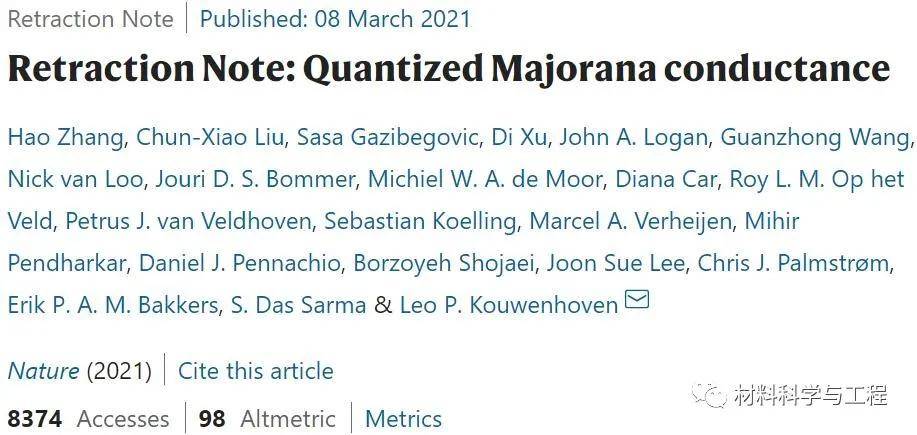
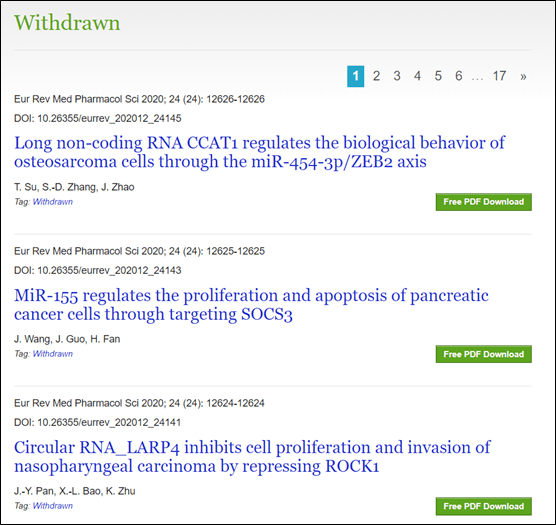
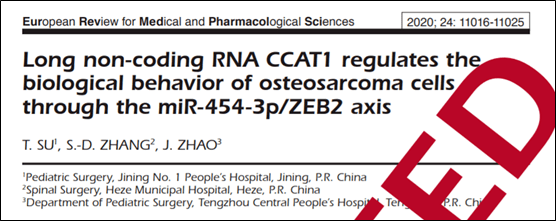
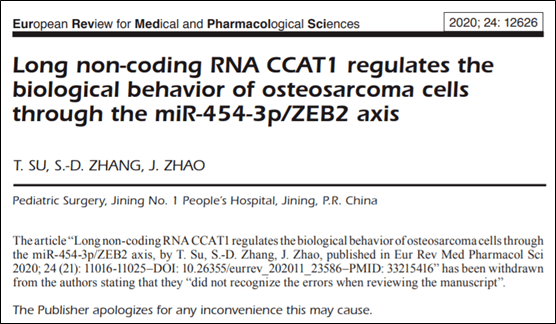
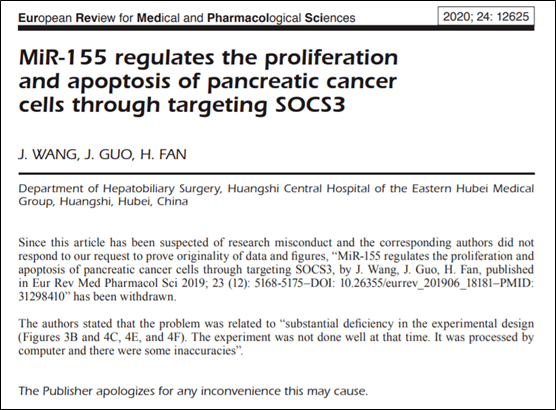
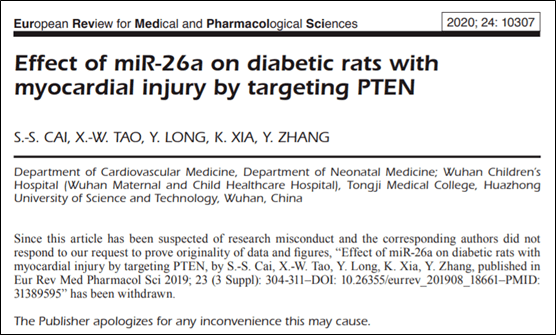

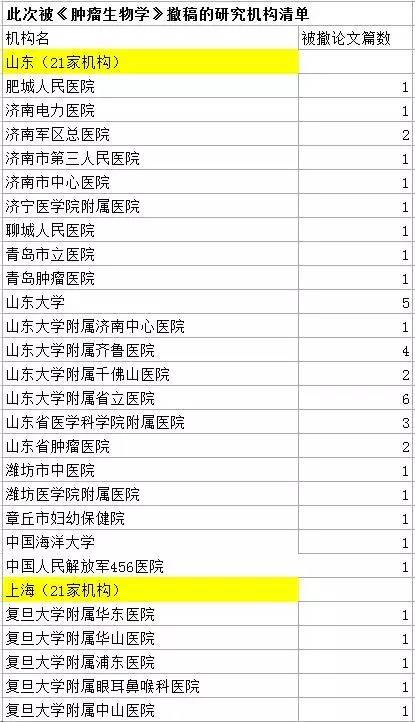
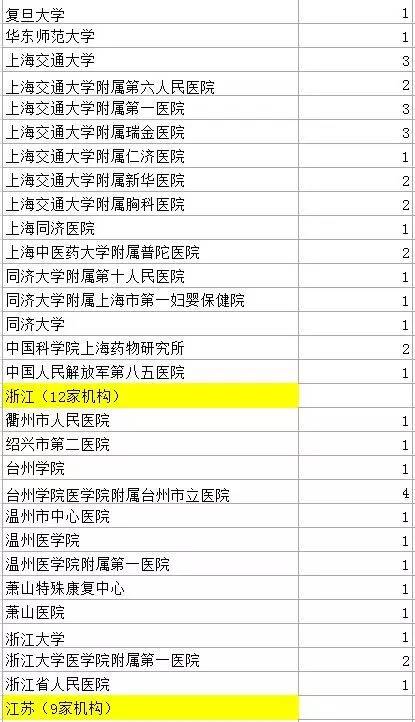
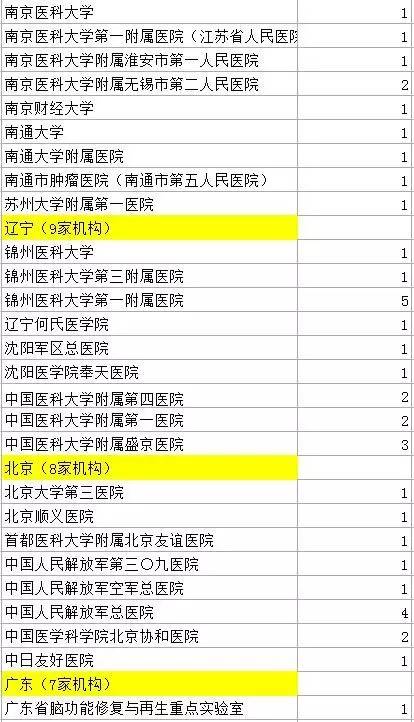
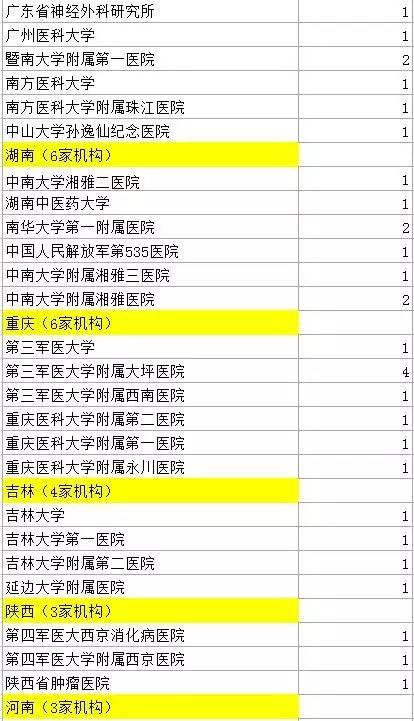
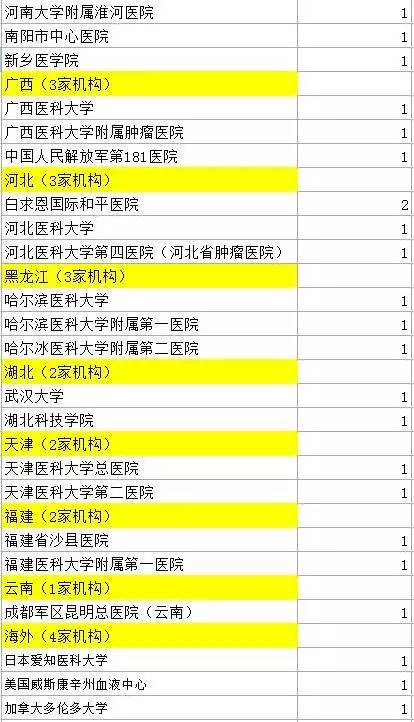
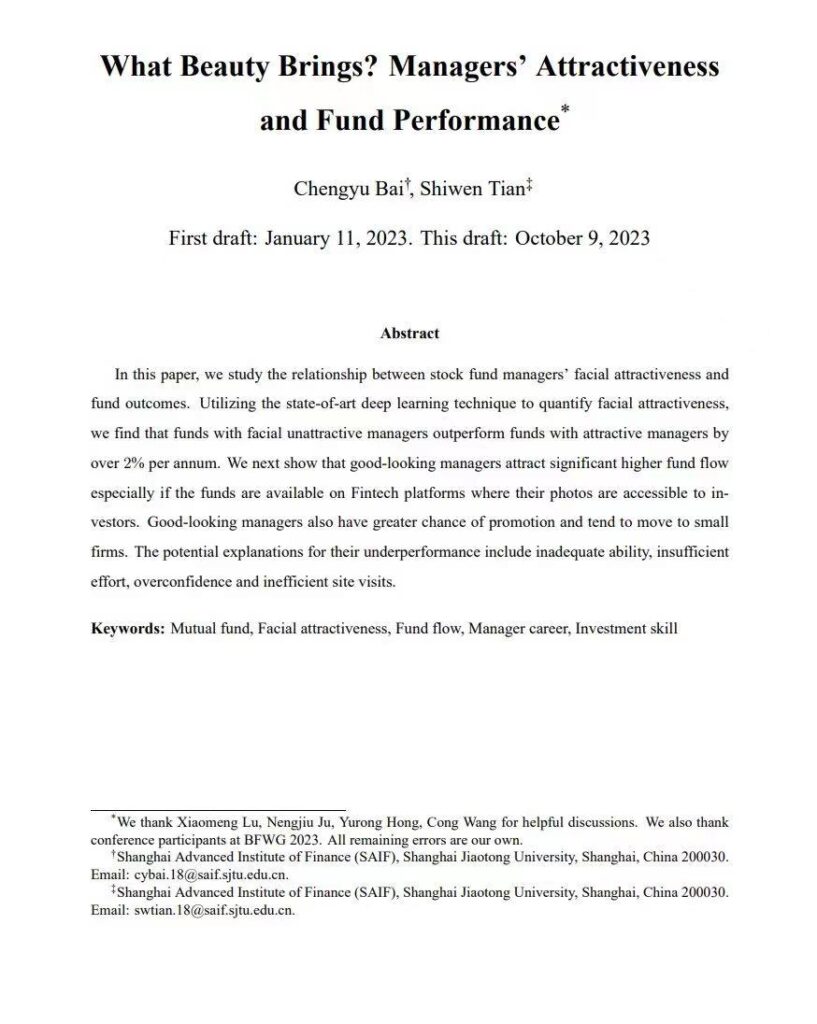
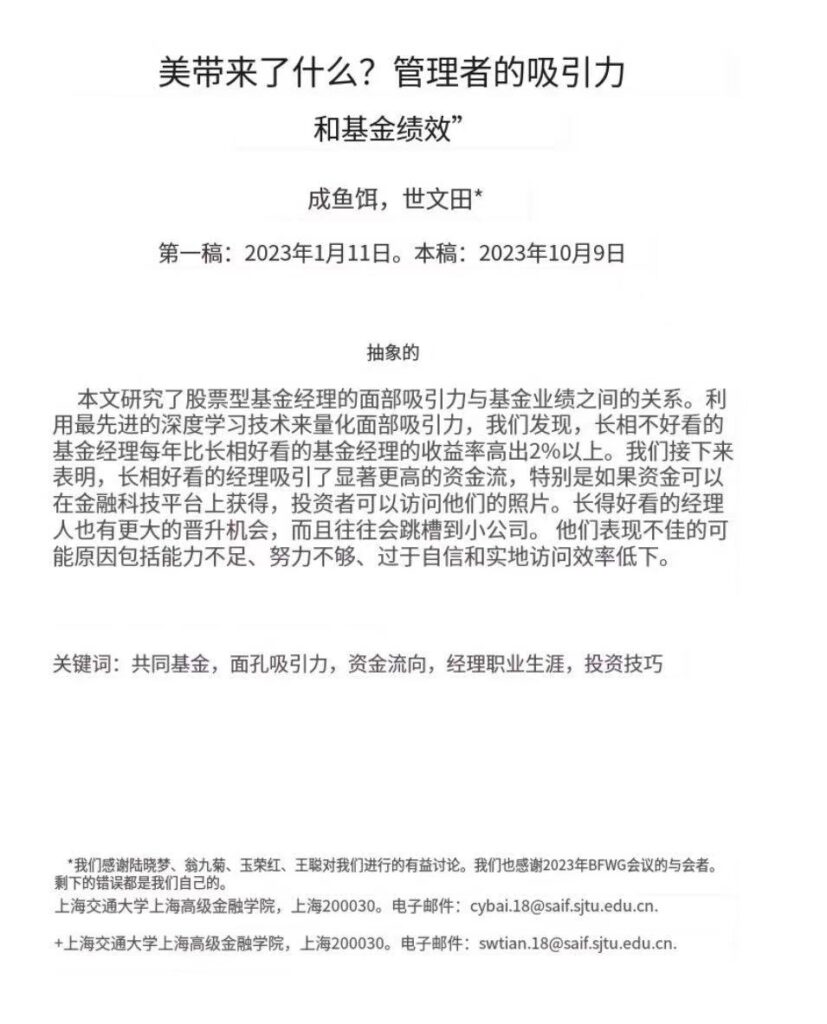
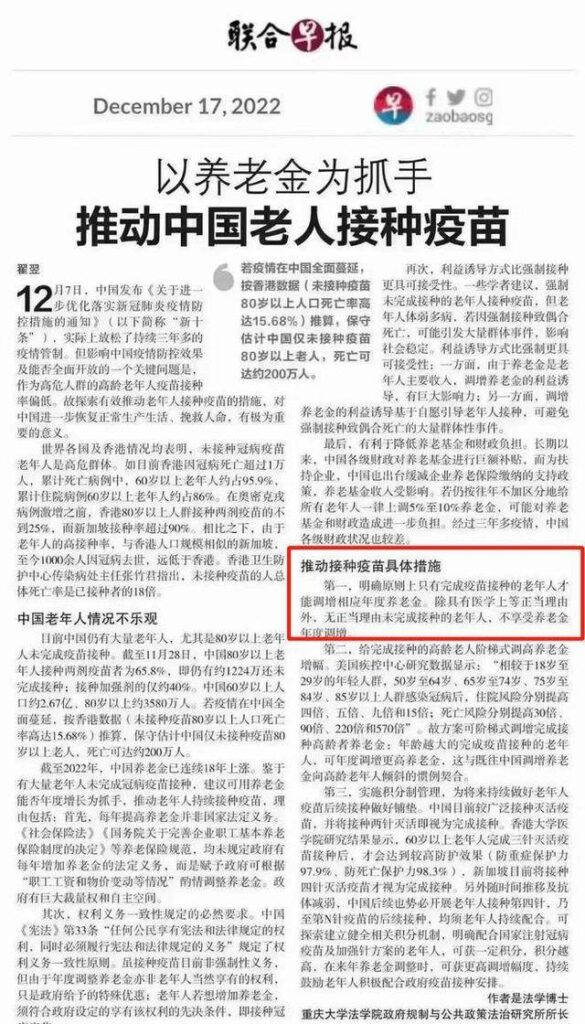
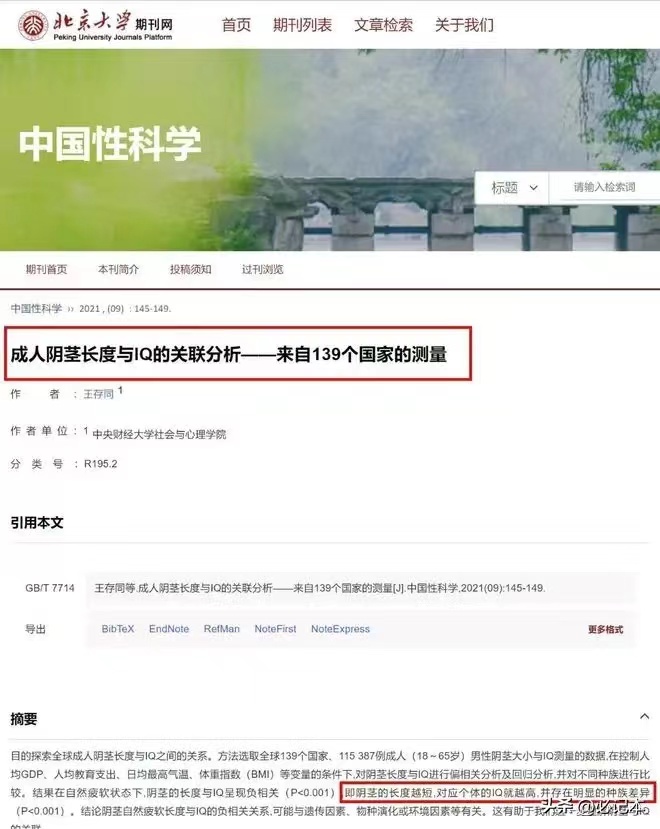
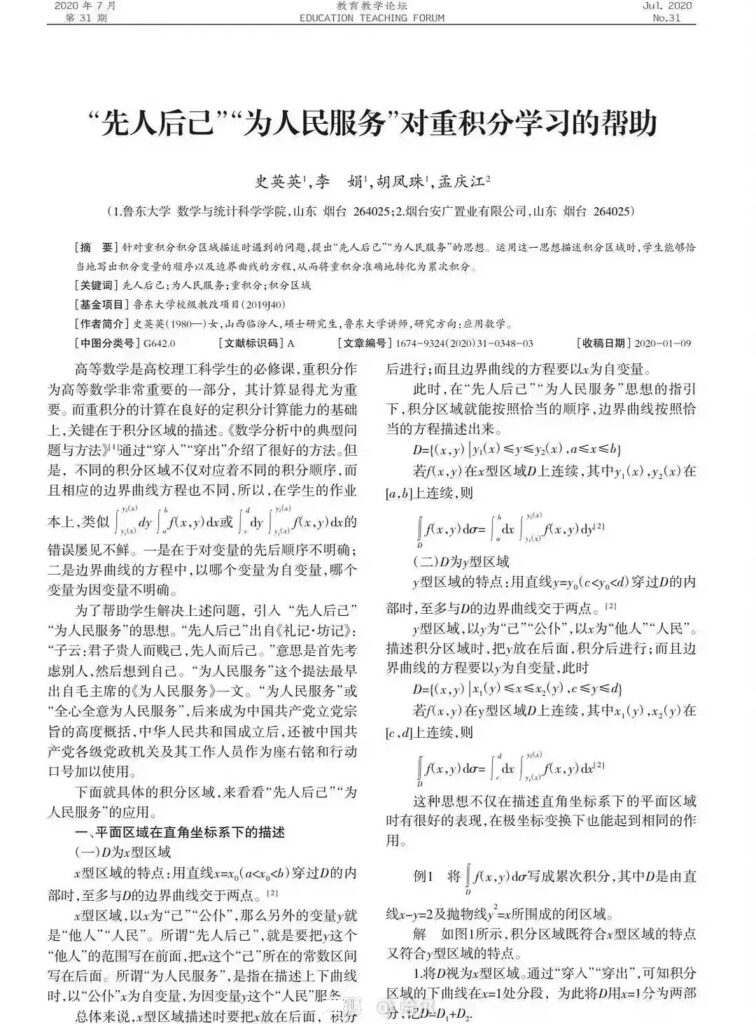

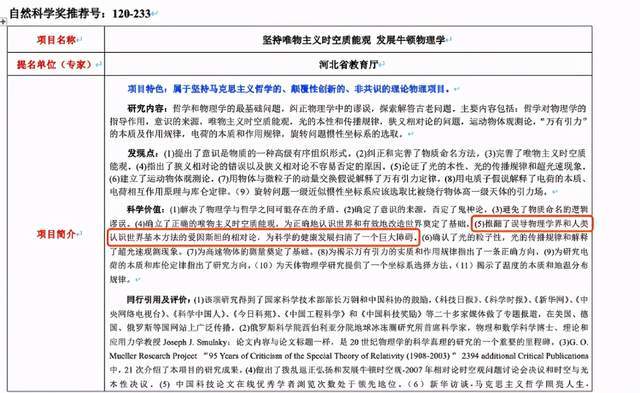

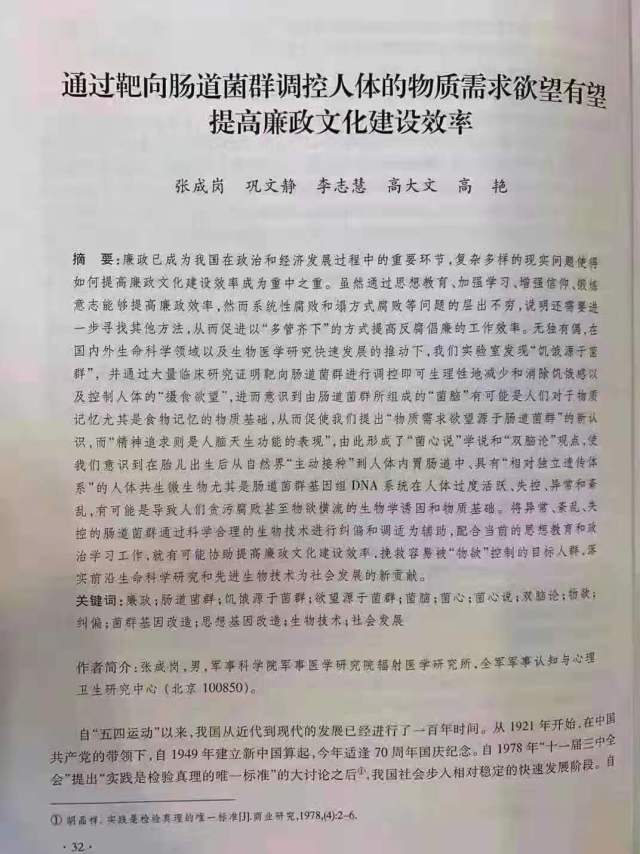
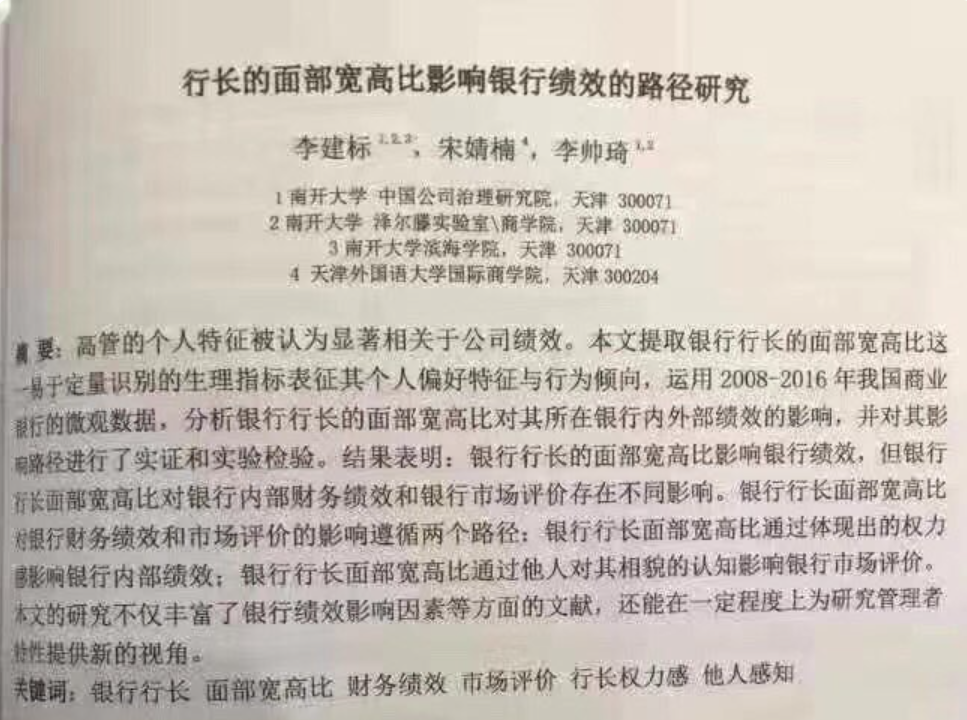

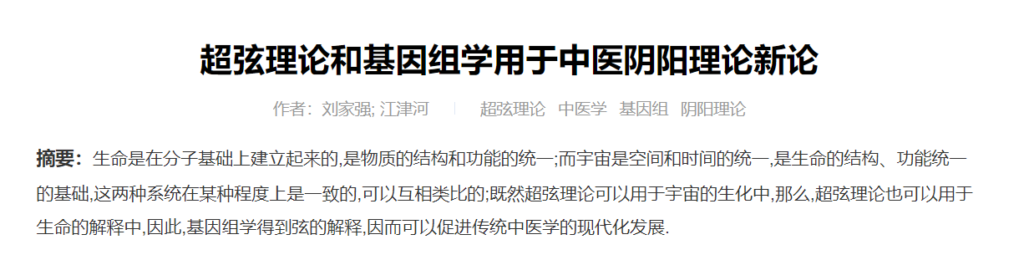
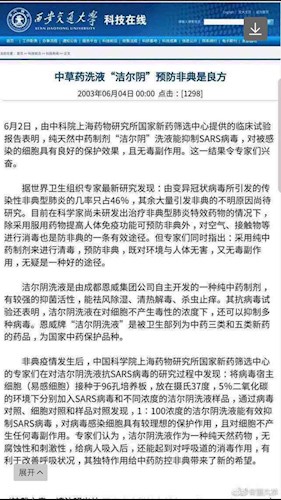
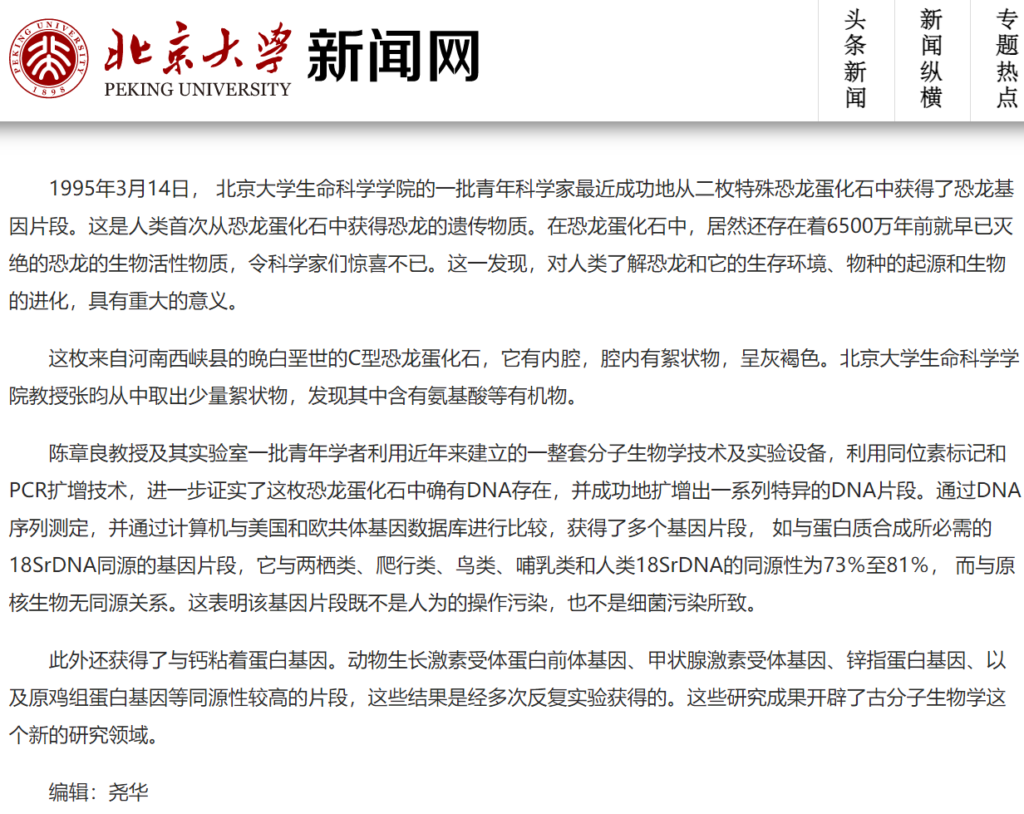
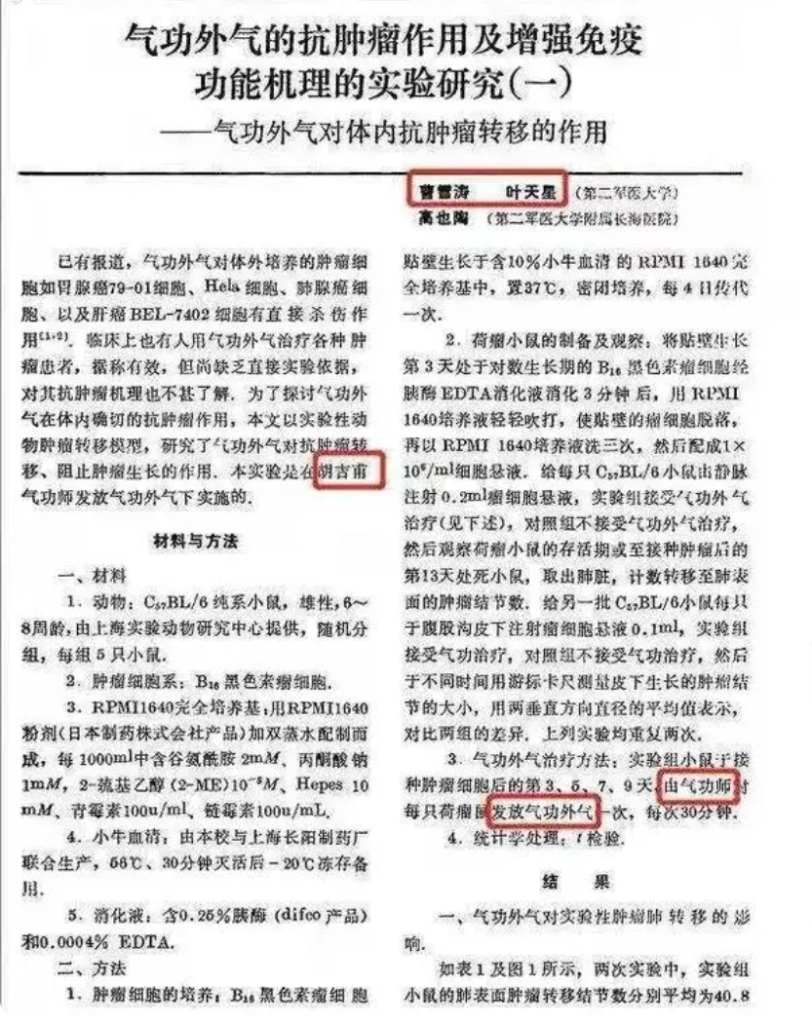


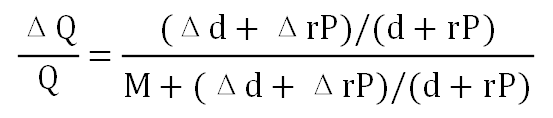

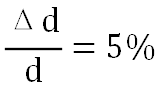
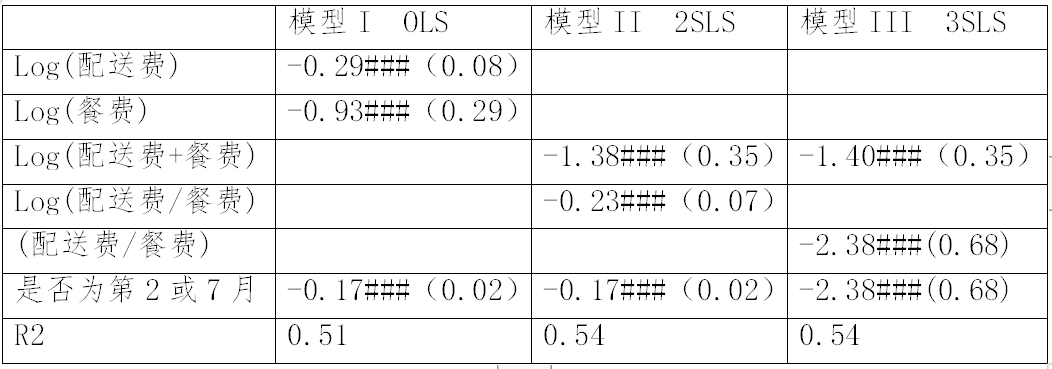
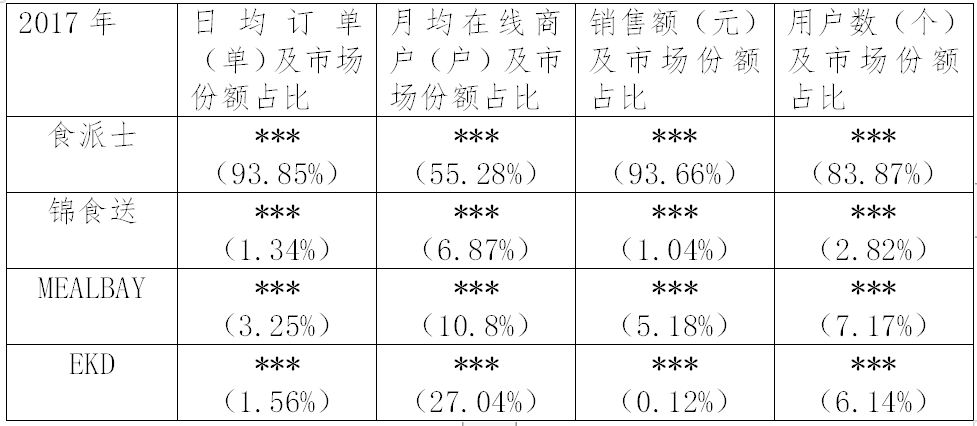
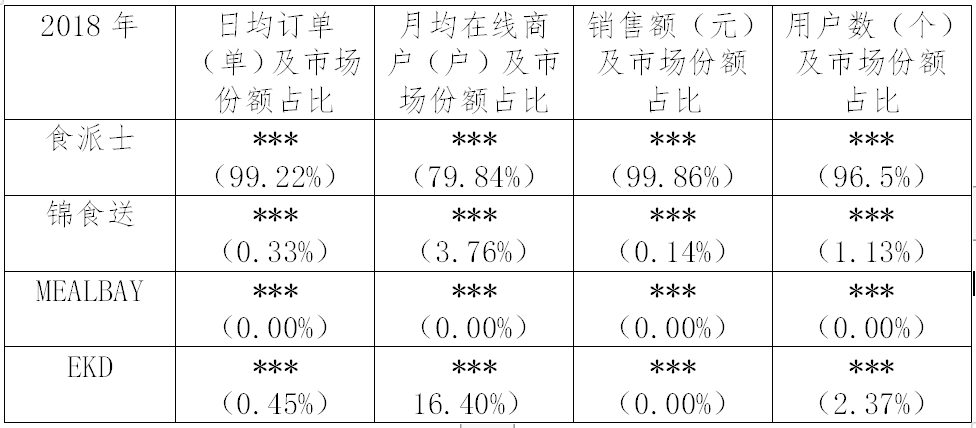




 GEICO&Tony Nicely